20260925 CDTL NRM D87 2 October1974 87. Biên bản cuộc Hội đàm.
https://history.state.gov/historicaldocuments/frus1969-76v18/d87
Google Translated
Tài liệu số 87
Quan hệ Đối ngoại của Hoa Kỳ, 1969–1976, Tập
XVIII, Trung Quốc, 1973–1976
87. Biên bản cuộc Hội đàm.
Thành phố New York, ngày 2 tháng 10 năm 1974,
20:15–23:35
THÀNH PHẦN THAM DỰ
Kiều Quán Hoa (Ch’iao Kuan-hua), Thứ trưởng Bộ Ngoại
giao CHND Tầu cộng.
Hoàng Hoa (Huang Hua), Đại diện thường trực của CHND
Tầu cộng tại Liên Hợp Quốc
Ký Tông Trí (Chi Tsung-chih), Phó Vụ trưởng Vụ Tây Âu,
Bộ Ngoại giao CHND Tầu cộng
Chương Hàm Chi (Chang Han-chih), Phó Vụ trưởng Vụ Châu
Á, Bộ Ngoại giao CHND Tầu cộng (Phiên dịch)
Quách Gia Đỉnh (Kuo Chia-ting), Bí thư thứ hai tại
Phái đoàn CHND Tầu cộng bên cạnh Liên Hợp Quốc (Người ghi chép)
Henry A. Kissinger, Ngoại trưởng
Philip Habib, Trợ lý Ngoại trưởng phụ trách các vấn đề
Đông Á và Thái Bình Dương
George Bush, Trưởng Văn phòng Liên lạc Hoa Kỳ tại Bắc
Kinh (được chỉ định)
Winston Lord, Giám đốc Hoạch định Chính sách, Bộ Ngoại
giao
Arthur W. Hummel, Jr., Phó Trợ lý Ngoại trưởng phụ
trách các vấn đề Đông Á và Thái Bình Dương
Richard H. Solomon, Chuyên viên cấp cao, Hội đồng An
ninh Quốc gia
CHỦ ĐỀ
Bữa tối do Ngoại trưởng chủ trì dành cho Thứ trưởng
Ngoại giao Cộng hòa Nhân dân Tầu cộng
(Buổi tối bắt đầu lúc 8 giờ 15 phút khi phái đoàn Tầu
cộng được mời vào phòng khách của Ngoại trưởng để trò chuyện thân mật
và dùng đồ uống trước bữa tối.)
Thứ trưởng Ngoại giao Kiều:
Chúng tôi đến muộn.
Đại sứ Hoàng:
Xe đi qua đường 57 và giao thông rất đông đúc.
(Lúc này, các nhiếp ảnh gia bước vào phòng để chụp ảnh.)
Bộ trưởng Kissinger: Tiếng
Trung của tôi đang tiến bộ đấy. Chúng ta không được cười đâu; chúng ta đang giận
nhau mà. (Cười)
Tôi phải nói rằng hôm nay Thứ trưởng đã "bắn đại
bác" thực sự [trong bài phát biểu tại Đại hội đồng], chứ không phải bắn đạn
lép đâu.
Thứ trưởng Ngoại giao Kiều:
Tôi cho rằng những gì tôi nói là điều ông đã lường trước rồi chứ? [Trang 524]
Bộ trưởng Kissinger: Không. Ông đang tạo ra một mức độ ngang bằng
giữa chúng tôi [Mỹ] và Liên Xô.
Thứ trưởng Ngoại giao Kiều:
Không, điều đó không đúng. Nếu ông nghiên cứu kỹ hơn bài phát biểu...
Bộ trưởng Kissinger: Chúng
tôi sẽ phải nghiên cứu kỹ hơn.
Thứ trưởng Ngoại giao Kiều:
Trước đây tình hình [cách mô tả về Mỹ và Liên Xô trong bài phát biểu] cũng như
vậy. Tôi cảm thấy bài phát biểu lần này thể hiện sự thiếu bình đẳng hơn so với
trước đây.
Bộ trưởng Kissinger: Tôi
muốn Thứ trưởng hiểu rằng chúng tôi trân trọng sự đối xử bình đẳng, nhưng không
phải trong mọi trường hợp. (Cười)
Thứ trưởng Ngoại giao Kiều:
Cả hai chúng ta đều nói chuyện mang màu sắc triết lý, nên bài phát biểu của
chúng ta không dễ hiểu.
Bộ trưởng Kissinger: Tôi
không nói là có sự ngang bằng hoàn toàn, nhưng mức độ ngang bằng đã cao hơn trước.
Tuy nhiên, đây là lời khen dành cho ông đấy. Trong tất cả các bài phát biểu tại
Đại hội đồng, tôi chỉ đọc bài của ông thôi.
Thứ trưởng Ngoại giao Kiều:
Tôi cũng có thể nói với ông rằng bài phát biểu của ông đã được nghiên cứu kỹ lưỡng
nhất—mặc dù tôi không có mặt ở đây khi ông trình bày nó.
Bộ trưởng Kissinger: Bài
của tôi không đề cập đến Tầu cộng
Thứ trưởng Ngoại giao Kiều:
Tôi biết. Trước đây cũng vậy. Còn về phần mình, tôi buộc phải đưa ra một số lời
chỉ trích đối với ông. Nếu không làm vậy, tôi sẽ không có cơ sở vững chắc để chỉ
trích người láng giềng của chúng ta [Liên Xô].
Bộ trưởng Kissinger:
Tôi chỉ muốn ông biết rằng chúng tôi sẽ không cảm thấy bị bỏ rơi nếu ông không
đến dự. (Cười)
Thứ trưởng Ngoại giao Kiều:
Hôm kia tôi có gặp Đại sứ Malik. Ông ấy nói sẽ đến nghe bài phát biểu của tôi.
Tôi đáp: "Ông không chạy thoát được đâu." Thế là hôm nay ông ấy ném
phịch một bản sao [bài phát biểu] lên bàn.
Bộ trưởng Kissinger:
Tôi từng lo lắng vì đã không đến dự tiệc chiêu đãi của ông ấy, trong khi lại đến
dự tiệc của ông. Tuy nhiên, Malik đã giải quyết giúp tôi vấn đề đó vì ông ấy
cũng đến dự tiệc của ông.
Thứ trưởng Ngoại giao Kiều:
Vâng. Tôi nhớ tối qua ba người chúng ta đã ngồi theo hình tam giác, hay hình
tròn. Ông có thể vẽ hình tròn đó theo nhiều cách.
Bộ trưởng Kissinger:
Nhưng kết quả vẫn như vậy. Chúng ta giữ nguyên các yếu tố thì kết quả vẫn không
đổi.
Thứ trưởng Ngoại giao Kiều:
Vâng, nhưng thẳng thắn mà nói, kể từ khi chúng ta gặp nhau vào tháng Tư năm
ngoái, đã có nhiều thay đổi.
Bộ trưởng Kissinger:
Trước khi bàn đến những vấn đề đó, tôi muốn nêu một điểm nhỏ. Ông nói rằng
chúng tôi đã lật đổ chính quyền ở Cyprus. Chúng tôi không làm thế. Chúng tôi
không hề chống lại Makarios. Việc lật đổ ông ta chẳng mang lại lợi ích chính trị
nào cho chúng tôi cả. Vấn đề duy nhất là tài năng của ông ta vượt quá tầm vóc
hòn đảo mà ông ta cai quản. Nhưng đó lại là thói xấu [Trang 525] của hầu hết
các chính trị gia Hy Lạp. Về cơ bản, tôi chỉ nói để ông nắm thông tin thôi—đây
không phải là điểm quan trọng. Đó không phải là sự kiện mà chúng tôi mong muốn.
Một khi sự kiện đã xảy ra, mong muốn cơ bản của chúng tôi là ngăn chặn Liên Xô
can dự, không để họ phá hoại tình hình. Tôi rất thích cách ông mô tả chính sách
của họ [trong bài phát biểu tại Đại hội đồng].
Thứ trưởng Ngoại giao Kiều:
Nhân nói về các sự kiện ở Cyprus, tôi có một câu hỏi. Chắc hẳn ông đã biết đôi
chút về tình hình trước khi sự kiện xảy ra. Tại sao ông không có biện pháp ngăn
chặn nó? Theo quan điểm của chúng tôi, đó là một sự kiện ngu ngốc.
Ngoại trưởng Kissinger:
Vâng. Nếu tôi mời ông đến thăm Washington, tôi có thể giải thích cho ông về hệ
thống chính quyền của chúng tôi. (Cười) Có rất nhiều báo cáo tình báo lưu hành,
nhưng nếu không ai trình chúng cho tôi thì tôi coi như chúng không tồn tại. Tôi
có thể chắc chắn rằng cấp dưới sẽ rò rỉ cho báo chí bất kỳ báo cáo nào mà tôi
thực sự xem qua. Những báo cáo họ không rò rỉ lại chính là những báo cáo tôi
chưa từng xem.
Khi cuộc đảo chính nổ ra, tôi đang ở Moscow. Các cộng
sự của tôi không coi trọng những báo cáo tình báo này vì trước đây đã có quá
nhiều tin tức kiểu đó. Cứ ba tháng lại có tin đồn về khả năng xảy ra đảo chính.
Một sĩ quan tình báo thậm chí đã báo cho Makarios biết về những tin đồn này,
nhưng ông ấy không tin. Lúc đó ông ấy đang đi nghỉ cuối tuần. Nếu tôi biết về
báo cáo đó, tôi đã ngăn chặn được nó [cuộc đảo chính] rồi. Khi cuộc đảo chính
đã xảy ra, tôi cho rằng Thổ Nhĩ Kỳ sẽ can thiệp, vì Síp không còn chính phủ còn
Hy Lạp thì đang bất ổn. Báo chí của chúng tôi cực kỳ chống đối Hy Lạp. Họ chỉ
trích chúng tôi [vì thái độ đối với Hy Lạp]. Lý do tôi không chỉ trích Sampson
là vì chúng tôi cho rằng mình có thể loại bỏ ông ta trong vòng 36 giờ bất kỳ
lúc nào. Nhưng chúng tôi biết rằng Liên Xô đã xúi giục Thổ Nhĩ Kỳ tiến hành xâm
lược. Chúng tôi không muốn họ [Liên Xô] có thêm bất kỳ cái cớ nào để can dự vào
tình hình. Tuy nhiên, "Thế giới thứ hai" ở châu Âu và báo chí Mỹ cứ
liên tục kích động phía Thổ Nhĩ Kỳ.
Đó quả là một tình huống đáng tiếc, nhưng mọi chuyện rồi
sẽ ổn thỏa thôi. Liên Xô không thể làm gì cho cả hai bên. Chúng tôi sẽ tiến tới
một thỏa thuận trong vài tuần tới khi người Hy Lạp đã bình tĩnh lại.
Thực ra, vấn đề của chúng tôi là làm sao trấn an cộng
đồng người Hy Lạp tại Mỹ. Chúng tôi đã có cơ sở cho một thỏa thuận với cả Hy Lạp
và Thổ Nhĩ Kỳ, nhưng nếu Quốc hội cắt viện cứu thì họ sẽ phá hỏng cơ sở để đạt
được thỏa thuận đó. Vì vậy, nếu ông có ảnh hưởng gì đối với Quốc hội, xin hãy tận
dụng nó. (Cười) May mắn thay, số lượng người Tầu cộng ở đây đông
hơn người Hy Lạp. Họ có kỷ luật tốt hơn.
Thứ trưởng Ngoại giao Kiều:
Quả thực tình hình ban đầu rất tồi tệ, ngay sau khi sự việc mới xảy ra. Còn về
diễn biến sau đó, chúng tôi không thể chỉ trích ông được.
Bộ trưởng Kissinger: Tôi
đồng ý, giai đoạn đầu quả là tồi tệ. Nhưng về sau thì mọi chuyện đã tốt đẹp
hơn. Điều tồi tệ nhất mà người Tầu cộng có thể nói về một người
là người đó ngu ngốc. (Cười) [Trang 526]
Thứ trưởng Ngoại giao Kiều:
Vì ông có liên hệ với cả hai bên, ông nghĩ sao về vấn đề rút quân Thổ Nhĩ Kỳ?
Liệu họ có đưa ra động thái thiện chí nào không?
Bộ trưởng Kissinger:
Vì tôi biết ông không tiết lộ thông tin cho báo chí (Kiều: Ông có thể tin tưởng
vào điều đó.) nên tôi sẽ nói cho ông biết. Việc này thực sự phụ thuộc vào Quốc
hội của chúng tôi. Trong chuyến công du Trung Đông, tôi sẽ ghé qua Ankara. Khi
tôi ở Ankara, phía Thổ Nhĩ Kỳ sẽ có một cử chỉ thiện chí—chẳng hạn như rút từ
5.000 đến 7.000 quân, hoặc rút khỏi một số vùng lãnh thổ. Sau đó, chúng tôi sẽ
đề nghị Clerides và Denktash đồng ý với các nguyên tắc cho một cuộc đối thoại
chính trị, các cuộc đàm phán chính trị. Về cơ bản, các nguyên tắc này đã được
thống nhất rồi. Chính phủ Hy Lạp sau đó sẽ bày tỏ sự tán thành việc bắt đầu các
cuộc đàm phán chính trị. Tiếp đó, sẽ không có diễn biến gì cho đến sau ngày 10
tháng 11, ngày diễn ra cuộc bầu cử tại Hy Lạp. Họ không muốn có bất kỳ sự kiện
nào xảy ra trước thời điểm đó. Sau cuộc bầu cử, chúng tôi sẽ đặt vấn đề này vào
một khuôn khổ rộng lớn hơn, khuôn khổ sẽ giải quyết các vấn đề như quyền lãnh
thổ ở Biển Aegean, v.v. Mọi thứ đã được thống nhất, nhưng Quốc hội của chúng
tôi có thể làm hỏng các kế hoạch này. Giá mà mấy gã điên rồ đó chịu để yên cho
tình hình diễn tiến! Tôi tin chắc rằng tám mươi phần trăm những kẻ điên rồ trên
thế giới đều tập trung ở khu vực Đông Địa Trung Hải. Vì vậy, tôi không thể chắc
chắn [về kết cục của tình hình].
(Tại thời điểm này của cuộc trò chuyện, lúc 8 giờ 40 tối,
cuộc trò chuyện tại phòng khách kết thúc và cả nhóm tiếp tục thảo luận tại bàn
ăn tối.)
Bộ trưởng Kissinger: Tối
nay chúng ta có một số người bạn mới ở đây. Đại sứ Habib là Trợ lý Ngoại trưởng
mới của chúng tôi phụ trách khu vực Đông Á. Tất nhiên là quý vị đã biết ông
George Bush. (Ông Kiều: Người bạn cũ của chúng tôi.) Có lẽ ông ấy chưa quen
với sự thẳng thắn mà chúng ta thường dùng để thảo luận các vấn đề. (Cười) Tôi
luôn chia sẻ những nét chính trong chính sách của chúng tôi với những người bạn
Trung Quốc. Cho đến nay, chưa có điều gì gây thất vọng cả. Thật hiếm khi gặp được
những quan chức thực sự hiểu những gì chúng tôi đang làm.
Nhân tiện, tôi có nói đùa với Ngoại trưởng Mông Cổ rằng
tôi sẽ đến thăm đất nước của ông ấy. Ông ấy lại tưởng thật và ngỏ lời mời tôi.
Liệu tôi có nên đến thăm nước họ không nhỉ? (Cười) Nói nghiêm túc thì Mỹ không
có lợi ích gì ở Ngoại Mông cả, ngoại trừ việc tạo ra cảm giác bất an tại các thủ
đô khác. Tôi không nhất thiết phải theo đuổi việc này. Tôi muốn nghe ý kiến
thẳng thắn của quý vị.
Thứ trưởng Ngoại giao Kiều:
Xét về vấn đề này, lập trường của chúng tôi vẫn không thay đổi kể từ Hội nghị
Yalta. Tôi vẫn luôn nói điều này với Tiến sĩ. Có thể tôi sai, nhưng ông đã từng
thảo luận chuyện này với Thủ tướng Chu Ân Lai rồi mà.
Bộ trưởng Kissinger: Đúng
vậy, nhưng tôi không biết quý vị nhìn nhận thế nào về những nỗ lực của Mỹ nhằm
thiết lập quan hệ với Ngoại Mông. Tôi hiểu quan điểm lịch sử của quý vị và ý
nghĩa của vấn đề đó.
Thôi thì, tôi có thể hoãn quyết định này lại dịp khác.
Lý do duy nhất để đi là nhằm thể hiện sự hiện diện tích cực tại khu vực này.
Nhưng nếu quý vị phản đối—việc tôi đến thăm—thì tôi sẽ không đi. Còn về quan hệ
ngoại giao, chúng tôi sẽ thực hiện. (Nói với Đại sứ Habib:) Tình hình việc này
thế nào rồi?
Đại sứ Habib:
Chúng tôi vẫn chưa nhận được phản hồi nào.
Ông Solomon:
Tôi tin rằng nước láng giềng phía bắc của họ phản đối việc Mông Cổ thiết lập
quan hệ với chúng ta.
Thứ trưởng Ngoại giao Kiều:
Tình hình ở đó có hai khía cạnh. Chúng tôi vẫn duy trì quan hệ ngoại giao [với
Cộng hòa Nhân dân Mông Cổ], nên không có vấn đề gì về mặt pháp lý. Tuy nhiên,
đó thực chất chỉ là một chính quyền bù nhìn. Nó đang ở trong tình trạng bị chiếm
đóng. Vì vậy, trong hoàn cảnh đó, ông sẽ phải tự quyết định [có đến thăm hay
không].
Bộ trưởng Kissinger: Không,
tôi có thể khẳng định ngay bây giờ là việc đó sẽ không diễn ra.
Ông đã nói về những thay đổi liên quan đến Síp. Còn vấn
đề nào khác không—giữa hai nước chúng ta?
Thứ trưởng Ngoại giao Kiều:
Không chỉ là hai nước chúng ta. Chủ yếu là tôi muốn nói đến tình hình thế giới
bên ngoài phạm vi hai nước chúng ta. Còn về những thay đổi tại đất nước ông,
tôi tin rằng chúng tôi đã trình bày rõ quan điểm của mình. Đó là công việc nội
bộ của các ông và sẽ không ảnh hưởng đến quan hệ giữa hai nước.
Bộ trưởng Kissinger:
Chính xác. Chúng tôi sẽ tiếp tục thực hiện các chính sách mà hai bên đã thỏa
thuận. Trong buổi tối nay, tôi muốn thảo luận một số vấn đề cụ thể với ông Thứ
trưởng. Đối với các thỏa thuận cụ thể, chúng tôi sẽ hoàn toàn tuân thủ.
Ông nhận thấy thế giới có những thay đổi gì kể từ
tháng Tư?
Thứ trưởng Ngoại giao Kiều:
(Dừng lại suy nghĩ để đưa ra câu trả lời.) Xét về bề nổi, sự kiện ở Cyprus là
thay đổi mạnh mẽ nhất. Tuy nhiên, theo phân tích của chúng tôi thì có hai khu vực
đang trong tình trạng biến động: vùng Balkan và tiểu lục địa Nam Á.
Bộ trưởng Kissinger: Vấn
đề Cyprus tuy gây nhiều ồn ào nhưng không tạo ra khác biệt chiến lược nào—trừ
khi các diễn biến trong nước ngăn cản chúng ta thực hiện chính sách đối ngoại của
mình. Tình hình có lẽ sẽ kết thúc với việc phía Thổ Nhĩ Kỳ ở thế mạnh hơn một
chút.
Ở vùng Balkan, ý ông là áp lực lên Nam Tư phải không?
(Kiều: Đúng vậy.) Ông biết là tôi sẽ thăm Nam Tư vào tháng Mười Một. Chúng tôi
đã thông báo cho ông về chuyến thăm Liên Xô của tôi. Từ đó, tôi sẽ đi Ấn Độ,
Pakistan, Romania và Nam Tư. Vậy ông đánh giá mức độ nghiêm trọng của các áp lực
lên Nam Tư như thế nào?
Thứ trưởng Ngoại giao Kiều:
Ông biết đấy, người bạn đó của chúng ta là kẻ cơ hội. Nếu không tạo ra một số
áp lực đối trọng, họ sẽ lợi dụng tình hình. Tình hình không hề yên ả như vẻ bề
ngoài đâu.
Bộ trưởng Kissinger: Tôi
đồng ý. Đặc biệt là sau khi Tito qua đời. Tuy nhiên, Liên Xô sẽ không cân nhắc
một hành động chống lại Nam Tư ở quy mô như những gì họ đã làm với Hungary hay
Tiệp Khắc. Chúng tôi sẽ không coi một diễn biến như vậy là cùng loại với các sự
kiện Hungary hay Tiệp Khắc. Chúng tôi sẽ nhìn nhận một diễn biến như thế với sự
nghiêm túc cao độ. Thực tế là tôi dự định sẽ thảo luận về tình hình này khi đến
thăm [Bắc Kinh]. [Trang 528]
Thứ trưởng Ngoại giao Kiều:
Tôi không rõ ông nhìn nhận tình hình Nam Á như thế nào. Tất nhiên, chúng ta đã
thảo luận về vấn đề này nhiều lần rồi.
Bộ trưởng Kissinger: Tôi
tách biệt các cân nhắc chiến lược khỏi các vấn đề sách lược. Phân tích chiến lược
của chúng tôi cũng giống như của các ông. Đối với một dân tộc "yêu chuộng
hòa bình", người Ấn Độ lại tạo ra cảm giác bất an lớn. Nếu họ không phải
là những người theo chủ nghĩa hòa bình thì tôi thực sự đã phải lo lắng về họ rồi.
(Cười) Họ đang cố gắng tạo ra tình trạng mất cân bằng lớn về sức mạnh so với
các nước láng giềng.
Họ đã nhiều lần thúc giục tôi sang thăm. Tôi đã hoãn
chuyến đi tới ba lần rồi. Mục đích chung [của chuyến thăm] là tạo ra mức độ độc
lập cao hơn cho chính sách đối ngoại của Ấn Độ so với Liên Xô—và làm nản lòng
phía Liên Xô trong việc đầu tư vào Ấn Độ.
Trên thực tế, chuyến thăm sẽ mang lại kết quả gì?
Chúng tôi sẽ thành lập một ủy ban khoa học và kinh tế, nhưng sẽ không có cam kết
tài chính nào từ phía Mỹ—ngoài những khoản đã có trong ngân sách. Tuy nhiên, Quốc
hội sẽ không phê chuẩn khoản đó, và chúng tôi cũng sẽ không đấu tranh cho nó.
(Tiếng cười)
Đại sứ Hoàng:
Ông có hứa cung cấp một lượng lúa mì nhất định cho Ấn Độ không?
Bộ trưởng Kissinger:
Chúng tôi chưa đưa ra lời hứa nào cả. Lượng lúa mì mà chúng tôi đang cân nhắc
thấp hơn nhiều so với những con số quý vị đọc trên báo chí. (Ông Lord: Nửa
triệu tấn.) Tuy nhiên, chúng tôi vẫn chưa cam kết điều này. Họ đã đề nghị cung
cấp ba triệu tấn. Con số đó ít hơn lượng chúng tôi dành cho Ai Cập. Chúng tôi
đang cung cấp cho Ai Cập 600.000 tấn, và cho Syria từ 200.000 đến 250.000 tấn.
Tôi chỉ muốn quý vị hiểu rõ các mức độ ưu tiên của chúng tôi xét trên quy mô
dân số của các nước liên quan. Tại Pakistan, chúng tôi hy vọng sẽ có những cuộc
thảo luận mang tính xây dựng nhất có thể. Tôi hy vọng sẽ tiếp tục theo đuổi đường
lối mà chúng ta đã thảo luận tại Bắc Kinh. Đừng tin vào những phát biểu của các
thành viên trong nội các chúng tôi mà quý vị đọc được. Có một vị đã đưa ra hai
tuyên bố, và tuyên bố thứ hai còn tệ hơn cả tuyên bố đầu. Lần đầu, ông ấy gọi
Quốc vương Iran là "kẻ dở hơi". Sau đó, ông ấy nói rằng lời mình bị
trích dẫn sai ngữ cảnh, và rằng chỉ trong một số trường hợp nhất định ông ấy mới
coi Quốc vương là "kẻ dở hơi" mà thôi. (Tiếng cười)
Về vấn đề dầu mỏ, chúng tôi có mối quan hệ tốt đẹp [với
Quốc vương Iran]. Các cuộc đàm phán của chúng tôi sẽ mang lại kết quả tích cực.
Ông đánh giá thế nào về tình hình Nam Á?
Thứ trưởng Ngoại giao Kiều:
Chúng ta đã thảo luận vấn đề này nhiều lần rồi. Quan điểm của chúng tôi tương đồng
với quý vị, mặc dù có lẽ chúng tôi nhìn nhận tình hình ở mức độ nghiêm trọng
hơn [so với quý vị].
Bộ trưởng Kissinger:
Liệu sẽ có một kết cục quân sự chăng?
Thứ trưởng Ngoại giao Kiều:
Chúng tôi cảm thấy rằng người bạn của chúng ta [Liên Xô] hành động khôn ngoan
và tinh quái hơn các ông. Các hoạt động của họ được che đậy kỹ càng hơn. Họ biết
tận dụng tốt hơn những mâu thuẫn nội bộ tại các quốc gia khác nhau. Có lẽ các
ông không chú ý đủ kỹ đến những điều đó.
Bộ trưởng Kissinger:
Có lẽ vì biết rõ giới lãnh đạo của họ nên tôi không đánh giá cao họ lắm. Theo
nhận định của tôi, họ thường thắng thế nhờ sự tàn bạo chứ không phải sự khôn
ngoan. Nhưng đây là một điểm thú vị. Họ tận dụng các mâu thuẫn nội bộ như thế
nào?
Thứ trưởng Ngoại giao Kiều:
Một mặt, họ lợi dụng mâu thuẫn giữa các quốc gia trong khu vực, đặc biệt là
Pakistan, Afghanistan và Iran. Ông có thấy vấn đề Baluchistan – vốn được
Afghanistan thúc đẩy – đã đi xa hơn trước đây không?
Bộ trưởng Kissinger:
Không phải vấn đề Pushtunistan sao? Tôi tưởng là...
Thứ trưởng Ngoại giao Kiều:
Công khai thì phía Afghanistan nói về Pushtunistan, nhưng họ cũng lợi dụng cả vấn
đề Baluchistan nữa.
Bộ trưởng Kissinger:
Tôi sẽ xem xét tình hình này. Tôi sẽ trao đổi với Quốc vương Iran khi gặp ông ấy.
Ông ấy có một vùng đất của người Baluch nằm ngay biên giới.
Thứ trưởng Ngoại giao Kiều:
Nhìn chung tôi đồng ý với ông [về phía Liên Xô]. Họ đang làm một số điều ngu ngốc.
Rốt cuộc thì họ sẽ phải dùng đến sự tàn bạo, nhưng trước khi đi đến bước đó, họ
thường tận dụng các tình huống có lợi.
Bộ trưởng Kissinger:
Có đúng là cả ba nhà đàm phán biên giới của Liên Xô đều bị suy sụp tinh thần
không?
Thứ trưởng Ngoại giao Kiều:
Chuyện đó có lẽ chỉ là tin đồn thôi. Ông không thấy là đồng chí Ilichev của
chúng ta, sau khi trở về Moscow, đã đi đến Cyprus sao?
Bộ trưởng Kissinger:
Ông ta cũng đã đến Hy Lạp nữa.
Tôi từng có ý định chấp nhận đề xuất của Liên Xô về một
hội nghị bàn về Cyprus chỉ vì nó mang tính toàn diện. Chúng tôi sẽ không làm vậy
đâu, nhưng ông đã mô tả tình hình của họ rất chính xác.
Chương Hàm Chi:
Vâng, cụm từ [trong bài phát biểu của ông Kiều tại Liên Hợp Quốc] là họ hành động
như "những con kiến trên chảo nóng" vậy.
Bộ trưởng Kissinger:
Khi Gromyko đến [Washington], ông ta đã nêu ý tưởng về một sự bảo đảm chung cho
Cyprus. Tôi đã đề nghị hãy thử áp dụng cách này với Ba Lan trước.
Thứ trưởng Ngoại giao Kiều:
Ý kiến rất hay.
Bộ trưởng Kissinger:
Vì sự ổn định tinh thần của chính mình, tôi hy vọng ông sẽ không quá bận tâm
theo dõi Hội nghị An ninh Châu Âu. Ở đó có vấn đề thay đổi biên giới bằng biện
pháp hòa bình—đây chính là vấn đề của nước Đức. Chúng tôi ủng hộ quan điểm của
phía Đức. Khi Gromyko ở Washington, ông ấy nói với chúng tôi rằng phía Đức đã bảo
ông ấy là họ sẽ ủng hộ bất kỳ lập trường nào mà hai bên chúng ta thống nhất.
Tôi nói tôi sẽ suy nghĩ về việc đó vài ngày. Sau đó tôi kiểm tra lại với phía Đức.
Họ bảo rằng họ chưa bao giờ nói điều đó với phía Liên Xô. [Trang 530]
Sau đó, Gromyko gọi cho tôi từ New York. Ông ấy nói
mình có một công thức thỏa hiệp và bảo rằng đã tham khảo ý kiến phía Đức về
việc này. Tôi lại kiểm tra với phía Đức thì họ nói Gromyko đã thảo luận một đề
xuất khác với họ.
Thật ngớ ngẩn. Những chiêu trò nhỏ nhặt này chẳng mang
lại thay đổi nào cả. Một điều khoản trong hiệp ước sẽ không làm thay đổi được cục
diện.
Thứ trưởng Ngoại giao Kiều:
Chẳng phải ông đã đồng ý rằng giai đoạn cuối cùng của Hội nghị An ninh Châu Âu
sẽ là một hội nghị thượng đỉnh sao?
Bộ trưởng Kissinger:
Chúng tôi chưa đồng ý việc đó. Chúng tôi không muốn rơi vào cảnh các đồng minh
châu Âu đồng ý rồi chỉ còn lại mình chúng tôi là không chịu. Vì vậy, chúng tôi
theo quan điểm của châu Âu. Chúng tôi không mặn mà gì với một hội nghị thượng đỉnh
như thế. Ý tưởng 39 nguyên thủ quốc gia cùng ngồi trong một căn phòng là điều
vượt quá sức chịu đựng của tôi. Ai cũng sẽ phải phát biểu cả.
Theo tôi thì hội nghị đó sẽ diễn ra. (Kiều: Trong năm
nay ư?) Không, vào tháng Ba hoặc tháng Tư năm sau. Đó chỉ là phỏng đoán thôi—chắc
chắn là không thể sớm hơn thời điểm đó.
Hiện họ đang tranh luận về "Nhóm vấn đề thứ
ba" (Basket Three). Chỉ riêng việc nêu ra các vấn đề thôi cũng đã mất sáu
tuần rồi, chứ chưa nói đến chuyện bước vào đàm phán.
Chúng tôi không vội. Chúng tôi chỉ không muốn Hội nghị
An ninh Châu Âu gây ra bất kỳ tổn hại nào. Chúng tôi giữ thái độ thụ động.
Chúng tôi không kỳ vọng hội nghị này sẽ làm được gì nhiều.
Thứ trưởng Ngoại giao Kiều:
Còn Nam Á thì sao?
Bộ trưởng Kissinger: Như
tôi đã nói năm ngoái [tại Bắc Kinh], chúng tôi ủng hộ sự toàn vẹn lãnh thổ của
Pakistan. Chúng tôi đang thu xếp để 300 xe tăng của Pakistan được tân trang lại
tại Iran. Chúng tôi sẽ đóng góp một phần chi phí, còn Quốc vương Iran sẽ chi trả
phần còn lại. Trong chuyến thăm sắp tới, chúng tôi sẽ cố gắng sắp xếp việc huấn
luyện quân nhân Pakistan sử dụng vũ khí của Iran để hai bên có thể dùng chung
các loại vũ khí này. (Nói với Đại sứ Bush:) Tối nay ông đang học hỏi được nhiều
điều về chính trị quốc tế hơn hẳn thời gian ông làm việc tại Liên Hợp Quốc.
(Nói với ông Kiều:) Thượng nghị sĩ Fulbright cho rằng phía các ông chưa chú trọng
đúng mức đến Liên Hợp Quốc. Các nhân viên của tôi, khi đọc một đoạn trong bài
phát biểu của tôi tại Liên Hợp Quốc về vấn đề tra tấn, đã nói rằng tôi nên áp dụng
tiêu chuẩn đó vào cách tôi đối xử với chính họ. (Ông Lord: Cho đến nay vẫn chưa
có gì thay đổi cả. [Cười]) Với bộ máy quan liêu của chúng tôi, việc nội dung đó
không xuất hiện trong văn bản cuối cùng quả là một phép màu.
Chúng tôi hoàn toàn hiểu quan điểm của các ông về
Pakistan. Về mặt chiến lược thì chúng tôi đồng tình, nhưng trên thực tế lại có
một số khó khăn mà tôi đã trình bày với các ông. Chúng tôi đang cân nhắc các biện
pháp để giải quyết những khó khăn đó sau tháng Mười Một. Thật là một tình huống
vô lý: Ấn Độ, một quốc gia lớn, có thể nhập khẩu vũ khí với số lượng khổng lồ.
Nhưng nếu các ông cung cấp vũ khí cho Pakistan thì lại bị coi là đang "đe
dọa hòa bình".
Thứ trưởng Ngoại giao Kiều:
Chúng ta đã thảo luận nhiều lần về khu vực Tiểu lục địa này. Tôi không muốn tỏ
ra quá chú trọng đến tình hình ở đó, nhưng vấn đề này lại quan trọng đối với
các ông. Tôi đã thảo luận chuyện này với Thượng nghị sĩ Jackson. Ông ấy muốn
bàn về Diego Garcia. Tôi đã nói với ông ấy rằng [Trang 531] xét đến tình hình
hiện nay ở Nam Á, chúng tôi hiểu lập trường của các ông về Diego Garcia. Tuy
nhiên, giả sử một ngày nào đó Liên Xô thực hiện được tham vọng giành quyền tiếp
cận trực tiếp ra Ấn Độ Dương, thì khi ấy Diego Garcia sẽ chẳng còn tác dụng gì
nữa.
Bộ trưởng Kissinger: Có
một điểm cần lưu ý. Chúng tôi coi Nam Á là khu vực gần gũi với Trung Quốc hơn
là với Hoa Kỳ.
Thứ trưởng Ngoại giao Kiều:
Đúng vậy, nhưng vấn đề còn có một khía cạnh khác. Chúng tôi không có bất cứ sự
hiện diện nào ở Ấn Độ Dương, cũng không có hạm đội nào ở đó. Các ông biết đấy,
trong một thời gian dài, Pakistan từng ở thế đối đầu với chúng tôi. Nhưng chúng
tôi đã vượt qua được giai đoạn đó. Có thể một ngày nào đó Liên Xô sẽ kiểm soát
toàn bộ Nam Á…
Bộ trưởng Kissinger:
Chúng tôi sẽ phản đối điều đó. Tôi không nói rằng chúng tôi sẽ chấp nhận một
tình huống như vậy.
Thứ trưởng Ngoại giao Kiều:
Ngay cả khi điều này xảy ra, chúng tôi cũng không cho rằng đó là trọng tâm
trong chiến lược của Liên Xô. Không có sự thay đổi nào về vấn đề này; họ chưa
chuyển [trọng tâm nỗ lực của mình] sang Nam Á. Họ chỉ có thể có một điểm mấu chốt
mà thôi. Nếu có quá nhiều khu vực được gọi là "khu vực trọng yếu" thì
sẽ chẳng còn khu vực nào thực sự là trọng yếu nữa.
Bộ trưởng Kissinger:
Ông thấy đấy, kiến thức của tôi chỉ dừng lại ở triết học Kant. Vậy là ông hơn
tôi rồi! (Cười).
Tình thế chiến lược của bất kỳ bên nào cũng sẽ chịu ảnh
hưởng bởi tình hình liên quan đến Liên Xô. Nếu tình hình tại một khu vực nào đó
trở nên có lợi cho Liên Xô, nó có thể tác động đến tình thế chiến lược của bất
kỳ ai, ngay cả khi trọng tâm chiến lược có thể đang nằm ở châu Âu.
Thứ trưởng Ngoại giao Kiều:
Các tình huống cụ thể có thể đã thay đổi, nhưng cục diện thế giới thì vẫn vậy.
Bộ trưởng Kissinger:
Nhưng ý tôi là nếu bất kỳ quốc gia nào rơi vào vòng kiểm soát của ách thống trị
Liên Xô, điều đó sẽ ảnh hưởng đến cục diện chung.
Tôi đồng ý rằng châu Âu là mối quan tâm chiến lược lớn
của Liên Xô, nhưng ở châu Âu không có vấn đề gì là không thể chờ đợi thêm vài
năm nữa.
Thứ trưởng Ngoại giao Kiều:
Còn phương Đông thì sao? Chẳng phải cũng tương tự như vậy sao?
Bộ trưởng Kissinger:
Theo đánh giá của tôi, đối với Liên Xô, vấn đề thời gian ở phương Đông mang
tính cấp bách hơn.
Thứ trưởng Ngoại giao Kiều:
Tôi thực sự không đồng ý với điều đó.
Bộ trưởng Kissinger: Tôi
rất sẵn lòng—tôi chỉ đang đưa ra nhận định của mình thôi. Tôi không khăng khăng
bắt mọi người phải theo ý mình. Đó là niềm tin thực sự của tôi. Nhưng dù thế
nào thì vấn đề vẫn như nhau. Nếu Liên Xô đạt được thành công chiến lược ở phía
Đông, điều đó sẽ ảnh hưởng đến phía Tây. Nếu họ đạt được thành công chiến lược ở
phía Tây, nó sẽ ảnh hưởng đến phía Đông. Vì vậy, tình thế là như nhau [đối với
cả hai bên].
Thứ trưởng Ngoại giao Kiều:
Đúng vậy. Bất cứ điều gì xảy ra ở các khu vực khác nhau trên thế giới đều sẽ ảnh
hưởng đến những khu vực khác. Tuy nhiên, trọng tâm vấn đề vẫn rất quan trọng. [Trang
532]
Bộ trưởng Kissinger: Chà,
chúng ta sẽ thấy kết quả trong hai hoặc ba năm nữa.
Thứ trưởng Ngoại giao Kiều:
Có lẽ chúng ta sẽ chưa thể nhận định rõ ràng chỉ trong vòng hai hay ba năm đâu.
Bộ trưởng Kissinger: Cái
ly này dùng để uống rượu Mao Đài phải không? (Phía Trung Quốc: Nó to quá!)
Chúng tôi muốn "hành hạ" ông Thứ trưởng. Vì chúng tôi không trải qua
Cách mạng Văn hóa nên bộ máy quan liêu của chúng tôi phải ra quyết định thông
qua các ủy ban. Winston Lord đã thành lập một "ủy ban rượu Mao Đài" rồi.
(Cười)
Thưa ông Thứ trưởng, khi ông đến Washington, chúng tôi
có một nhân viên phục vụ tuyệt vời tại Nhà Blair. Ông ấy có khả năng chọn thời
điểm cực kỳ chuẩn xác. Ông ấy thường làm loảng xoảng tiếng bát đĩa ngay đúng
lúc mọi người đang nâng ly chúc mừng, nhất là khi một quan chức Mỹ đang phát biểu
chúc tụng. (Cười)
Đại sứ Hoàng:
Tôi cũng từng có trải nghiệm tương tự ở Ghana.
Bộ trưởng Kissinger: Ông
từng là Đại sứ tại Ghana sao? (Hoàng Hoa: Vâng.)
Thưa ông Bộ trưởng, xin nâng ly chúc sức khỏe của ông
và tình hữu nghị giữa hai bên chúng ta.
Thứ trưởng Ngoại giao Kiều:
Ông đã đạt được những thành quả xuất sắc ở Trung Đông, nhưng đó mới chỉ là sự
khởi đầu.
Bộ trưởng Kissinger:
Tôi đồng ý. Tình hình hiện đang trở nên phức tạp hơn. Tuần tới tôi sẽ đến đó.
Bước tiếp theo cần thực hiện là với Ai Cập, sau đó là với Palestine, và tiếp đến
là với Syria.
Thứ trưởng Ngoại giao Kiều:
Chúng tôi nghe nói rằng nếu ông không thể cung cấp vũ khí hiện đại cho Ai Cập,
thì ông sẽ tạo ra một kẽ hở cho Liên Xô.
Bộ trưởng Kissinger: Tôi
sẽ thảo luận vấn đề này trong một nhóm nhỏ hơn khi tôi ở Bắc Kinh.
Thưa ông Bộ trưởng, những bữa tiệc tối thường niên này
thật hữu ích và là những dịp gặp gỡ cá nhân đầy thú vị.
Thứ trưởng Ngoại giao Kiều:
Thực ra các cuộc gặp này không hẳn là diễn ra hàng năm. Đây là cuộc gặp thứ hai
của chúng ta trong năm nay. Tôi nghĩ ông cũng biết rằng chúng tôi rất hoan
nghênh chuyến thăm của ông.
Bộ trưởng Kissinger:
Ông đã đề cập đến những thay đổi trên trường quốc tế. Tất nhiên, chúng tôi cũng
đã trải qua những thay đổi trong nước. Không phải ngẫu nhiên mà chỉ ba giờ sau
khi tuyên thệ nhậm chức, Tổng thống Ford đã tiếp Trưởng Văn phòng Liên lạc của
các ông. Ông ấy đã tái khẳng định sự tiếp nối trong chính sách của chúng tôi. Tối
nay, tôi muốn tái khẳng định sự tiếp nối đó. Vài năm trước, chúng ta đã đề ra
những mục tiêu nhất định. Bất chấp những thay đổi của tình hình quốc tế, chúng
ta vẫn sẽ kiên định với các mục tiêu này, bao gồm việc bình thường hóa hoàn
toàn quan hệ.
Chúng tôi vẫn giữ liên lạc với các ông về các sự kiện
quốc tế quan trọng và dự định sẽ tiếp tục làm như vậy. Tôi mong chờ được tiếp tục
những cuộc thảo luận như thế này. [Trang 533]
Tôi xin đề nghị một lời chúc rượu: Vì tình hữu nghị giữa
nhân dân Trung Quốc và nhân dân Mỹ. Vì sức khỏe của Chủ tịch Mao. Vì sức khỏe của
Thủ tướng. (Tất cả cùng đứng dậy và nâng ly.)
Thứ trưởng Ngoại giao Kiều:
Vừa rồi ông có nói về tình hình thế giới. Như chúng tôi đã nêu trong Thông cáo
Thượng Hải, chúng tôi phản đối bá quyền. Lần trước khi Tiến sĩ ở Bắc Kinh,
chúng tôi đã làm rõ điểm này: phản đối bá quyền. Đây là nguyên tắc cơ bản của
chúng tôi.
Mặc dù Hoa Kỳ đã trải qua nhiều thay đổi trong nước,
nhưng ông đã nói với chúng tôi rằng những thay đổi đó sẽ không ảnh hưởng đến
quan hệ giữa hai bên. Chúng tôi tin vào điều đó.
Chúng ta đã bàn về việc bình thường hóa quan hệ trong
lần Tiến sĩ đến Bắc Kinh trước đây. Ông đã thảo luận vấn đề này với Chủ tịch
Mao. Chủ tịch nói rằng công thức Nhật Bản là cách duy nhất để chúng ta có thể
xem xét việc bình thường hóa. Ông đã hỏi Thủ tướng trong bữa tối xem ý của Chủ
tịch Mao là gì.
Bộ trưởng Kissinger:
Tôi nhận thấy rằng những gì Chủ tịch nói luôn hàm chứa nhiều ý nghĩa sâu xa hơn
vẻ bề ngoài.
Thứ trưởng Ngoại giao Kiều:
Tôi nhớ ông từng nói với Thủ tướng rằng những lời Chủ tịch nói có "nhiều tầng
nghĩa".
Tôi xin nâng ly chúc cho tình hữu nghị giữa nhân dân Tầu
cộng và Hoa Kỳ, cũng như sự tiếp nối của tình hữu nghị này. Xin nâng ly
vì Tổng thống Ford. Chúng tôi muốn nói rằng ông ấy đã là một người bạn của
chúng tôi. Khi đến thăm Tầu cộng, ông ấy đã để lại ấn tượng sâu sắc
trong lòng chúng tôi. Vậy chúng ta hãy cùng nâng ly chúc sức khỏe Tổng thống
Ford—tôi không thích gọi ông là “Ngoại trưởng” khi nâng ly đâu. Tôi thích gọi
ông bằng danh xưng “Tiến sĩ” hơn.
Bộ trưởng Kissinger: Đó
là một danh xưng mang tính lâu dài hơn. (Mọi người cùng đứng dậy và nâng ly.)
Bộ trưởng Kissinger: (nói
tiếng Đức với ông Kiều:) Ông quên nâng ly chúc mừng Đại sứ Bush rồi.
Thứ trưởng Ngoại giao Kiều:
Tiến sĩ vừa nhắc tôi nâng ly chúc mừng Đại sứ Bush. Tôi đã quên mất...
Bộ trưởng Kissinger: Tôi
chỉ muốn ông nhớ đến ông ấy. Ông ấy là một trong những nhân sự xuất sắc nhất của
chúng tôi. Một người bạn tốt—và cũng là một ứng cử viên Tổng thống.
Thứ trưởng Ngoại giao Kiều:
Đại sứ Scali đã mời tôi dự tiệc chia tay Đại sứ Bush vào ngày 11. Tiếc là tôi sẽ
rời đi vào ngày 8. Vì vậy, tôi xin nhân cơ hội này—nhờ sự gợi ý của Tiến sĩ—để
chào mừng Đại sứ Bush và nâng ly chúc cho sứ mệnh của ông thành công. Tôi tin
chắc rằng ông sẽ hoàn thành tốt sứ mệnh của mình. Tôi hy vọng ông sẽ thích Bắc
Kinh. (Mọi người cùng đứng dậy nâng ly chúc mừng Đại sứ Bush.)
Bộ trưởng Kissinger: Ông
ấy có thể chọn bất kỳ vị trí nào mình muốn. Nhưng ông ấy đã chọn Bắc Kinh.
Thứ trưởng Ngoại giao Kiều:
(hỏi Đại sứ Bush): Thân mẫu của ông dạo này thế nào?
Đại sứ Bush:
Bà vẫn khỏe. Bà muốn đến Bắc Kinh vào dịp Giáng sinh để thăm "cậu con trai
bé bỏng" của mình. [Trang 534]
(Đến lúc này, 10 giờ 30 tối, cuộc trò chuyện trong bữa
tối kết thúc và cả nhóm chuyển sang phòng khách của Ngoại trưởng.)
Bộ trưởng Kissinger: Chúng
ta hãy thảo luận vài phút về ý cuối cùng mà ông vừa nêu. Tôi muốn tìm hiểu sâu
hơn về vấn đề này. (Lúc này, nhân viên phục vụ bước vào mang theo cà phê và rượu
mùi.) Tôi sẽ đợi cho đến khi họ phục vụ xong.
Liệu sẽ có những cuộc tranh luận gay gắt tại Đại hội đồng
không? Về vấn đề Triều Tiên, liệu hai vị đại sứ của chúng ta có thể đạt được thỏa
thuận nào đó giống như năm ngoái không? Đại sứ của các ông [Hoàng Hoa] thực sự
là một bậc thầy trong việc này. Phía Liên Xô từng hỏi tôi làm thế nào mà vấn đề
Triều Tiên được giải quyết êm đẹp vào năm ngoái. Họ vẫn không hiểu các ông đã
làm điều đó như thế nào.
Tôi nghĩ là các ông vẫn chưa đưa ra phản hồi cho đề xuất
gần đây nhất của chúng tôi [về vấn đề Triều T
Thứ trưởng Ngoại giao Kiều:
Tôi xin nói thẳng với ông. Ông muốn chúng tôi chuyển đề nghị mới nhất của phía
Mỹ tới phía Triều Tiên [miền Bắc]. Chúng tôi đã làm điều đó. Tuy nhiên, chúng
tôi không nhận được thêm phản hồi nào. Cuối cùng, vấn đề này đã được đưa vào
chương trình nghị sự của Liên Hợp Quốc. Vậy bây giờ chúng ta sẽ tiến hành thảo
luận, trong đó mỗi bên trình bày quan điểm riêng của mình.
Bộ trưởng Kissinger:
Tôi hiểu. Chẳng phải chúng ta đã thảo luận về vấn đề này vào năm ngoái rồi sao?
(Hoàng Hoa: Tại Ủy ban Thứ nhất.) Vấn đề đặt ra là liệu có cách nào để giải thể
Bộ chỉ huy Liên Hợp Quốc mà không làm mất hiệu lực của Hiệp định Đình chiến hay
không. Về cơ bản, đó là điều chúng tôi mong muốn đạt được.
Thứ trưởng Ngoại giao Kiều:
Ông có hình dung cụ thể nào về phương thức thực hiện không?
Đại sứ Habib:
Đề nghị của chúng tôi là duy trì Hiệp định Đình chiến theo hình thức hiện tại,
với Hàn Quốc và Hoa Kỳ…
Bộ trưởng Kissinger:
Đúng vậy, cùng với Cộng hòa Nhân dân Tầu cộng – bên vốn đã là một
bên ký kết – và Triều Tiên ở phía bên kia.
Thứ trưởng Ngoại giao Kiều:
Ông hiểu rằng chúng tôi duy trì quan hệ tốt đẹp với Cộng hòa Dân chủ Nhân
dân Triều Tiên. Đối với vấn đề này, chúng tôi cần tôn trọng quan điểm của họ.
Tất nhiên, nếu ông có những quan điểm chi tiết và toàn diện hơn về vấn đề này,
chúng tôi sẽ chuyển đạt lại cho họ.
Bộ trưởng Kissinger:
Vấn đề của chúng tôi là không thể chấp nhận việc giải thể Bộ chỉ huy Liên Hợp
Quốc nếu không có cơ sở pháp lý cho cả hai bên để duy trì Hiệp định Đình chiến.
Xin thông tin thêm để ông biết, chúng tôi đã nhận được một số tín hiệu tiếp cận
từ phía Triều Tiên – thông qua phía Romania, Ai Cập, và thậm chí cả David
Rockefeller, người có lẽ là nhân vật quyền lực nhất tham gia vào việc này
(cười) – nhưng chúng tôi không thể phản hồi các sáng kiến của họ chừng nào vấn
đề Bộ chỉ huy Liên Hợp Quốc chưa được giải quyết. Về nguyên tắc, chúng tôi
không phản đối [việc tiếp xúc với họ]. Ông có thể chuyển đạt điều này tới họ.
Thứ trưởng Ngoại giao Kiều:
Liên quan đến tất cả các chi tiết về vấn đề Triều Tiên, chúng tôi không cho rằng
chúng có ý nghĩa quá quan trọng. Như ông đã biết qua các cuộc thảo luận với Chủ
tịch Mao, đây không phải là vấn đề trọng yếu nếu xét trong bối cảnh tình hình
thế giới tổng thể.
Bộ trưởng Kissinger:
Như tôi đã nói với Chủ tịch và Thủ tướng, chúng tôi không cam kết duy trì sự hiện
diện vĩnh viễn tại Triều Tiên. Đây không phải là nguyên tắc trong chính sách đối
ngoại của chúng tôi. Tuy nhiên, chúng tôi cũng không muốn tốc độ rút quân tạo
ra một khoảng trống quyền lực mà một thế lực khác có thể lợi dụng để thâm nhập
vào.
Thứ trưởng Ngoại giao Kiều:
Có vẻ như Nhật Bản không hài lòng với cách hành xử của [Tổng thống Hàn Quốc]
Park. Bộ trưởng Kissinger: Tôi sẽ không quá chú trọng đến điều đó.
Đại sứ Habib:
Mối quan hệ giữa họ không có thay đổi lớn nào.
Thứ trưởng Ngoại giao Kiều:
Đúng vậy. Chính sách của Nhật Bản đối với Triều Tiên được hoạch định dựa trên
nhiều yếu tố cân nhắc.
Bộ trưởng Kissinger:
Nhưng bất kỳ thay đổi đột ngột nào ở Triều Tiên cũng có thể kích động chủ nghĩa
dân tộc Nhật Bản. Ông cần phải để mắt đến người học trò cũ của tôi, Nakasone.
Thứ trưởng Ngoại giao Kiều:
Sao ông lại có nhiều học trò tệ đến vậy?
Bộ trưởng Kissinger:
Ví dụ như Ecevit chẳng hạn.
Thứ trưởng Ngoại giao Kiều:
Lịch sử sẽ đặt [trách nhiệm về] tất cả những chuyện này lên vai ông đấy! (Cười)
Bộ trưởng Kissinger:
Liệu Scali có nên liên lạc với Đại sứ Hoàng Hoa không? Liệu sẽ có những cuộc đối
đầu chứ?
Thứ trưởng Ngoại giao Kiều:
Sẽ có đối đầu, nhưng cũng có thể nói là sẽ không có đối đầu.
Bộ trưởng Kissinger:
Nhưng chúng ta đã biết kết quả bỏ phiếu rồi. Chúng ta không quan tâm đến các
bài phát biểu. Có lẽ Đại sứ Hoàng có thể tạo ra các tình huống đánh lạc hướng.
Đại sứ Hoàng:
Những khác biệt về vấn đề này là quá lớn. Việc [giải quyết chúng] nằm ngoài khả
năng của tôi.
Bộ trưởng Kissinger:
Có lẽ ông có thể cân nhắc thêm [về vấn đề này]. Chúng tôi khá coi trọng vấn đề
này.
Thứ trưởng Ngoại giao Kiều:
Tôi không nghĩ rằng sẽ nảy sinh rắc rối gì nếu nghị quyết [có lợi cho Triều
Tiên] được thông qua. [Trang 536]
Bộ trưởng Kissinger:
Nhưng nếu điều đó xảy ra, nó sẽ gây ra những rắc rối ở Triều Tiên, Nhật Bản hoặc
những nơi khác.
Thứ trưởng Ngoại giao Kiều:
Tôi đã gặp Ngoại trưởng Kimura [tại New York]. Chúng tôi có đề cập đến vấn đề
này, mặc dù không đi vào chi tiết. Chúng tôi sẽ chờ một thời gian xem tình hình
diễn biến thế nào.
Tôi muốn nhắc lại điều này—tôi không hề dùng ngôn ngữ
ngoại giao đâu: Chúng tôi duy trì quan hệ tốt đẹp với Cộng hòa Dân chủ Nhân
dân Triều Tiên. Đây chủ yếu là lập trường của họ. Vấn đề này không chỉ phụ
thuộc vào mong muốn của Tầu cộng.
Bộ trưởng Kissinger:
Chúng tôi cũng có những người bạn Triều Tiên của mình. Nhưng nếu chúng ta có một
sự hiểu biết chung thì chúng ta có thể tác động đến tình hình.
Chúng tôi có thông tin cho rằng các ông có thể đang
quan tâm đến việc tiếp xúc với Hàn Quốc.
Thứ trưởng Ngoại giao Kiều:
Thông tin đó có thể không chính xác.
Bộ trưởng Kissinger:
Hãy quay lại chủ đề trong bài phát biểu chúc rượu của ông.
Trong chuyến thăm Bắc Kinh sắp tới, tôi muốn thảo luận
cụ thể hơn về vấn đề này và vạch ra một lộ trình thời gian. Chúng tôi cho rằng
cuối năm 1975 hoặc đầu năm 1976 sẽ là thời điểm tương đối thích hợp để hoàn tất
quá trình này. Tuy nhiên, chúng tôi sẵn sàng thảo luận trước về bản chất cụ thể
của nó.
Chúng tôi hiểu lập trường cơ bản của các ông. Lập trường
cơ bản của các ông là việc bình thường hóa quan hệ nên được thực hiện theo mô
hình Nhật Bản. Nhưng như các ông đã chỉ ra một cách chính xác, vấn đề này có
nhiều khía cạnh. Cụ thể là, điều kiện của chúng tôi không giống như của Nhật Bản.
Lịch sử quan hệ của chúng tôi [với Trung Hoa Dân Quốc tại Đài Loan] khác biệt,
tình hình nội bộ phức tạp hơn, và các yêu cầu pháp lý cũng rất phức tạp. Chúng
tôi muốn tiến hành sao cho dư luận trong nước không có cảm giác tiêu cực về
quan hệ của chúng tôi với Tầu cộng.
Nhìn chung, xét đến mối quan ngại của chúng tôi về vấn
đề bá quyền, điều quan trọng là chúng tôi không bị coi là đang quay lưng lại với
bạn bè của mình. Tôi đang trình bày những suy nghĩ của chúng tôi chứ không phải
một đề xuất cụ thể.
Theo cách hiểu của tôi về công thức Nhật Bản, điều này
đồng nghĩa với việc hai bên sẽ đặt đại sứ quán tại thủ đô của nhau. Sẽ không
còn đại sứ quán tại Đài Bắc nữa. Khi đó, Đại sứ Unger sẽ mất việc. (Cười) Có một
điểm mà Chủ tịch Mao đề cập đã khiến tôi thấy tò mò. Chúng tôi hiểu
rằng sẽ không có đại sứ tại Đài Bắc, nhưng ông ấy lại nhắc đến việc các nước
vùng Baltic có đại sứ tại Washington và coi đó là chuyện không quan trọng.
Thứ trưởng Ngoại giao Kiều:
Theo tôi hiểu, Chủ tịch Mao nói về điều này chủ yếu trong khuôn
khổ thảo luận về các chủ đề chính trị. Nó không liên quan trực tiếp [đến cuộc
thảo luận về bình thường hóa quan hệ]. [Trang 537]
Bộ trưởng Kissinger:
Không hẳn là vậy, nhưng điều đó làm tôi thắc mắc. Đó là lý do tại sao tôi hỏi
[về nhận xét của ông ấy].
Thứ trưởng Ngoại giao Kiều:
Tôi nhớ rằng Chủ tịch Mao đã thảo luận với ông về việc liệu chúng ta có quan hệ
ngoại giao chính thức hay không cũng không quá quan trọng. Chúng tôi có quan hệ
ngoại giao với Ấn Độ, nhưng quan hệ giữa hai bên lại lạnh nhạt. Với các ông, dù
không có quan hệ ngoại giao, nhưng các cuộc tiếp xúc lại rất nồng ấm. Chúng ta
có thể giải quyết vấn đề này, hoặc cứ để nguyên như hiện tại. Tuy nhiên, xét về
quan hệ giữa hai bên, nếu các ông muốn giải quyết vấn đề này thì chỉ có một mô
hình duy nhất, đó là mô hình Nhật Bản.
Bộ trưởng Kissinger:
Cho phép tôi đặt hai câu hỏi. Thứ nhất, ông nói rằng chất lượng quan hệ giữa chúng
ta không phụ thuộc vào việc liệu chúng ta đã giải quyết vấn đề này hay chưa. Dù
là văn phòng liên lạc hay đại sứ quán, quan hệ của chúng ta vẫn phụ thuộc vào
các vấn đề khác.
Thứ trưởng Ngoại giao Kiều:
Tôi nhớ rằng trong cuộc thảo luận giữa ông và Chủ tịch Mao, vấn đề
này cũng đã được đề cập đến. Cơ sở chính cho mối quan hệ của chúng ta là việc
tìm kiếm điểm chung trong các vấn đề quốc tế. Tất nhiên, trong quan hệ giữa hai
bên, vấn đề này [vấn đề Đài Loan] vẫn tồn tại. Quan hệ ngoại giao có chịu ảnh hưởng
bởi tình trạng này, nhưng nó không mang ý nghĩa quá lớn.
Bộ trưởng Kissinger: Chúng
tôi không có...
Ví dụ, ông bắt đầu các chuyến thăm Bắc Kinh vào năm
1971. Năm 1972, ông đến cùng Tổng thống Nixon. Sau đó, vào năm 1973, chúng ta
đã đạt thêm tiến triển, nhưng vẫn còn tồn tại vấn đề này [vấn đề Đài Loan]. Như
vậy, quan hệ của chúng ta có phát triển đến một mức độ nhất định, nhưng rồi lại
vấp phải vấn đề này. Vì vấn đề này vẫn tồn tại, nên khi cân nhắc về lộ trình thời
gian, câu hỏi về "mô hình Nhật Bản" lại được đặt ra. Tôi tin rằng vào
tháng 4, Phó Thủ tướng Đặng Tiểu Bình đã đề cập đến hai khía cạnh
trong lập trường của chúng tôi: Chúng tôi hy vọng quan hệ có thể được bình thường
hóa, nhưng chúng tôi không vội vã.
Khi Thượng nghị sĩ Fulbright đến thăm Tầu cộng,
ông ấy đã đặt câu hỏi: Liệu quan hệ của chúng ta có thể phát triển thêm nữa
không? Xét về quan hệ song phương, trước khi bình thường hóa, chúng ta sẽ gặp một
số trở ngại. Khi thảo luận vấn đề này với Thượng nghị sĩ Fulbright, tôi đã đưa
ra một ví dụ. Mỗi năm tôi đều đến Hoa Kỳ, nhưng tôi chỉ có thể đến New York chứ
không thể đến Washington. (Ngoại trưởng Kissinger: Tôi sẽ dỡ bỏ lệnh hạn
chế đi lại đối với ông. [Cười]) Ông ấy đã mời tôi đến Washington. Tôi nói rằng
tôi không thể đến vì Tưởng Giới Thạch có đặt Đại sứ quán ở đó. (Ngoại trưởng
Kissinger: Ông biết đấy, Tổng thống Ford sẽ hoan nghênh chuyến thăm của
ông. Ông có thể đi thẳng từ sân bay đến Nhà Trắng rồi quay về nếu muốn.) Cảm ơn
ông, nhưng tôi nghĩ Tổng thống Ford sẽ hiểu cho vấn đề của tôi.
Bộ trưởng Kissinger: Để
tôi nói cho ông biết vấn đề của chúng tôi. Chúng tôi cũng không vội vã gì. Vấn
đề là liệu những khó khăn của chúng ta đã chín muồi để giải quyết hay chưa.
[Trang 538] Chúng tôi nhận thấy có vài vấn đề. Thứ nhất là loại hình văn phòng
mà chúng tôi sẽ duy trì tại Đài Bắc sau khi bình thường hóa. Một khả năng rõ
ràng là đặt văn phòng liên lạc tại đó; phương án này có thêm ưu điểm là lần đầu
tiên sau bốn năm, chúng tôi sẽ thực hiện một việc mà Thượng nghị sĩ Jackson
không thể phản đối.7
Thứ trưởng Ngoại giao Kiều:
Ý tưởng này là của riêng ông ấy. Ông ấy không bàn bạc với tôi hay với Phó Thủ
tướng về việc đó. Sau khi ông ấy rời Tầu cộng, tôi mới đọc được
thông tin này [đề xuất của ông ấy] trên báo chí. Tôi đã khá ngạc nhiên.
Bộ trưởng Kissinger: Một
khả năng khác là đặt lãnh sự quán. Nhưng chúng tôi còn một vấn đề thứ hai, vấn
đề này quan trọng hơn... ...khó khăn. Vấn đề quan hệ quốc phòng. Rõ ràng là
chúng ta không thể thiết lập quan hệ quốc phòng với một phần của một quốc gia—ít
nhất là chúng tôi chưa từng nghe nói đến việc đó. (Cười)
Thứ trưởng Ngoại giao Kiều:
Các ông có thể tạo ra điều đó.
(Một thư ký bước vào phòng và trao cho Ngoại trưởng
Kissinger một mẩu tin nhắn.)
Bộ trưởng Kissinger: Xin
thứ lỗi cho tôi trong năm phút. Đây là cuộc gọi thứ hai của Tổng thống dành cho
tôi trong tối nay. Ông ấy sắp đi ngủ rồi. (Ngoại trưởng rời khỏi phòng trong
khoảng mười phút.)
Thứ trưởng Ngoại giao Kiều:
(nói với Đại sứ Bush): Khi nào ông sẽ đi Bắc Kinh?
Đại sứ Bush:
Vào ngày 15. Vợ tôi hiện đang học tiếng Trung tại Viện Ngoại giao. Bà ấy đã trò
chuyện với ông Hoàng Trấn ở Washington và thử dùng vốn tiếng Trung của mình.
Ông ấy đã cười, và bà ấy tưởng đó là một lời khen. (Cười) Còn ông thì khi nào sẽ
đi?
Thứ trưởng Ngoại giao Kiều:
Vào ngày 8.
Ông Lord:
Ông có định đi Đức không?
Thứ trưởng Ngoại giao Kiều:
Có. Tôi sẽ có mặt ở đó [tại Bắc Kinh] để đón Đại sứ Bush. Tôi sẽ nâng ly chúc mừng
ông (nói với Đại sứ Bush).
Đại sứ Bush:
Tửu lượng của tôi kém, không uống được nhiều.
Thứ trưởng Ngoại giao Kiều:
Đại sứ Bruce đã đến để thưởng thức rượu Mao Đài—kèm với bia.
(Sau đó là cuộc trò chuyện nhẹ nhàng về chuyến thăm Tầu
cộng của phái đoàn Fulbright, bao gồm cả việc Thượng nghị sĩ Humphrey
bơi đêm ở Tây Hồ, Hàng Châu.)
Đại sứ Bush:
Hẳn là các nghị sĩ này gây cho ông nhiều bối rối. (Kiều: Cũng không hẳn vậy.) Họ
trở về và tranh luận với nhau—họ rất thích sự hiếu khách nồng hậu và ẩm thực
nơi đây, nhưng khi về nước, họ lại tranh cãi về những điều lẽ ra họ nên nói. [Trang
539]
Thứ trưởng Ngoại giao Kiều:
Chúng tôi rất vui khi có cơ hội gặp gỡ những người bạn Mỹ với nhiều quan điểm
khác nhau. (Bộ trưởng quay trở lại phòng.)
Đại sứ Hoàng:
Hiện Đại sứ Bruce đang ở Mỹ phải không? Tôi đã gặp Tướng Haig tại tiệc chiêu
đãi của Tổng thống ở Liên Hợp Quốc.
Bộ trưởng Kissinger:
Đúng vậy. Chúng tôi sẽ có một đội ngũ mạnh tại NATO. Hai người bạn thân thiết
[sẽ đại diện cho chúng tôi ở đó].
Tổng thống gửi lời chào trân trọng tới Chủ tịch và tới
chính ông [Thứ trưởng Ngoại giao]. Ông ấy xin lỗi vì đã ngắt lời tôi.
Chúng tôi vừa đi đến một vấn đề pháp lý thú vị [trước
khi cuộc điện thoại làm gián đoạn] về việc làm thế nào để ký kết một hiệp ước
phòng thủ với một phần của một quốc gia. Đây sẽ là một vấn đề thú vị để Đại sứ
Hoàng Hoa trình bày tại Liên Hợp Quốc. Nó sẽ đòi hỏi tất cả sự khéo léo của ông
ấy. (Cười)
Hãy để tôi nói về vấn đề của chúng tôi. Rõ ràng là
chúng tôi không thể... vấn đề của chúng tôi là làm thế nào để thể hiện một mối
quan hệ mới với các ông mà không mang tiếng là bỏ rơi những người mà chúng tôi từng
có quan hệ—vì bất cứ lý do gì—nhằm đảm bảo một quá trình chuyển đổi hòa bình.
Điều này đã được Chủ tịch Mao và Thủ tướng nhấn mạnh trong các cuộc thảo luận của
chúng ta.
Chúng ta cần lưu ý rằng điểm khác biệt giữa mối quan hệ
của chúng ta với mối quan hệ giữa chúng ta và Liên Xô là không có sự phản đối
có tổ chức nào. Không có ai giống như Thượng nghị sĩ Jackson đối với chính sách
về Tầu cộng. Việc biến mối quan hệ này thành vấn đề gây tranh cãi
không có lợi cho chúng ta xét về khía cạnh vấn đề bá quyền. Nếu điều đó xảy ra,
thì tốt nhất là nên trì hoãn [vấn đề bình thường hóa] một thời gian. Đây là điểm
khác biệt giữa chúng ta và Nhật Bản. Vậy có hai vấn đề mang tính nguyên tắc: bản
chất của cơ quan đại diện mà chúng ta sẽ duy trì [tại Đài Bắc]; và bản chất của
sự đảm bảo cho một quá trình chuyển đổi hòa bình.
Thứ trưởng Ngoại giao Kiều:
Về vấn đề chuyển đổi hòa bình tại Đài Loan, có lẽ cách hiểu của ông khác với
tôi. Theo quan điểm của chúng tôi, đây là hai vấn đề khác nhau: vấn đề Đài Loan
và quan hệ giữa hai nước chúng ta, và sau đó là quan hệ của chúng tôi với Đài
Loan. Ý tưởng của chúng tôi là tách biệt hai vấn đề này. Đối với quan hệ với
Đài Loan, như Chủ tịch Mao đã nói, quan điểm chính là chúng tôi không tin vào
khả năng xảy ra một cuộc chuyển đổi hòa bình. Nhưng trong quan hệ với Hoa Kỳ,
đó lại là một vấn đề khác.
Khi nói về chuyển đổi hòa bình, cũng có hai khía cạnh.
Đó là, hiện nay trong quan hệ [Mỹ–Trung] của chúng ta, ông đang công nhận Đài
Loan...
Bộ trưởng Kissinger: Đó
là lý do tại sao khi quá trình chuyển đổi [nội bộ] của chúng tôi diễn ra, Tổng
thống đã tiếp Trưởng Văn phòng Liên lạc của các ông, trong khi Thứ trưởng Ngoại
giao tiếp Đại sứ từ Đài Loan.
Thứ trưởng Ngoại giao Kiều:
Tôi chưa nói xong. Quá trình chuyển đổi trong quan hệ giữa chúng ta có thể diễn
ra suôn sẻ. Nhưng khả năng có một cuộc chuyển đổi suôn sẻ trong quan hệ của
chúng tôi với Đài Loan là rất thấp. Tôi nhớ rằng đây là điểm trọng tâm trong cuộc
thảo luận của ông với Chủ tịch Mao.
Bộ trưởng Kissinger:
Nhưng tôi nhớ ông ấy đã nói rằng quá trình chuyển đổi [trong quan hệ giữa CHND
Tầu cộng và Đài Loan] có thể mất tới một trăm năm—khi đó ông Bush sẽ là
Ngoại trưởng. (Cười)
Để tôi tóm tắt lại các ý của ông: Quá trình chuyển đổi
trong quan hệ Mỹ–Trung sẽ diễn ra suôn sẻ. Còn về sự thay đổi hình thức chính
quyền tại Đài Loan, việc này sẽ kéo dài trong một thời gian dài. Nó không nhất
thiết phải diễn ra ngay lập tức, nhưng cũng khó có thể diễn ra suôn sẻ. Tôi hiểu
đúng lập trường của ông chứ? (Kiều: Đúng vậy.)
Vậy tại sao chúng ta không xem xét kỹ hơn các vấn đề
này, rồi thảo luận tiếp tại Bắc Kinh.
Còn một vấn đề nữa mà tôi muốn biết quan điểm của Thứ
trưởng: Campuchia. Ông có đồng ý rằng chúng ta nên hoãn cuộc tranh luận lại một
năm không? (Kiều: Chúng tôi đâu thể làm theo ý mình được.) Tôi thấy ái ngại cho
Thứ trưởng khi phải đối mặt với quá nhiều nước nhỏ nhưng lại khó chiều như vậy.
Ông ta chỉ có thể áp đặt ý muốn của mình lên các cường quốc mà thôi. Ông ta sẽ
làm gì nếu một trăm con voi Lào cùng tiến về phương Bắc? (Tiếng cười)
Đại sứ (Hoàng Hoa) nên đi nghỉ phép và thăm gia đình.
Ông ấy khéo léo đến mức có thể cắt trúng người đối diện mà họ không hề hay biết
cho đến khi cử động tay chân. (Tiếng cười)
Thứ trưởng Ngoại giao Kiều:
Hãy thử nhìn vấn đề này theo một cách khác. Sớm muộn gì chính quyền Lon Nol
cũng sẽ rời khỏi vũ đài chính trị. (Có một cuộc thảo luận ngắn về cách dịch hay
nhất cho cụm từ tiếng Trung mang nghĩa "rời khỏi vũ đài". Thư ký cho
biết không có cách dịch nào thật sự tao nhã để diễn đạt ý này. Mọi người cùng
cười.) Nghĩa là, cuộc tranh luận tại Liên Hợp Quốc là điều nằm ngoài tầm kiểm
soát của cả hai bên chúng ta. Vì vậy, nếu GRUNK (Chính phủ Hoàng gia Đoàn kết
Dân tộc Campuchia) được công nhận, Lon Nol sẽ bị loại bỏ. Tại sao không để điều
đó xảy ra? Nó sẽ mở đường cho các ông trong việc giải quyết vấn đề này.
Bộ trưởng Kissinger:
Nhất là khi hiện nay ở Bắc Kinh không còn nhiều chính phủ hoàng gia nữa.
Ý kiến của ông là gì—đây không phải là một đề xuất
chính thức—về việc chấm dứt chiến tranh ở Campuchia thông qua việc triệu tập một
hội nghị châu Á, bao gồm Cộng hòa Nhân dân Trung Hoa, Hoa Kỳ, Liên Xô, Nhật Bản
và Campuchia để giải quyết vấn đề?
Thứ trưởng Ngoại giao Kiều:
Vào thời điểm hiện tại, tôi không thấy hội nghị như vậy sẽ mang lại lợi ích gì.
Về vấn đề này, tôi muốn quay lại ý rằng chúng ta đã
dành quá nhiều thời gian để giải quyết những vấn đề nhỏ nhặt, cũ kỹ vốn là di sản
của quá khứ. Bản thân ông đã dồn rất nhiều tâm sức cho vấn đề Việt Nam và cuối
cùng cũng đạt được thỏa thuận. Giờ đây lại đến lượt Campuchia.
Những gì tôi nói lúc này có thể chỉ là lời nói suông,
nhưng theo quan điểm của tôi, kết cục cuối cùng [của tình hình hiện tại ở
Campuchia] đã rõ ràng; [Trang 541] vấn đề chỉ còn là thời gian. Ông thấy đấy,
ông đã giải quyết xong vấn đề Việt Nam, và giờ đây chỉ còn lại Campuchia năm
này qua năm khác vẫn là một trở ngại. Vì vậy, vấn đề này tuy không còn quá quan
trọng, nhưng cũng chẳng sao cả. Các sự kiện đều có quy luật vận động riêng của
chúng.
Ông Solomon, chẳng phải ông Fulbright đã nêu vấn đề
này sao?
Ông Solomon:
Không.
Đại sứ Hoàng:
Ông đã thảo luận về vấn đề Việt Nam với ông ấy mà.
Thứ trưởng Ngoại giao Kiều:
Tôi đã nói [với Thượng nghị sĩ Fulbright] rằng viện trợ của các ông [cho Việt
Nam] to lớn như một ngọn núi, trong khi viện trợ của chúng tôi chỉ như một ngọn
đồi nhỏ. Tôi đã nói với Fulbright rằng nhìn chung chúng tôi giữ thái độ kiềm chế
[đối với tình hình Việt Nam].
Bộ trưởng Kissinger:
Quan điểm của chúng tôi là sẵn sàng hạn chế viện trợ quân sự, chỉ ở mức thay thế
trang thiết bị cũ.
Chúng tôi cho rằng nên công bố chuyến thăm của tôi tới
Cộng hòa Nhân dân Trung Hoa ngay khi tôi trở về từ Ấn Độ—vào khoảng ngày 8
tháng 11. Tôi sẽ liên lạc với Đại sứ.
Thứ trưởng Ngoại giao Kiều:
Về những vấn đề kỹ thuật này, chúng tôi không gặp trở ngại gì lớn. Tôi sẽ tham
vấn chính phủ của mình [về thời điểm chuyến thăm của ông].
Bộ trưởng Kissinger:
Còn vấn đề nào mà tôi chưa đề cập đến không?
Ông Lord:
Quan hệ của chúng ta với châu Âu đã tốt hơn so với hồi tháng Tư.
Bộ trưởng Kissinger:
Lần trước ông từng nói rằng chúng ta đã quá gay gắt với người châu Âu. Nay quan
hệ đã cải thiện rồi.
Thứ trưởng Ngoại giao Kiều:
Chúng tôi cũng nhận thấy điều đó. Tôi nghĩ ông còn nhớ Chủ tịch Mao cũng mong
muốn ông ở lại Nhật Bản lâu hơn.
Bộ trưởng Kissinger:
Tôi chưa bao giờ nghĩ sẽ được nghe ông ấy nói như vậy!
Thứ trưởng Ngoại giao Kiều:
Vì vậy, chúng tôi rất vui khi thấy rằng, so với tháng Tư, ông đã cải thiện được
quan hệ với Nhật Bản và châu Âu. Ông đã có cuộc hội đàm với ông Heath chứ?
Bộ trưởng Kissinger: Vâng.
Ông ấy rất ấn tượng với chuyến thăm Tầu cộng của mình. Tôi đã mua
tặng ông ấy một chiếc bát cổ Trung Hoa.
Thứ trưởng Ngoại giao Kiều:
Ông có nghĩ rằng ông ấy sẽ thất bại [trong cuộc bầu cử sắp tới] không?
Bộ trưởng Kissinger: Tôi e là có. Chúng tôi có mối quan hệ đặc biệt bền chặt
với các nhà lãnh đạo Đảng Bảo thủ, mặc dù các nhà lãnh đạo Đảng Lao động cũng rất
dễ hòa hợp trong các công việc thường nhật.
Thứ trưởng Ngoại giao
Kiều: Rất cảm ơn sự tiếp
đón nồng hậu của ông tối nay. Tôi chỉ có thể đáp lại thịnh tình này khi ông đến
Bắc Kinh.
(Lúc này, vào lúc
11:35 đêm, phía Trung Quốc đứng dậy ra về. Bộ trưởng cùng các thành viên khác
trong đoàn Mỹ đã tiễn họ ra thang máy và nói lời chào tạm biệt.)
1. Nguồn: Thư viện Ford, Hồ sơ Văn phòng Cánh Tây của
Kissinger-Scowcroft, 1974–1977, Các cuộc trao đổi với Trung Quốc, Hộp 4, không
đánh số (4). Tuyệt mật; Nhạy cảm; Chỉ dành cho người có thẩm quyền xem trực tiếp
(Exclusively Eyes Only). Cuộc họp diễn ra tại phòng làm việc của Ngoại trưởng ở
Waldorf Towers. Tất cả các phần nằm trong ngoặc vuông đều có trong văn bản gốc.
Hummel, Lord và Solomon đã gửi cho Kissinger một bản ghi nhớ tóm tắt về cuộc họp
này vào ngày 27 tháng 9. (Sđd.)↩
2. Vào
ngày 3 tháng 10, tờ *The New York Times* đưa tin về bài phát biểu của Kiều Quán
Hoa (Qiao Guanhua) tại Liên Hợp Quốc, trong đó ông công kích chính sách hòa
hoãn (détente) và chỉ trích cả hai siêu cường. (“China, in U.N., Hails Arabs’ Oil Weapon” [Trung Quốc ca
ngợi vũ khí dầu mỏ của các nước Ả Rập tại LHQ], tr. 1)↩
3. Xem
Tài liệu 85.↩
4. Xem
chú thích 4, Tài liệu 81. Vào
ngày 31 tháng 7, Chính phủ Trung Quốc đã bác bỏ đề xuất của Hoa Kỳ, cho rằng đó
là trở ngại đối với việc thống nhất hòa bình bán đảo Triều Tiên. (Cơ quan Lưu
trữ Quốc gia, Tài liệu Tổng thống Nixon, Hồ sơ NSC, Hồ sơ Văn phòng Kissinger,
Hộp 96, Hồ sơ Quốc gia, Viễn Đông, Các cuộc trao đổi với Trung Quốc, 1 tháng 4
– 8 tháng 8 năm 1974) Để đáp lại, các quan chức Hoa Kỳ đã chuyển cho Văn phòng
Liên lạc Cộng hòa Nhân dân Trung Hoa (PRCLO) một phiên bản rút gọn của đề xuất ngày
13 tháng 6: Bộ chỉ huy Liên Hợp Quốc có thể bị giải thể nếu Triều Tiên và Trung
Quốc chấp nhận các chỉ huy của Hoa Kỳ và Hàn Quốc (ROK) là những người "kế
nhiệm quyền chỉ huy". (Bản ghi nhớ của Hummel và Solomon gửi Kissinger,
ngày 27 tháng 8; Bộ Ngoại giao, Tài liệu của William H. Gleysteen: Lot 89 D
436, Tài liệu liên quan đến CHND Trung Hoa, tháng 7–9 năm 1974)↩
5. Toshio
Kimura giữ chức Ngoại trưởng Nhật Bản trong một phần của năm 1974.↩
6. Xem
Tài liệu 78.↩
7. Sau
chuyến thăm Trung Quốc, Jackson đã ủng hộ việc nâng cấp Văn phòng Liên lạc tại
Bắc Kinh thành Đại sứ quán và hạ cấp Đại sứ quán tại Đài Bắc xuống thành Văn
phòng Liên lạc. (“Closer China Ties Urged by Jackson” [Jackson kêu gọi thắt chặt
quan hệ với Trung Quốc], *The New York Times*, ngày 9 tháng 7 năm 1974, tr. 11)↩
Historical Documents - Office of the Historian
https://history.state.gov/historicaldocuments/frus1969-76v18/sources
https://history.state.gov/historicaldocuments/frus1969-76v18/terms
https://history.state.gov/historicaldocuments/frus1969-76v18/persons
https://history.state.gov/historicaldocuments/frus1969-76v18/comp1
Political Turmoil in the United States, June 1973–September 1974 (Documents 35–87)
https://history.state.gov/historicaldocuments/frus1969-76v18/ch2
1.
Document 87
Foreign Relations of the United States, 1969–1976, Volume
XVIII, China, 1973–1976
87.
Memorandum of Conversation1
New
York City, October 2, 1974, 8:15–11:35 p.m.
PARTICIPANTS
· Ch’iao
Kuan-hua, Vice Foreign Minister of the PRC
· Huang
Hua, PRC Permanent Representative to the United Nations
· Chi
Tsung-chih, Deputy Director, West European Department, PRC Ministry of Foreign
Affairs
· Chang
Han-chih, Deputy Director, Asian Department, PRC Ministry of Foreign Affairs
(Interpreter)
· Kuo
Chia-ting, Second Secretary at the PRC Mission to the U.N. (Notetaker)
· Henry
A. Kissinger, Secretary of State
· Philip
Habib, Assistant Secretary of State for East Asian and Pacific Affairs
· George
Bush, Chief-Designate of the United States Liaison Office in Peking
· Winston
Lord, Director, Policy Planning, Department of State
· Arthur
W. Hummel, Jr., Deputy Assistant Secretary of State for East Asian and Pacific
Affairs
· Richard
H. Solomon, Senior Staff Member, National Security Council
SUBJECT
· Secretary’s
Dinner for the Vice Foreign Minister of the People’s Republic of China
(The evening began at 8:15 as the Chinese were escorted
into the Secretary’s living room for informal discussion and drinks before
dinner.)
Vice Foreign Minister Ch’iao: We are late.
Ambassador Huang: The car came on 57th Street and the
traffic was bad.
(At this point photographers entered the room to take
pictures.)
Secretary Kissinger: My Chinese is getting better. We can’t
smile; we are mad at each other. (Laughter)
I must say the Vice Foreign Minister fired full cannons
today [in his General Assembly speech], no empty cannons.2
Vice Foreign Minister Ch’iao: I suppose what I said you had
already anticipated?
Secretary Kissinger: No. You are establishing a degree of
equivalence between us [the U.S. and the Soviet Union].
Vice Foreign Minister Ch’iao: No, this is wrong. If you
study the speech more carefully …
Secretary Kissinger: We’ll have to study it more carefully.
Vice Foreign Minister Ch’iao: It [the characterization of
the U.S. and the Soviets in the speech] was like that in the past. I feel this
speech was more unequal than in the past.
Secretary Kissinger: I want the Vice Foreign Minister to
understand that we appreciate equal treatment, but not on all occasions.
(Laughter)
Vice Foreign Minister Ch’iao: We both speak with touches of
philosophy, so our speeches are not easy to understand.
Secretary Kissinger: I don’t say there was full
equivalence, but more so than in the past. But this is a compliment to you. Of
all the General Assembly speeches, I read only yours.
Vice Foreign Minister Ch’iao: I also can tell you that
yours was studied most carefully—although I was not here when you delivered it.
Secretary Kissinger: Mine did not touch on China.
Vice Foreign Minister Ch’iao: I know. That was also the
case in the past. As for myself, I have to give you some criticisms. If I
don’t, then I’m not on good grounds for criticizing our neighbor [the Soviet
Union].
Secretary Kissinger: I just want you to know that we won’t
feel neglected if you don’t. (Laughter)
Vice Foreign Minister Ch’iao: The day before yesterday I
met Ambassador Malik. He said he would come to hear my speech. I replied, “You
can’t run away.” So today he just threw a copy [of the speech] down on the
table.
Secretary Kissinger: I was worried that I didn’t go to his
reception, as I went to yours. However, Malik solved my problem as he came to
yours.
Vice Foreign Minister Ch’iao: Yes. I recall that last night
the three of us sat in a triangle, in a circle. You can draw the circle in many
ways.
Secretary Kissinger: But it still comes out the same. We
keep it constant; it comes out the same.
Vice Foreign Minister Ch’iao: Well, but frankly, since we
met last April there have been many changes.
Secretary Kissinger: Before we get to these, there is one
aesthetic point I wanted to raise. You said we overthrew the government in
Cyprus. We did not. We did not oppose Makarios. It would serve no political
purpose for us [to have overthrown him]. The only problem is that his talents
are greater than the island he runs. But that’s a vice [Page 525]of most Greek
politicians. Basically this is just for your information—it is not an important
point. This was not an event which we desired. Once it happened, our basic
desire was to keep the Soviet Union out, not to permit them to undermine the
situation. I liked your description of their policy [in the G.A. speech] very
much.
Vice Foreign Minister Ch’iao: Speaking of the Cyprus
events, I have one question. You surely knew something of the situation before
the event. Why didn’t you take steps to prevent it? In our view it was a stupid
event.
Secretary Kissinger: Yes. If I get you to come and visit
Washington I could explain our system of govenrment. (Laughter) There are many
intelligence reports which float around, but if no one brings them to me I
assume they do not exist. I can assume that a subordinate will leak to the
press one I do see. What they don’t leak are the ones I do not see.
When the coup occurred I was in Moscow. My people did not
take these intelligence reports seriously as such reports had been very
numerous in the past. Every three months there was a rumor of a possible coup.
An intelligence officer even told Makarios about these rumors, but he didn’t
believe them. He was away on a weekend holiday. If I had known about the
report, I would have stopped it [the coup]. Once the coup occurred, I assumed
that Turkey would intervene, as there was no government in Cyprus and Greece
was unstable. Our press is violently anti-Greece. They were criticizing us [for
our attitude on Greece]. The reason I didn’t criticize Sampson was that we
assumed we could get rid of him in any 36-hour period. But we knew that the
Soviets had told the Turks to invade. We didn’t want them [the Soviets] to have
any other excuse to involve themselves in the situation. But the “Second World”
in Europe, and the American press, kept egging on the Turks.
So it is an unfortunate situation, but it will come out all
right. The Soviets can’t do anything for either party. We will move to a
settlement in a few weeks once the Greeks calm down.
Actually our problem is in calming down the Greek
population in the U.S. We already have the basis for an agreement with the
Greeks and the Turks, but if Congress cuts off aid, then they will remove our
basis for a settlement. So if you have any influence with the Congress please
use it. (Laughter) Fortunately there are more Chinese here than Greeks. They
have better discipline.
Vice Foreign Minister Ch’iao: Well, it really was a bad
situation at the beginning, after things first happened. As for the situation
later, we can’t criticize you.
Secretary Kissinger: I agree, the beginning was bad. But
later it became better. The worst thing that the Chinese can say about a person
is that he is stupid. (Laughter)
Vice Foreign Minister Ch’iao: Since you have contacts with
the two sides, what do you think about the question of the withdrawal of
Turkish troops? Will they make a demonstration of good will?
Secretary Kissinger: As I know that you don’t leak to the
press (Ch’iao: On that you can rely.) I will tell you. It is really contingent
on our Congress. While I am on my Middle Eastern trip I will go to Ankara.
While I am in Ankara the Turks will make a gesture of good will—like
withdrawing five to seven thousand troops, or withdrawing from some territory.
Then we will ask Clerides and Denktash to agree to principles for a political
dialogue, for political talks. These principles essentially have been agreed to
already. The Greek government will then express approval that political talks
are starting. Then, nothing will happen until after November 10, which is the
date of the Greek elections. They don’t want anything to happen before then.
After the election, we will put the issue in a larger framework, one which will
solve such questions as territorial rights in the Aegean Sea, etc. This is all
agreed to, but our Congress may upset these plans. If these maniacs will only
leave the situation alone! I’m convinced that eighty percent of the madmen in
the world live in the Eastern Mediterranean. So I can’t be sure [of the outcome
of the situation].
(At this point in the conversation, at 8:40 p.m., the
living room conversation broke up and the group resumed the discussion at the
dinner table.)
Secretary Kissinger: We have a number of new friends here
tonight. Ambassador Habib is our new Assistant Secretary for East Asia. Of
course you know George Bush. (Ch’iao: Our old friend.) He may not be used to
the frankness with which we discuss issues. (Laughter) I always tell our
Chinese friends the outlines of our policies. There have been no
disappointments thus far. It is so rare to meet officials who understand what
we are doing.
Incidentally, I joked with the Mongolian Foreign Minister
that I would visit his country. He took me seriously and extended me an
invitation. Should I pay his country a visit? (Laughter) Seriously, there are
no U.S. interests in Outer Mongolia, other than creating a sense of insecurity
in other capitals. I don’t have to pursue this. I want your frank opinion.
Vice Foreign Minister Ch’iao: Considering this question,
our position has been the same since the Yalta Conference. I’ve always told
this to the Doctor. Maybe I am wrong, but you talked with Premier Chou about
this.
Secretary Kissinger: Yes, but I don’t know how you would
view American efforts to establish relations with Outer Mongolia. I know your
historical view and what it represents.
Well, I can defer a decision until a later occasion. The
only reason to go is to show activity in this area. But if you object—to a
visit by [Page 527]me—I won’t go.
Diplomatic relations, that we’ll do. (To Ambassador Habib:) Where do we stand
on this?
Ambassador Habib: We have had no response.
Mr. Solomon: I believe their northern neighbor objects to
Mongolia establishing relations with us.
Vice Foreign Minister Ch’iao: There are two aspects to the
situation there. We maintain diplomatic relations [with the Mongolian People’s
Republic], so there is no question of law. But this is really just a puppet
state. It is in a situation of being occupied. So in such circumstances you
will have to decide [whether or not to visit].
Secretary Kissinger: No, I can tell you now that it won’t
be done.
You spoke of changes regarding Cyprus. Are there any
others—our two countries?
Vice Foreign Minister Ch’iao: Not just our two countries.
Primarily I was referring to the world besides our two countries. As for
changes in your country, I believe we have explained our view. This is your
domestic affair, and it won’t affect relations between our two countries.
Secretary Kissinger: Exactly. We will pursue the policies
that we have agreed to. During the course of the evening I want to discuss some
specific issues with the Vice Foreign Minister. As for the specific
understandings, we will completely uphold them.
What changes do you see in the world since April?
Vice Foreign Minister Ch’iao: (Pauses to reflect on a
reply.) Superficially, Cyprus was the most drastic change. But our analysis is
that two areas are in upheaval: the Balkans and the South Asian subcontinent.
Secretary Kissinger: Cyprus makes much noise, but no
strategic difference—unless we are prevented by domestic developments from
conducting our foreign policy. The situation will probably come out with the
Turks in a slightly stronger position.
In the Balkans, do you mean pressure on Yugoslavia? (Ch’iao:
Yes.) You know that I will visit Yugoslavia in November. We told you about my
visit to the Soviet Union. From there I will go to India, Pakistan, Romania,
and Yugoslavia. So how serious do you think the pressures are on Yugoslavia?
Vice Foreign Minister Ch’iao: You know, that friend of ours
is an opportunist. If you don’t create some counter pressures they will take
advantage of the situation. The situation is not as calm as it looks.
Secretary Kissinger: I agree. Especially after Tito dies.
But the Soviets would not consider a move against Yugoslavia on the order of
what they did to Hungary or Czechoslovakia. We would not treat such a
development in the same category as Hungary or Czechoslovakia. We would take
such a development with great seriousness. In fact, I plan to discuss this
situation when I visit [Peking].
Vice Foreign Minister Ch’iao: I don’t know how you view the
situation in South Asia. Of course, we have discussed this many times.
Secretary Kissinger: I separate the strategic consideration
from tactics. Our strategic analysis is the same as yours. For a “peace loving”
people, the Indians create a great sense of insecurity. If they were not
pacifists I would really worry about them. (Laughter) They are attempting to
create a situation of great imbalance in strength with their neighbors.
They have repeatedly urged me to come for a visit. I have
postponed one three times already. The general intention [of my visit] is to
produce a greater degree of independence of Indian foreign policy in relation
to the Soviets—and to create some discouragement on the part of the Soviets
regarding their investment in India.
Practically, what will come out of the visit? We will set
up a scientific and economic commission, but there will be no American
financial commitment—other than that already in the budget. But Congress won’t
approve it, and we won’t fight for it. (Laughter)
Ambassador Huang: Did you promise to give a certain amount
of wheat to India?
Secretary Kissinger: We haven’t made any promises yet. The
amount we are now considering is substantially below the figures you read in
the newspapers. (Mr. Lord: A half million tons.) But we haven’t committed this
yet. They have asked for three million tons. That is less than we are giving to
Egypt. We are giving the Egyptians 600,000 tons, Syria 200,000–250,000. I just
want you to understand our relative priorities in relation to the populations
involved. In Pakistan, we hope to have the most constructive talks possible. I
hope to pursue the line which we discussed in Peking. Don’t believe the
statements you read by our Cabinet members. This particular one made two
statements, and his second one was worse than the first. In the first he called
the Shah “a nut.” Then he said he had been quoted out of context, and that only
in some circumstances did he consider the Shah to be “a nut.” (Laughter)
On oil, we have good relations [with the Shah]. Our
negotiations will have a positive outcome.
What is your assessment of South Asia?
Vice Foreign Minister Ch’iao: We have discussed this many
times. Our views are similar to yours, although perhaps we view the situation
as more serious [than you do].
Secretary Kissinger: Will there be a military outcome?
Vice Foreign Minister Ch’iao: Our feeling is that our
friend [the Soviet Union] is more shrewd in his actions than you are. Their
activities are more covered up. They make better use of domestic [Page 529]contradictions in
various countries. Perhaps you don’t pay attention to such things closely
enough.
Secretary Kissinger: Perhaps because I know their leaders I
don’t rate them too highly. My judgment is that they usually prevail with
brutality, not cleverness. But this is an interesting point. How do they use
domestic contradictions?
Vice Foreign Minister Ch’iao: In one respect they use
contradictions between the various countries in the region, especially
Pakistan, Afghanistan, and Iran. Don’t you feel the question of Baluchistan,
promoted by Afghanistan, has gone further than before.
Secretary Kissinger: Not Pushtunistan? I thought …
Vice Foreign Minister Ch’iao: Openly the Afghanistanis are
talking about Pushtunistan, but they also make use of Baluchistan.
Secretary Kissinger: I’ll look into this situation. I’ll
talk to the Shah when I see him. He has a Baluchi area on his border.
Vice Foreign Minister Ch’iao: Generally I agree with you
[about the Soviets]. They are doing some stupid things. Eventually they will
have to resort to brutality, but before they reach this point they take
advantage of the situations.
Secretary Kissinger: Is it true that the three Soviet
border negotiators have all had nervous breakdowns?
Vice Foreign Minister Ch’iao: That’s probably just a story.
Didn’t you see that our comrade Ilichev, after he returned to Moscow, went to
Cyprus?
Secretary Kissinger: He went to Greece also.
I’m tempted to accept the Soviet proposal on a conference
on Cyprus just because it is comprehensive. We won’t, but you described their
situation very accurately.
Chang Han-chih: Yes, the phrase [in Ch’iao’s U.N. speech]
was they were acting like “ants on a hot pot.”
Secretary Kissinger: When Gromyko came [to Washington] he
raised the idea of a joint guarantee for Cyprus. I said let’s try this on
Poland first.
Vice Foreign Minister Ch’iao: Very good idea.
Secretary Kissinger: I hope for your emotional stability
that you don’t follow the European Security Conference. There is the issue of
peaceful change of frontiers—this is the German problem. We support the German
formulation. When Gromyko was in Washington he told us he had said the Germans
told him that they would support any position we two could agree upon. I said I
would think about it for a few days. I then checked with the Germans. They said
they had told the Soviets no such thing.
Gromyko then called me from New York. He said he had a
compromise formula which he told me he had checked with the Germans. I then
checked with the Germans and they said Gromyko had discussed a different
proposal with them.
This is stupid. These little tricks don’t bring changes
about. A clause in a treaty won’t change things.
Vice Foreign Minister Ch’iao: Didn’t you agree that the
last stage of the European Security Conference would be a summit conference?
Secretary Kissinger: We haven’t agreed to this. We don’t
want our European allies to agree and then have us being the only ones who
don’t agree. So we follow the opinion of Europe. We don’t care for such a
summit. The idea of 39 heads of state in one room is more than my constitution
can bear. They’ll all have to talk.
My opinion is that there will be one. (Ch’iao: This year?)
No, in March or April next year. That is a guess—certainly not before.
Now they are debating “Basket Three.” That will take six
weeks just to state the issues, not even to get into negotiations.
We are not in a hurry. We just don’t want the European
Security Conference to do any damage. We are passive. We don’t want it to do
very much.
Vice Foreign Minister Ch’iao: South Asia?
Secretary Kissinger: As I said last year [in Peking], we
support Pakistan’s territorial integrity. We are arranging to have 300 Pak
tanks rebuilt in Iran. We will contribute to the expenses, and the Shah will
pay for the remainder. On my visit we will try to arrange for the training of
Pak military men on Iranian weapons so that they can be used interchangeably.
(To Ambassador Bush:) You are learning more about international politics this
evening than you ever did at the U.N. (To Ch’iao:) Senator Fulbright thinks you
don’t give enough emphasis to the U.N. My staff, when they read a statement in
my U.N. speech on torture, said I should apply this criterion to the way I
treat my staff. (Mr. Lord: So far there has been no change. [Laughter]) Given
our bureaucracy it was a miracle this didn’t appear in the final text.
We understand completely your views on Pakistan.
Strategically we agree, but practically we have some difficulties which I have
described to you. We are thinking of ways to overcome them after November. It
is an absurd situation: India, a big country, can import arms in great
quantity. But if you supply arms to Pakistan then you are “threatening peace.”
Vice Foreign Minister Ch’iao: We have discussed the
Subcontinent many times. I don’t want to appear to attach too much importance
to the situation there. But it is important to you. I discussed this with
Senator Jackson. He wanted to talk about Diego Garcia. I told him that [Page 531]considering the present
situation in South Asia, we understand your position on Diego Garcia. But
suppose the Soviets one day realize their ambition of gaining a direct passage
into the Indian Ocean. Then Diego Garcia will be of no use.
Secretary Kissinger: There is one point. We think of South
Asia as closer to China than to the U.S.
Vice Foreign Minister Ch’iao: Yes, but there is another
side to the question. We don’t have anything in the Indian Ocean, no fleet. You
know that Pakistan for a long time was in an antagonistic position against us.
But we lived through that. Some day the Soviets may control all of South Asia …
Secretary Kissinger: We would oppose that. I don’t say we
would approve of such a situation.
Vice Foreign Minister Ch’iao: Even if this happened, we
don’t think this is the focal point of Soviet strategy. There has been no
change in this, they have not shifted [the focal point of their efforts] to
South Asia. They can only have one key point. If too many areas are called “key
areas,” then there will be no key area.
Secretary Kissinger: You see, my education stopped with
Kant. So you are ahead of me! (Laughter).
Anyone’s strategic situation will be affected by the Soviet
situation. If the situation in one area becomes favorable to the Soviets, it
can affect anyone’s strategic situation, even though the focal point may be in
Europe.
Vice Foreign Minister Ch’iao: Specific situations may have
changed, but the world situation has remained the same.
Secretary Kissinger: But my point is that if any one
country falls to Soviet hegemony it will affect the overall situation.
I agree that Europe is a major strategic concern of the
Soviets, but there is nothing in Europe that can’t wait for a few years.
Vice Foreign Minister Ch’iao: And what about the East?
Isn’t it the same?
Secretary Kissinger: My judgment is that in the East there
is greater time urgency for the Soviets.
Vice Foreign Minister Ch’iao: I really don’t agree.
Secretary Kissinger: I’d be delighted—I’m just giving you
my assessment. I don’t insist on it. It is my genuine belief. But the problem
is the same either way. If the Soviets have a strategic success in the East, it
will affect the West. If they have a strategic success in the West, it will
affect the East. So the situation is the same [for both of us].
Vice Foreign Minister Ch’iao: True. Whatever happens in
different areas of the world it will affect other areas. But the focal point is
still important.
Secretary Kissinger: Well, we will see in two or three
years.
Vice Foreign Minister Ch’iao: Maybe we won’t be able to
tell in just two or three years.
Secretary Kissinger: Is this glass for mao-t’ai? (The
Chinese: It is too big!) We want to torture the Vice Foreign Minister. Because
we didn’t have a Cultural Revolution our bureaucracy has to make decisions by
committee. Winston Lord has formed a mao-t’ai committee. (Laughter)
Mr. Vice Foreign Minister, when you come to Washington we
have a superb serving person at Blair House. He has an exquisite sense of
timing. He clatters plates just as the toast is being given, especially when an
American official is giving the toast. (Laughter)
Ambassador Huang: I had a similar experience in Ghana.
Secretary Kissinger: You were Ambassador to Ghana? (Huang
Hua: Yes.)
Mr. Foreign Minister, to your health, to our friendship.
Vice Foreign Minister Ch’iao: You have done outstanding
work in the Middle East, but it is only the beginning.
Secretary Kissinger: I agree. The situation is getting more
complicated now. I’m going there next week. The next step has to be made with
Egypt, then with Palestine, and then with Syria.
Vice Foreign Minister Ch’iao: We had heard that if it is
not possible for you to supply sophisticated weapons to Egypt, then you would
give the Soviets a loophole.
Secretary Kissinger: I’ll discuss this matter in a smaller
group when I am in Peking.
Mr. Foreign Minister, these annual dinners are useful, and
pleasant personal events.
Vice Foreign Minister Ch’iao: They are not really annual.
This is our second one this year. I think you know that we will welcome you on
your visit.
Secretary Kissinger: You mentioned international changes.
Of course, we’ve had internal changes. It was no accident that three hours
after taking the oath of office President Ford received the Chief of your
Liaison Office. He reaffirmed the continuity of our policy.3
Tonight I want to reaffirm that continuity. A few years ago we set ourselves
certain objectives. Despite changes in the international situation, we will
hold to these objectives, including the full normalization of relations.
We have kept in touch with you on major international
events. We intend to continue to do this. I look forward to continuing such
talks.
I would like to propose a toast: To the friendship of the
Chinese and American peoples. To the health of Chairman Mao. To the health of
the Premier. (All rise and toast.)
Vice Foreign Minister Ch’iao: Just now you talked about the
world situation. As we described it in the Shanghai Communiqué, we are opposed
to hegemony. Last time Doctor was in Peking we elaborated on this point: oppose
hegemony. This is our basic principle.
Although domestically the U.S. has undergone many changes,
you have told us such changes would not affect our relations. We believe that.
We talked about normalization of relations the last time
Doctor was in Peking. You talked with Chairman Mao about this. He said that the
Japan formula was the only way we could consider normalization. You asked the
Premier at dinner what he [Chairman Mao] had meant by this.
Secretary Kissinger: I’ve learned that there is always more
to what the Chairman says than appears at first glance.
Vice Foreign Minister Ch’iao: I remember you told the
Premier there were “many layers” to what the Chairman says.
I would like to toast to the friendship of the peoples of
China and the U.S., and to the continuation of this friendship. To President
Ford. We wish to say he is already one of our friends. When he was in China he
left a deep impression on us. So let us drink to the health of President Ford—I
don’t like to toast you as “Secretary of State.” I prefer your title of
“Doctor.”
Secretary Kissinger: That is a more lasting title. (All
rise and toast.)
Secretary Kissinger: (in German to Ch’iao:) You forgot to
toast Ambassador Bush.
Vice Foreign Minister Ch’iao: Doctor just reminded me to
toast Ambassador Bush. I forgot …
Secretary Kissinger: I just wanted you to remember him.
He’s one of our best men. A good friend—also a Presidential candidate.
Vice Foreign Minister Ch’iao: Ambassador Scali invited me
to attend Ambassador Bush’s farewell party on the 11th. Unfortunately I’ll be
leaving on the 8th. So I will take this opportunity provided by Doctor to
welcome Ambassador Bush, to drink to the success of his mission. I am sure you
will fulfill your mission. I hope you will like Peking. (All rise and toast
Ambassador Bush.)
Secretary Kissinger: He could have had any post he wanted.
He selected Peking.
Vice Foreign Minister Ch’iao: (to Ambassador Bush): How’s
your mother?
Ambassador Bush: She is fine. She wants to come to Peking
at Christmas time to visit her little boy.
(At this point, 10:30 p.m., the dinner conversation broke
up and the group retired to the Secretary’s living room.)
Secretary Kissinger: Let’s talk a few minutes about your
last point. I want to explore this further. (At this point the serving
personnel came in with coffee and liqueurs.) I’ll wait until after they have
finished serving.
Are they going to have passionate debates in the General
Assembly? On Korea, is it possible that our two Ambassadors can work out
something as they did last year? Your Ambassador [Huang Hua] is such a master.
The Soviets asked me how it was worked out last year on Korea. They still don’t
understand how you did it.
I don’t think you have given us a reply to our last
proposal [on Korea].4
Vice Foreign Minister Ch’iao: I’ll be very frank with you.
You wanted us to convey your last proposal to the [North] Koreans. We did this.
We didn’t receive a further response. Finally this question was put on the U.N.
agenda. So now we will have a debate with each side speaking on its own
separate views.
Secretary Kissinger: I understand. Didn’t we have a debate
last year? (Huang Hua: In the First Committee.) The question is whether we can
have some way of eliminating the United Nations Command without abrogating the
Armistice. This is basically what we are after.
Vice Foreign Minister Ch’iao: Do you have any specific form
in your mind?
Ambassador Habib: Our proposal is that the Armistice in its
present form be maintained, with South Korea and the U.S. …
Secretary Kissinger: Yes, with the People’s Republic, which
is already a signatory, and North Korea on the other side.
Vice Foreign Minister Ch’iao: You understand that we keep
on good relations with the Democratic People’s Republic of Korea. On this issue
we have to respect their views. Of course if you have more detailed views, more
comprehensive views on this question, we will convey them to them.
Secretary Kissinger: Our problem is that we cannot accept
abolition of the United Nations Command if there is no legal basis on both
sides for the continuation of the Armistice. For your information, we [Page 535]have had several
approaches from North Korea—from the Romanians, the Egyptians, even David
Rockefeller, he is perhaps the largest power involved (laughter)—but we can’t
respond to their initiatives until the issue of the U.N. Command is resolved.
In principle we are not opposed [to having contact with them]. You can convey
this to them.
Vice Foreign Minister Ch’iao: Regarding all these details
on the Korean question, we don’t feel they are of great significance. As you
know from your discussions with Chairman Mao, this is not a major issue if you
look at it in terms of the overall world situation.
Secretary Kissinger: As I told the Chairman and the
Premier, we are not committed to a permanent presence in Korea. This is not a
principle of our foreign policy. But we also don’t want the speed of our
withdrawal to create a vacuum into which some other power might project itself.
Vice Foreign Minister Ch’iao: It seems as if Japan does not
feel the behavior of [ROK President] Park is satisfactory.
Secretary Kissinger: I wouldn’t pay too much attention to
that.
Ambassador Habib: There has been no major change in their
relationship.
Vice Foreign Minister Ch’iao: True. Japan’s policy
regarding Korea is formulated according to many considerations.
Secretary Kissinger: But any sudden change in Korea could
stimulate Japanese nationalism. You have to watch that former student of mine,
Nakasone.
Vice Foreign Minister Ch’iao: How is it that you have so
many bad students?
Secretary Kissinger: Like Ecevit.
Vice Foreign Minister Ch’iao: History will lay
[responsibility for] all this on your shoulders! (Laughter)
Secretary Kissinger: Should Scali be in touch with
Ambassador Huang Hua? Will there be confrontations?
Vice Foreign Minister Ch’iao: There will be confrontations,
but it can also be said that there will not be confrontations.
Secretary Kissinger: But we know the vote. We don’t care
about the speeches. Ambassador Huang can perhaps create diversions.
Ambassador Huang: The differences in this respect are too
great. It is beyond my capability [to resolve them].
Secretary Kissinger: Perhaps you can consider this [matter
further]. We attach some importance to this question.
Vice Foreign Minister Ch’iao: I don’t think it will bring
any complications if the resolution [favorable to North Korea] passes.
Secretary Kissinger: But if it does, it will create
complications in Korea, in Japan, or elsewhere.
Vice Foreign Minister Ch’iao: I met Foreign Minister Kimura5 [in
New York]. We touched on this question, although we didn’t go into any details.
We’ll wait a little while and see how the situation develops.
I want to repeat this—I wasn’t using diplomatic language:
We keep on good relations with the Democratic People’s Republic of Korea. This
is mainly their position. This is not just a matter of just what China wants.
Secretary Kissinger: We have our Korean friends too. But if
we have a general understanding then we can influence the situation.
We have reports that you may be interested in contacts with
South Korea.
Vice Foreign Minister Ch’iao: They may not be accurate.
Secretary Kissinger: Let us return to the topic in your
toast.
On my visit to Peking I want to talk more concretely about
this issue, and work out a timetable. We think late 1975 or early 1976 would be
a relatively good time for the completion of this process. But we are prepared
to discuss its precise nature beforehand.
We understand your basic position. Your basic position is
that normalization should be on the Japanese model. But as you correctly
pointed out, there are many layers of meaning. In particular, our conditions
are not the same as Japan’s. The history of our relations [with the Republic of
China on Taiwan] are not the same, our internal situation is more complicated,
and our legal requirements are complex. We want to move so that our public
opinion does not have a bad feeling about our relations with China.
In general, given our concern with hegemony, it is
important that we not be seen as throwing our friends away. I am now giving you
our considerations, not a specific proposal.
As I interpret the Japanese formula, this would involve us
having embassies in our respective capitals. There would be no embassy in
Taipei. Ambassador Unger would then be unemployed. (Laughter) One point which
Chairman Mao mentioned intrigued me. We understand that there would be no
ambassador in Taipei, but he mentioned that there were ambassadors of the
Baltic states in Washington and that this wasn’t a situation of any importance.
Vice Foreign Minister Ch’iao: It is my understanding that
Chairman Mao talked about this mainly as part of a discussion of political
subjects. It was not closely related [to the discussion of normalization].
Secretary Kissinger: Not exactly, but it puzzled me. That’s
why I asked [about his remark].
Vice Foreign Minister Ch’iao: I remember that Chairman Mao
discussed with you that whether or not we have formal diplomatic relations is
not so important. We have diplomatic relations with India, but our relations
with them are cold. With you, although we have no diplomatic relations, our
contacts are warm. We can either solve this problem, or just leave it as it is.
But concerning our relations, if you wish to solve this problem there is only
one model, the Japanese model.
Secretary Kissinger: Let me ask two questions. First, you
say that the quality of our relations does not depend on whether we have solved
this problem. Whether we have liaison offices or embassies, our relations
depend on other problems.
Vice Foreign Minister Ch’iao: I remember in your discussion
with Chairman Mao this was also touched upon. The major basis of our
relationship is that we seek common ground on international problems. Of course
in our relations this problem [of Taiwan] lies between us. Diplomatic relations
are affected by this situation, but it is not of too great significance.
(Secretary Kissinger: We don’t have ….
For example, you started your visits to Peking in 1971. In
1972 you came with President Nixon. Then in 1973 we made further progress, but
we still have this issue [of Taiwan]. So our relations do develop to a certain
extent, but then we do confront this question. As this problem does exist, when
you think of a timetable, then there is the question of the Japanese model. So
I believe that in April, Vice Premier Teng Hsiao-p’ing mentioned that there
were two aspects to our position: We hope that our relations can be normalized;
but we are not in a hurry.6
When Senator Fulbright visited China he asked this
question: Can we have further development of our relations? As far as our
relations are concerned, before normalization our relations will meet some
obstacles. When I was discussing this issue with Senator Fulbright I gave an
example. Each year I come to the United States, but I can only go to New York,
not to Washington. (Secretary Kissinger: I’ll lift the travel restriction on
you. [Laughter]) He invited me to Washington. I said I can’t come because
Chiang Kai-shek has an Embassy there. (Secretary Kissinger: You know that
President Ford would welcome a visit by you. You could just come from the
airport directly to the White House and then back again if you wished.) Thank
you, but I think President Ford will understand my problem.
Secretary Kissinger: Let me tell you our problem. We are in
no hurry either. The question is whether our difficulties are ripe for
overcoming. [Page 538]We see several problems.
First, what sort of office we will maintain in Taipei after normalization. One
obvious possibility is a liaison office there, which has the additional
advantage that for the first time in four years we would do something which
Senator Jackson can’t oppose.7
Vice Foreign Minister Ch’iao: This idea was his own. He did
not talk with me about it, or with the Vice Premier. After he left China I read
this [proposal of his] in the press. I was quite surprised.
Secretary Kissinger: Another possibility is a consulate.
But we have a second problem which is more difficult. The defense relationship.
We clearly cannot have a defense relationship with part of a country—at least
we are not aware that you can. (Laughter)
Vice Foreign Minister Ch’iao: You can create this.
(A secretary enters the room and hands Secretary Kissinger
a message.)
Secretary Kissinger: Please excuse me for five minutes.
This is the second call I have had from the President tonight. He’s about to go
to bed. (The Secretary departs the room for about ten minutes.)
Vice Foreign Minister Ch’iao: (to Ambassador Bush): When
are you going to Peking?
Ambassador Bush: On the 15th. My wife is now studying
Chinese at the Foreign Service Institute. She talked to Huang Chen in
Washington and used some of her Chinese. He laughed, and she thought it was a
compliment. (Laughter) When will you be going?
Vice Foreign Minister Ch’iao: On the 8th.
Mr. Lord: Will you be going to Germany?
Vice Foreign Minister Ch’iao: Yes. I’ll be there [in
Peking] to greet Ambassador Bush. I will toast you (to Ambassador Bush).
Ambassador Bush: I have a weak stomach, and can’t drink too
much.
Vice Foreign Minister Ch’iao: Ambassador Bruce came to
enjoy mao-t’ai—with beer.
(There was then some light discussion about the visit of
the Fulbright delegation to China, including Senator Humphrey’s late night swim
in West Lake at Hangchow.)
Ambassador Bush: These Congressmen must be confusing to
you. (Ch’iao: Not very much.) They come back and argue among themselves—they
loved the warm hospitality, the food, and then they come back and argue about
what they should have said.
Vice Foreign Minister Ch’iao: We are happy to have the
opportunity to meet American friends of different views.
(The Secretary re-enters the room.)
Ambassador Huang: Ambassador Bruce is now in the United
States? I met General Haig at the President’s United Nations reception.
Secretary Kissinger: Yes. We will have a strong NATO team.
Two close personal friends [will represent us there].
The President sends his warm regards to the Chairman and to
yourself [the Vice Foreign Minister]. He apologizes for interrupting me.
We had just reached the interesting legal question [before
the telephone call interruption] of how to have a defense treaty with a portion
of a country. This would be an interesting question for Ambassador Huang Hua to
present to the U.N. It would call on all his subtlety. (Laughter)
Let me discuss our problem. We obviously can’t—our problem
is how to present a new relationship with you where we have not just abandoned
people who we have had a relationship with, for whatever reason—to ensure a
peaceful transition. This was emphasized by Chairman Mao and the Premier in our
talks.
We have to keep in mind that what has distinguished our
relationship from that which we have with the Soviets is that there is no
organized opposition. There is no Senator Jackson on China policy. It is not in
our interest with respect to the hegemonial question to make our relationship
controversial. If it will, then it is best to defer [the issue of
normalization] for a while. This distinguishes us from Japan.
So there are two issues of principle: the nature of the
office we will maintain [in Taipei]; and the nature of the guarantee for a
peaceful transition.
Vice Foreign Minister Ch’iao: On the question of a peaceful
transition on Taiwan, maybe your understanding is different than mine. In our
view these are two different problems: the Taiwan question and relations
between our two countries, and then our relations with Taiwan. Our idea is to
separate these two questions. As for our relations with Taiwan, as Chairman Mao
said, the main idea is that we don’t believe in the possibility of a peaceful
transition. But in our relations with the United States, that is another
question.
Talking about a peaceful transition, there are also two
aspects. That is, at present our [U.S.–PRC] relations, now you recognize Taiwan
…
Secretary Kissinger: That is why when our [domestic]
transition came, the President received the Chief of your Liaison Office, while
the Deputy Secretary of State received the Ambassador from Taiwan.
Vice Foreign Minister Ch’iao: I’m not finished. The
transition in our relations can be smooth. But the possibility for a smooth
transition [Page 540]in our relations with
Taiwan is very small. I recall that this was the focal point in your discussion
with Chairman Mao.
Secretary Kissinger: But I recall that he said the
transition [in PRC relations with Taiwan] could take a hundred years—by then
Bush will be Secretary of State. (Laughter)
Let me sum up your points: The transition in U.S.–PRC
relations will go smoothly. As for the transformation of the form of government
on Taiwan, this will be over a long period. It does not have to occur
immediately, but it isn’t likely to be smooth. Do I understand your position
correctly. (Ch’iao: Yes.)
Then why don’t we consider these problems further, and then
discuss them in Peking.
There’s one other question on which I wanted the Vice
Foreign Minister’s views, Cambodia. You agree that we should postpone debate
for a year? (Ch’iao: We can’t have our way.) I feel sorry for the Vice Foreign
Minister surrounded by so many small, intractable countries. He can only have
his way with the great powers. What would he do if a hundred Laotian elephants
headed north? (Laughter)
The Ambassador (Huang Hua) should take a vacation, visit
his family. He is so subtle that he cuts you but you don’t know it until you
have moved your limb. (Laughter)
Vice Foreign Minister Ch’iao: Let’s think of this problem
another way. Sooner or later the Lon Nol government will quit the stage. (There
is some discussion of how to best translate the Chinese phrase to “quit the
stage.” The Secretary says there is no elegant way to translate the idea.
Everyone laughs.) That is to say, the U.N. debate is something that neither of
us can control. So if the GRUNK is admitted, Lon Nol will be expelled. Why not
let it happen? It will pave the way for you in solving this problem.
Secretary Kissinger: Especially as there are not many royal
governments in Peking nowadays.
What is your idea—this is not a proposal—in order to end
the war in Cambodia, to convene an Asian conference, including the People’s
Republic, the United States, the Soviet Union, Japan, and Cambodia, to solve
the problem.
Vice Foreign Minister Ch’iao: At the present moment I don’t
see what benefit such a conference would bring.
On this question, I’d go back and say that we have spent
too much time settling small old problems which are a legacy of the past. As
for yourself, you spent so much energy on Vietnam and finally a settlement was
reached. Now there is Cambodia.
What I now say may turn out to be only empty words, but in
my view the final result [of the present situation in Cambodia] is clear; [Page 541]it is only a matter of
time. You see you solved the Vietnam question, and now only Cambodia is there
each year as an obstacle. So now this question is not worthwhile, but it
doesn’t matter very much. Events have their own laws.
Mr. Solomon, didn’t Fulbright raise this question?
Mr. Solomon: No.
Ambassador Huang: You discussed Vietnam with him.
Vice Foreign Minister Ch’iao: I said [to Senator Fulbright]
that your aid [to Vietnam] was a mountain, while ours was a small hill. I told
Fulbright that on the whole we took a restrained attitude [toward the Vietnam
situation].
Secretary Kissinger: Our attitude is that we are prepared
to restrict our military aid to replacements.
We believe we should announce my trip to the People’s
Republic when I return from India—about November 8. I’ll be in touch with the
Ambassador.
Vice Foreign Minister Ch’iao: On these technical issues we
don’t have many problems. I’ll consult with my government [regarding the timing
of your trip].
Secretary Kissinger: Are there any questions I haven’t
raised?
Mr. Lord: Our European relations are better than they were
in April.
Secretary Kissinger: You said last time that we were too
harsh on the Europeans. Our relations are better.
Vice Foreign Minister Ch’iao: We have seen this. I think
you remember that Chairman Mao also wished that you remain longer in Japan.
Secretary Kissinger: I never thought I’d hear him say that!
Vice Foreign Minister Ch’iao: So we are glad to see that,
in comparison to April, you have improved your relations with Japan and with
Europe. You had talks with Heath?
Secretary Kissinger: Yes. He was very impressed with his
trip to China. I bought him a Chinese antique bowl as a present.
Vice Foreign Minister Ch’iao: Do you think he will lose
[the upcoming elections]?
Secretary Kissinger: I’m afraid so. We have particularly
strong relations with the Conservative leaders, although the Labor leaders are
easy to get along with on a day-to-day basis.
Vice Foreign Minister Ch’iao: Many thanks for your
hospitality this evening. I can only reciprocate in Peking.
(At this point, 11:35 p.m., the Chinese got up to depart.
They were escorted to the elevator by the Secretary and the other American
participants where final farewells were expressed.)
1.
Source: Ford Library, Kissinger-Scowcroft West Wing Office
Files, 1974–1977, China Exchanges, Box 4, unnumbered (4). Top Secret;
Sensitive; Exclusively Eyes Only. The meeting took place in the Secretary’s
suite at the Waldorf Towers. All brackets are in the original. Hummel, Lord,
and Solomon sent Kissinger a briefing memorandum for this meeting on September
27. (Ibid.)↩
2.
On October 3, The New York Times reported on Qiao
Guanhua’s speech at the United Nations in which he attacked détente and
criticized both superpowers. (“China, in U.N., Hails Arabs’ Oil Weapon,” p. 1)↩
3.
See Document 85.↩
4.
See footnote 4,
Document 81. On July 31, the Chinese Government rejected the U.S.
proposal as an obstacle to peaceful Korean reunification. (National Archives,
Nixon Presidential Materials, NSC Files, Kissinger Office Files, Box 96,
Country Files, Far East, China Exchanges, April 1–August 8, 1974) In response,
U.S. officials conveyed to the PRCLO a truncated version of the June 13
proposal: the UN Command could be abolished if North Korea and China accepted
the U.S. and ROK commanders as “successors in command.” (Memorandum from Hummel
and Solomon to Kissinger, August 27; Department of State, Papers of William H.
Gleysteen: Lot 89 D 436, PRC Related Papers, July–Sept. 1974)↩
5.
Toshio Kimura was the Foreign Minister of Japan for part of
1974.↩
6.
See Document 78.↩
7.
Following his trip to China, Jackson advocated raising the
Liaison Office in Beijing to an Embassy and reducing the Embassy in Taipei to a
Liaison Office. (“Closer China Ties Urged by Jackson,” The New York Times,
July 9, 1974, p. 11)↩
https://history.state.gov/historicaldocuments/frus1969-76v18/d87
https://history.state.gov/historicaldocuments/frus1969-76v18/pg_524
https://history.state.gov/historicaldocuments/frus1969-76v18/pg_525
https://history.state.gov/historicaldocuments/frus1969-76v18/pg_526
https://history.state.gov/historicaldocuments/frus1969-76v18/pg_527
https://history.state.gov/historicaldocuments/frus1969-76v18/pg_528
https://history.state.gov/historicaldocuments/frus1969-76v18/pg_529
https://history.state.gov/historicaldocuments/frus1969-76v18/pg_530
https://history.state.gov/historicaldocuments/frus1969-76v18/pg_531
https://history.state.gov/historicaldocuments/frus1969-76v18/pg_532
https://history.state.gov/historicaldocuments/frus1969-76v18/pg_533
https://history.state.gov/historicaldocuments/frus1969-76v18/pg_534
https://history.state.gov/historicaldocuments/frus1969-76v18/pg_535
https://history.state.gov/historicaldocuments/frus1969-76v18/pg_536
https://history.state.gov/historicaldocuments/frus1969-76v18/pg_537
https://history.state.gov/historicaldocuments/frus1969-76v18/pg_538
https://history.state.gov/historicaldocuments/frus1969-76v18/pg_539
https://history.state.gov/historicaldocuments/frus1969-76v18/pg_540
https://history.state.gov/historicaldocuments/frus1969-76v18/pg_541
https://history.state.gov/historicaldocuments/frus1969-76v18/d85
https://history.state.gov/historicaldocuments/frus1969-76v18/d78
Head
of the U.S. Delegation to the (plenary) Paris Peace Talks from July 1970 until
July 1971
https://en.wikipedia.org/wiki/David_K._E._Bruce
https://www.trumanlibrary.gov/library/oral-histories/bruce
https://history.state.gov/historicaldocuments/frus1969-76v07/d41
https://history.state.gov/historicaldocuments/frus1969-76v42/persons
https://www.britishpathe.com/asset/235113/
https://digitalcommons.chapman.edu/upi_vietnam/95/
Bush George H W.,
Head of the U.S. Liaison Office in Beijing from October 21, 1974,
until December 7, 1975
https://en.wikipedia.org/wiki/George_H._W._Bush
https://en.wikipedia.org/wiki/President_of_the_United_States
https://en.wikipedia.org/wiki/Vice_President_of_the_United_States
https://en.wikipedia.org/wiki/Director_of_Central_Intelligence
https://en.wikipedia.org/wiki/Chief_of_the_U.S._Liaison_Office_to_the_People%27s_Republic_of_China
https://en.wikipedia.org/wiki/Republican_National_Committee
https://en.wikipedia.org/wiki/United_States_Ambassador_to_the_United_Nations
https://en.wikipedia.org/wiki/United_States_House_of_Representatives
https://history.state.gov/departmenthistory/people/chiefsofmission/china
https://www.state.gov/biographies-list/
https://www.state.gov/resources-bureau-of-global-talent-management/#ambassadors
https://www.cnn.com/2018/12/01/asia/george-h-w-bush-china-intl/index.html
https://en.wikipedia.org/wiki/List_of_ambassadors_of_the_United_States_to_China
https://www.chinadaily.com.cn/china/09usofficials/2009-05/31/content_7956346.htm
https://bush41library.tamu.edu/audiovisual/photos/35
Chiao Kuan-hua, (Qiao
Guanhua)
Vice Foreign Minister, People’s Republic of China
https://en.wikipedia.org/wiki/Qiao_Guanhua
https://history.state.gov/historicaldocuments/frus1969-76ve13/d124
https://www.marxists.org/subject/china/china-reconstructs/1974/CR1974-12-Sup.pdf
SYND 25-11-71 CHINESE DELEGATE CHIAO KUAN HUA SPEAKS ABOUT DISARMAMENT
AT THE UN
https://www.youtube.com/watch?v=bjnyWtitbrg
Chou En-lai, (Zhou Enlai)
Premier of the People’s Republic of China; member, Standing Committee of
the Chinese Communist Party’s Political Bureau
https://en.wikipedia.org/wiki/Zhou_Enlai
https://en.wikipedia.org/wiki/Premier_of_the_People%27s_Republic_of_China
https://en.wikipedia.org/wiki/Minister_of_Foreign_Affairs_of_the_People%27s_Republic_of_China
https://en.wikipedia.org/wiki/Vice_Chairman_of_the_Chinese_Communist_Party
https://en.wikipedia.org/wiki/Vice_Chairman_of_the_Chinese_Communist_Party
https://en.wikipedia.org/wiki/Chairman_of_the_Chinese_People%27s_Political_Consultative_Conference
https://history.state.gov/historicaldocuments/frus1969-76v17/d139
https://digitalarchive.wilsoncenter.org/document/zhou-enlai-talking-ho-chi-minh
https://digitalarchive.wilsoncenter.org/search?f[0]=topics:86538&fo[0]=86538
Tài liệu Chu Ân Lai yêu cầu Hoa Kỳ loại bỏ Tổng Thống Nguyễn Văn Thiệu
và dùng Dương Văn Minh để lật đổ hai nền Đệ I và Đệ II VNCH.
https://digitalarchive.wilsoncenter.org/document/discussion-between-zhou-enlai-and-le-duc-tho
https://digitalarchive.wilsoncenter.org/document/89367/download
Ford, Gerald R.,
Republican Representative from Michigan until October 13, 1973; House
Minority Leader until October 13, 1973; Vice President of the United States
from October 13, 1973, until August 8, 1974; President of the United States
from August 8, 1974
https://en.wikipedia.org/wiki/Gerald_Ford
https://en.wikipedia.org/wiki/President_of_the_United_States
https://en.wikipedia.org/wiki/Vice_President_of_the_United_States
https://en.wikipedia.org/wiki/House_Minority_Leader
https://en.wikipedia.org/wiki/Leader_of_the_House_Republican_Conference
https://en.wikipedia.org/wiki/Chair_of_the_House_Republican_Conference
https://en.wikipedia.org/wiki/United_States_House_of_Representatives
https://www.whitehouse.gov/about-the-white-house/presidents/gerald-r-ford/
https://www.whitehouse.gov/administration/
https://geraldrfordfoundation.org/gerald-r-ford-biography/
https://www.fordlibrarymuseum.gov/grf/timeline.asp
https://en.wikipedia.org/wiki/Presidency_of_Gerald_Ford
https://www.fordlibrarymuseum.gov/library/guides/findingaid/ford_vp_papers.asp
Democratic
Senator from Arkansas and Chairman of the Senate Foreign Relations Committee
https://www.senate.gov/senators/FeaturedBios/Featured_Bio_Fulbright.htm
https://fulbrightacademylaw.org/senator-fulbright-biography/
https://encyclopediaofarkansas.net/entries/bill-fulbright-1652/
Gleysteen, William H., Jr.,
Deputy Director, Office of United Nations
Political Affairs, Bureau of International Organization Affairs, Department of
State, from August 1966
https://en.wikipedia.org/wiki/William_H._Gleysteen
https://en.wikipedia.org/wiki/United_States_Ambassador_to_South_Korea
https://adst.org/OH%20TOCs/Gleysteen,%20William%20H.,%20Jr.toc.pdf
Soviet
Foreign Minister
https://en.wikipedia.org/wiki/Andrei_Gromyko
https://en.wikipedia.org/wiki/List_of_heads_of_state_of_the_Soviet_Union
https://en.wikipedia.org/wiki/27th_Politburo_of_the_Communist_Party_of_the_Soviet_Union
https://en.wikipedia.org/wiki/Ministry_of_Foreign_Affairs_(Soviet_Union)
https://en.wikipedia.org/wiki/Permanent_Representative_of_the_Soviet_Union_to_the_United_Nations
https://digitalarchive.wilsoncenter.org/search?f[0]=people:81473&fo[0]=81473
https://www.fordlibrarymuseum.gov/library/exhibits/vladivostok/gromyko.pdf
Habib, Philip C.,
member, U.S. Delegation to the Paris Peace
Talks from May 1968 until October 1971; Ambassador to Korea from September 30,
1971, until August 19, 1974; Assistant Secretary of State for East Asian and
Pacific Affairs from September 27, 1974
https://en.wikipedia.org/wiki/Philip_C._Habib
https://en.wikipedia.org/wiki/Under_Secretary_of_State_for_Political_Affairs
https://en.wikipedia.org/wiki/Assistant_Secretary_of_State_for_East_Asian_and_Pacific_Affairs
https://en.wikipedia.org/wiki/United_States_Ambassador_to_Korea
https://diplomacy.state.gov/u-s-diplomact-philip-c-habib-presidential-medal-of-freedom-winner/
https://nsuworks.nova.edu/nsudigital_forums/13/
https://www.arabamerica.com/arabamericans/philip-habib-3/
https://www.britannica.com/biography/Philip-Charles-Habib
Major General, USA, Deputy Assistant to the
President for National Security Affairs until January 1973; Army Vice Chief of
Staff from January until August 1973; Assistant to the President and White
House Chief of Staff from August 1973 until August 1974
https://en.wikipedia.org/wiki/Alexander_Haig
https://en.wikipedia.org/wiki/United_States_Secretary_of_State
https://en.wikipedia.org/wiki/Supreme_Allied_Commander_Europe
https://en.wikipedia.org/wiki/White_House_Chief_of_Staff
https://en.wikipedia.org/wiki/Deputy_National_Security_Advisor_(United_States)
https://history.state.gov/departmenthistory/people/haig-alexander-meigs
https://history.state.gov/departmenthistory/people/principalofficers/secretary
https://www.u-s-history.com/pages/h1971.html
British Prime Minister until March 4, 1974
https://en.wikipedia.org/wiki/Prime_Minister_of_the_United_Kingdom
https://en.wikipedia.org/wiki/Leader_of_the_Opposition_(United_Kingdom)
https://en.wikipedia.org/wiki/Leader_of_the_Conservative_Party_(UK)
https://simple.wikipedia.org/wiki/Edward_Heath
https://www.gov.uk/government/history/past-prime-ministers/edward-heath
https://history.blog.gov.uk/2014/02/28/hung-parliament-february-1974/
https://www.theguardian.com/politics/2010/may/04/1974-hung-parliament-edward-heath
Huang Zhen (Huang Chen),
PRC Ambassador to France until March 1973; Chief of the PRC Liaison
Office in the United States from March 1973
https://en.wikipedia.org/wiki/Huang_Zhen
https://en.wikisource.org/wiki/Author:Huang_Zhen
https://2001-2009.state.gov/documents/organization/72591.pdf
https://nsarchive2.gwu.edu/NSAEBB/NSAEBB79/BEBB23.pdf
https://www.fordlibrarymuseum.gov/sites/default/files/2024-06/1552743.pdf
https://www.britishpathe.com/asset/236303/
https://mediaclip.ina.fr/en/caf97507056-credentials-huang-chen-at-the-elysee.html
https://history.state.gov/historicaldocuments/frus1969-76ve13/d12
Huang Hua,
Chief
Delegate to the Security Council and PRC Ambassador to the United Nations until
October 1976
https://www.latimes.com/local/obituaries/la-me-huang-hua-20101125-story.html
https://www.fmprc.gov.cn/eng/zy/wjrw/3606_665551/202405/t20240531_11367612.html
https://en.wikipedia.org/wiki/Huang_Hua
https://history.state.gov/historicaldocuments/frus1969-76v18/d82
https://www.nixonfoundation.org/2010/11/huang-hua-1913-2010/
https://en.wikipedia.org/wiki/Huang_Hua_(activist)
Deputy
Assistant Secretary of State for East Asian and Pacific Affairs until 1975
https://en.wikipedia.org/wiki/Arthur_W._Hummel_Jr.
https://en.wikipedia.org/wiki/United_States_Ambassador_to_China
https://en.wikipedia.org/wiki/United_States_Ambassador_to_Pakistan
https://en.wikipedia.org/wiki/United_States_Ambassador_to_Ethiopia
https://en.wikipedia.org/wiki/United_States_Ambassador_to_Burma
https://2001-2009.state.gov/r/pa/ho/po/12046.htm
https://www.uscpf.org/v2/hummelbio.html
https://uscpf.org/v3/hummel_bio/
Democratic Senator from Washington
https://en.wikipedia.org/wiki/Henry_M._Jackson
https://www.senate.gov/artandhistory/history/minute/Henry_Scoop_Jackson.htm
https://henryjacksonsociety.org/who-was-henry-jackson/
https://www.congress.gov/member/henry-jackson/J000013
https://hmjackson.org/about-us/biography/
https://content.lib.washington.edu/jacksonweb/index.html
https://www.k-state.edu/landon/speakers/henry-jackson/
https://guides.lib.uw.edu/research/henry_jackson/campaigns
https://history.house.gov/People/Detail?id=15709
Henry A Kissinger
Assistant to the President for National Security Affairs until
November 3, 1975; also Secretary of State from September 21, 1973
https://www.theguardian.com/world/2023/may/20/bilderberg-meeting-group-lisbon-kissinger
https://www.theguardian.com/world/bilderberg
https://history.state.gov/historicaldocuments/frus1969-76ve13/summary
https://china.usc.edu/getting-beijing-henry-kissingers-secret-1971-trip
https://china.usc.edu/catalog/documents/us-china
http://www.archives.gov/press/press-releases/2001/nr01-47.html
https://china.usc.edu/talking-points-july-22-august-3-2011
https://china.usc.edu/getting-beijing-henry-kissingers-secret-1971-trip#meetings
https://china.usc.edu/getting-beijing-henry-kissingers-secret-1971-trip#nixon-announcement
https://china.usc.edu/getting-beijing-henry-kissingers-secret-1971-trip#chinese-accept
https://china.usc.edu/getting-beijing-henry-kissingers-secret-1971-trip#signals
https://china.usc.edu/getting-beijing-henry-kissingers-secret-1971-trip#the_aim
http://www.foreignaffairs.com/articles/23927/richard-m-nixon/asia-after-viet-nam
https://history.state.gov/historicaldocuments/frus1969-76v17/d4
https://history.state.gov/historicaldocuments/frus1969-76v17/d12
https://history.state.gov/historicaldocuments/frus1969-76v17/d13
https://history.state.gov/historicaldocuments/frus1969-76v17/d141
https://2001-2009.state.gov/documents/organization/100324.pdf
https://en.wikipedia.org/wiki/Henry_Kissinger_and_the_Vietnam_War
Lesson in Vietnam from
Kissinger to Nixon: “when we made it “our war” we would not let
the South Vietnamese fight it; when it again became “their war”, we would not
help them fight it.”
(We
also had trouble with excesses here: when we
made it “our war” we would not let the South Vietnamese fight it; when it again
became “their war,” we would not help them fight it. Ironically, we
prepared the South Vietnamese for main force warfare after 1954 (anticipating another Korean-type attack), and they faced a political war; they had prepared
themselves for political warfare after 1973 only to be faced with a main force
invasion 20 years after it had been expected.)
https://history.state.gov/historicaldocuments/frus1969-76v10/d280
Lesson of Vietnam May 12 1975 by Henry A. Kissinger
https://www.fordlibrarymuseum.gov/library/exhibits/vietnam/032400091-002.pdf
https://thebattleofkontum.com/extras/kissinger.html
“Richard M. Nixon and Kissinger on 3 August 1972,” Conversation 760-006,
Presidential Recordings Digital Edition [Fatal Politics, ed. Ken Huges]
(Charlottesville: University of Virginia Press, 2014-). URL:https://prde.upress.virginia.edu/conversations/4006748
https://player.vimeo.com/video/889937807?h=e44572c8f3&color=e57200&title=0&byline=0&portrait=0
https://player.vimeo.com/video/889937807?h=e44572c8f3&color=e57200&title=0&byline=0&portrait=0
Discover the Truth at:
https://www.theblackvault.com/documentarchive/the-cias-vietnam-document-cd-rom/
The secret life of Henry
Kissinger minutes of a 1975 meeting with Lawrence Eagleburger
https://etan.org/news/kissinger/secret.htm
Henry Kissinger and the Truth About Negotiations In Vietnam
https://www.youtube.com/watch?v=Z5fxxKVfX5g
Henry Kissinger - Secrets of a superpower | DW Documentary
https://www.youtube.com/watch?v=bWVMTKeAwlA
The Untold Truth of Henry Kissinger
https://www.youtube.com/watch?v=0iheZdvWdbI&t=1s
Was Henry Kissinger a War Criminal?
https://www.youtube.com/watch?v=COqq7862wcU&t=25s
General, Cambodian
Prime Minister and Minister of National Defense, June 1969; led coup that
deposed Prince Norodom Sihanouk in March 1970; Prime Minister and Minister of
National Defense after March 18, 1970; President of Khmer Republic from 1972
until 1975
member, National Security Council staff until
1973; Director of the Policy Planning Staff, Department of State from October
1973 until January 1977
https://en.wikipedia.org/wiki/Winston_Lord
https://en.wikipedia.org/wiki/Assistant_Secretary_of_State_for_East_Asian_and_Pacific_Affairs
https://en.wikipedia.org/wiki/List_of_ambassadors_of_the_United_States_to_China
https://en.wikipedia.org/wiki/Council_on_Foreign_Relations
https://en.wikipedia.org/wiki/Director_of_Policy_Planning
https://www.brookings.edu/wp-content/uploads/2016/07/19981208.pdf
https://www.brookings.edu/wp-content/uploads/2016/07/19991104.pdf
https://nsarchive.gwu.edu/document/22669-document-04-winston-lord-director-policy
https://www.ncafp.org/about-us/faps-board-of-advisors/ambassador-winston-lord/
Nixon Richard M.,
Vice President of the United States
https://www.history.com/topics/us-presidents/richard-m-nixon
https://www.britannica.com/event/Watergate-Scandal
https://soundcloud.com/the-miller-center-at-uva/14-nov-68-lbj-and-nixon
https://en.wikipedia.org/wiki/Richard_Nixon
https://soundcloud.com/the-miller-center-at-uva
https://www.britannica.com/event/Vietnam-War
https://en.wikipedia.org/wiki/Richard_Nixon
http://www.pbs.org/wgbh/amex/honor/peopleevents/e_paris.html
https://www.britannica.com/event/Vietnam-War
http://www.nytimes.com/2016/12/31/opinion/sunday/nixons-vietnam-treachery.html
http://www.nytimes.com/interactive/2016/12/31/opinion/sunday/haldeman-notes.html
http://www.bbc.com/news/magazine-21768668
https://www.nixonlibrary.gov/index.php
https://history.state.gov/historicaldocuments/frus1964-68v07/ch5
https://www.lovethetruth.com/books/13_bloodlines/bundy.htm
https://www.lovethetruth.com/books/13_bloodlines/toc.htm
Nixon, Richard M.,
President of the United States
https://2001-2009.state.gov/documents/organization/100324.pdf
https://www.history.com/topics/us-presidents/richard-m-nixon
https://www.britannica.com/event/Watergate-Scandal
https://soundcloud.com/the-miller-center-at-uva/14-nov-68-lbj-and-nixon
https://en.wikipedia.org/wiki/Richard_Nixon
https://soundcloud.com/the-miller-center-at-uva
https://www.britannica.com/event/Vietnam-War
https://en.wikipedia.org/wiki/Richard_Nixon
http://www.pbs.org/wgbh/amex/honor/peopleevents/e_paris.html
https://www.britannica.com/event/Vietnam-War
http://www.nytimes.com/2016/12/31/opinion/sunday/nixons-vietnam-treachery.html
http://www.nytimes.com/interactive/2016/12/31/opinion/sunday/haldeman-notes.html
http://www.bbc.com/news/magazine-21768668
https://www.nixonlibrary.gov/index.php
https://history.state.gov/historicaldocuments/frus1964-68v07/ch5
https://www.lovethetruth.com/books/13_bloodlines/bundy.htm
https://www.lovethetruth.com/books/13_bloodlines/toc.htm
Nixon
had a Trip to China from February 21 to 28 1972,
https://www.nixonlibrary.gov/nixons-trip-china
http://www.presidentialtimeline.org/
https://www.nixonlibrary.gov/sites/default/files/virtuallibrary/tapeexcerpts/china-656-10a.pdf
https://www.nixonlibrary.gov/sites/default/files/virtuallibrary/tapeexcerpts/china-656-10b.pdf
https://www.nixonlibrary.gov/sites/default/files/virtuallibrary/tapeexcerpts/china-92-1a.pdf
https://www.nixonlibrary.gov/sites/default/files/virtuallibrary/tapeexcerpts/china-92-1b.pdf
https://www.nixonlibrary.gov/sites/default/files/virtuallibrary/tapeexcerpts/china-21-56.pdf
https://www.nixonlibrary.gov/sites/default/files/virtuallibrary/tapeexcerpts/china-656-10a.mp3
https://www.nixonlibrary.gov/sites/default/files/virtuallibrary/tapeexcerpts/china-656-10b.mp3
https://www.nixonlibrary.gov/sites/default/files/virtuallibrary/tapeexcerpts/china-92-1a.mp3
https://www.nixonlibrary.gov/sites/default/files/virtuallibrary/tapeexcerpts/china-92-1b.mp3
https://www.nixonlibrary.gov/sites/default/files/virtuallibrary/tapeexcerpts/china-21-56.mp3
https://nsarchive.gwu.edu/briefing-book/nuclear-vault-vietnam/2023-03-24/movement-and-madman
The Vietnam War Johnson
and Nixon Administrations Videos
March 2, 2016 Last
Aired May 5, 2016
https://www.c-span.org/program/the-presidency/reflections-on-richard-nixon/431130
July 16, 1973 Last
Aired July 22, 2013
Senate Watergate Committee Testimony
https://www.c-span.org/program/vignette/senate-watergate-committee-testimony/316346
April 26, 2016 Last Aired June 5, 2016
Vietnam War Commander in Chief
https://www.c-span.org/program/american-history-tv/vietnam-war-commanders-in-chief/439971
June 12, 2008 Last
Aired July 22, 2013
Alexander Butterfield Oral History Interview, Part 2
June 12, 2008 Last
Aired July 15, 2013
Alexander Butterfield Oral History Interview, Part 1
January 27, 2012
Last Aired June 11, 2012
President Nixon's Secret White House Tapes
https://www.c-span.org/program/american-history-tv/president-nixons-secret-white-house-tapes/277123
July 25, 1994 Last
Aired June 20, 2008
Watergate: Corruption of American Politics
https://www.c-span.org/program/public-affairs-event/watergate-corruption-of-american-politics/119480
February 16, 2003
Last Aired December 25, 2003
Presidential Tapes: Taping Systems History
https://www.c-span.org/program/public-affairs-event/presidential-tapes-taping-systems-history/122572
Alexander
Butterfield: The 60 Minutes Watergate Interview (1975)
https://www.youtube.com/watch?v=ss9AkLUmM4g
Watergate Hearing:
Alexander Butterfield Testimony
Alexander
Butterfield Was ‘Worried To Death’ Testifying Against Nixon
https://www.youtube.com/watch?v=c52oIe3Gj6w
How Nixon’s Invasion
of Cambodia Triggered a Check on Presidential Power
Vietnam War Cambodia
and Laos
https://www.history.com/articles/nixon-war-powers-act-vietnam-war-cambodia
Nixon's Vietnam Visit 1965, Rare Film Unearthed
https://www.youtube.com/watch?v=RaTi8OEpINI
Nixon on LBJ and Vietnam: Where Did It All Go Wrong?
https://www.youtube.com/watch?v=-n-4o3vOYD4
1969 July 30_Tổng Thống Hoa Kỳ 🇺🇸 Richard M. Nixon Thăm Việt Nam Cộng Hoà.
Chiao Kuan-hua, (Qiao
Guanhua)
Vice Foreign Minister, People’s Republic of China
https://en.wikipedia.org/wiki/Qiao_Guanhua
https://history.state.gov/historicaldocuments/frus1969-76ve13/d124
https://www.marxists.org/subject/china/china-reconstructs/1974/CR1974-12-Sup.pdf
SYND 25-11-71 CHINESE DELEGATE CHIAO KUAN HUA SPEAKS ABOUT DISARMAMENT
AT THE UN
https://www.youtube.com/watch?v=bjnyWtitbrg
Governor of New York until 1973; Vice
President of the United States from December 19, 1974, until January 20, 1977
https://en.wikipedia.org/wiki/Nelson_Rockefeller
https://en.wikipedia.org/wiki/Vice_President_of_the_United_States
https://en.wikipedia.org/wiki/Governor_of_New_York
https://en.wikipedia.org/wiki/United_States_Deputy_Secretary_of_Health_and_Human_Services
https://en.wikipedia.org/wiki/Assistant_Secretary_of_State_for_Western_Hemisphere_Affairs
https://simple.wikipedia.org/wiki/Nelson_Rockefeller
https://dimes.rockarch.org/agents/nQV9zedPVBqFgyGrXPQvBw?
Scali,
John,
Special
Consultant to the President until 1973; U.S. Representative to the United
Nations from 1973 until 1975
https://history.state.gov/departmenthistory/people/scali-john-alfred
https://www.cantonrep.com/story/news/local/canton/2016/01/30/stark-s-famous-john-scali/32588136007/
https://historica.fandom.com/wiki/John_A._Scali
Scowcroft, Brent,
General, USAF, Military Assistant to the
President until 1973; Deputy Assistant to the President for National Security
Affairs from August 1973 until 1975
https://warontherocks.com/2020/08/brent-scowcroft-and-american-military-intervention/
https://warontherocks.com/2020/08/blame-it-on-the-blob-how-to-evaluate-american-grand-strategy/
https://www.aspeninstitute.org/programs/aspen-strategy-group/about-asg/
https://www.whitehouse.gov/piab/
https://www.publicaffairsbooks.com/titles/bartholomew-sparrow/the-strategist/9781586489632/
http://web1.millercenter.org/poh/transcripts/ohp_1999_1112_scowcroft.pdf
https://www.nytimes.com/2020/08/12/us/politics/brent-scowcroft.html
https://www.foreignaffairs.com/articles/united-states/2020-08-13/scowcroft-model
https://archive.org/stream/towercommission00unit?ref=ol#mode/2up
https://www.twelvebooks.com/titles/philip-zelikow/to-build-a-better-world/9781538764688/
https://yalebooks.yale.edu/book/9780300233827/post-wall-post-square
https://yalebooks.yale.edu/book/9780300233827/post-wall-post-square
https://www.simonandschuster.com/books/War-in-a-Time-of-Peace/David-Halberstam/9781501141508
https://www.adst.org/OH%20TOCs/Inderfurth,Karl%20F.toc.pdf
https://www.wsj.com/articles/SB1029371773228069195
https://www.nytimes.com/2002/08/25/opinion/the-right-way-to-change-a-regime.html
https://www.penguinrandomhouse.com/books/592622/to-start-a-war-by-robert-draper/
https://pdfs.semanticscholar.org/de9b/be3fa428073b76a05fbb58739bf3279c3664.pdf
https://www.ft.com/content/de843f6e-0be1-4667-8a9f-f397cf840e72
https://www.houseofnames.com/brent-family-crest
https://www.houseofnames.com/dpreview/BRENT/EN/Brent/family-crest-coat-of-arms.png
https://www.houseofnames.com/cdn/webp/i/prod/520x520/surnamecomplete_gold.webp
https://www.aspeninstitute.org/programs/aspen-strategy-group/lt-general-brent-scowcroft/
https://dpaa-mil.sites.crmforce.mil/dpaaProfile?id=a0Jt000000sxxIFEAY
https://www.fordlibrarymuseum.gov/library/document/0204/7505562.pdf
https://news.virginia.edu/content/uvas-miller-center-releases-secret-brent-scowcroft-oral-history
Solomon, Richard H.,
member, National Security Council
staff
https://en.wikipedia.org/wiki/Richard_H._Solomon
https://www.academyofdiplomacy.org/members-1/solomon/richard-h.
https://carnegiecouncil.org/people/richard-h-solomon
https://www.c-span.org/person/richard-h-solomon/9004/
https://www.chinafile.com/contributors/richard-h-solomon
https://findingaids.lib.umich.edu/catalog/umich-bhl-2008034
https://www.presidency.ucsb.edu/documents/nomination-richard-h-solomon-be-assistant-secretary-state
Deng Xiaoping (Teng Hsiao-p’ing),
Vice Premier of State Council after 1973
https://en.wikipedia.org/wiki/Deng_Xiaoping
https://www.britannica.com/biography/Deng-Xiaoping
https://www.britannica.com/summary/Deng-Xiaoping
https://www.ebsco.com/research-starters/history/deng-xiaoping
http://www.cppcc.gov.cn/zxww/2012/07/03/ARTI1341300716750109.shtml
https://www.encyclopedia.com/people/history/chinese-and-taiwanese-history-biographies/deng-xiaoping
https://simple.wikipedia.org/wiki/Deng_Xiaoping
Tito, Josip Broz,
President of
Yugoslavia
https://en.wikipedia.org/wiki/Josip_Broz_Tito
https://www.britannica.com/biography/Josip-Broz-Tito
https://ehistory.osu.edu/biographies/josip-broz-tito
https://en.wikipedia.org/wiki/President_of_Yugoslavia
Unger, Leonard,
Ambassador to Laos until December 1, 1964
https://en.wikipedia.org/wiki/Leonard_S._Unger
https://en.wikipedia.org/wiki/United_States_Ambassador_to_the_Republic_of_China
https://en.wikipedia.org/wiki/United_States_Ambassador_to_Thailand
https://en.wikipedia.org/wiki/United_States_Ambassador_to_Laos
https://history.state.gov/departmenthistory/people/unger-leonard-seidman
https://www.state.gov/biographies-list/
https://www.state.gov/resources-bureau-of-global-talent-management/#ambassadors


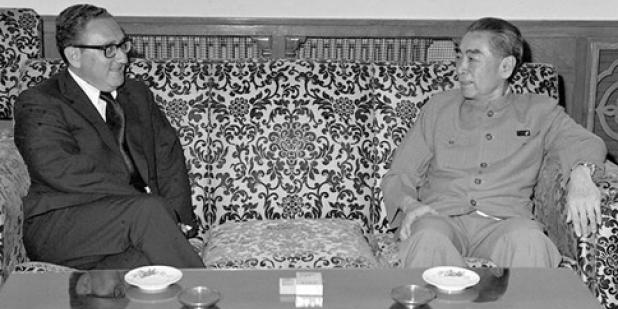
/https:/tf-cmsv2-smithsonianmag-media.s3.amazonaws.com/filer/f4/cb/f4cb92c9-4131-4e0f-ae4a-307144393214/nixoncampaigns.jpg)
No comments:
Post a Comment