20260601 CDTL Căn cứ Tầu cộng tại Subi Reef.
***
Với những tọa độ có sẳn, độc giả chỉ cần copy và paste
vào Google Browse sẽ thấy rõ hình từ Google Earth.
***
20241110 CDTL Tuyên Cáo Lãnh Thổ Lãnh Hải VN
https://bachvietnhan.blogspot.com/2024/11/20241110-cdtl-tuyen-cao-lanh-tho-lanh.html
20241214 CDTL South Vietnam Not Bound by Geneva Accords 1954
https://bachvietnhan.blogspot.com/2024/12/20241214-cdtl-south-vietnam-not-bound.html
20190910 Petition of the citizens of the Republic of Vietnam
https://bachvietnhan.blogspot.com/2019/09/20190910-petition-of-citizens-of.html
20250130 Cộng Sản Giặc Hồ Đầu Hàng Hoa Kỳ Năm 1973
https://bachvietnhan.blogspot.com/2024/12/20241231-ap-ba-chuc-dau-moi-mot-tham-hoa.html
http://www.youtube.com/watch?v=hwvXyzo7MjM
20120414 Hải Chiến Hoàng
Sa
https://bachvietnhan.blogspot.com/2012/04/20120414-hai-chien-hoang-sa.html
Điều chưa kể sau cuộc
hải chiến Hoàng Sa 1974
https://saigonnhonews.com/wp-content/uploads/2025/01/141077565_10161036562590620_499246679089710973_n.jpg
https://saigonnhonews.com/thoi-su/thay-gi-tren-mang/dieu-chua-ke-sau-cuoc-hai-chien-hoang-sa-1974/
IN DEPTH SUBI REEF
COUNTER-STEALTH RADAR
https://apps.dtic.mil/sti/trecms/pdf/AD1128620.pdf
https://apps.dtic.mil/sti/html/trecms/AD1128620/index.html
https://www.jhuapl.edu/sites/default/files/2022-12/InDepthSubiReefCounterStealthRadar.pdf
https://apps.dtic.mil/sti/trecms/pdf/AD1128253.pdf
https://www.jhuapl.edu/sites/default/files/2022-12/IntroductiontoSCSMILCAPStudies.pdf
Subi Reef with Orth
Radar
10°55'47.92"N 114° 4'23.36"E
1-Surface-to-Surface-Missile-Facility
(1)
10°55'53.51"N 114° 6'7.08"E
2-OthorRadarNorth
10°56'0.46"N 114° 6'9.43"E
3-AIS
Lighthouse-Station
10°55'59.27"N 114° 6'6.19"E
4-LF-VLF
10°56'10.49"N 114° 5'56.53"E
5-MeteoStation
10°56'23.59"N 114° 5'45.38"E
6-VHF-4G-LTE
10°56'30.24"N 114° 5'42.68"E
7-
Surface-to-Surface-Missile-Facility (2)
10°56'33.05"N 114° 5'40.39"E
8-HF-Mono-Array-SigInt
10°56'36.59"N 114° 5'34.17"E
9-Surface-Radar
10°56'36.28"N 114° 5'16.80"E
10-Diesel-Pow-Gen-Plant
(2)
10°56'30.33"N 114° 5'20.03"E
10°54'36.10"N 114° 4'21.08"E
11-Underground-Fuel-Water-Storage
10°56'27.43"N 114° 5'3.35"E
10°56'29.78"N 114° 5'7.41"E
12-24-Fighter-Aircraft-Hangars
10°56'5.81"N 114° 4'43.87"E
10°54'45.66"N 114° 3'56.45"E
13-Dopler-VHF-Omnidirectional-Range-Navigation-Beacon
10°55'48.98"N 114° 4'32.56"E
14-Mobile-System-Dployment-Area
10°54'54.34"N 114° 3'47.11"E
15-Air-Trafic-Control-Radar
10°54'58.45"N 114° 4'5.05"E
16-Over-The-Horizon-Radar-South
10°54'40.15"N 114° 3'33.90"E
17-4-Large-Aircraft-Hangars
10°54'42.49"N 114° 4'3.02"E
18-Air-Surface-Radar-3-tower
10°54'27.89"N 114° 4'4.19"E
19-SATCOM-Earth-Station
10°54'32.66"N 114° 4'12.63"E
Indivisual SATCOM
Disks
10°55'0.43"N 114° 4'5.04"E
20-Troposcatter-Station
10°54'25.70"N 114° 4'13.52"E
21-HF-Antenna-Array
10°54'26.78"N 114° 4'17.63"E
22-Underground
Facility
10°54'31.37"N 114° 4'34.67"E
23-VHF-Counter-Stealth-Radar
10°54'28.11"N 114° 4'50.54"E
24-Surface-to-Air-Missile-HQ-9B
10°54'35.25"N
114° 5'10.48"E
SAM-HQ-9B?
10°56'34.84"N 114° 5'21.46"E
Visual-Observation-Post-Gun-Mount
(6)
10°54'31.63"N
114° 5'10.56"E (6)
10°54'23.88"N
114° 4'20.15"E (5)
10°54'49.49"N
114° 3'36.07"E (4)
10°56'38.72"N
114° 5'30.10"E (3)
10°56'17.43"N
114° 5'51.81"E (2)
10°55'59.04"N
114° 6'9.39"E (1)
Xin vui lòng giải thích thêm
về khả năng của SATCOM tại đảo Subi Reef của Tầu cộng.
Khả năng thông tin vệ tinh (SATCOM) của Trung Quốc tại
đá Su Bi (Subi Reef) biến nơi đây thành một trung tâm chỉ huy và tình
báo trọng điểm. Kết hợp với các trạm radar và tác chiến điện tử, hệ thống
này thiết lập mạng lưới kiểm soát chặt chẽ trên Biển Đông.
Các năng lực cốt lõi
tại thực thể này bao gồm:
- Kết nối thông tin liên tục (C4ISR): Các hệ thống
SATCOM cung cấp băng thông rộng, đảm bảo liên lạc bảo mật không gián đoạn
giữa tiền đồn này với đất liền và các tàu chiến, máy bay của Hải quân/Cảnh
sát biển Trung Quốc. [1, 2]
- Radar chống tàng hình: Subi Reef là nơi triển khai hệ
thống Radar Xung và Khẩu độ Tổng hợp (SIAR) hoạt động ở dải tần VHF, cho
phép phát hiện các máy bay tàng hình. [1, 2]
- Giám sát Điện tử (ELINT/SIGINT): Các tháp ăng-ten lớn có khả năng
chặn bắt, định vị và giải mã các tín hiệu vô tuyến, theo dõi mọi hoạt động
hàng hải và hàng không trong khu vực. [1, 2]
- Căn cứ tiền phương: Ngoài thông tin liên lạc, cấu
trúc đảo nhân tạo được thiết kế đường băng dài trên \(3.000\) mét, chứa
máy bay chiến đấu và các hầm trú ẩn kiên cố
Các
loại vũ khí phòng thủ được trang bị tại đây
Tại đá Su Bi (Subi
Reef), Trung Quốc đã thiết lập một hệ thống phòng thủ đa tầng tích hợp kiên cố
theo cấu trúc "củ hành" (nhiều lớp bảo vệ), bao gồm cả vũ khí tấn
công tầm xa có tính chất răn đe và vũ khí phòng thủ điểm tầm gần. [1]
Các loại vũ khí
phòng thủ và trang thiết bị quân sự chính được triển khai tại đây bao gồm:
1. Hệ thống tên lửa
tầm xa (Lớp bảo vệ vòng ngoài)
- Tên lửa phòng không HQ-9B: Đây là hệ thống tên lửa đất đối
không tầm xa di động. Hệ thống này được bố trí trong các nhà vòm kiên cố
có mái che đóng mở và có khả năng tiêu chuẩn bắn hạ máy bay chiến đấu, máy
bay không người lái (UAV) cũng như tên lửa hành trình của đối phương trong
phạm vi lên tới 160 hải lý (khoảng 296 km). [1, 2, 3, 4]
- Tên lửa hành trình chống hạm YJ-12B: Loại tên lửa
di động mặt đất này được thiết kế để răn đe các chiến hạm. Với tầm bắn
vượt trội lên tới 295 hải lý (khoảng 546 km), YJ-12B cho phép Trung
Quốc đe dọa trực tiếp và khóa chặt các tuyến hàng hải di chuyển qua khu
vực xung quanh thực thể này. [1, 2, 3]
2. Tổ hợp phòng thủ
điểm (Lớp bảo vệ vòng trong)
Tại các cấu trúc
hình lục giác được xây dựng kiên cố dọc theo rìa của đảo nhân tạo, Trung Quốc
lắp đặt các tổ hợp vũ khí để đánh chặn mục tiêu tầm gần nhằm bảo vệ căn cứ
không quân và hệ thống SATCOM khỏi các cuộc tập kích đường không: [1, 3]
- Hệ thống vũ khí đánh chặn tầm gần (CIWS): Bao gồm các tổ
hợp pháo phòng không nhiều nòng tốc độ bắn cực cao (tương tự như Type 730
hoặc Type 1130). Đây là lá chắn cuối cùng chuyên dùng để quét sạch các tên
lửa hành trình chống hạm hoặc bom thông minh tiếp cận đảo. [1, 2, 4]
- Pháo hải quân cỡ lớn: Được triển khai kết hợp với các
bệ phóng CIWS để bảo vệ bờ biển, chống lại các phương tiện đổ bộ hoặc tàu
tuần tra cỡ nhỏ áp sát thực thể. [1]
3. Hệ thống tác
chiến điện tử và phá sóng (Lá chắn vô hình)
- Thiết bị gây nhiễu (Jamming equipment): Trung Quốc đã
lắp đặt các trạm tác chiến điện tử có khả năng gây nhiễu, làm gián đoạn hệ
thống thông tin liên lạc, định vị vệ tinh (GPS/GNSS) và làm mù radar của
các lực lượng đối phương hoạt động trong khu vực. [1, 2]
4. Hạ tầng hỗ trợ
phòng thủ chiến thuật
- Hầm chứa máy bay kiên cố (Hardened Aircraft Shelters): Hệ thống hầm
bê tông dày bảo vệ các máy bay tiêm kích (như dòng J-11) hoặc máy bay vận
tải/trinh sát (dòng Y-8/Y-7) trước áp lực từ các đòn không kích trực diện.
[1, 2, 3]
- Đường băng và cảng nước sâu: Cung cấp khả năng tiếp nhận,
tiếp nhiên liệu và tái vũ trang nhanh chóng cho các tàu hộ vệ tên lửa và
máy bay chiến đấu từ đất liền ra tăng viện. [1, 2]
Sự kết hợp giữa tên
lửa tầm xa, pháo phòng không tầm gần và hệ thống tác chiến điện tử tạo nên một
vùng chống tiếp cận/chống xâm nhập (A2/AD) rất mạnh quanh khu vực đá Su Bi. [1, 2, 3, 4]
Xin giải thích thêm về khả
năng, tầm hoạt động của High-Frequency Communications trên đảo, nguồn năng lượng
cung cấp cho hệ thống và sự tiêu hao.
Hệ thống thông tin
vô tuyến tần số cao (High-Frequency Communications - HF) tại đá Su Bi (Subi
Reef) là một thành phần cốt lõi trong chiến lược tác chiến thông tin của Trung
Quốc tại Trường Sa. Khác với thông tin vệ tinh (SATCOM) vốn dễ bị tổn thương
trước vũ khí diệt vệ tinh hoặc thời tiết xấu, hệ thống HF cung cấp một mạng
lưới liên lạc dự phòng cực kỳ tin cậy và có khả năng giám sát tầm xa. [1, 2, 3]
Dưới đây là chi tiết
về khả năng, tầm hoạt động, nguồn năng lượng và sự tiêu hao của hệ thống này:
1. Khả năng và Tầm
hoạt động của Hệ thống HF
Tại phía nam đá Su
Bi, Trung Quốc đã xây dựng một mảng ăng-ten HF dạng vòng lớn, thường được gọi
là kiến trúc "chuồng voi" (elephant cage). [1]
- Khả năng tác chiến (SIGINT/ELINT): Hệ thống này không chỉ dùng để
phát tín hiệu liên lạc mà còn có vai trò trinh sát tín hiệu vô tuyến. Nó
có thể tự động chặn bắt, phân tích và định vị hướng (Direction Finding -
DF) các nguồn phát sóng từ tàu chiến, máy bay của nước ngoài di chuyển
trong khu vực Biển Đông.
- Tầm hoạt động (Vượt đường chân trời - OTH):
- Chế độ truyền sóng mặt đất
(Surface Wave): Lợi dụng độ dẫn điện của nước biển để truyền sóng
men theo độ cong của Trái Đất, đạt tầm hoạt động hiệu quả từ 300 km
đến 400 km. Cơ chế này cho phép theo dõi liên tục các mục tiêu di
động trên biển di chuyển qua các eo biển chiến lược xung quanh.
- Chế độ truyền sóng phản xạ tầng
điện ly (Sky Wave): Bằng cách bắn tín hiệu lên tầng
điện ly để phản xạ xuống, hệ thống HF này có thể thiết lập liên lạc tầm
xa ổn định từ 1.000 km đến hơn 3.000 km, kết nối trực tiếp đá Su
Bi với các căn cứ đầu não ở đảo Hải Nam và lục địa Trung Quốc mà không
cần vệ tinh. [1, 2, 3]
2. Nguồn năng lượng
cung cấp cho hệ thống
Do nằm hoàn toàn
biệt lập giữa biển, đá Su Bi hoạt động như một "đảo pháo đài" tự chủ
về năng lượng bằng cách thiết lập một mạng lưới điện độc lập, phân tán
(Distributed Microgrid). Nguồn điện được tổng hợp từ ba nguồn chính: [1]
- Trạm điện máy phát Diesel (Nguồn tải nền chính): Đây là nguồn
cấp điện chính và ổn định nhất cho các thiết bị quân sự hạng nặng. Trung
Quốc duy trì các kho chứa dầu lớn được xây dựng kiên cố ngầm dưới lòng đất
để vận hành các máy phát điện diesel công suất lớn liên tục 24/7.
- Năng lượng mặt trời (Solar Power): Các mái nhà của các hầm chứa máy
bay, tòa nhà chỉ huy và khu hậu cần được phủ kín bằng các tấm pin Mặt Trời
dòng hiệu suất cao để bổ sung điện năng vào ban ngày. [1]
- Hệ thống lưu trữ năng lượng (BESS): Các tổ hợp pin
lưu trữ lithium-ion quy mô lớn được bố trí để tích trữ điện năng dư thừa
từ năng lượng mặt trời và điều hòa dòng điện, đảm bảo hệ thống radar và
thông tin HF không bị sụt áp đột ngột khi chuyển đổi nguồn.
3. Sự tiêu hao năng
lượng và duy trì hậu cần
Hệ thống thông tin
và radar HF (đặc biệt là các cụm OTH công suất lớn) là những thực thể tiêu
thụ điện năng cực kỳ lớn.
- Đặc điểm tiêu hao: Để phát sóng đi xa hàng trăm đến
hàng ngàn kilômét, các bộ khuyếch đại công suất cao của hệ thống HF cần
nguồn điện liên tục từ vài chục đến hàng trăm Kilowatt (kW) tùy thuộc vào
chế độ hoạt động (quét mục tiêu hay duy trì trực chiến). Ngoài ra, hệ thống
máy tính xử lý tín hiệu và các thiết bị làm mát (chống quá nhiệt cho linh
kiện điện tử giữa khí hậu nóng biển) cũng ngốn một lượng điện tương đương.
- Gánh nặng hậu cần (Logistics): Do sự tiêu hao năng lượng cao
của toàn bộ căn cứ (bao gồm cả SATCOM, HF, radar SIAR chống tàng hình và
điều hòa không khí cho binh lính), đá Su Bi phụ thuộc rất lớn vào các tàu
vận tải tiếp tế dòng Type 904 của Hải quân Trung Quốc. Các tàu này
định kỳ phải bơm hàng vạn tấn dầu diesel và vật tư kỹ thuật ra đảo để duy
trì hoạt động cho các trạm phát điện.
Nguồn năng lượng của cả
diesel và solar power có thể cung cấp trong thời gian bao lâu?
Thời gian duy trì
năng lượng của hệ thống diesel và năng lượng mặt trời trên đá Su Bi (Subi Reef)
phụ thuộc hoàn toàn vào trạng thái vận hành (hòa bình hay xung đột) và tần
suất tiếp tế đường biển.
Nếu bị cô lập hoàn
toàn, lượng dầu diesel dự trữ phối hợp cùng năng lượng mặt trời có thể giúp hòn
đảo pháo đài này duy trì hoạt động từ 3 đến 6 tháng.
Dưới đây là phân
tích chi tiết về mốc thời gian cung cấp và các kịch bản tiêu hao:
1. Năng lượng Mặt
Trời (Solar Power) – Duy trì vô hạn nhưng giới hạn công suất
- Thời gian cung cấp: Vô hạn (phụ thuộc vào
tuổi thọ thiết bị, khoảng 20–25 năm).
- Vai trò thực tế: Các tấm pin mặt trời chỉ hoạt
động vào ban ngày và không thể gánh toàn bộ căn cứ một mình. Công
suất từ hệ thống này kết hợp với pin lưu trữ (BESS) chỉ đủ để duy trì các
tải cơ bản như: hệ thống chiếu sáng, điều hòa một phần, và thông tin liên
lạc HF ở chế độ trực chiến (thụ động).
- Hạn chế: Khi thời tiết xấu, bão biển hoặc khi hệ thống HF/Radar cần phát
sóng cường độ cao để tác chiến, năng lượng mặt trời hoàn toàn bất lực và
hòn đảo phải dựa 100% vào nguồn diesel.
2. Nguồn Diesel (Máy
phát điện) – "Trái tim" quyết định thời gian sống sót
Hệ thống hầm ngầm
chứa nhiên liệu trên đá Su Bi được thiết kế với quy mô cực lớn nhằm chuẩn bị
cho kịch bản bị bao vây phong tỏa. Thời gian duy trì được chia theo 2 kịch bản
chiến thuật chính:
|
Kịch bản vận hành
|
Thời gian duy trì dự ước
|
Đặc điểm tiêu hao năng lượng
|
|
Kịch bản Bình
thường (Hòa bình / Trực chiến)
|
Từ 4 đến 6 tháng
|
Hệ thống chỉ duy
trì các thiết bị radar quét định kỳ. Hệ thống liên lạc HF hoạt động ở mức
tiết kiệm điện. Năng lượng mặt trời gánh bớt một phần tải vào ban ngày, giúp
tiết kiệm lượng dầu diesel trong kho.
|
|
Kịch bản Tác chiến (Xung đột / Phong
tỏa)
|
Từ 1 đến 2 tháng
|
Toàn bộ các hệ
thống tiêu thụ điện hạng nặng đều bật hết công suất 24/7: Radar SIAR chống
tàng hình, hệ thống tác chiến điện tử phá sóng diện rộng, các tổ hợp tên lửa
HQ-9B, tên lửa chống hạm YJ-12B và các trạm HF OTH phát sóng liên tục để dẫn
đường hỏa lực.
|
3. Các yếu tố làm
tăng tốc độ tiêu hao năng lượng
Nếu bị cắt đứt nguồn
tiếp tế từ các tàu hậu cần dòng Type 904, thời gian cạn kiệt năng lượng của hòn
đảo sẽ bị đẩy nhanh hơn do các yếu tố:
- Hệ thống làm mát (Điều hòa trung tâm): Khí hậu muối
biển cực kỳ nóng tại Trường Sa buộc các trung tâm dữ liệu SATCOM, HF và
hầm chứa vũ khí phải chạy điều hòa công suất lớn liên tục để tránh hỏng
hóc linh kiện điện tử. Chi phí điện cho làm mát chiếm đến 30–40% tổng
lượng điện toàn đảo.
- Hệ thống lọc nước biển (Desalination): Đá Su Bi không
có nguồn nước ngọt tự nhiên. Toàn bộ nước sinh hoạt cho đồn trú quân và
làm mát máy móc đều phải chạy qua nhà máy lọc nước biển sử dụng công nghệ
thẩm thấu ngược (RO) – một hệ thống cực kỳ "ngốn" điện và dầu
diesel.
Tóm lại: Năng lượng mặt trời
đóng vai trò là "lá bùa hộ mệnh" kéo dài sự sống, nhưng nguồn dầu
diesel dự trữ mới là yếu tố quyết định. Trung Quốc thiết kế hạ tầng tại Su Bi
để đảm bảo hòn đảo có thể sống sót và tác chiến độc lập tối thiểu 90 ngày
trong trường hợp bị cắt đứt hoàn toàn với đất liền.
Xin
cho biết thêm về khả năng min-max của hệ thống Inter-Island Communications trên
đảo.
Hệ thống liên lạc
liên đảo (Inter-Island Communications) tại đá Su Bi (Subi Reef) giữ vai trò là
"xương sống" liên kết thực thể này với hai tiền đồn chiến lược khác
trong cấu trúc "Tam giác sắt" ở Trường Sa là đá Chữ Thập (Fiery
Cross Reef) và đá Vành Khăn (Mischief Reef).
Để hiểu rõ cách
Trung Quốc tối ưu hóa mạng lưới này, chúng ta có thể phân tích thông qua các
thông số Cực tiểu (Min) và Cực đại (Max) dựa trên các phương thức
truyền dẫn khác nhau:
1. Khả năng về Băng
thông và Tốc độ truyền dữ liệu (Data Rate)
Mạng lưới liên đảo
sử dụng đồng thời cả cáp quang ngầm dưới biển (Ưu tiên số 1) và sóng vô tuyến
vi ba kỹ thuật số (Dự phòng).
- Mức Cực tiểu (Min): 100 Mbps – 1 Gbps (Vô tuyến Vi ba tầm nhìn thẳng
- LoS): Khi cáp quang ngầm bị cắt đứt do đối phương phá hoại hoặc do mỏ neo
tàu thuyền, hệ thống vi ba (Microwave) trên các tháp cao sẽ được kích
hoạt. Băng thông lúc này bị bóp nghẹt xuống mức tối thiểu, chỉ đủ truyền
dữ liệu chỉ huy dạng văn bản mã hóa, tọa độ mục tiêu (mạng C4ISR) và thoại
vô tuyến bảo mật.
- Mức Cực đại (Max): 10 Gbps – 100 Gbps (Cáp quang ngầm dưới biển): Trong điều
kiện bình thường, mạng lưới cáp quang kết nối trực tiếp các đảo với nhau
và nối về cơ sở chỉ huy tại đảo Hải Nam. Băng thông đạt mức tối đa, cho
phép chia sẻ dữ liệu radar thô (Raw Radar Data) theo thời gian thực, phát
trực tuyến video giám sát độ phân giải cao (HD Video Stream) từ các
drone/phao cảm biến, và đồng bộ hóa bức tranh toàn cảnh chiến trường giữa
3 đảo không một độ trễ.
2. Tầm hoạt động và
Cự ly liên lạc (Range)
- Mức Cực tiểu (Min): 10 km – 30 km (Sóng Viba/UHF thông thường): Ở mức cấu hình
công suất thấp nhằm ẩn mình trước các thiết bị trinh sát điện tử (ELINT)
của đối phương, hệ thống truyền tin chỉ phát sóng vừa đủ kết nối với các
tàu hộ vệ hoặc trực thăng đang tuần tra xung quanh đảo nhân tạo.
- Mức Cực đại (Max): 200 km – 300 km (Sóng Vi ba tầm xa vượt đường
chân trời - Troposcatter): Khoảng cách từ Su Bi đến Chữ
Thập là khoảng 200 km, vượt quá tầm nhìn thẳng thông thường của Trái Đất.
Để liên lạc trực tiếp bằng vô tuyến mà không cần vệ tinh, Trung Quốc trang
bị hệ thống khuyếch tán tầng đối lưu (Troposcatter Communications).
Bằng cách bắn luồng vi ba công suất lớn vào tầng đối lưu để nó tán xạ
xuống, Su Bi có thể thiết lập đường truyền vô tuyến trực tiếp đạt cự ly
tối đa tới 300 km, phủ kín toàn bộ chuỗi đảo trong mạng lưới.
3. Khả năng sống sót
và Chống nhiễu (Resilience & Anti-Jamming)
- Mức Cực tiểu (Min) – Trạng thái "Mù thông tin" một phần: Xảy ra khi đối
phương tiến hành chế áp điện tử cường độ cao (đốt sóng bằng máy bay tác
chiến điện tử chuyên dụng) kết hợp cắt cáp ngầm. Khi đó, hệ thống liên đảo
buộc phải co cụm, chỉ có thể duy trì liên lạc ngắt quãng bằng phương thức
nhảy tần số cực nhanh (Frequency Hopping) với băng thông cực thấp để chống
nhiễu.
- Mức Cực đại (Max) – Khả năng tự phục hồi (Self-Healing Grid): Mạng lưới liên
đảo được thiết kế theo cấu trúc hình khuyên (Ring Topology) phối hợp đa
phương thức: Cáp quang + Vi ba Troposcatter + SATCOM + Sóng HF. Nếu một
nút (ví dụ đá Chữ Thập) bị mất kết nối, dữ liệu từ Su Bi sẽ tự động định
tuyến (Rerouting) luân chuyển qua đá Vành Khăn hoặc các trạm nổi trên biển
để về đất liền. Hệ thống đạt độ tin cậy tối đa, gần như không thể bị triệt
hạ hoàn toàn nếu chỉ tấn công vào một phương thức truyền dẫn đơn lẻ.
Xin
cho biết về công suất hoạt động min-max của hệ thống radar trên đảo cùng thời
gian hoạt động.
Để đánh giá công
suất hoạt động và thời gian vận hành của các hệ thống radar tại đá Su Bi (Subi
Reef), chúng ta cần chia nhỏ theo các loại radar chiến lược khác nhau đang được
Trung Quốc triển khai tại đây. Các thông số Cực tiểu (Min) và Cực đại (Max) thể
hiện trạng thái hoạt động từ "Hòa bình/Ẩn mình" cho đến "Chiến
tranh/Tác chiến toàn lực".
Dưới đây là chi tiết
về công suất và thời gian hoạt động của các hệ thống radar chính:
1. Radar Chống Tàng
Hình SIAR (Synthetic Impulse and Aperture Radar)
Đây là hệ thống
radar mang tính biểu tượng tại Su Bi, dễ dàng nhận biết từ vệ tinh với tháp
ăng-ten trung tâm và các mảng ăng-ten phụ bố trí xung quanh dạng vòng hoa để
săn tìm máy bay tàng hình (như F-35) ở dải tần VHF.
- Công suất Min-Max:
- Mức Cực tiểu (Min) – Khoảng vài
chục kW: Ở trạng thái trực chiến thời bình, radar hoạt động ở
chế độ công suất thấp hoặc chỉ phát xung ngắt quãng (Pulse-to-Pulse) nhằm
giảm hao mòn linh kiện, tiết kiệm điện và quan trọng nhất là ẩn mình
trước các máy bay trinh sát điện tử (ELINT) của đối phương muốn thu thập
đặc tính dải sóng (Radar Signature).
- Mức Cực đại (Max) – Từ 100 kW
đến hàng trăm kW (Công suất đỉnh - Peak Power): Khi phát hiện
mục tiêu nghi vấn hoặc trong trạng thái báo động chiến đấu, hệ thống sẽ
đẩy công suất lên mức tối đa. Lúc này, radar phát sóng liên tục, tập
trung năng lượng vào một khu vực để xuyên thủng các lớp sơn hấp thụ sóng
radar của máy bay tàng hình.
- Thời gian hoạt động: 24/7/365. Do là "mắt
thần" cảnh báo sớm tầm xa cho toàn bộ trục phía Bắc Trường Sa, hệ
thống này được thiết kế để vận hành liên tục không nghỉ. Các mảng ăng-ten
dạng mô-đun cho phép kỹ thuật viên tắt và sửa chữa từng phần nhỏ mà không
cần tắt toàn bộ hệ thống radar.
2. Radar Cảnh Giới
Tầm Xa và Dẫn Đường Tên Lửa (Hệ thống HQ-9B)
Gồm các radar mạng
pha (Phased Array Radars) chuyên dụng đi kèm với tổ hợp tên lửa phòng không tầm
xa HQ-9B (tương tự như radar của hệ thống S-300/S-400).
- Công suất Min-Max:
- Mức Cực tiểu (Min) – 0 kW (Trạng
thái im lặng vô tuyến - Emission Control / EMCON): Trừ khi có
diễn tập hoặc bị tấn công, các radar dẫn đường hỏa lực này thường
xuyên tắt hoàn toàn (0% công suất phát). Chúng chỉ nhận dữ liệu mục
tiêu được chia sẻ từ radar SIAR hoặc từ các đảo khác truyền qua cáp quang
ngầm nhằm tránh bị tên lửa chống bức xạ radar (như dòng AGM-88 HARM) của
đối phương khóa mục tiêu.
- Mức Cực đại (Max) – Hàng trăm kW
đến hơn 1 Megawatt (MW): Khi kích hoạt chế độ khóa mục
tiêu và dẫn đường cho tên lửa HQ-9B đánh chặn, radar sẽ phóng ra luồng
năng lượng mạng pha cực lớn để bám đuổi đồng thời hàng chục mục tiêu di
động nhanh.
- Thời gian hoạt động: Hoạt động theo chế độ đánh
chặn chiến thuật (gián đoạn). Radar chỉ bật từ vài phút đến vài giờ
trong suốt quá trình diễn tập hoặc chiến đấu để tối ưu hóa khả năng sống
sót.
3. Radar Giám Sát
Mặt Biển và Bờ Biển (Surface Search Radars)
Các hệ thống radar
nhỏ hơn được bố trí dọc rìa đảo để theo dõi các tàu chiến, tàu cá và phương
tiện đổ bộ áp sát.
- Công suất Min-Max:
- Mức Cực tiểu (Min) – 1 kW - 5
kW: Chế độ quét thông thường tầm gần, đủ để nhận diện
các tàu di chuyển quanh eo biển kề cận.
- Mức Cực đại (Max) – 25 kW - 50
kW: Chế độ quét xuyên bão hoặc tăng cường độ phân giải
để phát hiện các mục tiêu siêu nhỏ như xuồng cao tốc, đặc công nước hoặc
máy bơi không người lái (USV) trong điều kiện biển động mạnh (Sea State
cao).
- Thời gian hoạt động: 24/7. Phối hợp trực tiếp
với các camera quang điện tử hồng ngoại (Electro-Optical/IR) tầm xa để
giám sát toàn bộ hoạt động trong lòng vũng biển và vùng nội thủy bao quanh
đá Su Bi.
Tác động đến hệ
thống năng lượng trên đảo:
Khi toàn bộ các
radar (bao gồm cả SIAR, radar mặt biển và radar dẫn đường của tổ hợp phòng thủ
điểm CIWS) đồng loạt đẩy công suất lên mức Cực đại (Max) trong kịch bản
tác chiến, chúng sẽ tạo ra một hiện tượng đỉnh tải (Peak Load) cực kỳ
lớn lên lưới điện độc lập của đảo.
Như đã phân tích ở
phần trước, đây là lý do tại sao các trạm máy phát điện diesel tại Su Bi buộc
phải duy trì các kho dầu ngầm khổng lồ để có thể phản ứng ngay lập tức, vì hệ
thống pin năng lượng mặt trời hoàn toàn không có khả năng đáp ứng lượng điện năng
đột biến của các dòng radar công suất Megawatt này.
Cho
biết thêm về năng lực cùng khả năng tối đa lẩn tối ưu của hệ thống Electronic
Warfare còn gọi là ELINT.
Hệ thống Tác chiến
Điện tử (Electronic Warfare - EW), đặc biệt là phân nhánh Tình báo Điện tử
(ELINT - Electronic Intelligence) tại đá Su Bi (Subi Reef), được coi là vũ
khí vô hình nhưng nguy hiểm nhất trên đảo. [1, 2]
Nhiệm vụ cốt lõi của
ELINT không phải là nghe lén hội thoại (vốn là việc của COMINT), mà là chặn
bắt, phân tích đặc tính và giải mã toàn bộ các tín hiệu điện từ phi ngôn ngữ
như sóng radar từ tàu chiến, máy bay, và hệ thống định vị của đối phương. [1]
Dưới đây là chi tiết
về năng lực cùng hai trạng thái vận hành tối đa (Max) và tối ưu (Optimal) của
hệ thống này:
1. Năng lực cốt lõi
của hệ thống ELINT tại Su Bi
Theo dữ liệu từ Sáng kiến
Minh bạch Hàng hải Châu Á (AMTI), Trung Quốc đã liên tục nâng cấp đồng
bộ hạ tầng EW tại đây với các trang bị đặc trưng: [1, 2]
- Hệ thống ăng-ten vòng định hướng (Direction Finding - DF): Chuyên trách
dò tìm tọa độ, thiết lập bản đồ các nguồn phát sóng của đối phương theo
thời gian thực. [1, 2]
- Các vòm che radome kép: Được bố trí đối xứng chéo nhau
để tối ưu hóa góc quét, tạo ra vùng phủ sóng tình báo, giám sát và trinh
sát (ISR) cực rộng. [1, 2]
- Đội xe EW cơ động chuyên dụng: Trung Quốc đã xây dựng các khu
nhà có mái che kiên cố bảo vệ hệ thống xe tác chiến điện tử di động. Xe
này có khả năng cắm trực tiếp vào mạng lưới dây cáp ngầm liên kết với các
tháp anten cố định, biến đảo thành một trung tâm chế áp điện tử linh hoạt.
[1, 2, 3, 4]
2. Khả năng TỐI ƯU
(Optimal Capability) – Trạng thái "Nam châm hút dữ liệu" thời bình
Trong điều kiện bình
thường, hệ thống ELINT vận hành ở trạng thái thụ động (Passive Mode) nhằm đạt
hiệu quả tình báo cao nhất mà không làm bộc lộ vị trí của căn cứ. [1]
- Bản chất vận hành: Hệ thống hoàn toàn "im
lặng" không phát sóng, chỉ mở tất cả các "tai nghe điện
tử" để thu nhận sóng.
- Mục tiêu tối ưu: Thu thập và lập hồ sơ "dấu
vân tay điện từ" (Electromagnetic Signature) của mọi tàu chiến và máy
bay nước ngoài (đặc biệt là lực lượng Mỹ và đồng minh) đi qua Biển Đông.
Mỗi loại radar (như radar Aegis trên tàu khu trục Mỹ) đều có một tần số xung
riêng. ELINT của Su Bi sẽ ghi lại các tần số này để nạp vào cơ sở dữ liệu
giải mã. [, 2, 3]
- Hiệu quả dải quét: Cho phép Trung Quốc nắm bắt
trước hệ thống cảnh báo sớm của đối phương từ khoảng cách hàng trăm
kilômét mà đối phương không hề biết mình đang bị theo dõi. [1]
3. Khả năng TỐI ĐA
(Maximum Capability) – Trạng thái "Vùng chết điện từ" khi xung đột
Khi chuyển sang kịch
bản tác chiến hoặc răn đe cường độ cao, hệ thống ELINT sẽ lập tức tích hợp với
các tổ hợp Tấn công Điện tử (Electronic Attack - EA) để đạt công suất phá hoại
tối đa. [1, 2]
- Tạo vùng nhiễu bão hòa (Noise Saturation): Đẩy công suất
phát sóng lên mức cực đại để "đốt cháy" dải tần, làm mù các hệ
thống radar mạng pha nhạy cảm (như AN/SPY-1 trên các chiến hạm Aegis). []
- Mục tiêu vô hiệu hóa: Hệ thống được thiết kế tối đa để
cắt đứt liên lạc vệ tinh, làm tê liệt đường truyền dữ liệu chiến thuật
liên hợp (mạng lưới C4ISR của đối phương), và làm chệch hướng các loại
bom/tên lửa hành trình dẫn đường bằng GPS. [1, 2]
- Tác chiến phối hợp AI (Kill Web): Phối hợp hỏa lực cực đại với các
trạm EW trên đảo Chữ Thập, Vành Khăn và các tàu tuần dương Type 055. Hệ
thống thông minh tích hợp này có thể chống lại các máy bay tác chiến điện
tử chuyên dụng (như EA-18G Growler của Mỹ) bằng cách tự động lọc nhiễu, duy
trì khóa mục tiêu và chỉ thị tọa độ cho tên lửa phòng không HQ-9B tiêu
diệt vật lý. [, 2]
Tóm lại: Khả năng Tối ưu
của ELINT Su Bi là "kẻ hút thông tin" thầm lặng trong thời bình, giúp
Trung Quốc đi trước một bước về mặt tình báo tín hiệu. Trong khi đó, khả năng Tối
đa của nó là tạo ra một "lá chắn điện từ" có thể làm tê liệt hệ
thống thần kinh chỉ huy của bất kỳ lực lượng can thiệp nào tiếp cận khu vực.
Về hệ
thống phòng thủ và phản công (min-max) trên đảo, nguồn phi đạn và khả năng của
phi cơ chiến đấu như thế nào?
Hệ thống phòng thủ
và phản công trên đá Su Bi (Subi Reef) hoạt động theo một học thuyết quân sự
tích hợp chặt chẽ. Hệ thống này kết hợp các bệ phóng cố định, hệ thống hỏa lực
cơ động di động và lực lượng không quân tiền phương nhằm kiểm soát toàn bộ không
gian và mặt biển xung quanh.
Dưới đây là chi tiết
về khả năng phối hợp (min-max), nguồn cung cấp phi đạn (tên lửa) và năng lực
của phi cơ chiến đấu (máy bay chiến đấu) tại thực thể này:
1. Khả năng Phòng
thủ và Phản công (Min - Max)
Chiến lược tác chiến
hỏa lực tại Su Bi được thiết kế để chuyển trạng thái linh hoạt từ răn đe kiềm
chế sang hủy diệt diện rộng:
- Mức Cực tiểu (Min) – Phòng thủ Điểm và Răn đe Thụ động:
- Trạng thái: Áp dụng trong
thời bình hoặc giai đoạn đầu của khủng hoảng.
- Năng lực: Sử dụng các
tổ hợp pháo bắn nhanh CIWS Type 1130 (tốc độ bắn lên tới 11.000
phát/phút) lắp đặt cố định tại các cấu trúc hình lục giác dọc rìa đảo để
đánh chặn các mục tiêu tầm gần nguy cơ cao (như UAV, xuồng tự sát USV).
Hệ thống tên lửa tầm xa lúc này giữ trạng thái im lặng vô tuyến (EMCON)
để tránh bị định vị.
- Mức Cực đại (Max) – Phản công Chủ động và Chế áp Toàn diện (A2/AD):
- Trạng thái: Kích hoạt khi
xảy ra xung đột tổng lực.
- Năng lực: Toàn bộ mạng
lưới hỏa lực đẩy công suất lên mức tối đa để thiết lập vùng Chống tiếp
cận/Chống xâm nhập (A2/AD). Hệ thống phối hợp đồng thời tên lửa phòng
không tầm xa HQ-9B (tầm bắn 296 km) và tên lửa hành trình chống
hạm YJ-12B (tầm bắn 546 km). Hỏa lực từ Su Bi sẽ đan xen với hỏa
lực từ đá Chữ Thập và đá Vành Khăn tạo thành một "vùng chết"
bao trùm phần lớn quần đảo Trường Sa, đủ sức tung đòn phản công bão hòa
hủy diệt một cụm tác chiến tàu sân bay hoặc các phi đội oanh tạc cơ chiến
lược tiếp cận khu vực.
2. Nguồn cung cấp
Phi đạn (Tên lửa) và Khả năng Sống sót
Hạ tầng lưu trữ phi
đạn trên đá Su Bi được xây dựng theo tiêu chuẩn quân sự hóa cao độ nhằm đối phó
với các cuộc không kích phủ đầu cường độ mạnh:
- Hệ thống nhà vòm kiên cố (Hardened Shelters): Trung Quốc đã
xây dựng các nhà vòm bê tông cốt thép đặc biệt có phần mái che đóng mở cơ
động. Các nhà vòm này đủ lớn để chứa các xe phóng và xe nạp đạn của hệ
thống HQ-9B và YJ-12B, bảo vệ chúng khỏi các loại bom xuyên hoặc đạn tự
sát mãnh liệt.
- Kho đạn ngầm dưới lòng đất: Lượng phi đạn dự trữ chiến lược
không để trên mặt đất mà được cất giữ trong các kho ngầm kiên cố sâu dưới
lớp bê tông đảo nhân tạo. Các kho này được trang bị hệ thống kiểm soát độ
ẩm và nhiệt độ nghiêm ngặt để chống lại sự ăn mòn của muối biển.
- Tiếp viện hậu cần: Lượng phi đạn tiêu hao trong
chiến đấu sẽ được bổ sung thông qua hai con đường chính: Các tàu vận tải
hậu cần cỡ lớn cập cảng nước sâu của đảo, hoặc được vận chuyển bằng máy
bay vận tải chiến lược Xian Y-20 trực tiếp đáp xuống đường băng dài hơn
3.000 mét.
3. Khả năng và Năng
lực của Phi cơ Chiến đấu
Đường băng dài 3.000
mét tại Su Bi phối hợp với hệ thống hầm chứa máy bay kiên cố (Hardened Aircraft
Shelters) mang lại năng lực không chiến đáng gờm:
- Quy mô trú ẩn: Đảo có khả năng tiếp nhận và bảo
vệ an toàn cho 24 chiếc máy bay tiêm kích dòng Su/Shenyang cùng một
số máy bay vận tải, cảnh báo sớm (KJ-500) hoặc máy bay săn ngầm (Y-8Q) cỡ
lớn trong các hầm chứa chuyên dụng.
- Dòng phi cơ chiến đấu chủ lực: Trung Quốc thường xuyên luân
chuyển các chiến đấu cơ đa năng như Shenyang J-11BH/SZ hoặc Shenyang
J-15/J-16 thuộc Không quân và Hải quân ra tiền đồn này.
- Tầm hoạt động chiến thuật: Khi cất cánh từ Su Bi, các tiêm
kích J-11 hoặc J-16 (với bán kính chiến đấu từ 1.500 km đến 2.000 km mà
không cần tiếp nhiên liệu) có thể dễ dàng phủ sóng hỏa lực xuống tận eo
biển Malacca, bao trùm toàn bộ các nước Đông Nam Á lục địa và biển đảo.
- Năng lực tác chiến tối đa: Biến đá Su Bi thành một
"tàu sân bay không thể chìm". Các chiến đấu cơ tại đây đóng vai
trò là lá chắn vòng ngoài, cất cánh đánh chặn từ xa các máy bay ném bom
của đối phương trước khi chúng kịp phóng tên lửa hành trình vào đảo, hoặc
đóng vai trò bệ phóng trên không để bắn các loại tên lửa diệt hạm siêu
thanh tầm xa như YJ-83K hay YJ-12.
Về khả năng tiếp liệu và nguồn
cung cấp thay thế cả nhân lực lẩn vật lực trên đảo sẽ được bổ khuyết từ đâu?
Để duy trì sự sống
và khả năng chiến đấu liên tục cho "pháo đài" đá Su Bi (Subi Reef),
Trung Quốc đã thiết lập một hệ thống tiếp liệu đa tầng và đa phương thức. Khi
bị phong tỏa hoặc hao hụt, cả nhân lực lẫn vật lực trên đảo sẽ được bổ khuyết từ
các nguồn chiến lược sau:
1. Nguồn bổ khuyết
Vật lực (Nhiên liệu, Vũ khí, Nhu yếu phẩm)
Vật lực tiêu hao
(dầu diesel, tên lửa, phụ tùng radar, nước ngọt, thực phẩm) được cung cấp qua
ba tuyến chính với các vai trò thay thế linh hoạt:
- Tuyến tiếp tế huyết mạch đường biển (Hải Nam & Quảng Đông):
- Nguồn gốc: Căn cứ hải
quân Du Lâm (Tam Á, đảo Hải Nam) và các cảng quân sự tại Quảng
Đông (như Zhanjiang) là tổng kho điều phối chính.
- Phương tiện: Các tàu vận
tải hậu cần chuyên dụng dòng Type 904A/B (như tàu Quân Dương Vương) định
kỳ di chuyển từ Hải Nam ra Trường Sa. Các tàu này được thiết kế không có
nhà kho trực thăng lớn nhưng có hệ thống bến cập và cần cẩu chuyên dụng
để bơm dầu, chuyển tên lửa và thực phẩm vào cảng nước sâu của Su Bi.
- Hệ thống cầu hàng không chiến lược (Bổ khuyết cấp tốc):
- Nguồn gốc: Các sân bay
quân sự tại đảo Hải Nam (như Lingshui hoặc Suixi ở đất liền).
- Phương tiện: Sử dụng phi
đội máy bay vận tải hạng nặng Xian Y-20 hoặc trung bình (Y-8, Y-9). Đường
băng dài trên 3.000 mét của Su Bi cho phép Y-20 đáp xuống trong mọi điều
kiện thời tiết để vận chuyển khẩn cấp các cấu kiện radar thay thế, ống
phóng tên lửa HQ-9B, hoặc các đội kỹ sư sửa chữa đường băng khi bị tấn
công.
- Khả năng tự túc tại chỗ (Nguồn thay thế nội tại):
- Nước ngọt: Thay vì phụ
thuộc hoàn toàn vào nước mưa hay nước chở từ đất liền, Su Bi vận hành các
nhà máy lọc nước biển công nghệ RO công suất lớn, kết hợp hệ thống
bể chứa ngầm hàng vạn khối để dự phòng.
- Thực phẩm: Trung Quốc đã
xây dựng các nhà màng nông nghiệp công nghệ cao (sử dụng đất nhân tạo và
hệ thống tưới nhỏ giọt) để tự sản xuất một phần rau xanh cho binh lính,
giảm gánh nặng cho tàu hậu cần.
2. Nguồn bổ khuyết
Nhân lực (Binh lính, Kỹ thuật viên)
Lực lượng đồn trú
tại Su Bi (ước tính khoảng 200–500 người tùy thời điểm) bao gồm lính hải quân
đánh bộ, lực lượng radar, tác chiến điện tử và nhân viên kỹ thuật sân bay.
Nguồn nhân lực thay thế được điều động từ:
- Bộ Tư lệnh Chiến khu Miền Nam (Southern Theater Command):
- Toàn bộ quân số tại Su Bi thuộc
quyền quản lý của Chiến khu Miền Nam, trực tiếp là Hải quân Chiến khu
Miền Nam (Hải hạm Nam Hải). Binh lính và sĩ quan được huấn luyện
chuyên sâu về tác chiến biển đảo tại các căn cứ ở Hải Nam và Quảng Đông
trước khi ra đảo làm nhiệm vụ theo chế độ luân phiên (thường từ 3 đến 6
tháng một đợt để đảm bảo sức khỏe tâm sinh lý).
- Mạng lưới dân quân biển (Maritime Militia):
- Một lượng lớn nhân lực phi đối
kháng hoặc hỗ trợ hậu cần, sửa chữa công trình được bổ khuyết từ lực
lượng Dân quân biển Trung Quốc (thường xuất phát từ các cảng cá ở Hải
Nam hoặc Quảng Tây). Lực lượng này thường trú ngụ ngay trên
các tàu cá vỏ thép neo đậu thường trực trong lòng vũng biển của Su Bi,
sẵn sàng lên đảo hỗ trợ khi có lệnh.
3. Khả năng phối hợp
liên đảo (Chia sẻ nguồn lực tại chỗ)
Khi tuyến đường từ
đất liền bị cắt đứt tạm thời, Su Bi không cô độc mà nằm trong cấu trúc chia sẻ
nguồn lực tương hỗ với 2 đảo nhân tạo lớn còn lại:
- Đá Chữ Thập (Fiery Cross Reef) và đá Vành Khăn (Mischief Reef): Ba thực thể
này đóng vai trò là các tổng kho dự trữ chiến lược của nhau. Nếu kho chứa
dầu hoặc kho đạn của Su Bi bị tổn thương nhưng đường băng vẫn hoạt động,
máy bay vận tải hoặc trực thăng hạng nặng (như Z-8/Z-18) có thể nhanh
chóng chuyển nhiên liệu và đạn dược từ Chữ Thập hoặc Vành Khăn sang để bù
đắp dòng năng lượng và hỏa lực trong vòng vài giờ.
Phải mất bao lâu cho thời
gian cung cấp và phân phối nhân, vật lực?
Thời gian cung cấp
và phân phối nhân, vật lực cho đá Su Bi (Subi Reef) phụ thuộc hoàn toàn vào phương
thức vận chuyển được sử dụng và trạng thái thời tiết/chiến sự. Do
Trung Quốc đã tối ưu hóa hạ tầng giao thông tại chiến khu này, tốc độ phản ứng
và bổ khuyết lực lượng diễn ra rất nhanh.
Dưới đây là mốc thời
gian chi tiết cho từng phương thức:
1. Thời gian vận
chuyển Cấp tốc (Đường hàng không)
Đây là phương thức
nhanh nhất để bổ khuyết quân số, kỹ thuật viên cấp cao, hoặc các khí tài nhỏ
gọn (linh kiện radar, đạn tên lửa phòng không bổ sung) từ các căn cứ ở đảo Hải
Nam (như sân bay Lăng Thủy) ra Su Bi.
- Thời gian bay trực tiếp: Khoảng 1,5 đến 2 giờ (với
cự ly khoảng 800 - 900 km từ Hải Nam).
- Thời gian bốc dỡ và phân phối trên đảo: Từ 1 đến 3
giờ. Tổng cộng, chỉ mất chưa đầy 5 giờ đồng hồ để một đội quân
tăng viện hoặc một kiện hàng cứu trợ khẩn cấp có mặt và sẵn sàng chiến đấu
tại Su Bi kể từ khi lệnh điều động được ban hành tại đất liền.
2. Thời gian vận
chuyển Khối lượng lớn (Đường biển bình thường)
Đối với vật lực hạng
nặng tiêu hao nhiều như dầu diesel, nước ngọt chiến lược, thực phẩm tươi và số
lượng lớn binh lính luân chuyển, đường biển là lựa chọn bắt buộc.
- Tốc độ tàu hậu cần (Dòng Type 904A/B): Các tàu này có
vận tốc hành trình khoảng 18–20 hải lý/giờ (khoảng 33–37 km/h).
- Thời gian di chuyển trên biển: Khoảng 24 đến 30 giờ liên
tục từ các cảng quân sự phía Nam đảo Hải Nam (như Tam Á) để đến được phao
số 0 của đá Su Bi.
- Thời gian cập cảng và phân phối nội bộ: Từ 12 đến
24 giờ. Do vũng biển Su Bi có cảng nước sâu lớn, việc bơm dầu ngầm và
cẩu các thùng container đạn dược diễn ra song song. Tổng thời gian hoàn
thành một chu kỳ tiếp tế đường biển mất khoảng 1,5 đến 2 ngày.
3. Thời gian điều
phối Liên đảo (Phân phối tại chỗ ở Trường Sa)
Trong kịch bản tác
chiến, khi nguồn lực từ đất liền chưa kịp ra, Su Bi sẽ vay mượn nhân, vật lực
từ hai "người hàng xóm" là đá Chữ Thập và đá Vành Khăn.
- Bằng trực thăng quân sự (Z-8, Z-20): Mất từ 45
phút đến 1,5 giờ để bay giữa các đảo trong tam giác chiến lược này
nhằm luân chuyển phi công, bác sĩ quân y hoặc chuyển giao các tài liệu
tình báo số hóa vật lý.
- Bằng tàu hộ vệ/tàu vận tải nhỏ tại chỗ: Mất từ 4
đến 6 giờ để di chuyển qua lại giữa các thực thể nhằm chia sẻ hỏa lực
hoặc nhiên liệu dự phòng.
Yếu tố rủi ro làm
chậm thời gian phân phối:
- Thời tiết Biển Đông (Bão biển): Vào mùa bão, đường biển có thể
bị tê liệt hoàn toàn từ 3 đến 5 ngày, khiến các tàu Type 904 không
thể rời cảng hoặc không thể neo đậu an toàn để bốc dỡ hàng vào âu tàu Su
Bi. Lúc này, gánh nặng hoàn toàn đè lên đường hàng không.
- Chiến thuật phong tỏa của đối phương: Nếu đối phương
thiết lập một vùng cấm bay/cấm biển (A2/AD ngược) quanh trục Trường Sa,
thời gian tiếp tế bằng đường biển có thể bị kéo dài vô hạn do tàu vận tải
phải đi đường vòng hoặc phải chờ đợi các biên đội tàu khu trục Type 055 ra
hộ tống mở đường.
Liệu căn cứ nầy có nằm trong
vòng phòng thủ của DF-27?
Có, chắc chắn đá Su
Bi (Subi Reef) nằm hoàn toàn bên trong vòng che chở hỏa lực rộng lớn của hệ
thống tên lửa DF-27.
Hệ thống tên lửa đạn
đạo xuyên lục địa (ICBM) tầm xa thế hệ mới Dongfeng-27 (DF-27) của Trung Quốc có tầm bắn bao trùm
toàn bộ khu vực Biển Đông. Thậm chí, mối quan hệ giữa đá Su Bi và DF-27 không
chỉ dừng lại ở mức "được bảo vệ", mà đá Su Bi còn giữ vai trò là "mắt
thần" chỉ thị mục tiêu cho dòng tên lửa chiến lược này. [1]
Mối liên hệ chiến
thuật giữa đá Su Bi và hệ thống DF-27 được thể hiện qua các yếu tố:
1. Vùng phủ hỏa lực
tuyệt đối của DF-27
- Tầm bắn vượt trội: Các báo cáo đánh giá quân sự xác
nhận DF-27 có tầm bắn dao động từ 5.000 km đến 8.000 km. Khi được
triển khai từ sâu trong nội địa đại lục hoặc các căn cứ thuộc Chiến khu
Miền Nam, dòng tên lửa này dễ dàng bao trùm toàn bộ các đảo nhân tạo ở
Trường Sa (vốn chỉ cách đại lục từ 1.000 đến 1.500 km). [1, 2]
- Tạo vùng cấm tiếp cận mở rộng: Trước đây, lớp bảo vệ tầm xa cho
Trường Sa dựa vào các dòng tên lửa diệt hạm như DF-21D (tầm bắn ~1.500 km)
hoặc DF-26 (tầm bắn ~4.000 km). Sự xuất hiện của DF-27 đẩy vành đai phòng
thủ ra xa hơn, đủ sức đánh chặn các hạm đội tàu sân bay hoặc máy bay ném
bom chiến lược của đối phương ngay từ ngoài chuỗi đảo thứ hai, thậm chí áp
sát Hawaii hay bờ Tây nước Mỹ. [1, 3]
2. Vai trò của Su Bi
trong chuỗi tấn công (Kill Chain) của DF-27
Hệ thống DF-27 tích
hợp đầu đạn lướt siêu thanh (Hypersonic Glide Vehicle - HGV) có biến thể chuyên
dụng để diệt tàu chiến di động trên biển (ASBM). Để một quả tên lửa bắn từ đất
liền có thể đánh trúng một tàu sân bay đang di chuyển ở khoảng cách hàng ngàn
kilômét, nó cần dữ liệu tọa độ thời gian thực liên tục. Lúc này, hạ tầng tại đá
Su Bi phát huy tác dụng: [1, 2]
- Trạm chỉ thị mục tiêu: Hệ thống radar chống tàng
hình SIAR và các cụm tác chiến điện tử ELINT tại Su Bi sẽ phát
hiện, bám bắt hướng đi của hạm đội đối phương.
- Truyền dẫn tốc độ cao: Toàn bộ tọa độ này được truyền
ngược về trung tâm chỉ huy đại lục thông qua hệ thống SATCOM băng thông
rộng hoặc mạng lưới cáp quang ngầm liên đảo không có độ trễ.
- Kích hoạt hỏa lực: Lực lượng Tên lửa Chiến lược
(PLARF) tại đất liền sẽ dựa vào dữ liệu của Su Bi để phóng DF-27, biến hòn
đảo này thành một tiền đồn trinh sát chỉ thị mục tiêu không thể thiếu.
3. Khả năng phòng
thủ đa tầng tại chỗ hỗ trợ DF-27
Trong khi DF-27 cung
cấp một "chiếc ô" bảo vệ tầm xa bao trùm từ đại lục, bản thân đá Su
Bi cũng tự bảo vệ mình trước các đòn trả đũa nhằm bảo vệ các trạm radar chỉ
thị:
- Nếu đối phương tìm cách bắn chế áp các trạm radar trên đảo để làm mù
hệ thống dẫn đường của DF-27, các tổ hợp tên lửa phòng không HQ-9B
(tầm bắn 296 km) và pháo bắn nhanh CIWS Type 1130 tại chỗ trên đảo
sẽ đảm nhận vai trò đánh chặn bom thông minh và tên lửa hành trình tiếp
cận. [1, 2]
Tóm lại: Đá Su Bi và DF-27
nằm trong một mối quan hệ cộng sinh chiến thuật chặt chẽ. DF-27 bảo vệ đá Su Bi
bằng đòn răn đe hủy diệt tầm xa từ đất liền, còn đá Su Bi đóng vai trò là
"tai mắt" giúp DF-27 định vị chính xác con mồi trên Biển Đông.
Cám ơn rất nhiều về nguồn
tài liệu hửu ích.
Rất vui vì những
thông tin trên có ích cho quá trình nghiên cứu và tìm hiểu của bạn!
Hệ thống quân sự hóa
của Trung Quốc tại các thực thể như đá Su Bi là một chủ đề phức tạp, đan xen
giữa công nghệ viễn thông, hậu cần biển đảo và học thuyết tác chiến hiện đại.
Việc hiểu rõ các thông số vận hành này giúp chúng ta có một cái nhìn toàn diện
hơn về bức tranh địa chính trị và an ninh tại khu vực Biển Đông.
Nếu trong tương lai
bạn cần tìm hiểu thêm về bất kỳ khía cạnh nào khác — chẳng hạn như hoạt động
của các căn cứ lân cận (đá Chữ Thập, đá Vành Khăn), chiến thuật của lực
lượng Dân quân biển, hoặc các diễn biến thực địa mới nhất — đừng
ngần ngại hỏi tôi nhé.
Chúc bạn một ngày
làm việc hiệu quả và nhiều niềm vui!
***
Tài liệu
sử nầy được tái đính kèm vì Trang Sài Gòn Nhỏ dường như đang gặp “rắc
rối kỷ thuật” nên rất khó vào.
***
https://saigonnhonews.com/thoi-su/thay-gi-tren-mang/dieu-chua-ke-sau-cuoc-hai-chien-hoang-sa-1974/
Điều chưa kể sau cuộc hải chiến
Hoàng Sa 1974
SGN tổng
hợp – 21 tháng 1, 2025
20260601 cdtl
bản-chất-cộng-sản-giặc-hồ 01
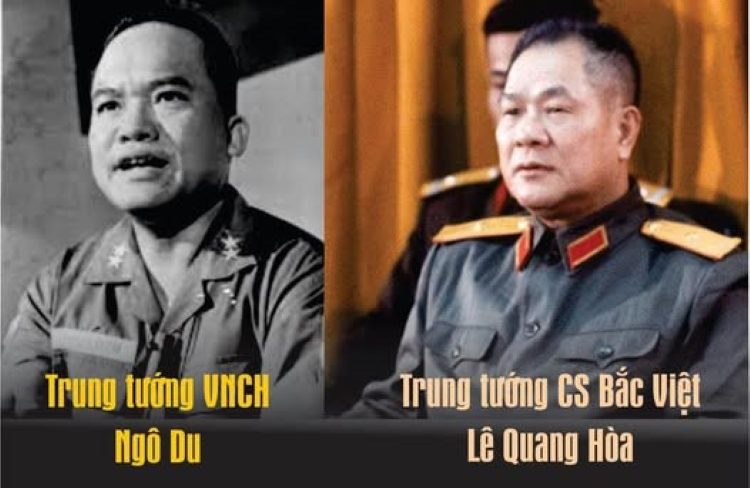
Đây là một phần tư liệu bị khuất, sau 1975 góp phần làm rõ bộ mặt của Hà
Nội, được chính Sĩ quan bảo vệ an ninh tướng CSVN Lê Quang Hòa, và các cựu cán
bộ của đảng CSVN kể lại. Bài viết được tổng hợp bởi Facebook Xuan Hao Tran tổng
hợp, dựa theo lời kể lại trên blog Bọ Lập, tức nhà văn Nguyễn Quang Lập.
Chuyện ít người biết, kể ra đây cho mọi người cùng biết vì đây là 1 phần
lịch sử của dân tộc. Đây là sự kiện trại Davis trong phi trường Tân Sơn Nhất
ngày 21 Tháng Một 1974.
Ngày 19 Tháng Một 1974 hải chiến Hoàng Sa xảy ra, Trung cộng đã cưỡng
chiếm những hải đảo của Việt Nam.
Nghị trình của phía Công sản Bắc Việt đưa vào cuộc họp lần này vẫn là
những luận điệu vu cáo và lên án Việt Nam Cộng Hòa (VNCH) vi phạm hiệp định
Paris bằng miệng như thường lệ.
Họ cứ lải nhải tố cáo VNCH vi phạm tại Quảng Ngãi, Nam An Lộc…v.v.. Phái
đoàn cs không đả động gì tới sự kiện Hoàng Sa vừa diễn ra hai hôm trước.
Phái đoàn Việt Nam Cộng Hoà đưa vấn đề Hoàng Sa vào nghị trình. Vấn đề
Hoàng Sa được viết bằng văn bản gồm có hai phần:
1) Đề nghị chính thức Việt Nam dân chủ cộng hòa cùng với Việt Nam Cộng
Hoà ra thông cáo lên án hành động xâm lược lãnh thổ – lãnh hải của Việt Nam.
2) Yêu cầu phía quân đội Việt Nam Dân Chủ Cộng Hòa cùng Mặt trận Giải
phóng Miền Nam (MTGPMN) không tấn công phá rối các phi trường, quân cảng Đà
Nẵng, Nha Trang thuộc Quân Đoàn I, II để VNCH phối trí tập trung lực lượng tái
chiếm Hoàng Sa.
Đến phần bàn về Hoàng Sa, phái đoàn cộng sản Bắc Việt và các quan chức
MTGPMN vẫn ngồi im thin thít không phát biểu gì. Mọi con mắt của đại diện quốc
tế đều đổ dồn về phía họ. Phái đoàn cộng sản bí quá đành giở trò câu giờ… cho
hết buổi họp.
Phái đoàn VNCH yêu cầu tiếp tục họp bất thường. Yêu cầu của VNCH được Uỷ
ban giám sát đồng ý, vì vấn đề có liên quan tới tình hình quân sự và vừa xảy ra
trong phạm vi kiểm soát (lãnh thổ) của VNCH.
Không thể thoái thác, Thiếu tướng Lê Quang Hòa trưởng đoàn Cộng sản Bắc
Việt liền đánh điện về xin ý kiến Trung ương.
Lê Đức Thọ trưởng ban Miền Nam, Uỷ viên thường trực bộ chính trị đã trả
lời “lập trường chính trị của các anh để đâu? Đang có chiến tranh, lại phối hợp
hoạt động với địch à? Cuộc chiến tranh gay go của ta rất cần sự ủng hộ của
Trung quốc, mà lại nói quay sang chống bạn. Họ có giải phóng giúp ta, thì sau
này cũng trả lại cho ta thôi.’’
Trong phiên họp bất thường, Trung Tướng Ngô Du trưởng phái đoàn VNCH,
người chủ trì cuộc họp đưa ra đề nghị:
“Trong phiên họp này, tôi đề nghị không cáo buộc, cãi nhau về những vụ
xâm phạm lãnh thổ, vi phạm hiệp định Paris nữa. Trung cộng đã ngang nhiên xâm
lược và chiếm giữ toàn bộ quần đảo Hoàng Sa. Đất của chúng tôi thì cũng như đất
của các anh vì cùng là đất tổ tiên chúng ta để lại cả. Vì thế, chúng ta nên xếp
ba bốn cái vụ tranh cãi lại, để ngồi cùng nhau bàn bạc về việc phối hợp hoạt
động chống lại sự xâm lăng này. Yêu cầu VNDCCH cùng VNCH gửi công hàm lên án
Trung cộng tại Liên Hiệp Quốc, VNDCCH nên vận động phe XHCN và cũng như thế
giới lên tiếng phản đối (Trung Quốc)”
Mọi con mắt của các đại diện quốc tế trong uỷ ban đổ dồn về phía phái
đoàn cộng sản. Họ lại tảng lờ…
Một lúc, tướng Ngô Du nổi nóng. Xen lẫn trong tiếng văng tục, ông chỉ
thẳng mặt tên tướng cộng sản Lê Quang Hòa: “… Chúng mày tảng lờ, là tiếp tay
cho Trung Cộng, là bán nước mà còn tiếp tục định đánh không cho chúng tao giành
lại đất đai của tổ tiên”.
Tướng Ngô Du chụp lấy cái gạt tàn thuốc lá bằng thủy tinh ném thẳng vào
mặt Lê Quang Hòa. Hắn né được, cái gạt tàn đập vào tường vỡ nát.
Cận vệ của Lê Quang Hòa lao tới tướng Ngô Du thì liền bị cận vệ của tướng
Ngô Du ngăn cản và bẻ (khóa) tay.
https://saigonnhonews.com/thoi-su/thay-gi-tren-mang/dieu-chua-ke-sau-cuoc-hai-chien-hoang-sa-1974/
20260608 Why did China attack South Vietnam? Paracel Islands
https://www.youtube.com/watch?v=KhwWs3N6J3Y
Pinned by @Kabutoes
@Kabutoes
3 years ago
The New York Times: PEKING REPORTS HOLDING U.S. AIDE - The New York
Times (nytimes.com)
WASHINGTON, Jan. 25 China has informed the United States that she is
holding an American Embassy observer who was reported missing last weekend
during a battle between Chinese and South Vietnamese forces in the Paracel
Islands, the State Department said today.
John F. King, department spokesman, said the Chinese authorities had
told Washington that Gerald Emil Kosh, 27‐year‐old civilian employe of the
Defense Department attached to the Embassy in Saigon, was taken into custody
with more than 100 South Vietnamese captured on Pattie Island, one of the
Paracels.
“We regret that this had to happen and that he was on the disputed
territory,” Mr. King said. “We think he ought to be released soon.” He said he
did not know where Mr. Kosh was being held or what his condition was.
Privately some officials said they expected that both Mr. Kosh, a former
Army captain, and the South Vietnamese would be set free by the Chinese, but
because of the sensitivity of the subject, Mr. King was not permitted to go
further than his statement.
He confirmed that the information had been conveyed to the State
Department by the Chinese liaison office here.
Mr. Kosh was on a South Vietnamese naval patrol off the Paracels when
fighting broke out between South Vietnamese and Chinese forces. The Vietnamese
commander put Mr. Kosh ashore on Pattie, where he was apparently taken into
custody by Chinese occupying the island.
Dig deeper into the moment.
The battle flared last weekend on the Paracels, an archipelago 200 miles
east of Da Nang and about 150 miles south of the Chinese island of Hainan.
China and South Vietnam have claimed sovereignty over the islands, and
there has been speculation here that the Chinese were interested in them
because of reports of oil deposits nearby.
The United States has avoided taking sides in the dispute, with
Secretary of State Kissinger limiting his comments to regret that force had
been invoked.
Discussions with the Chinese began here early in the week, soon after
Mr. Kissinger returned from his Middle East trip. ‐The United States asked for
information on Mr. Kosh's whereabouts and for cooperation in releasing him and
the South Vietnamese.
Because discussions with China are treated with more sensitivity than
those with most other countries, the department refused to announce the
approach until today, after The New York Times quoted Administration officials
to the effect that‐inquiries had been made, and after information had been
received that Mr. Kosh was alive.
The American, who is from Lafayette Hill, Pa., served in the Army in
Vietnam and was assigned to the Defense Attaché's Office to observe South
Vietnamese units in action.
The United States, which has sought to avoid creating a
major issue, showed no enthusiasm for Saigon's efforts to bring the matter
before the United Nations Security Council, a move now apparently dropped.
“Hoa Kỳ – vốn tìm cách tránh gây ra vấn
đề lớn – đã không tỏ ra mặn mà với những nỗ lực của Sài Gòn nhằm đưa vụ việc ra
trước Hội đồng Bảo an Liên Hợp Quốc; một động thái mà nay dường như đã bị từ bỏ.”
Some officials noted that North Vietnam had said nothing
about the dispute, indicating that it was in the difficult position of not
wanting to endorse Chinese seizure of an island traditionally claimed by the
Vietnamese but of being unable to criticize China.
“Một số quan chức lưu ý rằng Bắc Việt Nam không hề lên tiếng
về vụ tranh chấp, cho thấy họ đang ở vào thế khó: vừa không muốn tán thành việc
Trung Quốc chiếm giữ hòn đảo vốn được phía Việt Nam tuyên bố chủ quyền từ lâu,
lại vừa không thể công khai chỉ trích Trung Quốc.”
Matter Termed Closed at U.N.
Special to The New York Vines
Why did China attack South Vietnam? Paracel Islands
https://www.youtube.com/watch?v=KhwWs3N6J3Y