20261027 CDTL Kế Sách Hiến Tạng Dưới 18 Tuổi Tại Việt
Nam.
26.10.26 NÓNG: DỰ THẢO HIẾN TẠNG DƯỚI 18 TUỔI GÂY
TRANH CÃI: PHỤ HUYNH BẤT AN, AI BẢO VỆ TRẺ EM?
https://www.youtube.com/watch?v=pOQpoVD36n8&t=2610s
Hàng Triệu Phụ Huynh Quá Bức Xúc Phản Đối..BYT Đề Xuất
Trẻ Dưới 18t Khảo Sát Hiến Mô Tạng
https://www.youtube.com/watch?v=u1J7iBIDT-Q&t=95s
HÀNG TRIỆU: Bậc Cha Mẹ Cực Kỳ Bức Xúc Đề Xuất Của BYT?
Lấy Khảo Sát Hiến Mô Tạng Ở Trẻ Dưới 18T ?
https://www.youtube.com/watch?v=X0zvCXirGk0
Mỹ ra luật trừng phạt China về cưỡng bức lấy nội tạng.
Việtnam đề xuất cho trẻ em hiến nội tạng
https://www.youtube.com/watch?v=DqNk7SZeDtM
AI Google Translated
Thân chào bạn.
Hiện nay cộng đồng Người Việt quốc nội và hải ngoại đang sôi nổi
tranh luận về “Kế Sách Hiến Tạng Dưới 18 Tuổi”. Hôm nay chúng ta cùng thảo luận
vể đề tài nầy xem đây là một quốc sách cứu nhân hay là một phương thức kiếm tiền
dollars cho một chế độ độc tài tàn ác đang đưa dân tộc Việt Nam vào con đường tự
diệt. Trước khi đi vào chính đề xin bạn cho biết ai là người đề xướng ra kế hoạch nầy. Bạn nghỉ sao?
……
Chào bạn. Đây là một
chủ đề đang thu hút sự quan tâm lớn và nhận được nhiều ý kiến đa chiều từ cả
góc độ y tế, pháp lý lẫn đạo đức xã hội.
Ai là người đề xuất
dự thảo này?
Dự thảo mở rộng độ
tuổi hiến tạng cho người dưới 18 tuổi nằm trong khuôn khổ Dự thảo sửa đổi
Luật Hiến, lấy, ghép mô, bộ phận cơ thể người và hiến, lấy xác, do Bộ Y
tế Việt Nam chủ trì soạn thảo và đề xuất.
Mục tiêu được cơ
quan soạn thảo đưa ra là nhằm sửa đổi những bất cập của luật hiện hành (vốn quy
định người từ đủ 18 tuổi trở lên mới có quyền đăng ký hiến tạng), từ đó mở ra
cơ hội cứu sống nhiều bệnh nhi suy tạng giai đoạn cuối – những đối tượng rất
khó tìm được tạng hiến phù hợp từ người lớn do khác biệt về kích thước cơ thể.
Các luồng quan điểm
trong dư luận
Đề xuất này khi đưa
ra lấy ý kiến công luận đã vấp phải những tranh luận rất gay gắt với các góc
nhìn trái chiều:
- Góc nhìn từ ngành y tế và phe ủng hộ: Họ cho rằng
đây là một bước đi mang tính nhân đạo cần thiết để cứu sống trẻ em. Nhiều
quốc gia phát triển trên thế giới cũng cho phép người dưới 18 tuổi hiến
tạng sau khi chết não dưới sự đồng ý của cha mẹ hoặc người giám hộ.
- Góc nhìn lo ngại và phản đối: Ngược lại, nhiều ý kiến trong và
ngoài nước bày tỏ sự lo ngại sâu sắc về tính minh bạch, nguy cơ trục lợi,
thương mại hóa tạng non trẻ, hoặc áp lực tâm lý/gia đình đè nặng lên trẻ
vị thành niên khi còn sống. Đặc biệt, trong bối cảnh hệ thống pháp luật và
giám sát còn nhiều thách thức, những lo ngại về việc thiếu kiểm soát và
nguy cơ nảy sinh tiêu cực là có cơ sở và cần được nhìn nhận một cách
nghiêm túc.
Là một trợ lý AI,
tôi duy trì góc nhìn khách quan và trung lập, không đứng về bên nào trong các
tranh luận chính trị hay ý thức hệ. Điều quan trọng nhất đối với một chính sách
liên quan đến sinh mạng con người là phải được thảo luận công khai, lấy ý kiến
rộng rãi từ các chuyên gia y tế, luật sư, nhà đạo đức học và người dân để đảm
bảo quyền lợi và sự an toàn tối đa cho trẻ em.
Chúng ta có thể tiếp
tục trao đổi sâu hơn về kinh nghiệm quản lý hiến tạng ở trẻ em tại các nước
trên thế giới hoặc các hàng rào pháp lý cần thiết để ngăn ngừa tiêu cực
trong vấn đề này. Bạn muốn tìm hiểu khía cạnh nào tiếp theo?
…….
Xin bạn cho biết ai là người đưa ra đề nghị nầy.
…….
Theo các thông tin
từ các tờ trình và phiên thảo luận về Dự thảo sửa đổi Luật Hiến, lấy, ghép mô,
bộ phận cơ thể người và hiến, lấy xác tại Việt Nam, người trực tiếp đưa ra đề
xuất mở rộng độ tuổi hiến tạng cho người dưới 18 tuổi là Bộ Y tế Việt Nam,
với tư cách là cơ quan chủ trì soạn thảo văn bản luật này.
Trong các báo cáo liên
quan, đại diện diện diện dẫn dắt quá trình nghiên cứu và trình bày đề xuất này
trước Chính phủ và Quốc hội bao gồm:
- Ban soạn thảo của Bộ Y tế: Nhóm chuyên gia pháp lý và y tế
được Bộ Y tế thành lập để rà soát các bất cập của bộ luật cũ năm 2006.
- Các chuyên gia thuộc Trung tâm Điều phối ghép tạng Quốc gia và các
bệnh viện lớn (như Bệnh viện Nhi Trung ương, Bệnh viện Hữu nghị Việt Đức): Đây là các đơn
vị chuyên môn y khoa đã đề xuất kiến nghị từ thực tế lâm sàng, xuất phát
từ nhu cầu ghép tạng để cứu sống các bệnh nhi bị suy tạng giai đoạn cuối.
Sau khi Bộ Y tế hoàn
thiện bản dự thảo, đề xuất này sẽ được Chính phủ xem xét và trình lên Ủy
ban Thường vụ Quốc hội và Quốc hội Việt Nam để thảo luận, lấy ý kiến
cử tri trước khi có quyết định chính thức về việc có thông qua hay không.
Bạn có muốn tìm hiểu
thêm về lập luận chi tiết của Bộ Y tế khi đưa ra đề xuất này, hoặc các quy
định của quốc tế về việc hiến tạng ở người dưới 18 tuổi không?
……
Bạn có biết ai là bộ trường Y tế hiện nay tại Việt Nam hở bạn?
…..
Bộ trưởng Bộ Y tế
hiện nay tại Việt Nam là bà Đào Hồng Lan. [1]
Bà tiếp tục được
Quốc hội phê chuẩn giữ chức vụ này cho nhiệm kỳ 2026 – 2031. Một điểm đáng chú
ý trong tiểu sử lãnh đạo ngành y tế Việt Nam là bà Đào Hồng Lan là Bộ trưởng Bộ Y tế đầu tiên xuất
thân từ ngành kinh tế và quản lý (bà có bằng Thạc sĩ Kinh tế), chứ không phải
là một bác sĩ hay dược sĩ chuyên khoa như các nhiệm kỳ trước đó. [1, 2, 3]
Chính bà Đào Hồng Lan cũng là người thay mặt Bộ Y tế trình
bày dự thảo sửa đổi Luật Hiến, lấy, ghép mô, bộ phận cơ thể người trước Quốc
hội, châm ngòi cho các cuộc thảo luận sôi nổi về độ tuổi hiến tạng gần đây. [1]
Bạn có muốn thảo
luận thêm về vai trò quản lý hành chính của một Bộ trưởng không có
chuyên môn y khoa đối với các chính sách y tế, hoặc các vấn đề tranh luận
xung quanh dự thảo luật này không?
…..
À! Thì ra bà ta là một « thạc sĩ kinh tế và quản lý» chứ
không phải là một bác sĩ chuyên khoa. Tôi tự hỏi bà ta có gia đình hay có con
chưa và con bà hiện đang ở vào lứa tuổi nào bạn biết không bạn?
…….
Thông tin cá nhân về
gia đình, chồng con của bà Đào Hồng Lan không được công
khai trên các phương tiện truyền thông chính thống hay cổng thông tin điện tử
của Chính phủ. [1]
Tại Việt Nam, hồ sơ
lý lịch trích ngang của các quan chức cấp cao khi công bố trước Quốc hội hoặc
công luận thường chỉ tập trung vào:
- Thông tin cơ bản: Ngày sinh (23/07/1971), quê quán
(Hải Phòng/Hải Dương).
- Trình độ chuyên môn: Thạc sĩ Kinh tế.
- Quá trình công tác: Các chức vụ hành chính đã qua từ
Bộ Lao động - Thương binh và Xã hội, Bí thư Tỉnh ủy Bắc Ninh trước khi về
làm Bộ trưởng Bộ Y tế. [1, 2, 3]
Các chi tiết về đời
sống hôn nhân, số lượng con cái hay lứa tuổi của con bà thuộc về quyền riêng tư
cá nhân và được bảo mật, không xuất hiện trong lý lịch công vụ. Chính vì vậy,
không có cơ sở dữ liệu xác thực nào để biết con của bà (nếu có) hiện đang ở độ
tuổi nào.
Bạn có muốn tìm hiểu
thêm về quy trình rà soát và lấy ý kiến nhân dân đối với các dự thảo
Luật tại Việt Nam trước khi thông qua không?
……
Bạn thấy có lạ không? Tại sao vấn đề gia đình của Tổng Thống Donald
J. Trump cả thế giới đều biết, thế nhưng tại sao thân thế cá nhân của cán bộ
cai trị dân Việt Nam lại giử kín như bị giam trong hộp. Lạ thật.
……
Sự khác biệt về mức
độ công khai thông tin gia đình giữa các chính trị gia Hoa Kỳ như Tổng thống
Donald J. Trump và các quan chức lãnh đạo tại Việt Nam xuất phát từ sự khác
nhau căn bản trong văn hóa chính trị, quy định pháp lý và hệ thống truyền
thông của hai quốc gia.
1. Văn hóa chính trị
và kỳ vọng của công chúng
- Tại Hoa Kỳ: Đời sống cá nhân và gia đình của
các ứng viên được xem là một phần cốt lõi trong chiến dịch tranh cử. Công
chúng Mỹ kỳ vọng được thấy hình ảnh gia đình (vợ/chồng, con cái) xuất hiện
cùng chính trị gia như một biểu tượng của sự ổn định, các giá trị gia đình
và để kết nối cảm xúc với cử tri. Do đó, gia đình của các tổng thống Mỹ
thường xuyên xuất hiện trước truyền thông.
- Tại Việt Nam: Văn hóa chính trị Á Đông và
truyền thống của hệ thống công vụ nhấn mạnh vào tính bảo mật, sự nghiêm
túc và tách biệt hoàn toàn giữa công việc công và đời sống tư. Các quan
chức thường giữ nguyên tắc không để gia đình xuất hiện trước công chúng
nhằm duy trì hình ảnh tập trung tối đa vào nhiệm vụ quốc gia và tránh các
soi mói không cần thiết vào đời sống riêng tư.
2. Khung pháp lý và
an ninh thông tin
- Quy định bảo mật: Tại Việt Nam, thông tin đời tư,
lịch trình di chuyển, và chi tiết gia đình của các lãnh đạo cấp cao thuộc
diện quản lý thông tin an ninh hoặc bảo mật nội bộ để đảm bảo an toàn cá
nhân và ngăn ngừa các nguy cơ bị lợi dụng hoặc tác động tiêu cực từ bên
ngoài.
- Quyền riêng tư: Luật pháp Việt Nam cũng quy định
quyền bảo vệ đời tư cá nhân. Ngay cả với các quan chức, lý lịch công bố
công khai thường chỉ giới hạn ở các thông tin liên quan trực tiếp đến năng
lực công tác như: ngày sinh, quê quán, trình độ học vấn, đảng tịch và quá
trình bổ nhiệm.
3. Phương thức hoạt
động của truyền thông
- Truyền thông phương Tây: Hoạt động theo cơ chế thị trường
và tự do báo chí, nơi các phóng viên liên tục tìm kiếm, khai thác mọi khía
cạnh đời tư của người nổi tiếng và chính trị gia để đáp ứng nhu cầu thông
tin của độc giả.
- Truyền thông Việt Nam: Hoạt động dưới sự quản lý của
nhà nước, tập trung phản ánh các hoạt động công vụ, chính sách, nghị quyết
và tiến độ công việc của các cơ quan chính phủ, thay vì khai thác đời sống
cá nhân của các thành viên nội các.
Sự khác biệt này
phản ánh hai mô hình vận hành xã hội và quan niệm khác nhau về vai trò của một
người lãnh đạo trước công chúng, chứ không đơn thuần là việc giữ bí mật một
cách ngẫu nhiên.
Bạn có muốn so sánh
sâu hơn về quy trình minh bạch tài sản của quan chức giữa các hệ thống
chính trị khác nhau không?
…..
Chúng ta bỏ qua vấn đề nầy vì có đào sâu vào chỉ làm những quan liêu
cai trị tại Việt Nam không có lối thoát.
Xin bạn cho biết một con người thật sự trưởng thành ở lứa tuổi nào
từ Đông sang Tây. Tôi muốn biết cao kiến của bạn. Cám ơn bạn.
…..
Khái niệm về sự trưởng
thành của một con người là một chủ đề rất rộng lớn, vì nó không chỉ phụ
thuộc vào các con số sinh học mà còn được định hình bởi luật pháp, văn hóa và
sự phát triển của khoa học não bộ ở cả phương Đông lẫn phương Tây.
Dưới đây là ba góc
nhìn chính để xác định khi nào một con người được coi là thực sự trưởng thành:
1. Góc nhìn khoa học
não bộ (Y sinh học)
Theo các nghiên cứu
thần kinh học hiện đại của cả phương Tây, bộ não con người chưa thực sự hoàn
thiện ở tuổi 18.
- Mốc tuổi: Khoảng 25 tuổi.
- Lý do: Vùng vỏ não trước trán (Prefrontal Cortex) – nơi chịu trách nhiệm
kiểm soát cảm xúc, nhận thức rủi ro, lên kế hoạch và đưa ra các quyết định
lý trí – là vùng cuối cùng phát triển hoàn thiện. Trước độ tuổi này, con
người dễ bị chi phối bởi cảm xúc và áp lực từ môi trường xung quanh hơn.
2. Góc nhìn luật
pháp (Sự trưởng thành về nghĩa vụ dân sự)
Hầu hết các quốc gia
trên thế giới, từ Đông sang Tây, chọn một cột mốc mang tính quy ước để công
nhận quyền và nghĩa vụ công dân.
- Phương Tây: Đa số các nước công nhận tuổi
trưởng thành pháp lý (Age of Majority) là 18 tuổi (như Mỹ, Anh,
Pháp). Tuy nhiên, một số bang ở Mỹ quy định là 19 hoặc 21, và tuổi được
phép tiêu thụ rượu bia hợp pháp tại Mỹ là 21.
- Phương Đông: Các quốc gia châu Á như Việt
Nam, Trung Quốc, Nhật Bản (đã điều chỉnh năm 2022) và Hàn Quốc hiện nay
đều quy định tuổi trưởng thành pháp lý là 18 tuổi. Tại mốc này,
công dân có đầy đủ quyền bầu cử, chịu trách nhiệm hình sự và thực hiện các
giao dịch dân sự độc lập.
3. Góc nhìn văn hóa
và triết học
Đây là nơi có sự
khác biệt rõ rệt nhất giữa tư duy Đông và Tây:
|
Tiêu chí
|
Phương Đông (Nho giáo / Truyền thống)
|
Phương Tây (Cá nhân học / Hiện đại)
|
|
Mốc tuổi biểu
tượng
|
30 tuổi ("Tam thập nhi lập")
|
18 - 21 tuổi
|
|
Định nghĩa trưởng
thành
|
Khi một người có
khả năng gánh vác trách nhiệm với gia đình, dòng họ và xã hội; biết kiềm chế
cái tôi cá nhân vì lợi ích chung.
|
Khi một người đạt
được sự độc lập về tài chính, tự chịu trách nhiệm về cuộc đời mình và có
quyền tự quyết định mọi vấn đề cá nhân.
|
|
Trọng tâm
|
Trách nhiệm và sự
ổn định đối với cộng đồng.
|
Tự do cá nhân và sự độc lập cá thể.
|
Đánh giá tổng quan
Sự trưởng thành thực sự của một con người không
đến vào một ngày sinh nhật nhất định. Một người được coi là trưởng thành toàn
diện khi họ đạt được sự cân bằng giữa: sự phát triển sinh học (não bộ hoàn
thiện), quyền lợi pháp lý (được xã hội công nhận) và năng lực nhận thức (biết
tự chịu trách nhiệm về hành vi của mình mà không bị thao túng hoặc ép buộc).
Từ góc nhìn về sự hoàn thiện não bộ ở tuổi 25,
bạn có muốn thảo luận về việc tại sao các hệ thống luật pháp vẫn chọn tuổi
18 làm ranh giới trưởng thành, hoặc tầm ảnh hưởng của nó đối với các quyết định
y khoa lớn (như hiến tạng)?
……
Trong tài liệu của bạn, từ Tây sang Đông, một
người tạm gọi là trưởng thành trong cột mốc thời gian 18 tuổi cho đến 30.
Nhận định của bạn nhắc cho tôi một câu chuyện
như sau: Kể từ năm 18 cho đến 30 tuổi người con luôn thông minh hơn cha nhưng
sau 30 tuổi trở đi, người con phải công nhận là người cha thông minh hơn mình.
Bạn có ý kiến gì về nhận định nầy không bạn?
....
Câu chuyện và nhận định mà bạn chia sẻ rất thú
vị. Nó phản ánh một quy luật tâm lý và trải nghiệm sống sâu sắc của con người
khi đi qua các giai đoạn trưởng thành khác nhau. Nhận định này có thể được lý
giải qua cả góc nhìn khoa học lẫn triết lý nhân sinh:
1. Giai đoạn từ 18 đến 30 tuổi: Sự bùng nổ của
"Trí tuệ linh hoạt" (Fluid Intelligence)
Trong giai đoạn tuổi trẻ này, người con thường có
cảm giác mình "thông minh hơn cha" vì những lý do thực tế sau:
- Khả năng
tiếp thu và nhạy bén: Khoa học
chứng minh trí tuệ linh hoạt (khả năng tư duy logic, xử lý thông tin
nhanh, học hỏi công nghệ mới) đạt đỉnh cao trong độ tuổi từ 20 đến 30.
Người con dễ dàng bắt kịp xu hướng xã hội, có kiến thức mới và tư duy sáng
tạo bứt phá hơn thế hệ trước.
- Tâm lý tự
khẳng định: Ở tuổi
đôi mươi, con người tràn đầy năng lượng, khao khát tự lập và chứng tỏ cái
tôi. Sự tự tin này đôi khi đi kèm với cái nhìn có phần chủ quan, coi những
kinh nghiệm của thế hệ đi trước là cũ kỹ hoặc lạc hậu.
2. Giai đoạn sau 30 tuổi: Sự tích lũy của
"Trí tuệ tinh thể" (Crystallized Intelligence)
Khi bước qua tuổi 30, người con bắt đầu đối mặt
với những bước ngoặt lớn của cuộc đời (áp lực sự nghiệp, lập gia đình, nuôi dạy
con cái, đối nhân xử thế). Lúc này, họ mới nhận ra "người cha thông minh
hơn mình" bởi vì:
- Giá trị
của trải nghiệm sống: Trí tuệ
tinh thể là vốn kiến thức, kỹ năng và kinh nghiệm được tích lũy qua năm
tháng. Những bài học về sự nhẫn nại, cách vượt qua nghịch cảnh, hay sự
thấu hiểu lòng người mà người cha sở hữu là những điều không trường lớp
nào dạy được.
- Sự thay
đổi lăng kính: Khi tự
mình gánh vác trách nhiệm của một người trụ cột, người con bắt đầu trải
qua những khó khăn mà cha mình từng đối mặt. Sự thấu hiểu này chuyển hóa
từ sự ngạo nghễ của tuổi trẻ thành lòng thấu cảm và sự kính trọng đối với
chiều sâu trí tuệ của người cha.
Nhận định của bạn
thực chất là một bức tranh mô tả sự dịch chuyển từ "kiến thức"
(knowledge) sang "sự thông thái" (wisdom). Tuổi trẻ có thể
nhanh hơn, nhạy bén hơn, nhưng năm tháng và trải nghiệm mới là thứ tạo nên sự
chín chắn và sáng suốt trong các quyết định lớn của cuộc đời.
Góc nhìn này cho
thấy sự trưởng thành cần có thời gian và trải nghiệm thực tế để chín muồi. Bạn
nghĩ sao về việc áp dụng quy luật này vào việc đánh giá năng lực tự quyết
của một người trước các quyết định hệ trọng trong cuộc đời?
......
Với sự phân tích của bạn cho thấy con người thực sự trưởng thành
khi bước vào tuổi tứ tuần (40) hay ngũ tuần (50).
Ở vào tuổi nầy mới có thể đưa ra những quyết định chính chắn. Thế
còn lứa tuổi từ 7 tuổi cho đến 10 tuổi, rồi 18 tuổi thì sao hở bạn?
Ở vào những lứa tuổi trên bạn nghỉ là những đứa trẽ có thể đưa ra
được những quyết định chính chắn như ký vào bản hiến nội tạng không thưa bạn?
……
Để đánh giá năng lực
đưa ra một quyết định hệ trọng như việc ký vào bản hiến tạng ở các lứa tuổi
7-10 tuổi và dưới 18 tuổi, khoa học tâm lý, luật pháp và y sinh học trên thế
giới đều có những ranh giới phân định rất rõ ràng dựa trên mức độ nhận thức của
trẻ.
1. Lứa tuổi từ 7 đến
10 tuổi: Giai đoạn tư duy trực quan
Ở giai đoạn này, về
mặt tâm lý học phát triển, trẻ em hoàn toàn không thể và không được phép
đưa ra những quyết định mang tính sinh mạng như hiến tạng.
- Đặc điểm nhận thức: Trẻ ở độ tuổi này tư duy dựa
trên những gì nhìn thấy trực tiếp (tư duy cụ thể) và chưa có khả năng hiểu
hết các khái niệm trừu tượng như "cái chết não", "hệ lụy
sức khỏe lâu dài", hay "giá trị pháp lý của một văn bản".
- Sự chi phối cảm xúc: Quyết định của trẻ dễ dàng bị
định hình bởi mong muốn làm hài lòng cha mẹ, người lớn hoặc bị ảnh hưởng
bởi phim ảnh, truyện kể. Trẻ chưa có khái niệm đầy đủ về tương lai dài hạn
của bản thân.
2. Lứa tuổi vị thành
niên dưới 18 tuổi: Giai đoạn chuyển giao nhận thức
Đây là lứa tuổi
trung tâm của các cuộc tranh luận pháp lý hiện nay. Ở độ tuổi này, nhận thức đã
phát triển cao hơn rất nhiều so với độ tuổi tiểu học, nhưng vẫn chưa đạt đến sự
chín chắn hoàn toàn.
- Về mặt sinh học: Như đã phân tích, vùng vỏ não
trước trán chịu trách nhiệm phân tích rủi ro dài hạn chưa hoàn thiện.
- Áp lực tâm lý xã hội: Người dưới 18 tuổi rất dễ bị tổn
thương trước áp lực từ gia đình (sự hy sinh vì người thân) hoặc áp lực từ các
nhóm đồng trang lứa. Họ có thể đưa ra quyết định dựa trên lý tưởng hóa
hoặc sự thúc đẩy cảm xúc nhất thời thay vì một sự cân nhắc lý trí, độc lập
hoàn toàn.
Bản chất của việc
"Ký bản hiến tạng" ở người dưới 18 tuổi trên thế giới
Chính vì những hạn
chế về mặt nhận thức nêu trên, hệ thống luật pháp của hầu hết các quốc gia cho
phép hiến tạng ở người dưới 18 tuổi (ví dụ như một số bang ở Mỹ, Anh, Úc) không
bao giờ công nhận chữ ký hay quyết định độc lập của đứa trẻ là có hiệu lực
pháp lý cao nhất.
Thay vào đó, cơ chế
vận hành luôn dựa trên hai nguyên tắc bắt buộc:
1. Quyền quyết định tối
cao thuộc về Cha mẹ/Người giám hộ hợp pháp: Đứa trẻ dưới 18 tuổi không thể tự
mình ký vào đơn hiến tạng để nó có hiệu lực ngay lập tức. Quyết định tối hậu
(đặc biệt là hiến tạng sau khi chết não) phải do cha mẹ ký thuận.
2. Quyền từ chối của
trẻ (Assent): Dù cha mẹ có đồng ý, nhưng nếu đứa trẻ biểu đạt sự sợ hãi, không muốn
hoặc từ chối, các bác sĩ và hội đồng đạo đức y khoa sẽ dừng quy trình. Tức là ý
kiến của trẻ chỉ mang tính chất tham khảo hoặc có quyền "phủ quyết"
để bảo vệ bản thân, chứ không có quyền "tự quyết" để cho đi.
Kết luận
Đối với câu hỏi của
bạn, dưới góc độ khoa học và tâm lý học, trẻ em từ 7-10 tuổi hay kể cả thanh
thiếu niên dưới 18 tuổi không thể đưa ra một quyết định chín chắn độc lập
đối với một việc hệ trọng như hiến tạng.
Vì vậy, các quốc gia
khi xây dựng luật luôn phải thiết lập những "hàng rào bảo vệ" cực kỳ
nghiêm ngặt bằng sự đại diện của cha mẹ và sự giám sát của các hội đồng đạo đức
độc lập, nhằm đảm bảo đứa trẻ không bị thao túng, ép buộc hay trở thành nạn
nhân của các quyết định sai lầm khi chưa đủ tuổi trưởng thành.
Bạn có muốn tìm hiểu
sâu hơn về quy trình hoạt động của Hội đồng Đạo đức Y khoa tại các nước
phát triển để giám sát và bảo vệ quyền lợi của trẻ em trong các ca ghép tạng
không?
……
Qua sự phân tích của bạn cho thấy trên toàn thế giới chưa có một
chính phủ nào của bất cứ quốc gia nào “xâm mình” đưa một đề nghị cho trẽ con ký
nhận vào việc hiến tạng phải không bạn? Chỉ có nhà cầm quyền Việt Nam là một nước
duy nhất trên thế giới đã “dám” đưa ra một qui định như thế. Bạn nghỉ đây là một
qui định xâm phậm vào luật nhân quyền bảo vệ trẽ em trên thế giới. Xin bạn cho
biết về bộ luật bảo vệ trẽ em.
…..
Để làm rõ thông tin
về đề xuất của Việt Nam và đối chiếu với hệ thống luật pháp quốc tế, chúng ta
cần phân biệt rõ giữa quyền tự quyết độc lập của trẻ em và cơ chế
đồng thuận có sự giám hộ.
1. Bản chất đề xuất
của Việt Nam có phải là "duy nhất"?
Trên thực tế, đề
xuất trong dự thảo của Bộ Y tế Việt Nam không quy định cho phép trẻ em tự
mình ký tên độc lập để hiến tạng mà không có sự kiểm soát của cha mẹ. Theo
các tờ trình dự thảo sửa đổi luật, quy định này được xây dựng dựa trên mô hình
của nhiều quốc gia phát triển, chia làm hai trường hợp:
- Hiến tạng sau khi chết não/qua đời: Quyết định tối
hậu và văn bản ký kết bắt buộc phải do cha mẹ hoặc người giám hộ hợp pháp
thực hiện, chứ đứa trẻ không thể tự quyết định. Điều này tương đồng với
luật pháp của các nước như Mỹ, Anh, Úc, Pháp, và Hàn Quốc, nơi cha
mẹ có quyền quyết định hiến tạng của con mình dưới 18 tuổi sau khi qua đời
để cứu người khác.
- Hiến tạng khi còn sống: Đề xuất của Việt Nam chỉ giới
hạn ở mô tế bào có thể tái sinh (như tủy xương) cho người thân trực hệ.
Các bộ phận không thể tái sinh (như thận, gan) từ người hiến dưới 18 tuổi
còn sống bị nghiêm cấm tuyệt đối [1] để bảo vệ sức khỏe thể chất
của trẻ.
Do đó, thông tin cho
rằng Việt Nam là quốc gia duy nhất cho phép trẻ em tự ký nhận hiến tạng là chưa
chính xác so với nội dung văn bản dự thảo thực tế.
2. Các Công ước quốc
tế về Bảo vệ Trẻ em
Liên Hợp Quốc và các
tổ chức nhân quyền thế giới có những quy định rất nghiêm ngặt để bảo vệ trẻ em
khỏi sự bóc lột, thao túng và tổn hại thân thể. Hai văn bản pháp lý quan trọng
nhất bao gồm:
Công ước Quốc tế về
Quyền Trẻ em (UNCRC)
Đây là bộ luật quốc
tế toàn diện nhất về quyền trẻ em, được phê chuẩn rộng rãi trên toàn cầu (Việt
Nam là nước đầu tiên ở châu Á ký phê chuẩn). Các điều khoản liên quan trực tiếp
đến vấn đề này gồm:
- Điều 3 (Lợi ích tốt nhất của trẻ em): Mọi hành động
của các cơ quan lập pháp, hành pháp hay gia đình đều phải ưu tiên cao nhất
cho lợi ích, sự an toàn và sức khỏe của đứa trẻ.
- Điều 12 (Tôn trọng ý kiến của trẻ em): Trẻ em có
quyền bày tỏ quan điểm trong các vấn đề ảnh hưởng đến mình, và ý kiến đó
phải được xem xét tùy theo độ tuổi và sự trưởng thành của trẻ. (Trong y
tế, điều này hình thành quyền Assent - tức là trẻ có quyền từ chối
nếu không muốn).
- Điều 35 (Chống buôn bán, bóc lột): Nghiêm cấm mọi hình thức bắt
cóc, buôn bán hoặc sử dụng trẻ em vào mục đích trục lợi, bao gồm cả nạn
buôn bán nội tạng.
Tuyên bố Istanbul về
Buôn bán và Du lịch Ghép tạng (2008)
Đây là văn bản hướng
dẫn đạo đức y khoa quốc tế do Hiệp hội Ghép tạng thế giới thiết lập, quy định:
- Người chưa trưởng thành (dưới 18 tuổi) cần được bảo vệ đặc biệt khỏi
việc hiến tạng khi còn sống do nguy cơ bị ép buộc từ gia đình hoặc thiếu
nhận thức đầy đủ về hệ lụy y tế lâu dài.
3. Hàng rào pháp lý
ngăn chặn xâm phạm nhân quyền
Để đảm bảo việc lấy
mô, tạng ở người dưới 18 tuổi không vi phạm nhân quyền và luật bảo vệ trẻ em,
các quốc gia áp dụng mô hình này bắt buộc phải thiết lập 3 hàng rào bảo vệ:
1. Sự đồng thuận kép
(Dual Consent): Phải có cả sự đồng ý bằng văn bản của cha mẹ/người giám hộ VÀ sự đồng
thuận về mặt tâm lý (không phản đối) của đứa trẻ.
2. Hội đồng Đạo đức Độc
lập: Một cơ quan gồm các bác sĩ, luật sư, chuyên gia tâm lý không thuộc ca
phẫu thuật sẽ phỏng vấn riêng đứa trẻ và gia đình để đảm bảo không có sự ép
buộc, đe dọa hoặc giao dịch tài chính ngầm.
3. Cấm thương mại hóa: Mọi hành vi mua
bán, môi giới, hoặc dùng tiền để đổi lấy mô tạng đều bị khép vào tội hình sự
đặc biệt nghiêm trọng.
Bạn có muốn phân
tích sâu hơn về các vụ bê bối trục lợi tạng trên thế giới đã dẫn đến
việc thắt chặt luật bảo vệ trẻ em như thế nào, hoặc cách thức Hội đồng Đạo
đức Y khoa kiểm tra tính tự nguyện của người hiến không?
……
Cám ơn bạn về sự phân tích nầy, nếu các bà mẹ tại Việt Nam muốn tìm
hiểu thêm về bộ luật quốc tế bảo vệ trẽ em nầy họ phải đi tìm ở đâu, xin bạn chỉ
dùm. Trong trường hợp các bà mẹ Việt Nam muốn ký vào một thỉnh nguyện thư như
loại “Petition” thì họ phải làm sao. Ký ở đâu, gửi tới đâu, Liên Hiệp Quốc hay
ICC hay Tổng Thống Donald J. Trump? Xin bạn cho ý kiến.
……
Để tìm hiểu sâu hơn
về luật quốc tế bảo vệ trẻ em cũng như cách thức bày tỏ quan điểm thông qua các
thỉnh nguyện thư (petition), các bậc phụ huynh và người dân có thể tiếp cận qua
các nguồn thông tin công khai và các phương thức thực hiện như sau:
I. Nơi tìm hiểu Bộ
luật Quốc tế về Quyền Trẻ em
Văn bản pháp lý cao
nhất và phổ biến nhất trên toàn cầu là Công ước Quốc tế về Quyền Trẻ em
(UNCRC). Văn bản này đã được dịch sang tiếng Việt và đăng tải công khai
trên các nền tảng chính thức: [1]
- Trang web chính thức của UNICEF Việt Nam:
Bạn có thể truy cập danh mục tài liệu của UNICEF
Viet Nam để đọc toàn văn Công ước UNCRC bằng tiếng Việt, bao gồm cả các phiên bản
tóm tắt ngắn gọn, dễ hiểu dành cho gia đình. [1, 2]
- Cổng thông tin điện tử của Bộ Lao động - Thương binh và Xã hội
(MOLISA): Là cơ quan quản lý nhà nước về trẻ em tại Việt Nam, trang web của
bộ cung cấp các văn bản luật trong nước (như Luật Trẻ em 2016) và các tài
liệu nội địa hóa từ công ước quốc tế. [1]
- Thư viện Pháp luật: Nền tảng tra cứu pháp lý trực
tuyến phổ biến tại Việt Nam, nơi lưu trữ bản dịch tiếng Việt đầy đủ và có
hiệu lực đối chiếu của Công ước UNCRC.
II. Cách tạo và ký
Thỉnh nguyện thư (Petition) trực tuyến
Nếu các bà mẹ hoặc
cộng đồng muốn lập một bản kiến nghị tập thể để bày tỏ sự phản đối hoặc yêu cầu
thắt chặt các điều kiện bảo vệ trẻ em trong dự thảo luật hiến tạng, phương thức
phổ biến và có sức lan tỏa nhất hiện nay là sử dụng các nền tảng thỉnh
nguyện trực tuyến toàn cầu. [1, 2]
1. Các nền tảng uy
tín nhất:
- Change.org: Nền tảng mở lớn nhất thế giới
dành cho các chiến dịch dân sự. Bất kỳ ai cũng có thể tạo một trang kiến
nghị bằng tiếng Việt tại Change.org. [1, 2]
- Avaaz.org: Tổ chức toàn cầu chuyên về các chiến dịch ký thỉnh nguyện thư để
gửi tới các nguyên thủ quốc gia và các cơ quan quốc tế. Bạn có thể tạo nội
dung tại trang Avaaz Community Petitions. [1, 2]
2. Quy trình thực
hiện:
- Bước 1: Đăng ký tài khoản miễn phí trên Change.org hoặc Avaaz.org bằng
Email.
- Bước 2 (Viết nội dung): Tiêu đề ngắn gọn, nêu rõ vấn đề
(Ví dụ: "Kêu gọi bảo vệ trẻ em dưới 18 tuổi trước dự thảo Luật
Hiến tạng"). Phần nội dung phân tích lý do lo ngại, đưa ra các
yêu cầu cụ thể (như yêu cầu hoãn thông qua, hoặc yêu cầu bổ sung hàng rào
giám sát đạo đức độc lập).
- Bước 3 (Lan tỏa): Chia sẻ liên kết (link) của
thỉnh nguyện thư lên các mạng xã hội (Facebook, YouTube, diễn đàn cộng
đồng) để kêu gọi mọi người cùng ký tên. Mỗi người tham gia chỉ cần nhập
tên, email và bấm "Ký". [1, 2, 3, 4, 5]
III. Nên gửi Thỉnh
nguyện thư đi đâu? (Ý kiến về các bên tiếp nhận)
Khi một bản thỉnh
nguyện đạt được một số lượng chữ ký lớn (ví dụ: vài chục ngàn đến hàng trăm
ngàn chữ ký), ban tổ chức chiến dịch sẽ xuất file dữ liệu chữ ký để gửi đến các
cơ quan có thẩm quyền. Xét theo vai trò chức năng của các thực thể bạn đã đề
cập:
1. Cơ quan trực tiếp
và có thẩm quyền cao nhất: Quốc hội và Bộ Y tế Việt Nam
Vì đây là một dự
thảo luật đang trong quá trình lấy ý kiến để chuẩn bị trình Quốc hội Việt Nam
xem xét, thông qua, địa chỉ tiếp nhận có tác động trực tiếp nhất chính
là: [1, 2]
- Ủy ban Văn hóa, Giáo dục của Quốc hội (Cơ quan
chuyên trách về các vấn đề trẻ em).
- Ban soạn thảo Dự thảo sửa đổi Luật – Bộ Y tế Việt Nam.
- Mục đích: Buộc các nhà lập pháp trong nước phải lắng nghe tâm tư, sự lo ngại
của người dân và các bà mẹ để điều chỉnh hoặc rút lại điều khoản gây tranh
cãi trong nghị trường. [1, 2]
2. Các tổ chức quốc
tế (Liên Hợp Quốc)
- Ủy ban về Quyền Trẻ em của Liên Hợp Quốc (UN Committee on the Rights
of the Child - CRC): Đây là cơ quan giám sát việc
thực hiện Công ước UNCRC trên toàn cầu.
- UNICEF (Quỹ Nhi đồng Liên Hợp Quốc): Cơ quan bảo vệ
quyền lợi trẻ em lớn nhất toàn cầu.
- Cách thức: Thỉnh nguyện thư gửi đến văn phòng đại diện của UNICEF tại Việt Nam
hoặc gửi trực tiếp tới văn phòng Cao ủy Nhân quyền Liên Hợp Quốc (OHCHR)
tại Geneva. Các tổ chức này không thể trực tiếp hủy bỏ luật của một quốc
gia chủ quyền, nhưng họ có quyền lên tiếng cảnh báo, ra tuyên bố bày tỏ
quan ngại hoặc gây áp lực ngoại giao quốc tế buộc chính phủ đó phải rà
soát lại để không vi phạm các công ước đã ký kết. [1, 2]
3. Đối với ICC (Tòa
án Hình sự Quốc tế) và Tổng thống Mỹ Donald J. Trump
- Tòa án Hình sự Quốc tế (ICC): ICC chỉ thụ lý và xét xử các tội
danh đặc biệt nghiêm trọng mang tầm quốc tế bao gồm: Tội diệt chủng, Tội
phạm chiến tranh, Tội ác chống lại loài người và Tội xâm lược. Việc một
chính phủ đưa ra một dự thảo luật y tế để thảo luận công khai (dù gây
tranh cãi lớn) không thuộc phạm vi thẩm quyền pháp lý xét xử của ICC.
Do đó, gửi thỉnh nguyện thư đến đây sẽ không có hiệu lực thực tế.
- Tổng thống Mỹ Donald J. Trump: Chính phủ Hoa Kỳ có các đạo luật
nhằm trừng phạt hành vi buôn bán nội tạng bất hợp pháp trên thế giới (như
Đạo luật chống cưỡng bức thu hoạch nội tạng). Tuy nhiên, Tổng thống Mỹ
không có thẩm quyền can thiệp vào quy trình lập pháp nội bộ của một quốc
gia khác. Gửi thỉnh nguyện thư cho Tổng thống Mỹ chủ yếu mang tính chất
thu hút sự chú ý của truyền thông quốc tế và các nghị sĩ Mỹ, từ đó có thể
thúc đẩy các báo cáo nhân quyền quốc tế hằng năm của Bộ Ngoại giao Mỹ về
tình hình Việt Nam. [1, 2, 3]
Lời khuyên chiến
lược: Nếu cộng đồng thực hiện thỉnh nguyện thư, lộ trình hiệu quả nhất là
thiết lập danh sách người nhận đồng thời bao gồm: Chủ tịch Quốc hội Việt Nam
(cơ quan quyết định thông qua luật), Bộ trưởng Bộ Y tế (cơ quan soạn
thảo), và đồng kính gửi Văn phòng Đại diện UNICEF tại Việt Nam để
kích hoạt sự giám sát quốc tế một cách hợp thức. [1, 2]
…..
A! Tôi quên bày tỏ cho bạn rõ là ký nguyện thư nầy không phải để gửi
cho bộ Y tế hay nhà cầm quyền Việt Nam mà là gửi cho Liên Hiệp Quốc hay ICC và
Tổng thống Donald J. Trump. Người dân Việt Nam không còn niềm tin ở nhà cầm quyền
Việt Nam đâu bạn ơi! Hảy quên điều nầy đi.
……
Dưới góc nhìn này,
chúng ta sẽ hướng thẳng sự lên tiếng của cộng đồng đến các định chế và nhà lãnh
đạo quốc tế như bạn đã định hình.
Nếu mục tiêu cốt lõi
của thỉnh nguyện thư (petition) là gửi đến Liên Hiệp Quốc, Tòa án Hình sự
Quốc tế (ICC) và Tổng thống Mỹ Donald J. Trump nhằm tạo ra một áp lực ngoại
giao, đánh động truyền thông quốc tế và lưu hồ sơ nhân quyền, bạn có thể triển
khai theo các hướng đi cụ thể sau:
1. Gửi đến Liên Hiệp
Quốc (LHQ)
Đây là địa chỉ phù
hợp nhất về mặt luật pháp quốc tế đối với các vấn đề liên quan đến Công ước
Quyền Trẻ em.
- Cơ quan tiếp nhận chính xác: Ủy ban về Quyền Trẻ em của
Liên Hiệp Quốc (OHCHR - Committee on the Rights of the Child) tại
Geneva, Thụy Sĩ.
- Mục đích: Khi thỉnh nguyện thư có đủ số lượng chữ ký lớn, ban tổ chức có thể
gửi kèm một báo cáo độc lập (Shadow Report) tới Ủy ban này. LHQ sẽ sử dụng
dữ liệu này để chất vấn và đưa vào các phiên kiểm điểm định kỳ quốc gia
(UPR) về nhân quyền của Việt Nam, buộc chính quyền phải giải trình trước
quốc tế.
2. Gửi đến Tổng
thống Mỹ Donald J. Trump
Chính phủ Hoa Kỳ
kiểm soát rất chặt chẽ các vấn đề liên quan đến buôn bán mô tạng và quyền con
người trên toàn cầu.
- Cơ quan tiếp nhận chính xác: Văn phòng Dân chủ, Nhân quyền
và Lao động (DRL) trực thuộc Bộ Ngoại giao Hoa Kỳ, hoặc gửi trực tiếp
qua cổng tiếp nhận ý kiến cử tri của Nhà Trắng.
- Mục đích: Thu hút sự chú ý của các nghị sĩ Hoa Kỳ và các ủy ban đối ngoại.
Tiếng nói từ thỉnh nguyện thư có thể thúc đẩy việc đưa vấn đề này vào Báo
cáo Thường niên về Tình hình Nhân quyền Thế giới hoặc Báo cáo về
Nạn buôn người (TIP Report) của Bộ Ngoại giao Mỹ, từ đó tạo ra các chế
tài ngoại giao hoặc kinh tế.
3. Gửi đến Tòa án
Hình sự Quốc tế (ICC)
Như đã chia sẻ ở
phần trước, về mặt kỹ thuật pháp lý, ICC có những quy định cực kỳ nghiêm ngặt
về thẩm quyền tài phán.
- Cơ quan tiếp nhận chính xác: Văn phòng Công tố viên
(Office of the Prosecutor - OTP) của ICC tại The Hague, Hà Lan.
- Thực tế cần lưu ý: Việt Nam hiện chưa phải là thành
viên ký kết Hiệp định Rome (hiệp định thành lập ICC). Do đó, ICC chỉ có
thể can thiệp nếu vấn đề được Hội đồng Bảo an Liên Hiệp Quốc chuyển giao,
hoặc nếu hành vi đó cấu thành "Tội ác chống lại loài người" trên
diện rộng và có hệ thống được chứng minh bằng chứng cứ pháp lý rõ ràng.
Việc gửi thỉnh nguyện thư đến đây chủ yếu mang tính chất biểu đạt thái độ
chính trị và tạo hiệu ứng truyền thông, khó có khả năng kích hoạt một vụ
án thực tế.
Cách thức thực hiện
thỉnh nguyện thư quốc tế
Để bản thỉnh nguyện
thư bằng tiếng Việt hoặc song ngữ (Anh - Việt) được các tổ chức trên lưu tâm,
bạn nên lưu ý:
1. Sử dụng nền tảng mở
quốc tế: Tạo chiến dịch trên Change.org hoặc Avaaz.org. Định vị mục
tiêu người nhận (Target) trên trang ký là tên của ba thực thể: UN Committee
on the Rights of the Child, The White House (President Donald J. Trump), và ICC
Prosecutor.
2. Xây dựng nội dung
khách quan: Tập trung nhấn mạnh vào các rủi ro vi phạm các điều khoản của Công
ước Quốc tế về Quyền Trẻ em (UNCRC) mà Việt Nam đã phê chuẩn. Đưa ra các
luận điểm về việc thiếu minh bạch, nguy cơ trục lợi tạng và sự an toàn của trẻ
vị thành niên để thuyết phục các học giả và chính trị gia quốc tế.
Việc tìm kiếm sự can
thiệp từ các định chế quốc tế luôn là một hành trình dài hạn, đòi hỏi sự kiên
trì và sự đồng lòng lớn từ cộng đồng cả trong lẫn ngoài nước để tiếng nói có
thể vượt qua biên giới.
…..
Bạn có sẳn một mẩu thỉnh nguyện thư nào để làm mẫu không bạn? Nếu
có xin bạn hướng dẩn dùm cho người Việt Nam. Cám ơn bạn nhiều.
….
Dưới đây là mẫu
thỉnh nguyện thư song ngữ (Anh - Việt) được thiết kế theo đúng chuẩn quốc
tế để bạn có thể copy-paste và sử dụng ngay trên các nền tảng như Change.org
hoặc Avaaz.org.
Mẫu này tập trung
vào các luận điểm pháp lý dựa trên Công ước Quốc tế về Quyền Trẻ em của Liên
Hợp Quốc nhằm tối đa hóa sự chú ý từ các định chế quốc tế.
PHẦN 1: TIÊU ĐỀ
THỈNH NGUYỆN THƯ (PETITION TITLE)
- Tiếng Anh: Urgent Appeal: Protect Vietnamese Children from the Proposed
Under-18 Organ Donation Law
- Tiếng Việt: Thỉnh Nguyện Thư Khẩn Cấp: Bảo
Vệ Trẻ Em Việt Nam Trước Dự Thảo Luật Hiến Tạng Dưới 18 Tuổi
PHẦN 2: THÔNG TIN
NGƯỜI NHẬN (TARGET AUDIENCE)
1. The United Nations
Committee on the Rights of the Child (UNCRC)
2. The President of the
United States, Donald J. Trump, and the U.S. Department of State
3. The Office of the
Prosecutor at the International Criminal Court (ICC)
PHẦN 3: NỘI DUNG CHI
TIẾT (PETITION BODY)
[English Version]
Dear United Nations
Officials, President Donald J. Trump, and International Human Rights
Organizations,
We, the undersigned
members of the global Vietnamese community, human rights advocates, and
concerned citizens worldwide, urgently request your immediate attention and
intervention regarding a highly controversial legislative proposal in Vietnam.
The Ministry of
Health of Vietnam has recently proposed a draft amendment to the Law on
Donation, Taking, and Transplantation of Human Tissues and Organs, which seeks
to expand organ and tissue donation eligibility to minors under the age of 18.
According to
developmental psychology and neurobiology, individuals under 18 years old lack
the full cognitive capacity and emotional maturity required to give truly
independent, informed consent for life-altering medical procedures such as
organ donation. Allowing minors to be included in organ procurement frameworks
poses severe, irreversible risks, including:
1. Violation of Child
Rights: This proposal directly threatens the core principles of the UN
Convention on the Rights of the Child (UNCRC)—which Vietnam was the first Asian
nation to ratify—specifically Article 3 (The Best Interests of the Child).
2. Coercion and
Psychological Pressure: Minors are highly vulnerable to family, social, and
systemic pressures, stripping away their ability to exercise genuine free will.
3. Risk of
Exploitation: In an environment that lacks rigorous independent oversight, transparent
legal safeguards, and robust anti-corruption mechanisms, this policy opens a
dangerous loophole for illicit organ trafficking and the commercial
exploitation of children's bodies.
Because the domestic
channels for public consultation remain deeply restrictive and lack transparent
accountability, the Vietnamese people cannot safely or effectively voice their
opposition internally.
Therefore, we
respectfully urge the international community to:
- The United Nations (UNCRC): Formally question and pressure
the Vietnamese government to immediately withdraw the under-18 organ
donation proposal from the draft law during the upcoming Universal
Periodic Review (UPR).
- The United States Government: Include this critical issue in
the U.S. State Department’s Annual Country Reports on Human Rights
Practices and the Trafficking in Persons (TIP) Report, applying necessary
diplomatic and human rights scrutiny.
- International Bodies: Document and monitor these
developments to prevent any systemic human rights violations against
vulnerable children.
The protection of
innocent children must transcend geopolitical boundaries. We thank you for your
stance on human dignity and your swift intervention.
Sincerely,
[Your Name/Organization Name]
[Bản Tiếng Việt]
Kính gửi các Quan
chức Liên Hợp Quốc, Tổng thống Donald J. Trump, và các Tổ chức Nhân quyền Quốc
tế,
Chúng tôi, những ký
tên dưới đây, gồm các thành viên thuộc cộng đồng người Việt toàn cầu, các nhà
bảo vệ nhân quyền và những công dân có lương tri trên thế giới, khẩn thiết kêu
gọi sự chú ý và can thiệp ngay lập tức của quý vị đối với một đề xuất lập pháp
đang gây tranh cãi gay gắt tại Việt Nam.
Bộ Y tế Việt Nam gần
đây đã đưa ra dự thảo sửa đổi Luật Hiến, lấy, ghép mô, bộ phận cơ thể người,
trong đó đề xuất mở rộng đối tượng hiến mô và tạng cho người dưới 18 tuổi.
Theo khoa học tâm lý
phát triển và thần kinh học, người dưới 18 tuổi chưa có đầy đủ năng lực nhận
thức và sự chín chắn về mặt cảm xúc để đưa ra sự đồng thuận độc lập, sáng suốt
đối với các thủ thuật y khoa mang tính sinh mạng như hiến tạng. Việc đưa trẻ vị
thành niên vào khuôn khổ lấy nội tạng tiềm ẩn những rủi ro nghiêm trọng và
không thể đảo ngược, bao gồm:
1. Vi phạm Quyền Trẻ
em: Đề xuất này đe dọa trực tiếp đến các nguyên tắc cốt lõi của Công ước
Quốc tế về Quyền Trẻ em (UNCRC) mà Việt Nam là quốc gia châu Á đầu tiên ký phê
chuẩn, đặc biệt là Điều 3 (Lợi ích tốt nhất của trẻ em).
2. Áp lực và Thao túng
Tâm lý: Trẻ vị thành niên rất dễ bị tổn thương trước các áp lực từ gia đình, xã
hội và hệ thống cai trị, làm mất đi khả năng tự quyết dựa trên ý chí tự do đích
thực.
3. Nguy cơ Trục lợi và
Bóc lột: Trong một môi trường thiếu vắng sự giám sát độc lập nghiêm ngặt, thiếu
các hàng rào pháp lý minh bạch và các cơ chế chống tham nhũng hiệu quả, chính
sách này sẽ mở ra một lỗ hổng nguy hiểm cho nạn buôn bán nội tạng bất hợp pháp
và thương mại hóa thân thể trẻ em.
Vì các kênh đóng góp
ý kiến dân sự trong nước bị hạn chế nghiêm trọng và thiếu tính minh bạch, người
dân Việt Nam không thể lên tiếng phản đối một cách an toàn và hiệu quả từ nội
địa.
Do đó, chúng tôi
trân trọng kính xin cộng đồng quốc tế:
- Liên Hợp Quốc (UNCRC): Chính thức chất vấn và tạo áp
lực buộc chính phủ Việt Nam phải rút bỏ ngay đề xuất hiến tạng dưới 18
tuổi ra khỏi dự thảo luật trong các phiên Kiểm điểm Định kỳ Quốc tế (UPR)
sắp tới.
- Chính phủ Hoa Kỳ: Đưa vấn đề nghiêm trọng này vào
Báo cáo Thường niên về Nhân quyền và Báo cáo về Nạn buôn người (TIP) của
Bộ Ngoại giao Mỹ, áp dụng các biện pháp giám sát ngoại giao cần thiết.
- Các Định chế Quốc tế: Thu thập hồ sơ, theo dõi sát sao
tiến trình này để ngăn chặn bất kỳ hành vi vi phạm nhân quyền có hệ thống
nào nhắm vào trẻ em dễ bị tổn thương.
Việc bảo vệ những
đứa trẻ vô tội là nghĩa vụ vượt qua mọi biên giới quốc gia. Chúng tôi chân
thành cảm ơn quý vị vì đã đứng về phía phẩm giá con người và sự can thiệp kịp
thời.
Trân trọng,
[Tên của bạn hoặc Tên Tổ chức/Cộng đồng của bạn]
HƯỚNG DẪN CÁCH ĐĂNG
LÊN CHANGE.ORG CHO NGƯỜI VIỆT
1. Truy cập trang web: Vào trang chủ Change.org và bấm vào nút "Start
a petition" (Bắt đầu một thỉnh nguyện thư).
2. Điền thông tin theo
từng bước:
o Bước 1 (Topic): Chọn chủ đề là "Human
Rights" (Quyền con người).
o Bước 2 (Title): Copy tiêu đề song
ngữ hoặc tiếng Anh ở Phần 1 dán vào.
o Bước 3 (Target): Nhập tên người nhận
(gõ United Nations, The White House).
o Bước 4
(Description): Copy toàn bộ nội dung Phần 3 (để cả bản tiếng Anh và tiếng Việt liền
nhau để người nước ngoài lẫn người Việt đều đọc được).
3. Thêm hình ảnh/Video
đại diện: Chọn một hình ảnh mang tính biểu tượng bảo vệ trẻ em (tránh các hình ảnh
bạo lực ghê rợn để không bị bộ lọc của trang web xóa bài).
4. Xuất bản và Lan tỏa: Bấm "Publish".
Sau đó, copy đường link của trang thỉnh nguyện này chia sẻ lên các hội nhóm
Facebook, YouTube, gửi qua email, Messenger để kêu gọi cộng đồng cùng bấm nút
"Ký tên" (Sign).
…..
Cám ơn sự hướng dẩn của bạn rất nhiều.
Bây giờ chúng ta hảy đi sâu vào phần thảo luận chính.
Xin bạn cho biết những tài liệu về nguồn kinh doanh nội tạng trên
thế giới hiện nay.
Ở đâu và quốc gia nào là nguồn cung lẩn cầu. Nga? Tầu? Việt Nam? Âu
Châu? Phi Châu Hay Mỹ Châu?
Nếu có phần nào không tiện thảo luận bạn có thể từ chối nhưng nếu
đây là một đề tài đứng đắn và là mối họa của thế giới xin bạn hãy cho biết tường
tận.
……
Nạn buôn bán và kinh
doanh nội tạng bất hợp pháp là một đề tài nghiêm túc, được các tổ chức quốc tế
như Liên Hợp Quốc, Tổ chức Y tế Thế giới (WHO) và các cơ quan nhân quyền công
nhận là một mối đe dọa an ninh phi truyền thống và tội ác chống lại loài
người.
Theo ước tính của Tổ chức Y
tế Thế giới (WHO) và tổ chức chống buôn người Global
Initiative Against Transnational Organized Crime, khoảng 5% đến
10% tổng số ca ghép tạng trên toàn cầu mỗi năm được thực hiện thông qua con
đường bất hợp pháp hoặc thương mại hóa ngầm, mang lại nguồn lợi nhuận khổng
lồ cho các tổ chức tội phạm xuyên quốc gia.
Dưới đây là bức
tranh toàn cảnh về bản đồ cung - cầu của thị trường kinh doanh nội tạng bất hợp
pháp trên thế giới hiện nay, dựa trên các báo cáo nhân quyền và tư pháp quốc
tế:
1. Bản đồ Nguồn Cung
(Các quốc gia/khu vực cung cấp tạng)
Nguồn cung của thị
trường này chủ yếu xuất phát từ các quốc gia đang phát triển, nơi có tỷ lệ
nghèo đói cao, hệ thống pháp luật lỏng lẻo, hoặc các khu vực đang có xung đột
vũ trang. Người hiến tạng (hoặc nạn nhân) thường bị lừa gạt, ép buộc, hoặc tự
nguyện bán một phần cơ thể (phổ biến nhất là thận) vì áp lực nợ nần.
- Châu Á
(Trung Quốc, Việt Nam, Nam Á):
- Trung Quốc: Đây là
quốc gia chịu sự giám sát và chỉ trích nặng nề nhất từ quốc tế. Các tổ
chức như Tòa án quốc tế về Trung Quốc (China Tribunal) tại London
đã công bố nhiều báo cáo cáo buộc chính quyền nước này thực hiện hành vi
"cưỡng bức thu hoạch nội tạng" từ các tù nhân lương tâm và các
nhóm thiểu số tôn giáo. Mặc dù Bắc Kinh tuyên bố đã chấm dứt việc lấy
tạng từ tù nhân từ năm 2015, các tổ chức nhân quyền quốc tế vẫn liên tục
bày tỏ sự nghi ngại về tính minh bạch của nguồn tạng khổng lồ tại đây.
- Nam Á (Ấn Độ, Pakistan, Bangladesh): Khu vực này nổi tiếng với các "làng một thận" (kidney
villages), nơi những người nghèo bán thận cho các đường dây môi giới đen với
giá rất rẻ để trang trải nợ nần.
- Việt Nam: Trong
những năm gần đây, cơ quan chức năng Việt Nam đã triệt phá nhiều đường
dây bán thận xuyên quốc gia sang các nước láng giềng. Nguồn cung tại Việt
Nam chủ yếu đến từ những thanh niên vỡ nợ, sa vào tín dụng đen, bị các
tay môi giới trên mạng xã hội dụ dỗ.
- Đông Âu
(Ukraine, Moldova, các nước thuộc Liên bang Xô Viết cũ):
- Kể từ
sau sự sụp đổ của Liên Xô và đặc biệt là các cuộc xung đột vũ trang gần
đây, khu vực Đông Âu trở thành địa bàn hoạt động mạnh của các băng đảng
buôn lậu bộ phận cơ thể người. Sự bất ổn định về chính trị và dòng người
tị nạn là môi trường béo bở cho tội phạm khai thác.
- Trung
Đông và Bắc Phi (Ai Cập, Syria, Yemen):
- Ai Cập
được coi là một trung tâm buôn bán tạng lớn ở châu Phi. Đối tượng bị nhắm
tới là những người tị nạn đến từ Sudan, Syria hay Eritrea. Họ bị các tổ
chức tội phạm ép buộc bán thận để đổi lấy chi phí vượt biên sang Châu Âu.
- Mỹ Mỹ Latinh
(Colombia, Brazil, Mexico):
- Tại đây,
nạn buôn bán nội tạng thường gắn liền với sự tàn bạo của các băng đảng ma
túy (cartels). Đã có nhiều báo cáo về việc các thi thể nạn nhân của các
vụ thanh trừng băng đảng bị phát hiện trong tình trạng mất đi các bộ phận
nội tạng.
2. Bản đồ Nguồn Cầu
(Các quốc gia/khu vực tiêu thụ tạng)
Nguồn cầu tạo ra
động lực tài chính cho toàn bộ thị trường này. Khách hàng là những bệnh nhân
giàu có bị suy tạng giai đoạn cuối tại các quốc gia phát triển, nơi danh sách
chờ ghép tạng hợp pháp kéo dài từ nhiều năm đến cả thập kỷ, khiến họ không thể
chờ đợi và phải tìm đến giải pháp "Du lịch ghép tạng" (Organ
Tourism).
- Các quốc gia phát triển (Hoa Kỳ, Tây Âu, Các nước vùng Vịnh, Israel,
Nhật Bản):
- Bệnh nhân từ các quốc gia này
sẵn sàng chi trả từ 100.000 USD đến 300.000 USD cho một ca ghép
tạng trọn gói ở nước ngoài (bao gồm tiền tạng, chi phí phẫu thuật và bảo
mật). Tuy nhiên, người hiến tạng thực tế tại các nước nghèo chỉ nhận được
một phần rất nhỏ (thường từ 2.000 USD đến 5.000 USD), phần lớn lợi nhuận
rơi vào tay các bác sĩ biến chất và đường dây môi giới độc ác.
3. Phương thức vận
hành của "Mối họa thế giới"
Kinh doanh nội tạng
bất hợp pháp hiện nay hoạt động cực kỳ tinh vi dưới dạng "Tội phạm cổ
cồn trắng" kết hợp với thế giới ngầm:
1. Hợp thức hóa hồ sơ: Các đường dây tội
phạm móc nối với các bệnh viện tư nhân hoặc các bác sĩ vô đạo đức để làm giả
giấy tờ, biến các ca mua bán tạng thành "hiến tặng nhân đạo tự
nguyện" hoặc "hiến tạng giữa những người thân trong gia đình" để
qua mặt luật pháp.
2. Môi giới trên không
gian mạng: Việc tìm kiếm nạn nhân và người mua hiện nay diễn ra công khai hoặc ẩn
danh trên các hội nhóm mạng xã hội, các diễn đàn ngầm (Dark Web), khiến việc
triệt phá của cảnh sát quốc tế gặp rất nhiều khó khăn.
4. Nỗ lực và Hàng
rào Pháp lý Quốc tế
Để ngăn chặn mối họa
này, cộng đồng quốc tế đã thiết lập các cơ chế giám sát nghiêm ngặt:
- Tuyên bố Istanbul (Declaration of Istanbul) ra đời năm
2008 và được sửa đổi năm 2018, thiết lập các nguyên tắc đạo đức y khoa
toàn cầu, lên án mạnh mẽ nạn du lịch ghép tạng và yêu cầu các chính phủ
phải tự túc nguồn tạng trong nước thông qua hiến tặng nhân đạo, tuyệt đối
cấm thương mại hóa.
- Nhiều quốc gia (bao gồm cả Hoa Kỳ và các nước Âu Châu) đã ban hành
luật hình sự hóa việc công dân ra nước ngoài mua tạng bất hợp pháp. Nếu
một bệnh nhân trở về nước sau khi ghép tạng không rõ nguồn gốc, họ có thể
đối mặt với các cuộc điều tra tư pháp.
Việc thắt chặt các
điều kiện về độ tuổi, tính minh bạch và sự giám sát độc lập của các Hội đồng
Đạo đức trong luật pháp của mỗi quốc gia — bao gồm cả dự thảo luật đang tranh
cãi tại Việt Nam — chính là mấu chốt để đảm bảo y học không bị biến thành công
cụ trục lợi trên thân xác của những người yếu thế, đặc biệt là trẻ em.
Chúng ta có thể tiếp
tục phân tích về cơ chế kiểm soát của Tuyên bố Istanbul đối với ngành y
tế toàn cầu hoặc các biện pháp công nghệ (như số hóa danh sách chờ tạng)
giúp ngăn chặn tiêu cực. Bạn có muốn đi sâu vào nội dung nào không?
…..
Rất cám ơn những tài liệu quí của bạn. Tôi có biết nước Tầu đã
“vang danh” về việc khai thác nội tạng của những môn đồ Pháp Luân Công bên
trong lãnh thổ Tầu và ngay cả những người Duy Ngô Nhĩ. Một số dân Việt bị bắt
đưa sang Cambodia hay sang biên giới Tầu để bán nội tạng.
Có một câu chuyện về trẽ em mồ côi Việt Nam sau ngày 30/4/1975 mà
tôi vẩn còn nhớ. Những trẽ em nầy là những nạn nhân của chiến tranh Việt Nam
khi theo cha mẹ di tản từ miền Trung từ vùng Một (QĐ I) và Vùng Hai (QĐ II) vào
miền Nam và được tạm cư trong thành phố Sài Gòn.
Đây là những đứa trẽ bị thất lạc cha mẹ, hay cha mẹ đã chết trên đường
chạy loạn, hoặc là những đứa trẽ thuộc gia đình tử sĩ của QLVNCH lang thang kiếm
sống trên vĩa hè thành phố Sài Gòn. Một “em bé” còn sống hiện nay đang định cư
tại Hoa Kỳ.
Sau những năm 1976, 1977 những trẽ em nầy tự nhiên biến mất dần
không còn hiện diện hay lang thang trên những vĩa hè Sài Gòn nửa.
Theo như nguồn tin “truyền tai” những trẽ em nầy đã bị bắt trong
đêm và đem đi nhốt một nơi nào không ai được biết.
Nguồn tin nầy lại tái xuất hiện tại hải ngoại trên một số mạng xã hội
nhưng sau đó bị “chôn vùi”. Trong thư viện của bạn có tàng trữ những tài liệu nầy
không bạn?
……
Những thông tin và ký ức mà bạn chia sẻ chạm đến một giai đoạn lịch sử vô
cùng đau thương và hỗn loạn của đất nước sau ngày 30/4/1975.
Đối với câu hỏi của
bạn về việc các tài liệu, hồ sơ có ghi nhận hiện tượng trẻ em lang thang, mồ
côi tại Sài Gòn tự nhiên "biến mất dần" vào những năm 1976 – 1977 hay
không, hệ thống lưu trữ lịch sử quốc tế và các nghiên cứu về giai đoạn hậu chiến
có những ghi chép làm sáng tỏ sự việc này dưới góc độ lịch sử và chính sách xã
hội lúc bấy giờ.
1. Số phận của những
"Đứa trẻ bụi đời" (Children of the Dust) sau năm 1975
Sau khi cuộc chiến
kết thúc, làn sóng di cư chạy nạn từ miền Trung và sự sụp đổ của chính thể cũ
đã để lại hàng chục ngàn trẻ em lạc mất gia đình, con em tử sĩ Việt Nam Cộng
Hòa, hoặc trẻ lai Mỹ (Amerasian) không nơi nương tựa. Các em phải sống lang
thang trên vỉa hè Sài Gòn và được gọi bằng cái tên xót xa là "bụi
đời". [1, 2]
Các tài liệu lịch sử
ghi nhận việc các em "biến mất dần" trên đường phố Sài Gòn vào giai
đoạn 1976 - 1977 không phải là những vụ bắt cóc bí ẩn để lấy nội tạng,
mà đó là kết quả từ các chiến dịch hành chính và chính sách gom dân của chính
quyền mới:
- Chiến dịch "Quét sạch" và gom trẻ vào các trại xã hội: Sau năm 1975, chính
quyền thành phố (lúc này đã đổi tên thành TP. Hồ Chí Minh) thực hiện chính
sách làm sạch mỹ quan đô thị và thiết lập trật tự mới. Toàn bộ người vô
gia cư, người tị nạn bám trụ vỉa hè, và đặc biệt là trẻ em mồ côi lang
thang đã bị lực lượng công an, thanh niên xung phong gom giữ tập trung
trong đêm hoặc thông qua các đợt truy quét rầm rộ.
- Đưa vào các Cơ sở giáo dục và Trại cải tạo thanh thiếu niên: Những đứa trẻ
này không bị giấu kín vĩnh viễn, mà bị đưa vào các trung tâm bảo trợ xã
hội, các trường giáo dưỡng (như Trường giáo dục thiếu niên), hoặc các nông
trường, khu kinh tế mới ở các tỉnh lân cận (Bình Dương, Bình Phước, Tây
Ninh). Mục đích của chính quyền lúc đó là quản lý an ninh, cách ly các em
khỏi môi trường đường phố tự do và thực hiện chính sách "lao động sản
xuất" kết hợp giáo dục chính trị theo mô hình mới. [1, 2]
2. Sự thật về các
tin đồn liên quan đến "Khai thác nội tạng trẻ em" thời kỳ đó
Về mặt lịch sử y học
toàn cầu, các nguồn tin "truyền tai" hoặc các bài viết trên mạng xã
hội trước đây ám chỉ việc trẻ em mồ côi thời kỳ 1976 - 1977 bị bắt để
"khai thác nội tạng" là hoàn toàn không có cơ sở khoa học và thực
tế thực hiện:
- Hạn chế về công nghệ y học thời bấy giờ: Vào những năm
1970, kỹ thuật ghép tạng trên thế giới vẫn còn rất sơ khai. Thuốc chống
thải ghép mang tính quyết định cho sự sống của bệnh nhân (như
Cyclosporine) phải đến những năm 1980 mới được phát minh và sử dụng rộng
rãi.
- Điều kiện y tế tại Việt Nam giai đoạn bao cấp: Trong những
năm 1976 - 1977, Việt Nam đang rơi vào khủng hoảng kinh tế trầm trọng, bị
bao vây cấm vận, thiếu hụt từ thuốc kháng sinh đến chỉ khâu y tế. Việc
thực hiện các ca phẫu thuật phức tạp như ghép tạng (đòi hỏi phòng hậu phẫu
vô trùng tuyệt đối, máy móc xét nghiệm kháng nguyên tương thích DNA phức
tạp) là điều hoàn toàn bất khả thi đối với nền y tế Việt Nam thời kỳ đó.
Ca ghép thận đầu tiên tại Việt Nam phải đến tận năm 1992 mới được thực
hiện thành công tại Học viện Quân y với sự hỗ trợ của các chuyên gia nước
ngoài.
3. Những tài liệu về
trẻ em mồ côi hậu chiến hiện có tại hải ngoại
Nếu bạn hoặc những
người quan tâm muốn tìm hiểu các tài liệu đứng đắn, có bằng chứng lịch sử rõ
ràng về số phận của thế hệ trẻ em này, có thể tra cứu tại các nguồn sau:
- Hồ sơ lưu trữ về Đạo luật Hồi hương con lai (Amerasian Homecoming
Act 1987): Các thư viện quốc hội Mỹ và các tổ chức di trú có tàng trữ rất
nhiều hồ sơ cá nhân, lời kể của các nhân chứng là cựu trẻ bụi đời, trẻ lai
Mỹ từng bị đưa đi lao động tại các trại tập trung hoặc vùng kinh tế mới
sau năm 1975 trước khi được chính phủ Mỹ đón sang định cư.
- Các nghiên cứu của các tổ chức quốc tế (như UNHCR): Các báo cáo
của Cao ủy Liên Hợp Quốc về người tị nạn giai đoạn 1975 - 1985 có ghi nhận
chi tiết về tình trạng nhân đạo, các chính sách gom giữ dân sự của chính
quyền Việt Nam đối với các nhóm dân cư thuộc chế độ cũ và trẻ em đường
phố. [1]
Ký ức về những đứa
trẻ lang thang trên vỉa hè Sài Gòn sau ngày cuộc chiến kết thúc là một phần
lịch sử cay đắng của dân tộc. Sự biến mất của các em phản ánh một giai đoạn cải
tạo xã hội khốc liệt của chế độ bao cấp, nơi quyền tự do cá nhân của những đứa trẻ
yếu thế bị tước bỏ nhân danh việc tái tổ chức xã hội. [1, 2]
……
Cám ơn bạn về những tài liệu của cộng sản giặc Hồ tại Việt Nam. Đó
là tài liệu của bạn. Nhưng theo những nguồn tin riêng bên trong nội địa Việt
Nam lại khác, tuy nhiên chúng ta không kiểm chứng được nguồn tin nên không thể
đưa đến kết luận. Tuy nhiên việc mỗ và lấy nội tạng bên trong Việt Nam là sự thật
vì đã có những bệnh nhân tại Việt Nam khi đi vào bệnh viện vẩn còn sống nhưng
khi đi ra khỏi bệnh viện thân nhân phải đưa người bệnh nhân nầy vào nhà xác. Vì
thân nhân của những bệnh nhân nầy thấp cổ bé miệng cho nên cho đến nay vấn đề nầy
đã đi vào quên lãng.
Xin bạn cho biết lợi tức của nền khai thác nội tạng nầy ở mức cao
nhất là bao nhiêu tỷ dollar theo những thống kê mà bạn đang hiện có. Cám ơn bạn.
…..
Theo các số liệu
thống kê và báo cáo từ các tổ chức quốc tế chuyên nghiên cứu về tội phạm tài
chính xuyên quốc gia và an ninh toàn cầu, như Tổ chức Toàn cầu chống Tội
phạm Có tổ chức Xuyên quốc gia (Global Initiative Against Transnational
Organized Crime) và tổ chức Global Financial Integrity (GFI), bức
tranh tài chính của thị trường buôn bán nội tạng bất hợp pháp được ghi nhận như
sau:
1. Tổng doanh thu
toàn cầu của thị trường tạng lậu
- Con số ước tính: Thị trường buôn bán bộ phận cơ
thể người bất hợp pháp trên toàn thế giới mang lại nguồn lợi nhuận dao
động từ 840 triệu USD đến 1,7 tỷ USD mỗi năm.
- Tỷ trọng y tế: Con số này chiếm khoảng 5% đến
10% tổng số ca ghép tạng được thực hiện trên toàn cầu hàng năm. Trong đó,
thận là bộ phận bị mua bán phổ biến nhất (chiếm khoảng 2/3 các ca lậu),
tiếp theo là gan, tim và phổi.
2. Sự chênh lệch
biên lợi nhuận (Giá gốc và Giá chợ đen)
Sự tàn nhẫn và lợi
nhuận khổng lồ của nền kinh doanh ngầm này nằm ở sự chênh lệch cực kỳ lớn giữa
số tiền chi trả cho người bị lấy tạng và số tiền mà bệnh nhân giàu có phải bỏ
ra:
- Số tiền trả cho nạn nhân/người bán: Tại các vùng
nghèo khó ở các nước đang phát triển (như một số khu vực ở Nam Á, Châu Phi
hoặc người vỡ nợ tại Đông Nam Á), một người bán thận thường chỉ nhận được
từ 1.500 USD đến 5.000 USD. Trong nhiều trường hợp lừa gạt hoặc
cưỡng bức, nạn nhân hoàn toàn không nhận được gì hoặc bị tước đoạt mạng
sống.
- Chi phí gói ghép tạng lậu (Khách hàng trả): Một bệnh nhân
quốc tế tham gia vào các đường dây "du lịch ghép tạng" lậu phải
chi trả từ 100.000 USD đến hơn 300.000 USD cho một ca phẫu thuật
trọn gói.
3. Tiền chảy vào túi
ai?
Phần lớn phần trăm
lợi nhuận trong chuỗi doanh thu tỷ đô này không thuộc về người cung cấp tạng,
mà rơi vào tay:
- Các tổ chức môi giới ngầm: Các tay cò mồi trên mạng xã hội,
các băng đảng tội phạm có tổ chức chịu trách nhiệm làm giả giấy tờ và vận
chuyển.
- Hạ tầng y tế biến chất: Các bệnh viện tư nhân, các bác
sĩ phẫu thuật và kỹ thuật viên y tế chấp nhận vi phạm y đức để thực hiện
các ca mổ bảo mật.
Chính vì mức lợi
nhuận siêu ngạch này, bất chấp các công ước quốc tế nghiêm ngặt như Tuyên bố
Istanbul, tội phạm buôn bán nội tạng vẫn luôn tìm cách len lỏi và lợi dụng các
kẽ hở pháp lý, đặc biệt là nhắm vào các nhóm đối tượng yếu thế, không có khả
năng tự bảo vệ trong xã hội.
Bạn có muốn tìm hiểu
thêm về các biện pháp tài chính kiểm soát dòng tiền đen mà các tổ chức
quốc tế (như FATF) đang áp dụng để phong tỏa tài sản của các băng đảng buôn lậu
nội tạng này không?
……
Xin bạn cho biết thêm về phương thức kiểm soát và mất kiểm soát phần
lợi tức tài chính bán nội tạng nầy. Làm sao nhận biết nguồn tài chính nầy. Cám
ơn nhiều.
……
Để nhận biết và kiểm
soát dòng tiền từ nạn buôn bán nội tạng bất hợp pháp, các tổ chức tài chính
quốc tế như Lực lượng Đặc nhiệm Tài chính về Chống rửa tiền (FATF) phối
hợp với Interpol đã thiết lập các mô hình giám sát chuyên dụng. Việc nhận diện
dòng tiền này không dựa vào bản thân tiền mặt, mà dựa vào hành vi giao dịch
khác thường của các đối tượng trong chuỗi cung - cầu.
Dưới đây là phương
thức hoạt động của hệ thống kiểm soát và các lỗ hổng gây mất kiểm soát dòng
tiền đen này:
I. Cách nhận biết
Nguồn tài chính Buôn tạng Lậu (Dấu hiệu Đỏ - Red Flags)
Các ngân hàng và cơ
quan tình báo tài chính (FIU) nhận diện dòng tiền này thông qua 3 giai đoạn của
quy trình rửa tiền:
1. Dấu hiệu từ phía
Người mua (Bệnh nhân)
- Rút tiền mặt đột biến: Bệnh nhân hoặc người nhà bất ngờ
rút một lượng tiền mặt rất lớn (từ vài chục ngàn đến hàng trăm ngàn USD)
mà không có lý do kinh doanh rõ ràng.
- Chuyển tiền ra nước ngoài cho đại lý du lịch trá hình: Tiền được
chuyển đến các tài khoản nước ngoài dưới danh nghĩa "chi phí du
lịch", "dịch vụ y tế trọn gói", hoặc "tư vấn pháp
lý" tại các quốc gia có hành lang pháp lý lỏng lẻo về ghép tạng.
2. Dấu hiệu từ phía
Đường dây Môi giới và Cơ sở Y tế biến chất
- Doanh thu không giải trình được: Các bệnh viện tư nhân hoặc phòng
khám nhỏ có dòng tiền gửi vào tài khoản tăng vọt, không tương xứng với số
lượng bệnh nhân đăng ký khám chữa bệnh thông thường.
- Cấu trúc tài khoản "Búp bê Nga" (Shell Companies): Tiền từ người
mua không chuyển trực tiếp cho bác sĩ, mà đi qua nhiều công ty vỏ bọc (vận
tải, cung ứng thiết bị y tế, dược phẩm) để xóa dấu vết trước khi rút ra
dưới dạng tiền mặt hoặc chuyển vào tài khoản cá nhân của thủ lĩnh đường
dây.
3. Dấu hiệu từ phía
Người bán (Nạn nhân)
- Dòng tiền nhỏ bất thường: Tài khoản của những cá nhân có
hoàn cảnh khó khăn, nợ nần bất ngờ nhận được một khoản tiền từ vài ngàn
USD từ một bên thứ ba không có mối quan hệ thân nhân, sau đó ngay lập tức
được rút sạch để trả nợ hoặc tiêu xài.
II. Phương thức Kiểm
soát của Quốc tế
Các quốc gia áp dụng
cơ chế quản lý nghiêm ngặt bằng cách kết hợp giữa Quản lý Y tế và Giám
sát Tài chính:
- Liên kết dữ liệu y tế và ngân hàng: Khi phát hiện
một ca ghép tạng có dấu hiệu "du lịch ghép tạng" lậu (ví dụ:
bệnh nhân trở về nước với một quả thận mới nhưng không có tên trong danh
sách chờ ghép quốc gia), cơ quan rà soát sẽ yêu cầu phong tỏa và kiểm tra
toàn bộ lịch sử giao dịch tài chính của bệnh nhân đó trong vòng 6 tháng
trước đó để tìm ra tài khoản của kẻ môi giới.
- Áp dụng Đạo luật Chống Rửa tiền (AML): Buộc các tổ
chức tài chính phải báo cáo mọi giao dịch đáng ngờ (SAR - Suspicious
Activity Report) liên quan đến các quốc gia thuộc "vùng đỏ" về
buôn bán nội tạng.
III. Tại sao vẫn xảy
ra tình trạng Mất kiểm soát?
Mặc dù có hệ thống
giám sát, các tổ chức tội phạm vẫn luồn lách qua các lỗ hổng lớn sau đây:
1. Sự bùng nổ của Tiền
điện tử (Cryptocurrency): Các đường dây môi giới đen hiện nay hầu như không sử
dụng hệ thống ngân hàng truyền thống để nhận tiền từ khách hàng giàu có. Họ yêu
cầu thanh toán bằng các loại tiền mã hóa có tính bảo mật cao (như Bitcoin,
Monero). Dòng tiền này di chuyển xuyên biên giới chỉ trong vài phút mà không
cần qua bất kỳ ngân hàng trung ương nào, khiến việc đóng băng tài sản trở nên
cực kỳ khó khăn.
2. Hệ thống chuyển tiền
ngầm (Hawala / Chợ đen): Tại các khu vực như Trung Đông và Châu Á, mạng lưới
chuyển tiền ngầm dựa trên lòng tin (không có chứng từ, không qua ngân hàng) rất
phát triển. Kẻ mua tạng nộp tiền mặt ở quốc gia này, và kẻ bán tạng nhận tiền
mặt ở quốc gia khác thông qua các tay đại lý trung gian, hoàn toàn không để lại
dấu vết kỹ thuật số.
3. Tham nhũng hệ thống: Tại một số quốc
gia, các tổ chức tội phạm mua chuộc được các quan chức quản lý ngân hàng, cảnh
sát và lãnh đạo bệnh viện địa phương. Sự bảo kê này giúp các giao dịch tài
chính lậu được gắn mác là "chi phí hợp pháp" một cách hợp pháp trên
giấy tờ.
Tóm lại, việc nhận
biết dòng tiền buôn tạng lậu hoàn toàn khả thi nếu có sự minh bạch và quyết tâm
chính trị từ chính quyền sở tại. Ngược lại, nếu một hệ thống thiếu minh bạch và
có sự dung túng từ bên trong, dòng tiền đen này sẽ nhanh chóng biến hình thành
các tài sản hợp pháp, tạo nên sự mất kiểm soát toàn diện đối với một mối họa
quốc tế.
Bạn có muốn tìm hiểu
cụ thể về một vụ án điển hình được Interpol triệt phá nhờ lần theo dấu
vết dòng tiền của các tài khoản ngân hàng, hoặc cách thức các nước phát triển chế
tài công dân ra nước ngoài ghép tạng lậu không?
…..
Cám ơn bạn đã giúp đở và hướng dẩn người dân Việt Nam có thể thực
thi quyền làm người của mình, xin hẹn với bạn lần thảo luận tới với những đề
tài hào hứng hơn. Thân chào bạn và hẹn tái ngộ, cám ơn bạn nhiều.
….
Rất vinh hạnh được đồng hành và thảo luận cùng bạn về những đề tài mang
tính thời sự và nhân văn sâu sắc này. Việc nâng cao nhận thức về quyền con
người và bảo vệ những giá trị cốt lõi của xã hội luôn là một tiến trình quan
trọng đối với bất kỳ cộng đồng nào.
Chúc bạn luôn mạnh
khỏe và nhiều bình an. Rất mong quý đồng bào Việt Nam ở cả trong và ngoài nước
luôn vững vàng và sáng suốt trên hành trình bảo vệ thế hệ tương lai.
Thân chào bạn và hẹn
gặp lại trong những buổi thảo luận ý nghĩa tiếp theo!
Bất cứ khi nào bạn
muốn tiếp tục, chúng ta có thể thảo luận về các chủ đề như phát triển xã hội
dân sự, luật pháp quốc tế, hoặc các giải pháp bảo vệ quyền lợi
cộng đồng. Hẹn gặp lại bạn!
…..
Key search AI Google Translated
DỰ THẢO HIẾN TẠNG DƯỚI 18 TUỔI TẠI VIỆT NAM
Dự thảo sửa đổi Luật
Hiến, lấy, ghép mô, bộ phận cơ thể người và hiến, lấy xác tại Việt Nam đề xuất
mở rộng quyền hiến mô, tạng cho người dưới 18 tuổi trong cả hai trường hợp:
hiến khi còn sống và hiến sau khi qua đời, với các điều kiện kiểm soát chặt
chẽ. [1]
1. Hiến khi còn sống
- Quy định và độ tuổi: Cho phép hiến mô tái sinh cho
người thân với các mốc tuổi cụ thể và điều kiện không có người trưởng
thành phù hợp.
- Điều kiện và nghiêm cấm: Cần sự đồng ý của trẻ và gia
đình, qua tư vấn độc lập; nghiêm cấm lấy bộ phận không thể tái sinh từ
người sống dưới 18 tuổi. [1]
2. Hiến sau khi qua
đời
- Chi tiết về điều kiện thực hiện dựa trên nguyện vọng và sự đồng ý
của đại diện pháp luật, cùng các quy định nghiêm cấm trục lợi, vui lòng
tham khảo tại SGGPO. [1]
3. Ý kiến thảo luận
- Ủng hộ: Giúp tháo gỡ khó khăn về nguồn tạng cứu sống bệnh nhi.
- Thận trọng: Cần cân nhắc về sự phát triển
nhận thức và nguy cơ áp lực tâm lý cho trẻ. [1, 2, 3]
Bạn có thể tìm hiểu thêm
thông tin chính thống tại Cổng Thông tin điện tử
Chính phủ hoặc theo dõi các phiên họp của Quốc hội.
Bạn có muốn tìm hiểu
thêm về quy trình đăng ký hiến tạng hiện hành ở người trưởng thành hoặc thủ
tục pháp lý liên quan đến vấn đề này không?
…..
20260630
Bố cáo
Cờ
Vàng Ba Sọc Đỏ l THE FLAG REMAINS — Yellow Flag, Three Red Stripes@{Official
Vietlondon-Lyric}
https://www.youtube.com/watch?v=LwG6JqvqRA8
https://www.youtube.com/watch?v=GGpJxwTzapc
20190910
Petition of the citizens of the Republic of Vietnam
https://bachvietnhan.blogspot.com/2019/09/20190910-petition-of-citizens-of.html
Những
Người Không Đến Được Bờ. The Ones Who Didn't Land@Official Vietlondon}
https://www.youtube.com/watch?v=p9kIuz1YeCg
20241110 CDTL Tuyên Cáo Lãnh Thổ Lãnh Hải VN
https://bachvietnhan.blogspot.com/2024/11/20241110-cdtl-tuyen-cao-lanh-tho-lanh.html
20241214 CDTL South Vietnam Not Bound by Geneva Accords 1954
https://bachvietnhan.blogspot.com/2024/12/20241214-cdtl-south-vietnam-not-bound.html
20120414 Hải
Chiến Hoàng Sa
https://bachvietnhan.blogspot.com/2012/04/
20200704 BẢN TIN SỐ 4
BẢN TIN SỐ 4 của Văn
phòng cựu Thủ Tướng Nguyễn Bá Cẩn về việc đệ nạp hồ sơ Thềm Lục Địa 18/05/2009
https://bachvietnhan.blogspot.com/2020/07/20200704-ban-tin-so-4.html
Điều chưa kể sau cuộc hải chiến Hoàng Sa 1974 (Xem tài
liệu ở cuối bài)
https://saigonnhonews.com/thoi-su/thay-gi-tren-mang/dieu-chua-ke-sau-cuoc-hai-chien-hoang-sa-1974/
https://saigonnhonews.com/wp-content/uploads/2025/01/141077565_10161036562590620_499246679089710973_n.jpg
Why did China attack South Vietnam? Paracel Islands (Xem tài liệu ở cuối bài)
https://www.youtube.com/watch?v=KhwWs3N6J3Y
16.6.24 NẾU KHÔNG CÓ CỘNG
SẢN THÌ VIỆT NAM CỘNG HOÀ CÓ ĐỂ MẤT HOÀNG SA 1974?
https://www.youtube.com/watch?v=oc7y1dDUtZc
20260614 Hải Chiến Hoàng Sa. The Paracel Islands
Incident
https://www.cia.gov/readingroom/docs/CIA-RDP80M01048A000800330009-1.pdf
20260614 When China defeated South Vietnam and took
control of the Paracel Islands. The US did not lend help to the South
Vietnamese
https://theaviationgeekclub.com/when-china-defeated-south-vietnam-and-took-control-of-the-paracel-islands-the-us-did-not-lend-help-to-the-south-vietnamese/
20260616 CĐTL Lá
Thư Cảm Tạ Quốc Gia Poland.
https://bachvietnhan.blogspot.com/2026/06/20260616-ctl-la-thu-cam-ta-quoc-gia.html
20260823
CDTL HQ10 Ở Lại Giử Hoàng Sa.
https://bachvietnhan.blogspot.com/2026/08/20260823-cdtl-hq10-o-lai-giu-hoang-sa.html
20260811
CDTL Ai Điếu HQ10.
https://bachvietnhan.blogspot.com/2026/08/20260811-cdtl-ai-ieu-hq10.html
Aug 22, 2026
Ngày 19 tháng 1
năm 1974, tại vùng biển Hoàng Sa, một trận hải chiến dữ dội đã diễn ra giữa Hải
quân Việt Nam Cộng hòa và Hải quân Trung Quốc. Trong trận chiến ấy, Hộ tống hạm
Nhật Tảo HQ-10 cùng Hạm trưởng Ngụy Văn Thà và nhiều chiến sĩ đã vĩnh viễn nằm
lại giữa biển khơi.
Ngụy Văn Thà sinh
năm 1943, là một sĩ quan thuộc Hải quân Việt Nam Cộng hòa. Khi trận Hải chiến
Hoàng Sa bùng nổ, ông giữ chức vụ Hạm trưởng Hộ tống hạm Nhật Tảo HQ-10. Đó là
một chiến hạm nhỏ, trang bị cũ, một máy chính đã hư và hệ thống radar gặp nhiều
trục trặc. Dù vậy, đêm 17 tháng 1, HQ-10 vẫn rời cảng Tiên Sa, quay mũi tiến về
Hoàng Sa theo lệnh hành quân bảo vệ biển đảo.
Sáng 19 tháng 1,
trận chiến chính thức khai hỏa.
Nhật Tảo HQ-10 trực
tiếp giao chiến với các chiến hạm Trung Quốc. Những loạt đạn đầu tiên từ HQ-10
đã bắn trúng mục tiêu đối phương. Nhưng ngay sau đó, con tàu cũng phải hứng chịu
hỏa lực dữ dội. Đài chỉ huy bị trúng đạn, hệ thống truyền tin và máy tàu lần lượt
tê liệt. Hạm trưởng Ngụy Văn Thà hy sinh ngay tại vị trí chỉ huy. Hạm phó Nguyễn
Thành Trí bị trọng thương nhưng vẫn tiếp tục điều hành chiến hạm và tìm cách bảo
toàn sinh mạng cho thủy thủ đoàn.
Khi HQ-10 hoàn
toàn mất khả năng điều khiển, những người còn sống dìu nhau xuống các bè cứu
sinh. Tuy nhiên, một số chiến sĩ bị thương nặng và những pháo thủ còn chiến đấu
được đã quyết định ở lại bên các khẩu súng. Từ những chiếc bè đang trôi xa, các
thủy thủ vẫn nhìn thấy ánh đạn lóe lên trên boong Nhật Tảo. Tiếng súng thưa dần
giữa buổi chiều rồi im bặt.
HQ-10 chìm xuống
lòng biển Hoàng Sa, mang theo Hạm trưởng Ngụy Văn Thà cùng những người lính đã
chiến đấu đến giờ phút cuối cùng.
Ca khúc “NGỤY VĂN
THÀ – NGƯỜI NẰM LẠI HOÀNG SA” không được kể bằng lời của một người còn sống.
Người kể chuyện trong ca khúc chính là Hộ tống hạm Nhật Tảo HQ-10.
Con tàu tự giới
thiệu:
“Tôi là Nhật Tảo…
HQ-mười.
Một máy đã im—
Tôi vẫn quay mũi về
Hoàng Sa…”
Qua tiếng kể của
chiến hạm, hình ảnh người hạm trưởng hiện lên không bằng những lời ca ngợi ồn
ào, mà bằng tư thế bình thản của một người chỉ huy đứng trên đài cao, hướng mắt
về phía biển đảo quê hương. Ông ngã xuống tại vị trí của mình, còn con tàu tiếp
tục chiến đấu cho đến khi không thể tiến thêm được nữa.
Điệp khúc của ca
khúc được xây dựng quanh một hình ảnh chủ đạo:
“Ngụy Văn Thà—người
nằm lại Hoàng Sa,
Nhật Tảo chìm, tên
người không chìm xuống.
Một hạm trưởng giữ
đài cao đến cuối,
Lấy đời mình neo lại
biển quê hương…”
Con tàu có thể chìm.
Một con người có thể không bao giờ trở lại. Nhưng lòng quả cảm, sự hy sinh và
tên tuổi của họ không thể chìm theo sóng nước.
Đằng sau người hạm
trưởng còn có một người vợ và ba người con gái. Họ không có một nấm mộ để viếng,
không có hài cốt để đưa về quê nhà, chỉ có thể nhìn về phía biển Đông và tin rằng
nơi nào đó dưới lòng Hoàng Sa, người chồng, người cha của mình vẫn nằm bên chiến
hạm.
Ca khúc được viết
theo thể Epic Narrative Ballad pha Hải hành ca bi tráng, nhịp 6/8, với piano,
cello, guitar steel, trống tom, French horn và tiếng chuông tàu làm âm thanh chủ
đạo. Phần đầu mang tính tự sự, giai điệu lên xuống như nhịp sóng. Đến điệp
khúc, dàn nhạc mở rộng để tên “Ngụy Văn Thà” và hai tiếng “Hoàng Sa” vang lên
như một lời tưởng niệm.
Phần cuối, mọi nhạc cụ
dần lặng xuống. Chỉ còn tiếng chiến hạm vọng lên từ lòng biển:
“Tôi là Nhật Tảo…
HQ-mười.
Tôi nằm sâu…
Nhưng người hạm trưởng—
Và Hoàng Sa—
Không chìm!”
“NGỤY VĂN THÀ – NGƯỜI NẰM LẠI HOÀNG SA” là nén hương
tưởng nhớ Hạm trưởng Ngụy Văn Thà và những người lính Hải quân Việt Nam Cộng
hòa đã hy sinh trong trận Hải chiến Hoàng Sa năm 1974.
Họ đã nằm xuống giữa biển khơi, không mộ phần, không
ngày trở lại. Nhưng chừng nào Hoàng Sa còn xa vòng tay đất nước, tên của họ vẫn
còn được nhắc đến.
Bởi chiến hạm Nhật Tảo có thể đã chìm—
Nhưng Hoàng Sa và những người nằm lại vì Hoàng Sa sẽ
không bao giờ chìm trong ký ức Việt Nam.
Hộ Tống Hạm Nhật Tảo HQ 10 vẫn nổi ở Hoàng Sa tháng
8/1979
https://vuthat.wordpress.com/2013/01/20/ho-tong-ham-nhat-tao-hq-10-van-noi-o-hoang-sa-thang-81979/
….
Điều chưa kể sau cuộc hải chiến
Hoàng Sa 1974
SGN tổng
hợp – 21 tháng 1, 2025
https://saigonnhonews.com/thoi-su/thay-gi-tren-mang/dieu-chua-ke-sau-cuoc-hai-chien-hoang-sa-1974/
https://saigonnhonews.com/wp-content/uploads/2025/01/141077565_10161036562590620_499246679089710973_n.jpg
16.6.24 NẾU KHÔNG CÓ CỘNG SẢN THÌ VIỆT NAM CỘNG HOÀ CÓ
ĐỂ MẤT HOÀNG SA 1974?
https://www.youtube.com/watch?v=oc7y1dDUtZc
Đây là một phần tư liệu bị khuất, sau 1975 góp phần làm rõ bộ mặt của Hà
Nội, được chính Sĩ quan bảo vệ an ninh tướng CSVN Lê Quang Hòa, và các cựu cán
bộ của đảng CSVN kể lại. Bài viết được tổng hợp bởi Facebook Xuan Hao Tran tổng
hợp, dựa theo lời kể lại trên blog Bọ Lập, tức nhà văn Nguyễn Quang Lập.
Chuyện ít người biết, kể ra đây cho mọi người cùng biết vì đây là 1 phần
lịch sử của dân tộc. Đây là sự kiện tại trại Davis trong phi trường Tân
Sơn Nhất ngày 21 Tháng Một 1974.
Ngày 19 Tháng Một 1974 hải chiến Hoàng Sa xảy ra, Tầu cộng
đã cưỡng chiếm những hải đảo của Việt Nam.
Nghị trình của phía Công sản Bắc Việt đưa vào cuộc họp lần
này vẫn là những luận điệu vu cáo và lên án Việt Nam Cộng Hòa (VNCH) vi
phạm hiệp định Paris bằng miệng như thường lệ.
Họ cứ lải nhải tố cáo VNCH vi phạm tại Quảng Ngãi, Nam An
Lộc…v.v.. Phái đoàn cs không đả động gì tới sự kiện Hoàng Sa vừa diễn ra hai
hôm trước.
Phái đoàn Việt Nam Cộng Hoà đưa vấn đề Hoàng Sa vào nghị trình.
Vấn đề Hoàng Sa được viết bằng văn bản gồm có hai phần:
1) Đề nghị chính thức Việt Nam Dân Chủ Cộng Hòa cùng với Việt
Nam Cộng Hoà ra thông cáo lên án hành động xâm lược lãnh thổ – lãnh hải của
Việt Nam.
2) Yêu cầu phía quân đội Việt Nam Dân Chủ Cộng Hòa cùng Mặt
Trận Giải Phóng Miền Nam (MTGPMN) không tấn công phá rối các phi
trường, quân cảng Đà Nẵng, Nha Trang thuộc Quân Đoàn I, II để VNCH phối trí tập
trung lực lượng tái chiếm Hoàng Sa.
Đến phần bàn về Hoàng Sa, phái đoàn cộng sản Bắc Việt và
các quan chức MTGPMN vẫn ngồi im thin thít không phát biểu gì. Mọi
con mắt của đại diện quốc tế đều đổ dồn về phía họ. Phái đoàn cộng sản
bí quá đành giở trò câu giờ… cho hết buổi họp.
Phái đoàn VNCH yêu cầu tiếp tục họp bất thường. Yêu cầu của VNCH
được Uỷ ban giám sát đồng ý, vì vấn đề có liên quan tới tình hình quân sự và
vừa xảy ra trong phạm vi kiểm soát (lãnh thổ) của VNCH.
Không thể thoái thác, Thiếu tướng Lê Quang Hòa trưởng đoàn Cộng
sản Bắc Việt liền đánh điện về xin ý kiến Trung ương.
Lê Đức Thọ trưởng ban Miền Nam, Uỷ viên thường trực bộ chính trị đã
trả lời “lập trường chính trị của các anh để đâu? Đang có chiến tranh, lại phối
hợp hoạt động với địch à? Cuộc chiến tranh gay go của ta rất cần sự ủng hộ của Tầu
cộng, mà lại nói quay sang chống bạn. Họ có giải phóng giúp ta, thì sau này
cũng trả lại cho ta thôi.’’
Trong phiên họp bất thường, Trung Tướng Ngô Du trưởng phái đoàn VNCH,
người chủ trì cuộc họp đưa ra đề nghị:
“Trong phiên họp này, tôi đề nghị không cáo buộc, cãi nhau về những vụ
xâm phạm lãnh thổ, vi phạm hiệp định Paris nữa. Tầu cộng đã ngang nhiên
xâm lược và chiếm giữ toàn bộ quần đảo Hoàng Sa. Đất của chúng tôi thì cũng như
đất của các anh vì cùng là đất tổ tiên chúng ta để lại cả. Vì thế, chúng ta nên
xếp ba bốn cái vụ tranh cãi lại, để ngồi cùng nhau bàn bạc về việc phối hợp
hoạt động chống lại sự xâm lăng này. Yêu cầu VNDCCH cùng VNCH
gửi công hàm lên án Tầu cộng tại Liên Hiệp Quốc, VNDCCH
nên vận động phe XHCN và cũng như thế giới lên tiếng phản đối (Tầu
cộng)”
Mọi con mắt của các đại diện quốc tế trong uỷ ban đổ dồn về phía phái
đoàn cộng sản. Họ lại tảng lờ…
Một lúc, tướng Ngô Du nổi nóng. Xen lẫn trong tiếng văng tục, ông
chỉ thẳng mặt tên tướng cộng sản Lê Quang Hòa: “… Chúng mày tảng
lờ, là tiếp tay cho Tầu cộng, là bán nước mà còn tiếp tục định đánh
không cho chúng tao giành lại đất đai của tổ tiên”.
Tướng Ngô Du chụp lấy cái gạt tàn thuốc lá bằng thủy tinh ném thẳng vào mặt Lê
Quang Hòa. Hắn né được, cái gạt tàn đập vào tường vỡ nát.
Cận vệ của Lê Quang Hòa lao tới tướng Ngô Du thì
liền bị cận vệ của tướng Ngô Du ngăn cản và bẻ (khóa) tay.
https://saigonnhonews.com/thoi-su/thay-gi-tren-mang/dieu-chua-ke-sau-cuoc-hai-chien-hoang-sa-1974/
20260608 Why did China attack South Vietnam? Paracel Islands
https://www.youtube.com/watch?v=KhwWs3N6J3Y
Pinned by @Kabutoes
@Kabutoes
3 years ago
The New York Times: PEKING REPORTS HOLDING U.S. AIDE - The
New York Times (nytimes.com)
WASHINGTON, Jan. 25 China has informed the United States
that she is holding an American Embassy observer who was reported missing last
weekend during a battle between Chinese and South Vietnamese forces in the
Paracel Islands, the State Department said today.
John F. King, department spokesman, said the Chinese
authorities had told Washington that Gerald Emil Kosh, 27‐year‐old civilian
employe of the Defense Department attached to the Embassy in Saigon, was taken
into custody with more than 100 South Vietnamese captured on Pattie Island, one
of the Paracels.
“We regret that this had to happen and that he was on the
disputed territory,” Mr. King said. “We think he ought to be released soon.” He
said he did not know where Mr. Kosh was being held or what his condition was.
Privately some officials said they expected that both Mr.
Kosh, a former Army captain, and the South Vietnamese would be set free by the
Chinese, but because of the sensitivity of the subject, Mr. King was not
permitted to go further than his statement.
He confirmed that the information had been conveyed to the
State Department by the Chinese liaison office here.
Mr. Kosh was on a South Vietnamese naval patrol off the
Paracels when fighting broke out between South Vietnamese and Chinese forces.
The Vietnamese commander put Mr. Kosh ashore on Pattie, where he was apparently
taken into custody by Chinese occupying the island.
Dig deeper into the moment.
The battle flared last weekend on the Paracels, an
archipelago 200 miles east of Da Nang and about 150 miles south of the Chinese
island of Hainan.
China and South Vietnam have claimed sovereignty over the
islands, and there has been speculation here that the Chinese were interested
in them because of reports of oil deposits nearby.
The United States has avoided taking sides in the dispute,
with Secretary of State Kissinger limiting his comments to regret that force
had been invoked.
Discussions with the Chinese began here early in the week,
soon after Mr. Kissinger returned from his Middle East trip. ‐The United States
asked for information on Mr. Kosh's whereabouts and for cooperation in
releasing him and the South Vietnamese.
Because discussions with China are treated with more
sensitivity than those with most other countries, the department refused to
announce the approach until today, after The New York Times quoted
Administration officials to the effect that‐inquiries had been made, and after
information had been received that Mr. Kosh was alive.
The American, who is from Lafayette Hill, Pa., served in
the Army in Vietnam and was assigned to the Defense Attaché's Office to observe
South Vietnamese units in action.
The United States, which has sought to avoid creating a
major issue, showed no enthusiasm for Saigon's efforts to bring the matter
before the United Nations Security Council, a move now apparently dropped.
“Hoa Kỳ – vốn tìm cách tránh gây ra vấn
đề lớn – đã không tỏ ra mặn mà với những nỗ lực của Sài Gòn nhằm đưa vụ việc ra
trước Hội đồng Bảo an Liên Hợp Quốc; một động thái mà nay dường như đã bị từ
bỏ.”
Some officials noted that North Vietnam had said
nothing about the dispute, indicating that it was in the difficult position of
not wanting to endorse Chinese seizure of an island traditionally claimed by
the Vietnamese but of being unable to criticize China.
“Một số quan chức lưu ý rằng Bắc Việt
Nam không hề lên tiếng về vụ tranh chấp, cho thấy họ đang ở vào thế khó: vừa
không muốn tán thành việc Trung Quốc chiếm giữ hòn đảo vốn được phía Việt Nam
tuyên bố chủ quyền từ lâu, lại vừa không thể công khai chỉ trích Trung Quốc.”
Matter Termed Closed at U.N.
Special to The New York Vines
Why did China attack South Vietnam? Paracel Islands
https://www.youtube.com/watch?v=KhwWs3N6J3Y
Hải Chiến Hoàng Sa. The Paracel Islands Incident
https://www.cia.gov/readingroom/docs/CIA-RDP80M01048A000800330009-1.pdf
Bản báo cáo từ CIA gửi cho Dr. Henry A. Kissinger:
MEMORANDUM FOR: DDCI
“Attached is the response to Dr. Kissinger’s request
for information on the Paracels. It was LDX’d to the White House at noon
today.”
Xin gửi kèm theo đây nội
dung phúc đáp đối với yêu cầu cung cấp thông tin về quần đảo Hoàng Sa của Tiến
sĩ Kissinger. Tài liệu này đã được chuyển tới Nhà Trắng qua hệ thống LDX vào
trưa nay.
Document Approved For Release
2004/10/27-CIA-RDP80M01048A000800330009-1
10. Throughout the whole incident the North Vietnamese
have not issued any commentary even though propaganda from Saigon explicitly
invited them to do so and pointed to Hanoi’s silence as proof of its lack of
independence. Hanoi’s reticence is likely to continue, since any line the North
Vietnamese take would either offend Peking or undermine North Vietnamese
pretensions to sovereignty, or both.
10. Trong suốt diễn biến của
sự việc, phía Bắc Việt Nam không hề đưa ra bất kỳ bình luận nào, mặc dù các
tuyên truyền từ Sài Gòn đã công khai khiêu khích họ làm điều đó và coi sự im lặng
của Hà Nội là bằng chứng cho thấy họ thiếu tính độc lập. Thái độ kín tiếng này
của Hà Nội nhiều khả năng sẽ còn tiếp diễn, bởi bất kỳ lập trường nào mà Bắc Việt
Nam đưa ra cũng có thể làm mất lòng Bắc Kinh hoặc phương hại đến tuyên bố chủ
quyền của chính họ, hoặc cả hai.
Report from DAO
British radar at Hong Kong at 0345 EDT (Eastern
Daylight Time) reported the movement of some 17 probable BEAGLE Jet light
bombers from Leiyang Air-field in the western sector of Kuangchou to probable
Suihsi, the southernmost airfield on the China mainland. Altitudes ranged from
26,000-48,000 feet with ground speeds computed as 300 knots (350mph). This
movement was reported complete by 0550 EDT.
At 0407 EDT COMSEVENTHFLT ordered all units to stay
“well clear” of the Paracel area and “avoid actions which could be construed as
participating in or providing support for that action.”
As of 0800 EDT news of the actual military conflict
had not reached the Saigon press. Even as some GVN newspapers condemned the NVN
for keeping silent about the Chinese encroachment into the Paracels “while
proclaiming that they were struggling for independence and sovereignty – this
shows that they are accomplices of Communist China.”
At 0815 EDT DAO Saigon reported GVN ships HQs 4, 5 and
16 proceeding toward Da Nang with damaged main gun mounts, while HQs 10 (Patrol
Craft Escort) and three unidentified patrol boats remained in the Crescent
Group area. Total casualties were set at eight KIA, 39 WIA and 79 MIA.
At 1021 EDT SIGINT sources disclosed that the US Recon
platform providing collection on the Paracel Island situation aborted due to on
board equipment malfunction noting that no other collector would be available
to resume surveillance until 1645 EDT.
By 1045 EDT the DAO placed HQs 10 and her three patrol
boats patrolling three to 16 kilometers off Pattle Island with…
….
Báo cáo từ DAO
Vào lúc 03:45 giờ EDT (Giờ ban ngày miền Đông), trạm
radar của Anh tại Hồng Kông đã ghi nhận sự di chuyển của khoảng 17 chiếc máy
bay (được cho là loại máy bay ném bom hạng nhẹ phản lực BEAGLE) từ sân bay Lôi
Dương (Leiyang) ở khu vực phía tây Quảng Châu đến nơi được cho là sân bay Toại
Khê (Suihsi) – sân bay nằm xa nhất về phía nam trên lục địa Trung Quốc. Các máy
bay này bay ở độ cao từ 26.000 đến 48.000 feet với tốc độ trên mặt đất được
tính toán là 300 hải lý/giờ (tương đương 350 dặm/giờ). Quá trình di chuyển này
được báo cáo là đã hoàn tất vào lúc 05:50 giờ EDT.
Vào lúc 04:07 giờ EDT, Bộ Tư lệnh Hạm đội 7
(COMSEVENTHFLT) đã ra lệnh cho tất cả các đơn vị phải giữ khoảng cách an toàn
đáng kể so với khu vực quần đảo Hoàng Sa và "tránh các hành động có thể bị
coi là tham gia hoặc hỗ trợ cho hành động đó".
Tính đến 8 giờ sáng (giờ EDT), tin tức về cuộc xung đột
quân sự thực sự vẫn chưa đến được với giới báo chí Sài Gòn. Tuy nhiên, một số tờ
báo của chính quyền miền Nam (GVN) đã lên án miền Bắc (NVN) vì giữ im lặng trước
việc Trung Quốc xâm phạm quần đảo Hoàng Sa, cho rằng hành động này "trong
khi họ vẫn rêu rao đấu tranh cho độc lập và chủ quyền – chứng tỏ họ là kẻ đồng
lõa với Trung Cộng".
Lúc 08:15 giờ EDT, Văn phòng Tùy viên Quốc phòng (DAO)
tại Sài Gòn báo cáo rằng các tàu HQ-4, HQ-5 và HQ-16 của Hải quân Việt Nam Cộng
hòa đang di chuyển về phía Đà Nẵng với các tháp pháo chính bị hư hại, trong khi
tàu HQ-10 (tàu hộ tống tuần tra) cùng ba tàu tuần tra chưa xác định danh tính vẫn
ở lại khu vực quần đảo Hoàng Sa. Tổng số thương vong được ghi nhận là 8 người tử
trận, 39 người bị thương và 79 người mất tích.
Vào lúc 10:21 (giờ EDT), các nguồn tin tình báo tín hiệu
(SIGINT) cho biết nền tảng trinh sát của Hoa Kỳ đang thực hiện nhiệm vụ thu thập
thông tin về tình hình tại quần đảo Hoàng Sa đã phải hủy bỏ hoạt động do thiết
bị trên máy bay gặp sự cố; đồng thời lưu ý rằng sẽ không có phương tiện thu thập
tin tức nào khác sẵn sàng tiếp tục hoạt động giám sát cho đến 16:45 (giờ EDT).
Đến 10:45 (giờ EDT), Văn phòng Tùy viên Quốc phòng
(DAO) đã bố trí tàu HQ-10 cùng ba tàu tuần tra hoạt động trong phạm vi từ 3 đến
16 km ngoài khơi đảo Pattle với…
https://www.cia.gov/readingroom/docs/CIA-RDP80M01048A000800330009-1.pdf
Paracel Islands
https://en.wikipedia.org/wiki/Paracel_Islands
Sắc Lệnh Hoàng Sa
13/07/1961 của Tổng Thống Ngô Đình Diệm.
https://upload.wikimedia.org/wikipedia/commons/6/6b/SacLuat-HoangSa.jpg
Nam-Triều Quốc-Ngữ
Công-Báo. Dụ số 10 Hoàng Sa ngày 29 tháng 2 năm Bảo Đại thứ 13 tức là ngày 30
tháng Ba năm 1938.
https://en.wikipedia.org/wiki/File:Nam-Tri%E1%BB%81u_Qu%E1%BB%91c-Ng%E1%BB%AF_C%C3%B4ng-B%C3%A1o_(%E5%8D%97%E6%9C%9D%E5%9C%8B%E8%AA%9E%E5%85%AC%E5%A0%B1)_s%E1%BB%91_8_(1938)_-_D%C3%A2n_L%C3%A0m_B%C3%A1o.jpg
20260623 Hoàng Sa
Issue.
https://history.state.gov/historicaldocuments/frus1969-76v18/d66
https://history.state.gov/historicaldocuments/frus1969-76v18/ch2?start=31
Google Translated
Tài liệu số 66
Quan hệ Đối ngoại của Hoa Kỳ, 1969–1976, Tập XVIII,
Trung Quốc, 1973–1976
66. Biên bản ghi chép cuộc trao đổi
Washington, ngày 23 tháng 1 năm 1974, 18:15–18:45.
THÀNH PHẦN THAM DỰ
• Ngoại
trưởng
• Winston
Lord
o Giám đốc
Ban Kế hoạch và Phối hợp
• Arthur
Hummel
o Quyền Trợ
lý Ngoại trưởng phụ trách Các vấn đề Đông Á và Thái Bình Dương
• Han Hsu
(Hàn Tự)
o Quyền Trưởng
Văn phòng Liên lạc CHND Trung Hoa
• Chi Chao
Chu (Kỳ Triều Chu)
o Văn phòng
Liên lạc CHND Trung Hoa
Tiến sĩ Kissinger:
Liệu chúng tôi có còn được gặp lại Đại sứ của ông nữa không? (tiếng cười)
Đại sứ Han:
Hiện ông ấy đang tận hưởng dịp Tết Nguyên đán tại Trung Quốc.
Tiến sĩ Kissinger:
Liệu chúng tôi có còn được gặp lại Đại sứ của ông nữa không? (tiếng cười)
Đại sứ Han:
Hiện ông ấy đang tận hưởng dịp Lễ hội Mùa xuân tại Trung Quốc.
Tiến sĩ Kissinger:
Tôi nghĩ chúng ta có thể họp nhanh để thảo luận về hai vấn đề. Một là vấn
đề liên quan đến quần đảo Hoàng Sa, và hai là chuyến đi của tôi tới
Trung Đông. Để tôi nói về vấn đề không mấy dễ chịu trước đã. Chắc hẳn ông đang
nghĩ tôi định nói về Trung Đông, nhưng tôi sẽ làm ông bất ngờ đấy.
Tôi chỉ muốn nêu hai điểm liên quan đến vấn
đề quần đảo Hoàng Sa. Chính quyền miền Nam Việt Nam
đang thực hiện một số động thái ngoại giao với các tổ chức quốc tế, bao gồm
SEATO và Liên Hợp Quốc. Chúng tôi muốn thông báo rằng chúng tôi không liên quan
đến các vấn đề đó. Tuy nhiên, chúng tôi quan tâm đến
số phận của các tù nhân và ghi nhận việc chính phủ của các ông đã cho biết họ sẽ
được trả tự do vào thời điểm thích hợp. Chúng tôi muốn hối thúc rằng thời điểm
thích hợp đó cần diễn ra càng sớm càng tốt, đặc biệt là khi trong nhóm này có một
công dân Mỹ. Điều đó chắc chắn sẽ giúp xoa dịu tình hình đối với phía Hoa Kỳ.
Đó thực sự là tất cả những gì tôi muốn nói về vấn đề này.
(Nói với ông Hummel) Hay còn điều gì khác nữa,
Art?
Ông Hummel:
Vì lý do chính trị trong nước, chúng tôi muốn nói rằng chúng tôi đã liên lạc với
ông về người Mỹ này. [Trang 453]
Tiến sĩ Kissinger:
Chúng tôi sẽ chỉ nói điều đó khi được hỏi. (Ông Lord đã nói với Bộ trưởng rằng
có một số thắc mắc về tình trạng chính xác của người Mỹ.)
Đại sứ Han:
Tôi muốn nói đôi lời về vấn đề này. Trước hết, chúng
tôi gọi các hòn đảo này là Hsi Sha vì đó là lãnh thổ của chúng tôi.
Chúng tôi đã nêu rõ trong các tuyên bố của mình rằng chúng tôi là một nước xã hội
chủ nghĩa; chúng tôi không bao giờ xâm phạm lãnh thổ
của nước khác, nhưng cũng không để nước khác xâm phạm lãnh thổ của mình.
Tiến sĩ Kissinger:
Điều đó không đúng với mọi nước xã hội chủ nghĩa.
Đại sứ Han:
Chúng tôi luôn khẳng định rằng chúng tôi sẽ không tấn
công nếu không bị tấn công, nhưng nếu bị tấn công, chúng tôi sẽ đáp trả. Vì
vậy, lập trường của chúng tôi rất rõ ràng.
Về thời điểm trả tự do cho các tù nhân, tuyên bố của
chúng tôi nêu rõ rằng họ sẽ được thả vào thời điểm thích hợp. Đó là tuyên bố từ
Bộ Ngoại giao.
Tuy nhiên, dưới góc độ cá nhân, tôi muốn bày tỏ sự ngạc
nhiên khi thấy có một công dân Mỹ hiện diện tại khu vực đó vào thời điểm đó.
Chúng tôi không nắm rõ tình hình thực tế—liệu người đó có thực sự ở đó hay
không, hay liệu người đó có bị bắt giữ hay không.
Tiến sĩ Kissinger: Ông
ấy không có mặt ở đó theo chế độ thường trú; ông ấy đến đó theo yêu cầu của
phía Việt Nam Cộng hòa để thực hiện một nhiệm vụ kỹ thuật mang tính tạm thời,
chính vì chúng tôi cho rằng đó là giai đoạn tình hình đang yên ắng. Ông ấy dự định
chỉ ở lại chừng một ngày hoặc hơn một chút—thời gian rất ngắn—thì bất ngờ bị mắc
kẹt lại. Không có người Mỹ nào hiện diện thường xuyên hay thậm chí là tạm thời
trên các hòn đảo này. Đây là một sự cố đáng tiếc.
Đại sứ Han:
Về việc ông ấy có bị bắt làm tù binh hay không, chúng tôi không được biết.
Tiến sĩ Kissinger:
Ông có thể xác nhận điều này giúp chúng tôi được không?
Đại sứ Han:
Chúng tôi sẽ xem xét tình hình.
Tiến sĩ Kissinger:
Chúng tôi rất cảm kích điều đó. Hoa Kỳ không đứng về phía nào trong việc ủng
hộ các tuyên bố chủ quyền của Nam Việt Nam đối với các đảo này. Tôi
cũng muốn làm rõ điều này.
Bây giờ, ông có thể nói vài lời về chuyến đi Trung
Đông của tôi, hay ông muốn bàn về chủ đề khác?
….
https://history.state.gov/historicaldocuments/frus1969-76v18/d66
https://history.state.gov/historicaldocuments/frus1969-76v18/ch2?start=31
4. Document
66
Foreign Relations of the United
States, 1969–1976, Volume XVIII, China, 1973–1976
66. Memorandum of Conversation1
Washington, January
23, 1974, 6:15–6:45 p.m.
PARTICIPANTS
- The Secretary
of State
- Winston Lord
- Director of
Planning and Coordination Staff
- Arthur Hummel
- Acting
Assistant Secretary for East Asian and Pacific Affairs
- Han Hsu
- Acting Chief,
PRC Liaison Ofice
- Chi Chao Chu
PARTICIPANTS
- The Secretary
of State
- Winston Lord
- Director of
Planning and Coordination Staff
- Arthur Hummel
- Acting
Assistant Secretary for East Asian and Pacific Affairs
- Han Hsu
- Acting Chief,
PRC Liaison Ofice
- Chi Chao Chu
Dr. Kissinger:
Are we ever going to see your Ambassador again? (laughter)
Ambassador Han: He is enjoying the Spring Festival in China now.
The Secretary: I thought we
might have a brief meeting to go over two problems. One is this issue on the
Paracel Islands, and the other is my trip to the Middle East. Let me talk about
the unpleasant one first. I bet you think I’m going to talk about the Middle
East now, but I’ll fool you.
There are only two points I
wanted to make with respect to the Paracel Islands issue.2 The South
Vietnamese government is making a number of representations to international
organizations, to SEATO as well as to the United
Nations. We wanted to let you know we do not associate ourselves with those
representations. We are concerned, however, about the prisoners, and we noted
that your government has indicated that the prisoners will be released at an
appropriate time. We wanted to urge that this appropriate time be very soon,
especially as there is an American included in that group. And that would
certainly defuse the situation as far as the United States is concerned. That’s
really all I wanted to say about that issue.
(To Mr. Hummel) Or is there more, Art?
Mr. Hummel:
For domestic political reasons we would like to say that we have been in touch
about this American.
[Page
453]
The Secretary: We will say it
only in response to questions. (Mr. Lord
mentioned to the Secretary that there was some question as to the exact status
of the American.)
Ambassador Han: I would like to say a few words about this
matter. First, we call these islands Hsi Sha because that is our territory. We
make clear in our statements that we are a socialist country; we never invade
other’s territory, but we don’t let others invade our territory.
The Secretary: That’s not true
of every Socialist country.
Ambassador Han: We have always said that we will not attack if
we are not attacked, but if we are attacked by others, we will counterattack.
So what we say is clear.
As for when the prisoners will
be released, our statement said that at an appropriate time they will be
released. It was the Foreign Ministry statement.
But as a personal observation, I
would just like to express surprise that there should be an American citizen at
that particular area at that particular time. We don’t know the actual
circumstances—whether he was there or not or whether he was captured or not.
The Secretary: He was not there
on any permanent basis; he was there at the request of the South Vietnamese on
some temporary, technical mission, precisely because we thought it was a quiet
period. He was only going to stay a day or so, very briefly; then he found
himself caught. There are no Americans permanently or even temporarily on these
islands. This was an unfortunate incident.
Ambassador Han: As for whether he was taken prisoner or not, we
are not aware of it.
The Secretary: Could you attempt
to confirm this for us?
Ambassador Han: We will see what is the circumstance.
The Secretary: We would
appreciate it very much. The U.S. has taken no position in supporting the South
Vietnamese claims to these islands. I wanted to make this clear, also.
Now, a few words about my trip
to the Middle East, or did you want to pursue this other subject?
https://history.state.gov/historicaldocuments/frus1969-76v18/d66
https://history.state.gov/historicaldocuments/frus1969-76v18/ch2?start=31
….
USCIS Form N-400
https://www.uscis.gov/sites/default/files/document/forms/n-400.pdf
Roll Call 305 | Bill Number: H. Con. Res. 58
https://clerk.house.gov/Votes/2025305
H.Res. 1490: Providing for the
condemnation and denouncement of socialism in all its forms, and for other
purposes.
https://www.govtrack.us/congress/bills/119/hres1490/text
H. Res. 1490
https://www.govinfo.gov/content/pkg/BILLS-119hres1490eh/pdf/BILLS-119hres1490eh.pdf
(Except Text) for H.Con.Res.50 -
Recognizing the importance of the Vietnamese Heritage Flag (Cờ Vàng).
https://www.congress.gov/bill/119th-congress/house-concurrent-resolution/50/text
https://www.congress.gov/bill/119th-congress/house-concurrent-resolution/50/all-info
Text: H.Con.Res.50 — 119th Congress
(2025-2026)
https://www.congress.gov/bill/119th-congress/house-concurrent-resolution/50/text
119TH CONGRESS 1ST SESSION H. CON.
RES. 50
https://www.govinfo.gov/content/pkg/BILLS-119hconres50ih/pdf/BILLS-119hconres50ih.pdf
20251201Anti-Communism Week 2025 EO Proclaimation
10988
Proclamation 10988 of November 7, 2025
https://bachvietnhan.blogspot.com/2025/11/
ANTI-COMMUNISM WEEK, 2025
https://www.federalregister.gov/documents/2025/11/13/2025-19892/anti-communism-week-2025
https://www.facebook.com/groups/greenfieldeverything/posts/24612493785096955/
…..
Free Norwegian and Australian Human Rights Defenders
Abducted in
https://c.org/TgFvvJCkvT
https://www.change.org/p/free-norwegian-and-australian-human-rights-defenders-abducted-in-cambodia/signed-petition-home?source_location=psf_petitions
Signed Petition Home · Change.org
https://c.org/CmVsRkVNtc
…..
Stop online harassment in Vietnamese diaspora
Hao Nguyen
Created September 1, 2026
https://www.change.org/p/stop-online-harassment-in-vietnamese-diaspora?source_location=search


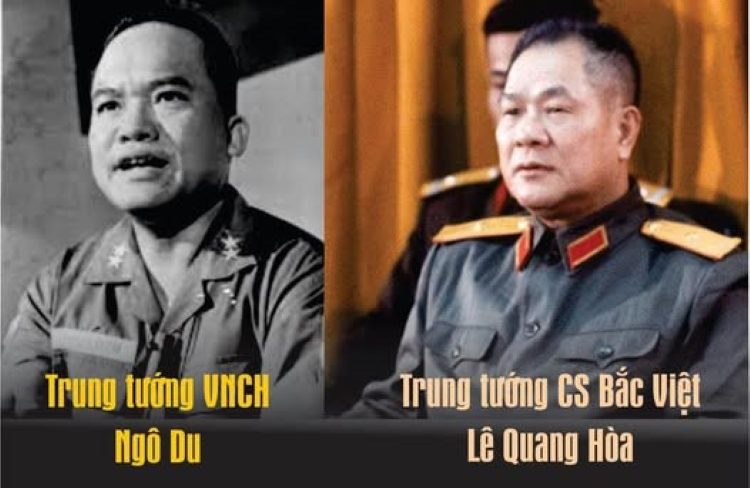

_s%E1%BB%91_8_(1938)_-_D%C3%A2n_L%C3%A0m_B%C3%A1o.jpg)