20260801 CDTL NRM D32 15 May 1973 32. Bản ghi nhớ cuộc
trao đổi.
https://history.state.gov/historicaldocuments/frus1969-76v18/d32
Goolge Translated
Tài liệu số 32
Quan hệ Đối ngoại của Hoa Kỳ, 1969–1976, Tập
XVIII, Trung Quốc, 1973–1976
32. Biên bản ghi nhớ cuộc trao đổi
Washington, ngày 15 tháng 5 năm 1973, 10:20–11:00 sáng
THÀNH PHẦN THAM DỰ
Tiến sĩ Henry A. Kissinger, Trợ lý Tổng thống phụ
trách An ninh Quốc gia
Winston Lord, Cán bộ Hội đồng An ninh Quốc gia (NSC)
Hàn Húc (Han Hsu), Phó Trưởng Văn phòng Liên lạc CHND
Trung Hoa
Tiền Đại Dung (Chien Ta-yung), Cán bộ Văn phòng Liên lạc
CHND Trung Hoa
Kỳ Kiều Chu (Chi Chiao Chu), Cán bộ Văn phòng Liên lạc
CHND Trung Hoa
Ông Quách (Kuo), Cán bộ Phái đoàn CHND Trung Hoa tại
Liên Hợp Quốc
[Trước khi Tiến sĩ Kissinger đến, ông Lord
và phía Trung Quốc đã có cuộc trò chuyện thân mật. Ông Lord hỏi họ xem mọi
việc có ổn không và nói rằng ông nghe nói họ đã thu hẹp lựa chọn địa điểm đặt
Văn phòng Liên lạc xuống còn một vài nơi. Phía Tầu cộng đáp lại rằng
mọi việc đang diễn ra suôn sẻ và xác nhận rằng họ đã thu hẹp được lựa chọn. Ông
Lord hy vọng họ có cơ hội tham quan và thư giãn, và Đại sứ Han trả lời
rằng họ không phải làm việc quá vất vả. Họ đã đi tham quan hai lần. Ông Lord
chào mừng ông Kuo từ New York và hỏi ông có phải đây là lần đầu
tiên ông đến Washington không. Ông Kuo nói rằng đúng vậy và ông đến
đây gấp rút chỉ trong vài ngày.]
Ông Kuo cho biết ông đã
hay tin về việc ông Lord rời khỏi đội ngũ nhân sự thông qua báo chí. Ông
Lord xác nhận thông tin này và cho biết ông đã trao đổi với bà Shih
cũng như các thành viên của Văn phòng Liên lạc về vấn đề này từ trước đó. Ông
Lord điểm lại những lý do khiến ông quyết định rời đi, đó là để nghỉ ngơi,
suy ngẫm, tái tạo năng lượng và dành nhiều thời gian hơn cho gia đình. Ông khẳng
định lại rằng mình sẽ tiếp tục sống tại khu vực Washington và hy vọng vẫn
có thể gặp gỡ phía Tầu cộng trên phương diện cá nhân. Ông chia sẻ
rằng có thể một ngày nào đó ông sẽ quay lại làm việc cho chính phủ—có thể là dưới
quyền Tiến sĩ Kissinger—nhưng vào thời điểm hiện tại, ông cần một khoảng
thời gian nghỉ ngơi. Nếu quay trở lại, ông tin rằng mình sẽ làm việc hiệu quả
hơn nữa. Phía Tầu cộng bày tỏ sự tiếc nuối khi ông Lord rời
đi cũng như mong muốn được gặp gỡ ông với tư cách cá nhân, đồng thời hỏi thăm về
người sẽ thay thế vị trí của ông. Ông Lord trả lời rằng bộ máy nhân sự
đang được tái cơ cấu phần nào và Tiến sĩ Kissinger đang tuyển dụng thêm
những nhân sự mới xuất sắc, nhưng dù thế nào đi nữa, sự kế thừa và tính liên tục
trong công việc vẫn sẽ được đảm bảo. Ông đã nhắc đến tên các ông Howe
(người đảm nhiệm tạm thời), Rodman và Solomon.
Sau mười phút, Tiến sĩ Kissinger đến và cuộc họp
bắt đầu.] [Trang 255]
Tiến sĩ Kissinger:
Tôi xin lỗi vì đến muộn. Tôi đã gặp Tổng thống và không thể rời đi được. Việc
tìm nhà của ông tiến triển thế nào rồi?
Đại sứ Han:
Đã có một chút tiến triển. Khu Skyline đã bị loại trừ.
Tiến sĩ Kissinger:
Ý ông là khu ở phía Tây Nam?
Đại sứ Han:
Vâng. Khách sạn Ramada Inn cũng không tệ.
Tiến sĩ Kissinger:
Nó ở đâu vậy?
Ông Chi và ông Lord:
Vòng xoay Thomas, trên đường số 14.
Tiến sĩ Kissinger:
Nó có khuôn viên không?
Đại sứ Han:
Có một khu vực rộng hơn so với khu căn hộ Embassy Row. Có một bể bơi lớn.
Tiến sĩ Kissinger:
Tôi sẽ đến bơi. Việc tìm chỗ ở đã có tiến triển gì chưa?
Đại sứ Han:
Không.
Tiến sĩ Kissinger:
Trước tiên, ông đang tập trung vào việc tìm văn phòng, sau đó là nơi ở. Tôi rất
mong đầu bếp của ông đến. (Tiếng cười)
Đại sứ Han:
Chúng tôi cũng hy vọng ông ấy sẽ đến sớm.
Tiến sĩ Kissinger:
Tôi chắc chắn về điều đó.
Tôi rất cảm kích việc ông đồng ý gặp tôi ở đây, thưa Đại
sứ. Rất khó để tôi đến New York vì ngày mai tôi sẽ đi Paris. Tôi
muốn Thủ tướng nắm được nội dung cuộc gặp của chúng ta. (Ông Lord đã nói
với Tiến sĩ Kissinger trong khi cuộc nói chuyện này đang được phiên dịch
rằng phía Tầu cộng muốn giữ bí mật cuộc gặp. Họ đã nói với ông
Lord điều này khi họ đang đi từ xe đến Phòng MAP.) Chúng ta có thể
giữ bí mật cuộc gặp này rất dễ dàng. Lối vào khu vực này của Tòa Bạch Ốc
không được báo chí biết đến. Nếu ông bị nhìn thấy, chúng tôi sẽ nói rằng đó là
về việc chuẩn bị chỗ ở và các vấn đề kỹ thuật. Nhưng không có khả năng nào điều
đó sẽ bị nhìn thấy.
Đại sứ Han:
Chúng tôi hy vọng cuộc gặp này sẽ được giữ bí mật, giống như các cuộc gặp trước
đây.
Tiến sĩ Kissinger:
Ông có thể chắc chắn rằng về phía chúng tôi sẽ không có bất kỳ cuộc thảo luận
nào về việc đó. Chỉ cần một trong một nghìn khả năng ai đó nhìn thấy ông lái xe
ra ngoài—điều này chưa từng xảy ra trước đây—chúng tôi sẽ chỉ nói rằng đây là một
chuyến thăm thường lệ liên quan đến các thỏa thuận kỹ thuật về chỗ ở. Không có
khả năng nào cả. Tôi chỉ đang đề phòng khả năng đó. Tôi sử dụng căn phòng này
cho các cuộc họp khi tôi không muốn chúng bị lộ ra.
Cho phép tôi nói về chuyến thăm Moscow và những
ấn tượng chung của tôi. Tôi đã ở Zavidovo bốn ngày, đó là nhà nghỉ săn bắn
của [Trang 256] Bộ Chính trị. Hầu hết thời gian của tôi là các cuộc trò chuyện
với Tổng Bí thư Brezhnev. Trước tiên, tôi sẽ nói với ông về những vấn đề
liên quan đến Hoa Kỳ và Liên Xô. Sau đó, hãy để tôi nói về những gì
chúng tôi đã nói liên quan đến Tầu cộng. Và sau đó, hãy để tôi
nói với ông về chính sách của chúng tôi, bởi vì điều quan trọng là Bắc Kinh
và Washington phải hiểu nhau hoàn toàn.
Trước tiên, hãy để tôi nói với ông về các bản dự thảo
khác nhau về đề xuất hạt nhân mà Liên Xô đã đưa ra cho chúng tôi. (Ông ấy
lấy ra tập tài liệu.) Chúng tôi đã gửi cho ông tất cả các bản thảo trước đó, và
tôi đã đính kèm bản thảo cuối cùng mà Liên Xô gửi cho chúng tôi, cùng với tình
trạng hiện tại của nó sau khi thảo luận ở đó. (Tiến sĩ Kissinger viết
thêm vào một trong những tài liệu đính kèm mà ông sắp đưa cho.)
Để tôi giải thích những gì chúng tôi đang cố gắng thực
hiện. Nếu muốn thiết lập một cơ chế cùng quản lý với Liên Xô, chúng tôi
không cần đến một hiệp ước; chúng tôi đã nhận được nhiều đề nghị theo hướng đó.
Nếu muốn liên kết với Tầu cộng để chống lại Liên Xô, chúng
tôi cũng không cần phải dàn xếp gì cả, như tôi sẽ giải thích với ông sau. Trước
hết, điều chúng tôi đang cố gắng đạt được là tranh thủ thêm thời gian. Thứ hai
là thiết lập một nghĩa vụ pháp lý giữa chúng tôi và Liên Xô, buộc họ phải
tham vấn chúng tôi trước khi thực hiện bất kỳ hành động quân sự nào; như vậy, nếu
họ hành động quân sự mà không tham vấn, họ sẽ bị coi là đơn phương hành động, tạo
cơ sở để chúng tôi tiến hành các biện pháp chung—điều mà hiện nay chúng tôi
chưa có được trong quan hệ với các nước thứ ba. Vì vậy, trong các cuộc thảo luận
chưa ngã ngũ này, trước hết chúng tôi kiên quyết yêu cầu rằng bất kỳ nghĩa vụ
nào áp dụng giữa chúng tôi và Liên Xô cũng phải áp dụng giữa Liên Xô
và các nước thứ ba. Thứ hai, mục tiêu không sử dụng vũ khí hạt nhân chỉ có thể
đạt được nếu có sự cam kết từ bỏ việc sử dụng vũ lực dưới mọi hình thức. Thứ
ba, các cuộc tham vấn giữa chúng tôi và Liên Xô chỉ giới hạn trong những
trường hợp hai nước có nguy cơ xảy ra chiến tranh với nhau hoặc đe dọa gây chiến
với một nước thứ ba. Ngoài ra, liên quan đến điều khoản trong dự thảo quy định
không được làm phương hại đến các thỏa thuận hiện hành, phía Liên Xô chỉ
muốn đề cập đến các hiệp ước và thỏa thuận chính thức, trong khi chúng tôi kiên
quyết yêu cầu phải bao gồm cả "các văn kiện thích hợp khác" như thư từ
và thông cáo chung.
Đại sứ Han:
Đó là điểm thứ tư.
Tiến sĩ Kissinger:
Vâng.
Đại sứ Han:
Không có gì được làm suy yếu…?
Tiến sĩ Kissinger:
(đọc từ bản dự thảo hiệp ước) “Không có điều khoản nào trong thỏa thuận này ảnh
hưởng hoặc làm suy yếu các nghĩa vụ mà Hoa Kỳ và Liên Xô đã cam kết đối
với các đồng minh hoặc các quốc gia khác trong các hiệp ước, thỏa thuận và các
văn kiện thích hợp khác.”
Chúng tôi đã chuẩn bị một tài liệu về tình hình hiện tại
cùng với lời giải thích của chúng tôi về ý nghĩa của nó, cho bất kỳ quan điểm
nào mà quý vị muốn bày tỏ. [Trang 257] Có ba mục tiêu cơ bản. Thứ nhất, để câu
giờ. Thứ hai, để buộc Liên Xô, nếu họ tham gia vào các hành động quân sự,
phải làm như vậy trong tư thế hòa bình chứ không phải trong bầu không khí căng
thẳng. Thứ ba, nó mang lại cho chúng ta các nghĩa vụ pháp lý cho lập trường của
chúng ta trong trường hợp các quốc gia mà chúng ta không có thỏa thuận chính thức.
(Ông đưa bản dự thảo hiện tại đã được chú thích và phiên bản trước đó mà phía Tầu
cộng đã xem, được đính kèm ở Mục A).
Ông Chi: Nguyên tắc thứ
hai liên quan… ông có thể vui lòng nhắc lại điều này được không?
Tiến sĩ Kissinger:
Chúng tôi muốn đảm bảo rằng nếu Liên Xô tấn công, thì hành động đó sẽ diễn
ra ngay lập tức từ trạng thái căng thẳng đã được xoa dịu chuyển sang chiến
tranh, chứ không phải từ một giai đoạn căng thẳng kéo dài vốn dễ gây nhầm lẫn về
bản chất vấn đề.
Tất nhiên, không ai biết chúng tôi đang cung cấp thông
tin này cho quý vị. Phần văn bản được trình bày với giãn dòng đơn chính là ý kiến
bình luận của chúng tôi.
Nhân nói về chủ đề này, tôi xin kể lại một cuộc trao đổi
với ông Brezhnev liên quan đến Tầu cộng. Có lần, ông
Brezhnev rủ tôi đi săn – một môn thể thao mà tôi chưa từng tham gia bao giờ
(phía Trung Quốc mỉm cười). Thực ra thì ông ấy đi săn, còn tôi chỉ đi bộ
cùng. Ở Liên Xô, người ta thường săn bắn từ các chòi dựng trên cây trong
khi thú vật ở bên dưới, nên cũng không quá nguy hiểm. Sau khi cuộc săn kết
thúc, ông Brezhnev cho dọn bữa trưa dã ngoại; chỉ có ông ấy, tôi và một
phiên dịch viên cùng dùng bữa. Trong cuộc trò chuyện đó, ông ấy đã bộc lộ thái
độ hầu như chẳng mấy thiện cảm hay ngưỡng mộ gì đối với Tầu cộng.
(Phía Tầu cộng cười.) Và ông ấy là một nhà lãnh đạo có phần thiếu
kỷ luật và kém kiềm chế hơn so với Thủ tướng của quý vị. Chuyện đó thì chẳng có
gì mới mẻ cả. Điều này đã từng được đề cập trước đây rồi.
Sau đó, ông ta nói rằng Liên Xô và Hoa Kỳ có
nghĩa vụ chung là ngăn chặn Tầu cộng trở thành một cường quốc hạt
nhân lớn. Ông ta hỏi: "Các ông có coi Tầu cộng là đồng minh
không?" Tôi đáp: "Không, chúng tôi không coi họ là đồng minh—chúng
tôi coi họ là bạn." Ông ta nói: "Các ông có thể kết bạn với bất kỳ ai
tùy ý, nhưng chúng ta—ý nói Moscow và Washington—cần phải là đối tác của
nhau." Ông ta lại nhấn mạnh rằng hai bên có trách nhiệm chung trong việc
ngăn chặn Tầu cộng trở thành cường quốc hạt nhân. Tôi khẳng định
rằng chúng tôi không thừa nhận bất kỳ trách nhiệm chung nào như vậy. Về cơ bản,
câu chuyện chỉ có thế. Phần còn lại chỉ là những lời chỉ trích gay gắt nhắm vào
Tầu cộng mà chẳng có ích gì khi nhắc lại—những chuyện đại loại
như tư tưởng nước lớn, hay việc Tầu cộng sẽ quay lưng lại với
chúng ta ngay khi đủ mạnh. Những điều đó chẳng quan trọng.
Rồi vào ngày cuối cùng, tôi bay từ khu nhà nghỉ săn bắn
đó về Moscow, ghé qua Đại sứ quán của chúng tôi trong 15 phút; đi cùng
tôi là Dobrynin, Đại sứ của họ tại đây. Ông ta cho biết Brezhnev
đã dặn ông phải đảm bảo [Trang 258] rằng tôi hiểu rõ cuộc trò chuyện tại chốt
săn bắn đó là một cuộc thảo luận nghiêm túc chứ không phải chuyện xã giao. Ông
ta muốn biết liệu có tồn tại một thỏa thuận chính thức nào giữa Cộng hòa
Nhân dân Trung Hoa và Hoa Kỳ hay không. Tôi trả lời rằng không
có thỏa thuận nào cả, nhưng có những văn kiện thích hợp được chúng tôi rút ra từ
bản dự thảo này, và dù thế nào đi nữa, chúng tôi vẫn sẽ hành động dựa trên lợi
ích quốc gia—điều mà chúng tôi đã nêu rõ trong Báo cáo Thường niên của Tổng
thống.
Đó là toàn bộ các cuộc thảo luận liên quan đến Tầu
cộng... ngoại trừ việc mỗi khi chúng tôi đề cập đến các nước thứ ba tại
đây, Gromyko lại cho rằng chúng tôi đang đóng vai trò như luật sư biện hộ
cho Tầu cộng. Quan điểm của chúng tôi vẫn hoàn toàn nhất quán với
những gì tôi đã trình bày với Chủ tịch và Thủ tướng, cũng như những gì Tổng
thống đã nêu trong các bức thư gửi Chủ tịch và Thủ tướng. Chúng tôi vẫn tin
rằng mục tiêu của cả hai chính phủ cần là tiếp tục đẩy nhanh quá trình bình thường
hóa quan hệ, cho đến khi thấy rõ rằng chúng ta có lợi ích gắn liền với sự vững
mạnh và độc lập của nước Cộng hòa Nhân dân Trung Hoa.
Nếu Thủ tướng mong muốn, tôi sẵn sàng đến Bắc Kinh
vào tháng Tám, sau hội nghị thượng đỉnh tại đây, để thực hiện chuyến thăm. Chuyến
đi này không cần phải kéo dài như các chuyến thăm trước vì chúng ta đã hoàn tất
các cuộc thảo luận cơ bản; có thể chỉ cần hai ngày, hoặc hai đến ba ngày là đủ.
Nếu Thủ tướng—chúng tôi từng đề cập vấn đề này một lần tại New York—đang
cân nhắc chuyến thăm Liên Hợp Quốc, tất nhiên chúng tôi sẽ dành cho ông
sự đón tiếp nồng hậu tại Washington, hoặc nếu ông chỉ đến riêng Washington
thôi cũng được. Khi đó, chúng ta có thể công bố thông tin này vào mùa hè. Tuy
nhiên, chúng ta cũng có thể cân nhắc các biện pháp khác để thể hiện ý nghĩa biểu
tượng của sự kiện này.
Dù sao thì bản thân tôi cũng có lợi ích riêng trong việc
này, bởi nếu hai sự kiện đó diễn ra, chắc chắn Winston Lord sẽ phải cắt
ngắn kỳ nghỉ để quay trở lại làm việc. Vì vậy, ông cũng nên xem xét vấn đề này
từ góc độ rộng lớn đó.
Đó là cái nhìn tổng quan. Tôi cũng muốn nói với ông rằng,
mặc dù có nhiều thay đổi về nhân sự—chẳng hạn như sự ra đi của Winston Lord—nhưng
cũng có những sự bù đắp nhất định, như việc Tướng Haig quay trở lại Tòa
Bạch Ốc. Và ông có thể tin tưởng vào sự tiếp nối của chính sách mà chúng ta
đang theo đuổi.
Đó là những vấn đề quan trọng nhất từ Moscow.
Bây giờ, tôi muốn đề cập thêm một vài chi tiết nhỏ khác.
Liên quan đến SALT, chúng tôi không dự đoán sẽ
đạt được thỏa thuận nào trong năm nay, ngoại trừ các nguyên tắc chung. (Nói với
Lord) Chúng ta đã chuyển cho họ đề xuất mới nhất của mình chưa? [Trang
259]
Ông Lord (nói với Kissinger):
Chúng tôi đã chuyển cho họ đề xuất của phía Liên Xô.
Tiến sĩ Kissinger:
Đến cuối tuần này, chúng tôi sẽ chuyển cho ông đề nghị của mình để ông nắm được
nội dung đang được thảo luận tại Geneva. Chúng tôi đang hoàn thiện đề xuất
này trong tuần này. Qua các cuộc trao đổi tại Moscow, có thể thấy rõ rằng
sẽ không có thỏa thuận cụ thể nào được ký kết ngoài các nguyên tắc chung, và bản
thân các nguyên tắc đó cũng chưa được soạn thảo xong. Khi nào hoàn tất, chúng
tôi sẽ cho ông xem. Các nguyên tắc này sẽ không đi vào những chi tiết quá tỉ mỉ.
Về vấn đề MBFR (Cắt giảm Lực lượng Vũ trang
và Vũ khí ở Trung Âu), thực tế không có cuộc thảo luận nào diễn ra ngoại trừ
việc bàn về thời điểm đàm phán vào cuối năm nay. Chúng tôi cũng sẽ cung cấp cho
quý vị bản tóm tắt về lập trường mà chúng tôi đang thảo luận với các đồng minh.
Chúng tôi chưa thảo luận vấn đề này với Liên Xô; việc đó sẽ được thực hiện
vào tuần tới.
Chúng tôi cũng đang chuẩn bị một số thỏa thuận song
phương cho Hội nghị Thượng đỉnh, tương tự như các thỏa thuận năm ngoái, bao gồm
các lĩnh vực: nghiên cứu nông nghiệp, hải dương học, giao lưu văn hóa và hàng
không dân dụng.
Về khía cạnh kinh tế, các nhà lãnh đạo Liên Xô
chỉ đơn thuần nhắc lại nhu cầu của họ đối với các khoản tín dụng dài hạn.
Một lần nữa, chúng tôi muốn khẳng định rằng bất cứ điều
gì chúng tôi sẵn sàng thực hiện với Liên Xô thì chúng tôi cũng sẵn sàng
thực hiện với Cộng hòa Nhân dân Trung Hoa. Và ngược
lại, có những điều chúng tôi sẵn sàng thực hiện với Cộng hòa Nhân dân
Trung Hoa nhưng lại chưa sẵn sàng thực hiện với Liên Xô.
Đó là những nội dung chính mà tôi đã thảo luận tại Liên
Xô.
Về chuyến thăm của Brezhnev, ông ấy sẽ ở đây
tám ngày.7 Có lẽ ông ấy sẽ dành năm ngày tại Washington và hai ngày ở Los
Angeles hoặc San Clemente. Chúng tôi vẫn chưa quyết định về một địa
điểm trung gian nào đó; có thể là Key Biscayne, cũng có thể là Detroit—ông
ấy cực kỳ mê ô tô.
Ông biết đấy, thứ Năm tới tôi sẽ đến Paris để gặp...
tôi không thể gọi ông ấy là Cố vấn Đặc biệt nữa, giờ ông ấy là Phó Thủ tướng
rồi (Cười). Tôi muốn nhắc lại điều mà tôi đã nói với Đại sứ Hoàng Hoa và
Thủ tướng, rằng việc đảm bảo tuân thủ lệnh ngừng bắn thực sự mang lại lợi
ích cho tất cả các nước.
Cho phép tôi nói một điều về sự xôn xao trong nước mà
ông thấy ở Hoa Kỳ vào thời điểm này. Khi ở đây một thời gian, ông sẽ thấy
Washington luôn trải qua những đợt cuồng nhiệt nhất thời, khi mà người
ta chẳng bàn tán gì khác ngoài chuyện đó. Và sáu tháng sau, thật [Trang 260] khó
để nhớ lại chính xác mọi chi tiết của cuộc tranh cãi. Việc thực thi chính sách
đối ngoại không hề bị ảnh hưởng, và trên thực tế, thậm chí có thể được củng cố
đôi chút ở một số lĩnh vực, bởi vì nhiều đối thủ của chúng tôi có thể muốn chứng
tỏ họ là những người có tinh thần trách nhiệm. Trong vòng hai tháng tới, mọi
chuyện sẽ trở nên rõ ràng rằng quyền kiểm soát chính sách đối ngoại trong chính
phủ đang được củng cố.
Vì vậy, những đường lối đã được vạch ra trong các cuộc
đàm phán hồi tháng Hai tại Bắc Kinh đã được ấn định và sẽ được theo đuổi
mạnh mẽ, và tôi sẽ không để những ồn ào ở Washington làm xao nhãng quá
nhiều.
Về vấn đề Hàn Quốc, chúng tôi muốn trả lời các
bạn trong vòng hai tuần nữa. Thành thật mà nói, tôi chưa có thời gian để chuẩn
bị một câu trả lời thỏa đáng.9
Về ngành dệt bông. Các bạn đã gửi cho chúng tôi một
công văn. Chúng tôi đã yêu cầu các cơ quan không theo đuổi vấn đề này cho đến
khi Đại sứ của các bạn đến đây. Chúng tôi có một số nghĩa vụ pháp lý do Quốc hội
đặt ra. Tôi có thể nói với các bạn ngay bây giờ rằng nếu quan hệ của chúng ta bị
tổn hại thì đó sẽ không phải vì ngành dệt bông. [tiếng cười] Đây là một vấn đề
sẽ dễ dàng được giải quyết.
Tôi không biết liệu Đại sứ có gì muốn nói không. [Người
Tầu cộng bàn tán với nhau.]
Đại sứ Han:
Tôi có hai điều muốn nêu ra với Tiến sĩ Kissinger. Điều đầu tiên là hôm
kia, ngày 13, đã có một cuộc biểu tình ở đây chống lại chúng tôi, theo các báo
cáo, họ đã đốt quốc kỳ.
Tiến sĩ Kissinger:
Chúng tôi vô cùng lấy làm tiếc về điều này. Đây là điều không thể chấp nhận được.
Chúng tôi sẽ làm hết sức mình theo luật định để ngăn chặn điều này. Chúng tôi
không thể ngăn chặn các cuộc biểu tình ở những địa điểm được cho phép. Chúng
tôi sẽ cố gắng hết sức để giảm thiểu những sự cố này. Và khi chúng tôi có thể
ngăn chặn chúng bằng biện pháp vật lý, tất nhiên chúng tôi sẽ ngăn chặn. Tôi biết
rằng tôi đang bày tỏ quan điểm của Tổng thống và toàn bộ Chính phủ
Hoa Kỳ khi nói về sự tiếc nuối của chúng tôi đối với sự việc này.
Đại sứ Han:
Một điều nữa—đây là một vấn đề nhỏ. Nhà báo người Mỹ, ông Marquis W. Childs,
hiện đang ở Bắc Kinh, và ông ấy nói với người của chúng tôi rằng Tiến
sĩ Kissinger đã đề nghị ông ấy đến gặp Thủ tướng.
Tiến sĩ Kissinger:
Tôi rất ngưỡng mộ Thủ tướng và do đó tôi luôn nghĩ rằng việc ai đó gặp ông ấy
là có lợi. Tôi nghĩ rằng ông Marquis Childs về cơ bản rất có thiện cảm với
Trung Quốc và rất sẵn lòng giúp đỡ, vì vậy việc Thủ tướng
gặp ông ấy có thể có lợi cho các bạn. Chắc chắn ông ấy sẽ viết rất tích cực, và
có mối quan hệ xã hội rộng rãi [Trang 261] nên những gì ông ấy mang về sẽ rất
tích cực. Nhưng ngoài điều này ra, tôi không có lợi ích cá nhân nào khác. Nếu
Thủ tướng quá bận rộn thì đó sẽ không bị coi là xúc phạm cá nhân tôi. (Có cuộc
thảo luận giữa những người Tầu cộng.)
Đại sứ Han:
Về việc giữ bí mật cuộc gặp này với báo chí. Nếu trong một trong hàng tá khả
năng chúng ta bị nhìn thấy như ông đã đề cập…
Tiến sĩ Kissinger:
Tôi sẽ không nói gì cả. Tôi sẽ phủ nhận việc mình đã gặp ông.
Đại sứ Han:
… Chúng tôi sẽ nói đó chỉ là một cuộc gọi bình thường, và ngoài ra, chúng tôi
cũng sẽ bày tỏ sự tiếc nuối về sự việc xảy ra ngày 13.
Tiến sĩ Kissinger:
Được thôi. Không sao cả. Chúng ta không nên tìm cơ hội để nói gì. (tiếng cười)
Thực tế là gần như không có khả năng ông bị nhìn thấy. (Nói với ông Lord) Đúng
không?
Ông Lord:
Đúng vậy.
Tiến sĩ Kissinger:
Tôi rất vui được gặp lại người bạn cũ (ông Kuo). Tôi hy vọng Đại sứ sẽ đến đây.
Ông Kuo: Tôi đến gấp quá.
Tiến sĩ Kissinger:
Tôi biết về hệ thống – chúng ta sẽ giải quyết ổn thỏa.
Ông Chi: Ông Solomon
và ông Romberg đang giải quyết việc này.
[Trong lúc đó, mọi người tiếp tục trò chuyện vui vẻ, Tiến
sĩ Kissinger nói rằng chính sách của Mỹ sẽ không thay đổi khi ông Lord
vắng mặt, mặc dù sẽ kém hiệu quả hơn. Ông ấy trông chờ ông Lord sẽ cảm
thấy nhàm chán khi ở bên ngoài và cũng tin tưởng vào sự sáng suốt của người vợ Tầu
cộng của ông ấy.]
Tiến sĩ Kissinger:
Tôi thấy Đại sứ Bruce đã đến hôm qua. Chúng ta cần mở rộng văn phòng vì
có tới 10.000 người Mỹ muốn làm việc ở đó. [tiếng cười]
Ông vẫn chưa biết khi nào Đại sứ của mình đến sao?
Đại sứ Han:
Vẫn chưa có tin tức gì. Ngay khi có tin, chúng tôi sẽ báo cho ông biết. Ông
Solomon đã hỏi ông Chi liệu Đại sứ có thể đến trong thời gian
ông ở Paris không. [Tiến sĩ Kissinger tỏ vẻ khó hiểu.]
Đại sứ Han: Chúng
tôi không có tin tức gì cả. Ông ấy chỉ đang thắc mắc liệu Đại sứ có thể
đến trong thời gian ông vắng mặt không.
Tiến sĩ Kissinger:
Bất cứ khi nào ông ấy đến, chúng tôi đều rất hoan nghênh. Tất nhiên, Tổng thống
sẽ gặp ông ấy ngay sau khi ông ấy đến.
Đại sứ Han:
Chúng tôi rất mong chờ điều đó.
Tiến sĩ Kissinger:
Thật vui khi được gặp lại những người bạn của chúng ta. Tôi xin phép đi trước
và riêng để ông có thể đi một cách kín đáo hơn.
[Sau đó là những lời chào tạm biệt thân mật. Ông
Lord kiểm tra để chắc chắn rằng không có ai xung quanh để ý đến sự ra đi của
người Tầu cộng.] Đã có một cuộc thảo luận ngắn gọn, trong đó ông
Lord nói với phía Tầu cộng rằng họ [Trang 262] nên liên lạc với
ông Lord trong một hoặc hai ngày tới, và sau đó là ông Howe. Ông Lord
một lần nữa cho biết ông mong muốn được gặp gỡ phía Tầu cộng trực
tiếp. Ông yêu cầu ông Kuo chuyển lời chào thân ái của mình tới Đại sứ Huang
Hua và bà Shih ở New York. Sau đó, hai bên đã có những lời tạm
biệt rất nồng ấm khi ông Lord hộ tống phía Tầu cộng đến
chiếc xe limousine đang chờ sẵn ở lối vào ngoại giao.]
1. Nguồn:
Cơ quan Lưu trữ Quốc gia, Tài liệu Tổng thống Nixon, Hồ sơ Hội đồng
An ninh Quốc gia (NSC), Hồ sơ Văn phòng Kissinger, Hộp 94, Hồ sơ
Quốc gia, Viễn Đông, Các trao đổi với Tầu cộng,
15/4–15/5/1973. Tuyệt mật; Nhạy cảm; Chỉ dành cho người có thẩm quyền xem trực
tiếp (Exclusively Eyes Only). Cuộc họp diễn ra tại Phòng MAP của Tòa Bạch Ốc.
Tất cả các phần nằm trong ngoặc vuông đều có trong văn bản gốc.↩
2. Kissinger
đã thăm Liên Xô từ ngày 4 đến ngày 9 tháng 5.↩
3. Được
đính kèm nhưng không in ra.↩
4. Nixon
đã trình Báo cáo Thường niên lần thứ tư về Chính sách Đối ngoại của Hoa Kỳ
lên Quốc hội vào ngày 3 tháng 5. Để xem toàn văn, hãy tham khảo *Public Papers:
Nixon, 1973*, tr. 348–518.↩
5. Xem
Tài liệu 21 và 22.↩
6. Vào
ngày 17 tháng 5, Lord báo cáo: "Bản tóm tắt về đề nghị SALT của
chúng ta sẽ được gửi tới phía Tầu cộng trong hôm nay." (Bản
ghi nhớ từ Lord gửi Scowcroft; Cơ quan Lưu trữ Quốc gia, Tài liệu Tổng
thống Nixon, Hồ sơ NSC, Hồ sơ Văn phòng Kissinger, Hộp 94, Hồ sơ Quốc
gia, Viễn Đông, Các trao đổi với Trung Quốc, 16/5–13/6/1973)↩
7. Leonid
Brezhnev đã thăm Hoa Kỳ từ ngày 16 đến ngày 25 tháng 6.↩
8. Ngày
17 tháng 5.↩
9. Theo
nội dung Kissinger báo cáo với Tổng thống về cuộc gặp này với các
nhà ngoại giao Tầu cộng: "ngay trước khi ông lên đường tới
Moscow, phía Trung Quốc đã đề nghị chúng tôi cung cấp kịch bản về việc giải thể
UNCURK theo hai bước trong nửa cuối năm nay, và chúng tôi đã trả lời rằng
sẽ phản hồi yêu cầu của họ sau." (Cơ quan Lưu trữ Quốc gia, Tài liệu
Tổng thống Nixon, Hồ sơ NSC, Hồ sơ Văn phòng Kissinger, Hộp
94, Hồ sơ Quốc gia, Viễn Đông, Các trao đổi với Trung Quốc,
15/4–15/5/1973)↩
10.
Xem Tài liệu 31.↩
Sources
https://history.state.gov/historicaldocuments/frus1969-76v18/sources
Abbreviations and Terms
https://history.state.gov/historicaldocuments/frus1969-76v18/terms
Persons
https://history.state.gov/historicaldocuments/frus1969-76v18/persons
China, 1973–1976
https://history.state.gov/historicaldocuments/frus1969-76v18/comp1
Kissinger’s Visits to Beijing and the Establishment of the
Liaison Offices, January 1973–May 1973 (Documents 1–34)
https://history.state.gov/historicaldocuments/frus1969-76v18/ch1
1.
Document 32
Foreign Relations of the United
States, 1969–1976, Volume XVIII, China, 1973–1976
32. Memorandum of Conversation1
Washington, May 15,
1973, 10:20–11:00 a.m.
PARTICIPANTS
- Dr. Henry A.
Kissinger, Assistant to the President for National Security Affairs
- Winston Lord,
NSC Staff
- Han Hsu, Deputy
Chief of the PRC Liaison Office
- Chien Ta-yung,
Official of the PRC Liaison Office
- Chi Chiao Chu,
Official of the PRC Liaison Office
- Mr. Kuo,
Official of the PRC Mission to the United Nations
[Before Dr. Kissinger arrived, Mr. Lord and the Chinese held informal
conversation. Mr. Lord asked them if everything was going well and said that he
had heard they had narrowed down their choices for a residence for their
Liaison Office to a couple of places. The Chinese responded that things were
going smoothly and confirmed that they had narrowed down their choices. Mr.
Lord hoped they had some chance for sightseeing and relaxation, and Ambassador
Han replied that they had not had to work too hard. They had been sightseeing
on two occasions. Mr. Lord welcomed Mr. Kuo from New York and asked him if it
was his first time to Washington. Mr. Kuo said that it was and that he had come
on short notice just for a couple of days.
Mr. Kuo said that he had heard about Mr. Lord’s departure from the staff
from the newspapers. Mr. Lord confirmed this, and he noted that he had talked
to Mrs. Shih about this and earlier to members of the Liaison Office. Mr. Lord
reviewed the reasons for his leaving, namely, rest, reflection, recharge his
batteries, and see more of his family. He reiterated that he would stay in the
Washington area and hoped to see the Chinese on a personal basis. He said that
he might be back in government some day, perhaps working for Dr. Kissinger, but
that he needed to take a break at this point. If he did come back, he would
then be all the more efficient. The Chinese repeated their regrets that Mr.
Lord was leaving and their hope to see him on a private basis and inquired
about his replacement. Mr. Lord responded that the staff was being somewhat
reorganized and Dr. Kissinger was bringing in some good new people, but that in
any event there would be continuity. He cited Messrs. Howe (temporarily),
Rodman, and Solomon.
After ten minutes Dr. Kissinger arrived and the meeting began.]
[Page 255]
Dr. Kissinger: I’m sorry I’m late. I was with the President, and I could
not get away. How is your search for housing progressing?
Ambassador Han: There’s been some slight progress. The Skyline place has
been ruled out.
Dr. Kissinger: You mean the one in Southwest?
Ambassador Han: Yes. The Ramada Inn is not bad.
Dr. Kissinger: Where is that?
Mr. Chi and Mr. Lord: Thomas Circle, on 14th Street.
Dr. Kissinger: Does it have some grounds?
Ambassador Han: There’s a larger area than in the Embassy Row Apartments.
There’s a big swimming pool.
Dr. Kissinger: I will come for a swim. Has there been any progress in
finding a residence?
Ambassador Han: No.
Dr. Kissinger: First, you are concentrating on finding an office and then
the residence. I’m eager for your cook to arrive. (Laughter)
Ambassador Han: We are also hoping for an early arrival.
Dr. Kissinger: I am sure of that.
I appreciate your agreeing to see me here, Mr. Ambassador. It is very
difficult for me to go to New York since I’m leaving tomorrow for Paris. I
wanted the Prime Minister to have an account of our meeting. (Mr. Lord
indicated to Dr. Kissinger while this was being translated that the Chinese
wished to keep the meeting secret. They had told Mr. Lord this as they were
walking from their car to the MAP Room.) We can keep this meeting secret very
easily. The entrance at this point of the White House is not known to the
press. If you are seen, we will say that it concerned preparations for housing
and technical things. But there is no possibility that it will be seen.
Ambassador Han: Our hope is that this meeting will be, as previous
meetings, kept secret.
Dr. Kissinger: You can be sure that from our side there will be no
discussion of it. Just on the one chance in a thousand that someone sees you
drive out—this has never happened before—we will just say this is a routine
visit connected with technical arrangements for housing. There’s no
possibility. I’m just protecting against the possible chance. I use this room
for meetings when I do not want them to become known.
Let me talk about my visit to Moscow and my general impressions.2 I spent four days in Zavidovo, which
is the hunting lodge of [Page 256] the Politburo. Most
of my time was in conversations with General Secretary Brezhnev. First I’ll
talk to you about matters that concern the United States and the Soviet Union.
Then let me talk about what we said concerning China. And then let me tell you what
our policy is, because it is important that Peking and Washington understand
each other completely.
First let me talk to you about the various drafts of the nuclear
proposals that the Soviet Union has made to us. (He pulls out his folder.)
We’ve given you every previous draft, and I have attached the last draft that
the Soviet Union gave us, and where it stands now after discussion there. (Dr.
Kissinger writes an addition on one of the attachments that he is about to hand
over.)
Let me explain what we are trying to do. If we want to establish a
condominium with the Soviet Union, we don’t need a treaty. We’ve had many
offers to that effect. If we want to gang up with China against the Soviet
Union we don’t need to make any arrangements, as I will explain to you later.
What we are trying to do first of all is to gain some time. Secondly, to
establish a legal obligation as between us and the Soviet Union that requires
the Soviet Union to consult with us before taking any military acts, so if they
do take any military actions without consulting us, they will have taken
unilateral acts which gives us the basis for common action, which we do not now
possess with regard to third countries. So what we have done in our
discussions, which are not yet finally completed, is first of all to insist
that any obligation that applies between us and the Soviet Union applies also
between the Soviet Union and third countries. Secondly, that the objective of
not using nuclear weapons can be realized only if there’s a renunciation of the
use of any force. Thirdly, any consultations that occur between us and the
Soviet Union are confined to those cases where the two countries might go to
war against each other or they might threaten a war against a third country.
Thirdly (sic) where it says in the draft that nothing should impair existing
agreements, etc., the Soviet Union wanted only to say when there are treaties
and formal agreements, and we insisted that it should include “other
appropriate instruments” such as letters and communiqués.
Ambassador Han: That’s the fourth point.
Dr. Kissinger: Yes.
Ambassador Han: Nothing should impair …?
Dr. Kissinger: (reading from the draft treaty) “Nothing in this agreement
shall affect or impair the obligations undertaken by the United States and the
Soviet Union toward their allies or other countries in treaties, agreements,
and other appropriate instruments.”
We have prepared a document on where this now stands with our explanation
of what it means, for whatever views you want to express. [Page 257] There are three
basic objectives. First, to gain time. Secondly, to force the Soviet Union if
it engages in military actions to do so out of a posture of peace rather than
an atmosphere of tension. Thirdly, it gives us legal obligations for our
position in case of countries where we don’t have formal arrangements. (He
hands over the annotated current draft and the previous version that the
Chinese had seen, attached at Tab A).3
Mr. Chi: The second principle concerned … could you kindly repeat this?
Dr. Kissinger: We want to make sure that when the Soviet Union attacks it
will be from a posture of relaxation of tension immediately to war, rather than
from a prolonged period of tension which confuses the issue.
Of course, no one knows we are giving you this. The single-spaced part is
our comment.
While talking on this subject, let me mention a discussion with Mr.
Brezhnev that concerned China. Brezhnev took me hunting one day, which is a
sport I have never engaged in (the Chinese smile). In fact he went hunting, and
I just walked along. In the Soviet Union one hunts from the stand in the trees
with the animals below, so it is not excessively dangerous. After the shooting
was over Brezhnev had a picnic lunch brought in, and it was just he and I and
one interpreter. In this conversation he expressed his extremely limited
admiration of China. (Laughter from the Chinese.) And he is a somewhat less
disciplined and controlled leader than your Prime Minister. That is not new.
That has been done before.
But then he said the Soviet Union and the United States had a joint
obligation to prevent China from becoming a big nuclear power. And he said, “do
you consider China an ally?” I said, “no, we don’t consider it an ally—we
consider it a friend.” He said, “well you can have any friends you want, but
you and we should be partners”— he meant Moscow and Washington. He repeated
again that we have a joint responsibility to prevent China from becoming a
nuclear power. And I said we recognize no such joint responsibility. That was
it, in effect. The rest was simply tirades about China which there is no sense
in repeating—things like big power chauvinism, and as soon as you are strong
enough you will also turn on us. That sort of thing, immaterial.
Then on the last day, I flew from that lodge to Moscow just to stop at
our Embassy for 15 minutes, and I was accompanied by Dobrynin, their Ambassador
here. He said that Brezhnev had asked him to make [Page 258] sure that I
understood that the conversation at the hunting stand was meant to be serious
and not a social conversation. He said he wanted to know whether there existed
a formal agreement between the People’s Republic and the United States. I said
there didn’t exist any agreement, but there existed appropriate instruments
which we took from this draft, and that in any event we will be guided by our
national interest—which we had expressed in the President’s Annual Report.4
These were all the conversations which concerned China … except every
time we mentioned third countries here, Gromyko would say that we were acting
as the lawyer for China. Our views remain exactly as expressed by me to the
Chairman and the Prime Minister, and by the President in his letters to the
Chairman and the Prime Minister.5 We continue to believe that it should
be the objectives of both our governments to continue to accelerate
normalization to the point where it becomes clear that we have a stake in the
strength and independence of the People’s Republic.
I would be prepared, if the Prime Minister wanted, to come to Peking in
August after the summit here in order to make a visit. It wouldn’t have to be
as long as previous visits because we’ve had basic talks. Maybe two days, or
two or three days. If the Prime Minister—we mentioned this in New York
once—were considering a visit to the United Nations, we would, of course, give
him a very warm reception here in Washington, or if he would come only to
Washington. Then we could announce that in the summer. But we could think of
other measures to symbolize this.
I have a self-interest in this anyway because if those two things happen,
Winston Lord would certainly come back from vacation. So you should also
consider it from this wide perspective.
This is the general perspective. I also want to tell you that even though
there are many changes in the staff, such as the departure of Winston Lord,
there are also some compensations like the return of General Haig to the White
House. And you can count on the continuity of our policy that we have been
pursuing.
Those are the most important things from Moscow. Now I want to tell you a
few minor things.
With respect to SALT, we do not foresee an agreement this year on
anything except general principles. (To Lord) Did we give them our latest
proposal?
[Page 259]
Mr. Lord (to Kissinger): We gave them the Soviet proposal.
Dr. Kissinger: By the end of this week we will give you our proposal, so
you know what is being discussed in Geneva.6 We are working on this proposal this
week. From my conversations in Moscow it’s quite clear that there will be no
concrete agreement except on general principles, and those principles are not
yet worked out. When they are, we will show them to you. They will not be
distinguished by excessive precision.
On MBFR there was practically no discussion except for the timing of
negotiations later this year. We will also give you a summary of the position
we are discussing with our allies. We have not yet discussed it with the Soviet
Union. We will do that next week.
We are also preparing for the Summit a number of bilateral agreements of
the same sort as last year—agricultural research, oceanography, cultural
exchange, civil aviation.
On the economic side, it was simply another reiteration by the Soviet
leaders of their need for long term credits.
Again, we want to repeat that anything we are prepared to do with the
Soviet Union we are prepared to do with the People’s Republic. And conversely,
we may be prepared to do things with the People’s Republic that we are not
prepared to do with the Soviet Union.
Those are the major things I discussed in the Soviet Union.
As to the visit of Brezhnev, he will be here eight days.7 He will spend five probably in
Washington and two in Los Angeles or San Clemente. We haven’t decided yet on
some place in between, it may be Key Biscayne, it may be Detroit—he is crazy
about automobiles.
You know I’m going to Paris on Thursday8 to meet with—I can’t call him Special
Advisor anymore, he’s the Deputy Prime Minister now (Laughter). Again I want to
repeat what I’ve said to Ambassador Huang Hua and the Prime Minister, that it
is really in the interest of all countries to bring about an observance of the
ceasefire.
Let me say one thing about all the domestic excitement you find in the
United States at this point. Once you are here for some time you will see that
there are always fits of hysteria descending on Washington in which people talk
about nothing else. And six months later it’s [Page 260] difficult to
remember exactly all the details of the controversy. The conduct of foreign
policy is unaffected, and may in fact be even slightly strengthened in some
fields, because many of our opponents may even want to show how responsible
they are. It will become clear within the next two months that control of
foreign policy in the government is being strengthened.
So the lines laid down in the conversations in February in Peking were
fixed and will be pursued with vigor, and I would not let the noise here in
Washington be too distracting.
On Korea we would like to give you an answer in two weeks. Frankly I have
not had time to prepare an adequate answer.9
Cotton textiles. You sent us a note. We’ve asked the agencies not to
pursue this subject until your Ambassador comes here.10 We have certain legal obligations
imposed on us by the Congress. I can tell you now that if our relations are
ever impaired it will not be because of cotton textiles. [laughter] This is an
issue that will be easily settled.
I don’t know whether the Ambassador has anything. [The Chinese discuss
among themselves.]
Ambassador Han: I have two things I would like to take up with Dr.
Kissinger. The first thing is that the day before yesterday, on the 13th, there
was a demonstration here against us in which, according to reports, they burned
the national flag.
Dr. Kissinger: We regret this deeply. It is inexcusable. We will do the
maximum permitted under law to prevent this. We cannot prevent demonstrations
in authorized places. We will do our best to minimize these incidents. And when
we can physically stop them, we will, of course, stop them. I know I express
the view of the President and the whole U.S. Government when I speak of our
regret over this incident.
Ambassador Han: Another thing—this is a minor matter. The American
columnist, Mr. Marquis W. Childs, he is in Peking now, and he told our people
that Dr. Kissinger suggested that he call on the Premier.
Dr. Kissinger: I’m a great admirer of the Premier and therefore I always
think it is of benefit for someone to see him. I think Marquis Childs is
basically so well disposed toward China and so eager to be helpful that it
might be in your interest if the Prime Minister saw him. He will certainly
write very favorably, and is socially well-connected [Page 261] so that what he
brings back will be very positive. But except for this I have no personal
interest. If the Prime Minister is too busy it would not be considered a
personal affront to me. (There is discussion among the Chinese.)
Ambassador Han: About keeping this meeting secret from the press. If in
the one of a dozen possibilities we were seen as you mentioned …
Dr. Kissinger: I won’t say anything. I will deny that I saw you.
Ambassador Han: … We will say that it was an ordinary call and in
addition to an ordinary call we will say that we expressed our regret over the
incident on the 13th.
Dr. Kissinger: That is fine. That is all right. We should not look for an
opportunity to say anything. (laughter) There is practically no chance of your
being seen. (To Mr. Lord) Correct?
Mr. Lord: That’s right.
Dr. Kissinger: I’m glad to see my old friend (Mr. Kuo). I hope the
Ambassador will come here.
Mr. Kuo: I came on very short notice.
Dr. Kissinger: I know about the system—we will work it out.
Mr. Chi: Mr. Solomon and Mr. Romberg are working this out.
[There was some more light talk during which Dr. Kissinger said that U.S.
policy wouldn’t change with Mr. Lord’s absence although it would be less
efficient. He was counting on Mr. Lord’s getting bored on the outside and also
on the good sense of his Chinese wife.]
Dr. Kissinger: I saw that Ambassador Bruce arrived yesterday. We need to
expand our office since 10,000 Americans want to work there. [laughter]
You still don’t know when your Ambassador arrives?
Ambassador Han: There is still no news. As soon as we do know, we will
let you know. Mr. Solomon asked Mr. Chi whether the Ambassador might come while
you are in Paris. [Dr. Kissinger indicates puzzlement.]
Ambassador Han: We have no news. He was just wondering if the Ambassador
might come while you were away.
Dr. Kissinger: Whenever he does come he will be highly welcomed. Of
course, the President will see him very soon after his arrival.
Ambassador Han: We are looking forward to that.
Dr. Kissinger: It is always a pleasure to see our friends. I will leave
first and separately so that you can leave more discreetly.
[There were then cordial farewells. Mr. Lord checked to make sure that
there were no people around to notice the Chinese departure. There was a brief
discussion in which Mr. Lord told the Chinese that they [Page 262] should contact Mr.
Lord the next day or two, and after that, Mr. Howe. Mr. Lord again indicated he
was looking forward to seeing the Chinese on a personal basis. He asked Mr. Kuo
to give his warm regards to Ambassador Huang Hua and Mrs. Shih in New York.
There were then very warm farewells as Mr. Lord escorted the Chinese to their
limousine waiting at the diplomatic entrance.]
1. Source: National
Archives, Nixon Presidential Materials, NSC Files, Kissinger Office Files, Box
94, Country Files, Far East, China Exchanges, April 15-May 15, 1973. Top
Secret; Sensitive; Exclusively Eyes Only. The meeting took place in the MAP
Room of the White House. All brackets are in the original.↩
2. Kissinger visited
the Soviet Union May 4–9.↩
3. Attached but not
printed.↩
4. Nixon submitted the
Fourth Annual Report on U.S. Foreign Policy to Congress on May 3. For text, see
Public Papers: Nixon, 1973, pp. 348–518.↩
5. See Documents 21 and 22.↩
6. On May 17, Lord
reported, “The summary of our SALT proposal is going to the Chinese today.”
(Memorandum from Lord to Scowcroft; National Archives, Nixon Presidential
Materials, NSC Files, Kissinger Office Files, Box 94, Country Files, Far East,
China Exchanges, May 16-June 13, 1973)↩
7. Leonid Brezhnev
visited the United States June 16–25.↩
8. May 17.↩
9. According to
Kissinger’s briefing to the President of this meeting with Chinese diplomats,
“just before you left for Moscow, the Chinese asked us for our scenario on
abolishing UNCURK in two steps during the latter half of this year, and we said
that we would respond to their inquiry later.” (National Archives, Nixon
Presidential Materials, NSC Files, Kissinger Office Files, Box 94, Country
Files, Far East, China Exchanges, April 15-May 15, 1973)↩
10.
See Document 31.↩
https://history.state.gov/historicaldocuments/frus1969-76v18/d32
https://history.state.gov/historicaldocuments/frus1969-76v18/pg_255
https://history.state.gov/historicaldocuments/frus1969-76v18/pg_256
https://history.state.gov/historicaldocuments/frus1969-76v18/pg_257
https://history.state.gov/historicaldocuments/frus1969-76v18/pg_258
https://history.state.gov/historicaldocuments/frus1969-76v18/pg_259
https://history.state.gov/historicaldocuments/frus1969-76v18/pg_260
https://history.state.gov/historicaldocuments/frus1969-76v18/pg_261
https://history.state.gov/historicaldocuments/frus1969-76v18/pg_262
https://history.state.gov/historicaldocuments/frus1969-76v18/d21
https://history.state.gov/historicaldocuments/frus1969-76v18/d22
https://history.state.gov/historicaldocuments/frus1969-76v18/d31
Thân thế (các) nhân vật
Brezhnev Leonid,
General Secretary of the Communist Party of
the Soviet Union
https://en.wikipedia.org/wiki/Leonid_Brezhnev
https://www.britannica.com/biography/Leonid-Ilich-Brezhnev
https://en.wikipedia.org/wiki/General_Secretary_of_the_Communist_Party_of_the_Soviet_Union
https://www.britannica.com/place/Soviet-Union/The-Brezhnev-era
Bruce, David K.E.,
Head of the U.S. Delegation to the (plenary)
Paris Peace Talks from July 1970 until July 1971
https://en.wikipedia.org/wiki/David_K._E._Bruce
https://www.trumanlibrary.gov/library/oral-histories/bruce
https://www.nytimes.com/1970/07/02/archives/nixon-appoints-bruce-as-leader-at-peace-talks-says-on-tv-he-has-no.html
https://history.state.gov/historicaldocuments/frus1969-76v07/d41
https://www.encyclopedia.com/humanities/encyclopedias-almanacs-transcripts-and-maps/bruce-david-kirkpatrick-este
https://history.state.gov/historicaldocuments/frus1969-76v42/persons
https://www.britishpathe.com/asset/235113/
https://digitalcommons.chapman.edu/upi_vietnam/95/
https://www.researchgate.net/profile/Priscilla-Roberts-2/publication/314258867_%27I_Begin_to_Think_of_Myself_as_a_Marco_Polo%27_David_Bruce_in_China_1973-1974_Occasional_paper_No_1_Keele_David_Bruce_Centre_for_American_Studies_Keele_University_1999/links/58f39faea6fdcc11e569f1b0/I-Begin-to-Think-of-Myself-as-a-Marco-Polo-David-Bruce-in-China-1973-1974-Occasional-paper-No-1-Keele-David-Bruce-Centre-for-American-Studies-Keele-University-1999.pdf
Chi P’eng-fei, Ji Pengfei (Chi P’eng-fei),
Vice Minister of Foreign Affairs, People’s Republic of China, until
April 1971; Acting Foreign Minister until February 1972; Foreign Minister from
February 1972
PRC Vice Minister of Foreign Affairs until April 1971; Acting Foreign
Minister until February 1972; Foreign Minister from February 1972 to November
1974
https://www.fmprc.gov.cn/eng/zy/wjrw/3606_665551/202405/t20240531_11367614.html
https://repository.lib.cuhk.edu.hk/en/item/cuhk-3011805
https://en.wikipedia.org/wiki/Ji_Pengfei
https://baike.baidu.com/item/%E8%AE%B8%E5%AF%92%E5%86%B0/5638890?lemmaFrom=lemma_relation_starMap&fromModule=lemma_relation-starMap&lemmaIdFrom=1485566
https://baike.baidu.com/item/%E5%A7%AC%E8%83%9C%E5%BE%B7/12677588?lemmaFrom=lemma_relation_starMap&fromModule=lemma_relation-starMap&lemmaIdFrom=1485566
Dobrynin, Anatoly F.,
Soviet Ambassador to the United States
https://en.wikipedia.org/wiki/Anatoly_Dobrynin
https://en.wikipedia.org/wiki/International_Department_of_the_Communist_Party_of_the_Soviet_Union
https://en.wikipedia.org/wiki/List_of_Ambassadors_of_Russia_to_the_United_States
https://en.wikipedia.org/wiki/27th_Secretariat_of_the_Communist_Party_of_the_Soviet_Union
https://en.wikipedia.org/wiki/Central_Committee_of_the_Communist_Party_of_the_Soviet_Union
https://digitalarchive.wilsoncenter.org/people/dobrynin-anatoly-fedorovich
https://www.britannica.com/biography/Anatoly-Fyodorovich-Dobrynin
Gromyko, Andrei A.,
Soviet Foreign Minister
https://en.wikipedia.org/wiki/Andrei_Gromyko
https://en.wikipedia.org/wiki/List_of_heads_of_state_of_the_Soviet_Union
https://en.wikipedia.org/wiki/27th_Politburo_of_the_Communist_Party_of_the_Soviet_Union
https://en.wikipedia.org/wiki/Ministry_of_Foreign_Affairs_(Soviet_Union)
https://en.wikipedia.org/wiki/Permanent_Representative_of_the_Soviet_Union_to_the_United_Nations
https://digitalarchive.wilsoncenter.org/search?f[0]=people:81473&fo[0]=81473
https://www.fordlibrarymuseum.gov/library/exhibits/vladivostok/gromyko.pdf
Haig Alexander Meigs, Jr.,
Major General, USA, Deputy Assistant to the
President for National Security Affairs until January 1973; Army Vice Chief of
Staff from January until August 1973; Assistant to the President and White
House Chief of Staff from August 1973 until August 1974
https://en.wikipedia.org/wiki/Alexander_Haig
https://en.wikipedia.org/wiki/United_States_Secretary_of_State
https://en.wikipedia.org/wiki/Supreme_Allied_Commander_Europe
https://en.wikipedia.org/wiki/White_House_Chief_of_Staff
https://upload.wikimedia.org/wikipedia/commons/thumb/c/cf/United_States_Army_Staff_Identification_Badge.png/426px-United_States_Army_Staff_Identification_Badge.png
https://en.wikipedia.org/wiki/Deputy_National_Security_Advisor_(United_States)
https://history.state.gov/departmenthistory/people/haig-alexander-meigs
https://history.state.gov/departmenthistory/people/principalofficers/secretary
https://www.u-s-history.com/pages/h1971.html
http://rs5.loc.gov/service/mss/eadxmlmss/eadpdfmss/uploaded_pdf/ead_pdf_batch_16_june_2011/ms011082.pdf
Han Xu (Han Hsu),
Deputy Head of the PRC Liaison Office in the United States from 1973
https://2001-2009.state.gov/documents/organization/100323.pdf
https://history.state.gov/historicaldocuments/frus1969-76v18/persons
https://brill.com/edcollbook/title/58094
https://2001-2009.state.gov/documents/organization/100324.pdf
https://storage.googleapis.com/rua-uplo/files/books/934/416ef3c1-6c7a-4586-b2ec-709a41760bbf.pdf
https://apps.dtic.mil/sti/pdfs/ADA279207.pdf
https://www.aei.org/wp-content/uploads/2023/07/ForeignPolicyRev603.pdf?x97961
Howe, Jonathan,
Lieutenant Commander, USN; member, National Security Council Staff
from 1970 until 1972
https://en.wikipedia.org/wiki/Jonathan_Howe
https://www.pbs.org/wgbh/pages/frontline/shows/ambush/interviews/howe.html
https://www.gao.gov/products/b-255792
https://aei.pitt.edu/75325/1/BIO_-_EN_-_Howe.pdf
https://www.govinfo.gov/content/pkg/GAOREPORTS-B-255792-2/html/GAOREPORTS-B-255792-2.htm
https://valor.militarytimes.com/recipient/recipient-315370/
https://digitallibrary.un.org/record/1314390?ln=en
Huang Hua,
Chief
Delegate to the Security Council and PRC Ambassador to the United Nations until
October 1976
https://www.latimes.com/local/obituaries/la-me-huang-hua-20101125-story.html
https://www.fmprc.gov.cn/eng/zy/wjrw/3606_665551/202405/t20240531_11367612.html
https://en.wikipedia.org/wiki/Huang_Hua
https://history.state.gov/historicaldocuments/frus1969-76v18/d82
https://www.nixonfoundation.org/2010/11/huang-hua-1913-2010/
https://en.wikipedia.org/wiki/Huang_Hua_(activist)
Henry A Kissinger
Assistant to the President for National Security Affairs until
November 3, 1975; also Secretary of State from September 21, 1973
https://www.theguardian.com/world/2023/may/20/bilderberg-meeting-group-lisbon-kissinger
https://www.theguardian.com/world/bilderberg
https://history.state.gov/historicaldocuments/frus1969-76ve13/summary
https://china.usc.edu/getting-beijing-henry-kissingers-secret-1971-trip
https://china.usc.edu/sites/default/files/styles/article_node_featured/public/article/featured-image/kissinger-zhou-sm_0.jpg?itok=qDjPx2_m
https://china.usc.edu/catalog/documents/us-china
http://www.archives.gov/press/press-releases/2001/nr01-47.html
https://china.usc.edu/talking-points-july-22-august-3-2011
https://china.usc.edu/getting-beijing-henry-kissingers-secret-1971-trip#meetings
https://china.usc.edu/getting-beijing-henry-kissingers-secret-1971-trip#nixon-announcement
https://china.usc.edu/getting-beijing-henry-kissingers-secret-1971-trip#chinese-accept
https://china.usc.edu/getting-beijing-henry-kissingers-secret-1971-trip#signals
https://china.usc.edu/getting-beijing-henry-kissingers-secret-1971-trip#the_aim
http://www.foreignaffairs.com/articles/23927/richard-m-nixon/asia-after-viet-nam
https://history.state.gov/historicaldocuments/frus1969-76v17/d4
https://history.state.gov/historicaldocuments/frus1969-76v17/d12
https://history.state.gov/historicaldocuments/frus1969-76v17/d13
https://history.state.gov/historicaldocuments/frus1969-76v17/d141
https://2001-2009.state.gov/documents/organization/100324.pdf
https://en.wikipedia.org/wiki/Henry_Kissinger_and_the_Vietnam_War
Lesson in Vietnam from
Kissinger to Nixon: “when we made it “our war” we would not let
the South Vietnamese fight it; when it again became “their war”, we would not
help them fight it.”
(We
also had trouble with excesses here: when we
made it “our war” we would not let the South Vietnamese fight it; when it again
became “their war,” we would not help them fight it. Ironically, we
prepared the South Vietnamese for main force warfare after 1954 (anticipating another Korean-type attack), and they faced a political war; they had prepared
themselves for political warfare after 1973 only to be faced with a main force
invasion 20 years after it had been expected.)
https://history.state.gov/historicaldocuments/frus1969-76v10/d280
Lesson of Vietnam May 12 1975 by Henry A. Kissinger
https://www.fordlibrarymuseum.gov/library/exhibits/vietnam/032400091-002.pdf
https://thebattleofkontum.com/extras/kissinger.html
“Richard M. Nixon and Kissinger on 3 August 1972,” Conversation 760-006,
Presidential Recordings Digital Edition [Fatal Politics, ed. Ken Huges]
(Charlottesville: University of Virginia Press, 2014-). URL:https://prde.upress.virginia.edu/conversations/4006748
https://player.vimeo.com/video/889937807?h=e44572c8f3&color=e57200&title=0&byline=0&portrait=0
https://millercenter.org/the-presidency/educational-resources/nixon-kissinger-and-the-decent-interval
https://player.vimeo.com/video/889937807?h=e44572c8f3&color=e57200&title=0&byline=0&portrait=0
Discover the Truth at:
http://www.theblackvault.com
https://www.theblackvault.com/documentarchive/the-cias-vietnam-document-cd-rom/
The secret life of Henry
Kissinger minutes of a 1975 meeting with Lawrence Eagleburger
https://etan.org/news/kissinger/secret.htm
Henry Kissinger and the Truth About Negotiations In Vietnam
https://www.youtube.com/watch?v=Z5fxxKVfX5g
Henry Kissinger - Secrets of a superpower | DW Documentary
https://www.youtube.com/watch?v=bWVMTKeAwlA
The Untold Truth of Henry Kissinger
https://www.youtube.com/watch?v=0iheZdvWdbI&t=1s
Was Henry Kissinger a War Criminal?
https://www.youtube.com/watch?v=COqq7862wcU&t=25s
Lord, Winston,
member, National Security Council staff until
1973; Director of the Policy Planning Staff, Department of State from October
1973 until January 1977
https://en.wikipedia.org/wiki/Winston_Lord
https://en.wikipedia.org/wiki/Assistant_Secretary_of_State_for_East_Asian_and_Pacific_Affairs
https://en.wikipedia.org/wiki/List_of_ambassadors_of_the_United_States_to_China
https://en.wikipedia.org/wiki/Council_on_Foreign_Relations
https://en.wikipedia.org/wiki/Director_of_Policy_Planning
https://www.brookings.edu/wp-content/uploads/2016/07/19981208.pdf
https://www.brookings.edu/wp-content/uploads/2016/07/19991104.pdf
https://nsarchive.gwu.edu/document/22669-document-04-winston-lord-director-policy
https://www.ncafp.org/about-us/faps-board-of-advisors/ambassador-winston-lord/
Nixon Richard M.,
Vice President of the United States
https://www.history.com/topics/us-presidents/richard-m-nixon
https://www.britannica.com/event/Watergate-Scandal
https://soundcloud.com/the-miller-center-at-uva/14-nov-68-lbj-and-nixon
https://en.wikipedia.org/wiki/Richard_Nixon
https://soundcloud.com/the-miller-center-at-uva/sets/14-november-1968-president-lyndon-johnson-and-president-elect-richard-nixon
https://soundcloud.com/the-miller-center-at-uva
https://www.britannica.com/event/Vietnam-War
https://en.wikipedia.org/wiki/Richard_Nixon
https://www.smithsonianmag.com/smart-news/notes-indicate-nixon-interfered-1968-peace-talks-180961627/
https://th-thumbnailer.cdn-si-edu.com/26l17xNsW8a8pOyGibbKE-32dgE=/1000x750/filters:no_upscale()/https://tf-cmsv2-smithsonianmag-media.s3.amazonaws.com/filer/f4/cb/f4cb92c9-4131-4e0f-ae4a-307144393214/nixoncampaigns.jpg
http://www.pbs.org/wgbh/amex/honor/peopleevents/e_paris.html
https://www.britannica.com/event/Vietnam-War
http://www.smithsonianmag.com/smart-news/nixon-prolonged-vietnam-war-for-political-gainand-johnson-knew-about-it-newly-unclassified-tapes-suggest-3595441/
http://www.nytimes.com/2016/12/31/opinion/sunday/nixons-vietnam-treachery.html
http://www.nytimes.com/interactive/2016/12/31/opinion/sunday/haldeman-notes.html
http://www.bbc.com/news/magazine-21768668
https://www.nixonlibrary.gov/index.php
https://history.state.gov/historicaldocuments/frus1964-68v07/ch5
http://www.realclearpolitics.com/articles/2015/08/09/dont_blame_nixon_for_scuttled_peace_overture_127667.html
https://www.lovethetruth.com/books/13_bloodlines/bundy.htm
https://www.lovethetruth.com/books/13_bloodlines/toc.htm
Nixon, Richard M.,
President of the United States
https://2001-2009.state.gov/documents/organization/100324.pdf
https://www.history.com/topics/us-presidents/richard-m-nixon
https://www.britannica.com/event/Watergate-Scandal
https://soundcloud.com/the-miller-center-at-uva/14-nov-68-lbj-and-nixon
https://en.wikipedia.org/wiki/Richard_Nixon
https://soundcloud.com/the-miller-center-at-uva/sets/14-november-1968-president-lyndon-johnson-and-president-elect-richard-nixon
https://soundcloud.com/the-miller-center-at-uva
https://www.britannica.com/event/Vietnam-War
https://en.wikipedia.org/wiki/Richard_Nixon
https://www.smithsonianmag.com/smart-news/notes-indicate-nixon-interfered-1968-peace-talks-180961627/
https://th-thumbnailer.cdn-si-edu.com/26l17xNsW8a8pOyGibbKE-32dgE=/1000x750/filters:no_upscale()/https://tf-cmsv2-smithsonianmag-media.s3.amazonaws.com/filer/f4/cb/f4cb92c9-4131-4e0f-ae4a-307144393214/nixoncampaigns.jpg
http://www.pbs.org/wgbh/amex/honor/peopleevents/e_paris.html
https://www.britannica.com/event/Vietnam-War
http://www.smithsonianmag.com/smart-news/nixon-prolonged-vietnam-war-for-political-gainand-johnson-knew-about-it-newly-unclassified-tapes-suggest-3595441/
http://www.nytimes.com/2016/12/31/opinion/sunday/nixons-vietnam-treachery.html
http://www.nytimes.com/interactive/2016/12/31/opinion/sunday/haldeman-notes.html
http://www.bbc.com/news/magazine-21768668
https://www.nixonlibrary.gov/index.php
https://history.state.gov/historicaldocuments/frus1964-68v07/ch5
http://www.realclearpolitics.com/articles/2015/08/09/dont_blame_nixon_for_scuttled_peace_overture_127667.html
https://www.lovethetruth.com/books/13_bloodlines/bundy.htm
https://www.lovethetruth.com/books/13_bloodlines/toc.htm
Nixon
had a Trip to China from February 21 to 28 1972,
https://www.nixonlibrary.gov/nixons-trip-china
http://www.presidentialtimeline.org/
https://www.nixonlibrary.gov/sites/default/files/virtuallibrary/tapeexcerpts/china-656-10a.pdf
https://www.nixonlibrary.gov/sites/default/files/virtuallibrary/tapeexcerpts/china-656-10b.pdf
https://www.nixonlibrary.gov/sites/default/files/virtuallibrary/tapeexcerpts/china-92-1a.pdf
https://www.nixonlibrary.gov/sites/default/files/virtuallibrary/tapeexcerpts/china-92-1b.pdf
https://www.nixonlibrary.gov/sites/default/files/virtuallibrary/tapeexcerpts/china-21-56.pdf
https://www.nixonlibrary.gov/sites/default/files/virtuallibrary/tapeexcerpts/china-656-10a.mp3
https://www.nixonlibrary.gov/sites/default/files/virtuallibrary/tapeexcerpts/china-656-10b.mp3
https://www.nixonlibrary.gov/sites/default/files/virtuallibrary/tapeexcerpts/china-92-1a.mp3
https://www.nixonlibrary.gov/sites/default/files/virtuallibrary/tapeexcerpts/china-92-1b.mp3
https://www.nixonlibrary.gov/sites/default/files/virtuallibrary/tapeexcerpts/china-21-56.mp3
https://nsarchive.gwu.edu/briefing-book/nuclear-vault-vietnam/2023-03-24/movement-and-madman
The Vietnam War Johnson
and Nixon Administrations Videos
March 2, 2016 Last
Aired May 5, 2016
Reflections on Richard Nixon
https://www.c-span.org/program/the-presidency/reflections-on-richard-nixon/431130
July 16, 1973 Last
Aired July 22, 2013
Senate Watergate Committee Testimony
https://www.c-span.org/program/vignette/senate-watergate-committee-testimony/316346
April 26, 2016 Last Aired June 5, 2016
Vietnam War Commander in Chief
https://www.c-span.org/program/american-history-tv/vietnam-war-commanders-in-chief/439971
June 12, 2008 Last
Aired July 22, 2013
Alexander Butterfield Oral History Interview, Part 2
https://www.c-span.org/program/american-history-tv/alexander-butterfield-oral-history-interview-part-2/258425
June 12, 2008 Last
Aired July 15, 2013
Alexander Butterfield Oral History Interview, Part 1
https://www.c-span.org/program/american-history-tv/alexander-butterfield-oral-history-interview-part-1/257651
January 27, 2012
Last Aired June 11, 2012
President Nixon's Secret White House Tapes
https://www.c-span.org/program/american-history-tv/president-nixons-secret-white-house-tapes/277123
July 25, 1994 Last
Aired June 20, 2008
Watergate: Corruption of American Politics
https://www.c-span.org/program/public-affairs-event/watergate-corruption-of-american-politics/119480
February 16, 2003
Last Aired December 25, 2003
Presidential Tapes: Taping Systems History
https://www.c-span.org/program/public-affairs-event/presidential-tapes-taping-systems-history/122572
Alexander
Butterfield: The 60 Minutes Watergate Interview (1975)
https://www.youtube.com/watch?v=ss9AkLUmM4g
Watergate Hearing:
Alexander Butterfield Testimony
https://www.c-span.org/clip/congress-investigates/watergate-hearing-alexander-butterfield-testimony/5118203
Alexander
Butterfield Was ‘Worried To Death’ Testifying Against Nixon
https://www.youtube.com/watch?v=c52oIe3Gj6w
How Nixon’s Invasion
of Cambodia Triggered a Check on Presidential Power
Vietnam War Cambodia
and Laos
https://www.history.com/articles/nixon-war-powers-act-vietnam-war-cambodia
Nixon's Vietnam Visit 1965, Rare Film Unearthed
https://www.youtube.com/watch?v=RaTi8OEpINI
Nixon on LBJ and Vietnam: Where Did It All Go Wrong?
https://www.youtube.com/watch?v=-n-4o3vOYD4
1969 July 30_Tổng Thống Hoa Kỳ 🇺🇸 Richard M. Nixon Thăm Việt Nam Cộng Hoà.
https://www.youtube.com/watch?v=ZRp4v6M6YJw&t=19s
Rodman, Peter W.,
member, National Security Council staff
https://georgewbush-whitehouse.archives.gov/government/rodman-bio.html
https://www.fordlibrarymuseum.gov/library/guides/findingaid/nsarodmanfiles.asp
https://www.henryakissinger.com/remembrances/eulogy-for-peter-w-rodman/
https://en.wikipedia.org/wiki/Peter_Rodman
Scowcroft, Brent,
General, USAF, Military Assistant to the
President until 1973; Deputy Assistant to the President for National Security
Affairs from August 1973 until 1975
https://warontherocks.com/2020/08/brent-scowcroft-and-american-military-intervention/
https://warontherocks.com/2020/08/blame-it-on-the-blob-how-to-evaluate-american-grand-strategy/
https://www.aspeninstitute.org/programs/aspen-strategy-group/about-asg/
https://www.whitehouse.gov/piab/
https://www.publicaffairsbooks.com/titles/bartholomew-sparrow/the-strategist/9781586489632/
http://web1.millercenter.org/poh/transcripts/ohp_1999_1112_scowcroft.pdf
https://www.nytimes.com/2020/08/12/us/politics/brent-scowcroft.html
https://www.thecipherbrief.com/column_article/remembering-brent-scowcrofts-accomplishments-on-arms-control
https://www.foreignaffairs.com/articles/united-states/2020-08-13/scowcroft-model
https://archive.org/stream/towercommission00unit?ref=ol#mode/2up
https://www.penguinrandomhouse.ca/books/253135/the-man-who-ran-washington-by-peter-baker-and-susan-glasser/9780385540551
https://www.twelvebooks.com/titles/philip-zelikow/to-build-a-better-world/9781538764688/
https://toda.org/assets/files/resources/policy-briefs/t-pb-23_susan-koch_presidential-nuclear-initiatives-1991-92.pdf
https://www.penguinrandomhouse.ca/books/617544/margaret-thatcher-volume-3-by-charles-moore/9780241324745
https://yalebooks.yale.edu/book/9780300233827/post-wall-post-square
https://www.amazon.com/When-World-Seemed-New-George-dp-1328511650/dp/1328511650/ref=mt_other?_encoding=UTF8&me=&qid=
https://www.penguinrandomhouse.com/books/22029/a-world-transformed-by-george-hw--bush-and-brent-scowcroft/
https://yalebooks.yale.edu/book/9780300233827/post-wall-post-square
https://www.simonandschuster.com/books/War-in-a-Time-of-Peace/David-Halberstam/9781501141508
https://www.adst.org/OH%20TOCs/Inderfurth,Karl%20F.toc.pdf
https://www.wsj.com/articles/SB1029371773228069195
https://www.nytimes.com/2002/08/25/opinion/the-right-way-to-change-a-regime.html
https://www.penguinrandomhouse.com/books/592622/to-start-a-war-by-robert-draper/
https://pdfs.semanticscholar.org/de9b/be3fa428073b76a05fbb58739bf3279c3664.pdf
https://www.ft.com/content/de843f6e-0be1-4667-8a9f-f397cf840e72
https://www.houseofnames.com/brent-family-crest
https://www.houseofnames.com/dpreview/BRENT/EN/Brent/family-crest-coat-of-arms.png
https://www.houseofnames.com/cdn/webp/i/prod/520x520/surnamecomplete_gold.webp
https://www.aspeninstitute.org/programs/aspen-strategy-group/lt-general-brent-scowcroft/
https://dpaa-mil.sites.crmforce.mil/dpaaProfile?id=a0Jt000000sxxIFEAY
https://www.fordlibrarymuseum.gov/library/document/0204/7505562.pdf
https://news.virginia.edu/content/uvas-miller-center-releases-secret-brent-scowcroft-oral-history
https://www.newstatesman.com/politics/2020/08/the-quiet-mastermind-how-brent-scowcroft-redefined-the-art-of-grand-strategy
Solomon, Richard H.,
member, National Security Council
staff
https://en.wikipedia.org/wiki/Richard_H._Solomon
https://www.academyofdiplomacy.org/members-1/solomon/richard-h.
https://carnegiecouncil.org/people/richard-h-solomon
https://www.c-span.org/person/richard-h-solomon/9004/
https://www.chinafile.com/contributors/richard-h-solomon
https://findingaids.lib.umich.edu/catalog/umich-bhl-2008034
https://www.presidency.ucsb.edu/documents/nomination-richard-h-solomon-be-assistant-secretary-state


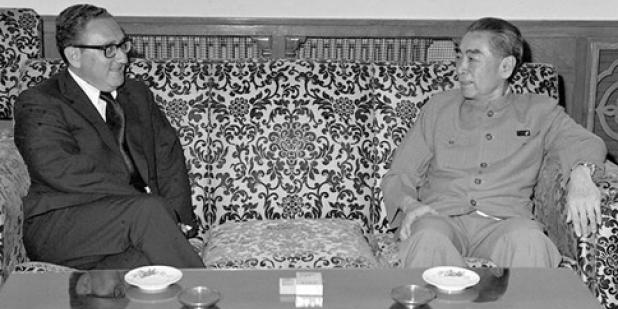
/https:/tf-cmsv2-smithsonianmag-media.s3.amazonaws.com/filer/f4/cb/f4cb92c9-4131-4e0f-ae4a-307144393214/nixoncampaigns.jpg)