20260114 CDTL GRF Biên bản cuộc họp của Thượng Hội Đồng Washington 2 April 1975 D202
1. Document 202
Foreign Relations of the United States, 1969–1976, Volume X, Vietnam, January 1973–July 1975
202. Minutes of Washington Special Actions Group Meeting1
Washington, April 2, 1975, 10:43–11:28 a.m.
https://history.state.gov/historicaldocuments/frus1969-76v10/d202
https://history.state.gov/historicaldocuments/frus1969-76v10/pg_732
https://history.state.gov/historicaldocuments/frus1969-76v10/pg_733
https://history.state.gov/historicaldocuments/frus1969-76v10/pg_734
https://history.state.gov/historicaldocuments/frus1969-76v10/pg_735
https://history.state.gov/historicaldocuments/frus1969-76v10/pg_736
https://history.state.gov/historicaldocuments/frus1969-76v10/pg_737
https://history.state.gov/historicaldocuments/frus1969-76v10/pg_738
https://history.state.gov/historicaldocuments/frus1969-76v10/pg_739
https://history.state.gov/historicaldocuments/frus1969-76v10/d203
Google Translated
202. Biên bản cuộc họp Nhóm Hành động Đặc biệt Washington
Washington, ngày 2 tháng 4 năm 1975, 10:43–11:28 sáng
CHỦ ĐỀ
Đông Dương
NGƯỜI THAM DỰ
Chủ tịch
Henry A. Kissinger
Bộ Ngoại giao
Robert Ingersoll
Philip Habib
Robert Miller
Carlyle Maw
Bộ Quốc phòng
James Schlesinger
William Clements
Robert Ellsworth
Morton Abramowitz
Bộ Tham mưu Liên quân
Trung tướng John W. Pauly
CIA
William Colby
Nhân viên Hội đồng An ninh Quốc gia
Trung tướng Brent Scowcroft
W.R. Smyser
William Stearman
David Ransom
James Barnum
TỔNG KẾT
Đã thống nhất rằng:
— Việc di tản thân nhân của nhân viên Mỹ tại miền Nam Việt Nam và những công dân Mỹ đã rời khỏi các thành phố phía bắc sẽ bắt đầu ngay lập tức;
— Đại sứ quán Sài Gòn sẽ chuẩn bị, trước ngày 3 tháng 4 năm 1975, một bản phân tích chi tiết theo từng loại và số lượng những người Việt Nam mà Mỹ cần di tản khỏi miền Nam Việt Nam. Bản phân tích này sẽ được sắp xếp theo thứ tự ưu tiên và bao gồm các khuyến nghị về các thỏa thuận cần thiết với chính phủ Việt Nam Cộng hòa, vận chuyển, nơi trú ẩn an toàn và các khu vực tập trung;
— Sẽ cố gắng kéo dài chiến dịch vận chuyển hàng không ở Campuchia đến ngày 17 tháng 4.
Bộ trưởng Kissinger: Tôi cần một người báo cáo mới. Tôi không thích những bản báo cáo mà tôi nhận được gần đây.
Ông Colby: (Bắt đầu báo cáo từ văn bản đính kèm.) [Trang 732]
Bộ trưởng Kissinger: Có bất kỳ người lính miền Nam Việt Nam nào đang chiến đấu không?
Ông Colby: Không nhiều. Có một vài đơn vị rải rác khắp cả nước vẫn đang chiến đấu, nhưng không nhiều.
Bộ trưởng Kissinger: Có bất kỳ người lính (miền Nam Việt Nam) nào chiến đấu ở bất kỳ thời điểm nào trong cuộc chiến này không?
Ông Colby: Không, thực sự là không. Đó là hiệu ứng tâm lý.
Bộ trưởng Schlesinger: Có rất ít sự kháng cự. Ở tỉnh Tây Ninh vẫn còn một số chiến binh khá giỏi. Ở vùng Đồng bằng sông Cửu Long cũng còn một số người.
Bộ trưởng Kissinger: Có vẻ như không ai ở miền Nam Việt Nam chiến đấu cả. Có vẻ như đó là sự sụp đổ hoàn toàn.
Ông Colby: Đó là tâm lý của tình hình—hiệu ứng tâm lý. Hiệu ứng tâm lý sụp đổ đã lan truyền trước cả quân đội.
Bộ trưởng Schlesinger: Có một số đơn vị quân đội đã giữ vững vị trí. Sư đoàn 22 đã chiến đấu khá tốt. Tình hình thực sự rất hỗn loạn trên khắp cả nước. Một số đơn vị giữ vững vị trí, số khác thì không.
Bộ trưởng Kissinger: Tất nhiên, chúng ta sẽ không bao giờ biết điều gì sẽ xảy ra nếu họ giữ vững vị trí.
Bộ trưởng Schlesinger: Chính hiệu ứng sốc từ cuộc rút lui nhanh chóng đã dẫn đến sự sụp đổ của hệ thống đó. Nếu họ giữ vững vị trí, có lẽ họ đã có thể giữ được tỉnh Pleiku và Kontum. Tôi không biết. Tuy nhiên, tôi không nghĩ tình hình sẽ tồi tệ đến mức này nếu họ giữ vững vị trí.
Ông Colby: Có hai yếu tố chính góp phần vào tình hình này: cuộc di tản hỗn loạn ở tỉnh Pleiku và Kontum, và cuộc di tản ở Huế. (Tiếp tục báo cáo.)
Bộ trưởng Kissinger: Hãy để tôi nắm bắt tình hình. Có nơi nào – có bất kỳ nơi nào mà quân đội miền Nam có cơ hội thiết lập một tuyến phòng thủ và ngăn chặn quân đội miền Bắc không?
Ông Colby: Có, phía bắc Sài Gòn đây (chỉ vào một đường trên bản đồ). Kế hoạch hiện tại là đưa tàn quân của Sư đoàn 2 đến đây (chỉ vào bản đồ) và thiết lập một tuyến phòng thủ.
Bộ trưởng Schlesinger: Điều đó vô vọng!
Bộ trưởng Kissinger: Kinh nghiệm của tôi cho thấy quân đội miền Nam không giỏi tấn công ở khu vực đó (phía bắc Sài Gòn).
Bộ trưởng Schlesinger: Toàn bộ nỗ lực đó là vô vọng!
Ông Colby: Ngoài ra, họ đang điều động một số quân từ Vũng Tàu lên. Tôi nghĩ đó là Sư đoàn 18.
Bộ trưởng Kissinger: Đơn vị đó có tốt không?
Bộ trưởng Schlesinger: Không. Trên thực tế, đó là sư đoàn tệ nhất trong tất cả. Có một tiểu đoàn dù từ Quân khu 1 không tệ lắm. [Trang 733]
Bộ trưởng Kissinger: Theo tôi nhớ, Sư đoàn 1 đã chiến đấu tốt vào năm 1972.
Ông Colby: Đúng vậy, và họ đã chiến đấu tốt lần này cho đến khi tình hình bắt đầu trở nên bất ổn. Ngoài ra, quân đội miền Nam có thể huy động (để bảo vệ Sài Gòn) Sư đoàn Dù 2 hiện đang ở phía nam, Sư đoàn 25, không quá tệ, và ba sư đoàn khác ở Đồng bằng sông Cửu Long. Câu hỏi đặt ra là, liệu Sài Gòn có đủ khả năng điều động các đơn vị này ra phía bắc Sài Gòn để hỗ trợ hay không? Tôi không biết. Chúng ta đã có những dấu hiệu về hoạt động gia tăng ở Đồng bằng sông Cửu Long.
Bộ trưởng Kissinger: Ông nghĩ sao, liệu miền Nam Việt Nam có sụp đổ trước khi mùa mưa bắt đầu không?
Bộ trưởng Schlesinger: Vâng, tôi nghĩ tối đa là 60 đến 90 ngày. Nó có thể sụp đổ trong vòng 3 tuần.
Ông Clements: Tôi đã nói chuyện với các Tham mưu trưởng (Bộ Tham mưu Liên quân) ngày hôm qua, và họ chỉ ra rằng mùa mưa sẽ không ảnh hưởng đến Đồng bằng sông Cửu Long. Họ đã nói rất rõ ràng về điều đó. Mùa mưa ảnh hưởng đến chiến sự ở vùng cao nguyên, nhưng không ảnh hưởng đến Đồng bằng sông Cửu Long.
Bộ trưởng Kissinger: Vâng, năm 1972 họ đã chiến đấu đến tận tháng Bảy.
Ông Clements: Hơn nữa, họ không gặp bất kỳ vấn đề hậu cần nào trong việc vận chuyển hàng hóa từ phía bắc xuống. Có những con đường trải nhựa khắp khu vực đó (xung quanh Sài Gòn). Tình hình không giống nhau.
Bộ trưởng Kissinger: Được rồi, chúng ta chỉ cần chuẩn bị cho sự sụp đổ của miền Nam trong vòng ba tháng tới.
Bộ trưởng Schlesinger: Tôi cho rằng chúng ta nên chuẩn bị cho sự sụp đổ trong vòng ba tuần. Smith (của DAO) nói rằng Sài Gòn có thể sụp đổ chỉ trong vài ngày. Tôi nghĩ đó là tình huống xấu nhất. Tôi nghĩ chúng ta có khoảng ba đến bốn tuần. Tôi không nghĩ chúng ta có thể kéo dài hơn 45 ngày nữa.
Bộ trưởng Kissinger: Tất cả mọi người đều đồng ý với điều đó chứ? Bill?
Ông Colby: Vâng. Điều đó có thể xảy ra bất cứ lúc nào.
Bộ trưởng Kissinger: Về cơ bản, vậy thì không thể làm gì được nữa.
Bộ trưởng Schlesinger: Tôi không thể nghĩ ra bất cứ điều gì. Tướng Weyand (Tham mưu trưởng Lục quân), trong các cuộc điện thoại với tôi, tỏ ra bi quan hơn nhiều so với khi ông ấy mới đến đó. Ông ấy rất lo lắng về tình hình. Và ông ấy chủ yếu nói chuyện với những người lạc quan.
Ông Colby: Tôi nghĩ chỉ còn hai khả năng: một sự ổn định tạm thời nào đó xung quanh Sài Gòn, và sự sụp đổ hoàn toàn trong vài tuần tới.
Bộ trưởng Kissinger: Tất cả những điều này đều bắt nguồn từ chiến lược rút quân của Thiệu, đúng không?
Bộ trưởng Schlesinger: Vâng. Có một khía cạnh khác của tình hình mà tôi muốn đề cập đến. Chúng ta có thông tin cho thấy Sư đoàn 5 của Bắc Việt đã được lệnh cắt đứt các con đường phía nam Sài Gòn [Trang 734] ở khu vực Đồng bằng sông Cửu Long. Điều chúng ta sẽ bắt đầu thấy là sự tan rã của khu vực Đồng bằng sông Cửu Long.
Ông Colby: Chúng ta cũng có thông tin cho thấy hai sư đoàn Bắc Việt khác đang được giữ làm lực lượng dự bị đang bắt đầu di chuyển về phía nam.
Bộ trưởng Kissinger: Được rồi, chúng ta hãy chuyển sang Campuchia. Bill, anh có muốn báo cáo không?
Ông Colby: (Báo cáo từ văn bản đính kèm.)
Bộ trưởng Schlesinger: Khoảng 6.000 đến 7.000 quân nổi dậy ở Neak Luong có lẽ sẽ tiến về Phnom Penh. Chúng ta ước tính Campuchia chỉ còn tám đến mười ngày nữa.
Bộ trưởng Kissinger: Phil (Habib), anh nghĩ sao?
Ông Habib: Đại sứ Dean báo cáo rằng chiến lược của chính phủ sau thời Lon Nol hiện nay là cố gắng nâng cao tinh thần. Họ cảm thấy hy vọng duy nhất của họ là đạt được một thỏa thuận nào đó với phe Cộng sản. Tôi không nghĩ cơ hội của họ là cao.
Bộ trưởng Schlesinger: Chiến dịch vận chuyển hàng không sẽ dừng vào ngày 12 tháng 4. Họ không còn nhiều thời gian.
Bộ trưởng Kissinger: Tại sao chiến dịch vận chuyển hàng không lại dừng vào ngày 12 tháng 4?
Bộ trưởng Schlesinger: Chúng ta không còn gì để cung cấp cho họ sau đó nữa. Chúng ta đã cạn kiệt rồi. Họ chỉ còn khoảng tám đến mười ngày nữa.
Ông Colby: Tôi nghĩ rằng tác động của những gì Mỹ nói trong vài ngày tới sẽ có ảnh hưởng rất nghiêm trọng ở Campuchia.
Bộ trưởng Kissinger: Được rồi, Tổng thống sẽ có một bài phát biểu khác vào tuần tới—một nỗ lực cuối cùng. Chúng ta không thể làm gì hơn nữa. Có vấn đề gì với việc kéo dài chiến dịch vận chuyển hàng không không?
Bộ trưởng Schlesinger: Chúng ta có thể kéo dài thêm.
Bộ trưởng Kissinger: Đến ngày 15 (tháng 4)?
Bộ trưởng Schlesinger: Vâng.
Ông Stearman: Chúng ta có thể kéo dài đến ngày 17.
Bộ trưởng Kissinger: Được rồi, tôi sẽ cho Campuchia thêm một tuần nữa sau đó. Bây giờ, có vấn đề gì với việc di tản không? Như các ông biết, chúng ta đã đồng ý bắt đầu di tản khỏi Phnom Penh. Theo những gì tôi thấy, mọi thứ đều ổn thỏa. Chúng ta có thể làm gì thêm nữa không?
Bộ trưởng Schlesinger: Không. Tôi nghĩ chúng ta nên để Đại sứ Dean quyết định thời điểm sơ tán những người còn lại. Chúng ta sẽ chỉ còn khoảng 100 người nữa thôi.
Bộ trưởng Kissinger: Chúng ta có thể phải tiến hành Chiến dịch Eagle Pull nếu tình hình trở nên gấp rút.
Bộ trưởng Schlesinger: Chúng ta đang trông cậy vào Chiến dịch Eagle Pull. Có khoảng 500-600 người Khmer mà chúng ta muốn đưa ra ngoài.
Bộ trưởng Kissinger: Chúng ta không thể đưa một số người Khmer ra ngoài ngay bây giờ sao? Nếu chúng ta bắt đầu đưa họ ra ngoài ngay bây giờ, sẽ không có sự vội vã vào phút cuối. [Trang 735]
Bộ trưởng Schlesinger: Vâng, chúng ta có thể làm điều đó.
Bộ trưởng Kissinger: Còn các phóng viên truyền hình thì sao – những người nước ngoài làm việc cho các đài truyền hình? Tôi đã cam kết sẽ đưa họ ra ngoài.
Bộ trưởng Schlesinger: Chúng ta có thể đưa họ ra ngoài.
Bộ trưởng Kissinger: Phil (ông Habib) hãy gọi cho (Ted) Koppel (của NBC) và bảo họ đưa những người mà họ muốn ra ngoài. Hãy làm ngay hôm nay. Hãy nói với ông ấy rằng bây giờ là thời điểm thích hợp và chúng ta không thể đảm bảo an toàn cho họ nếu họ phải được sơ tán vào phút cuối.
Bộ trưởng Schlesinger: Chúng ta không muốn lặp lại thảm họa Đà Nẵng.
Bộ trưởng Kissinger: Tôi đồng ý. Hãy đưa những nhân viên không cần thiết ra khỏi đó ngay bây giờ. Về việc di tản ở Việt Nam. Tôi nghĩ (Đại sứ) Martin nên bắt đầu chuẩn bị kế hoạch di tản.
Bộ trưởng Schlesinger: Chúng ta nên thúc giục ông ấy làm việc đó. Chúng ta nên đưa tất cả những người không cần thiết ra ngoài – và nhanh chóng.
Bộ trưởng Kissinger: Được rồi, có ai phản đối việc đưa người thân của các nhân viên (Mỹ) ra ngoài không?
Tất cả: Không.
Bộ trưởng Schlesinger: Được rồi, chúng ta sẽ bắt tay vào việc đó.
Bộ trưởng Kissinger: Tôi nghĩ chúng ta nên làm như chúng ta đã làm ở Phnom Penh—hãy để (Đại sứ) Graham Martin đến gặp Thiệu và nói với ông ấy về những gì chúng ta đang làm, đó là di tản tất cả những người đã chạy trốn từ miền Bắc và tất cả những người phụ thuộc.
Ông Habib: Sẽ có cả công dân nước thứ ba…
Bộ trưởng Kissinger: Chúng ta không cần phải lo lắng về họ lúc này. Cách tốt nhất để bắt đầu là di tản tất cả những người Mỹ đã chạy trốn từ miền Bắc—họ dù sao cũng không hữu ích ở Sài Gòn—những người phụ thuộc và những người tạm trú. Chúng ta có thể chờ đợi những người cư trú. Họ là ai vậy?
Ông Habib: Các doanh nhân, những người mang quốc tịch Mỹ sống và làm việc tại Việt Nam.
Bộ trưởng Kissinger: Chúng ta phải cẩn thận để việc di tản của chúng ta không gây ra sự sụp đổ của chính phủ Thiệu. Tôi nghĩ có những lý do chính đáng để di tản những người từ miền Bắc và những người phụ thuộc. Có khoảng 2.000 người phải không? Đại sứ quán nên thông báo cho những người cư trú rằng tình hình rất bấp bênh và thúc giục họ rời đi. Hãy xem xét tình hình sau 48 giờ nữa. Trong thời gian đó, hãy bắt đầu.
Bộ trưởng Schlesinger: Về mặt kỹ thuật, tình hình ở miền Nam Việt Nam còn tồi tệ hơn nhiều so với Phnom Penh…
Bộ trưởng Kissinger: Có người Mỹ nào ở ngoài Sài Gòn không? [Trang 736]
Ông Habib: Có.
Bộ trưởng Kissinger: Chúng ta nên khuyên họ rút về Sài Gòn. Tôi muốn thực hiện việc rút quân theo từng giai đoạn.
Ông Habib: Nếu chính phủ sụp đổ, chúng ta có thể không còn thời gian. Tình hình có thể rất hỗn loạn.
Bộ trưởng Kissinger: Ông có kế hoạch đưa họ ra ngoài không?
Ông Habib: Chúng tôi sẽ làm việc đó trước cuối ngày.
Bộ trưởng Kissinger: Chúng ta đã chi hàng triệu đô la trong mười năm qua để Bắc Việt có thể tàn phá miền Nam Việt Nam. Tôi nghĩ chúng ta có nghĩa vụ – đó là bổn phận của chúng ta – phải đưa những người tin tưởng vào chúng ta ra ngoài. Chúng ta có danh sách những người miền Nam Việt Nam mà chúng ta muốn đưa ra ngoài không?
Ông Habib: Có một danh sách, nhưng nó còn hạn chế.
Bộ trưởng Kissinger: Hãy bảo Graham Martin cung cấp cho chúng ta danh sách những người miền Nam Việt Nam cần được đưa ra khỏi đất nước. Hãy nói với Graham rằng chúng ta phải có danh sách đó trước ngày mai (ngày 3 tháng 4 năm 1975).
Ông Habib: Vấn đề là có nhiều nhóm người khác nhau. Có người thân của người Mỹ, hàng chục nghìn người (Việt Nam) đã làm việc cho chúng ta… Một điều tôi muốn đề nghị là Đại sứ quán nên tiêu hủy tất cả hồ sơ nhân sự khi họ rời đi.
Bộ trưởng Kissinger: Dù sao thì Cộng sản cũng sẽ biết họ là ai. Hãy xem xét các nhóm người khác nhau cần được đưa ra ngoài. Có thể lên đến hơn 10.000 người.
Ông Habib: Đã có 93.000 người trong danh sách rồi.
Bộ trưởng Kissinger: Được rồi, hãy lấy danh sách đó. Chúng ta sẽ cố gắng hết sức để đưa càng nhiều người càng tốt.
Ông Stearman: Con số có thể lên đến một triệu người.
Bộ trưởng Kissinger: Chà, đó là điều mà Quốc hội này không thể từ chối – viện trợ nhân đạo để đưa người dân ra ngoài.
Ông Habib: Điều đó phụ thuộc vào bản chất của sự sụp đổ.
Bộ trưởng Kissinger: Bill (Ông Colby), chúng ta phải đưa những người tham gia chương trình Phoenix ra khỏi đó.
Ông Colby: Vâng. Chúng ta có thể thảo luận về việc đàm phán để thả họ. (Đàm phán với phía Bắc Việt Nam về những người này sau khi họ tiếp quản).
Bộ trưởng Kissinger: Đừng tự lừa dối mình. Bắc Việt Nam sẽ không bao giờ đồng ý.
Ông Habib: Họ đã làm vậy với người Pháp năm 1954.
Bộ trưởng Kissinger: Họ đã làm vậy với người Pháp năm 1954 vì họ bị đối kháng bằng vũ lực. Chúng ta không có con bài nào để chơi. Chúng ta không có lợi thế nào. Chúng ta không còn gì cả. Tôi bảo đảm với các ông rằng chúng ta sẽ không nhận được bất kỳ sự hợp tác nào từ Lê Đức Thọ. [Trang 737]
Ông Stearman: Một giải pháp khả thi cho vấn đề di tản là chuyển một số người đến hai hòn đảo ngoài khơi.
Bộ trưởng Kissinger: Vâng, đó là một khả năng. Hãy lập danh sách những người cần phải ra đi và một số ý tưởng về nơi chúng ta nên chuyển họ đến. Chúng ta có thể phải yêu cầu Quốc hội sử dụng lực lượng quân sự để giúp giải cứu những người này. Tôi không thấy làm sao họ có thể từ chối.
Bộ trưởng Schlesinger: Vâng, sau 45 ngày tranh luận…
Ông Colby: Có một vấn đề khác mà tôi muốn đề cập – tình hình chính trị ở Sài Gòn. Chúng ta đang nhận được những tin đồn và dấu hiệu về một động thái nhằm lật đổ Thiệu. Một số tin đồn cho thấy một động thái quân sự, một số khác cho thấy một động thái từ các phe phái khác như Phật giáo và các chính trị gia. Có khả năng chúng ta có thể có một chính phủ liên minh nào đó – ít nhất là trong một thời gian ngắn. Sau đó, có lẽ chúng ta có thể đưa việc đàm phán để thả người vào cuộc.
Bộ trưởng Kissinger: Cảm giác của tôi là Bắc Việt Nam muốn một Việt Nam thống nhất, chứ không phải một chính phủ liên minh hay chính phủ cách mạng lâm thời.
Ông Colby: Tôi đồng ý, nhưng có thể sẽ có một quá trình chính trị nào đó…
Bộ trưởng Kissinger: Ông có nghĩ Thieu có thể trụ vững không?
Ông Colby: Sẽ rất khó khăn. Nó phụ thuộc vào làn sóng chấn động…
Bộ trưởng Kissinger: Thực ra việc Thieu có trụ vững hay không cũng không quan trọng. Dù sao thì ông ta cũng sẽ không còn tại vị sau sáu tháng nữa. Có ai phản đối không?
Bộ trưởng Schlesinger: Không.
Ông Stearman: Ken Quinn nói rằng có rất nhiều người muốn đưa Tướng Truong lên nắm quyền chỉ huy chiến tranh.
Bộ trưởng Schlesinger: Ôi, đó chỉ là hình ảnh thôi. Ông ta là một người ốm yếu.
Bộ trưởng Kissinger: Việc đưa Truong lên nắm quyền không thay đổi thực tế của tình hình. Khái niệm của Thieu (rút quân) không sai, nhưng việc thực hiện thì tệ. Ít nhất đó là cách tôi hiểu. Ông ta cố gắng tiết kiệm 75 triệu đô la bằng cách rút quân nhanh chóng, chiến đấu trên quy mô hạn chế vào năm sau, và hy vọng nhận được thêm viện trợ của Mỹ vào năm 1977. Vấn đề là, ông ta chưa bao giờ hiểu được những khó khăn khi di chuyển một lượng lớn quân đội cùng gia đình và mọi thứ.
Ông Colby: Câu hỏi thực sự bây giờ là, chúng ta có nên cố gắng tạo ra một cứ điểm phòng thủ xung quanh Sài Gòn hay tích cực tìm kiếm một cuộc đàm phán mang tính hình thức nào đó?
Bộ trưởng Kissinger: Chúng ta không thể cứu vãn được gì vào thời điểm này.
Ông Colby: Chỉ có thể cứu được mạng sống.
Bộ trưởng Kissinger: Bằng cách nào?
Ông Colby: Nói chuyện với người Bắc Việt. Đề nghị trao đổi Thieu để đổi lấy việc thả người.
Bộ trưởng Kissinger: Việc ông Thiệu từ chức vào thời điểm này cũng giống như việc ông Lon Nol từ chức. Họ sẽ chỉ đưa người tiếp theo lên. Họ sẽ [Trang 738] chỉ yêu cầu loại bỏ người kế nhiệm của ông Thiệu. Đó là vấn đề làm trầm trọng thêm thảm họa. Nếu chúng ta loại bỏ ông Thiệu và đưa ông Trưởng lên, họ sẽ chỉ đòi loại bỏ ông Trưởng.
Ông Stearman: Họ muốn tham gia vào cuộc chiến ở Sài Gòn.
Bộ trưởng Kissinger: Dù sao thì họ cũng sẽ đạt được điều đó.
Ông Colby: Đó là điểm tôi muốn nói – một sự che đậy...
Bộ trưởng Kissinger: Chúng ta sẽ không tham gia vào bất kỳ cuộc đàm phán nào giữa Bắc và Nam Việt Nam. Chúng ta sẽ để Bắc và Nam tự giải quyết vấn đề – một mình. Hoa Kỳ sẽ không đàm phán về sự đầu hàng của miền Nam Việt Nam chừng nào tôi còn ngồi ở vị trí này. Tôi không muốn thảo luận thêm về vấn đề đó. Chúng ta cần duy trì vị thế quốc tế của mình và tôi không muốn nó bị tổn hại bởi việc chúng ta đàm phán về sự đầu hàng của miền Nam Việt Nam. Hoa Kỳ không thể đạt được bất cứ điều gì từ việc đó. Chúng ta không thể đóng góp bất cứ điều gì. Tôi đã đàm phán với những người này trong bốn năm. Chúng ta đã rút quân, bây giờ hãy để tình hình được giải quyết tại chỗ.
Bây giờ, chúng ta cần xác định những người cần phải rời đi. Và, tôi không loại trừ việc yêu cầu các quốc gia khác giúp đỡ chúng ta. Sau khi xác định những người cần phải rời đi, chúng ta sẽ cần hành động nhanh chóng. Tôi sẵn sàng xem xét việc yêu cầu Liên Xô và Trung Quốc giúp chúng ta đưa họ ra ngoài.
Ông Habib: Chúng ta có thể kêu gọi rộng rãi hơn – ví dụ như Tổng thư ký Liên hợp quốc Waldheim.
Bộ trưởng Schlesinger: Ông ta sẽ chẳng làm được gì nhiều đâu.
Bộ trưởng Kissinger: Tất cả chỉ là trò giả tạo.
Ông Clements: Có một điều tôi muốn đề cập, Henry. Chúng ta sẽ làm gì về việc cung cấp thiết bị quân sự trong ngắn hạn?
Bộ trưởng Kissinger: Chúng ta vẫn tiếp tục cung cấp thiết bị quân sự chứ?
Bộ trưởng Schlesinger: Vâng, vẫn còn một số đang trong quá trình vận chuyển.
Bộ trưởng Kissinger: Chúng ta nên tiếp tục.
Ông Stearman: Graham Martin sẽ đến với một danh sách mua sắm. Con số có thể lên đến 700 triệu đô la.
Bộ trưởng Kissinger: Tôi nghĩ chúng ta nên trình Quốc hội một danh sách viện trợ nhân đạo và một danh sách quân sự đã được điều chỉnh. Một kế hoạch cho sáu tháng.
Ông Clements: Con số đó có thể lên đến vài trăm triệu đô la.
Bộ trưởng Kissinger: Trước hết, chúng ta nên yêu cầu viện trợ nhân đạo đáng kể và một chương trình quân sự đã được điều chỉnh. Hoa Kỳ không thể chấp nhận việc cắt giảm viện trợ vào thời điểm này. Tôi nghĩ chúng ta nên yêu cầu khoản bổ sung 300 triệu đô la và viện trợ nhân đạo bổ sung.
Bộ trưởng Schlesinger: Dù sao thì Quốc hội cũng sẽ cắt giảm thôi.
Ông Stearman: Ông có muốn khởi động một chương trình truyền thông công chúng không? [Trang 739]
Bộ trưởng Kissinger: Chưa, cho đến khi Tổng thống quyết định ông ấy muốn làm gì. Ý ông là chiến dịch truyền thông công chúng là gì?
Ông Stearman: Thu hút mọi người tham gia—phối hợp một lập trường công khai và cách giải thích các sự kiện ở đó.
Bộ trưởng Kissinger: Jim (Bộ trưởng Schlesinger), ông nghĩ sao?
Bộ trưởng Schlesinger: Tôi nghĩ điều đó ổn, nhưng cần phải thực hiện một cách thận trọng.
Bộ trưởng Kissinger: Được rồi, cảm ơn ông.
https://history.state.gov/historicaldocuments/frus1969-76v10/sources
https://history.state.gov/historicaldocuments/frus1969-76v10/terms
https://history.state.gov/historicaldocuments/frus1969-76v10/persons
https://history.state.gov/historicaldocuments/frus1969-76v10/note
Vietnam, January 1973–July 1975
https://history.state.gov/historicaldocuments/frus1969-76v10/comp1
Collapse and Evacuation, February 26–July 22, 1975 (Documents 178–283)
https://history.state.gov/historicaldocuments/frus1969-76v10/ch3
2. Document 202
Foreign Relations of the United States, 1969–1976, Volume X, Vietnam, January 1973–July 1975
202. Minutes of Washington Special Actions Group Meeting1
Washington, April 2, 1975, 10:43–11:28 a.m.
https://history.state.gov/historicaldocuments/frus1969-76v10/d202
https://history.state.gov/historicaldocuments/frus1969-76v10/pg_732
https://history.state.gov/historicaldocuments/frus1969-76v10/pg_733
https://history.state.gov/historicaldocuments/frus1969-76v10/pg_734
https://history.state.gov/historicaldocuments/frus1969-76v10/pg_735
https://history.state.gov/historicaldocuments/frus1969-76v10/pg_736
https://history.state.gov/historicaldocuments/frus1969-76v10/pg_737
https://history.state.gov/historicaldocuments/frus1969-76v10/pg_738
https://history.state.gov/historicaldocuments/frus1969-76v10/pg_739
https://history.state.gov/historicaldocuments/frus1969-76v10/d203
202. Minutes of Washington Special Actions Group Meeting1
Washington, April 2, 1975, 10:43–11:28 a.m.
SUBJECT
- Indochina
PARTICIPANTS
- Chairman
- Henry A. Kissinger
- State
- Robert Ingersoll
- Philip Habib
- Robert Miller
- Carlyle Maw
- DOD
- James Schlesinger
- William Clements
- Robert Ellsworth
- Morton Abramowitz
- JCS
- Lt. Gen. John W. Pauly
- CIA
- William Colby
- NSC Staff
- Lt. Gen. Brent Scowcroft
- W.R. Smyser
- William Stearman
- David Ransom
- James Barnum
SUMMARY OF CONCLUSIONS
It was agreed that:
- —the evacuation of dependents of US personnel in South Vietnam and those US citizens who left the cities in the north will begin immediately;
- —Embassy Saigon would prepare, by April 3, 1975, a detailed breakdown by categories and numbers of those Vietnamese the US should evacuate from South Vietnam. The breakdown is to be organized in order of priorities and should include recommendations regarding necessary arrangements with the GVN, transport, safehavens, and staging areas;
- —Attempts would be made to stretch out the Cambodian airlift to April 17.
Secretary Kissinger: I’m going to have to get a new briefer. I don’t like the briefings I’ve been getting lately.
Mr. Colby: (Began to brief from the attached text.)2 [Page 732]
Secretary Kissinger: Are any South Vietnamese fighting?
Mr. Colby: Not many. There are a few units scattered around the country that are still putting up a fight, but not many.
Secretary Kissinger: Did any (South Vietnamese) fight at any point during this thing?
Mr. Colby: No, not really. It was the shock effect.
Secretary Schlesinger: There was very little resistance. In Tay Ninh Province there are still some pretty good fighters left. There are still some in the Delta too.
Secretary Kissinger: It seems to me that nobody in South Vietnam fought. It seems to me there was total collapse.
Mr. Colby: It was the psychology of the situation—the shock effect. The shock effect of collapse went ahead of the troops.
Secretary Schlesinger: There were some troops that stood their ground. The 22nd Division stood up moderately well. It was really rather hit and miss around the country. Some stood up, others didn’t.
Secretary Kissinger: Of course, we’ll never know what would have happened if they would have stood their ground.
Secretary Schlesinger: It was the shock effect of the swift withdrawal that led to the collapse of that house of cards. If they would have stayed their ground, perhaps they would have been able to hold on to Pleiku and Kontum Provinces. I don’t know. I don’t think, however, the situation would have been this bad had they stood their ground.
Mr. Colby: There were two main things that contributed to this situation: the pell-mell evacuation of Pleiku and Kontum Provinces, and the evacuation of Hue. (Continued to brief.)
Secretary Kissinger: Let me get a grasp on the situation. Is there anyplace—is there anywhere the South Vietnamese have a chance of establishing a line and of stopping the North Vietnamese?
Mr. Colby: Yes, north of Saigon here (pointing to a line on the map). Current plans call for bringing the remnants of the 2nd Division to here (pointing to map) and for establishing a line.
Secretary Schlesinger: That’s hopeless!
Secretary Kissinger: My experience is that the South Vietnamese have not been good attackers in that area (north of Saigon).
Secretary Schlesinger: That whole effort is hopeless!
Mr. Colby: In addition, they are moving to bring some troops up from Bang Tau. It’s the 18th Division, I believe.
Secretary Kissinger: Is that unit any good?
Secretary Schlesinger: No. In fact, it’s the worst division of all. There’s an airborne battalion from MR 1 that’s not too bad. [Page 733]
Secretary Kissinger: As I recall, the 1st Division fought well in 1972.
Mr. Colby: Yes it did, and it fought well this time until the situation started to wobble. In addition, the South Vietnamese can call on (to defend Saigon) the 2nd Airborne Division now in the south, the 25th Division, which is not too bad, and three other divisions in the Delta. The question is, can Saigon afford to take these units out to help north of Saigon? I don’t know. We’ve already had indications of increased activity in the Delta.
Secretary Kissinger: What do you think, is South Vietnam going to collapse before the beginning of the rainy season?
Secretary Schlesinger: Yes, I would give it 60 to 90 days at the outside. It could fall within 3 weeks.
Mr. Clements: I was talking to the Chiefs (Joint Chiefs of Staff) yesterday, and they pointed out that the rainy season will have no impact on the Delta. They were quite explicit about that. The rainy season affects fighting in the highlands, but not in the Delta.
Secretary Kissinger: Yeah, in 1972 they fought right into July.
Mr. Clements: Besides, they don’t have any logistics problems bringing the stuff down from the north. There are hard-surface roads all over that area (around Saigon). It’s just not the same situation.
Secretary Kissinger: Okay, we just have to be prepared for the collapse of the South within the next three months.
Secretary Schlesinger: I would say we should be prepared for collapse within three weeks. Smith (of DAO) says Saigon could fall in a matter of days. I think that’s the worst-case situation. I would think that we have from three to four weeks. I wouldn’t count on any more than 45 more days.
Secretary Kissinger: Are you all agreed on that? Bill?
Mr. Colby: Yes. It could come anytime.
Secretary Kissinger: Basically, then, nothing can be done.
Secretary Schlesinger: I can’t think of anything. General Weyand (Army Chief of Staff), in my telephone conversations with him, is much more pessimistic than when he first got out there. He’s quite grim about the situation. And, he’s talking mostly to those who are optimistic.
Mr. Colby: I think there are only two possibilities left: some sort of temporary stability around Saigon, and total collapse within the next couple of weeks.
Secretary Kissinger: All of this was triggered by Thieu’s strategy of withdrawal, right?
Secretary Schlesinger: Yes. There is one other aspect of the situation I would like to bring up. We have indications that the North Vietnamese 5th Division has been ordered to cut the roads south of Saigon [Page 734] in the Delta area. What we will begin seeing is the break-up of the Delta region.
Mr. Colby: We also have indications that two more North Vietnamese Divisions being held in reserve are beginning to more south.
Secretary Kissinger: Well, let’s go on to Cambodia. Bill would you like to brief?
Mr. Colby: (Briefed from the attached text.)
Secretary Schlesinger: Those 6,000 to 7,000 insurgents at Neak Luong will probably now move on toward Phnom Penh. It is our estimate that Cambodia has only eight to ten days left.
Secretary Kissinger: Phil (Habib) what do you think?
Mr. Habib: Ambassador Dean reports that the post-Lon Nol government’s strategy now is to try to build up morale. They feel that their only hope is to make some sort of deal with the Communists. I don’t think much of their chances.
Secretary Schlesinger: The airlift stops on April 12th. They don’t have much time.
Secretary Kissinger: Why does the airlift stop on April 12th?
Secretary Schlesinger: We don’t have anything more to give them after that. We’re wiped out. They only have eight to ten days left.
Mr. Colby: I think that the impact of what the US says over the next few days will have a very serious effect in Cambodia.
Secretary Kissinger: Well, the President is going to make another speech next week—one final effort. There is just nothing that we can do. Are there any problems with extending the airlift?
Secretary Schlesinger: We can stretch it out.
Secretary Kissinger: To the 15th (of April)?
Secretary Schlesinger: Yes.
Mr. Stearman: We could stretch it out to the 17th.
Secretary Kissinger: Okay, I’ll give Cambodia a week after that. Now, any evacuation problems? As you know, we have agreed to begin the evacuation of Phnom Penh. From everything I’ve seen, everything is in order. Is there anything more we can do?
Secretary Schlesinger: No. I think we should leave it to Ambassador Dean to decide on the timing of evacuating the rest. We should be down to about 100 persons before long.
Secretary Kissinger: We may have to go to (Operation) Eagle Pull if things get rushed.
Secretary Schlesinger: We’re counting on Eagle Pull. There are some 500–600 Khmers we would like to get out.
Secretary Kissinger: Can’t we get some of the Khmers out now? If we start taking them out now, there won’t be such a rush at the end. [Page 735]
Secretary Schlesinger: Yes, we can do that.
Secretary Kissinger: How about the TV newsmen—third-country nationals working for the networks. I have a commitment to get them out.
Secretary Schlesinger: We can get them out.
Secretary Kissinger: Phil (Mr. Habib) call (Ted) Koppel (of NBC) and tell them to get the people they want out. Do it today. Tell him now is the time and that we can’t guarantee their safety if they have to be evacuated at the last moment.
Secretary Schlesinger: We don’t want any recurrence of the Danang fiasco.
Secretary Kissinger: I agree. Let’s get the non-essential personnel out of there now. On Vietnam evacuation. I think (Ambassador) Martin should begin preparing a plan for evacuation.
Secretary Schlesinger: We should push him hard on that. We ought to clear out all non-essentials—and fast.
Secretary Kissinger: Okay, is anybody opposed to getting (US) dependents out?
All: No.
Secretary Schlesinger: Okay, we’ll get to work on that.
Secretary Kissinger: I think we should do it like we did in Phnom Penh—let (Amb.) Graham Martin go to Thieu and tell him what we are doing, that is, evacuating all the people who got out of the north and all of the dependents.3
Mr. Habib: You’re going to have third-country nationals . . .
Secretary Kissinger: We don’t have to worry about them now. The best way to get started is to evacuate all those Americans who fled from the north—they are not useful in Saigon anyway—dependents, and transients. We can wait on the residents. Who are they, anyway?
Mr. Habib: Businessmen, people of US citizenship who live and work in Vietnam.
Secretary Kissinger: We have to be careful that our evacuation not trigger the collapse of the Thieu Government. I think there are good reasons for evacuating those from the north and the dependents. What is it, some 2,000 people? The Embassy should inform the residents that the situation is precarious and urge them to get out. Let’s look at the situation in another 48 hours. In the meantime, get started.
Secretary Schlesinger: Technically, South Vietnam is a far worse situation than Phnom Penh . . .
Secretary Kissinger: Are there any Americans outside Saigon? [Page 736]
Mr. Habib: Yes.
Secretary Kissinger: We should recommend to them that they pull back to Saigon. I would like to stage the withdrawals.
Mr. Habib: If the government collapses, we may not have the time. It could be very chaotic.
Secretary Kissinger: Do you have plans to get them out?
Mr. Habib: We will by the end of the day.
Secretary Kissinger: We have spent million of dollars over the past ten years so that the North Vietnamese could tear up South Vietnam. I think we owe—it’s our duty—to get the people who believed in us out. Do we have a list of those South Vietnamese that we want to get out?
Mr. Habib: There is one, but it’s limited.
Secretary Kissinger: Tell Graham Martin to give us a list of those South Vietnamese we need to get out of the country. Tell Graham that we must have the list by tomorrow (April 3, 1975).
Mr. Habib: The problem is that you have different categories of people. You have relatives of Americans, tens of thousands of people (Vietnamese) who worked for us . . . One thing I would recommend is that the Embassy destroy all personnel records when they leave.
Secretary Kissinger: The Communists will know who they are anyway. Let’s get a look at the different categories of people who need to get out. There may be upwards of 10,000 people.
Mr. Habib: There are 93,000 already on the list.
Secretary Kissinger: Well, get that list. We’ll try for as many as we can.
Mr. Stearman: It could reach a million people.
Secretary Kissinger: Well, that is one thing this Congress can’t refuse—humanitarian aid to get people out.
Mr. Habib: It depends on the nature of the collapse.
Secretary Kissinger: Bill (Mr. Colby), we have to take out those people who participated in the Phoenix program.
Mr. Colby: Yes. We could talk about a negotiated release. (Negotiate with the North Vietnamese for people following a takeover).
Secretary Kissinger: Don’t kid yourself. The North Vietnamese would never agree.
Mr. Habib: They did with the French in 1954.
Secretary Kissinger: They did with the French in 1954 because they were opposed by force. We have no cards to play. We have no leverage. We have nothing left. I guarantee you that we will get no cooperation whatsoever out of Le Duc Tho. [Page 737]
Mr. Stearman: One possible solution to the evacuation problem is to move some of the people to those two islands offshore.
Secretary Kissinger: Yes, that’s a possibility. Let’s get that list of people who have to get out and some ideas on where we should move them. We may have to ask Congress for military force to help rescue these people. I can’t see how they could refuse.
Secretary Schlesinger: Yes, after a 45-day debate . . .
Mr. Colby: There is another issue I would like to bring up—the political situation in Saigon. We’re getting rumors and rumbles about some move to oust Thieu. Some of these rumbles indicate a military move, some of them indicate a move from other quarters like the Buddhists and politicians. There’s a possibility we could get some sort of coalition government—at least for a short period of time. Then, maybe we could bring that negotiated release into play.
Secretary Kissinger: My feeling is that North Vietnam wants a united Vietnam, not a coalition or provisional revolutionary government.
Mr. Colby: I agree, but there might be some type of political process . . .
Secretary Kissinger: Do you expect Thieu to be able to survive?
Mr. Colby: It will be very close. It depends on the shock wave . . .
Secretary Kissinger: It really doesn’t make any difference whether Thieu survives or not. He’ll be through in six months, anyway. Does anybody disagree?
Secretary Schlesinger: No.
Mr. Stearman: Ken Quinn says that there is a lot of sentiment to put General Truong in charge of the war.
Secretary Schlesinger: Aw, that’s just imagery. He’s a sick man. Secretary Kissinger: Putting Truong in charge doesn’t change the reality of the situation. Thieu’s concept (withdrawal) wasn’t wrong, the execution was bad. At least that’s how I understand it. He tried to save $75 million by rapid withdrawal, fight on a limited scale next year, and hope for more US aid in 1977. The trouble is, he never understood the problems of moving such a large body of troops with their families and everything.
Mr. Colby: The real question now is, do we try for a redoubt around Saigon or actively seek some sort of fig-leaf negotiations?
Secretary Kissinger: We can save nothing at this point.
Mr. Colby: Nothing but lives.
Secretary Kissinger: How?
Mr. Colby: Talk to the North Vietnamese. Offer up Thieu for a negotiated release of people.
Secretary Kissinger: The withdrawal of Thieu at this point is the same as that of Lon Nol. They will just put the next guy up. They will [Page 738] just ask for the head of Thieu’s successor. It’s a question of compounding the disaster. If we pull the plug on Thieu and offer up Truong, they will just scream for his head.
Mr. Stearman: They want in on the action in Saigon.
Secretary Kissinger: They are going to get it anyway.
Mr. Colby: That’s my point—a figleaf . . .
Secretary Kissinger: We are not going to be involved in any negotiations between North and South Vietnam. We are going to let the North and the South work it out—alone. The US will not negotiate South Vietnam’s surrender as long as I am in this chair. I do not want any further discussion of that. We have an international position to maintain and I don’t want it damaged by our negotiating South Vietnam’s surrender. There is nothing that the US can gain by that. There is nothing that we can contribute. I’ve negotiated with these guys for four years. We got out, now let the situation be settled locally.
Now, we need to identify those who need to get out. And, I don’t exclude asking other countries to help us out. After we identify those who need to get out, we will want to move fast. I’m open to the question of asking the Soviets and Chinese to help us get them out.
Mr. Habib: We could have a wider appeal—to UN Secretary General Waldheim, for example.
Secretary Schlesinger: A lot of good he will do.
Secretary Kissinger: It’s all charades.
Mr. Clements: There is one thing I would like to bring up, Henry. What do we do about deliveries of military hardware over the short term?
Secretary Kissinger: Are we continuing to deliver hardware?
Secretary Schlesinger: Yes, there is some in the pipeline.
Secretary Kissinger: We should continue it.
Mr. Stearman: Graham Martin is going to come in with a shopping list. It could reach $700 million.
Secretary Kissinger: I think we should go to Congress with a humanitarian list and a modified military list. Something for a six-month period.
Mr. Clements: That could be several hundred million dollars.
Secretary Kissinger: We should first ask for substantial humanitarian aid and a modified military program. The US cannot afford the spectacle of cutting off aid at this point. I think we should ask for the $300 million supplemental and additional humanitarian aid.
Secretary Schlesinger: Congress will cut it back, anyway.
Mr. Stearman: Do you want to gin-up a public affairs program? [Page 739]
Secretary Kissinger: Not until the President makes up his mind what he wants to do. What do you mean public affairs campaign?
Mr. Stearman: Get everybody on board—coordinate a public position and an interpretation of events there.
Secretary Kissinger: Jim (Secretary Schlesinger), what do you think?
Secretary Schlesinger: I think it’s alright, but it has to be done with some discretion.
Secretary Kissinger: Okay, thank you.
Thân thế (các) nhân vật/
Deputy Assistant Secretary of Defense for International Security Affairs
https://en.wikipedia.org/wiki/Morton_I._Abramowitz .
https://en.wikipedia.org/wiki/United_States_Ambassador_to_Turkey
https://en.wikipedia.org/wiki/United_States_Ambassador_to_Thailand
https://www.amacad.org/person/morton-i-abramowitz
https://adst.org/OH%20TOCs/Abramowitz,%20Morton%20I.toc.pdf
member, National Security Council staff
https://www.nixonlibrary.gov/finding-aids/national-security-council-files
https://georgewbush-whitehouse.archives.gov/nsc/history.html
https://world101.cfr.org/foreign-policy/us-foreign-policy/what-national-security-council
Deputy Secretary of Defense from 1973
https://ns.clementspapers.org/about
https://www.clementscenter.org/william-clements-jr/
https://www.clementscenter.org/clements-digitization-project/
https://history.state.gov/historicaldocuments/frus1969-76v35/d193
https://www.tshaonline.org/handbook/entries/clements-william-perry-jr-bill
Colby, William E
Director of the Far East Division, Operations Directorate, Central Intelligence Agency
Executive Director, Central Intelligence Agency until August 1973; Director of Central Intelligence from September 4, 1973
https://nsarchive2.gwu.edu/NSAEBB/NSAEBB362/index.htm
https://en.wikipedia.org/wiki/The_Man_Nobody_Knew
https://www.huffpost.com/entry/former-cia-directors-death-raises-questions-divides-family_n_1130176
https://vva.org/arts-of-war/documentaries/new-doc-on-the-mysterious-death-of-william-colby/
https://en.wikipedia.org/wiki/William_Colby
https://simple.wikipedia.org/wiki/William_Colby
Deputy Chief of Mission, U.S. Embassy in Vientiane until 1974; U.S. Ambassador to the Khmer Republic from April 3, 1974, until April 1975
https://www.nytimes.com/2019/06/11/obituaries/john-gunther-dean-dead.html
https://www.voacambodia.com/a/john-gunther-dean-us-diplomat-haunted-by-cambodia-dies/4956083.html
https://en.wikipedia.org/wiki/John_Gunther_Dean
https://en.wikipedia.org/wiki/United_States_Ambassador_to_India
https://en.wikipedia.org/wiki/United_States_Ambassador_to_Thailand
https://en.wikipedia.org/wiki/United_States_Ambassador_to_Lebanon
https://en.wikipedia.org/wiki/United_States_Ambassador_to_Denmark
https://en.wikipedia.org/wiki/United_States_Ambassador_to_Cambodia
https://history.state.gov/departmenthistory/people/dean-john-gunther
https://history.state.gov/departmenthistory/people/chiefsofmission/mali
https://history.state.gov/departmenthistory/people/chiefsofmission/cambodia
https://www.state.gov/biographies-list/
https://www.state.gov/resources-bureau-of-global-talent-management/#ambassadors
https://kh.usembassy.gov/our-relationship/policy-history/list-of-u-s-ambassadors-to-cambodia/
Assistant Secretary of Defense for International Security Affairs from June 1974
https://www.nytimes.com/2011/05/12/us/politics/12ellsworth.html
https://en.wikipedia.org/wiki/Assistant_Secretary_of_Defense_for_International_Security_Affairs
https://www.nixonfoundation.org/2011/05/robert-ellsworth-1926-2011/
https://bioguideretro.congress.gov/Home/MemberDetails?memIndex=E000148
Ford Gerald R.,
Republican Representative from Michigan until October 13, 1973; House Minority Leader until October 13, 1973; Vice President of the United States from October 13, 1973, until August 8, 1974; President of the United States from August 8, 1974
https://en.wikipedia.org/wiki/Gerald_Ford
https://en.wikipedia.org/wiki/President_of_the_United_States
https://en.wikipedia.org/wiki/Vice_President_of_the_United_States
https://en.wikipedia.org/wiki/House_Minority_Leader
https://en.wikipedia.org/wiki/Leader_of_the_House_Republican_Conference
https://en.wikipedia.org/wiki/Chair_of_the_House_Republican_Conference
https://en.wikipedia.org/wiki/United_States_House_of_Representatives
https://www.whitehouse.gov/about-the-white-house/presidents/gerald-r-ford/
https://www.whitehouse.gov/administration/
https://geraldrfordfoundation.org/gerald-r-ford-biography/
https://www.fordlibrarymuseum.gov/grf/timeline.asp
https://en.wikipedia.org/wiki/Presidency_of_Gerald_Ford
https://www.fordlibrarymuseum.gov/library/guides/findingaid/ford_vp_papers.asp
member, U.S. Delegation to the Paris Peace Talks from May 1968 until October 1971; Ambassador to Korea from September 30, 1971, until August 19, 1974; Assistant Secretary of State for East Asian and Pacific Affairs from September 27, 1974
https://en.wikipedia.org/wiki/Philip_C._Habib
https://en.wikipedia.org/wiki/Under_Secretary_of_State_for_Political_Affairs
https://en.wikipedia.org/wiki/Assistant_Secretary_of_State_for_East_Asian_and_Pacific_Affairs
https://en.wikipedia.org/wiki/United_States_Ambassador_to_Korea
https://diplomacy.state.gov/u-s-diplomact-philip-c-habib-presidential-medal-of-freedom-winner/
https://nsuworks.nova.edu/nsudigital_forums/13/
https://www.arabamerica.com/arabamericans/philip-habib-3/
https://www.britannica.com/biography/Philip-Charles-Habib
Assistant Secretary of State for East Asian and Pacific Affairs from January 8 until July 9, 1974; Deputy Secretary of State from July 10, 1974, until March 31, 1976
https://history.state.gov/departmenthistory/people/ingersoll-robert-stephen
https://www.state.gov/biographies-list/
https://www.state.gov/resources-bureau-of-global-talent-management/#ambassadors
https://history.state.gov/departmenthistory/people/chiefsofmission/japan
https://history.state.gov/departmenthistory/people/principalofficers/deputy-secretary
https://en.wikipedia.org/wiki/Robert_S._Ingersoll
https://www.nytimes.com/2010/08/29/world/asia/29ingersoll.html
https://www.latimes.com/local/obituaries/la-me-robert-ingersoll-20100828-story.html
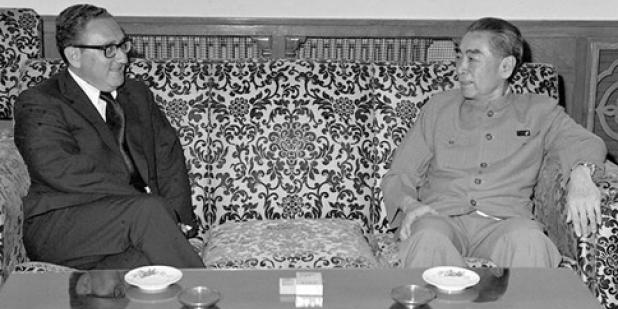
Henry A Kissinger
Assistant to the President for National Security Affairs until November 3, 1975; also Secretary of State from September 21, 1973
https://www.theguardian.com/world/2023/may/20/bilderberg-meeting-group-lisbon-kissinger
https://www.theguardian.com/world/bilderberg
https://history.state.gov/historicaldocuments/frus1969-76ve13/summary
https://china.usc.edu/getting-beijing-henry-kissingers-secret-1971-trip
https://china.usc.edu/catalog/documents/us-china
http://www.archives.gov/press/press-releases/2001/nr01-47.html
https://china.usc.edu/talking-points-july-22-august-3-2011
https://china.usc.edu/getting-beijing-henry-kissingers-secret-1971-trip#meetings
https://china.usc.edu/getting-beijing-henry-kissingers-secret-1971-trip#nixon-announcement
https://china.usc.edu/getting-beijing-henry-kissingers-secret-1971-trip#chinese-accept
https://china.usc.edu/getting-beijing-henry-kissingers-secret-1971-trip#signals
https://china.usc.edu/getting-beijing-henry-kissingers-secret-1971-trip#the_aim
http://www.foreignaffairs.com/articles/23927/richard-m-nixon/asia-after-viet-nam
https://history.state.gov/historicaldocuments/frus1969-76v17/d4
https://history.state.gov/historicaldocuments/frus1969-76v17/d12
https://history.state.gov/historicaldocuments/frus1969-76v17/d13
https://history.state.gov/historicaldocuments/frus1969-76v17/d141
https://2001-2009.state.gov/documents/organization/100324.pdf
https://en.wikipedia.org/wiki/Henry_Kissinger_and_the_Vietnam_War
Lesson in Vietnam from Kissinger to Nixon: “when we made it “our war” we would not let the South Vietnamese fight it; when it again became “their war”, we would not help them fight it.”
(We also had trouble with excesses here: when we made it “our war” we would not let the South Vietnamese fight it; when it again became “their war,” we would not help them fight it. Ironically, we prepared the South Vietnamese for main force warfare after 1954 (anticipating another Korean-type attack), and they faced a political war; they had prepared themselves for political warfare after 1973 only to be faced with a main force invasion 20 years after it had been expected.)
https://history.state.gov/historicaldocuments/frus1969-76v10/d280
Lesson of Vietnam May 12 1975 by Henry A. Kissinger
https://www.fordlibrarymuseum.gov/library/exhibits/vietnam/032400091-002.pdf
https://thebattleofkontum.com/extras/kissinger.html
“Richard M. Nixon and Kissinger on 3 August 1972,” Conversation 760-006, Presidential Recordings Digital Edition [Fatal Politics, ed. Ken Huges] (Charlottesville: University of Virginia Press, 2014-). URL:https://prde.upress.virginia.edu/conversations/4006748
https://player.vimeo.com/video/889937807?h=e44572c8f3&color=e57200&title=0&byline=0&portrait=0
https://player.vimeo.com/video/889937807?h=e44572c8f3&color=e57200&title=0&byline=0&portrait=0
Discover the Truth at:
https://www.theblackvault.com/documentarchive/the-cias-vietnam-document-cd-rom/
The secret life of Henry Kissinger minutes of a 1975 meeting with Lawrence Eagleburger
https://etan.org/news/kissinger/secret.htm
Henry Kissinger and the Truth About Negotiations In Vietnam
https://www.youtube.com/watch?v=Z5fxxKVfX5g
member of the Politburo of the Democratic Republic of Vietnam and Special Advisor to, and de facto head of, the DRV Delegation to the Paris Peace Talks on Vietnam until 1973; Special Adviser to the President of the Democratic Republic of Vietnam from January 1973
https://digitalarchive.wilsoncenter.org/people
https://digitalarchive.wilsoncenter.org/people/le-duc-tho-le-duc-tho
https://www.nobelprize.org/prizes/peace/1973/tho/speedread/
Lon Nol,
General, Cambodian Prime Minister and Minister of National Defense, June 1969; led coup that deposed Prince Norodom Sihanouk in March 1970; Prime Minister and Minister of National Defense after March 18, 1970; President of Khmer Republic from 1972 until 1975
Ambassador to the Republic of Vietnam (South Vietnam) from July 20, 1973, until April 29, 1975
https://www.fallofsaigon.org/orig/martin.htm
https://en.wikipedia.org/wiki/Graham_Martin
https://en.wikipedia.org/wiki/United_States_Ambassador_to_South_Vietnam
https://en.wikipedia.org/wiki/United_States_Ambassador_to_Italy
https://en.wikipedia.org/wiki/United_States_Ambassador_to_Thailand
https://history.state.gov/departmenthistory/people/martin-graham-anderson
https://www.state.gov/biographies-list/
https://www.state.gov/resources-bureau-of-global-talent-management/#ambassadors
https://en.wikipedia.org/wiki/List_of_ambassadors_of_the_United_States_to_South_Vietnam
Under Secretary of State for Security Affairs
https://en.wikipedia.org/wiki/Carlyle_E._Maw
https://findingaids.loc.gov/exist_collections/ead3pdf/mss/2017/ms017014.pdf
https://history.state.gov/departmenthistory/people/maw-carlyle-edward
https://en.wikipedia.org/wiki/Under_Secretary_of_State_for_Arms_Control_and_International_Security
Nguyen Van Thieu,
President of the Republic of Vietnam (South Vietnam) until April 21, 1975
PHỎNG VẤN VỚI LỊCH SỬ - TỔNG THỐNG NGUYỄN VĂN THIỆU - Năm 1972
https://www.facebook.com/groups/373876840199844/permalink/1216306329290220/
https://www.facebook.com/groups/373876840199844/
Tổng thống Thiệu trả lời phỏng vấn năm 1972 (Ms.O Fallaci) - Ep.1
https://www.youtube.com/watch?v=67J_48hfPik
Tổng thống Thiệu trả lời phỏng vấn năm 1972 (Ms.O Fallaci) - Ep.2
https://www.youtube.com/watch?v=INAfcRW3Prc
Tổng thống Thiệu trả lời phỏng vấn năm 1972 (Ms.O Fallaci) - Ep.3
https://www.youtube.com/watch?v=P_tOrafUIOY
Phỏng vấn cố Tổng thống VNCH Nguyễn Văn Thiệu full
https://www.youtube.com/watch?v=c_36BXxpEjw
Tổng thống Nguyễn Văn Thiệu đáp trả xuất sắc những gì Kissinger đề cập về Vietnam War | NAMDUONGTV
https://www.youtube.com/watch?v=FrA2OaHueFM&t=1802s
3/29/75 - Evacuation of Vietnamese Refugees
4/3/75 - Phnom Penh Evacuation
4/5/75 - Evacuation of Vietnamese Refugees (1)
4/5/75 - Evacuation of Vietnamese Refugees (2)
4/5/75 - Evacuation of Vietnamese Refugees (3)
4/5/75 - Evacuation of Vietnamese Refugees (4)
4/29/75 - Final Evacuation of Saigon (1)
4/29/75 - Final Evacuation of Saigon (2)
Dau Bach Ho1X Feb 11 1975 Thieu
Tôi Không Chết Đâu | Hồi Ức Miền Nam
https://www.youtube.com/watch?v=fJdQN0DYBvA
Thư Tổng Thống Thiệu Gửi Tổng Thống Gerald Ford
https://bachvietnhan.blogspot.com/2024/03/20240322-cdtl-thu-thieu-gui-gerald-ford.html
https://history.state.gov/historicaldocuments/frus1969-76v10/d166
Cambodia Arms and Ammunition to the Vietnamese Communists
Discover the Truth at:
https://www.theblackvault.com/documentarchive/the-cias-vietnam-document-cd-rom/
https://documents2.theblackvault.com/documents/cia/EOM-2019-00201-highlighted.pdf
Giây Phút Xé Lòng | Hồi Ức Miền Nam | Hồi Ký Miền Nam
https://www.youtube.com/watch?v=5WVwGiPD8Cs&t=2329
The Palace File Paperback – January 1, 1989
by Nguyen Tien Hung (Author), Jerrold L. Schecter (Author)
https://www.amazon.com/Palace-File-Nguyen-Tien-Hung/dp/0060915722
https://www.goodreads.com/en/book/show/2098486
Khi đồng minh tháo chạy
Nguyen Tien Hung
https://www.goodreads.com/book/show/32865811-khi-ng-minh-th-o-ch-y?ref=nav_sb_noss_l_23
Hồ Sơ Mật Dinh Độc Lập Phần 1 / Nguyễn Tiến Hưng/ Diễn Đọc Thiên Hoàng
https://www.youtube.com/watch?v=PDhuGRvfKjw
Hồ Sơ Mật Dinh Độc Lập Phần 2 / Nguyễn Tiến Hưng/ Diễn Đọc Thiên Hoàng
https://www.youtube.com/watch?v=ZceUYCf7rqA
Hồ Sơ Mật Dinh Độc Lập Phần 3 / Nguyễn Tiến Hưng/ Diễn Đọc Thiên Hoàng
https://www.youtube.com/watch?v=G2ET40EOGno
Hồ Sơ Mật Dinh Độc Lập Phần 4 / Nguyễn Tiến Hưng/ Diễn Đọc Thiên Hoàng
https://www.youtube.com/watch?v=FFzsesWm25E
Hồ Sơ Mật Dinh Độc Lập Phần 5 / Nguyễn Tiến Hưng/ Diễn Đọc Thiên Hoàng
https://www.youtube.com/watch?v=m2GMhs4DmBI
Hồ Sơ Mật Dinh Độc Lập Phần 6 / Nguyễn Tiến Hưng/ Diễn Đọc Thiên Hoàng
https://www.youtube.com/watch?v=zMxfY_QGgwo
Hồ Sơ Mật Dinh Độc Lập Phần 7 / Nguyễn Tiến Hưng/ Diễn Đọc Thiên Hoàng
https://www.youtube.com/watch?v=Kvjmvn78kgo
Hồ Sơ Mật Dinh Độc Lập Phần 8 / Nguyễn Tiến Hưng/ Diễn Đọc Thiên Hoàng
https://www.youtube.com/watch?v=sylK7RDtLrc
Hồ Sơ Mật Dinh Độc Lập Phần 9 / Nguyễn Tiến Hưng/ Diễn Đọc Thiên Hoàng
https://www.youtube.com/watch?v=gmF6urvaz0c
Hồ Sơ Mật Dinh Độc Lập Phần 10 / Nguyễn Tiến Hưng/ Diễn Đọc Thiên Hoàng
https://www.youtube.com/watch?v=4Ig4PIzMFZM
Hồ Sơ Mật Dinh Độc Lập Phần 11 / Nguyễn Tiến Hưng/ Diễn Đọc Thiên Hoàng
https://www.youtube.com/watch?v=WUFtNrT9sRo
Hồ Sơ Mật Dinh Độc Lập Phần 12 / Nguyễn Tiến Hưng/ Diễn Đọc Thiên Hoàng
https://www.youtube.com/watch?v=A4KYPScqNMY
Hồ Sơ Mật Dinh Độc Lập Phần 13 / Nguyễn Tiến Hưng/ Diễn Đọc Thiên Hoàng
https://www.youtube.com/watch?v=29lrLqX6vEo
Hồ Sơ Mật Dinh Độc Lập Phần 14 / Nguyễn Tiến Hưng/ Diễn Đọc Thiên Hoàng
https://www.youtube.com/watch?v=j-WAarbW-fo
Hồ Sơ Mật Dinh Độc Lập Phần 15 / Nguyễn Tiến Hưng/ Diễn Đọc Thiên Hoàng
https://www.youtube.com/watch?v=_GAo2fXzGBQ
Hồ Sơ Mật Dinh Độc Lập Phần 16 / Nguyễn Tiến Hưng/ Diễn Đọc Thiên Hoàng
https://www.youtube.com/watch?v=X4Kb37dchNw
Hồ Sơ Mật Dinh Độc Lập Phần 17 / Nguyễn Tiến Hưng/ Diễn Đọc Thiên Hoàng
https://www.youtube.com/watch?v=0DChfJXgR-8
Hồ Sơ Mật Dinh Độc Lập Phần 18 / Nguyễn Tiến Hưng/ Diễn Đọc Thiên Hoàng
https://www.youtube.com/watch?v=wCYj9b4Tw6E
Hồ Sơ Mật Dinh Độc Lập Phần 19 / Nguyễn Tiến Hưng/ Diễn Đọc Thiên Hoàng
https://www.youtube.com/watch?v=Qm45ygXmqzY
Hồ Sơ Mật Dinh Độc Lập Phần 20 / Nguyễn Tiến Hưng/ Diễn Đọc Thiên Hoàng
https://www.youtube.com/watch?v=GvUiF8wVJBg
Hồ Sơ Mật Dinh Độc Lập Phần 21 / Nguyễn Tiến Hưng/ Diễn Đọc Thiên Hoàng
https://www.youtube.com/watch?v=ZIZRlk6m4Eg
Hồ Sơ Mật Dinh Độc Lập Phần 22 / Nguyễn Tiến Hưng/ Diễn Đọc Thiên Hoàng
https://www.youtube.com/watch?v=WNv27DbdcOI
Hồ Sơ Mật Dinh Độc Lập Phần 23 / Nguyễn Tiến Hưng/ Diễn Đọc Thiên Hoàng
https://www.youtube.com/watch?v=-C5qfHEJNu4
Hồ Sơ Mật Dinh Độc Lập Phần 24 / Nguyễn Tiến Hưng/ Diễn Đọc Thiên Hoàng
https://www.youtube.com/watch?v=iyg98DfK31E
Hồ Sơ Mật Dinh Độc Lập Phần 25 / Nguyễn Tiến Hưng/ Diễn Đọc Thiên Hoàng
https://www.youtube.com/watch?v=CxcX0dKgKlA
Hồ Sơ Mật Dinh Độc Lập Phần 26 / Nguyễn Tiến Hưng/ Diễn Đọc Thiên Hoàng
https://www.youtube.com/watch?v=adUtaGlDcho
Hồ Sơ Mật Dinh Độc Lập Phần 27 / Nguyễn Tiến Hưng/ Diễn Đọc Thiên Hoàng
https://www.youtube.com/watch?v=f-1xxI1OWh8
Hồ Sơ Mật Dinh Độc Lập Phần 28 / Nguyễn Tiến Hưng/ Diễn Đọc Thiên Hoàng
https://www.youtube.com/watch?v=PazkNBf3rGA
Hồ Sơ Mật Dinh Độc Lập Phần 29 / Nguyễn Tiến Hưng/ Diễn Đọc Thiên Hoàng
https://www.youtube.com/watch?v=OpIbsM20p14
Hồ Sơ Mật Dinh Độc Lập Phần 30 / Nguyễn Tiến Hưng/ Diễn Đọc Thiên Hoàng
https://www.youtube.com/watch?v=F_ZcLZtx_6M
Hồ Sơ Mật Dinh Độc Lập Phần 31 / Nguyễn Tiến Hưng/ Diễn Đọc Thiên Hoàng
https://www.youtube.com/watch?v=n4u5jqW3nbg
Hồ Sơ Mật Dinh Độc Lập Phần 32 / Nguyễn Tiến Hưng/ Diễn Đọc Thiên Hoàng
https://www.youtube.com/watch?v=PHHx5wQlabw
Hồ Sơ Mật Dinh Độc Lập Phần 33 / Nguyễn Tiến Hưng/ Diễn Đọc Thiên Hoàng
https://www.youtube.com/watch?v=gpKZuQNdJJU
Hồ Sơ Mật Dinh Độc Lập Phần 34 / Nguyễn Tiến Hưng/ Dễn Đọc Thiên Hoàng
https://www.youtube.com/watch?v=oGesHXnpZkw
Hồ Sơ Mật Dinh Độc Lập Phần 35 / Nguyễn Tiến Hưng/ Diễn Đọc Thiên Hoàng
https://www.youtube.com/watch?v=M6ZOXJyjMTk
Hồ Sơ Mật Dinh Độc Lập Phần 36 Cuối Cùng / Nguyễn Tiến Hưng/ Diễn Đọc Thiên Hoàng
https://www.youtube.com/watch?v=IYztC95fn4M
Khi Đồng Minh Nhảy Vào
https://www.amazon.com/-/es/Nguy%E1%BB%85n-Ti%E1%BA%BFn-H%C6%B0ng/dp/1495148629
Khi Đồng Minh Tháo Chạy Hardcover – January 1, 2005
https://www.amazon.com/Khi-%C4%90%E1%BB%93ng-Minh-Th%C3%A1o-Ch%E1%BA%A1y/dp/B00GQIWRA6
https://www.goodreads.com/book/show/32865811-khi-ng-minh-th-o-ch-y
HỒI KÝ: NHỮNG UẤT HẬN TRONG TRẬN CHIẾN MẤT NƯỚC 1975 (Phần 1)
https://www.youtube.com/watch?v=C7YpCRv6MlI&t=487s
HỒI KÝ: NHỮNG UẤT HẬN TRONG TRẬN CHIẾN MẤT NƯỚC 1975 (Phần 2)
https://www.youtube.com/watch?v=vX9-eocj8hQ&t=803s
HỒI KÝ: NHỮNG UẤT HẬN TRONG TRẬN CHIẾN MẤT NƯỚC 1975 (Phần 3)
https://www.youtube.com/watch?v=z6rCp-RnGQ4&t=561s
HỒI KÝ: NHỮNG UẤT HẬN TRONG TRẬN CHIẾN MẤT NƯỚC 1975 (Phần 4)
https://www.youtube.com/watch?v=3Y1YWYjcYUs
HỒI KÝ: NHỮNG UẤT HẬN TRONG TRẬN CHIẾN MẤT NƯỚC 1975 (Phần 5)
https://www.youtube.com/watch?v=cL7LO65oI_k&t=11s
HỒI KÝ: NHỮNG UẤT HẬN TRONG TRẬN CHIẾN MẤT NƯỚC 1975 (Phần 6)
https://www.youtube.com/watch?v=BsYcJCD0cwY
HỒI KÝ: NHỮNG UẤT HẬN TRONG TRẬN CHIẾN MẤT NƯỚC 1975 (Phần 7)
https://www.youtube.com/watch?v=kclMjgFLtUw&t=371s
HỒI KÝ: NHỮNG UẤT HẬN TRONG TRẬN CHIẾN MẤT NƯỚC 1975 (Phần 8)
https://www.youtube.com/watch?v=5bsh7jTMF_o
HỒI KÝ: NHỮNG UẤT HẬN TRONG TRẬN CHIẾN MẤT NƯỚC 1975 (Phần 9)
https://www.youtube.com/watch?v=NzhsA-ZZQ4Q&t=1265s
HỒI KÝ: NHỮNG UẤT HẬN TRONG TRẬN CHIẾN MẤT NƯỚC 1975 (Phần 10)
https://www.youtube.com/watch?v=IKBXiYNQMbc&t=18s
Bỏ Rơi Hay Phản Bội/ Tác Giả Bùi Anh Trinh/ Diễn Đọc Thiên Hoàng
https://www.youtube.com/watch?v=q3Seaq3ymmE
Chuyện Chưa Kể Về TT Thiệu Lúc Rời Khỏi Sài Gòn- (Ông và Nhân Viên Tùy Tùng May Mắn Thoát Chết)
https://www.youtube.com/watch?v=OoFEncck23U
20241102 Nixon Kissinger and the Decent Interval
https://player.vimeo.com/video/889937807?h=e44572c8f3&color=e57200&title=0&byline=0&portrait=0
A Decent Interval
https://www.youtube.com/watch?v=8xPzs3NZdN4
Richard Nixon Addresses The "Decent Interval Theory"
https://www.youtube.com/watch?v=8Q-H0281kfM
Transcript
In the Oval Office on August 3, 1972, Secretary of State Henry Kissinger tells President Richard Nixon that there’s a 50-50 chance of reaching a settlement with North Vietnam.
That deal would give Nixon a “decent interval,” a face-saving delay of a year or two between his final withdrawal of American troops and the Communists’ final takeover of South Vietnam. “We’ve got to find some formula that holds the thing together [for] a year or two, after which — after a year, Mr. President, Vietnam will be a backwater. If we settle it, say, this October, by January ’74 no one will give a damn.”
August 3, 1972
Richard M. Nixon, Henry A. Kissinger
Conversation: 760-006
Having established a framework for an armistice and the departure a American troops from Vietnam, President Nixon and National Security Adviser Henry A. Kissinger discussed the future trajectory of the war. Most importantly, they wanted to secure a “decent interval” between the removal of those troops, Nixon’s reelection in 1972 and the expected fall of Saigon. At this point in the conversation, Kissinger had just told Nixon they had a 50/50 chance of reaching a settlement with North Vietnam.
President Nixon: Now, let’s look at that just a moment again, think about it some more, but… let’s be perfectly… cold-blooded about it. If you look at it from the standpoint of our game… with the Soviets and the Chinese, from the standpoint of running this country… I think we could take, in my view, almost anything, frankly, that we can force on Nguyễn Văn Thiệu. Almost anything. I just come down to that. You know what I mean?
President Nixon: Because I have a feeling we would not be doing, like I feel about the Israel, I feel that in the long run we’re probably not doing them an in – a disfavor due to the fact that I feel that the North Vietnamese are so badly hurt that the South Vietnamese are probably going to do fairly well. [Kissinger attempts to interject.] But also due to the fact-because I look at the tide of history out there-South Vietnam probably is never going to survive anyway. I’m just being perfectly candid. I-
Henry A. Kissinger: In the pull-out area-
President Nixon: [Unclear] we’ve got to be – if we can get certain guarantees so that they aren’t… as you know, looking at the foreign policy process, though, I mean, you’ve got to be-we also have to realize, Henry, that winning an election is terribly important.
It’s terribly important this year. But can we have a viable foreign policy if a year from now or two years from now, North Vietnam gobbles up South Vietnam? That’s the real question.
Kissinger: If a year or two year from now North Vietnam gobbles up South Vietnam, we can have a viable foreign policy if it looks as if it’s the result of South Vietnamese incompetence.
Kissinger: If we now sell out in such a way that, say, within a three-to four-month period, we have pushed President Thieu over the brink-we-ourselves-I think, there is going to be -even the Chinese won’t like that. I mean, they’ll pay verbal-verbally, they’ll like it.
President Nixon: But it’ll worry them.
Kissinger: But it will worry everybody. And domestically in the long run it won’t help us all that much because our opponents will say we should’ve done it three years ago.
President Nixon: I know.
Kissinger: So we’ve got to find formula that holds the thing together a year or two, after which-after a year, Mr. President, Vietnam will be a backwater. If we settle it, this October, by January 74 no one will give a damn.
President Nixon: Yeah, having in mind the fact that, you know, as we all know, the-the analogy-comparison [to] Algeria is not on-I not at all for us. But on the other hand, nobody gives a goddamn about what happened to Algeria-
Kissinger: Mm-hmm.
President Nixon: -after they got out. [chuckling] You know what I mean? But Vietnam, I must say… Jesus, they’ve fought so long, dying, and now… I don’t know.
End of excerpt.
Miller Center
University of Virginia
“Richard M. Nixon and Kissinger on 3 August 1972,” Conversation 760-006, Presidential Recordings Digital Edition [Fatal Politics, ed. Ken Huges] (Charlottesville: University of Virginia Press, 2014-). URL:https://prde.upress.virginia.edu/conversations/4006748
https://player.vimeo.com/video/889937807?h=e44572c8f3&color=e57200&title=0&byline=0&portrait=0
https://player.vimeo.com/video/889937807?h=e44572c8f3&color=e57200&title=0&byline=0&portrait=0
Discover the Truth at:
https://www.theblackvault.com/documentarchive/the-cias-vietnam-document-cd-rom/
PHỎNG VẤN ÔNG THIỆU: Về vấn đề Cộng Sản sau hiệp định Paris (phụ đề Pháp Việt)
https://www.youtube.com/watch?v=qUCl1EwGBuo
Oriana Fallaci on Interviewing South Vietnamese President Nguyễn Văn Thiệu | The Dick Cavett Show
https://www.youtube.com/watch?v=rmgtOX1Gkfs
SYND 26-1-73 PRESIDENT THIEU PRESS CONFERENCE ON PEACE AGREEMENT
https://www.youtube.com/watch?v=uSeKp8CEHMo
SYND 04-04-73 PRESIDENT NIXON MEETS SOUTH VIETNAMESE PRESIDENT THEU IN SAN CLEMENTE, CALIFORNIA
https://www.youtube.com/watch?v=fYUQw3q3eXE
EP 1 | Tổng thống Thiệu và cuộc phỏng vấn tàn bạo với nhà báo Ý năm 1972
https://www.youtube.com/watch?v=l0aBx_TG2zg
Tổng thống Thiệu trả lời phỏng vấn năm 1972 (Ms.O Fallaci) - Ep.2
https://www.youtube.com/watch?v=INAfcRW3Prc&t=10s
Tổng thống Thiệu trả lời phỏng vấn năm 1972 (Ms.O Fallaci) - Ep.3
https://www.youtube.com/watch?v=P_tOrafUIOY
Trung tướng Nguyễn văn Thiệu tuyên bố hiến pháp Đệ Nhị Việt Nam Cộng Hoà 1967
https://www.youtube.com/watch?v=AwLHVNeQFCw
“NÁO LOẠN” HỘI TRƯỜNG: Phỏng vấn tổng thống Thiệu năm 1990
https://www.youtube.com/watch?v=OVQCSkHOMLU
CỰU TỔNG THỐNG VIỆT NAM CỘNG HÒA NGUYỄN VĂN THIỆU TRẢ LỜI PHỎNG VẤN BÁO CHÍ NGƯỜI VIỆT HẢI NGOẠI
https://www.youtube.com/watch?v=VLKKzrIqj54
Phỏng vấn Tổng Thống VNCH Nguyễn Văn Thiệu - TTMD - V1
https://www.youtube.com/watch?v=HUQbqzkmqMk
SYND 1-11-72 THIEU SPEAKS ON VIETNAM PEACE
https://www.youtube.com/watch?v=tM643Wx6IyY
Tổng thống Nguyễn Văn Thiệu trả lời phỏng vấn năm 1970
https://www.youtube.com/watch?v=LAoWc0zpuuc
Phỏng vấn Cựu Tổng thống Nguyễn Văn Thiệu ngày 03 tháng 05 năm 1993
https://www.youtube.com/watch?v=-fmSh6ihTcw&t=1305s
Dau Bach Ho1X Feb 11 1975 Thieu
Tôi Không Chết Đâu | Hồi Ức Miền Nam
https://www.youtube.com/watch?v=fJdQN0DYBvA
Lieutenant General, USAF, Assistant to the Chairman of the Joint Chiefs of Staff, 1975
https://en.wikipedia.org/wiki/John_W._Pauly
https://www.af.mil/About-Us/Biographies/Display/Article/105987/general-john-w-pauly/
https://www.arlingtoncemetery.net/jwpauly.htm
https://www.af.mil/News/Article-Display/Article/466862/
https://military-history.fandom.com/wiki/John_W._Pauly
Quinn, Kenneth,
member, National Security Council staff
https://en.wikipedia.org/wiki/Kenneth_M._Quinn
https://www.ambassadorkennethquinnarchive.org/about/ambassador-quinns-biography
https://www.academyofdiplomacy.org/members-1/quinn/kenneth-m.
https://rootsofpeace.org/latest-news/2021/4/26/ig6pz1h9cytnfn7gpmbsmy79q0d0aa
Chairman of the Atomic Energy Commission until February 1973; Director of Central Intelligence from February 2 until July 2, 1973; Secretary of Defense from July 2, 1973, until November 19, 1975
https://en.wikipedia.org/wiki/James_R._Schlesinger
https://en.wikipedia.org/wiki/James_R._Schlesinger
https://en.wikipedia.org/wiki/United_States_Secretary_of_Energy
https://en.wikipedia.org/wiki/United_States_Secretary_of_Defense
https://en.wikipedia.org/wiki/Director_of_Central_Intelligence
https://en.wikipedia.org/wiki/United_States_Atomic_Energy_Commission
https://history.defense.gov/Multimedia/Biographies/Article-View/Article/571289/james-r-schlesinger/
https://apnews.com/obituaries-ecc8779791ee4ab7973cf58b7d355305
https://www.encyclopedia.com/people/history/us-history-biographies/james-rodney-schlesinger
General, USAF, Military Assistant to the President until 1973; Deputy Assistant to the President for National Security Affairs from August 1973 until 1975
https://warontherocks.com/2020/08/brent-scowcroft-and-american-military-intervention/
https://warontherocks.com/2020/08/blame-it-on-the-blob-how-to-evaluate-american-grand-strategy/
https://www.aspeninstitute.org/programs/aspen-strategy-group/about-asg/
https://www.whitehouse.gov/piab/
https://www.publicaffairsbooks.com/titles/bartholomew-sparrow/the-strategist/9781586489632/
http://web1.millercenter.org/poh/transcripts/ohp_1999_1112_scowcroft.pdf
https://www.nytimes.com/2020/08/12/us/politics/brent-scowcroft.html
https://www.foreignaffairs.com/articles/united-states/2020-08-13/scowcroft-model
https://archive.org/stream/towercommission00unit?ref=ol#mode/2up
https://www.twelvebooks.com/titles/philip-zelikow/to-build-a-better-world/9781538764688/
https://yalebooks.yale.edu/book/9780300233827/post-wall-post-square
https://yalebooks.yale.edu/book/9780300233827/post-wall-post-square
https://www.simonandschuster.com/books/War-in-a-Time-of-Peace/David-Halberstam/9781501141508
https://www.adst.org/OH%20TOCs/Inderfurth,Karl%20F.toc.pdf
https://www.wsj.com/articles/SB1029371773228069195
https://www.nytimes.com/2002/08/25/opinion/the-right-way-to-change-a-regime.html
https://www.penguinrandomhouse.com/books/592622/to-start-a-war-by-robert-draper/
https://pdfs.semanticscholar.org/de9b/be3fa428073b76a05fbb58739bf3279c3664.pdf
https://www.ft.com/content/de843f6e-0be1-4667-8a9f-f397cf840e72
https://www.houseofnames.com/brent-family-crest
https://www.houseofnames.com/dpreview/BRENT/EN/Brent/family-crest-coat-of-arms.png
https://www.houseofnames.com/cdn/webp/i/prod/520x520/surnamecomplete_gold.webp
https://www.aspeninstitute.org/programs/aspen-strategy-group/lt-general-brent-scowcroft/
https://dpaa-mil.sites.crmforce.mil/dpaaProfile?id=a0Jt000000sxxIFEAY
https://www.fordlibrarymuseum.gov/library/document/0204/7505562.pdf
https://news.virginia.edu/content/uvas-miller-center-releases-secret-brent-scowcroft-oral-history
Central Intelligence Agency
https://en.wikipedia.org/wiki/Theodore_Shackley
http://historicalmilitaria.com/Obituaries/Shackley.html
https://spartacus-educational.com/JFKshackley.htm
Smith, Homer,
Major General, USA, Defense Attaché at the U.S. Embassy in South Vietnam until April 1975
https://en.wikipedia.org/wiki/Homer_D._Smith
https://goordnance.army.mil/HallOfFame/1980/1984/smith.html
https://media.defense.gov/2010/Sep/28/2001330140/-1/-1/0/last_flight_from_saigon2.pdf
http://lde421.blogspot.com/2014/04/general-homer-smith-americas-last.html
member, National Security Council Operations staff/East Asia from 1973 until 1975
https://history.state.gov/historicaldocuments/frus1969-76v06/d330
https://digitalarchive.wilsoncenter.org/document/90119/download
member, National Security Council staff
http://williamlstearman67.com/
https://en.wikipedia.org/wiki/William_L._Stearman
https://prabook.com/web/william_lloyd.stearman/595382
https://www.legion.org/magazine/233034/vietnam-war-reconsidered
https://adst.org/OH%20TOCs/Stearman,%20William%20Lloyd.toc.pdf
https://military-history.fandom.com/wiki/William_L._Stearman
https://history.state.gov/historicaldocuments/frus1969-76v10/d108
Waldheim, Kurt,
United Nations Secretary-General from 1972
https://en.wikipedia.org/wiki/Kurt_Waldheim
https://en.wikipedia.org/wiki/Secretary-General_of_the_United_Nations
https://en.wikipedia.org/wiki/President_of_Austria
https://en.wikipedia.org/wiki/Minister_of_Foreign_Affairs_(Austria)
https://www.jewishvirtuallibrary.org/kurt-waldheim
https://www.fordlibrarymuseum.gov/library/guides/findingaid/nsasaigon.asp
https://www.dncr.nc.gov/blog/2016/04/29/fall-saigon-and-ambassador-graham-martin
General, USA, Commander, Military Assistance Command, Vietnam
https://en.wikipedia.org/wiki/Frederick_C._Weyand
https://history.army.mil/books/CG&CSA/Weyand-FC.htm
https://armyhistory.org/general-frederick-carlton-weyand/
https://www.wikiwand.com/en/Frederick_C._Weyand
Agreement on Ending the War and Restoring Peace in Vietnam Paris 27 January 1973
Paris Peace Accords
https://en.wikipedia.org/wiki/Paris_Peace_Accords
Peace Negotiations and the Paris Agreement
https://edmoise.sites.clemson.edu/paris.html
Text of Declaration by Paris Conference on Vietnam
https://www.nytimes.com/1973/03/03/archives/text-of-declaration-by-paris-conference-on-vietnam.html
Vietnam War Bibliography Translation Series
https://edmoise.sites.clemson.edu/trans.html#fbis
1954 1955 Vietnam Operation Passage to Freedom
Agreement on Ending the War and Restoring Peace in Vietnam Paris 27 January 1973
20120414 Hải Chiến Hoàng Sa
https://bachvietnhan.blogspot.com/2012/04/20120414-hai-chien-hoang-sa.html
Điều chưa kể sau cuộc hải chiến Hoàng Sa 1974
https://saigonnhonews.com/thoi-su/thay-gi-tren-mang/dieu-chua-ke-sau-cuoc-hai-chien-hoang-sa-1974/
Anouncements
20241214 CDTL South Vietnam Not Bound by Geneva Accords 1954
https://bachvietnhan.blogspot.com/2024/12/20241214-cdtl-south-vietnam-not-bound.html
20241110 CDTL Tuyên Cáo Lãnh Thổ Lãnh Hải VN
https://bachvietnhan.blogspot.com/2024/11/20241110-cdtl-tuyen-cao-lanh-tho-lanh.html
20190910 Petition of the citizens of the Republic of Vietnam
https://bachvietnhan.blogspot.com/2019/09/20190910-petition-of-citizens-of.html
20250130 Cộng Sản Giặc Hồ Đầu Hàng Hoa Kỳ Năm 1973
https://bachvietnhan.blogspot.com/2024/12/20241231-ap-ba-chuc-dau-moi-mot-tham-hoa.html
http://www.youtube.com/watch?v=hwvXyzo7MjM
http://vietnamsaigon.multiply.com/jou
Agreement on Ending the War and Restoring Peace in Vietnam Paris 27 January 1973
Tiểu Đoàn 92 BĐQ Trung Tá Lê Văn Ngôn Với Huyền Thoại Tử Thủ 510 Ngày
https://www.youtube.com/watch?v=iq-IHTqo4es&t=2908s
20251008 Lê Văn Ngôn Hùng Khí Trời Nam
https://bachvietnhan.blogspot.com/2024/04/20240413-cdtl-hung-khi-troi-nam.html
20230322 Cong Dong Tham Luan Tonle Tchombe
https://bachvietnhan.blogspot.com/2023/03/20230322-cong-dong-tham-luan-tong-le.html
20170722 Lê Văn Ngôn với Tống Lệ Chân
https://bachvietnhan.blogspot.com/2017/07/20170722-le-van-ngon-voi-tong-le-chan.html
Phi Vụ Cảm Tử Cho Tiền Đồn Tống Lê Chân



No comments:
Post a Comment