20260111 CDLTL DDE D467 Geneva May 9, 1954 Điện tín Phái đoàn Hoa Kỳ gửi Bộ Ngoại giao
Google Translated
https://history.state.gov/historicaldocuments/frus1952-54v16/d467
https://history.state.gov/historicaldocuments/frus1952-54v16/pg_739
https://history.state.gov/historicaldocuments/frus1952-54v16/pg_734
396.1 GE/5–954: Điện tín Phái đoàn Hoa Kỳ gửi Bộ Ngoại giao
Tuyệt mật
Khẩn cấp
Geneva, ngày 9 tháng 5 năm 1954—trưa.
NIACT Dulte 57. Âm mưu của phe Cộng sản ngày hôm qua, được báo cáo trong Secto 154, có thể đặt chúng ta vào một vị trí rất khó khăn nếu chúng ta để vấn đề thu hẹp lại thành việc liệu nhóm Bốn cường quốc, như tôi đề nghị, hay "Năm cường quốc", như Molotov đề nghị, sẽ xem xét sự tham gia của Pathet Lao và Khmer. Nếu điều này xảy ra, và do đó làm chậm trễ hoặc có thể ngăn cản các cuộc thảo luận nghiêm túc dẫn đến chấm dứt đổ máu ở Đông Dương, nó sẽ làm trầm trọng thêm và mở rộng thái độ chỉ trích vốn đã rất gay gắt của một bộ phận dư luận chính trị và công chúng châu Âu và châu Á, những người cho rằng thái độ của chúng ta đối với Trung Cộng là cản trở và ngoan cố. Tôi nghĩ rằng ở Pháp, điều này cuối cùng sẽ có tác động đặc biệt xấu, vì người Pháp sẽ cho rằng chúng ta đang kéo dài cuộc tranh cãi về thủ tục để duy trì lập trường của mình trong khi sinh mạng của người Pháp đang bị mất đi. Điều này sẽ cung cấp cho những người Cộng sản và những người phản đối Cộng đồng Phòng thủ châu Âu (EDC) một vũ khí đặc biệt mạnh mẽ.
Chúng ta không thể nào chấp nhận đề nghị của Molotov, vì làm như vậy thực sự sẽ biến hội nghị này thành hội nghị của năm cường quốc theo đúng nghĩa đen và sẽ làm tăng đáng kể vị thế của Trung Quốc cộng sản.
Tôi nghi ngờ rằng cả Eden và tôi đều không thể thuyết phục Molotov từ bỏ đề nghị "năm cường quốc" và đồng ý với chúng ta. Ông ta sẽ thu được quá nhiều lợi ích, ngay cả khi phải chấp nhận rủi ro làm mở rộng chiến tranh ở Đông Dương và châu Á.
Theo chúng tôi, cách tốt nhất là tiếp tục tranh luận trong các phiên họp toàn thể, để vấn đề “Bốn cường quốc so với Năm cường quốc” dần lắng xuống, và cố gắng tập trung vào vấn đề thủ tục liên quan đến việc công nhận hai chính phủ không có thực. Đồng thời, chúng tôi và các đồng minh sẽ tiếp tục thúc đẩy thảo luận về vấn đề thực sự; tức là chấm dứt chiến tranh ở Đông Dương trên cơ sở đảm bảo an ninh thỏa đáng ở Đông Nam Á. Lợi thế là ít nhất trong vài ngày tới, chúng ta sẽ ở vị thế thượng phong. Nhược điểm là Trung Quốc sẽ ngày càng cũng cố vai trò của mình, lợi dụng sự yếu kém của Pháp, thái độ thờ ơ của Anh và sự ủng hộ của Liên Xô. Có khả năng họ sẽ nổi lên từ giai đoạn này với tư cách là một thực thể chi phối, nhưng dù sao đi nữa điều này có thể sẽ xảy ra.
Chúng tôi đang cố gắng trong hôm nay và ngày mai để phát triển lập trường của Anh và Pháp và sẽ báo cáo lại. Trong khi đó, chúng tôi rất biết ơn bất kỳ đề nghị nào về
[Trang 739] vấn đề trên. Tôi vừa đọc bài báo của Reston trên tờ Times số ra thứ Sáu và xét theo những tuyên bố của ông ấy, thông điệp này dường như đã lỗi thời.
Smith
1. Ngày 8 tháng 5, trang 734.↩
2. Trên tờ The New York Times ngày 7 tháng 5, James Reston đưa tin rằng “Hoa Kỳ, Anh và Pháp hiện đang đạt được thỏa thuận cơ bản về một kế hoạch thỏa hiệp cho một ‘thỏa thuận ngừng bắn được bảo đảm’ ở Đông Dương.” Ông cho biết “người ta hiểu rằng chính phủ Laniel ở Paris đã thông báo với Washington rằng họ sẵn sàng tiếp tục chiến đấu ở Đông Dương trừ phi phe Cộng sản đồng ý rút quân khỏi Lào và Campuchia và rút về một số ‘khu vực cố định’ ở quốc gia độc lập thứ ba là Việt Nam. Reston đưa tin rằng “Chính quyền Eisenhower, quyết tâm ngăn chặn sự chinh phục toàn bộ bán đảo của phe Cộng sản, nhưng không muốn can thiệp vào cuộc chiến bằng sức mạnh quân sự của Hoa Kỳ vào thời điểm này, sẵn sàng ủng hộ Paris trong nỗ lực đàm phán thỏa hiệp này tại Geneva.” Ông cho biết Bộ trưởng Ngoại giao Dulles được cho là đã thảo luận về thỏa thuận thỏa hiệp với các thành viên của Thượng viện và Hạ viện và rằng Bộ trưởng “cũng đã trình bày với họ kế hoạch của riêng mình về việc đàm phán một thỏa thuận an ninh Đông Nam Á ‘mở rộng’ được thiết kế để đảm bảo các điều khoản của bất kỳ thỏa thuận ngừng bắn nào có thể được dàn xếp một cách danh dự.” (New York Times, ngày 7 tháng 5 năm 1954, trang 1)
3. Trong một thông điệp tiếp theo (điện tín Dulte 60, ngày 9 tháng 5), Thứ trưởng Ngoại giao Smith báo cáo rằng “Anh và Pháp đồng ý với chiến thuật được đề nghị… Anh tin rằng phe Cộng sản sẽ loại bỏ hai chính phủ bù nhìn sau một hoặc hai ngày thảo luận tại phiên họp toàn thể, giống như cách họ đã loại bỏ Đông Đức tại Berlin. Pháp nhận xét rằng tất cả sáu phái đoàn không thuộc phe Cộng sản đều kiên quyết phản đối việc chấp nhận họ và việc phe Cộng sản tiếp tục cản trở trong hai hoặc ba ngày tới sẽ giúp Bidault ở Paris, với điều kiện các phái đoàn phương Tây tiếp tục thúc đẩy các cuộc thảo luận thực chất và giữ trách nhiệm cản trở thuộc về phe Cộng sản. Pháp hy vọng rằng một hoặc hai ngày đầu tiên của cuộc thảo luận thực chất sẽ có những tuyên bố ngắn gọn từ Hoa Kỳ và Anh, ủng hộ chung các đường lối chính của đề nghị của Pháp, nhưng các quốc gia liên kết sẽ là những người phát biểu nhiều nhất.” (110.11 DU/5–954)
Ngoại trưởng Dulles đã trả lời trong điện tín Tedul 45, ngày 9 tháng 5, rằng ông đồng ý rằng “biện pháp tốt nhất là giữ việc thảo luận về các bên tham gia bổ sung trong phiên họp toàn thể và nhấn mạnh bản chất giả tạo của các chế độ Pathet Lao và Khmer cũng như mối quan hệ giữa các chế độ này với các kỹ thuật lật đổ và chiếm đoạt quyền lực cơ bản của Cộng sản. Biện pháp trên dường như là cách tốt nhất để tránh bị sa lầy vào các cuộc thảo luận về thủ tục giữa bốn bên và năm bên với những tác động xấu mà ông đã mô tả.” (396.1 GE/5–954)↩
https://history.state.gov/historicaldocuments/frus1952-54v16/d467
https://history.state.gov/historicaldocuments/frus1952-54v16/pg_739
https://history.state.gov/historicaldocuments/frus1952-54v16/pg_734
List of Abbreviations and Symbols
https://history.state.gov/historicaldocuments/frus1952-54v16/terms
https://history.state.gov/historicaldocuments/frus1952-54v16/persons
The Geneva Conference on Indochina May 8–July 21, 1954
https://history.state.gov/historicaldocuments/frus1952-54v16/comp2
https://history.state.gov/historicaldocuments/frus1952-54v16/ch7
https://history.state.gov/historicaldocuments/frus1952-54v16/ch7subch2
1. Document 467
Foreign Relations of the United States, 1952–1954, The Geneva Conference, Volume XVI
396.1 GE/5–954: Telegram
The United States Delegation to the Department of State
top secret
niact
Geneva, May 9, 1954—noon.
Dulte 57. The Communist maneuver of yesterday, reported in Secto 154,1 could put us in a very difficult position if we allow the problem to boil down to whether the Big Four, as proposed by me, or the “Big Five”, as proposed by Molotov, consider the participation of Pathet Lao and Khmer. Should this occur, and thus delay or possibly prevent serious discussions leading to the end of bloodshed in Indochina, it will intensify and broaden the already critical attitude of segments of European and Asiatic political and public opinion, which consider our attitude on Communist China to be obstructive and intransigent. I should think that in France it would ultimately have a particularly bad effect, as it will seem to the French that we are protracting a procedural wrangle to maintain our position while French lives are being lost. This would give the Communists and anti-EDC protagonists a particularly powerful weapon.
We cannot possibly acquiesce in Molotov’s proposal, as to do so would really make this a Big Five conference in every sense and would immeasurably increase the position of Communist China.
I doubt that either Eden or I can persuade Molotov to drop his “Big Five” proposal and go along with us. He stands to gain too much even at the risk of broadening the war in Indochina and Asia.
The best way out to us seems to continue the debate in the plenary sessions, letting the issue “Big Four versus Big Five” fade out, and trying to concentrate the procedural issue on admission of the two phantom governments. At the same time we and our associates would continue to press discussion of the real question; i.e., ending the war in Indochina on a satisfactory basis of security in SEA. The advantage is that for the next few days at least it puts us in the superior position. The disadvantages are that the Chinese will assert themselves more and more, taking advantage of French weakness, lukewarm attitude of Britain, and support of Soviet Union. There is possibility of them emerging from this phase recognized as a really dominant factor, but this is likely to happen anyway.
We are trying today and tomorrow to develop British and French positions and will report. Meanwhile, grateful for any suggestions on [Page 739] above. I have just read Reston’s story in Friday Times2 and in view of his statements this message seems ex post facto.3
Smith
2. In The New York Times of May 7, James Reston reported that the “United States, Britain, and France are now in substantial agreement on a compromise plan for a ‘protected armistice’ in Indo-China.” He said it was “understood that the Laniel Government in Paris has told Washington that it is prepared to fight on in Indo-China unless the Communists agree to evacuate Laos and Cambodia and withdraw to certain ‘fixed areas’ in the third independent state of Vietnam.” Reston reported that the “Eisenhower Administration, determined to block the Communist conquest of the whole peninsula, but unwilling to intervene at this time in the war with United States military power, is prepared to go along with Paris in its attempt to negotiate this compromise in Geneva.” He indicated that Secretary of State Dulles was reported to have discussed the compromise arrangement with members of the Senate and the House of Representatives and that the Secretary “also outlined to them his own plans for the negotiation of an ‘extended’ Southeast Asia security arrangement that would be designed to guarantee the terms of any honorable armistice that could be arranged.” (New York Times, May 7, 1954, p. 1)↩
3. In a follow-up message (telegram Dulte 60, May 9), Under Secretary Smith reported that the “British and French concurred in tactics recommended.… British believe that Communists will drop two phantom governments after another day or two of discussion in plenary as they dropped East Germans at Berlin. French commented that all six non-Communist delegations were resolute against their admission and that continuation of Communist obstructionism during next two or three days would help Bidault in Paris, assuming Western delegations continue to press for substantive discussions and keep onus of obstructionism on Communists. French hoped that first day or two of substantive discussion would bring short statements from US and UK, giving general support for broad lines of French proposal, but with Associated States doing most of talking.” (110.11 DU/5–954) Secretary of State Dulles replied in telegram Tedul 45, May 9, that he agreed “best course is to keep discussion of additional participants in plenary and to stress sham character of Pathet Lao and Khmer regimes and relationship these regimes to basic Communist techniques for subversion and takeover. Above course seems best way to avoid getting bogged down in procedural discussion of Four versus Five with bad effects you describe.” (396.1 GE/5–954)↩
https://history.state.gov/historicaldocuments/frus1952-54v16/ch7
https://history.state.gov/historicaldocuments/frus1952-54v16/ch7subch2
https://history.state.gov/historicaldocuments/frus1952-54v16/d467
https://history.state.gov/historicaldocuments/frus1952-54v16/pg_739
https://history.state.gov/historicaldocuments/frus1952-54v16/pg_734
Thân thế (các) nhân vật
French Minister for Foreign Affairs until June 18, 1954; Head of the French Delegation at the Geneva Conference until June 18, 1954.
https://en.wikipedia.org/wiki/Georges_Bidault
https://history.state.gov/historicaldocuments/frus1952-54v16/d338
https://www.britannica.com/biography/Georges-Bidault
https://history.state.gov/historicaldocuments/frus1952-54v16/d398
https://www.wilsoncenter.org/sites/default/files/media/documents/publication/CWIHPBulletin16_p1.pdf
https://spartacus-educational.com/2WWbidault.htm
https://apps.dtic.mil/sti/tr/pdf/ADA007286.pdf
https://avalon.law.yale.edu/20th_century/inch020.asp
https://en.wikipedia.org/wiki/John_Foster_Dulles
https://history.state.gov/departmenthistory/people/dulles-john-foster
https://www.britannica.com/biography/John-Foster-Dulles
https://diplomacy.state.gov/encyclopedia/john-foster-dulles-secretary-of-state/
https://www.acton.org/publications/transatlantic/2020/03/10/john-foster-dulles-cold-war-architect
https://www.youtube.com/watch?v=BtyFClyli9c
British Secretary of State for Foreign Affairs; Head of the British Delegation at the Geneva Conference; one of the three rotating chairmen of the Geneva Conference on Korea.
https://en.wikipedia.org/wiki/Anthony_Eden
https://history.state.gov/historicaldocuments/frus1952-54v16/d91
https://adst.org/2015/06/sound-and-the-fury-the-1954-geneva-conference-on-vietnam-and-korea/
https://theasanforum.org/9324-2/
https://api.parliament.uk/historic-hansard/people/mr-anthony-eden/1954
https://media.un.org/photo/en/asset/oun7/oun7758434
20260104 Biography Eisenhower Dwight D.,
President of the United States
https://en.wikipedia.org/wiki/Dwight_D._Eisenhower
https://www.whitehouse.gov/about-the-white-house/presidents/dwight-d-eisenhower/
https://history.state.gov/historicaldocuments/frus1955-57v01/sources
https://history.state.gov/historicaldocuments/frus1955-57v01/ch1
https://history.state.gov/historicaldocuments/frus1955-57v01/ch2
https://history.state.gov/historicaldocuments/frus1955-57v01/ch3
https://history.state.gov/historicaldocuments/frus1955-57v01/terms
https://history.state.gov/historicaldocuments/frus1955-57v01/persons
https://www.bibliotecapleyades.net/sociopolitica/esp_sociopol_mj12_10.htm
https://www.bibliotecapleyades.net/exopolitica/esp_exopolitics_Q.htm
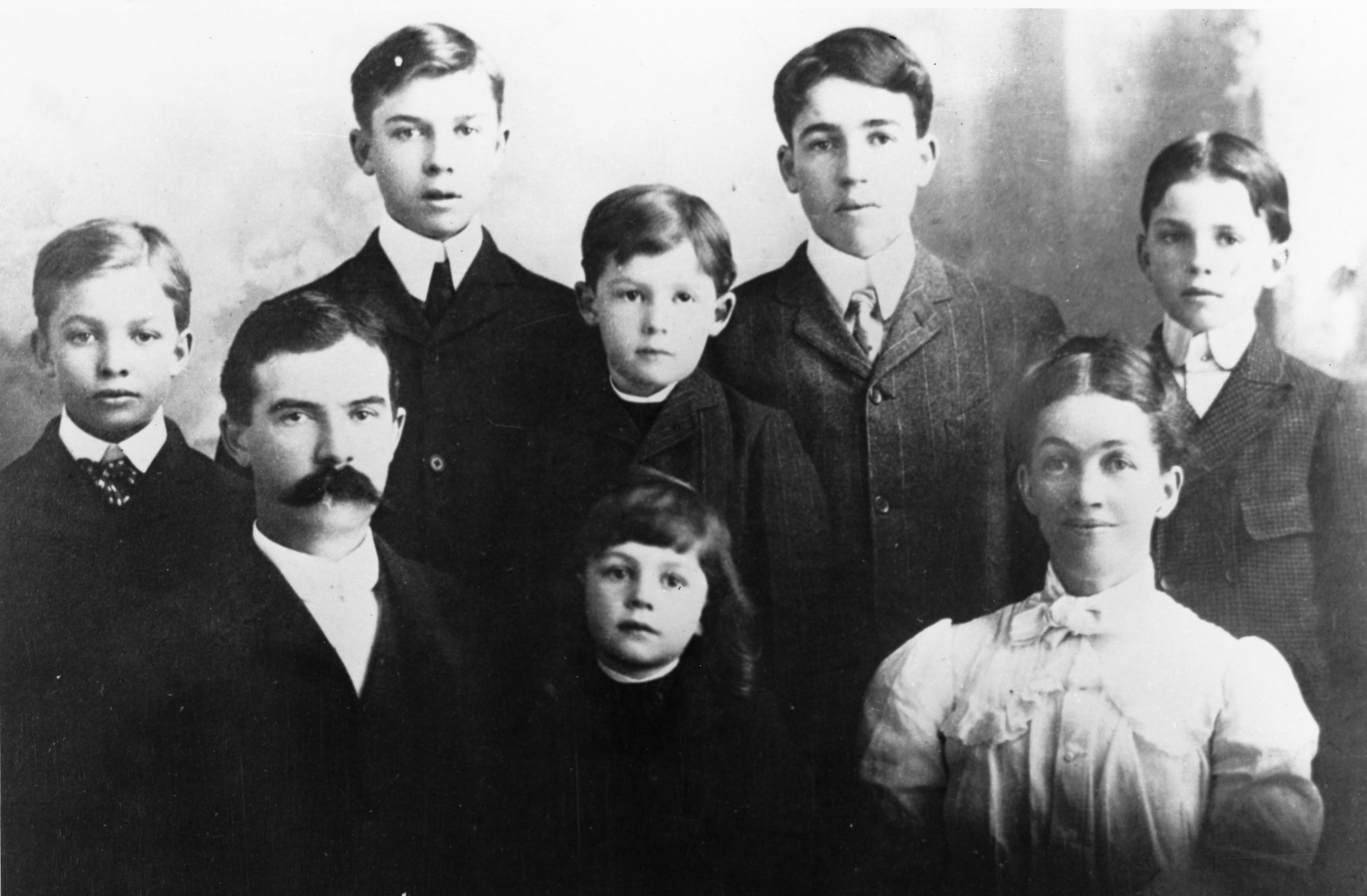
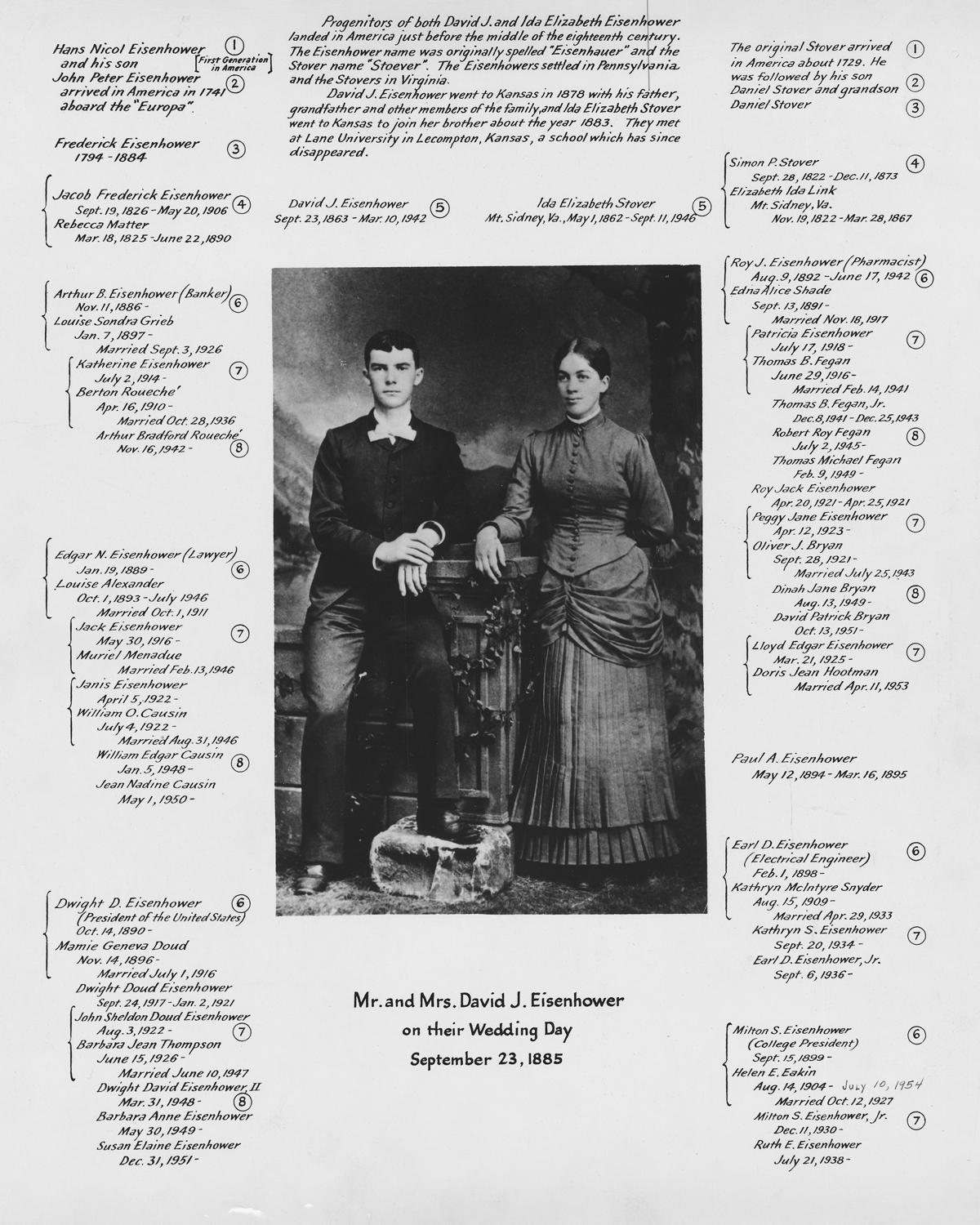
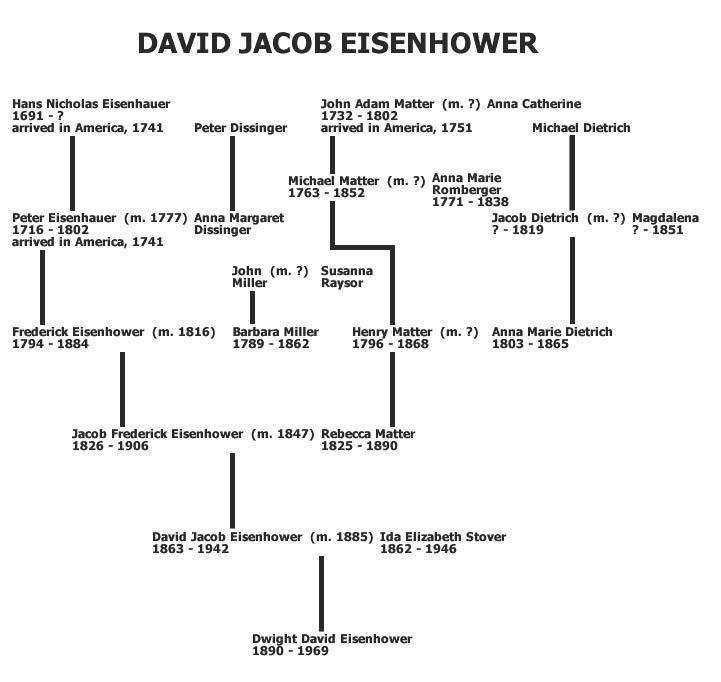
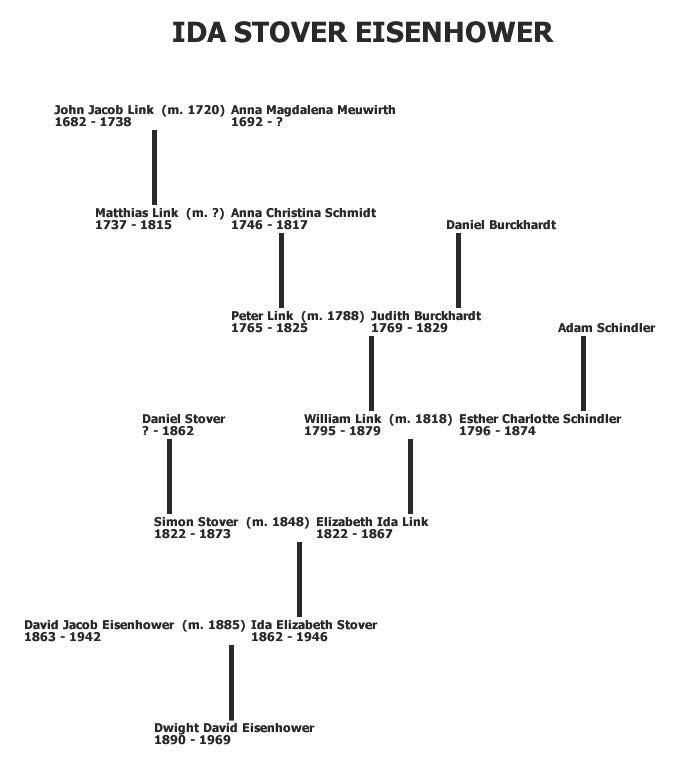
https://www.eisenhowerlibrary.gov/eisenhowers/eisenhower-ancestry
https://www.eisenhowerlibrary.gov/eisenhowers/eisenhower-ancestry
https://www.ranker.com/list/illuminati-presidents/mike-rothschild
http://www.nwotoday.com/the-socialist-review-american-politicians/dwight-d-eisenhower
https://soundcloud.com/the-miller-center-at-uva
August 4, 1953: Eisenhower on supporting the French in Vietnam
https://soundcloud.com/the-miller-center-at-uva/august-4-1953-eisenhower-on-vietnam
Earl Warren Endorses Dwight Eisenhower, October 31, 1952
https://soundcloud.com/the-miller-center-at-uva/ear-warren-endorses-dwight-eisenhower
President Dwight Eisenhower on Civil Rights, 2 February 1953
Johnson, Eisenhower, and Vietnam
https://soundcloud.com/the-miller-center-at-uva/sets/johnson-eisenhower-and-vietnam
Laniel, Joseph,
Prime Minister of France until June 18, 1954.
https://en.wikipedia.org/wiki/Joseph_Laniel
https://historica.fandom.com/wiki/Joseph_Laniel
https://history.state.gov/historicaldocuments/frus1952-54v05p1/d506
https://trove.nla.gov.au/newspaper/article/2885079
https://www.youtube.com/watch?v=vb77lbACA8g
https://history.state.gov/historicaldocuments/frus1952-54v16/d371
Soviet Minister of Foreign Affairs; Head of the Soviet Delegation at the Geneva Conference; one of the three rotating chairmen of the Geneva Conference on Korea.
https://en.wikipedia.org/wiki/Vyacheslav_Molotov
https://history.state.gov/historicaldocuments/frus1952-54v16/d801
https://history.state.gov/historicaldocuments/frus1952-54v16/d232
https://avalon.law.yale.edu/20th_century/inch018.asp
https://www.britannica.com/biography/Vyacheslav-Molotov
Under Secretary of State; Head of the United States Delegation at the Geneva Conference, May 3–June 20, and July 17–21, 1954.
https://history.state.gov/historicaldocuments/frus1952-54v16/ch5subch4
https://avalon.law.yale.edu/20th_century/inch006.asp
https://www.cia.gov/readingroom/docs/CIA-RDP80B01676R002500010001-5.pdf
https://history.state.gov/historicaldocuments/frus1952-54v16/d1027
https://search.library.wisc.edu/digital/ABHSHVCERGRA6I86/pages/ALUZ5OG5PRZCCH83?as=text&view=scroll


No comments:
Post a Comment