20260113 CDTL Biên bản cuộc họp của Bộ Ngoại giao Washington 2 April 1975 D201
1. Document 201
Foreign Relations of the United States, 1969–1976, Volume X, Vietnam, January 1973–July 1975
201. Minutes of the Secretary of State’s Regionals Staff Meeting1
Washington, April 2, 1975, 8–9:15 a.m.
https://history.state.gov/historicaldocuments/frus1969-76v10/d201
https://history.state.gov/historicaldocuments/frus1969-76v10/pg_725
https://history.state.gov/historicaldocuments/frus1969-76v10/pg_726
https://history.state.gov/historicaldocuments/frus1969-76v10/pg_727
https://history.state.gov/historicaldocuments/frus1969-76v10/pg_728
https://history.state.gov/historicaldocuments/frus1969-76v10/pg_729
https://history.state.gov/historicaldocuments/frus1969-76v10/pg_730
https://history.state.gov/historicaldocuments/frus1969-76v10/d204
https://history.state.gov/historicaldocuments/frus1969-76v10/d208
Google Translated
201. Biên bản cuộc họp nhân viên khu vực của Bộ trưởng Ngoại giao
Washington, ngày 2 tháng 4 năm 1975, 8:00–9:15 sáng
[Phần này lược bỏ mục lục, danh sách người tham dự và các cuộc thảo luận không liên quan đến Đông Dương.]
Ông Habib: Có rất nhiều điều cần báo cáo. Tôi đã thảo luận tất cả với các vị rồi. Nếu các vị muốn, có thể thảo luận lại với những người khác. Chúng ta đã bắt đầu di tản dần dần một số nhân viên phụ trợ thuộc phái đoàn ở Phnom Penh, chủ yếu là những người mà chúng ta chịu trách nhiệm.
Bộ trưởng Kissinger: Ông Dean có đến gặp Long Boret không?
Ông Habib: Ông ấy đã đến gặp Sam Kon Khoy. Long Boret đã đi cùng Lon Nol, nhưng ông ấy sẽ trở lại trong vài ngày tới.
Bộ trưởng Kissinger: Bây giờ tôi thấy họ cũng đã đưa toàn bộ chính phủ mới vào danh sách cấm rồi.
Ông Habib: Việc đó đã được thực hiện tuần trước. Điều đó khá rõ ràng—
Ông Ingersoll: Đó chỉ là Sihanouk thôi.
Ông Habib: Vâng. Sihanouk đang nói rất nhiều điều dạo này. Tôi nghĩ người ta có thể hiểu ông ấy theo nhiều cách khác nhau. Điều mà Sihanouk đang cố gắng làm là giữ vững vị trí của mình trong toàn bộ chiến dịch này. Đó là cách duy nhất ông ấy có thể giữ lại một vai trò nào đó cho bản thân. Vai trò mà ông ấy rõ ràng đang cố gắng tạo ra là người phát ngôn quốc tế cho Khmer Đỏ. Và họ đang cho phép ông ấy làm điều đó tạm thời, bởi vì điều đó không tốn kém gì cho họ và mang lại cho họ rất nhiều sự chú ý. Ông ấy có thể khiến một phóng viên Mỹ viết những gì ông ấy nói bất cứ lúc nào ông ấy nói.
Vì vậy, tôi nghĩ hiện tại mọi việc vẫn ổn.
Áp lực lên Phnom Penh sẽ tăng lên đáng kể trong vài ngày tới.
Câu hỏi quan trọng ở Việt Nam vẫn là liệu họ có thể ổn định được mặt trận hay không.
Bộ trưởng Kissinger: Có dấu hiệu nào cho thấy họ có thể làm được điều đó không? [Trang 725]
Ông Habib: Chúng tôi không có đánh giá nào.
Bộ trưởng Kissinger: Ông đã yêu cầu Graham Martin gửi cho chúng ta một bản đánh giá chưa?
Ông Habib: Chúng tôi đã gửi một bức điện tín ngay lập tức vào ngày hôm qua. Ông ấy đã gọi điện cho Larry sáng nay.
Ông Eagleburger: Ông ấy nói sẽ gửi bản đánh giá vào sáng nay.
Ông Habib: Và ông ấy hỏi lại tất cả những chuyện này là gì.
Bộ trưởng Kissinger: Tôi biết điều đó hơi vô lý, khi một quốc gia đang sụp đổ, lại hỏi Đại sứ chuyện gì đang xảy ra.
Ông Habib: Chúng ta sẽ gặp một chút khó khăn vì báo chí bắt đầu viết rằng Đại sứ quán không báo cáo và các sĩ quan trẻ bắt đầu phàn nàn rằng họ không được phép gửi báo cáo về tình hình.
Bộ trưởng Kissinger: Graham Martin nghĩ ông ta đang làm gì vậy?
Ông Eagleburger: Cuộc gọi sáng nay là “Tại sao ông cần một bản đánh giá? Tôi không muốn làm giảm giá trị báo cáo của Tướng quân.” Và tôi nói rằng đó không phải là mục đích. “Bộ trưởng muốn biết chuyện quái quỷ gì đang xảy ra, và tất cả những gì chúng ta có chỉ là các bài báo.”
Bộ trưởng Kissinger: Và tôi cũng muốn có cả đánh giá chính trị nữa.
Ông Habib: Đó là một tình huống rất khó khăn. Chúng ta đã nhận được một số báo cáo của CIA, tôi nghĩ là khá tốt. Tôi đang liên lạc với Colby và Knowles, và họ đã thực hiện một phân tích chính trị nhỏ riêng biệt.
Bộ trưởng Kissinger: Colby đứng về phía nào trong chuyện này?
Ông Habib: Tôi không biết ý ông là “đứng về phía nào”. Tôi nghĩ Colby là một trong những người vô cùng thất vọng về những gì ông ấy thấy đang xảy ra. Tôi không nghĩ ông ấy dự đoán rằng quân đội miền Nam Việt Nam sẽ sụp đổ theo cách đó.
Bộ trưởng Kissinger: Và trước khi chưa có gì xảy ra. Đó là điều tôi không hiểu. Chưa có trận chiến nào cả.
Ông Habib: Ông biết đấy, tôi không phải là người đọc nhiều sách lịch sử như một số người trong căn phòng này. Nhưng kinh nghiệm của tôi…
Bộ trưởng Kissinger: Trong biên bản, hãy ghi thêm “(Mỉa mai)” vào trong ngoặc đơn. (Tiếng cười) [Trang 726]
Ông Habib: Tôi đã rất sợ hãi và muốn giữ im lặng – nhưng một khi ông đã khơi gợi, chúng ta có thể nói chuyện cả ngày.
Thất bại quân sự xảy ra là sự kết hợp giữa thất bại quân sự thông thường, cộng với những đặc thù của tình hình ở Việt Nam, điều mà nhiều người không hiểu. Ví dụ, một người lính thuộc Sư đoàn 1 có gia đình ngay phía sau anh ta. Người lính thuộc Sư đoàn 3, ở Huế, lại có gia đình ở Đà Nẵng. Vì vậy, những người lính này chiến đấu, nhưng khi tình hình đến một mức độ nhất định, họ bắt đầu bỏ chạy tán loạn, và tình trạng bỏ chạy tán loạn này đã diễn ra trong hai tuần, từ Quảng Trị đến Nha Trang.
Bộ trưởng Kissinger: Vâng. Nhưng tại sao họ không chiến đấu dù chỉ một ngày ở Nha Trang?
Ông Habib: Họ đã chiến đấu. Trên thực tế, Sư đoàn 22, một sư đoàn tốt, đã bị tổn thất nặng nề ở phía bắc Quy Nhơn, và Lữ đoàn Nhảy dù số 1 ở phía tây Nha Trang trước đây đã bảo vệ thành phố, và đã bị áp đảo bởi lực lượng địch quá mạnh. Không thể phủ nhận rằng hai đơn vị đó đã chiến đấu. Trên thực tế, Sư đoàn 22 bắt đầu bị tấn công từ phía sau bởi lực lượng Địa phương quân và Dân quân tự vệ. Đó là báo cáo. Tôi không biết. Liệu nó có chính xác hay không, chúng ta không có cách nào để biết chắc chắn.
Tình hình đang xấu đi, không chỉ về mặt quân sự mà rõ ràng còn cả về mặt chính trị.
Hiện giờ, các tướng lĩnh đang bắt đầu hành động chống lại Thiệu.
Bộ trưởng Kissinger: Điều đó rõ ràng rồi. Nhưng liệu có khả năng nào để ổn định tình hình không?
Ông Habib: Có khả năng, vâng.
Bộ trưởng Kissinger: Ý tôi là tại sao họ lại có thể ổn định tình hình khi—anh biết đấy, tôi có thể hiểu—
Ông Habib: Các tuyến đường dẫn đến Sài Gòn có thể phòng thủ được. Họ có lực lượng hiện có. Họ có một lực lượng đã chiến đấu tốt ở khu vực đó—
Bộ trưởng Kissinger: Đó là lực lượng nào?
Ông Habib: Đó là Sư đoàn 25, vốn không phải là một trong những sư đoàn tốt nhất của họ, nhưng nó đã chiến đấu tốt.
Bộ trưởng Kissinger: Chắc chắn nó đang bị bao vây.
Ông Habib: Còn có Sư đoàn Nhảy dù nữa.
Bộ trưởng Kissinger: Sai lầm tồi tệ nhất mà quân đội Bắc Việt mắc phải trong cuộc tấn công năm 1972 là bao vây sư đoàn đó ở An Lộc. Nếu họ để lại một lối thoát, nó đã rút lui ngay lập tức rồi.
Ông Habib: Bây giờ, tôi không nghĩ chúng ta sẽ có nhiều thời gian để quyết định. Tình hình chính trị đang diễn biến rất nhanh. Sáng nay có tin nội các đã đệ đơn từ chức. Điều đó sẽ không làm hài lòng những người chỉ trích ông Thiệu. Những người chỉ trích ông Thiệu nói rằng ông ta phải ra đi vì những gì ông ta đã làm. Ai sẽ thay thế ông ta – đó có lẽ là điều duy nhất đang cản trở việc ông ta từ chức hiện nay. Tôi [Trang 727] đoán rằng với việc các tướng lĩnh đang chống lại ông ta, những ngày của ông ta sắp hết, và điều có thể sẽ thay thế ông ta là một kiểu lãnh đạo tập thể của các tướng lĩnh như đã tồn tại vào năm 1965, 1966, 1967, trước cuộc bầu cử, nơi mà bạn có một kiểu –
Bộ trưởng Kissinger: Đó là một thảm họa.
Ông Habib: Đó không phải là một thảm họa. Ông sẽ nhớ rằng nhóm này đã tái cấu trúc Việt Nam dưới thời Thủ tướng Kỳ và sự lãnh đạo của Thiệu. Thiệu là người đứng đầu chính phủ và Kỳ là Thủ tướng. Nhưng họ chịu trách nhiệm trước các tướng lĩnh như một hội đồng quản trị – tất cả các tư lệnh quân đoàn, tất cả các tư lệnh sư đoàn và các chỉ huy khác.
Trong hoàn cảnh hiện tại, tôi không nói rằng điều đó sẽ hiệu quả. Nhưng tôi nói rằng đối với tôi, đó là một khả năng. Đó là một khả năng.
Bây giờ, với một người như Trưởng, mặt khác, người rất tức giận với Thiệu vì những gì ông ta đã làm với ông ấy ở Quân đoàn I – nếu ông ấy có thể được thuyết phục để tham gia chính trị…
Bộ trưởng Kissinger: Chỉ để tôi hiểu rõ hơn, ông nghĩ nếu họ không nhận được lệnh rút lui, liệu họ có chiến đấu tại vị trí hiện tại không?
Ông Habib: Vâng. Họ đã ở vị trí sẵn sàng. Và họ quen với việc chiến đấu theo cách đó. Và họ sẽ chiến đấu. Một số người trong số họ có thể sẽ bị thương vong. Nhưng chắc chắn họ sẽ tiết kiệm được rất nhiều thời gian, ít nhất là vậy.
Ông Hyland: Có lẽ họ đã cứu được Huế.
Ông Habib: Họ đã cứu được rất nhiều người tị nạn. Mọi việc có thể diễn ra có trật tự hơn.
Ông Hyland: Tối qua chúng ta đã nhận được một bản phân tích tốt từ Cơ quan tình báo về những gì đã xảy ra ở các tỉnh phía bắc.
Bộ trưởng Kissinger: Tôi đã xem rồi. Tôi chưa đọc kỹ. Điểm chính là gì?
Ông Hyland: Vâng, họ tập trung vào quyết định của Thiệu về việc rút sư đoàn này, mà ông ta không tham khảo ý kiến của Bộ Tổng tham mưu hay Tư lệnh.
Bộ trưởng Kissinger: Ý ông là Sư đoàn Nhảy dù?
Ông Hyland: Sư đoàn Nhảy dù – lực lượng này rất quan trọng đối với việc phòng thủ Quảng Trị và Huế. Một khi chiến dịch đó bắt đầu, mọi thứ đều phải được tổ chức lại. Và Tư lệnh quân khu ở đó đã được Thiệu ra lệnh chỉ phòng thủ Đà Nẵng. Vì vậy, ông ta đã lập kế hoạch dựa trên việc rút lui về Đà Nẵng, điều động các sư đoàn từ Quảng Ngãi lên. Và sau đó, mệnh lệnh bị đảo ngược, và ông ta được lệnh quay lại và bảo vệ Huế. Ông ta nói với Thiệu rằng không thể điều động lại các đơn vị này mà không mất kiểm soát. Và Thiệu nói “Tôi không quan tâm. Tôi muốn ông phải bảo vệ [Trang 728] Huế.” Vì vậy, ông ta đã điều động lại, và tất nhiên họ đã mất kiểm soát, và bị tiêu diệt. Và những gì xảy ra sau đó gần như là điều không thể tránh khỏi.
Tôi nghĩ đó là một phân tích rất tốt, và đã chỉ ra vấn đề khá chính xác.
Bộ trưởng Kissinger: Nhưng về cơ bản, ông nghĩ ở Quân khu 1, nếu họ chỉ giữ nguyên vị trí của mình—
Ông Hyland: Nếu họ giữ Sư đoàn Nhảy dù ở đó, ít nhất họ sẽ có thể tổ chức phòng thủ một cách có trật tự. Họ có thể đã thua trước lực lượng áp đảo. Nhưng đó sẽ không phải là một cuộc tháo chạy. Và một khi cuộc tháo chạy bắt đầu ở Huế và Đà Nẵng, thì phần còn lại của khu vực ven biển, điều đó là không thể tránh khỏi.
Những gì đang xảy ra tuần này không phải là một điều bất ngờ lớn. Không ai ngờ rằng năm tiểu đoàn có thể bảo vệ Nha Trang chống lại—
Bộ trưởng Kissinger: Nếu họ chiến đấu, quân đội Bắc Việt sẽ phải chịu đủ thương vong để không thể truy đuổi nhanh chóng như vậy.
Ông Hyland: Tất nhiên rồi. Và quân đội Bắc Việt có thể đã không tiến công chút nào. Tôi thậm chí không chắc là quân đội Bắc Việt có bất kỳ ý niệm nào về việc họ có thể chiếm được Quảng Ngãi, Nha Trang, Quy Nhơn.
Bộ trưởng Kissinger: Chắc chắn là không.
Ông Hyland: Trên thực tế, khi họ rút khỏi Pleiku, phải mất khá lâu để quân đội Bắc Việt nhận ra điều gì đang xảy ra. Và họ đã không đuổi kịp đoàn quân trong vài ngày. Họ đã không bắt kịp phần cuối của đoàn quân trong vài ngày.
Bộ trưởng Kissinger: Nhưng đó có thể là một bước đi tốt, nếu họ có thể đưa được quân ra khỏi đó.
Ông Hyland: Nếu họ có nhiều máy bay hơn và kế hoạch tốt hơn một chút, họ có thể đã rút lui một cách có trật tự. Nhưng tất cả đã kết thúc rồi. Tôi nghĩ rằng cảm giác hoảng loạn và bi quan đang lan rộng khắp đất nước là vấn đề chính.
Ông Habib: Đặc biệt là ở Sài Gòn. Sài Gòn là một thành phố đáng kinh ngạc. Như ông biết đấy, nó có năm mươi phần trăm người Hoa và năm mươi phần trăm người Việt. Và đó là một trung tâm lan truyền tin đồn. Và Việt Cộng biết cách sử dụng trung tâm tin đồn đó. Và bây giờ—
Bộ trưởng Kissinger: Họ không cần phải có trung tâm lan truyền tin đồn. Họ chỉ cần báo cáo—mỗi người tị nạn đến đều chỉ cần báo cáo những gì họ đã thấy.
Ông Habib: Thậm chí còn hơn thế nữa. Việc cố tình tung tin gây hoang mang là điều hiển nhiên. Xu hướng chống Mỹ cũng rất rõ ràng. Có một loạt bài báo trên các tờ báo ở Sài Gòn, những tờ báo đáng tin cậy, thực chất là chỉ trích mạnh mẽ Hoa Kỳ.
Bộ trưởng Kissinger: Họ nói đúng. [Trang 729]
Ông Habib: Sự suy yếu của chính phủ sẽ dẫn đến sự suy yếu của trật tự pháp luật, và bạn sẽ chứng kiến sự hỗn loạn mà người dân phải chịu đựng trong những hoàn cảnh đó.
Bộ trưởng Kissinger: Bill.
Ông Hyland: Một trong những vấn đề của Thiệu là phải bố trí tất cả những người tị nạn này ở đâu, bởi vì ông ấy sợ rằng nếu ông ấy đưa họ đến bất kỳ khu vực đông dân nào, những câu chuyện mà họ lan truyền và bầu không khí sẽ rất tai hại. Ông ấy không thể đưa họ đến Đồng bằng sông Cửu Long, và ông ấy cũng không thể đưa họ đến Sài Gòn, vì vậy ông ấy đã đưa họ đến khu vực vịnh Cam Ranh, nơi hiện đang tan rã.
Ông Habib: Ông ấy sẽ phải đưa họ ra khỏi vịnh Cam Ranh. Tôi nghĩ rằng quân đội Bắc Việt sẽ tiến về phía đông. Nếu họ chiếm được Vũng Tàu, thì Sài Gòn sẽ gặp rắc rối thực sự, bởi vì Vũng Tàu là cửa sông, và từ cửa sông, người ta có thể kiểm soát dòng chảy đến Sài Gòn, xét đến tình hình người tị nạn và tình hình tiếp tế.
Bộ trưởng Kissinger: Nếu họ tiến vào Vũng Tàu, với những gì họ có thể làm từ Campuchia và Đồng bằng sông Cửu Long—vấn đề chỉ là liệu họ có thể làm được điều đó trước mùa mưa hay không.
Ông Habib: Tôi không nghĩ trong hoàn cảnh này, mùa mưa sẽ làm được gì nhiều hơn ngoài việc làm chậm bước tiến của họ. Họ đang tiến dọc theo các con đường. Không giống như thời xưa nữa. Họ đã đang gây áp lực lên Quan Long, và đó chỉ cách Sài Gòn khoảng bốn mươi dặm, dọc theo một con đường nhựa.
Ông Hyland: Nhưng họ cũng đang di chuyển—một trong các sư đoàn, Sư đoàn 5, vốn được dự kiến tham gia chiến dịch Tây Ninh—họ đang di chuyển khỏi Tây Ninh và xuống phía Long Thành—phối hợp với các cuộc tấn công sẽ bắt đầu ở Đồng bằng sông Cửu Long trong vài ngày tới.
Ông Habib: Điều họ đang mong đợi là ông Thiệu sẽ rút một sư đoàn từ Đồng bằng sông Cửu Long để bảo vệ Sài Gòn. Nếu ông ấy làm vậy—
Bộ trưởng Kissinger: Nghe này, chúng ta đã thảo luận tất cả những điều này rồi. Một sư đoàn không thể làm được gì.
Ông Habib: Vâng, một sư đoàn đầy đủ có hỏa lực mạnh và khả năng cơ động đáng kể.
Bộ trưởng Kissinger: Năm 1972, khi tất cả quân đội ở phía bắc đang chiến đấu, và ông ấy điều một sư đoàn từ Đồng bằng sông Cửu Long lên, trước hết, sư đoàn mà ông ấy điều lên từ Đồng bằng sông Cửu Long không hề chiến đấu hiệu quả chút nào ở Quân khu 3. Họ đã trở thành một thảm họa, vì lý do mà ông đã nêu, bởi vì họ bị tách khỏi gia đình. Và sư đoàn được mô tả là sư đoàn tinh nhuệ ở Đồng bằng sông Cửu Long, ông nhớ rất rõ, đã trở thành một thảm họa.
Thứ hai, nếu không có sự hỗ trợ lớn vào năm 1972, thì tình hình đã sụp đổ rồi. Chúng ta đừng tự lừa dối mình.
Ông Habib: Tôi không nói rằng nó sẽ thành công. [Trang 730]
Bộ trưởng Kissinger: Và điều này xảy ra vào thời điểm họ phải đối mặt với khoảng một phần ba quân đội Bắc Việt, và khi nguồn cung cấp của Bắc Việt chỉ đến được khoảng một phần tư so với lượng họ đưa vào đường ống, và phải mất nhiều tuần để vận chuyển đến đó. Tôi không thấy một sư đoàn từ vùng Đồng bằng sông Cửu Long có thể tạo ra bất kỳ sự khác biệt nào.
Ông Habib: Tôi đoán rằng dù sao thì ông ấy vẫn sẽ làm như vậy, bởi vì ông ấy buộc phải làm vậy.
Bộ trưởng Kissinger: Vậy thì vùng Đồng bằng sông Cửu Long sẽ sụp đổ.
Ông Habib: Đó chính xác là điều tôi muốn nói. Ham Tan sẽ không thể trụ vững nếu ông ấy làm suy yếu lực lượng sư đoàn ở vùng Đồng bằng sông Cửu Long.
Ông Hyland: Ai đó lẽ ra nên khuyên ông ấy không nên bảo vệ Nha Trang và Quy Nhơn.
Bộ trưởng Kissinger: Thực tế là chúng ta đã khiến người đàn ông nhỏ bé đó hoảng loạn. Đó là điều đã bắt đầu toàn bộ sự việc. Sau đó ông ấy hành động như một kẻ điên. Trừ khi bạn nghĩ rằng ông ấy cố tình tự sát.
Ông Habib: Không. Ông ấy đã đưa ra một quyết định chiến lược, và đó là một thảm họa về mặt chiến thuật. Tôi vẫn luôn nhìn nhận vấn đề theo cách đó.
Bộ trưởng Kissinger: Vâng. Nhưng điều gì đã khiến ông ấy đưa ra quyết định chiến lược đó?
[Phần thảo luận không liên quan đến Đông Dương đã được lược bỏ.]
https://history.state.gov/historicaldocuments/frus1969-76v10/sources
https://history.state.gov/historicaldocuments/frus1969-76v10/terms
https://history.state.gov/historicaldocuments/frus1969-76v10/persons
https://history.state.gov/historicaldocuments/frus1969-76v10/note
Vietnam, January 1973–July 1975
https://history.state.gov/historicaldocuments/frus1969-76v10/comp1
Collapse and Evacuation, February 26–July 22, 1975 (Documents 178–283)
https://history.state.gov/historicaldocuments/frus1969-76v10/ch3
201. Minutes of the Secretary of State’s Regionals Staff Meeting1
Washington, April 2, 1975, 8–9:15 a.m.
[Omitted here are a table of contents, list of attendees, and discussion unrelated to Indochina.]
Mr. Habib: There is so much to report. I have gone through it all with you. If you want to go through it for the others. We have started the evacuation on a gradually reduced basis in Phnom Penh of some ancillary people attached to the mission, mostly people for whom we are responsible.
Secretary Kissinger: Did Dean go to see Long Boret?
Mr. Habib: He went to see Sam Kon Khoy. Long Boret went off with Lon Nol, but he will be back within a couple of days.
Secretary Kissinger: I now see they have put the whole new government on the proscribed list, too.
Mr. Habib: That was done last week. It was quite obvious—
Mr. Ingersoll: That is only Sihanouk.2
Mr. Habib: Yes. Sihanouk is saying a lot of things these days. I think one can read him in different ways. What Sihanouk is trying to do is keep to the fore his own position in this whole operation. The only way he might save some residual role for himself. The role that he obviously is trying to carve out is sort of international spokesman for the Khmer Rouge. And they are letting him do it for the time being, because it doesn’t cost them anything and gets them a hell of a lot of attention. He can get an American reporter to write what he says any time he says it.
So I think we are all right there at the moment.
The pressure on Phnom Penh will increase substantially within a few days.
The critical question in Vietnam remains whether or not they can stabilize the front.
Secretary Kissinger: Is there any sign that they can? [Page 725]
Mr. Habib: We have no assessment.
Secretary Kissinger: Did you order Graham Martin to send us an assessment?
Mr. Habib: We sent a cable3 immediately yesterday. He telephoned Larry this morning.
Mr. Eagleburger: He said he would get it in this morning.4
Mr. Habib: And he asked what this was all about.
Secretary Kissinger: I know it is sort of unreasonable, when a country is collapsing, to ask the Ambassador what is going on.
Mr. Habib: We are going to have a little difficulty because the press is beginning to write that the Embassy is not reporting and young officers are beginning to complain that they are not permitted to send forward reports of the situation.
Secretary Kissinger: What does Graham Martin think he is doing? Mr. Eagleburger: The call this morning was “Why do you need an assessment? I don’t want to undercut the General’s report.”5 And I said that is not what it is intended for. “The Secretary would like to know what the hell is going on, and all we have are newspaper reports.”
Secretary Kissinger: And I would like to get the political judgment, too.
Mr. Habib: That is a very difficult situation. We have been getting some CIA reports, which are quite good, I think. I am in touch with Colby and Knowles, and they did a separate little political analysis.
Secretary Kissinger: On whose side is Colby in this?
Mr. Habib: I don’t know what you mean by “whose side.” I think Colby is one of those who is tremendously disappointed at what he sees happening. I don’t think he anticipated that the ARVN would cave the way it did.
Secretary Kissinger: And before nothing. That is what I don’t understand. There hasn’t been one battle yet.
Mr. Habib: You know, I am not much of a reader of history, as some of the people in this room are. But my experience—
Secretary Kissinger: In the record, put down “Sarcasm” in parentheses. (Laughter) [Page 726]
Mr. Habib: I was terrorized and wanted to keep quiet—but once you get me started, we can go all day.
The military rout that occurred is a combination of the standard military rout, plus the peculiarities of the situation in Vietnam, which a lot of people do not understand. For example, a First Division soldier has his family right behind him. The Third Division soldier, in Hue, he had his family in Da Nang. So that these fellows fight, but when the thing gets to a certain point, they begin to sauve qui peut, and sauve qui peut has now gone on for two weeks, from Quang Tri to Na Trang.
Secretary Kissinger: Yes. But why didn’t they fight for a day at NaTrang?
Mr. Habib: They did. As a matter of fact, the 22nd Division, which is a good division, was cut to ribbons north of Qui Nhon, and the First Airborne Brigade west of Na Trang in the past protected the city, and was overrun by an overwhelming force. There is no question that those two outfits fought. In fact, the 22nd Division began to get attacks from its rear from the RF and PF. That is the report. I don’t know. Whether it is accurate or not, we have no real way of knowing.
You have a deteriorating situation in which you not only have a deteriorating situation militarily, but you obviously have one politically.
Now, the generals are beginning to move against Thieu.
Secretary Kissinger: That is clear. But is there any possibility of stabilizing the situation?
Mr. Habib: A possibility, yes.
Secretary Kissinger: I mean why should they be able to stabilize it when—you know, I can understand—
Mr. Habib: The approaches to Saigon are defensible. They have forces in being. They have one force which has fought well over in the—
Secretary Kissinger: Which is that?
Mr. Habib: That is the 25th, which was never one of their best divisions, but it has fought well.
Secretary Kissinger: It must be trapped.
Mr. Habib: You have the Airborne Division.
Secretary Kissinger: The worst mistake the North Vietnamese made in the ‘72 offensive was to trap that division in An Loc. If they had left a way out, it would have bugged right out.
Mr. Habib: Now, I don’t think there is going to be much time to decide. The political situation is moving very quickly. There is a report this morning that the cabinet has submitted its resignation. That will not satisfy critics of Thieu. The critics of Thieu are saying that he has to go because of what he has done. Who would take his place—that is probably the one thing that is holding up his departure as of now. My [Page 727] guess is that with the generals moving against him, that his days are numbered, and that what will probably take his place will be the sort of collegiate generals leadership that existed in ‘65, ‘66, ‘67, before the elections, where you had a sort of—
Secretary Kissinger: Which was a disaster.
Mr. Habib: It wasn’t a disaster. You will recall that this group restructured Vietnam under Ky’s Prime Ministership, and Thieu’s leadership. Thieu was the head of government and Ky was the Prime Minister. But they were responsible to the generals as a board of directors—all the corps commanders, all the division commanders and other commanders.
In the present circumstances, I am not saying that that would work. But I am saying that looks to me as a possibility. That is one possibility.
Now, with a guy like Truong, on the other hand, who is very angry with Thieu for doing what he did to him up in I Corps—if he could be persuaded to politicize himself—
Secretary Kissinger: Just for my own education, do you think if they had not been ordered to retreat they would have fought where they were?
Mr. Habib: Yes. They were in position. And they are used to fighting that way. And they would have fought. Some of them would have been cut up. But they would certainly have saved a lot of time, if nothing else.
Mr. Hyland: They probably would have saved Hue.
Mr. Habib: They would have saved a lot of refugees. That could have been more orderly.
Mr. Hyland: We got a good analysis last night from the Agency as to what happened in the northern provinces.
Secretary Kissinger: I have seen it. I have not read it yet. What’s the point?
Mr. Hyland: Well, they focus on the decision by Thieu to withdraw this division, in which he did not consult the General Staff or the Commander.
Secretary Kissinger: You mean the Airborne Division?
Mr. Hyland: The Airborne Division—it was vital to the defense of Quang Tri and Hue. Once that was started, everything had to be reorganized. And the Commanding General up there was told by Thieu to only defend Da Nang. So he made all his plans on the basis of falling back to Da Nang, bringing up divisions from Quang Ngai. And then the order was reversed, and he was told to turn around and defend Hue. He told Thieu it was impossible to turn these troops around without losing control. And Thieu said “I don’t care. I want you to defend [Page 728] Hue.” So he turned them around, and of course they lost control of them, and they got chopped up. And then what happened thereafter was almost inevitable.
I think it is a very good analysis, and pins it down fairly well.
Secretary Kissinger: But basically you think in MR–1, if they had just sat where they were—
Mr. Hyland: If they had kept the Airborne Division there, they would at least have been able to put up an orderly defense. They might have lost in the face of overwhelming forces. But it would not have been a rout. And once the rout started in Hue and Da Nang, then the rest of the coastal area, it was inevitable.
What is happening this week is not a fantastic surprise. No one expected that five battalions would be able to defend Na Trang against—
Secretary Kissinger: If they had fought, the North Vietnamese would have suffered enough casualties not to be able to pursue with all that rapidity.
Mr. Hyland: Of course. And the North Vietnamese might not have pursued at all. I am not even sure the North Vietnamese had any notion they would be able to take Quang Ngai, Na Trang, Qui Nhon.
Secretary Kissinger: Certainly not.
Mr. Hyland: In fact, when they pulled out of Pleiku, it took quite a while for the North Vietnamese to realize what was happening. And they didn’t catch them for several days. They did not catch the rear of the column for several days.
Secretary Kissinger: But that might have been a good move, if they could have gotten them out of there.
Mr. Hyland: If they had more aircraft and a little more planning, they might have gotten out in an orderly fashion there. But that is all over with now. I think the sense of panic and defeatism that is spreading in the country is the main problem.
Mr. Habib: Especially in Saigon. Saigon is an amazing city. As you know, it is fifty percent Chinese and fifty percent Vietnamese. And it is a rumor mill. And the VC know how to use that rumor mill. And now—
Secretary Kissinger: They don’t have to have a rumor mill. They just have to report—every refugee that comes in just has to report what he saw.
Mr. Habib: It even goes beyond that. The deliberate introduction of panic stories is obvious. The turn towards anti-Americanism is clear. There were a series of articles in the Saigon newspapers, respectable ones, in effect, strongly critical of the United States.
Secretary Kissinger: They are right. [Page 729]
Mr. Habib: The deterioration of government will lead to the deterioration of law and order, and you will get the kind of madness that grips people in those circumstances.
Secretary Kissinger: Bill.
Mr. Hyland: One of Thieu’s problems is where to put all these refugees, because he’s afraid if he puts them in any populated area the stories they spread and the atmosphere will be disastrous. He cannot put them in the Delta, and he cannot put them in Saigon, so he has them in the area of Cam Ranh Bay, which is now disintegrating.
Mr. Habib: He will have to get them out of Cam Ranh Bay. I think the North Vietnamese are going to go for the east. If they get to Vung Tau, then Saigon is in real trouble, because Vung Tau is the mouth of the river, and from the mouth of the river you can control the flow to Saigon, given the refugee situation and the supply situation.
Secretary Kissinger: If they get into Vung Tau, with what they can do from Cambodia and the Delta—it is just a question of whether they can do it before the rainy season.
Mr. Habib: I don’t think under these circumstances the rainy season does any more than slow them. They are going down the roads. It is not like in the old days. They are already pressing against Quan Long, and that is only about forty miles from Saigon, up a paved highway.
Mr. Hyland: But they are also moving—one of the divisions, the Fifth Division, which is more or less scheduled for the Tay Ninh campaign—they are moving away from Tay Ninh and down towards Long Tanh—in coordination with the attacks that are going to start in the Delta during the next few days.
Mr. Habib: What they are expecting is what Thieu will do is take a division out of the Delta from the defense of Saigon. If he does that—
Secretary Kissinger: Look, we have gone through all of this. One division isn’t going to do it.
Mr. Habib: Well, an integral division has great fire power, and it has got considerable ability to maneuver.
Secretary Kissinger: In 1972, when all of the troops in the north were fighting, and he moved a division up from the Delta, first of all the division he moved up from the Delta didn’t do one lick worth of fighting, up in Third Corps. They turned out to be a disaster, for the reason you gave, because they were separated from their families. And what was described as a crack division in the Delta, you remember very well, turned into a disaster.
Secondly, without massive assistance in 1972, it would have cracked then. Let’s not kid ourselves.
Mr. Habib: I didn’t say it was going to be successful. [Page 730]
Secretary Kissinger: And this was at a time when they were facing about a third of the North Vietnamese Army, and when the North Vietnamese supplies got through only about a fourth of what they put into the pipeline, and it took them weeks to get it down there. I don’t see how one division from the Delta is going to make one damned bit of difference.
Mr. Habib: My guess will be that will be nevertheless what he does, because he will have to do it.
Secretary Kissinger: Then the Delta will go to hell.
Mr. Habib: That is exactly my point. Ham Tan will not stand up if he weakens the divisional strength in the Delta.
Mr. Hyland: Someone should have advised him not to defend Na Trang and Qui Nhon.
Secretary Kissinger: The fact is we panicked the little guy. That is what started the whole thing. After that he acted like a maniac. Unless you think he deliberately committed suicide.
Mr. Habib: No. He made a strategic decision, and it was a tactical catastrophe. I keep looking at it that way.
Secretary Kissinger: Yes. But what made him make the strategic decision.
[Omitted here is discussion unrelated to Indochina.]
Thân thế (các) nhân vật/
Director of the Far East Division, Operations Directorate, Central Intelligence Agency
Executive Director, Central Intelligence Agency until August 1973; Director of Central Intelligence from September 4, 1973
https://nsarchive2.gwu.edu/NSAEBB/NSAEBB362/index.htm
https://en.wikipedia.org/wiki/The_Man_Nobody_Knew
https://www.huffpost.com/entry/former-cia-directors-death-raises-questions-divides-family_n_1130176
https://vva.org/arts-of-war/documentaries/new-doc-on-the-mysterious-death-of-william-colby/
https://en.wikipedia.org/wiki/William_Colby
https://simple.wikipedia.org/wiki/William_Colby
member, National Security Council staff from June 1973; Executive Assistant to the Secretary of State from October 1973; Acting Deputy Under Secretary for Management from February 1975 until May 1975; Under Secretary of State for Management from May 1975, Staff Member, Office of the Assistant to the President for National Security Affairs.
https://history.state.gov/departmenthistory/people/eagleburger-lawrence-sidney
https://en.wikipedia.org/wiki/Lawrence_Eagleburger
https://2001-2009.state.gov/secretary/former/40402.htm
https://history.state.gov/historicaldocuments/frus1969-76v38p2/d118
Ford Gerald R.,
Republican Representative from Michigan until October 13, 1973; House Minority Leader until October 13, 1973; Vice President of the United States from October 13, 1973, until August 8, 1974; President of the United States from August 8, 1974
https://en.wikipedia.org/wiki/Gerald_Ford
https://en.wikipedia.org/wiki/President_of_the_United_States
https://en.wikipedia.org/wiki/Vice_President_of_the_United_States
https://en.wikipedia.org/wiki/House_Minority_Leader
https://en.wikipedia.org/wiki/Leader_of_the_House_Republican_Conference
https://en.wikipedia.org/wiki/Chair_of_the_House_Republican_Conference
https://en.wikipedia.org/wiki/United_States_House_of_Representatives
https://www.whitehouse.gov/about-the-white-house/presidents/gerald-r-ford/
https://www.whitehouse.gov/administration/
https://geraldrfordfoundation.org/gerald-r-ford-biography/
https://www.fordlibrarymuseum.gov/grf/timeline.asp
https://en.wikipedia.org/wiki/Presidency_of_Gerald_Ford
https://www.fordlibrarymuseum.gov/library/guides/findingaid/ford_vp_papers.asp
member, U.S. Delegation to the Paris Peace Talks from May 1968 until October 1971; Ambassador to Korea from September 30, 1971, until August 19, 1974; Assistant Secretary of State for East Asian and Pacific Affairs from September 27, 1974
https://en.wikipedia.org/wiki/Philip_C._Habib
https://en.wikipedia.org/wiki/Under_Secretary_of_State_for_Political_Affairs
https://en.wikipedia.org/wiki/Assistant_Secretary_of_State_for_East_Asian_and_Pacific_Affairs
https://en.wikipedia.org/wiki/United_States_Ambassador_to_Korea
https://diplomacy.state.gov/u-s-diplomact-philip-c-habib-presidential-medal-of-freedom-winner/
https://nsuworks.nova.edu/nsudigital_forums/13/
https://www.arabamerica.com/arabamericans/philip-habib-3/
https://www.britannica.com/biography/Philip-Charles-Habib
Director, Bureau of Intelligence and Research, Department of State from January 1974 until November 1975
https://en.wikipedia.org/wiki/William_G._Hyland
https://en.wikipedia.org/wiki/United_States_Deputy_National_Security_Advisor
https://2001-2009.state.gov/r/pa/ho/po/12146.htm
https://www.fordlibrarymuseum.gov/library/guides/findingaid/hylandpapers.asp
https://www.brookings.edu/wp-content/uploads/2016/07/20000325.pdf
https://history.state.gov/historicaldocuments/frus1969-76v38p1/persons
Assistant Secretary of State for East Asian and Pacific Affairs from January 8 until July 9, 1974; Deputy Secretary of State from July 10, 1974, until March 31, 1976
https://history.state.gov/departmenthistory/people/ingersoll-robert-stephen
https://www.state.gov/biographies-list/
https://www.state.gov/resources-bureau-of-global-talent-management/#ambassadors
https://history.state.gov/departmenthistory/people/chiefsofmission/japan
https://history.state.gov/departmenthistory/people/principalofficers/deputy-secretary
https://en.wikipedia.org/wiki/Robert_S._Ingersoll
https://www.nytimes.com/2010/08/29/world/asia/29ingersoll.html
https://www.latimes.com/local/obituaries/la-me-robert-ingersoll-20100828-story.html
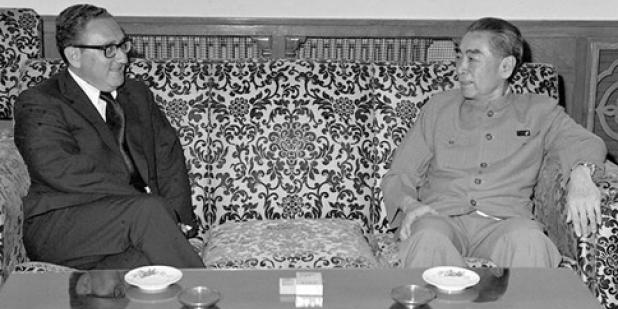
Henry A Kissinger
Assistant to the President for National Security Affairs until November 3, 1975; also Secretary of State from September 21, 1973
https://www.theguardian.com/world/2023/may/20/bilderberg-meeting-group-lisbon-kissinger
https://www.theguardian.com/world/bilderberg
https://history.state.gov/historicaldocuments/frus1969-76ve13/summary
https://china.usc.edu/getting-beijing-henry-kissingers-secret-1971-trip
https://china.usc.edu/catalog/documents/us-china
http://www.archives.gov/press/press-releases/2001/nr01-47.html
https://china.usc.edu/talking-points-july-22-august-3-2011
https://china.usc.edu/getting-beijing-henry-kissingers-secret-1971-trip#meetings
https://china.usc.edu/getting-beijing-henry-kissingers-secret-1971-trip#nixon-announcement
https://china.usc.edu/getting-beijing-henry-kissingers-secret-1971-trip#chinese-accept
https://china.usc.edu/getting-beijing-henry-kissingers-secret-1971-trip#signals
https://china.usc.edu/getting-beijing-henry-kissingers-secret-1971-trip#the_aim
http://www.foreignaffairs.com/articles/23927/richard-m-nixon/asia-after-viet-nam
https://history.state.gov/historicaldocuments/frus1969-76v17/d4
https://history.state.gov/historicaldocuments/frus1969-76v17/d12
https://history.state.gov/historicaldocuments/frus1969-76v17/d13
https://history.state.gov/historicaldocuments/frus1969-76v17/d141
https://2001-2009.state.gov/documents/organization/100324.pdf
https://en.wikipedia.org/wiki/Henry_Kissinger_and_the_Vietnam_War
Lesson in Vietnam from Kissinger to Nixon: “when we made it “our war” we would not let the South Vietnamese fight it; when it again became “their war”, we would not help them fight it.”
(We also had trouble with excesses here: when we made it “our war” we would not let the South Vietnamese fight it; when it again became “their war,” we would not help them fight it. Ironically, we prepared the South Vietnamese for main force warfare after 1954 (anticipating another Korean-type attack), and they faced a political war; they had prepared themselves for political warfare after 1973 only to be faced with a main force invasion 20 years after it had been expected.)
https://history.state.gov/historicaldocuments/frus1969-76v10/d280
Lesson of Vietnam May 12 1975 by Henry A. Kissinger
https://www.fordlibrarymuseum.gov/library/exhibits/vietnam/032400091-002.pdf
https://thebattleofkontum.com/extras/kissinger.html
“Richard M. Nixon and Kissinger on 3 August 1972,” Conversation 760-006, Presidential Recordings Digital Edition [Fatal Politics, ed. Ken Huges] (Charlottesville: University of Virginia Press, 2014-). URL:https://prde.upress.virginia.edu/conversations/4006748
https://player.vimeo.com/video/889937807?h=e44572c8f3&color=e57200&title=0&byline=0&portrait=0
https://player.vimeo.com/video/889937807?h=e44572c8f3&color=e57200&title=0&byline=0&portrait=0
Discover the Truth at:
https://www.theblackvault.com/documentarchive/the-cias-vietnam-document-cd-rom/
The secret life of Henry Kissinger minutes of a 1975 meeting with Lawrence Eagleburger
https://etan.org/news/kissinger/secret.htm
Henry Kissinger and the Truth About Negotiations In Vietnam
https://www.youtube.com/watch?v=Z5fxxKVfX5g
Lon Nol,
General, Cambodian Prime Minister and Minister of National Defense, June 1969; led coup that deposed Prince Norodom Sihanouk in March 1970; Prime Minister and Minister of National Defense after March 18, 1970; President of Khmer Republic from 1972 until 1975
Prime Minister of the Khmer Republic
4/11/75 - Phnom Penh Evacuation
Ambassador to the Republic of Vietnam (South Vietnam) from July 20, 1973, until April 29, 1975
https://www.fallofsaigon.org/orig/martin.htm
https://en.wikipedia.org/wiki/Graham_Martin
https://en.wikipedia.org/wiki/United_States_Ambassador_to_South_Vietnam
https://en.wikipedia.org/wiki/United_States_Ambassador_to_Italy
https://en.wikipedia.org/wiki/United_States_Ambassador_to_Thailand
https://history.state.gov/departmenthistory/people/martin-graham-anderson
https://www.state.gov/biographies-list/
https://www.state.gov/resources-bureau-of-global-talent-management/#ambassadors
https://en.wikipedia.org/wiki/List_of_ambassadors_of_the_United_States_to_South_Vietnam
Lieutenant Colonel, Vietnamese Air Force, Transport Squadron Commander; Air Force Commander from December 17, 1963
Major General, VNAF; Vice President of the Republic of (South) Vietnam
President of the Republic of Vietnam (South Vietnam) until April 21, 1975
PHỎNG VẤN VỚI LỊCH SỬ - TỔNG THỐNG NGUYỄN VĂN THIỆU - Năm 1972
https://www.facebook.com/groups/373876840199844/permalink/1216306329290220/
https://www.facebook.com/groups/373876840199844/
Tổng thống Thiệu trả lời phỏng vấn năm 1972 (Ms.O Fallaci) - Ep.1
https://www.youtube.com/watch?v=67J_48hfPik
Tổng thống Thiệu trả lời phỏng vấn năm 1972 (Ms.O Fallaci) - Ep.2
https://www.youtube.com/watch?v=INAfcRW3Prc
Tổng thống Thiệu trả lời phỏng vấn năm 1972 (Ms.O Fallaci) - Ep.3
https://www.youtube.com/watch?v=P_tOrafUIOY
Phỏng vấn cố Tổng thống VNCH Nguyễn Văn Thiệu full
https://www.youtube.com/watch?v=c_36BXxpEjw
Tổng thống Nguyễn Văn Thiệu đáp trả xuất sắc những gì Kissinger đề cập về Vietnam War | NAMDUONGTV
https://www.youtube.com/watch?v=FrA2OaHueFM&t=1802s
3/29/75 - Evacuation of Vietnamese Refugees
4/3/75 - Phnom Penh Evacuation
4/5/75 - Evacuation of Vietnamese Refugees (1)
4/5/75 - Evacuation of Vietnamese Refugees (2)
4/5/75 - Evacuation of Vietnamese Refugees (3)
4/5/75 - Evacuation of Vietnamese Refugees (4)
4/29/75 - Final Evacuation of Saigon (1)
4/29/75 - Final Evacuation of Saigon (2)
Dau Bach Ho1X Feb 11 1975 Thieu
Tôi Không Chết Đâu | Hồi Ức Miền Nam
https://www.youtube.com/watch?v=fJdQN0DYBvA
Thư Tổng Thống Thiệu Gửi Tổng Thống Gerald Ford
https://bachvietnhan.blogspot.com/2024/03/20240322-cdtl-thu-thieu-gui-gerald-ford.html
https://history.state.gov/historicaldocuments/frus1969-76v10/d166
Cambodia Arms and Ammunition to the Vietnamese Communists
Discover the Truth at:
https://www.theblackvault.com/documentarchive/the-cias-vietnam-document-cd-rom/
https://documents2.theblackvault.com/documents/cia/EOM-2019-00201-highlighted.pdf
Giây Phút Xé Lòng | Hồi Ức Miền Nam | Hồi Ký Miền Nam
https://www.youtube.com/watch?v=5WVwGiPD8Cs&t=2329
The Palace File Paperback – January 1, 1989
by Nguyen Tien Hung (Author), Jerrold L. Schecter (Author)
https://www.amazon.com/Palace-File-Nguyen-Tien-Hung/dp/0060915722
https://www.goodreads.com/en/book/show/2098486
Khi đồng minh tháo chạy
Nguyen Tien Hung
https://www.goodreads.com/book/show/32865811-khi-ng-minh-th-o-ch-y?ref=nav_sb_noss_l_23
Hồ Sơ Mật Dinh Độc Lập Phần 1 / Nguyễn Tiến Hưng/ Diễn Đọc Thiên Hoàng
https://www.youtube.com/watch?v=PDhuGRvfKjw
Hồ Sơ Mật Dinh Độc Lập Phần 2 / Nguyễn Tiến Hưng/ Diễn Đọc Thiên Hoàng
https://www.youtube.com/watch?v=ZceUYCf7rqA
Hồ Sơ Mật Dinh Độc Lập Phần 3 / Nguyễn Tiến Hưng/ Diễn Đọc Thiên Hoàng
https://www.youtube.com/watch?v=G2ET40EOGno
Hồ Sơ Mật Dinh Độc Lập Phần 4 / Nguyễn Tiến Hưng/ Diễn Đọc Thiên Hoàng
https://www.youtube.com/watch?v=FFzsesWm25E
Hồ Sơ Mật Dinh Độc Lập Phần 5 / Nguyễn Tiến Hưng/ Diễn Đọc Thiên Hoàng
https://www.youtube.com/watch?v=m2GMhs4DmBI
Hồ Sơ Mật Dinh Độc Lập Phần 6 / Nguyễn Tiến Hưng/ Diễn Đọc Thiên Hoàng
https://www.youtube.com/watch?v=zMxfY_QGgwo
Hồ Sơ Mật Dinh Độc Lập Phần 7 / Nguyễn Tiến Hưng/ Diễn Đọc Thiên Hoàng
https://www.youtube.com/watch?v=Kvjmvn78kgo
Hồ Sơ Mật Dinh Độc Lập Phần 8 / Nguyễn Tiến Hưng/ Diễn Đọc Thiên Hoàng
https://www.youtube.com/watch?v=sylK7RDtLrc
Hồ Sơ Mật Dinh Độc Lập Phần 9 / Nguyễn Tiến Hưng/ Diễn Đọc Thiên Hoàng
https://www.youtube.com/watch?v=gmF6urvaz0c
Hồ Sơ Mật Dinh Độc Lập Phần 10 / Nguyễn Tiến Hưng/ Diễn Đọc Thiên Hoàng
https://www.youtube.com/watch?v=4Ig4PIzMFZM
Hồ Sơ Mật Dinh Độc Lập Phần 11 / Nguyễn Tiến Hưng/ Diễn Đọc Thiên Hoàng
https://www.youtube.com/watch?v=WUFtNrT9sRo
Hồ Sơ Mật Dinh Độc Lập Phần 12 / Nguyễn Tiến Hưng/ Diễn Đọc Thiên Hoàng
https://www.youtube.com/watch?v=A4KYPScqNMY
Hồ Sơ Mật Dinh Độc Lập Phần 13 / Nguyễn Tiến Hưng/ Diễn Đọc Thiên Hoàng
https://www.youtube.com/watch?v=29lrLqX6vEo
Hồ Sơ Mật Dinh Độc Lập Phần 14 / Nguyễn Tiến Hưng/ Diễn Đọc Thiên Hoàng
https://www.youtube.com/watch?v=j-WAarbW-fo
Hồ Sơ Mật Dinh Độc Lập Phần 15 / Nguyễn Tiến Hưng/ Diễn Đọc Thiên Hoàng
https://www.youtube.com/watch?v=_GAo2fXzGBQ
Hồ Sơ Mật Dinh Độc Lập Phần 16 / Nguyễn Tiến Hưng/ Diễn Đọc Thiên Hoàng
https://www.youtube.com/watch?v=X4Kb37dchNw
Hồ Sơ Mật Dinh Độc Lập Phần 17 / Nguyễn Tiến Hưng/ Diễn Đọc Thiên Hoàng
https://www.youtube.com/watch?v=0DChfJXgR-8
Hồ Sơ Mật Dinh Độc Lập Phần 18 / Nguyễn Tiến Hưng/ Diễn Đọc Thiên Hoàng
https://www.youtube.com/watch?v=wCYj9b4Tw6E
Hồ Sơ Mật Dinh Độc Lập Phần 19 / Nguyễn Tiến Hưng/ Diễn Đọc Thiên Hoàng
https://www.youtube.com/watch?v=Qm45ygXmqzY
Hồ Sơ Mật Dinh Độc Lập Phần 20 / Nguyễn Tiến Hưng/ Diễn Đọc Thiên Hoàng
https://www.youtube.com/watch?v=GvUiF8wVJBg
Hồ Sơ Mật Dinh Độc Lập Phần 21 / Nguyễn Tiến Hưng/ Diễn Đọc Thiên Hoàng
https://www.youtube.com/watch?v=ZIZRlk6m4Eg
Hồ Sơ Mật Dinh Độc Lập Phần 22 / Nguyễn Tiến Hưng/ Diễn Đọc Thiên Hoàng
https://www.youtube.com/watch?v=WNv27DbdcOI
Hồ Sơ Mật Dinh Độc Lập Phần 23 / Nguyễn Tiến Hưng/ Diễn Đọc Thiên Hoàng
https://www.youtube.com/watch?v=-C5qfHEJNu4
Hồ Sơ Mật Dinh Độc Lập Phần 24 / Nguyễn Tiến Hưng/ Diễn Đọc Thiên Hoàng
https://www.youtube.com/watch?v=iyg98DfK31E
Hồ Sơ Mật Dinh Độc Lập Phần 25 / Nguyễn Tiến Hưng/ Diễn Đọc Thiên Hoàng
https://www.youtube.com/watch?v=CxcX0dKgKlA
Hồ Sơ Mật Dinh Độc Lập Phần 26 / Nguyễn Tiến Hưng/ Diễn Đọc Thiên Hoàng
https://www.youtube.com/watch?v=adUtaGlDcho
Hồ Sơ Mật Dinh Độc Lập Phần 27 / Nguyễn Tiến Hưng/ Diễn Đọc Thiên Hoàng
https://www.youtube.com/watch?v=f-1xxI1OWh8
Hồ Sơ Mật Dinh Độc Lập Phần 28 / Nguyễn Tiến Hưng/ Diễn Đọc Thiên Hoàng
https://www.youtube.com/watch?v=PazkNBf3rGA
Hồ Sơ Mật Dinh Độc Lập Phần 29 / Nguyễn Tiến Hưng/ Diễn Đọc Thiên Hoàng
https://www.youtube.com/watch?v=OpIbsM20p14
Hồ Sơ Mật Dinh Độc Lập Phần 30 / Nguyễn Tiến Hưng/ Diễn Đọc Thiên Hoàng
https://www.youtube.com/watch?v=F_ZcLZtx_6M
Hồ Sơ Mật Dinh Độc Lập Phần 31 / Nguyễn Tiến Hưng/ Diễn Đọc Thiên Hoàng
https://www.youtube.com/watch?v=n4u5jqW3nbg
Hồ Sơ Mật Dinh Độc Lập Phần 32 / Nguyễn Tiến Hưng/ Diễn Đọc Thiên Hoàng
https://www.youtube.com/watch?v=PHHx5wQlabw
Hồ Sơ Mật Dinh Độc Lập Phần 33 / Nguyễn Tiến Hưng/ Diễn Đọc Thiên Hoàng
https://www.youtube.com/watch?v=gpKZuQNdJJU
Hồ Sơ Mật Dinh Độc Lập Phần 34 / Nguyễn Tiến Hưng/ Dễn Đọc Thiên Hoàng
https://www.youtube.com/watch?v=oGesHXnpZkw
Hồ Sơ Mật Dinh Độc Lập Phần 35 / Nguyễn Tiến Hưng/ Diễn Đọc Thiên Hoàng
https://www.youtube.com/watch?v=M6ZOXJyjMTk
Hồ Sơ Mật Dinh Độc Lập Phần 36 Cuối Cùng / Nguyễn Tiến Hưng/ Diễn Đọc Thiên Hoàng
https://www.youtube.com/watch?v=IYztC95fn4M
Khi Đồng Minh Nhảy Vào
https://www.amazon.com/-/es/Nguy%E1%BB%85n-Ti%E1%BA%BFn-H%C6%B0ng/dp/1495148629
Khi Đồng Minh Tháo Chạy Hardcover – January 1, 2005
https://www.amazon.com/Khi-%C4%90%E1%BB%93ng-Minh-Th%C3%A1o-Ch%E1%BA%A1y/dp/B00GQIWRA6
https://www.goodreads.com/book/show/32865811-khi-ng-minh-th-o-ch-y
HỒI KÝ: NHỮNG UẤT HẬN TRONG TRẬN CHIẾN MẤT NƯỚC 1975 (Phần 1)
https://www.youtube.com/watch?v=C7YpCRv6MlI&t=487s
HỒI KÝ: NHỮNG UẤT HẬN TRONG TRẬN CHIẾN MẤT NƯỚC 1975 (Phần 2)
https://www.youtube.com/watch?v=vX9-eocj8hQ&t=803s
HỒI KÝ: NHỮNG UẤT HẬN TRONG TRẬN CHIẾN MẤT NƯỚC 1975 (Phần 3)
https://www.youtube.com/watch?v=z6rCp-RnGQ4&t=561s
HỒI KÝ: NHỮNG UẤT HẬN TRONG TRẬN CHIẾN MẤT NƯỚC 1975 (Phần 4)
https://www.youtube.com/watch?v=3Y1YWYjcYUs
HỒI KÝ: NHỮNG UẤT HẬN TRONG TRẬN CHIẾN MẤT NƯỚC 1975 (Phần 5)
https://www.youtube.com/watch?v=cL7LO65oI_k&t=11s
HỒI KÝ: NHỮNG UẤT HẬN TRONG TRẬN CHIẾN MẤT NƯỚC 1975 (Phần 6)
https://www.youtube.com/watch?v=BsYcJCD0cwY
HỒI KÝ: NHỮNG UẤT HẬN TRONG TRẬN CHIẾN MẤT NƯỚC 1975 (Phần 7)
https://www.youtube.com/watch?v=kclMjgFLtUw&t=371s
HỒI KÝ: NHỮNG UẤT HẬN TRONG TRẬN CHIẾN MẤT NƯỚC 1975 (Phần 8)
https://www.youtube.com/watch?v=5bsh7jTMF_o
HỒI KÝ: NHỮNG UẤT HẬN TRONG TRẬN CHIẾN MẤT NƯỚC 1975 (Phần 9)
https://www.youtube.com/watch?v=NzhsA-ZZQ4Q&t=1265s
HỒI KÝ: NHỮNG UẤT HẬN TRONG TRẬN CHIẾN MẤT NƯỚC 1975 (Phần 10)
https://www.youtube.com/watch?v=IKBXiYNQMbc&t=18s
Bỏ Rơi Hay Phản Bội/ Tác Giả Bùi Anh Trinh/ Diễn Đọc Thiên Hoàng
https://www.youtube.com/watch?v=q3Seaq3ymmE
Chuyện Chưa Kể Về TT Thiệu Lúc Rời Khỏi Sài Gòn- (Ông và Nhân Viên Tùy Tùng May Mắn Thoát Chết)
https://www.youtube.com/watch?v=OoFEncck23U
20241102 Nixon Kissinger and the Decent Interval
https://player.vimeo.com/video/889937807?h=e44572c8f3&color=e57200&title=0&byline=0&portrait=0
A Decent Interval
https://www.youtube.com/watch?v=8xPzs3NZdN4
Richard Nixon Addresses The "Decent Interval Theory"
https://www.youtube.com/watch?v=8Q-H0281kfM
Transcript
In the Oval Office on August 3, 1972, Secretary of State Henry Kissinger tells President Richard Nixon that there’s a 50-50 chance of reaching a settlement with North Vietnam.
That deal would give Nixon a “decent interval,” a face-saving delay of a year or two between his final withdrawal of American troops and the Communists’ final takeover of South Vietnam. “We’ve got to find some formula that holds the thing together [for] a year or two, after which — after a year, Mr. President, Vietnam will be a backwater. If we settle it, say, this October, by January ’74 no one will give a damn.”
August 3, 1972
Richard M. Nixon, Henry A. Kissinger
Conversation: 760-006
Having established a framework for an armistice and the departure a American troops from Vietnam, President Nixon and National Security Adviser Henry A. Kissinger discussed the future trajectory of the war. Most importantly, they wanted to secure a “decent interval” between the removal of those troops, Nixon’s reelection in 1972 and the expected fall of Saigon. At this point in the conversation, Kissinger had just told Nixon they had a 50/50 chance of reaching a settlement with North Vietnam.
President Nixon: Now, let’s look at that just a moment again, think about it some more, but… let’s be perfectly… cold-blooded about it. If you look at it from the standpoint of our game… with the Soviets and the Chinese, from the standpoint of running this country… I think we could take, in my view, almost anything, frankly, that we can force on Nguyễn Văn Thiệu. Almost anything. I just come down to that. You know what I mean?
President Nixon: Because I have a feeling we would not be doing, like I feel about the Israel, I feel that in the long run we’re probably not doing them an in – a disfavor due to the fact that I feel that the North Vietnamese are so badly hurt that the South Vietnamese are probably going to do fairly well. [Kissinger attempts to interject.] But also due to the fact-because I look at the tide of history out there-South Vietnam probably is never going to survive anyway. I’m just being perfectly candid. I-
Henry A. Kissinger: In the pull-out area-
President Nixon: [Unclear] we’ve got to be – if we can get certain guarantees so that they aren’t… as you know, looking at the foreign policy process, though, I mean, you’ve got to be-we also have to realize, Henry, that winning an election is terribly important.
It’s terribly important this year. But can we have a viable foreign policy if a year from now or two years from now, North Vietnam gobbles up South Vietnam? That’s the real question.
Kissinger: If a year or two year from now North Vietnam gobbles up South Vietnam, we can have a viable foreign policy if it looks as if it’s the result of South Vietnamese incompetence.
Kissinger: If we now sell out in such a way that, say, within a three-to four-month period, we have pushed President Thieu over the brink-we-ourselves-I think, there is going to be -even the Chinese won’t like that. I mean, they’ll pay verbal-verbally, they’ll like it.
President Nixon: But it’ll worry them.
Kissinger: But it will worry everybody. And domestically in the long run it won’t help us all that much because our opponents will say we should’ve done it three years ago.
President Nixon: I know.
Kissinger: So we’ve got to find formula that holds the thing together a year or two, after which-after a year, Mr. President, Vietnam will be a backwater. If we settle it, this October, by January 74 no one will give a damn.
President Nixon: Yeah, having in mind the fact that, you know, as we all know, the-the analogy-comparison [to] Algeria is not on-I not at all for us. But on the other hand, nobody gives a goddamn about what happened to Algeria-
Kissinger: Mm-hmm.
President Nixon: -after they got out. [chuckling] You know what I mean? But Vietnam, I must say… Jesus, they’ve fought so long, dying, and now… I don’t know.
End of excerpt.
Miller Center
University of Virginia
“Richard M. Nixon and Kissinger on 3 August 1972,” Conversation 760-006, Presidential Recordings Digital Edition [Fatal Politics, ed. Ken Huges] (Charlottesville: University of Virginia Press, 2014-). URL:https://prde.upress.virginia.edu/conversations/4006748
https://player.vimeo.com/video/889937807?h=e44572c8f3&color=e57200&title=0&byline=0&portrait=0
https://player.vimeo.com/video/889937807?h=e44572c8f3&color=e57200&title=0&byline=0&portrait=0
Discover the Truth at:
https://www.theblackvault.com/documentarchive/the-cias-vietnam-document-cd-rom/
PHỎNG VẤN ÔNG THIỆU: Về vấn đề Cộng Sản sau hiệp định Paris (phụ đề Pháp Việt)
https://www.youtube.com/watch?v=qUCl1EwGBuo
Oriana Fallaci on Interviewing South Vietnamese President Nguyễn Văn Thiệu | The Dick Cavett Show
https://www.youtube.com/watch?v=rmgtOX1Gkfs
SYND 26-1-73 PRESIDENT THIEU PRESS CONFERENCE ON PEACE AGREEMENT
https://www.youtube.com/watch?v=uSeKp8CEHMo
SYND 04-04-73 PRESIDENT NIXON MEETS SOUTH VIETNAMESE PRESIDENT THEU IN SAN CLEMENTE, CALIFORNIA
https://www.youtube.com/watch?v=fYUQw3q3eXE
EP 1 | Tổng thống Thiệu và cuộc phỏng vấn tàn bạo với nhà báo Ý năm 1972
https://www.youtube.com/watch?v=l0aBx_TG2zg
Tổng thống Thiệu trả lời phỏng vấn năm 1972 (Ms.O Fallaci) - Ep.2
https://www.youtube.com/watch?v=INAfcRW3Prc&t=10s
Tổng thống Thiệu trả lời phỏng vấn năm 1972 (Ms.O Fallaci) - Ep.3
https://www.youtube.com/watch?v=P_tOrafUIOY
Trung tướng Nguyễn văn Thiệu tuyên bố hiến pháp Đệ Nhị Việt Nam Cộng Hoà 1967
https://www.youtube.com/watch?v=AwLHVNeQFCw
“NÁO LOẠN” HỘI TRƯỜNG: Phỏng vấn tổng thống Thiệu năm 1990
https://www.youtube.com/watch?v=OVQCSkHOMLU
CỰU TỔNG THỐNG VIỆT NAM CỘNG HÒA NGUYỄN VĂN THIỆU TRẢ LỜI PHỎNG VẤN BÁO CHÍ NGƯỜI VIỆT HẢI NGOẠI
https://www.youtube.com/watch?v=VLKKzrIqj54
Phỏng vấn Tổng Thống VNCH Nguyễn Văn Thiệu - TTMD - V1
https://www.youtube.com/watch?v=HUQbqzkmqMk
SYND 1-11-72 THIEU SPEAKS ON VIETNAM PEACE
https://www.youtube.com/watch?v=tM643Wx6IyY
Tổng thống Nguyễn Văn Thiệu trả lời phỏng vấn năm 1970
https://www.youtube.com/watch?v=LAoWc0zpuuc
Phỏng vấn Cựu Tổng thống Nguyễn Văn Thiệu ngày 03 tháng 05 năm 1993
https://www.youtube.com/watch?v=-fmSh6ihTcw&t=1305s
Dau Bach Ho1X Feb 11 1975 Thieu
Tôi Không Chết Đâu | Hồi Ức Miền Nam
https://www.youtube.com/watch?v=fJdQN0DYBvA
Norodom Sihanouk,
King of Cambodia to March 1955, thereafter Prince of Cambodia; Prime Minister and Foreign Minister, October 1955–January 1956; Prime Minister, Foreign Minister, and Minister of the Interior, March–April 1956; Prime Minister, September–October 1956; Prime Minister, Foreign Minister, Minister of Plans, and Minister of the Interior, April–July 1957
Cambodian Head of State until March 1970; thereafter, leader of Cambodian Government in exile in Beijing
Prince, Head of State of Cambodia until March 18, 1970; thereafter, leader of the Cambodian government-in-exile in Beijing (GRUNK)
4/11/75 - Phnom Penh Evacuation
Agreement on Ending the War and Restoring Peace in Vietnam Paris 27 January 1973
Paris Peace Accords
https://en.wikipedia.org/wiki/Paris_Peace_Accords
Peace Negotiations and the Paris Agreement
https://edmoise.sites.clemson.edu/paris.html
Text of Declaration by Paris Conference on Vietnam
https://www.nytimes.com/1973/03/03/archives/text-of-declaration-by-paris-conference-on-vietnam.html
Vietnam War Bibliography Translation Series
https://edmoise.sites.clemson.edu/trans.html#fbis
1954 1955 Vietnam Operation Passage to Freedom
Agreement on Ending the War and Restoring Peace in Vietnam Paris 27 January 1973
20120414 Hải Chiến Hoàng Sa
https://bachvietnhan.blogspot.com/2012/04/20120414-hai-chien-hoang-sa.html
Điều chưa kể sau cuộc hải chiến Hoàng Sa 1974
https://saigonnhonews.com/thoi-su/thay-gi-tren-mang/dieu-chua-ke-sau-cuoc-hai-chien-hoang-sa-1974/
Anouncements
20241214 CDTL South Vietnam Not Bound by Geneva Accords 1954
https://bachvietnhan.blogspot.com/2024/12/20241214-cdtl-south-vietnam-not-bound.html
20241110 CDTL Tuyên Cáo Lãnh Thổ Lãnh Hải VN
https://bachvietnhan.blogspot.com/2024/11/20241110-cdtl-tuyen-cao-lanh-tho-lanh.html
20190910 Petition of the citizens of the Republic of Vietnam
https://bachvietnhan.blogspot.com/2019/09/20190910-petition-of-citizens-of.html
20250130 Cộng Sản Giặc Hồ Đầu Hàng Hoa Kỳ Năm 1973
https://bachvietnhan.blogspot.com/2024/12/20241231-ap-ba-chuc-dau-moi-mot-tham-hoa.html
http://www.youtube.com/watch?v=hwvXyzo7MjM
http://vietnamsaigon.multiply.com/jou
Agreement on Ending the War and Restoring Peace in Vietnam Paris 27 January 1973
Tiểu Đoàn 92 BĐQ Trung Tá Lê Văn Ngôn Với Huyền Thoại Tử Thủ 510 Ngày
https://www.youtube.com/watch?v=iq-IHTqo4es&t=2908s
20251008 Lê Văn Ngôn Hùng Khí Trời Nam
https://bachvietnhan.blogspot.com/2024/04/20240413-cdtl-hung-khi-troi-nam.html
20230322 Cong Dong Tham Luan Tonle Tchombe
https://bachvietnhan.blogspot.com/2023/03/20230322-cong-dong-tham-luan-tong-le.html
20170722 Lê Văn Ngôn với Tống Lệ Chân
https://bachvietnhan.blogspot.com/2017/07/20170722-le-van-ngon-voi-tong-le-chan.html


No comments:
Post a Comment