20260514 CDTL DDE D590 24 May 1954 Biên bản Cuộc đàm thoại do Cố vấn Martin của Phái đoàn Hoa Kỳ soạn thảo
https://history.state.gov/historicaldocuments/frus1952-54v16/d590
Google Translated
Tài liệu 590
Quan hệ Đối ngoại của Hoa Kỳ, 1952–1954, Hội nghị Geneva, Tập XVI
Hồ sơ Hội nghị, lô 60 D 627, CF 286
Biên bản Cuộc đàm thoại do Cố vấn Martin của Phái đoàn Hoa Kỳ soạn thảo
Mật
Geneva, ngày 24 tháng 5 năm 1954.
Thành phần tham dự:
Đại sứ Acikalin, Trưởng Phái đoàn Thổ Nhĩ Kỳ
Ông Vergin, Phái đoàn Thổ Nhĩ Kỳ
Tướng W. B. Smith, Đại diện Hoa Kỳ
Ông Martin, Phái đoàn Hoa Kỳ
Đại sứ Acikalin đã đến gặp Tướng Smith theo đề nghị của chính ông vào lúc 11 giờ 15 sáng nay. Tiến sĩ Acikalin mở đầu cuộc trò chuyện bằng việc hỏi về quan điểm của chúng tôi đối với các vấn đề chiến thuật. Tướng Smith trả lời rằng một cuộc họp nội bộ về vấn đề Đông Dương đã được lên lịch vào hôm nay và có lẽ sẽ có thêm một cuộc họp nữa vào ngày mai; tuy nhiên, ông dự định sẽ đề nghị tổ chức một phiên họp toàn thể về vấn đề Triều Tiên vào thứ Tư. Tướng Smith cho biết ông sẽ phát biểu vào thứ Tư và lưu ý rằng Đại sứ Acikalin cũng đang có kế hoạch phát biểu. Tướng Smith nhấn mạnh hy vọng của ông rằng càng nhiều phái đoàn Đồng minh càng tốt sẽ đăng ký phát biểu tại phiên họp toàn thể tiếp theo về vấn đề Triều Tiên; ngay cả khi không phải tất cả đều có thể phát biểu trong cùng một phiên họp, các lượt đăng ký vẫn có thể được chuyển sang phiên họp kế tiếp.
Tướng Smith sau đó đã đề cập đến cuộc trò chuyện của ông với ông Molotov trong bữa tiệc chiêu đãi do chính ông Molotov tổ chức dành cho ông vào ngày 22 tháng 5. Tướng Smith nhận xét rằng ông đã vô cùng ấn tượng trước phong thái của ông Molotov trong bữa tiệc này, hoàn toàn khác biệt so với phong thái mà ông Molotov thường thể hiện trong những dịp tương tự khi Stalin còn sống. Giờ đây, ông Molotov tỏ ra thoải mái, điềm tĩnh và tự tin hơn nhiều so với những ngày tháng trước kia. Tướng Smith cũng lưu ý đến việc ông Molotov đã nâng ly chúc mừng Tướng Eisenhower – Tổng thống Hoa Kỳ, và Nguyên soái Voroshilov – "Tổng thống Liên Xô" (Chủ tịch Đoàn Chủ tịch Xô viết Tối cao). Khi Stalin còn sống, lời chúc mừng của ông Molotov luôn luôn chỉ dành riêng cho Stalin, trong khi người đứng đầu nhà nước Liên Xô lại hoàn toàn bị bỏ qua. Tướng Smith sau đó đã trình bày khá chi tiết về cuộc trao đổi của ông với ông Molotov, và cho biết rằng ông không có ý định thảo luận vấn đề này với bất kỳ ai khác, ngoại trừ ông Eden và ông Bidault.
Sau đó, khi bình luận về việc Tướng Smith nhắc đến lời nâng ly chúc mừng của Molotov, Đại sứ Acikalin nhận định rằng chính quyền thời hậu Stalin đã rất khôn khéo khi đưa Voroshilov lên làm Chủ tịch. Ông cho biết Voroshilov—người đại diện cho sức mạnh của Quân đội Xô Viết—chính là nhân vật duy nhất mà Stalin chưa bao giờ có thể trấn áp được. [Trang 905] Đại sứ Acikalin hỏi Tướng Smith liệu ông có tin rằng phe cộng sản cuối cùng sẽ đồng ý tổ chức các cuộc bầu cử tại Triều Tiên dưới sự giám sát của Liên Hợp Quốc hay không. Tướng Smith đáp rằng đã có lúc ông nghĩ điều này là khả thi; tuy nhiên, kể từ khi Molotov có bài phát biểu thẳng thừng bác bỏ ý tưởng đó, giờ đây ông tin chắc rằng phe cộng sản sẽ không đời nào chấp thuận. Tướng Smith chỉ ra rằng Liên Xô hoàn toàn có đủ khả năng "rút thảm" (tức bỏ rơi) một quốc gia vệ tinh; thế nhưng, một khi đã công khai đưa ra lập trường chính thức về một vấn đề mang tính chất như thế này, uy tín của họ sẽ gắn liền với lập trường đó, và họ sẽ không bao giờ thay đổi quyết định của mình.
Đại sứ Acikalin sau đó đã tóm tắt ngắn gọn những gì ông dự định nói tại Phiên họp toàn thể Hàn Quốc tiếp theo. Ông nói rằng ông sẽ nhấn mạnh hai điểm:
(1) Những xuyên tạc và sai sự thật trong cáo buộc của phe cộng sản liên quan đến vai trò của Liên Hợp Quốc và Hoa Kỳ tại Hàn Quốc; và
(2) sự cần thiết phải đề cao vai trò của Liên Hợp Quốc trong bất kỳ giải pháp nào cho vấn đề Triều Tiên. Ngài Đại sứ cho biết ông sẽ một lần nữa bác bỏ các đề nghị của phía Bắc Triều Tiên, đồng thời ủng hộ các đề nghị của Tiến sĩ Pyun như một cơ sở vững chắc cho các cuộc thảo luận. Về vấn đề này, Đại sứ Acikalin bày tỏ quan điểm rằng lập luận của Tiến sĩ Pyun—rằng lực lượng Tầu cộng không nên được xếp chung một hạng với lực lượng Liên Hợp Quốc—là hoàn toàn xác đáng. Tướng Smith đồng ý với nhận định này và bày tỏ sự tán thành đối với đường hướng mà Đại sứ Acikalin dự định sẽ trình bày trong bài phát biểu của mình.
Đại sứ Acikalin hỏi Tướng Smith liệu ông có cho rằng Liên Xô thực sự mong muốn đạt được một thỏa thuận giải quyết nào vào thời điểm này hay không. Tướng Smith đáp rằng ông không rõ; bởi lẽ trong quá khứ, ông đã quá nhiều lần bị phía Liên Xô đánh lừa. Tuy nhiên, nếu buộc phải đưa ra một nhận định, ông cho rằng Liên Xô đã sẵn sàng chấp thuận một thỏa thuận mang lại cho họ một số lợi thế nhất định. Chắc chắn rằng phía Liên Xô đã xác định sẵn các mục tiêu tối đa và tối thiểu của họ tại Đông Dương, và dĩ nhiên, họ sẽ nỗ lực hết sức để đạt được mục tiêu tối đa đó. Vẫn còn quá sớm để khẳng định liệu một thỏa thuận giải quyết có khả thi tại Đông Dương hay không; tuy nhiên, lập trường của phe Cộng sản dự kiến sẽ được thể hiện rõ nét hơn trong vài ngày tới. Đối với vấn đề Triều Tiên, phe Cộng sản dường như không kỳ vọng vào bất kỳ thỏa thuận giải quyết nào, và nhiều khả năng tình trạng nguyên trạng sẽ tiếp tục được duy trì trong một khoảng thời gian vô thời hạn.
Câu hỏi cuối cùng của Đại sứ Acikalin liên quan đến những tiến triển đạt được trong việc phối hợp hành động tại khu vực Đông Nam Á. Ông đặc biệt quan tâm đến việc liệu mục tiêu đặt ra là thực hiện một số hành động chung trong tương lai—sau khi vấn đề Đông Dương được giải quyết—hay là đang cân nhắc những hành động mang tính tức thời hơn. Tướng Smith cho biết các cuộc thảo luận về chủ đề này đang được tiến hành thông qua các kênh ngoại giao, và các cuộc đàm phán cấp tham mưu quân sự sẽ sớm bắt đầu tại Washington. Về thời điểm thực hiện bất kỳ hành động chung nào, Tướng Smith cho hay rằng các phương án khác nhau nhiều khả năng sẽ được đưa ra thảo luận trong khuôn khổ các cuộc đàm phán cấp tham mưu quân sự này.
Tướng Smith nhấn mạnh rằng sự khác biệt chủ yếu giữa phía Anh và phía Mỹ về vấn đề [Trang 906] hành động phối hợp nằm ở yếu tố thời điểm; tuy nhiên, phía Anh đang bắt đầu thay đổi quan điểm về sự cần thiết phải chờ đợi kết quả của Hội nghị Geneva, bởi lập trường của phe Cộng sản đã dần trở nên rõ ràng hơn. Mặt khác, Tướng Smith thừa nhận rằng Hoa Kỳ có lẽ đã có phần quá vội vàng trong việc thúc đẩy tiến trình này, và phía Anh hoàn toàn có lý khi cho rằng hành động quá gấp gáp có thể khiến những quốc gia như Miến Điện trở nên xa lánh—những quốc gia mà lẽ ra có thể được thuyết phục tham gia vào một hình thức hợp tác nào đó. Đại sứ Acikalin nhận định rằng thái độ của phía Anh về vấn đề thời điểm có lẽ cũng chịu ảnh hưởng bởi nhu cầu phải đối phó với các nhóm đối lập chính trị trong nước Anh.
Trước khi ra về, Đại sứ Acikalin bày tỏ sự cảm kích đối với những thông tin mà Tướng Smith đã cung cấp cho ông. Tướng Smith đáp lời rằng ông hy vọng sẽ sớm có dịp gặp lại Đại sứ.
1. Ngày 26 tháng 5.↩
2. Để xem báo cáo về cuộc hội thoại này, xin xem điện tín Dulte 101, ngày 23 tháng 5, trang 895.↩
List of Abbreviations and Symbols
https://history.state.gov/historicaldocuments/frus1952-54v16/terms
https://history.state.gov/historicaldocuments/frus1952-54v16/persons
The Geneva Conference on Indochina May 8–July 21, 1954
https://history.state.gov/historicaldocuments/frus1952-54v16/comp2
https://history.state.gov/historicaldocuments/frus1952-54v16/ch7
May 24, 1954 (Documents 588–596)
https://history.state.gov/historicaldocuments/frus1952-54v16/ch7subch17
1. Document 590
Foreign Relations of the United States, 1952–1954, The Geneva Conference, Volume XVI
Conference files, lot 60 D 627, CF 286
Memorandum of Conversation, by the Adviser to the United States Delegation (Martin)
secret
Geneva, May 24, 1954.
Participants:
- Amb. Acikalin, President of Turkish Delegation
- Mr. Vergin, Turkish Delegation
- General W. B. Smith, United States Representative
- Mr. Martin, U.S. Delegation
Amb. Acikalin called at his own request on General Smith at 11:15 this morning. Dr. Acikalin opened the conversation by asking as to our thinking on tactics. General Smith replied that a restricted meeting on Indochina was scheduled for today and there would probably be another one tomorrow, but he planned to ask for a Plenary on Korea for Wednesday.1 General Smith said he would speak on Wednesday and noted that Amb. Acikalin was also planning to speak. General Smith emphasized his hope that as many as possible of the Allied Delegations would inscribe for the next Korean Plenary; even if all were unable to speak at the one session, the inscriptions could be carried over to the next.
General Smith then referred to his conversation with Mr. Molotov during the dinner given for him by the latter on May 22.2 General Smith commented that he had been struck by Mr. Molotov’s demeanor during this dinner as contrasted with that which he had customarily displayed on similar occasions when Stalin was alive. Mr. Molotov now was far more relaxed, self-possessed and confident than he had been in those days. General Smith also commented on the fact that Molotov had offered a toast to General Eisenhower, President of the United States, and to Marshal Voroshilov, “President of the Soviet Union”, (Chairman of the Presidium of the Supreme Soviet). When Stalin was alive Mr. Molotov’s toast had invariably been to Stalin, while the Soviet chief of state was entirely overlooked. General Smith then reviewed in some detail his conversation with Mr. Molotov, and indicated that he did not intend to discuss it with anyone else except Mr. Eden and Mr. Bidault.
Commenting later on General Smith’s reference to Molotov’s toast, Amb. Acikalin said that the post-Stalin regime and been very clever in making Voroshilov President. He said that Voroshilov, who represented the power of the Soviet Army, was one man Stalin had never been able to suppress.
Amb. Acikalin asked General Smith whether he thought the Communists would eventually agree to elections in Korea under UN supervision. General Smith replied that at one time he thought this might be possible; but since Molotov had made a speech flatly rejecting the idea, he now felt certain that the Communists would not agree. General Smith pointed out that the Soviet Union was perfectly capable of pulling the rug out from under a satellite, but once it had publicly gone on record on a matter of this sort, its prestige was committed and it would not reverse itself.
Amb. Acikalin then outlined briefly what he planned to say at the next Korean Plenary. He said he would stress two points:
(1)
The distortions and untruths in the Communists allegations concerning the UN and US roles in Korea; and
(2)
the necessity of upholding the role of the UN in any Korean settlement. The Ambassador said he would again reject the North Korean proposals and would support Dr. Pyun’s proposals as a good basis for discussion. In this connection, Amb. Acikalin said he felt Dr. Pyun’s argument that the Chinese Communist forces should not be put in the same category as the UN forces was a valid one. General Smith agreed and expressed approval of the line Ambassador Acikalin proposed to take in his speech.
Amb. Acikalin asked General Smith whether he thought that the Soviet Union wanted any settlement at this time. General Smith replied that he did not know; he had so often [been] deceived by the Soviets in the past. If he were to make an estimate, however, he would say that the Soviet Union is prepared to agree to a settlement which would give them some advantages. The Soviets undoubtedly have a maximum and minimum position in Indochina and will, of course strive to obtain the maximum. It is too early to tell whether a settlement is possible in Indochina, but the Communist position should be more clearly developed within the next few days. As to Korea, the Communists appeared not to expect any settlement, and it seems probable that we will have the status quo for an indefinite period.
Amb. Acikalin’s final question related to the progress being made on united action in Southeast Asia. He was particularly interested in whether the objective was to provide for some joint action in the future, after a settlement on Indochina, or whether more immediate action was contemplated. General Smith indicated that discussions on this subject were proceeding through diplomatic channels and that military staff talks would shortly commence in Washington. As to the timing of any joint action, General Smith said that presumably alternative plans would be discussed during the military staff talks. General Smith stressed that the major difference with the British on the question [Page 906] of united action had been one of timing; but the British were beginning to change their minds on the necessity of awaiting the outcome of the Geneva Conference, as the Communist position was already becoming clearer. On the other hand, General Smith acknowledged that the U.S. may have tried to hurry things up a little too much, and the British have a point in feeling that too precipitate action might alienate such countries as Burma which otherwise might be brought along to some form of participation. Amb. Acikalin commented that the British attitude on timing was probably also affected by the need for dealing with British political opposition groups.
On leaving Amb. Acikalin expressed appreciation for the information which General Smith had given him. General Smith said that he hoped they would be able to see him soon again.
1. May 26.↩
2. For a report of this conversation, see telegram Dulte 101. May 23, p. 895.↩
https://history.state.gov/historicaldocuments/frus1952-54v16/d590
https://history.state.gov/historicaldocuments/frus1952-54v16/pg_905
https://history.state.gov/historicaldocuments/frus1952-54v16/pg_906
https://history.state.gov/historicaldocuments/frus1952-54v16/pg_895
Thân thế (các) nhân vật
Secretary General of the Turkish Ministry of Foreign Affairs; Head of the Turkish Delegation at the Geneva Conference.
https://en.wikipedia.org/wiki/Cevat_A%C3%A7%C4%B1kal%C4%B1n
https://dergipark.org.tr/en/download/article-file/1149859
https://history.state.gov/historicaldocuments/frus1952-54v16/ch1subch5
https://search.library.wisc.edu/digital/ABHSHVCERGRA6I86/pages/ALUZ5OG5PRZCCH83?as=text&view=scroll
https://atamdergi.gov.tr/eng/abstarct/384/eng
https://www.un.org/sites/un2.un.org/files/2021/03/a1-1st_pt_0.pdf
https://atamdergi.gov.tr/tam-metin-pdf/484/eng
Bidault, Georges,
French Minister for Foreign Affairs until June 18, 1954; Head of the French Delegation at the Geneva Conference until June 18, 1954.
https://en.wikipedia.org/wiki/Georges_Bidault
https://history.state.gov/historicaldocuments/frus1952-54v16/d338
https://www.britannica.com/biography/Georges-Bidault
https://history.state.gov/historicaldocuments/frus1952-54v16/d398
https://www.wilsoncenter.org/sites/default/files/media/documents/publication/CWIHPBulletin16_p1.pdf
https://spartacus-educational.com/2WWbidault.htm
https://apps.dtic.mil/sti/tr/pdf/ADA007286.pdf
https://avalon.law.yale.edu/20th_century/inch020.asp
Eden, Anthony,
British Secretary of State for Foreign Affairs; Head of the British Delegation at the Geneva Conference; one of the three rotating chairmen of the Geneva Conference on Korea.
https://en.wikipedia.org/wiki/Anthony_Eden
https://history.state.gov/historicaldocuments/frus1952-54v16/d91
https://adst.org/2015/06/sound-and-the-fury-the-1954-geneva-conference-on-vietnam-and-korea/
https://theasanforum.org/9324-2/
https://api.parliament.uk/historic-hansard/people/mr-anthony-eden/1954
https://media.un.org/photo/en/asset/oun7/oun7758434
Eisenhower Dwight D.,
President of the United States
https://en.wikipedia.org/wiki/Dwight_D._Eisenhower
https://www.whitehouse.gov/about-the-white-house/presidents/dwight-d-eisenhower/
https://history.state.gov/historicaldocuments/frus1955-57v01/sources
https://history.state.gov/historicaldocuments/frus1955-57v01/ch1
https://history.state.gov/historicaldocuments/frus1955-57v01/ch2
https://history.state.gov/historicaldocuments/frus1955-57v01/ch3
https://history.state.gov/historicaldocuments/frus1955-57v01/terms
https://history.state.gov/historicaldocuments/frus1955-57v01/persons
https://www.bibliotecapleyades.net/sociopolitica/esp_sociopol_mj12_10.htm
https://www.bibliotecapleyades.net/exopolitica/esp_exopolitics_Q.htm
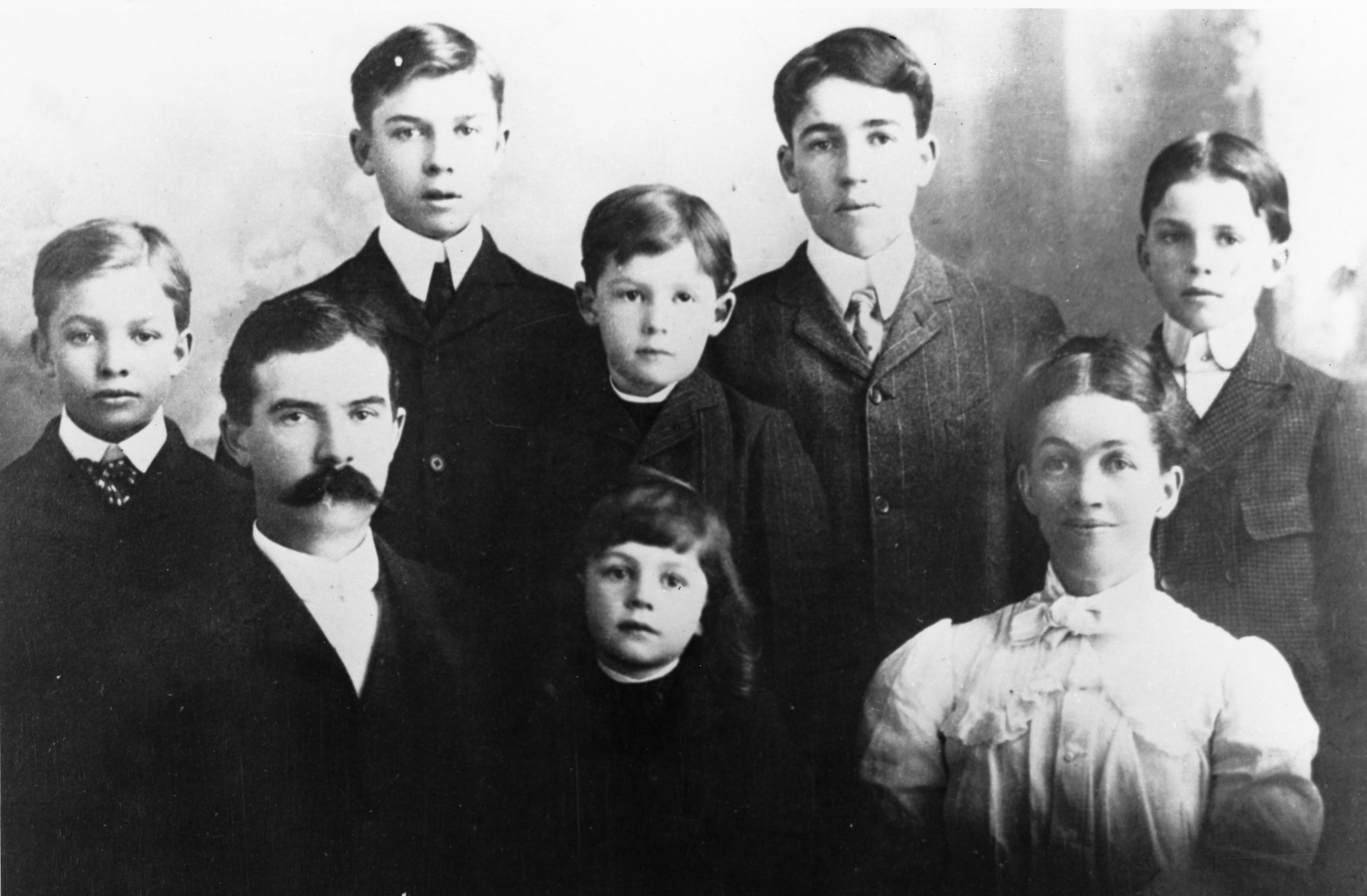
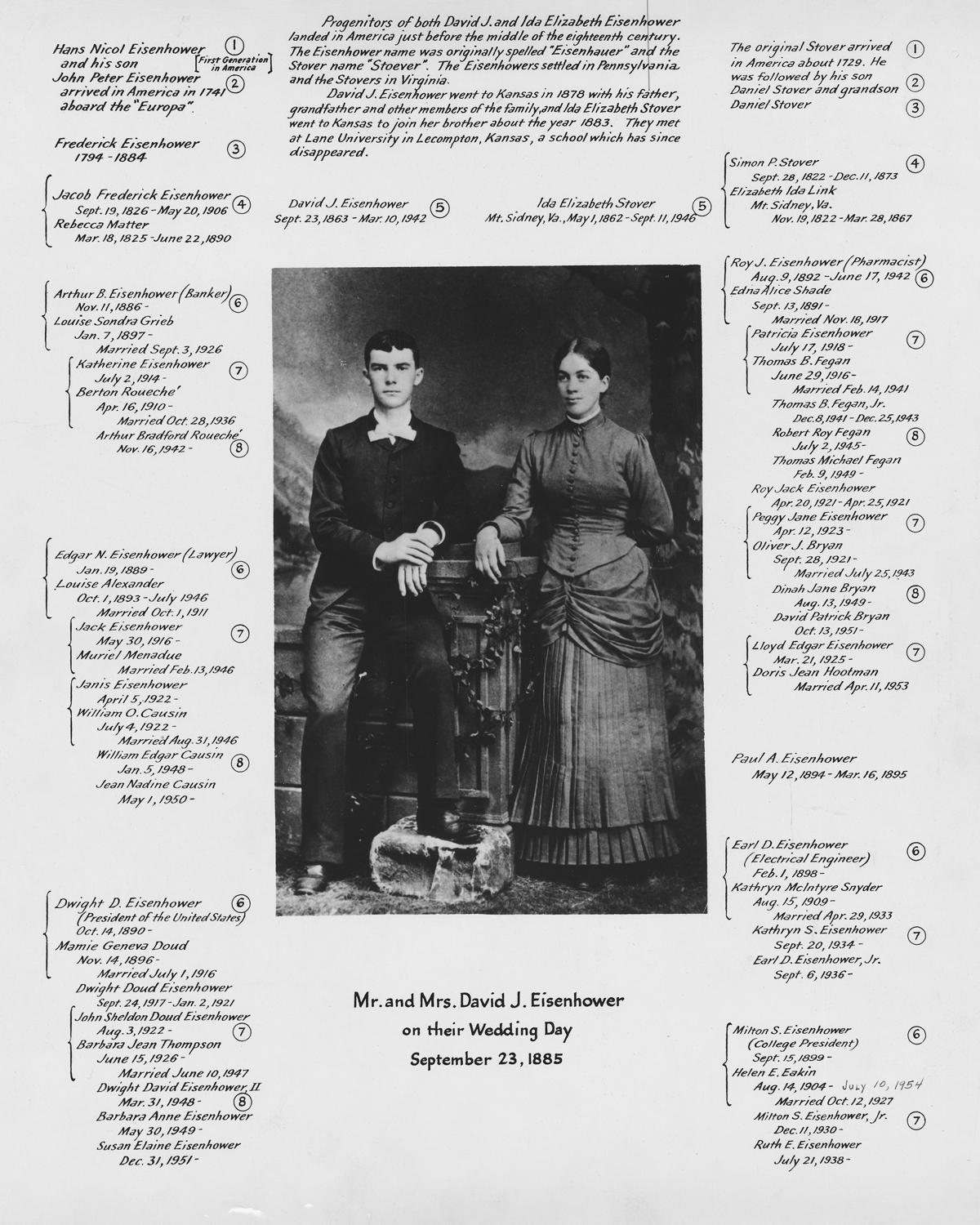
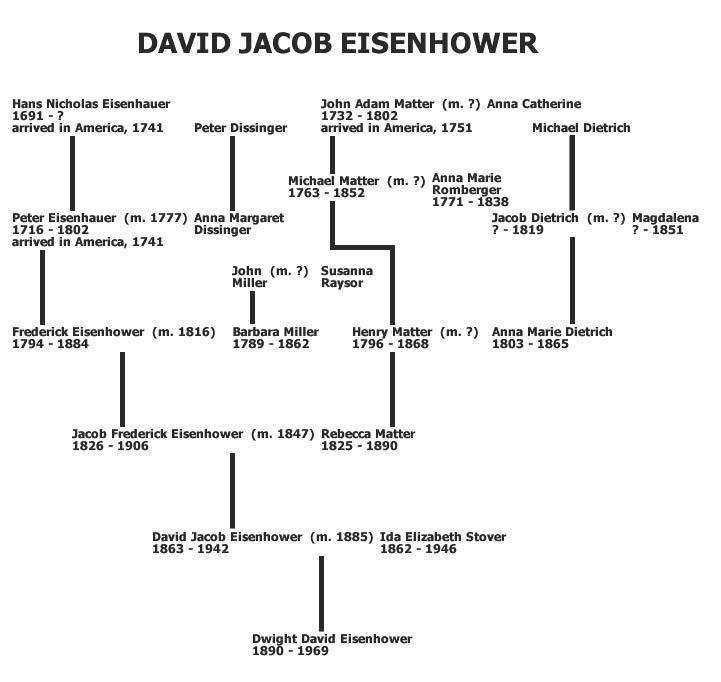
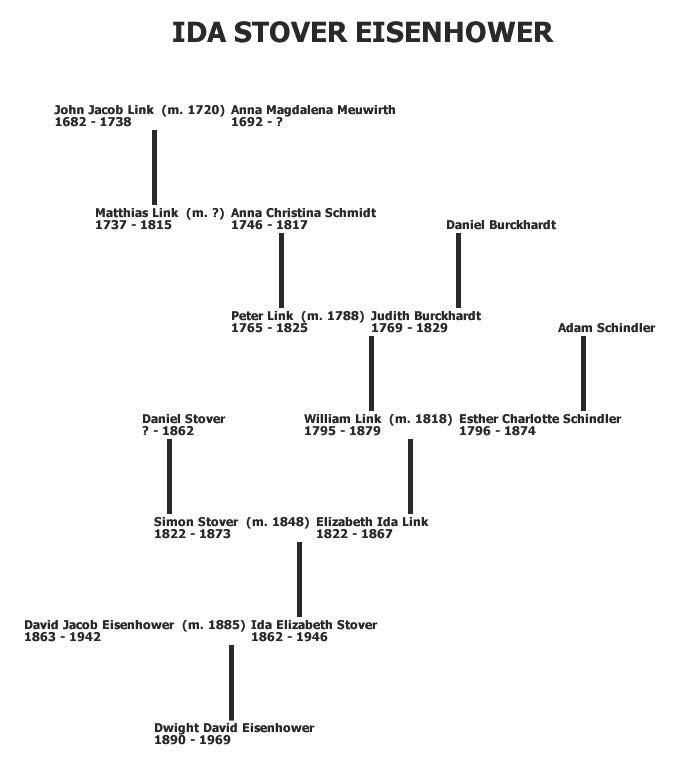
https://www.eisenhowerlibrary.gov/eisenhowers/eisenhower-ancestry
https://www.eisenhowerlibrary.gov/eisenhowers/eisenhower-ancestry
https://www.ranker.com/list/illuminati-presidents/mike-rothschild
http://www.nwotoday.com/the-socialist-review-american-politicians/dwight-d-eisenhower
https://soundcloud.com/the-miller-center-at-uva
August 4, 1953: Eisenhower on supporting the French in Vietnam
https://soundcloud.com/the-miller-center-at-uva/august-4-1953-eisenhower-on-vietnam
Earl Warren Endorses Dwight Eisenhower, October 31, 1952
https://soundcloud.com/the-miller-center-at-uva/ear-warren-endorses-dwight-eisenhower
President Dwight Eisenhower on Civil Rights, 2 February 1953
Johnson, Eisenhower, and Vietnam
https://soundcloud.com/the-miller-center-at-uva/sets/johnson-eisenhower-and-vietnam
Martin, Edwin W.,
Deputy Director, Office of Chinese Affairs, Department of State; Adviser to the United States Delegation at the Geneva Conference.
https://findingaids.library.georgetown.edu/repositories/15/resources/10062
https://history.state.gov/historicaldocuments/frus1952-54v16/ch5subch4
https://adst.org/2015/06/sound-and-the-fury-the-1954-geneva-conference-on-vietnam-and-korea/
https://history.state.gov/historicaldocuments/frus1955-57v03mSupp/d859
Soviet Minister of Foreign Affairs; Head of the Soviet Delegation at the Geneva Conference; one of the three rotating chairmen of the Geneva Conference on Korea.
https://en.wikipedia.org/wiki/Vyacheslav_Molotov
https://history.state.gov/historicaldocuments/frus1952-54v16/d801
https://history.state.gov/historicaldocuments/frus1952-54v16/d232
https://avalon.law.yale.edu/20th_century/inch018.asp
https://www.britannica.com/biography/Vyacheslav-Molotov
Pyun Yung Tai,
Minister of Foreign Affairs of the Republic of Korea after April 1951; Prime Minister after June 1954; Head of the Republic of Korea Delegation at the Geneva Conference on Korea.
Smith, Walter Bedell,
Under Secretary of State; Head of the United States Delegation at the Geneva Conference, May 3–June 20, and July 17–21, 1954.
https://history.state.gov/historicaldocuments/frus1952-54v16/ch5subch4
https://avalon.law.yale.edu/20th_century/inch006.asp
https://www.cia.gov/readingroom/docs/CIA-RDP80B01676R002500010001-5.pdf
https://history.state.gov/historicaldocuments/frus1952-54v16/d1027
https://search.library.wisc.edu/digital/ABHSHVCERGRA6I86/pages/ALUZ5OG5PRZCCH83?as=text&view=scroll
https://en.wikipedia.org/wiki/Walter_Bedell_Smith
Vergin, Nureddin,
Minister of Turkey in Portugal; Turkish Delegate at the Geneva Conference.
https://en.wikipedia.org/wiki/Nureddin_Pasha
https://en.wikipedia.org/wiki/Nureddin_Vergin
https://history.state.gov/historicaldocuments/frus1952-54v16/persons
https://search.library.wisc.edu/digital/ABHSHVCERGRA6I86/pages/AOOTX2O5LPD2EG8P?as=text&view=scroll


No comments:
Post a Comment