20260528 CDTL DDE D137 18 November 1952 Ghi chú của Ban biên tập. Tầu cộng can thiệp.
https://history.state.gov/historicaldocuments/frus1952-54v13p1/d137
Google Translated
Tài liệu 137
Quan hệ Đối ngoại của Hoa Kỳ, 1952–1954, Đông Dương, Tập XIII, Phần 1
Ghi chú của Ban biên tập
Vào ngày 18 tháng 11 năm 1952, Dwight D. Eisenhower—Tổng thống đắc cử—đã hội đàm với Tổng thống Truman cùng các thành viên trong Nội các của ông tại Tòa Bạch Ốc. Trong cuộc họp này, Ngoại trưởng Acheson đã báo cáo với Tổng thống đắc cử về tình hình thế giới. Trong cuốn hồi ký của mình, Tổng thống Truman ghi lại rằng ông Acheson đã phát biểu như sau liên quan đến vấn đề Đông Dương:
Chúng tôi đã lo ngại từ lâu về đường lối hành động tại Đông Dương. Tại Pháp, đã tồn tại một luồng ý kiến mạnh mẽ coi đây là một cuộc chiến vô vọng—một gánh nặng đang làm Pháp chảy máu cả về mặt tài chính, đồng thời làm suy yếu triển vọng đạt được sự bình đẳng giữa Pháp và Đức trong lĩnh vực quốc phòng châu Âu.
Xét từ góc độ quân sự, tại Đông Dương đã xuất hiện một sự thiếu vắng rõ rệt trong thái độ quyết liệt của phía Pháp. Vấn đề cốt lõi tại Đông Dương nằm ở thái độ "đứng giữa hàng rào" của người dân. Họ sẽ không bao giờ ngả hẳn về phe này hay phe kia, chừng nào họ chưa nhận được sự bảo đảm hợp lý về việc ai sẽ là người chiến thắng, cũng như việc quyền lợi của chính họ sẽ được phía chiến thắng đó bảo đảm.
“Chúng tôi đang hỗ trợ Pháp ở mức độ gánh vác từ một phần ba đến một nửa gánh nặng tài chính của cuộc chiến tranh tại Đông Dương. Chúng tôi [Trang 299] đã tiến hành các cuộc thảo luận quân sự giữa năm cường quốc—Hoa Kỳ, Vương quốc Anh, Pháp, Úc và New Zealand—nhưng những cuộc thảo luận này đã không đạt hiệu quả trong việc đề ra các giải pháp quân sự thống nhất nhằm đối phó với kịch bản Tầu cộng can thiệp công khai vào Đông Dương. Giờ đây, phía Pháp đang tìm kiếm các cuộc thảo luận chính trị để thúc đẩy vấn đề này tiến xa hơn.”
“Đây là một vấn đề cấp bách mà chính quyền mới cần phải sẵn sàng hành động.” (Harry S. Truman, *Hồi ký*, Tập II: *Những năm tháng thử thách và hy vọng, 1946–1952* (Garden City, N.Y., Doubleday and Company, 1956), trang 519.)
Để tham khảo các tài liệu về quá trình chuyển giao giữa chính quyền Truman và Eisenhower liên quan đến các vấn đề đối ngoại, xin xem Tập I.
https://history.state.gov/historicaldocuments/frus1952-54v13p1/sources
List of Abbreviations and Symbol
https://history.state.gov/historicaldocuments/frus1952-54v13p1/terms
https://history.state.gov/historicaldocuments/frus1952-54v13p1/persons
https://history.state.gov/historicaldocuments/frus1952-54v13p1/comp1
1. Document 137
Foreign Relations of the United States, 1952–1954, Indochina, Volume XIII, Part 1
Editorial Note
On November 18, 1952, Dwight D. Eisenhower, the President-elect, conferred with President Truman and members of his Cabinet at the White House. During the meeting, Secretary of State Acheson briefed the President-elect on the world situation. In his memoirs, President Truman reports that Acheson stated the following in regard to Indochina:
“We had been concerned for a long time about the course of action in Indo-China. There was a strong body of opinion in France which regarded this as a lost cause that was bleeding France both financially and by undermining the possibility of French-German equality in European defense.
“There had been a noticeable lack of French aggressive attitude from a military point of view in. Indo-China. The central problem in Indo-China was the fence-sitting by the Population. They would never come down on one side or another until they had a reasonable assurance of who would be the victor and that their interests would be served by the victor.
“We are helping France to the extent of carrying between one-third and one-half of the financial burden of the Indo-Chinese war. We [Page 299] have had military discussions between the five powers—the United States, the United Kingdom, France, Australia and New Zealand—which had not been effective in devising agreed military solutions against the contingency of overt Chinese intervention in Indo-China. The French now sought political discussions to carry the matter forward.
“This is an urgent matter upon which the new administration must be prepared to act.” (Harry S. Truman, Memoirs, volume II, Years of Trial and Hope, 1946–1952 (Garden City, N.Y., Doubleday and Company, 1956), page 519.)
For documentation on the transition between the Truman and Eisenhower administrations in regard to matters of foreign affairs, see volume I.
https://history.state.gov/historicaldocuments/frus1952-54v13p1/d137
https://history.state.gov/historicaldocuments/frus1952-54v13p1/pg_299
https://history.state.gov/historicaldocuments/frus1952-54v01p1
Secretary of State to January 20, 1953.
https://en.wikipedia.org/wiki/Dean_Acheson
https://history.state.gov/departmenthistory/people/acheson-dean-gooderham
https://millercenter.org/president/truman/essays/acheson-1949-secretary-of-state
https://www.britannica.com/biography/Dean-Acheson
https://professorships.jhu.edu/professorship/dean-acheson-chair/
https://adst.org/oral-history/fascinating-figures/dean-acheson-architect-of-the-cold-war/
https://www.trumanlibrary.gov/library/personal-papers/dean-g-acheson-papers
https://www.ebsco.com/research-starters/history/dean-acheson
Eisenhower, Dwight D.,
President of the United States
https://en.wikipedia.org/wiki/Dwight_D._Eisenhower
https://www.whitehouse.gov/about-the-white-house/presidents/dwight-d-eisenhower/
https://history.state.gov/historicaldocuments/frus1955-57v01/sources
https://history.state.gov/historicaldocuments/frus1955-57v01/ch1
https://history.state.gov/historicaldocuments/frus1955-57v01/ch2
https://history.state.gov/historicaldocuments/frus1955-57v01/ch3
https://history.state.gov/historicaldocuments/frus1955-57v01/terms
https://history.state.gov/historicaldocuments/frus1955-57v01/persons
https://www.bibliotecapleyades.net/sociopolitica/esp_sociopol_mj12_10.htm
https://www.bibliotecapleyades.net/exopolitica/esp_exopolitics_Q.htm
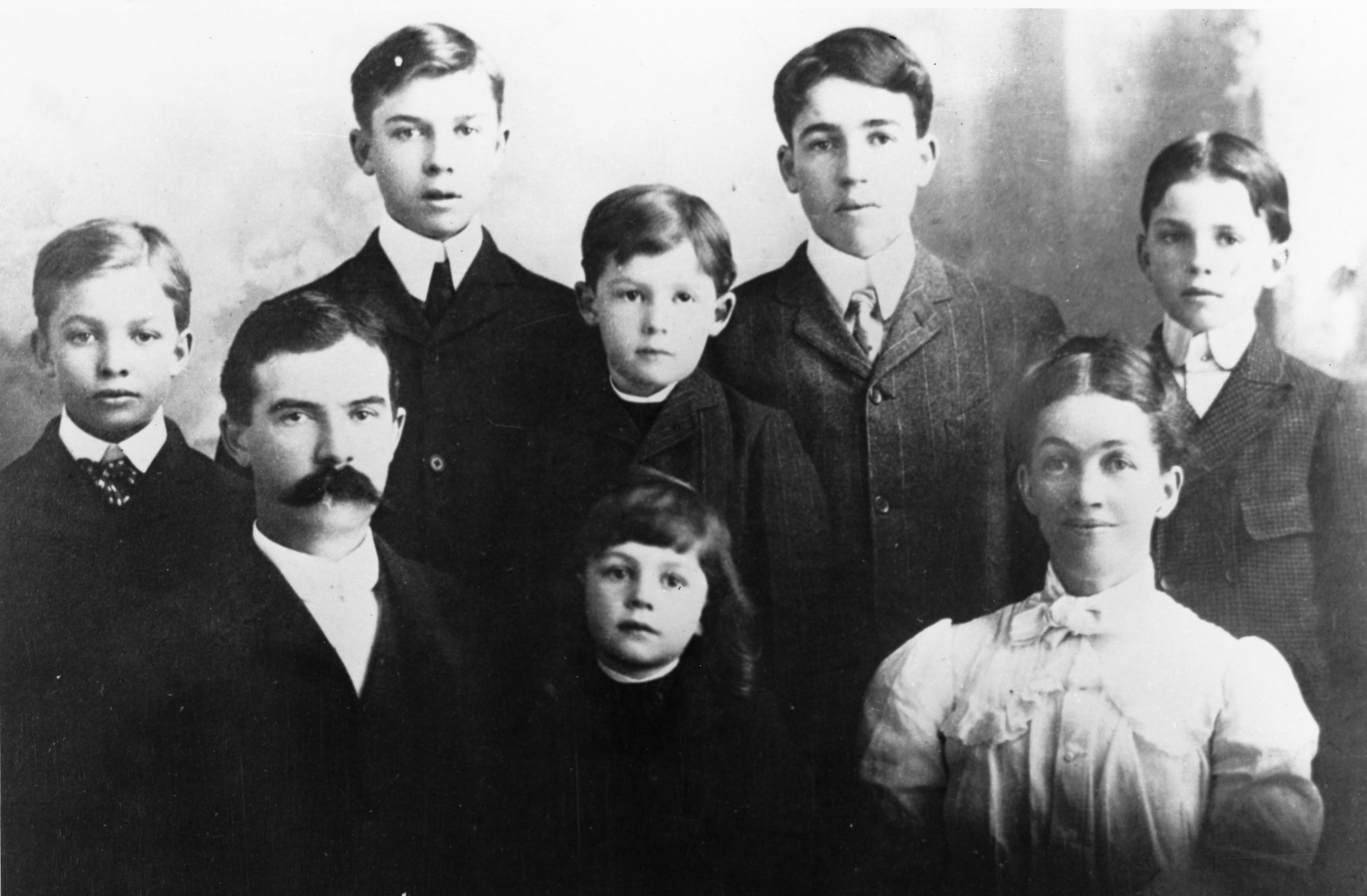
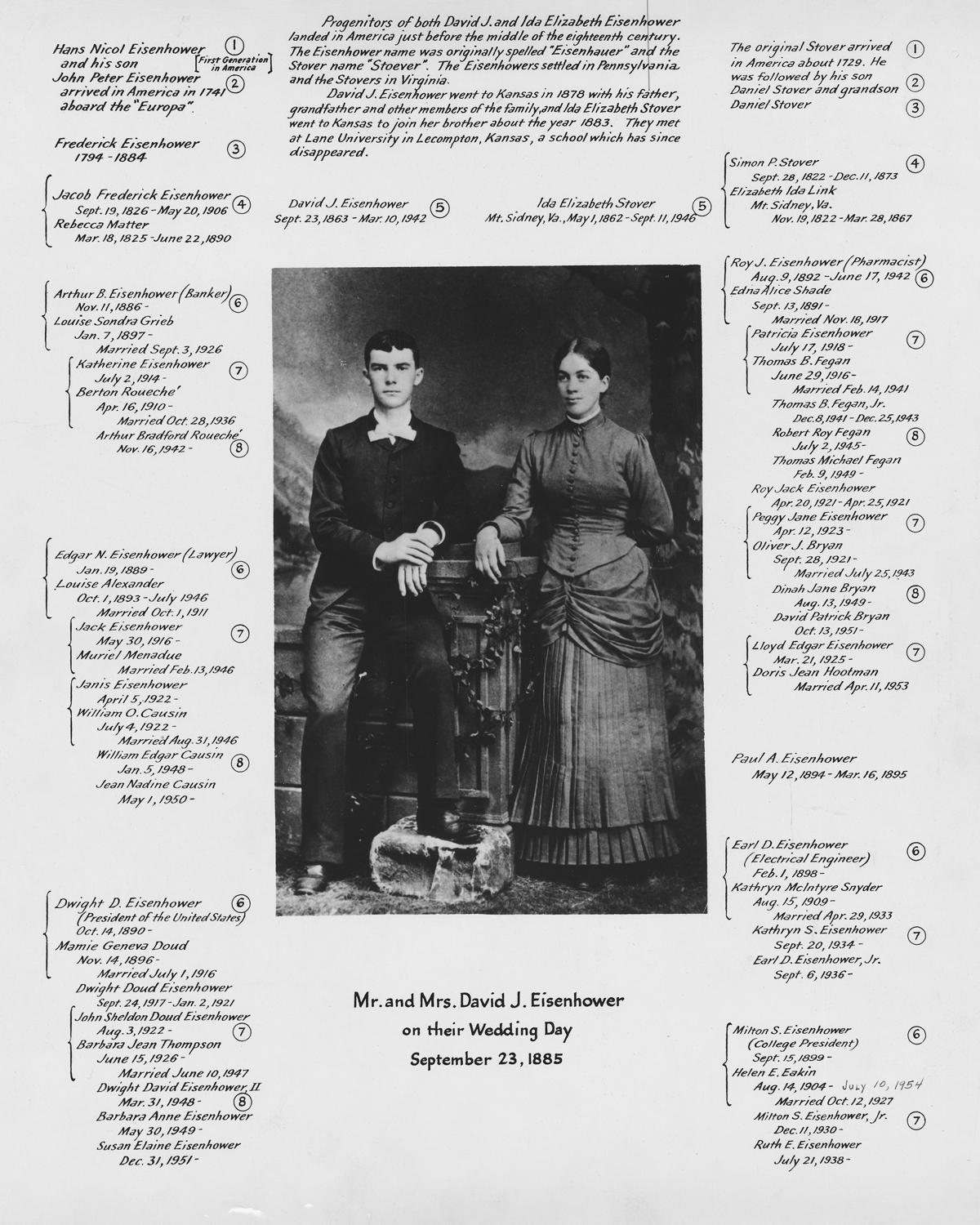
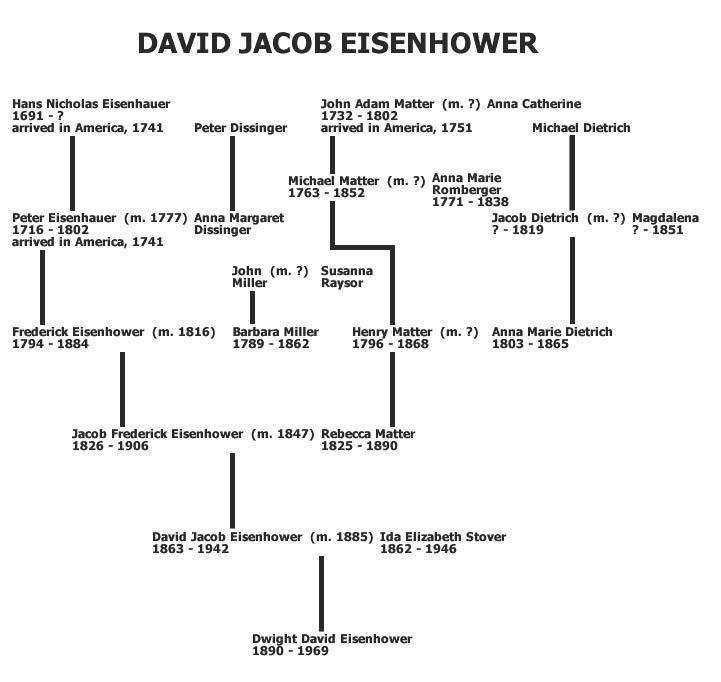
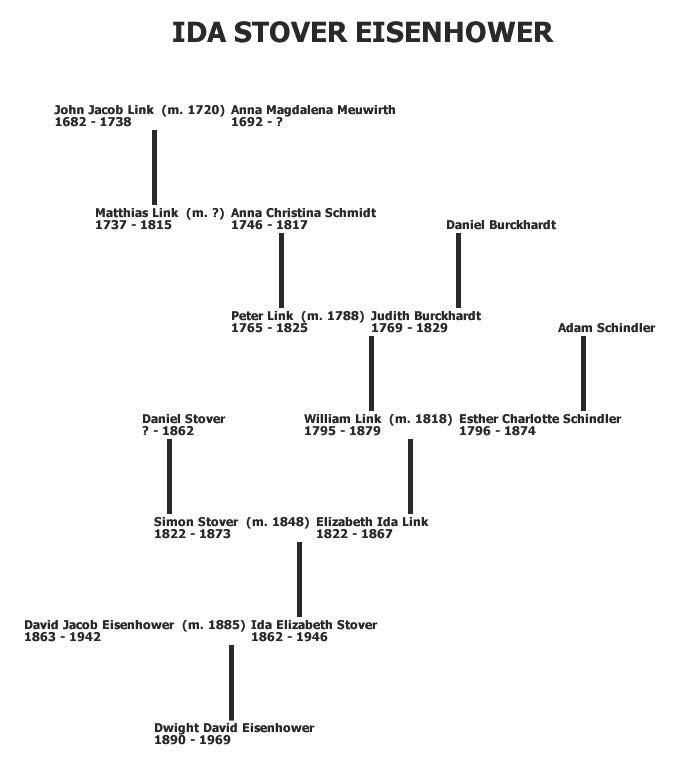
https://www.eisenhowerlibrary.gov/eisenhowers/eisenhower-ancestry
https://www.eisenhowerlibrary.gov/eisenhowers/eisenhower-ancestry
https://www.ranker.com/list/illuminati-presidents/mike-rothschild
http://www.nwotoday.com/the-socialist-review-american-politicians/dwight-d-eisenhower
https://soundcloud.com/the-miller-center-at-uva
August 4, 1953: Eisenhower on supporting the French in Vietnam
https://soundcloud.com/the-miller-center-at-uva/august-4-1953-eisenhower-on-vietnam
Earl Warren Endorses Dwight Eisenhower, October 31, 1952
https://soundcloud.com/the-miller-center-at-uva/ear-warren-endorses-dwight-eisenhower
President Dwight Eisenhower on Civil Rights, 2 February 1953
Johnson, Eisenhower, and Vietnam
https://soundcloud.com/the-miller-center-at-uva/sets/johnson-eisenhower-and-vietnam
Truman, Harry S.,
President of the United States to January 20, 1953.
https://en.wikipedia.org/wiki/Harry_S._Truman
https://millercenter.org/president/truman
https://www.trumanlibrary.gov/education/trivia/biographical-sketch-harry-truman
https://www.trumanlibraryinstitute.org/truman/timeline/
https://cv.libguides.com/US_Vice_Presidents/htruman
https://www.britannica.com/biography/Harry-S-Truman


No comments:
Post a Comment