20260706 CDTL DDE D176 2 February 1953 Editorial Note
https://history.state.gov/historicaldocuments/frus1952-54v13p1/d176
Google Translated
Tài liệu số 176
Quan hệ Đối ngoại của Hoa Kỳ, 1952–1954, Đông Dương, Tập XIII, Phần 1
Lời dẫn của Ban biên tập
Trong Thông điệp Liên bang gửi Quốc hội ngày 2 tháng 2 năm 1953, Tổng thống Eisenhower đã đặt cuộc chiến tại Đông Dương vào bối cảnh cuộc đấu tranh chống chủ nghĩa cộng sản ở Viễn Đông và mô tả đây là một phần trong nỗ lực chung vì an ninh của phương Tây. Nội dung thông điệp có đoạn như sau:
Chính sách của chúng tôi sẽ được hoạch định nhằm thúc đẩy sự hình thành một nền tảng thống nhất trên thực tế tại Tây Âu. Các quốc gia trong khu vực này đã đóng góp đáng kể vào nỗ lực duy trì an ninh của thế giới tự do. Từ những cánh rừng rậm tại Đông Dương và Mã Lai cho đến các vùng duyên hải phía bắc châu Âu, họ đã tăng cường mạnh mẽ năng lực phòng thủ của mình. Khi được kêu gọi, họ đã chấp nhận những hy sinh to lớn và đầy gian khổ để giữ vững phòng tuyến tự do.
. . . . . . .
“Trong cuộc thảo luận chung về chính sách đối ngoại của chúng ta, tôi phải đặc biệt đề cập đến cuộc chiến ở Triều Tiên. [Trang 377]
“Đối với người Mỹ, cuộc chiến này là giai đoạn đau đớn nhất của sự xâm lược của Cộng sản trên toàn thế giới. Rõ ràng nó là một phần của cùng một cuộc tấn công có tính toán mà kẻ xâm lược đang đồng thời tiến hành ở Đông Dương và Malaya, và của tình hình chiến lược rõ ràng bao gồm đảo Đài Loan và lực lượng Quốc dân đảng Trung Hoa ở đó. Việc tìm ra bất kỳ giải pháp quân sự nào cho cuộc chiến Triều Tiên chắc chắn sẽ ảnh hưởng đến tất cả các khu vực này.”
Để xem toàn văn bài phát biểu, xem Tài liệu công khai của các Tổng thống Hoa Kỳ: Dwight D. Eisenhower, 1953 (Washington, Văn phòng In ấn Chính phủ, 1960), trang 12–34.
https://history.state.gov/historicaldocuments/frus1952-54v13p1/sources
List of Abbreviations and Symbol
https://history.state.gov/historicaldocuments/frus1952-54v13p1/terms
https://history.state.gov/historicaldocuments/frus1952-54v13p1/persons
https://history.state.gov/historicaldocuments/frus1952-54v13p1/comp2
1. Document 176
Foreign Relations of the United States, 1952–1954, Indochina, Volume XIII, Part 1
Editorial Note
In his State of the Union Address to Congress, February 2, 1953, President Eisenhower placed the war in Indochina in the context of the struggle against Communism in the Far East and described it as part of the overall effort for Western security. The address read in part as follows:
“Our policy will be designed to foster the advent of practical unity in Western Europe. The nations of that region have contributed notably to the effort of sustaining the security of the free world. From the jungles of Indochina and Malaya to the northern shores of Europe, they have vastly improved their defensive strength. Where called upon to do so, they have made costly and bitter sacrifices to hold the line of freedom.
. . . . . . .
“In this general discussion of our foreign policy, I must make special mention of the war in Korea.
“This war is, for Americans, the most painful phase of Communist aggression throughout the world. It is clearly a part of the same calculated assault that the aggressor is simultaneously pressing in Indochina and in Malaya, and of the strategic situation that manifestly embraces the island of Formosa and the Chinese Nationalist forces there. The working out of any military solution to the Korean war will inevitably affect all these areas.”
For the full text of the address, see Public Papers of the Presidents of the United States: Dwight D. Eisenhower, 1953 (Washington, Government Printing Office, 1960), pages 12–34.
https://history.state.gov/historicaldocuments/frus1952-54v13p1/d176
https://history.state.gov/historicaldocuments/frus1952-54v13p1/pg_377
Eisenhower Dwight D.,
President of the United States
https://en.wikipedia.org/wiki/Dwight_D._Eisenhower
https://www.whitehouse.gov/about-the-white-house/presidents/dwight-d-eisenhower/
https://history.state.gov/historicaldocuments/frus1955-57v01/sources
https://history.state.gov/historicaldocuments/frus1955-57v01/ch1
https://history.state.gov/historicaldocuments/frus1955-57v01/ch2
https://history.state.gov/historicaldocuments/frus1955-57v01/ch3
https://history.state.gov/historicaldocuments/frus1955-57v01/terms
https://history.state.gov/historicaldocuments/frus1955-57v01/persons
https://www.bibliotecapleyades.net/sociopolitica/esp_sociopol_mj12_10.htm
https://www.bibliotecapleyades.net/exopolitica/esp_exopolitics_Q.htm
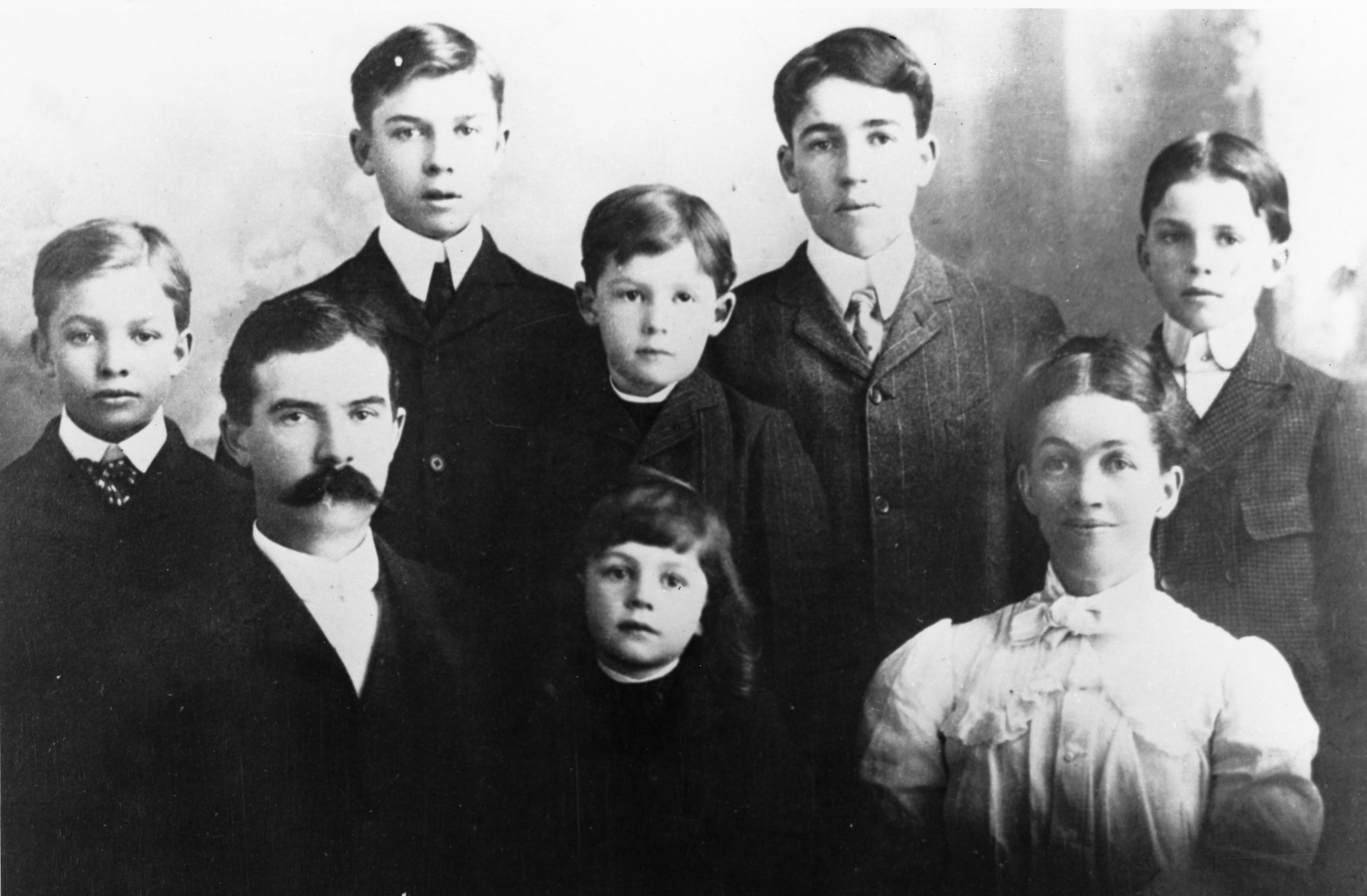
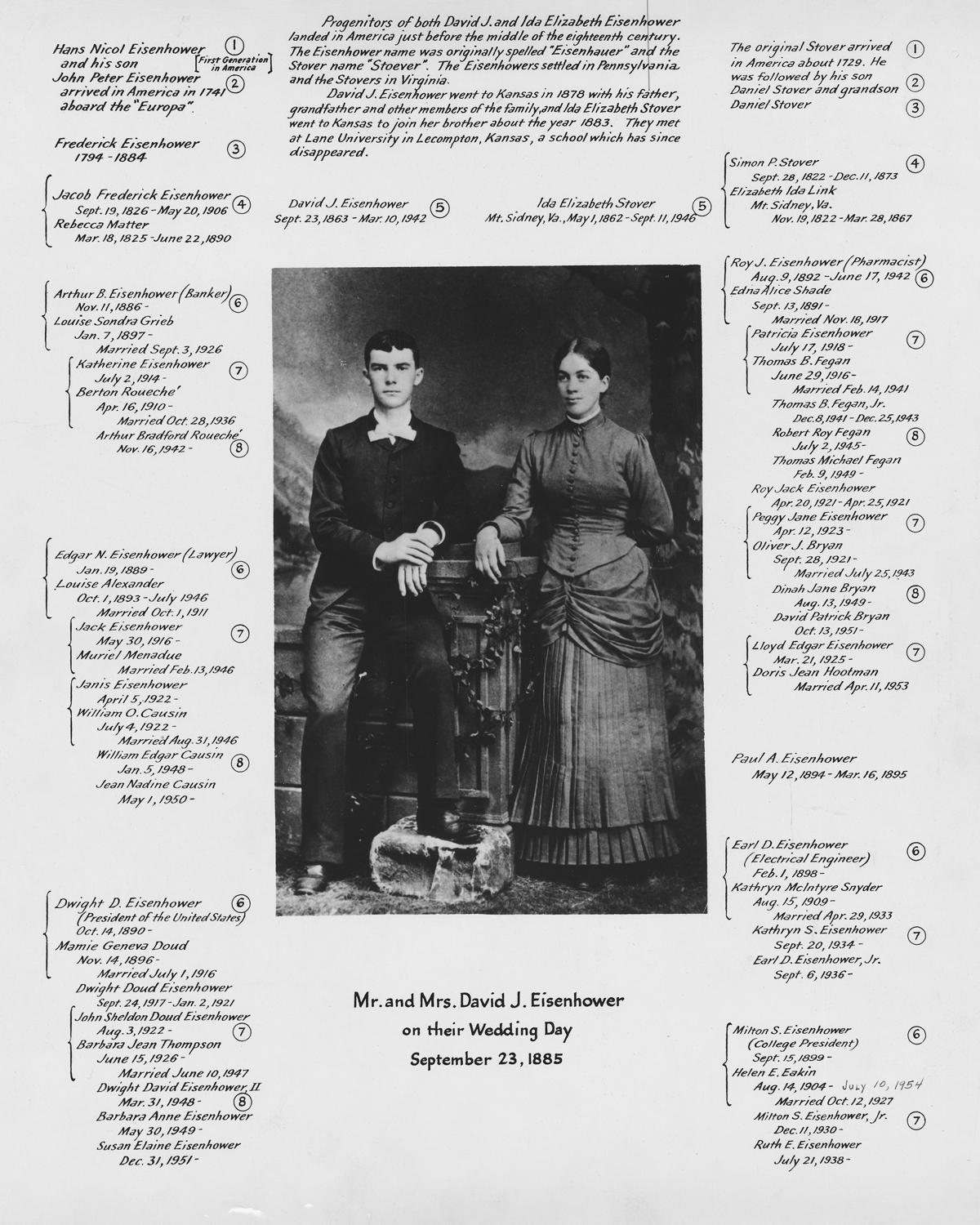
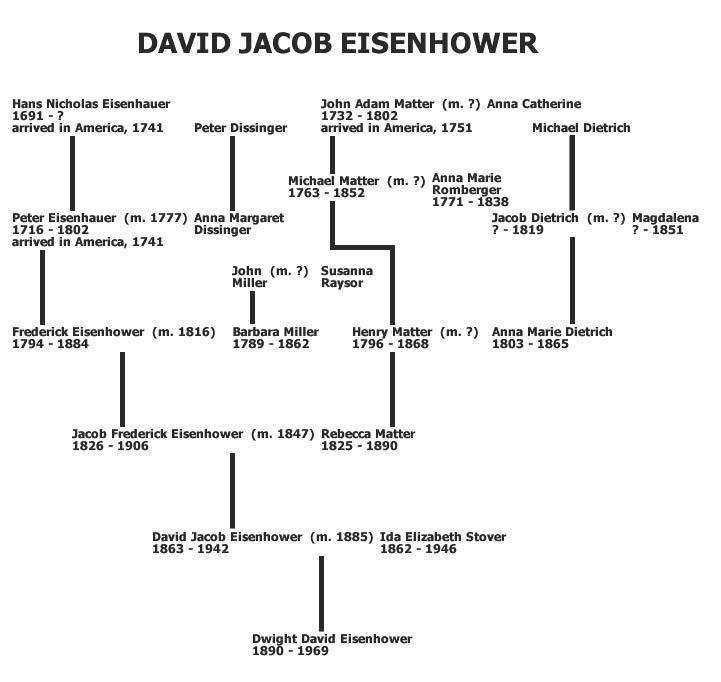
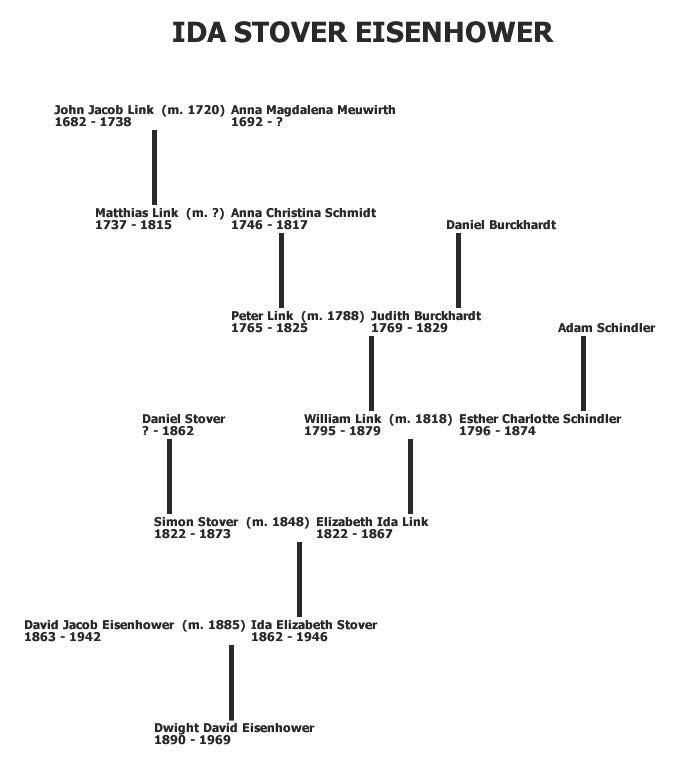
https://www.eisenhowerlibrary.gov/eisenhowers/eisenhower-ancestry
https://www.eisenhowerlibrary.gov/eisenhowers/eisenhower-ancestry
https://www.ranker.com/list/illuminati-presidents/mike-rothschild
http://www.nwotoday.com/the-socialist-review-american-politicians/dwight-d-eisenhower
https://soundcloud.com/the-miller-center-at-uva
August 4, 1953: Eisenhower on supporting the French in Vietnam
https://soundcloud.com/the-miller-center-at-uva/august-4-1953-eisenhower-on-vietnam
Earl Warren Endorses Dwight Eisenhower, October 31, 1952
https://soundcloud.com/the-miller-center-at-uva/ear-warren-endorses-dwight-eisenhower
President Dwight Eisenhower on Civil Rights, 2 February 1953
Johnson, Eisenhower, and Vietnam
https://soundcloud.com/the-miller-center-at-uva/sets/johnson-eisenhower-and-vietnam


No comments:
Post a Comment