20260709 CDTL NRM D10 17 February 1973 10. Biên bản ghi chép cuộc trao đổi.
https://history.state.gov/historicaldocuments/frus1969-76v18/d10
Google Translated
Tài liệu số 10
Quan hệ Đối ngoại của Hoa Kỳ, 1969–1976, Tập XVIII, Trung Quốc, 1973–1976
10. Biên bản ghi chép cuộc trao đổi.
Bắc Kinh, ngày 17 tháng 2 năm 1973, 14:20–18:25.
THÀNH PHẦN THAM DỰ
Chu Ân Lai, Thủ tướng Quốc vụ viện
Cơ Bằng Phi, Bộ trưởng Ngoại giao
Kiều Quán Hoa, Thứ trưởng Ngoại giao
Đường Văn Sinh, Phiên dịch
Thẩm Nhược Vân, Phiên dịch
Tiến sĩ Henry A. Kissinger, Phụ tá Tổng thống phụ trách An ninh Quốc gia
John H. Holdridge, Cán bộ cấp cao Hội đồng An ninh Quốc gia (NSC)
Winston Lord, Cán bộ Hội đồng An ninh Quốc gia (NSC)
Trung tá Jonathan T. Howe, Cán bộ Hội đồng An ninh Quốc gia (NSC)
Peter W. Rodman, Cán bộ Hội đồng An ninh Quốc gia (NSC)
Mary Stifflemire, Người ghi chép
Tiến sĩ Kissinger: Chúng tôi đã có một buổi sáng rất thú vị tại Tử Cấm Thành.
Chu Ân Lai: Ông đã từng đến đó rồi mà.
Tiến sĩ Kissinger: Vâng, nhưng tôi thấy nơi đó thật hấp dẫn nên muốn quay lại lần nữa.
Chu Ân Lai: Tối qua tôi nghe nói sẽ có gió lớn, nhưng sáng nay thức dậy thì thấy trời không gió lắm.
Tiến sĩ Kissinger: Đó là một buổi sáng tuyệt vời, trời rất quang đãng.
Chu Ân Lai: Nhưng nền đất ở đó không bằng phẳng lắm.
Tiến sĩ Kissinger: Vâng, đúng là như vậy.
Chu Ân Lai: Tuy nhiên, ông biết đấy, nó rất vững chắc. Nó rất bền bỉ.
Tiến sĩ Kissinger: Vâng.
Chu Ân Lai: Có lẽ nó còn vững chắc hơn thế nữa. Các đường hầm được xây dựng ngay bên dưới lớp đất đó.
Tiến sĩ Kissinger: Có xây dựng các đường hầm không?
Chu Ân Lai: Có một đường hầm nằm bên dưới Tử Cấm Thành, nhưng không phải ở khu vực mà ông đã đến thăm. Khi dỡ bỏ bức tường thành bao quanh Bắc Kinh, chúng tôi đã không tính đến điều này; nhưng giờ nghĩ lại, nếu giữ lại bức tường đó thì nó sẽ là một công trình phòng thủ rất tốt. Nó còn có thể ngăn chặn bức xạ từ vũ khí nguyên tử nhờ có phần móng rất sâu [Trang 79] và kết cấu vô cùng kiên cố. Ông đã đến Vạn Lý Trường Thành nên hẳn biết rõ về loại gạch xây dựng ở đó.
Tiến sĩ Kissinger: Trong Thế chiến II, người ta thấy rằng một số công trình phòng thủ cổ lại chịu đựng được các đợt oanh tạc tốt hơn so với những công trình hiện đại. Tại thành phố Nuremberg của Đức, dù toàn bộ thành phố bị san phẳng, bức tường thành bao quanh vẫn còn nguyên vẹn. Đó là công trình có từ thời Trung cổ.
Chu Ân Lai: Vâng. [Chỉ vào ông Rodman.] Ông ấy là người mới.
Tiến sĩ Kissinger: Vâng, đây là chuyến thăm đầu tiên của ông ấy. Ông ấy từng là sinh viên của tôi tại Đại học Harvard.
Hôm qua, khi chúng tôi thảo luận về hiệp ước hạt nhân, Thủ tướng đã không bày tỏ ý kiến của mình về chiến lược mà tôi đã trình bày với ông ấy.
[Thủ tướng nói chuyện với cô gái trẻ đang phục vụ trà.]
Cô T’ang: Cô ấy vừa về nước để kết hôn. Thủ tướng đã hỏi cô ấy. Ông ấy nhận thấy cô ấy đã trở lại và hỏi tại sao cô ấy không nói tiếng Anh. Ông đã để ý thấy cô ấy. Cô ấy luôn làm việc ở đây. Cô ấy là người cao nhất. [Chu Ân Lai chỉ vào cô ấy.] Cô ấy hơi ngượng ngùng. Cô ấy đã có một tuần trăng mật rất tuyệt, từ Cáp Nhĩ Tân đến Thượng Hải. Mẹ cô ấy ở Cáp Nhĩ Tân. Cha cô ấy ở Thượng Hải.
Tiến sĩ Kissinger: Ồ, cha cô ấy ở Thượng Hải, vậy là cô ấy đã đến thăm cả hai người.
Chu Ân Lai: Đây mới là sự bình đẳng. Bởi vì theo tôi thấy, vấn đề ở đây là Liên Xô muốn soạn thảo một văn bản mà nội dung sẽ không hoàn toàn được công khai, hoặc không được công bố rộng rãi. Một mặt, dường như họ muốn công bố một phần nội dung, nhưng mặt khác lại không muốn công khai những phần còn lại. Vì vậy, tôi cho rằng họ muốn công khai một số phần và giữ bí mật những phần khác. Tôi không nghĩ rằng ông sẽ chấp nhận điều đó.
Tiến sĩ Kissinger: Chúng tôi sẽ không chấp nhận điều đó.
Chu Ân Lai: Và phần được công bố sẽ nhằm mục đích đánh lừa nhân dân thế giới, bao gồm cả người dân ở hai nước của các ông. Phần được giữ bí mật cũng sẽ là phương tiện để họ tiếp tục cạnh tranh với các ông và đe dọa những khu vực mà họ muốn đe dọa. Ngoài ra, họ còn có thể tùy ý sử dụng luân phiên ba điều khoản mà ông đã đề cập ngày hôm qua.
Tiến sĩ Kissinger: Có một số điều tôi có thể nói. Thứ nhất, trong bất kỳ hoàn cảnh nào, chúng tôi cũng sẽ không thực hiện bất kỳ thỏa thuận bí mật nào với Liên Xô; quý vị sẽ được thông báo về mọi việc được tiến hành, và tất cả sẽ được công khai. Thứ hai, chúng tôi sẽ không chấp nhận phiên bản mà họ đã đưa ra, bởi nó dẫn đến cách hiểu mà chúng tôi đã thảo luận [Trang 80] với quý vị ngày hôm qua. Và thứ ba, chúng tôi sẽ không chấp nhận cam kết không sử dụng vũ khí hạt nhân.
Chu Ân Lai: Các ông có thể nhận cam kết, nhưng thực tế là khi thấy cần thiết, họ sẽ phớt lờ mọi cam kết đó.
Tiến sĩ Kissinger: Chúng tôi sẽ không chấp nhận cam kết đó.
Chu Ân Lai: Không có hiệp ước nào mà Trung Quốc ký kết với họ còn hiệu lực cả. Lấy ví dụ như Hiệp ước Hữu nghị và Hợp tác Trung - Xô ký ngày 14 tháng 2 năm 1950. Gần đây, Tiệp Khắc có đăng bài chỉ trích cuộc gặp của chúng ta; họ cho rằng chúng ta đã cố tình chọn đúng ngày ký kết hiệp ước đó để tổ chức cuộc gặp giữa hai bên! Thực ra, thông tin của họ khá thiếu chính xác, bởi vì vào ngày đó, ông vẫn đang ở Hồng Kông chứ không phải ở Bắc Kinh. Tất nhiên, có lẽ cả ông và chúng tôi đều không hề nghĩ đến việc chọn đúng ngày đó để gặp nhau tại Bắc Kinh.
Tiến sĩ Kissinger: Tôi đã không nghĩ đến điều đó.
Chu Ân Lai: Chúng tôi cũng không làm vậy, bởi vì họ đã nhầm lẫn về ngày tháng, lấy ngày 15 thay cho ngày 14. Thứ hai, mặc dù chúng tôi có hiệp ước với Liên Xô và hiệp ước đó chưa hết hạn, nhưng nó chẳng khác nào không tồn tại. Hiệp ước có thời hạn 30 năm, nhưng thực tế thì coi như không có. Thứ trưởng Ngoại giao của chúng tôi cũng có thể làm chứng cho việc họ rất sốt sắng muốn ký kết một thỏa thuận không xâm lược lẫn nhau với chúng tôi. Chúng tôi cho rằng điều này thật vô lý; bởi vì là đồng minh của nhau, làm sao chúng tôi lại muốn ký một hiệp ước không xâm lược lẫn nhau chứ? Dường như họ đã quên mất rằng chúng tôi là đồng minh! Họ muốn ký một hiệp ước về việc không sử dụng vũ lực lẫn nhau, bao gồm cả vũ khí hạt nhân và các đơn vị tên lửa. Chúng tôi nói rằng điều đó thiếu chân thành và không thấy có sự cần thiết nào cả. Nó chỉ nhằm mục đích tuyên truyền mà thôi. Nếu họ thực sự muốn chấm dứt các cuộc xung đột vũ trang dọc biên giới và thực sự bước vào đàm phán về vấn đề biên giới, thì việc đầu tiên cần làm là làm rõ thỏa thuận sơ bộ về tình hình biên giới, nhưng họ lại không chịu làm điều đó. Như vậy, có thể thấy động cơ duy nhất của họ là cố gắng đánh lừa thế giới. Chính Brezhnev...
Tiến sĩ Kissinger: Về phía mình, chúng tôi sẽ tiếp tục thực hiện chiến lược mà tôi đã trình bày hôm qua. Đối với hiệp ước hạt nhân, hướng xử lý của chúng tôi là... chúng tôi không chấp nhận bản dự thảo hiệp ước mà họ đã đề xuất. Hiện tại, chúng tôi đang cân nhắc việc tuyên bố sẵn sàng thảo luận về các điều kiện để một hiệp ước như vậy thực sự có ý nghĩa, đồng thời sẽ liệt kê một loạt các điều kiện cần được xem xét kỹ lưỡng. Chúng tôi làm vậy, thứ nhất là để có thêm thời gian điều chỉnh lại chính sách của mình, và thứ hai là vì một số động thái trong chính sách của Liên Xô tỏ ra quá vụng về; nếu họ rơi vào trạng thái hoàn toàn bế tắc hay thất vọng, họ có thể sẽ thực hiện những hành động cực đoan.
Chúng tôi mới chỉ thảo luận vấn đề này với một quốc gia khác, đó là Anh. Và như ông đã biết, phân tích của họ cũng giống như của phía các ông và phía chúng tôi. Tuy nhiên, chúng tôi sẽ không bao giờ chấp nhận những điều sau: thứ nhất, trong trường hợp Liên Xô [Trang 81] tấn công châu Âu, lãnh thổ Liên Xô lại được miễn trừ khỏi sự đáp trả; thứ hai, trong trường hợp xảy ra chiến tranh ở Trung Đông thì không được sử dụng vũ khí hạt nhân; hoặc thứ ba, rằng có thể đe dọa sự cân bằng quốc tế mà không đối mặt với nguy cơ chiến tranh hạt nhân.
Chúng tôi sẽ thông báo tin tức chính xác cho ông thông qua Đại sứ Hoàng Hoa. Chúng tôi cam kết rằng…
Chu Ân Lai: Vâng, và tôi muốn nói thêm một điều nữa. Đó là vào tối mai, Bộ trưởng Cơ Bằng Phi sẽ tổ chức một bữa tiệc tối thân mật chiêu đãi ông, với sự tham dự của Đại sứ Hoàng Hoa.
Tiến sĩ Kissinger: Ồ, điều đó thật tốt. Chúng tôi đã hứa sẽ phản hồi về đề xuất mới của họ trong tháng Ba. Tuy nhiên, giờ đây ông có thể chắc chắn rằng câu trả lời sẽ là từ chối. Vấn đề duy nhất chúng tôi chưa quyết định là liệu sẽ trì hoãn bằng cách đưa ra một đề nghị đối ứng hoàn toàn khác biệt, hay sẽ bác bỏ thẳng thừng đề xuất của họ. Kết quả thực tế thì cũng sẽ như nhau mà thôi.
Ngoài ra, tôi đã báo cáo với Tổng thống về các cuộc thảo luận của chúng ta liên quan đến quan hệ song phương. Ông ấy đã sẵn sàng—và xác nhận lại điều tôi đã nói với ông một cách không chính thức vào hôm qua—về việc cho phép thiết lập một văn phòng không chính thức của CHND Trung Hoa tại Washington hoặc bất kỳ địa điểm nào khác mà phía các ông mong muốn, đồng thời chúng tôi sẽ dành cho văn phòng này quyền miễn trừ ngoại giao.
Chu Ân Lai: Tôi cũng đã báo cáo với Chủ tịch Mao về tất cả những gì chúng ta đã thảo luận hôm qua liên quan đến vấn đề Đài Loan và quan hệ Trung - Mỹ. Hôm qua, ông có đề cập đến hai giai đoạn. Theo đó, ở giai đoạn đầu, hai bên sẽ thiết lập văn phòng liên lạc tại thủ đô của nước kia. Văn phòng này sẽ không phải là cơ quan ngoại giao chính thức và cũng không tham gia vào các hoạt động ngoại giao tập thể chính thức, nhưng sẽ được hưởng quyền miễn trừ ngoại giao và có thể được sử dụng để liên lạc với phía bên kia về các công việc khác nhau, ngoại trừ những vấn đề được giải quyết thông qua kênh không công khai của Đại sứ Hoàng Hoa. Tất cả các vấn đề khác đều có thể được thực hiện thông qua kênh này. Và chúng tôi hiểu rằng mọi bước đi trong hai giai đoạn này sẽ được hoàn tất trong nhiệm kỳ thứ hai của Tổng thống ông.
Tiến sĩ Kissinger: Đó là ý định của chúng tôi. [Trang 82]
Chu Ân Lai: Tất nhiên, chúng ta cũng có thể bàn bạc với nhau về thời điểm cụ thể để thực hiện quá trình này—liệu có thể hoàn tất sớm hơn hay muộn hơn.
Tiến sĩ Kissinger: Tất nhiên rồi. Điều đó còn tùy thuộc vào diễn biến tình hình. Và chúng tôi không có lý do gì để trì hoãn việc này một cách không cần thiết cả.
Chu Ân Lai: Đúng vậy. Tôi đã quên báo cáo với Chủ tịch về điều ông nói với tôi trong bữa tối qua—rằng phía Nhật Bản đề nghị họ sẽ lo liệu phần Bắc Kinh còn phía ông lo liệu phần Đài Loan. Thế thì đúng là phân chia công việc rồi! [Cười]
Tiến sĩ Kissinger: Nhưng họ nói rằng họ sẽ tận dụng mọi ảnh hưởng tích cực của mình tại Bắc Kinh để hỗ trợ chúng tôi. [Cười]
Chu Ân Lai: Ngoại trưởng Cơ cũng có thể làm chứng cho tôi về việc tôi đã quên báo cáo chi tiết đó vào tối qua.
Tiến sĩ Kissinger: Vâng, về vấn đề văn phòng liên lạc, thưa Thủ tướng, ngài có ý định gọi văn phòng của mình là văn phòng liên lạc hay sẽ đặt cho nó một tên gọi khác?
Chu Ân Lai: Tôi nghĩ đó sẽ là tên gọi tốt nhất – “văn phòng liên lạc”. Bởi vì chức năng của văn phòng đó có thể rộng hơn hoặc hẹp hơn tùy theo nhu cầu.
Tiến sĩ Kissinger: Tôi chắc chắn điều đó sẽ ổn với chúng tôi. Tôi được biết hôm qua ngài nói rằng ngài đang nghĩ đến việc gọi văn phòng của mình là văn phòng thương mại, nhưng tôi chắc chắn ý định của chúng tôi trong việc theo đuổi liên lạc cũng giống như ý định của ngài.
Chu Ân Lai: Nó sẽ linh hoạt hơn.
Tiến sĩ Kissinger: Vâng.
Chu Ân Lai: Bởi vì trước đây, trong quan hệ với các nước khác, chúng ta thường thiết lập văn phòng thương mại trước rồi mới tiến tới bình thường hóa quan hệ. Tất nhiên, Nhật Bản là một ví dụ điển hình. Nhưng Trung Quốc và Hoa Kỳ có thể tạo ra một phương thức và hình thức mới khác.
Tiến sĩ Kissinger: Chúng ta đã thực hiện điều đó trong Thông cáo chung Trung - Mỹ rồi.
Chu Ân Lai: Đúng vậy, nếu không thì ông Tanaka sẽ cho rằng ông đang bắt chước ông ấy đấy.
Tiến sĩ Kissinger: Tôi sẽ gặp một vấn đề nan giải tại Nhật Bản: làm sao để nói về chuyến thăm này mà không để thông tin xuất hiện trên báo chí Nhật trước khi tôi kịp báo cáo với Tổng thống. Tôi sẽ nói chuyện suốt một tiếng rưỡi đồng hồ mà chẳng tiết lộ điều gì cả. [Cười]
Chu Ân Lai: Vậy thì, trước khi rời Bắc Kinh, ông sẽ nhận được từ tôi một nội dung nào đó mà ông có thể công bố. [Trang 83]
Tiến sĩ Kissinger: Vâng, chúng ta nên thống nhất về nội dung tôi sẽ phát biểu, và tôi sẽ cho ông biết trước khi rời đi. Liệu Thủ tướng có đồng ý với ý tưởng rằng sau đó chúng ta sẽ sẵn sàng thể hiện ý định này trong bản Thông cáo chung kết thúc chuyến thăm của tôi không?
Chu Ân Lai: Có. Tôi nghĩ nội dung đó nên được đưa vào văn bản này.
Tiến sĩ Kissinger: Tôi đồng ý.
Chu Ân Lai: Ông có thể soạn thảo phần đó. [Cười]
Tiến sĩ Kissinger: Nhưng tôi có chút lo ngại rằng mình sẽ đụng mặt Thứ trưởng trước khi mọi việc hoàn tất.
Chu Ân Lai: Điều đó không quan trọng đâu, vì ông là chuyên gia trong lĩnh vực này mà.
Tiến sĩ Kissinger: Đúng vậy. Chúng tôi sẽ soạn thảo văn bản này ngay trong tối nay và có thể sẽ đưa cho phía các ông xem cũng như thảo luận vào ngày mai. Tôi nghĩ phương án này rất phù hợp. Theo đó, chúng tôi đề nghị công bố Thông cáo chung vào ngày 22, nếu Thủ tướng đồng ý. Tính theo giờ của chúng tôi. Lý do là vì tôi chỉ về đến Washington vào khoảng trưa ngày 20. Chúng tôi cần một ngày để chuẩn bị; hơn nữa, vào ngày 21, Ngoại trưởng sẽ có phiên điều trần trước Ủy ban Đối ngoại Thượng viện về vấn đề Việt Nam, và chúng ta không nên thực hiện việc công bố cùng lúc vì điều đó có thể dẫn đến những cách hiểu sai lệch trong bối cảnh đó. Vì vậy, nếu các ông đồng ý, tôi xin đề nghị chọn buổi sáng ngày 22 tháng 2 theo giờ của chúng tôi.
Chu Ân Lai: Chúng tôi đồng ý.
Tiến sĩ Kissinger: Vậy có phải ý của Thủ tướng là sau khi các văn phòng này được thành lập thì kênh liên lạc tại Paris sẽ bị bãi bỏ không?
Chu Ân Lai: Nhìn chung thì có thể không cần dùng đến kênh đó nữa, nhưng nếu có công việc chính thức cần liên hệ với nhau thì vẫn có thể sử dụng nó.
Tiến sĩ Kissinger: Tất nhiên rồi. Đối với các hoạt động giao thiệp ngoại giao chính thức, chúng ta vẫn nên tiếp tục sử dụng kênh Paris.
Chu Ân Lai: Nhưng văn phòng liên lạc có thể cấp thị thực, phải không?
Tiến sĩ Kissinger: Ồ, chắc chắn là được.
Chu Ân Lai: Được rồi. Như vậy sẽ đỡ phiền phức hơn so với việc phải đến Paris. Với những ai muốn sang Trung Quốc thì việc phải đi qua Paris rồi mới đến nơi cũng không thuận tiện lắm.
Tiến sĩ Kissinger: Chúng tôi sẽ sắp xếp theo phương thức rất linh hoạt. Bất cứ ai được quý vị cử sang cũng sẽ là người được hoan nghênh tại Washington.
Chu Ân Lai: [Cười] Chúng tôi vẫn chưa chuẩn bị nhân sự, vì đây là đề nghị của phía các ông; do đó chúng tôi chưa tính đến việc sẽ cử ai sang đó.
Tiến sĩ Kissinger: Trên thực tế, khi nào thì quý vị dự định thành lập văn phòng này?
Chu Ân Lai: Nếu kịp thời gian thì có lẽ là vào tháng Năm. Ông có đồng ý không?
Tiến sĩ Kissinger: Vâng, và chúng tôi sẵn sàng hỗ trợ theo cách không chính thức nếu quý vị cần giúp đỡ tìm kiếm cơ sở vật chất hoặc bất kỳ sự hỗ trợ nào khác mà chúng tôi có thể cung cấp. [Trang 84]
Chu Ân Lai: Phía chúng tôi cũng sẽ làm như vậy. Và cả vấn đề an ninh nữa, chúng tôi có thể đảm bảo an ninh.
Tiến sĩ Kissinger: Bất kỳ yêu cầu nào ngài đưa ra, kể cả với các đồng nghiệp của tôi và tôi trên cơ sở cá nhân, sẽ không được xử lý trên cơ sở chính thức mà chúng ta sẽ giải quyết trên cơ sở tình bạn cá nhân – để làm cho cuộc sống của người dân ngài dễ dàng hơn.
Chu Ân Lai:: Và về phía chúng tôi, chúng tôi cũng sẽ làm như vậy.
Tiến sĩ Kissinger: Về các chi tiết pháp lý về cách thức hoạt động của các phái đoàn này, tôi sẽ phải tham khảo ý kiến của người của chúng tôi khi tôi trở về, nhưng chúng tôi sẽ diễn giải các quy định theo cách linh hoạt nhất và nếu cần thiết sẽ ban hành một số quy định mới.
Chu Ân Lai: Và chúng tôi sẽ chờ thông báo của ngài. Và chúng tôi nghĩ rằng tốt nhất là ngài nên đưa ra ý kiến của mình trước.
Tiến sĩ Kissinger: Được rồi.
Chu Ân Lai: Các ông có quá nhiều thủ tục pháp lý cần giải quyết. Và cả vấn đề thông tin liên lạc nữa, các phương tiện liên lạc, vô tuyến và những thứ tương tự.
Tiến sĩ Kissinger: Đó không phải là vấn đề. Chúng tôi sẽ cung cấp cho các ông trong vòng hai tuần. Các phương tiện liên lạc ở New York đều đạt yêu cầu, phải không?
Chu Ân Lai: Vâng.
Tiến sĩ Kissinger: Tôi tin chắc rằng điều tương tự cũng có thể thực hiện được ở Washington.
Chu Ân Lai: Không có hạn chế nào sao?
Tiến sĩ Kissinger: Tôi nói điều này khi chưa nắm rõ chi tiết, nhưng nếu có hạn chế thì chúng tôi sẽ dỡ bỏ chúng.
Ông Holdridge: Theo tôi biết thì không có hạn chế nào.
Tiến sĩ Kissinger: Chúng tôi sẽ đảm bảo việc đó. Có những tần số nhất định—chúng ta cần thống nhất về các tần số mà phía ông sẽ sử dụng, nhưng đó là vấn đề kỹ thuật. Mục đích của chúng tôi là tạo điều kiện thuận lợi cho việc liên lạc và sử dụng các văn phòng này cho nhiều hoạt động trao đổi giữa hai bên. [Chu gật đầu] Chúng tôi sẽ gửi cho ông những thông tin cần thiết cùng đề xuất về số lượng nhân sự. Ông đã có ý định gì về số lượng người mà phía ông dự định cử đến Washington chưa?
Chu Ân Lai: Hiện tại thì chưa. Bởi vì vấn đề này mới chỉ được thảo luận giữa tôi, hai trợ lý của tôi với Chủ tịch Mao và Bộ Chính trị Ban Chấp hành Trung ương, nhưng mới chỉ dừng lại ở mức độ nguyên tắc. Chưa có chi tiết cụ thể nào được bàn tới.
Tiến sĩ Kissinger: Mọi việc này sẽ được giải quyết rất dễ dàng. Sẽ không có vấn đề gì cả. Chúng tôi có lẽ sẽ cử ông Holdridge và ông Jenkins tham gia nhóm này, vì họ đã tham gia các cuộc thảo luận của chúng tôi và nắm rõ ý định của chúng tôi. [Trang 85]
Chu Ân Lai: Vậy là các ông có lợi thế hơn: một mặt là những người am hiểu Trung Quốc từ lâu, mặt khác lại có cả những người mới làm quen với Trung Quốc!
Tiến sĩ Kissinger: Họ là những người bạn mới.
Chu Ân Lai: Vâng, những người bạn mới.
Tiến sĩ Kissinger: Vậy các kênh liên lạc mà chúng tôi sẽ sử dụng — chỉ để đảm bảo hai bên hiểu nhau — sẽ như sau: đối với các trao đổi ngoại giao chính thức, chúng ta sẽ tiếp tục sử dụng kênh Paris.
Chu Ân Lai: Và chúng tôi cho rằng những gì ông gọi là trao đổi ngoại giao chính thức sẽ không diễn ra nhiều lắm đâu.
Tiến sĩ Kissinger: Việc đó sẽ rất hiếm khi xảy ra, nếu ông muốn vậy. Trước đây, đôi khi phía ông có đưa ra các phản đối công khai chính thức, nhưng nay thì không còn lý do cho những việc như vậy nữa. [Cười] Hoặc nếu có sự kiện quốc tế đa phương nào liên quan đến tất cả chúng ta—chẳng hạn như việc gửi thư mời ông tham dự Hội nghị này—thì có lẽ nên thực hiện thông qua kênh Paris.
Chu Ân Lai: Chẳng hạn như, nếu ông muốn gửi cho chúng tôi những tài liệu cồng kềnh—giống như những tài liệu về tài sản tư nhân mà ông đã gửi trước đây, vốn không tiện chuyển ngay về Bắc Kinh—thì ông có thể bàn giao chúng tại Paris.
Tiến sĩ Kissinger: Được rồi. Vậy thì phần lớn những nội dung đã thảo luận tại Paris, cũng như mọi vấn đề mà ông Jenkins và Bộ trưởng Chương đang bàn thảo hiện nay, sẽ do văn phòng liên lạc đảm nhiệm.
Chu Ân Lai: Vâng.
Tiến sĩ Kissinger: Việc liên lạc với Tòa Bạch Ốc sẽ tiếp tục được thực hiện thông qua ông Hoàng Hoa, hay tôi nên chuyển cả việc đó cho văn phòng liên lạc?
Chu Ân Lai: Tùy theo cách ông đánh giá tính chất của thông tin liên lạc đó. Chẳng hạn như vấn đề hiệp ước hạt nhân mà ông vừa đề cập, có lẽ tốt hơn là nên chuyển thông tin qua Tòa Bạch Ốc để đến tay Hoàng Hoa. Như vậy sẽ dễ giữ bí mật hơn.
Tiến sĩ Kissinger: Được thôi.
Chu Ân Lai: Chúng tôi dự kiến văn phòng liên lạc sẽ đảm nhiệm một phạm vi công việc khá rộng. Tất nhiên, văn phòng này cũng sẽ xử lý một số vấn đề mật, nhưng phần lớn sẽ là các vấn đề công khai. Còn kênh liên lạc giữa Tòa Bạch Ốc và Đại sứ Hoàng Hoa sẽ chỉ dành cho những vấn đề cực kỳ mật.
Tiến sĩ Kissinger: Sẽ rất thuận lợi cho chúng tôi nếu người đứng đầu văn phòng liên lạc của phía ông – khi cần thảo luận các vấn đề mật – trao đổi trước với tôi; nhờ đó, tôi có thể cho ông ấy biết liệu nên đưa vấn đề đó vào các kênh chính thức hay giữ lại trong phạm vi Tòa Bạch Ốc. Tôi sẽ sắp xếp để ông ấy có thể liên lạc trực tiếp với tôi ngay lập tức. Bằng cách này, ông có thể yên tâm rằng ngay cả khi thông tin đi qua kênh chính thức, Tòa Bạch Ốc vẫn sẽ đích thân quan tâm sát sao đến bất kỳ vấn đề nào mà phía ông gửi tới.
Chu Ân Lai: Được thôi. [Trang 86]
Tiến sĩ Kissinger: Và đó sẽ là một cách thức triển khai rất hiệu quả. Đó là tất cả những gì tôi muốn trao đổi về văn phòng liên lạc. Chúng ta có thể suy nghĩ thêm trong đêm nay xem liệu còn vấn đề kỹ thuật nào khác có thể giải quyết tại đây hay không.
Chu Ân Lai: Vâng.
Tiến sĩ Kissinger: Ngoài ra, như ông đã biết, hệ thống chính quyền của chúng tôi phức tạp hơn của các ông. Khi văn phòng liên lạc của chúng tôi được thành lập tại đây, tôi sẽ đảm bảo rằng người đứng đầu văn phòng là người có mối liên hệ trực tiếp với Tòa Bạch Ốc. Khi phía các ông muốn truyền đạt thông tin cho chúng tôi thông qua văn phòng của chúng tôi thay vì văn phòng của các ông, các ông cần cho họ biết liệu thông tin đó có cần được gửi trực tiếp đến Tòa Bạch Ốc hay không. Và chúng tôi sẽ thiết lập hệ thống liên lạc để đáp ứng cả hai phương án đó.
Chu Ân Lai: Tôi hiểu. Dù sao thì chúng tôi cũng đã có kinh nghiệm một năm rưỡi rồi.
Tiến sĩ Kissinger: Vâng, nhưng đây là một cơ chế mới. Đó là lý do duy nhất khiến tôi đề cập đến vấn đề này. Tôi cho rằng đây là một bước tiến rất quan trọng.
Chu Ân Lai: Và Bộ trưởng Ngoại giao của chúng tôi có nói rằng, về mặt chính thức, văn phòng của ông có lẽ vẫn cần có sự kết nối nào đó với Bộ Ngoại giao chúng tôi cũng như với Bộ Ngoại giao Hoa Kỳ. Ông có nghĩ điều đó là cần thiết không?
Tiến sĩ Kissinger: [Quay sang hỏi Holdridge] Ông nghĩ sao?
Ông Holdridge: Vâng.
Tiến sĩ Kissinger: Thực tế chắc chắn sẽ là như vậy. Tôi nghĩ trong giai đoạn đầu, chúng ta nên giữ cho vấn đề này ở mức độ không quá cụ thể và chỉ đơn thuần gọi đó là các văn phòng liên lạc để phụ trách toàn bộ các hoạt động tiếp xúc giữa hai bên. Khi chúng ta công bố danh sách nhân sự được cử đi, mọi người sẽ thấy rõ rằng nhiều người trong số họ là các nhà ngoại giao.
Chu Ân Lai: Tức là, ý chúng tôi muốn nói là không chỉ nhân sự mà cả những liên hệ không chính thức hoặc không công khai với Tòa Bạch Ốc, thì cũng cần có một cơ quan nhất định ở Bắc Kinh để liên lạc—Bộ Ngoại giao, Bộ Ngoại thương—cũng như các tổ chức khoa học và văn hóa.
Tiến sĩ Kissinger: Chắc chắn cần có quyền liên lạc với Bộ Ngoại giao.
Chu Ân Lai: Phải có nơi nào đó để liên hệ như bước đầu tiên để sắp xếp.
Tiến sĩ Kissinger: Bộ Ngoại giao. Không ai khác có thể làm điều đó.
Ông Holdridge: Tức là, bước tiếp theo phải thông qua liên lạc với Bộ Ngoại giao.
Tiến sĩ Kissinger: Tuy nhiên, chúng ta cũng nên duy trì hình thức rằng cơ quan này đồng thời làm việc với Bộ Thương mại và các tổ chức văn hóa. Dù vậy, chắc chắn chúng ta hình dung rằng người đứng đầu văn phòng liên lạc của ông sẽ có quyền liên hệ với Bộ Ngoại giao, và đây sẽ là đầu mối liên lạc thường xuyên của ông ấy đối với các công việc hành chính thông thường. [Trang 87]
Chu Ân Lai: Đúng vậy.
Tiến sĩ Kissinger: Còn tôi sẽ đóng vai trò người điều phối. [Cười] Nhưng xét về mặt công khai, ông ấy sẽ chủ yếu làm việc với Bộ Ngoại giao. Và tôi cho rằng ông cũng muốn người phụ trách liên lạc của chúng tôi làm việc với Bộ Ngoại giao của phía ông.
Chu Ân Lai: [Gật đầu] Đúng vậy, vì sẽ thuận tiện hơn nếu các kênh liên lạc được tập trung lại. Tuy nhiên, tất nhiên là thông qua Bộ Ngoại giao, chúng tôi sẽ sắp xếp để văn phòng liên lạc của các ông có thể trao đổi với Bộ Ngoại thương, các tổ chức văn hóa cũng như các tổ chức nhân dân—những tổ chức tương tự như Ủy ban Quốc gia về Quan hệ Trung-Mỹ hay các tổ chức khoa học của các ông.
Tiến sĩ Kissinger: Đó có phải là điều mà Bộ trưởng Ngoại giao muốn nói khi nhắc đến cụm từ "liên quan đến Bộ Ngoại giao" không?
Chu Ân Lai: Đúng vậy.
Tiến sĩ Kissinger: Trong vòng hai tuần tới, chúng tôi sẽ gửi cho ông thông tin chi tiết hơn về phương án mà chúng tôi hình dung. Tuy nhiên, vì đây cũng là một trải nghiệm mới mẻ đối với chúng tôi, nên ông cứ thoải mái góp ý hoặc chỉnh sửa. Tất nhiên, chúng tôi sẽ gửi tài liệu này thông qua Đại sứ Hoàng Hoa để ông dễ dàng điều chỉnh mà không bị lộ ra ngoài việc hai bên có quan điểm khác biệt. Chúng tôi sẽ đưa ra các đề xuất toàn diện về số lượng nhân sự, văn phòng liên lạc, quy chế pháp lý, v.v., và sau đó chúng ta có thể dễ dàng đạt được thỏa thuận. Chắc chắn chúng ta sẽ dễ dàng thống nhất với nhau thôi.
Tôi biết một điều này: Đại sứ của nước đồng minh phía các ông đã về nước nghỉ phép vào ngày 8 tháng 2. Tôi nghĩ ông ấy sẽ quay lại rất sớm sau ngày 22 tháng 2. [Cười]
Chu Ân Lai: Và ông ấy sẽ còn nhiều điều muốn hỏi ông sau khi Thông cáo chung được công bố.
Tiến sĩ Kissinger: Vâng, đúng vậy.
Chu Ân Lai: Ngay từ ngày đầu tiên ông đến Bắc Kinh, Đại sứ quán của họ tại đây đã cho xe chạy tuần tra quanh Đại lễ đường Nhân dân. Chúng tôi đã chặn xe của họ lại. Chúng tôi nói rằng họ không có quyền tuần tra quanh Đại lễ đường của chúng tôi. Chúng tôi bảo đó đâu phải là đường đua xe. Toàn là những chiêu trò và mánh khóe nhỏ mọn. Thật nực cười.
Tiến sĩ Kissinger: Vì họ đã có đại sứ quán tại Washington nên họ chẳng có lý do gì để phản đối việc phía ông mở văn phòng liên lạc cả.
Chu Ân Lai: Có lẽ họ sẽ tìm đủ mọi cách để giở trò hoặc thực hiện các chiêu trò mánh khóe.
Tiến sĩ Kissinger: Tôi nhận thấy báo chí đang chỉ trích gay gắt chuyến thăm của tôi.
Chu Ân Lai: Ông không cần bận tâm về điều đó đâu. Báo chí của phía ông đôi khi cũng có những hành động gây khó chịu. Chẳng hạn, ngay khi phái đoàn kinh tế của ông với Bắc Việt vừa mới [Trang 88] được thành lập—tờ *Izvestia* của Liên Xô đã viết về việc này từ trước đó vào ngày 6 tháng 2—thì báo chí Mỹ lại đưa tin rằng ông muốn biến Việt Nam thành một Nam Tư. Ông có nghĩ rằng điều đó sẽ gây khó chịu cho Việt Nam không?
Tiến sĩ Kissinger: Vâng, điều đó gây khó chịu cho Việt Nam, và cực kỳ ngu ngốc.
Chu Ân Lai: Rất ngu ngốc, tôi đồng ý.
Tiến sĩ Kissinger: Trước hết, Nam Tư đã đưa ra các quyết định của mình từ trước khi chúng tôi cung cấp bất kỳ khoản viện trợ kinh tế nào cho họ. [Cười]
Chu Ân Lai: Điều đó cho thấy một số phóng viên không chịu nghiên cứu lịch sử. Họ cứ viết theo ý mình thôi.
Tiến sĩ Kissinger: Thưa Thủ tướng, theo quan điểm của chúng tôi, chính sách tối ưu đối với Việt Nam là trở thành siêu cường duy nhất không có toan tính vụ lợi tại Đông Dương. Nếu chúng tôi bắt đầu tìm cách xoay xở một cách thiển cận với những người đã dành cả cuộc đời để đấu tranh giành độc lập và làm cách mạng, thì hành động đó sẽ hoàn toàn phản tác dụng.
Chu Ân Lai: Vâng, hôm qua ông đã đề cập đến điều đó.
Tiến sĩ Kissinger: Vì vậy, đó sẽ là chính sách của chúng tôi. Đó là chính sách duy nhất khả thi đối với chúng tôi.
Chu Ân Lai: Nhưng ngay khi những quan điểm đó được đưa ra, một cuộc tranh cãi đã nổ ra tại Quốc hội của các ông về việc liệu có nên viện trợ kinh tế hay không. Điều đó gây ra rắc rối.
Tiến sĩ Kissinger: Chúng tôi sẽ gặp nhiều khó khăn ngay tại trong nước. Điều thú vị nhất là những người từng phản đối chúng tôi trong cuộc chiến tranh Việt Nam – phe của McGovern và giới cấp tiến – lại chính là những người phản đối mạnh mẽ nhất việc viện trợ kinh tế vào lúc này.
Chu Ân Lai: Đúng vậy.
Tiến sĩ Kissinger: Bởi vì họ khá hoài nghi. Ở Mỹ, việc viện trợ kinh tế cho một quốc gia mà chúng ta từng có chiến tranh và vẫn đang giam giữ một số tù binh của chúng ta không được lòng dân. Điều đó không được lòng dân. Nhưng chúng ta sẽ thành công trong việc đạt được điều đó với điều kiện Bắc Việt Nam hợp tác với chúng ta bằng cách thực hiện thỏa thuận và đặc biệt là rút quân khỏi Lào như đã hứa.
Chu Ân Lai: Ồ, vâng, có một vấn đề tôi muốn nói trước khi quên mất. Đó là về hai phi công Mỹ ở đây. Nghĩa là, kể từ khi Hiệp định Paris được ký kết, chúng ta đã quyết định sẽ thả hai phi công này trong thời gian thả tù binh từ Việt Nam.
Tiến sĩ Kissinger: Điều đó sẽ được công bố công khai chứ?
Chu Ân Lai: Ông có thể nói điều đó khi trở về và gặp gỡ báo chí.
Tiến sĩ Kissinger: Tôi có thể nói điều đó chứ? [Trang 89]
Chu Ân Lai: Và còn một người nữa—đó là Downey. Thái độ của anh ta là tốt nhất trong số ba người, có lẽ vì anh ta biết mình hiện có cơ hội được tự do. Tuy nhiên, theo quy trình pháp lý của chúng tôi, dù thời hạn chấp hành án đã được rút ngắn, anh ta vẫn phải chờ đến nửa cuối năm nay. Ông có thể báo với mẹ anh ta rằng sức khỏe của anh ấy rất tốt.
Tiến sĩ Kissinger: Mẹ anh ấy đang bị bệnh khá nặng. Tôi có thể nói với bà ấy rằng anh ấy có thể được trả tự do vào nửa cuối năm nay không?
Chu Ân Lai: Được chứ. Nếu tình trạng của bà ấy trở nên nguy kịch, ông có thể thông báo cho chúng tôi qua sĩ quan liên lạc của ông, Đại sứ Hoàng Hoa. Thái độ của anh ta rất tốt. Có vẻ như là tốt quá mức.
Tiến sĩ Kissinger: Chúng tôi không có phương tiện liên lạc với ông ấy nên không thể bảo ông ấy hãy cư xử tệ hơn một chút.
Chu Ân Lai: [Cười] Nhưng có lẽ khi trở về, ông ấy sẽ không còn hành xử y hệt như hiện tại nữa. Làm vậy cũng chẳng mang lại nhiều lợi ích cho ông ấy.
Tiến sĩ Kissinger: Tuy nhiên, đây là những cử chỉ rất quan trọng đối với công chúng Mỹ và sẽ được đánh giá rất cao. Như tôi đã nói trước đó, thưa Thủ tướng, chúng tôi hiểu rằng việc Downey bị giam giữ là do các quy định trong hệ thống pháp luật của quý vị và ông ấy đã bị buộc tội đúng người đúng tội. Tổng thống cũng đã công khai thừa nhận điều này. Vì vậy, chúng tôi coi đây là một hành động thể hiện lòng nhân đạo. Còn về hai phi công, chúng tôi đã nhận được nhiều câu hỏi liên quan đến họ, và chúng tôi sẽ rất trân trọng nếu có thể thông báo rằng họ sẽ được trả tự do trong đợt phóng thích các tù binh Mỹ tại Việt Nam.
Hai ngày trước tôi đã nói với Thủ tướng rằng tôi sẽ xem xét vấn đề các hợp đồng quân sự dành cho Đài Loan. Tôi muốn làm việc này sau khi trở về Mỹ, vì nếu làm từ đây thì khó kiểm soát được hình thức điều tra. Nhưng tôi sẽ liên lạc với Đại sứ Hoàng Hoa trong khoảng hai tuần nữa sau khi chúng tôi trở về về vấn đề này.
Về phần Lào, thông tin chúng tôi nhận được là rõ ràng thỏa thuận ngừng bắn vẫn chưa được ký kết.
Trượng Ân Lai: Vậy thì…
Tiến sĩ Kissinger: Và một phần là do sự hiểu biết chung mà chúng ta đã đạt được tại Hà Nội — rằng các thỏa thuận quân sự cần được thực hiện trước rồi mới đến các thỏa thuận chính trị — dường như đã không được cả hai bên tuân thủ. Hiện nay, họ đang cố gắng đàm phán để đạt được một thỏa thuận toàn diện. Một trong những khó khăn — điều mà tôi đã đề cập với Thủ tướng ngày hôm qua — là việc Pathet Lào khăng khăng muốn đích danh nêu tên Hoa Kỳ và Thái Lan. Quan điểm của chúng ta là nên nói "chấm dứt mọi hoạt động ném bom" thay vì nói "Hoa Kỳ, Thái Lan và các nước khác phải chấm dứt". [Trang 90]
Ngoài ra, có vẻ như Pháp cũng đang đóng một vai trò quá mức, hoặc ít nhất là một vai trò rất tích cực. [Chu Ân Lai gật đầu] Vì vậy, tình hình chưa thực sự rõ ràng, mặc dù chúng tôi vẫn tin rằng một thỏa thuận sẽ đạt được trong vài ngày tới.
Chu Ân Lai: Chúng tôi có đại sứ quán tại Viêng Chăn, nhưng thông tin họ cung cấp rất đa dạng, đôi khi còn mâu thuẫn nhau.
Tiến sĩ Kissinger: Chúng tôi cũng gặp vấn đề tương tự.
Chu Ân Lai: Chúng tôi có đại sứ của Phouma ở đây. Phouma cũng có đại sứ tại Bắc Kinh. Phía Pathet Lao thì không có đại sứ. Vị đại sứ này cũng không cung cấp cho chúng tôi nhiều thông tin.
Tiến sĩ Kissinger: Phouma đã nói với tôi rằng ông ấy rất mong muốn có quan hệ chặt chẽ hơn với Cộng hòa Nhân dân Trung Hoa, và chúng tôi đã khuyến khích ông ấy làm như vậy.
Chu Ân Lai: Chúng tôi đang chờ cho đến khi họ giải quyết xong vấn đề của mình, bởi vì hành động quá sớm sẽ không khôn ngoan. Nhà vua của họ cũng là người tốt.
Tiến sĩ Kissinger: Ông ấy là một người rất sáng suốt.
Chu Ân Lai: Ông ấy là người yêu nước và trung thực. Ông đã gặp ông ấy chưa?
Tiến sĩ Kissinger: Tôi chưa gặp ông ấy. Nhưng tôi rất ấn tượng với những gì mình thấy ông ấy làm. Ông ấy chỉ can thiệp vào những thời điểm then chốt nhưng luôn hành động một cách đầy khôn ngoan.
Chu Ân Lai: Ông ấy mang phong thái đặc trưng của người phương Đông. Nghe nói sáng nay ông đã nán lại và ngồi nghỉ một lúc tại Ngự Hoa Viên.
Tiến sĩ Kissinger: Vâng.
Chu Ân Lai: Nhà vua Lào rất thích khu vườn đó. Khi sang thăm, cũng vào mùa đông, tôi đã cùng ông ấy dạo chơi trong vườn và ông ấy đã không muốn rời đi.
Tiến sĩ Kissinger: Xin hỏi Thủ tướng, Trung Quốc có ý định gì đối với chương trình xây dựng đường sá sau khi đạt được thỏa thuận dàn xếp?
Chu Ân Lai: Sau khi làm xong con đường, dự án sẽ hoàn tất và chúng tôi sẽ rút đi. Chúng tôi sẽ giải thích rõ điều này với Chính phủ Lào. Chính Phouma là người đã đề nghị chúng tôi xây dựng con đường này. Nhà vua cũng không phản đối. Đặc biệt là đoạn đường từ Phong Saly đến Samneua. Đó là một chặng đường rất khó khăn vì chúng tôi phải xây dựng xuyên qua các dãy núi.
Tiến sĩ Kissinger: Người Thái rất lo ngại khi thấy những con đường này đang tiến dần về phía họ.
Chu Ân Lai: Nhưng đường của chúng tôi chỉ kéo dài đến sông Mekong thôi; từ đó đến sông vẫn là một phần lãnh thổ Lào, và khoảng cách đến Thái Lan còn rất xa. Có gì đáng lo ngại chứ? Thực ra, phần khó khăn nhất lại nằm ở phía tây – từ phía nam Phong Saly kéo dài về phía đông tới Samneua – và đó chính là đoạn đường mà phía Lào muốn chúng tôi hỗ trợ xây dựng. Vấn đề chính của Lào là tình trạng thiếu hụt dân số, thiếu hụt về mặt số lượng dân cư. [Trang 91]
Tiến sĩ Kissinger: Đúng vậy, và cả quy mô dân số lớn của tất cả các nước láng giềng nữa.
Chu Ân Lai: Vâng, quả thực là vậy, nhưng xin mạn phép đưa ra một ý kiến ngẫu hứng: có lẽ tốt nhất là Thái Lan nên đưa bộ phận dân cư mang quốc tịch Lào trở về Lào để giúp họ xây dựng con đường. Họ vốn nói cùng một ngôn ngữ mà.
Nhưng phải đến khi vấn đề Đông Dương thu hút sự chú ý của chúng tôi thì chúng tôi mới thực sự biết đến Lào. Trước đó, trong quá trình tiến hành cách mạng, chúng tôi không hề biết đến đất nước này. Mặc dù trong các sách sử của chúng tôi có nhiều ghi chép về vùng đất được gọi là "Xứ Vientiane" — theo nghĩa đen trong tiếng Trung là "vùng đất của vạn con voi" — nhưng thực tế chúng tôi lại không biết về nó. Tương tự như vậy đối với Campuchia. Chúng tôi vốn có mối liên hệ từ rất xa xưa với Campuchia và cũng có nhiều người Trung Quốc di cư sang đó. Thế nhưng, ngay cả vào cuối những năm 1940 khi đã nắm quyền, chúng tôi thậm chí còn không biết đến sự tồn tại của Campuchia. Trong khi đó, vào thời điểm ấy, chúng tôi đã biết đến Hoa Kỳ và cả Mexico trên bản đồ thế giới. Chúng tôi lại không hề hay biết về hai quốc gia là Campuchia và Lào. Như vậy có thể thấy kiến thức của chúng tôi rất hạn hẹp, và chúng tôi không thực sự am hiểu về các nước láng giềng xung quanh.
Tiến sĩ Kissinger: Vâng, chúng tôi không quá lo ngại về sự hiện diện của quân đội Trung Quốc ở miền Bắc Lào như đối với các lực lượng khác mà chúng tôi có thể hình dung sẽ xuất hiện tại đó.
Chu Ân Lai: Và sau khi lệnh ngừng bắn có hiệu lực, quân đội Trung Quốc tại khu vực đó sẽ không còn vai trò gì nữa, vì vậy lực lượng phòng không sẽ được rút về. Nếu không, họ sẽ chẳng còn tác dụng gì ở đó cả.
Tiến sĩ Kissinger: Phía Thái Lan lo ngại rằng một khi các con đường được xây dựng xong, quân du kích sẽ bắt đầu sử dụng chúng để di chuyển.
Chu Ân Lai: Tuy nhiên, phía Thái Lan có một món nợ đối với chúng ta, đó là vấn đề liên quan đến tàn quân của Tưởng Giới Thạch đã rút khỏi Vân Nam từ 24 năm trước và hiện đang định cư tại đó—vị tướng ban đầu chỉ huy lực lượng này suốt 20 năm là Tướng ______, người đã rút quân từ ______ sang bên kia biên giới Trung Quốc—và kể từ đó, họ vẫn bám trụ tại các vùng biên giới thuộc Miến Điện, Lào và Thái Lan. Tuyến đường vận chuyển chính của họ là từ Bangkok đi Đài Loan. Họ đã định cư tại đó, trang bị vũ khí, cũng như tham gia buôn lậu và nhiều hoạt động khác. Họ thường xuyên quay trở lại Vân Nam, và hầu hết các điệp viên mà chúng ta phát hiện trong khu vực này đều xâm nhập từ hướng Thái Lan.
Tiến sĩ Kissinger: Tôi có thể đề cập điều đó với họ không?
Chu Ân Lai:: Ông có thể.
Tiến sĩ Kissinger: Bởi vì tôi có ấn tượng rằng về nguyên tắc, Thái Lan sẵn sàng cải thiện mối quan hệ với các ông, và chúng tôi không phản đối. [Trang 92]
Chu Ân Lai: Nỗi lo lớn nhất của họ là số lượng lớn người Hoa ở nước ngoài.
Tiến sĩ Kissinger: Vâng.
Chu Ân Lai: Và như tôi đã đề cập trước đây, truyền thống của người Hoa ở nước ngoài là giữ lối sống rất bảo thủ. Họ luôn nói tiếng Trung và có thể ngay cả bây giờ họ vẫn không nói thạo ngôn ngữ sở tại, vì vậy khi gặp nhau, họ thường tụ họp lại thành nhóm. Ngoài ra, trong số những người làm thuê—ví dụ như tại các đồn điền cao su—có nhiều người kinh doanh rất phát đạt; cũng có những người trồng lúa và rau màu ở vùng ven đô. Bên cạnh nhóm lao động chân tay, một số người còn tham gia kinh doanh nhỏ và rất thành công, chẳng hạn như mở nhà hàng hay tiệm giặt ủi. Họ làm ăn rất thịnh vượng. Có lẽ số lượng tiệm giặt ủi hiện nay đã giảm bớt. Trước đây tại Mỹ, họ mở rất nhiều tiệm giặt ủi; có lẽ giờ đây loại hình này không còn nữa.
Tiến sĩ Kissinger: Tôi không biết có cuộc cách mạng nào lại do các chủ tiệm giặt ủi khởi xướng cả. [Cười]
Chu Ân Lai: Chính vì lý do đó! Nhưng họ rất e ngại những điều này, có lẽ là do số lượng người Trung Quốc quá đông. Vì vậy, một trong những bước đi đầu tiên của chúng tôi để giải quyết vấn đề này là tuyên bố tại Hội nghị Bandung rằng chúng tôi không ủng hộ chế độ hai quốc tịch hay song tịch. Chúng tôi muốn họ chọn một quốc tịch duy nhất. Chúng tôi cho rằng tốt hơn hết là họ nên trở thành công dân của quốc gia sở tại nơi họ đã định cư, thay vì để Trung Quốc chúng tôi phải lo liệu cho họ. Và nếu họ vẫn giữ tư cách là Hoa kiều, thì họ phải tuân thủ luật pháp và quy định của quốc gia nơi họ sinh sống. Do vẫn tiếp tục nói tiếng Trung, họ cũng sẽ biết chữ Hán, và vì thế, thế hệ trẻ của họ sẽ muốn đọc báo chí và các ấn phẩm từ Trung Quốc. Đó chính là điều mà Tổng thống của ông đã đề cập trong bài diễn văn nhậm chức về vấn đề ảnh hưởng tư tưởng. Tuy nhiên, nói về việc có bao nhiêu người theo chủ nghĩa Mao thực sự là những người theo chủ nghĩa Mao đích thực, thì tôi thực sự không dám khẳng định. Tôi đã kể cho ông nghe chuyện con trai ông Reston, tay lăm lăm khẩu súng ngắn, tự nhận mình là người theo chủ nghĩa Mao rồi đấy thôi.
Tiến sĩ Kissinger: Không.
Chu Ân Lai: Có lẽ ông đã quên. Tôi tin là mình đã nói với ông về điều đó.
Tiến sĩ Kissinger: À, ở Mỹ có nhiều người tự xưng là người theo chủ nghĩa Mao.
Chu Ân Lai: Và họ còn có cả vũ khí nữa, bởi vì việc kiếm vũ khí ở nước ông rất dễ dàng. [Trang 93]
Tiến sĩ Kissinger: Hôm qua Thủ tướng có hỏi về vấn đề trung lập hóa Đông Nam Á.
Chu Ân Lai: Đúng vậy.
Tiến sĩ Kissinger: Tôi cho rằng chúng ta cần tách biệt các diễn biến dài hạn và trung hạn khỏi tương lai trước mắt. Rõ ràng là những giả định làm nền tảng cho chính sách của Mỹ vào thập niên 1950 — chẳng hạn như việc thành lập một khối các quốc gia để kiềm chế thế giới Cộng sản vốn được xem là một khối thống nhất, hay thậm chí là để kiềm chế Cộng hòa Nhân dân Trung Hoa — nay không còn phù hợp nữa. Hệ quả là nhiều thể chế được thành lập vào thời kỳ đó, điển hình như SEATO, đã mất đi sức sống và phần lớn ý nghĩa ban đầu.
Chu Ân Lai: Xét về khía cạnh này, có thể nói rằng số lượng các thể chế được lập ra vì mục đích đó ở Đông Nam Á còn nhiều hơn bất kỳ khu vực nào khác trên thế giới. Ngay cả ông — một người am hiểu sâu sắc về các vấn đề Đông Nam Á — có lẽ cũng khó lòng nhớ hết tên gọi của tất cả các tổ chức này. Tất nhiên, nổi tiếng nhất trong số đó là SEATO. Tuy nhiên, SEATO có một đặc điểm đáng chú ý: rất ít quốc gia thực sự nằm trong khu vực Đông Nam Á lại tham gia tổ chức này.
Tiến sĩ Kissinger: Vâng, một hiện tượng rất đáng chú ý.
Chu Ân Lai: Vào thời điểm đó, Nehru có một câu nói nổi tiếng. Ông ấy cho rằng không có quốc gia Đông Nam Á nào gia nhập Tổ chức Hiệp ước Đông Nam Á.
Tiến sĩ Kissinger: Vâng, nhưng tôi nghĩ cũng đúng là hiện nay Ấn Độ đang vươn tầm ảnh hưởng về phía đó, và do vậy, việc tạo ra một khoảng trống quyền lực tại khu vực này chưa hẳn là điều hay. Tôi cho rằng hai quốc gia đang muốn hình thành các khối tại Đông Nam Á hiện nay là Ấn Độ và Liên Xô.
Chu Ân Lai: Có lẽ trước tiên họ muốn đạt được sự trung lập hóa tại khu vực này, rồi sau đó tiến tới tạo dựng thị trường cho cái mà họ mong muốn: hệ thống an ninh châu Á. Và ông có thể làm gì với họ khi họ vẫn khăng khăng rằng Ấn Độ là một quốc gia không liên kết?
Tiến sĩ Kissinger: Họ muốn một liên minh của các nước không liên kết.
Chu Ân Lai: Quả là một điều rất thú vị: một bên là liên minh nhỏ giữa các nước không liên kết quy mô nhỏ, rồi lại là liên minh lớn với các nước lớn đã có liên kết; còn Trung Quốc thì ngược lại—đó là một quốc gia "không liên kết mà lại có liên kết". [Cười] Như vậy, Ấn Độ và Trung Quốc là hai trường hợp điển hình: một bên là quốc gia "có liên kết mà lại không liên kết", còn bên kia là quốc gia "không liên kết mà lại có liên kết". Chẳng phải vậy sao?
Tiến sĩ Kissinger: Tôi đồng ý. Tuy nhiên, vì hai lý do, việc Mỹ rút quân vội vã khỏi Đông Nam Á sẽ là một thảm họa. Dù rằng động thái này sẽ rất được lòng công chúng Mỹ. Lý do thứ nhất là điều tôi đã trình bày với Thủ tướng ngày hôm qua: Thách thức lớn nhất đối với Tổng thống Nixon trong nhiệm kỳ thứ hai là duy trì vai trò và trách nhiệm của Mỹ đối với cán cân quyền lực toàn cầu, hay nói cách khác là duy trì chính sách chống lại sự thống trị của các cường quốc khác. Do đó, không nên để Mỹ
[Trang 94] theo đuổi các chính sách tiếp tay cho khuynh hướng cô lập tại Mỹ. Đây chính là vấn đề của chúng tôi. Và giờ tôi xin chuyển sang điểm thứ hai. Vấn đề thứ hai là chúng tôi tin rằng sự liên kết giữa Liên Xô và Ấn Độ có thể đang hướng tới mục tiêu thống nhất Đông Dương thành một quốc gia duy nhất, rồi từ đó thiết lập một hệ thống an ninh châu Á trải dài từ Miến Điện đến tận Indonesia.
Họ cũng đã đề xuất điều đó với Indonesia. Ông biết đấy, Ấn Độ đã đề nghị ký với Indonesia một hiệp ước tương tự như hiệp ước mà họ đã ký với Liên Xô. [Chu gật đầu] Thế là họ gắn kết hai việc này lại với nhau.
Chu Ân Lai: Liên Xô cũng đã trực tiếp đặt vấn đề này với Miến Điện. Ngay trước khi Tướng Ne Win thực hiện chuyến thăm không chính thức tới Hungary, phía Liên Xô đã tiếp cận ông ấy.
Tiến sĩ Kissinger: Tôi không biết chuyện đó.
Chu Ân Lai: Ông ấy đã từ chối. Đó là lý do tại sao ông ấy không đến Liên Xô. Ban đầu ông ấy định thăm cả Hungary và Liên Xô, nhưng vì chuyện này mà ông ấy đã hủy chuyến thăm tới Liên Xô. Và có lẽ họ cũng đã tiếp cận Razak của Malaysia khi ông ấy đến thăm Moscow. Có thể họ cũng đã tiếp cận cả Lý Quang Diệu khi ông ấy tới Moscow.
Tiến sĩ Kissinger: Tôi sẽ sớm gặp Lý Quang Diệu. Ông ấy rất thông minh. Singapore quá nhỏ bé so với tài năng của ông ấy.
Chu Ân Lai: Đó là vấn đề nảy sinh từ dòng máu Trung Hoa. [Cười] Chính vì tỷ lệ người gốc Hoa ở Singapore quá đông đảo nên Malaysia và Razak mới e ngại ông ấy.
Tiến sĩ Kissinger: Đó là lý do họ đã loại bỏ ông ấy.
Chu Ân Lai: Sau đó, họ xây dựng Malaysia bao trùm lên và bao quanh ông ấy, rồi cô lập ông ấy ở ngay trung tâm.
Tiến sĩ Kissinger: Dẫu vậy, ông ấy vẫn sở hữu quốc gia năng động nhất trong khu vực.
Chu Ân Lai: Nhưng sản xuất nội địa không thể nuôi sống họ. Họ không thể tự cung tự cấp. Họ phụ thuộc vào hoạt động thương mại đi qua lãnh thổ mình. Họ dựa vào thương mại trung chuyển, và giờ đây họ chỉ có thể cho các quốc gia khác thuê lại một số hòn đảo nhỏ nằm quanh đó. Chúng tôi nghe nói rằng Liên Xô…
Tiến sĩ Kissinger: Liên Xô muốn thiết lập một cơ sở hải quân tại đó.
Chu Ân Lai: Đúng vậy, bởi vì một hòn đảo hoang sơ có thể được tận dụng để xây dựng nhà máy, nhà máy lọc dầu trước, rồi sau đó xây dựng bến tàu, xưởng sửa chữa tàu thuyền, và cứ thế dần dần phát triển thành một cơ sở hải quân.
Tiến sĩ Kissinger: Theo thông tin chúng tôi nắm được thì họ muốn sử dụng một số cơ sở vật chất sẵn có. Họ muốn thuê lại một số ụ tàu khô. Một cách thường xuyên.
Chu Ân Lai: Đó sẽ là bước khởi đầu.
Tiến sĩ Kissinger: Chúng ta đã ngăn chặn được điều đó. [Trang 95]
Chu Ân Lai: Họ đã thực hiện điều đó tại Hồng Kông rồi. Hồng Kông đã đồng ý cho họ sửa chữa các loại tàu thuyền thông thường chứ không phải tàu chiến. Tuy nhiên, vì mất tới ba tháng mới sửa xong một chiếc tàu, nên họ luôn duy trì sự hiện diện của ít nhất một hoặc hai chiếc tàu chiến tại đó quanh năm, và các tàu này đều được trang bị thiết bị tình báo. Giờ đây, hàng ngày họ có thể đi dạo trên đường phố Hồng Kông, cũng như mời khách lên tàu của mình. Họ sử dụng những phương thức này để phục vụ công tác tình báo. Đây là những hoạt động mới trên biển, mới xuất hiện gần đây kể từ sau Thế chiến thứ hai.
Tiến sĩ Kissinger: Vâng.
Chu Ân Lai: Họ cũng tận dụng những cơ hội này, cũng như việc Hồng Kông là một thương cảng tự do, để mua và mang về một lượng lớn các nhu yếu phẩm, đặc biệt là lương thực. Họ muốn biến Singapore thành một nơi tương tự, thậm chí đóng vai trò quan trọng hơn cả Hồng Kông, và dần dần phát triển nơi này thành một căn cứ hải quân. Có lẽ phía Anh cũng biết về điều đó. Họ sẽ nói cho ông biết thôi.
Tiến sĩ Kissinger: Chúng tôi đã biết chuyện này. Bởi vì chính chúng tôi đã phối hợp ngăn chặn một âm mưu như vậy cách đây khoảng một năm. Tuy nhiên, giờ đây khi Úc có một chính phủ với tầm nhìn hạn hẹp, áp lực đè nặng lên Singapore sẽ càng gia tăng hơn nữa.
Chu Ân Lai: Sau khi Đảng Bảo thủ lên nắm quyền tại Anh, họ đã thiết lập Thỏa thuận Phòng thủ Năm bên; thỏa thuận này đóng một vai trò nhất định trong việc kiềm chế các hoạt động đó. Liệu hiện nay có phải đang xuất hiện những rạn nứt trong thỏa thuận này không?
Tiến sĩ Kissinger: Phía Úc đang trong quá trình rút lực lượng bộ binh của họ về nước. Tuy nhiên, họ vẫn duy trì các thỏa thuận phòng thủ.
Chu Ân Lai: Đúng vậy. New Zealand tỏ ra tích cực hơn đối với các thỏa thuận phòng thủ này.
Tiến sĩ Kissinger: Có thể phía Úc đang lầm tưởng rằng ông sẽ hài lòng với những gì họ đang làm.
Chu Ân Lai: Có lẽ họ lầm tưởng như vậy, nhưng chúng tôi chưa hề thảo luận vấn đề này với họ.
Tiến sĩ Kissinger: Tôi biết điều đó.
Chu Ân Lai: Bởi vì khi tôi gặp ông Whitlam hơn một năm trước, chúng tôi hoàn toàn không thảo luận về vấn đề đó.
Tiến sĩ Kissinger: Vì tất cả những lý do này, chúng tôi tin rằng việc Hoa Kỳ rút quân vào lúc này là quá sớm, bởi hành động đó sẽ chỉ tạo cơ hội cho các bên khác. Chúng tôi không có ý định duy trì sự hiện diện lâu dài tại đó, nhưng cho rằng sẽ rất hữu ích nếu tình hình được ổn định trước tiên. Chúng tôi sẽ dần rút lực lượng khỏi Thái Lan, nhưng không nên có bất kỳ thay đổi đột ngột nào, vì điều đó sẽ đẩy nhanh tác động từ các quốc gia đang tìm cách hình thành các khối liên kết riêng của họ tại khu vực này. Tuy nhiên, xu hướng dài hạn thì đã rõ ràng. [Trang 96]
Chu Ân Lai: Có vẻ như các nước Đông Nam Á vẫn chưa hoàn toàn quyết định được hướng đi của mình. Họ đã tổ chức nhiều cuộc họp và thành lập nhiều tổ chức. Và gần đây, trong chuyến thăm Hà Nội của ông, họ đã tổ chức một hội nghị cấp bộ trưởng của ASEAN – Hiệp hội các quốc gia Đông Nam Á. Hội nghị này bao gồm Thái Lan, Philippines, Singapore, Malaysia và Indonesia; họ đã quyết định cử một nhóm quan sát viên tới Hội nghị Paris. Ông có biết về việc này không?
Tiến sĩ Kissinger: Có, nhưng tôi không nghĩ họ thực sự sẽ làm vậy. Tôi cho rằng có thể Thái Lan sẽ cử một nhóm quan sát viên.
Chu Ân Lai: Nhưng nếu họ tiến hành các hoạt động bên ngoài khuôn khổ hội nghị thì ông cũng khó mà ngăn cản họ làm điều đó.
Tiến sĩ Kissinger: Ồ không, chúng tôi không hề có ý định ngăn cản họ; nếu họ muốn đến Paris, chúng tôi chắc chắn sẽ thảo luận với họ.
Chu Ân Lai: Ai là người đóng vai trò chủ đạo ở đó—Indonesia hay Thái Lan? Hay là cả hai?
Tiến sĩ Kissinger: Chúng tôi cho là cả hai. Có lẽ Indonesia nhỉnh hơn một chút, với Ngoại trưởng Malik. Tuy nhiên, ông Suharto mới là nhân vật có tầm ảnh hưởng thực sự. Còn ông Malik thì có phong thái giống các đồng nghiệp của tôi ở Harvard hơn. [Cười]
Chu Ân Lai: Ông ấy từng học ở Harvard sao?
Tiến sĩ Kissinger: Không, nhưng ông ấy giỏi về lý thuyết hơn là thực thi.
Chu Ân Lai: Đúng vậy, ông ấy từng hay thuyết giảng về lý thuyết. Ông ấy cũng từng có giai đoạn hơi ngả theo tư tưởng Trotsky.
Tiến sĩ Kissinger: Vâng, ông ấy cũng từng như vậy.
Chu Ân Lai: Chắc ông ấy đang ở độ tuổi 50. Mối quan hệ giữa hai ông Malik—một của Liên Xô và một của Indonesia—thì thế nào?
Tiến sĩ Kissinger: Tôi cho rằng mối quan hệ giữa ông Malik của Liên Xô và ông Malik của Indonesia tốt đẹp hơn mối quan hệ giữa Brezhnev và Suharto. Tôi thấy ông Malik phía Indonesia là người khá linh hoạt. Tuy nhiên, tôi tin rằng ông Suharto hiểu rất rõ vấn đề mà chúng ta đang thảo luận. Khi chúng tôi đến thăm Jakarta vào tháng 7 năm 1969 – thời điểm chúng tôi chưa hề có liên lạc gì với phía các ông và vẫn coi các ông là mối đe dọa lớn nhất trên thế giới – chúng tôi đã hỏi ông Suharto đâu là ba mối đe dọa lớn nhất đối với Indonesia. Ông ấy trả lời rằng mối đe dọa lớn nhất, vượt xa các mối đe dọa khác, chính là Liên Xô, tiếp đến là Nhật Bản, và Trung Quốc chỉ đứng hàng thứ ba – mà lý do cũng chỉ là vì sự hiện diện của cộng đồng người Hoa tại Indonesia. Khi đó, chúng tôi đã vô cùng kinh ngạc trước câu trả lời này.
Trưởng Ân Lai: Và đó là lý do tại sao khi họ đàn áp người dân ở Indonesia, họ đã tàn sát khá nhiều người Indonesia gốc Hoa. Và do đó, bây giờ khi họ bày tỏ mong muốn khôi phục quan hệ ngoại giao với chúng ta, đó sẽ là một bước đi rất khó khăn đối với chúng ta. Ban đầu họ đã đồng ý cho chúng ta gửi tàu để đưa một số người Hoa từ Indonesia trở về – những công dân Hoa ở Indonesia – nhưng sau đó họ đã ngăn chặn việc vận chuyển và gửi tàu trở lại. [Trang 97]
Tiến sĩ Kissinger: Không, họ rất tàn bạo. Nhưng bây giờ ở Đông Nam Á, họ đang đóng một vai trò mang tính xây dựng.
Chu Ân Lai: Có lẽ vậy. Tuy nhiên, cũng có những phương thức của họ mà các nước khác có thể muốn bắt chước, đó là việc họ thành công nhờ chế độ độc tài quân sự và các biện pháp đàn áp tàn bạo bằng vũ lực. Thái Lan đang học hỏi từ tấm gương đó, còn Philippines cũng đang đi theo hướng này. Có lẽ chỉ riêng Singapore là khó có thể đóng vai trò như vậy. Tôi tin rằng tại Singapore vẫn còn diễn ra một số hoạt động bình thường, chẳng hạn như các hoạt động nghị trường, phải không?
Tiến sĩ Kissinger: Vâng.
Chu Ân Lai: Malaysia mang nhiều đặc điểm của một quốc gia dựa trên các nhóm sắc tộc. Và đó là một trong những lý do khiến họ e ngại cộng đồng người gốc Hoa, bởi đây là yếu tố có khả năng gắn kết một bộ phận người dân lại với nhau.
Tiến sĩ Kissinger: Thực ra, nơi đó chỉ trở thành một quốc gia thống nhất nhờ việc cả chín vương quốc này đều từng chịu sự cai trị của Anh. [Chu cười] Họ cần một kẻ thù chung để hình thành ý thức dân tộc. Họ thậm chí còn luân phiên ngôi vị Quốc vương giữa chín vị sultan. Ở đó không hề có truyền thống dân tộc chung nào cả.
Chu Ân Lai: Vậy nên, các chính sách của Anh tại những khu vực này thường dẫn đến những hậu quả đáng tiếc.
Tiến sĩ Kissinger: Đó là các chính sách của Anh trong quá khứ.
Chu Ân Lai: Giờ đây, khi họ muốn thay đổi những chính sách đó thì sẽ chẳng dễ dàng gì. Tiểu lục địa Nam Á là một ví dụ điển hình.
Tiến sĩ Kissinger: Ở đây ta thấy rõ truyền thống lãng mạn của người Anh đối với Ấn Độ. Họ rất khó nhìn nhận Ấn Độ như một quốc gia đơn thuần; thay vào đó, họ coi đó như một trải nghiệm mang nặng cảm xúc. Nhiều thế hệ người Anh đã đến Ấn Độ, và điều này ảnh hưởng sâu sắc đến thái độ của họ đối với đất nước này. Ngay cả Alec Home – một người rất thông minh – cũng đã tỏ ra cực kỳ cảm tính và chống đối gay gắt chúng tôi, cũng như phía các ông, trong cuộc chiến tranh Ấn Độ - Pakistan.
Chu Ân Lai: Và Mountbatten – người cuối cùng công nhận sự chia cắt giữa Pakistan và Ấn Độ – cũng mang tâm thế thiên vị Ấn Độ. Họ cố tình để ngỏ vấn đề Jammu và Kashmir. Ông nói đó là vấn đề cảm xúc; nhưng thực ra nó còn mang tính chính trị nữa. Bởi lẽ, họ cố tình để lại những tàn dư và các vấn đề chưa được giải quyết nhằm tạo điều kiện cho việc khoét sâu thêm sự chia rẽ cũng như thúc đẩy lợi ích chính trị của họ trong tương lai.
Tiến sĩ Kissinger: Nhưng ngay cả khi điều đó là sự thật, họ cũng không còn đủ mạnh để thực hiện nó nữa, và điều đó mang lại lợi ích cho các quốc gia khác chứ không phải cho nước Anh. Anh không thể tận dụng được di sản của chính mình.
Chu Ân Lai: Người khác đang gặt hái thành quả và hưởng lợi từ điều đó. Tình hình ở Vịnh Ba Tư cũng vậy. [Trang 98]
Tiến sĩ Kissinger: Từ nay trở đi, chúng tôi sẽ hành động tích cực hơn tại Vịnh Ba Tư.
Chu Ân Lai: Vâng, và như chúng tôi đã đề cập hôm qua, chúng tôi cho rằng các ông chưa chú trọng đúng mức đến khu vực trải dài từ Vịnh Ba Tư tới Tiểu lục địa Nam Á. Có lẽ điều này cũng chịu ảnh hưởng từ dư luận trong nước của các ông.
Tiến sĩ Kissinger: Quả thực, dư luận trong nước về vấn đề Ấn Độ rất phức tạp, như Thứ trưởng còn nhớ từ thời ông ấy còn ở đó.
Chu Ân Lai: Vậy ra ở đất nước các ông cũng tồn tại một kiểu "chủ nghĩa lãng mạn kiểu Anh" nào đó sao? [Cười]
Tiến sĩ Kissinger: Rất khó để nảy sinh tình cảm lãng mạn với bà Gandhi. [Tiếng cười] Cảm thức lãng mạn ở đất nước chúng tôi khác biệt. Với người Anh, đó là sự lãng mạn mang màu sắc đế quốc. Còn với chúng tôi, đó là thứ cảm xúc trí tuệ đầy tự mãn của giới học thuật – những người tin vào lời người Ấn Độ nói về tư duy ưu việt của họ và từng nghĩ rằng Ấn Độ sẽ thực hiện các công thức kinh tế mà họ ưa thích. Tại Mỹ, sức hút của Ấn Độ chủ yếu nằm ở các trường đại học. Còn người Mỹ bình thường thì không thể chịu nổi người Ấn Độ.
Tuy nhiên, chúng tôi sẽ hợp tác với Quốc vương Iran (Shah) để thúc đẩy các hoạt động tích cực hơn tại Vịnh Ba Tư, đồng thời đang cùng Anh nghiên cứu vấn đề triển khai lực lượng hải quân tại khu vực này.
Chu Ân Lai: Chiều nay bà Begum Bhutto sẽ tới nơi. Nếu ông có thời gian rảnh, liệu ông có muốn gặp bà ấy vào sáng mai không?
Tiến sĩ Kissinger: Tôi sẵn sàng thực hiện một cuộc gặp xã giao. Miễn là chúng ta có thể tránh việc chụp ảnh.
Chu Ân Lai: Ông có thể gặp bà ấy ngay bên trong Nhà khách, tức khu vực Nhà khách.
Tiến sĩ Kissinger: Với tư cách cá nhân. Tôi không ngại nếu việc tôi đến chào xã giao bà ấy được công bố sau khi bà ấy đã trở về. Khi nào bà ấy về?
Chu Ân Lai: Bà ấy sẽ rời Thượng Hải vào ngày 21.
Tiến sĩ Kissinger: Vâng, sau khi tôi trở về hoặc sau khi bà ấy trở về đều được, tùy ông chọn.
Chu Ân Lai: Như vậy rất tốt, và trước hết chúng ta cũng có thể sắp xếp để việc này không bị công khai.
Tiến sĩ Kissinger: Vậy vào ngày 20, ông có thể nói là tôi đã đến chào xã giao. Hoặc ngày 21, ông cũng có thể nói là tôi đã đến chào xã giao.
Chu Ân Lai: Việc đó có thể thực hiện được.
Tiến sĩ Kissinger: Không sao cả. Chúng tôi rất coi trọng Pakistan. Trong năm qua, chúng tôi đã cung cấp khoản viện trợ kinh tế trị giá hơn 200 triệu đô la. Chúng tôi sẽ tiếp tục và thậm chí gia tăng mức viện trợ này. [Trang 99]
Chu Ân Lai: Và gần đây, họ cũng đã có những bước đi rất dũng cảm nhằm chống lại âm mưu lật đổ của Liên Xô. Tất nhiên, có lẽ họ cũng sẽ gặp một số rắc rối tại hai khu vực của các nhóm thiểu số: một là Baluchistan và khu vực còn lại là vùng tây bắc.
Tiến sĩ Kissinger: Vâng, Pushtunistan. Khi bà Gandhi đến Mỹ trước cuộc chiến tranh Bangladesh, bà ấy cũng từng chỉ ra rằng hai khu vực đó không thực sự thuộc về Pakistan. [Tiếng cười]
Chu Ân Lai: Vậy là bà ấy muốn hoàn tất việc chia cắt Pakistan.
Tiến sĩ Kissinger: Tôi nghĩ đó chắc chắn sẽ là mục tiêu của bà ấy. Tôi không biết liệu bà ấy có khơi mào chiến tranh hay không, nhưng chắc chắn bà ấy sẽ khuyến khích các phong trào ly khai. Quốc vương Iran rất lo ngại về điều này. Tôi không rõ liệu Thủ tướng đã có dịp trao đổi quan điểm với Quốc vương hay chưa.
Chu Ân Lai: Chúng tôi chỉ trao đổi với Quốc vương và Thủ tướng Iran thông qua công hàm. Chúng tôi đã có những cuộc trao đổi sơ bộ. Gần đây, quan hệ của chúng tôi với Iran khá tốt đẹp. Tuy nhiên, họ không thể tiến quá xa vì e ngại nước láng giềng ở phía bắc.
Tiến sĩ Kissinger: Vâng, họ gặp khó khăn về vấn đề đó. Nhưng họ hiểu rõ những mối nguy hiểm.
Chu Ân Lai: Vì vậy, khi Hoàng hậu đến đây thì Quốc vương lại tới Moscow.
Tiến sĩ Kissinger: Đúng vậy, nhưng ông ấy không hề ảo tưởng. Chúng tôi hiểu rất rõ về ông ấy. Ông ấy là một người có tầm nhìn xa trông rộng.
Chu Ân Lai: Còn tại Đông Nam Á, theo ông thì quốc gia nào đang giữ vai trò dẫn dắt? Ông vừa nhắc đến Indonesia hoặc Thái Lan. Ông đánh giá thế nào về vai trò của Malaysia và Philippines?
Tiến sĩ Kissinger: Tôi cho rằng cả hai nước này đều quá yếu kém về mặt nội lực để có thể đóng vai trò tiên phong. Về lý thuyết, Philippines có khả năng làm được điều đó, nhưng họ lại không thể thực hiện được do những khó khăn nội bộ.
Chu Ân Lai: Ngoại trừ Indonesia, chúng tôi chỉ có quan hệ thương mại với các nước đó. Và chúng tôi cũng không vội vã thiết lập quan hệ ngoại giao với họ. Như ông vừa đề cập, chúng tôi muốn chứng kiến sự phát triển tự nhiên của tình hình. Còn về các phong trào cách mạng tại những khu vực này, chắc chắn là sẽ có, nhưng có lẽ chúng sẽ không chín muồi nhanh chóng. Đó là quan điểm của chúng tôi. Riêng tại Indonesia, tình hình nảy sinh là do sai lầm từ cả hai phía: cả Sukarno lẫn Đảng Cộng sản. Đó không phải là cách mạng; đó là những âm mưu thủ đoạn, và điều đó tất yếu dẫn đến thất bại.
Tiến sĩ Kissinger: Nó không có cơ sở khách quan nào cả.
Chu Ân Lai: Nó không dựa vào quần chúng.
Tiến sĩ Kissinger: Thực chất đó là một kiểu đảo chính. [Trang 100]
Chu Ân Lai: Thực ra đó là một cuộc đảo chính cung đình, và lại là một cuộc đảo chính rất đặc biệt. Bởi vì xét về hình thức, đó là cuộc đảo chính nhằm lật đổ Sukarno. Nhưng thực tế, chính ông ấy lại là người khởi xướng nó. Đó là một cuộc đảo chính rất kỳ lạ từng diễn ra trên thế giới. Bởi vì chúng tôi từng có quan hệ và kinh nghiệm làm việc với cả Đảng Cộng sản Indonesia lẫn Sukarno. Ông ấy là một người bạn tốt của chúng tôi – Bung Karno. Chúng tôi gọi ông là Bung Karno, nghĩa là "người bạn Sukarno". Và kết quả của sự kiện này lại khiến người ta tưởng rằng chúng tôi có dính líu. Thực ra, chính họ đã tự làm điều đó. Họ có một phái đoàn rất lớn đang ở Bắc Kinh vào thời điểm xảy ra đảo chính. Họ là người của Sukarno, và chúng tôi đã khuyên họ không nên quay về. Nhưng họ vẫn khăng khăng muốn về, và ngay khi trở lại, tất cả đều bị tống giam. Qua đó, ông có thể thấy rằng mọi phong trào không dựa vào quần chúng đều chắc chắn sẽ thất bại.
Tiến sĩ Kissinger: Vào thời điểm đó, người ta cho rằng Đảng Cộng sản Indonesia tin rằng Sukarno sẽ không sống được bao lâu nữa và họ cần phải giành chính quyền khi ông vẫn còn sống.
Chu Ân Lai: Thực ra không hoàn toàn là như vậy. Tình hình rất phức tạp và cho đến nay, chúng tôi vẫn chưa hoàn toàn làm sáng tỏ được những chuyện thâm cung bí sử đằng sau cuộc đảo chính đó. Điều mà Sukarno muốn làm là bắt giữ tất cả những vị tướng mà ông không hài lòng.
Tiến sĩ Kissinger: Đó là một cám dỗ mà người ta thường gặp phải.
Chu Ân Lai: [Lắc ngón tay] Một trong những vị tướng phản đối Sukarno gay gắt nhất là Nasution. Nhưng Sukarno không hề hay biết rằng nhà của Nasution có một đường hầm bí mật bên dưới. Sukarno đã phái quân đến bao vây nhà Nasution, nhưng ông ấy lại thoát ra ngoài qua đường hầm đó.
Tiến sĩ Kissinger: Họ đã giết con rể của Nasution.
Chu Ân Lai: Đó là khi ông ta bao vây ngôi nhà. Nhưng điều cốt yếu là ông ta đã để cho Nasution trốn thoát. Và điểm thứ hai là người mà ông ta tin tưởng nhất lại chính là Suharto. Vì vậy, những cuộc đảo chính cung đình kiểu này không mang lại kết quả. Nếu nó thành công thì cũng sẽ giống như trường hợp của Khrushchev – người rốt cuộc đã bị lật đổ bởi chính người mà ông ta tin tưởng nhất, đó là Brezhnev.
Bất kỳ phong trào nào không dựa vào quần chúng thì không phải là cách mạng. Và mặc dù vào thời điểm đó tại Indonesia đã tồn tại một phong trào quần chúng quy mô lớn, nhưng họ lại không huy động phong trào ấy; quần chúng bị đặt vào tình thế chỉ biết lặng lẽ chờ đợi số phận đang chờ đón mình. Kết quả là phong trào vốn rất mạnh mẽ và quy mô lớn đó đã phải gánh chịu thất bại nặng nề, và đông đảo quần chúng đã bị thảm sát. Từ đó, Suharto đã rút ra một bài học: Ông ta sẽ không để cho Nasution nắm quyền lực, mặc dù chính họ là hai người đã hợp tác với nhau trong cuộc thảm sát và chiến dịch đó. Nasution hiện còn sống không?
Tiến sĩ Kissinger: Tôi nghĩ vậy. Tôi nghĩ ông ấy đã nghỉ hưu rồi. [Trang 101] Chúng ta có thể nghỉ giải lao năm phút được không? Và sau đó, có lẽ tôi muốn nói chuyện ngắn gọn với Thủ tướng về Campuchia và Hội nghị Paris?
Chu Ân Lai:: Được thôi.
[Có một khoảng nghỉ ngắn từ 4:40–4:50 chiều.]
Tiến sĩ Kissinger: Sẽ là một trải nghiệm mới khi có một văn phòng ngoại giao không chính thức nhưng lại mang tính chính thức.
Ông Holdridge: Cho đến năm 1959, người Anh có một “đại diện đàm phán”.
Chu Ân Lai: Cho đến năm 1954. Cho đến Hiệp định Geneva. Theo các thỏa thuận mà chúng ta đạt được tại Geneva, bởi vì tôi đã có cuộc nói chuyện trực tiếp với Ngài Alec Douglas-Home về vấn đề này và vào thời điểm đó, chúng tôi đã đồng ý rằng chúng ta có thể nâng cao cấp độ để thực hiện công việc, nhưng nước chủ nhà vẫn sẽ là “đại diện đàm phán”.
Tiến sĩ Kissinger: Trước hết, về vấn đề Campuchia. Tôi không có nhiều điều để bổ sung vào những gì đã nói hôm qua. Tuy nhiên, về nguyên tắc, chúng tôi sẵn sàng—sau khi ông có dịp tham vấn Sihanouk—thảo luận với ông về những người có thể được cả hai bên chấp nhận làm người đàm phán cũng như các nhân vật chủ chốt trong một chính phủ lâm thời. Và tôi xin nhắc lại, chúng tôi sẽ nỗ lực tìm kiếm một giải pháp phù hợp với thể diện của tất cả các bên. Chúng tôi cũng tin rằng việc tạm ngưng các hoạt động quân sự sau khi lực lượng Bắc Việt rút đi...
Chu Ân Lai: Về vấn đề này, như tôi đã nói hôm qua, hiện vẫn đang được xem xét nên hôm nay tôi chưa thể trả lời. Có lẽ ngày mai tôi sẽ có thể trả lời ông.
Tiến sĩ Kissinger: Tôi hiểu. Về vấn đề Hội nghị, chúng tôi vẫn chưa nắm được quan điểm của phía Liên Xô. Một bí thư thứ hai tại Đại sứ quán Liên Xô ở London – người tự nhận là chuyên gia về Đông Nam Á – đã đến gặp đại diện Đại sứ quán chúng tôi tại London và đề nghị rằng Tổng Thư ký nên giữ vai trò Chủ tịch. Đối với chúng tôi, đây là một cách thức liên lạc rất lạ lùng và chúng tôi không biết liệu có nên lưu tâm đến nó hay không. Tôi thực sự không hiểu chuyện này, bởi lẽ thông thường khi muốn truyền đạt điều gì quan trọng, phía Liên Xô sẽ liên hệ trực tiếp với tôi. Vì vậy, tôi không rõ liệu đây có phải là hành động mang tính cá nhân hay không. Tuy nhiên, ngoài việc đó ra thì chúng tôi chưa nhận được bất kỳ thông tin nào từ họ về Hội nghị này.
Chu Ân Lai: Vị bí thư thứ hai đó có mối quan hệ hay tình bạn gì với Đại sứ tại London không?
Tiến sĩ Kissinger: Không. Đại sứ của chúng tôi tại London không phải là một trong những thành viên có tư duy sắc bén nhất trong đội ngũ ngoại giao đoàn. Ông ấy cũng không làm việc với các Đại sứ Liên Xô; ông ấy thích giao thiệp với giới quý tộc (các "Lord") hơn. Không phải những vị quý tộc đó đâu—không phải vị "Lord" này [ý nói Winston Lord]. [Tiếng cười] Theo tôi hiểu thì vị bí thư thứ hai này đã chủ động đứng ra và tự nhận là chuyên gia về Đông Nam Á. Tuy nhiên, Liên Xô chưa bao giờ chuyển bất kỳ đề xuất nào cho chúng tôi theo cách thức như vậy, và thông thường thì chúng tôi sẽ chẳng hề [Trang 102] để tâm đến chuyện đó. Trước khi Đại sứ Liên Xô đi nghỉ, tôi đã trình bày với ông ấy những ý tưởng của chúng tôi về Hội nghị, nhưng họ chưa bao giờ hồi âm.
Quan điểm của chúng tôi là thống nhất được càng nhiều vấn đề càng tốt trước khi Hội nghị diễn ra, nhằm hạn chế tối đa những tranh cãi trong quá trình Hội nghị. Chính vì vậy, tôi muốn biết chúng ta có thể thảo luận đến mức độ nào về bản Đạo luật mà chúng tôi đã chuyển cho phía các ông. Chúng tôi vẫn chưa nhận được tin tức gì từ phía Bắc Việt Nam.
Chu Ân Lai: Về cuộc tiếp xúc ngoại giao mà ông vừa nhắc đến—tất nhiên là hình thức của nó khá lạ lùng. Nhưng bản thân sự việc này không có gì nằm ngoài dự tính của chúng tôi cả.
Tiến sĩ Kissinger: Ồ, vậy sao?
Chu Ân Lai: Bởi vì như ông đã nhiều lần đề cập—có lẽ chính ông là người đã vô tình nêu ra vấn đề mời Tổng thư ký tham dự hội nghị này vào khoảng tháng Tám, và sau đó chính những người bạn Việt Nam đã đề nghị việc Tổng thư ký nên tham gia hội nghị bảo đảm này. Nhưng giờ đây, không bên nào biết phải xử lý vấn đề về ông ta ra sao [cười], nên kết quả tất yếu là Liên Xô phải là bên khởi xướng việc đó.
Tiến sĩ Kissinger: Ý ông là ở Hà Nội ư?
Chu Ân Lai: Ý tưởng đó có lẽ chủ yếu bắt nguồn từ phía Liên Xô. Bởi vì cả hai chúng ta đều không biết phải giải quyết vấn đề này thế nào, và Thủ tướng Phạm Văn Đồng cũng nói rằng ông ấy không biết phải xử lý ra sao với nhân vật này.
Tiến sĩ Kissinger: Vâng. Tôi đã đề xuất rằng, vì họ đã đồng ý ngồi quanh bàn tròn, có lẽ chúng ta nên để Tổng Thư ký ngồi ở giữa. [Tiếng cười]
Chu Ân Lai: Và điều này chứng tỏ rằng trước đó ông đã không biết cách tận dụng vai trò của ông ấy.
Tiến sĩ Kissinger: Thưa Thủ tướng, tôi phải nói thật với ông rằng, vào tháng Tám, tôi nhận định rằng phía Bắc Việt Nam không có ý định dàn xếp vào thời điểm đó.
Chu Ân Lai: Vâng.
Tiến sĩ Kissinger: Có thể chúng tôi đã đệ trình nhiều văn bản mà mục đích duy nhất chỉ là để chứng tỏ thiện chí, chứ không thực sự kỳ vọng sẽ đạt được thỏa thuận nào. Thật vô nghĩa khi bàn về một hội nghị quốc tế trong khi chúng tôi còn chưa thống nhất được dù chỉ một dòng trong bản thỏa thuận. Như tôi đã nói với ngài Thủ tướng trong bữa tối qua, đồng minh của ngài có nhiều phẩm chất mang tính lịch sử nhưng lại áp dụng một quy trình đàm phán rất lạ lùng. Chẳng hạn, vào tháng 8 rồi tháng 9—thời điểm mà thực tế chúng tôi chưa thống nhất được dù chỉ một từ nào—họ lại yêu cầu chúng tôi phải cam kết hoàn tất thỏa thuận trước ngày 31 tháng 10. Và chính trong giai đoạn tưởng chừng như không có tiến triển đáng kể nào đó, có khả năng—tôi sẽ cần kiểm tra lại khi về nước—chúng tôi đã đưa nội dung về Tổng Thư ký vào một văn bản nào đó. Điều này hoàn toàn có thể xảy ra. [Trang 103]
Chu Ân Lai: Như vậy là đã tạo cơ hội cho họ. Tôi có cảm nhận là như vậy.
Tiến sĩ Kissinger: Vâng, tôi hiểu.
Chu Ân Lai: Cuối cùng thì các đồng chí Việt Nam cũng đã nêu vấn đề này. Bởi vì khi ông Thọ nói với tôi về điểm đó, quả thực có hai khả năng: hoặc là phía các ông có ý tưởng này, hoặc là họ đã đề xuất nó. Nhưng người sẽ quyết định việc đó chính là Liên Xô. Đó là nhận định chủ quan của tôi.
Tiến sĩ Kissinger: Tôi hiểu.
Chu Ân Lai: Tôi không thể đi đến kết luận nào vì cả hai bên các ông đều chưa có sự chuẩn bị.
Tiến sĩ Kissinger: Nếu họ không bao giờ đề cập đến vấn đề này trong các cuộc đàm phán nghiêm túc, thì chúng tôi cũng sẽ không bao giờ nhắc tới nó. Nhưng một khi họ đã nêu ra—về việc không có ghế tại Liên Hợp Quốc—thì làm sao chúng tôi, với tư cách là một thành viên sáng lập của Liên Hợp Quốc, có thể từ chối điều đó được?
Chu Ân Lai: Đó là lý do tại sao ông không thể đi đến kết luận nào về điểm đó. Đó là lý do tại sao tôi gửi thông điệp yêu cầu ông làm rõ điểm này, về vai trò của Tổng thư ký, và có lẽ vì ông sắp gặp tôi nên ông đã không trả lời tôi.
Tiến sĩ Kissinger: Tôi nghĩ chúng tôi đã trả lời ông rồi.
Chu Ân Lai: Nhưng không phải về điểm này, tức là Tổng thư ký sẽ đóng vai trò gì.
Tiến sĩ Kissinger: Tôi đã trả lời ông rồi.
Chu Ân Lai: Và ông đề xuất rằng sẽ có hai khả năng.
Tiến sĩ Kissinger: Chúng tôi đã nói sẽ có hai khả năng.
Chu Ân Lai: Chúng tôi đã gửi cho ông hai thông điệp, thông điệp đầu tiên yêu cầu làm rõ, và khi không nhận được phản hồi, chúng tôi đề nghị hai nước luân phiên nhau. Sau đó, ông đã trả lời.
Tiến sĩ Kissinger: Vâng, có lẽ là do chúng tôi chưa quyết định dứt khoát.
Chu Ân Lai: Nếu họ biết điều này, hai bên, phía Việt Nam Cộng hòa và phía ông, sẽ có thể phản đối và kết quả là Liên Xô sẽ phản đối, điều đó sẽ không tốt.
Tiến sĩ Kissinger: Liên Xô không biết về đề nghị của ông từ phía chúng tôi.
Chu Ân Lai: Vâng, những người bạn Việt Nam có thể sẽ nói với họ về điều đó.
Tiến sĩ Kissinger: Chúng tôi chưa nói với họ.
Chu Ân Lai: Do đó, họ có thể đang tính đến một phương án mới, đó là đề nghị Tổng Thư ký đảm nhiệm vai trò Chủ tịch. Bởi vì Pháp đã đánh tiếng về việc này. Lẽ ra Pháp có thể giữ chức Chủ tịch Hội nghị với tư cách là nước chủ nhà, nhưng do ông Thiệu phản đối [Trang 104] họ, nên có lẽ đó là lý do Liên Xô muốn bỏ qua phương án này. Có thể ban đầu họ muốn ủng hộ Pháp, nhưng rồi lại thấy cách đó không ổn lắm nên muốn hỏi ý kiến và sự chấp thuận của ông.
Tiến sĩ Kissinger: Ý ông là phía Việt Nam Dân chủ Cộng hòa (DRV)?
Chu Ân Lai: Là Liên Xô.
Tiến sĩ Kissinger: Họ chưa bao giờ bàn bạc với chúng tôi về chuyện của Pháp.
Chu Ân Lai: Chỉ là ý kiến của chúng tôi cho rằng với tư cách là nước chủ nhà, Pháp có thể đảm nhiệm vai trò Chủ tịch Hội nghị.
Tiến sĩ Kissinger: Nhưng nếu Pháp làm Chủ tịch thì Tổng Thư ký sẽ giữ vai trò gì?
Chu Ân Lai: [Cười] Vấn đề phức tạp nằm ở chỗ đó đấy!
Tiến sĩ Kissinger: Xét trên nhiều khía cạnh thì có lẽ sẽ không như vậy, ngoại trừ thực tế là người Pháp có một khả năng đặc biệt khiến người Mỹ khó chịu. Và nhất là vị Bộ trưởng Ngoại giao của họ.
Chu Ân Lai: Vâng. Tôi chưa thực sự rõ về điểm này.
Tiến sĩ Kissinger: Vấn đề nằm ở cá tính chứ không phải ở thực chất sự việc. Bởi vì chúng tôi có cùng quan điểm với Thủ tướng về ông Pompidou. Chúng tôi muốn ủng hộ ông ấy. Và chúng tôi đã không phản ứng công khai khi ông ấy chỉ trích chúng tôi. Tuy nhiên, Pháp có một số phương án khả thi. Phương án Pháp đưa ra không được phía ông Thiệu chấp nhận – điều mà có lẽ có thể dàn xếp được – nhưng vẫn còn đó vấn đề về vị trí Tổng thư ký. Một phương án khác là đề xuất của phía các ông về việc Mỹ và Việt Nam Dân chủ Cộng hòa cùng giữ vai trò đồng chủ tịch. Phương án này vấp phải khó khăn là nó tạo ra sự phân biệt đối xử với hai bên phía miền Nam Việt Nam. Và trừ khi các ông giao cho Tổng thư ký đảm nhiệm vai trò thư ký điều hành Hội nghị, thì tình hình sẽ trở nên bất tiện, bởi việc tham gia với tư cách là một thành viên hội nghị không phù hợp với vai trò của ông ấy. Phương án thứ ba là đề nghị bốn thành viên của Ủy ban Trung ương luân phiên giữ chức chủ tịch Hội nghị, còn Tổng thư ký sẽ đảm nhiệm vai trò thư ký điều hành.
Chu Ân Lai: Đúng là phía Việt Nam đã chấp thuận việc cả Việt Nam Dân chủ Cộng hòa và Hoa Kỳ cùng giữ vai trò đồng chủ tịch Hội nghị, nhưng họ lại không đồng ý để Tổng Thư ký đảm nhiệm vai trò chủ tịch điều hành hay thư ký điều hành.
Tiến sĩ Kissinger: Họ vẫn chưa suy tính kỹ lưỡng. Họ chưa hiểu rõ vấn đề và nói rằng cần phải nghiên cứu thêm. Họ cũng lo ngại rằng ông sẽ phản đối việc Tổng Thư ký đảm nhận bất kỳ vai trò nào, và họ không muốn làm điều gì gây phật ý ông.
Chu Ân Lai: Và có lẽ chính vì lý do này mà họ cảm thấy vấn đề có phần khó khăn. Ngay từ đầu, họ đã thông báo với cả ông và chúng tôi rằng nếu có tình hình mới phát sinh, họ sẽ thông báo cho ông thông qua đại sứ quán của họ tại Bắc Kinh.
Tiến sĩ Kissinger: Họ đã nói với ông điều đó sao? [Trang 105]
Chu Ân Lai: Vâng, và họ còn nói với chúng tôi nhiều điều hơn những gì họ đã nói với ông. Họ thậm chí còn bảo rằng sẽ cử người đến đây.
Tiến sĩ Kissinger: Họ không nói với tôi điều đó.
Chu Ân Lai: Nhưng cho đến nay họ vẫn chưa cử ai đến cả. Và Thứ trưởng Ngoại giao của họ sẽ đến vào chiều mai.10
Tiến sĩ Kissinger: Thạch?
Chu Ân Lai: Vâng.
Tiến sĩ Kissinger: Ông ấy có muốn nói chuyện với tôi không?
Chu Ân Lai: Họ không đề cập đến chuyện đó. Họ chỉ nói rằng ông Thạch sẽ đến. Cho đến lúc này, chúng tôi vẫn chưa được thông báo liệu có quan điểm mới nào hay không, về việc sắp xếp nhân sự Tổng Thư ký hay về dự thảo Văn kiện.
Tiến sĩ Kissinger: Nhưng có lẽ, nếu ông đồng ý, sẽ rất hữu ích nếu tôi có thể trao đổi với ông ấy khi ông ấy ở đây. Vì làm vậy có thể tránh được nhiều sự hiểu lầm.
Chu Ân Lai: Đúng vậy. Nếu ngày mai ông ấy đến.
Tiến sĩ Kissinger: Nếu ngày mai ông ấy đến, tôi sẽ gặp ông ấy; bởi vì nếu chúng ta chỉ trao đổi thông điệp qua lại thì mọi chuyện sẽ trở nên quá rối rắm, và chúng tôi rất tin tưởng ông ấy. Ông ấy là một người rất tốt.
Chu Ân Lai: Ông ấy từng làm việc cùng ông Sullivan.
Tiến sĩ Kissinger: Vâng, nhưng ông ấy cũng luôn tham gia các cuộc gặp với Lê Đức Thọ. Vì thế, có lẽ chúng ta chưa thể thực sự thảo luận vấn đề này cho đến khi ông có dịp trao đổi với ông Thạch.
Chu Ân Lai: Một vấn đề là bản dự thảo Hiệp định. Vấn đề khác là việc sắp xếp nhân sự Tổng Thư ký. Còn những điểm còn lại thì chúng ta có thể thảo luận được.
Tiến sĩ Kissinger: Chúng ta chưa thể bàn về Hiệp định hay việc sắp xếp nhân sự cho đến khi ông Thạch có mặt ở đây.
Chu Ân Lai: Bởi vì chúng tôi thậm chí còn chưa biết quan điểm của phía chủ nhà ở đây – tức là phía Việt Nam Dân chủ Cộng hòa – là như thế nào. Đó chính là vấn đề. Vì vậy, chúng ta có thể thảo luận về thời gian diễn ra hội nghị, cách thức tổ chức hội nghị, cũng như vấn đề bảo đảm và cách thức vận hành hội nghị.
Tiến sĩ Kissinger: Trước hết, xin hỏi Thủ tướng liệu Ngài có phiền không nếu chúng tôi gửi thông điệp cho phía Bắc Việt Nam, nói rằng chúng tôi sẵn sàng gặp ông Thạch tại đây? Hay Ngài muốn đích thân xử lý việc này?
Chu Ân Lai: Không, chúng tôi không phiền đâu. Bởi vì chúng tôi đã nói với ông rằng trong thời gian lưu lại Bắc Kinh, ông có thể trao đổi với họ, với Đại sứ của họ. Có lẽ Đại sứ của họ vẫn chưa nhận được chỉ thị nào từ trong nước. [Trang 106]
Tiến sĩ Kissinger: Chúng tôi thường liên lạc với họ thông qua Paris.
Chu Ân Lai: Nhưng khi mới đến đây, ông cũng từng đề cập rằng họ có thể liên lạc với ông ngay tại Bắc Kinh này.
Tiến sĩ Kissinger: Chúng tôi đã nói với họ rằng họ có thể liên lạc với chúng tôi qua Paris hoặc chúng tôi sẵn sàng để họ liên lạc qua Bắc Kinh—trong trường hợp đó, họ nên gửi thông điệp bằng tiếng Anh vì chúng tôi không có phiên dịch viên ở đây.
Chu Ân Lai: Câu trả lời của họ là gì?
Tiến sĩ Kissinger: Câu trả lời của họ là họ có thể làm cả hai cách.
Chu Ân Lai: Nhưng họ không đề cập đến việc sau khi Thạch đến đây, họ có thể liên lạc với ông, vì vậy có lẽ sẽ khôn ngoan hơn nếu sau khi ông ấy đến đây, chúng ta nói cho họ biết ý tưởng của ông.
Tiến sĩ Kissinger: Tốt. Vậy tại sao ông không làm điều đó?
Chu Ân Lai: Ông hình dung Hội nghị Paris như thế nào? Đánh giá của ông ra sao?
Tiến sĩ Kissinger: Chúng tôi nghĩ rằng nếu không có sự hiểu biết trước về một số vấn đề này, sẽ dẫn đến sự nhầm lẫn không thể tin được.
Chu Ân Lai: Ông có nghĩ rằng Liên Xô có thể chính thức đề xuất Tổng Bí thư đảm nhiệm chức Chủ tịch Hội nghị không?
Tiến sĩ Kissinger: Tôi không nghĩ vậy, nhưng nếu ông hỏi tôi cách đây một tuần, tôi sẽ nói là không. Nhưng với những bằng chứng chúng ta có được, giờ đây điều đó có thể xảy ra. Tuy nhiên, tôi không thấy lý do gì họ nên làm vậy vì tôi không tin rằng những người bạn Việt Nam của ông lại muốn điều đó.
Chu Ân Lai: Vì ông Thọ đã nói với tôi rằng họ chưa bao giờ hình dung Tổng Bí thư sẽ là Chủ tịch Hội nghị. Sau khi chúng ta biết được điều này, sau khi ông Thạch đến, giờ chúng ta có thể thảo luận với ông ấy.
Tiến sĩ Kissinger: Ông ấy sẽ đến vào chiều mai.
Chu Ân Lai: Máy bay sẽ cất cánh lúc 2 giờ chiều, vì vậy chúng ta có thể nói chuyện vào buổi tối.
Tiến sĩ Kissinger: Ồ, họ cất cánh từ Hà Nội lúc 2 giờ. Vậy là họ đến đây khoảng 6 giờ.
Chu Ân Lai Vâng.
Tiến sĩ Kissinger: Tôi sẽ chuẩn bị để thảo luận vào buổi tối, và nếu chúng ta có thể đạt được sự hiểu biết chung giữa Trung Quốc, CHDC Việt Nam và Hoa Kỳ, chúng ta sẽ duy trì lập trường đó tại Hội nghị. [Chu Ân Lai gật đầu] Ý kiến của chúng tôi là hội nghị nên diễn ra khá ngắn gọn.
Chu Ân Lai: Từ ba đến bốn ngày?
Tiến sĩ Kissinger: Bốn đến năm ngày.
Chu Ân Lai: Nhiều nhất là năm nước? [Trang 107]
Tiến sĩ Kissinger: Đại loại vậy. Chúng tôi nghĩ rằng cần có một tuyên bố cuối cùng tương tự như những gì chúng tôi đã đề xuất với ông. Chúng tôi nghĩ rằng sự đảm bảo không thể được diễn đạt theo bất kỳ cách nào khác ngoài việc các bên tham gia chỉ ra một số trách nhiệm kiềm chế trong khu vực và sử dụng ảnh hưởng của họ theo hướng đó. Nhưng chúng tôi cũng nghĩ rằng Ủy ban Kiểm soát Quốc tế phải báo cáo cho một cơ quan nào đó khác ngoài các bên tham gia. Nếu không, các báo cáo sẽ được gửi đến những kẻ phạm tội. Vì vậy, chúng tôi nghĩ rằng chúng có thể được gửi đến Tổng thư ký, chẳng hạn, để phân phát cho các thành viên của Hội đồng Bảo an hoặc cho một diễn đàn khác.
Chu Ân Lai: Nếu sự đảm bảo được đưa ra bởi tất cả các nước tham gia Hội nghị cộng với Tổng thư ký, thì nếu có bất kỳ vấn đề đặc biệt lớn nào phát sinh, điều đó có nghĩa là nó chỉ có thể được giải quyết thông qua chính Hội nghị đó. Một Hội nghị khác.
Tiến sĩ Kissinger: Có một khả năng là Tổng Thư ký có thể triệu tập lại Hội nghị.
Chu Ân Lai: Một khả năng khác là chuyển vấn đề này lên Hội đồng Bảo an Liên Hợp Quốc. Chúng tôi chưa từng nghĩ đến phương án đó. Bởi vì làm như vậy nghĩa là giao vấn đề cho Liên Hợp Quốc xử lý – điều mà chúng tôi chưa từng tính tới, và có lẽ những người bạn Việt Nam cũng sẽ không đồng ý.
Tiến sĩ Kissinger: Chúng tôi sẵn sàng thực hiện phương án này, nhưng theo nhận định của tôi thì các bạn Việt Nam sẽ muốn triệu tập lại Hội nghị hơn là để vấn đề được đưa ra Hội đồng Bảo an Liên Hợp Quốc. Tuy nhiên, chúng tôi chấp nhận cả hai phương án, tùy thuộc vào việc họ chọn cách nào.
Chu Ân Lai: Vậy vấn đề nằm ở khâu bảo đảm. Mục đích của việc ông đề xuất Tổng Thư ký giữ chức Chủ tịch là để đảm bảo rằng, bất kể hai vị đồng chủ tịch có đồng ý hay không, ông ấy vẫn có quyền triệu tập lại Hội nghị. Theo cách đó, trên thực tế, ông ấy sẽ đóng vai trò là chủ tịch điều hành của Hội nghị.
Tiến sĩ Kissinger: Đó là một khả năng. Một khả năng khác là ông ấy giữ vai trò thư ký điều hành của hội nghị và chỉ có thể triệu tập lại hội nghị khi có sự đồng ý của hai vị đồng chủ tịch.
Chu Ân Lai: Vậy ra không dễ tìm được một thư ký khác sao? [Cười]
Tiến sĩ Kissinger: Tôi cho rằng ông ấy là người phù hợp nhất cho vị trí Thư ký.
Chu Ân Lai: Với chúng tôi, điều đó nghe thật nực cười.
Tiến sĩ Kissinger: Thành thật mà nói, chúng tôi cho rằng lẽ ra chúng ta không nên rơi vào tình thế này. Nhưng thực tế là chúng ta đang ở trong tình thế đó, và chúng tôi tin rằng việc để Tổng Thư ký tham gia với tư cách là một bên tham dự là giải pháp tồi tệ nhất. [Trang 108]
Chu Ân Lai: [Cười] Và tôi nghĩ còn tệ hơn nữa nếu ông ấy tham gia Hội nghị với tư cách là một thành viên.
Tiến sĩ Kissinger: Đó chính là điều tôi muốn nói.
Chu Ân Lai: Bởi vì khi đó ông ấy sẽ đại diện cho Liên Hợp Quốc và nắm giữ quyền lực lớn hơn.
Tiến sĩ Kissinger: Đó là lý do tại sao chúng tôi muốn giao cho ông ấy một vai trò mang tính hành chính. Cộng sự của tôi, ông Lord, là một chuyên gia về Liên Hợp Quốc; ông ấy cứ rùng mình mỗi khi tôi lên tiếng.
Chu Ân Lai: Vấn đề hiện nay là Tổng Thư ký đang rất hài lòng với tình hình hiện tại, và ông ấy vẫn đi nhiều nơi để thực hiện chức trách của mình.
Tiến sĩ Kissinger: Giá mà ông ta chịu im lặng thì mọi chuyện đã ổn thỏa rồi. Ông ta đang tích cực đi lại khắp nơi để thu hút sự chú ý về mình. Ông ta muốn điều hành chương trình viện trợ kinh tế cho Đông Dương.
Chu Ân Lai: Và liệu mọi người có sẵn lòng đóng góp không? Nhật Bản cũng đang rất quan tâm đến các hoạt động của ông ta. Ông ta cũng đã tập hợp nhiều trợ lý và cả Ban Thư ký Liên Hợp Quốc để thảo luận về vấn đề này.
Tiến sĩ Kissinger: Tôi nghe nói có thể sẽ có một hội nghị tại Nhật Bản về việc này. Nhưng tôi không nghĩ những người bạn Việt Nam của ngài sẽ muốn điều đó. Đó là cảm nhận của tôi.
Chu Ân Lai: Tôi cũng nghĩ vậy. Đó không phải là cách làm hay. Liệu có phải Liên Xô ủng hộ cách làm này không?
Tiến sĩ Kissinger: Tôi không thể hình dung nổi điều đó. Nó mâu thuẫn với lập trường mà họ vẫn luôn giữ đối với Tổng Thư ký.
Chu Ân Lai: Đúng vậy.
Tiến sĩ Kissinger: Thành ra tôi khó mà tin được điều đó.
Chu Ân Lai: Nhưng có lẽ có một lý do mà ông nên cân nhắc. Đó là việc này nhắm vào Trung Quốc. Bất cứ khi nào thấy cần thiết phải cô lập Trung Quốc, họ sẽ hợp tác với các thành viên khác của Hội đồng Bảo an. Nhưng nếu tình thế lại theo chiều ngược lại, họ sẽ giải thích rằng họ hoàn toàn không quan tâm đến vấn đề đó.
Tiến sĩ Kissinger: Chính vì vậy, chúng tôi sẵn sàng hành động cùng với phía ông và Việt Nam Dân chủ Cộng hòa nếu điều đó khả thi.
Chu Ân Lai: Tốt hơn hết là chúng ta cần tham vấn trước.
Tiến sĩ Kissinger: Vâng.
Chu Ân Lai: Như vậy sẽ tốt hơn. Nếu vấn đề này bị đưa ra Hội nghị Paris thì sẽ chẳng bao giờ đi đến hồi kết.
Tiến sĩ Kissinger: Sẽ không có hồi kết, và nếu ông nhận định đúng về lập trường của Liên Xô thì họ có thể đẩy Việt Nam Dân chủ Cộng hòa vào thế cực đoan, bởi vì Việt Nam Dân chủ Cộng hòa không thể tỏ ra kém tinh thần dân tộc hơn Liên Xô được. Vì vậy, chúng ta sẽ không bao giờ kết thúc được mọi việc trong vòng năm ngày nếu không có thỏa thuận nào từ trước. Thậm chí chúng ta còn chẳng thể thống nhất được việc chọn Chủ tịch trong năm ngày ấy chứ đừng nói đến chuyện khác. [Tiếng cười]
[Trang 109]
Chu Ân Lai: Những điều ông nói rất đúng.
Tiến sĩ Kissinger: Bộ trưởng Ngoại giao tốt hơn hết nên chuẩn bị tinh thần cho một đợt lưu lại dài ngày tại Paris.
Chu Ân Lai: Trong trường hợp đó, chúng tôi sẽ phải cử Thứ trưởng Ngoại giao sang thay thế ông ấy.
Tiến sĩ Kissinger: Đó cũng là dự định của chúng tôi. Nếu Hội nghị kéo dài quá một tuần, chúng tôi sẽ để ông Sullivan ở lại đó.
Cơ Bằng Phi: Chúng tôi có Đại sứ tại Paris là Hoàng Trấn, và có thể để ông ấy ở lại.
Tiến sĩ Kissinger: Tôi rất quý ông ấy.
Chu Ân Lai: Sau đó, chúng ta sẽ ban hành quyết định bổ nhiệm ông ấy làm Thứ trưởng Ngoại giao. Như vậy thì vấn đề này dễ giải quyết thôi.
Tiến sĩ Kissinger: Theo đánh giá của tôi về vị Đại sứ của ông tại Paris, ông ấy sẽ rất mất kiên nhẫn nếu phải dùng quá nhiều lời lẽ rườm rà. Ông ấy thích đi thẳng vào vấn đề.
Chu Ân Lai: [Gật đầu] Ông có ý định thành lập một cơ quan. Vậy, làm thế nào để thành lập cơ quan đó?
Tiến sĩ Kissinger: Chúng tôi cho rằng cần có một cơ chế hoặc một chủ thể nào đó—có thể là Tổng Thư ký hoặc các ủy viên thường trực Hội đồng Bảo an—để tiếp nhận các báo cáo từ Ủy ban Kiểm soát Quốc tế. Chúng tôi không cho rằng cần thiết phải lập một cơ quan thường trực có bộ máy thư ký riêng. Thứ hai, chúng tôi sẵn sàng tham gia các cuộc thảo luận đa phương về việc tái thiết Đông Dương, nhưng chúng tôi không chắc liệu những người bạn của ông có quan tâm đến điều đó hay không.
Chu Ân Lai: Ông đã thảo luận vấn đề này với phía Việt Nam chưa?
Tiến sĩ Kissinger: Rồi, nhưng họ chưa đưa ra ý kiến cụ thể. Họ cũng không bác bỏ đề nghị đó. Hai bên đã thống nhất rằng họ sẽ soạn thảo văn bản về vấn đề này, sau đó chúng ta sẽ so sánh các bản dự thảo với nhau.
Chu Ân Lai: Họ đã nộp bản dự thảo chưa?
Tiến sĩ Kissinger: Chưa. Họ nói sẽ nộp vào thứ Sáu hoặc thứ Bảy. Nhưng có thể ngày mai ông Thạch sẽ mang nó theo.
Chu Ân Lai: Vâng, có lẽ vậy. Họ đã nói với chúng tôi rằng họ đã đạt được thỏa thuận với ông về các vấn đề kỹ thuật đó; chẳng hạn như hội nghị không nên kéo dài quá lâu và hình thức hội nghị phải là hội nghị bàn tròn.
Tiến sĩ Kissinger: Vâng.
Chu Ân Lai: Còn về việc sắp xếp chỗ ngồi cho các bên tham gia quanh bàn đàm phán, thì không nên tuân thủ nghiêm ngặt thứ tự bảng chữ cái.
Tiến sĩ Kissinger: Vâng. Chuyện này thật phức tạp. Tôi từng nắm được quy tắc đó rồi nhưng lại quên mất.
Chu Ân Lai: Họ cũng yêu cầu rằng hai bên của miền Nam Việt Nam không được ngồi sát cạnh nhau. [Trang 110]
Tiến sĩ Kissinger: Đúng vậy. Thưa Thủ tướng, chúng tôi từng đề nghị sử dụng loại bàn hình ngũ giác, nhưng họ đã từ chối. [Cười]
Chu Ân Lai: Có lẽ sẽ lại nảy sinh một số vấn đề liên quan đến việc ký kết văn kiện.
Tiến sĩ Kissinger: Vâng, chắc chắn là sẽ có.
Chu Ân Lai: Sẽ có hai cách thức để ký kết văn bản này.
Tiến sĩ Kissinger: Có lẽ chúng ta nên ký trên 13 trang riêng biệt. [Cười]
Chu Ân Lai: Có thể hai trong số đó sẽ được chuyển qua chỗ ông Trần Văn Lắm.
Tiến sĩ Kissinger: Tôi biết thứ tự đó, nhưng giờ tôi đã quên mất nguyên tắc nào đã được dùng để xác định nó. Tuy nhiên, vấn đề này đã từng khiến nhiều bộ óc lỗi lạc phải bận tâm trong một thời gian dài. Chúng ta cũng đã thống nhất rằng mỗi phái đoàn sẽ có ba người ngồi tại bàn đàm phán và bảy người ngồi phía sau. Còn về vấn đề ngôn ngữ — các chi tiết kỹ thuật về cơ bản đã được thỏa thuận.
Chu Ân Lai: Người Pháp hẳn phải rất hài lòng khi Hội nghị được tổ chức tại Paris.
Tiến sĩ Kissinger: Thưa Thủ tướng, chúng tôi đã đồng ý với điều đó để giúp ông Pompidou. Trước đó, chúng tôi đã quyết định không chấp nhận tổ chức tại Paris.
Chu Ân Lai: Không có nhiều điều để bàn về Hội nghị Paris. Mỗi phái đoàn gồm bao nhiêu người?
Tiến sĩ Kissinger: Mười người—ba người ngồi tại bàn và bảy người ngồi phía sau.
Chu Ân Lai: Đó là số lượng tối đa, nên nếu họ không đưa đến quá nhiều người thì cũng không sao.
Tiến sĩ Kissinger: Nhưng nếu ông có thêm chỗ trống nào, chúng tôi rất sẵn lòng lấp đầy chúng. [Cười] Chúng tôi có rất nhiều quan chức. Gồm ba người ngồi tại bàn và bảy người ngồi phía sau.
Chu Ân Lai: Vậy là bố trí theo hình nan quạt tỏa ra. [Cười]
Tiến sĩ Kissinger: Cụ thể là ba, ba và bốn.
Chu Ân Lai: Vậy thì việc này không dễ giải quyết vì mọi người sẽ phải ngồi sát vai, khuỷu tay chạm khuỷu tay.
Tiến sĩ Kissinger: Nhưng chúng ta đã giải quyết được tất cả những vấn đề khó khăn, nên Hội nghị không còn nhiều việc phải làm: sắp xếp chỗ ngồi, hình dạng bàn.
Chu Ân Lai: Điều đó không quan trọng.
Tiến sĩ Kissinger: Tôi biết, nhưng… như tôi đã nói, chúng ta sẽ chuẩn bị để gặp Thứ trưởng Thạch.
Chu Ân Lai: Vâng.
Tiến sĩ Kissinger: Và chúng tôi cho rằng việc đạt được thỏa thuận giải quyết càng nhiều vấn đề càng tốt là điều rất hữu ích. Tôi xin nhắc lại, chúng tôi sẵn sàng phối hợp hành động với phía các ông và những người bạn Bắc Việt của các ông — nếu điều đó khả thi — nhằm ngăn chặn mọi âm mưu cô lập các ông. Trong bất kỳ trường hợp nào, chúng tôi cũng sẽ không tham gia vào bất kỳ nỗ lực nào nhằm cô lập các ông.
Chu Ân Lai: Và mục đích chính là để Hiệp định về Việt Nam có hiệu lực.
Tiến sĩ Kissinger: Chính xác.
Chu Ân Lai: Điều này là quan trọng nhất. Việc có sự khác biệt về quan điểm đối với một hoặc hai vấn đề nhỏ, thứ yếu cũng không sao cả.
Tiến sĩ Kissinger: Ồ, tất nhiên rồi, điều đó là không thể tránh khỏi. Đó là chuyện tất yếu. Thậm chí, đôi khi điều đó còn là điều đáng mong đợi.
Chu Ân Lai: Và chắc chắn sẽ luôn có những sự khác biệt.
Tiến sĩ Kissinger: Chắc chắn là vậy, và điều đó là dễ hiểu. Tuy nhiên, nếu có thể sắp xếp một cuộc gặp với Thứ trưởng Thạch, tôi sẽ có thể chuyển cho ông ấy thông điệp về tình hình chung tại Đông Dương trước khi tôi trở về Mỹ.
Chu Ân Lai: Tốt lắm. Sau khi gặp ông ấy vào ngày mai, tôi sẽ nói với ông ấy điều đó. Vậy là chiều nay, ông Jenkins và Phụ tá Bộ trưởng của chúng tôi cũng sẽ có cuộc họp phải không?
Tiến sĩ Kissinger: Vâng. Họ đang đạt được những tiến triển tốt.
Chu Ân Lai: Chúng tôi muốn thống nhất điểm này: vấn đề về văn phòng cần được giải quyết theo phương thức trọn gói để tránh làm mọi việc trở nên quá phức tạp. Không nên sa đà vào quá nhiều thủ tục pháp lý rườm rà. Làm như vậy thì vấn đề này mới có thể được giải quyết nhanh chóng.
Tiến sĩ Kissinger: Vâng. Nhưng chúng ta nên tiến hành như thế nào? Liệu chúng ta có nên cử phái đoàn đến đây, hay việc này nên được thực hiện tại Paris?
Chu Ân Lai: Tốt hơn là nên giải quyết vấn đề này tại Paris, vì hai Bộ trưởng Ngoại giao sẽ gặp nhau ở đó.
Tiến sĩ Kissinger: Họ có thể giải quyết vấn đề đó tại đó.
Chu Ân Lai: Họ có thể gặp nhau và sau đó giao lại việc giải quyết vấn đề này cho hai vị Đại sứ tại đó. Có vẻ như ông Rogers sẽ gặp Bộ trưởng Cơ Bằng Phi ở đó, và đây là cơ hội để họ xử lý vấn đề này.
Tiến sĩ Kissinger: Tốt.
Chu Ân Lai: Sau khi ông nhận được sự chấp thuận từ Tổng thống của mình.
Tiến sĩ Kissinger: Tôi sẽ chính thức kiểm tra lại với ông ấy nhưng tôi biết quan điểm của ông ấy và ông ấy gần như chắc chắn sẽ đồng ý. Chúng tôi đã thảo luận về điều này nhiều lần rồi. [Trang 112]
Chu Ân Lai: Bởi vì đây là cách đơn giản và nhanh nhất để giải quyết vấn đề này và cũng là cách dễ nhất để giải thích cho người dân của các ông.
Có một điểm mà có lẽ họ chưa đề cập đến và tôi muốn bổ sung thêm ở đây, đó là về các tài sản bị phong tỏa. Sau khi chúng tôi công bố điều này, có lẽ sẽ có nhiều người hơn nữa đưa ra yêu sách chống lại Trung Quốc, bởi vì hiện tại danh sách của các ông dài hơn danh sách của chúng tôi.
Tiến sĩ Kissinger: Danh sách của chúng tôi dài hơn của các ông ư? Ồ, những gì chúng tôi đã phong tỏa.
Chu Ân Lai: Các ông đã phong tỏa các khoản tiền gửi của chúng tôi tại các ngân hàng của các ông. Và danh sách các khoản đó còn dài hơn cả số tiền các ông đang gửi tại ngân hàng của chúng tôi. Bởi lẽ, có những người trước đây không dám đề cập đến vấn đề này, nhưng có lẽ giờ đây họ sẽ dám nêu ra. Dù sao đi nữa, chúng tôi sẽ tự mình giải quyết vấn đề này.
Tiến sĩ Kissinger: Tôi hiểu. Ý định của chúng tôi là giải quyết vấn đề này một cách toàn diện và trên bình diện chính trị chứ không phải thương mại, nhằm tạo cơ sở thúc đẩy tiến triển trong lĩnh vực thương mại cũng như các lĩnh vực khác. Nếu trong quá trình đàm phán nảy sinh những khó khăn kỹ thuật nghiêm trọng, có lẽ ông có thể liên hệ với tôi qua kênh liên lạc mật, và tôi sẽ nỗ lực hết sức để tháo gỡ chúng.
Chu Ân Lai: Tôi cho rằng một khi các nguyên tắc đã được xác lập thì mọi việc sẽ không quá khó khăn.
Tiến sĩ Kissinger: Không, nhưng đôi khi các nhà đàm phán của chúng tôi – những người không nắm rõ tinh thần của cuộc đàm phán hay chiến lược tổng thể của chúng tôi – có thể muốn thể hiện mình bằng cách giữ lập trường cứng rắn đối với một vấn đề cụ thể nào đó. Nếu ông báo cho tôi biết, chúng tôi chắc chắn sẽ giải quyết được vấn đề này.
Chu Ân Lai: Vậy là ông Jenkins sẽ không tham dự Hội nghị Paris?
Tiến sĩ Kissinger: Không, nhưng ông ấy có thể đến tham dự các cuộc gặp giữa các Bộ trưởng Ngoại giao. Tuy nhiên, chúng tôi sẽ đảm bảo để Ngoại trưởng nắm được tình hình và cam kết tháo gỡ mọi khó khăn nếu có. Ông có thể tin tưởng vào những gì chúng tôi đã nói. Việc này có thể được thực hiện theo một quy trình phức tạp, nhưng chắc chắn nó sẽ được hoàn tất và hoàn tất một cách nhanh chóng. [Chu gật đầu]
Tôi có thể nêu thêm hai vấn đề nữa liên quan đến nội dung các cuộc trao đổi này không? Vấn đề thứ nhất liên quan đến các chính khách muốn đến thăm nơi này. Chính sách của các ông về việc yêu cầu phái đoàn luôn phải có thành viên thuộc cả hai đảng là một quyết sách rất sáng suốt, và chúng tôi cho rằng việc duy trì chính sách này sẽ mang lại hiệu quả tích cực.
Chu Ân Lai: Lần trước, ông từng nói rằng sẽ tốt hơn nếu ông Mansfield đến một mình.
Tiến sĩ Kissinger: Ông nói rất đúng. Ông ấy rất muốn đến thăm, và chúng tôi đã nghĩ đến giải pháp là cử ông ấy đi với tư cách thực hiện một nhiệm vụ chính phủ; như vậy, chuyến đi sẽ không phải là do các ông mời mà là do chúng tôi đề nghị —chúng tôi [Trang 113] là bên cử ông ấy đi. Tuy nhiên, chúng tôi không nhất thiết phải làm theo cách đó. Chúng tôi sẵn sàng yêu cầu ông ấy phải tìm một người bạn đồng hành thuộc đảng còn lại. Đó có lẽ là phương án đơn giản nhất.
Chu Ân Lai: Nhưng ông ấy rất biết giữ kín chuyện; nghĩa là ông ấy biết nói những gì cần nói và không nói những gì không nên nói.
Tiến sĩ Kissinger: Đúng vậy. Trừ trường hợp liên quan đến Sihanouk. Ông ấy có phần hơi cảm tính khi bàn về vấn đề đó.
Chu Ân Lai: Và ông ấy nói hơi nhiều, đó là lý do khiến Sihanouk không mấy hài lòng. Ông ấy từng đề nghị Samdech Norodom Sihanouk nên giữ vai trò nguyên thủ quốc gia lâm thời. Nhưng Sihanouk lại cho rằng mình vốn đã là nguyên thủ quốc gia rồi. Ông ấy làm vậy với thiện chí, nhưng kết quả lại khiến Sihanouk phật ý. Thượng nghị sĩ Mansfield trông rất chân thành, nhưng có lẽ ông ấy chưa thực sự chín chắn về mặt chính trị.
Tiến sĩ Kissinger: Vâng, tôi đồng ý, và chúng tôi không muốn ông ấy tham gia vào các cuộc đàm phán chính trị. Ông ấy có thể nghiên cứu các vấn đề nhân đạo cũng như các hoạt động giao lưu, tiếp xúc. Tuy nhiên, đối với chúng tôi, ông ấy không có tư cách giải quyết các vấn đề chính trị.
Chu Ân Lai: Ông ấy vẫn là chủ tịch, tức lãnh đạo Đảng Dân chủ tại Thượng viện chứ?
Tiến sĩ Kissinger: Vâng, là lãnh đạo phe đa số tại Thượng viện. Vì vậy, việc duy trì quan hệ hữu nghị với ông ấy là điều đáng làm. Ông ấy là một người đàng hoàng.
Chu Ân Lai: Còn Thượng nghị sĩ Scott thì cũng không tệ. Ông ấy không phát biểu nhiều khi trở về Mỹ. Nhưng vị Dân biểu kia thì khác.
Tiến sĩ Kissinger: Các dân biểu rất khó kiểm soát.
Chu Ân Lai: Ford nói rằng tôi ủng hộ mạnh mẽ Hiệp ước An ninh Nhật-Mỹ và rất tán thành việc duy trì quân đội Mỹ tại Viễn Đông.
Tiến sĩ Kissinger: Tôi biết, điều đó thật thiếu khôn ngoan.
Chu Ân Lai: Và hai vị dân biểu này cũng khá giống nhau. Họ đã nói rất nhiều.
Tiến sĩ Kissinger: Vâng, đó chính là điều cần lưu ý khi làm việc với các nghị sĩ Quốc hội. Nếu muốn, sau khi đã thiết lập văn phòng liên lạc – hoặc thậm chí là trước đó – chúng tôi rất sẵn lòng tư vấn cho ông; tất nhiên, việc quyết định thảo luận với ai hoàn toàn tùy thuộc vào sự cân nhắc của ông. Một người muốn đến thăm và sẽ rất hữu ích là Thượng nghị sĩ Jackson. Ông ấy thuộc Đảng Dân chủ và là một trong số ít những người thuộc đảng này có hiểu biết thấu đáo về vấn đề Liên Xô.
Chu Ân Lai: Jackson. Ông ấy đến từ bang nào?
Tiến sĩ Kissinger: Bang Washington. Ông ấy sẵn sàng đi cùng một Thượng nghị sĩ Đảng Cộng hòa chứ không nhất thiết phải đi một mình. Ông ấy đóng vai trò rất quan trọng trong việc giúp chúng tôi được phê chuẩn ngân sách quốc phòng. Và ông ấy cũng [Trang 114] có cùng quan điểm với Thủ tướng về thỏa thuận hạn chế vũ khí chiến lược. Ông ấy là một trong số rất ít Thượng nghị sĩ Đảng Dân chủ có cái nhìn rất thực tế về thế giới.
Chu Ân Lai: Trong số các Thượng nghị sĩ Đảng Cộng hòa, ai là người có quan điểm tương đồng với ông ấy?
Tiến sĩ Kissinger: Các Thượng nghị sĩ Đảng Cộng hòa ư? Buckley ở New York – em trai của người đã đến đây năm ngoái. Còn Goldwater nữa, nhưng ông ta không thông minh, nên không đáng để mời đến đây. Tôi sẽ suy nghĩ thêm vài cái tên nữa vào ngày mai. Còn một vấn đề nữa tôi muốn trao đổi với Thủ tướng, vì ông từng đề cập đến nó khi chúng ta thảo luận về vấn đề tù binh. Có một phi công Hải quân của chúng tôi bị bắn rơi và rơi xuống vùng biển gần đảo Hải Nam vào năm 1968. Tên anh ấy là Trung úy Dunn. Chúng tôi chỉ muốn biết liệu phía các ông có thông tin gì về anh ấy không. Chúng tôi đã tìm kiếm anh ấy trong hai ngày. Chúng tôi tự hỏi liệu có thể chính quyền Trung Quốc đã tìm kiếm, tìm thấy thi thể hoặc có thông tin gì về anh ấy hay không.
Chu Ân Lai: Vào ngày nào?
Tiến sĩ Kissinger: Ngày 14 tháng 2 năm 1968.
Chu Ân Lai: Đó là ngày ký kết hiệp ước giữa Trung Quốc và Liên Xô. [Cười]
Tiến sĩ Kissinger: Đó là một hành động khiêu khích có chủ ý!
Chu Ân Lai: Chúng tôi sẽ kiểm tra.
Tiến sĩ Kissinger: Tốt.
Chu Ân Lai: Ông hãy cho chúng tôi biết rõ hơn về tên của người đó. Ông ta có phải đến từ tàu sân bay không?
Tiến sĩ Kissinger: Không, ông ta bay từ Philippines và bị bắn rơi.
Chu Ân Lai: Loại máy bay nào?
Tiến sĩ Kissinger: Chúng tôi sẽ cung cấp thông tin cho ông.
Chu Ân Lai: Và ai đã bắn rơi chiếc máy bay đó?
Tiến sĩ Kissinger: Người Trung Quốc. Đây, tôi đưa cho ông thông tin của tôi. [Đưa dữ liệu tiểu sử về Trung úy Dunn, Tab A] Đây là tất cả thông tin tôi có. Nhưng tôi có thể cung cấp cho ông thông tin. Chúng ta sẽ tìm ra loại máy bay trong đêm nay.
Chu Ân Lai: Vậy là máy bay bị bắn rơi trong không phận đảo Hải Nam.
Ông Holdridge: Nó ở trên vùng biển thuộc lãnh hải của các ông, trong phạm vi 12 dặm. Nó không ở trên chính đảo Hải Nam mà ở vùng biển liền kề Hải Nam. [Trang 115]
Tiến sĩ Kissinger: Chúng tôi không phản đối hành động của các ông.
[Cô T’ang đọc bài báo cho Chu Ân Lai nghe.]
Chu Ân Lai: Theo bài báo này, báo Bắc Kinh đã đăng bài về việc đó, vậy nên chúng ta có thể kiểm chứng lại.
Tiến sĩ Kissinger: Vâng, chúng tôi chỉ muốn biết các ông có thông tin gì về phi công. Chúng tôi không nghi ngờ hành động của các ông.
Chu Ân Lai: Vì báo Bắc Kinh đã đăng bài về việc đó, nên chúng tôi chắc chắn có thể kiểm chứng và tìm ra thông tin.
Tiến sĩ Kissinger: Chúng tôi sẽ rất biết ơn.
Chu Ân Lai: Và vào lúc 7 giờ 30 tối nay sẽ có một buổi hòa nhạc. Chương trình kéo dài khoảng một tiếng rưỡi và Bộ trưởng Ngoại giao sẽ cùng đi với ông. Đó là một buổi hòa nhạc, và họ nói rằng dàn nhạc của chúng tôi sẽ chơi...
Cô Đường: Cố gắng chơi... [Tiếng cười]
Chu Ân Lai: Một bản giao hưởng hoặc một phần của bản giao hưởng của Beethoven, bản số 6.
Tiến sĩ Kissinger: Bản Đồng quê (Pastoral).
Chu Ân Lai: Có một câu thành ngữ Trung Quốc là "múa rìu qua mắt thợ" (cố gắng múa rìu trước cửa nhà Lỗ Ban).
Cô Đường: Nghĩa là một người nghiệp dư cố gắng biểu diễn trước mặt một chuyên gia.
Tiến sĩ Kissinger: Ở đây có chuyên gia nào không nhỉ? Có lẽ là bà Stifflemire chăng?
Chu Ân Lai: Nhưng để tiết kiệm thời gian, tối nay tôi muốn có thêm một cuộc gặp nữa với ông để thảo luận về đánh giá của chúng tôi đối với Liên Xô. Bởi vì ông đã đặt câu hỏi này mà tôi vẫn chưa trả lời. Và vì ông đã hỏi khá nhiều câu hỏi nên tôi cũng muốn giải đáp vấn đề này.
Tiến sĩ Kissinger: Sau buổi hòa nhạc ư?
Chu Ân Lai: Ông định dùng bữa tối vào lúc nào, trước hay sau buổi hòa nhạc?
Tiến sĩ Kissinger: Chắc là trước đó, vì các cộng sự của tôi định đi mua sắm.
Chu Ân Lai: Thế thì tốt hơn. Vậy chúng ta sẽ họp sau buổi hòa nhạc tại nhà khách, chính là tòa nhà nơi chúng ta đã họp hôm qua. Sau khi trở về, ông có thể nghỉ ngơi khoảng nửa giờ, rồi chúng ta sẽ xem xét lại thời gian. Chúng tôi không biết liệu buổi hòa nhạc có bị kéo dài quá dự kiến hay không [cười], vì tôi chẳng biết gì về nhạc giao hưởng cả.
Tiến sĩ Kissinger: Tôi nghĩ ông đang thể hiện lòng hiếu khách đến mức tối đa trong dịp này, và tôi muốn gửi lời xin lỗi tới khán giả Trung Quốc, những người sẽ phải chịu đựng một tiếng rưỡi nghe nhạc phương Tây. Chưa kể đến [Trang 116] việc Bộ trưởng Ngoại giao sẽ phải tỏ ra là mình đang chăm chú lắng nghe. [Cười] Nhưng ông ấy là một nhà ngoại giao xuất sắc.
Chu Ân Lai: Thứ trưởng Ngoại giao của chúng tôi có am hiểu đôi chút về âm nhạc.
Tiến sĩ Kissinger: Thật vậy sao?
Chu Ân Lai: Thứ trưởng của chúng tôi hiểu biết khá tốt về âm nhạc. Ông ấy đã học về nó. Và ông ấy có thể nói tiếng Đức. Ông ấy đã bao giờ thử nói tiếng Đức với ông chưa?
Tiến sĩ Kissinger: Chưa.
Chu Ân Lai: Có lẽ là vì ông không nói tiếng Đức với ông ấy.
Tiến sĩ Kissinger: Không, ông ấy không thích giọng của tôi. Khán giả tối nay có biết điều họ sắp được nghe không?
Chu Ân Lai: Họ biết. Có khá nhiều người trong Bộ Ngoại giao biết điều đó.
Tiến sĩ Kissinger: Vâng, chúng tôi rất cảm kích điều đó.
[Cuộc họp kết thúc.]
1. Nguồn: Cơ quan Lưu trữ Quốc gia, Tài liệu Tổng thống Nixon, Hồ sơ NSC, Hồ sơ Văn phòng Kissinger, Hộp 98, Hồ sơ Quốc gia, Viễn Đông, Chuyến thăm Trung Quốc của HAK, Biên bản thảo luận & Báo cáo (bản gốc), tháng 2 năm 1973. Tuyệt mật; Nhạy cảm; Chỉ dành cho người có thẩm quyền xem trực tiếp (Exclusively Eyes Only). Cuộc họp diễn ra tại Đại lễ đường Nhân dân. Tất cả các phần trong ngoặc vuông đều có trong bản gốc.↩
2. Xem Tài liệu 9.↩
3. Ở cuối bản ghi nhớ mô tả cuộc gặp giữa Kissinger và Chu Ân Lai, Stephen Bull đã viết: “Đã thảo luận trực tiếp với Tổng thống lúc 6:25 giờ miền Đông (EST). Tổng thống đã nói ‘Được—đồng ý’ đối với phần liên quan đến việc thành lập văn phòng thương mại hoặc một hình thức hiện diện khác của CHND Trung Hoa tại Hoa Kỳ như được nêu trong trang này.” (Bản ghi nhớ từ Kissinger gửi Nixon, ngày 16 tháng 2; Cơ quan Lưu trữ Quốc gia, Tài liệu Tổng thống Nixon, Hồ sơ NSC, Hồ sơ Văn phòng Kissinger, Hộp 29, Hồ sơ Chuyến đi của HAK, Chuyến đi Bangkok, Viêng Chăn, Hà Nội, Hồng Kông, Bắc Kinh, Tokyo, Thông tin Lịch trình, Bản ghi nhớ gửi Tổng thống, ngày 7–20 tháng 2 năm 1973)↩
4. Kissinger đang đề cập đến Thông cáo Thượng Hải; xem chú thích 5, Tài liệu 1.↩
5. Kissinger đang đề cập đến Đại sứ Liên Xô Anatoly Dobrynin.↩
6. Thiếu tá Philip Smith và Thiếu tá Hải quân Robert Flynn; xem Tài liệu 4.↩
7. Các phần bị lược bỏ đều có trong bản gốc.↩
8. Hội nghị Bandung là cuộc họp của các nhà lãnh đạo châu Á và châu Phi được tổ chức tại Bandung, Indonesia, vào năm 1955.↩
9. Louis Mountbatten, Bá tước Mountbatten thứ nhất xứ Burma, là Tổng tư lệnh Đồng minh tại Mặt trận Đông Nam Á và sau đó là Phó vương Ấn Độ ngay trước khi Ấn Độ và Pakistan giành độc lập.↩
10. Nguyễn Cơ Thạch.↩
11. Bản ghi nhớ về cuộc thảo luận diễn ra vào ngày 17 tháng 2, từ 2:30 đến 4:15 chiều. Cuộc gặp giữa Trương Văn Tấn (Zhang Wenjin) và Alfred Le S. Jenkins hiện lưu tại Cơ quan Lưu trữ Quốc gia, trong bộ sưu tập Tài liệu Tổng thống Nixon, Hồ sơ NSC, Hồ sơ Văn phòng Kissinger, Hộp 87, Hồ sơ Quốc gia, Viễn Đông, Các cuộc đối thoại với phía Trung Quốc (PRC), 1971–1973.↩
12. Sau câu này có một dòng ghi chú viết tay của người không rõ danh tính với nội dung: “(Jerry Ford!)”↩
13. James L. Buckley, Thượng nghị sĩ đại diện bang New York thuộc Đảng Bảo thủ và là anh/em trai của nhà bình luận theo quan điểm bảo thủ William F. Buckley.↩
14. Có đính kèm nhưng không được in ra.↩
https://history.state.gov/historicaldocuments/frus1969-76v18/sources
https://history.state.gov/historicaldocuments/frus1969-76v18/terms
https://history.state.gov/historicaldocuments/frus1969-76v18/persons
https://history.state.gov/historicaldocuments/frus1969-76v18/comp1
https://history.state.gov/historicaldocuments/frus1969-76v18/ch1
https://history.state.gov/historicaldocuments/frus1969-76v18/d10
1. Document 10
Foreign Relations of the United States, 1969–1976, Volume XVIII, China, 1973–1976
10. Memorandum of Conversation1
Beijing, February 17, 1973, 2:20–6:25 p.m.
PARTICIPANTS
- Chou En-lai, Premier, State Council
- Chi P’eng-fei, Minister of Foreign Affairs
- Ch’iao Kuan-hua, Vice Minister of Foreign Affairs
- T’ang Wen-sheng, Interpreter
- Shen Jo-yun, Interpreter
- Dr. Henry A. Kissinger, Assistant to the President for National Security Affairs
- John H. Holdridge, NSC Senior Staff
- Winston Lord, NSC Staff
- Cdr. Jonathan T. Howe, NSC Staff
- Peter W. Rodman, NSC Staff
- Mary Stifflemire, Notetaker
Dr. Kissinger: We had a very interesting morning at the Imperial City.
Chou En-lai: You have seen it before.
Dr. Kissinger: Yes, but I find it so fascinating I’d like to come back.
Chou En-lai: Last night I heard there was going to be a great wind, but when I got up this morning I saw it wasn’t so windy.
Dr. Kissinger: It was a great morning, very clear.
Chou En-lai: But the ground is not so very even.
Dr. Kissinger: No, that is true.
Chou En-lai: But you know it is very strong. It is very durable.
Dr. Kissinger: Yes.
Chou En-lai: Perhaps it might be stronger. The tunnels are built underneath that ground.
Dr. Kissinger: Tunnels are built?
Chou En-lai: There is one in one place under the Forbidden City, but not the place where you were. When we tore down the city wall around Peking we hadn’t thought of it, but now as an afterthought if we had let it stay there it would be a very good defense work. It could also stop the radiation of atomic weapons because it has a very deep [Page 79] base and also is very strong. You have been to the Great Wall so you know how the bricks are.
Dr. Kissinger: In World War II it turned out some of the old fortifications withstood bombardment more than the modern ones. In Germany, Nuremberg, the city was surrounded by a wall and the whole city was leveled, but the wall remained. That was from the Medieval period.
Chou En-lai: Yes. [Pointing to Mr. Rodman.] He is new.
Dr. Kissinger: Yes, this is his first visit. He was a student of mine at Harvard University.
The Prime Minister yesterday, when we discussed that nuclear treaty, did not express his own opinion about the strategy that I out lined to him.2
[The Premier speaks to the young girl serving tea.]
Miss T’ang: She just went home to get married. The Premier was asking her. He is noting she is back and asking her why isn’t she speaking English. You noticed her. She has always worked here. She is the tallest one. [Chou En-lai points to her.] She is slightly embarrassed. She had a very nice honeymoon, from Harbin to Shanghai. Her mother in Harbin. Her father in Shanghai.
Dr. Kissinger: Oh, her father in Shanghai, so she visited them both.
Chou En-lai: This is equality.
Because this question, it seems to me, is that the Soviet Union wants to draw up something that would not be entirely public, or not made to be published. On the one hand it seems they want to have a bit of it published, but on the other hand they don’t want some parts of it made public. So it seems to my mind they want to make parts of it public and parts kept secret. I don’t think you will agree to that.
Dr. Kissinger: That we will not agree to.
Chou En-lai: And the part that will be made public would serve to deceive the people of the world, including the people of your two respective countries. The part that was kept secret would also be a means to continue the competition with you and to threaten those areas they wish to threaten. And also they could use the three clauses you mentioned yesterday alternately.
Dr. Kissinger: There are a number of things I can say. One, under no circumstances will we make any secret arrangements with the Soviet Union and you will be kept informed of anything that is done, and all of it will be published. Secondly, we will not accept the version that they have given us, which lends itself to the interpretation we discussed [Page 80] with you yesterday. And thirdly, we will not accept an obligation not to use nuclear weapons.
Chou En-lai: You would undertake the obligations, but actually when they found it necessary they would disregard all the obligations.
Dr. Kissinger: We won’t accept an obligation.
Chou En-lai: None of the treaties that China concluded with them are effective. Take for instance the Sino-Soviet Alliance of Friendship and Cooperation of February 14, 1950. Recently Czechoslovakia has written an article about attacking our meeting and they said that we had precisely selected the date of the conclusion of that treaty to hold a meeting between our two sides! Actually their sources of information are quite inaccurate, because on that day you were still in Hong Kong and not in Peking. Of course, probably neither you nor we had thought we were trying to select exactly that date to meet at Peking.
Dr. Kissinger: It didn’t occur to me.
Chou En-lai: We didn’t either, because they got the date wrong and took the 15th for the 14th. Secondly, although we have a treaty with the Soviet Union and it hasn’t expired, it is equal to nonexistent. It is for 30 years. But it is the same as if it did not exist. And our Vice Foreign Minister can also bear witness to the fact that they are very eager to enter into an agreement with us on mutual non-aggression. We think this is very absurd, because since we are allies how can we want to conclude a treaty of mutual non-aggression? It seems they have forgotten we are allies! They want to conclude a treaty on mutual nonuse of armed forces including nuclear weapons and rocket units. We said that is not sincere and don’t think there is any necessity. It is only for the purpose of propaganda. If they truly indeed want to end the armed conflicts along the border and really enter into negotiations about the border, the first thing would be to clarify the preliminary agreement on the border situation, but they won’t agree to do that. So you can see the only motive on their side is to try to hoodwink the world. Brezhnev himself.
Dr. Kissinger: On our part we will pursue the strategy I outlined yesterday. What we may do with respect to the nuclear treaty is … we do not accept the treaty they have proposed to us. What we are considering now is to say that we are prepared to discuss conditions under which such a treaty would be meaningful, and we would list a whole number of conditions which would then have to be studied. We do this in part, first, to give us time for repositioning our policy, and, secondly, because some of Soviet policy has been so clumsy that if they get frustrated completely they may do something dramatic.
We have discussed this problem with only one other country, namely the British. And their analysis is the same as yours and ours, as you know. But we will never accept, first, that in the case of a Soviet [Page 81] attack on Europe, Soviet territory will be immune; second, that in case of a war in the Middle East nuclear weapons cannot be used; or third, that it is possible to threaten the international balance without the risk of nuclear war.
We will keep you precisely informed through Ambassador Huang Hua. We promise that …
Chou En-lai: Yes, and I would like to add one word. That is, tomorrow evening Minister Chi P’eng-fei will be holding an informal dinner for you, which Ambassador Huang Hua will attend.
Dr. Kissinger: Oh, that will be very nice. And we have promised them an answer during March to their new proposal. But you can be sure now that the answer will be negative. The only question we have yet to decide is whether to pursue it in a dilatory manner by making a counter-proposal which is quite different from their proposal, or whether we should reject it altogether. The practical result will be the same.
Also I have communicated to the President about our discussions with respect to bilateral relations. And he is prepared—he confirms what I already told you informally yesterday—for the establishment of an unofficial office of the PRC in Washington or any other place where you might wish to do so, and that we would give it diplomatic immunity.3
Chou En-lai: And I also reported to Chairman Mao about all we discussed yesterday about Taiwan and Sino-American relations. You mentioned two stages yesterday. That is, during the first stage the two sides would each establish a liaison office in the capital of the other country. And it would not be an official diplomatic organ and also would not take part in official collective diplomatic activities, but it would enjoy diplomatic immunities and it could be used to contact the other side for various business excepting those which would be transacted through the non-public channel of Ambassador Huang Hua. All other matters could be conducted through this channel. And it is our understanding that all the steps in the two stages shall be concluded within the second term of your President.
Dr. Kissinger: That is our intention.
Chou En-lai: Of course, we can also consult each other as to the specific timing of the realization of this process—whether it could be fulfilled earlier or later.
Dr. Kissinger: Of course. It depends somewhat on developments. And we have no motive for delaying it unnecessarily.
Chou En-lai: Right. I forgot to report to the Chairman what you told me last night at the dinner—that the Japanese had suggested that they take care of Peking and you take care of Taiwan. That would be a division of work! [Laughter]
Dr. Kissinger: But they said they would use all their good influence in Peking on our behalf. [Laughter]
Chou En-lai: Foreign Minister Chi can also bear with me that I forgot to report that item last night.
Dr. Kissinger: Well, on the question of the liaison office, is it your intention, Mr. Prime Minister, to call your office a liaison office or to give it some other name?
Chou En-lai: I think that would be the best—“liaison office”. Because the functions of that office could be wider or narrower as necessary.
Dr. Kissinger: I am sure that would be all right with us. I had understood you to say yesterday that you were thinking of calling yours a trade office, but I am sure our intention in pursuing liaison was also the one you had given.
Chou En-lai: It would be more flexible.
Dr. Kissinger: Yes.
Chou En-lai: Because in the past in our relations with other countries we first established trade offices and then went on to normalization. Of course Japan would be a typical example. But China and the U.S. can invent another new style and form.
Dr. Kissinger: That we have already done in the China Communiqué.4
Chou En-lai: Yes, otherwise Tanaka would be claiming you had copied him.
Dr. Kissinger: I will have a very serious problem in Japan, how to tell something about my visit without having it in the Japanese newspapers before I report to the President. I will speak for an hour and a half without saying anything. [Laughter]
Chou En-lai: So you will know by the time you leave Peking that I will be able to give you something that you can say.
Dr. Kissinger: Well, we should agree what I will say, and I will tell you before I leave what I will say. Would it be the Prime Minister’s idea afterwards we would be prepared to express this intention in a Communiqué concluding my visit?
Chou En-lai: Yes. I think it should be put into that.
Dr. Kissinger: I agree.
Chou En-lai: You can draft it. [Laughter]
Dr. Kissinger: But I have the uneasy feeling that I will run across the Vice Minister before it is concluded.
Chou En-lai: It doesn’t matter because you are a specialist in that.
Dr. Kissinger: That is right. We will draft it tonight and perhaps show it to you, discuss it tomorrow. I think it will be very appropriate. Our proposal would be then to release the Communiqué on the 22nd, if that is agreeable to the Prime Minister. Our time. Because I return to Washington only on the 20th, around Noon. We need a day to make preparations, and also on the 21st the Secretary of State is testifying before the Senate Foreign Relations Committee on Vietnam and we should not have this in the simultaneous announcement because it would be brought into the wrong context. Therefore if you agree I would propose the morning of the 22nd of February, our time.
Chou En-lai: We agree.
Dr. Kissinger: And then would it be the Prime Minister’s idea that after these offices are established the Paris channel should be abolished?
Chou En-lai: Generally speaking it can be dis-used, but if we have some public business we want to contact each other it can also be used.
Dr. Kissinger: Of course. For public diplomatic communications we should continue to use Paris.
Chou En-lai: But the liaison office can issue visas, can’t they?
Dr. Kissinger: Oh, certainly.
Chou En-lai: Okay. That would save trouble, instead of going to Paris. And it is not so convenient for someone who wants to make a journey to go through Paris and then come to China.
Dr. Kissinger: We will make very flexible arrangements. Whoever you send will be a very popular person in Washington.
Chou En-lai: [Laughs] We haven’t prepared the person yet, because this is your suggestion; so we haven’t yet thought up a person to send there.
Dr. Kissinger: When would you in practice establish this office?
Chou En-lai: If there is time enough, perhaps in May. Do you agree?
Dr. Kissinger: Yes, and we will be helpful in an informal way if you need any assistance in finding a property or any other assistance we can give you.
Chou En-lai: That will be the same on our side. And also security, we can guarantee security.
Dr. Kissinger: Any requests you make also of my colleagues and me on a personal basis will not be treated on an official basis but we will deal with this on a basis of personal friendship—to make the life of your people easier.
Chou En-lai: And on our side we shall also do the same.
Dr. Kissinger: On the legal technicalities of how these missions would operate, I will have to consult our people when I return, but we will interpret the regulations in the most flexible way and if necessary make some new ones.
Chou En-lai: And we will wait for your notification. And we think it will be best for you to first give your ideas.
Dr. Kissinger: All right.
Chou En-lai: You have too many legalities on your side. And also including communications, the means of communications, wireless and all that.
Dr. Kissinger: That is not a problem. We will give you within two weeks. The means of communications in New York are satisfactory, are they not?
Chou En-lai: Yes.
Dr. Kissinger: I am certain the same thing can be done in Washington.
Chou En-lai: There are no restrictions?
Dr. Kissinger: I am speaking really without knowledge, but if there are restrictions we will abolish them.
Mr. Holdridge: Not to my knowledge.
Dr. Kissinger: We will just assure it. There are certain frequencies— we have to agree on the frequencies which you will use, but that is a technical matter. And our intention is to facilitate communication and to use these offices for many of our exchanges. [Chou nods] And we will send you what we think is needed and ideas of how many people we propose. Have you any ideas how many people you would propose to send to Washington?
Chou En-lai: None at all. Because this matter has only been discussed between my two assistants and myself with Chairman Mao and at the Central Committee Political Bureau, but in principle. There have been no details.
Dr. Kissinger: This will all be solved very easily. None of this will be a problem. We will probably send Mr. Holdridge and Mr. Jenkins among the group, because they have been participating in our discussions and they know our intentions.
Chou En-lai: So you have better conditions: on the one hand old Chinese hands and also new Chinese hands!
Dr. Kissinger: They are new friends.
Chou En-lai: Yes, new friends.
Dr. Kissinger: Then the channels we will use—simply so that we understand each other—will be as follows: for formal diplomatic exchanges we continue to use Paris.
Chou En-lai: And what you mean by formal diplomatic exchange we do not think would be very numerous.
Dr. Kissinger: Very rare if you want it to. You have on occasion made formal public protests, for which the occasion no longer exists. [Laughter] Or if there is some multilateral international event which involves us all, like sending you an invitation to this Conference, this should probably go through Paris.
Chou En-lai: For instance also, if you wanted to send us some bulky material like the ones you sent us on the private assets which would not be very conveniently immediately transferred to Peking, you could hand them over in Paris.
Dr. Kissinger: All right. Then most of what was discussed in Paris, all the matters now being discussed by Mr. Jenkins and Minister Chang, that will be handled by the liaison office.
Chou En-lai: Yes.
Dr. Kissinger: The communications between the White House will continue to go through Huang Hua, or should I give that also to the liaison office?
Chou En-lai: As you deem the nature of that communication to be. Take for instance the nuclear treaty matter you just now mentioned, perhaps it would be better to have it go through the White House to Huang Hua. It would be easier to keep it secret.
Dr. Kissinger: All right.
Chou En-lai: We would envisage that the liaison office would take care of a rather large wide range of affairs. Of course it would include some confidential matters, but the majority would be public matters. And the channel between the White House and Ambassador Huang Hua would be limited to extremely confidential matters.
Dr. Kissinger: It would help us if the head of your liaison office, when confidential matters are to be discussed, would check with me first, so that I could tell him whether to put it into our official channels or whether we want to keep it in the White House. I will make arrangements for him so that he can reach me immediately. In this manner you can be certain even if it is an official channel that the White House will pay personal attention to whatever matters you send to us.
Chou En-lai: All right.
Dr. Kissinger: And that will be then a very efficient way of proceeding. This is all that I really have on the liaison office. We may consider overnight if any other technical problems occur to us that can be solved here.
Chou En-lai: Yes.
Dr. Kissinger: Also, as you know, we have a more complex system of government than you. When our liaison office is established here I will make certain that it is headed by somebody who has a direct relationship to the White House. Then when your side wishes to communicate something to us through our office rather than through yours, you have to tell them whether it should be sent directly to the White House or not. And we will set up communications for them for either possibility.
Chou En-lai: I understand. Since we have had a year and a half experience.
Dr. Kissinger: Yes, but it is a new arrangement. This is the only reason I mention it. I think this is a very significant step forward.
Chou En-lai: And our Foreign Minister was saying that officially your office would probably still have to be connected some way with our Foreign Ministry and your State Department officially. Do you think that is necessary?
Dr. Kissinger: [To Holdridge] What do you think?
Mr. Holdridge: Yes.
Dr. Kissinger: In fact this will certainly be the case. I think in the initial period we should keep this vague and we should simply call them liaison offices for the whole range of our contacts. When we announce the people who are going it will be clear that many of them are diplomats.
Chou En-lai: That is, what we mean is that not only the personnel but also, besides the non-official contacts with the White House or non-public contacts with the White House, it also should have a certain organ in Peking to contact—the Foreign Ministry, also the Ministry of Foreign Trade—as well as scientific and cultural organizations.
Dr. Kissinger: It certainly should have the right to contact the State Department.
Chou En-lai: It must have some place to go to as the first step for arrangements.
Dr. Kissinger: The State Department. None else can do that.
Mr. Holdridge: That is, next it would have to go through communications with the State Department.
Dr. Kissinger: But we should also maintain the fiction that it is also dealing with the Commerce Department and with cultural groups. But certainly we would envision that the chief of your liaison office would have the right to contact the State Department, and that this would be his normal contact for routine business.
Chou En-lai: That is true.
Dr. Kissinger: And I will act as the traffic manager. [Laughter] But publicly he will be dealing principally with the State Department. And I assume that you would want our liaison man to deal with your Foreign Office.
Chou En-lai: [Nods] Yes, because it would be more convenient to have the channels concentrated. But of course through the Foreign Ministry we will arrange for your liaison office to have communications with the Foreign Trade Ministry, cultural organizations and also people’s organizations—organizations similar to what you have as the National Committee on Chinese-U.S. Relations and the scientific organizations.
Dr. Kissinger: Is that what the Foreign Minister had in mind by “related to the Foreign Ministry?”
Chou En-lai: Yes.
Dr. Kissinger: We will send you within two weeks more details of how we envision it. But since this is also a new experience for us you should feel free to correct it or comment on it. We will send it to you of course through Ambassador Huang Hua so it is easy for you to modify it without it becoming publicly known that you have different views. But we will make complete proposals about number of personnel, communications offices, and so forth, and legal status, and then we can easily come to an agreement. We will certainly easily agree.
I know one thing. That the Ambassador of your ally has gone home on vacation on February 8. I think he will return very quickly after February 22. [Laughter]5
Chou En-lai: And he will have more to ask you after the Communiqué.
Dr. Kissinger: Oh, yes.
Chou En-lai: And from the beginning of your first day in Peking, their Embassy here has sent cars to patrol around the Great Hall of the People. We stopped their cars. We said, you don’t have the right to patrol our Great Hall. We said it is not a race course. Small tricks and maneuvers. Quite absurd.
Dr. Kissinger: Since they have an embassy in Washington they can have no basis for an objection to a liaison office by you.
Chou En-lai: They probably will try various means and ways to do some tricks or maneuvering.
Dr. Kissinger: I have noticed the press is very critical of my visit.
Chou En-lai: You don’t have to mind that. Your press also does something perhaps sometimes also a bit irritating. For instance, immediately your economic mission with North Vietnam has just been [Page 88] set up—the Soviet Izvestia wrote about it beforehand on the 6th of February—while the U.S. newspapers mentioned that you wanted to turn Vietnam into a Yugoslavia. Don’t you think that would be irritating to Vietnam?
Dr. Kissinger: Yes, it is irritating to Vietnam, and extremely stupid.
Chou En-lai: Very stupid, I agree.
Dr. Kissinger: First of all, Yugoslavia made its decisions before we gave it any economic aid. [Laughter]
Chou En-lai: So it shows that some of those reporters don’t study history. They just write as they wish.
Dr. Kissinger: Our best policy towards Vietnam, in our view, Mr. Prime Minister, is to be the only superpower that has no interested motives in Indochina. If we begin to attempt to maneuver in a shortsighted way with men who have fought for independence and have made revolutions all their lives it will be totally self-defeating.
Chou En-lai: Yes, you mentioned that yesterday.
Dr. Kissinger: So that will be our policy. It is the only possible policy for us.
Chou En-lai: But as soon as those opinions were expressed the dispute broke out in your Congress on whether economic aid should be given. So it is troublemaking.
Dr. Kissinger: We will have a very difficult time in our country. What is most interesting is that our opponents during the Vietnam war, the McGovern people and the liberal community, are most opposed to economic aid now.
Chou En-lai: Indeed.
Dr. Kissinger: Because they are quite cynical. It is not very popular in America to give economic aid to a country with which we have been at war and which is still holding some of our prisoners. That is not very popular. But we will succeed in obtaining it provided that North Vietnam cooperates with us by carrying out the agreement and especially by withdrawing its troops from Laos as it has promised.
Chou En-lai: Oh, yes, there is some matter I would like to tell before I forget it. That is about the two American pilots here.6 That is, it has been decided that since the Paris Agreement has been signed we would release those two pilots during the period of the release of prisoners from Vietnam.
Dr. Kissinger: Will that be announced publicly?
Chou En-lai: You can use it when you go back and meet the press.
Dr. Kissinger: Can I say it?
Chou En-lai: And there is still one more—that is Downey. His attitude has been the best among the three because he probably knows he now has a chance to get out. But in accordance with our legal procedures, although his term has been shortened, he will have to wait until the latter part of this year. You can tell his mother he is in excellent health.
Dr. Kissinger: His mother has been quite ill. May I tell this to his mother, that he may be released in the latter part of this year?
Chou En-lai: Yes. If her situation becomes critical, you can tell us through your liaison officer, Ambassador Huang Hua. His behavior has been very good. It seems to be too good.
Dr. Kissinger: We have no means of communicating with him so we can’t tell him to become a little worse.
Chou En-lai: [Laughs] But perhaps when he goes back he won’t behave exactly the same as he does. It won’t be too much in his interest to do so.
Dr. Kissinger: But these are gestures that are very important to the American public and will be very greatly appreciated. As I said before, Mr. Prime Minister, we recognize that Downey is in prison for reasons that are part of your legal system, and that he was correctly charged. And the President has said so publicly. So we consider this an act of compassion. With respect to the two pilots we have received many questions about them, and we will appreciate it to be able to say they will be released during the period of the release of American prisoners in Vietnam.
I told the Prime Minister two days ago that I would look into the question of military contracts for Taiwan. I would prefer to do this after I return to the U.S., because if I do it from here it is difficult to control what form the investigation takes. But I will communicate with Ambassador Huang Hua within two weeks or so after we return with regard to this.
With respect to Laos, our information is that obviously the cease-fire has still not been concluded.
Chou En-lai: So.
Dr. Kissinger: And partly because the understanding we had in Hanoi that the military arrangements should be made first and the political arrangements should follow does not seem to have been carried out by both parties. And they are now trying to negotiate a total agreement. One of the difficulties is the one I mentioned to the Prime Minister yesterday, the insistence of the Pathet Lao of singling out the U.S. and Thailand. Our position is that we should say “all bombing should stop”, rather than “the U.S. and Thailand and other countries should stop”.
And apparently also France is playing an excessive role, or at least an active role. [Chou nods] So we are not exactly clear, though we still think an arrangement will be made in the next few days.
Chou En-lai: We have an embassy in Vientiane but the information they give us is very various, sometimes contradictory.
Dr. Kissinger: We have the same problem.
Chou En-lai: We have the Ambassador from Phouma here. Phouma has an ambassador in Peking. The Pathet Lao don’t have an ambassador. This ambassador doesn’t give us much information either.
Dr. Kissinger: Phouma has told me he is very anxious to have closer relations with the PRC and we have encouraged him to do so.
Chou En-lai: We are waiting until they have settled their problem, because a premature action would not be wise. Their King is not bad either.
Dr. Kissinger: He is a very wise man.
Chou En-lai: He is patriotic and honest. Have you met him?
Dr. Kissinger: I have not met him. But I have been impressed by what I have seen him do. He only intervenes at critical moments but always in an intelligent manner.
Chou En-lai: He is the man of the type of the East. They say you stayed a bit, sat down for a while, in the Imperial Garden this morning.
Dr. Kissinger: Yes.
Chou En-lai: He liked that garden very much, the King of Laos. When he came it was also winter and I accompanied him to the Garden and he did not want to leave.
Dr. Kissinger: May I ask the Prime Minister what the Chinese intentions are with respect to the road-building program after the settlement is achieved?
Chou En-lai: After we finish the road the project will be finished and then we will leave. And we will explain that to the Laotian Government. It was Phouma who asked us to build the road. The King wasn’t opposed either. Especially the road from Phong Saly to Samneua. That is a very difficult stretch, because we have to build over the mountains.
Dr. Kissinger: The Thais are very nervous as they see these roads approaching them.
Chou En-lai: But our roads would only reach the Mekong River, and that is still a portion of Laos to that river, and it is a very long distance to Thailand. What is there to be feared? And the most difficult part actually is in the western part, south from Phong Saly east to Samneua and that is the part that Laos wants us to help them.
The main problem of Laos is the lack of the population, the lack of numbers for the population.
Dr. Kissinger: That is true, and the large size of all their neighbors.
Chou En-lai: Yes, indeed, but just to say something offhand, perhaps it would be best for Thailand to send back the part of the population that is of Laotian nationality to Laos, to help them build the road. They speak the same language.
But it was only after the Indochina issue came to our notice that we really came to know about Laos. Before that, when we were making our revolution, we did not know about that country. Although there have been many writings in our historical books about the country called the Land of Vientiane, which is literally in Chinese “the land of 10,000 elephants”. And the same with Cambodia. We had very ancient contacts with Cambodia, and many Chinese emigrated there. But still, even at the end of the 40’s when we are in power we didn’t even know that there was Cambodia. But at that time we had known there was the United States in the world and also Mexico. We did not know there were two countries called Cambodia and Laos at that time. So you can see our knowledge was very limited, so we are not very familiar about surrounding countries.
Dr. Kissinger: Well, we are not so disturbed by the Chinese troops in northern Laos as we would be by others that we could imagine there.
Chou En-lai: And after the ceasefire the Chinese troops in that area will have no role to play, so the anti-aircraft troops will be withdrawn. Otherwise they will be useless there.
Dr. Kissinger: The fear of the Thais is that once the roads are built guerrillas will start traveling them.
Chou En-lai: But the debt that the Thais owe us is that the Chiang Kai-shek troops that retreated out of Yunnan 24 years ago have settled down—the original general who commanded those Chiang Kai-shek troops for 20 years was General ______ who retreated from ______7 to outside Chinese borders—and since then they have stayed in Burma, Laos and Thailand in the border regions. Their main route of transportation is out of Bangkok to Taiwan. They have settled down there and acquired arms and engaged in smuggling and all other activities. They very often come back to Yunnan. And almost all the special agents we have detected in that area came in from Thailand.
Dr. Kissinger: May I mention that to them?
Chou En-lai: You can.
Dr. Kissinger: Because I have the impression that Thailand is in principle willing to improve its relationship with you, and we have no objection.
Chou En-lai: The greatest fear they have is the large number of overseas Chinese in their country.
Dr. Kissinger: Yes.
Chou En-lai: And as I have mentioned before, the tradition of the Chinese abroad is to be very conservative. They always speak Chinese and even maybe now they don’t speak the local language very well, and so when they meet each other they flock together. And besides, those who are laborers for instance in the rubber plantations, a lot of them do a lot of business and quite well, and also some who grow rice and grow vegetables in the outskirts of the cities. Besides those laborers a number engage in small business and thrive, and also restaurants and laundries. Very prosperously. Perhaps the laundries are getting less. Before in the U.S. they opened a number of laundries; perhaps they are nonexistent now.
Dr. Kissinger: I don’t know many revolutions that were made by heads of laundries. [Laughter]
Chou En-lai: That is why! But they are very afraid of these things perhaps because of the numbers of Chinese. And so one of the first things we did to solve that issue was during the Bandung Conference8 we proclaimed we were not in favor of dual nationality, dual citizenship. We would rather they would select one. We think it would be better for them to be citizens of the local country they have settled down in, and not that we, China, would have to tend them. And if they maintain their status as overseas Chinese, then they would have to abide by the laws and regulations of the country in which they resided. Because they have continued to speak Chinese they would also know Chinese writing, and therefore their younger generations would want to read newspapers and pamphlets from China. That would be what your President mentioned in his inaugural speech about ideological influence. But as to how many of the Maoists are really true Maoists, I really do not dare say. I told you about Mr. Reston’s son, pistol in hand, claiming he was a Maoist.
Dr. Kissinger: No.
Chou En-lai: Maybe you forgot. I believe I told you something about that.
Dr. Kissinger: Well, there are many self-proclaimed Maoists in the U.S.
Chou En-lai: With arms too, because it is very easy to obtain weapons in your country.
Dr. Kissinger: The Prime Minister asked yesterday about the neutralization of Southeast Asia.
Chou En-lai: Yes.
Dr. Kissinger: I think we should separate the long-term evolution and the middle-term evolution from the immediate future. It is clear that the assumptions on which American policy was based in the 1950’s of creating a bloc of nations to contain the monolithic Communist world, or even to contain the PRC, are no longer valid. And consequently many of the institutions that were created then, such as SEATO, have lost their vitality and much of their meaning.
Chou En-lai: And for this purpose it might be said that the institutions for that purpose in Southeast Asia are more numerous than in any other area in the world. Even you, who are a student of Southeast Asian affairs, perhaps might not be able to remember all the names they have taken. Of course, the most well-known is SEATO. But there was something typical about SEATO: Very few countries that are situated in Southeast Asia have joined it.
Dr. Kissinger: Yes, a very curious phenomenon.
Chou En-lai: At that time Nehru had a famous saying. He said none of the Southeast Asian countries had joined the Southeast Asian Treaty Organization.
Dr. Kissinger: Yes, but I think it is also true that now India is stretching out its hands in that direction, and therefore to create a vacuum in that direction is not necessarily desirable. I think the two countries that now want to create blocs in Southeast Asia are India and the Soviet Union.
Chou En-lai: They probably first want to have neutralization in this area and then go on to create a market for what they want, the Asian security system. And what can you do about them when they still maintain that India is a nonaligned country?
Dr. Kissinger: They want an alliance of the nonaligned.
Chou En-lai: It is a very curious thing, yes, some small alliance among the smaller nonaligned countries and then a large alliance with other large aligned countries. China is the opposite—it is a nonaligned aligned country. [Laughter] So these are two typical cases, India and China, one is the aligned nonaligned country, the other is the nonaligned aligned country. Isn’t that correct?
Dr. Kissinger: I agree. But therefore, for two reasons, precipitate American withdrawal from Southeast Asia would be a disaster. It would be very popular in America. One is the point I made to the Prime Minister yesterday: The most difficult task which President Nixon has in his second term is to maintain an American responsibility for the world balance of power, or for an anti-hegemonial policy by the United States. Therefore it is not desirable for the United States to be [Page 94] conducting policies which will support the isolationist element in America. This is our problem. But then I’ll come to the second point. The second problem is that we believe that the combination of the Soviet Union and India might want to unify Indochina under one country and then create an Asian security system extending from Burma through Indonesia.
They have proposed it to Indonesia also. You know that India has proposed the same treaty with Indonesia that it has with the Soviet Union. [Chou nods yes] So then they link these two together.
Chou En-lai: The Soviet Union has also directly approached Burma about that. Slightly before General Ne Win paid a non-official visit to Hungary the Soviet Union approached him.
Dr. Kissinger: I didn’t know that.
Chou En-lai: He rejected it. That is why he did not go to the Soviet Union. He was planning to go both to Hungary and the Soviet Union, and because of this he rejected the visit to the Soviet Union. And they also probably approached Razak of Malaysia too, when he was visiting Moscow. They probably also approached Lee Kuan Yew who also went to Moscow.
Dr. Kissinger: I will see Lee Kuan Yew very soon. He is very intelligent. Singapore is too small for his talents.
Chou En-lai: It is the problem created by Chinese blood. [Laughter] It is because the percentage of those of Chinese blood in Singapore are too numerous that makes Malaysia and Razak fear him.
Dr. Kissinger: That is why they rejected him.
Chou En-lai: Then they built Malaysia over him and around him and isolated him in the center.
Dr. Kissinger: But still he has the most dynamic state in the area.
Chou En-lai: But his production cannot support him. Their domestic production cannot support them. They rely on trade going through their country. They rely on transit trade and now they can only just lease some of their small islands around them to other countries. We have heard that the Soviet Union …
Dr. Kissinger: The Soviet Union wanted to establish a naval facility there.
Chou En-lai: Yes, because a barren island can be used to first build a factory, an oil refinery, and then used to build a dock and then used to repair boats and so on gradually developing into a naval facility.
Dr. Kissinger: Our information was they wanted to use some of the existing facilities. They wanted to lease some of the dry dock facilities. On a regular basis.
Chou En-lai: That would be the first step.
Dr. Kissinger: We prevented that.
Chou En-lai: They have already done that in Hong Kong. Hong Kong has agreed to their repairing ordinary boats but not naval vessels. But it takes them three months to repair one boat, so they maintain all around the year at least one or two naval vessels there that have their intelligence facilities on those boats. Well, now every day they can stroll around in the streets of Hong Kong. And they can also invite guests onto their ships. And they use those methods to serve their intelligence work. These are new activities on the seas which were recently invented since the Second World War.
Dr. Kissinger: Yes.
Chou En-lai: They also use these opportunities, use the fact that Hong Kong is a free port, to buy a lot of daily necessities, especially food, and take it back with them. And they would like to take Singapore the same and make it play a greater role than Hong Kong and gradually project it into a naval base. Britain would probably know about that. They will tell you about it.
Dr. Kissinger: We know about it. Because we in cooperation stopped such an attempt about a year ago. But now that Australia has such a government of limited vision the pressures on Singapore will increase even more.
Chou En-lai: After the Conservative Party in Britain came to power they established the five-power defense arrangement, which played a role in a certain way in checking those activities. Is it now that some cracks might be opening in that arrangement?
Dr. Kissinger: The Australians are in the process of withdrawing their ground forces. But they still maintain the defense arrangements.
Chou En-lai: Yes. New Zealand is more active toward the defense arrangements.
Dr. Kissinger: The Australians may be under the illusion that you will like what they are doing.
Chou En-lai: Perhaps they may have the illusion but we haven’t discussed it with them.
Dr. Kissinger: I know that.
Chou En-lai: Because when I met Mr. Whitlam more than a year ago we did not discuss it at all.
Dr. Kissinger: For all these reasons we believe it would be premature for the U.S. to withdraw, because this would only open the field for others. We have no intention of staying there, but we think it would be useful if the situation could first be stabilized. We will gradually withdraw our forces from Thailand, but we think there should not be any sudden changes because any sudden change would accelerate the impact of those countries that are now trying to create their own blocs there. But the long-term trend is clear.
Chou En-lai: It seems that the countries in Southeast Asia have not entirely decided in which direction they are going to move. They have held a lot of meetings and established a lot of organizations. And recently during your visit to Hanoi they held a ministerial conference in ASEAN, Association of Southeast Asian Nations. They held a ministerial conference consisting of Thailand, Philippines, Singapore, Malaysia and Indonesia, and they decided to send an observer group to the Paris Conference. Do you know about that?
Dr. Kissinger: Yes, but I don’t think they are really going to do it. I think Thailand may send an observer group.
Chou En-lai: But if they conduct their activities outside the conference you can’t very well obstruct them from doing so.
Dr. Kissinger: Oh, no, we are not trying to stop them, and if they want to come in Paris we will certainly talk to them.
Chou En-lai: Who is taking the lead there—Indonesia or Thailand? Both?
Dr. Kissinger: We think both. Maybe Indonesia somewhat more. Foreign Minister Malik. Though Suharto is the more substantial man. Malik is more like my colleagues at Harvard. [Laughter]
Chou En-lai: Was he at Harvard?
Dr. Kissinger: No, but he is better at theory than execution.
Chou En-lai: Yes, he used to preach theory. He also had a slight Trotskyite phase.
Dr. Kissinger: Yes, he had that too.
Chou En-lai: He must be in his 50’s. How are the relations between the two Maliks—Soviet and Indonesian?
Dr. Kissinger: I think the relations between the Soviet Malik and the Indonesian Malik are better than the relations between Brezhnev and Suharto. I think the Indonesian Malik is quite adaptable. But I think Suharto understands the problem we have been discussing very well. When we visited Jakarta in July 1969, before we had any contact with you and we still thought of you as the greatest danger in the world, we asked Suharto what the three greatest threats to Indonesia were. He said by far the greatest is the Soviet Union, then Japan, and only in third place China, and only because of the Chinese population in Indonesia. And we were absolutely astonished at that time.
Chou En-lai: And that is why when they were suppressing the people in Indonesia they massacred quite a lot of Indonesians of Chinese origin. And therefore now when they express the desire to restore diplomatic relations with us it is going to be a very difficult step for us. They had first agreed to let us send boats to take back some Chinese from Indonesia—Chinese citizens in Indonesia—but then they stopped the shipping and sent the boats back.
Dr. Kissinger: No, they were very brutal. But now in Southeast Asia they are playing a constructive role.
Chou En-lai: Perhaps. But there are also some of their methods that others might want to ape, that is their succeeding with a military dictatorship and in brutal suppression by armed force. Thailand has been learning from that example, and the Philippines is moving toward it. Perhaps it is difficult only for Singapore not to take such a role. I believe there is still some normal activities in Singapore, parliamentary activities and so on, aren’t there?
Dr. Kissinger: Yes.
Chou En-lai: Malaysia is more of a tribal nation. And that is one of the reasons why they fear those of Chinese origin because that is one factor that can unite a portion of the people.
Dr. Kissinger: Well, it really became a state only because those nine kingdoms were all ruled by Britain. [Chou laughs] They needed a common enemy to get a sense of nationhood. They even rotate their King among the nine sultans. There is no national tradition.
Chou En-lai: So British policies in these regions very often lead to unfortunate consequences.
Dr. Kissinger: Past British policies.
Chou En-lai: Now when they want to change those policies it won’t be so easy. The South Asian subcontinent is a case in point.
Dr. Kissinger: But there you have an English romantic tradition towards India. They find it very difficult to look at India as a state; they look at it more as an emotional experience. Generations of Englishmen went out to India and this affects their attitude towards India very much. During the India-Pakistan war even Alec Home, who is very intelligent, was extremely emotional and very much against us and, of course, you.
Chou En-lai: And Mountbatten, who was the final one to recognize division between Pakistan and India, also had a pro-India temperament.9 They deliberately left the issue of Jammu and Kashmir open. You say it’s emotional; it is also political. Because they left some remnants and some remaining issues to facilitate in the future the furthering of the division and the furthering of their political interest.
Dr. Kissinger: But even if this is true they are no longer strong enough to carry it out, and it is of benefit to other countries, not to Britain. Britain cannot take advantage of its own legacy.
Chou En-lai: Other people are reaping in the harvesting and gaining benefits from that. The same in the Persian Gulf.
Dr. Kissinger: We will be more active in the Persian Gulf from now on.
Chou En-lai: Yes, and as we mentioned yesterday we believe you are not paying enough attention to the area from the Persian Gulf to the South Asian Subcontinent. Perhaps also affected by your domestic public opinion.
Dr. Kissinger: Well, domestic public opinion with respect to India is very complex, as the Vice Minister remembers from when he was there.
Chou En-lai: Then do you have some kind of British romanticism in your country too? [Laughter]
Dr. Kissinger: It is very difficult to develop romantic feelings towards Mrs. Gandhi. [Laughter] The romantic feeling in our country is different. With the British it was imperial romanticism. Ours is a narcissistic intellectual feeling among academics who believe what Indians say about their superior mentality and who thought that India would execute their favorite economic recipes. In America the attraction of India is largely in the universities. The average American cannot stand the Indians.
But we will work with the Shah to be more active in the Persian Gulf, and we are studying the problem of naval deployment in that area, together with Britain.
Chou En-lai: Begum Bhutto is arriving this afternoon. If you have a free moment would you like to meet her tomorrow morning?
Dr. Kissinger: I will be prepared to pay a courtesy call. If we could avoid having pictures.
Chou En-lai: You can meet just inside the Guest House, the compound Guest House.
Dr. Kissinger: On a personal basis. I don’t mind it being announced after she returned that I paid a courtesy call on her. When is she returning?
Chou En-lai: She will leave Shanghai on the 21st.
Dr. Kissinger: Well, after I return or after she returns, whichever you prefer.
Chou En-lai: That would be good, and we can also arrange first of all that it would not be made public.
Dr. Kissinger: So on the 20th you can say I paid a courtesy call. Say the 21st, you can say I paid a courtesy call.
Chou En-lai: That can be done.
Dr. Kissinger: That’s all right. We have high regard for Pakistan. We have given in the last year over $200 million of economic assistance. We will continue and even increase this.
Chou En-lai: And this time they also took very courageous steps against Soviet subversion recently. Of course, they will also meet probably with some trouble in the two minority regions, one is Baluchistan and the other is the northwest.
Dr. Kissinger: Yes, Pushtunistan. When Mrs. Gandhi was in America before the Bangladesh war she also pointed out those two areas as areas that did not really belong to Pakistan. [Laughter]
Chou En-lai: So she wants to complete the dismemberment of Pakistan.
Dr. Kissinger: I think that would certainly be her objective. I don’t know whether she would start a war but she would certainly encourage movements of breaking away. The Shah is very worried about it. I don’t know whether the Prime Minister has ever had the opportunity to exchange views with the Shah.
Chou En-lai: We only met the Shah by note, and the Prime Minister. We had a preliminary exchange of views. And recently our relations with Iran have been pretty good. But they cannot go too far in fear of their northern neighbor.
Dr. Kissinger: Yes, they have a problem. But they understand the dangers.
Chou En-lai: So when the Empress came here the Shah went to Moscow.
Dr. Kissinger: Yes, but he has no illusions. We know him very well. He is a very farsighted man.
Chou En-lai: And in Southeast Asia, which do you think is taking the lead? You just mentioned Indonesia or Thailand. What do you think of the roles of Malaysia and the Philippines?
Dr. Kissinger: I think they are both domestically too weak to play a leading role. The Philippines theoretically should be able to do it but it cannot do it because of its domestic difficulties.
Chou En-lai: And except for Indonesia we only have some trade relations with those countries. And we are not in a hurry to establish diplomatic relations with them. And as you just now mentioned we would wish to see a natural development in the situation. As for the revolutionary movements in those areas, there are bound to be some, but they will not probably be maturing very quickly. That is our opinion. And in Indonesia, the situation was created by mistakes on both sides, both Sukarno and the Communist Party. That was not revolution; that was intrigue, and that inevitably led to defeat.
Dr. Kissinger: It had no objective basis.
Chou En-lai: There was no reliance on the masses.
Dr. Kissinger: It was really a sort of coup.
Chou En-lai: Actually it was a palace coup d’etat, and it was a very particular one too. Because in appearance it was a coup to depose Sukarno. Actually he was the one who instigated it. It was a very curious coup d’etat that has been seen in the world. Because we have had contacts and experiences both with the Indonesian Communist Party and Sukarno. He was one of our good friends, Bung Karno. We called him Bung Karno, which is “friend Sukarno.” And the result of the event made it seem as if we were involved. Actually it was done by themselves. They had a very large delegation in Peking at the time of the coup. They were Sukarno’s people, and we advised them not to return. But they insisted, and upon return they were all thrown into jail. And you can see from this that all movements that do not rely on the masses are bound to fail.
Dr. Kissinger: The thought at that time that was expressed was that the Communist Party of Indonesia thought Sukarno would not live long and that they had to seize power while he was still alive.
Chou En-lai: That was not entirely so. The situation was very complicated and up to the present time we have still not completely unraveled the inner stories of that coup d’etat. What Sukarno wanted to do was to arrest all the various generals that he was dissatisfied with.
Dr. Kissinger: That is a temptation that one often has.
Chou En-lai: [Shaking finger] One of the generals that was most vehemently opposed to Sukarno was Nasution. But Sukarno did not know he had an underground tunnel beneath his house. Sukarno sent his troops to surround Nasution’s house, but then he left through the tunnel.
Dr. Kissinger: They killed Nasution’s son-in-law.
Chou En-lai: When he surrounded the house. But the main thing was that he let Nasution flee. And the second point was that the one he placed the most faith in was Suharto. So these palace coups don’t work. If it succeeded it would be the same as Khrushchev, who was finally deposed by the one he placed the most faith in, namely Brezhnev.
Any movement that does not rely upon the masses is no revolution. And although at that time in Indonesia there existed a large-scale mass movement, yet they did not employ that mass movement, and the masses were placed in a position in which they could only wait mutely for what was awaiting them. And the result was that the very vigorous and large-scale movement met with major defeat and a large number of the masses were massacred. And as the result Suharto learned a lesson: He wouldn’t allow Nasution to grasp power, although they were the two who collaborated in the massacring and operation. Is he still alive, Nasution?
Dr. Kissinger: I think so. I think he is in retirement.
Could we take a five-minute break? And then perhaps I would like to talk briefly to the Prime Minister about Cambodia and the Paris Conference?
Chou En-lai: Fine.
[There was a brief break from 4:40–4:50 p.m.]
Dr. Kissinger: It will be a new experience to have an unofficial official non-diplomatic diplomatic office.
Mr. Holdridge: Until 1959 the British had a “negotiating representative.”
Chou En-lai: Until 1954. Until the Geneva Agreement. According to the agreements we reached at Geneva, because I had a direct conversation with Sir Alec Douglas-Home about it and at that time we agreed that we can raise the level to carry the work, but the host will still be the “negotiating representative.”
Dr. Kissinger: First, about Cambodia. I cannot add much to what I said yesterday. But we would be in principle prepared—after you have had an opportunity to consult with Sihanouk—to discuss with you who might be acceptable negotiators on both sides and acceptable principals in an interim government. And I repeat, we would make an effort to find a solution which is consistent with the dignity of all sides. We also believe that an interruption in military activities after the withdrawal of North Vietnamese forces …
Chou En-lai: As for this question, as I said yesterday it is still under consideration, so I wouldn’t reply today. Perhaps tomorrow I will be able to do so.
Dr. Kissinger: I understand. On the Conference, we haven’t heard what the Soviet view is. A second secretary of the Soviet Embassy in London who claimed he was a Southeast Asian expert called on our Embassy in London and proposed that the Secretary General should be made the Chairman. This is a very curious means of communication to us and we don’t know whether to pay any attention to it. I don’t understand it, because normally when the Soviet Union wants to communicate something important they communicate it directly to me. So I don’t know whether this was a personal idiosyncrasy. But except for that we have heard nothing from them about the Conference.
Chou En-lai: Does that second secretary have a relationship or friendship with the Ambassador in London?
Dr. Kissinger: No. Our Ambassador in London is not one of the more intellectual members of our diplomatic corps. And he does not deal with Soviet Ambassadors; he prefers to deal with lords. Not these Lords—not this Lord [meaning Winston Lord]. [Laughter] As far as I understand, this second secretary took the initiative and claimed to be a Southeast Asian expert. But never has the Soviet Union communicated any proposals to us in this way and normally we would pay no [Page 102] attention to it at all. Before the Soviet Ambassador left for vacation I told him our ideas about the Conference but they have never replied.
Our view would be to agree on as many matters as we can before the Conference, to avoid as much controversy as we can during the Conference. Therefore, I wondered to what extent we can discuss this Act we gave you. We still have not yet heard from the North Vietnamese.
Chou En-lai: The diplomatic contact you mentioned just now—of course the form was quite curious. But this matter itself isn’t anything unexpected to us.
Dr. Kissinger: Oh, really?
Chou En-lai: Because as you have mentioned several times, that is, perhaps in August it was you who accidentally raised the question of the joining of the Secretary General to this Conference and later it was the Vietnamese friends who proposed that the Secretary General should participate in this guarantee conference. But now none of the sides know how to deal with him [laughter], so the inevitable result must be that it must be the Soviet Union who initiated it.
Dr. Kissinger: In Hanoi you say?
Chou En-lai: The idea probably primarily was referring to the ideas coming from the Soviet Union. Because neither of us know how to deal with this question and Premier Pham Van Dong said he did not know how to deal with him.
Dr. Kissinger: Yes. I proposed that because they had agreed on a round table perhaps we should put the Secretary General in the middle. [Laughter]
Chou En-lai: And this proves that you did not know how to make use of his function before.
Dr. Kissinger: I must tell you honestly, Mr. Prime Minister, in August it was my judgment that the North Vietnamese had no intention of settling at that time.
Chou En-lai: Yes.
Dr. Kissinger: So we may have submitted a lot of papers whose only purpose was to show that we were reasonable but where we had no expectation that an agreement would happen. It seemed pointless to speak about an international conference when we had not yet agreed to one line of the agreement. Your ally, as I told you last night at dinner, Mr. Prime Minister, has many historic qualities but a very novel negotiating procedure. For example, at a time when literally we had not agreed on one word of anything, in August and then in September, they would demand that we agree to settle by October 31. And it was in the period when nothing very serious seemed to be going on that it was possible—I have to check when I come home—that we may have put the Secretary General into some document. It is possible.
Chou En-lai: So that has provided them an opportunity. So I have this impression.
Dr. Kissinger: Yes, I understand.
Chou En-lai: So finally the Vietnamese comrades raised this point. Because when Tho said to me on that point there indeed were two possibilities, that you had this idea or they proposed it. But as to who would decide it—the Soviet Union. That is my arbitrary judgment.
Dr. Kissinger: I understand.
Chou En-lai: I could not arrive at any conclusion because both of your sides were unprepared.
Dr. Kissinger: If they had never mentioned it in the serious negotiations we would never have mentioned it. But once they mentioned it—not being in the United Nations—how could we, as a founding member of the UN, reject it?
Chou En-lai: That is why you failed to arrive at any conclusion on that point. That is why I sent you a message asking you to clarify this point, as to what capacity the Secretary General would participate, and perhaps because you were going to meet me that is why you did not give me any reply.
Dr. Kissinger: I think we sent you a reply.
Chou En-lai: But not on this point, that is, what role would the Secretary General play.
Dr. Kissinger: I sent you a reply.
Chou En-lai: And you proposed that there were to be two possibilities.
Dr. Kissinger: We said there would be two possibilities.
Chou En-lai: We gave you two messages, the first asking for clarification, and then when there was no reply we suggested that the two countries rotate. Then you replied.
Dr. Kissinger: Well, it was probably due to the fact that we had not made up our mind.
Chou En-lai: If they are aware of this, the two sides, the RVN and your side, would be able to oppose it and as a result the Soviet Union would oppose it and that would not be very good.
Dr. Kissinger: The Soviet Union does not know of your proposal from us.
Chou En-lai: Well, the Vietnamese friends may tell them about it.
Dr. Kissinger: We have not told them.
Chou En-lai: Therefore they might work out a new method, that is, to ask the Secretary General to be the Chairman. Because France has spread the word. France could have been the Chairman of the Conference in the capacity of the host country, but since Thieu is opposed [Page 104] to them, that is perhaps why the Soviet Union wanted to bypass this point. Perhaps they wanted to support France to start with and they thought that wouldn’t be so good and they wanted to ask your approval of it.
Dr. Kissinger: the DRV?
Chou En-lai: The Soviet Union.
Dr. Kissinger: They never discussed France with us.
Chou En-lai: It is only our idea that as the host country France may be Chairman of the Conference.
Dr. Kissinger: But if France is Chairman what happens to the Secretary General?
Chou En-lai: [Laughs] So therein lies the complexity of the problem!
Dr. Kissinger: From many points of view if would not be, except for the fact that the French have an unusual ability to irritate Americans. And especially the Foreign Minister.
Chou En-lai: Yes. I am not very clear about this.
Dr. Kissinger: Well, it is a question of personality, not substance. Because we agree with the Prime Minister about Pompidou. We would like to support him. And we did not react publicly when he attacked us. But France has certain possibilities. It is not acceptable to Thieu, which perhaps could be managed, but it still leaves the question of the Secretary General. The other possibility is your proposal that the U.S. and the DRV are co-chairmen. This has the difficulty that it discriminates against the two South Vietnamese parties. And unless you make the Secretary General the executive secretary of the Conference this is awkward because it is not consistent with his role to be a participant at a conference. The third possibility is to ask the four members of the Central Commission to be rotating chairmen of the Conference, and with the Secretary General as executive secretary.
Chou En-lai: It is true that Vietnam has agreed to the fact that both the DRV and the USA would be the co-chairmen of the Conference but they wouldn’t agree to the Secretary General to be acting as either the executive chairman or the executive secretary.
Dr. Kissinger: They have not thought it through. They have not understood the problem and they said they would have to study it. They were also afraid that you would oppose the Secretary General in any role and they wouldn’t want to do anything to offend you.
Chou En-lai: And perhaps just because of this they find it a bit difficult for them. And to start with they told both you and us that if there is any new situation they would tell you through their embassy here in Peking.
Dr. Kissinger: They told you that?
Chou En-lai: Yes, and they have told us more than what they told you. They even said they would send people here.
Dr. Kissinger: They did not tell me that.
Chou En-lai: But up to now they haven’t sent any people here yet. And their Vice Foreign Minister is coming tomorrow afternoon.10
Dr. Kissinger: Thach?
Chou En-lai: Yes.
Dr. Kissinger: Does he want to talk to me?
Chou En-lai: They did not mention that. They just mentioned that Thach would be coming. Up to now we haven’t been informed if there are any new views yet, about the arrangement for the Secretary General or about the draft of the Act.
Dr. Kissinger: But maybe, if you agree, it would be useful if I could talk to him while he was here. Because it might avoid a great deal of confusion.
Chou En-lai: That is true. If he comes tomorrow.
Dr. Kissinger: If he comes tomorrow I will see him, because if we exchange messages it will get too confusing, and we have great confidence in him. He is a very good man.
Chou En-lai: He worked with Mr. Sullivan.
Dr. Kissinger: Yes, but he also always sat in with Le Duc Tho. So then perhaps we cannot really discuss it until you have had a chance to talk to Thach.
Chou En-lai: One thing is the draft of the Act. Another thing is about the arrangement for the Secretary General. As for the rest, we can talk.
Dr. Kissinger: We cannot talk about the Act or the arrangement until Thach is here.
Chou En-lai: Because we don’t even know what is the view of the hosts here as one of the hosts. That is the DRV. This is the problem. So we can discuss how long will the conference last, and how to host this conference, and also the question of guarantees, how it will be operated.
Dr. Kissinger: First, may I ask the Prime Minister does he mind if we send a message to the North Vietnamese saying we would be prepared to see Mr. Thach here? Or would you prefer to handle this?
Chou En-lai: No, we don’t mind. Because we have told you that during your stay in Peking you can consult with them, with their Ambassador. Perhaps their Ambassador hasn’t received any instructions from their country.
Dr. Kissinger: We usually contact them through Paris.
Chou En-lai: But when you first came here you also mentioned that they can also contact you here in Peking.
Dr. Kissinger: We told them they can contact us through Paris or we would be prepared to have them contact us through Peking—in which case they should put their message into English because we would have no interpreters here.
Chou En-lai: What was their reply?
Dr. Kissinger: Their reply was they might do either.
Chou En-lai: But they did not mention that after Thach came here they might contact you, so it might be a prudent way if after he has arrived here we will tell them your idea.
Dr. Kissinger: Good. So why don’t you do it?
Chou En-lai: How do you envision the Paris Conference? What is your assessment?
Dr. Kissinger: We think that if there is no prior understanding on some of these issues there will be an unbelievable confusion.
Chou En-lai: Do you think it is possible that the Soviet Union might formally propose that the Secretary General would act as the Chairman of the Conference?
Dr. Kissinger: I wouldn’t have thought so but the only … if you had asked me a week ago I would have said no. But on the evidence we have, it is now conceivable to me. But I don’t see why they should do it because I don’t believe that your Vietnamese friends would want that.
Chou En-lai: Because Tho has told me they have never envisioned that the Secretary General would be the Chairman of the Conference. After we have found this out, after the arrival of Thach, now we can discuss it with him.
Dr. Kissinger: He is arriving tomorrow afternoon.
Chou En-lai: The plane will be taking off at 2:00 in the afternoon so we can talk in the evening.
Dr. Kissinger: Oh, they take off from Hanoi at 2:00. So they get here about 6:00.
Chou En-lai: Yes.
Dr. Kissinger: I will be prepared to discuss it in the evening, and if we can come to an understanding between the PRC, the DRV and the U.S., we will then maintain that position at the Conference. [Chou nods] Our idea is that the conference should be fairly short.
Chou En-lai: From three to four days?
Dr. Kissinger: Four to five days.
Chou En-lai: At most, five?
Dr. Kissinger: Something like that. We think it should have some final declaration similar to what we have proposed to you. We think that the guarantee cannot be expressed in any other way except that the participants indicate some responsibility for restraint in the area and to exercise their influence in that direction. But we also think that the International Control Commission must report to somebody other than the parties. Otherwise the reports are sent to the culprits. So we thought that they could be sent to the Secretary General, for example, for distribution to the members of the Security Council or to some other forum.
Chou En-lai: If the guarantee would be offered by all the participating countries of the Conference plus the Secretary General, then if there should be any especially major issues cropping up then that means that it would only be set up through the holding of the Conference itself. Another Conference.
Dr. Kissinger: That is a possibility, that the Secretary General could reconvene the Conference.
Chou En-lai: Another possibility is to refer the matter to the UN Security Council. We have never thought of that. Because in that way the question would be turned to the UN and this we have never envisioned, and perhaps the Vietnamese friends would not agree to that either.
Dr. Kissinger: We would be prepared to do this, but my judgment would be that your Vietnamese friends would be more willing to have the Conference reconvened than to have the question go to the UN Security Council. But we would accept either one, whichever they prefer.
Chou En-lai: So this is the question concerning guarantee. So the purpose of your recommending the Secretary General as being the Chairman is that no matter whether the two co-chairmen would be agreeable or not, he has the right to reconvene the Conference. Then in that way he would actually act as executive chairman of the Conference.
Dr. Kissinger: That would be one possibility. Another possibility is that he could be the executive secretary of the conference and he could reconvene it only with the agreement of the two co-chairmen.
Chou En-lai: Then it is not so easy to find another secretary? [Laughter]
Dr. Kissinger: I think he is the most logical Secretary.
Chou En-lai: It sounds very ridiculous to us.
Dr. Kissinger: We honestly think that we should not be in this position. But we are in this position, and we believe that to have the Secretary General as one participant is the worst possible solution.
Chou En-lai: [Laughs] And still worse I think, if he participates in the Conference as a member.
Dr. Kissinger: That is what I meant.
Chou En-lai: Because he would represent the UN and would have the greater power.
Dr. Kissinger: That is why we want to get him some administrative function. My associate Lord is an expert on the United Nations and he shivers every time I speak.
Chou En-lai: And the question now is that the Secretary General is very happy at the moment, and he goes to many places to carry out his function.
Dr. Kissinger: If he had only kept his mouth shut he would have been all right. He is very actively travelling around calling attention to himself. He wants to run the economic aid program for Indochina.
Chou En-lai: And will everyone be willing to make contributions? Japan is also very actively interested in his activities. And he has also gathered many assistants and the UN Secretariat to discuss this question.
Dr. Kissinger: I heard there may be a conference in Japan on this. But I don’t think your Vietnamese friends will want that. That was my impression.
Chou En-lai: I also think so. It is not a good way of doing things. Could it be that the Soviet Union is in favor of this way of doing things?
Dr. Kissinger: I could not have imagined it. It is inconsistent with the position they have always taken about the Secretary General.
Chou En-lai: That is true.
Dr. Kissinger: So I can’t believe it.
Chou En-lai: But there is one reason perhaps that you should consider. That it is directed against China. Whenever they find it is necessary to isolate China then they will get together with the other members of the Security Council. But if the association is just the opposite then they will explain that they don’t care for it at all.
Dr. Kissinger: That is why we will be prepared to act together with you and the DRV if it is at all possible.
Chou En-lai: It is better we must have consultation beforehand.
Dr. Kissinger: Yes.
Chou En-lai: That is better. If it is referred to the Paris Conference then there will be no end of it.
Dr. Kissinger: There will be no end, and if you are right about the Soviet position they can drive the DRV into an extreme position, because the DRV cannot be less nationalistic than the Soviet Union. So we will never end it in five days if there is not some prior agreement. We won’t even agree on a Chairman in five days. [Laughter]
Chou En-lai: What you said is correct.
Dr. Kissinger: The Foreign Minister had better be prepared for a long stay in Paris.
Chou En-lai: In that case we will have to send the Vice Foreign Minister to take his place.
Dr. Kissinger: That is our intention. If the Conference lasts beyond a week we will leave Mr. Sullivan there.
Chi P’eng-fei: We have our Ambassador in Paris, Huang Chen, and can have him stay.
Dr. Kissinger: I like him.
Chou En-lai: And then we issue an order to designate him as being Vice Foreign Minister. So this is easy to deal with.
Dr. Kissinger: If I am any judge of your Ambassador in Paris, he will get very impatient if there are too many words used. He liked to get to the point.
Chou En-lai: [Nods yes] You have an idea of establishing an organ. Now, how to establish such an organ?
Dr. Kissinger: We believe there should be some device, somebody, either the Secretary General or maybe the permanent members of the Security Council, that can receive the reports from the International Control Commission. We do not believe there should be a permanent organ that maintains a secretariat. Secondly, we are prepared to have some multilateral discussions about the reconstruction of Indochina, but we are not sure that your friends are interested in that.
Chou En-lai: Have you discussed it with the Vietnamese?
Dr. Kissinger: Yes, but they have not stated an opinion. They did not reject it. The way it was left was that they would do a draft of this Act and that we would then compare them.
Chou En-lai: Have they given their drafts yet?
Dr. Kissinger: No. They said Friday or Saturday. But maybe Thach is bringing it with him tomorrow.
Chou En-lai: Yes, perhaps. They told us they had reached an agreement with you on those technical issues, for instance the Conference shouldn’t be lasting too long and the form of the Conference should be a round table conference.
Dr. Kissinger: Yes.
Chou En-lai: And as for the arrangement of the participants around the table it should not be strictly in alphabetic order.
Dr. Kissinger: Yes. It is so complicated. I had learned it once but I have forgotten it again.
Chou En-lai: They state also that the two parties of South Vietnam should not sit shoulder to shoulder, side by side.
Dr. Kissinger: That is true. Mr. Prime Minister, we had proposed a Pentagon table, but they rejected it. [Laughter]
Chou En-lai: Perhaps there will be again some problems for signature, for signing the document.
Dr. Kissinger: Yes, there will certainly be.
Chou En-lai: There will be two ways on signing it.
Dr. Kissinger: Maybe we should sign on 13 different pages. [Laughter]
Chou En-lai: Perhaps two of them will be taken away between Tran Van Lam.
Dr. Kissinger: I know the order, but by what principle it was established I have now forgotten. But it occupied some great minds for a long time. We have also agreed that three people can sit at the table and seven can sit behind them for each delegation. And on languages— the technical things are essentially agreed to.
Chou En-lai: The French must be very satisfied with the fact that the Conference is going to be held in Paris.
Dr. Kissinger: We agreed to that, Mr. Prime Minister, to help Pompidou. We had decided not to agree to Paris.
Chou En-lai: There isn’t much to be discussed about the Paris Conference. What is the number of people in each delegation?
Dr. Kissinger: Ten—three at the table and seven behind.
Chou En-lai: That is the maximum number, so it will be all right if they don’t present too many people.
Dr. Kissinger: But if you have any extra places we will be glad to fill them. [Laughter] We have many bureaucrats. There are three at the table and seven behind.
Chou En-lai: So it is in the shape of radiation. [Laughter]
Dr. Kissinger: It is three, three, and four.
Chou En-lai: Then it is not very easy to deal with this because then people will have to sit shoulder to shoulder, elbow to elbow.
Dr. Kissinger: But we have solved all the difficult problems, so there isn’t much left for the Conference to do: the seating arrangement, the shape of the table.
Chou En-lai: That is not important.
Dr. Kissinger: I know, but … so we would be prepared, as I said, to meet with Vice Minister Thach.
Chou En-lai: Yes.
Dr. Kissinger: And we think it is very useful to have a settlement of as many issues as possible. And I repeat, we would be prepared to act in concert with you and your North Vietnamese friends if it is at [Page 111] all possible, in order to avoid any attempts to isolate you. We will in no case participate in any attempt to isolate you.
Chou En-lai: And the main purpose is to let the Vietnam Agreement to take effect.
Dr. Kissinger: Exactly.
Chou En-lai: This is most important. It is all right if there is any difference of opinion on one or two small minor issues.
Dr. Kissinger: Oh, of course, that cannot be avoided. It is inevitable. It may even be desirable.
Chou En-lai: And there are bound to be differences.
Dr. Kissinger: Inevitably, and that is to be understood. But if a meeting can be arranged with Minister Thach I can then also give him a message about the general situation in Indochina before I go back to America.
Chou En-lai: That is good. And after I meet him tomorrow I will tell him that. So today, Mr. Jenkins and our Assistant Minister are also having a meeting in the afternoon?
Dr. Kissinger: Yes. They are making good progress.11
Chou En-lai: We would like to fix this point, that is that the office should be dealt with on a package basis so that it must not be made too complicated. There shouldn’t be too many legalities concerned. In this way this question can be quickly settled.
Dr. Kissinger: Yes. But how should we do it? Should we send the delegation here, or should it be done in Paris?
Chou En-lai: It is better to have it settled in Paris. Since the two Foreign Ministers are going to meet in Paris.
Dr. Kissinger: They can settle it there.
Chou En-lai: They can meet and then this issue can be left to the two Ambassadors to settle there. It seems Mr. Rogers is going to meet Minister Chi P’eng-fei there, and this is chance for them to deal with it.
Dr. Kissinger: Good.
Chou En-lai: After you have the approval of your President.
Dr. Kissinger: I will formally check it with him but I know his views and he will almost certainly agree to it. We have discussed this often.
Chou En-lai: Because this is the simplest and the quickest way of dealing with this issue and it is the easiest accounting for it to your people.
There is one point perhaps they haven’t mentioned and I would like to add here, that is, about the blocked assets. After we have announced this perhaps there would be more people who would make claims against China, because at the moment your list is longer than ours.
Dr. Kissinger: Our list is longer than yours? Oh, what we have blocked.
Chou En-lai: You have blocked our banking deposits in your banks. And your list is longer than your deposits in our banks. Because there are people who wouldn’t dare to mention it but perhaps now will dare to raise this point. So anyway we will settle this question by ourselves.
Dr. Kissinger: I understand. Our intention is to deal with this comprehensively and politically, and not commercially, and only to create the basis for making progress in the field of trade and other fields. If in the negotiations there should be any extreme technical difficulties, then perhaps you will approach me through our confidential channel and I will do my best to remove them.
Chou En-lai: I guess that once the principles are laid down it wouldn’t be very difficult.
Dr. Kissinger: No, but sometimes our negotiators, who don’t know the spirit of our negotiations or our total approach, may want to make themselves look good by taking an intransigent position on this or that item. If you then let me know, we can certainly deal with it.
Chou En-lai: So, Mr. Jenkins will not attend the Paris Conference?
Dr. Kissinger: No, but he could come over for the meetings between the Foreign Ministers. But we will make sure that the Secretary of State knows that if there should be any difficulties they will be removed. You can count on what we have told you. It may be done in a complicated form, but it will certainly be done and be done quickly. [Chou nods]
Can I raise two other things in that connection or in connection of the subject matter of exchanges. One has to do with politicians who want to come here. Your policy of insisting that the delegation always have members of both parties is a very wise one, and we think it would be constructive to maintain it.
Chou En-lai: The last time you said it would be desirable for Mr. Mansfield to come alone.
Dr. Kissinger: You are quite right. He is very insistent on coming, and we thought we could get around the problem by sending him on some governmental mission, so it is not your invitation but our proposal—our [Page 113] sending him. But we don’t insist on that. We are prepared to tell him that he must find a companion from the other Party. That may be the easiest.
Chou En-lai: But he is quite good at keeping faith, that is he will say what he should say and not say what he should not say.
Dr. Kissinger: That is true. Except where Sihanouk is concerned. He is a little bit emotional on that subject.
Chou En-lai: And he talks a little bit excessively so that is why Sihanouk is already not too happy about it. He said Samdech Norodom Sihanouk should act as provisional head of state. But Sihanouk says he is already head of state. He did it out of good intentions but on the contrary it has led to the unhappiness on the part of Sihanouk. Senator Mansfield looks very earnest but perhaps he is not very mature politically.
Dr. Kissinger: Yes, I agree, and we don’t want him involved in political negotiations. He can study humanitarian problems and exchanges and contacts. But he has no standing with us on political problems.
Chou En-lai: Is he still the chairman, the leader of the Democratic Party in the Senate?
Dr. Kissinger: Yes, majority leader in the Senate. So it is worthwhile to keep friendly relations with him. But he is a decent man.
Chou En-lai: And Senator Scott is also not bad. He did not say much when he got back to the States. But not that other Congressman.12
Dr. Kissinger: Congressmen are hard to control.
Chou En-lai: Ford said I was most in favor of the Japan-U.S. Security Treaty and was very much in favor of having American troops stay in the Far East.
Dr. Kissinger: I know, it was not very intelligent.
Chou En-lai: And these two Congressmen are quite similar. They talked a lot.
Dr. Kissinger: Yes, well, that is the risk with Congressmen. If you want to, after you have your liaison office, or even before, we will be glad to advise you, but it is of course your judgment as to whom is discussed. Somebody who wants to come and who would be very useful is Senator Jackson. He is a Democrat and he is one of the few Democrats who has a clear understanding of the Soviet problem.
Chou En-lai: Jackson. From which State is he?
Dr. Kissinger: Washington. He would be prepared to come with a Republican Senator so he would not insist on coming alone. But he is very helpful to us in getting our defense budget approved. And he has [Page 114] the Prime Minister’s view about the agreement to limit strategic arms. He is one of the very few Democratic Senators with a very realistic view of the world.
Chou En-lai: Among the Republican Senators, which of them are similar to him?
Dr. Kissinger: Republican Senators? Buckley of New York, the brother of the one who was here last year.13 Goldwater, but he is not intelligent, so he is not worthwhile to have here. I will think of some by tomorrow. One other question I wanted to raise with the Prime Minister, because he raised it when we discussed the prisoners. There is one of our Navy pilots who was shot down and fell in the water near Hainan Island in 1968. His name is Lt. Dunn. We only wondered whether you had any information about him. We looked for him for two days. We wonder whether perhaps Chinese authorities looked for him or found his body or found some information about him.
Chou En-lai: On which date?
Dr. Kissinger: February 14, 1968.
Chou En-lai: That was the day of the signing of the treaty between China and the Soviet Union. [Laughter]
Dr. Kissinger: It was a deliberate provocation!
Chou En-lai: We will check it.
Dr. Kissinger: Good.
Chou En-lai: You tell us more clearly about the name of that person. Is he from the aircraft carrier? Dr. Kissinger: No, he was flying from the Philippines and he was shot down.
Chou En-lai: What type of airplane?
Dr. Kissinger: We will get you the information.
Chou En-lai: And who shot down that plane?
Dr. Kissinger: The Chinese. Here, I give you my information. [Hands over biographical data on Lt. Dunn, Tab A]14 This is all the information I have. But I can get you the information. We will find out the type of plane overnight.
Chou En-lai: So the plane was shot down in air space on Hainan Island.
Mr. Holdridge: It was over your territorial waters, within the 12-mile limit. It wasn’t over Hainan itself but over the waters adjacent to Hainan.
Dr. Kissinger: We don’t contest your actions.
[Miss T’ang reads paper to Chou En-lai.]
Chou En-lai: So according to this paper, the Peking Review carried that, so this can be checked up.
Dr. Kissinger: Yes, we just wondered what information you had about the pilot. We are not questioning your actions.
Chou En-lai: Since the Peking Review has carried an article about it, then we are sure that we can check it and find out information about it.
Dr. Kissinger: We would be very grateful.
Chou En-lai: And at 7:30 this evening there is going to be a sort of concert. It will last about 11/2 hours, and the Foreign Minister will be accompanying you. It is a sort of concert, and they said our orchestra is going to play …
Miss T’ang: Try to play … [Laughter]
Chou En-lai: A symphony or part of a symphony from Beethoven, Number 6.
Dr. Kissinger: The Pastoral.
Chou En-lai: It is just a Chinese saying, “trying to wield an axe before Lin Pan’s door”. Miss T’ang: It means an amateur trying to perform before an expert.
Dr. Kissinger: Are there any experts here? Maybe Mrs. Stifflemire?
Chou En-lai: But in order to save time, this evening I would like to have another meeting with you to talk about our assessment on the Soviet Union. Because you asked me this question and I haven’t given you the reply yet. And since you have asked quite a few questions I would also like to answer this.
Dr. Kissinger: After the concert?
Chou En-lai: When are you having your dinner, before the concert or after the concert?
Dr. Kissinger: Probably before, because my colleagues are going to go shopping.
Chou En-lai: Then that is better. Then we will have the meeting after the concert at a guest house, that building where we had a meeting yesterday. And after you get back you will be able to have a rest, about a half hour, and we will check the time. We don’t know whether the concert will be prolonged or not [laughter], because I know nothing about symphony.
Dr. Kissinger: I think you are carrying hospitality to extremes on this occasion, and I want to apologize to the Chinese audience who will have to suffer through an hour and a half of Western music. Not [Page 116] to speak of the Foreign Minister who will have to look interested. [Laughter] But he is a great diplomat.
Chou En-lai: Our Vice Foreign Minister knows something about music.
Dr. Kissinger: Really?
Chou En-lai: Our Assistant Minister understands music pretty well. He studied it. And he can speak German. Has he ever tried to speak German with you?
Dr. Kissinger: No.
Chou En-lai: Perhaps it is because you did not speak German to him.
Dr. Kissinger: No, he doesn’t like my accent. Does the audience tonight know what it is coming for?
Chou En-lai: They know. There are quite a few number of people in the Foreign Ministry who know.
Dr. Kissinger: Well, we appreciate it very much.
[The meeting then adjourned.]
1. Source: National Archives, Nixon Presidential Materials, NSC Files, Kissinger Office Files, Box 98, Country Files, Far East, HAK China Trip, Memcons & Reports (originals), February 1973. Top Secret; Sensitive; Exclusively Eyes Only. The meeting was held in the Great Hall of the People. All brackets are in the original.↩
2. See Document 9.↩
3. At the bottom of a memorandum describing Kissinger’s meeting with Zhou, Stephen Bull wrote, “Discussed with the President personally at 6:25 EST. President said ‘OK—yes’ to the portion relating to establishment of a trade office or some other PRC presence in the U.S. as is indicated on this page.” (Memorandum from Kissinger to Nixon, February 16; National Archives, Nixon Presidential Materials, NSC Files, Kissinger Office Files, Box 29, HAK Trip Files, Bangkok, Vientiane, Hanoi, Hong Kong, Peking, Tokyo Trip, Itinerary Como Info, Memos to Pres., February 7–20, 1973)↩
4. Kissinger is referring to the Shanghai Communiqué; see footnote 5, Document 1.↩
5. Kissinger is referring to Soviet Ambassador Anatoly Dobrynin.↩
6. Major Philip Smith and Lieutenant Commander Robert Flynn; see Document 4.↩
7. Omissions are in the original.↩
8. The Bandung Conference was a meeting of Asian and African leaders held at Bandung, Indonesia, in 1955.↩
9. Louis Mountbatten, First Earl Mountbatten of Burma, was the Supreme Allied Commander South East Asia Theatre and, later, Viceroy of India immediately before India and Pakistan became independent.↩
10. Nguyen Co Thach.↩
11. A memorandum of conversation of the February 17, 2:30–4:15 p.m. meeting between Zhang Wenjin and Alfred Le S. Jenkins is in National Archives, Nixon Presidential Materials, NSC Files, Kissinger Office Files, Box 87, Country Files, Far East, PRC Counterpart Talks, 1971–1973.↩
12. After this sentence, a note in unknown handwriting reads: “(Jerry Ford!)”↩
13. James L. Buckley, Conservative Party Senator from New York and brother of conservative pundit William F. Buckley.↩
14. Attached but not printed.↩
https://history.state.gov/historicaldocuments/frus1969-76v18/d10
https://history.state.gov/historicaldocuments/frus1969-76v18/pg_79
https://history.state.gov/historicaldocuments/frus1969-76v18/pg_80
https://history.state.gov/historicaldocuments/frus1969-76v18/pg_81
https://history.state.gov/historicaldocuments/frus1969-76v18/pg_82
https://history.state.gov/historicaldocuments/frus1969-76v18/pg_83
https://history.state.gov/historicaldocuments/frus1969-76v18/pg_84
https://history.state.gov/historicaldocuments/frus1969-76v18/pg_85
https://history.state.gov/historicaldocuments/frus1969-76v18/pg_86
https://history.state.gov/historicaldocuments/frus1969-76v18/pg_87
https://history.state.gov/historicaldocuments/frus1969-76v18/pg_88
https://history.state.gov/historicaldocuments/frus1969-76v18/pg_89
https://history.state.gov/historicaldocuments/frus1969-76v18/pg_90
https://history.state.gov/historicaldocuments/frus1969-76v18/pg_91
https://history.state.gov/historicaldocuments/frus1969-76v18/pg_92
https://history.state.gov/historicaldocuments/frus1969-76v18/pg_93
https://history.state.gov/historicaldocuments/frus1969-76v18/pg_94
https://history.state.gov/historicaldocuments/frus1969-76v18/pg_95
https://history.state.gov/historicaldocuments/frus1969-76v18/pg_96
https://history.state.gov/historicaldocuments/frus1969-76v18/pg_97
https://history.state.gov/historicaldocuments/frus1969-76v18/pg_98
https://history.state.gov/historicaldocuments/frus1969-76v18/pg_99
https://history.state.gov/historicaldocuments/frus1969-76v18/pg_100
https://history.state.gov/historicaldocuments/frus1969-76v18/pg_101
https://history.state.gov/historicaldocuments/frus1969-76v18/pg_102
https://history.state.gov/historicaldocuments/frus1969-76v18/pg_103
https://history.state.gov/historicaldocuments/frus1969-76v18/pg_104
https://history.state.gov/historicaldocuments/frus1969-76v18/pg_105
https://history.state.gov/historicaldocuments/frus1969-76v18/pg_106
https://history.state.gov/historicaldocuments/frus1969-76v18/pg_107
https://history.state.gov/historicaldocuments/frus1969-76v18/pg_108
https://history.state.gov/historicaldocuments/frus1969-76v18/pg_109
https://history.state.gov/historicaldocuments/frus1969-76v18/pg_110
https://history.state.gov/historicaldocuments/frus1969-76v18/pg_111
https://history.state.gov/historicaldocuments/frus1969-76v18/pg_112
https://history.state.gov/historicaldocuments/frus1969-76v18/pg_113
https://history.state.gov/historicaldocuments/frus1969-76v18/pg_114
https://history.state.gov/historicaldocuments/frus1969-76v18/pg_115
https://history.state.gov/historicaldocuments/frus1969-76v18/pg_116
https://history.state.gov/historicaldocuments/frus1969-76v18/d9
https://history.state.gov/historicaldocuments/frus1969-76v18/d1fn5
https://history.state.gov/historicaldocuments/frus1969-76v18/d4
Thân thế (các) nhân vật
General Secretary of the Communist Party of the Soviet Union
https://en.wikipedia.org/wiki/Leonid_Brezhnev
https://www.britannica.com/biography/Leonid-Ilich-Brezhnev
https://en.wikipedia.org/wiki/General_Secretary_of_the_Communist_Party_of_the_Soviet_Union
https://www.britannica.com/place/Soviet-Union/The-Brezhnev-era
Chiang Kai-shek, Tưởng Giới Thạch Jiang Jieshi (Chiang Kai-shek),
President of the ROC until April 5, 1975; Chairman, ROC National Security Council until 1975; Director-General, Kuomintang, until 1975
Generalissimo, President of the Republic of China
https://en.wikipedia.org/wiki/Chiang_Kai-shek
https://en.wikipedia.org/wiki/Chairman_of_the_National_Government_of_China
https://en.wikipedia.org/wiki/President_of_the_Republic_of_China
https://en.wikipedia.org/wiki/Premier_of_the_Republic_of_China
https://en.wikipedia.org/wiki/Premier_of_the_Republic_of_China
https://en.wikipedia.org/wiki/List_of_leaders_of_the_Kuomintang
https://en.wikipedia.org/wiki/Military_Affairs_Commission
https://en.wikipedia.org/wiki/Chinese_surname
https://en.wikipedia.org/wiki/Ji%C7%8Eng_(surname)
https://www.britannica.com/biography/Chiang-Kai-shek
https://www.thoughtco.com/chiang-kai-shek-4588488
https://www.history.com/topics/asian-history/chiang-kai-shek
https://www.britannica.com/summary/Chiang-Kai-shek
Chiao Kuan-hua,
Vice Foreign Minister, People’s Republic of China
https://en.wikipedia.org/wiki/Qiao_Guanhua
https://history.state.gov/historicaldocuments/frus1969-76ve13/d124
https://www.marxists.org/subject/china/china-reconstructs/1974/CR1974-12-Sup.pdf
SYND 25-11-71 CHINESE DELEGATE CHIAO KUAN HUA SPEAKS ABOUT DISARMAMENT AT THE UN
https://www.youtube.com/watch?v=bjnyWtitbrg
Premier of the People’s Republic of China; member, Standing Committee of the Chinese Communist Party’s Political Bureau
https://en.wikipedia.org/wiki/Zhou_Enlai
https://en.wikipedia.org/wiki/Premier_of_the_People%27s_Republic_of_China
https://en.wikipedia.org/wiki/Minister_of_Foreign_Affairs_of_the_People%27s_Republic_of_China
https://en.wikipedia.org/wiki/Vice_Chairman_of_the_Chinese_Communist_Party
https://en.wikipedia.org/wiki/Vice_Chairman_of_the_Chinese_Communist_Party
https://en.wikipedia.org/wiki/Chairman_of_the_Chinese_People%27s_Political_Consultative_Conference
https://history.state.gov/historicaldocuments/frus1969-76v17/d139
https://digitalarchive.wilsoncenter.org/document/zhou-enlai-talking-ho-chi-minh
https://digitalarchive.wilsoncenter.org/search?f[0]=topics:86538&fo[0]=86538
Tài liệu Chu Ân Lai yêu cầu Hoa Kỳ loại bỏ Tổng Thống Nguyễn Văn Thiệu và dùng Dương Văn Minh để lật đổ hai nền Đệ I và Đệ II VNCH.
https://digitalarchive.wilsoncenter.org/document/discussion-between-zhou-enlai-and-le-duc-tho
https://digitalarchive.wilsoncenter.org/document/89367/download
Charles De Gaulle,
President of France
https://en.wikipedia.org/wiki/Charles_de_Gaulle
https://en.wikipedia.org/wiki/President_of_France
https://en.wikipedia.org/wiki/Prime_Minister_of_France
https://en.wikipedia.org/wiki/Provisional_Government_of_the_French_Republic
https://en.wikipedia.org/wiki/Free_France
https://en.wikipedia.org/wiki/Minister_of_Defense_(France)
https://en.wikipedia.org/wiki/Ministry_of_Algerian_Affairs
https://www.biography.com/political-figures/charles-de-gaulle
https://www.history.com/this-day-in-history/de-gaulle-elected
https://en.wikipedia.org/wiki/Presidency_of_Charles_de_Gaulle
https://www.bbc.co.uk/history/historic_figures/gaulle_charles_de.shtml
https://en.wikipedia.org/wiki/John_Foster_Dulles
https://history.state.gov/departmenthistory/people/dulles-john-foster
https://www.britannica.com/biography/John-Foster-Dulles
https://diplomacy.state.gov/encyclopedia/john-foster-dulles-secretary-of-state/
https://www.acton.org/publications/transatlantic/2020/03/10/john-foster-dulles-cold-war-architect
https://www.youtube.com/watch?v=BtyFClyli9c
Soviet Foreign Minister
https://en.wikipedia.org/wiki/Andrei_Gromyko
https://en.wikipedia.org/wiki/List_of_heads_of_state_of_the_Soviet_Union
https://en.wikipedia.org/wiki/27th_Politburo_of_the_Communist_Party_of_the_Soviet_Union
https://en.wikipedia.org/wiki/Ministry_of_Foreign_Affairs_(Soviet_Union)
https://en.wikipedia.org/wiki/Permanent_Representative_of_the_Soviet_Union_to_the_United_Nations
https://digitalarchive.wilsoncenter.org/search?f[0]=people:81473&fo[0]=81473
https://www.fordlibrarymuseum.gov/library/exhibits/vladivostok/gromyko.pdf
Holdridge, John H.,
member, National Security Council Operations staff/East Asia until April 1973; co-Deputy Chief of Mission, U.S. Embassy in Beijing from 1973 until 1975
https://en.wikipedia.org/wiki/John_H._Holdridge
https://en.wikipedia.org/wiki/United_States_Ambassador_to_Indonesia
https://en.wikipedia.org/wiki/Assistant_Secretary_of_State_for_East_Asian_and_Pacific_Affairs
https://en.wikipedia.org/wiki/United_States_Ambassador_to_the_Republic_of_Singapore
https://www.uscpf.org/v2/johnholdridge.html
https://www.nndb.com/people/033/000127649/
https://www.uscpf.org/v2/holdridgebio.html
Lieutenant Commander, USN; member, National Security Council Staff from 1970 until 1972
https://en.wikipedia.org/wiki/Jonathan_Howe
https://www.pbs.org/wgbh/pages/frontline/shows/ambush/interviews/howe.html
https://www.gao.gov/products/b-255792
https://aei.pitt.edu/75325/1/BIO_-_EN_-_Howe.pdf
https://www.govinfo.gov/content/pkg/GAOREPORTS-B-255792-2/html/GAOREPORTS-B-255792-2.htm
https://valor.militarytimes.com/recipient/recipient-315370/
https://digitallibrary.un.org/record/1314390?ln=en
Huang Hua,
Counselor in the Ministry of Foreign Affairs, People’s Republic of China; Adviser and Spokesman for the P.R.C. Delegation at the Geneva Conference.
https://en.wikipedia.org/wiki/Huang_Hua
https://www.nytimes.com/2010/11/25/world/asia/25huang.html
https://www.fmprc.gov.cn/eng/zy/wjrw/3606_665551/202405/t20240531_11367612.html
https://www.latimes.com/local/obituaries/la-me-huang-hua-20101125-story.html
https://www.theguardian.com/world/2010/nov/25/huang-hua-obituary
Jenkins, Alfred Le S.,
staff member, National Security Council, from July 1966
https://www.discoverlbj.org/exhibits/show/loh/pres/nsf
https://en.wikipedia.org/wiki/Alfred_L._Jenkins
https://georgewbush-whitehouse.archives.gov/nsc/history.html
https://history.state.gov/historicaldocuments/frus1964-68v29p1/persons
https://history.state.gov/historicaldocuments/frus1964-68v29p1/d123
Ji Pengfei (Chi P’eng-fei),
Vice Minister of Foreign Affairs, People’s Republic of China, until April 1971; Acting Foreign Minister until February 1972; Foreign Minister from February 1972
PRC Vice Minister of Foreign Affairs until April 1971; Acting Foreign Minister until February 1972; Foreign Minister from February 1972 to November 1974
https://www.fmprc.gov.cn/eng/zy/wjrw/3606_665551/202405/t20240531_11367614.html
https://repository.lib.cuhk.edu.hk/en/item/cuhk-3011805
https://en.wikipedia.org/wiki/Ji_Pengfei
Kennedy, Richard T.,
Colonel, USA, member, National Security Council staff; Deputy Assistant to the President for National Security Council planning from 1973 until 1975
https://en.wikipedia.org/wiki/Richard_T._Kennedy
https://oac.cdlib.org/findaid/ark:/13030/tf4000034s/
https://en.wikipedia.org/wiki/Under_Secretary_of_State_for_Management
https://history.state.gov/departmenthistory/people/kennedy-richard-thomas
https://history.state.gov/departmenthistory/people/kennedy-richard-thomas
https://history.state.gov/departmenthistory/people/principalofficers/under-secretary-for-mgmt
https://history.state.gov/departmenthistory/people/chiefsofmission/representative-to-iaea
https://history.state.gov/departmenthistory/people/principalofficers/ambassador-at-large
Henry A Kissinger
Assistant to the President for National Security Affairs until November 3, 1975; also Secretary of State from September 21, 1973
https://www.theguardian.com/world/2023/may/20/bilderberg-meeting-group-lisbon-kissinger
https://www.theguardian.com/world/bilderberg
https://history.state.gov/historicaldocuments/frus1969-76ve13/summary
https://china.usc.edu/getting-beijing-henry-kissingers-secret-1971-trip
https://china.usc.edu/catalog/documents/us-china
http://www.archives.gov/press/press-releases/2001/nr01-47.html
https://china.usc.edu/talking-points-july-22-august-3-2011
https://china.usc.edu/getting-beijing-henry-kissingers-secret-1971-trip#meetings
https://china.usc.edu/getting-beijing-henry-kissingers-secret-1971-trip#nixon-announcement
https://china.usc.edu/getting-beijing-henry-kissingers-secret-1971-trip#chinese-accept
https://china.usc.edu/getting-beijing-henry-kissingers-secret-1971-trip#signals
https://china.usc.edu/getting-beijing-henry-kissingers-secret-1971-trip#the_aim
http://www.foreignaffairs.com/articles/23927/richard-m-nixon/asia-after-viet-nam
https://history.state.gov/historicaldocuments/frus1969-76v17/d4
https://history.state.gov/historicaldocuments/frus1969-76v17/d12
https://history.state.gov/historicaldocuments/frus1969-76v17/d13
https://history.state.gov/historicaldocuments/frus1969-76v17/d141
https://2001-2009.state.gov/documents/organization/100324.pdf
https://en.wikipedia.org/wiki/Henry_Kissinger_and_the_Vietnam_War
Lesson in Vietnam from Kissinger to Nixon: “when we made it “our war” we would not let the South Vietnamese fight it; when it again became “their war”, we would not help them fight it.”
(We also had trouble with excesses here: when we made it “our war” we would not let the South Vietnamese fight it; when it again became “their war,” we would not help them fight it. Ironically, we prepared the South Vietnamese for main force warfare after 1954 (anticipating another Korean-type attack), and they faced a political war; they had prepared themselves for political warfare after 1973 only to be faced with a main force invasion 20 years after it had been expected.)
https://history.state.gov/historicaldocuments/frus1969-76v10/d280
Lesson of Vietnam May 12 1975 by Henry A. Kissinger
https://www.fordlibrarymuseum.gov/library/exhibits/vietnam/032400091-002.pdf
https://thebattleofkontum.com/extras/kissinger.html
“Richard M. Nixon and Kissinger on 3 August 1972,” Conversation 760-006, Presidential Recordings Digital Edition [Fatal Politics, ed. Ken Huges] (Charlottesville: University of Virginia Press, 2014-). URL:https://prde.upress.virginia.edu/conversations/4006748
https://player.vimeo.com/video/889937807?h=e44572c8f3&color=e57200&title=0&byline=0&portrait=0
https://player.vimeo.com/video/889937807?h=e44572c8f3&color=e57200&title=0&byline=0&portrait=0
Discover the Truth at:
https://www.theblackvault.com/documentarchive/the-cias-vietnam-document-cd-rom/
The secret life of Henry Kissinger minutes of a 1975 meeting with Lawrence Eagleburger
https://etan.org/news/kissinger/secret.htm
Henry Kissinger and the Truth About Negotiations In Vietnam
https://www.youtube.com/watch?v=Z5fxxKVfX5g
Henry Kissinger - Secrets of a superpower | DW Documentary
https://www.youtube.com/watch?v=bWVMTKeAwlA
The Untold Truth of Henry Kissinger
https://www.youtube.com/watch?v=0iheZdvWdbI&t=1s
Was Henry Kissinger a War Criminal?
https://www.youtube.com/watch?v=COqq7862wcU&t=25s
Chairman, Council of Ministers of the Soviet Union
https://en.wikipedia.org/wiki/Alexei_Kosygin
https://www.britannica.com/biography/Aleksey-Nikolayevich-Kosygin
https://www.imdb.com/name/nm0467576/bio/
https://historylearning.com/modern-world-history/coldwar/alexei-kosygin/
https://history.state.gov/historicaldocuments/frus1964-68v14/d14
https://en.namu.wiki/w/%EC%95%8C%EB%A0%89%EC%84%B8%EC%9D%B4%20%EC%BD%94%EC%8B%9C%EA%B8%B4
https://www.archontology.org/nations/rus/rus_govt1/kosygin.php
https://history.state.gov/historicaldocuments/frus1964-68v19/d157
Secretary of Defense after January 22, 1969, Secretary of Defense until January 29, 1973,
Counselor to the President for domestic affairs from June 1973 until February 1974,
https://en.wikipedia.org/wiki/Melvin_Laird
https://history.defense.gov/Multimedia/Biographies/Article-View/Article/571291/melvin-r-laird/
https://www.vietnamwar50th.com/1972-1974_negotiations_and_passing_the_torch/
https://www.vietnamwar50th.com/1972-1974_negotiations_and_passing_the_torch/Battle-of-Quang-Tri/
https://www.vietnamwar50th.com/1972-1974_negotiations_and_passing_the_torch/Battle-of-An-Loc/
https://www.vietnamwar50th.com/1972-1974_negotiations_and_passing_the_torch/Battle-of-Dong-Hoi/
https://www.vietnamwar50th.com/1972-1974_negotiations_and_passing_the_torch/Battle-of-Kontum/
https://www.vietnamwar50th.com/1972-1974_negotiations_and_passing_the_torch/Operation-LINEBACKER/
https://www.vietnamwar50th.com/1972-1974_negotiations_and_passing_the_torch/Peace-Talks-Stall/
https://www.vietnamwar50th.com/1972-1974_negotiations_and_passing_the_torch/Operation-LINEBACKER-II/
https://www.vietnamwar50th.com/1972-1974_negotiations_and_passing_the_torch/Final-Arc-Light-Strikes/
https://www.vietnamwar50th.com/1972-1974_negotiations_and_passing_the_torch/Battle-of-Phuoc-Long/
https://www.vietnamwar50th.com/1945-1964_the_road_to_war/
https://www.vietnamwar50th.com/1965_stemming_the_tide/
https://www.vietnamwar50th.com/1966-1967_taking_the_offensive/
https://www.vietnamwar50th.com/1968_tet_and_shifting_views/
https://www.vietnamwar50th.com/1969-1971_vietnamization/
https://www.vietnamwar50th.com/1975_the_fall_of_saigon/
https://millercenter.org/president/nixon/essays/laird-1969-secretary-of-defense
https://www.encyclopedia.com/people/history/us-history-biographies/melvin-robert-laird
member of the Politburo of the Democratic Republic of Vietnam and Special Advisor to, and de facto head of, the DRV Delegation to the Paris Peace Talks on Vietnam until 1973; Special Adviser to the President of the Democratic Republic of Vietnam from January 1973
https://digitalarchive.wilsoncenter.org/people
https://digitalarchive.wilsoncenter.org/people/le-duc-tho-le-duc-tho
https://www.nobelprize.org/prizes/peace/1973/tho/speedread/
General, Cambodian Prime Minister and Minister of National Defense, June 1969; led coup that deposed Prince Norodom Sihanouk in March 1970; Prime Minister and Minister of National Defense after March 18, 1970; President of Khmer Republic from 1972 until 1975
Lord, Winston,
member, National Security Council staff until 1973; Director of the Policy Planning Staff, Department of State from October 1973 until January 1977
https://en.wikipedia.org/wiki/Winston_Lord
https://en.wikipedia.org/wiki/Assistant_Secretary_of_State_for_East_Asian_and_Pacific_Affairs
https://en.wikipedia.org/wiki/List_of_ambassadors_of_the_United_States_to_China
https://en.wikipedia.org/wiki/Council_on_Foreign_Relations
https://en.wikipedia.org/wiki/Director_of_Policy_Planning
https://www.brookings.edu/wp-content/uploads/2016/07/19981208.pdf
https://www.brookings.edu/wp-content/uploads/2016/07/19991104.pdf
https://nsarchive.gwu.edu/document/22669-document-04-winston-lord-director-policy
https://www.ncafp.org/about-us/faps-board-of-advisors/ambassador-winston-lord/
Senator (D–MT), Senate Majority Leader
Democratic Senator from Montana; Majority Leader and member of the Senate Foreign Relations Committee
https://en.wikipedia.org/wiki/Mike_Mansfield
https://en.wikipedia.org/wiki/United_States_Ambassador_to_Japan
https://en.wikipedia.org/wiki/Party_leaders_of_the_United_States_Senate
https://en.wikipedia.org/wiki/Senate_Democratic_Caucus#Chairs
https://en.wikipedia.org/wiki/Party_leaders_of_the_United_States_Senate
https://en.wikipedia.org/wiki/United_States_Senate
https://en.wikipedia.org/wiki/United_States_House_of_Representatives
https://www.k-state.edu/landon/speakers/mike-mansfield/
https://www.k-state.edu/landon/speakers/mike-mansfield/audio-1977.html
https://www.k-state.edu/landon/speakers/mike-mansfield/audio.html
Nguyen Van Thieu,
President of the Republic of Vietnam (South Vietnam) until April 21, 1975
PHỎNG VẤN VỚI LỊCH SỬ - TỔNG THỐNG NGUYỄN VĂN THIỆU - Năm 1972
https://www.facebook.com/groups/373876840199844/permalink/1216306329290220/
https://www.facebook.com/groups/373876840199844/
Tổng thống Thiệu trả lời phỏng vấn năm 1972 (Ms.O Fallaci) - Ep.1
https://www.youtube.com/watch?v=67J_48hfPik
Tổng thống Thiệu trả lời phỏng vấn năm 1972 (Ms.O Fallaci) - Ep.2
https://www.youtube.com/watch?v=INAfcRW3Prc
Tổng thống Thiệu trả lời phỏng vấn năm 1972 (Ms.O Fallaci) - Ep.3
https://www.youtube.com/watch?v=P_tOrafUIOY
Phỏng vấn cố Tổng thống VNCH Nguyễn Văn Thiệu full
https://www.youtube.com/watch?v=c_36BXxpEjw
Tổng thống Nguyễn Văn Thiệu đáp trả xuất sắc những gì Kissinger đề cập về Vietnam War | NAMDUONGTV
https://www.youtube.com/watch?v=FrA2OaHueFM&t=1802s
3/29/75 - Evacuation of Vietnamese Refugees
4/3/75 - Phnom Penh Evacuation
4/5/75 - Evacuation of Vietnamese Refugees (1)
4/5/75 - Evacuation of Vietnamese Refugees (2)
4/5/75 - Evacuation of Vietnamese Refugees (3)
4/5/75 - Evacuation of Vietnamese Refugees (4)
4/29/75 - Final Evacuation of Saigon (1)
4/29/75 - Final Evacuation of Saigon (2)
Dau Bach Ho1X Feb 11 1975 Thieu
Tôi Không Chết Đâu | Hồi Ức Miền Nam
https://www.youtube.com/watch?v=fJdQN0DYBvA
Thư Tổng Thống Thiệu Gửi Tổng Thống Gerald Ford
https://bachvietnhan.blogspot.com/2024/03/20240322-cdtl-thu-thieu-gui-gerald-ford.html
https://history.state.gov/historicaldocuments/frus1969-76v10/d166
Cambodia Arms and Ammunition to the Vietnamese Communists
Discover the Truth at:
https://www.theblackvault.com/documentarchive/the-cias-vietnam-document-cd-rom/
https://documents2.theblackvault.com/documents/cia/EOM-2019-00201-highlighted.pdf
Giây Phút Xé Lòng | Hồi Ức Miền Nam | Hồi Ký Miền Nam
https://www.youtube.com/watch?v=5WVwGiPD8Cs&t=2329
The Palace File Paperback – January 1, 1989
by Nguyen Tien Hung (Author), Jerrold L. Schecter (Author)
https://www.amazon.com/Palace-File-Nguyen-Tien-Hung/dp/0060915722
https://www.goodreads.com/en/book/show/2098486
Khi đồng minh tháo chạy
Nguyen Tien Hung
https://www.goodreads.com/book/show/32865811-khi-ng-minh-th-o-ch-y?ref=nav_sb_noss_l_23
Hồ Sơ Mật Dinh Độc Lập Phần 1 / Nguyễn Tiến Hưng/ Diễn Đọc Thiên Hoàng
https://www.youtube.com/watch?v=PDhuGRvfKjw
Hồ Sơ Mật Dinh Độc Lập Phần 2 / Nguyễn Tiến Hưng/ Diễn Đọc Thiên Hoàng
https://www.youtube.com/watch?v=ZceUYCf7rqA
Hồ Sơ Mật Dinh Độc Lập Phần 3 / Nguyễn Tiến Hưng/ Diễn Đọc Thiên Hoàng
https://www.youtube.com/watch?v=G2ET40EOGno
Hồ Sơ Mật Dinh Độc Lập Phần 4 / Nguyễn Tiến Hưng/ Diễn Đọc Thiên Hoàng
https://www.youtube.com/watch?v=FFzsesWm25E
Hồ Sơ Mật Dinh Độc Lập Phần 5 / Nguyễn Tiến Hưng/ Diễn Đọc Thiên Hoàng
https://www.youtube.com/watch?v=m2GMhs4DmBI
Hồ Sơ Mật Dinh Độc Lập Phần 6 / Nguyễn Tiến Hưng/ Diễn Đọc Thiên Hoàng
https://www.youtube.com/watch?v=zMxfY_QGgwo
Hồ Sơ Mật Dinh Độc Lập Phần 7 / Nguyễn Tiến Hưng/ Diễn Đọc Thiên Hoàng
https://www.youtube.com/watch?v=Kvjmvn78kgo
Hồ Sơ Mật Dinh Độc Lập Phần 8 / Nguyễn Tiến Hưng/ Diễn Đọc Thiên Hoàng
https://www.youtube.com/watch?v=sylK7RDtLrc
Hồ Sơ Mật Dinh Độc Lập Phần 9 / Nguyễn Tiến Hưng/ Diễn Đọc Thiên Hoàng
https://www.youtube.com/watch?v=gmF6urvaz0c
Hồ Sơ Mật Dinh Độc Lập Phần 10 / Nguyễn Tiến Hưng/ Diễn Đọc Thiên Hoàng
https://www.youtube.com/watch?v=4Ig4PIzMFZM
Hồ Sơ Mật Dinh Độc Lập Phần 11 / Nguyễn Tiến Hưng/ Diễn Đọc Thiên Hoàng
https://www.youtube.com/watch?v=WUFtNrT9sRo
Hồ Sơ Mật Dinh Độc Lập Phần 12 / Nguyễn Tiến Hưng/ Diễn Đọc Thiên Hoàng
https://www.youtube.com/watch?v=A4KYPScqNMY
Hồ Sơ Mật Dinh Độc Lập Phần 13 / Nguyễn Tiến Hưng/ Diễn Đọc Thiên Hoàng
https://www.youtube.com/watch?v=29lrLqX6vEo
Hồ Sơ Mật Dinh Độc Lập Phần 14 / Nguyễn Tiến Hưng/ Diễn Đọc Thiên Hoàng
https://www.youtube.com/watch?v=j-WAarbW-fo
Hồ Sơ Mật Dinh Độc Lập Phần 15 / Nguyễn Tiến Hưng/ Diễn Đọc Thiên Hoàng
https://www.youtube.com/watch?v=_GAo2fXzGBQ
Hồ Sơ Mật Dinh Độc Lập Phần 16 / Nguyễn Tiến Hưng/ Diễn Đọc Thiên Hoàng
https://www.youtube.com/watch?v=X4Kb37dchNw
Hồ Sơ Mật Dinh Độc Lập Phần 17 / Nguyễn Tiến Hưng/ Diễn Đọc Thiên Hoàng
https://www.youtube.com/watch?v=0DChfJXgR-8
Hồ Sơ Mật Dinh Độc Lập Phần 18 / Nguyễn Tiến Hưng/ Diễn Đọc Thiên Hoàng
https://www.youtube.com/watch?v=wCYj9b4Tw6E
Hồ Sơ Mật Dinh Độc Lập Phần 19 / Nguyễn Tiến Hưng/ Diễn Đọc Thiên Hoàng
https://www.youtube.com/watch?v=Qm45ygXmqzY
Hồ Sơ Mật Dinh Độc Lập Phần 20 / Nguyễn Tiến Hưng/ Diễn Đọc Thiên Hoàng
https://www.youtube.com/watch?v=GvUiF8wVJBg
Hồ Sơ Mật Dinh Độc Lập Phần 21 / Nguyễn Tiến Hưng/ Diễn Đọc Thiên Hoàng
https://www.youtube.com/watch?v=ZIZRlk6m4Eg
Hồ Sơ Mật Dinh Độc Lập Phần 22 / Nguyễn Tiến Hưng/ Diễn Đọc Thiên Hoàng
https://www.youtube.com/watch?v=WNv27DbdcOI
Hồ Sơ Mật Dinh Độc Lập Phần 23 / Nguyễn Tiến Hưng/ Diễn Đọc Thiên Hoàng
https://www.youtube.com/watch?v=-C5qfHEJNu4
Hồ Sơ Mật Dinh Độc Lập Phần 24 / Nguyễn Tiến Hưng/ Diễn Đọc Thiên Hoàng
https://www.youtube.com/watch?v=iyg98DfK31E
Hồ Sơ Mật Dinh Độc Lập Phần 25 / Nguyễn Tiến Hưng/ Diễn Đọc Thiên Hoàng
https://www.youtube.com/watch?v=CxcX0dKgKlA
Hồ Sơ Mật Dinh Độc Lập Phần 26 / Nguyễn Tiến Hưng/ Diễn Đọc Thiên Hoàng
https://www.youtube.com/watch?v=adUtaGlDcho
Hồ Sơ Mật Dinh Độc Lập Phần 27 / Nguyễn Tiến Hưng/ Diễn Đọc Thiên Hoàng
https://www.youtube.com/watch?v=f-1xxI1OWh8
Hồ Sơ Mật Dinh Độc Lập Phần 28 / Nguyễn Tiến Hưng/ Diễn Đọc Thiên Hoàng
https://www.youtube.com/watch?v=PazkNBf3rGA
Hồ Sơ Mật Dinh Độc Lập Phần 29 / Nguyễn Tiến Hưng/ Diễn Đọc Thiên Hoàng
https://www.youtube.com/watch?v=OpIbsM20p14
Hồ Sơ Mật Dinh Độc Lập Phần 30 / Nguyễn Tiến Hưng/ Diễn Đọc Thiên Hoàng
https://www.youtube.com/watch?v=F_ZcLZtx_6M
Hồ Sơ Mật Dinh Độc Lập Phần 31 / Nguyễn Tiến Hưng/ Diễn Đọc Thiên Hoàng
https://www.youtube.com/watch?v=n4u5jqW3nbg
Hồ Sơ Mật Dinh Độc Lập Phần 32 / Nguyễn Tiến Hưng/ Diễn Đọc Thiên Hoàng
https://www.youtube.com/watch?v=PHHx5wQlabw
Hồ Sơ Mật Dinh Độc Lập Phần 33 / Nguyễn Tiến Hưng/ Diễn Đọc Thiên Hoàng
https://www.youtube.com/watch?v=gpKZuQNdJJU
Hồ Sơ Mật Dinh Độc Lập Phần 34 / Nguyễn Tiến Hưng/ Dễn Đọc Thiên Hoàng
https://www.youtube.com/watch?v=oGesHXnpZkw
Hồ Sơ Mật Dinh Độc Lập Phần 35 / Nguyễn Tiến Hưng/ Diễn Đọc Thiên Hoàng
https://www.youtube.com/watch?v=M6ZOXJyjMTk
Hồ Sơ Mật Dinh Độc Lập Phần 36 Cuối Cùng / Nguyễn Tiến Hưng/ Diễn Đọc Thiên Hoàng
https://www.youtube.com/watch?v=IYztC95fn4M
Khi Đồng Minh Nhảy Vào
https://www.amazon.com/-/es/Nguy%E1%BB%85n-Ti%E1%BA%BFn-H%C6%B0ng/dp/1495148629
Khi Đồng Minh Tháo Chạy Hardcover – January 1, 2005
https://www.amazon.com/Khi-%C4%90%E1%BB%93ng-Minh-Th%C3%A1o-Ch%E1%BA%A1y/dp/B00GQIWRA6
https://www.goodreads.com/book/show/32865811-khi-ng-minh-th-o-ch-y
HỒI KÝ: NHỮNG UẤT HẬN TRONG TRẬN CHIẾN MẤT NƯỚC 1975 (Phần 1)
https://www.youtube.com/watch?v=C7YpCRv6MlI&t=487s
HỒI KÝ: NHỮNG UẤT HẬN TRONG TRẬN CHIẾN MẤT NƯỚC 1975 (Phần 2)
https://www.youtube.com/watch?v=vX9-eocj8hQ&t=803s
HỒI KÝ: NHỮNG UẤT HẬN TRONG TRẬN CHIẾN MẤT NƯỚC 1975 (Phần 3)
https://www.youtube.com/watch?v=z6rCp-RnGQ4&t=561s
HỒI KÝ: NHỮNG UẤT HẬN TRONG TRẬN CHIẾN MẤT NƯỚC 1975 (Phần 4)
https://www.youtube.com/watch?v=3Y1YWYjcYUs
HỒI KÝ: NHỮNG UẤT HẬN TRONG TRẬN CHIẾN MẤT NƯỚC 1975 (Phần 5)
https://www.youtube.com/watch?v=cL7LO65oI_k&t=11s
HỒI KÝ: NHỮNG UẤT HẬN TRONG TRẬN CHIẾN MẤT NƯỚC 1975 (Phần 6)
https://www.youtube.com/watch?v=BsYcJCD0cwY
HỒI KÝ: NHỮNG UẤT HẬN TRONG TRẬN CHIẾN MẤT NƯỚC 1975 (Phần 7)
https://www.youtube.com/watch?v=kclMjgFLtUw&t=371s
HỒI KÝ: NHỮNG UẤT HẬN TRONG TRẬN CHIẾN MẤT NƯỚC 1975 (Phần 8)
https://www.youtube.com/watch?v=5bsh7jTMF_o
HỒI KÝ: NHỮNG UẤT HẬN TRONG TRẬN CHIẾN MẤT NƯỚC 1975 (Phần 9)
https://www.youtube.com/watch?v=NzhsA-ZZQ4Q&t=1265s
HỒI KÝ: NHỮNG UẤT HẬN TRONG TRẬN CHIẾN MẤT NƯỚC 1975 (Phần 10)
https://www.youtube.com/watch?v=IKBXiYNQMbc&t=18s
Bỏ Rơi Hay Phản Bội/ Tác Giả Bùi Anh Trinh/ Diễn Đọc Thiên Hoàng
https://www.youtube.com/watch?v=q3Seaq3ymmE
Chuyện Chưa Kể Về TT Thiệu Lúc Rời Khỏi Sài Gòn- (Ông và Nhân Viên Tùy Tùng May Mắn Thoát Chết)
https://www.youtube.com/watch?v=OoFEncck23U
20241102 Nixon Kissinger and the Decent Interval
https://player.vimeo.com/video/889937807?h=e44572c8f3&color=e57200&title=0&byline=0&portrait=0
A Decent Interval
https://www.youtube.com/watch?v=8xPzs3NZdN4
Richard Nixon Addresses The "Decent Interval Theory"
https://www.youtube.com/watch?v=8Q-H0281kfM
Transcript
In the Oval Office on August 3, 1972, Secretary of State Henry Kissinger tells President Richard Nixon that there’s a 50-50 chance of reaching a settlement with North Vietnam.
That deal would give Nixon a “decent interval,” a face-saving delay of a year or two between his final withdrawal of American troops and the Communists’ final takeover of South Vietnam. “We’ve got to find some formula that holds the thing together [for] a year or two, after which — after a year, Mr. President, Vietnam will be a backwater. If we settle it, say, this October, by January ’74 no one will give a damn.”
August 3, 1972
Richard M. Nixon, Henry A. Kissinger
Conversation: 760-006
Having established a framework for an armistice and the departure a American troops from Vietnam, President Nixon and National Security Adviser Henry A. Kissinger discussed the future trajectory of the war. Most importantly, they wanted to secure a “decent interval” between the removal of those troops, Nixon’s reelection in 1972 and the expected fall of Saigon. At this point in the conversation, Kissinger had just told Nixon they had a 50/50 chance of reaching a settlement with North Vietnam.
President Nixon: Now, let’s look at that just a moment again, think about it some more, but… let’s be perfectly… cold-blooded about it. If you look at it from the standpoint of our game… with the Soviets and the Chinese, from the standpoint of running this country… I think we could take, in my view, almost anything, frankly, that we can force on Nguyễn Văn Thiệu. Almost anything. I just come down to that. You know what I mean?
President Nixon: Because I have a feeling we would not be doing, like I feel about the Israel, I feel that in the long run we’re probably not doing them an in – a disfavor due to the fact that I feel that the North Vietnamese are so badly hurt that the South Vietnamese are probably going to do fairly well. [Kissinger attempts to interject.] But also due to the fact-because I look at the tide of history out there-South Vietnam probably is never going to survive anyway. I’m just being perfectly candid. I-
Henry A. Kissinger: In the pull-out area-
President Nixon: [Unclear] we’ve got to be – if we can get certain guarantees so that they aren’t… as you know, looking at the foreign policy process, though, I mean, you’ve got to be-we also have to realize, Henry, that winning an election is terribly important.
It’s terribly important this year. But can we have a viable foreign policy if a year from now or two years from now, North Vietnam gobbles up South Vietnam? That’s the real question.
Kissinger: If a year or two year from now North Vietnam gobbles up South Vietnam, we can have a viable foreign policy if it looks as if it’s the result of South Vietnamese incompetence.
Kissinger: If we now sell out in such a way that, say, within a three-to four-month period, we have pushed President Thieu over the brink-we-ourselves-I think, there is going to be -even the Chinese won’t like that. I mean, they’ll pay verbal-verbally, they’ll like it.
President Nixon: But it’ll worry them.
Kissinger: But it will worry everybody. And domestically in the long run it won’t help us all that much because our opponents will say we should’ve done it three years ago.
President Nixon: I know.
Kissinger: So we’ve got to find formula that holds the thing together a year or two, after which-after a year, Mr. President, Vietnam will be a backwater. If we settle it, this October, by January 74 no one will give a damn.
President Nixon: Yeah, having in mind the fact that, you know, as we all know, the-the analogy-comparison [to] Algeria is not on-I not at all for us. But on the other hand, nobody gives a goddamn about what happened to Algeria-
Kissinger: Mm-hmm.
President Nixon: -after they got out. [chuckling] You know what I mean? But Vietnam, I must say… Jesus, they’ve fought so long, dying, and now… I don’t know.
End of excerpt.
Miller Center
University of Virginia
“Richard M. Nixon and Kissinger on 3 August 1972,” Conversation 760-006, Presidential Recordings Digital Edition [Fatal Politics, ed. Ken Huges] (Charlottesville: University of Virginia Press, 2014-). URL:https://prde.upress.virginia.edu/conversations/4006748
https://player.vimeo.com/video/889937807?h=e44572c8f3&color=e57200&title=0&byline=0&portrait=0
https://player.vimeo.com/video/889937807?h=e44572c8f3&color=e57200&title=0&byline=0&portrait=0
Discover the Truth at:
https://www.theblackvault.com/documentarchive/the-cias-vietnam-document-cd-rom/
PHỎNG VẤN ÔNG THIỆU: Về vấn đề Cộng Sản sau hiệp định Paris (phụ đề Pháp Việt)
https://www.youtube.com/watch?v=qUCl1EwGBuo
Oriana Fallaci on Interviewing South Vietnamese President Nguyễn Văn Thiệu | The Dick Cavett Show
https://www.youtube.com/watch?v=rmgtOX1Gkfs
SYND 26-1-73 PRESIDENT THIEU PRESS CONFERENCE ON PEACE AGREEMENT
https://www.youtube.com/watch?v=uSeKp8CEHMo
SYND 04-04-73 PRESIDENT NIXON MEETS SOUTH VIETNAMESE PRESIDENT THEU IN SAN CLEMENTE, CALIFORNIA
https://www.youtube.com/watch?v=fYUQw3q3eXE
EP 1 | Tổng thống Thiệu và cuộc phỏng vấn tàn bạo với nhà báo Ý năm 1972
https://www.youtube.com/watch?v=l0aBx_TG2zg
Tổng thống Thiệu trả lời phỏng vấn năm 1972 (Ms.O Fallaci) - Ep.2
https://www.youtube.com/watch?v=INAfcRW3Prc&t=10s
Tổng thống Thiệu trả lời phỏng vấn năm 1972 (Ms.O Fallaci) - Ep.3
https://www.youtube.com/watch?v=P_tOrafUIOY
Trung tướng Nguyễn văn Thiệu tuyên bố hiến pháp Đệ Nhị Việt Nam Cộng Hoà 1967
https://www.youtube.com/watch?v=AwLHVNeQFCw
“NÁO LOẠN” HỘI TRƯỜNG: Phỏng vấn tổng thống Thiệu năm 1990
https://www.youtube.com/watch?v=OVQCSkHOMLU
CỰU TỔNG THỐNG VIỆT NAM CỘNG HÒA NGUYỄN VĂN THIỆU TRẢ LỜI PHỎNG VẤN BÁO CHÍ NGƯỜI VIỆT HẢI NGOẠI
https://www.youtube.com/watch?v=VLKKzrIqj54
Phỏng vấn Tổng Thống VNCH Nguyễn Văn Thiệu - TTMD - V1
https://www.youtube.com/watch?v=HUQbqzkmqMk
SYND 1-11-72 THIEU SPEAKS ON VIETNAM PEACE
https://www.youtube.com/watch?v=tM643Wx6IyY
Tổng thống Nguyễn Văn Thiệu trả lời phỏng vấn năm 1970
https://www.youtube.com/watch?v=LAoWc0zpuuc
Phỏng vấn Cựu Tổng thống Nguyễn Văn Thiệu ngày 03 tháng 05 năm 1993
https://www.youtube.com/watch?v=-fmSh6ihTcw&t=1305s
Dau Bach Ho1X Feb 11 1975 Thieu
Tôi Không Chết Đâu | Hồi Ức Miền Nam
https://www.youtube.com/watch?v=fJdQN0DYBvA
Nixon Richard M.,
Vice President of the United States
https://www.history.com/topics/us-presidents/richard-m-nixon
https://www.britannica.com/event/Watergate-Scandal
https://soundcloud.com/the-miller-center-at-uva/14-nov-68-lbj-and-nixon
https://en.wikipedia.org/wiki/Richard_Nixon
https://soundcloud.com/the-miller-center-at-uva
https://www.britannica.com/event/Vietnam-War
https://en.wikipedia.org/wiki/Richard_Nixon
http://www.pbs.org/wgbh/amex/honor/peopleevents/e_paris.html
https://www.britannica.com/event/Vietnam-War
http://www.nytimes.com/2016/12/31/opinion/sunday/nixons-vietnam-treachery.html
http://www.nytimes.com/interactive/2016/12/31/opinion/sunday/haldeman-notes.html
http://www.bbc.com/news/magazine-21768668
https://www.nixonlibrary.gov/index.php
https://history.state.gov/historicaldocuments/frus1964-68v07/ch5
https://www.lovethetruth.com/books/13_bloodlines/bundy.htm
https://www.lovethetruth.com/books/13_bloodlines/toc.htm
Nixon, Richard M.,
President of the United States
https://2001-2009.state.gov/documents/organization/100324.pdf
https://www.history.com/topics/us-presidents/richard-m-nixon
https://www.britannica.com/event/Watergate-Scandal
https://soundcloud.com/the-miller-center-at-uva/14-nov-68-lbj-and-nixon
https://en.wikipedia.org/wiki/Richard_Nixon
https://soundcloud.com/the-miller-center-at-uva
https://www.britannica.com/event/Vietnam-War
https://en.wikipedia.org/wiki/Richard_Nixon
http://www.pbs.org/wgbh/amex/honor/peopleevents/e_paris.html
https://www.britannica.com/event/Vietnam-War
http://www.nytimes.com/2016/12/31/opinion/sunday/nixons-vietnam-treachery.html
http://www.nytimes.com/interactive/2016/12/31/opinion/sunday/haldeman-notes.html
http://www.bbc.com/news/magazine-21768668
https://www.nixonlibrary.gov/index.php
https://history.state.gov/historicaldocuments/frus1964-68v07/ch5
https://www.lovethetruth.com/books/13_bloodlines/bundy.htm
https://www.lovethetruth.com/books/13_bloodlines/toc.htm
Nixon had a Trip to China from February 21 to 28 1972,
https://www.nixonlibrary.gov/nixons-trip-china
http://www.presidentialtimeline.org/
https://www.nixonlibrary.gov/sites/default/files/virtuallibrary/tapeexcerpts/china-656-10a.pdf
https://www.nixonlibrary.gov/sites/default/files/virtuallibrary/tapeexcerpts/china-656-10b.pdf
https://www.nixonlibrary.gov/sites/default/files/virtuallibrary/tapeexcerpts/china-92-1a.pdf
https://www.nixonlibrary.gov/sites/default/files/virtuallibrary/tapeexcerpts/china-92-1b.pdf
https://www.nixonlibrary.gov/sites/default/files/virtuallibrary/tapeexcerpts/china-21-56.pdf
https://www.nixonlibrary.gov/sites/default/files/virtuallibrary/tapeexcerpts/china-656-10a.mp3
https://www.nixonlibrary.gov/sites/default/files/virtuallibrary/tapeexcerpts/china-656-10b.mp3
https://www.nixonlibrary.gov/sites/default/files/virtuallibrary/tapeexcerpts/china-92-1a.mp3
https://www.nixonlibrary.gov/sites/default/files/virtuallibrary/tapeexcerpts/china-92-1b.mp3
https://www.nixonlibrary.gov/sites/default/files/virtuallibrary/tapeexcerpts/china-21-56.mp3
https://nsarchive.gwu.edu/briefing-book/nuclear-vault-vietnam/2023-03-24/movement-and-madman
The Vietnam War Johnson and Nixon Administrations Videos
March 2, 2016 Last Aired May 5, 2016
https://www.c-span.org/program/the-presidency/reflections-on-richard-nixon/431130
July 16, 1973 Last Aired July 22, 2013
Senate Watergate Committee Testimony
https://www.c-span.org/program/vignette/senate-watergate-committee-testimony/316346
April 26, 2016 Last Aired June 5, 2016
Vietnam War Commander in Chief
https://www.c-span.org/program/american-history-tv/vietnam-war-commanders-in-chief/439971
June 12, 2008 Last Aired July 22, 2013
Alexander Butterfield Oral History Interview, Part 2
June 12, 2008 Last Aired July 15, 2013
Alexander Butterfield Oral History Interview, Part 1
January 27, 2012 Last Aired June 11, 2012
President Nixon's Secret White House Tapes
https://www.c-span.org/program/american-history-tv/president-nixons-secret-white-house-tapes/277123
July 25, 1994 Last Aired June 20, 2008
Watergate: Corruption of American Politics
https://www.c-span.org/program/public-affairs-event/watergate-corruption-of-american-politics/119480
February 16, 2003 Last Aired December 25, 2003
Presidential Tapes: Taping Systems History
https://www.c-span.org/program/public-affairs-event/presidential-tapes-taping-systems-history/122572
Alexander Butterfield: The 60 Minutes Watergate Interview (1975)
https://www.youtube.com/watch?v=ss9AkLUmM4g
Watergate Hearing: Alexander Butterfield Testimony
Alexander Butterfield Was ‘Worried To Death’ Testifying Against Nixon
https://www.youtube.com/watch?v=c52oIe3Gj6w
How Nixon’s Invasion of Cambodia Triggered a Check on Presidential Power
Vietnam War Cambodia and Laos
https://www.history.com/articles/nixon-war-powers-act-vietnam-war-cambodia
Nixon's Vietnam Visit 1965, Rare Film Unearthed
https://www.youtube.com/watch?v=RaTi8OEpINI
Nixon on LBJ and Vietnam: Where Did It All Go Wrong?
https://www.youtube.com/watch?v=-n-4o3vOYD4
1969 July 30_Tổng Thống Hoa Kỳ 🇺🇸 Richard M. Nixon Thăm Việt Nam Cộng Hoà.
https://www.youtube.com/watch?v=ZRp4v6M6YJw&t=19s
Nixon Richard M.,
Vice President of the United States
https://www.history.com/topics/us-presidents/richard-m-nixon
https://www.britannica.com/event/Watergate-Scandal
https://soundcloud.com/the-miller-center-at-uva/14-nov-68-lbj-and-nixon
https://en.wikipedia.org/wiki/Richard_Nixon
https://soundcloud.com/the-miller-center-at-uva
https://www.britannica.com/event/Vietnam-War
https://en.wikipedia.org/wiki/Richard_Nixon
http://www.pbs.org/wgbh/amex/honor/peopleevents/e_paris.html
https://www.britannica.com/event/Vietnam-War
http://www.nytimes.com/2016/12/31/opinion/sunday/nixons-vietnam-treachery.html
http://www.nytimes.com/interactive/2016/12/31/opinion/sunday/haldeman-notes.html
http://www.bbc.com/news/magazine-21768668
https://www.nixonlibrary.gov/index.php
https://history.state.gov/historicaldocuments/frus1964-68v07/ch5
https://www.lovethetruth.com/books/13_bloodlines/bundy.htm
https://www.lovethetruth.com/books/13_bloodlines/toc.htm
Nixon, Richard M.,
President of the United States
https://2001-2009.state.gov/documents/organization/100324.pdf
https://www.history.com/topics/us-presidents/richard-m-nixon
https://www.britannica.com/event/Watergate-Scandal
https://soundcloud.com/the-miller-center-at-uva/14-nov-68-lbj-and-nixon
https://en.wikipedia.org/wiki/Richard_Nixon
https://soundcloud.com/the-miller-center-at-uva
https://www.britannica.com/event/Vietnam-War
https://en.wikipedia.org/wiki/Richard_Nixon
http://www.pbs.org/wgbh/amex/honor/peopleevents/e_paris.html
https://www.britannica.com/event/Vietnam-War
http://www.nytimes.com/2016/12/31/opinion/sunday/nixons-vietnam-treachery.html
http://www.nytimes.com/interactive/2016/12/31/opinion/sunday/haldeman-notes.html
http://www.bbc.com/news/magazine-21768668
https://www.nixonlibrary.gov/index.php
https://history.state.gov/historicaldocuments/frus1964-68v07/ch5
https://www.lovethetruth.com/books/13_bloodlines/bundy.htm
https://www.lovethetruth.com/books/13_bloodlines/toc.htm
Nixon had a Trip to China from February 21 to 28 1972,
https://www.nixonlibrary.gov/nixons-trip-china
http://www.presidentialtimeline.org/
https://www.nixonlibrary.gov/sites/default/files/virtuallibrary/tapeexcerpts/china-656-10a.pdf
https://www.nixonlibrary.gov/sites/default/files/virtuallibrary/tapeexcerpts/china-656-10b.pdf
https://www.nixonlibrary.gov/sites/default/files/virtuallibrary/tapeexcerpts/china-92-1a.pdf
https://www.nixonlibrary.gov/sites/default/files/virtuallibrary/tapeexcerpts/china-92-1b.pdf
https://www.nixonlibrary.gov/sites/default/files/virtuallibrary/tapeexcerpts/china-21-56.pdf
https://www.nixonlibrary.gov/sites/default/files/virtuallibrary/tapeexcerpts/china-656-10a.mp3
https://www.nixonlibrary.gov/sites/default/files/virtuallibrary/tapeexcerpts/china-656-10b.mp3
https://www.nixonlibrary.gov/sites/default/files/virtuallibrary/tapeexcerpts/china-92-1a.mp3
https://www.nixonlibrary.gov/sites/default/files/virtuallibrary/tapeexcerpts/china-92-1b.mp3
https://www.nixonlibrary.gov/sites/default/files/virtuallibrary/tapeexcerpts/china-21-56.mp3
https://nsarchive.gwu.edu/briefing-book/nuclear-vault-vietnam/2023-03-24/movement-and-madman
The Vietnam War Johnson and Nixon Administrations Videos
March 2, 2016 Last Aired May 5, 2016
https://www.c-span.org/program/the-presidency/reflections-on-richard-nixon/431130
July 16, 1973 Last Aired July 22, 2013
Senate Watergate Committee Testimony
https://www.c-span.org/program/vignette/senate-watergate-committee-testimony/316346
April 26, 2016 Last Aired June 5, 2016
Vietnam War Commander in Chief
https://www.c-span.org/program/american-history-tv/vietnam-war-commanders-in-chief/439971
June 12, 2008 Last Aired July 22, 2013
Alexander Butterfield Oral History Interview, Part 2
June 12, 2008 Last Aired July 15, 2013
Alexander Butterfield Oral History Interview, Part 1
January 27, 2012 Last Aired June 11, 2012
President Nixon's Secret White House Tapes
https://www.c-span.org/program/american-history-tv/president-nixons-secret-white-house-tapes/277123
July 25, 1994 Last Aired June 20, 2008
Watergate: Corruption of American Politics
https://www.c-span.org/program/public-affairs-event/watergate-corruption-of-american-politics/119480
February 16, 2003 Last Aired December 25, 2003
Presidential Tapes: Taping Systems History
https://www.c-span.org/program/public-affairs-event/presidential-tapes-taping-systems-history/122572
Alexander Butterfield: The 60 Minutes Watergate Interview (1975)
https://www.youtube.com/watch?v=ss9AkLUmM4g
Watergate Hearing: Alexander Butterfield Testimony
Alexander Butterfield Was ‘Worried To Death’ Testifying Against Nixon
https://www.youtube.com/watch?v=c52oIe3Gj6w
How Nixon’s Invasion of Cambodia Triggered a Check on Presidential Power
Vietnam War Cambodia and Laos
https://www.history.com/articles/nixon-war-powers-act-vietnam-war-cambodia
Nixon's Vietnam Visit 1965, Rare Film Unearthed
https://www.youtube.com/watch?v=RaTi8OEpINI
Nixon on LBJ and Vietnam: Where Did It All Go Wrong?
https://www.youtube.com/watch?v=-n-4o3vOYD4
1969 July 30_Tổng Thống Hoa Kỳ 🇺🇸 Richard M. Nixon Thăm Việt Nam Cộng Hoà.
https://www.youtube.com/watch?v=ZRp4v6M6YJw&t=19s
Prime Minister of the Kingdom of Laos until 1975
Rogers, William P.,
Secretary of State from January 21, 1969
https://en.wikipedia.org/wiki/William_P._Rogers
https://history.state.gov/departmenthistory/people/rogers-william-pierce
https://www.justice.gov/ag/bio/rogers-william-pierce
https://millercenter.org/president/nixon/essays/rogers-1969-secretary-of-state
https://simple.wikipedia.org/wiki/William_P._Rogers
Schumann, Maurice,
French Foreign Minister from June 1969 until April 1973
https://en.wikipedia.org/wiki/Maurice_Schumann
https://historica.fandom.com/wiki/Maurice_Schumann
https://dbpedia.org/page/Maurice_Schumann
https://content.time.com/time/specials/packages/article/0,28804,2025752_2025466_2025452,00.html
https://history.state.gov/historicaldocuments/frus1969-76v04/persons
https://www.encyclopedia.com/religion/encyclopedias-almanacs-transcripts-and-maps/schumann-maurice
Norodom Sihanouk,
King of Cambodia to March 1955, thereafter Prince of Cambodia; Prime Minister and Foreign Minister, October 1955–January 1956; Prime Minister, Foreign Minister, and Minister of the Interior, March–April 1956; Prime Minister, September–October 1956; Prime Minister, Foreign Minister, Minister of Plans, and Minister of the Interior, April–July 1957
Cambodian Head of State until March 1970; thereafter, leader of Cambodian Government in exile in Beijing
Prince, Head of State of Cambodia until March 18, 1970; thereafter, leader of the Cambodian government-in-exile in Beijing (GRUNK)
4/11/75 - Phnom Penh Evacuation
Sullivan, William H.,
Deputy Assistant Secretary of State for East Asian and Pacific Affairs until July 1973; U.S. Ambassador to the Philippines from July 1973
https://www.wikiwand.com/en/William_H._Sullivan
https://en.wikipedia.org/wiki/William_H._Sullivan
Foreign Minister of the Democratic Republic of Vietnam
Head of the DRV Delegation to the (plenary) Paris Peace Talks; also, titular Head of the DRV Delegation to the Kissinger-Le Duc Tho negotiations, occasionally meeting with Kissinger in Le Duc Tho’s stead; usually referred to as Minister


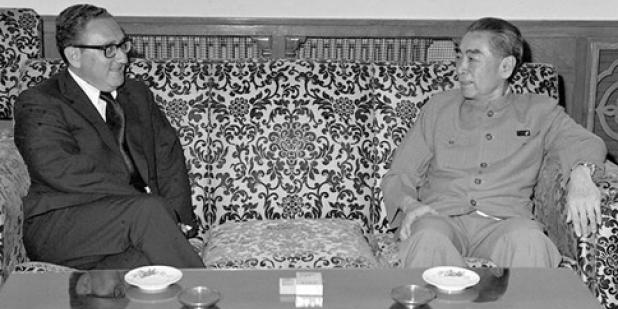
/https:/tf-cmsv2-smithsonianmag-media.s3.amazonaws.com/filer/f4/cb/f4cb92c9-4131-4e0f-ae4a-307144393214/nixoncampaigns.jpg)
No comments:
Post a Comment