20260713 CDTL DDE D183 7 February 1953 Điện tín của Đại sứ Heath tại Sài Gòn gửi Bộ Ngoại giao.
https://history.state.gov/historicaldocuments/frus1952-54v13p1/d183
Google Translated
Tài liệu số 183
Quan hệ Đối ngoại của Hoa Kỳ, 1952–1954, Đông Dương, Tập XIII, Phần 1
751G:5/2–753: Điện tín của Đại sứ Heath tại Sài Gòn gửi Bộ Ngoại giao.
Tuyệt mật
Ưu tiên
Sài Gòn, ngày 7 tháng 2 năm 1953 — buổi trưa.
1568. Chỉ dành cho Allison xem. Không được phổ biến ra ngoài Bộ. Liên quan đến bức điện số 1566 của Đại sứ quán đề ngày 6 tháng 2: Tướng Lecheres, Tham mưu trưởng Không quân Pháp, đã đến Sài Gòn và tới gặp tôi vào tối qua. Ông cho biết Bộ của ông buộc phải rút lại 29 chiếc máy bay đã cho mượn vào mùa thu năm ngoái, do một số chiếc đã được cam kết dành cho NATO, còn số còn lại là cực kỳ cần thiết cho công tác huấn luyện phi công. Số máy bay này sẽ được dần chuyển về Pháp, với chiếc cuối cùng về đến nơi vào giữa tháng 4. Ông nói rằng không chỉ Pháp cần số máy bay này, mà ông còn cần phi công để phục vụ NATO hoặc cho công tác huấn luyện. Phía Pháp không có đủ phi công vận tải để duy trì 100 kíp bay tại Đông Dương như hiện nay.
Tuy nhiên, Bộ Hàng không sẵn sàng để lại 20 hoặc 25 tổ bay, với điều kiện Hoa Kỳ cũng để lại—ít nhất là trong vài tháng—21 chiếc máy bay mà phía Việt Nam đã mượn vào mùa thu năm ngoái. Ông cho biết MAAG và Đại sứ quán sẽ sớm nhận được yêu cầu về vấn đề này từ ông Letourneau.
Lecheres không chỉ khẳng định rằng các yêu cầu của Pháp đối với NATO và công tác huấn luyện không thể bị hy sinh về mặt pháp lý để nhường chỗ cho việc mở rộng các hoạt động tại đây, mà ông còn nhấn mạnh tầm quan trọng ngang bằng — nếu không muốn nói là hơn — của việc tái thiết quân đội chính quốc so với việc mở rộng hoạt động tại Đông Dương. Ông cho rằng đã qua rồi cái thời mà Pháp hay bất kỳ quốc gia châu Âu nào khác có thể hy vọng tự mình xây dựng được lực lượng quân sự hoặc nền công nghiệp quốc phòng độc lập với quy mô đủ lớn; việc thành lập một liên minh quân sự Tây Âu là điều hoàn toàn tất yếu.
Lecheres tuyên bố rằng giải pháp duy nhất để tăng cường và đẩy nhanh các hoạt động tại Đông Dương là mở rộng Quân đội Quốc gia Việt Nam, bao gồm cả [Trang 390] không quân quốc gia. Ông cho rằng đến năm 1954, Việt Nam có thể sở hữu một lực lượng không quân đủ sức đóng góp một phần vào nỗ lực chung.
Tôi bày tỏ quan điểm rằng chính sách của cả Pháp và Hoa Kỳ vẫn là đưa cuộc xung đột tại Đông Dương đến kết thúc thắng lợi trong thời gian sớm nhất có thể. Đáp lại nhận định đó, ông đặt câu hỏi liệu việc tiêu diệt lực lượng Việt Minh quá sớm có thực sự là điều nên làm hay không, bởi hành động này có nguy cơ dẫn đến sự can thiệp quân sự từ phía Tầu cộng. Lecheres tuyên bố rằng giải pháp duy nhất để tăng cường và đẩy nhanh các hoạt động tại Đông Dương là mở rộng Quân đội Quốc gia Việt Nam, bao gồm cả [Trang 390] không quân quốc gia. Ông cho rằng đến năm 1954, Việt Nam có thể sở hữu một lực lượng không quân đủ sức đóng góp một phần vào nỗ lực chung.
Tôi bày tỏ quan điểm rằng chính sách của cả Pháp và Hoa Kỳ vẫn là đưa cuộc xung đột tại Đông Dương đến kết thúc thắng lợi trong thời gian sớm nhất có thể. Đáp lại nhận định đó, ông đặt câu hỏi liệu việc tiêu diệt lực lượng Việt Minh quá sớm có thực sự là điều nên làm hay không, bởi hành động này có nguy cơ dẫn đến sự can thiệp quân sự từ phía Tầu cộng.
Tôi thấy điều này rất đáng lo ngại; nếu Rene Mayer đến thăm Washington, chúng ta nhất định phải xác định xem liệu có một chính sách cụ thể hay một sự ngầm hiểu nào đó trong Chính phủ Pháp về việc không tiến hành chiến tranh quá quyết liệt tại Đông Dương hay không. Gần 18 tháng trước, De Lattre từng tin rằng ông có thể bẻ gãy sự kháng cự của Việt Minh trong vòng một năm rưỡi hoặc hai năm. Kể từ khi ông qua đời, chưa có ai trong Bộ Chỉ huy cấp cao hay Chính phủ Pháp đưa ra bất kỳ dự đoán dứt khoát hoặc quả quyết nào về thời gian kéo dài của cuộc chiến tại đây. Tướng Trapnell cho rằng nếu tăng cường lực lượng chính quy và quân phụ trợ Việt Nam trong năm nay, phía Pháp—dưới sự chỉ huy của những người sẵn sàng chấp nhận rủi ro và tổn thất lớn hơn—có thể "bẻ gãy" sự kháng cự của Việt Minh ngay trong mùa tác chiến 1953–1954. Trong khi đó, Salan chỉ dám nhận định rằng điều như vậy khó có thể xảy ra trước giai đoạn 1954–1955.
Heath.
1. Trong bức điện số 1643 gửi Sài Gòn ngày 10 tháng 2, Trợ lý Ngoại trưởng Allison thông báo với Đại sứ Heath rằng ông chia sẻ mối lo ngại về vấn đề sẵn có của máy bay vận tải và cho biết Bộ Quốc phòng đã được yêu cầu xem xét vấn đề này. (7510.5/2–753) Trong bức điện số 4454 gửi Paris ngày 17 tháng 2, Bộ Ngoại giao bày tỏ quan điểm rằng không nên thực hiện bất kỳ hành động nào làm giảm số lượng máy bay vận tải sẵn có tại Đông Dương trong mùa khô (kéo dài đến tháng 5). Đại sứ quán được yêu cầu cung cấp thông tin về việc Chính phủ Pháp xem xét vấn đề này. (751G.5/2–1753) Trong bức điện số 4695 gửi Paris ngày 3 tháng 3 (đồng thời gửi tới Sài Gòn dưới dạng điện số 1765), Bộ Ngoại giao thông báo rằng Không quân Hoa Kỳ đã gia hạn thêm 1 tháng thời hạn cho mượn 21 chiếc C-47 đang ở Đông Dương (vốn dĩ phải được trả lại vào ngày 1 tháng 3). Các Đại sứ quán được yêu cầu vận động giới chức Pháp ủng hộ đề nghị của các Nhóm Cố vấn Viện trợ Quân sự tại Paris và Sài Gòn, trong đó đề nghị cho phép 15 chiếc máy bay mượn từ NATO tiếp tục ở lại Đông Dương. (751G.5/3–353) Đại sứ quán tại Paris báo cáo về việc đã nêu vấn đề này với Bộ Ngoại giao Pháp trong bức điện số 4917 gửi từ Paris ngày 4 tháng 3. (751G.5/3–453) Trong bức điện số 5169 gửi từ Paris ngày 21 tháng 3, Đại sứ quán báo cáo thêm rằng theo một quan chức Bộ Ngoại giao Pháp, Đại sứ Pháp Henri Bonnet đã được chỉ thị thảo luận vấn đề máy bay tại Washington và nêu rõ rằng các yêu cầu của NATO đối với Pháp không cho phép giữ lại số máy bay mượn từ NATO tại Đông Dương. Bonnet cũng được chỉ thị đề nghị gia hạn thời gian cho mượn máy bay của Hoa Kỳ. (751.G.5/3–2153) Không có tài liệu nào trong số các tài liệu được trích dẫn ở trên được in lại.↩
2. Trong chặng dừng chân tại Paris thuộc chuyến công du châu Âu từ ngày 1 đến ngày 3 tháng 2, Ngoại trưởng Dulles, thay mặt Tổng thống Eisenhower, đã chuyển lời mời Thủ tướng Mayer sang thăm Hoa Kỳ. Lịch trình chuyến đi đến Washington của Mayer sau đó được ấn định vào các ngày 26, 27 và 28 tháng 3.
https://history.state.gov/historicaldocuments/frus1952-54v13p1/sources
List of Abbreviations and Symbol
https://history.state.gov/historicaldocuments/frus1952-54v13p1/terms
https://history.state.gov/historicaldocuments/frus1952-54v13p1/persons
https://history.state.gov/historicaldocuments/frus1952-54v13p1/comp2
1. Document 183
Foreign Relations of the United States, 1952–1954, Indochina, Volume XIII, Part 1
751G:5/2–753: Telegram
The Ambassador at Saigon (Heath) to the Department of State
top secret
priority
Saigon, February 7, 1953—noon.
1568. Eyes only Allison. No distribution outside Department. Regarding Embassy telegram 1566, February 6. General Lecheres, Chief Staff French Air Force, has arrived Saigon and called on me yesterday evening. He said his Ministry must withdraw the 29 planes lent last fall, since part were definitely committed under NATO and rest absolutely necessary for pilot training. They would be gradually phased back to France, the last to be there by mid-April. He said not only were these planes needed in France, but he needed pilots for NATO or for instruction purposes. French did not have enough transport pilots to keep 100 crews, as at present, in Indochina.
Air Ministry, however, would be willing leave 20 or 25 flight crews provided United States would leave at least for several months the 21 planes we loaned last fall. He said that MAAG and Embassy would shortly receive request from Letourneau to this effect.1
Lecheres not only insisted that French requirements under NATO and for training could not legally be sacrificed in favor of expanded operations here, but he insisted on the at least equal importance of reconstruction of metropolitan army as against expanded operations Indochina. He said time had passed when France or any other European country could hope build up sufficient separate military force or military industry. Western Europe military union was an absolute necessity.
Only solution to increase and accelerate operations in Indochina, Lecheres declared, was expand Vietnamese national army, including [Page 390] national air force. He thought that by 1954 there could be Vietnamese air force which could make a certain contribution.
I remarked that I assumed that the policy of France as well as that of United States, continued [to be] to bring hostilities in Indochina to successful conclusion at earliest possible moment. To that statement he raised question whether it was desirable to arrive at destruction of Viet-Minh forces at too early date since it might involve Chinese invasion.
I find this very disquieting and, if Rene Mayer visits Washington,2 we must certainly ascertain whether there is definite policy or tacit understanding within French Government not to prosecute war too aggressively in Indochina. Nearly 18 months ago De Lattre thought he could break back of Viet-Minh resistance within year and half or two years. Since his death, there has been no one either in French high command or in French Government making any definite or determined predictions regarding duration of war here. General Trapnell has idea that by increasing Vietnamese regulars and auxiliary troops this year the French, under command willing to take more risks and losses, could “break the back” of Viet-Minh resistance during the 1953–54 fighting season. Salan will only go so far as to say that nothing like that could happen before 1954–55.
Heath
1. In telegram 1643 to Saigon, Feb. 10, Assistant Secretary of State Allison informed Ambassador Heath that he shared his concern regarding transport plane availability and that the Department of Defense had been asked to examine the question. (7510.5/2–753) In telegram 4454 to Paris, Feb. 17, the Department indicated that it tended to the view that nothing should be done to decrease transport availability in Indochina during the dry season ending in May. The Embassy was asked to supply information regarding French Government consideration of the problem. (751G.5/2–1753)
In telegram 4695 to Paris, Mar. 3 (also sent to Saigon as telegram 1765), the Department reported that the U.S. Air Force had extended by 1 month the loan period of 21 C–47s still in Indochina which were to have been returned on Mar. 1. The Embassies were asked to approach French authorities in support of the request being made by the Military Assistance Advisory Groups in Paris and Saigon that 15 aircraft on loan from NATO also be allowed to remain in Indochina. (751G.5/3–353) The Embassy in Paris reported raising the matter with the Foreign Ministry in telegram 4917 from Paris, Mar. 4. (751G.5/3–453) In telegram 5169 from Paris, Mar. 21, the Embassy further reported that according to an official of the Foreign Ministry, French Ambassador Henri Bonnet had been instructed to take up the question of planes in Washington and to indicate that French NATO requirements prevented the retention of NATO-loaned aircraft in Indochina. Bonnet was also to request the extension of the loan of U.S. planes. (751.G.5/3–2153)
None of the documents cited is printed.↩
2. During the Paris phase of his European trip, Feb. 1–3, Secretary of State Dulles, on behalf of President Eisenhower, extended an invitation to Premier Mayer to visit the United States. The dates for Mayer’s trip to Washington were later set for Mar. 26, 27, and 28.↩
https://history.state.gov/historicaldocuments/frus1952-54v13p1/d183
https://history.state.gov/historicaldocuments/frus1952-54v13p1/pg_390
Allison, John M.,
Acting Assistant Secretary of State for Far Eastern Affairs, to January 31, 1952; Assistant Secretary of State for Far Eastern Affairs, February 1, 1952–April 7, 1953; Ambassador in Japan from May 28, 1953.
https://en.wikipedia.org/wiki/John_M._Allison
https://grokipedia.com/page/John_M._Allison
https://search.library.wisc.edu/digital/A2LWVT7DTTEDZP8W/pages/ACDCHMPAAPPKTS8N?as=text&view=scroll
https://www.trumanlibrary.gov/library/truman-papers/harry-s-truman-paperspresidents-secretarys-files
https://history.state.gov/historicaldocuments/frus1952-54v14p2/d747
https://apjjf.org/2022/10/inoue
https://history.state.gov/historicaldocuments/frus1952-54v12p1/d281
French Ambassador in the United States.
https://en.wikipedia.org/wiki/Henri_Bonnet
https://www.trumanlibrary.gov/library/oral-histories/bonnethl
https://digitalcommons.jsu.edu/lib-ac-histimg/864/
https://history.state.gov/historicaldocuments/frus1952-54v02p2/d86
https://www.nytimes.com/1954/12/17/archives/au-revoir-to-m-bonnet.html
https://www.floridamemory.com/items/show/18982
Honorary Degree Awarded to French Ambassador Henri Bonnet, 1946
https://www.youtube.com/watch?v=lh-Yc1Xxv30
https://www.trumanlibrary.gov/taxonomy/term/5178?page=6
De Lattre De Tassigny, Général d’Armée Jean,
French High Commissioner and Commander of French Forces in Indochina, December 1950–November 1951; died January 1952.
https://en.wikipedia.org/wiki/Jean_de_Lattre_de_Tassigny
https://history.state.gov/historicaldocuments/frus1952-54v13p1/d8
https://www.britannica.com/biography/Jean-de-Lattre-de-Tassigny
https://ww2db.com/person_bio.php?person_id=738
https://en.wikipedia.org/wiki/John_Foster_Dulles
https://history.state.gov/departmenthistory/people/dulles-john-foster
https://www.britannica.com/biography/John-Foster-Dulles
https://diplomacy.state.gov/encyclopedia/john-foster-dulles-secretary-of-state/
https://www.acton.org/publications/transatlantic/2020/03/10/john-foster-dulles-cold-war-architect
https://www.youtube.com/watch?v=BtyFClyli9c
Eisenhower Dwight D.,
President of the United States
https://en.wikipedia.org/wiki/Dwight_D._Eisenhower
https://www.whitehouse.gov/about-the-white-house/presidents/dwight-d-eisenhower/
https://history.state.gov/historicaldocuments/frus1955-57v01/sources
https://history.state.gov/historicaldocuments/frus1955-57v01/ch1
https://history.state.gov/historicaldocuments/frus1955-57v01/ch2
https://history.state.gov/historicaldocuments/frus1955-57v01/ch3
https://history.state.gov/historicaldocuments/frus1955-57v01/terms
https://history.state.gov/historicaldocuments/frus1955-57v01/persons
https://www.bibliotecapleyades.net/sociopolitica/esp_sociopol_mj12_10.htm
https://www.bibliotecapleyades.net/exopolitica/esp_exopolitics_Q.htm
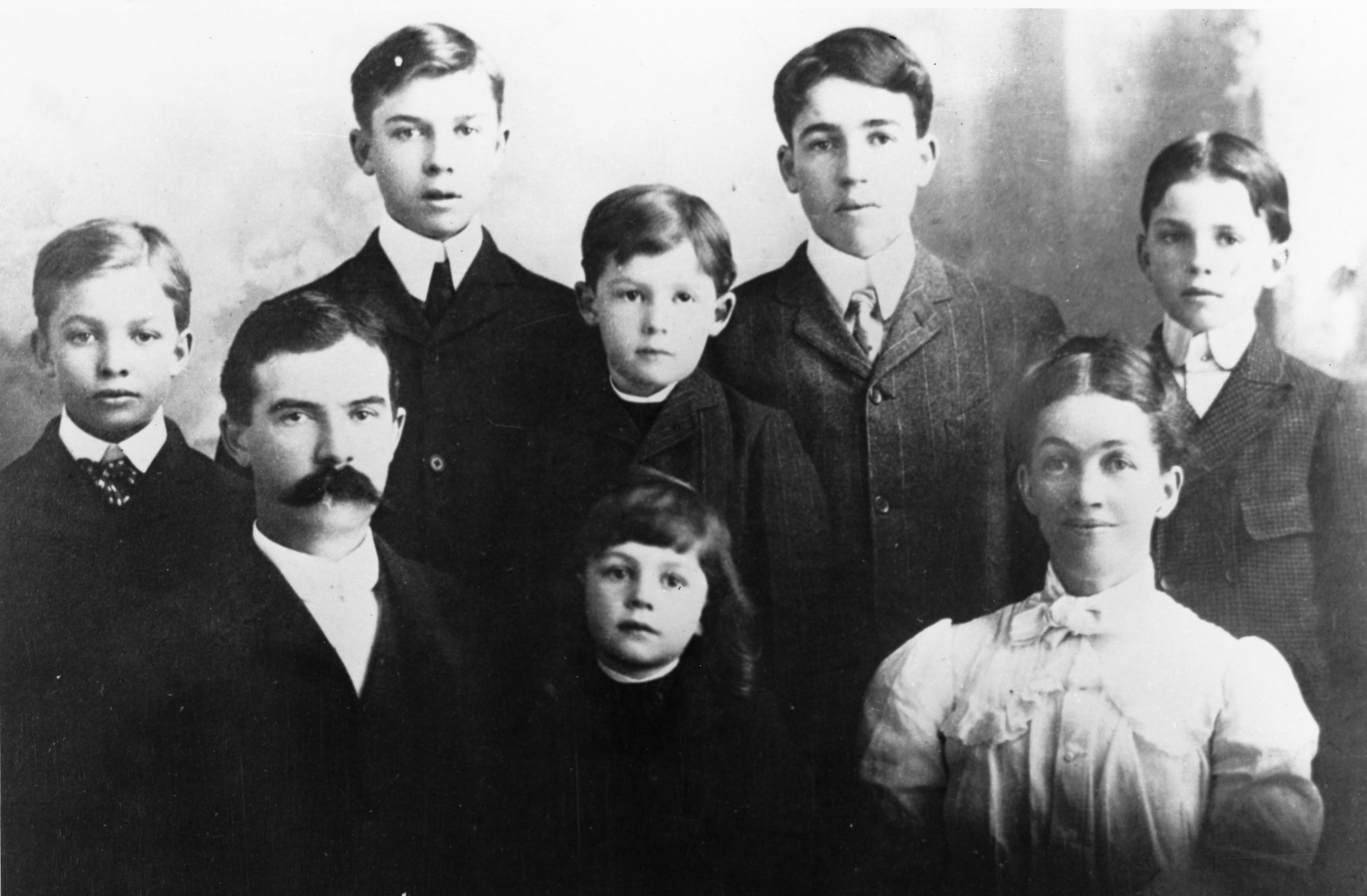
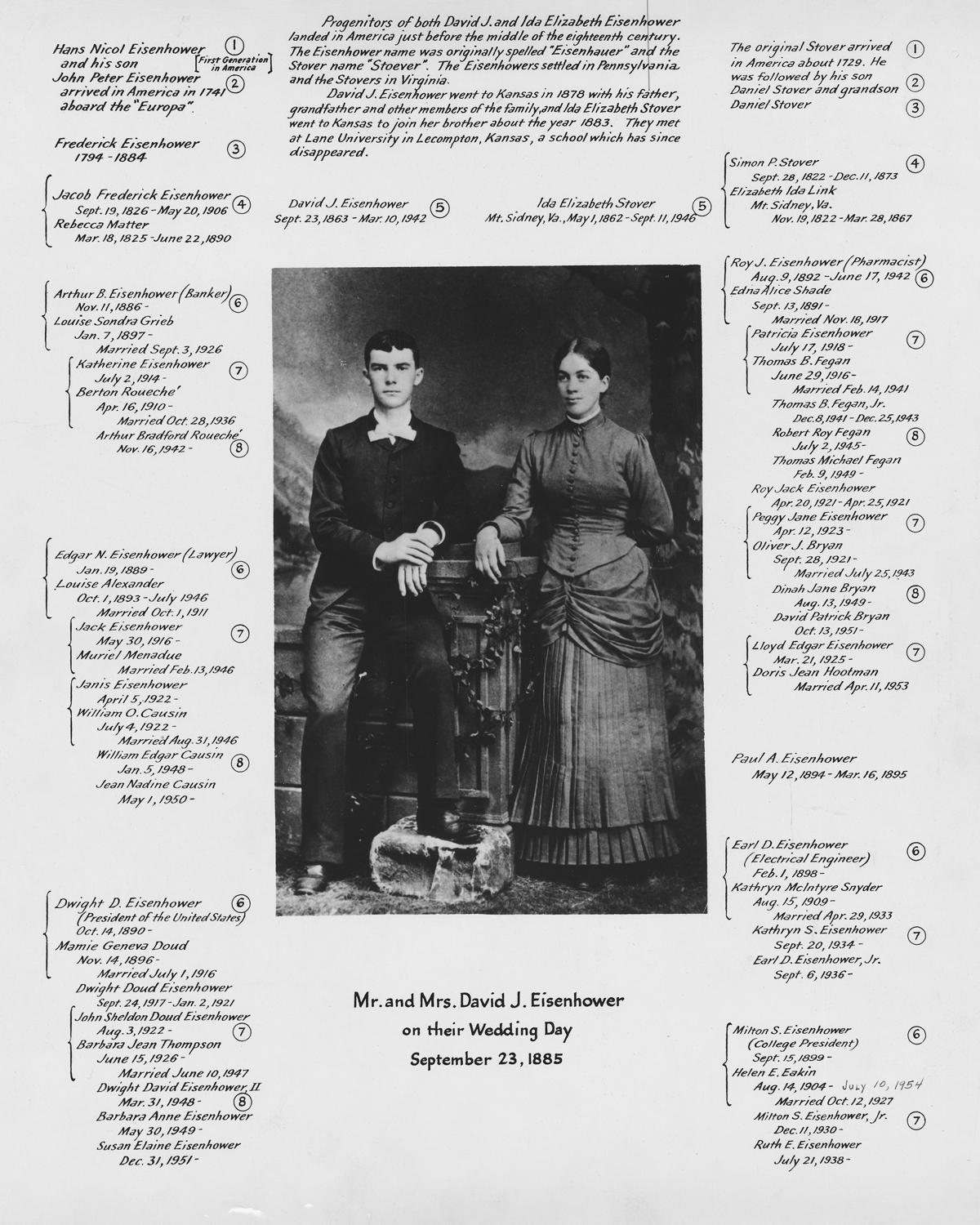
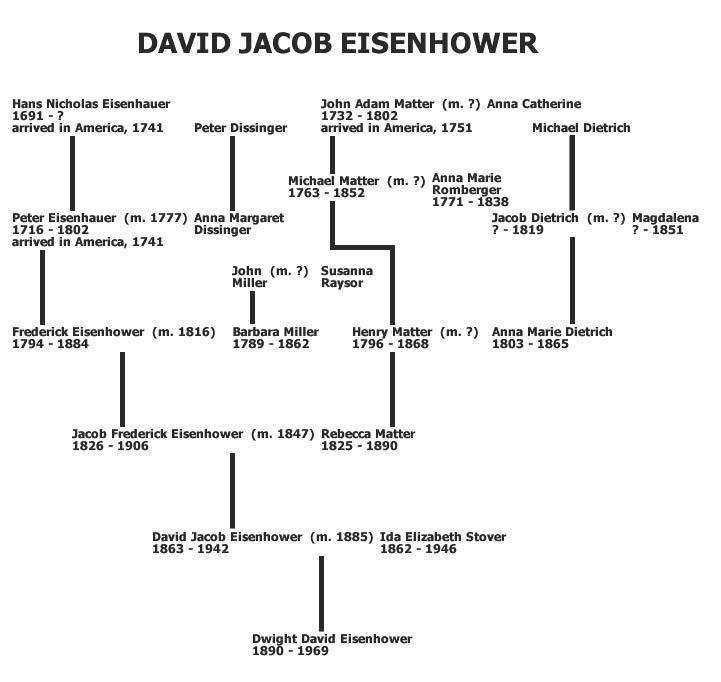
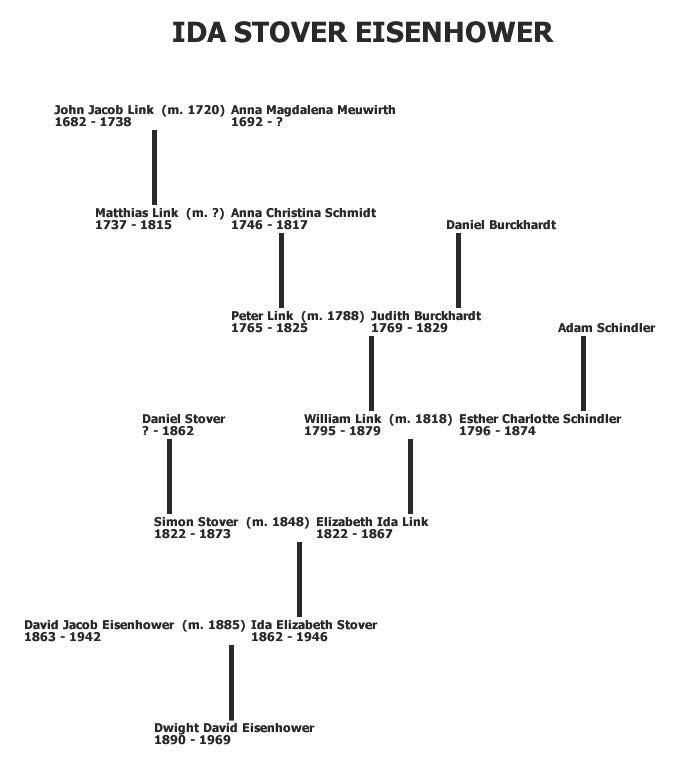
https://www.eisenhowerlibrary.gov/eisenhowers/eisenhower-ancestry
https://www.eisenhowerlibrary.gov/eisenhowers/eisenhower-ancestry
https://www.ranker.com/list/illuminati-presidents/mike-rothschild
http://www.nwotoday.com/the-socialist-review-american-politicians/dwight-d-eisenhower
https://soundcloud.com/the-miller-center-at-uva
August 4, 1953: Eisenhower on supporting the French in Vietnam
https://soundcloud.com/the-miller-center-at-uva/august-4-1953-eisenhower-on-vietnam
Earl Warren Endorses Dwight Eisenhower, October 31, 1952
https://soundcloud.com/the-miller-center-at-uva/ear-warren-endorses-dwight-eisenhower
President Dwight Eisenhower on Civil Rights, 2 February 1953
Johnson, Eisenhower, and Vietnam
https://soundcloud.com/the-miller-center-at-uva/sets/johnson-eisenhower-and-vietnam
Heath, Donald R.,
Ambassador (Minister to June 1952) at Saigon accredited to Vietnam, Laos, and Cambodia. Appointments terminated October (Cambodia) and November (Vietnam, Laos) 1954.
https://en.wikipedia.org/wiki/Donald_R._Heath
https://history.state.gov/departmenthistory/people/heath-donald-read
https://oac.cdlib.org/findaid/ark:/13030/c81260v0/
Letourneau, Jean,
French Minister in Charge of Relations with the Associated States until July 1953; also served as French High Commissioner in Indochina, April 1952–July 19, 1953.
https://history.state.gov/historicaldocuments/frus1952-54v13p1/d220
https://en.wikipedia.org/wiki/Jean_Letourneau
https://avalon.law.yale.edu/20th_century/inch012.asp
https://history.state.gov/historicaldocuments/frus1952-54v13p1/d53
https://granger.com/0146908-jean-letourneau-frech-minister-jean-letourneau-at-the-depar-image.html
Mayer, René,
Prime Minister of France, January 8–June 28, 1953.
https://en.wikipedia.org/wiki/Ren%C3%A9_Mayer
https://www.archontology.org/nations/france/france_govt09/mayer.php
https://www.jta.org/archive/rene-mayer-former-prime-minister-of-france-dead-at-age-77
https://www.wikidata.org/wiki/Q382070
https://www.encyclopedia.com/religion/encyclopedias-almanacs-transcripts-and-maps/mayer-rene
Salan, Général Raoul,
Commander of French Forces in Indochina, April 1, 1952–May 1953.
https://en.wikipedia.org/wiki/Raoul_Salan
https://www.britannica.com/biography/Raoul-Albin-Louis-Salan
https://www.britishpathe.com/asset/219896/
https://history.state.gov/historicaldocuments/frus1952-54v13p1/d21
http://saigon-vietnam.fr/raoul-salan_en.php
https://foreignlegion.info/1952-battle-of-na-san/
https://grokipedia.com/page/Raoul_Salan
https://historfiction.fandom.com/wiki/Raoul_Salan
Trapnell, Thomas J. H.,
Major General, Chief of the United States Military Assistance Advisory Group in Indochina, August 1952–February 1954.
https://en.wikipedia.org/wiki/Thomas_J._H._Trapnell
https://valor.militarytimes.com/recipient/recipient-22747/
https://alumni.westpointaog.org/memorial-article?id=43659d74-1c8e-4252-a8d4-f2b73b491be0
https://apps.dtic.mil/sti/pdfs/ADA324510.pdf


No comments:
Post a Comment