20260708 CDTL NRM D9 16 February 1973 9. Biên bản ghi chép cuộc trao đổi.
https://history.state.gov/historicaldocuments/frus1969-76v18/d9
Google Translated
Tài liệu số 9
Quan hệ Đối ngoại của Hoa Kỳ, 1969–1976, Tập XVIII, Trung Quốc, 1973–1976
9. Biên bản ghi chép cuộc trao đổi
Bắc Kinh, ngày 16 tháng 2 năm 1973, 14:15–18:00.
THÀNH PHẦN THAM DỰ
Chu Ân Lai, Thủ tướng Quốc vụ viện,
Cơ Bằng Phi, Bộ trưởng Ngoại giao,
Kiều Quán Hoa, Thứ trưởng Ngoại giao,
Vương Hải Dung, Trợ lý Bộ trưởng Ngoại giao
Đường Văn Sinh, Phiên dịch
Thẩm Nhược Vân, Phiên dịch
Hai thư ký ghi chép
Tiến sĩ Henry A. Kissinger, Trợ lý Tổng thống phụ trách An ninh Quốc gia
Richard T. Kennedy, Cán bộ Hội đồng An ninh Quốc gia (NSC)
Winston Lord, Cán bộ Hội đồng An ninh Quốc gia (NSC)
Jonathan T. Howe, Cán bộ Hội đồng An ninh Quốc gia (NSC)
Cô Irene G. Derus, Thư ký ghi chép
Thủ tướng Chu: Ông Kennedy bị trẹo lưng. Giờ ông ấy thấy thế nào rồi?
Ông Kennedy: Đỡ nhiều rồi nhờ sự chăm sóc của các bác sĩ của Ngài.
Tiến sĩ Kissinger: Ông ấy chưa bao giờ được quan tâm chu đáo đến thế kể từ khi về làm việc cho tôi. Ngài đang chiều ông ấy quá đấy.
Thủ tướng Chu: Tôi đã đọc bản dự thảo của các ông. Tôi đã nhận được bản dự thảo Hiệp định Paris. Tuy nhiên, chúng tôi vẫn chưa nhận được ý kiến từ phía những người bạn Việt Nam.
Tiến sĩ Kissinger: Chúng tôi cũng chưa nhận được. Họ định sẽ gửi cho chúng tôi trong hôm nay hoặc ngày mai.
Thủ tướng Chu: Vâng.
Tiến sĩ Kissinger: Chúng ta vừa có một cuộc thảo luận chung.
Thủ tướng Chu: Vâng. Chúng ta hãy tiếp tục các chủ đề đã thảo luận hôm qua theo trình tự mà ông mong muốn, nhưng tôi muốn đề cập đến vấn đề Liên Xô trước tiên. Đây chỉ là một cuộc họp hẹp.
Tiến sĩ Kissinger: Vâng, tôi muốn thực hiện hai việc nếu được Thủ tướng chấp thuận. Một là, tôi muốn đưa ra bình luận về cuộc họp báo mà Ngoại trưởng của chúng tôi đã tổ chức ngày hôm qua.
Thủ tướng Chu: [cười] Hôm nay tôi đã đọc tin đó, nhưng tôi không thực sự chú tâm vì đó chỉ là chuyện đối phó với cánh nhà báo mà thôi.
Tiến sĩ Kissinger: Chính xác. Tôi cũng muốn trao đổi với Thủ tướng về chính sách đối với Liên Xô, trong bối cảnh nhận định của ông ngày hôm qua rằng chúng tôi đang "đứng trên vai các ông".3 [Chu Ân Lai cười] Về phát biểu tại cuộc họp báo liên quan đến Đài Loan, tôi chỉ muốn nói rõ cho ông biết những gì chúng tôi thực sự dự định làm. Trong năm nay, chúng tôi sẽ rút năm phi đội máy bay C-130. Đó là các máy bay vận tải. Tổng số nhân sự liên quan đến việc này là ít nhất 4.500 người. Việc này sẽ cắt giảm hơn một nửa quân số chính thức tại Đài Loan. Sang năm tới, chúng tôi sẽ rút bớt ít nhất hai phi đội máy bay F-4.
Thủ tướng Chu Ân Lai: Đó là số máy bay mà các ông đã điều đến trong đợt trước.
Tiến sĩ Kissinger: Đúng vậy. Chúng sẽ được rút khỏi biên chế vào năm tới và sẽ không được giao cho Đài Loan. [Trang 50]
Thủ tướng Chu Ân Lai: Vâng, lần trước ông có nhắc đến, biệt danh của nó là “Bóng ma”. Thực ra tên thật của nó là F-4.
Tiến sĩ Kissinger: Đúng vậy—F-4 là tên gọi chính xác. “Bóng ma” là biệt danh của nó.
Thủ tướng Chu Ân Lai: Tại sao nó lại được gọi là “Bóng ma”?
Tiến sĩ Kissinger: Tôi không biết. Tôi nghĩ là vì tốc độ của nó.
Thủ tướng Chu Ân Lai: Và cả hình dạng nữa, có lẽ vậy.
Ông Kennedy [nói với ông Kissinger]: Nó bay vào trước khi người ta kịp nghe thấy tiếng nó.
Ông Kissinger: Đúng vậy, như một bóng ma. Tuy nhiên, ngoài hai phi đội này, sang năm chúng tôi cũng sẽ cắt giảm thêm các đơn vị khác; chúng tôi chưa biết cụ thể là đơn vị nào—vấn đề này đang được nghiên cứu. Chúng tôi sẽ thông báo cho phía các ông biết trong năm nay. Vì vậy, bất kể các tuyên bố chính thức có nói gì đi nữa, đây là ý định kiên quyết của chúng tôi và nó sẽ được thực hiện.
Thủ tướng Chu: Việc các ông thực hiện sớm hay muộn cũng không quan trọng, bởi vì chúng ta đã xác định rõ các nguyên tắc trong quá trình thảo luận rồi.
Tiến sĩ Kissinger: Đúng là như vậy.
Thủ tướng Chu: Bộ Ngoại giao muốn nói gì để đối phó với giới báo chí thì cũng không sao cả.
Tiến sĩ Kissinger: Vâng, tuy nhiên, chúng tôi đã nói với Thủ tướng trong các chuyến thăm trước đây rằng sau khi chiến tranh Việt Nam kết thúc, chúng tôi sẽ thực hiện các biện pháp cụ thể về việc giảm quân số. Và chúng tôi muốn ông ấy biết rằng đó là ý định của chúng tôi. [Ông Chu thảo luận với người phiên dịch.]
Người phiên dịch: Thủ tướng đang nhắc nhở chúng tôi rằng sau khi ông đề cập đến các bộ phận cấu thành cần được Tưởng Giới Thạch lắp ráp, điều này đã được dịch thành các bộ phận thay thế, vì vậy Thủ tướng đã hỏi làm thế nào các bộ phận thay thế đó có thể được lắp ráp thành một chiếc máy bay hoàn chỉnh.
Tiến sĩ Kissinger: Ồ, họ đã chuyển giao một phần rồi. Tuy nhiên, tôi sẽ xem xét vấn đề này khi trở về Mỹ. Chúng tôi không có ý định tăng cường sức mạnh quân sự cho Đài Loan. Điều chúng tôi muốn làm là giảm bớt mối quan hệ trực tiếp trong việc cung cấp trang thiết bị quân sự. Và tôi sẽ phải... đây là vấn đề đã được quyết định vào thời điểm mà tất cả chúng ta đều đang rất bận rộn với cuộc chiến tranh Việt Nam. Nhưng chúng tôi muốn giải quyết vấn đề này ngay trong nhiệm kỳ của Tổng thống.
Vậy bây giờ Thủ tướng có muốn thảo luận về các vấn đề liên quan đến Liên Xô, hay là...?
Thủ tướng Chu: Vâng.
Tiến sĩ Kissinger: Ngài muốn tôi trình bày hay Thủ tướng có điều gì muốn nói?
Thủ tướng Chu Ân Lai: Chúng ta có nên nói thêm vài lời về vấn đề Đài Loan không? Ông có dự kiến sẽ có một thời hạn cụ thể cho viện trợ quân sự của ông cho Đài Loan không? Liệu sẽ có một hợp đồng khác sau hợp đồng này không? Tôi không có ý nói rằng nếu ông làm điều này cho lực lượng vũ trang của họ thì nó sẽ có ý nghĩa lớn. Tôi chỉ muốn biết một vài điều về vấn đề này để chúng ta có thể phối hợp hành động trong quá trình làm việc. Tôi có thể đảm bảo với ông rằng chúng tôi không có ý định giải phóng Đài Loan bằng lực lượng vũ trang. Hiện tại chúng tôi không có kế hoạch như vậy.
Tiến sĩ Kissinger: Nhưng điều tôi dự kiến cho việc này và tôi phải nói—ông ấy [ám chỉ ông Kennedy] đã chỉ ra cho tôi những phương thức kỹ thuật mà chúng tôi đang viện trợ nhưng đó không phải là mối quan tâm. [Tiến sĩ Kissinger và ông Kennedy trao đổi.] Ông Kennedy chỉ ra rằng chúng tôi không cung cấp thiết bị quân sự. Chúng tôi đang bán hoặc cho vay tín dụng.
Thủ tướng Chu: Vâng, chúng tôi đã lường trước điều này.
Tiến sĩ Kissinger: Nhưng điều đó không làm thay đổi mối quan tâm cốt lõi của Thủ tướng. Ông ấy không bận tâm đến... Tôi sẽ nói thẳng thắn về cách chúng tôi hình dung sự phát triển của tình hình. Chúng tôi cho rằng trong hai năm tới, lực lượng quân sự của chúng tôi sẽ giảm đáng kể. Ngay lúc này, chúng tôi cũng đang rất thận trọng và chậm rãi trong việc cung cấp các trang thiết bị quân sự mới. Chúng tôi thực hiện điều này thông qua các biện pháp hành chính chứ không phải các biện pháp chính sách công khai. Ví dụ, như tôi đã nói với Thủ tướng ngày hôm qua, chúng tôi đã từ chối bán hai phi đội máy bay F-4. Trong khoảng thời gian đó, tùy thuộc vào mong muốn của Thủ tướng, chúng tôi sẵn sàng thiết lập một số hình thức liên lạc rõ ràng hơn giữa CHND Trung Hoa và Hoa Kỳ, chẳng hạn như Văn phòng Liên lạc hoặc văn phòng thương mại. Chúng ta cần thảo luận về phương thức thực hiện. Việc này xuất phát từ hai lý do: vấn đề Đài Loan và vấn đề Liên Xô – vấn đề mà chúng ta sẽ thảo luận vào chiều nay. Trong hai năm tới, chúng tôi sẵn sàng chuyển hướng sang mô hình tương tự như giải pháp đối với Nhật Bản, mặc dù chúng tôi chưa xây dựng chi tiết phương án này.
Thủ tướng Chu: Thời hạn là bao lâu?
Tiến sĩ Kissinger: Hai năm đầu tiên là giai đoạn giảm quân số. Sau năm 1974, chúng tôi muốn hướng tới bình thường hóa hoàn toàn và thiết lập quan hệ ngoại giao đầy đủ với Cộng hòa Nhân dân Trung Hoa trước giữa năm 1976.
Hiện tại, chúng tôi muốn duy trì một số hình thức đại diện tại Đài Loan, nhưng chúng tôi chưa tìm ra công thức nào có thể được cả hai bên chấp nhận. Và chúng tôi muốn thảo luận với ông, trên tinh thần mà ông vẫn luôn thảo luận với chúng tôi, về sự hiểu biết rằng giải pháp cuối cùng sẽ là một giải pháp hòa bình. Trong bối cảnh đó, chúng tôi sẽ hết sức kiềm chế trong chính sách cung cấp quân sự. Đó là ý định của chúng tôi, nhưng tôi sẽ xem xét lại… Thành thật mà nói [với Kennedy: Chúng ta có thể tìm hiểu xem chúng ta có những hợp đồng nào với họ không?] Tôi sẽ tìm hiểu trong thời gian tôi ở đây về những hợp đồng chúng ta có để cung cấp thiết bị quân sự và những hợp đồng nào đang được xem xét, và sau đó tôi có thể hoàn toàn – khi đó ông sẽ biết chính xác. Nhưng đây là hướng mà chúng tôi quyết tâm theo đuổi, và những chi tiết khác thực sự không mang tính quyết định.
Thủ tướng Chu: Lúc nãy ông có đề cập thoáng qua rằng, bên cạnh vấn đề Đài Loan, ông còn nhắc đến vấn đề quan hệ giữa hai nước chúng ta.
Tiến sĩ Kissinger: Vâng. [Trang 52]
Thủ tướng Chu: Vậy ông vẫn dự tính sẽ có một Văn phòng Thương mại hay một Văn phòng Liên lạc?
Tiến sĩ Kissinger: Vâng. Chúng tôi muốn có một Văn phòng Liên lạc hơn vì chúng tôi có thể cử nhân sự phù hợp hơn cho cơ quan đó.
Thủ tướng Chu: Điều đó có nghĩa là phạm vi hoạt động sẽ rộng hơn phải không?
Tiến sĩ Kissinger: Vâng, Văn phòng Liên lạc có thể đảm nhiệm các vấn đề hiện đang được thảo luận tại Paris cũng như một số vấn đề chính trị khác. Chúng tôi cho rằng những vấn đề cực kỳ nhạy cảm giữa hai bên – những điều mà không ai bên ngoài Nhà Trắng được biết – vẫn nên được giải quyết thông qua kênh liên lạc giữa tôi và ông Hoàng Hoa. Tuy nhiên, nếu chúng ta thành lập Văn phòng Liên lạc, chúng tôi sẽ cử ông Jenkins và ông Holdridge đến làm việc tại đó; họ là hai người bạn từng làm việc cùng tôi và là những người mà chúng tôi tin cậy.
Thủ tướng Chu: Ông có hình dung đây sẽ là sự trao đổi hai chiều, nghĩa là cả hai bên đều sẽ thành lập văn phòng không?
Tiến sĩ Kissinger: Chúng tôi sẵn sàng để phía các ông thành lập Văn phòng Liên lạc tại Hoa Kỳ.
Thủ tướng Chu: Việc ngài đặt văn phòng tại đây sẽ dễ dàng hơn, bởi lẽ dù trên danh nghĩa có thể chỉ là văn phòng không chính thức, nhưng thực tế lại có thể mang tính chất chính thức. Tuy nhiên, văn phòng của chúng tôi tại Washington cần phải là văn phòng không chính thức nhưng vẫn được hưởng các quyền miễn trừ ngoại giao. Và họ sẽ không thể tham gia vào các hoạt động ngoại giao, vì việc đó sẽ rất khó thực hiện.
Tiến sĩ Kissinger: Ngài có thể thiết lập bất kỳ văn phòng nào mà ngài cho là phù hợp tại Washington. Chúng tôi sẽ đảm bảo rằng họ được hưởng các quyền miễn trừ ngoại giao. Có thể họ sẽ không tham gia vào các hoạt động ngoại giao chính thức, nhưng họ sẽ là kênh liên lạc thuận tiện với Nhà Trắng.
Thủ tướng Chu: Vậy Văn phòng Liên lạc của các ông sẽ có phạm vi hoạt động rộng hơn là chỉ về thương mại?
Tiến sĩ Kissinger: Đó là điều chúng tôi mong muốn, nhưng chúng tôi cũng có thể lập một văn phòng thương mại và thực tế là giao cho nó các chức năng liên lạc. Tuy nhiên, tôi nghĩ việc thành lập một Văn phòng Liên lạc sẽ phù hợp hơn.
Thủ tướng Chu: Chúng tôi đã tính đến cả hai phương án. Vì Tiến sĩ đã đề cập đến vấn đề này, nên chúng ta có thể thảo luận chi tiết hơn sau khi tôi báo cáo với Chủ tịch Mao.
Tiến sĩ Kissinger: Chúng tôi sẵn sàng thực hiện một trong hai hoặc cả hai phương án cùng lúc — chúng tôi sẵn sàng tiếp nhận một văn phòng của CHND Trung Hoa tại Hoa Kỳ; phía các ông có thể chính thức gán cho nó tính chất "phi chính thức", nhưng văn phòng này vẫn sẽ được hưởng quyền miễn trừ ngoại giao và được đối xử ở cấp độ ngoại giao, đồng thời chúng ta sẽ tiếp tục triển khai mọi công việc mà các ông mong muốn thông qua văn phòng đó. Các ông có thể gọi nó là văn phòng thương mại hay một cơ quan mới, tùy ý các ông. Tuy nhiên, nếu các ông có ý tưởng khác, chúng tôi sẽ tuân theo đề xuất của các ông.
Thủ tướng Chu: Vấn đề này coi như xong.
Tiến sĩ Kissinger: Vâng. [Trang 53]
Thủ tướng Chu: Nói về vấn đề Liên Xô, lần trước ông có đề cập với chúng tôi đôi điều về hiệp ước hạt nhân. Tình hình hiện nay ra sao rồi?
Tiến sĩ Kissinger: Về phía Liên Xô… chúng tôi từng nghĩ rằng nếu trì hoãn đủ lâu thì hiệp ước đó sẽ tự nhiên mất hiệu lực. Đó là một thái độ đầy khí phách… [tiếng cười] nhưng đôi khi lại là điều cần thiết.
Nhưng kể từ khi Chiến tranh Việt Nam kết thúc, họ lại nêu vấn đề này lên. Ông còn nhớ là chúng ta đã đặt ra một loạt câu hỏi cho Liên Xô về các tình huống giả định chứ? Tôi đã hỏi một câu giả định: liệu trong trường hợp hiệp ước này được ký kết mà Mỹ lại tấn công một nước thứ ba – chẳng hạn như Ấn Độ, một quốc gia có ảnh hưởng đến cán cân lực lượng – thì liệu vũ khí hạt nhân có thể được sử dụng hay không? Liên Xô đã gửi cho chúng ta văn bản trả lời với giọng điệu thận trọng. Tình huống đầu tiên được đề cập là chuyện gì sẽ xảy ra nếu nổ ra chiến tranh ở châu Âu. Tôi đã đặt ra hàng loạt câu hỏi giả định. Tôi hỏi: "Chuyện gì sẽ xảy ra nếu có chiến tranh ở châu Âu? Liệu vũ khí hạt nhân có thể được sử dụng không?" Câu trả lời là: "Có, nhưng không được sử dụng nhắm vào lãnh thổ của Liên Xô hay Hoa Kỳ. Chỉ được sử dụng trên lãnh thổ của các nước đồng minh của hai bên mà thôi." Tuy nhiên, họ nói rằng... ông có muốn tôi đọc lại nội dung họ phản hồi về tình huống đó không?
Thủ tướng Chu: Có chứ, điều đó càng làm chúng tôi thêm quan tâm.
Tiến sĩ Kissinger: Tiếng Anh của họ không được rõ ràng như ý định của họ. Họ đã nói rằng: "Chúng tôi muốn nhấn mạnh rằng tinh thần của Hiệp ước sẽ được thể hiện qua cách hành xử trong tình huống giả định mà ở đó, cả Liên Xô và Hoa Kỳ đều kiên định với yêu cầu phải khu biệt phạm vi sử dụng vũ khí hạt nhân, đồng thời không thực hiện bất kỳ hành động nào có thể làm gia tăng nguy cơ khiến hai nước chúng ta trở thành mục tiêu tấn công hạt nhân lẫn nhau." Nói cách khác... diễn đạt bằng tiếng Anh của họ gần như rất khó hiểu. Đó không phải là lỗi của phiên dịch viên của ông đâu. Ông thấy đấy, Điều 3 của hiệp ước có quy định rằng vũ khí hạt nhân có thể được sử dụng để bảo vệ các nước đồng minh. Vì vậy, chúng tôi đã đặt câu hỏi: chuyện gì sẽ xảy ra trong trường hợp xảy ra một cuộc tấn công hay một cuộc chiến tranh tại châu Âu? Bây giờ tôi sẽ đọc lại câu đó một lần nữa: "Chúng tôi muốn nhấn mạnh rằng tinh thần của Hiệp ước sẽ được thể hiện qua cách hành xử trong tình huống giả định đó" — cụ thể là một cuộc chiến tranh tại châu Âu — "khi cả Liên Xô và Hoa Kỳ đều kiên định với yêu cầu phải khu biệt phạm vi sử dụng vũ khí hạt nhân, đồng thời không thực hiện bất kỳ hành động nào có thể làm gia tăng nguy cơ khiến hai nước chúng ta trở thành mục tiêu tấn công hạt nhân lẫn nhau." Điều đó hoàn toàn rõ ràng. [Trang 54]
Và rồi trong đoạn tiếp theo, họ nói rằng nếu một hiệp ước như vậy được ký kết thì chiến tranh ở châu Âu sẽ ít có khả năng xảy ra hơn nhiều. Khi tôi hỏi câu hỏi “điều gì sẽ xảy ra với các đồng minh?”, họ đã trả lời như sau.
Sau đó, tôi hỏi tiếp, “Điều gì sẽ xảy ra với những người bạn không phải là đồng minh đang bị tấn công?” Và họ lại trả lời bằng thứ tiếng Anh tồi tệ như cũ: “Nếu giả sử rằng Liên Xô hoặc Hoa Kỳ có thể sử dụng vũ khí hạt nhân (Trung Đông được nhắc đến như một ví dụ) để hỗ trợ các quốc gia mà cả Liên Xô lẫn Hoa Kỳ đều không có nghĩa vụ hiệp ước trực tiếp, thì điều này sẽ làm giảm giá trị Hiệp ước của chúng ta.”
Thủ tướng Chu Ân Lai: Điều đó có nghĩa là họ sẽ không sử dụng…
Tiến sĩ Kissinger: Điều đó có nghĩa là vũ khí hạt nhân sẽ không được sử dụng. Sau đó, tôi đặt ra câu hỏi thứ ba: “Chuyện gì sẽ xảy ra trong các tình huống mà một quốc gia – vốn không phải là đồng minh hay bạn bè – bị tấn công, nhưng lại có tầm ảnh hưởng đủ lớn để tác động đến cán cân quyền lực toàn cầu, chẳng hạn như Ấn Độ? Liệu khi đó vũ khí hạt nhân có được sử dụng không?” Về vấn đề này, họ đã trả lời như sau: “Những quan điểm và lập luận tương tự của chúng tôi cũng hoàn toàn có thể áp dụng cho tình huống thứ ba – tình huống mà phía Mỹ coi là gây xáo trộn nghiêm trọng cán cân toàn cầu – và để minh họa cho trường hợp này, một ví dụ mang tính giả định cao đã được đưa ra, đó là việc triển khai quân đội Liên Xô hoặc Hoa Kỳ vào Ấn Độ.”
Tôi sẽ đọc lại từng phần một: “Chính những quan điểm và lập luận này của chúng tôi” — cụ thể là những quan điểm được áp dụng cho các lĩnh vực khác có liên quan đến các nước bạn hữu — “cũng có thể được áp dụng trọn vẹn cho một tình huống thứ ba; tình huống mà phía Mỹ cho là sẽ gây xáo trộn nghiêm trọng sự cân bằng toàn cầu, và để minh họa cho điều này, họ đã đưa ra một ví dụ hoàn toàn mang tính giả định về việc triển khai quân đội Liên Xô hoặc Mỹ vào Ấn Độ. Theo đó, phía Liên Xô cho rằng Hiệp ước cần loại trừ khả năng Liên Xô và Mỹ sử dụng vũ khí hạt nhân chống lại nhau trong hai tình huống đã nêu trên.” Đại tá Kennedy còn lạ lẫm với phong cách ngoại giao của tôi. Ông ấy chưa từng thấy tôi làm những việc như thế này bao giờ.
Thủ tướng Chu: Chúng ta đã hiểu rất rõ về nhau sau năm lần gặp gỡ.
Tiến sĩ Kissinger: Đúng vậy. Chúng ta đã gặp gỡ nhau một cách cởi mở và chân thành.
Thủ tướng Chu: Không chỉ cởi mở mà còn hoàn toàn bí mật.
Tiến sĩ Kissinger: Chính xác.
Thủ tướng Chu: Và chúng ta luôn giữ đúng lời hứa của mình.
Tiến sĩ Kissinger: Lời nói của Ngài luôn có giá trị, và tôi nghĩ lời nói của chúng tôi cũng vậy; và vì...
Thủ tướng Chu: Ý ông là Tổng thống Nixon và chính bản thân ông.
Tiến sĩ Kissinger: Lời nói của chúng tôi có giá trị và lời nói của Ngài cũng vậy. Chúng tôi hoàn toàn có thể tin cậy vào những gì Ngài đã nói. Ý tôi muốn nói là chúng ta đã xây dựng được mối quan hệ dựa trên sự tin tưởng lẫn nhau. [Trang 55]
Trong trường hợp tấn công một người bạn không phải là đồng minh, hoặc tấn công một quốc gia không phải là đồng minh cũng không phải là bạn bè, nhưng cuộc tấn công đó sẽ làm thay đổi cán cân quyền lực, thì vũ khí hạt nhân sẽ bị loại trừ. Nói cách khác, trong trường hợp Trung Đông và trường hợp Ấn Độ, vũ khí hạt nhân không thể được sử dụng theo Hiệp ước này.
Thủ tướng Chu Ân Lai: Có phải ý ông là các bên sẽ không sử dụng vũ khí hạt nhân chống lại nhau trong hai trường hợp như vậy?
Tiến sĩ Kissinger: Tôi đã đặt ra ba câu hỏi: Nếu hiệp ước được ký kết, liệu vũ khí hạt nhân có thể được sử dụng trong ba trường hợp này hay không. Trường hợp thứ nhất là cuộc tấn công nhắm vào các đồng minh. Câu trả lời là có thể sử dụng, nhưng không được nhắm vào lãnh thổ của Mỹ và Liên Xô. Trường hợp thứ hai là tấn công một quốc gia thân hữu nhưng không phải là đồng minh, chẳng hạn như ở Trung Đông; trong trường hợp này, họ nói rằng không được phép sử dụng vũ khí hạt nhân. Trường hợp thứ ba là tấn công một quốc gia không phải là đồng minh cũng không hẳn là nước thân hữu, nhưng số phận của quốc gia đó có thể ảnh hưởng đến cán cân quyền lực toàn cầu—và tôi đã đưa ra ví dụ giả định là Ấn Độ. Họ cho biết trong trường hợp đó cũng không được sử dụng vũ khí hạt nhân. Sau đó, họ đặt ra một câu hỏi mà chúng tôi chưa bao giờ trả lời—chúng tôi chưa bao giờ hồi đáp về vấn đề trong thông cáo này. Họ hỏi chúng tôi sẽ làm gì nếu một quốc gia khác—ví dụ như một đồng minh hoặc nước thân hữu của Mỹ—tấn công một đồng minh của Liên Xô. Họ tuyên bố rằng trong tình huống đó, họ chắc chắn sẽ đáp trả, nhưng họ muốn biết chúng tôi sẽ hành động ra sao nếu họ thực hiện hành động đáp trả như vậy. Tôi sẽ đọc nguyên văn câu đó cho quý vị nghe nếu quý vị quan tâm.
Thủ tướng Chu Ân Lai: Vâng.
Tiến sĩ Kissinger: “Phản ứng của Liên Xô đối với quốc gia đã thực hiện cuộc tấn công như vậy là điều không cần bàn cãi—nó sẽ được quyết định bởi nghĩa vụ đồng minh của Liên Xô. Nhưng một câu hỏi đặt ra là—trong tình huống đó, mối quan hệ trực tiếp giữa Liên Xô và Mỹ sẽ như thế nào, khi mà Hiệp ước không sử dụng vũ khí hạt nhân vẫn có hiệu lực giữa hai bên?” Chúng ta chưa bao giờ trả lời câu hỏi này.
Thủ tướng Chu Ân Lai: Có phải lời này từ ông Gromyko không? Có lẽ ý tưởng này thuộc về Brezhnev.
Tiến sĩ Kissinger: Chúng tôi được biết đây là một thông báo từ Brezhnev, nhưng chúng tôi không thể xác định được. Nó không có chữ ký, nhưng chúng tôi được cho biết là Brezhnev gửi cho Tổng thống. Và hiệp ước này lần đầu tiên được Brezhnev trình bày với tôi.
Thưa Thủ tướng, trong chính quyền của chúng tôi hiện nay, không ai biết về việc này ngoài Tổng thống, cá nhân tôi và các cộng sự của tôi; và vấn đề này tuyệt đối không được thảo luận tại bất kỳ diễn đàn nào khác.
Tình hình hiện tại là họ lại đề xuất hiệp ước này và bày tỏ mong muốn ký kết khi Brezhnev sang thăm Hoa Kỳ. Tôi đã nói với họ rằng chúng tôi sẽ xem xét và thông báo lại sau. [Trang 56]
Rõ ràng là chúng tôi không thể chấp nhận ý định và chính sách này; do đó, hoàn toàn không có khả năng chúng tôi sẽ đồng ý với một hiệp ước có điều khoản cam kết không sử dụng vũ khí hạt nhân. Vấn đề duy nhất đặt ra cho chúng tôi là vấn đề sách lược: liệu nên bác bỏ thẳng thừng hay bác bỏ một cách khéo léo, tránh né.
Ví dụ, như chúng tôi đã trao đổi với Đại sứ Hoàng Hoa, vào mùa thu năm ngoái, chúng tôi đã cân nhắc khả năng soạn thảo một văn bản trong đó các bên đồng ý tạo ra những điều kiện để không sử dụng vũ khí hạt nhân, rồi định nghĩa các điều kiện này theo hướng tương đương với việc từ bỏ hoàn toàn việc sử dụng vũ lực, hoặc thành lập một ủy ban để nghiên cứu thời điểm các điều kiện đó sẽ được hiện thực hóa. Đây là vấn đề chúng tôi đang xem xét, và tôi rất mong muốn được biết quan điểm của Ngài về vấn đề này. Tuy nhiên, tôi cho rằng để đưa ra đánh giá cuối cùng, cần phải xem xét chiến lược cơ bản đối với Liên Xô, vì chỉ khi đó mới có thể đưa ra nhận định xác đáng.
Vì vậy, tôi không rõ liệu Thủ tướng muốn thảo luận ngay về vấn đề này, hay chúng ta nên bàn về chiến lược cơ bản trước rồi mới quay lại vấn đề này, hoặc liệu Ngài muốn đưa ra ý kiến sơ bộ rồi sau đó sẽ thảo luận kỹ hơn.
Thủ tướng Chu Ân Lai: Chúng ta hãy tiếp tục thảo luận về chiến lược.
Tiến sĩ Kissinger: Tôi có nên tiếp tục không? [Chu Ân Lai ra hiệu cho ông ấy tiếp tục.]
Tôi muốn nêu ra một vài nhận xét được gợi ý bởi một câu hỏi nửa đùa nửa thật của Thủ tướng về việc liệu chúng ta có ý định dựa vào Trung Quốc để xích lại gần Liên Xô hơn hay không. Nhưng vì qua năm cuộc gặp, tôi nhận thấy Thủ tướng không bao giờ nói điều gì mà không có ý định, và có lẽ đó là một câu hỏi hay, nên tôi muốn thảo luận thêm về điều này trong khi chúng ta đang bàn về chiến lược.
Tôi chợt nghĩ ra. Chúng ta có một mối quan hệ không bình đẳng ở một khía cạnh, đó là các phiên dịch viên của các ông phải gánh vác toàn bộ công việc trong mỗi cuộc họp. Chúng tôi rất biết ơn. [Chu Ân Lai cười]
Giờ hãy nói về chiến lược đối với Liên Xô—và tôi nghĩ chúng ta có thể bắt đầu từ câu hỏi của ông. Không còn nghi ngờ gì nữa, quan hệ của chúng ta với Liên Xô đã phát triển mạnh mẽ hơn sau chuyến thăm Bắc Kinh của tôi vào năm 1971. Thực ra, chúng ta đã dự đoán điều ngược lại; nghĩa là nhận định của chúng ta đã sai. Do đó, rõ ràng là có cơ sở trong ý kiến của Thủ tướng cho rằng việc chúng ta cải thiện quan hệ với CHND Trung Hoa đã tạo động lực để Liên Xô muốn cải thiện quan hệ với chúng ta. Đây không phải là mục đích ban đầu của chúng ta, nhưng lại là kết quả thực tế. Tuy nhiên, bản thân điều đó không phải là vấn đề cốt yếu, bởi câu hỏi đặt ra là: tại sao lại như vậy? Họ đang muốn đạt được điều gì?
Hiện có hai khả năng về mặt lý thuyết. Một là họ thực sự muốn làm dịu bớt căng thẳng trên thế giới. Nếu điều đó là sự thật thì nó phù hợp với lợi ích chung của chúng ta và không đi ngược lại lợi ích của bên nào cả—tôi không tin đó là ý định của họ, nhưng nếu họ thực sự muốn giảm bớt căng thẳng toàn cầu, chúng ta sẽ hoan nghênh điều đó.
[Trang 57] Khả năng thứ hai—và các bằng chứng dường như nghiêng nhiều hơn về hướng này—là Liên Xô đã quyết định theo đuổi một chiến lược linh hoạt hơn nhằm đạt được các mục tiêu sau: làm suy giảm tinh thần của Tây Âu bằng cách tạo ra ảo tưởng về hòa bình; tận dụng công nghệ của Mỹ để khắc phục sự mất cân đối giữa năng lực quân sự và năng lực kinh tế của mình; gây khó khăn cho Mỹ trong việc duy trì năng lực quân sự thông qua việc tạo ra bầu không khí hòa dịu; đồng thời cô lập những đối thủ không bị đánh lừa bởi chính sách giảm căng thẳng này.
Thủ tướng Chu: Chẳng hạn như Trung Quốc.
Tiến sĩ Kissinger: Tôi đã cố gắng diễn đạt một cách tế nhị. [Cười] Thứ năm, là để tranh thủ thời gian đẩy nhanh công tác chuẩn bị quân sự của chính họ.
Nếu tất cả những điều này thành công, thì rốt cuộc Hoa Kỳ sẽ bị cô lập hoàn toàn. Nếu họ có thể làm suy giảm tinh thần của châu Âu, cải thiện vị thế quân sự của mình, và vô hiệu hóa những quốc gia tuy đối lập về mặt chính trị nhưng lại quá yếu kém về mặt quân sự, thì sớm hay muộn Hoa Kỳ cũng sẽ bị cô lập hoàn toàn và trở thành nạn nhân cuối cùng.
Vậy chiến lược của chúng tôi là gì? Tôi cho rằng Thủ tướng cần hiểu rõ điều này để có thể phân biệt được đâu là vẻ bề ngoài và đâu là thực tế. Dù Thủ tướng vốn dĩ đã có thể làm được điều đó, nhưng việc hiểu rõ hơn sẽ giúp ông nắm bắt vấn đề một cách trọn vẹn.
Chúng tôi tin rằng cách lý giải thứ hai về ý đồ của Liên Xô là khả dĩ nhất. Trước hết, xin nói một cách thẳng thắn – điều mà hẳn ông cũng đã biết qua các báo cáo của mình – là chúng tôi đã trải qua một giai đoạn rất khó khăn trong nước do hậu quả của cuộc chiến tranh Việt Nam. Vì vậy, trong nhiều trường hợp, chúng tôi buộc phải chọn cách xoay xở khéo léo thay vì đối đầu trực diện.
Nhưng giờ đây khi cuộc chiến tại Việt Nam đã kết thúc—đặc biệt là nếu thỏa thuận đạt được không biến thành nguồn cơn xung đột triền miên cho Hoa Kỳ—chúng ta có thể quay trở lại với những vấn đề cốt lõi trong chính sách đối ngoại của mình. Ngay cả trong giai đoạn này—điều mà hẳn Thủ tướng cũng đã nhận thấy—chúng ta vẫn luôn đáp trả một cách cực kỳ quyết liệt trước những thách thức trực tiếp từ phía Liên Xô. Tôi không rõ liệu Thủ tướng có theo dõi sự kiện năm 1970 hay không—thời điểm trước khi chúng ta gặp gỡ—khi Liên Xô tìm cách thiết lập một căn cứ tàu ngầm tại Cuba; chúng ta đã phản ứng rất mạnh mẽ—dù không phô trương như cách Tổng thống Kennedy từng làm, nhưng vẫn rất quyết liệt—và kết quả là căn cứ tàu ngầm đó đã không bao giờ được hoàn tất. Chúng ta cũng đã có phản ứng rất gay gắt trong cuộc khủng hoảng tại Jordan vào tháng 9 năm 1970, cũng như trong cuộc khủng hoảng Berlin. Tôi chỉ nêu ra những ví dụ này để minh họa cho phương thức hành động cơ bản của chúng ta. Kinh nghiệm thực tế cho thấy Liên Xô luôn né tránh việc đối đầu quân sự trực tiếp với Hoa Kỳ.
Vậy chiến lược của chúng ta là gì? Trước hết, chúng ta cần tập hợp sự ủng hộ của người dân thông qua một số thành công nổi bật trong chính sách đối ngoại, nhằm xây dựng uy tín về những hành động thấu đáo, có tính toán. Thứ hai, chúng ta phải chấm dứt cuộc chiến tranh Việt Nam với những điều kiện không bị coi là nỗi nhục nhã đối với nước Mỹ. Thứ ba, chúng ta muốn hiện đại hóa quân đội, đặc biệt là [Trang 58] lực lượng chiến lược. Chúng ta sẽ thảo luận kỹ hơn về vấn đề này trong một cuộc họp riêng nếu ông muốn. Xét về lâu dài, chúng ta muốn đẩy Liên Xô vào thế mà ở đó họ lộ rõ là bên gây hấn. Thứ năm, chúng ta phải làm cho người dân quen dần với một số quan điểm hoàn toàn mới mẻ đối với họ.
Hiện nay, tại châu Âu đang tồn tại một nghịch lý. Tình hình tâm lý tại châu Âu rất kém, nhưng xét về khía cạnh hành động của Hoa Kỳ thì cơ sở đạo đức lại rất vững chắc.
Tại châu Á, tâm thế sẵn sàng hành động là rất mạnh mẽ. Tôi xin nói thẳng: ở Trung Quốc, không hề có vấn đề gì về ý chí phòng thủ. Tuy nhiên, để người Mỹ hiểu rằng những động thái kiểu như vụ Tiệp Khắc hay Trung Quốc—chưa kể đến thực lực to lớn hơn nhiều của Trung Quốc—có tác động trực tiếp đến nước Mỹ, thì đó là một quan điểm mới và cần thời gian để chuẩn bị. Các ông chưa hề đề nghị chúng tôi làm bất cứ điều gì trong số này; đây là nhận định của riêng chúng tôi về tình hình. Lợi ích của chúng tôi được xác định bởi chính những nhu cầu cấp thiết của chúng tôi.
Do đó, ở một mức độ nào đó, chúng tôi đã hợp tác trong các động thái này của Liên Xô. Nhưng cho đến nay, chúng tôi mới chỉ ký kết hai hoặc ba loại thỏa thuận với họ: Một là những thỏa thuận mà chúng tôi cho rằng xét về tổng thể thì có lợi đơn phương cho phía mình, chẳng hạn như vấn đề Berlin—chúng tôi không phải trả giá gì cho việc đó cả. Vì vậy, tất nhiên là chúng tôi đã ký thỏa thuận đó.
Thủ tướng Chu: Chúng tôi chưa thực sự hiểu rõ điều đó.
Tiến sĩ Kissinger: Hiệp định Berlin đã cải thiện tình hình cho chúng tôi mà không tốn kém gì cả; đó chính là những thỏa thuận tốt nhất. [cười] Chẳng ai đạt được những thỏa thuận như vậy từ Thứ trưởng của ngài cả. [cười] Thứ hai—nhưng thực ra là—họ không làm điều đó vì chúng tôi—thỏa thuận đó được ký kết nhằm giữ cho ông Brandt tiếp tục nắm quyền. Liên Xô đạt được thỏa thuận này vì các vấn đề chính trị nội bộ liên quan đến Berlin. Đó không phải là một thỏa thuận quốc tế.
Loại thỏa thuận thứ hai mà chúng tôi sẵn sàng ký kết là…
Thủ tướng Chu: [Ngắt lời] Nhưng cũng có thể nói rằng điều này phù hợp với chính sách của Liên Xô, vốn nhằm mục đích ru ngủ và làm suy giảm tinh thần của Tây Âu.
Tiến sĩ Kissinger: Đúng là phù hợp. Rất phù hợp. Loại thỏa thuận thứ hai mà chúng ta có thể đạt được – và có lẽ chỉ có một thỏa thuận như vậy – là thỏa thuận mang lại lợi ích cho tất cả các nước, chẳng hạn như việc hạn chế vũ khí chiến lược. Khó khăn đối với thỏa thuận này là nó đặt ra các giới hạn về mặt số lượng vào thời điểm mà những mối nguy hiểm thực sự lại đến từ các cải tiến về mặt chất lượng.
Thủ tướng Chu: Đó là lý do tại sao khi ông ký thỏa thuận ở Moscow – lúc mà ông Laird phát biểu khá nhiều ở Washington – tôi đã [Trang 59] rất chú ý đến ông ấy. Ông nói rằng ông ta đã nói quá nhiều, nhưng tôi cho rằng việc làm đó cũng có điểm hay.
Tiến sĩ Kissinger: Ông ấy đã nói quá nhiều. Điều đó không có nghĩa là việc làm đó không có điểm hay.
Thủ tướng Chu: Đây là một điểm hay vì nó cho thấy rằng, về vấn đề này, người Mỹ cần phải lên tiếng dựa trên sự tin cậy.
Tiến sĩ Kissinger: Chúng tôi đã đẩy nhanh tiến độ đó. Thực ra, ông Laird đã nói rõ tất cả rồi. Kể từ khi Hiệp định được ký kết, chúng tôi đã đẩy mạnh đáng kể việc cải thiện chất lượng các lực lượng chiến lược của mình.
Thủ tướng Chu: Về vấn đề này, ông ấy cũng đã lên tiếng.
Tiến sĩ Kissinger: Ai cơ ạ?
Thủ tướng Chu: Ông Laird. Mặc dù Liên Xô không nói gì về chuyện đó, nhưng ông Suslov - với tư cách là Chủ tịch Ủy ban Đối ngoại thuộc Xô viết Tối cao Liên Xô - đã có ý kiến về vấn đề này.
Tiến sĩ Kissinger: Ý ông là về ông Laird sao?
Thủ tướng Chu: Không, là về quan điểm dựa vào thế mạnh để tăng ngân sách quân sự. Tất nhiên, các con số ngân sách đã được công bố, nhưng những gì ông ấy nói đều là sự thật.
Tiến sĩ Kissinger: Chúng tôi không quá chú trọng vào con số ngân sách vì chúng tôi có được hình ảnh rất rõ nét về Liên Xô.
Thủ tướng Chu: Nhưng nhận định của ông Suslov là đúng khi cho rằng họ hành động dựa trên thế mạnh.
Tiến sĩ Kissinger: Họ rút lui ư?
Thủ tướng Chu: Họ vẫn tiếp tục tiến hành.
Tiến sĩ Kissinger: Họ đang nỗ lực rất lớn trên mọi phương diện quân sự. Thực ra, thưa Thủ tướng, tôi có một chuyện vui nho nhỏ mang tính cá nhân muốn kể. Khi chúng tôi ở Liên Xô, chúng tôi đã thảo luận về vấn đề đặt ra các giới hạn đối với số lượng hầm phóng tên lửa. Tôi đã chỉ ra cho ông Brezhnev thấy rằng, ngay cả khi có giới hạn về số lượng hầm phóng, người ta vẫn có thể đưa các tên lửa lớn hơn vào những hầm phóng hiện có; thế nhưng ông Brezhnev lại khẳng định điều đó hoàn toàn không thể xảy ra và bắt đầu vẽ sơ đồ minh họa. Ông ấy liệt kê ba cách thực hiện, nhưng cho rằng tất cả đều bất khả thi. Thực tế lại có tới bốn cách, và họ đang áp dụng cách thứ tư để đưa những tên lửa lớn hơn vào các hầm phóng đó. [Thủ tướng Chu cười]
Vì vậy, công tác chuẩn bị quy mô lớn đang được triển khai trong hầu hết các lĩnh vực quân sự quan trọng. Tôi không nói rõ là chuẩn bị cho mục đích gì, nhưng đó là thực tế. Tuy nhiên, chúng tôi cũng đã rút ra được nhiều bài học trong quá trình đàm phán, bởi lẽ để chuẩn bị cho các cuộc đàm phán đó, chúng tôi buộc phải nghiên cứu kỹ lưỡng nhiều vấn đề; và những kết quả nghiên cứu này hiện đang được áp dụng vào các công tác chuẩn bị mới của chúng tôi. [Trang 60]
Loại thỏa thuận thứ ba mà chúng tôi đang thực hiện liên quan đến các vấn đề hữu ích nói chung nhưng không mang ý nghĩa chính trị trọng yếu, chẳng hạn như môi trường, trao đổi khoa học và thương mại trong những giới hạn nhất định. Tôi thừa nhận rằng cả hai bên đều đang đặt cược vào những xu hướng nhất định. Liên Xô tin rằng họ có thể làm suy giảm tinh thần của Tây Âu và khiến chúng tôi tê liệt. Về phần Tây Âu, chúng tôi tin rằng chừng nào chúng tôi còn hiện diện ở đó, thái độ thực tế của họ có thể biến động mạnh mà không tạo điều kiện cho Liên Xô gây áp lực quân sự. Chúng tôi cũng tin rằng thông qua chính sách này, chúng tôi có được sự linh hoạt cần thiết để chống đỡ tại những nơi có nguy cơ cao nhất bị tấn công hoặc chịu áp lực. Và theo đánh giá của chúng tôi về các nhà lãnh đạo Liên Xô, họ là những kẻ tàn bạo nhưng không hẳn là những người có tầm nhìn xa.
Xét đến vấn đề hiệp ước hạt nhân, xu hướng của chúng tôi là tránh đối đầu trực tiếp mà thay vào đó là tìm cách trì hoãn để kéo dài thời gian; tuy nhiên, trong quá trình đó, chúng tôi sẽ không nhượng bộ bất kỳ điều gì mang tính cốt lõi.
Đó là nhận định và chiến lược tổng thể của chúng tôi; vì vậy, cần đặt vấn đề liệu chúng tôi có đang "đứng trên vai" các bạn hay không vào đúng bối cảnh này. Sẽ là hành động tự sát nếu chúng tôi tham gia vào một chính sách mà mục tiêu cuối cùng là cô lập chính mình. Chúng tôi sẽ tận dụng các xu hướng hoặc nỗi lo ngại nảy sinh, nhưng là để phục vụ cho những mục tiêu hay các vấn đề mà tôi đã trình bày với Thủ tướng.
Tôi vừa trình bày quan điểm của chúng tôi một cách thẳng thắn hơn bao giờ hết—thẳng thắn hơn cả khi trao đổi với bất kỳ nhà lãnh đạo nước ngoài nào hay thậm chí là với chính người dân của mình.
Thủ tướng Chu: Hội nghị An ninh Châu Âu và Hội nghị về Cắt giảm Lực lượng Vũ trang Cân bằng lẫn nhau cũng đang đi theo hướng này.
Tiến sĩ Kissinger: Chúng ta có thể nghỉ giải lao năm phút được không? Tôi muốn nói chuyện với các bạn về vấn đề này vì ở đây chúng ta đang gặp vấn đề với tầm nhìn thiển cận của các đồng minh châu Âu. Tôi muốn thảo luận với các bạn về chiến lược của chúng ta.
[Nhóm họp tạm nghỉ lúc 3:45 chiều, và cuộc họp tiếp tục lúc 3:53 chiều.]
Tiến sĩ Kissinger: Bây giờ chúng ta sẽ nói về Hội nghị An ninh châu Âu và Thỏa thuận Giảm Lực lượng Cân bằng hỗ tương. Trước tiên, một vài lời về lịch sử.
Các bạn phải nhớ rằng các nhà lãnh đạo châu Âu đã xử lý cả hai hội nghị này hoàn toàn từ quan điểm chính trị nội bộ của họ. Khi Liên Xô lần đầu tiên đề xuất Hội nghị An ninh châu Âu nhiều năm trước, người châu Âu nói rằng họ ủng hộ nó hơn Hoa Kỳ để họ có thể đổ lỗi cho chúng ta về việc nó không thành hiện thực trước sự phản đối trong nước của họ. Vì vậy, nguyên tắc của nó đã được thiết lập. Sau đó, khi có một số áp lực trong Quốc hội Hoa Kỳ, Thượng nghị sĩ Mansfield, người tình cờ muốn quay lại đây—chúng ta sẽ rất vui… [Trang 61]
Thủ tướng Chu: [Ngắt lời] Và khi cuộc tổng tuyển cử kết thúc, ông từng nói rằng ông ấy muốn đến thăm ngay sau ngày bỏ phiếu.
Tiến sĩ Kissinger: Chúng tôi rất sẵn lòng cử ông ấy đi nếu Ngài hứa sẽ giữ ông ấy lại. [Cười] Không, nhưng chuyện đó tùy thuộc vào Ngài. Đó có thể là một ý hay. Tuy nhiên, đó lại là một vấn đề khác.
Nhưng khi Thượng nghị sĩ Mansfield đề nghị cắt giảm lực lượng Mỹ, phía châu Âu đã nảy sinh ý tưởng về một hội nghị cắt giảm lực lượng nhằm ngăn chặn chúng tôi rút quân đơn phương. Khi chúng tôi chấp nhận đề xuất này, họ lại trở nên lo lắng. [Thủ tướng Chu cười] Sau đó, họ bắt đầu thúc đẩy Hội nghị An ninh châu Âu nhằm triệt tiêu Hội nghị Cắt giảm Lực lượng Cân bằng lẫn nhau; khi ấy, chúng tôi nhận thấy mình đang sa vào một tình trạng mơ hồ, đầy rẫy sự hoang mang và những toan tính chính trị, nên quyết định cần phải giải quyết vấn đề một cách trực diện và đi đến một kết luận cụ thể, bởi lẽ việc cứ bàn thảo về nó còn gây tâm lý chán nản hơn là thực sự bắt tay vào giải quyết. Hoàn toàn rõ ràng là Liên Xô muốn gì ở Hội nghị An ninh châu Âu.
Họ muốn tạo ra ấn tượng rằng châu Âu không còn mối nguy hiểm nào nữa, và do đó muốn tạo ra một bầu không khí trong đó các mối quan hệ quân sự được thay thế bằng một trật tự an ninh chung của châu Âu. Vì vậy, lợi ích của chúng ta là: thứ nhất, Hội nghị cần diễn ra ngắn nhất và ít mang lại kết quả thực chất nhất có thể, để không ai có thể tuyên bố rằng đã đạt được thành quả to lớn nào đó. Ngược lại, lợi ích của Liên Xô là tạo ra ấn tượng rằng đây là một sự kiện lịch sử trọng đại. Còn lợi ích của chúng ta là tổ chức một cuộc họp nhằm khẳng định những mục tiêu được đa số mong muốn—như tự do đi lại và giao lưu văn hóa—nhưng không thể bị lợi dụng làm cơ sở cho những chuyển biến mang tính lịch sử.
Với việc giảm quân số cân bằng lẫn nhau, vấn đề lại hoàn toàn ngược lại. Nếu phân tích vấn đề giảm quân số một cách nghiêm túc, người ta phải nghiên cứu mối quan hệ thực tế giữa các lực lượng. Giờ đây, bất kỳ nghiên cứu nào về mối quan hệ thực tế giữa các lực lượng được thực hiện một cách nghiêm túc đều phải dẫn người châu Âu đến nhận thức về mức độ nguy hiểm của họ. Chúng ta đang ở trong tình huống kỳ lạ là nếu chúng ta thảo luận trực tiếp về quốc phòng với người châu Âu, họ sẽ luôn bác bỏ thực tế về mối nguy hiểm và kết luận của chúng ta, bởi vì họ sợ chúng ta sẽ yêu cầu họ chi thêm tiền. Nhưng khi chúng ta thảo luận về việc giảm quân số, họ lại sợ rằng chúng ta sẽ giảm quân số đến mức họ có hứng thú nghiên cứu mối nguy hiểm đó. [Chou cười]
Khi tôi ở Moscow hồi tháng 9 năm ngoái, tôi đã đưa ra điều kiện với Brezhnev rằng chúng ta sẽ chỉ tham dự Hội nghị An ninh châu Âu nếu họ tham dự Hội nghị về Giảm quân số.
Và do đó, bất kỳ lợi ích nhỏ nhoi nào họ có thể đạt được từ Hội nghị An ninh châu Âu, chúng ta đều có thể thay thế bằng loại điều tra sẽ được thực hiện tại Hội nghị Giảm quân số. [Trang 62]
Bây giờ, tôi xin nói đôi lời về tình trạng thực tế của các cuộc đàm phán này. Vấn đề lớn nhất của chúng ta hiện nay, thành thật mà nói, không phải là Liên Xô mà là người châu Âu. Điều chúng ta muốn là một bản mô tả ngắn gọn về các mục trong chương trình nghị sự, Hội nghị An ninh châu Âu càng vô nghĩa càng tốt, một Hội nghị ngắn gọn và một kết luận cao siêu nhưng vô nghĩa. Người châu Âu… mỗi Bộ trưởng Ngoại giao châu Âu đều đang tập dượt bài phát biểu mà họ sẽ đọc tại Hội nghị đó. Mỗi Bộ Ngoại giao châu Âu đã đệ trình một chương trình nghị sự dài vô tận cho mỗi phiên họp. Và điều đó tạo ra một sự nhầm lẫn nhất định, nhưng chúng ta có thể xử lý được.
Về vấn đề cắt giảm lực lượng, chúng tôi sẽ làm việc rất nghiêm túc với các đồng minh châu Âu; thách thức thực sự ở đây là sự cám dỗ muốn nhanh chóng đi đến một kết luận chung chung. Thực tế là chúng ta cần nghiên cứu kỹ lưỡng về thế cân bằng lực lượng hiện tại để tránh làm tình hình trở nên tồi tệ hơn. Nếu không thực hiện nghiên cứu này, một ngày nào đó Liên Xô có thể đưa ra một đề xuất nghe rất hợp lý mà vì lý do nào đó, mọi người đều muốn chấp nhận. Nhưng nếu đã có nghiên cứu về thế cân bằng lực lượng thực tế, chúng ta có thể dựa vào đó để bác bỏ đề xuất này. Đó chính là cách chúng tôi đã xử lý các cuộc đàm phán SALT. Nếu biết tận dụng các cuộc đàm phán này một cách khôn ngoan, chúng ta có thể dùng chúng để củng cố khả năng phòng thủ của phương Tây thay vì làm suy yếu nó. Dù sao đi nữa, bất kỳ đợt cắt giảm nào có thể dự báo được cũng sẽ không vượt quá 10 đến 15 phần trăm và sẽ không diễn ra trước năm 1975. Chúng sẽ chỉ có tác động không đáng kể đối với cán cân địa chính trị toàn cầu. Việc cắt giảm sẽ diễn ra ở phía Liên Xô—có lẽ là hai sư đoàn [Chu Ân Lai cười] và hiện họ đang...
Thủ tướng Chu Ân Lai: [Ngắt lời] Họ thậm chí còn muốn bỏ đi cụm từ "có đi có lại và cân bằng".
Tiến sĩ Kissinger: Họ muốn bỏ từ "song phương".
Thủ tướng Chu: Không, họ muốn bỏ từ "cân bằng".
Tiến sĩ Kissinger: Đúng vậy, "cân bằng", họ muốn bỏ từ "cân bằng".
Thủ tướng Chu: Họ muốn loại bỏ những từ này khỏi tên gọi của Hội nghị.
Tiến sĩ Kissinger: Đúng thế, bởi vì họ có lực lượng đông đảo hơn, nên nếu cắt giảm ngang bằng thì tầm quan trọng tương đối của khoảng cách chênh lệch sẽ càng lớn hơn. Giờ đây họ cũng muốn loại cả Tiệp Khắc ra. Họ đã nói muốn loại Hungary, nhưng chúng tôi cũng nhận được thông tin rằng họ còn muốn loại cả Tiệp Khắc nữa. [Cười]
Thủ tướng Chu: Và trước hết, Bỉ và Romania sẽ không tham dự...
Tiến sĩ Kissinger: [Ngắt lời] Nhưng không có quân đội Liên Xô nào ở Romania cả. Đó là cách tiếp cận chung của chúng tôi đối với hai hội nghị này. Và chúng tôi sẽ tiếp tục thông tin cho ông. Nếu chúng ta có phương thức liên lạc thuận tiện hơn—ví dụ như nếu ông có văn phòng tại Washington, [Trang 63] chúng tôi có thể cho ông xem bản nghiên cứu của mình. Tuy nhiên, chúng ta cũng có thể thực hiện việc này thông qua New York; và trong thời gian ở đây, chúng tôi có sẵn một số tài liệu mà nếu các chuyên gia kỹ thuật của ông quan tâm, chúng ta có thể thảo luận về vấn đề cắt giảm lực lượng song phương. Điều này chỉ nhằm giúp ông hình dung được cách tiếp cận của chúng tôi.
Thủ tướng Chu: Khả năng các nước Tây Âu tăng cường năng lực quân sự của chính họ là như thế nào?
Tiến sĩ Kissinger: Đây không phải là thời kỳ của những nhà lãnh đạo châu Âu đầy khí phách hào hùng. Hiện chúng tôi đang hợp tác với phía Anh để nâng cao năng lực hạt nhân của họ. Cũng có thể có khả năng phía Đức sẽ nâng cao năng lực của mình—về mặt quân sự thông thường chứ không phải hạt nhân; thực tế thì quân đội Đức hiện chắc chắn là lực lượng quân sự thông thường lớn nhất tại Tây Âu. Còn đối với Pháp, mọi việc phụ thuộc rất nhiều vào kết quả bầu cử.
Thủ tướng Chu: Ông Schumann có kể với ông rằng Chủ tịch Mao đã khuyên ông ấy nên đào hầm không?
Tiến sĩ Kissinger: Không.
Thủ tướng Chu: Có lẽ ông ấy không hoàn toàn tin vào điều đó.
Tiến sĩ Kissinger: Chuyện này quá quy mô so với tầm nhìn của ông ấy. [Thủ tướng Chu cười]
Thủ tướng Chu: Có lẽ họ cho rằng Phòng tuyến Maginot đã thất bại nên việc đào hầm cũng chẳng ích gì. Họ không hiểu rằng vào thời điểm Hitler tấn công Liên Xô, các hoạt động ngầm thực sự đã đóng một vai trò quan trọng.
Tiến sĩ Kissinger: Người Pháp đang nỗ lực trong lĩnh vực hạt nhân và thực tế họ đã hiện đại hóa quân đội khá tốt. Điều mà người châu Âu còn thiếu là tầm nhìn chính trị và niềm tin rằng những hành động của họ có thể tạo ra sự khác biệt. Vì vậy, họ theo đuổi các chính sách rất thận trọng.
Thủ tướng Chu: Họ có tầm nhìn hạn hẹp.
Tiến sĩ Kissinger: Rất quan trọng.
Thủ tướng Chu: Hãy quay lại vấn đề phương Đông. Cách đây không lâu, ông có đề cập rằng sẽ cần nhiều thời gian để giải quyết các vấn đề tại Đông Dương và Đông Nam Á. Phải chăng ông đang lãng phí công sức vào khu vực này?
Tiến sĩ Kissinger: Không, tuy nhiên tôi cho rằng điều quan trọng là quá trình chuyển đổi tại Đông Nam Á—từ tình hình hiện tại sang một trạng thái vận hành ổn định trong tương lai—cần phải diễn ra dần dần.
Thủ tướng Chu: Và điều tương tự cũng áp dụng cho Đông Dương—nghĩa là một quá trình dần dần...
Tiến sĩ Kissinger: Tôi đang nói về Đông Dương. Khi Thủ tướng nhắc đến Đông Nam Á, ý của ông là gì?
Thủ tướng Chu: Bao gồm cả Đông Dương. Bởi lẽ khi đề cập đến Đông Nam Á, chúng tôi nói về nó trong bối cảnh chính sách của Dulles, vì các cam kết của phía ông đều bắt nguồn từ những chính sách đó.
Tiến sĩ Kissinger: Các mục tiêu của chúng tôi tại Đông Nam Á hoàn toàn khác biệt so với mục tiêu của ông Dulles. Rõ ràng là chính sách của chúng tôi tại Đông Nam Á không nhằm chống lại CHND Trung Hoa. [Trang 64]
Thủ tướng Chu: Vậy thì ông sẽ phải thay đổi bầu không khí tại Đông Nam Á.
Tiến sĩ Kissinger: Cụ thể là Thủ tướng muốn nói điều gì để tôi có thể đưa ra câu trả lời thấu đáo?
Thủ tướng Chu: Bởi vì SEATO vẫn còn tồn tại.
Tiến sĩ Kissinger: Vâng, nhưng như tôi đã nói trong một buổi họp báo với các Thượng nghị sĩ, đó không phải là thể chế quan trọng nhất trong đời sống chính trị thế giới hiện nay. Vấn đề lớn nhất tại Đông Nam Á lúc này là quá trình chuyển đổi ở Đông Dương từ tình trạng chiến tranh sang hòa bình—làm sao để quá trình này không dẫn đến sự can thiệp của các nước khác. Chẳng hạn, tôi thấy thú vị khi đọc một bài báo trên tờ Izvestia gần đây cảnh báo về việc viện trợ kinh tế cho Bắc Việt Nam. Bài báo đó đã được gửi cho tôi từ Washington.
Thủ tướng Chu: Cảm ơn ông đã cung cấp thông tin, vì trước đó tôi chưa hề hay biết về việc này.
Tiến sĩ Kissinger: Thông tin này được gửi cho tôi từ Washington sáng nay. Tôi nghĩ là vào ngày 6 tháng Hai.
Tuy nhiên, liên quan đến Đông Nam Á, chúng tôi có ý định giảm dần sự can dự của mình. Nhưng xét về chiến lược mà tôi đã vạch ra, điều quan trọng cần lưu ý là tất cả các lực lượng chính trị tại Mỹ đang phản đối quan điểm mà tôi vừa trình bày – bao gồm cả một trong những vị khách sắp tới của ông, cô McLaine – đều mong muốn hơn cả là sự sụp đổ hoàn toàn của thỏa thuận mà chúng ta đã đàm phán. [Thủ tướng Chu cười]
Thủ tướng Chu: Tôi không biết gì về cô McLaine cả, và cảm ơn ông vì thông tin này.
Tiến sĩ Kissinger: Tôi không phản đối việc cô ấy đến đây. Chuyến đi sẽ rất tốt cho cô ấy.
Thủ tướng Chu: Đây là vấn đề thuộc phạm vi của Bộ Ngoại giao chúng tôi, tôi không biết gì về chuyện này cả. Tôi có tiếp xúc với bà Jarvis của đài NBC.
Tiến sĩ Kissinger: Ồ, bà Jarvis. Bà ấy đã thực hiện một bộ phim rất hay. Bà ấy làm việc rất tích cực và hiệu quả. Tôi không rõ liệu Ngài có hài lòng với kết quả đó hay không, nhưng bộ phim thực sự đã tạo được ấn tượng rất tốt tại Mỹ.
Thủ tướng Chu: Vâng, theo những nhận xét từ Bộ Ngoại giao thì phim cũng khá tốt.
Tiến sĩ Kissinger: Phim rất hay.
Thủ tướng Chu: Bộ cũng đã hỗ trợ bà ấy tìm một gia đình có ba thế hệ cùng chung sống—đó là điều bà ấy đã đề cập trong bài viết của mình. Bà ấy không nói điều đó trong cuộc trao đổi với tôi. Bà ấy rất biết cách ứng xử khi gặp Thủ tướng trong một cuộc phỏng vấn truyền hình, dù chi tiết đó không được đưa vào bộ phim.
Tiến sĩ Kissinger: Tôi tin chắc rằng họ muốn thực hiện việc đó một cách riêng biệt. [Trang 65]
Thủ tướng Chu: Bà ấy đã thực hiện một cuộc phỏng vấn rất dài nhưng lại không được đưa vào bộ phim. Có lẽ bà ấy đã bị loại ra.
Tiến sĩ Kissinger: Đó là cơ hội tuyệt vời để bà ấy trở nên nổi tiếng.
Như vậy, các chính sách của chúng ta đối với Đông Nam Á sẽ được đặt trên một nền tảng mới, và chúng ta sẽ cố gắng tránh tình trạng khu vực này tiêu tốn toàn bộ nguồn lực của chúng ta. Mặt khác, nếu chúng ta phải đối mặt với những thách thức dồn dập, thì để bảo đảm khả năng duy trì một chính sách đối ngoại mạnh mẽ, chúng ta sẽ buộc phải phản ứng một cách quyết liệt. Vì thế, nếu có thể diễn ra một quá trình chuyển biến dần dần—như chúng ta đã thảo luận về vấn đề Đài Loan—thì nhiều khả năng sẽ mở ra và chúng ta sẽ không cần can dự trực tiếp. Tuy nhiên, bất cứ khi nào Thủ tướng muốn, chúng ta nên có một cuộc thảo luận sâu hơn về vấn đề Đông Nam Á.
Thủ tướng Chu: Chúng ta hãy đề cập đến những vấn đề lớn tại Đông Nam Á. Về việc chấm dứt chiến tranh ở Việt Nam, theo những gì chúng tôi biết thì cả miền Bắc và miền Nam Việt Nam đều sẵn sàng thực hiện điều đó. Như ông đã biết, cuộc chiến này đã kéo dài hơn mười năm, và nếu tính cả thời gian kháng chiến chống Nhật thì đó là một đất nước đã trải qua chiến tranh suốt ba mươi năm; vì vậy, họ hoàn toàn mong muốn đạt được hòa bình. Thứ hai, do đã có quan hệ lâu dài với những người bạn Việt Nam, ông cũng hiểu rằng họ có tinh thần độc lập rất mạnh mẽ. Mặc dù đất nước không lớn và dân số cũng không đông, nhưng họ luôn giữ vững lòng tự trọng—tôi nói là nước nhỏ, dân ít vì so với chúng tôi thì dân số của họ không lớn lắm.
Tiến sĩ Kissinger: So với quý quốc thì chẳng có quốc gia nào có dân số được coi là lớn cả.
Thủ tướng Chu: Nhưng nếu xét theo mốc 100 triệu dân thì không thể coi đó là một nước lớn được.
Tiến sĩ Kissinger: Tôi đồng ý với Thủ tướng.
Thủ tướng Chu: Và thứ ba, họ có xu hướng rất mạnh mẽ hướng tới sự thống nhất; Hội nghị Geneva lần thứ nhất chính là minh chứng cho điều này. Hiệp định Paris cũng đã bao hàm cả ba điểm đó. Còn về phần Thiệu, ông ta mang tham vọng cá nhân đầy lòng tham và chắc chắn sẽ thất bại. Tất nhiên, như ông đã nói, nếu diễn biến chính trị đi đến bước đó thì chẳng ai có thể làm gì khác được; và dĩ nhiên, nếu ông nói điều này với ông ta, ông ta sẽ nổi giận, nhưng thực tế là như vậy. Cũng giống như khi nói với Tưởng Giới Thạch lúc cuối đời rằng ông ta không còn hy vọng quay trở lại Đại lục nữa, ông ta cũng sẽ tức giận vậy. Không có cách nào để đối phó với một đồng minh như thế cả.
Chúng ta có thể tạm gác lại vấn đề Tưởng Giới Thạch như hiện trạng lúc này, bởi vì vấn đề đó chắc chắn sẽ được giải quyết dứt điểm, và về nguyên tắc thì hai bên đều đã hiểu rõ nhau. Do đó, chúng tôi sẽ không quá bận tâm về việc các ông rút quân khỏi khu vực đó sớm hay muộn. Tuy nhiên, xét riêng về vấn đề Việt Nam, thực tế là sớm muộn gì thì khoản viện trợ mà các ông cung cấp cũng sẽ bị mất trắng. Không dễ để những người bạn Việt Nam của chúng ta [Trang 66] có thể nhận thấy ngay rằng Thiệu sẽ mất toàn bộ sự hỗ trợ mà ông ta đã nhận được; nhưng chừng nào đất nước các ông và Việt Nam còn có thể kiểm soát được tình hình, thì cuộc chiến tại Việt Nam mới có thể chấm dứt. Vì vậy, chúng tôi cho rằng phương án tốt nhất là để đất nước các ông và Việt Nam cùng giữ vai trò Chủ tịch Hội nghị. Đây là cách tối ưu, bởi nếu để bên khác chủ trì Hội nghị thì họ sẽ không thể kiểm soát được tình hình.
Tiến sĩ Kissinger: Bên nào khác?
Thủ tướng Chu: Mỹ và Việt Nam Dân chủ Cộng hòa.
Tiến sĩ Kissinger: Vâng, nhưng là những vấn đề nào mà các bên khác không thể kiểm soát được?
Thủ tướng Chu: Chẳng hạn, nếu vấn đề đó rơi vào tay năm nước lớn tại Liên Hợp Quốc, họ sẽ nảy sinh tranh cãi.
Tiến sĩ Kissinger: Đặc biệt là nếu Thứ trưởng của ông và ông Malik cùng có mặt ở đó.
Thủ tướng Chu: Nhưng nếu ông Gromyko tham gia thì Bộ trưởng Cơ Bằng Phi sẽ có thể đối phó với ông ta.
Tiến sĩ Kissinger: Tôi không có câu hỏi nào nữa.
Thủ tướng Chu: Và nếu vấn đề này được giao cho bốn nước giám sát giải quyết, thì đó cũng sẽ là một bài toán khó đối với họ, bởi lẽ họ lại sẽ dẫn đến những chuyện tranh cãi, bất đồng. Tuy nhiên, đôi khi dù cần phải tranh cãi thì họ lại không làm vậy; bởi lẽ chỉ cần Liên Xô ra hiệu là Ba Lan sẽ thay đổi lập trường, mặc dù Ba Lan không hoàn toàn phục tùng họ. Như vậy, tình hình thế giới đang có những chuyển biến.
Đối với trường hợp của Ủy ban Giám sát và Kiểm soát Quốc tế (ICC) tại Triều Tiên, cần lưu ý rằng trong Chiến tranh Triều Tiên, Thụy Điển là một trong những thành viên tham gia giám sát thay mặt cho Hoa Kỳ. Điều này cho thấy tình hình tâm lý có thể thay đổi nhanh chóng như thế nào. Tuy nhiên, tại Triều Tiên, do hệ quả từ chính sách của Dulles, chỉ có hiệp định đình chiến chứ không có hiệp định hòa bình. Dù vậy, vì cả Triều Tiên và Hàn Quốc đều không có ý định giao tranh, và bản thân chúng tôi cũng không có ý định gây chiến, nên không có xung đột nào xảy ra ở đó trong suốt 10 năm qua. Tất nhiên, tình hình ở đó khác biệt so với Nam Việt Nam.
Tại Nam Việt Nam, tình thế diễn ra theo kiểu cài răng lược giữa hai bên, nhưng chỉ có Việt Nam Dân chủ Cộng hòa và Hoa Kỳ mới có thể thảo luận về vấn đề này. Đó chính là vấn đề Việt Nam. Nếu các bên chịu gánh vác trách nhiệm thì lệnh ngừng bắn có thể được thực thi. Tất nhiên, chắc chắn vẫn sẽ xảy ra những cuộc xung đột nhỏ lẻ liên tục. Tôi không nắm rõ lắm về tình hình ở Lào. Có lẽ Liên Xô cũng có phần nào can dự vào đó. Chúng tôi không biết phía các ông nắm được thông tin gì về vấn đề này. Liệu có thể đạt được lệnh ngừng bắn ở Lào hay không?
Tiến sĩ Kissinger: Chúng tôi đã có thỏa thuận với Hà Nội rằng sẽ có lệnh ngừng bắn vào ngày 12—tức ngày 12 tháng Hai. Điều đó đã không xảy ra. Sau đó, khi tôi ở Hà Nội, chúng tôi đã đạt được một thỏa thuận chắc chắn rằng [Trang 67] sẽ có lệnh ngừng bắn vào ngày 15. Rõ ràng là điều đó đã không diễn ra, và chúng tôi thấy rất khó hiểu về việc này.
Thủ tướng Chu: Đại sứ của ông hoạt động rất tích cực ở đó.
Tiến sĩ Kissinger: Ở Lào, ông ấy hoạt động rất tích cực. Chúng tôi đã đạt được thỏa thuận rõ ràng với nước Việt Nam Dân chủ Cộng hòa về vấn đề Lào, và hiển nhiên là khi đã đạt được thỏa thuận đó thì Đại sứ của chúng tôi sẽ không cản trở việc thực hiện nó. Thỏa thuận đó quy định rằng cả hai bên sẽ tránh đưa vào hiệp định những điều khoản mang tính hạ nhục, các điều khoản sẽ được diễn đạt bằng ngôn ngữ chung, và phía Việt Nam Dân chủ Cộng hòa cùng chúng tôi đã đồng ý về điều này. Chúng tôi thậm chí còn soạn thảo các chỉ thị chung gửi cho Đại sứ của chúng tôi và Đại sứ của họ. Thế nhưng giờ đây, phía Pathet Lao cứ liên tục gọi Hoa Kỳ là kẻ xâm lược; có lẽ chính Liên Xô mới là bên đã can thiệp. Tôi không thể tin được rằng những người bạn của ông ở Bắc Việt Nam lại có thể đạt được thỏa thuận với tôi vào thứ Hai rồi sau đó lại phá vỡ nó vào thứ Năm.
Thủ tướng Chu: Tôi không nắm rõ lắm về các lý do.
Tiến sĩ Kissinger: Tối nay tôi sẽ tìm hiểu vấn đề này. Theo những gì tôi biết, trở ngại duy nhất hiện nay là phía Pathet Lao yêu cầu Mỹ phải chấm dứt ném bom, trong khi ông Souvanna Phouma lại muốn diễn đạt theo hướng chấm dứt mọi hoạt động ném bom – một điểm mà chúng tôi đã đạt được sự thống nhất tại Hà Nội. Họ cũng hành xử tương tự đối với vấn đề rút quân nước ngoài; chúng tôi muốn nêu chung là tất cả lực lượng nước ngoài phải rút đi, còn họ lại muốn đích danh nêu tên Mỹ và Thái Lan.
Thủ tướng Chu: Thế còn quan điểm của phía Việt Nam thì sao?
Tiến sĩ Kissinger: Khi tôi ở Hà Nội, phía Việt Nam đã đồng ý với chúng tôi. Chúng tôi không có bất đồng nào với họ về những điểm này, vì vậy tôi cảm thấy khó hiểu tại sao sự việc vẫn chưa được thực hiện.
Thủ tướng Chu: Vâng, chúng tôi cũng không nắm rõ chuyện gì đã xảy ra. Chúng tôi chỉ biết rằng Đại sứ Liên Xô đang tiến hành một số hoạt động. Và Đại sứ Liên Xô tại Phnom Penh đã quay trở lại Phnom Penh.
Tiến sĩ Kissinger: Với tư cách là Đại sứ ư?
Thủ tướng Chu: Đại sứ Liên Xô.
Tiến sĩ Kissinger: Họ đã có một Đại biện ở đó mà.
Thủ tướng Chu: Gần đây có một Đại biện ở đó, và theo thông tin thì họ sắp cử một Đại sứ đến đó.
Tiến sĩ Kissinger: Tôi không biết điều đó.
Thủ tướng Chu: Đó là thông tin mới đây thôi. Còn về phía Campuchia, tại sao các ông không thể chấp nhận đàm phán với Norodom Sihanouk trên cương vị nguyên thủ quốc gia?
Tiến sĩ Kissinger: Tôi không hiểu rõ về ông ấy như Thủ tướng. Tôi hiểu rằng đó là một trải nghiệm đầy căng thẳng. [Chu cười]
Thủ tướng Chu: Thượng nghị sĩ Mansfield có nói gì hay thảo luận với ông không? [Trang 68]
Tiến sĩ Kissinger: Ồ, có chứ, Thượng nghị sĩ Mansfield đã sẵn sàng tiến hành đàm phán với Sihanouk.
Thủ tướng Chu: Nhưng tiếc là Hoàng thân Sihanouk không có mặt ở Bắc Kinh. Ông ấy đang ở nơi khác. Vì vậy, phía ông cho biết rằng sau khi Tổng thống đắc cử nhiệm kỳ hai, Thượng nghị sĩ Mansfield sẽ lại đến Trung Quốc.
Tiến sĩ Kissinger: Vâng, nhưng ông ấy không phải là người phù hợp để thảo luận vấn đề đó thay mặt chúng tôi, và ông ấy sẽ chỉ làm tình hình thêm rối rắm. Ông ấy quá cảm tính về chuyện này. Đây không phải là vấn đề mang tính cảm xúc. Tôi sẽ... Thủ tướng đã nói xong ý kiến của mình chưa ạ?
Thủ tướng Chu: Tôi chỉ vừa nêu vấn đề này ra để xem ông có ý kiến gì.
Tiến sĩ Kissinger: Tôi có thể đưa ra nhận định về Đông Dương nói chung, bao gồm cả Campuchia, hay ông muốn tôi nói về Campuchia trước?
Thủ tướng Chu: Cách nào cũng được.
Tiến sĩ Kissinger: Tôi muốn đề cập đến vấn đề tổng thể trước. Vấn đề cốt yếu đối với chúng tôi là làm sao để Hiệp định được duy trì và không bị đổ vỡ; hoặc nếu có đổ vỡ thì cũng không diễn ra nhanh chóng. Điều này ảnh hưởng đến khả năng thực thi một chính sách đối ngoại hiệu quả của chúng tôi, và do đó, nó là vấn đề mang tầm quan trọng toàn cầu. Vì vậy, chúng tôi sẽ phải bảo vệ Hiệp định nếu nó bị đe dọa nghiêm trọng. Ông đã thấy rõ rằng, bất chấp dư luận báo chí hay ý kiến của Quốc hội ra sao, một khi chúng tôi xác định điều gì đó là tối quan trọng, chúng tôi sẽ hành động.
Tuy nhiên, ở chiều ngược lại, nếu kịch bản đổ vỡ xảy ra bất chấp mọi nỗ lực của chúng tôi, hậu quả sẽ khiến Mỹ gặp rất nhiều khó khăn trong việc duy trì vai trò tích cực trên trường quốc tế; và đây có thể là một lý do khiến tôi cho rằng Liên Xô hiện đang có động thái phá hoại Hiệp định. Một lý do khác là để củng cố vị thế của họ tại Hà Nội.
Chúng tôi không có lợi ích trực tiếp nào tại Đông Dương. Nếu chúng tôi có thể chung sống hòa bình với Bắc Kinh, thì chắc chắn chúng tôi cũng có thể chung sống với Hà Nội. Hà Nội không bao giờ có thể trở thành mối đe dọa đối với Hoa Kỳ, và chúng tôi sẵn sàng ứng xử với Hà Nội một cách cởi mở và chân thành như cách chúng tôi đã ứng xử với các ông. Chuyến thăm của tôi đã tạo ra một khởi đầu tốt đẹp cho điều đó.
Sau đây là cách chúng tôi hiểu về Hiệp định liên quan đến Việt Nam. Theo cách hiểu của chúng tôi, Hiệp định này phải chấm dứt xung đột quân sự và khởi động một tiến trình chính trị; chúng tôi sẽ chấp nhận kết quả chính trị đó, đặc biệt là nếu tiến trình này diễn ra trong một khoảng thời gian hợp lý.
Vì vậy, chúng tôi cho rằng Việt Nam Dân chủ Cộng hòa (VNDCCH) có hai lựa chọn. Họ có thể sử dụng Hiệp định như một vũ khí tấn công trong ngắn hạn và liên tục dùng nó để phá hoại cấu trúc hiện tại, hoặc họ có thể sử dụng nó theo hướng dài hạn—giống như cách chúng ta xử lý mối quan hệ của mình—trong đó cả hai bên đều hiểu rõ điều gì sẽ xảy ra nhưng [Trang 69] tình hình vẫn duy trì được sự ổn định trong một khoảng thời gian. Nếu họ chọn phương án thứ hai, chúng ta sẽ hợp tác với họ. Nếu họ chọn phương án thứ nhất, chúng ta sẽ chống lại họ. Do đó, họ cần phải kiên nhẫn. Họ cần phải tỏ ra kiên nhẫn một chút.
Thủ tướng Chu Ân Lai: Phân tích của ông rất chính xác, nhưng ông cũng nên cân nhắc thêm một yếu tố nữa. Thiệu lại lo sợ hơn về viễn cảnh xảy ra tình huống thứ hai mà ông vừa đề cập. Chính vì vậy, Thiệu đang dốc toàn lực thực hiện đủ mọi âm mưu vô lý nhằm vi phạm Hiệp định, và chúng tôi nghĩ rằng ông nên lưu tâm đến điều này.
Tiến sĩ Kissinger: Chúng tôi đang chú trọng vấn đề này. Tôi đã thông báo với phía Việt Nam Dân chủ Cộng hòa rằng chúng tôi sẽ điều tra mọi hành vi vi phạm Hiệp định, và tôi đã cử Đại sứ Sullivan đến miền Nam Việt Nam để xem xét sự việc.
Thủ tướng Chu: Và Ủy ban Quân sự Liên hợp Hai bên vẫn chưa được thành lập.
Tiến sĩ Kissinger: Vâng, chúng tôi sẽ tận dụng tối đa ảnh hưởng của mình để thúc đẩy việc thành lập ủy ban này.
Thủ tướng Chu: Và có lẽ ông đã có những cuộc tiếp xúc rất rõ ràng với cả ông Thiệu lẫn đại diện đặc biệt của ông ấy là ông Đức – Cố vấn Đặc biệt của ông Thiệu.
Tiến sĩ Kissinger: Ước nguyện thầm kín của tôi là được chứng kiến ông Đức và ông Xuân Thủy cùng ngồi vào bàn đàm phán. Tôi biết rõ ông Đức. Ông ta hội tụ những phẩm chất tồi tệ nhất của cả Đại học Harvard lẫn Đại học Hà Nội. Mặt khác, phía Hà Nội cũng đã có rất nhiều hành vi vi phạm Hiệp định một cách nghiêm trọng. Chúng tôi biết rằng hiện họ đang đưa 300 xe tăng vào miền Nam Việt Nam.
Thủ tướng Chu: Không nhiều đến thế đâu. Làm sao mà có thể nhiều như vậy được?
Tiến sĩ Kissinger: Tôi xin khẳng định với ông. Chúng tôi biết điều này từ các nguồn tin của mình, chứ không phải từ phía Việt Nam.
Thủ tướng Chu: Làm sao có thể lên tới 300 chiếc được? Đúng là họ đã chôn giấu một số ở miền Nam Việt Nam.
Tiến sĩ Kissinger: Không, họ đang di chuyển số khí tài đó; đó là chuyện khác. Họ đang chuyển chúng từ miền Bắc vào miền Nam Việt Nam, hành động này vi phạm Hiệp định. Trong tình cảnh họ vi phạm Hiệp định như vậy, làm sao chúng tôi có thể khoanh tay đứng nhìn? Chúng tôi chưa hành động gì cả, nhưng nếu tình trạng này tiếp diễn, chúng tôi sẽ buộc phải đưa xe tăng vào. Chỉ riêng trên một tuyến đường dọc theo Đường 1068 ở phía tây khu phi quân sự (DMZ), họ đã đưa vào 175 chiếc xe tăng; đây là hành động bị Hiệp định nghiêm cấm hoàn toàn. Tôi cũng đã nói điều này với họ rồi.
Thủ tướng Chu: Nhưng số lượng vũ khí mà ông chuyển cho Thiệu trong vòng 100 ngày sau tháng Mười cũng rất lớn.
Tiến sĩ Kissinger: Nhưng đó là một vấn đề khác; việc đó là hợp pháp.
Thủ tướng Chu: Và điều này đã biến Việt Nam thành quốc gia có lực lượng không quân lớn thứ tư.
Tiến sĩ Kissinger: Đúng vậy, nhưng Hiệp định cấm đưa thêm khí tài quân sự vào miền Nam Việt Nam. Chúng tôi đã không đưa thêm bất cứ thứ gì vào kể từ ngày 27 tháng 1. [Trang 70]
Thủ tướng Chu: Vậy các ông sẽ thực hiện việc thay thế trong tương lai như thế nào?
Tiến sĩ Kissinger: Đó lại là một vấn đề khác. Theo Hiệp định, hai bên phải thỏa thuận về sáu điểm tiếp nhận để thực hiện việc thay thế.
Thủ tướng Chu: Điều này đã được quy định trong các nghị định thư.
Tiến sĩ Kissinger: Có trong các nghị định thư, nhưng các điểm đó chưa được nêu cụ thể. Lẽ ra hai bên phải đạt được thỏa thuận trong vòng 15 ngày.
Thủ tướng Chu: Ông đã đọc nghị định thư nhiều lần, trong khi tôi mới chỉ xem qua một lần.
Tiến sĩ Kissinger: Tôi nghĩ 15 ngày là đúng, nhưng tôi không thể chịu nổi sự xấu hổ khi Thủ tướng nói đúng.
Thủ tướng Chu Ân Lai: Họ vẫn chưa đề cập đến các điểm nhập cảnh.
Tiến sĩ Kissinger: Chúng tôi đã nêu tên ba điểm; họ chưa nêu tên điểm nào.
Thủ tướng Chu Ân Lai: Còn về 15 ngày, thì thời hạn đã qua rồi. (Phó chủ tịch Trung Quốc xác nhận là 15 ngày.)
Tiến sĩ Kissinger: 15, tôi biết là 15 ngày. Vậy là 15 ngày đã qua rồi.
Thủ tướng Chu Ân Lai: Bởi vì khi ông ở Hà Nội, đã là 15 ngày rồi.
Tiến sĩ Kissinger: Đúng vậy. Vậy là họ nói rằng cho đến khi các điểm này được đề cập, họ có thể đưa thiết bị vào bất cứ nơi nào, đó là một giả thuyết thú vị. [Chu Ân Lai cười]
Thủ tướng Chu: Đây là một điểm mới trong nghị định thư.
Tiến sĩ Kissinger: Và chúng tôi đã không mang bất cứ thứ gì vào đó. Tôi biết trước chuyện gì sẽ xảy ra.
Thủ tướng Chu: Nhưng liệu có phải là sau khi rời khỏi Việt Nam, các ông sẽ để lại vũ khí cho phía Việt Nam không? Điều này hoàn toàn có thể xảy ra, kể cả việc để lại một số cơ sở quân sự ở đó. Điều đó là khả thi vì chúng tôi từng tham gia chiến tranh nên rất hiểu chuyện này. Đặc biệt là chúng tôi từng có những lần đối đầu với Tưởng Giới Thạch.
Tiến sĩ Kissinger: Về mặt kỹ thuật, bất cứ thứ gì chúng tôi để lại đều đã được bàn giao trước ngày 27 tháng 1.
Thủ tướng Chu: Nhưng vẫn có khả năng là trên văn bản thì ghi ngày 27 tháng 1, nhưng thực tế các ông lại thực hiện việc đó muộn hơn nhiều; chẳng hạn như vào ngày 10 tháng 2.
Tiến sĩ Kissinger: Thưa Thủ tướng, chẳng có ích gì khi phải... không còn nghi ngờ gì nữa, trong giai đoạn chuyển tiếp sau khi ngừng bắn, cả hai bên đều sẽ thực hiện những nước đi mờ ám.
Thủ tướng Chu: Vâng, ông nói rất công bằng.
Tiến sĩ Kissinger: Và do đó, trong một giai đoạn chuyển tiếp, chúng tôi có thể thông cảm; tôi cũng đã trao đổi thẳng thắn với những người bạn của ông tại Hà Nội về vấn đề này. Tuy nhiên, nếu tình trạng đó tiếp diễn thì vấn đề sẽ trở nên nghiêm trọng. [Trang 71]
Thủ tướng Chu: Khi đó, cần phải sớm điều động nhân sự của ICCC từ các địa điểm khác nhau đến và quy định cụ thể các cửa khẩu nhập cảnh.
Tiến sĩ Kissinger: Các cửa khẩu nhập cảnh cần phải được xác định rất sớm. Điều này là thiết yếu; chúng tôi sẽ sử dụng ảnh hưởng của mình, và nếu có bên nào khác cũng có thể tác động thì sẽ rất hữu ích. Đó là một vấn đề vô cùng quan trọng.
Về vấn đề Việt Nam, chúng tôi mong muốn xây dựng mối quan hệ mang tính xây dựng với Hà Nội và nhanh chóng tiến tới bình thường hóa quan hệ. Chúng tôi cũng có ý định cung cấp viện trợ kinh tế mà không kèm theo bất kỳ điều kiện chính trị nào.
Thủ tướng Chu: Việc thành lập Ủy ban Hỗn hợp về Kinh tế đã được công bố, nhưng Liên Xô lại không mấy hài lòng về điều này.
Tiến sĩ Kissinger: Tôi được biết [chỉ vào một tờ giấy phía Trung Quốc đang cầm]. Đây có phải là bài báo đó không? Tôi chưa đọc toàn văn. Tôi chỉ đọc bản tóm tắt thôi. Thực ra, Thủ tướng Phạm Văn Đồng đã rất ngạc nhiên khi chúng tôi nói rằng một khi chúng tôi cấp tiền cho họ theo một số hạng mục nhất định, họ có thể sử dụng số tiền đó cho bất cứ việc gì trong hạng mục đó. Rõ ràng ông ấy không quen với cách đối xử như vậy từ các nước khác. [Chou cười]
Tuy nhiên, việc chúng tôi có thể thực hiện điều này là rất quan trọng. Chúng tôi mong muốn các nước Đông Dương được độc lập. Chúng tôi không có lợi ích nào khác tại khu vực đó và cũng không cần bất kỳ căn cứ quân sự nào ở Đông Dương. Song, để chúng tôi có thể thiết lập mối quan hệ này, phía Việt Nam Dân chủ Cộng hòa cần phải hợp tác ở một mức độ nhất định. Nếu không có lệnh ngừng bắn tại Lào và không có việc rút quân, làm sao chúng tôi có thể đề nghị Quốc hội cấp ngân sách? Về mặt tâm lý, điều đó là bất khả thi. Điều 20(b) của Hiệp định quy định rằng lực lượng nước ngoài phải rút khỏi Lào và Campuchia mà không kèm theo bất kỳ điều kiện nào. Chúng tôi đã sẵn sàng rút quân, và chúng tôi cũng đã trao đổi với Thái Lan; họ cũng sẽ rút lực lượng của mình. Do đó, Việt Nam Dân chủ Cộng hòa cần phải thực hiện đúng nghĩa vụ này. Hiện tại, các bên đã rất gần đến việc đạt được thỏa thuận ngừng bắn ở Lào, và thú thực là tôi không hiểu điều gì đang gây ra sự trì hoãn. Có lẽ họ sẽ hoàn tất thỏa thuận ngay trong hôm nay.
Thủ tướng Chu: Chúng tôi sẽ có thể nhận được thông tin hàng ngày từ các nguồn chính thức về việc liệu văn bản đó đã được ký hay chưa.
Tiến sĩ Kissinger: Vâng, tôi sẽ tìm hiểu khi trở về.
Bây giờ nói về Campuchia. Rõ ràng đó là một tình hình rất phức tạp, và chúng tôi không có lợi ích đặc biệt nào gắn liền với bất kỳ phe phái cụ thể nào.
Thủ tướng Chu: Ngay từ đầu, ông đã không thừa nhận điều đó. Tôi đang nói đến cuộc đảo chính. Nó không phải do CIA thực hiện. Vì vậy, sau khi xem xét lại công việc của mình, ông sẽ thấy rằng họ không phải là người thực hiện vụ việc đó.
Tiến sĩ Kissinger: Họ không phải là người thực hiện.
Thủ tướng Chu: Giống như tình hình ở Lào vậy.
Tiến sĩ Kissinger: Tình hình lần này khác.
Thủ tướng Chu: Vậy ai đã làm việc đó? [Trang 72]
Tiến sĩ Kissinger: Tôi đã từng nói với Thủ tướng rồi: khi mới biết tin về cuộc đảo chính, tôi đã nghĩ chính Sihanouk là người thực hiện, và rằng ông ấy sẽ quay trở lại sau ba hoặc bốn ngày. Tôi cho rằng ông ấy làm vậy để chứng minh cho Hà Nội thấy rằng quân đội của họ tại đó đã khiến người dân vô cùng bất bình. Đó là suy nghĩ thành thật của tôi.
Thủ tướng Chu: Vâng, ông đã nói với tôi về điều đó.
Tiến sĩ Kissinger: Đó là niềm tin chân thành của tôi.
Thủ tướng Chu: Nhưng tôi khá nghi ngờ về vai trò của CIA nên đã đề nghị ông tìm hiểu kỹ về vụ việc.
Tiến sĩ Kissinger: Tôi đã thực sự tìm hiểu kỹ. Tại sao hôm nay tôi lại phải nói dối ông chứ? Chuyện đó giờ chẳng còn quan trọng nữa. CIA không phải là bên thực hiện vụ việc.
Thủ tướng Chu: Vậy là do Pháp làm?
Tiến sĩ Kissinger: Việc đó có thể đã do Pháp thực hiện. Cũng có thể do các thế lực khác tiến hành. Thậm chí, có lẽ chính quyền Sài Gòn cũng có thể đã tự mình thực hiện điều đó. Tuy nhiên, Mỹ không phải là bên thực hiện và chúng tôi cũng không hề hay biết về vụ việc. Vào thời điểm đó, chính sách của chúng tôi là nỗ lực bình thường hóa quan hệ với Sihanouk; hẳn ông còn nhớ rằng Thủ tướng và tôi đã có trao đổi thư từ với nhau vào lúc bấy giờ. Chúng tôi luôn phản đối sự hiện diện của quân đội Bắc Việt tại Campuchia. Cho đến nay, chúng tôi vẫn giữ quan điểm phản đối điều đó. Chúng tôi cho rằng phía Bắc Việt cần rút quân về nước. Chúng tôi không cho rằng họ có quyền duy trì lực lượng quân sự trên lãnh thổ nước ngoài.
Hiện nay, chúng tôi tin rằng cần có một cuộc đàm phán chính trị tại Campuchia và cho rằng mọi lực lượng chính trị đều nên có đại diện tham gia. Điều này không có nghĩa là chính quyền hiện tại bắt buộc phải trở thành lực lượng chi phối; tuy nhiên, làm sao chúng tôi có thể tiến hành đàm phán trực tiếp với Sihanouk khi mà chúng tôi đã công nhận một chính quyền khác? Điều đó là không thể thực hiện được. Song, nếu có lệnh ngừng bắn và lực lượng Bắc Việt rút đi, chúng tôi sẽ ủng hộ một giải pháp chính trị trong đó Sihanouk đóng vai trò vô cùng quan trọng. Chúng tôi không nhất thiết muốn Hà Nội thống trị Lào và Campuchia, nhưng chúng tôi sẽ không ủng hộ bất kỳ lực lượng chính trị nào chống lại các lực lượng khác tại những quốc gia này, và chắc chắn là không ủng hộ điều đó tại Campuchia.
Nhưng nếu chiến tranh tiếp diễn—trước hết là do phía Bắc Việt Nam—thì họ đang vi phạm Điều 20(b) của Hiệp định. Thứ hai, sẽ gần như không thể để chúng tôi đề nghị Quốc hội cấp viện trợ kinh tế cho một quốc gia đang duy trì quân đội trên lãnh thổ nước khác. Việc họ duy trì quân đội ở miền Nam vốn đã là vấn đề nan giải, dù chúng tôi vẫn có thể coi đó là một trường hợp đặc biệt. Chúng tôi tin rằng có thể tìm ra một giải pháp phù hợp với thể diện của Hoàng thân Sihanouk, và cho đến nay chúng tôi vẫn từ chối các đề xuất từ những quốc gia có quan điểm khác biệt. Tuy nhiên, cần phải có sự gián đoạn trong các hoạt động quân sự; nếu không, Không quân của chúng tôi sẽ tiếp tục tham chiến ở một bên, và tình trạng này sẽ chẳng bao giờ chấm dứt. Khó khăn của tôi [Trang 73] trong việc gặp gỡ Hoàng thân Sihanouk không phải do bản thân Hoàng thân; vấn đề nằm ở tình hình thực tế tại đó.
Thủ tướng Chu: Pháp vẫn duy trì quan hệ với cả hai bên. Liên Xô cũng vậy, thế nên tình hình mới trở nên phức tạp đến thế.
Tiến sĩ Kissinger: Pháp muốn thu về những gì còn sót lại mà không phải chịu rủi ro hay bỏ ra chút vốn liếng nào. [Cười]
Thủ tướng Chu: Ba năm trước, khi sự kiện Campuchia xảy ra, phía Pháp đã đưa Hoàng thân Sihanouk sang Liên Xô; khi đó, Lon Nol đã tiến thêm một bước là tuyên bố lật đổ chế độ quân chủ và xóa bỏ thể chế hoàng gia tại Campuchia. Kết quả là Kosygin đã đưa Sihanouk đến Bắc Kinh. Vì đứng về phía chính nghĩa, chúng ta cần dành cho họ sự ủng hộ. Hơn nữa, vào thời điểm đó, Lon Nol vẫn trông cậy vào việc duy trì mối quan hệ vốn có với chúng ta; ông ta thậm chí còn nói rằng có thể sử dụng cảng Sihanouk để vận chuyển vũ khí vào miền Nam Việt Nam, giống như cách Sihanouk từng làm trước đây. Trước đó, chính Sihanouk cũng từng giao cho Lon Nol phụ trách việc này—tức là vận chuyển vũ khí vào miền Nam Việt Nam—và ông ta đã thu được lợi nhuận từ đó. Do vậy, Lon Nol hoàn toàn am hiểu vấn đề này. Thế nhưng, sau khi tiến hành các hoạt động lật đổ, ông ta lại muốn trực tiếp thu thuế; hành động đó quá vô lý và bất chính nên chúng ta đã từ chối. Trong suốt hơn một tháng đó, họ vẫn tiếp tục các động thái của mình—điều này đã được Đại sứ của chúng ta xác nhận. Ban đầu, ông ta còn không cho phép Đại sứ của chúng ta rời khỏi Campuchia.
Tiến sĩ Kissinger: Vâng, tôi vẫn luôn tin rằng nếu Sihanouk trở về Phnom Penh thay vì Moscow, thì giờ đây ông ấy vẫn đang là Quốc vương hoặc Thủ tướng.
Thủ tướng Chu: Và có thể ông ấy đã bị bắt giữ.
Tiến sĩ Kissinger: Vâng, có thể là vậy.
Thủ tướng Chu: Bởi vì Lon Nol sẽ làm bất cứ điều gì hắn muốn.
Tiến sĩ Kissinger: Chà, chúng ta sẽ không bao giờ biết được điều đó, nhưng dù sao thì...
Thủ tướng Chu: Ông có hiểu rõ Lon Nol không?
Tiến sĩ Kissinger: Tôi từng gặp ông ta. Tôi không thấy ông ta là một người quá năng động.
Thủ tướng Chu: Ông ta bị liệt một nửa người.
Tiến sĩ Kissinger: Thực ra, ông ta vẫn rất mong muốn thiết lập quan hệ với ngài.
Thủ tướng Chu Ân Lai: Không, chúng tôi sẽ không làm vậy với một người như thế. Ông cũng không nên giao thiệp với một người đàn ông đang tiến hành các hoạt động lật đổ chống lại Nhà vua. Việc ông không ủng hộ Ấn Độ trong việc giải thể Pakistan là điều không công bằng. Về vấn đề đó, chúng ta đã cùng nhau đứng về một phía vì ông ủng hộ công lý. Nhưng chúng tôi nghĩ rằng việc ông chấp nhận Lon Nol là không công bằng. [Trang 74]
Tiến sĩ Kissinger: Nhưng tôi nghĩ có thể tìm ra một giải pháp tạm thời có thể chấp nhận được đối với cả hai bên và tôi nghĩ, ví dụ, những người của Lon Nol sẽ sẵn sàng đàm phán với Thủ hiến Sihanouk ở đây. [Hỏi ông Lord: Tên ông ấy là gì nhỉ?] Penn Nouth. Và điều đó có thể dẫn đến một chính phủ lâm thời, sau đó có thể quyết định ai sẽ là người đứng đầu nhà nước. Khả năng này cũng đã được chúng tôi xem xét.
Thủ tướng Chu Ân Lai: Vậy thì sao nếu không có Lon Nol?
Tiến sĩ Kissinger: Kết quả cuối cùng hoàn toàn có thể là không có Lon Nol.
Thủ tướng Chu: Không chỉ bản thân ông Sihanouk sẽ không tham gia cuộc đàm phán như vậy, mà còn có cả lực lượng kháng chiến Khmer đang hoạt động ở vùng nội địa Campuchia.
Tiến sĩ Kissinger: Điều gì là không thể chấp nhận được?
Thủ tướng Chu: Việc chấp nhận Lon Nol...
Tiến sĩ Kissinger: Chà, không nhất thiết phải là đích thân Lon Nol. Có thể là một người nào đó thuộc chính quyền đó.
Thủ tướng Chu: Ông đã có liên hệ nào với Liên Xô và Pháp về vấn đề này chưa, hay họ sẽ chủ động tìm đến ông về chuyện đó?
Tiến sĩ Kissinger: Không, chúng tôi hoàn toàn chưa trao đổi gì với Pháp cả. Liên Xô thì có những cuộc trò chuyện rất mơ hồ; đại sứ của họ đã trao đổi với tôi. Nhưng tôi cho rằng họ nghiêng về phía Lon Nol hơn là phía bên kia. Chắc chắn là họ không hề nghiêng về phía Sihanouk.
Thủ tướng Chu: Bởi vì ông ấy hoàn toàn không ưa gì Sihanouk.
Tiến sĩ Kissinger: Nhưng họ không đưa ra đề xuất cụ thể nào cả—vì tôi đã nói với vị Thứ trưởng khi ông ấy ở New York rằng: "Tôi muốn trao đổi với Thủ tướng. Tôi đã bàn chuyện này với Lê Đức Thọ và ông ấy nói mình ủng hộ việc đàm phán. Ông ấy bảo rằng họ sẽ không đưa ra quyết định cuối cùng tại Hà Nội, nhưng tất nhiên, ông sẽ liên lạc trực tiếp với họ."
Thủ tướng Chu: Và ông ấy đã nói với tôi rằng ông bảo sẽ đến gặp và trao đổi với tôi.
Tiến sĩ Kissinger: Đúng vậy. Chính ông ấy là người đề nghị trước rằng tốt nhất là tôi nên trao đổi với ngài, và tôi đã đáp lại rằng tôi rất sẵn lòng. Lê Đức Thọ thường hay gặp chút vấn đề về trình tự thời gian.
Thủ tướng Chu: Câu hỏi này khá giống với câu hỏi của Tổng Bí thư. [Cười] Tất nhiên, vì Sihanouk đang ở Trung Quốc nên chúng tôi buộc phải chuyển đạt ý kiến của ông cho ông ấy theo cách diễn đạt của chúng tôi, nhưng dĩ nhiên, chúng tôi có lập trường riêng về vấn đề này.
Tiến sĩ Kissinger: Chúng tôi sẽ rất cảm kích nếu ông ấy không lặp lại điều đó trên báo chí hay trong các cuộc phỏng vấn. Khả năng tự kiềm chế của ông ấy chưa đạt đến tiêu chuẩn của Tầu cộng.
Thủ tướng Chu: Điều đó không thể được. Ông ấy thường kể lại cho người khác nghe những gì tôi đã nói với ông, và đôi khi cả những điều tôi chưa hề nói. [Cười] Vì vậy,
[Trang 75] người ta sẽ không thể biết rõ đâu thực sự là điều Thủ tướng đã nói với ông ấy. Do đó, sau khi nắm được ý tưởng của các ông cũng như những gì chúng tôi biết về vấn đề này, chúng tôi đã không tiết lộ toàn bộ sự việc cho ông ấy. Nếu biết, có lẽ ông ấy sẽ công bố rộng rãi và tin tức đó sẽ xuất hiện trên các tờ báo Trung Quốc; khi ấy, nếu báo chí của chúng tôi không đăng tải thì sẽ rất bất tiện. Sự tự do mà tờ *Nhân dân Nhật báo* dành cho Sihanouk lớn hơn nhiều so với bất kỳ quyền tự do nào mà một quốc gia từng dành cho các nguyên thủ quốc gia khác. Ngay cả Tướng De Gaulle cũng không có được sự tự do như vậy khi ở Anh. Ông ấy chắc chắn sẽ đưa thông tin đó vào các tuyên bố của mình nếu được cho biết bất cứ điều gì.
Chúng tôi ủng hộ Tuyên bố 5 điểm ngày 23 tháng 3 năm 1970 của ông ấy. Khi đó, ông chưa tham gia vào vấn đề này. Chúng tôi cũng ủng hộ tuyên bố chung do Quốc trưởng, Thủ tướng và Phó Thủ tướng Campuchia đưa ra vào ngày 26 tháng 1. Sau đó, ba vị Bộ trưởng khác đang ở trong nước Campuchia cũng đã ủng hộ tuyên bố này. Đó vẫn là lập trường của chúng tôi. Ông có biết về Tuyên bố 5 điểm ngày 23 tháng 3 năm 1970 không?
Tiến sĩ Kissinger: Không.
Thủ tướng Chu: Vào thời điểm đó, ông chưa tham gia vào việc này.
Tiến sĩ Kissinger: Đây là một sự kiện vô cùng đặc biệt. Chưa một đồng nghiệp nào của tôi từng nghe tôi thừa nhận mình không biết về một vấn đề gì đó, nhưng tôi sẽ nắm được nội dung ngay khi có bản sao tài liệu. Ông có bản tiếng Anh hay tiếng Pháp không?
Thủ tướng Chu: Có cả hai.
Tiến sĩ Kissinger: Tôi đọc được cả hai thứ tiếng. Tôi chưa nghiên cứu tài liệu này, nhưng thú thật, vấn đề chính không nằm ở lập trường chính thức mà là ở diễn biến mà chúng ta dự liệu. Về phía mình, chúng tôi sẵn sàng hợp tác với các ông, nếu chúng ta có thể cùng ông ấy tìm ra một giải pháp phù hợp với phẩm giá của ông ấy.
Thủ tướng Chu: Ông đã trình bày các ý tưởng của mình và chúng tôi đã nắm được, nhưng vào thời điểm hiện tại, có lẽ điều đó chưa thể thực hiện được. Chúng tôi sẽ xem xét lại vấn đề này và sẽ thông báo cho ông biết quan điểm của chúng tôi vào dịp khác.
Tiến sĩ Kissinger: Vâng, được thôi.
Thủ tướng Chu: Phía Pháp và Liên Xô quả thực đang có các hoạt động tại khu vực đó. Còn về vấn đề trung lập hóa giữa năm nước Thái Lan, Malaysia, Singapore, Indonesia và Philippines thì sao? Nếu đây sẽ là một cuộc thảo luận kéo dài, có lẽ chúng ta nên để dành lại cho ngày mai.
Tiến sĩ Kissinger: Tôi nghĩ chúng ta nên để vấn đề này lại cho ngày mai, nhưng tôi có một ý ngắn gọn về Đông Dương. Khi tôi trao đổi với Thủ tướng [Trang 76] vào tháng Sáu năm ngoái về cuộc chiến tại Việt Nam, ông đã nói rằng sau khi chiến tranh kết thúc, việc Trung Quốc chuyển các máy bay MiG-19 sang Pakistan thay vì Việt Nam sẽ mang lại lợi ích; và chúng tôi hy vọng điều này sẽ diễn ra.
Thủ tướng Chu: Chúng tôi đã cung cấp một số máy bay cho Pakistan, nhưng chưa đủ số lượng họ mong muốn. Chúng tôi đã chuyển giao một phần vào năm ngoái và sẽ tiếp tục cung cấp thêm trong năm nay.
Tiến sĩ Kissinger: Mối quan tâm hàng đầu của chúng tôi là đảm bảo có sự kiềm chế nhất định trong việc nhập khẩu vũ khí vào Đông Dương từ phía tất cả các quốc gia.
Thủ tướng Chu: Nhưng ở đây có một vấn đề, đó là Thiệu đang nắm giữ một lượng lớn trang thiết bị quân sự, mặc dù có thể ông ta không sử dụng được chúng.
Tiến sĩ Kissinger: Nhưng chúng tôi sẽ không gửi thêm bất kỳ...
Thủ tướng Chu: Tuy nhiên, theo Hiệp định thì Việt Nam Dân chủ Cộng hòa sẽ không cung cấp thêm vũ khí cho miền Nam Việt Nam, và phía các ông cũng sẽ không cung cấp thêm khí tài quân sự cho Thiệu. Điều đó đã được quy định trong Hiệp định và là một thỏa thuận chung. Các ông chỉ được phép thay thế từng món một mà thôi.
Tiến sĩ Kissinger: Đúng là như vậy, nhưng nếu có một lượng lớn trang thiết bị quân sự đổ vào miền Bắc và làm thay đổi cán cân lực lượng tổng thể, thì tình hình sẽ rất nguy hiểm. Điều này không liên quan gì đến Hiệp định cả.
Thủ tướng Chu: Ý ông là việc cung cấp vũ khí cho Bắc Việt?
Tiến sĩ Kissinger: Vâng.
Thủ tướng Chu: Nhưng vấn đề là chính nước Mỹ hùng mạnh mới là bên hỗ trợ ông Thiệu. Các ông có thể cung cấp vũ khí cho miền Nam không chỉ qua các điểm nhập cảnh quy định, mà còn qua đường hàng không, đường biển và đường bộ.
Tiến sĩ Kissinger: Không thể làm vậy một cách hợp pháp được.
Thủ tướng Chu: Vậy nghĩa là về mặt pháp lý, các ông có thể cung cấp vũ khí thông qua các điểm nhập cảnh.
Tiến sĩ Kissinger: Vâng.
Thủ tướng Chu: Nhưng chính Bắc Việt mới là bên hỗ trợ Chính phủ Cách mạng Lâm thời (PRG) tại miền Nam, nên họ chỉ có thể thực hiện việc đó thông qua Bắc Việt và chỉ qua các điểm nhập cảnh mà thôi.
Tiến sĩ Kissinger: Không, chúng tôi không nói rằng không được phép chuyển vũ khí vào Bắc Việt Nam. Chúng tôi thừa nhận rằng việc đó sẽ diễn ra, nhưng nay khi chiến tranh đã kết thúc, chúng tôi tin rằng việc hạn chế phần nào việc chuyển giao vũ khí sẽ góp phần làm dịu tình hình.
Thủ tướng Chu: Sự yên bình là điều cần thiết. Nhưng xét về mặt logic, làm sao nước Việt Nam Dân chủ Cộng hòa có thể sở hữu khối lượng vũ khí khổng lồ như Mỹ, trong khi họ lại không có các phương tiện vận tải mạnh nhất? Trước đây, họ đã phải dựa vào các tuyến đường mòn đó để vận chuyển hàng tiếp tế. Và chẳng hạn, trong khoảng thời gian 100 ngày từ tháng Mười đến tháng Giêng, các ông đã thực hiện việc vận chuyển hàng tiếp tế với cường độ rất cao [Trang 77] vào miền Nam Việt Nam, và Ngũ Giác Đài vẫn luôn hoạt động rất tích cực.
Tiến sĩ Kissinger: Đó là do người bạn của ông, Bộ trưởng Laird, đấy.
Thủ tướng Chu: Chính vì vậy, dù chưa từng gặp ông Laird, tôi vẫn đánh giá cao ông ấy vì ông luôn thẳng thắn bày tỏ quan điểm. Về phần viện trợ của chúng tôi cho Việt Nam, như ông biết, mức độ rất hạn chế; làm sao có thể so sánh được với những gì được cung cấp cho ông Thiệu? Do đó, chúng tôi chưa rõ vấn đề này.
Tiến sĩ Kissinger: Vâng, tôi hiểu. Tôi không có ý chỉ trích quá khứ. Chúng ta đang bàn về tương lai, và chúng tôi cho rằng mọi quốc gia, bao gồm cả Hoa Kỳ, đều nên góp phần duy trì sự ổn định. Chúng tôi sẽ rất thận trọng trong việc xác định thế nào là "thay thế" cũng như những gì sẽ được thay thế, nếu các nước khác cũng hành động theo cách tương tự.
Thủ tướng Chu: Theo Hiệp định, việc cung cấp vũ khí chỉ được coi là hợp pháp khi thực hiện qua các điểm nhập cảnh quy định. Đó mới là cách làm đúng luật.
Tiến sĩ Kissinger: Quy định đó áp dụng cho miền Nam. Còn chúng ta đang nói về miền Bắc.
Thủ tướng Chu: Chúng tôi ủng hộ Hiệp định này, nhưng đối với Bắc Việt thì lại là chuyện khác, bởi khi họ cần vũ khí, họ không chủ yếu trông cậy vào Trung Quốc. Ông hiểu rất rõ điều này.
Tiến sĩ Kissinger: Vâng, nhưng quan điểm của chúng tôi là lẽ ra bây giờ họ cần ít vũ khí hơn so với thời điểm chiến tranh đang diễn ra.
Thủ tướng Chu: Điều đó còn tùy thuộc vào cách nhìn nhận. Với các loại vũ khí thông thường, chúng rất dễ bị hao mòn, hư hỏng; còn các loại vũ khí hiện đại, tinh vi thì chúng tôi lại không có. Vì vậy, vấn đề ở đây lại là chuyện thay thế, bổ sung. Nếu thực sự muốn xây dựng hệ thống vũ khí của riêng mình, họ sẽ phải tự sản xuất, và việc đó cần có thời gian.
Tiến sĩ Kissinger: Tôi không nói về Hiệp định. Tôi đang nói về các hành động kiềm chế, và không có thỏa thuận chính thức nào về vấn đề đó cả. Tôi tin rằng Thủ tướng hiểu rõ ý định chung của chúng tôi, và đó là tất cả những gì tôi muốn truyền đạt.
Thủ tướng Chu Ân Lai: Có vẻ như ông đã đưa những ý tưởng này—ông đã đưa ý tưởng này vào Hiệp định Paris—bản dự thảo của ông.
Tiến sĩ Kissinger: Vâng, vâng.
Thủ tướng Chu Ân Lai: Tôi đã đọc rồi. Hôm nay đến đây là hết. Tôi sẽ tiếp tục vào ngày mai.
Tiến sĩ Kissinger: Thủ tướng không bao giờ bỏ phí một ý tưởng nào.
Thủ tướng Chu Ân Lai: Tối nay sẽ có tiệc chiêu đãi và bây giờ ông cần nghỉ ngơi.
[Cuộc họp kết thúc lúc 6 giờ chiều.]
1. Nguồn: Cơ quan Lưu trữ Quốc gia, Tài liệu Tổng thống Nixon, Hồ sơ NSC, Hồ sơ Văn phòng Kissinger, Hộp 98, Hồ sơ Quốc gia, Viễn Đông, Chuyến thăm Trung Quốc của HAK, Biên bản hội đàm & Báo cáo (bản gốc), tháng 2 năm 1973. Tuyệt mật; Nhạy cảm; Chỉ dành cho người có thẩm quyền xem trực tiếp (Exclusively Eyes Only). Cuộc họp diễn ra tại Biệt thự số 3. Tất cả các phần nằm trong ngoặc vuông đều có trong bản gốc.↩
2. Nội dung cuộc họp báo ngày 15 tháng 2 của Ngoại trưởng Rogers được đăng trong *Department of State Bulletin* (Bản tin Bộ Ngoại giao), ngày 5 tháng 3 năm 1973, tr. 249-260.↩
3. Xem Tài liệu số 8.↩
4. Trong hồi ký của mình, Kissinger mô tả các hoạt động ngoại giao dẫn đến Hiệp định về Ngăn ngừa Chiến tranh Hạt nhân. Ông cho biết Brezhnev lần đầu đề nghị một hiệp ước Mỹ-Xô về việc từ bỏ sử dụng vũ khí hạt nhân trong chuyến thăm Moscow của Kissinger vào tháng 4 năm 1972; Chính phủ Mỹ đã đáp lại bằng các biện pháp trì hoãn kéo dài sang tận năm 1973. (*Years of Upheaval*, tr. 274-286)↩
5. Nội dung Hiệp định Bốn bên về Berlin, ký ngày 3 tháng 9 năm 1971, được đăng trong *Department of State Bulletin*, ngày 27 tháng 9 năm 1971, tr. 318-325.↩
6. Sau câu này, có một dòng ghi chú bằng nét chữ không xác định với nội dung: “[Đính kèm]”. Cả hai bản tuyên bố đều được đính kèm nhưng không được in ra.↩
https://history.state.gov/historicaldocuments/frus1969-76v18/sources
https://history.state.gov/historicaldocuments/frus1969-76v18/terms
https://history.state.gov/historicaldocuments/frus1969-76v18/persons
https://history.state.gov/historicaldocuments/frus1969-76v18/comp1
https://history.state.gov/historicaldocuments/frus1969-76v18/ch1
1. Document 9
Foreign Relations of the United States, 1969–1976, Volume XVIII, China, 1973–1976
9. Memorandum of Conversation1
Beijing, February 16, 1973, 2:15–6:00 p.m.
PARTICIPANTS
- Chou En-lai, Premier, State Council,
- Chi P’eng-fei, Minister of Foreign Affairs,
- Ch’iao Kuan-hua, Vice Minister of Foreign Affairs,
- Wang Hai-jung, Assistant Foreign Minister
- T’ang Wen-sheng, Interpreter
- Shen Jo-yun, Interpreter
- Two Notetakers
- Dr. Henry A. Kissinger, Assistant to the President for National Security Affairs
- Richard T. Kennedy, NSC Staff
- Winston Lord, NSC Staff
- Jonathan T. Howe, NSC Staff
- Miss Irene G. Derus, Notetaker
PM Chou: Mr. Kennedy has a sprained waist. How is it now?
Mr. Kennedy: Much better through the help of your doctors.
Dr. Kissinger: He hasn’t had so much attention since he joined my staff. You’re spoiling him.
PM Chou: I have read your draft. I received your draft of the Act of Paris. We haven’t received the views of our Vietnamese friends yet.
Dr. Kissinger: We haven’t either. They were going to give them to us either today or tomorrow.
PM Chou: Yes.
Dr. Kissinger: We just had a general discussion.
PM Chou: Yes. Let us continue with the topics we discussed yesterday according to your order, but I would like to take up the topic of the Soviet Union first. It is just a restricted meeting.
Dr. Kissinger: Yes, I wanted to do two things with the approval of the Prime Minister. One, I wanted to make a comment about a press conference which our Secretary of State gave yesterday.2
PM Chou: [laughs] I have read it today, but I have not paid any attention to it because that is for just dealing with those journalists.
Dr. Kissinger: Exactly. And I also wanted to talk about Soviet policy to the Prime Minister also in the context of his remarks of yesterday that we are “standing on your shoulders.”3 [Chou laughs] All I want to say about the press conference remark about Formosa is to tell you what we actually intend to do. We will withdraw five squadrons of airplanes, of C130 airplanes, this year. They are transport planes. And the total number of men that this will involve is at least 4,500. This will cut the formal strength on Formosa by over half. We will reduce next year by at least two squadrons of F-4s.
PM Chou: That is the planes you sent in last time.
Dr. Kissinger: That is right. They will be withdrawn next year, and they will not be turned over to the Taiwanese. [Page 50]
PM Chou: Yes, you mentioned it last time, and its nickname is “Phantom.” Actually it is called F-4.
Dr. Kissinger: That’s right—F-4 is the right name. “Phantom” is its nickname.
PM Chou: Why it is called “Phantom?”
Dr. Kissinger: I have no idea. I think because of its speed.
PM Chou: And the shape, too, perhaps.
Mr. Kennedy [to Mr. Kissinger]: It gets in before it can be heard.
Mr. Kissinger: Like a phantom, yes. But we will also reduce in addition to these two squadrons other units next year, but we will not know—we are studying this. We will let you know during this year what they will be. So regardless of what official statements may say, this is our firm intention and will be carried out.
PM Chou: It doesn’t matter whether you carry this out sooner or later because we have already fixed our principles during our discussion.
Dr. Kissinger: That is right.
PM Chou: It is all right what the State Department would like to say in order to deal with those journalists.
Dr. Kissinger: Well, this is—however, we have told the Prime Minister on previous visits that after the end of the Vietnam War we would take specific measures on reduction of forces. And we want him to know that these are our intentions. [Chou discusses with his interpreter.]
Interpreter: The Prime Minister was reminding us that after you mentioned the component parts to be assembled by Chiang Kai-shek, this was translated into spare parts, so the Premier said how could the spare parts be put together into a single plane.
Dr. Kissinger: Oh, they transferred some. Now, but I also—I am going to look into this problem when I return to the U.S. We have no intention of augmenting the military strength of Taiwan. What we want to do is to reduce our direct relationship of supplying military equipment. And I will have to—this is a matter that was decided at a period when we were all very occupied with the Vietnam war. But we want to solve the issue during this term of the President.
So now does the Prime Minister wish to discuss Soviet matters, or …?
PM Chou: Yes.
Dr. Kissinger: Do you want me to talk or does the Prime Minister have something to say?
PM Chou: Shall we say a few more words on the Taiwan issue? Do you envisage that there will be a definite time limit for your aid to Taiwan, military aid? Is there going to be another contract after this contract? I don’t mean that if you do this for their armed forces that it will mean a great deal. I just want to know something about it so we [Page 51] can coordinate our action during our work. I can assure you that we don’t mean that we are going to liberate it by the armed forces. We have no such plan at the moment.
Dr. Kissinger: But what I envisage for this and I must—he [referring to Mr. Kennedy] pointed out to me the technical ways by which we are giving aid but that is not the concern. [Dr. Kissinger and Mr. Kennedy confer.] Mr. Kennedy pointed out that we are not giving military equipment. We are selling it or giving it on some credit.
PM Chou: Yes, we imagined this.
Dr. Kissinger: But that does not change the Prime Minister’s basic concern. He doesn’t care about … I will talk frankly how we envisage the evolution. We think that over the next two years we will have a very substantial reduction of our military forces. We are even now going very slow about giving new military equipment. We do this through administrative means, not as policy measures. For example, as I told the Prime Minister yesterday we have refused the sale of two squadrons of F-4s. During that period we are prepared, depending on what the Prime Minister’s preference is, to establish some more visible forms of contact between the PRC and the U.S., a Liaison Office or some trade office. We have to discuss the method. This is for two reasons. For the Taiwan reason and for the Soviet reason which we will discuss later this afternoon. In the next two years we would be prepared to move to something like the Japanese solution but we have not worked this out.
PM Chou: What is the time limit?
Dr. Kissinger: The first two years is the reduction of our forces. Then after 1974 we want to work toward full normalization and full diplomatic relations with the People’s Republic of China before the middle of 1976.
Now we would like to keep some form of representation on Taiwan, but we haven’t figured out a formula that will be mutually acceptable. And we would like to discuss with you, in the spirit of what you have always discussed with us, some understanding that the final solution will be a peaceful one. In that context we will exercise great restraint in our military supply policy. It is our intention, but I will review … I frankly [to Kennedy: Can we find out what contracts we have with them?] I will find out while I am here what contracts we have for the supply of military equipment and which are contemplated and then I can be absolutely—then you will know exactly. But this is the direction in which we are determined to move, and these other details are not really decisive.
PM Chou: Just now you mentioned in passing that aside from the Taiwan question you also mentioned the question of relations between our countries.
Dr. Kissinger: Yes. [Page 52]
PM Chou: So you still envisage there is going to be a Trade Office or a Liaison Office?
Dr. Kissinger: Yes. We would prefer a Liaison Office because we could send better personnel for that.
PM Chou: Does it mean that it will cover a wider range?
Dr. Kissinger: Yes, the Liaison Office could handle the things that are now being discussed in Paris plus a few political things. We believe that the very sensitive matters between us, about which no one outside the White House knows, should continue to be handled in the channel of Huang Hua and me. But if we establish a Liaison Office we would put Mr. Jenkins and Mr. Holdridge into it, and they are two friends who have worked with me and whom we trust.
PM Chou: Do you envisage that this is going to be two-way traffic, that is both sides will establish offices?
Dr. Kissinger: We would be prepared to let you establish a Liaison Office in the U.S.
PM Chou: It is easier for you to establish an office here because in name maybe it is an unofficial one, but actually it may be an official one. But our office in Washington needs to be a nonofficial one which will enjoy various diplomatic immunities. And they wouldn’t be able to take part in any diplomatic activities because it would be difficult for them to do so.
Dr. Kissinger: Well, you can set up any office that you think is appropriate in Washington. We would see to it that they would enjoy diplomatic immunities. They perhaps couldn’t engage in formal diplomatic activities, but they could be a convenient channel of communication to the White House.
PM Chou: So your Liaison Office would cover a wider range than trade?
Dr. Kissinger: That would be our preference, but we could also have a trade office and in fact give it liaison functions. But I think it would be more appropriate to have a Liaison Office.
PM Chou: We have envisaged both. Since Doctor has mentioned it, it can be discussed after we have reported to Chairman Mao.
Dr. Kissinger: We are prepared to do it either or both together— we are prepared to have a PRC office in the U.S., and you could give it officially a non-official character but it will have diplomatic immunities and will be treated on a diplomatic level, and we will continue whatever business you wish through that office. You could call it a trade office or a new agency, whichever you wish. But if you have other ideas, we will follow your suggestions.
PM Chou: So much for this question.
Dr. Kissinger: All right. [Page 53]
PM Chou: Speaking of the Soviet Union question, last time you told us something about the nuclear treaty. How is the situation now?
Dr. Kissinger: The Soviet Union … we thought that if we delayed long enough the treaty would just go away. It is a heroic posture … [laughter] but sometimes a necessary one.4
But since the end of the Vietnam war they have raised it again. You remember we put a series of questions to the Soviet Union of hypothetical cases. And I asked one hypothetical question: whether, if this treaty were signed and if the U.S. would then attack India, some third country like India which would affect the balance, whether then nuclear weapons could be used. And the Soviet Union gave us a written reply which was cautious. The first situation was what happens in case there is a war in Europe. I asked a series of hypothetical questions. I said, “What happens in case there is a war in Europe, can nuclear weapons be used?” The answer was, “Yes, but not against the territory of the Soviet Union and the United States. Only on the territory of each other’s allies.” But they said … do you want me to read what they said with respect to that situation?
PM Chou: Yes, to add to our interest.
Dr. Kissinger: Their English is not as clear as their intention. So they said “we would like to emphasize that the idea of the Treaty would be served by such a mode of actions in that presumed situation when both the USSR and the U.S. firmly proceed from the necessity to localize the use of nuclear weapons and undertake nothing that could increase the danger of our two countries mutually becoming objects of the use of nuclear weapons.” In other words they should be—it is almost incomprehensible in English. It is not the fault of your interpreter. You see, in Article 3 of the treaty it says nuclear weapons can be used in defense of allies. So we asked what happens in case of an attack in Europe, of a war in Europe? Now I will read the sentence again. “We would like to emphasize that the idea of the Treaty would be served by such a mode of actions in that presumed situation”— namely a war in Europe—“when both the USSR and the U.S. firmly proceed from the necessity to localize the use of nuclear weapons and undertake nothing that could increase the danger of our two countries mutually becoming objects of the use of nuclear weapons.” It is perfectly clear. [Page 54] And then they say in the next paragraph that if such a treaty is signed a war in Europe becomes much less likely. When I asked the question “what happens to allies?”, to that they gave this answer.
Then I said, second, “What happens to friends who are not allies who are being attacked?” And to that they said in the same bad English: “If to assume that the USSR or the U.S. might use nuclear weapons (Middle East was mentioned as an example) also to assist states with regard to which neither the USSR nor the U.S. have direct treaty obligations, this would devalue our Treaty.”
PM Chou: Does that mean that they wouldn’t use …
Dr. Kissinger: It means nuclear weapons would not be used. Then I said the third question is: “What happens in situations where a country who is neither ally nor a friend is attacked, but whose weight would affect the balance of power in the world such as, for example, India? Can nuclear weapons then be used?” To that they said the following: “These same views and arguments of ours may be fully applied as well to a third situation, which the American side termed as seriously upsetting the global balance and to illustrate which a most hypothetical example of introduction of Soviet or U.S. troops into India was used.”
I will read it again, section by section: “These same views and arguments of ours”—namely the ones applied to other areas where friends are involved—“may be fully applied as well to a third situation, which the American side termed as seriously upsetting the global balance and to illustrate which a most hypothetical example of introduction of Soviet or U.S. troops into India was used. Thus the Soviet side believes that the Treaty should exclude a possibility of using nuclear weapons by the Soviet Union and the U.S. against each other in the two situations outlined above.” Colonel Kennedy is new to my diplomatic methods. He has not seen me do these things before.
PM Chou: We have got to know each other very well since we have met each other five times.
Dr. Kissinger: That is right. We have met with each other openly and honestly.
PM Chou: Not only openly but also highly confidential.
Dr. Kissinger: Exactly.
PM Chou: And we mean what we have said.
Dr. Kissinger: Your word has counted, and I think so has ours and since so much …
PM Chou: You mean President Nixon and you yourself.
Dr. Kissinger: Our word has counted and so has your word. We have been able to count on what you have said. What I meant to say is we have had a relationship of confidence in each other. [Page 55]
In an attack on a friend who is not an ally, or an attack on a country who is not an ally nor a friend, but whose attack would create a change in the balance, nuclear weapons would be excluded. In other words in the case of the Middle East and the case of India, nuclear weapons could not be used under this Treaty.
PM Chou: Do you mean that you wouldn’t use nuclear weapons against each other in such two cases?
Dr. Kissinger: I asked three questions: If the treaty is signed, can nuclear weapons be used in these three cases. Attack against allies. Yes, they can be used but not against the territories of the U.S. and USSR. The second case is against a friend who is not an ally, such as the Middle East. There they say they cannot be used. The third case against a country which is neither an ally nor necessarily a friend, but whose fate could affect the world balance of power, and I gave the theoretical example of India. And they said in that case nuclear weapons cannot be used. Then they asked us a question which we have never answered—we have never answered this communiqué. They have asked us what we would do if another country, for example, a U.S. ally or friend would attack an ally of the Soviet Union? They said in that case they would certainly react, but they asked us what we would do in such a case if they would react. I will read you the sentence if you are interested.
PM Chou: Yes.
Dr. Kissinger: “The kind of reaction of the USSR with regard to the state that made such an attack is not to be questioned—it will be determined by the allied duty of the USSR. But a question suggests it-self—how in that situation matters would stand directly between the USSR and the U.S., having in mind that the Treaty on the non-use of nuclear weapons would be in effect between them?” We have never answered this.
PM Chou: Is the word from Mr. Gromyko? Perhaps the thought belongs to Brezhnev.
Dr. Kissinger: This was given to us as a communication from Brezhnev, but we cannot tell. It was unsigned, but we were told it was for the President from Brezhnev. And the treaty was first presented to me by Brezhnev.
Now, in our government, Mr. Prime Minister, nobody knows about this except the President, myself and my staff, and this should never be discussed in any other forum.
Now the present situation is that they have again proposed this treaty and they have again—they have said they would like to sign it when Brezhnev visits the United States. And I have told them we would consider it and let them know. [Page 56]
Now it is perfectly clear that we cannot accept this intention and this policy, so there is no possibility whatever that we will agree to a treaty that contains an obligation not to use nuclear weapons. The only question is a tactical question for us—whether we should reject it completely or whether we should reject it evasively. For example, as we have told Ambassador Huang Hua, we were considering last fall the possibility of a draft in which we would agree to create conditions in which nuclear weapons would not be used and then to define these conditions in such a way that they would amount to the renunciation of force altogether, or to create a commission to study when these conditions will be realized. This is what we are now considering, but to assess that I would be very anxious to have your views. But to make a final judgment one must I think assess the basic strategy towards the Soviet Union because only then can the judgment be made.
So I don’t know whether the Prime Minister would like to talk about this immediately or whether we should discuss the basic strategy and then come back to this, or whether he would like to express a preliminary view and then go back to it.
PM Chou: Let us continue our discussion on the strategy.
Dr. Kissinger: Should I? [Chou indicates to go ahead.]
Let me make a few observations which were suggested to me by a half-facetious question of the Prime Minister about whether we intend to stand on the shoulders of China to come closer to the Soviet Union. But since I have learned in five meetings that the Prime Minister never says anything without an intention and perhaps it is a good question, I would like to discuss it while we are discussing strategy.
It just occurred to me. We have had a very unequal relationship in one respect in that your interpreters have had to carry the entire load at every meeting. We are very grateful. [Chou laughs]
Now on the strategy with the Soviet Union—and I think we might begin with your question. There is no doubt that our relations with the Soviet Union accelerated after my visit to Peking in 1971. We expected the opposite actually. So our judgment was wrong. And therefore obviously there is merit in the fact, in the Prime Minister’s suggestion that our relations with the PRC have given the Soviet Union an incentive to improve their relations with us. This is not our purpose but this has been a result. But then that in itself is irrelevant because the question is why? What are they trying to accomplish?
Now there are two theoretical possibilities. One is they generally want to bring about a relaxation of tensions in the world. If that is true, it is in our common interest and it will not be against the interests of either—I don’t believe it is their intention but if they really want to bring about a relaxation of tension in the world, we would welcome it. [Page 57]
The second possibility is, and the evidence seems to point more in that direction, that the Soviet Union has decided that it should pursue a more flexible strategy for the following objectives: To demoralize Western Europe by creating the illusion office peace; to use American technology to overcome the imbalance between its military and economic capability; to make it more difficult for the U.S. to maintain its military capability by creating an atmosphere of dtente and isolate those adversaries who are not fooled by this relaxation policy.
PM Chou: Such as China.
Dr. Kissinger: I was trying to be delicate. [Laughter] Five, to gain time to accelerate its own military preparations.
If all of this succeeds, then eventually the U.S. will be totally isolated. If they can demoralize Europe, improve their military situation, neutralize those countries which are politically opposed but are militarily too weak, then sooner or later the U.S. will be completely isolated and become the ultimate victim.
Now what is our strategy? Because I think that is important for the Prime Minister to understand so that he can separate appearance and reality. He can do it anyway, but so that he understands it more fully.
We believe that the second interpretation of Soviet intentions is by far the most probable one. Now first, very candidly, as you must know from your own reports, we have had a very difficult period domestically as a result of the war in Vietnam. So on many occasions we have had to maneuver rather than to have a frontal confrontation. But now the war in Vietnam has ended, especially if the settlement does not turn into a constant source of conflict for the U.S., we can return to the fundamental problems of our foreign policy. Even during this period, which the Prime Minister must have noticed, we have always reacted with extreme violence to direct challenges by the Soviet Union. I don’t know whether the Prime Minister followed in 1970—that was before our meetings—the attempt by the Soviet Union to establish a submarine base in Cuba, and we reacted very strongly; less theatrically than President Kennedy, but very strongly, and that submarine base has never been completed. And in September 1970 during the Jordanian crisis we also reacted very sharply. And during the crisis on Berlin. I am just giving them as an example of our basic method. Our experience has been that the Soviet Union has always shied away from a military confrontation with the U.S.
But then what is our strategy? First we had to rally our own people by some conspicuous successes in foreign policy, to establish a reputation for thoughtful action. Secondly, we had to end the Vietnam war under conditions that were not considered an American disgrace. Thirdly, we want to modernize our military establishment, particularly [Page 58] in the strategic forces. We will talk more about this if you want to in a separate meeting. Ultimately we want to maneuver the Soviet Union into a position where it clearly is the provocateur. Fifthly, we have to get our people used to some propositions that are entirely new to them.
Now in Europe right now there is a paradox. In Europe the psychological situation is very poor, but the moral basis as far as U.S. action is concerned is very good.
In Asia the psychological situation is very strong. I speak frankly. In China there is no problem about the willingness of defense. But for Americans to understand that maneuvers such as Czechoslovakia and China, leaving aside the much greater strength of China, affects America directly is a new idea and requires time for preparation. You haven’t asked us for any of this. This is our own judgment of the situation. Our interests are determined by our own necessities.
Therefore we have to some extent cooperated in these Soviet maneuvers. But up to now we have made only two kinds of agreements with them, or three kinds: One, those that we thought were on balance unilaterally to our advantage, such as Berlin—we paid nothing for that. So, of course, we did make that agreement.5
PM Chou: We don’t quite understand that.
Dr. Kissinger: The Berlin Agreement improved the situation for us, and it cost us nothing and those are the best agreements to make. [laughter] No one ever gets them from your Vice Minister. [laughter] Second—but that was really—they did not make that for us—that agreement was made to keep Brandt in office. The Soviet Union made this agreement for Berlin’s domestic policies. It is not an international agreement.
The second type of agreement we would be prepared to make …
PM Chou: [Interrupting] But it can also be said that this is consistent with the Soviet policy which is meant to lull, to demoralize Western Europe.
Dr. Kissinger: It is consistent. It is very consistent.
The second kind of agreement we would make, of which there is perhaps only one, is an agreement that would be in the interest of all countries such as the limitation on strategic arms. The difficulty with that agreement is that it establishes quantitative limitations at a time when the real dangers come from qualitative improvements.
PM Chou: That is why when you were signing the agreement in Moscow where Mr. Laird said quite a lot in Washington, that is why I [Page 59] was very interested in him. You said that he had talked too much, but I think there is a good point in doing it.
Dr. Kissinger: He talked too much. That doesn’t mean there wasn’t a good point in it.
PM Chou: This is a good point because it shows that on this point an American must speak from trust.
Dr. Kissinger: We have accelerated it. In fact, Laird said it all. We have, since the Agreement, greatly accelerated the qualitative improvements of our strategic forces.
PM Chou: On this one he has also spoken out.
Dr. Kissinger: Who has?
PM Chou: Mr. Laird. Although the Soviet Union didn’t say anything about that, but Mr. Suslov as the Chairman of the Foreign Affairs Committee of the Supreme Soviet of the USSR, he said something about it.
Dr. Kissinger: About Laird?
PM Chou: No, about the position of strength to increase the military budget. Of course, the figure of the budget is furnished, but what he said, those words are true.
Dr. Kissinger: We don’t pay any attention to the budget because we have very good photography of the Soviet Union.
PM Chou: But Suslov’s words are true by saying they depart from the position of strength.
Dr. Kissinger: They depart?
PM Chou: They proceed.
Dr. Kissinger: They are making very major efforts in every military category. Actually the Prime Minister—one amusing anecdote on a personal basis. When we were in the Soviet Union we were discussing the problem of putting—we were putting limitations on the holes in the silos. And I also pointed to Mr. Brezhnev that even with limitations on the holes of the silos it was possible to put larger missiles into the existing holes, and Mr. Brezhnev said it was totally untrue and started drawing diagrams. He said that there were three ways of doing it, all of which are entirely impossible. In fact there are four ways of doing it, and they are using the fourth, and they are putting larger missiles into the holes. [Chou laughs]
So in almost every significant military category there are major preparations going on. I am not saying for what, but that is a fact. But we learned many things during these negotiations also because in the process of preparing for them we had to study many things in particular detail, and they’re being implemented now in our new preparations. [Page 60]
The third type of agreement we are making is on matters that are generally useful but of no major political significance, such as environment, scientific exchange, trade within certain limitations. I admit both sides are gambling on certain trends. The Soviet Union believes that it can demoralize Western Europe and paralyze us. We believe as far as Western Europe is concerned that as long as we are present there is a wide fluctuation possible in their actual attitudes without enabling the Soviet Union to bring military pressure. And we believe that through this policy we are gaining the freedom of maneuver we need to resist in those places which are the most likely points of attack or pressure. And our judgment of the Soviet leaders is that they are brutal, but not necessarily farsighted.
Now to apply this to the nuclear treaty—our tendency therefore is not to have a direct confrontation, but to play for time. But not to give away anything of substance while we are playing for time.
Now this is our general assessment, and that is our general strategy and therefore it is in this context that we have to understand whether we are standing on your shoulders. It would be suicidal for us to participate in a policy whose ultimate objective is to isolate us. We will use certain tendencies or fears as they develop, but that will be for the objections that I have described to the Prime Minister or the goals that I have described to the Prime Minister.
Now I have given you a more candid exposition of our views than we ever have to any foreign leader or for that matter to any of our own people.
PM Chou: The European Security Conference and Mutual Balanced Force Reduction Conference moved toward this direction too.
Dr. Kissinger: Could we have a five-minute break? I want to talk to you about this because here we have a problem with the shortsightedness of our European allies. I want to discuss with you our strategy.
[The group broke briefly at 3:45 p.m., and the meeting resumed at 3:53 p.m.]
Dr. Kissinger: Now about the European Security Conference and the Mutual Balanced Force Reduction. First a few words about the history.
You have to remember that the European leaders have dealt with both of these conferences entirely from the point of view of their domestic politics. When the Soviet Union first proposed the European Security Conference many years ago, the Europeans said that they were more for it than the U.S. so that they could blame us for its not coming into being vis-á-vis their own domestic opposition. So that the principle of it became established. Then when there were some pressures in the American Congress, Senator Mansfield, who incidentally wants to come back here—we will be glad … [Page 61]
PM Chou: [Interrupting] And during the conclusion of the general elections you said he would like to come the day after the votes were cast.
Dr. Kissinger: We will be glad to send him if you promise to keep him. [Laughter] No, but it is up to you. It may be a good idea. But that is a different question.
But when Senator Mansfield proposed the reduction of American forces then the Europeans developed the thought of a force reduction conference in order to prevent us from withdrawing forces unilaterally. When we then accepted this proposition they became nervous. [Chou laughs] Then they started pushing the European Security Conference in order to kill the Mutual Balanced Force Reduction Conference, and then we decided that we were getting into a never-never-land of demoralization, confusion and maneuvering and that we should tackle it head on and bring it to some concrete conclusion because it was more demoralizing to talk about it than to deal with it. It is perfectly clear what the Soviet Union wants with the European Security Conference. They want to create an impression that there is no longer any danger in Europe, and therefore they want to create an atmosphere in which the military relationships are replaced by some general European security order. Therefore, it is in our interest, one, that the Conference is as short as possible and as meaningless as possible so that nobody can claim a tremendous result was achieved. It is in the Soviet interest to give the impression that it is a great historic event. It is in our interest to have a meeting that affirms some generally desirable objectives like free travel and cultural exchange, but that cannot be used as a basis for historic transformation.
With Mutual Balanced Force Reductions the problem is exactly the opposite. If one analyses the problem of force reduction seriously one has to study the actual relationship of forces. Now any study of the actual relationship of forces seriously conducted must lead the Europeans to the realization of the extent of their danger. We are in the strange situation where if we discuss military defense with the Europeans directly they will always reject the reality of the danger and our conclusions, because they are afraid we will ask them for more money. But when we discuss force reductions they are so afraid that we will reduce our forces that they have an interest to study the danger. [Chou laughs]
When I was in Moscow last September I made a condition with Brezhnev that we would attend the European Security Conference only if they would attend the Conference on Force Reduction. And therefore whatever marginal benefit they can gain from European Security Conference we can substitute by the kind of investigation that will be produced by the Force Reduction Conference. [Page 62] Now let me say a word about the actual state of these negotiations. Our biggest problem right now, to be very honest with you, is not the Soviet Union but the Europeans. What we want is a brief description of the agenda items, the European Security Conference to be as meaningless as possible, a short Conference and an exalted but meaningless conclusion. The Europeans … every European Foreign Minister is already rehearsing the speech he is going to give at that Conference. Every European Foreign Office has submitted an endless agenda for each session. And so that produces a certain confusion, but we can manage that.
Now with respect to the force reductions, we will work very seriously with our European allies and the real problem for that is the temptation to have some general conclusion quickly. The reality is that we must have a very careful study of the actual balance of forces so that we do not make the situation worse as a result. If we do not make this study the Soviet Union someday is going to make a very plausible sounding proposal which for whatever reason everyone will want to accept. But if we have a study of the actual balance of forces we can resist on the grounds of this. This is how we handled the SALT negotiations. If we use these negotiations intelligently, we can use them to strengthen the defense of the West rather than to weaken it. In any event any foreseeable reductions will not exceed 10 to 15 percent and will not occur before 1975. They will be marginal to the global geopolitical balance. They will be on the Soviet side—two divisions maybe [Chou laughs] and they have now …
PM Chou: [Interrupting] They even want to leave out the two words “mutual balanced.”
Dr. Kissinger: They want to leave out the word “mutual.”
PM Chou: No, they want to leave out the word “balanced.”
Dr. Kissinger: Yes, “balanced,” they want to leave out the word “balanced.”
PM Chou: They want to leave these words out from the name of the Conference.
Dr. Kissinger: Yes, because they have larger numbers so that if you have equal reductions the relative importance of the gap becomes greater. They also want to leave out Czechoslovakia now. They have already said they want to leave out Hungary, but we also got information they also want to leave out Czechoslovakia. [Laughter]
PM Chou: And to start with, Belgium and Rumania will not come to the …
Dr. Kissinger: [Interrupting] But there are no Soviet troops in Rumania. So this is our general approach to those two conferences. And we will keep you informed. If we have some easier means of communication, if for example, you do get some sort of office in Washington, [Page 63] we can let you see our study. But we can also do it via New York and while we are here we have some material here which, if your technical experts are interested, we could discuss with you on mutual force reductions. Just to give you a feeling of how we approach it.
PM Chou: What is the possibility for the Western European countries to strengthen their own military capabilities?
Dr. Kissinger: This is not the heroic period of European leadership. We are working with the British right now to improve their nuclear capability. And there may be some possibility of the Germans improving their capability, their conventional not nuclear, and actually the German army is now certainly the largest in Europe, conventional army in Western Europe. In France, a great deal depends on the outcome of the election.
PM Chou: Has Mr. Schumann told you that Chairman Mao advised him to dig tunnels?
Dr. Kissinger: No.
PM Chou: Perhaps he doesn’t believe it altogether.
Dr. Kissinger: This is too epic for him. [Chou laughs]
PM Chou: Perhaps the Maginot Line wouldn’t work so they think it wasn’t good for him to do so. Because they don’t understand that during the time when Hitler attacked the Soviet Union the underground did play a part.
Dr. Kissinger: The French are making an effort in the nuclear field, and they have actually modernized their army fairly well. What the Europeans lack is political vision and conviction that what they do makes a difference. So they pursue very cautious policies.
PM Chou: They are nearsighted.
Dr. Kissinger: Very.
PM Chou: Let us come back to the East. Not long ago you mentioned that it would take a long time to settle the questions in Indochina and Southeast Asia. Don’t you waste your energies in this region?
Dr. Kissinger: No, I think it is important, however, that the transition between the present and what will work in Southeast Asia occur gradually.
PM Chou: And the same applies to Indochina—that is a gradual …
Dr. Kissinger: I am talking about Indochina. When the Prime Minister talked about Southeast Asia what did he mean?
PM Chou: Including Indochina. Because when we refer to Southeast Asia we speak about it in the context of Dulles’ policy, because your commitments came from his policies.
Dr. Kissinger: Our objectives in Southeast Asia are quite different from the Dulles objective. Our policy in Southeast Asia is not directed against the PRC obviously. [Page 64]
PM Chou: Then you will have to change the atmosphere in Southeast Asia.
Dr. Kissinger: What concretely does the Prime Minister mean so that I can respond intelligently?
PM Chou: Because SEATO still exists.
Dr. Kissinger: Yes, but as I said at a briefing of Senators, it is not the most vital institution which is now known to the political life of the world. The major problem in Southeast Asia now is the transition in Indochina from a war situation to a peace situation—to do it in such a way that it does not lead to the intrusion of other countries. I was interested to see, for example, that there was an article in Izvestia in recent days warning against economic assistance to North Vietnam. It was sent to me from Washington.
PM Chou: Thank you for your information because I hadn’t noticed it.
Dr. Kissinger: It was sent to me from Washington this morning. I think it was February 6.
But with respect to Southeast Asia it is our intention to reduce our involvement gradually. But in terms of the strategy which I have outlined, it is important to remember that all the political forces in America who are opposing the philosophy which I have described, including one of your future guests, Miss McLaine, would like nothing more than a total collapse of the settlement that we negotiated. [Chou laughs]
PM Chou: I know nothing about Miss McLaine and thank you for your information.
Dr. Kissinger: I have no objection to her coming. It will be very good for her.
PM Chou: This is a matter concerning our Foreign Ministry, I know nothing about this. I had some contacts with Mrs. Jarvis from NBC.
Dr. Kissinger: Oh, Mrs. Jarvis. She did a very good film. She was very active. She did a very good job. I don’t know whether you were pleased with the result, but it really made a very good impression in America.
PM Chou: Yes, I was told by comments from the Foreign Ministry it is not bad.
Dr. Kissinger: It is good.
PM Chou: And the Ministry helped her find a family of three generations—that is what she said in her article. She didn’t put it in that speech made to me. She knew very much how to seat herself when she met a Premier in a television interview but which was not included in the film.
Dr. Kissinger: They want to do it separately, I am sure. [Page 65]
PM Chou: She made a very long interview which was not included in the film. Perhaps she was excluded.
Dr. Kissinger: That is her great opportunity to become famous.
So Southeast Asia—our Southeast Asian policies will be put on a new basis, and we will try to avoid a situation where it absorbs all of our energies. On the other hand, if we should be challenged very rapidly then in order to protect the possibility of conducting a strong foreign policy, we will have to react very strongly. So if there can be a gradual evolution, as we have discussed on Taiwan, then many things are possible and we will not be actively involved. But we should have, any time the Prime Minister wishes, a longer talk on Southeast Asia.
PM Chou: Let us touch upon those major questions in Southeast Asia. As for the ending of the war in Vietnam, so far as we know both North and South Vietnam are willing to implement it. As you know the war has been going on for more than ten years and if the time period for the war against Japanese invasion is counted in, then it is a country which has carried on a war for thirty years, so they don’t refrain from having the desire to realize peace. And secondly, since we have had contact with the Vietnamese friends for quite a long time, you know they have a strong character of independence. And although the country is not very large, with not a large population, they necessarily have a strong sense of self-dignity—it is a small country with a small population because compared with us their population is not very big.
Dr. Kissinger: Compared with you no population is very big.
PM Chou: But if you count in terms of 100 million then it can’t be said it is a big country.
Dr. Kissinger: I agree with the Prime Minister.
PM Chou: And thirdly, they have a very strong inclination towards unity, and the first Geneva Conference bears witness to this point. And the Paris Agreement has covered all the three points. And as far as Thieu is concerned, he has a greedy personal ambition and is bound to fail. Of course, as you said, if the political evolution comes to that point you can do nothing about it, and, of course, if you talk about this to him he will be enraged, but the fact is like that. And just as if you said to the dying Chiang Kai-shek that he no longer hopes to go back to the Mainland any longer, he will also be angry. There is no way to deal with such an ally.
We can leave Chiang Kai-shek as what he is at the moment because this question is bound to be settled finally, because in principle we know each other well. So we won’t be very put out about whether you withdraw your troops early or later in that place. But as far as Vietnam is concerned, the fact is that sooner or later the aid you provide will be lost eventually. It is not so easy for our Vietnamese friends to [Page 66] come to see immediately that Thieu will lose all the assistance he has been given, but as long as your country and Vietnam will be able to control the situation then the war in Vietnam will be able to stop. So we think this is the best for your country and Vietnam to be the Chairman of the Conference. This is the best way because if the other side is in charge of the Conference they will not be able to bring the situation under control.
Dr. Kissinger: Which others?
PM Chou: The U.S. and DRV.
Dr. Kissinger: Yes, but which others cannot control?
PM Chou: For instance, if you get into the five major countries in the UN then they will get into a quarrel.
Dr. Kissinger: Particularly if your Vice Minister and Malik are there.
PM Chou: But if Mr. Gromyko goes then Minister Chi P’eng-fei will be able to deal with him.
Dr. Kissinger: I have no question.
PM Chou: And then if this question is left to the four supervisory countries it will be again a difficult question to them because they will lead again to bickering. But sometimes when it is necessary to get into some quarrel they don’t do so because so long as the Soviet Union points its finger then Poland will change its position, although Poland does not listen to it completely. So the development of the world situation is changing.
And you see for the ICC in Korea it is—during the Korean War one of the members of the supervisory control on behalf of the U.S. was Sweden. This indicates how quick the psychological situation changes. But in Korea as the result of Dulles’ policy there was only an armistice agreement without a peace agreement. But since both North and South Korea don’t intend to engage in a fight, and since we don’t intend to fight, there isn’t anything happening there for the last 10 years. Of course, it is a different situation there from South Vietnam.
In South Vietnam it is the situation in which the two sides are engaged in sort of jigsaw pattern, but only the DRV and the U.S. can talk over this question. So this is the Vietnam question. If you shoulder the responsibility then the ceasefire can be realized. Of course, there are bound to be constant small conflicts. I am not very clear about the situation in Laos. Perhaps the Soviet Union has had a hand in it to a certain extent. We don’t know what you learn about this. Can there be any ceasefire there in Laos?
Dr. Kissinger: We have had an understanding with Hanoi that there would be a ceasefire by the 12th—February 12th. That did not happen. Then when I was in Hanoi we made a firm understanding that [Page 67] there would be a ceasefire on the 15th. That apparently has not happened, and we find that very difficult to understand.
PM Chou: Your Ambassador is very active there.
Dr. Kissinger: In Laos he is very active. We had reached a clear understanding with the Democratic Republic on Laos and obviously having reached that understanding our Ambassador would not get in the way of it. That understanding was that both sides would avoid clauses in the agreement that would be humiliating and the terms would be phrased in general language, and the DRV and we agreed on it. We even prepared joint instructions to our Ambassador and their Ambassador. Now the Pathet Lao keep calling the U.S. an aggressor and maybe it is the Soviet Union who has interfered. I can’t believe your friends in North Vietnam would make an agreement with me on Monday and then break it on Thursday.
PM Chou: I am not very clear about the reasons.
Dr. Kissinger: I will make an inquiry tonight. Insofar as I know the only obstacle now is that the Pathet Lao now say the U.S. must stop the bombing, and Souvanna Phouma says it should be expressed that all bombing should stop, and we had an understanding on this in Hanoi. They did the same thing about the withdrawal of foreign forces. We want to say all foreign forces should withdraw; they want to name the U.S. separately and Thailand separately.
PM Chou: And what is the opinion of the Vietnamese side?
Dr. Kissinger: The Vietnamese side, when I was in Hanoi, agreed with us. We had no disagreement with them on these points, and therefore I am puzzled why it has not happened.
PM Chou: Yes, we also don’t know very well what happened. We only know that the Soviet Ambassador is carrying on certain activities. And the Soviet Ambassador to Phnom Penh has gone back to Phnom Penh.
Dr. Kissinger: As Ambassador?
PM Chou: The Soviet Ambassador.
Dr. Kissinger: They have had a Chargé there.
PM Chou: Recently there was a Chargé there, and according to information they are going to send an Ambassador there.
Dr. Kissinger: I didn’t know that.
PM Chou: That is recent information. As for the Cambodian country, why can’t you accept to have negotiations with Norodom Sihanouk as head of state?
Dr. Kissinger: I don’t know him as well as the Prime Minister. I understand it is a nervewracking experience. [Chou laughs]
PM Chou: Did Senator Mansfield say any words or discuss with you? [Page 68]
Dr. Kissinger: Oh, yes, Senator Mansfield is prepared to conduct negotiations with Sihanouk.
PM Chou: But unfortunately Prince Sihanouk wasn’t in Peking. He was elsewhere. So your people say that after the President was elected for a second term, then Senator Mansfield would come again to China.
Dr. Kissinger: Yes, but he is not qualified to discuss that for us, and he would only confuse the situation. He is too emotional about this. This is not an emotional problem. I will—is the Prime Minister finished with his observation?
PM Chou: I have just raised this question and see what you have.
Dr. Kissinger: Can I make comments about Indochina in general, including Cambodia, or would you prefer that I talk about Cambodia first?
PM Chou: Either way will do.
Dr. Kissinger: I would prefer to do the general thing first. The basic problem for us is that the Agreement is kept and that the Agreement does not collapse, or if it collapses that it does not collapse quickly. This will affect our ability to conduct any effective foreign policy, and it is therefore of world interest. And therefore, we will have to defend the Agreement if it is fundamentally challenged. You have seen often enough that no matter what our press says, no matter what our Congress says, when we determine that something is vitally important, we do it.
But conversely if despite our efforts it should happen it would lead to consequences that would make it very difficult for the U.S. to be very active internationally and this may be one reason why I think the Soviet Union is now moving into a position of now undermining the Agreement. Another is to establish its position in Hanoi.
We have no direct interest in Indochina. If we can co-exist with Peking, we can certainly co-exist with Hanoi. Hanoi can never be a threat to the U.S., and we are prepared to deal with Hanoi as openly and honestly as we have dealt with you. And we have made a good beginning on my visit.
Now here is how we understand the Agreement with respect to Vietnam. Our understanding is that it should stop the military conflict, and that it should start a political process, and we will accept the political outcome, especially if it goes on over a reasonable period of time.
So it is possible for us—it seems to us also that the DRV has two choices. It can either use the Agreement as an offensive weapon in the short term and constantly use it to undermine the existing structure, or it can use it in the long term, the way we have handled our relationship, in which we both understand what will happen but in which [Page 69] the situation is tranquil for a period. If they do the second, we will cooperate with them. If they do the first, we will resist them. So they have to be patient. They have to be somewhat patient.
PM Chou: And your analysis is correct, but you should take into account another element. Thieu is more afraid of the occurrence of the second situation you referred to. So Thieu is devoting all efforts to engage in all kinds of unreasonable conspiracy in violation of the Agreement, and we think you should pay attention to it.
Dr. Kissinger: We are paying attention to it. I have told the DRV that we would investigate all violations of the Agreement, and I have sent Ambassador Sullivan to look into the matter in South Vietnam.
PM Chou: And the Two-Party Joint Military Commission hasn’t yet been established.
Dr. Kissinger: Yes, we are going to use our maximum influence to bring it about.
PM Chou: And perhaps you have had very clear contacts with both Thieu and his special representative, Duc, his Special Adviser.
Dr. Kissinger: My secret dream is to see Duc and Xuan Thuy in a negotiation. I know him. He has the worst qualities of Harvard University and Hanoi University. On the other hand, Hanoi also has made very many, very serious violations of the Agreement. We know that they are sending in 300 tanks into South Vietnam right now.
PM Chou: Not that many. How can there be so many?
Dr. Kissinger: I assure you. We know it from our sources, not from the Vietnamese.
PM Chou: How can there be 300? It is true that they have buried some in South Vietnam.
Dr. Kissinger: No, they are moving them; that is a different matter. They are moving them from North Vietnam to South Vietnam which is illegal. Now how can we refuse under those conditions when they violate the Agreement? We have not done anything, but if this keeps up we will be forced to send tanks in. On one road, along Route 1068 in the western part of the DMZ, they have sent in 175 tanks which is totally prohibited by the Agreement. I have said this to them also.
PM Chou: But the number of weapons you sent to Thieu during the 100 days after October is also very great.
Dr. Kissinger: But that is a different problem; that was legal.
PM Chou: And this made Vietnam the country with the fourth largest air force.
Dr. Kissinger: Yes, but the Agreement prohibits the introduction of military supplies in South Vietnam. We have not sent anything else in since January 27th. [Page 70]
PM Chou: And how do you carry out the replacement in the future?
Dr. Kissinger: That is another problem. According to the Agreement the two sides were to agree on six points of entry for the replacement.
PM Chou: This is set down in the protocols.
Dr. Kissinger: In the protocols, but they were not mentioned. They were supposed to agree within 15 days.
PM Chou: You have read the protocol many times, whereas I have seen it once.
Dr. Kissinger: I think 15 is right, but I cannot face the humiliation when the Prime Minister is correct.
PM Chou: They have not mentioned the points of entry yet.
Dr. Kissinger: We have named three; they have not named any.
PM Chou: As to 15 days, then the date is already over. (Chinese side member confirms it is 15.)
Dr. Kissinger: 15, I know it was 15. So the 15 days is already over.
PM Chou: Because when you were in Hanoi, it was already 15 days.
Dr. Kissinger: That is right. So they say until these points are mentioned, they can bring in equipment any place, which is an interesting theory. [Chou laughs]
PM Chou: This is a new point in the protocol.
Dr. Kissinger: And we didn’t bring any in. I knew what would happen.
PM Chou: But would that be that after your departure in Vietnam you leave the weapons to Vietnam? This is possible and also some military installations there. It is possible because we have been engaged in wars before so we know about it. Especially we have had dealings with Chiang Kai-shek.
Dr. Kissinger: Technically anything we leave we have turned over before January 27.
PM Chou: But it is still possible that in the documents it was signed as January 27, but actually you did it much later; that is February 10th.
Dr. Kissinger: Mr. Prime Minister, there is no sense in making— there is no doubt that for an interim period after an armistice both sides are going to engage in shady maneuvers.
PM Chou: Yes, you are fair in saying that.
Dr. Kissinger: And therefore for an interim period we can be understanding, and I talked openly with your friends in Hanoi on this subject. But if it continues, then it becomes serious. [Page 71]
PM Chou: Then it would be necessary to send the people from the ICCC earlier from the different places and fix the ports of entry.
Dr. Kissinger: The ports of entry must be fixed very soon. This is essential, and we will use our influence, and if anybody else can use their influence it would be very helpful. That is a very important question.
Now with respect to Vietnam our intention is to have a constructive relationship with Hanoi and to move rapidly towards normalization. And our intention is to extend economic aid without any political condition.
PM Chou: Since the Economic Joint Commission has already been announced the Soviet Union is not very satisfied with it.
Dr. Kissinger: I have been told that [pointing to a paper being held by the Chinese side]. Is this the article? I haven’t read the text. I just read a summary. Actually the Prime Minister, Pham Van Dong, was astonished when we said that once we give them money for certain categories they can use it for anything within that category. He apparently wasn’t used to treatment like that from other countries. [Chou laughs]
But it is important for us to be able to do this. We want the countries of Indochina to be independent. We have no other interest in that area. We don’t need any bases in Indochina. But for us to be able to establish this relationship, the DRV must cooperate to some extent. If there is no ceasefire in Laos and no withdrawal of forces, how can we ask our Congress to give money? It is psychologically impossible. Article 20(b) of the Agreement says foreign forces must be withdrawn from Laos and Cambodia without any condition. And we are prepared to withdraw our forces, and we have talked to Thailand, and it will withdraw its forces. So the DRV must live up to this obligation. Now they are very close to a ceasefire in Laos, and I frankly do not understand what is delaying it. Perhaps they will conclude it today.
PM Chou: We will be able to get information every day from official sources as to whether or not it has been signed.
Dr. Kissinger: Well, I will find out when I get back.
Now about Cambodia. It is obviously a very complex situation, and we have no particular interest in any one party.
PM Chou: From the very beginning you would not admit that. I refer to the coup d’etat. It was not done by the CIA. So after you examine your work, you will find how it was not done by them.
Dr. Kissinger: It was not done by them.
PM Chou: Like the situation in Laos.
Dr. Kissinger: It is a different situation.
PM Chou: Then who did it? [Page 72]
Dr. Kissinger: I have told the Prime Minister once before when I first learned of the coup d’etat I thought Sihanouk had done it, that he would come back after three or four days. I thought he had done it so he could show Hanoi that his troops there made the population very unhappy. That was my honest opinion.
PM Chou: Yes, you have told me about it.
Dr. Kissinger: That was my sincere conviction.
PM Chou: But I was quite skeptical about the CIA so I asked you to make a study of it.
Dr. Kissinger: I did make a study of it. Why should I lie to you to day? It makes no difference today. the CIA did not do it.
PM Chou: So it was done by France?
Dr. Kissinger: It could have been done by France. It could have been done by other interests. It could even perhaps have been done independently by Saigon. But it was not done by America nor did we know about it. At that time our policy was to attempt to normalize our relations with Sihanouk, and you will remember that the Prime Minister and I exchanged some letters at that time. We have always been opposed to the presence of North Vietnamese troops in Cambodia. We are opposed to that today. We think the North Vietnamese should withdraw their troops into Vietnam. We did not think they had the right to maintain troops on foreign territory.
Now we believe that there should be a political negotiation in Cambodia, and we think that all the political forces should be represented there. And that does not mean that the existing government must emerge as the dominant force, but how can we, when we recognize one government, engage in a direct negotiation with Sihanouk? This is out of the question. But if there were a ceasefire and if North Vietnamese forces were withdrawn we would encourage a political solution in which Sihanouk would play a very important role. We don’t want necessarily Hanoi to dominate Laos and Cambodia, but we will not support in either of these countries, and certainly not in Cambodia, one political force against the others.
But if the war continues—first of all, if the North Vietnamese— they are violating Article 20(b) of the Agreement. Secondly, it will be almost impossible for us to go to our Congress and ask for economic support for a country that has its troops on foreign territory. It is difficult enough as long as they have troops in the South, but that we can treat as a special case. We believe a solution consistent with the dignity of Sihanouk is possible, and we have so far refused overtures from other countries that have different views. But there has to be some interruption in military activity because otherwise our Air Force will continue to be active on one side, and there is no end to it. My difficulty [Page 73] in meeting with Prince Sihanouk is no reflection on Prince Sihanouk. It has to do with the situation there.
PM Chou: France has maintained relationships with both sides. And the same is true of the Soviet Union, so things have been so complicated.
Dr. Kissinger: France wants to pick up what is left over without any risk and without any investment. [Laughter]
PM Chou: Three years ago during the time of the occurrence of the Cambodian incident, the French had sent Prince Sihanouk to the Soviet Union so Lon Nol at the time took a further step to announce the overthrow of the Cambodian monarchy and to abolish the royal system. So as a result Kosygin sent Sihanouk to Peking. So in standing on the just side we should give them support. Further, Lon Nol at the time counted on us to maintain the original relationship, and Lon Nol even said that it was permissable to use Sihanouk Harbor to transport weapons to South Vietnam as was done by Sihanouk before. And prior to that Sihanouk also asked Lon Nol to be in charge of this matter—that is to transport weapons to South Vietnam, and he gained money out of that. So Lon Nol was most familiar with this matter. And now after engaging in subversive activities he wanted to directly collect the taxes so that was too unreasonable and unjust so we rejected him. During that month—more than one month, they continued their initiative—our Ambassador proved that. At the beginning he refused to let our Ambassador leave Cambodia.
Dr. Kissinger: Well, I have always believed that if Sihanouk had returned to Phnom Penh rather than Moscow, he would still be King or Prime Minister.
PM Chou: And he might be arrested.
Dr. Kissinger: Yes, possibly.
PM Chou: Because Lon Nol would do anything he wished to.
Dr. Kissinger: Well, we will never know this, but in any event …
PM Chou: Do you know Lon Nol very well?
Dr. Kissinger: Once. I didn’t think he is an extremely energetic man.
PM Chou: He is half paralyzed.
Dr. Kissinger: He is actually very anxious still to establish relations with you.
PM Chou: No, we wouldn’t do that with such a person. You should also not deal with such a man who carries on subversive activities against the King. It is just for you not to support India in dismantling Pakistan. On that one we stood together because you supported justice. But we think it is not very—it is not fair for you to admit Lon Nol. [Page 74]
Dr. Kissinger: But I think it might be possible to find an interim solution that is acceptable to both sides and I think, for example, that the Lon Nol people would be willing to negotiate with the Chief Minister of Sihanouk here. [To Mr. Lord: What is his name again?] Penn Nouth. And that might lead to an interim government which could then decide who should be Chef d’etat. This possibility has also occurred to us.
PM Chou: Would that do if you go without Lon Nol?
Dr. Kissinger: The end result could well be without Lon Nol.
PM Chou: Not only the Prime Minister of Sihanouk wouldn’t engage in such a negotiation, but there is the Khmer resistance in the interior area in Cambodia.
Dr. Kissinger: What would not be acceptable?
PM Chou: To take Lon Nol …
Dr. Kissinger: Well, it doesn’t have to be Lon Nol himself. It could be somebody from that government.
PM Chou: Have you had any contact with the Soviet Union and French on this point, or would they go to you for that?
Dr. Kissinger: No we have not talked to France at all. The Soviet Union had very vague conversations, their Ambassador with me. But I thought they were leaning more towards Lon Nol than the other side. They were certainly not leaning towards Sihanouk.
PM Chou: Because he is not so fond of Sihanouk at all.
Dr. Kissinger: But they made no concrete—because I said to the Vice Minister when he was in New York, “I want to talk to the Prime Minister. I have talked to Le Duc Tho about it, and he said he is in favor of negotiation. He said they wouldn’t make the final decision in Hanoi, but, of course, you will be in direct contact with them.
PM Chou: And he told me that you said that you would go to me and talk.
Dr. Kissinger: That is right. He said to me first, that it would be best if I talked to you, and then I said I would be glad to. Le Duc Tho always has a slight problem with his time sequence.
PM Chou: So this question is quite similar to the question of the Secretary General. [Laughter] Of course, since Sihanouk is in China we cannot but tell him your opinion in our wording, but of course, we have our own position on this question.
Dr. Kissinger: We would appreciate it if he would not repeat it in newspapers and interviews. His self-discipline isn’t up to Chinese standards.
PM Chou: It is impossible. He often told others what I had told him, and also some times when I hadn’t told him. [Laughter] So the [Page 75] word wouldn’t be very clear what the Premier had actually told him. So after learning about your ideas and what we learned about it, we wouldn’t tell him all about it. Perhaps he would broadcast it and it would be carried in Chinese newspapers, and it wouldn’t be all right for us not to carry it in our newspapers. The freedom our People’s Daily has given to Sihanouk is much greater than any freedom granted to any Heads of State by any country at all. General De Gaulle didn’t get freedom like that when he was in Britain. He would be sure to include it in his message if he was told something.
We support his Five Point Declaration of March 23, 1970. That time you were not involved. And we also supported the declaration issued jointly by the Head of State, the Prime Minister and the Deputy Prime Minister of Cambodia which was issued on January 26. And later the three other Ministers in the interior area of Cambodia also supported this declaration. This is still our position. Do you know the Five Point Declaration of March 23, 1970?6
Dr. Kissinger: No.
PM Chou: At that time you were not involved with it.
Dr. Kissinger: This is an extremely unusual event. None of my colleagues have ever heard me admit I didn’t know something, but I will know it as soon as I can get a copy. Have you English or French copies?
PM Chou: Both.
Dr. Kissinger: Either one I can read. I have not studied it, but the major problem, frankly, is not the formal position but what evolution we foresee. And from our side we are prepared to cooperate with you, if we can find a way with him to come up with a solution consistent with his dignity.
PM Chou: You have told us your ideas, and we have learned about it, but at the moment perhaps this is not possible. We will consider it again, and next time I will tell you our ideas.
Dr. Kissinger: All right.
PM Chou: The French and the Soviet Union are indeed engaged in activities there. What about the question of the neutralization among those five countries; Thailand, Malaysia, Singapore, Indonesia, and the Philippines? If this is going to be a very long discussion perhaps we should leave it until tomorrow.
Dr. Kissinger: I think we should leave it until tomorrow but I have one brief point about Indochina. When I talked to the Prime Minister [Page 76] last June about the war in Vietnam, he said after the war in Vietnam ended it would help China to send its MIG19’s to Pakistan instead of Vietnam, and we hope that this will now happen.
PM Chou: We have given some to Pakistan, but we haven’t given the number of the planes they want. We gave some to them last year, and we will continue to give them some this year.
Dr. Kissinger: The major concern we have is to see that there is some restraint about the importation of arms by all countries into Indochina.
PM Chou: But here there is a question, that is, Thieu is in possession of large numbers of military equipment although he may not be able to use them.
Dr. Kissinger: But we are not going to send in any additional …
PM Chou: But according to the Agreement the DRV will not supply any more weapons to South Vietnam, and you will not supply any more military arms to Thieu. That was laid down in the Agreement and is a joint agreement. You can only replace them piece by piece.
Dr. Kissinger: That is correct, but if there is a large influx of military equipment into the North and the overall balance changes, it will be very dangerous. It has nothing to do with the Agreement.
PM Chou: You mean supply of weapons to North Vietnam?
Dr. Kissinger: Yes.
PM Chou: But the point is the one who helped Thieu is the powerful U.S. You can supply the weapons to the South not only through points of entry, but also through air and sea and by land.
Dr. Kissinger: Not legally.
PM Chou: So legally you can supply weapons through the points of entry.
Dr. Kissinger: Yes.
PM Chou: But is it North Vietnam who supports the PRG in South Vietnam, so they can only do so through North Vietnam and only through points of entry.
Dr. Kissinger: No, we are not saying that there should be no armaments sent into North Vietnam. We recognize that some will be, but now that the war is over we believe that some restraint in the sending of armaments would contribute to the tranquilizing of the situation.
PM Chou: Tranquility is necessary. But logically how is it possible for the DRV to be in possession of such massive arms as the U.S. has, and they don’t have the strongest means of transportation. They depended on those trails to transport those supplies previously. And, for instance, in the 100 days from October to January you had very intensive [Page 77] transportation of supplies sent into South Vietnam, and the Pentagon has always been very active.
Dr. Kissinger: That was your friend Secretary Laird.
PM Chou: That is why, although I have never met Mr. Laird but I say I appreciate him, because he has always been very outspoken. As to our supplies to Vietnam, as you know, it is very limited so how can it be compared to those given to Thieu? So we are not clear about this.
Dr. Kissinger: Yes, I understand. I am not criticizing the past. We are talking about the future, and we think that all countries, including the U.S., should contribute to the tranquility. We will be very careful in how we define replacement, and what we replace if other countries act the same way.
PM Chou: According to the Agreement it would be legal to supply arms only through the points of entry. This is the legal way of doing things.
Dr. Kissinger: That is to the South. We are talking of the North.
PM Chou: We support this Agreement, but it is quite another matter for North Vietnam because when they need weapons the emphasis is not here in China. You know this very clearly.
Dr. Kissinger: Yes, but our point is they should need less weapons now than they did when a war was going on.
PM Chou: It depends how you put it. Because for ordinary weapons, they were easily worn out, but as for those sophisticated weapons, we don’t have them. So this is again a matter that concerns replacement. If they really want to establish their own system they will have to engage in producing themselves, and this takes time for them.
Dr. Kissinger: I am not talking about the Agreement. I’m talking about acts of restraint and there is no formal agreement on that. I think the Prime Minister understands our general intention, and this is all I want to get across.
PM Chou: It seems that you have put these ideas—you have included this idea in the Act of Paris—your draft.
Dr. Kissinger: Yes, yes.
PM Chou: I have read it. So much for today. I will continue this tomorrow.
Dr. Kissinger: The Prime Minister never wastes an idea.
PM Chou: This evening there will be a banquet and you have to rest now.
[The meeting ended at 6:00 p.m.]
1. Source: National Archives, Nixon Presidential Materials, NSC Files, Kissinger Office Files, Box 98, Country Files, Far East, HAK China Trip, Memcons & Reports (originals), February 1973. Top Secret; Sensitive; Exclusively Eyes Only. The meeting was held at Villa 3. All brackets are in the original.↩
2. The text of Secretary Rogers’ news conference of February 15 is printed in Department of State Bulletin, March 5, 1973, pp. 249260.↩
3. See Document 8.↩
4. In his memoirs, Kissinger describes the diplomacy leading to the Agreement on the Prevention of Nuclear War. He states that Brezhnev first proposed a U.S.-Soviet treaty to renounce the use of nuclear weapons during Kissinger’s trip to Moscow in April 1972, to which the U.S. Government responded with stalling tactics that continued into 1973. (Years of Upheaval, pp. 274286)↩
5. The text of the Quadripartite Agreement on Berlin, signed September 3, 1971, are printed in Department of State Bulletin, September 27, 1971, pp. 318325.↩
6. After this sentence, a notation in unknown handwriting reads: “[Attached]”. Both declarations are attached but not printed.↩
https://history.state.gov/historicaldocuments/frus1969-76v18/d9
https://history.state.gov/historicaldocuments/frus1969-76v18/pg_50
https://history.state.gov/historicaldocuments/frus1969-76v18/pg_51
https://history.state.gov/historicaldocuments/frus1969-76v18/pg_52
https://history.state.gov/historicaldocuments/frus1969-76v18/pg_53
https://history.state.gov/historicaldocuments/frus1969-76v18/pg_54
https://history.state.gov/historicaldocuments/frus1969-76v18/pg_55
https://history.state.gov/historicaldocuments/frus1969-76v18/pg_56
https://history.state.gov/historicaldocuments/frus1969-76v18/pg_57
https://history.state.gov/historicaldocuments/frus1969-76v18/pg_58
https://history.state.gov/historicaldocuments/frus1969-76v18/pg_59
https://history.state.gov/historicaldocuments/frus1969-76v18/pg_60
https://history.state.gov/historicaldocuments/frus1969-76v18/pg_61
https://history.state.gov/historicaldocuments/frus1969-76v18/pg_62
https://history.state.gov/historicaldocuments/frus1969-76v18/pg_63
https://history.state.gov/historicaldocuments/frus1969-76v18/pg_64
https://history.state.gov/historicaldocuments/frus1969-76v18/pg_65
https://history.state.gov/historicaldocuments/frus1969-76v18/pg_66
https://history.state.gov/historicaldocuments/frus1969-76v18/pg_67
https://history.state.gov/historicaldocuments/frus1969-76v18/pg_68
https://history.state.gov/historicaldocuments/frus1969-76v18/pg_69
https://history.state.gov/historicaldocuments/frus1969-76v18/pg_70
https://history.state.gov/historicaldocuments/frus1969-76v18/pg_71
https://history.state.gov/historicaldocuments/frus1969-76v18/pg_72
https://history.state.gov/historicaldocuments/frus1969-76v18/pg_73
https://history.state.gov/historicaldocuments/frus1969-76v18/pg_74
https://history.state.gov/historicaldocuments/frus1969-76v18/pg_75
https://history.state.gov/historicaldocuments/frus1969-76v18/pg_76
https://history.state.gov/historicaldocuments/frus1969-76v18/pg_77
https://history.state.gov/historicaldocuments/frus1969-76v18/d8
Thân thế (các) nhân vật
General Secretary of the Communist Party of the Soviet Union
https://en.wikipedia.org/wiki/Leonid_Brezhnev
https://www.britannica.com/biography/Leonid-Ilich-Brezhnev
https://en.wikipedia.org/wiki/General_Secretary_of_the_Communist_Party_of_the_Soviet_Union
https://www.britannica.com/place/Soviet-Union/The-Brezhnev-era
Chiang Kai-shek, Tưởng Giới Thạch Jiang Jieshi (Chiang Kai-shek),
President of the ROC until April 5, 1975; Chairman, ROC National Security Council until 1975; Director-General, Kuomintang, until 1975
Generalissimo, President of the Republic of China
https://en.wikipedia.org/wiki/Chiang_Kai-shek
https://en.wikipedia.org/wiki/Chairman_of_the_National_Government_of_China
https://en.wikipedia.org/wiki/President_of_the_Republic_of_China
https://en.wikipedia.org/wiki/Premier_of_the_Republic_of_China
https://en.wikipedia.org/wiki/Premier_of_the_Republic_of_China
https://en.wikipedia.org/wiki/List_of_leaders_of_the_Kuomintang
https://en.wikipedia.org/wiki/Military_Affairs_Commission
https://en.wikipedia.org/wiki/Chinese_surname
https://en.wikipedia.org/wiki/Ji%C7%8Eng_(surname)
https://www.britannica.com/biography/Chiang-Kai-shek
https://www.thoughtco.com/chiang-kai-shek-4588488
https://www.history.com/topics/asian-history/chiang-kai-shek
https://www.britannica.com/summary/Chiang-Kai-shek
Chiao Kuan-hua,
Vice Foreign Minister, People’s Republic of China
https://en.wikipedia.org/wiki/Qiao_Guanhua
https://history.state.gov/historicaldocuments/frus1969-76ve13/d124
https://www.marxists.org/subject/china/china-reconstructs/1974/CR1974-12-Sup.pdf
SYND 25-11-71 CHINESE DELEGATE CHIAO KUAN HUA SPEAKS ABOUT DISARMAMENT AT THE UN
https://www.youtube.com/watch?v=bjnyWtitbrg
Premier of the People’s Republic of China; member, Standing Committee of the Chinese Communist Party’s Political Bureau
https://en.wikipedia.org/wiki/Zhou_Enlai
https://en.wikipedia.org/wiki/Premier_of_the_People%27s_Republic_of_China
https://en.wikipedia.org/wiki/Minister_of_Foreign_Affairs_of_the_People%27s_Republic_of_China
https://en.wikipedia.org/wiki/Vice_Chairman_of_the_Chinese_Communist_Party
https://en.wikipedia.org/wiki/Vice_Chairman_of_the_Chinese_Communist_Party
https://en.wikipedia.org/wiki/Chairman_of_the_Chinese_People%27s_Political_Consultative_Conference
https://history.state.gov/historicaldocuments/frus1969-76v17/d139
https://digitalarchive.wilsoncenter.org/document/zhou-enlai-talking-ho-chi-minh
https://digitalarchive.wilsoncenter.org/search?f[0]=topics:86538&fo[0]=86538
Tài liệu Chu Ân Lai yêu cầu Hoa Kỳ loại bỏ Tổng Thống Nguyễn Văn Thiệu và dùng Dương Văn Minh để lật đổ hai nền Đệ I và Đệ II VNCH.
https://digitalarchive.wilsoncenter.org/document/discussion-between-zhou-enlai-and-le-duc-tho
https://digitalarchive.wilsoncenter.org/document/89367/download
Charles De Gaulle,
President of France
https://en.wikipedia.org/wiki/Charles_de_Gaulle
https://en.wikipedia.org/wiki/President_of_France
https://en.wikipedia.org/wiki/Prime_Minister_of_France
https://en.wikipedia.org/wiki/Provisional_Government_of_the_French_Republic
https://en.wikipedia.org/wiki/Free_France
https://en.wikipedia.org/wiki/Minister_of_Defense_(France)
https://en.wikipedia.org/wiki/Ministry_of_Algerian_Affairs
https://www.biography.com/political-figures/charles-de-gaulle
https://www.history.com/this-day-in-history/de-gaulle-elected
https://en.wikipedia.org/wiki/Presidency_of_Charles_de_Gaulle
https://www.bbc.co.uk/history/historic_figures/gaulle_charles_de.shtml
https://en.wikipedia.org/wiki/John_Foster_Dulles
https://history.state.gov/departmenthistory/people/dulles-john-foster
https://www.britannica.com/biography/John-Foster-Dulles
https://diplomacy.state.gov/encyclopedia/john-foster-dulles-secretary-of-state/
https://www.acton.org/publications/transatlantic/2020/03/10/john-foster-dulles-cold-war-architect
https://www.youtube.com/watch?v=BtyFClyli9c
Soviet Foreign Minister
https://en.wikipedia.org/wiki/Andrei_Gromyko
https://en.wikipedia.org/wiki/List_of_heads_of_state_of_the_Soviet_Union
https://en.wikipedia.org/wiki/27th_Politburo_of_the_Communist_Party_of_the_Soviet_Union
https://en.wikipedia.org/wiki/Ministry_of_Foreign_Affairs_(Soviet_Union)
https://en.wikipedia.org/wiki/Permanent_Representative_of_the_Soviet_Union_to_the_United_Nations
https://digitalarchive.wilsoncenter.org/search?f[0]=people:81473&fo[0]=81473
https://www.fordlibrarymuseum.gov/library/exhibits/vladivostok/gromyko.pdf
Holdridge, John H.,
member, National Security Council Operations staff/East Asia until April 1973; co-Deputy Chief of Mission, U.S. Embassy in Beijing from 1973 until 1975
https://en.wikipedia.org/wiki/John_H._Holdridge
https://en.wikipedia.org/wiki/United_States_Ambassador_to_Indonesia
https://en.wikipedia.org/wiki/Assistant_Secretary_of_State_for_East_Asian_and_Pacific_Affairs
https://en.wikipedia.org/wiki/United_States_Ambassador_to_the_Republic_of_Singapore
https://www.uscpf.org/v2/johnholdridge.html
https://www.nndb.com/people/033/000127649/
https://www.uscpf.org/v2/holdridgebio.html
Lieutenant Commander, USN; member, National Security Council Staff from 1970 until 1972
https://en.wikipedia.org/wiki/Jonathan_Howe
https://www.pbs.org/wgbh/pages/frontline/shows/ambush/interviews/howe.html
https://www.gao.gov/products/b-255792
https://aei.pitt.edu/75325/1/BIO_-_EN_-_Howe.pdf
https://www.govinfo.gov/content/pkg/GAOREPORTS-B-255792-2/html/GAOREPORTS-B-255792-2.htm
https://valor.militarytimes.com/recipient/recipient-315370/
https://digitallibrary.un.org/record/1314390?ln=en
Huang Hua,
Counselor in the Ministry of Foreign Affairs, People’s Republic of China; Adviser and Spokesman for the P.R.C. Delegation at the Geneva Conference.
https://en.wikipedia.org/wiki/Huang_Hua
https://www.nytimes.com/2010/11/25/world/asia/25huang.html
https://www.fmprc.gov.cn/eng/zy/wjrw/3606_665551/202405/t20240531_11367612.html
https://www.latimes.com/local/obituaries/la-me-huang-hua-20101125-story.html
https://www.theguardian.com/world/2010/nov/25/huang-hua-obituary
Jenkins, Alfred Le S.,
staff member, National Security Council, from July 1966
https://www.discoverlbj.org/exhibits/show/loh/pres/nsf
https://en.wikipedia.org/wiki/Alfred_L._Jenkins
https://georgewbush-whitehouse.archives.gov/nsc/history.html
https://history.state.gov/historicaldocuments/frus1964-68v29p1/persons
https://history.state.gov/historicaldocuments/frus1964-68v29p1/d123
Ji Pengfei (Chi P’eng-fei),
Vice Minister of Foreign Affairs, People’s Republic of China, until April 1971; Acting Foreign Minister until February 1972; Foreign Minister from February 1972
PRC Vice Minister of Foreign Affairs until April 1971; Acting Foreign Minister until February 1972; Foreign Minister from February 1972 to November 1974
https://www.fmprc.gov.cn/eng/zy/wjrw/3606_665551/202405/t20240531_11367614.html
https://repository.lib.cuhk.edu.hk/en/item/cuhk-3011805
https://en.wikipedia.org/wiki/Ji_Pengfei
Kennedy, Richard T.,
Colonel, USA, member, National Security Council staff; Deputy Assistant to the President for National Security Council planning from 1973 until 1975
https://en.wikipedia.org/wiki/Richard_T._Kennedy
https://oac.cdlib.org/findaid/ark:/13030/tf4000034s/
https://en.wikipedia.org/wiki/Under_Secretary_of_State_for_Management
https://history.state.gov/departmenthistory/people/kennedy-richard-thomas
https://history.state.gov/departmenthistory/people/kennedy-richard-thomas
https://history.state.gov/departmenthistory/people/principalofficers/under-secretary-for-mgmt
https://history.state.gov/departmenthistory/people/chiefsofmission/representative-to-iaea
https://history.state.gov/departmenthistory/people/principalofficers/ambassador-at-large
Henry A Kissinger
Assistant to the President for National Security Affairs until November 3, 1975; also Secretary of State from September 21, 1973
https://www.theguardian.com/world/2023/may/20/bilderberg-meeting-group-lisbon-kissinger
https://www.theguardian.com/world/bilderberg
https://history.state.gov/historicaldocuments/frus1969-76ve13/summary
https://china.usc.edu/getting-beijing-henry-kissingers-secret-1971-trip
https://china.usc.edu/catalog/documents/us-china
http://www.archives.gov/press/press-releases/2001/nr01-47.html
https://china.usc.edu/talking-points-july-22-august-3-2011
https://china.usc.edu/getting-beijing-henry-kissingers-secret-1971-trip#meetings
https://china.usc.edu/getting-beijing-henry-kissingers-secret-1971-trip#nixon-announcement
https://china.usc.edu/getting-beijing-henry-kissingers-secret-1971-trip#chinese-accept
https://china.usc.edu/getting-beijing-henry-kissingers-secret-1971-trip#signals
https://china.usc.edu/getting-beijing-henry-kissingers-secret-1971-trip#the_aim
http://www.foreignaffairs.com/articles/23927/richard-m-nixon/asia-after-viet-nam
https://history.state.gov/historicaldocuments/frus1969-76v17/d4
https://history.state.gov/historicaldocuments/frus1969-76v17/d12
https://history.state.gov/historicaldocuments/frus1969-76v17/d13
https://history.state.gov/historicaldocuments/frus1969-76v17/d141
https://2001-2009.state.gov/documents/organization/100324.pdf
https://en.wikipedia.org/wiki/Henry_Kissinger_and_the_Vietnam_War
Lesson in Vietnam from Kissinger to Nixon: “when we made it “our war” we would not let the South Vietnamese fight it; when it again became “their war”, we would not help them fight it.”
(We also had trouble with excesses here: when we made it “our war” we would not let the South Vietnamese fight it; when it again became “their war,” we would not help them fight it. Ironically, we prepared the South Vietnamese for main force warfare after 1954 (anticipating another Korean-type attack), and they faced a political war; they had prepared themselves for political warfare after 1973 only to be faced with a main force invasion 20 years after it had been expected.)
https://history.state.gov/historicaldocuments/frus1969-76v10/d280
Lesson of Vietnam May 12 1975 by Henry A. Kissinger
https://www.fordlibrarymuseum.gov/library/exhibits/vietnam/032400091-002.pdf
https://thebattleofkontum.com/extras/kissinger.html
“Richard M. Nixon and Kissinger on 3 August 1972,” Conversation 760-006, Presidential Recordings Digital Edition [Fatal Politics, ed. Ken Huges] (Charlottesville: University of Virginia Press, 2014-). URL:https://prde.upress.virginia.edu/conversations/4006748
https://player.vimeo.com/video/889937807?h=e44572c8f3&color=e57200&title=0&byline=0&portrait=0
https://player.vimeo.com/video/889937807?h=e44572c8f3&color=e57200&title=0&byline=0&portrait=0
Discover the Truth at:
https://www.theblackvault.com/documentarchive/the-cias-vietnam-document-cd-rom/
The secret life of Henry Kissinger minutes of a 1975 meeting with Lawrence Eagleburger
https://etan.org/news/kissinger/secret.htm
Henry Kissinger and the Truth About Negotiations In Vietnam
https://www.youtube.com/watch?v=Z5fxxKVfX5g
Henry Kissinger - Secrets of a superpower | DW Documentary
https://www.youtube.com/watch?v=bWVMTKeAwlA
The Untold Truth of Henry Kissinger
https://www.youtube.com/watch?v=0iheZdvWdbI&t=1s
Was Henry Kissinger a War Criminal?
https://www.youtube.com/watch?v=COqq7862wcU&t=25s
Chairman, Council of Ministers of the Soviet Union
https://en.wikipedia.org/wiki/Alexei_Kosygin
https://www.britannica.com/biography/Aleksey-Nikolayevich-Kosygin
https://www.imdb.com/name/nm0467576/bio/
https://historylearning.com/modern-world-history/coldwar/alexei-kosygin/
https://history.state.gov/historicaldocuments/frus1964-68v14/d14
https://en.namu.wiki/w/%EC%95%8C%EB%A0%89%EC%84%B8%EC%9D%B4%20%EC%BD%94%EC%8B%9C%EA%B8%B4
https://www.archontology.org/nations/rus/rus_govt1/kosygin.php
https://history.state.gov/historicaldocuments/frus1964-68v19/d157
Secretary of Defense after January 22, 1969, Secretary of Defense until January 29, 1973,
Counselor to the President for domestic affairs from June 1973 until February 1974,
https://en.wikipedia.org/wiki/Melvin_Laird
https://history.defense.gov/Multimedia/Biographies/Article-View/Article/571291/melvin-r-laird/
https://www.vietnamwar50th.com/1972-1974_negotiations_and_passing_the_torch/
https://www.vietnamwar50th.com/1972-1974_negotiations_and_passing_the_torch/Battle-of-Quang-Tri/
https://www.vietnamwar50th.com/1972-1974_negotiations_and_passing_the_torch/Battle-of-An-Loc/
https://www.vietnamwar50th.com/1972-1974_negotiations_and_passing_the_torch/Battle-of-Dong-Hoi/
https://www.vietnamwar50th.com/1972-1974_negotiations_and_passing_the_torch/Battle-of-Kontum/
https://www.vietnamwar50th.com/1972-1974_negotiations_and_passing_the_torch/Operation-LINEBACKER/
https://www.vietnamwar50th.com/1972-1974_negotiations_and_passing_the_torch/Peace-Talks-Stall/
https://www.vietnamwar50th.com/1972-1974_negotiations_and_passing_the_torch/Operation-LINEBACKER-II/
https://www.vietnamwar50th.com/1972-1974_negotiations_and_passing_the_torch/Final-Arc-Light-Strikes/
https://www.vietnamwar50th.com/1972-1974_negotiations_and_passing_the_torch/Battle-of-Phuoc-Long/
https://www.vietnamwar50th.com/1945-1964_the_road_to_war/
https://www.vietnamwar50th.com/1965_stemming_the_tide/
https://www.vietnamwar50th.com/1966-1967_taking_the_offensive/
https://www.vietnamwar50th.com/1968_tet_and_shifting_views/
https://www.vietnamwar50th.com/1969-1971_vietnamization/
https://www.vietnamwar50th.com/1975_the_fall_of_saigon/
https://millercenter.org/president/nixon/essays/laird-1969-secretary-of-defense
https://www.encyclopedia.com/people/history/us-history-biographies/melvin-robert-laird
member of the Politburo of the Democratic Republic of Vietnam and Special Advisor to, and de facto head of, the DRV Delegation to the Paris Peace Talks on Vietnam until 1973; Special Adviser to the President of the Democratic Republic of Vietnam from January 1973
https://digitalarchive.wilsoncenter.org/people
https://digitalarchive.wilsoncenter.org/people/le-duc-tho-le-duc-tho
https://www.nobelprize.org/prizes/peace/1973/tho/speedread/
General, Cambodian Prime Minister and Minister of National Defense, June 1969; led coup that deposed Prince Norodom Sihanouk in March 1970; Prime Minister and Minister of National Defense after March 18, 1970; President of Khmer Republic from 1972 until 1975
Lord, Winston,
member, National Security Council staff until 1973; Director of the Policy Planning Staff, Department of State from October 1973 until January 1977
https://en.wikipedia.org/wiki/Winston_Lord
https://en.wikipedia.org/wiki/Assistant_Secretary_of_State_for_East_Asian_and_Pacific_Affairs
https://en.wikipedia.org/wiki/List_of_ambassadors_of_the_United_States_to_China
https://en.wikipedia.org/wiki/Council_on_Foreign_Relations
https://en.wikipedia.org/wiki/Director_of_Policy_Planning
https://www.brookings.edu/wp-content/uploads/2016/07/19981208.pdf
https://www.brookings.edu/wp-content/uploads/2016/07/19991104.pdf
https://nsarchive.gwu.edu/document/22669-document-04-winston-lord-director-policy
https://www.ncafp.org/about-us/faps-board-of-advisors/ambassador-winston-lord/
Senator (D–MT), Senate Majority Leader
Democratic Senator from Montana; Majority Leader and member of the Senate Foreign Relations Committee
https://en.wikipedia.org/wiki/Mike_Mansfield
https://en.wikipedia.org/wiki/United_States_Ambassador_to_Japan
https://en.wikipedia.org/wiki/Party_leaders_of_the_United_States_Senate
https://en.wikipedia.org/wiki/Senate_Democratic_Caucus#Chairs
https://en.wikipedia.org/wiki/Party_leaders_of_the_United_States_Senate
https://en.wikipedia.org/wiki/United_States_Senate
https://en.wikipedia.org/wiki/United_States_House_of_Representatives
https://www.k-state.edu/landon/speakers/mike-mansfield/
https://www.k-state.edu/landon/speakers/mike-mansfield/audio-1977.html
https://www.k-state.edu/landon/speakers/mike-mansfield/audio.html
Nguyen Van Thieu,
President of the Republic of Vietnam (South Vietnam) until April 21, 1975
PHỎNG VẤN VỚI LỊCH SỬ - TỔNG THỐNG NGUYỄN VĂN THIỆU - Năm 1972
https://www.facebook.com/groups/373876840199844/permalink/1216306329290220/
https://www.facebook.com/groups/373876840199844/
Tổng thống Thiệu trả lời phỏng vấn năm 1972 (Ms.O Fallaci) - Ep.1
https://www.youtube.com/watch?v=67J_48hfPik
Tổng thống Thiệu trả lời phỏng vấn năm 1972 (Ms.O Fallaci) - Ep.2
https://www.youtube.com/watch?v=INAfcRW3Prc
Tổng thống Thiệu trả lời phỏng vấn năm 1972 (Ms.O Fallaci) - Ep.3
https://www.youtube.com/watch?v=P_tOrafUIOY
Phỏng vấn cố Tổng thống VNCH Nguyễn Văn Thiệu full
https://www.youtube.com/watch?v=c_36BXxpEjw
Tổng thống Nguyễn Văn Thiệu đáp trả xuất sắc những gì Kissinger đề cập về Vietnam War | NAMDUONGTV
https://www.youtube.com/watch?v=FrA2OaHueFM&t=1802s
3/29/75 - Evacuation of Vietnamese Refugees
4/3/75 - Phnom Penh Evacuation
4/5/75 - Evacuation of Vietnamese Refugees (1)
4/5/75 - Evacuation of Vietnamese Refugees (2)
4/5/75 - Evacuation of Vietnamese Refugees (3)
4/5/75 - Evacuation of Vietnamese Refugees (4)
4/29/75 - Final Evacuation of Saigon (1)
4/29/75 - Final Evacuation of Saigon (2)
Dau Bach Ho1X Feb 11 1975 Thieu
Tôi Không Chết Đâu | Hồi Ức Miền Nam
https://www.youtube.com/watch?v=fJdQN0DYBvA
Thư Tổng Thống Thiệu Gửi Tổng Thống Gerald Ford
https://bachvietnhan.blogspot.com/2024/03/20240322-cdtl-thu-thieu-gui-gerald-ford.html
https://history.state.gov/historicaldocuments/frus1969-76v10/d166
Cambodia Arms and Ammunition to the Vietnamese Communists
Discover the Truth at:
https://www.theblackvault.com/documentarchive/the-cias-vietnam-document-cd-rom/
https://documents2.theblackvault.com/documents/cia/EOM-2019-00201-highlighted.pdf
Giây Phút Xé Lòng | Hồi Ức Miền Nam | Hồi Ký Miền Nam
https://www.youtube.com/watch?v=5WVwGiPD8Cs&t=2329
The Palace File Paperback – January 1, 1989
by Nguyen Tien Hung (Author), Jerrold L. Schecter (Author)
https://www.amazon.com/Palace-File-Nguyen-Tien-Hung/dp/0060915722
https://www.goodreads.com/en/book/show/2098486
Khi đồng minh tháo chạy
Nguyen Tien Hung
https://www.goodreads.com/book/show/32865811-khi-ng-minh-th-o-ch-y?ref=nav_sb_noss_l_23
Hồ Sơ Mật Dinh Độc Lập Phần 1 / Nguyễn Tiến Hưng/ Diễn Đọc Thiên Hoàng
https://www.youtube.com/watch?v=PDhuGRvfKjw
Hồ Sơ Mật Dinh Độc Lập Phần 2 / Nguyễn Tiến Hưng/ Diễn Đọc Thiên Hoàng
https://www.youtube.com/watch?v=ZceUYCf7rqA
Hồ Sơ Mật Dinh Độc Lập Phần 3 / Nguyễn Tiến Hưng/ Diễn Đọc Thiên Hoàng
https://www.youtube.com/watch?v=G2ET40EOGno
Hồ Sơ Mật Dinh Độc Lập Phần 4 / Nguyễn Tiến Hưng/ Diễn Đọc Thiên Hoàng
https://www.youtube.com/watch?v=FFzsesWm25E
Hồ Sơ Mật Dinh Độc Lập Phần 5 / Nguyễn Tiến Hưng/ Diễn Đọc Thiên Hoàng
https://www.youtube.com/watch?v=m2GMhs4DmBI
Hồ Sơ Mật Dinh Độc Lập Phần 6 / Nguyễn Tiến Hưng/ Diễn Đọc Thiên Hoàng
https://www.youtube.com/watch?v=zMxfY_QGgwo
Hồ Sơ Mật Dinh Độc Lập Phần 7 / Nguyễn Tiến Hưng/ Diễn Đọc Thiên Hoàng
https://www.youtube.com/watch?v=Kvjmvn78kgo
Hồ Sơ Mật Dinh Độc Lập Phần 8 / Nguyễn Tiến Hưng/ Diễn Đọc Thiên Hoàng
https://www.youtube.com/watch?v=sylK7RDtLrc
Hồ Sơ Mật Dinh Độc Lập Phần 9 / Nguyễn Tiến Hưng/ Diễn Đọc Thiên Hoàng
https://www.youtube.com/watch?v=gmF6urvaz0c
Hồ Sơ Mật Dinh Độc Lập Phần 10 / Nguyễn Tiến Hưng/ Diễn Đọc Thiên Hoàng
https://www.youtube.com/watch?v=4Ig4PIzMFZM
Hồ Sơ Mật Dinh Độc Lập Phần 11 / Nguyễn Tiến Hưng/ Diễn Đọc Thiên Hoàng
https://www.youtube.com/watch?v=WUFtNrT9sRo
Hồ Sơ Mật Dinh Độc Lập Phần 12 / Nguyễn Tiến Hưng/ Diễn Đọc Thiên Hoàng
https://www.youtube.com/watch?v=A4KYPScqNMY
Hồ Sơ Mật Dinh Độc Lập Phần 13 / Nguyễn Tiến Hưng/ Diễn Đọc Thiên Hoàng
https://www.youtube.com/watch?v=29lrLqX6vEo
Hồ Sơ Mật Dinh Độc Lập Phần 14 / Nguyễn Tiến Hưng/ Diễn Đọc Thiên Hoàng
https://www.youtube.com/watch?v=j-WAarbW-fo
Hồ Sơ Mật Dinh Độc Lập Phần 15 / Nguyễn Tiến Hưng/ Diễn Đọc Thiên Hoàng
https://www.youtube.com/watch?v=_GAo2fXzGBQ
Hồ Sơ Mật Dinh Độc Lập Phần 16 / Nguyễn Tiến Hưng/ Diễn Đọc Thiên Hoàng
https://www.youtube.com/watch?v=X4Kb37dchNw
Hồ Sơ Mật Dinh Độc Lập Phần 17 / Nguyễn Tiến Hưng/ Diễn Đọc Thiên Hoàng
https://www.youtube.com/watch?v=0DChfJXgR-8
Hồ Sơ Mật Dinh Độc Lập Phần 18 / Nguyễn Tiến Hưng/ Diễn Đọc Thiên Hoàng
https://www.youtube.com/watch?v=wCYj9b4Tw6E
Hồ Sơ Mật Dinh Độc Lập Phần 19 / Nguyễn Tiến Hưng/ Diễn Đọc Thiên Hoàng
https://www.youtube.com/watch?v=Qm45ygXmqzY
Hồ Sơ Mật Dinh Độc Lập Phần 20 / Nguyễn Tiến Hưng/ Diễn Đọc Thiên Hoàng
https://www.youtube.com/watch?v=GvUiF8wVJBg
Hồ Sơ Mật Dinh Độc Lập Phần 21 / Nguyễn Tiến Hưng/ Diễn Đọc Thiên Hoàng
https://www.youtube.com/watch?v=ZIZRlk6m4Eg
Hồ Sơ Mật Dinh Độc Lập Phần 22 / Nguyễn Tiến Hưng/ Diễn Đọc Thiên Hoàng
https://www.youtube.com/watch?v=WNv27DbdcOI
Hồ Sơ Mật Dinh Độc Lập Phần 23 / Nguyễn Tiến Hưng/ Diễn Đọc Thiên Hoàng
https://www.youtube.com/watch?v=-C5qfHEJNu4
Hồ Sơ Mật Dinh Độc Lập Phần 24 / Nguyễn Tiến Hưng/ Diễn Đọc Thiên Hoàng
https://www.youtube.com/watch?v=iyg98DfK31E
Hồ Sơ Mật Dinh Độc Lập Phần 25 / Nguyễn Tiến Hưng/ Diễn Đọc Thiên Hoàng
https://www.youtube.com/watch?v=CxcX0dKgKlA
Hồ Sơ Mật Dinh Độc Lập Phần 26 / Nguyễn Tiến Hưng/ Diễn Đọc Thiên Hoàng
https://www.youtube.com/watch?v=adUtaGlDcho
Hồ Sơ Mật Dinh Độc Lập Phần 27 / Nguyễn Tiến Hưng/ Diễn Đọc Thiên Hoàng
https://www.youtube.com/watch?v=f-1xxI1OWh8
Hồ Sơ Mật Dinh Độc Lập Phần 28 / Nguyễn Tiến Hưng/ Diễn Đọc Thiên Hoàng
https://www.youtube.com/watch?v=PazkNBf3rGA
Hồ Sơ Mật Dinh Độc Lập Phần 29 / Nguyễn Tiến Hưng/ Diễn Đọc Thiên Hoàng
https://www.youtube.com/watch?v=OpIbsM20p14
Hồ Sơ Mật Dinh Độc Lập Phần 30 / Nguyễn Tiến Hưng/ Diễn Đọc Thiên Hoàng
https://www.youtube.com/watch?v=F_ZcLZtx_6M
Hồ Sơ Mật Dinh Độc Lập Phần 31 / Nguyễn Tiến Hưng/ Diễn Đọc Thiên Hoàng
https://www.youtube.com/watch?v=n4u5jqW3nbg
Hồ Sơ Mật Dinh Độc Lập Phần 32 / Nguyễn Tiến Hưng/ Diễn Đọc Thiên Hoàng
https://www.youtube.com/watch?v=PHHx5wQlabw
Hồ Sơ Mật Dinh Độc Lập Phần 33 / Nguyễn Tiến Hưng/ Diễn Đọc Thiên Hoàng
https://www.youtube.com/watch?v=gpKZuQNdJJU
Hồ Sơ Mật Dinh Độc Lập Phần 34 / Nguyễn Tiến Hưng/ Dễn Đọc Thiên Hoàng
https://www.youtube.com/watch?v=oGesHXnpZkw
Hồ Sơ Mật Dinh Độc Lập Phần 35 / Nguyễn Tiến Hưng/ Diễn Đọc Thiên Hoàng
https://www.youtube.com/watch?v=M6ZOXJyjMTk
Hồ Sơ Mật Dinh Độc Lập Phần 36 Cuối Cùng / Nguyễn Tiến Hưng/ Diễn Đọc Thiên Hoàng
https://www.youtube.com/watch?v=IYztC95fn4M
Khi Đồng Minh Nhảy Vào
https://www.amazon.com/-/es/Nguy%E1%BB%85n-Ti%E1%BA%BFn-H%C6%B0ng/dp/1495148629
Khi Đồng Minh Tháo Chạy Hardcover – January 1, 2005
https://www.amazon.com/Khi-%C4%90%E1%BB%93ng-Minh-Th%C3%A1o-Ch%E1%BA%A1y/dp/B00GQIWRA6
https://www.goodreads.com/book/show/32865811-khi-ng-minh-th-o-ch-y
HỒI KÝ: NHỮNG UẤT HẬN TRONG TRẬN CHIẾN MẤT NƯỚC 1975 (Phần 1)
https://www.youtube.com/watch?v=C7YpCRv6MlI&t=487s
HỒI KÝ: NHỮNG UẤT HẬN TRONG TRẬN CHIẾN MẤT NƯỚC 1975 (Phần 2)
https://www.youtube.com/watch?v=vX9-eocj8hQ&t=803s
HỒI KÝ: NHỮNG UẤT HẬN TRONG TRẬN CHIẾN MẤT NƯỚC 1975 (Phần 3)
https://www.youtube.com/watch?v=z6rCp-RnGQ4&t=561s
HỒI KÝ: NHỮNG UẤT HẬN TRONG TRẬN CHIẾN MẤT NƯỚC 1975 (Phần 4)
https://www.youtube.com/watch?v=3Y1YWYjcYUs
HỒI KÝ: NHỮNG UẤT HẬN TRONG TRẬN CHIẾN MẤT NƯỚC 1975 (Phần 5)
https://www.youtube.com/watch?v=cL7LO65oI_k&t=11s
HỒI KÝ: NHỮNG UẤT HẬN TRONG TRẬN CHIẾN MẤT NƯỚC 1975 (Phần 6)
https://www.youtube.com/watch?v=BsYcJCD0cwY
HỒI KÝ: NHỮNG UẤT HẬN TRONG TRẬN CHIẾN MẤT NƯỚC 1975 (Phần 7)
https://www.youtube.com/watch?v=kclMjgFLtUw&t=371s
HỒI KÝ: NHỮNG UẤT HẬN TRONG TRẬN CHIẾN MẤT NƯỚC 1975 (Phần 8)
https://www.youtube.com/watch?v=5bsh7jTMF_o
HỒI KÝ: NHỮNG UẤT HẬN TRONG TRẬN CHIẾN MẤT NƯỚC 1975 (Phần 9)
https://www.youtube.com/watch?v=NzhsA-ZZQ4Q&t=1265s
HỒI KÝ: NHỮNG UẤT HẬN TRONG TRẬN CHIẾN MẤT NƯỚC 1975 (Phần 10)
https://www.youtube.com/watch?v=IKBXiYNQMbc&t=18s
Bỏ Rơi Hay Phản Bội/ Tác Giả Bùi Anh Trinh/ Diễn Đọc Thiên Hoàng
https://www.youtube.com/watch?v=q3Seaq3ymmE
Chuyện Chưa Kể Về TT Thiệu Lúc Rời Khỏi Sài Gòn- (Ông và Nhân Viên Tùy Tùng May Mắn Thoát Chết)
https://www.youtube.com/watch?v=OoFEncck23U
20241102 Nixon Kissinger and the Decent Interval
https://player.vimeo.com/video/889937807?h=e44572c8f3&color=e57200&title=0&byline=0&portrait=0
A Decent Interval
https://www.youtube.com/watch?v=8xPzs3NZdN4
Richard Nixon Addresses The "Decent Interval Theory"
https://www.youtube.com/watch?v=8Q-H0281kfM
Transcript
In the Oval Office on August 3, 1972, Secretary of State Henry Kissinger tells President Richard Nixon that there’s a 50-50 chance of reaching a settlement with North Vietnam.
That deal would give Nixon a “decent interval,” a face-saving delay of a year or two between his final withdrawal of American troops and the Communists’ final takeover of South Vietnam. “We’ve got to find some formula that holds the thing together [for] a year or two, after which — after a year, Mr. President, Vietnam will be a backwater. If we settle it, say, this October, by January ’74 no one will give a damn.”
August 3, 1972
Richard M. Nixon, Henry A. Kissinger
Conversation: 760-006
Having established a framework for an armistice and the departure a American troops from Vietnam, President Nixon and National Security Adviser Henry A. Kissinger discussed the future trajectory of the war. Most importantly, they wanted to secure a “decent interval” between the removal of those troops, Nixon’s reelection in 1972 and the expected fall of Saigon. At this point in the conversation, Kissinger had just told Nixon they had a 50/50 chance of reaching a settlement with North Vietnam.
President Nixon: Now, let’s look at that just a moment again, think about it some more, but… let’s be perfectly… cold-blooded about it. If you look at it from the standpoint of our game… with the Soviets and the Chinese, from the standpoint of running this country… I think we could take, in my view, almost anything, frankly, that we can force on Nguyễn Văn Thiệu. Almost anything. I just come down to that. You know what I mean?
President Nixon: Because I have a feeling we would not be doing, like I feel about the Israel, I feel that in the long run we’re probably not doing them an in – a disfavor due to the fact that I feel that the North Vietnamese are so badly hurt that the South Vietnamese are probably going to do fairly well. [Kissinger attempts to interject.] But also due to the fact-because I look at the tide of history out there-South Vietnam probably is never going to survive anyway. I’m just being perfectly candid. I-
Henry A. Kissinger: In the pull-out area-
President Nixon: [Unclear] we’ve got to be – if we can get certain guarantees so that they aren’t… as you know, looking at the foreign policy process, though, I mean, you’ve got to be-we also have to realize, Henry, that winning an election is terribly important.
It’s terribly important this year. But can we have a viable foreign policy if a year from now or two years from now, North Vietnam gobbles up South Vietnam? That’s the real question.
Kissinger: If a year or two year from now North Vietnam gobbles up South Vietnam, we can have a viable foreign policy if it looks as if it’s the result of South Vietnamese incompetence.
Kissinger: If we now sell out in such a way that, say, within a three-to four-month period, we have pushed President Thieu over the brink-we-ourselves-I think, there is going to be -even the Chinese won’t like that. I mean, they’ll pay verbal-verbally, they’ll like it.
President Nixon: But it’ll worry them.
Kissinger: But it will worry everybody. And domestically in the long run it won’t help us all that much because our opponents will say we should’ve done it three years ago.
President Nixon: I know.
Kissinger: So we’ve got to find formula that holds the thing together a year or two, after which-after a year, Mr. President, Vietnam will be a backwater. If we settle it, this October, by January 74 no one will give a damn.
President Nixon: Yeah, having in mind the fact that, you know, as we all know, the-the analogy-comparison [to] Algeria is not on-I not at all for us. But on the other hand, nobody gives a goddamn about what happened to Algeria-
Kissinger: Mm-hmm.
President Nixon: -after they got out. [chuckling] You know what I mean? But Vietnam, I must say… Jesus, they’ve fought so long, dying, and now… I don’t know.
End of excerpt.
Miller Center
University of Virginia
“Richard M. Nixon and Kissinger on 3 August 1972,” Conversation 760-006, Presidential Recordings Digital Edition [Fatal Politics, ed. Ken Huges] (Charlottesville: University of Virginia Press, 2014-). URL:https://prde.upress.virginia.edu/conversations/4006748
https://player.vimeo.com/video/889937807?h=e44572c8f3&color=e57200&title=0&byline=0&portrait=0
https://player.vimeo.com/video/889937807?h=e44572c8f3&color=e57200&title=0&byline=0&portrait=0
Discover the Truth at:
https://www.theblackvault.com/documentarchive/the-cias-vietnam-document-cd-rom/
PHỎNG VẤN ÔNG THIỆU: Về vấn đề Cộng Sản sau hiệp định Paris (phụ đề Pháp Việt)
https://www.youtube.com/watch?v=qUCl1EwGBuo
Oriana Fallaci on Interviewing South Vietnamese President Nguyễn Văn Thiệu | The Dick Cavett Show
https://www.youtube.com/watch?v=rmgtOX1Gkfs
SYND 26-1-73 PRESIDENT THIEU PRESS CONFERENCE ON PEACE AGREEMENT
https://www.youtube.com/watch?v=uSeKp8CEHMo
SYND 04-04-73 PRESIDENT NIXON MEETS SOUTH VIETNAMESE PRESIDENT THEU IN SAN CLEMENTE, CALIFORNIA
https://www.youtube.com/watch?v=fYUQw3q3eXE
EP 1 | Tổng thống Thiệu và cuộc phỏng vấn tàn bạo với nhà báo Ý năm 1972
https://www.youtube.com/watch?v=l0aBx_TG2zg
Tổng thống Thiệu trả lời phỏng vấn năm 1972 (Ms.O Fallaci) - Ep.2
https://www.youtube.com/watch?v=INAfcRW3Prc&t=10s
Tổng thống Thiệu trả lời phỏng vấn năm 1972 (Ms.O Fallaci) - Ep.3
https://www.youtube.com/watch?v=P_tOrafUIOY
Trung tướng Nguyễn văn Thiệu tuyên bố hiến pháp Đệ Nhị Việt Nam Cộng Hoà 1967
https://www.youtube.com/watch?v=AwLHVNeQFCw
“NÁO LOẠN” HỘI TRƯỜNG: Phỏng vấn tổng thống Thiệu năm 1990
https://www.youtube.com/watch?v=OVQCSkHOMLU
CỰU TỔNG THỐNG VIỆT NAM CỘNG HÒA NGUYỄN VĂN THIỆU TRẢ LỜI PHỎNG VẤN BÁO CHÍ NGƯỜI VIỆT HẢI NGOẠI
https://www.youtube.com/watch?v=VLKKzrIqj54
Phỏng vấn Tổng Thống VNCH Nguyễn Văn Thiệu - TTMD - V1
https://www.youtube.com/watch?v=HUQbqzkmqMk
SYND 1-11-72 THIEU SPEAKS ON VIETNAM PEACE
https://www.youtube.com/watch?v=tM643Wx6IyY
Tổng thống Nguyễn Văn Thiệu trả lời phỏng vấn năm 1970
https://www.youtube.com/watch?v=LAoWc0zpuuc
Phỏng vấn Cựu Tổng thống Nguyễn Văn Thiệu ngày 03 tháng 05 năm 1993
https://www.youtube.com/watch?v=-fmSh6ihTcw&t=1305s
Dau Bach Ho1X Feb 11 1975 Thieu
Tôi Không Chết Đâu | Hồi Ức Miền Nam
https://www.youtube.com/watch?v=fJdQN0DYBvA
Nixon Richard M.,
Vice President of the United States
https://www.history.com/topics/us-presidents/richard-m-nixon
https://www.britannica.com/event/Watergate-Scandal
https://soundcloud.com/the-miller-center-at-uva/14-nov-68-lbj-and-nixon
https://en.wikipedia.org/wiki/Richard_Nixon
https://soundcloud.com/the-miller-center-at-uva
https://www.britannica.com/event/Vietnam-War
https://en.wikipedia.org/wiki/Richard_Nixon
http://www.pbs.org/wgbh/amex/honor/peopleevents/e_paris.html
https://www.britannica.com/event/Vietnam-War
http://www.nytimes.com/2016/12/31/opinion/sunday/nixons-vietnam-treachery.html
http://www.nytimes.com/interactive/2016/12/31/opinion/sunday/haldeman-notes.html
http://www.bbc.com/news/magazine-21768668
https://www.nixonlibrary.gov/index.php
https://history.state.gov/historicaldocuments/frus1964-68v07/ch5
https://www.lovethetruth.com/books/13_bloodlines/bundy.htm
https://www.lovethetruth.com/books/13_bloodlines/toc.htm
Nixon, Richard M.,
President of the United States
https://2001-2009.state.gov/documents/organization/100324.pdf
https://www.history.com/topics/us-presidents/richard-m-nixon
https://www.britannica.com/event/Watergate-Scandal
https://soundcloud.com/the-miller-center-at-uva/14-nov-68-lbj-and-nixon
https://en.wikipedia.org/wiki/Richard_Nixon
https://soundcloud.com/the-miller-center-at-uva
https://www.britannica.com/event/Vietnam-War
https://en.wikipedia.org/wiki/Richard_Nixon
http://www.pbs.org/wgbh/amex/honor/peopleevents/e_paris.html
https://www.britannica.com/event/Vietnam-War
http://www.nytimes.com/2016/12/31/opinion/sunday/nixons-vietnam-treachery.html
http://www.nytimes.com/interactive/2016/12/31/opinion/sunday/haldeman-notes.html
http://www.bbc.com/news/magazine-21768668
https://www.nixonlibrary.gov/index.php
https://history.state.gov/historicaldocuments/frus1964-68v07/ch5
https://www.lovethetruth.com/books/13_bloodlines/bundy.htm
https://www.lovethetruth.com/books/13_bloodlines/toc.htm
Nixon had a Trip to China from February 21 to 28 1972,
https://www.nixonlibrary.gov/nixons-trip-china
http://www.presidentialtimeline.org/
https://www.nixonlibrary.gov/sites/default/files/virtuallibrary/tapeexcerpts/china-656-10a.pdf
https://www.nixonlibrary.gov/sites/default/files/virtuallibrary/tapeexcerpts/china-656-10b.pdf
https://www.nixonlibrary.gov/sites/default/files/virtuallibrary/tapeexcerpts/china-92-1a.pdf
https://www.nixonlibrary.gov/sites/default/files/virtuallibrary/tapeexcerpts/china-92-1b.pdf
https://www.nixonlibrary.gov/sites/default/files/virtuallibrary/tapeexcerpts/china-21-56.pdf
https://www.nixonlibrary.gov/sites/default/files/virtuallibrary/tapeexcerpts/china-656-10a.mp3
https://www.nixonlibrary.gov/sites/default/files/virtuallibrary/tapeexcerpts/china-656-10b.mp3
https://www.nixonlibrary.gov/sites/default/files/virtuallibrary/tapeexcerpts/china-92-1a.mp3
https://www.nixonlibrary.gov/sites/default/files/virtuallibrary/tapeexcerpts/china-92-1b.mp3
https://www.nixonlibrary.gov/sites/default/files/virtuallibrary/tapeexcerpts/china-21-56.mp3
https://nsarchive.gwu.edu/briefing-book/nuclear-vault-vietnam/2023-03-24/movement-and-madman
The Vietnam War Johnson and Nixon Administrations Videos
March 2, 2016 Last Aired May 5, 2016
https://www.c-span.org/program/the-presidency/reflections-on-richard-nixon/431130
July 16, 1973 Last Aired July 22, 2013
Senate Watergate Committee Testimony
https://www.c-span.org/program/vignette/senate-watergate-committee-testimony/316346
April 26, 2016 Last Aired June 5, 2016
Vietnam War Commander in Chief
https://www.c-span.org/program/american-history-tv/vietnam-war-commanders-in-chief/439971
June 12, 2008 Last Aired July 22, 2013
Alexander Butterfield Oral History Interview, Part 2
June 12, 2008 Last Aired July 15, 2013
Alexander Butterfield Oral History Interview, Part 1
January 27, 2012 Last Aired June 11, 2012
President Nixon's Secret White House Tapes
https://www.c-span.org/program/american-history-tv/president-nixons-secret-white-house-tapes/277123
July 25, 1994 Last Aired June 20, 2008
Watergate: Corruption of American Politics
https://www.c-span.org/program/public-affairs-event/watergate-corruption-of-american-politics/119480
February 16, 2003 Last Aired December 25, 2003
Presidential Tapes: Taping Systems History
https://www.c-span.org/program/public-affairs-event/presidential-tapes-taping-systems-history/122572
Alexander Butterfield: The 60 Minutes Watergate Interview (1975)
https://www.youtube.com/watch?v=ss9AkLUmM4g
Watergate Hearing: Alexander Butterfield Testimony
Alexander Butterfield Was ‘Worried To Death’ Testifying Against Nixon
https://www.youtube.com/watch?v=c52oIe3Gj6w
How Nixon’s Invasion of Cambodia Triggered a Check on Presidential Power
Vietnam War Cambodia and Laos
https://www.history.com/articles/nixon-war-powers-act-vietnam-war-cambodia
Nixon's Vietnam Visit 1965, Rare Film Unearthed
https://www.youtube.com/watch?v=RaTi8OEpINI
Nixon on LBJ and Vietnam: Where Did It All Go Wrong?
https://www.youtube.com/watch?v=-n-4o3vOYD4
1969 July 30_Tổng Thống Hoa Kỳ 🇺🇸 Richard M. Nixon Thăm Việt Nam Cộng Hoà.
https://www.youtube.com/watch?v=ZRp4v6M6YJw&t=19s
Nixon Richard M.,
Vice President of the United States
https://www.history.com/topics/us-presidents/richard-m-nixon
https://www.britannica.com/event/Watergate-Scandal
https://soundcloud.com/the-miller-center-at-uva/14-nov-68-lbj-and-nixon
https://en.wikipedia.org/wiki/Richard_Nixon
https://soundcloud.com/the-miller-center-at-uva
https://www.britannica.com/event/Vietnam-War
https://en.wikipedia.org/wiki/Richard_Nixon
http://www.pbs.org/wgbh/amex/honor/peopleevents/e_paris.html
https://www.britannica.com/event/Vietnam-War
http://www.nytimes.com/2016/12/31/opinion/sunday/nixons-vietnam-treachery.html
http://www.nytimes.com/interactive/2016/12/31/opinion/sunday/haldeman-notes.html
http://www.bbc.com/news/magazine-21768668
https://www.nixonlibrary.gov/index.php
https://history.state.gov/historicaldocuments/frus1964-68v07/ch5
https://www.lovethetruth.com/books/13_bloodlines/bundy.htm
https://www.lovethetruth.com/books/13_bloodlines/toc.htm
Nixon, Richard M.,
President of the United States
https://2001-2009.state.gov/documents/organization/100324.pdf
https://www.history.com/topics/us-presidents/richard-m-nixon
https://www.britannica.com/event/Watergate-Scandal
https://soundcloud.com/the-miller-center-at-uva/14-nov-68-lbj-and-nixon
https://en.wikipedia.org/wiki/Richard_Nixon
https://soundcloud.com/the-miller-center-at-uva
https://www.britannica.com/event/Vietnam-War
https://en.wikipedia.org/wiki/Richard_Nixon
http://www.pbs.org/wgbh/amex/honor/peopleevents/e_paris.html
https://www.britannica.com/event/Vietnam-War
http://www.nytimes.com/2016/12/31/opinion/sunday/nixons-vietnam-treachery.html
http://www.nytimes.com/interactive/2016/12/31/opinion/sunday/haldeman-notes.html
http://www.bbc.com/news/magazine-21768668
https://www.nixonlibrary.gov/index.php
https://history.state.gov/historicaldocuments/frus1964-68v07/ch5
https://www.lovethetruth.com/books/13_bloodlines/bundy.htm
https://www.lovethetruth.com/books/13_bloodlines/toc.htm
Nixon had a Trip to China from February 21 to 28 1972,
https://www.nixonlibrary.gov/nixons-trip-china
http://www.presidentialtimeline.org/
https://www.nixonlibrary.gov/sites/default/files/virtuallibrary/tapeexcerpts/china-656-10a.pdf
https://www.nixonlibrary.gov/sites/default/files/virtuallibrary/tapeexcerpts/china-656-10b.pdf
https://www.nixonlibrary.gov/sites/default/files/virtuallibrary/tapeexcerpts/china-92-1a.pdf
https://www.nixonlibrary.gov/sites/default/files/virtuallibrary/tapeexcerpts/china-92-1b.pdf
https://www.nixonlibrary.gov/sites/default/files/virtuallibrary/tapeexcerpts/china-21-56.pdf
https://www.nixonlibrary.gov/sites/default/files/virtuallibrary/tapeexcerpts/china-656-10a.mp3
https://www.nixonlibrary.gov/sites/default/files/virtuallibrary/tapeexcerpts/china-656-10b.mp3
https://www.nixonlibrary.gov/sites/default/files/virtuallibrary/tapeexcerpts/china-92-1a.mp3
https://www.nixonlibrary.gov/sites/default/files/virtuallibrary/tapeexcerpts/china-92-1b.mp3
https://www.nixonlibrary.gov/sites/default/files/virtuallibrary/tapeexcerpts/china-21-56.mp3
https://nsarchive.gwu.edu/briefing-book/nuclear-vault-vietnam/2023-03-24/movement-and-madman
The Vietnam War Johnson and Nixon Administrations Videos
March 2, 2016 Last Aired May 5, 2016
https://www.c-span.org/program/the-presidency/reflections-on-richard-nixon/431130
July 16, 1973 Last Aired July 22, 2013
Senate Watergate Committee Testimony
https://www.c-span.org/program/vignette/senate-watergate-committee-testimony/316346
April 26, 2016 Last Aired June 5, 2016
Vietnam War Commander in Chief
https://www.c-span.org/program/american-history-tv/vietnam-war-commanders-in-chief/439971
June 12, 2008 Last Aired July 22, 2013
Alexander Butterfield Oral History Interview, Part 2
June 12, 2008 Last Aired July 15, 2013
Alexander Butterfield Oral History Interview, Part 1
January 27, 2012 Last Aired June 11, 2012
President Nixon's Secret White House Tapes
https://www.c-span.org/program/american-history-tv/president-nixons-secret-white-house-tapes/277123
July 25, 1994 Last Aired June 20, 2008
Watergate: Corruption of American Politics
https://www.c-span.org/program/public-affairs-event/watergate-corruption-of-american-politics/119480
February 16, 2003 Last Aired December 25, 2003
Presidential Tapes: Taping Systems History
https://www.c-span.org/program/public-affairs-event/presidential-tapes-taping-systems-history/122572
Alexander Butterfield: The 60 Minutes Watergate Interview (1975)
https://www.youtube.com/watch?v=ss9AkLUmM4g
Watergate Hearing: Alexander Butterfield Testimony
Alexander Butterfield Was ‘Worried To Death’ Testifying Against Nixon
https://www.youtube.com/watch?v=c52oIe3Gj6w
How Nixon’s Invasion of Cambodia Triggered a Check on Presidential Power
Vietnam War Cambodia and Laos
https://www.history.com/articles/nixon-war-powers-act-vietnam-war-cambodia
Nixon's Vietnam Visit 1965, Rare Film Unearthed
https://www.youtube.com/watch?v=RaTi8OEpINI
Nixon on LBJ and Vietnam: Where Did It All Go Wrong?
https://www.youtube.com/watch?v=-n-4o3vOYD4
1969 July 30_Tổng Thống Hoa Kỳ 🇺🇸 Richard M. Nixon Thăm Việt Nam Cộng Hoà.
https://www.youtube.com/watch?v=ZRp4v6M6YJw&t=19s
Prime Minister of the Kingdom of Laos until 1975
Rogers, William P.,
Secretary of State from January 21, 1969
https://en.wikipedia.org/wiki/William_P._Rogers
https://history.state.gov/departmenthistory/people/rogers-william-pierce
https://www.justice.gov/ag/bio/rogers-william-pierce
https://millercenter.org/president/nixon/essays/rogers-1969-secretary-of-state
https://simple.wikipedia.org/wiki/William_P._Rogers
Schumann, Maurice,
French Foreign Minister from June 1969 until April 1973
https://en.wikipedia.org/wiki/Maurice_Schumann
https://historica.fandom.com/wiki/Maurice_Schumann
https://dbpedia.org/page/Maurice_Schumann
https://content.time.com/time/specials/packages/article/0,28804,2025752_2025466_2025452,00.html
https://history.state.gov/historicaldocuments/frus1969-76v04/persons
https://www.encyclopedia.com/religion/encyclopedias-almanacs-transcripts-and-maps/schumann-maurice
Norodom Sihanouk,
King of Cambodia to March 1955, thereafter Prince of Cambodia; Prime Minister and Foreign Minister, October 1955–January 1956; Prime Minister, Foreign Minister, and Minister of the Interior, March–April 1956; Prime Minister, September–October 1956; Prime Minister, Foreign Minister, Minister of Plans, and Minister of the Interior, April–July 1957
Cambodian Head of State until March 1970; thereafter, leader of Cambodian Government in exile in Beijing
Prince, Head of State of Cambodia until March 18, 1970; thereafter, leader of the Cambodian government-in-exile in Beijing (GRUNK)
4/11/75 - Phnom Penh Evacuation
Sullivan, William H.,
Deputy Assistant Secretary of State for East Asian and Pacific Affairs until July 1973; U.S. Ambassador to the Philippines from July 1973
https://www.wikiwand.com/en/William_H._Sullivan
https://en.wikipedia.org/wiki/William_H._Sullivan
Foreign Minister of the Democratic Republic of Vietnam
Head of the DRV Delegation to the (plenary) Paris Peace Talks; also, titular Head of the DRV Delegation to the Kissinger-Le Duc Tho negotiations, occasionally meeting with Kissinger in Le Duc Tho’s stead; usually referred to as Minister


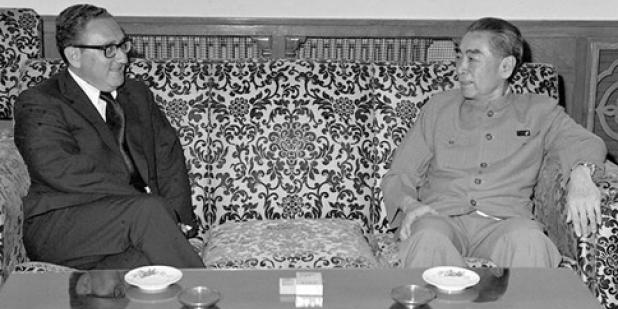
/https:/tf-cmsv2-smithsonianmag-media.s3.amazonaws.com/filer/f4/cb/f4cb92c9-4131-4e0f-ae4a-307144393214/nixoncampaigns.jpg)
No comments:
Post a Comment