20261030 CDTL NRM D122 20 October 1975 122. Bản ghi nhớ cuộc Hội đàm.
https://history.state.gov/historicaldocuments/frus1969-76v18/d122
Google Translated
Tài liệu 122
Quan hệ Đối ngoại Hoa Kỳ, 1969–1976, Tập
XVIII, Trung Quốc, 1973–1976
122. Bản ghi nhớ cuộc Hội đàm.
Bắc Kinh, ngày 20 tháng 10 năm 1975, 16:15–18:35
THÀNH PHẦN THAM DỰ
Đặng Tiểu Bình, Phó Thủ tướng Quốc vụ viện, Cộng hòa
Nhân dân Trung Hoa
Kiều Quán Hoa, Bộ trưởng Bộ Ngoại giao
Vương Hải Dung, Thứ trưởng Bộ Ngoại giao
Hoàng Trấn, Trưởng Văn phòng Liên lạc Cộng hòa Nhân
dân Trung Hoa tại Washington
Lâm Bình, Vụ trưởng Vụ châu Mỹ và châu Đại Dương, Bộ
Ngoại giao
Đường Văn Sinh, Phó Vụ trưởng Vụ châu Mỹ và châu Đại
Dương, Bộ Ngoại giao
Tiền Đại Dung, Tham tán Chính trị, Văn phòng Liên lạc
Cộng hòa Nhân dân Trung Hoa tại Washington
Đinh Nguyên Hồng, Vụ trưởng Vụ Hoa Kỳ, Vụ châu Mỹ và
châu Đại Dương, Bộ Ngoại giao
Triệu Kỳ Hoa, Phó Vụ trưởng Vụ Hoa Kỳ, Vụ châu Mỹ và
châu Đại Dương, Bộ Ngoại giao
Thạch Yến Hoa (Phiên dịch viên)
Henry A. Kissinger, Bộ trưởng Ngoại giao kiêm Trợ lý Tổng
thống phụ trách các vấn đề An ninh Quốc gia
Philip C. Habib, Trợ lý Bộ trưởng Ngoại giao phụ trách
các vấn đề Đông Á và Thái Bình Dương
George Bush, Trưởng Văn phòng Liên lạc Hoa Kỳ tại Bắc
Kinh
Winston Lord, Giám đốc Ban Hoạch định Chính sách, Bộ
Ngoại giao
William H. Gleysteen, Phó Trợ lý Bộ trưởng Ngoại giao
phụ trách các vấn đề Đông Á và Thái Bình Dương
Oscar V. Armstrong, Giám đốc Văn phòng phụ trách các vấn
đề Cộng hòa Nhân dân Trung Hoa và Mông Cổ, Bộ Ngoại giao
Richard H. Solomon, Chuyên viên cao cấp, Hội đồng An
ninh Quốc gia
CHỦ ĐỀ
Chiến lược toàn cầu trong việc đối phó với Liên
Xô; những bài học lịch sử từ thập niên 1930
Phó Thủ tướng Đặng Tiểu Bình:
Ông đã đến thăm Tử Cấm Thành ư?!
Bộ trưởng Kissinger:
Tôi rất thích đến đó. Trong chuyến thăm trước, tôi đã “trốn” khỏi những người
tháp tùng mình để tự mình đi thăm nơi đó. Tôi rất trân trọng mọi sự sắp xếp mà
ông đã thực hiện.
Phó Thủ tướng Đặng:
Theo tôi thấy, trong số tất cả các bậc hoàng đế, quân vương [trên thế giới],
các hoàng đế Trung Hoa dường như không biết cách tận hưởng cuộc sống.
Bộ trưởng Kissinger:
Không biết cách tận hưởng cuộc sống ư?
Phó Thủ tướng Đặng:
Xét về ăn mặc thì có lẽ là biết, nhưng xét về chất lượng nơi ở thì họ lại chẳng
biết cách tận hưởng cuộc sống chút nào. [Trang 766] Một điều nữa là các hoàng
đế Trung Hoa thay y phục mỗi ngày — ngày nào cũng mặc đồ mới! Ông có
nghĩ rằng việc ngày nào cũng mặc đồ mới là thoải mái không? Rồi trong mỗi bữa
ăn, hoàng đế được dọn tới 99 món. Thực tế thì họ cũng chỉ có thể ăn những món đặt
ngay trước mặt mình mà thôi.
Bộ trưởng Kissinger:
Nghe thì chẳng thấy có gì là phiền toái hay khổ sở cả. Nếu ông dành cho tôi một
góc [trong Tử Cấm Thành] thôi, tôi cũng đã thấy thoải mái lắm rồi.
Phó Thủ tướng Đặng:
Nơi đó là do Từ Hy Thái hậu cho xây dựng đấy.
Một đặc điểm khác của các hoàng đế Trung Hoa
là bất cứ món ăn nào họ nghĩ đến, họ đều muốn có ngay lập tức. Các đầu bếp
hoàng gia chỉ dám dâng lên những món dễ kiếm nhất; nếu họ dọn món khác không
đúng ý, hoàng đế sẽ giết họ ngay!
Bộ trưởng Kissinger:
Tại sao lại như vậy?
Phó Thủ tướng Đặng:
Bởi vì các đầu bếp chỉ có thể lấy được những nguyên liệu sẵn có trong mùa đó. Nếu
hoàng đế đòi một món mà không có, ông ấy sẽ giết người đầu bếp.
Bộ trưởng Kissinger:
Các nhân viên của tôi tại Bộ Ngoại giao cũng làm y như vậy. Họ cố tình hạn
chế các lựa chọn của tôi.
Phó Thủ tướng Đặng:
Chúng ta hãy chuyển sang các vấn đề cần thảo luận. Trước hết, tôi xin trình bày
quan điểm của chúng tôi.
Quan hệ giữa hai nước bắt đầu từ tháng 2 năm 1972,
trong chuyến thăm Tầu cộng của Tổng thống Nixon. Trước đó,
Tiến sĩ đã có những chuyến thăm Bắc Kinh để chuẩn bị cho chuyến
thăm của Tổng thống Nixon. Chúng tôi đã nhiều lần bày tỏ sự trân trọng đối
với những lời phát biểu đầu tiên của cựu Tổng thống Nixon khi gặp Chủ
tịch Mao. Khi đó, ông ấy nói: “Tôi đến Tầu cộng vì lợi
ích quốc gia của chúng tôi”. Chúng tôi cũng đánh giá cao quyết định đầy can đảm
này của Tổng thống Nixon, đồng thời hiểu rõ sự chân thành của ông
khi khẳng định rằng ông đến Tầu cộng vì lợi ích quốc gia của Hoa
Kỳ. Chúng tôi tin rằng đây không chỉ là những lời ngoại giao xã giao.
Sau đó, Tiến sĩ đã có thêm vài chuyến thăm Tầu cộng.
Chủ tịch Mao từng nói với Tổng thống Nixon cũng như với Tiến sĩ
rằng hai bên có những điểm chung, vốn đã được phản ánh trong Thông cáo Thượng
Hải. Mục tiêu chung của chúng ta là kiềm chế “gấu Bắc Cực” –
tức là đối phó với “gấu Bắc Cực”.
Tôi tin rằng Tiến sĩ vẫn còn nhớ, khi bàn về vấn đề Trung
Đông, Chủ tịch Mao đã khuyên Hoa Kỳ nên sử dụng “hai bàn
tay”. Nghĩa là, không nên chỉ dùng một tay để hỗ trợ Israel, mà cần dùng
cả tay kia để giúp đỡ các quốc gia Ả Rập, đặc biệt là Ai Cập.
Trong cuộc trò chuyện đó, Chủ tịch Mao nhấn mạnh rằng Tầu cộng
ủng hộ các quốc gia Ả Rập. Lập trường này của Tầu cộng khác
với lập trường của Hoa Kỳ. Nhưng chúng ta cũng có thể tìm thấy một điểm
chung—đó là cả hai bên đều có thể cùng giải quyết vấn đề “gấu Bắc Cực”. [Trang
767]
Chủ tịch Mao
đã nhiều lần nhấn mạnh rằng, giữa chúng ta tuy có tồn tại một số vấn đề trong
quan hệ song phương, nhưng quan trọng hơn cả vẫn là các vấn đề quốc tế. Đối với
các vấn đề quốc tế, chúng tôi cho rằng cần phải nhìn nhận dưới góc độ chính trị.
Chỉ khi đó, chúng ta mới có thể đạt được quan điểm chung và phối hợp với nhau
trên một số phương diện. Chính ở điểm này, chúng tôi đánh giá cao tầm nhìn
chính trị của Tổng thống Nixon. Chúng tôi chưa bao giờ coi trọng cái gọi
là “sự kiện Watergate”. Khi nói đến các vấn đề chính trị, ý tôi là cách
thức chúng ta ứng xử với Liên Xô. Đây là một vấn đề chiến lược—một
vấn đề chiến lược toàn cầu.
Sáng nay, tôi đã chăm chú lắng nghe những ý kiến của
Tiến sĩ; theo đó, Hoa Kỳ dường như có một thế giới quan rõ ràng về mặt
chiến lược, nhưng hiện tại các ông lại chỉ đang cân nhắc đến các sách lược (chiến
thuật). Theo cách hiểu của tôi, sách lược phải được định hướng bởi chiến lược
và phục vụ cho chiến lược đó. Các sách lược được triển khai trên nhiều lĩnh vực
khác nhau có thể phù hợp với chiến lược, nhưng cũng có khi lại đi chệch hướng
khỏi chiến lược ấy.
Tiến sĩ dường như cho rằng phía Tầu cộng
tỏ ra cứng nhắc trong các sách lược—tôi hiểu ông đang ám chỉ điều gì. Ông nhấn
mạnh vào sự linh hoạt. Nếu tự đánh giá về mình, chúng tôi có thể khẳng định rằng
chúng tôi chưa bao giờ cứng nhắc. Chúng tôi cho rằng sự linh hoạt phải phù hợp
với các yêu cầu chiến lược. Nếu quá linh hoạt, người ta sẽ tự hỏi liệu chiến lược
thực sự ở đây là gì.
Sáng nay, Tiến sĩ đã đề cập trước tiên đến chiến lược đối
với Liên Xô. Giữa chúng ta vẫn tồn tại những khác biệt về vấn đề này. Chúng tôi
tin rằng trọng tâm trong chiến lược của Liên Xô nằm ở phương Tây,
tại châu Âu—bao gồm cả Trung Đông, Địa Trung Hải và Vịnh Ba Tư—tất
cả những khu vực có liên hệ mật thiết với châu Âu.
Mặc dù Liên Xô đã triển khai một triệu
quân dọc theo đường biên giới dài 7.200 km [giữa Nga và Tầu cộng],
nhưng chiến lược của họ vẫn hướng về phương Tây. Chiến lược của Liên Xô
là “dương đông kích tây” — giả vờ tấn công ở phía Đông nhưng thực chất lại nhắm
vào phía Tây.
Về điểm này, phía Hoa Kỳ đã nhiều lần nhấn mạnh
với chúng tôi về nguy cơ Liên Xô có thể tấn công Tầu cộng.
Tôi tin rằng Bác sĩ vẫn còn nhớ việc Chủ tịch Mao đã có một cuộc
trao đổi sâu sắc với ông về vấn đề này. Ông ấy đi đến kết luận rằng "gấu
Bắc Cực" đang nhắm vào việc gây khó dễ cho Hoa Kỳ.
Chúng tôi đã không ít lần nghe vị Tiến sĩ nói rằng, việc
Liên Xô thực hiện đòn nghi binh ở phía Đông trong khi tấn công ở
phía Tây, hay ngược lại – nghi binh ở phía Tây trong khi tấn công ở phía Đông –
thì cũng chẳng khác biệt gì mấy.
Chúng tôi lại có quan điểm khác. Đánh giá chiến lược của
Liên Xô như thế nào? Đây không phải là vấn đề ngôn từ, mà là vấn
đề thực chất. Cách đánh giá này chính là điểm khởi đầu để hoạch định các sách
lược ứng phó với các vấn đề quốc tế.
Chúng tôi cho rằng trọng tâm chiến lược của Liên
Xô nằm ở phía Tây, với mục tiêu nhắm vào Hoa Kỳ. Ngay cả một triệu
quân Liên Xô đang đồn trú ở phía Đông cũng chủ yếu nhắm vào Hạm đội
7 của Hoa Kỳ, chứ không chỉ đơn thuần nhắm vào Tầu cộng. Theo thứ
tự ưu tiên, lực lượng này nhắm vào Hạm đội 7, kế đến là Nhật Bản, rồi mới tới Tầu
cộng. Một lần nữa, chúng tôi khẳng định trọng tâm của Liên Xô
nằm ở phía Tây.
Chúng tôi cũng đang thực hiện những công tác chuẩn bị
vững chắc. Tuy nhiên, không nên hiểu lầm rằng khi đưa ra quan điểm này, Tầu
cộng đang cố hướng Liên Xô về phía Tây để tránh cho mình khỏi bị đe dọa
ở phía Đông.
Tôi được biết trong chuyến thăm Tầu cộng
lần đầu tiên của ông – trước cả chuyến thăm của Tổng thống Nixon – Thủ
tướng Chu Ân Lai đã có cuộc trao đổi với ông. Dù tôi không có mặt ở đó,
nhưng được biết Thủ tướng đã nói rằng chiến lược của Tầu cộng là
chuẩn bị sẵn sàng để đối phó với hành động gây hấn từ mọi phía. Khi ấy, Thông
cáo Thượng Hải vẫn chưa ra đời. Dù đã đọc biên bản cuộc trò chuyện đó, tôi
không nhớ chính xác nguyên văn ra sao, nhưng đại ý là Thủ tướng đã nói với ông
rằng: ngay cả khi Liên Xô chiếm vùng đất phía bắc sông Hoàng
Hà, Nhật Bản chiếm vùng Đông Bắc, Hoa Kỳ chiếm vùng phía Đông, còn Ấn
Độ chiếm Tây Tạng, thì chúng tôi cũng chẳng hề sợ hãi. Đó là suy nghĩ của
chúng tôi vào thời điểm đó.
Kể từ sau Thông cáo Thượng Hải, chúng tôi không
còn nhắc lại những lời này nữa. Chúng tôi luôn tin rằng cần phải dựa vào sức mạnh
độc lập của chính mình để đối phó với Liên Xô, và chưa bao giờ
nuôi dưỡng bất kỳ ảo tưởng nào về vấn đề này. Chúng tôi đã bày tỏ quan điểm đó
với vị Tiến sĩ cũng như với những người bạn Mỹ đến thăm Tầu cộng.
Chúng tôi không dựa vào vũ khí hạt nhân, lại càng không dựa vào sự bảo hộ hạt nhân
[từ các quốc gia khác]. Chúng tôi dựa vào hai yếu tố: Thứ nhất là sự kiên trì của
800 triệu người dân Tầu cộng. Nếu Liên Xô muốn tấn
công Tầu cộng, họ phải chuẩn bị cho một cuộc chiến kéo dài ít nhất
hai thập kỷ. Chúng tôi chủ yếu dựa vào “kê và súng trường”. Tất nhiên, “kê và
súng trường” này khác với những gì chúng tôi từng có thời kỳ Diên An.
Chúng tôi theo đuổi chính sách tự lực cánh sinh trong công cuộc xây dựng kinh tế
cũng như trong các vấn đề chiến lược.
Như tôi vừa đề cập, chúng tôi không hề có ý định hướng
mối đe dọa từ Liên Xô về phía Tây; tuy nhiên, chúng tôi vẫn quan
tâm đến phương Tây, bởi nếu Liên Xô gây hấn, thì trọng tâm của họ sẽ đặt tại
phương Tây. Dĩ nhiên là chúng tôi phải lo ngại về điều đó. Chính từ nhận định
này, chúng tôi mong muốn thấy một châu Âu thống nhất và hùng mạnh — bao gồm cả
việc cải thiện quan hệ giữa châu Âu và Hoa Kỳ.
Cũng chính từ nhận định chiến lược này, chúng tôi đã
khuyên các ông nên sử dụng cả hai tay trong cách ứng xử với cả người Ả Rập lẫn
người Israel. [Trang 769]
Cũng xuất phát từ nhận định chiến lược đó, chúng tôi từng
bày tỏ sự khó hiểu trước thái độ của Hoa Kỳ khi Liên Xô và Ấn Độ chia cắt
Pakistan.
Đây vừa là các vấn đề chính trị, vừa là các vấn đề chiến
lược; trong đó bao gồm cả những sách lược được định hướng bởi chính các vấn đề
chiến lược này — chẳng hạn như lời khuyên của chúng tôi về việc sử dụng “cả hai
tay” [tại Trung Đông] chính là một sách lược.
Cũng chính từ nhận định chiến lược này, chúng tôi thường
nói với các ông, cũng như với phía Nhật Bản, rằng Nhật Bản nên ưu tiên hàng đầu
cho quan hệ với Hoa Kỳ, rồi mới đến quan hệ với Tầu cộng. Điều
này không chỉ liên quan đến phương Tây mà còn cả phương Đông.
Về vấn đề này, chúng tôi đã nhiều lần khuyên những người
bạn Mỹ rằng Hoa Kỳ nên xác định trọng tâm chiến lược của riêng mình. Chúng tôi
thường nói rằng Hoa Kỳ đang cố giữ mười con bọ chét dưới mười ngón tay, và Hoa
Kỳ không nên để mình sa lầy vào vũng bùn ở Đông Dương.
Cũng xuất phát từ cân nhắc chiến lược đó, khi Hoa Kỳ
xây dựng căn cứ quân sự tại Diego Garcia trên Ấn Độ Dương, Tầu cộng
đã không đưa ra lời chỉ trích nào.
Đối với những vấn đề này và một số vấn đề khác, chúng
tôi luôn xuất phát từ các cân nhắc chính trị và chiến lược để giải quyết các vấn
đề quốc tế cũng như quan hệ song phương. Chúng tôi đã đưa ra đánh giá về chiến
lược của Liên Xô sau khi nghiên cứu kỹ lưỡng tình hình quốc tế.
Trong các cuộc trao đổi với phía châu Âu, họ thường xuyên đặt ra câu hỏi: “Nếu
có biến cố xảy ra ở châu Âu, thái độ của Hoa Kỳ sẽ như thế nào?” Tôi xin
nói thẳng với Tiến sĩ rằng, phía châu Âu rất lo ngại về điểm này.
Bộ trưởng Kissinger:
Nhưng câu hỏi của chúng tôi là, thái độ của phía châu Âu sẽ ra sao?
Phó Thủ tướng Đặng Tiểu Bình:
Có lẽ điều này liên quan đến mối quan hệ của các ông với phía châu Âu. Tiến sĩ
có lẽ còn nhớ, vào năm 1973, Chủ tịch Mao Trạch Đông
từng hỏi ông liệu có khả năng xuất hiện một chủ nghĩa biệt lập mới tại Hoa Kỳ
hay không. Ông đã trả lời là không.
Bộ trưởng Kissinger:
Tôi vừa nói với ông Lord rằng tôi biết mình là người khá tinh quái, nhưng cũng
không đến mức tinh quái đến độ trả lời “có” cho một câu hỏi phủ định như vậy.
(Cười)
Phó Thủ tướng Đặng Tiểu Bình:
Tuy nhiên, qua đó ông có thể hiểu được suy nghĩ của Chủ tịch Mao Trạch
Đông cũng như quan điểm của chúng tôi. Cách nhìn nhận tình hình này đã
có từ thời điểm diễn ra các cuộc đàm phán về vũ khí hạt nhân đầu tiên giữa Hoa
Kỳ và Liên Xô vào năm 1963. Hiệp ước đó được soạn thảo bởi ba quốc
gia, và nó đã để lại ấn tượng sâu sắc trong tôi vào thời điểm ấy. Tôi đã thực
hiện chuyến thăm cuối cùng tới Liên Xô với tư cách là trưởng đoàn
đại biểu Đảng Cộng sản Tầu cộng sang đàm phán với phía Nga; và
đúng ngày chúng tôi rời [Moscow] thì hiệp ước [về không phổ biến vũ khí hạt
nhân] được công bố.
Khi đó, các cuộc đàm phán của chúng tôi với Liên
Xô đã hoàn toàn đổ vỡ, và chúng tôi tin chắc rằng một phần quan trọng
nhất của hiệp ước này là nhằm vào Tầu cộng. Tôi không nghi ngờ gì
về việc vào thời điểm đó, thái độ của Hoa Kỳ và Anh là muốn kiềm chế sự phát
triển hạt nhân của Liên Xô. Tất nhiên, đây là vấn đề chiến lược;
còn xét về mặt chiến thuật, thì sau hơn chín năm—gần mười năm—tình hình đã thay
đổi. Thực tế cho thấy mục tiêu—hay mục đích—của các chiến thuật đó đã không đạt
được.
Năm 1972, khi các ông đạt được thỏa thuận thứ hai
[trong khuôn khổ SALT], Liên Xô đã đẩy nhanh tốc độ phát triển vũ khí hạt
nhân một cách đáng kể—nhanh hơn cả Hoa Kỳ. Đến khi thỏa thuận thứ ba [về ngăn
ngừa chiến tranh hạt nhân] được ký kết giữa hai nước các ông, thì [cán cân chiến
lược] đã đạt đến trạng thái cân bằng. Tháng 11 năm ngoái, khi chúng ta gặp nhau
[sau cuộc họp tại Vladivostok], Tiến sĩ đã thông báo với chúng
tôi rằng số lượng tên lửa của Liên Xô vẫn chưa chạm mức trần; thế nhưng sáng
nay, các ông lại cho biết số lượng tên lửa của Liên Xô đã vượt quá mức trần
đó—chưa kể đến yếu tố chất lượng.
Đây là quan sát của chúng tôi từ một góc độ. Trong cuộc
chạy đua giữa Liên Xô và Hoa Kỳ, phía Hoa Kỳ đã
không giành được lợi thế. Xét về vũ khí thông thường, Liên Xô đã
vượt xa các vị và châu Âu.
Đã gần mười một tháng kể từ lần gặp gỡ năm ngoái.
Trong khoảng thời gian này, chúng tôi đã tiếp tục quan sát và rút ra nhận định
rằng Hội nghị Helsinki—cũng như các sự kiện diễn ra trước đó—là những dấu
hiệu cho thấy việc nhìn lại lịch sử là điều rất đáng giá.
Bộ trưởng Kissinger:
Những sự kiện nào vậy?
Phó Thủ tướng Đặng:
À, đó là các vấn đề thuộc nhiều loại hình khác nhau mà chúng ta đã đề cập trước
đó.
Khi nói đến việc nhìn lại lịch sử, tôi muốn nhắc đến
giai đoạn trước Chiến tranh thế giới thứ hai—cụ thể là khoảng thời gian từ năm
1936 đến 1939, một giai đoạn rất đáng để suy ngẫm. Tiến sĩ là người nghiên cứu
lịch sử, tôi tin rằng ông am hiểu vấn đề này hơn tôi.
Theo tôi được biết, Tiến sĩ từng nhận định rằng trên
thực tế, Liên Xô đã tiến xa hơn cả khu vực Rhineland. Điều
này cho thấy Tiến sĩ đã nghiên cứu kỹ về vấn đề này. Chắc ông còn nhớ thái độ của
Anh và Pháp sau khi quân Đức tiến vào Rhineland, cũng như chính sách mà Chamberlain
và Daladier đã theo đuổi. Họ thực hiện chính sách nhượng bộ (xoa dịu) đối với
Hitler, và chẳng bao lâu sau đó, Hiệp định Munich đã được ký kết.
Mục đích của Chamberlain và Daladier khi theo
đuổi các chính sách đó rất rõ ràng. Họ muốn hướng mối đe dọa về phía Đông; mục
tiêu trước hết là xoa dịu Hitler để ngăn ông ta thực hiện những hành động liều
lĩnh, và mục tiêu thứ hai là lái mối nguy hiểm đó sang hướng Đông. Những thực tế
lịch sử khắc nghiệt đã chứng minh sự thất bại trong các chính sách của Chamberlain
và Daladier. Kết quả hoàn toàn trái ngược với mong muốn của họ: họ không những
không đạt được hòa bình và ổn định quốc tế, mà cũng chẳng thể hướng mối đe dọa
từ Hitler về phía Đông. Thay vào đó, mũi nhọn của Hitler lại chĩa về phía
Tây—nhắm vào Tiệp Khắc và Ba Lan. Những quốc gia này nằm ở phía Tây, và quân Đức
đã không tấn công Liên Xô trước. Nếu tôi nhớ không lầm qua những
gì đã đọc trên báo chí, thì khi Chamberlain đến thăm Đức, ông ta có mang
theo một chiếc ô. Chiếc ô đó chẳng che được nắng hay mưa—ý tôi là, nó chẳng
giúp ích gì trước nắng hay mưa cả. Vào thời điểm đó, Pháp tự hào rằng họ có
phòng tuyến Maginot. Thế nhưng, Đức đã không tấn công phòng tuyến
Maginot. Họ tấn công từ hướng Bỉ, đánh vào nước Pháp, khiến nước Pháp sụp đổ,
còn Chamberlain thì từ bỏ mọi sự kháng cự. Ông ta huy động tất cả tàu bè
để rút khỏi Dunkirk—nói cách khác, ông ta muốn tìm đường tháo chạy.
Như vậy, chính sách nhân nhượng này thực chất đã dẫn đến
việc Chiến tranh thế giới thứ hai bùng nổ sớm hơn. Trong các cuộc tiếp xúc với
nhiều người châu Âu, họ thường nhắc đến những bài học từ sự kiện Munich.
Theo quan sát của chúng tôi, có thể nói rằng nguy cơ tái diễn một bi kịch lịch
sử như vậy đang ngày càng lớn.
Vừa rồi, vị bác sĩ có hỏi ngoài Hội nghị Helsinki
ra thì còn có những vấn đề gì khác. Sáng nay, tôi đã nêu ra ba câu hỏi với các
ông; điều đó cho thấy vẫn còn những vấn đề khác bên cạnh Hội nghị Helsinki.
Xét về mặt chiến lược, vũ khí của Liên Xô
đã vượt xa vũ khí của phương Tây. Các bên cũng đã đạt đến trạng thái cân bằng về
vũ khí. Xét về tổng thể sức mạnh quân sự, Liên Xô sở hữu tiềm lực
quân sự lớn hơn cả Hoa Kỳ và các quốc gia châu Âu cộng lại. Tuy nhiên, Liên
Xô lại có hai điểm yếu lớn: thứ nhất là thiếu hụt lương thực; thứ hai
là thiết bị công nghiệp và công nghệ còn lạc hậu. Về lâu dài, dù có sức mạnh
quân sự vượt trội, nhưng chính hai điểm yếu này lại đặt Liên Xô
vào thế bất lợi. Sức mạnh của họ bị hạn chế, đến mức nếu chiến tranh nổ ra, Liên
Xô sẽ không thể trụ vững được lâu.
Vì vậy, chúng tôi không hiểu tại sao Hoa Kỳ và
phương Tây lại sử dụng chính thế mạnh của mình để bù đắp cho những điểm yếu của
Liên Xô. Nếu Hoa Kỳ và châu Âu biết tận dụng những điểm yếu
đó của Liên Xô, thì các ông hẳn đã có thể ở vào vị thế đàm phán mạnh
mẽ hơn nhiều. [Trang 772]
Về quan điểm của chúng tôi đối với Hội nghị
Helsinki, tôi nghĩ ông đã biết quan điểm của chúng tôi, vốn khác biệt với
quan điểm của phía các ông. Chúng tôi gọi đó là “Hội nghị về sự mất an ninh
châu Âu”, trong khi các ông lại gọi là “Hội nghị về an ninh châu Âu”. Hiệp định
Munich từng che mắt Chamberlain, Daladier và một bộ phận người dân châu
Âu. Việc các ông cung cấp nguồn lực cho Liên Xô, bù đắp những điểm
yếu của họ, chính là đang giúp Liên Xô vượt qua các khiếm khuyết
của chính mình. Có thể nói rằng các ông đã che mắt phương Tây, làm suy giảm
tinh thần của người dân phương Tây và khiến họ trở nên lơi lỏng, chậm chạp hơn.
Người Tầu cộng chúng tôi có câu: Muốn con lừa kéo cối xay thì phải
bịt mắt nó lại.
Đây là một vấn đề chính trị, hay có thể nói là một vấn
đề chiến lược trong tình hình hiện nay mà mọi người đặc biệt quan tâm. Chúng
tôi đang trình bày quan điểm của mình về những vấn đề này một cách vô cùng thẳng
thắn.
Đối với người Nga, họ cảm thấy rằng các ông không thể
kiềm chế được họ. Họ là những đối tượng không đáng tin cậy và không thể bị kiểm
soát. Tất nhiên, ở phương Tây — bao gồm cả Hoa Kỳ — tồn tại hai luồng dư luận.
Phần lớn dư luận đã nhìn nhận rõ thực tế này. Một bộ phận đáng kể, chiếm đa số
trong dư luận, đã nhận ra điều đó. Chúng tôi hiểu rằng người Mỹ, người châu Âu,
và cả người Nhật Bản, đều không muốn chiến tranh vì họ đã từng trải qua hai cuộc
Thế chiến. Chúng tôi có thể hiểu được điều này; họ sợ chiến tranh.
Chúng tôi luôn cho rằng việc đặt hy vọng vào Hội nghị
an ninh châu Âu hay bất kỳ cơ chế nào khác nhằm xoa dịu người Nga đều sẽ thất bại.
Những nỗ lực đó chỉ phản tác dụng. Chẳng hạn, người châu Âu ngày đêm lo sợ chiến
tranh. Họ hy vọng có thể đổi lấy hòa bình trong một khoảng thời gian nhất định
bằng bất cứ giá nào. Chính vì lý do đó, chúng ta không nên để quá trình “giảm
căng thẳng” (détente) làm họ mất cảnh giác. Chúng ta cần nhắc nhở họ về nguy cơ
bị “gấu Bắc Cực” tấn công. Vì vậy, mỗi khi gặp gỡ các vị khách nước
ngoài, Chủ tịch Mao đều khuyên họ phải chuẩn bị sẵn sàng. Nếu
không chuẩn bị, họ sẽ phải gánh chịu hậu quả. Cách hiệu quả nhất để đối phó với
một cuộc tấn công tiềm tàng từ phía Nga không nằm ở những gì được gọi là thỏa
thuận hay hiệp ước – những thứ chỉ nằm trên giấy tờ – mà nằm ở công tác chuẩn bị
thực tế.
Về phía Tầu cộng, chúng tôi đã nhiều lần
khẳng định với các ông – và nay tôi xin nhắc lại một cách thẳng thắn – rằng Tầu
cộng không sợ bất cứ điều gì trên trời hay dưới đất. Tầu cộng
sẽ không cầu xin ân huệ từ bất kỳ ai. Chúng tôi dựa vào việc đào hầm, dựa vào
“kê và súng trường” để giải quyết mọi vấn đề, dù là trên bình diện quốc tế hay
trong nước, bao gồm cả các vấn đề ở phương Đông.
Trên thế giới có quan điểm cho rằng Tầu cộng
lo sợ một cuộc tấn công từ phía Nga. Với tư cách là một người bạn, tôi xin nói
thẳng rằng nhận định đó là sai lầm.
Hôm nay, chúng ta chỉ bàn về các vấn đề chiến lược.
Ngài Tiến sĩ từng là giáo sư. Tôi đã dành 50 phút để trình bày, thậm chí còn
quá thời gian đó. Âu cũng vì tôi chỉ là một người lính, nên thật khó để gói gọn
mọi thứ trong đúng 50 phút. Tôi từng có thời gian giảng dạy tại một ngôi trường,
cũng từng đứng lớp 50 phút, nhưng tôi chưa bao giờ là một giáo sư thực thụ. Tôi
đã chiếm quá nhiều thời gian của các ông rồi.
Bộ trưởng Kissinger:
Không sao, những chia sẻ đó rất thú vị và quan trọng.
Chúng ta có thể nghỉ giải lao năm phút được không? Sau
đó, có lẽ tôi sẽ đưa ra một vài nhận xét.
Phó Thủ tướng Đặng:
Vâng, được chứ.
(Đoạn này có một khoảng nghỉ ngắn.)
Bộ trưởng Kissinger:
Ngài muốn tôi đưa ra nhận xét ngay bây giờ, hay ngài có đề xuất gì khác về cách
thức tiếp tục cuộc đối thoại?
Phó Thủ tướng Đặng:
Vâng, xin mời ông cứ tiếp tục.
Bộ trưởng Kissinger:
Tôi đã lắng nghe phần trình bày của Phó Thủ tướng với sự quan tâm sâu sắc và
xin được đưa ra một vài nhận xét như sau.
Trước hết, tôi nhận thấy ngài thường xuyên nhắc đến Tổng
thống Nixon. Tôi từng làm việc rất chặt chẽ với ông ấy. Có thể nói rằng,
chính chúng tôi đã cùng nhau hoạch định chính sách mà ngài vừa bày tỏ sự tán đồng.
Hơn nữa, tôi vẫn giữ liên lạc thường xuyên với ông ấy – cứ mỗi hai hoặc ba tuần
một lần, chúng tôi lại trao đổi khá kỹ lưỡng – nên tôi nắm rất rõ quan điểm của
ông ấy. Tôi có thể khẳng định rằng chính sách mà chúng ta đang theo đuổi ngày
nay chính là chính sách mà Tổng thống Nixon sẽ thực hiện nếu không có sự
kiện Watergate. Chính sách đối với Liên Xô đang được áp dụng
hiện nay là do Tổng thống Nixon và cá nhân tôi cùng hoạch định, và đó vẫn
là chính sách đang được duy trì đến tận bây giờ. Không hề có sự khác biệt nào
giữa chính sách của Tổng thống Nixon và chính sách của Tổng thống Ford đối
với Liên Xô. Nếu có chăng, thì Tổng thống Ford tỏ ra cứng
rắn hơn một chút đối với Liên Xô. Tôi nói điều này với tư cách là
một nhân vật công chúng duy nhất vẫn giữ liên lạc với Tổng thống Nixon,
chưa từng chỉ trích ông, và từng công khai khẳng định rằng ông đã có những đóng
góp to lớn trong lĩnh vực chính sách đối ngoại.
Gạt vấn đề đó sang một bên, tôi phải nói rằng tôi đã lắng
nghe bài phát biểu của Phó Thủ tướng với một nỗi buồn nhất định. Tôi từng
nghĩ—và rõ ràng là đã nghĩ sai—rằng một số tuyên bố công khai mà tôi được nghe
chỉ nhằm mục đích tạo hiệu ứng trước công chúng. Nhưng thực tế lại không phải
như vậy. Điều khiến tôi thấy đáng tiếc là: tôi có thể hiểu được việc hai quốc
gia, dù cùng chia sẻ một nhận thức chung, vẫn có thể áp dụng các chiến thuật
khác nhau—và họ hoàn toàn có thể thấu hiểu chiến thuật của nhau. Điều đó chẳng
có gì khó khăn cả. Nhưng nếu không có một nhận thức chiến lược chung, thì người
ta buộc phải tự hỏi: rốt cuộc chính sách của chúng ta dựa trên cơ sở nào? Nếu
các ông thực sự tin rằng chúng tôi đang cố gắng thúc đẩy Liên Xô
tấn công về phía Đông, thì chúng ta đang đứng trước nguy cơ lớn là sẽ lãng phí
mọi nỗ lực—của cả các ông lẫn của tất cả những bên liên quan khác.
Phó Thủ tướng đã rất nhã nhặn khi chỉ ra những bài học
lịch sử giai đoạn 1936–1939. Ông ấy lưu ý rằng những thế lực ở phương Tây từng
cố gắng đẩy kẻ xâm lược về phía Đông cuối cùng lại trở thành những nạn nhân đầu
tiên của chính cuộc tấn công đó; điều này hoàn toàn đúng. Nhưng cũng đúng là những
thế lực ở phương Đông—những bên từng tìm cách thoát khỏi tình thế tiến thoái lưỡng
nan bằng cách đẩy kẻ xâm lược về phía phương Tây—cuối cùng vẫn trở thành mục
tiêu của chính kẻ xâm lược đó.
Khi chúng tôi nói rằng phương Tây và phương Đông về cơ
bản cùng đối mặt với một vấn đề chiến lược, thì không phải vì chúng tôi có ý định
tham gia vào việc phòng thủ cho phương Đông. Bất kỳ ai hiểu rõ tình hình nội bộ
nước Mỹ đều biết rằng đây không thể là tham vọng hàng đầu của chúng tôi. Chúng
tôi nói như vậy vì xét về mặt chiến lược, dù cuộc tấn công xảy ra ở đâu, nó
cũng sẽ gây ảnh hưởng đến phía còn lại. Và bản thân các ông cũng đang hành động
dựa trên những giả định đó.
Chúng tôi nói điều này không phải để làm ơn cho các
ông—bởi lẽ ở những khu vực khác trên thế giới, các ông cũng chẳng giúp ích gì
nhiều cho chúng tôi. Chúng tôi làm điều này vì lợi ích quốc gia của chính chúng
tôi.
Vào tháng 1 năm 1971, trước khi chúng tôi đặt chân đến
Tầu cộng, trong cuộc khủng hoảng tại Ấn Độ—khi Ấn Độ chia cắt
Pakistan—tôi đã có cuộc trao đổi với Đại sứ của các ông tại New York vào một buổi
tối thứ Sáu. Ông ấy nói với tôi rằng: Tầu cộng sẽ luôn chiến đấu,
chừng nào còn trong tay dù chỉ một khẩu súng trường. Sau đó, tôi nói với ông ấy
rằng chúng tôi sẽ điều một tàu sân bay đến Vịnh Bengal. Vào sáng Chủ nhật,
khi đang trên đường tới Azores để gặp Tổng thống Pompidou, chúng
tôi nhận được tin Đại sứ của các ông tại New York muốn gặp chúng tôi; vì
vậy, chúng tôi đã cử Tướng Haig đến gặp ông ấy. Lúc đó, chúng tôi cho rằng
có thể các ông sắp thực hiện một hành động quân sự nào đó. Tổng thống Nixon
và tôi đã quyết định rằng, dù hai bên chưa có quan hệ ngoại giao, nếu các ông
hành động và Liên Xô gây áp lực lên các ông, chúng tôi sẽ phản
kháng và hỗ trợ các ông, ngay cả khi các ông không yêu cầu. Chúng tôi làm điều
đó vì tin rằng đó là lợi ích quốc gia của chính chúng tôi.
Gần đây, chúng tôi cũng đã khẳng định lại với Thủ
tướng Pakistan – khi ông ấy hỏi về vấn đề này – rằng chúng tôi sẽ không đứng
ngoài cuộc nếu Liên Xô gây áp lực lên Tầu cộng vì
tình hình tại Ấn Độ. Chắc hẳn ông ấy đã chuyển đạt điều này tới các ông. Một lần
nữa, cần nhấn mạnh rằng các ông không hề yêu cầu chúng tôi làm vậy, và chúng
tôi cũng không thực hiện điều đó như một sự ưu ái dành cho Tầu cộng.
Kể từ khi tôi làm việc tại Washington, chúng
tôi đã từng đối đầu với Liên Xô ba lần: một lần liên quan đến căn cứ tàu ngầm hạt
nhân tại Cuba; một lần liên quan đến việc Syria xâm lược Jordan;
một lần liên quan đến vấn đề đặt tình trạng báo động tại Trung Đông vào năm
1973; và – không, phải là bốn lần – một lần liên quan đến các tuyến đường tiếp
cận Berlin. Chúng tôi thực hiện tất cả những hành động này một cách độc lập, mà
không hề biết các quốc gia khác – chứ đừng nói đến Tầu cộng– sẽ
phản ứng ra sao.
Phó Thủ tướng có nhắc đến "tinh thần Munich".
Tôi đã nghiên cứu giai đoạn đó và cũng từng trải qua nó với tư cách là một nạn
nhân, nên tôi hiểu rất rõ về nó. Chính sách Munich được thực hiện bởi những
chính phủ phủ nhận sự tồn tại của các mối đe dọa, cố gắng né tránh vấn đề bằng
cách chối bỏ thực tế rằng chúng đang hiện hữu. Chính sách hiện nay của Hoa Kỳ –
như chúng tôi đã cố gắng giải thích với các ông – không hề ảo tưởng về các mối
đe dọa; thay vào đó, chúng tôi tìm kiếm những phương thức phản kháng hiệu quả
nhất dựa trên thực tế mà chúng ta đang đối mặt. Một quốc gia chi 110 tỷ đô la mỗi
năm cho quốc phòng thì không thể bị coi là đang theo đuổi "tinh thần
Munich" được. Tuy nhiên, thực tế mà chúng ta phải đối mặt là một thái độ
nhất định đã hình thành tại Hoa Kỳ, và thái độ này thậm chí còn tồn tại rõ rệt
hơn ở châu Âu.
Tôi biết một số người châu Âu mà ông nhắc đến; vài người
trong số đó còn là bạn thân của tôi. Thế nhưng, không một nhân vật châu Âu nào
có tầm ảnh hưởng lại hoài nghi về hành động của Hoa Kỳ. Trước bất kỳ mối đe dọa
nào, chúng tôi chắc chắn sẽ có mặt. Điều khiến chúng tôi lo ngại là liệu phía
châu Âu có cùng tham gia hay không. Chính Hoa Kỳ là bên tổ chức hệ thống
phòng thủ Bắc Đại Tây Dương và tạo nên sự gắn kết duy nhất hiện có. Hoa Kỳ
không hề chủ trương thúc đẩy Hội nghị An ninh châu Âu; chúng tôi chỉ miễn cưỡng
đồng ý tham gia vào năm 1971 nhằm giúp giảm bớt áp lực cho các chính phủ châu
Âu mà thôi.
Phó Thủ tướng nói hoàn toàn đúng; đây là vấn đề khiến
chúng tôi vô cùng lo ngại: liệu chính sách đang được thực thi có dẫn đến sự nhầm
lẫn hay không. Đây là một mối quan ngại nghiêm trọng. Tuy nhiên, Phó Thủ tướng
cũng nên cân nhắc rằng chính sách mà chúng tôi đang theo đuổi là phương thức tốt
nhất hiện có để tập hợp lực lượng kháng cự. Nếu chọn một cách tiếp cận khác,
các đảng cánh tả tại châu Âu có thể sẽ chia rẽ Hoa Kỳ khỏi châu Âu bằng lập luận
rằng Hoa Kỳ chính là mối đe dọa đối với hòa bình thế giới.
Nếu theo dõi các cuộc điều tra đang diễn ra tại Mỹ,
ngài sẽ thấy chính chính quyền hiện nay—bao gồm cả cá nhân tôi—đã áp dụng những
biện pháp nhằm ngăn chặn Liên Xô vươn vòi bạch tuộc ra bên ngoài; ngay cả khi
đó không phải là những phương thức mà ngài ưu tiên.
Và nếu chúng tôi có phần chậm trễ trong việc rút khỏi
Đông Dương—một tình thế mà không phải do chúng tôi tạo ra—thì đó chính là để
ngăn chặn sự trỗi dậy của tư tưởng "tân cô lập" (neoisolationism)
mà Chủ tịch Mao từng đề cập. Chúng tôi không đặt niềm tin vào Hội
nghị An ninh châu Âu, cũng không dựa dẫm vào chính sách hòa hoãn (détente).
Hơn nữa, không phải ai tại Mỹ lên tiếng phản đối chính sách hòa hoãn cũng đều
là đối thủ đáng tin cậy của Liên Xô; bởi lẽ, nếu thiếu một tầm nhìn chiến lược
về tình hình, thì phần lớn những lời lẽ đó chẳng qua chỉ là chuyện chính trị mà
thôi. Nói lời cứng rắn thì dễ, nhưng trong một thể chế dân chủ, việc hành động
bằng sức mạnh và duy trì sự ủng hộ cho một chính sách cứng rắn trong suốt một
thời gian dài lại là một thách thức lớn.
Nếu Liên Xô vươn vòi bạch tuộc ra, chúng tôi sẽ đáp trả
một cách quyết liệt, bất kể sự việc xảy ra ở đâu—và khi tiến hành kháng cự,
chúng tôi sẽ không hỏi xem người khác có đồng tình với đánh giá của chúng tôi
hay không. Nhưng để làm được điều đó, chúng tôi cần chuẩn bị cho công chúng bằng
những phương thức riêng của mình—những phương thức giúp duy trì chính sách này
qua nhiều năm—thay vì đi theo vết xe đổ của Dulles: từ thái độ cứng rắn cực
đoan chuyển sang thái độ nhượng bộ quá mức.
Chính quyền Mỹ vào thập niên 50 khởi đầu bằng việc từ
chối bắt tay với những người Cộng sản [ở đây ám chỉ Tầu cộng],
nhưng cuối cùng lại suýt nữa để mất Berlin—nếu không phải vì sự vụng về của Khrushchev.
[Trang 776] Chiến lược của chúng ta vẫn y hệt như những gì chúng ta đã thảo luận
với Chủ tịch Mao cách đây ba năm. Chiến lược đó không hề thay đổi
và vẫn giữ được lợi thế chiến lược. Tuy nhiên, chúng ta phải là những người
đánh giá sáng suốt nhất về các phương thức phù hợp với tình hình của chính
mình. Và chúng ta sẽ không khoanh tay đứng nhìn Liên Xô đạt được bước tiến chiến
lược nào.
Chúng ta cũng không chia tách các mặt trận thành Đông
và Tây. Nếu Liên Xô cảm thấy đủ mạnh để tấn công ở bất kỳ mặt trận nào – dù là
phía Tây hay phía Đông – thì điều đó đồng nghĩa với việc chính sách của chúng
ta đã thất bại. Liên Xô tuyệt đối không được phép rơi vào tình thế mà họ cảm thấy
mình đủ mạnh để thực hiện bất kỳ cuộc tấn công nào.
Bây giờ, tôi muốn đính chính một vài hiểu lầm khác mà
Phó Thủ tướng đã nêu ra, sau đó tôi sẽ đưa thêm một nhận xét nữa.
Một vấn đề liên quan đến tương quan sức mạnh quân sự.
Đúng là trong thập kỷ qua, Liên Xô đã gia tăng sức mạnh tương đối của mình. Điều
này không phải là hệ quả từ các thỏa thuận đã được ký kết, mà là kết quả của những
thay đổi về công nghệ cùng quyết định sai lầm của chính quyền đương nhiệm vào
thập niên 60 – thời điểm Liên Xô đang đẩy mạnh xây dựng các lực
lượng chiến lược. Nếu phân tích kết quả của thỏa thuận [SALT] năm 1972, có thể
thấy kể từ thời điểm đó, sức mạnh chiến lược của Hoa Kỳ đã gia tăng đáng kể so
với Liên Xô. Hơn nữa, trong lĩnh vực vũ khí chiến lược, đến một
ngưỡng nhất định, việc chuyển đổi ưu thế quân sự thành lợi thế chính trị trở
nên rất khó khăn.
Về thỏa thuận thứ hai – thỏa thuận Vladivostok
– có lẽ ông đã dịch sai ý tôi từ tiếng Đức. Sức mạnh của Liên Xô không hề thay
đổi kể từ sau hội nghị Vladivostok. Do Liên Xô
không loại bỏ các đơn vị vũ khí đã lỗi thời, họ vẫn duy trì 2.700 đơn vị – con
số không đổi suốt năm năm qua. Theo thỏa thuận Vladivostok, họ lẽ
ra phải cắt giảm 200 đơn vị. Về phía chúng ta, do thường xuyên loại bỏ các đơn
vị lỗi thời, nên hiện tại chúng ta có ít hơn 2.400 đơn vị. Tuy nhiên, các con số
này cũng không quá quan trọng, bởi mỗi đơn vị [của Hoa Kỳ] đều có khả năng mang
theo nhiều đầu đạn hơn. Chúng ta đã vượt lên với tỷ lệ 6 hoặc 7 trên 1. Hơn nữa,
vì người Liên Xô ưa chuộng những khí tài quy mô lớn chiếm nhiều không gian, nên
khoảng 85 đến 90 phần trăm lực lượng của họ nằm trên đất liền – nơi họ dễ bị tổn
thương hơn do độ chính xác của lực lượng chúng ta đã được cải thiện. Trong khi
đó, chưa đầy 20 phần trăm lực lượng của chúng ta nằm trên đất liền, và chúng ít
dễ bị tổn thương hơn. Vì vậy, quan điểm cho rằng chúng ta đang tụt hậu trong
cán cân chiến lược là không đúng sự thật, mặc dù có nhiều bài báo tại Mỹ – vốn
được viết vì các mục đích chính trị – lại khẳng định điều ngược lại.
Năm 1960, Tổng thống Kennedy đắc cử nhờ việc đề
cập đến vấn đề “khoảng cách tên lửa” (missile gap), mặc dù khi đó Liên Xô chỉ
có 30 tên lửa – mỗi quả cần tới mười giờ chuẩn bị mới có thể khai hỏa – trong
khi chúng ta sở hữu tới 1.200 máy bay. Kể từ đó, việc sử dụng vấn đề “khoảng
cách tên lửa” làm chủ đề tranh cử đã trở thành giấc mơ thầm kín của mọi ứng
viên tổng thống Mỹ; điều này khiến chúng ta luôn đối mặt với nguy cơ vấn đề này
bị khơi lại sau mỗi bốn năm.
Vào năm 1970, khi chúng ta đối đầu với Liên Xô
liên quan đến căn cứ tàu ngầm tại Cuba, cũng như tại Jordan và Berlin,
rồi đến năm 1973 tại Trung Đông, phía Liên Xô luôn nhượng bộ
trong vòng 36 giờ ngay khi chúng ta thực hiện các động thái quân sự. Những tính
toán quân sự của họ không hề lạc quan như nỗi lo ngại của một số người bạn châu
Âu của chúng ta – chẳng hạn như Đan Mạch.
Về vấn đề lương thực: Chúng ta đã tiến hành với tốc độ
chậm nhất có thể xét trên phương diện chính trị, thậm chí còn trì hoãn việc bán
ngũ cốc – trong khi Canada, Úc, Argentina và Tây Âu đã bán sạch kho dự trữ của
họ cho Liên Xô. Chương trình dài hạn mà chúng ta đang đàm phán thực
chất ngăn cản họ tích trữ số lượng lớn, vì nó đặt ra hạn mức tối đa cho khối lượng
ngũ cốc họ có thể mua từ thị trường Mỹ trong một năm.
Như vậy, chính sách của chúng ta rất rõ ràng, và trong
quá trình thực thi chính sách đó, chúng ta chưa từng yêu cầu bất cứ điều gì từ
phía Tầu cộng. Chúng ta vẫn thường xuyên cập nhật thông tin cho
các bạn thông qua nhiều cuộc thảo luận, nhưng tôi không nhớ là chúng ta từng
đưa ra yêu cầu nào đối với Cộng hòa Nhân dân Tầu cộng.
Tất nhiên, Tầu cộng theo đuổi chính sách riêng của mình và chúng
tôi tôn trọng sự độc lập đó. Tôi hy vọng rằng các bạn sẽ trình bày rõ ràng quan
điểm mà các bạn đã chia sẻ với chúng tôi cho bất kỳ vị khách châu Âu nào đến
thăm nơi đây. Chúng tôi không phản đối lập trường công khai của các bạn; chúng
tôi cho rằng lập trường đó về cơ bản là đúng đắn, thậm chí còn hữu ích. Tuy
nhiên, chúng tôi phản đối khi các bạn hướng lập trường đó vào chúng tôi – khi
các bạn cáo buộc chúng tôi phản bội các đồng minh, gây nguy hiểm cho an ninh thế
giới bằng cách cố tình thúc đẩy chiến tranh rồi đứng ngoài quan sát, trong khi
thực tế chúng ta đang thực hiện những hành động cụ thể để ngăn chặn chiến tranh
và duy trì sự cân bằng trên thế giới. Ngoài ra, quý vị cũng nên cân nhắc rằng nếu
công chúng Hoa Kỳ cảm thấy quá nản lòng trước tình hình thế giới, và nếu ở bất
cứ đâu chúng tôi đặt chân đến đều vấp phải sự phản đối từ các quốc gia khác,
thì chính tâm lý biệt lập — điều mà nhiều nước khác đang lo ngại — sẽ nảy sinh.
Chúng tôi coi trọng mối quan hệ với Cộng hòa
Nhân dân Tầu cộng vì chúng tôi tin rằng quý vị thực thi một chính sách
nghiêm túc và tin rằng lời nói của quý vị có trọng lượng. Chúng tôi cũng tin rằng,
xét trên phương diện chiến lược và chính trị, thế giới là một chỉnh thể thống
nhất.
Chúng tôi sẵn sàng phối hợp hành động theo tinh thần
các cuộc trao đổi giữa tôi và Chủ tịch Mao cách đây hai năm. Tuy
nhiên, tình hình thế giới vô cùng phức tạp, và tình hình nội bộ tại các quốc
gia trên thế giới cũng vậy. Điều quan trọng là quý vị cần có nhận thức đúng đắn
về các mục tiêu của chúng tôi. Nếu quý vị cho rằng chúng tôi chỉ đang thực hiện
những thủ thuật chiến thuật vụn vặt, thì đó sẽ là điều đáng tiếc cho cả hai
bên. Quý vị không yêu cầu đặc ân, và chúng tôi cũng vậy. Nền tảng của một chính
sách đúng đắn chính là nhận thức chính xác về lợi ích quốc gia, cùng với sự tôn
trọng của mỗi bên đối với cách nhìn nhận về lợi ích quốc gia của bên kia.
Đó là lý do tại sao chúng tôi cho rằng chuyến thăm của
Tổng thống tới đây sẽ hữu ích; đó cũng chính là mục đích trong chính sách của
chúng tôi. Chúng tôi không cần những màn trình diễn phô trương, cũng không cần
quý vị phải chuyển hướng sự chú ý hay nguồn lực của Liên Xô — hiểu
như vậy là hoàn toàn sai lệch và có thể dẫn đến một thảm họa tương tự như những
gì đã xảy ra vào thập niên 1930. Suy cho cùng, ngay cả khi còn là đồng minh,
chúng tôi đã từng chống lại sự bành trướng của Liên Xô; và giờ
đây, chúng tôi sẽ tiếp tục chống lại điều đó vì lợi ích riêng của mình, cũng
như quý vị chống lại nó vì lợi ích riêng của quý vị.
Tôi xin nhắc lại, chúng tôi đặc biệt coi trọng mối
quan hệ giữa hai bên. Chúng tôi sẵn sàng phối hợp. Chúng tôi tin rằng quý vị
nghiêm túc, và chúng tôi cũng nghiêm túc không kém. Trên cơ sở đó, tôi tin rằng
chúng ta có thể xây dựng một mối quan hệ hữu ích.
Vì tôi vẫn chưa dùng hết 50 phút thời gian, tôi xin
dành phần còn lại cho ngày mai.
Phó Thủ tướng Đặng Tiểu Bình:
Vâng. Cũng đã khá muộn rồi — hay là chúng ta tiếp tục vào chiều mai nhé?
Bộ trưởng Kissinger:
Vâng.
Phó Thủ tướng Đặng Tiểu Bình:
Về thời gian cụ thể, chúng ta có thể bàn bạc sau.
Bộ trưởng Kissinger:
Chúng ta sẽ không đi đâu cả.
Phó Thủ tướng Đặng:
Đúng vậy.
Bộ trưởng Kissinger:
Tốt.
1. Nguồn:
Thư viện Ford, Cố vấn An ninh Quốc gia, Các báo cáo của Kissinger về các cuộc
thảo luận liên quan đến Liên Xô, Tầu cộng và Trung Đông, 1974–76,
Hộp 2, Các biên bản hội đàm và báo cáo về Tầu cộng, ngày 19–23
tháng 10 năm 1975, Chuyến công tác của Kissinger. Tuyệt mật; Nhạy cảm.
Cuộc họp diễn ra tại Đại lễ đường Nhân dân. Tất cả các phần nằm trong dấu ngoặc
vuông đều có trong văn bản gốc.↩
2. Xem
Tài liệu 121.↩
3. Xem
Tài liệu 58.↩
Historical Documents - Office of the Historian
https://history.state.gov/historicaldocuments/frus1969-76v18/sources
https://history.state.gov/historicaldocuments/frus1969-76v18/terms
https://history.state.gov/historicaldocuments/frus1969-76v18/persons
https://history.state.gov/historicaldocuments/frus1969-76v18/comp1
The Summit in Beijing, August–December 1975 (Documents 117–137)
https://history.state.gov/historicaldocuments/frus1969-76v18/ch4
1.
Document 122
Foreign Relations of the United States, 1969–1976, Volume
XVIII, China, 1973–1976
122.
Memorandum of Conversation1
Beijing,
October 20, 1975, 4:15–6:35 p.m.
PARTICIPANTS
· Teng
Hsiao-p’ing, Vice Premier of the State Council, People’s Republic of China
· Ch’iao
Kuan-hua, Minister of Foreign Affairs
· Wang
Hai-jung, Vice Minister of Foreign Affairs
· Huang
Chen, Chief of the PRC Liaison Office, Washington
· Lin
P’ing, Director, Department of American and Oceanic Affairs, Ministry of
Foreign Affairs
· T’ang
Wen-sheng, Deputy Director, Department of American and Oceanic Affairs,
Ministry of Foreign Affairs
· Tsien
Ta-yung, Political Counselor, PRC Liaison Office, Washington
· Ting
Yuan-hung, Director, United States Office, Department of American and Oceanic
Affairs, Ministry of Foreign Affairs
· Chao
Chi-hua, Deputy Director, United States Office, Department of American and
Oceanic Affairs, Ministry of Foreign Affairs
· Shih
Yen-hua (Interpreter)
· Henry
A. Kissinger, Secretary of State and Assistant to the President for National
Security Affairs
· Philip
C. Habib, Assistant Secretary of State for East Asian and Pacific Affairs
· George
Bush, Chief of the United States Liaison Office, Peking
· Winston
Lord, Director, Policy Planning Staff, Department of State
· William
H. Gleysteen, Deputy Assistant Secretary of State for East Asian and Pacific
Affairs
· Oscar
V. Armstrong, Director, People’s Republic of China and Mongolian Affairs,
Department of State
· Richard
H. Solomon, Senior Staff Member, National Security Council
SUBJECT
· Global
Strategy for Dealing with the Soviet Union; the Historical Lessons of the 1930s
Vice Premier Teng: You visited the Forbidden City?!
Secretary Kissinger: I love to visit there. During my last
trip I escaped my keepers and visited there by myself.
I appreciate all the arrangements you have made.
Vice Premier Teng: It seems to me that of all emperors and
kings [in the world], the Chinese emperors did not know how to enjoy life.
Secretary Kissinger: Didn’t know how to enjoy life?
Vice Premier Teng: In terms of food and clothing, yes; but
in terms of the quality of their residences they did not know how to enjoy
life. [Page 766]One other thing is that
the Chinese emperors changed their clothes every day—new clothes every day! Do
you think they would be very comfortable wearing new clothes every day? And at
every meal the emperor would have 99 courses. Actually they could only take
whatever was close to them.
Secretary Kissinger: It doesn’t sound like trouble or
hardship to me. If you give me one corner [of the Forbidden City] I would be
comforable.
Vice Premier Teng: That was built by the Empress Dowager.
And the other feature of the Chinese emperors was that
whatever [food] they thought of they would try to get immediately. The Imperial
cooks would only give them food that was most obtainable. They didn’t give them
any other dishes, otherwise the emperor would kill the cooks!
Secretary Kissinger: Why was that?
Vice Premier Teng: Because the cooks could only get the
things that were available in that season. If the emperor liked a dish and
asked for it but could not get it, he would kill the cook.
Secretary Kissinger: That is what my staff does in the
State Department. They try to limit my choices.
Vice Premier Teng: Let’s turn to the subjects we are going
to discuss. I will first explain our views.
Our relations were started in February, 1972. That was
during President Nixon’s visit to China. And before that Doctor made visits to
Peking to prepare for President Nixon’s visit to China. And we have stated on
more than one occasion that we appreciate the first remarks by former President
Nixon to Chairman Mao. When he met the Chairman he said, “I have come to China
out of our national interest.” We also appreciate that President Nixon took
this courageous step. And we also understand the sincerity of President Nixon
when he said that he had come to China out of the national interest of the
United States. We believe this is not diplomatic talk.
And thereafter, the Doctor made several visits to China,
and Chairman Mao told President Nixon, as well as the Doctor, that we have
common points which were reflected in the Shanghai Communiqué. Our common aim
is to fix the polar bear, deal with the polar bear.
I believe the Doctor also remembers that when in talking
about the Middle East, Chairman Mao also advised the United States to use two
hands. You should not only use one hand to help Israel, but also the other hand
to help the Arab countries, especially Egypt. In the talk, Chairman Mao
emphasized that China supported the Arab countries. And this position of China
is different from that of the United States. But we can also see a common
ground—that is we can both fix the polar bear.
Chairman Mao stressed on many occasions that between us
there are certain problems of bilateral relations, but what is more important
are the international problems. On international issues, we think we should
look at the international problems from a political point of view. Only in this
way can we have a common view, can we have coordination in some respects. And
exactly on this point we appreciate the statesmanship of President Nixon. We
have never attached any importance to what you call the Watergate event. By
political problems I mean how we should deal with the Soviet Union. This is a
question of strategy—a question of global strategy.
And this morning I listened attentively to the Doctor’s
remarks,2 and
according to what you said this morning the United States has a clear world
view with regard to strategy, and now you are only thinking of tactics. As I
understand it, tactics are guided by strategy and serve strategy. The tactics
manifest in various fields may conform to the strategy and may also deviate
from strategy.
The Doctor seems to believe that the Chinese are
intransigent in tactics, and I know what you are referring to. You put stress
on flexibility. If we are to make an assessment of ourselves, we can say that
we have never been intransigent. We think that flexibility must conform to
strategic needs. Too much flexibility leads people to wonder what the strategy
really is.
This morning the Doctor first talked about strategy towards
the Soviet Union. There exist differences between us in this respect. We
believe the focus of the Soviet strategy is in the West, in Europe—in the
Middle East, the Mediterranean, and the Persian Gulf—all the places linked to
Europe.
Although the Soviet Union has stationed one million troops
along the 7,200 kilometer border [between Russian an China] the Soviet strategy
remains toward the West. The Soviet strategy is to make a feint toward the East
while attacking in the West.
In this regard, the U.S. has stressed to us on many
occasions the danger of a Soviet attack against China. I believe that the
Doctor still remembers that Chairman Mao had a deep talk with you in this
regard. He concluded that the polar bear is out to fix the United States.
We have heard, on not less than one occasion, that the
Doctor has said that whether the Soviet Union was making a feint in the East
while attacking the West, or making a feint in the West while attacking in the
East, this makes not much difference.
We hold different views. How to assess Soviet strategy?
This is not a matter of rhetoric but a matter of substance. This assessment is
the [Page 768]starting point of the
tactics formulated to deal with international matters.
We say that the focus of the Soviet strategy is in the West
and it is out to fix the United States. Even the one million Soviet troops
stationed in the East are directed against the U.S. Seventh Fleet first of all
and not merely against China. First we say that the Soviet troops are directed
against the Seventh Fleet, and then Japan, and then China. Also we say that the
Soviet focus is in the West.
We are also making solid preparations. But one should by no
means be under the false impression that when China proposes this theory that
China wants to direct the Soviet Union Westward so that the Soviet Union will
not go to the East.
I heard that during your first trip to China, prior to
President Nixon’s visit, Premier Chou talked to you. I was not present, but he
said China’s strategy was to get prepared to deal with aggression from all
sides. At that time we did not have the Shanghai Communiqué yet. Well, although
I have read the verbal record of your talk, I do not remember what the original
words were; but anyway, the Premier told you that even if the Soviet Union
siezes the land north of the Yellow River, and Japan grabs the northeast, the
United States the east, and India grabs Tibet, we are not afraid. That was what
we thought at that time.
After the Shanghai Communiqué, we made no reference to
these words. We have always believed that we should rely on our independent
strength to deal with the Soviet Union, and we have never cherished any
illusions about this. We have told this to the Doctor as well as to visiting
American friends. We do not depend on nuclear weapons; even less on nuclear
protection [by other countries]. We depend on two things: First is the
perseverance of the 800 million Chinese people. If the Soviet Union wants to
attack China it must be prepared to fight for at least two decades. We mainly
depend on millet plus rifles. Of course, this millet plus rifles is different
from what we had during Yenan times. We pursue a policy of self-reliance in our
economic construction and also in our strategic problems.
As I said just now, we are not directing the evil of the
Soviet Union Westward, but we are concerned about the West because if the
Soviet Union is to make trouble its focal point is in the West. Naturally we
are concerned about it. It is precisely proceeding from this assessment that we
are interested in a unified and strong Europe—including the improvement of
relations between Europe and the United States.
It is also precisely proceeded from this strategic
assessment that we advised you to use both of your hands in dealing with Arabs
and Israelis.
It is also precisely out of this strategic assessment that
we expressed that we did not understand the attitude of the United States in
the case when the Soviet Union and India dismembered Pakistan.
These are political problems as well as strategic problems,
and these include tactics under the guidance of these problems, these strategic
problems—for instance, when we advised you to use both of your hands [in the
Middle East] this was tactics.
It was also precisely out of this strategic assessment that
we have often told you, as well as Japan, that Japan should put a first
priority on relations between Japan and the United States and then between
Japan and China. This not only concerns the West but also the East.
On this point, we have advised our American friends on many
occasions that the United States should formulate its own focus of strategy. We
have often said the United States was keeping ten fleas under its ten fingers
and that the United States should not let itself bog down in the quagmire of
Indochina.
And out of this strategic consideration, when the United
States was building its military base in Diego Garcia on the Indian Ocean China
did not criticize this.
On these questions and a number of other issues we proceed
from political and strategic considerations to deal with international problems
as well as our bilateral relations. We have made our assessment of Soviet
strategy after careful study of the international situation. In our talks with
the Europeans, they have constantly raised the [following] question: “If there
is trouble in Europe, what will be the attitude of the United States?” I will
be very candid with the Doctor, the Europeans are very apprehensive on this
point.
Secretary Kissinger: But our question is what will
be the attitude of the Europeans?
Vice Premier Teng: Perhaps this has something to do with
your relations with the Europeans. The Doctor may recall that in 1973 Chairman
Mao asked you whether it was possible for the new isolationism to emerge in the
United States.3 You
answered in the affirmative, negative term. You said no.
Secretary Kissinger: I just now said to Mr. Lord that I
knew I was tricky, but I am not that tricky—to answer “affirmatively
no.” (Laughter)
Vice Premier Teng: But from that you can assess what
Chairman Mao is thinking, what we are thinking about. This observation of the
situation dates back as early as the first nuclear arms talks between the
United States and the Soviet Union. Those talks took place in 1963. That [Page 770]treaty was prepared by
three countries, and it left a deep impression on me at that time. I made my
last visit to the Soviet Union as head of the delegation of the Chinese
Communist Party to negotiate with the Russians, and it [the non-proliferation
treaty] was made public on the day when we left [Moscow].
At that time our talks with the Soviet Union were
completely bankrupt, and we were certain that a most important part of the
treaty was directed against China. I don’t doubt that at that time the attitude
of the United States and the British was to restrain the Soviet Union from
nuclear development. Of course this is a strategic problem and, in terms of
tactics, after more than nine years—nearly ten years—in this period things have
changed. They show that the aim—the purpose—of these tactics has failed to be
achieved.
In 1972, when you reached the second [SALT] agreement, the
Soviet Union drastically quickened their pace in the development of nuclear
arms. Their pace was quicker than the United States. When the third agreement
[on prevention of nuclear war] was reached between your countries, it [the
strategic balance] had reached equilibrium. In November last year when we met
[after the Vladivostok meeting], the Doctor informed us that the number of
Soviet missiles had not yet reached the ceiling, and this morning you told us
that the number of Soviet missiles had exceeded the ceiling—leaving aside the
quality.
This is our observation from one angle. And in the race
between the Soviet Union and the United States, the United States has not
gained. In terms of conventional weapons, the Soviet Union has far exceeded you
and Europe.
It is almost eleven months since we met last year. During
this period we have again made our observations. And through our observations
we have got the impression that the Helsinki Conference is an indication—and
not only the Helsinki Conference, but things before the Helsinki
Conference—that it is worthwhile to recall history.
Secretary Kissinger: What things?
Vice Premier Teng: Well, problems of various descriptions
[mentioned] earlier.
By recalling history, I mean the period prior to the Second
World War—the period 1936 to 1939, which is particularly worthwhile to recall.
The Doctor studies history and I think is more knowledgable than I.
As I understand, the Doctor once said that in actuality the
Soviet Union has gone beyond the Rhineland. This shows that the Doctor has made
a study of it. After the Germans entered into the Rhineland you may recall what
was the attitude of the British and French, and what [Page 771]was the policy pursued
by Chamberlain and Daladier. They pursued a policy of appeasement towards
Hitler, and shortly after that the Munich agreement was concluded.
In pursuing such policies the purpose of Chamberlain and
Daladier was obvious. They wanted to direct the peril Eastward, and their first
aim was to appease Hitler so that he would not take rash actions. Their second
aim was to direct the peril toward the East. The stark historical realities
have brought out the failure of the policies carried out by Chamberlain and
Daladier. Their policies have gone to the opposite of their wishes. They
neither got international peace and stability nor achieved their purpose of
directing the peril of Hitler to the East. Instead, the spearhead of Hitler was
directed to the West—Czechoslovakia and Poland. These countries were in the
West, and they [the Germans] did not attack the Soviet Union first.
If I remember correctly from what I read in newspapers,
when Chamberlain visited Germany he carried an umbrella. But it neither shaded
him from the moon or the sun—no, the rain or the sun. At that time France
boasted that they had the Maginot line. But Germany did not attack the Maginot
line. They attacked from Belgium and attacked France, and France collapsed and
Chamberlain gave up all resistance. He mobilized all the ships to move from
Dunkirk—that is, he wanted to slip away.
So in fact this appeasement policy led to an earlier break
out of the Second World War. In our contacts with quite a number of Europeans
they often raise the lessons of Munich. According to our observations, we may
say that the danger of such historical tragedy is increasing.
The Doctor asked just now what were other things apart from
the Helsinki Conference. I raised three questions to you this morning. This
shows there were other things apart from the Helsinki Conference.
In terms of strategy, Soviet weapons have far exceeded
those of the West. Also you have reached the equilibrium of weapons. In terms
of total military strength, the Soviet Union has a greater military strength
than the United States and the European countries put together. But the Soviet
Union has two big weaknesses: One, they lack food grains; the second is that
their industrial equipment and technology is backward. In the long run although
the Soviet Union has a greater military strength, these two weaknesses have put
the Soviet Union in a weak position. It is limited in its strength so that when
a war breaks out the Soviet Union cannot hold out long.
Therefore, we do not understand why the United States and
the West have used their strong points to make up for the Soviet weakness. If
the United States and Europe have taken advantage of the weaknesses of the
Soviet Union you might have been in a stronger negotiating position.
As for our views on the Helsinki Conference, I think you
know our views, which differ from yours. We call it the European Insecurity
Conference and you call it the European Security Conference. The Munich
agreement pulled the wool over the eyes of Chamberlain, Daladier, and some
European people. And in the case when you supply them, make up for the weak
points of the Soviet Union, you help the Soviet Union to overcome its weaknesses.
You can say you pulled the wool over the eyes of the West and demoralized the
Western people and let them slacken their pace. We have a Chinese saying: A
donkey is made to push the mill stone because when you make the donkey to push
around the mill stone you have to blindfold it.
This is a political or we may say a strategic problem in
the present situation which people are most concerned with. And we are now
speaking our views on these problems very candidly.
As for the Russians, they now feel you cannot restrain
them. They are not reliable and cannot be restrained. And, of course, in the
West—including the United States—there are two schools of public opinion. A
greater part of the public opinion has clearly seen this. A considerable,
greater part of the public opinion has seen this. We understand that the
Americans, Europeans, and including the Japanese, do not want a war because
they have gone through two World Wars. This we can understand. They fear a war.
We always feel that to rely on the European Security
Conference, or anything else in an attempt to appease the Russians, will fail.
These things will be counter productive. For example, the Europeans fear war
day and night. They hope to obtain peace for a certain period of time at any
price. Exactly because of that, we should not blindfold them by the evolution
of détente. We should remind them of the possibility of attack from the polar
bear. So every time Chairman Mao meets foreign guests he advises them to get
prepared. Without preparation they would suffer. The most effective way to deal
with the possible attack from the Russians is not what you call agreements or
treaties, [not] what is written on paper, but actual preparations.
As for China, we have told you on many occasions, and I
will [again] tell you frankly, that China fears nothing under heaven or on
earth. China will not ask favors from anyone. We depend on the digging of
tunnels. We rely on millet plus rifles to deal with all problems
internationally and locally, including the problems in the East.
There is an argument in the world to the effect that China
is afraid of an attack by the Russians. As a friend, I will be candid and tell
you that this assessment is wrong.
Today we are only talking about strategic problems. The
Doctor was a former professor. I have taken my 50 minutes to talk and I have
gone beyond 50 minutes. That was because I am only a soldier. It is [Page 773]not easy to confine
oneself within 50 minutes. I once taught in a school. I gave a lecture for 50
minutes, but I have never been a professor. I have taken too much of your time.
Secretary Kissinger: No, it was interesting and important.
Can we take a five minute break, and maybe I will make a
few observations?
Vice Premier Teng: Yes.
(There was a short break at this point.)
Secretary Kissinger: Do you want me to make some
observations now, or how do you propose to proceed?
Vice Premier Teng: Yes. Please go ahead.
Secretary Kissinger: I listened with great interest to the
Vice Premier’s presentation and I would like to make a few observations.
First, I have noticed the frequent reference to President
Nixon. I have worked very closely with President Nixon. And I think it is
correct to say that we jointly designed the policy to which you referred
approvingly. It is also the case that I am still in touch with him every two or
three weeks at some length, so I know his views very precisely. I can safely
say that the policy we are pursuing today is the policy that President Nixon
would pursue if it had not been for Watergate. The policy toward the Soviet
Union that is being pursued today was designed by President Nixon and myself
and is the same that is being pursued today. There is no difference between
President Nixon’s policy toward the Soviet Union and President Ford’s. If
anything, President Ford is a nuance tougher toward the Soviet Union. And I say
this as the one man in public life who has maintained contact with President
Nixon and never criticized him and has stated publicly that he has made a great
contribution in matters of foreign policy.
Leaving this aside, I must say I listened to the Vice
Premier’s presentation with some sadness. I had thought, obviously incorrectly,
that some of the public statements which I had heard were said for public
effect. But this is obviously not the case. Now what I regret is that I can
understand two countries, operating from the same perception, can operate using
different tactics—and can understand each other’s tactics. That causes me no
difficulty. But if there is not a common strategic perception, then one wonders
what exactly the basis of our policy is. If you seriously think that we are
trying to push the Soviet Union to attack in the East, then we are in grave
danger of frittering away all our efforts—with yourself and everyone else.
The Vice Premier was kind enough to point out the lessons
of history between 1936 and 1939. He pointed out that those in the West who
tried to push the aggressor towards the East became the first victims of the
attack; and that is true. But it is also true that those in the East [Page 774]who sought to escape
their dilemma by pushing their aggressor toward the West eventually became the
objects of the aggressor anyway.
And when we say that the West and the East have essentially
the same strategic problem, we don’t say this because we have an interest in
participating in the defense of the East. Anyone who knows the American
domestic situation must know that this cannot be our overwhelming ambition. We
say it because strategically wherever the attack occurs it will affect the
other. And you act on these assumptions too.
And we are saying this not to do you any favors, because
you are not all that helpful to us in other parts of the world. We are doing
this out of our own national interest.
In 1971, in January of 1971, before we had been in China,
during the crisis in India, when India had dismembered Pakistan, I talked to
your Ambassador in New York on a Friday evening. He told me that China always
fights as long as it has one rifle. I then told him we would move an aircraft
carrier into the Bay of Bengal. On Sunday morning, when we were on the way to
the Azores to meet President Pompidou, we received a message that your
Ambassador in New York wanted to see us; and we sent General Haig to see him.
We thought then that you might be taking some military action. And we decided
that even though we had no diplomatic relations—President Nixon and I
decided—that if you moved, and if the Soviet Union brought pressure on you, we
would resist and assist you, even though you had not asked us to. We did that
out of our conviction of the national interest.
And we have said recently again to the Prime Minister of
Pakistan—because he asked us about this—we said that we would not be
indifferent if the Soviet Union brought pressure on China because of the Indian
situation. He must have told you this. And again, you have not asked us to do
this, nor did we do this as a favor to China.
So, since I have been in Washington we have gone to a
confrontation with the Soviet Union three times: Once over a nuclear submarine
base in Cuba; once over the Syrian invasion of Jordan; once over the question
of the alert in the Middle East in 1973 and—no, four times—once on the question
of access routes to Berlin. We did all of these things on our own, without
knowing what any other country, much less China, would do.
The Vice Premier referred to the spirit of Munich. I have
studied that period and I lived through it, as a victim, so I know it rather
well. The Munich policy was conducted by governments who denied that there was
a danger, and who attempted to avoid their problems by denying that they
existed. The current United States policy, as we have attempted to tell you,
has no illusions about the danger, but it attempts to find the most effective
means of resistance given the realities we [Page 775]face. A country that
spends $110 billion a year for defense cannot be said to be pursing the spirit
of Munich. But the reality we face is a certain attitude that has developed in
the United States and an attitude that exists also in Europe even much more.
I know some of the Europeans who you talk about. Some are
personally good friends of mine. But there is no European of any standing that
has any question about what the United States will do. In any threat, we will
be there. Our concern is whether the Europeans will be there. It is the
United States that organizes the defense of the North Atlantic and that brings
about the only cohesion that exists. It was not the United States that
advocated the European Security Conference. It was, rather, to ease some of the
pressures on the European governments that we reluctantly agreed to it in 1971.
Now the Vice Premier is quite correct, this is a problem
that greatly concerns us, whether the policy that is being pursued may lead to
confusion. This is a serious concern. But the Vice Premier should also consider
that the policy we are pursuing is the best means we have to rally resistance.
If we pursued some other approach, the left wing parties in Europe might split
the United States from Europe with the argument that the United States is a
threat to the peace of the world.
If you follow the present investigations that are going on
in America, you will see that it was the present Administration, including
myself, that has used methods to prevent the Soviet Union from stretching out
its hands—even if these are not your preferred methods.
And if we were slow in our disengagement from Indochina—and
this was not a situation that we created—it was precisely to prevent the mood
of neoisolationism from developing that Chairman Mao talked of. We do not rely
on the European Security Conference. And we do not rely on détente. Nor is
everyone in the United States who talks against détente a reliable opponent of
the Soviet Union, because without a strategic grasp of the situation much of it
[anti-détente talk] is simply politics. To talk tough is easy—to act with
strength and maintain support for a strong policy over a period of time in a
democracy is a difficult problem.
If the Soviet Union should stretch out its hands, we will
be brutal in our response, no matter where it occurs—and we won’t ask people
whether they share our assessment when we resist. But to be able to do this we
have to prepare our public by our own methods, and by methods that will enable
us to sustain this policy over many years, and not go like Dulles from a period
of intransigence to a period of excessive conciliation.
The Administration in the ’50’s started out not willing to
shake hands with Communists [translated as, “with China”] and wound up almost
giving away Berlin—had it not been for Khrushchev’s clumsiness. [Page 776]Our strategy is exactly
as we discussed it with Chairman Mao three years ago. It has not changed, and
it has the strategic advantage. But we have to be the best judge of the means
appropriate to our situation. And we will not stand still for a strategic advance
by the Soviet Union.
And we do not separate the fronts into East and West. If
the Soviet Union feels strong enough to attack in either the West or the East,
the policy will already have failed. The Soviet Union must not be in a position
where it feels strong enough to attack at all.
Now I would like to correct a few other misapprehensions
which the Vice Premier voiced, and then I will make one other observation.
One thing has to do with relative military strength. It is
perfectly true that the Soviet Union has gained in relative strength in the
last decade. This is not the result of the agreements that have been signed.
This is the result of changes in technology, and the erroneous decision of the
Administration that was in office in the 60’s when the Soviet Union was
building up its strategic forces. If you analyze the result of the [SALT]
agreement of 1972, since 1972 the strategic strength of the United States has
increased considerably relative to that of the Soviet Union. It is also true
that after some point in the field of strategic weapons, it is difficult to
translate military superiority into a political advantage.
With respect to the second agreement, the Vladivostok
agreement, you must have translated what I said incorrectly from the German.
There has been no change in the Soviet strength since Vladivostok. Since the
Soviet Union does not dismantle their obsolete units, they have 2,700 units and
they have had those for five years. After Vladivostok they would have to get
rid of 200. Since we do get rid of our obsolete units we have somewhat
less than 2,400. But numbers are not so important anyway, as each [U.S.] unit
can carry more warheads. We have gone ahead by a ratio of 6 or 7 to 1.
Moreover, since the Soviets like big things which take room, they have about 85
to 90 percent of their forces on land, where they are vulnerable because the
accuracy of our forces is improved. Less than 20 percent of our forces are on
land, and they are less vulnerable. So it is not true that in the strategic balance
we are behind, even though there are many newspaper articles in America written
for political purposes that assert this.
In 1960 President Kennedy was elected by speaking of the
missile gap, even though the Soviet Union had only 30 missiles, each of which
took ten hours to get ready to fire and we had 1,200 airplanes. Ever since then
it has been the secret dream of every American presidential candidate to run on
a missile gap campaign, so we are in danger of this issue erupting every four
years.
In 1970 when we confronted the Soviets on the submarine
base in Cuba, in 1970 in Jordan, in 1970 in Berlin, and in 1973 in the Middle [Page 777]East, they always
yielded within 36 hours when we made a military move. Their military
calculations are not as optimistic as some of our European friends fear—such as
Denmark.
On the question of food grains: We have moved at the
slowest pace that is politically possible for us, and have even held up our
grain sales—even while Canada, Australia, Argentina, and Western Europe have
cleared out their bins in selling to the Soviets. The long term program we are
now negotiating precisely prevents them from storing large quantities because
it puts a ceiling on what they can buy in one year on the American market.
So our policy is quite clear, and in pursuing it we have
not asked anything from China. We have kept you informed by our many
discussions, but I don’t recall that we have ever asked for anything from the
People’s Republic of China. Of course, China pursues its own policies, and we
respect your independence. I hope you will make the positions which you made
clear to us clear to every European visitor who comes here. We do not object to
your public posture. We think it is essentially correct, and indeed it is even
helpful. We do object when you direct it against us, when you accuse us
of betraying our allies and endangering the security of the world by
deliberately promoting war and standing on the side lines, when in fact we are
doing actual things to prevent a war and preserve the world equilibrium.
And you should also consider that if the United States
public finds too much discouragement around the world, and if everywhere we
move we find the opposition of every country, then precisely this mood of
isolationism which concerns so many other countries will develop.
We attach great significance to our relationship with the
People’s Republic of China because we believe you conduct a serious policy and
because we believe your word counts. And we believe that the world is one
entity from a strategic point of view and a political point of view.
We are prepared to coordinate actions along the lines of my
conversations with Chairman Mao two years ago. But the world situation is
extremely complex, and the domestic situations around the world are also
extremely complex. It is important that you have a correct perception of our
objectives. If you think we are engaged in petty tactical maneuvers then that
would be a pity for both of us. You do not ask for favors, and we do not ask
for favors. The basis of a correct policy is an accurate perception of the
national interest and respect by each side for the perception of the national
interest of the other.
This is why we think a visit by the President here would be
useful, and that is the purpose of our policy. We don’t need theater, and we
don’t need you to divert Soviet energies—that would be a total misconception
and it might lead to the same catastrophe as in the 1930s. [Page 778]After all we resisted
Soviet expansion when we were allies, and we will resist it for our own reasons
as you resist it for your own reasons.
I repeat, we attach great significance to our relations. We
are prepared to coordinate. We think you are serious, and we are equally
serious. On that basis I think we can have a useful relationship.
As I have not used up 50 minutes, I will use the remainder
tomorrow.
Vice Premier Teng: Yes. It is quite late—shall we go on
tomorrow afternoon?
Secretary Kissinger: Yes.
Vice Premier Teng: As to the time, we can discuss it later.
Secretary Kissinger: We are not going anywhere.
Vice Premier Teng: Right.
Secretary Kissinger: Good.
1.
Source: Ford Library, National Security Adviser, Kissinger
Reports on USSR, China, and Middle East Discussions, 1974–76, Box 2, China
Memcons and Reports, October 19–23, 1975, Kissinger’s Trip. Top Secret;
Sensitive. The meeting took place in the Great Hall of the People. All brackets
are in the original.↩
2.
See Document 121.↩
3.
See Document 58.↩
https://history.state.gov/historicaldocuments/frus1969-76v18/d122
https://history.state.gov/historicaldocuments/frus1969-76v18/pg_766
https://history.state.gov/historicaldocuments/frus1969-76v18/pg_767
https://history.state.gov/historicaldocuments/frus1969-76v18/pg_768
https://history.state.gov/historicaldocuments/frus1969-76v18/pg_769
https://history.state.gov/historicaldocuments/frus1969-76v18/pg_770
https://history.state.gov/historicaldocuments/frus1969-76v18/pg_771
https://history.state.gov/historicaldocuments/frus1969-76v18/pg_772
https://history.state.gov/historicaldocuments/frus1969-76v18/pg_773
https://history.state.gov/historicaldocuments/frus1969-76v18/pg_774
https://history.state.gov/historicaldocuments/frus1969-76v18/pg_775
https://history.state.gov/historicaldocuments/frus1969-76v18/pg_776
https://history.state.gov/historicaldocuments/frus1969-76v18/pg_777
https://history.state.gov/historicaldocuments/frus1969-76v18/pg_778
https://history.state.gov/historicaldocuments/frus1969-76v18/d58
https://history.state.gov/historicaldocuments/frus1969-76v18/d121
Thân thế (các) nhân vật
Political
Advisor to CINPAC until July 1973; Director of People’s Republic of China and
Mongolian Affairs from July 1973; Deputy Assistant Secretary for East Asian and
Pacific Affairs from August 1976
https://www.wikitree.com/wiki/Armstrong-28783
https://history.state.gov/historicaldocuments/frus1969-76v18/persons
https://adst.org/Readers/China.pdf
https://www.govinfo.gov/content/pkg/GPO-CRECB-1977-pt17/pdf/GPO-CRECB-1977-pt17-1-2.pdf
https://www.governmentattic.org/2docs/FOIA_Logs_NARA-ADDRES_2001-2009.pdf
https://tile.loc.gov/storage-services/service/mss/mfdip/2004/2004gle01/2004gle01.pdf
https://archive.org/stream/allhands7087unit/allhands7087unit_djvu.txt
Bush
George H W.,
Head
of the U.S. Liaison Office in Beijing from October 21, 1974, until December 7,
1975
https://en.wikipedia.org/wiki/George_H._W._Bush
https://en.wikipedia.org/wiki/President_of_the_United_States
https://en.wikipedia.org/wiki/Vice_President_of_the_United_States
https://en.wikipedia.org/wiki/Director_of_Central_Intelligence
https://en.wikipedia.org/wiki/Chief_of_the_U.S._Liaison_Office_to_the_People%27s_Republic_of_China
https://en.wikipedia.org/wiki/Republican_National_Committee
https://en.wikipedia.org/wiki/United_States_Ambassador_to_the_United_Nations
https://en.wikipedia.org/wiki/United_States_House_of_Representatives
https://history.state.gov/departmenthistory/people/chiefsofmission/china
https://www.state.gov/biographies-list/
https://www.state.gov/resources-bureau-of-global-talent-management/#ambassadors
https://www.cnn.com/2018/12/01/asia/george-h-w-bush-china-intl/index.html
https://en.wikipedia.org/wiki/List_of_ambassadors_of_the_United_States_to_China
https://www.chinadaily.com.cn/china/09usofficials/2009-05/31/content_7956346.htm
https://bush41library.tamu.edu/audiovisual/photos/35
Chiao Kuan-hua, (Qiao Guanhua)
Vice
Foreign Minister, People’s Republic of China
https://en.wikipedia.org/wiki/Qiao_Guanhua
https://history.state.gov/historicaldocuments/frus1969-76ve13/d124
https://www.marxists.org/subject/china/china-reconstructs/1974/CR1974-12-Sup.pdf
SYND
25-11-71 CHINESE DELEGATE CHIAO KUAN HUA SPEAKS ABOUT DISARMAMENT AT THE UN
https://www.youtube.com/watch?v=bjnyWtitbrg
Chou En-lai, (Zhou Enlai)
Premier
of the People’s Republic of China; member, Standing Committee of the Chinese
Communist Party’s Political Bureau
https://en.wikipedia.org/wiki/Zhou_Enlai
https://en.wikipedia.org/wiki/Premier_of_the_People%27s_Republic_of_China
https://en.wikipedia.org/wiki/Minister_of_Foreign_Affairs_of_the_People%27s_Republic_of_China
https://en.wikipedia.org/wiki/Vice_Chairman_of_the_Chinese_Communist_Party
https://en.wikipedia.org/wiki/Vice_Chairman_of_the_Chinese_Communist_Party
https://en.wikipedia.org/wiki/Chairman_of_the_Chinese_People%27s_Political_Consultative_Conference
https://history.state.gov/historicaldocuments/frus1969-76v17/d139
https://digitalarchive.wilsoncenter.org/document/zhou-enlai-talking-ho-chi-minh
https://digitalarchive.wilsoncenter.org/search?f[0]=topics:86538&fo[0]=86538
Tài liệu
Chu Ân Lai yêu
cầu Hoa Kỳ loại bỏ Tổng Thống Nguyễn Văn Thiệu và dùng Dương Văn Minh để lật
đổ hai nền Đệ I và Đệ II VNCH.
https://digitalarchive.wilsoncenter.org/document/discussion-between-zhou-enlai-and-le-duc-tho
https://digitalarchive.wilsoncenter.org/document/89367/download
https://en.wikipedia.org/wiki/John_Foster_Dulles
https://history.state.gov/departmenthistory/people/dulles-john-foster
https://www.britannica.com/biography/John-Foster-Dulles
https://diplomacy.state.gov/encyclopedia/john-foster-dulles-secretary-of-state/
https://www.acton.org/publications/transatlantic/2020/03/10/john-foster-dulles-cold-war-architect
https://www.youtube.com/watch?v=BtyFClyli9c
Ford, Gerald R.,
Republican Representative from Michigan until October 13, 1973; House
Minority Leader until October 13, 1973; Vice President of the United States
from October 13, 1973, until August 8, 1974; President of the United States
from August 8, 1974
https://en.wikipedia.org/wiki/Gerald_Ford
https://en.wikipedia.org/wiki/President_of_the_United_States
https://en.wikipedia.org/wiki/Vice_President_of_the_United_States
https://en.wikipedia.org/wiki/House_Minority_Leader
https://en.wikipedia.org/wiki/Leader_of_the_House_Republican_Conference
https://en.wikipedia.org/wiki/Chair_of_the_House_Republican_Conference
https://en.wikipedia.org/wiki/United_States_House_of_Representatives
https://www.whitehouse.gov/about-the-white-house/presidents/gerald-r-ford/
https://www.whitehouse.gov/administration/
https://geraldrfordfoundation.org/gerald-r-ford-biography/
https://www.fordlibrarymuseum.gov/grf/timeline.asp
https://en.wikipedia.org/wiki/Presidency_of_Gerald_Ford
https://www.fordlibrarymuseum.gov/library/guides/findingaid/ford_vp_papers.asp
Gleysteen, William H., Jr.,
Deputy Director, Office of United Nations Political Affairs, Bureau of
International Organization Affairs, Department of State, from August 1966
https://en.wikipedia.org/wiki/William_H._Gleysteen
https://en.wikipedia.org/wiki/United_States_Ambassador_to_South_Korea
https://adst.org/OH%20TOCs/Gleysteen,%20William%20H.,%20Jr.toc.pdf
member, U.S. Delegation to the Paris Peace
Talks from May 1968 until October 1971; Ambassador to Korea from September 30,
1971, until August 19, 1974; Assistant Secretary of State for East Asian and
Pacific Affairs from September 27, 1974
https://en.wikipedia.org/wiki/Philip_C._Habib
https://en.wikipedia.org/wiki/Under_Secretary_of_State_for_Political_Affairs
https://en.wikipedia.org/wiki/Assistant_Secretary_of_State_for_East_Asian_and_Pacific_Affairs
https://en.wikipedia.org/wiki/United_States_Ambassador_to_Korea
https://diplomacy.state.gov/u-s-diplomact-philip-c-habib-presidential-medal-of-freedom-winner/
https://nsuworks.nova.edu/nsudigital_forums/13/
https://www.arabamerica.com/arabamericans/philip-habib-3/
https://www.britannica.com/biography/Philip-Charles-Habib
Major General, USA, Deputy Assistant to the
President for National Security Affairs until January 1973; Army Vice Chief of
Staff from January until August 1973; Assistant to the President and White
House Chief of Staff from August 1973 until August 1974
https://en.wikipedia.org/wiki/Alexander_Haig
https://en.wikipedia.org/wiki/United_States_Secretary_of_State
https://en.wikipedia.org/wiki/Supreme_Allied_Commander_Europe
https://en.wikipedia.org/wiki/White_House_Chief_of_Staff
https://en.wikipedia.org/wiki/Deputy_National_Security_Advisor_(United_States)
https://history.state.gov/departmenthistory/people/haig-alexander-meigs
https://history.state.gov/departmenthistory/people/principalofficers/secretary
https://www.u-s-history.com/pages/h1971.html
Huang Zhen (Huang Chen),
PRC Ambassador to France until March 1973; Chief of the PRC Liaison
Office in the United States from March 1973
https://en.wikipedia.org/wiki/Huang_Zhen
https://en.wikisource.org/wiki/Author:Huang_Zhen
https://2001-2009.state.gov/documents/organization/72591.pdf
https://nsarchive2.gwu.edu/NSAEBB/NSAEBB79/BEBB23.pdf
https://www.fordlibrarymuseum.gov/sites/default/files/2024-06/1552743.pdf
https://www.britishpathe.com/asset/236303/
https://mediaclip.ina.fr/en/caf97507056-credentials-huang-chen-at-the-elysee.html
https://history.state.gov/historicaldocuments/frus1969-76ve13/d12
Colonel, USA, member, National Security Council staff;
Deputy Assistant to the President for National Security Council planning from
1973 until 1975
https://en.wikipedia.org/wiki/Richard_T._Kennedy
https://oac.cdlib.org/findaid/ark:/13030/tf4000034s/
https://en.wikipedia.org/wiki/Under_Secretary_of_State_for_Management
https://history.state.gov/departmenthistory/people/kennedy-richard-thomas
https://history.state.gov/departmenthistory/people/kennedy-richard-thomas
https://history.state.gov/departmenthistory/people/principalofficers/under-secretary-for-mgmt
https://history.state.gov/departmenthistory/people/chiefsofmission/representative-to-iaea
https://history.state.gov/departmenthistory/people/principalofficers/ambassador-at-large
Henry A Kissinger
Assistant to the President for National Security Affairs until
November 3, 1975; also Secretary of State from September 21, 1973
https://www.theguardian.com/world/2023/may/20/bilderberg-meeting-group-lisbon-kissinger
https://www.theguardian.com/world/bilderberg
https://history.state.gov/historicaldocuments/frus1969-76ve13/summary
https://china.usc.edu/getting-beijing-henry-kissingers-secret-1971-trip
https://china.usc.edu/catalog/documents/us-china
http://www.archives.gov/press/press-releases/2001/nr01-47.html
https://china.usc.edu/talking-points-july-22-august-3-2011
https://china.usc.edu/getting-beijing-henry-kissingers-secret-1971-trip#meetings
https://china.usc.edu/getting-beijing-henry-kissingers-secret-1971-trip#nixon-announcement
https://china.usc.edu/getting-beijing-henry-kissingers-secret-1971-trip#chinese-accept
https://china.usc.edu/getting-beijing-henry-kissingers-secret-1971-trip#signals
https://china.usc.edu/getting-beijing-henry-kissingers-secret-1971-trip#the_aim
http://www.foreignaffairs.com/articles/23927/richard-m-nixon/asia-after-viet-nam
https://history.state.gov/historicaldocuments/frus1969-76v17/d4
https://history.state.gov/historicaldocuments/frus1969-76v17/d12
https://history.state.gov/historicaldocuments/frus1969-76v17/d13
https://history.state.gov/historicaldocuments/frus1969-76v17/d141
https://2001-2009.state.gov/documents/organization/100324.pdf
https://en.wikipedia.org/wiki/Henry_Kissinger_and_the_Vietnam_War
Lesson in Vietnam from
Kissinger to Nixon: “when we made it “our war” we would not let
the South Vietnamese fight it; when it again became “their war”, we would not
help them fight it.”
(We
also had trouble with excesses here: when we
made it “our war” we would not let the South Vietnamese fight it; when it again
became “their war,” we would not help them fight it. Ironically, we
prepared the South Vietnamese for main force warfare after 1954 (anticipating another Korean-type attack), and they faced a political war; they had prepared
themselves for political warfare after 1973 only to be faced with a main force
invasion 20 years after it had been expected.)
https://history.state.gov/historicaldocuments/frus1969-76v10/d280
Lesson of Vietnam May 12 1975 by Henry A. Kissinger
https://www.fordlibrarymuseum.gov/library/exhibits/vietnam/032400091-002.pdf
https://thebattleofkontum.com/extras/kissinger.html
“Richard M. Nixon and Kissinger on 3 August 1972,” Conversation 760-006,
Presidential Recordings Digital Edition [Fatal Politics, ed. Ken Huges]
(Charlottesville: University of Virginia Press, 2014-). URL:https://prde.upress.virginia.edu/conversations/4006748
https://player.vimeo.com/video/889937807?h=e44572c8f3&color=e57200&title=0&byline=0&portrait=0
https://player.vimeo.com/video/889937807?h=e44572c8f3&color=e57200&title=0&byline=0&portrait=0
Discover the Truth at:
https://www.theblackvault.com/documentarchive/the-cias-vietnam-document-cd-rom/
The secret life of Henry
Kissinger minutes of a 1975 meeting with Lawrence Eagleburger
https://etan.org/news/kissinger/secret.htm
Henry Kissinger and the Truth About Negotiations In Vietnam
https://www.youtube.com/watch?v=Z5fxxKVfX5g
Henry Kissinger - Secrets of a superpower | DW Documentary
https://www.youtube.com/watch?v=bWVMTKeAwlA
The Untold Truth of Henry Kissinger
https://www.youtube.com/watch?v=0iheZdvWdbI&t=1s
Was Henry Kissinger a War Criminal?
https://www.youtube.com/watch?v=COqq7862wcU&t=25s
member, National Security Council staff until
1973; Director of the Policy Planning Staff, Department of State from October
1973 until January 1977
https://en.wikipedia.org/wiki/Winston_Lord
https://en.wikipedia.org/wiki/Assistant_Secretary_of_State_for_East_Asian_and_Pacific_Affairs
https://en.wikipedia.org/wiki/List_of_ambassadors_of_the_United_States_to_China
https://en.wikipedia.org/wiki/Council_on_Foreign_Relations
https://en.wikipedia.org/wiki/Director_of_Policy_Planning
https://www.brookings.edu/wp-content/uploads/2016/07/19981208.pdf
https://www.brookings.edu/wp-content/uploads/2016/07/19991104.pdf
https://nsarchive.gwu.edu/document/22669-document-04-winston-lord-director-policy
https://www.ncafp.org/about-us/faps-board-of-advisors/ambassador-winston-lord/
Nixon Richard M.,
Vice President of the United States
https://www.history.com/topics/us-presidents/richard-m-nixon
https://www.britannica.com/event/Watergate-Scandal
https://soundcloud.com/the-miller-center-at-uva/14-nov-68-lbj-and-nixon
https://en.wikipedia.org/wiki/Richard_Nixon
https://soundcloud.com/the-miller-center-at-uva
https://www.britannica.com/event/Vietnam-War
https://en.wikipedia.org/wiki/Richard_Nixon
http://www.pbs.org/wgbh/amex/honor/peopleevents/e_paris.html
https://www.britannica.com/event/Vietnam-War
http://www.nytimes.com/2016/12/31/opinion/sunday/nixons-vietnam-treachery.html
http://www.nytimes.com/interactive/2016/12/31/opinion/sunday/haldeman-notes.html
http://www.bbc.com/news/magazine-21768668
https://www.nixonlibrary.gov/index.php
https://history.state.gov/historicaldocuments/frus1964-68v07/ch5
https://www.lovethetruth.com/books/13_bloodlines/bundy.htm
https://www.lovethetruth.com/books/13_bloodlines/toc.htm
Nixon, Richard M.,
President of the United States
https://2001-2009.state.gov/documents/organization/100324.pdf
https://www.history.com/topics/us-presidents/richard-m-nixon
https://www.britannica.com/event/Watergate-Scandal
https://soundcloud.com/the-miller-center-at-uva/14-nov-68-lbj-and-nixon
https://en.wikipedia.org/wiki/Richard_Nixon
https://soundcloud.com/the-miller-center-at-uva
https://www.britannica.com/event/Vietnam-War
https://en.wikipedia.org/wiki/Richard_Nixon
http://www.pbs.org/wgbh/amex/honor/peopleevents/e_paris.html
https://www.britannica.com/event/Vietnam-War
http://www.nytimes.com/2016/12/31/opinion/sunday/nixons-vietnam-treachery.html
http://www.nytimes.com/interactive/2016/12/31/opinion/sunday/haldeman-notes.html
http://www.bbc.com/news/magazine-21768668
https://www.nixonlibrary.gov/index.php
https://history.state.gov/historicaldocuments/frus1964-68v07/ch5
https://www.lovethetruth.com/books/13_bloodlines/bundy.htm
https://www.lovethetruth.com/books/13_bloodlines/toc.htm
Nixon
had a Trip to China from February 21 to 28 1972,
https://www.nixonlibrary.gov/nixons-trip-china
http://www.presidentialtimeline.org/
https://www.nixonlibrary.gov/sites/default/files/virtuallibrary/tapeexcerpts/china-656-10a.pdf
https://www.nixonlibrary.gov/sites/default/files/virtuallibrary/tapeexcerpts/china-656-10b.pdf
https://www.nixonlibrary.gov/sites/default/files/virtuallibrary/tapeexcerpts/china-92-1a.pdf
https://www.nixonlibrary.gov/sites/default/files/virtuallibrary/tapeexcerpts/china-92-1b.pdf
https://www.nixonlibrary.gov/sites/default/files/virtuallibrary/tapeexcerpts/china-21-56.pdf
https://www.nixonlibrary.gov/sites/default/files/virtuallibrary/tapeexcerpts/china-656-10a.mp3
https://www.nixonlibrary.gov/sites/default/files/virtuallibrary/tapeexcerpts/china-656-10b.mp3
https://www.nixonlibrary.gov/sites/default/files/virtuallibrary/tapeexcerpts/china-92-1a.mp3
https://www.nixonlibrary.gov/sites/default/files/virtuallibrary/tapeexcerpts/china-92-1b.mp3
https://www.nixonlibrary.gov/sites/default/files/virtuallibrary/tapeexcerpts/china-21-56.mp3
https://nsarchive.gwu.edu/briefing-book/nuclear-vault-vietnam/2023-03-24/movement-and-madman
The Vietnam War Johnson
and Nixon Administrations Videos
March 2, 2016 Last
Aired May 5, 2016
https://www.c-span.org/program/the-presidency/reflections-on-richard-nixon/431130
July 16, 1973 Last
Aired July 22, 2013
Senate Watergate Committee Testimony
https://www.c-span.org/program/vignette/senate-watergate-committee-testimony/316346
April 26, 2016 Last Aired June 5, 2016
Vietnam War Commander in Chief
https://www.c-span.org/program/american-history-tv/vietnam-war-commanders-in-chief/439971
June 12, 2008 Last
Aired July 22, 2013
Alexander Butterfield Oral History Interview, Part 2
June 12, 2008 Last
Aired July 15, 2013
Alexander Butterfield Oral History Interview, Part 1
January 27, 2012
Last Aired June 11, 2012
President Nixon's Secret White House Tapes
https://www.c-span.org/program/american-history-tv/president-nixons-secret-white-house-tapes/277123
July 25, 1994 Last
Aired June 20, 2008
Watergate: Corruption of American Politics
https://www.c-span.org/program/public-affairs-event/watergate-corruption-of-american-politics/119480
February 16, 2003
Last Aired December 25, 2003
Presidential Tapes: Taping Systems History
https://www.c-span.org/program/public-affairs-event/presidential-tapes-taping-systems-history/122572
Alexander
Butterfield: The 60 Minutes Watergate Interview (1975)
https://www.youtube.com/watch?v=ss9AkLUmM4g
Watergate Hearing:
Alexander Butterfield Testimony
Alexander
Butterfield Was ‘Worried To Death’ Testifying Against Nixon
https://www.youtube.com/watch?v=c52oIe3Gj6w
How Nixon’s Invasion
of Cambodia Triggered a Check on Presidential Power
Vietnam War Cambodia
and Laos
https://www.history.com/articles/nixon-war-powers-act-vietnam-war-cambodia
Nixon's Vietnam Visit 1965, Rare Film Unearthed
https://www.youtube.com/watch?v=RaTi8OEpINI
Nixon on LBJ and Vietnam: Where Did It All Go Wrong?
https://www.youtube.com/watch?v=-n-4o3vOYD4
1969 July 30_Tổng Thống Hoa Kỳ 🇺🇸 Richard M. Nixon Thăm Việt Nam Cộng Hoà.
https://www.youtube.com/watch?v=ZRp4v6M6YJw&t=19s
Pompidou,
Georges,
Georges
Jean Raymond Pompidou
President
of France from 1969 until 1974
https://en.wikipedia.org/wiki/Georges_Pompidou
https://www.elysee.fr/en/georges-pompidou
https://www.ebsco.com/research-starters/history/georges-pompidou
https://artsandculture.google.com/entity/georges-pompidou/m01lbpj?hl=en
Solomon, Richard H.,
member, National Security Council
staff
https://en.wikipedia.org/wiki/Richard_H._Solomon
https://www.academyofdiplomacy.org/members-1/solomon/richard-h.
https://carnegiecouncil.org/people/richard-h-solomon
https://www.c-span.org/person/richard-h-solomon/9004/
https://www.chinafile.com/contributors/richard-h-solomon
https://findingaids.lib.umich.edu/catalog/umich-bhl-2008034
https://www.presidency.ucsb.edu/documents/nomination-richard-h-solomon-be-assistant-secretary-state
Deng Xiaoping (Teng Hsiao-p’ing),
Vice Premier of State Council after 1973
https://en.wikipedia.org/wiki/Deng_Xiaoping
https://www.britannica.com/biography/Deng-Xiaoping
https://www.britannica.com/summary/Deng-Xiaoping
https://www.ebsco.com/research-starters/history/deng-xiaoping
http://www.cppcc.gov.cn/zxww/2012/07/03/ARTI1341300716750109.shtml
https://www.encyclopedia.com/people/history/chinese-and-taiwanese-history-biographies/deng-xiaoping


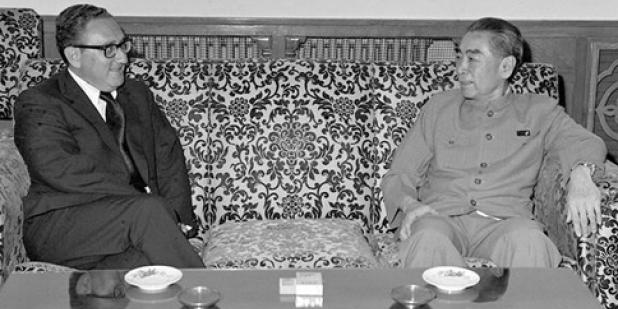

No comments:
Post a Comment