20261006 CDTL NRM D98 28 November 1974 98. Bản ghi nhớ cuộc Hội đàm.
https://history.state.gov/historicaldocuments/frus1969-76v18/d98
Google Translated
Tài liệu số 98
Quan hệ Đối ngoại của Hoa Kỳ, 1969–1976, Tập
XVIII, Tầu cộng, 1973–1976
98. Bản ghi nhớ cuộc Hội đàm.
Bắc Kinh, ngày 28 tháng 11 năm 1974, 16:00–18:15
THÀNH PHẦN THAM DỰ
Phía Tầu cộng
Đặng Tiểu Bình, Phó Thủ tướng
Phía Hoa Kỳ
Ngoại trưởng
Ông Rumsfeld, Phụ tá Tổng thống
Đại sứ Bush, Trưởng Văn phòng Liên lạc
Ông Philip Habib, Trợ lý Ngoại trưởng phụ trách các vấn
đề Đông Á
Ông Winston Lord, Giám đốc Ban Hoạch định Chính sách
Cô Christine Vick, Thư ký ghi chép (thuộc văn phòng
Ngoại trưởng)
Đặng:
Sáng nay ông có nghỉ ngơi thoải mái không?
Kissinger:
Thật chu đáo khi Bộ trưởng Ngoại giao đã cùng chúng tôi đến thăm ngôi đền. Đại
sứ của chúng tôi đã kể cho tôi nghe về tình hình tại Tầu cộng.
Sau đó, tôi đưa ông Rumsfeld đi thăm Tử Cấm Thành, và Đại sứ Đức
– một người bạn cũ – cũng đã đến gặp tôi để chia sẻ thông tin về tình hình Tầu
cộng.
Đặng:
Phía Đức nghĩ rằng chuyện gì đang diễn ra ở Tầu cộng?
Kissinger:
Thú thật là ông ấy muốn nghe chính tôi kể về tình hình hiện tại.
Đặng:
Ông có thể nói với họ rằng chúng tôi đang đào hầm ở đây.
Kissinger:
Và tích trữ lương thực.
Đặng:
Đúng vậy. Ba câu khẩu hiệu: đào hầm sâu, tích trữ lương thực ở khắp nơi, và
không bao giờ tìm kiếm bá quyền. Đó là ba điều chúng tôi cần ghi nhớ.
Kissinger:
Như Chủ tịch Mao đã nói năm ngoái.
Đặng:
Tôi nghĩ đây sẽ là phiên họp cuối cùng của chúng ta tại đây. Chúng tôi xin lắng
nghe ý kiến của ông trước.
Kissinger:
Tối nay Bộ trưởng Ngoại giao sẽ là người phát biểu sau cùng và tôi sẽ không còn
cơ hội để phản hồi. Tôi muốn đề cập đến một vài vấn đề còn lại từ cuộc thảo luận
hôm qua. Trước hết, về quan hệ của chúng tôi với các nước Ả Rập, chúng tôi
không hề dậm chân tại chỗ; như tôi đã nói với các ông hôm qua, chúng tôi dành
250 triệu đô la cho Ai Cập và ngoài ra còn cung cấp thêm 150 triệu đô la dưới
các hình thức hỗ trợ khác, chủ yếu là trong lĩnh vực nông nghiệp, đồng thời
chúng tôi cũng đã đề nghị Ngân hàng Thế giới cấp cho họ 250 triệu đô la. Như vậy,
tổng cộng họ đã nhận được khoảng 650 triệu đô la. Chúng tôi thậm chí còn cung cấp
cho Syria 100.000 tấn nông sản. Về lĩnh vực quân sự—điều mà Phó Thủ tướng đã đề
cập rất chính xác—đúng là Liên Xô đã cắt nguồn cung cho Ai Cập và
hiện chưa có nguồn thay thế nào. Chúng tôi gặp phải vấn đề lớn trong nước liên
quan đến việc viện trợ quân sự cho các nước Ả Rập. Tuy nhiên, chúng tôi đang thực
hiện một chương trình hỗ trợ quân sự khá lớn cho Ả Rập Xê Út—vượt quá nhu cầu
thực tế của nước này—theo phương thức hoàn toàn bí mật. Thứ hai, sau bước tiếp
theo của thỏa thuận tách lực lượng giữa Ai Cập và Israel, chúng tôi dự định cho
phép Ai Cập mua sắm trang thiết bị quân sự, và Ả Rập Xê Út đã dành sẵn 500 triệu
đô la cho mục đích này. Cũng xin thông báo để các ông nắm rõ: hạn mức tín dụng
của Israel sẽ hết vào tháng Ba, và chúng tôi sẽ gắn việc cấp tín dụng mới cho
Israel với điều kiện cho phép bán vũ khí cho Ai Cập. Trong thời gian chờ đợi,
chúng tôi đang khuyến khích Cộng hòa Liên bang Đức bán vũ khí cho Ai Cập, còn
Pháp thì không cần phải khuyến khích vì họ luôn sẵn sàng nếu có thanh toán bằng
tiền mặt. Chúng tôi cũng sẽ khuyến khích Anh phát triển hoạt động sản xuất trực
thăng tại Ai Cập. Tôi muốn các ông biết những điều này trên tinh thần hoàn toàn
bí mật.
Về các cuộc đàm phán—do áp lực từ phía Liên Xô
lên các nước Ả Rập theo đường lối cấp tiến, chúng tôi cho rằng tốt nhất là nên
tiến hành các cuộc đàm phán mới một cách lặng lẽ rồi mới bất ngờ công bố. Chúng
tôi đang thảo luận với phía Israel về việc rút quân khoảng 75 km về phía Đông
và khoảng 150 km về phía Nam; động thái này sẽ giúp Ai Cập giành lại các mỏ dầu
và đưa lực lượng Israel rút về phía sau các đèo ở bán đảo Sinai.
Thẳng thắn mà nói, lịch trình của chúng tôi là đạt được
tiến triển theo hướng này trước chuyến thăm Cairo của Brezhnev,
nhưng chỉ công bố thông tin sau đó để làm giảm bớt sự hào hứng thái quá. Nhưng
phía Ai Cập sẽ hiểu rằng mục tiêu này về cơ bản đã đạt được trước khi Brezhnev
đến đó. Tuy nhiên, nếu họ ngả quá sâu về phía Liên Xô, họ sẽ làm
hỏng việc này. Vì vậy, sau đó chúng ta sẽ chuyển hướng sang Syria.
Đây là chiến lược của chúng ta, nhưng nó sẽ được triển
khai mà không phô trương ra bên ngoài cho đến khi gần như hoàn tất; sau đó, có
thể tôi sẽ theo chân Brezhnev đến Trung Đông để hoàn tất mọi việc.
Tôi muốn ông biết điều này.
Về vấn đề Iran: Tôi đã có những cuộc thảo luận dài với
Quốc vương (Shah) về mối quan hệ giữa hai nước cũng như về tình hình
Afghanistan và Pakistan. Tôi đã thúc giục Quốc vương thiết lập quan hệ chặt chẽ
hơn với Cộng hòa Nhân dân Tầu cộng. Theo đánh giá của tôi, ông ấy
rất sẵn lòng thực hiện điều này.
Phiên dịch viên:
Quan hệ chặt chẽ hơn giữa Hoa Kỳ và Cộng hòa Nhân dân Tầu cộng ư?
Kissinger:
Tôi đã nói chuyện với ông ấy về quan hệ giữa Hoa Kỳ và Cộng hòa Nhân dân Tầu
cộng, nhưng vì ông ấy thường tham khảo định hướng của chúng ta, nên tôi
đã nói rằng chúng ta ủng hộ việc Iran thắt chặt quan hệ với Cộng hòa Nhân
dân Tầu cộng. [Trang 626]
Tôi hiểu rằng ông ấy rất sẵn lòng thiết lập quan hệ chặt
chẽ hơn nhiều với Cộng hòa Nhân dân Tầu cộng, và chúng tôi có cảm
giác rằng chuyến thăm Liên Xô vừa qua không mang lại cho ông ấy
nhiều sự an tâm.
Tôi hiểu rằng ông ấy rất muốn thăm Cộng hòa Nhân
dân Tầu cộng, nhưng vì Hoàng hậu đã từng đến đây, nên ông ấy muốn một
quan chức cấp cao của Tầu cộng đến thăm trước; như vậy, ông ấy sẽ
có lý do chính đáng để thực hiện chuyến thăm này. Tôi nói điều này để ông nắm
thông tin.
Tôi cho rằng thái độ cơ bản của ông ấy đối với các vấn
đề Afghanistan, Pakistan và Ấn Độ hoàn toàn nhất quán với những gì chúng ta đã
thảo luận ngày hôm qua.
Ngoài ra, ông cũng nên biết rằng chúng ta đang triển
khai... à, còn hai vấn đề nữa. Thứ nhất, chúng ta đang hợp tác sản xuất với
Iran trong một số lĩnh vực quân sự tiên tiến; điều này sẽ giúp Iran có khả năng
hỗ trợ hiệu quả và nhanh chóng hơn cho các khu vực lân cận. Thứ hai là vấn đề
Iraq. Theo thông tin chúng tôi có được, cuộc tấn công của Thổ Nhĩ Kỳ đang diễn
ra rất bất lợi, một phần do phía đối phương mới được cung cấp một lượng lớn khí
tài của Nga.
Đặng:
Ý ông là do Hoa Kỳ cung cấp?
Kissinger:
Vâng, thông qua Iran. Theo thông tin của chúng tôi, Quân đội Iraq đang rất sa
sút tinh thần và tỏ ra bất mãn với đồng minh Liên Xô của họ. Xin
nói thêm để ông nắm được thông tin này. Ngoài ra, theo thông tin mà có lẽ ông
cũng đã biết, ông Bhutto cảm thấy rằng mình đã cơ bản giải quyết được vấn đề
Baluchistan.
Đó là những vấn đề chính sách đối ngoại quan trọng mà
tôi muốn thảo luận. Tôi còn một hoặc hai vấn đề nữa muốn trao đổi với ông, nếu
được phép.
Thứ nhất, chúng tôi luôn chịu áp lực lớn từ gia đình của
những người bị coi là mất tích trong chiến tranh Việt Nam. Chúng tôi rất
trân trọng thông tin đã được cung cấp trong chuyến thăm trước liên quan đến một
số quân nhân Mỹ bị mất tích trên không phận Tầu cộng. Sẽ rất hữu
ích và đáng quý nếu bất kỳ thông tin bổ sung nào có được đều được chuyển tới
Văn phòng Liên lạc của chúng tôi. Thứ hai...
Đặng:
Hiện tại chúng tôi chưa có thêm tin tức gì mới. Nếu có, chúng tôi sẽ chuyển lại
cho phía các ông.
Kissinger:
Vâng, vậy có thể hiểu là các ông chưa có tin tức mới, và nếu có thì sẽ chuyển
cho chúng tôi.
Đặng:
Được thôi.
Kissinger:
Thứ hai, Văn phòng Liên lạc của chúng tôi sẽ gửi các câu hỏi và chúng tôi rất
mong nhận được báo cáo về những vấn đề cụ thể này—liên quan đến các cá nhân mà
chúng tôi quan tâm và có thể đã bị mất tích.
Đặng:
Tôi không nghĩ là họ đã nhận được thông tin gì cả.
Kissinger:
Vâng, nhưng chúng tôi đã có thêm một số câu hỏi mới và sẽ nêu vấn đề này trong
một hai ngày tới.
Đặng:
Được thôi.
Kissinger:
Và cuối cùng, chúng tôi sẽ rất biết ơn nếu hài cốt của những người gặp nạn trên
không phận Tầu cộng hoặc qua đời tại Tầu cộng có thể
được hồi hương về Hoa Kỳ, nếu vẫn còn tìm thấy được.
Đặng:
Nếu không tìm thấy thì sẽ rất khó khăn.
Kissinger:
Chúng tôi từng đưa ra nhiều yêu cầu vô lý, nhưng chưa bao giờ đòi hỏi phải hồi
hương hài cốt mà không tìm thấy được.
Cuối cùng, liên quan đến vấn đề người mất tích trong
chiến tranh—dù đây hoàn toàn không phải là trách nhiệm trực tiếp của ông—chúng
tôi gặp rất nhiều khó khăn trong việc nhận được câu trả lời từ phía Bắc Việt
Nam theo đúng quy định của Hiệp định Paris; vì vậy, chúng tôi sẽ rất trân trọng
nếu ông có thể tác động hoặc đưa ra lời khuyên cho Hà Nội về vấn đề này.
Đặng:
Tôi tưởng ông có các kênh liên lạc trực tiếp với phía Bắc Việt Nam.
Kissinger:
Chúng tôi có các kênh trực tiếp nhưng dường như khả năng thuyết phục của chúng
tôi chưa đủ hiệu quả. Khi nào có dịp, tôi sẽ kể cho ông nghe về phương thức
đàm phán của Bắc Việt Nam; chúng ta sẽ để dành chuyện đó cho một buổi gặp gỡ
thân mật. Cách thức của họ là độc nhất vô nhị trong lịch sử ngoại giao. Tuy
nhiên, liên quan đến vấn đề này, tôi muốn nói một
điều: Bắc Việt Nam đang vi phạm nghiêm trọng Hiệp định Paris khi tăng cường lực
lượng tại miền Nam. Chúng tôi
hy vọng sẽ không xảy ra một cuộc tấn công quy mô lớn nào, vì điều đó sẽ dẫn
đến những hậu quả nghiêm trọng. Chúng tôi chắc chắn sẽ ngăn chặn mọi hành động
tấn công từ phía Việt Nam Cộng hòa.
Đặng:
Theo những gì chúng tôi được biết thì chính
Hoa Kỳ và Nguyễn Văn Thiệu mới là những bên không tuân thủ Hiệp định.
Kissinger:
Tôi cho rằng thông tin đó của ông không chính xác. Gần đây, Tổng thống Thiệu đã đề nghị đàm phán nhằm thực thi đầy đủ
các điều khoản; còn việc chúng tôi thay thế trang bị chỉ là để bù
đắp cho những khí tài đã bị mất, do đó Bắc Việt Nam hoàn toàn có thể
kiểm soát được tốc độ tiêu hao cũng như lượng hàng mà chúng tôi chuyển giao.
Đặng:
Chúng tôi cho rằng vấn đề này chỉ nên được thảo luận giữa các ông với Việt
Nam Dân chủ Cộng hòa và Chính phủ Cách mạng Lâm thời Cộng hòa miền Nam Việt Nam.
Về thông tin liên quan đến Campuchia mà chúng ta đã thảo luận: Tôi nhớ
mình từng nói với ông rằng nếu nghe thông tin từ Lon Nol thì sẽ không
chính xác. Còn thông tin do Thiệu cung cấp, chúng tôi cũng thấy
không đáng tin cậy. Chúng tôi nghĩ vấn đề cốt lõi là thế này: Việc các ông
rút lực lượng vũ trang về là điều tốt, nhưng các ông vẫn chưa thực sự tách mình
ra khỏi cuộc xung đột. Chân các ông vẫn còn sa lầy ở đó, và có lẽ tất cả những
vấn đề cụ thể này đều bắt nguồn từ thực tế là vấn đề cơ bản vẫn chưa được giải
quyết triệt để. Tôi cho rằng điều đó cũng đúng với toàn bộ các vấn đề ở Đông
Dương.
Kissinger:
Cuối cùng, tôi muốn nói một điều về việc bình thường hóa quan hệ. Trợ lý Ngoại
trưởng Habib đã thông báo cho tôi về các cuộc thảo luận của ông ấy tại đây.
Về thỏa thuận liên quan đến các yêu sách và tài sản, tôi hiểu mối quan tâm
chính của phía Tầu cộng; khi trở về, tôi sẽ xem liệu các luật sư
của chúng tôi có thể đưa ra một định nghĩa phù hợp với các nguyên tắc của Tầu
cộng hay không.
Tôi có cảm giác rằng các khía cạnh khác đều có thể giải
quyết được, và tôi sẽ cố gắng tìm cách giải quyết khía cạnh đó.
Phiên dịch:
Vấn đề đó...
Kissinger:
Vấn đề cụ thể đó.
Đặng:
Tôi nghe nói ông ấy rất chú trọng đến các vấn đề thuộc luật pháp Hoa Kỳ.
Kissinger:
Đó là điều tôi sẽ xem xét khi trở về.
Đặng:
Làm sao luật pháp Hoa Kỳ có thể chi phối Tầu cộng được? Điều
đó thật phi lý.
Kissinger: Ông
Rumsfeld từng là nghị sĩ Quốc hội, ông ấy có thể giải thích điều đó. Còn
tôi thì không.
Đặng:
Cách ông giải thích vấn đề là chuyện của ông, nhưng quan điểm của chúng tôi là
luật pháp Hoa Kỳ không chi phối Tầu cộng.
Kissinger:
Nhưng có một số nghị sĩ Quốc hội lại nghĩ rằng Tầu cộng là một
vùng ngoại ô của Chicago.
Đặng:
Tôi nghĩ ông đã chạm đúng vào bản chất của vấn đề. Có lẽ nhà đàm phán phía các
ông cũng mang tư duy đó.
Rumsfeld:
Tôi có thể giải thích chuyện đó, nhưng sẽ cần rất nhiều rượu Mao Đài.
Đặng:
Dù sao thì chuyện đó cũng không quan trọng.
Kissinger:
Tôi hiểu vấn đề của các ông. Tôi nợ các ông một câu trả lời và sẽ cố gắng tìm
ra giải pháp. Tôi sẽ trao đổi với các luật sư; cá nhân tôi thì không bận tâm lắm.
Nhưng xét về vấn đề này, theo tôi, đây chủ yếu là một vấn đề mang tính chính trị
và biểu tượng. Vì vậy, tôi không muốn một cuộc đàm phán căng thẳng hay gay gắt.
Tôi sẽ xem liệu chúng ta có thể tìm ra một cách diễn đạt nào đó để trình lên
phía các ông hay không.
Đặng:
Đây là vấn đề mà việc thiếu vắng giải pháp trong một trăm năm nữa cũng chẳng
gây ra hậu quả gì to tát.
Kissinger:
Chúng tôi chắc chắn sẽ chấp nhận nguyên tắc rằng luật pháp Hoa Kỳ không áp dụng
đối với Tầu cộng.
Đặng:
Tôi nghĩ đây là điểm cần phải được xác nhận. [Trang 629]
Kissinger:
Đó là vấn đề dễ giải quyết nhất giữa hai bên. Còn về các vấn đề khác—như các hoạt
động trao đổi, các chuyến thăm của Quốc hội, v.v.—tôi muốn đề nghị việc thay đổi
đôi chút về cách thức triển khai, để năm nào cũng không lặp lại y hệt năm trước.
Đồng thời, tránh để mối quan hệ của chúng ta trở thành tâm điểm cho những đồn
đoán không cần thiết tại Mỹ về việc liệu có đạt được bước tiến đặc biệt
nào hay không. Vì vậy, nếu các chuyên gia của hai bên có thể tìm ra một vài
thay đổi nhỏ trong cách thức thực hiện thì sẽ rất hữu ích.
Riêng về các chuyến thăm của Quốc hội, có một Tiểu ban
phụ trách bỏ phiếu thông qua ngân sách Bộ Ngoại giao rất quan tâm đến việc đến
thăm nơi này. Tôi xin nêu điều này để ông cân nhắc.
Đặng:
Chúng tôi sẽ xem xét việc đó.
Kissinger: Thượng
nghị sĩ Mansfield sẽ đến thăm ông trong vài tuần tới.
Đặng:
Chúng tôi đã hoan nghênh ông ấy từ lâu rồi.
Kissinger:
Chúng tôi ủng hộ chuyến thăm này và đánh giá cao việc ông mời ông ấy. Chuyến
thăm sẽ rất hữu ích. Thượng nghị sĩ Mansfield là Lãnh đạo phe đa số tại
Thượng viện và từng là giáo sư khoa học chính trị tại Đại học Montana. Đối với
các vấn đề chính sách đối ngoại, ông ấy đến đây với tư cách là cựu giáo sư khoa
học chính trị của Đại học Montana.
Đặng:
Chúng tôi sẽ hoan nghênh ông ấy với bất kỳ tư cách nào. Và chúng tôi sẽ sắp xếp
để mời ông ấy dùng bữa lẩu.
Kissinger:
Chúng tôi thực sự mong muốn ông ấy được đón tiếp một cách thân tình. Tuy nhiên,
ông cần lưu ý rằng những gì tôi đã nói với ông về chính sách đối ngoại đều phản
ánh quan điểm của Tổng thống Ford và chính phủ Hoa Kỳ.
Đặng:
Chúng tôi hiểu rõ điều đó; liên quan đến quan điểm của các Thượng nghị sĩ và Hạ
nghị sĩ, thì những ý kiến khác nhau của họ không nhất thiết đại diện cho quan
điểm của chính phủ mà là quan điểm cá nhân của họ. Chúng tôi sẽ không ký kết bất
kỳ thỏa thuận nào với họ.
Kissinger:
Điều này đặc biệt đúng với trường hợp chuyến thăm của Thượng nghị sĩ Magnuson.
Rượu Mao Đài đã để lại ấn tượng sâu sắc trong ông ấy.
Đặng:
(Cười)
Kissinger:
Bây giờ, có lẽ cần nói đôi lời về vấn đề bình thường hóa quan hệ. Chúng tôi đã
đặc biệt lưu tâm đến những gì Phó Thủ tướng phát biểu ngày hôm qua và sẽ nghiên
cứu kỹ lưỡng vấn đề này. Chúng tôi tin rằng ba nguyên tắc mà Phó Thủ tướng nêu
ra không phải là những trở ngại không thể vượt qua. Chúng tôi có một vấn đề —
điều mà Bộ trưởng Ngoại giao đã tóm tắt rất hay trong một cuộc họp trước đây của
chúng ta — đó là chúng tôi không yêu cầu trở thành một bên bảo đảm, nhưng chúng
tôi thực sự mong muốn giải pháp tái thống nhất diễn ra trong hòa bình. Chúng
tôi sẽ cân nhắc các đề nghị cụ thể liên quan đến ba điểm này và trình lên để
quý vị xem xét. [Trang 630]
Trong thời gian đó, chúng tôi sẽ tiến hành cắt giảm
đáng kể lực lượng quân sự còn lại của mình tại Đài Loan. Chúng tôi sẽ
cung cấp số liệu chính xác cho Văn phòng Liên lạc của quý vị tại Washington trước
khi kết thúc năm nay.
Ngoài ra, trong vòng mười tám tháng tới, chúng tôi
cũng sẽ cắt giảm quy mô và hạ thấp vị thế — hoặc ít nhất là cấp bậc — của cơ
quan đại diện ngoại giao. Việc này hoàn toàn độc lập với bất kỳ thỏa thuận nào
mà chúng ta đạt được về ba điểm còn lại. Đây là những bước đi đơn phương. Đó là
những điểm chính mà tôi muốn thảo luận. Chúng ta cũng sẽ cần bàn bạc về bản
Thông cáo chung.
Bộ trưởng Ngoại giao:
Ông còn nhớ là tôi đã hứa sẽ suy nghĩ và đưa ra vài câu đơn giản để ông xem xét
chứ? Nhưng nghĩ ra những câu đơn giản không hề dễ dàng; việc viết một bản Thông
cáo chung ngắn gọn còn khó hơn nhiều so với viết một bản dài.
Kissinger:
Bernard Shaw từng nói: "Tôi không có thời gian để viết một lá thư ngắn,
nên tôi đã viết một lá thư dài."
Đặng:
Tôi nghĩ đó là vấn đề cần thảo luận giữa ông và Bộ trưởng Ngoại giao.
Bộ trưởng Ngoại giao:
Tôi sẽ thông báo cho ông khi chúng tôi sẵn sàng thảo luận. Tôi nghĩ không thể
giải quyết vấn đề này ngay tại bàn đàm phán lúc này được.
Kissinger:
Ông có phiền không nếu hai cộng sự của tôi cùng tham gia vào lúc này? Chúng ta
sẽ không bàn về bản Thông cáo chung đâu.
Đặng:
Tùy ông thôi.
Kissinger:
Có một điểm mà Đại sứ Bush đã nêu ra và tôi cũng định đề cập đến. Chúng
tôi đang cân nhắc xem liệu có nên mở rộng thêm một chút diện tích cho Văn phòng
Liên lạc hay không. Chúng tôi muốn chuyển một số chức năng từ Hồng Kông về Bắc
Kinh. Chúng tôi sẽ rất trân trọng nếu được chấp thuận điều này.
Đặng:
Mở rộng thêm một chút diện tích.
Kissinger:
Để đảm nhận các công việc tại Bắc Kinh.
Đặng: Ý ông là muốn cơi
nới thêm tòa nhà hiện tại.
Kissinger:
Trước hết là tăng số lượng nhân sự, và kéo theo đó là nhu cầu cần thêm diện
tích làm việc.
Đặng:
Chúng tôi sẽ xem xét vấn đề đó. Chúng tôi đã ghi nhận những gì Tiến sĩ trình
bày và cũng không có ý kiến gì thêm. Vậy hãy bắt đầu với vấn đề cuối cùng mà
Tiến sĩ đã nêu, đó là vấn đề bình thường hóa quan hệ. Tiến sĩ lại nhắc đến vấn
đề lộ trình thời gian; tôi nhớ lần trước mình đã nói rằng chẳng cần thiết phải
làm vấn đề trở nên phức tạp như vậy. Chẳng phải sẽ tốt hơn nếu tiến hành và giải
quyết vấn đề một cách nhanh chóng hay sao? Vì thế, nhịp độ thực hiện không phải
là vấn đề quá quan trọng. Việc cắt giảm hay tăng thêm một chút lực lượng, hay
thời điểm thực hiện, hay việc tăng giảm quân số đôi chút... những điều đó không
quan trọng lắm. Và vì các ông đã cử Đại sứ sang đó rồi, nên việc có hạ thấp cấp
bậc ngoại giao hay không cũng không phải là vấn đề then chốt. [Trang 631]
Vậy nên, nếu không thể giải quyết nhanh chóng, thì tại
sao lại để vấn đề Đài Loan rơi vào tình trạng rối ren, lộn xộn như các vấn
đề Việt Nam và Campuchia? Chẳng có lý do gì để kéo dài sự lộn xộn đó, bởi
nó không cần thiết cho việc giải quyết các vấn đề này.
Còn về vấn đề ba nguyên tắc mà chúng tôi đã nêu trong
ba cuộc họp trước, thì không thể có bất kỳ sự cân nhắc hay xem xét nào khác đối
với các nguyên tắc này. Chúng tôi cũng đã nói rằng nếu các ông cần thêm thời
gian cho vấn đề Đài Loan, chúng tôi có thể chờ đợi. Điều này hoàn toàn
không có nghĩa là chúng tôi không muốn giải quyết vấn đề này giữa Hoa Kỳ và Tầu
cộng càng sớm càng tốt. Cũng không có nghĩa là xét về mặt đạo đức và
chính trị, chúng tôi không có quyền yêu cầu hay đề nghị một giải pháp sớm. Như
tôi đã đề cập trong cuộc thảo luận trước đây về vấn đề này, chính phía các ông
chứ không phải chúng tôi là bên cần thực hiện bước đi thay đổi tình trạng hiện
tại. Bởi vì chính quân đội Hoa Kỳ đang hiện diện tại Đài Loan. Vừa
rồi, Tiến sĩ có nhắc đến một số biện pháp cắt giảm hoặc hành động cụ thể mà Hoa
Kỳ có thể thực hiện đơn phương. Vậy có thể đề xuất những biện pháp song phương
nào không?
Kissinger:
Không có biện pháp nào được đề xuất cả.
Đặng:
Người Tầu cộng có câu: "Người nào buộc nút thì người đó phải
tháo nút". Tóm lại, vì các ông cho rằng chưa đến lúc giải quyết vấn đề
này, thì chúng tôi có thể chờ đợi. Chúng tôi có thể đợi cho đến khi các ông suy
tính kỹ lưỡng, rồi sau đó vấn đề có thể được giải quyết nhanh chóng. Nó có thể
được giải quyết dứt điểm ngay lập tức. Chúng tôi có thể chờ, chẳng hạn như vài
năm nữa. Chúng tôi thậm chí sẽ không hối thúc các ông đâu. Nhưng nếu vấn đề được
giải quyết, thì phải dựa trên cơ sở ba nguyên tắc đã định.
Kissinger:
Tôi hiểu điều này và tin rằng vấn đề có thể được giải quyết gắn liền với ba
nguyên tắc đó. Tôi trân trọng cơ hội được suy nghĩ thêm về vấn đề này và nhận
thấy sự sáng suốt, lòng rộng lượng cũng như sự kiềm chế to lớn từ phía Tầu
cộng khi đưa ra lập trường mà Phó Thủ tướng vừa trình bày. Bởi vì đây
là những điểm cốt lõi trong các cuộc đối thoại và quan sát trước đây của chúng
tôi đối với phía các ông.
Cho phép tôi nói một điều liên quan đến ba nguyên tắc
này. Các nguyên tắc đó đã được chấp nhận. Về tất cả các nguyên tắc này, vấn đề
thực tiễn duy nhất mà chúng tôi gặp phải là làm thế nào để triển khai chúng. Cụm
từ mà Chủ tịch Mao đã trích dẫn – rằng việc bình thường hóa quan hệ có thể đạt
được trước khi quá trình tái thống nhất hoàn tất – cần được thể hiện như thế
nào trên thực tế.
Đặng:
Về việc thiết lập quan hệ ngoại giao, tôi nghĩ chúng tôi đã trình bày rõ ràng
qua các yêu cầu: cắt đứt quan hệ ngoại giao, rút quân và hủy bỏ hiệp ước. Còn
việc người Tầu cộng tự giải quyết các vấn đề này như thế nào và
vào lúc nào thì đó là chuyện của riêng chúng tôi, thuộc về công việc nội bộ của
Tầu cộng.
Và chúng tôi không thể đưa ra bất kỳ cam kết hay lời hứa
nào về các vấn đề nội bộ, chẳng hạn như thời điểm hay cách thức chúng tôi thực
hiện hoặc thiết lập những việc thuộc phạm vi nội bộ. [Trang 632]
Kissinger:
Nhưng về mặt lý thuyết, các ông có thể đưa ra một tuyên bố chung về ý định đơn
phương của mình. Không phải tuyên bố với chúng tôi, mà chỉ là một tuyên bố
chung thôi.
Đặng: Chúng
ta sẽ nói gì trong đó đây? Dù sao thì chúng tôi nghĩ rằng đây là vấn đề chắc chắn
sẽ còn phải thảo luận lại.
Kissinger:
Vâng, đó là vấn đề duy nhất còn lại. Các vấn đề khác đều có thể giải quyết được;
để tôi suy nghĩ thêm về câu hỏi cuối cùng đó.
Đặng:
Về các vấn đề cụ thể khác, chúng tôi không thấy cần phải nói thêm điều gì nữa.
Chúng tôi tin rằng qua các cuộc thảo luận trong mấy ngày qua, chúng ta đã trao
đổi nhiều quan điểm về tình hình quốc tế. Tôi muốn nhân cơ hội này làm rõ quan
điểm cơ bản của chúng tôi về toàn bộ vấn đề này. Như Chủ tịch Mao
đã nhiều lần nói với các vị khách đến thăm, thế giới hiện nay không hề yên
bình.
Và Bộ trưởng Ngoại giao cũng đã đề cập đến tình trạng
đại loạn dưới gầm trời. Hôm qua, tôi cũng định nói đến điều đó thì Tiến sĩ lại nhắc
lại cuộc trò chuyện giữa Chủ tịch Mao và Bộ trưởng Ngoại giao Đan
Mạch.
Kissinger:
Tôi đồng ý với Chủ tịch Mao.
Đặng:
Rằng đang tồn tại nguy cơ xảy ra chiến tranh. Dù cuộc chiến này có thể bùng
phát theo cách nào đi nữa, nếu nhân dân và các quốc gia trên thế giới không chuẩn
bị đối phó, họ sẽ phải gánh chịu hậu quả. Lần trước chúng ta đã thảo luận về
chiến lược của Liên Xô. Tất nhiên, chúng ta có những ý kiến
khác nhau về vấn đề đó. Nhưng quan điểm và nhận định chung của chúng tôi là Liên
Xô đang thực hiện chiêu "dương đông kích tây" – giả vờ tấn
công ở phía Đông để thực sự tấn công phía Tây. Chúng tôi cho rằng điều này phù
hợp với thực tế hơn. Đây không phải là vấn đề thuần túy lý thuyết. Chủ tịch
Mao thực ra đã từng thảo luận điều này với Tiến sĩ trước đây. Trong cuộc
trò chuyện đó, ông không dùng chính xác những từ ngữ này, nhưng có thể tóm tắt
bằng câu: "Gấu Bắc Cực đang nhắm vào các ông đấy."
Kissinger:
Và khoảng cách là tương đương nhau dù nó đi về phía Đông hay phía Tây – ý tôi
là đi về phía Hoa Kỳ.
Đặng:
Đó là xét về mặt địa lý. Còn đối với chúng tôi, thú thật, tính cách của chúng
tôi là không sợ trời, chẳng sợ đất; chúng tôi cũng không sợ bị cô lập hay cấm vận.
Về vũ khí hạt nhân, chúng chẳng có tác dụng gì cả. Bởi vì khi nói đến vũ khí hạt
nhân là nói đến việc người khác tấn công chúng tôi bằng loại vũ khí này, và xét
về khía cạnh đó, chúng tôi chẳng sợ gì cả. Chủ tịch Mao thậm chí
còn nói với Bộ trưởng Ngoại giao Đan Mạch đại ý rằng: nếu chiến tranh thực sự xảy
ra, liệu đó có nhất thiết là điều tồi tệ hay không?
Kissinger:
Chính điều đó đã khiến ông ấy hơi chấn động.
Đặng:
Và chúng tôi, những người Tầu cộng, tin rằng nếu chiến tranh xảy
ra, nó có thể sẽ không quá đáng sợ; Chuyện đó có lẽ cũng không hẳn là quá tệ.
Có khả năng những điều tồi tệ lại có thể chuyển biến thành điều tốt đẹp. Ông ấy
cũng nói với Ngoại trưởng Đan Mạch rằng chẳng có ích gì khi phải lo sợ. Nếu
chuyện đó đã định xảy ra thì làm sao ngăn chặn được chứ? Dù sao đi nữa, chúng
tôi vẫn sẽ tiến hành công tác chuẩn bị. Còn về việc chuẩn bị thì cũng chỉ là những
gì chúng tôi đã nói trước đây thôi. [Trang 633] Hầm hào, kê và súng trường. Ông
có biết chúng tôi bắt đầu đưa ra khẩu hiệu "kê và súng trường" từ khi
nào không?
Kissinger:
Vào những năm sáu mươi.
Đặng:
Không, là từ thời Kháng chiến chống Nhật. Khi chúng tôi còn ở Thiểm Tây, về cơ
bản là chúng tôi có súng trường; điểm bất cập duy nhất là ở Thiểm Tây người ta
không trồng kê. Khi đến Thiểm Bắc, lương thực chính lại là kê. Đó là lý do tại
sao lại có khẩu hiệu "kê và súng trường". Có thể nói việc chúng tôi gắn
liền với cây kê là một sự tình cờ.
Một vấn đề khác mà Tiến sĩ đã nhiều lần đề cập là chuyện
nã pháo. Có vẻ như Tiến sĩ rất quan tâm đến vấn đề pháo kích.
Kissinger:
Tôi đào hầm rất sâu.
Đặng:
Tôi tán thành điều đó. Pháo phải được bắn. Và Tiến sĩ đã đề cập rằng tần suất
và độ chính xác của các loạt pháo đã được nâng cao; vì độ chính xác đã tăng
lên, nên rõ ràng là không thể để việc bắn pháo bị ngưng lại. Chúng tôi nghĩ rằng
có thể cần xem xét liệu việc bắn pháo đó có hợp lý hay không. Và do đó, tôi
nghĩ việc nêu vấn đề này để ông lưu tâm có thể sẽ hữu ích. Đó là, trong nhiều vấn
đề hiện nay, Hoa Kỳ đang đóng vai trò tiên phong. Tiến sĩ đã nhiều lần đề cập tại
đây về vấn đề năng lượng và vấn đề lương thực. Hoa Kỳ luôn đi đầu. Ông có nhắc
đến thực tế là Tây Âu, Nhật Bản và các quốc gia khác chịu ảnh hưởng nặng nề nhất
bởi các cuộc khủng hoảng, nhưng họ lại không phải là những bên đi đầu.
Kissinger:
Họ cũng không đi đầu trong lĩnh vực quốc phòng quân sự.
Đặng:
Tất nhiên, không phải trong mọi vấn đề Hoa Kỳ đều đi đầu, nhưng trong thời gian
gần đây, các ông đã tiên phong trong nhiều vấn đề quan trọng. Ngược lại, Liên
Xô lại đứng nép ở phía sau. Ví dụ như ở Síp và Trung Đông, các ông cũng
đã đóng vai trò tiên phong. Và dù nhìn nhận vấn đề Trung Đông theo cách nào đi
nữa, thì việc Hoa Kỳ dung túng cho chủ nghĩa bành trướng của Israel—vốn về bản
chất là hành động chống lại 120 triệu người Ả Rập—sẽ khiến các ông rơi vào thế
yếu hơn về mặt chính trị. Tất nhiên, Tiến sĩ đã nhiều lần giải thích rằng điều
này là do các vấn đề nội bộ. Dù vì lý do gì đi nữa, chừng nào các nước Ả Rập
chưa thể giành lại phần lãnh thổ đã mất, thì vấn đề cốt lõi vẫn chưa được giải
quyết. Các thủ thuật hay các bản thông cáo chung sẽ không thể giải quyết được vấn
đề này. Đã có những điểm tương đồng giữa vấn đề này với vấn đề Đông Dương và cả
vấn đề Triều Tiên. Tôi không nghĩ rằng Tiến sĩ sẽ coi những quan điểm này là có
ác ý.
Kissinger:
Không đâu. Thưa Phó Thủ tướng, tôi đã tóm tắt quan điểm của chúng tôi về nhiều
vấn đề trong số này. Tôi hiểu là Phó Thủ tướng đã nói xong rồi, phải không?
Đặng:
Vâng.
Kissinger:
Tôi đã tóm lược quan điểm của Hoa Kỳ về nhiều vấn đề này. Nếu tôi có thể nói
thêm đôi lời: Trước hết, tôi đồng tình với Chủ tịch—người mà tôi tin là một vĩ
nhân. Dù sao đi nữa, việc chuẩn bị sẵn sàng cho chiến tranh là điều quan trọng;
chính sách của chúng tôi là chuẩn bị cho mọi tình huống và không dựa dẫm vào lời
nói hay sự đảm bảo hòa bình từ phía người khác. Dựa trên cách nhìn nhận này
cũng như nội dung câu nói mà ông vừa nhắc đến, chúng tôi hoàn toàn đồng ý với
đánh giá của ông về tình hình tổng thể.
Việc cuộc tấn công diễn ra ở phía Đông hay phía Tây chỉ
là vấn đề thứ yếu trong bối cảnh này, bởi lẽ dù xảy ra ở đâu thì rốt cuộc mục
tiêu nhắm đến vẫn là chúng tôi; về điểm này, tôi hoàn toàn đồng ý. Nếu tấn công
xảy ra trước ở phía Tây, nó vẫn sẽ ảnh hưởng đến phía Đông, và ngược lại, nếu xảy
ra trước ở phía Đông, nó vẫn sẽ tác động đến phía Tây. Dù trong trường hợp nào
thì chúng tôi cũng sẽ chịu ảnh hưởng, nhưng đây không phải là điểm bất đồng giữa
hai bên. Xét về hệ quả thực tế, chúng tôi vẫn phải thực hiện những hành động giống
nhau trong cả hai tình huống đó.
Về việc Hoa Kỳ phải đứng ở tuyến đầu: điều này là tất
yếu xuất phát từ chính những phân tích mà ông đã đưa ra. Phó Thủ tướng đã chỉ
ra rất đúng rằng, dù là những bên chịu ảnh hưởng nặng nề nhất, cả Châu Âu
lẫn Nhật Bản đều không đứng ở vị trí tiên phong trong vấn đề năng lượng. Họ
cũng không đứng ở tuyến đầu trong vấn đề quốc phòng, mặc dù theo chính phân
tích của ông, họ là những nạn nhân chính. Vì nhiều lý do mà có lẽ chúng ta sẽ
thảo luận vào một dịp khác, không xã hội nào trong số đó có đủ khả năng đóng
vai trò dẫn dắt để tự bảo đảm sự tồn vong của mình nếu thiếu sự hậu thuẫn mạnh
mẽ từ Hoa Kỳ. Đây là thực tế lịch sử. Và nếu tách khỏi Hoa Kỳ, họ sẽ sớm trở
nên bất lực và rơi vào tình trạng mà người ta có thể gọi là bị "tổng hợp
hóa" (?) hay "Phần Lan hóa". Do đó, trong hoàn cảnh hiện tại, tự
thân họ không thể trở thành một "thế giới thứ hai" (một cực quyền lực
độc lập). Sẽ thuận lợi hơn nhiều cho chúng ta nếu họ có thể làm được điều đó.
Dù sao đi nữa, chúng tôi vẫn tin vào điều mà Phó Thủ tướng đã nói trước đó—một
quan hệ đối tác bình đẳng. Vì vậy, đối với vấn đề năng lượng—tôi muốn trình bày
quan điểm của chúng tôi rằng cả Châu Âu và Nhật Bản đều không thể đóng
vai trò chiến lược mà cả ông và tôi đều đồng thuận, nếu đồng thời họ bị suy sụp
tinh thần bởi những áp lực kinh tế vượt quá khả năng giải quyết của họ. Đây là
lý do tại sao chúng tôi phải đứng ở tuyến đầu.
Về vấn đề Trung Đông, tôi đã giải thích cho ông nghe về
các sách lược phức tạp của chúng tôi. Tôi đồng ý với ông rằng nếu không có một
giải pháp căn bản, thì giải pháp mang tính sách lược sẽ không thể bền vững. Về
điểm này chúng ta đã thống nhất; tôi cũng đã giải thích chiến lược của chúng
tôi và việc chiến lược của họ [Trang 635] chắc chắn sẽ dẫn đến một giải pháp
triệt để. Bản thân Phó Thủ tướng, từ kinh nghiệm trong đấu tranh chính trị và
quân sự, cũng hiểu rằng nếu tích lũy đủ các thay đổi nhỏ, thì sớm muộn gì một sự
thay đổi căn bản cũng sẽ diễn ra.
Còn về vấn đề Síp, Trung Đông và vai trò của Liên
Xô: Liên Xô sẽ không thể tạo ra được điều gì thực chất cả. Họ chỉ có thể
gây ồn ào mà thôi. Chúng tôi không muốn đứng ở tuyến đầu trong các vấn đề này; ở
Síp, chúng tôi đã cố gắng đẩy Anh lên tuyến đầu nhưng điều đó lại nảy sinh những
phức tạp riêng. Về việc nã pháo, chúng tôi nhận thức được sự cần thiết của hành
động này và chúng tôi có các đường hầm của mình; ông cũng sẽ cân nhắc để tránh
bắn trúng công sự của chính mình.
Đặng:
Họ chưa làm vậy.
Kissinger:
Tôi không nói là họ đã làm, vì thế chúng tôi trông cậy vào ông về vấn đề này.
Đặng:
Ông có thể xem xét các khẩu pháo của chúng tôi.
Kissinger:
Thông thường, chúng tôi không thực hiện các đợt pháo kích đáp trả. Nhưng quan
trọng hơn, tôi cho rằng chúng ta đã có một cuộc trao đổi rất hữu ích và mang lại
nhiều lợi ích, với tinh thần hữu nghị về nhiều vấn đề cùng quan tâm. Chúng ta
luôn hiểu rõ rằng hai bên theo đuổi những nguyên tắc khác nhau, và không bên
nào từng yêu cầu hay sẽ yêu cầu bên kia phải vượt qua sự khác biệt đó.
Đặng:
Đúng vậy.
Kissinger:
Tuy nhiên, cả hai bên đều có thể hợp tác giải quyết những vấn đề mà chúng ta
cùng nhận thấy là đại diện cho quan điểm chung. Tôi tin rằng sự hợp tác này đã
được củng cố thêm nhờ cuộc trao đổi của chúng ta. Tôi xin cảm ơn Phó Thủ tướng
vì sự đón tiếp nồng hậu, sự thẳng thắn trong trao đổi cũng như tính chất mang
tính xây dựng của cuộc đối thoại; tôi tin rằng đây là đóng góp rất tích cực cho
mối quan hệ giữa Hoa Kỳ và Cộng hòa Nhân dân Tầu cộng.
Đặng:
Ông có nghĩ rằng cuộc hội đàm của chúng ta đến đây là kết thúc không?
Kissinger:
Ngoại trừ việc…
Đặng:
Và chúng tôi muốn nhân cơ hội này một lần nữa cảm ơn Tiến sĩ vì chuyến thăm lần
thứ bảy của ông.
Kissinger:
...về cuộc gặp gỡ của chúng ta sau buổi tiệc tối nay.
Đặng:
Nhưng chuyện đó không liên quan gì đến tôi cả.
Kissinger:
Tôi xin phép được hỏi về việc công bố những nội dung mà chúng ta thống nhất tối
nay. Tổng thống của chúng tôi sẽ tổ chức họp báo vào lúc 8 giờ tối mai theo giờ
Washington, tức là 9 giờ sáng thứ Bảy theo giờ của các ông. Vì vậy, nếu chúng
ta có thể công bố thông tin vào sáng thứ Bảy theo giờ của các ông, thì ông ấy sẽ
có thể trả lời các câu hỏi không chỉ về chuyến đi của chính mình mà còn về chuyến
đi của tôi nữa. [Trang 636]
Đặng:
Ông có thể giải quyết được việc đó mà.
Kissinger:
Ông lạc quan quá. Thường thì phải mất ba đêm mới chốt được mọi việc với Bộ
trưởng Ngoại giao.
Đặng:
(Cười) Chà, vậy nghĩa là thông cáo báo chí sẽ phải đợi đến tháng Hai năm sau mới
được đưa ra.
Kissinger:
Khi nào ông sẵn sàng thì cứ cho tôi biết.
1. Nguồn:
Thư viện Ford, Cố vấn An ninh Quốc gia, Các báo cáo của Kissinger về thảo luận
với Liên Xô, Trung Quốc và Trung Đông, Hộp 2, Các biên bản ghi nhớ và báo cáo về
Trung Quốc, ngày 25–29 tháng 11 năm 1974, Chuyến đi của Kissinger. Không có dấu
phân loại mật. Cuộc họp diễn ra tại Đại lễ đường Nhân dân.↩
2. Không
có người tham gia nào phía Trung Quốc được liệt kê ngoại trừ Đặng Tiểu Bình.↩
3. Rất
có thể Kissinger đang ám chỉ người Kurd chứ không phải người Thổ Nhĩ Kỳ.↩
4. Xem
chú thích 7, Tài liệu 92. Biên bản về một cuộc thảo luận khác với phía đối tác
vào sáng ngày 28 tháng 11 hiện lưu tại Thư viện Ford, Cố vấn An ninh Quốc gia,
Báo cáo của Kissinger về thảo luận với Liên Xô, Trung Quốc và Trung Đông, Hộp
2, Các biên bản ghi nhớ và báo cáo về Trung Quốc, ngày 25–29 tháng 11 năm 1974,
Chuyến đi của Kissinger.↩
5. Xem
chú thích 3, Tài liệu 41 và chú thích 7, Tài liệu 43.↩
6. Chỗ
bị lược bỏ có sẵn trong bản gốc. Từ bị thiếu có lẽ là "đường hầm".↩
7. Các
chỗ bị lược bỏ có sẵn trong bản gốc. Có thể Đặng đang nói về trải nghiệm của
mình tại Diên An, tỉnh Thiểm Tây. Đảng Cộng sản Trung Quốc đã đến Thiểm Tây khi
kết thúc Vạn lý Trường chinh và tập hợp lại lực lượng tại đó trước khi chiến đấu
chống Nhật.↩
8. Chỗ
bị lược bỏ có sẵn trong bản gốc.↩
Historical Documents - Office of the Historian
https://history.state.gov/historicaldocuments/frus1969-76v18/sources
https://history.state.gov/historicaldocuments/frus1969-76v18/terms
https://history.state.gov/historicaldocuments/frus1969-76v18/persons
https://history.state.gov/historicaldocuments/frus1969-76v18/comp1
Move Toward Normalization of Relations, October 1974–July 1975 (Documents 88–116)
https://history.state.gov/historicaldocuments/frus1969-76v18/ch3
1.
Document 98
Foreign Relations of the United States, 1969–1976, Volume
XVIII, China, 1973–1976
98.
Memorandum of Conversation1
Beijing,
November 28, 1974, 4:00–6:15 p.m.
PARTICIPANTS
· Chinese
o
Teng Hsiao-ping, Vice Premier2
· American
o
The Secretary
o
Mr. Rumsfeld, Assistant to the President
o
Ambassador Bush, Chief of the Liaison Office
o
Mr. Philip Habib, Assistant Secretary for East Asian
Affairs
o
Mr. Winston Lord, Director, Policy Planning Staff
o
Miss Christine Vick, Secretary’s office notetaker)
Teng: Have you have a good rest this morning?
Kissinger: It was kind of the Foreign Minister to go with
us to the Temple. Our Ambassador told me what is going on in China. Then I
showed Mr. Rumsfeld the Forbidden City and the German Ambassador who is an old
friend, called on me to tell me what is going on in China too.
Teng: What do the Germans think is going on in China?
Kissinger: Frankly, he wanted to hear from me what is going
on.
Teng: You can tell him we are digging tunnels here.
Kissinger: And storing grain.
Teng: Right. Three sentences—dig tunnels deep, store grain
every-where, and never seek hegemony. These are the three things we are to
note.
Kissinger: As Chairman Mao said last year.
Teng: This, I think, will be our final session here. We
will hear you first.
Kissinger: The last word will be the Foreign Minister’s
tonight and I will have no possibility to reply. I wanted to cover a few odds
and ends of yesterday’s discussion. First, with respect to our relations with
the Arab countries, we have not been inactive, as I told you yesterday, we have
250million for Egypt and in addition we have given them 150 million for other
kinds of various assistance, primarily in the agricultural field and we have
asked the World Bank to give them [Page 625]250 million. So
altogether they have received about 650 million. And we have given even Syria
100,000 tons of agricultural products. In the military field, which the Vice
Premier correctly mentioned, it is true that the Soviet Union has cut off Egypt
and there has not yet been any replacement. We have a massive domestic problem
about giving military aid to Arab countries. What we are doing, on a very
confidential basis, is we have a rather substantial military assistance program
to Saudi Arabia beyond the needs of Saudi Arabia. Secondly, after the next step
in the Egyptian/Israeli disengagement agreement, we plan to permit the
acquisition of military equipment by Egypt, and Saudi Arabia has already set
aside 500 million for that purpose. Again for your information, the Israelis
will run out of credits in March and we will link new credits to Israel for the
right to sell arms to Egypt. In the meantime we are encouraging the Federal
Republic to also sell arms to Egypt and France needs no encouragement as long as
cash is involved. We would also encourage Britain to develop helicopter
production in Egypt. I wanted you to know these things on a very confidential
basis.
As for the negotiations—given the Soviet pressure on the
radical Arab countries, we believe it is best to conduct the new negotiations
rather quietly and then to surface them suddenly. We are discussing with the
Israelis a withdrawal of something like 75 kilometers toward the East and about
150 kilometers toward the South, which would return the oil fields to Egypt and
would withdraw Israeli forces beyond the passes in the Sinai.
To be quite frank, the schedule we have is to have progress
in this direction before the visit of Brezhnev to Cairo, but have disclosure
only afterward to discourage enthusiasm. But the Egyptians will know that it is
substantially achieved before Brezhnev gets there. But if they move too far
toward the Soviet Union, they will jeopardize it. So, after that we will turn
to Syria.
This is our strategy, but it will be pursued without great
visible signs until it is practically completed and then I might follow
Brezhnev to the Middle East until it is finished. I wanted you to know this.
A word about Iran. I had some long talks with the Shah
about our relationship and about Afghanistan and Pakistan. I urged the Shah to
establish closer relations with the People’s Republic. In my judgment he is
very prepared to do this.
Interpreter: Closer relations between the United States and
the People’s Republic?
Kissinger: I talked to him about the U.S. relations with
the People’s Republic, but because he takes the lead from us, I told him we
would favor closer Iranian relations with the People’s Republic.
My understanding is that he is very prepared to establish
much closer relations with the People’s Republic and our impression is that his
trip to the Soviet Union was not very reassuring to him.
My understanding is that he would be very glad to visit the
People’s Republic but since the Empress has been here he would appreciate a
visit by a senior Chinese official first so that he would have a good excuse to
come here. I say this to you for your information.
I think his basic attitude with regard to Afghanistan and
Pakistan and India is one which is consistent with what we discussed yesterday.
Also, you should know that we are establishing—well there
are two other things. First, that we are establishing co-production with Iran
in various advanced military fields which will put Iran in a position to be
more immediately helpful in surrounding areas. Secondly, with respect to Iraq.
Our information is that the Turkish offensive against the Turks3 is
going very badly, partly because a great deal of Russian equipment has been
supplied recently to the Turks.
Teng: You mean by the United States.
Kissinger: Yes, through Iran. Our information is that the
Iraqi Army is quite demoralized and very unhappy with its Soviet ally. This is
again, for your information. And our information, which you also probably know,
is that Bhutto’s feeling is that he has substantially defeated the Baluchistan
problem.
Those were the major foreign policy issues which I wanted
to discuss. I have one or two other items which I wanted to raise with you, if
I may.
One is we are always under great pressure by the families
of individuals who were Missing in Action during the Vietnamese War. We greatly
appreciate the information that was given us in the last trip with respect to
some American servicemen—that were lost over China. It would be a great help to
us and very much appreciated if any additional information that comes available
be passed to our Liaison Office. Secondly—
Teng: We don’t presently have any further news. If we do we
will pass it.
Kissinger: Well, we can say that you have no further news
and if you have you will pass it.
Teng: All right.
Kissinger: Secondly, our Liaison Office will submit any
question we have and we would be grateful for a report on these specific [Page 627]questions about
individuals that come to our attention that may have been missing.
Teng: I don’t think they have received anything yet.
Kissinger: No, but we have been given some additional
queries and we will raise it in the next day or so.
Teng: All right.
Kissinger: And finally, we would be very grateful if the
remains of any of those who crashed over China or died in China could be
returned to the United States, if they can still be found.
Teng: If they cannot be found then it will be very
difficult.
Kissinger: We have made many unreasonable demands, but we
have never asked for the return of unfound remains.
Finally, in connection with the Missing In Action—this is
not your direct responsibility or under your responsibility at all, but we have
found great difficulty in getting any answers from North Vietnam, as is called
for by the Paris Agreement and any influence or advice you could give to Hanoi
we would greatly appreciate.
Teng: I thought you had direct channels with the North
Vietnamese.
Kissinger: We have direct channels but our persuasiveness
does not seem to be adequate. Sometime when we have time I will tell you about
North Vietnamese negotiating methods. But we will save it for a social
occasion. They are unique in diplomatic history. But in this connection, I
would like to say one thing. The Nort? Vietnamese have been in total violation
of the Paris Agreement in building up forces in the South. We hope that there
will not be a major offensive because that would produce serious consequences.
We will certainly prevent any offensive on the part of the South Vietnamese.
Teng: From what we have heard, it is the United States and
Nguyen Van Thieu who are not abiding by the Agreement.
Kissinger: I think your information is not accurate.
President Thieu has recently offered negotiations which implement all the
provisions and we are only replacing the equipment that has been lost and
therefore it is easy for North Viet Nam to control the rate of loss and our
deliveries.
Teng: We feel that this issue is one to be discussed only
between you and the Democratic Republic of Vietnam and the People’s
Revolutionary Government of South Viet Nam. As to the piece of information when
we discussed Cambodia. I remember saying to you that if you listen to the
information from Lon Nol it won’t be accurate. As for the information provided
by Thieu, we think it is also unreliable. We think the fundamental question is
this. It is good that you have withdrawn your armed forces, but you have not
really disengaged. Your feet are still bogged down there and probably all these
specific issues all stem from the fact that the fundamental issue has not been
completely [Page 628]resolved. I should think
that that is true about the entire Indo-Chinese issues too.
Kissinger: I finally want to say one thing about
normalization. Secretary Habib has informed me of his conversations here.4 On
the claims/assets agreement, I understand the principal Chinese concern and I
will, when I return, see whether our lawyers can come up with a definition
compatible with Chinese principles.
My impression is that the other aspects are soluble and I
will try to find a way of solving that aspect.
Interpreter: That …
Kissinger: That particular one.
Teng: I hear that he has placed great emphasis on matters
of United States law.
Kissinger: That is what I will look into when I return.
Teng: How can U.S. laws govern China? That is not logical.
Kissinger: Mr. Rumsfeld was a Congressman, he can explain
that. I can’t.
Teng: How you explain the matter is your business, but our
explanation is that U.S. law doesn’t govern China.
Kissinger: But there are some Congressmen who think that
China is a suburb of Chicago.
Teng: I think that you have touched precisely on the
essence of the matter. Perhaps the negotiator on your side reflects that
mentality.
Rumsfeld: I could explain it but it would take a great deal
of Mao Tai.
Teng: It is not important anyway.
Kissinger: I understand your problem. I owe you an answer
and I will try to find a solution. I will talk to the lawyers, for me I could
not care. But about the issue here, for me, this is primarily a political and
symbolic matter. So I don’t want an acrimonious negotiation. I will see whether
we can find a formulation we can submit to you.
Teng: This is an issue of which one hundred years lack of a
solution will not be of great consequence.
Kissinger: We will certainly accept the principle that
American law does not apply to China.
Teng: I think this is a point that must be confirmed.
Kissinger: That is the easiest problem we have between us.
On other things—like exchanges, Congressional visits and so forth. I would like
to suggest the desirability of changing the pattern a little bit, so that every
year is not like the last year. And not expose our relationship to unnecessary
speculation in the U.S. to see if any special progress has been made. So if our
experts could find some slight variation in the pattern, it could be quite
helpful.
In practice with the Congressional visits—there is one
Subcommittee that votes the State Department budget, that has a great interest
in coming here. I say this for your consideration.
Teng: We can think that over.
Kissinger: You will be visited in the next few weeks by
Senator Mansfield.
Teng: We expressed our welcome to him long ago.
Kissinger: And we have supported it and we appreciate your
inviting him. It will be helpful. Senator Mansfield is the majority Leader of
the Senate and a former professor of political science at the University of
Montana. On foreign policy problems, he is here in his capacity as former
professor of political science at the University of Montana.
Teng: We would welcome him in any capacity. And we will see
to it that he is taken to a dinner of Hot Pot.
Kissinger: We really favor a very friendly reception for
him. But you should remember that what I said to you about foreign policy
reflects the views of President Ford and of the United States government.
Teng: And we have understood with regard to the views of
various Senators and Congressmen, and their various views do not all represent
the government’s view, but their own. We won’t sign any agreements with them.
Kissinger: This was especially fortunate with regard to the
visit of Senator Magnuson.5 Mao
tai left a lasting impression on him.
Teng: (Laughter)
Kissinger: Now perhaps a word about normalization. We have
paid serious attention to what the Vice Premier said yesterday and we shall
study it very carefully. We believe that the three principles mentioned by the
Vice Premier are not insurmountable obstacles. And we have one problem, which
the Foreign Minister summed up well in one of our earlier meetings, which is
that we do not ask to be a guaranteeing power but we do prefer the solution of
the reintegration to be peaceful. We shall think about specific proposals with
respect to the three points and we shall submit them to you for your
consideration.
In the meantime, we shall undertake a substantial reduction
of our remaining military forces in Taiwan. We will give the precise figures to
your Liaison Office in Washington before the end of the year.
And we shall also, over the next eighteen months, bring
about a reduction in the size and in the status, or at least seniority, of our
diplomatic representation. This is independent of whatever we agree on the
other three points. These are unilateral steps. These are the major points that
I wished to discuss. We will have to discuss something about the Communiqué.
FMinister: You will remember that I have promised to think
up a few simple sentences to bring to your attention. But simple sentences are
not easy to conceive and it is much more difficult to write a brief rather than
a long Communiqué.
Kissinger: Bernard Shaw said I didn’t have time to write a
short letter, so I wrote a long one.
Teng: I think that is a question to be discussed between
you and the Foreign Minister.
FMinister: I will inform you when we are ready to discuss.
I think it is not possible to solve it here at the table.
Kissinger: Do you mind if two of my associates join us now?
We are not going to discuss the Communiqué.
Teng: It is up to you.
Kissinger: One point that Ambassador Bush raised that I was
going to raise. We were considering whether it would be desirable to increase
the Liaison Office by a few spaces. We would transfer some of our functions
from Hong Kong to Peking. That would be most appreciated.
Teng: A few spaces.
Kissinger: To handle functions here in Peking.
Teng: You would like to add to the present building.
Kissinger: The first thing is to add to the number of
personnel, which in turn would mean we would have to add some additional space.
Teng: We will study that. We have noted what the Dr. has
told us and we don’t have very much else to say. So let’s begin from the final
issue that the Dr. mentioned, that is the question of Normalization. The Dr.
has mentioned again the question of the time table and I remember that I said
last time, what is the need to complicate the matter in such a way. Wouldn’t it
be better to do it more briskly and to solve the matter briskly. So the pace is
not a very important matter. Whether you cut down your forces by a little bit
or increase them by a bit, or when you do it; whether you raise them by a
bit—that isn’t very important. And since you have already sent your Ambassador
there, whether or not it is necessary to lower the seniority is not a very
important issue either.
So, if the solution is not to be brisk, what is the reason
to drag the Taiwan issue like the question of the Vietnam and Cambodia issues
into such an untidy mess. What is the need to drag along such untidiness,
because that is not necessary to solve these issues.
And with the question of the three principles that we
mentioned in our three previous meetings. There cannot be any other
consideration about these principles. And we have also said that if you need
Taiwan now, we can wait. This in no way means that we do not want to solve this
issue as early as possible between the United States and China. It does not
mean from a moral and political point of view that we have no right to demand
or ask an early solution.
As I mentioned in our earlier discussion on this issue, it
is you who are not deflecting to us. Because it is U.S. troops who are
occupying Taiwan. Just now the Dr. mentioned certain reductions or certain
actions which would be unilateral measures on the part of the United States.
What bilateral measures can be called for?
Kissinger: There aren’t any called for.
Teng: There is a Chinese saying that it is for the one who
has tied the knot to unfasten it. And to sum it up, since you believe the time
has not yet come to solve the issue, then we can wait. We can wait until you
have thought this out clearly and then it can be solved briskly. It can be
written off at once. We can wait say for a few years. We won’t even have to ask
you to hurry up. But if it is to be solved, it must be on the basis of the
three principles.
Kissinger: I understand this and I believe it can be solved
in connection with these three principles. I appreciate the opportunity to do
some more thinking about it and I recognize that there is great wisdom,
generosity and self restraint on the Chinese side in taking the position which
the Vice Premier has outlined here. Because this is something basic in our
previous conversations and observations that we owe to you.
If I may say one thing in this connection with the three
principles. The principles are accepted. In all of them, the only practical
problem we have is how to implement it. The phrase that Chairman Mao quoted
that Normalization can be achieved before reintegration is completed … how to
express that in practical terms.
Teng: As for the establishment of diplomatic relations, I
think we have expressed it clearly in severing diplomatic relations, withdrawal
of troops and abolishment of the treaty. And as for how and when the Chinese
settle these issues between themselves, that is our own affair and belongs to
Chinese internal affairs.
And we cannot undertake any commitments or make any
promises in internal affairs like when and how we will do or establish things
that pertain to internal affairs.
Kissinger: But theoretically, you could make a general
statement of your unilateral intentions. Not to us, but just as a general
statement.
Teng: What are we to say in it. Anyway, we think this is
something that we are bound to discuss again.
Kissinger: Yes, that is the only remaining issue. The other
problems are soluble and let me think about the last question.
Teng: As for the other specific issues, we don’t have
anything more we think needs to be said. We believe in our discussions these
few days, we have had a wide range of views in the international situation. I
would like to take this opportunity to make clear our basic concept of this
whole question. As Chairman Mao has said repeatedly to visiting guests, the
present world is not tranquil.
And the Foreign Minister also mentioned that there is great
disorder under heaven. And yesterday, that was just what I was coming to—then
the Dr. mentioned the talk between Chairman Mao and the Danish Foreign
Minister.
Kissinger: I agree with Chairman Mao.
Teng: That there is the existence of the danger of a war.
No matter how this war might be brought about and if the peoples and countries
of the world are not prepared against this, they will suffer. Last time we
discussed the Soviet strategy. Of course, we have different opinions on that.
But our general view and impression is that the Soviet Union is making a feint
in the East to attack the West. We think this is more in conformity with
reality. It is not a purely theoretical matter. Chairman Mao has actually
discussed this before with the Dr. He did not put it in such words in that
talk, but it can be summarized to this phrase: “The polar bear is after you.”
Kissinger: And it is about equal distance whether he comes
East or West, to the United States, I mean.
Teng: That’s geographically. As for us, to be honest, our
character is to fear neither heaven or earth and we fear neither isolation or
embargo. As for nuclear weapons, they are not of any use. Since to speak of
nuclear weapons is of others attacking us with nuclear weapons and in this
sense, we fear nothing. And Chairman Mao has even mentioned to the Danish
Foreign Minister, to this effect, if a war should truly come, would it
necessarily be a bad thing?
Kissinger: This is what shook him a little bit.
Teng: And we Chinese believe that if a war should come, it
might not be so formidable; it might not necessarily be so bad. There is the
possibility that bad things can turn into good things. He also told the Danish
Foreign Minister there is no use to be afraid. If it is to come, what can you
do to prevent it. Anyway, we are going to make preparations. As for
preparations, they are just what we have said before. [Page 633]Tunnels, millet and
rifles. Do you know when we began to put forth that slogan, millet, ______6
rifles?
Kissinger: In the sixties.
Teng: No during the Anti-Japanese War. When we were still
in the S______, in essence, we ______ rifles the only shortcoming was that in
S______, they didn’t grow millet. Once we got to ______,7 the
main staple found was millet. That is why the main staple is millet and rifles.
You can say we met millet by accident.
Another matter is that which the Dr. has repeatedly
mentioned, the question of firing cannons. It seems the Dr. is very concerned
about cannon fire.
Kissinger: I dig tunnels very deeply.
Teng: I am in favor of that. Cannons must be fired. And the
Dr. has mentioned that the frequency and accuracy of the cannon fire has been
raised and since the accuracy has been raised, it is quite clear that cannon
fire cannot afford to cease. We think there might be a necessity to study the
matter of whether or not the cannon fire is reasonable. And, therefore, I think
it might be of some use to raise this point to your attention. That is, that in
many issues now, the United States is in the forefront. The Dr. has mentioned
many times here the energy question and the food issue. The United States is
always in the forefront. You mention the fact that it is Western Europe and
Japan and other countries that are most affected by the crises, but they are
not in the forefront.
Kissinger: They are also not in the forefront of military
defense.
Teng: Of course, it isn’t in all issues that the United
States is in the forefront, but in the recent period of time, you have been in
the forefront on many important issues. On the contrary, the Soviet Union has
been hiding behind. For instance in Cyprus and the Middle East, you have also
been in the forefront. And no matter how you look at the issue in the Middle
East, for the U.S. to foster Israeli expansionism, which is what it is, in
essence against 120 million Arab people—from the political point of view, you
are bound to be in a weaker position. Of course, the Dr. has repeatedly
explained that this is because of domestic issues. No matter out of what
reason, so long as the Arab countries are not able to regain their lost
territory, the principal issue remains unsolved. Tactics will not be able to
settle the problem, the Communiqué will not be able to solve the issue. There
is already some similarity between this [Page 634]and the Indochina issue
and the Korean issue too. I don’t think that the Dr. will take these views to
be ill-intentioned.
Kissinger: No. Mr. Vice Premier, I have summed up our views
on many of these issues. The Vice Premier was finished, I understood?
Teng: Yes.
Kissinger: I have summed up the U.S. view on many of these
issues. If I could perhaps say one or two words. First of all, I agree with the
Chairman, who, I believe, is a very great man. In any event, that it is
important to be prepared for war and it is our policy to prepare for all
eventualities and not to rely on the words of others or their assurances for
peace. And in this analysis and in the manner of the quotation you just
mentioned to me, we agree with his analysis of the overall situation.
Whether the attack comes in the East or the West is a
subsidiary issue in this respect because wherever it comes it is ultimately
intended for us and in this analysis I agree. If it comes first in the West, it
still will affect the East and if it comes first in the East, it will still
affect the West. And in either case it will affect us, but this is not a
difference between us. The practical consequences for us—we have to do the same
things in either case.
With respect to the United States being in the forefront.
That is imposed on us by the particular necessity of the various analyses you
have made. The Vice Premier has correctly pointed out that neither Europe or
Japan is in the forefront of the energy problem, even though they are the
primary victims. They are also not in the forefront of the defense problem,
even though they are the primary victims according to your own analysis. For a
variety of reasons it would be interesting to discuss sometime, neither of
these societies are in a position to take a leading role for their own survival
without strong American support. This is a historical reality. And if they were
to separate from the United States, they would very soon become impotent and
what one could call synthesized(?) or Finlandized. And therefore, they are not
capable of being a second world under the present circumstances by themselves.
It would be much more convenient for us if they could be. And in any event, we
believe in what the Vice Premier said earlier—an equal partnership. And
therefore, on the energy problem—I wanted to report our view that neither
Europe or Japan can play a strategic role in which you and I agree—if at the
same time they are demoralized by economic pressures which are beyond their
capacity to solve. This is why we are in the forefront.
On the Middle East, I have explained to you our tactics
which are complicated. I agree with you that unless there is a fundamental
solution, a tactical solution is not going to be permanent. So, on this we are
agreed, and I have explained to you what our strategy will be and their [Page 635]strategy will lead
inexorably to a radical solution. The Vice Premier knows himself, from his own
experience in political and military warfare that if one accumulates enough
minor changes, sooner or later a fundamental change becomes ______.8
As for Cyprus and the Middle East and the Soviet role, the
Soviet Union will not be able to create anything. It can only make noise. We
would prefer not to be in the forefront on these issues, and in Cyprus we tried
to push Britain into the forefront and that produced its own complications. As
to firing cannons, we recognize the necessity and we have our tunnels and you
will consider that you should not hit your own fortifications.
Teng: They haven’t.
Kissinger: I am not saying they have, so we rely on you for
this.
Teng: You can study our cannons.
Kissinger: We generally do not do any counterbatting fire.
But more fundamentally, I think we have had a very useful, very beneficial
exchange and in what I consider a friendly spirit of many subjects of common
interest. We have always known that we stood for different principles and
neither of us have asked the other or will ask the other to transcend the
difference.
Teng: That’s right.
Kissinger: But both of us have been able to work jointly on
these matters which we have understood represent common views. And I believe
that this has been fortified by our exchange and I would like to thank the Vice
Premier for the warm reception we have had here, the frankness of the exchange;
the constructiveness of the dialogue and I believe it has been a very positive
contribution to the relations between the United States and the People’s
Republic of China.
Teng: Do you think that will be all for our talks.
Kissinger: Except for …
Teng: And we should like to take this opportunity to thank
the Dr. again for his seventh visit.
Kissinger:…for our encounter after the banquet tonight.
Teng: But that has nothing to do with me.
Kissinger: If I may ask a question about releasing whatever
we agree on tonight. Our President is giving a press conference tomorrow night
at 8:00 Washington time, which is 9:00 Saturday your time. So if we could
release it Saturday morning your time, ?t would enable him to answer questions
not only on his trip but on my trip too.
Teng: You can solve that.
Kissinger: You are very optimistic. It usually take three
nights to settle things with the Foreign Minister.
Teng: (Laughter) Well, that means that the press release
will come out next February.
Kissinger: You tell me when you are ready.
1.
Source: Ford Library, National Security Adviser, Kissinger
Reports on USSR, China, and Middle East Discussions, Box 2, China Memcons and
Reports, November 25–29, 1974, Kissinger’s Trip. No classification marking. The
meeting took place in the Great Hall of the People.↩
2.
None of the participants on the Chinese side was listed
except for Deng Xiaoping.↩
3.
Kissinger is most likely referring to the Kurds rather than
to the Turks.↩
4.
See footnote 7,
Document 92. A record of another counterpart discussion on the morning
of November 28 is in Ford Library, National Security Adviser, Kissinger Report
on USSR, China, and Middle East Discussions, Box 2, China Memcons and Reports,
November 25–29, 1974, Kissinger’s Trip.↩
5.
See footnote 3,
Document 41 and footnote 7,
Document 43.↩
6.
Omission is in the original. The missing word is probably
“tunnels.”↩
7.
Omissions in the original. Deng may be discussing his
experience at Yenan, in Shensi. The Chinese Communist Party reached Shensi at
the conclusion of the Long March and it regrouped there before fighting the
Japanese.↩
8.
Omission is in the original.↩
https://history.state.gov/historicaldocuments/frus1969-76v18/d98
https://history.state.gov/historicaldocuments/frus1969-76v18/pg_625
https://history.state.gov/historicaldocuments/frus1969-76v18/pg_626
https://history.state.gov/historicaldocuments/frus1969-76v18/pg_627
https://history.state.gov/historicaldocuments/frus1969-76v18/pg_628
https://history.state.gov/historicaldocuments/frus1969-76v18/pg_629
https://history.state.gov/historicaldocuments/frus1969-76v18/pg_630
https://history.state.gov/historicaldocuments/frus1969-76v18/pg_631
https://history.state.gov/historicaldocuments/frus1969-76v18/pg_632
https://history.state.gov/historicaldocuments/frus1969-76v18/pg_633
https://history.state.gov/historicaldocuments/frus1969-76v18/pg_634
https://history.state.gov/historicaldocuments/frus1969-76v18/pg_635
https://history.state.gov/historicaldocuments/frus1969-76v18/pg_636
https://history.state.gov/historicaldocuments/frus1969-76v18/d92fn7
https://history.state.gov/historicaldocuments/frus1969-76v18/d41fn3
https://history.state.gov/historicaldocuments/frus1969-76v18/d43fn7
Thân thế (các) nhân vật
General Secretary of the Communist Party of
the Soviet Union
https://en.wikipedia.org/wiki/Leonid_Brezhnev
https://www.britannica.com/biography/Leonid-Ilich-Brezhnev
https://en.wikipedia.org/wiki/General_Secretary_of_the_Communist_Party_of_the_Soviet_Union
https://www.britannica.com/place/Soviet-Union/The-Brezhnev-era
Bush George H W.,
Head of the U.S. Liaison Office in Beijing from October 21, 1974,
until December 7, 1975
https://en.wikipedia.org/wiki/George_H._W._Bush
https://en.wikipedia.org/wiki/President_of_the_United_States
https://en.wikipedia.org/wiki/Vice_President_of_the_United_States
https://en.wikipedia.org/wiki/Director_of_Central_Intelligence
https://en.wikipedia.org/wiki/Chief_of_the_U.S._Liaison_Office_to_the_People%27s_Republic_of_China
https://en.wikipedia.org/wiki/Republican_National_Committee
https://en.wikipedia.org/wiki/United_States_Ambassador_to_the_United_Nations
https://en.wikipedia.org/wiki/United_States_House_of_Representatives
https://history.state.gov/departmenthistory/people/chiefsofmission/china
https://www.state.gov/biographies-list/
https://www.state.gov/resources-bureau-of-global-talent-management/#ambassadors
https://www.cnn.com/2018/12/01/asia/george-h-w-bush-china-intl/index.html
https://en.wikipedia.org/wiki/List_of_ambassadors_of_the_United_States_to_China
https://www.chinadaily.com.cn/china/09usofficials/2009-05/31/content_7956346.htm
https://bush41library.tamu.edu/audiovisual/photos/35
Deng Xiaoping (Teng Hsiao-p’ing),
Vice Premier of State Council after 1973
https://en.wikipedia.org/wiki/Deng_Xiaoping
https://www.britannica.com/biography/Deng-Xiaoping
https://www.britannica.com/summary/Deng-Xiaoping
https://www.ebsco.com/research-starters/history/deng-xiaoping
http://www.cppcc.gov.cn/zxww/2012/07/03/ARTI1341300716750109.shtml
https://www.encyclopedia.com/people/history/chinese-and-taiwanese-history-biographies/deng-xiaoping
https://simple.wikipedia.org/wiki/Deng_Xiaoping
Ford, Gerald R.,
Republican Representative from Michigan until October 13, 1973; House
Minority Leader until October 13, 1973; Vice President of the United States
from October 13, 1973, until August 8, 1974; President of the United States
from August 8, 1974
https://en.wikipedia.org/wiki/Gerald_Ford
https://en.wikipedia.org/wiki/President_of_the_United_States
https://en.wikipedia.org/wiki/Vice_President_of_the_United_States
https://en.wikipedia.org/wiki/House_Minority_Leader
https://en.wikipedia.org/wiki/Leader_of_the_House_Republican_Conference
https://en.wikipedia.org/wiki/Chair_of_the_House_Republican_Conference
https://en.wikipedia.org/wiki/United_States_House_of_Representatives
https://www.whitehouse.gov/about-the-white-house/presidents/gerald-r-ford/
https://www.whitehouse.gov/administration/
https://geraldrfordfoundation.org/gerald-r-ford-biography/
https://www.fordlibrarymuseum.gov/grf/timeline.asp
https://en.wikipedia.org/wiki/Presidency_of_Gerald_Ford
https://www.fordlibrarymuseum.gov/library/guides/findingaid/ford_vp_papers.asp
member, U.S. Delegation to the Paris Peace
Talks from May 1968 until October 1971; Ambassador to Korea from September 30,
1971, until August 19, 1974; Assistant Secretary of State for East Asian and
Pacific Affairs from September 27, 1974
https://en.wikipedia.org/wiki/Philip_C._Habib
https://en.wikipedia.org/wiki/Under_Secretary_of_State_for_Political_Affairs
https://en.wikipedia.org/wiki/Assistant_Secretary_of_State_for_East_Asian_and_Pacific_Affairs
https://en.wikipedia.org/wiki/United_States_Ambassador_to_Korea
https://diplomacy.state.gov/u-s-diplomact-philip-c-habib-presidential-medal-of-freedom-winner/
https://nsuworks.nova.edu/nsudigital_forums/13/
https://www.arabamerica.com/arabamericans/philip-habib-3/
https://www.britannica.com/biography/Philip-Charles-Habib
Henry A Kissinger
Assistant to the President for National Security Affairs until
November 3, 1975; also Secretary of State from September 21, 1973
https://www.theguardian.com/world/2023/may/20/bilderberg-meeting-group-lisbon-kissinger
https://www.theguardian.com/world/bilderberg
https://history.state.gov/historicaldocuments/frus1969-76ve13/summary
https://china.usc.edu/getting-beijing-henry-kissingers-secret-1971-trip
https://china.usc.edu/catalog/documents/us-china
http://www.archives.gov/press/press-releases/2001/nr01-47.html
https://china.usc.edu/talking-points-july-22-august-3-2011
https://china.usc.edu/getting-beijing-henry-kissingers-secret-1971-trip#meetings
https://china.usc.edu/getting-beijing-henry-kissingers-secret-1971-trip#nixon-announcement
https://china.usc.edu/getting-beijing-henry-kissingers-secret-1971-trip#chinese-accept
https://china.usc.edu/getting-beijing-henry-kissingers-secret-1971-trip#signals
https://china.usc.edu/getting-beijing-henry-kissingers-secret-1971-trip#the_aim
http://www.foreignaffairs.com/articles/23927/richard-m-nixon/asia-after-viet-nam
https://history.state.gov/historicaldocuments/frus1969-76v17/d4
https://history.state.gov/historicaldocuments/frus1969-76v17/d12
https://history.state.gov/historicaldocuments/frus1969-76v17/d13
https://history.state.gov/historicaldocuments/frus1969-76v17/d141
https://2001-2009.state.gov/documents/organization/100324.pdf
https://en.wikipedia.org/wiki/Henry_Kissinger_and_the_Vietnam_War
Lesson in Vietnam from
Kissinger to Nixon: “when we made it “our war” we would not let
the South Vietnamese fight it; when it again became “their war”, we would not
help them fight it.”
(We
also had trouble with excesses here: when we
made it “our war” we would not let the South Vietnamese fight it; when it again
became “their war,” we would not help them fight it. Ironically, we
prepared the South Vietnamese for main force warfare after 1954 (anticipating another Korean-type attack), and they faced a political war; they had prepared
themselves for political warfare after 1973 only to be faced with a main force
invasion 20 years after it had been expected.)
https://history.state.gov/historicaldocuments/frus1969-76v10/d280
Lesson of Vietnam May 12 1975 by Henry A. Kissinger
https://www.fordlibrarymuseum.gov/library/exhibits/vietnam/032400091-002.pdf
https://thebattleofkontum.com/extras/kissinger.html
“Richard M. Nixon and Kissinger on 3 August 1972,” Conversation 760-006,
Presidential Recordings Digital Edition [Fatal Politics, ed. Ken Huges]
(Charlottesville: University of Virginia Press, 2014-). URL:https://prde.upress.virginia.edu/conversations/4006748
https://player.vimeo.com/video/889937807?h=e44572c8f3&color=e57200&title=0&byline=0&portrait=0
https://player.vimeo.com/video/889937807?h=e44572c8f3&color=e57200&title=0&byline=0&portrait=0
Discover the Truth at:
https://www.theblackvault.com/documentarchive/the-cias-vietnam-document-cd-rom/
The secret life of Henry
Kissinger minutes of a 1975 meeting with Lawrence Eagleburger
https://etan.org/news/kissinger/secret.htm
Henry Kissinger and the Truth About Negotiations In Vietnam
https://www.youtube.com/watch?v=Z5fxxKVfX5g
Henry Kissinger - Secrets of a superpower | DW Documentary
https://www.youtube.com/watch?v=bWVMTKeAwlA
The Untold Truth of Henry Kissinger
https://www.youtube.com/watch?v=0iheZdvWdbI&t=1s
Was Henry Kissinger a War Criminal?
https://www.youtube.com/watch?v=COqq7862wcU&t=25s
General, Cambodian
Prime Minister and Minister of National Defense, June 1969; led coup that
deposed Prince Norodom Sihanouk in March 1970; Prime Minister and Minister of
National Defense after March 18, 1970; President of Khmer Republic from 1972
until 1975
Lord, Winston,
member, National Security Council staff until 1973; Director of the
Policy Planning Staff, Department of State from October 1973 until January 1977
https://en.wikipedia.org/wiki/Winston_Lord
https://en.wikipedia.org/wiki/Assistant_Secretary_of_State_for_East_Asian_and_Pacific_Affairs
https://en.wikipedia.org/wiki/List_of_ambassadors_of_the_United_States_to_China
https://en.wikipedia.org/wiki/Council_on_Foreign_Relations
https://en.wikipedia.org/wiki/Director_of_Policy_Planning
https://www.brookings.edu/wp-content/uploads/2016/07/19981208.pdf
https://www.brookings.edu/wp-content/uploads/2016/07/19991104.pdf
https://nsarchive.gwu.edu/document/22669-document-04-winston-lord-director-policy
https://www.ncafp.org/about-us/faps-board-of-advisors/ambassador-winston-lord/
Magnuson, Warren,
Democratic Senator from Washington State
https://en.wikipedia.org/wiki/Warren_Magnuson
https://history.house.gov/People/Listing/M/MAGNUSON,-Warren-Grant-(M000053)/
https://www.congress.gov/member/warren-magnuson/M000053
https://www.sos.wa.gov/legacy/legacymakers/detail.aspx?personid=777
https://www.govtrack.us/congress/members/warren_magnuson/407081
https://fascinatingpolitics.com/2026/07/22/warren-magnuson-washingtons-legislative-powerhouse/
https://news.prairiepublic.org/show/dakota-datebook-archive/2022-05-02/warren-magnuson-wa-senator
https://www.legistorm.com/person/bio/128095/Warren_Grant_Magnuson.html
Senator
(D–MT), Senate Majority Leader
Democratic
Senator from Montana; Majority Leader and member of the Senate Foreign
Relations Committee
https://en.wikipedia.org/wiki/Mike_Mansfield
https://en.wikipedia.org/wiki/United_States_Ambassador_to_Japan
https://en.wikipedia.org/wiki/Party_leaders_of_the_United_States_Senate
https://en.wikipedia.org/wiki/Senate_Democratic_Caucus#Chairs
https://en.wikipedia.org/wiki/Party_leaders_of_the_United_States_Senate
https://en.wikipedia.org/wiki/United_States_Senate
https://en.wikipedia.org/wiki/United_States_House_of_Representatives
https://www.k-state.edu/landon/speakers/mike-mansfield/
https://www.k-state.edu/landon/speakers/mike-mansfield/audio-1977.html
https://www.k-state.edu/landon/speakers/mike-mansfield/audio.html
President of the Republic of Vietnam (South
Vietnam) until April 21, 1975
CỰU TỔNG THỐNG VIỆT NAM CỘNG HÒA NGUYỄN VĂN
THIỆU TRẢ LỜI PHỎNG VẤN BÁO CHÍ NGƯỜI VIỆT HẢI NGOẠI
https://www.youtube.com/watch?v=VLKKzrIqj54
TỔNG THỐNG NGUYỄN VĂN THIỆU: CUỘC RA ĐI THÓT
TIM TRONG ĐÊM
https://www.youtube.com/watch?v=lv_GTotG1xA
Ông Thiệu muốn làm 'tổng thống thời chiến'
https://www.youtube.com/watch?v=ueaAalw_amo
PHỎNG VẤN
VỚI LỊCH SỬ - TỔNG THỐNG NGUYỄN VĂN THIỆU - Năm 1972
https://www.facebook.com/groups/373876840199844/permalink/1216306329290220/
https://www.facebook.com/groups/373876840199844/
Tổng thống Thiệu trả lời phỏng vấn năm
1972 (Ms.O Fallaci) - Ep.1
https://www.youtube.com/watch?v=67J_48hfPik
Tổng thống Thiệu trả lời phỏng vấn năm
1972 (Ms.O Fallaci) - Ep.2
https://www.youtube.com/watch?v=INAfcRW3Prc
Tổng thống Thiệu trả lời phỏng vấn năm
1972 (Ms.O Fallaci) - Ep.3
https://www.youtube.com/watch?v=P_tOrafUIOY
Phỏng vấn cố Tổng thống VNCH Nguyễn
Văn Thiệu full
https://www.youtube.com/watch?v=c_36BXxpEjw
Tổng thống Nguyễn Văn Thiệu đáp trả
xuất sắc những gì Kissinger đề cập về Vietnam War | NAMDUONGTV
https://www.youtube.com/watch?v=FrA2OaHueFM&t=1802s
3/29/75 - Evacuation of Vietnamese
Refugees
4/3/75 - Phnom Penh Evacuation
4/5/75 - Evacuation of Vietnamese
Refugees (1)
4/5/75 - Evacuation of Vietnamese
Refugees (2)
4/5/75 - Evacuation of Vietnamese
Refugees (3)
4/5/75 - Evacuation of Vietnamese
Refugees (4)
4/29/75 - Final Evacuation of Saigon
(1)
4/29/75 - Final Evacuation
of Saigon (2)
Dau Bach Ho1X Feb 11 1975 Thieu
Tôi Không Chết Đâu | Hồi Ức Miền Nam
https://www.youtube.com/watch?v=fJdQN0DYBvA
Thư Tổng Thống Thiệu Gửi Tổng Thống Gerald Ford
https://bachvietnhan.blogspot.com/2024/03/20240322-cdtl-thu-thieu-gui-gerald-ford.html
https://history.state.gov/historicaldocuments/frus1969-76v10/d166
Cambodia Arms and Ammunition to the Vietnamese
Communists
Discover the Truth at:
https://www.theblackvault.com/documentarchive/the-cias-vietnam-document-cd-rom/
https://documents2.theblackvault.com/documents/cia/EOM-2019-00201-highlighted.pdf
Giây Phút Xé Lòng | Hồi Ức Miền Nam | Hồi Ký Miền
Nam
https://www.youtube.com/watch?v=5WVwGiPD8Cs&t=2329
The Palace File Paperback – January 1, 1989
by Nguyen Tien Hung (Author), Jerrold L.
Schecter (Author)
https://www.amazon.com/Palace-File-Nguyen-Tien-Hung/dp/0060915722
https://www.goodreads.com/en/book/show/2098486
Khi đồng minh tháo chạy
Nguyen Tien Hung
https://www.goodreads.com/book/show/32865811-khi-ng-minh-th-o-ch-y?ref=nav_sb_noss_l_23
Hồ Sơ Mật Dinh Độc Lập Phần 1 / Nguyễn Tiến
Hưng/ Diễn Đọc Thiên Hoàng
https://www.youtube.com/watch?v=PDhuGRvfKjw
Hồ Sơ Mật Dinh Độc Lập Phần 2 / Nguyễn Tiến
Hưng/ Diễn Đọc Thiên Hoàng
https://www.youtube.com/watch?v=ZceUYCf7rqA
Hồ Sơ Mật Dinh Độc Lập Phần 3 / Nguyễn Tiến
Hưng/ Diễn Đọc Thiên Hoàng
https://www.youtube.com/watch?v=G2ET40EOGno
Hồ Sơ Mật Dinh Độc Lập Phần 4 / Nguyễn Tiến
Hưng/ Diễn Đọc Thiên Hoàng
https://www.youtube.com/watch?v=FFzsesWm25E
Hồ Sơ Mật Dinh Độc Lập Phần 5 / Nguyễn Tiến
Hưng/ Diễn Đọc Thiên Hoàng
https://www.youtube.com/watch?v=m2GMhs4DmBI
Hồ Sơ Mật Dinh Độc Lập Phần 6 / Nguyễn Tiến
Hưng/ Diễn Đọc Thiên Hoàng
https://www.youtube.com/watch?v=zMxfY_QGgwo
Hồ Sơ Mật Dinh Độc Lập Phần 7 / Nguyễn Tiến
Hưng/ Diễn Đọc Thiên Hoàng
https://www.youtube.com/watch?v=Kvjmvn78kgo
Hồ Sơ Mật Dinh Độc Lập Phần 8 / Nguyễn Tiến
Hưng/ Diễn Đọc Thiên Hoàng
https://www.youtube.com/watch?v=sylK7RDtLrc
Hồ Sơ Mật Dinh Độc Lập Phần 9 / Nguyễn Tiến
Hưng/ Diễn Đọc Thiên Hoàng
https://www.youtube.com/watch?v=gmF6urvaz0c
Hồ Sơ Mật Dinh Độc Lập Phần 10 / Nguyễn Tiến
Hưng/ Diễn Đọc Thiên Hoàng
https://www.youtube.com/watch?v=4Ig4PIzMFZM
Hồ Sơ Mật Dinh Độc Lập Phần 11 / Nguyễn Tiến
Hưng/ Diễn Đọc Thiên Hoàng
https://www.youtube.com/watch?v=WUFtNrT9sRo
Hồ Sơ Mật Dinh Độc Lập Phần 12 / Nguyễn Tiến
Hưng/ Diễn Đọc Thiên Hoàng
https://www.youtube.com/watch?v=A4KYPScqNMY
Hồ Sơ Mật Dinh Độc Lập Phần 13 / Nguyễn Tiến
Hưng/ Diễn Đọc Thiên Hoàng
https://www.youtube.com/watch?v=29lrLqX6vEo
Hồ Sơ Mật Dinh Độc Lập Phần 14 / Nguyễn Tiến
Hưng/ Diễn Đọc Thiên Hoàng
https://www.youtube.com/watch?v=j-WAarbW-fo
Hồ Sơ Mật Dinh Độc Lập Phần 15 / Nguyễn Tiến
Hưng/ Diễn Đọc Thiên Hoàng
https://www.youtube.com/watch?v=_GAo2fXzGBQ
Hồ Sơ Mật Dinh Độc Lập Phần 16 / Nguyễn Tiến
Hưng/ Diễn Đọc Thiên Hoàng
https://www.youtube.com/watch?v=X4Kb37dchNw
Hồ Sơ Mật Dinh Độc Lập Phần 17 / Nguyễn Tiến
Hưng/ Diễn Đọc Thiên Hoàng
https://www.youtube.com/watch?v=0DChfJXgR-8
Hồ Sơ Mật Dinh Độc Lập Phần 18 / Nguyễn Tiến
Hưng/ Diễn Đọc Thiên Hoàng
https://www.youtube.com/watch?v=wCYj9b4Tw6E
Hồ Sơ Mật Dinh Độc Lập Phần 19 / Nguyễn Tiến
Hưng/ Diễn Đọc Thiên Hoàng
https://www.youtube.com/watch?v=Qm45ygXmqzY
Hồ Sơ Mật Dinh Độc Lập Phần 20 / Nguyễn Tiến
Hưng/ Diễn Đọc Thiên Hoàng
https://www.youtube.com/watch?v=GvUiF8wVJBg
Hồ Sơ Mật Dinh Độc Lập Phần 21 / Nguyễn Tiến
Hưng/ Diễn Đọc Thiên Hoàng
https://www.youtube.com/watch?v=ZIZRlk6m4Eg
Hồ Sơ Mật Dinh Độc Lập Phần 22 / Nguyễn Tiến
Hưng/ Diễn Đọc Thiên Hoàng
https://www.youtube.com/watch?v=WNv27DbdcOI
Hồ Sơ Mật Dinh Độc Lập Phần 23 / Nguyễn Tiến
Hưng/ Diễn Đọc Thiên Hoàng
https://www.youtube.com/watch?v=-C5qfHEJNu4
Hồ Sơ Mật Dinh Độc Lập Phần 24 / Nguyễn Tiến
Hưng/ Diễn Đọc Thiên Hoàng
https://www.youtube.com/watch?v=iyg98DfK31E
Hồ Sơ Mật Dinh Độc Lập Phần 25 / Nguyễn Tiến
Hưng/ Diễn Đọc Thiên Hoàng
https://www.youtube.com/watch?v=CxcX0dKgKlA
Hồ Sơ Mật Dinh Độc Lập Phần 26 / Nguyễn Tiến
Hưng/ Diễn Đọc Thiên Hoàng
https://www.youtube.com/watch?v=adUtaGlDcho
Hồ Sơ Mật Dinh Độc Lập Phần 27 / Nguyễn Tiến
Hưng/ Diễn Đọc Thiên Hoàng
https://www.youtube.com/watch?v=f-1xxI1OWh8
Hồ Sơ Mật Dinh Độc Lập Phần 28 / Nguyễn Tiến
Hưng/ Diễn Đọc Thiên Hoàng
https://www.youtube.com/watch?v=PazkNBf3rGA
Hồ Sơ Mật Dinh Độc Lập Phần 29 / Nguyễn Tiến
Hưng/ Diễn Đọc Thiên Hoàng
https://www.youtube.com/watch?v=OpIbsM20p14
Hồ Sơ Mật Dinh Độc Lập Phần 30 / Nguyễn Tiến
Hưng/ Diễn Đọc Thiên Hoàng
https://www.youtube.com/watch?v=F_ZcLZtx_6M
Hồ Sơ Mật Dinh Độc Lập Phần 31 / Nguyễn Tiến
Hưng/ Diễn Đọc Thiên Hoàng
https://www.youtube.com/watch?v=n4u5jqW3nbg
Hồ Sơ Mật Dinh Độc Lập Phần 32 / Nguyễn Tiến
Hưng/ Diễn Đọc Thiên Hoàng
https://www.youtube.com/watch?v=PHHx5wQlabw
Hồ Sơ Mật Dinh Độc Lập Phần 33 / Nguyễn Tiến
Hưng/ Diễn Đọc Thiên Hoàng
https://www.youtube.com/watch?v=gpKZuQNdJJU
Hồ Sơ Mật Dinh Độc Lập Phần 34 / Nguyễn Tiến
Hưng/ Dễn Đọc Thiên Hoàng
https://www.youtube.com/watch?v=oGesHXnpZkw
Hồ Sơ Mật Dinh Độc Lập Phần 35 / Nguyễn Tiến
Hưng/ Diễn Đọc Thiên Hoàng
https://www.youtube.com/watch?v=M6ZOXJyjMTk
Hồ Sơ Mật Dinh Độc Lập Phần 36 Cuối Cùng / Nguyễn
Tiến Hưng/ Diễn Đọc Thiên Hoàng
https://www.youtube.com/watch?v=IYztC95fn4M
Khi Đồng Minh Nhảy Vào
https://www.amazon.com/-/es/Nguy%E1%BB%85n-Ti%E1%BA%BFn-H%C6%B0ng/dp/1495148629
Khi Đồng Minh Tháo Chạy Hardcover – January 1,
2005
https://www.amazon.com/Khi-%C4%90%E1%BB%93ng-Minh-Th%C3%A1o-Ch%E1%BA%A1y/dp/B00GQIWRA6
https://www.goodreads.com/book/show/32865811-khi-ng-minh-th-o-ch-y
HỒI KÝ: NHỮNG UẤT HẬN TRONG TRẬN CHIẾN MẤT NƯỚC
1975 (Phần 1)
https://www.youtube.com/watch?v=C7YpCRv6MlI&t=487s
HỒI KÝ: NHỮNG UẤT HẬN TRONG TRẬN CHIẾN MẤT NƯỚC
1975 (Phần 2)
https://www.youtube.com/watch?v=vX9-eocj8hQ&t=803s
HỒI KÝ: NHỮNG UẤT HẬN TRONG TRẬN CHIẾN MẤT NƯỚC
1975 (Phần 3)
https://www.youtube.com/watch?v=z6rCp-RnGQ4&t=561s
HỒI KÝ: NHỮNG UẤT HẬN TRONG TRẬN CHIẾN MẤT NƯỚC
1975 (Phần 4)
https://www.youtube.com/watch?v=3Y1YWYjcYUs
HỒI KÝ: NHỮNG UẤT HẬN TRONG TRẬN CHIẾN MẤT NƯỚC
1975 (Phần 5)
https://www.youtube.com/watch?v=cL7LO65oI_k&t=11s
HỒI KÝ: NHỮNG UẤT HẬN TRONG TRẬN CHIẾN MẤT NƯỚC
1975 (Phần 6)
https://www.youtube.com/watch?v=BsYcJCD0cwY
HỒI KÝ: NHỮNG UẤT HẬN TRONG TRẬN CHIẾN MẤT NƯỚC
1975 (Phần 7)
https://www.youtube.com/watch?v=kclMjgFLtUw&t=371s
HỒI KÝ: NHỮNG UẤT HẬN TRONG TRẬN CHIẾN MẤT NƯỚC
1975 (Phần 8)
https://www.youtube.com/watch?v=5bsh7jTMF_o
HỒI KÝ: NHỮNG UẤT HẬN TRONG TRẬN CHIẾN MẤT NƯỚC
1975 (Phần 9)
https://www.youtube.com/watch?v=NzhsA-ZZQ4Q&t=1265s
HỒI KÝ: NHỮNG UẤT HẬN TRONG TRẬN CHIẾN MẤT NƯỚC
1975 (Phần 10)
https://www.youtube.com/watch?v=IKBXiYNQMbc&t=18s
Bỏ Rơi Hay Phản Bội/ Tác Giả Bùi Anh Trinh/ Diễn
Đọc Thiên Hoàng
https://www.youtube.com/watch?v=q3Seaq3ymmE
Chuyện Chưa Kể Về TT Thiệu Lúc Rời Khỏi Sài Gòn-
(Ông và Nhân Viên Tùy Tùng May Mắn Thoát Chết)
https://www.youtube.com/watch?v=OoFEncck23U
20241102 Nixon Kissinger
and the Decent Interval
https://player.vimeo.com/video/889937807?h=e44572c8f3&color=e57200&title=0&byline=0&portrait=0
A Decent Interval
https://www.youtube.com/watch?v=8xPzs3NZdN4
Richard
Nixon Addresses The "Decent Interval Theory"
https://www.youtube.com/watch?v=8Q-H0281kfM
Transcript
In the Oval Office on August 3, 1972, Secretary of
State Henry Kissinger tells President Richard Nixon that there’s a 50-50 chance
of reaching a settlement with North Vietnam.
That deal would give Nixon a “decent interval,” a
face-saving delay of a year or two between his final withdrawal of American
troops and the Communists’ final takeover of South Vietnam. “We’ve got to
find some formula that holds the thing together [for] a year or two, after
which — after a year, Mr. President, Vietnam will be a backwater. If we settle
it, say, this October, by January ’74 no one will give a damn.”
August
3, 1972
Richard
M. Nixon, Henry A. Kissinger
Conversation:
760-006
Having
established a framework for an armistice and the departure a American troops
from Vietnam, President Nixon and National Security Adviser Henry A. Kissinger
discussed the future trajectory of the war. Most importantly, they wanted to
secure a “decent interval” between the removal of those troops, Nixon’s
reelection in 1972 and the expected fall of Saigon. At this point in the
conversation, Kissinger had just told Nixon they had a 50/50 chance of reaching
a settlement with North Vietnam.
President
Nixon: Now,
let’s look at that just a moment again, think about it some more, but… let’s be
perfectly… cold-blooded about it. If you look at it from the standpoint of our
game… with the Soviets and the Chinese, from the standpoint of running this
country… I think we could take, in my view, almost anything, frankly, that we
can force on Nguyễn Văn Thiệu. Almost anything. I just come down to that. You
know what I mean?
President
Nixon:
Because I have a feeling we would not be doing, like I feel about the Israel, I
feel that in the long run we’re probably not doing them an in – a disfavor due
to the fact that I feel that the North Vietnamese are so badly hurt that the
South Vietnamese are probably going to do fairly well. [Kissinger attempts to
interject.] But also due to the fact-because I look at the tide of history out
there-South Vietnam probably is never going to survive anyway. I’m just being
perfectly candid. I-
Henry A. Kissinger: In the pull-out area-
President
Nixon:
[Unclear] we’ve got to be – if we can get certain guarantees so that they
aren’t… as you know, looking at the foreign policy process, though, I mean,
you’ve got to be-we also have to realize, Henry, that winning an election is
terribly important.
It’s
terribly important this year. But can we have a viable foreign policy if a year
from now or two years from now, North Vietnam gobbles up South Vietnam? That’s
the real question.
Kissinger: If a
year or two year from now North Vietnam gobbles up South Vietnam, we can have a
viable foreign policy if it looks as if it’s the result of South Vietnamese
incompetence.
Kissinger: If we
now sell out in such a way that, say, within a three-to four-month period, we
have pushed President Thieu over the brink-we-ourselves-I think, there is going
to be -even the Chinese won’t like that. I mean, they’ll pay verbal-verbally,
they’ll like it.
President
Nixon: But
it’ll worry them.
Kissinger: But
it will worry everybody. And domestically in the long run it won’t help us all
that much because our opponents will say we should’ve done it three years ago.
President
Nixon: I
know.
Kissinger: So
we’ve got to find formula that holds the thing together a year or two, after
which-after a year, Mr. President, Vietnam will be a backwater. If we settle
it, this October, by January 74 no one will give a damn.
President
Nixon: Yeah,
having in mind the fact that, you know, as we all know, the-the
analogy-comparison [to] Algeria is not on-I not at all for us. But on the other
hand, nobody gives a goddamn about what happened to Algeria-
Kissinger:
Mm-hmm.
President
Nixon:
-after they got out. [chuckling] You know what I mean? But Vietnam, I must say…
Jesus, they’ve fought so long, dying, and now… I don’t know.
End of
excerpt.
Miller
Center
University
of Virginia
“Richard
M. Nixon and Kissinger on 3 August 1972,” Conversation 760-006, Presidential
Recordings Digital Edition [Fatal Politics, ed. Ken Huges] (Charlottesville:
University of Virginia Press, 2014-). URL:https://prde.upress.virginia.edu/conversations/4006748
https://player.vimeo.com/video/889937807?h=e44572c8f3&color=e57200&title=0&byline=0&portrait=0
https://player.vimeo.com/video/889937807?h=e44572c8f3&color=e57200&title=0&byline=0&portrait=0
Discover the Truth at:
https://www.theblackvault.com/documentarchive/the-cias-vietnam-document-cd-rom/
PHỎNG VẤN ÔNG THIỆU: Về vấn đề Cộng Sản sau hiệp
định Paris (phụ đề Pháp Việt)
https://www.youtube.com/watch?v=qUCl1EwGBuo
Oriana Fallaci on Interviewing South Vietnamese
President Nguyễn Văn Thiệu | The Dick Cavett Show
https://www.youtube.com/watch?v=rmgtOX1Gkfs
SYND 26-1-73 PRESIDENT THIEU PRESS CONFERENCE ON
PEACE AGREEMENT
https://www.youtube.com/watch?v=uSeKp8CEHMo
SYND 04-04-73 PRESIDENT NIXON MEETS SOUTH
VIETNAMESE PRESIDENT THEU IN SAN CLEMENTE, CALIFORNIA
https://www.youtube.com/watch?v=fYUQw3q3eXE
EP 1 | Tổng thống Thiệu và cuộc phỏng vấn tàn bạo
với nhà báo Ý năm 1972
https://www.youtube.com/watch?v=l0aBx_TG2zg
Tổng thống Thiệu trả lời phỏng vấn năm 1972
(Ms.O Fallaci) - Ep.2
https://www.youtube.com/watch?v=INAfcRW3Prc&t=10s
Tổng thống Thiệu trả lời phỏng vấn năm 1972
(Ms.O Fallaci) - Ep.3
https://www.youtube.com/watch?v=P_tOrafUIOY
Trung tướng Nguyễn văn Thiệu tuyên bố hiến pháp
Đệ Nhị Việt Nam Cộng Hoà 1967
https://www.youtube.com/watch?v=AwLHVNeQFCw
“NÁO LOẠN” HỘI TRƯỜNG: Phỏng vấn tổng thống Thiệu
năm 1990
https://www.youtube.com/watch?v=OVQCSkHOMLU
CỰU TỔNG THỐNG VIỆT NAM CỘNG HÒA NGUYỄN VĂN THIỆU
TRẢ LỜI PHỎNG VẤN BÁO CHÍ NGƯỜI VIỆT HẢI NGOẠI
https://www.youtube.com/watch?v=VLKKzrIqj54
Phỏng vấn Tổng Thống VNCH Nguyễn Văn Thiệu -
TTMD - V1
https://www.youtube.com/watch?v=HUQbqzkmqMk
SYND 1-11-72 THIEU SPEAKS ON VIETNAM PEACE
https://www.youtube.com/watch?v=tM643Wx6IyY
Tổng thống Nguyễn Văn Thiệu trả lời phỏng vấn
năm 1970
https://www.youtube.com/watch?v=LAoWc0zpuuc
Phỏng vấn Cựu Tổng thống Nguyễn Văn Thiệu ngày
03 tháng 05 năm 1993
https://www.youtube.com/watch?v=-fmSh6ihTcw&t=1305s
Dau Bach Ho1X Feb 11 1975 Thieu
Tôi Không Chết Đâu | Hồi Ức Miền Nam
https://www.youtube.com/watch?v=fJdQN0DYBvA
Counselor to the President from January 1971
until January 1973; Permanent Representative to the North Atlantic Treaty
Organization from 1973 until 1974; Secretary of Defense from November 20, 1975
https://en.wikipedia.org/wiki/Donald_Rumsfeld
https://en.wikipedia.org/wiki/United_States_Secretary_of_Defense
https://en.wikipedia.org/wiki/White_House_Chief_of_Staff
https://en.wikipedia.org/wiki/United_States_Ambassador_to_NATO
https://en.wikipedia.org/wiki/Economic_Stabilization_Act_of_1970#Administrative_history
https://en.wikipedia.org/wiki/Counselor_to_the_President
https://en.wikipedia.org/wiki/Director_of_the_Office_of_Economic_Opportunity
https://history.defense.gov/Multimedia/Biographies/Article-View/Article/571288/donald-h-rumsfeld/
https://www.defense.gov/About/Biographies/Biography/Article/602800/
https://georgewbush-whitehouse.archives.gov/government/text/rumsfeld-bio.html


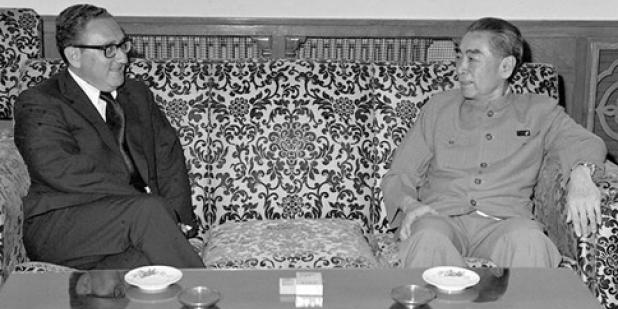
No comments:
Post a Comment