20261029 CDTL NRM D121 20 October 1975 121. Bản ghi nhớ cuộc Hội đàm.
https://history.state.gov/historicaldocuments/frus1969-76v18/d121
Google Translated
Tài liệu 121
Quan hệ Đối ngoại Hoa Kỳ, 1969–1976, Tập
XVIII, Trung Quốc, 1973–1976
121. Bản ghi nhớ cuộc Hội đàm.
Bắc Kinh, ngày 20 tháng 10 năm 1975, 10:00–11:40 sáng
THÀNH PHẦN THAM DỰ
Phía Tầu cộng
Đặng Tiểu Bình, Phó Thủ tướng Quốc vụ viện
Kiều Quán Hoa, Bộ trưởng Ngoại giao
Hoàng Trấn, Trưởng Văn phòng Liên lạc nước Cộng hòa
Nhân dân Trung Hoa tại Washington, D.C.
Vương Hải Dung, Thứ trưởng Bộ Ngoại giao
Lâm Bình, Vụ trưởng Vụ châu Mỹ và châu Đại Dương, Bộ
Ngoại giao
Đường Văn Sinh, Phó Vụ trưởng Vụ châu Mỹ và châu Đại
Dương (phiên dịch)
Đinh Nguyên Hồng, Vụ trưởng Vụ các vấn đề Hoa Kỳ, Vụ
châu Mỹ và châu Đại Dương, Bộ Ngoại giao
Triệu Chí Hoa, Phó Vụ trưởng Vụ các vấn đề Hoa Kỳ, Vụ
châu Mỹ và châu Đại Dương, Bộ Ngoại giao
Thạch Yến Hoa, phiên dịch viên, cùng hai thư ký ghi
chép
Phía Hoa Kỳ
Ngoại trưởng Henry A. Kissinger
Đại sứ George H. Bush, Trưởng Văn phòng Liên lạc Hoa Kỳ
tại Bắc Kinh
Ông Helmut Sonnenfeldt, Cố vấn Bộ Ngoại giao
Ông Philip C. Habib, Trợ lý Ngoại trưởng, Cục các vấn
đề Đông Á và Thái Bình Dương
Ông Winston Lord, Giám đốc Ban Hoạch định Chính sách
Ông William Gleysteen, Jr., Phó Trợ lý Ngoại trưởng, Cục
các vấn đề Đông Á và Thái Bình Dương
Cô Karlene G. Knieps, thư ký ghi chép
Đặng Tiểu Bình:
Dù sao thì, chúng tôi hoan nghênh ông trong chuyến thăm Bắc Kinh lần thứ tám
này.2
Kissinger:
Căn phòng này rất quen thuộc với tôi—tôi đã ở đây khá nhiều lần rồi.
Đặng Tiểu Bình:
Đã gần một năm—chính xác là mười một tháng—kể từ chuyến thăm trước của ông. Có
thể nói rằng thế giới đã có không ít thay đổi trong mười một tháng qua, vì vậy
chúng ta cần trao đổi quan điểm về những tình hình đã thay đổi này.
Kissinger:
Việc trao đổi quan điểm luôn hữu ích đối với chúng tôi.
Đặng:
Chúng ta có tranh cãi đôi chút cũng chẳng sao cả.
Kissinger:
Như vậy thì cánh báo chí mới có chuyện để viết chứ.
Đặng:
Đúng vậy, và tôi tin rằng họ sẽ đưa ngay câu nói đó vào bài tường thuật của
mình. [Trang 754]
Kissinger:
Chúng ta nên bảo Bộ trưởng Ngoại giao bắn một “phát pháo rỗng”; như thế thì họ
lại càng có thêm chuyện để viết.
Đặng:
Họ đều là những người cầm bút, lại còn rất khéo léo trong cách diễn đạt nữa.
Giờ thì cánh báo chí đã rời đi rồi, Tiến sĩ có thể thoải
mái bày tỏ quan điểm của mình.
Kissinger:
Bây giờ chúng ta có thể nói ra những suy nghĩ thực sự của mình về nhau rồi.
Đặng:
Vâng.
Kissinger:
Phó Thủ tướng đề xuất chúng ta nên tiến hành như thế nào đây?
Đặng:
Ý ông thì sao?
Kissinger:
Chúng ta có một số chủ đề cần thảo luận. Như Bộ trưởng Ngoại giao đã đề cập
ngày hôm qua, chúng ta cần chuẩn bị cho chuyến thăm của Tổng thống; chúng ta
nên thảo luận vấn đề này trên cả phương diện nội dung lẫn thủ tục. Về nội dung,
chúng tôi muốn bàn cả khía cạnh công khai và khía cạnh riêng tư – chẳng hạn như
các bài phát biểu sẽ được trình bày và thông cáo chung sẽ được đưa ra. Về thủ tục,
vấn đề chỉ đơn giản là Tổng thống sẽ đến những đâu và phía các ông có đề xuất
gì. Chủ đề thứ hai là đánh giá tình hình thế giới. Chủ đề thứ ba là các vấn đề
song phương giữa hai nước.
Đối với chủ đề đầu tiên, chúng tôi muốn thống nhất về
đề cương của một bản thông cáo chung cho chuyến thăm này, nhằm tránh mọi hiểu lầm
có thể nảy sinh trong suốt chuyến thăm của Tổng thống.
Đặng:
Về vấn đề thông cáo chung, tôi nhớ tối qua ông có nói rằng phía các ông đã chuẩn
bị một bản dự thảo muốn cho chúng tôi xem. Chúng ta có thể để ông và Bộ trưởng
Ngoại giao của chúng tôi thảo luận chi tiết về bản dự thảo đó trước.
Về các địa điểm mà Tổng thống muốn ghé thăm, vì ông ấy
đã từng đến đây rồi, nên chúng tôi xin tôn trọng ý muốn của ông ấy. Tôi nghĩ việc
này rất dễ dàng.
Còn về những điều chúng ta sẽ trao đổi với nhau khi
ông ấy sang, chúng ta có thể thoải mái nói bất cứ điều gì mình muốn. Chẳng hạn,
trước đây tôi từng nói với những người bạn Mỹ đến thăm rằng: chúng ta thảo luận
với nhau cũng được, mà không thảo luận cũng chẳng sao; chúng ta có thể tìm được
tiếng nói chung, hoặc không – điều đó đều không thành vấn đề. Chúng tôi vẫn sẽ
chào đón ông ấy.
Kissinger:
Các cuộc thảo luận của chúng ta có hai khía cạnh: công khai và riêng tư. Các cuộc
thảo luận riêng tư nên là dịp để đánh giá một cách hoàn toàn thẳng thắn về tình
hình thế giới cũng như quan hệ song phương giữa hai nước. Còn đối với các cuộc
thảo luận công khai, việc để lộ ra bất kỳ sự bất đồng hay tranh cãi nào sẽ chẳng
mang lại lợi ích gì cho cả hai bên. Tôi nghĩ chúng ta nên để dành những chuyện
đó cho các diễn đàn như Liên Hợp Quốc, chứ không phải trong một chuyến thăm của
Tổng thống.
Đặng:
Chúng ta vẫn còn thời gian để thảo luận thêm… để bàn bạc cụ thể hơn. Ý ông là
nói về bản thông cáo chung phải không?
Kissinger:
Thẳng thắn mà nói—chúng ta có thể thảo luận kỹ hơn về vấn đề này vào một dịp
khác—tôi đang cân nhắc cả về bản thông cáo chung lẫn những gì báo chí nước
chúng tôi sẽ đưa tin. Điều gắn kết chúng ta lại với nhau chính là mối quan tâm
chung trước những tham vọng bá quyền. Chúng tôi hy vọng rằng chuyến thăm này sẽ
được công chúng nước chúng tôi hiểu đúng đắn.
Đặng:
Tôi tin rằng chúng ta sẽ đề cập đến những vấn đề đó trong các cuộc thảo luận tại
đây.
Kissinger:
Vào cuối cuộc họp này, có lẽ chúng ta có thể dành ra năm hoặc mười phút; tôi sẽ
trao bản dự thảo thông cáo chung cho Bộ trưởng Ngoại giao và giải thích những
gì chúng tôi dự định thực hiện, để phía các ông có thể điều chỉnh sao cho phù hợp
với yêu cầu của mình.
Đặng:
Được thôi.
Kissinger:
Theo kế hoạch hiện tại—nếu phía các ông đồng ý—Tổng thống sẽ đến đây vào chiều
thứ Hai, ngày 1 tháng 12, và rời đi vào chiều thứ Bảy tuần kế tiếp, tức ngày 6
tháng 12.
Đặng:
Về thời gian thì chúng tôi không thấy có vấn đề gì bất tiện cả.
Kissinger:
Trong chuyến công du này, Tổng thống sẽ không ghé thăm bất kỳ quốc gia nào khác
ở châu Á. (Trước đó) tôi đã thông báo với Trưởng Văn phòng Liên lạc của các
ông—người mà tôi được biết hiện nay sử dụng tiếng Anh rất lưu loát—rằng chúng
tôi từng cân nhắc khả năng ghé thăm Indonesia. Tuy nhiên, do áp lực từ việc chuẩn
bị ngân sách, Thông điệp Liên bang và các công việc khác, Tổng thống cần phải
trở về ngay thông qua ngả Hawaii.
Xin thông tin thêm để các ông nắm rõ: chúng tôi dự định
cử Phó Tổng thống đến thăm châu Á vào tháng Hai hoặc tháng Ba thay vì Tổng thống.
Nếu chúng ta đạt được thỏa thuận về các vấn đề chính tại
đây, liệu có thuận tiện không nếu chúng tôi cử một nhóm tiền trạm kỹ thuật đến
đây vào tuần đầu tiên của tháng 11, trong khoảng một tuần? Tài liệu tôi có ở đây
ghi là nhóm tiền trạm gồm 65 người, nhưng con số đó chắc không chính xác. Chúng
tôi sẽ cắt giảm số lượng, nhưng dù sao thì vẫn cần một nhóm tiền trạm; chúng ta
sẽ thống nhất về quân số cụ thể sau. 65 người thì thật vô lý.
Đặng:
Chuyện đó không thành vấn đề đâu. Các ông cử 100 người cũng được cả.
Kissinger:
Lần đầu tiên tôi đến đây, Thủ tướng Chu Ân Lai có hỏi tôi rằng sẽ
có bao nhiêu người đi cùng Tổng thống. Lúc đó tôi không rõ nên đã trả lời là
khoảng 50 người. Tôi không ngờ rằng chỉ riêng lực lượng an ninh thôi đã lên tới
hơn 50 người rồi. Nếu tôi nhớ không lầm thì cuối cùng đã có khoảng 500 người đến.
Vậy chúng ta sẽ cử nhóm tiền trạm kỹ thuật sang vào tuần
đầu tiên của tháng 11, phải không?
Đặng: Đồng
ý như vậy.
Kissinger:
Được rồi. Chúng tôi sẽ liên hệ với Văn phòng Liên lạc để thống nhất về thời
gian cụ thể và số lượng người.
Đặng:
Được.
Kissinger:
Chúng tôi cũng đề xuất rằng các đài truyền hình nên tự làm việc trực tiếp với
phía các ông thay vì thông qua chúng tôi, nếu các ông thấy thuận tiện. [Trang
756]
Đặng:
Tôi nghĩ như vậy cũng được.
Kissinger:
Họ cũng sẽ liên hệ với Văn phòng Liên lạc.
Liệu chúng ta có thể coi tổng số người phía chúng tôi
— bao gồm cả báo chí — sẽ tương đương với chuyến thăm của Tổng thống Nixon trước
đây không?
Đặng:
Tôi nghĩ điều đó hoàn toàn khả thi. Số lượng chênh lệch một chút cũng không
thành vấn đề gì đối với chúng tôi.
Kissinger:
Trong chuyến thăm lần này, không cần thiết phải sắp xếp các cuộc họp riêng cho
Ngoại trưởng. Được rồi. Bây giờ chúng ta chuyển sang thảo luận các vấn đề khác
nhé?
Đặng:
Mời ông.
Kissinger:
Có lẽ chúng ta nên điểm qua tình hình quốc tế và những vấn đề mà cả hai bên
đang phải đối mặt?
Đặng:
Được thôi.
Kissinger:
Chúng tôi chưa bao giờ ảo tưởng về những khác biệt giữa hai bên. Dù sao thì Bộ
trưởng Ngoại giao của các ông cũng luôn nhắc nhở chúng tôi về những khác biệt
đó. Tuy nhiên, chúng tôi tin rằng hai nước xích lại gần nhau là do những nhu cầu
chiến lược nhất định. Vì vậy, theo quan điểm của chúng tôi, mối quan hệ này
không phải là kiểu hai kẻ thù lợi dụng lẫn nhau, mà là hai quốc gia cùng đối mặt
với một vấn đề tương tự và hợp tác để giải quyết nó. Nhu cầu chiến lược mà cả
hai bên cùng đối mặt chính là mối đe dọa từ Liên Xô. Tôi nghĩ điều quan trọng cần
hiểu là ở đây chúng ta đang đối mặt với ba vấn đề: thứ nhất là chiến lược tổng
thể; thứ hai là các sách lược cần thực hiện; và thứ ba là mối quan hệ giữa hai
nước trong bối cảnh tình hình quốc tế chung. Xét về đánh giá chiến lược của
chúng tôi, chúng tôi tin rằng Liên Xô đang ngày càng mạnh lên và đến một thời
điểm nào đó, họ có thể bị cám dỗ sử dụng sức mạnh đó cho các phiêu lưu chính trị.
Chúng tôi cho rằng họ mạnh lên không phải nhờ các chính sách hòa hoãn, mà là nhờ
sự phát triển công nghệ cùng tình trạng chung của nền kinh tế. Vì Liên Xô vừa
là một quốc gia châu Âu vừa là một quốc gia châu Á, nên việc ngăn chặn họ thiết
lập quyền bá chủ tại bất kỳ khu vực nào trong hai khu vực này là điều vô cùng
quan trọng. Và vì chúng tôi đóng vai trò là nhân tố phòng thủ chủ chốt trước
Liên Xô, chúng tôi buộc phải duy trì sức mạnh tại cả hai khu vực đó. Như tôi đã
trao đổi với Bộ trưởng Ngoại giao của các ông, tôi không rõ giả thuyết nào mới
là chính xác—liệu họ đang giả vờ tấn công ở phía Đông để thực sự tấn công ở
phía Tây, hay ngược lại, giả vờ tấn công ở phía Tây để thực sự tấn công ở phía
Đông. Tôi cho rằng điều đó không tạo ra sự khác biệt nào cả; bởi nếu họ tấn
công ở phía Tây và giành thắng lợi, thì phía Đông cuối cùng sẽ phải đối mặt với
một lực lượng hùng hậu hơn nhiều; và nếu họ tấn công ở phía Đông, thì phía Tây
cũng sẽ phải đối mặt với một lực lượng hùng hậu hơn nhiều. Do đó, đối với Hoa Kỳ,
bản chất của vấn đề không có gì khác biệt đáng kể. Chiến lược của chúng tôi là
nỗ lực duy trì thế cân bằng toàn cầu nhằm ngăn chặn các cuộc tấn công, dù là ở
phía Tây hay phía Đông.
Điều này dẫn đến câu hỏi thứ hai: các chiến thuật cần
theo đuổi để thực hiện chiến lược đã đề ra. Ở điểm này, rõ ràng là giữa chúng
ta có sự khác biệt, mặc dù một phần xuất phát từ sự khác biệt về vị trí địa lý
và tình hình nội bộ của mỗi bên. Các ông tin vào việc thể hiện một lập trường
công khai đầy cứng rắn, dù vì nhiều lý do khác nhau, các ông không nhất thiết
phải hành động như vậy ở mọi nơi trên thế giới. Chúng tôi chọn cách thể hiện lập
trường linh hoạt hơn trước công chúng, nhưng chúng tôi sẵn sàng chống lại bất cứ
nơi nào mà Liên Xô tìm cách vươn tầm ảnh hưởng. Do đó, tại Trung Đông, Angola,
Bồ Đào Nha và những nơi khác, chúng tôi đã hành động rất tích cực để ngăn chặn
sự bành trướng của Liên Xô—ngay cả khi phải đơn độc thực hiện và chấp nhận bị
chỉ trích vì điều đó.
Để theo đuổi chính sách này sau những biến động nội bộ
tại Mỹ do vấn đề Việt Nam và vụ Watergate gây ra, điều cốt yếu là chúng tôi phải
cho công chúng trong nước thấy rằng chúng tôi đang bị khiêu khích chứ không phải
là bên gây ra căng thẳng. Các ông cần hiểu rằng, chính những người tại Mỹ có giọng
điệu cứng rắn nhất lại là những người dễ gây ra tình trạng tê liệt hành động tại
các khu vực mà chúng tôi đang can dự trên thế giới. Những người thường xuyên chỉ
trích chúng tôi vì chính sách "giảm căng thẳng" (détente)—tôi đang
nói đến người Mỹ, còn về phía nước ngoài thì tôi sẽ đề cập sau—lại cho rằng vấn
đề ở Trung Đông là do chúng tôi không hợp tác với Liên Xô để giải quyết; trong
khi toàn bộ chính sách của chúng tôi chính là tránh điều đó. Các ông đã tiếp
xúc đủ với người Mỹ chúng tôi để có thể tự đưa ra nhận định của riêng mình.
Nhưng nếu chúng tôi làm theo những gì ông Vance cùng cộng sự đề xuất—chẳng hạn
như tuyên bố từ bỏ việc sử dụng vũ khí hạt nhân trước—thì điều đó sẽ làm thay đổi
tương quan sức mạnh, dẫn đến hệ quả là Tây Âu rơi vào tình trạng "Phần Lan
hóa" (chịu sự chi phối của Liên Xô). Chúng tôi tin rằng, việc để Liên Xô
nghĩ rằng chúng tôi chấp nhận một sự thay đổi chiến lược lớn—dù ở phương Đông
hay phương Tây—liên quan đến việc sử dụng vũ khí hạt nhân, thì đó chắc chắn
không phải là lợi ích của bất kỳ quốc gia nào. Việc khiến Liên Xô tin rằng
chúng ta sẽ không chấp nhận bất kỳ sự thay đổi nào làm đảo lộn thế cân bằng — bất
kể loại vũ khí nào được sử dụng — là điều có lợi cho chúng ta. Tôi nêu ví dụ
này để làm rõ lập trường của chúng ta.
Đây là những sách lược nhằm thực thi chiến lược của
chúng ta. Quý vị không cần phải lo ngại rằng chúng ta đang theo đuổi chính sách
hòa dịu dựa trên những ảo tưởng; thực tế, chúng ta coi đây là phương thức tối
ưu để chống lại chủ nghĩa bành trướng của Liên Xô. Hơn nữa, chúng ta hoàn toàn
không có ý định trả bất kỳ cái giá đáng kể nào cho chính sách này. Lập trường
hiện tại cho phép chúng ta duy trì ngân sách quân sự ở mức cao qua từng năm, đồng
thời đóng vai trò như một lực cản đối với các đồng minh của mình.
Nhân đây, tôi xin đề cập đến một số đồng minh của
chúng ta. Đối với Tây Âu, chúng tôi nhận thấy đang tồn tại những xu hướng trái
ngược nhau. Một mặt, quan hệ giữa chúng ta với các quốc gia Tây Âu chủ chốt đã
cải thiện đáng kể. Hiện nay, chúng ta thường xuyên tổ chức các cuộc gặp cấp cao
— bao gồm cả cấp Tổng thống và Bộ trưởng Ngoại giao — nơi hai bên có thể trao đổi
một cách thẳng thắn và sâu
Mặt khác, chúng tôi cho rằng tại nhiều quốc gia châu
Âu, đang xuất hiện xu hướng xây dựng chính sách đối ngoại dựa trên những ảo tưởng.
Ở không ít nước, người ta dễ rơi vào cám dỗ khi cho rằng thiện chí có thể thay
thế cho sức mạnh. Ngoài ra, tại một số quốc gia — điển hình là Ý và phần nào đó
là Pháp — các đảng phái chịu sự kiểm soát của Moscow vẫn đủ mạnh để gây ảnh hưởng
đến chính sách đối ngoại.
Chúng tôi đặc biệt hoan nghênh các chuyến thăm của nhiều
nhà lãnh đạo châu Âu tới Cộng hòa Nhân dân Tầu cộng, và chúng tôi
đánh giá cao việc ông sẵn sàng chia sẻ với họ những nhận định của mình về tình
hình quốc tế. Do đó, chúng tôi cho rằng chuyến thăm của Thủ tướng Đức tới đây
vào tuần tới có ý nghĩa rất quan trọng. Theo đánh giá của chúng tôi, trong Đảng
Dân chủ Xã hội, ông ấy là người thực tế nhất. Ông ấy cũng không có tư duy mơ hồ
hay thiên về cảm tính như người tiền nhiệm của mình. Vì vậy, những nhận định của
ông sẽ rất hữu ích đối với ông ấy. Điều này sẽ củng cố vị thế của ông ấy trong
nước, đồng thời cũng có lợi cho tình hình chung tại châu Âu, nhất là khi ông ấy
còn có ảnh hưởng lớn đối với ông Giscard.
Tuy nhiên, như tôi đã đề cập, châu Âu đang đối mặt với
vấn đề là các đánh giá về chính sách đối ngoại có phần quá lạc quan. Chúng tôi
cũng lo ngại về một xu hướng thiên tả — thiên về phản đối quốc phòng hơn là dựa
trên hệ tư tưởng — dẫn đến tâm thế quốc phòng yếu kém. Chúng tôi đã gặp khó
khăn ở sườn phía nam, khu vực Địa Trung Hải. Một phần nguyên nhân xuất phát từ
tình hình nội bộ của chính chúng tôi — vấn đề mà Đại sứ của chúng tôi chắc chắn
đã nắm rất rõ. Không quốc gia nào có thể để quyền lực trung ương suy yếu kéo
dài qua nhiều năm mà không phải trả giá trong những năm tiếp theo. Dù vậy,
chúng tôi đang trong quá trình khắc phục tình trạng này; nếu tách biệt các cuộc
tranh luận khỏi kết quả bỏ phiếu, ông sẽ thấy rằng gần đây chúng tôi đã giành
được ưu thế trong các cuộc bỏ phiếu tại Quốc hội — điều phản ánh đúng dư luận
công chúng.
Chúng tôi đã cải thiện tình hình tại Bồ Đào Nha và hy
vọng rằng trong vòng bốn đến sáu tháng tới, chúng ta có thể giải quyết hoặc đạt
được những tiến bộ đáng kể liên quan đến vấn đề Thổ Nhĩ Kỳ - Hy Lạp - Síp.
Ông đã nắm rõ tình hình tại Trung Đông. Chúng tôi tin
rằng Liên Xô đã phải chịu một thất bại lớn. Tổng thống Sadat sẽ tới Washington
vào tuần tới để tiếp tục xây dựng một chiến lược chung. Tuy nhiên, đây cũng là
khu vực mà việc hiểu rõ mối quan hệ giữa chiến lược và chiến thuật là vô cùng
quan trọng. Chúng tôi nhận thấy rằng cách tốt nhất để ngăn chặn tham vọng bá
quyền tại Trung Đông là đạt được một giải pháp lâu dài. Nhưng chúng ta cũng cần
hiểu rằng, không thể tạo ra một giải pháp lâu dài chỉ bằng những lời lẽ hoa mỹ
hay việc đưa ra các kế hoạch đơn thuần. Một giải pháp lâu dài bao gồm các yếu tố
tại chỗ, yếu tố quốc tế và cả yếu tố nội bộ của Hoa Kỳ. Vấn đề của chúng ta là
phải đồng bộ hóa ba khía cạnh này. Chúng ta không thể kiểm soát được yếu tố tại
chỗ nếu không chứng minh được rằng Liên Xô không có khả năng đưa tình hình đến
một kết cục cụ thể. Vì vậy, mỗi khi Liên Xô can thiệp, chúng ta buộc phải trải
qua một giai đoạn chứng minh sự bất lực của họ. Chúng ta cũng cần cho các bên
được Liên Xô hậu thuẫn ở Trung Đông hiểu rằng, con đường duy nhất dẫn đến một
giải pháp hòa bình là thông qua Washington.
Một yêu cầu cấp thiết thứ hai là phải giúp dư luận
trong nước làm quen với một chính sách công bằng hơn giữa các nước Ả Rập và
Israel — đúng như Chủ tịch Mao đã gợi ý khi tôi gặp ông ấy hai năm trước. Mọi nỗ
lực toàn diện trước đây của Mỹ đều thất bại vì không huy động được sự ủng hộ
trong nước. Hiện nay, chúng tôi tin rằng lần đầu tiên các điều kiện khách quan
đã hội tụ để đạt được một giải pháp toàn diện dưới sự dẫn dắt của Mỹ. Chúng tôi
dự định sẽ thúc đẩy tiến trình này ngay sau khi các cuộc bầu cử tại Mỹ kết
thúc.
Trong thời gian chờ đợi, chúng ta sẽ thực hiện các bước
đi tạm thời để xoa dịu tình hình. Dù sao đi nữa, cũng chẳng có bên nào khác đưa
ra được những giải pháp thay thế khả thi. Tuy nhiên, chính sách nhất quán của
chúng tôi vẫn là hướng tới một giải pháp toàn diện. Mối nguy lớn nhất hiện nay
là sự chia rẽ trong thế giới Ả Rập, vốn đang bị Liên Xô lợi dụng. Bất kỳ ảnh hưởng
nào mà các quốc gia khác có thể tác động — đặc biệt là đối với Syria — đều sẽ
mang ý nghĩa vô cùng quan trọng.
Ngoài ra còn có các vấn đề khác như Nhật Bản, Đông Nam
Á, Nam Á và Triều Tiên; chúng ta sẽ có vài ngày để thảo luận về những vấn đề
này. Tôi muốn đề cập một điểm về Triều Tiên, nơi chúng ta rõ ràng có những quan
điểm khác biệt. Chúng tôi không phản đối việc tái thống nhất hay đối thoại,
nhưng chúng tôi phản đối các cuộc đàm phán riêng với Triều Tiên mà loại trừ Hàn
Quốc. Tôi cũng muốn lưu ý rằng, nếu thúc ép tiến trình diễn ra quá nhanh, có thể
sẽ tạo ra những thực tế địa chính trị không phải lúc nào cũng có lợi cho chính
bên thúc đẩy tiến trình đó.
Tôi xin phép được nói đôi điều về quan hệ song phương
giữa chúng ta. Về vấn đề bình thường hóa, chúng tôi đã khẳng định rõ cam kết tiếp
tục tuân thủ các nguyên tắc trong Thông cáo Thượng Hải, và chúng tôi sẽ đề xuất
với phía các ông một số cách diễn đạt trong thông cáo nhằm thể hiện bước tiến
theo hướng đó. Chúng tôi cho rằng việc tạo ra sức sống và sự phát triển trong
quan hệ song phương là điều quan trọng. Chúng tôi làm vậy không phải vì quá chú
trọng vào quy mô thương mại giữa Hoa Kỳ và Tầu cộng; hơn nữa,
chúng tôi tin rằng Tầu cộng – quốc gia đã tồn tại suốt 2.000 năm
lịch sử mà không cần tiếp xúc sâu rộng với Hoa Kỳ – thì chắc hẳn vẫn có thể tiếp
tục tồn tại thêm nhiều năm nữa mà không cần đến các hoạt động giao lưu văn hóa
sâu rộng giữa hai bên. Chúng tôi thậm chí vẫn có thể sống ổn mà không cần đến
những bài hát yêu thích của các ông hay các cuộc cách mạng. Nhưng đối với chúng
tôi, đó không phải là vấn đề cốt lõi. Vấn đề nằm ở chỗ làm thế nào để tạo dựng
vị thế tốt nhất nhằm chống lại các tham vọng bá quyền, dù là ở phương Tây hay
phương Đông. Nếu xét đến điều đó, thì việc thúc đẩy quan hệ giữa hai nước trở
nên vô cùng quan trọng. Sẽ rất khó để giành được sự ủng hộ của công chúng cho
những hành động cần thiết nếu Tầu cộng không phải là một nhân tố
quan trọng trong nhận thức của người dân Mỹ; và điều đó chỉ có thể xảy ra khi
quan hệ song phương giữa chúng ta được cải thiện. Quyết định hoàn toàn nằm ở
phía các ông. Chúng tôi không thu được lợi ích vật chất đáng kể nào từ việc
này. Tuy nhiên, nếu nhận thức của công chúng Mỹ về quan hệ với Tầu cộng và
Liên Xô có sự chênh lệch, thì đó là vì giữa chúng ta hiện chưa có những bước tiến
thực chất nào.
Trong thời gian tôi ở đây, nếu các ông quan tâm, ông
Habib sẵn sàng gặp gỡ bất kỳ ai mà các ông chỉ định để thảo luận về mối quan hệ
này. Quyết định tùy thuộc vào các ông. [Trang 760]
Tóm lại, như tôi đã từng phát biểu công khai hai lần
trước đây, chúng tôi coi quan hệ với Cộng hòa Nhân dân Tầu cộng là
một thành tố vô cùng quan trọng trong chính sách tổng thể của mình. Chúng tôi
coi trọng mối quan hệ này dựa trên đánh giá của chúng tôi về tình hình thế giới,
cũng như niềm tin rằng việc duy trì cục diện chung để ngăn chặn các tham vọng
bá quyền là điều hết sức cần thiết. Chúng tôi không hành động như vậy để rồi
cùng Liên Xô chia đôi thế giới — một cơ hội mà chúng tôi từng nhiều lần được đề
nghị, nhưng luôn từ chối vì chính chúng tôi sẽ trở thành nạn nhân cuối cùng của
một kịch bản như thế. Chúng tôi đã kể với các ông về hiệp ước mà Brezhnev từng
đề nghị với Tổng thống tại Vladivostok.
Tất nhiên, chúng ta vẫn sẽ có những khác biệt về tư tưởng
và quan điểm đối với một số quốc gia cụ thể, nhưng tôi tin rằng hai bên cũng có
những lợi ích chung quan trọng. Chính những lợi ích chung đó đã thôi thúc tôi đến
đây tám lần — tôi nhớ là vậy — với những chuyến thăm quy mô lớn hơn bất kỳ quốc
gia nào khác. Còn nhiều vấn đề khác mà chúng ta cần thảo luận. Tôi tin là các
ông cũng muốn bàn về Nhật Bản. Tôi cũng đã trao đổi với Bộ trưởng Ngoại giao của
các ông về vấn đề Angola; nếu Tanzania chịu giải tỏa số vũ khí mà họ đang giữ lại,
thì điều đó sẽ rất hữu ích cho chúng ta. Nhưng chúng ta có thể bàn kỹ hơn về việc
này trong suốt chuyến thăm của tôi. Chắc các ông cũng nhận ra, với tư cách là một
cựu giáo sư, tôi vừa trình bày đúng năm mươi phút.
Đặng:
Ông nói xong rồi chứ?
Kissinger:
Tôi vẫn còn ít nhất năm mươi phút nữa, nhưng tôi muốn dành cơ hội cho các ông
trước.
Đặng:
Vậy hay là mời ông nói nốt phần còn lại, rồi chúng tôi sẽ đưa ra ý kiến của
mình? Ông cứ tiếp tục năm mươi phút tiếp theo đi.
Kissinger:
Không cần đâu. Tôi đã trình bày cơ bản các quan điểm tổng thể của mình rồi. Chỉ
còn một điểm nữa tôi muốn bổ sung. Các ông đừng đánh giá tâm trạng của nước Mỹ
thông qua bầu không khí tại Washington. Cũng đừng đánh giá thái độ của nước Mỹ
dựa trên tâm trạng của Quốc hội hiện nay — một Quốc hội ít đại diện nhất cho
người dân Mỹ mà chúng tôi từng có. Quốc hội khóa vừa rồi được bầu ra ngay sau
khi Tổng thống Nixon từ chức, vào thời điểm mà những người ủng hộ ông ấy đang
rơi vào trạng thái suy sụp tinh thần nghiêm trọng. Tôi đã đi khắp đất nước và
có thể khẳng định rằng, chính sách mà tôi vừa trình bày với các ông sẽ nhận được
sự ủng hộ rộng rãi. Văn phòng Liên lạc của các ông tại Washington có thể không
thấy được điều đó. Đây không phải là vấn đề của Văn phòng Liên lạc, mà đơn giản
là thực trạng tại Washington mà thôi. Tôi xin tạm dừng tại đây và sẽ có thêm ý
kiến sau khi nghe phản hồi từ phía các ông.
Đặng:
Tôi đã lắng nghe kỹ lưỡng các quan điểm và ý kiến của Tiến sĩ về tình hình quốc
tế. Tôi có một câu hỏi muốn đặt ra: Năm nay, các ông bán bao nhiêu ngũ cốc cho
Liên Xô?
Kissinger:
(Cười) Để tôi giải thích về chính sách ngũ cốc. Tôi định lát nữa mới đề cập đến
vấn đề này. Trước đây, Liên Xô từng mua ngũ cốc từ Hoa Kỳ trong những tình huống
khẩn cấp. Với cơ cấu nền kinh tế của chúng tôi, về mặt kỹ thuật, chúng tôi
không có cách nào ngăn chặn việc này. Chẳng hạn, năm 1972, họ đã mua 20 triệu tấn
ngũ cốc, trong khi những năm sau đó họ mua rất ít. Điều đó có nghĩa là mỗi khi
họ mua ngũ cốc, nó lại gây ra những tác động cực kỳ bất lợi cho nền kinh tế của
chúng tôi. Ngoài ra, chúng tôi còn phải đối mặt với bài toán: làm thế nào để tận
dụng nhu cầu ngũ cốc của họ nhằm thúc đẩy các chính sách phù hợp với lợi ích của
Hoa Kỳ, trong khi nền kinh tế của chúng tôi lại không có cơ chế kỹ thuật nào để
ngăn chặn việc mua bán này, đồng thời cũng phải đối mặt với áp lực từ chính các
nhóm lợi ích nông nghiệp trong nước. Tôi muốn chia sẻ cách suy nghĩ của chúng
tôi để ông có thể hiểu rõ hơn. Cụ thể, năm nay họ có một vụ mùa rất tồi tệ.
Chúng tôi đã bán cho họ khoảng 9,8 triệu tấn ngũ cốc. Sau đó, chúng tôi gây áp
lực lên các công ty tư nhân để dừng các thương vụ tiếp theo – một động thái gây
ra cho chúng tôi vô vàn khó khăn trong nước. Chúng tôi tận dụng khoảng thời
gian tạm dừng này để buộc Liên Xô phải vận chuyển một phần đáng kể lượng ngũ cốc
đó bằng tàu của Hoa Kỳ – với chi phí cao gấp đôi giá thị trường quốc tế – đồng
thời tạo cơ hội để chúng tôi kiểm soát tiến độ giao hàng. Tiếp đó, chúng tôi
kiên quyết thúc đẩy một thỏa thuận ngũ cốc dài hạn; thỏa thuận này có lẽ sẽ được
ký kết ngay trong hôm nay hoặc ngày mai.
Đặng:
Số lượng hàng năm là bao nhiêu?
Kissinger:
Khoảng 6 triệu tấn mỗi năm, trong vòng năm năm.
Đặng:
Tổng cộng là 6 triệu tấn?
Kissinger:
Mỗi năm 6 triệu tấn. Nhưng điểm quan trọng là thỏa thuận này buộc họ phải mua
ngay cả khi không thực sự cần, đồng thời đặt ra hạn mức tối đa cho lượng ngũ cốc
mà chúng tôi phải cung cấp khi họ rơi vào tình huống khẩn cấp.
Đặng:
Ông có cho rằng việc họ ồ ạt thu mua ngũ cốc, không chỉ từ Hoa Kỳ mà còn từ các
nguồn khác, không đơn thuần chỉ để giải quyết nhu cầu lương thực trước mắt mà
còn nhằm mục đích xây dựng kho dự trữ chiến lược?
Kissinger:
Chúng tôi cho rằng năm nay họ đã gặp phải một vụ mùa thảm họa. Sản lượng chỉ đạt
khoảng 160 triệu tấn, thấp hơn nhiều so với mức bình thường là 225 triệu tấn. Tại
Helsinki, Brezhnev đã đề nghị mua thêm 15 triệu tấn từ chúng tôi, bên cạnh 9,8
triệu tấn mà họ đã mua trước đó; tuy nhiên, năm nay chúng tôi chỉ dự định bán
thêm cho họ khoảng 5 triệu tấn nữa. Theo mọi thông tin chúng tôi nắm được, năm
nay họ sẽ buộc phải giết bớt gia súc vì thiếu ngũ cốc làm thức ăn chăn nuôi.
Đặng:
Tôi xin phép hỏi thêm một câu nữa. Các cuộc đàm phán về việc bán thiết bị và
công nghệ hiện đại của Hoa Kỳ cho Liên Xô đang tiến triển như thế nào?
Kissinger:
Ý ông là thiết bị và công nghệ hiện đại nào?
Đặng:
Tôi tin rằng ông vẫn thường xuyên trao đổi với họ về vấn đề này.
Kissinger:
Họ luôn quan tâm đến các thiết bị và công nghệ hiện đại. Hiện tại, chúng tôi
không bán nhiều, cũng chẳng có gì đáng kể cả. [Trang 762]
Đặng:
Chúng tôi nhận thấy Pháp đang đàm phán với họ về các thỏa thuận dài hạn với trị
giá khoảng 2,5 tỷ Franc.
Kissinger:
Trong khi chúng ta mới chỉ dừng lại ở mức thảo luận nhiều hơn là hành động cụ
thể về các khoản tín dụng kinh tế, thì các nước châu Âu lại hành động nhiều hơn
là tuyên bố. Tổng cộng, Cộng hòa Liên bang Đức và Pháp đã cung cấp cho họ khoảng
7,5 tỷ USD tín dụng. Trong khi đó, chúng ta chỉ cung cấp khoảng 500 triệu USD
trong suốt nhiều năm qua.
Đặng:
7 tỷ USD ư?
Kissinger:
Đúng vậy. Chúng tôi đã sử dụng triển vọng tiếp cận công nghệ như một công cụ để
điều tiết cách hành xử trong chính sách đối ngoại của họ. Chúng tôi đang áp dụng
chiến lược duy trì sự phụ thuộc của Liên Xô bằng cách không bán các bản thiết kế
hoàn chỉnh, mà chỉ cung cấp các linh kiện. Việc các nước châu Âu bán cả bản thiết
kế là một sự thiếu khôn ngoan. Đáng tiếc là, chính việc Hoa Kỳ cung cấp quá ít
tín dụng đã vô tình đẩy các cơ hội kinh doanh này vào tay các nước châu Âu – những
quốc gia hoàn toàn không có bất kỳ chiến lược nào. Đối với chúng tôi, đây không
đơn thuần là một vấn đề kinh doanh. Chúng tôi thực hiện việc này vì một mục
tiêu chiến lược.
Đặng:
Qua các ấn phẩm, chúng tôi thấy rằng khối lượng các giao dịch kiểu này giữa Hoa
Kỳ và Liên Xô dường như đã vượt xa khối lượng giao dịch giữa các quốc gia này với
châu Âu và các nước khác.
Kissinger:
Điều đó hoàn toàn không chính xác. Quy mô các giao dịch mà chúng ta có thể kiểm
soát – tức là các khoản tín dụng chính phủ – chỉ dưới 500 triệu đô la. Có thể
có thêm khoảng 300 đến 400 triệu đô la tín dụng tư nhân nữa. Dù sao đi nữa, đối
với những khoản mà chúng ta có thể kiểm soát, chúng ta đều thực hiện theo cách
đảm bảo rằng có thể cắt đứt bất cứ lúc nào và các khoản này không có thời hạn
hoàn tất ngắn hạn.
Đặng:
Tôi xin phép hỏi thêm một câu nữa. Ông đánh giá thế nào về những hệ quả từ Hội
nghị Helsinki?
Kissinger:
Tôi không cho là như vậy… Đây là điểm mà tôi không đồng tình; đánh giá của
chúng ta hoàn toàn khác biệt. Đôi khi chúng ta bất đồng về chiến thuật. Tôi
không cho rằng Hội nghị Helsinki là một sự kiện quan trọng. Tại Mỹ, nó hoàn
toàn không tạo ra tác động nào; nếu có được biết đến tại Mỹ, thì nó chỉ được
xem như một phương thức để yêu cầu Liên Xô nới lỏng sự kiểm soát đối với Đông
Âu và chính người dân của họ.
Tại Tây Âu, nếu xét đến một số quốc gia cụ thể, có lẽ
nó đã gây ra tác động tiêu cực nhỏ ở một vài nước. Còn tại Pháp, Anh và Cộng
hòa Liên bang Đức thì nó chẳng tạo ra tác động gì cả. Ở Đông Âu, chính những quốc
gia như Nam Tư, Romania và Ba Lan – những nước mong muốn độc lập khỏi Liên Xô
nhất – lại là những bên ủng hộ tích cực nhất đối với Hội nghị Helsinki. Tôi
nghĩ chúng ta không nên tuyên bố về những thắng lợi của Liên Xô vốn chẳng hề tồn
tại. Như tôi đã nói với ông năm ngoái, vai trò của chúng ta trong Hội nghị An
ninh châu Âu về cơ bản là thụ động. Chúng tôi không cho rằng hội nghị này đã tạo
ra tác động lớn nào. [Trang 763]
Đặng:
Nhưng chúng tôi nhận thấy rằng những bên nhiệt tình nhất trong việc tuyên bố về
cái gọi là “thắng lợi” của Hội nghị An ninh châu Âu, trước hết là Liên Xô, và
thứ hai là Hoa Kỳ.
Kissinger:
Không phải vậy. Trước hết là Liên Xô, và thứ hai là các đối thủ chính trị trong
nước của chúng tôi tại Hoa Kỳ. Chính phủ Hoa Kỳ chưa bao giờ tuyên bố đạt được
thành tựu to lớn nào từ Hội nghị An ninh châu Âu cả. Còn Liên Xô… họ buộc phải
tuyên bố đó là thành công, vì họ đã theo đuổi chính sách này suốt mười lăm năm
qua. Theo những dấu hiệu mà chúng tôi nắm được, Liên Xô có lẽ đang cảm thấy—bất
kể họ tuyên bố thế nào trước công chúng—rằng họ đã tính toán sai lầm liên quan
đến Hội nghị An ninh châu Âu. Tất cả những gì họ nhận được từ phương Tây chỉ là
các tuyên bố chung chung về những vấn đề vốn đã được giải quyết từ trước, trong
khi chúng ta lại có được các phương thức gây áp lực rất cụ thể đối với những vấn
đề mang tính thực tiễn.
Tại châu Âu, không còn đường biên giới nào chưa được
giải quyết. Các đường biên giới ở vùng Balkan đã được định đoạt tại các hội nghị
hòa bình ở Paris giai đoạn 1946–1947. Biên giới phía Đông của Ba Lan đã được
xác định tại Yalta. Biên giới phía Tây của Ba Lan cũng đã được cả hai nhà nước
Đức công nhận. Không có đường biên giới nào ở châu Âu mà chưa được thừa nhận.
Không phải chính trị gia nào của chúng ta cũng biết điều này, nhưng xét về mặt
pháp lý, đó là một thực tế.
Đặng:
Vậy chúng ta tạm nghỉ sáng nay rồi tiếp tục vào buổi chiều nhé?
Kissinger:
Được thôi.
Đặng:
Và chúng ta có thể đưa ra ý kiến của mình.
Kissinger:
Tôi có nên chuyển bản thông cáo cho Bộ trưởng Ngoại giao không?
Đặng:
Được. Có lẽ ông có thể giải thích ngay tại đây.
Kissinger:
Tôi xin phép giải thích một vài điểm được không? Trên tinh thần những gì tôi đã
đề cập trước đó, chúng tôi đã đưa vào những nội dung tích cực nhất có thể—tất
nhiên, các ông có thể cân nhắc điều chỉnh lại cho phù hợp. Tuy nhiên, gạt sang
một bên các khía cạnh mang tính ngôn từ, có ba nhóm vấn đề trong mối quan hệ giữa
chúng ta cần lưu ý: thứ nhất là nội dung về bá quyền; thứ hai là về bình thường
hóa quan hệ; và thứ ba là về quan hệ song phương. Đối với vấn đề bá quyền, cách
diễn đạt của chúng ta có thể giúp xoa dịu dư luận ở một số quốc gia khác, nhất
là nếu chúng ta không đưa nội dung đó vào phần mở đầu. Với cả vấn đề bá quyền lẫn
bình thường hóa quan hệ, chúng ta đã cố gắng tiến xa hơn một bước so với Thông
cáo Thượng Hải.
Đặng:
Xin chờ một chút. (Đặng rời khỏi phòng.) Ông cứ tiếp tục đi. Xin hãy đợi một
lát. Xin lỗi ông, chúng tôi cần trao đổi một chút.
(Đặng quay trở lại phòng.)
Kissinger:
Chúng tôi cũng đã áp dụng cách làm tương tự đối với các vấn đề song phương. Vì
không nắm rõ suy nghĩ của phía các ông, nên chúng tôi đã đưa vào tất cả những
gì có thể đưa vào, nhưng đối với chúng tôi, ý nghĩa chính của nó vẫn là mang
tính biểu tượng. Có một hoặc hai vấn đề song phương mà tôi muốn giải thích
trong một cuộc họp với thành phần hạn chế hơn — như tôi đã trao đổi với Bộ trưởng
Ngoại giao trên xe ngày hôm qua. Về phía chúng tôi, thành phần sẽ hạn chế hơn;
còn phía các ông thì tùy ý, tôi không bận tâm ai sẽ tham dự.
[Bộ trưởng trao bản Thông cáo cho Bộ trưởng Ngoại
giao. Kèm theo.]
Kissinger:
Hai bản có đủ cho các ông không?
Đặng:
Tôi nghĩ thế là đủ rồi.
Kissinger:
Lần trước, khi tôi đưa cho Bộ trưởng Ngoại giao một bản Thông cáo dài ba trang,
ông ấy lại phản hồi bằng một bản chỉ vỏn vẹn ba dòng.
(Cười)
Đặng:
Nếu nội dung mà ông muốn thảo luận trong một nhóm hạn chế chính là điều ông đã
đề cập với Bộ trưởng Ngoại giao trên xe — nếu bản chất là như vậy — thì như Chủ
tịch Mao đã làm rõ lập trường của chúng tôi với ông trong các cuộc trao đổi trước
đây, đặc biệt là trong chuyến thăm năm 1973, chúng tôi cho rằng có lẽ không cần
thiết phải tổ chức các cuộc thảo luận hạn chế như vậy.
Kissinger:
Tùy các ông thôi.
Đặng:
Về dự thảo Thông cáo, chúng tôi sẽ xem xét rồi sau đó chúng ta có thể trao đổi
thêm với nhau. Tôi nghe nói ông có ý định… muốn cùng phu nhân đến thăm Bảo tàng
Cố cung vào chiều nay. Có lẽ chúng ta nên bắt đầu muộn hơn một chút, vào lúc 4
giờ chiều.
Kissinger:
Được thôi.
Đặng:
Vậy chúng ta thống nhất gặp nhau vào lúc 4 giờ chiều nay, tại chính căn phòng
này, vì nơi đây rất gần Bảo tàng Cố cung.
Kissinger:
Được, tốt quá.
Cuộc họp kết thúc lúc 11 giờ 40 phút sáng.
1. Nguồn:
Thư viện Ford, Cố vấn An ninh Quốc gia, Các báo cáo của Kissinger
về các cuộc thảo luận liên quan đến Liên Xô, Tầu cộng và Trung Đông,
1974–76, Hộp 2, Các biên bản hội đàm và báo cáo về Trung Quốc, ngày 19–23
tháng 10 năm 1975, Chuyến công tác của Kissinger. Tài liệu Mật; Nhạy cảm.
Cuộc họp diễn ra tại Đại lễ đường Nhân dân.↩
2. Đặng
Tiểu Bình đã chào đón phái đoàn Hoa Kỳ và trò chuyện ngắn với Kissinger
vào tối hôm trước. (Biên bản hội đàm, ngày 19 tháng 10; tài liệu đã dẫn.)↩
3. Dự
thảo thông cáo được đính kèm nhưng không in ra tại đây. Các phần nằm trong dấu
ngoặc vuông là nguyên văn từ tài liệu gốc.↩
Historical Documents - Office of the Historian
https://history.state.gov/historicaldocuments/frus1969-76v18/sources
https://history.state.gov/historicaldocuments/frus1969-76v18/terms
https://history.state.gov/historicaldocuments/frus1969-76v18/persons
https://history.state.gov/historicaldocuments/frus1969-76v18/comp1
The Summit in Beijing, August–December 1975 (Documents 117–137)
https://history.state.gov/historicaldocuments/frus1969-76v18/ch4
1.
Document 121
Foreign Relations of the United States, 1969–1976, Volume
XVIII, China, 1973–1976
121.
Memorandum of Conversation1
Beijing,
October 20, 1975, 10:00–11:40 a.m.
PARTICIPANTS
· China
o
Teng Hsiao-ping, Vice Premier of the State Council
o
Ch’iao Kuan-hua, Foreign Minister
o
Huang Chen, Chief, PRCLO, Washington, D. C.
o
Wang Hai-jung, Vice Foreign Minister
o
Lin P’ing, Director of American Oceanic Affairs, Foreign
Ministry
o
T’ang Wen-sheng, Deputy Director of American Oceanic
Affairs (translator)
o
Ting Yuan-hung, Director for U.S. Affairs, American and
Oceanic Affairs, Foreign Ministry
o
Chao Chi-hua, Deputy Director for U.S. Affairs, American
and Oceanic Affairs, Foreign Ministry
o
Shih Yen-hua, Translator plus two notetakers
· United
States
o
Secretary of State Henry A. Kissinger
o
Ambassador George H. Bush, Chief, United States Liaison
Office, Peking
o
Mr. Helmut Sonnenfeldt, Counselor of the Department
o
Mr. Philip C. Habib, Assistant Secretary of State, Bureau
of East Asian and Pacific Affairs
o
Mr. Winston Lord, Director, Policy Planning Staff
o
Mr. William Gleysteen, Jr., Deputy Assistant Secretary of
State, Bureau of East Asian and Pacific Affairs
o
Miss Karlene G. Knieps, Notetaker
Teng: Anyway, we welcome you on your eighth visit to
Peking.2
Kissinger: This room is very familiar to me—I have been
here quite often.
Teng: It is almost a year, eleven months actually, since
your last visit. It should be said that there have been quite a few changes in
the world in these eleven months and therefore there is a need to exchange
views on these changed circumstances.
Kissinger: It is always useful for us to exchange views.
Teng: It doesn’t matter even if we quarrel a bit.
Kissinger: It gives the press something to write about.
Teng: Yes, and I believe they are immediately going to
report that sentence.
Kissinger: We should ask the Foreign Minister to fire the
empty cannon; then they would have even more to report.
Teng: They are all men of letters and they have very deft
hands.
Now, since the press have left, the Doctor is free to
express his views.
Kissinger: Now we can say what we really think of each
other.
Teng: Yes.
Kissinger: How does the Vice Premier propose that we
proceed?
Teng: What is your idea?
Kissinger: We have a number of topics to discuss. As the
Foreign Minister said yesterday, we have to prepare for the President’s trip,
and we should discuss that from the point of view of substance and procedure.
With respect to substance, we would like to discuss both the public and the
private aspect. That is, the sort of speeches that will be made and the sort of
communiqué that will emerge. With respect to procedures, it is just a matter of
where the President will go and what your proposals are. The second (topic) is
a review of the world situation. The third is our bilateral topics.
And we would like with respect to the first topic to agree
on an outline of a communiqué on this trip so that we avoid any possible
misunderstandings during the President’s trip.
Teng: As for the question of the communiqué, I believe you
said last night that you have prepared a draft you would like to show to us. We
can ask that you and our Foreign Minister first discuss the particular details
(of a draft communiqué).
As to the places the President would like to visit, since
he has been here before, we would like to defer to his preferences. I believe
that is easy.
As for what we will say to each other after he comes, we
can say whatever we want to say to each other. For instance, I have said before
this to visiting American friends that it will be all right if we have
discussions; also all right if we do not. It will be all right if our minds
meet, or if they do not. We will welcome him.
Kissinger: There are two aspects to our discussions—the
public and the private. The private discussions should be a very frank review
of the world situation and our bilateral relations. (In the case of the public
discussions,) it would serve the interests of neither side if it would appear
that we were quarreling. I think we should reserve that for the UN and not for
a Presidential visit.
Teng: There is still time for further discussions on that…
for further concrete discussions. I suppose you mean the communiqué?
Kissinger: Quite frankly—and we can discuss it more
privately on some occasion—I have in mind partly the communiqué and partly [Page 755]what our newspapers will
be writing. What binds us together is our common concern about hegemonial
aspirations. It is our hope that the visit will be properly understood by our
public.
Teng: I believe we will touch upon such matters during our
discussions here.
Kissinger: At the end of this meeting perhaps we could
leave five or ten minutes and I will give our communiqué draft to the Foreign
Minister and I will explain what we are trying to do so that you can adjust it
in the direction that is appropriate for you.
Teng: Alright.
Kissinger: The present plan, if this is agreeable to you,
would be for the President to arrive here Monday, December 1 in the afternoon.
And then to leave the following Saturday afternoon. That would be the 6th.
Teng: There is nothing inconvenient about the time with us.
Kissinger: And he will not visit any other countries in
Asia while he is on this trip. (Earlier) I indicated to the Chief of your
Liaison Office, who, I understand speaks perfect English now, that we might
visit Indonesia but we have found that the press of preparing the budget and
the State of the Union Address and other matters require the President’s return
immediately via Hawaii.
For your information, we plan that the Vice President visit
Asia in February or March instead of the President.
Would it be convenient for you if, assuming we agree on
major things here, that we send a technical advance party here the first week
of November for about a week? My paper here says the advance people would
number 65 people, but that cannot be true. We will reduce the numbers, but at
any rate we will need an advance party and we will agree on the numbers. That
is ridiculous—65 people.
Teng: It is not a great matter. It will be alright if you
send 100.
Kissinger: The first time that I came here Prime Minister
Chou En Lai asked me how many people would come with the President. I had no
idea and I said maybe 50. I didn’t realize that there were more than 50
security people alone. Eventually about 500 came, if I remember correctly.
We will, then, send the technical advance people the first
week of November?
Teng: That is agreed upon.
Kissinger: Alright. And we will be in touch with the
Liaison Office about the precise times and numbers.
Teng: Fine.
Kissinger: And we recommend that the television networks
work out their own arrangements with you rather than through us, if that is
agreeable to you.
Teng: I think that is alright.
Kissinger: They will also get in touch with the Liaison
Office.
Shall we assume that the total numbers will be comparable
to the Nixon visit on our side, including press?
Teng: I think that would be possible. A little bit more or
less would not be of consequence to us.
Kissinger: There is no need to arrange separate meetings
for the Secretary of State on this trip. All right. Shall we discuss other
matters now?
Teng: Please.
Kissinger: Maybe a brief review of the international
situation and the issues that we face?
Teng: Fine.
Kissinger: We have never had any illusions about our
differences. And in any event the Foreign Minister is always there to remind us
of them. But we also believe that we were brought together by certain strategic
necessities. And therefore to us our relationship is not that of two enemies
using each other but of two countries having a similar problem and working on
it cooperatively. The strategic necessity which we both face is that of the
Soviet threat. I think it is important to understand that here we face three
problems: one, the overall strategy; second, the tactics that we have to
pursue; and third, our relationship as it relates to the overall international
situation.
As far as our strategic assessment is concerned we believe
that the Soviet Union is gaining in strength and that at some point it may be
tempted to translate that strength into political adventures. We think it is
gaining in strength, not as a result of détente policies, but as a result of
the development of technology and the general state of the economy. Since the
Soviet Union is both a European and an Asian country, it is important to
prevent it from achieving hegemony in either place. And since we are the
principal element of defense against the Soviet Union, we have to be strong in
both places. As I have said to your Foreign Minister, I do not know which
theory is correct—whether they are feinting in the East to attack in the West
or feinting in the West to attack in the East. I do not think it makes any
difference, because if they attack in the West and succeed, the East will
eventually face a much more massive force; and if they attack in the East, then
the West will eventually face a much more massive force. So, as far as the
United States is concerned, the problem is not significantly different. Our
strategy is to attempt to maintain the world equilibrium to prevent attacks in
either the West or the East.
This leads to the second question: the tactics to be
pursued in carrying out the strategy. And here, there is obviously a difference
[Page 757]between us, although
some of it arises from the difference in our geographic situation and our
domestic situation. You believe in taking a public posture of great
intransigence, though you do not necessarily act, for a variety of reasons, in
every part of the world. We believe in taking a more flexible posture publicly,
but we resist in any part of the world towards where the Soviet Union stretches
out its hands. Therefore, in the Middle East, in Angola, in Portugal and in
other places we have been quite active in order to prevent Soviet expansion,
even when we had to do it alone and even when we were criticized for doing it.
In order to pursue this policy after the domestic upheavals
we have had in America as a result of Vietnam and Watergate, it is absolutely
essential for us that we are in a public posture at home that we are being
provoked rather than causing the tension. You have to understand that those in
America who talk most toughly are most likely to produce a paralysis of action
in the various places around the world where we are now acting. The very people
who are attacking us, now and then, for détente—I am speaking of Americans, I
will speak of foreigners later—are also telling us what is wrong in the Middle
East is that we are not settling it cooperatively with the Soviet Union—which
has been our whole policy to avoid. You have seen enough of our people here so
that you can form your own judgment. But if we had, for example, done what Mr.
Vance and his crew recommended; namely, to renounce the first use of nuclear
weapons, then the effect on our relative power rationale would lead to the
Finlandization of Western urope. But it cannot be, and we do not believe it can
be in the interests of any country to allow the Soviet Union to believe we
would accept a major strategic change—whether it is in the East or the
West—concerning the use of nuclear weapons. It is in our interest to make the
Soviet Union believe that we will not acquiesce in an overturning of the
equilibrium no matter what weapons are involved. I cite this as an example of
our position.
These are tactics for the conduct of our strategy. You need
have no concern that we are conducting détente with illusions; we are
conducting it as the best method for resisting Soviet expansionism. And we are
not prepared to pay any significant price for it. Our being in this position
enables us to maintain high military budgets year after year and to act as a
brake on our allies.
Let me in this connection talk about some of our allies.
With respect to Western Europe we think there are contradictory trends. On the
one hand, our relations with the principal Western European countries have
greatly improved. We have very many leadership meetings now at the highest
levels, including the President and the Foreign Minister, where we have
intimate exchanges.
On the other hand, we believe that in many European
countries there is a tendency to base foreign policy on illusions. In many of
them [Page 758]there is the temptation
to substitute goodwill for strength. And in some of them parties controlled by
Moscow are strong enough to influence foreign policy, as in Italy and to some
extent France.
We greatly welcome the many visits of European leaders to
the People’s Republic of China, and we appreciate your willingness to give them
your perception of the international environment. We think, therefore, that the
visit of the German Chancellor here next week can be of great significance. Our
assessment is that within the Social Democratic Party he is by far the most
realistic. And he is much less of a vague and sentimental mind than his
predecessor. So, he would greatly benefit from your perceptions. It would
strengthen him domestically and I think it would benefit the whole European
situation, since he also has great influence with Giscard.
But, as I pointed out, in Europe we have the problem of
perhaps especially optimistic assessments of foreign policy and we are also
concerned with a leftist trend—anti-defense rather than ideological— which
invites a weak defense posture. We have had difficulties on the southern flank
in the Mediterranean. Some of them caused by our own domestic situation, with
which our Ambassador is no doubt fully familiar. No country can afford a
weakening, extending over years, of its central authority without paying some
price for it over the next years. But we are in the process of rectifying this,
and if you separate the debate from the votes, you will see we have lately been
winning on the votes in Congress, which is a reflection of public opinion.
We have improved the situation in Portugal and we hope that
within the next four–six months we can solve or make major progress on the
Turkish/Greek/Cyprus problem.
You are familiar with the situation in the Middle East. We
believe that the Soviet Union has suffered a major setback, President Sadat is
coming to Washington next week to continue the development of a common
strategy. But here again it is an area where it is important for us to
understand the relationship between strategy and tactics. We recognize that the
best way to prevent hegemonistic desires in the Middle East is to bring about a
permanent settlement. But we also realize that one cannot bring about a permanent
settlement by rhetoric or by putting forward plans. Permanent settlement has a
local component; it has an international component; and it has an American
domestic component. Our problem is to synchronize these three aspects. We
cannot master the local component unless we demonstrate the Soviet Union cannot
bring about a conclusion. So that whenever the Soviet Union interferes, we have
to go through a period of demonstrating its impotence. We also have to teach
the Soviet clients in the Middle Est that the only road to a settlement leads
through Washington.
The second necessity we have is to get our domestic opinion
used to a more even-handed policy between the Arabs and Israelis—as [Page 759]Chairman Mao suggested
when I saw him two years ago. Every previous comprehensive American effort has
failed because of the inability to mobilize our domestic support. We now
believe the objective conditions exist for a comprehensive settlement for the first
time under American leadership. And we intend to move in that direction
immediately after our elections.
In the meantime we will take interim steps to alleviate the
situation. And in any event, no one else has any realistic alternatives. But it
is our fixed policy to move towards a comprehensive settlement. The major
danger now is Arab disunity exploited by the Soviet Union. And whatever
influence other countries may have, especially on Syria, would be of great
importance.
There are other issues: Japan, Southeast Asia, South Asia,
and Korea. But we have several days to discuss them. I want to say one thing
about Korea where we clearly have different views. We are not opposed to
reunification and we are not opposed to a dialogue, but we are opposed to
having separate talks with North Korea to the exclusion of South Korea. I would
also like to say that it is possible that by forcing the pace of events too
far, geopolitical realities could be created that are not always to the benefit
of those who force the pace.
Let me say a word about our bilateral relations. On
normalization, we have made clear our continuing commitment to the principles
of the Shanghai Communiqué, and we will suggest to you some formulations in the
communiqué which suggest some progress in that direction. We think it is
important to show some vitality and forward movement in our bilateral
relationship. We do not do this because we particularly care about the level of
trade between the United States and China, and we believe also that China, having
survived 2,000 years of its history without extensive contact with the United
States, may manage to stagger on for many more years without extensive exchange
between our various cultural troupes. We can even survive your favorite songs
without revolution. But to us that is not the issue. To us the issue is how to
be in the best position to resist hegemonial aspirations in the West as well as
in the East. And if that is the case, it is important that we show some
movement in our relationship. It is difficult to gain public support for what
may have to be done if China is not an important element in American
consciousness, and it cannot be unless there is some improvement in our
bilateral relationship. This is entirely up to you. We have nothing very material
to gain from it. But if there is an inequality in American public consciousness
between relations with China and the Soviet Union, it is because nothing very
substantial is happening in our relationship.
While I am here, Mr. Habib is prepared to meet with anybody
you designate to discuss this relationship, if you are interested. It is up to
you.
To sum up, we consider our relations with the People’s
Republic of China, as I have now said on two public occasions, a very
significant element in our overall policy. It is that, because of our
assessment of the world situation. It is that, because we believe it is
important to maintain the overall situation against aspirations to hegemony. We
are not doing it in order to be able to divide up the world in two with the
Soviet Union—an opportunity which has often been offered to us, and which we
have always rejected because we would become the ultimate victim of such a
procedure. We told you about the treaty that Brezhnev offered to the President
in Vladivostok.
So we are bound to have our differences in ideology and in
specific countries, but I also believe we have some important common interests
and it is those common interests which have brought me here eight times, I
believe, for more extensive visits than to any other country. There are many
other points we will want to discuss. I am sure you want to discuss Japan. And
I have already discussed Angola with your Foreign Minister, where we would find
it helpful if Tanzania would release some of your arms that they are blocking.
But we can discuss that during the course of my visit here. You will have
noticed that as a former professor, I spoke exactly fifty minutes.
Teng: Are you finished?
Kissinger: I have another fifty minutes at least, but I
want to give you an opportunity first.
Teng: So, shall we first invite you to finish your speech
and then we will give our opinion? You can go on to the next fifty minutes.
Kissinger: No. I have substantially stated my overall
views. There is one additional point I wish to make. You must not judge the
mood of the United States by the atmosphere in Washington. And you must not
judge the attitudes of America by the mood of the most unrepresentative
Congress we have ever had. This last Congress was elected in the immediate
aftermath of the resignation of President Nixon when those who had been for him
were very demoralized. I have been traveling through the country systematically
and I am certain that we will get wide support for the policy that I have
described to you. Your Liaison Office may not see that (mood) in Washington. It
is no reflection on your Liaison Office—it is simply a reflection on
Washington. This is all I have to say now and I will make more comments after I
have heard from you.
Teng: I have listened carefully to the views and points
regarding the international situation that the Doctor has given. There is a
question I would like to ask. How much grain are you selling to the Soviet
Union this year?
Kissinger: (Laughter) Let me explain the grain policy. I
was going to mention it later. In the past the Soviet Union has bought grain in
[Page 761]emergencies from the
United States. Given the organization of our economy, we have no technical way
of preventing this. So in 1972 they bought 20 million tons of grain. In
subsequent years they bought very little. That means when they bought grain
they have had an extremely disruptive effect on our economy. Also, we have had
the problem of how to use their need for grain in order to bring about policies
that are compatible with our interest, and how to do this in an economy that
has no technical means of preventing the sale and to prevent pressures on us
from our own agricultural interests. I want to explain our thinking to you so
that you can understand it. So what we did this year is the following: they
have a very bad harvest. We sold them about 9.8 million tons of grain. We then
brought about a stoppage of further sales by pressure on the private companies,
which caused us enormous domestic difficulties. We used this period of stoppage
to force the Soviet Union to ship a substantial part of the grain in American
ships, at about double the world rate, and giving us an opportunity to control
the rate of delivery. We then insisted on a long-term grain agreement which
will probably be signed today or tomorrow.
Teng: The annual amount?
Kissinger: About 6 million tons for five years.
Teng: The total is 6 million?
Kissinger: Annually 6 million tons. But the important point
is that it forces them to buy when they don’t need it, and it places a ceiling
on what we have to sell when they are in an emergency.
Teng: Do you think that this massive buying of grain not
only from the United States but also other quarters is only to fill their
stomachs but also for strategic reserves?
Kissinger: We believe that they have had a catastrophic
crop this year. It is about 160 million tons, below the normal of about 225. At
Helsinki Brezhnev asked to buy 15 million tons from us on top of the 9.8
million he had already bought, but we are only going to sell him about 5
million more this year. All our information is that they will have to slaughter
cattle this year to reduce their livestock because they are short of feed
grains to feed them.
Teng: May I ask another question? That is, how are the
negotiations about sales of American modern equipment and technology to the
Soviet Union coming along?
Kissinger: What modern equipment and technology?
Teng: I believe you have constant communication with them
on this.
Kissinger: They have constant interest in modern equipment
and technology. We are not selling a great deal at this moment. Nothing of any
significance.
Teng: We have noticed that France has been engaging in
negotiations with them for long-term agreements involving about 2.5 million
Francs.
Kissinger: While we have talked more than we have done in
economic credits, the Europeans have done more than they have said. They have
given altogether—between the Federal Republic and France— about $7.5 billion in
credit. We have given them about 500 million over years.
Teng: $7 billion?
Kissinger: Yes. We have used the prospect of technology to
moderate their foreign policy conduct and we are trying to employ a strategy of
keeping the Soviets dependent by not selling plans but parts to them. It is the
folly of the European countries that they are selling plans. Unfortunately the
small amount of U.S. credits has had the effect of throwing the business into
the hands of the Europeans who have no strategy at all. For us it is not a
business proposition. We are doing it for a strategic proposition.
Teng: We have seen from publications that the amount of
such dealings between the United States and the Soviet Union seems to have
exceeded that of the European and other countries.
Kissinger: That is totally incorrect. The amount of
dealings we can control; that is, governmental credits, have been less than
$500 million. There may be another three or four hundred million of private
credits. In any event, the things we can control we do in such a manner that
they can always be shut off and that they do not have rapid completion dates.
Teng: May I ask another question? What is the Doctor’s
assessment of the consequences of the Helsinki Conference?
Kissinger: I do not believe … It is one point where I do
not agree, where our assessments are totally different. We sometimes disagree
on tactics. I do not agree the Helsinki Conference was a significant event. In
America it has had no impact whatever and insofar as it is known in America, it
is as a device to ask the Soviet Union to ease their control over Eastern
Europe and over their own people.
In Western Europe if one looks at (specific) countries, it
may have had some minor negative impact in a minority of countries. In France,
Britain, and the Federal Republic it has had no impact. In Eastern Europe it is
the countries like Yugoslavia, Romania and Poland which most want to be
independent of the Soviet Union which have been the most active supporters of
the Helsinki Conference. I do not think we should proclaim Soviet victories
that do not exist. Our role in the European Security Conference, as I told you
last year, was essentially passive. We do not believe it has had a major
impact.
Teng: But we have noticed that those who have been most
enthusiastic in proclaiming the so-called victories of the European Security
Conference are first of all the Soviet Union and secondly the United States.
Kissinger: No. First of all the Soviet Union and secondly
our domestic opponents in the United States. The United States Government has
not claimed any great achievements for the European Security Conference. The
Soviet Union has … must claim success since it pursued this policy for fifteen
years.
Our indications are that the Soviet Union may feel—whatever
they say publicly—that they have miscalculated with respect to the European
Security Conference. All they got from the West were general statements about
matters that had already been settled in the past while we have obtained means
of very specific pressures on matters of practical issues.
There were no unsettled frontiers in Europe. The Balkan
frontiers were settled in 1946–47 in the peace conferences in Paris. The
Eastern frontier of Poland was settled at Yalta. The Western frontier of Poland
was recognized by both German states. There are no frontiers in Europe that are
not recognized. Not all of our politicians know this but this is legally a
fact.
Teng: So shall we call it a morning and continue this
afternoon?
Kissinger: Alright.
Teng: And we can give our opinions.
Kissinger: Shall I give the communiqué to the Foreign
Minister?
Teng: Alright. Perhaps you could explain it here.
Kissinger: May I explain a few points? In the spirit of
what I said earlier we expressed the most positive things which can be said
which you may want to moderate. But leaving aside the rhetorical aspects of any
communiqué there are three categories in our relationship which attract
attention: one is what we say about hegemony; second is what we say about
normalization; and the third is what we say about our bilateral relations. With
respect to hegemony, what we say may help ease public opinion problems of some
other countries, especially if we don’t put it in the preamble. What we have
attempted to do with respect to both hegemony and normalization is to go some
steps beyond the Shanghai Communiqué.
Teng: One moment please. (Teng leaves the room.) You can
continue. Please wait. Excuse us for a moment.
(Teng returns to the room.)
Kissinger: We did the same with the bilateral things. Since
we don’t know your thinking we put in everything that could conceivably be put
down but to us the primary significance is symbolic. One or two [Page 764]things on the bilateral
things I would like to explain in a more restricted meeting as I explained to
the Foreign Minister yesterday in the car. More restricted on our side. I do
not care who participates on your side.
[Secretary hands Communiqué to the Foreign Minister.
Attached.]3
Kissinger: Is two copies enough for you?
Teng: I think that is enough.
Kissinger: The last time I gave the Foreign Minister a
three page Communiqué, he came back with three lines.
(Laughter)
Teng: If what you want to discuss in a restricted group is
what you mentioned to the Foreign Minister in the car, if it is of that nature,
then as Chairman Mao has made our position very clear to you in his discussions
before, especially in the visit of 1973, it is our view that perhaps such
restrictive talks will not be necessary.
Kissinger: It is up to you.
Teng: As for the Communiqué draft we will look it over and
then we can further consult each other. I heard you have an idea you would like
to … that you want to go to the Palace Museum this afternoon with your wife.
Perhaps we should begin later. At 4:00 p.m.
Kissinger: Good.
Teng: So we shall agree upon meeting at 4:00 p.m. this
afternoon. In this same room. Because this is very close to the Palace Museum.
Kissinger: That’s fine.
Meeting ended at 11:40 a.m.
1.
Source: Ford Library, National Security Adviser, Kissinger
Reports on USSR, China, and Middle East Discussions, 1974–76, Box 2, China
Memcons and Reports, October 19–23, 1975, Kissinger’s Trip. Secret; Sensitive.
The meeting took place in the Great Hall of the People.↩
2.
Deng welcomed the U.S. party and briefly chatted with
Kissinger the previous evening. (Memorandum of conversation, October 19; ibid.)↩
3.
The draft communiqué is attached but not printed. Brackets
are in the original.↩
https://history.state.gov/historicaldocuments/frus1969-76v18/d121
https://history.state.gov/historicaldocuments/frus1969-76v18/pg_754
https://history.state.gov/historicaldocuments/frus1969-76v18/pg_755
https://history.state.gov/historicaldocuments/frus1969-76v18/pg_757
https://history.state.gov/historicaldocuments/frus1969-76v18/pg_758
https://history.state.gov/historicaldocuments/frus1969-76v18/pg_759
https://history.state.gov/historicaldocuments/frus1969-76v18/pg_760
https://history.state.gov/historicaldocuments/frus1969-76v18/pg_761
https://history.state.gov/historicaldocuments/frus1969-76v18/pg_762
https://history.state.gov/historicaldocuments/frus1969-76v18/pg_763
https://history.state.gov/historicaldocuments/frus1969-76v18/pg_764
Thân thế (các) nhân vật
Political
Advisor to CINPAC until July 1973; Director of People’s Republic of China and
Mongolian Affairs from July 1973; Deputy Assistant Secretary for East Asian and
Pacific Affairs from August 1976
https://www.wikitree.com/wiki/Armstrong-28783
https://history.state.gov/historicaldocuments/frus1969-76v18/persons
https://adst.org/Readers/China.pdf
https://www.govinfo.gov/content/pkg/GPO-CRECB-1977-pt17/pdf/GPO-CRECB-1977-pt17-1-2.pdf
https://www.governmentattic.org/2docs/FOIA_Logs_NARA-ADDRES_2001-2009.pdf
https://tile.loc.gov/storage-services/service/mss/mfdip/2004/2004gle01/2004gle01.pdf
https://archive.org/stream/allhands7087unit/allhands7087unit_djvu.txt
General Secretary of the Communist Party of
the Soviet Union
https://en.wikipedia.org/wiki/Leonid_Brezhnev
https://www.britannica.com/biography/Leonid-Ilich-Brezhnev
https://en.wikipedia.org/wiki/General_Secretary_of_the_Communist_Party_of_the_Soviet_Union
https://www.britannica.com/place/Soviet-Union/The-Brezhnev-era
Bush
George H W.,
Head
of the U.S. Liaison Office in Beijing from October 21, 1974, until December 7,
1975
https://en.wikipedia.org/wiki/George_H._W._Bush
https://en.wikipedia.org/wiki/President_of_the_United_States
https://en.wikipedia.org/wiki/Vice_President_of_the_United_States
https://en.wikipedia.org/wiki/Director_of_Central_Intelligence
https://en.wikipedia.org/wiki/Chief_of_the_U.S._Liaison_Office_to_the_People%27s_Republic_of_China
https://en.wikipedia.org/wiki/Republican_National_Committee
https://en.wikipedia.org/wiki/United_States_Ambassador_to_the_United_Nations
https://en.wikipedia.org/wiki/United_States_House_of_Representatives
https://history.state.gov/departmenthistory/people/chiefsofmission/china
https://www.state.gov/biographies-list/
https://www.state.gov/resources-bureau-of-global-talent-management/#ambassadors
https://www.cnn.com/2018/12/01/asia/george-h-w-bush-china-intl/index.html
https://en.wikipedia.org/wiki/List_of_ambassadors_of_the_United_States_to_China
https://www.chinadaily.com.cn/china/09usofficials/2009-05/31/content_7956346.htm
https://bush41library.tamu.edu/audiovisual/photos/35
Chiao Kuan-hua, (Qiao Guanhua)
Vice
Foreign Minister, People’s Republic of China
https://en.wikipedia.org/wiki/Qiao_Guanhua
https://history.state.gov/historicaldocuments/frus1969-76ve13/d124
https://www.marxists.org/subject/china/china-reconstructs/1974/CR1974-12-Sup.pdf
SYND
25-11-71 CHINESE DELEGATE CHIAO KUAN HUA SPEAKS ABOUT DISARMAMENT AT THE UN
https://www.youtube.com/watch?v=bjnyWtitbrg
Chou En-lai, (Zhou Enlai)
Premier
of the People’s Republic of China; member, Standing Committee of the Chinese
Communist Party’s Political Bureau
https://en.wikipedia.org/wiki/Zhou_Enlai
https://en.wikipedia.org/wiki/Premier_of_the_People%27s_Republic_of_China
https://en.wikipedia.org/wiki/Minister_of_Foreign_Affairs_of_the_People%27s_Republic_of_China
https://en.wikipedia.org/wiki/Vice_Chairman_of_the_Chinese_Communist_Party
https://en.wikipedia.org/wiki/Vice_Chairman_of_the_Chinese_Communist_Party
https://en.wikipedia.org/wiki/Chairman_of_the_Chinese_People%27s_Political_Consultative_Conference
https://history.state.gov/historicaldocuments/frus1969-76v17/d139
https://digitalarchive.wilsoncenter.org/document/zhou-enlai-talking-ho-chi-minh
https://digitalarchive.wilsoncenter.org/search?f[0]=topics:86538&fo[0]=86538
Tài liệu
Chu Ân Lai yêu
cầu Hoa Kỳ loại bỏ Tổng Thống Nguyễn Văn Thiệu và dùng Dương Văn Minh để lật
đổ hai nền Đệ I và Đệ II VNCH.
https://digitalarchive.wilsoncenter.org/document/discussion-between-zhou-enlai-and-le-duc-tho
https://digitalarchive.wilsoncenter.org/document/89367/download
Ford, Gerald R.,
Republican Representative from Michigan until October 13, 1973; House
Minority Leader until October 13, 1973; Vice President of the United States
from October 13, 1973, until August 8, 1974; President of the United States
from August 8, 1974
https://en.wikipedia.org/wiki/Gerald_Ford
https://en.wikipedia.org/wiki/President_of_the_United_States
https://en.wikipedia.org/wiki/Vice_President_of_the_United_States
https://en.wikipedia.org/wiki/House_Minority_Leader
https://en.wikipedia.org/wiki/Leader_of_the_House_Republican_Conference
https://en.wikipedia.org/wiki/Chair_of_the_House_Republican_Conference
https://en.wikipedia.org/wiki/United_States_House_of_Representatives
https://www.whitehouse.gov/about-the-white-house/presidents/gerald-r-ford/
https://www.whitehouse.gov/administration/
https://geraldrfordfoundation.org/gerald-r-ford-biography/
https://www.fordlibrarymuseum.gov/grf/timeline.asp
https://en.wikipedia.org/wiki/Presidency_of_Gerald_Ford
https://www.fordlibrarymuseum.gov/library/guides/findingaid/ford_vp_papers.asp
Gleysteen, William H., Jr.,
Deputy Director, Office of United Nations Political Affairs, Bureau of
International Organization Affairs, Department of State, from August 1966
https://en.wikipedia.org/wiki/William_H._Gleysteen
https://en.wikipedia.org/wiki/United_States_Ambassador_to_South_Korea
https://adst.org/OH%20TOCs/Gleysteen,%20William%20H.,%20Jr.toc.pdf
member, U.S. Delegation to the Paris Peace
Talks from May 1968 until October 1971; Ambassador to Korea from September 30,
1971, until August 19, 1974; Assistant Secretary of State for East Asian and
Pacific Affairs from September 27, 1974
https://en.wikipedia.org/wiki/Philip_C._Habib
https://en.wikipedia.org/wiki/Under_Secretary_of_State_for_Political_Affairs
https://en.wikipedia.org/wiki/Assistant_Secretary_of_State_for_East_Asian_and_Pacific_Affairs
https://en.wikipedia.org/wiki/United_States_Ambassador_to_Korea
https://diplomacy.state.gov/u-s-diplomact-philip-c-habib-presidential-medal-of-freedom-winner/
https://nsuworks.nova.edu/nsudigital_forums/13/
https://www.arabamerica.com/arabamericans/philip-habib-3/
https://www.britannica.com/biography/Philip-Charles-Habib
Huang Zhen (Huang Chen),
PRC Ambassador to France until March 1973; Chief of the PRC Liaison
Office in the United States from March 1973
https://en.wikipedia.org/wiki/Huang_Zhen
https://en.wikisource.org/wiki/Author:Huang_Zhen
https://2001-2009.state.gov/documents/organization/72591.pdf
https://nsarchive2.gwu.edu/NSAEBB/NSAEBB79/BEBB23.pdf
https://www.fordlibrarymuseum.gov/sites/default/files/2024-06/1552743.pdf
https://www.britishpathe.com/asset/236303/
https://mediaclip.ina.fr/en/caf97507056-credentials-huang-chen-at-the-elysee.html
https://history.state.gov/historicaldocuments/frus1969-76ve13/d12
Henry A Kissinger
Assistant to the President for National Security Affairs until
November 3, 1975; also Secretary of State from September 21, 1973
https://www.theguardian.com/world/2023/may/20/bilderberg-meeting-group-lisbon-kissinger
https://www.theguardian.com/world/bilderberg
https://history.state.gov/historicaldocuments/frus1969-76ve13/summary
https://china.usc.edu/getting-beijing-henry-kissingers-secret-1971-trip
https://china.usc.edu/catalog/documents/us-china
http://www.archives.gov/press/press-releases/2001/nr01-47.html
https://china.usc.edu/talking-points-july-22-august-3-2011
https://china.usc.edu/getting-beijing-henry-kissingers-secret-1971-trip#meetings
https://china.usc.edu/getting-beijing-henry-kissingers-secret-1971-trip#nixon-announcement
https://china.usc.edu/getting-beijing-henry-kissingers-secret-1971-trip#chinese-accept
https://china.usc.edu/getting-beijing-henry-kissingers-secret-1971-trip#signals
https://china.usc.edu/getting-beijing-henry-kissingers-secret-1971-trip#the_aim
http://www.foreignaffairs.com/articles/23927/richard-m-nixon/asia-after-viet-nam
https://history.state.gov/historicaldocuments/frus1969-76v17/d4
https://history.state.gov/historicaldocuments/frus1969-76v17/d12
https://history.state.gov/historicaldocuments/frus1969-76v17/d13
https://history.state.gov/historicaldocuments/frus1969-76v17/d141
https://2001-2009.state.gov/documents/organization/100324.pdf
https://en.wikipedia.org/wiki/Henry_Kissinger_and_the_Vietnam_War
Lesson in Vietnam from
Kissinger to Nixon: “when we made it “our war” we would not let
the South Vietnamese fight it; when it again became “their war”, we would not
help them fight it.”
(We
also had trouble with excesses here: when we
made it “our war” we would not let the South Vietnamese fight it; when it again
became “their war,” we would not help them fight it. Ironically, we
prepared the South Vietnamese for main force warfare after 1954 (anticipating another Korean-type attack), and they faced a political war; they had prepared
themselves for political warfare after 1973 only to be faced with a main force
invasion 20 years after it had been expected.)
https://history.state.gov/historicaldocuments/frus1969-76v10/d280
Lesson of Vietnam May 12 1975 by Henry A. Kissinger
https://www.fordlibrarymuseum.gov/library/exhibits/vietnam/032400091-002.pdf
https://thebattleofkontum.com/extras/kissinger.html
“Richard M. Nixon and Kissinger on 3 August 1972,” Conversation 760-006,
Presidential Recordings Digital Edition [Fatal Politics, ed. Ken Huges]
(Charlottesville: University of Virginia Press, 2014-). URL:https://prde.upress.virginia.edu/conversations/4006748
https://player.vimeo.com/video/889937807?h=e44572c8f3&color=e57200&title=0&byline=0&portrait=0
https://player.vimeo.com/video/889937807?h=e44572c8f3&color=e57200&title=0&byline=0&portrait=0
Discover the Truth at:
https://www.theblackvault.com/documentarchive/the-cias-vietnam-document-cd-rom/
The secret life of Henry
Kissinger minutes of a 1975 meeting with Lawrence Eagleburger
https://etan.org/news/kissinger/secret.htm
Henry Kissinger and the Truth About Negotiations In Vietnam
https://www.youtube.com/watch?v=Z5fxxKVfX5g
Henry Kissinger - Secrets of a superpower | DW Documentary
https://www.youtube.com/watch?v=bWVMTKeAwlA
The Untold Truth of Henry Kissinger
https://www.youtube.com/watch?v=0iheZdvWdbI&t=1s
Was Henry Kissinger a War Criminal?
https://www.youtube.com/watch?v=COqq7862wcU&t=25s
member, National Security Council staff until
1973; Director of the Policy Planning Staff, Department of State from October
1973 until January 1977
https://en.wikipedia.org/wiki/Winston_Lord
https://en.wikipedia.org/wiki/Assistant_Secretary_of_State_for_East_Asian_and_Pacific_Affairs
https://en.wikipedia.org/wiki/List_of_ambassadors_of_the_United_States_to_China
https://en.wikipedia.org/wiki/Council_on_Foreign_Relations
https://en.wikipedia.org/wiki/Director_of_Policy_Planning
https://www.brookings.edu/wp-content/uploads/2016/07/19981208.pdf
https://www.brookings.edu/wp-content/uploads/2016/07/19991104.pdf
https://nsarchive.gwu.edu/document/22669-document-04-winston-lord-director-policy
https://www.ncafp.org/about-us/faps-board-of-advisors/ambassador-winston-lord/
Nixon Richard M.,
Vice President of the United States
https://www.history.com/topics/us-presidents/richard-m-nixon
https://www.britannica.com/event/Watergate-Scandal
https://soundcloud.com/the-miller-center-at-uva/14-nov-68-lbj-and-nixon
https://en.wikipedia.org/wiki/Richard_Nixon
https://soundcloud.com/the-miller-center-at-uva
https://www.britannica.com/event/Vietnam-War
https://en.wikipedia.org/wiki/Richard_Nixon
http://www.pbs.org/wgbh/amex/honor/peopleevents/e_paris.html
https://www.britannica.com/event/Vietnam-War
http://www.nytimes.com/2016/12/31/opinion/sunday/nixons-vietnam-treachery.html
http://www.nytimes.com/interactive/2016/12/31/opinion/sunday/haldeman-notes.html
http://www.bbc.com/news/magazine-21768668
https://www.nixonlibrary.gov/index.php
https://history.state.gov/historicaldocuments/frus1964-68v07/ch5
https://www.lovethetruth.com/books/13_bloodlines/bundy.htm
https://www.lovethetruth.com/books/13_bloodlines/toc.htm
Nixon, Richard M.,
President of the United States
https://2001-2009.state.gov/documents/organization/100324.pdf
https://www.history.com/topics/us-presidents/richard-m-nixon
https://www.britannica.com/event/Watergate-Scandal
https://soundcloud.com/the-miller-center-at-uva/14-nov-68-lbj-and-nixon
https://en.wikipedia.org/wiki/Richard_Nixon
https://soundcloud.com/the-miller-center-at-uva
https://www.britannica.com/event/Vietnam-War
https://en.wikipedia.org/wiki/Richard_Nixon
http://www.pbs.org/wgbh/amex/honor/peopleevents/e_paris.html
https://www.britannica.com/event/Vietnam-War
http://www.nytimes.com/2016/12/31/opinion/sunday/nixons-vietnam-treachery.html
http://www.nytimes.com/interactive/2016/12/31/opinion/sunday/haldeman-notes.html
http://www.bbc.com/news/magazine-21768668
https://www.nixonlibrary.gov/index.php
https://history.state.gov/historicaldocuments/frus1964-68v07/ch5
https://www.lovethetruth.com/books/13_bloodlines/bundy.htm
https://www.lovethetruth.com/books/13_bloodlines/toc.htm
Nixon
had a Trip to China from February 21 to 28 1972,
https://www.nixonlibrary.gov/nixons-trip-china
http://www.presidentialtimeline.org/
https://www.nixonlibrary.gov/sites/default/files/virtuallibrary/tapeexcerpts/china-656-10a.pdf
https://www.nixonlibrary.gov/sites/default/files/virtuallibrary/tapeexcerpts/china-656-10b.pdf
https://www.nixonlibrary.gov/sites/default/files/virtuallibrary/tapeexcerpts/china-92-1a.pdf
https://www.nixonlibrary.gov/sites/default/files/virtuallibrary/tapeexcerpts/china-92-1b.pdf
https://www.nixonlibrary.gov/sites/default/files/virtuallibrary/tapeexcerpts/china-21-56.pdf
https://www.nixonlibrary.gov/sites/default/files/virtuallibrary/tapeexcerpts/china-656-10a.mp3
https://www.nixonlibrary.gov/sites/default/files/virtuallibrary/tapeexcerpts/china-656-10b.mp3
https://www.nixonlibrary.gov/sites/default/files/virtuallibrary/tapeexcerpts/china-92-1a.mp3
https://www.nixonlibrary.gov/sites/default/files/virtuallibrary/tapeexcerpts/china-92-1b.mp3
https://www.nixonlibrary.gov/sites/default/files/virtuallibrary/tapeexcerpts/china-21-56.mp3
https://nsarchive.gwu.edu/briefing-book/nuclear-vault-vietnam/2023-03-24/movement-and-madman
The Vietnam War Johnson
and Nixon Administrations Videos
March 2, 2016 Last
Aired May 5, 2016
https://www.c-span.org/program/the-presidency/reflections-on-richard-nixon/431130
July 16, 1973 Last
Aired July 22, 2013
Senate Watergate Committee Testimony
https://www.c-span.org/program/vignette/senate-watergate-committee-testimony/316346
April 26, 2016 Last Aired June 5, 2016
Vietnam War Commander in Chief
https://www.c-span.org/program/american-history-tv/vietnam-war-commanders-in-chief/439971
June 12, 2008 Last
Aired July 22, 2013
Alexander Butterfield Oral History Interview, Part 2
June 12, 2008 Last
Aired July 15, 2013
Alexander Butterfield Oral History Interview, Part 1
January 27, 2012
Last Aired June 11, 2012
President Nixon's Secret White House Tapes
https://www.c-span.org/program/american-history-tv/president-nixons-secret-white-house-tapes/277123
July 25, 1994 Last
Aired June 20, 2008
Watergate: Corruption of American Politics
https://www.c-span.org/program/public-affairs-event/watergate-corruption-of-american-politics/119480
February 16, 2003
Last Aired December 25, 2003
Presidential Tapes: Taping Systems History
https://www.c-span.org/program/public-affairs-event/presidential-tapes-taping-systems-history/122572
Alexander
Butterfield: The 60 Minutes Watergate Interview (1975)
https://www.youtube.com/watch?v=ss9AkLUmM4g
Watergate Hearing:
Alexander Butterfield Testimony
Alexander
Butterfield Was ‘Worried To Death’ Testifying Against Nixon
https://www.youtube.com/watch?v=c52oIe3Gj6w
How Nixon’s Invasion
of Cambodia Triggered a Check on Presidential Power
Vietnam War Cambodia
and Laos
https://www.history.com/articles/nixon-war-powers-act-vietnam-war-cambodia
Nixon's Vietnam Visit 1965, Rare Film Unearthed
https://www.youtube.com/watch?v=RaTi8OEpINI
Nixon on LBJ and Vietnam: Where Did It All Go Wrong?
https://www.youtube.com/watch?v=-n-4o3vOYD4
1969 July 30_Tổng Thống Hoa Kỳ 🇺🇸 Richard M. Nixon Thăm Việt Nam Cộng Hoà.
https://www.youtube.com/watch?v=ZRp4v6M6YJw&t=19s
Schmidt, Helmut,
West German Minister of Finance until May 6, 1974; Chancellor from
1974
https://en.wikipedia.org/wiki/Helmut_Schmidt
https://www.britannica.com/biography/Helmut-Schmidt
https://www.helmut-schmidt.de/en/ueber-uns/helmut-schmidt/life-and-work
https://www.ebsco.com/research-starters/politics-and-government/helmut-schmidt/
https://www.helmut-schmidt.de/en/ueber-uns/helmut-schmidt/life-and-work
https://www.bundesregierung.de/breg-en/service/archive/archive/chancellor-and-crisis-manager-463824
Deng Xiaoping (Teng Hsiao-p’ing),
Vice Premier of State Council after 1973
https://en.wikipedia.org/wiki/Deng_Xiaoping
https://www.britannica.com/biography/Deng-Xiaoping
https://www.britannica.com/summary/Deng-Xiaoping
https://www.ebsco.com/research-starters/history/deng-xiaoping
http://www.cppcc.gov.cn/zxww/2012/07/03/ARTI1341300716750109.shtml
https://www.encyclopedia.com/people/history/chinese-and-taiwanese-history-biographies/deng-xiaoping


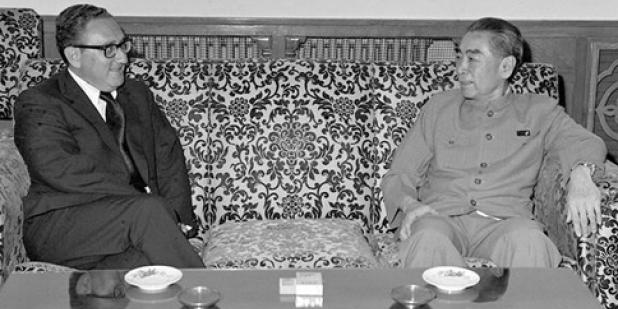

No comments:
Post a Comment