20261002 CDTL DDE D264 5 May 1953 Bản ghi nhớ của Phụ
tá Ngoại trưởng Merchant gửi Phụ tá Ngoại trưởng Robertson. Pháp né việc Việt
Minh xâm lăng Lào.
https://history.state.gov/historicaldocuments/frus1952-54v13p1/d264
Google Translated
Tài liệu số 264
Quan hệ Đối ngoại của Hoa Kỳ, 1952–1954,
Đông Dương, Tập XIII, Phần 1
Hồ sơ PSA, lô 54 D 190. “Đông Dương”
Bản ghi nhớ của Phụ tá Ngoại trưởng phụ
trách Các vấn đề Châu Âu Merchant gửi Phụ tá Ngoại trưởng phụ trách Các vấn đề
Viễn Đông Robertson
Tuyệt mật
[Washington,] ngày 5 tháng 5 năm 1953.
Chủ đề:
Mối liên hệ giữa các giải pháp cho vấn đề Triều Tiên
và Đông Dương
Khi xem xét phản ứng của Hoa Kỳ trước việc Pháp
từ chối đưa vấn đề hành động xâm lược tại Lào ra Liên Hợp Quốc (LHQ)
cũng như đề nghị của họ về một tuyên bố chung của 16 quốc gia đang chiến đấu chống
lại phe Cộng sản tại Triều Tiên, Cục Các vấn đề Châu Âu
(EUR) cho rằng chúng ta cần làm rõ quan điểm về ý định của mình đối với
"sự phụ thuộc lẫn nhau" giữa xung đột Triều Tiên và Đông Dương
cũng như các giải pháp cho chúng—một vấn đề cần được xem xét kỹ lưỡng và độc lập
ngay từ sớm. Lập luận có sức thuyết phục nhất đối với phía Pháp cần được nhấn mạnh
lại là: cần có hành động của LHQ để cuộc chiến Đông Dương có được
vị thế pháp lý cho phép tiến hành đàm phán quốc tế. Việc tiếp cận các cường quốc
tại LHQ cũng đòi hỏi chúng ta phải tự làm rõ khái niệm "sự phụ thuộc
lẫn nhau" này và xác định rõ Hoa Kỳ dự định sẽ hành động như thế nào trước
thực tế đó.
Điểm sáng duy nhất trong một tình thế vô cùng nản lòng
mà phía Pháp nhìn thấy—và có lẽ là yếu tố chính khiến họ sẵn sàng tiếp tục
nỗ lực tại Đông Dương—chính là khả năng đạt được một giải pháp danh dự
cho cuộc chiến Đông Dương thông qua mối liên hệ nào đó giữa các cuộc đàm
phán hòa bình tại Triều Tiên và cuộc chiến tại Đông Dương. Ngay khi tình
hình trở nên rõ ràng rằng chiến sự tại Triều Tiên đã chấm dứt trong khi
xung đột tại Đông Dương có thể kéo dài vô thời hạn—ngay cả khi không có
sự can thiệp công khai từ phía Tầu cộng—rất có khả năng Pháp sẽ
quyết định "buông xuôi" bằng cách khởi xướng đàm phán riêng với Hồ
Chí Minh nhằm đảm bảo việc rút quân của họ. Trong vài tháng qua, chúng
ta đã đưa ra những tuyên bố ngày càng cụ thể, những điều mà phía Pháp sẽ
hiểu là một cam kết:
1.
Trong Thông điệp về Tình hình Đất nước
(State of the Union Message), Tổng thống Eisenhower đã phát biểu:
“Trong cuộc thảo luận chung về chính sách đối ngoại của
chúng ta, tôi cần đặc biệt đề cập đến cuộc chiến tranh tại Triều Tiên.
“Đối với người Mỹ, cuộc chiến này là giai đoạn
đau thương nhất trong chuỗi hành động xâm lược của phe Cộng sản trên toàn
thế giới. Nó rõ ràng là một phần của cuộc tấn công có tính toán mà kẻ
xâm lược đang đồng thời thực hiện tại Đông Dương và Mã Lai, cũng như nằm
trong cục diện chiến lược bao trùm cả đảo Đài Loan và lực lượng Quốc dân
đảng Trung Hoa đang đồn trú tại đó. Việc tìm ra bất kỳ giải
pháp quân sự nào cho cuộc chiến Triều Tiên chắc chắn sẽ ảnh hưởng đến tất
cả các khu vực này.”
2.
Thông cáo chung được đưa ra sau cuộc
hội đàm với Thủ tướng Mayer có nội dung như sau:
[Tiếp theo là trích đoạn Thông cáo chung ngày 28 tháng
3 năm 1953, được in ở trang 436.]
3.
Cuối cùng, thông điệp ngày 16 tháng 4
của Tổng thống đã nêu rõ:
“Bước tiến lớn đầu tiên trên con đường này phải là việc
đạt được một thỏa thuận đình chiến danh dự tại Triều Tiên.
“Điều này đồng nghĩa với việc chấm dứt ngay lập tức
các hành động thù địch và nhanh chóng bắt đầu các cuộc thảo luận chính trị nhằm
tiến tới tổ chức tổng tuyển cử tự do tại một nước Triều Tiên thống nhất.
“Điều này cũng đồng nghĩa—và quan trọng không kém—là
chấm dứt các cuộc tấn công trực tiếp và gián tiếp đe dọa an ninh của Đông
Dương và Mã Lai. Bởi lẽ, bất kỳ thỏa thuận đình chiến nào tại Triều Tiên
mà chỉ nhằm mục đích giải phóng các đội quân xâm lược để chúng tấn công nơi
khác thì đều là một sự lừa dối.
“Chúng ta tìm kiếm một nền hòa bình đích thực và trọn
vẹn, không chỉ ở châu Á mà trên toàn thế giới.”
Nếu vấn đề Triều Tiên và Đông Dương không được
gắn kết ngay lập tức—ít nhất là trong quan điểm của Chính phủ Hoa Kỳ—thì về mặt
thực tiễn, việc làm điều đó sau này có thể sẽ vô ích. Nếu một thỏa thuận đình
chiến được ký kết, theo sau là các cuộc thảo luận chỉ giới hạn ở giải pháp
chính trị cho Triều Tiên mà không bao gồm một giải pháp tổng thể cho vùng Viễn
Đông, thì trong thời gian thảo luận, phía Tầu cộng có thể rảnh
tay can thiệp bằng lực lượng “tình nguyện” vào chiến trường Đông Dương.
Chỉ trong vài tuần, họ có thể tạo ra một tình thế “sự đã rồi” với việc phe
Cộng sản chiếm đóng thực tế Đông Dương, ngoại trừ có thể là các
cứ điểm của Pháp tại Hà Nội, Hải Phòng và Sài Gòn. Một trong những khó
khăn chính mà chúng ta gặp phải khi muốn ngay lập tức gắn kết vấn đề Đông
Dương với vấn đề Triều Tiên trong bất kỳ cuộc đàm phán nào có sự
tham gia của Liên Hợp Quốc, chính là sự miễn cưỡng tột độ của đa số các
quốc gia thành viên đối với việc này. Mặc dù các yếu tố tác động đến nhóm đa số
này rất khác nhau, song tựu trung lại, chúng vẫn là những lý do đầy sức thuyết
phục:
Khối Ả Rập - Châu Á sẽ không muốn can thiệp vào
một "cuộc chiến tranh thuộc địa" và nhiều khả năng sẽ phản đối
việc phải "gánh vác hậu quả thay cho Pháp" (hay "lấy hạt
dẻ ra khỏi lửa" giúp Pháp); hơn nữa, dư luận tại đa số các quốc gia đang
tham chiến ở Triều Tiên (đặc biệt là tại Mỹ) sẽ vô cùng lo ngại trước việc
phát sinh thêm bất kỳ vấn đề nào có thể kéo dài cuộc chiến tại đây.
Trước tình hình nêu trên, chúng ta cần sớm đưa ra quyết
định về những vấn đề sau:
1.
Chúng ta dự định triển khai như thế
nào các tuyên bố đã đưa ra liên quan đến “sự phụ thuộc lẫn nhau” giữa
các cuộc đấu tranh tại Triều Tiên và Đông Dương?
2.
Nếu chúng ta cho rằng vấn đề Đông
Dương cần được đưa vào các cuộc thảo luận tiềm năng trong tương lai tại Liên
Hợp Quốc về vấn đề Triều Tiên, thì việc này nên diễn ra vào lúc nào? Trước
khi có hiệp định đình chiến, sau khi có hiệp định đình chiến, hay chính xác là
vào giai đoạn nào?
Giả sử chúng ta đã đạt được quyết định về các nguyên tắc
chung nêu trên, chúng ta cần quyết định:
a. Chúng ta sẽ làm việc với
ai tại Liên Hợp Quốc và bằng cách nào để đạt được sự đồng thuận đối với
quan điểm của mình?
b. Liệu chúng ta có nên làm
rõ với phía Pháp rằng vấn đề Đông Dương cần phải được chính thức
đưa ra trước Liên Hợp Quốc hay không, trước khi chúng ta có thể thực hiện
các bước nêu trên?
c. Khi nào và ở đâu chúng ta
sẽ thảo luận vấn đề này với phía Pháp: Paris, Washington, New York, hay
kết hợp các địa điểm này?
d. Chúng ta hình dung về một
“giải pháp chính trị” như thế nào cho Đông Dương? Các suy nghĩ về
vấn đề này sẽ là nội dung của một bản ghi nhớ riêng.
1. Được soạn thảo bởi Ridgway B. Knight, Phó Giám đốc,
và William D. Fisher thuộc Văn phòng Các vấn đề Tây Âu.↩
2. Để biết thông tin về Thông điệp Liên bang của Tổng
thống ngày 2 tháng 2 năm 1953, xem ghi chú của ban biên tập, tr. 376.↩
3. Để biết thông tin về bài phát biểu “Cơ hội cho Hòa
bình” của Tổng thống ngày 16 tháng 4 năm 1953, xem ghi chú của ban biên tập,
tr. 472.↩
4. Tham chiếu đến bản ghi nhớ từ Knight gửi Merchant
ngày 6 tháng 5; để xem nội dung, xem tr. 544.↩
Historical Documents - Office of the Historian
https://history.state.gov/historicaldocuments/frus1952-54v13p1/sources
List of Abbreviations and Symbol
https://history.state.gov/historicaldocuments/frus1952-54v13p1/terms
https://history.state.gov/historicaldocuments/frus1952-54v13p1/persons
https://history.state.gov/historicaldocuments/frus1952-54v13p1/comp2
1.
Document
264
Foreign Relations of the United States, 1952–1954,
Indochina, Volume XIII, Part 1
PSA files, lot 54 D 190. “Indochina”
Memorandum
by the Assistant Secretary of State for European Affairs (Merchant)
to the Assistant Secretary of State for Far Eastern Affairs (Robertson)1
top secret
[Washington,] May 5, 1953.
Subject:
· Connection
between Korean and Indochina Settlements
In considering the US response to the French refusal to
take the matter of aggression in Laos before the UN and their suggestion for a
declaration by the 16 nations now fighting in Korea against the Communists, EUR
believes that we must clarify our thinking as to our intentions regarding the
“interdependence” of the Korean and Indochinese conflicts and their
settlement—a clarification that requires early consideration in its own right.
The argument to be reiterated that would have the most effect on the French
would be that the UN action must be taken so that the Indochina war would have
status enabling its international negotiation. The implications of an approach
to the UN powers would also require clarification in our own minds of this
“interdependence” and what the US intends to do about it.
The principal ray of light in a most discouraging situation
which the French see and therefore which perhaps is likely to be the main
factor contributing to their willingness to continue efforts in Indochina is
the possibility that through some connection between peace talks in Korea and
the war in Indochina an honorable settlement of the Indochina war might be
achieved. At any moment that it may become clear that hostilities have ceased
in Korea and that they may indefinitely continue in Indochina, even without
open Chinese intervention, it is quite likely that the French would decide to
“throw in the sponge” by the initiation of separate negotiations with Ho Chi
Minh with a view to insuring their evacuation.
We have made statements during the past few months that
have become more and more specific and which the French would interpret as a
commitment:
1.
In the State of the
Union Message2
President Eisenhower stated:
“In this general
discussion of our foreign policy, I must make special mention of the war in
Korea.
“This war is, for
Americans, the most painful phase of Communist aggression throughout the world.
It is clearly a part of the same calculated assault that the aggressor is
simultaneously pressing [Page 541]in
Indochina and in Malaya, and of the strategic situation that
manifestly embraces the island of Formosa and the Chinese Nationalist forces
there. The working out of any military solution to the Korean war will
inevitably affect all these areas.”
2.
The communiqué issued
after the talks with Prime Minister Mayer included the following:
[Here follows the
extract of the Communiqué of March 28, 1953, printed on page 436.]
3.
Lastly, the President’s
message of April 163
specified that:
“The first great step
along this way must be the conclusion of honorable armistice in Korea.
“This means the
immediate cessation of hostilities and the prompt initiation of political
discussions leading to the holding of free elections in a united Korea.
“It
should mean—no less importantly—an end to the direct and indirect attacks upon
the security of Indochina and Malaya. For any armistice in Korea that merely
released aggressive armies to attack elsewhere would be a fraud.
“We
seek, throughout Asia as throughout the world, a peace that is true and total”
If Korea and Indochina
are not linked immediately at least in US Government positions, it may be for
all practical purposes useless to do so subsequently. If there should be an
armistice which would be followed by discussions limited to a political settlement
for Korea and not including a general Far Eastern settlement the Chinese during
the period of discussions could be freed to intervene with “volunteers” in the
Indochinese theater and in a few weeks achieve a fait accompli with de
facto Red occupation of Indochina except possibly for French pockets at
Hanoi, Haiphong and Saigon.
One of the main
difficulties facing us in linking immediately Indochina with Korea in any
negotiation involving the UN would be the extreme reluctance of a majority of
members of the UN to do so. While the factors that influence this majority
would widely differ they would, nevertheless, represent compelling reasons:
The Arab-Asian bloc
would be adverse to intervening in a “colonial war” and could be expected to
object to “pulling French chestnuts out of the fire”; furthermore public
opinion in the majority of the nations participating in the fighting in Korea
(in particular in the US) would be gravely concerned about the introduction of
any additional problem which could prolong the fighting in Korea.
Because of the situation
outlined above, we should make up our minds just as soon as possible concerning
the following:
1.
How do we propose to
implement the statements which we have made concerning the “interdependence”
between the struggles in Korea and in Indochina?
2.
If we think the
Indochinese situation should be introduced into possible future UN talks on
Korea, when should this take place. Before the armistice, after the armistice,
or precisely at what stage?
Assuming
we have reached a decision on the above general principles we should decide:
a.
With whom in the UN and
how would we go about obtaining agreement for our point of view?
b.
Should we not make clear
to the French that Indochina must be formally put before the UN before we can
attempt the above?
c.
When and where do we
discuss this with the French: Paris, Washington, New York, or a combination of
the above?
d.
What kind of a
“political solution” do we envisage for Indochina? Thoughts on this will be the
subject of a separate memorandum.4
1.
Drafted by Ridgway B. Knight, Deputy Director, and William
D. Fisher of the Office of Western European Affairs.↩
2.
For information on the President’s State of the Union
Message, Feb. 2, 1953, see editorial note, p. 376.↩
3.
For information on the President’s “Chance for Peace”
speech of Apr. 16, 1953, see editorial note, p. 472.↩
4.
Reference is to the memorandum from Knight to Merchant of
May 6; for text, see p. 544.↩
https://history.state.gov/historicaldocuments/frus1952-54v13p1/d264
https://history.state.gov/historicaldocuments/frus1952-54v13p1/pg_541
https://history.state.gov/historicaldocuments/frus1952-54v13p1/pg_436
https://history.state.gov/historicaldocuments/frus1952-54v13p1/pg_376
https://history.state.gov/historicaldocuments/frus1952-54v13p1/pg_472
https://history.state.gov/historicaldocuments/frus1952-54v13p1/pg_544
Thân thế (các) nhân vật
Eisenhower, Dwight D.,
President of the United States
https://en.wikipedia.org/wiki/Dwight_D._Eisenhower
https://www.whitehouse.gov/about-the-white-house/presidents/dwight-d-eisenhower/
https://history.state.gov/historicaldocuments/frus1955-57v01/sources
https://history.state.gov/historicaldocuments/frus1955-57v01/ch1
https://history.state.gov/historicaldocuments/frus1955-57v01/ch2
https://history.state.gov/historicaldocuments/frus1955-57v01/ch3
https://history.state.gov/historicaldocuments/frus1955-57v01/terms
https://history.state.gov/historicaldocuments/frus1955-57v01/persons
https://www.bibliotecapleyades.net/sociopolitica/esp_sociopol_mj12_10.htm
https://www.bibliotecapleyades.net/exopolitica/esp_exopolitics_Q.htm
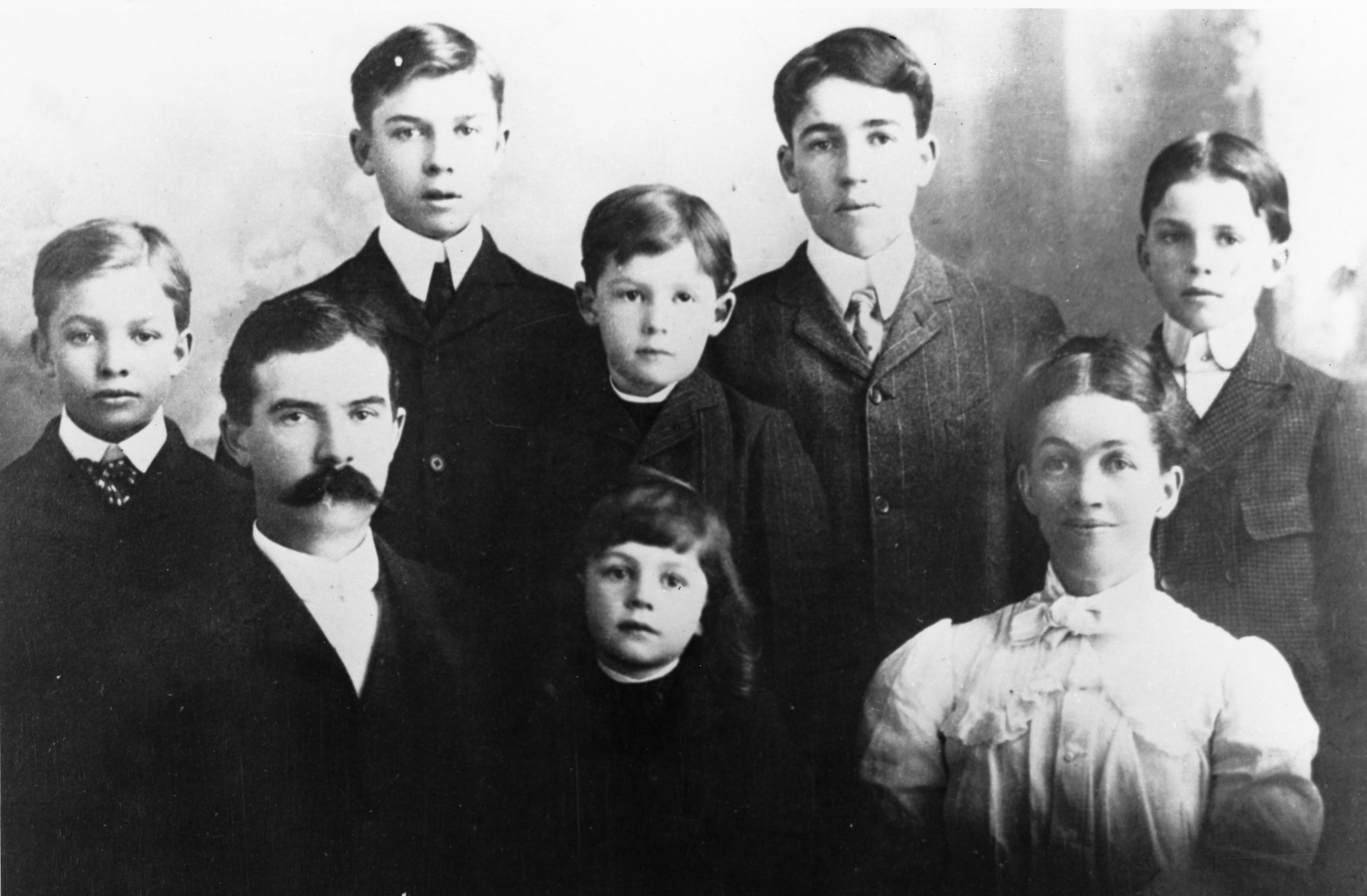
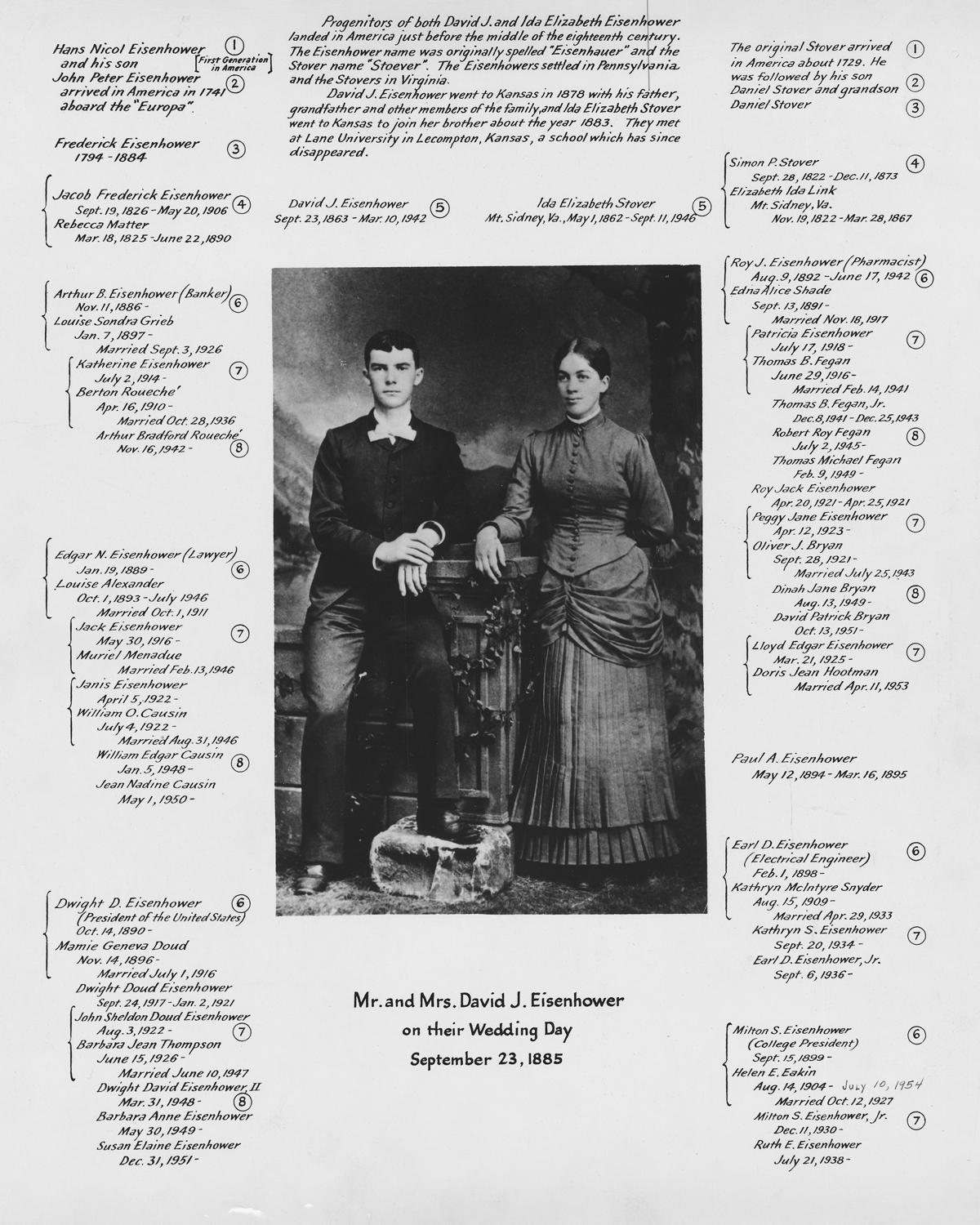
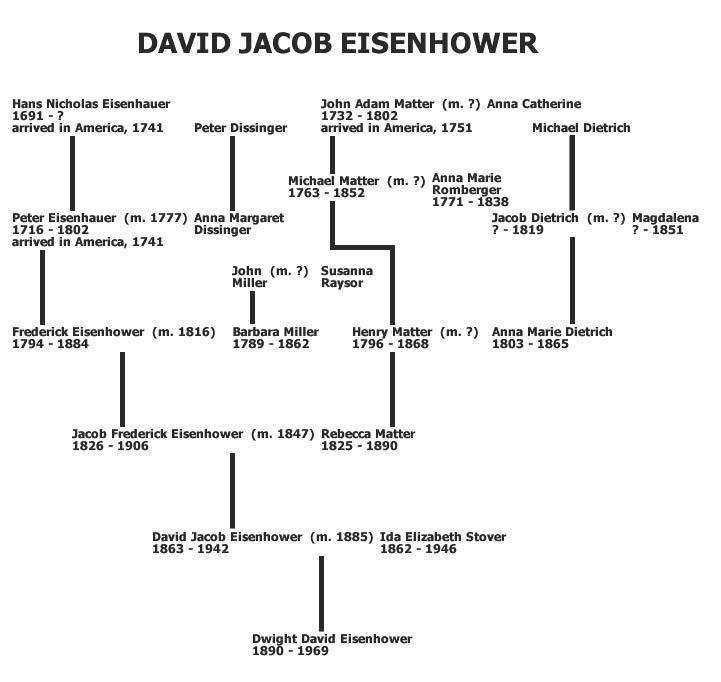
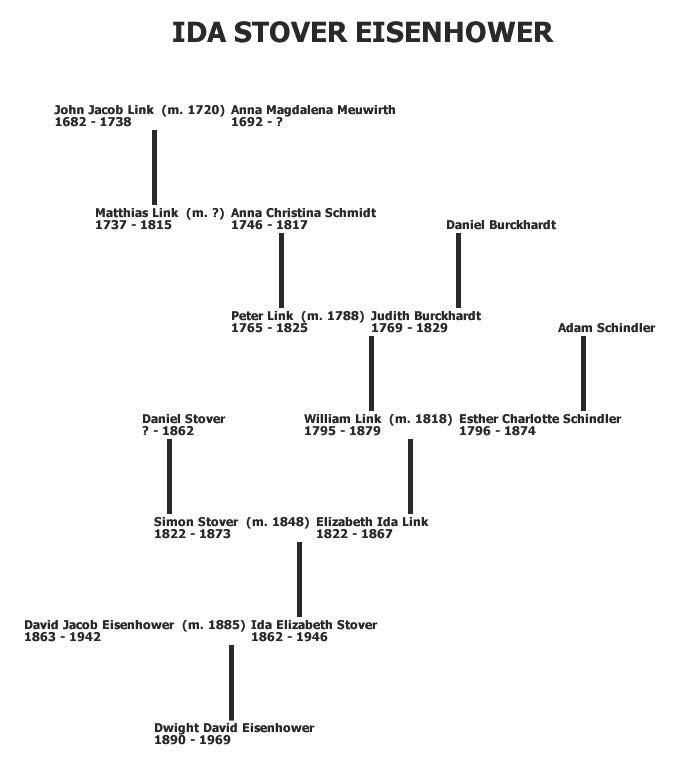
https://www.eisenhowerlibrary.gov/eisenhowers/eisenhower-ancestry
https://www.eisenhowerlibrary.gov/eisenhowers/eisenhower-ancestry
https://www.ranker.com/list/illuminati-presidents/mike-rothschild
http://www.nwotoday.com/the-socialist-review-american-politicians/dwight-d-eisenhower
https://soundcloud.com/the-miller-center-at-uva
August 4, 1953: Eisenhower on supporting the French in Vietnam
https://soundcloud.com/the-miller-center-at-uva/august-4-1953-eisenhower-on-vietnam
Earl Warren Endorses Dwight Eisenhower, October 31, 1952
https://soundcloud.com/the-miller-center-at-uva/ear-warren-endorses-dwight-eisenhower
President Dwight Eisenhower on Civil Rights, 2 February 1953
Johnson, Eisenhower, and Vietnam
https://soundcloud.com/the-miller-center-at-uva/sets/johnson-eisenhower-and-vietnam
Ho Chi Minh,
President of the Democratic Republic of Vietnam.
Knight,
Ridgway B.,
Acting
Deputy Director, Office of Western European Affairs, Department of State, 1952;
Deputy Director, 1952–1954.
https://adst.org/OH%20TOCs/Knight,%20Ridgway%20B%20.toc.pdf
https://history.state.gov/historicaldocuments/frus1952-54v06p2/d618
https://tile.loc.gov/storage-services/service/mss/mfdip/2004/2004kni02/2004kni02.pdf
https://history.state.gov/historicaldocuments/frus1952-54v11p1/d424
https://history.state.gov/historicaldocuments/frus1952-54v05p2/sec-BermudaConf-Dec4-8
https://search.library.wisc.edu/digital/AH5Q3VOFV6IIUE8L/pages/ANMUWJ4SXHWAU48E?as=text&view=scroll
https://history.state.gov/historicaldocuments/frus1952-54v06p1/d56
https://history.state.gov/historicaldocuments/frus1952-54v01p1/d155
Mayer,
René,
Prime
Minister of France, January 8–June 28, 1953.
https://en.wikipedia.org/wiki/Ren%C3%A9_Mayer
https://www.archontology.org/nations/france/france_govt09/mayer.php
https://www.jta.org/archive/rene-mayer-former-prime-minister-of-france-dead-at-age-77
https://www.wikidata.org/wiki/Q382070
https://www.encyclopedia.com/religion/encyclopedias-almanacs-transcripts-and-maps/mayer-rene
Merchant, Livingston T.,
Assistant Secretary of State for European Affairs; Special Adviser to
the United States Delegation at the Geneva Conference.
https://history.state.gov/historicaldocuments/frus1952-54v16/ch5subch4
https://en.wikipedia.org/wiki/Livingston_T._Merchant
https://history.state.gov/historicaldocuments/frus1952-54v16/d393
https://nsarchive.gwu.edu/document/17551-document-06-assistant-secretary-state
https://history.state.gov/departmenthistory/people/merchant-livingston-tallmadge
Robertson, Walter S.,
Assistant Secretary of State for Far Eastern Affairs
https://en.wikipedia.org/wiki/Walter_Robertson
https://history.state.gov/departmenthistory/people/robertson-walter-spencer
https://en.wikipedia.org/wiki/Assistant_Secretary_of_State_for_East_Asian_and_Pacific_Affairs


No comments:
Post a Comment