20261006 CDTL DDE D268 6 May 1953 Bản ghi nhớ về nội dung thảo luận tại phiên họp thứ 143 của Hội đồng An ninh Quốc gia, thứ Tư, ngày 6 tháng 5 năm 1953.
https://history.state.gov/historicaldocuments/frus1952-54v13p1/d268
Google Translated
Tài liệu số 268
Quan hệ Đối ngoại của Hoa Kỳ, 1952–1954,
Đông Dương, Tập XIII, Phần 1
Thư viện Eisenhower, Hồ sơ Eisenhower, Tập
hồ sơ Whitman
Bản ghi nhớ về nội dung thảo luận tại phiên
họp thứ 143 của Hội đồng An ninh Quốc gia, thứ Tư, ngày 6 tháng 5 năm 1953.
Tuyệt mật
Chỉ dành cho người có thẩm quyền (Eyes only)
Ngày 6 tháng 5 năm 1953
[Trích lược]
Tham dự phiên họp thứ 143 của Hội
đồng An ninh Quốc gia có Tổng thống Hoa Kỳ (chủ trì); Phó Tổng thống
Hoa Kỳ; Thứ trưởng Bộ Ngoại giao; Bộ trưởng Quốc phòng; Phó Giám
đốc Cơ quan An ninh hỗ tương. Ngoài ra còn có sự hiện diện của Bộ trưởng Tài
chính; Giám đốc Cơ quan Huy động Quốc phòng; Giám đốc Cục Ngân sách; Quyền Chủ
tịch Ủy ban Năng lượng Nguyên tử (AEC); Ủy viên Thomas E. Murray (AEC); Chủ tịch
Hội đồng Tham mưu trưởng Liên quân; Giám đốc Tình báo Trung ương; ông Robert
Cutler, Trợ lý Đặc biệt của Tổng thống; ông Lewis L. Strauss, Trợ lý Đặc biệt của
Tổng thống; ông C. D. Jackson, Trợ lý Đặc biệt của Tổng thống; Đại tá Paul T.
Carroll, Sĩ quan Liên lạc Quân sự; Thư ký Điều hành NSC; và Phó Thư ký Điều
hành NSC.
Dưới đây là bản tóm lược chung về các lập trường chính
và những điểm mấu chốt được nêu ra tại phiên họp này.
. . . . . . .
2. Tình hình tại Đông
Dương và Thái Lan
Giám đốc Tình báo Trung ương
cho biết các báo cáo mới nhất về tình hình Lào đã lạc quan hơn đôi chút,
mặc dù cục diện vẫn chưa thực sự rõ ràng. Mùa mưa sẽ bắt đầu trong vòng một tuần
hoặc mười ngày tới, và có lẽ sẽ chấm dứt các hoạt động giao tranh cho đến mùa
thu năm sau.
Về mặt chính trị, ông Dulles tiếp tục trình
bày, những tuyên bố và hành động gần đây của Quốc vương Campuchia là những
diễn biến đáng chú ý nhất. Nhà vua đã thẳng thắn tuyên bố rằng Pháp
phải trao cho Campuchia nền độc lập gần như hoàn toàn nếu muốn người dân
Campuchia hỗ trợ chống lại lực lượng xâm lược Việt Minh.
. . . . . . .
Tổng thống
yêu cầu một tuyên bố rõ ràng về lập trường của Pháp đối với toàn bộ vấn
đề này. Ông đặt câu hỏi: chính xác thì Pháp dự định dành tương lai nào
cho các Quốc gia Liên kết tại Đông Dương?
Ông Dulles
trả lời rằng Pháp đang đề nghị trao độc lập cho các quốc gia này trong
khuôn khổ Liên hiệp Pháp sau khi an ninh nội bộ được thiết lập. Đáng tiếc
là chính phủ các Quốc gia Liên kết lại ít tin tưởng vào sự chân thành
trong cam kết của Pháp.
Tổng thống
bày tỏ niềm tin chắc chắn rằng chỉ có hai diễn biến mới thực sự cứu vãn được
tình hình tại Đông Dương thuộc Pháp. Thứ nhất là một tuyên bố chính thức,
dứt khoát của Pháp về nền độc lập trong tương lai của các Quốc gia
Liên kết khi xung đột nội bộ kết thúc. Ngay cả khi Pháp buộc phải
tính đến khả năng mất quyền kiểm soát chính trị tại Đông Dương trong
hoàn cảnh này, Tổng thống tin rằng họ vẫn sẽ duy trì được những lợi ích
kinh tế đáng kể. Yêu cầu thứ hai, theo Tổng thống, đơn giản là cần có một
nhà lãnh đạo. Hầu hết các tướng lĩnh Pháp được cử sang Đông Dương
đều tạo cho Tổng thống ấn tượng là những người kém cỏi; ông đã chỉ đạo Bộ
trưởng Dulles gây sức ép cần thiết để đảm bảo việc bổ nhiệm Tướng
Guillaume. Tổng thống nói thêm rằng vị tướng này đã đến gặp ông cách
đây ít hôm, và ông rất ấn tượng trước cách đánh giá thực tế của vị tướng về
tình hình Đông Dương cũng như năng lực lãnh đạo thực thụ mà ông thể hiện.
Do đó, ông dự định viết thư cho Đại sứ Dillon để thúc đẩy việc ủng hộ bổ
nhiệm vị tướng này chỉ huy nỗ lực quân sự của Pháp tại Đông Dương. Bộ
trưởng Humphrey nhận xét rằng ông cùng các đồng sự đã thảo luận toàn bộ vấn
đề Đông Dương với Bidault và các nhà lãnh đạo Pháp khác tại hội
nghị NATO. Các nhà lãnh đạo Pháp tỏ ra thẳng thắn khi khẳng định
ý định cuối cùng của Pháp là trao trả độc lập cho các Quốc gia Liên kết.
Tuy nhiên, Bộ trưởng Humphrey cho biết ông nhận thấy ở các quan chức cấp
dưới một mong muốn duy trì mãi tình trạng thuộc địa của Đông Dương thuộc
Pháp.
Tổng thống
đáp rằng nếu không thể thay đổi được tâm lý này, thì sẽ chẳng có cách nào cứu
vãn được Đông Dương, và việc Hoa Kỳ tiếp tục viện trợ cũng chỉ giống
như ném tiền qua cửa sổ mà thôi.
Phó Tổng thống
cho biết ông đã gặp Quốc vương Campuchia trong chuyến thăm Washington
gần đây của nhà vua. Quốc vương đã chỉ ra rằng tại Tầu cộng,
chủ nghĩa cộng sản đã tạo dựng được chỗ đứng nhờ sức hút đối với
tầng lớp người nghèo trong cuộc đấu tranh chống lại các đại địa chủ. Tuy nhiên,
tại Campuchia, sức hút của những người cộng sản không nằm ở
khía cạnh kinh tế mà ở tinh thần dân tộc. Theo quan điểm của Phó Tổng thống,
vấn đề nan giải mà chúng ta phải đối mặt ở Đông Dương tóm lại là việc
người dân bản địa không hề muốn chiến đấu chống lại chủ nghĩa cộng sản
chỉ để duy trì chế độ thực dân Pháp.
Cũng như những lần trước, Tổng thống nhắc nhở Hội
đồng về sự nhạy cảm của Pháp đối với bất kỳ vấn đề nào—như vấn đề này chẳng
hạn—có thể ảnh hưởng đến uy tín của họ với tư cách là một cường quốc thế giới. Tổng
thống thấu hiểu và chia sẻ sự nhạy cảm đó của Pháp, nhưng tin rằng nếu
Pháp thực sự muốn tạo dựng hình ảnh đẹp nhất trước thế giới, thì con đường
hợp lý nhất là trước tiên phải đánh bại lực lượng Việt Minh, sau
đó hào phóng trao trả độc lập cho các Quốc gia Liên kết. Vấn đề lớn đặt
ra là làm thế nào để thuyết phục Pháp thấy được sự sáng suốt của một hướng
đi như vậy. [Trang 549]
Các Bộ trưởng Smith và Humphrey đều lưu ý rằng Pháp
lo ngại việc trao nền độc lập chính trị hoàn toàn cho các quốc gia này sẽ khiến
họ chuyển hướng quan hệ thương mại từ Pháp sang Nhật Bản.
Sau đó, ông Cutler chỉ ra với Hội đồng rằng
chính sách hiện hành đối với Đông Dương không còn phù hợp với tình hình
thực tế đang diễn ra. Chính sách hiện tại của chúng ta về Đông Dương chỉ
tính đến khả năng Hoa Kỳ can thiệp trong trường hợp Tầu cộng can
thiệp công khai hoặc bí mật để hỗ trợ phe nổi dậy. Trên thực tế, sự can thiệp
như vậy từ phía Tầu cộng đã không xảy ra, và tình hình ngày càng
xấu đi là do nội chiến. Ông Cutler cũng lưu ý rằng văn kiện NSC
149/24 đã tính đến khả năng can thiệp tại Đông Nam Á nếu xảy ra
"một sự thay đổi căn bản" trong tình hình. Do đó, ông nói thêm, vấn đề
đặt ra cho Hội đồng là liệu những diễn biến gần đây tại Lào có được coi
là sự thay đổi căn bản hay không, và liệu Hoa Kỳ có sẵn sàng cân nhắc việc
can thiệp quân sự hay không.
. . . . . . .
Hội đồng An ninh Quốc gia:
a. Ghi nhận phần báo cáo trực
tiếp của Giám đốc Tình báo Trung ương về tình hình tại Lào và Thái
Lan.
b. Đồng ý rằng điều cốt yếu
là phía Pháp cần làm rõ ý định trao cho người dân các Quốc gia Liên kết
quyền tự do tối đa trong việc lựa chọn thể chế chính trị của mình, ngay khi an
ninh nội bộ được thiết lập tại Đông Dương.
c. Đồng ý kiến nghị lên
Tổng thống:
(1) Cử một phái bộ
quân sự đến Thái Lan như một biện pháp khẩn cấp, do một sĩ quan cấp cao
của Hoa Kỳ chỉ huy, nhằm huấn luyện và tư vấn tác chiến cho lực lượng vũ
trang Thái Lan theo mô hình phái bộ Van Fleet tại Hy Lạp.
(2) Đẩy nhanh việc hỗ
trợ quân sự cho Thái Lan nhằm cung cấp mọi hình thức viện trợ vật tư khả
thi cho lực lượng vũ trang nước này.
d. Đồng ý rằng ông C. D.
Jackson cần báo cáo tại phiên họp tiếp theo của Hội đồng về các khả năng
triển khai hoạt động tâm lý chiến lấy Thái Lan làm căn cứ.
Lưu ý: Quyết định tại mục
b nêu trên sau đó đã được chuyển tới Bộ trưởng Ngoại giao để triển khai
thực hiện. Quyết định tại mục c nêu trên, sau khi được Tổng thống phê
chuẩn, đã được chuyển tới Bộ trưởng Quốc phòng để triển khai thực hiện.
. . . . . . .
1. Do
S. Everett Gleason, Phó Thư ký Điều hành Hội đồng An ninh Quốc gia,
soạn thảo vào ngày 7 tháng 5.↩
2. Để
xem nội dung phần bản ghi nhớ này đề cập đến Thái Lan, hãy tham khảo Tập
XII.↩
3. Phần
bị lược bỏ trong văn bản gốc như sau.↩Phần
bị lược bỏ trong văn bản gốc như sau.↩
4. Để
xem nội dung văn bản NSC 149/2, “Các Chính sách và Chương trình An
ninh Quốc gia Cơ bản liên quan đến Chi phí,” ngày 29 tháng 4 năm 1953, cùng
các tài liệu liên quan, hãy tham khảo Tập II.↩
5. Các
điểm a-d và phần ghi chú bên dưới tạo thành Quyết định NSC
số 780, ngày 6 tháng 5 năm 1953. (Hồ sơ S/S–NSC, lô 66 D95, “Các
Quyết định NSC”)↩
Historical Documents - Office of the Historian
https://history.state.gov/historicaldocuments/frus1952-54v13p1/sources
List of
Abbreviations and Symbol
https://history.state.gov/historicaldocuments/frus1952-54v13p1/terms
https://history.state.gov/historicaldocuments/frus1952-54v13p1/persons
https://history.state.gov/historicaldocuments/frus1952-54v13p1/comp2
1.
Document 268
Foreign Relations of the United States, 1952–1954,
Indochina, Volume XIII, Part 1
Eisenhower Library, Eisenhower papers, Whitman file
Memorandum
of Discussion at the 143d Meeting of the National Security Council, Wednesday,
May 6, 19531
top secret
eyes only
May 6,
1953
[Extracts]
Present at the 143rd meeting of the National Security
Council were the President of the United States, Presiding; the Vice President
of the United States; the Under Secretary’of State; the Secretary of [Page 547]Defense; the Deputy
Director for Mutual Security. Also present were the Secretary of the Treasury;
the Director of Defense Mobilization; the Director, Bureau of the Budget; the
Acting Chairman, Atomic Energy Commission; Commissioner Thomas E. Murray, AEC;
the Chairman, Joint Chiefs of Staff; the Director of Central Intelligence; Mr.
Robert Cutler, Special Assistant to the President; Mr. Lewis L. Strauss,
Special Assistant to the President; Mr. C. D. Jackson, Special Assistant to the
President; Colonel Paul T. Carroll, Military Liaison Officer; the Executive
Secretary, NSC; and the Deputy Executive Secretary, NSC.
There follows a general account of the main positions taken
and the chief points made at this meeting.
. . . . . . .
2. The Situation in Indochina and Thailand2
The Director of Central Intelligence stated that the latest
reports on the situation in Laos were slightly more optimistic, though the
situation was far from clear. The rainy season would commence within a week or
ten days, and would probably put an end to the fighting until next autumn.
On the political side, continued Mr. Dulles, the recent
statements and actions of the King of Cambodia were the most significant
developments. The King had bluntly stated that the French must give Cambodia
virtually complete independence if they expected the Cambodians to assist in
resisting the Vietminh invaders.
. . . . . . .
The President asked for a clear statement as to the
position being taken by the French on this whole business. What, exactly, he
asked, does France have in store for the Associated States of Indochina in the
future?
Mr. Dulles answered that the French were offering these
States independence within the French Union after internal security had been
established. Unfortunately, the governments of the Associated States had little
confidence in the sincerity of the French commitment.
The President expressed the firm belief that two, and only
two, developments would really save the situation in French Indochina. The
first of these was a firm official statement by France as to the future
independence of the Associated States when the internal conflict was over. Even
if the French were obliged to contemplate losing political [Page 548]control of Indochina in
these circumstances, the President believed that they would continue to secure
considerable economic advantage. The second requirement, said the President,
was simply for a leader. Most of the French Generals sent out to Indochina
struck the President as a poor lot, and he had already told Secretary Dulles to
apply what pressure he could to secure the appointment of General Guillaume.
The President then added that General3 had
visited him the other day, and that he had been well impressed with the
General’s realistic appraisal of the situation in Indochina, as well as with
his apparent capacity for real leadership. He therefore planned to write
Ambassador Dillon to urge support for the appointment of3 to
head the military effort of the French in Indochina.
Secretary Humphrey observed that he and his colleagues had
discussed this whole problem of Indochina with Bidault and the other French
leaders at the NATO conference. The French leaders seemed straightforward in
their assertion of France’s ultimate intention to free the Associated States.
But Secretary Humphrey said that he detected among officials in the lower
echelons a desire to perpetuate the colonial status of French Indochina.
The President replied that unless something could be done
to change this latter feeling, nothing could possibly save Indochina, and that
continued United States assistance would amount to pouring our money down a
rathole.
The Vice President remarked that he had met the King of
Cambodia during the latter’s recent visit to Washington. The King had made the
point that in China, Communism had secured a foothold because of its appeal to
the poor against the great landholders. In Cambodia, however, the appeal of the
Communists was not economic but nationalist. The dilemma which confronts us in
Indochina seemed to the Vice President to boil down to the fact that the native
peoples were unwilling to fight Communism in order to perpetuate French
colonialism.
As on other occasions, the President reminded the Council
of the touchiness of France in any matter, such as this, which affected her
prestige as a world power. The President sympathized with and understood
France’s sensitivity, but believed that if the French really desired to cut the
best figure before the world, the obvious course to pursue was first to defeat
the Vietminh forces and then magnanimously to offer independence to the
Associated States. The great question was how we can make the French see the
wisdom of such a course of action.
Secretaries Smith and Humphrey both noted that the French
were frightened lest, after granting full political independence to these
States, they would switch their trade patterns from France to Japan.
Mr. Cutler then pointed out to the Council that existing
policy with respect to Indochina was not responsive to the actual situation
which had developed. Our existing policy on Indochina contemplated intervention
by the United States only in the event of overt or covert Chinese intervention
to assist the rebels. In point of fact, such Chinese intervention had not
occurred, and the deteriorating situation had been brought about by civil war.
Mr. Cutler also pointed out that in NSC 149/24
intervention in Southeast Asia had been contemplated if “a basic change” in the
situation occurred. Therefore, he added, the question before the Council was
whether recent developments in Laos amounted to basic change, and therefore
whether the United States was prepared to contemplate military intervention.
. . . . . . .
The National Security Council:5
a.
Noted an oral briefing
by the Director of Central Intelligence on the situation in Laos and Thailand.
b.
Agreed that it was
essential that the French make clear that they intend to give the people of the
Associated States maximum freedom to choose their own form of government, as
soon as internal security can be established in Indochina.
c.
Agreed to recommend to
the President:
(1)
The provision, as a
matter of urgency, of a military mission to Thailand, headed by a high-ranking
U.S. officer, to give training and operational advice to the Thai armed forces
along the lines of the Van Fleet mission to Greece.
(2)
Acceleration of military
assistance to Thailand to furnish all feasible matériel aid to the Thai armed
forces.
d.
Agreed that Mr. C. D.
Jackson should report at the next Council meeting on the possibilities for
psychological operations based on Thailand.
Note: The
action in b above subsequently transmitted to the Secretary of State for
implementation. The action in c above, as approved by the President,
subsequently transmitted to the Secretary of Defense for implementation.
. . . . . . .
1.
Prepared by S. Everett Gleason, Deputy Executive Secretary
of the National Security Council, on May 7.↩
2.
For the text of the portion of this memorandum which deals
with Thailand, see volume xii.↩
3.
The following omission in the source text.↩
3.
The following omission in the source text.↩
4.
For text of NSC 149/2, “Basic National Security Policies
and Programs in Relation to Their Costs,” Apr. 29, 1953, and related
documentation, see volume II.↩
5.
Points a-d and the note below constituted NSC Action
No. 780, May 6, 1953. (S/S–NSC files, lot 66 D95, “NSC Actions”)↩
https://history.state.gov/historicaldocuments/frus1952-54v13p1/d268
https://history.state.gov/historicaldocuments/frus1952-54v13p1/pg_547
https://history.state.gov/historicaldocuments/frus1952-54v13p1/pg_548
https://history.state.gov/historicaldocuments/frus1952-54v13p1/pg_549
https://history.state.gov/historicaldocuments/frus1952-54v12p1
https://history.state.gov/historicaldocuments/frus1952-54v02p1
Thân thế (các) nhân vật
French Minister for Foreign Affairs until June 18, 1954;
Head of the French Delegation at the Geneva Conference until June 18, 1954.
https://en.wikipedia.org/wiki/Georges_Bidault
https://history.state.gov/historicaldocuments/frus1952-54v16/d338
https://www.britannica.com/biography/Georges-Bidault
https://history.state.gov/historicaldocuments/frus1952-54v16/d398
https://www.wilsoncenter.org/sites/default/files/media/documents/publication/CWIHPBulletin16_p1.pdf
https://spartacus-educational.com/2WWbidault.htm
https://apps.dtic.mil/sti/tr/pdf/ADA007286.pdf
https://avalon.law.yale.edu/20th_century/inch020.asp
Cutler, Robert,
Special Assistant for National Security Affairs to President
Eisenhower.
https://en.wikipedia.org/wiki/Robert_Cutler
https://history.state.gov/historicaldocuments/frus1955-57v19/d104
https://www.eisenhowerlibrary.gov/research/finding-aids/cutler-robert
https://history.state.gov/historicaldocuments/frus1952-54v13p2/d841
https://www.lexisnexis.com/documents/academic/upa_cis/Eisenhower%20NSF%20Pts%201-3-1.pdf
https://ciaotest.cc.columbia.edu/olj/psq/psq_fal00a.html
Ambassador to France to January 1957; Deputy
Under Secretary of State for Economic Affairs from March 1957
C. Douglas Dillon, former Treasury secretary
and Harvard overseer
https://millercenter.org/president/kennedy/essays/dillon-1961-c-douglas-secretary-of-the-treasury
https://uspresidentialhistory.com/c-douglas-dillon/
https://en.wikipedia.org/wiki/C._Douglas_Dillon
https://millercenter.org/conversations/conversants/c-douglas-doug-dillon-bio-page
https://home.treasury.gov/about/history/prior-secretaries/c-douglas-dillon-1961-1965
Dulles, Allen W.,
Director of the Central Intelligence Agency
https://en.wikipedia.org/wiki/Allen_Dulles
https://en.wikipedia.org/wiki/Director_of_Central_Intelligence
https://en.wikipedia.org/wiki/Deputy_Director_of_the_Central_Intelligence_Agency
https://en.wikipedia.org/wiki/Director_of_the_National_Clandestine_Service
https://www.britannica.com/biography/Allen-W-Dulles
https://www.princeton.edu/news/2008/01/23/dulles-papers-released-cia-princeton-are-now-online
https://www.cia.gov/legacy/museum/artifact/identification-card-of-allen-w-dulles/
https://www.newworldencyclopedia.org/entry/Allen_W._Dulles
https://ir.vanderbilt.edu/bitstream/handle/1803/8362/The-Gilded-Age.pdf?sequence=1
https://www.cia.gov/legacy/museum/allen-w-dulles-appointed-dci/
https://en.wikipedia.org/wiki/John_Foster_Dulles
https://history.state.gov/departmenthistory/people/dulles-john-foster
https://www.britannica.com/biography/John-Foster-Dulles
https://diplomacy.state.gov/encyclopedia/john-foster-dulles-secretary-of-state/
https://www.acton.org/publications/transatlantic/2020/03/10/john-foster-dulles-cold-war-architect
https://www.youtube.com/watch?v=BtyFClyli9c
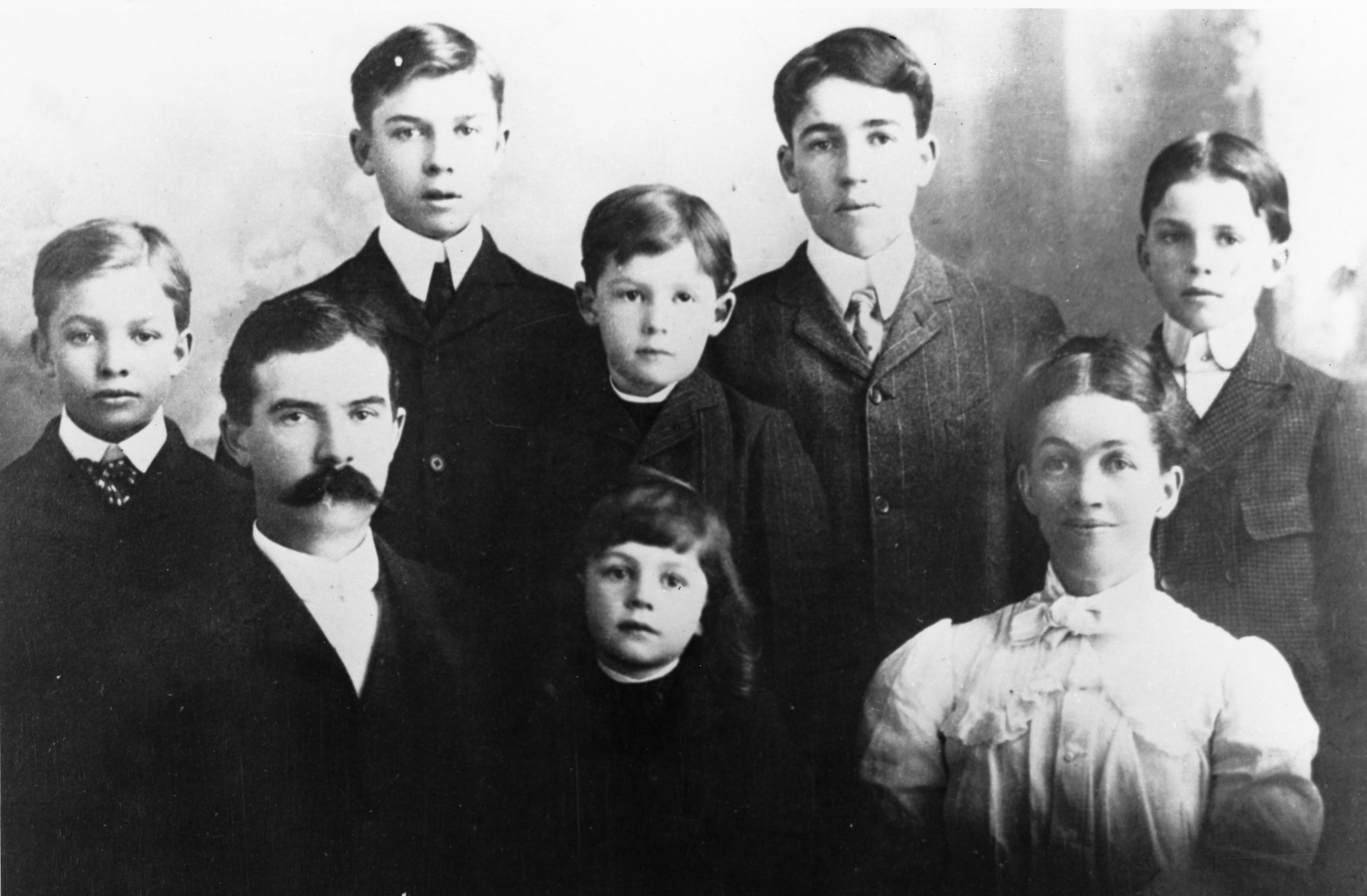
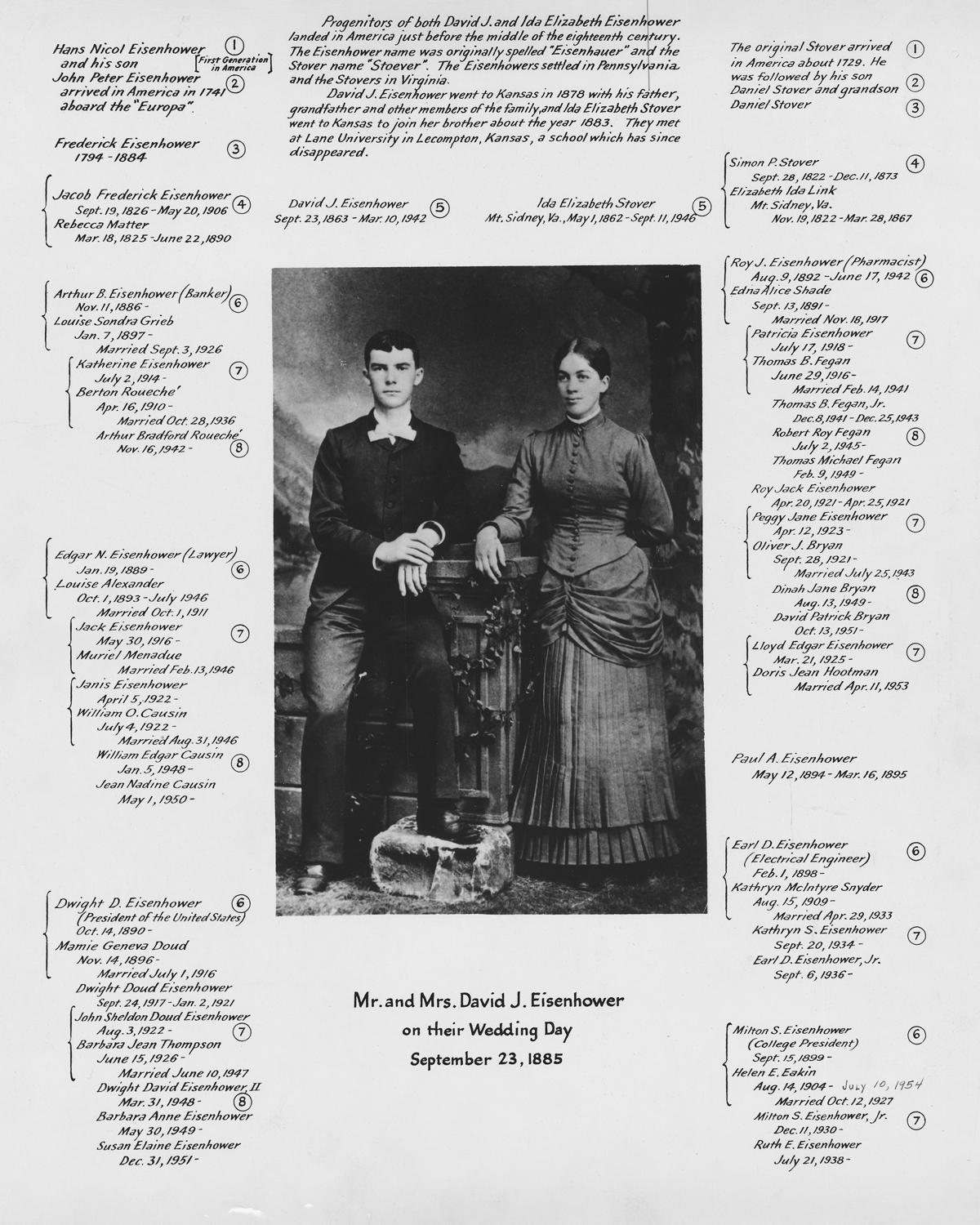
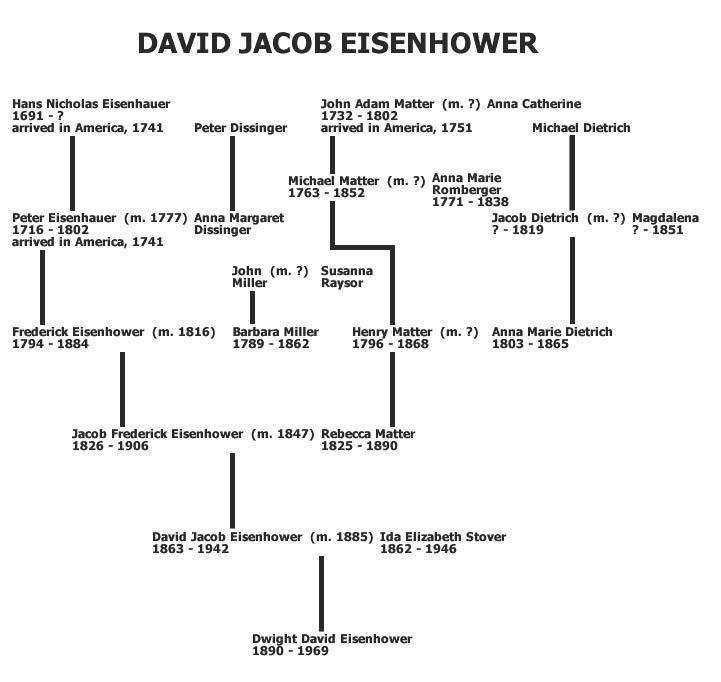
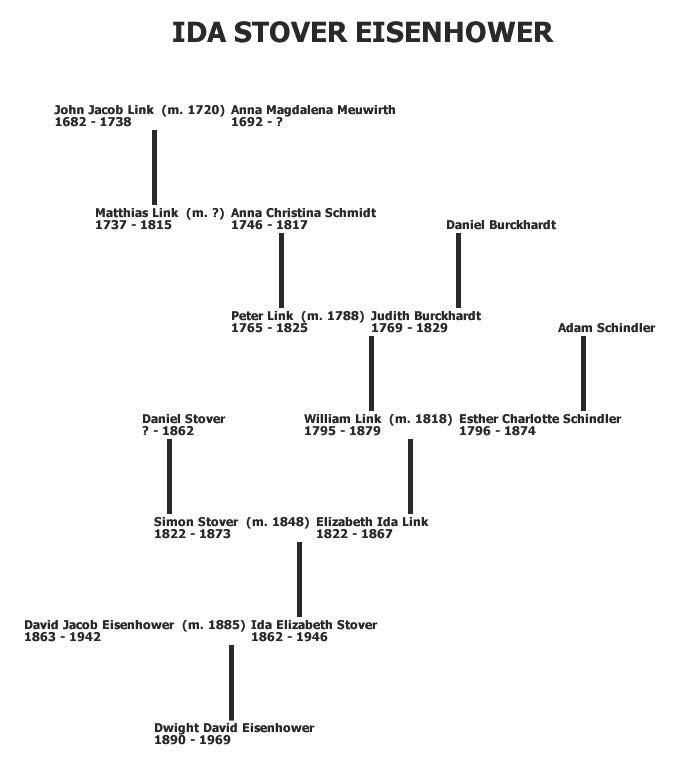
Eisenhower, Dwight D.,
President of the United States
https://en.wikipedia.org/wiki/Dwight_D._Eisenhower
https://www.whitehouse.gov/about-the-white-house/presidents/dwight-d-eisenhower/
https://history.state.gov/historicaldocuments/frus1955-57v01/sources
https://history.state.gov/historicaldocuments/frus1955-57v01/ch1
https://history.state.gov/historicaldocuments/frus1955-57v01/ch2
https://history.state.gov/historicaldocuments/frus1955-57v01/ch3
https://history.state.gov/historicaldocuments/frus1955-57v01/terms
https://history.state.gov/historicaldocuments/frus1955-57v01/persons
https://www.bibliotecapleyades.net/sociopolitica/esp_sociopol_mj12_10.htm
https://www.bibliotecapleyades.net/exopolitica/esp_exopolitics_Q.htm
https://www.eisenhowerlibrary.gov/eisenhowers/eisenhower-ancestry
https://www.eisenhowerlibrary.gov/eisenhowers/eisenhower-ancestry
https://www.ranker.com/list/illuminati-presidents/mike-rothschild
http://www.nwotoday.com/the-socialist-review-american-politicians/dwight-d-eisenhower
https://soundcloud.com/the-miller-center-at-uva
August 4, 1953: Eisenhower on supporting the French in Vietnam
https://soundcloud.com/the-miller-center-at-uva/august-4-1953-eisenhower-on-vietnam
Earl Warren Endorses Dwight Eisenhower, October 31, 1952
https://soundcloud.com/the-miller-center-at-uva/ear-warren-endorses-dwight-eisenhower
President Dwight Eisenhower on Civil Rights, 2 February 1953
Johnson, Eisenhower, and Vietnam
https://soundcloud.com/the-miller-center-at-uva/sets/johnson-eisenhower-and-vietnam
Gleason, S. Everett,
Sarell Everett Gleason
Deputy Executive Secretary of the National Security Council
https://en.wikipedia.org/wiki/S._Everett_Gleason
https://www.trumanlibrary.gov/library/personal-papers/s-everett-gleason-papers
Gleason, S. Everett Papers |
Harry S. Truman (trumanlibrary.gov)
Humphrey, George M.,
Secretary of the Treasury from January 21, 1953.
https://home.treasury.gov/about/history/prior-secretaries/george-m-humphrey-1953-1957
https://en.wikipedia.org/wiki/George_M._Humphrey
https://millercenter.org/president/eisenhower/essays/humphrey-1953-secretary-of-the-treasury
https://case.edu/ech/articles/h/humphrey-george-magoffin
https://www.presidency.ucsb.edu/documents/statement-about-the-death-george-m-humphrey
https://www.eisenhowerlibrary.gov/sites/default/files/finding-aids/pdf/humphrey-george-papers.pdf
Jackson, C. D.,
Special Assistant to the President, February 16, 1953–March 31, 1954.
https://en.wikipedia.org/wiki/C._D._Jackson
https://www.sourcewatch.org/index.php/C.D._Jackson
https://www.cia.gov/readingroom/docs/CIA-RDP75-00001R000200140002-9.pdf
https://muse.jhu.edu/pub/26/article/363157
https://spartacus-educational.com/USAjacksonCD.htm
Under
Secretary of State; Head of the United States Delegation at the Geneva
Conference, May 3–June 20, and July 17–21, 1954.
https://history.state.gov/historicaldocuments/frus1952-54v16/ch5subch4
https://avalon.law.yale.edu/20th_century/inch006.asp
https://www.cia.gov/readingroom/docs/CIA-RDP80B01676R002500010001-5.pdf
https://history.state.gov/historicaldocuments/frus1952-54v16/d1027
https://search.library.wisc.edu/digital/ABHSHVCERGRA6I86/pages/ALUZ5OG5PRZCCH83?as=text&view=scroll
https://en.wikipedia.org/wiki/Walter_Bedell_Smith
Van Fleet, General James A.,
USA, Commanding General, United States Eighth Army, in Korea, to
February 11, 1953.
https://en.wikipedia.org/wiki/James_Van_Fleet


No comments:
Post a Comment