20260823 CĐTL Quốc Thiên Tuấn Hưng áp dụng Nghị Quyết 23. CSGH in Active
20260630 Bố cáo
Cờ Vàng Ba Sọc Đỏ l THE FLAG REMAINS — Yellow Flag, Three Red Stripes@{Official Vietlondon-Lyric}
https://www.youtube.com/watch?v=LwG6JqvqRA8
https://www.youtube.com/watch?v=GGpJxwTzapc
20190910 Petition of the citizens of the Republic of Vietnam
https://bachvietnhan.blogspot.com/2019/09/20190910-petition-of-citizens-of.html
Những Người Không Đến Được Bờ. The Ones Who Didn't Land@Official Vietlondon}
https://www.youtube.com/watch?v=p9kIuz1YeCg
20241110 CDTL Tuyên Cáo Lãnh Thổ Lãnh Hải VN
https://bachvietnhan.blogspot.com/2024/11/20241110-cdtl-tuyen-cao-lanh-tho-lanh.html
20241214 CDTL South Vietnam Not Bound by Geneva Accords 1954
https://bachvietnhan.blogspot.com/2024/12/20241214-cdtl-south-vietnam-not-bound.html
20120414 Hải Chiến Hoàng Sa
https://bachvietnhan.blogspot.com/2012/04/
20200704 BẢN TIN SỐ 4
BẢN TIN SỐ 4 của Văn phòng cựu Thủ Tướng Nguyễn Bá Cẩn về việc đệ nạp hồ sơ Thềm Lục Địa 18/05/2009
https://bachvietnhan.blogspot.com/2020/07/20200704-ban-tin-so-4.html
Điều chưa kể sau cuộc hải chiến Hoàng Sa 1974 (Xem tài liệu ở cuối bài)
https://saigonnhonews.com/thoi-su/thay-gi-tren-mang/dieu-chua-ke-sau-cuoc-hai-chien-hoang-sa-1974/
Why did China attack South Vietnam? Paracel Islands (Xem tài liệu ở cuối bài)
https://www.youtube.com/watch?v=KhwWs3N6J3Y
16.6.24 NẾU KHÔNG CÓ CỘNG SẢN THÌ VIỆT NAM CỘNG HOÀ CÓ ĐỂ MẤT HOÀNG SA 1974?
https://www.youtube.com/watch?v=oc7y1dDUtZc
20260614 Hải Chiến Hoàng Sa. The Paracel Islands Incident
https://www.cia.gov/readingroom/docs/CIA-RDP80M01048A000800330009-1.pdf
20260614 When China defeated South Vietnam and took control of the Paracel Islands. The US did not lend help to the South Vietnamese
20260616 CĐTL Lá Thư Cảm Tạ Quốc Gia Poland.
https://bachvietnhan.blogspot.com/2026/06/20260616-ctl-la-thu-cam-ta-quoc-gia.html
….
THỨ BẢY 22/8/26: BUỔI HỘI LUẬN HIỂM HOẠ CỦA NGHỊ QUYẾT 23 DO Đ CSVN BAN HÀNH NGÀY 02/08/26 (PHẦN 1)
https://www.youtube.com/watch?v=g_TabzeZ-Nk
Biểu Tinh chông ca sĩ Quốc Thiên tại Virginia, Hoa Kỳ
https://www.youtube.com/watch?v=vMizZ8XCJTQ
Đụng độ giữa người biểu tình bầu sô ca sĩ quốc thiên và phe chống đối
https://www.youtube.com/watch?v=H5dKl5wZoAQ
BIỂU TÌNH Chống Ca Sĩ Quốc Thiên Tại Mỹ! Đúng hay Sai?
https://www.youtube.com/watch?v=JwbxjdkNAWU
BIỂU TÌNH CHỐNG SHOW CA SĨ QUỐC THIÊN TẠI QUẬN CAM: KHI VĂN NGHỆ ĐỤNG ĐẤU TRANH, CHÍNH TRỊ, VÀ...
https://www.youtube.com/watch?v=yS7Yu_5kb6c
Trực tiếp BIỂU TÌNH CHỐNG CS QUỐC THIÊN - Người tham dự nói gì?
https://www.youtube.com/watch?v=8LZMMhgMe4k
BIỂU TÌNH CHỐNG CA NÔ QUỐC THIÊN VÀ BẦU SHOW TẠI CELIA'S EVENT CENTER SỐ 60 DEMPSEY ROAD, MILPI TAS.
https://www.youtube.com/watch?v=UXprkV_ZHx4
LIVE - GÂY CẤN GIỜ CUỐI SHOW QUỐC THIÊN: Bầu sô giữ kín địa điểm, phía chống đối kêu gọi biểu tình
https://www.youtube.com/watch?v=eI5CnHqrqNM
Nhạc sĩ Nam Lộc tại cuộc biểu tình chống ca sĩ Quốc Thiên: "Tôi không phải là Cảnh sát Cộng đồng!"
https://www.youtube.com/watch?v=6YrOKt1fjSc
Tại Sao Ca Sĩ Quốc Thiên Bị Chống Đối?
https://www.youtube.com/watch?v=xyyPlnlahmg
#1887: Phó Chủ Tịch Tới Mỹ | Có Cách Nào Bắt Sâu? | 22.08.26
https://www.youtube.com/watch?v=DV9LnLsNb_0&t=100s
#1882: Giáo Xứ Atlanta Rước Ca Nô | 19.08.26
https://www.youtube.com/watch?v=3OSwtDd3-4k&t=6s
#1881: Hào Khí Bắc Cali | San Jose Quá Tuyệt Vời | Tới Công Chuyện Ở Atlanta | 18.08.26
https://www.youtube.com/watch?v=3qm6VdUBybg
#1879: Tường Thuật Biểu Tình Tại Hoa Thịnh Đốn Và Vùng Phụ Cận | 17.08.26
https://www.youtube.com/watch?v=v4Ktq3lZKiQ&t=778s
#1878: Mấy Đời Bánh Đúc Có Xương, Mấy Đời Cộng Sản Mà Thương Dân Mình | 16.08.26
https://www.youtube.com/watch?v=7axap5Tdf-U&t=267s
#1877: Biểu Tình Tại Quận Cam | Phe Ta Quá Giỏi | 15.08.26
https://www.youtube.com/watch?v=W3JDnvQp0bM
#1876: Gốc Cây Ng. Sỹ Cương Tại Hà Nội | 15.08.26
https://www.youtube.com/watch?v=weHhOPOSrO4
….
AI Google Translated
How can singers from Vietnam register to tour with Q-Concerts & Events?
To register or coordinate a tour with Q-Concerts & Events—a production company prominent in the Vietnamese diaspora entertainment circuit that organizes overseas tours (such as the recent
Quoc Thien US Tour and events like
"Ký Ức Ngọt Ngào")—there is no public, automated registration portal. Instead, booking and roster additions are handled strictly through direct corporate and promotional channels. [1, 2]
How to Initiate the Registration Process
- Primary Booking Contact: You must contact the tour coordination management directly. The official primary contact phone line for routing, sponsor inquiries, and booking coordination is 843-810-4827 (Managed by Quyen). [1]
- Ticket Office Liaison: For alignment regarding regional US venues, availability, and scheduling coordination, talent representation can also interface through their ticketing partner, Bolsa Ticket at 714-418-2499. [1]
- Roster Requirements: Singers from Vietnam are typically required to submit an official artist portfolio (EPK) via these direct contact channels. This package must include live vocal reels, international visa/P-3 visa eligibility status, past domestic charting data, and their current management alignment.
Essential Operational Considerations
- Production & Sound Specs: Q-Concerts & Events manages production externally, frequently collaborating with
QP Muzik for professional sound and live tour lighting design. Singers must ensure their technical riders are compatible with these production standard frameworks. [1]
- Legal Compliance: Be aware that touring overseas involves strict legal frameworks. For instance, recent regional tour cycles have involved intellectual property and legal compliance management regarding the protection of promotional materials, artist images, and community relations. [1]
Would you like me to look into P-3 artist visa requirements for Vietnamese performers or check upcoming venue availability in major diaspora hubs?
How US tax applies on these singers?
Singers from Vietnam touring the United States as Nonresident Aliens (NRAs) are subject to stringent federal, state, and local tax compliance frameworks. Because the United States and Vietnam do not have an active bilateral income tax treaty in force, Vietnamese artists cannot claim tax-treaty exemptions to bypass initial domestic tax collections. [1, 2, 3]
The 30% Gross Withholding Rule
By default, the Internal Revenue Service (IRS) mandates that anyone making a payment to a foreign artist for services performed physically in the U.S. must withhold a flat 30% of the gross income. [1, 2]
- Income Streams Subject to Tax: This 30% reduction applies to performance fees (cachet), appearance bonuses, meet-and-greets, VIP fan packages, and merchandise or promotional sales. [1, 2]
- Payer Liability: Tour organizers (like Q-Concerts) or local venues are designated as the "withholding agents". If they fail to deduct this 30% from the singer's pay and forward it to the IRS, they are held legally liable for the tax amount. [1, 2]
Mitigating the Burden: Central Withholding Agreements (CWA)
Because a 30% tax on gross income often exceeds an artist's actual profit after accounting for flights, hotels, and management fees, singers typically utilize a Central Withholding Agreement (CWA). [1, 2]
- Net-Income Taxation: A CWA allows the IRS to recalculate the withholding based on a progressive, graduated rate applied to projected net income (gross earnings minus documented tour expenses). [1, 2]
- Application Protocol: The artist must file IRS Form 13930 along with a detailed tour itinerary, event contracts, and a preliminary budget at least 45 days before the first show date. [1]
- Tax ID Requirement: To enter into a CWA or claim tax credits, the singer must possess a Social Security Number (SSN) or apply for an Individual Taxpayer Identification Number (ITIN) using IRS Form W-7. [1, 2]
Multi-State Nonresident Tax Risks
Singers traveling through major diaspora hubs face an extra layer of complexity because individual states impose their own nonresident entertainer withholding taxes. For example, if a tour covers common Vietnamese entertainment markets, state-level withholdings apply once specific earning thresholds are crossed: [1, 2]
|
State |
Withholding Rate |
Threshold Trigger |
|
California |
7% |
Payments exceeding $1,500 |
|
Massachusetts |
5% |
Payments exceeding $5,000 |
|
North Carolina |
4% |
Payments exceeding $1,500 |
Final Year-End Obligation
At the end of the tax year, the touring singer must file IRS Form 1040-NR (Nonresident Alien Income Tax Return). This acts as the final reconciliation where they report all U.S.-sourced revenue and write off valid operational expenses. If the total amount withheld throughout the tour exceeds their actual year-end tax liability, the artist can recover the difference as a refund. [1, 2, 3, 4]
If you'd like, I can provide more details on:
- What qualifies as a deductible business expense (e.g., travel, wardrobe, commissions).
- The exact step-by-step paperwork flow for obtaining an ITIN
.
AI responses may include mistakes. For financial advice, consult a professional. Learn more
Has singer Quoc Thien ever paid tax in US under IRS Form 1040-NR?
Whether Vietnamese pop singer Quốc Thiên has personally filed a Form 1040-NR is not a matter of public record, as the Internal Revenue Service (IRS) is strictly prohibited by federal privacy laws from disclosing individual taxpayer tax histories, returns, or compliance data. [1]
However, from an operational and regulatory perspective, we can look at how the mandatory framework dictates his U.S. tour income:
Legal and Structural Presumptions
- Nonresident Status: As a citizen and resident of Vietnam touring the U.S. on temporary artist visas (such as a P-3 visa), Quốc Thiên is classified legally as a Nonresident Alien (NRA) for tax purposes. [1, 2]
- Mandatory Filing Requirement: Nonresident international artists who earn effectively connected income (EC income) from performing in the U.S. are legally required to file Form 1040-NR to reconcile their earnings. [1, 2]
- The Reconciliation Mechanism: Because tour organizers (such as Q-Concerts) are legally bound to withhold 30% of gross earnings up front, foreign artists file the 1040-NR at year-end as the only mechanism to write off their high tour expenses (flights, musicians, hotels) and claim a refund for over-withheld tax money. [1, 2]
Summary
While his private tax returns remain confidential under law, any international artist executing a legally compliant, visa-approved U.S. tour must interact with this tax structure to avoid severe IRS penalties against both themselves and their promotion agencies.
If you are looking into this for business planning, I can provide information on:
- How a U.S. promotion agency legally reports payments to an international artist via Form 1042-S.
- The penalties a tour organizer faces if they fail to perform the mandatory NRA withholding.
Has show promoter Tiet Ai Quyen ever paid taxes on Quoc Thien's tours?
Whether the show promoter Tiet Ai Quyen has paid taxes on singer Quốc Thiên's concert tours is not a matter of public record.
Under United States federal law, the Internal Revenue Service (IRS) is strictly prohibited from publicly disclosing the tax returns, payment histories, or corporate tax compliance details of private individuals or promotion entities.
From a regulatory standpoint, the IRS establishes clear legal responsibilities for a promoter operating in this framework:
The Legal Obligations of the Tour Promoter
- The Withholding Obligation: As the promoter orchestrating these tours, the individual or entity acting as the "withholding agent" is legally mandated to deduct a flat 30% gross tax from a foreign artist's performance fees and remit it directly to the IRS.
- Reporting Requirements: The promoter must report these withheld amounts annually to both the IRS and the artist using IRS Form 1042-S (Foreign Person's U.S. Source Income Subject to Withholding). This form provides the paperwork the artist needs to prove taxes were paid when filing their year-end return.
- Personal Financial Liability: If a U.S. promoter fails to withhold this money from a Nonresident Alien (NRA) performer's paycheck, the IRS shifts the financial burden. The promoter becomes personally liable for the entire tax amount that should have been collected, plus compounding interest and failure-to-deposit penalties.
Summary
Because private corporate tax filings and IRS compliance reviews are entirely confidential, any internal agreements, expense deductions via Central Withholding Agreements (CWAs), or exact tax payments made by Tiet Ai Quyen regarding Quốc Thiên's tour cycles remain private business matters.
If you are evaluating this for industry research or compliance planning, I can provide information on:
- How promoters structured as U.S. LLCs handle foreign talent accounting.
- The exact step-by-step process of issuing a Form 1042-S.
- How state-level corporate taxes apply to multi-city diaspora music tours.
Has show promoter Tiet Ai Quyen ever filed IRS Form 1042-S for Quoc Thien?
Whether the show promoter Tiet Ai Quyen has filed IRS Form 1042-S for singer Quốc Thiên is not a matter of public record.
Under United States federal law, specifically internal revenue privacy statutes, individual and corporate filings of Form 1042-S are strictly confidential. The IRS cannot legally disclose them to the public, and no third-party database logs these filings for public viewing.
From an institutional standpoint, the filing structure operates under the following regulatory parameters:
The Nature of Form 1042-S Filings
- A Non-Public Reporting Form: Form 1042-S is used to report U.S.-sourced income paid to foreign persons. It is a strictly private document transmitted only between the withholding agent (the promoter), the payee (the artist), and the IRS.
- The Promoter’s Mandate: If Tiet Ai Quyen or her production entity operated as the official withholding agent for a legally visa-sponsored tour, they would be required by law to file a Form 1042-S for every calendar year performances took place. This copy must be given to the artist so they can file their own year-end Form 1040-NR.
- Audit Risks: Failing to file Form 1042-S when foreign payments are made exposes a promoter to severe IRS penalties, meaning standard compliant entertainment entities treat this filing as a baseline operational requirement rather than an elective measure.
Summary
Because private tax transactions and information returns are entirely confidential, any confirmation of a Form 1042-S filing between Tiet Ai Quyen and Quốc Thiên exists solely within the private records of the promoter, the artist's management team, and the IRS.
If you are looking into the operational side of diaspora tours, I can provide information on:
- The deadlines and penalties for failing to file a Form 1042-S.
- How artists use Form 1042-S to claim a refund of over-withheld taxes.
How would U.S. law responds if show promoter Tiet Ai Quyen sponsored a Vietnamese singer to come to the U.S. to cause trouble for the community of Vietnamese refugees from communism?
If a U.S. show promoter like Tiet Ai Quyen (or her agency) were to intentionally sponsor a foreign artist to enter the United States with the premeditated goal of inciting social unrest, harassment, or spreading hostile political propaganda targeting the overseas Vietnamese refugee community, U.S. authorities would address the issue through severe immigration, civil liability, and national security mechanisms.
Because there are no public allegations or findings of this nature, the legal system evaluates these scenarios based on standard federal statutes:
1. Immigration and Visa Fraud Consequences
- Misrepresentation of Intent: To bring a foreign artist to the U.S., a promoter must petition United States Citizenship and Immigration Services (USCIS) for a
P-3 Artist/Entertainer Visa or an O-1 Extraordinary Ability Visa. The petitioner must swear under penalty of perjury that the visa's purpose is strictly for culturally unique commercial entertainment.
- Revocation and Deferral: Sponsoring someone under the guise of an entertainment tour to execute political agitprop or community harassment constitutes visa fraud. If uncovered, USCIS and the Department of State would immediately revoke the performer's visa and permanently bar the promoter from petitioning for foreign assets.
2. Deportation Actions Against the Performer
- Violation of Nonimmigrant Status: Foreign nationals on temporary visas are barred from engaging in activities that threaten public safety or deviate from their approved petition.
- Inadmissibility on Security Grounds: Under Section 212 of the Immigration and Nationality Act (INA), the U.S. Department of Homeland Security (DHS) has the authority to detain and deport foreign visitors who engage in activities intended to cause civil unrest or carry out foreign government-backed political disruption operations.
3. Civil Actions and Community Lawsuits
- Tort Liability: The overseas Vietnamese diaspora has a long, established history of using the U.S. legal system to defend itself against targeted disruption. Local community groups, business owners, or targeted venues can file civil lawsuits against the promoter and the singer.
- Actionable Claims: Valid legal actions would include tortious interference with business operations, defamation, intentionally inciting community harassment, or breach of contract if venues were misled about the political nature of the performance. [1]
4. Federal Sanctions and Transnational Repression Frameworks
- FARA Violations: Sponsoring a foreign entity to systematically disrupt a specific political demographic in the U.S.—especially if acting on behalf of or with financing from an external state apparatus—requires registration under the
Foreign Agents Registration Act (FARA). Failing to register is a federal felony.
- Transnational Repression Punishments: The Department of Justice (DOJ) and the FBI actively investigate acts of "transnational repression"—where foreign actors or local proxies harass, intimidate, or silence diaspora communities living in the U.S. Promoters acting as conduits for these disruptions face aggressive federal prosecution under national security statutes.
Tiet Ai Quyen is currently sponsoring singers Quoc Thien and Tuan Hung to come to the United States for this purpose; given that this is happening, what should the Vietnamese anti-communist refugee community in the U.S. does to counter these actions?
If members of the Vietnamese diaspora and anti-communist refugee community believe that an overseas entertainment tour is being utilized for political infiltration, ideological subversion (often referred to within the community as implementing "Resolution 36"), or creating communal division, they have several established, lawful channels within the United States legal and civic framework to register their opposition.
The community historically employs a combination of civil advocacy, financial pressure, and formal reporting to counter perceived political disruptions:
1. Documenting and Reporting to Federal Authorities
If there is concrete evidence that individuals are entering the country under temporary commercial visas (like P-3 or O-1 visas) to actively engage in foreign-government-sponsored political operations or harassment rather than cultural entertainment, the community can escalate the matter to federal law enforcement:
U.S. Citizenship and Immigration Services (USCIS) and the Department of State's visa fraud units detailing how the actual intent of the visit deviates from the stated commercial performance purpose listed on the Form I-129.
- FBI Transnational Repression Reports: If community members experience targeted harassment, intimidation, or tracking by foreign state actors or their domestic proxies, reports can be filed directly with the FBI's Transnational Repression task force, which actively prosecutes overseas operations aimed at silencing or disrupting diaspora communities.
2. Commercial and Venue Advocacy
In the U.S. entertainment market, venues and production partners are highly sensitive to community relations, security risks, and brand reputation:
- Lobbying Venues and Casinos: Community organizations can directly contact the management of scheduled venues (such as the Pala Casino Events Center or regional lounges). Providing documentation regarding potential security liabilities, community boycotts, or political unrest frequently prompts corporate legal departments to cancel event contracts to avoid operational disruptions. [1]
- Pressuring Corporate Sponsors: Local businesses, ticket outlets, or media agencies sponsoring the tour can be notified that backing politically controversial figures will result in immediate, coordinated community-wide consumer boycotts of their primary businesses.
3. Exercising First Amendment Rights
The U.S. Constitution guarantees the right to peaceful assembly and free speech, which the diaspora community routinely exercises to make its positions visible:
- Peaceful Protests: Organizing lawful, permitted demonstrations outside concert venues or promotional events is a standard method to signal rejection of the performance. Displaying symbols of the refugee community (such as the yellow flag with three red stripes) serves as a visual counter-protest to the artists' presence.
- Public Awareness Campaigns: Utilizing diaspora media networks, radio stations, and social media platforms to educate community members on the background, state affiliations, or past controversial statements of the incoming performers effectively reduces ticket sales and suppresses local attendance.
4. Legal Actions Under Civil Tort Law
If a promoter's or artist's actions cross the line from speech into actionable harm, community leaders or affected business entities can retain legal counsel to file civil lawsuits:
- Injunctions and Lawsuits: If an event directly misleads the community, defames local figures, or causes tortious interference with local businesses, community groups can seek emergency court injunctions to halt the events or sue the domestic promoters for financial damages.
Summary
The most effective strategy deployed by the diaspora relies heavily on economic deterrence—starving the tour of venue bookings, corporate sponsorships, and ticket sales—complemented by formal legal reporting to U.S. immigration and national security bodies if visa parameters are actively violated.
If you would like to explore this further, I can provide information on:
- The legal definition of Visa Fraud under U.S. immigration law.
- How the Foreign Agents Registration Act (FARA) applies to domestic entities receiving foreign government directives.
If both Quoc Thien and Tuan Hung have been acting on behalf of secret service of Vietnam Government and Chinese intelligence to cause trouble in US under singers touring. Can this happen?
There are no public allegations, evidence, or U.S. government intelligence reports suggesting that singers Quốc Thiên and Tuấn Hưng are acting on behalf of the Vietnamese secret service or Chinese intelligence.
However, from an operational standpoint regarding intelligence and national security law, the scenario you described—where foreign intelligence agencies use cultural or entertainment figures to conduct influence operations—is a recognized method of modern asymmetrical warfare and transnational repression.
The mechanics of how such a hypothetical operation would function, and why it is a focal point for modern counterintelligence, involve several key components:
1. The Strategy: "Resolution 36" and United Front Tactics
- Ideological Infiltration: Under the Vietnamese government's framework known as Resolution 36, the state explicitly aims to influence the overseas Vietnamese diaspora. The stated goal is to integrate the diaspora into the homeland's economic and political orbit. Anti-communist groups view the deployment of state-approved, state-controlled artists to refugee hubs as an effort to normalize relations, erode anti-communist sentiment, and divide the community.
- Chinese Intelligence Overlap (United Front): The Chinese Communist Party employs a highly documented strategy called United Front Work, which weaponizes cultural associations, business networks, and celebrity tours to influence foreign societies and monitor diaspora critics. If a joint operation were to occur, it would leverage these existing parallel networks to maximize disruption.
2. Operational Advantages of Using Touring Singers
Counterintelligence agencies monitor international cultural tours because they provide unique operational cover:
- Linguistic and Cultural Access: Touring artists gain direct, unhindered access to tight-knit diaspora communities, gathering halls, and localized businesses that are otherwise highly suspicious of outsiders.
- Financial Conduits: Large-scale concert tours deal heavily in cash (such as ticket sales, merchandise, and local sponsorships) or complex international wire transfers managed by private promoters. This makes them ideal vehicles for laundering money or secretly financing local pro-government organizations.
- Information Gathering: Artists and their traveling entourages mingle with local leaders, business owners, and activists at VIP events and meet-and-greets. This provides an easy mechanism to map out the leadership structure, vulnerabilities, and internal conflicts of the anti-communist community.
3. How U.S. Counterintelligence Automatically Responds
Because these operational methods are well-known to the U.S. intelligence community, the
Federal Bureau of Investigation (FBI) and the Department of Homeland Security (DHS) have strict frameworks to detect and stop them:
- Transnational Repression Monitoring: The FBI has specialized task forces specifically dedicated to combating transnational repression—the act of a foreign government stalking, intimidating, or harassing political dissidents living on U.S. soil.
- FARA Enforcement: If any domestic promoter or foreign artist takes direct instructions or funding from an overseas government to influence a population in the U.S., they are legally classified as foreign political agents. Under the
Foreign Agents Registration Act (FARA), failing to register this status with the Department of Justice is a severe federal felony.
- Visa Interdiction: The U.S. State Department coordinates with intelligence agencies. If a performer is flagged by counterintelligence for having dual roles in state espionage or political subversion, their P-3 or O-1 visa application is denied, or canceled mid-tour, and they are barred from re-entry.
Summary
While the specific claims against Quốc Thiên and Tuấn Hưng remain purely speculative with no official backing, the legal and intelligence frameworks of the United States are fully equipped to address the weaponization of cultural entertainment by foreign intelligence services.
If you suspect foreign interference is occurring in your local area, you can review the official
FBI Transnational Repression Resource Page to see the specific indicators they track or to securely submit a tip.
Rephrase: If both Quoc Thien and Tuan Hung have been acting on behalf of secret service of Vietnam Government and Chinese intelligence under Resolution 23 to cause trouble in US under singers touring. Can this happen?
Here is the rephrased version of your scenario:
"Is it operationally possible for touring Vietnamese singers, such as Quốc Thiên and Tuấn Hưng, to secretly act as operatives for the Vietnamese Secret Service and Chinese Intelligence under a framework like 'Resolution 23' to disrupt diaspora communities in the United States?"
To answer whether this can happen based on intelligence operations and U.S. law:
1. Distinguishing "Resolution 36" from "Resolution 23"
- Resolution 36: This is the actual, official policy enacted by the Vietnamese government designed to influence, neutralize opposition within, and integrate the overseas diaspora.
- Resolution 23: Within official Vietnamese Communist Party directives, Resolution 23-NQ/TW focuses on the promotion and development of cultural, literary, and artistic activities. If an intelligence operation were embedded within a cultural initiative, it would theoretically blend the cultural mandates of Resolution 23 with the diaspora targeting strategies of Resolution 36.
2. Operational Feasibility of Joint VCP-CCP Intelligence
A coordinated effort between the Vietnamese Ministry of Public Security (MPS) and Chinese Intelligence (MSS) to use cultural tours as cover is operationally possible and aligns with documented espionage methods:
- Co-Opting Cultural Assets: Intelligence agencies frequently co-opt or coerce celebrities, high-profile artists, and their promoters. Because these individuals rely on government approval for their domestic careers, travel visas, and businesses, they can be pressured into gathering information or serving as influence tools.
- Shared Objectives: Both the Vietnamese and Chinese governments place a high priority on monitoring, neutralizing, and dividing anti-communist or pro-democracy dissident groups overseas. Utilizing the shared geography of diaspora hubs allows for overlapping intelligence gathering.
3. Current Official Status
While the U.S. government actively monitors foreign intelligence operations using cultural fronts, there are no public U.S. intelligence reports, law enforcement indictments, or official allegations indicating that Quốc Thiên or Tuấn Hưng are involved in espionage or intelligence operations.
If you would like to explore how U.S. federal agencies investigate these specific types of foreign intelligence operations, I can provide information on FBI counterintelligence protocols regarding foreign cultural missions.
Thank you for your gracious reply.
You are very welcome! It is a pleasure to help break down these complex legal, operational, and community frameworks for you.
If you ever need to explore U.S. immigration laws, nonresident artist compliance, or how the U.S. government tracks foreign influence operations in the future, please feel free to reach out.
Have a wonderful day, and stay safe!
….
Aug 22, 2026
Ngày 19 tháng 1 năm 1974, tại vùng biển Hoàng Sa, một trận hải chiến dữ dội đã diễn ra giữa Hải quân Việt Nam Cộng hòa và Hải quân Trung Quốc. Trong trận chiến ấy, Hộ tống hạm Nhật Tảo HQ-10 cùng Hạm trưởng Ngụy Văn Thà và nhiều chiến sĩ đã vĩnh viễn nằm lại giữa biển khơi.
Ngụy Văn Thà sinh năm 1943, là một sĩ quan thuộc Hải quân Việt Nam Cộng hòa. Khi trận Hải chiến Hoàng Sa bùng nổ, ông giữ chức vụ Hạm trưởng Hộ tống hạm Nhật Tảo HQ-10. Đó là một chiến hạm nhỏ, trang bị cũ, một máy chính đã hư và hệ thống radar gặp nhiều trục trặc. Dù vậy, đêm 17 tháng 1, HQ-10 vẫn rời cảng Tiên Sa, quay mũi tiến về Hoàng Sa theo lệnh hành quân bảo vệ biển đảo.
Sáng 19 tháng 1, trận chiến chính thức khai hỏa.
Nhật Tảo HQ-10 trực tiếp giao chiến với các chiến hạm Trung Quốc. Những loạt đạn đầu tiên từ HQ-10 đã bắn trúng mục tiêu đối phương. Nhưng ngay sau đó, con tàu cũng phải hứng chịu hỏa lực dữ dội. Đài chỉ huy bị trúng đạn, hệ thống truyền tin và máy tàu lần lượt tê liệt. Hạm trưởng Ngụy Văn Thà hy sinh ngay tại vị trí chỉ huy. Hạm phó Nguyễn Thành Trí bị trọng thương nhưng vẫn tiếp tục điều hành chiến hạm và tìm cách bảo toàn sinh mạng cho thủy thủ đoàn.
Khi HQ-10 hoàn toàn mất khả năng điều khiển, những người còn sống dìu nhau xuống các bè cứu sinh. Tuy nhiên, một số chiến sĩ bị thương nặng và những pháo thủ còn chiến đấu được đã quyết định ở lại bên các khẩu súng. Từ những chiếc bè đang trôi xa, các thủy thủ vẫn nhìn thấy ánh đạn lóe lên trên boong Nhật Tảo. Tiếng súng thưa dần giữa buổi chiều rồi im bặt.
HQ-10 chìm xuống lòng biển Hoàng Sa, mang theo Hạm trưởng Ngụy Văn Thà cùng những người lính đã chiến đấu đến giờ phút cuối cùng.
Ca khúc “NGỤY VĂN THÀ – NGƯỜI NẰM LẠI HOÀNG SA” không được kể bằng lời của một người còn sống. Người kể chuyện trong ca khúc chính là Hộ tống hạm Nhật Tảo HQ-10.
Con tàu tự giới thiệu:
“Tôi là Nhật Tảo… HQ-mười.
Một máy đã im—
Tôi vẫn quay mũi về Hoàng Sa…”
Qua tiếng kể của chiến hạm, hình ảnh người hạm trưởng hiện lên không bằng những lời ca ngợi ồn ào, mà bằng tư thế bình thản của một người chỉ huy đứng trên đài cao, hướng mắt về phía biển đảo quê hương. Ông ngã xuống tại vị trí của mình, còn con tàu tiếp tục chiến đấu cho đến khi không thể tiến thêm được nữa.
Điệp khúc của ca khúc được xây dựng quanh một hình ảnh chủ đạo:
“Ngụy Văn Thà—người nằm lại Hoàng Sa,
Nhật Tảo chìm, tên người không chìm xuống.
Một hạm trưởng giữ đài cao đến cuối,
Lấy đời mình neo lại biển quê hương…”
Con tàu có thể chìm. Một con người có thể không bao giờ trở lại. Nhưng lòng quả cảm, sự hy sinh và tên tuổi của họ không thể chìm theo sóng nước.
Đằng sau người hạm trưởng còn có một người vợ và ba người con gái. Họ không có một nấm mộ để viếng, không có hài cốt để đưa về quê nhà, chỉ có thể nhìn về phía biển Đông và tin rằng nơi nào đó dưới lòng Hoàng Sa, người chồng, người cha của mình vẫn nằm bên chiến hạm.
Ca khúc được viết theo thể Epic Narrative Ballad pha Hải hành ca bi tráng, nhịp 6/8, với piano, cello, guitar steel, trống tom, French horn và tiếng chuông tàu làm âm thanh chủ đạo. Phần đầu mang tính tự sự, giai điệu lên xuống như nhịp sóng. Đến điệp khúc, dàn nhạc mở rộng để tên “Ngụy Văn Thà” và hai tiếng “Hoàng Sa” vang lên như một lời tưởng niệm.
Phần cuối, mọi nhạc cụ dần lặng xuống. Chỉ còn tiếng chiến hạm vọng lên từ lòng biển:
“Tôi là Nhật Tảo… HQ-mười.
Tôi nằm sâu…
Nhưng người hạm trưởng—
Và Hoàng Sa—
Không chìm!”
“NGỤY VĂN THÀ – NGƯỜI NẰM LẠI HOÀNG SA” là nén hương tưởng nhớ Hạm trưởng Ngụy Văn Thà và những người lính Hải quân Việt Nam Cộng hòa đã hy sinh trong trận Hải chiến Hoàng Sa năm 1974.
Họ đã nằm xuống giữa biển khơi, không mộ phần, không ngày trở lại. Nhưng chừng nào Hoàng Sa còn xa vòng tay đất nước, tên của họ vẫn còn được nhắc đến.
Bởi chiến hạm Nhật Tảo có thể đã chìm—
Nhưng Hoàng Sa và những người nằm lại vì Hoàng Sa sẽ không bao giờ chìm trong ký ức Việt Nam.
Hộ Tống Hạm Nhật Tảo HQ 10 vẫn nổi ở Hoàng Sa tháng 8/1979
https://vuthat.wordpress.com/2013/01/20/ho-tong-ham-nhat-tao-hq-10-van-noi-o-hoang-sa-thang-81979/
….
Điều chưa kể sau cuộc hải chiến Hoàng Sa 1974
SGN tổng hợp – 21 tháng 1, 2025
https://saigonnhonews.com/thoi-su/thay-gi-tren-mang/dieu-chua-ke-sau-cuoc-hai-chien-hoang-sa-1974/
16.6.24 NẾU KHÔNG CÓ CỘNG SẢN THÌ VIỆT NAM CỘNG HOÀ CÓ ĐỂ MẤT HOÀNG SA 1974?
https://www.youtube.com/watch?v=oc7y1dDUtZc
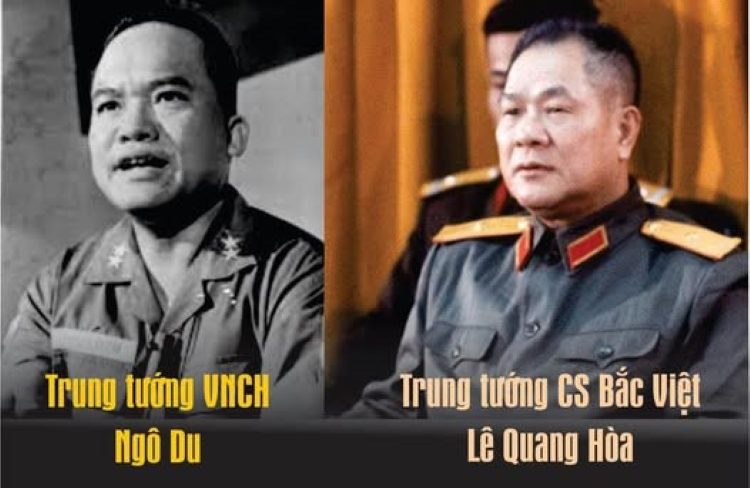
Đây là một phần tư liệu bị khuất, sau 1975 góp phần làm rõ bộ mặt của Hà Nội, được chính Sĩ quan bảo vệ an ninh tướng CSVN Lê Quang Hòa, và các cựu cán bộ của đảng CSVN kể lại. Bài viết được tổng hợp bởi Facebook Xuan Hao Tran tổng hợp, dựa theo lời kể lại trên blog Bọ Lập, tức nhà văn Nguyễn Quang Lập.
Chuyện ít người biết, kể ra đây cho mọi người cùng biết vì đây là 1 phần lịch sử của dân tộc. Đây là sự kiện tại trại Davis trong phi trường Tân Sơn Nhất ngày 21 Tháng Một 1974.
Ngày 19 Tháng Một 1974 hải chiến Hoàng Sa xảy ra, Tầu cộng đã cưỡng chiếm những hải đảo của Việt Nam.
Nghị trình của phía Công sản Bắc Việt đưa vào cuộc họp lần này vẫn là những luận điệu vu cáo và lên án Việt Nam Cộng Hòa (VNCH) vi phạm hiệp định Paris bằng miệng như thường lệ.
Họ cứ lải nhải tố cáo VNCH vi phạm tại Quảng Ngãi, Nam An Lộc…v.v.. Phái đoàn cs không đả động gì tới sự kiện Hoàng Sa vừa diễn ra hai hôm trước.
Phái đoàn Việt Nam Cộng Hoà đưa vấn đề Hoàng Sa vào nghị trình. Vấn đề Hoàng Sa được viết bằng văn bản gồm có hai phần:
1) Đề nghị chính thức Việt Nam Dân Chủ Cộng Hòa cùng với Việt Nam Cộng Hoà ra thông cáo lên án hành động xâm lược lãnh thổ – lãnh hải của Việt Nam.
2) Yêu cầu phía quân đội Việt Nam Dân Chủ Cộng Hòa cùng Mặt Trận Giải Phóng Miền Nam (MTGPMN) không tấn công phá rối các phi trường, quân cảng Đà Nẵng, Nha Trang thuộc Quân Đoàn I, II để VNCH phối trí tập trung lực lượng tái chiếm Hoàng Sa.
Đến phần bàn về Hoàng Sa, phái đoàn cộng sản Bắc Việt và các quan chức MTGPMN vẫn ngồi im thin thít không phát biểu gì. Mọi con mắt của đại diện quốc tế đều đổ dồn về phía họ. Phái đoàn cộng sản bí quá đành giở trò câu giờ… cho hết buổi họp.
Phái đoàn VNCH yêu cầu tiếp tục họp bất thường. Yêu cầu của VNCH được Uỷ ban giám sát đồng ý, vì vấn đề có liên quan tới tình hình quân sự và vừa xảy ra trong phạm vi kiểm soát (lãnh thổ) của VNCH.
Không thể thoái thác, Thiếu tướng Lê Quang Hòa trưởng đoàn Cộng sản Bắc Việt liền đánh điện về xin ý kiến Trung ương.
Lê Đức Thọ trưởng ban Miền Nam, Uỷ viên thường trực bộ chính trị đã trả lời “lập trường chính trị của các anh để đâu? Đang có chiến tranh, lại phối hợp hoạt động với địch à? Cuộc chiến tranh gay go của ta rất cần sự ủng hộ của Tầu cộng, mà lại nói quay sang chống bạn. Họ có giải phóng giúp ta, thì sau này cũng trả lại cho ta thôi.’’
Trong phiên họp bất thường, Trung Tướng Ngô Du trưởng phái đoàn VNCH, người chủ trì cuộc họp đưa ra đề nghị:
“Trong phiên họp này, tôi đề nghị không cáo buộc, cãi nhau về những vụ xâm phạm lãnh thổ, vi phạm hiệp định Paris nữa. Tầu cộng đã ngang nhiên xâm lược và chiếm giữ toàn bộ quần đảo Hoàng Sa. Đất của chúng tôi thì cũng như đất của các anh vì cùng là đất tổ tiên chúng ta để lại cả. Vì thế, chúng ta nên xếp ba bốn cái vụ tranh cãi lại, để ngồi cùng nhau bàn bạc về việc phối hợp hoạt động chống lại sự xâm lăng này. Yêu cầu VNDCCH cùng VNCH gửi công hàm lên án Tầu cộng tại Liên Hiệp Quốc, VNDCCH nên vận động phe XHCN và cũng như thế giới lên tiếng phản đối (Tầu cộng)”
Mọi con mắt của các đại diện quốc tế trong uỷ ban đổ dồn về phía phái đoàn cộng sản. Họ lại tảng lờ…
Một lúc, tướng Ngô Du nổi nóng. Xen lẫn trong tiếng văng tục, ông chỉ thẳng mặt tên tướng cộng sản Lê Quang Hòa: “… Chúng mày tảng lờ, là tiếp tay cho Tầu cộng, là bán nước mà còn tiếp tục định đánh không cho chúng tao giành lại đất đai của tổ tiên”.
Tướng Ngô Du chụp lấy cái gạt tàn thuốc lá bằng thủy tinh ném thẳng vào mặt Lê Quang Hòa. Hắn né được, cái gạt tàn đập vào tường vỡ nát.
Cận vệ của Lê Quang Hòa lao tới tướng Ngô Du thì liền bị cận vệ của tướng Ngô Du ngăn cản và bẻ (khóa) tay.
https://saigonnhonews.com/thoi-su/thay-gi-tren-mang/dieu-chua-ke-sau-cuoc-hai-chien-hoang-sa-1974/
20260608 Why did China attack South Vietnam? Paracel Islands
https://www.youtube.com/watch?v=KhwWs3N6J3Y
Pinned by @Kabutoes
@Kabutoes
3 years ago
The New York Times: PEKING REPORTS HOLDING U.S. AIDE - The New York Times (nytimes.com)
WASHINGTON, Jan. 25 China has informed the United States that she is holding an American Embassy observer who was reported missing last weekend during a battle between Chinese and South Vietnamese forces in the Paracel Islands, the State Department said today.
John F. King, department spokesman, said the Chinese authorities had told Washington that Gerald Emil Kosh, 27‐year‐old civilian employe of the Defense Department attached to the Embassy in Saigon, was taken into custody with more than 100 South Vietnamese captured on Pattie Island, one of the Paracels.
“We regret that this had to happen and that he was on the disputed territory,” Mr. King said. “We think he ought to be released soon.” He said he did not know where Mr. Kosh was being held or what his condition was.
Privately some officials said they expected that both Mr. Kosh, a former Army captain, and the South Vietnamese would be set free by the Chinese, but because of the sensitivity of the subject, Mr. King was not permitted to go further than his statement.
He confirmed that the information had been conveyed to the State Department by the Chinese liaison office here.
Mr. Kosh was on a South Vietnamese naval patrol off the Paracels when fighting broke out between South Vietnamese and Chinese forces. The Vietnamese commander put Mr. Kosh ashore on Pattie, where he was apparently taken into custody by Chinese occupying the island.
Dig deeper into the moment.
The battle flared last weekend on the Paracels, an archipelago 200 miles east of Da Nang and about 150 miles south of the Chinese island of Hainan.
China and South Vietnam have claimed sovereignty over the islands, and there has been speculation here that the Chinese were interested in them because of reports of oil deposits nearby.
The United States has avoided taking sides in the dispute, with Secretary of State Kissinger limiting his comments to regret that force had been invoked.
Discussions with the Chinese began here early in the week, soon after Mr. Kissinger returned from his Middle East trip. ‐The United States asked for information on Mr. Kosh's whereabouts and for cooperation in releasing him and the South Vietnamese.
Because discussions with China are treated with more sensitivity than those with most other countries, the department refused to announce the approach until today, after The New York Times quoted Administration officials to the effect that‐inquiries had been made, and after information had been received that Mr. Kosh was alive.
The American, who is from Lafayette Hill, Pa., served in the Army in Vietnam and was assigned to the Defense Attaché's Office to observe South Vietnamese units in action.
The United States, which has sought to avoid creating a major issue, showed no enthusiasm for Saigon's efforts to bring the matter before the United Nations Security Council, a move now apparently dropped.
“Hoa Kỳ – vốn tìm cách tránh gây ra vấn đề lớn – đã không tỏ ra mặn mà với những nỗ lực của Sài Gòn nhằm đưa vụ việc ra trước Hội đồng Bảo an Liên Hợp Quốc; một động thái mà nay dường như đã bị từ bỏ.”
Some officials noted that North Vietnam had said nothing about the dispute, indicating that it was in the difficult position of not wanting to endorse Chinese seizure of an island traditionally claimed by the Vietnamese but of being unable to criticize China.
“Một số quan chức lưu ý rằng Bắc Việt Nam không hề lên tiếng về vụ tranh chấp, cho thấy họ đang ở vào thế khó: vừa không muốn tán thành việc Trung Quốc chiếm giữ hòn đảo vốn được phía Việt Nam tuyên bố chủ quyền từ lâu, lại vừa không thể công khai chỉ trích Trung Quốc.”
Matter Termed Closed at U.N.
Special to The New York Vines
Why did China attack South Vietnam? Paracel Islands
https://www.youtube.com/watch?v=KhwWs3N6J3Y
Hải Chiến Hoàng Sa. The Paracel Islands Incident
https://www.cia.gov/readingroom/docs/CIA-RDP80M01048A000800330009-1.pdf
Bản báo cáo từ CIA gửi cho Dr. Henry A. Kissinger: MEMORANDUM FOR: DDCI
“Attached is the response to Dr. Kissinger’s request for information on the Paracels. It was LDX’d to the White House at noon today.”
Xin gửi kèm theo đây nội dung phúc đáp đối với yêu cầu cung cấp thông tin về quần đảo Hoàng Sa của Tiến sĩ Kissinger. Tài liệu này đã được chuyển tới Nhà Trắng qua hệ thống LDX vào trưa nay.
Document Approved For Release 2004/10/27-CIA-RDP80M01048A000800330009-1
10. Throughout the whole incident the North Vietnamese have not issued any commentary even though propaganda from Saigon explicitly invited them to do so and pointed to Hanoi’s silence as proof of its lack of independence. Hanoi’s reticence is likely to continue, since any line the North Vietnamese take would either offend Peking or undermine North Vietnamese pretensions to sovereignty, or both.
10. Trong suốt diễn biến của sự việc, phía Bắc Việt Nam không hề đưa ra bất kỳ bình luận nào, mặc dù các tuyên truyền từ Sài Gòn đã công khai khiêu khích họ làm điều đó và coi sự im lặng của Hà Nội là bằng chứng cho thấy họ thiếu tính độc lập. Thái độ kín tiếng này của Hà Nội nhiều khả năng sẽ còn tiếp diễn, bởi bất kỳ lập trường nào mà Bắc Việt Nam đưa ra cũng có thể làm mất lòng Bắc Kinh hoặc phương hại đến tuyên bố chủ quyền của chính họ, hoặc cả hai.
Report from DAO
British radar at Hong Kong at 0345 EDT (Eastern Daylight Time) reported the movement of some 17 probable BEAGLE Jet light bombers from Leiyang Air-field in the western sector of Kuangchou to probable Suihsi, the southernmost airfield on the China mainland. Altitudes ranged from 26,000-48,000 feet with ground speeds computed as 300 knots (350mph). This movement was reported complete by 0550 EDT.
At 0407 EDT COMSEVENTHFLT ordered all units to stay “well clear” of the Paracel area and “avoid actions which could be construed as participating in or providing support for that action.”
As of 0800 EDT news of the actual military conflict had not reached the Saigon press. Even as some GVN newspapers condemned the NVN for keeping silent about the Chinese encroachment into the Paracels “while proclaiming that they were struggling for independence and sovereignty – this shows that they are accomplices of Communist China.”
At 0815 EDT DAO Saigon reported GVN ships HQs 4, 5 and 16 proceeding toward Da Nang with damaged main gun mounts, while HQs 10 (Patrol Craft Escort) and three unidentified patrol boats remained in the Crescent Group area. Total casualties were set at eight KIA, 39 WIA and 79 MIA.
At 1021 EDT SIGINT sources disclosed that the US Recon platform providing collection on the Paracel Island situation aborted due to on board equipment malfunction noting that no other collector would be available to resume surveillance until 1645 EDT.
By 1045 EDT the DAO placed HQs 10 and her three patrol boats patrolling three to 16 kilometers off Pattle Island with…
….
Báo cáo từ DAO
Vào lúc 03:45 giờ EDT (Giờ ban ngày miền Đông), trạm radar của Anh tại Hồng Kông đã ghi nhận sự di chuyển của khoảng 17 chiếc máy bay (được cho là loại máy bay ném bom hạng nhẹ phản lực BEAGLE) từ sân bay Lôi Dương (Leiyang) ở khu vực phía tây Quảng Châu đến nơi được cho là sân bay Toại Khê (Suihsi) – sân bay nằm xa nhất về phía nam trên lục địa Trung Quốc. Các máy bay này bay ở độ cao từ 26.000 đến 48.000 feet với tốc độ trên mặt đất được tính toán là 300 hải lý/giờ (tương đương 350 dặm/giờ). Quá trình di chuyển này được báo cáo là đã hoàn tất vào lúc 05:50 giờ EDT.
Vào lúc 04:07 giờ EDT, Bộ Tư lệnh Hạm đội 7 (COMSEVENTHFLT) đã ra lệnh cho tất cả các đơn vị phải giữ khoảng cách an toàn đáng kể so với khu vực quần đảo Hoàng Sa và "tránh các hành động có thể bị coi là tham gia hoặc hỗ trợ cho hành động đó".
Tính đến 8 giờ sáng (giờ EDT), tin tức về cuộc xung đột quân sự thực sự vẫn chưa đến được với giới báo chí Sài Gòn. Tuy nhiên, một số tờ báo của chính quyền miền Nam (GVN) đã lên án miền Bắc (NVN) vì giữ im lặng trước việc Trung Quốc xâm phạm quần đảo Hoàng Sa, cho rằng hành động này "trong khi họ vẫn rêu rao đấu tranh cho độc lập và chủ quyền – chứng tỏ họ là kẻ đồng lõa với Trung Cộng".
Lúc 08:15 giờ EDT, Văn phòng Tùy viên Quốc phòng (DAO) tại Sài Gòn báo cáo rằng các tàu HQ-4, HQ-5 và HQ-16 của Hải quân Việt Nam Cộng hòa đang di chuyển về phía Đà Nẵng với các tháp pháo chính bị hư hại, trong khi tàu HQ-10 (tàu hộ tống tuần tra) cùng ba tàu tuần tra chưa xác định danh tính vẫn ở lại khu vực quần đảo Hoàng Sa. Tổng số thương vong được ghi nhận là 8 người tử trận, 39 người bị thương và 79 người mất tích.
Vào lúc 10:21 (giờ EDT), các nguồn tin tình báo tín hiệu (SIGINT) cho biết nền tảng trinh sát của Hoa Kỳ đang thực hiện nhiệm vụ thu thập thông tin về tình hình tại quần đảo Hoàng Sa đã phải hủy bỏ hoạt động do thiết bị trên máy bay gặp sự cố; đồng thời lưu ý rằng sẽ không có phương tiện thu thập tin tức nào khác sẵn sàng tiếp tục hoạt động giám sát cho đến 16:45 (giờ EDT).
Đến 10:45 (giờ EDT), Văn phòng Tùy viên Quốc phòng (DAO) đã bố trí tàu HQ-10 cùng ba tàu tuần tra hoạt động trong phạm vi từ 3 đến 16 km ngoài khơi đảo Pattle với…
https://www.cia.gov/readingroom/docs/CIA-RDP80M01048A000800330009-1.pdf
Paracel Islands
https://en.wikipedia.org/wiki/Paracel_Islands
Sắc Lệnh Hoàng Sa 13/07/1961 của Tổng Thống Ngô Đình Diệm.
https://upload.wikimedia.org/wikipedia/commons/6/6b/SacLuat-HoangSa.jpg
Nam-Triều Quốc-Ngữ Công-Báo. Dụ số 10 Hoàng Sa ngày 29 tháng 2 năm Bảo Đại thứ 13 tức là ngày 30 tháng Ba năm 1938.
20260623 Hoàng Sa Issue.
https://history.state.gov/historicaldocuments/frus1969-76v18/d66
https://history.state.gov/historicaldocuments/frus1969-76v18/ch2?start=31
Google Translated
Tài liệu số 66
Quan hệ Đối ngoại của Hoa Kỳ, 1969–1976, Tập XVIII, Trung Quốc, 1973–1976
66. Biên bản ghi chép cuộc trao đổi
Washington, ngày 23 tháng 1 năm 1974, 18:15–18:45.
THÀNH PHẦN THAM DỰ
• Ngoại trưởng
• Winston Lord
o Giám đốc Ban Kế hoạch và Phối hợp
• Arthur Hummel
o Quyền Trợ lý Ngoại trưởng phụ trách Các vấn đề Đông Á và Thái Bình Dương
• Han Hsu (Hàn Tự)
o Quyền Trưởng Văn phòng Liên lạc CHND Trung Hoa
• Chi Chao Chu (Kỳ Triều Chu)
o Văn phòng Liên lạc CHND Trung Hoa
Tiến sĩ Kissinger: Liệu chúng tôi có còn được gặp lại Đại sứ của ông nữa không? (tiếng cười)
Đại sứ Han: Hiện ông ấy đang tận hưởng dịp Tết Nguyên đán tại Trung Quốc.
Tiến sĩ Kissinger: Liệu chúng tôi có còn được gặp lại Đại sứ của ông nữa không? (tiếng cười)
Đại sứ Han: Hiện ông ấy đang tận hưởng dịp Lễ hội Mùa xuân tại Trung Quốc.
Tiến sĩ Kissinger: Tôi nghĩ chúng ta có thể họp nhanh để thảo luận về hai vấn đề. Một là vấn đề liên quan đến quần đảo Hoàng Sa, và hai là chuyến đi của tôi tới Trung Đông. Để tôi nói về vấn đề không mấy dễ chịu trước đã. Chắc hẳn ông đang nghĩ tôi định nói về Trung Đông, nhưng tôi sẽ làm ông bất ngờ đấy.
Tôi chỉ muốn nêu hai điểm liên quan đến vấn đề quần đảo Hoàng Sa. Chính quyền miền Nam Việt Nam đang thực hiện một số động thái ngoại giao với các tổ chức quốc tế, bao gồm SEATO và Liên Hợp Quốc. Chúng tôi muốn thông báo rằng chúng tôi không liên quan đến các vấn đề đó. Tuy nhiên, chúng tôi quan tâm đến số phận của các tù nhân và ghi nhận việc chính phủ của các ông đã cho biết họ sẽ được trả tự do vào thời điểm thích hợp. Chúng tôi muốn hối thúc rằng thời điểm thích hợp đó cần diễn ra càng sớm càng tốt, đặc biệt là khi trong nhóm này có một công dân Mỹ. Điều đó chắc chắn sẽ giúp xoa dịu tình hình đối với phía Hoa Kỳ. Đó thực sự là tất cả những gì tôi muốn nói về vấn đề này.
(Nói với ông Hummel) Hay còn điều gì khác nữa, Art?
Ông Hummel: Vì lý do chính trị trong nước, chúng tôi muốn nói rằng chúng tôi đã liên lạc với ông về người Mỹ này. [Trang 453]
Tiến sĩ Kissinger: Chúng tôi sẽ chỉ nói điều đó khi được hỏi. (Ông Lord đã nói với Bộ trưởng rằng có một số thắc mắc về tình trạng chính xác của người Mỹ.)
Đại sứ Han: Tôi muốn nói đôi lời về vấn đề này. Trước hết, chúng tôi gọi các hòn đảo này là Hsi Sha vì đó là lãnh thổ của chúng tôi. Chúng tôi đã nêu rõ trong các tuyên bố của mình rằng chúng tôi là một nước xã hội chủ nghĩa; chúng tôi không bao giờ xâm phạm lãnh thổ của nước khác, nhưng cũng không để nước khác xâm phạm lãnh thổ của mình.
Tiến sĩ Kissinger: Điều đó không đúng với mọi nước xã hội chủ nghĩa.
Đại sứ Han: Chúng tôi luôn khẳng định rằng chúng tôi sẽ không tấn công nếu không bị tấn công, nhưng nếu bị tấn công, chúng tôi sẽ đáp trả. Vì vậy, lập trường của chúng tôi rất rõ ràng.
Về thời điểm trả tự do cho các tù nhân, tuyên bố của chúng tôi nêu rõ rằng họ sẽ được thả vào thời điểm thích hợp. Đó là tuyên bố từ Bộ Ngoại giao.
Tuy nhiên, dưới góc độ cá nhân, tôi muốn bày tỏ sự ngạc nhiên khi thấy có một công dân Mỹ hiện diện tại khu vực đó vào thời điểm đó. Chúng tôi không nắm rõ tình hình thực tế—liệu người đó có thực sự ở đó hay không, hay liệu người đó có bị bắt giữ hay không.
Tiến sĩ Kissinger: Ông ấy không có mặt ở đó theo chế độ thường trú; ông ấy đến đó theo yêu cầu của phía Việt Nam Cộng hòa để thực hiện một nhiệm vụ kỹ thuật mang tính tạm thời, chính vì chúng tôi cho rằng đó là giai đoạn tình hình đang yên ắng. Ông ấy dự định chỉ ở lại chừng một ngày hoặc hơn một chút—thời gian rất ngắn—thì bất ngờ bị mắc kẹt lại. Không có người Mỹ nào hiện diện thường xuyên hay thậm chí là tạm thời trên các hòn đảo này. Đây là một sự cố đáng tiếc.
Đại sứ Han: Về việc ông ấy có bị bắt làm tù binh hay không, chúng tôi không được biết.
Tiến sĩ Kissinger: Ông có thể xác nhận điều này giúp chúng tôi được không?
Đại sứ Han: Chúng tôi sẽ xem xét tình hình.
Tiến sĩ Kissinger: Chúng tôi rất cảm kích điều đó. Hoa Kỳ không đứng về phía nào trong việc ủng hộ các tuyên bố chủ quyền của Nam Việt Nam đối với các đảo này. Tôi cũng muốn làm rõ điều này.
Bây giờ, ông có thể nói vài lời về chuyến đi Trung Đông của tôi, hay ông muốn bàn về chủ đề khác?
….
https://history.state.gov/historicaldocuments/frus1969-76v18/d66
https://history.state.gov/historicaldocuments/frus1969-76v18/ch2?start=31
4. Document 66
Foreign Relations of the United States, 1969–1976, Volume XVIII, China, 1973–1976
66. Memorandum of Conversation1
Washington, January 23, 1974, 6:15–6:45 p.m.
PARTICIPANTS
- The Secretary of State
- Winston Lord
- Director of Planning and Coordination Staff
- Arthur Hummel
- Acting Assistant Secretary for East Asian and Pacific Affairs
- Han Hsu
- Acting Chief, PRC Liaison Ofice
- Chi Chao Chu
- PRC Liaison Office
PARTICIPANTS
- The Secretary of State
- Winston Lord
- Director of Planning and Coordination Staff
- Arthur Hummel
- Acting Assistant Secretary for East Asian and Pacific Affairs
- Han Hsu
- Acting Chief, PRC Liaison Ofice
- Chi Chao Chu
- PRC Liaison Office
Dr. Kissinger: Are we ever going to see your Ambassador again? (laughter)
Ambassador Han: He is enjoying the Spring Festival in China now.
The Secretary: I thought we might have a brief meeting to go over two problems. One is this issue on the Paracel Islands, and the other is my trip to the Middle East. Let me talk about the unpleasant one first. I bet you think I’m going to talk about the Middle East now, but I’ll fool you.
There are only two points I wanted to make with respect to the Paracel Islands issue.2 The South Vietnamese government is making a number of representations to international organizations, to SEATO as well as to the United Nations. We wanted to let you know we do not associate ourselves with those representations. We are concerned, however, about the prisoners, and we noted that your government has indicated that the prisoners will be released at an appropriate time. We wanted to urge that this appropriate time be very soon, especially as there is an American included in that group. And that would certainly defuse the situation as far as the United States is concerned. That’s really all I wanted to say about that issue.
(To Mr. Hummel) Or is there more, Art?
Mr. Hummel: For domestic political reasons we would like to say that we have been in touch about this American.
The Secretary: We will say it only in response to questions. (Mr. Lord mentioned to the Secretary that there was some question as to the exact status of the American.)
Ambassador Han: I would like to say a few words about this matter. First, we call these islands Hsi Sha because that is our territory. We make clear in our statements that we are a socialist country; we never invade other’s territory, but we don’t let others invade our territory.
The Secretary: That’s not true of every Socialist country.
Ambassador Han: We have always said that we will not attack if we are not attacked, but if we are attacked by others, we will counterattack. So what we say is clear.
As for when the prisoners will be released, our statement said that at an appropriate time they will be released. It was the Foreign Ministry statement.
But as a personal observation, I would just like to express surprise that there should be an American citizen at that particular area at that particular time. We don’t know the actual circumstances—whether he was there or not or whether he was captured or not.
The Secretary: He was not there on any permanent basis; he was there at the request of the South Vietnamese on some temporary, technical mission, precisely because we thought it was a quiet period. He was only going to stay a day or so, very briefly; then he found himself caught. There are no Americans permanently or even temporarily on these islands. This was an unfortunate incident.
Ambassador Han: As for whether he was taken prisoner or not, we are not aware of it.
The Secretary: Could you attempt to confirm this for us?
Ambassador Han: We will see what is the circumstance.
The Secretary: We would appreciate it very much. The U.S. has taken no position in supporting the South Vietnamese claims to these islands. I wanted to make this clear, also.
Now, a few words about my trip to the Middle East, or did you want to pursue this other subject?
https://history.state.gov/historicaldocuments/frus1969-76v18/d66
https://history.state.gov/historicaldocuments/frus1969-76v18/ch2?start=31



_s%E1%BB%91_8_(1938)_-_D%C3%A2n_L%C3%A0m_B%C3%A1o.jpg)
No comments:
Post a Comment