20260830 CDTL DDE D698 8 Jun 1954 Lời tòa soạn.
https://history.state.gov/historicaldocuments/frus1952-54v16/d698
Google Translated
Tài liệu số 698
Quan hệ Đối ngoại của Hoa Kỳ, 1952–1954, Hội
nghị Geneva, Tập XVI
Ghi chú của Ban biên tập (Lời tòa soạn).
Tại cuộc họp báo ngày 8 tháng 6, khi trả lời câu hỏi về
đánh giá của mình đối với các cuộc đàm phán tại Hội nghị Geneva về vấn đề Đông
Dương tính đến thời điểm đó, Ngoại trưởng Dulles đã phát biểu:
“Tất nhiên, trách nhiệm chính trong các cuộc đàm phán
đó thuộc về phái đoàn Pháp, phối hợp cùng phái đoàn của ba Quốc gia Liên kết
tại Đông Dương là Việt Nam, Lào và Campuchia.
“Hoa Kỳ chủ yếu đóng vai trò là một người bạn
đưa ra lời khuyên khi được hỏi đến; và tất nhiên, chúng tôi vô cùng hy vọng rằng
kết quả đạt được sẽ duy trì được nền độc lập thực sự cho toàn khu vực cũng như
mang lại sự chấm dứt giao tranh.”
“Việc liệu có thể đạt được kết quả đó hay không, tất
nhiên, là một vấn đề nan giải. Dường như các lực lượng Cộng sản tại
Đông Dương đang gia tăng các hoạt động của mình. Họ đã làm như vậy kể từ
khi đề nghị hòa bình cho Đông Dương được đưa ra tại Hội nghị Berlin.
Theo tôi, đã có sự cố tình trì hoãn các cuộc đàm phán tại Geneva trong
khi các nỗ lực quân sự của phe Cộng sản lại được đẩy mạnh ngay tại
Đông Dương. Việc phe Cộng sản trì hoãn tiến trình hòa bình
và gia tăng nỗ lực chiến tranh trong bối cảnh này đã phản ánh thái độ chung của
họ, đồng thời – theo tôi – cũng bộc lộ sự dối trá trong những tuyên bố rầm rộ về
lòng yêu chuộng hòa bình của họ.”
Khi được hỏi đâu là cách tốt nhất để đối phó với tình
trạng phe Cộng sản vừa đẩy mạnh chiến tranh vừa trì hoãn hòa
bình, Bộ trưởng phát biểu:
“Hoa Kỳ đã đưa ra một số đề nghị, tất cả đều nằm
trong một khuôn khổ thống nhất và nhất quán.
“Đề nghị đầu tiên thuộc nhóm này – như tôi đã nhắc lại
với quý vị – chính là đề nghị mà Tổng thống đã đưa ra cách đây hơn một
năm trong bài phát biểu ngày 16 tháng 4, khi ông kêu gọi hành động chung liên
quan đến vấn đề Đông Dương. Đề nghị đó đã không được chấp nhận, mặc dù –
như tôi từng đề cập trong cuộc họp báo lần trước – Chính phủ Hoa Kỳ vẫn
tiếp tục theo đuổi nó thông qua các cuộc đàm phán kín.”
“Tôi đã nhắc lại đề nghị đó trong bài phát biểu ngày
29 tháng 3 năm 1954, và lập trường của Hoa Kỳ về vấn đề này vẫn không
thay đổi – tất nhiên là với điều kiện đề nghị đó vẫn còn khả thi. Tuy nhiên, đề
nghị này đã luôn khả thi kể từ khi Tổng thống Eisenhower đưa ra lần đầu,
và tôi tin rằng nó vẫn còn khả thi.” [Trang 1068]
Khi được hỏi liệu phương án thay thế – trong trường hợp
kế hoạch hành động chung không thể thực hiện được – có đồng nghĩa với việc Hoa
Kỳ sẽ tự mình hoặc đơn phương giải quyết tình hình hay không, ông Dulles
trả lời:
“Không. Hoa Kỳ không có ý định đơn phương giải
quyết tình hình Đông Dương, và chắc chắn sẽ không làm vậy trừ khi bản chất
của hành động xâm lược thay đổi hoàn toàn... chẳng hạn như nếu Tầu cộng tái
diễn hành động xâm lược vũ trang công khai tại khu vực đó hoặc bất kỳ khu vực
nào khác ở Viễn Đông, thì điều đó có thể tạo ra một tình thế mới.”
Khi được hỏi ông cho rằng Hoa Kỳ và các quốc
gia khác nên tiếp tục ngồi lại Geneva để nỗ lực đàm phán một cách chân
thành trong bao lâu nữa, trong khi phe Cộng sản trì hoãn tiến
trình tại Geneva và đẩy mạnh chiến tranh ở Đông Dương, Ngoại
trưởng Dulles nói:
“Như tôi đã nêu trước đó, trách nhiệm chính trong vấn
đề này phải thuộc về các quốc gia đang gánh vác trọng trách chủ yếu của cuộc
chiến tại khu vực; về phía chúng ta, đó là Pháp và Việt Nam. Chúng tôi
công nhận vai trò chủ đạo của họ trong vấn đề này. Quyết định của họ về vấn đề
này sẽ là yếu tố mang tính quyết định. Tôi không muốn cố gắng định hướng xem
chính sách của họ đối với vấn đề này nên là gì.”
Ngoại trưởng
được hỏi về mục tiêu của hành động chung—liệu điều đó có nghĩa là can thiệp
quân sự, giữ vững một phòng tuyến đặc biệt tại Đông Dương, hay một mục
tiêu nào khác? Ngoại trưởng trả lời:
“Dĩ nhiên là nó sẽ có mục tiêu. Mục tiêu đó là giữ cho
phần lớn khu vực bán đảo và hải đảo Đông Nam Á nằm trong tay các nước
thân thiện. Tuy nhiên, tính khả thi của việc này thay đổi theo thời gian. Điều
khả thi cách đây một năm thì nay lại ít khả thi hơn. Tôi e rằng tình hình đang
ngày càng xấu đi.”
Ngoại trưởng
được hỏi về những tiến triển đạt được trong việc tạo sự đồng thuận chung đối với
ý tưởng hành động chung. Ông trả lời:
“Tôi cho rằng tiến bộ chỉ đạt được ở khía cạnh này:
hai trong số các điều kiện tiên quyết đã có bước tiến triển. Cụ thể là, theo
tôi, đã có thêm những bước tiến đáng kể trong việc làm rõ quy chế tương lai của
các quốc gia Việt Nam, Lào và Campuchia liên quan đến nền độc lập hoàn
toàn của họ. Ngoài ra, còn có việc Hội đồng Bảo an đã bỏ phiếu với tỷ lệ
10 thuận - 1 chống để đưa vấn đề do Thái Lan đề nghị vào chương trình
nghị sự và bắt đầu xem xét vấn đề này. Đó lại là một bước tiến trên một trong
những phương diện mà chúng tôi coi là thiết yếu đối với hành động thống nhất.
Xét về hai khía cạnh đó thì đã có một số tiến bộ.”
Bộ trưởng
được hỏi về tiến độ của các cuộc thảo luận giữa các cơ quan tham mưu quân sự tại
Washington cũng như các cuộc thảo luận song song với các nước châu Á.
Ông trả lời:
“Chúng tôi đã tiến hành một loạt cuộc thảo luận—mà cuộc
đầu tiên, theo tôi nhớ, diễn ra tại Washington—với đại diện Chính phủ [Trang
1069] Thái Lan về vị thế quân sự của họ cũng như các biện pháp có thể thực
hiện để củng cố vị thế đó. Sau đó, khi ở Manila vài ngày trước, Bộ
trưởng Wilson cùng các cố vấn quân sự của ông đã có một loạt cuộc thảo luận
với đại diện Bộ Tổng tham mưu Philippines.”
“Các cuộc thảo luận đang diễn ra tại Washington với
Vương quốc Anh, Pháp, Úc và New Zealand cũng thuộc cùng một dạng thảo luận
nhằm tập hợp thông tin quân sự và đánh giá các khả năng quân sự; nhờ đó, khi cần
đưa ra các quyết định chính trị, chúng ta sẽ nắm sẵn trong tay những dữ kiện
quân sự liên quan đến vấn đề này. Tôi dự kiến Tổng tham mưu trưởng
Philippines sẽ có chuyến thăm nữa tới đây, và có thể sẽ có chuyến thăm
tương tự từ phía Thái Lan. Như tôi đã nói, chúng tôi đang cố gắng duy trì
liên lạc chặt chẽ nhất có thể về tình hình quân sự, bởi vì yếu tố này cần được
cân nhắc khi đưa ra các quyết định chính trị.”
Khi được hỏi về các thông tin cho rằng Chính quyền có
thể sẽ đề nghị Quốc hội thông qua một nghị quyết nào đó về tình hình Đông
Dương, Ngoại trưởng Dulles trả lời:
“Hiện chưa có kế hoạch nào về việc trình Quốc hội
xin phê chuẩn thẩm quyền cho vấn đề này. Như mọi người đều biết, kế hoạch tổng
thể mà Hoa Kỳ dự kiến cho khu vực này – và tôi đã trình bày ở đây – nếu
được triển khai thì có lẽ sẽ cần đến sự phê chuẩn của Quốc hội. Tuy
nhiên, cho đến nay, chương trình này vẫn chưa nhận được sự đồng thuận đủ rộng
rãi để có thể coi việc trình lên Quốc hội là một bước đi khả thi trên thực
tế chính trị.”
Để xem toàn văn phát biểu của Ngoại trưởng về
các nội dung liên quan đến Triều Tiên và Đông Dương tại Hội nghị
Geneva, vui lòng tham khảo *Department of State Bulletin* (Bản tin của Bộ
Ngoại giao), số ra ngày 21 tháng 6 năm 1954, các trang 947–949.
List of Abbreviations and Symbols
https://history.state.gov/historicaldocuments/frus1952-54v16/terms
https://history.state.gov/historicaldocuments/frus1952-54v16/persons
The Geneva Conference on Indochina May 8–July 21, 1954
https://history.state.gov/historicaldocuments/frus1952-54v16/comp2
https://history.state.gov/historicaldocuments/frus1952-54v16/ch7
June 8, 1954 (Documents
692–704)
https://history.state.gov/historicaldocuments/frus1952-54v16/ch7subch32
1. Document 698
Foreign Relations of the United
States, 1952–1954, The Geneva Conference, Volume XVI
Editorial Note
At his news conference on June 8, Secretary of State Dulles, in reply to
a question of his assessment of the Geneva Conference talks concerning
Indochina to date, said:
“The primary responsibility in those negotiations is being carried, of
course, by the French delegation in association with the delegations of the
three Associated States of Indochina, Viet-Nam, Laos, and Cambodia.
“The United States is playing primarily the role of a friend which gives
advice when it is asked for, and of course we have a very deep hope that the
result will be one which will maintain the genuine independence of the entire
area and bring about a cessation of the fighting.
“Whether that result is obtainable or not is of course problematic. It
seems that the Communist forces in Indochina are intensifying their activities.
They have done so ever since the proposal for peace in Indochina, which was
taken at the Berlin Conference. There has been, I think, a deliberate dragging
out of the negotiations at Geneva while the Communist military effort has been
stepped up in Indochina itself. The fact that under these circumstances the
Communists are dragging their feet on peace and intensifying their efforts for
war is a commentary upon the general attitude of the Communists and gives a
lie, I think, to their greatly professed love for peace.”
Asked what, in his view, was the best way to meet a situation where the
Communists were intensifying war and dragging their feet on peace, the
Secretary said:
“The United States has made a number of suggestions which all fit into a
common and consistent pattern.
“The first suggestion of that order was, as I have recalled to you, the
proposal that the President made over a year ago in his April 16 address when
he proposed that there should be united action in relation to Indochina. That
suggestion was not adopted, although, as I mentioned here, I think, in my last
press conference, it was followed up in private negotiations by the United
States Government.
“I renewed the same suggestion in my March 29, 1954, speech, and the
position of the United States with respect to that matter still stands,
subject, of course, to the possibility that a time may come when that
particular suggestion is no longer a practical one. But it has been a practical
one ever since President Eisenhower first made it, and I believe it is still a
practical one.”
Asked whether the alternative, should the plan for united action not
become practical, might imply the United States dealing with this situation
singlehandedly or unilaterally, Dulles replied:
“No. The United States has no intention of dealing with the Indochina
situation unilaterally, certainly not unless the whole nature of the aggression
should change.… if there should be a resumption by Communist China of open
armed aggression in that area or in any other area of the Far East that might
create a new situation.”
Asked how long he felt the United States and other nations should
continue to sit at Geneva in a sincere effort to negotiate while the Communists
dragged their feet at Geneva and intensified the war in Indochina, Secretary
Dulles said:
“As I pointed out earlier, the primary responsibility in that respect has
to be assumed by the countries that are carrying the principal burden of the
fighting in the area, which on our side are France and Viet-Nam. They are
recognized by us as having a primacy in this matter. It would be their decision
in this respect which would be controlling. I would not want to attempt to
establish what I thought should be their policy in this matter.”
The Secretary of State was asked what the objectives of united action
would be—would it mean intervention, the holding of a special line in
Indochina, or some other objective? The Secretary replied:
“It would obviously have an objective. The objective would be to retain
in friendly hands as much as possible of the Southeast Asian peninsular and
island area. Now the practicability varies from time to time. What was
practical a year ago is less practical today. The situation has, I am afraid,
been deteriorating.”
The Secretary was asked what progress had been made toward general
acceptance of the united action idea. He replied:
“I would say that progress has been made only in this sense, that two of
the conditions precedent have been advanced. Namely, considerable further
progress, I think, has been made in clarifying the prospective status of the
states of Viet-Nam, Laos, and Cambodia as regards their complete independence.
And, also, the fact that on the application of Thailand the Security Council
voted 10 to 1 to put that on its agenda, and to begin to get into the matter.
That, again, is a movement on one of the fronts which we have felt to be
indispensable in relation to united action. In those two respects some progress
has been made.”
The Secretary was asked about the progress of the Washington military
staff talks and about parallel talks with Asian countries. He replied:
“We have had a series of talks the first of which I think took place here
in Washington with the representatives of the Government of [Page 1069] Thailand with
reference to their military position and steps which might be taken to
strengthen it. Then Secretary Wilson, when he was in Manila a few days ago, had
a series of talks, himself and his military advisers, with the representatives
of the Philippine General Staff.
“The talks that are going on here in Washington with the United Kingdom,
France, Australia, and New Zealand are the same type of talks designed to
gather together military information, to assess military possibilities so that
if and when it is necessary to take political decisions there will be available
at hand the military elements of the problem. I expect a further visit to this
country of the Philippine Chief of Staff and possibly a similar visit from
Thailand. We are trying to keep in as close touch as we can with the military
position, as I say, because that has to be taken into account in reaching
political decisions.”
Asked about reports that the Administration might ask Congress to adopt
some sort of resolution on the Indochina situation, Secretary Dulles replied:
“There is no present plan for going to Congress for any authority in this
matter. As is well known, the general scheme which the United States has had
for this area and which I have already described here, would, if it were
implemented, probably require congressional action. But there has so far not
been a sufficiently general acceptance of the program to make it, as a matter
of practical politics, a question of going to Congress.”
For the Secretary’s complete remarks on the Korean and Indochina phases
of the Geneva Conference, see the Department of State Bulletin, June 21, 1954,
pages 947–949.
https://history.state.gov/historicaldocuments/frus1952-54v16/d698
https://history.state.gov/historicaldocuments/frus1952-54v16/pg_1068
https://history.state.gov/historicaldocuments/frus1952-54v16/pg_1069
Thân thế (các) nhân vật
https://en.wikipedia.org/wiki/John_Foster_Dulles
https://history.state.gov/departmenthistory/people/dulles-john-foster
https://www.britannica.com/biography/John-Foster-Dulles
https://diplomacy.state.gov/encyclopedia/john-foster-dulles-secretary-of-state/
https://www.acton.org/publications/transatlantic/2020/03/10/john-foster-dulles-cold-war-architect
https://www.youtube.com/watch?v=BtyFClyli9c
Eisenhower Dwight D.,
President of the United States
https://en.wikipedia.org/wiki/Dwight_D._Eisenhower
https://www.whitehouse.gov/about-the-white-house/presidents/dwight-d-eisenhower/
https://history.state.gov/historicaldocuments/frus1955-57v01/sources
https://history.state.gov/historicaldocuments/frus1955-57v01/ch1
https://history.state.gov/historicaldocuments/frus1955-57v01/ch2
https://history.state.gov/historicaldocuments/frus1955-57v01/ch3
https://history.state.gov/historicaldocuments/frus1955-57v01/terms
https://history.state.gov/historicaldocuments/frus1955-57v01/persons
https://www.bibliotecapleyades.net/sociopolitica/esp_sociopol_mj12_10.htm
https://www.bibliotecapleyades.net/exopolitica/esp_exopolitics_Q.htm
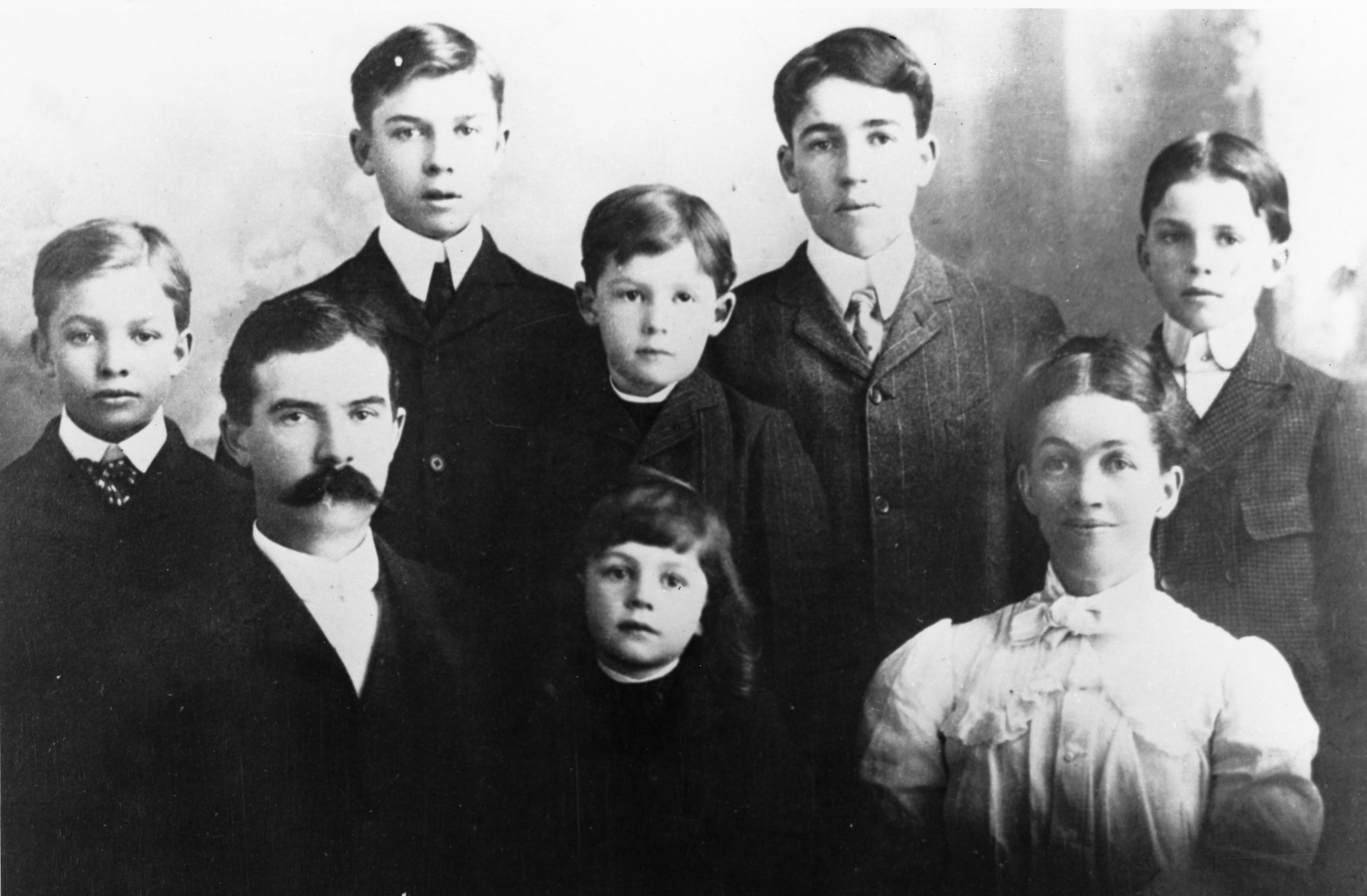
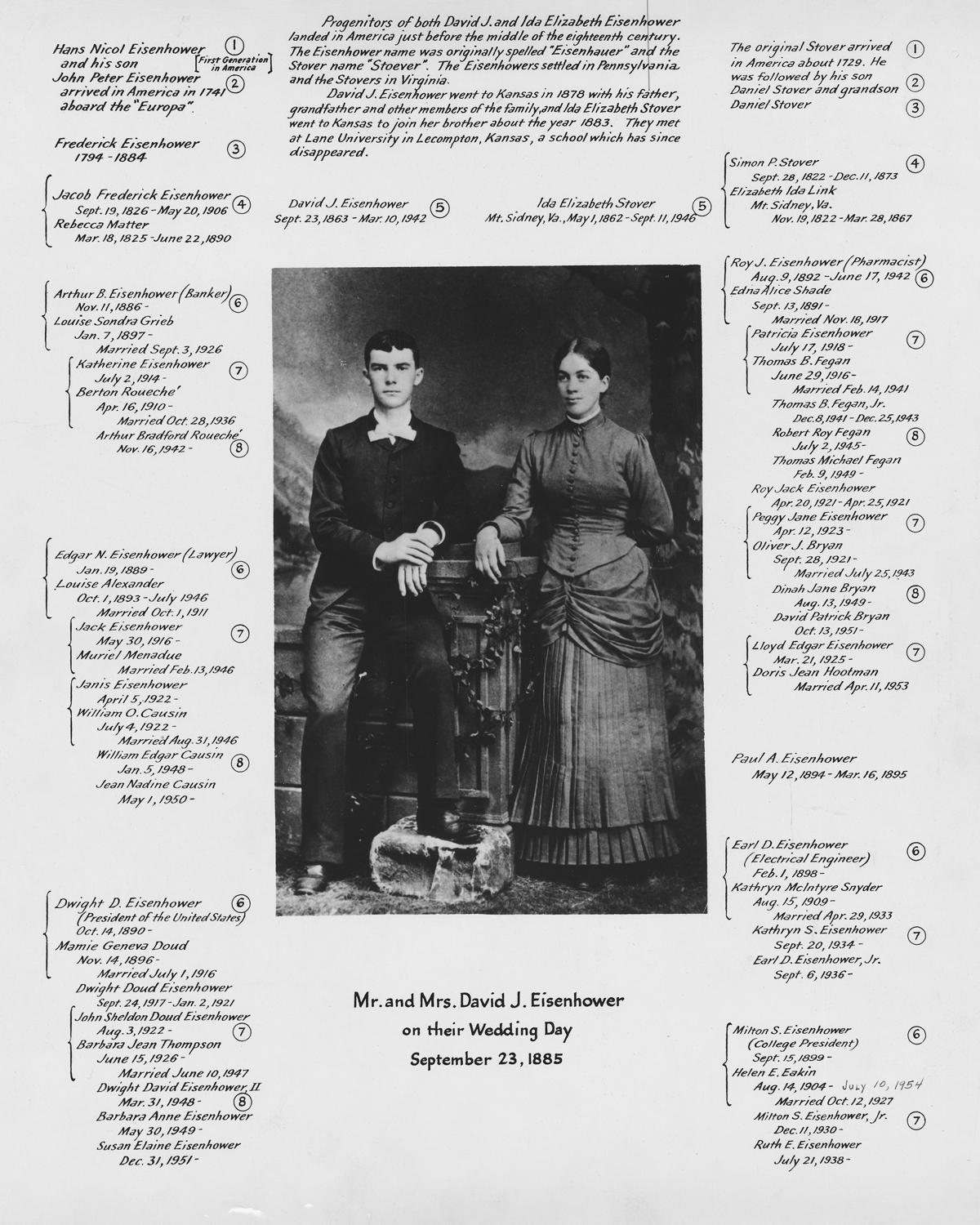
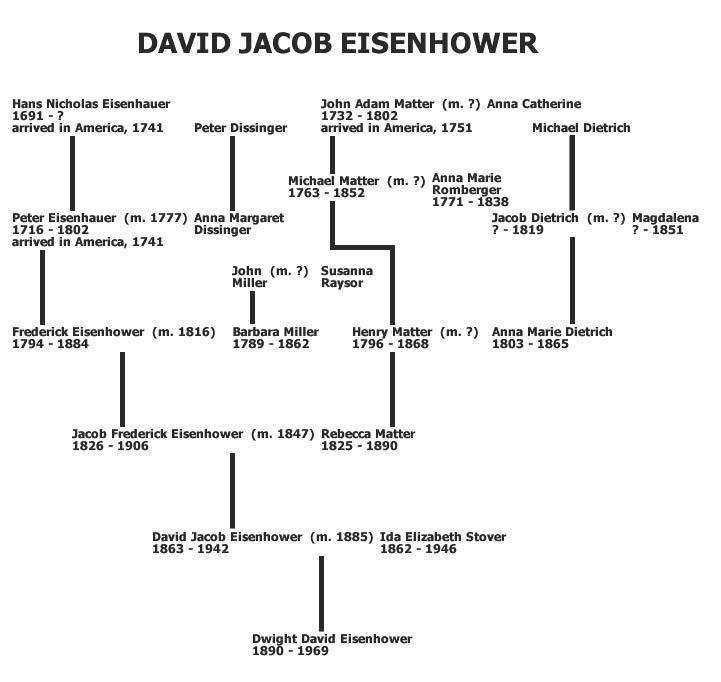
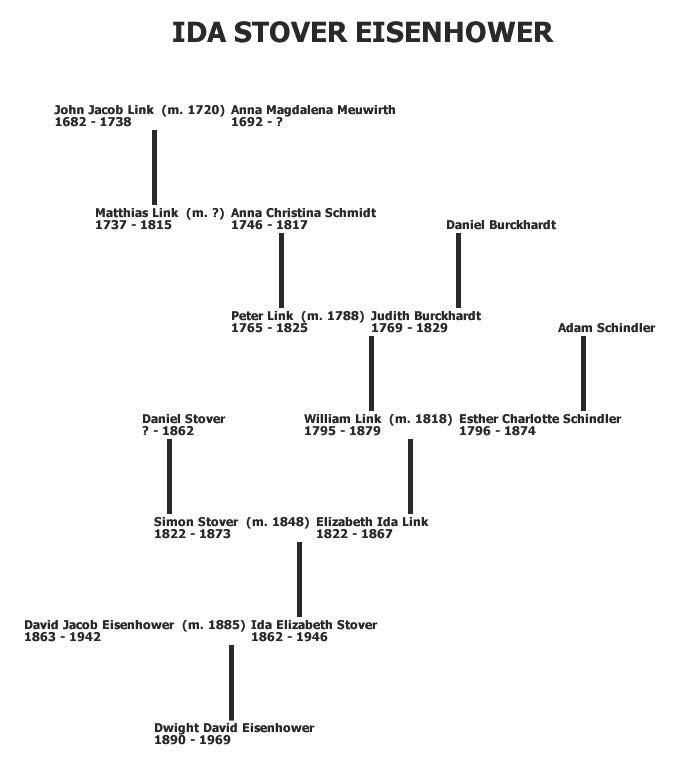
https://www.eisenhowerlibrary.gov/eisenhowers/eisenhower-ancestry
https://www.eisenhowerlibrary.gov/eisenhowers/eisenhower-ancestry
https://www.ranker.com/list/illuminati-presidents/mike-rothschild
http://www.nwotoday.com/the-socialist-review-american-politicians/dwight-d-eisenhower
https://soundcloud.com/the-miller-center-at-uva
August 4, 1953: Eisenhower on supporting the French in Vietnam
https://soundcloud.com/the-miller-center-at-uva/august-4-1953-eisenhower-on-vietnam
Earl Warren Endorses Dwight Eisenhower, October 31, 1952
https://soundcloud.com/the-miller-center-at-uva/ear-warren-endorses-dwight-eisenhower
President Dwight Eisenhower on Civil Rights, 2 February 1953
Johnson, Eisenhower, and Vietnam
https://soundcloud.com/the-miller-center-at-uva/sets/johnson-eisenhower-and-vietnam
Wilson, Charles Erwin.,
Secretary of Defense to October 1957
https://en.wikipedia.org/wiki/Charles_Erwin_Wilson
https://en.wikipedia.org/wiki/United_States_Secretary_of_Defense
https://millercenter.org/president/eisenhower/essays/wilson-1953-secretary-of-defense


No comments:
Post a Comment