20260823 CDTL DDE D691 7 Jun 1954 Bản ghi nhớ cuộc trao đổi của Cố vấn Đặc biệt Page thuộc Phái đoàn Hoa Kỳ soạn thảo.
https://history.state.gov/historicaldocuments/frus1952-54v16/d691
Google Translated
Tài liệu số 691
Quan hệ Đối ngoại của Hoa Kỳ, 1952–1954, Hội nghị Geneva, Tập XVI
396.1 GB/6–754
Bản ghi nhớ cuộc trao đổi do Cố vấn Đặc biệt Page của Phái đoàn Hoa Kỳ soạn thảo
Tuyệt mật
Geneva, ngày 7 tháng 6 năm 1954.
Thành phần tham dự:
Ông Molotov, ông Kuznetsov, ông Troyanovsky, Tướng Smith, Trợ lý Bộ trưởng Robertson và ông Page.
Sau những lời chào hỏi xã giao, Tướng Smith đặt vấn đề liệu có nên xem xét các giải pháp thỏa hiệp khả thi cho vấn đề thành phần của Ủy ban Giám sát tại Đông Dương hay không. Ông tuyên bố dứt khoát và rõ ràng rằng chính phủ của ông không thể chấp nhận đề nghị của Liên Xô về việc thành lập Ủy ban bao gồm Ấn Độ, Pakistan, Tiệp Khắc và Ba Lan. Kinh nghiệm của chúng tôi với Ủy ban Giám sát Trung lập (NNSC) tại Triều Tiên đã chứng minh rằng cơ cấu thành phần như vậy hoàn toàn không khả thi.
Ông không muốn sa đà vào cuộc tranh luận về sự khác biệt giữa các quốc gia "trung lập" và các quốc gia "không thiên vị" — mối quan tâm hàng đầu của ông là tìm kiếm các quốc gia tham gia Ủy ban sao cho cơ quan này có thể hoạt động hiệu quả mà không bị sa lầy vào bế tắc. Ông từng đề nghị thành lập một nhóm gồm các quốc gia không thiên vị, phối hợp cùng Ấn Độ và Pakistan. Giải pháp này không hẳn có lợi cho phương Tây như người ta tưởng, bởi lẽ Ấn Độ — một trong số ít các cường quốc châu Á có khả năng cung cấp nhân sự quân sự làm nhiệm vụ giám sát — vốn không đứng về phía chúng ta; trái lại, trong các vấn đề quốc tế, quốc gia này dường như thường nghiêng về phía Liên Xô hơn.
Nhóm các cường quốc Colombo là những quốc gia tương đối không thiên vị nhưng lại có lợi ích trực tiếp liên quan đến tình hình Đông Nam Á. Một phương án khác có thể là để Việt Minh và Việt Nam mỗi bên tự chọn một thành viên cho Ủy ban, đồng thời mời ba quốc gia châu Âu — vừa trung lập vừa không thiên vị, chẳng hạn như Na Uy — tham gia vào Ủy ban này.
Ông Molotov đáp rằng mặc dù có thể xem xét lại việc để Tiệp Khắc và Ba Lan tham gia, ông không thể chấp nhận bất kỳ cơ cấu thành viên nào không dựa trên tỷ lệ 50-50, tức là 50% thuộc phe Cộng sản và 50% thuộc phe không Cộng sản. Hơn nữa, ít nhất hai thành viên của Ủy ban phải có quan hệ ngoại giao với Việt Minh. Ông tỏ ra hoàn toàn kiên quyết về vấn đề này. Có lúc, ông thậm chí còn mỉa mai đề nghị trao quyền giám sát đình chiến tại Đông Dương cho NATO. Ông khẳng định rằng cần phải tính đến nguyện vọng của người dân Việt Nam—với ít nhất 50% ủng hộ Hồ Chí Minh—và cho rằng người Pháp đã quá chậm trễ trong việc trao nền độc lập có giới hạn cho Đông Dương, một thực tế cần được cân nhắc. [Trang 1060]
Sau đó, ông chỉ trích gay gắt Bảo Đại—người "hiện đang nghỉ dưỡng tại Cannes"—và cho rằng nhân vật này được Hoa Kỳ hậu thuẫn. Tướng Smith cho biết 1/3 người dân Việt Nam ủng hộ Bảo Đại, 1/3 ủng hộ Hồ Chí Minh và "2/3" còn lại giữ thái độ trung lập. Molotov đáp lại rằng ngay cả khi các con số này không khớp nhau, chúng cũng không tương ứng với các ước tính của phía Liên Xô. Dù sao đi nữa, ông vẫn không thể thay đổi lập trường của Liên Xô về việc thành phần Ủy ban phải được thiết lập theo tỷ lệ 50-50.
Vào khoảng thời gian này, Kuznetsov lên tiếng cho biết ông đã đọc các báo cáo về việc Tổng thống Eisenhower tuyên bố Mỹ có thể can thiệp vào Đông Dương bằng lực lượng hải quân, không quân và thủy quân lục chiến. Tướng Smith đáp rằng hành động như vậy là điều mà Chính phủ Mỹ ít mong muốn thực hiện nhất. Hơn nữa, khi xác định các khu vực tập kết quân, việc tranh chấp một vùng rừng rậm rộng hàng trăm dặm vuông là không đáng để gây ra một cuộc khủng hoảng có thể dẫn đến những hậu quả nghiêm trọng. Việt Minh có quyền được xem xét một cách thỏa đáng, nhưng nếu họ đòi hỏi quá mức và hành động vượt quá giới hạn, một cuộc khủng hoảng có thể nổ ra—và theo ngụ ý của ông, điều này hoàn toàn có thể dẫn đến sự can thiệp vũ trang của Mỹ. Mỹ và Liên Xô có trách nhiệm giảm bớt căng thẳng trong khu vực thay vì làm gia tăng nó; đó chính là lý do tại sao ông đang nỗ lực tìm kiếm một giải pháp thỏa hiệp cho vấn đề thành phần của Ủy ban Giám sát—một vấn đề có tầm quan trọng đặc biệt. Nếu không tìm được giải pháp hợp lý cho vấn đề này, tình hình Đông Nam Á sẽ tiềm ẩn những rủi ro nghiêm trọng, và ông Molotov cũng nhận thức rõ những hậu quả có thể xảy ra.
Ông Molotov dường như hoàn toàn không mấy ấn tượng. Ông chỉ nhận xét rằng có lẽ Việt Minh xứng đáng nhận được nhiều hơn những gì chúng ta sẵn lòng cho họ, rằng có lẽ họ được hưởng hơn 50% chiến lợi phẩm—thậm chí lên đến 75%. (Tướng Smith kịch liệt phản đối tuyên bố này.) Dù sao đi nữa, ông cũng không thể nhượng bộ về nguyên tắc rằng Ủy ban phải có một nửa là người Cộng sản và một nửa là người không phải Cộng sản.
Suốt cuộc trò chuyện, ông Molotov tỏ ra thoải mái nhưng hoàn toàn không lay chuyển, lịch sự, thân thiện và rất vui vẻ. (Theo ý kiến của tôi [Trang], ông ấy thậm chí còn thoải mái hơn cả trong Hội nghị Berlin.)
Tướng Smith kết thúc cuộc thảo luận bằng nhận định rằng nếu không thể đạt được thỏa thuận tại Geneva về một vấn đề như thành phần của Ủy ban Giám sát, thì làm sao có thể đạt được thỏa thuận về bất kỳ vấn đề nào khác. Người ta sẽ đặt câu hỏi liệu việc tổ chức các hội nghị quốc tế với Khối Xô viết có thực sự mang lại giá trị gì hay không.
Các bên đã thống nhất rằng sẽ không đưa ra bất kỳ bình luận nào với báo giới về cuộc họp tối hôm đó.
1. Được gửi tới Bộ Ngoại giao trong bức điện Dulte 160, ngày 9 tháng 6. (751G.00/6–954)↩
2. Các dấu ngoặc vuông có trong văn bản gốc.↩
List of Abbreviations and Symbols
https://history.state.gov/historicaldocuments/frus1952-54v16/terms
https://history.state.gov/historicaldocuments/frus1952-54v16/persons
The Geneva Conference on Indochina May 8–July 21, 1954
https://history.state.gov/historicaldocuments/frus1952-54v16/comp2
https://history.state.gov/historicaldocuments/frus1952-54v16/ch7
June 7, 1954 (Documents 684–691)
https://history.state.gov/historicaldocuments/frus1952-54v16/ch7subch31
1. Document 691
Foreign Relations of the United States, 1952–1954, The Geneva Conference, Volume XVI
396.1 GB/6–754
Memorandum of Conversation, by the Special Adviser to the United States Delegation (Page)1
top secret
Geneva, June 7, 1954.
Participants:
- Mr. Molotov, Mr. Kuznetsov, Mr. Troyanovsky, General Smith, Assistant Secretary Robertson, and Mr. Page.
After an exchange of amenities, General Smith inquired whether it might not be useful to explore possible compromise solutions to the question regarding the composition of the Indochinese Supervisory Commission. He stated categorically and in no uncertain terms that his government could not accept the Soviet proposal that the Commission be composed of India, Pakistan, Czechoslovakia and Poland. Our experience with the NNSC in Korea proved that such a composition was absolutely unworkable.
He did not wish to get into an argument over “neutrals” as compared with “impartials”—he was primarily interested in finding nations to serve on the Commission which would make it operate efficiently and which would not bog down its activities. He had suggested that a group of impartial nations in association with India and Pakistan could be formed. Such a solution was not so favorable to the West as one might think, as it is clear that India, one of the few Asian powers which could provide supervisory military personnel, is not on our side but, in international matters, seemed more often more on the Soviet side.
The Colombo powers were rather impartial nations with direct interest in Southeast Asian affairs. Another possibility might be to let the Vietminh and Vietnam each choose a member for the Commission and that three European members, neutral and impartial such as Norway, for example, be asked to serve on the Commission.
Mr. Molotov replied that although the Czech and Polish membership could be re-examined, he could not agree to any membership not on a 50–50 basis, that is 50% Communist and 50% non-Communist. Furthermore, at least two of the members of the Commission must have diplomatic relations with the Vietminh. He was absolutely adamant on this question. At one point he even sarcastically suggested that NATO be given armistice supervisory powers in Indochina. He maintained that one must take into consideration the will of the Vietnam people, at least 50% of whom support Ho Chi Minh, that the French were too late in giving limited independence to Indochina and that this [Page 1060] should be taken into account. He then strongly attacked Bao Dai “now vacationing in Cannes” whom he said was supported by the United States. General Smith said that ⅓ of the Vietnamese people supported Bao Dai, ⅓ supported Ho Chi Minh and “⅔” were on the fence. Molotov replied that even if this didn’t add up correctly it did not correspond to Soviet estimates. In any event he could not recede from the Soviet position that the composition of the Commission be on the 50–50 basis.
At about this time, Kuznetsov interjected that he had read reports that President Eisenhower had said that the US might intervene in Indochina with naval, air and marine forces. General Smith replied that such action was the last thing the US Government desired to take. Also, in designating areas for troop assembly, a hundred square miles of jungle was not worth making a crisis over that might involve serious results. The Vietminh were entitled to just consideration, but if their appetites were too great and if they over-reached themselves a crisis could ensue which, he inferred, might well lead to US armed intervention. It was the duty of the US and the USSR to reduce friction in the area, not to increase it, and that was why he was now seeking a compromise solution of the question of the composition of the Supervisory Commission which was of the utmost importance. Unless a reasonable solution of this question were found there were grave risks inherent in the situation in Southeast Asia and Mr. Molotov realized the consequences of this.
Mr. Molotov seemed completely unimpressed. He merely remarked that perhaps the Vietminh deserve more than we were willing to give them, that perhaps they were entitled to more than 50% of the spoils of war—even up to 75%. (General Smith strongly contested this claim.) In any event, he could not yield on the principle that the Commission be half Communist and half non-Communist.
Throughout the entire conversation Mr. Molotov was relaxed, yet absolutely unmovable, courteous, friendly, in excellent humor. (It was my [Page]2 opinion that he was even more relaxed than during the Berlin Conference.)
General Smith terminated the conversation by remarking that if agreement at Geneva could not be reached on such a matter as the composition of the Supervisory Commission, how could agreement be reached on anything. It would be questioned whether there was any real value in holding international conferences with the Soviet Bloc.
It was agreed that no comments whatsoever would be made to the press on this evening’s meeting.
1. Transmitted to the Department of State in telegram Dulte 160, June 9. (751G.00/6–954)↩
2. Brackets in the source text.↩
https://history.state.gov/historicaldocuments/frus1952-54v16/d691
https://history.state.gov/historicaldocuments/frus1952-54v16/pg_1060
Thân thế (các) nhân vật
Bao Dai,
Chief of State of Vietnam.
Eisenhower Dwight D.,
President of the United States
https://en.wikipedia.org/wiki/Dwight_D._Eisenhower
https://www.whitehouse.gov/about-the-white-house/presidents/dwight-d-eisenhower/
https://history.state.gov/historicaldocuments/frus1955-57v01/sources
https://history.state.gov/historicaldocuments/frus1955-57v01/ch1
https://history.state.gov/historicaldocuments/frus1955-57v01/ch2
https://history.state.gov/historicaldocuments/frus1955-57v01/ch3
https://history.state.gov/historicaldocuments/frus1955-57v01/terms
https://history.state.gov/historicaldocuments/frus1955-57v01/persons
https://www.bibliotecapleyades.net/sociopolitica/esp_sociopol_mj12_10.htm
https://www.bibliotecapleyades.net/exopolitica/esp_exopolitics_Q.htm
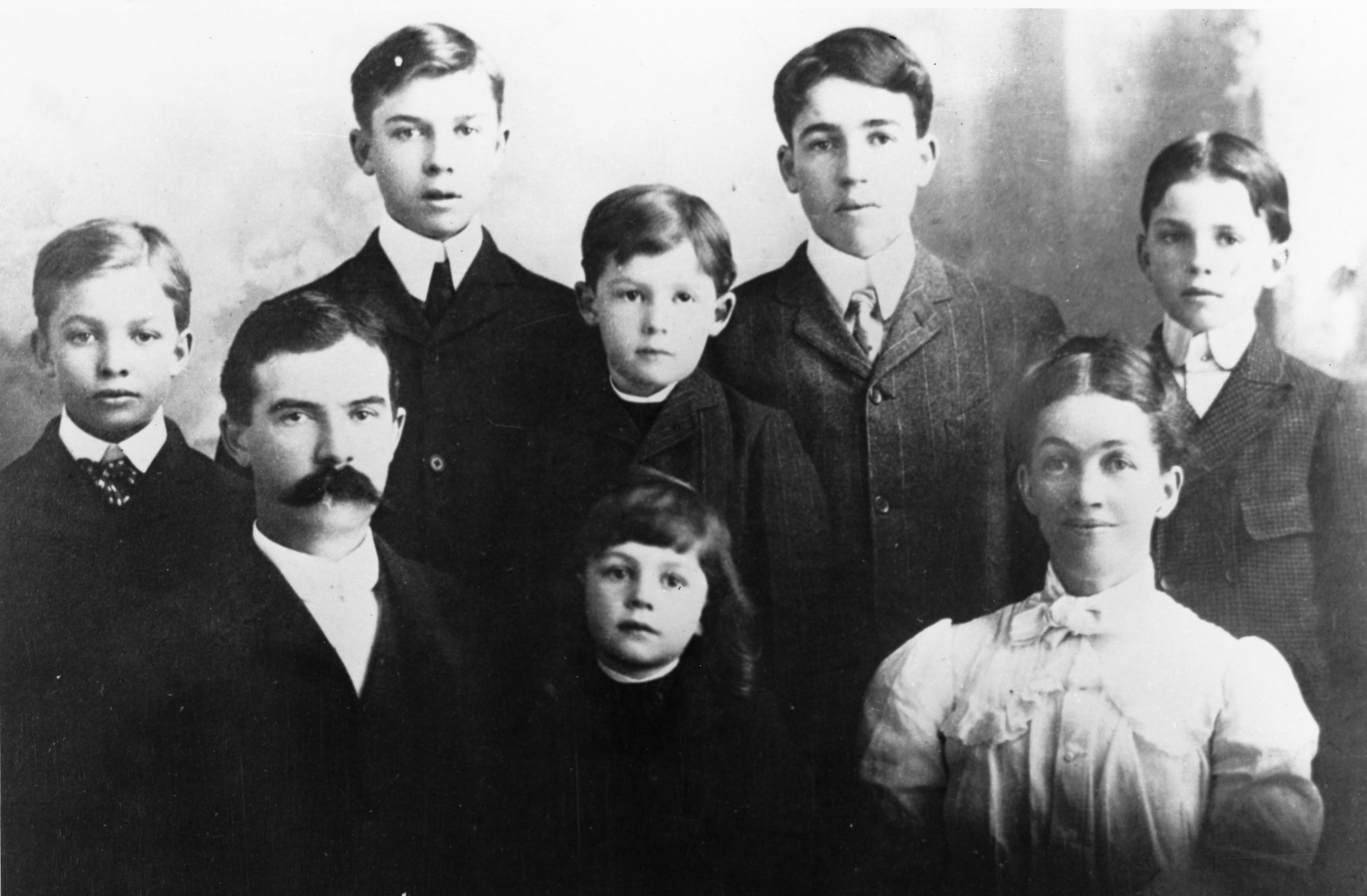
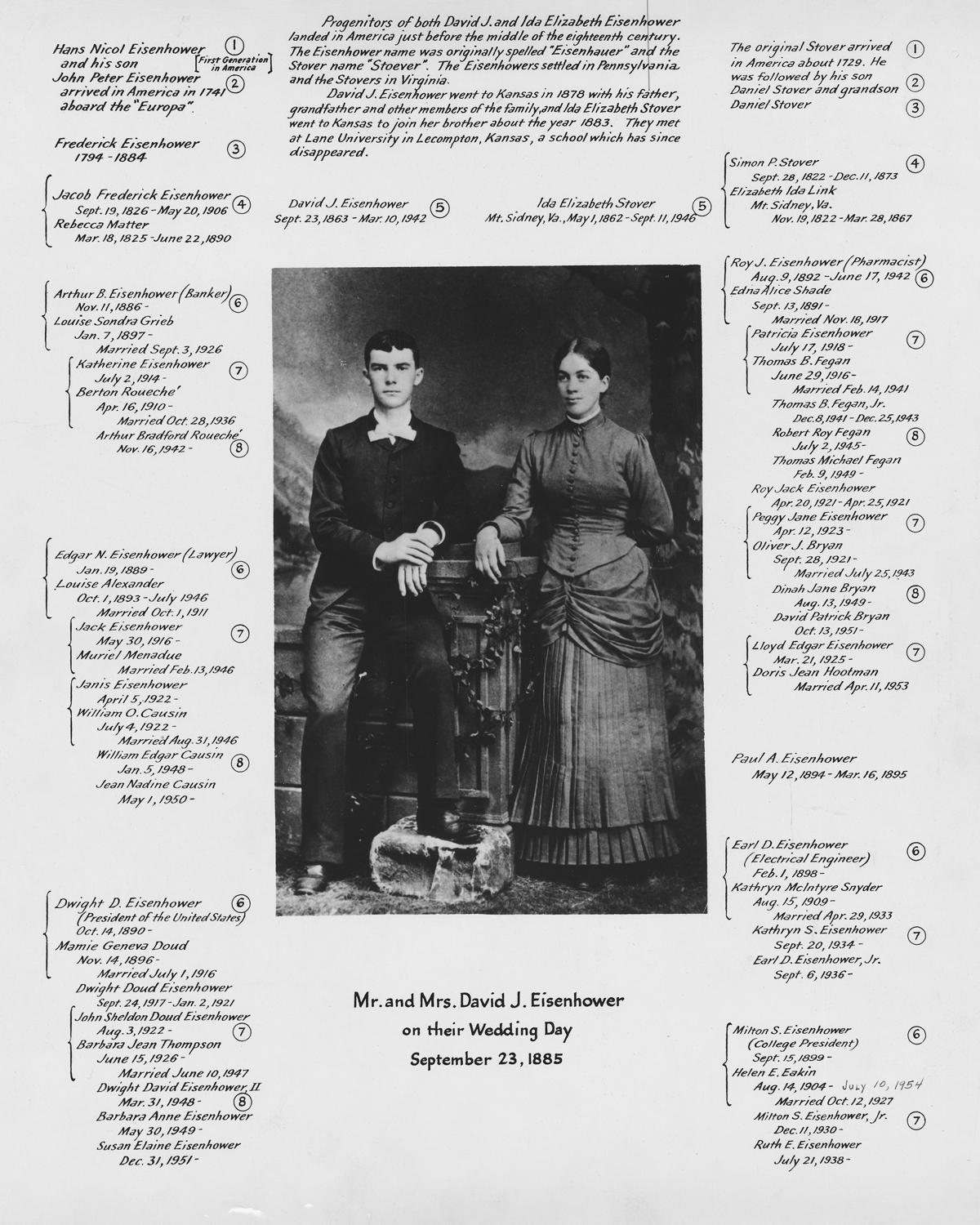
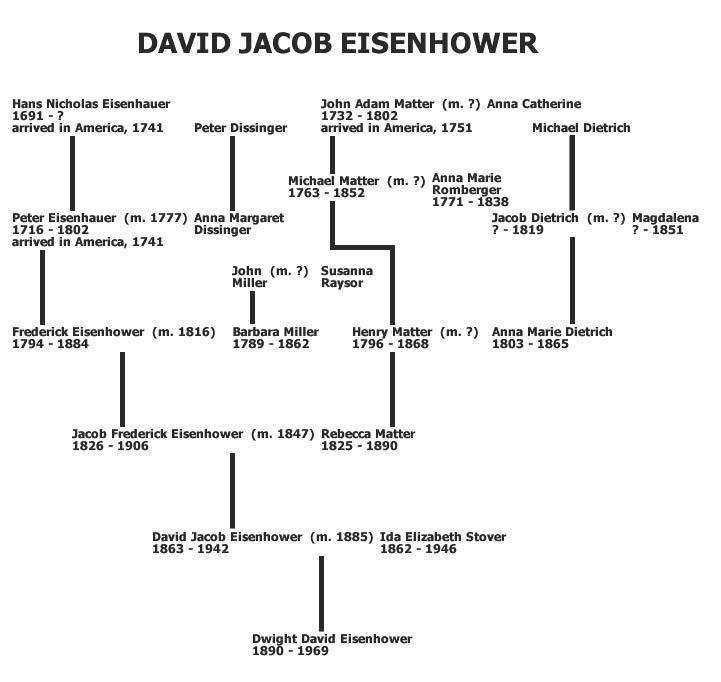
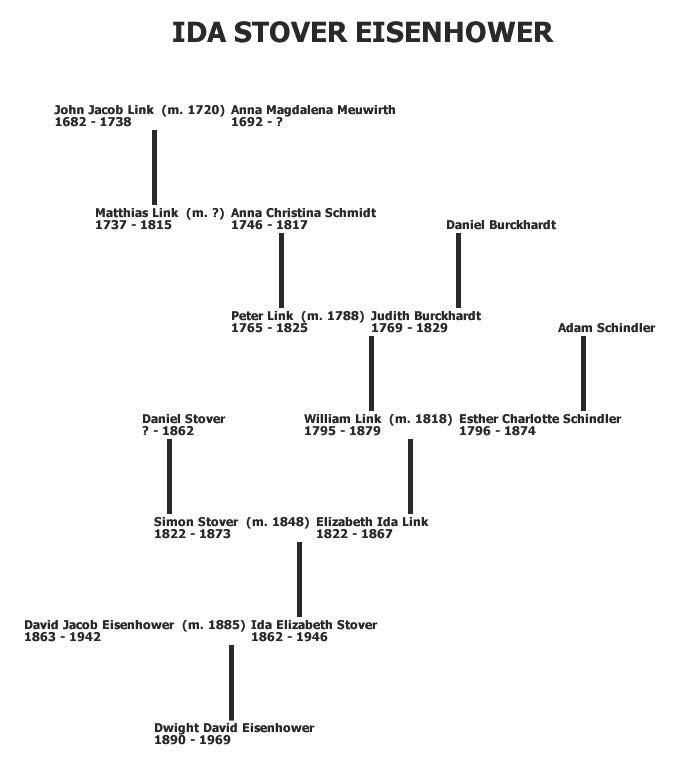
https://www.eisenhowerlibrary.gov/eisenhowers/eisenhower-ancestry
https://www.eisenhowerlibrary.gov/eisenhowers/eisenhower-ancestry
https://www.ranker.com/list/illuminati-presidents/mike-rothschild
http://www.nwotoday.com/the-socialist-review-american-politicians/dwight-d-eisenhower
https://soundcloud.com/the-miller-center-at-uva
August 4, 1953: Eisenhower on supporting the French in Vietnam
https://soundcloud.com/the-miller-center-at-uva/august-4-1953-eisenhower-on-vietnam
Earl Warren Endorses Dwight Eisenhower, October 31, 1952
https://soundcloud.com/the-miller-center-at-uva/ear-warren-endorses-dwight-eisenhower
President Dwight Eisenhower on Civil Rights, 2 February 1953
Johnson, Eisenhower, and Vietnam
https://soundcloud.com/the-miller-center-at-uva/sets/johnson-eisenhower-and-vietnam
Ho Chi Minh,
President of the Democratic Republic of Vietnam.
Kuznetsov, V. V.,
Soviet Deputy Minister of Foreign Affairs and Soviet Ambassador in the People’s Republic of China; Member of the Soviet Delegation at the Geneva Conference.
https://en.wikipedia.org/wiki/Vasily_Kuznetsov_(politician)
https://www.nytimes.com/1962/08/14/archives/soviet-voice-at-geneva-vasily-vasilyevich-kuznetsov.html
https://www.britannica.com/biography/Vasily-Vasilyevich-Kuznetsov
https://nehruarchive.in/people/vasilii-vasilevich-kuznetsov
https://history.state.gov/historicaldocuments/frus1969-76v16/d258
Soviet Minister of Foreign Affairs; Head of the Soviet Delegation at the Geneva Conference; one of the three rotating chairmen of the Geneva Conference on Korea.
https://en.wikipedia.org/wiki/Vyacheslav_Molotov
https://history.state.gov/historicaldocuments/frus1952-54v16/d801
https://history.state.gov/historicaldocuments/frus1952-54v16/d232
https://avalon.law.yale.edu/20th_century/inch018.asp
https://www.britannica.com/biography/Vyacheslav-Molotov
Page, Edward, Jr.,
Counselor of Embassy in France and Deputy Director for Political Affairs in the United States Mission to NATO and the European Regional Organizations; Special Adviser to the United States Delegation at the Geneva Conference.
https://history.state.gov/historicaldocuments/frus1952-54v16/ch5subch4
https://nsarchive.gwu.edu/sites/default/files/2022-10/frus1981-88v04.pdf
Robertson, Walter S.,
Assistant Secretary of State for Far Eastern Affairs
https://en.wikipedia.org/wiki/Walter_Robertson
https://history.state.gov/departmenthistory/people/robertson-walter-spencer
https://en.wikipedia.org/wiki/Assistant_Secretary_of_State_for_East_Asian_and_Pacific_Affairs
Under Secretary of State; Head of the United States Delegation at the Geneva Conference, May 3–June 20, and July 17–21, 1954.
https://history.state.gov/historicaldocuments/frus1952-54v16/ch5subch4
https://avalon.law.yale.edu/20th_century/inch006.asp
https://www.cia.gov/readingroom/docs/CIA-RDP80B01676R002500010001-5.pdf
https://history.state.gov/historicaldocuments/frus1952-54v16/d1027
https://search.library.wisc.edu/digital/ABHSHVCERGRA6I86/pages/ALUZ5OG5PRZCCH83?as=text&view=scroll
https://en.wikipedia.org/wiki/Walter_Bedell_Smith
Troyanovsky, O. A.,
Interpreter for the Soviet Delegation at the Geneva Conference.
https://history.state.gov/historicaldocuments/frus1955-57v05/d187
https://history.state.gov/historicaldocuments/frus1952-54v16/ch5subch4
https://www.cia.gov/readingroom/docs/CIA-RDP90-00552R000606540029-1.pdf
https://history.state.gov/historicaldocuments/frus1952-54v16/d479
https://en.wikipedia.org/wiki/Alexander_Troyanovsky
https://en.wikipedia.org/wiki/Oleg_Troyanovsky
https://history.state.gov/historicaldocuments/frus1952-54v16/d691


No comments:
Post a Comment