20260810 CDTL NRM D41 6 July 1973 41. Biên bản cuộc trao đổi.
https://history.state.gov/historicaldocuments/frus1969-76v18/d41
Google Translated
Tài liệu số 41
Quan hệ Đối ngoại của Hoa Kỳ, 1969–1976, Tập XVIII, Trung Quốc, 1973–1976
41. Biên bản cuộc trao đổi
San Clemente, California, ngày 6 tháng 7 năm 1973, 10 giờ sáng.
THÀNH PHẦN THAM DỰ
Hoa Kỳ
Henry A. Kissinger – Trợ lý Tổng thống phụ trách các vấn đề An ninh Quốc gia
Brent Scowcroft – Phó Trợ lý Tổng thống phụ trách các vấn đề An ninh Quốc gia
Lawrence S. Eagleburger – Phó Trợ lý Tổng thống phụ trách hoạt động của Hội đồng An ninh Quốc gia
Cộng hòa Nhân dân Trung Hoa
Đại sứ Hoàng Trấn (Huang Chen)
Ông Chi (phiên dịch viên)
[Phần này lược bỏ cuộc thảo luận về nghệ sĩ người Mỹ Danny Kaye, ngày chuyến thăm Tầu cộng tiếp theo của Kissinger, và việc thăng chức cho Scowcroft lên tướng.]
Đại sứ Huang: Nhân tiện nói về những lời đồn đoán, tôi muốn bàn về chuyến thăm của Thủ tướng Chu Ân Lai tới Hoa Kỳ. Đã có rất nhiều đồn đoán trên báo chí, bao gồm một bài báo ngày 27 tháng 6 từ San Clemente cho rằng Thủ tướng có thể xem xét một chuyến thăm tới Tòa Bạch Ốc phương Tây vì điều đó sẽ không gây bất lợi cho “lập trường nguyên tắc” của chúng ta.
Tiến sĩ Kissinger: Ông phải hiểu rằng chúng tôi không liên quan gì đến những câu chuyện đó.
Đại sứ Huang: Phía Hoa Kỳ phải hiểu rằng họ vẫn còn quan hệ với nhóm của Tưởng Giới Thạch. Năm ngoái, Tổng thống Nixon đã gửi lời chúc mừng tới Tưởng Giới Thạch, và nhóm của Tưởng Giới Thạch vẫn có đại sứ quán ở Washington. Trong những điều kiện này, làm thế nào Thủ tướng của chúng ta có thể đến thăm Hoa Kỳ? Một chuyến thăm tới San Clemente chỉ là sử dụng cửa phụ hoặc cửa sau mà thôi. Tôi cũng cần nói thêm với các bạn rằng Thủ tướng không có kế hoạch đến thăm Liên Hợp Quốc.
Tiến sĩ Kissinger: Những thông tin đó không xuất phát từ phía chúng tôi. Chúng tôi luôn chính thức bác bỏ chúng.
Đại sứ Hoàng: Theo ý kiến cá nhân tôi, việc ông Ziegler tuyên bố không có cơ sở cho những đồn đoán như vậy – đúng như những gì ông ấy mới thực hiện gần đây – là điều có lợi.
Tiến sĩ Kissinger: Đó chính là lập trường của chúng tôi. Như Tổng thống đã nói, ông ấy sẵn sàng thăm lại Tầu cộng. Tuy nhiên, chúng tôi sẽ gặp khó khăn nếu không có một cuộc gặp trung gian nào diễn ra tại Washington. Mọi việc sẽ thuận lợi hơn nếu có một sự kiện nào đó diễn ra trong khoảng thời gian giữa chuyến thăm Bắc Kinh đầu tiên của Tổng thống và chuyến thăm tiếp theo – chuyến thăm mà chúng tôi đã sẵn sàng thực hiện vào năm 1974.
Đại sứ Hoàng: Vấn đề này có thể được thảo luận tại Bắc Kinh.
Tiến sĩ Kissinger: Vâng; trong thời gian chờ đợi, chúng tôi sẽ chấm dứt mọi đồn đoán. Chúng ta nên tiến hành như thế nào đây? Chúng tôi có một số vấn đề cụ thể cần thảo luận. Tôi muốn xem xét lại chuyến thăm của ông Brezhnev và một vấn đề cụ thể nảy sinh từ chuyến thăm đó. Ngoài ra, còn có các vấn đề về Campuchia, Triều Tiên và một số vấn đề nhỏ khác.
Đại sứ Huang: Tôi sẽ nói xong phần này rồi lắng nghe ông. Vấn đề khác tôi muốn thảo luận là về Campuchia. Tôi có một tài liệu ở đây để đưa cho ông. (Đưa giấy, nội dung như sau.) “Phía Tầu cộng đã thông báo với phía Mỹ trước đó rằng, vì Samdech Norodom Sihanouk đang thăm châu Phi và châu Âu, nên việc truyền đạt cho ông ta những suy nghĩ sơ bộ của Mỹ về việc giải quyết vấn đề Campuchia là không khả thi. [Trang 289] Mặc dù phía Tầu cộng đã thông báo với phía Mỹ rằng việc đàm phán giữa Samdech Sihanouk và phe phản bội Phnom Penh là không thể, nhưng phía Mỹ vẫn công khai từ chối đàm phán với Samdech Sihanouk, điều này càng khiến ông ta tức giận hơn. Tuy nhiên, theo các bản tin, các quan chức chính phủ Mỹ gần đây đã tiết lộ một số thông tin về vấn đề này, dẫn đến nhiều suy đoán khác nhau. Đồng thời, được biết phe Lon Nol đã đi xa đến mức lan truyền tin đồn rằng chính quyền Phnom Penh sẽ sớm tiến hành đàm phán chính thức với Mặt trận Thống nhất Quốc gia Campuchia, với Mỹ và Đảng Tầu cộng đóng vai trò trung gian. Trong việc lan truyền những thông tin như vậy…” Những cáo buộc hoàn toàn vô căn cứ này cho thấy phe cánh Lon Nol có động cơ thầm kín, đang cố gắng gây hoang mang dư luận và cản trở việc giải quyết vấn đề Campuchia. Phía Tầu cộng cho rằng diễn biến như vậy cực kỳ bất lợi cho việc tìm kiếm giải pháp cho vấn đề Campuchia và thậm chí sẽ gây thêm rắc rối. Phía Tầu cộng không thể không đưa vấn đề này ra trước sự quan tâm nghiêm túc của phía Hoa Kỳ.”
Đại sứ Hoàng: Bức thư này được nhận trước khi Thái tử Sihanouk trở về Bắc Kinh.
Tiến sĩ Kissinger: (đọc giấy) Chắc chắn là ông ấy đang rất tức giận.
Đại sứ Hoàng: Vì trước đây ông luôn nói rằng ông không muốn nói chuyện với ông ấy, nên ông ấy đang tức giận.
Tiến sĩ Kissinger: Vâng, nhưng ông đã nhận được một số thư từ chúng tôi. Những thư này được gửi trước khi ông ấy trở về Bắc Kinh.
Đại sứ Hoàng: Bây giờ Sihanouk đã trở về Bắc Kinh, chúng tôi sẽ chuyển những suy nghĩ của ông cho ông ấy.
Tiến sĩ Kissinger: Tôi cho rằng ông ấy chưa nhận được thư này khi đến nơi.
Đại sứ Hoàng: Nhìn vào tình hình thì có vẻ không phải vậy.
Tiến sĩ Kissinger: Tôi không biết Thủ tướng có thể nói tiếng Pháp.
Đại sứ Hoàng: Ông ấy đã ở Pháp.
Tiến sĩ Kissinger: Tôi đã quên mất chi tiết đó. Ông ấy đã có vài nhận xét bằng tiếng Pháp về chúng tôi.
Để tôi trình bày quan điểm của chúng tôi về vấn đề Campuchia. Trước hết, chúng tôi không thể kiểm soát những gì phía Lon Nol phát ngôn. Tuy nhiên, họ không hề hay biết về những điều chúng tôi đã trao đổi với các ông, hay những đề nghị mà chúng tôi đã đưa ra. Đó chỉ là những phỏng đoán từ phía họ mà thôi.
Tôi muốn nói một cách thẳng thắn. Chúng tôi tin rằng đề xuất của mình—một lệnh ngừng bắn (nếu cần thiết) chỉ trong vòng 90 ngày—là giải pháp thỏa đáng để xử lý tình hình. Chúng tôi không có lợi ích nào tại Campuchia ngoài những gì Thủ tướng đã nói với Đại sứ Bruce trong lần gặp đầu tiên. Đó chính là mục tiêu của chúng tôi. Chúng tôi hoàn toàn không phản đối—thậm chí còn hoan nghênh—việc Chính phủ tại Phnom Penh duy trì quan hệ hữu nghị tốt đẹp với Bắc Kinh và từ chối tham gia vào các hoạt động tranh giành quyền bá chủ của các cường quốc tại Đông Nam Á.
Như tôi đã từng bày tỏ, việc quản lý quá trình chuyển đổi này là một vấn đề tế nhị đối với chúng tôi. Nếu bị đẩy vào một tình thế làm tổn hại đến thể diện, điều đó sẽ chỉ tiếp thêm sức mạnh cho các lực lượng trong nước phản đối những hành động khác mà chúng tôi có thể cho là cần thiết trong ba hoặc bốn năm tới. Vì vậy, chúng tôi cho rằng điều quan trọng là vấn đề Campuchia phải được giải quyết theo cách không gây tổn hại đến uy tín của Hoa Kỳ. Chúng tôi luôn hết sức thận trọng để tránh gây khó xử cho các ông trước công luận. Chúng tôi thực sự tin rằng việc tạo ra một tình huống gây khó khăn không cần thiết cho bất kỳ bên nào đều không mang lại lợi ích cho chúng tôi.
Đại sứ Hoàng: Tôi sẽ báo cáo việc này lên Chính phủ của tôi. Thủ tướng đã nêu rõ quan điểm của chúng tôi với Đại sứ Bruce rồi. Như Thủ tướng đã nói, các bên cần tôn trọng chủ quyền của Campuchia. Chúng tôi không thể đàm phán về vấn đề Campuchia. Việc đó phải là chuyện giữa các ông, những người đang nắm quyền tại Phnom Penh, và Sihanouk.
Tiến sĩ Kissinger: Chúng tôi không yêu cầu đàm phán với các ông, nhưng chúng tôi đã đưa ra các đề xuất làm cơ sở cho một giải pháp. Nếu Hoàng thân đề nghị ngừng bắn trước khi tôi đến, chúng tôi có thể ngưng ném bom, và sau đó đạt được một giải pháp thỏa mãn nhu cầu của tất cả các bên.
Đại sứ Hoàng: Điều đó tùy thuộc vào Hoàng thân. Chúng tôi không thể đoán trước được.
Tiến sĩ Kissinger: Vâng, nhưng ý kiến của chúng tôi có thể được chuyển đến ông ấy.
Đại sứ Hoàng: Tôi chỉ có thể báo cáo lại. Mọi việc sau đó còn tùy thuộc vào Chính phủ của tôi.
Tiến sĩ Kissinger: Tất nhiên rồi.
Đại sứ Hoàng: Hoàng thân đã phát biểu rất nhiều tại sân bay.
Tiến sĩ Kissinger: Tôi biết. Những ngày này, đâu đâu ở Bắc Kinh cũng vang lên tiếng súng. Chẳng hạn, mới hôm nọ Thủ tướng đã có những phát biểu với phái đoàn Quốc hội của chúng tôi.
Đại sứ Hoàng: Tôi chưa thấy thông tin này.
Tiến sĩ Kissinger: Tôi không có ý chỉ trích. Ông ta đã bắn loạt đạn bao vây quanh chúng tôi, nhưng chưa thực sự đánh trúng.
Đại sứ Hoàng: Chúng tôi chưa nghe nói gì về chuyện này cả. [Trang 291]
Tiến sĩ Kissinger: Vậy sao? Những gì ông ta nói mang tinh thần tương đồng với những điều ông đã nói trước đây. Thông tin đó là mới mẻ đối với các nghị sĩ Quốc hội, nhưng không phải với chúng tôi. Để tôi nói đôi lời về Brezhnev. Tôi coi trọng vấn đề này. Tôi muốn kể lại cho ông nghe đúng như những gì đã diễn ra. Trước hết, tôi muốn bàn về các cuộc thảo luận của chúng tôi liên quan đến Tầu cộng. Brezhnev đã tìm cách gặp Tổng thống mà không có mặt tôi trong suốt một tuần lễ.
Đại sứ Hoàng: Ông là một người nguy hiểm đấy.
Tiến sĩ Kissinger: Brezhnev là người kiên trì nhưng lại thiếu sự tinh tế. Ông ta quả thực đã có cuộc gặp riêng kéo dài khoảng 30 phút với Tổng thống tại Trại David. Những nhận xét của ông ta về Tầu cộng không mấy thiện chí, nhưng có lẽ ông cũng biết điều đó rồi. Tuy nhiên, vào ngày cuối cùng—thứ Bảy—Brezhnev đã có cuộc gặp kéo dài ba giờ đồng hồ với Tổng thống mà tôi cũng tham dự. Chúng tôi đã thảo luận rất kỹ về vấn đề Tầu cộng. Đó là do ông ta chủ động đề nghị. Trong phần đầu cuộc gặp, ông ta đã công kích dữ dội giới lãnh đạo Tầu cộng và đưa ra cách lý giải của mình về vụ Lâm Bưu. Tôi sẽ không bàn về chuyện đó trừ khi ông muốn tôi làm vậy.
Đại sứ Hoàng: Tùy ông thôi.
Tiến sĩ Kissinger: Chính trong bối cảnh đó, ông ta đã nói với chúng tôi về hiệp ước không xâm lược mà phía các ông đã thông báo cho chúng tôi trước đó. Ông ta nói rằng mình sẽ công bố hiệp ước này vào một thời điểm thích hợp sau khi trở về, nhằm chứng minh thái độ hiếu chiến của CHND Trung Hoa.
Về trường hợp Lâm Bưu, chi tiết duy nhất có thể đáng chú ý là việc ông ta ngỏ ý sẵn sàng cho chúng tôi xem báo cáo điều tra của họ. Chúng tôi đã trả lời rằng mình không quan tâm.
Sau đó, ông ta thảo luận về một số vấn đề khác. Ông ta nói rằng thật không thể chấp nhận được viễn cảnh Trung Quốc sở hữu năng lực hạt nhân ngang bằng với Liên Xô hiện nay trong vòng 15 năm tới. Theo ông ta, điều này là không thể dung thứ và không thể chấp nhận được đối với Liên Xô. Ông ta đề nghị chúng tôi hợp tác giải quyết vấn đề này, như từng gợi ý tại Zavidovo; lần này, ông ta đưa ra một đề xuất chính thức và cụ thể hơn.
Ông ta cũng đề nghị Mỹ và Liên Xô bắt đầu trao đổi thông tin về chương trình hạt nhân của các ông. Chúng tôi trả lời rằng mình sẽ không trao đổi thông tin quân sự và cũng không quan tâm đến việc đó. Brezhnev sau đó hỏi liệu chúng tôi có sẵn sàng trao đổi các thông tin khác về Tầu cộng hay không. Chúng tôi trả lời rằng mình không thể biến một quốc gia cụ thể thành chủ đề cho các cuộc trao đổi thường xuyên. Họ luôn có thể chia sẻ những gì họ đang suy nghĩ, nhưng chúng tôi sẽ không đưa ra cam kết nào như vậy. Brezhnev nói tiếp rằng ông ta mong muốn quan hệ giữa chúng tôi và các ông được cải thiện, và họ không thể phản đối điều đó. Tuy nhiên, nếu có các thỏa thuận quân sự được thiết lập giữa Mỹ và CHND Trung Hoa, hậu quả sẽ vô cùng nghiêm trọng và buộc Liên Xô phải thực hiện các biện pháp quyết liệt. Đó là những điểm chính. [Trang 292]
Họ hỏi liệu chúng tôi có đang lên kế hoạch cho bất kỳ thỏa thuận quân sự nào hay không. Chúng tôi đã ba lần khẳng định rằng mình chưa thực hiện thỏa thuận quân sự nào, nhưng không nói gì về tương lai. Chúng tôi làm vậy vì lý do nguyên tắc. Cả hai bên đều không có kế hoạch nào theo hướng này, nhưng chúng tôi không chấp nhận việc Liên Xô chỉ định chúng tôi được phép thiết lập thỏa thuận với ai.
Cuộc gặp diễn ra giữa Brezhnev, Tổng thống, tôi và phiên dịch viên phía Liên Xô. Chúng tôi chưa tiết lộ nội dung cuộc trò chuyện này cho bất kỳ ai trong chính phủ mình. Việc này phải được giữ bí mật tuyệt đối. Chúng tôi chưa nói với Đại sứ Bruce, nhưng tôi sẽ không phản đối nếu ông trao đổi với Đại sứ Bruce về chuyện này khi trở về. Tuy nhiên, không được có ai khác hiện diện.
Đại sứ Hoàng: Tôi sẽ không nói gì với Bruce cả. Ông cứ thảo luận chuyện đó khi ở bên đó. Còn về phía chúng tôi, như Tổng thống đã nói với tôi lần trước, phía Trung Quốc rất thận trọng.
Tiến sĩ Kissinger: Brezhnev nói với chúng tôi rằng chỉ những người có mặt trong phòng mới biết về cuộc trò chuyện này. Nhưng ngay tối hôm đó, Gromyko đã yêu cầu gặp tôi và hỏi tôi nghĩ gì về cuộc trò chuyện với Brezhnev. (cười)
Ông ấy hỏi liệu tôi có hiểu đề nghị của Brezhnev về Tầu cộng hay không. Tôi nói rằng tôi hiểu đề nghị đó có liên quan đến các thỏa xếp đặt quân sự giữa chúng tôi. Gromyko liền bảo tôi đã hiểu sai. Ý của Brezhnev không chỉ là các thỏa xếp đặt quân sự, mà còn là các thỏa xếp đặt chính trị nhằm chống lại Liên Xô. Tôi hỏi thế nào là thỏa xếp đặt chính trị, và ai là người xác định xem chúng có nhằm chống lại Liên Xô hay không. Gromyko trả lời rất né tránh. Sau đó, tôi nhắc ông ấy nhớ đến Thông cáo Thượng Hải và nói rằng chúng tôi đã có thỏa thuận không ký kết các hiệp định nhằm vào bên thứ ba.
Tôi có cảm giác rằng Liên Xô thực sự nghiêm túc về một số vấn đề mà chúng ta đã thảo luận trước đây. Họ hành xử trắng trợn và thô bạo hơn nhiều so với những gì tôi từng hình dung.
Trong bối cảnh này, chúng tôi cho rằng việc hai bên hiểu rõ nhau và nắm được ý định của nhau là vô cùng quan trọng. Thủ tướng của các ông từng nói với Đại sứ Bruce rằng các ông cho rằng nếu xảy ra chiến tranh Trung - Xô, chúng tôi sẽ cung cấp vũ khí và vật tư cho Liên Xô. Điều đó thật vô lý. Chúng tôi không có lợi ích gì trong việc ủng hộ bên mạnh hơn chống lại bên yếu hơn.
Đại sứ Hoàng: Thủ tướng đã nói vậy sao?
Tiến sĩ Kissinger: (Đọc từ bức điện ngày 26 tháng 6 của Đại sứ Bruce) “Ban đầu, Hoa Kỳ sẽ giữ thái độ không can dự nhưng lại cung cấp vật tư quân sự cho Liên Xô. Sau đó, khi Tầu cộng đã làm Liên Xô sa lầy trong một thời gian, Hoa Kỳ sẽ đánh vào sau lưng Liên Xô.” [Trang 293] Nếu Tầu cộng bị Liên Xô tấn công, chúng tôi chắc chắn sẽ cắt mọi khoản tín dụng dành cho Liên Xô. Phần thứ hai trong nhận định của Thủ tướng có thể đúng, nhưng phần đầu thì chắc chắn là không. Trong bất kỳ hoàn cảnh nào, chúng tôi cũng sẽ không cung cấp vật tư quân sự hay bất kỳ loại vật tư nào khác cho Liên Xô nếu họ tấn công CHND Trung Hoa. Chúng tôi chắc chắn sẽ cắt đứt mọi quan hệ kinh tế, nhưng chúng tôi không biết liệu như vậy có đủ hay không.
Chúng tôi phải nỗ lực hết sức để ngăn chặn một cuộc tấn công nhắm vào Tầu cộng. Tôi đã tận dụng Hiệp định Hạt nhân trong một cuộc họp báo để tuyên bố rằng không thể có một cuộc tấn công nào nhắm vào Tầu cộng mà không đe dọa đến hòa bình và an ninh. Nếu không có Hiệp định này, Quốc hội chắc chắn đã phản đối dữ dội. Vì vậy, xin đừng chỉ trích Hiệp định quá gay gắt. Hãy cho chúng tôi cơ hội sử dụng nó theo cách mà chúng tôi mong muốn. Tôi nghĩ rằng chúng tôi đã đi một nước cờ khôn ngoan hơn các đồng minh của quý vị trong vấn đề này.
Tôi đã thành lập một nhóm cực kỳ bí mật gồm bốn hoặc năm sĩ quan xuất sắc nhất mà tôi có thể tìm được để nghiên cứu xem Hoa Kỳ có thể làm gì nếu tình huống đó xảy ra. Việc này sẽ không bao giờ được công khai. Tôi chia sẻ điều này với quý vị trong sự bảo mật tuyệt đối. Nhóm này mới chỉ bắt đầu được thành lập trong tuần này. Tôi đã thảo luận về vấn đề này với Chủ tịch Hội đồng Tham mưu trưởng Liên quân khi ông ấy đến đây trong tuần này. Tôi sẵn sàng trao đổi quan điểm về chủ đề này nếu việc đó có thể được thực hiện một cách bí mật.
Ngoài ra, tôi đã trao đổi với Bộ trưởng Ngoại giao Pháp về việc chúng tôi quan tâm đến việc tăng cường sức mạnh cho CHND Trung Hoa. Chúng tôi sẽ làm mọi cách để khuyến khích các đồng minh đẩy nhanh tiến độ xử lý các yêu cầu mà họ nhận được từ phía quý vị về các trang thiết bị phục vụ quốc phòng Tầu cộng.
Cụ thể là, quý vị đã đề nghị được tiếp cận một số công nghệ của Rolls Royce. Theo các quy định hiện hành, chúng tôi buộc phải phản đối việc này, nhưng chúng tôi đã thống nhất một quy trình với phía Anh, theo đó họ vẫn sẽ tiến hành cung cấp công nghệ đó. Chúng tôi sẽ đưa ra lập trường phản đối chính thức, nhưng chỉ dừng lại ở mức độ đó mà thôi. Đừng để những hành động công khai của chúng tôi làm quý vị bối rối. Trong tương lai, khi bộ máy quân sự của chúng tôi đã thấu hiểu vấn đề, chúng tôi có thể giải quyết các vấn đề này theo một cách khác.
Khi đến Bắc Kinh, tôi nghĩ chúng ta nên thảo luận một cách thực sự nghiêm túc về chuỗi vấn đề phức tạp này. Cụ thể là làm thế nào để nỗ lực tối đa nhằm ngăn chặn một cuộc tấn công mà không tạo ra cái cớ để đối phương thực hiện hành động đó.
Hơn ai hết, quý vị cần hiểu rõ chính sách của chúng tôi. Nếu muốn hợp tác với Liên Xô, chúng tôi đã chẳng cần phải hành xử phức tạp đến vậy. Chúng tôi đang cố gắng tranh thủ thời gian và tạo dựng vị thế để có thể kháng cự mạnh mẽ nhất nếu tình huống xấu xảy ra. Đó chính là lập trường của chúng tôi. Tôi cũng phải nói rằng, chúng tôi nhận thấy các cuộc thảo luận với phía Liên Xô mang lại những tín hiệu khá đáng ngại. [Trang 294]
Đại sứ Hoàng: Tôi sẽ báo cáo lại với Chính phủ của mình. Về Hiệp định Hạt nhân Mỹ-Xô, tôi đã trình bày rõ lập trường của chúng tôi với ông rồi.
Tiến sĩ Kissinger: Tôi hiểu. Điều đó không gây phiền toái gì lớn cho chúng tôi cả. Sẽ tệ hơn nếu các ông lại ủng hộ Hiệp định này. Tôi chỉ muốn ông hiểu rõ lập trường của chúng tôi. Tuy nhiên, đừng nói với các nghị sĩ Quốc hội của chúng tôi rằng đó chỉ là một "mảnh giấy lộn". Chúng tôi muốn tận dụng nó. Ông có thể chỉ trích nó theo những cách khác.
Đại sứ Hoàng: Thủ tướng của chúng tôi đã nói vậy sao?
Tiến sĩ Kissinger: Báo chí chúng tôi đưa tin như vậy. Như tôi đã nói, chúng tôi không phản đối việc chỉ trích. Nếu không, phía Liên Xô sẽ nghĩ là có vấn đề gì đó bất thường.
Đại sứ Hoàng: Theo kinh nghiệm của chúng tôi, việc ký kết văn bản chẳng có ý nghĩa gì đối với Liên Xô cả.
Tiến sĩ Kissinger: Tôi hiểu. Mục đích của nó liên quan đến các vấn đề nội bộ của chúng tôi; nó không có tác động gì đến phía Nga. Nhưng nếu tôi nói rằng một cuộc tấn công vào Tầu cộng sẽ đe dọa đến Mỹ, thì chắc chắn đã nổ ra một cuộc tranh cãi dữ dội nếu không có Hiệp định này. Nhờ có Hiệp định, chúng tôi có thể nói điều đó một cách tương đối êm thấm.
Giờ tôi phải trả lời báo chí đây. Tôi nên nói gì về cuộc gặp của chúng ta? Rằng chúng ta đã rà soát tình hình và có một cuộc trao đổi thân mật? Không cần chi tiết hơn sao? Họ có biết ông sắp trở về Tầu cộng không?
Đại sứ Hoàng: Chưa.
Tiến sĩ Kissinger: Báo chí sẽ lại nói rằng tôi đã làm ông phật ý đến mức ông phải quay về Tầu cộng đấy.
Đại sứ Huang: Người khác sẽ nói rằng tôi rất vui mừng khi được trở lại báo cáo. (Tạm dừng để gặp gỡ báo chí và Tổng thống.)
Tiến sĩ Kissinger: Tôi vừa nhận được báo cáo từ Đại sứ Bruce về cuộc gặp của Thủ tướng với các nghị sĩ. Ông ấy đã nói những gì tôi đã báo cáo, nhưng ông ấy đã bị phía chúng tôi khiêu khích. Ông ấy không tự nguyện bình luận, họ cứ khăng khăng nêu vấn đề. Chúng tôi hiểu rằng ông ấy không còn lựa chọn nào khác ngoài việc bày tỏ quan điểm khi được hỏi. Sau đó, các Thượng nghị sĩ đã nhắc lại điều đó với các phóng viên.
Các nghị sĩ của chúng tôi không có khả năng giữ bí mật thông tin, và Thượng nghị sĩ Magnuson không biết gì về chính sách đối ngoại, điều này càng làm cho tình hình tồi tệ hơn. Chúng tôi sẽ có cơ hội giải quyết vấn đề này thông qua các kênh của mình.
Chúng tôi đã nói với các bạn quan điểm của chúng tôi về Triều Tiên. Tôi cho rằng Thủ tướng sẽ thảo luận với tôi khi tôi đến đó. [Trang 295]
Đại sứ Huang: Tiến sĩ Kissinger có xem những gì Thủ tướng của chúng tôi nói về Triều Tiên tại buổi tiếp đón ở Mali không? Ông ấy ủng hộ 5 điểm của Kim Il Sung.
Tiến sĩ Kissinger: Vâng, nhưng đó chỉ là một tuyên bố chung. Tuy nhiên, giờ đây chúng ta phải quyết định cách giải quyết các vấn đề cụ thể—UNCURK và UNC—trong những năm tới.
Đại sứ Huang: Ông có thể thảo luận điều này tại Bắc Kinh.
Tiến sĩ Kissinger: Ông đã đề cập trong cuộc trò chuyện trước đó về khả năng trao đổi địa điểm đặt trụ sở đại sứ quán. Về mặt pháp lý thì khá phức tạp, nhưng chúng tôi sẵn sàng tạo điều kiện thuận lợi cho việc trao đổi khi ông sẵn sàng.
Đại sứ Hoàng: Tôi rất cảm kích sự quan tâm của ông. Dù sao thì tôi cũng muốn thảo luận về vấn đề chung này vào một thời điểm thích hợp. Việc trao đổi bất động sản để làm trụ sở đại sứ quán không phải là vấn đề cấp bách ngay lúc này, nhưng tôi thực sự cần sự giúp đỡ của ông để tìm một tòa nhà làm văn phòng.
Chúng tôi đã tìm được 4 ngôi nhà nằm gần nhau—gần đường S và Đại lộ Massachusetts. Chúng tôi đã xem xét các khách sạn nhưng thấy không phù hợp. Tuy nhiên, chúng tôi mới biết rằng khu vực có 4 ngôi nhà này không cho phép đặt văn phòng làm việc do các quy định về quy hoạch sử dụng đất. Vì vậy, chúng tôi có 2 đề nghị.
Thứ nhất, ông có thể giúp chúng tôi tìm một tòa nhà văn phòng gần 4 ngôi nhà đó không? Khi đó, chúng tôi sẽ sử dụng 4 ngôi nhà này làm nơi ở. Các ngôi nhà đó nằm tại các địa chỉ:
1) 2230 đường S (dùng làm tư dinh Đại sứ);
2) 2200 đường S;
3) 2301 đường S;
4) 2339 đường S.
Thứ hai, liệu chúng tôi có thể được cấp phép sử dụng những ngôi nhà này làm văn phòng không? Chúng tôi đã làm việc với khách sạn Ramada Inn, nhưng khi biết chúng tôi quan tâm, họ đã tăng giá và hiện đang đòi mức giá quá cao. Vì vậy, liệu chúng tôi có thể tìm được một khách sạn nhỏ hoặc khu căn hộ (khoảng 50 phòng) để vừa làm văn phòng vừa làm nơi ở cho một số nhân viên không?
Tiến sĩ Kissinger: Chúng tôi sẽ thử thực hiện hai phương án: Thứ nhất, cố gắng xin miễn trừ quy định quy hoạch cho một trong những tòa nhà mà ông đã tìm thấy. Thứ hai, nếu không thực hiện được điều đó, chúng tôi sẽ xem xét tìm một tòa nhà văn phòng nhỏ để ông sử dụng.
Đại sứ Hoàng: Tuy nhiên, nếu có thể, chúng tôi vẫn mong nhận được sự giúp đỡ của ông trong việc tìm kiếm một tòa nhà nhỏ với khoảng 50 phòng.
Tiến sĩ Kissinger: Chúng tôi sẽ cố gắng hết sức trong khả năng của mình. Chúng tôi không thực sự có thế mạnh trong những việc kiểu này, nhưng chúng tôi sẽ làm những gì có thể.
Đại sứ Hoàng: Nếu bất kỳ thành viên nào của gia đình Rockefeller có bất động sản ở gần đó, chúng tôi sẽ rất trân trọng sự giúp đỡ của họ.
Tiến sĩ Kissinger: Tôi cũng đang nghĩ chính xác theo hướng đó.
Về chuyến đi của tôi: Tôi đã định đến Hồng Kông để làm quen với sự chênh lệch múi giờ, rồi từ đó mới đi vào. Liệu việc này có gây ra vấn đề gì không? [Trang 296]
Đại sứ Hoàng: Chắc chắn là không sao cả. Đại sứ Bruce đã ở đó vài ngày. Ông cũng nên làm vậy. Ông cứ ở lại bao lâu tùy thích. Nếu muốn liên hệ với bất kỳ ai trong số người của chúng tôi tại Hồng Kông, ông cứ tự nhiên.
Tiến sĩ Kissinger: Tôi đã biết về cuộc trao đổi của ông với Bộ trưởng Butz. Chúng tôi sẽ hợp tác hết sức có thể trong việc phía ông thu mua nông sản. Ông nên biết rằng Brezhnev đã đề nghị một thỏa thuận kéo dài 5 năm, với khối lượng 5 triệu tấn ngũ cốc mỗi năm. Chúng tôi đã đồng ý về mặt nguyên tắc nhưng chưa tiến xa hơn.
Đại sứ Hoàng: Vâng, tôi đã có cuộc thảo luận tốt đẹp với Bộ trưởng Butz và Bộ trưởng Dent. Cả hai đều có thái độ rất tích cực đối với việc phát triển quan hệ.
Tiến sĩ Kissinger: Nếu gặp bất kỳ trở ngại nào về thủ tục hành chính, hãy báo cho văn phòng của tôi biết. Ông sẽ nhận được sự hỗ trợ nhiệt tình từ phía chúng tôi.
Đại sứ Hoàng: Bộ trưởng Butz có đề cập đến khả năng bố trí các cán bộ phụ trách nông nghiệp tại mỗi Văn phòng Liên lạc. Tôi đã trình đề nghị này lên Chính phủ của mình. Cá nhân tôi thấy đề nghị đó rất hợp lý.
1. Nguồn: Cơ quan Lưu trữ Quốc gia, Tài liệu Tổng thống Nixon, Hồ sơ NSC, Hồ sơ Văn phòng Kissinger, Hộp 95, Hồ sơ Quốc gia, Viễn Đông, Các cuộc trao đổi với Tầu cộng, 14 tháng 6 – 9 tháng 7 năm 1973. Tuyệt mật; Nhạy cảm; Chỉ dành cho người có thẩm quyền xem trực tiếp (Exclusively Eyes Only). Cuộc họp diễn ra tại văn phòng của Kissinger ở Tòa Bạch Ốc miền Tây (Western White House). Eagleburger đã chuẩn bị các ý chính để Kissinger phát biểu trước cuộc họp và soạn thảo biên bản ghi nhớ về cuộc trò chuyện sau khi cuộc họp kết thúc. (Bản ghi nhớ từ Eagleburger gửi Kissinger, ngày 2 tháng 7; tài liệu đã dẫn.)↩
2. Xem Tài liệu 33.↩
3. Những bình luận của Chu Ân Lai về Campuchia khi tiếp một phái đoàn Quốc hội do Thượng nghị sĩ Warren Magnuson (Đảng Dân chủ – bang Washington) dẫn đầu đã được báo cáo trong bức điện số 493 từ Bắc Kinh, ngày 6 tháng 7. (Cơ quan Lưu trữ Quốc gia, RG 59, Hồ sơ Chính sách Đối ngoại Trung ương)↩
4. Ngày 23 tháng 6.↩
5. Tài liệu 39.↩
6. Rolls Royce đã tìm cách bán động cơ phản lực máy bay Spey cho Cộng hòa Nhân dân Trung Hoa. (Bản ghi nhớ từ Sonnenfeldt gửi Kissinger, ngày 12 tháng 7; Cơ quan Lưu trữ Quốc gia, Tài liệu Tổng thống Nixon, Hồ sơ NSC, Hộp 527, Hồ sơ Quốc gia, Viễn Đông, Cộng hòa Nhân dân Trung Hoa, Tập 8, 10 tháng 7 năm 1973 – 31 tháng 12 năm 1973)↩
7. Ngày 7 tháng 7, tờ Washington Post đưa tin: “Ông Chu nói với các nghị sĩ rằng ông cho rằng thỏa thuận gần đây giữa Nixon và Brezhnev nhằm ngăn chặn chiến tranh hạt nhân là không đáng tin cậy và ‘chỉ là một mảnh giấy’.” (“Chu Condemns Bombing by U.S.” [Chu lên án vụ ném bom của Mỹ], tr. A10)↩
8. Xem Tài liệu 40.↩
https://history.state.gov/historicaldocuments/frus1969-76v18/sources
https://history.state.gov/historicaldocuments/frus1969-76v18/terms
https://history.state.gov/historicaldocuments/frus1969-76v18/persons
https://history.state.gov/historicaldocuments/frus1969-76v18/comp1
Political Turmoil in the United States, June 1973–September 1974 (Documents 35–87)
https://history.state.gov/historicaldocuments/frus1969-76v18/ch2
1. Document 41
Foreign Relations of the United States, 1969–1976, Volume XVIII, China, 1973–1976
41. Memorandum of Conversation1
San Clemente, California, July 6, 1973, 10 a.m.
PARTICIPANTS
- USA
- Henry A. Kissinger Assistant to the President for National Security Affairs
- Brent Scowcroft Deputy Assistant to the President for National Security Affairs
- Lawrence S. Eagleburger Deputy Assistant to the President for National Security Council Operations
- PRC
- Ambassador Huang Chen
- Mr. Chi (interpreter)
[Omitted here is discussion of American entertainer Danny Kaye, the date of Kissinger’s next visit to China, and Scowcroft’s promotion to general.]
Ambassador Huang: While we are on the subject of speculation, let me discuss the visit of Prime Minister Chou En-lai to the U.S. There has been a great deal of speculation in the press, including one report on June 27 from San Clemente that the Prime Minister might consider a visit to the Western White House since it would not be so detrimental to our “principled stand.”.
Dr. Kissinger: You must understand that we had nothing to do with those stories.
Ambassador Huang: The U.S. side must understand that it still has relations with the Chiang group. Last year a message of congratulations was sent to Chiang from President Nixon, and the Chiang group still has an embassy in Washington. Under these conditions, how would it be possible for our Prime Minister to visit the U.S.? A visit to San Clemente would only be using the side door or the back door. I should also tell you that the Prime Minister has no plans to visit the UN.
Dr. Kissinger: The stories did not come from us. We have always officially denied them.
Ambassador Huang: My personal recommendation is that it is beneficial when Ziegler says there are no grounds for such speculation, as he recently did.
Dr. Kissinger: That’s our position. As the President has said, he is willing to visit China again. But it would be difficult for us when there is no intermediate meeting in Washington. It would have eased matters if something took place between the first Presidential visit to Peking and the next Presidential visit, which we are prepared to do in 1974.
Ambassador Huang: This can be discussed in Peking.
Dr. Kissinger: Yes; we will stop all speculation in the meantime. How should we proceed? We have a number of concrete problems to discuss. I want to review the Brezhnev visit and one particular matter arising from it. Further, there are Cambodia, Korea, and a number of minor things.
Ambassador Huang: I’ll finish up and then listen to you. The other thing I want to discuss is Cambodia. I have a paper here to give you. (Hands over paper, text of which follows.)
“The Chinese side informed the U.S. side earlier that as Samdech Norodom Sihanouk was visiting in Africa and Europe, it was yet infeasible [Page 289] for the Chinese side to communicate to him U.S. tentative thinking on a settlement of the Cambodian question. Although the Chinese side had informed the U.S. side that negotiations between Samdech Sihanouk and the Phnom Penh traitorous clique would be impossible, the U.S. side nevertheless openly refused to negotiate with Samdech Sihanouk, which enraged him all the more. However, according to news reports, U.S. government officials have recently made some disclosures on this question, which have given rise to various speculations. At the same time, it is learned that the Lon Nol clique has gone to the length of spreading the rumour that the Phnom Penh authorities will enter into official negotiations with the National United Front of Cambodia very soon, with the United States and the Chinese Communists serving as go-betweens. In spreading such utterly groundless assertions, the Lon Nol clique harbours ulterior motives, widely attempting to confuse public opinion and forestall the settlement of the Cambodian question. The Chinese side is of the view that such a turn of events is extremely disadvantageous to seeking a settlement of the Cambodian question and will even cause trouble. The Chinese side cannot but bring this to the serious attention of the U.S. side.”
Ambassador Huang: This message was received before Prince Sihanouk returned to Peking.
Dr. Kissinger: (reading paper) He is certainly enraged.
Ambassador Huang: Since you always indicated in the past that you didn’t want to talk to him, he is angry.
Dr. Kissinger: Yes, but you have received several communications from us. These were before his return to Peking.
Ambassador Huang: Now that Sihanouk has returned to Peking, we will hand over your thinking to him.
Dr. Kissinger: I gather he had not received this by the time of his arrival.
Ambassador Huang: By the looks of it, no.
Dr. Kissinger: I did not know that the Prime Minister could speak French.
Ambassador Huang: He was in France.
Dr. Kissinger: I had forgotten. He made some comments in French about us.
Let me give you our view on Cambodia. First, we cannot control what the Lon Nol people are saying. But they do not know what we have said to you; the proposals we have made to you. It is just speculation on their side.
I want to speak frankly. What we have proposed to you—a cease-fire if necessary for only 90 days, we believe takes care of the situation. We have no interests in Cambodia other than what the Prime Minister [Page 290] said to Ambassador Bruce the first time he saw him.2 This is our objective. We have no objection—in fact, we would welcome it—if the Government in Phnom Penh is on very friendly terms with Peking and would refuse to participate in great power hegemonial activities in Southeast Asia.
As I have expressed before, it is a delicate problem for us as to how to manage the transition. If we are pushed into an undignified position, it will only strengthen the forces in this country who will oppose other things we may judge it necessary to do over the next three or four years. So we think it important that the matter in Cambodia be ended in a way not necessarily wounding for the U.S. We take great care not to embarrass you publicly. We really think it is not in our interest to create a situation which is unnecessarily difficult for either side.
Ambassador Huang: I will report this to my Government. Our attitude has already been made clear by the Prime Minister to Ambassador Bruce. As the Prime Minister said, all sides should respect Cambodia’s sovereignty. We cannot negotiate about Cambodia. That must be between you, those now in power in Phnom Penh, and Sihanouk.
Dr. Kissinger: We’re not asking to negotiate with you, but we have made suggestions as the basis for a solution. If the Prince proposes a ceasefire before my arrival we could stop bombing, and then reach a solution satisfactory to everyone’s needs.
Ambassador Huang: It is up to the Prince. It is not for us to predict.
Dr. Kissinger: No, but our thinking could be mentioned to him.
Ambassador Huang: I can only report. It depends thereafter on my Government.
Dr. Kissinger: Of course.
Ambassador Huang: The Prince said a great deal at the airport.
Dr. Kissinger: I know. The guns have been going off all over Peking these days. The Prime Minister, for example, made some remarks to our Congressional delegation the other day.3
Ambassador Huang: I have not seen this.
Dr. Kissinger: I’m not criticizing. He bracketed us, but he hasn’t hit us yet.
Ambassador Huang: We haven’t heard anything of this.
Dr. Kissinger: No? What he said was in the spirit of what you said before. It was new to the Congressmen, but not to us.
Let me say a few words about Brezhnev. I take it rather seriously. I want to tell it to you as it happened. I want first to discuss our conversations about China. Brezhnev sought for a week to see the President without me.
Ambassador Huang: You are a dangerous man.
Dr. Kissinger: Brezhnev is persistent but not subtle. He did see the President for about 30 minutes alone at Camp David. His comments about China were not favorable, but you may know that. But on the last day—on Saturday—Brezhnev had three hours with the President at which I was present.4 We talked about China at great length. It was his initiative. During the first part of the meeting he violently attacked the Chinese leadership and gave us his explanation of the Lin Piao affair. I won’t discuss that unless you want me to.
Ambassador Huang: It’s up to you.
Dr. Kissinger: It was in that context that he told us about the nonaggression treaty about which you had already informed us. He said he would publish it at a suitable interval after his return as an example of the bellicosity of the PRC.
On Lin Piao, the only thing that may be of interest is that he said he would be prepared to let us see their investigation report. We said we were not interested.
He then discussed a number of things. He said it would be intolerable to imagine a Chinese nuclear capability in 15 years equal to what the Soviets have today. This, he said, would be intolerable and unacceptable to the USSR. He suggested we cooperate on this problem, as he had hinted at Zavidovo. Now he was making a formal and more explicit proposal.
He proposed as well that the U.S. and USSR begin exchanging information on your nuclear program. We said we would not exchange military information and were not interested. Brezhnev then asked if we are prepared to exchange other information on China. We said we could not make one country the subject of regular exchanges. They could always tell us what they had on their minds, but we would make no such undertaking. Brezhnev then said he expected our relations with you to improve, and that they could not object to this. But if military arrangements were made between the U.S. and the PRC, this would have the most serious consequences and would lead the Soviets to take drastic measures. Those were the key points.
They asked if we were planning any military arrangements. We replied three times that we have made no military arrangements, but we said nothing about the future. We do this as a question of principle. Neither of us has any plans along these lines, but we don’t believe the Soviets can tell us with whom we can have arrangements.
The meeting was between Brezhnev, the President, myself, and the Soviet interpreter. We have told no one in our Government of this conversation. It must be kept totally secret. We have not told Ambassador Bruce, but I would have no objection if, when you return, you talk to Ambassador Bruce about it. But no one else should be present.
Ambassador Huang: I won’t say anything to Bruce. You discuss it when you are there. As for us, as the President said to me last time, the Chinese side is very careful.
Dr. Kissinger: Brezhnev told us that only those in the room would hear of this conversation. But that evening, Gromyko asked to see me and asked what I thought of the Brezhnev conversation. (laughter)
He asked if I understood Brezhnev’s proposal about China. I said that I understood it to have something to do with military arrangements between us. Gromyko then said I had misunderstood. Brezhnev not only meant military arrangements, but also political arrangements directed against the USSR. I asked what was meant by political arrangements, and who determined whether they were directed against the USSR. Gromyko was very evasive. I then called his attention to the Shanghai Communiqué and told him that we had an understanding not to make agreements directed at other parties.
It is my impression that the Soviet Union was quite serious about some of the matters we discussed previously. They were more openly brazen and brutal than I would have thought possible.
Under these conditions we think it is very important that we understand each other and what our intentions are. Your Prime Minister mentioned to Ambassador Bruce that you think in the event of a Sino-Soviet war we would give arms and supplies to the Soviet Union. That is absurd. We have no interest in supporting the stronger against the weaker.
Ambassador Huang: The Prime Minister said that?
Dr. Kissinger: (Reading from Ambassador Bruce’s cable of June 26)5 “In the beginning, the U.S. would maintain a position of non-involvement, but give military supplies to the USSR. Then, after waiting until China had dragged out the USSR for a period of time, the U.S. would strike the Soviets from behind.”
If China was attacked by the USSR, we would certainly cut off all credits to the Soviets. The second part of the Prime Minister’s remarks might be true, but certainly not the first part. Under no circumstances would we give military or other supplies to the Soviets if they attacked the PRC. We would certainly cut off all economic ties, but we don’t know whether that would be enough.
We must do the maximum we can to deter an attack on China. I used the Nuclear Agreement in a press conference to say that no attack on China would be conceivable that would not threaten peace and security. There would have been an unbelievable uproar in the Congress without the Agreement. So don’t attack the Agreement too much. Give us a chance to use it in the one way we want. I think we have out-maneuvered your allies on this one.
I have set up a very secret group of four or five of the best officers I can find to see what the U.S. could do if such an event occurred. This will never be publicly known. I tell it to you in the strictest confidence. The group is only being formed this week. I talked to the Chairman of the JCS about it when he was here this week. I am prepared to exchange views on this subject if it can be done in secret.
Further, I have talked to the French Foreign Minister about our interest in strengthening the PRC. We will do what we can to encourage our allies to speed up requests they receive from you on items for Chinese defense.
In particular, you have asked for some Rolls Royce technology. Under existing regulations we have to oppose this, but we have worked out a procedure with the British where they will go ahead anyway.6 We will take a formal position in opposition, but only that. Don’t be confused by what we do publicly. In the future, now that we have our military establishment understanding the problem, we can handle these problems in a different way.
When I come to Peking I think we should discuss this complex of issues rather seriously. That is, how we can do the maximum to deter an attack without providing an excuse to undertake it.
You above all should understand what our policy is. If we wanted to cooperate with the USSR, then we would not have to be so complicated. We are trying to gain time and be in a position for maximum resistance should it happen. This is our position. I must say that we considered our discussions with the Soviets quite ominous.
Ambassador Huang: I will report to my Government. As to the U.S.-Soviet Nuclear Agreement, I have already told you our position.
Dr. Kissinger: I know. It does not give us any great pain. It would be worse if you supported the Agreement. I just want you to understand our position. But don’t tell our Congressmen that it is just a scrap of paper. We want to use it. You can criticize it in other ways.7
Ambassador Huang: Our Prime Minister said that?
Dr. Kissinger: Our newspapers so report. As I have said, we don’t object to criticism. The Soviets would think something was wrong otherwise.
Ambassador Huang: Our experience has been that if means nothing to the Soviets when they sign a paper.
Dr. Kissinger: I understand. Its purpose is in terms of our own problems; it has no impact on the Russians. But if I had said an attack on China threatened the U.S., there would have been a major uproar in the absence of the Agreement. But with the Agreement it was possible to say this relatively quietly.
I have to talk to the press now. What should I say about our meeting? That we had a review of the situation, and that we had a friendly talk? Nothing more specific? Do they know you are returning to China?
Ambassador Huang: Not yet.
Dr. Kissinger: The press will now say I have upset you so much you are returning to China.
Ambassador Huang: Others will say that I am so happy that I am returning to report.
(Break for meeting with the press and the President.)
Dr. Kissinger: I have just had a report from Ambassador Bruce about the Prime Minister’s meeting with the Congressmen. He did say what I reported, but he was provoked by our side. He did not volunteer his comments, they insisted on raising it. We understand that he has no choice but to express his view when asked. Then the Senators repeated it to the newsmen.
Our Congressmen do not have a capacity for keeping confidential information, and Senator Magnuson knows nothing about foreign policy, which makes it worse. We will have a chance to deal with it in our channels.
We have told you our views on Korea. I suppose that the Prime Minister will discuss it with me when I get there.
Ambassador Huang: Did Dr. Kissinger see what our Prime Minister said about Korea at the Mali reception? He supported Kim Il Sung’s 5 points.
Dr. Kissinger: Yes, but that was a general statement. Now, however, we have to decide how we will deal with specifics—UNCURK and the UNC—over the coming years.
Ambassador Huang: You can discuss this in Peking.
Dr. Kissinger: You mentioned in an earlier conversation the possibility of an exchange of chancery sites. It is complicated legally, but we would be prepared to facilitate an exchange when you are ready.
Ambassador Huang: I am grateful for your concern. I wanted to discuss the general problem at a convenient time anyway. An exchange of property for a chancery is not an immediate problem, but I do need to ask your help now in obtaining an office building.
We have located 4 houses near each other—near S Street and Massachusetts Avenue. We have looked over hotels but find that they will not work. Now we have learned that office work is not possible in the area where the 4 houses are located because of zoning restrictions. So we have 2 requests.
- First, can you help us find an office building near the 4 houses? We would then use the 4 houses as residences. The houses are located at 1) 2230 S Street (to be used as the Ambassador’s Residence); 2) 2200 S Street; 3) 2301 S Street; 4) 2339 S Street.
- Second, can we get permission to use these houses for offices? We had been dealing with the Ramada Inn but when they heard we were interested they raised their price and are now asking far too much. So, can we find a small hotel or apartment (50 rooms or so) for our office work and for some of our staff to live in?
Dr. Kissinger: We will try two things: First, to get the zoning regulations removed from one of the buildings you have already found. Second, if that is not possible, we will see if we can find some small office building for your use.
Ambassador Huang: But we would still like, if possible, your help in finding a small building of 50 rooms or so.
Dr. Kissinger: We will do what we can. We are not well equipped for efforts of this sort, but we will do what we can.
Ambassador Huang: If any of the Rockefellers have real estate nearby, we would appreciate their help.
Dr. Kissinger: I was thinking precisely along those lines.
About my trip. I had thought of going to Hong Kong to get used to the time change, and then coming in from Hong Kong. Does this cause any problems?
Ambassador Huang: I am sure not. Ambassador Bruce stayed there several days. You should, too. Stay as long as you like. If you want to contact any of our people in Hong Kong, feel free to do so.
Dr. Kissinger: I know about your conversation with Secretary Butz.8 We will cooperate as much as we can on your purchase of agricultural products. You should know that Brezhnev proposed a five year agreement of 5 million tons of grain per year for five years. We agreed in principle, but went no further.
Ambassador Huang: Yes, I had a good discussion with Secretaries Butz and Dent. Both took a very positive attitude toward the development of relations.
Dr. Kissinger: If you ever encounter bureaucratic problems, let my office know. You will get sympathetic treatment from us.
Ambassador Huang: Secretary Butz mentioned the possibility of having officers in charge of agriculture in each Liaison Office. I have put this proposal to my Government. Personally, it looks sensible to me.
1. Source: National Archives, Nixon Presidential Materials, NSC Files, Kissinger Office Files, Box 95, Country Files, Far East, China Exchanges, June 14–July 9, 1973. Top Secret; Sensitive; Exclusively Eyes Only. The meeting was held in Kissinger’s office at the Western White House. Eagleburger prepared Kissinger’s talking points prior to the meeting and drafted the memorandum of conversation after the meeting. (Memorandum from Eagleburger to Kissinger, July 2; ibid.)↩
2. See Document 33.↩
3. Zhou Enlai’s comments about Cambodia to a Congressional delegation led by Senator Warren Magnuson (D–Washington) were reported in telegram 493 from Beijing, July 6. (National Archives, RG 59, Central Foreign Policy Files)↩
4. June 23.↩
5. Document 39.↩
6. Rolls Royce sought to sell Spey jet aircraft engines to the PRC. (Memorandum from Sonnenfeldt to Kissinger, July 12; National Archives, Nixon Presidential Materials, NSC Files, Box 527, Country Files, Far East, People’s Republic of China, Vol. 8, July 10, 1973–December 31, 1973)↩
7. On July 7, the Washington Post reported, “Chou told the Congressmen that he thought the recent Nixon–Brezhnev agreement aimed at preventing nuclear war was unreliable and ‘only a piece of paper.’” (“Chou Condemns Bombing by U.S.,” p. A10)↩
8. See Document 40.↩
https://history.state.gov/historicaldocuments/frus1969-76v18/d41
https://history.state.gov/historicaldocuments/frus1969-76v18/pg_289
https://history.state.gov/historicaldocuments/frus1969-76v18/pg_290
https://history.state.gov/historicaldocuments/frus1969-76v18/pg_291
https://history.state.gov/historicaldocuments/frus1969-76v18/pg_292
https://history.state.gov/historicaldocuments/frus1969-76v18/pg_293
https://history.state.gov/historicaldocuments/frus1969-76v18/pg_294
https://history.state.gov/historicaldocuments/frus1969-76v18/pg_295
https://history.state.gov/historicaldocuments/frus1969-76v18/pg_296
https://history.state.gov/historicaldocuments/frus1969-76v18/d33
https://history.state.gov/historicaldocuments/frus1969-76v18/d39
https://history.state.gov/historicaldocuments/frus1969-76v18/d40
Thân thế (các) nhân vật
General Secretary of the Communist Party of the Soviet Union
https://en.wikipedia.org/wiki/Leonid_Brezhnev
https://www.britannica.com/biography/Leonid-Ilich-Brezhnev
https://en.wikipedia.org/wiki/General_Secretary_of_the_Communist_Party_of_the_Soviet_Union
https://www.britannica.com/place/Soviet-Union/The-Brezhnev-era
Head of the U.S. Delegation to the (plenary) Paris Peace Talks from July 1970 until July 1971
https://en.wikipedia.org/wiki/David_K._E._Bruce
https://www.trumanlibrary.gov/library/oral-histories/bruce
https://history.state.gov/historicaldocuments/frus1969-76v07/d41
https://history.state.gov/historicaldocuments/frus1969-76v42/persons
https://www.britishpathe.com/asset/235113/
https://digitalcommons.chapman.edu/upi_vietnam/95/
Secretary of Agriculture
https://en.wikipedia.org/wiki/Earl_Butz
https://www.k-state.edu/landon/speakers/earl-butz/
https://www.k-state.edu/landon/speakers/earl-butz/transcript.html
https://millercenter.org/president/nixon/essays/butz-1971-earl-secretary-of-agriculture
https://www.nytimes.com/2008/02/04/washington/04butz.html
https://www.agrariantrust.org/butzs-law-of-economics/
https://grist.org/article/the-butz-stops-here/
https://www.reddit.com/r/farming/comments/1hyslc0/earl_butz_the_cold_war_ag_secretary_who/
Premier of the People’s Republic of China; member, Standing Committee of the Chinese Communist Party’s Political Bureau
https://en.wikipedia.org/wiki/Zhou_Enlai
https://en.wikipedia.org/wiki/Premier_of_the_People%27s_Republic_of_China
https://en.wikipedia.org/wiki/Minister_of_Foreign_Affairs_of_the_People%27s_Republic_of_China
https://en.wikipedia.org/wiki/Vice_Chairman_of_the_Chinese_Communist_Party
https://en.wikipedia.org/wiki/Vice_Chairman_of_the_Chinese_Communist_Party
https://en.wikipedia.org/wiki/Chairman_of_the_Chinese_People%27s_Political_Consultative_Conference
https://history.state.gov/historicaldocuments/frus1969-76v17/d139
https://digitalarchive.wilsoncenter.org/document/zhou-enlai-talking-ho-chi-minh
https://digitalarchive.wilsoncenter.org/search?f[0]=topics:86538&fo[0]=86538
Tài liệu Chu Ân Lai yêu cầu Hoa Kỳ loại bỏ Tổng Thống Nguyễn Văn Thiệu và dùng Dương Văn Minh để lật đổ hai nền Đệ I và Đệ II VNCH.
https://digitalarchive.wilsoncenter.org/document/discussion-between-zhou-enlai-and-le-duc-tho
https://digitalarchive.wilsoncenter.org/document/89367/download
Dent, Frederick B.,
Secretary of Commerce until April 1975
https://en.wikipedia.org/wiki/Frederick_B._Dent
https://millercenter.org/president/ford/essays/dent-1974-secretary-of-commerce
https://www.nixonfoundation.org/2019/12/remembering-fred-dent/
https://www.knowitall.org/video/frederick-b-dent-legacy-leadership-profile
https://millercenter.org/president/nixon/essays/dent-1973-frederick-secretary-of-commerce
https://history.state.gov/historicaldocuments/frus1969-76v31/d231
https://simple.wikipedia.org/wiki/Frederick_B._Dent
member, National Security Council staff from June 1973; Executive Assistant to the Secretary of State from October 1973; Acting Deputy Under Secretary for Management from February 1975 until May 1975; Under Secretary of State for Management from May 1975, Staff Member, Office of the Assistant to the President for National Security Affairs.
https://history.state.gov/departmenthistory/people/eagleburger-lawrence-sidney
https://en.wikipedia.org/wiki/Lawrence_Eagleburger
https://2001-2009.state.gov/secretary/former/40402.htm
https://history.state.gov/historicaldocuments/frus1969-76v38p2/d118
Soviet Foreign Minister
https://en.wikipedia.org/wiki/Andrei_Gromyko
https://en.wikipedia.org/wiki/List_of_heads_of_state_of_the_Soviet_Union
https://en.wikipedia.org/wiki/27th_Politburo_of_the_Communist_Party_of_the_Soviet_Union
https://en.wikipedia.org/wiki/Ministry_of_Foreign_Affairs_(Soviet_Union)
https://en.wikipedia.org/wiki/Permanent_Representative_of_the_Soviet_Union_to_the_United_Nations
https://digitalarchive.wilsoncenter.org/search?f[0]=people:81473&fo[0]=81473
https://www.fordlibrarymuseum.gov/library/exhibits/vladivostok/gromyko.pdf
Huang Chen
PRC Ambassador to France until March 1973; Chief of the PRC Liaison Office in the United States from March 1973
https://en.wikipedia.org/wiki/Huang_Zhen
https://en.wikisource.org/wiki/Author:Huang_Zhen
https://2001-2009.state.gov/documents/organization/72591.pdf
https://nsarchive2.gwu.edu/NSAEBB/NSAEBB79/BEBB23.pdf
https://www.fordlibrarymuseum.gov/sites/default/files/2024-06/1552743.pdf
https://www.britishpathe.com/asset/236303/
https://mediaclip.ina.fr/en/caf97507056-credentials-huang-chen-at-the-elysee.html
https://history.state.gov/historicaldocuments/frus1969-76ve13/d12
Kim Il-sung (Kim Il Sung),
President (Chairman of the Presidium of the Supreme People’s Assembly) of the DPRK and General Secretary of the Central Committee of the Workers’ Party of Korea
https://en.wikipedia.org/wiki/Kim_Il_Sung
https://www.britannica.com/biography/Kim-Il-Sung
https://2009-2017.state.gov/outofdate/bgn/northkorea/74220.htm
https://world.kbs.co.kr/special/northkorea/contents/archives/supreme_leader/kim_il_sung.htm?lang=e
Henry A Kissinger
Assistant to the President for National Security Affairs until November 3, 1975; also Secretary of State from September 21, 1973
https://www.theguardian.com/world/2023/may/20/bilderberg-meeting-group-lisbon-kissinger
https://www.theguardian.com/world/bilderberg
https://history.state.gov/historicaldocuments/frus1969-76ve13/summary
https://china.usc.edu/getting-beijing-henry-kissingers-secret-1971-trip
https://china.usc.edu/catalog/documents/us-china
http://www.archives.gov/press/press-releases/2001/nr01-47.html
https://china.usc.edu/talking-points-july-22-august-3-2011
https://china.usc.edu/getting-beijing-henry-kissingers-secret-1971-trip#meetings
https://china.usc.edu/getting-beijing-henry-kissingers-secret-1971-trip#nixon-announcement
https://china.usc.edu/getting-beijing-henry-kissingers-secret-1971-trip#chinese-accept
https://china.usc.edu/getting-beijing-henry-kissingers-secret-1971-trip#signals
https://china.usc.edu/getting-beijing-henry-kissingers-secret-1971-trip#the_aim
http://www.foreignaffairs.com/articles/23927/richard-m-nixon/asia-after-viet-nam
https://history.state.gov/historicaldocuments/frus1969-76v17/d4
https://history.state.gov/historicaldocuments/frus1969-76v17/d12
https://history.state.gov/historicaldocuments/frus1969-76v17/d13
https://history.state.gov/historicaldocuments/frus1969-76v17/d141
https://2001-2009.state.gov/documents/organization/100324.pdf
https://en.wikipedia.org/wiki/Henry_Kissinger_and_the_Vietnam_War
Lesson in Vietnam from Kissinger to Nixon: “when we made it “our war” we would not let the South Vietnamese fight it; when it again became “their war”, we would not help them fight it.”
(We also had trouble with excesses here: when we made it “our war” we would not let the South Vietnamese fight it; when it again became “their war,” we would not help them fight it. Ironically, we prepared the South Vietnamese for main force warfare after 1954 (anticipating another Korean-type attack), and they faced a political war; they had prepared themselves for political warfare after 1973 only to be faced with a main force invasion 20 years after it had been expected.)
https://history.state.gov/historicaldocuments/frus1969-76v10/d280
Lesson of Vietnam May 12 1975 by Henry A. Kissinger
https://www.fordlibrarymuseum.gov/library/exhibits/vietnam/032400091-002.pdf
https://thebattleofkontum.com/extras/kissinger.html
“Richard M. Nixon and Kissinger on 3 August 1972,” Conversation 760-006, Presidential Recordings Digital Edition [Fatal Politics, ed. Ken Huges] (Charlottesville: University of Virginia Press, 2014-). URL:https://prde.upress.virginia.edu/conversations/4006748
https://player.vimeo.com/video/889937807?h=e44572c8f3&color=e57200&title=0&byline=0&portrait=0
https://player.vimeo.com/video/889937807?h=e44572c8f3&color=e57200&title=0&byline=0&portrait=0
Discover the Truth at:
https://www.theblackvault.com/documentarchive/the-cias-vietnam-document-cd-rom/
The secret life of Henry Kissinger minutes of a 1975 meeting with Lawrence Eagleburger
https://etan.org/news/kissinger/secret.htm
Henry Kissinger and the Truth About Negotiations In Vietnam
https://www.youtube.com/watch?v=Z5fxxKVfX5g
Henry Kissinger - Secrets of a superpower | DW Documentary
https://www.youtube.com/watch?v=bWVMTKeAwlA
The Untold Truth of Henry Kissinger
https://www.youtube.com/watch?v=0iheZdvWdbI&t=1s
Was Henry Kissinger a War Criminal?
https://www.youtube.com/watch?v=COqq7862wcU&t=25s
Lin Piao
Deputy Premier and Minister of Defense of the People’s Republic of China
https://en.wikipedia.org/wiki/Lin_Biao
https://en.wikipedia.org/wiki/Vice_Chairman_of_the_Chinese_Communist_Party
https://en.wikipedia.org/wiki/Vice_Premier_of_the_People%27s_Republic_of_China
https://en.wikipedia.org/wiki/Minister_of_National_Defense_of_the_People%27s_Republic_of_China
https://www.britannica.com/biography/Lin-Biao
General, Cambodian Prime Minister and Minister of National Defense, June 1969; led coup that deposed Prince Norodom Sihanouk in March 1970; Prime Minister and Minister of National Defense after March 18, 1970; President of Khmer Republic from 1972 until 1975
Magnuson, Warren,
Democratic Senator from Washington State
https://en.wikipedia.org/wiki/Warren_Magnuson
https://history.house.gov/People/Listing/M/MAGNUSON,-Warren-Grant-(M000053)/
https://www.congress.gov/member/warren-magnuson/M000053
https://www.sos.wa.gov/legacy/legacymakers/detail.aspx?personid=777
https://www.govtrack.us/congress/members/warren_magnuson/407081
https://fascinatingpolitics.com/2026/07/22/warren-magnuson-washingtons-legislative-powerhouse/
https://news.prairiepublic.org/show/dakota-datebook-archive/2022-05-02/warren-magnuson-wa-senator
https://www.legistorm.com/person/bio/128095/Warren_Grant_Magnuson.html
Nixon Richard M.,
Vice President of the United States
https://www.history.com/topics/us-presidents/richard-m-nixon
https://www.britannica.com/event/Watergate-Scandal
https://soundcloud.com/the-miller-center-at-uva/14-nov-68-lbj-and-nixon
https://en.wikipedia.org/wiki/Richard_Nixon
https://soundcloud.com/the-miller-center-at-uva
https://www.britannica.com/event/Vietnam-War
https://en.wikipedia.org/wiki/Richard_Nixon
http://www.pbs.org/wgbh/amex/honor/peopleevents/e_paris.html
https://www.britannica.com/event/Vietnam-War
http://www.nytimes.com/2016/12/31/opinion/sunday/nixons-vietnam-treachery.html
http://www.nytimes.com/interactive/2016/12/31/opinion/sunday/haldeman-notes.html
http://www.bbc.com/news/magazine-21768668
https://www.nixonlibrary.gov/index.php
https://history.state.gov/historicaldocuments/frus1964-68v07/ch5
https://www.lovethetruth.com/books/13_bloodlines/bundy.htm
https://www.lovethetruth.com/books/13_bloodlines/toc.htm
Nixon, Richard M.,
President of the United States
https://2001-2009.state.gov/documents/organization/100324.pdf
https://www.history.com/topics/us-presidents/richard-m-nixon
https://www.britannica.com/event/Watergate-Scandal
https://soundcloud.com/the-miller-center-at-uva/14-nov-68-lbj-and-nixon
https://en.wikipedia.org/wiki/Richard_Nixon
https://soundcloud.com/the-miller-center-at-uva
https://www.britannica.com/event/Vietnam-War
https://en.wikipedia.org/wiki/Richard_Nixon
http://www.pbs.org/wgbh/amex/honor/peopleevents/e_paris.html
https://www.britannica.com/event/Vietnam-War
http://www.nytimes.com/2016/12/31/opinion/sunday/nixons-vietnam-treachery.html
http://www.nytimes.com/interactive/2016/12/31/opinion/sunday/haldeman-notes.html
http://www.bbc.com/news/magazine-21768668
https://www.nixonlibrary.gov/index.php
https://history.state.gov/historicaldocuments/frus1964-68v07/ch5
https://www.lovethetruth.com/books/13_bloodlines/bundy.htm
https://www.lovethetruth.com/books/13_bloodlines/toc.htm
Nixon had a Trip to China from February 21 to 28 1972,
https://www.nixonlibrary.gov/nixons-trip-china
http://www.presidentialtimeline.org/
https://www.nixonlibrary.gov/sites/default/files/virtuallibrary/tapeexcerpts/china-656-10a.pdf
https://www.nixonlibrary.gov/sites/default/files/virtuallibrary/tapeexcerpts/china-656-10b.pdf
https://www.nixonlibrary.gov/sites/default/files/virtuallibrary/tapeexcerpts/china-92-1a.pdf
https://www.nixonlibrary.gov/sites/default/files/virtuallibrary/tapeexcerpts/china-92-1b.pdf
https://www.nixonlibrary.gov/sites/default/files/virtuallibrary/tapeexcerpts/china-21-56.pdf
https://www.nixonlibrary.gov/sites/default/files/virtuallibrary/tapeexcerpts/china-656-10a.mp3
https://www.nixonlibrary.gov/sites/default/files/virtuallibrary/tapeexcerpts/china-656-10b.mp3
https://www.nixonlibrary.gov/sites/default/files/virtuallibrary/tapeexcerpts/china-92-1a.mp3
https://www.nixonlibrary.gov/sites/default/files/virtuallibrary/tapeexcerpts/china-92-1b.mp3
https://www.nixonlibrary.gov/sites/default/files/virtuallibrary/tapeexcerpts/china-21-56.mp3
https://nsarchive.gwu.edu/briefing-book/nuclear-vault-vietnam/2023-03-24/movement-and-madman
The Vietnam War Johnson and Nixon Administrations Videos
March 2, 2016 Last Aired May 5, 2016
https://www.c-span.org/program/the-presidency/reflections-on-richard-nixon/431130
July 16, 1973 Last Aired July 22, 2013
Senate Watergate Committee Testimony
https://www.c-span.org/program/vignette/senate-watergate-committee-testimony/316346
April 26, 2016 Last Aired June 5, 2016
Vietnam War Commander in Chief
https://www.c-span.org/program/american-history-tv/vietnam-war-commanders-in-chief/439971
June 12, 2008 Last Aired July 22, 2013
Alexander Butterfield Oral History Interview, Part 2
June 12, 2008 Last Aired July 15, 2013
Alexander Butterfield Oral History Interview, Part 1
January 27, 2012 Last Aired June 11, 2012
President Nixon's Secret White House Tapes
https://www.c-span.org/program/american-history-tv/president-nixons-secret-white-house-tapes/277123
July 25, 1994 Last Aired June 20, 2008
Watergate: Corruption of American Politics
https://www.c-span.org/program/public-affairs-event/watergate-corruption-of-american-politics/119480
February 16, 2003 Last Aired December 25, 2003
Presidential Tapes: Taping Systems History
https://www.c-span.org/program/public-affairs-event/presidential-tapes-taping-systems-history/122572
Alexander Butterfield: The 60 Minutes Watergate Interview (1975)
https://www.youtube.com/watch?v=ss9AkLUmM4g
Watergate Hearing: Alexander Butterfield Testimony
Alexander Butterfield Was ‘Worried To Death’ Testifying Against Nixon
https://www.youtube.com/watch?v=c52oIe3Gj6w
How Nixon’s Invasion of Cambodia Triggered a Check on Presidential Power
Vietnam War Cambodia and Laos
https://www.history.com/articles/nixon-war-powers-act-vietnam-war-cambodia
Nixon's Vietnam Visit 1965, Rare Film Unearthed
https://www.youtube.com/watch?v=RaTi8OEpINI
Nixon on LBJ and Vietnam: Where Did It All Go Wrong?
https://www.youtube.com/watch?v=-n-4o3vOYD4
1969 July 30_Tổng Thống Hoa Kỳ 🇺🇸 Richard M. Nixon Thăm Việt Nam Cộng Hoà.
https://www.youtube.com/watch?v=ZRp4v6M6YJw&t=19s
Rockefeller, Nelson A.,
Governor of New York until 1973; Vice President of the United States from December 19, 1974, until January 20, 1977
https://en.wikipedia.org/wiki/Nelson_Rockefeller
https://en.wikipedia.org/wiki/Vice_President_of_the_United_States
https://en.wikipedia.org/wiki/Governor_of_New_York
https://en.wikipedia.org/wiki/United_States_Deputy_Secretary_of_Health_and_Human_Services
https://en.wikipedia.org/wiki/Assistant_Secretary_of_State_for_Western_Hemisphere_Affairs
https://simple.wikipedia.org/wiki/Nelson_Rockefeller
https://dimes.rockarch.org/agents/nQV9zedPVBqFgyGrXPQvBw?
General, USAF, Military Assistant to the President until 1973; Deputy Assistant to the President for National Security Affairs from August 1973 until 1975
https://warontherocks.com/2020/08/brent-scowcroft-and-american-military-intervention/
https://warontherocks.com/2020/08/blame-it-on-the-blob-how-to-evaluate-american-grand-strategy/
https://www.aspeninstitute.org/programs/aspen-strategy-group/about-asg/
https://www.whitehouse.gov/piab/
https://www.publicaffairsbooks.com/titles/bartholomew-sparrow/the-strategist/9781586489632/
http://web1.millercenter.org/poh/transcripts/ohp_1999_1112_scowcroft.pdf
https://www.nytimes.com/2020/08/12/us/politics/brent-scowcroft.html
https://www.foreignaffairs.com/articles/united-states/2020-08-13/scowcroft-model
https://archive.org/stream/towercommission00unit?ref=ol#mode/2up
https://www.twelvebooks.com/titles/philip-zelikow/to-build-a-better-world/9781538764688/
https://yalebooks.yale.edu/book/9780300233827/post-wall-post-square
https://yalebooks.yale.edu/book/9780300233827/post-wall-post-square
https://www.simonandschuster.com/books/War-in-a-Time-of-Peace/David-Halberstam/9781501141508
https://www.adst.org/OH%20TOCs/Inderfurth,Karl%20F.toc.pdf
https://www.wsj.com/articles/SB1029371773228069195
https://www.nytimes.com/2002/08/25/opinion/the-right-way-to-change-a-regime.html
https://www.penguinrandomhouse.com/books/592622/to-start-a-war-by-robert-draper/
https://pdfs.semanticscholar.org/de9b/be3fa428073b76a05fbb58739bf3279c3664.pdf
https://www.ft.com/content/de843f6e-0be1-4667-8a9f-f397cf840e72
https://www.houseofnames.com/brent-family-crest
https://www.houseofnames.com/dpreview/BRENT/EN/Brent/family-crest-coat-of-arms.png
https://www.houseofnames.com/cdn/webp/i/prod/520x520/surnamecomplete_gold.webp
https://www.aspeninstitute.org/programs/aspen-strategy-group/lt-general-brent-scowcroft/
https://dpaa-mil.sites.crmforce.mil/dpaaProfile?id=a0Jt000000sxxIFEAY
https://www.fordlibrarymuseum.gov/library/document/0204/7505562.pdf
https://news.virginia.edu/content/uvas-miller-center-releases-secret-brent-scowcroft-oral-history
Norodom Sihanouk,
King of Cambodia to March 1955, thereafter Prince of Cambodia; Prime Minister and Foreign Minister, October 1955–January 1956; Prime Minister, Foreign Minister, and Minister of the Interior, March–April 1956; Prime Minister, September–October 1956; Prime Minister, Foreign Minister, Minister of Plans, and Minister of the Interior, April–July 1957
Cambodian Head of State until March 1970; thereafter, leader of Cambodian Government in exile in Beijing
Prince, Head of State of Cambodia until March 18, 1970; thereafter, leader of the Cambodian government-in-exile in Beijing (GRUNK)
4/11/75 - Phnom Penh Evacuation
Sonnenfeldt, Helmut,
member, National Security Council Operations staff/Europe until January 1974
https://www.adst.org/OH%20TOCs/Sonnenfeldt,%20Helmut.toc.pdf
https://history.state.gov/historicaldocuments/frus1969-76ve15p2Ed2/ch7
https://www.brookings.edu/wp-content/uploads/2016/07/19981208.pdf
https://history.state.gov/historicaldocuments/frus1969-76v38p2/ch4
https://www.nixonlibrary.gov/finding-aids/national-security-council-files
https://www.jewishvirtuallibrary.org/sonnenfeldt-helmut
https://www.brookings.edu/articles/the-sonnenfeldt-doctrine-that-wasnt/
https://nsarchive2.gwu.edu/NSAEBB/NSAEBB173/index.htm
Assistant to the President and White House Press Secretary from 1969 until 1974
https://en.wikipedia.org/wiki/Ron_Ziegler
https://en.wikipedia.org/wiki/White_House_Press_Secretary
https://www.britannica.com/topic/White-House-press-secretary#ref1302864
https://www.theguardian.com/news/2003/feb/12/guardianobituaries.usa
https://oac.cdlib.org/findaid/ark:/13030/c84t6k44/admin/
https://findingaids.loc.gov/exist_collections/ead3pdf/mss/2010/ms010152.pdf


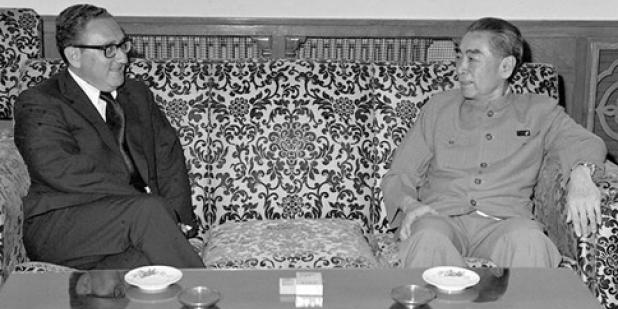
/https:/tf-cmsv2-smithsonianmag-media.s3.amazonaws.com/filer/f4/cb/f4cb92c9-4131-4e0f-ae4a-307144393214/nixoncampaigns.jpg)
No comments:
Post a Comment