20260828 CDTL DDE D229 22 April 1953 Biên bản cuộc thảo luận giữa Hoa Kỳ và Pháp, Phiên thứ nhất, tại Quai d’Orsay, Paris, ngày 22 tháng 4 năm 1953, lúc 15:30.
https://history.state.gov/historicaldocuments/frus1952-54v13p1/d229
Google Translated
Tài liệu số 229
Quan hệ Đối ngoại của Hoa Kỳ, 1952–1954, Đông Dương, Tập XIII, Phần 1
Hồ sơ hội nghị, mã số 59 D 95, CF 152
Biên bản cuộc thảo luận giữa Hoa Kỳ và Pháp, Phiên thứ nhất, tại Quai d’Orsay, Paris, ngày 22 tháng 4 năm 1953, lúc 15:30.
Mật
Paris, ngày 22 tháng 4 năm 1953, 15:30.
Hiện diện:
Phía Pháp—MM. Bidault, Pleven, Bourges-Maunoury, Letourneau, Maurice Schumann, Alphand và cố vấn
Phía Hoa Kỳ—Messrs. Dulles, Wilson, Humphrey, Stassen, Dillon, Draper2 và các cố vấn.
[Tiếp theo là thảo luận về việc tái vũ trang của Pháp và các vấn đề liên quan đến Tổ chức Hiệp ước Bắc Đại Tây Dương.]
Bộ trưởng tin rằng việc tiếp tục viện trợ kinh tế đáng kể cho Pháp sẽ phải dưới hình thức hỗ trợ cho việc tiến hành chiến tranh Đông Dương theo một chương trình nào đó mà các chuyên gia quân sự của chúng ta có thể trình bày với Quốc hội là hợp lý và hứa hẹn một kết quả khả quan, có thể trong vài năm tới.
Bộ Tham mưu Liên quân đã báo cáo rằng phản ứng từ các chuyến thăm của Pháp tới Hàn Quốc không mấy khả quan, rằng không có gì chúng ta đang làm ở đó có thể được sử dụng. Chúng ta không ngạc nhiên về phản ứng ban đầu đó bởi vì chính người của chúng ta ở Hàn Quốc cũng mất rất nhiều thời gian để nhận ra khả năng của người Hàn Quốc. Có xu hướng đánh giá thấp những khả năng đó. Vấn đề ở một mức độ nào đó là chính trị cũng như quân sự. Ví dụ, trong khi các quyết định cấp cao được đưa ra ở Paris liên quan đến các Quốc gia Liên kết, việc thực hiện hoặc diễn giải ở cấp địa phương có thể mang một tinh thần khác, trong một cộng đồng đã từng ở trong tình trạng thuộc địa quá lâu và nơi đã thiết lập những mối quan hệ nhất định giữa người da trắng và người da màu. Chẳng hạn, các mối quan hệ xã hội có thể thiếu sót và một số người không được chấp nhận vào một số câu lạc bộ. Về việc thực hiện những quyết định đó trên thực địa và mối quan hệ với người dân địa phương, chúng tôi nhận thấy rằng chúng tôi cũng gặp phải vấn đề tương tự ở miền nam mà không phải lúc nào chúng tôi cũng tìm ra giải pháp.
Việc này không hề đơn giản; tuy nhiên, trước khi Hoa Kỳ có thể đưa ra bất kỳ cam kết nào—ngay cả ở cấp độ cơ quan hành pháp—chúng tôi muốn cảm thấy rằng mình đã có câu trả lời, hoặc ít nhất là những nhận định: a) giúp chúng tôi mô tả sự hỗ trợ của mình một cách xứng đáng và công bằng, không chỉ đơn thuần là viện trợ kinh tế mà là sự hỗ trợ có mục đích cụ thể; và b) tạo thành một chương trình mà [Trang 484] xét từ góc độ chính trị, chúng tôi có thể khẳng định là có cơ hội thành công cao trong việc xoay chuyển cục diện khá ảm đạm hiện nay. Với một chương trình dành cho Đông Dương dựa trên sự kết hợp giữa chính trị và quân sự, chúng tôi có thể thuyết phục Quốc hội đóng góp một khoản đáng kể. Quốc hội của chúng tôi đang rất mong muốn cắt giảm thuế. Anh và Canada đều đang giảm thuế và ai cũng cho rằng chúng tôi nên làm như vậy. Việc giảm nguồn thu chính phủ đồng nghĩa với thâm hụt ngân sách càng lớn hơn. Do đó, bất kỳ khoản viện trợ bổ sung nào cũng cần được trình bày một cách cực kỳ hiệu quả và thuyết phục để có thể được thông qua. Chúng tôi nhận thức rõ vai trò đặc biệt quan trọng của phía Pháp. "Các bạn giúp chúng tôi để chúng tôi giúp lại các bạn." Chúng tôi đã giải thích những phương thức cụ thể để thực hiện điều đó.
Ông Wilson cho biết chúng tôi nhận thấy tại Triều Tiên, việc huấn luyện người dân địa phương giúp họ có thêm sự tự tin và niềm tin, tạo ra tinh thần đoàn kết và năng lực để họ có thể tự đứng vững; điều này thực sự gắn kết người dân lại với nhau. Ông cũng tin rằng phía Pháp mong chờ ngày không còn cần phải duy trì quá nhiều binh sĩ Pháp tại đó nữa. Ông cho rằng Pháp muốn họ đủ mạnh để giữ gìn nền tự do và duy trì ảnh hưởng của Pháp, nhưng không muốn duy trì một lực lượng lớn binh sĩ Pháp ở đó mãi mãi. Nếu họ có thể tự củng cố lực lượng, họ sẽ không chỉ giải quyết được tình trạng khẩn cấp hiện tại mà còn có thể tự lo liệu cho chính mình.
Ông Letourneau nhắc lại khoảng thời gian ông làm việc tại Ngũ Giác Đài để giải trình về chương trình này cũng như các điều kiện để thực hiện nó. Khi đó, ông đã khẳng định rằng không thể thực sự nghi ngờ—dù thực tế vẫn có những nghi ngờ—về quyết tâm của Pháp đối với nền tự do của Việt Nam và việc thành lập các quân đội quốc gia, bởi lẽ Pháp đã và đang thực hiện công việc này suốt ba năm qua. Kế hoạch này được thúc đẩy không chỉ nhằm cắt giảm quân số Pháp mà còn để các quốc gia sở tại tự phát triển tinh thần dân tộc, giúp họ sớm có khả năng đối phó với những khó khăn tại địa phương. Việc rút toàn bộ quân Pháp không nằm trong kế hoạch này. Khi trở về từ Triều Tiên, Tướng Clark tỏ ra rất tự hào về quân đội Triều Tiên nhưng cũng nói rằng nếu Mỹ rút khỏi đây, lực lượng này sẽ tan rã hoàn toàn. Do đó, ông mong muốn duy trì sự hiện diện và nỗ lực của Mỹ tại Triều Tiên, tương tự như cách Pháp đang làm ở Đông Dương. Quả thực, tình hình tại Lào đang trở nên đặc biệt nghiêm trọng. Một kế hoạch tác chiến đã được trình lên Ngũ Giác Đài, trong đó bao gồm cả những rủi ro khó tránh khỏi. Như Tổng thống Eisenhower đã nhận định, kế hoạch này sẽ giúp xoay chuyển cục diện trong vòng hai năm rưỡi, dù chưa thể mang lại thắng lợi hoàn toàn. Về cơ bản, kế hoạch này dựa trên việc phát triển các quân đội quốc gia. Để thực hiện thành công, cần có nguồn tài chính, đội ngũ cán bộ và công tác huấn luyện đơn vị diễn ra nhanh chóng.
Các phái đoàn Pháp từng đến Triều Tiên đã mang lại những kết quả rất hữu ích. Bản thân Thống chế Juin đã thu thập được những thông tin mà [Trang 485] phía Pháp dự định áp dụng vào quá trình xây dựng quân đội Việt Nam. Tuy nhiên, tình hình ở Đông Dương và Triều Tiên không hoàn toàn giống nhau. Những vấn đề mà hai quân đội này đối mặt không thể so sánh trực tiếp với nhau, song vẫn có những bài học kinh nghiệm có thể được vận dụng.
Ông Letourneau không tin rằng Bộ Tham mưu Sài Gòn có thể bị buộc tội một cách công bằng là không hoàn toàn áp dụng các chính sách chính trị của Paris. Người Pháp không có lý do gì để lo sợ rằng chính phủ Việt Nam sẽ đòi hỏi nhiều hơn khi họ có quân đội. Những yêu cầu của họ không đáng lo ngại vì chính phủ Việt Nam không thể theo đuổi bất kỳ chính sách nào khác. Ông nói rằng ông không có nhiều cách để thể hiện thiện chí và thiện chí của cấp dưới ngoại trừ có lẽ là phải kiểm tra bằng máy phát hiện nói dối, điều này không phải là thông lệ. Về vấn đề phân biệt chủng tộc, vấn đề các câu lạc bộ, vấn đề này chưa bao giờ nảy sinh ở Đông Dương như ở các thuộc địa khác vì luôn có sự tiếp xúc mật thiết giữa các gia đình địa phương và Pháp. Vấn đề này thậm chí còn ít xảy ra hơn bây giờ khi đã có chính phủ Việt Nam. Có thể có những trường hợp cá biệt, nhưng người ta không thể rút ra kết luận từ đó về thiện chí của người Pháp. Các tướng lĩnh Pháp không ngu ngốc hơn các tướng lĩnh khác, và họ muốn chiến thắng và biết rằng hy vọng duy nhất của họ là quân đội bản địa, và chìa khóa để đạt được điều đó là sự tin tưởng và công bằng đối với người Việt Nam.
Ông có cảm giác rằng kế hoạch tác chiến được thảo luận ở Washington dường như thuyết phục được những người ông gặp ở đó và rằng không thể làm gì khác hơn nữa. Giải pháp có vẻ hợp lý và nếu kế hoạch được thực hiện thì vấn đề duy nhất sẽ là tài chính. Người ta cho rằng Quốc hội sẽ chấp nhận nó. Kế hoạch này vẫn có thể thực hiện được cho đến ngày nay. Vấn đề Lào tuy không mấy dễ chịu nhưng không nên cản trở sự phát triển của lực lượng vũ trang Việt Nam.
[Tiếp theo là phần thảo luận về viện trợ cho Pháp nói chung.]
Bộ trưởng Dulles… nói rằng nhánh hành pháp của chính phủ Hoa Kỳ hy vọng – hiện tại chúng ta chỉ có thể nói về các khuyến nghị gửi Quốc hội – rằng nếu có một chương trình cho Đông Dương được các cố vấn quân sự của chúng ta ủng hộ, có cơ hội thành công, thì sẽ đề xuất một con số tương đương 525 triệu đô la cho năm nay và có những trường hợp chúng ta có thể tăng con số đó lên một chút. Tuy nhiên, đó phải là một chương trình mà chúng ta có thể nói với Quốc hội rằng: Chương trình này có đủ cơ hội thành công để nếu các vị đầu tư một số tiền nhất định trong một khoảng thời gian nhất định, nó sẽ giải quyết phần lớn tình hình – không phải, như ông Letourneau đã chỉ ra, theo nghĩa chiến thắng thực sự mà bằng cách giảm bớt quy mô tương tự như ở Malaya hoặc với lực lượng Huk ở Philippines. Sau đó, có câu hỏi liệu chúng ta có làm điều đó nếu Pháp giảm tổng chi tiêu quân sự của họ hay không. Điều đó có nghĩa là chúng ta sẽ giả định một tỷ lệ phần trăm lớn hơn trong tổng số thay vì tăng lên. Một vài điều chỉnh nhỏ [Trang 486] có thể không phải là không thể nhưng chúng tôi cảm thấy rằng việc đó sẽ không thực tế lắm nếu thực hiện trên quy mô lớn, vì người của chúng tôi cảm thấy người Pháp đã hết nguồn lực và chúng tôi đang phải gánh chịu hậu quả.
(Trao đổi lời chào hỏi và kết thúc khá vội vàng do các cuộc gặp song phương Mỹ-Anh đã được lên lịch. Hai bên nhất trí rằng nếu người Pháp muốn, các mục còn lại trong chương trình nghị sự có thể được thảo luận trong cuộc họp tiếp theo.)
1. Ngoại trưởng Dulles, Bộ trưởng Quốc phòng Wilson, Bộ trưởng Tài chính Humphrey và Giám đốc Cơ quan An ninh Tương hỗ Stassen đã có mặt tại Paris để tham dự kỳ họp thứ 11 của Hội đồng Bắc Đại Tây Dương, diễn ra từ ngày 23 đến 25 tháng 4. Trong thời gian ở Paris, họ đã tham gia các cuộc thảo luận song phương và tam phương với những người đồng cấp Pháp và Anh về nhiều vấn đề cùng quan tâm. Để biết thêm tài liệu về kỳ họp Hội đồng cũng như các cuộc gặp với quan chức Anh và Pháp trong cùng khoảng thời gian này, xin xem Tập V.↩
2. William H. Draper, Đại diện Đặc biệt của Hoa Kỳ tại Châu Âu, thuộc Cơ quan An ninh Tương hỗ.↩
3. Để xem các trích đoạn từ biên bản của Hoa Kỳ về cuộc gặp thứ hai giữa Hoa Kỳ và Pháp vào ngày 26 tháng 4, xin xem trang 507.↩.
https://history.state.gov/historicaldocuments/frus1952-54v13p1/sources
List of Abbreviations and Symbol
https://history.state.gov/historicaldocuments/frus1952-54v13p1/terms
https://history.state.gov/historicaldocuments/frus1952-54v13p1/persons
https://history.state.gov/historicaldocuments/frus1952-54v13p1/comp2
1. Document 229
Foreign Relations of the United States, 1952–1954, Indochina, Volume XIII, Part 1
Conference files, lot 59 D 95, CF 152
United States Minutes of United States–French Conversations, First Session, at the Quai d’Orsay, Paris, April 22, 1953, 3:30 p.m.1
secret
Paris, April 22, 1953, 3:30 p.m.
Present:
- French—MM. Bidault, Pleven, Bourges-Maunoury, Letourneau, Maurice Schumann, Alphand and adviser
- U.S.—Messrs. Dulles, Wilson, Humphrey, Stassen, Dillon, Draper2 and advisers.
[Here follows discussion of French rearmament and problems concerning the North Atlantic Treaty Organization.]
The Secretary believed continuance of substantial economic aid to France will have to take the form of assistance to the prosecution of the Indochina war under some kind of program which our military people can tell our Congress seems to make sense and holds promise of a satisfactory outcome, perhaps in a couple of years.
The JCS had reported that the reaction from French visits to Korea was not very satisfactory, that nothing we were doing there could be used. We were not surprised about that initial reaction because it took our own people in Korea a very long time to realize the capabilities of the South Koreans. There is a tendency to minimize those capabilities. The problem is to some extent political as well as military. For instance, while decisions at a high level are taken in Paris regarding the Associated States, implementation or interpretation in the local light may be in a different spirit, in a community which has so long been in colonial status and where certain relations have been established between white and colored people. For instance, social relations may be lacking and some people not admitted to certain clubs. As far as implementing those decisions in the field is concerned, and the relations with the local people, we realize that we have a similar problem in our south for which we have not always found a solution.
It is not easy, but before the U.S. can give any commitment even as far as the Executive is concerned, we would like to feel that we have answers, or at least observations a) allowing us to picture our help honorably and fairly as not merely economic aid but as aid which has a particular purpose, and b) constituting a program which we [Page 484] could say from the political standpoint is one which has a fair chance of success in changing the rather gloomy aspect of the affair at the present time. With a program for Indochina on a joint political-military basis it is possible to get our Congress to make a substantial contribution. Our own Congress is desperately anxious to reduce taxes. Taxes are being cut in Britain and in Canada and everybody says we should do the same. Cutting down governmental income means a still larger deficit. Any further aid must therefore be presented in an extremely effective and appealing way to get it through. There is a realization of the critically important role that the French play. “You help us to help you.” We have explained ways in which that could be done.
Mr. Wilson said that we notice in Korea that by training the Koreans we give them confidence and faith, a feeling of unity and competence that they can go on their own, that really gets the people together. Also, he was sure the French look forward to the day when it will not be necessary to have so many troops from France over there. He thought the French wanted them to be strong enough to keep the country free and be part of the spirit of French influence but did not want to have French troops there forever in large numbers. If those people can strengthen themselves they cannot only meet the present emergency but also take care of themselves.
M. Letourneau recalled the time he had spent at the Pentagon to explain the program and the conditions for its realization. He had said at that time that one cannot seriously doubt—even though it is being done—the will of France as regards the freedom of Vietnam and the constitution of national armies since they had been doing it for three years. The plan has been pushed so that French troops can be reduced but also to get the states themselves to develop a national sentiment that will allow them to face local difficulties as soon as possible. Complete withdrawal of the French is not involved. General Clark, when he came to [from?] Korea, was very proud of his Korean army but said that if the U.S. left Korea it would all disappear. Therefore, he wishes to maintain the U.S. effort in Korea just like the French in Indochina. It is true that the Laotian affair involves a singular aggravation. An operational plan had been given to the Pentagon, including certain inevitable risks. Within 2½ years, as President Eisenhower has said, it would allow us to arrive at a situation where the picture would be reversed although it would not mean complete victory. That plan is essentially based on the development of national armies. It requires for its solution finances, cadres and rapid training of units.
The French missions which have been received in Korea were very useful. Marshal Juin himself has brought back information that the [Page 485] French propose to use in the formation of the Vietnam army. But the problem is not the same in Indochina as in Korea. The problems facing the two armies are not comparable, but some lessons can be applied.
M. Letourneau did not believe that Saigon headquarters can be fairly accused of not entirely applying the political policies of Paris. The French have no reason to fear that the Vietnam government would be more demanding when they have an army. Their exigencies are not worrisome since the Vietnam government cannot pursue any other policy. He said he had not many ways of showing good faith and the good faith of his subordinates except perhaps to submit to a lie detector, which would not be customary. As to racial discrimination, the question of clubs, the problem has never arisen in Indochina as in other colonies because there has always been close touch between local and French families. The problem arises even less now that there is a Vietnamese government. There may be individual cases, but one cannot draw conclusions from them about the good faith of the French. The French generals are not more stupid than other generals, and they want victories and know that their only hope are the native armies, and the key to that is confidence in and fairness to the Vietnamese.
He had the feeling that the operational plan discussed in Washington seemed convincing to the people he saw there and that not much else could be done. The solution seemed reasonable and if the plan were put into effect the only problem would be financial. It was felt that Congress would find it acceptable. It remains capable of execution even today. The Laos affair is unpleasant but it should not interfere with the development of the Vietnamese forces.
[Here follows discussion of aid to France in general.]
Secretary Dulles … said it would be the hope of the Executive Branch of the U.S. government—we can at the present time speak only of recommendations to Congress—that if there is a program for Indochina which has the endorsement of our military advisers, which has a chance of success, would propose a figure comparable to $525 million for this year and there are circumstances where we might possibly increase that a little bit. However, that would have to be a program where we could in effect say to Congress: This program has enough chance of success that if you invest a certain amount for a certain time, it will largely clear up the situation—not, as M. Letourneau has pointed out, in terms of actual victory but by reducing the dimensions similar to those in Malaya or with the Huks in the Philippines. Then there was the question whether we do that if the French reduce their over-all military expenditure. That would mean that we assume a larger percentage of the total rather than an increase. Some slight adjustment [Page 486] may not be impossible but we felt that it would not be very practicable to do that on a scale that our people felt the French had run out and we were holding the bag.
(Complimentary exchanges and a rather hurried close in view of the scheduled U.S.-British bilaterals. It was agreed that if the French desired the remaining agenda items could be covered in a subsequent meeting.)3
1. Secretary of State Dulles, Secretary of Defense Wilson, Secretary of the Treasury Humphrey, and Mutual Security Director Stassen were at Paris for the 11th Session of the North Atlantic Council, Apr. 23–25. While in Paris, they participated in bipartite and tripartite conversations with their French and British counterparts on a variety of subjects of common concern. For documentation on the Council session and the meetings with British and French officials during the same period, see volume v.↩
2. William H. Draper, U.S. Special Representative in Europe, Mutual Security Agency.↩
3. For extracts from the U.S. record of the second U.S.–French meeting, Apr. 26, see p. 507.↩
https://history.state.gov/historicaldocuments/frus1952-54v13p1/d229
https://history.state.gov/historicaldocuments/frus1952-54v13p1/pg_484
https://history.state.gov/historicaldocuments/frus1952-54v13p1/pg_485
https://history.state.gov/historicaldocuments/frus1952-54v13p1/pg_486
https://history.state.gov/historicaldocuments/frus1952-54v05p1
https://history.state.gov/historicaldocuments/frus1952-54v13p1/pg_507
French Minister for Foreign Affairs until June 18, 1954; Head of the French Delegation at the Geneva Conference until June 18, 1954.
https://en.wikipedia.org/wiki/Georges_Bidault
https://history.state.gov/historicaldocuments/frus1952-54v16/d338
https://www.britannica.com/biography/Georges-Bidault
https://history.state.gov/historicaldocuments/frus1952-54v16/d398
https://www.wilsoncenter.org/sites/default/files/media/documents/publication/CWIHPBulletin16_p1.pdf
https://spartacus-educational.com/2WWbidault.htm
https://apps.dtic.mil/sti/tr/pdf/ADA007286.pdf
https://avalon.law.yale.edu/20th_century/inch020.asp
Ambassador to France to January 1957; Deputy Under Secretary of State for Economic Affairs from March 1957
C. Douglas Dillon, former Treasury secretary and Harvard overseer
https://millercenter.org/president/kennedy/essays/dillon-1961-c-douglas-secretary-of-the-treasury
https://uspresidentialhistory.com/c-douglas-dillon/
https://en.wikipedia.org/wiki/C._Douglas_Dillon
https://millercenter.org/conversations/conversants/c-douglas-doug-dillon-bio-page
https://home.treasury.gov/about/history/prior-secretaries/c-douglas-dillon-1961-1965
Dulles, John Foster,
https://en.wikipedia.org/wiki/John_Foster_Dulles
https://history.state.gov/departmenthistory/people/dulles-john-foster
https://www.britannica.com/biography/John-Foster-Dulles
https://diplomacy.state.gov/encyclopedia/john-foster-dulles-secretary-of-state/
https://www.acton.org/publications/transatlantic/2020/03/10/john-foster-dulles-cold-war-architect
https://www.youtube.com/watch?v=BtyFClyli9c
Eisenhower Dwight D.,
President of the United States
https://en.wikipedia.org/wiki/Dwight_D._Eisenhower
https://www.whitehouse.gov/about-the-white-house/presidents/dwight-d-eisenhower/
https://history.state.gov/historicaldocuments/frus1955-57v01/sources
https://history.state.gov/historicaldocuments/frus1955-57v01/ch1
https://history.state.gov/historicaldocuments/frus1955-57v01/ch2
https://history.state.gov/historicaldocuments/frus1955-57v01/ch3
https://history.state.gov/historicaldocuments/frus1955-57v01/terms
https://history.state.gov/historicaldocuments/frus1955-57v01/persons
https://www.bibliotecapleyades.net/sociopolitica/esp_sociopol_mj12_10.htm
https://www.bibliotecapleyades.net/exopolitica/esp_exopolitics_Q.htm
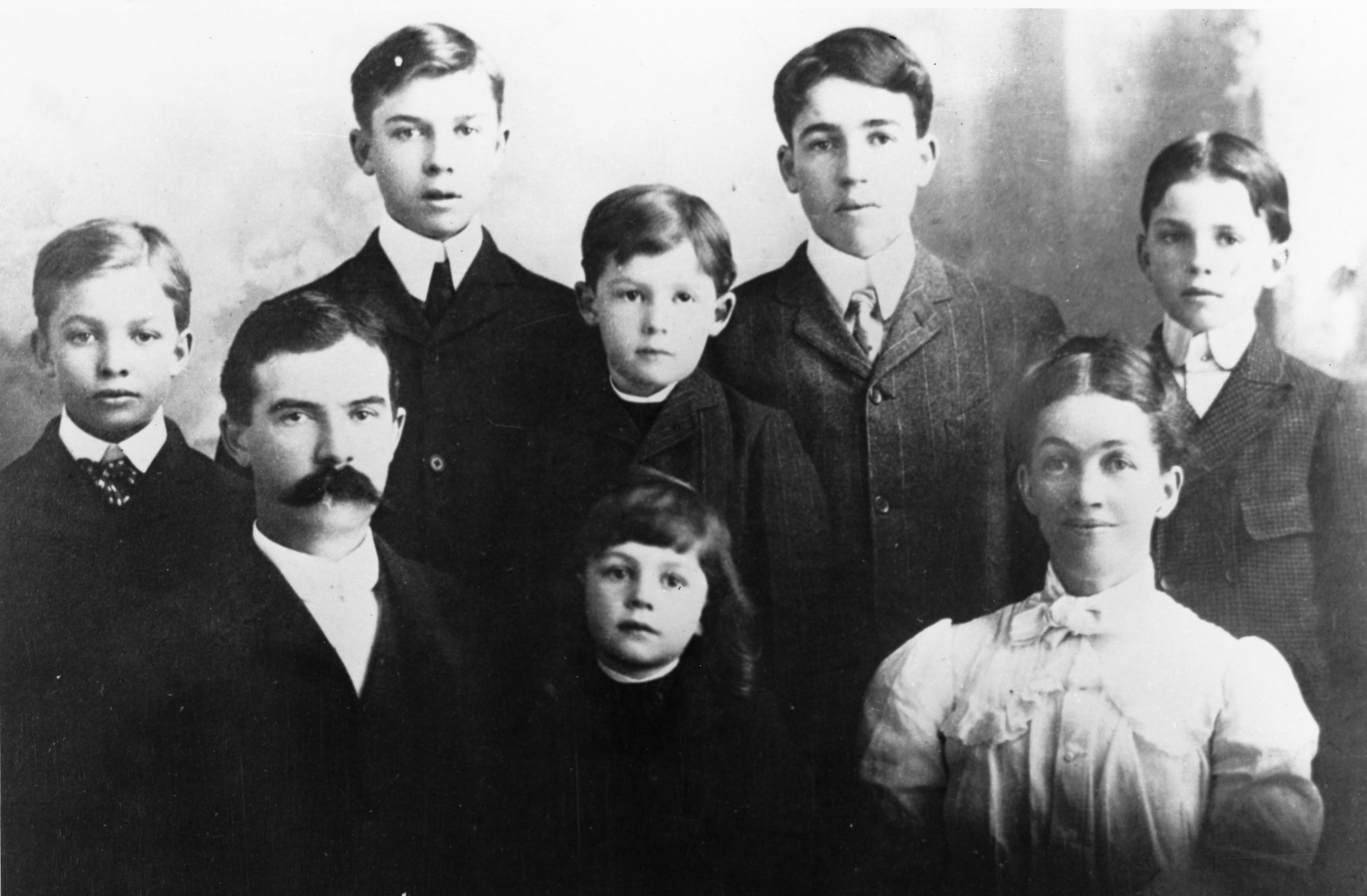
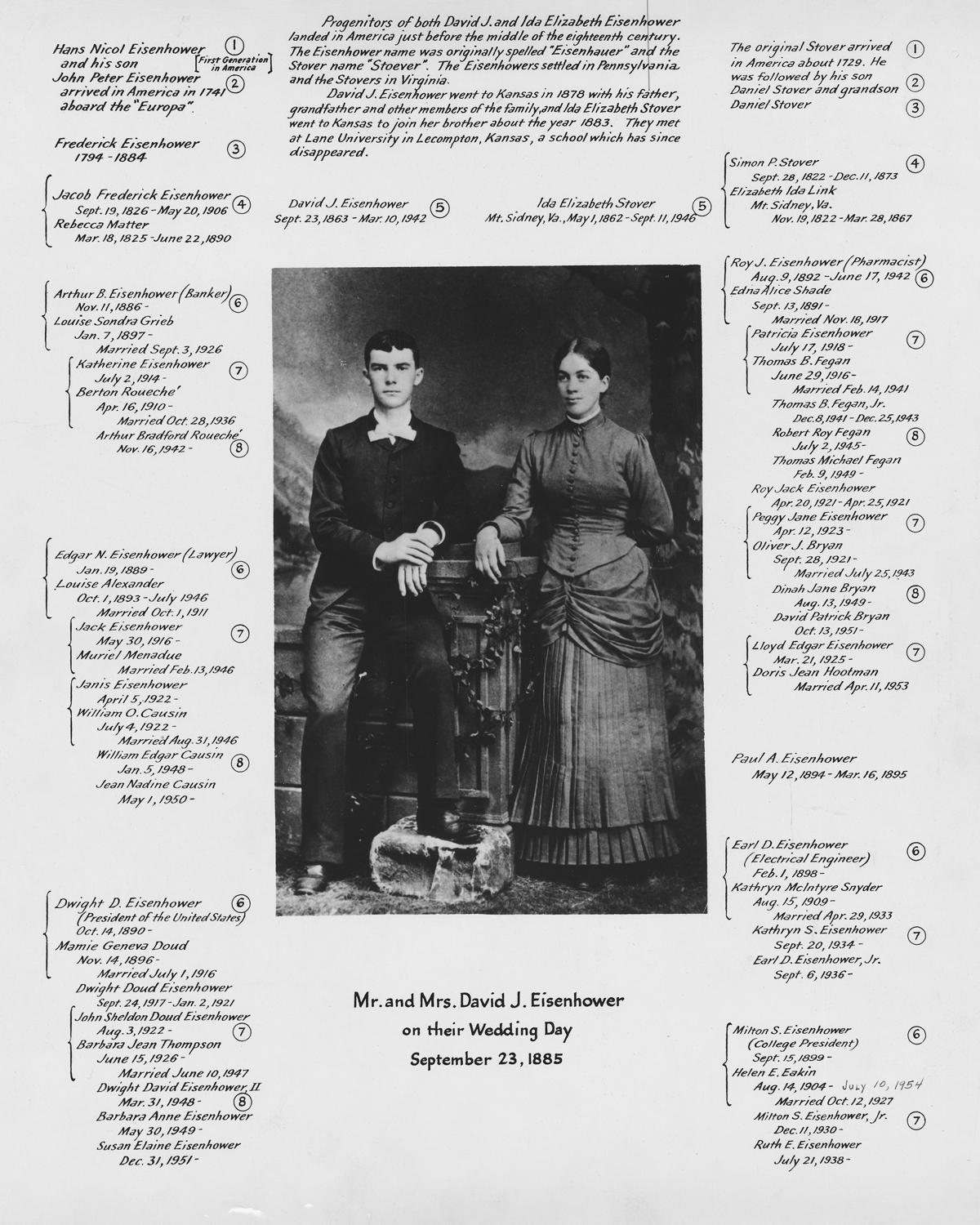
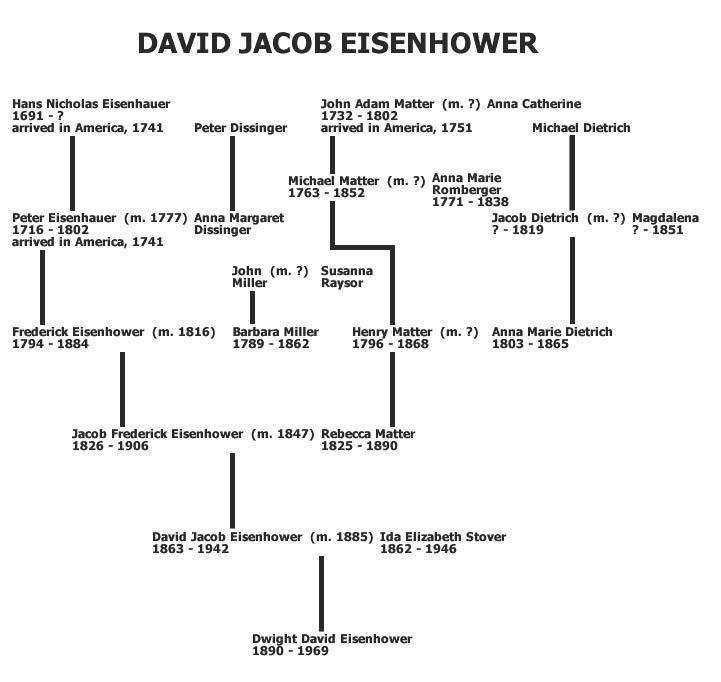
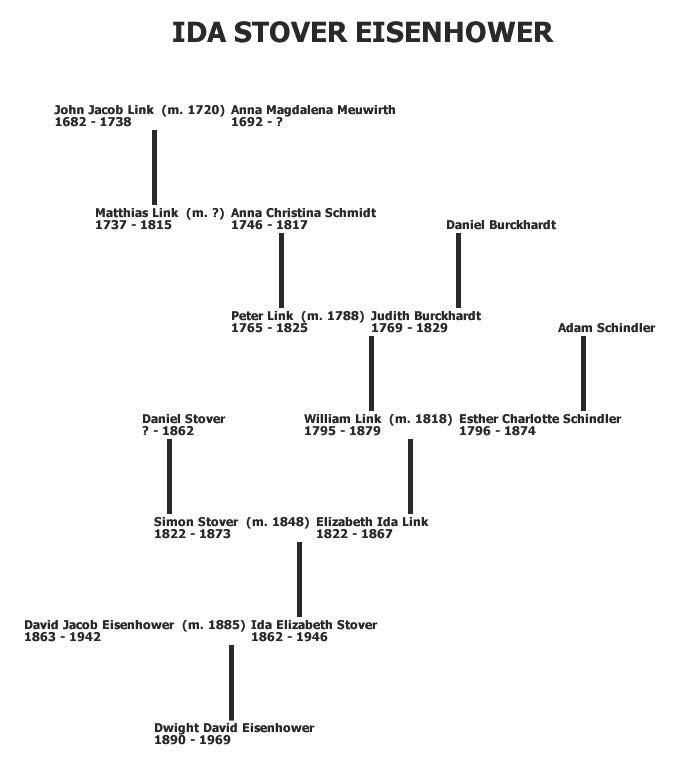
https://www.eisenhowerlibrary.gov/eisenhowers/eisenhower-ancestry
https://www.eisenhowerlibrary.gov/eisenhowers/eisenhower-ancestry
https://www.ranker.com/list/illuminati-presidents/mike-rothschild
http://www.nwotoday.com/the-socialist-review-american-politicians/dwight-d-eisenhower
https://soundcloud.com/the-miller-center-at-uva
August 4, 1953: Eisenhower on supporting the French in Vietnam
https://soundcloud.com/the-miller-center-at-uva/august-4-1953-eisenhower-on-vietnam
Earl Warren Endorses Dwight Eisenhower, October 31, 1952
https://soundcloud.com/the-miller-center-at-uva/ear-warren-endorses-dwight-eisenhower
President Dwight Eisenhower on Civil Rights, 2 February 1953
Johnson, Eisenhower, and Vietnam
https://soundcloud.com/the-miller-center-at-uva/sets/johnson-eisenhower-and-vietnam
Humphrey, George M.,
Secretary of the Treasury from January 21, 1953.
https://home.treasury.gov/about/history/prior-secretaries/george-m-humphrey-1953-1957
https://en.wikipedia.org/wiki/George_M._Humphrey
https://millercenter.org/president/eisenhower/essays/humphrey-1953-secretary-of-the-treasury
https://case.edu/ech/articles/h/humphrey-george-magoffin
https://www.presidency.ucsb.edu/documents/statement-about-the-death-george-m-humphrey
https://www.eisenhowerlibrary.gov/sites/default/files/finding-aids/pdf/humphrey-george-papers.pdf
Letourneau, Jean,
French Minister in Charge of Relations with the Associated States until July 1953; also served as French High Commissioner in Indochina, April 1952–July 19, 1953.
https://history.state.gov/historicaldocuments/frus1952-54v13p1/d220
https://en.wikipedia.org/wiki/Jean_Letourneau
https://avalon.law.yale.edu/20th_century/inch012.asp
https://history.state.gov/historicaldocuments/frus1952-54v13p1/d53
Prime Minister of France to January 1952; Minister of National Defense, March 8, 1952–June 19, 1954.
https://en.wikipedia.org/wiki/Ren%C3%A9_Pleven
https://history.state.gov/historicaldocuments/frus1952-54v06p2/d519
https://www.archontology.org/nations/france/france_govt09/pleven.php
https://history.state.gov/historicaldocuments/frus1952-54v05p1/persons
https://en.wikipedia.org/wiki/Minister_of_the_Armed_Forces_(France)
Schumann, Maurice,
French Foreign Minister from June 1969 until April 1973
https://en.wikipedia.org/wiki/Maurice_Schumann
https://historica.fandom.com/wiki/Maurice_Schumann
https://dbpedia.org/page/Maurice_Schumann
https://content.time.com/time/specials/packages/article/0,28804,2025752_2025466_2025452,00.html
https://history.state.gov/historicaldocuments/frus1969-76v04/persons
https://www.encyclopedia.com/religion/encyclopedias-almanacs-transcripts-and-maps/schumann-maurice
Stassen, Harold E.,
Director for Mutual Security from January 20, 1953; Director for Foreign Operations from August 1, 1953.
https://en.wikipedia.org/wiki/Harold_Stassen
https://1997-2001.state.gov/about_state/history/officers/dfoa.html
https://www.nga.org/governor/harold-edward-stassen/
https://president.upenn.edu/university-leadership/history/harold-stassen
https://history.state.gov/departmenthistory/people/principalofficers/director-mutual-security-agency
https://horatioalger.org/members/detail/harold-e-stassen/
Wilson, Charles Erwin.,
Secretary of Defense to October 1957
https://en.wikipedia.org/wiki/Charles_Erwin_Wilson
https://en.wikipedia.org/wiki/United_States_Secretary_of_Defense
https://millercenter.org/president/eisenhower/essays/wilson-1953-secretary-of-defense


No comments:
Post a Comment