20260829 CDTL NRM D60 1314 November 1973 60. Bản ghi nhớ cuộc Hội Đàm. An Lộc.
https://history.state.gov/historicaldocuments/frus1969-76v18/d60
Google Translated
Tài liệu số 60
Quan hệ Đối ngoại của Hoa Kỳ, 1969–1976, Tập
XVIII, Trung Quốc, 1973–1976
60. Bản ghi nhớ cuộc Hội Đàm.
Bắc Kinh, ngày 13–14 tháng 11 năm 1973, 22:00 – 00:30.
THÀNH PHẦN THAM DỰ
Chu Ân Lai, Thủ tướng Quốc vụ viện
Đường Văn Sinh (Phiên dịch)
Bà Dương Ngọc Dung (Phiên dịch)
Người ghi tốc ký
Ngoại trưởng Henry A. Kissinger
Đại sứ David Bruce
Chỉ huy Jonathan T. Howe, Cán bộ Hội đồng An ninh Quốc
gia (NSC)
Bà Wilma G. Hall, Người ghi chép
CHỦ ĐỀ
Thủy quân Lục chiến, Đông Nam Á
Thủ tướng Chu:
Còn một vài vấn đề nữa chúng ta cần thảo luận. Trước hết là vấn đề về lực lượng
Thủy quân Lục chiến. Các ông bố trí họ ở khắp nơi trên thế giới phải không?
Bộ trưởng Kissinger: Ở
mọi Đại sứ quán tại mọi khu vực trên thế giới. Tôi cũng không rõ tại sao lại
như vậy—đó là truyền thống. Điều khiến phía chúng tôi lo ngại là nếu rút họ khỏi
một nơi, nó sẽ tạo ra sự so bì ở một nơi khác. Khi đó, chúng tôi sẽ phải tìm lực
lượng bảo vệ là dân thường, và việc đó phức tạp hơn.
Thủ tướng Chu:
Còn tại các nước từng theo chế độ xã hội chủ nghĩa, họ có mặc quân phục không?
Bộ trưởng Kissinger:
Họ mặc quân phục, đúng vậy, mặc dù chúng tôi không bắt buộc họ phải mặc quân phục.
Thủ tướng Chu:
Ngược lại, liệu các nước đó có cử nhân sự quân sự mang theo vũ khí đến nước ông
không?
Bộ trưởng Kissinger:
Không. Những gì ông nói hoàn toàn hợp lý. Còn điều chúng tôi làm chỉ là theo
truyền thống. Xét về mặt logic thì ông hoàn toàn đúng, và nếu ông kiên quyết
yêu cầu, chúng tôi sẵn sàng rút họ về mà không hề có chút bất mãn nào.
Thủ tướng Chu:
Chẳng hạn, trong thời gian Đại sứ Bruce công tác tại Anh, Đức và Pháp, phía sở
tại có yêu cầu sự có đi có lại nào không? [Trang 419]
Đại sứ Bruce:
Xét về khía cạnh đó thì không.
Bộ trưởng Kissinger:
Nhưng họ không làm nhiệm vụ bảo vệ.
Đại sứ Bruce:
Tuy nhiên, Thủy quân Lục chiến của chúng tôi không mặc quân phục. Còn họ thì
có. [Đại sứ Bruce giải thích thêm] Theo tôi hiểu, khó khăn thực sự nằm ở chỗ 6
người thuộc lực lượng Thủy quân Lục chiến của chúng tôi tạo thành một đơn vị dễ
nhận biết. Theo quan điểm của chính họ, họ là lực lượng tinh nhuệ của quân đội
chúng tôi. Họ là quân chủng lâu đời nhất với lịch sử kéo dài khoảng 198 năm. Với
400 nhân sự tại Đại sứ quán Liên Xô, chắc chắn phải có người làm nhiệm vụ bảo vệ.
Nhưng tôi không biết ai là người làm nhiệm vụ đó.
Các đại sứ quán khác cũng có lực lượng bảo vệ riêng. Họ
có lẽ là người của KGB. Họ không phải là lính thủy đánh bộ Liên Xô, hoặc ít nhất
là chúng tôi không nhận diện được họ là lính thủy đánh bộ.
Thủ tướng Chu:
Đại sứ quán Liên Xô có lẽ ít chú trọng đến an ninh hơn là các hoạt động tình
báo hoặc hoạt động của KGB.
Đại sứ Bruce:
Tôi nghĩ có lẽ họ là nhân viên bảo vệ thuộc KGB. Ông nói đúng đấy.
Thủ tướng Chu:
Và họ không thừa nhận điều đó nếu ta đề cập đến vấn đề này.
Bộ trưởng Kissinger:
Đó chính là vấn đề.
Thủ tướng Chu:
Đây là lần đầu tiên tôi biết về việc bố trí lực lượng quân sự tại các cơ quan đại
diện ngoại giao trên khắp thế giới. Việc bố trí này đã diễn ra suốt 198 năm qua
trên toàn cầu. Khi thiết lập quan hệ ngoại giao với một quốc gia mới, các ông hẳn
phải thông báo cho họ về điều này.
Bộ trưởng Kissinger:
Vâng. Quan điểm của chúng tôi luôn là đại sứ quán có quy chế lãnh thổ ngoại
giao đặc biệt, và chúng tôi có quyền bố trí bất kỳ ai làm lực lượng bảo vệ tại
đó.
Thủ tướng Chu:
Phải chăng điều đó có nghĩa là họ không công khai việc mình là lính thủy đánh bộ
khi ở các quốc gia khác?
Bộ trưởng Kissinger:
Tại mọi quốc gia khác mà tôi biết, họ đều mặc quân phục. Tuy nhiên, do những lo
ngại mà ông đã nêu, họ không mặc quân phục khi ở Trung Quốc. Dù vậy, lực lượng
bảo vệ tại các đại sứ quán trên khắp thế giới mà tôi biết đến vẫn luôn là lính
thủy đánh bộ.
Thủ tướng Chu:
Họ không nhất thiết lúc nào cũng phải mặc quân phục chứ nhỉ?
Bộ trưởng Kissinger:
Họ đã mặc quân phục khi làm nhiệm vụ tại đây cho đến ngày 4 tháng 7.
Thủ tướng Chu:
Họ làm việc bên trong thôi sao? Họ không đứng gác ở cổng à?
Đại sứ Bruce:
Chúng tôi có lính PLA (Quân Giải phóng Nhân dân) gác cổng rồi. Họ chỉ mặc quân
phục khi ở trong tòa nhà thôi.
Thủ tướng Chu: À,
chuyện đó thì tôi mới biết. [Trang 420]
Đại sứ Bruce:
Một trong những khó khăn của họ là họ sống trong một khu căn hộ và đã dán một tấm
áp phích nói rằng ai gia nhập Thủy quân Lục chiến sẽ có một cuộc sống tuyệt vời.
[Mọi người cùng cười] Họ chẳng tuyển được ai cả. [Mọi người cùng cười]
Thủ tướng Chu:
Thế các nước khác có chấp nhận thông lệ này của các ông không?
Bộ trưởng Kissinger:
Tôi không biết có trường hợp ngoại lệ nào cả. Uganda đã trục xuất lính Thủy
quân Lục chiến của chúng tôi hai ngày trước khi mọi người rời đi.
Thủ tướng Chu:
Tôi có đọc tin đó trên báo.
Bộ trưởng Kissinger:
Nhưng tôi tin là không còn trường hợp ngoại lệ nào khác. Dù sao thì đây cũng là
vấn đề dễ giải quyết.
Thủ tướng Chu:
Vâng, có thể giải quyết dễ dàng thôi. Trước hết, họ sẽ không liên hệ với người
khác—tức là những người không thuộc Văn phòng Liên lạc—với tư cách là lính Thủy
quân Lục chiến.
Đại sứ Bruce:
Phải thú thật là đám lính Thủy quân Lục chiến này rất ham vui. Có sáu người ở
chung một phòng. [Đại sứ Bruce kể về những buổi khiêu vũ của họ và việc các nữ
hàng xóm rất thích điều đó.] [Mọi người cùng cười]
[Bộ trưởng Kissinger nói nhỏ với Chỉ huy Howe:
Anh không thể giải quyết dứt điểm chuyện này với Zumwalt sao? Chúng ta
đâu có điều hành một khu nghỉ dưỡng. Họ cần phải được quản lý chặt chẽ hơn.]
Thủ tướng Chu:
Việc nghiên cứu các vấn đề lịch sử và truyền thống mang lại những lợi ích nhất
định, nhưng mặt khác, phong tục của một quốc gia có chủ quyền cần phải được tôn
trọng. Chúng ta cần cố gắng tìm ra giải pháp dung hòa giữa hai bên. Chẳng hạn,
chúng tôi không quen với những vấn đề kiểu này. Ở các nước khác, công tác an
ninh nội bộ được thực hiện nhưng không phải bởi Quân Giải phóng Nhân dân (PLA).
Bộ trưởng Kissinger:
Tôi không dám tưởng tượng chuyện gì sẽ xảy ra ở Washington nếu các thành viên của
Quân Giải phóng Nhân dân xuất hiện để bảo vệ văn phòng của họ. Vì vậy, tôi phải
nói rằng xét về mặt logic, ông hoàn toàn đúng.
Đại sứ Bruce:
[Kể về việc khi lính Thủy quân Lục chiến không được mặc quân phục, họ phải tự
mua thường phục nhưng Bộ Quốc phòng lại không chi trả khoản này, dẫn đến vấn đề
về tinh thần.]
Bộ trưởng Kissinger:
Chúng ta không nên tốn thời gian vào chuyện này. Nếu ông đồng ý để họ ở lại và
cho chúng tôi biết ông muốn chúng tôi làm gì, chúng tôi sẽ xem xét các khả
năng. Nếu sáu người đó không thể sống thiếu sàn nhảy, thì chúng tôi sẽ chọn sáu
người khác phù hợp hơn. Vì vậy, nếu ông nói rõ những gì ông muốn chúng tôi thực
hiện, chúng tôi sẽ quản lý họ. Chúng tôi sẽ quy định rõ những gì họ được phép
làm.
Thủ tướng Chu:
Điều đầu tiên chúng tôi cho rằng tốt nhất là họ không nên mặc quân phục. Chúng
tôi không bận tâm nếu họ thay sang thường phục khi ở trong phòng ngủ. Nhưng khi
bước ra ngoài, chúng tôi không muốn thấy họ mặc quân phục. Còn về vũ khí, họ chỉ
cần chúng cho mục đích an ninh nội bộ. Tôi hy vọng họ [Trang 421] sẽ không mang
theo vũ khí khi đi trên phố hoặc ra ngoài khuôn viên Văn phòng Liên lạc. Chúng
tôi không quan trọng việc họ có phải là lính Thủy quân Lục chiến hay không.
Chúng tôi hoàn toàn không có sự ưu tiên hay đòi hỏi cụ thể nào về nhân sự mà
các ông muốn chọn. Thực ra, chúng tôi nghĩ rằng sẽ rất gây chú ý nếu Quân Giải
phóng Nhân dân xuất hiện tại Washington. [Mọi người cùng cười]
Bộ trưởng Kissinger:
Thậm chí điều đó có thể còn thu hút sự chú ý hơn cả vụ Watergate.
Thủ tướng Chu:
Cũng sẽ rất thú vị nếu đưa một số Hồng vệ binh của chúng tôi đến Washington. Có
lẽ giới trẻ tóc dài của các ông sẽ đến thăm họ. Chúng tôi cho rằng trong giai
đoạn đầu thiết lập các Văn phòng Liên lạc (mục tiêu của chúng ta), điều quan trọng
là phải làm việc một cách hài hòa và không gây rắc rối cho nhau.
Đông Nam Á
Bộ trưởng Kissinger:
Tôi muốn đề cập đến một điểm. Tôi cho rằng một cuộc tấn công quy mô lớn tại Việt
Nam sẽ đi ngược lại lợi ích của tất cả các bên, đặc biệt nếu cuộc tấn công đó
được thực hiện với nguồn vũ khí khổng lồ được cung cấp từ bên ngoài. Chúng tôi
chắc chắn đang sử dụng ảnh hưởng của mình đối với các đồng minh để kêu gọi sự
kiềm chế.
Thủ tướng Chu:
Về vấn đề này, gần đây chúng tôi đã nhận được hai văn bản từ phía Việt Nam
nhưng chưa công bố chúng. Một lý do là vì ông đang có mặt tại Bắc Kinh. Trong
các văn bản đó, họ khẳng định rõ ràng rằng các hành động khiêu khích không xuất
phát từ phía họ mà từ phía Thiệu. Họ không có ý định phát động một cuộc tấn
công quy mô lớn vào lúc này. Tôi đã thảo luận vấn đề này với Lê Duẩn, Phạm Văn
Đồng, Đại tướng Giáp và cả…
Bộ trưởng Kissinger:
Ông ấy là đồng nghiệp mới của tôi, mặc dù tôi biết rõ Lê Đức Thọ hơn.
Thủ tướng Chu:
Và tất cả họ đều cam đoan với tôi rằng họ không có mong muốn phát động một cuộc
tấn công quy mô lớn vào lúc này. Họ đang chuyển một số vật tư vào miền Nam
nhưng chỉ là để xây dựng đường sá. Một số người
của chúng tôi đã đến khu vực phía nam vĩ tuyến 17 tại tỉnh Quảng Trị và chứng kiến cảnh nơi đó đã bị san phẳng bởi
bom đạn. Họ buộc phải bắt đầu lại từ con số không. Chúng tôi đã cử Đại sứ đến
và ông ấy đã ở lại đó để trình quốc thư. Họ phải sống trong lều bạt. Và họ chủ
yếu tập trung vào việc đẩy mạnh sản xuất. Cách đây không lâu, chúng tôi đã gửi
một con tàu chở ngũ cốc làm thức ăn chăn nuôi. Phía họ (Chính quyền Việt Nam Cộng
hòa) đã tấn công tàu này với cáo buộc rằng nó chở đầy khí tài quân sự. Thực tế
đó chỉ là lương thực.
Bộ trưởng Kissinger:
Chúng tôi không phản đối các loại vật tư dân sự, nhưng khi chúng được vận chuyển
bằng xe tăng thì chúng tôi lại lo ngại. Chúng tôi không nói về Trung Quốc.
Thủ tướng Chu:
Chúng tôi nghe nói Thiệu đã đề cập đến con số 500 xe tăng và 500 khẩu pháo từ
các bên lớn. Tôi đã hỏi các bạn của mình về điều này và họ nói rằng thông tin
đó hoàn toàn không đúng sự thật. Ngay tại đây, tôi có thể nghe thấy những người
bạn Campuchia phàn nàn rằng họ không nhận được đủ sự hỗ trợ quân sự từ Bắc Việt
Nam.
Bộ trưởng Kissinger:
Việc đó có những lý do khác.
Thủ tướng Chu:
Nhưng theo số liệu của chúng tôi thì mức hỗ trợ đó cực kỳ ít ỏi. Ông có thể
nghe Sihanouk nói về vấn đề này.
T’ang Wen-sheng:
Ông đã để lại tài liệu mà ông muốn đưa cho Thủ tướng về các phóng viên tại
Campuchia trên bàn hội nghị ở Nhà khách.
Bộ trưởng Kissinger:
Tôi đã định như vậy.
T’ang Wen-sheng:
Ông Lord đã nói như vậy và Thủ tướng đã cầm lấy.
Thủ tướng Chu Ân Lai:
Theo những gì chúng tôi biết, họ không có ý định như vậy.
Bộ trưởng Kissinger:
Chúng tôi sẵn sàng giúp đỡ miền Bắc trong việc tái thiết. Dù miền Bắc có bao
nhiêu trang thiết bị quân sự đi nữa, đó cũng là một lượng khá lớn. Nếu miền Bắc
không nhận được một lượng lớn trang thiết bị quân sự từ bên ngoài, thì họ không
thể phát động một cuộc tấn công lớn.
Thủ tướng Chu Ân Lai:
Điều đó đúng. Nhưng theo như chúng tôi biết, những xung đột nhỏ chưa bao giờ chấm
dứt.
Bộ trưởng Kissinger:
Điều đó đúng và điều đó là không thể tránh khỏi.
Thủ tướng Chu Ân Lai: Thiệu đã tập trung tất cả người dân vào các làng mạc.
Vì vậy, dân số trở nên rất tập trung ở những khu vực nhỏ hẹp mà không có đủ đất
đai. Có sự thiếu hụt lương thực. Tôi nghĩ rằng các ông không thể cung cấp cho họ
lượng lương thực đó. Người dân ở đó luôn mong muốn hòa bình để họ có thể trở về
canh tác đất đai. Và đó là nơi nảy sinh mâu thuẫn. Và đó cũng là nơi thường xảy
ra xung đột vì Lực lượng Giải phóng Quốc gia muốn tạo
điều kiện cho người dân trở về quê hương và canh tác đất đai của họ. Ông Thiệu
lo sợ điều này và nó thường dẫn đến những xung đột nhỏ.
Bộ trưởng Kissinger:
Những xung đột nhỏ là không thể tránh khỏi và chúng tôi sẽ không can thiệp vào
chúng. Nếu đó là một vấn đề như năm 1972, nó sẽ gây ra vấn đề cho chúng tôi và
chúng tôi sẽ can thiệp.
Thủ tướng Chu Ân Lai:
Đã có một số cuộc xung đột lớn. Ví dụ như năm 1968, 1970, và sau đó là tháng 2
năm 1971, tuyến đường 9 ở Lào. Có hai cuộc tấn công vào năm 1968. Một là Tết Mậu Thân và một là vào mùa hè năm đó. Sau đó, vào tháng
2 năm 1971 là tuyến đường 9 ở Lào. Và sau đó vào năm 1972, nó diễn ra trên
quy mô lớn hơn ở phía nam vĩ tuyến 17 và vào bốn khu vực.
[Bộ trưởng Kissinger: hỏi Tư lệnh Howe:
Nơi bị bao vây đó tên là gì vậy?]
[Tư lệnh Howe: An Lộc.]
Bộ trưởng Kissinger: Quân
đội Nam Việt Nam đã giao cho vị tướng bất tài nhất trong lịch sử quân sự chỉ
huy khu vực đó. Trong bốn tháng giao tranh, có bốn
sư đoàn chống lại một lữ đoàn, vậy mà ông ta không thể di chuyển 10
dặm để tiếp viện.
Thủ tướng Chu:
Ông muốn nói đến vị tướng chỉ huy An Lộc?
Bộ trưởng Kissinger:
Vị tướng chỉ huy khu vực phía nam An Lộc.
Thủ tướng Chu:
Ông ta không thể liên lạc với họ sao?
Bộ trưởng Kissinger:
Ông ta chưa bao giờ đến được đó cả. Nhưng ông ta vẽ những tấm bản đồ rất đẹp với
những mũi tên chỉ dẫn.
Thủ tướng Chu:
Theo tôi, tôi không tin sẽ có giao tranh lớn ở Việt Nam vì quan điểm của họ
khác với quan điểm trước khi ngừng bắn.
Bộ trưởng Kissinger:
Đó sẽ là một vấn đề nghiêm trọng.
Thủ tướng Chu:
Bởi vì ông đã đề cập đến một sự phát triển mà chúng ta đã thảo luận.
Bộ trưởng Kissinger:
Vâng, nhưng điều đó cần thời gian.
Thủ tướng Chu:
Sẽ mất vài năm.
Bộ trưởng Kissinger:
Vâng.
Thủ tướng Chu Ân Lai:
Và kết quả chính xác sẽ phụ thuộc vào chính họ và cả vào giải pháp chính trị.
Chúng tôi nghĩ rằng sẽ tốt hơn nếu có một giải pháp chính trị.
Bộ trưởng Kissinger:
Chúng tôi đồng ý.
Thủ tướng Chu Ân Lai:
Dường như không có giao tranh lớn nào ở Campuchia. Chúng tôi nghĩ rằng tốt nhất
là các ông nên buông bỏ khu vực đó.
Bộ trưởng Kissinger:
Nếu không có giao tranh lớn, chúng tôi sẽ không can thiệp.
Thủ tướng Chu Ân Lai:
Các ông không có nghĩa vụ hiệp ước nào với Lon Nol như với Thieu, và chế độ độc
tài quân sự ở Bangkok đã có những thay đổi nhưng sẽ không quá lớn. Sẽ tốt hơn nếu
khu vực đó có thể được duy trì hòa bình và trung lập.
Bộ trưởng Kissinger:
Tôi sẽ nói thẳng thắn. Vấn đề lớn nhất của chúng tôi với Campuchia là những người
phản đối Tổng thống Nixon muốn sử dụng nó như một ví dụ về sự phá sản của toàn
bộ chính sách của ông ấy. Vì vậy, nếu có sự sụp đổ nhanh chóng, điều đó sẽ phản
ánh vào các chính sách khác của chúng tôi. Thành thật mà nói, đó là mối quan ngại
duy nhất của chúng tôi. [Trang 424]
Thủ tướng Chu Ân Lai:
Tại sao Thượng nghị sĩ Mansfield lại ủng hộ việc nới lỏng và cho phép Sihanouk
trở về?
Bộ trưởng Kissinger:
Trước hết, Thượng nghị sĩ Mansfield là một người theo chủ nghĩa biệt lập theo
truyền thống cổ điển. Ông ta là một người theo chủ nghĩa biệt lập thực sự đến từ
Trung Tây. Thứ hai, ông ta có một sự gắn bó tình cảm với Hoàng tử Sihanouk
không liên quan đến thực tế và không được đáp lại bằng bất kỳ cách nào. Bởi vì
tôi nghĩ Hoàng tử là một người tính toán rất khôn ngoan.
[Bộ trưởng Kissinger nói với Tư lệnh Howe: Xem
họ có muốn tổ chức một cuộc họp lãnh đạo về chuyến đi của tôi vào tuần tới
không. Hỏi Scowcroft tối nay.]
Thủ tướng Chu:
Và vì chúng ta cũng biết về chuyện đó, nên việc hành xử như ông ta làm là vô
ích. Chính vì biết rằng ông sẽ không gặp mình, nên ông ta mới lớn tiếng tại Hội
nghị các nước Không liên kết. Ông ta không chỉ công kích ông mà còn công kích cả
tôi nữa.
Bộ trưởng Kissinger:
Chúng tôi không phản đối việc Hoàng thân Sihanouk trở về.
Thủ tướng Chu:
Nhưng họ không muốn làm theo cách đó. Điều duy nhất tôi muốn lưu ý ông là Liên
Xô đang muốn nhúng tay vào chuyện này.
Bộ trưởng Kissinger:
Sẽ không có sự hợp tác của chúng tôi đâu.
Thủ tướng Chu:
Họ có thể sẽ thử làm điều đó với phía Pháp. Cảm ơn ông đã đưa thân mẫu của ông ấy
đến đây. Đó là một hành động mang tính nhân đạo.
Bộ trưởng Kissinger:
Đó chỉ là việc đúng đắn cần làm thôi.
Thủ tướng Chu:
Và khi ông đang thảo luận rất nhiệt tình về vấn đề này với Lon Nol, thì viên biện
lý đại sứ của ông cũng đã bàn bạc với Lon Nol và Ủy ban, đề nghị rằng để Hoàng
hậu có thể sang Trung Quốc, phía ông có thể cung cấp máy bay và nhân viên y tế.
Tuy nhiên, các bác sĩ Pháp – những người đã điều trị cho bà suốt thời gian dài
– lại xúc động mạnh đến mức suýt bật khóc. Viên biện lý đại sứ của ông đã hiểu
tình hình và để phía Pháp thực hiện việc đó.
Bộ trưởng Kissinger:
Cuối cùng thì chúng tôi cũng đã kiểm soát được viên biện lý đại sứ của mình. Đó
là việc làm mang tính xây dựng đầu tiên mà ông ta thực hiện được trong suốt một
năm qua. Vì vậy, ông ta rất biết ơn ông vì đã trao cho mình cơ hội này.
Thủ tướng Chu:
Bởi vì phía Pháp nghĩ rằng, sau khi đã chăm sóc bà suốt một năm trời, các ông lại
định gạt họ sang một bên. Hiện giờ ông nghĩ thế nào về tình hình ở Bangkok?
Bộ trưởng Kissinger:
Thái Lan sẽ chuyển sang lập trường trung lập hơn một cách chậm rãi và thận trọng.
Tôi không biết Thủ tướng có biết rằng Ấn Độ đang rất quan tâm đến Thái Lan hay
không.
Thủ tướng Chu:
Và cả Liên Xô nữa.
Bộ trưởng Kissinger:
Đúng vậy, nhưng họ muốn đề xuất một hiệp ước hữu nghị, giống như hiệp ước mà họ
đã ký với Liên Xô. Phía Ấn Độ đã nói với chúng tôi rằng họ định làm như vậy,
còn phía Thái Lan thì đã hỏi ý kiến chúng tôi.
Thủ tướng Chu:
Ông có biết vị Thủ tướng mới này không?
Bộ trưởng Kissinger:
Thú thật là tôi chưa từng nghe nói về ông ta. Tôi thực sự nghĩ rằng ông ta sẽ
chỉ là một nhân vật chuyển tiếp mà thôi.
Thủ tướng Chu:
Có lẽ Nhà vua tin tưởng ông ấy.
Bộ trưởng Kissinger:
Vâng.
Thủ tướng Chu:
Phó Thủ tướng và con trai của Thủ tướng nước họ đã cùng nhau đến Đài Loan để
tìm kiếm sự giúp đỡ từ Tưởng Giới Thạch.
Bộ trưởng Kissinger:
Tôi biết rất rõ ông Thanom. Ông ấy không có thái độ chống Trung Quốc.
Thủ tướng Chu:
Có một chút, nhưng điều đó chỉ có nghĩa là ông ấy không muốn giao thương với
Trung Quốc.
Bộ trưởng Kissinger:
Người Thái nói chung e ngại Trung Quốc vì quy mô dân số của nước này.
Thủ tướng Chu:
Đó là do bản tính bảo thủ của những người gốc Hoa đó. Khi Thủ tướng Úc sang
thăm, ông ấy đã thảo luận với tôi về các nước Đông Nam Á và việc họ thiết lập
quan hệ với Trung Quốc. Chúng tôi đã bàn xem liệu có thể thiết lập quan hệ với
Singapore hay không. Tôi tự hỏi liệu một thông cáo hoặc tuyên bố công khai khẳng
định công dân Singapore sẽ không mang hai quốc tịch có thể giúp ông ấy yên tâm
hơn không.
Bộ trưởng Kissinger:
Ông có muốn tôi thảo luận vấn đề này với Lý Quang Diệu không? Tôi nghĩ ông ấy
coi trọng ý kiến của tôi hơn là của ông Whitlam.
Thủ tướng Chu:
Ý tôi là, chúng tôi sẵn sàng thiết lập quan hệ theo phương thức giúp các nước
khác yên tâm, bởi vì một tỷ lệ lớn dân số Singapore là người gốc Hoa.
Bộ trưởng Kissinger:
Tôi sẽ nói chuyện với ông ấy.
Thủ tướng Chu:
Và vì Singapore là một thương cảng tự do, chúng tôi cho rằng tốt hơn hết là họ
nên duy trì lập thế trung lập. Liên Xô đang dòm ngó họ với ý đồ thâu tóm.
Bộ trưởng Kissinger:
Mối lo ngại chính của Lý Quang Diệu là sự tổ chức của các nhóm cộng sản.
Thủ tướng Chu:
Theo tôi biết thì không có nhóm nào ở đó cả. Có thể có vài người cánh tả, nhưng
theo hiểu biết của tôi thì không có đảng cộng sản nào tại Singapore.
Bộ trưởng Kissinger:
Nhưng ông ấy không chống lại Cộng hòa Nhân dân Trung Hoa. Ông ấy chỉ lo ngại rằng
các ông sẽ tiến hành các hoạt động lật đổ tại đó.
Thủ tướng Chu:
Chúng tôi sẽ không lật đổ họ. Ngay cả Hồng Kông chúng tôi còn không lật đổ, thì
tại sao lại phải làm thế ở đó? Tại sao lại bỏ qua Hồng Kông ngay sát cửa ngõ để
đi xa như vậy? Hồng Kông có 4 triệu dân trong khi Singapore chỉ có hơn 1,5 triệu
một chút.
Bộ trưởng Kissinger:
Tôi sẽ gửi thư cho Lý Quang Diệu.
Thủ tướng Chu:
Ông ấy cũng không có thái độ quá tệ với chúng tôi. Hiện đã có một chi nhánh của
Ngân hàng Trung Quốc ở đó.
Bộ trưởng Kissinger:
Ông ấy không chống lại ông. Tôi biết ông ấy rất rõ. Ông ấy là một trong số ít
những nhà lãnh đạo đáng để nói chuyện. Bên cạnh quyền lực, ông ấy còn rất am hiểu
về nước Anh.
Thủ tướng Chu Ân Lai:
Ông ấy là một diễn giả rất hùng biện. Tôi tin rằng ông ấy được McDonald đào tạo.
Bộ trưởng Kissinger:
Ông ấy từng học tại Trường Kinh tế Luân Đôn.
Thủ tướng Chu Ân Lai:
Bởi vì McDonald từng là Toàn quyền Singapore.
Bộ trưởng Kissinger:
Ông ấy luôn đến Harvard hai năm một lần.
Thủ tướng Chu Ân Lai:
Ý ông là con trai của Ramsey McDonald?
Bộ trưởng Kissinger:
Lee Kuan Yew đến Harvard và làm các đồng nghiệp theo chủ nghĩa tự do của tôi sốc
khi gọi họ là những kẻ ngốc. Họ không quen với việc những người theo chủ nghĩa
xã hội gọi họ như vậy.
[Ghi chú: Vào lúc 0 giờ 30 phút ngày 14 tháng 11, cuộc
họp tạm dừng khoảng 30 phút và sau đó tiếp tục với các thành viên tham gia khác
để thảo luận về thông cáo.]
1. Nguồn:
Cơ quan Lưu trữ Quốc gia, Tài liệu Tổng thống Nixon, Hồ sơ NSC, Hồ sơ Văn phòng
Kissinger, Hộp 96, Hồ sơ Quốc gia, Viễn Đông, Các cuộc trao đổi với Trung Quốc,
ngày 1 tháng 11 năm 1973 – ngày 31 tháng 3 năm 1974. Tuyệt mật; Nhạy cảm; Chỉ
dành cho người có thẩm quyền xem trực tiếp (Exclusively Eyes Only). Cuộc họp diễn
ra tại Đại lễ đường Nhân dân. Tất cả các phần trong ngoặc vuông đều có trong
văn bản gốc.↩
2. Chính
phủ Trung Quốc bày tỏ sự không hài lòng về việc sử dụng Thủy quân Lục chiến Hoa
Kỳ để bảo vệ Văn phòng Liên lạc Hoa Kỳ tại Bắc Kinh. Điện tín số 1297 từ Bắc
Kinh, ngày 1 tháng 11, cho thấy hình ảnh họ mặc quân phục gây phản cảm đối với
các quan sát viên Trung Quốc. (Sđd, Hồ sơ NSC, Hộp 527, Hồ sơ Quốc gia, Viễn
Đông, Cộng hòa Nhân dân Trung Hoa, Tập 8, ngày 10 tháng 7 – ngày 31 tháng 12
năm 1973)↩
3. Cái
tên nghe không giống Nguyễn Duy Trinh nhưng có lẽ chính là ông. [Chú thích
trong văn bản gốc.]↩
4. Thông
tin về các nhà báo mất tích tại Campuchia đã được đưa vào danh mục các vấn đề
trong chuyến đi của Kissinger. (Cơ quan Lưu trữ Quốc gia, Tài liệu Tổng thống
Nixon, Hồ sơ NSC, Hồ sơ Văn phòng Kissinger, Hộp 100, Hồ sơ Quốc gia, Viễn
Đông, Chuyến thăm Bắc Kinh của Kissinger – Các tài liệu, tháng 11 năm 1973)↩
5. Vào
ngày 26 tháng 10, Bộ Ngoại giao thông báo cho Đại sứ quán tại Sài Gòn rằng
Hoàng hậu Kossamak Nearireak sẽ được đưa bằng máy bay từ Phnom Penh đến Bắc
Kinh, nơi con trai bà là Hoàng thân Sihanouk đang cư trú. (Điện tín số 211294;
Cơ quan Lưu trữ Quốc gia, RG 59, Hồ sơ Chính sách Đối ngoại Trung ương)↩
6. Gough
Whitlam đã thăm Cộng hòa Nhân dân Trung Hoa từ ngày 31 tháng 10 đến ngày 4
tháng 11.↩
7. Chu
Ân Lai và Kissinger đã họp đến 2 giờ 20 phút sáng để hoàn tất bản thông cáo.
(Cơ quan Lưu trữ Quốc gia, Tài liệu Tổng thống Nixon, Hồ sơ NSC, Hồ sơ Văn
phòng Kissinger, Hộp 100, Hồ sơ Quốc gia, Viễn Đông, Các cuộc hội đàm của Bộ
trưởng Kissinger tại Bắc Kinh, tháng 11 năm 1973) Văn bản cuối cùng của Thông
cáo Chung được in trong Bản tin Bộ Ngoại giao (Department of State Bulletin),
ngày 10 tháng 12 năm 1973, tr. 716–717.↩
https://history.state.gov/historicaldocuments/frus1969-76v18/sources
https://history.state.gov/historicaldocuments/frus1969-76v18/terms
https://history.state.gov/historicaldocuments/frus1969-76v18/persons
https://history.state.gov/historicaldocuments/frus1969-76v18/comp1
Political Turmoil in the United States, June 1973–September
1974 (Documents 35–87)
https://history.state.gov/historicaldocuments/frus1969-76v18/ch2
1.
Document 60
Foreign Relations of the United
States, 1969–1976, Volume XVIII, China, 1973–1976
60. Memorandum of Conversation1
Beijing, November
13–14, 1973, 10 p.m.–12:30 a.m.
PARTICIPANTS
- Chou En-lai,
Premier of the State Council
- T’ang Wen-sheng
(Interpreter)
- Mrs. Yang
Yu-yung (Interpreter)
- Stenographer
- Secretary of
State Henry A. Kissinger
- Ambassador
David Bruce
- Commander
Jonathan T. Howe, NSC Staff
- Mrs. Wilma G.
Hall, Notetaker
SUBJECT
- Marines,
Southeast Asia
Prime Minister Chou: There are a few other matters we should discuss.
First, on the matter of the Marines.2 Do you have them everywhere in the
world?
Secretary Kissinger: In every Embassy in every part of the world. I don’t
know why it is—it is tradition. The concern our people have is if we remove
them in one place, it will set up competition in another place. Then we have to
find civilian guards and that’s more complex.
Prime Minister Chou: And in countries that used to be Socialist, do they
wear uniforms?
Secretary Kissinger: They wear military uniforms, yes, although we don’t
insist on their wearing uniforms.
Prime Minister Chou: On the other hand, do they send their military
personnel with arms to your country?
Secretary Kissinger: No. What you have said is absolutely logical. What
we have said is traditional. Logically you are absolutely right and if you
insist, we would withdraw them without any hard feelings.
Prime Minister Chou: For instance, during Ambassador Bruce’s experience
in Britain, Germany and France, did they not ask for any reciprocity?
Ambassador Bruce: In that sense, no.
Secretary Kissinger: But not as guards.
Ambassador Bruce: But our Marines do not wear uniforms. They did.
[Ambassador Bruce gives explanation] I think the real difficulty, as I
understand it, is that our 6 Marines make a recognizable unit. They are the
elite of our military in their own opinion. They are the oldest service with a
history that extends back some 198 years. With 400 people at the Soviet
Embassy, some must be guards. But I don’t know who the guards are.
The other embassies have their guards too. They are probably KGB. They
are not Soviet Marines or at least they are not recognizable to us as such.
Prime Minister Chou: The Soviet Embassy is probably less concerned with
security than intelligence or KGB activities.
Ambassador Bruce: I think they probably are KGB guards. You are right.
Prime Minister Chou: And they don’t admit that they are such if you bring
up the subject.
Secretary Kissinger: That’s the problem.
Prime Minister Chou: This is the first time I knew of the military being
established in diplomatic missions throughout the world. 198 years being
established throughout the world. Then when you establish diplomatic relations
with a new country, you must notify them of this.
Secretary Kissinger: Yes. Our position has always been that the Embassy
is extraterritorial and that we can put anyone in there we want as guards.
Prime Minister Chou: Does that mean that they do not openly make public
that they are Marines in other countries?
Secretary Kissinger: In every other country I am familiar with, they wear
their uniforms. Because of the concern you have expressed, they are not worn in
China. But the guards in embassies all over the world I am familiar with have
always been Marines.
Prime Minister Chou: They might not necessarily all be in military
uniforms.
Secretary Kissinger: They wore their uniforms here on duty until July
4th.
Prime Minister Chou: They are internal? They don’t stand outside the
gate?
Ambassador Bruce: We have a PLA at the gate. They wear their uniform only
inside the building.
Prime Minister Chou: So that is something new to me.
Ambassador Bruce: One of their difficulties is they live in an apartment
and they put up a poster saying anyone that wants to join the Marine Corps will
have a perfectly wonderful life. [Laughter all around] They got no recruits.
[Laughter all around]
Prime Minister Chou: Then do all other countries agree to your tradition?
Secretary Kissinger: I know of no exception. Uganda threw out our Marines
two days before everyone left.
Prime Minister Chou: I read about that in the papers.
Secretary Kissinger: But I don’t believe there is any other exception. It
is an easily solved issue anyway.
Prime Minister Chou: Yes, it can be easily solved. First of all, they
would not contact others, that is, persons other than those of the Liaison
Office, in the name of the Marines.
Ambassador Bruce: I have got to confess that these Marines are a gay lot
of people. There are six of them in one room. [Ambassador Bruce tells about
their dances and the fact that their female neighbors appreciated it.]
[Laughter all around]
[Secretary Kissinger aside to Cmdr. Howe: Can’t you square this away with
Zumwalt? We are not running a rest camp. They have just got to be brought under
control.]
Prime Minister Chou: There is some good from the study of historical
matters and traditions but on the other hand, the customs of a sovereign
country must be respected. We must try to find some and settle between the two.
For instance, we are not accustomed to such matters. In other countries we have
internal security but not the PLA.
Secretary Kissinger: I would hate to think what would happen in
Washington if members of the People’s Liberation Army showed up to protect
their office. So I have to say with regard to logic, you are absolutely right.
Ambassador Bruce: [Tells about the fact that when the Marines couldn’t
wear their uniforms, they had to buy civilian clothes and DOD wouldn’t pay for
civilian clothes so they had a morale problem.]
Secretary Kissinger: We shouldn’t spend our time on this. If you agree to
let them stay and you tell us what you want us to do, we will see what is
possible. If those six can’t live without a dance floor, then we will get six
who can. So if you would tell us exactly what you want us to do, then we can
handle them. We will tell them what they can do.
Prime Minister Chou: The first thing we believe is that it would be best
if they do not wear military uniforms. We do not care if they switch out of
civilian clothes in their bedroom. But when they come out, we do not wish to
see them in uniforms. As for their weapons, they will need them only for
internal security purposes. I hope they [Page 421] will not carry them
on the streets or outside the Liaison Office. We do not care if they are not
Marines. We would show no preference as to whatever persons you would like to
pick. Indeed, we do think it would be quite sensational if the People’s Liberation
Army would appear in Washington. [Laughter all around]
Secretary Kissinger: It might even take some attention away from
Watergate.
Prime Minister Chou: It might also be interesting to put some of our Red
Guards in Washington. Perhaps your long-haired youth would pay visits to them.
We think that at the early stage of having established Liaison Offices (our
goal) is to work in a harmonious way and not create trouble for each other.
Southeast Asia
Secretary Kissinger: I have one point I just wanted to mention. I think a
major offensive in Vietnam would be against everyone’s interest, especially if
it were done with weapons provided massively from outside. We are certainly
using our influence with our friends to maintain restraint.
Prime Minister Chou: With regard to this issue, recently we have received
two documents from Vietnam and we have not yet released them. One reason is
your presence in Peking. They have made clear in those documents that the
provocations are not from them but from Thieu. They have no intention of
launching a major offensive now. I have discussed this matter with Le Duan,
Pham Van Dong, General Giap and also …3
Secretary Kissinger: He is my new colleague, although I know Le Duc Tho
better.
Prime Minister Chou: And they have all assured me they have no desire to
launch a major offensive now. They are sending certain materials southward but
that is only for building a road. Some of our people have been south of the
17th parallel in Quang Tri Province and they have seen there that it has been
leveled by bombing. They have had to begin from scratch. We accredited our
Ambassador to them and he stayed there to present his credentials. They lived
in tents. And they are mainly concentrating on building up their production. We
not long ago sent a ship with feed grains. They (GVN) attacked it saying that
it was filled with military equipment. Actually it was food grains.
Secretary Kissinger: We have no objection to civilian equipment but when
it is transported in tanks, we get worried. We are not talking about China.
Prime Minister Chou: We heard that Thieu mentioned 500 tanks and 500 guns
from major sides. I asked our friends about this and they said it could not
possibly be true. From here I can hear our Cambodian friends complain that they
are not receiving enough military support from North Vietnam.
Secretary Kissinger: That has other reasons.
Prime Minister Chou: But according to our account, it is extremely
meager. You can hear Sihanouk on this issue.
T’ang Wen-sheng: You left the material you wanted to give the Premier
about correspondents in Cambodia on the conference table in the Guest House.4
Secretary Kissinger: I intended that.
T’ang Wen-sheng: Mr. Lord said that and the Premier picked it up.
Prime Minister Chou: From what we know, they have no such intentions.
Secretary Kissinger: We are prepared to help the North in rehabilitation.
However much military equipment there is in the North, it is a fair amount. If
the North does not get a major amount of military equipment from outside, then
it can’t start a major attack.
Prime Minister Chou: That is true. But to our knowledge small frictions
have never ceased.
Secretary Kissinger: That is true and that is inevitable.
Prime Minister Chou: Thieu has concentrated all the people in villages.
So the population has become very concentrated in small areas without enough
land. There is a lack of food. I think it would be impossible for you to
provide them the amount of food grains. The population there has always worked
for peace so they could return and till the land. And that is where the
contradiction arises. And that is where the friction often comes from because
the National Liberation Forces want to make it possible for the people to go
back to their homelands and till their lands. Thieu is fearful of this and it
often results in minor conflicts.
Secretary Kissinger: Minor conflicts are inevitable and we would not
involve ourselves in them. If it was a problem like 1972, it would present a
problem for us and we would engage ourselves.
Prime Minister Chou: There have been several major conflicts. Like in
1968, 1970, and then February 1971, Route 9 in Laos. There were two [Page 423] offensives in 1968.
One was Tet and one was that summer. Then in February 1971 there was Route 9 in
Laos. And then in 1972, it was on a larger scale south of the 17th parallel and
into the four areas.
[Secretary Kissinger to Cmdr. Howe: What’s the name of that place that
was besieged?]
[Commander Howe: An Loc.]
Secretary Kissinger: The South Vietnamese had the most incompetent
General in military history in charge of that. In four months of fighting,
there were four divisions against one brigade, yet he could not move 10 miles
to relieve them.
Prime Minister Chou: You mean the General in charge of An Loc?
Secretary Kissinger: The General in charge south of An Loc.
Prime Minister Chou: He wasn’t able to contact them?
Secretary Kissinger: He never made it, no. But he drew beautiful maps
with arrows.
Prime Minister Chou: In my opinion, I do not believe there will be major
fighting in Vietnam because their views are different from those they held
before the ceasefire.
Secretary Kissinger: That would be a serious matter.
Prime Minister Chou: Because you mentioned an evolution we had discussed.
Secretary Kissinger: Yes, but that requires some time.
Prime Minister Chou: It will take several years.
Secretary Kissinger: Yes.
Prime Minister Chou: And exactly what the outcome will be will depend on
themselves and also on the political settlement. We think it would be good if
there was a political settlement.
Secretary Kissinger: We agree.
Prime Minister Chou: There does not seem to be any major fighting in
Cambodia. We think it would be best for you to let go of that area.
Secretary Kissinger: If there is no major fighting, we will not
interfere.
Prime Minister Chou: You have no treaty obligations to Lon Nol as you
have with Thieu and the military dictatorship in Bangkok has undergone changes
but they won’t be of very major portions. It would be relatively better if that
area could be one of peace and neutrality.
Secretary Kissinger: I will speak frankly. Our major problem with
Cambodia is that the opponents of President Nixon want to use it as an example
of the bankruptcy of his whole policy. So if there is a very rapid collapse, it
will be reflected in our other policies. That frankly is our only concern.
Prime Minister Chou: Why is it that Senator Mansfield is in favor of
letting loose and allowing Sihanouk to return?
Secretary Kissinger: Senator Mansfield is first of all an isolationist in
the classical tradition. He is a true isolationist from the Middle West.
Secondly, he has a sentimental attachment to Prince Sihanouk which is not
related to reality and not reciprocated in any way. Because I think the Prince
is a very shrewd calculator.
[Secretary Kissinger to Cmdr. Howe: See if they want to have a leadership
meeting about my trip next week. Ask Scowcroft tonight.]
Prime Minister Chou: And because we also know of it. It is futile to do
as he has. Because he also knows you will not meet him, he spoke very loudly at
the Non-Aligned Nations Conference. He abused not only you but me.
Secretary Kissinger: We are not opposed to Prince Sihanouk’s return.
Prime Minister Chou: But they do not wish to do it that way. The only
thing I wish to bring to your attention is that the Soviet Union wants to have
a hand in that pie.
Secretary Kissinger: Not with our cooperation.
Prime Minister Chou: They might try to do it with the French. Thank you
for bringing his mother here.5 It was a humanitarian effort.
Secretary Kissinger: That was only the right thing to do.
Prime Minister Chou: And when you were very enthusiastically discussing
this matter with Lon Nol, your chargé d’affaires discussed it with Lon Nol and
the Commission and said that to enable the Queen to come to China, you might be
able to provide the plane and medical personnel. But the French doctors who had
been treating her for so long were so emotionally disturbed that they were on
the verge of tears. Your chargé understood the situation and let the French do
it.
Secretary Kissinger: We finally got our chargé under control. It was the
first constructive thing he had been able to do in a year. So he is very
grateful to you for giving him this opportunity.
Prime Minister Chou: Because the French were thinking, after having taken
care of her for one whole year, you were just brushing them aside.
What do you now think of the situation in Bangkok?
Secretary Kissinger: Thailand will move to a more neutralist position
slowly and carefully. I don’t know whether the Prime Minister is aware that the
Indians are very interested in Thailand.
Prime Minister Chou: And the Soviet Union.
Secretary Kissinger: Yes, but they want to offer a friendship treaty, the
same as they have with the Soviet Union. The Indians have told us they would do
it and the Thais have asked our opinion.
Prime Minister Chou: Are you familiar with the new Prime Minister?
Secretary Kissinger: I frankly have never heard of him. I frankly think
he will be a transitional figure.
Prime Minister Chou: The King probably trusts him.
Secretary Kissinger: Yes.
Prime Minister Chou: Their Vice Premier and the son of the Premier went
together to Taiwan to try to get help from Chiang Kai-shek.
Secretary Kissinger: I know Thanom very well. He is not anti-Chinese.
Prime Minister Chou: Slightly, but this only meant that he would not
engage in trade with China.
Secretary Kissinger: The Thais are afraid of China in general because of
their population.
Prime Minister Chou: It is the conservative nature of those Chinese. And
when the Australian Prime Minister came, he discussed with me the Southeast
Asian countries and their establishing relations with China.6 We discussed if it would be possible
to establish relations with Singapore. I wonder if a communiqué or public
declaration that none of those Singapore citizens would maintain dual
citizenship might set him at ease.
Secretary Kissinger: Would you like me to discuss this with Lee Kuan Yew?
I think he takes me more seriously than he does Whitlam.
Prime Minister Chou: That is, we would be willing to establish relations
in a pattern which would set other countries at ease because a large percentage
of the Singapore population is Chinese.
Secretary Kissinger: I will talk to him.
Prime Minister Chou: And Singapore being a free port, we think it would
be better for them to maintain a neutral problem. The Soviet Union is casting a
covetous eye on them.
Secretary Kissinger: Lee Kuan Yew is primarily worried about the
organization of Communist groups.
Prime Minister Chou: To my knowledge there is none there. There are
perhaps some leftists but to my knowledge there are no Communist parties in
Singapore.
Secretary Kissinger: But he is not against the People’s Republic. He is
afraid you will engage in subversive activities there.
Prime Minister Chou: We are not going to subvert them. We haven’t even
subverted Hongkong. Why would we go there. Why give up Hongkong at our door
step to go so far. Hongkong has 4 million while Singapore has slightly over one
and a half million.
Secretary Kissinger: I will send a letter to Lee Kuan Yew.
Prime Minister Chou: He has not been so bad to us. There is a branch of
the bank of China there.
Secretary Kissinger: He is not against you. I know him very well. He is
one of the few leaders with whom it is worth talking. Aside from his having
power, he has a great understanding of England.
Prime Minister Chou: He is a very eloquent speaker. I believe he was
trained by McDonald.
Secretary Kissinger: He was at the London School of Economics.
Prime Minister Chou: Because McDonald had been Governor General of
Singapore.
Secretary Kissinger: He always comes to Harvard once every two years.
Prime Minister Chou: You mean the son of Ramsey McDonald?
Secretary Kissinger: Lee Kuan Yew comes to Harvard and shocks my liberal
colleagues by calling them fools. They are not used to Socialists calling them
that.
[Note: At 12:30 a.m. on November 14, the meeting adjourned for about 30
minutes and then resumed with additional participants to discuss the
communiqué.]7
1. Source: National
Archives, Nixon Presidential Materials, NSC Files, Kissinger Office Files, Box
96, Country Files, Far East, China Exchanges, November 1, 1973–March 31, 1974.
Top Secret; Sensitive; Exclusively Eyes Only. The meeting took place at the Great
Hall of the People. All brackets are in the original.↩
2. The Chinese
Government expressed displeasure with the use of U.S. Marines to guard the U.S.
Liaison Office in Beijing. Telegram 1297 from Beijing, November 1, suggested
that their uniformed appearance offended Chinese observers. (Ibid., NSC Files,
Box 527, Country Files, Far East, People’s Republic of China, Vol. 8, July
10–Dec 31, 1973)↩
3. The name did not
sound like Nguyen Duy Trinh but it probably was. [Footnote in the original.]↩
4. Material on
journalists missing in Cambodia was included in a checklist from Kissinger’s
trip. (National Archives, Nixon Presidential Materials, NSC Files, Kissinger
Office Files, Box 100, Country Files, Far East, Kissinger Trip to
Peking—Papers, November 1973)↩
5. On October 26, the
Department of State informed the Embassy in Saigon that Queen Kossamak
Nearireak would be flown from Phnom Penh to Beijing, where her son, Prince
Sihanouk, was currently residing. (Telegram 211294; National Archives, RG 59,
Central Foreign Policy Files)↩
6. Gough Whitlam
visited the People’s Republic of China from October 31 to November 4.↩
7. Chou and Kissinger
met until 2:20 a.m. to finalize the communiqué. (National Archives, Nixon
Presidential Materials, NSC Files, Kissinger Office Files, Box 100, Country
Files, Far East, Secretary Kissinger’s Conversations in Peking, November 1973)
The final text of the Joint Communiqué is printed in Department of State
Bulletin, December 10, 1973, pp. 716–717.↩
https://history.state.gov/historicaldocuments/frus1969-76v18/d60
https://history.state.gov/historicaldocuments/frus1969-76v18/pg_419
https://history.state.gov/historicaldocuments/frus1969-76v18/pg_420
https://history.state.gov/historicaldocuments/frus1969-76v18/pg_421
https://history.state.gov/historicaldocuments/frus1969-76v18/pg_422
https://history.state.gov/historicaldocuments/frus1969-76v18/pg_423
https://history.state.gov/historicaldocuments/frus1969-76v18/pg_424
https://history.state.gov/historicaldocuments/frus1969-76v18/pg_425
https://history.state.gov/historicaldocuments/frus1969-76v18/pg_426
Thân thế (các) nhân vật
Head of the U.S. Delegation to the (plenary)
Paris Peace Talks from July 1970 until July 1971
https://en.wikipedia.org/wiki/David_K._E._Bruce
https://www.trumanlibrary.gov/library/oral-histories/bruce
https://history.state.gov/historicaldocuments/frus1969-76v07/d41
https://history.state.gov/historicaldocuments/frus1969-76v42/persons
https://www.britishpathe.com/asset/235113/
https://digitalcommons.chapman.edu/upi_vietnam/95/
Premier
of the People’s Republic of China; member, Standing Committee of the Chinese
Communist Party’s Political Bureau
https://en.wikipedia.org/wiki/Zhou_Enlai
https://en.wikipedia.org/wiki/Premier_of_the_People%27s_Republic_of_China
https://en.wikipedia.org/wiki/Minister_of_Foreign_Affairs_of_the_People%27s_Republic_of_China
https://en.wikipedia.org/wiki/Vice_Chairman_of_the_Chinese_Communist_Party
https://en.wikipedia.org/wiki/Vice_Chairman_of_the_Chinese_Communist_Party
https://en.wikipedia.org/wiki/Chairman_of_the_Chinese_People%27s_Political_Consultative_Conference
https://history.state.gov/historicaldocuments/frus1969-76v17/d139
https://digitalarchive.wilsoncenter.org/document/zhou-enlai-talking-ho-chi-minh
https://digitalarchive.wilsoncenter.org/search?f[0]=topics:86538&fo[0]=86538
Tài liệu
Chu Ân Lai yêu
cầu Hoa Kỳ loại bỏ Tổng Thống Nguyễn Văn Thiệu và dùng Dương Văn Minh để lật
đổ hai nền Đệ I và Đệ II VNCH.
https://digitalarchive.wilsoncenter.org/document/discussion-between-zhou-enlai-and-le-duc-tho
https://digitalarchive.wilsoncenter.org/document/89367/download
Howe, Jonathan,
Lieutenant Commander, USN; member, National Security Council Staff
from 1970 until 1972
https://en.wikipedia.org/wiki/Jonathan_Howe
https://www.pbs.org/wgbh/pages/frontline/shows/ambush/interviews/howe.html
https://www.gao.gov/products/b-255792
https://aei.pitt.edu/75325/1/BIO_-_EN_-_Howe.pdf
https://www.govinfo.gov/content/pkg/GAOREPORTS-B-255792-2/html/GAOREPORTS-B-255792-2.htm
https://valor.militarytimes.com/recipient/recipient-315370/
https://digitallibrary.un.org/record/1314390?ln=en
Henry A Kissinger
Assistant to the President for National Security Affairs until
November 3, 1975; also Secretary of State from September 21, 1973
https://www.theguardian.com/world/2023/may/20/bilderberg-meeting-group-lisbon-kissinger
https://www.theguardian.com/world/bilderberg
https://history.state.gov/historicaldocuments/frus1969-76ve13/summary
https://china.usc.edu/getting-beijing-henry-kissingers-secret-1971-trip
https://china.usc.edu/catalog/documents/us-china
http://www.archives.gov/press/press-releases/2001/nr01-47.html
https://china.usc.edu/talking-points-july-22-august-3-2011
https://china.usc.edu/getting-beijing-henry-kissingers-secret-1971-trip#meetings
https://china.usc.edu/getting-beijing-henry-kissingers-secret-1971-trip#nixon-announcement
https://china.usc.edu/getting-beijing-henry-kissingers-secret-1971-trip#chinese-accept
https://china.usc.edu/getting-beijing-henry-kissingers-secret-1971-trip#signals
https://china.usc.edu/getting-beijing-henry-kissingers-secret-1971-trip#the_aim
http://www.foreignaffairs.com/articles/23927/richard-m-nixon/asia-after-viet-nam
https://history.state.gov/historicaldocuments/frus1969-76v17/d4
https://history.state.gov/historicaldocuments/frus1969-76v17/d12
https://history.state.gov/historicaldocuments/frus1969-76v17/d13
https://history.state.gov/historicaldocuments/frus1969-76v17/d141
https://2001-2009.state.gov/documents/organization/100324.pdf
https://en.wikipedia.org/wiki/Henry_Kissinger_and_the_Vietnam_War
Lesson in Vietnam from
Kissinger to Nixon: “when we made it “our war” we would not let
the South Vietnamese fight it; when it again became “their war”, we would not
help them fight it.”
(We
also had trouble with excesses here: when we
made it “our war” we would not let the South Vietnamese fight it; when it again
became “their war,” we would not help them fight it. Ironically, we
prepared the South Vietnamese for main force warfare after 1954 (anticipating another Korean-type attack), and they faced a political war; they had prepared
themselves for political warfare after 1973 only to be faced with a main force
invasion 20 years after it had been expected.)
https://history.state.gov/historicaldocuments/frus1969-76v10/d280
Lesson of Vietnam May 12 1975 by Henry A. Kissinger
https://www.fordlibrarymuseum.gov/library/exhibits/vietnam/032400091-002.pdf
https://thebattleofkontum.com/extras/kissinger.html
“Richard M. Nixon and Kissinger on 3 August 1972,” Conversation 760-006,
Presidential Recordings Digital Edition [Fatal Politics, ed. Ken Huges]
(Charlottesville: University of Virginia Press, 2014-). URL:https://prde.upress.virginia.edu/conversations/4006748
https://player.vimeo.com/video/889937807?h=e44572c8f3&color=e57200&title=0&byline=0&portrait=0
https://player.vimeo.com/video/889937807?h=e44572c8f3&color=e57200&title=0&byline=0&portrait=0
Discover the Truth at:
https://www.theblackvault.com/documentarchive/the-cias-vietnam-document-cd-rom/
The secret life of Henry
Kissinger minutes of a 1975 meeting with Lawrence Eagleburger
https://etan.org/news/kissinger/secret.htm
Henry Kissinger and the Truth About Negotiations In Vietnam
https://www.youtube.com/watch?v=Z5fxxKVfX5g
Henry Kissinger - Secrets of a superpower | DW Documentary
https://www.youtube.com/watch?v=bWVMTKeAwlA
The Untold Truth of Henry Kissinger
https://www.youtube.com/watch?v=0iheZdvWdbI&t=1s
Was Henry Kissinger a War Criminal?
https://www.youtube.com/watch?v=COqq7862wcU&t=25s
Le Duan,
member, Politburo of
the Democratic Republic of (North) Vietnam and Special Advisor to and de facto
Head of the DRV Delegation to the negotiations with Kissinger; Special Advisor
to the President of the Democratic Republic of (North) Vietnam from January
1973
member of the Politburo of the Democratic
Republic of Vietnam and Special Advisor to negotiating team, and de facto head
of, the DRV Delegation to the Paris Peace Talks on Vietnam until 1973; Special
Adviser to the President of the Democratic Republic of Vietnam from January
1973
https://digitalarchive.wilsoncenter.org/people
https://digitalarchive.wilsoncenter.org/people/le-duc-tho-le-duc-tho
https://www.nobelprize.org/prizes/peace/1973/tho/speedread/
Lee Kuan Yew,
Prime Minister of Singapore
https://en.wikipedia.org/wiki/Lee_Kuan_Yew
https://www.britannica.com/biography/Lee-Kuan-Yew
https://www.pmo.gov.sg/Past-Prime-Ministers/Mr-LEE-Kuan-Yew
https://www.roots.gov.sg/en/stories-landing/stories/lee-kuan-yew/story
https://www.ebsco.com/research-starters/history/lee-kuan-yew-becomes-first-prime-minister-singapore
General, Cambodian
Prime Minister and Minister of National Defense, June 1969; led coup that
deposed Prince Norodom Sihanouk in March 1970; Prime Minister and Minister of
National Defense after March 18, 1970; President of Khmer Republic from 1972
until 1975
Lord, Winston,
member, National Security Council staff until 1973; Director of the
Policy Planning Staff, Department of State from October 1973 until January 1977
https://en.wikipedia.org/wiki/Winston_Lord
https://en.wikipedia.org/wiki/Assistant_Secretary_of_State_for_East_Asian_and_Pacific_Affairs
https://en.wikipedia.org/wiki/List_of_ambassadors_of_the_United_States_to_China
https://en.wikipedia.org/wiki/Council_on_Foreign_Relations
https://en.wikipedia.org/wiki/Director_of_Policy_Planning
https://www.brookings.edu/wp-content/uploads/2016/07/19981208.pdf
https://www.brookings.edu/wp-content/uploads/2016/07/19991104.pdf
https://nsarchive.gwu.edu/document/22669-document-04-winston-lord-director-policy
https://www.ncafp.org/about-us/faps-board-of-advisors/ambassador-winston-lord/
Senator
(D–MT), Senate Majority Leader
Democratic
Senator from Montana; Majority Leader and member of the Senate Foreign
Relations Committee
https://en.wikipedia.org/wiki/Mike_Mansfield
https://en.wikipedia.org/wiki/United_States_Ambassador_to_Japan
https://en.wikipedia.org/wiki/Party_leaders_of_the_United_States_Senate
https://en.wikipedia.org/wiki/Senate_Democratic_Caucus#Chairs
https://en.wikipedia.org/wiki/Party_leaders_of_the_United_States_Senate
https://en.wikipedia.org/wiki/United_States_Senate
https://en.wikipedia.org/wiki/United_States_House_of_Representatives
https://www.k-state.edu/landon/speakers/mike-mansfield/
https://www.k-state.edu/landon/speakers/mike-mansfield/audio-1977.html
https://www.k-state.edu/landon/speakers/mike-mansfield/audio.html
President of the Republic of Vietnam (South
Vietnam) until April 21, 1975
PHỎNG VẤN
VỚI LỊCH SỬ - TỔNG THỐNG NGUYỄN VĂN THIỆU - Năm 1972
https://www.facebook.com/groups/373876840199844/permalink/1216306329290220/
https://www.facebook.com/groups/373876840199844/
Tổng thống Thiệu trả lời phỏng vấn năm
1972 (Ms.O Fallaci) - Ep.1
https://www.youtube.com/watch?v=67J_48hfPik
Tổng thống Thiệu trả lời phỏng vấn năm
1972 (Ms.O Fallaci) - Ep.2
https://www.youtube.com/watch?v=INAfcRW3Prc
Tổng thống Thiệu trả lời phỏng vấn năm
1972 (Ms.O Fallaci) - Ep.3
https://www.youtube.com/watch?v=P_tOrafUIOY
Phỏng vấn cố Tổng thống VNCH Nguyễn
Văn Thiệu full
https://www.youtube.com/watch?v=c_36BXxpEjw
Tổng thống Nguyễn Văn Thiệu đáp trả
xuất sắc những gì Kissinger đề cập về Vietnam War | NAMDUONGTV
https://www.youtube.com/watch?v=FrA2OaHueFM&t=1802s
3/29/75 - Evacuation of Vietnamese
Refugees
4/3/75 - Phnom Penh Evacuation
4/5/75 - Evacuation of Vietnamese
Refugees (1)
4/5/75 - Evacuation of Vietnamese
Refugees (2)
4/5/75 - Evacuation of Vietnamese
Refugees (3)
4/5/75 - Evacuation of Vietnamese
Refugees (4)
4/29/75 - Final Evacuation of Saigon
(1)
4/29/75 - Final Evacuation
of Saigon (2)
Dau Bach Ho1X Feb 11 1975 Thieu
Tôi Không Chết Đâu | Hồi Ức Miền Nam
https://www.youtube.com/watch?v=fJdQN0DYBvA
Thư Tổng Thống Thiệu Gửi Tổng Thống Gerald Ford
https://bachvietnhan.blogspot.com/2024/03/20240322-cdtl-thu-thieu-gui-gerald-ford.html
https://history.state.gov/historicaldocuments/frus1969-76v10/d166
Cambodia Arms and Ammunition to the Vietnamese
Communists
Discover the Truth at:
https://www.theblackvault.com/documentarchive/the-cias-vietnam-document-cd-rom/
https://documents2.theblackvault.com/documents/cia/EOM-2019-00201-highlighted.pdf
Giây Phút Xé Lòng | Hồi Ức Miền Nam | Hồi Ký Miền
Nam
https://www.youtube.com/watch?v=5WVwGiPD8Cs&t=2329
The Palace File Paperback – January 1, 1989
by Nguyen Tien Hung (Author), Jerrold L.
Schecter (Author)
https://www.amazon.com/Palace-File-Nguyen-Tien-Hung/dp/0060915722
https://www.goodreads.com/en/book/show/2098486
Khi đồng minh tháo chạy
Nguyen Tien Hung
https://www.goodreads.com/book/show/32865811-khi-ng-minh-th-o-ch-y?ref=nav_sb_noss_l_23
Hồ Sơ Mật Dinh Độc Lập Phần 1 / Nguyễn Tiến
Hưng/ Diễn Đọc Thiên Hoàng
https://www.youtube.com/watch?v=PDhuGRvfKjw
Hồ Sơ Mật Dinh Độc Lập Phần 2 / Nguyễn Tiến
Hưng/ Diễn Đọc Thiên Hoàng
https://www.youtube.com/watch?v=ZceUYCf7rqA
Hồ Sơ Mật Dinh Độc Lập Phần 3 / Nguyễn Tiến
Hưng/ Diễn Đọc Thiên Hoàng
https://www.youtube.com/watch?v=G2ET40EOGno
Hồ Sơ Mật Dinh Độc Lập Phần 4 / Nguyễn Tiến
Hưng/ Diễn Đọc Thiên Hoàng
https://www.youtube.com/watch?v=FFzsesWm25E
Hồ Sơ Mật Dinh Độc Lập Phần 5 / Nguyễn Tiến
Hưng/ Diễn Đọc Thiên Hoàng
https://www.youtube.com/watch?v=m2GMhs4DmBI
Hồ Sơ Mật Dinh Độc Lập Phần 6 / Nguyễn Tiến
Hưng/ Diễn Đọc Thiên Hoàng
https://www.youtube.com/watch?v=zMxfY_QGgwo
Hồ Sơ Mật Dinh Độc Lập Phần 7 / Nguyễn Tiến
Hưng/ Diễn Đọc Thiên Hoàng
https://www.youtube.com/watch?v=Kvjmvn78kgo
Hồ Sơ Mật Dinh Độc Lập Phần 8 / Nguyễn Tiến
Hưng/ Diễn Đọc Thiên Hoàng
https://www.youtube.com/watch?v=sylK7RDtLrc
Hồ Sơ Mật Dinh Độc Lập Phần 9 / Nguyễn Tiến
Hưng/ Diễn Đọc Thiên Hoàng
https://www.youtube.com/watch?v=gmF6urvaz0c
Hồ Sơ Mật Dinh Độc Lập Phần 10 / Nguyễn Tiến
Hưng/ Diễn Đọc Thiên Hoàng
https://www.youtube.com/watch?v=4Ig4PIzMFZM
Hồ Sơ Mật Dinh Độc Lập Phần 11 / Nguyễn Tiến
Hưng/ Diễn Đọc Thiên Hoàng
https://www.youtube.com/watch?v=WUFtNrT9sRo
Hồ Sơ Mật Dinh Độc Lập Phần 12 / Nguyễn Tiến
Hưng/ Diễn Đọc Thiên Hoàng
https://www.youtube.com/watch?v=A4KYPScqNMY
Hồ Sơ Mật Dinh Độc Lập Phần 13 / Nguyễn Tiến
Hưng/ Diễn Đọc Thiên Hoàng
https://www.youtube.com/watch?v=29lrLqX6vEo
Hồ Sơ Mật Dinh Độc Lập Phần 14 / Nguyễn Tiến
Hưng/ Diễn Đọc Thiên Hoàng
https://www.youtube.com/watch?v=j-WAarbW-fo
Hồ Sơ Mật Dinh Độc Lập Phần 15 / Nguyễn Tiến
Hưng/ Diễn Đọc Thiên Hoàng
https://www.youtube.com/watch?v=_GAo2fXzGBQ
Hồ Sơ Mật Dinh Độc Lập Phần 16 / Nguyễn Tiến
Hưng/ Diễn Đọc Thiên Hoàng
https://www.youtube.com/watch?v=X4Kb37dchNw
Hồ Sơ Mật Dinh Độc Lập Phần 17 / Nguyễn Tiến
Hưng/ Diễn Đọc Thiên Hoàng
https://www.youtube.com/watch?v=0DChfJXgR-8
Hồ Sơ Mật Dinh Độc Lập Phần 18 / Nguyễn Tiến
Hưng/ Diễn Đọc Thiên Hoàng
https://www.youtube.com/watch?v=wCYj9b4Tw6E
Hồ Sơ Mật Dinh Độc Lập Phần 19 / Nguyễn Tiến
Hưng/ Diễn Đọc Thiên Hoàng
https://www.youtube.com/watch?v=Qm45ygXmqzY
Hồ Sơ Mật Dinh Độc Lập Phần 20 / Nguyễn Tiến
Hưng/ Diễn Đọc Thiên Hoàng
https://www.youtube.com/watch?v=GvUiF8wVJBg
Hồ Sơ Mật Dinh Độc Lập Phần 21 / Nguyễn Tiến
Hưng/ Diễn Đọc Thiên Hoàng
https://www.youtube.com/watch?v=ZIZRlk6m4Eg
Hồ Sơ Mật Dinh Độc Lập Phần 22 / Nguyễn Tiến
Hưng/ Diễn Đọc Thiên Hoàng
https://www.youtube.com/watch?v=WNv27DbdcOI
Hồ Sơ Mật Dinh Độc Lập Phần 23 / Nguyễn Tiến
Hưng/ Diễn Đọc Thiên Hoàng
https://www.youtube.com/watch?v=-C5qfHEJNu4
Hồ Sơ Mật Dinh Độc Lập Phần 24 / Nguyễn Tiến
Hưng/ Diễn Đọc Thiên Hoàng
https://www.youtube.com/watch?v=iyg98DfK31E
Hồ Sơ Mật Dinh Độc Lập Phần 25 / Nguyễn Tiến
Hưng/ Diễn Đọc Thiên Hoàng
https://www.youtube.com/watch?v=CxcX0dKgKlA
Hồ Sơ Mật Dinh Độc Lập Phần 26 / Nguyễn Tiến
Hưng/ Diễn Đọc Thiên Hoàng
https://www.youtube.com/watch?v=adUtaGlDcho
Hồ Sơ Mật Dinh Độc Lập Phần 27 / Nguyễn Tiến
Hưng/ Diễn Đọc Thiên Hoàng
https://www.youtube.com/watch?v=f-1xxI1OWh8
Hồ Sơ Mật Dinh Độc Lập Phần 28 / Nguyễn Tiến
Hưng/ Diễn Đọc Thiên Hoàng
https://www.youtube.com/watch?v=PazkNBf3rGA
Hồ Sơ Mật Dinh Độc Lập Phần 29 / Nguyễn Tiến
Hưng/ Diễn Đọc Thiên Hoàng
https://www.youtube.com/watch?v=OpIbsM20p14
Hồ Sơ Mật Dinh Độc Lập Phần 30 / Nguyễn Tiến
Hưng/ Diễn Đọc Thiên Hoàng
https://www.youtube.com/watch?v=F_ZcLZtx_6M
Hồ Sơ Mật Dinh Độc Lập Phần 31 / Nguyễn Tiến
Hưng/ Diễn Đọc Thiên Hoàng
https://www.youtube.com/watch?v=n4u5jqW3nbg
Hồ Sơ Mật Dinh Độc Lập Phần 32 / Nguyễn Tiến
Hưng/ Diễn Đọc Thiên Hoàng
https://www.youtube.com/watch?v=PHHx5wQlabw
Hồ Sơ Mật Dinh Độc Lập Phần 33 / Nguyễn Tiến
Hưng/ Diễn Đọc Thiên Hoàng
https://www.youtube.com/watch?v=gpKZuQNdJJU
Hồ Sơ Mật Dinh Độc Lập Phần 34 / Nguyễn Tiến
Hưng/ Dễn Đọc Thiên Hoàng
https://www.youtube.com/watch?v=oGesHXnpZkw
Hồ Sơ Mật Dinh Độc Lập Phần 35 / Nguyễn Tiến
Hưng/ Diễn Đọc Thiên Hoàng
https://www.youtube.com/watch?v=M6ZOXJyjMTk
Hồ Sơ Mật Dinh Độc Lập Phần 36 Cuối Cùng / Nguyễn
Tiến Hưng/ Diễn Đọc Thiên Hoàng
https://www.youtube.com/watch?v=IYztC95fn4M
Khi Đồng Minh Nhảy Vào
https://www.amazon.com/-/es/Nguy%E1%BB%85n-Ti%E1%BA%BFn-H%C6%B0ng/dp/1495148629
Khi Đồng Minh Tháo Chạy Hardcover – January 1,
2005
https://www.amazon.com/Khi-%C4%90%E1%BB%93ng-Minh-Th%C3%A1o-Ch%E1%BA%A1y/dp/B00GQIWRA6
https://www.goodreads.com/book/show/32865811-khi-ng-minh-th-o-ch-y
HỒI KÝ: NHỮNG UẤT HẬN TRONG TRẬN CHIẾN MẤT NƯỚC
1975 (Phần 1)
https://www.youtube.com/watch?v=C7YpCRv6MlI&t=487s
HỒI KÝ: NHỮNG UẤT HẬN TRONG TRẬN CHIẾN MẤT NƯỚC
1975 (Phần 2)
https://www.youtube.com/watch?v=vX9-eocj8hQ&t=803s
HỒI KÝ: NHỮNG UẤT HẬN TRONG TRẬN CHIẾN MẤT NƯỚC
1975 (Phần 3)
https://www.youtube.com/watch?v=z6rCp-RnGQ4&t=561s
HỒI KÝ: NHỮNG UẤT HẬN TRONG TRẬN CHIẾN MẤT NƯỚC
1975 (Phần 4)
https://www.youtube.com/watch?v=3Y1YWYjcYUs
HỒI KÝ: NHỮNG UẤT HẬN TRONG TRẬN CHIẾN MẤT NƯỚC
1975 (Phần 5)
https://www.youtube.com/watch?v=cL7LO65oI_k&t=11s
HỒI KÝ: NHỮNG UẤT HẬN TRONG TRẬN CHIẾN MẤT NƯỚC
1975 (Phần 6)
https://www.youtube.com/watch?v=BsYcJCD0cwY
HỒI KÝ: NHỮNG UẤT HẬN TRONG TRẬN CHIẾN MẤT NƯỚC
1975 (Phần 7)
https://www.youtube.com/watch?v=kclMjgFLtUw&t=371s
HỒI KÝ: NHỮNG UẤT HẬN TRONG TRẬN CHIẾN MẤT NƯỚC
1975 (Phần 8)
https://www.youtube.com/watch?v=5bsh7jTMF_o
HỒI KÝ: NHỮNG UẤT HẬN TRONG TRẬN CHIẾN MẤT NƯỚC
1975 (Phần 9)
https://www.youtube.com/watch?v=NzhsA-ZZQ4Q&t=1265s
HỒI KÝ: NHỮNG UẤT HẬN TRONG TRẬN CHIẾN MẤT NƯỚC
1975 (Phần 10)
https://www.youtube.com/watch?v=IKBXiYNQMbc&t=18s
Bỏ Rơi Hay Phản Bội/ Tác Giả Bùi Anh Trinh/ Diễn
Đọc Thiên Hoàng
https://www.youtube.com/watch?v=q3Seaq3ymmE
Chuyện Chưa Kể Về TT Thiệu Lúc Rời Khỏi Sài Gòn-
(Ông và Nhân Viên Tùy Tùng May Mắn Thoát Chết)
https://www.youtube.com/watch?v=OoFEncck23U
20241102 Nixon Kissinger
and the Decent Interval
https://player.vimeo.com/video/889937807?h=e44572c8f3&color=e57200&title=0&byline=0&portrait=0
A
Decent Interval
https://www.youtube.com/watch?v=8xPzs3NZdN4
Richard
Nixon Addresses The "Decent Interval Theory"
https://www.youtube.com/watch?v=8Q-H0281kfM
Transcript
In the Oval Office on August 3, 1972, Secretary of
State Henry Kissinger tells President Richard Nixon that there’s a 50-50 chance
of reaching a settlement with North Vietnam.
That deal would give Nixon a “decent interval,” a
face-saving delay of a year or two between his final withdrawal of American
troops and the Communists’ final takeover of South Vietnam. “We’ve got to
find some formula that holds the thing together [for] a year or two, after
which — after a year, Mr. President, Vietnam will be a backwater. If we settle
it, say, this October, by January ’74 no one will give a damn.”
August
3, 1972
Richard
M. Nixon, Henry A. Kissinger
Conversation:
760-006
Having
established a framework for an armistice and the departure a American troops
from Vietnam, President Nixon and National Security Adviser Henry A. Kissinger
discussed the future trajectory of the war. Most importantly, they wanted to
secure a “decent interval” between the removal of those troops, Nixon’s
reelection in 1972 and the expected fall of Saigon. At this point in the
conversation, Kissinger had just told Nixon they had a 50/50 chance of reaching
a settlement with North Vietnam.
President
Nixon: Now,
let’s look at that just a moment again, think about it some more, but… let’s be
perfectly… cold-blooded about it. If you look at it from the standpoint of our
game… with the Soviets and the Chinese, from the standpoint of running this
country… I think we could take, in my view, almost anything, frankly, that we
can force on Nguyễn Văn Thiệu. Almost anything. I just come down to that. You
know what I mean?
President
Nixon:
Because I have a feeling we would not be doing, like I feel about the Israel, I
feel that in the long run we’re probably not doing them an in – a disfavor due
to the fact that I feel that the North Vietnamese are so badly hurt that the
South Vietnamese are probably going to do fairly well. [Kissinger attempts to
interject.] But also due to the fact-because I look at the tide of history out
there-South Vietnam probably is never going to survive anyway. I’m just being
perfectly candid. I-
Henry A. Kissinger: In the pull-out area-
President
Nixon:
[Unclear] we’ve got to be – if we can get certain guarantees so that they
aren’t… as you know, looking at the foreign policy process, though, I mean,
you’ve got to be-we also have to realize, Henry, that winning an election is
terribly important.
It’s
terribly important this year. But can we have a viable foreign policy if a year
from now or two years from now, North Vietnam gobbles up South Vietnam? That’s
the real question.
Kissinger: If a
year or two year from now North Vietnam gobbles up South Vietnam, we can have a
viable foreign policy if it looks as if it’s the result of South Vietnamese
incompetence.
Kissinger: If we
now sell out in such a way that, say, within a three-to four-month period, we
have pushed President Thieu over the brink-we-ourselves-I think, there is going
to be -even the Chinese won’t like that. I mean, they’ll pay verbal-verbally,
they’ll like it.
President
Nixon: But
it’ll worry them.
Kissinger: But
it will worry everybody. And domestically in the long run it won’t help us all
that much because our opponents will say we should’ve done it three years ago.
President
Nixon: I
know.
Kissinger: So
we’ve got to find formula that holds the thing together a year or two, after
which-after a year, Mr. President, Vietnam will be a backwater. If we settle
it, this October, by January 74 no one will give a damn.
President
Nixon: Yeah,
having in mind the fact that, you know, as we all know, the-the
analogy-comparison [to] Algeria is not on-I not at all for us. But on the other
hand, nobody gives a goddamn about what happened to Algeria-
Kissinger:
Mm-hmm.
President
Nixon:
-after they got out. [chuckling] You know what I mean? But Vietnam, I must say…
Jesus, they’ve fought so long, dying, and now… I don’t know.
End of
excerpt.
Miller
Center
University
of Virginia
“Richard
M. Nixon and Kissinger on 3 August 1972,” Conversation 760-006, Presidential
Recordings Digital Edition [Fatal Politics, ed. Ken Huges] (Charlottesville:
University of Virginia Press, 2014-). URL:https://prde.upress.virginia.edu/conversations/4006748
https://player.vimeo.com/video/889937807?h=e44572c8f3&color=e57200&title=0&byline=0&portrait=0
https://player.vimeo.com/video/889937807?h=e44572c8f3&color=e57200&title=0&byline=0&portrait=0
Discover the Truth at:
https://www.theblackvault.com/documentarchive/the-cias-vietnam-document-cd-rom/
PHỎNG VẤN ÔNG THIỆU: Về vấn đề Cộng Sản sau hiệp
định Paris (phụ đề Pháp Việt)
https://www.youtube.com/watch?v=qUCl1EwGBuo
Oriana Fallaci on Interviewing South Vietnamese
President Nguyễn Văn Thiệu | The Dick Cavett Show
https://www.youtube.com/watch?v=rmgtOX1Gkfs
SYND 26-1-73 PRESIDENT THIEU PRESS CONFERENCE ON
PEACE AGREEMENT
https://www.youtube.com/watch?v=uSeKp8CEHMo
SYND 04-04-73 PRESIDENT NIXON MEETS SOUTH
VIETNAMESE PRESIDENT THEU IN SAN CLEMENTE, CALIFORNIA
https://www.youtube.com/watch?v=fYUQw3q3eXE
EP 1 | Tổng thống Thiệu và cuộc phỏng vấn tàn bạo
với nhà báo Ý năm 1972
https://www.youtube.com/watch?v=l0aBx_TG2zg
Tổng thống Thiệu trả lời phỏng vấn năm 1972
(Ms.O Fallaci) - Ep.2
https://www.youtube.com/watch?v=INAfcRW3Prc&t=10s
Tổng thống Thiệu trả lời phỏng vấn năm 1972
(Ms.O Fallaci) - Ep.3
https://www.youtube.com/watch?v=P_tOrafUIOY
Trung tướng Nguyễn văn Thiệu tuyên bố hiến pháp
Đệ Nhị Việt Nam Cộng Hoà 1967
https://www.youtube.com/watch?v=AwLHVNeQFCw
“NÁO LOẠN” HỘI TRƯỜNG: Phỏng vấn tổng thống Thiệu
năm 1990
https://www.youtube.com/watch?v=OVQCSkHOMLU
CỰU TỔNG THỐNG VIỆT NAM CỘNG HÒA NGUYỄN VĂN THIỆU
TRẢ LỜI PHỎNG VẤN BÁO CHÍ NGƯỜI VIỆT HẢI NGOẠI
https://www.youtube.com/watch?v=VLKKzrIqj54
Phỏng vấn Tổng Thống VNCH Nguyễn Văn Thiệu -
TTMD - V1
https://www.youtube.com/watch?v=HUQbqzkmqMk
SYND 1-11-72 THIEU SPEAKS ON VIETNAM PEACE
https://www.youtube.com/watch?v=tM643Wx6IyY
Tổng thống Nguyễn Văn Thiệu trả lời phỏng vấn
năm 1970
https://www.youtube.com/watch?v=LAoWc0zpuuc
Phỏng vấn Cựu Tổng thống Nguyễn Văn Thiệu ngày
03 tháng 05 năm 1993
https://www.youtube.com/watch?v=-fmSh6ihTcw&t=1305s
Dau Bach Ho1X Feb 11 1975 Thieu
Tôi Không Chết Đâu | Hồi Ức Miền Nam
https://www.youtube.com/watch?v=fJdQN0DYBvA
Nixon Richard M.,
Vice President of the United States
https://www.history.com/topics/us-presidents/richard-m-nixon
https://www.britannica.com/event/Watergate-Scandal
https://soundcloud.com/the-miller-center-at-uva/14-nov-68-lbj-and-nixon
https://en.wikipedia.org/wiki/Richard_Nixon
https://soundcloud.com/the-miller-center-at-uva
https://www.britannica.com/event/Vietnam-War
https://en.wikipedia.org/wiki/Richard_Nixon
http://www.pbs.org/wgbh/amex/honor/peopleevents/e_paris.html
https://www.britannica.com/event/Vietnam-War
http://www.nytimes.com/2016/12/31/opinion/sunday/nixons-vietnam-treachery.html
http://www.nytimes.com/interactive/2016/12/31/opinion/sunday/haldeman-notes.html
http://www.bbc.com/news/magazine-21768668
https://www.nixonlibrary.gov/index.php
https://history.state.gov/historicaldocuments/frus1964-68v07/ch5
https://www.lovethetruth.com/books/13_bloodlines/bundy.htm
https://www.lovethetruth.com/books/13_bloodlines/toc.htm
Nixon, Richard M.,
President of the United States
https://2001-2009.state.gov/documents/organization/100324.pdf
https://www.history.com/topics/us-presidents/richard-m-nixon
https://www.britannica.com/event/Watergate-Scandal
https://soundcloud.com/the-miller-center-at-uva/14-nov-68-lbj-and-nixon
https://en.wikipedia.org/wiki/Richard_Nixon
https://soundcloud.com/the-miller-center-at-uva
https://www.britannica.com/event/Vietnam-War
https://en.wikipedia.org/wiki/Richard_Nixon
http://www.pbs.org/wgbh/amex/honor/peopleevents/e_paris.html
https://www.britannica.com/event/Vietnam-War
http://www.nytimes.com/2016/12/31/opinion/sunday/nixons-vietnam-treachery.html
http://www.nytimes.com/interactive/2016/12/31/opinion/sunday/haldeman-notes.html
http://www.bbc.com/news/magazine-21768668
https://www.nixonlibrary.gov/index.php
https://history.state.gov/historicaldocuments/frus1964-68v07/ch5
https://www.lovethetruth.com/books/13_bloodlines/bundy.htm
https://www.lovethetruth.com/books/13_bloodlines/toc.htm
Nixon
had a Trip to China from February 21 to 28 1972,
https://www.nixonlibrary.gov/nixons-trip-china
http://www.presidentialtimeline.org/
https://www.nixonlibrary.gov/sites/default/files/virtuallibrary/tapeexcerpts/china-656-10a.pdf
https://www.nixonlibrary.gov/sites/default/files/virtuallibrary/tapeexcerpts/china-656-10b.pdf
https://www.nixonlibrary.gov/sites/default/files/virtuallibrary/tapeexcerpts/china-92-1a.pdf
https://www.nixonlibrary.gov/sites/default/files/virtuallibrary/tapeexcerpts/china-92-1b.pdf
https://www.nixonlibrary.gov/sites/default/files/virtuallibrary/tapeexcerpts/china-21-56.pdf
https://www.nixonlibrary.gov/sites/default/files/virtuallibrary/tapeexcerpts/china-656-10a.mp3
https://www.nixonlibrary.gov/sites/default/files/virtuallibrary/tapeexcerpts/china-656-10b.mp3
https://www.nixonlibrary.gov/sites/default/files/virtuallibrary/tapeexcerpts/china-92-1a.mp3
https://www.nixonlibrary.gov/sites/default/files/virtuallibrary/tapeexcerpts/china-92-1b.mp3
https://www.nixonlibrary.gov/sites/default/files/virtuallibrary/tapeexcerpts/china-21-56.mp3
https://nsarchive.gwu.edu/briefing-book/nuclear-vault-vietnam/2023-03-24/movement-and-madman
The Vietnam War Johnson
and Nixon Administrations Videos
March 2, 2016 Last
Aired May 5, 2016
https://www.c-span.org/program/the-presidency/reflections-on-richard-nixon/431130
July 16, 1973 Last
Aired July 22, 2013
Senate Watergate Committee Testimony
https://www.c-span.org/program/vignette/senate-watergate-committee-testimony/316346
April 26, 2016 Last Aired June 5, 2016
Vietnam War Commander in Chief
https://www.c-span.org/program/american-history-tv/vietnam-war-commanders-in-chief/439971
June 12, 2008 Last
Aired July 22, 2013
Alexander Butterfield Oral History Interview, Part 2
June 12, 2008 Last
Aired July 15, 2013
Alexander Butterfield Oral History Interview, Part 1
January 27, 2012
Last Aired June 11, 2012
President Nixon's Secret White House Tapes
https://www.c-span.org/program/american-history-tv/president-nixons-secret-white-house-tapes/277123
July 25, 1994 Last
Aired June 20, 2008
Watergate: Corruption of American Politics
https://www.c-span.org/program/public-affairs-event/watergate-corruption-of-american-politics/119480
February 16, 2003
Last Aired December 25, 2003
Presidential Tapes: Taping Systems History
https://www.c-span.org/program/public-affairs-event/presidential-tapes-taping-systems-history/122572
Alexander
Butterfield: The 60 Minutes Watergate Interview (1975)
https://www.youtube.com/watch?v=ss9AkLUmM4g
Watergate Hearing:
Alexander Butterfield Testimony
Alexander
Butterfield Was ‘Worried To Death’ Testifying Against Nixon
https://www.youtube.com/watch?v=c52oIe3Gj6w
How Nixon’s Invasion
of Cambodia Triggered a Check on Presidential Power
Vietnam War Cambodia
and Laos
https://www.history.com/articles/nixon-war-powers-act-vietnam-war-cambodia
Nixon's Vietnam Visit 1965, Rare Film Unearthed
https://www.youtube.com/watch?v=RaTi8OEpINI
Nixon on LBJ and Vietnam: Where Did It All Go Wrong?
https://www.youtube.com/watch?v=-n-4o3vOYD4
1969 July 30_Tổng Thống Hoa Kỳ 🇺🇸 Richard M. Nixon Thăm Việt Nam Cộng Hoà.
https://www.youtube.com/watch?v=ZRp4v6M6YJw&t=19s
General,
USAF, Military Assistant to the President until 1973; Deputy Assistant to the
President for National Security Affairs from August 1973 until 1975
https://warontherocks.com/2020/08/brent-scowcroft-and-american-military-intervention/
https://warontherocks.com/2020/08/blame-it-on-the-blob-how-to-evaluate-american-grand-strategy/
https://www.aspeninstitute.org/programs/aspen-strategy-group/about-asg/
https://www.whitehouse.gov/piab/
https://www.publicaffairsbooks.com/titles/bartholomew-sparrow/the-strategist/9781586489632/
http://web1.millercenter.org/poh/transcripts/ohp_1999_1112_scowcroft.pdf
https://www.nytimes.com/2020/08/12/us/politics/brent-scowcroft.html
https://www.foreignaffairs.com/articles/united-states/2020-08-13/scowcroft-model
https://archive.org/stream/towercommission00unit?ref=ol#mode/2up
https://www.twelvebooks.com/titles/philip-zelikow/to-build-a-better-world/9781538764688/
https://yalebooks.yale.edu/book/9780300233827/post-wall-post-square
https://yalebooks.yale.edu/book/9780300233827/post-wall-post-square
https://www.simonandschuster.com/books/War-in-a-Time-of-Peace/David-Halberstam/9781501141508
https://www.adst.org/OH%20TOCs/Inderfurth,Karl%20F.toc.pdf
https://www.wsj.com/articles/SB1029371773228069195
https://www.nytimes.com/2002/08/25/opinion/the-right-way-to-change-a-regime.html
https://www.penguinrandomhouse.com/books/592622/to-start-a-war-by-robert-draper/
https://pdfs.semanticscholar.org/de9b/be3fa428073b76a05fbb58739bf3279c3664.pdf
https://www.ft.com/content/de843f6e-0be1-4667-8a9f-f397cf840e72
https://www.houseofnames.com/brent-family-crest
https://www.houseofnames.com/dpreview/BRENT/EN/Brent/family-crest-coat-of-arms.png
https://www.houseofnames.com/cdn/webp/i/prod/520x520/surnamecomplete_gold.webp
https://www.aspeninstitute.org/programs/aspen-strategy-group/lt-general-brent-scowcroft/
https://dpaa-mil.sites.crmforce.mil/dpaaProfile?id=a0Jt000000sxxIFEAY
https://www.fordlibrarymuseum.gov/library/document/0204/7505562.pdf
https://news.virginia.edu/content/uvas-miller-center-releases-secret-brent-scowcroft-oral-history
Sihanouk, Prince Norodom,
Norodom Sihanouk,
King of Cambodia to March 1955, thereafter
Prince of Cambodia; Prime Minister and Foreign Minister, October 1955–January
1956; Prime Minister, Foreign Minister, and Minister of the Interior,
March–April 1956; Prime Minister, September–October 1956; Prime Minister,
Foreign Minister, Minister of Plans, and Minister of the Interior, April–July
1957
Cambodian Head of State until March 1970;
thereafter, leader of Cambodian Government in exile in Beijing
Prince, Head of State of Cambodia until March
18, 1970; thereafter, leader of the Cambodian government-in-exile in Beijing
(GRUNK)
4/11/75 - Phnom Penh Evacuation
Whitlam, Gough,
Australian Prime Minister until November 11, 1975
https://en.wikipedia.org/wiki/1975_Australian_constitutional_crisis
https://en.wikipedia.org/wiki/Whitlam_government
https://en.wikipedia.org/wiki/Gough_Whitlam
https://en.wikipedia.org/wiki/Prime_Minister_of_Australia
https://en.wikipedia.org/wiki/Minister_for_Foreign_Affairs_(Australia)
https://en.wikipedia.org/wiki/Leader_of_the_Opposition_(Australia)
https://en.wikipedia.org/wiki/Australian_Labor_Party#ALP_Federal_Parliamentary_Leaders
https://en.wikipedia.org/wiki/Australian_Labor_Party#ALP_Federal_Deputy_Parliamentary_Leaders
https://en.wikipedia.org/wiki/Australian_House_of_Representatives


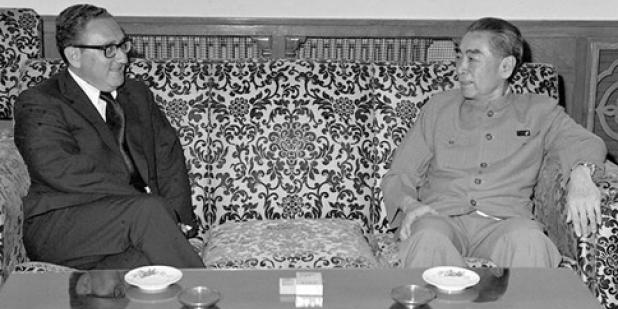
/https:/tf-cmsv2-smithsonianmag-media.s3.amazonaws.com/filer/f4/cb/f4cb92c9-4131-4e0f-ae4a-307144393214/nixoncampaigns.jpg)
No comments:
Post a Comment