20260812 CDTL DDE D213 30 March 1953 Biên bản ghi nguyên văn cuộc họp giữa đại diện Hoa Kỳ và Pháp tại Tòa Bạch Ốc,
ngày 30 tháng 3 năm 1953, lúc 9 giờ 30 sáng (tài liệu của Hoa Kỳ).
https://history.state.gov/historicaldocuments/frus1952-54v13p1/d213
Google Translated
Tài liệu 213
Quan hệ Đối ngoại của Hoa Kỳ, 1952–1954, Đông Dương, Tập XIII, Phần 1
Hồ sơ hội nghị, mã số 59 D 95, CF 138
Biên bản ghi nguyên văn cuộc họp giữa đại diện Hoa Kỳ và Pháp tại Tòa Bạch Ốc, ngày 30 tháng 3 năm 1953, lúc 9 giờ 30 sáng (tài liệu của Hoa Kỳ).
Tuyệt mật
Washington, ngày 30 tháng 3 năm 1953, lúc 9:30 sáng. [Trích dẫn]
Ông Letourneau, Bộ trưởng phụ trách các Quốc gia Liên kết, đã gặp ông Frank Nash để thảo luận về các khía cạnh liên quan đến tình hình Đông Dương, trong đó chú trọng làm rõ hơn các kế hoạch chiến lược dài hạn của Pháp nhằm tiếp tục các hoạt động tại khu vực này. Tham dự cuộc gặp có các sĩ quan tham mưu của Pháp và Hoa Kỳ, cùng đại diện Bộ Ngoại giao và Văn phòng Giám đốc An ninh Hỗ tương.
. . . . . . .
Nash: Tại cuộc họp ở Tòa Bạch Ốc sáng thứ Bảy, ông có thể nhớ lời nhận xét của Tổng thống Eisenhower với ông Mayer rằng ấn tượng mà chúng tôi đã truyền đạt cho Tổng thống về các cuộc thảo luận mà chúng tôi đã có với ông và Tướng Allard vào thứ Sáu khiến chúng tôi lo ngại rằng kế hoạch hoạt động đang tiến triển khá chậm. Ông Mayer trả lời rằng có thể, nếu vượt qua được một số khó khăn nhất định, thì có thể đẩy nhanh tiến độ hoạt động. Sáng nay, thưa ông, ông có ý kiến gì thêm về điều đó không?
Letourneau: Để trả lời câu hỏi của ông Nash và những nhận xét của Tổng thống, khi kế hoạch phát triển, các cơ hội và hoàn cảnh [Trang 438] có thể phát sinh, cho phép đẩy nhanh tiến độ thực hiện.
Sau khi trao đổi với Tổng tư lệnh, tôi nhận thấy dù có những khó khăn, nhưng có lẽ vẫn có thể đưa ra một kế hoạch đáp ứng được đòi hỏi của dư luận—một kế hoạch vạch ra lộ trình thực hiện trong vòng 6, 10 hoặc 18 tháng. Tuy nhiên, nếu làm vậy thì mục đích chính của kế hoạch chỉ là để chiều lòng dư luận, trong khi thực tế lại không trung thực khi khẳng định rằng mọi việc có thể hoàn tất theo cách đó. Có những yếu tố tác chiến mà Tổng tham mưu trưởng—Tướng Lecheres—có khả năng giải thích rõ ràng hơn cho phía tham mưu Hoa Kỳ; đó là các yếu tố bị chi phối bởi điều kiện khí hậu (vốn giới hạn thời gian tác chiến trong một số tháng nhất định trong năm) và, quan trọng hơn cả, là các kế hoạch và cân nhắc về mặt chính trị. Tôi muốn nhắc lại điều mà mình đã từng nói: có thể một số người muốn nghe những câu trả lời mang tính chiến lược thật rõ ràng và trực diện. Tôi xin nhấn mạnh rằng đặc điểm chính của cuộc chiến tại Đông Dương này chính là sự đan xen giữa các khía cạnh chính trị và quân sự. Có thể phía tham mưu Hoa Kỳ đang tính đến các chiến dịch tại Triều Tiên với dự kiến kết thúc trong vòng 6 tháng, nhưng tình hình tại Đông Dương lại hoàn toàn khác biệt; vì vậy, tôi muốn nhấn mạnh lại yếu tố vô cùng quan trọng này: tại Đông Dương, các vị đang phải đối mặt với một chính quyền đang trong giai đoạn củng cố lực lượng. —do đó, quý vị không thể đòi hỏi mọi thứ ngay lập tức từ một chính quyền như vậy—chẳng hạn như chính quyền của Hoa Kỳ hay Pháp. Cả hai bên chúng ta đều đang hành xử một cách trung thành với tinh thần độc lập của các quốc gia hữu quan. Chúng ta không thể tự mình thay thế chính quyền đó, bởi nếu làm vậy, chúng ta sẽ không bao giờ huy động được nguồn nhân lực dồi dào mà chính quyền sở tại có thể tự mình thu hút. Hơn nữa—và đây là điều quan trọng hơn—nếu quý vị không chú trọng tiến hành các hoạt động chính trị song song và đồng thời với các hoạt động quân sự, thì kết cục sẽ là: khi các chiến dịch quân sự kết thúc, Việt Nam sẽ bị bỏ lại trong tình trạng suy yếu. Hệ quả là ngay khi người lính Pháp cuối cùng lên tàu rời đi—hoặc thậm chí sớm hơn thế—phe giành chiến thắng thực sự sẽ là Cộng sản, bởi quý vị đã để lại sau lưng một quốc gia kiệt quệ. Vậy thì, quý vị chấp nhận để người của mình—những chàng trai Pháp hay cả người Việt—phải bỏ mạng trong suốt 5, 6, 7 hay 8 năm trời vì lý do gì? Quốc gia đó sẽ rơi vào cảnh suy yếu và không thể tự vệ, để rồi rốt cuộc, phe kia sẽ thâu tóm quyền lực.
Về vấn đề tiến độ chậm của kế hoạch, tôi muốn nói rằng khi kế hoạch khai triển, chắc chắn sẽ xuất hiện những điều kiện thuận lợi hơn cho phép đẩy nhanh tốc độ; tuy nhiên, mục tiêu cốt lõi là tiêu diệt các đơn vị Việt Minh này và khiến chúng rơi vào tình trạng không thể tự bổ sung lực lượng hay tiếp tế. Do đó, đây là vấn đề vừa mang tính chính trị vừa mang tính quân sự, không phụ thuộc vào việc có nguồn kinh phí hay đạn dược khổng lồ; thay vào đó, nó phụ thuộc vào nỗ lực của tất cả chúng ta để biến kế hoạch thành hiện thực. [Trang 439]
Tôi sẽ không trung thực nếu khẳng định mình có thể hoàn thành nhiệm vụ trong 12 tháng—ngay cả khi nhận được khoản đóng góp tài chính lớn hơn. Thay vào đó, tôi thà nói rằng mình cần 24 tháng để hoàn thành, nhưng thực tế lại có thể làm xong trong 18 tháng. Nhìn chung—và điều này cũng liên quan đến các ý kiến về mặt chính trị—tôi hy vọng rằng song song với việc tăng cường lực lượng quân sự, sẽ có những ý kiến đóng góp sáng suốt về mặt quân sự. Cuối cùng, tôi muốn làm rõ và gạt bỏ hai vấn đề mà tôi cho là đang tồn tại trong suy nghĩ của một số đồng nghiệp Hoa Kỳ, trong đó có một vấn đề liên quan trực tiếp đến kế hoạch này.
Một số người cho rằng người Pháp đã vạch ra một kế hoạch với lộ trình thực hiện kéo dài nhằm đảm bảo sự hiện diện lâu dài của họ tại Đông Dương—hay nói đúng hơn là họ muốn cắm rễ tại đây. Đại sứ Heath có thể làm chứng rằng mong muốn duy nhất của người Pháp là rút khỏi đất nước này càng sớm càng tốt. Bản thân tôi đã phải nỗ lực rất nhiều để thuyết phục chính phủ và giới nghị sĩ hiểu rõ sự cần thiết của việc tiếp tục cuộc chiến, bởi nhiều người thường đặt câu hỏi: "Chúng ta đang làm gì ở đó vậy? Chúng ta đâu có bảo vệ lợi ích nào của Pháp; nếu thế giới tự do quan tâm đến vấn đề này, hãy để họ tự đến và hy sinh người của mình để bảo vệ nó." Một quan điểm khác—được nói ra hoặc có thể chỉ tồn tại trong suy nghĩ của một số người—cho rằng giới chỉ huy và quân sự Pháp không muốn phát triển Quân đội Việt Nam để họ có thể tự mình nắm quyền kiểm soát mọi việc. Tuy nhiên, thừa nhận điều này chẳng khác nào thừa nhận rằng Bộ Tổng tham mưu và các sĩ quan cấp cao của Pháp kém cỏi hơn thực tế. Nhìn chung, bất kể mang quốc tịch nào, chẳng ai muốn rơi vào thế thua thiệt và ai cũng muốn nắm trong tay nhiều lợi thế nhất có thể.
Trong trường hợp này, Bộ Tham mưu Pháp hiểu rõ rằng do không thể điều thêm quân tiếp viện tới Đông Dương vì những cam kết ở nơi khác, nên quân bài duy nhất họ nắm trong tay chính là việc xây dựng các lực lượng Việt Nam. Vì vậy, những ai cho rằng Bộ Tham mưu Pháp phản đối điều này là hoàn toàn không hiểu rõ vấn đề. Bộ Chỉ huy Pháp cũng nhận thức được sự cần thiết phải thận trọng và dè dặt, bởi họ là bên gánh vác trách nhiệm; nếu vội vã thái quá, họ có nguy cơ tự phá hỏng thành quả của chính mình. Sự thận trọng này—vốn hình thành sau quá trình thảo luận giữa giới quân sự và giới chính trị—là một yêu cầu tất yếu về mặt chính trị; cá nhân tôi sẽ không bao giờ trách cứ Bộ Tổng tham mưu Pháp vì thái độ thận trọng mà họ thể hiện. Tôi hiểu rất rõ điều đó và muốn nhấn mạnh rằng: chính việc xây dựng các lực lượng Việt Nam mới là cơ hội lớn. Tôi xin lỗi nếu cách diễn đạt của mình có phần gay gắt.
Nash: Thưa Bộ trưởng, chúng tôi không coi đó là lời lẽ gay gắt, mà trái lại, xem đó là một phát biểu rất khúc chiết và rõ ràng. Tôi tin rằng ông hiểu rõ: động cơ duy nhất khiến chúng tôi đặt ra những câu hỏi có vẻ dồn dập như vậy là vì chúng tôi sẽ phải đóng vai trò người thuyết phục – đại diện cho lợi ích chung của hai bên – trước Quốc hội nước mình; chúng tôi cần thuyết phục họ rằng đang có một kế hoạch hoặc một lộ trình hành động được triển khai tại Đông Dương, hứa hẹn mang lại một giải pháp rốt ráo. Không nhất thiết phải là khái niệm "chiến thắng toàn diện" – như Tổng thống Eisenhower đã đề cập hôm thứ Sáu – bởi lẽ khái niệm đó thực sự rất khó đạt được trong bối cảnh hiện nay. Tôi tin rằng giới quân sự của ông cũng hiểu rằng, khi phía quân sự chúng tôi đặt ra những câu hỏi đi thẳng vào vấn đề, thì mục đích là để nắm bắt rõ nhất có thể những dự định của phía ông; từ đó, chúng tôi mới có cơ sở để trình bày lại những thông tin này khi cần vận động xin thêm viện trợ.
. . . . . . .
1. Một ghi chú đính kèm biên bản này—vốn được soạn thảo tại Bộ Quốc phòng—cho thấy văn bản đã được lưu hành mà chỉ qua chỉnh sửa sơ bộ và không có sự xác nhận của các bên tham gia. Văn bản gốc mang dấu thời gian của Cục Các vấn đề Viễn Đông, Bộ Ngoại giao, đề ngày 8 tháng 4 năm 1953. Letourneau và Nash cũng đã gặp nhau tại Ngũ Giác Đài vào sáng ngày 31 tháng 3. Biên bản tương tự về cuộc họp đó hiện có trong hồ sơ Hội nghị, mã số lot 59 D 95, CF 138.↩
2. Biên bản cho thấy Đại sứ Heath là một trong số các quan chức Hoa Kỳ có mặt.↩
3. Cuộc họp tại Tòa Bạch Ốc vào sáng thứ Bảy, ngày 28 tháng 3, được mô tả trong bức điện số 5040 gửi tới Paris ngày 30 tháng 3; để xem các đoạn trích liên quan, vui lòng xem trang 435.↩
https://history.state.gov/historicaldocuments/frus1952-54v13p1/sources
List of Abbreviations and Symbol
https://history.state.gov/historicaldocuments/frus1952-54v13p1/terms
https://history.state.gov/historicaldocuments/frus1952-54v13p1/persons
https://history.state.gov/historicaldocuments/frus1952-54v13p1/comp2
1. Document 213
Foreign Relations of the United States, 1952–1954, Indochina, Volume XIII, Part 1
Conference files, lot 59 D 95, CF 138
United States Verbatim Minutes of a Meeting of United States and French Representatives at the Pentagon, March 30, 1953, 9:30 a.m.1
top secret
Washington, March 30, 1953, 9:30 a.m.
[Extracts]
M. Letourneau, Minister for Associated States, met with Mr. Frank Nash for the purpose of discussing pertinent aspects in the Indochina situation with emphasis on further clarification concerning French long-range strategic plans for continuing operations in Indochina. Present were French and U.S. staff officers, representatives of the Department of State, and Office of Director of Mutual Security.2
. . . . . . .
Nash: At the White House meeting on Saturday morning,3 you may remember President Eisenhower’s comment to M. Mayer that the impression we had conveyed to the President of the discussions that we had with you and General Allard on Friday left us with some concern that the plan of operation was moving rather gradually. M. Mayer responded that it might be possible, if certain difficulties could be overcome, to accelerate the operation. Would you have any further comment on that this morning, sir?
Letourneau: In answer to Mr. Nash’s question and the comments by the President, as the plan develops, opportunities and circumstances [Page 438] may arise which may render acceleration of the implementation possible.
After talking with the Commander-in-Chief, there are difficulties of course, but it may be possible to present a plan which would satisfy the exigencies of public opinion—a plan which might say we will do it in 6, 10, or 18 months. In that case, the end object of this plan would be only to please public opinion, but it would, in fact, be dishonest to say that it can be done in that manner. There are operational elements which the Chief of Staff, General Lecheres, is more capable of exposing to the United States staff which are conditioned in the one direction by climactic elements which limit operations to a certain number of months in the year, and more important, there are political considerations and plans. I would like to repeat what I have already said. Some people might prefer to hear plain strategic answers to the questions. I would like to repeat that the main characteristic of this Indochinese war is its mixture of the political and military aspects. It may be possible that the United States staff contemplates operations in Korea which might contemplate the termination of that operation in 6 months, but the problem is quite different in Indochina, so I would like to repeat this very important element. In Indochina you are dealing with a government which is in a period of consolidating itself—therefore, you cannot require everything immediately from such a government, as the United States and France. We are both playing a loyal game of independence to the countries concerned. We cannot substitute ourselves for that government because if we did we would never obtain the quantity of manpower that local government can obtain by its own means. Also, and more important, if you did not care to conduct political operations in parallel and at the same time as the military ones, the end result would be that you would leave Vietnam at the end of military operations in a weakened condition, so that at the moment when the last French trooper got on board, or even before that, the winner would be, in fact, the Communists, because you would have left a weakened state behind you. So you would have your people killed, your French boys, or other Vietnamese, for 5, 6, 7, or 8 years, for what particular reason? The state would be in a weakened condition and would not be able to defend itself, and they would, in fact, take over.
With respect to the slowness of the plan, I would like to say that as the plan develops there will undoubtedly be circumstances which will be more favorable and which will allow some acceleration, but the object of the thing is to be able to get these Viet Minh units destroyed and leave them in such a condition that they cannot resupply themselves, so this is political as well as military and does not depend on large quantities of dollars or large quantities of ammunition. It depends on an effort which we must all make to get it to work. [Page 439] I would not be honest even if I obtained a larger contribution in dollars, I would not be honest if I said I can do it in 12 months, I would prefer to say I can do it in 24 months and be able to do it in 18 months. In general, and this pertains to the political comments, I hope that with the military increments, intelligent military comments will be made. Lastly, I would like to get rid of two considerations which I think appear in the minds of some of my U.S. colleagues and one of these bears on this plan. Some people say that the French have prepared a plan which takes long enough in implementation in order that they may, in fact, assure their stay in Indochina—in fact, they want to get entrenched in Indochina. Ambassador Heath may bear witness that the French have only one desire and that is to give up that country as soon as possible. I, myself, have to make vast efforts with my government and in parliamentary circles in order to bring home to them the necessity of continuing the battle, because many people say, what are we doing out there? We are not defending any French interests and if the free world is interested, let them come and get their people killed in its defense. Another consideration expressed, or which I feel may exist in the minds of some is that the French staff and military people are unfavorable to the development of a Vietnamese Army in order that the French may keep everything in hand themselves. Well, to admit this would be to admit that the French General Staff and high ranking officers are more stupid than they are. In general, regardless of what his nationality may be, he does not want to be put in a losing position and he wants to have the most number of cards in his hands. The French Staff know in this case that in view of the fact they cannot send reinforcements to Indochina, in view of their commitments elsewhere, the only card they do have is the creation of Vietnamese forces. So, those people who say the French staff is against it do not know what they are talking about. The French Command knows also that prudence and caution are necessary in view of the fact that they have the responsibility, and if they tried to go too fast it would tend to destroy their own work. This caution, which appears after discussion with the military and the politicians, is a political necessity and I, for my own part, would never reproach the French General Staff with any caution they exert and exhibit. I realize that full well and want to stress that it is in the creation of the Vietnam forces that there is the big chance. I apologize for having been somewhat violent in my expression.
Nash: Mr. Minister, we would not take that as any violent expression and would say rather that is a very articulate statement. You will appreciate I am sure, that the only motive we have in asking these questions, that may seem to be too pressing, is that we are going to have to be salesmen in behalf of our joint interests, salesmen to our [Page 440] Congress in trying to convince them that there is a plan or a course of action that is being implemented in Indochina that holds promise of an ultimate solution. Not necessarily, as President Eisenhower said on Friday, the concept of total victory, because that concept today is something very difficult indeed to achieve. I am sure that your military understand that when our military seem to ask very pointed questions we are trying to get as clear a picture as we can of what you have in mind so that we, in turn, can lay that picture before them when we have to ask for additional aid.
. . . . . . .
1. A note accompanying these minutes, which were drafted in the Department of Defense, indicates that they were circulated with only superficial editing and without verification by the participants. The source text is date-stamped Bureau of Far Eastern Affairs, Department of State, Apr. 8, 1953.
Letourneau and Nash also met at the Pentagon on the morning of Mar. 31. Similar minutes of that session are in Conference files, lot 59 D 95, CF 138.↩
2. The minutes indicate that Ambassador Heath was among the American officials present.↩
3. The White House meeting of Saturday morning, Mar. 28, is described in telegram 5040 to Paris, Mar. 30; for pertinent extracts, see p. 435.↩
https://history.state.gov/historicaldocuments/frus1952-54v13p1/d213
https://history.state.gov/historicaldocuments/frus1952-54v13p1/pg_438
https://history.state.gov/historicaldocuments/frus1952-54v13p1/pg_439
https://history.state.gov/historicaldocuments/frus1952-54v13p1/pg_440
https://history.state.gov/historicaldocuments/frus1952-54v13p1/pg_435
Eisenhower Dwight D.,
President of the United States
https://en.wikipedia.org/wiki/Dwight_D._Eisenhower
https://www.whitehouse.gov/about-the-white-house/presidents/dwight-d-eisenhower/
https://history.state.gov/historicaldocuments/frus1955-57v01/sources
https://history.state.gov/historicaldocuments/frus1955-57v01/ch1
https://history.state.gov/historicaldocuments/frus1955-57v01/ch2
https://history.state.gov/historicaldocuments/frus1955-57v01/ch3
https://history.state.gov/historicaldocuments/frus1955-57v01/terms
https://history.state.gov/historicaldocuments/frus1955-57v01/persons
https://www.bibliotecapleyades.net/sociopolitica/esp_sociopol_mj12_10.htm
https://www.bibliotecapleyades.net/exopolitica/esp_exopolitics_Q.htm
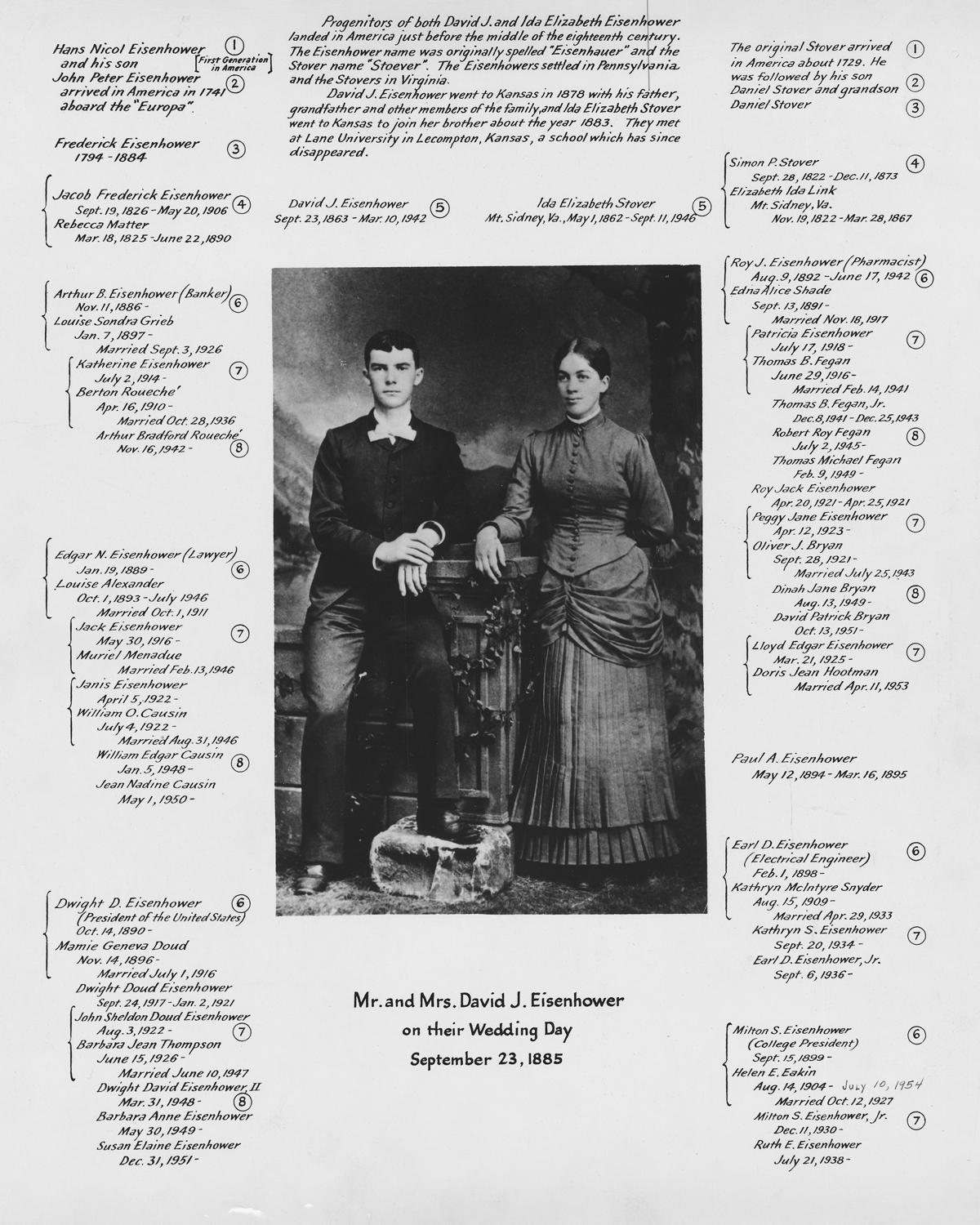
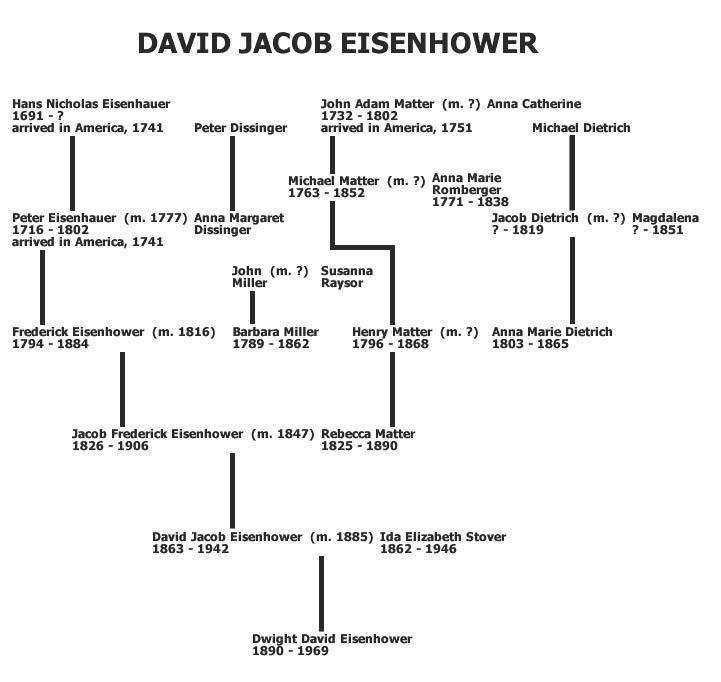
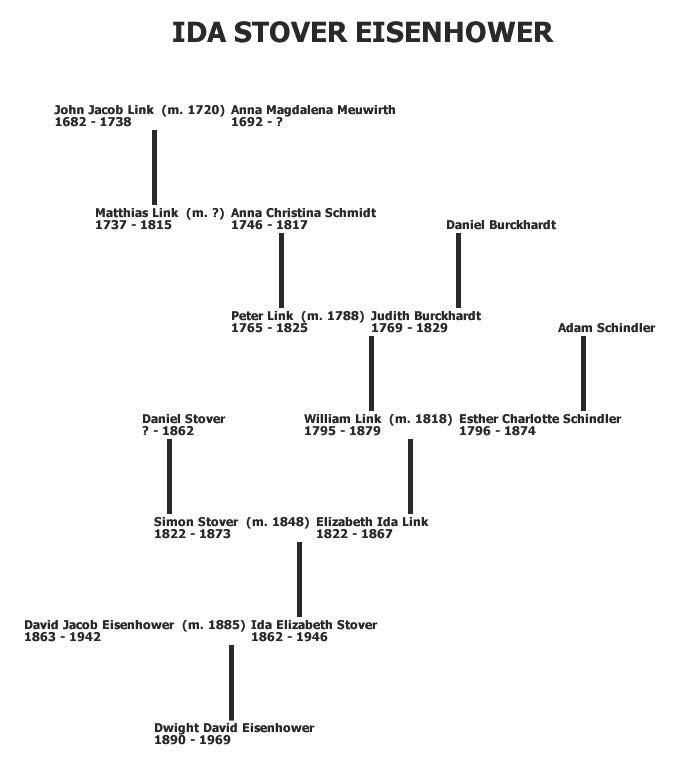
https://www.eisenhowerlibrary.gov/eisenhowers/eisenhower-ancestry
https://www.eisenhowerlibrary.gov/eisenhowers/eisenhower-ancestry
https://www.ranker.com/list/illuminati-presidents/mike-rothschild
http://www.nwotoday.com/the-socialist-review-american-politicians/dwight-d-eisenhower
https://soundcloud.com/the-miller-center-at-uva
August 4, 1953: Eisenhower on supporting the French in Vietnam
https://soundcloud.com/the-miller-center-at-uva/august-4-1953-eisenhower-on-vietnam
Earl Warren Endorses Dwight Eisenhower, October 31, 1952
https://soundcloud.com/the-miller-center-at-uva/ear-warren-endorses-dwight-eisenhower
President Dwight Eisenhower on Civil Rights, 2 February 1953
Johnson, Eisenhower, and Vietnam
https://soundcloud.com/the-miller-center-at-uva/sets/johnson-eisenhower-and-vietnam
Ambassador (Minister to June 1952) at Saigon accredited to Vietnam, Laos, and Cambodia. Appointments terminated October (Cambodia) and November (Vietnam, Laos) 1954.
https://en.wikipedia.org/wiki/Donald_R._Heath
https://history.state.gov/departmenthistory/people/heath-donald-read
https://oac.cdlib.org/findaid/ark:/13030/c81260v0/
Letourneau, Jean,
French Minister in Charge of Relations with the Associated States until July 1953; also served as French High Commissioner in Indochina, April 1952–July 19, 1953.
https://history.state.gov/historicaldocuments/frus1952-54v13p1/d220
https://en.wikipedia.org/wiki/Jean_Letourneau
https://avalon.law.yale.edu/20th_century/inch012.asp
https://history.state.gov/historicaldocuments/frus1952-54v13p1/d53
https://granger.com/0146908-jean-letourneau-frech-minister-jean-letourneau-at-the-depar-image.html
Mayer, René,
Prime Minister of France, January 8–June 28, 1953.
https://en.wikipedia.org/wiki/Ren%C3%A9_Mayer
https://www.archontology.org/nations/france/france_govt09/mayer.php
https://www.jta.org/archive/rene-mayer-former-prime-minister-of-france-dead-at-age-77
https://www.wikidata.org/wiki/Q382070
https://www.encyclopedia.com/religion/encyclopedias-almanacs-transcripts-and-maps/mayer-rene
Nash, Frank C.,
Assistant to the Secretary of Defense for International Security Affairs to February 10, 1953; Assistant Secretary of Defense (International Security Affairs), February 11, 1953–February 28, 1954.
https://en.wikipedia.org/wiki/Assistant_Secretary_of_Defense_for_International_Security_Affairs
https://www.trumanlibrary.gov/taxonomy/term/8598
https://history.state.gov/historicaldocuments/frus1952-54v02p2/persons
https://search.library.wisc.edu/digital/AAUSSJWV6UXFIZ8Z/pages?as=text&view=scroll
https://www.trumanlibrary.gov/photograph-records/97-1819


No comments:
Post a Comment