20260309 CDTL GRF 23 April 1975 D256 Biên bản cuộc họp Nội An
https://history.state.gov/historicaldocuments/frus1969-76v10/d256
Google Translated
Tài liệu 256
Quan hệ đối ngoại của Hoa Kỳ, 1969–1976, Tập X, Việt Nam, tháng 1 năm 1973–tháng 7 năm 1975
256. Biên bản cuộc họp Nội An.
Washington, ngày 23 tháng 4 năm 1975, 10:45–11:15 sáng
CHỦ ĐỀ
Cuộc di tản tại Việt Nam
NGƯỜI THAM GIA
Chủ tịch
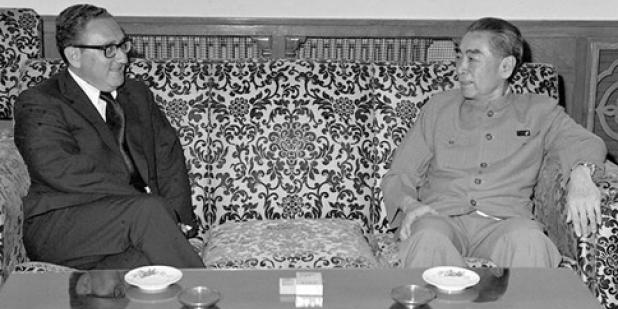
Henry A. Kissinger
Bộ Ngoại giao
Robert Ingersoll
Đại sứ L. Dean Brown
Philip Habib
Robert Miller
Bộ Quốc phòng
Bộ trưởng Schlesinger
William Clements
Morton Abramowitz
Robert Ellsworth
Bộ Tham mưu Liên quân
Trung tướng John W. Pauly
CIA
William Colby
Ted Shackley
William Christison
Bộ Tham mưu Hội đồng An ninh Quốc gia
Trung tướng Brent Scowcroft
Đại tá Granger
W.R. Smyser
William Stearman
James Barnum
Bộ trưởng Kissinger: Bill…
Ông Colby bắt đầu tóm tắt từ văn bản đính kèm.
Bộ trưởng Schlesinger: Ông có nghĩ rằng phía Nam Việt Nam có cơ hội đạt được thỏa thuận nào không? Hay ông nghĩ đó chỉ là một vỏ bọc? (Liên quan đến một tuyên bố trong cuộc họp rằng sự chia rẽ của phe đối lập Nam Việt Nam có thể chỉ làm trì hoãn thêm việc thành lập một chính phủ có khả năng đàm phán với phe Cộng sản.)
Bộ trưởng Kissinger: Tôi không biết. Chúng ta sẽ phải chờ xem.
Ông Colby tiếp tục tóm tắt.
Bộ trưởng Schlesinger: Phe Cộng sản vẫn chưa chiếm được căn cứ không quân Biên Hòa phải không?
Ông Colby: Vẫn chưa. (Tiếp tục tóm tắt.)
Bộ trưởng Kissinger: Họ sẽ đưa họ đi bằng cách nào, bằng tàu thủy à? (Liên quan đến một tuyên bố trong cuộc họp báo rằng phía Nam Việt Nam hy vọng sẽ chuyển một số người tị nạn từ Vũng Tàu đến các khu vực Đồng bằng sông Cửu Long.) [Trang 891]
Ông Christison: Vâng. Cụ thể, họ sẽ chuyển họ đến tỉnh Cần Thơ.
Ông Colby tiếp tục báo cáo.
Bộ trưởng Schlesinger: Chờ một chút. Đó có phải là thông tin chắc chắn không? (Liên quan đến một tuyên bố trong cuộc họp báo rằng một máy bay vận tải phản lực của Mỹ có thể là mục tiêu của tên lửa SA-7 ngày hôm qua.) Chúng tôi có một báo cáo ở đây rằng đã có một số vụ bắn vào máy bay của Mỹ và an ninh xung quanh Tân Sơn Nhất đã bị phá vỡ.
Ông Christison: Bằng chứng của chúng tôi không mang tính kết luận. Tất cả những gì chúng tôi có là lời khai của một số nhân viên có mặt trong khu vực, những người tin rằng đó là tên lửa SA-7. Không có thiệt hại nào xảy ra.
Ông Colby: Đã có một vài vụ nổ súng bằng súng trường nhắm vào máy bay của Mỹ trong vài ngày qua.
Bộ trưởng Schlesinger: Trên đường vào hay đường ra?
Ông Colby: Cả hai chiều.
Bộ trưởng Schlesinger: John (Tướng Pauly), ông nên kiểm tra lại báo cáo đó xem có đúng không.
Tướng Pauly: Tôi sẽ làm vậy.
Ông Colby tiếp tục báo cáo.
Bộ trưởng Kissinger: Vâng, giống như Cuba! (Liên quan đến tuyên bố trong cuộc họp báo rằng Campuchia sẽ là một quốc gia trung lập và không liên kết.)
Ông Colby tiếp tục báo cáo.
Bộ trưởng Kissinger: Ông vừa nói gì vậy?
Ông Colby: Chúng ta có bằng chứng xác đáng rằng những người Cộng sản (Campuchia) đang hành động tàn nhẫn chống lại các cựu quan chức chính phủ và sĩ quan quân đội. Họ đã chỉ thị cho các cán bộ của mình, “bí mật loại bỏ tất cả các chỉ huy cấp cao của đối phương và những người mang ơn chúng ta”.
Ông Christison: Và những điều này đến từ các thông điệp của Cộng sản. Các thông điệp có giọng điệu rất ác ý. Các cuộc trả thù chủ yếu nhắm vào các cựu quan chức chính phủ và sĩ quan quân đội. [Trang 892]
Bộ trưởng Kissinger: Tôi nghĩ những vụ loại bỏ này nhắm vào những người theo ông Sihanouk, phải không? Họ muốn bảo đảm rằng khi ông ta quay lại—nếu ông ta quay lại—thì ông ta sẽ không có cơ sở ủng hộ nào.
Bộ trưởng Schlesinger: Dù vậy, việc biết rằng ông không phải là mục tiêu cũng không an ủi được gì nhiều.
Bộ trưởng Kissinger: Tôi không nghĩ có thể có động cơ nào khác, phải không?
Ông Colby: Tôi nghĩ rằng phe Cộng sản sẽ tìm kiếm sự hỗ trợ từ Trung cộng.
Bộ trưởng Kissinger: Đó là một lý do khác – hai bên không loại trừ lẫn nhau. Tôi dự đoán họ sẽ nghiêng về phía Trung cộng và cố gắng vô hiệu hóa căn cứ của ông ta (Sihanouk).
Được rồi, có ai ở đây cần đưa ra quyết định hôm nay không?
Bộ trưởng Schlesinger: Vâng, tôi có hai việc – những con tàu ở cảng Sài Gòn và những chiếc máy bay Campuchia đã được di tản đến Thái Lan. Tôi nghĩ chúng ta nên gửi một thông điệp đến phía Thái Lan, làm rõ với họ rằng theo luật pháp Hoa Kỳ, những chiếc máy bay Campuchia đó là tài sản của Hoa Kỳ. Tôi nghĩ chúng ta nên đưa chúng ra khỏi đó. Họ có thể bay chúng đến căn cứ không quân Clark. Phía Thái Lan đã bắt đầu có ý định gửi chúng trở lại Campuchia. Họ không thể. Chúng là của chúng ta. Chúng ta nên đưa chúng ra khỏi đó, và càng nhanh càng tốt. Nếu không, họ sẽ sử dụng chúng như một con bài ngoại giao. Có rất nhiều quốc gia khác có thể sử dụng những chiếc máy bay đó, như Indonesia chẳng hạn.
Bộ trưởng Kissinger: Tôi hoàn toàn ủng hộ việc đưa chúng ra khỏi Thái Lan. Chúng ta có quyền giao chúng cho Indonesia không? Liệu điều đó có thể thực hiện được không?
Ông Abramowitz: Có nhiều cách để làm điều đó. Ông biết đấy, người Thái cũng có thể muốn một số trong số chúng.
Ông Clements: Henry, chúng ta đang gặp vấn đề thực sự. Chúng ta nên đưa những thứ đó ra khỏi đó.
Bộ trưởng Kissinger: Tôi cũng không phản đối việc giao một số trong số chúng cho người Thái. Có bao nhiêu chiếc, chín mươi chiếc phải không?
Tướng Pauly: Vâng.
Bộ trưởng Schlesinger: Chúng ta phải làm rõ với người Thái rằng chúng sẽ không được trả lại cho Campuchia. Những chiếc máy bay đó là của chúng ta, và chết tiệt, người Thái không có quyền quyết định chúng thuộc về ai. Chúng là tài sản của chúng ta. Chúng ta phải đưa chúng ra khỏi đó.
Bộ trưởng Kissinger: Tôi ủng hộ việc giao một số máy bay cho Thái Lan, và cả cho Indonesia nữa.
Bộ trưởng Schlesinger: Thái Lan sẽ đòi hỏi một sự trao đổi tương xứng. Đó là vấn đề của chúng ta.
Bộ trưởng Kissinger: Họ có thể không… [Trang 893]
Bộ trưởng Schlesinger: Chúng ta phải thiết lập theo luật rằng những máy bay đó không thuộc về Thái Lan, mà là của chúng ta. Ông cũng gặp vấn đề là nếu chúng ta chuyển máy bay từ Việt Nam sang Thái Lan, điều đó có thể tạo ra tiền lệ.
Điều thứ hai tôi muốn đề cập là những tàu MST ở cảng Sài Gòn. Theo tôi, nếu những tàu này bắt đầu di chuyển xuống sông Mekong về phía Vũng Tàu, chúng có thể sẽ bị chặn lại. Đại sứ Martin nói rằng chúng có một giá trị nhất định ở Sài Gòn. Chúng không có giá trị gì cả. Khi sông bị đóng cửa, thế là hết. Chúng sẽ mất tích. Khoảng cách đến Vũng Tàu là bao nhiêu, bảy tiếng đồng hồ? Chúng sẽ không bao giờ đến được đó. Những con tàu đó là tài sản quan trọng, và chúng ta nên đưa chúng ra khỏi đó càng sớm càng tốt.
Bộ trưởng Kissinger: Theo tôi hiểu thì chỉ còn lại hai chiếc ở Sài Gòn. Martin nói ông ấy chỉ muốn giữ lại hai chiếc.
Ông Habib: Điều Martin muốn làm là giữ hai chiếc ở đó mọi lúc, và ông ấy sẽ giảm xuống mức đó trong ba hoặc bốn ngày nữa. Khi giai đoạn tạm lắng trong hoạt động quân sự kết thúc, ông ấy sẽ biết đó là lúc kết thúc, và nghĩ rằng ông ấy sẽ có đủ thời gian để đưa các tàu ra khỏi đó.
Bộ trưởng Schlesinger: Nếu hoảng loạn xảy ra, không đời nào ông ấy có thể đưa những con tàu đó ra khỏi đó. Chúng không được bảo vệ, chúng rất dễ vỡ, và trên tàu chỉ có một vài lính thủy quân lục chiến? Nếu chúng ta mất những con tàu đó, chúng ta sẽ phải trả giá, và tôi muốn nói là về mặt chính trị, trên Quốc hội. Nếu Martin nghĩ rằng ông ấy có nhiều thời gian như vậy, tại sao ông ấy không gửi chúng xuống Vũng Tàu và đưa chúng trở lại Sài Gòn nếu sông vẫn còn thông? Chúng chẳng giúp ích gì cho chúng ta khi chỉ nằm im ở đó.
Ông Clements: Những thứ đó hoàn toàn không có lớp bảo vệ nào cả, Henry. Họ vô cùng dễ bị tổn thương.
Tướng Pauly: Còn một yếu tố nữa cần xem xét. Trong thời gian tạm lắng hiện tại, có khả năng các đơn vị phía đông Sài Gòn đã rút lui xa hơn về phía nam, hướng ra sông, và sẽ ở vị trí thuận lợi hơn để chặn đường.
Ông Colby: Một số đơn vị đã rút lui xuống đó. Nhưng, ông phải nhớ rằng việc kiểm soát khu vực Đồng bằng sông Cửu Long không hề dễ dàng. Vùng đất đó lầy lội và khó tiếp cận với bất kỳ loại phương tiện hạng nặng nào. Quân Cộng sản có thể đánh chặn các tàu thuyền đi xuống sông, nhưng tôi không nghĩ họ có thể đưa được loại vũ khí cần thiết để đánh chìm tàu. Tôi nghĩ họ sẽ may mắn lắm nếu đánh chìm được bất kỳ tàu nào.
Bộ trưởng Kissinger: Một số tàu đang rời đi hôm nay, phải không?
Ông Habib: Tổng cộng có hơn bốn tàu. Hai tàu nữa đang đi lên sông hôm nay. Martin muốn giữ hai tàu ở đó mọi lúc. Ông ấy nghĩ rằng ông ấy có đủ thời gian để di chuyển chúng đi.
Bộ trưởng Schlesinger: Vâng, nếu ông có thời gian để di chuyển chúng ra, ông cũng có thời gian để đưa chúng trở lại.
Ông Clements: Chỉ có ba tàu thôi sao? [Trang 894]
Ông Habib: Chiếc thứ tư đang đến—có lẽ đã ở đó rồi.
Bộ trưởng Kissinger: Để tôi hỏi Graham (Martin) về lý do của ông ấy. Tôi sẽ gặp ông ấy hôm nay về việc này.
Bộ trưởng Schlesinger: Gửi cho ông ấy một bức điện nghiêm khắc. Đó là một bức điện tín khá khó chịu và khoa trương mà ông ấy đã gửi.
Bộ trưởng Kissinger: Nhìn này, Graham nhận rất nhiều lời chỉ trích. Ông ấy không cần thêm bất kỳ lời chỉ trích nào nữa từ đây. Hãy nhớ rằng, ông ấy đang làm việc trong những hoàn cảnh rất khó khăn. Tôi nghĩ ông ấy đang làm tốt công việc trong hoàn cảnh đó.
Tướng Pauly: Phản ứng tôi nhận được từ Tư lệnh Thái Bình Dương sáng nay là Graham không thấy vấn đề gì trong việc đưa ba tàu ra khỏi đó.
Bộ trưởng Kissinger: (Nói với Tướng Scowcroft) Hãy tìm hiểu lý do của Graham là gì.
Tướng Pauly: Graham nói với người của chúng ta rằng ông ấy không có ý định sử dụng họ.
Bộ trưởng Schlesinger: Ông ấy nên sử dụng họ, hoặc đưa họ ra khỏi đó nếu ông ấy nghĩ họ vô dụng.
Bộ trưởng Kissinger: (Nói với Tướng Scowcroft) Hãy tìm hiểu xem ông ấy đang nghĩ gì.
Ông Colby: Liệu ông có xem xét việc đưa một số người Việt Nam lên những con tàu đó bây giờ khi chúng ta đã công khai việc di tản người Việt Nam?
Bộ trưởng Kissinger: Ý ông là chúng ta đã công khai điều đó như thế nào? Ai cũng đang tìm cách che đậy sai phạm của mình những ngày này. Một số người đã công khai điều đó. Tôi nghĩ lần này là Bộ trưởng Tư pháp. [Trang 895]
Bộ trưởng Schlesinger: Điều đó đưa chúng ta trở lại vấn đề chúng ta đã thảo luận trước đó. Chúng ta còn lại bao nhiêu ngày sử dụng Tân Sơn Nhất?
Bộ trưởng Kissinger: Có thể là quân đội Bắc Việt sẽ không cố gắng chiếm Tân Sơn Nhất, phải không? Ý tôi là, họ có thể sẽ bỏ qua nó. Tuy nhiên, một khi, và nếu, họ tiến quân, chúng ta có bao nhiêu thời gian, hai ngày để di tản mọi người?
Ông Colby: Ít hơn thế.
Bộ trưởng Schlesinger: Ông có thể duy trì một số máy bay C-130 hoạt động trong một thời gian khi sân bay bị tấn công. Ông chỉ cần chuẩn bị sẵn sàng để bốc hàng và rời đi trong vòng mười phút. Câu hỏi là, chúng ta sẽ đi đâu khi đạt đến giới hạn 1200 người?
Bộ trưởng Kissinger: Ông đề nghị gì?
Bộ trưởng Schlesinger: Ông Martin nên giảm con số đó xuống còn khoảng 400 hoặc 500. Ông không cần họ ở đó nữa.
Ông Clements: Hiện giờ còn bao nhiêu người?
Bộ trưởng Schlesinger: Ông ấy sẽ giảm xuống còn 1.200 hoặc 1.300 người vào cuối ngày.
Ông Habib: Nhưng đó chưa tính đến những người phụ thuộc là người Việt Nam.
Bộ trưởng Kissinger: Ý ông là sao?
Đại sứ Brown: Những người phụ thuộc là người Việt Nam của các nhân viên của chúng ta. Anh chị em ruột, cô dì chú bác. Có một người đến đây với 70 người phụ thuộc.
Bộ trưởng Kissinger: Còn lại bao nhiêu người?
Đại sứ Brown: Còn lại 3.170 người. Tính đến hôm nay, một số nhân viên người Việt Nam có nguy cơ cao đang bắt đầu chuyển đi.
Ông Colby: Tôi xin lỗi vì lại phải nhắc đến vấn đề này, nhưng tôi phải làm phiền ông một chút. Tôi muốn nhiều người Việt Nam có nguy cơ cao hơn nữa chuyển đi.
Ông Clements: Con số 3.170 đó không bao gồm những người Việt Nam có nguy cơ cao sao?
Đại sứ Brown: Đúng vậy.
Bộ trưởng Kissinger: Vậy những người Việt Nam nào đang rời đi?
Đại sứ Brown: Những người phụ thuộc, gia đình của các quan chức chính phủ và quân đội cấp cao. Gia đình của những người đứng đầu.
Bộ trưởng Schlesinger: Vâng, và những người đứng đầu cũng đang lo lắng.
Ông Clements: Henry, tôi nghĩ rằng việc chúng ta đưa tất cả những người này ra khỏi đây sẽ thực sự làm cho phía Bắc Việt Nam tức giận.
Bộ trưởng Kissinger: Có thể không. Có thể sẽ dễ dàng hơn cho họ nếu không phải di tản họ sau này. Mặt khác, họ có thể muốn chúng ta di tản họ hơn là đạt được một thỏa thuận nào đó. [Trang 896]
Bộ trưởng Schlesinger: Vâng, việc di tản nhìn chung không diễn ra quá chậm. Nhưng, Hoa Kỳ sẽ phải chịu trách nhiệm về tất cả những người Việt Nam đó, đừng quên điều đó.
Bộ trưởng Kissinger: Chính tôi sẽ phải chịu trách nhiệm.
Ông Clements: Tôi không chắc lắm về điều đó, Henry.
Bộ trưởng Schlesinger: Chính quyền chúng tôi đã gặp rắc rối lớn ở Quốc hội hôm qua về chính vấn đề đó. Tôi nói thật, không khí ở đó rất tệ đối với chính quyền. Chúng ta phải nhìn xa hơn tình huống này – mối liên hệ, nếu tôi có thể dùng từ đó – để xem xét tác động của nó đến việc triển khai quân sự của chúng ta ở các khu vực khác như NATO, v.v. Chúng ta phải nghĩ đến tác động tâm lý mà hành động của chúng ta ở Việt Nam sẽ gây ra cho các cuộc triển khai trong tương lai.
Bộ trưởng Kissinger: Ý ông là sao, Tổng thống đã nói với họ (Quốc hội) hôm qua về những gì chúng ta đang làm. Tôi đã ở đó, tôi không nhận thấy không khí nào tệ cả.
Đại sứ Brown: Mọi người có thể bắt đầu tự sắp xếp vị trí của mình…
Bộ trưởng Schlesinger: Tôi vẫn nghĩ chúng ta nên giảm xuống còn 400 hoặc 500 người.
Ông Smyser: Mối lo ngại của Graham về việc giảm xuống còn 400 người là ông ấy sẽ phải điều động chính những sĩ quan cần thiết để đưa những người khác ra ngoài. Vấn đề là những kẻ bám víu. Những người mà ông ta không thể loại bỏ.
Bộ trưởng Schlesinger: Nhìn này, Dean (Đại sứ tại Campuchia) chỉ còn lại khoảng năm mươi người, phải không? Ông ấy vẫn điều hành công việc hiệu quả cho đến phút cuối.
Đại sứ Brown: Vâng, nhưng Martin không có được sự kiểm soát như Dean. Chính các nhà báo và những người thuộc loại đó mới không chịu rời đi.
Bộ trưởng Schlesinger: Nhìn này, đó là vấn đề về nhân sự chính thức và nhân sự không chính thức. Ý tôi là, 400 nhân sự ở Sài Gòn tương đương với 58 người mà Dean có. Hơn nữa, hoạt động của những người này chắc chắn sẽ giảm dần khi lãnh thổ bị thu hẹp. Rốt cuộc thì tất cả những người này đang làm gì?
Ông Clements: Tướng Brown nói rằng việc di tản bằng trực thăng là một kỳ vọng tồi tệ. Ông ấy nói rằng nó sẽ rất khủng khiếp.
Bộ trưởng Kissinger: Vâng, nhưng với điều kiện là việc di tản bằng trực thăng sẽ bị phản đối.
Ông Clements: Ông ấy phải giả định điều đó.
Bộ trưởng Kissinger: Bị ai phản đối? Bắc Việt Nam.
Bộ trưởng Schlesinger: Bắc Việt Nam và Nam Việt Nam. [Trang 897]
Ông Clements: Tóm lại, đó là thông điệp của George gửi đến nhóm này hôm nay.
Bộ trưởng Schlesinger: Chúng ta sẽ giảm xuống còn 1.200 vào tối nay. Câu hỏi đặt ra là, chúng ta sẽ làm gì vào ngày mai? Giảm xuống thấp hơn nữa?
Bộ trưởng Kissinger: Tôi sẽ nói chuyện với Graham, và tôi nghĩ chúng ta cần một cuộc họp với Tổng thống về vấn đề này. Chúng ta sẽ lên lịch một cuộc họp với Tổng thống vào ngày mai. Được rồi, cảm ơn.
1. Nguồn: Thư viện Ford, Hồ sơ NSC, Hồ sơ Tổ chức NSC (H–Files), Hộp 25, Biên bản cuộc họp WSAG, Bản gốc, tháng 4 năm 1975. Tuyệt mật; Nhạy cảm. Cuộc họp được tổ chức tại Phòng Tình huống tòa Bạch Ốc.↩
2. Bản tóm tắt của Colby, “Việt Nam,” ngày 23 tháng 4, đính kèm nhưng không được in.↩
3. Trong thông điệp bí mật số 728 gửi Kissinger, ngày 23 tháng 4, Martin viết: “Tôi đồng ý với nhận định của cộng đồng tình báo rằng quân đội Bắc Việt Nam có thể bắt đầu tăng cường tấn công Sân bay Tân Sơn Nhất bất cứ lúc nào. Như tôi đã báo cáo trước đây, họ đã có khả năng đó trong nhiều tháng với tên lửa SA 7. Họ đã không chọn sử dụng nó. Mặc dù họ có thể đưa lính công binh vào đủ gần để thả một vài quả tên lửa, nhưng họ cũng đã có khả năng đó không phải trong nhiều tháng mà là nhiều năm. Tân Sơn Nhất đã bị tấn công nhiều lần trước đây và vẫn tiếp tục hoạt động, nhưng chúng tôi thực sự không mong đợi những cuộc tấn công như vậy trong tương lai gần.” (Thư viện Ford, Cố vấn An ninh Quốc gia, Thông điệp bí mật, Hộp 3, Kênh Martin, tháng 4 năm 1975, Thông điệp đến, 2) ↩
4. Trong thông điệp bí mật WH50749 gửi cho Martin ngày 23 tháng 4, Kissinger đã hỏi Đại sứ lý do giữ các tàu ở Sài Gòn. Kissinger kết luận: “Ông có thể nghĩ rằng tôi liên tục quấy rối ông. Tuy nhiên, khi ông quay lại đây, ông sẽ thấy rằng hồ sơ cho thấy tôi đã bảo vệ ông và cách tiếp cận của ông mà không có ngoại lệ. Tôi vẫn tin rằng ông đang đóng một vai trò anh hùng và yêu nước.” (Ibid., Outgoing, 3) Trong thông điệp bí mật số 732 gửi Kissinger ngày 24 tháng 4, Martin trả lời: “Lý do tôi sử dụng các tàu này luôn chỉ là biện pháp cuối cùng. Tôi đã xem xét lại vấn đề này với các cố vấn cấp cao của mình, bao gồm Tướng Smith, Đô đốc Benton và Oberg, cùng một số quan chức cấp cao người Việt Nam. Tất cả chúng tôi đều đồng ý rằng việc cố gắng đưa người tị nạn Việt Nam lên những con tàu này, vào thời điểm này vẫn còn bất hợp pháp, gần như chắc chắn sẽ gây ra hoảng loạn ở Sài Gòn dọc theo tuyến Đà Nẵng. Chúng ta không thể mạo hiểm điều này.” Martin tiếp tục: “Dù sao đi nữa, tôi không phản đối việc chuyển họ đến vùng Vũng Tàu, bất cứ khi nào cần thiết.” Cuối cùng, Martin nói thêm: “Tôi thực sự không nghĩ rằng ông đang liên tục quấy rối tôi. Như tôi đã nói, tôi hiểu rất rõ áp lực mà bộ máy quan liêu có thể mang lại. Chừng nào ông không nhượng bộ họ mà không kiểm tra với tôi trước để xác định tình hình thực tế ở đây, tôi nghĩ chúng ta có thể kiểm soát được cả những con chuột nệm ở Washington và tình hình ở đây. Đôi khi, nó hơi giống như điệu nhảy trứng Algeria, nhưng cho đến nay tôi vẫn chưa làm vỡ quả nào cả.” (Ibid., Incoming, 2) ↩
5. Xem xét lại việc sơ tán đang diễn ra trong điện tín 5448 gửi Kissinger, ngày 22 tháng 4, Martin viết: “Tôi biết về những vấn đề của ông với các đồng nghiệp của ông cả trong Nhóm làm việc và trong WSAG, những người hoặc quá bận rộn để đọc các điện tín trước đó, hoặc đơn giản là không biết về Đà Nẵng và Nha Trang, hoặc quá thiếu kiên nhẫn và thất vọng với sự tồn tại của năng lực chưa được sử dụng đến mức không nghĩ đến điều gì sẽ xảy ra nếu chúng ta cố gắng sử dụng nó.” (Ibid., Hồ sơ NSC, Hồ sơ thể chế NSC (H–Files), Hộp 20, Cuộc họp WSAG, 23/4/1975, di tản) ↩
6. Xem Tài liệu 252.↩
https://history.state.gov/historicaldocuments/frus1969-76v10/sources
https://history.state.gov/historicaldocuments/frus1969-76v10/terms
https://history.state.gov/historicaldocuments/frus1969-76v10/persons
https://history.state.gov/historicaldocuments/frus1969-76v10/note
Vietnam, January 1973–July 197
https://history.state.gov/historicaldocuments/frus1969-76v10/comp1
Collapse and Evacuation, February 26–July 22, 1975 (Documents 178–283)
https://history.state.gov/historicaldocuments/frus1969-76v10/ch3
1. Document 256
Foreign Relations of the United States, 1969–1976, Volume X, Vietnam, January 1973–July 1975
256. Minutes of Washington Special Actions Group Meeting1
Washington, April 23, 1975, 10:45–11:15 a.m.
SUBJECT
- Vietnam Evacuation
PARTICIPANTS
- Chairman
- Henry A. Kissinger
- State
- Robert Ingersoll
- Amb. L. Dean Brown
- Philip Habib
- Robert Miller
- Defense
- Secretary Schlesinger
- William Clements
- Morton Abramowitz
- Robert Ellsworth
- JCS
- Lt. Gen. John W. Pauly
- CIA
- William Colby
- Ted Shackley
- William Christison
- NSC Staff
- LTG Brent Scowcroft
- Col. Granger
- W.R. Smyser
- William Stearman
- James Barnum
Secretary Kissinger: Bill . . .
Mr. Colby began to brief from the attached text.2
Secretary Schlesinger: Do you think there is any chance of the South Vietnamese making a deal? Or, do you think it would be just a facade? (In reference to a statement in the briefing that South Vietnamese opposition disunity would probably only further delay the formation of a government with some chance of dealing with the Communists.)
Secretary Kissinger: I don’t know. We’ll just have to see.
Mr. Colby continued to brief.
Secretary Schlesinger: The Communists haven’t taken Bien Hoa airbase?
Mr. Colby: Not yet. (Continued to brief.)
Secretary Kissinger: How would they take them, by ship? (In reference to a statement in the briefing that the South Vietnamese hope to move a number of refugees from Vung Tau to Delta areas.)
Mr. Christison: Yes. Specifically, they will move them to Can Tho Province.
Mr. Colby continued to brief.
Secretary Schlesinger: Wait a second. Is that hard information? (Referring to a statement in the briefing that a US jet transport may have been the target of an SA–7 missile yesterday.) We have a report here that there has been some firing at U.S. aircraft and that the security around Tan Son Nhut has broken down.3
Mr. Christison: Our evidence is not conclusive. All we have is the statement of some personnel who were in the area, who believe that it was an SA–7. No damage was done.
Mr. Colby: There have been small-arms firings on U.S. planes several times over the past few days.
Secretary Schlesinger: On the way in or the way out?
Mr. Colby: Both ways.
Secretary Schlesinger: John (Gen. Pauly), you better check on that report to see if it is true.
Gen. Pauly: I will.
Mr. Colby continued to brief.
Secretary Kissinger: Yeah, like Cuba! (In reference to a statement in the briefing that Cambodia would be a neutral and non-aligned state.)
Mr. Colby continued his briefing.
Secretary Kissinger: What did you say at the last there?
Mr. Colby: That we have good evidence that the (Cambodian) Communists are moving ruthlessly against former government officials and military officers. They have instructed their cadres to, “secretly eliminate all senior enemy commanders and those who owe us a blood debt.”
Mr. Christison: And these come from Communist messages. The messages are mean in tone. The reprisals are directed against former government officials and military officers, for the most part.
Secretary Kissinger: I think these eliminations are directed against Sihanouk’s followers, don’t you? They want to make sure that when he comes back—if he comes back—that he will have no popular base.
Secretary Schlesinger: It’s still not much comfort knowing that you’re not the target.
Secretary Kissinger: I don’t think there can be any other motive, do you?
Mr. Colby: I think that the Communists will be looking to the Chinese for support.
Secretary Kissinger: That’s another reason—the two are not exclusive. I would expect them to lean towards the Chinese and try to neutralize his (Sihanouk’s) base.
Okay, is there anybody here who needs some decisions today?
Secretary Schlesinger: Yes, I have two things—those ships in Saigon harbor and the Cambodian aircraft that was evacuated to Thailand. I think we should get a message to the Thais making it perfectly clear to them that under United States law those Cambodian planes are U.S. property. I think we should get them out of there. They can fly them to Clark AFB. The Thais are already making noises about sending them back to Cambodia. They can’t. They’re ours. We ought to get them out of there, and fast. Otherwise, they are going to use them as diplomatic wampum. There are a lot of other countries that could use those planes, like Indonesia.
Secretary Kissinger: I’m strongly in favor of getting them out of Thailand. Do we have the right to give them to Indonesia? Can it be done?
Mr. Abramowitz: There are ways of doing it. You know, the Thais may want some of them, too.
Mr. Clements: Henry, we have a real problem here. We ought to get those things out of there.
Secretary Kissinger: I have no objection to giving some of them to the Thais either. How many are there, ninety?
Gen. Pauly: Yes.
Secretary Schlesinger: We have to establish—make it very clear—to the Thais that they are not going back to Cambodia. Those planes are ours, and damnit, it is not up to the Thais to decide who they belong to. They are our property. We’ve got to get them out of there.
Secretary Kissinger: I’m in favor of giving some of them to the Thais, and the Indonesians, too.
Secretary Schlesinger: The Thais are going to demand some sort of quid-pro-quo. That’s our problem.
Secretary Kissinger: They may not . . .
Secretary Schlesinger: We’ve got to establish that under the law those planes do not belong to the Thais, they are ours. You also have the problem that you might establish a precedent if we move our planes from Vietnam to Thailand.
The second thing I wanted to bring up are those MST ships in Saigon harbor. It seems to me that if those ships start moving down the Mekong toward Vung Tau, they are probably going to be interdicted. Martin (Amb.) says they have a certain value there in Saigon. They have no value. When the river closes, that’s it. They’re lost. What is it, seven hours to Vung Tau? They’ll never make it. Those ships are an important asset, and we should get them the hell out of there.
Secretary Kissinger: My understanding is that there are only two left at Saigon. Martin says he wants to keep only the two.
Mr. Habib: What Martin wants to do is keep two there at all times, and he will be down to that level in three or four days. When the present lull in military activity ends, he’ll know that that is it, and thinks he will have enough time to get the ships out.
Secretary Schlesinger: If panic sets in there is no way in hell he will get those ships out. They are not protected, they’re flimsy, and what do they have, a handful of Marines aboard? If we lose those ships, we are gong to pay, and I mean politically, on the Hill. If Martin thinks he has all that much time, why doesn’t he send them down to Vung Tau and bring them back to Saigon if the river is still open? They are not doing us a damn bit of good just sitting there.
Mr. Clements: Those things have no protection whatsoever, Henry. They’re vulnerable as hell.
Gen. Pauly: There’s another item to consider. During this present lull, there is the chance that those units east of Saigon have slipped farther south toward the river and would be in a better position to interdict it.
Mr. Colby: Some of them have slipped down. But, you have to remember that it is not easy to dominate the Delta area. That land is boggy and hard to get into with any type of heavy stuff. The Communists could beat up the ships coming down the river, but I don’t think they can get the types of weapons in there that they would need to sink the ships. I think they would be lucky to sink any of the ships.
Secretary Kissinger: Some are coming out today, aren’t they?
Mr. Habib: There are more than four ships altogether. Two more are coming up the river today. Martin wants to keep two there all the time. He thinks he has the time to move them out.
Secretary Schlesinger: Well, if you have the time to move them out, you also have the time to bring them back in.
Mr. Clements: There are only three ships?
Mr. Habib: The fourth is coming in—is probably there already.
Secretary Kissinger: Let me ask Graham (Martin) about his reasoning.4 I’ll get to him today about it.
Secretary Schlesinger: Send him a stern cable. That was a rather obnoxious, flamboyant telegram he sent in.5
Secretary Kissinger: Look, Graham gets a lot of abuse. He doesn’t need any more from here. Remember, he’s working under very trying circumstances. I think he’s doing a good job under the circumstances.
Gen. Pauly: The reaction I got from CINCPAC this morning was that Graham sees no problem in getting the three ships out.
Secretary Kissinger: (To General Scowcroft) Find out what Graham’s reasoning is.
Gen. Pauly: Graham told our people he doesn’t intend to use them.
Secretary Schlesinger: He should use them, or get them the hell out of there if he thinks they’re of no use.
Secretary Kissinger: (To General Scowcroft) Find out what he has in mind.
Mr. Colby: Would you consider putting some Vietnamese on those ships now that we’ve gone public on evacuating Vietnamese?
Secretary Kissinger: What do you mean we made public? Everybody in this town is covering his ass these days. A number of people have made it public. I think it was the Attorney General this time.
Secretary Schlesinger: That brings us back to what we were talking about earlier. What do we have, two day’s use of Tan Son Nhut left?
Secretary Kissinger: It’s possible that the North Vietnamese won’t try to take Tan Son Nhut, isn’t it? I mean, they may bypass it. Once, and if, they move on it, however, what do we have, two days to get everybody out?
Mr. Colby: Less than that.
Secretary Schlesinger: You can keep some C–130s flying awhile while the airfield is under attack. You would just have to be prepared to load and get out in ten minutes. The question is, where do we go once the 1200 limit is reached?
Secretary Kissinger: What are you recommending?
Secretary Schlesinger: That Martin cuts that number down to about 400 or 500. You don’t need them there anymore.
Mr. Clements: How many are there now?
Secretary Schlesinger: He’ll be down to 1,200 or 1,300 by the end of the day.
Mr. Habib: But that’s not counting the Vietnamese dependents.
Secretary Kissinger: What do you mean?
Amb. Brown: Vietnamese dependents of our employees. Brothers, sisters, aunts, uncles. One guy showed up with 70 dependents.
Secretary Kissinger: How many are left?
Amb. Brown: There are 3,170 left. As of today, some of the high-risk Vietnamese local employees are beginning to move out.
Mr. Colby: I’m sorry to return to this, but I have to make a nuisance of myself about it. I would like to move more of those high-risk locals.
Mr. Clements: That 3,170 figure does not include high-risk locals?
Amb. Brown: That’s right.
Secretary Kissinger: Who are all these Vietnamese that are getting out then?
Amb. Brown: Dependents, the families of high-ranking government and military officials. The families of principals.
Secretary Schlesinger: Yeah, and the principals are getting shaky now, too.
Mr. Clements: Henry, I think that at some point our taking all these people out is going to really aggravate the North Vietnamese.
Secretary Kissinger: It may not. It may be easier for them not to have to evacuate them later on. On the other hand, they may want us to evacuate them rather than come to some agreement.
Secretary Schlesinger: Well, the evacuation is not going all that slow overall. But, the U.S. is going to be accountable for all those Vietnamese, don’t forget that.
Secretary Kissinger: It’s me who is going to be held accountable.
Mr. Clements: I’m not so sure of that, Henry.
Secretary Schlesinger: We—the administration—caught hell up on the Hill yesterday about that very thing. I tell you, the mood is ugly up there toward “the” administration. You have to look beyond this situation—the linkage if I can use the term—for the impact this will have on our military deployments in other areas like NATO, etc. We’ve got to be thinking now of the psychological impact our actions in Vietnam will have for future deployments.
Secretary Kissinger: What do you mean, the President told them (Congress) yesterday what we are doing.6 I was there, I didn’t detect an ugly mood.
Amb. Brown: People could start positioning themselves . . .
Secretary Schlesinger: I still think we ought to get down to 400 or 500 people.
Mr. Smyser: Graham’s concern about going down to 400 people is that he would have to send out those very officers who are necessary to get everybody else out. The problem is the hangers-on. Those he can’t get rid of.
Secretary Schlesinger: Look, Dean (Ambassador to Cambodia) got down to, what was it, fifty people? He functioned effectively right to the end.
Amb. Brown: Yeah, but Martin doesn’t have the control that Dean had. It’s newsmen and that type who won’t leave.
Secretary Schlesinger: Look, it’s a question of official personnel and a question of non-official personnel. I mean, 400 personnel in Saigon is equal to the 58 people Dean had. Besides, the activities of these people has to be shrinking as the territory shrinks. What the hell can all these people be doing, anyway?
Mr. Clements: General Brown says that a helicopter lift is a horrible expectation. He says it’s going to be awful.
Secretary Kissinger: Yes, but on the condition that a helicopter lift will be opposed.
Mr. Clements: He’s got to assume that.
Secretary Kissinger: Opposed by whom? North Vietnamese.
Secretary Schlesinger: North Vietnamese and South Vietnamese.
Mr. Clements: Anyway, that’s George’s message to this group today.
Secretary Schlesinger: We’ll be down to 1,200 by tonight. The question is, what are we going to do tomorrow? Get down further?
Secretary Kissinger: I’ll talk to Graham, and I think we need a meeting with the President on this. We’ll schedule a meeting with the President for tomorrow. Okay, thank you.
1. Source: Ford Library, NSC Files, NSC Institutional Files (H–Files), Box 25, WSAG Meeting Minutes, Originals, April 1975. Top Secret; Sensitive. The meeting was held in the White House Situation Room.↩
2. Colby’s briefing, “Vietnam,” April 23, attached but not printed.↩
3. In backchannel message 728 to Kissinger, April 23, Martin wrote: “I agree with the judgment of the intelligence community that the North Vietnamese can begin effectively interdicting Tan Son Nhut Airport at any time. As I have previously reported they have had that capability for many months with SA 7s. They have not chosen to use it. Although they could slip in sappers close enough to put a few rockets in, they have also had that capability not for months, but for years. Tan Son Nhut has come under attack many times before and continued to operate, but we do not really expect such attacks in the near future.” (Ford Library, National Security Adviser, Backchannel Messages, Box 3, Martin Channel, April 1975, Incoming, 2)↩
4. In backchannel message WH50749 to Martin, April 23, Kissinger asked for the Ambassador’s rationale for keeping the ships in Saigon. Kissinger concluded: “You may think I am perpetually harassing you. However, when you get back here you will find that the record shows I defended you and your approach without exception. I continue to believe you are playing a heroic and patriotic role.” (Ibid., Outgoing, 3) In backchannel message 732 to Kissinger, April 24, Martin replied: “My rationale for employing the ships has always been only as a last resort. I have gone over the matter again with my senior advisors, including General Smith, Admirals Benton and Oberg, plus some senior Vietnamese. We are all agreed the attempt to load these ships with Vietnamese refugees, at this point still illegal, would almost guarantee a panic in Saigon along the Danang lines. This we cannot afford to risk.” Martin continued: “In any event, I have no objection to their being moved out to Vung Tau region, whenever it is desired to do so.” In closing, Martin added: “I don’t really think you are perpetually harassing me. As I said, I know full well the pressures a bureaucracy can bring. As long as you don’t yield to them without checking with me first to ascertain the actual conditions here, I think we can keep under control both the Washington mattress mice and the situation here. Sometimes, it is a bit like an Algerian Egg Dance, but so far I haven’t broken any yet.” (Ibid., Incoming, 2)↩
5. Reviewing the ongoing evacuation in telegram 5448 to Kissinger, April 22, Martin wrote: “I am aware of your problems with your colleagues both in Working Group and in WSAG, who either are too busy to read previous cables, are simply unaware of Danang and Nha Trang or are just too impatient and frustrated with the existence of unused capacity to think of what would happen if we tried to use it.” (Ibid., NSC Files, NSC Institutional Files (H–Files), Box 20, WSAG Meeting, 4/23/75, Evacuation)↩
6. See Document 252.↩
https://history.state.gov/historicaldocuments/frus1969-76v10/d256
https://history.state.gov/historicaldocuments/frus1969-76v10/pg_891
https://history.state.gov/historicaldocuments/frus1969-76v10/pg_892
https://history.state.gov/historicaldocuments/frus1969-76v10/pg_893
https://history.state.gov/historicaldocuments/frus1969-76v10/pg_894
https://history.state.gov/historicaldocuments/frus1969-76v10/pg_895
https://history.state.gov/historicaldocuments/frus1969-76v10/pg_896
https://history.state.gov/historicaldocuments/frus1969-76v10/pg_897
https://history.state.gov/historicaldocuments/frus1969-76v10/d252
Thân thế (các) nhân vật/
Deputy Assistant Secretary of Defense for International Security Affairs
https://en.wikipedia.org/wiki/Morton_I._Abramowitz .
https://en.wikipedia.org/wiki/United_States_Ambassador_to_Turkey
https://en.wikipedia.org/wiki/United_States_Ambassador_to_Thailand
https://www.amacad.org/person/morton-i-abramowitz
https://adst.org/OH%20TOCs/Abramowitz,%20Morton%20I.toc.pdf
member, National Security Council staff
https://www.nixonlibrary.gov/finding-aids/national-security-council-files
https://georgewbush-whitehouse.archives.gov/nsc/history.html
https://world101.cfr.org/foreign-policy/us-foreign-policy/what-national-security-council
General, USAF, Chairman of the Joint Chiefs of Staff from July 1, 1974
https://en.wikipedia.org/wiki/George_Scratchley_Brown
https://www.jcs.mil/About/The-Joint-Staff/Chairman/General-George-Scratchley-Brown/
https://www.af.mil/About-Us/Biographies/Display/Article/107590/general-george-scratchley-brown/
https://www.arlingtoncemetery.net/gsbrown.htm
https://en.wikipedia.org/wiki/Chairman_of_the_Joint_Chiefs_of_Staff
Brown, L. Dean,
Deputy Under Secretary for Management, Department of State until 1973
https://history.state.gov/departmenthistory/people/brown-lewis-dean
https://www.state.gov/biographies-list/
https://www.state.gov/resources-bureau-of-global-talent-management/#ambassadors
https://history.state.gov/historicaldocuments/frus1969-76v38p2/d134
https://history.state.gov/departmenthistory/timeline/1970-1979
Central Intelligence Agency
https://www.c-span.org/person/?1005585/WilliamChristison
https://www.c-span.org/video/?176251-1/situation-occupied-palestine
https://www.c-span.org/organization/?10448/Central-Intelligence-Agency
https://www.cia.gov/readingroom/docs/CIA-RDP90M01364R000700140033-0.pdf
https://www.cia.gov/readingroom/document/cia-rdp90-00845r000100420001-0
https://www.cia.gov/readingroom/print/1874958
https://www.nytimes.com/2001/10/17/arts/willam-christensen-99-dies-helped-ballet-flourish-in-us.html
https://www.chandlerfh.com/obituaries/William-Bill-Christensen?obId=22010168
https://tofu.byu.edu/docs/files/wfc_cv.pdf
https://history.state.gov/historicaldocuments/frus1969-76v10/persons
Deputy Secretary of Defense from 1973
https://ns.clementspapers.org/about
https://www.clementscenter.org/william-clements-jr/
https://www.clementscenter.org/clements-digitization-project/
https://history.state.gov/historicaldocuments/frus1969-76v35/d193
https://www.tshaonline.org/handbook/entries/clements-william-perry-jr-bill
Director of the Far East Division, Operations Directorate, Central Intelligence Agency
Executive Director, Central Intelligence Agency until August 1973; Director of Central Intelligence from September 4, 1973
https://nsarchive2.gwu.edu/NSAEBB/NSAEBB362/index.htm
https://en.wikipedia.org/wiki/The_Man_Nobody_Knew
https://www.huffpost.com/entry/former-cia-directors-death-raises-questions-divides-family_n_1130176
https://vva.org/arts-of-war/documentaries/new-doc-on-the-mysterious-death-of-william-colby/
https://en.wikipedia.org/wiki/William_Colby
https://simple.wikipedia.org/wiki/William_Colby
Assistant Secretary of Defense for International Security Affairs from June 1974
https://www.nytimes.com/2011/05/12/us/politics/12ellsworth.html
https://en.wikipedia.org/wiki/Assistant_Secretary_of_Defense_for_International_Security_Affairs
https://www.nixonfoundation.org/2011/05/robert-ellsworth-1926-2011/
https://bioguideretro.congress.gov/Home/MemberDetails?memIndex=E000148
Ford Gerald R.,
Republican Representative from Michigan until October 13, 1973; House Minority Leader until October 13, 1973; Vice President of the United States from October 13, 1973, until August 8, 1974; President of the United States from August 8, 1974
https://en.wikipedia.org/wiki/Gerald_Ford
https://en.wikipedia.org/wiki/President_of_the_United_States
https://en.wikipedia.org/wiki/Vice_President_of_the_United_States
https://en.wikipedia.org/wiki/House_Minority_Leader
https://en.wikipedia.org/wiki/Leader_of_the_House_Republican_Conference
https://en.wikipedia.org/wiki/Chair_of_the_House_Republican_Conference
https://en.wikipedia.org/wiki/United_States_House_of_Representatives
https://www.whitehouse.gov/about-the-white-house/presidents/gerald-r-ford/
https://www.whitehouse.gov/administration/
https://geraldrfordfoundation.org/gerald-r-ford-biography/
https://www.fordlibrarymuseum.gov/grf/timeline.asp
https://en.wikipedia.org/wiki/Presidency_of_Gerald_Ford
https://www.fordlibrarymuseum.gov/library/guides/findingaid/ford_vp_papers.asp
member, National Security Council staff from August 1974
https://history.state.gov/historicaldocuments/frus1969-76ve12/d24
https://history.state.gov/historicaldocuments/frus1969-76ve12/d24-2
https://history.state.gov/historicaldocuments/frus1969-76ve12/d24-3
https://history.state.gov/historicaldocuments/frus1969-76ve12/d24-4
https://history.state.gov/historicaldocuments/frus1969-76ve12/d24#fnref:1.7.4.4.8.92.8.10
https://history.state.gov/historicaldocuments/frus1969-76ve12/d24#fnref:1.7.4.4.8.92.8.12
https://history.state.gov/historicaldocuments/frus1969-76v38p2/ch5
https://www.cia.gov/readingroom/docs/CIA-RDP79-00957A000100020012-5.pdf
https://www.docsteach.org/documents/document/granger-scowcroft
https://www.docsteach.org/index.php?option=com_ml_documents&task=createZipFile&docid=7299
https://2001-2009.state.gov/r/pa/ho/frus/nixon/e6/66769.htm
https://georgewbush-whitehouse.archives.gov/nsc/history.html
https://www.nixonlibrary.gov/finding-aids/national-security-council-files
member, U.S. Delegation to the Paris Peace Talks from May 1968 until October 1971; Ambassador to Korea from September 30, 1971, until August 19, 1974; Assistant Secretary of State for East Asian and Pacific Affairs from September 27, 1974
https://en.wikipedia.org/wiki/Philip_C._Habib
https://en.wikipedia.org/wiki/Under_Secretary_of_State_for_Political_Affairs
https://en.wikipedia.org/wiki/Assistant_Secretary_of_State_for_East_Asian_and_Pacific_Affairs
https://en.wikipedia.org/wiki/United_States_Ambassador_to_Korea
https://diplomacy.state.gov/u-s-diplomact-philip-c-habib-presidential-medal-of-freedom-winner/
https://nsuworks.nova.edu/nsudigital_forums/13/
https://www.arabamerica.com/arabamericans/philip-habib-3/
https://www.britannica.com/biography/Philip-Charles-Habib
Assistant Secretary of Defense for International Security Affairs from May 11, 1973, until January 5, 1974
https://archives-manuscripts.dartmouth.edu/agents/people/1226
https://en.wikipedia.org/wiki/Assistant_Secretary_of_Defense_for_International_Security_Affairs
https://en.wikipedia.org/wiki/Robert_C._Hill
https://en.wikipedia.org/wiki/United_States_Ambassador_to_Costa_Rica
https://en.wikipedia.org/wiki/United_States_Ambassador_to_El_Salvador
https://en.wikipedia.org/wiki/United_States_Ambassador_to_Mexico
https://en.wikipedia.org/wiki/United_States_Ambassador_to_Spain
https://en.wikipedia.org/wiki/United_States_Ambassador_to_Argentina
Assistant Secretary of State for East Asian and Pacific Affairs from January 8 until July 9, 1974; Deputy Secretary of State from July 10, 1974, until March 31, 1976
https://history.state.gov/departmenthistory/people/ingersoll-robert-stephen
https://www.state.gov/biographies-list/
https://www.state.gov/resources-bureau-of-global-talent-management/#ambassadors
https://history.state.gov/departmenthistory/people/chiefsofmission/japan
https://history.state.gov/departmenthistory/people/principalofficers/deputy-secretary
https://en.wikipedia.org/wiki/Robert_S._Ingersoll
https://www.nytimes.com/2010/08/29/world/asia/29ingersoll.html
https://www.latimes.com/local/obituaries/la-me-robert-ingersoll-20100828-story.html
Henry A Kissinger
Assistant to the President for National Security Affairs until November 3, 1975; also Secretary of State from September 21, 1973
https://www.theguardian.com/world/2023/may/20/bilderberg-meeting-group-lisbon-kissinger
https://www.theguardian.com/world/bilderberg
https://history.state.gov/historicaldocuments/frus1969-76ve13/summary
https://china.usc.edu/getting-beijing-henry-kissingers-secret-1971-trip
https://china.usc.edu/catalog/documents/us-china
http://www.archives.gov/press/press-releases/2001/nr01-47.html
https://china.usc.edu/talking-points-july-22-august-3-2011
https://china.usc.edu/getting-beijing-henry-kissingers-secret-1971-trip#meetings
https://china.usc.edu/getting-beijing-henry-kissingers-secret-1971-trip#nixon-announcement
https://china.usc.edu/getting-beijing-henry-kissingers-secret-1971-trip#chinese-accept
https://china.usc.edu/getting-beijing-henry-kissingers-secret-1971-trip#signals
https://china.usc.edu/getting-beijing-henry-kissingers-secret-1971-trip#the_aim
http://www.foreignaffairs.com/articles/23927/richard-m-nixon/asia-after-viet-nam
https://history.state.gov/historicaldocuments/frus1969-76v17/d4
https://history.state.gov/historicaldocuments/frus1969-76v17/d12
https://history.state.gov/historicaldocuments/frus1969-76v17/d13
https://history.state.gov/historicaldocuments/frus1969-76v17/d141
https://2001-2009.state.gov/documents/organization/100324.pdf
https://en.wikipedia.org/wiki/Henry_Kissinger_and_the_Vietnam_War
Lesson in Vietnam from Kissinger to Nixon: “when we made it “our war” we would not let the South Vietnamese fight it; when it again became “their war”, we would not help them fight it.”
(We also had trouble with excesses here: when we made it “our war” we would not let the South Vietnamese fight it; when it again became “their war,” we would not help them fight it. Ironically, we prepared the South Vietnamese for main force warfare after 1954 (anticipating another Korean-type attack), and they faced a political war; they had prepared themselves for political warfare after 1973 only to be faced with a main force invasion 20 years after it had been expected.)
https://history.state.gov/historicaldocuments/frus1969-76v10/d280
Lesson of Vietnam May 12 1975 by Henry A. Kissinger
https://www.fordlibrarymuseum.gov/library/exhibits/vietnam/032400091-002.pdf
https://thebattleofkontum.com/extras/kissinger.html
“Richard M. Nixon and Kissinger on 3 August 1972,” Conversation 760-006, Presidential Recordings Digital Edition [Fatal Politics, ed. Ken Huges] (Charlottesville: University of Virginia Press, 2014-). URL:https://prde.upress.virginia.edu/conversations/4006748
https://player.vimeo.com/video/889937807?h=e44572c8f3&color=e57200&title=0&byline=0&portrait=0
https://player.vimeo.com/video/889937807?h=e44572c8f3&color=e57200&title=0&byline=0&portrait=0
Discover the Truth at:
https://www.theblackvault.com/documentarchive/the-cias-vietnam-document-cd-rom/
The secret life of Henry Kissinger minutes of a 1975 meeting with Lawrence Eagleburger
https://etan.org/news/kissinger/secret.htm
Henry Kissinger and the Truth About Negotiations in Vietnam
https://www.youtube.com/watch?v=Z5fxxKVfX5g
Henry Kissinger - Secrets of a superpower | DW Documentary
https://www.youtube.com/watch?v=bWVMTKeAwlA
The Untold Truth of Henry Kissinger
https://www.youtube.com/watch?v=0iheZdvWdbI&t=1s
Was Henry Kissinger a War Criminal?
https://www.youtube.com/watch?v=COqq7862wcU&t=25s
Ambassador to the Republic of Vietnam (South Vietnam) from July 20, 1973, until April 29, 1975
https://www.fallofsaigon.org/orig/martin.htm
https://en.wikipedia.org/wiki/Graham_Martin
https://en.wikipedia.org/wiki/United_States_Ambassador_to_South_Vietnam
https://en.wikipedia.org/wiki/United_States_Ambassador_to_Italy
https://en.wikipedia.org/wiki/United_States_Ambassador_to_Thailand
https://history.state.gov/departmenthistory/people/martin-graham-anderson
https://www.state.gov/biographies-list/
https://www.state.gov/resources-bureau-of-global-talent-management/#ambassadors
https://en.wikipedia.org/wiki/List_of_ambassadors_of_the_United_States_to_South_Vietnam
Deputy Executive Secretary, Department of State until 1973; Assistant Director of the Bureau of International Relations, U.S. Arms Control and Disarmament Agency until 1974; Deputy Assistant Secretary of the Bureau of East Asian and Pacific Affairs, Department of State from 1974
https://en.wikipedia.org/wiki/Robert_Hopkins_Miller
https://en.wikipedia.org/wiki/United_States_Ambassador_to_Malaysia
https://en.wikipedia.org/wiki/United_States_Ambassador_to_C%C3%B4te_d%27Ivoire
https://www.academyofdiplomacy.org/members-1/miller/robert-h.
https://history.state.gov/historicaldocuments/frus1969-76ve07/d398
https://nsarchive.gwu.edu/document/22747-document-08-policy-planning-staff-director
Lieutenant General, USAF, Assistant to the Chairman of the Joint Chiefs of Staff, 1975
https://en.wikipedia.org/wiki/John_W._Pauly
https://www.af.mil/About-Us/Biographies/Display/Article/105987/general-john-w-pauly/
https://www.arlingtoncemetery.net/jwpauly.htm
https://www.af.mil/News/Article-Display/Article/466862/
https://military-history.fandom.com/wiki/John_W._Pauly
Chairman of the Atomic Energy Commission until February 1973; Director of Central Intelligence from February 2 until July 2, 1973; Secretary of Defense from July 2, 1973, until November 19, 1975
https://en.wikipedia.org/wiki/James_R._Schlesinger
https://en.wikipedia.org/wiki/James_R._Schlesinger
https://en.wikipedia.org/wiki/United_States_Secretary_of_Energy
https://en.wikipedia.org/wiki/United_States_Secretary_of_Defense
https://en.wikipedia.org/wiki/Director_of_Central_Intelligence
https://en.wikipedia.org/wiki/United_States_Atomic_Energy_Commission
https://history.defense.gov/Multimedia/Biographies/Article-View/Article/571289/james-r-schlesinger/
https://apnews.com/obituaries-ecc8779791ee4ab7973cf58b7d355305
https://www.encyclopedia.com/people/history/us-history-biographies/james-rodney-schlesinger
General, USAF, Military Assistant to the President until 1973; Deputy Assistant to the President for National Security Affairs from August 1973 until 1975
https://warontherocks.com/2020/08/brent-scowcroft-and-american-military-intervention/
https://warontherocks.com/2020/08/blame-it-on-the-blob-how-to-evaluate-american-grand-strategy/
https://www.aspeninstitute.org/programs/aspen-strategy-group/about-asg/
https://www.whitehouse.gov/piab/
https://www.publicaffairsbooks.com/titles/bartholomew-sparrow/the-strategist/9781586489632/
http://web1.millercenter.org/poh/transcripts/ohp_1999_1112_scowcroft.pdf
https://www.nytimes.com/2020/08/12/us/politics/brent-scowcroft.html
https://www.foreignaffairs.com/articles/united-states/2020-08-13/scowcroft-model
https://archive.org/stream/towercommission00unit?ref=ol#mode/2up
https://www.twelvebooks.com/titles/philip-zelikow/to-build-a-better-world/9781538764688/
https://yalebooks.yale.edu/book/9780300233827/post-wall-post-square
https://yalebooks.yale.edu/book/9780300233827/post-wall-post-square
https://www.simonandschuster.com/books/War-in-a-Time-of-Peace/David-Halberstam/9781501141508
https://www.adst.org/OH%20TOCs/Inderfurth,Karl%20F.toc.pdf
https://www.wsj.com/articles/SB1029371773228069195
https://www.nytimes.com/2002/08/25/opinion/the-right-way-to-change-a-regime.html
https://www.penguinrandomhouse.com/books/592622/to-start-a-war-by-robert-draper/
https://pdfs.semanticscholar.org/de9b/be3fa428073b76a05fbb58739bf3279c3664.pdf
https://www.ft.com/content/de843f6e-0be1-4667-8a9f-f397cf840e72
https://www.houseofnames.com/brent-family-crest
https://www.houseofnames.com/dpreview/BRENT/EN/Brent/family-crest-coat-of-arms.png
https://www.houseofnames.com/cdn/webp/i/prod/520x520/surnamecomplete_gold.webp
https://www.aspeninstitute.org/programs/aspen-strategy-group/lt-general-brent-scowcroft/
https://dpaa-mil.sites.crmforce.mil/dpaaProfile?id=a0Jt000000sxxIFEAY
https://www.fordlibrarymuseum.gov/library/document/0204/7505562.pdf
https://news.virginia.edu/content/uvas-miller-center-releases-secret-brent-scowcroft-oral-history
Central Intelligence Agency
https://en.wikipedia.org/wiki/Theodore_Shackley
http://historicalmilitaria.com/Obituaries/Shackley.html
https://spartacus-educational.com/JFKshackley.htm
Norodom Sihanouk,
King of Cambodia to March 1955, thereafter Prince of Cambodia; Prime Minister and Foreign Minister, October 1955–January 1956; Prime Minister, Foreign Minister, and Minister of the Interior, March–April 1956; Prime Minister, September–October 1956; Prime Minister, Foreign Minister, Minister of Plans, and Minister of the Interior, April–July 1957
Cambodian Head of State until March 1970; thereafter, leader of Cambodian Government in exile in Beijing
Prince, Head of State of Cambodia until March 18, 1970; thereafter, leader of the Cambodian government-in-exile in Beijing (GRUNK)
4/11/75 - Phnom Penh Evacuation
Smith, Homer,
Major General, USA, Defense Attaché at the U.S. Embassy in South Vietnam until April 1975
https://en.wikipedia.org/wiki/Homer_D._Smith
https://goordnance.army.mil/HallOfFame/1980/1984/smith.html
https://media.defense.gov/2010/Sep/28/2001330140/-1/-1/0/last_flight_from_saigon2.pdf
http://lde421.blogspot.com/2014/04/general-homer-smith-americas-last.html
member, National Security Council Operations staff/East Asia from 1973 until 1975
https://history.state.gov/historicaldocuments/frus1969-76v06/d330
https://digitalarchive.wilsoncenter.org/document/90119/download
member, National Security Council staff
http://williamlstearman67.com/
https://en.wikipedia.org/wiki/William_L._Stearman
https://prabook.com/web/william_lloyd.stearman/595382
https://www.legion.org/magazine/233034/vietnam-war-reconsidered
https://adst.org/OH%20TOCs/Stearman,%20William%20Lloyd.toc.pdf
https://military-history.fandom.com/wiki/William_L._Stearman
https://history.state.gov/historicaldocuments/frus1969-76v10/d108



No comments:
Post a Comment