20260226 CDTL GRF 20 April 1975 D245 Biên bản cuộc họp Nội An Quốc Gia
https://history.state.gov/historicaldocuments/frus1969-76v10/d245
Google Translated
Tài liệu 245
Quan hệ đối ngoại của Hoa Kỳ, 1969–1976, Tập X, Việt Nam, tháng 1 năm 1973–tháng 7 năm 1975
245. Biên bản cuộc họp Nội An Quốc Gia
Washington, ngày 20 tháng 4 năm 1975, 11:10–11:48 sáng
CHỦ ĐỀ
Cuộc di tản khỏi Việt Nam
NGƯỜI THAM GIA
Chủ tịch
Henry A. Kissinger
Bộ Ngoại giao
Robert Ingersoll
Philip Habib
Robert Miller
Đại sứ L. Dean Brown
Bộ Quốc phòng
Robert Ellsworth
Amos Jordan
Morton Abramowitz
Bộ Tham mưu Liên quân
Tướng George S. Brown
Trung tướng John W. Pauly
CIA
William Colby
Ted Shackley
William Christison
Bộ Tham mưu Hội đồng An ninh Quốc gia
Trung tướng Brent Scowcroft
W. R. Smyser
Đại tá Clinton Granger
William Stearman
James Barnum
Bộ trưởng Kissinger: Tôi cho anh thêm một cơ hội nữa, Bill (ông Colby). Anh không thể thực hiện một cuộc tấn công bọc sườn hay gì đó sao, George (Tướng Brown)?
Ông Colby bắt đầu tóm tắt từ văn bản đính kèm.
Bộ trưởng Kissinger: Chuyện gì đã xảy ra với Tây Ninh? Đó chẳng phải là thủ phủ tỉnh mà chúng ta định giữ bằng mọi giá sao?
Ông Christison: Gần như đã mất hết. Tuy nhiên, vẫn còn một trung đoàn ở đó.
Ông Colby tiếp tục tóm tắt.
Bộ trưởng Kissinger: Ý anh là gì khi nói "tái thiết"? Họ chưa từng chiến đấu, phải không? (Ám chỉ một tuyên bố trong bản tóm tắt rằng thành phố Biên Hòa giờ đây sẽ chỉ được bảo vệ bởi hai lữ đoàn thủy quân lục chiến mới được tái thiết.)
Ông Colby: Vâng, đúng vậy. Chúng đang được tái cấu trúc từ các yếu tố khác. (Tiếp tục tóm tắt.) [Trang 861]
Bộ trưởng Kissinger: Hôm qua ông nói rằng Việt Nam sẽ sụp đổ trong vòng hai đến mười ngày. Bây giờ ông lại nói hai ngày. Ý ông là gì?
Ông Colby: Vấn đề là Việt Nam có thể sụp đổ trong một hoặc hai ngày—tối đa là mười ngày. Trong trường hợp tốt nhất, sẽ mất ba tuần. (Tiếp tục tóm tắt.)
Bộ trưởng Kissinger: Ông Thiệu sẽ nói về điều gì? (Liên quan đến báo cáo rằng Tổng thống Thiệu dự định sẽ có bài phát biểu trong tuần tới.)
Ông Colby: Ông ấy sẽ chiến đấu đến cùng và đổ lỗi cho Hoa Kỳ về sự sụp đổ của Việt Nam. Nó có thể mang sự cay đắng như bài phát biểu của Sirik Matak (sau sự sụp đổ của Campuchia). (Kết thúc phần tóm tắt.)
Ông Smyser: Quốc lộ 4 vẫn còn mở chứ?
Ông Christison: Thông tin trong bản báo cáo dựa trên thông tin thu thập được sáng nay từ cuộc trao đổi với người của chúng ta ở Sài Gòn. Tình hình hiện nay rất có thể tồi tệ hơn. Quốc lộ 4 có thể bị đóng cửa, nhưng hiện tại chúng tôi chưa có thông tin đó.
Bộ trưởng Kissinger: Ông Thiệu hy vọng đạt được điều gì từ bài phát biểu của mình?
Ông Colby: Sự ủng hộ của Mỹ. Ông biết đấy, dạo này ông ấy như đang sống trong một thế giới khác – khá phi lý.
Ông Shackley: Ông ấy đã bị sốc kể từ khi triệt thoái quân. Ông ấy là người chậm chạp, có phương pháp, và mọi việc đang diễn ra nhanh hơn khả năng hiểu biết của ông ấy.
Ông Habib: Vấn đề là bài phát biểu của ông ấy có thể kích động nhiều người chống Mỹ, điều mà chúng ta đang lo ngại.
Bộ trưởng Kissinger: Bob, (ông Ellsworth) ông có ý kiến gì không? Tôi nghĩ chúng ta không cần đưa ra quyết định nào hôm nay. Tôi chỉ muốn tập hợp mọi người lại, và tôi nghĩ chúng ta nên họp mỗi ngày. Dean (Đại sứ Brown), tình hình về vấn đề tạm tha như thế nào?
Đại sứ Brown: Tôi nghĩ ngày mai chúng ta sẽ phải tiến hành tham vấn Quốc hội về nguy cơ của những người Việt Nam (ám chỉ nhân viên!). Một số người đang di chuyển, nhưng chưa đủ.
Bộ trưởng Kissinger: Ông cần tham vấn Quốc hội về vấn đề gì?
Đại sứ Brown: Chúng ta cần tham vấn Thượng viện. Hạ viện thì ổn. Vấn đề này sẽ cho phép đưa người thân và những người khác không có giấy tờ hợp lệ về nước. Tôi nghĩ đây là vấn đề then chốt. Nếu những người này bắt đầu di chuyển, chúng ta sẽ phải trình lên Quốc hội. Vấn đề này rất phức tạp về mặt số liệu. Điều tôi lo ngại là liệu nó có ảnh hưởng đến dự luật viện trợ hay không.
Bộ trưởng Kissinger: Tổng thống đã yêu cầu thẩm quyền di tản dân thường rồi. Vấn đề là gì? [Trang 862]
Ông Habib: Đó là đối với trường hợp chung. Bây giờ chúng ta đang nói về người Việt Nam có nguy cơ cao. Chúng ta không có thẩm quyền cho phép tạm tha đối với người Việt Nam thuộc nhóm nguy cơ cao.
Bộ trưởng Kissinger: Chúng ta có thể làm theo cách chung chung được không?
Ông Habib: Họ (Quốc hội) đã yêu cầu theo cách cụ thể.
Đại sứ Brown: Vấn đề là thẩm quyền đã được cấp không bao gồm người Việt Nam có nguy cơ cao, và Quốc hội muốn chúng ta tham khảo ý kiến của họ về vấn đề đó.
Bộ trưởng Kissinger: Tại sao?
Đại sứ Brown: Họ chỉ muốn biết thêm thông tin.
Bộ trưởng Kissinger: Tôi không phản đối việc tham vấn chung với Quốc hội. Điều tôi phản đối là việc tạo ra hình ảnh một cuộc di tản hàng loạt khỏi Việt Nam. Không lẽ không có cách nào để nói với Quốc hội một cách tổng quát về các loại hình di tản khác nhau sao?
Ông Ingersoll: Tổng thống phải trao quyền cho Bộ trưởng Tư pháp…
Bộ trưởng Kissinger: Chết tiệt, ông ấy đã trao quyền rồi! Tôi đã ở đó khi ông ấy trao quyền cho ông ta.
Đại sứ Brown: Vấn đề là ngay khi Tướng Chapman đi tham vấn, tin tức sẽ tràn ngập trên báo chí.
Bộ trưởng Kissinger: Điều đó phụ thuộc vào cách chúng ta nói với các ủy ban. Nếu chúng ta nói với họ rằng chúng ta đang bắt đầu di tản người Việt Nam, sẽ có rất nhiều rắc rối xảy ra.
Ông Smyser: Chúng tôi đã tham vấn với họ từ lâu rồi. Điều Quốc hội muốn là thêm chi tiết về các loại hình di tản khác nhau.
Bộ trưởng Kissinger: Chúng ta vẫn có thể đưa họ đến Philippines, phải không?
Ông Smyser: Vấn đề là Căn cứ Không quân Clark giống như một cái sàng. Đã có những bài báo đưa tin về dòng người đổ về Clark.
Bộ trưởng Kissinger: Vấn đề của chúng ta tuần này không phải là cố gắng che đậy mọi chuyện mọi lúc, mà là hoàn thành những việc cần làm. Vấn đề là Quốc hội luôn cố gắng đi trước chúng ta. Họ luôn đi trước chúng ta. Mục tiêu của chúng ta là cố gắng duy trì tình hình để có thể đưa được tối đa số người ra ngoài trong một tình huống yên bình. Tôi không phản đối việc tham khảo ý kiến Quốc hội nếu việc đó được thực hiện một cách kín đáo.
Ông Habib: Chúng ta có thể đưa những nhóm nhỏ người có nguy cơ cao ra ngoài và sau đó xin phê duyệt. Đó là một cách để đưa họ ra ngoài. Còn nhóm người chung chung thì đã được xử lý rồi.
Bộ trưởng Kissinger: Tôi không nghĩ đây là vấn đề.
Đại sứ Brown: Vấn đề là 200.000 người Việt Nam đã được nhắc đến. (Thượng nghị sĩ) Mansfield nói rằng chúng ta không nên chịu trách nhiệm cho 200.000 người Việt Nam. Điều này đã được đưa tin trên báo chí sáng nay. Đó là vấn đề. [Trang 863]
Bộ trưởng Kissinger: Đó chỉ là giả thuyết.
Ông Habib: Chúng ta cần đưa một số người trong số họ ra ngoài.
Bộ trưởng Kissinger: Tôi sẽ nói chuyện với Bộ trưởng Tư pháp về vấn đề này.
Ông Colby: Ông cũng phải bảo đảm rằng có các trạm trung chuyển cho những người này.
Bộ trưởng Kissinger: Tôi sẽ gọi cho (Bộ trưởng Tư pháp) Levi hôm nay. (Thượng nghị sĩ) Kennedy sẽ không phản đối. Ông ấy rất hợp lý. Tôi biết ông ấy rất rõ. Tôi sẽ gọi cho ông ấy và giải thích.
Đại sứ Brown: Áp lực phải làm điều gì đó về vấn đề người tị nạn đang gia tăng trên khắp cả nước.
Ông Habib: Ngay cả George Meany cũng đang nói về việc đưa người đi.
Bộ trưởng Kissinger: Nếu chúng ta không làm quá lên chuyện này thì tôi nghĩ chúng ta có thể xử lý được. Tôi sẽ nói chuyện với Kennedy và với Bộ trưởng Tư pháp.
Ông Ingersoll: Ông có định nói chuyện với (Thượng nghị sĩ) Eastland nữa không?
Bộ trưởng Kissinger: Tôi sẽ nói chuyện với Kennedy trước.
Ông Colby: Có một điều tôi muốn nêu ra. Hôm qua ông nói rằng Đài Loan sẽ không phải là trung tâm tái định cư. Điều đó có áp dụng cho những người Việt Nam đã có người thân ở đó, muốn đến đó, và người thân của họ muốn họ đến không?
Bộ trưởng Kissinger: Ông đang nói đến bao nhiêu người?
Ông Colby: Chỉ một vài người thôi.
Bộ trưởng Kissinger: Nếu việc đó được thực hiện một cách kín đáo và với số lượng nhỏ thì tôi không phản đối.
Ông Shackley: Chúng ta chỉ đang nói đến khoảng 50 đến 60 người thôi.
Bộ trưởng Kissinger: Tôi không có vấn đề gì với điều đó. Miễn là nó không bị đưa lên báo chí.
Tướng Brown: Một vấn đề khác là nhiều hãng hàng không độc lập đang đưa người lao động ra khỏi đây và bỏ rơi họ ở những nơi như Philippines.
Bộ trưởng Kissinger: Chúng ta có quan tâm không? Điều đó liên quan gì đến chúng ta? Hãng hàng không nào?
Tướng Brown: Ví dụ như Flying Tiger.
Đại sứ Brown: Tôi chỉ muốn cảnh báo ông – để ông nhận thức – về những vấn đề nhỏ lẻ đang bắt đầu xuất hiện. Vấn đề là những tổ chức độc lập này sẽ trông chờ chúng ta thực hiện đến cùng. Những doanh nhân này đang la hét, tại sao các ông không đưa người lao công của tôi ra ngoài? Đó là một căn bệnh ung thư. Cho đến nay (Đại sứ) Martin đã nói với họ là không.
Bộ trưởng Kissinger: Martin đã nói với họ là không?
Ông Ingersoll: Đúng vậy.
Bộ trưởng Kissinger: Chà, chúng ta chỉ cần tin tưởng vào phán đoán của Martin trong những việc như vậy thôi. Đô đốc Gayler đâu rồi? [Trang 864]
Tướng Brown: Ông ấy đang ở Hawaii. Ông ấy và Graham (Đại sứ Martin) đã có một vài cuộc trò chuyện tốt đẹp.
Bộ trưởng Kissinger: Còn việc điều động Thủy quân Lục chiến Mỹ đến Sài Gòn thì sao?
Tướng Brown: Việc đó chưa được giải quyết. Họ không bàn bạc về việc đó. Yêu cầu của Gayler vẫn còn đó. Chúng tôi chưa hành động. Chúng tôi đang chờ phản ứng của Martin.
Ông Ingersoll: Bức điện tín mãi đến sáng nay mới được gửi đi.
Bộ trưởng Kissinger: Tại sao lại không?
Ông Habib: Ông sẽ tức giận nếu tôi nói cho ông biết. Trên bức điện tín có ghi chú từ văn phòng của ông, nói rằng việc này không cần thiết.
Bộ trưởng Kissinger: Cái quái gì vậy!
Tướng Scowcroft: Hình như trên bức điện tín có ghi chú rằng đó là huân chương OBE.
Ông Habib: Đó là sự nhầm lẫn. Họ nghĩ rằng ghi chú được viết sau cuộc họp WSAG. Thực tế là nó được viết trước cuộc họp. Chúng tôi gửi bức điện tín lên đó quá nhanh sau cuộc họp đến nỗi họ nghĩ rằng cuộc họp WSAG vẫn chưa diễn ra.
Bộ trưởng Kissinger: Vậy là chúng ta đã mất một ngày. Mà dù sao thì có lẽ đó cũng không phải là ý hay. Chúng ta sẽ nghe ý kiến của họ vào ngày mai.
Tướng Brown: Tôi có một tin tốt. Tất cả các lực lượng cứu trợ hiện đã có mặt. Một số máy bay C-141 đã bay đến Sài Gòn hôm nay theo yêu cầu của Đại sứ, và ông ấy đã lên lịch thêm một số chuyến bay nữa cho hôm nay và ngày mai. Hai mươi mốt máy bay sẽ bay vào ngày mai, đón 1.900 người.
Ông Habib: Tôi có một đề nghị. Tôi nghĩ chúng ta nên giúp đưa các phái đoàn ngoại giao ở Sài Gòn xuống…
Bộ trưởng Kissinger: Đó là vấn đề chết tiệt của họ! Họ đã yêu cầu giúp đỡ chưa?
Ông Habib: Đại sứ Úc đã đến đây hôm qua...
Bộ trưởng Kissinger: Nhưng họ có yêu cầu sự giúp đỡ của chúng ta không? Chúng ta nên lo việc của mình đi. Đó là vấn đề của họ.
Ông Habib: Nhưng…
Đại sứ Brown: Chúng ta nên đưa 1.900 người ra ngoài trước đã.
Bộ trưởng Kissinger: Tôi muốn nhắc nhở các ông rằng WSAG không phải là cuộc họp của nhân viên Bộ Ngoại giao. Đây là cuộc họp liên ngành. Chúng ta sẽ giữ những tranh cãi nội bộ trong các cuộc họp nhân viên. Bob (ông Ellsworth), ông cần gì không? Bill (ông Colby)?
Được rồi. Bây giờ, theo như tôi hiểu, chúng ta chỉ còn một phương tiện trực thăng để vận chuyển.
Tướng Brown: Vâng, nếu cần, chúng ta sẽ đưa 1.000 người ra ngoài và trở lại một lần nữa.
Bộ trưởng Kissinger: Các ông có đủ khả năng để đưa 10.000 người ra ngoài nếu cần không? [Trang 865]
Tướng Brown: Nếu quyết định được đưa ra đủ sớm, thì đúng vậy.
Bộ trưởng Kissinger: Ông Martin có biết về kế hoạch này không?
Đại sứ Brown: Có, và ông ấy đang chuẩn bị một danh sách.
Bộ trưởng Kissinger: Tôi đã nói chuyện với Tổng thống, và ông ấy hài lòng với cách mọi việc đang được xử lý. George (Tướng Brown), nếu ông được hỏi – có thể ông sẽ phải lên kế hoạch cho một cuộc di tản kéo dài cả ngày. Tôi nghĩ Tổng thống sẽ muốn đưa 10.000 người ra khỏi đó. Điều tôi lo lắng là an ninh của sân bay Tân Sơn Nhất. Ông nói chỉ cần 400 lính Thủy quân Lục chiến là đủ để bảo đảm an ninh cho sân bay. Có đúng vậy không?
Tướng Brown: 400 lính Thủy Quân Lục Chiến đó không phải là lực lượng an ninh. Họ chỉ có mặt ở đó để giúp đưa người dân lên máy bay. Họ không có nhiệm vụ làm lực lượng an ninh.
Bộ trưởng Kissinger: Giả sử chúng ta có thể thực hiện được một cuộc di tản có kiểm soát. Ông vẫn thấy cần thiết phải có lính Thủy Quân Lục Chiến chứ?
Tướng Brown: Vâng, chúng ta sẽ cần họ để giúp đưa người dân lên máy bay. Điều đó dựa trên tình hình bình tĩnh và được kiểm soát. Nếu có đám đông hỗn loạn, đó lại là chuyện khác. Sau đó, chúng ta sẽ trông chờ vào lực lượng Việt Nam—các đơn vị lính dù và thủy quân lục chiến—để bảo đảm an ninh, với lời hứa rằng chúng ta cũng sẽ rút họ đi.
Bộ trưởng Kissinger: Nhưng các đơn vị đó đang ở Biên Hòa, phải không? Và nơi đó sắp bị tràn ngập rồi.
Ông Colby: Đúng vậy, nhưng có một số đơn vị ở Sài Gòn.
Tướng Brown: Điều khiến tôi lo lắng là nếu chúng ta gặp phải đám đông bạo loạn như ở Đà Nẵng, chúng ta sẽ không thể rời khỏi sân bay đó. Nếu tình hình xấu đi—có đám đông bạo loạn và hỗn loạn—chúng ta sẽ để máy bay ở lại mặt đất và ra hiệu cho các chuyến bay khác tránh đường.
Bộ trưởng Kissinger: Vậy thì các ông sẽ chuyển sang dùng trực thăng.
Tướng Brown: Vâng.
Bộ trưởng Kissinger: Và các ông có thể bảo đảm an ninh cho những khu vực đó?
Tướng Brown: Vâng, với 1.000 lính Thủy quân lục chiến, chúng tôi có thể. Giờ tôi muốn cảnh báo các ông, tình hình có thể rất đẫm máu. Mệnh lệnh đại khái như sau: chúng ta bắt đầu với lực lượng tối thiểu, như lưỡi lê—những biện pháp trấn áp bạo loạn dân sự. Sau đó chúng ta chuyển sang dùng hơi cay. Nếu tình hình thực sự tồi tệ, lính bắn tỉa sẽ bắn những kẻ cầm đầu đám đông. Tôi cảnh báo các ông, tình hình có thể rất đẫm máu nếu có đám đông bạo loạn.
Ông Colby: Một ví dụ về vấn đề này là những gì đã xảy ra với Tướng Nhi ở Quân đoàn 2. Một nhóm lính biệt kích của ông đã ném ông xuống khỏi trực thăng. Điều đó cũng có thể xảy ra ở Sài Gòn.
Bộ trưởng Kissinger: Ông ấy hiện đang ở đâu?
Ông Colby: Đang trên đường đi đâu đó.
Tướng Brown: Có hai điều có lợi cho chúng ta. Cả hai khu vực di tản đều có hàng rào bao quanh. Hàng rào có thể bị phá bỏ, nhưng chúng phần nào có tác dụng răn đe.
[Trang 866]
Bộ trưởng Kissinger: Ông Martin và ông Gayler có đồng ý với điều này không?
Tướng Brown: Không có bất đồng nào cả.
Ông Ellsworth: Ông biết đấy, Henry, nếu ông muốn lên kế hoạch đưa 10.000 người ra khỏi đó, thì vẫn chưa rõ liệu quyền hạn sử dụng vũ lực để đưa công dân Mỹ ra khỏi đó có áp dụng cho người Việt Nam hay không. Chúng ta cần làm rõ điều đó.
Bộ trưởng Kissinger: Đó là một điểm hay. Chúng ta có thể trộn một nửa người Mỹ và một nửa người Việt Nam. Đó là một điểm hay, Bob. Tôi sẽ nêu vấn đề này với Tổng thống. Có bao nhiêu người Việt Nam đang di chuyển?
Đại sứ Brown: Chúng tôi không có số liệu chính xác nào về vấn đề đó.
Bộ trưởng Kissinger: Còn những con tàu đang neo đậu tại cảng Sài Gòn thì sao?
Tướng Brown: Chúng vẫn còn ở đó.
Đại sứ Brown: Một trong bốn chiếc đã rời đi đêm qua. Nó chở tài liệu mật, không có hành khách.
Bộ trưởng Kissinger: Còn các tập tin thì sao?
Ông Colby: Chúng tôi đã đốt hầu hết chúng rồi.
Bộ trưởng Kissinger: Còn các tập tin tình báo thì sao?
Ông Colby: Chúng tôi đang đốt chúng.
Bộ trưởng Kissinger: Nhưng còn những tập tin ở Phủ Tổng thống thì sao?
Ông Shackley: Chúng tôi chưa có cơ hội xử lý những tập tin đó.
Bộ trưởng Kissinger: Điều tôi lo ngại là Việt Cộng sẽ có được những bức thư từ Nixon và Johnson.
Ông Shackley: Chúng ta sẽ xem xét lại vấn đề đó và xem có thể làm gì.
Bộ trưởng Kissinger: Tôi nghĩ chúng ta nên lấy càng nhiều hồ sơ ra khỏi Phủ Tổng thống càng tốt. Ông nói gì vậy Bill, chúng ta chỉ còn tối đa ba tuần trước khi Sài Gòn thất thủ phải không?
Ông Colby: Tối đa ba tuần, tối thiểu một ngày.
Ông Christison: Các cuộc tấn công sáng nay có thể là khởi đầu của cuộc tấn công nhằm chiếm Sài Gòn. Chúng ta chưa biết chắc, nhưng sẽ có thông tin rõ hơn vào cuối ngày hôm nay.
Ông Shackley: Ngoài ra còn có nguy cơ đảo chính gia tăng. Nó có thể làm leo thang sự sụp đổ.
Bộ trưởng Kissinger: Tại sao lại có người muốn điều hành chính phủ đó bây giờ?
Ông Ellsworth: Để thỏa thuận với Việt Cộng. Để nhận tiền viện trợ của Mỹ.
Bộ trưởng Kissinger: Đó là điều trớ trêu. Được rồi, chúng ta sẽ gặp lại nhau vào ngày mai. Tôi nghĩ chúng ta nên gặp nhau mỗi ngày. Chúng tôi sẽ thông báo thời gian cụ thể sau, nhưng dự kiến khoảng 10:00 hoặc 10:30.
1. Nguồn: Thư viện Ford, Hồ sơ NSC, Hồ sơ thể chế NSC (H–Files), Hộp 25, Biên bản cuộc họp WSAG, Bản gốc, tháng 4 năm 1975. Tuyệt mật; Nhạy cảm. Cuộc họp được tổ chức tại Phòng Tham mưu tòa Bạch Ốc.↩
2. Bản tóm tắt của Colby, “Việt Nam,” ngày 20 tháng 4, đính kèm nhưng không được in.↩
https://history.state.gov/historicaldocuments/frus1969-76v10/sources
https://history.state.gov/historicaldocuments/frus1969-76v10/terms
https://history.state.gov/historicaldocuments/frus1969-76v10/persons
https://history.state.gov/historicaldocuments/frus1969-76v10/note
Vietnam, January 1973–July 1975
https://history.state.gov/historicaldocuments/frus1969-76v10/comp1
Collapse and Evacuation, February 26–July 22, 1975 (Documents 178–283)
https://history.state.gov/historicaldocuments/frus1969-76v10/ch3
1. Document 245
Foreign Relations of the United States, 1969–1976, Volume X, Vietnam, January 1973–July 1975
245. Minutes of Washington Special Actions Group Meeting1
Washington, April 20, 1975, 11:10–11:48 a.m.
SUBJECT
- Vietnam Evacuation
PARTICIPANTS
- Chairman
- Henry A. Kissinger
- State
- Robert Ingersoll
- Philip Habib
- Robert Miller
- Amb. L. Dean Brown
- Defense
- Robert Ellsworth
- Amos Jordan
- Morton Abramowitz
- JCS
- Gen. George S. Brown
- Lt. Gen. John W. Pauly
- CIA
- William Colby
- Ted Shackley
- William Christison
- NSC Staff
- LTG Brent Scowcroft
- W. R. Smyser
- Col. Clinton Granger
- William Stearman
- James Barnum
Secretary Kissinger: I’ll give you one more chance, Bill (Mr. Colby). Can’t you do a flanking movement or something, George (Gen. Brown)?
Mr. Colby began to brief from the attached text.2
Secretary Kissinger: What has happened to Tay Ninh? Isn’t that the provincial capital we were going to hold at all costs?
Mr. Christison: It’s all but lost. There is one regiment still there, however.
Mr. Colby continued to brief.
Secretary Kissinger: What do you mean, rebuilt? They never fought, did they? (Referring to a statement in the briefing that the city of Bien Hoa will now be defended by only two newly-rebuilt marine brigades.)
Mr. Colby: Yes, that’s right. They are being reconstituted from other elements. (Continued to brief.)
Secretary Kissinger: Yesterday you said that Vietnam would collapse in two to ten days. Now you are saying two days. What do you mean?
Mr. Colby: The point is that Vietnam could collapse in one or two days—ten days at the outside. In the best case situation, it would take three weeks. (Continued to brief.)
Secretary Kissinger: What’s Thieu going to talk about? (In reference to the report that President Thieu plans to give a speech within the next week.)
Mr. Colby: That he will fight to the end and blame the U.S. for the fall of Vietnam. It could have the bitterness of Sirik Matak’s speech (following the collapse of Cambodia). (Finished his briefing.)
Mr. Smyser: Is Route 4 still open?
Mr. Christison: The information in the briefing is based on information as of this morning in a conversation with our people in Saigon. It could well be that the situation is worse now. Route 4 could be closed, but we just don’t have that information at this point.
Secretary Kissinger: What would Thieu hope to gain from his address?
Mr. Colby: U.S. support. You know, he’s in another world these days—quite irrational.
Mr. Shackley: He’s been in a state of shock ever since the withdrawal. He’s a slow, methodical person, and things are unfolding faster than he is able to comprehend them.
Mr. Habib: The problem is that his speech could whip up a lot of anti-US feeling, just the thing we are worried about.
Secretary Kissinger: Bob, (Mr. Ellsworth) do you have anything? I don’t think we need to make any decisions today. I just wanted to get us all together, and I think we should meet every day. Dean (Amb. Brown), where do we stand on the parole question?
Amb. Brown: I think that tomorrow we will have to go forward with Congressional consultations on the high-risk Vietnamese. Some are moving out, but not enough.
Secretary Kissinger: What do you have to consult Congress about?
Amb. Brown: We have to consult with the Senate. The House is okay. This would be authority to pick up relatives and others without documentation. I think this is the key issue. If these people do start moving, we will have to go to Congress. It gets into a very grey area in terms of numbers. What I am worried about is whether it will screw up the aid bill.
Secretary Kissinger: The President has already asked for authority to evacuate civilians. What’s the problem?
Mr. Habib: That was for the general category. We are talking now of high-risk Vietnamese. We have no parole authority for Vietnamese of the high-risk category.
Secretary Kissinger: Can we do it in a general way?
Mr. Habib: They (Congress) have asked for it in a specific way.
Amb. Brown: The problem is that the authority already granted does not include high-risk Vietnamese, and Congress wants us to consult with them on that.
Secretary Kissinger: Why?
Amb. Brown: They just want to know more.
Secretary Kissinger: I have no objections to general consultations with Congress. What I object to is creating the image of a mass evacuation out of Vietnam. Isn’t there some way to tell Congress, in general terms, about the different categories?
Mr. Ingersoll: The President has to give the Attorney General . . .
Secretary Kissinger: Goddamnit, he has! I was there when he gave him the authority.
Amb. Brown: The problem is that the minute General Chapman goes to consult, it will be all over the newspapers.
Secretary Kissinger: It depends on how we tell the committees. If we tell them we are starting to evacuate Vietnamese, there is going to be unshirted hell to pay.
Mr. Smyser: We’ve been consulting with them all along. What Congress wants is more details on the different categories.
Secretary Kissinger: We can still get them to the Philippines, can’t we?
Mr. Smyser: The trouble is that Clark Air Force Base is a sieve. There are stories out already about the influx into Clark.
Secretary Kissinger: Our problem for this week is not to try to cover ourselves all the time, but to get done what has to be done. The trouble is that Congress always tries to top us. They are always ahead of us. Our objective is to try to preserve the situation so that we can get the maximum number of people out under a calm situation. I have no objection to going to the Hill for consultations if it is carried out in a low-keyed fashion.
Mr. Habib: We could take small groups of high-risk people out and then seek approval. It’s one way of getting them out. The general category has already been taken care of.
Secretary Kissinger: I don’t think this is a problem.
Amb. Brown: The problem is the 200,000 Vietnamese that have been talked about. (Senator) Mansfield is saying that we shouldn’t be responsible for 200,000 Vietnamese. It was in the press this morning. That’s the problem.
Secretary Kissinger: That’s purely hypothetical.
Mr. Habib: We need to get some of them out.
Secretary Kissinger: I’ll talk to the Attorney General about it.
Mr. Colby: You also have to assure that there are way-stations for these people.
Secretary Kissinger: I’ll call (Attorney General) Levi today. (Senator) Kennedy should have no objection. He’s very reasonable. I know him well. I’ll call him and explain.
Amb. Brown: Pressure to do something about the refugees is building up all over the country.
Mr. Habib: Even George Meany is talking about taking people.
Secretary Kissinger: If we just don’t make a high drama out of this thing I think we can handle it. I’ll talk to Kennedy, and I’ll talk to the Attorney General.
Mr. Ingersoll: Are you going to talk to (Senator) Eastland too?
Secretary Kissinger: I’ll talk to Kennedy first.
Mr. Colby: One thing I would like to bring up. Yesterday you said that Taiwan would not be a re-location center. Does that also apply to Vietnamese who already have relatives there, who want to go there, and whose relatives want them to come?
Secretary Kissinger: How many are you talking about?
Mr. Colby: Only a few.
Secretary Kissinger: If it is done unobtrusively and in small numbers I have no objection.
Mr. Shackley: We’re only talking about 50 to 60 people.
Secretary Kissinger: I have no problem with that. Just so long as it doesn’t get in the press.
Gen. Brown: Another problem is that various independent airlines are bringing people out and dumping them in places like the Philippines.
Secretary Kissinger: Do we care? What does that have to do with us? What airlines?
Gen. Brown: Flying Tiger, for one.
Amb. Brown: I just wanted to warn you—make you aware—of these little individual things that are beginning to crop up. The problem is that these independent outfits will depend on us to follow through. These businessmen are yelling, why didn’t you take my janitor out? It’s a cancer. So far (Amb.) Martin has told them no.
Secretary Kissinger: Martin told them no?
Mr. Ingersoll: That’s right.
Secretary Kissinger: Well, we just have to trust Martin’s judgement on things like that. Where’s Admiral Gayler?
Gen. Brown: He’s back in Hawaii. He and Graham (Amb. Martin) had some good conversations.
Secretary Kissinger: What about the movement of those U.S. Marines to Saigon?
Gen. Brown: It wasn’t resolved. They didn’t talk about it. Gayler’s request is still in. We haven’t acted yet. We’re waiting for Martin’s reaction.
Mr. Ingersoll: The cable didn’t go out until this morning.
Secretary Kissinger: Why the hell not?
Mr. Habib: You’re going to be mad if I tell you. There was a note on the cable, from your office, saying that this was not necessary.
Secretary Kissinger: What the hell!
Gen. Scowcroft: Apparently, there was a note on the cable saying that it was OBE.
Mr. Habib: It was a mix-up. They thought that the note was written after the WSAG meeting. Actually it was before the meeting. We got the cable up there so fast following the meeting that they thought the WSAG had not yet taken place.
Secretary Kissinger: So, we lost a day. Well, it probably is not a good idea anyway. We’ll get their views tomorrow.
Gen. Brown: I have some good news. All of the recovery forces are now on station. Some C–141s flew today into Saigon at the Ambassador’s request, and he has scheduled some more flights for today and tomorrow. Twenty-one aircraft will fly tomorrow, picking up 1,900 people.
Mr. Habib: I have one suggestion. I think we should help get the diplomatic missions in Saigon down to . . .
Secretary Kissinger: That’s their goddamn problem! Have they asked for help?
Mr. Habib: The Australian Ambassador was in yesterday . . .
Secretary Kissinger: But have they asked for our help? We should stick to our own goddamn business. That’s their problem.
Mr. Habib: But . . .
Amb. Brown: We should get the 1,900 people out first.
Secretary Kissinger: I want to remind you that the WSAG is not a State Department Staff meeting. It is an inter-agency meeting. We’ll keep our intra-departmental squabbling to staff meetings. Bob (Mr. Ellsworth), anything you need? Bill (Mr. Colby)?
Okay. Now, as I understand it, we’re down to one helicopter lift.
Gen. Brown: Yes, if we have to, we’ll take out 1,000 people and recycle once.
Secretary Kissinger: Do you have the additional capacity to go to 10,000 if we need to?
Gen. Brown: If the decision is made early enough, yes.
Secretary Kissinger: Is Martin aware of the plans?
Amb. Brown: Yes, and he is preparing a list.
Secretary Kissinger: I’ve talked with the President, and he is pleased with the way things are being handled. George (Gen. Brown), if you are asked—you may have to plan on an all-day evacuation. I think the President will want to get the 10,000 out. My worry is the security of Tan Son Nhut Airport. You said it would take only 400 Marines to secure the airfield. Is that right?
Gen. Brown: Those 400 Marines are not security forces. They would be there only to help load the people onto the planes. They are not intended to be a security force.
Secretary Kissinger: Suppose we could achieve some sort of controlled evacuation. Do you still see the need for the Marines?
Gen. Brown: Yes, we would need them to help load. Now, that’s based on a calm situation and under controlled situation. If there are mobs, that’s something else. We would then look to the Vietnamese forces—those airborne and marine units—to provide the security, with the promise that we pull them out, too.
Secretary Kissinger: But those units are at Bien Hoa, aren’t they? And, that place is about to be overrun.
Mr. Colby: That’s right, but there are some units in Saigon.
Gen. Brown: The thing that worries me is that if we get mobs like we did at Danang, we don’t get out of that airfield. If the situation deteriorates—there are mobs and chaos—we leave the planes on the ground and wave off the other flights.
Secretary Kissinger: Then you would go to the helicopters.
Gen. Brown: Yes.
Secretary Kissinger: And you can secure those zones?
Gen. Brown: Yes, with 1,000 Marines we can. Now I want to warn you, it could get very bloody. The orders go something like this: we start out with the least amount of force, like bayonets—civil disturbance type stuff. Then we go to tear gas. If it gets real bad, snipers shoot the mob leaders. I warn you, it could get real bloody if there are mobs.
Mr. Colby: An example of the problem is what happened to General Nhi up there in 2nd Corps. A bunch of his own rangers threw him off the helicopter. It could happen in Saigon too.
Secretary Kissinger: Where is he now?
Mr. Colby: On the road somewhere.
Gen. Brown: There are two things in our favor. Both lift zones have fences around them. Fences can be knocked down, but they are somewhat of a deterrent.
Secretary Kissinger: Are Martin and Gayler in accord with this?
Gen. Brown: There are no disagreements.
Mr. Ellsworth: You know, Henry, if you want to plan on taking out that 10,000, it is still not clear whether the authority we have to use force to get U.S. citizens out extends to Vietnamese. We ought to get a clarification on that.
Secretary Kissinger: That’s a good point. We could mix half U.S. and half Vietnamese. That’s a good point, Bob. I’ll raise it with the President. How many Vietnamese are moving?
Amb. Brown: We just don’t have any good figures on that.
Secretary Kissinger: How about those ships in harbor at Saigon?
Gen. Brown: They are still there.
Amb. Brown: One of the four moved out last night. It is carrying sensitive material, no passengers.
Secretary Kissinger: What about the files?
Mr. Colby: We’ve burned most of them.
Secretary Kissinger: How about the intelligence files?
Mr. Colby: We’re burning them.
Secretary Kissinger: But how about the ones in the Presidential Palace?
Mr. Shackley: We haven’t had a chance to get to those yet.
Secretary Presidents Kissinger: My worry is that the Viet Cong will get ahold of letters from Nixon and Johnson.
Mr. Shackley: We’ll take another look at that and see what we can do.
Secretary Kissinger: I think we should get as many files out of the Palace as we can. What did you say, Bill, we have a maximum of three weeks before Saigon falls?
Mr. Colby: A maximum of three weeks, a minimum of one day.
Mr. Christison: The attacks this morning could be the start of the offensive to take Saigon. We don’t know yet, but will have a better idea later today.
Mr. Shackley: There is also the increased threat of a coup. It could escalate the collapse.
Secretary Kissinger: Why would anybody want to run that government now?
Mr. Ellsworth: To make a deal with the Viet Cong. Get U.S. aid money.
Secretary Kissinger: That’s the irony of the thing. Okay, we’ll meet again tomorrow. I think we should meet every day. We’ll let you know the time later, but it will be about 10:00 or 10:30.
1. Source: Ford Library, NSC Files, NSC Institutional Files (H–Files), Box 25, WSAG Meeting Minutes, Originals, April 1975. Top Secret; Sensitive. The meeting was held in the White House Situation Room.↩
2. Colby’s briefing, “Vietnam,” April 20, attached but not printed.↩
https://history.state.gov/historicaldocuments/frus1969-76v10/d245
https://history.state.gov/historicaldocuments/frus1969-76v10/pg_861
https://history.state.gov/historicaldocuments/frus1969-76v10/pg_862
https://history.state.gov/historicaldocuments/frus1969-76v10/pg_863
https://history.state.gov/historicaldocuments/frus1969-76v10/pg_864
https://history.state.gov/historicaldocuments/frus1969-76v10/pg_865
https://history.state.gov/historicaldocuments/frus1969-76v10/pg_866
Thân thế (các) nhân vật/
Deputy Assistant Secretary of Defense for International Security Affairs
https://en.wikipedia.org/wiki/Morton_I._Abramowitz .
https://en.wikipedia.org/wiki/United_States_Ambassador_to_Turkey
https://en.wikipedia.org/wiki/United_States_Ambassador_to_Thailand
https://www.amacad.org/person/morton-i-abramowitz
https://adst.org/OH%20TOCs/Abramowitz,%20Morton%20I.toc.pdf
member, National Security Council staff
https://www.nixonlibrary.gov/finding-aids/national-security-council-files
https://georgewbush-whitehouse.archives.gov/nsc/history.html
https://world101.cfr.org/foreign-policy/us-foreign-policy/what-national-security-council
General, USAF, Chairman of the Joint Chiefs of Staff from July 1, 1974
https://en.wikipedia.org/wiki/George_Scratchley_Brown
https://www.jcs.mil/About/The-Joint-Staff/Chairman/General-George-Scratchley-Brown/
https://www.af.mil/About-Us/Biographies/Display/Article/107590/general-george-scratchley-brown/
https://www.arlingtoncemetery.net/gsbrown.htm
https://en.wikipedia.org/wiki/Chairman_of_the_Joint_Chiefs_of_Staff
Brown, L. Dean,
Deputy Under Secretary for Management, Department of State until 1973
https://history.state.gov/departmenthistory/people/brown-lewis-dean
https://www.state.gov/biographies-list/
https://www.state.gov/resources-bureau-of-global-talent-management/#ambassadors
https://history.state.gov/historicaldocuments/frus1969-76v38p2/d134
https://history.state.gov/departmenthistory/timeline/1970-1979
Chapman, Leonard F., Jr.,
General, USMC, Commandant of the Marine Corps from 1968 until January 1, 1972
https://en.wikipedia.org/wiki/Leonard_F._Chapman_Jr.
https://www.usni.org/magazines/proceedings/2000/february/right-man-right-time
Central Intelligence Agency
https://www.c-span.org/person/?1005585/WilliamChristison
https://www.c-span.org/video/?176251-1/situation-occupied-palestine
https://www.c-span.org/organization/?10448/Central-Intelligence-Agency
https://www.cia.gov/readingroom/docs/CIA-RDP90M01364R000700140033-0.pdf
https://www.cia.gov/readingroom/document/cia-rdp90-00845r000100420001-0
https://www.cia.gov/readingroom/print/1874958
https://www.nytimes.com/2001/10/17/arts/willam-christensen-99-dies-helped-ballet-flourish-in-us.html
https://www.chandlerfh.com/obituaries/William-Bill-Christensen?obId=22010168
https://tofu.byu.edu/docs/files/wfc_cv.pdf
https://history.state.gov/historicaldocuments/frus1969-76v10/persons
Director of the Far East Division, Operations Directorate, Central Intelligence Agency
Executive Director, Central Intelligence Agency until August 1973; Director of Central Intelligence from September 4, 1973
https://nsarchive2.gwu.edu/NSAEBB/NSAEBB362/index.htm
https://en.wikipedia.org/wiki/The_Man_Nobody_Knew
https://www.huffpost.com/entry/former-cia-directors-death-raises-questions-divides-family_n_1130176
https://vva.org/arts-of-war/documentaries/new-doc-on-the-mysterious-death-of-william-colby/
https://en.wikipedia.org/wiki/William_Colby
https://simple.wikipedia.org/wiki/William_Colby
Assistant Secretary of Defense for International Security Affairs from June 1974
https://www.nytimes.com/2011/05/12/us/politics/12ellsworth.html
https://en.wikipedia.org/wiki/Assistant_Secretary_of_Defense_for_International_Security_Affairs
https://www.nixonfoundation.org/2011/05/robert-ellsworth-1926-2011/
https://bioguideretro.congress.gov/Home/MemberDetails?memIndex=E000148
Ford Gerald R.,
Republican Representative from Michigan until October 13, 1973; House Minority Leader until October 13, 1973; Vice President of the United States from October 13, 1973, until August 8, 1974; President of the United States from August 8, 1974
https://en.wikipedia.org/wiki/Gerald_Ford
https://en.wikipedia.org/wiki/President_of_the_United_States
https://en.wikipedia.org/wiki/Vice_President_of_the_United_States
https://en.wikipedia.org/wiki/House_Minority_Leader
https://en.wikipedia.org/wiki/Leader_of_the_House_Republican_Conference
https://en.wikipedia.org/wiki/Chair_of_the_House_Republican_Conference
https://en.wikipedia.org/wiki/United_States_House_of_Representatives
https://www.whitehouse.gov/about-the-white-house/presidents/gerald-r-ford/
https://www.whitehouse.gov/administration/
https://geraldrfordfoundation.org/gerald-r-ford-biography/
https://www.fordlibrarymuseum.gov/grf/timeline.asp
https://en.wikipedia.org/wiki/Presidency_of_Gerald_Ford
https://www.fordlibrarymuseum.gov/library/guides/findingaid/ford_vp_papers.asp
Admiral, USN, Commander-in-Chief, Pacific Command until August 30, 1976
https://en.wikipedia.org/wiki/Noel_Gayler
http://veterantributes.org/TributeDetail.php?recordID=209
https://www.pacom.mil/About-USPACOM/USPACOM-Previous-Commanders/
member, National Security Council staff from August 1974
https://history.state.gov/historicaldocuments/frus1969-76ve12/d24
https://history.state.gov/historicaldocuments/frus1969-76ve12/d24-2
https://history.state.gov/historicaldocuments/frus1969-76ve12/d24-3
https://history.state.gov/historicaldocuments/frus1969-76ve12/d24-4
https://history.state.gov/historicaldocuments/frus1969-76ve12/d24#fnref:1.7.4.4.8.92.8.10
https://history.state.gov/historicaldocuments/frus1969-76ve12/d24#fnref:1.7.4.4.8.92.8.12
https://history.state.gov/historicaldocuments/frus1969-76v38p2/ch5
https://www.cia.gov/readingroom/docs/CIA-RDP79-00957A000100020012-5.pdf
https://www.docsteach.org/documents/document/granger-scowcroft
https://www.docsteach.org/index.php?option=com_ml_documents&task=createZipFile&docid=7299
https://2001-2009.state.gov/r/pa/ho/frus/nixon/e6/66769.htm
https://georgewbush-whitehouse.archives.gov/nsc/history.html
https://www.nixonlibrary.gov/finding-aids/national-security-council-files
Habib, Philip C.,
member, U.S. Delegation to the Paris Peace Talks from May 1968 until October 1971; Ambassador to Korea from September 30, 1971, until August 19, 1974; Assistant Secretary of State for East Asian and Pacific Affairs from September 27, 1974
https://en.wikipedia.org/wiki/Philip_C._Habib
https://en.wikipedia.org/wiki/Under_Secretary_of_State_for_Political_Affairs
https://en.wikipedia.org/wiki/Assistant_Secretary_of_State_for_East_Asian_and_Pacific_Affairs
https://en.wikipedia.org/wiki/United_States_Ambassador_to_Korea
https://diplomacy.state.gov/u-s-diplomact-philip-c-habib-presidential-medal-of-freedom-winner/
https://nsuworks.nova.edu/nsudigital_forums/13/
https://www.arabamerica.com/arabamericans/philip-habib-3/
https://www.britannica.com/biography/Philip-Charles-Habib
Assistant Secretary of Defense for International Security Affairs from May 11, 1973, until January 5, 1974
https://archives-manuscripts.dartmouth.edu/agents/people/1226
https://en.wikipedia.org/wiki/Assistant_Secretary_of_Defense_for_International_Security_Affairs
https://en.wikipedia.org/wiki/Robert_C._Hill
https://en.wikipedia.org/wiki/United_States_Ambassador_to_Costa_Rica
https://en.wikipedia.org/wiki/United_States_Ambassador_to_El_Salvador
https://en.wikipedia.org/wiki/United_States_Ambassador_to_Mexico
https://en.wikipedia.org/wiki/United_States_Ambassador_to_Spain
https://en.wikipedia.org/wiki/United_States_Ambassador_to_Argentina
Assistant Secretary of State for East Asian and Pacific Affairs from January 8 until July 9, 1974; Deputy Secretary of State from July 10, 1974, until March 31, 1976
https://history.state.gov/departmenthistory/people/ingersoll-robert-stephen
https://www.state.gov/biographies-list/
https://www.state.gov/resources-bureau-of-global-talent-management/#ambassadors
https://history.state.gov/departmenthistory/people/chiefsofmission/japan
https://history.state.gov/departmenthistory/people/principalofficers/deputy-secretary
https://en.wikipedia.org/wiki/Robert_S._Ingersoll
https://www.nytimes.com/2010/08/29/world/asia/29ingersoll.html
https://www.latimes.com/local/obituaries/la-me-robert-ingersoll-20100828-story.html
Jordan, Amos,
Principal Deputy Assistant Secretary of Defense for International Security Affairs
https://en.wikipedia.org/wiki/Amos_Jordan
https://policy.defense.gov/OUSDP-Offices/ASD-for-International-Security-Affairs/
Colonel, USA, member, National Security Council staff; Deputy Assistant to the President for National Security Council planning from 1973 until 1975
https://en.wikipedia.org/wiki/Richard_T._Kennedy
https://oac.cdlib.org/findaid/ark:/13030/tf4000034s/
https://en.wikipedia.org/wiki/Under_Secretary_of_State_for_Management
https://history.state.gov/departmenthistory/people/kennedy-richard-thomas
https://history.state.gov/departmenthistory/people/kennedy-richard-thomas
https://history.state.gov/departmenthistory/people/principalofficers/under-secretary-for-mgmt
https://history.state.gov/departmenthistory/people/chiefsofmission/representative-to-iaea
https://history.state.gov/departmenthistory/people/principalofficers/ambassador-at-large
Henry A Kissinger
Assistant to the President for National Security Affairs until November 3, 1975; also Secretary of State from September 21, 1973
https://www.theguardian.com/world/2023/may/20/bilderberg-meeting-group-lisbon-kissinger
https://www.theguardian.com/world/bilderberg
https://history.state.gov/historicaldocuments/frus1969-76ve13/summary
https://china.usc.edu/getting-beijing-henry-kissingers-secret-1971-trip
https://china.usc.edu/catalog/documents/us-china
http://www.archives.gov/press/press-releases/2001/nr01-47.html
https://china.usc.edu/talking-points-july-22-august-3-2011
https://china.usc.edu/getting-beijing-henry-kissingers-secret-1971-trip#meetings
https://china.usc.edu/getting-beijing-henry-kissingers-secret-1971-trip#nixon-announcement
https://china.usc.edu/getting-beijing-henry-kissingers-secret-1971-trip#chinese-accept
https://china.usc.edu/getting-beijing-henry-kissingers-secret-1971-trip#signals
https://china.usc.edu/getting-beijing-henry-kissingers-secret-1971-trip#the_aim
http://www.foreignaffairs.com/articles/23927/richard-m-nixon/asia-after-viet-nam
https://history.state.gov/historicaldocuments/frus1969-76v17/d4
https://history.state.gov/historicaldocuments/frus1969-76v17/d12
https://history.state.gov/historicaldocuments/frus1969-76v17/d13
https://history.state.gov/historicaldocuments/frus1969-76v17/d141
https://2001-2009.state.gov/documents/organization/100324.pdf
https://en.wikipedia.org/wiki/Henry_Kissinger_and_the_Vietnam_War
Lesson in Vietnam from Kissinger to Nixon: “when we made it “our war” we would not let the South Vietnamese fight it; when it again became “their war”, we would not help them fight it.”
(We also had trouble with excesses here: when we made it “our war” we would not let the South Vietnamese fight it; when it again became “their war,” we would not help them fight it. Ironically, we prepared the South Vietnamese for main force warfare after 1954 (anticipating another Korean-type attack), and they faced a political war; they had prepared themselves for political warfare after 1973 only to be faced with a main force invasion 20 years after it had been expected.)
https://history.state.gov/historicaldocuments/frus1969-76v10/d280
Lesson of Vietnam May 12 1975 by Henry A. Kissinger
https://www.fordlibrarymuseum.gov/library/exhibits/vietnam/032400091-002.pdf
https://thebattleofkontum.com/extras/kissinger.html
“Richard M. Nixon and Kissinger on 3 August 1972,” Conversation 760-006, Presidential Recordings Digital Edition [Fatal Politics, ed. Ken Huges] (Charlottesville: University of Virginia Press, 2014-). URL:https://prde.upress.virginia.edu/conversations/4006748
https://player.vimeo.com/video/889937807?h=e44572c8f3&color=e57200&title=0&byline=0&portrait=0
https://player.vimeo.com/video/889937807?h=e44572c8f3&color=e57200&title=0&byline=0&portrait=0
Discover the Truth at:
https://www.theblackvault.com/documentarchive/the-cias-vietnam-document-cd-rom/
The secret life of Henry Kissinger minutes of a 1975 meeting with Lawrence Eagleburger
https://etan.org/news/kissinger/secret.htm
Henry Kissinger and the Truth About Negotiations in Vietnam
https://www.youtube.com/watch?v=Z5fxxKVfX5g
Henry Kissinger - Secrets of a superpower | DW Documentary
https://www.youtube.com/watch?v=bWVMTKeAwlA
The Untold Truth of Henry Kissinger
https://www.youtube.com/watch?v=0iheZdvWdbI&t=1s
Was Henry Kissinger a War Criminal?
https://www.youtube.com/watch?v=COqq7862wcU&t=25s
Senator (D–MT), Senate Majority Leader
Democratic Senator from Montana; Majority Leader and member of the Senate Foreign Relations Committee
https://en.wikipedia.org/wiki/Mike_Mansfield
https://en.wikipedia.org/wiki/United_States_Ambassador_to_Japan
https://en.wikipedia.org/wiki/Party_leaders_of_the_United_States_Senate
https://en.wikipedia.org/wiki/Senate_Democratic_Caucus#Chairs
https://en.wikipedia.org/wiki/Party_leaders_of_the_United_States_Senate
https://en.wikipedia.org/wiki/United_States_Senate
https://en.wikipedia.org/wiki/United_States_House_of_Representatives
https://www.k-state.edu/landon/speakers/mike-mansfield/
https://www.k-state.edu/landon/speakers/mike-mansfield/audio-1977.html
https://www.k-state.edu/landon/speakers/mike-mansfield/audio.html
Martin, Graham A.,
Ambassador to the Republic of Vietnam (South Vietnam) from July 20, 1973, until April 29, 1975
https://www.fallofsaigon.org/orig/martin.htm
https://en.wikipedia.org/wiki/Graham_Martin
https://en.wikipedia.org/wiki/United_States_Ambassador_to_South_Vietnam
https://en.wikipedia.org/wiki/United_States_Ambassador_to_Italy
https://en.wikipedia.org/wiki/United_States_Ambassador_to_Thailand
https://history.state.gov/departmenthistory/people/martin-graham-anderson
https://www.state.gov/biographies-list/
https://www.state.gov/resources-bureau-of-global-talent-management/#ambassadors
https://en.wikipedia.org/wiki/List_of_ambassadors_of_the_United_States_to_South_Vietnam
President of the AFL–CIO
https://www.britannica.com/biography/George-Meany
https://aflcio.org/about/history/labor-history-people/george-meany
https://en.wikipedia.org/wiki/George_Meany
Deputy Executive Secretary, Department of State until 1973; Assistant Director of the Bureau of International Relations, U.S. Arms Control and Disarmament Agency until 1974; Deputy Assistant Secretary of the Bureau of East Asian and Pacific Affairs, Department of State from 1974
https://en.wikipedia.org/wiki/Robert_Hopkins_Miller
https://en.wikipedia.org/wiki/United_States_Ambassador_to_Malaysia
https://en.wikipedia.org/wiki/United_States_Ambassador_to_C%C3%B4te_d%27Ivoire
https://www.academyofdiplomacy.org/members-1/miller/robert-h.
https://history.state.gov/historicaldocuments/frus1969-76ve07/d398
https://nsarchive.gwu.edu/document/22747-document-08-policy-planning-staff-director
Nguyen Van Thieu,
President of the Republic of Vietnam (South Vietnam) until April 21, 1975
PHỎNG VẤN VỚI LỊCH SỬ - TỔNG THỐNG NGUYỄN VĂN THIỆU - Năm 1972
https://www.facebook.com/groups/373876840199844/permalink/1216306329290220/
https://www.facebook.com/groups/373876840199844/
Tổng thống Thiệu trả lời phỏng vấn năm 1972 (Ms.O Fallaci) - Ep.1
https://www.youtube.com/watch?v=67J_48hfPik
Tổng thống Thiệu trả lời phỏng vấn năm 1972 (Ms.O Fallaci) - Ep.2
https://www.youtube.com/watch?v=INAfcRW3Prc
Tổng thống Thiệu trả lời phỏng vấn năm 1972 (Ms.O Fallaci) - Ep.3
https://www.youtube.com/watch?v=P_tOrafUIOY
Phỏng vấn cố Tổng thống VNCH Nguyễn Văn Thiệu full
https://www.youtube.com/watch?v=c_36BXxpEjw
Tổng thống Nguyễn Văn Thiệu đáp trả xuất sắc những gì Kissinger đề cập về Vietnam War | NAMDUONGTV
https://www.youtube.com/watch?v=FrA2OaHueFM&t=1802s
3/29/75 - Evacuation of Vietnamese Refugees
4/3/75 - Phnom Penh Evacuation
4/5/75 - Evacuation of Vietnamese Refugees (1)
4/5/75 - Evacuation of Vietnamese Refugees (2)
4/5/75 - Evacuation of Vietnamese Refugees (3)
4/5/75 - Evacuation of Vietnamese Refugees (4)
4/29/75 - Final Evacuation of Saigon (1)
4/29/75 - Final Evacuation of Saigon (2)
Dau Bach Ho1X Feb 11 1975 Thieu
Tôi Không Chết Đâu | Hồi Ức Miền Nam
https://www.youtube.com/watch?v=fJdQN0DYBvA
Thư Tổng Thống Thiệu Gửi Tổng Thống Gerald Ford
https://bachvietnhan.blogspot.com/2024/03/20240322-cdtl-thu-thieu-gui-gerald-ford.html
https://history.state.gov/historicaldocuments/frus1969-76v10/d166
Cambodia Arms and Ammunition to the Vietnamese Communists
Discover the Truth at:
https://www.theblackvault.com/documentarchive/the-cias-vietnam-document-cd-rom/
https://documents2.theblackvault.com/documents/cia/EOM-2019-00201-highlighted.pdf
Giây Phút Xé Lòng | Hồi Ức Miền Nam | Hồi Ký Miền Nam
https://www.youtube.com/watch?v=5WVwGiPD8Cs&t=2329
The Palace File Paperback – January 1, 1989
by Nguyen Tien Hung (Author), Jerrold L. Schecter (Author)
https://www.amazon.com/Palace-File-Nguyen-Tien-Hung/dp/0060915722
https://www.goodreads.com/en/book/show/2098486
Khi đồng minh tháo chạy
Nguyen Tien Hung
https://www.goodreads.com/book/show/32865811-khi-ng-minh-th-o-ch-y?ref=nav_sb_noss_l_23
Hồ Sơ Mật Dinh Độc Lập Phần 1 / Nguyễn Tiến Hưng/ Diễn Đọc Thiên Hoàng
https://www.youtube.com/watch?v=PDhuGRvfKjw
Hồ Sơ Mật Dinh Độc Lập Phần 2 / Nguyễn Tiến Hưng/ Diễn Đọc Thiên Hoàng
https://www.youtube.com/watch?v=ZceUYCf7rqA
Hồ Sơ Mật Dinh Độc Lập Phần 3 / Nguyễn Tiến Hưng/ Diễn Đọc Thiên Hoàng
https://www.youtube.com/watch?v=G2ET40EOGno
Hồ Sơ Mật Dinh Độc Lập Phần 4 / Nguyễn Tiến Hưng/ Diễn Đọc Thiên Hoàng
https://www.youtube.com/watch?v=FFzsesWm25E
Hồ Sơ Mật Dinh Độc Lập Phần 5 / Nguyễn Tiến Hưng/ Diễn Đọc Thiên Hoàng
https://www.youtube.com/watch?v=m2GMhs4DmBI
Hồ Sơ Mật Dinh Độc Lập Phần 6 / Nguyễn Tiến Hưng/ Diễn Đọc Thiên Hoàng
https://www.youtube.com/watch?v=zMxfY_QGgwo
Hồ Sơ Mật Dinh Độc Lập Phần 7 / Nguyễn Tiến Hưng/ Diễn Đọc Thiên Hoàng
https://www.youtube.com/watch?v=Kvjmvn78kgo
Hồ Sơ Mật Dinh Độc Lập Phần 8 / Nguyễn Tiến Hưng/ Diễn Đọc Thiên Hoàng
https://www.youtube.com/watch?v=sylK7RDtLrc
Hồ Sơ Mật Dinh Độc Lập Phần 9 / Nguyễn Tiến Hưng/ Diễn Đọc Thiên Hoàng
https://www.youtube.com/watch?v=gmF6urvaz0c
Hồ Sơ Mật Dinh Độc Lập Phần 10 / Nguyễn Tiến Hưng/ Diễn Đọc Thiên Hoàng
https://www.youtube.com/watch?v=4Ig4PIzMFZM
Hồ Sơ Mật Dinh Độc Lập Phần 11 / Nguyễn Tiến Hưng/ Diễn Đọc Thiên Hoàng
https://www.youtube.com/watch?v=WUFtNrT9sRo
Hồ Sơ Mật Dinh Độc Lập Phần 12 / Nguyễn Tiến Hưng/ Diễn Đọc Thiên Hoàng
https://www.youtube.com/watch?v=A4KYPScqNMY
Hồ Sơ Mật Dinh Độc Lập Phần 13 / Nguyễn Tiến Hưng/ Diễn Đọc Thiên Hoàng
https://www.youtube.com/watch?v=29lrLqX6vEo
Hồ Sơ Mật Dinh Độc Lập Phần 14 / Nguyễn Tiến Hưng/ Diễn Đọc Thiên Hoàng
https://www.youtube.com/watch?v=j-WAarbW-fo
Hồ Sơ Mật Dinh Độc Lập Phần 15 / Nguyễn Tiến Hưng/ Diễn Đọc Thiên Hoàng
https://www.youtube.com/watch?v=_GAo2fXzGBQ
Hồ Sơ Mật Dinh Độc Lập Phần 16 / Nguyễn Tiến Hưng/ Diễn Đọc Thiên Hoàng
https://www.youtube.com/watch?v=X4Kb37dchNw
Hồ Sơ Mật Dinh Độc Lập Phần 17 / Nguyễn Tiến Hưng/ Diễn Đọc Thiên Hoàng
https://www.youtube.com/watch?v=0DChfJXgR-8
Hồ Sơ Mật Dinh Độc Lập Phần 18 / Nguyễn Tiến Hưng/ Diễn Đọc Thiên Hoàng
https://www.youtube.com/watch?v=wCYj9b4Tw6E
Hồ Sơ Mật Dinh Độc Lập Phần 19 / Nguyễn Tiến Hưng/ Diễn Đọc Thiên Hoàng
https://www.youtube.com/watch?v=Qm45ygXmqzY
Hồ Sơ Mật Dinh Độc Lập Phần 20 / Nguyễn Tiến Hưng/ Diễn Đọc Thiên Hoàng
https://www.youtube.com/watch?v=GvUiF8wVJBg
Hồ Sơ Mật Dinh Độc Lập Phần 21 / Nguyễn Tiến Hưng/ Diễn Đọc Thiên Hoàng
https://www.youtube.com/watch?v=ZIZRlk6m4Eg
Hồ Sơ Mật Dinh Độc Lập Phần 22 / Nguyễn Tiến Hưng/ Diễn Đọc Thiên Hoàng
https://www.youtube.com/watch?v=WNv27DbdcOI
Hồ Sơ Mật Dinh Độc Lập Phần 23 / Nguyễn Tiến Hưng/ Diễn Đọc Thiên Hoàng
https://www.youtube.com/watch?v=-C5qfHEJNu4
Hồ Sơ Mật Dinh Độc Lập Phần 24 / Nguyễn Tiến Hưng/ Diễn Đọc Thiên Hoàng
https://www.youtube.com/watch?v=iyg98DfK31E
Hồ Sơ Mật Dinh Độc Lập Phần 25 / Nguyễn Tiến Hưng/ Diễn Đọc Thiên Hoàng
https://www.youtube.com/watch?v=CxcX0dKgKlA
Hồ Sơ Mật Dinh Độc Lập Phần 26 / Nguyễn Tiến Hưng/ Diễn Đọc Thiên Hoàng
https://www.youtube.com/watch?v=adUtaGlDcho
Hồ Sơ Mật Dinh Độc Lập Phần 27 / Nguyễn Tiến Hưng/ Diễn Đọc Thiên Hoàng
https://www.youtube.com/watch?v=f-1xxI1OWh8
Hồ Sơ Mật Dinh Độc Lập Phần 28 / Nguyễn Tiến Hưng/ Diễn Đọc Thiên Hoàng
https://www.youtube.com/watch?v=PazkNBf3rGA
Hồ Sơ Mật Dinh Độc Lập Phần 29 / Nguyễn Tiến Hưng/ Diễn Đọc Thiên Hoàng
https://www.youtube.com/watch?v=OpIbsM20p14
Hồ Sơ Mật Dinh Độc Lập Phần 30 / Nguyễn Tiến Hưng/ Diễn Đọc Thiên Hoàng
https://www.youtube.com/watch?v=F_ZcLZtx_6M
Hồ Sơ Mật Dinh Độc Lập Phần 31 / Nguyễn Tiến Hưng/ Diễn Đọc Thiên Hoàng
https://www.youtube.com/watch?v=n4u5jqW3nbg
Hồ Sơ Mật Dinh Độc Lập Phần 32 / Nguyễn Tiến Hưng/ Diễn Đọc Thiên Hoàng
https://www.youtube.com/watch?v=PHHx5wQlabw
Hồ Sơ Mật Dinh Độc Lập Phần 33 / Nguyễn Tiến Hưng/ Diễn Đọc Thiên Hoàng
https://www.youtube.com/watch?v=gpKZuQNdJJU
Hồ Sơ Mật Dinh Độc Lập Phần 34 / Nguyễn Tiến Hưng/ Dễn Đọc Thiên Hoàng
https://www.youtube.com/watch?v=oGesHXnpZkw
Hồ Sơ Mật Dinh Độc Lập Phần 35 / Nguyễn Tiến Hưng/ Diễn Đọc Thiên Hoàng
https://www.youtube.com/watch?v=M6ZOXJyjMTk
Hồ Sơ Mật Dinh Độc Lập Phần 36 Cuối Cùng / Nguyễn Tiến Hưng/ Diễn Đọc Thiên Hoàng
https://www.youtube.com/watch?v=IYztC95fn4M
Khi Đồng Minh Nhảy Vào
https://www.amazon.com/-/es/Nguy%E1%BB%85n-Ti%E1%BA%BFn-H%C6%B0ng/dp/1495148629
Khi Đồng Minh Tháo Chạy Hardcover – January 1, 2005
https://www.amazon.com/Khi-%C4%90%E1%BB%93ng-Minh-Th%C3%A1o-Ch%E1%BA%A1y/dp/B00GQIWRA6
https://www.goodreads.com/book/show/32865811-khi-ng-minh-th-o-ch-y
HỒI KÝ: NHỮNG UẤT HẬN TRONG TRẬN CHIẾN MẤT NƯỚC 1975 (Phần 1)
https://www.youtube.com/watch?v=C7YpCRv6MlI&t=487s
HỒI KÝ: NHỮNG UẤT HẬN TRONG TRẬN CHIẾN MẤT NƯỚC 1975 (Phần 2)
https://www.youtube.com/watch?v=vX9-eocj8hQ&t=803s
HỒI KÝ: NHỮNG UẤT HẬN TRONG TRẬN CHIẾN MẤT NƯỚC 1975 (Phần 3)
https://www.youtube.com/watch?v=z6rCp-RnGQ4&t=561s
HỒI KÝ: NHỮNG UẤT HẬN TRONG TRẬN CHIẾN MẤT NƯỚC 1975 (Phần 4)
https://www.youtube.com/watch?v=3Y1YWYjcYUs
HỒI KÝ: NHỮNG UẤT HẬN TRONG TRẬN CHIẾN MẤT NƯỚC 1975 (Phần 5)
https://www.youtube.com/watch?v=cL7LO65oI_k&t=11s
HỒI KÝ: NHỮNG UẤT HẬN TRONG TRẬN CHIẾN MẤT NƯỚC 1975 (Phần 6)
https://www.youtube.com/watch?v=BsYcJCD0cwY
HỒI KÝ: NHỮNG UẤT HẬN TRONG TRẬN CHIẾN MẤT NƯỚC 1975 (Phần 7)
https://www.youtube.com/watch?v=kclMjgFLtUw&t=371s
HỒI KÝ: NHỮNG UẤT HẬN TRONG TRẬN CHIẾN MẤT NƯỚC 1975 (Phần 8)
https://www.youtube.com/watch?v=5bsh7jTMF_o
HỒI KÝ: NHỮNG UẤT HẬN TRONG TRẬN CHIẾN MẤT NƯỚC 1975 (Phần 9)
https://www.youtube.com/watch?v=NzhsA-ZZQ4Q&t=1265s
HỒI KÝ: NHỮNG UẤT HẬN TRONG TRẬN CHIẾN MẤT NƯỚC 1975 (Phần 10)
https://www.youtube.com/watch?v=IKBXiYNQMbc&t=18s
Bỏ Rơi Hay Phản Bội/ Tác Giả Bùi Anh Trinh/ Diễn Đọc Thiên Hoàng
https://www.youtube.com/watch?v=q3Seaq3ymmE
Chuyện Chưa Kể Về TT Thiệu Lúc Rời Khỏi Sài Gòn- (Ông và Nhân Viên Tùy Tùng May Mắn Thoát Chết)
https://www.youtube.com/watch?v=OoFEncck23U
20241102 Nixon Kissinger and the Decent Interval
https://player.vimeo.com/video/889937807?h=e44572c8f3&color=e57200&title=0&byline=0&portrait=0
A Decent Interval
https://www.youtube.com/watch?v=8xPzs3NZdN4
Richard Nixon Addresses The "Decent Interval Theory"
https://www.youtube.com/watch?v=8Q-H0281kfM
Transcript
In the Oval Office on August 3, 1972, Secretary of State Henry Kissinger tells President Richard Nixon that there’s a 50-50 chance of reaching a settlement with North Vietnam.
That deal would give Nixon a “decent interval,” a face-saving delay of a year or two between his final withdrawal of American troops and the Communists’ final takeover of South Vietnam. “We’ve got to find some formula that holds the thing together [for] a year or two, after which — after a year, Mr. President, Vietnam will be a backwater. If we settle it, say, this October, by January ’74 no one will give a damn.”
August 3, 1972
Richard M. Nixon, Henry A. Kissinger
Conversation: 760-006
Having established a framework for an armistice and the departure a American troops from Vietnam, President Nixon and National Security Adviser Henry A. Kissinger discussed the future trajectory of the war. Most importantly, they wanted to secure a “decent interval” between the removal of those troops, Nixon’s reelection in 1972 and the expected fall of Saigon. At this point in the conversation, Kissinger had just told Nixon they had a 50/50 chance of reaching a settlement with North Vietnam.
President Nixon: Now, let’s look at that just a moment again, think about it some more, but… let’s be perfectly… cold-blooded about it. If you look at it from the standpoint of our game… with the Soviets and the Chinese, from the standpoint of running this country… I think we could take, in my view, almost anything, frankly, that we can force on Nguyễn Văn Thiệu. Almost anything. I just come down to that. You know what I mean?
President Nixon: Because I have a feeling we would not be doing, like I feel about the Israel, I feel that in the long run we’re probably not doing them an in – a disfavor due to the fact that I feel that the North Vietnamese are so badly hurt that the South Vietnamese are probably going to do fairly well. [Kissinger attempts to interject.] But also due to the fact-because I look at the tide of history out there-South Vietnam probably is never going to survive anyway. I’m just being perfectly candid. I-
Henry A. Kissinger: In the pull-out area-
President Nixon: [Unclear] we’ve got to be – if we can get certain guarantees so that they aren’t… as you know, looking at the foreign policy process, though, I mean, you’ve got to be-we also have to realize, Henry, that winning an election is terribly important.
It’s terribly important this year. But can we have a viable foreign policy if a year from now or two years from now, North Vietnam gobbles up South Vietnam? That’s the real question.
Kissinger: If a year or two year from now North Vietnam gobbles up South Vietnam, we can have a viable foreign policy if it looks as if it’s the result of South Vietnamese incompetence.
Kissinger: If we now sell out in such a way that, say, within a three-to four-month period, we have pushed President Thieu over the brink-we-ourselves-I think, there is going to be -even the Chinese won’t like that. I mean, they’ll pay verbal-verbally, they’ll like it.
President Nixon: But it’ll worry them.
Kissinger: But it will worry everybody. And domestically in the long run it won’t help us all that much because our opponents will say we should’ve done it three years ago.
President Nixon: I know.
Kissinger: So we’ve got to find formula that holds the thing together a year or two, after which-after a year, Mr. President, Vietnam will be a backwater. If we settle it, this October, by January 74 no one will give a damn.
President Nixon: Yeah, having in mind the fact that, you know, as we all know, the-the analogy-comparison [to] Algeria is not on-I not at all for us. But on the other hand, nobody gives a goddamn about what happened to Algeria-
Kissinger: Mm-hmm.
President Nixon: -after they got out. [chuckling] You know what I mean? But Vietnam, I must say… Jesus, they’ve fought so long, dying, and now… I don’t know.
End of excerpt.
Miller Center
University of Virginia
“Richard M. Nixon and Kissinger on 3 August 1972,” Conversation 760-006, Presidential Recordings Digital Edition [Fatal Politics, ed. Ken Huges] (Charlottesville: University of Virginia Press, 2014-). URL:https://prde.upress.virginia.edu/conversations/4006748
https://player.vimeo.com/video/889937807?h=e44572c8f3&color=e57200&title=0&byline=0&portrait=0
https://player.vimeo.com/video/889937807?h=e44572c8f3&color=e57200&title=0&byline=0&portrait=0
Discover the Truth at:
https://www.theblackvault.com/documentarchive/the-cias-vietnam-document-cd-rom/
PHỎNG VẤN ÔNG THIỆU: Về vấn đề Cộng Sản sau hiệp định Paris (phụ đề Pháp Việt)
https://www.youtube.com/watch?v=qUCl1EwGBuo
Oriana Fallaci on Interviewing South Vietnamese President Nguyễn Văn Thiệu | The Dick Cavett Show
https://www.youtube.com/watch?v=rmgtOX1Gkfs
SYND 26-1-73 PRESIDENT THIEU PRESS CONFERENCE ON PEACE AGREEMENT
https://www.youtube.com/watch?v=uSeKp8CEHMo
SYND 04-04-73 PRESIDENT NIXON MEETS SOUTH VIETNAMESE PRESIDENT THEU IN SAN CLEMENTE, CALIFORNIA
https://www.youtube.com/watch?v=fYUQw3q3eXE
EP 1 | Tổng thống Thiệu và cuộc phỏng vấn tàn bạo với nhà báo Ý năm 1972
https://www.youtube.com/watch?v=l0aBx_TG2zg
Tổng thống Thiệu trả lời phỏng vấn năm 1972 (Ms.O Fallaci) - Ep.2
https://www.youtube.com/watch?v=INAfcRW3Prc&t=10s
Tổng thống Thiệu trả lời phỏng vấn năm 1972 (Ms.O Fallaci) - Ep.3
https://www.youtube.com/watch?v=P_tOrafUIOY
Trung tướng Nguyễn văn Thiệu tuyên bố hiến pháp Đệ Nhị Việt Nam Cộng Hoà 1967
https://www.youtube.com/watch?v=AwLHVNeQFCw
“NÁO LOẠN” HỘI TRƯỜNG: Phỏng vấn tổng thống Thiệu năm 1990
https://www.youtube.com/watch?v=OVQCSkHOMLU
CỰU TỔNG THỐNG VIỆT NAM CỘNG HÒA NGUYỄN VĂN THIỆU TRẢ LỜI PHỎNG VẤN BÁO CHÍ NGƯỜI VIỆT HẢI NGOẠI
https://www.youtube.com/watch?v=VLKKzrIqj54
Phỏng vấn Tổng Thống VNCH Nguyễn Văn Thiệu - TTMD - V1
https://www.youtube.com/watch?v=HUQbqzkmqMk
SYND 1-11-72 THIEU SPEAKS ON VIETNAM PEACE
https://www.youtube.com/watch?v=tM643Wx6IyY
Tổng thống Nguyễn Văn Thiệu trả lời phỏng vấn năm 1970
https://www.youtube.com/watch?v=LAoWc0zpuuc
Phỏng vấn Cựu Tổng thống Nguyễn Văn Thiệu ngày 03 tháng 05 năm 1993
https://www.youtube.com/watch?v=-fmSh6ihTcw&t=1305s
Dau Bach Ho1X Feb 11 1975 Thieu
Tôi Không Chết Đâu | Hồi Ức Miền Nam
https://www.youtube.com/watch?v=fJdQN0DYBvA
Nixon Richard M.,
Vice President of the United States
https://www.history.com/topics/us-presidents/richard-m-nixon
https://www.britannica.com/event/Watergate-Scandal
https://soundcloud.com/the-miller-center-at-uva/14-nov-68-lbj-and-nixon
https://en.wikipedia.org/wiki/Richard_Nixon
https://soundcloud.com/the-miller-center-at-uva
https://www.britannica.com/event/Vietnam-War
https://en.wikipedia.org/wiki/Richard_Nixon
http://www.pbs.org/wgbh/amex/honor/peopleevents/e_paris.html
https://www.britannica.com/event/Vietnam-War
http://www.nytimes.com/2016/12/31/opinion/sunday/nixons-vietnam-treachery.html
http://www.nytimes.com/interactive/2016/12/31/opinion/sunday/haldeman-notes.html
http://www.bbc.com/news/magazine-21768668
https://www.nixonlibrary.gov/index.php
https://history.state.gov/historicaldocuments/frus1964-68v07/ch5
https://www.lovethetruth.com/books/13_bloodlines/bundy.htm
https://www.lovethetruth.com/books/13_bloodlines/toc.htm
Nixon, Richard M.,
President of the United States
https://2001-2009.state.gov/documents/organization/100324.pdf
https://www.history.com/topics/us-presidents/richard-m-nixon
https://www.britannica.com/event/Watergate-Scandal
https://soundcloud.com/the-miller-center-at-uva/14-nov-68-lbj-and-nixon
https://en.wikipedia.org/wiki/Richard_Nixon
https://soundcloud.com/the-miller-center-at-uva
https://www.britannica.com/event/Vietnam-War
https://en.wikipedia.org/wiki/Richard_Nixon
http://www.pbs.org/wgbh/amex/honor/peopleevents/e_paris.html
https://www.britannica.com/event/Vietnam-War
http://www.nytimes.com/2016/12/31/opinion/sunday/nixons-vietnam-treachery.html
http://www.nytimes.com/interactive/2016/12/31/opinion/sunday/haldeman-notes.html
http://www.bbc.com/news/magazine-21768668
https://www.nixonlibrary.gov/index.php
https://history.state.gov/historicaldocuments/frus1964-68v07/ch5
https://www.lovethetruth.com/books/13_bloodlines/bundy.htm
https://www.lovethetruth.com/books/13_bloodlines/toc.htm
Nixon had a Trip to China from February 21 to 28 1972,
https://www.nixonlibrary.gov/nixons-trip-china
http://www.presidentialtimeline.org/
https://www.nixonlibrary.gov/sites/default/files/virtuallibrary/tapeexcerpts/china-656-10a.pdf
https://www.nixonlibrary.gov/sites/default/files/virtuallibrary/tapeexcerpts/china-656-10b.pdf
https://www.nixonlibrary.gov/sites/default/files/virtuallibrary/tapeexcerpts/china-92-1a.pdf
https://www.nixonlibrary.gov/sites/default/files/virtuallibrary/tapeexcerpts/china-92-1b.pdf
https://www.nixonlibrary.gov/sites/default/files/virtuallibrary/tapeexcerpts/china-21-56.pdf
https://www.nixonlibrary.gov/sites/default/files/virtuallibrary/tapeexcerpts/china-656-10a.mp3
https://www.nixonlibrary.gov/sites/default/files/virtuallibrary/tapeexcerpts/china-656-10b.mp3
https://www.nixonlibrary.gov/sites/default/files/virtuallibrary/tapeexcerpts/china-92-1a.mp3
https://www.nixonlibrary.gov/sites/default/files/virtuallibrary/tapeexcerpts/china-92-1b.mp3
https://www.nixonlibrary.gov/sites/default/files/virtuallibrary/tapeexcerpts/china-21-56.mp3
https://nsarchive.gwu.edu/briefing-book/nuclear-vault-vietnam/2023-03-24/movement-and-madman
The Vietnam War Johnson and Nixon Administrations Videos
March 2, 2016 Last Aired May 5, 2016
https://www.c-span.org/program/the-presidency/reflections-on-richard-nixon/431130
July 16, 1973 Last Aired July 22, 2013
Senate Watergate Committee Testimony
https://www.c-span.org/program/vignette/senate-watergate-committee-testimony/316346
April 26, 2016 Last Aired June 5, 2016
Vietnam War Commander in Chief
https://www.c-span.org/program/american-history-tv/vietnam-war-commanders-in-chief/439971
June 12, 2008 Last Aired July 22, 2013
Alexander Butterfield Oral History Interview, Part 2
June 12, 2008 Last Aired July 15, 2013
Alexander Butterfield Oral History Interview, Part 1
January 27, 2012 Last Aired June 11, 2012
President Nixon's Secret White House Tapes
https://www.c-span.org/program/american-history-tv/president-nixons-secret-white-house-tapes/277123
July 25, 1994 Last Aired June 20, 2008
Watergate: Corruption of American Politics
https://www.c-span.org/program/public-affairs-event/watergate-corruption-of-american-politics/119480
February 16, 2003 Last Aired December 25, 2003
Presidential Tapes: Taping Systems History
https://www.c-span.org/program/public-affairs-event/presidential-tapes-taping-systems-history/122572
Alexander Butterfield: The 60 Minutes Watergate Interview (1975)
https://www.youtube.com/watch?v=ss9AkLUmM4g
Watergate Hearing: Alexander Butterfield Testimony
Alexander Butterfield Was ‘Worried To Death’ Testifying Against Nixon
https://www.youtube.com/watch?v=c52oIe3Gj6w
How Nixon’s Invasion of Cambodia Triggered a Check on Presidential Power
Vietnam War Cambodia and Laos
https://www.history.com/articles/nixon-war-powers-act-vietnam-war-cambodia
Nixon's Vietnam Visit 1965, Rare Film Unearthed
https://www.youtube.com/watch?v=RaTi8OEpINI
Nixon on LBJ and Vietnam: Where Did It All Go Wrong?
https://www.youtube.com/watch?v=-n-4o3vOYD4
1969 July 30_Tổng Thống Hoa Kỳ 🇺🇸 Richard M. Nixon Thăm Việt Nam Cộng Hoà.
https://www.youtube.com/watch?v=ZRp4v6M6YJw&t=19s
Lieutenant General, USAF, Assistant to the Chairman of the Joint Chiefs of Staff, 1975
https://en.wikipedia.org/wiki/John_W._Pauly
https://www.af.mil/About-Us/Biographies/Display/Article/105987/general-john-w-pauly/
https://www.arlingtoncemetery.net/jwpauly.htm
https://www.af.mil/News/Article-Display/Article/466862/
https://military-history.fandom.com/wiki/John_W._Pauly
General, USAF, Military Assistant to the President until 1973; Deputy Assistant to the President for National Security Affairs from August 1973 until 1975
https://warontherocks.com/2020/08/brent-scowcroft-and-american-military-intervention/
https://warontherocks.com/2020/08/blame-it-on-the-blob-how-to-evaluate-american-grand-strategy/
https://www.aspeninstitute.org/programs/aspen-strategy-group/about-asg/
https://www.whitehouse.gov/piab/
https://www.publicaffairsbooks.com/titles/bartholomew-sparrow/the-strategist/9781586489632/
http://web1.millercenter.org/poh/transcripts/ohp_1999_1112_scowcroft.pdf
https://www.nytimes.com/2020/08/12/us/politics/brent-scowcroft.html
https://www.foreignaffairs.com/articles/united-states/2020-08-13/scowcroft-model
https://archive.org/stream/towercommission00unit?ref=ol#mode/2up
https://www.twelvebooks.com/titles/philip-zelikow/to-build-a-better-world/9781538764688/
https://yalebooks.yale.edu/book/9780300233827/post-wall-post-square
https://yalebooks.yale.edu/book/9780300233827/post-wall-post-square
https://www.simonandschuster.com/books/War-in-a-Time-of-Peace/David-Halberstam/9781501141508
https://www.adst.org/OH%20TOCs/Inderfurth,Karl%20F.toc.pdf
https://www.wsj.com/articles/SB1029371773228069195
https://www.nytimes.com/2002/08/25/opinion/the-right-way-to-change-a-regime.html
https://www.penguinrandomhouse.com/books/592622/to-start-a-war-by-robert-draper/
https://pdfs.semanticscholar.org/de9b/be3fa428073b76a05fbb58739bf3279c3664.pdf
https://www.ft.com/content/de843f6e-0be1-4667-8a9f-f397cf840e72
https://www.houseofnames.com/brent-family-crest
https://www.houseofnames.com/dpreview/BRENT/EN/Brent/family-crest-coat-of-arms.png
https://www.houseofnames.com/cdn/webp/i/prod/520x520/surnamecomplete_gold.webp
https://www.aspeninstitute.org/programs/aspen-strategy-group/lt-general-brent-scowcroft/
https://dpaa-mil.sites.crmforce.mil/dpaaProfile?id=a0Jt000000sxxIFEAY
https://www.fordlibrarymuseum.gov/library/document/0204/7505562.pdf
https://news.virginia.edu/content/uvas-miller-center-releases-secret-brent-scowcroft-oral-history
Central Intelligence Agency
https://en.wikipedia.org/wiki/Theodore_Shackley
http://historicalmilitaria.com/Obituaries/Shackley.html
https://spartacus-educational.com/JFKshackley.htm
Sirik Matak (Sisowath Sirik Matak, sometimes Sivik),
Prince and cousin of Norodom Sihanouk; Cambodian Deputy Prime Minister, then member of the High Political Council until 1974
member, National Security Council Operations staff/East Asia from 1973 until 1975
https://history.state.gov/historicaldocuments/frus1969-76v06/d330
https://digitalarchive.wilsoncenter.org/document/90119/download
member, National Security Council staff
http://williamlstearman67.com/
https://en.wikipedia.org/wiki/William_L._Stearman
https://prabook.com/web/william_lloyd.stearman/595382
https://www.legion.org/magazine/233034/vietnam-war-reconsidered
https://adst.org/OH%20TOCs/Stearman,%20William%20Lloyd.toc.pdf
https://military-history.fandom.com/wiki/William_L._Stearman
https://history.state.gov/historicaldocuments/frus1969-76v10/d108
Agreement on Ending the War and Restoring Peace in Vietnam Paris 27 January 1973
Paris Peace Accords
https://en.wikipedia.org/wiki/Paris_Peace_Accords
Peace Negotiations and the Paris Agreement
https://edmoise.sites.clemson.edu/paris.html
Text of Declaration by Paris Conference on Vietnam
https://www.nytimes.com/1973/03/03/archives/text-of-declaration-by-paris-conference-on-vietnam.html
Vietnam War Bibliography Translation Series
https://edmoise.sites.clemson.edu/trans.html#fbis
1954 1955 Vietnam Operation Passage to Freedom
Agreement on Ending the War and Restoring Peace in Vietnam Paris 27 January 1973
20120414 Hải Chiến Hoàng Sa
https://bachvietnhan.blogspot.com/2012/04/20120414-hai-chien-hoang-sa.html
Điều chưa kể sau cuộc hải chiến Hoàng Sa 1974
https://saigonnhonews.com/thoi-su/thay-gi-tren-mang/dieu-chua-ke-sau-cuoc-hai-chien-hoang-sa-1974/
Chuyện Hoàng Sa 45 Năm Trước Chưa Phổ Biến Trên Báo Chí Qua Lời Kể Của Thiếu Tá Phạm Văn Hồng/ Phan Công Phan
https://www.youtube.com/watch?v=MY7umIVxxvY
Anouncements
20241214 CDTL South Vietnam Not Bound by Geneva Accords 1954
https://bachvietnhan.blogspot.com/2024/12/20241214-cdtl-south-vietnam-not-bound.html
20241110 CDTL Tuyên Cáo Lãnh Thổ Lãnh Hải VN
https://bachvietnhan.blogspot.com/2024/11/20241110-cdtl-tuyen-cao-lanh-tho-lanh.html
20190910 Petition of the citizens of the Republic of Vietnam
https://bachvietnhan.blogspot.com/2019/09/20190910-petition-of-citizens-of.html
20250130 Cộng Sản Giặc Hồ Đầu Hàng Hoa Kỳ Năm 1973
https://bachvietnhan.blogspot.com/2024/12/20241231-ap-ba-chuc-dau-moi-mot-tham-hoa.html
http://www.youtube.com/watch?v=hwvXyzo7MjM
http://vietnamsaigon.multiply.com/jou
Agreement on Ending the War and Restoring Peace in Vietnam Paris 27 January 1973
Tiểu Đoàn 92 BĐQ Trung Tá Lê Văn Ngôn Với Huyền Thoại Tử Thủ 510 Ngày
https://www.youtube.com/watch?v=iq-IHTqo4es&t=2908s
20251008 Lê Văn Ngôn Hùng Khí Trời Nam
https://bachvietnhan.blogspot.com/2024/04/20240413-cdtl-hung-khi-troi-nam.html
20230322 Cong Dong Tham Luan Tonle Tchombe
https://bachvietnhan.blogspot.com/2023/03/20230322-cong-dong-tham-luan-tong-le.html
20170722 Lê Văn Ngôn với Tống Lệ Chân
https://bachvietnhan.blogspot.com/2017/07/20170722-le-van-ngon-voi-tong-le-chan.html
Phi Vụ Cảm Tử Cho Tiền Đồn Tống Lê Chân
https://www.youtube.com/watch?v=-l8HYupnnMk
Mặt Trận Đông Nam Xuân Lộc 1975 Full
https://baotreonline.com/chuyen-muc/van-hoc/hoi-ky-k20
- Vương Mộng Long June 10th, 2020
Mặt trận Đông Nam – Xuân-Lộc 1975 kỳ 1
https://baotreonline.com/van-hoc/hoi-ky-k20/mat-tran-dong-nam-xuan-loc-1975.baotre
Mặt trận Đông Nam – Xuân-Lộc 1975 kỳ 2
https://baotreonline.com/van-hoc/hoi-ky-k20/mat-tran-dong-nam-xuan-loc-1975-ky-2.baotre
Mặt trận Đông Nam – Xuân-Lộc 1975 kỳ 3
https://baotreonline.com/van-hoc/hoi-ky-k20/mat-tran-dong-nam-xuan-loc-1975-ky-3.baotre
Mặt trận Đông Nam – Xuân-Lộc 1975 kỳ 4
https://baotreonline.com/van-hoc/hoi-ky-k20/mat-tran-dong-nam-xuan-loc-1975-ky-4.baotre
Mặt trận Đông Nam – Xuân-Lộc 1975 kỳ 5
https://baotreonline.com/van-hoc/hoi-ky-k20/mat-tran-dong-nam-xuan-loc-1975-ky-5.baotre
Mặt trận Đông Nam – Xuân-Lộc 1975 kỳ 6
https://baotreonline.com/van-hoc/hoi-ky-k20/mat-tran-dong-nam-xuan-loc-1975-ky-6.baotre
Mặt trận Đông Nam – Xuân-Lộc 1975 kỳ 7
https://baotreonline.com/van-hoc/hoi-ky-k20/mat-tran-dong-nam-xuan-loc-1975-ky-7.baotre
Mặt trận Đông Nam – Xuân-Lộc 1975 kỳ 8
https://baotreonline.com/van-hoc/hoi-ky-k20/mat-tran-dong-nam-xuan-loc-1975-ky-8.baotre
Mặt trận Đông Nam – Xuân-Lộc 1975 kỳ cuối
https://baotreonline.com/van-hoc/hoi-ky-k20/mat-tran-dong-nam-xuan-loc-1975-ky-cuoi.baotre
https://baotreonline.com/chuyen-muc/van-hoc/hoi-ky-k20
THIẾU SINH QUÂN VIỆT NAM CỘNG HÒA – QUYẾT CHIẾN CUỐI CÙNG TẠI VŨNG TÀU 29/4/1975 – 30/4/1975 .
Trận Chiến Ðấu Bi Hùng Cuối Cùng của Trường Thiếu Sinh Quân Vũng Tàu
https://www.youtube.com/watch?v=bsRdLoclug0
Chuyện Về Trường Thiếu Sinh Quân Vũng Tàu- Hà Việt Hùng
https://www.youtube.com/watch?v=HVp5XPlrL6I
Trận Chiến Hào Hùng Và Cuối Cùng Của Thiếu Sinh Quân Vũng Tàu.
https://www.youtube.com/watch?v=QqG041pAxcg
Thêm một câu chuyện về Thiếu Sinh Quân VNCH Vũng Tàu
https://www.youtube.com/watch?v=vOYPCfQEVZo
TRẬN ĐÁNH THÁNG 3 NĂM 1975 - QUÂN KHU I | Hồi Ký Miền Nam VN
https://www.youtube.com/watch?v=VPrg6DIC8S4
Tiểu Đoàn 344 ĐPQ - Trận Tử Thủ Bị Lãng Quên Trong Tháng Tư Đỏ Lửa | Hồi Ký Miền Nam VN


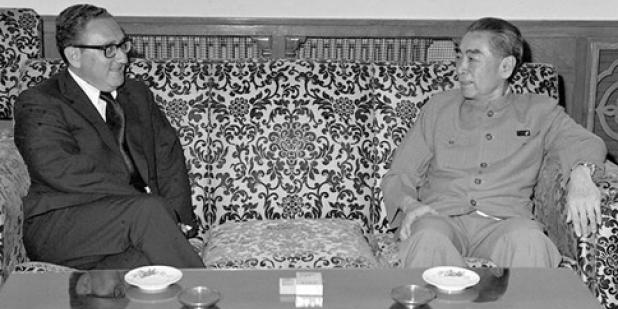
/https:/tf-cmsv2-smithsonianmag-media.s3.amazonaws.com/filer/f4/cb/f4cb92c9-4131-4e0f-ae4a-307144393214/nixoncampaigns.jpg)

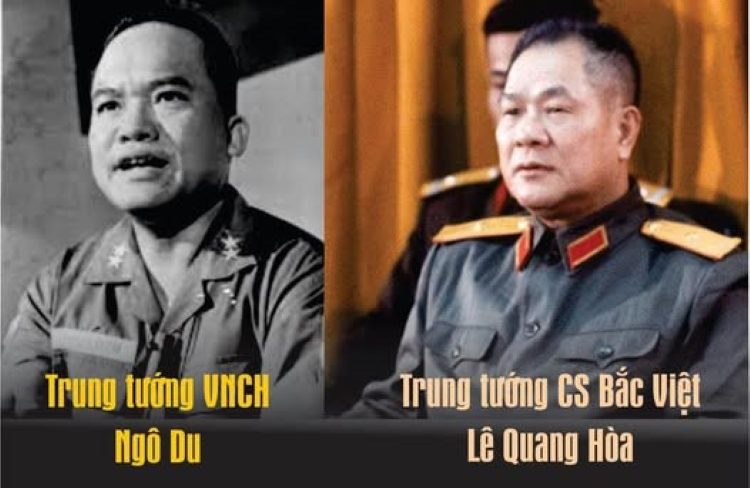
No comments:
Post a Comment