20260217 CDTL GRF 17 April 1975 D236 Biên bản buổi họp ĐIỀU HÀNH CUỘC DI TẢN
https://history.state.gov/historicaldocuments/frus1969-76v10/d236
Google Translated
Tài liệu 236
Quan hệ đối ngoại của Hoa Kỳ, 1969–1976, Tập X, Việt Nam, tháng 1 năm 1973–tháng 7 năm 1975
236. Biên bản buổi họp ĐIỀU HÀNH CUỘC DI TẢN
Washington, ngày 17 tháng 4 năm 1975, 15:28–16:10
CHỦ ĐỀ
Cuộc di tản tại Việt Nam
NGƯỜI THAM GIA
Chủ tịch
Henry A. Kissinger
Bộ Ngoại giao
Robert Ingersoll
Carlyle Maw
Robert McCloskey
Robert Miller
Bộ Quốc phòng
Amos Jordan
Morton Abramowitz
Bộ trưởng Schlesinger
Bộ Tham mưu Liên quân
Tướng George S. Brown
Trung tướng John W. Pauly
CIA
William Colby
Ted Shackley
William Christison
Bộ Tham mưu Hội đồng An ninh Quốc gia
Trung tướng Brent Scowcroft
W. R. Smyser
William Stearman
Đại tá Clinton Granger
James Barnum
TỔNG KẾT
Đã dồng ý rằng:
—Các chỉ thị sẽ được gửi đến Đại sứ Martin yêu cầu ông đẩy nhanh việc sơ tán người Mỹ khỏi miền Nam Việt Nam;
—Bộ Tham mưu Liên quân sẽ chuẩn bị các kế hoạch chi tiết hơn cho việc sơ tán khỏi miền Nam Việt Nam để chuẩn bị cho cuộc họp của WSAG vào ngày 19 tháng 4.
Bộ trưởng Kissinger: Bill…
Ông Colby bắt đầu trình bày dựa trên văn bản đính kèm.
Bộ trưởng Kissinger: Còn bao lâu nữa thì quân Cộng sản sẽ ở vị trí sẵn sàng tấn công Sài Gòn?
Ông Colby: Ba đến bốn ngày. (Tiếp tục báo cáo.) [Trang 833]
Bộ trưởng Kissinger: Những binh lính Bắc Việt này đến từ đâu? (Liên quan đến một tuyên bố trong báo cáo rằng các đơn vị của sư đoàn thứ tư đã di chuyển vào khu vực Xuân Lộc.)
Ông Colby: Từ phía bắc miền Nam Việt Nam.
Bộ trưởng Kissinger: Vậy là có một số lượng lớn quân lính đang tiến xuống.
Ông Colby: Vâng, đúng vậy.
Bộ trưởng Schlesinger: Họ đã cắt đứt Quốc lộ 1 (con đường duy nhất dẫn ra khỏi thủ phủ tỉnh Xuân Lộc), và Sư đoàn 18 của quân đội miền Nam Việt Nam đã mất một trung đoàn ngày hôm nay.
Ông Colby tiếp tục báo cáo.
Bộ trưởng Kissinger: Theo tôi thấy, Sư đoàn 18 đang bị bao vây và sẽ bị tiêu diệt tại Xuân Lộc.
Ông Christison: Chúng ta vẫn hy vọng rằng hai trung đoàn có thể thoát ra, bằng cách nào đó trốn thoát được.
Tướng Brown: Chà, tôi không biết. Họ đã mất một trung đoàn rồi. Tôi nghĩ khả năng bất kỳ ai thoát ra được là rất mong manh.
Bộ trưởng Kissinger: Đó là một sai lầm, phải không, khi bao vây một đơn vị quân đội miền Nam Việt Nam? Họ chiến đấu rất dữ dội khi bị dồn vào đường cùng.
Bộ trưởng Schlesinger: Đúng vậy. Sư đoàn 18 đó đã chiến đấu rất kiên cường.
Ông Colby tiếp tục báo cáo.
Bộ trưởng Kissinger: Nhưng ông không nghĩ rằng họ sẽ tiếp tục chiến tranh ngay sau khi (Tổng thống) Thiệu ra đi sao? (Liên quan đến một tuyên bố trong cuộc họp báo rằng phe Cộng sản dường như đang tuyên truyền rằng nếu ông Thiệu bị thay thế, kết quả sẽ ít đổ máu hơn.)
Ông Colby: Tôi không hoàn toàn chắc chắn.
Ông Christison: Bắc Việt muốn Sài Gòn đầu hàng.
Ông Colby tiếp tục báo cáo, chuyển sang vấn đề Campuchia.
Bộ trưởng Kissinger: Thật tiếc, tôi đã hy vọng rằng họ sẽ bắt được Sidney Shanberg (phóng viên của tờ New York Times vẫn đang ở Phnom Penh). (Liên quan đến một tuyên bố trong cuộc họp báo rằng một số ít nhà báo Mỹ đang trú ẩn trong một khách sạn ở Phnom Penh.) Đó chỉ là một câu nói đùa thôi. Hãy ghi vào biên bản rằng tôi đang nói đùa. Tôi không muốn bị ám ảnh bởi câu nói đó trong tương lai.
Ông Colby kết thúc bài báo cáo của mình.
Ông Christison: Chỉ còn một điều cần bổ sung. Chúng tôi vừa nhận được một bức điện tín khẩn. Long Boret (Thủ tướng Campuchia) dường như đã không rời khỏi Phnom Penh. Theo báo cáo, sáng nay ông ấy đã trở lại Phnom Penh bằng trực thăng, xuống khỏi trực thăng để giúp đỡ một số người khác lên máy bay, và phi công đã cất cánh mà không có ông ấy. [Trang 834]
Ông Ingersoll: Theo báo chí, ông ấy đang ở Bangkok.
Ông Christison: Tôi không biết. Đây là bức điện tín chúng tôi vừa nhận được, và thông tin này chưa được xác nhận.
Bộ trưởng Kissinger: Thật không thể tin nổi những chuyện rắc rối xảy ra ở Đông Dương. Ông ấy xuống khỏi trực thăng và nó cất cánh mà không có ông ấy.
Bộ trưởng Schlesinger: Một chiếc trực thăng Huey đã đưa 26 người Campuchia ra khỏi đó hôm nay.
Bộ trưởng Kissinger: Hôm nay ư?
Bộ trưởng Schlesinger: Vâng. Đó mới thực sự là hiệu quả về chi phí!
Tướng Brown: Hai mươi sáu người trên một chiếc trực thăng Huey. Chắc họ phải chất người lên như chất củi vậy.
Bộ trưởng Kissinger: Được rồi, trước hết chúng ta hãy nói về việc giảm số lượng người – việc di tản người Mỹ khỏi Việt Nam – và sau đó chúng ta sẽ nói về việc di tản người Việt Nam. Như các vị đã biết, Đại sứ Graham Martin đã được chỉ thị phải giảm số lượng người Mỹ xuống còn 1250 người trước ngày 20 tháng này. Đó là giảm khoảng 4000 người trong một tuần.
Bộ trưởng Schlesinger: Tôi không chắc ông ấy có đủ một tuần đâu, Henry. Ông biết đấy, những chiếc máy bay đó đang bay rỗng từ sân bay Tân Sơn Nhất. Chúng chỉ chở được hai hoặc ba người trên mỗi chuyến bay.
Tướng Brown: Họ đã đưa thêm một số người ra khỏi đó ngày hôm qua rồi.
Ông Stearman: Vấn đề là họ xuất hiện khắp mọi nơi. Chúng ta không có danh sách những người Mỹ muốn rời đi.
Bộ trưởng Kissinger: Chà, chúng ta phải để một số việc cho Graham (Đại sứ Martin) quyết định. Tôi nghĩ ông ấy đang đưa người dân ra ngoài, phải không?
Bộ trưởng Schlesinger: Đó là một quá trình rất chậm. Hãy xem, chỉ có 126 người ra đi vào thứ Ba, 182 người vào ngày hôm qua. Con số đó không nhiều lắm, và chúng ta không còn nhiều thời gian nữa.
Bộ trưởng Kissinger: Bill (ông Colby), ông đánh giá thế nào?
Ông Colby: Tôi nghĩ chúng ta chỉ còn tối đa từ một đến ba tuần trước khi Sài Gòn sụp đổ. Sân bay (Tân Sơn Nhất) có thể bị tấn công trực tiếp chỉ trong vài giờ. Chúng ta có thể gặp phải vấn đề tương tự như ở Phnom Penh.
Ông Jordan: Vâng, nhưng chúng ta không thể giả định rằng mọi người sẽ tập trung lại một chỗ như ở Phnom Penh. Mọi người đang phân tán khắp nơi.
Ông Colby: Chúng ta có thể giải quyết một số trở ngại đang ngăn cản nhiều người hơn nữa rời khỏi đó. Điều đó sẽ giảm bớt áp lực.
Bộ trưởng Kissinger: Chúng ta cần đảm bảo không có chỗ trống nào, nhưng tôi không muốn gây ra sự hoảng loạn. Ông biết đấy, việc này phải được thực hiện một cách khéo léo. Tôi không nghĩ Graham đang làm chậm quá trình sơ tán, phải không Bob? [Trang 835]
Ông Miller: Không. Theo các báo cáo mới nhất, sẽ có thêm nhiều người rời đi trong ba ngày tới. Vấn đề là tất cả những trở ngại về hành chính – thị thực, giấy tờ, v.v. Đó là những gì đang làm chậm tiến độ.
Ông Shackley: Chính phủ Việt Nam Cộng hòa hiện đang phản ứng tốt hơn với các yêu cầu của chúng ta.
Tướng Brown: Tôi chỉ muốn làm rõ vấn đề này để cho các ông thấy sự khẩn cấp của tình hình. Theo chúng tôi, nếu tình hình dẫn đến một chiến dịch quân sự – sử dụng lực lượng Mỹ để di tản người dân – thì khả năng thành công rất thấp. Theo chúng tôi, cách duy nhất hiện nay là di tản bằng cả đường không và đường biển.
Bộ trưởng Kissinger: Ông đang đề nghị di tản toàn bộ ngay bây giờ sao?
Tướng Brown: Không, nhưng không nên để bất kỳ chỗ trống nào trên các máy bay đó. Ngoài ra, chúng ta còn có chiếc máy bay Pan Am 707 đang chờ sẵn ở Guam mà chưa được sử dụng. Chúng ta nên yêu cầu họ khởi hành ngay. Hơn nữa, chúng ta có thể sử dụng các máy bay C-130 tại căn cứ không quân Clark. Tôi chỉ rùng mình khi nghĩ đến những gì sẽ xảy ra. Ở Phnom Penh chúng ta đã may mắn, nhưng tôi nghĩ khả năng...
Bộ trưởng Kissinger: Vấn đề là Graham đang cố gắng đạt được số lượng cần thiết vào cuối tuần tới. Ông đang nói rằng ông ấy không cố gắng sao?
Ông Colby: Vấn đề là rủi ro, và điều đó thay đổi tùy thuộc vào người mà ông đang nói chuyện.
Tướng Brown: Tôi nghĩ chúng ta sẽ phải chịu tổn thất khi đưa người ra ngoài. Nếu có 1.250 người cần sơ tán, mỗi chuyến chở được 40 người, thì chúng ta cần 30 máy bay hạ cánh, và đó là chưa kể lực lượng an ninh để bảo vệ khu vực hạ cánh.
Bộ trưởng Kissinger: Ông đang nói về điều gì vậy, trực thăng ở Sài Gòn với lực lượng an ninh Mỹ à?
Tướng Brown: Không. Chúng tôi đã được một trong những tướng lĩnh Nam Việt Nam thông báo – tôi không nhớ tên ông ta lúc này – rằng một số đơn vị lính dù và thủy quân lục chiến Nam Việt Nam sẽ cung cấp an ninh cho chúng ta để đổi lấy việc chúng ta đưa họ và gia đình họ ra ngoài.
Ông Colby: Vấn đề của tôi là tôi nghĩ chúng ta nên bắt đầu đưa một số người Việt Nam ra ngoài ngay bây giờ.
Bộ trưởng Kissinger: (Đại sứ) Martin nên nói chuyện với Thiệu về kế hoạch của chúng ta.
Ông Colby: Với cách chúng ta đang làm hiện nay, chúng ta sẽ trông khá ngớ ngẩn khi tình hình trở nên căng thẳng.
Tướng Scowcroft: Đúng vậy, nhưng cách mà Graham đang làm là nhằm ngăn chặn Sài Gòn rơi vào hỗn loạn.
Bộ trưởng Kissinger: Nếu Sài Gòn rơi vào hỗn loạn, sẽ không ai có thể thoát ra được. Chúng ta phải cân bằng giữa các rủi ro. Ông ấy đang đi trên một sợi dây thừng mỏng manh. [Trang 836]
Ông Colby: Tôi nghĩ chúng ta nên bắt đầu di chuyển ít nhất một số người.
Tướng Brown: Nếu Graham lấp đầy tất cả các chỗ trên những chiếc máy bay đó, thì sẽ có một số người được di chuyển. Tôi biết tình thế khó xử mà Graham đang gặp phải, nhưng chúng ta phải đưa một số người ra ngoài. Chúng ta đã xem xét một số phương án, và tình hình không khả quan lắm.
Bộ trưởng Kissinger: (Đại sứ) Martin đang gửi những bức điện tín hợp lý. Tôi nghĩ ông ấy đang cố gắng đưa người ra ngoài.
Ông Colby: Giá như Hoa Kỳ có thể tăng áp lực lên phía Việt Nam để đẩy nhanh quá trình hành chính.
Bộ trưởng Kissinger: Chúng ta sẽ gửi điện tín cho Graham sau cuộc họp này. Bây giờ, về việc di tản người Việt Nam. Kế hoạch hiện tại của chúng ta là gì? Chúng ta đã có kế hoạch nào chưa?
Tướng Brown: Hiện tại chúng ta mới chỉ có một ý tưởng về kế hoạch. Chúng ta chưa xác định được các yêu cầu về an ninh, thời gian, v.v. Kế hoạch này dự kiến di tản từ 175.000 đến 200.000 người miền Nam Việt Nam. Chúng ta có ba lựa chọn. Lựa chọn đầu tiên là sơ tán bằng tàu thủy và máy bay, cả máy bay thương mại và máy bay thuê bao. Điều này giả định sự hợp tác của chính phủ Việt Nam Cộng hòa – trường hợp tốt nhất.
Bộ trưởng Kissinger: Nhưng làm thế nào để tập hợp được 175.000 người?
Tướng Brown: À, kế hoạch của Đại sứ… tôi thực sự không biết. Đó là thông qua các hợp đồng và nhà thầu đặc biệt.
Ông Shackley: Thẻ căn cước đã được cấp cho những người cần di tản. Những người cần di tản có thể được nhận dạng bằng những tấm thẻ này.
Bộ trưởng Kissinger: Nhưng các ông không có điểm tập trung nào, đúng không?
Ông Shackley: Đúng vậy. Chúng tôi đã xác định một số khu vực di tản, nhưng làm thế nào để người dân đến được những khu vực đó lại là một vấn đề khác.
Bộ trưởng Kissinger: Tôi có thể hình dung chúng ta sẽ gặp rắc rối nếu dân thường ở một nơi và trực thăng ở một nơi khác.
Tướng Brown: Chúng tôi cũng đề nghị rằng người dân miền Nam Việt Nam sẽ tự di chuyển đến Vũng Tàu bằng phương tiện của riêng họ.
Ông Jordan: Đã có rất nhiều người Việt Nam ở đó rồi.
Bộ trưởng Kissinger: Họ sẽ đến Vũng Tàu bằng cách nào?
Tướng Brown: Bằng đường bộ hoặc đi thuyền dọc sông Mekong từ Sài Gòn.
Ông Colby: Vâng, và đường sá sẽ tắc nghẽn và không ai đến được đó. Sẽ có đầy xe Honda khắp nơi.
Bộ trưởng Kissinger: Nếu không có thỏa thuận với phía Bắc Việt Nam (về việc đảm bảo an toàn cho việc di chuyển) thì mọi chuyện sẽ trở nên hỗn loạn.
Ông Colby: Sẽ có nửa thành phố Sài Gòn ở Vũng Tàu.
Bộ trưởng Kissinger: Chúng ta cần một kế hoạch cụ thể hơn những gì ông (Tướng Brown) đang có. Làm thế nào để đón họ ở Vũng Tàu? [Trang 837]
Tướng Brown: Bằng tàu thủy. Nhưng tôi nghĩ đây chỉ là suy nghĩ viển vông. Điều đó giả định rằng không có sự can thiệp nào từ phía Bắc Việt Nam hoặc Nam Việt Nam. Tôi không nghĩ chúng ta có thể trông cậy vào điều đó. Theo Phương án 2, chúng tôi đề nghị di chuyển họ ra ngoài trong ba ngày bằng cả đường biển và đường không. Lực lượng an ninh của chúng ta sẽ có mặt trên cả máy bay và tàu thủy. Phương án 3 nói về việc sử dụng bốn lữ đoàn quân đội Mỹ để bảo vệ các sân bay. Chúng ta sẽ phải đưa nhiều binh lính chiến đấu vào Việt Nam hơn số người Mỹ cần di tản. Chúng ta sẽ dùng trực thăng đưa họ đến các tàu sân bay ở Vịnh.
Bộ trưởng Kissinger: Ông có cử một sĩ quan quân đội nào ở Sài Gòn làm việc với Đại sứ Martin về kế hoạch di tản không?
Tướng Brown: Vâng, Đô đốc Benton. Ông ấy hiện không có mặt ở đó, nhưng sẽ trở lại Sài Gòn vào ngày mai. Đô đốc Gayler cũng sẽ đến Sài Gòn vào ngày mai.
Bộ trưởng Kissinger: Ông nói rằng một trong những phương án của chúng ta giả định sẽ gặp phải sự phản đối. Sự phản đối từ ai? Quân đội Bắc Việt? Quân đội Nam Việt Nam?
Tướng Brown: Bất cứ ai cũng có thể phản đối – có thể là cả hai bên.
Bộ trưởng Kissinger: Chúng ta sẽ làm gì nếu quân đội Nam Việt Nam không cho phép chúng ta sử dụng các sân bay?
Ông Colby: Hãy thỏa thuận với các đơn vị lính dù và thủy quân lục chiến (của Nam Việt Nam).
Bộ trưởng Kissinger: Báo cáo về việc họ sẽ thỏa thuận với chúng ta có đáng tin cậy không?
Ông Colby: Vâng, tôi nghĩ là khá đáng tin cậy.
Tướng Brown: (Tiếp tục đọc các phương án của Bộ Tham mưu Liên quân) Kế hoạch này huy động máy bay C-141, C-5 và tất cả trực thăng của chúng ta. Tất cả lực lượng của chúng ta ở Thái Bình Dương sẽ tham gia. Chúng ta sẽ đưa nhiều binh sĩ chiến đấu vào Việt Nam hơn số người cần di tản. Hơn nữa, điều đó giả định khả năng cao xảy ra giao tranh với quân đội Bắc Việt và quân đội miền Nam Việt Nam.
Bộ trưởng Schlesinger: Vâng, nhưng theo luật, chúng ta không có thẩm quyền sử dụng lực lượng Hoa Kỳ ngoài việc di tản người Mỹ. Vì vậy, những gì ông đang nói ở đây giả định rằng Quốc hội sẽ cho phép chúng ta sử dụng lực lượng Hoa Kỳ để di tản người Việt Nam.
Tướng Brown: Phương án 3 là sử dụng hoàn toàn trực thăng, chỉ di tản người Mỹ. Trực thăng sẽ đưa người Mỹ từ Sài Gòn đến các tàu sân bay ngoài khơi Vũng Tàu. Chúng ta cũng cần có lực lượng yểm trợ trên không và lực lượng an ninh mặt đất. Tôi nghĩ rằng có nguy cơ cao xảy ra bạo loạn, và cũng có mối đe dọa từ hỏa lực phòng không (của quân đội miền Nam Việt Nam). Trực thăng chỉ có thể sơ tán được 4.500 người mỗi ngày. Hai phương án đầu tiên chỉ là những ý tưởng kế hoạch, chúng chưa có chi tiết cụ thể. [Trang 838]
Bộ trưởng Kissinger: Phương án 2 là di tản bằng đường không và đường biển từ Vũng Tàu và dự kiến khoảng 200.000 người?
Tướng Brown: Phương án 1 là Vũng Tàu. Phương án 2 sử dụng Tân Sơn Nhất và Vũng Tàu. Phương án 3 chỉ sử dụng trực thăng, và chỉ dành cho người Mỹ, điều này sẽ cần đến lực lượng an ninh.
Bộ trưởng Kissinger: Theo tất cả các báo cáo tôi đã xem, phương án 3 có nhiều khả năng gây ra bạo lực chống lại người Mỹ hơn các phương án khác.
Tướng Brown: Vâng, đúng vậy.
Bộ trưởng Kissinger: Phương án 2—chỉ dành cho người Mỹ, đúng không?
Ông Shackley: Ông sẽ phải tính thêm tám người phụ thuộc cho mỗi binh sĩ ARVN nếu ông định sử dụng lữ đoàn không vận và đơn vị thủy quân lục chiến đó.
Bộ trưởng Kissinger: Vậy là thêm 96.000 người nữa ngoài 200.000 người.
Tướng Brown: Đúng vậy.
Bộ trưởng Kissinger: Một lựa chọn khác là đàm phán, nhưng nếu làm vậy, chúng ta sẽ chấm dứt mọi chuyện ngay lập tức, phải không? Còn khả năng nào khác không?
Ông Christison: Nếu sử dụng các đơn vị quân đội Nam Việt Nam đó, chúng ta sẽ phải hứa sẽ đưa tất cả mọi người trong khu vực đó đi, vì tất cả họ đều biết chuyện gì đang xảy ra.
Ông Colby: Đó là một khả năng, nếu sự gắn kết của các đơn vị lính dù và thủy quân lục chiến có thể được duy trì.
Bộ trưởng Kissinger: Ai đang làm việc với họ? Có phải ông không?
Ông Colby: Đại sứ quán.
Ông Christison: Khoảng một nửa lính thủy quân lục chiến đang ở Vũng Tàu. Có hai đơn vị gần Xuân Lộc, và một đơn vị ở Sài Gòn.
Bộ trưởng Kissinger: Jim, ông nghĩ sao?
Bộ trưởng Schlesinger: Tôi nghĩ chúng ta nên đưa những người Mỹ nào có thể ra khỏi đây càng sớm càng tốt. Tôi không nghĩ chúng ta có thể đưa nhiều người Việt Nam ra khỏi đây, ngay cả trong những điều kiện tốt nhất, và nếu các ông muốn đưa người Việt Nam ra khỏi đây, các ông sẽ phải thông báo cho chính phủ.
Tướng Brown: Chúng ta có thể đưa nhiều người ra khỏi các bãi biển ở Vũng Tàu – giống như chúng ta đã làm ở Đà Nẵng.
Bộ trưởng Kissinger: Dick Smyser, ông nghĩ sao?
Ông Smyser: Nếu chúng ta bảo người Việt Nam đến Vũng Tàu, chính phủ sẽ sụp đổ.
Bộ trưởng Kissinger: Tôi nghĩ chúng ta nên họp lại vào sáng thứ Bảy (ngày 19 tháng 4). Trong thời gian đó, hãy cố gắng hết sức để đẩy nhanh việc đưa người Mỹ ra khỏi đây. Ông (Tướng Brown) có thể chuyển những ý tưởng đó thành kế hoạch để chúng ta biết mình đang đối mặt với những gì không? Tôi sẽ nói chuyện với Thiệu. Chúng ta sẽ họp lại vào sáng thứ Bảy. Chúng ta sẽ gửi điện tín cho Martin để đẩy nhanh việc sơ tán.
1. Nguồn: Thư viện Ford, Hồ sơ NSC, Hồ sơ thể chế NSC (H-Files), Hộp 24, Biên bản cuộc họp WSAG, Bản gốc, tháng 4 năm 1975. Tuyệt mật; Nhạy cảm. Cuộc họp được tổ chức tại Phòng Tình huống tòa Bạch Ốc. Kissinger, Scowcroft và Schlesinger đã thảo luận về kết luận của cuộc họp với Ford tại Phòng Nội các tòa Bạch Ốc lúc 4:30 chiều. (Ibid., Cố vấn An ninh Quốc gia, Biên bản cuộc trò chuyện, Hộp 11, 17/4/75)↩
2. Xem Tài liệu 237.↩
3. Xem chú thích 4, Tài liệu 243.↩
4. Bản báo cáo của Colby, “Tình hình ở Việt Nam”, ngày 17 tháng 4, được đính kèm nhưng không được in.↩
5. Tham khảo Tài liệu Tùy chọn của Bộ Quốc phòng, không ghi ngày tháng. (Thư viện Ford, Hồ sơ NSC, Hồ sơ thể chế NSC (H-Files), Hộp 19, Cuộc họp WSAG, 17/1/75, Sơ tán)↩
https://history.state.gov/historicaldocuments/frus1969-76v10/sources
https://history.state.gov/historicaldocuments/frus1969-76v10/terms
https://history.state.gov/historicaldocuments/frus1969-76v10/persons
https://history.state.gov/historicaldocuments/frus1969-76v10/note
Vietnam, January 1973–July 1975
https://history.state.gov/historicaldocuments/frus1969-76v10/comp1
Collapse and Evacuation, February 26–July 22, 1975 (Documents 178–283)
https://history.state.gov/historicaldocuments/frus1969-76v10/ch3
1. Document 236
Foreign Relations of the United States, 1969–1976, Volume X, Vietnam, January 1973–July 1975
236. Minutes of Washington Special Actions Group Meeting1
Washington, April 17, 1975, 3:28–4:10 p.m.
SUBJECT
- Vietnam Evacuation
PARTICIPANTS
- Chairman
- Henry A. Kissinger
- State
- Robert Ingersoll
- Carlyle Maw
- Robert McCloskey
- Robert Miller
- Defense
- Amos Jordan
- Morton Abramowitz
- Secretary Schlesinger
- JCS
- Gen. George S. Brown
- Lt. Gen. John W. Pauly
- CIA
- William Colby
- Ted Shackley
- William Christison
- NSC Staff
- LTG Brent Scowcroft
- W. R. Smyser
- William Stearman
- Col. Clinton Granger
- James Barnum
SUMMARY OF CONCLUSIONS
It was agreed that:
- —Instructions would be sent to Ambassador Martin asking him to speed up the evacuation of Americans from South Vietnam;2
- —The Joint Chiefs of Staff would prepare more detailed plans for the evacuation of South Vietnam preparatory to a WSAG on April 19.3
Secretary Kissinger: Bill . . .
Mr. Colby began to brief from the attached text.4
Secretary Kissinger: How long before the Communists will be in position for an assault on Saigon?
Mr. Colby: Three to four days. (Continued to brief.)
Secretary Kissinger: Where are these North Vietnamese troops coming from? (In reference to a statement in the briefing that elements of a fourth division have moved into the Xuan Loc area.)
Mr. Colby: From the northern part of South Vietnam.
Secretary Kissinger: So, there are massive numbers of troops coming down.
Mr. Colby: Yes, that’s right.
Secretary Schlesinger: They have already cut Route 1 (the only road out of the provincial capital of Xuan Loc), and the South Vietnamese 18th Division lost one of its regiments today.
Mr. Colby continued to brief.
Secretary Kissinger: It looks to me, then, that the 18th Division is trapped and that it will be destroyed at Xuan Loc.
Mr. Christison: We do have the hope that two of the regiments can break out, slip away somehow.
General Brown: Well, I don’t know. They’ve lost one regiment already. I think the chances are very slim that anybody will get out.
Secretary Kissinger: That’s the wrong thing to do, isn’t it, trap an ARVN unit? They fight like hell when they’re trapped.
Secretary Schlesinger: That’s right. That 18th Division has already put up one hell of a fight.
Mr. Colby continued to brief.
Secretary Kissinger: Don’t you think, though, that they would continue the war just as soon as (President) Thieu goes? (In reference to a statement in the briefing that the Communists appear to be peddling the line that if Thieu were replaced a less bloody outcome would be possible.)
Mr. Colby: I’m not entirely sure.
Mr. Christison: The North Vietnamese would like a capitulation by Saigon.
Mr. Colby continued to brief, turning to Cambodia.
Secretary Kissinger: Too bad, I was hoping that they would get Sidney Shanberg (New York Times correspondent still in Phnom Penh). (In reference to a statement in the briefing that a handful of US journalists were holed up in a Phnom Penh hotel.) That’s a joke, now. Put it in the record that I am making a joke. I don’t want to be haunted by that statement in the future.
Mr. Colby finished his briefing.
Mr. Christison: There is just one thing to add. We have just received a late cable. Long Boret (Cambodian Premier) apparently did not get out of Phnom Penh. According to the report, he went back to Phnom Penh this morning on a helicopter, got out of the ‘copter to help some others on, and the pilot took off without him.
Mr. Ingersoll: According to the press, he’s in Bangkok.
Mr. Christison: I don’t know. This is a cable we just received, and it is not confirmed.
Secretary Kissinger: There’s just no limit to the screw-ups in Indochina. He gets out of the helicopter and it takes off without him.
Secretary Schlesinger: One Huey helicopter took 26 Cambodians out today.
Secretary Kissinger: Today?
Secretary Schlesinger: Yes. That’s real cost effectiveness!
General Brown: Twenty-six people in a Huey. They must have had them stacked in like firewood.
Secretary Kissinger: Well, could we talk first about reductions—the evacuation of Americans from Vietnam—and then we’ll talk about evacuation of Vietnamese. (Ambassador) Graham Martin has been instructed, as you know, to get down to 1250 Americans by the 20th of the month. That’s a reduction of about 4,000 in a week.
Secretary Schlesinger: I’m not sure he has a week, Henry. You know those plans are flying empty out of Tan Son Nhut. They are filling only two or three seats on those flights.
General Brown: They got some more out of there yesterday.
Mr. Stearman: The problem is that they are coming out of the woodwork everywhere. We have no roster of Americans wanting to get out.
Secretary Kissinger: Well, we have to leave some things to Graham’s (Ambassador Martin’s) discretion. I think he’s getting the people out, don’t you?
Secretary Schlesinger: It’s a very slow process. Let’s see, only 126 came out on Tuesday, 182 yesterday. That’s not very many, and there is not a hell of a lot of time left.
Secretary Kissinger: Bill (Mr. Colby), what’s your judgement?
Mr. Colby: I think we have one-to-three weeks maximum before Saigon collapses. The airport (Tan Son Nhut) could come under direct fire in a matter of hours. We could have another Phnom Penh problem.
Mr. Jordan: Yes, but we can’t assume that the people will hang together (be all in one place) like they were in Phnom Penh. Everybody is scattered.
Mr. Colby: We could cut through some of the logjams that are preventing more people from coming out. That would relieve some of the pressure.
Secretary Kissinger: We should make sure that there are no empty seats, but I don’t want to create panic. You know, this thing has to be done delicately. I don’t think Graham is slowing down the evacuation, do you Bob?
Mr. Miller: No. According to the latest reports, more people will be coming out in the next three days. The problem has been all the administrative logjams—visas, documentation, etc. That’s what is slowing the pace.
Mr. Shackley: The GVN is responding better now to our requests.
General Brown: I’d just like to put this thing in perspective for you to demonstrate the urgency of the situation. It’s our opinion that if this thing goes to a military operation—use of U.S. forces to get people out—the odds of success are very remote. The only way now, as we see it, is for both air and ship evacuation.
Secretary Kissinger: What are you proposing, total evacuation now?
General Brown: No, but there shouldn’t be any empty seats on those airplanes. Also, we have that Pan Am 707 on stand-by in Guam that is not being used. We should tell them to get going. Also, we can use the C–130s at Clark Air Force Base. I just shudder to think what will happen. In Phnom Penh we were lucky, but I think the odds . . .
Secretary Kissinger: The point is that Graham is trying to get down to the required numbers by the end of next week. Are you saying that he is not trying to?
Mr. Colby: The question is the risk, and that varies according to whom you are talking to.
General Brown: I think we are going to suffer losses getting people out. If there are 1,250 people to get out at 40 people a crack, that’s 30 planes that we need to put on the ground, and that is without security forces to secure the landing area.
Secretary Kissinger: What are you talking about, helicopters in Saigon with U.S. security forces?
General Brown: No. We’ve been informed by one of the South Vietnamese generals—I can’t remember who at the moment—that certain South Vietnamese airborne and marine units will provide us security in exchange for taking them and their dependents out.
Mr. Colby: My problem is that I think we should get some Vietnamese moving, and now.
Secretary Kissinger: (Ambassador) Martin should talk to Thieu about our plans.
Mr. Colby: The way we are going about it now, we’re going to look pretty foolish when the crunch comes.
General Scowcroft: Yes, but the way Graham is going about it is designed to keep Saigon from disintegrating into chaos.
Secretary Kissinger: If Saigon disintegrates into chaos, nobody is going to get out. You have to balance off the risks. It’s a tight rope that he is walking.
Mr. Colby: I think we should get at least a trickle moving.
General Brown: If Graham will fill all the seats on those planes, that will get some movement. I know the dilemma that Graham is in, but we have to get some people moving. We have put some of our resources up against several options, and it doesn’t look good.
Secretary Kissinger: (Ambassador) Martin’s sending in sensible cables. I think he’s trying to move people out.
Mr. Colby: If only the U.S. could increase the pressure on the Vietnamese to accelerate the administrative process.
Secretary Kissinger: We’ll get a cable off to Graham after this meeting. Now, evacuation of Vietnamese. What are our current plans? Do we have any plans?
General Brown: We only have a concept for a plan at this point. We haven’t identified the security requirements, timing, and so forth at this point. It calls for the evacuation of 175,000 to 200,000 South Vietnamese. We have three options. The first calls for evacuation by ship and air by both commercial and by contract aircraft. This assumes GVN cooperation—the best case situation.
Secretary Kissinger: But how are you going to get 175,000 people together?
General Brown: Well, the Ambassador’s plan—I really don’t know. It’s through special contracts and contractors.
Mr. Shackley: Identity cards have been issued to those who are to be evacuated. Those that need to be can be identified by the cards.
Secretary Kissinger: But you have no assembly points, right?
Mr. Shackley: That’s right. We have identified a number of evacuation areas, but how people will get to those areas is another problem.
Secretary Kissinger: I can see us screwing up by having the civilians at one place and the helicopters at another.
General Brown: We would also propose that the South Vietnamese go to Vung Tau by their own means.
Mr. Jordan: There are already a lot of Vietnamese there.
Secretary Kissinger: How would they get to Vung Tau?
General Brown: By road or down the Mekong from Saigon.
Mr. Colby: Yeah, and the road will be choked and nobody will get there. There will be Hondas all over the place.
Secretary Kissinger: If there is no agreement with the North Vietnamese (for safe passage) it’s going to be a goddamn mess.
Mr. Colby: You’ll have half the city of Saigon at Vung Tau.
Secretary Kissinger: We need something more specific than what you (Gen. Brown) have there. How would you pick them up at Vung Tau?
General Brown: By ships. But this is wishful thinking, I think. That assumes there is no interference by the North Vietnamese or the South Vietnamese. I don’t think we can count on that. Under Option 2,5 we would propose to move them out in three days using both sea and air assets. Our security forces would be aboard both the aircraft and the ships. Option 3 talks about using four brigades of U.S. troops to secure the airfields. We would have to put more combatants into Vietnam than there are Americans to evacuate. We’d helicopter them to aircraft carriers in the Gulf.
Secretary Kissinger: Do you have a military man in Saigon working with Ambassador Martin on the evacuation plans?
General Brown: Yes, Admiral Benton. He’s not there now, but is due back to Saigon tomorrow. Admiral Gayler is going to Saigon tomorrow, also.
Secretary Kissinger: You said that one of your options assumed opposition. Opposition from whom? The North Vietnamese? The South Vietnamese?
General Brown: Anybody—could be either or both.
Secretary Kissinger: What do we do if the ARVN won’t let us use the airfields?
Mr. Colby: Make that deal with those (South Vietnamese) airborne and marine units.
Secretary Kissinger: Is that report that they would strike a deal with us reliable?
Mr. Colby: Yes, I think it’s pretty good.
General Brown: (Continuing to read JCS options) This plan commits C–141s, C–5s, and all of our helicopters. All of our forces in the Pacific would be involved. We put more combatants into Vietnam than the number of people we would have to evacuate. Also, that assumes the high possibility of combat with the North Vietnamese and ARVN.
Secretary Schlesinger: Yes, but we have no authority under the law to use U.S. forces other than to evacuate Americans. So, what you are saying there presupposes Congress will give us the authority to use U.S. forces to evacuate Vietnamese.
General Brown: Option 3 is an all-helicopter lift, Americans only. Helicopters would lift Americans from Saigon to carriers off Vung Tau. We would also have to have air cover and ground security forces. I think there is a high risk of mob violence, and there is also the threat of anti-aircraft fire (from the South Vietnamese). Helicopters can only get 4,500 people out per day. The first two options are only concepts of plans, they have no details.
Secretary Kissinger: Option 2 is an air and sea evacuation from Vung Tau and envisages 200,000 people?
General Brown: Option 1 is Vung Tau. Option 2 uses Tan Son Nhut and Vung Tau. Option 3 is choppers only, and only Americans, which would require security forces.
Secretary Kissinger: From all the reporting I’ve seen, Option 3 is more likely to trigger violence against Americans than the others.
General Brown: Yes, that’s right.
Secretary Kissinger: Option 2—that’s only Americans, right?
Mr. Shackley: You would have to figure eight dependents for every ARVN soldier if you are going to use that airborne brigade and marine unit.
Secretary Kissinger: That’s 96,000 on top of the 200,000.
General Brown: That’s right.
Secretary Kissinger: Another option is possible negotiations, but if you do that, you have triggered the end right there, haven’t you? Are there any other possibilities?
Mr. Christison: If you use those South Vietnamese units, you’re going to have to promise to take everybody in the area, because they will all know what’s going on.
Mr. Colby: It’s a possibility, if the cohesiveness of the airborne and marine units can be maintained.
Secretary Kissinger: Who’s dealing with them? Are you?
Mr. Colby: The Embassy.
Mr. Christison: About half the marines are in Vung Tau. There are two units near Xuan Loc, and one is in Saigon.
Secretary Kissinger: Jim, what do you think?
Secretary Schlesinger: I think we ought to get out what Americans we can, and soon. I don’t think we can get many Vietnamese out, even under the best of circumstances, and if you do want to get Vietnamese out, you are going to have to tell the government.
General Brown: We can get a lot off the beaches at Vung Tau—like we did at Danang.
Secretary Kissinger: Dick Smyser, what do you think?
Mr. Smyser: If we tell the Vietnamese to go to Vung Tau, the government will collapse.
Secretary Kissinger: I think we should meet again on Saturday morning (April 19). In the interim, let’s do our best to speed up getting Americans out. Can you (Gen. Brown) get those concepts into plans so that we know what we are up against? I will talk to Thieu. We’ll meet again Saturday morning. We’ll get a cable out to Martin speeding up the evacuation.
1. Source: Ford Library, NSC Files, NSC Institutional Files (H–Files), Box 24, WSAG Meeting Minutes, Originals, April 1975. Top Secret; Sensitive. The meeting was held in the White House Situation Room. Kissinger, Scowcroft, and Schlesinger discussed the meeting’s conclusions with Ford in the White House Cabinet Room at 4:30 p.m. (Ibid., National Security Adviser, Memoranda of Conversation, Box 11, 4/17/75)↩
2. See Document 237.↩
3. See footnote 4, Document 243.↩
4. Colby’s briefing, “The Situation in Vietnam,” April 17, attached but not printed.↩
5. Reference is to Department of Defense Options Paper, undated. (Ford Library, NSC Files, NSC Institutional Files (H–Files), Box 19, WSAG Meeting, 1/17/75, Evacuation)↩
https://history.state.gov/historicaldocuments/frus1969-76v10/d236
https://history.state.gov/historicaldocuments/frus1969-76v10/pg_833
https://history.state.gov/historicaldocuments/frus1969-76v10/pg_834
https://history.state.gov/historicaldocuments/frus1969-76v10/pg_835
https://history.state.gov/historicaldocuments/frus1969-76v10/pg_836
https://history.state.gov/historicaldocuments/frus1969-76v10/pg_837
https://history.state.gov/historicaldocuments/frus1969-76v10/pg_838
https://history.state.gov/historicaldocuments/frus1969-76v10/d237
https://history.state.gov/historicaldocuments/frus1969-76v10/d243fn4
Thân thế (các) nhân vật/
Deputy Assistant Secretary of Defense for International Security Affairs
https://en.wikipedia.org/wiki/Morton_I._Abramowitz .
https://en.wikipedia.org/wiki/United_States_Ambassador_to_Turkey
https://en.wikipedia.org/wiki/United_States_Ambassador_to_Thailand
https://www.amacad.org/person/morton-i-abramowitz
https://adst.org/OH%20TOCs/Abramowitz,%20Morton%20I.toc.pdf
member, National Security Council staff
https://www.nixonlibrary.gov/finding-aids/national-security-council-files
https://georgewbush-whitehouse.archives.gov/nsc/history.html
https://world101.cfr.org/foreign-policy/us-foreign-policy/what-national-security-council
General, USAF, Chairman of the Joint Chiefs of Staff from July 1, 1974
https://en.wikipedia.org/wiki/George_Scratchley_Brown
https://www.jcs.mil/About/The-Joint-Staff/Chairman/General-George-Scratchley-Brown/
https://www.af.mil/About-Us/Biographies/Display/Article/107590/general-george-scratchley-brown/
https://www.arlingtoncemetery.net/gsbrown.htm
https://en.wikipedia.org/wiki/Chairman_of_the_Joint_Chiefs_of_Staff
Central Intelligence Agency
https://www.c-span.org/person/?1005585/WilliamChristison
https://www.c-span.org/video/?176251-1/situation-occupied-palestine
https://www.c-span.org/organization/?10448/Central-Intelligence-Agency
https://www.cia.gov/readingroom/docs/CIA-RDP90M01364R000700140033-0.pdf
https://www.cia.gov/readingroom/document/cia-rdp90-00845r000100420001-0
https://www.cia.gov/readingroom/print/1874958
https://www.nytimes.com/2001/10/17/arts/willam-christensen-99-dies-helped-ballet-flourish-in-us.html
https://www.chandlerfh.com/obituaries/William-Bill-Christensen?obId=22010168
https://tofu.byu.edu/docs/files/wfc_cv.pdf
https://history.state.gov/historicaldocuments/frus1969-76v10/persons
Director of the Far East Division, Operations Directorate, Central Intelligence Agency
Executive Director, Central Intelligence Agency until August 1973; Director of Central Intelligence from September 4, 1973
https://nsarchive2.gwu.edu/NSAEBB/NSAEBB362/index.htm
https://en.wikipedia.org/wiki/The_Man_Nobody_Knew
https://www.huffpost.com/entry/former-cia-directors-death-raises-questions-divides-family_n_1130176
https://vva.org/arts-of-war/documentaries/new-doc-on-the-mysterious-death-of-william-colby/
https://en.wikipedia.org/wiki/William_Colby
https://simple.wikipedia.org/wiki/William_Colby
Ford Gerald R.,
Republican Representative from Michigan until October 13, 1973; House Minority Leader until October 13, 1973; Vice President of the United States from October 13, 1973, until August 8, 1974; President of the United States from August 8, 1974
https://en.wikipedia.org/wiki/Gerald_Ford
https://en.wikipedia.org/wiki/President_of_the_United_States
https://en.wikipedia.org/wiki/Vice_President_of_the_United_States
https://en.wikipedia.org/wiki/House_Minority_Leader
https://en.wikipedia.org/wiki/Leader_of_the_House_Republican_Conference
https://en.wikipedia.org/wiki/Chair_of_the_House_Republican_Conference
https://en.wikipedia.org/wiki/United_States_House_of_Representatives
https://www.whitehouse.gov/about-the-white-house/presidents/gerald-r-ford/
https://www.whitehouse.gov/administration/
https://geraldrfordfoundation.org/gerald-r-ford-biography/
https://www.fordlibrarymuseum.gov/grf/timeline.asp
https://en.wikipedia.org/wiki/Presidency_of_Gerald_Ford
https://www.fordlibrarymuseum.gov/library/guides/findingaid/ford_vp_papers.asp
Admiral, USN, Commander-in-Chief, Pacific Command until August 30, 1976
https://en.wikipedia.org/wiki/Noel_Gayler
http://veterantributes.org/TributeDetail.php?recordID=209
https://www.pacom.mil/About-USPACOM/USPACOM-Previous-Commanders/
member, National Security Council staff from August 1974
https://history.state.gov/historicaldocuments/frus1969-76ve12/d24
https://history.state.gov/historicaldocuments/frus1969-76ve12/d24-2
https://history.state.gov/historicaldocuments/frus1969-76ve12/d24-3
https://history.state.gov/historicaldocuments/frus1969-76ve12/d24-4
https://history.state.gov/historicaldocuments/frus1969-76ve12/d24#fnref:1.7.4.4.8.92.8.10
https://history.state.gov/historicaldocuments/frus1969-76ve12/d24#fnref:1.7.4.4.8.92.8.12
https://history.state.gov/historicaldocuments/frus1969-76v38p2/ch5
https://www.cia.gov/readingroom/docs/CIA-RDP79-00957A000100020012-5.pdf
https://www.docsteach.org/documents/document/granger-scowcroft
https://www.docsteach.org/index.php?option=com_ml_documents&task=createZipFile&docid=7299
https://2001-2009.state.gov/r/pa/ho/frus/nixon/e6/66769.htm
https://georgewbush-whitehouse.archives.gov/nsc/history.html
https://www.nixonlibrary.gov/finding-aids/national-security-council-files
Assistant Secretary of State for East Asian and Pacific Affairs from January 8 until July 9, 1974; Deputy Secretary of State from July 10, 1974, until March 31, 1976
https://history.state.gov/departmenthistory/people/ingersoll-robert-stephen
https://www.state.gov/biographies-list/
https://www.state.gov/resources-bureau-of-global-talent-management/#ambassadors
https://history.state.gov/departmenthistory/people/chiefsofmission/japan
https://history.state.gov/departmenthistory/people/principalofficers/deputy-secretary
https://en.wikipedia.org/wiki/Robert_S._Ingersoll
https://www.nytimes.com/2010/08/29/world/asia/29ingersoll.html
https://www.latimes.com/local/obituaries/la-me-robert-ingersoll-20100828-story.html
Jordan, Amos,
Principal Deputy Assistant Secretary of Defense for International Security Affairs
https://en.wikipedia.org/wiki/Amos_Jordan
https://policy.defense.gov/OUSDP-Offices/ASD-for-International-Security-Affairs/
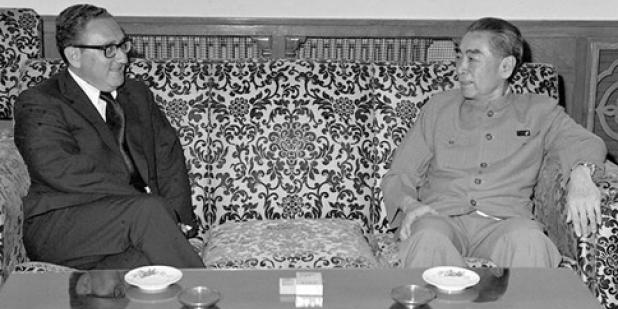
Henry A Kissinger
Assistant to the President for National Security Affairs until November 3, 1975; also Secretary of State from September 21, 1973
https://www.theguardian.com/world/2023/may/20/bilderberg-meeting-group-lisbon-kissinger
https://www.theguardian.com/world/bilderberg
https://history.state.gov/historicaldocuments/frus1969-76ve13/summary
https://china.usc.edu/getting-beijing-henry-kissingers-secret-1971-trip
https://china.usc.edu/catalog/documents/us-china
http://www.archives.gov/press/press-releases/2001/nr01-47.html
https://china.usc.edu/talking-points-july-22-august-3-2011
https://china.usc.edu/getting-beijing-henry-kissingers-secret-1971-trip#meetings
https://china.usc.edu/getting-beijing-henry-kissingers-secret-1971-trip#nixon-announcement
https://china.usc.edu/getting-beijing-henry-kissingers-secret-1971-trip#chinese-accept
https://china.usc.edu/getting-beijing-henry-kissingers-secret-1971-trip#signals
https://china.usc.edu/getting-beijing-henry-kissingers-secret-1971-trip#the_aim
http://www.foreignaffairs.com/articles/23927/richard-m-nixon/asia-after-viet-nam
https://history.state.gov/historicaldocuments/frus1969-76v17/d4
https://history.state.gov/historicaldocuments/frus1969-76v17/d12
https://history.state.gov/historicaldocuments/frus1969-76v17/d13
https://history.state.gov/historicaldocuments/frus1969-76v17/d141
https://2001-2009.state.gov/documents/organization/100324.pdf
https://en.wikipedia.org/wiki/Henry_Kissinger_and_the_Vietnam_War
Lesson in Vietnam from Kissinger to Nixon: “when we made it “our war” we would not let the South Vietnamese fight it; when it again became “their war”, we would not help them fight it.”
(We also had trouble with excesses here: when we made it “our war” we would not let the South Vietnamese fight it; when it again became “their war,” we would not help them fight it. Ironically, we prepared the South Vietnamese for main force warfare after 1954 (anticipating another Korean-type attack), and they faced a political war; they had prepared themselves for political warfare after 1973 only to be faced with a main force invasion 20 years after it had been expected.)
https://history.state.gov/historicaldocuments/frus1969-76v10/d280
Lesson of Vietnam May 12 1975 by Henry A. Kissinger
https://www.fordlibrarymuseum.gov/library/exhibits/vietnam/032400091-002.pdf
https://thebattleofkontum.com/extras/kissinger.html
“Richard M. Nixon and Kissinger on 3 August 1972,” Conversation 760-006, Presidential Recordings Digital Edition [Fatal Politics, ed. Ken Huges] (Charlottesville: University of Virginia Press, 2014-). URL:https://prde.upress.virginia.edu/conversations/4006748
https://player.vimeo.com/video/889937807?h=e44572c8f3&color=e57200&title=0&byline=0&portrait=0
https://player.vimeo.com/video/889937807?h=e44572c8f3&color=e57200&title=0&byline=0&portrait=0
Discover the Truth at:
https://www.theblackvault.com/documentarchive/the-cias-vietnam-document-cd-rom/
The secret life of Henry Kissinger minutes of a 1975 meeting with Lawrence Eagleburger
https://etan.org/news/kissinger/secret.htm
Henry Kissinger and the Truth About Negotiations In Vietnam
https://www.youtube.com/watch?v=Z5fxxKVfX5g
Prime Minister of the Khmer Republic
4/11/75 - Phnom Penh Evacuation
Martin, Graham A.,
Ambassador to the Republic of Vietnam (South Vietnam) from July 20, 1973, until April 29, 1975
https://www.fallofsaigon.org/orig/martin.htm
https://en.wikipedia.org/wiki/Graham_Martin
https://en.wikipedia.org/wiki/United_States_Ambassador_to_South_Vietnam
https://en.wikipedia.org/wiki/United_States_Ambassador_to_Italy
https://en.wikipedia.org/wiki/United_States_Ambassador_to_Thailand
https://history.state.gov/departmenthistory/people/martin-graham-anderson
https://www.state.gov/biographies-list/
https://www.state.gov/resources-bureau-of-global-talent-management/#ambassadors
https://en.wikipedia.org/wiki/List_of_ambassadors_of_the_United_States_to_South_Vietnam
Under Secretary of State for Security Affairs
https://en.wikipedia.org/wiki/Carlyle_E._Maw
https://findingaids.loc.gov/exist_collections/ead3pdf/mss/2017/ms017014.pdf
https://history.state.gov/departmenthistory/people/maw-carlyle-edward
https://en.wikipedia.org/wiki/Under_Secretary_of_State_for_Arms_Control_and_International_Security
McCloskey, Robert J.,
Deputy Assistant Secretary of State for Press Relations and Special Assistant to the Secretary until May 1973
https://www.nytimes.com/1996/11/30/world/robert-j-mccloskey-state-dept-spokesman-dies-at-74.html
https://history.state.gov/departmenthistory/people/mccloskey-robert-james
https://www.state.gov/biographies-list/
https://www.state.gov/resources-bureau-of-global-talent-management/#ambassadors
https://en.wikipedia.org/wiki/Robert_J._McCloskey
https://en.wikipedia.org/wiki/United_States_Ambassador_to_the_Netherlands
https://en.wikipedia.org/wiki/United_States_Ambassador_to_Cyprus
https://en.wikipedia.org/wiki/United_States_Ambassador_to_Greece
https://www.latimes.com/archives/la-xpm-1996-11-30-mn-4307-story.html
Deputy Executive Secretary, Department of State until 1973; Assistant Director of the Bureau of International Relations, U.S. Arms Control and Disarmament Agency until 1974; Deputy Assistant Secretary of the Bureau of East Asian and Pacific Affairs, Department of State from 1974
https://en.wikipedia.org/wiki/Robert_Hopkins_Miller
https://en.wikipedia.org/wiki/United_States_Ambassador_to_Malaysia
https://en.wikipedia.org/wiki/United_States_Ambassador_to_C%C3%B4te_d%27Ivoire
https://www.academyofdiplomacy.org/members-1/miller/robert-h.
https://history.state.gov/historicaldocuments/frus1969-76ve07/d398
https://nsarchive.gwu.edu/document/22747-document-08-policy-planning-staff-director
President of the Republic of Vietnam (South Vietnam) until April 21, 1975
PHỎNG VẤN VỚI LỊCH SỬ - TỔNG THỐNG NGUYỄN VĂN THIỆU - Năm 1972
https://www.facebook.com/groups/373876840199844/permalink/1216306329290220/
https://www.facebook.com/groups/373876840199844/
Tổng thống Thiệu trả lời phỏng vấn năm 1972 (Ms.O Fallaci) - Ep.1
https://www.youtube.com/watch?v=67J_48hfPik
Tổng thống Thiệu trả lời phỏng vấn năm 1972 (Ms.O Fallaci) - Ep.2
https://www.youtube.com/watch?v=INAfcRW3Prc
Tổng thống Thiệu trả lời phỏng vấn năm 1972 (Ms.O Fallaci) - Ep.3
https://www.youtube.com/watch?v=P_tOrafUIOY
Phỏng vấn cố Tổng thống VNCH Nguyễn Văn Thiệu full
https://www.youtube.com/watch?v=c_36BXxpEjw
Tổng thống Nguyễn Văn Thiệu đáp trả xuất sắc những gì Kissinger đề cập về Vietnam War | NAMDUONGTV
https://www.youtube.com/watch?v=FrA2OaHueFM&t=1802s
3/29/75 - Evacuation of Vietnamese Refugees
4/3/75 - Phnom Penh Evacuation
4/5/75 - Evacuation of Vietnamese Refugees (1)
4/5/75 - Evacuation of Vietnamese Refugees (2)
4/5/75 - Evacuation of Vietnamese Refugees (3)
4/5/75 - Evacuation of Vietnamese Refugees (4)
4/29/75 - Final Evacuation of Saigon (1)
4/29/75 - Final Evacuation of Saigon (2)
Dau Bach Ho1X Feb 11 1975 Thieu
Tôi Không Chết Đâu | Hồi Ức Miền Nam
https://www.youtube.com/watch?v=fJdQN0DYBvA
Thư Tổng Thống Thiệu Gửi Tổng Thống Gerald Ford
https://bachvietnhan.blogspot.com/2024/03/20240322-cdtl-thu-thieu-gui-gerald-ford.html
https://history.state.gov/historicaldocuments/frus1969-76v10/d166
Cambodia Arms and Ammunition to the Vietnamese Communists
Discover the Truth at:
https://www.theblackvault.com/documentarchive/the-cias-vietnam-document-cd-rom/
https://documents2.theblackvault.com/documents/cia/EOM-2019-00201-highlighted.pdf
Giây Phút Xé Lòng | Hồi Ức Miền Nam | Hồi Ký Miền Nam
https://www.youtube.com/watch?v=5WVwGiPD8Cs&t=2329
The Palace File Paperback – January 1, 1989
by Nguyen Tien Hung (Author), Jerrold L. Schecter (Author)
https://www.amazon.com/Palace-File-Nguyen-Tien-Hung/dp/0060915722
https://www.goodreads.com/en/book/show/2098486
Khi đồng minh tháo chạy
Nguyen Tien Hung
https://www.goodreads.com/book/show/32865811-khi-ng-minh-th-o-ch-y?ref=nav_sb_noss_l_23
Hồ Sơ Mật Dinh Độc Lập Phần 1 / Nguyễn Tiến Hưng/ Diễn Đọc Thiên Hoàng
https://www.youtube.com/watch?v=PDhuGRvfKjw
Hồ Sơ Mật Dinh Độc Lập Phần 2 / Nguyễn Tiến Hưng/ Diễn Đọc Thiên Hoàng
https://www.youtube.com/watch?v=ZceUYCf7rqA
Hồ Sơ Mật Dinh Độc Lập Phần 3 / Nguyễn Tiến Hưng/ Diễn Đọc Thiên Hoàng
https://www.youtube.com/watch?v=G2ET40EOGno
Hồ Sơ Mật Dinh Độc Lập Phần 4 / Nguyễn Tiến Hưng/ Diễn Đọc Thiên Hoàng
https://www.youtube.com/watch?v=FFzsesWm25E
Hồ Sơ Mật Dinh Độc Lập Phần 5 / Nguyễn Tiến Hưng/ Diễn Đọc Thiên Hoàng
https://www.youtube.com/watch?v=m2GMhs4DmBI
Hồ Sơ Mật Dinh Độc Lập Phần 6 / Nguyễn Tiến Hưng/ Diễn Đọc Thiên Hoàng
https://www.youtube.com/watch?v=zMxfY_QGgwo
Hồ Sơ Mật Dinh Độc Lập Phần 7 / Nguyễn Tiến Hưng/ Diễn Đọc Thiên Hoàng
https://www.youtube.com/watch?v=Kvjmvn78kgo
Hồ Sơ Mật Dinh Độc Lập Phần 8 / Nguyễn Tiến Hưng/ Diễn Đọc Thiên Hoàng
https://www.youtube.com/watch?v=sylK7RDtLrc
Hồ Sơ Mật Dinh Độc Lập Phần 9 / Nguyễn Tiến Hưng/ Diễn Đọc Thiên Hoàng
https://www.youtube.com/watch?v=gmF6urvaz0c
Hồ Sơ Mật Dinh Độc Lập Phần 10 / Nguyễn Tiến Hưng/ Diễn Đọc Thiên Hoàng
https://www.youtube.com/watch?v=4Ig4PIzMFZM
Hồ Sơ Mật Dinh Độc Lập Phần 11 / Nguyễn Tiến Hưng/ Diễn Đọc Thiên Hoàng
https://www.youtube.com/watch?v=WUFtNrT9sRo
Hồ Sơ Mật Dinh Độc Lập Phần 12 / Nguyễn Tiến Hưng/ Diễn Đọc Thiên Hoàng
https://www.youtube.com/watch?v=A4KYPScqNMY
Hồ Sơ Mật Dinh Độc Lập Phần 13 / Nguyễn Tiến Hưng/ Diễn Đọc Thiên Hoàng
https://www.youtube.com/watch?v=29lrLqX6vEo
Hồ Sơ Mật Dinh Độc Lập Phần 14 / Nguyễn Tiến Hưng/ Diễn Đọc Thiên Hoàng
https://www.youtube.com/watch?v=j-WAarbW-fo
Hồ Sơ Mật Dinh Độc Lập Phần 15 / Nguyễn Tiến Hưng/ Diễn Đọc Thiên Hoàng
https://www.youtube.com/watch?v=_GAo2fXzGBQ
Hồ Sơ Mật Dinh Độc Lập Phần 16 / Nguyễn Tiến Hưng/ Diễn Đọc Thiên Hoàng
https://www.youtube.com/watch?v=X4Kb37dchNw
Hồ Sơ Mật Dinh Độc Lập Phần 17 / Nguyễn Tiến Hưng/ Diễn Đọc Thiên Hoàng
https://www.youtube.com/watch?v=0DChfJXgR-8
Hồ Sơ Mật Dinh Độc Lập Phần 18 / Nguyễn Tiến Hưng/ Diễn Đọc Thiên Hoàng
https://www.youtube.com/watch?v=wCYj9b4Tw6E
Hồ Sơ Mật Dinh Độc Lập Phần 19 / Nguyễn Tiến Hưng/ Diễn Đọc Thiên Hoàng
https://www.youtube.com/watch?v=Qm45ygXmqzY
Hồ Sơ Mật Dinh Độc Lập Phần 20 / Nguyễn Tiến Hưng/ Diễn Đọc Thiên Hoàng
https://www.youtube.com/watch?v=GvUiF8wVJBg
Hồ Sơ Mật Dinh Độc Lập Phần 21 / Nguyễn Tiến Hưng/ Diễn Đọc Thiên Hoàng
https://www.youtube.com/watch?v=ZIZRlk6m4Eg
Hồ Sơ Mật Dinh Độc Lập Phần 22 / Nguyễn Tiến Hưng/ Diễn Đọc Thiên Hoàng
https://www.youtube.com/watch?v=WNv27DbdcOI
Hồ Sơ Mật Dinh Độc Lập Phần 23 / Nguyễn Tiến Hưng/ Diễn Đọc Thiên Hoàng
https://www.youtube.com/watch?v=-C5qfHEJNu4
Hồ Sơ Mật Dinh Độc Lập Phần 24 / Nguyễn Tiến Hưng/ Diễn Đọc Thiên Hoàng
https://www.youtube.com/watch?v=iyg98DfK31E
Hồ Sơ Mật Dinh Độc Lập Phần 25 / Nguyễn Tiến Hưng/ Diễn Đọc Thiên Hoàng
https://www.youtube.com/watch?v=CxcX0dKgKlA
Hồ Sơ Mật Dinh Độc Lập Phần 26 / Nguyễn Tiến Hưng/ Diễn Đọc Thiên Hoàng
https://www.youtube.com/watch?v=adUtaGlDcho
Hồ Sơ Mật Dinh Độc Lập Phần 27 / Nguyễn Tiến Hưng/ Diễn Đọc Thiên Hoàng
https://www.youtube.com/watch?v=f-1xxI1OWh8
Hồ Sơ Mật Dinh Độc Lập Phần 28 / Nguyễn Tiến Hưng/ Diễn Đọc Thiên Hoàng
https://www.youtube.com/watch?v=PazkNBf3rGA
Hồ Sơ Mật Dinh Độc Lập Phần 29 / Nguyễn Tiến Hưng/ Diễn Đọc Thiên Hoàng
https://www.youtube.com/watch?v=OpIbsM20p14
Hồ Sơ Mật Dinh Độc Lập Phần 30 / Nguyễn Tiến Hưng/ Diễn Đọc Thiên Hoàng
https://www.youtube.com/watch?v=F_ZcLZtx_6M
Hồ Sơ Mật Dinh Độc Lập Phần 31 / Nguyễn Tiến Hưng/ Diễn Đọc Thiên Hoàng
https://www.youtube.com/watch?v=n4u5jqW3nbg
Hồ Sơ Mật Dinh Độc Lập Phần 32 / Nguyễn Tiến Hưng/ Diễn Đọc Thiên Hoàng
https://www.youtube.com/watch?v=PHHx5wQlabw
Hồ Sơ Mật Dinh Độc Lập Phần 33 / Nguyễn Tiến Hưng/ Diễn Đọc Thiên Hoàng
https://www.youtube.com/watch?v=gpKZuQNdJJU
Hồ Sơ Mật Dinh Độc Lập Phần 34 / Nguyễn Tiến Hưng/ Dễn Đọc Thiên Hoàng
https://www.youtube.com/watch?v=oGesHXnpZkw
Hồ Sơ Mật Dinh Độc Lập Phần 35 / Nguyễn Tiến Hưng/ Diễn Đọc Thiên Hoàng
https://www.youtube.com/watch?v=M6ZOXJyjMTk
Hồ Sơ Mật Dinh Độc Lập Phần 36 Cuối Cùng / Nguyễn Tiến Hưng/ Diễn Đọc Thiên Hoàng
https://www.youtube.com/watch?v=IYztC95fn4M
Khi Đồng Minh Nhảy Vào
https://www.amazon.com/-/es/Nguy%E1%BB%85n-Ti%E1%BA%BFn-H%C6%B0ng/dp/1495148629
Khi Đồng Minh Tháo Chạy Hardcover – January 1, 2005
https://www.amazon.com/Khi-%C4%90%E1%BB%93ng-Minh-Th%C3%A1o-Ch%E1%BA%A1y/dp/B00GQIWRA6
https://www.goodreads.com/book/show/32865811-khi-ng-minh-th-o-ch-y
HỒI KÝ: NHỮNG UẤT HẬN TRONG TRẬN CHIẾN MẤT NƯỚC 1975 (Phần 1)
https://www.youtube.com/watch?v=C7YpCRv6MlI&t=487s
HỒI KÝ: NHỮNG UẤT HẬN TRONG TRẬN CHIẾN MẤT NƯỚC 1975 (Phần 2)
https://www.youtube.com/watch?v=vX9-eocj8hQ&t=803s
HỒI KÝ: NHỮNG UẤT HẬN TRONG TRẬN CHIẾN MẤT NƯỚC 1975 (Phần 3)
https://www.youtube.com/watch?v=z6rCp-RnGQ4&t=561s
HỒI KÝ: NHỮNG UẤT HẬN TRONG TRẬN CHIẾN MẤT NƯỚC 1975 (Phần 4)
https://www.youtube.com/watch?v=3Y1YWYjcYUs
HỒI KÝ: NHỮNG UẤT HẬN TRONG TRẬN CHIẾN MẤT NƯỚC 1975 (Phần 5)
https://www.youtube.com/watch?v=cL7LO65oI_k&t=11s
HỒI KÝ: NHỮNG UẤT HẬN TRONG TRẬN CHIẾN MẤT NƯỚC 1975 (Phần 6)
https://www.youtube.com/watch?v=BsYcJCD0cwY
HỒI KÝ: NHỮNG UẤT HẬN TRONG TRẬN CHIẾN MẤT NƯỚC 1975 (Phần 7)
https://www.youtube.com/watch?v=kclMjgFLtUw&t=371s
HỒI KÝ: NHỮNG UẤT HẬN TRONG TRẬN CHIẾN MẤT NƯỚC 1975 (Phần 8)
https://www.youtube.com/watch?v=5bsh7jTMF_o
HỒI KÝ: NHỮNG UẤT HẬN TRONG TRẬN CHIẾN MẤT NƯỚC 1975 (Phần 9)
https://www.youtube.com/watch?v=NzhsA-ZZQ4Q&t=1265s
HỒI KÝ: NHỮNG UẤT HẬN TRONG TRẬN CHIẾN MẤT NƯỚC 1975 (Phần 10)
https://www.youtube.com/watch?v=IKBXiYNQMbc&t=18s
Bỏ Rơi Hay Phản Bội/ Tác Giả Bùi Anh Trinh/ Diễn Đọc Thiên Hoàng
https://www.youtube.com/watch?v=q3Seaq3ymmE
Chuyện Chưa Kể Về TT Thiệu Lúc Rời Khỏi Sài Gòn- (Ông và Nhân Viên Tùy Tùng May Mắn Thoát Chết)
https://www.youtube.com/watch?v=OoFEncck23U
20241102 Nixon Kissinger and the Decent Interval
https://player.vimeo.com/video/889937807?h=e44572c8f3&color=e57200&title=0&byline=0&portrait=0
A Decent Interval
https://www.youtube.com/watch?v=8xPzs3NZdN4
Richard Nixon Addresses The "Decent Interval Theory"
https://www.youtube.com/watch?v=8Q-H0281kfM
Transcript
In the Oval Office on August 3, 1972, Secretary of State Henry Kissinger tells President Richard Nixon that there’s a 50-50 chance of reaching a settlement with North Vietnam.
That deal would give Nixon a “decent interval,” a face-saving delay of a year or two between his final withdrawal of American troops and the Communists’ final takeover of South Vietnam. “We’ve got to find some formula that holds the thing together [for] a year or two, after which — after a year, Mr. President, Vietnam will be a backwater. If we settle it, say, this October, by January ’74 no one will give a damn.”
August 3, 1972
Richard M. Nixon, Henry A. Kissinger
Conversation: 760-006
Having established a framework for an armistice and the departure a American troops from Vietnam, President Nixon and National Security Adviser Henry A. Kissinger discussed the future trajectory of the war. Most importantly, they wanted to secure a “decent interval” between the removal of those troops, Nixon’s reelection in 1972 and the expected fall of Saigon. At this point in the conversation, Kissinger had just told Nixon they had a 50/50 chance of reaching a settlement with North Vietnam.
President Nixon: Now, let’s look at that just a moment again, think about it some more, but… let’s be perfectly… cold-blooded about it. If you look at it from the standpoint of our game… with the Soviets and the Chinese, from the standpoint of running this country… I think we could take, in my view, almost anything, frankly, that we can force on Nguyễn Văn Thiệu. Almost anything. I just come down to that. You know what I mean?
President Nixon: Because I have a feeling we would not be doing, like I feel about the Israel, I feel that in the long run we’re probably not doing them an in – a disfavor due to the fact that I feel that the North Vietnamese are so badly hurt that the South Vietnamese are probably going to do fairly well. [Kissinger attempts to interject.] But also due to the fact-because I look at the tide of history out there-South Vietnam probably is never going to survive anyway. I’m just being perfectly candid. I-
Henry A. Kissinger: In the pull-out area-
President Nixon: [Unclear] we’ve got to be – if we can get certain guarantees so that they aren’t… as you know, looking at the foreign policy process, though, I mean, you’ve got to be-we also have to realize, Henry, that winning an election is terribly important.
It’s terribly important this year. But can we have a viable foreign policy if a year from now or two years from now, North Vietnam gobbles up South Vietnam? That’s the real question.
Kissinger: If a year or two year from now North Vietnam gobbles up South Vietnam, we can have a viable foreign policy if it looks as if it’s the result of South Vietnamese incompetence.
Kissinger: If we now sell out in such a way that, say, within a three-to four-month period, we have pushed President Thieu over the brink-we-ourselves-I think, there is going to be -even the Chinese won’t like that. I mean, they’ll pay verbal-verbally, they’ll like it.
President Nixon: But it’ll worry them.
Kissinger: But it will worry everybody. And domestically in the long run it won’t help us all that much because our opponents will say we should’ve done it three years ago.
President Nixon: I know.
Kissinger: So we’ve got to find formula that holds the thing together a year or two, after which-after a year, Mr. President, Vietnam will be a backwater. If we settle it, this October, by January 74 no one will give a damn.
President Nixon: Yeah, having in mind the fact that, you know, as we all know, the-the analogy-comparison [to] Algeria is not on-I not at all for us. But on the other hand, nobody gives a goddamn about what happened to Algeria-
Kissinger: Mm-hmm.
President Nixon: -after they got out. [chuckling] You know what I mean? But Vietnam, I must say… Jesus, they’ve fought so long, dying, and now… I don’t know.
End of excerpt.
Miller Center
University of Virginia
“Richard M. Nixon and Kissinger on 3 August 1972,” Conversation 760-006, Presidential Recordings Digital Edition [Fatal Politics, ed. Ken Huges] (Charlottesville: University of Virginia Press, 2014-). URL:https://prde.upress.virginia.edu/conversations/4006748
https://player.vimeo.com/video/889937807?h=e44572c8f3&color=e57200&title=0&byline=0&portrait=0
https://player.vimeo.com/video/889937807?h=e44572c8f3&color=e57200&title=0&byline=0&portrait=0
Discover the Truth at:
https://www.theblackvault.com/documentarchive/the-cias-vietnam-document-cd-rom/
PHỎNG VẤN ÔNG THIỆU: Về vấn đề Cộng Sản sau hiệp định Paris (phụ đề Pháp Việt)
https://www.youtube.com/watch?v=qUCl1EwGBuo
Oriana Fallaci on Interviewing South Vietnamese President Nguyễn Văn Thiệu | The Dick Cavett Show
https://www.youtube.com/watch?v=rmgtOX1Gkfs
SYND 26-1-73 PRESIDENT THIEU PRESS CONFERENCE ON PEACE AGREEMENT
https://www.youtube.com/watch?v=uSeKp8CEHMo
SYND 04-04-73 PRESIDENT NIXON MEETS SOUTH VIETNAMESE PRESIDENT THEU IN SAN CLEMENTE, CALIFORNIA
https://www.youtube.com/watch?v=fYUQw3q3eXE
EP 1 | Tổng thống Thiệu và cuộc phỏng vấn tàn bạo với nhà báo Ý năm 1972
https://www.youtube.com/watch?v=l0aBx_TG2zg
Tổng thống Thiệu trả lời phỏng vấn năm 1972 (Ms.O Fallaci) - Ep.2
https://www.youtube.com/watch?v=INAfcRW3Prc&t=10s
Tổng thống Thiệu trả lời phỏng vấn năm 1972 (Ms.O Fallaci) - Ep.3
https://www.youtube.com/watch?v=P_tOrafUIOY
Trung tướng Nguyễn văn Thiệu tuyên bố hiến pháp Đệ Nhị Việt Nam Cộng Hoà 1967
https://www.youtube.com/watch?v=AwLHVNeQFCw
“NÁO LOẠN” HỘI TRƯỜNG: Phỏng vấn tổng thống Thiệu năm 1990
https://www.youtube.com/watch?v=OVQCSkHOMLU
CỰU TỔNG THỐNG VIỆT NAM CỘNG HÒA NGUYỄN VĂN THIỆU TRẢ LỜI PHỎNG VẤN BÁO CHÍ NGƯỜI VIỆT HẢI NGOẠI
https://www.youtube.com/watch?v=VLKKzrIqj54
Phỏng vấn Tổng Thống VNCH Nguyễn Văn Thiệu - TTMD - V1
https://www.youtube.com/watch?v=HUQbqzkmqMk
SYND 1-11-72 THIEU SPEAKS ON VIETNAM PEACE
https://www.youtube.com/watch?v=tM643Wx6IyY
Tổng thống Nguyễn Văn Thiệu trả lời phỏng vấn năm 1970
https://www.youtube.com/watch?v=LAoWc0zpuuc
Phỏng vấn Cựu Tổng thống Nguyễn Văn Thiệu ngày 03 tháng 05 năm 1993
https://www.youtube.com/watch?v=-fmSh6ihTcw&t=1305s
Dau Bach Ho1X Feb 11 1975 Thieu
Tôi Không Chết Đâu | Hồi Ức Miền Nam
https://www.youtube.com/watch?v=fJdQN0DYBvA
Lieutenant General, USAF, Assistant to the Chairman of the Joint Chiefs of Staff, 1975
https://en.wikipedia.org/wiki/John_W._Pauly
https://www.af.mil/About-Us/Biographies/Display/Article/105987/general-john-w-pauly/
https://www.arlingtoncemetery.net/jwpauly.htm
https://www.af.mil/News/Article-Display/Article/466862/
https://military-history.fandom.com/wiki/John_W._Pauly
Chairman of the Atomic Energy Commission until February 1973; Director of Central Intelligence from February 2 until July 2, 1973; Secretary of Defense from July 2, 1973, until November 19, 1975
https://en.wikipedia.org/wiki/James_R._Schlesinger
https://en.wikipedia.org/wiki/James_R._Schlesinger
https://en.wikipedia.org/wiki/United_States_Secretary_of_Energy
https://en.wikipedia.org/wiki/United_States_Secretary_of_Defense
https://en.wikipedia.org/wiki/Director_of_Central_Intelligence
https://en.wikipedia.org/wiki/United_States_Atomic_Energy_Commission
https://history.defense.gov/Multimedia/Biographies/Article-View/Article/571289/james-r-schlesinger/
https://apnews.com/obituaries-ecc8779791ee4ab7973cf58b7d355305
https://www.encyclopedia.com/people/history/us-history-biographies/james-rodney-schlesinger
General, USAF, Military Assistant to the President until 1973; Deputy Assistant to the President for National Security Affairs from August 1973 until 1975
https://warontherocks.com/2020/08/brent-scowcroft-and-american-military-intervention/
https://warontherocks.com/2020/08/blame-it-on-the-blob-how-to-evaluate-american-grand-strategy/
https://www.aspeninstitute.org/programs/aspen-strategy-group/about-asg/
https://www.whitehouse.gov/piab/
https://www.publicaffairsbooks.com/titles/bartholomew-sparrow/the-strategist/9781586489632/
http://web1.millercenter.org/poh/transcripts/ohp_1999_1112_scowcroft.pdf
https://www.nytimes.com/2020/08/12/us/politics/brent-scowcroft.html
https://www.foreignaffairs.com/articles/united-states/2020-08-13/scowcroft-model
https://archive.org/stream/towercommission00unit?ref=ol#mode/2up
https://www.twelvebooks.com/titles/philip-zelikow/to-build-a-better-world/9781538764688/
https://yalebooks.yale.edu/book/9780300233827/post-wall-post-square
https://yalebooks.yale.edu/book/9780300233827/post-wall-post-square
https://www.simonandschuster.com/books/War-in-a-Time-of-Peace/David-Halberstam/9781501141508
https://www.adst.org/OH%20TOCs/Inderfurth,Karl%20F.toc.pdf
https://www.wsj.com/articles/SB1029371773228069195
https://www.nytimes.com/2002/08/25/opinion/the-right-way-to-change-a-regime.html
https://www.penguinrandomhouse.com/books/592622/to-start-a-war-by-robert-draper/
https://pdfs.semanticscholar.org/de9b/be3fa428073b76a05fbb58739bf3279c3664.pdf
https://www.ft.com/content/de843f6e-0be1-4667-8a9f-f397cf840e72
https://www.houseofnames.com/brent-family-crest
https://www.houseofnames.com/dpreview/BRENT/EN/Brent/family-crest-coat-of-arms.png
https://www.houseofnames.com/cdn/webp/i/prod/520x520/surnamecomplete_gold.webp
https://www.aspeninstitute.org/programs/aspen-strategy-group/lt-general-brent-scowcroft/
https://dpaa-mil.sites.crmforce.mil/dpaaProfile?id=a0Jt000000sxxIFEAY
https://www.fordlibrarymuseum.gov/library/document/0204/7505562.pdf
https://news.virginia.edu/content/uvas-miller-center-releases-secret-brent-scowcroft-oral-history
Central Intelligence Agency
https://en.wikipedia.org/wiki/Theodore_Shackley
http://historicalmilitaria.com/Obituaries/Shackley.html
https://spartacus-educational.com/JFKshackley.htm
member, National Security Council Operations staff/East Asia from 1973 until 1975
https://history.state.gov/historicaldocuments/frus1969-76v06/d330
https://digitalarchive.wilsoncenter.org/document/90119/download
member, National Security Council staff
http://williamlstearman67.com/
https://en.wikipedia.org/wiki/William_L._Stearman
https://prabook.com/web/william_lloyd.stearman/595382
https://www.legion.org/magazine/233034/vietnam-war-reconsidered
https://adst.org/OH%20TOCs/Stearman,%20William%20Lloyd.toc.pdf
https://military-history.fandom.com/wiki/William_L._Stearman
https://history.state.gov/historicaldocuments/frus1969-76v10/d108
Agreement on Ending the War and Restoring Peace in Vietnam Paris 27 January 1973
Paris Peace Accords
https://en.wikipedia.org/wiki/Paris_Peace_Accords
Peace Negotiations and the Paris Agreement
https://edmoise.sites.clemson.edu/paris.html
Text of Declaration by Paris Conference on Vietnam
https://www.nytimes.com/1973/03/03/archives/text-of-declaration-by-paris-conference-on-vietnam.html
Vietnam War Bibliography Translation Series
https://edmoise.sites.clemson.edu/trans.html#fbis
1954 1955 Vietnam Operation Passage to Freedom
Agreement on Ending the War and Restoring Peace in Vietnam Paris 27 January 1973
20120414 Hải Chiến Hoàng Sa
https://bachvietnhan.blogspot.com/2012/04/20120414-hai-chien-hoang-sa.html
Điều chưa kể sau cuộc hải chiến Hoàng Sa 1974
https://saigonnhonews.com/thoi-su/thay-gi-tren-mang/dieu-chua-ke-sau-cuoc-hai-chien-hoang-sa-1974/
Chuyện Hoàng Sa 45 Năm Trước Chưa Phổ Biến Trên Báo Chí Qua Lời Kể Của Thiếu Tá Phạm Văn Hồng/ Phan Công Phan
https://www.youtube.com/watch?v=MY7umIVxxvY
Anouncements
20241214 CDTL South Vietnam Not Bound by Geneva Accords 1954
https://bachvietnhan.blogspot.com/2024/12/20241214-cdtl-south-vietnam-not-bound.html
20241110 CDTL Tuyên Cáo Lãnh Thổ Lãnh Hải VN
https://bachvietnhan.blogspot.com/2024/11/20241110-cdtl-tuyen-cao-lanh-tho-lanh.html
20190910 Petition of the citizens of the Republic of Vietnam
https://bachvietnhan.blogspot.com/2019/09/20190910-petition-of-citizens-of.html
20250130 Cộng Sản Giặc Hồ Đầu Hàng Hoa Kỳ Năm 1973
https://bachvietnhan.blogspot.com/2024/12/20241231-ap-ba-chuc-dau-moi-mot-tham-hoa.html
http://www.youtube.com/watch?v=hwvXyzo7MjM
http://vietnamsaigon.multiply.com/jou
Agreement on Ending the War and Restoring Peace in Vietnam Paris 27 January 1973
Tiểu Đoàn 92 BĐQ Trung Tá Lê Văn Ngôn Với Huyền Thoại Tử Thủ 510 Ngày
https://www.youtube.com/watch?v=iq-IHTqo4es&t=2908s
20251008 Lê Văn Ngôn Hùng Khí Trời Nam
https://bachvietnhan.blogspot.com/2024/04/20240413-cdtl-hung-khi-troi-nam.html
20230322 Cong Dong Tham Luan Tonle Tchombe
https://bachvietnhan.blogspot.com/2023/03/20230322-cong-dong-tham-luan-tong-le.html
20170722 Lê Văn Ngôn với Tống Lệ Chân
https://bachvietnhan.blogspot.com/2017/07/20170722-le-van-ngon-voi-tong-le-chan.html
Phi Vụ Cảm Tử Cho Tiền Đồn Tống Lê Chân
https://www.youtube.com/watch?v=-l8HYupnnMk
Mặt Trận Đông Nam Xuân Lộc 1975 Full
https://baotreonline.com/chuyen-muc/van-hoc/hoi-ky-k20
- Vương Mộng Long June 10th, 2020
Mặt trận Đông Nam – Xuân-Lộc 1975 kỳ 1
https://baotreonline.com/van-hoc/hoi-ky-k20/mat-tran-dong-nam-xuan-loc-1975.baotre
Mặt trận Đông Nam – Xuân-Lộc 1975 kỳ 2
https://baotreonline.com/van-hoc/hoi-ky-k20/mat-tran-dong-nam-xuan-loc-1975-ky-2.baotre
Mặt trận Đông Nam – Xuân-Lộc 1975 kỳ 3
https://baotreonline.com/van-hoc/hoi-ky-k20/mat-tran-dong-nam-xuan-loc-1975-ky-3.baotre
Mặt trận Đông Nam – Xuân-Lộc 1975 kỳ 4
https://baotreonline.com/van-hoc/hoi-ky-k20/mat-tran-dong-nam-xuan-loc-1975-ky-4.baotre
Mặt trận Đông Nam – Xuân-Lộc 1975 kỳ 5
https://baotreonline.com/van-hoc/hoi-ky-k20/mat-tran-dong-nam-xuan-loc-1975-ky-5.baotre
Mặt trận Đông Nam – Xuân-Lộc 1975 kỳ 6
https://baotreonline.com/van-hoc/hoi-ky-k20/mat-tran-dong-nam-xuan-loc-1975-ky-6.baotre
Mặt trận Đông Nam – Xuân-Lộc 1975 kỳ 7
https://baotreonline.com/van-hoc/hoi-ky-k20/mat-tran-dong-nam-xuan-loc-1975-ky-7.baotre
Mặt trận Đông Nam – Xuân-Lộc 1975 kỳ 8
https://baotreonline.com/van-hoc/hoi-ky-k20/mat-tran-dong-nam-xuan-loc-1975-ky-8.baotre
Mặt trận Đông Nam – Xuân-Lộc 1975 kỳ cuối
https://baotreonline.com/van-hoc/hoi-ky-k20/mat-tran-dong-nam-xuan-loc-1975-ky-cuoi.baotre
https://baotreonline.com/chuyen-muc/van-hoc/hoi-ky-k20
THIẾU SINH QUÂN VIỆT NAM CỘNG HÒA – QUYẾT CHIẾN CUỐI CÙNG TẠI VŨNG TÀU 29/4/1975 – 30/4/1975 .
Trận Chiến Ðấu Bi Hùng Cuối Cùng của Trường Thiếu Sinh Quân Vũng Tàu
https://www.youtube.com/watch?v=bsRdLoclug0
Chuyện Về Trường Thiếu Sinh Quân Vũng Tàu- Hà Việt Hùng
https://www.youtube.com/watch?v=HVp5XPlrL6I
Trận Chiến Hào Hùng Và Cuối Cùng Của Thiếu Sinh Quân Vũng Tàu.
https://www.youtube.com/watch?v=QqG041pAxcg
Thêm một câu chuyện về Thiếu Sinh Quân VNCH Vũng Tàu
https://www.youtube.com/watch?v=vOYPCfQEVZo
TRẬN ĐÁNH THÁNG 3 NĂM 1975 - QUÂN KHU I | Hồi Ký Miền Nam VN
https://www.youtube.com/watch?v=VPrg6DIC8S4
Tiểu Đoàn 344 ĐPQ - Trận Tử Thủ Bị Lãng Quên Trong Tháng Tư Đỏ Lửa | Hồi Ký Miền Nam VN



No comments:
Post a Comment