20251031 CDTL Biên Bản Đối Thoại Paris 26 June 1971 D223
223. Memorandum of Conversation 1
Paris, June 26, 1971, 10:45 a.m.–3:05 p.m.
https://history.state.gov/historicaldocuments/frus1969-76v07/d223
https://history.state.gov/historicaldocuments/frus1969-76v07/pg_747
https://history.state.gov/historicaldocuments/frus1969-76v07/pg_748
https://history.state.gov/historicaldocuments/frus1969-76v07/pg_749
https://history.state.gov/historicaldocuments/frus1969-76v07/pg_750
https://history.state.gov/historicaldocuments/frus1969-76v07/pg_751
https://history.state.gov/historicaldocuments/frus1969-76v07/pg_752
https://history.state.gov/historicaldocuments/frus1969-76v07/pg_753
https://history.state.gov/historicaldocuments/frus1969-76v07/pg_754
https://history.state.gov/historicaldocuments/frus1969-76v07/pg_755
https://history.state.gov/historicaldocuments/frus1969-76v07/pg_756
https://history.state.gov/historicaldocuments/frus1969-76v07/pg_757
https://history.state.gov/historicaldocuments/frus1969-76v07/pg_758
https://history.state.gov/historicaldocuments/frus1969-76v07/pg_759
https://history.state.gov/historicaldocuments/frus1969-76v07/pg_760
https://history.state.gov/historicaldocuments/frus1969-76v07/pg_761
https://history.state.gov/historicaldocuments/frus1969-76v07/pg_762
https://history.state.gov/historicaldocuments/frus1969-76v07/pg_763
https://history.state.gov/historicaldocuments/frus1969-76v07/pg_764
https://history.state.gov/historicaldocuments/frus1969-76v07/pg_765
https://history.state.gov/historicaldocuments/frus1969-76v07/pg_766
https://history.state.gov/historicaldocuments/frus1969-76v07/pg_767
https://history.state.gov/historicaldocuments/frus1969-76v07/pg_768
https://history.state.gov/historicaldocuments/frus1969-76v07/pg_769
https://history.state.gov/historicaldocuments/frus1969-76v07/pg_770
https://history.state.gov/historicaldocuments/frus1969-76v07/d207
https://history.state.gov/historicaldocuments/frus1969-76v06/d201
https://history.state.gov/historicaldocuments/frus1969-76v06/d106
https://history.state.gov/historicaldocuments/frus1969-76v07/d46
https://history.state.gov/historicaldocuments/frus1969-76v06/d189
https://history.state.gov/historicaldocuments/frus1969-76v06/d190
https://history.state.gov/historicaldocuments/frus1969-76v06/d222
https://history.state.gov/historicaldocuments/frus1969-76v07/d34
https://history.state.gov/historicaldocuments/frus1969-76v07/d35
https://history.state.gov/historicaldocuments/frus1969-76v07/d101
https://history.state.gov/historicaldocuments/frus1969-76v07/d133
https://history.state.gov/historicaldocuments/frus1969-76v07/d104fn3
https://history.state.gov/historicaldocuments/frus1969-76v07/d220fn3
https://history.state.gov/historicaldocuments/frus1964-68v02/d245
https://history.state.gov/historicaldocuments/frus1969-76v07/d41
https://history.state.gov/historicaldocuments/frus1969-76v07/d43
https://history.state.gov/historicaldocuments/frus1969-76v07/d35fn2
Paris, June 26, 1971, 10:45 a.m.–3:05 p.m.
PARTICIPANTS
- Le Duc Tho, Adviser to the North Vietnamese Delegation
- Xuan Thuy, Chief of North Vietnamese Delegation
- Vo Van Sung, North Vietnamese Delegate General in Paris
- Phan Hien2 of North Vietnamese Delegation
- North Vietnamese Interpreter
- Two other North Vietnamese Officials
- Henry A. Kissinger, Assistant to the President for National Security Affairs
- Major General Vernon Walters, Defense Attaché
- W. Richard Smyser, NSC Staff
- Winston Lord, NSC Staff
Kissinger: I am sorry about the delay. We were held up in landing because the President of France was leaving at the same airport at which we arrived and there was a twenty-minute delay.
My presence here is known among Americans only to the President and to Ambassador Bruce in Paris. In France, it is known only to President Pompidou. I am in Britain for an official visit. They think I am in the countryside visiting friends for the day.
It is a great pleasure to see you again, Mr. Minister and to see my old friend, Mr. Special Adviser Le Duc Tho in Paris.3 I hope the fact that we are sitting at a table is a good omen.
Xuan Thuy: On our part, all the people present here are known to you.
We have studied your Seven Point Program.4 I have also informed Mr. Le Duc Tho of our exchange of views last time.
Before expressing our views on the Seven Point Program that the Special Adviser explained on behalf of President Nixon on May 31st, 1971, I would like to ask some questions for clarification.
I am sure that Mr. Special Adviser is always prepared to answer my questions.
Kissinger: Someday when I am alone with the Special Adviser I will ask him to send a less tenacious negotiator.
Le Duc Tho: I think rather that I should send a more tenacious negotiator.
Xuan Thuy: I remember that in our previous meeting on March 16, 1970,5 the Special Adviser agreed that we should discuss military and political questions at the same time. But at the last meeting you did not mention political problems.
Therefore my question is, in what context shall we discuss political problems?
My second question, is that in your Seven Points, you mentioned about Vietnam but also about Indochina. Therefore it is not clear to me whether your intention is to discuss Vietnam or the whole of Indochina. If Indochina, it is also not clear how we should discuss it. You said that the Indochinese people should discuss the question of troop withdrawals. You also spoke of a ceasefire throughout Indochina.
Therefore, how should we discuss military and political questions regarding Indochina?
My third question is that in our meeting of August 4, 1969,6 Mr. Special Adviser raised the question of the neutrality of South Vietnam. You said the U.S. would agree to the neutrality of South Vietnam, but it was not then the time to discuss this. And now in your Seven Point Program you mention the neutrality of Laos and Cambodia, but you did not mention anything about the neutrality of South Vietnam. Therefore how should the question of neutrality be discussed?
My fourth question is that Mr. Special Adviser said that the United States would name the date for the withdrawal of U.S. and allied forces if our side agreed to settle the question of prisoners. At another point of your Seven Point Program you said the question of prisoners should be settled as part of the overall solution in the Seven Point Program.
I hope that you will give the answers to these questions.
Kissinger: Mr. Minister, these questions are asked with your usual perspicacity. Let me take them out of order.
Let me begin first with the last question, the issue of prisoners. Our view with how to proceed with fixing the date is as follows: if you [Page 748] agree in principle with these proposals, that is all seven points, then we will give you the date and then of course we can discuss the date. The date concerns not only the prisoners, but the other five points also.
We understand, of course, that your agreement is conditional, and requires that the date is mutually acceptable.
Is that clear?
Xuan Thuy: That means the date is related to the whole Seven Points.
Kissinger: That is correct.
Xuan Thuy: I understand.
Kissinger: Now let me go to the second question of how we should discuss Indochina problems. We believe that there should be a cease-fire throughout Indochina, meaning of course cessation of all military activities by our side as well as your side throughout Indochina. This cessation of military activity of course also includes air activity on our side, except for reconnaissance.
We believe that there are three different problems with respect to Indochina:
The first is the ceasefire.
The second is the relationship between the political elements in each country.
The third is the international status of each country.
With respect to the ceasefire, we believe it should be discussed in the first instance between you and us, and that we should then recommend it to each of our allies in each of the three countries.
With respect to the political structure in each country, we believe it should be discussed by the parties concerned in each country.
With respect to the international status of each country, we are prepared to recognize and affirm the neutrality of each country, and that this can be established at an international conference.
But let me say that with respect to how to guarantee the neutrality of these countries, we are prepared to listen to your counterproposal.
With respect to the international status of South Vietnam: as I pointed out to the Minister on August 4, we have no interest in maintaining a military alliance with South Vietnam. And we are prepared to discuss the nature of the military relationship as part of the general problem of withdrawing our forces.
Now I have left to last the most difficult problem: this is the political future of South Vietnam.
We are not children. We recognize that this is the issue which in many respects is most on your mind.
The problem, as it appears to us, is as follows. If we do not come to an agreement on the basis of these Seven Points, we will continue our present program of gradual withdrawal and gradual turning over of responsibilities to the South Vietnamese. I know that you do not believe that this will succeed, and I am not here to debate that point. The practical consequence will be that at some point we will lose the ability to influence the situation in South Vietnam, no matter whether we succeed or fail.
We have told you at many meetings that we are prepared to permit the political evolution of South Vietnam that reflects the political realities in South Vietnam. We are prepared to set a withdrawal date for our forces in order to speed the day at which this political evolution can be left to the South Vietnamese.
We believe this is the most realistic way of affecting the political process in South Vietnam, as the Minister also hinted in our last meeting in one comment he made about the elections this year in South Vietnam.
I know that the people of Vietnam have not maintained their independence during 2000 years by developing qualities of excess of confidence in foreigners. But I believe that the Minister and the Special Adviser are sufficiently acute students of the American scene to know that when we withdraw our forces it will not be in order to return to overturn the consequences.
These are the answers I have for the Minister’s questions.
Xuan Thuy: Your answer regarding the political future of South Vietnam—I’m still unclear on this point. You said that you are prepared to fix a date to hasten the process of the determination of the future of South Vietnam through the South Vietnamese. When you mention the date, is that the date of a troop withdrawal or of elections in South Vietnam?
Kissinger: This is what I meant. There will be various stages. When you and we agree on a date for the withdrawal of U.S. forces, that in itself will create a new political reality in South Vietnam. When our forces are withdrawn, another new reality is created. From that day on the political future of South Vietnam will be essentially in the hands of the South Vietnamese.
Expressing a personal opinion, if we were to agree this summer on a program such as we have outlined, it may perhaps even have an influence on the South Vietnamese elections. But you are a better judge of this than we.
I’m trying to follow the instructions I received last year from Special Adviser Le Duc Tho about studying objective realities.
Le Duc Tho: These are not so objective.
Kissinger: Am I making any progress?
Le Duc Tho: Not an inch forward.
Kissinger: I have a very difficult professor.
Xuan Thuy: It is still unclear to me as to what you have said about the international status of South Vietnam in the framework of an overall settlement. You avoid speaking about the neutrality of South Vietnam. Is this lack related to the three points of Nguyen Van Thieu, who is opposed to Communism neutrality, and coalition?
Kissinger: No, we are prepared to discuss an agreed international status for South Vietnam.
Xuan Thuy: So it is true that this point is not mentioned in your Seven Point Program, but in the process of discussing these Seven Points we shall take up this question.
Kissinger: That is correct.
Xuan Thuy: I have another question.
The last time Mr. Special Adviser said the U.S. would fix a date for troop withdrawal when it knew about the release of POW’s, but would not fix a date if it is not clear about prisoners. But from the answer today I understand that even if the U.S. gets the prisoners you would still not fix a date because a date still depends on your other points.
Kissinger: I made clear last time that the Seven Points are a package. One of these points is prisoners. Our proposal is that the withdrawal of prisoners occur simultaneously with the withdrawal of forces. Therefore in explaining point 7 to the Minister, I wanted to make clear that prisoners should be released, not just a discussion of this question. There must be agreement on their release, not just on discussion of it.
Let me make one explanation of the Seven Points: If you read them carefully, you will see that they are not all of the same character.
Point one fixes an obligation for us to give a date for the total withdrawal of all our forces.
Point two is really taken from your own program, namely that the disposition of other forces should be discussed among the peoples.
Point three requires a ceasefire.
Points four and five are really expositions of point three.
Point six establishes the principle of the neutrality of the Indochinese states and has been part of your program.
Point seven involves the release of POW’s, and I have explained our thinking about this before.
So the essential principles are the withdrawal date, the ceasefire, neutrality, and the return of POW’s.
Xuan Thuy: So, will you fix the date for your troop withdrawal if you know about the release of POW’s?
Kissinger: If you agree that there shall be agreement on ceasefire, release of POW’s, and a general agreement on neutrality, which you have already agreed to, we shall fix a date for withdrawal.
Xuan Thuy: What do you mean by international conference to guarantee the neutrality of the Indochinese states? Do you mean that the Paris conference will be extended to include Laos and Cambodia or do you mean another international conference?
Kissinger: I would like to point out to the Minister that he started out by posing four questions.
Xuan Thuy: These questions are in supplement to my four principal questions. I do not go out of the framework of the four questions. In the course of discussion I may develop them.
Kissinger: I regret to say that they are very good questions.
Mr. Minister, we are open minded on this point. We proposed on October 77 a Geneva-type conference like 1954. However, we are willing to listen to other proposals on this.
We are prepared to do it either way, within the framework of other countries or by extending the present conference. On this we are concerned with the practical solution, rather than with a particular formality. We have not discussed this proposal with other potential participants in an international conference.
Xuan Thuy: Since you have limited the number of my questions to four, I will stop here. But since Special Adviser Le Duc Tho just came, I will give the floor to him.
If I have other questions, they will be within the framework of my four questions.
Kissinger: I’m sure that is a very flexible framework.
One good result of our previous discussion is that you have succeeded in inviting Special Adviser Le Duc Tho to be present here.
Xuan Thuy: I am glad too to have him here.
Le Duc Tho: After my coming here, I have read the minutes of the meetings between Xuan Thuy and the Special Adviser on May 31. Today I have just heard your answers to the questions put by Minister Xuan Thuy. Therefore I think it is clear to me about your intention.
But it is not yet completely clear. Because there are still many things which are still unclear. In spite of your answers, there are still points which are not concrete.
May I say a few words?
Kissinger: I would be very grateful.
Le Duc Tho: This is the seventh time you are meeting with us.
Kissinger: Actually it is the eighth.
Le Duc Tho: We have reviewed the past meetings to draw conclusions about them. To see whether we have some hopes of settlement at this time.
The first time we met was in August of 1969. And in September you launched military operations against the Plain of Jars. The second meeting was between Minister Xuan Thuy and you in February 1970.8 This series of meetings included three meetings. And if you read the minutes again you would agree that at that time we were advancing towards substantive negotiations.
Kissinger: I agree.
Le Duc Tho: But you carried out the coup in Cambodia. You launched operations in Cambodia. As a result our talks were interrupted.
Kissinger: May I make one point, Mr. Special Adviser.
It really is important we understand each other on some historical points.
I agree with the Special Adviser that we were making progress in the spring of 1970. I can assure the Special Adviser, as I did then, although I know he does not believe me, that we had absolutely nothing to do with the overthrow of Prince Sihanouk.
Le Duc Tho: (laughs)
Kissinger: I know you do not believe it, but it’s important for you to understand. It was an event that occurred within Cambodia that has cost both of us another one and a half years of conflict and suffering.
It is irrelevant now.
Le Duc Tho: I temporarily believe that you had nothing to do with the coup in Phnom Penh.
By the end of April 1970, you and the Saigon puppet sent up to one hundred thousand troops for the invasion of Cambodia. As a result of this, we opposed you. Not only us, but the people of the United States and of the world were opposed to these operations. And the authors were the U.S. and the Saigon puppets.
Kissinger: But the point I wanted to make, for the future not for the past, is this: I told Mr. Special Adviser and the Minister in April [Page 753] 19709 that we were prepared to guarantee the neutrality of Cambodia. You said that your concept of neutrality was different from ours. I believe if we had then taken the opportunity, we would have found a solution and would have avoided another year of war.
Le Duc Tho: I have not forgotten that at that time Minister Xuan Thuy and I were talking with you. In our minds, we were making progress at that time. I believe that if we had continued those talks we would have made progress. I no longer accuse you of the coup in Cambodia, because you do not admit it.
Kissinger: It is not true.
Le Duc Tho: I don’t accuse but facts are facts. You launched military operations. How can we solve problems when there are military operations?
You say we should not talk of the past. But since you raised it, I must discuss it.
Minister Xuan Thuy met you again in September 1970.10 It was the third series. But in November you launched large-scale air attacks over North Vietnam, unprecedented since the cessation of bombing, and you sent commando troops to attack a place near Hanoi.
Early in 1971 we met once again. We did not meet, but we talked through Ambassador Dobrynin in the U.S. You proposed to Ambassador Dobrynin that we should meet.11 You made a number of proposals. We gave the answer through Ambassador Dobrynin that we agreed to meet you and that the problems you raised should be discussed at a forthcoming meeting.12 The meetings had not taken place, but in February you launched large-scale operations against Southern Laos, in Lam Son 719.
So I think each time we met you, with the intention of settling the problem, immediately afterwards either you launch military attacks against us or you use force against us.
Kissinger: May I tell the Special Adviser a factual thing.
I made certain suggestions to the Soviet Ambassador on January 9. I received the reply of the Soviet Ambassador only on February 23. And I was only told that you were in principle willing to meet but not what you were willing to discuss. That was over two weeks after the operations in Laos had started.
Le Duc Tho: We do not know the answer given to you by Ambassador Dobrynin, but we gave our reply before the operation in Laos. And we said that we shall discuss the proposal you wanted to make at the next meeting.
But I think that even if we had met before the operation, it would have taken place all the same.
Kissinger: I am not sure.
Le Duc Tho: The preparations for such large-scale operations cannot be made overnight. According to information available to us, Secretary Laird went to South Vietnam to discuss with Thieu the operation.13
Kissinger: I don’t think it is appropriate for me to comment on this, except perhaps to draw the conclusion that we should not use intermediaries but should deal directly with each other.
Le Duc Tho: As far as we are concerned, we always have direct contact with you. But you first used an intermediary, Ambassador Dobrynin, so we had to give a reply through the Soviet Union. You used an intermediary, not we.
Kissinger: This proves that even a Harvard professor is not right 100 per cent of the time.
Le Duc Tho: This is the first time I hear you admit such a thing.
The reason I recall these past events is to show the experience we have.
I wonder what will follow our meetings this time. What do you intend to do? I wonder whether you are willing to settle the problems now? What are you up to?
Being an oppressed people, the victims of aggression, we fully understand imperialism. Over the past twenty-five years, we had the fate of having twice to cope with the U.S., and to sign agreements. Therefore we understand the U.S.
The articles published in the American papers on the documents of the Pentagon have revealed only part of the truth.14 We also understood Mr. Nixon when we fought the French. We understood Mr. Nixon came to Indochina, advocated sending troops to save the French, and advocated the use of nuclear weapons at Dienbienphu. Over the past two years, when Mr. Nixon succeeded to the White House, we have all the more clearly and deeply understood the Nixon Doctrine.
Since Mr. Nixon came to the White House, he has been talking a great deal about peace, but actually he has been making war with a very vicious strategy. Now you are talking once again on behalf of President Nixon and you tell me you are willing to negotiate, and not deceive us.
But from past experience we wonder whether you are really ready to settle the problem this time or if you want to continue the war. This is the point we are still worried about and still have doubt. Through your propaganda, it is not yet clear to us that you are willing to negotiate. Because your approach to the settlement of the Vietnam war is not yet correct.
The first thing and the important thing is that you want to separate the military question from the political problems, and you do not want to settle the political problems. But this is not a realistic proposal, a practical proposal. How can we dissociate the military problems from the political problems?
And, as Minister Xuan Thuy has just recalled, when we first met in 1970 you agreed with us that we should discuss the military and political problems at the same time.
There is no war without political goals. Military operations aim to achieve political goals. Military means are the only instruments to reach political ends.
We cannot settle problems if we separate the military questions from the political ones. If now our struggle is only a military struggle, without resolving the political issue, that is genuine independence, freedom, and democracy, then the war will continue.
You propose that we settle the military questions and we have a ceasefire without settling anything about political problems. The aim in our view is to buy time to consolidate the puppet Administration. You still want the puppet Administration to continue the implementation of your policy of Vietnamization, using Vietnamese to combat Vietnamese, Indochinese to combat Indochinese so as to implement your neo-colonialist policy.
You want to use your proposal regarding military questions to make pressure. You want to use your proposal regarding military questions to bargain with us on political problems.
Moreover, you said that your Seven Point Proposal is the final one. So if it is a final proposal, it is an ultimatum. So you want to compel us to accept these seven points, and there is no other proposal. I think that if it is real negotiations, then it should not be a final proposal.
Therefore with this proposal, how can we really believe that you are really negotiating?
I have been telling you that we should look at the realities. But I must say that you have not seen the realities objectively.
I don’t want to refer to the realistic situation on the battlefield, but I feel obligated to say a few words about this. The past twelve years of the war in South Vietnam has convinced you that it is a mistake. Moreover you have been saying that you want “no more Vietnams.” I think that no mistake can come to success, to victory.
But I believe that Mr. Nixon has not clearly seen this reality. He still wants to continue his policy, his doctrine, that is his policy of Vietnamization. But the reality of the battlefield during the last year shows that the policy of Vietnamization will certainly fail. No doubt you feel that our views differ on this point. It is your right.
In implementing your policy of Vietnamization you want to use the Saigon puppet troops as main forces to launch many operations in 1970 and 1971. You have given a great deal of equipment to the Saigon puppet troops. But the spinal cord of the policy of Vietnamization, that is the puppet troops, have been defeated during the last year. This is the test of the Vietnamization policy.
You have launched also many pacification campaigns aimed at destroying the Viet Cong bases, structures. But this has gone on over the past twelve years since the days of Diem, the bloody dictator who set up so many strategic Hamlets carried out throughout South Vietnam; he did not suppress the structures and bases. And now Thieu, backed up by you, has also carried out many pacification campaigns, but he didn’t succeed.
I think that in this term of President Nixon, even if he is reelected once again, he will not succeed in carrying out his policy. I think that time is not on your side. And I think you should not continue your policy of Vietnamization of the war; you should look to reality and begin genuine negotiations so as to peacefully settle the Vietnam problem. This is the only concrete way. We know how to look to reality. We know how to look to the balance of forces on the battlefield so as to settle the problem in a realistic way.
We have on many occasions told you that you are a great country. You say that you should not lose prestige. I frankly tell you that we want to seek a political settlement too of the South Vietnam problem. As a result we have been talking to you for over two years now.
The war is now going on throughout Indochina. Our aim, our policy, is to come to a peaceful settlement of the problems of this area.
We want South Vietnam, Laos and Cambodia to become an area really independent, neutral and nonaligned. You must understand this.
South Vietnam cannot be turned into a neo-colonialist country. South Vietnam is not yet a socialist country. South Vietnam must be really independent and neutral. South Vietnam must have a government really reflecting national concerns, including various parties. This is something factual, real.
No party should coerce any other. There must be a really independent and democratic administration, standing for peace. That administration will enter into genuine talks with the PRG. To enter talks with the PRG, to settle all problems, to restore the peace of South Vietnam—that is the imperative demand of various strata of the South Vietnamese population.
If you do not listen to this demand of the South Vietnamese people and you persist in maintaining Thieu-Ky-Khiem, then it would be difficult to come to a settlement.
You keep saying that you do not interfere in the political administration of South Vietnam, that you will not intervene in the political process. This is understandable. But these meetings are real negotiations. We should face the facts.
With regard to Laos and Cambodia, we respect the 1954 and 1962 Geneva Agreements on Laos. We never violate the sovereignty, the neutrality, and the independence of Laos and Cambodia. We shall continue our part to settle the problem of Laos and Cambodia. We shall discuss with our Laotian and Cambodian friends. Only by such a way can we come to a peaceful lasting settlement in this area.
In the negotiations to settle the problems of this area, we should associate the political and military problems. In each country, not only the military questions should be settled but also the political questions.
When this overall settlement is reached, then we can observe a ceasefire. And then we will have international supervision and international guarantee. In the first instance, the problems must be settled between us, you and we.
This is a statement in general terms, an overall view. Further explanation of this will be given by the Minister Xuan Thuy.
What we want is a radical settlement of the problem. Not just a settlement of the political problem of the war, but also a long-term settlement between you and ourselves.
If we really enter into genuine talks, you should seriously study our views, and we will do the same with yours. We want a real negotiation. We should look into the realities and come to a logical settlement, a reasonable settlement.
If you persist in pursuing a policy war, I think that with the experience of the past few years of war you can visualize the prospects. Do you want to settle the war or do you want to extend the war? If the war continues, it will abide by the laws of war. Only with the desire to settle the war, can war be ended. I think peace will be in the interest of you and us. After so many years of war it is our desire to have peace and to rebuild our country. We also, after the restoration of peace, want to establish relations with you. We want to establish [Page 758] new relations in many fields of interest. But if you continue the war, we have no other way but to continue our fight.
This is not a test for us now. The past twelve years have shown you this test. We know that war brings about losses, but we have no other way. There is nothing more precious for us than independence and freedom.
These are a few words that I wish to express.
Kissinger: Did I understand you to say that the Minister will follow your eloquent remarks with specific proposals or something else?
Xuan Thuy: I propose this. Now we should have a little break and when we resume Mr. Special Adviser shall express his views, if any, on the words of Special Adviser Le Duc Tho. And then I shall make my statement.
Kissinger: Objective reality forces this break.
At this point there was a break lasting about forty-five minutes, during which refreshments were served. Le Duc Tho remained downstairs during the break, engaging in relaxed and pleasant conversation. He sometimes spoke French, but otherwise through an interpreter. Xuan Thuy remained upstairs working on his statement. After the break, the discussion resumed.
Kissinger: Mr. Special Adviser, I found your remarks very eloquent and very important. I would just like to make a few observations.
You began by saying that our previous meetings have always been followed by military actions. I do not think that any purpose is served by reviewing history, but it may be important for you and your colleagues to understand how the same situations look to us.
For example, when we met in February, March and April of 1970, at the same time there was significant North Vietnamese military activity in Laos. Whenever I returned to Washington, I was told that the North Vietnamese were only using these talks in order to gain time to do what they wanted to do militarily.
And the same was true last winter, when I chose perhaps an inadequate method of communicating some thoughts to you. And then it—the delay—was interpreted in Washington as a desire to obtain a military advantage.
So there is a fact that both sides tend to think that the other one is trying to take military advantage and is trying to bring military pressure. Now this problem becomes more difficult in view of the completely different style with which you and we approach negotiations. You have a very principled approach, and therefore you always reason from general principles and you give ground, if at all, only after long intervals of time.
So our people think that you are not negotiating at all. Because we are very practical and we like to talk about very concrete things.
Le Duc Tho: But recently your points are not concrete at all. Minister Xuan Thuy refers to a date. But you give no specific date. You’re not specific; let you be specific now.
Kissinger: Special Adviser Le Duc Tho’s definition of concreteness is to agree with Hanoi’s proposals.
Le Duc Tho: Minister Xuan Thuy has been proposing that you should fix a specific date for consideration.
Kissinger: I have only one request of Mr. Special Adviser Le Duc Tho—that he should let me win in one argument, if our negotiations go on for years, so that I may tell my children that I have won one.
Simply for information, and not to win an argument, I must tell you that every time I return from our meetings here I must justify to my colleagues, primarily the President, what has been accomplished. I agree with the Special Adviser that we were making progress in February–March–April 1970. But, since not everybody knows your methods, it was not that clear to our principals, and therefore they did not think that they were risking a great deal by undertaking some of the measures they did.
Therefore it would be important, for psychological reasons, that if we really want to bring these negotiations to a successful conclusion, that at some point as soon as possible we register an unambiguous definite point of progress. This could have great psychological effect in Washington.
Now let me turn to a few of the specific points that Mr. Special Adviser Le Duc Tho has raised.
Special Adviser Le Duc Tho has asked are we sincere in trying to have negotiations and are we really determined to end the war?
I can assure the Special Adviser that we would consider it the greatest objective that we have set ourselves if we could end this war by a negotiated settlement and end the suffering and bloodshed.
There is nothing to be gained or to be proved anymore by either side by continuing the war.
I can assure the Special Adviser and the Minister that when we make a decision to settle, we shall do it with even greater energy and dedication than in the events of the past few years when we were obliged to make war.
Now, as to specifics.
Special Adviser Le Duc Tho referred to the fact that I pointed out that this was our final offer. Of course, it is our final offer, but you are of course free to make your proposals. We are talking about a negotiation, and not an ultimatum.
The most important issue that Special Adviser Le Duc Tho raised was the issue of the political solution for South Vietnam, and for all Indochina. When we met in March 1970, Special Adviser Le Duc Tho said let us deal with both issues, and if we are blocked in one area let us move to another area.
We think that we are now blocked in the direct approach to the political problem and we have therefore made our proposal first to settle the military problem and thereby indirectly affect the political problem. You have often said that the government in Saigon is held up only by American power. We do not agree with you, but in any event by proposing withdrawal of American forces and a fixed date we can test the correctness of your proposition.
If we do not settle now, the only result will be that we will arrive several years later at the same point we propose today. That is to say, a point where the American forces will be withdrawn and the South Vietnamese will be left to themselves.
I have explained on a number of occasions to Minister Xuan Thuy, and I believe also Mr. Special Adviser, that we cannot, consistent with our principles, simply betray people with whom we have been working for many years. But we are willing to discuss processes which bring about an opportunity, indirectly, for the people of South Vietnam to determine their own future. As I have pointed out before, we do not want anybody to impose his political solution by force, and we will not impose ours.
Maybe there has not been enough imagination on how to bring this about. But my principal point in replying is to assure you. Nobody sees the President more often than I. I know that he sincerely wants peace, and that he will do what is possible consistent with his principles and obligations to bring it about.
So I would like to join the remarks that Mr. Special Adviser made at the end. If we can today make a commitment to peace, and if we can truly agree to make rapid progress, you will find us eager partners on a road toward a peace which will benefit both our people and all people of the world.
Thank you.
Le Duc Tho: I have some remarks.
I do not want to return to your justifications about the fact that after each meeting there were some military attacks. Because the facts are facts.
Now you say you want to come to negotiate a settlement. But this can be done not by words, but only by facts, by realistic proposals, by concrete proposals. But through your proposals, and through your further explanation of your proposals, we don’t see anything concrete yet.
If a settlement of the problem is to be reached, it is necessary to settle both military questions and political problems. And as you recall, if we are blocked on one, we shall move to another. But now you reverse your position. If we only settle the military question the problem is not settled.
We shall see how you will settle the problem concretely. We shall continue to listen to you.
Kissinger: We have made our proposal. If you have no other proposals of your own, I have nothing more to say.
Xuan Thuy: Now let me say a few words.
After considering your Seven Point Proposal made in a private meeting on May 31, 1971, and after listening to the further explanations given by Mr. Special Adviser Kissinger, we see that your proposal is not yet complete because your Seven Point Program said nothing about the political problem as we have agreed.
Mr. Special Adviser Kissinger says that Mr. Le Duc Tho and I said once that we should settle parallelly the military and political problems, and if we are blocked on one we should shift to a discussion of the other.
Actually we did make such a statement. But we maintain our stand that both questions should be discussed parallelly. We should raise these two questions; we should speak of them, because they are linked.
Yet in the Seven Point Program the U.S. government made no mention at all of the political. Only in your further explanation did Mr. Special Adviser say that the military settlement would have an indirect effect on the political problem.
Le Duc Tho: The U.S. participated in the 1954 and the 1962 Geneva Conferences. And then the political and military problems were never separated. When we settle military problems we should see the perspectives of the political settlement.
I just mention here a few small things, but very concrete. If we end the war, will there be democratic liberties for the people. Will they be free from reprisals? Will they be free to have general elections in South Vietnam?
We see we have come to an agreement just a few months ago and now you have changed your stand. Now we wonder if we come to an agreement, will you keep your agreement or will you tear it up?
Xuan Thuy: Now, as I have said here on many occasions, the U.S. withdraws troops, but it does not withdraw its forces rapidly and totally. According to the statements made by representatives of the White House and Pentagon we see that the intention of the U.S. is to leave behind its naval and air forces to support Saigon. In the meantime the U.S. wants to support the Saigon Administration. As I told you last time and in many previous times.
Mr. Special Adviser said you did not intervene in the political affairs of South Vietnam. But the facts are just the reverse. If so, we cannot put an end to the war. The U.S. cannot achieve what it has been saying, that it will get out of the war. It cannot do that.
For instance, you have just said when you answered my question, you talked about ceasefire throughout Indochina, all military activity except air reconnaissance, and this air reconnaissance can lead to war. I don’t know about Laos and Cambodia, but as for the DRV, as a sovereign country, we cannot bear reconnaissance flights over our country. This is our position.
Now, on behalf of the government of the Democratic Republic of Vietnam we would like to put forward to the U.S. Government our Nine Point Peace Program.
Kissinger: Is that a new proposal?
Xuan Thuy: Yes, you said last time that after considering your proposal, we should bring something new. After considering your proposal we feel it is not complete enough.
Kissinger: You are two points ahead of us again. I accept it, but I notice it.
Xuan Thuy: This proves our desire is more earnest than yours to end the war because we have more points.
Kissinger: George Bernard Shaw once said that, “I wrote a long letter because I didn’t have time to write a short one.”
(Xuan Thuy then reads the nine points from a prepared text.)
- Point One. The withdrawal of the totality of U.S. forces and those of foreign countries in the U.S. camp from South Vietnam and other Indochinese countries should be completed within 1971.
- Point Two. The release of all military men and civilians captured in the war should be carried out in parallel and completed at the same time as the troop withdrawals mentioned in Point One.
- Point Three. In South Vietnam the U.S. should stop supporting Thieu/Ky/Khiem so that there may be set up in Saigon a new Administration standing for peace, independence, neutrality, and democracy. The Provisional Revolutionary Government of the Republic of South Vietnam will enter into talks with that Administration to settle the internal affairs of South Vietnam and to achieve national concord.
- Point Four. The United States Government must bear full responsibility for the damages caused by the United States to the peace of the whole of Vietnam. The government of the Democratic Republic of Vietnam and the Provisional Revolutionary Government of the Republic of South Vietnam demand from the U.S. Government reparations for the damage caused by the U.S. in the two zones of Vietnam.
- Point Five. The U.S. should respect the 1954 Geneva Agreements on Indochina and those of 1962 on Laos. It should stop its aggression and intervention in the Indochinese countries and let their people settle by themselves their own affairs.
- Point Six. The problems existing among the Indochinese countries should be settled by the Indochinese parties on the basis of mutual respect for the independence, sovereignty, territorial integrity and non-interference in each other’s affairs. As far as it is concerned, the Democratic Republic of Vietnam is prepared to join in resolving such problems.
- Point Seven. All the parties should achieve a cease-fire after the signing of the agreements on the above mentioned problems.
- Point Eight. There should be an international supervision.
- Point Nine. There should be an international guarantee for the fundamental national rights of the Indochinese peoples, the neutrality of South Vietnam, Laos, and Cambodia, and lasting peace in this region.
The above points form an integrated whole and are closely related to one another.15
Le Duc Tho: This provision is similar to yours.
Kissinger: Can I have the text so I can ask questions? I will give it back. (He was given the text.)
Xuan Thuy: Our proposal is a comprehensive one, a complete one, a logical, reasonable, and realistic one. It will lead to a lasting settlement. It will bring about a peaceful, independent, and stable Indochina, in the interest of the Indochinese people and of the U.S. and peace. I hope the U.S. will promptly respond to it so that we may reach a settlement.
Kissinger: May I ask some clarification?
On no. 3, where you say in South Vietnam the U.S. should stop supporting Thieu, Ky, Khiem, what do you mean by that phrase?
Xuan Thuy: In this connection, we have expressed our views to Mr. Special Adviser and other U.S. delegates many times. We mean that the leaders of the Saigon Administration, such as Mr. Thieu, which is a group, although the U.S. says they are elected by the people, and they have a political structure, as a matter of fact, they are put into power by the U.S.
Kissinger: But what concretely do you want us to do besides withdraw our troops? If we accept this, what is our obligation?
Xuan Thuy: The Thieu, Ky, Khiem Administration constitutes an obstacle to the ending of the war, and to the restoration of peace, and to the work of the Paris Conference, because this Administration is opposed to communism, neutrality, and coalition. They always say they would use military means to end the war.
Therefore this Administration should be changed. How to change them I think you know better than we do.
Kissinger: I just want to understand. In other words, you are saying that we should leave Vietnam by the end of 1971, and on the way out we overthrow the Thieu, Ky, Khiem government. Is that correct?
Xuan Thuy: We have been saying all the time that both military and political questions should be settled at the same time. So in the military field you should complete withdrawals by 1971. In the political field you should change Thieu, Ky, Khiem. You have put them into power. You know how to change them.
Actually both problems should be settled in 1971. I think you have actually an opportunity to achieve this, to show that you are really willing to withdraw, really willing to respect the right to self-determination in South Vietnam.
Le Duc Tho: Because the internal affairs of South Vietnam can be settled only if there is in South Vietnam an Administration standing for peace, independence, neutrality and democracy. By forming such an Administration you will create a favorable atmosphere for talks with the PRG.
For so many years now this Administration, set up by the U.S., is very bellicose, warlike. And it would be very difficult to talk and settle the problem with this Administration. There must be some favorable atmosphere for negotiations.
Kissinger: Let me ask one more question, just for clarification.
On point six. “As far as it is concerned, the DRV is prepared to join in resolving these problems.” What does this mean?
Xuan Thuy: The DRV has common frontiers with other Indochina countries. In April 1970, the Summit Conference of the Indochinese peoples was held and in this Conference, the people of Indochina expressed their sense of solidarity and unity to repel the war of aggression, to defend their sovereignty, their independence and their territorial integrity.16 This is the connection, the relationship we have. That is why we put that sentence.
Kissinger: You have no common frontiers with Cambodia.
Xuan Thuy: It is because of the solidarity of the Indochinese people.
Kissinger: Does this phrase mean that you will withdraw your troops from these countries?
Xuan Thuy: We have always said that the DRV respects the Geneva Agreements of 1954 on Indochina and 1962 on Laos. We have refrained from interfering in the internal affairs of these countries. At the Indochina Conference of peoples we expressed solidarity and mutual help.
Kissinger: If you consider what you have been doing in Indochina since 1962 as noninterference, it is not considered particularly reassuring for my colleagues in Washington. They suffer from the illusion that there are 100,000 North Vietnamese in Laos.
Xuan Thuy: The Vietnamese are present in Laos and Cambodia, even in France, in the U.S.
Kissinger: In organized military units?
Xuan Thuy: I do not think so.
Mr. Special Adviser says that your colleagues in Washington will not be assured by this point because they are worried about history. If you speak about history, then I should refer to the historical origin of the situation and it will be long. And you have expressed no wish to return to the origins of the war. It will be long and we will be worried if we look into the origin of the war.
Kissinger: Can you answer one question that I will be asked in Washington? What is new in this proposal that you have not offered before?
Xuan Thuy: Please examine and you will see something new.
Kissinger: But you cannot tell me?
Xuan Thuy: I find many new points.
Kissinger: Give me one or two examples.
Xuan Thuy: All this is new. If you compare with the four points, with the eight and the ten points,17 that we support, and even with the seven points you will find something new.
Kissinger: Compared to the seven points, I have no difficulty finding something new. But that is not my question. Are you saying anything that we should give special consideration? That’s what you asked me last time.
Xuan Thuy: Last time when I asked you the question, you did not answer and you said we should consider your proposal. I think you should do the same.
Kissinger: Are you now proposing we discuss your nine points and our seven points, or only your nine points?
Xuan Thuy: We are prepared to discuss both the nine points and the seven points.
Kissinger: Let me make final observation.
We will consider all this, except point four, which is completely inadmissible and should not be put to a great country. We have offered on a number of occasions voluntarily economic aid, but the phrase reparations is completely inadmissible.
Le Duc Tho: It is your view. Both sides should study and consider.
Xuan Thuy: I would like to add one more point. You are the professor. If the U.S. has prestige in the eyes of the world, if the U.S. is respected by the world, it is not because the U.S. has a great amount of modern weapons or a great amount of finances. The U.S. is respected and appreciated because of the history of the U.S. and the struggle of the U.S. for the cause of independence and peace. And what is the noblest thing is the equality of people in the world.
Therefore you should not say that being a great country you cannot accept this point. Because after causing damages, now you repair damages.
As you said that your seven points is a final proposal, we said this was an ultimatum if you use the world final. You said it is not an ultimatum. Therefore we said it is our view that it is natural that you should give a response.
Moreover this point four will be discussed and you should also consider.
Kissinger: Keep in mind that there are points of honor and principle involved for us. Two American Presidents have indicated that we are ready to give economic aid. We will do this as a voluntary act and a sign of good will and basis for new relationship. We will not do it as an obligation and as a condition for ending the war.
Le Duc Tho: As Minister Xuan Thuy has just said, these nine points will be subject to discussion.
But there is one point I would like to mention.
Our country has been subject to aggression and tremendous destruction for over twelve past years. If now a small amount of money is paid for damages that is something legitimate, and common sense shared by everyone in the world.
But it is one of the questions. The main thing is that military and political problems, these great problems should be settled.
Kissinger: Let me ask one more question. The last time I saw Minister Xuan Thuy, you had a peace proposal which was published two days after we met. What do you plan this time?
Xuan Thuy: These nine points are given to you for consideration.
Kissinger: My question is: If we discuss them, along with our seven points, will you keep them secret during our discussions or will you publish them?
Xuan Thuy: We shall discuss together these seven and nine points. Your question is not yet clear to me.
Kissinger: The question is, we have kept our proposals to you secret while we discussed. You have presented these nine points. Can we assume you will keep them secret while we discuss them or will you publish them?
Xuan Thuy: The private meetings will be kept according to habitual rules.
Kissinger: In other words, we will keep our proposal secret and you keep yours secret.
(Xuan Thuy nods yes.)
Kissinger: Agreed?
Xuan Thuy: Agreed.
Kissinger: We will consider your proposal and give you our reply at another meeting.
In addition, I wanted to mention two things.
But first, can we set a date for another meeting?
Xuan Thuy: Yes. You should consider our proposals and have views to express and we should meet again.
Kissinger: I agree.
In the light of this and other matters, I intend to pay a visit to Saigon to form my own judgment of the situation. I intend to do this within about a week or so. I will do it with a minimum of publicity, but it will be known especially since my colleague, Mr. Special Adviser, is always well-informed on my program.
Xuan Thuy: Your trips are unknown to us. Also your weekends. Only the weekends when you come here do we know where you are. We know only of your working hours.
Have you finished?
Kissinger: I would suggest, because it would fit into my travel schedule, July 12th, that’s a Monday.
This would be on my return from Asia and therefore would attract little attention. Is that agreeable?
Le Duc Tho and Xuan Thuy: (After discussion) We agree.
Xuan Thuy: By the way, I would like to mention to you that Mme. Binh recently told me that it would be advisable and appreciated if she would have the opportunity to meet an American representative and if possible high-ranking, for example you, so that she may expose completely and fully her views. With you would be good.
Kissinger: I am afraid of her.
Xuan Thuy: She’s a very attractive lady.
Kissinger: Let us see if we make progress in our discussions. Then we can see what the prospects are.
(Xuan Thuy and Le Duc Tho nod concurrence.)
Let me make one general proposition. We have talked together for a long time now. It is obvious to me that in drawing up the nine points you stated your ideal program. Obviously, each side in preparing its program is more conscious of its own needs than those of the other side’s. I think you know which points of this program are most difficult or most objectionable for us, without my describing them in detail.
We shall look at these points with the attitude, which I have described to the Special Adviser, that we would like to come to a rapid solution.
I hope you will look at ours from the same point of view.
Let us both make an effort next time to see whether we can register some concrete progress at one meeting, so that we will be encouraged when we return to our respective duties that we have made some progress and that more progress must be made.
Perhaps one way to proceed is for both of us to try to see which of the other’s points we are willing to accept so that we can put those aside and at the end of the next meeting we will have reduced them to those which we haven’t solved.
Le Duc Tho: Minister Xuan Thuy and myself have told you many times that we have been talking for six or seven times but this time today we put forward the nine points. It is obvious that these nine points mark progress. Now we have made our proposal. You will consider it and next time you will put forward concrete things, logically, seriously, and reasonably.
Kissinger: The Special Adviser is not implying that this is different from what I say today?
Le Duc Tho: What is important is that you give an answer to our nine points. At least we have given concrete points and your seven points are too general. So next time you should raise your questions. And if we put aside points we agree upon we should refrain from reversal of agreement. There should be parallel settlement of military and political problems.
Kissinger: We will look this over and you will again look at our remarks. Let us both try to make significant progress at the next meeting.
And let us both keep secrecy about the nature of these discussions. Otherwise it will be impossible to continue.
Xuan Thuy: While apart we will keep these meetings secret.
Kissinger: And the points?
Xuan Thuy: Yes.
Kissinger: And Mme. Binh also?
Xuan Thuy: But you refuse to meet her.
Kissinger: That is a serious question. If Mme. Binh publishes these nine points, we will publish our seven points and break off the channel.
Xuan Thuy: We shall keep this forum secret. As for Mme. Binh or the PRG, the last time you suggested a number of things. I told you that this was suggestion. I cannot answer for Mme. Binh.
Kissinger: I just want to tell the consequences. If your persuasive powers fail, and she publishes a nine point program, we will only discuss it in the public forum, at Kleber. If we make significant progress, the time may come when we can talk to other parties.
Xuan Thuy: We should all say that we desire peace and should come to a settlement of the war. Because the continuation of the war will not be in the interest of anyone.
Kissinger: That is our attitude. We will make major efforts in that direction.
I also have the selfish reason to keep my colleague, the Special Adviser, here in Paris for a while.
Le Duc Tho: It depends on you.
If you put forth something concrete and there is progress, I will stay to settle.
Kissinger: We will meet on the 12th. At 10:30?
Le Duc Tho: We should make an effort and serious negotiations to come to a settlement.
Kissinger: This will be our attitude. But we should look at each other’s necessities. We will look at yours. But we hope you will make an effort to look at ours.18
10:30 on the 12th.
Thank you very much, Mr. Minister. It’s always a pleasure to see you.
(To Le Duc Tho) It’s a pleasure to renew our acquaintance.
Xuan Thuy: We are very glad to meet you.
Kissinger: It’s our misfortune that people I like so much personally are on the other side.
Xuan Thuy: That is precisely the reason why we should promptly end the war. Then there is no difference of sides.
And so, as I told you, we always end our meetings with a smile.
Google Translated
Paris, ngày 26 tháng 6 năm 1971, 10:45 sáng - 3:05 chiều
PHÁI ĐOÀN THAM DỰ
Lê Đức Thọ, Cố vấn Phái đoàn Bắc Việt
Xuân Thủy, Trưởng Phái đoàn Bắc Việt
Võ Văn Sung, Đại biểu Bắc Việt tại Paris
Phan Hiền, Đại biểu Bắc Việt
Phiên dịch viên Bắc Việt
Hai quan chức Bắc Việt khác
Henry A. Kissinger, Phụ tá Tổng thống về An ninh Quốc gia
Thiếu tướng Vernon Walters, Tùy viên Quốc phòng
W. Richard Smyser, Nhân viên Hội đồng An ninh Quốc gia
Winston Lord, Nhân viên Hội đồng An ninh Quốc gia
Kissinger: Tôi rất tiếc về sự chậm trễ. Chúng tôi bị trì hoãn hạ cánh vì Tổng thống Pháp cũng đang chuẩn bị rời sân bay nơi chúng tôi đến và đã bị chậm trễ hai mươi phút.
Sự hiện diện của tôi ở đây chỉ được biết đến trong nội bộ nước Mỹ với Tổng thống và Đại sứ Bruce tại Paris. Ở Pháp, chỉ có Tổng thống Pompidou biết. Tôi đang ở Anh trong một chuyến thăm chính thức. Họ nghĩ rằng tôi đang ở nông thôn thăm bạn bè trong ngày.
Rất vui được gặp lại ngài, thưa ngài Bộ trưởng và được gặp lại người bạn cũ của tôi, ngài Cố vấn Đặc biệt Lê Đức Thọ tại Paris. Tôi hy vọng việc chúng ta đang ngồi cùng bàn là một điềm lành.
Xuân Thủy: Về phần chúng tôi, tất cả những người có mặt ở đây đều được ngài biết đến.
Chúng tôi đã nghiên cứu Chương trình Bảy Điểm của ngài. Tôi cũng đã thông báo cho ngài Lê Đức Thọ về cuộc trao đổi quan điểm của chúng ta lần trước.
Trước khi bày tỏ quan điểm của chúng tôi về Chương trình Bảy Điểm mà Cố vấn Đặc biệt đã trình bày thay mặt Tổng thống Nixon vào ngày 31 tháng 5 năm 1971, tôi muốn hỏi một số câu hỏi để làm rõ. [Trang 747]
Tôi chắc chắn rằng Cố vấn Đặc biệt luôn sẵn sàng trả lời các câu hỏi của tôi.
Kissinger: Một ngày nào đó, khi chỉ có tôi với Cố vấn Đặc biệt, tôi sẽ yêu cầu ông ấy cử một nhà đàm phán ít kiên trì hơn.
Lê Đức Thọ: Tôi nghĩ rằng tôi nên cử một nhà đàm phán kiên trì hơn.
Xuân Thủy: Tôi nhớ rằng trong cuộc họp trước của chúng ta vào ngày 16 tháng 3 năm 1970, Cố vấn Đặc biệt đã đồng ý rằng chúng ta nên thảo luận các vấn đề quân sự và chính trị cùng một lúc. Nhưng trong cuộc họp trước, ông đã không đề cập đến các vấn đề chính trị.
Vì vậy, câu hỏi của tôi là, chúng ta sẽ thảo luận các vấn đề chính trị trong bối cảnh nào?
Câu hỏi thứ hai của tôi là trong Chương trình Bảy Điểm của ông, ông đã đề cập đến Việt Nam nhưng cũng đề cập đến Đông Dương. Do đó, tôi không rõ ý định của ông là thảo luận về Việt Nam hay toàn bộ Đông Dương. Nếu là Đông Dương, tôi cũng không rõ chúng ta nên thảo luận về vấn đề này như thế nào. Ông nói rằng nhân dân Đông Dương nên thảo luận về vấn đề rút quân. Ông cũng nói về việc ngừng bắn trên toàn Đông Dương.
Vậy, chúng ta nên thảo luận về các vấn đề quân sự và chính trị liên quan đến Đông Dương như thế nào?
Câu hỏi thứ ba của tôi là trong cuộc họp ngày 4 tháng 8 năm 1969, ông Cố vấn Đặc biệt đã nêu vấn đề trung lập của Nam Việt Nam. Ông nói rằng Hoa Kỳ sẽ đồng ý với sự trung lập của Nam Việt Nam, nhưng lúc đó chưa phải lúc để thảo luận về vấn đề này. Và bây giờ, trong Chương trình Bảy Điểm của ông, ông đề cập đến sự trung lập của Lào và Campuchia, nhưng ông không đề cập gì đến sự trung lập của Nam Việt Nam. Vậy thì vấn đề trung lập nên được thảo luận như thế nào?
Câu hỏi thứ tư của tôi là ông Cố vấn Đặc biệt nói rằng Hoa Kỳ sẽ ấn định ngày rút quân của Hoa Kỳ và các lực lượng đồng minh nếu phía chúng tôi đồng ý giải quyết vấn đề tù binh. Ở một điểm khác trong Chương trình Bảy Điểm của ông, ông nói rằng vấn đề tù binh nên được giải quyết như một phần của giải pháp tổng thể trong Chương trình Bảy Điểm.
Tôi hy vọng rằng ông sẽ trả lời những câu hỏi này.
Kissinger: Thưa Bộ trưởng, những câu hỏi này được đặt ra với sự sáng suốt thường thấy của ông. Tôi xin phép được nói theo thứ tự.
Trước hết, tôi xin bắt đầu với câu hỏi cuối cùng, vấn đề tù binh. Quan điểm của chúng tôi về cách thức tiến hành ấn định ngày như sau: nếu quý vị [Trang 748]
đồng ý về nguyên tắc với các đề nghị này, tức là cả bảy điểm, thì chúng tôi sẽ cho quý vị biết ngày và sau đó, tất nhiên chúng ta có thể thảo luận về ngày đó. Ngày này không chỉ liên quan đến các tù nhân, mà còn liên quan đến năm điểm còn lại.
Tất nhiên, chúng tôi hiểu rằng thỏa thuận của các ngài là có điều kiện, và đòi hỏi ngày tháng phải được cả hai bên chấp thuận.
Nghe rõ chưa?
Xuân Thủy: Nghĩa là ngày tháng liên quan đến toàn bộ Bảy Điểm.
Kissinger: Đúng vậy.
Xuân Thủy: Tôi hiểu.
Kissinger: Bây giờ tôi xin chuyển sang câu hỏi thứ hai về cách chúng ta nên thảo luận các vấn đề Đông Dương. Chúng tôi tin rằng cần phải có một lệnh ngừng bắn trên toàn Đông Dương, nghĩa là tất nhiên phải chấm dứt mọi hoạt động quân sự của cả phía chúng tôi lẫn phía các ngài trên toàn Đông Dương. Việc chấm dứt hoạt động quân sự này tất nhiên cũng bao gồm cả hoạt động không quân của phía chúng tôi, ngoại trừ hoạt động trinh sát.
Chúng tôi tin rằng có ba vấn đề khác nhau liên quan đến Đông Dương:
Thứ nhất là lệnh ngừng bắn.
Thứ hai là mối quan hệ giữa các thành phần chính trị ở mỗi quốc gia.
Thứ ba là vị thế quốc tế của mỗi quốc gia.
Về lệnh ngừng bắn, chúng tôi tin rằng trước tiên cần phải thảo luận giữa ngài và chúng tôi, sau đó chúng tôi sẽ đề nghị với mỗi đồng minh của chúng tôi ở mỗi nước trong ba nước.
Về cơ cấu chính trị ở mỗi nước, chúng tôi tin rằng các bên liên quan ở mỗi nước nên thảo luận về vấn đề này.
Về vị thế quốc tế của mỗi nước, chúng tôi sẵn sàng công nhận và khẳng định tính trung lập của mỗi nước, và điều này có thể được thiết lập tại một hội nghị quốc tế.
Nhưng tôi xin nói rằng về cách thức bảo đảm tính trung lập của các nước này, chúng tôi sẵn sàng lắng nghe đề nghị phản biện của ngài.
Về vị thế quốc tế của Nam Việt Nam: như tôi đã nêu rõ với Bộ trưởng vào ngày 4 tháng 8, chúng tôi không quan tâm đến việc duy trì một liên minh quân sự với Nam Việt Nam. Và chúng tôi sẵn sàng thảo luận về bản chất của mối quan hệ quân sự như một phần của vấn đề chung là rút quân.
Giờ đây, tôi xin để lại vấn đề khó khăn nhất: đây là tương lai chính trị của Nam Việt Nam.
Chúng tôi không phải là trẻ con. Chúng tôi nhận thấy rằng đây là vấn đề mà ngài quan tâm nhất trên nhiều phương diện. [Trang 749]
Vấn đề, theo chúng tôi thấy, là như sau. Nếu chúng ta không đạt được thỏa thuận dựa trên Bảy Điểm này, chúng tôi sẽ tiếp tục chương trình hiện tại là rút quân dần dần và chuyển giao dần trách nhiệm cho miền Nam Việt Nam. Tôi biết ngài không tin rằng điều này sẽ thành công, và tôi không ở đây để tranh luận về điểm đó. Hậu quả thực tế sẽ là đến một lúc nào đó, chúng tôi sẽ mất khả năng ảnh hưởng đến tình hình ở miền Nam Việt Nam, bất kể chúng tôi thành công hay thất bại.
Chúng tôi đã nói với ngài trong nhiều cuộc họp rằng chúng tôi sẵn sàng cho phép diễn biến chính trị ở miền Nam Việt Nam phản ánh thực tế chính trị ở miền Nam Việt Nam. Chúng tôi sẵn sàng ấn định ngày rút quân để đẩy nhanh tiến trình diễn biến chính trị này cho miền Nam Việt Nam.
Chúng tôi tin rằng đây là cách thực tế nhất để tác động đến tiến trình chính trị ở miền Nam Việt Nam, như Bộ trưởng cũng đã ám chỉ trong cuộc họp gần đây nhất của chúng tôi trong một bình luận về cuộc bầu cử năm nay ở miền Nam Việt Nam.
Tôi biết rằng nhân dân Việt Nam đã không duy trì được nền độc lập của mình trong suốt 2000 năm qua bằng cách nuôi dưỡng lòng tin thái quá vào người nước ngoài. Nhưng tôi tin rằng Bộ trưởng và Cố vấn Đặc biệt là những người nghiên cứu đủ sâu sắc về bối cảnh nước Mỹ để hiểu rằng khi chúng ta rút quân, việc quay trở lại để đảo ngược hậu quả sẽ không phải là điều cần thiết.
Đây là những câu trả lời tôi có cho các câu hỏi của Bộ trưởng.
Xuân Thủy: Câu trả lời của ông về tương lai chính trị của Nam Việt Nam—tôi vẫn chưa rõ về điểm này. Ông nói rằng ông sẵn sàng ấn định một ngày để đẩy nhanh quá trình xác định tương lai của Nam Việt Nam thông qua người Nam Việt Nam. Khi ông đề cập đến ngày đó, đó là ngày rút quân hay ngày bầu cử ở Nam Việt Nam?
Kissinger: Ý tôi là vậy. Sẽ có nhiều giai đoạn khác nhau. Khi ông và chúng tôi thống nhất về ngày rút quân của Hoa Kỳ, bản thân điều đó sẽ tạo ra một thực tế chính trị mới ở Nam Việt Nam. Khi quân đội của chúng tôi rút đi, một thực tế mới khác sẽ được tạo ra. Từ ngày đó trở đi, tương lai chính trị của Nam Việt Nam về cơ bản sẽ nằm trong tay người dân Nam Việt Nam.
Nói theo quan điểm cá nhân, nếu chúng ta đồng ý vào mùa hè này về một chương trình như chúng tôi đã vạch ra, nó thậm chí có thể ảnh hưởng đến cuộc bầu cử ở Nam Việt Nam. Nhưng các bạn là người đánh giá điều này tốt hơn chúng tôi.
Tôi đang cố gắng làm theo hướng dẫn mà tôi nhận được năm ngoái từ Cố vấn Đặc biệt Lê Đức Thọ về việc nghiên cứu thực tế khách quan.
Lê Đức Thọ: Những điều này không khách quan lắm. [Trang 750]
Kissinger: Tôi có tiến triển gì không?
Lê Đức Thọ: Không tiến triển được một chút nào.
Kissinger: Tôi có một vị giáo sư rất khó tính.
Xuân Thủy: Tôi vẫn chưa rõ ông đã nói gì về vị thế quốc tế của Nam Việt Nam trong khuôn khổ một giải pháp tổng thể. Ông tránh nói về tính trung lập của Nam Việt Nam. Liệu sự thiếu sót này có liên quan đến ba điểm của Nguyễn Văn Thiệu, người phản đối chủ nghĩa cộng sản trung lập, và liên minh không?
Kissinger: Không, chúng tôi sẵn sàng thảo luận về một vị thế quốc tế đã được thống nhất cho Nam Việt Nam.
Xuân Thủy: Vậy đúng là điểm này không được đề cập trong Chương trình Bảy Điểm của ông, nhưng trong quá trình thảo luận về Bảy Điểm này, chúng ta sẽ xem xét câu hỏi này.
Kissinger: Đúng vậy.
Xuân Thủy: Tôi có một câu hỏi khác.
Lần trước, ông Cố vấn Đặc biệt đã nói rằng Hoa Kỳ sẽ ấn định ngày rút quân khi biết về việc thả tù binh chiến tranh, nhưng sẽ không ấn định ngày nếu chưa rõ về tù binh. Nhưng từ câu trả lời hôm nay, tôi hiểu rằng ngay cả khi Hoa Kỳ có được tù binh, ông vẫn sẽ không ấn định ngày vì ngày tháng vẫn phụ thuộc vào các điểm khác của ông.
Kissinger: Lần trước tôi đã nói rõ rằng Bảy Điểm là một gói. Một trong những điểm này là tù binh. Đề nghị của chúng tôi là việc rút tù binh diễn ra đồng thời với việc rút quân. Do đó, khi giải thích điểm 7 với Bộ trưởng, tôi muốn làm rõ rằng tù binh nên được thả, chứ không chỉ là một cuộc thảo luận về vấn đề này. Phải có sự đồng thuận về việc thả tù binh, chứ không chỉ là một cuộc thảo luận về việc đó.
Tôi xin giải thích một chút về Bảy Điểm: Nếu ông đọc kỹ, ông sẽ thấy rằng không phải tất cả đều có cùng một đặc điểm.
Điểm một quy định nghĩa vụ của chúng tôi là phải ấn định ngày rút toàn bộ lực lượng.
Điểm thứ hai thực ra được lấy từ chính chương trình của ngài, cụ thể là việc bố trí các lực lượng khác cần được thảo luận giữa các dân tộc.
Điểm thứ ba yêu cầu ngừng bắn.
Điểm bốn và điểm năm thực chất là phần trình bày của điểm ba.
Điểm sáu thiết lập nguyên tắc trung lập của các quốc gia Đông Dương và đã là một phần trong chương trình của ông.
Điểm bảy liên quan đến việc trả tự do cho tù binh chiến tranh, và tôi đã giải thích quan điểm của chúng tôi về vấn đề này trước đây.
Vậy các nguyên tắc thiết yếu là ngày rút quân, ngừng bắn, trung lập và trao trả tù binh chiến tranh. [Trang 751]
Xuân Thủy: Vậy, nếu ông biết về việc trả tự do cho tù binh chiến tranh, ông có ấn định ngày rút quân không?
Kissinger: Nếu ông đồng ý rằng sẽ có thỏa thuận về ngừng bắn, trả tự do cho tù binh chiến tranh, và một thỏa thuận chung về trung lập, mà ông đã đồng ý, thì chúng ta sẽ ấn định ngày rút quân.
Xuân Thủy: Ý ông là gì khi nói đến hội nghị quốc tế nhằm đảm bảo tính trung lập của các quốc gia Đông Dương? Ý ông là hội nghị Paris sẽ được mở rộng sang Lào và Campuchia, hay ý ông là một hội nghị quốc tế khác?
Kissinger: Tôi muốn lưu ý Bộ trưởng rằng ông đã bắt đầu bằng cách đặt ra bốn câu hỏi.
Xuân Thủy: Những câu hỏi này bổ sung cho bốn câu hỏi chính của tôi. Tôi không đi ra ngoài khuôn khổ của bốn câu hỏi. Trong quá trình thảo luận, tôi có thể sẽ phát triển chúng.
Kissinger: Tôi rất tiếc phải nói rằng đây là những câu hỏi rất hay.
Thưa Bộ trưởng, chúng tôi rất cởi mở về vấn đề này. Vào tháng 10 năm 1977, chúng tôi đã đề nghị một hội nghị kiểu Geneva giống như năm 1954. Tuy nhiên, chúng tôi sẵn sàng lắng nghe các đề nghị khác về vấn đề này.
Chúng tôi sẵn sàng thực hiện theo cả hai cách, trong khuôn khổ của các quốc gia khác hoặc bằng cách kéo dài hội nghị hiện tại. Về vấn đề này, chúng tôi quan tâm đến giải pháp thực tế, chứ không phải hình thức cụ thể. Chúng tôi chưa thảo luận đề nghị này với các bên tham gia tiềm năng khác tại một hội nghị quốc tế.
Xuân Thủy: Vì ngài đã giới hạn số câu hỏi của tôi là bốn, tôi sẽ dừng ở đây. Nhưng vì Cố vấn Đặc biệt Lê Đức Thọ vừa đến, tôi sẽ nhường lời cho ông ấy.
Nếu tôi có những câu hỏi khác, chúng sẽ nằm trong khuôn khổ bốn câu hỏi của tôi.
Kissinger: Tôi chắc chắn rằng đó là một khuôn khổ rất linh hoạt.
Một kết quả tốt đẹp từ cuộc thảo luận trước của chúng ta là ông đã thành công trong việc mời Cố vấn Đặc biệt Lê Đức Thọ đến đây.
Xuân Thủy: Tôi cũng rất vui mừng khi ông ấy có mặt ở đây.
Lê Đức Thọ: Sau khi đến đây, tôi đã đọc biên bản cuộc họp giữa Xuân Thủy và Cố vấn Đặc biệt ngày 31 tháng 5. Hôm nay tôi vừa nghe các ông trả lời những câu hỏi của Bộ trưởng Xuân Thủy. Vì vậy, tôi nghĩ rằng tôi đã rõ ý định của các ông.
Nhưng vẫn chưa hoàn toàn rõ ràng. Bởi vì vẫn còn nhiều điều chưa rõ ràng. Mặc dù các ông đã trả lời, vẫn còn những điểm chưa cụ thể. [Trang 752]
Tôi xin phép được phát biểu đôi lời.
Kissinger: Tôi rất cảm kích.
Lê Đức Thọ: Đây là lần thứ bảy các ông gặp chúng tôi.
Kissinger: Thực ra là lần thứ tám.
Lê Đức Thọ: Chúng tôi đã xem xét lại các cuộc họp trước để rút ra kết luận. Để xem liệu chúng ta có hy vọng giải quyết vấn đề vào lúc này hay không.
Lần đầu tiên chúng ta gặp nhau là vào tháng 8 năm 1969. Và vào tháng 9, các ông đã phát động các hoạt động quân sự chống lại Cánh đồng Chum. Cuộc gặp thứ hai là giữa Bộ trưởng Xuân Thủy và ông vào tháng 2 năm 1970. Chuỗi cuộc gặp này bao gồm ba cuộc gặp. Và nếu ông đọc lại biên bản, ông sẽ đồng ý rằng vào thời điểm đó chúng ta đang tiến tới các cuộc đàm phán thực chất.
Kissinger: Tôi đồng ý.
Lê Đức Thọ: Nhưng ông đã thực hiện cuộc đảo chính ở Campuchia. Ông đã phát động các hoạt động ở Campuchia. Kết quả là các cuộc đàm phán của chúng ta đã bị gián đoạn.
Kissinger: Tôi xin nói một điểm, thưa Cố vấn Đặc biệt.
Điều thực sự quan trọng là chúng ta hiểu nhau về một số điểm lịch sử.
Tôi đồng ý với Cố vấn Đặc biệt rằng chúng ta đã đạt được tiến triển vào mùa xuân năm 1970. Tôi có thể đảm bảo với Cố vấn Đặc biệt, như tôi đã làm lúc đó, mặc dù tôi biết ông ấy không tin tôi, rằng chúng tôi hoàn toàn không liên quan gì đến việc lật đổ Hoàng thân Sihanouk.
Lê Đức Thọ: (cười)
Kissinger: Tôi biết ông không tin điều đó, nhưng điều quan trọng là ông phải hiểu. Đó là một sự kiện xảy ra ở Campuchia đã khiến cả hai chúng ta phải trả giá thêm một năm rưỡi xung đột và đau khổ.
Giờ thì điều đó không còn liên quan nữa.
Lê Đức Thọ: Tôi tạm thời tin rằng ông không liên quan gì đến cuộc đảo chính ở Phnom Penh.
Đến cuối tháng 4 năm 1970, ông và ngụy quyền Sài Gòn đã đưa tới một trăm ngàn quân để xâm lược Campuchia. Kết quả là chúng tôi đã phản đối ông. Không chỉ chúng tôi, mà cả nhân dân Hoa Kỳ và thế giới đều phản đối những hoạt động này. Và thủ phạm chính là Hoa Kỳ và ngụy quyền Sài Gòn.
Kissinger: Nhưng điều tôi muốn nói, cho tương lai chứ không phải cho quá khứ, là thế này: Tôi đã nói với Cố vấn Đặc biệt và Bộ trưởng vào tháng 4 1970 [Trang 753] rằng chúng tôi đã sẵn sàng bảo đảm tính trung lập của Campuchia. Ông nói rằng khái niệm trung lập của ông khác với chúng tôi. Tôi tin rằng nếu chúng tôi nắm bắt cơ hội đó, chúng tôi đã có thể tìm ra giải pháp và tránh được một năm chiến tranh nữa.
Lê Đức Thọ: Tôi không quên rằng lúc đó Bộ trưởng Xuân Thủy và tôi đã nói chuyện với ông. Trong suy nghĩ của chúng tôi, chúng tôi đã đạt được tiến bộ vào thời điểm đó. Tôi tin rằng nếu chúng tôi tiếp tục những cuộc đàm phán đó, chúng tôi đã có thể đạt được tiến bộ. Tôi không còn buộc tội ông về cuộc đảo chính ở Campuchia nữa, vì ông không thừa nhận điều đó.
Kissinger: Điều đó không đúng.
Lê Đức Thọ: Tôi không buộc tội nhưng sự thật vẫn là sự thật. Ông đã phát động các hoạt động quân sự. Làm sao chúng ta có thể giải quyết vấn đề khi đã có các hoạt động quân sự?
Ông nói chúng ta không nên nhắc lại chuyện cũ. Nhưng vì ông đã nêu ra, tôi phải thảo luận.
Bộ trưởng Xuân Thủy đã gặp lại ông vào tháng 9 năm 1970. Đó là loạt thứ ba. Nhưng vào tháng 11, ông đã phát động các cuộc không kích quy mô lớn vào Bắc Việt Nam, chưa từng có tiền lệ kể từ khi ngừng ném bom, và ông đã cử lính biệt kích tấn công một địa điểm gần Hà Nội.
Đầu năm 1971, chúng ta lại gặp nhau. Chúng ta không gặp nhau, nhưng chúng ta đã nói chuyện thông qua Đại sứ Dobrynin tại Hoa Kỳ. Ông đã đề nghị với Đại sứ Dobrynin rằng chúng ta nên gặp nhau. Ông đã đưa ra một số đề nghị. Chúng tôi đã trả lời thông qua Đại sứ Dobrynin rằng chúng tôi đồng ý gặp ông và những vấn đề ông nêu ra nên được thảo luận tại một cuộc họp sắp tới. Các cuộc họp đã không diễn ra, nhưng vào tháng 2, ông đã phát động các chiến dịch quy mô lớn chống lại Nam Lào, trong Chiến dịch Lam Sơn 719.
Vì vậy, tôi nghĩ rằng mỗi lần chúng tôi gặp ông, với ý định giải quyết vấn đề, ngay sau đó hoặc là ông sẽ tấn công quân sự vào chúng tôi hoặc là ông sẽ dùng vũ lực chống lại chúng tôi.
Kissinger: Tôi xin phép nói với Cố vấn Đặc biệt một điều thực tế.
Tôi đã đưa ra một số đề nghị với Đại sứ Liên Xô vào ngày 9 tháng 1. Tôi chỉ nhận được phúc đáp của Đại sứ Liên Xô vào ngày 23 tháng 2. Và tôi chỉ được thông báo rằng về nguyên tắc, ngài sẵn sàng gặp nhưng không biết ngài muốn thảo luận về điều gì. Đó là hơn hai tuần sau khi các hoạt động ở Lào bắt đầu. [Trang 754]
Lê Đức Thọ: Chúng tôi không biết câu trả lời của Đại sứ Dobrynin dành cho ngài, nhưng chúng tôi đã trả lời trước khi chiến dịch ở Lào diễn ra. Và chúng tôi đã nói rằng chúng tôi sẽ thảo luận về đề nghị mà ngài muốn đưa ra trong cuộc họp tiếp theo.
Nhưng tôi nghĩ rằng ngay cả khi chúng ta gặp nhau trước chiến dịch, thì nó vẫn sẽ diễn ra.
Kissinger: Tôi không chắc.
Lê Đức Thọ: Việc chuẩn bị cho các hoạt động quy mô lớn như vậy không thể thực hiện trong một sớm một chiều. Theo thông tin chúng tôi có được, Bộ trưởng Laird đã đến Nam Việt Nam để thảo luận với Thiệu về chiến dịch này.
Kissinger: Tôi không nghĩ việc bình luận về điều này là phù hợp, ngoại trừ việc có lẽ rút ra kết luận rằng chúng ta không nên sử dụng trung gian mà nên làm việc trực tiếp với nhau.
Lê Đức Thọ: Về phần chúng tôi, chúng tôi luôn liên lạc trực tiếp với ngài. Nhưng trước tiên ngài đã sử dụng một người trung gian, Đại sứ Dobrynin, nên chúng tôi phải trả lời thông qua Liên Xô. Ngài đã sử dụng một người trung gian, chứ không phải chúng tôi.
Kissinger: Điều này chứng tỏ ngay cả một giáo sư Harvard cũng không đúng 100%.
Lê Đức Thọ: Đây là lần đầu tiên tôi nghe ngài thừa nhận điều đó.
Lý do tôi nhắc lại những sự kiện trong quá khứ là để cho thấy kinh nghiệm của chúng tôi.
Tôi tự hỏi điều gì sẽ xảy ra sau cuộc gặp lần này của chúng ta. Ngài định làm gì? Tôi tự hỏi liệu ngài có sẵn sàng giải quyết các vấn đề hiện tại không? Ngài đang làm gì?
Là một dân tộc bị áp bức, là nạn nhân của sự xâm lược, chúng tôi hoàn toàn hiểu chủ nghĩa đế quốc. Trong hai mươi lăm năm qua, chúng tôi đã phải chịu số phận hai lần đối đầu với Hoa Kỳ và phải ký kết các hiệp định. Vì vậy, chúng tôi hiểu Hoa Kỳ.
Các bài báo đăng trên báo chí Mỹ về tài liệu của Ngũ Giác Đài chỉ tiết lộ một phần sự thật. Chúng tôi cũng hiểu ông Nixon khi chúng tôi chiến đấu với Pháp. Chúng tôi hiểu ông Nixon đến Đông Dương, chủ trương gửi quân cứu Pháp, và chủ trương sử dụng vũ khí hạt nhân ở Điện Biên Phủ. Trong hai năm qua, khi ông Nixon kế nhiệm Tòa Bạch Ốc, chúng tôi đã hiểu rõ và sâu sắc hơn Học thuyết Nixon. [Trang 755]
Kể từ khi ông Nixon vào BẠch Ốc, ông ấy đã nói rất nhiều về hòa bình, nhưng thực ra ông ấy đã gây chiến bằng một chiến lược rất tàn ác. Giờ đây, ông lại thay mặt Tổng thống Nixon nói với tôi rằng ông sẵn sàng đàm phán, chứ không lừa dối chúng tôi.
Nhưng từ kinh nghiệm quá khứ, chúng tôi tự hỏi liệu lần này ông có thực sự sẵn sàng giải quyết vấn đề hay ông muốn tiếp tục chiến tranh. Đây là điểm chúng tôi vẫn lo lắng và vẫn còn nghi ngờ. Qua tuyên truyền của ông, chúng tôi vẫn chưa rõ liệu ông có sẵn sàng đàm phán hay không. Bởi vì cách tiếp cận của ông đối với việc giải quyết chiến tranh Việt Nam vẫn chưa đúng.
Điều đầu tiên và quan trọng nhất là ông muốn tách vấn đề quân sự khỏi các vấn đề chính trị, chứ không muốn giải quyết các vấn đề chính trị. Nhưng đây không phải là một đề nghị thực tế, một đề nghị thiết thực. Làm sao chúng ta có thể tách biệt vấn đề quân sự khỏi vấn đề chính trị?
Và, như Bộ trưởng Xuân Thủy vừa nhắc lại, khi chúng ta gặp nhau lần đầu năm 1970, ông đã đồng ý với chúng tôi rằng chúng ta nên thảo luận đồng thời các vấn đề quân sự và chính trị.
Không có chiến tranh nào mà không có mục tiêu chính trị. Các hoạt động quân sự nhằm đạt được mục tiêu chính trị. Phương tiện quân sự là công cụ duy nhất để đạt được mục đích chính trị.
Chúng ta không thể giải quyết vấn đề nếu tách rời vấn đề quân sự khỏi vấn đề chính trị. Nếu bây giờ cuộc đấu tranh của chúng ta chỉ là đấu tranh quân sự, mà không giải quyết vấn đề chính trị, tức là độc lập, tự do và dân chủ thực sự, thì chiến tranh sẽ tiếp diễn.
Ông đề nghị chúng ta giải quyết các vấn đề quân sự và chúng ta ngừng bắn mà không giải quyết bất cứ điều gì về vấn đề chính trị. Theo quan điểm của chúng tôi, mục đích là câu giờ để củng cố chính quyền bù nhìn. Ông vẫn muốn chính quyền bù nhìn tiếp tục thực hiện chính sách Việt Nam hóa chiến tranh, dùng người Việt Nam đánh người Việt Nam, dùng người Đông Dương đánh người Đông Dương để thực hiện chính sách thực dân mới của ông.
Ông muốn dùng đề nghị về vấn đề quân sự để gây áp lực. Ông muốn dùng đề nghị về vấn đề quân sự để mặc cả với chúng tôi về các vấn đề chính trị.
Hơn nữa, ông đã nói rằng Đề nghị Bảy Điểm của ông là đề nghị cuối cùng. Vậy nếu đó là đề xuất cuối cùng, thì đó là tối hậu thư. Vậy là ông muốn ép chúng tôi chấp nhận bảy điểm này, và không còn đề nghị nào khác. Tôi nghĩ rằng nếu đó là đàm phán thực sự, thì nó không nên là đề nghị cuối cùng.
Vậy nên, với đề nghị này, làm sao chúng tôi có thể thực sự tin rằng ông đang đàm phán?
Tôi đã nói với ông rằng chúng ta nên nhìn vào thực tế. Nhưng tôi phải nói rằng ông đã không nhìn nhận thực tế một cách khách quan. [Trang 756]
Tôi không muốn đề cập đến tình hình thực tế trên chiến trường, nhưng tôi cảm thấy có nghĩa vụ phải nói đôi lời về điều này. Mười hai năm chiến tranh ở miền Nam Việt Nam đã khiến ông tin rằng đó là một sai lầm. Hơn nữa, ông đã nói rằng ông muốn "không còn Việt Nam nữa". Tôi nghĩ rằng không có sai lầm nào có thể dẫn đến thành công, đến chiến thắng.
Nhưng tôi tin rằng ông Nixon đã không nhìn nhận rõ ràng thực tế này. Ông ta vẫn muốn tiếp tục chính sách, học thuyết của mình, tức là chính sách Việt Nam hóa chiến tranh. Nhưng thực tế chiến trường năm qua cho thấy chính sách Việt Nam hóa chiến tranh chắc chắn sẽ thất bại. Chắc chắn ông cảm thấy quan điểm của chúng ta khác nhau về điểm này. Đó là quyền của ông.
Trong việc thực hiện chính sách Việt Nam hóa, ông muốn sử dụng quân ngụy Sài Gòn làm lực lượng chủ lực để mở nhiều chiến dịch trong năm 1970 và 1971. Ông đã cung cấp rất nhiều trang thiết bị cho quân ngụy Sài Gòn. Nhưng xương sống của chính sách Việt Nam hóa, tức là quân ngụy, đã bị đánh bại trong năm qua. Đây là phép thử của chính sách Việt Nam hóa.
Các ông cũng đã phát động nhiều chiến dịch bình định nhằm phá hủy các căn cứ, công trình của Việt Cộng. Nhưng điều này đã diễn ra trong mười hai năm qua kể từ thời Diệm, tên độc tài khát máu đã lập nên rất nhiều ấp chiến lược trên khắp miền Nam Việt Nam; ông ta đã không dẹp bỏ các công trình và căn cứ đó. Và giờ đây, được các ông hậu thuẫn, Thiệu cũng đã tiến hành nhiều chiến dịch bình định, nhưng đã không thành công.
Tôi nghĩ rằng trong nhiệm kỳ này của Tổng thống Nixon, ngay cả khi ông ta tái đắc cử, ông ta cũng sẽ không thành công trong việc thực hiện chính sách của mình. Tôi nghĩ rằng thời gian không đứng về phía các ông. Và tôi nghĩ các ông không nên tiếp tục chính sách Việt Nam hóa chiến tranh; các ông nên nhìn vào thực tế và bắt đầu các cuộc đàm phán thực sự để giải quyết vấn đề Việt Nam một cách hòa bình. Đây là con đường cụ thể duy nhất. Chúng ta biết cách nhìn vào thực tế. Chúng ta biết cách nhìn vào cán cân lực lượng trên chiến trường để giải quyết vấn đề một cách thực tế.
Chúng tôi đã nhiều lần nói với các ông rằng các ông là một quốc gia vĩ đại. Các ông nói rằng các ông không nên đánh mất uy tín. Tôi thành thật nói với ngài rằng chúng tôi cũng muốn tìm kiếm một giải pháp chính trị cho vấn đề Nam Việt Nam. Kết quả là chúng tôi đã nói chuyện với ngài hơn hai năm nay.
Chiến tranh hiện đang diễn ra trên khắp Đông Dương. Mục tiêu, chính sách của chúng tôi, là đi đến một giải pháp hòa bình cho các vấn đề của khu vực này.
Chúng tôi muốn Nam Việt Nam, Lào và Campuchia trở thành một khu vực thực sự độc lập, trung lập và phi liên kết. Các bạn phải hiểu điều này.
Nam Việt Nam không thể bị biến thành một quốc gia tân thực dân. Nam Việt Nam chưa phải là một nước xã hội chủ nghĩa. Nam Việt Nam phải thực sự độc lập và trung lập. Nam Việt Nam phải có một chính phủ thực sự phản ánh lợi ích quốc gia, bao gồm các đảng phái khác nhau. Đây là điều thực tế, thực tế. [Trang 757]
Không đảng phái nào được phép ép buộc bất kỳ đảng phái nào khác. Phải có một chính quyền thực sự độc lập và dân chủ, ủng hộ hòa bình. Chính quyền đó sẽ tham gia đàm phán thực sự với Chính quyền Nhân dân Cách mạng. Tham gia đàm phán với Chính quyền Nhân dân Cách mạng, giải quyết mọi vấn đề, khôi phục hòa bình cho Nam Việt Nam - đó là yêu cầu cấp thiết của các tầng lớp nhân dân Nam Việt Nam.
Nếu các bạn không lắng nghe yêu cầu này của nhân dân Nam Việt Nam và vẫn tiếp tục duy trì Thiệu-Kỳ-Khiêm, thì sẽ rất khó để đạt được một giải pháp.
Các bạn cứ nói rằng các bạn không can thiệp vào chính quyền chính trị của Nam Việt Nam, rằng các bạn sẽ không can thiệp vào tiến trình chính trị. Điều này dễ hiểu. Nhưng những cuộc gặp này là những cuộc đàm phán thực sự. Chúng ta nên đối mặt với sự thật.
Về vấn đề Lào và Campuchia, chúng tôi tôn trọng Hiệp định Geneva năm 1954 và 1962 về Lào. Chúng tôi không bao giờ vi phạm chủ quyền, sự trung lập và nền độc lập của Lào và Campuchia. Chúng tôi sẽ tiếp tục vai trò của mình trong việc giải quyết vấn đề Lào và Campuchia. Chúng tôi sẽ thảo luận với bạn bè Lào và Campuchia. Chỉ bằng cách đó, chúng ta mới có thể đạt được một giải pháp hòa bình và lâu dài ở khu vực này.
Trong các cuộc đàm phán giải quyết vấn đề khu vực này, chúng ta nên gắn kết vấn đề chính trị với vấn đề quân sự. Ở mỗi quốc gia, không chỉ vấn đề quân sự cần được giải quyết mà cả vấn đề chính trị.
Khi đạt được giải pháp tổng thể này, chúng ta có thể quan sát lệnh ngừng bắn. Và khi đó chúng ta sẽ có sự giám sát và bảo đảm quốc tế. Trước hết, các vấn đề phải được giải quyết giữa chúng ta, các ngài và chúng ta.
Đây là một tuyên bố chung chung, một quan điểm tổng thể. Bộ trưởng Xuân Thủy sẽ giải thích thêm về điều này.
Điều chúng tôi mong muốn là một giải pháp triệt để cho vấn đề. Không chỉ là giải quyết vấn đề chính trị của chiến tranh, mà còn là một giải pháp lâu dài giữa các ngài và chúng tôi.
Nếu chúng ta thực sự bước vào các cuộc đàm phán chân thành, các ngài nên nghiêm túc nghiên cứu quan điểm của chúng tôi, và chúng tôi cũng sẽ làm như vậy với quan điểm của các ngài. Chúng tôi muốn một cuộc đàm phán thực sự. Chúng ta nên xem xét thực tế và đi đến một giải pháp hợp lý, một giải pháp hợp lý.
Nếu các ngài vẫn tiếp tục theo đuổi một cuộc chiến tranh chính trị, tôi nghĩ rằng với kinh nghiệm của vài năm chiến tranh vừa qua, các ngài có thể hình dung được viễn cảnh. Các ngài muốn giải quyết chiến tranh hay muốn kéo dài chiến tranh? Nếu chiến tranh tiếp diễn, nó sẽ tuân theo luật chiến tranh. Chỉ khi nào có mong muốn giải quyết chiến tranh, chiến tranh mới có thể chấm dứt. Tôi nghĩ hòa bình sẽ vì lợi ích của các ngài và của chúng tôi. Sau bao nhiêu năm chiến tranh, chúng tôi mong muốn có hòa bình và tái thiết đất nước. Sau khi hòa bình được lập lại, chúng tôi cũng muốn thiết lập quan hệ với các ngài. Chúng tôi muốn thiết lập [Trang 758] những mối quan hệ mới trong nhiều lĩnh vực. Nhưng nếu các ngài tiếp tục chiến tranh, chúng tôi không còn cách nào khác ngoài việc tiếp tục cuộc chiến.
Đây không phải là một thử thách đối với chúng tôi lúc này. Mười hai năm qua đã cho các ngài thấy thử thách này. Chúng tôi biết rằng chiến tranh mang lại tổn thất, nhưng chúng tôi không còn cách nào khác. Không có gì quý giá hơn độc lập và tự do đối với chúng tôi.
Đây là vài lời tôi muốn bày tỏ.
Kissinger: Tôi có hiểu ý ông muốn nói rằng Bộ trưởng sẽ tiếp nối những phát biểu hùng hồn của ông bằng những đề nghị cụ thể hay điều gì khác không?
Xuân Thủy: Tôi đề nghị như vậy. Bây giờ chúng ta nên nghỉ giải lao một chút, và khi tiếp tục, ông Cố vấn Đặc biệt sẽ bày tỏ quan điểm, nếu có, về những lời của Cố vấn Đặc biệt Lê Đức Thọ. Và sau đó tôi sẽ phát biểu.
Kissinger: Thực tế khách quan buộc phải nghỉ giải lao.
Lúc này, có một khoảng nghỉ giải lao kéo dài khoảng bốn mươi lăm phút, trong thời gian đó, đồ ăn nhẹ được phục vụ. Lê Đức Thọ vẫn ở tầng dưới trong suốt thời gian nghỉ giải lao, trò chuyện thoải mái và vui vẻ. Thỉnh thoảng ông nói tiếng Pháp, nhưng phần lớn thời gian là thông qua phiên dịch. Xuân Thủy vẫn ở tầng trên, tiếp tục soạn thảo tuyên bố của mình. Sau giờ nghỉ, cuộc thảo luận lại tiếp tục.
Kissinger: Thưa Cố vấn Đặc biệt, tôi thấy những phát biểu của ông rất hùng hồn và rất quan trọng. Tôi chỉ muốn đưa ra một vài nhận xét.
Ông bắt đầu bằng cách nói rằng các cuộc họp trước đây của chúng ta luôn được theo sau bởi các hành động quân sự. Tôi không nghĩ rằng việc xem xét lại lịch sử sẽ có ích gì, nhưng có lẽ điều quan trọng là ông và các đồng nghiệp của ông hiểu được tình hình hiện tại của chúng ta.
Ví dụ, khi chúng ta gặp nhau vào tháng 2, tháng 3 và tháng 4 năm 1970, cùng lúc đó có hoạt động quân sự đáng kể của Bắc Việt Nam tại Lào. Mỗi khi tôi trở về Washington, tôi được cho biết rằng Bắc Việt Nam chỉ lợi dụng những cuộc đàm phán này để tranh thủ thời gian làm những gì họ muốn về mặt quân sự.
Và điều tương tự cũng đúng vào mùa đông năm ngoái, khi tôi chọn một phương pháp có lẽ chưa đủ để truyền đạt một số suy nghĩ của mình đến các bạn. Và rồi điều đó - sự chậm trễ - được Washington diễn giải là mong muốn đạt được lợi thế quân sự.
Vậy nên, thực tế là cả hai bên đều có xu hướng nghĩ rằng bên kia đang cố gắng lợi dụng quân sự và gây áp lực quân sự. Vấn đề này trở nên khó khăn hơn khi xét đến phong cách đàm phán hoàn toàn khác biệt giữa ông và chúng tôi. Ông có cách tiếp cận rất nguyên tắc, và do đó ông luôn lập luận dựa trên các nguyên tắc chung và nếu có nhượng bộ, thì cũng chỉ sau một khoảng thời gian dài. [Trang 759]
Vì vậy, người dân của chúng tôi nghĩ rằng ông không hề đàm phán. Bởi vì chúng tôi rất thực tế và thích nói về những điều rất cụ thể.
Lê Đức Thọ: Nhưng gần đây, các điểm của ông không hề cụ thể. Bộ trưởng Xuân Thủy có đề cập đến một ngày cụ thể. Nhưng ông không đưa ra ngày cụ thể. Ông không cụ thể; bây giờ hãy nói cụ thể.
Kissinger: Định nghĩa về sự cụ thể của Cố vấn Đặc biệt Lê Đức Thọ là đồng ý với các đề nghị của Hà Nội.
Lê Đức Thọ: Bộ trưởng Xuân Thủy đã đề nghị rằng ông nên ấn định một ngày cụ thể để xem xét.
Kissinger: Tôi chỉ có một yêu cầu với Cố vấn đặc biệt Lê Đức Thọ - rằng ông ấy hãy để tôi thắng trong một cuộc tranh luận, nếu các cuộc đàm phán của chúng tôi kéo dài trong nhiều năm, để tôi có thể nói với các con tôi rằng tôi đã thắng một cuộc.
Chỉ để thông tin, chứ không phải để thắng trong tranh luận, tôi phải nói với các bạn rằng mỗi lần trở về từ các cuộc họp ở đây, tôi phải giải trình với các đồng nghiệp, chủ yếu là với Tổng thống, về những gì đã đạt được. Tôi đồng ý với Cố vấn Đặc biệt rằng chúng ta đã đạt được tiến bộ trong tháng 2, tháng 3 và tháng 4 năm 1970. Tuy nhiên, vì không phải ai cũng biết phương pháp của các bạn, nên các nguyên tắc của chúng ta không hiểu rõ lắm, và do đó họ không nghĩ rằng họ đang mạo hiểm quá nhiều khi thực hiện một số biện pháp mà họ đã làm.
Vì vậy, điều quan trọng, vì lý do tâm lý, là nếu chúng ta thực sự muốn đưa các cuộc đàm phán này đến một kết thúc thành công, thì tại một thời điểm nào đó, chúng ta phải ghi nhận một điểm tiến triển rõ ràng, cụ thể càng sớm càng tốt. Điều này có thể có tác động tâm lý lớn đến Washington.
Giờ đây, tôi xin chuyển sang một vài điểm cụ thể mà Cố vấn Đặc biệt Lê Đức Thọ đã nêu ra.
Cố vấn Đặc biệt Lê Đức Thọ đã hỏi liệu chúng ta có thành tâm trong việc cố gắng đàm phán và chúng ta có thực sự quyết tâm chấm dứt chiến tranh không?
Tôi có thể đảm bảo với Cố vấn đặc biệt rằng chúng tôi sẽ coi đó là mục tiêu lớn nhất mà chúng tôi đặt ra nếu chúng tôi có thể chấm dứt cuộc chiến này bằng một giải pháp đàm phán và chấm dứt đau khổ và đổ máu.
Cả hai bên đều không được lợi gì hay chứng minh được gì nếu tiếp tục chiến tranh.
Tôi có thể đảm bảo với Cố vấn Đặc biệt và Bộ trưởng rằng khi chúng tôi quyết định giải quyết, chúng tôi sẽ làm điều đó với quyết tâm và sự tận tâm lớn hơn so với những sự kiện trong vài năm qua khi chúng tôi buộc phải tiến hành chiến tranh.
Giờ thì, về chi tiết cụ thể.
Cố vấn Đặc biệt Lê Đức Thọ nhắc lại việc tôi đã chỉ ra rằng đây là đề nghị cuối cùng của chúng tôi. Tất nhiên, đây là đề nghị cuối cùng của chúng tôi, nhưng tất nhiên các ngài có quyền tự do đưa ra đề nghị của mình. Chúng ta đang nói về một cuộc đàm phán, chứ không phải một tối hậu thư.
Vấn đề quan trọng nhất mà Cố vấn Đặc biệt Lê Đức Thọ nêu ra là vấn đề giải pháp chính trị cho Nam Việt Nam và cho toàn bộ Đông Dương. Khi chúng tôi gặp nhau vào tháng 3 năm 1970, Cố vấn Đặc biệt Lê Đức Thọ nói rằng chúng ta hãy giải quyết cả hai vấn đề, và nếu chúng ta bị bế tắc ở một khu vực thì hãy chuyển sang khu vực khác.
Chúng tôi nghĩ rằng hiện tại chúng ta đang bị cản trở trong việc tiếp cận trực tiếp vấn đề chính trị, và do đó chúng tôi đã đưa ra đề nghị giải quyết vấn đề quân sự trước, và qua đó gián tiếp tác động đến vấn đề chính trị. Ông thường nói rằng chính quyền Sài Gòn chỉ bị kìm hãm bởi sức mạnh của Mỹ. Chúng tôi không đồng ý với ông, nhưng dù sao đi nữa, bằng cách đề nghị rút quân Mỹ và ấn định một ngày cụ thể, chúng tôi có thể kiểm chứng tính đúng đắn của đề nghị này.
Nếu chúng ta không giải quyết ngay bây giờ, kết quả duy nhất sẽ là vài năm sau chúng ta sẽ đến cùng một điểm mà chúng ta đề nghị hôm nay. Nghĩa là, một điểm mà quân đội Mỹ sẽ rút lui và người dân miền Nam Việt Nam sẽ được tự do.
Tôi đã giải thích nhiều lần với Bộ trưởng Xuân Thủy, và tôi tin là cả với ngài Cố vấn Đặc biệt, rằng chúng ta không thể, theo đúng nguyên tắc của mình, chỉ đơn giản là phản bội những người mà chúng ta đã hợp tác trong nhiều năm. Nhưng chúng ta sẵn sàng thảo luận về các tiến trình mang lại cơ hội, gián tiếp, cho người dân miền Nam Việt Nam tự quyết định tương lai của chính họ. Như tôi đã chỉ ra trước đây, chúng ta không muốn bất kỳ ai áp đặt giải pháp chính trị của mình bằng vũ lực, và chúng ta cũng sẽ không áp đặt giải pháp của mình.
Có lẽ chưa có đủ trí tưởng tượng về cách thức thực hiện điều này. Nhưng mục đích chính của tôi khi trả lời là để đảm bảo với quý vị. Không ai gặp Tổng thống thường xuyên hơn tôi. Tôi biết rằng ngài thực sự mong muốn hòa bình, và ngài sẽ làm những gì có thể, phù hợp với các nguyên tắc và nghĩa vụ của mình để đạt được điều đó.
Vì vậy, tôi xin chia sẻ những nhận xét mà ngài Cố vấn Đặc biệt đã đưa ra ở phần cuối. Nếu hôm nay chúng ta có thể cam kết vì hòa bình, và nếu chúng ta thực sự đồng thuận để đạt được tiến triển nhanh chóng, chúng ta sẽ là những đối tác nhiệt thành trên con đường hướng tới hòa bình, mang lại lợi ích cho cả nhân dân chúng ta và toàn thể nhân dân thế giới.
Xin cảm ơn.
Lê Đức Thọ: Tôi có vài nhận xét.
Tôi không muốn quay lại với những lời biện minh của ông về việc sau mỗi cuộc họp đều có một số cuộc tấn công quân sự. Bởi vì sự thật vẫn là sự thật.
Giờ ông nói muốn đến đàm phán một giải pháp. Nhưng điều này không thể thực hiện bằng lời nói, mà chỉ bằng sự thật, bằng những đề xuất thực tế, bằng những đề nghị cụ thể. Nhưng qua những đề nghị của ông, và qua những giải thích thêm của ông về những đề nghị của mình, chúng tôi vẫn chưa thấy được điều gì cụ thể. [Trang 761]
Nếu muốn đạt được một giải pháp cho vấn đề, cần phải giải quyết cả vấn đề quân sự lẫn vấn đề chính trị. Và như ông nhớ, nếu chúng ta bị bế tắc ở một vấn đề, chúng ta sẽ chuyển sang vấn đề khác. Nhưng giờ ông lại đảo ngược lập trường. Nếu chúng ta chỉ giải quyết vấn đề quân sự thì vấn đề chưa được giải quyết.
Chúng tôi sẽ xem ông sẽ giải quyết vấn đề cụ thể như thế nào. Chúng tôi sẽ tiếp tục lắng nghe ông.
Kissinger: Chúng tôi đã đưa ra đề nghị của mình. Nếu ông không có đề nghị nào khác, tôi không còn gì để nói nữa.
Xuân Thủy: Bây giờ tôi xin nói vài lời.
Sau khi xem xét Đề nghị Bảy Điểm của ông được đưa ra trong cuộc họp riêng ngày 31 tháng 5 năm 1971, và sau khi lắng nghe những giải thích thêm của Cố vấn Đặc biệt Kissinger, chúng tôi thấy rằng đề nghị của ông vẫn chưa hoàn thiện vì Chương trình Bảy Điểm của ông không đề cập gì đến vấn đề chính trị như chúng ta đã thống nhất.
Cố vấn Đặc biệt Kissinger nói rằng ông Lê Đức Thọ và tôi đã từng nói rằng chúng ta nên giải quyết song song các vấn đề quân sự và chính trị, và nếu chúng ta bị bế tắc ở một vấn đề, chúng ta nên chuyển sang thảo luận vấn đề còn lại.
Thực ra chúng tôi đã đưa ra tuyên bố như vậy. Nhưng chúng tôi vẫn giữ quan điểm rằng cả hai vấn đề nên được thảo luận song song. Chúng ta nên nêu ra hai vấn đề này; chúng ta nên nói về chúng, bởi vì chúng có liên quan với nhau.
Tuy nhiên, trong Chương trình Bảy Điểm, chính phủ Hoa Kỳ hoàn toàn không đề cập đến vấn đề chính trị. Chỉ trong phần giải thích thêm của ông, Cố vấn Đặc biệt mới nói rằng giải pháp quân sự sẽ có tác động gián tiếp đến vấn đề chính trị.
Lê Đức Thọ: Hoa Kỳ đã tham gia Hội nghị Genève năm 1954 và 1962. Và khi đó, vấn đề chính trị và quân sự chưa bao giờ tách rời nhau. Khi giải quyết vấn đề quân sự, chúng ta nên nhìn nhận vấn đề chính trị dưới góc độ giải quyết chính trị.
Tôi chỉ nêu ra đây một vài điều nhỏ nhặt nhưng rất cụ thể. Nếu chúng ta chấm dứt chiến tranh, liệu người dân có được hưởng các quyền tự do dân chủ không? Liệu họ có được thoát khỏi các cuộc trả thù không? Liệu họ có được tự do tổ chức tổng tuyển cử ở miền Nam Việt Nam không?
Chúng ta thấy rằng chúng ta đã đạt được thỏa thuận chỉ vài tháng trước và giờ đây các ông đã thay đổi lập trường. Giờ đây, chúng tôi tự hỏi nếu chúng ta đạt được thỏa thuận, các ông sẽ giữ thỏa thuận hay sẽ xé bỏ nó?
Xuân Thủy: Như tôi đã nói ở đây nhiều lần, Hoa Kỳ rút quân, nhưng không rút quân nhanh chóng và toàn bộ. Theo tuyên bố của các đại diện Tòa Bạch Ốc và Ngũ Giác Đài, chúng tôi thấy rằng Hoa Kỳ có ý định để lại lực lượng hải quân và không quân để hỗ trợ Sài Gòn. Trong khi đó, Hoa Kỳ muốn hỗ trợ Chính quyền Sài Gòn. Như tôi đã nói với ông lần trước và nhiều lần trước. [Trang 762]
Ông Cố vấn Đặc biệt nói rằng ông không can thiệp vào các vấn đề chính trị của miền Nam Việt Nam. Nhưng sự thật lại hoàn toàn ngược lại. Nếu vậy, chúng ta không thể chấm dứt chiến tranh. Hoa Kỳ không thể đạt được điều họ vẫn nói, rằng họ sẽ rút khỏi cuộc chiến. Họ không thể làm được điều đó.
Ví dụ, khi trả lời câu hỏi của tôi, ông vừa nói về lệnh ngừng bắn trên toàn Đông Dương, mọi hoạt động quân sự ngoại trừ trinh sát trên không, và hoạt động trinh sát trên không này có thể dẫn đến chiến tranh. Tôi không biết về Lào và Campuchia, nhưng đối với VNDCCH, với tư cách là một quốc gia có chủ quyền, chúng tôi không thể cho phép các chuyến bay trinh sát trên đất nước mình. Đây là lập trường của chúng tôi.
Bây giờ, thay mặt chính phủ Việt Nam Dân chủ Cộng hòa, chúng tôi xin trình lên Chính phủ Hoa Kỳ Chương trình Hòa bình Chín Điểm của chúng tôi.
Kissinger: Đó có phải là một đề nghị mới không?
Xuân Thủy: Vâng, lần trước ông đã nói rằng sau khi xem xét đề nghị của ông, chúng tôi nên đưa ra một số điểm mới. Sau khi xem xét, chúng tôi cảm thấy đề nghị của ông chưa đủ hoàn thiện.
Kissinger: Ông lại đi trước chúng tôi hai điểm. Tôi chấp nhận, nhưng tôi nhận thấy điều đó.
Xuân Thủy: Điều này chứng tỏ mong muốn chấm dứt chiến tranh của chúng tôi tha thiết hơn ông vì chúng tôi có nhiều điểm hơn.
Kissinger: George Bernard Shaw đã từng nói rằng, "Tôi viết một bức thư dài vì tôi không có thời gian để viết một bức thư ngắn."
(Sau đó, Xuân Thủy đọc chín điểm từ một văn bản đã chuẩn bị sẵn.)
Điểm Một. Việc rút toàn bộ quân đội Hoa Kỳ và quân đội nước ngoài khỏi Nam Việt Nam và các nước Đông Dương khác phải được hoàn tất trong năm 1971.
Điểm Hai. Việc trả tự do cho tất cả quân nhân và thường dân bị bắt trong chiến tranh phải được tiến hành song song và hoàn tất cùng lúc với việc rút quân đã nêu trong Điểm Một.
Điểm Ba. Tại Nam Việt Nam, Hoa Kỳ phải chấm dứt hỗ trợ Thiệu/Kỳ/Khiêm để có thể thành lập tại Sài Gòn một Chính quyền mới, ủng hộ hòa bình, độc lập, trung lập và dân chủ. Chính phủ Cách mạng Lâm thời Cộng hòa miền Nam Việt Nam sẽ đàm phán với Chính quyền đó để giải quyết các vấn đề nội bộ của Nam Việt Nam và đạt được hòa bình dân tộc.
Điểm Bốn. Chính phủ Hoa Kỳ phải chịu hoàn toàn trách nhiệm về những thiệt hại do Hoa Kỳ gây ra cho hòa bình của toàn thể Việt Nam. Chính phủ Việt Nam Dân chủ Cộng hòa và Chính phủ Cách mạng Lâm thời Cộng hòa miền Nam Việt Nam yêu cầu Chính phủ Hoa Kỳ bồi thường thiệt hại do Hoa Kỳ gây ra ở hai miền Nam Bắc Việt Nam.
Điểm thứ năm. Hoa Kỳ cần tôn trọng Hiệp định Geneva năm 1954 về Đông Dương và Hiệp định Geneva năm 1962 về Lào. Hoa Kỳ cần chấm dứt hành động xâm lược và can thiệp vào các nước Đông Dương và để nhân dân các nước này tự giải quyết vấn đề của mình.
Điểm thứ sáu. Các vấn đề tồn tại giữa các nước Đông Dương nên được các bên Đông Dương giải quyết trên cơ sở tôn trọng lẫn nhau đối với độc lập, chủ quyền, toàn vẹn lãnh thổ và không can thiệp vào công việc của nhau. Về phần mình, Việt Nam Dân chủ Cộng hòa sẵn sàng tham gia giải quyết những vấn đề như vậy.
Điểm thứ bảy. Tất cả các bên nên đạt được lệnh ngừng bắn sau khi ký kết các thỏa thuận về các vấn đề nêu trên.
Điểm thứ tám. Cần có sự giám sát quốc tế.
Điểm thứ chín. Cần có sự bảo đảm quốc tế cho các quyền dân tộc cơ bản của nhân dân Đông Dương, sự trung lập của Nam Việt Nam, Lào và Campuchia, và hòa bình lâu dài trong khu vực này.
Các điểm trên tạo thành một tổng thể thống nhất và có liên quan chặt chẽ với nhau.
Lê Đức Thọ: Điều khoản này tương tự như của ông.
Kissinger: Tôi có thể xin văn bản để đặt câu hỏi không? Tôi sẽ trả lại. (Ông ấy đã được đưa văn bản.)
Xuân Thủy: Đề nghị của chúng tôi là một đề nghị toàn diện, đầy đủ, hợp lý, hợp lý và thực tế. Nó sẽ dẫn đến một giải pháp lâu dài. Nó sẽ mang lại một Đông Dương hòa bình, độc lập và ổn định, vì lợi ích của nhân dân Đông Dương, của Hoa Kỳ và hòa bình. Tôi hy vọng Hoa Kỳ sẽ phản hồi nhanh chóng để chúng ta có thể đạt được một giải pháp.
Kissinger: Tôi có thể xin làm rõ một chút không?
Về câu hỏi số 3, khi ông nói ở miền Nam Việt Nam, Hoa Kỳ nên ngừng hỗ trợ Thiệu, Kỳ, Khiêm, ông muốn nói gì với cụm từ đó?
Xuân Thủy: Về vấn đề này, chúng tôi đã nhiều lần bày tỏ quan điểm với ông Cố vấn Đặc biệt và các đại biểu Hoa Kỳ khác. Chúng tôi muốn nói rằng các nhà lãnh đạo của Chính quyền Sài Gòn, chẳng hạn như ông Thiệu, là một nhóm, mặc dù Hoa Kỳ nói rằng họ được dân bầu lên và có một cơ cấu chính trị, nhưng thực tế, họ được Hoa Kỳ đưa lên nắm quyền. [Trang 764]
Kissinger: Nhưng cụ thể là ông muốn chúng tôi làm gì ngoài việc rút quân? Nếu chúng tôi chấp nhận điều này, nghĩa vụ của chúng tôi là gì?
Xuân Thủy: Chính quyền Thiệu, Kỳ, Khiêm là một trở ngại cho việc chấm dứt chiến tranh, cho việc lập lại hòa bình, và cho công việc của Hội nghị Paris, bởi vì Chính quyền này phản đối chủ nghĩa cộng sản, trung lập và liên minh. Họ luôn nói rằng họ sẽ sử dụng biện pháp quân sự để chấm dứt chiến tranh.
Vì vậy, chính quyền này cần phải thay đổi. Làm thế nào để thay đổi họ, tôi nghĩ ông hiểu rõ hơn chúng tôi.
Kissinger: Tôi chỉ muốn hiểu. Nói cách khác, ông đang nói rằng chúng tôi nên rời khỏi Việt Nam vào cuối năm 1971, và trên đường ra, chúng ta sẽ lật đổ chính quyền Thiệu, Kỳ, Khiêm. Đúng vậy không?
Xuân Thủy: Chúng tôi vẫn luôn nói rằng cả vấn đề quân sự lẫn chính trị cần được giải quyết cùng lúc. Vì vậy, về mặt quân sự, các ông nên hoàn tất việc rút quân vào năm 1971. Về mặt chính trị, các ông nên thay đổi Thiệu, Kỳ, Khiêm. Các ông đã đưa họ lên nắm quyền. Các ông biết cách thay đổi họ.
Thực ra, cả hai vấn đề nên được giải quyết vào năm 1971. Tôi nghĩ các ông thực sự có cơ hội để đạt được điều này, để chứng tỏ rằng các ông thực sự sẵn sàng rút quân, thực sự sẵn sàng tôn trọng quyền tự quyết ở miền Nam Việt Nam.
Lê Đức Thọ: Bởi vì công việc nội bộ của miền Nam Việt Nam chỉ có thể được giải quyết nếu ở miền Nam Việt Nam có một Chính quyền ủng hộ hòa bình, độc lập, trung lập và dân chủ. Bằng cách thành lập một Chính quyền như vậy, các ông sẽ tạo ra một bầu không khí thuận lợi cho các cuộc đàm phán với Chính quyền Cách mạng.
Trong bao nhiêu năm qua, Chính quyền này, do Hoa Kỳ thành lập, rất hiếu chiến, hiếu chiến. Và sẽ rất khó để đàm phán và giải quyết vấn đề với Chính quyền này. Cần phải có một bầu không khí thuận lợi nào đó cho các cuộc đàm phán.
Kissinger: Tôi xin hỏi thêm một câu nữa, chỉ để làm rõ hơn.
Về điểm thứ sáu. “Về phần mình, VNDCCH sẵn sàng tham gia giải quyết những vấn đề này.” Điều này có nghĩa là gì?
Xuân Thủy: VNDCCH có chung biên giới với các nước Đông Dương khác. Tháng 4 năm 1970, Hội nghị Thượng đỉnh các dân tộc Đông Dương được tổ chức và tại Hội nghị này, nhân dân Đông Dương đã bày tỏ tinh thần đoàn kết, thống nhất để đẩy lùi chiến tranh xâm lược, bảo vệ chủ quyền, độc lập và toàn vẹn lãnh thổ. Đây chính là sự kết nối, mối quan hệ mà chúng ta có. Đó là lý do tại sao chúng tôi đặt ra câu nói đó. [Trang 765]
Kissinger: Các ông không có chung biên giới với Campuchia.
Xuân Thủy: Đó là vì sự đoàn kết của nhân dân Đông Dương.
Kissinger: Câu nói này có nghĩa là các ông sẽ rút quân khỏi các nước này sao?
Xuân Thủy: Chúng tôi luôn nói rằng VNDCCH tôn trọng Hiệp định Geneva năm 1954 về Đông Dương và năm 1962 về Lào. Chúng tôi đã kiềm chế không can thiệp vào công việc nội bộ của các nước này. Tại Hội nghị các dân tộc Đông Dương, chúng tôi đã bày tỏ tình đoàn kết và giúp đỡ lẫn nhau.
Kissinger: Nếu ông coi những gì ông đã làm ở Đông Dương từ năm 1962 là không can thiệp, thì điều đó không được coi là đáng tin cậy đối với các đồng nghiệp của tôi ở Washington. Họ bị ám ảnh bởi ảo tưởng rằng có 100.000 người Bắc Việt ở Lào.
Xuân Thủy: Người Việt Nam hiện diện ở Lào và Campuchia, thậm chí ở Pháp, ở Mỹ.
Kissinger: Trong các đơn vị quân đội có tổ chức?
Xuân Thủy: Tôi không nghĩ vậy.
Cố vấn Đặc biệt nói rằng các đồng nghiệp của ông ở Washington sẽ không yên tâm về điểm này vì họ lo lắng về lịch sử. Nếu ông nói về lịch sử, thì tôi nên đề cập đến nguồn gốc lịch sử của tình hình và nó sẽ rất dài. Và ông đã bày tỏ không muốn quay lại nguồn gốc của chiến tranh. Sẽ rất dài và chúng tôi sẽ lo lắng nếu chúng tôi xem xét nguồn gốc của chiến tranh.
Kissinger: Ông có thể trả lời một câu hỏi mà tôi sẽ được hỏi ở Washington không? Có gì mới trong đề nghị này mà ông chưa từng đưa ra trước đây?
Xuân Thủy: Hãy xem xét và ông sẽ thấy điều gì đó mới mẻ.
Kissinger: Nhưng ông không thể cho tôi biết sao?
Xuân Thủy: Tôi tìm thấy nhiều điểm mới.
Kissinger: Hãy cho tôi một hoặc hai ví dụ.
Xuân Thủy: Tất cả những điều này đều mới. Nếu ông so sánh với bốn điểm, với tám điểm và mười điểm, mà chúng tôi ủng hộ, và thậm chí với bảy điểm, ông sẽ thấy điều gì đó mới mẻ.
Kissinger: So với bảy điểm, tôi không gặp khó khăn gì trong việc tìm ra điểm mới. Nhưng đó không phải là câu hỏi của tôi. Ông có nói điều gì mà chúng ta nên đặc biệt lưu ý không? Đó là điều ông đã hỏi tôi lần trước. [Trang 766]
Xuân Thủy: Lần trước khi tôi hỏi ông câu hỏi này, ông đã không trả lời và ông nói rằng chúng ta nên xem xét đề nghị của ông. Tôi nghĩ ông cũng nên làm như vậy.
Kissinger: Bây giờ ông đề nghị chúng ta thảo luận cả chín điểm của ông và bảy điểm của chúng tôi, hay chỉ chín điểm của ông?
Xuân Thủy: Chúng tôi sẵn sàng thảo luận cả chín điểm và bảy điểm.
Kissinger: Cho phép tôi đưa ra nhận xét cuối cùng.
Chúng tôi sẽ xem xét tất cả những điều này, ngoại trừ điểm thứ tư, là điều hoàn toàn không thể chấp nhận được và không nên áp dụng cho một quốc gia vĩ đại. Chúng tôi đã nhiều lần tự nguyện đề nghị viện trợ kinh tế, nhưng cụm từ bồi thường là hoàn toàn không thể chấp nhận được.
Lê Đức Thọ: Đó là quan điểm của ông. Cả hai bên nên nghiên cứu và cân nhắc.
Xuân Thủy: Tôi muốn bổ sung thêm một điểm nữa. Ông là giáo sư. Nếu Hoa Kỳ có uy tín trong mắt thế giới, nếu Hoa Kỳ được thế giới kính trọng, thì không phải vì Hoa Kỳ sở hữu nhiều vũ khí hiện đại hay nguồn tài chính dồi dào. Hoa Kỳ được kính trọng và trân trọng bởi lịch sử và cuộc đấu tranh của Hoa Kỳ vì độc lập và hòa bình. Và điều cao quý nhất chính là sự bình đẳng giữa mọi người trên thế giới.
Vì vậy, ông không nên nói rằng là một nước lớn, ông không thể chấp nhận điểm này. Bởi vì sau khi gây ra thiệt hại, giờ ông phải sửa chữa thiệt hại.
Như ông đã nói, bảy điểm của ông là đề nghị cuối cùng, chúng tôi đã nói đây là tối hậu thư nếu ông sử dụng tối hậu thư chung kết thế giới. Ông đã nói rằng đó không phải là tối hậu thư. Vì vậy, chúng tôi nói rằng theo quan điểm của chúng tôi, việc ông đưa ra phản hồi là điều tự nhiên.
Hơn nữa, điểm thứ tư này sẽ được thảo luận và ông cũng nên cân nhắc.
Kissinger: Hãy nhớ rằng có những điểm liên quan đến danh dự và nguyên tắc đối với chúng tôi. Hai Tổng thống Hoa Kỳ đã nói rằng chúng tôi sẵn sàng viện trợ kinh tế. Chúng tôi sẽ làm điều này như một hành động tự nguyện, một dấu hiệu của thiện chí và là nền tảng cho mối quan hệ mới. Chúng tôi sẽ không làm điều đó như một nghĩa vụ và như một điều kiện để chấm dứt chiến tranh.
Lê Đức Thọ: Như Bộ trưởng Xuân Thủy vừa nói, chín điểm này sẽ được thảo luận.
Nhưng có một điểm tôi muốn đề cập.
Đất nước chúng tôi đã phải chịu sự xâm lược và tàn phá khủng khiếp trong hơn mười hai năm qua. Nếu bây giờ phải trả một khoản tiền nhỏ để bồi thường thiệt hại thì đó là điều hợp pháp và là lẽ thường tình mà mọi người trên thế giới đều chia sẻ.
Nhưng đó là một trong những câu hỏi. Điều quan trọng nhất là các vấn đề quân sự và chính trị, những vấn đề lớn này cần được giải quyết. [Trang 767]
Kissinger: Cho tôi hỏi thêm một câu nữa. Lần trước tôi gặp Bộ trưởng Xuân Thủy, ông đã có một đề nghị hòa bình được công bố hai ngày sau khi chúng ta gặp nhau. Lần này ông dự định làm gì?
Xuân Thủy: Chín điểm này được giao cho ông xem xét.
Kissinger: Câu hỏi của tôi là: Nếu chúng ta thảo luận chúng, cùng với bảy điểm của chúng tôi, ông sẽ giữ bí mật chúng trong các cuộc thảo luận của chúng ta hay ông sẽ công bố chúng?
Xuân Thủy: Chúng ta sẽ cùng nhau thảo luận bảy và chín điểm này. Câu hỏi của ông vẫn chưa rõ ràng với tôi.
Kissinger: Câu hỏi là, chúng tôi đã giữ bí mật các đề nghị của chúng tôi với ông trong khi chúng ta thảo luận. Ông đã trình bày chín điểm này. Chúng tôi có thể giả định rằng ông sẽ giữ bí mật chúng trong khi chúng ta thảo luận hay ông sẽ công bố chúng?
Xuân Thủy: Các cuộc họp riêng sẽ được tổ chức theo các quy tắc thông thường.
Kissinger: Nói cách khác, chúng tôi sẽ giữ bí mật đề nghị của chúng tôi và ông cũng giữ bí mật đề nghị của ông.
(Xuân Thủy gật đầu đồng ý.)
Kissinger: Đồng ý chứ?
Xuân Thủy: Đồng ý.
Kissinger: Chúng tôi sẽ xem xét đề nghị của ông và sẽ trả lời ông trong một cuộc họp khác.
Ngoài ra, tôi muốn đề cập đến hai điều.
Nhưng trước tiên, chúng ta có thể ấn định ngày cho một cuộc họp khác không?
Xuân Thủy: Được. Ông nên xem xét các đề nghị của chúng tôi và có quan điểm để bày tỏ, rồi chúng ta sẽ gặp lại nhau.
Kissinger: Tôi đồng ý.
Xét đến vấn đề này và các vấn đề khác, tôi dự định sẽ đến thăm Sài Gòn để đánh giá tình hình. Tôi dự định sẽ làm việc này trong vòng khoảng một tuần nữa. Tôi sẽ làm việc này với sự công khai tối thiểu, nhưng mọi người sẽ biết, đặc biệt là vì đồng nghiệp của tôi, ngài Cố vấn Đặc biệt, luôn nắm rõ chương trình của tôi.
Xuân Thủy: Chúng tôi không biết các chuyến đi của ông. Cả những ngày cuối tuần của ông nữa. Chỉ những ngày cuối tuần ông đến đây chúng tôi mới biết ông ở đâu. Chúng tôi chỉ biết giờ làm việc của ông.
Ông xong việc chưa?
Kissinger: Tôi đề nghị, vì nó phù hợp với lịch trình công tác của tôi, ngày 12 tháng 7, nên là thứ Hai.
Việc này sẽ diễn ra khi tôi trở về từ châu Á và do đó sẽ ít được chú ý. Có được không?
Lê Đức Thọ và Xuân Thủy: (Sau khi thảo luận) Chúng tôi đồng ý. [Trang 768]
Xuân Thủy: Nhân tiện, tôi muốn đề cập với ông rằng gần đây bà Bình có nói với tôi rằng sẽ rất hữu ích và cảm kích nếu bà ấy có cơ hội gặp một đại diện Hoa Kỳ, và nếu có thể là một đại diện cấp cao, ví dụ như ông, để bà ấy có thể trình bày đầy đủ và toàn diện quan điểm của mình. Gặp ông thì tốt.
Kissinger: Tôi e ngại bà ấy.
Xuân Thủy: Bà ấy là một người phụ nữ rất quyến rũ.
Kissinger: Hãy xem chúng ta có tiến triển trong các cuộc thảo luận hay không. Khi đó, chúng ta có thể thấy triển vọng ra sao.
(Xuân Thủy và Lê Đức Thọ gật đầu đồng tình.)
Tôi xin đưa ra một đề nghị chung. Chúng ta đã nói chuyện với nhau khá lâu rồi. Tôi thấy rõ ràng là khi soạn thảo chín điểm, ông đã nêu ra chương trình lý tưởng của mình. Rõ ràng, mỗi bên khi soạn thảo chương trình đều ý thức rõ hơn về nhu cầu của mình so với nhu cầu của bên kia. Tôi nghĩ ông biết những điểm nào trong chương trình này là khó khăn nhất hoặc đáng phản đối nhất đối với chúng tôi, mà không cần tôi phải mô tả chi tiết.
Chúng ta sẽ xem xét những điểm này với thái độ mà tôi đã trình bày với Cố vấn Đặc biệt, rằng chúng ta muốn nhanh chóng tìm ra giải pháp.
Tôi hy vọng ngài cũng sẽ nhìn nhận vấn đề của chúng ta từ cùng một quan điểm.
Lần tới, cả hai chúng ta hãy cùng nỗ lực xem liệu chúng ta có thể ghi nhận được tiến triển cụ thể nào trong một cuộc họp hay không, để khi trở lại làm nhiệm vụ, chúng ta sẽ thấy phấn khởi rằng chúng ta đã đạt được một số tiến triển và cần phải đạt được nhiều tiến triển hơn nữa.
Có lẽ một cách để tiếp tục là cả hai chúng ta hãy cố gắng xem xét những điểm nào của nhau mà chúng ta sẵn sàng chấp nhận để có thể gác lại những điểm đó và đến cuối cuộc họp tiếp theo, chúng ta sẽ rút gọn chúng thành những điểm mà chúng ta chưa giải quyết được.
Lê Đức Thọ: Bộ trưởng Xuân Thủy và tôi đã nói với ngài nhiều lần rằng chúng tôi đã nói chuyện sáu hoặc bảy lần rồi, nhưng hôm nay chúng tôi đưa ra chín điểm. Rõ ràng là chín điểm này đánh dấu sự tiến triển. Bây giờ chúng tôi đã đưa ra đề nghị của mình. Ngài sẽ cân nhắc và lần tới, ngài sẽ đưa ra những điều cụ thể, một cách logic, nghiêm túc và hợp lý.
Kissinger: Cố vấn đặc biệt không ám chỉ rằng điều này khác với những gì tôi nói hôm nay sao?
Lê Đức Thọ: Điều quan trọng là ông phải trả lời chín điểm của chúng tôi. Ít nhất chúng tôi đã đưa ra những điểm cụ thể, còn bảy điểm của ông thì quá chung chung. Vậy nên lần sau ông nên đặt câu hỏi. Và nếu chúng ta gạt sang một bên những điểm đã thống nhất, chúng ta nên tránh việc đảo ngược thỏa thuận. Cần phải giải quyết song song các vấn đề quân sự và chính trị. [Trang 769]
Kissinger: Chúng tôi sẽ xem xét lại vấn đề này và ông sẽ xem lại những phát biểu của chúng tôi. Cả hai chúng ta hãy cố gắng đạt được tiến triển đáng kể trong cuộc họp tới.
Và cả hai chúng ta hãy giữ bí mật về bản chất của những cuộc thảo luận này. Nếu không, chúng ta sẽ không thể tiếp tục được.
Xuân Thủy: Khi xa nhau, chúng ta sẽ giữ bí mật những cuộc họp này.
Kissinger: Còn những điểm nào?
Xuân Thủy: Vâng.
Kissinger: Và cả bà Bình nữa?
Xuân Thủy: Nhưng ông từ chối gặp bà ấy.
Kissinger: Đó là một câu hỏi nghiêm túc. Nếu bà Bình công bố chín điểm này, chúng tôi sẽ công bố bảy điểm của mình và cắt đứt kênh liên lạc.
Xuân Thủy: Chúng tôi sẽ giữ bí mật diễn đàn này. Về phần bà Bình hay Chính phủ Cách mạng Lâm thời, lần trước ông đã đề nghị một số điều. Tôi đã nói với ông rằng đây chỉ là đề nghị. Tôi không thể trả lời thay bà Bình.
Kissinger: Tôi chỉ muốn nói về hậu quả. Nếu khả năng thuyết phục của ông không đủ, và bà ấy công bố chương trình chín điểm, chúng tôi sẽ chỉ thảo luận vấn đề này tại diễn đàn công khai, tại Kleber. Nếu chúng ta đạt được tiến triển đáng kể, có thể sẽ đến lúc chúng ta có thể đàm phán với các bên khác.
Xuân Thủy: Tất cả chúng ta nên nói rằng chúng ta mong muốn hòa bình và nên đi đến một giải pháp cho chiến tranh. Bởi vì việc tiếp tục chiến tranh sẽ không có lợi cho bất kỳ ai.
Kissinger: Đó là quan điểm của chúng tôi. Chúng tôi sẽ nỗ lực hết sức theo hướng đó.
Tôi cũng có lý do ích kỷ để giữ đồng nghiệp của tôi, Cố vấn Đặc biệt, ở lại Paris một thời gian.
Lê Đức Thọ: Tùy anh thôi.
Nếu anh đưa ra được điều gì cụ thể và có tiến triển, tôi sẽ ở lại để giải quyết.
Kissinger: Chúng ta sẽ gặp nhau vào ngày 12. Lúc 10:30 nhé?
Lê Đức Thọ: Chúng ta nên nỗ lực và đàm phán nghiêm túc để đi đến một giải pháp.
Kissinger: Đây sẽ là thái độ của chúng ta. Nhưng chúng ta nên xem xét nhu cầu của nhau. Chúng tôi sẽ xem xét nhu cầu của các ông. Nhưng chúng tôi hy vọng các ông sẽ nỗ lực xem xét nhu cầu của chúng tôi. [Trang 770]
10:30 ngày 12.
Cảm ơn Bộ trưởng rất nhiều. Tôi luôn hân hạnh được gặp lại ông.
(Gửi Lê Đức Thọ) Rất vui được gặp lại ông.
Xuân Thủy: Chúng tôi rất vui được gặp ông.
Kissinger: Thật không may cho chúng ta khi những người mà cá nhân tôi rất quý mến lại ở phía bên kia.
Xuân Thủy: Chính vì vậy mà chúng ta nên nhanh chóng chấm dứt chiến tranh. Khi đó sẽ không còn sự khác biệt giữa các bên.
Và vì vậy, như tôi đã nói, chúng tôi luôn kết thúc các cuộc gặp bằng một nụ cười.
Thân thế (các) nhân vật/
Head of the U.S. Delegation to the (plenary) Paris Peace Talks from July 1970 until July 1971
https://en.wikipedia.org/wiki/David_K._E._Bruce
https://www.trumanlibrary.gov/library/oral-histories/bruce
https://history.state.gov/historicaldocuments/frus1969-76v07/d41
https://history.state.gov/historicaldocuments/frus1969-76v42/persons
https://www.britishpathe.com/asset/235113/
https://digitalcommons.chapman.edu/upi_vietnam/95/
Bui Diem,
RVN Ambassador to the United States until 1972
Dobrynin, Anatoly F.,
Soviet Ambassador to the United States
https://en.wikipedia.org/wiki/Anatoly_Dobrynin
https://en.wikipedia.org/wiki/International_Department_of_the_Communist_Party_of_the_Soviet_Union
https://en.wikipedia.org/wiki/List_of_Ambassadors_of_Russia_to_the_United_States
https://en.wikipedia.org/wiki/27th_Secretariat_of_the_Communist_Party_of_the_Soviet_Union
https://en.wikipedia.org/wiki/Central_Committee_of_the_Communist_Party_of_the_Soviet_Union
https://digitalarchive.wilsoncenter.org/people/dobrynin-anatoly-fedorovich
https://www.britannica.com/biography/Anatoly-Fyodorovich-Dobrynin
Henry A Kissinger
Assistant to the President for National Security Affairs until November 3, 1975; also Secretary of State from September 21, 1973
https://www.theguardian.com/world/2023/may/20/bilderberg-meeting-group-lisbon-kissinger
https://www.theguardian.com/world/bilderberg
https://history.state.gov/historicaldocuments/frus1969-76ve13/summary
https://china.usc.edu/getting-beijing-henry-kissingers-secret-1971-trip
https://china.usc.edu/catalog/documents/us-china
http://www.archives.gov/press/press-releases/2001/nr01-47.html
https://china.usc.edu/talking-points-july-22-august-3-2011
https://china.usc.edu/getting-beijing-henry-kissingers-secret-1971-trip#meetings
https://china.usc.edu/getting-beijing-henry-kissingers-secret-1971-trip#nixon-announcement
https://china.usc.edu/getting-beijing-henry-kissingers-secret-1971-trip#chinese-accept
https://china.usc.edu/getting-beijing-henry-kissingers-secret-1971-trip#signals
https://china.usc.edu/getting-beijing-henry-kissingers-secret-1971-trip#the_aim
http://www.foreignaffairs.com/articles/23927/richard-m-nixon/asia-after-viet-nam
https://history.state.gov/historicaldocuments/frus1969-76v17/d4
https://history.state.gov/historicaldocuments/frus1969-76v17/d12
https://history.state.gov/historicaldocuments/frus1969-76v17/d13
https://history.state.gov/historicaldocuments/frus1969-76v17/d141
https://2001-2009.state.gov/documents/organization/100324.pdf
https://en.wikipedia.org/wiki/Henry_Kissinger_and_the_Vietnam_War
Lesson in Vietnam from Kissinger to Nixon: “when we made it “our war” we would not let the South Vietnamese fight it; when it again became “their war”, we would not help them fight it.”
(We also had trouble with excesses here: when we made it “our war” we would not let the South Vietnamese fight it; when it again became “their war,” we would not help them fight it. Ironically, we prepared the South Vietnamese for main force warfare after 1954 (anticipating another Korean-type attack), and they faced a political war; they had prepared themselves for political warfare after 1973 only to be faced with a main force invasion 20 years after it had been expected.)
https://history.state.gov/historicaldocuments/frus1969-76v10/d280
Lesson of Vietnam May 12 1975 by Henry A. Kissinger
https://www.fordlibrarymuseum.gov/library/exhibits/vietnam/032400091-002.pdf
https://thebattleofkontum.com/extras/kissinger.html
“Richard M. Nixon and Kissinger on 3 August 1972,” Conversation 760-006, Presidential Recordings Digital Edition [Fatal Politics, ed. Ken Huges] (Charlottesville: University of Virginia Press, 2014-). URL:https://prde.upress.virginia.edu/conversations/4006748
https://player.vimeo.com/video/889937807?h=e44572c8f3&color=e57200&title=0&byline=0&portrait=0
https://player.vimeo.com/video/889937807?h=e44572c8f3&color=e57200&title=0&byline=0&portrait=0
Discover the Truth at:
https://www.theblackvault.com/documentarchive/the-cias-vietnam-document-cd-rom/
Laird, Melvin R.,
Secretary of Defense after January 22, 1969, Secretary of Defense until January 29, 1973,
Counselor to the President for domestic affairs from June 1973 until February 1974,
https://en.wikipedia.org/wiki/Melvin_Laird
https://history.defense.gov/Multimedia/Biographies/Article-View/Article/571291/melvin-r-laird/
https://www.vietnamwar50th.com/1972-1974_negotiations_and_passing_the_torch/
https://www.vietnamwar50th.com/1972-1974_negotiations_and_passing_the_torch/Battle-of-Quang-Tri/
https://www.vietnamwar50th.com/1972-1974_negotiations_and_passing_the_torch/Battle-of-An-Loc/
https://www.vietnamwar50th.com/1972-1974_negotiations_and_passing_the_torch/Battle-of-Dong-Hoi/
https://www.vietnamwar50th.com/1972-1974_negotiations_and_passing_the_torch/Battle-of-Kontum/
https://www.vietnamwar50th.com/1972-1974_negotiations_and_passing_the_torch/Operation-LINEBACKER/
https://www.vietnamwar50th.com/1972-1974_negotiations_and_passing_the_torch/Peace-Talks-Stall/
https://www.vietnamwar50th.com/1972-1974_negotiations_and_passing_the_torch/Operation-LINEBACKER-II/
https://www.vietnamwar50th.com/1972-1974_negotiations_and_passing_the_torch/Final-Arc-Light-Strikes/
https://www.vietnamwar50th.com/1972-1974_negotiations_and_passing_the_torch/Battle-of-Phuoc-Long/
https://www.vietnamwar50th.com/1945-1964_the_road_to_war/
https://www.vietnamwar50th.com/1965_stemming_the_tide/
https://www.vietnamwar50th.com/1966-1967_taking_the_offensive/
https://www.vietnamwar50th.com/1968_tet_and_shifting_views/
https://www.vietnamwar50th.com/1969-1971_vietnamization/
https://www.vietnamwar50th.com/1975_the_fall_of_saigon/
https://millercenter.org/president/nixon/essays/laird-1969-secretary-of-defense
https://www.encyclopedia.com/people/history/us-history-biographies/melvin-robert-laird
Le Duc Tho,
member of the Politburo of the Democratic Republic of Vietnam and Special Advisor to, and de facto head of, the DRV Delegation to the Paris Peace Talks on Vietnam until 1973; Special Adviser to the President of the Democratic Republic of Vietnam from January 1973
https://digitalarchive.wilsoncenter.org/people
https://digitalarchive.wilsoncenter.org/people/le-duc-tho-le-duc-tho
https://www.nobelprize.org/prizes/peace/1973/tho/speedread/
Lord, Winston,
member, National Security Council staff until 1973; Director of the Policy Planning Staff, Department of State from October 1973 until January 1977
https://en.wikipedia.org/wiki/Winston_Lord
https://en.wikipedia.org/wiki/Assistant_Secretary_of_State_for_East_Asian_and_Pacific_Affairs
https://en.wikipedia.org/wiki/List_of_ambassadors_of_the_United_States_to_China
https://en.wikipedia.org/wiki/Council_on_Foreign_Relations
https://en.wikipedia.org/wiki/Director_of_Policy_Planning
https://www.brookings.edu/wp-content/uploads/2016/07/19981208.pdf
https://www.brookings.edu/wp-content/uploads/2016/07/19991104.pdf
https://nsarchive.gwu.edu/document/22669-document-04-winston-lord-director-policy
https://www.ncafp.org/about-us/faps-board-of-advisors/ambassador-winston-lord/
Lieutenant Colonel, Vietnamese Air Force, Transport Squadron Commander; Air Force Commander from December 17, 1963
Major General, VNAF; Vice President of the Republic of (South) Vietnam
Nguyen Thi Binh,
often referred to as Madame Binh, Foreign Minister, Provisional Revolutionary Government, and Head of the NLF/PRG Delegation to the (plenary) Paris Peace Talks from 1969 until 1972
Nguyen Van Thieu,
President of the Republic of Vietnam (South Vietnam) until April 21, 1975
PHỎNG VẤN VỚI LỊCH SỬ - TỔNG THỐNG NGUYỄN VĂN THIỆU - Năm 1972
https://www.facebook.com/groups/373876840199844/permalink/1216306329290220/
https://www.facebook.com/groups/373876840199844/
Tổng thống Thiệu trả lời phỏng vấn năm 1972 (Ms.O Fallaci) - Ep.1
https://www.youtube.com/watch?v=67J_48hfPik
Tổng thống Thiệu trả lời phỏng vấn năm 1972 (Ms.O Fallaci) - Ep.2
https://www.youtube.com/watch?v=INAfcRW3Prc
Tổng thống Thiệu trả lời phỏng vấn năm 1972 (Ms.O Fallaci) - Ep.3
https://www.youtube.com/watch?v=P_tOrafUIOY
Phỏng vấn cố Tổng thống VNCH Nguyễn Văn Thiệu full
https://www.youtube.com/watch?v=c_36BXxpEjw
Tổng thống Nguyễn Văn Thiệu đáp trả xuất sắc những gì Kissinger đề cập về Vietnam War | NAMDUONGTV
https://www.youtube.com/watch?v=FrA2OaHueFM&t=1802s
3/29/75 - Evacuation of Vietnamese Refugees
4/3/75 - Phnom Penh Evacuation
4/5/75 - Evacuation of Vietnamese Refugees (1)
4/5/75 - Evacuation of Vietnamese Refugees (2)
4/5/75 - Evacuation of Vietnamese Refugees (3)
4/5/75 - Evacuation of Vietnamese Refugees (4)
4/29/75 - Final Evacuation of Saigon (1)
4/29/75 - Final Evacuation of Saigon (2)
Dau Bach Ho1X Feb 11 1975 Thieu
Tôi Không Chết Đâu | Hồi Ức Miền Nam
https://www.youtube.com/watch?v=fJdQN0DYBvA
Thư Tổng Thống Thiệu Gửi Tổng Thống Gerald Ford
https://bachvietnhan.blogspot.com/2024/03/20240322-cdtl-thu-thieu-gui-gerald-ford.html
https://history.state.gov/historicaldocuments/frus1969-76v10/d166
Cambodia Arms and Ammunition to the Vietnamese Communists
Discover the Truth at:
https://www.theblackvault.com/documentarchive/the-cias-vietnam-document-cd-rom/
https://documents2.theblackvault.com/documents/cia/EOM-2019-00201-highlighted.pdf
Giây Phút Xé Lòng | Hồi Ức Miền Nam | Hồi Ký Miền Nam
https://www.youtube.com/watch?v=5WVwGiPD8Cs&t=2329
The Palace File Paperback – January 1, 1989
by Nguyen Tien Hung (Author), Jerrold L. Schecter (Author)
https://www.amazon.com/Palace-File-Nguyen-Tien-Hung/dp/0060915722
https://www.goodreads.com/en/book/show/2098486
Khi đồng minh tháo chạy
Nguyen Tien Hung
https://www.goodreads.com/book/show/32865811-khi-ng-minh-th-o-ch-y?ref=nav_sb_noss_l_23
Hồ Sơ Mật Dinh Độc Lập Phần 1 / Nguyễn Tiến Hưng/ Diễn Đọc Thiên Hoàng
https://www.youtube.com/watch?v=PDhuGRvfKjw
Hồ Sơ Mật Dinh Độc Lập Phần 2 / Nguyễn Tiến Hưng/ Diễn Đọc Thiên Hoàng
https://www.youtube.com/watch?v=ZceUYCf7rqA
Hồ Sơ Mật Dinh Độc Lập Phần 3 / Nguyễn Tiến Hưng/ Diễn Đọc Thiên Hoàng
https://www.youtube.com/watch?v=G2ET40EOGno
Hồ Sơ Mật Dinh Độc Lập Phần 4 / Nguyễn Tiến Hưng/ Diễn Đọc Thiên Hoàng
https://www.youtube.com/watch?v=FFzsesWm25E
Hồ Sơ Mật Dinh Độc Lập Phần 5 / Nguyễn Tiến Hưng/ Diễn Đọc Thiên Hoàng
https://www.youtube.com/watch?v=m2GMhs4DmBI
Hồ Sơ Mật Dinh Độc Lập Phần 6 / Nguyễn Tiến Hưng/ Diễn Đọc Thiên Hoàng
https://www.youtube.com/watch?v=zMxfY_QGgwo
Hồ Sơ Mật Dinh Độc Lập Phần 7 / Nguyễn Tiến Hưng/ Diễn Đọc Thiên Hoàng
https://www.youtube.com/watch?v=Kvjmvn78kgo
Hồ Sơ Mật Dinh Độc Lập Phần 8 / Nguyễn Tiến Hưng/ Diễn Đọc Thiên Hoàng
https://www.youtube.com/watch?v=sylK7RDtLrc
Hồ Sơ Mật Dinh Độc Lập Phần 9 / Nguyễn Tiến Hưng/ Diễn Đọc Thiên Hoàng
https://www.youtube.com/watch?v=gmF6urvaz0c
Hồ Sơ Mật Dinh Độc Lập Phần 10 / Nguyễn Tiến Hưng/ Diễn Đọc Thiên Hoàng
https://www.youtube.com/watch?v=4Ig4PIzMFZM
Hồ Sơ Mật Dinh Độc Lập Phần 11 / Nguyễn Tiến Hưng/ Diễn Đọc Thiên Hoàng
https://www.youtube.com/watch?v=WUFtNrT9sRo
Hồ Sơ Mật Dinh Độc Lập Phần 12 / Nguyễn Tiến Hưng/ Diễn Đọc Thiên Hoàng
https://www.youtube.com/watch?v=A4KYPScqNMY
Hồ Sơ Mật Dinh Độc Lập Phần 13 / Nguyễn Tiến Hưng/ Diễn Đọc Thiên Hoàng
https://www.youtube.com/watch?v=29lrLqX6vEo
Hồ Sơ Mật Dinh Độc Lập Phần 14 / Nguyễn Tiến Hưng/ Diễn Đọc Thiên Hoàng
https://www.youtube.com/watch?v=j-WAarbW-fo
Hồ Sơ Mật Dinh Độc Lập Phần 15 / Nguyễn Tiến Hưng/ Diễn Đọc Thiên Hoàng
https://www.youtube.com/watch?v=_GAo2fXzGBQ
Hồ Sơ Mật Dinh Độc Lập Phần 16 / Nguyễn Tiến Hưng/ Diễn Đọc Thiên Hoàng
https://www.youtube.com/watch?v=X4Kb37dchNw
Hồ Sơ Mật Dinh Độc Lập Phần 17 / Nguyễn Tiến Hưng/ Diễn Đọc Thiên Hoàng
https://www.youtube.com/watch?v=0DChfJXgR-8
Hồ Sơ Mật Dinh Độc Lập Phần 18 / Nguyễn Tiến Hưng/ Diễn Đọc Thiên Hoàng
https://www.youtube.com/watch?v=wCYj9b4Tw6E
Hồ Sơ Mật Dinh Độc Lập Phần 19 / Nguyễn Tiến Hưng/ Diễn Đọc Thiên Hoàng
https://www.youtube.com/watch?v=Qm45ygXmqzY
Hồ Sơ Mật Dinh Độc Lập Phần 20 / Nguyễn Tiến Hưng/ Diễn Đọc Thiên Hoàng
https://www.youtube.com/watch?v=GvUiF8wVJBg
Hồ Sơ Mật Dinh Độc Lập Phần 21 / Nguyễn Tiến Hưng/ Diễn Đọc Thiên Hoàng
https://www.youtube.com/watch?v=ZIZRlk6m4Eg
Hồ Sơ Mật Dinh Độc Lập Phần 22 / Nguyễn Tiến Hưng/ Diễn Đọc Thiên Hoàng
https://www.youtube.com/watch?v=WNv27DbdcOI
Hồ Sơ Mật Dinh Độc Lập Phần 23 / Nguyễn Tiến Hưng/ Diễn Đọc Thiên Hoàng
https://www.youtube.com/watch?v=-C5qfHEJNu4
Hồ Sơ Mật Dinh Độc Lập Phần 24 / Nguyễn Tiến Hưng/ Diễn Đọc Thiên Hoàng
https://www.youtube.com/watch?v=iyg98DfK31E
Hồ Sơ Mật Dinh Độc Lập Phần 25 / Nguyễn Tiến Hưng/ Diễn Đọc Thiên Hoàng
https://www.youtube.com/watch?v=CxcX0dKgKlA
Hồ Sơ Mật Dinh Độc Lập Phần 26 / Nguyễn Tiến Hưng/ Diễn Đọc Thiên Hoàng
https://www.youtube.com/watch?v=adUtaGlDcho
Hồ Sơ Mật Dinh Độc Lập Phần 27 / Nguyễn Tiến Hưng/ Diễn Đọc Thiên Hoàng
https://www.youtube.com/watch?v=f-1xxI1OWh8
Hồ Sơ Mật Dinh Độc Lập Phần 28 / Nguyễn Tiến Hưng/ Diễn Đọc Thiên Hoàng
https://www.youtube.com/watch?v=PazkNBf3rGA
Hồ Sơ Mật Dinh Độc Lập Phần 29 / Nguyễn Tiến Hưng/ Diễn Đọc Thiên Hoàng
https://www.youtube.com/watch?v=OpIbsM20p14
Hồ Sơ Mật Dinh Độc Lập Phần 30 / Nguyễn Tiến Hưng/ Diễn Đọc Thiên Hoàng
https://www.youtube.com/watch?v=F_ZcLZtx_6M
Hồ Sơ Mật Dinh Độc Lập Phần 31 / Nguyễn Tiến Hưng/ Diễn Đọc Thiên Hoàng
https://www.youtube.com/watch?v=n4u5jqW3nbg
Hồ Sơ Mật Dinh Độc Lập Phần 32 / Nguyễn Tiến Hưng/ Diễn Đọc Thiên Hoàng
https://www.youtube.com/watch?v=PHHx5wQlabw
Hồ Sơ Mật Dinh Độc Lập Phần 33 / Nguyễn Tiến Hưng/ Diễn Đọc Thiên Hoàng
https://www.youtube.com/watch?v=gpKZuQNdJJU
Hồ Sơ Mật Dinh Độc Lập Phần 34 / Nguyễn Tiến Hưng/ Dễn Đọc Thiên Hoàng
https://www.youtube.com/watch?v=oGesHXnpZkw
Hồ Sơ Mật Dinh Độc Lập Phần 35 / Nguyễn Tiến Hưng/ Diễn Đọc Thiên Hoàng
https://www.youtube.com/watch?v=M6ZOXJyjMTk
Hồ Sơ Mật Dinh Độc Lập Phần 36 Cuối Cùng / Nguyễn Tiến Hưng/ Diễn Đọc Thiên Hoàng
https://www.youtube.com/watch?v=IYztC95fn4M
Khi Đồng Minh Nhảy Vào
https://www.amazon.com/-/es/Nguy%E1%BB%85n-Ti%E1%BA%BFn-H%C6%B0ng/dp/1495148629
Khi Đồng Minh Tháo Chạy Hardcover – January 1, 2005
https://www.amazon.com/Khi-%C4%90%E1%BB%93ng-Minh-Th%C3%A1o-Ch%E1%BA%A1y/dp/B00GQIWRA6
https://www.goodreads.com/book/show/32865811-khi-ng-minh-th-o-ch-y
HỒI KÝ: NHỮNG UẤT HẬN TRONG TRẬN CHIẾN MẤT NƯỚC 1975 (Phần 1)
https://www.youtube.com/watch?v=C7YpCRv6MlI&t=487s
HỒI KÝ: NHỮNG UẤT HẬN TRONG TRẬN CHIẾN MẤT NƯỚC 1975 (Phần 2)
https://www.youtube.com/watch?v=vX9-eocj8hQ&t=803s
HỒI KÝ: NHỮNG UẤT HẬN TRONG TRẬN CHIẾN MẤT NƯỚC 1975 (Phần 3)
https://www.youtube.com/watch?v=z6rCp-RnGQ4&t=561s
HỒI KÝ: NHỮNG UẤT HẬN TRONG TRẬN CHIẾN MẤT NƯỚC 1975 (Phần 4)
https://www.youtube.com/watch?v=3Y1YWYjcYUs
HỒI KÝ: NHỮNG UẤT HẬN TRONG TRẬN CHIẾN MẤT NƯỚC 1975 (Phần 5)
https://www.youtube.com/watch?v=cL7LO65oI_k&t=11s
HỒI KÝ: NHỮNG UẤT HẬN TRONG TRẬN CHIẾN MẤT NƯỚC 1975 (Phần 6)
https://www.youtube.com/watch?v=BsYcJCD0cwY
HỒI KÝ: NHỮNG UẤT HẬN TRONG TRẬN CHIẾN MẤT NƯỚC 1975 (Phần 7)
https://www.youtube.com/watch?v=kclMjgFLtUw&t=371s
HỒI KÝ: NHỮNG UẤT HẬN TRONG TRẬN CHIẾN MẤT NƯỚC 1975 (Phần 8)
https://www.youtube.com/watch?v=5bsh7jTMF_o
HỒI KÝ: NHỮNG UẤT HẬN TRONG TRẬN CHIẾN MẤT NƯỚC 1975 (Phần 9)
https://www.youtube.com/watch?v=NzhsA-ZZQ4Q&t=1265s
HỒI KÝ: NHỮNG UẤT HẬN TRONG TRẬN CHIẾN MẤT NƯỚC 1975 (Phần 10)
https://www.youtube.com/watch?v=IKBXiYNQMbc&t=18s
Bỏ Rơi Hay Phản Bội/ Tác Giả Bùi Anh Trinh/ Diễn Đọc Thiên Hoàng
https://www.youtube.com/watch?v=q3Seaq3ymmE
Chuyện Chưa Kể Về TT Thiệu Lúc Rời Khỏi Sài Gòn- (Ông và Nhân Viên Tùy Tùng May Mắn Thoát Chết)
https://www.youtube.com/watch?v=OoFEncck23U
20241102 Nixon Kissinger and the Decent Interval
https://player.vimeo.com/video/889937807?h=e44572c8f3&color=e57200&title=0&byline=0&portrait=0
A Decent Interval
https://www.youtube.com/watch?v=8xPzs3NZdN4
Richard Nixon Addresses The "Decent Interval Theory"
https://www.youtube.com/watch?v=8Q-H0281kfM
Transcript
In the Oval Office on August 3, 1972, Secretary of State Henry Kissinger tells President Richard Nixon that there’s a 50-50 chance of reaching a settlement with North Vietnam.
That deal would give Nixon a “decent interval,” a face-saving delay of a year or two between his final withdrawal of American troops and the Communists’ final takeover of South Vietnam. “We’ve got to find some formula that holds the thing together [for] a year or two, after which — after a year, Mr. President, Vietnam will be a backwater. If we settle it, say, this October, by January ’74 no one will give a damn.”
August 3, 1972
Richard M. Nixon, Henry A. Kissinger
Conversation: 760-006
Having established a framework for an armistice and the departure a American troops from Vietnam, President Nixon and National Security Adviser Henry A. Kissinger discussed the future trajectory of the war. Most importantly, they wanted to secure a “decent interval” between the removal of those troops, Nixon’s reelection in 1972 and the expected fall of Saigon. At this point in the conversation, Kissinger had just told Nixon they had a 50/50 chance of reaching a settlement with North Vietnam.
President Nixon: Now, let’s look at that just a moment again, think about it some more, but… let’s be perfectly… cold-blooded about it. If you look at it from the standpoint of our game… with the Soviets and the Chinese, from the standpoint of running this country… I think we could take, in my view, almost anything, frankly, that we can force on Nguyễn Văn Thiệu. Almost anything. I just come down to that. You know what I mean?
President Nixon: Because I have a feeling we would not be doing, like I feel about the Israel, I feel that in the long run we’re probably not doing them an in – a disfavor due to the fact that I feel that the North Vietnamese are so badly hurt that the South Vietnamese are probably going to do fairly well. [Kissinger attempts to interject.] But also due to the fact-because I look at the tide of history out there-South Vietnam probably is never going to survive anyway. I’m just being perfectly candid. I-
Henry A. Kissinger: In the pull-out area-
President Nixon: [Unclear] we’ve got to be – if we can get certain guarantees so that they aren’t… as you know, looking at the foreign policy process, though, I mean, you’ve got to be-we also have to realize, Henry, that winning an election is terribly important.
It’s terribly important this year. But can we have a viable foreign policy if a year from now or two years from now, North Vietnam gobbles up South Vietnam? That’s the real question.
Kissinger: If a year or two year from now North Vietnam gobbles up South Vietnam, we can have a viable foreign policy if it looks as if it’s the result of South Vietnamese incompetence.
Kissinger: If we now sell out in such a way that, say, within a three-to four-month period, we have pushed President Thieu over the brink-we-ourselves-I think, there is going to be -even the Chinese won’t like that. I mean, they’ll pay verbal-verbally, they’ll like it.
President Nixon: But it’ll worry them.
Kissinger: But it will worry everybody. And domestically in the long run it won’t help us all that much because our opponents will say we should’ve done it three years ago.
President Nixon: I know.
Kissinger: So we’ve got to find formula that holds the thing together a year or two, after which-after a year, Mr. President, Vietnam will be a backwater. If we settle it, this October, by January 74 no one will give a damn.
President Nixon: Yeah, having in mind the fact that, you know, as we all know, the-the analogy-comparison [to] Algeria is not on-I not at all for us. But on the other hand, nobody gives a goddamn about what happened to Algeria-
Kissinger: Mm-hmm.
President Nixon: -after they got out. [chuckling] You know what I mean? But Vietnam, I must say… Jesus, they’ve fought so long, dying, and now… I don’t know.
End of excerpt.
Miller Center
University of Virginia
“Richard M. Nixon and Kissinger on 3 August 1972,” Conversation 760-006, Presidential Recordings Digital Edition [Fatal Politics, ed. Ken Huges] (Charlottesville: University of Virginia Press, 2014-). URL:https://prde.upress.virginia.edu/conversations/4006748
https://player.vimeo.com/video/889937807?h=e44572c8f3&color=e57200&title=0&byline=0&portrait=0
https://player.vimeo.com/video/889937807?h=e44572c8f3&color=e57200&title=0&byline=0&portrait=0
Discover the Truth at:
https://www.theblackvault.com/documentarchive/the-cias-vietnam-document-cd-rom/
PHỎNG VẤN ÔNG THIỆU: Về vấn đề Cộng Sản sau hiệp định Paris (phụ đề Pháp Việt)
https://www.youtube.com/watch?v=qUCl1EwGBuo
Oriana Fallaci on Interviewing South Vietnamese President Nguyễn Văn Thiệu | The Dick Cavett Show
https://www.youtube.com/watch?v=rmgtOX1Gkfs
SYND 26-1-73 PRESIDENT THIEU PRESS CONFERENCE ON PEACE AGREEMENT
https://www.youtube.com/watch?v=uSeKp8CEHMo
SYND 04-04-73 PRESIDENT NIXON MEETS SOUTH VIETNAMESE PRESIDENT THEU IN SAN CLEMENTE, CALIFORNIA
https://www.youtube.com/watch?v=fYUQw3q3eXE
EP 1 | Tổng thống Thiệu và cuộc phỏng vấn tàn bạo với nhà báo Ý năm 1972
https://www.youtube.com/watch?v=l0aBx_TG2zg
Tổng thống Thiệu trả lời phỏng vấn năm 1972 (Ms.O Fallaci) - Ep.2
https://www.youtube.com/watch?v=INAfcRW3Prc&t=10s
Tổng thống Thiệu trả lời phỏng vấn năm 1972 (Ms.O Fallaci) - Ep.3
https://www.youtube.com/watch?v=P_tOrafUIOY
Trung tướng Nguyễn văn Thiệu tuyên bố hiến pháp Đệ Nhị Việt Nam Cộng Hoà 1967
https://www.youtube.com/watch?v=AwLHVNeQFCw
“NÁO LOẠN” HỘI TRƯỜNG: Phỏng vấn tổng thống Thiệu năm 1990
https://www.youtube.com/watch?v=OVQCSkHOMLU
CỰU TỔNG THỐNG VIỆT NAM CỘNG HÒA NGUYỄN VĂN THIỆU TRẢ LỜI PHỎNG VẤN BÁO CHÍ NGƯỜI VIỆT HẢI NGOẠI
https://www.youtube.com/watch?v=VLKKzrIqj54
Phỏng vấn Tổng Thống VNCH Nguyễn Văn Thiệu - TTMD - V1
https://www.youtube.com/watch?v=HUQbqzkmqMk
SYND 1-11-72 THIEU SPEAKS ON VIETNAM PEACE
https://www.youtube.com/watch?v=tM643Wx6IyY
Tổng thống Nguyễn Văn Thiệu trả lời phỏng vấn năm 1970
https://www.youtube.com/watch?v=LAoWc0zpuuc
Phỏng vấn Cựu Tổng thống Nguyễn Văn Thiệu ngày 03 tháng 05 năm 1993
https://www.youtube.com/watch?v=-fmSh6ihTcw&t=1305s
Dau Bach Ho1X Feb 11 1975 Thieu
Tôi Không Chết Đâu | Hồi Ức Miền Nam
https://www.youtube.com/watch?v=fJdQN0DYBvA
Nixon Richard M.,
Vice President of the United States
https://www.history.com/topics/us-presidents/richard-m-nixon
https://www.britannica.com/event/Watergate-Scandal
https://soundcloud.com/the-miller-center-at-uva/14-nov-68-lbj-and-nixon
https://en.wikipedia.org/wiki/Richard_Nixon
https://soundcloud.com/the-miller-center-at-uva
https://www.britannica.com/event/Vietnam-War
https://en.wikipedia.org/wiki/Richard_Nixon
http://www.pbs.org/wgbh/amex/honor/peopleevents/e_paris.html
https://www.britannica.com/event/Vietnam-War
http://www.nytimes.com/2016/12/31/opinion/sunday/nixons-vietnam-treachery.html
http://www.nytimes.com/interactive/2016/12/31/opinion/sunday/haldeman-notes.html
http://www.bbc.com/news/magazine-21768668
https://www.nixonlibrary.gov/index.php
https://history.state.gov/historicaldocuments/frus1964-68v07/ch5
https://www.lovethetruth.com/books/13_bloodlines/bundy.htm
https://www.lovethetruth.com/books/13_bloodlines/toc.htm
Nixon, Richard M.,
President of the United States
https://2001-2009.state.gov/documents/organization/100324.pdf
https://www.history.com/topics/us-presidents/richard-m-nixon
https://www.britannica.com/event/Watergate-Scandal
https://soundcloud.com/the-miller-center-at-uva/14-nov-68-lbj-and-nixon
https://en.wikipedia.org/wiki/Richard_Nixon
https://soundcloud.com/the-miller-center-at-uva
https://www.britannica.com/event/Vietnam-War
https://en.wikipedia.org/wiki/Richard_Nixon
http://www.pbs.org/wgbh/amex/honor/peopleevents/e_paris.html
https://www.britannica.com/event/Vietnam-War
http://www.nytimes.com/2016/12/31/opinion/sunday/nixons-vietnam-treachery.html
http://www.nytimes.com/interactive/2016/12/31/opinion/sunday/haldeman-notes.html
http://www.bbc.com/news/magazine-21768668
https://www.nixonlibrary.gov/index.php
https://history.state.gov/historicaldocuments/frus1964-68v07/ch5
https://www.lovethetruth.com/books/13_bloodlines/bundy.htm
https://www.lovethetruth.com/books/13_bloodlines/toc.htm
Nixon had a Trip to China from February 21 to 28 1972,
https://www.nixonlibrary.gov/nixons-trip-china
http://www.presidentialtimeline.org/
https://www.nixonlibrary.gov/sites/default/files/virtuallibrary/tapeexcerpts/china-656-10a.pdf
https://www.nixonlibrary.gov/sites/default/files/virtuallibrary/tapeexcerpts/china-656-10b.pdf
https://www.nixonlibrary.gov/sites/default/files/virtuallibrary/tapeexcerpts/china-92-1a.pdf
https://www.nixonlibrary.gov/sites/default/files/virtuallibrary/tapeexcerpts/china-92-1b.pdf
https://www.nixonlibrary.gov/sites/default/files/virtuallibrary/tapeexcerpts/china-21-56.pdf
https://www.nixonlibrary.gov/sites/default/files/virtuallibrary/tapeexcerpts/china-656-10a.mp3
https://www.nixonlibrary.gov/sites/default/files/virtuallibrary/tapeexcerpts/china-656-10b.mp3
https://www.nixonlibrary.gov/sites/default/files/virtuallibrary/tapeexcerpts/china-92-1a.mp3
https://www.nixonlibrary.gov/sites/default/files/virtuallibrary/tapeexcerpts/china-92-1b.mp3
https://www.nixonlibrary.gov/sites/default/files/virtuallibrary/tapeexcerpts/china-21-56.mp3
https://nsarchive.gwu.edu/briefing-book/nuclear-vault-vietnam/2023-03-24/movement-and-madman
The Vietnam War Johnson and Nixon Administrations Videos
March 2, 2016 Last Aired May 5, 2016
https://www.c-span.org/program/the-presidency/reflections-on-richard-nixon/431130
July 16, 1973 Last Aired July 22, 2013
Senate Watergate Committee Testimony
https://www.c-span.org/program/vignette/senate-watergate-committee-testimony/316346
April 26, 2016 Last Aired June 5, 2016
Vietnam War Commander in Chief
https://www.c-span.org/program/american-history-tv/vietnam-war-commanders-in-chief/439971
June 12, 2008 Last Aired July 22, 2013
Alexander Butterfield Oral History Interview, Part 2
June 12, 2008 Last Aired July 15, 2013
Alexander Butterfield Oral History Interview, Part 1
January 27, 2012 Last Aired June 11, 2012
President Nixon's Secret White House Tapes
https://www.c-span.org/program/american-history-tv/president-nixons-secret-white-house-tapes/277123
July 25, 1994 Last Aired June 20, 2008
Watergate: Corruption of American Politics
https://www.c-span.org/program/public-affairs-event/watergate-corruption-of-american-politics/119480
February 16, 2003 Last Aired December 25, 2003
Presidential Tapes: Taping Systems History
https://www.c-span.org/program/public-affairs-event/presidential-tapes-taping-systems-history/122572
Alexander Butterfield: The 60 Minutes Watergate Interview (1975)
https://www.youtube.com/watch?v=ss9AkLUmM4g
Watergate Hearing: Alexander Butterfield Testimony
Alexander Butterfield Was ‘Worried To Death’ Testifying Against Nixon
https://www.youtube.com/watch?v=c52oIe3Gj6w
How Nixon’s Invasion of Cambodia Triggered a Check on Presidential Power
Vietnam War Cambodia and Laos
https://www.history.com/articles/nixon-war-powers-act-vietnam-war-cambodia
Phan Hien,
member, DRV Delegation to Paris Conference on Vietnam, DRV Delegation to the Kissinger-Le Duc Tho negotiations
Sihanouk, Prince Norodom,
Norodom Sihanouk,
King of Cambodia to March 1955, thereafter Prince of Cambodia; Prime Minister and Foreign Minister, October 1955–January 1956; Prime Minister, Foreign Minister, and Minister of the Interior, March–April 1956; Prime Minister, September–October 1956; Prime Minister, Foreign Minister, Minister of Plans, and Minister of the Interior, April–July 1957
Cambodian Head of State until March 1970; thereafter, leader of Cambodian Government in exile in Beijing
Prince, Head of State of Cambodia until March 18, 1970; thereafter, leader of the Cambodian government-in-exile in Beijing (GRUNK)
4/11/75 - Phnom Penh Evacuation
member, National Security Council Operations staff/East Asia from 1973 until 1975
https://history.state.gov/historicaldocuments/frus1969-76v06/d330
https://digitalarchive.wilsoncenter.org/document/90119/download
Tran Thien Khiem,
General, ARVN, Chief of Staff after November 1, 1963, Military Affairs member, Executive Committee of the Military Revolutionary Council
Vo Van Sung,
DRV Delegate General in Paris after November 1970
Walters, Vernon A.,
General, USA, Deputy Director of Central Intelligence until July 31, 1976
https://www.cia.gov/static/20dc4319f6e8d3a9d63b7076a30b3e1d/Vernon-Walters-Renaissance-Man.pdf
https://en.wikipedia.org/wiki/Vernon_A._Walters
https://en.wikipedia.org/wiki/United_States_Ambassador_to_Germany
https://en.wikipedia.org/wiki/United_States_Ambassador_to_Germany
https://en.wikipedia.org/wiki/United_States_Ambassador_to_the_United_Nations
https://en.wikipedia.org/wiki/Director_of_Central_Intelligence
https://en.wikipedia.org/wiki/Deputy_Director_of_the_Central_Intelligence_Agency
https://www.cia.gov/readingroom/document/cia-rdp99-00418r000100380001-0
Xuan Thuy
Foreign Minister of the Democratic Republic of Vietnam
Head of the DRV Delegation to the (plenary) Paris Peace Talks; also, titular Head of the DRV Delegation to the Kissinger-Le Duc Tho negotiations, occasionally meeting with Kissinger in Le Duc Tho’s stead; usually referred to as Minister
https://en.wikipedia.org/wiki/Xu%C3%A2n_Th%E1%BB%A7y
Cố Trung Tướng Nguyễn Viết Thanh 31 March 1931 2 May 1970
TRINH SÁT 11 MỘT THỜI ĐỂ NHỚ | Hồi Ký Miền Nam VN
https://www.youtube.com/watch?v=4-VYR61whrI&t=1633s
Danh tính vợ con tướng Nguyễn Viết Thanh VNCH - Được lòng dân khiến Mỹ ngỡ ngàng | TN Lịch Sử
https://www.youtube.com/watch?v=8m5AzTrn-ZI
Hưng Việt Cố Trung Tướng Nguyễn Viết Thanh
https://hung-viet.org/p22826a30597/co-trung-tuong-nguyen-viet-thanh
Dấu Chân Binh Lữa Trung tướng Nguyễn Viết Thanh
https://daubinhlua.blogspot.com/2012/05/trung-tuong-nguyen-viet-thanh.html
https://dongsongcu.wordpress.com/2024/12/02/co-trung-tuongnguyen-viet-thanh-nguyen-minh-thanh/
DANH NHÂN NƯỚC VIỆT: Trung Tướng Nguyễn Viết Thanh
https://vietnamvanhien.org/TrungTuongNguyenVietThanh.pdf
Điện Thần Việt Thần tướng Nguyễn Viết Thanh (1930 - 1971)
Wordpress Trung Tướng Nguyễn Viết Thanh
https://linhvnch.wordpress.com/tr-tuong-nguyen-viet-thanh/
HonViet CoUk Cố Trung Tướng Nguyễn Viết Thanh
https://hon-viet.co.uk/NguyenMinhThanh_TrungTuongNguyenVietThanh.htm
Cố Đại Tướng Đỗ Cao Trí chết khi hành quân ngày February 23, 1971
How Did the Death of ARVN General Do Cao Tri Affect the ARVN?
https://www.youtube.com/watch?v=tXBr_WOuaVU
Chiến Dịch Bình Tây Hành Quân Kampuchia 1970
https://dongsongcu.wordpress.com/2016/05/24/chien-dich-binh-tay-hanh-quan-kampuchia-1970/
Hồi Ký Miền Nam | Chiến Dịch Bình Tây (Full)
https://www.youtube.com/watch?v=pmrua__EZQw
TD 8 TQLC Trận Cam Bốt 1969 1970
http://tqlcvn.org/chiensu/cs-td8-hq-cambodia.htm
http://tqlcvn.org/chiensu/cs-hanhquan-cambodia.htm
Tiểu Đoàn 4 - Hành quân Cambodia
http://tqlcvn.org/chiensu/cs-td4-hq-cambodia.htm
Lữ Đoàn B - Vượt biên qua Kampuchia
http://tqlcvn.org/chiensu/cs-ldb-hq-cambodia.htm
LỮ ÐOÀN B/TQLC HÀNH QUÂN VƯỢT BIÊN QUA KAMPUCHEA NĂM 1970
http://tqlcvn.org/chiensu/cs-ldb-hq-cambodia.htm
Những ngày đầu của Tiểu Đoàn 7 Thủy Quân Lục Chiến
http://tqlcvn.org/chiensu/cs-td7-nhungngaydau.htm
29. Chiến Dịch Bình Tây (Từ ngày 27-3-1970)
https://nhayduwdc.org/ls/qsnd/2016/ndwdc_ls_qsnd_2016_bcnd20nChiensu_B_28_32_2016JUL30.htm#B29
30. Hành Quân Toàn Thắng 42 (29/4 – 22-7-1970)
https://nhayduwdc.org/ls/qsnd/2016/ndwdc_ls_qsnd_2016_bcnd20nChiensu_B_28_32_2016JUL30.htm#B30
31. Hành Quân Toàn Thắng 43 (1/5– 30-6-1970)
https://nhayduwdc.org/ls/qsnd/2016/ndwdc_ls_qsnd_2016_bcnd20nChiensu_B_28_32_2016JUL30.htm#B31
32. Hành Quân Toàn Thắng 45 (6/5 – 30-6-1970)
https://nhayduwdc.org/ls/qsnd/2016/ndwdc_ls_qsnd_2016_bcnd20nChiensu_B_28_32_2016JUL30.htm#B32
SOUTH VIETNAM: GENERAL TRI INTERVIEWED (1968)
https://www.britishpathe.com/asset/121940/
https://www.britishpathe.com/asset/121940/#
https://www.youtube.com/watch?v=5J1zKwT2sN8
General Do Cao Tri - Vietnam War Tướng Đỗ Cao Trí trả lời phỏng vấn về vấn đề Campuchia năm 1970
https://www.youtube.com/watch?v=nHEdSxUZpiw
Phỏng vấn tướng Đỗ Cao Trí
https://www.youtube.com/watch?v=Sb2YCSeKR5E
SYND27/02/71 FUNERAL OF SOUTH VIETNAMESE GENERAL DO CAO TRI
https://www.youtube.com/watch?v=XAw_3QiB5as
Trung tướng Đỗ Cao Trí thị sát các đơn vị tại Campuchia năm 1970
https://www.youtube.com/shorts/J6L6mMjdjMI
Đỗ Cao Trí
https://valor.militarytimes.com/recipient/recipient-24907/
ĐẠI TƯỚNG ĐỖ CAO TRÍ VÀ TÔI || Hồi Ký Miền Nam VN
https://www.youtube.com/watch?v=TYXrAwPrHFI
http://batkhuat.net/tl-tuong-dct-va-toi.htm
The Cambodian Incursion by Brig. Gen. Tran Dinh Tho
https://apps.dtic.mil/sti/tr/pdf/ADA324718.pdf
Do Cao Tri born 1929 died on February 23 1971
https://valor.militarytimes.com/recipient/recipient-24907/
https://time.com/archive/6838606/the-world-the-death-of-a-fighting-general/
https://www.youtube.com/watch?v=5J1zKwT2sN8
https://www.youtube.com/watch?v=nHEdSxUZpiw
https://www.youtube.com/watch?v=Sb2YCSeKR5E
https://www.youtube.com/watch?v=XAw_3QiB5as
https://www.youtube.com/shorts/J6L6mMjdjMI
https://valor.militarytimes.com/recipient/recipient-24907/
https://www.youtube.com/watch?v=TYXrAwPrHFI
U.S. Command Is Seeking Cause of Copter Crash That Killed Saigon General and Newsweek Man
The Patton of the Parrot’s Beak
The Death of a Fighting General
Two Fighting Generals. General Do Cao Tri and Nguyen Viet Thanh
https://web.archive.org/web/20130703132313/http://www.generalhieu.com/trithanh.htm
Vinh danh Cố Đại tướng Đỗ Cao Trí
https://www.youtube.com/watch?v=O3uQcy6ok7s
Chân Trời Tím - Nguyên Khang, Ngọc Hạ I ST: Trần Thiện Thanh
https://www.youtube.com/watch?v=vtMNfru9vPE
https://www.youtube.com/watch?v=n5x2KPzhcaE
https://www.youtube.com/watch?v=v-BOVRPuVYg
Declassified CIA documents on the Vietnam War
https://library.usask.ca/vietnam/index.php?state=browse&descriptor=DO+CAO+TRI
https://www.cia.gov/readingroom/docs/CIA-RDP79T00975A018300090002-8.pdf
20180529 Cái Chết Của Tướng Đổ Cao Trí
https://bachvietnhan.blogspot.com/2018/05/20180529-cai-chet-cua-tuong-o-cao-tri.html
Đại Tướng Đỗ Cao Trí - tác giả Trương Văn Quang (Úc)
https://www.youtube.com/watch?v=WHU7c0g0Qh0
D175 corruption in SVN Saigon, January 31, 1970, 1140Z.
https://history.state.gov/historicaldocuments/frus1969-76v06/d175
HẠ LÀO Lam Sơn 719 February 08, 1971 - April 07, 1971
20190927 TỬ CHIẾN HẠ LÀO 1971 01
https://bachvietnhan.blogspot.com/2019/09/20190927-tu-chien-ha-lao-1971-01.html
20190928 TỬ CHIẾN HẠ LÀO 1971 02
https://bachvietnhan.blogspot.com/2019/09/20190928-tu-chien-ha-lao-1971-02.html
20190929 TỬ CHIẾN HẠ LÀO 1971 03
https://bachvietnhan.blogspot.com/2019/09/20190929-tu-chien-ha-lao-1971-03.html
20190930 TỬ CHIẾN HẠ LÀO 1971 04
https://bachvietnhan.blogspot.com/2019/09/20190930-tu-chien-ha-lao-1971-04.html
20191002 TỬ CHIẾN HẠ LÀO 1971 05
https://bachvietnhan.blogspot.com/2019/10/20191002-tu-chien-ha-lao-1971-05.html
20191004 TỬ CHIẾN HẠ LÀO 1971 06
https://bachvietnhan.blogspot.com/2019/10/20191004-tu-chien-ha-lao-1971-06.html
20191005 TỬ CHIẾN HẠ LÀO 1971 07
https://bachvietnhan.blogspot.com/2019/10/20191005-tu-chien-ha-lao-1971-07.html
20191007 TỬ CHIẾN HẠ LÀO 1971 08
https://bachvietnhan.blogspot.com/2019/10/20191007-tu-chien-ha-lao-1971-08.html
20191010 TỬ CHIẾN HẠ LÀO 1971 09
https://bachvietnhan.blogspot.com/2019/10/20191010-tu-chien-ha-lao-1971-09.html
20191011 TỬ CHIẾN HẠ LÀO 1971 10
https://bachvietnhan.blogspot.com/2019/10/20191011-tu-chien-ha-lao-1971-10.html
20191012 TỬ CHIẾN HẠ LÀO 1971 11
https://bachvietnhan.blogspot.com/2019/10/20191012-tu-chien-ha-lao-1971-11.html
20191013 TỬ CHIẾN HẠ LÀO 1971 12
https://bachvietnhan.blogspot.com/2019/10/20191013-tu-chien-ha-lao-1971-12.html
20191017 TỬ CHIẾN HẠ LÀO 1971 13
https://bachvietnhan.blogspot.com/2019/10/20191017-tu-chien-ha-lao-1971-13.html
20191018 TỬ CHIẾN HẠ LÀO 1971 14
https://bachvietnhan.blogspot.com/2019/10/20191018-tu-chien-ha-lao-1971-14.html
20191019 TỬ CHIẾN HẠ LÀO 1971 15
https://bachvietnhan.blogspot.com/2019/10/20191019-tu-chien-ha-lao-1971-15.html
20191021 TỬ CHIẾN HẠ LÀO 1971 16
https://bachvietnhan.blogspot.com/2019/10/20191021-tu-chien-ha-lao-1971-16.html
20191022 TỬ CHIẾN HẠ LÀO 1971 17
https://bachvietnhan.blogspot.com/2019/10/20191022-tu-chien-ha-lao-1971-17.html
20191022 TỬ CHIẾN HẠ LÀO 1971 18
https://bachvietnhan.blogspot.com/2019/10/20191022-tu-chien-ha-lao-1971-18.html
20191023 TỬ CHIẾN HẠ LÀO 1971 19
https://bachvietnhan.blogspot.com/2019/10/20191023-tu-chien-ha-lao-1971-19.html
20191023 TỬ CHIẾN HẠ LÀO 1971 20
https://bachvietnhan.blogspot.com/2019/10/20191023-tu-chien-ha-lao-1971-20.html
20191225 ĐỒI 30 HẠ LÀO Trương Duy Hy
https://bachvietnhan.blogspot.com/2019/12/20191225-oi-30-ha-lao-truong-duy-hy.html
SƯ ĐOÀN NHẢY DÙ VIỆT NAM và CUỘC HÀNH QUÂN LAM SƠN 719
http://batkhuat.net/tl-sdnhvn-lamson-719.htm
Hạ Lào Người Lính Không Trở Về – Phan Nhật Nam
https://dongsongcu.wordpress.com/2024/08/15/ha-laonguoi-linh-khong-tro-ve-phan-nhat-nam/
https://www.youtube.com/watch?v=_f86Qus0Xq0
Rồi người lính có về không?
http://nhaydu.com/index_83hg_files/left_files/T-Chien/RoiNguoiLinhCoVeKhong.htm
Hành Quân Lam Sơn 719 (Từ ngày 8/2 – ngày 6/4/1971)
https://nhayduwdc.org/ls/qsnd/2016/ndwdc_ls_qsnd_2016_bcnd20nChiensu_B_33_36_2016JUL30.htm#B33
HÀNH QUÂN LAM SƠN 719 – ĐƯỜNG 9 NAM LÀO NGÀY 8 THÁNG 2 NĂM 1971
LD 1 Biệt Động Quân LS719
http://bietdongquan.org/tailieu/bietdongquan/BDQ719.htm
Phóng Ðồ các trận đánh của Biệt Ðộng Quân
https://doanket.orgfree.com/quansu/ls719map.html
https://doanket.orgfree.com/dkpict/ls719.gif
BDQ Hanh Quan LS719 P01
https://doanket.orgfree.com/quansu/bdqpart1.html
BDQ Hanh Quan LS719 P02
https://doanket.orgfree.com/quansu/bdqpart2.html
BDQ Hanh Quan LS719 P03
https://doanket.orgfree.com/quansu/bdqpart3.html
BDQ Hanh Quan LS719 P04
https://doanket.orgfree.com/quansu/bdqpart4.html
BDQ Hanh Quan LS719 P05
https://doanket.orgfree.com/quansu/bdqpart5.html
TD 3 PB TQLC Tai Can Cu Hoa Luc Hong Ha Ha Lao 1971
http://tqlcvn.org/chiensu/cs-td3pb-hq-lamson719.htm
TĐ4/TQLC - Đêm Hạ Lào! Đêm sao dài quá!
http://tqlcvn.org/chiensu/cs-td4-hq-lamson719.htm
https://bachvietnhan.blogspot.com/2024/01/20240107-dem-ha-lao-dem-sao-dai-qua.html
Khoá 22 và Lam Sơn 719 Hạ Lào
http://tqlcvn.org/chiensu/cs-khoa22-ls719.htm
Hành quân Lam Sơn 719
http://tqlcvn.org/chiensu/cs-hq-lamson719.htm
TD 1 PB Loi Hoa Sang Lao1971
http://tqlcvn.org/chiensu/cs-loihoa-sanglao.htm
TQLC Hanh Quan LS719 Ha Lao 1971
http://tqlcvn.org/chiensu/cs-td2-hq-lamson719.htm
TD 3 PB CCHL Hoang Ha 1971
http://tqlcvn.org/chiensu/cs-td3pb-hq-lamson719.htm
Cơn Uất Hạ Lào, Sự Thật Về Hành Quân Lam Sơn 719 - Mũ Đỏ Bùi Đức Lạc
https://quanlucvnchblog.wordpress.com/con-uat-ha-lao/
Cơn Uất Hạ Lào, Sự Thật Về Hành Quân Lam Sơn 719 - Mũ Đỏ Bùi Đức Lạc
https://www.youtube.com/watch?v=SQxeVEYHExA&t=1462s
Cơn Uất Hạ Lào, Sự Thật Về Hành Quân Lam Sơn 719, Phần 2, Mũ đỏ Bùi Đức Lạc.
https://www.youtube.com/watch?v=LC0-_YpAngw&t=257s
Cuộc Hành quân Lam Sơn 719 Thật Sự Thành Công Hay Thất Bại
https://www.youtube.com/watch?v=Y6bqzqE4_Qw&t=9s
Đồi 30 Hạ Lào- Kỳ 1 Trương Duy Hy- Xác Định Một Tọa Độ
https://www.youtube.com/watch?v=waJ1Do8eDPw&list=PLTzRMLq3e4FmiOwYWQ0FunrtM4lyfBI08
Đồi 30 Hạ Lào- Kỳ 2 Nhận Lệnh Lên Đường- Trương Duy Hy
https://www.youtube.com/watch?v=A_ASa612P_0&list=PLTzRMLq3e4FmiOwYWQ0FunrtM4lyfBI08&index=2
Đồi 30 Hạ Lào- Kỳ 3 Vượt Biên Giới- Trương Duy Hy.
https://www.youtube.com/watch?v=5Tzxf8zJM2I&list=PLTzRMLq3e4FmiOwYWQ0FunrtM4lyfBI08&index=3
Đồi 30 Hạ Lào- Kỳ 4 Tác xạ và thiết lập căn cứ hỏa lực 31 và A-Lưới. Trương Duy Hy.
https://www.youtube.com/watch?v=bXdZofPYlD4&list=PLTzRMLq3e4FmiOwYWQ0FunrtM4lyfBI08&index=4
Đồi 30 Hạ Lào- Kỳ 5 Cánh Thư Nhà- Trương Duy Hy- Giọng đọc Thiên Thanh
https://www.youtube.com/watch?v=yEqQwG-2syI&list=PLTzRMLq3e4FmiOwYWQ0FunrtM4lyfBI08&index=5
Đồi 30 Hạ Lào- Kỳ 6 Lời Ngợi Khen Của Thượng Cấp- Trương Duy Hy- Thiên Thanh đọc
https://www.youtube.com/watch?v=pOs7F7XHH_E&list=PLTzRMLq3e4FmiOwYWQ0FunrtM4lyfBI08&index=6
Đồi 30 Hạ Lào- Kỳ 7 Kỷ Luật Của Tiểu Đoàn 2 Dù- Trương Duy Hy.
https://www.youtube.com/watch?v=mhy6vj14Qk8&list=PLTzRMLq3e4FmiOwYWQ0FunrtM4lyfBI08&index=7
Đồi 30 Hạ Lào- Kỳ 8 Khả Năng Pháo Binh Địch- Trương Duy Hy.
https://www.youtube.com/watch?v=qa_mFv_BfqE&list=PLTzRMLq3e4FmiOwYWQ0FunrtM4lyfBI08&index=8
Đồi Hạ Lào- Kỳ 9 Trong Những Ngày Tử Thủ- Trương Duy Hy.
https://www.youtube.com/watch?v=_2seQ2It36I&list=PLTzRMLq3e4FmiOwYWQ0FunrtM4lyfBI08&index=9
Đồi 30 Hạ Lào- Kỳ 10 Phút Chót Của Căn Cứ Hỏa Lực 31- Trương Duy Hy.
https://www.youtube.com/watch?v=xUMmPHzmaMI&list=PLTzRMLq3e4FmiOwYWQ0FunrtM4lyfBI08&index=10
Đồi 30 Hạ Lào- Kỳ 11 Vĩnh Biệt Đại úy Nguyễn Văn Đương- Trương Duy Hy.
https://www.youtube.com/watch?v=Wr9CVsg0MQs&list=PLTzRMLq3e4FmiOwYWQ0FunrtM4lyfBI08&index=11
Đồi 30 Hạ Lào- Kỳ 12 Tử thủ căn cứ Hỏa Lực 30- Trương Duy Hy.
https://www.youtube.com/watch?v=5Djj-UY-Xdw&list=PLTzRMLq3e4FmiOwYWQ0FunrtM4lyfBI08&index=12
Hill 30 Lower Laos - Part 13: Defending Fire Base 30 (continued) - Truong Duy Hy.
https://www.youtube.com/watch?v=Hf8yRTNsrU0&list=PLTzRMLq3e4FmiOwYWQ0FunrtM4lyfBI08&index=13
Đồi 30 Hạ Lào- Kỳ 14 Tử Thủ Căn Cứ Hỏa Lực 30 (tt)- Trương Duy Hy.
https://www.youtube.com/watch?v=f5VyG1Hws5E&list=PLTzRMLq3e4FmiOwYWQ0FunrtM4lyfBI08&index=14
Đồi 30 Hạ Lào- Kỳ 15 Tử Thủ Căn Cứ Hỏa Lực 30 tt- Trương Duy Hy.
https://www.youtube.com/watch?v=n04oxfbYR_o&list=PLTzRMLq3e4FmiOwYWQ0FunrtM4lyfBI08&index=15
Đồi 30 Hạ Lào- Kỳ 16 Hai lần triệt thoái hai lần đình hoãn- Trương Duy Hy.
https://www.youtube.com/watch?v=lI7lukVZqmc&list=PLTzRMLq3e4FmiOwYWQ0FunrtM4lyfBI08&index=16
Đồi 30 Hạ Lào- Kỳ 17 Hai lần triệt thoái hai lần đình hoãn (tt)- Trương Duy Hy.
https://www.youtube.com/watch?v=NHX40anUqTA&list=PLTzRMLq3e4FmiOwYWQ0FunrtM4lyfBI08&index=17
Đồi 30 Hạ Lào- Kỳ 18 Trận đánh cuối cùng trước khi rời căn cứ Hỏa Lực 30
https://www.youtube.com/watch?v=3VrubrFZMcc&list=PLTzRMLq3e4FmiOwYWQ0FunrtM4lyfBI08&index=18
Đồi 30 Hạ Lào- Kỳ 19 Triệt thoái ra khỏi căn cứ Hỏa Lực 30.
https://www.youtube.com/watch?v=2uLJMWf67eU&list=PLTzRMLq3e4FmiOwYWQ0FunrtM4lyfBI08&index=19
Đồi 30 Hạ Lào- Kỳ 20 Sự Mất Tích Đau Thương Bí Ẩn Của Một Binh Sĩ
https://www.youtube.com/watch?v=kHcMoUuIP90&list=PLTzRMLq3e4FmiOwYWQ0FunrtM4lyfBI08&index=20
Đồi 30 Hạ Lào- Kỳ 21 Về Khe Sanh sau 23 ngày tử thủ căn cứ Hỏa Lực 30
https://www.youtube.com/watch?v=ijrmEEvsA7o&list=PLTzRMLq3e4FmiOwYWQ0FunrtM4lyfBI08&index=21
Đồi 30 Hạ Lào- Kỳ 22 và 23 Trở lại Khe Sanh tiếp tục chiến đấu
https://www.youtube.com/watch?v=DGki9zLUYtM&list=PLTzRMLq3e4FmiOwYWQ0FunrtM4lyfBI08&index=22
Đồi 30 Hạ Lào- Kỳ 24 Đông Hà những ngày tạm trú
https://www.youtube.com/watch?v=tekU-f-ddaE&list=PLTzRMLq3e4FmiOwYWQ0FunrtM4lyfBI08&index=23
Đồi 30 Hạ Lào- Kỳ cuối Cảm Tưởng và kết thúc hành quân Lam Sơn 719
https://www.youtube.com/watch?v=Nrz9XOyD2zc&list=PLTzRMLq3e4FmiOwYWQ0FunrtM4lyfBI08&index=24
163. Memorandum From the President’s Assistant for National Security Affairs (Kissinger) to President Nixon 1
Washington, undated.
SUBJECT
Covert Action Campaign on Lam Son 719
https://history.state.gov/historicaldocuments/frus1969-76v07/d163
Overall ARVN performance was quite impressive and resulted in heavy damage to numerically superior NVA forces.
Tựu chung, khả năng của ARVN rất đáng thán phục đã gây ra thiệt hại nặng nề cho lực lượng NVA có số lượng vượt trội.
https://history.state.gov/historicaldocuments/frus1969-76v07/d163
Có Những Người Anh - Hợp Ca Asia (Asia 58)
https://www.youtube.com/watch?v=H_3NlVu0ibc
Giờ Này Anh Ở Đâu | Cát Lynh, Ngọc Anh Vi, Kimberly Trương & Angela Gia Hân | Sáng tác: Khánh Băng
https://www.youtube.com/watch?v=TOF4x0jm5o8
Tôi Nhớ Tên Anh | Trình bày: Ngọc Anh Vi | Sáng tác: Hoàng Thi Thơ | Hoà âm: Trúc Sinh & Trúc Hồ
https://www.youtube.com/watch?v=LDyhlNg1Kl0
Asia 50 | Người Ở Lại Charlie - Lâm Thúy Vân & Lâm Nhật Tiến
https://www.youtube.com/watch?v=qbTYv-PJa8c
Rừng Lá Thấp [Trần Thiện Thanh] - Hoà âm [Trúc Hồ] - Trình bày [Huỳnh Phi Tiễn]
https://www.youtube.com/watch?v=_s-_YxKqfyY
Nhạc Cảnh Anh Không Chết Đâu Anh | Trần Thiện Thanh | Đêm Thắp Nến & Lễ Tưởng Niệm 50 Năm 30/4/1975
https://www.youtube.com/watch?v=Na0TKmbTIhU
https://www.youtube.com/watch?v=Wqed6guXAzI
Thương Anh - Cát Lynh, Cardin (ASIA 72)
https://www.youtube.com/watch?v=M-XyIS8d6yo
https://www.youtube.com/watch?v=yma6UxRwodY
Declassified CIA documents on the Vietnam War
https://library.usask.ca/vietnam/index.php?state=browse&descriptor=DO+CAO+TRI
https://www.cia.gov/readingroom/docs/CIA-RDP79T00975A018300090002-8.pdf
20180529 Cái Chết Của Tướng Đổ Cao Trí
https://bachvietnhan.blogspot.com/2018/05/20180529-cai-chet-cua-tuong-o-cao-tri.html
Đại Tướng Đỗ Cao Trí - tác giả Trương Văn Quang (Úc)
https://www.youtube.com/watch?v=WHU7c0g0Qh0
D175 corruption in SVN Saigon, January 31, 1970, 1140Z.
https://history.state.gov/historicaldocuments/frus1969-76v06/d175
Richard Nixon and Henry A Kissinger on 15 April 1971
https://prde.upress.virginia.edu/conversations/4001717
Discover the Truth at:
https://www.theblackvault.com/documentarchive/the-cias-vietnam-document-cd-rom/
Ngọn Đồi Vĩnh Biệt Phần 1 - Trung đội trưởng Phan Hội Yên
https://www.youtube.com/watch?v=9CmFFAD7AIA&t=588s
Ngọn Đồi Vĩnh Biệt Phần 2 - Trung úy Phan Hội Yên
https://www.youtube.com/watch?v=q0XPmzqDZns&t=1207s
Ngọn Đồi Vĩnh Biệt Phần 3 - Trung úy Phan Hội Yên
https://www.youtube.com/watch?v=1mK6jK0GjIc
Ngọn Đồi Vình Biệt Phần 4 (hết)- Núi Rừng Bùng Cháy!


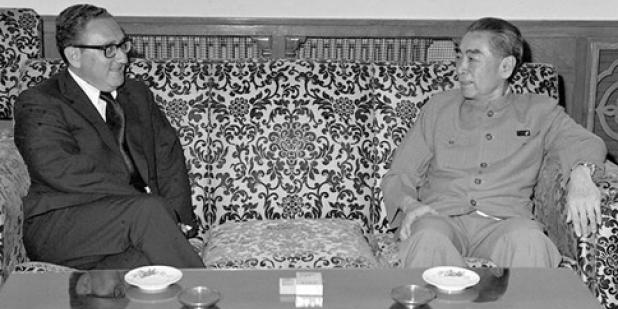
/https:/tf-cmsv2-smithsonianmag-media.s3.amazonaws.com/filer/f4/cb/f4cb92c9-4131-4e0f-ae4a-307144393214/nixoncampaigns.jpg)

No comments:
Post a Comment