20251024 CDTL Biên Bản Cuộc Họp Lượng Giá Của Thượng Hội Đồng Washington 9 June 1971 D216
216. Minutes of a Meeting of the Senior Review Group 1
Washington, June 9, 1971, 3:33–4:42 p.m.
https://history.state.gov/historicaldocuments/frus1969-76v07/d216
https://history.state.gov/historicaldocuments/frus1969-76v07/pg_703
https://history.state.gov/historicaldocuments/frus1969-76v07/pg_704
https://history.state.gov/historicaldocuments/frus1969-76v07/pg_705
https://history.state.gov/historicaldocuments/frus1969-76v07/pg_706
https://history.state.gov/historicaldocuments/frus1969-76v07/pg_707
https://history.state.gov/historicaldocuments/frus1969-76v07/pg_708
https://history.state.gov/historicaldocuments/frus1969-76v07/pg_709
https://history.state.gov/historicaldocuments/frus1969-76v07/pg_710
https://history.state.gov/historicaldocuments/frus1969-76v07/pg_711
https://history.state.gov/historicaldocuments/frus1969-76v07/pg_712
https://history.state.gov/historicaldocuments/frus1969-76v07/pg_713
https://history.state.gov/historicaldocuments/frus1969-76v07/pg_714
https://history.state.gov/historicaldocuments/frus1969-76v07/pg_715
https://history.state.gov/historicaldocuments/frus1969-76v07/d204
https://history.state.gov/historicaldocuments/frus1969-76v07/d212fn5
https://history.state.gov/historicaldocuments/frus1969-76v19p1/d95fn2
https://history.state.gov/historicaldocuments/frus1969-76v19p1/d96
Washington, June 9, 1971, 3:33–4:42 p.m.
SUBJECT
- Vietnam Military Assessment
PARTICIPATION
- Chairman—Henry A. Kissinger
- State
- Mr. John N. Irwin2
- Mr. William Sullivan
- Mr. Arthur Hartman
- Mr. Joseph Wolf
- Defense
- Mr. David Packard
- Mr. Warren Nutter
- Maj. Gen. Fred Karhos
- Lt. Col. W. James Eddins
- JCS
- Admiral Thomas H. Moorer
- Brig. Gen. Adrian St. John
- Rear Admiral Robert O. Welander
- CIA
- Mr. Richard Helms
- Mr. Paul Walsh
- Mr. George Carver
- OMB
- Mr. James Schlesinger
- NSC Staff
- Col. Richard Kennedy
- Mr. Wayne Smith
- Mr. John Holdridge
- Mr. Robert Sansom
- Mr. W.R. Smyser
- Mr. Keith Guthrie
- Mr. Mark Wandler
SUMMARY OF CONCLUSIONS
1.
Summary Analysis of 1972 Enemy Strategies. The SRG endorsed the conclusions of the June 7 summary paper (Summary Analysis of Probable 1972 Enemy Strategies and Alternative Measures to Cope with the Main Force Situation at 100,000 and 50,000 Mid-1972 U.S. Force Levels)3 with respect to the order of probability of enemy threats and the general need to strengthen friendly forces in MRs 1 and 2 to meet these threats.
2.
Flow Chart on Force Deficits. Defense is to submit a flow chart showing how friendly force deficits in each military region are expected to evolve over the period between now and mid-1972.
3.
RVNAF Improvements. Defense will provide by June 10 for Presidential consideration a plan specifying alternative measures that can be taken to improve RVNAF capability to cope with the threats set forth in the June 7 Summary Analysis.4
Dr. Kissinger: At the suggestion of the President, I’ve asked Attorney General Mitchell to sit in on these meetings until our Vietnam strategy is worked out.
Mr. Mitchell: I’m just sitting in. I’m not supposed to provide the strategy.
Mr. Packard: Why don’t we turn the whole thing over to him?
Dr. Kissinger: The primary purpose of this meeting is to see where we agree or disagree about the factual situation in South Vietnam and about the situation we will face next year. We also want to see what we have to do to fix some of the difficulties we will have if the worst case comes about, rather than the predicted case. I think the analytical work that has been done is extremely valuable. I understand that Mr. Walsh is prepared to brief us on the threat section. Col. Eddins, who I understand has done an outstanding job on the military region analysis, will tell us about that; and General St. John will talk about the RVNAF improvement alternatives. Mr. Walsh, do you want to move to the table? Can I assume that you and DIA are in accord now on your estimates?
Mr. Walsh: For the moment.
The threat section in the paper is basically the summation of work that has been done by this group during the last four weeks. We looked at the strategies that the enemy could choose in 1972, and we found that this would depend on two considerations: (1) Hanoi’s estimate of the impact of increased military activity on the political situation in South Vietnam and in the U.S., particularly in light of the upcoming elections in both countries, and (2) Hanoi’s consideration of its logistical and manpower capabilities—and the constraints on these capabilities. Hanoi will also have to give consideration to the control situation in South Vietnam and to the main force balance in South Vietnam and Cambodia during the next 12–18 months.
As a starting point, we’re confident that whatever happens in South Vietnam in 1972, there will be a significant increase in the level of combat.
Dr. Kissinger: Unless Clifford ends the war.
Mr. Walsh: By June, 1972, we consider that the U.S. ground force levels will have diminished to the point where Hanoi will be able to meet the South Vietnamese face to face.5 Hanoi will be able to mount an operation without risking significant U.S. ground action. Hanoi also sees time running out unless it does something to counter the Vietnamization program before the ARVN reaches full strength. Hanoi has also had a year to rebuild and expand its logistical system in Laos—as well as the experience of operating and defending the system. We feel that Hanoi has a new sense of confidence, resulting in part from the Lam Son 719 operation, where they were able to weather the ARVN’s attack without really hurting themselves. This is also indicated by the events of the last few weeks—for example, the activity around Snuol and Phnom Penh. As the U.S. elections approach, Hanoi is given an incentive to use its forces.
From a manpower point of view, Hanoi must pay a cost to execute higher level strategies than protracted warfare. We looked at this, trying to predict the effect U.S. withdrawals would have on the infiltration from the North. As you can see from the table on Page 3, we have estimated infiltration requirements from a low of 70,000 [protracted warfare] to a maximum of 175,000–210,000 [general offensive in RVN and Cambodia]. These figures incorporate enemy manpower requirements for Cambodia and Laos.
Mr. Mitchell: Are these figures through 1972?
Mr. Walsh: Yes. But it really is an annual requirement.
Dr. Kissinger: The 175,000 figure is for an offense in South Vietnam and Cambodia.
Mr. Walsh: Yes. With the lower U.S. force levels, there will be essentially no U.S. ground combat troops. We estimate, therefore, that there will be a decrease in the enemy casualties of about 30 percent. The figures take this into account, and we conclude that from the manpower point of view all of the enemy’s strategies become feasible in 1972.
Dr. Kissinger: What about from the logistical point of view?
Mr. Walsh: There’s some difference between our own analysis of the enemy’s logistical capabilities and the JCS study discussed at the [Page 704] last meeting.6 We both see eye to eye on Hanoi’s ability to mount offensives in MRs 1 or 2, but we differ on the timing. We think Hanoi can mount an offensive in MR 1 or MR 2 a little earlier than DIA does. But we both think these offensives could be launched by January 1972.
Dr. Kissinger: You mean in either MR 1 or MR 2?
Mr. Walsh: Yes. As for a simultaneous offensive in MR 1 and MR 2, we think they could do this in early 1972, but JCS thinks this would be marginal. We say that an MR 1/Cambodia offensive is feasible on logistics grounds, while the JCS says such an offensive is not feasible.
Dr. Kissinger: What about what’s going on in Cambodia now? Would you call that an offensive?
Mr. Walsh: This is the kind of thing we warned about in our earlier reports. The model we have constructed doesn’t fit the situation in Cambodia very well. The kind of enemy actions we have seen in Cambodia recently could be called hot high points. What is distressing is what these actions tell us about the relative capabilities of the [NVA and FANK] forces.
Dr. Kissinger: In the light of the West report,7 this is not surprising.
Mr. Walsh: Getting back to the briefing, I’d like to mention the control situation in South Vietnam. The GVN control position in MRs 3 and 4 is good enough to make Hanoi think two or three times about conducting an offensive there. The GVN control position in MRs 1 and 2 is not so good. If we see increased enemy offensive activity next year, it will likely be in MRs 1 and 2 because of the poor GVN control there and because of the proximity to North Vietnam. Out net judgment is that there will be further enemy offensive activity in 1972 in either MR 1 or MR 2, though it will perhaps come a little later in MR 2. The worst case would be a simultaneous offensive in MRs 1 and 2.
There are, however, two caveats which I would like to discuss right now. The first is that we feel in the present situation in Cambodia, the enemy has an on-going capability to escalate the military activity significantly any time and any place he wants to. We think that the supplies are there and that the infiltration is sufficient. The NVA could do a great deal of damage even without a major offensive.
The other caveat is that we have always tended to write off MR 3 [as a danger area] and perhaps we shouldn’t do so. It would not be too difficult for the NVA to redeploy back to MR 3. They could do this for two purposes—(1) to raise the level of activity in the MR or (2) to make it difficult for Saigon to redeploy the strategic reserve. [Page 705] Such a move on the part of the NVA would tie up crucial manpower for the GVN.
Dr. Kissinger: Before we get to possible solutions, does anyone disagree with this analysis?
Adm. Moorer: I believe it is about right in terms of capabilities, that is, the courses of action available to the enemy. I’d like to return for a moment to their logistical capability. I recently had a briefing from Gen. Clay on Commando Hunt 5. This covered all interdictions in Laos since October. It seems that last year was the most successful year we had regarding interdiction.
Dr. Kissinger: Are we sending more helicopter gunships out there?
Adm. Moorer: My point is that this shows the need for more gunship sorties. Our assumption [in these studies] is that the air support continues.
Regarding that incident northeast of Phnom Penh, I found out that the FANK aircraft never lost contact. There were 26 Cambodians killed against 87 North Vietnamese. It wasn’t the bad loss that it was first reported to be. I think this incident points out that the Cambodians must get off the roads and must stop letting the enemy come to them.
Mr. Carver: The analysis focused on the timing and danger of a major offensive between now and 1972. We shouldn’t forget that the enemy can nibble away at us anytime. Each incident can be small, but the total of all these incidents can be important. While we’re focussing on the dangers of an offensive, the enemy can cause trouble with many small incidents, not one of which is really dramatic. However, this could have an important cumulative effect on control in MR 3 and other areas.
Adm. Moorer: Gen. Abrams met on the 8th with President Thieu and told him how we felt about MRs 1 and 2. He mentioned that we thought we could get through the remainder of this year in MRs 1 and 2 with reinforcement as needed but that next year some redistribution of forces would have to be done.
Dr. Kissinger: Does everyone agree that this is the correct analysis of what we could be up against?
All agreed.
Adm. Moorer: It shows what could happen.
Dr. Kissinger: We have to protect against the worst. Let’s turn now to the military region analysis and to the various improvement alternatives.
Col. Eddins: The essential purpose of this analysis was to estimate for 1972 for 50,000 and 100,000 mid-1972 U.S. force level variants the possible friendly main force surpluses or deficits in each MR and countrywide. My remarks on the friendly forces are keyed to the table at [Page 706] the bottom of Page 17.8 I’d like to make two points that the table conveys, and then I’ll comment about what this means with respect to the control situation and earlier studies.
The table is rather busy. However, it shows two points. The first is that the projected friendly main force deficits in MRs 1 and 2 could under some conditions be offset by the surpluses in MRs 3 and 4. The second point is that the two variant U.S. force levels (50,000 and 100,000) have a relatively minor impact on the analysis. On the other hand, the desired MFR9 has a major impact.
We postulated that the most probable threat in 1972 would be a major offensive in MRs 1 and 2 and protracted warfare in MRs 3 and 4. We also postulated that the worst probable threat would be simultaneous offensives in MRs 1 and 2 and continued protracted warfare in MRs 3 and 4.
(Mr. Irwin joined the meeting at this point.)
The desired MFR was keyed to several factors including the historical relationship between MFR and GVN control data, RVNAF force quality and the area priority (e.g. MR 3 has priority because the capital is there; MR 4 because it is the food-producing area). As you can see, we come up with quite a big range for the surpluses and deficits in each case.
Dr. Kissinger: If we take the most probable case in MR 1, with 100,000 Americans, we have a deficit ranging from 20–58 battalions.
Col. Eddins: That’s right. If there are 50,000 Americans, the deficit range is 25–64 battalions. This gives us a large range of 50–70 battalions.
Dr. Kissinger: Can you define for us what you mean by the high and low MFR?
Col. Eddins: The high desired ratio affords the GVN a good chance of coping with a sustained enemy offensive in such a way that neither a serious control loss or major psychological defeat would ensue. It does not preclude temporary control losses, but these could be re-couped.
The low ratio means the GVN could avoid permanent control losses of serious proportions. However, the low ratio may not preclude the enemy from achieving a major psychological effect by temporarily occupying a principal city.
I might add that these deficits are used as indicators; they’re not to be taken literally. They show the relative problem, as in the worst case in MRs 1 and 2.
Dr. Kissinger: What is the worst case?
Col. Eddins: A simultaneous offensive in MRs 1 and 2.
Dr. Kissinger: In that case, and with 100,000 Americans, we would be short a minimum of 47 battalions in MR 2 and 42 battalions in MR 1. With 50,000 Americans, we would be short a minimum of 47 battalions in MR 1 and 52 battalions in MR 2.
Col. Eddins: Yes, but there’s only a difference of six battalions in these force levels.
Dr. Kissinger: I understand that. But Walsh considers—and everyone agrees—that the enemy would have the capability to undertake a simultaneous offensive in MRs 1 and 2 by no later than March. With those deficits, not even a military genius could win the battle.
Mr. Walsh: You must remember that these deficits may not arise until the middle of 1972.
Col. Eddins: That’s right.
Dr. Kissinger: I wonder if we could get a flow chart showing these deficits over the time period we’re talking about.
Col. Eddins: We can do that. I think it would be worthwhile. We could also show the deficits country-wide.
If you look at the midpoint of the estimates for the most probable case, there will be a countrywide deficit of 4 battalions, corresponding to a MFR of 2.1. In the worst case, there will be a deficit of 85 battalions, corresponding to a MFR of 1.6. 2.1 is roughly the same as the MFR in the first half of 1969, and 1.6 is a little less than 1968.
Mr. Sullivan: You haven’t taken into account the RF and PF forces.
Col. Eddins: We have.
Mr. Sullivan: The RF and PF do have an impact and they should be taken into account in these figures. What happens if you put in the RF in MR 3?
Col. Eddins: We’ve attempted to grind the impact of the RF and PF into the figures in the process of setting our desired MFRs. There are several factors to consider in regard to the RF and PF forces. They’ve increased in size, and gotten better equipment. They make a significant contribution to the main force war in MRs 1, 3 and 4. However, since the U.S. redeployment has begun, there has been a degradation in firepower and mobility. We don’t really know how to balance all this out.
Gen. Karhos: But you haven’t ground the RF and PF into the statistics. This is a strength-driven analysis.
Col. Eddins: Yes, it is. The only way the RF and PF were taken into account was in selecting the desired main force ratios.
Dr. Kissinger: The main force balance is going against us. According to your analysis, the MFRs [in mid-1972] will be less advantageous than in 1968.
Gen. Karhos: The ARVN had M–1s and carbines in 1968, but now they have M–16s. ARVN’s mobility and firepower have significantly increased.
Dr. Kissinger: That may be true of the mobility and firepower of ARVN. But mobility and firepower for the total [friendly] forces in Vietnam has probably decreased [since 1968].
Mr. Sansom: Our assumption was that the ARVN unit of today is as good as a U.S. unit—man for man—in 1968.
Mr. Sullivan: Except that today you are pitting them 2 to 1 against the enemy.
Mr. Sansom: We think it’s more accurate to make the comparison between this quarter and the last quarter of 1970 than between this quarter and 1968.
Mr. Irwin: What is the ratio between the ARVN and the NVA?
Mr. Sansom: It’s 2.1 [2 to 1].
Mr. Irwin: Would it be the same for U.S. forces?
Mr. Sansom: Yes. The table on page 14 of the study shows the MFRs as they actually existed [in the fourth quarter of 1970].10
Mr. Smith: The impact of the PF and RF is discussed on Page 12 of the study.
Col. Eddins: The ratio of the RF and PF to the type of units they are normally expected to cope with has increased four times since 1968, except in MR 4. We took this into account in selecting the desired MFRs.
A final point I would like to make is that control losses in both MRs 1 and 2, or in one or the other, are likely in the worst case, even if feasible force shifts are implemented. We can’t tell, however, if these losses will be temporary or secular. This does indicate that some of the fixes discussed in Section III of the paper will be helpful.
Dr. Kissinger: Does everyone agree with the military region analysis?
Gen. Karhos: We essentially agree, but I would like to underscore again the point that mobility and firepower are not measured in the analysis. This must be taken into consideration when deciding what fixes are needed.
Dr. Kissinger: How would you propose to do this?
Gen. Karhos: The ARVN units can move, and they do have good firepower. I don’t think that we can say that one unit is twice as good as in 1968.
Mr. Sansom: The issue is whether they have improved. The issue is whether the per man support to ARVN will be sufficient.
Dr. Kissinger: As I understand it, the [desired] MFRs are established on the basis of certain assumptions regarding what mobility and firepower are sufficient and desirable. If the ratios drop, there will be certain consequences unless there are compensating factors. If you say that a drop in MFRs will be made up by [increased] firepower and mobility, that argument I can understand. On the other hand, if you say that there will be a decline in MFRs, while firepower and mobility, as a result of U.S. withdrawals, are declining—or at least certainly not increasing, then I fail to see why we don’t have a problem. All the evidence I have seen indicates that firepower and mobility in mid-1972 will be less. What’s wrong with this analytical point?
Mr. Sullivan: In protracted warfare, combat is spread out and small scale. In the worst case, there is massing of forces and conventional contact. Presumably U.S. air power has a bearing on this. Has it been cranked into the study?
Dr. Kissinger: I think you’re not starting with the right assumption. You’re talking about warfare in a limited area. Whether we’re talking about the worst case, simultaneous offensive in MRs 1 and 2, or the most probable case, offensive in MR 1 alone, the combat intensity is the same. The difference is that there will be a greater area covered in the worst case. We still define a major offensive the same way. If that is so, then the only difference is that in one case U.S. air power will be used only in MR 1 while in the other, it will be used in both MRs 1 and 2.
Col. Eddins: Protracted warfare will take place in populated areas.
Dr. Kissinger: The desired MFRs are not measured against protracted warfare.
Mr. Sullivan: You used the fourth quarter of 1970 as the ratio, but this isn’t valid because the enemy didn’t have the capability to wage intensive warfare then.
Col. Eddins: That’s only for comparative purposes. The selection was based on the table on Page 11 comparing the historical MFRs and control data since 1968.11 The selection of the desired MFR was based on the historical relation of MFR to control.
Mr. Sullivan: When there is a shift to intensive combat, is U.S. air power included in the MFR?
Mr. Sansom: It’s not specifically accounted for. We are in effect saying that it will be the same per battalion as in 1968.
Dr. Kissinger: In the first half of 1968, at the time of Tet, the MFR in MR 1 was 1.1 when there was a massive concentration of enemy forces. Now you’re talking of an MFR of 0.7 against the most probable threat during the first half of 1972, with 100,000 Americans.
Col. Eddins: That [ratio of 0.7] is without any force adjustments.
Dr. Kissinger: We have less air power today than we had in 1968. Isn’t that right?
Mr. Packard: No. As a matter of fact, we have an excess of close air support. However, there is a problem as regards interdiction.
Dr. Kissinger: Nevertheless, in the worst probable case for 1972, we face an MFR of 0.7, as against an MFR of 1.1 in 1968. We have to make one hell of an allowance for U.S. air power if we say it will be a compensating factor. I admit that when you compare protracted warfare against high points, air power is more effective against high points. But I find it hard to believe that the desired force ratios can be lower for a high point than for protracted warfare.
Mr. Packard: We all agree that there’s a deficit in MR 1. But the situation in all of Vietnam is not as bad as it was in the first half of 1968.
Col. Eddins: That’s correct. The [overall] MFR is about 2.1 now.
Dr. Kissinger: I agree that we’re better off, except in MR 1.
Mr. Packard: This points to the need for force shifts. It doesn’t say that the overall situation is bad. Of course, it doesn’t answer the question of comparing ARVN divisions against our divisions (in terms of firepower and mobility).
Dr. Kissinger: Firepower and mobility favor the American divisions, I suppose.
Col. Eddins: Primarily in helicopters and airlift capability, not particularly in artillery. The ARVN now have their own artillery.
Mr. Irwin: This leads in turn to the question of the composition of our 100,000 man force. How important is the proportion of support to combat personnel?
Dr. Kissinger: The Washington Post says we won’t have 100,000 men there.
Adm. Moorer: I have some figures here from Gen. Abrams’ plans.
Mr. Irwin: When I was out there [in Saigon] recently, I asked about the composition of the force. I was told 70% would be involved primarily in logistical retrograde. Offhand that seems like a lot.
Adm. Moorer: Between June and December, 796 helicopters will come out.
Dr. Kissinger: At U.S. force levels of either 50,000 or 100,000, the ratios in the worst case will be lower in MRs 1 and 2 and higher in MRs 3 and 4 than in 1968. I want to avoid moving out so fast that we invite another major offensive. We got creamed in 1968, or so the public thought. We all know we can’t stand another Tet next year. This is the problem we’re up against. The worst case, according to Mr. Walsh, is not impossible.
Mr. Packard: The problem is that we have to decide what we can do.
Dr. Kissinger: I’m trying to go at this step by step. If we all agree on the facts, then we can consider what we need to do.
Mr. Sullivan: I agree that the MFR is worse now than it was in 1968. But the PF and RF didn’t exist in 1968.
Dr. Kissinger: (to Col. Eddins) What is your answer?
Col. Eddins: We included the impact of the PF and RF judgmentally. That’s why we showed a range of possible deficits and desired force ratios. The low range may preclude significant control losses, but it may not preclude psychological losses. The high range, on the other hand, attempts to preclude both. There’s also a big range in the deficit in terms of battalions—50–70, at 80 percent strength. This is roughly equal to 27–35 U.S. battalions.
Mr. Walsh: We have done studies throwing in the RF and PF. There are a number of differences, but the trend is the same with either analysis.
Mr. Sullivan: There is no question that if we pull two U.S. divisions out, there would be an effect.
Gen. Karhos: His [Sansom’s] paper shows the variables involved and the trend. In that respect, it’s good.
Col. Eddins: We have to consider the loss of U.S. combat support elements. On the other hand, there have been compensating improvements: in the control statistics, in the quality and size of the RF and PF, and in the quality of ARVN weapons. We have tried to take these factors into account.
Dr. Kissinger: (to Gen. Karhos) You say the paper shows the trend? But is this trend still above the tolerable limit?
Gen. Karhos: The trend is correct. We still ask, though, how firepower was included. He says it was included.
Mr. Sansom: It was taken into consideration by saying that the ARVN unit of today is as good man for man as the U.S. unit of 1968.
Dr. Kissinger: He doesn’t have to show the change in the numerical value of the ratios because of improvements in firepower. If [Page 712] firepower is no worse, then we can proceed on the basis of the existing ratios.
Mr. Packard: It seems to me that the situation is not as good as we would like. We would like to have a better ratio. This analysis indicates that we’re close to a critical situation and that we better get on and do what has to be done.
Dr. Kissinger: Exactly. The worst thing we could do by doing too much would be to waste money.
Mr. Mitchell: (to Mr. Packard) Will our surplus of close air support occur now or in mid 1972?
Mr. Packard: I don’t have the figures. But I believe there would be a surplus almost anytime.
Adm. Moorer: Normally only 30 percent of our air resources goes for close air support. During the dry season, this goes up if there is a lot of military activity. During Lam Son, for example, we diverted some of the interdiction missions to close air support. In 1968, we were flying 28,000 sorties a month. Of course, at that time we were also bombing North Vietnam.
Mr. Packard: On the average, there isn’t a large percentage of sorties flown for close air support. We might be able to increase it. But we have to figure out some way to keep our surge capability. I think we can maintain adequate close air support. We are looking at the issue now. We should have some recommendations on this by the end of the month.
Dr. Kissinger: Shall we hear now from Gen. St. John?
Gen. St. John: I would like to give you a brief summary of Section III, the Alternative Improvements for RVNAF, but first I would like to say that we accept the analysis of Section II, which indicates the trend of the imbalance in MRs 1 and 2.
There are three general ways we can offset these imbalances: (1) qualitative improvement of existing forces; (2) redistribution of existing forces; (3) possible increases in the total force structure. These alternatives don’t imply that we do one or the other; in fact, all can be carried out in conjunction. The qualitative improvements have, I believe, already been discussed by the SRG. This includes such things as better pay, food supplement programs, dependent housing programs, and accelerated promotions. Perhaps instead of a general across-the-board pay increase, there could be a dislocation allowance for combat troops operating an extended distance from home bases. This may help cut down the desertion rate and it would be more manageable for the Vietnamese economy. Leadership has been a great problem area as the ARVN has expanded. We have several programs underway, and we keep pushing. The best program has proven to be one of giving the Vietnamese schooling, training and experience.
Logistics has been another significant area of concern to us. The Improvement and Modernization Program should enhance the capability of the RVNAF. We would like to see measures taken to increase the manning levels of ARVN battalions from the current 78 percent to 90 percent in mid-1972. The spaces are available to do this within the 1.1 million limit. We’re now accelerating from FY 73 to FY 72 the program to provide the equipment needed for a 1.1 million force level. We can also activate units that were not scheduled to be activated until 1973. The RF and PF play a large role, especially in protracted warfare. The GVN is reducing the strength of the PF platoon from 35 to 32 men, and the space savings will result in 200 additional platoons. I think that the redistribution of forces has also already been discussed here.
Dr. Kissinger: It’s essential in any event that the forces in MRs 1 and 2 be strengthened.
Gen. St. John: That’s right. A permanent redistribution of forces involves many problems. One way to shift forces is to move the general reserves, which consist of marines, airborne troops, and rangers. Another way to do it is to cut down some of the units in MRs 3 and 4, where we have a surplus, and put additional units in regions 1 and 2. Still another way is to form an additional division out of the 1st ARVN Division. This would, however, not be a total additional division. A second possibility, as discussed on Page 30, would be to form units from the Kontum area into 2 or 3 regiments, with combat support elements. Regarding expansion possibilities, the RVNAF could go to 1.2 million men, or some lesser order of magnitude. It’s debatable whether the manpower is available to do this. In any case, the major constraint against doing this would be the lack of leadership rather than the lack of manpower. We think that some redistribution of strength to MRs 1 and 2 is necessary. It’s important and desirable to get the GVN to go along with this.
Mr. Helms: Is there any way we can speed up strengthening the RVNAF?
Gen. St. John: We’re accelerating as fast as we can. The GVN should reach the 1.1 million force level in 1972.
Mr. Carver: The problem with this type of analysis [the analysis in the June 7 summary paper] is that redeployment is the quick and easy answer. We will have a problem with some of the ARVN force who do not want to be redeployed from MR 3 to MR 1. We should be able to get by in MR 1 by jacking up the forces and men already deployed there.
Gen. St. John: That’s the thrust of what we’re proposing. We want to move spaces, not necessarily men. In MR 2 we’re faced with the same quantitative problem.
Dr. Kissinger: We have seven months to go.
Mr. Packard: We can recommend several courses of action. There are two or three decisions we ought to make. (1) Do we all agree something has to be done in MRs 1 and 2? (2) Should we raise the RVNAF to 1.2 million men or leave it at 1.1 million? I personally think we should stabilize it at 1.1 million and concentrate on raising quality and manning levels. (3) Should we work to get stronger RVNAF leadership and other things Gen. St. John mentioned? This, I think, is the least that needs to be done. That leaves two other issues to which we should address ourselves: One is close air support. We will have some recommendations on this later in the month. The other is the ROK forces.
Dr. Kissinger: (to Mr. Sullivan) You owe us the ROK paper. It was due May 28.
Mr. Sullivan: We have the paper, but it hasn’t been signed by the Secretary. We have agreement within the Department and from Defense. If you wish, I can give it to you.12
Dr. Kissinger: What does the paper recommend?
Mr. Sullivan: We have several options. However, the consensus is that the Marine Brigade should go home. The two divisions should stay through CY 1972. We should agree to fund the two divisions up to January 1, 1973, but we shouldn’t pay more than we’re paying now. In 1973, if necessary, we should negotiate a new arrangement with the Koreans. We also will have to tell the Koreans about our plans for withdrawals from Korea in 1973.
Dr. Kissinger: Will the paper be coming over in a day or so?
Mr. Sullivan: Yes.
Adm. Moorer: We must talk with the Koreans about this.
Mr. Packard: We ought to have a decision before the Secretary leaves.
Dr. Kissinger: Which Secretary? There are so many of them traveling these days.
Mr. Packard: Laird.
Mr. Mitchell: (to Mr. Packard) What have you proposed to do about moving RVN forces?
Mr. Packard: We think we should leave that to Gen. Abrams.
Adm. Moorer: I don’t think we will have a serious problem moving them from MR to MR. Right now it takes 38 hours to move a division from MR 3 to MR 1. We will have 96 C–130s in Vietnam through 1972, and I think we’re relatively well taken care of in this respect. It’s an entirely different matter for helicopters used in assault operations. The ARVN will add 120, but we will go down from 940 to 300—mostly UH–1s. There are two problems: (1) going from one region to another and (2) tactical mobility. The first is not too difficult. The helicopter problem should be looked at closely. John, does that handle the first part of your question?
Mr. Mitchell: I take it there’s no constraint on taking forces out of MRs 3 and 4.
Dr. Kissinger: There is a time factor. If their forces are out of there very long, it gives the other side incentive to raise hell there.
(to Mr. Packard) Can you give us a paper in ten days? Give us your judgment on what is needed; relate the program to the need. We have to know whether the additional forces needed in MRs 1 and 2 should come out of MR 3 and or whether we should create and put in new units. I have no judgment on how to do this. The usual advice we get is that we shouldn’t move units because they would lose their effectiveness. We need this study by the end of next week so that the President can make a decision. That way we can have a program that can be carried out by the end of the year. I think the general ideas you have developed are good. We will be able to move with confidence.
Mr. Packard: We should just keep moving and not talk about it so much.
Google Translated
Washington, ngày 9 tháng 6 năm 1971, 3:33 chiều–4:42 chiều
CHỦ ĐỀ
Đánh giá Quân sự Việt Nam
SỰ THAM GIA
Chủ tọa
Henry A. Kissinger
Bộ Ngoại giao
Ông John N. Irwin
Ông William Sullivan
Ông Arthur Hartman
Ông Joseph Wolf
Bộ Quốc phòng
Ông David Packard
Ông Warren Nutter
Thiếu tướng Fred Karhos
Trung tá W. James Eddins
Tham mưu trưởng Liên quân
Đô đốc Thomas H. Moorer
Chuẩn tướng Adrian St. John
Chuẩn đô đốc Robert O. Welander
CIA
Ông Richard Helms
Ông Paul Walsh
Ông George Carver
Văn phòng Quản lý và Ngân sách
Ông James Schlesinger
Nhân viên Hội đồng An ninh Quốc gia
Đại tá Richard Kennedy
Ông Wayne Smith
Ông John Holdridge
Ông Robert Sansom
Ông W.R. Smyser
Ông Keith Guthrie
Ông Mark Wandler
TỔNG KẾT
1.
Phân tích Tóm tắt Chiến lược của Địch năm 1972. SRG- Senior Review Group đã thông qua các kết luận của báo cáo tóm tắt ngày 7 tháng 6 (Phân tích Tóm tắt các Chiến lược của Địch năm 1972 và các Biện pháp Thay thế để Đối phó với Tình hình Lực lượng Chủ lực ở Cấp độ 100.000 và 50.000 Quân của Hoa Kỳ vào giữa năm 1972) liên quan đến thứ tự xác suất các mối đe dọa của địch và nhu cầu chung là tăng cường lực lượng ta ở các Quân khu 1 và 2 để đối phó với các mối đe dọa này.
2.
Sơ đồ về Thiếu hụt Lực lượng. Bộ Quốc phòng phải nộp một sơ đồ thể hiện mức độ thiếu hụt lực lượng ta ở mỗi quân khu dự kiến sẽ phát triển như thế nào trong giai đoạn từ nay đến giữa năm 1972.
Cải thiện Không quân Việt Nam Cộng hòa. Bộ Quốc phòng sẽ trình lên Tổng thống xem xét một kế hoạch, trước ngày 10 tháng 6, nêu rõ các biện pháp thay thế có thể được thực hiện để cải thiện năng lực của Không quân Việt Nam Cộng hòa nhằm đối phó với các mối đe dọa được nêu trong Phân tích Tóm tắt ngày 7 tháng 6.
Tiến sĩ Kissinger: Theo đề nghị của Tổng thống, tôi đã yêu cầu Bộ trưởng Tư pháp Mitchell tham dự các cuộc họp này cho đến khi chiến lược Việt Nam của chúng ta được xây dựng xong.
Ông Mitchell: Tôi chỉ tham dự thôi. Tôi không được phép đưa ra chiến lược.
Ông Packard: Sao chúng ta không giao toàn bộ cho ông ấy?
Tiến sĩ Kissinger: Mục đích chính của cuộc họp này là để xem chúng ta đồng ý hay bất đồng ở điểm nào về tình hình thực tế ở Nam Việt Nam và về tình hình chúng ta sẽ phải đối mặt vào năm tới. Chúng tôi cũng muốn xem chúng ta phải làm gì để khắc phục một số khó khăn mà chúng ta sẽ gặp phải nếu trường hợp xấu nhất xảy ra, chứ không phải trường hợp dự đoán. Tôi nghĩ rằng công việc phân tích đã được thực hiện là vô cùng quý giá. Tôi được biết ông Walsh đã sẵn sàng báo cáo tóm tắt cho chúng ta về phần mối đe dọa. Đại tá Eddins, người mà tôi được biết đã làm rất tốt trong việc phân tích khu vực quân sự, sẽ cho chúng ta biết về điều đó; và Tướng St. John sẽ nói về các phương án cải thiện Không quân Việt Nam Cộng hòa. Ông Walsh, ông có muốn tham gia thảo luận không? Tôi có thể cho rằng hiện tại ông và DIA đã thống nhất về ước tính của mình không?
Ông Walsh: Hiện tại thì vậy.
Phần về mối đe dọa trong bài báo về cơ bản là tổng kết công việc đã được nhóm này thực hiện trong bốn tuần qua. Chúng tôi đã xem xét các chiến lược mà kẻ thù có thể lựa chọn vào năm 1972, và chúng tôi nhận thấy rằng điều này sẽ phụ thuộc vào hai yếu tố: (1) ước tính của Hà Nội về tác động của việc gia tăng hoạt động quân sự đối với tình hình chính trị ở Nam Việt Nam và Hoa Kỳ, đặc biệt là trong bối cảnh cuộc bầu cử sắp tới ở cả hai quốc gia, và (2) sự cân nhắc của Hà Nội về năng lực hậu cần và nhân lực của mình—và những hạn chế đối với các năng lực này. Hà Nội cũng sẽ phải cân nhắc đến tình hình kiểm soát ở Nam Việt Nam và cán cân lực lượng chủ lực ở Nam Việt Nam và Campuchia trong 12–18 tháng tới.
Trước hết, chúng tôi tin tưởng rằng bất cứ điều gì xảy ra ở Nam Việt Nam vào năm 1972, mức độ chiến đấu sẽ gia tăng đáng kể. [Trang 703]
Tiến sĩ Kissinger: Trừ khi Clifford chấm dứt chiến tranh.
Ông Walsh: Đến tháng 6 năm 1972, chúng tôi cho rằng lực lượng bộ binh Hoa Kỳ sẽ giảm xuống đến mức Hà Nội có thể đối đầu trực diện với quân đội Nam Việt Nam. Hà Nội sẽ có thể tiến hành một chiến dịch mà không phải mạo hiểm đối đầu với bộ binh của Hoa Kỳ. Hà Nội cũng thấy thời gian đang cạn dần trừ khi họ làm điều gì đó để chống lại chương trình Việt Nam hóa trước khi Quân lực Việt Nam Cộng hòa đạt được toàn bộ sức mạnh. Hà Nội cũng có một năm để xây dựng lại và mở rộng hệ thống hậu cần của mình tại Lào—cũng như kinh nghiệm vận hành và phòng thủ hệ thống này. Chúng tôi cảm thấy Hà Nội có một cảm giác tự tin mới, một phần là nhờ chiến dịch Lam Sơn 719, nơi họ có thể chống chọi với cuộc tấn công của Quân lực Việt Nam Cộng hòa mà không thực sự gây tổn hại cho chính mình. Điều này cũng được chỉ ra bởi các sự kiện trong vài tuần qua—ví dụ, hoạt động xung quanh Snoul và Phnom Penh. Khi cuộc bầu cử ở Hoa Kỳ đến gần, Hà Nội có động lực để sử dụng lực lượng của mình.
Xét về mặt nhân lực, Hà Nội phải trả giá đắt để thực hiện các chiến lược cấp cao hơn là chiến tranh trường kỳ. Chúng tôi đã xem xét điều này, cố gắng dự đoán tác động của việc rút quân Hoa Kỳ đối với sự xâm nhập từ miền Bắc. Như quý vị có thể thấy từ bảng trên Trang 3, chúng tôi đã ước tính nhu cầu xâm nhập từ mức thấp nhất là 70.000 [chiến tranh trường kỳ] đến mức tối đa là 175.000–210.000 [tổng tấn công vào Việt Nam Cộng hòa và Campuchia]. Những con số này bao gồm cả nhu cầu nhân lực của đối phương cho Campuchia và Lào.
Ông Mitchell: Những con số này có phải là đến hết năm 1972 không?
Ông Walsh: Vâng. Nhưng thực ra đó là nhu cầu hàng năm.
Tiến sĩ Kissinger: Con số 175.000 là cho một cuộc tấn công ở Nam Việt Nam và Campuchia.
Ông Walsh: Vâng. Với mức độ lực lượng Hoa Kỳ thấp hơn, về cơ bản sẽ không có bộ binh của Hoa Kỳ. Do đó, chúng tôi ước tính rằng thương vong của đối phương sẽ giảm khoảng 30%. Các con số này tính đến điều này và chúng ta kết luận rằng xét về mặt nhân lực, mọi chiến lược của kẻ thù đều khả thi vào năm 1972.
Tiến sĩ Kissinger: Về mặt hậu cần thì sao?
Ông Walsh: Có một số khác biệt giữa phân tích của chúng tôi về năng lực hậu cần của đối phương và nghiên cứu của Hội đồng Tham mưu trưởng Liên quân (JCS) được thảo luận tại [Trang 704] cuộc họp gần đây nhất. Cả hai chúng tôi đều đồng tình về khả năng tiến hành các cuộc tấn công của Hà Nội ở Quân khu 1 hoặc 2, nhưng chúng tôi khác nhau về thời điểm. Chúng tôi nghĩ Hà Nội có thể tiến hành một cuộc tấn công ở Quân khu 1 hoặc 2 sớm hơn một chút so với DIA. Nhưng cả hai chúng tôi đều nghĩ rằng các cuộc tấn công này có thể được phát động vào tháng 1 năm 1972.
Tiến sĩ Kissinger: Ý ông là ở Quân khu 1 hoặc Quân khu 2?
Ông Walsh: Vâng. Về một cuộc tấn công đồng thời ở Quân khu 1 và Quân khu 2, chúng tôi nghĩ họ có thể làm điều này vào đầu năm 1972, nhưng JCS cho rằng điều này là không đáng kể. Chúng tôi cho rằng một cuộc tấn công vào Quân khu 1/Campuchia là khả thi về mặt hậu cần, trong khi JCS lại cho rằng một cuộc tấn công như vậy là không khả thi.
Tiến sĩ Kissinger: Vậy còn những gì đang diễn ra ở Campuchia hiện nay thì sao? Ông có gọi đó là một cuộc tấn công không?
Ông Walsh: Đây chính là điều chúng tôi đã cảnh báo trong các báo cáo trước đây. Mô hình chúng tôi xây dựng không phù hợp lắm với tình hình ở Campuchia. Những hành động của địch mà chúng ta chứng kiến gần đây ở Campuchia có thể được gọi là những điểm nóng. Điều đáng lo ngại là những hành động này cho chúng ta biết về năng lực tương đối của các lực lượng [NVA và FANK].
Tiến sĩ Kissinger: Xét theo báo cáo của phương Tây, điều này không có gì đáng ngạc nhiên.
Ông Walsh: Quay trở lại với bản tóm tắt, tôi muốn đề cập đến tình hình kiểm soát ở Nam Việt Nam. Vị trí kiểm soát của Chính phủ Việt Nam Cộng hòa ở Vùng 3 và Vùng 4 đủ tốt để khiến Hà Nội phải suy nghĩ hai hoặc ba lần về việc tiến hành một cuộc tấn công ở đó. Vị trí kiểm soát của Chính phủ Việt Nam Cộng hòa ở Vùng 1 và Vùng 2 thì không tốt lắm. Nếu chúng ta thấy hoạt động tấn công của địch gia tăng vào năm tới, thì có thể sẽ ở Vùng 1 và Vùng 2 do khả năng kiểm soát kém của Chính phủ Việt Nam Cộng hòa ở đó và do vị trí gần với Bắc Việt Nam. Phán đoán chung của chúng tôi là sẽ có thêm hoạt động tấn công của địch vào năm 1972 ở cả Quân khu 1 hoặc Quân khu 2, mặc dù có lẽ sẽ diễn ra muộn hơn một chút ở Quân khu 2. Trường hợp xấu nhất sẽ là một cuộc tấn công đồng thời ở Quân khu 1 và 2.
Tuy nhiên, có hai điều tôi muốn thảo luận ngay bây giờ. Thứ nhất, chúng tôi nhận thấy trong tình hình hiện tại ở Campuchia, địch đang có khả năng liên tục leo thang hoạt động quân sự đáng kể bất cứ lúc nào và bất cứ nơi đâu chúng muốn. Chúng tôi cho rằng nguồn tiếp tế đã có sẵn và việc xâm nhập là đủ. Quân đội Bắc Việt có thể gây ra thiệt hại lớn ngay cả khi không có một cuộc tấn công lớn.
Điều thứ hai là chúng tôi luôn có xu hướng coi Quân khu 3 [là một khu vực nguy hiểm] và có lẽ chúng tôi không nên làm như vậy. Quân đội Bắc Việt sẽ không quá khó khăn để tái triển khai trở lại Quân khu 3. Họ có thể làm điều này vì hai mục đích— (1) để nâng cao mức độ hoạt động trong Quân khu hoặc (2) để gây khó khăn cho Sài Gòn trong việc tái triển khai lực lượng dự bị chiến lược. [Trang 705]
Một động thái như vậy từ phía Quân đội Bắc Việt sẽ làm lãng phí nguồn nhân lực quan trọng của Chính phủ Việt Nam.
Tiến sĩ Kissinger: Trước khi chúng ta đi đến các giải pháp khả thi, có ai không đồng ý với phân tích này không?
Đô đốc Moorer: Tôi tin rằng điều đó khá đúng về mặt năng lực, tức là các phương án hành động mà kẻ thù có thể thực hiện. Tôi muốn quay lại một chút về năng lực hậu cần của họ. Gần đây tôi đã được Tướng Clay báo cáo tóm tắt về Chiến dịch Săn lùng Biệt kích 5. Báo cáo này bao gồm tất cả các cuộc can thiệp ở Lào kể từ tháng 10. Có vẻ như năm ngoái là năm thành công nhất của chúng tôi về mặt can thiệp.
Tiến sĩ Kissinger: Chúng ta có gửi thêm trực thăng chiến đấu ra đó không?
Đô đốc Moorer: Ý tôi là điều này cho thấy nhu cầu cần có thêm nhiều phi vụ chiến đấu. Giả định của chúng tôi [trong các nghiên cứu này] là sự hỗ trợ trên không vẫn tiếp tục.
Liên quan đến biến động ở phía đông bắc Phnom Penh, tôi phát hiện ra rằng máy bay của FANK không hề mất liên lạc. Có 26 người Campuchia thiệt mạng so với 87 lính Bắc Việt. Đó không phải là tổn thất nặng nề như báo cáo ban đầu. Tôi nghĩ sự cố này cho thấy người Campuchia phải tránh xa đường sá và không để kẻ thù tiếp cận họ.
Ông Carver: Phân tích tập trung vào thời điểm và mức độ nguy hiểm của một cuộc tấn công lớn từ nay đến năm 1972. Chúng ta không nên quên rằng kẻ thù có thể cắn xé chúng ta bất cứ lúc nào. Mỗi sự cố có thể nhỏ, nhưng tổng thể của tất cả những sự cố này đều rất quan trọng. Trong khi chúng ta đang tập trung vào những nguy hiểm của một cuộc tấn công, kẻ thù có thể gây rắc rối với nhiều sự cố nhỏ, không có sự cố nào thực sự nghiêm trọng. Tuy nhiên, điều này có thể có tác động tích lũy quan trọng đến việc kiểm soát Quân khu 3 và các khu vực khác.
Đô đốc Moorer: Tướng Abrams đã gặp Tổng thống Thiệu vào ngày 8 và nói với ông ấy về Quân khu 1 và 2. Ông ấy nói rằng chúng tôi nghĩ rằng chúng tôi có thể vượt qua phần còn lại của năm nay tại Quân khu 1 và 2 với sự tăng cường khi cần thiết, nhưng năm tới sẽ phải phân bổ lại lực lượng.
Tiến sĩ Kissinger: Mọi người có đồng ý rằng đây là phân tích chính xác về những gì chúng ta có thể phải đối mặt không?
Tất cả đều đồng ý.
Đô đốc Moorer: Nó cho thấy những gì có thể xảy ra.
Tiến sĩ Kissinger: Chúng ta phải bảo vệ mình khỏi những điều tồi tệ nhất. Bây giờ, hãy chuyển sang phân tích khu vực quân sự và các phương án cải thiện khác nhau.
Đại tá Eddins: Mục đích chính của phân tích này là ước tính vào năm 1972, đối với 50.000 và 100.000 quân số Hoa Kỳ vào giữa năm 1972, mức dư thừa hoặc thiếu hụt quân chủ lực của phe ta có thể có ở mỗi Quân khu và trên toàn quốc. Nhận xét của tôi về lực lượng phe ta được trình bày trong bảng ở [Trang 706] cuối Trang 17. Tôi muốn nêu ra hai điểm mà bảng thể hiện, và sau đó tôi sẽ bình luận về ý nghĩa của điều này liên quan đến tình hình kiểm soát và các nghiên cứu trước đó.
Bảng này khá chi tiết. Tuy nhiên, nó cho thấy hai điểm. Thứ nhất, dự kiến thâm hụt lực lượng chủ lực của phe ta ở Vùng 1 và Vùng 2 trong một số điều kiện có thể được bù đắp bằng thặng dư ở Vùng 3 và Vùng 4. Thứ hai, hai mức quân số biến thể của Hoa Kỳ (50.000 và 100.000) có tác động tương đối nhỏ đến phân tích. Mặt khác, mức MFR9 mong muốn lại có tác động lớn.
Chúng tôi giả định rằng mối đe dọa có khả năng xảy ra nhất vào năm 1972 sẽ là một cuộc tấn công lớn ở Vùng 1 và Vùng 2 và chiến tranh kéo dài ở Vùng 3 và Vùng 4. Chúng tôi cũng giả định rằng mối đe dọa có khả năng xảy ra tồi tệ nhất sẽ là các cuộc tấn công đồng thời ở Vùng 1 và Vùng 2 và chiến tranh kéo dài liên tục ở Vùng 3 và Vùng 4.
(Ông Irwin đã tham gia cuộc họp vào thời điểm này.)
MFR mong muốn được xác định dựa trên một số yếu tố, bao gồm mối quan hệ lịch sử giữa MFR và dữ liệu kiểm soát của Chính phủ Việt Nam Cộng hòa, chất lượng lực lượng Không quân Việt Nam Cộng hòa và mức độ ưu tiên của khu vực (ví dụ: Quân khu 3 được ưu tiên vì có thủ đô; Quân khu 4 vì là khu vực sản xuất lương thực). Như ông thấy, chúng ta đưa ra một phạm vi khá lớn cho mức thặng dư và thâm hụt trong mỗi trường hợp.
Tiến sĩ Kissinger: Nếu chúng ta lấy trường hợp có khả năng xảy ra nhất ở Quân khu 1, với 100.000 quân Mỹ, chúng ta sẽ thâm hụt từ 20 đến 58 tiểu đoàn.
Đại tá Eddins: Đúng vậy. Nếu có 50.000 quân Mỹ, thì mức thâm hụt sẽ là 25 đến 64 tiểu đoàn. Điều này cho chúng ta một phạm vi rộng từ 50 đến 70 tiểu đoàn.
Tiến sĩ Kissinger: Ông có thể giải thích cho chúng tôi về mức MFR cao và thấp mà ông muốn nói đến không?
Đại tá Eddins: Tỷ lệ mong muốn cao này mang lại cho Chính phủ Việt Nam cơ hội tốt để đối phó với một cuộc tấn công kéo dài của địch mà không gây ra mất kiểm soát nghiêm trọng hay thất bại tâm lý lớn. Điều này không loại trừ khả năng mất kiểm soát tạm thời, nhưng có thể khắc phục được.
Tỷ lệ thấp này có nghĩa là Chính phủ Việt Nam có thể tránh được những tổn thất kiểm soát vĩnh viễn nghiêm trọng. Tuy nhiên, tỷ lệ thấp này có thể không ngăn cản được kẻ thù đạt được hiệu ứng tâm lý lớn bằng cách tạm thời chiếm đóng một thành phố chính. [Trang 707]
Tôi xin nói thêm rằng những thiếu hụt này được sử dụng như những chỉ số; chúng không nên được hiểu theo nghĩa đen. Chúng cho thấy vấn đề tương đối, như trong trường hợp xấu nhất ở MR 1 và 2.
Tiến sĩ Kissinger: Trường hợp xấu nhất là gì?
Đại tá Eddins: Một cuộc tấn công đồng thời vào Quân khu 1 và 2.
Tiến sĩ Kissinger: Trong trường hợp đó, với 100.000 quân Mỹ, chúng ta sẽ thiếu tối thiểu 47 tiểu đoàn ở Quân khu 2 và 42 tiểu đoàn ở Quân khu 1. Với 50.000 quân Mỹ, chúng ta sẽ thiếu tối thiểu 47 tiểu đoàn ở Quân khu 1 và 52 tiểu đoàn ở Quân khu 2.
Đại tá Eddins: Đúng vậy, nhưng chỉ chênh lệch sáu tiểu đoàn về số lượng quân số.
Tiến sĩ Kissinger: Tôi hiểu điều đó. Nhưng Walsh cho rằng – và mọi người đều đồng ý – rằng kẻ thù sẽ có khả năng thực hiện một cuộc tấn công đồng thời vào Quân khu 1 và 2 chậm nhất là vào tháng 3. Với những thiếu hụt đó, ngay cả một thiên tài quân sự cũng không thể thắng trận.
Ông Walsh: Ông phải nhớ rằng những khoản thâm hụt này có thể không phát sinh cho đến giữa năm 1972.
Đại tá Eddins: Đúng vậy.
Tiến sĩ Kissinger: Tôi tự hỏi liệu chúng ta có thể có được một biểu đồ thể hiện những khoản thâm hụt này trong khoảng thời gian mà chúng ta đang nói đến hay không.
Đại tá Eddins: Chúng ta có thể làm được điều đó. Tôi nghĩ điều đó sẽ hữu ích. Chúng ta cũng có thể thể hiện mức thâm hụt trên toàn quốc.
Nếu ông xem xét điểm giữa của các ước tính cho trường hợp có khả năng xảy ra nhất, sẽ có mức thâm hụt trên toàn quốc là 4 tiểu đoàn, tương ứng với MFR là 2,1. Trong trường hợp xấu nhất, sẽ có mức thâm hụt là 85 tiểu đoàn, tương ứng với MFR là 1,6. 2,1 gần bằng MFR trong nửa đầu năm 1969, và 1,6 thì ít hơn một chút so với năm 1968.
Ông Sullivan: Ông chưa tính đến lực lượng ĐPQ và NQ.
Đại tá Eddins: Chúng tôi có.
Ông Sullivan: Lực lượng ĐPQ và Lực lượng NQ có tác động và chúng cần được tính đến trong các số liệu này. Điều gì sẽ xảy ra nếu ông đưa Lực lượng ĐPQ vào Quân khu 3?
Đại tá Eddins: Chúng tôi đã cố gắng đưa tác động của Lực lượng ĐPQ và Lực lượng NQ vào các số liệu trong quá trình thiết lập các Tỷ lệ Chiến đấu (MFR) mong muốn. Có một số yếu tố cần xem xét liên quan đến lực lượng ĐPQ và Lực lượng NQ. Lực lượng này đã tăng về quy mô và được trang bị tốt hơn. Họ đóng góp đáng kể vào cuộc chiến tranh chủ lực ở Quân khu 1, 3 và 4. Tuy nhiên, kể từ khi Hoa Kỳ bắt đầu tái triển khai, hỏa lực và khả năng cơ động đã bị suy giảm. Chúng tôi thực sự không biết làm thế nào để cân bằng tất cả những điều này.
Tướng Karhos: Nhưng ông chưa đưa Lực lượng ĐPQ và Lực lượng NQ vào các số liệu thống kê. Đây là một phân tích dựa trên sức mạnh.
Đại tá Eddins: Đúng vậy. Cách duy nhất để tính đến Lực lượng ĐPQ và Lực lượng NQ là khi lựa chọn tỷ lệ lực lượng chủ lực mong muốn. [Trang 708]
Tiến sĩ Kissinger: Cán cân lực lượng chủ chốt đang bất lợi cho chúng ta. Theo phân tích của ông, các MFR [vào giữa năm 1972] sẽ kém lợi thế hơn so với năm 1968.
Tướng Karhos: Quân đội Việt Nam Cộng hòa đã có súng M-1 và súng carbine vào năm 1968, nhưng giờ họ có súng M-16. Khả năng cơ động và hỏa lực của Quân đội Việt Nam Cộng hòa đã tăng lên đáng kể.
Tiến sĩ Kissinger: Điều đó có thể đúng với khả năng cơ động và hỏa lực của Quân đội Việt Nam Cộng hòa. Nhưng khả năng cơ động và hỏa lực của tổng lực lượng [ta] tại Việt Nam có lẽ đã giảm [kể từ năm 1968].
Ông Sansom: Giả định của chúng tôi là đơn vị Quân đội Việt Nam Cộng hòa ngày nay ngang bằng với một đơn vị Hoa Kỳ - xét về mặt người - vào năm 1968.
Ông Sullivan: Ngoại trừ việc ngày nay chúng ta đang so sánh họ với kẻ thù theo tỷ lệ 2 chọi 1.
Ông Sansom: Chúng tôi nghĩ rằng việc so sánh giữa quý này và quý cuối năm 1970 sẽ chính xác hơn là so sánh giữa quý này và năm 1968.
Ông Irwin: Tỷ lệ giữa Quân đội Việt Nam Cộng hòa và Quân đội Bắc Việt là bao nhiêu?
Ông Sansom: Tỷ lệ là 2,1 [2 chọi 1].
Ông Irwin: Liệu điều này có tương tự với lực lượng Hoa Kỳ không?
Ông Sansom: Đúng vậy. Bảng ở trang 14 của nghiên cứu cho thấy các Lực lượng Tác chiến Đặc biệt (MFR- Military Force Region) thực tế [trong quý IV năm 1970].
Ông Smith: Tác động của Lực lượng Tác chiến NQ (PF-People Force) và Lực lượng Tác chiến ĐPQ (RF-Region Force) được thảo luận ở Trang 12 của nghiên cứu.
Đại tá Eddins: Tỷ lệ Lực lượng Tác chiến Đặc biệt (RF) và Lực lượng Tác chiến Đặc biệt (PF) so với loại đơn vị mà chúng thường được kỳ vọng sẽ đối phó đã tăng gấp bốn lần kể từ năm 1968, ngoại trừ ở Chiến dịch 4. Chúng tôi đã tính đến điều này khi lựa chọn các Lực lượng Tác chiến Đặc biệt (MFR) mong muốn.
Điểm cuối cùng tôi muốn nêu ra là khả năng mất kiểm soát ở cả Chiến dịch 1 và Chiến dịch 2, hoặc ở một trong hai Chiến dịch, rất có thể xảy ra trong trường hợp xấu nhất, ngay cả khi các thay đổi lực lượng khả thi được thực hiện. Tuy nhiên, chúng tôi không thể biết liệu những mất mát này là tạm thời hay lâu dài. Điều này cho thấy một số giải pháp khắc phục được thảo luận trong Phần III của bài báo sẽ hữu ích.
Tiến sĩ Kissinger: Mọi người có đồng ý với phân tích về khu vực quân sự không?
Tướng Karhos: Về cơ bản chúng tôi đồng ý, nhưng tôi muốn nhấn mạnh lại rằng khả năng cơ động và hỏa lực không được đo lường trong quá trình phân tích. Điều này phải được xem xét khi quyết định những cải tiến cần thiết. [Trang 709]
Tiến sĩ Kissinger: Ông đề xuất thực hiện điều này như thế nào?
Tướng Karhos: Các đơn vị QLVNCH có thể di chuyển, và họ có hỏa lực tốt. Tôi không nghĩ rằng chúng ta có thể nói rằng một đơn vị mạnh gấp đôi so với năm 1968.
Ông Sansom: Vấn đề là liệu họ có cải thiện hay không. Vấn đề là liệu mức hỗ trợ trên mỗi binh sĩ cho QLVNCH có đủ hay không.
Tiến sĩ Kissinger: Theo tôi hiểu, các MFR [mong muốn] được thiết lập dựa trên một số giả định nhất định về mức độ cơ động và hỏa lực nào là đủ và mong muốn. Nếu các tỷ lệ này giảm, sẽ có những hậu quả nhất định trừ khi có các yếu tố bù trừ. Nếu ông nói rằng sự sụt giảm MFR sẽ được bù đắp bằng hỏa lực [tăng] và khả năng cơ động, thì tôi có thể hiểu được lập luận đó. Mặt khác, nếu anh nói rằng MFR sẽ giảm, trong khi hỏa lực và khả năng cơ động, do việc Mỹ rút quân, lại giảm sút—hoặc ít nhất là chắc chắn không tăng lên, thì tôi không hiểu tại sao chúng ta lại không gặp vấn đề. Tất cả bằng chứng tôi thấy đều cho thấy hỏa lực và khả năng cơ động vào giữa năm 1972 sẽ giảm sút. Quan điểm phân tích này có gì sai?
Ông Sullivan: Trong chiến tranh trường kỳ, giao tranh được dàn trải và quy mô nhỏ. Trong trường hợp xấu nhất, sẽ có sự tập trung lực lượng và tiếp xúc thông thường. Có lẽ sức mạnh không quân Hoa Kỳ có liên quan đến điều này. Liệu điều này đã được đưa vào nghiên cứu chưa?
Tiến sĩ Kissinger: Tôi nghĩ ông đang bắt đầu với giả định không đúng. Ông đang nói về chiến tranh trong một khu vực hạn chế. Cho dù chúng ta đang nói về trường hợp xấu nhất, tấn công đồng thời ở Quân khu 1 và 2, hay trường hợp có khả năng xảy ra nhất, tấn công chỉ ở Quân khu 1, thì cường độ giao tranh vẫn như nhau. Sự khác biệt là sẽ có một khu vực rộng lớn hơn được bao phủ trong trường hợp xấu nhất. Chúng ta vẫn định nghĩa một cuộc tấn công lớn theo cùng một cách. Nếu đúng như vậy, thì sự khác biệt duy nhất là trong một trường hợp, sức mạnh không quân Hoa Kỳ sẽ chỉ được sử dụng ở Quân khu 1, trong khi trong trường hợp khác, nó sẽ được sử dụng ở cả Quân khu 1 và 2.
Đại tá Eddins: Chiến tranh trường kỳ sẽ diễn ra ở các khu vực đông dân cư.
Tiến sĩ Kissinger: Các chỉ số MFR mong muốn không được đo lường dựa trên chiến tranh kéo dài.
Ông Sullivan: Ông đã sử dụng quý IV năm 1970 làm tỷ lệ, nhưng điều này không hợp lệ vì kẻ thù khi đó chưa có khả năng tiến hành chiến tranh chuyên sâu.
Đại tá Eddins: Điều đó chỉ mang tính chất so sánh. Việc lựa chọn dựa trên bảng ở Trang 11 so sánh các MFR lịch sử và dữ liệu kiểm soát kể từ năm 1968. Việc lựa chọn MFR mong muốn dựa trên mối quan hệ lịch sử giữa MFR và kiểm soát. [Trang 710]
Ông Sullivan: Khi chuyển sang chiến đấu cường độ cao, sức mạnh không quân Hoa Kỳ có được tính vào MFR không?
Ông Sansom: Không có số liệu cụ thể. Trên thực tế, chúng tôi đang nói rằng nó sẽ giống nhau cho mỗi tiểu đoàn như năm 1968.
Tiến sĩ Kissinger: Trong nửa đầu năm 1968, vào thời điểm Tết Mậu Thân, MFR ở Quân đoàn 1 là 1,1 khi có sự tập trung lớn của lực lượng địch. Bây giờ anh đang nói về MFR là 0,7 trước mối đe dọa có khả năng xảy ra nhất trong nửa đầu năm 1972, với 100.000 quân Mỹ.
Đại tá Eddins: Tỷ lệ đó [0,7] là chưa tính đến bất kỳ điều chỉnh lực lượng nào.
Tiến sĩ Kissinger: Hiện nay chúng ta có ít lực lượng không quân hơn so với năm 1968. Đúng không?
Ông Packard: Không. Thực tế, chúng ta dư thừa lực lượng không quân yểm trợ tầm gần. Tuy nhiên, có một vấn đề liên quan đến việc ngăn chặn.
Tiến sĩ Kissinger: Tuy nhiên, trong trường hợp xấu nhất có thể xảy ra vào năm 1972, chúng ta sẽ phải đối mặt với MFR là 0,7, so với MFR là 1,1 vào năm 1968. Chúng ta phải tính đến sức mạnh không quân Hoa Kỳ nếu chúng ta nói rằng nó sẽ là một yếu tố bù trừ. Tôi thừa nhận rằng khi so sánh chiến tranh trường kỳ với các điểm cao, sức mạnh không quân hiệu quả hơn ở các điểm cao. Nhưng tôi thấy khó tin rằng tỷ lệ lực lượng mong muốn có thể thấp hơn ở điểm cao so với chiến tranh trường kỳ.
Ông Packard: Tất cả chúng ta đều đồng ý rằng có sự thiếu hụt ở Quân khu 1. Nhưng tình hình ở toàn bộ Việt Nam không tệ như nửa đầu năm 1968.
Đại tá Eddins: Đúng vậy. MFR [tổng thể] hiện nay là khoảng 2,1.
Tiến sĩ Kissinger: Tôi đồng ý rằng chúng ta đang tốt hơn, ngoại trừ ở MR 1.
Ông Packard: Điều này cho thấy cần phải điều chỉnh lực lượng. Nó không nói rằng tình hình chung là xấu. Tất nhiên, nó không trả lời được câu hỏi so sánh các sư đoàn QLVNCH với các sư đoàn của chúng ta (về hỏa lực và khả năng cơ động).
Tiến sĩ Kissinger: Tôi cho là hỏa lực và khả năng cơ động có lợi cho các sư đoàn Mỹ.
Đại tá Eddins: Chủ yếu là về khả năng trực thăng và vận tải hàng không, chứ không hẳn là về pháo binh. QLVNCH hiện đã có pháo binh riêng.
Ông Irwin: Điều này lại dẫn đến câu hỏi về thành phần của lực lượng 100.000 người của chúng ta. Tỷ lệ hỗ trợ so với lực lượng chiến đấu quan trọng như thế nào?
Tiến sĩ Kissinger: Tờ Washington Post nói rằng chúng ta sẽ không có 100.000 người ở đó.
Đô đốc Moorer: Tôi có một số liệu từ kế hoạch của Tướng Abrams.
Ông Irwin: Khi tôi ở Sài Gòn gần đây, tôi đã hỏi về thành phần lực lượng. Tôi được biết 70% sẽ chủ yếu tham gia vào công tác hậu cần thụt lùi. Thoạt nhìn thì có vẻ nhiều đấy. [Trang 711]
Đô đốc Moorer: Từ tháng 6 đến tháng 12, 796 trực thăng sẽ được điều động.
Tiến sĩ Kissinger: Với quy mô lực lượng Hoa Kỳ là 50.000 hoặc 100.000, tỷ lệ trong trường hợp xấu nhất sẽ thấp hơn ở Quân khu 1 và 2 và cao hơn ở Quân khu 3 và 4 so với năm 1968. Tôi muốn tránh việc rút quân quá nhanh đến mức chúng ta phải đối mặt với một cuộc tấn công lớn khác. Chúng ta đã bị đánh bại hoàn toàn vào năm 1968, hay ít nhất là công chúng nghĩ vậy. Tất cả chúng ta đều biết rằng chúng ta không thể chịu đựng thêm một cuộc tấn công Tết Mậu Thân nữa vào năm sau. Đây là vấn đề mà chúng ta đang phải đối mặt. Trường hợp xấu nhất, theo ông Walsh, không phải là không thể.
Ông Packard: Vấn đề là chúng ta phải quyết định xem mình có thể làm gì.
Tiến sĩ Kissinger: Tôi đang cố gắng đi từng bước một. Nếu tất cả chúng ta đều đồng ý về các sự kiện, thì chúng ta có thể xem xét những gì cần làm.
Ông Sullivan: Tôi đồng ý rằng MFR hiện nay tệ hơn so với năm 1968. Nhưng PF và RF thì không tồn tại vào năm 1968.
Tiến sĩ Kissinger: (nói với Đại tá Eddins) Câu trả lời của ông là gì?
Đại tá Eddins: Chúng tôi đã cân nhắc tác động của Lực lượng NQ (PF) và Lực lượng ĐPQ (RF). Đó là lý do tại sao chúng tôi đã đưa ra một loạt các khả năng thiếu hụt và tỷ lệ lực lượng mong muốn. Phạm vi thấp có thể ngăn ngừa tổn thất kiểm soát đáng kể, nhưng có thể không ngăn ngừa được tổn thất tâm lý. Mặt khác, phạm vi cao cố gắng ngăn ngừa cả hai. Cũng có một khoảng cách lớn về thiếu hụt xét về số lượng tiểu đoàn - 50–70, với quân số 80%. Con số này gần bằng 27–35 tiểu đoàn Hoa Kỳ.
Ông Walsh: Chúng tôi đã thực hiện các nghiên cứu đưa RF và PF vào. Có một số khác biệt, nhưng xu hướng là giống nhau với cả hai phân tích.
Ông Sullivan: Không còn nghi ngờ gì nữa, nếu chúng tôi rút hai sư đoàn Hoa Kỳ ra, sẽ có tác động.
Tướng Karhos: Bài báo của ông ấy [Sansom] cho thấy các biến số liên quan và xu hướng. Về mặt đó thì tốt.
Đại tá Eddins: Chúng ta phải xem xét đến việc mất đi các đơn vị hỗ trợ chiến đấu của Hoa Kỳ. Mặt khác, đã có những cải thiện bù đắp: về thống kê kiểm soát, về số lượng và quy mô của Lực lượng Viễn chinh và Không quân, và về số lượng vũ khí của Quân lực Việt Nam Cộng hòa. Chúng tôi đã cố gắng tính đến những yếu tố này.
Tiến sĩ Kissinger: (nói với Tướng Karhos) Ông nói rằng bài báo cho thấy xu hướng đó? Nhưng liệu xu hướng này có còn vượt quá giới hạn cho phép không?
Tướng Karhos: Xu hướng đó là đúng. Tuy nhiên, chúng tôi vẫn hỏi, hỏa lực được tính đến như thế nào. Ông ấy nói là có.
Ông Sansom: Điều này được cân nhắc khi nói rằng đơn vị Quân lực Việt Nam Cộng hòa ngày nay cũng tốt như đơn vị Hoa Kỳ năm 1968.
Tiến sĩ Kissinger: Ông ấy không cần phải chỉ ra sự thay đổi về giá trị số của các tỷ lệ do hỏa lực được cải thiện. Nếu [Trang 712] hỏa lực không kém hơn, thì chúng ta có thể tiến hành dựa trên các tỷ lệ hiện có.
Ông Packard: Tôi thấy tình hình hiện tại không tốt như chúng ta mong muốn. Chúng ta muốn có tỷ lệ tốt hơn. Phân tích này cho thấy chúng ta đang ở gần một tình huống nguy cấp và tốt hơn hết là chúng ta nên hành động ngay lập tức.
Tiến sĩ Kissinger: Chính xác. Điều tệ hại nhất chúng ta có thể làm khi làm quá nhiều việc là lãng phí tiền bạc.
Ông Mitchell: (nói với ông Packard) Liệu sự dư thừa về hỗ trợ không quân tầm gần của chúng ta sẽ xảy ra ngay bây giờ hay vào giữa năm 1972?
Ông Packard: Tôi không có số liệu. Nhưng tôi tin rằng sẽ có sự dư thừa gần như bất cứ lúc nào.
Đô đốc Moorer: Thông thường chỉ 30% nguồn lực không quân của chúng ta được dành cho hỗ trợ không quân tầm gần. Trong mùa khô, con số này sẽ tăng lên nếu có nhiều hoạt động quân sự. Ví dụ, trong Chiến dịch Lam Sơn, chúng ta đã chuyển một số nhiệm vụ đánh chặn sang hỗ trợ không quân tầm gần. Năm 1968, chúng ta thực hiện 28.000 phi vụ mỗi tháng. Tất nhiên, vào thời điểm đó chúng ta cũng đang ném bom Bắc Việt Nam.
Ông Packard: Trung bình, không có nhiều phi vụ được thực hiện để hỗ trợ không quân tầm gần. Chúng ta có thể tăng cường nó. Nhưng chúng ta phải tìm ra cách nào đó để duy trì khả năng tăng cường của mình. Tôi nghĩ chúng ta có thể duy trì đủ khả năng hỗ trợ không quân tầm gần. Chúng tôi đang xem xét vấn đề này. Chúng tôi sẽ đưa ra một số khuyến nghị vào cuối tháng.
Tiến sĩ Kissinger: Bây giờ chúng ta hãy nghe Tướng St. John trình bày nhé?
Tướng St. John: Tôi muốn tóm tắt ngắn gọn về Phần III, những Cải tiến Thay thế cho Không quân Việt Nam Cộng hòa, nhưng trước tiên tôi muốn nói rằng chúng tôi chấp nhận phân tích của Phần II, cho thấy xu hướng mất cân bằng trong các Chiến dịch 1 và 2.
Có ba cách chung để chúng ta có thể bù đắp những mất cân bằng này: (1) cải thiện lực lượng hiện có; (2) tái phân bổ lực lượng hiện có; (3) khả năng tăng cường cơ cấu tổng thể lực lượng. Những phương án này không có nghĩa là chúng ta chỉ có thể thực hiện một trong hai; thực tế, tất cả đều có thể được thực hiện đồng thời. Tôi tin rằng những cải tiến về lượng đã được Hội đồng Chiến lược (SRG) thảo luận. Điều này bao gồm các vấn đề như tăng lương, chương trình hỗ trợ lương thực, chương trình nhà ở cho người phụ thuộc và đẩy nhanh việc thăng chức. Có lẽ thay vì tăng lương chung cho tất cả các đơn vị, nên có một khoản trợ cấp di chuyển cho các binh sĩ chiến đấu hoạt động ở khoảng cách xa căn cứ. Điều này có thể giúp giảm tỷ lệ đào ngũ và sẽ dễ quản lý hơn cho nền kinh tế Việt Nam. Lãnh đạo là một vấn đề lớn khi Quân lực Việt Nam Cộng hòa mở rộng. Chúng tôi đang triển khai nhiều chương trình và vẫn đang tiếp tục thúc đẩy. Chương trình tốt nhất đã được chứng minh là chương trình đào tạo, huấn luyện và cung cấp kinh nghiệm cho người Việt Nam. [Page 713]
Hậu cần cũng là một lĩnh vực quan tâm đáng kể khác của chúng tôi. Chương trình Cải tiến và Hiện đại hóa sẽ nâng cao năng lực của Không quân Việt Nam Cộng hòa. Chúng tôi mong muốn thấy các biện pháp được thực hiện để tăng biên chế của các tiểu đoàn QLVNCH từ 78% hiện nay lên 90% vào giữa năm 1972. Có đủ không gian để thực hiện việc này trong giới hạn 1,1 triệu quân. Hiện chúng tôi đang đẩy nhanh chương trình cung cấp trang thiết bị cần thiết cho lực lượng 1,1 triệu quân từ năm tài chính 73 lên năm tài chính 72. Chúng tôi cũng có thể kích hoạt các đơn vị vốn không được lên kế hoạch kích hoạt cho đến năm 1973. Lực lượng Viễn chinh và Lực lượng Đặc nhiệm đóng một vai trò quan trọng, đặc biệt là trong chiến tranh kéo dài. Chính phủ Việt Nam Cộng hòa đang giảm quân số của trung đội Lực lượng ĐPQ từ 35 xuống 32 người, và việc tiết kiệm không gian sẽ dẫn đến việc bổ sung thêm 200 trung đội. Tôi nghĩ rằng việc phân bổ lại lực lượng cũng đã được thảo luận ở đây.
Tiến sĩ Kissinger: Trong mọi trường hợp, điều cần thiết là phải tăng cường lực lượng ở Quân khu 1 và 2.
Tướng St. John: Đúng vậy. Việc phân bổ lại lực lượng lâu dài sẽ nảy sinh nhiều vấn đề. Một cách để điều chuyển lực lượng là di chuyển lực lượng dự bị chung, bao gồm TQLC, lính dù và biệt kích. Một cách khác là cắt giảm một số đơn vị ở Quân khu 3 và 4, nơi chúng ta đang dư thừa, và đưa thêm đơn vị vào Vùng 1 và 2. Một cách khác nữa là thành lập thêm một sư đoàn từ Sư đoàn 1 QLVNCH. Tuy nhiên, đây không phải là một sư đoàn bổ sung hoàn toàn. Một khả năng thứ hai, như đã thảo luận ở Trang 30, là thành lập các đơn vị từ khu vực Kontum thành 2 hoặc 3 trung đoàn, với các đơn vị hỗ trợ chiến đấu. Về khả năng mở rộng, Không quân Việt Nam Cộng hòa có thể đạt tới 1,2 triệu quân, hoặc một mức độ nào đó thấp hơn. Việc có đủ nhân lực để thực hiện điều này hay không vẫn còn đang gây tranh cãi. Dù sao đi nữa, trở ngại lớn nhất đối với việc này sẽ là thiếu lãnh đạo chứ không phải thiếu nhân lực. Chúng tôi cho rằng việc phân bổ lại lực lượng cho Quân khu 1 và 2 là cần thiết. Điều quan trọng và đáng mong muốn là Chính phủ Việt Nam Cộng hòa đồng tình với việc này.
Ông Helms: Có cách nào chúng ta có thể đẩy nhanh việc củng cố Không quân Việt Nam Cộng hòa không?
Tướng St. John: Chúng tôi đang đẩy nhanh tiến độ hết mức có thể. Chính phủ Việt Nam Cộng hòa dự kiến đạt mức 1,1 triệu quân vào năm 1972.
Ông Carver: Vấn đề với kiểu phân tích này [phân tích trong báo cáo tóm tắt ngày 7 tháng 6] là việc tái triển khai là giải pháp nhanh chóng và dễ dàng. Chúng ta sẽ gặp vấn đề với một số lực lượng QLVNCH không muốn được tái triển khai từ Quân khu 3 lên Quân khu 1. Chúng ta nên xoay xở ở Quân khu 1 bằng cách tăng cường lực lượng và quân số đã được triển khai ở đó.
Tướng St. John: Đó chính là trọng tâm của những gì chúng tôi đề nghị. Chúng tôi muốn di chuyển không gian, chứ không nhất thiết phải là quân số. Ở Quân khu 2, chúng tôi cũng đang đối mặt với vấn đề về số lượng tương tự.
Tiến sĩ Kissinger: Chúng ta còn bảy tháng nữa. [Trang 714]
Ông Packard: Chúng ta có thể đề xuất một số phương án hành động. Có hai hoặc ba quyết định chúng ta cần đưa ra.
(1) Liệu tất cả chúng ta có đồng ý cần phải làm gì đó ở Quân khu 1 và 2 không?
(2) Chúng ta nên tăng quân số Không quân Việt Nam Cộng hòa lên 1,2 triệu người hay giữ nguyên ở mức 1,1 triệu người? Cá nhân tôi nghĩ chúng ta nên ổn định ở mức 1,1 triệu và tập trung vào việc nâng cao chất lượng và nhân sự.
(3) Chúng ta có nên nỗ lực củng cố ban lãnh đạo Không quân Việt Nam Cộng hòa và những vấn đề khác mà Tướng St. John đã đề cập không? Tôi nghĩ đây là điều tối thiểu cần làm. Còn lại hai vấn đề khác mà chúng ta nên tự giải quyết: Một là yểm trợ không quân tầm gần. Chúng tôi sẽ có một số khuyến nghị về vấn đề này vào cuối tháng. Vấn đề còn lại là lực lượng Hàn Quốc.
Tiến sĩ Kissinger: (nói với ông Sullivan) Ông nợ chúng tôi văn bản của Hàn Quốc. Hạn chót nộp là ngày 28 tháng 5.
Ông Sullivan: Chúng tôi đã có văn bản, nhưng Bộ trưởng chưa ký. Chúng tôi đã có thỏa thuận trong Bộ và từ Bộ Quốc phòng. Nếu ông muốn, tôi có thể đưa cho ông.
Tiến sĩ Kissinger: Văn bản khuyến nghị điều gì?
Ông Sullivan: Chúng tôi có một số lựa chọn. Tuy nhiên, tất cả đều đồng ý rằng Lữ đoàn Thủy quân Lục chiến nên rút về nước. Hai sư đoàn nên ở lại đến hết năm 1972. Chúng ta nên đồng ý cấp kinh phí cho hai sư đoàn này đến ngày 1 tháng 1 năm 1973, nhưng không nên trả nhiều hơn số tiền hiện tại. Vào năm 1973, nếu cần thiết, chúng ta nên đàm phán một thỏa thuận mới với phía Hàn Quốc. Chúng ta cũng sẽ phải thông báo cho phía Hàn Quốc về kế hoạch rút quân Hàn Quốc vào năm 1973.
Tiến sĩ Kissinger: Văn bản sẽ được gửi đến trong vòng một hoặc hai ngày tới chứ?
Ông Sullivan: Vâng.
Đô đốc Moorer: Chúng ta phải nói chuyện với người Hàn Quốc về vấn đề này.
Ông Packard: Chúng ta nên có quyết định trước khi Bộ trưởng rời đi.
Tiến sĩ Kissinger: Bộ trưởng nào? Dạo này nhiều người đi công tác quá.
Ông Packard: Laird.
Ông Mitchell: (nói với ông Packard) Ông đề xuất làm gì về việc di chuyển lực lượng Việt Nam Cộng hòa?
Ông Packard: Chúng tôi nghĩ nên để Tướng Abrams lo việc đó. [Trang 715]
Đô đốc Moorer: Tôi không nghĩ chúng ta sẽ gặp vấn đề nghiêm trọng nào trong việc di chuyển họ từ Quân khu 3 sang Quân khu 1. Hiện tại, việc di chuyển một sư đoàn từ Quân khu 3 sang Quân khu 1 mất 38 giờ. Chúng ta sẽ có 96 chiếc C-130 ở Việt Nam cho đến năm 1972, và tôi nghĩ chúng ta được bảo vệ tương đối tốt về mặt này. Còn trực thăng dùng trong các chiến dịch tấn công thì lại là một vấn đề hoàn toàn khác. Quân đội Việt Nam Cộng hòa sẽ tăng thêm 120 chiếc, nhưng chúng ta sẽ giảm từ 940 xuống còn 300 chiếc—chủ yếu là UH-1. Có hai vấn đề:
(1) di chuyển từ vùng này sang vùng khác và
(2) khả năng cơ động chiến thuật. Vấn đề đầu tiên không quá khó. Vấn đề trực thăng cần được xem xét kỹ lưỡng. John, điều đó đã giải quyết được phần đầu tiên trong câu hỏi của anh chưa?
Ông Mitchell: Tôi cho rằng không có ràng buộc nào đối với việc rút quân khỏi các QK 3 và 4.
Tiến sĩ Kissinger: Có yếu tố thời gian. Nếu quân của họ rút khỏi đó quá lâu, điều đó sẽ tạo động lực cho phía bên kia gây rối.
(nói với ông Packard) Ông có thể cho chúng tôi một bản báo cáo trong mười ngày được không? Hãy cho chúng tôi biết đánh giá của ông về những gì cần thiết; hãy liên hệ chương trình với nhu cầu. Chúng ta cần biết liệu lực lượng bổ sung cần thiết cho các QK 1 và 2 có nên được lấy từ QK 3 hay không, và liệu chúng ta có nên thành lập và đưa vào các đơn vị mới hay không. Tôi không có đánh giá nào về cách thực hiện việc này. Lời khuyên thông thường mà chúng ta nhận được là không nên di chuyển các đơn vị vì chúng sẽ mất hiệu quả. Chúng ta cần nghiên cứu này vào cuối tuần tới để Tổng thống có thể đưa ra quyết định. Bằng cách đó, chúng ta có thể có một chương trình có thể được thực hiện vào cuối năm. Tôi nghĩ những ý tưởng chung mà ông đã phát triển là tốt. Chúng ta sẽ có thể hành động một cách tự tin.
Ông Packard: Chúng ta nên tiếp tục hành động và đừng nói quá nhiều về nó.
Thân thế (các) nhân vật/
General, USA; Commander, United States Military Assistance Command, Vietnam (MACV) from July 3, 1968, until June 28, 1972; Army Chief of Staff from October 12, 1972, until September 4, 1974
https://en.wikipedia.org/wiki/Creighton_Abrams
https://digitalarchive.wilsoncenter.org/people/abrams-creighton-w
https://militaryhallofhonor.com/honoree-record.php?id=51
https://www.agawam.ma.us/149/General-Abrams
Carver, George A., Jr.,
Special Assistant for Vietnamese Affairs to the Director of Central Intelligence
https://www.cia.gov/static/1768c7c6f5560bafdc7c57afc7b0f1d6/CIA-and-the-Vietnam-Policymakers.pdf
https://www.cia.gov/static/1768c7c6f5560bafdc7c57afc7b0f1d6/CIA-and-the-Vietnam-Policymakers.pdf
https://www.documentcloud.org/documents/22665420-memo-to-the-director-from-george-a-carver-jr
https://s3.documentcloud.org/documents/22676591/memo-to-the-director-from-george-a-carver-jr.pdf
https://www.documentcloud.org/documents/22676591-memo-to-the-director-from-george-a-carver-jr
https://edmoise.sites.clemson.edu/special.html
http://smallwarsjournal.com/jrnl/art/the-easter-offensive-of-1972-a-failure-to-use-intelligence
https://edmoise.sites.clemson.edu/special.html
http://smallwarsjournal.com/jrnl/art/the-easter-offensive-of-1972-a-failure-to-use-intelligence
http://www.vietnam.ttu.edu/star/images/367/3670930001a.pdf
http://smallwarsjournal.com/jrnl/art/humint-a-continuing-crisis
http://calldp.leavenworth.army.mil/eng_mr/txts/VOL46/00000008/art11.pdf
http://www.vietnam.ttu.edu/star/images/1690/16900108001.pdf
http://calldp.leavenworth.army.mil/eng_mr/txts/VOL48/00000010/art11.pdf
http://www.gwu.edu/~nsarchiv/NSAEBB/NSAEBB121/index.htm
http://www.unz.org/PERIODICAL/PDF/WashingtonMonthly-1970jul/70-78/
https://www.facebook.com/photo?fbid=10210023001751937&set=pcb.827486950737428
http://www.dia.mil/Portals/27/Documents/About/History/Number%202%20The%20Vietnam%20Cauldron.pdf
http://calldp.leavenworth.army.mil/eng_mr/txts/VOL54/00000009/art7.pdf
http://www.rand.org/pubs/monograph_reports/MR1408/
https://ni-u.edu/ni_press/pdf/Interrogation_WWII.pdf
http://www.dtic.mil/doctrine/jel/jfq_pubs/23_15.pdf
https://smallwarsjournal.com/jrnl/art/the-easter-offensive-of-1972-a-failure-to-use-intelligence
https://citizendium.org/wiki/U.S._intelligence_activities_in_Vietnam
Helms, Richard M.,
Helms, Richard M., Deputy Director for Plans, Central Intelligence Agency, until April 1965; Deputy Director of Central Intelligence, April 1965–June 1966; thereafter Director
https://www.rollingstone.com/culture/culture-news/the-rise-and-fall-of-richard-helms-191224/
https://www.rollingstone.com/culture/culture-news/the-rise-and-fall-of-richard-helms-191224/2/
https://www.rollingstone.com/culture/culture-news/the-rise-and-fall-of-richard-helms-191224/3/
https://www.rollingstone.com/culture/culture-news/the-rise-and-fall-of-richard-helms-191224/4/
https://www.rollingstone.com/culture/culture-news/the-rise-and-fall-of-richard-helms-191224/5/
https://www.rollingstone.com/culture/culture-news/the-rise-and-fall-of-richard-helms-191224/6/
https://slate.com/news-and-politics/2002/11/the-nasty-career-of-cia-director-richard-helms.html
https://en.wikipedia.org/wiki/Richard_Helms
https://www.cia.gov/legacy/museum/artifact/helms-letter/
https://www.youtube.com/watch?v=Vh8IHr6iT2w
https://www.cia.gov/legacy/museum/artifact/helms-letter/
Holdridge, John H.,
member, National Security Council Operations staff/East Asia until April 1973; co-Deputy Chief of Mission, U.S. Embassy in Beijing from 1973 until 1975
https://en.wikipedia.org/wiki/John_H._Holdridge
https://en.wikipedia.org/wiki/United_States_Ambassador_to_Indonesia
https://en.wikipedia.org/wiki/Assistant_Secretary_of_State_for_East_Asian_and_Pacific_Affairs
https://en.wikipedia.org/wiki/United_States_Ambassador_to_the_Republic_of_Singapore
https://www.uscpf.org/v2/johnholdridge.html
https://www.nndb.com/people/033/000127649/
https://www.uscpf.org/v2/holdridgebio.html
Irwin, John N., II,
Under Secretary of State
https://en.wikipedia.org/wiki/John_N._Irwin_II
https://history.state.gov/departmenthistory/people/irwin-john-nichol2
https://usnwcarchives.org/agents/people/6450?
https://www.nndb.com/people/804/000130414/
https://2001-2009.state.gov/r/pa/ho/po/10351.htm
Karhohs, Frederick E.,
Major General, USA, Director, Vietnam Task Force, International Security Affairs, Department of Defense
https://www.cia.gov/readingroom/docs/CIA-RDP80R01720R000700060016-8.pdf
https://history.state.gov/historicaldocuments/frus1969-76v07/persons
https://history.army.mil/portals/143/Images/Publications/catalog/90-4.pdf
https://apps.dtic.mil/sti/tr/pdf/AD0385642.pdf
https://apps.dtic.mil/sti/tr/pdf/AD0506526.pdf
https://en.wikipedia.org/wiki/Operation_Pershing
https://upload.wikimedia.org/wikipedia/commons/1/1c/Pershing_AO_November_1967.jpg
https://www.cia.gov/readingroom/docs/CIA-RDP80R01720R000600110041-5.pdf
https://armyaviationmagazine.com/images/archive/backissues/1970/70_08.pdf
Kennedy, Richard T.,
Colonel, USA, member, National Security Council staff; Deputy Assistant to the President for National Security Council planning from 1973 until 1975
https://en.wikipedia.org/wiki/Richard_T._Kennedy
https://oac.cdlib.org/findaid/ark:/13030/tf4000034s/
https://en.wikipedia.org/wiki/Under_Secretary_of_State_for_Management
https://history.state.gov/departmenthistory/people/kennedy-richard-thomas
https://history.state.gov/departmenthistory/people/kennedy-richard-thomas
https://history.state.gov/departmenthistory/people/principalofficers/under-secretary-for-mgmt
https://history.state.gov/departmenthistory/people/chiefsofmission/representative-to-iaea
https://history.state.gov/departmenthistory/people/principalofficers/ambassador-at-large
Henry A Kissinger
Assistant to the President for National Security Affairs until November 3, 1975; also Secretary of State from September 21, 1973
https://www.theguardian.com/world/2023/may/20/bilderberg-meeting-group-lisbon-kissinger
https://www.theguardian.com/world/bilderberg
https://history.state.gov/historicaldocuments/frus1969-76ve13/summary
https://china.usc.edu/getting-beijing-henry-kissingers-secret-1971-trip
https://china.usc.edu/catalog/documents/us-china
http://www.archives.gov/press/press-releases/2001/nr01-47.html
https://china.usc.edu/talking-points-july-22-august-3-2011
https://china.usc.edu/getting-beijing-henry-kissingers-secret-1971-trip#meetings
https://china.usc.edu/getting-beijing-henry-kissingers-secret-1971-trip#nixon-announcement
https://china.usc.edu/getting-beijing-henry-kissingers-secret-1971-trip#chinese-accept
https://china.usc.edu/getting-beijing-henry-kissingers-secret-1971-trip#signals
https://china.usc.edu/getting-beijing-henry-kissingers-secret-1971-trip#the_aim
http://www.foreignaffairs.com/articles/23927/richard-m-nixon/asia-after-viet-nam
https://history.state.gov/historicaldocuments/frus1969-76v17/d4
https://history.state.gov/historicaldocuments/frus1969-76v17/d12
https://history.state.gov/historicaldocuments/frus1969-76v17/d13
https://history.state.gov/historicaldocuments/frus1969-76v17/d141
https://2001-2009.state.gov/documents/organization/100324.pdf
https://en.wikipedia.org/wiki/Henry_Kissinger_and_the_Vietnam_War
Lesson in Vietnam from Kissinger to Nixon: “when we made it “our war” we would not let the South Vietnamese fight it; when it again became “their war”, we would not help them fight it.”
(We also had trouble with excesses here: when we made it “our war” we would not let the South Vietnamese fight it; when it again became “their war,” we would not help them fight it. Ironically, we prepared the South Vietnamese for main force warfare after 1954 (anticipating another Korean-type attack), and they faced a political war; they had prepared themselves for political warfare after 1973 only to be faced with a main force invasion 20 years after it had been expected.)
https://history.state.gov/historicaldocuments/frus1969-76v10/d280
Lesson of Vietnam May 12 1975 by Henry A. Kissinger
https://www.fordlibrarymuseum.gov/library/exhibits/vietnam/032400091-002.pdf
https://thebattleofkontum.com/extras/kissinger.html
“Richard M. Nixon and Kissinger on 3 August 1972,” Conversation 760-006, Presidential Recordings Digital Edition [Fatal Politics, ed. Ken Huges] (Charlottesville: University of Virginia Press, 2014-). URL:https://prde.upress.virginia.edu/conversations/4006748
https://player.vimeo.com/video/889937807?h=e44572c8f3&color=e57200&title=0&byline=0&portrait=0
https://player.vimeo.com/video/889937807?h=e44572c8f3&color=e57200&title=0&byline=0&portrait=0
Discover the Truth at:
https://www.theblackvault.com/documentarchive/the-cias-vietnam-document-cd-rom/
Laird, Melvin R.,
Secretary of Defense after January 22, 1969, Secretary of Defense until January 29, 1973,
Counselor to the President for domestic affairs from June 1973 until February 1974,
https://en.wikipedia.org/wiki/Melvin_Laird
https://history.defense.gov/Multimedia/Biographies/Article-View/Article/571291/melvin-r-laird/
https://www.vietnamwar50th.com/1972-1974_negotiations_and_passing_the_torch/
https://www.vietnamwar50th.com/1972-1974_negotiations_and_passing_the_torch/Battle-of-Quang-Tri/
https://www.vietnamwar50th.com/1972-1974_negotiations_and_passing_the_torch/Battle-of-An-Loc/
https://www.vietnamwar50th.com/1972-1974_negotiations_and_passing_the_torch/Battle-of-Dong-Hoi/
https://www.vietnamwar50th.com/1972-1974_negotiations_and_passing_the_torch/Battle-of-Kontum/
https://www.vietnamwar50th.com/1972-1974_negotiations_and_passing_the_torch/Operation-LINEBACKER/
https://www.vietnamwar50th.com/1972-1974_negotiations_and_passing_the_torch/Peace-Talks-Stall/
https://www.vietnamwar50th.com/1972-1974_negotiations_and_passing_the_torch/Operation-LINEBACKER-II/
https://www.vietnamwar50th.com/1972-1974_negotiations_and_passing_the_torch/Final-Arc-Light-Strikes/
https://www.vietnamwar50th.com/1972-1974_negotiations_and_passing_the_torch/Battle-of-Phuoc-Long/
https://www.vietnamwar50th.com/1945-1964_the_road_to_war/
https://www.vietnamwar50th.com/1965_stemming_the_tide/
https://www.vietnamwar50th.com/1966-1967_taking_the_offensive/
https://www.vietnamwar50th.com/1968_tet_and_shifting_views/
https://www.vietnamwar50th.com/1969-1971_vietnamization/
https://www.vietnamwar50th.com/1975_the_fall_of_saigon/
https://millercenter.org/president/nixon/essays/laird-1969-secretary-of-defense
https://www.encyclopedia.com/people/history/us-history-biographies/melvin-robert-laird
Mitchell, John N.,
Attorney General
https://en.wikipedia.org/wiki/John_N._Mitchell
https://www.ebsco.com/research-starters/history/john-mitchell
https://www.justice.gov/ag/bio/mitchell-john-newton
https://millercenter.org/president/nixon/essays/mitchell-john-1969-attorney-general
Admiral, USN, Chairman of the Joint Chiefs of Staff until July 1, 1974
https://en.wikipedia.org/wiki/Thomas_Hinman_Moorer
https://www.jcs.mil/About/The-Joint-Staff/Chairman/Admiral-Thomas-Hinman-Moorer/
https://www.usni.org/press/oral-histories/moorer-thomas
https://www.usni.org/people/thomas-h-moorer
https://www.usni.org/magazines/naval-history-magazine/1988/january/oral-history-black-jack-reeves
Nguyen Van Thieu,
President of the Republic of Vietnam (South Vietnam) until April 21, 1975
PHỎNG VẤN VỚI LỊCH SỬ - TỔNG THỐNG NGUYỄN VĂN THIỆU - Năm 1972
https://www.facebook.com/groups/373876840199844/permalink/1216306329290220/
https://www.facebook.com/groups/373876840199844/
Tổng thống Thiệu trả lời phỏng vấn năm 1972 (Ms.O Fallaci) - Ep.1
https://www.youtube.com/watch?v=67J_48hfPik
Tổng thống Thiệu trả lời phỏng vấn năm 1972 (Ms.O Fallaci) - Ep.2
https://www.youtube.com/watch?v=INAfcRW3Prc
Tổng thống Thiệu trả lời phỏng vấn năm 1972 (Ms.O Fallaci) - Ep.3
https://www.youtube.com/watch?v=P_tOrafUIOY
Phỏng vấn cố Tổng thống VNCH Nguyễn Văn Thiệu full
https://www.youtube.com/watch?v=c_36BXxpEjw
Tổng thống Nguyễn Văn Thiệu đáp trả xuất sắc những gì Kissinger đề cập về Vietnam War | NAMDUONGTV
https://www.youtube.com/watch?v=FrA2OaHueFM&t=1802s
3/29/75 - Evacuation of Vietnamese Refugees
4/3/75 - Phnom Penh Evacuation
4/5/75 - Evacuation of Vietnamese Refugees (1)
4/5/75 - Evacuation of Vietnamese Refugees (2)
4/5/75 - Evacuation of Vietnamese Refugees (3)
4/5/75 - Evacuation of Vietnamese Refugees (4)
4/29/75 - Final Evacuation of Saigon (1)
4/29/75 - Final Evacuation of Saigon (2)
Dau Bach Ho1X Feb 11 1975 Thieu
Tôi Không Chết Đâu | Hồi Ức Miền Nam
https://www.youtube.com/watch?v=fJdQN0DYBvA
Thư Tổng Thống Thiệu Gửi Tổng Thống Gerald Ford
https://bachvietnhan.blogspot.com/2024/03/20240322-cdtl-thu-thieu-gui-gerald-ford.html
https://history.state.gov/historicaldocuments/frus1969-76v10/d166
Cambodia Arms and Ammunition to the Vietnamese Communists
Discover the Truth at:
https://www.theblackvault.com/documentarchive/the-cias-vietnam-document-cd-rom/
https://documents2.theblackvault.com/documents/cia/EOM-2019-00201-highlighted.pdf
Giây Phút Xé Lòng | Hồi Ức Miền Nam | Hồi Ký Miền Nam
https://www.youtube.com/watch?v=5WVwGiPD8Cs&t=2329
The Palace File Paperback – January 1, 1989
by Nguyen Tien Hung (Author), Jerrold L. Schecter (Author)
https://www.amazon.com/Palace-File-Nguyen-Tien-Hung/dp/0060915722
https://www.goodreads.com/en/book/show/2098486
Khi đồng minh tháo chạy
Nguyen Tien Hung
https://www.goodreads.com/book/show/32865811-khi-ng-minh-th-o-ch-y?ref=nav_sb_noss_l_23
Hồ Sơ Mật Dinh Độc Lập Phần 1 / Nguyễn Tiến Hưng/ Diễn Đọc Thiên Hoàng
https://www.youtube.com/watch?v=PDhuGRvfKjw
Hồ Sơ Mật Dinh Độc Lập Phần 2 / Nguyễn Tiến Hưng/ Diễn Đọc Thiên Hoàng
https://www.youtube.com/watch?v=ZceUYCf7rqA
Hồ Sơ Mật Dinh Độc Lập Phần 3 / Nguyễn Tiến Hưng/ Diễn Đọc Thiên Hoàng
https://www.youtube.com/watch?v=G2ET40EOGno
Hồ Sơ Mật Dinh Độc Lập Phần 4 / Nguyễn Tiến Hưng/ Diễn Đọc Thiên Hoàng
https://www.youtube.com/watch?v=FFzsesWm25E
Hồ Sơ Mật Dinh Độc Lập Phần 5 / Nguyễn Tiến Hưng/ Diễn Đọc Thiên Hoàng
https://www.youtube.com/watch?v=m2GMhs4DmBI
Hồ Sơ Mật Dinh Độc Lập Phần 6 / Nguyễn Tiến Hưng/ Diễn Đọc Thiên Hoàng
https://www.youtube.com/watch?v=zMxfY_QGgwo
Hồ Sơ Mật Dinh Độc Lập Phần 7 / Nguyễn Tiến Hưng/ Diễn Đọc Thiên Hoàng
https://www.youtube.com/watch?v=Kvjmvn78kgo
Hồ Sơ Mật Dinh Độc Lập Phần 8 / Nguyễn Tiến Hưng/ Diễn Đọc Thiên Hoàng
https://www.youtube.com/watch?v=sylK7RDtLrc
Hồ Sơ Mật Dinh Độc Lập Phần 9 / Nguyễn Tiến Hưng/ Diễn Đọc Thiên Hoàng
https://www.youtube.com/watch?v=gmF6urvaz0c
Hồ Sơ Mật Dinh Độc Lập Phần 10 / Nguyễn Tiến Hưng/ Diễn Đọc Thiên Hoàng
https://www.youtube.com/watch?v=4Ig4PIzMFZM
Hồ Sơ Mật Dinh Độc Lập Phần 11 / Nguyễn Tiến Hưng/ Diễn Đọc Thiên Hoàng
https://www.youtube.com/watch?v=WUFtNrT9sRo
Hồ Sơ Mật Dinh Độc Lập Phần 12 / Nguyễn Tiến Hưng/ Diễn Đọc Thiên Hoàng
https://www.youtube.com/watch?v=A4KYPScqNMY
Hồ Sơ Mật Dinh Độc Lập Phần 13 / Nguyễn Tiến Hưng/ Diễn Đọc Thiên Hoàng
https://www.youtube.com/watch?v=29lrLqX6vEo
Hồ Sơ Mật Dinh Độc Lập Phần 14 / Nguyễn Tiến Hưng/ Diễn Đọc Thiên Hoàng
https://www.youtube.com/watch?v=j-WAarbW-fo
Hồ Sơ Mật Dinh Độc Lập Phần 15 / Nguyễn Tiến Hưng/ Diễn Đọc Thiên Hoàng
https://www.youtube.com/watch?v=_GAo2fXzGBQ
Hồ Sơ Mật Dinh Độc Lập Phần 16 / Nguyễn Tiến Hưng/ Diễn Đọc Thiên Hoàng
https://www.youtube.com/watch?v=X4Kb37dchNw
Hồ Sơ Mật Dinh Độc Lập Phần 17 / Nguyễn Tiến Hưng/ Diễn Đọc Thiên Hoàng
https://www.youtube.com/watch?v=0DChfJXgR-8
Hồ Sơ Mật Dinh Độc Lập Phần 18 / Nguyễn Tiến Hưng/ Diễn Đọc Thiên Hoàng
https://www.youtube.com/watch?v=wCYj9b4Tw6E
Hồ Sơ Mật Dinh Độc Lập Phần 19 / Nguyễn Tiến Hưng/ Diễn Đọc Thiên Hoàng
https://www.youtube.com/watch?v=Qm45ygXmqzY
Hồ Sơ Mật Dinh Độc Lập Phần 20 / Nguyễn Tiến Hưng/ Diễn Đọc Thiên Hoàng
https://www.youtube.com/watch?v=GvUiF8wVJBg
Hồ Sơ Mật Dinh Độc Lập Phần 21 / Nguyễn Tiến Hưng/ Diễn Đọc Thiên Hoàng
https://www.youtube.com/watch?v=ZIZRlk6m4Eg
Hồ Sơ Mật Dinh Độc Lập Phần 22 / Nguyễn Tiến Hưng/ Diễn Đọc Thiên Hoàng
https://www.youtube.com/watch?v=WNv27DbdcOI
Hồ Sơ Mật Dinh Độc Lập Phần 23 / Nguyễn Tiến Hưng/ Diễn Đọc Thiên Hoàng
https://www.youtube.com/watch?v=-C5qfHEJNu4
Hồ Sơ Mật Dinh Độc Lập Phần 24 / Nguyễn Tiến Hưng/ Diễn Đọc Thiên Hoàng
https://www.youtube.com/watch?v=iyg98DfK31E
Hồ Sơ Mật Dinh Độc Lập Phần 25 / Nguyễn Tiến Hưng/ Diễn Đọc Thiên Hoàng
https://www.youtube.com/watch?v=CxcX0dKgKlA
Hồ Sơ Mật Dinh Độc Lập Phần 26 / Nguyễn Tiến Hưng/ Diễn Đọc Thiên Hoàng
https://www.youtube.com/watch?v=adUtaGlDcho
Hồ Sơ Mật Dinh Độc Lập Phần 27 / Nguyễn Tiến Hưng/ Diễn Đọc Thiên Hoàng
https://www.youtube.com/watch?v=f-1xxI1OWh8
Hồ Sơ Mật Dinh Độc Lập Phần 28 / Nguyễn Tiến Hưng/ Diễn Đọc Thiên Hoàng
https://www.youtube.com/watch?v=PazkNBf3rGA
Hồ Sơ Mật Dinh Độc Lập Phần 29 / Nguyễn Tiến Hưng/ Diễn Đọc Thiên Hoàng
https://www.youtube.com/watch?v=OpIbsM20p14
Hồ Sơ Mật Dinh Độc Lập Phần 30 / Nguyễn Tiến Hưng/ Diễn Đọc Thiên Hoàng
https://www.youtube.com/watch?v=F_ZcLZtx_6M
Hồ Sơ Mật Dinh Độc Lập Phần 31 / Nguyễn Tiến Hưng/ Diễn Đọc Thiên Hoàng
https://www.youtube.com/watch?v=n4u5jqW3nbg
Hồ Sơ Mật Dinh Độc Lập Phần 32 / Nguyễn Tiến Hưng/ Diễn Đọc Thiên Hoàng
https://www.youtube.com/watch?v=PHHx5wQlabw
Hồ Sơ Mật Dinh Độc Lập Phần 33 / Nguyễn Tiến Hưng/ Diễn Đọc Thiên Hoàng
https://www.youtube.com/watch?v=gpKZuQNdJJU
Hồ Sơ Mật Dinh Độc Lập Phần 34 / Nguyễn Tiến Hưng/ Dễn Đọc Thiên Hoàng
https://www.youtube.com/watch?v=oGesHXnpZkw
Hồ Sơ Mật Dinh Độc Lập Phần 35 / Nguyễn Tiến Hưng/ Diễn Đọc Thiên Hoàng
https://www.youtube.com/watch?v=M6ZOXJyjMTk
Hồ Sơ Mật Dinh Độc Lập Phần 36 Cuối Cùng / Nguyễn Tiến Hưng/ Diễn Đọc Thiên Hoàng
https://www.youtube.com/watch?v=IYztC95fn4M
Khi Đồng Minh Nhảy Vào
https://www.amazon.com/-/es/Nguy%E1%BB%85n-Ti%E1%BA%BFn-H%C6%B0ng/dp/1495148629
Khi Đồng Minh Tháo Chạy Hardcover – January 1, 2005
https://www.amazon.com/Khi-%C4%90%E1%BB%93ng-Minh-Th%C3%A1o-Ch%E1%BA%A1y/dp/B00GQIWRA6
https://www.goodreads.com/book/show/32865811-khi-ng-minh-th-o-ch-y
HỒI KÝ: NHỮNG UẤT HẬN TRONG TRẬN CHIẾN MẤT NƯỚC 1975 (Phần 1)
https://www.youtube.com/watch?v=C7YpCRv6MlI&t=487s
HỒI KÝ: NHỮNG UẤT HẬN TRONG TRẬN CHIẾN MẤT NƯỚC 1975 (Phần 2)
https://www.youtube.com/watch?v=vX9-eocj8hQ&t=803s
HỒI KÝ: NHỮNG UẤT HẬN TRONG TRẬN CHIẾN MẤT NƯỚC 1975 (Phần 3)
https://www.youtube.com/watch?v=z6rCp-RnGQ4&t=561s
HỒI KÝ: NHỮNG UẤT HẬN TRONG TRẬN CHIẾN MẤT NƯỚC 1975 (Phần 4)
https://www.youtube.com/watch?v=3Y1YWYjcYUs
HỒI KÝ: NHỮNG UẤT HẬN TRONG TRẬN CHIẾN MẤT NƯỚC 1975 (Phần 5)
https://www.youtube.com/watch?v=cL7LO65oI_k&t=11s
HỒI KÝ: NHỮNG UẤT HẬN TRONG TRẬN CHIẾN MẤT NƯỚC 1975 (Phần 6)
https://www.youtube.com/watch?v=BsYcJCD0cwY
HỒI KÝ: NHỮNG UẤT HẬN TRONG TRẬN CHIẾN MẤT NƯỚC 1975 (Phần 7)
https://www.youtube.com/watch?v=kclMjgFLtUw&t=371s
HỒI KÝ: NHỮNG UẤT HẬN TRONG TRẬN CHIẾN MẤT NƯỚC 1975 (Phần 8)
https://www.youtube.com/watch?v=5bsh7jTMF_o
HỒI KÝ: NHỮNG UẤT HẬN TRONG TRẬN CHIẾN MẤT NƯỚC 1975 (Phần 9)
https://www.youtube.com/watch?v=NzhsA-ZZQ4Q&t=1265s
HỒI KÝ: NHỮNG UẤT HẬN TRONG TRẬN CHIẾN MẤT NƯỚC 1975 (Phần 10)
https://www.youtube.com/watch?v=IKBXiYNQMbc&t=18s
Bỏ Rơi Hay Phản Bội/ Tác Giả Bùi Anh Trinh/ Diễn Đọc Thiên Hoàng
https://www.youtube.com/watch?v=q3Seaq3ymmE
Chuyện Chưa Kể Về TT Thiệu Lúc Rời Khỏi Sài Gòn- (Ông và Nhân Viên Tùy Tùng May Mắn Thoát Chết)
https://www.youtube.com/watch?v=OoFEncck23U
20241102 Nixon Kissinger and the Decent Interval
https://player.vimeo.com/video/889937807?h=e44572c8f3&color=e57200&title=0&byline=0&portrait=0
A Decent Interval
https://www.youtube.com/watch?v=8xPzs3NZdN4
Richard Nixon Addresses The "Decent Interval Theory"
https://www.youtube.com/watch?v=8Q-H0281kfM
Transcript
In the Oval Office on August 3, 1972, Secretary of State Henry Kissinger tells President Richard Nixon that there’s a 50-50 chance of reaching a settlement with North Vietnam.
That deal would give Nixon a “decent interval,” a face-saving delay of a year or two between his final withdrawal of American troops and the Communists’ final takeover of South Vietnam. “We’ve got to find some formula that holds the thing together [for] a year or two, after which — after a year, Mr. President, Vietnam will be a backwater. If we settle it, say, this October, by January ’74 no one will give a damn.”
August 3, 1972
Richard M. Nixon, Henry A. Kissinger
Conversation: 760-006
Having established a framework for an armistice and the departure a American troops from Vietnam, President Nixon and National Security Adviser Henry A. Kissinger discussed the future trajectory of the war. Most importantly, they wanted to secure a “decent interval” between the removal of those troops, Nixon’s reelection in 1972 and the expected fall of Saigon. At this point in the conversation, Kissinger had just told Nixon they had a 50/50 chance of reaching a settlement with North Vietnam.
President Nixon: Now, let’s look at that just a moment again, think about it some more, but… let’s be perfectly… cold-blooded about it. If you look at it from the standpoint of our game… with the Soviets and the Chinese, from the standpoint of running this country… I think we could take, in my view, almost anything, frankly, that we can force on Nguyễn Văn Thiệu. Almost anything. I just come down to that. You know what I mean?
President Nixon: Because I have a feeling we would not be doing, like I feel about the Israel, I feel that in the long run we’re probably not doing them an in – a disfavor due to the fact that I feel that the North Vietnamese are so badly hurt that the South Vietnamese are probably going to do fairly well. [Kissinger attempts to interject.] But also due to the fact-because I look at the tide of history out there-South Vietnam probably is never going to survive anyway. I’m just being perfectly candid. I-
Henry A. Kissinger: In the pull-out area-
President Nixon: [Unclear] we’ve got to be – if we can get certain guarantees so that they aren’t… as you know, looking at the foreign policy process, though, I mean, you’ve got to be-we also have to realize, Henry, that winning an election is terribly important.
It’s terribly important this year. But can we have a viable foreign policy if a year from now or two years from now, North Vietnam gobbles up South Vietnam? That’s the real question.
Kissinger: If a year or two year from now North Vietnam gobbles up South Vietnam, we can have a viable foreign policy if it looks as if it’s the result of South Vietnamese incompetence.
Kissinger: If we now sell out in such a way that, say, within a three-to four-month period, we have pushed President Thieu over the brink-we-ourselves-I think, there is going to be -even the Chinese won’t like that. I mean, they’ll pay verbal-verbally, they’ll like it.
President Nixon: But it’ll worry them.
Kissinger: But it will worry everybody. And domestically in the long run it won’t help us all that much because our opponents will say we should’ve done it three years ago.
President Nixon: I know.
Kissinger: So we’ve got to find formula that holds the thing together a year or two, after which-after a year, Mr. President, Vietnam will be a backwater. If we settle it, this October, by January 74 no one will give a damn.
President Nixon: Yeah, having in mind the fact that, you know, as we all know, the-the analogy-comparison [to] Algeria is not on-I not at all for us. But on the other hand, nobody gives a goddamn about what happened to Algeria-
Kissinger: Mm-hmm.
President Nixon: -after they got out. [chuckling] You know what I mean? But Vietnam, I must say… Jesus, they’ve fought so long, dying, and now… I don’t know.
End of excerpt.
Miller Center
University of Virginia
“Richard M. Nixon and Kissinger on 3 August 1972,” Conversation 760-006, Presidential Recordings Digital Edition [Fatal Politics, ed. Ken Huges] (Charlottesville: University of Virginia Press, 2014-). URL:https://prde.upress.virginia.edu/conversations/4006748
https://player.vimeo.com/video/889937807?h=e44572c8f3&color=e57200&title=0&byline=0&portrait=0
https://player.vimeo.com/video/889937807?h=e44572c8f3&color=e57200&title=0&byline=0&portrait=0
Discover the Truth at:
https://www.theblackvault.com/documentarchive/the-cias-vietnam-document-cd-rom/
PHỎNG VẤN ÔNG THIỆU: Về vấn đề Cộng Sản sau hiệp định Paris (phụ đề Pháp Việt)
https://www.youtube.com/watch?v=qUCl1EwGBuo
Oriana Fallaci on Interviewing South Vietnamese President Nguyễn Văn Thiệu | The Dick Cavett Show
https://www.youtube.com/watch?v=rmgtOX1Gkfs
SYND 26-1-73 PRESIDENT THIEU PRESS CONFERENCE ON PEACE AGREEMENT
https://www.youtube.com/watch?v=uSeKp8CEHMo
SYND 04-04-73 PRESIDENT NIXON MEETS SOUTH VIETNAMESE PRESIDENT THEU IN SAN CLEMENTE, CALIFORNIA
https://www.youtube.com/watch?v=fYUQw3q3eXE
EP 1 | Tổng thống Thiệu và cuộc phỏng vấn tàn bạo với nhà báo Ý năm 1972
https://www.youtube.com/watch?v=l0aBx_TG2zg
Tổng thống Thiệu trả lời phỏng vấn năm 1972 (Ms.O Fallaci) - Ep.2
https://www.youtube.com/watch?v=INAfcRW3Prc&t=10s
Tổng thống Thiệu trả lời phỏng vấn năm 1972 (Ms.O Fallaci) - Ep.3
https://www.youtube.com/watch?v=P_tOrafUIOY
Trung tướng Nguyễn văn Thiệu tuyên bố hiến pháp Đệ Nhị Việt Nam Cộng Hoà 1967
https://www.youtube.com/watch?v=AwLHVNeQFCw
“NÁO LOẠN” HỘI TRƯỜNG: Phỏng vấn tổng thống Thiệu năm 1990
https://www.youtube.com/watch?v=OVQCSkHOMLU
CỰU TỔNG THỐNG VIỆT NAM CỘNG HÒA NGUYỄN VĂN THIỆU TRẢ LỜI PHỎNG VẤN BÁO CHÍ NGƯỜI VIỆT HẢI NGOẠI
https://www.youtube.com/watch?v=VLKKzrIqj54
Phỏng vấn Tổng Thống VNCH Nguyễn Văn Thiệu - TTMD - V1
https://www.youtube.com/watch?v=HUQbqzkmqMk
SYND 1-11-72 THIEU SPEAKS ON VIETNAM PEACE
https://www.youtube.com/watch?v=tM643Wx6IyY
Tổng thống Nguyễn Văn Thiệu trả lời phỏng vấn năm 1970
https://www.youtube.com/watch?v=LAoWc0zpuuc
Phỏng vấn Cựu Tổng thống Nguyễn Văn Thiệu ngày 03 tháng 05 năm 1993
https://www.youtube.com/watch?v=-fmSh6ihTcw&t=1305s
Dau Bach Ho1X Feb 11 1975 Thieu
Tôi Không Chết Đâu | Hồi Ức Miền Nam
https://www.youtube.com/watch?v=fJdQN0DYBvA
Nixon Richard M.,
Vice President of the United States
https://www.history.com/topics/us-presidents/richard-m-nixon
https://www.britannica.com/event/Watergate-Scandal
https://soundcloud.com/the-miller-center-at-uva/14-nov-68-lbj-and-nixon
https://en.wikipedia.org/wiki/Richard_Nixon
https://soundcloud.com/the-miller-center-at-uva
https://www.britannica.com/event/Vietnam-War
https://en.wikipedia.org/wiki/Richard_Nixon
http://www.pbs.org/wgbh/amex/honor/peopleevents/e_paris.html
https://www.britannica.com/event/Vietnam-War
http://www.nytimes.com/2016/12/31/opinion/sunday/nixons-vietnam-treachery.html
http://www.nytimes.com/interactive/2016/12/31/opinion/sunday/haldeman-notes.html
http://www.bbc.com/news/magazine-21768668
https://www.nixonlibrary.gov/index.php
https://history.state.gov/historicaldocuments/frus1964-68v07/ch5
https://www.lovethetruth.com/books/13_bloodlines/bundy.htm
https://www.lovethetruth.com/books/13_bloodlines/toc.htm
Nixon, Richard M.,
President of the United States
https://2001-2009.state.gov/documents/organization/100324.pdf
https://www.history.com/topics/us-presidents/richard-m-nixon
https://www.britannica.com/event/Watergate-Scandal
https://soundcloud.com/the-miller-center-at-uva/14-nov-68-lbj-and-nixon
https://en.wikipedia.org/wiki/Richard_Nixon
https://soundcloud.com/the-miller-center-at-uva
https://www.britannica.com/event/Vietnam-War
https://en.wikipedia.org/wiki/Richard_Nixon
http://www.pbs.org/wgbh/amex/honor/peopleevents/e_paris.html
https://www.britannica.com/event/Vietnam-War
http://www.nytimes.com/2016/12/31/opinion/sunday/nixons-vietnam-treachery.html
http://www.nytimes.com/interactive/2016/12/31/opinion/sunday/haldeman-notes.html
http://www.bbc.com/news/magazine-21768668
https://www.nixonlibrary.gov/index.php
https://history.state.gov/historicaldocuments/frus1964-68v07/ch5
https://www.lovethetruth.com/books/13_bloodlines/bundy.htm
https://www.lovethetruth.com/books/13_bloodlines/toc.htm
Nixon had a Trip to China from February 21 to 28 1972,
https://www.nixonlibrary.gov/nixons-trip-china
http://www.presidentialtimeline.org/
https://www.nixonlibrary.gov/sites/default/files/virtuallibrary/tapeexcerpts/china-656-10a.pdf
https://www.nixonlibrary.gov/sites/default/files/virtuallibrary/tapeexcerpts/china-656-10b.pdf
https://www.nixonlibrary.gov/sites/default/files/virtuallibrary/tapeexcerpts/china-92-1a.pdf
https://www.nixonlibrary.gov/sites/default/files/virtuallibrary/tapeexcerpts/china-92-1b.pdf
https://www.nixonlibrary.gov/sites/default/files/virtuallibrary/tapeexcerpts/china-21-56.pdf
https://www.nixonlibrary.gov/sites/default/files/virtuallibrary/tapeexcerpts/china-656-10a.mp3
https://www.nixonlibrary.gov/sites/default/files/virtuallibrary/tapeexcerpts/china-656-10b.mp3
https://www.nixonlibrary.gov/sites/default/files/virtuallibrary/tapeexcerpts/china-92-1a.mp3
https://www.nixonlibrary.gov/sites/default/files/virtuallibrary/tapeexcerpts/china-92-1b.mp3
https://www.nixonlibrary.gov/sites/default/files/virtuallibrary/tapeexcerpts/china-21-56.mp3
https://nsarchive.gwu.edu/briefing-book/nuclear-vault-vietnam/2023-03-24/movement-and-madman
The Vietnam War Johnson and Nixon Administrations Videos
March 2, 2016 Last Aired May 5, 2016
https://www.c-span.org/program/the-presidency/reflections-on-richard-nixon/431130
July 16, 1973 Last Aired July 22, 2013
Senate Watergate Committee Testimony
https://www.c-span.org/program/vignette/senate-watergate-committee-testimony/316346
April 26, 2016 Last Aired June 5, 2016
Vietnam War Commander in Chief
https://www.c-span.org/program/american-history-tv/vietnam-war-commanders-in-chief/439971
June 12, 2008 Last Aired July 22, 2013
Alexander Butterfield Oral History Interview, Part 2
June 12, 2008 Last Aired July 15, 2013
Alexander Butterfield Oral History Interview, Part 1
January 27, 2012 Last Aired June 11, 2012
President Nixon's Secret White House Tapes
https://www.c-span.org/program/american-history-tv/president-nixons-secret-white-house-tapes/277123
July 25, 1994 Last Aired June 20, 2008
Watergate: Corruption of American Politics
https://www.c-span.org/program/public-affairs-event/watergate-corruption-of-american-politics/119480
February 16, 2003 Last Aired December 25, 2003
Presidential Tapes: Taping Systems History
https://www.c-span.org/program/public-affairs-event/presidential-tapes-taping-systems-history/122572
Alexander Butterfield: The 60 Minutes Watergate Interview (1975)
https://www.youtube.com/watch?v=ss9AkLUmM4g
Watergate Hearing: Alexander Butterfield Testimony
Alexander Butterfield Was ‘Worried To Death’ Testifying Against Nixon
https://www.youtube.com/watch?v=c52oIe3Gj6w
How Nixon’s Invasion of Cambodia Triggered a Check on Presidential Power
Vietnam War Cambodia and Laos
https://www.history.com/articles/nixon-war-powers-act-vietnam-war-cambodia
Nutter, G. Warren,
Assistant Secretary of Defense for International Security Affairs
https://oll.libertyfund.org/people/g-warren-nutter
https://www.econlib.org/some-recollections-about-g-warren-nutter/
https://en.wikipedia.org/wiki/G._Warren_Nutter
https://wisconsinforum.org/g-warren-nutter-november-17-1965/
https://www.aei.org/wp-content/uploads/2017/08/Ideas-Their-Origins-and-Their-Consequences.pdf?x85095
https://oac.cdlib.org/findaid/ark:/13030/kt3v19r9bd/dsc/
Packard, David,
Deputy Secretary of Defense from January 24, 1969
https://en.wikipedia.org/wiki/David_Packard
https://www.britannica.com/biography/David-Packard
https://engineering.stanford.edu/about/history/heroes/2011-heroes/david-packard
https://www.mbari.org/about/history/about-david-packard/
https://www.nae.edu/238023/Dr-David-Packard
Secretary of State from January 21, 1969
https://en.wikipedia.org/wiki/William_P._Rogers
https://history.state.gov/departmenthistory/people/rogers-william-pierce
https://www.justice.gov/ag/bio/rogers-william-pierce
https://millercenter.org/president/nixon/essays/rogers-1969-secretary-of-state
https://simple.wikipedia.org/wiki/William_P._Rogers
Schlesinger, James R.,
Chairman of the Atomic Energy Commission until February 1973; Director of Central Intelligence from February 2 until July 2, 1973; Secretary of Defense from July 2, 1973, until November 19, 1975
https://en.wikipedia.org/wiki/James_R._Schlesinger
https://en.wikipedia.org/wiki/James_R._Schlesinger
https://en.wikipedia.org/wiki/United_States_Secretary_of_Energy
https://en.wikipedia.org/wiki/United_States_Secretary_of_Defense
https://en.wikipedia.org/wiki/Director_of_Central_Intelligence
https://en.wikipedia.org/wiki/United_States_Atomic_Energy_Commission
https://history.defense.gov/Multimedia/Biographies/Article-View/Article/571289/james-r-schlesinger/
https://apnews.com/obituaries-ecc8779791ee4ab7973cf58b7d355305
https://www.encyclopedia.com/people/history/us-history-biographies/james-rodney-schlesinger
Smith, K. Wayne,
member, National Security Council staff
https://nsarchive.gwu.edu/document/19346-national-security-archive-doc-18-k-wayne-smith
https://history.state.gov/historicaldocuments/frus1969-76v24/d92
https://www.nixonlibrary.gov/index.php/taxonomy/term/570
https://history.state.gov/historicaldocuments/frus1969-76v02/d234
https://www.nixonlibrary.gov/taxonomy/term/576
member, National Security Council Operations staff/East Asia from 1973 until 1975
https://history.state.gov/historicaldocuments/frus1969-76v06/d330
https://digitalarchive.wilsoncenter.org/document/90119/download
St. John, Adrian,
Brigadier General, USA, Chief, Strategic Plans and Policy Division, Plans and Policy Directorate (J–5), Joint Chiefs of Staff
https://valor.militarytimes.com/recipient/recipient-92807/
https://www.findagrave.com/memorial/17508606/adrian-st_john
https://www.richmondsunlight.com/bill/2007/sj534/fulltext/
https://www.legacy.com/us/obituaries/legacyremembers/adrian-st-john-obituary?id=25674856
https://www.nixonlibrary.gov/taxonomy/term/861
https://legacylis.virginia.gov/cgi-bin/legp604.exe?071+ful+SJ534+pdf
Sullivan, William H.,
Deputy Assistant Secretary of State for East Asian and Pacific Affairs until July 1973; U.S. Ambassador to the Philippines from July 1973
https://www.wikiwand.com/en/William_H._Sullivan
https://en.wikipedia.org/wiki/William_H._Sullivan
West Francis J.,
Deputy Secretary of Defense from 1974 until 1975
https://www.encyclopedia.com/arts/educational-magazines/west-francis-j-jr-1940
https://policy.defense.gov/OUSDP-Offices/ASD-for-International-Security-Affairs/History/
https://www.congress.gov/nomination/97th-congress/378
https://en.wikipedia.org/wiki/United_States_Deputy_Secretary_of_Defense
Special Assistant to the Director of the Bureau of Political-Military Affairs, Department of State
https://www.dhs.gov/leadership
https://www.cia.gov/readingroom/docs/CIA-RDP73B00296R000100010105-4.pdf
https://history.state.gov/historicaldocuments/frus1951v02/d583
https://en.wikipedia.org/wiki/John_Wolf_(diplomat)
https://www.academyofdiplomacy.org/members-1/wolf/john-s.
Cố Trung Tướng Nguyễn Viết Thanh 31 March 1931 2 May 1970
TRINH SÁT 11 MỘT THỜI ĐỂ NHỚ | Hồi Ký Miền Nam VN
https://www.youtube.com/watch?v=4-VYR61whrI&t=1633s
Danh tính vợ con tướng Nguyễn Viết Thanh VNCH - Được lòng dân khiến Mỹ ngỡ ngàng | TN Lịch Sử
https://www.youtube.com/watch?v=8m5AzTrn-ZI
Hưng Việt Cố Trung Tướng Nguyễn Viết Thanh
https://hung-viet.org/p22826a30597/co-trung-tuong-nguyen-viet-thanh
Dấu Chân Binh Lữa Trung tướng Nguyễn Viết Thanh
https://daubinhlua.blogspot.com/2012/05/trung-tuong-nguyen-viet-thanh.html
https://dongsongcu.wordpress.com/2024/12/02/co-trung-tuongnguyen-viet-thanh-nguyen-minh-thanh/
DANH NHÂN NƯỚC VIỆT: Trung Tướng Nguyễn Viết Thanh
https://vietnamvanhien.org/TrungTuongNguyenVietThanh.pdf
Điện Thần Việt Thần tướng Nguyễn Viết Thanh (1930 - 1971)
Wordpress Trung Tướng Nguyễn Viết Thanh
https://linhvnch.wordpress.com/tr-tuong-nguyen-viet-thanh/
HonViet CoUk Cố Trung Tướng Nguyễn Viết Thanh
https://hon-viet.co.uk/NguyenMinhThanh_TrungTuongNguyenVietThanh.htm
Cố Đại Tướng Đỗ Cao Trí chết khi hành quân ngày February 23, 1971
How Did the Death of ARVN General Do Cao Tri Affect the ARVN?
https://www.youtube.com/watch?v=tXBr_WOuaVU
Chiến Dịch Bình Tây Hành Quân Kampuchia 1970
https://dongsongcu.wordpress.com/2016/05/24/chien-dich-binh-tay-hanh-quan-kampuchia-1970/
Hồi Ký Miền Nam | Chiến Dịch Bình Tây (Full)
https://www.youtube.com/watch?v=pmrua__EZQw
TD 8 TQLC Trận Cam Bốt 1969 1970
http://tqlcvn.org/chiensu/cs-td8-hq-cambodia.htm
http://tqlcvn.org/chiensu/cs-hanhquan-cambodia.htm
Tiểu Đoàn 4 - Hành quân Cambodia
http://tqlcvn.org/chiensu/cs-td4-hq-cambodia.htm
Lữ Đoàn B - Vượt biên qua Kampuchia
http://tqlcvn.org/chiensu/cs-ldb-hq-cambodia.htm
LỮ ÐOÀN B/TQLC HÀNH QUÂN VƯỢT BIÊN QUA KAMPUCHEA NĂM 1970
http://tqlcvn.org/chiensu/cs-ldb-hq-cambodia.htm
Những ngày đầu của Tiểu Đoàn 7 Thủy Quân Lục Chiến
http://tqlcvn.org/chiensu/cs-td7-nhungngaydau.htm
29. Chiến Dịch Bình Tây (Từ ngày 27-3-1970)
https://nhayduwdc.org/ls/qsnd/2016/ndwdc_ls_qsnd_2016_bcnd20nChiensu_B_28_32_2016JUL30.htm#B29
30. Hành Quân Toàn Thắng 42 (29/4 – 22-7-1970)
https://nhayduwdc.org/ls/qsnd/2016/ndwdc_ls_qsnd_2016_bcnd20nChiensu_B_28_32_2016JUL30.htm#B30
31. Hành Quân Toàn Thắng 43 (1/5– 30-6-1970)
https://nhayduwdc.org/ls/qsnd/2016/ndwdc_ls_qsnd_2016_bcnd20nChiensu_B_28_32_2016JUL30.htm#B31
32. Hành Quân Toàn Thắng 45 (6/5 – 30-6-1970)
https://nhayduwdc.org/ls/qsnd/2016/ndwdc_ls_qsnd_2016_bcnd20nChiensu_B_28_32_2016JUL30.htm#B32
SOUTH VIETNAM: GENERAL TRI INTERVIEWED (1968)
https://www.britishpathe.com/asset/121940/
https://www.britishpathe.com/asset/121940/#
https://www.youtube.com/watch?v=5J1zKwT2sN8
General Do Cao Tri - Vietnam War Tướng Đỗ Cao Trí trả lời phỏng vấn về vấn đề Campuchia năm 1970
https://www.youtube.com/watch?v=nHEdSxUZpiw
Phỏng vấn tướng Đỗ Cao Trí
https://www.youtube.com/watch?v=Sb2YCSeKR5E
SYND27/02/71 FUNERAL OF SOUTH VIETNAMESE GENERAL DO CAO TRI
https://www.youtube.com/watch?v=XAw_3QiB5as
Trung tướng Đỗ Cao Trí thị sát các đơn vị tại Campuchia năm 1970
https://www.youtube.com/shorts/J6L6mMjdjMI
Đỗ Cao Trí
https://valor.militarytimes.com/recipient/recipient-24907/
ĐẠI TƯỚNG ĐỖ CAO TRÍ VÀ TÔI || Hồi Ký Miền Nam VN
https://www.youtube.com/watch?v=TYXrAwPrHFI
http://batkhuat.net/tl-tuong-dct-va-toi.htm
The Cambodian Incursion by Brig. Gen. Tran Dinh Tho
https://apps.dtic.mil/sti/tr/pdf/ADA324718.pdf
Do Cao Tri born 1929 died on February 23 1971
https://valor.militarytimes.com/recipient/recipient-24907/
https://time.com/archive/6838606/the-world-the-death-of-a-fighting-general/
https://www.youtube.com/watch?v=5J1zKwT2sN8
https://www.youtube.com/watch?v=nHEdSxUZpiw
https://www.youtube.com/watch?v=Sb2YCSeKR5E
https://www.youtube.com/watch?v=XAw_3QiB5as
https://www.youtube.com/shorts/J6L6mMjdjMI
https://valor.militarytimes.com/recipient/recipient-24907/
https://www.youtube.com/watch?v=TYXrAwPrHFI
U.S. Command Is Seeking Cause of Copter Crash That Killed Saigon General and Newsweek Man
The Patton of the Parrot’s Beak
The Death of a Fighting General
Two Fighting Generals. General Do Cao Tri and Nguyen Viet Thanh
https://web.archive.org/web/20130703132313/http://www.generalhieu.com/trithanh.htm
Vinh danh Cố Đại tướng Đỗ Cao Trí
https://www.youtube.com/watch?v=O3uQcy6ok7s
Chân Trời Tím - Nguyên Khang, Ngọc Hạ I ST: Trần Thiện Thanh
https://www.youtube.com/watch?v=vtMNfru9vPE
https://www.youtube.com/watch?v=n5x2KPzhcaE
https://www.youtube.com/watch?v=v-BOVRPuVYg
Declassified CIA documents on the Vietnam War
https://library.usask.ca/vietnam/index.php?state=browse&descriptor=DO+CAO+TRI
https://www.cia.gov/readingroom/docs/CIA-RDP79T00975A018300090002-8.pdf
20180529 Cái Chết Của Tướng Đổ Cao Trí
https://bachvietnhan.blogspot.com/2018/05/20180529-cai-chet-cua-tuong-o-cao-tri.html
Đại Tướng Đỗ Cao Trí - tác giả Trương Văn Quang (Úc)
https://www.youtube.com/watch?v=WHU7c0g0Qh0
D175 corruption in SVN Saigon, January 31, 1970, 1140Z.
https://history.state.gov/historicaldocuments/frus1969-76v06/d175
HẠ LÀO Lam Sơn 719 February 08, 1971 - April 07, 1971
20190927 TỬ CHIẾN HẠ LÀO 1971 01
https://bachvietnhan.blogspot.com/2019/09/20190927-tu-chien-ha-lao-1971-01.html
20190928 TỬ CHIẾN HẠ LÀO 1971 02
https://bachvietnhan.blogspot.com/2019/09/20190928-tu-chien-ha-lao-1971-02.html
20190929 TỬ CHIẾN HẠ LÀO 1971 03
https://bachvietnhan.blogspot.com/2019/09/20190929-tu-chien-ha-lao-1971-03.html
20190930 TỬ CHIẾN HẠ LÀO 1971 04
https://bachvietnhan.blogspot.com/2019/09/20190930-tu-chien-ha-lao-1971-04.html
20191002 TỬ CHIẾN HẠ LÀO 1971 05
https://bachvietnhan.blogspot.com/2019/10/20191002-tu-chien-ha-lao-1971-05.html
20191004 TỬ CHIẾN HẠ LÀO 1971 06
https://bachvietnhan.blogspot.com/2019/10/20191004-tu-chien-ha-lao-1971-06.html
20191005 TỬ CHIẾN HẠ LÀO 1971 07
https://bachvietnhan.blogspot.com/2019/10/20191005-tu-chien-ha-lao-1971-07.html
20191007 TỬ CHIẾN HẠ LÀO 1971 08
https://bachvietnhan.blogspot.com/2019/10/20191007-tu-chien-ha-lao-1971-08.html
20191010 TỬ CHIẾN HẠ LÀO 1971 09
https://bachvietnhan.blogspot.com/2019/10/20191010-tu-chien-ha-lao-1971-09.html
20191011 TỬ CHIẾN HẠ LÀO 1971 10
https://bachvietnhan.blogspot.com/2019/10/20191011-tu-chien-ha-lao-1971-10.html
20191012 TỬ CHIẾN HẠ LÀO 1971 11
https://bachvietnhan.blogspot.com/2019/10/20191012-tu-chien-ha-lao-1971-11.html
20191013 TỬ CHIẾN HẠ LÀO 1971 12
https://bachvietnhan.blogspot.com/2019/10/20191013-tu-chien-ha-lao-1971-12.html
20191017 TỬ CHIẾN HẠ LÀO 1971 13
https://bachvietnhan.blogspot.com/2019/10/20191017-tu-chien-ha-lao-1971-13.html
20191018 TỬ CHIẾN HẠ LÀO 1971 14
https://bachvietnhan.blogspot.com/2019/10/20191018-tu-chien-ha-lao-1971-14.html
20191019 TỬ CHIẾN HẠ LÀO 1971 15
https://bachvietnhan.blogspot.com/2019/10/20191019-tu-chien-ha-lao-1971-15.html
20191021 TỬ CHIẾN HẠ LÀO 1971 16
https://bachvietnhan.blogspot.com/2019/10/20191021-tu-chien-ha-lao-1971-16.html
20191022 TỬ CHIẾN HẠ LÀO 1971 17
https://bachvietnhan.blogspot.com/2019/10/20191022-tu-chien-ha-lao-1971-17.html
20191022 TỬ CHIẾN HẠ LÀO 1971 18
https://bachvietnhan.blogspot.com/2019/10/20191022-tu-chien-ha-lao-1971-18.html
20191023 TỬ CHIẾN HẠ LÀO 1971 19
https://bachvietnhan.blogspot.com/2019/10/20191023-tu-chien-ha-lao-1971-19.html
20191023 TỬ CHIẾN HẠ LÀO 1971 20
https://bachvietnhan.blogspot.com/2019/10/20191023-tu-chien-ha-lao-1971-20.html
20191225 ĐỒI 30 HẠ LÀO Trương Duy Hy
https://bachvietnhan.blogspot.com/2019/12/20191225-oi-30-ha-lao-truong-duy-hy.html
SƯ ĐOÀN NHẢY DÙ VIỆT NAM và CUỘC HÀNH QUÂN LAM SƠN 719
http://batkhuat.net/tl-sdnhvn-lamson-719.htm
Hạ Lào Người Lính Không Trở Về – Phan Nhật Nam
https://dongsongcu.wordpress.com/2024/08/15/ha-laonguoi-linh-khong-tro-ve-phan-nhat-nam/
https://www.youtube.com/watch?v=_f86Qus0Xq0
Rồi người lính có về không?
http://nhaydu.com/index_83hg_files/left_files/T-Chien/RoiNguoiLinhCoVeKhong.htm
Hành Quân Lam Sơn 719 (Từ ngày 8/2 – ngày 6/4/1971)
https://nhayduwdc.org/ls/qsnd/2016/ndwdc_ls_qsnd_2016_bcnd20nChiensu_B_33_36_2016JUL30.htm#B33
HÀNH QUÂN LAM SƠN 719 – ĐƯỜNG 9 NAM LÀO NGÀY 8 THÁNG 2 NĂM 1971
LD 1 Biệt Động Quân LS719
http://bietdongquan.org/tailieu/bietdongquan/BDQ719.htm
Phóng Ðồ các trận đánh của Biệt Ðộng Quân
https://doanket.orgfree.com/quansu/ls719map.html
https://doanket.orgfree.com/dkpict/ls719.gif
BDQ Hanh Quan LS719 P01
https://doanket.orgfree.com/quansu/bdqpart1.html
BDQ Hanh Quan LS719 P02
https://doanket.orgfree.com/quansu/bdqpart2.html
BDQ Hanh Quan LS719 P03
https://doanket.orgfree.com/quansu/bdqpart3.html
BDQ Hanh Quan LS719 P04
https://doanket.orgfree.com/quansu/bdqpart4.html
BDQ Hanh Quan LS719 P05
https://doanket.orgfree.com/quansu/bdqpart5.html
TD 3 PB TQLC Tai Can Cu Hoa Luc Hong Ha Ha Lao 1971
http://tqlcvn.org/chiensu/cs-td3pb-hq-lamson719.htm
TĐ4/TQLC - Đêm Hạ Lào! Đêm sao dài quá!
http://tqlcvn.org/chiensu/cs-td4-hq-lamson719.htm
https://bachvietnhan.blogspot.com/2024/01/20240107-dem-ha-lao-dem-sao-dai-qua.html
Khoá 22 và Lam Sơn 719 Hạ Lào
http://tqlcvn.org/chiensu/cs-khoa22-ls719.htm
Hành quân Lam Sơn 719
http://tqlcvn.org/chiensu/cs-hq-lamson719.htm
TD 1 PB Loi Hoa Sang Lao1971
http://tqlcvn.org/chiensu/cs-loihoa-sanglao.htm
TQLC Hanh Quan LS719 Ha Lao 1971
http://tqlcvn.org/chiensu/cs-td2-hq-lamson719.htm
TD 3 PB CCHL Hoang Ha 1971
http://tqlcvn.org/chiensu/cs-td3pb-hq-lamson719.htm
Cơn Uất Hạ Lào, Sự Thật Về Hành Quân Lam Sơn 719 - Mũ Đỏ Bùi Đức Lạc
https://quanlucvnchblog.wordpress.com/con-uat-ha-lao/
Cơn Uất Hạ Lào, Sự Thật Về Hành Quân Lam Sơn 719 - Mũ Đỏ Bùi Đức Lạc
https://www.youtube.com/watch?v=SQxeVEYHExA&t=1462s
Cơn Uất Hạ Lào, Sự Thật Về Hành Quân Lam Sơn 719, Phần 2, Mũ đỏ Bùi Đức Lạc.
https://www.youtube.com/watch?v=LC0-_YpAngw&t=257s
Cuộc Hành quân Lam Sơn 719 Thật Sự Thành Công Hay Thất Bại
https://www.youtube.com/watch?v=Y6bqzqE4_Qw&t=9s
Đồi 30 Hạ Lào- Kỳ 1 Trương Duy Hy- Xác Định Một Tọa Độ
https://www.youtube.com/watch?v=waJ1Do8eDPw&list=PLTzRMLq3e4FmiOwYWQ0FunrtM4lyfBI08
Đồi 30 Hạ Lào- Kỳ 2 Nhận Lệnh Lên Đường- Trương Duy Hy
https://www.youtube.com/watch?v=A_ASa612P_0&list=PLTzRMLq3e4FmiOwYWQ0FunrtM4lyfBI08&index=2
Đồi 30 Hạ Lào- Kỳ 3 Vượt Biên Giới- Trương Duy Hy.
https://www.youtube.com/watch?v=5Tzxf8zJM2I&list=PLTzRMLq3e4FmiOwYWQ0FunrtM4lyfBI08&index=3
Đồi 30 Hạ Lào- Kỳ 4 Tác xạ và thiết lập căn cứ hỏa lực 31 và A-Lưới. Trương Duy Hy.
https://www.youtube.com/watch?v=bXdZofPYlD4&list=PLTzRMLq3e4FmiOwYWQ0FunrtM4lyfBI08&index=4
Đồi 30 Hạ Lào- Kỳ 5 Cánh Thư Nhà- Trương Duy Hy- Giọng đọc Thiên Thanh
https://www.youtube.com/watch?v=yEqQwG-2syI&list=PLTzRMLq3e4FmiOwYWQ0FunrtM4lyfBI08&index=5
Đồi 30 Hạ Lào- Kỳ 6 Lời Ngợi Khen Của Thượng Cấp- Trương Duy Hy- Thiên Thanh đọc
https://www.youtube.com/watch?v=pOs7F7XHH_E&list=PLTzRMLq3e4FmiOwYWQ0FunrtM4lyfBI08&index=6
Đồi 30 Hạ Lào- Kỳ 7 Kỷ Luật Của Tiểu Đoàn 2 Dù- Trương Duy Hy.
https://www.youtube.com/watch?v=mhy6vj14Qk8&list=PLTzRMLq3e4FmiOwYWQ0FunrtM4lyfBI08&index=7
Đồi 30 Hạ Lào- Kỳ 8 Khả Năng Pháo Binh Địch- Trương Duy Hy.
https://www.youtube.com/watch?v=qa_mFv_BfqE&list=PLTzRMLq3e4FmiOwYWQ0FunrtM4lyfBI08&index=8
Đồi Hạ Lào- Kỳ 9 Trong Những Ngày Tử Thủ- Trương Duy Hy.
https://www.youtube.com/watch?v=_2seQ2It36I&list=PLTzRMLq3e4FmiOwYWQ0FunrtM4lyfBI08&index=9
Đồi 30 Hạ Lào- Kỳ 10 Phút Chót Của Căn Cứ Hỏa Lực 31- Trương Duy Hy.
https://www.youtube.com/watch?v=xUMmPHzmaMI&list=PLTzRMLq3e4FmiOwYWQ0FunrtM4lyfBI08&index=10
Đồi 30 Hạ Lào- Kỳ 11 Vĩnh Biệt Đại úy Nguyễn Văn Đương- Trương Duy Hy.
https://www.youtube.com/watch?v=Wr9CVsg0MQs&list=PLTzRMLq3e4FmiOwYWQ0FunrtM4lyfBI08&index=11
Đồi 30 Hạ Lào- Kỳ 12 Tử thủ căn cứ Hỏa Lực 30- Trương Duy Hy.
https://www.youtube.com/watch?v=5Djj-UY-Xdw&list=PLTzRMLq3e4FmiOwYWQ0FunrtM4lyfBI08&index=12
Hill 30 Lower Laos - Part 13: Defending Fire Base 30 (continued) - Truong Duy Hy.
https://www.youtube.com/watch?v=Hf8yRTNsrU0&list=PLTzRMLq3e4FmiOwYWQ0FunrtM4lyfBI08&index=13
Đồi 30 Hạ Lào- Kỳ 14 Tử Thủ Căn Cứ Hỏa Lực 30 (tt)- Trương Duy Hy.
https://www.youtube.com/watch?v=f5VyG1Hws5E&list=PLTzRMLq3e4FmiOwYWQ0FunrtM4lyfBI08&index=14
Đồi 30 Hạ Lào- Kỳ 15 Tử Thủ Căn Cứ Hỏa Lực 30 tt- Trương Duy Hy.
https://www.youtube.com/watch?v=n04oxfbYR_o&list=PLTzRMLq3e4FmiOwYWQ0FunrtM4lyfBI08&index=15
Đồi 30 Hạ Lào- Kỳ 16 Hai lần triệt thoái hai lần đình hoãn- Trương Duy Hy.
https://www.youtube.com/watch?v=lI7lukVZqmc&list=PLTzRMLq3e4FmiOwYWQ0FunrtM4lyfBI08&index=16
Đồi 30 Hạ Lào- Kỳ 17 Hai lần triệt thoái hai lần đình hoãn (tt)- Trương Duy Hy.
https://www.youtube.com/watch?v=NHX40anUqTA&list=PLTzRMLq3e4FmiOwYWQ0FunrtM4lyfBI08&index=17
Đồi 30 Hạ Lào- Kỳ 18 Trận đánh cuối cùng trước khi rời căn cứ Hỏa Lực 30
https://www.youtube.com/watch?v=3VrubrFZMcc&list=PLTzRMLq3e4FmiOwYWQ0FunrtM4lyfBI08&index=18
Đồi 30 Hạ Lào- Kỳ 19 Triệt thoái ra khỏi căn cứ Hỏa Lực 30.
https://www.youtube.com/watch?v=2uLJMWf67eU&list=PLTzRMLq3e4FmiOwYWQ0FunrtM4lyfBI08&index=19
Đồi 30 Hạ Lào- Kỳ 20 Sự Mất Tích Đau Thương Bí Ẩn Của Một Binh Sĩ
https://www.youtube.com/watch?v=kHcMoUuIP90&list=PLTzRMLq3e4FmiOwYWQ0FunrtM4lyfBI08&index=20
Đồi 30 Hạ Lào- Kỳ 21 Về Khe Sanh sau 23 ngày tử thủ căn cứ Hỏa Lực 30
https://www.youtube.com/watch?v=ijrmEEvsA7o&list=PLTzRMLq3e4FmiOwYWQ0FunrtM4lyfBI08&index=21
Đồi 30 Hạ Lào- Kỳ 22 và 23 Trở lại Khe Sanh tiếp tục chiến đấu
https://www.youtube.com/watch?v=DGki9zLUYtM&list=PLTzRMLq3e4FmiOwYWQ0FunrtM4lyfBI08&index=22
Đồi 30 Hạ Lào- Kỳ 24 Đông Hà những ngày tạm trú
https://www.youtube.com/watch?v=tekU-f-ddaE&list=PLTzRMLq3e4FmiOwYWQ0FunrtM4lyfBI08&index=23
Đồi 30 Hạ Lào- Kỳ cuối Cảm Tưởng và kết thúc hành quân Lam Sơn 719
https://www.youtube.com/watch?v=Nrz9XOyD2zc&list=PLTzRMLq3e4FmiOwYWQ0FunrtM4lyfBI08&index=24
163. Memorandum From the President’s Assistant for National Security Affairs (Kissinger) to President Nixon 1
Washington, undated.
SUBJECT
Covert Action Campaign on Lam Son 719
https://history.state.gov/historicaldocuments/frus1969-76v07/d163
Overall ARVN performance was quite impressive and resulted in heavy damage to numerically superior NVA forces.
Tựu chung, khả năng của ARVN rất đáng thán phục đã gây ra thiệt hại nặng nề cho lực lượng NVA có số lượng vượt trội.
https://history.state.gov/historicaldocuments/frus1969-76v07/d163
Có Những Người Anh - Hợp Ca Asia (Asia 58)
https://www.youtube.com/watch?v=H_3NlVu0ibc
Giờ Này Anh Ở Đâu | Cát Lynh, Ngọc Anh Vi, Kimberly Trương & Angela Gia Hân | Sáng tác: Khánh Băng
https://www.youtube.com/watch?v=TOF4x0jm5o8
Tôi Nhớ Tên Anh | Trình bày: Ngọc Anh Vi | Sáng tác: Hoàng Thi Thơ | Hoà âm: Trúc Sinh & Trúc Hồ
https://www.youtube.com/watch?v=LDyhlNg1Kl0
Asia 50 | Người Ở Lại Charlie - Lâm Thúy Vân & Lâm Nhật Tiến
https://www.youtube.com/watch?v=qbTYv-PJa8c
Rừng Lá Thấp [Trần Thiện Thanh] - Hoà âm [Trúc Hồ] - Trình bày [Huỳnh Phi Tiễn]
https://www.youtube.com/watch?v=_s-_YxKqfyY
Nhạc Cảnh Anh Không Chết Đâu Anh | Trần Thiện Thanh | Đêm Thắp Nến & Lễ Tưởng Niệm 50 Năm 30/4/1975
https://www.youtube.com/watch?v=Na0TKmbTIhU
https://www.youtube.com/watch?v=Wqed6guXAzI
Thương Anh - Cát Lynh, Cardin (ASIA 72)
https://www.youtube.com/watch?v=M-XyIS8d6yo
https://www.youtube.com/watch?v=yma6UxRwodY
Declassified CIA documents on the Vietnam War
https://library.usask.ca/vietnam/index.php?state=browse&descriptor=DO+CAO+TRI
https://www.cia.gov/readingroom/docs/CIA-RDP79T00975A018300090002-8.pdf
20180529 Cái Chết Của Tướng Đổ Cao Trí
https://bachvietnhan.blogspot.com/2018/05/20180529-cai-chet-cua-tuong-o-cao-tri.html
Đại Tướng Đỗ Cao Trí - tác giả Trương Văn Quang (Úc)
https://www.youtube.com/watch?v=WHU7c0g0Qh0
D175 corruption in SVN Saigon, January 31, 1970, 1140Z.
https://history.state.gov/historicaldocuments/frus1969-76v06/d175
Richard Nixon and Henry A Kissinger on 15 April 1971
https://prde.upress.virginia.edu/conversations/4001717
Discover the Truth at:
https://www.theblackvault.com/documentarchive/the-cias-vietnam-document-cd-rom/
Ngọn Đồi Vĩnh Biệt Phần 1 - Trung đội trưởng Phan Hội Yên
https://www.youtube.com/watch?v=9CmFFAD7AIA&t=588s
Ngọn Đồi Vĩnh Biệt Phần 2 - Trung úy Phan Hội Yên
https://www.youtube.com/watch?v=q0XPmzqDZns&t=1207s
Ngọn Đồi Vĩnh Biệt Phần 3 - Trung úy Phan Hội Yên
https://www.youtube.com/watch?v=1mK6jK0GjIc
Ngọn Đồi Vình Biệt Phần 4 (hết)- Núi Rừng Bùng Cháy!


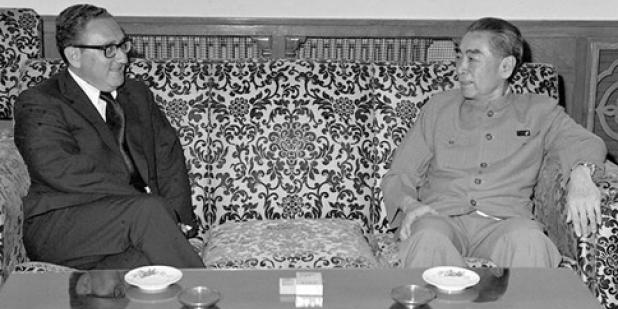
/https:/tf-cmsv2-smithsonianmag-media.s3.amazonaws.com/filer/f4/cb/f4cb92c9-4131-4e0f-ae4a-307144393214/nixoncampaigns.jpg)

No comments:
Post a Comment