20251020 CDTL Biên Bản Cuộc Họp Của Thượng Hội Đồng Washington 7 June 1971 D212
212. Minutes of a Meeting of the Senior Review Group 1
Washington, June 7, 1971, 3:51–4:42 p.m.
https://history.state.gov/historicaldocuments/frus1969-76v07/d212
https://history.state.gov/historicaldocuments/frus1969-76v07/pg_678
https://history.state.gov/historicaldocuments/frus1969-76v07/pg_679
https://history.state.gov/historicaldocuments/frus1969-76v07/pg_680
https://history.state.gov/historicaldocuments/frus1969-76v07/pg_681
https://history.state.gov/historicaldocuments/frus1969-76v07/pg_682
https://history.state.gov/historicaldocuments/frus1969-76v07/pg_683
https://history.state.gov/historicaldocuments/frus1969-76v07/pg_684
https://history.state.gov/historicaldocuments/frus1969-76v07/pg_685
https://history.state.gov/historicaldocuments/frus1969-76v07/pg_686
https://history.state.gov/historicaldocuments/frus1969-76v07/pg_687
https://history.state.gov/historicaldocuments/frus1969-76v07/d61
Washington, June 7, 1971, 3:51–4:42 p.m.
SUBJECT
- Cambodia
PARTICIPATION
- Chairman—Henry A. Kissinger
- State
- Under Secretary John N. Irwin
- Mr. Marshall Green
- Mr. Arthur Hartman
- Mr. Ronald Spiers
- CIA
- Mr. Richard Helms
- Mr. George Carver
- Defense
- Mr. Warren Nutter
- Mr. Dennis Doolin
- Col. Morris Brady
- Mr. Francis J. West
- JCS
- Gen. William C. Westmoreland
- Major Gen. John H. Elder, Jr.
- Lt. Col. John G. Hill
- OMB
- Mr. James Schlesinger
- NSC Staff
- Brig. Gen. Alexander Haig
- Mr. Wayne Smith
- Mr. John H. Holdridge
- Mr. Robert Sansom
- Mr. John Negroponte
- Mr. Keith Guthrie
SUMMARY OF CONCLUSIONS
1.
Military Assistance Plan. Building on the JCS plans already requested by Secretary Laird, Defense will submit by July 1 a military assistance plan for Cambodia designed to achieve the objectives set forth in NSDM 89.2 The plan should outline strategy alternatives for the FANK and should include a time-phased program for providing the FANK with the necessary training and logistic support. The plan should also propose recommendations for improving the management of the U.S. military assistance program in Cambodia.3
2.
MAP Personnel Levels. The number of personnel permanently stationed in Cambodia to administer the military assistance program should be determined by the requirements for implementing the plan to be prepared by Defense. Defense (CINCPAC) and State (Embassy [Page 678] Phnom Penh) recommendations on personnel levels should be justified on this basis.4
Dr. Kissinger: We were going to get a briefing from the DOD team.5
Mr. Smith: Two members of the team are prepared to brief. They are Mr. West and Col. Brady.6
Dr. Kissinger: Okay. Can we go ahead then?
Mr. West: I will discuss the enemy threat. Then Col. Brady will brief on the friendly military situation.
In our report we divided the discussion of the enemy threat into two sections—one dealing with the main war against South Vietnam in which the North Vietnamese are using Cambodia as a conduit for men and supplies, and the other covering the subphase involving the North Vietnamese war against the Cambodians. Our assessment is that in the main war the South Vietnamese have gained the strategic offensive in MRs 3 and 4 [of South Vietnam] and in Cambodia.
Dr. Kissinger: Especially in the Snuol area.7
Mr. West: We hope that is a tactical aberration. The gains that have been made can be shown by noting that last year there were three NVA divisions totalling 63,000 men on the South Vietnamese border. Now there are only 27,000. This is what we call the force dislocation effect [Page 679] and comes from the enemy’s loss of sanctuary and the resultant necessity to protect his rear area. Also, with the closure of Sihanoukville, the North Vietnamese have to protect their line of communication overland from the north through Kratie. One effect of all of this has been to decouple the guerrillas in MRs 3 and 4. The net attrition [of guerrilla forces] in MR 3 has been 26%. In addition, the North Vietnamese now have to divert 33% of their forces in Cambodia against FANK targets. To sum up, as long as the ARVN keeps pressure against the Fifth, Seventh, and Ninth [NVA] Divisions, which are in the Snuol–Chup Area, the enemy will have to stay on the defensive. However, if the situation there begins to unravel, all bets are off. General Manh of [the South Vietnamese] JGS told me that they are going to keep the pressure on during the wet season. This has allowed the RVN to free its general reserve for use up north. They anticipate using the airborne troops and marines [which make up the reserve] in the north next year while pinning down the Fifth, Seventh, and Ninth NVA Divisions where they are [in northeast Cambodia].
We look for a stalemate in the main war between the South Vietnamese and North Vietnamese in MRs 3 and 4 and in Cambodia. The North Vietnamese will be concentrating on maintaining their supplies, and South Vietnamese control [in MRs 3 and 4] will go up. After 1973, if the enemy succeeds in rebuilding his logistical system and the ARVN provides no more troops, there could be difficulties. Thus, there is a long term problem.
As for the Cambodia subphase, the enemy has the strategic initiative in every way. He has tied down 180,000 Cambodian troops (if there are 180,000 troops in the FANK). It’s hard to believe how they really are tied down until you see them just sitting around in towns and camps. The North Vietnamese have the countryside. The question is what they are going to do with it.
We had one team member who spoke fluent Vietnamese. He picked up some interesting information about the conduct of the North Vietnamese toward the Khmers in the countryside. The North Vietnamese have been using the propaganda line: “Judge your enemy by how he acts.” This invites contrast with the ARVN, whose conduct in Cambodia has been abysmal.
The North Vietnamese also claim they are supporters of Sihanouk and say the war is between the Sihanouk forces and the Lon Nol forces, who are American lackeys. To enhance their credibility, the North Vietnamese also give the Khmer Communists some nominal authority by allowing them to arrest North Vietnamese soldiers who don’t have authority to travel.
Dr. Kissinger: There aren’t any North Vietnamese except deserters travelling in Cambodia.
Mr. West: North Vietnamese soldiers are given authorized leave in Cambodia. A rallier explained to us what the procedures were.
Dr. Kissinger: They are not being very generous to the Cambodians by permitting these arrests.
Mr. West: It enables the North Vietnamese to claim that some of the Khmer Communists have control over the North Vietnamese troops.
We came away concerned that the Cambodians had granted the North Vietnamese a one-year suzerainty over the countryside. The Cambodians argued that racism will prevent the North Vietnamese from winning the support of the Khmers in the country.
Now Col. Brady can discuss the military situation.
Col. Brady: Our first observation was confirmed by what we subsequently saw—that is, that combat operations seemed very light. Even where the Cambodians said there had been battles, the physical evidence of combat was missing. This conclusion is supported by the data that less than three percent of the FANK infantry strength was killed in combat during the first year. In general, the enemy is using the economy-of-force technique. He employs small unit (as low as five or six men) attacks to harass. He also launches small fire attacks. The FANK reports these as major engagements. In Battambang Province the FANK was estimating there were 19 enemy battalions. We calculated about one regiment.
We found the FANK was on the defensive. 85% of the units said that their mission was to defend the ground they occupied. Commanders limit their actions to patrols within three kilometers of their camps. Most contacts with the enemy occur along the LOCs. Most of the areas that are regarded as under Cambodian control have in fact been forfeited.
The Cambodian commanders were concerned about shortages of ammunition and equipment. We found a hoarding phenomenon. They wouldn’t expend ammunition because of concern about resupply. They were afraid they wouldn’t be resupplied before some unplanned engagement might develop. The lack of initiative below the military region level inhibits FANK resupply operations.
Firepower is inadequate. The average battalion has about five mortars, and half of these have no sights. The troops are not trained in the use of the mortars. Instead, they are trained in nomenclature. They never fire more than one round [in training].
Dr. Kissinger: What do you mean by training in nomenclature?
Col. Brady: They have the mortars there and explain the various parts and tell how they work.
In some cases they are using Chinese 82 mm. mortars with U.S. 81 mm. mortar ammunition.
Dr. Kissinger: Does that work?
Col. Brady: The round comes out of the tube.
Dr. Kissinger: How do they aim the mortars that don’t have sights?
Col. Brady: Up at Kampol we asked about this. The reply was that the mortars had been used against enemy rockets being fired at Phnom Penh. Then they explained that the unit had an artilleryman who really knew his business. He aimed the mortars, and after about ten rockets the enemy rockets stopped. Thus, they concluded that the mortars must work.
They also told me how they had three platoons go out on patrol, and I asked how they coordinated their mortar fire with those three platoons. They again cited the expert artilleryman, who, they said, always knew where the platoons were located.
They lack even the most basic consideration for integration of firepower. That is probably why we have such a high use of air sorties there.
Finally, the FANK’s training is at low ebb. They need more people who know what they are doing. Only one-third of the officers and one-third of the whole army could be considered trained. They especially need training in infantry and technical skills, such as medical and communication services.
On the plus side, we were able to witness Khmer nationalism, esprit, and fervor. However, we can’t say whether they can marshal this effectively against the enemy. They have accomplished a good deal in fourteen months, but it is also apparent that more could have been done.
Dr. Kissinger: (to Gen. Westmoreland) What do you think about all of this?
Gen. Westmoreland: Last year I gave the Cambodians about a 50/50 chance of survival. Now I would say the odds are about 60/40 over the next eighteen months. We can increase the odds by additional assistance. The question is: how much assistance will the political traffic bear?
Dr. Kissinger: They haven’t used all they are getting.
Gen. Westmoreland: Because they have been in the throes of organizing a government. They have had growing pains as they have moved away from the monarchy. They are feeling their way. They are developing a strategy, but they haven’t applied it well. We are under constraints as to what we are able to give them. Of course, we can’t overwhelm them by providing more assistance than they can use. The fact is that they have no logistical system. We should work with them to develop it.
Also, they have no counter-insurgency effort worthy of the name. They haven’t made any campaign to wrest control away from the enemy. This is a long-term process. No results will be seen until one year after they start.
Dr. Kissinger: From what I have read in this report, we think there is going to be a stalemate. However, anytime the North Vietnamese want to move, they can run the Cambodians out.
Mr. West: Our assessment was in terms of gains for costs. The Cambodians have no place to go. The North Vietnamese would have to expend an awful lot of bodies in order to defeat them.
Dr. Kissinger: Why would they have to expend a lot of bodies?
Mr. West: Their defensive positions are set up with 18 battalions over three kilometers. The barbed wire has portholes like on a Spanish galleon. They could take the areas the Cambodians now occupy, but they would have to walk over their bodies to do it. What gain would this be to them if they were subject to our air attacks as well as to ARVN counterattacks on the ground?
Dr. Kissinger: (to Mr. Irwin) You were just there. What do you think?
Mr. Irwin: I think it is a good report. The differences we would have would be on how you shade the findings one way or the other. The Embassy is more optimistic [than the DOD team about the Cambodian prospects].8
It all depends on what our objective is—on what we really want to do. The implications in this report are that we can solve the problems by increasing the MEDT and by doing more in-country training.
Dr. Kissinger: What do you think about that?
Mr. Irwin: That’s true if you could do so, but it might not be possible to get the necessary support from Congress. Even if you could solve the Congressional problem, the Embassy raises questions about the feasibility of undertaking these activities in Cambodia. We come out in favor of continuing a low profile without suggesting any specific figure [for number of U.S. personnel in Cambodia]. We prefer to put in temporary people such as teams from MACV. I gather that three survey teams are there now.
There may be differences in what the report, DOD, and we consider the U.S. objective to be.
Dr. Kissinger: There is a strategy, which we agreed to on October 26, 1970. It is set forth in NSDM 89, which says we will try to preserve half of Cambodia from enemy control and to build up the light infantry capability of the FANK. The ARVN will be used in certain areas, but its involvement will decline as FANK capabilities grow. This is the policy [Page 683] on which the President decided. Unless somebody wants to change it, then it is the one under which we are operating.
No one is going to give us an award for having a low profile if there is a catastrophe next year. No one is going to criticize us for a high profile if we are successful.
Why is it that only 35% of the FANK are trained? I thought that training was being carried out in Vietnam and Thailand.
Col. Brady: It’s largely a matter of numbers. Some 28,000 were trained in Vietnam last year. There are additional FANK troops there now.
Dr. Kissinger: I know it’s a matter of numbers.
Col. Brady: Then I withdraw my response.
Gen. Westmoreland: We estimate that 75% of the FANK will be trained by the first of October. NSDM 89 was not issued until October 26, so this will have been done in less than a year.
Mr. Nutter: It is a large force to train. It is disturbing that they haven’t done as much as could have been done in-country. Another thing that disturbs me is that it took this three-man team to get down there and find out what the situation was. We have people there, but they stay in Phnom Penh and are busy with paperwork. They don’t get out. We have trouble locating the equipment we have supplied. Thus, we feel we need more people in-country to keep an eye on things. We don’t say that this will solve all the problems.
Mr. Helms: I remember all the talk last year about getting the Khmer Krom to Cambodia. Here we are a year later, and they are still doing all the fighting.
Mr. Green: Last year there was profound gloom about Cambodia. 50/50 odds for its survival seemed optimistic. The situation is better than we projected a year ago. At that time we didn’t have any aid program. Now the level is $285 million. The training program has also grown, although I don’t know how many have been trained. We would not have thought the situation would be any better than it is now. It doesn’t surprise me that we still have problems.
Dr. Kissinger: They don’t give an award for doing as well as possible. They are not going to pay us off on that basis next year.
Mr. Green: Last year in Phnom Penh Cambodian officials were very bland about the war. Now Phnom Penh is under siege, and the attitude has changed. Sirik Matak, who has always been more capable than Lon Nol, is a changed man. I feel they are growing up to the situation. We are better off.
Dr. Kissinger: The question is whether we are getting them the aid which they need. We are pulling out. Next year the moment of truth will come.
For two months I have been trying to get a strategy developed. My nightmare used to be that no thinking was being done in the [Page 684] government about what our strategy should be. Now that we have started doing some thinking, my nightmare is that we will have the best studies ever done but they will be signed on the day the enemy offensive starts. I am going to get a strategy by the end of this month if we have to do it unilaterally over here. We are playing with national treason next year if we don’t do so.
Dr. Kissinger: (to Mr. Helms) Do you have any views on this?
Mr. Helms: I wonder if we have really advanced much with the FANK since last year. They never seem to fight.9 I wonder if we are doing the right thing. I am no military man, but I am concerned that even in small groups the FANK doesn’t perform well. One would think you could take 100 men and train them to perform adequately without getting them absorbed in all this glop.
Dr. Kissinger: It is not very consoling to think that racism is going to stop Communist organization.
Mr. Nutter: When you look back at the gloomy picture that Marshall Green was painting about the situation last year, you have to agree that we have bought them a year, thanks to the Cambodian and Laotian incursions and our other actions. What disturbs me is that they haven’t used the year as well as they could have.
Dr. Kissinger: Why can’t we even match up sights with mortars?
Mr. Irwin: I think the question is why we have not done better. The question is how best to go about doing what we want to achieve.
Dr. Kissinger: The CIA and other studies say that the enemy has the capability to attack Cambodia from the middle of next year. The DOD team feels they won’t do it. If the FANK could be urged to get moving during this time . . .
Mr. Green: (to Gen. Westmoreland) Have our people been urging the Cambodians on? Has Gen. Weyand been working on them?
Gen. Westmoreland: We have a tripartite [South Vietnamese, Cambodian, and U.S. military) committee. It met twice during May and has another meeting scheduled for June 12. We received a cable yesterday reporting on the last meeting. They got into quite a lot of detail. The tripartite committee has been revitalized.
Mr. Irwin: How has the training been conducted—by individuals or by units?
Gen. Westmoreland: Both ways. 33 battalions have been trained so far. There will be 43 by October 1. In FY 72 eighteen battalions will be trained.
Dr. Kissinger: Do they fight? Do we have any indication about that?
Gen. Westmoreland: I have no details or statistics on that.
Dr. Kissinger: Given the force ratios the team brought back, why can’t the FANK go out in the countryside?
Mr. West: One thing that struck us is that all orders start at the highest level. All commanding officers talk about awaiting word from the highest level.
Mr. Doolin: Part of it is the lack of organic firepower. You can’t ask a unit to operate without an artillery screen.
Col. Brady: We saw an aggressive brigade operating at Pichnil Pass. It was clearly an untrained outfit. They had five radios to each battalion and only a few medium mortars. Even though the operation was put together as non-professionals would do it, they did fight. I think with equipment and firepower (it wouldn’t have to be air support), they would fight. The nationalist fervor is there, but nobody has thought very hard about how to get the job done now.
Dr. Kissinger: In contrast to us.
Mr. Green: (to Gen. Westmoreland) Do you see something coming out of the tripartite committee that will lead to an action-oriented approach?
Gen. Westmoreland: I do feel that we need more equipment delivery teams. We need to develop a long range program for training individuals in units. There are many advantages to training their people as units.
Mr. Green: Could they be used in operations in Vietnam to gain experience?
Gen. Westmoreland: They could be used in training exercises. In South Vietnam they have the facilities, the knowhow, and the wherewithal.
Dr. Kissinger: I think we have three different problems: (1) logistical support and training for the FANK, (2) what strategy the FANK should pursue, e.g., whether FANK should permit 85% of its forces to be tied down in defensive positions, and (3) how the U.S. Government should organize itself to reach its objectives.
With regard to the first problem, what keeps us from getting a program that would provide some criteria for judging what units and equipment we ought to have—measured against some sort of time scale? If we had that, at least we would get a sense of how well we were doing in reaching our objectives. I couldn’t get from this paper any sense of what kind of force we think we are supporting. This task can be done unilaterally.
Gen. Westmoreland: JCS can do it.
Mr. Nutter: The Secretary [Laird] just sent a memorandum to the JCS asking them to draw up a program.
Mr. Doolin: We will need until July 15 to prepare a really good paper.
Dr. Kissinger: We are running up against a time limit.
Gen. Westmoreland: We can get it for you by July 1.
Dr. Kissinger: How do we handle the strategy question?
Mr. Nutter: This is part of what we are looking at. We have asked the Joint Staff to develop a plan for training and logistics to implement our strategy.
Mr. Irwin: The point is whether we should consider having a larger number of people in Phnom Penh or should concentrate on training in other countries. This is the sort of guidance I would think that Westy [Gen. Westmoreland] would want in drawing up his plans.
Dr. Kissinger: The President’s view is that we should do what is necessary to get the job done. He doesn’t think he will get any awards next year for keeping our profile low if the North Vietnamese sweep all over Cambodia. Of course, a high profile is not our objective. However, the President is not inclined to have artificial restraints on manpower.
Gen. Westmoreland: We studied this in detail. We feel our request is a modest one. It would involve 93 people in Cambodia and 20 in Saigon.
Dr. Kissinger: How many do you have now in Phnom Penh?
Gen. Westmoreland: 23 permanent plus 10–12 temporary.
Dr. Kissinger: Then we are talking about 70 people. Would you drop the TDY personnel if you got these seventy?
Gen. Westmoreland: The situation would not be the same as it is now. As a general statement, I can say that we would not have as many temporary people.
Mr. Nutter: Secretary Laird is thinking in terms of 50 people.
Dr. Kissinger: Frankly, I must say that compared with what we will be up against next year, this seems like a subsidiary issue. At least, let’s get a figure we believe in and get it down on paper. We have to get this implemented in July. We don’t have much time.
Mr. Irwin: There is a different view in the Embassy of what we need.
Dr. Kissinger: Let the Embassy make its case in terms of what is needed to carry out our objectives. Let the military make their argument. This dispute has been going on since the Cambodian operation last year.
I think we have gone about as far as we can go today.
(to Gen. Westmoreland) Westy, the more of your paper that you can break out ahead of schedule the better.
Mr. Doolin: The MAP reassessment will be ready June 29.
Dr. Kissinger: Can you take a week off of that, since we are already taking two weeks off the deadline for the strategy paper?
Gen. Westmoreland: I should point out that during Congressional hearings, DOD representatives said that we would have 100–150 men in Phnom Penh. What we are asking for is a lower number.
Mr. Green: We can cite other and lower figures that our people have used in hearings.
Dr. Kissinger: The worst thing that could happen would be for us to put $300 million into Cambodia and for some newsmen or Congressional investigators to come out with a report like this one [the DOD team report].
Mr. Green: That is true if you can relate the size of our mission to attaining our objectives. The question is whether doubling or tripling personnel will do it. I asked our Ambassador about this.
Dr. Kissinger: He doesn’t want any more people.
Mr. Irwin: The Embassy also feels the group they have now is too high in rank and that this makes it seem that our intention all along was to build up the mission. They also point out that there is only one guy who speaks French.
Dr. Kissinger: Let’s get Swank’s argument and the other argument. If the mission is top-heavy, let’s get the right people out there.
Mr. Nutter: I don’t believe the Embassy is right about the question of rank. The highest man out there is a colonel. There are lieutenant colonels and majors, but you have to have someone who knows what they are doing to get the job done right.
Col. Brady: I think the question of rank isn’t that significant. They are interested first in getting the job done. They are all out there when planes are to be unloaded.
Mr. Irwin: Then again you get a different impression out there. I understood that the unloading was mostly being taken care of by sergeants.
Dr. Kissinger: That’s how it was when I was in the army.
Mr. Nutter: One problem is tracing the equipment we provide.
Mr. Irwin: The Embassy says there is no reason you can’t have frequent spotchecks by visiting teams.
Dr. Kissinger: I think the main thing is to get a program and a strategy. Then we can discuss how to do it.
Mr. Green: I wouldn’t overlook having this [tripartite] committee pass the word to the Cambodians at the top. A little plain talk with Lon Nol might help. I don’t think we have to worry about the Cambodians’ morale at this point.
Google Translated
Washington, ngày 7 tháng 6 năm 1971, 3:51 chiều–4:42 chiều
CHỦ ĐỀ
Campuchia
THAM GIA
Chủ tịch—
Henry A. Kissinger
Ngoại giao
Thứ trưởng John N. Irwin
Ông Marshall Green
Ông Arthur Hartman
Ông Ronald Spiers
CIA
Ông Richard Helms
Ông George Carver
Quốc phòng
Ông Warren Nutter
Ông Dennis Doolin
Đại tá Morris Brady
Ông Francis J. West
Tham mưu trưởng Liên quân
Tướng William C. Westmoreland
Thiếu tướng John H. Elder, Jr.
Trung tá John G. Hill
Văn phòng Tổng thống
Ông James Schlesinger
Nhân viên Hội đồng An ninh Quốc gia
Chuẩn tướng Alexander Haig
Ông Wayne Smith
Ông John H. Holdridge
Ông Robert Sansom
Ông John Negroponte
Ông Keith Guthrie
TỔNG KẾT
1.
Kế hoạch Hỗ trợ Quân sự. Dựa trên các kế hoạch của Hội đồng Tham mưu trưởng Liên quân (JCS) đã được Bộ trưởng Laird yêu cầu, Bộ Quốc phòng sẽ đệ trình trước ngày 1 tháng 7 một kế hoạch hỗ trợ quân sự cho Campuchia, được thiết kế để đạt được các mục tiêu nêu trong NSDM 89.2. Kế hoạch này nên phác thảo các phương án chiến lược thay thế cho FANK và nên bao gồm một chương trình theo từng giai đoạn để cung cấp cho FANK các hỗ trợ huấn luyện và hậu cần cần thiết. Kế hoạch cũng nên đề nghị các khuyến nghị nhằm cải thiện việc quản lý chương trình hỗ trợ quân sự của Hoa Kỳ tại Campuchia.
2.
Cấp độ Nhân sự của MAP. Số lượng nhân sự đóng quân thường trực tại Campuchia để quản lý chương trình hỗ trợ quân sự nên được xác định bởi các yêu cầu thực hiện kế hoạch do Bộ Quốc phòng (CINCPAC) và Bộ Ngoại giao (Đại sứ quán) chuẩn bị. [Trang 678] Phnom Penh] nên được giải trình dựa trên cơ sở này.
Tiến sĩ Kissinger: Chúng tôi sẽ nghe báo cáo tóm tắt từ nhóm Bộ Quốc phòng.
Ông Smith: Hai thành viên của nhóm đã sẵn sàng báo cáo tóm tắt. Họ là ông West và Đại tá Brady.
Tiến sĩ Kissinger: Được rồi. Vậy chúng ta có thể tiếp tục được không?
Ông West: Tôi sẽ thảo luận về mối đe dọa của kẻ thù. Sau đó, Đại tá Brady sẽ báo cáo tóm tắt về tình hình quân sự của phe ta.
Trong báo cáo của chúng tôi, chúng tôi chia phần thảo luận về mối đe dọa của kẻ thù thành hai phần—một phần đề cập đến cuộc chiến tranh chính chống lại Nam Việt Nam, trong đó Bắc Việt Nam đang sử dụng Campuchia làm cầu nối cho quân và tiếp tế, và phần còn lại đề cập đến giai đoạn phụ liên quan đến cuộc chiến tranh của Bắc Việt Nam chống lại Campuchia. Đánh giá của chúng tôi là trong cuộc chiến chính Nam Việt Nam đã giành được thế tấn công chiến lược ở Quân khu 3 và 4 [của Nam Việt Nam] và ở Campuchia.
Tiến sĩ Kissinger: Đặc biệt là ở khu vực Snoul.
Ông West: Chúng tôi hy vọng đó là một sai lầm chiến thuật. Những thành quả đạt được có thể được chứng minh bằng việc lưu ý rằng năm ngoái có ba sư đoàn Bắc Việt với tổng quân số 63.000 người ở biên giới Nam Việt Nam. Giờ đây chỉ còn 27.000. Đây là cái mà chúng tôi gọi là hiệu ứng phân tán lực lượng [Trang 679] và xuất phát từ việc địch mất nơi ẩn náu và hậu phương của chúng buộc phải bảo vệ. Ngoài ra, với việc Sihanoukville bị đóng cửa, Bắc Việt phải bảo vệ tuyến đường bộ từ phía bắc qua Kratie. Một hệ quả của tất cả những điều này là làm chia rẽ lực lượng du kích ở Vùng 3 và Vùng 4. Tỷ lệ tiêu hao thực tế [của lực lượng du kích] ở Vùng 3 là 26%. Ngoài ra, Bắc Việt hiện phải điều động 33% lực lượng của mình ở Campuchia để chống lại các mục tiêu của FANK. Tóm lại, chừng nào Quân lực Việt Nam Cộng hòa còn gây sức ép lên các Sư đoàn 5, 7 và 9 [Bắc Việt] đóng tại khu vực Snool-Chup, thì địch sẽ phải ở thế phòng thủ. Tuy nhiên, nếu tình hình ở đó bắt đầu trở nên tồi tệ, thì mọi sự đều trở nên vô vọng. Tướng Mạnh của Bộ Tổng tham mưu [Nam Việt Nam] đã nói với tôi rằng họ sẽ tiếp tục gây sức ép trong suốt mùa mưa. Điều này cho phép Quân đội Việt Nam Cộng hòa giải phóng lực lượng dự bị chung để sử dụng ở phía bắc. Họ dự kiến sẽ sử dụng quân dù và lính thủy quân lục chiến [tạo nên lực lượng dự bị] ở phía bắc vào năm tới trong khi kìm kẹp các Sư đoàn 5, 7 và 9 của Bắc Việt tại nơi họ đóng quân [ở đông bắc Campuchia].
Chúng tôi dự đoán một sự bế tắc trong cuộc chiến chính giữa Nam Việt Nam và Bắc Việt Nam tại Chiến khu 3 và 4 và tại Campuchia. Bắc Việt Nam sẽ tập trung vào việc duy trì nguồn cung cấp, và quyền kiểm soát của Nam Việt Nam [tại Chiến khu 3 và 4] sẽ được tăng cường. Sau năm 1973, nếu địch thành công trong việc xây dựng lại hệ thống hậu cần và Quân lực Việt Nam Cộng hòa không cung cấp thêm quân, sẽ có thể gặp khó khăn. Do đó, đây là một vấn đề lâu dài.
Về giai đoạn Campuchia, địch nắm quyền chủ động chiến lược trên mọi phương diện. Chúng đã trói buộc 180.000 quân Campuchia (nếu có 180.000 quân trong FANK). Thật khó tin chúng thực sự bị trói buộc như thế nào cho đến khi bạn thấy chúng chỉ ngồi quanh các thị trấn và doanh trại. Bắc Việt Nam nắm giữ vùng nông thôn. Câu hỏi đặt ra là chúng sẽ làm gì với vùng nông thôn đó.
Chúng tôi có một thành viên nói tiếng Việt lưu loát. Anh ấy đã thu thập được một số thông tin thú vị về cách đối xử của Bắc Việt đối với người Khmer ở nông thôn. Bắc Việt đã sử dụng khẩu hiệu tuyên truyền: "Hãy đánh giá kẻ thù qua hành động của họ". Điều này trái ngược với Quân lực Việt Nam Cộng hòa, vốn có hành vi rất tệ hại ở Campuchia.
Bắc Việt cũng tuyên bố họ ủng hộ Sihanouk và nói rằng cuộc chiến là giữa lực lượng Sihanouk và lực lượng Lon Nol, những tay sai của Mỹ. Để tăng thêm uy tín, Bắc Việt cũng trao cho Cộng sản Khmer một số quyền hạn trên danh nghĩa bằng cách cho phép họ bắt giữ những người lính Bắc Việt không có thẩm quyền di chuyển.
Tiến sĩ Kissinger: Không có người Bắc Việt nào cả, ngoại trừ những người đào ngũ đang di chuyển ở Campuchia. [Trang 680]
Ông West: Lính Bắc Việt được phép nghỉ phép ở Campuchia. Một người biểu tình đã giải thích cho chúng tôi về các thủ tục.
Tiến sĩ Kissinger: Họ không hề rộng lượng với người Campuchia khi cho phép những vụ bắt giữ này.
Ông West: Điều này cho phép Bắc Việt tuyên bố rằng một số người Cộng sản Khmer đang kiểm soát quân đội Bắc Việt.
Chúng tôi rời đi với mối lo ngại rằng người Campuchia đã trao cho Bắc Việt quyền bá chủ một năm đối với vùng nông thôn. Người Campuchia lập luận rằng chủ nghĩa phân biệt chủng tộc sẽ ngăn cản Bắc Việt giành được sự ủng hộ của người Khmer trong nước.
Bây giờ Đại tá Brady có thể thảo luận về tình hình quân sự.
Đại tá Brady: Quan sát đầu tiên của chúng tôi được xác nhận bởi những gì chúng tôi thấy sau đó—đó là, các hoạt động chiến đấu dường như rất nhẹ nhàng. Ngay cả ở những nơi mà phía Campuchia nói rằng đã có giao tranh, bằng chứng thực tế về giao tranh vẫn không có. Kết luận này được củng cố bởi dữ liệu cho thấy chưa đến ba phần trăm lực lượng bộ binh FANK bị tiêu diệt trong chiến đấu trong năm đầu tiên. Nhìn chung, địch đang sử dụng chiến thuật tiết kiệm lực lượng. Chúng sử dụng các đơn vị nhỏ (khoảng năm hoặc sáu người) để quấy rối. Chúng cũng tiến hành các cuộc tấn công hỏa lực nhỏ. FANK báo cáo đây là những cuộc giao tranh lớn. Tại tỉnh Battambang, FANK ước tính có 19 tiểu đoàn địch. Chúng tôi ước tính khoảng một trung đoàn.
Chúng tôi thấy FANK đang ở thế phòng thủ. 85% các đơn vị nói rằng nhiệm vụ của họ là bảo vệ vùng đất họ chiếm đóng. Các chỉ huy giới hạn hành động của họ trong phạm vi tuần tra ba km tính từ doanh trại của họ. Hầu hết các cuộc chạm trán với địch đều diễn ra dọc theo các tuyến đường ranh giới. Hầu hết các khu vực được coi là do Campuchia kiểm soát trên thực tế đã bị mất.
Các chỉ huy Campuchia lo ngại về tình trạng thiếu đạn dược và trang thiết bị. Chúng tôi phát hiện ra hiện tượng tích trữ. Họ không tiêu hao đạn dược vì lo ngại về việc tiếp tế. Họ sợ rằng họ sẽ không được tiếp tế trước khi một cuộc giao tranh ngoài ý muốn có thể xảy ra. Việc thiếu chủ động ở cấp quân khu đã cản trở các hoạt động tiếp tế của FANK.
Hỏa lực không đủ mạnh. Trung bình mỗi tiểu đoàn có khoảng năm khẩu súng cối, và một nửa trong số đó không có kính ngắm. Binh lính không được huấn luyện sử dụng súng cối. Thay vào đó, họ được huấn luyện về danh pháp. Họ không bao giờ bắn quá một viên đạn [trong huấn luyện].
Tiến sĩ Kissinger: Ý ông là gì khi nói huấn luyện về danh pháp?
Đại tá Brady: Họ có súng cối ở đó và giải thích các bộ phận khác nhau cũng như cách thức hoạt động của chúng.
Trong một số trường hợp, họ sử dụng súng cối 82 mm của Trung Quốc với đạn cối 81 mm của Mỹ.
Tiến sĩ Kissinger: Điều đó có hiệu quả không? [Trang 681]
Đại tá Brady: Đạn bắn ra khỏi ống.
Tiến sĩ Kissinger: Làm thế nào để họ ngắm được những khẩu súng cối không có kính ngắm?
Đại tá Brady: Ở Kampol, chúng tôi đã hỏi về điều này. Câu trả lời là súng cối đã được sử dụng để chống lại tên lửa của địch bắn vào Phnom Penh. Sau đó, họ giải thích rằng đơn vị có một pháo thủ rất am hiểu công việc của mình. Anh ta ngắm súng cối, và sau khoảng mười quả tên lửa, tên lửa của địch đã dừng lại. Do đó, họ kết luận rằng súng cối chắc chắn có hiệu quả.
Họ cũng kể với tôi rằng họ đã cử ba trung đội đi tuần tra, và tôi hỏi họ đã phối hợp hỏa lực súng cối với ba trung đội đó như thế nào. Họ lại nhắc đến một pháo thủ lão luyện, người mà họ nói là luôn biết vị trí của các trung đội.
Họ thậm chí còn thiếu sự cân nhắc cơ bản nhất về việc phối hợp hỏa lực. Đó có lẽ là lý do tại sao chúng tôi sử dụng nhiều phi vụ không quân ở đó.
Cuối cùng, việc huấn luyện của FANK đang ở mức thấp. Họ cần thêm những người hiểu biết về công việc của mình. Chỉ một phần ba sĩ quan và một phần ba toàn bộ quân đội được coi là đã qua huấn luyện. Họ đặc biệt cần được huấn luyện về bộ binh và các kỹ năng kỹ thuật, chẳng hạn như y tế và thông tin liên lạc.
Điểm tích cực là chúng ta đã được chứng kiến tinh thần dân tộc, ý chí và lòng nhiệt huyết của người Khmer. Tuy nhiên, chúng ta không thể nói liệu họ có thể huy động những điều này một cách hiệu quả để chống lại kẻ thù hay không. Họ đã đạt được nhiều thành tựu trong mười bốn tháng, nhưng rõ ràng là họ có thể làm được nhiều hơn nữa.
Tiến sĩ Kissinger: (nói với Tướng Westmoreland) Ông nghĩ gì về tất cả những điều này?
Tướng Westmoreland: Năm ngoái, tôi cho rằng người Campuchia có khoảng 50/50 cơ hội sống sót. Giờ tôi cho rằng khả năng đó là khoảng 60/40 trong mười tám tháng tới. Chúng ta có thể tăng cơ hội này bằng cách hỗ trợ thêm. Câu hỏi đặt ra là: sự hỗ trợ chính trị sẽ mang lại bao nhiêu?
Tiến sĩ Kissinger: Họ vẫn chưa sử dụng hết những gì họ có.
Tướng Westmoreland: Bởi vì họ đang trong giai đoạn khó khăn trong việc tổ chức chính phủ. Họ đã trải qua những khó khăn ban đầu khi rời bỏ chế độ quân chủ. Họ đang dò dẫm từng bước. Họ đang xây dựng một chiến lược, nhưng chưa áp dụng tốt. Chúng ta đang bị hạn chế về những gì chúng ta có thể cung cấp cho họ. Tất nhiên, chúng ta không thể áp đảo họ bằng cách cung cấp nhiều hỗ trợ hơn mức họ có thể sử dụng. Thực tế là họ không có hệ thống tiếp liệu. Chúng ta nên hợp tác với họ để phát triển nó.
Ngoài ra, họ không có nỗ lực chống nổi dậy nào xứng đáng với tên gọi. Họ chưa thực hiện bất kỳ chiến dịch nào để giành quyền kiểm soát từ tay kẻ thù. Đây là một quá trình lâu dài. Sẽ không thấy kết quả cho đến một năm sau khi họ bắt đầu. [Trang 682]
Tiến sĩ Kissinger: Theo những gì tôi đọc được trong báo cáo này, chúng tôi nghĩ rằng sẽ có một sự bế tắc. Tuy nhiên, bất cứ khi nào Bắc Việt Nam muốn hành động, họ có thể đuổi người Campuchia ra ngoài.
Ông West: Đánh giá của chúng tôi dựa trên lợi ích so với chi phí. Quân Campuchia không còn nơi nào để đi. Bắc Việt sẽ phải tiêu tốn rất nhiều sinh mạng để đánh bại họ.
Tiến sĩ Kissinger: Tại sao họ phải tiêu tốn rất nhiều sinh mạng?
Ông West: Các vị trí phòng thủ của họ được thiết lập với 18 tiểu đoàn trên phạm vi ba cây số. Hàng rào thép gai có các cửa sổ giống như trên một chiếc thuyền buồm Tây Ban Nha. Họ có thể chiếm các khu vực mà quân Campuchia hiện đang chiếm đóng, nhưng họ sẽ phải bước qua xác của họ để làm điều đó. Điều này sẽ mang lại lợi ích gì cho họ nếu họ phải chịu các cuộc không kích của chúng ta cũng như các cuộc phản công của Quân đội Việt Nam Cộng hòa trên bộ?
Tiến sĩ Kissinger: (nói với ông Irwin) Ông vừa ở đó. Ông nghĩ sao?
Ông Irwin: Tôi nghĩ đó là một báo cáo tốt. Những khác biệt mà chúng ta có thể có sẽ nằm ở cách ông đánh giá những phát hiện này theo hướng này hay hướng khác. Đại sứ quán lạc quan hơn [so với nhóm Bộ Quốc phòng về triển vọng của Campuchia].
Tất cả phụ thuộc vào mục tiêu của chúng ta - vào điều chúng ta thực sự muốn làm. Ý nghĩa của báo cáo này là chúng ta có thể giải quyết các vấn đề bằng cách tăng cường MEDT và bằng cách đào tạo nhiều hơn trong nước.
Tiến sĩ Kissinger: Ông nghĩ sao về điều đó?
Ông Irwin: Đúng vậy nếu ông có thể làm như vậy, nhưng có thể sẽ không nhận được sự hỗ trợ cần thiết từ Quốc hội. Ngay cả khi ông có thể giải quyết vấn đề của Quốc hội, Đại sứ quán vẫn đặt ra câu hỏi về tính khả thi của việc thực hiện các hoạt động này tại Campuchia. Chúng tôi ủng hộ việc tiếp tục hoạt động kín đáo mà không đề nghị bất kỳ con số cụ thể nào [về số lượng nhân sự Hoa Kỳ tại Campuchia]. Chúng tôi muốn đưa những người tạm thời như các nhóm từ MACV vào. Tôi được biết hiện có ba nhóm khảo sát ở đó.
Có thể có sự khác biệt trong báo cáo, Bộ Quốc phòng và mục tiêu của Hoa Kỳ mà chúng tôi coi là.
Tiến sĩ Kissinger: Có một chiến lược mà chúng tôi đã đồng ý vào ngày 26 tháng 10 năm 1970. Chiến lược này được nêu trong NSDM 89, trong đó nêu rõ chúng tôi sẽ cố gắng giữ một nửa lãnh thổ Campuchia khỏi sự kiểm soát của địch và xây dựng năng lực bộ binh hạng nhẹ cho FANK. Quân đội Việt Nam Cộng hòa sẽ được sử dụng ở một số khu vực nhất định, nhưng sự tham gia của họ sẽ giảm dần khi năng lực của FANK tăng lên. Đây là chính sách [Trang 683] mà Tổng thống đã quyết định. Trừ khi có ai đó muốn thay đổi nó, thì đó là chính sách mà chúng tôi đang thực hiện.
Sẽ không ai trao tặng chúng tôi giải thưởng vì đã hoạt động thầm lặng nếu có thảm họa vào năm tới. Sẽ không ai chỉ trích chúng tôi vì đã hoạt động rầm rộ nếu chúng tôi thành công.
Tại sao chỉ có 35% FANK được huấn luyện? Tôi cứ tưởng việc huấn luyện được thực hiện ở Việt Nam và Thái Lan chứ.
Đại tá Brady: Vấn đề chủ yếu nằm ở số lượng. Khoảng 28.000 người đã được huấn luyện ở Việt Nam năm ngoái. Hiện tại có thêm quân FANK ở đó.
Tiến sĩ Kissinger: Tôi biết đây là vấn đề về con số.
Đại tá Brady: Vậy thì tôi xin rút lại câu trả lời.
Tướng Westmoreland: Chúng tôi ước tính 75% lực lượng FANK sẽ được huấn luyện vào đầu tháng 10. Lệnh NSDM 89 chỉ được ban hành vào ngày 26 tháng 10, vì vậy việc này sẽ hoàn thành trong vòng chưa đầy một năm.
Ông Nutter: Đây là một lực lượng lớn cần được huấn luyện. Thật đáng lo ngại khi họ chưa làm được nhiều như những gì có thể làm trong nước. Một điều nữa khiến tôi lo lắng là phải mất đến ba người mới đến đó và tìm hiểu tình hình. Chúng tôi có người ở đó, nhưng họ vẫn ở lại Phnom Penh và bận rộn với thủ tục giấy tờ. Họ không ra ngoài. Chúng tôi gặp khó khăn trong việc tìm kiếm thiết bị đã cung cấp. Vì vậy, chúng tôi cảm thấy cần thêm người trong nước để theo dõi mọi việc. Chúng tôi không nói rằng điều này sẽ giải quyết được tất cả các vấn đề.
Ông Helms: Tôi nhớ tất cả những lời bàn tán năm ngoái về việc đưa người Khmer Krom đến Campuchia. Giờ đây, một năm sau, họ vẫn đang tiếp tục chiến đấu.
Ông Green: Năm ngoái, tình hình Campuchia rất u ám. Khả năng sống sót 50/50 có vẻ lạc quan. Tình hình tốt hơn so với dự đoán của chúng tôi một năm trước. Khi đó, chúng tôi không có bất kỳ chương trình viện trợ nào. Giờ đây, mức viện trợ là 285 triệu đô la. Chương trình đào tạo cũng đã phát triển, mặc dù tôi không biết có bao nhiêu người đã được đào tạo. Chúng tôi không nghĩ tình hình sẽ tốt hơn bây giờ. Tôi không ngạc nhiên khi chúng tôi vẫn còn nhiều vấn đề.
Tiến sĩ Kissinger: Họ không trao giải thưởng cho những người làm tốt nhất có thể. Họ sẽ không trả công cho chúng tôi dựa trên cơ sở đó vào năm tới.
Ông Green: Năm ngoái tại Phnom Penh, các quan chức Campuchia rất thờ ơ về chiến tranh. Giờ đây, Phnom Penh đang bị bao vây, và thái độ đã thay đổi. Sirik Matak, người luôn có năng lực hơn Lon Nol, giờ đã thay đổi. Tôi cảm thấy họ đang dần thích nghi với tình hình. Chúng ta đang tốt hơn.
Tiến sĩ Kissinger: Câu hỏi đặt ra là liệu chúng ta có cung cấp cho họ sự viện trợ mà họ cần hay không. Chúng ta đang rút lui. Năm sau khoảnh khắc sự thật sẽ đến.
Trong hai tháng qua, tôi đã cố gắng xây dựng một chiến lược. Cơn ác mộng của tôi trước đây là không có bất kỳ suy nghĩ nào được đưa ra trong chính phủ về việc chiến lược của chúng ta nên như thế nào. Giờ đây, khi chúng ta đã bắt đầu suy nghĩ, cơn ác mộng của tôi là chúng ta sẽ có những nghiên cứu tốt nhất từ trước đến nay, nhưng chúng sẽ được ký kết vào ngày cuộc tấn công của kẻ thù bắt đầu. Tôi sẽ có một chiến lược vào cuối tháng này nếu chúng ta phải thực hiện nó một cách đơn phương ở đây. Chúng ta sẽ bị coi là phản quốc vào năm tới nếu không làm như vậy.
Tiến sĩ Kissinger: (nói với ông Helms) Ông có quan điểm gì về việc này không?
Ông Helms: Tôi tự hỏi liệu chúng ta có thực sự tiến bộ nhiều với FANK kể từ năm ngoái không. Họ dường như không bao giờ chiến đấu. Tôi tự hỏi liệu chúng ta có đang làm đúng không. Tôi không phải là quân nhân, nhưng tôi lo ngại rằng ngay cả trong các nhóm nhỏ, FANK cũng không hoạt động tốt. Người ta cứ nghĩ rằng có thể lấy 100 người và huấn luyện họ hoạt động hiệu quả mà không khiến họ bị cuốn vào mớ hỗn độn này.
Tiến sĩ Kissinger: Thật không dễ chịu chút nào khi nghĩ rằng chủ nghĩa phân biệt chủng tộc sẽ ngăn chặn được tổ chức Cộng sản
Ông Nutter: Khi nhìn lại bức tranh ảm đạm mà Marshall Green đã vẽ ra về tình hình năm ngoái, ông phải đồng ý rằng chúng ta đã cho họ thêm một năm, nhờ vào các cuộc xâm nhập Campuchia và Lào cùng các hành động khác của chúng ta. Điều khiến tôi lo ngại là họ đã không tận dụng tốt năm đó như họ có thể.
Tiến sĩ Kissinger: Tại sao chúng ta thậm chí còn không thể kết hợp tầm nhìn với súng cối?
Ông Irwin: Tôi nghĩ câu hỏi đặt ra là tại sao chúng ta chưa làm tốt hơn. Câu hỏi là làm thế nào để thực hiện tốt nhất những gì chúng ta muốn đạt được.
Tiến sĩ Kissinger: CIA và các nghiên cứu khác cho thấy kẻ thù có khả năng tấn công Campuchia từ giữa năm sau. Nhóm Bộ Quốc phòng cảm thấy họ sẽ không làm điều đó. Nếu có thể thúc giục FANK hành động trong thời gian này...
Ông Green: (nói với Tướng Westmoreland) Người của chúng ta đã thúc giục người Campuchia chưa? Tướng Weyand đã làm việc với họ chưa?
Tướng Westmoreland: Chúng tôi có một ủy ban ba bên [Quân đội Nam Việt Nam, Campuchia và Hoa Kỳ]. Ủy ban đã họp hai lần trong tháng Năm và dự kiến họp tiếp vào ngày 12 tháng Sáu. Hôm qua chúng tôi nhận được điện báo về cuộc họp gần nhất. Họ đã đi sâu vào chi tiết. Ủy ban ba bên đã được tái lập.
Ông Irwin: Việc huấn luyện được tiến hành như thế nào - theo cá nhân hay theo đơn vị? [Trang 685]
Tướng Westmoreland: Cả hai cách. Cho đến nay đã có 33 tiểu đoàn được huấn luyện. Sẽ có 43 tiểu đoàn vào ngày 1 tháng 10. Trong năm tài chính 72, sẽ có mười tám tiểu đoàn được huấn luyện.
Tiến sĩ Kissinger: Họ có chiến đấu không? Chúng ta có bất kỳ dấu hiệu nào về điều đó không?
Tướng Westmoreland: Tôi không có thông tin chi tiết hay số liệu thống kê nào về điều đó.
Tiến sĩ Kissinger: Với tỷ lệ lực lượng mà nhóm đã mang về, tại sao FANK không thể ra chiến trường?
Ông West: Một điều khiến chúng tôi ấn tượng là mọi mệnh lệnh đều bắt đầu từ cấp cao nhất. Tất cả các sĩ quan chỉ huy đều nói về việc chờ đợi lệnh từ cấp cao nhất.
Ông Doolin: Một phần là do thiếu hỏa lực hữu cơ. Không thể yêu cầu một đơn vị hoạt động mà không có pháo binh.
Đại tá Brady: Chúng tôi thấy một lữ đoàn hung hãn hoạt động ở đèo Pichnil. Rõ ràng đó là một đơn vị chưa được huấn luyện. Mỗi tiểu đoàn họ có năm máy bộ đàm và chỉ một vài khẩu súng cối hạng trung. Mặc dù chiến dịch được tổ chức theo kiểu không chuyên nghiệp, nhưng họ vẫn chiến đấu. Tôi nghĩ với trang thiết bị và hỏa lực (không nhất thiết phải là không quân yểm trợ), họ sẽ chiến đấu. Tinh thần dân tộc vẫn còn đó, nhưng chưa ai suy nghĩ kỹ về cách thức hoàn thành nhiệm vụ.
Tiến sĩ Kissinger: Trái ngược với chúng tôi.
Ông Green: (nói với Tướng Westmoreland) Ông có thấy ủy ban ba bên nào đưa ra giải pháp dẫn đến một cách tiếp cận hướng đến hành động không?
Tướng Westmoreland: Tôi cảm thấy chúng ta cần thêm nhiều đội cung cấp trang thiết bị. Chúng ta cần phát triển một chương trình dài hạn để huấn luyện cá nhân trong các đơn vị. Việc huấn luyện nhân viên của họ theo từng đơn vị mang lại nhiều lợi thế.
Ông Green: Liệu họ có thể được sử dụng trong các hoạt động ở Việt Nam để tích lũy kinh nghiệm không?
Tướng Westmoreland: Chúng có thể được sử dụng trong các bài tập huấn luyện. Ở Nam Việt Nam, chúng có đủ cơ sở vật chất, kiến thức chuyên môn và nguồn lực.
Tiến sĩ Kissinger: Tôi nghĩ chúng ta có ba vấn đề khác nhau: (1) hỗ trợ tiếp liệu và huấn luyện cho FANK, (2) FANK nên theo đuổi chiến lược nào, ví dụ, liệu FANK có nên cho phép 85% lực lượng của mình bị trói buộc vào các vị trí phòng thủ hay không, và (3) Chính phủ Hoa Kỳ nên tổ chức như thế nào để đạt được mục tiêu.
Về vấn đề đầu tiên, điều gì ngăn cản chúng ta có một chương trình cung cấp một số tiêu chí để đánh giá các đơn vị và trang thiết bị mà chúng ta nên có - được đo lường theo một thang thời gian nào đó? Nếu chúng ta có được điều đó, ít nhất chúng ta sẽ biết được mình đang làm tốt như thế nào trong việc đạt được các mục tiêu của mình. Tôi không thể lấy được từ bài báo này bất kỳ ý tưởng nào về loại lực lượng mà chúng ta nghĩ mình đang hỗ trợ. Nhiệm vụ này có thể được thực hiện một cách đơn phương.
[Trang 686]
Tướng Westmoreland: Hội đồng Tham mưu trưởng Liên quân có thể làm được.
Ông Nutter: Bộ trưởng [Laird] vừa gửi một bản ghi nhớ tới JCS yêu cầu họ lập một chương trình.
Ông Doolin: Chúng ta cần đến ngày 15 tháng 7 để chuẩn bị một báo cáo thực sự tốt.
Tiến sĩ Kissinger: Chúng ta đang trong thời hạn.
Tướng Westmoreland: Chúng tôi có thể hoàn thành báo cáo cho ông trước ngày 1 tháng 7.
Tiến sĩ Kissinger: Chúng ta sẽ xử lý vấn đề chiến lược như thế nào?
Ông Nutter: Đây là một phần trong những gì chúng tôi đang xem xét. Chúng tôi đã yêu cầu Bộ Tham mưu Liên quân xây dựng kế hoạch huấn luyện và hậu cần để thực hiện chiến lược của chúng ta.
Ông Irwin: Vấn đề là liệu chúng ta nên cân nhắc việc tăng cường số lượng nhân sự ở Phnom Penh hay nên tập trung huấn luyện ở các nước khác. Đây là loại hướng dẫn mà tôi nghĩ Westy [Tướng Westmoreland] muốn có khi lập kế hoạch.
Tiến sĩ Kissinger: Quan điểm của Tổng thống là chúng ta nên làm những gì cần thiết để hoàn thành công việc. Ông ấy không nghĩ rằng ông ấy sẽ nhận được bất kỳ giải thưởng nào vào năm tới vì đã giữ cho hình ảnh của chúng ta ở mức thấp nếu Bắc Việt tràn vào Campuchia. Tất nhiên, giữ hình ảnh nổi bật không phải là mục tiêu của chúng ta. Tuy nhiên, Tổng thống không muốn áp dụng những hạn chế nhân tạo đối với nhân lực.
Tướng Westmoreland: Chúng tôi đã nghiên cứu kỹ vấn đề này. Chúng tôi cảm thấy yêu cầu của mình khá khiêm tốn. Nó sẽ bao gồm 93 người ở Campuchia và 20 người ở Sài Gòn.
Tiến sĩ Kissinger: Hiện tại ông có bao nhiêu người ở Phnom Penh?
Tướng Westmoreland: 23 người thường trực cộng với 10-12 người tạm thời.
Tiến sĩ Kissinger: Vậy chúng ta đang nói về 70 người. Liệu ông có bỏ bớt nhân sự TDY nếu có 70 người này không?
Tướng Westmoreland: Tình hình sẽ không giống như hiện tại. Nói chung, tôi có thể nói rằng chúng ta sẽ không có nhiều nhân sự tạm thời như vậy.
Ông Nutter: Bộ trưởng Laird đang nghĩ đến con số 50 người.
Tiến sĩ Kissinger: Thành thật mà nói, tôi phải nói rằng so với những gì chúng ta sẽ phải đối mặt vào năm tới, thì đây có vẻ như là một vấn đề phụ. Ít nhất, hãy đưa ra một con số mà chúng ta tin tưởng và viết nó ra giấy. Chúng ta phải thực hiện việc này vào tháng 7. Chúng ta không có nhiều thời gian.
Ông Irwin: Đại sứ quán có quan điểm khác về những gì chúng ta cần.
Tiến sĩ Kissinger: Hãy để Đại sứ quán trình bày lập luận của họ về những gì cần thiết để thực hiện các mục tiêu của chúng ta. Hãy để quân đội đưa ra lập luận của họ. Tranh chấp này đã diễn ra kể từ chiến dịch Campuchia năm ngoái.
Tôi nghĩ chúng ta đã đi xa nhất có thể cho đến hôm nay.
(nói với Tướng Westmoreland) Westy, anh càng có thể công bố nhiều tài liệu trước thời hạn càng tốt. [Trang 687]
Ông Doolin: Đánh giá lại MAP sẽ sẵn sàng vào ngày 29 tháng 6.
Tiến sĩ Kissinger: Anh có thể hoãn lại một tuần không, vì chúng ta đã hoãn hai tuần so với hạn chót nộp tài liệu chiến lược rồi?
Tướng Westmoreland: Tôi xin lưu ý rằng trong các phiên điều trần của Quốc hội, đại diện Bộ Quốc phòng đã nói rằng chúng ta sẽ có 100-150 quân ở Phnom Penh. Chúng tôi yêu cầu một con số ít hơn.
Ông Green: Chúng tôi có thể trích dẫn những con số khác và thấp hơn mà người của chúng tôi đã sử dụng trong các phiên điều trần.
Tiến sĩ Kissinger: Điều tồi tệ nhất có thể xảy ra là chúng tôi đầu tư 300 triệu đô la vào Campuchia và một số nhà báo hoặc điều tra viên Quốc hội lại đưa ra một báo cáo như thế này [báo cáo của nhóm Bộ Quốc phòng].
Ông Green: Điều đó đúng nếu ông có thể liên lạc quy mô phái bộ của chúng tôi với việc đạt được các mục tiêu. Câu hỏi đặt ra là liệu việc tăng gấp đôi hay gấp ba nhân sự có thể đạt được điều đó. Tôi đã hỏi Đại sứ của chúng tôi về điều này.
Tiến sĩ Kissinger: Ông ấy không muốn thêm người nữa.
Ông Irwin: Đại sứ quán cũng cảm thấy nhóm hiện tại của họ có cấp bậc quá cao và điều này khiến chúng tôi có vẻ như ngay từ đầu đã có ý định xây dựng phái bộ. Họ cũng chỉ ra rằng chỉ có một người nói tiếng Pháp.
Tiến sĩ Kissinger: Hãy xem xét lập luận của Swank và lập luận kia. Nếu phái bộ quá nặng nề, hãy đưa đúng người vào đó.
Ông Nutter: Tôi không tin Đại sứ quán đúng về vấn đề cấp bậc. Người có chức vụ cao nhất là đại tá. Có trung tá và thiếu tá, nhưng cần phải có người biết rõ công việc thì mới có thể hoàn thành tốt công việc.
Đại tá Brady: Tôi nghĩ vấn đề cấp bậc không quan trọng lắm. Họ quan tâm đến việc hoàn thành công việc trước. Tất cả họ đều có mặt ở đó khi máy bay cần được dỡ hàng.
Ông Irwin: Nhưng ở ngoài đó, bạn lại có ấn tượng khác. Tôi hiểu rằng việc dỡ hàng chủ yếu do các trung sĩ đảm nhiệm.
Tiến sĩ Kissinger: Hồi tôi còn trong quân đội, mọi việc cũng như vậy.
Ông Nutter: Một vấn đề là việc truy tìm thiết bị chúng tôi cung cấp.
Ông Irwin: Đại sứ quán nói rằng không có lý do gì mà các đoàn khách không thể thường xuyên kiểm tra đột xuất.
Tiến sĩ Kissinger: Tôi nghĩ điều quan trọng nhất là phải có một chương trình và chiến lược. Sau đó, chúng ta có thể thảo luận cách thực hiện.
Ông Green: Tôi sẽ không bỏ qua việc ủy ban [ba bên] này truyền đạt thông tin đến cấp cao nhất của Campuchia. Một cuộc nói chuyện thẳng thắn với Lon Nol có thể hữu ích. Tôi không nghĩ chúng ta cần phải lo lắng về tinh thần của người Campuchia vào lúc này.
Thân thế (các) nhân vật/
General, USA; Commander, United States Military Assistance Command, Vietnam (MACV) from July 3, 1968, until June 28, 1972; Army Chief of Staff from October 12, 1972, until September 4, 1974
https://en.wikipedia.org/wiki/Creighton_Abrams
https://digitalarchive.wilsoncenter.org/people/abrams-creighton-w
https://militaryhallofhonor.com/honoree-record.php?id=51
https://www.agawam.ma.us/149/General-Abrams
Carver, George A., Jr.,
Special Assistant for Vietnamese Affairs to the Director of Central Intelligence
https://www.cia.gov/static/1768c7c6f5560bafdc7c57afc7b0f1d6/CIA-and-the-Vietnam-Policymakers.pdf
https://www.cia.gov/static/1768c7c6f5560bafdc7c57afc7b0f1d6/CIA-and-the-Vietnam-Policymakers.pdf
https://www.documentcloud.org/documents/22665420-memo-to-the-director-from-george-a-carver-jr
https://s3.documentcloud.org/documents/22676591/memo-to-the-director-from-george-a-carver-jr.pdf
https://www.documentcloud.org/documents/22676591-memo-to-the-director-from-george-a-carver-jr
https://edmoise.sites.clemson.edu/special.html
http://smallwarsjournal.com/jrnl/art/the-easter-offensive-of-1972-a-failure-to-use-intelligence
https://edmoise.sites.clemson.edu/special.html
http://smallwarsjournal.com/jrnl/art/the-easter-offensive-of-1972-a-failure-to-use-intelligence
http://www.vietnam.ttu.edu/star/images/367/3670930001a.pdf
http://smallwarsjournal.com/jrnl/art/humint-a-continuing-crisis
http://calldp.leavenworth.army.mil/eng_mr/txts/VOL46/00000008/art11.pdf
http://www.vietnam.ttu.edu/star/images/1690/16900108001.pdf
http://calldp.leavenworth.army.mil/eng_mr/txts/VOL48/00000010/art11.pdf
http://www.gwu.edu/~nsarchiv/NSAEBB/NSAEBB121/index.htm
http://www.unz.org/PERIODICAL/PDF/WashingtonMonthly-1970jul/70-78/
https://www.facebook.com/photo?fbid=10210023001751937&set=pcb.827486950737428
http://www.dia.mil/Portals/27/Documents/About/History/Number%202%20The%20Vietnam%20Cauldron.pdf
http://calldp.leavenworth.army.mil/eng_mr/txts/VOL54/00000009/art7.pdf
http://www.rand.org/pubs/monograph_reports/MR1408/
https://ni-u.edu/ni_press/pdf/Interrogation_WWII.pdf
http://www.dtic.mil/doctrine/jel/jfq_pubs/23_15.pdf
https://smallwarsjournal.com/jrnl/art/the-easter-offensive-of-1972-a-failure-to-use-intelligence
https://citizendium.org/wiki/U.S._intelligence_activities_in_Vietnam
Doolin, Dennis J.,
Deputy Assistant Secretary of Defense for East Asian and Pacific Affairs
https://digitalcollections.hoover.org/advancedsearch/objects/collection%3A3469541
https://www.cambridge.org/core/journals/china-quarterly
Green, Marshall,
Deputy Assistant Secretary of State for Far Eastern Affairs
https://oac.cdlib.org/findaid/ark:/13030/kt4d5nd2xt/entire_text/
https://adst.org/OH%20TOCs/Green-Marshall-China-Policy.pdf
https://adst.org/OH%20TOCs/Green-Marshall.pdf
https://1997-2001.state.gov/about_state/history/vol_xxx/persons.html
Haig Alexander Meigs, Jr.,
Major General, USA, Deputy Assistant to the President for National Security Affairs until January 1973; Army Vice Chief of Staff from January until August 1973; Assistant to the President and White House Chief of Staff from August 1973 until August 1974
https://en.wikipedia.org/wiki/Alexander_Haig
https://en.wikipedia.org/wiki/United_States_Secretary_of_State
https://en.wikipedia.org/wiki/Supreme_Allied_Commander_Europe
https://en.wikipedia.org/wiki/White_House_Chief_of_Staff
https://en.wikipedia.org/wiki/Deputy_National_Security_Advisor_(United_States)
https://history.state.gov/departmenthistory/people/haig-alexander-meigs
https://history.state.gov/departmenthistory/people/principalofficers/secretary
https://www.u-s-history.com/pages/h1971.html
Helms, Richard M.,
Helms, Richard M., Deputy Director for Plans, Central Intelligence Agency, until April 1965; Deputy Director of Central Intelligence, April 1965–June 1966; thereafter Director
https://www.rollingstone.com/culture/culture-news/the-rise-and-fall-of-richard-helms-191224/
https://www.rollingstone.com/culture/culture-news/the-rise-and-fall-of-richard-helms-191224/2/
https://www.rollingstone.com/culture/culture-news/the-rise-and-fall-of-richard-helms-191224/3/
https://www.rollingstone.com/culture/culture-news/the-rise-and-fall-of-richard-helms-191224/4/
https://www.rollingstone.com/culture/culture-news/the-rise-and-fall-of-richard-helms-191224/5/
https://www.rollingstone.com/culture/culture-news/the-rise-and-fall-of-richard-helms-191224/6/
https://slate.com/news-and-politics/2002/11/the-nasty-career-of-cia-director-richard-helms.html
https://en.wikipedia.org/wiki/Richard_Helms
https://www.cia.gov/legacy/museum/artifact/helms-letter/
https://www.youtube.com/watch?v=Vh8IHr6iT2w
https://www.cia.gov/legacy/museum/artifact/helms-letter/
Holdridge, John H.,
member, National Security Council Operations staff/East Asia until April 1973; co-Deputy Chief of Mission, U.S. Embassy in Beijing from 1973 until 1975
https://en.wikipedia.org/wiki/John_H._Holdridge
https://en.wikipedia.org/wiki/United_States_Ambassador_to_Indonesia
https://en.wikipedia.org/wiki/Assistant_Secretary_of_State_for_East_Asian_and_Pacific_Affairs
https://en.wikipedia.org/wiki/United_States_Ambassador_to_the_Republic_of_Singapore
https://www.uscpf.org/v2/johnholdridge.html
https://www.nndb.com/people/033/000127649/
https://www.uscpf.org/v2/holdridgebio.html
Irwin, John N., II,
Under Secretary of State
https://en.wikipedia.org/wiki/John_N._Irwin_II
https://history.state.gov/departmenthistory/people/irwin-john-nichol2
https://usnwcarchives.org/agents/people/6450?
https://www.nndb.com/people/804/000130414/
https://2001-2009.state.gov/r/pa/ho/po/10351.htm
Henry A Kissinger
Assistant to the President for National Security Affairs until November 3, 1975; also Secretary of State from September 21, 1973
https://www.theguardian.com/world/2023/may/20/bilderberg-meeting-group-lisbon-kissinger
https://www.theguardian.com/world/bilderberg
https://history.state.gov/historicaldocuments/frus1969-76ve13/summary
https://china.usc.edu/getting-beijing-henry-kissingers-secret-1971-trip
https://china.usc.edu/catalog/documents/us-china
http://www.archives.gov/press/press-releases/2001/nr01-47.html
https://china.usc.edu/talking-points-july-22-august-3-2011
https://china.usc.edu/getting-beijing-henry-kissingers-secret-1971-trip#meetings
https://china.usc.edu/getting-beijing-henry-kissingers-secret-1971-trip#nixon-announcement
https://china.usc.edu/getting-beijing-henry-kissingers-secret-1971-trip#chinese-accept
https://china.usc.edu/getting-beijing-henry-kissingers-secret-1971-trip#signals
https://china.usc.edu/getting-beijing-henry-kissingers-secret-1971-trip#the_aim
http://www.foreignaffairs.com/articles/23927/richard-m-nixon/asia-after-viet-nam
https://history.state.gov/historicaldocuments/frus1969-76v17/d4
https://history.state.gov/historicaldocuments/frus1969-76v17/d12
https://history.state.gov/historicaldocuments/frus1969-76v17/d13
https://history.state.gov/historicaldocuments/frus1969-76v17/d141
https://2001-2009.state.gov/documents/organization/100324.pdf
https://en.wikipedia.org/wiki/Henry_Kissinger_and_the_Vietnam_War
Lesson in Vietnam from Kissinger to Nixon: “when we made it “our war” we would not let the South Vietnamese fight it; when it again became “their war”, we would not help them fight it.”
(We also had trouble with excesses here: when we made it “our war” we would not let the South Vietnamese fight it; when it again became “their war,” we would not help them fight it. Ironically, we prepared the South Vietnamese for main force warfare after 1954 (anticipating another Korean-type attack), and they faced a political war; they had prepared themselves for political warfare after 1973 only to be faced with a main force invasion 20 years after it had been expected.)
https://history.state.gov/historicaldocuments/frus1969-76v10/d280
Lesson of Vietnam May 12 1975 by Henry A. Kissinger
https://www.fordlibrarymuseum.gov/library/exhibits/vietnam/032400091-002.pdf
https://thebattleofkontum.com/extras/kissinger.html
“Richard M. Nixon and Kissinger on 3 August 1972,” Conversation 760-006, Presidential Recordings Digital Edition [Fatal Politics, ed. Ken Huges] (Charlottesville: University of Virginia Press, 2014-). URL:https://prde.upress.virginia.edu/conversations/4006748
https://player.vimeo.com/video/889937807?h=e44572c8f3&color=e57200&title=0&byline=0&portrait=0
https://player.vimeo.com/video/889937807?h=e44572c8f3&color=e57200&title=0&byline=0&portrait=0
Discover the Truth at:
https://www.theblackvault.com/documentarchive/the-cias-vietnam-document-cd-rom/
Laird, Melvin R.,
Secretary of Defense after January 22, 1969, Secretary of Defense until January 29, 1973,
Counselor to the President for domestic affairs from June 1973 until February 1974,
https://en.wikipedia.org/wiki/Melvin_Laird
https://history.defense.gov/Multimedia/Biographies/Article-View/Article/571291/melvin-r-laird/
https://www.vietnamwar50th.com/1972-1974_negotiations_and_passing_the_torch/
https://www.vietnamwar50th.com/1972-1974_negotiations_and_passing_the_torch/Battle-of-Quang-Tri/
https://www.vietnamwar50th.com/1972-1974_negotiations_and_passing_the_torch/Battle-of-An-Loc/
https://www.vietnamwar50th.com/1972-1974_negotiations_and_passing_the_torch/Battle-of-Dong-Hoi/
https://www.vietnamwar50th.com/1972-1974_negotiations_and_passing_the_torch/Battle-of-Kontum/
https://www.vietnamwar50th.com/1972-1974_negotiations_and_passing_the_torch/Operation-LINEBACKER/
https://www.vietnamwar50th.com/1972-1974_negotiations_and_passing_the_torch/Peace-Talks-Stall/
https://www.vietnamwar50th.com/1972-1974_negotiations_and_passing_the_torch/Operation-LINEBACKER-II/
https://www.vietnamwar50th.com/1972-1974_negotiations_and_passing_the_torch/Final-Arc-Light-Strikes/
https://www.vietnamwar50th.com/1972-1974_negotiations_and_passing_the_torch/Battle-of-Phuoc-Long/
https://www.vietnamwar50th.com/1945-1964_the_road_to_war/
https://www.vietnamwar50th.com/1965_stemming_the_tide/
https://www.vietnamwar50th.com/1966-1967_taking_the_offensive/
https://www.vietnamwar50th.com/1968_tet_and_shifting_views/
https://www.vietnamwar50th.com/1969-1971_vietnamization/
https://www.vietnamwar50th.com/1975_the_fall_of_saigon/
https://millercenter.org/president/nixon/essays/laird-1969-secretary-of-defense
https://www.encyclopedia.com/people/history/us-history-biographies/melvin-robert-laird
Lon Nol,
General, Cambodian Prime Minister and Minister of National Defense, June 1969; led coup that deposed Prince Norodom Sihanouk in March 1970; Prime Minister and Minister of National Defense after March 18, 1970; President of Khmer Republic from 1972 until 1975
Admiral, USN, Chairman of the Joint Chiefs of Staff until July 1, 1974
https://en.wikipedia.org/wiki/Thomas_Hinman_Moorer
https://www.jcs.mil/About/The-Joint-Staff/Chairman/Admiral-Thomas-Hinman-Moorer/
https://www.usni.org/press/oral-histories/moorer-thomas
https://www.usni.org/people/thomas-h-moorer
https://www.usni.org/magazines/naval-history-magazine/1988/january/oral-history-black-jack-reeves
Negroponte, John D.,
Foreign Service Officer in Saigon from 1964 until 1968; attached to U.S. Delegation to (plenary) Paris Peace Talks from 1968 until 1969; member, National Security Council Staff from 1970 until 1973
https://history.state.gov/conferences/2010-southeast-asia/ambassador-negroponte
https://nsarchive2.gwu.edu/coldwar/interviews/episode-16/negroponte1.html
https://history.state.gov/historicaldocuments/frus1969-76v42/persons
https://afsa.org/2021-award-lifetime-contributions-american-diplomacy-conversation-john-d-negroponte
https://www.digitalcommonwealth.org/search/commonwealth-oai:dv141z12j
https://goodtimesweb.org/frus/frus1969-76v42.pdf
Nixon Richard M.,
Vice President of the United States
https://www.history.com/topics/us-presidents/richard-m-nixon
https://www.britannica.com/event/Watergate-Scandal
https://soundcloud.com/the-miller-center-at-uva/14-nov-68-lbj-and-nixon
https://en.wikipedia.org/wiki/Richard_Nixon
https://soundcloud.com/the-miller-center-at-uva
https://www.britannica.com/event/Vietnam-War
https://en.wikipedia.org/wiki/Richard_Nixon
http://www.pbs.org/wgbh/amex/honor/peopleevents/e_paris.html
https://www.britannica.com/event/Vietnam-War
http://www.nytimes.com/2016/12/31/opinion/sunday/nixons-vietnam-treachery.html
http://www.nytimes.com/interactive/2016/12/31/opinion/sunday/haldeman-notes.html
http://www.bbc.com/news/magazine-21768668
https://www.nixonlibrary.gov/index.php
https://history.state.gov/historicaldocuments/frus1964-68v07/ch5
https://www.lovethetruth.com/books/13_bloodlines/bundy.htm
https://www.lovethetruth.com/books/13_bloodlines/toc.htm
Nixon, Richard M.,
President of the United States
https://2001-2009.state.gov/documents/organization/100324.pdf
https://www.history.com/topics/us-presidents/richard-m-nixon
https://www.britannica.com/event/Watergate-Scandal
https://soundcloud.com/the-miller-center-at-uva/14-nov-68-lbj-and-nixon
https://en.wikipedia.org/wiki/Richard_Nixon
https://soundcloud.com/the-miller-center-at-uva
https://www.britannica.com/event/Vietnam-War
https://en.wikipedia.org/wiki/Richard_Nixon
http://www.pbs.org/wgbh/amex/honor/peopleevents/e_paris.html
https://www.britannica.com/event/Vietnam-War
http://www.nytimes.com/2016/12/31/opinion/sunday/nixons-vietnam-treachery.html
http://www.nytimes.com/interactive/2016/12/31/opinion/sunday/haldeman-notes.html
http://www.bbc.com/news/magazine-21768668
https://www.nixonlibrary.gov/index.php
https://history.state.gov/historicaldocuments/frus1964-68v07/ch5
https://www.lovethetruth.com/books/13_bloodlines/bundy.htm
https://www.lovethetruth.com/books/13_bloodlines/toc.htm
Nixon had a Trip to China from February 21 to 28 1972,
https://www.nixonlibrary.gov/nixons-trip-china
http://www.presidentialtimeline.org/
https://www.nixonlibrary.gov/sites/default/files/virtuallibrary/tapeexcerpts/china-656-10a.pdf
https://www.nixonlibrary.gov/sites/default/files/virtuallibrary/tapeexcerpts/china-656-10b.pdf
https://www.nixonlibrary.gov/sites/default/files/virtuallibrary/tapeexcerpts/china-92-1a.pdf
https://www.nixonlibrary.gov/sites/default/files/virtuallibrary/tapeexcerpts/china-92-1b.pdf
https://www.nixonlibrary.gov/sites/default/files/virtuallibrary/tapeexcerpts/china-21-56.pdf
https://www.nixonlibrary.gov/sites/default/files/virtuallibrary/tapeexcerpts/china-656-10a.mp3
https://www.nixonlibrary.gov/sites/default/files/virtuallibrary/tapeexcerpts/china-656-10b.mp3
https://www.nixonlibrary.gov/sites/default/files/virtuallibrary/tapeexcerpts/china-92-1a.mp3
https://www.nixonlibrary.gov/sites/default/files/virtuallibrary/tapeexcerpts/china-92-1b.mp3
https://www.nixonlibrary.gov/sites/default/files/virtuallibrary/tapeexcerpts/china-21-56.mp3
https://nsarchive.gwu.edu/briefing-book/nuclear-vault-vietnam/2023-03-24/movement-and-madman
The Vietnam War Johnson and Nixon Administrations Videos
March 2, 2016 Last Aired May 5, 2016
https://www.c-span.org/program/the-presidency/reflections-on-richard-nixon/431130
July 16, 1973 Last Aired July 22, 2013
Senate Watergate Committee Testimony
https://www.c-span.org/program/vignette/senate-watergate-committee-testimony/316346
April 26, 2016 Last Aired June 5, 2016
Vietnam War Commander in Chief
https://www.c-span.org/program/american-history-tv/vietnam-war-commanders-in-chief/439971
June 12, 2008 Last Aired July 22, 2013
Alexander Butterfield Oral History Interview, Part 2
June 12, 2008 Last Aired July 15, 2013
Alexander Butterfield Oral History Interview, Part 1
January 27, 2012 Last Aired June 11, 2012
President Nixon's Secret White House Tapes
https://www.c-span.org/program/american-history-tv/president-nixons-secret-white-house-tapes/277123
July 25, 1994 Last Aired June 20, 2008
Watergate: Corruption of American Politics
https://www.c-span.org/program/public-affairs-event/watergate-corruption-of-american-politics/119480
February 16, 2003 Last Aired December 25, 2003
Presidential Tapes: Taping Systems History
https://www.c-span.org/program/public-affairs-event/presidential-tapes-taping-systems-history/122572
Alexander Butterfield: The 60 Minutes Watergate Interview (1975)
https://www.youtube.com/watch?v=ss9AkLUmM4g
Watergate Hearing: Alexander Butterfield Testimony
Alexander Butterfield Was ‘Worried To Death’ Testifying Against Nixon
https://www.youtube.com/watch?v=c52oIe3Gj6w
How Nixon’s Invasion of Cambodia Triggered a Check on Presidential Power
Vietnam War Cambodia and Laos
https://www.history.com/articles/nixon-war-powers-act-vietnam-war-cambodia
Nutter, G. Warren,
Assistant Secretary of Defense for International Security Affairs
https://oll.libertyfund.org/people/g-warren-nutter
https://www.econlib.org/some-recollections-about-g-warren-nutter/
https://en.wikipedia.org/wiki/G._Warren_Nutter
https://wisconsinforum.org/g-warren-nutter-november-17-1965/
https://www.aei.org/wp-content/uploads/2017/08/Ideas-Their-Origins-and-Their-Consequences.pdf?x85095
https://oac.cdlib.org/findaid/ark:/13030/kt3v19r9bd/dsc/
Packard, David,
Deputy Secretary of Defense from January 24, 1969
https://en.wikipedia.org/wiki/David_Packard
https://www.britannica.com/biography/David-Packard
https://engineering.stanford.edu/about/history/heroes/2011-heroes/david-packard
https://www.mbari.org/about/history/about-david-packard/
https://www.nae.edu/238023/Dr-David-Packard
President’s Special Assistant
https://en.wikipedia.org/wiki/Arthur_M._Schlesinger_Jr.
https://history.state.gov/historicaldocuments/frus1961-63v10/d86
https://nsarchive.gwu.edu/document/18285-national-security-archive-doc-02-memorandum
file:///C:/Users/nguye/Downloads/National-Security-Archive-Doc-02-Memorandum-from.pdf
https://history.state.gov/historicaldocuments/frus1961-63v12/d7
https://www2.gwu.edu/~erpapers/mep/displaydoc.cfm?docid=erpn-artsch2
Sihanouk, Prince Norodom,
Norodom Sihanouk,
King of Cambodia to March 1955, thereafter Prince of Cambodia; Prime Minister and Foreign Minister, October 1955–January 1956; Prime Minister, Foreign Minister, and Minister of the Interior, March–April 1956; Prime Minister, September–October 1956; Prime Minister, Foreign Minister, Minister of Plans, and Minister of the Interior, April–July 1957
Cambodian Head of State until March 1970; thereafter, leader of Cambodian Government in exile in Beijing
Prince, Head of State of Cambodia until March 18, 1970; thereafter, leader of the Cambodian government-in-exile in Beijing (GRUNK)
4/11/75 - Phnom Penh Evacuation
Sirik Matak (Sisowath Sirik Matak, sometimes Sivik),
Prince and cousin of Norodom Sihanouk; Cambodian Deputy Prime Minister, then member of the High Political Council until 1974
Smith, K. Wayne,
member, National Security Council staff
https://nsarchive.gwu.edu/document/19346-national-security-archive-doc-18-k-wayne-smith
https://history.state.gov/historicaldocuments/frus1969-76v24/d92
https://www.nixonlibrary.gov/index.php/taxonomy/term/570
https://history.state.gov/historicaldocuments/frus1969-76v02/d234
https://www.nixonlibrary.gov/taxonomy/term/576
Spiers, Ronald I.,
Director, Bureau of Political-Military Affairs, Department of State
https://en.wikipedia.org/wiki/Ronald_I._Spiers
https://history.state.gov/departmenthistory/people/spiers-ronald-ian
https://2001-2009.state.gov/r/pa/ho/po/12149.htm
https://www.nndb.com/people/769/000120409/
https://en.wikipedia.org/wiki/Assistant_Secretary_of_State_for_Political-Military_Affairs
https://www.cia.gov/readingroom/document/cia-rdp90b01390r000801060002-3
https://nsarchive.gwu.edu/document/20304-national-security-archive-doc-19-ronald-l-spiers
https://nsarchive.gwu.edu/f98691d1-2bc6-4217-8b6a-0a38876029ee
https://www.ronaldspeirs.com/his-place-in-history/
https://www.adst.org/OH%20TOCs/Spires,%20Ronald%20I.toc.pdf
Swank, Emory C.,
U.S. Ambassador to the Khmer Republic until September 5, 1973
https://history.state.gov/departmenthistory/people/swank-emory-coblentz
https://en.wikipedia.org/wiki/Emory_C._Swank
https://adst.org/OH%20TOCs/Swank,%20Emory%20C%20.toc.pdf
West Francis J.,
Deputy Secretary of Defense from 1974 until 1975
https://www.encyclopedia.com/arts/educational-magazines/west-francis-j-jr-1940
https://policy.defense.gov/OUSDP-Offices/ASD-for-International-Security-Affairs/History/
https://www.congress.gov/nomination/97th-congress/378
https://en.wikipedia.org/wiki/United_States_Deputy_Secretary_of_Defense
Westmoreland William C.
Major General (USAF)
https://www.encyclopedia.com/people/history/us-history-biographies/william-childs-westmoreland
https://en.wikipedia.org/wiki/Edward_Lansdale
https://www.encyclopedia.com/history/encyclopedias-almanacs-transcripts-and-maps/lansdale-edward-g
https://www.af.mil/About-Us/Biographies/Display/Article/106443/
https://www.findagrave.com/memorial/6768280/edward-geary-lansdale
Cố Trung Tướng Nguyễn Viết Thanh 31 March 1931 2 May 1970
TRINH SÁT 11 MỘT THỜI ĐỂ NHỚ | Hồi Ký Miền Nam VN
https://www.youtube.com/watch?v=4-VYR61whrI&t=1633s
Danh tính vợ con tướng Nguyễn Viết Thanh VNCH - Được lòng dân khiến Mỹ ngỡ ngàng | TN Lịch Sử
https://www.youtube.com/watch?v=8m5AzTrn-ZI
Hưng Việt Cố Trung Tướng Nguyễn Viết Thanh
https://hung-viet.org/p22826a30597/co-trung-tuong-nguyen-viet-thanh
Dấu Chân Binh Lữa Trung tướng Nguyễn Viết Thanh
https://daubinhlua.blogspot.com/2012/05/trung-tuong-nguyen-viet-thanh.html
https://dongsongcu.wordpress.com/2024/12/02/co-trung-tuongnguyen-viet-thanh-nguyen-minh-thanh/
DANH NHÂN NƯỚC VIỆT: Trung Tướng Nguyễn Viết Thanh
https://vietnamvanhien.org/TrungTuongNguyenVietThanh.pdf
Điện Thần Việt Thần tướng Nguyễn Viết Thanh (1930 - 1971)
Wordpress Trung Tướng Nguyễn Viết Thanh
https://linhvnch.wordpress.com/tr-tuong-nguyen-viet-thanh/
HonViet CoUk Cố Trung Tướng Nguyễn Viết Thanh
https://hon-viet.co.uk/NguyenMinhThanh_TrungTuongNguyenVietThanh.htm
Cố Đại Tướng Đỗ Cao Trí chết khi hành quân ngày February 23, 1971
How Did the Death of ARVN General Do Cao Tri Affect the ARVN?
https://www.youtube.com/watch?v=tXBr_WOuaVU
Chiến Dịch Bình Tây Hành Quân Kampuchia 1970
https://dongsongcu.wordpress.com/2016/05/24/chien-dich-binh-tay-hanh-quan-kampuchia-1970/
Hồi Ký Miền Nam | Chiến Dịch Bình Tây (Full)
https://www.youtube.com/watch?v=pmrua__EZQw
TD 8 TQLC Trận Cam Bốt 1969 1970
http://tqlcvn.org/chiensu/cs-td8-hq-cambodia.htm
http://tqlcvn.org/chiensu/cs-hanhquan-cambodia.htm
Tiểu Đoàn 4 - Hành quân Cambodia
http://tqlcvn.org/chiensu/cs-td4-hq-cambodia.htm
Lữ Đoàn B - Vượt biên qua Kampuchia
http://tqlcvn.org/chiensu/cs-ldb-hq-cambodia.htm
LỮ ÐOÀN B/TQLC HÀNH QUÂN VƯỢT BIÊN QUA KAMPUCHEA NĂM 1970
http://tqlcvn.org/chiensu/cs-ldb-hq-cambodia.htm
Những ngày đầu của Tiểu Đoàn 7 Thủy Quân Lục Chiến
http://tqlcvn.org/chiensu/cs-td7-nhungngaydau.htm
29. Chiến Dịch Bình Tây (Từ ngày 27-3-1970)
https://nhayduwdc.org/ls/qsnd/2016/ndwdc_ls_qsnd_2016_bcnd20nChiensu_B_28_32_2016JUL30.htm#B29
30. Hành Quân Toàn Thắng 42 (29/4 – 22-7-1970)
https://nhayduwdc.org/ls/qsnd/2016/ndwdc_ls_qsnd_2016_bcnd20nChiensu_B_28_32_2016JUL30.htm#B30
31. Hành Quân Toàn Thắng 43 (1/5– 30-6-1970)
https://nhayduwdc.org/ls/qsnd/2016/ndwdc_ls_qsnd_2016_bcnd20nChiensu_B_28_32_2016JUL30.htm#B31
32. Hành Quân Toàn Thắng 45 (6/5 – 30-6-1970)
https://nhayduwdc.org/ls/qsnd/2016/ndwdc_ls_qsnd_2016_bcnd20nChiensu_B_28_32_2016JUL30.htm#B32
SOUTH VIETNAM: GENERAL TRI INTERVIEWED (1968)
https://www.britishpathe.com/asset/121940/
https://www.britishpathe.com/asset/121940/#
https://www.youtube.com/watch?v=5J1zKwT2sN8
General Do Cao Tri - Vietnam War Tướng Đỗ Cao Trí trả lời phỏng vấn về vấn đề Campuchia năm 1970
https://www.youtube.com/watch?v=nHEdSxUZpiw
Phỏng vấn tướng Đỗ Cao Trí
https://www.youtube.com/watch?v=Sb2YCSeKR5E
SYND27/02/71 FUNERAL OF SOUTH VIETNAMESE GENERAL DO CAO TRI
https://www.youtube.com/watch?v=XAw_3QiB5as
Trung tướng Đỗ Cao Trí thị sát các đơn vị tại Campuchia năm 1970
https://www.youtube.com/shorts/J6L6mMjdjMI
Đỗ Cao Trí
https://valor.militarytimes.com/recipient/recipient-24907/
ĐẠI TƯỚNG ĐỖ CAO TRÍ VÀ TÔI || Hồi Ký Miền Nam VN
https://www.youtube.com/watch?v=TYXrAwPrHFI
http://batkhuat.net/tl-tuong-dct-va-toi.htm
The Cambodian Incursion by Brig. Gen. Tran Dinh Tho
https://apps.dtic.mil/sti/tr/pdf/ADA324718.pdf
Do Cao Tri born 1929 died on February 23 1971
https://valor.militarytimes.com/recipient/recipient-24907/
https://time.com/archive/6838606/the-world-the-death-of-a-fighting-general/
https://www.youtube.com/watch?v=5J1zKwT2sN8
https://www.youtube.com/watch?v=nHEdSxUZpiw
https://www.youtube.com/watch?v=Sb2YCSeKR5E
https://www.youtube.com/watch?v=XAw_3QiB5as
https://www.youtube.com/shorts/J6L6mMjdjMI
https://valor.militarytimes.com/recipient/recipient-24907/
https://www.youtube.com/watch?v=TYXrAwPrHFI
U.S. Command Is Seeking Cause of Copter Crash That Killed Saigon General and Newsweek Man
The Patton of the Parrot’s Beak
The Death of a Fighting General
Two Fighting Generals. General Do Cao Tri and Nguyen Viet Thanh
https://web.archive.org/web/20130703132313/http://www.generalhieu.com/trithanh.htm
Vinh danh Cố Đại tướng Đỗ Cao Trí
https://www.youtube.com/watch?v=O3uQcy6ok7s
Chân Trời Tím - Nguyên Khang, Ngọc Hạ I ST: Trần Thiện Thanh
https://www.youtube.com/watch?v=vtMNfru9vPE
https://www.youtube.com/watch?v=n5x2KPzhcaE
https://www.youtube.com/watch?v=v-BOVRPuVYg
Declassified CIA documents on the Vietnam War
https://library.usask.ca/vietnam/index.php?state=browse&descriptor=DO+CAO+TRI
https://www.cia.gov/readingroom/docs/CIA-RDP79T00975A018300090002-8.pdf
20180529 Cái Chết Của Tướng Đổ Cao Trí
https://bachvietnhan.blogspot.com/2018/05/20180529-cai-chet-cua-tuong-o-cao-tri.html
Đại Tướng Đỗ Cao Trí - tác giả Trương Văn Quang (Úc)
https://www.youtube.com/watch?v=WHU7c0g0Qh0
D175 corruption in SVN Saigon, January 31, 1970, 1140Z.
https://history.state.gov/historicaldocuments/frus1969-76v06/d175
HẠ LÀO Lam Sơn 719 February 08, 1971 - April 07, 1971
20190927 TỬ CHIẾN HẠ LÀO 1971 01
https://bachvietnhan.blogspot.com/2019/09/20190927-tu-chien-ha-lao-1971-01.html
20190928 TỬ CHIẾN HẠ LÀO 1971 02
https://bachvietnhan.blogspot.com/2019/09/20190928-tu-chien-ha-lao-1971-02.html
20190929 TỬ CHIẾN HẠ LÀO 1971 03
https://bachvietnhan.blogspot.com/2019/09/20190929-tu-chien-ha-lao-1971-03.html
20190930 TỬ CHIẾN HẠ LÀO 1971 04
https://bachvietnhan.blogspot.com/2019/09/20190930-tu-chien-ha-lao-1971-04.html
20191002 TỬ CHIẾN HẠ LÀO 1971 05
https://bachvietnhan.blogspot.com/2019/10/20191002-tu-chien-ha-lao-1971-05.html
20191004 TỬ CHIẾN HẠ LÀO 1971 06
https://bachvietnhan.blogspot.com/2019/10/20191004-tu-chien-ha-lao-1971-06.html
20191005 TỬ CHIẾN HẠ LÀO 1971 07
https://bachvietnhan.blogspot.com/2019/10/20191005-tu-chien-ha-lao-1971-07.html
20191007 TỬ CHIẾN HẠ LÀO 1971 08
https://bachvietnhan.blogspot.com/2019/10/20191007-tu-chien-ha-lao-1971-08.html
20191010 TỬ CHIẾN HẠ LÀO 1971 09
https://bachvietnhan.blogspot.com/2019/10/20191010-tu-chien-ha-lao-1971-09.html
20191011 TỬ CHIẾN HẠ LÀO 1971 10
https://bachvietnhan.blogspot.com/2019/10/20191011-tu-chien-ha-lao-1971-10.html
20191012 TỬ CHIẾN HẠ LÀO 1971 11
https://bachvietnhan.blogspot.com/2019/10/20191012-tu-chien-ha-lao-1971-11.html
20191013 TỬ CHIẾN HẠ LÀO 1971 12
https://bachvietnhan.blogspot.com/2019/10/20191013-tu-chien-ha-lao-1971-12.html
20191017 TỬ CHIẾN HẠ LÀO 1971 13
https://bachvietnhan.blogspot.com/2019/10/20191017-tu-chien-ha-lao-1971-13.html
20191018 TỬ CHIẾN HẠ LÀO 1971 14
https://bachvietnhan.blogspot.com/2019/10/20191018-tu-chien-ha-lao-1971-14.html
20191019 TỬ CHIẾN HẠ LÀO 1971 15
https://bachvietnhan.blogspot.com/2019/10/20191019-tu-chien-ha-lao-1971-15.html
20191021 TỬ CHIẾN HẠ LÀO 1971 16
https://bachvietnhan.blogspot.com/2019/10/20191021-tu-chien-ha-lao-1971-16.html
20191022 TỬ CHIẾN HẠ LÀO 1971 17
https://bachvietnhan.blogspot.com/2019/10/20191022-tu-chien-ha-lao-1971-17.html
20191022 TỬ CHIẾN HẠ LÀO 1971 18
https://bachvietnhan.blogspot.com/2019/10/20191022-tu-chien-ha-lao-1971-18.html
20191023 TỬ CHIẾN HẠ LÀO 1971 19
https://bachvietnhan.blogspot.com/2019/10/20191023-tu-chien-ha-lao-1971-19.html
20191023 TỬ CHIẾN HẠ LÀO 1971 20
https://bachvietnhan.blogspot.com/2019/10/20191023-tu-chien-ha-lao-1971-20.html
20191225 ĐỒI 30 HẠ LÀO Trương Duy Hy
https://bachvietnhan.blogspot.com/2019/12/20191225-oi-30-ha-lao-truong-duy-hy.html
SƯ ĐOÀN NHẢY DÙ VIỆT NAM và CUỘC HÀNH QUÂN LAM SƠN 719
http://batkhuat.net/tl-sdnhvn-lamson-719.htm
Hạ Lào Người Lính Không Trở Về – Phan Nhật Nam
https://dongsongcu.wordpress.com/2024/08/15/ha-laonguoi-linh-khong-tro-ve-phan-nhat-nam/
https://www.youtube.com/watch?v=_f86Qus0Xq0
Rồi người lính có về không?
http://nhaydu.com/index_83hg_files/left_files/T-Chien/RoiNguoiLinhCoVeKhong.htm
Hành Quân Lam Sơn 719 (Từ ngày 8/2 – ngày 6/4/1971)
https://nhayduwdc.org/ls/qsnd/2016/ndwdc_ls_qsnd_2016_bcnd20nChiensu_B_33_36_2016JUL30.htm#B33
HÀNH QUÂN LAM SƠN 719 – ĐƯỜNG 9 NAM LÀO NGÀY 8 THÁNG 2 NĂM 1971
LD 1 Biệt Động Quân LS719
http://bietdongquan.org/tailieu/bietdongquan/BDQ719.htm
Phóng Ðồ các trận đánh của Biệt Ðộng Quân
https://doanket.orgfree.com/quansu/ls719map.html
https://doanket.orgfree.com/dkpict/ls719.gif
BDQ Hanh Quan LS719 P01
https://doanket.orgfree.com/quansu/bdqpart1.html
BDQ Hanh Quan LS719 P02
https://doanket.orgfree.com/quansu/bdqpart2.html
BDQ Hanh Quan LS719 P03
https://doanket.orgfree.com/quansu/bdqpart3.html
BDQ Hanh Quan LS719 P04
https://doanket.orgfree.com/quansu/bdqpart4.html
BDQ Hanh Quan LS719 P05
https://doanket.orgfree.com/quansu/bdqpart5.html
TD 3 PB TQLC Tai Can Cu Hoa Luc Hong Ha Ha Lao 1971
http://tqlcvn.org/chiensu/cs-td3pb-hq-lamson719.htm
TĐ4/TQLC - Đêm Hạ Lào! Đêm sao dài quá!
http://tqlcvn.org/chiensu/cs-td4-hq-lamson719.htm
https://bachvietnhan.blogspot.com/2024/01/20240107-dem-ha-lao-dem-sao-dai-qua.html
Khoá 22 và Lam Sơn 719 Hạ Lào
http://tqlcvn.org/chiensu/cs-khoa22-ls719.htm
Hành quân Lam Sơn 719
http://tqlcvn.org/chiensu/cs-hq-lamson719.htm
TD 1 PB Loi Hoa Sang Lao1971
http://tqlcvn.org/chiensu/cs-loihoa-sanglao.htm
TQLC Hanh Quan LS719 Ha Lao 1971
http://tqlcvn.org/chiensu/cs-td2-hq-lamson719.htm
TD 3 PB CCHL Hoang Ha 1971
http://tqlcvn.org/chiensu/cs-td3pb-hq-lamson719.htm
Cơn Uất Hạ Lào, Sự Thật Về Hành Quân Lam Sơn 719 - Mũ Đỏ Bùi Đức Lạc
https://quanlucvnchblog.wordpress.com/con-uat-ha-lao/
Cơn Uất Hạ Lào, Sự Thật Về Hành Quân Lam Sơn 719 - Mũ Đỏ Bùi Đức Lạc
https://www.youtube.com/watch?v=SQxeVEYHExA&t=1462s
Cơn Uất Hạ Lào, Sự Thật Về Hành Quân Lam Sơn 719, Phần 2, Mũ đỏ Bùi Đức Lạc.
https://www.youtube.com/watch?v=LC0-_YpAngw&t=257s
Cuộc Hành quân Lam Sơn 719 Thật Sự Thành Công Hay Thất Bại
https://www.youtube.com/watch?v=Y6bqzqE4_Qw&t=9s
Đồi 30 Hạ Lào- Kỳ 1 Trương Duy Hy- Xác Định Một Tọa Độ
https://www.youtube.com/watch?v=waJ1Do8eDPw&list=PLTzRMLq3e4FmiOwYWQ0FunrtM4lyfBI08
Đồi 30 Hạ Lào- Kỳ 2 Nhận Lệnh Lên Đường- Trương Duy Hy
https://www.youtube.com/watch?v=A_ASa612P_0&list=PLTzRMLq3e4FmiOwYWQ0FunrtM4lyfBI08&index=2
Đồi 30 Hạ Lào- Kỳ 3 Vượt Biên Giới- Trương Duy Hy.
https://www.youtube.com/watch?v=5Tzxf8zJM2I&list=PLTzRMLq3e4FmiOwYWQ0FunrtM4lyfBI08&index=3
Đồi 30 Hạ Lào- Kỳ 4 Tác xạ và thiết lập căn cứ hỏa lực 31 và A-Lưới. Trương Duy Hy.
https://www.youtube.com/watch?v=bXdZofPYlD4&list=PLTzRMLq3e4FmiOwYWQ0FunrtM4lyfBI08&index=4
Đồi 30 Hạ Lào- Kỳ 5 Cánh Thư Nhà- Trương Duy Hy- Giọng đọc Thiên Thanh
https://www.youtube.com/watch?v=yEqQwG-2syI&list=PLTzRMLq3e4FmiOwYWQ0FunrtM4lyfBI08&index=5
Đồi 30 Hạ Lào- Kỳ 6 Lời Ngợi Khen Của Thượng Cấp- Trương Duy Hy- Thiên Thanh đọc
https://www.youtube.com/watch?v=pOs7F7XHH_E&list=PLTzRMLq3e4FmiOwYWQ0FunrtM4lyfBI08&index=6
Đồi 30 Hạ Lào- Kỳ 7 Kỷ Luật Của Tiểu Đoàn 2 Dù- Trương Duy Hy.
https://www.youtube.com/watch?v=mhy6vj14Qk8&list=PLTzRMLq3e4FmiOwYWQ0FunrtM4lyfBI08&index=7
Đồi 30 Hạ Lào- Kỳ 8 Khả Năng Pháo Binh Địch- Trương Duy Hy.
https://www.youtube.com/watch?v=qa_mFv_BfqE&list=PLTzRMLq3e4FmiOwYWQ0FunrtM4lyfBI08&index=8
Đồi Hạ Lào- Kỳ 9 Trong Những Ngày Tử Thủ- Trương Duy Hy.
https://www.youtube.com/watch?v=_2seQ2It36I&list=PLTzRMLq3e4FmiOwYWQ0FunrtM4lyfBI08&index=9
Đồi 30 Hạ Lào- Kỳ 10 Phút Chót Của Căn Cứ Hỏa Lực 31- Trương Duy Hy.
https://www.youtube.com/watch?v=xUMmPHzmaMI&list=PLTzRMLq3e4FmiOwYWQ0FunrtM4lyfBI08&index=10
Đồi 30 Hạ Lào- Kỳ 11 Vĩnh Biệt Đại úy Nguyễn Văn Đương- Trương Duy Hy.
https://www.youtube.com/watch?v=Wr9CVsg0MQs&list=PLTzRMLq3e4FmiOwYWQ0FunrtM4lyfBI08&index=11
Đồi 30 Hạ Lào- Kỳ 12 Tử thủ căn cứ Hỏa Lực 30- Trương Duy Hy.
https://www.youtube.com/watch?v=5Djj-UY-Xdw&list=PLTzRMLq3e4FmiOwYWQ0FunrtM4lyfBI08&index=12
Hill 30 Lower Laos - Part 13: Defending Fire Base 30 (continued) - Truong Duy Hy.
https://www.youtube.com/watch?v=Hf8yRTNsrU0&list=PLTzRMLq3e4FmiOwYWQ0FunrtM4lyfBI08&index=13
Đồi 30 Hạ Lào- Kỳ 14 Tử Thủ Căn Cứ Hỏa Lực 30 (tt)- Trương Duy Hy.
https://www.youtube.com/watch?v=f5VyG1Hws5E&list=PLTzRMLq3e4FmiOwYWQ0FunrtM4lyfBI08&index=14
Đồi 30 Hạ Lào- Kỳ 15 Tử Thủ Căn Cứ Hỏa Lực 30 tt- Trương Duy Hy.
https://www.youtube.com/watch?v=n04oxfbYR_o&list=PLTzRMLq3e4FmiOwYWQ0FunrtM4lyfBI08&index=15
Đồi 30 Hạ Lào- Kỳ 16 Hai lần triệt thoái hai lần đình hoãn- Trương Duy Hy.
https://www.youtube.com/watch?v=lI7lukVZqmc&list=PLTzRMLq3e4FmiOwYWQ0FunrtM4lyfBI08&index=16
Đồi 30 Hạ Lào- Kỳ 17 Hai lần triệt thoái hai lần đình hoãn (tt)- Trương Duy Hy.
https://www.youtube.com/watch?v=NHX40anUqTA&list=PLTzRMLq3e4FmiOwYWQ0FunrtM4lyfBI08&index=17
Đồi 30 Hạ Lào- Kỳ 18 Trận đánh cuối cùng trước khi rời căn cứ Hỏa Lực 30
https://www.youtube.com/watch?v=3VrubrFZMcc&list=PLTzRMLq3e4FmiOwYWQ0FunrtM4lyfBI08&index=18
Đồi 30 Hạ Lào- Kỳ 19 Triệt thoái ra khỏi căn cứ Hỏa Lực 30.
https://www.youtube.com/watch?v=2uLJMWf67eU&list=PLTzRMLq3e4FmiOwYWQ0FunrtM4lyfBI08&index=19
Đồi 30 Hạ Lào- Kỳ 20 Sự Mất Tích Đau Thương Bí Ẩn Của Một Binh Sĩ
https://www.youtube.com/watch?v=kHcMoUuIP90&list=PLTzRMLq3e4FmiOwYWQ0FunrtM4lyfBI08&index=20
Đồi 30 Hạ Lào- Kỳ 21 Về Khe Sanh sau 23 ngày tử thủ căn cứ Hỏa Lực 30
https://www.youtube.com/watch?v=ijrmEEvsA7o&list=PLTzRMLq3e4FmiOwYWQ0FunrtM4lyfBI08&index=21
Đồi 30 Hạ Lào- Kỳ 22 và 23 Trở lại Khe Sanh tiếp tục chiến đấu
https://www.youtube.com/watch?v=DGki9zLUYtM&list=PLTzRMLq3e4FmiOwYWQ0FunrtM4lyfBI08&index=22
Đồi 30 Hạ Lào- Kỳ 24 Đông Hà những ngày tạm trú
https://www.youtube.com/watch?v=tekU-f-ddaE&list=PLTzRMLq3e4FmiOwYWQ0FunrtM4lyfBI08&index=23
Đồi 30 Hạ Lào- Kỳ cuối Cảm Tưởng và kết thúc hành quân Lam Sơn 719
https://www.youtube.com/watch?v=Nrz9XOyD2zc&list=PLTzRMLq3e4FmiOwYWQ0FunrtM4lyfBI08&index=24
163. Memorandum From the President’s Assistant for National Security Affairs (Kissinger) to President Nixon 1
Washington, undated.
SUBJECT
Covert Action Campaign on Lam Son 719
https://history.state.gov/historicaldocuments/frus1969-76v07/d163
Overall ARVN performance was quite impressive and resulted in heavy damage to numerically superior NVA forces.
Tựu chung, khả năng của ARVN rất đáng thán phục đã gây ra thiệt hại nặng nề cho lực lượng NVA có số lượng vượt trội.
https://history.state.gov/historicaldocuments/frus1969-76v07/d163
Có Những Người Anh - Hợp Ca Asia (Asia 58)
https://www.youtube.com/watch?v=H_3NlVu0ibc
Giờ Này Anh Ở Đâu | Cát Lynh, Ngọc Anh Vi, Kimberly Trương & Angela Gia Hân | Sáng tác: Khánh Băng
https://www.youtube.com/watch?v=TOF4x0jm5o8
Tôi Nhớ Tên Anh | Trình bày: Ngọc Anh Vi | Sáng tác: Hoàng Thi Thơ | Hoà âm: Trúc Sinh & Trúc Hồ
https://www.youtube.com/watch?v=LDyhlNg1Kl0
Asia 50 | Người Ở Lại Charlie - Lâm Thúy Vân & Lâm Nhật Tiến
https://www.youtube.com/watch?v=qbTYv-PJa8c
Rừng Lá Thấp [Trần Thiện Thanh] - Hoà âm [Trúc Hồ] - Trình bày [Huỳnh Phi Tiễn]
https://www.youtube.com/watch?v=_s-_YxKqfyY
Nhạc Cảnh Anh Không Chết Đâu Anh | Trần Thiện Thanh | Đêm Thắp Nến & Lễ Tưởng Niệm 50 Năm 30/4/1975
https://www.youtube.com/watch?v=Na0TKmbTIhU
https://www.youtube.com/watch?v=Wqed6guXAzI
Thương Anh - Cát Lynh, Cardin (ASIA 72)
https://www.youtube.com/watch?v=M-XyIS8d6yo
https://www.youtube.com/watch?v=yma6UxRwodY
Declassified CIA documents on the Vietnam War
https://library.usask.ca/vietnam/index.php?state=browse&descriptor=DO+CAO+TRI
https://www.cia.gov/readingroom/docs/CIA-RDP79T00975A018300090002-8.pdf
20180529 Cái Chết Của Tướng Đổ Cao Trí
https://bachvietnhan.blogspot.com/2018/05/20180529-cai-chet-cua-tuong-o-cao-tri.html
Đại Tướng Đỗ Cao Trí - tác giả Trương Văn Quang (Úc)
https://www.youtube.com/watch?v=WHU7c0g0Qh0
D175 corruption in SVN Saigon, January 31, 1970, 1140Z.
https://history.state.gov/historicaldocuments/frus1969-76v06/d175
Richard Nixon and Henry A Kissinger on 15 April 1971
https://prde.upress.virginia.edu/conversations/4001717
Discover the Truth at:
https://www.theblackvault.com/documentarchive/the-cias-vietnam-document-cd-rom/
Ngọn Đồi Vĩnh Biệt Phần 1 - Trung đội trưởng Phan Hội Yên
https://www.youtube.com/watch?v=9CmFFAD7AIA&t=588s
Ngọn Đồi Vĩnh Biệt Phần 2 - Trung úy Phan Hội Yên
https://www.youtube.com/watch?v=q0XPmzqDZns&t=1207s
Ngọn Đồi Vĩnh Biệt Phần 3 - Trung úy Phan Hội Yên
https://www.youtube.com/watch?v=1mK6jK0GjIc
Ngọn Đồi Vình Biệt Phần 4 (hết)- Núi Rừng Bùng Cháy!


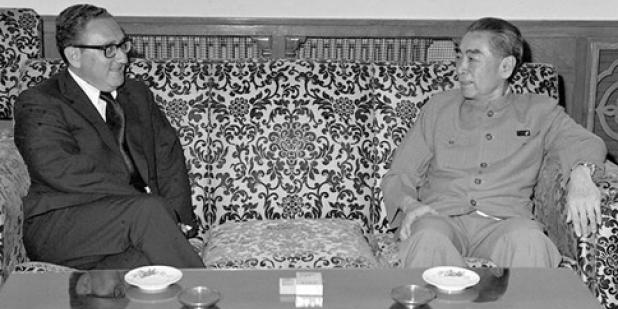
/https:/tf-cmsv2-smithsonianmag-media.s3.amazonaws.com/filer/f4/cb/f4cb92c9-4131-4e0f-ae4a-307144393214/nixoncampaigns.jpg)

No comments:
Post a Comment