20251225 CDTL Biên bản ghi nhớ đàm thoại Washington 5 March 1975 D182
182. Memorandum of Conversation1
Washington, March 5, 1975, 11:15 a.m.–12:50 p.m.
https://history.state.gov/historicaldocuments/frus1969-76v10/d182
https://history.state.gov/historicaldocuments/frus1969-76v10/pg_661
https://history.state.gov/historicaldocuments/frus1969-76v10/pg_662
https://history.state.gov/historicaldocuments/frus1969-76v10/pg_663
https://history.state.gov/historicaldocuments/frus1969-76v10/pg_664
https://history.state.gov/historicaldocuments/frus1969-76v10/pg_665
https://history.state.gov/historicaldocuments/frus1969-76v10/pg_666
https://history.state.gov/historicaldocuments/frus1969-76v10/pg_667
https://history.state.gov/historicaldocuments/frus1969-76v10/pg_668
https://history.state.gov/historicaldocuments/frus1969-76v10/pg_669
https://history.state.gov/historicaldocuments/frus1969-76v10/pg_670
182. Memorandum of Conversation1
Washington, March 5, 1975, 11:15 a.m.–12:50 p.m.
PARTICIPANTS
- The President
- The Secretary of State
- Senator Dewey F. Bartlett (Oklahoma)
- Congressman John J. Flynt, Jr. (Georgia)
- Congressman William Chappell, Jr. (Florida)
- Congressman Donald M. Fraser (Minnesota)
- Congressman Paul N. McCloskey (California)
- Congresswoman Bella S. Abzug (New York) (arrived late)
- Congressman John P. Murtha (Pennsylvania)
- Congresswoman Millicent Fenwick (New Jersey)
- Lt. Gen. Brent Scowcroft, National Security Council
- Assistant Secretary of State, Philip C. Habib
President: Let me say at the outset that I am pleased to see all of you and I am sorry Bella did not get here. I think the group’s going to Indochina is a great asset.2 The ones who went were a good [Page 661] cross-section of Congress and your views are indicative of that cross-section of views. I want to thank Assistant Secretary Habib for going and I am sure he was helpful to you. I ask that you give Dr. Kissinger and me your observations and any recommendations you may have.
Flynt: On behalf of my colleagues I will start but everyone will participate. We were manifestly shaken and impressed by what we saw. Fraser and I did not go to Cambodia. I had an earlier appointment with Big Minh, who used to be the commander of the forces in South Viet-Nam. He was going out of town and I went to see him. I am glad I did see him as that will be part of my report.
The first point I would like to make is that the questions of Viet-Nam and Cambodia must be treated separately. There are substantive differences in each case. The second point I want to make is that the Cambodian problem is of extremely short range.
On the Viet-Nam side of the coin, it is of longer duration. We talk in terms of two or three years. I would like to see them stand on their own feet in the next 2–3 years. That may be overly optimistic. As we have discovered over the years, publicly and privately, we have had a common goal. For years we fought side by side and even as that changed our objectives were the same. The history of Viet-Nam has been a series of mistakes, tragic mistakes. Our task is to convince the United States public and Congress not to make the last mistake, not to abruptly terminate sufficient military and economic aid which could become the most tragic mistake in a series of tragic mistakes. In my part of the country, where we have supported the situation, involvement has waned and been replaced by reluctance bordering on opposition. All of us have the difficult job of convincing Congress and the people that we cannot drop the ball. We have too much investment in lives, time and material. I wish we could report we have solutions. I have no panacea to suggest, but in concert with my colleagues I hope we can, by give and take, come up with a consensus.
President: Do you anticipate making a report to the leaders of Congress? That would be helpful.
Flynt: That is our intention, but we are limited by lack of sufficient staff. We did make a report to Otto Passman’s Committee.
President: Did Otto listen or do all the talking?
Flynt: He listened because he wanted his colleagues to hear us.
President: I served twelve years on that sub-committee. Has he changed?
Chappell: No, he still dances around.
Bartlett: I will try not to cover the same ground as Mr. Flynt. I see a need for military aid in Cambodia quickly so that they can expand the perimeter and hope for a political settlement. Without that hope, [Page 662] there will be a bloodbath. In South Viet-Nam I consider the over-all painful options. I have some concern about the three-year proposal because it gives the impression that all would be over in three years. There needs to be some kind of commitment that takes into account what comes in from Russia and China, taking into account the needs for defense. We should not be pro- or anti-Thieu in the coming election, but we should insist on the broadening of the base of the Government to bring about free elections. This would require the appointment to the Cabinet of leaders from the non-Communist group. Corruption should be ferreted out, there should be freedom of the press and proper use of the courts and police. This will help them to develop their resolve and will strengthen their capability to develop in peace.
(Mrs. Abzug entered at this point): I am sorry I am late.
Bartlett: I remember Mr. Sung said to me that at one time his dream was that Viet-Nam would be one nation without communism. That changed to a South Viet-Nam without communism and now he is thinking of a South Viet-Nam as a free institution, with guaranteed rights and including Communists.
President: Did you find Thieu agreeable to any of these suggestions?
Bartlett: All of my conversations on this subject took place on the last day we were in Saigon. They included discussions with Professor Huy and former Prime Minister Ky, both of whom agreed that Thieu should broaden his Government and bring into it all non-Communists.
Flynt: Chappell and I talked to President Thieu about an hour before we left. We were reluctant to do so but we had been asked to by several anti-Thieu, anti-Communist, but loyal South Vietnamese—one of whom was Professor Huy and one was General Minh. As best we could communicate to President Thieu, we suggested that he broaden his base and take advice from people personally loyal to South Viet-Nam but not strongly associated with him. We don’t know whether he got the message.
McCloskey: I concentrated on the military situation. This was my fourth time in Viet-Nam and I was surprised by the success that was evident. Ninety-eight percent of what I saw was a success and I was surprised by the capability of the Vietnamese Army. They are holding off the North Vietnamese and the VC without the firepower of the B–52’s and U.S. forces. I saw two regiments near Danang that were holding an area that five U.S. regiments previously held. But the South Vietnamese are outnumbered by the North and the North has the will to prevail and is putting its troups down into the South. We were all impressed that South Viet-Nam would be successful if it were independent. The problem is that the will to fight and the terrain favors the North. There has been a shift to the VC in the Delta of 10% of the population. [Page 663]
On Cambodia, we agree to support your request because we believe that if the perimeter is cracked people will be butchered. We talked to the refugees who told us about people being killed. Atrocity stories about nails being pounded into the heads. I cannot tell you whether the perimeter will hold.
There is a difference in our figures and those of the Department of Defense on what is required. They are asking for the same amount of ammunition that is used in Viet-Nam, 650 tons per day whereas 1/6 of the men are engaged. That is why we decided to recommend $116 million for Cambodia instead of the $222 million requested. It is a close question of whether we can get through.
President: Logistically?
McCloskey: Both logistically and with votes. I would like to recommend that you withdraw the $300 million request for Viet-Nam. Failure to get it will hurt us in Southeast Asia. Both sides look at what Congress does. The estimate is gloomy. The North Vietnamese are going to win.
President: Whether we aid them or not?
McCloskey: We gave them $3.2 million in 1973, $1.3 million in 1974 and $1.3 million this year—if all goes through. There is no possibility of an increase. We will give you the votes to phase out the program, but not higher amounts. People in the South are shooting up ammunition at a rate seven times that of the North. The North is using a thousand tons per month and can use those thousand tons, but the South wants to use 54 thousand tons. We cannot support that level. We cannot support giving the South the same amount that the North gets from the Soviet Union and China. So it is difficult for the South to prevail. If we are going to get negotiations, Mr. Secretary, you should force them to a political struggle, because I see no hope over three years.
Fraser: On Cambodia it seems to me all that is left is to negotiate an orderly transition of power to the insurgents. We have the impression we are trying to get more than that. We should ask someone like the French or Waldheim and see what terms it would take for a surrender. If our expectations are high, we may be unrealistic. If I were satisfied that we were doing the right thing, I would consider it. Otherwise we are merely continuing the war and next year it would start all over again.
On Vietnam, we have no ability to affect the political situation or the situation in the villages, and we concentrate on the main forces. I received reliable reports that the VC infrastructure is coming back. It is a smoldering fire. Six hundred thousand people came under their control in one month—an overall 10% shift in population but actually a doubling of the population under VC control. The criticism of President Thieu is rising sharply and there are economic difficulties. Thieu [Page 664] is associated with corruption, which is a major political factor. People who were for Thieu in 1971 are now against him.
I went over there to see what the situation is like. Now I am for a general phase out. I would be willing to support more aid if Viet-Nam were moving toward traditional values. The problem is the United States is supporting a regime without regard to our traditional factors. I don’t like to tell a country what to do, but if they did move politically to open up it might be easier to get a political accommodation.
The Ambassador we have in Viet-Nam is a first-rate disaster. He is inflexible and is a total spokesman of the Thieu regime. I cannot believe he is an adequate representative for yourself or for the United States. I have talked to others about him and get the same impression. I think he is a problem.
Flynt: Along the lines of the last statement, I believe we must become more realistic on Viet-Nam. We received substantial reports from Embassy personnel that they are almost prohibited from sending reports to the Ambassador which he does not wish to hear. I must agree he is stifling information which he does not wish to hear. The same is true of the CIA. Pete McCloskey agrees.
Chappell: I saw the same things as the others, but I did not come to the same conclusions. I had a most significant visit with Mr. Buu of the Labor Federation. He lost a son in the war. While he opposes Thieu he told us he went all the way with any group that is against Communists. He is a strong anti-Communist. He expressed concern that Thieu was not keeping doors open to the dissidents. He realizes that some are not good, and lean to the other side. While he was critical he still wants to work with Thieu and he asked us to say this to him. We did and Thieu said he would talk to Buu.
President: Is organized labor a major factor in South Viet-Nam?
Chappell: They are an important influence. This man was extremely well-informed and a good contact. He said he had 1½ million members.
Flynt: That may be an exaggeration.
Chappell: Organized labor is still an important factor and can be influential.
Flynt: We have no disagreement on substance.
Chappell: I look at the military factors. I went to the front with General Truong who is very competent. I found high morale and high competence. The defenses were substantial and in general I feel South Viet-Nam has an undeniably strong will to defend itself against the Communists, and I am willing to vote to support them. This is a country which I feared was a welfare leech. I now think there is a good chance they can support themselves, having become self-sufficient in rice and there is oil exploration going on. [Page 665]
President: Do they have a refinery capacity there?
Chappell: Not yet. With oil exploration work in the countryside, and the increase in production, I say they are on an upward trend as far as their economy is concerned. We would make a serious mistake if we did not give aid which they need. They are not asking for an open end in aid. There are no troops in Viet-Nam as in Europe. Thieu said if we help him in the transition period, he will be able to take care of their needs, and I think he is right. So, while the last time I was reluctant to support aid, I now strongly feel we should do all we can. We need to get the facts before the country.
Cambodia is very critical. The best hope is for a negotiated peace, but we need to get help there quickly. It is useless to send food and medicine without ammunition. We found substantial willingness on the part of the soldiers to do the job. The generals are good and the soldiers have a determination to stay with it. Desertion has been decreasing instead of worsening. We should give now to get help to them, so that they can make it through the rainy season. If they can hold their position around Phnom Penh and then open the river, it just might work. We should then look at it again later on. I believe they will hold if we can keep the airport open.
We had the vote in the Appropriation Committee 7–6 or 8–5. I thought we had Coughlin. I had a feeling it was all right, but we will be stronger if we get it with the Authorization Committee and avoid a fight in the Rules Committee. We need to push in the Foreign Affairs Committee.
President: 7–6 or 8–5 in favor?
Chappell: Yes.
Fraser: According to a military briefing, South Viet-Nam may lose two or three provinces and Hue could be isolated. If that happens, it will look as if Viet-Nam is coming apart at the seams and that will lead people to want to write it off.
President: If that happened, should the result be that the United States do less or the United States should try to do more to prevent it?
Fraser: My impression is that there is not much difference. I am prepared to do a slow phaseout, but I was pointing out this could be a problem.
McCloskey: There are seven reserve divisions above the DMZ. Three are alerted to move. Truong said that if two of these move they would take Hue and threaten Danang. If they commit them, South Viet-Nam could lose three provinces.
Bartlett: One thing that impressed all of us was the fact that the refugees in Cambodia were all worrying about the savagery of the Communists and this influenced our thinking. So if there were a military [Page 666] victory by the Khmer Communists, it would be bloody. We should carve out more for medical needs in military aid. We should meet their needs.
Kissinger: I have to leave because I am on my way to the Middle East. I would like to say one word before I go. First with respect to Cambodia, the tragedy we face is the dissension in this country which has produced the situation. Whereas if we can demonstrate that in June and July of 1973 we had negotiations in our grasp, we had China ready to work as a intermediary for the first time. You will remember this was the time of Watergate and there was no good communication with the Congress. Congress cut off the bombing. If they had held off for three months, we would have been in touch with Sihanouk. Within three days of the bombing halt the Chinese refused to pass messages to Sihanouk which we were handing over.
We never put enough in Cambodia to win a military victory. We never did enough to bring it to a conclusion. The events in 1973 were a tragedy. Right now the question is whether the United States can have it on its conscience not to send in arms to a people trying to defend themselves. We have been trying with the Chinese and others for months. I agree that it must be liquidated by negotiations. We have been trying since October. We had it in our grasp in July 1973.
Since October we are continuing our efforts. We know that Sihanouk has to come back. What is keeping Sihanouk from coming back is the Communists. If there was anything left to Cambodia that Sihanouk could get, he would get it. If we can get through the rainy season, the key will be Sihanouk. The question is whether or not the United States can pull the plug and have it on our conscience.
On Viet-Nam, it was my misfortune to negotiate that with the North Vietnamese for four years. They are hard cases. I wish I could agree to get a political solution instead of a military solution. It was not possible to negotiate a political solution with them without a strong military situation. They are the most devoted, single-minded abrasive Communists I have ever seen. I once took Le Duc Tho to a museum in Hanoi which he had never visited himself. All of the artifacts reminded him of prisons where he had been. We saw something from Vinh and he said that was a good prison but a miserable jailer. He is a dedicated revolutionary. They are hard cases and in some ways rather admirable. Le Duc Tho and all the others have fought all their lives. They will not give up, unless they have to. They must run out. Look at the political options they put forward. For years they said they would not accept Thieu and then they did. Now they say they will not accept the Government of Thieu again.
I agree with Don Fraser, in five years we may see Viet-Nam as we see Cambodia today. We can put in enough or not enough. The [Page 667] strategy problem of South Viet-Nam is different. The North Vietnamese can concentrate on one province and make one victory and it sets up a roller coaster effect. Their casualties can go up, there can be riots which could make the Government become more repressive, and we would then say that they should broaden their base and then they would not. So if aid is given, we have to face the possibility of a phase-out. I do not like it, but if it has to be done it should be high enough to be relevant to the job. Vietnamization is over with. In Viet-Nam there is a chance. Maybe all the past has been wrong but in the process millions of South Vietnamese have been engaged. We have no legal commitment to give aid. But having negotiated it, there is a strong moral commitment. In 1972 and 1973 everyone said they would fight among themselves. We did tell them—there were no promises—the United States Congress would do enough to help them.
As far as the three-year program is concerned, I have designated Habib to work it out, but it must be done right. We have to give enough to succeed rather than produce a lingering death. The domino theory is unpopular, but when other countries look at it and see U.S. involvement in 1945 and then look at what has happened, other countries see the United States providing no arms for Cambodia and no help for South Viet-Nam, the impact will be strong. Whether we get the bill or not, I do not think we should shave it too close.
President: Henry is leaving, I will want to see him off. I will be back shortly. All of you know of my deep personal conviction. More of you have disagreed with me than have agreed with me. From the beginning I felt we should have a strong worthwhile policy of helping those who help themselves, including Viet-Nam and Cambodia. I have learned more. I have learned of our negotiating efforts. When Phil Habib went up to give the details to the leadership, Cliff Case called and urged me to expose the record to the public. He urged me to ask Congress to act now on Cambodia. I feel obligated to ask Congress to act now. With the help of Cliff and others, I hope we can act now. With all we have done, it will become a blot on the conscience of the United States. I have talked to Senators Church and Pearson. They took my statement on three years with an adequate program which would end our aid. I agreed to negotiate a figure. If we are going to have a three-year program, we need to do it and do it well. Not by drips. Otherwise there would be an adverse reaction in Southeast Asia. We will have domino effect whether we like it or not, so I will work on Cambodia and Viet-Nam and find an answer we think is right.
(The President and Secretary Kissinger left the room. After a few minutes the President returned to the meeting.)
President: Okay Bella. [Page 668]
Abzug: My trip was important to me. You know of my longstanding opposition. It gave me insights. The tragedy of Cambodia was that we visited on them a war of our doing. I see it in different terms, as a humanitarian obligation. I do not see it in military terms. Our negotiating stance must be to protect those who may be targets of retribution. That would be understandable. Our giving aid when faced with our own problems would not be understandable, but giving humanitarian aid would be acceptable. Congress is not ready but we should change the emphasis, not to have military slaughter which would be the greatest hardship. The situation is lost and I want to minimize additional slaughter. You continue a bloodbath by war, in other ways too. So we should address ourselves to the humane problem and protect them during the takeover. This makes it a realistic proposal. A moral obligation can be made on both levels. Protection in case of a changeover and humanitarian aid.
President: The only question is if we could declare humanitarian aid and shut off military operations. But, unfortunately we cannot make clear breaks by compartments.
Abzug: We can if we make a statement that we are going to resolve the problem in a peaceful way.
President: I don’t know whether you have seen the chronological statement of efforts to negotiate. I can assure you they have been pursued and will continue to be pursued.
Abzug: There is a reality in suffering and I, who oppose, will do what I can. If we hand out military aid it will add to the suffering.
On Viet-Nam, the difficulty I have on the phase-out program is that it is unrealistic. Because I think continuing aid will stiffen the other side and their supporters. I think there is instability underneath and a reluctance on the part of the other side to deal with Thieu. There is also a reluctance to consider the Government without him, and unless an effort is used to obtain a broader-based Government without him, I think progress will not be viable. You can’t tell me the other side will not accede. So our stance must be changed. Our Government can use our relations with Russia and China to make a different approach.
The Ambassador has not reflected a meaningful independent position. We have not been properly represented. We have to convince Congress and the people. And we need to show them a different approach. We behave as if it is still our war and seek a victory. We should try to bring about a solution that includes all elements. We will not accomplish that in a military approach.
Murtha: We need a victory there. From an historical standpoint the United States should have a victory there. Take Indonesia for example, which is rich in resources. If North Viet-Nam and South Viet-Nam were combined, they would have a dedicated army to dominate that area. We have a strong economic interest and we have given our word. [Page 669]
I went to visit the area where I was for a year in the Marines. General Truong said he was cut back to the bone because of limited supplies. The United States was spending 6,000 tons per day but the Vietnamese are using only 800 tons per day in the same area. The Vietnamese battalion will use up three radio batteries per month whereas we used to draw 9. They are using two hand grenades instead of 5 per man, so he has limited strength to defend. They strictly conserve on artillery. They worry about losing land and increasing casualties. The reason the North Vietnamese action is increasing is because the South Vietnamese have to restrict their actions. They cannot operate in sanctuaries because they have less mobility. It will be a disgrace if we do not give aid. In five years we will end up with an historical blot. Kissinger said to Thieu we would furnish aid. We have an obligation to fulfill it.
President: When were you in Viet-Nam?
Murtha: In 1966. I drove down to Hoi An and the security was good, and it is because of U.S. aid.
Fenwick: For many reasons, not only my campaign promises, but also for my convictions as well, I have been against military aid for many years. It was hard on this trip as I am shaken in my resolution. Cambodia is the third act of a tragedy. China is the key. So long as China furnishes bullets, we are going to have war. I know what efforts you have made. We must redouble our efforts until we find out what China wants.
We say that the Government is inept and corrupt, but that we will provide aid. I am prepared to do so under certain conditions, as part of a plan for peace. If we can hold off until the rainy season, I would vote for ammunition. If we could get people out in the meantime—such as civil servants, teachers, refugees—I would vote for ammunition. If it is part of some program which would use the Mekong to get out. If we could have a plan to take care of the pitiful people, teachers, lawyers, civil servants, refugees. I don’t know what we could do for the millions of refugees, but that kind of responsible action I could conceive would receive acceptance.
Viet-Nam is more complex. I spoke to many dissidents. We did not ask every person if they wanted Communism in Viet-Nam, but of those we did ask, not one did. No dissidents, nor people in prison, etc. What are we going to do to resolve this? I have not made up my mind. I do not say we are going to give them any benefit by allowing Communism to take over. I am not prepared to support Thieu. As far as his press laws are concerned, we should request that he repeal them. The party law is such that it makes it difficult for the people to register a voice. One has the feeling that he only wants to have a one party election. I spoke to Ambassador Martin and he said there is some chance [Page 670] that the appropriate law would be passed. We need an international election team to be present. Ambassador Martin says Thieu will win a free election. Why then won’t Thieu do this?
Corruption is an issue. Thieu got rid of some people. There are other parties in Viet-Nam that are independent. There is an opposition in the legislature. The elements of some kind of a viable government are not lacking. There are no mass parties, only mass groups like the Buddhists, Catholics and the Cao Dai. We ought to put a person in charge of anti-corruption, maybe a political figure.
If you asked who could replace Thieu, that is an unsettling question because there is no one. I find myself sharing McCloskey and Fraser’s view—that is we can’t vote money without seeing a viable solution. We need a plan. For example in Cambodia, we should get in touch with the UN.
The PRG gave me their terms. Forget it. They asked us to get rid of Thieu and stop aid. They said the Paris Accords are not a reality. They will have to be renegotiated.
I cannot go along with the idea of a phased-out aid program. I cannot see where it leads. The reality is China, whether or not it supplies the arms.
President: If you have reservations about a phase-out, would you stop period?
Fenwick: Not so. I will regret my vote no matter which way I vote.
President: Let me reiterate. I am grateful that you went, including those who came back with unfavorable views. I am impressed with the suggestions. We will take them into consideration—some of the important suggestions. If we could sort them out as clear-cut, but I am afraid I feel the United States must make a maximum effort, including some of what you suggested. We need to be forthright and strong in Cambodia, moving toward negotiations. In Viet-Nam the three-year aid cut-off must be adequately financed. It has better than a 50–50 chance. As I look at the past, present and future, our country must be strong and forthright and at the same time as humane and flexible as we can be.
Flynt: Most of us want to support you as much as we can.
President: You will be influential.
Fraser: I have a suggestion. Would you find it useful to bring in as consideration for policy some people who could serve in an advisory role? Responsible people who come to the problem with a different approach and who can help, like Paul Warnke?
President: We will use very conceivable suggestion. It is a critical situation which is a broad national problem. We will not rule out any help on a national problem.
Google Translated
182. Biên bản ghi nhớ cuộc họp
Washington, ngày 5 tháng 3 năm 1975, 11:15 sáng–12:50 trưa
NGƯỜI THAM GIA
Tổng thống
Bộ trưởng Ngoại giao
Thượng nghị sĩ Dewey F. Bartlett (Oklahoma)
Dân biểu John J. Flynt, Jr. (Georgia)
Dân biểu William Chappell, Jr. (Florida)
Dân biểu Donald M. Fraser (Minnesota)
Dân biểu Paul N. McCloskey (California)
Dân biểu Bella S. Abzug (New York) (đến muộn)
Dân biểu John P. Murtha (Pennsylvania)
Dân biểu Millicent Fenwick (New Jersey)
Trung tướng Brent Scowcroft, Hội đồng An ninh Quốc gia
Trợ lý Ngoại trưởng Philip C. Habib
Tổng thống: Trước hết, tôi xin nói rằng tôi rất vui được gặp tất cả quý vị và tôi rất tiếc vì Bella đã không đến được đây. Tôi nghĩ việc nhóm đi Đông Dương là một tài sản lớn. Những người đã đi là một nhóm [Trang 661] đại diện tốt của Quốc hội, và quan điểm của ông phản ánh quan điểm của nhóm đại diện đó. Tôi muốn cảm ơn Trợ lý Ngoại trưởng Habib đã đi và tôi chắc chắn ông ấy đã giúp ích cho ông. Tôi đề nghị ông chia sẻ với Tiến sĩ Kissinger và tôi những quan sát và khuyến nghị của ông.
Flynt: Thay mặt các đồng nghiệp, tôi sẽ bắt đầu nhưng tất cả mọi người sẽ tham gia. Chúng tôi rõ ràng đã bị sốc và ấn tượng bởi những gì chúng tôi đã thấy. Fraser và tôi đã không đến Campuchia. Trước đó, tôi đã có một cuộc hẹn với Big Minh, người từng là tư lệnh các lực lượng ở Nam Việt Nam. Ông ấy sắp đi công tác và tôi đã đến gặp ông ấy. Tôi rất vui vì đã gặp ông ấy vì điều đó sẽ là một phần trong báo cáo của tôi.
Điểm đầu tiên tôi muốn nêu ra là các vấn đề về Việt Nam và Campuchia phải được xem xét riêng biệt. Mỗi trường hợp đều có những khác biệt đáng kể. Điểm thứ hai tôi muốn nêu ra là vấn đề Campuchia có tầm ảnh hưởng rất ngắn.
Về phía Việt Nam, vấn đề này cần thời gian dài hơn. Chúng ta đang nói về hai hoặc ba năm. Tôi muốn thấy họ tự đứng vững trong 2-3 năm tới. Điều đó có thể hơi lạc quan quá mức. Như chúng ta đã nhận ra trong những năm qua, cả công khai lẫn riêng tư, chúng ta đều có một mục tiêu chung. Trong nhiều năm, chúng ta đã sát cánh chiến đấu bên nhau, và ngay cả khi điều đó thay đổi, mục tiêu của chúng ta vẫn như cũ. Lịch sử Việt Nam là một chuỗi những sai lầm, những sai lầm bi thảm. Nhiệm vụ của chúng ta là thuyết phục công chúng và Quốc hội Hoa Kỳ không phạm phải sai lầm cuối cùng, không đột ngột chấm dứt viện trợ quân sự và kinh tế, điều có thể trở thành sai lầm bi thảm nhất trong một chuỗi những sai lầm bi thảm. Ở khu vực của tôi, nơi chúng tôi ủng hộ tình hình, sự can dự đã giảm dần và được thay thế bằng sự miễn cưỡng gần như phản đối. Tất cả chúng ta đều có nhiệm vụ khó khăn là thuyết phục Quốc hội và người dân rằng chúng ta không thể bỏ cuộc. Chúng ta đã đầu tư quá nhiều vào sinh mạng, thời gian và vật chất. Tôi ước gì chúng ta có thể báo cáo rằng chúng ta có giải pháp. Tôi không có giải pháp nào để đề nghị, nhưng tôi hy vọng chúng ta có thể cùng với các đồng nghiệp đi đến một sự đồng thuận thông qua sự trao đổi.
Chủ tịch: Ông có dự định báo cáo lên các lãnh đạo Quốc hội không? Điều đó sẽ rất hữu ích.
Flynt: Đó là ý định của chúng tôi, nhưng chúng tôi bị hạn chế do thiếu nhân sự. Chúng tôi đã báo cáo lên Ủy ban của Otto Passman.
Chủ tịch: Otto có lắng nghe hay nói hết mọi chuyện?
Flynt: Ông ấy lắng nghe vì muốn các đồng nghiệp của mình lắng nghe chúng tôi.
Chủ tịch: Tôi đã phục vụ mười hai năm trong tiểu ban đó. Ông ấy có thay đổi không?
Chappell: Không, ông ấy vẫn còn quanh co.
Bartlett: Tôi sẽ cố gắng không đi theo con đường giống như ông Flynt. Tôi thấy Campuchia cần được viện trợ quân sự nhanh chóng để họ có thể mở rộng phạm vi và hy vọng vào một giải pháp chính trị. Nếu không có hy vọng đó, [Trang 662] sẽ có một cuộc tắm máu. Ở Nam Việt Nam, tôi cân nhắc những lựa chọn tổng thể đều đau đớn. Tôi có một số lo ngại về đề nghị ba năm vì nó tạo ấn tượng rằng mọi thứ sẽ kết thúc trong ba năm. Cần phải có một cam kết nào đó, tính đến những gì đến từ Nga và Trung Quốc, cũng như nhu cầu quốc phòng. Chúng ta không nên ủng hộ hay phản đối Thiệu trong cuộc bầu cử sắp tới, nhưng chúng ta nên kiên quyết mở rộng cơ sở của Chính phủ để mang lại các cuộc bầu cử tự do. Điều này đòi hỏi phải bổ nhiệm các nhà lãnh đạo từ nhóm phi Cộng sản vào Nội các. Tham nhũng cần được loại bỏ, cần có tự do báo chí và sử dụng đúng đắn hệ thống tòa án và cảnh sát. Điều này sẽ giúp họ phát huy quyết tâm và củng cố khả năng phát triển trong hòa bình.
(Bà Abzug lên tiếng lúc này): Tôi xin lỗi vì đã đến muộn.
Bartlett: Tôi nhớ ông Sung đã từng nói với tôi rằng ước mơ của ông ấy là Việt Nam sẽ là một quốc gia thống nhất không có chủ nghĩa cộng sản. Nhưng ước mơ đó đã thay đổi thành một miền Nam Việt Nam không có chủ nghĩa cộng sản, và giờ đây ông ấy đang nghĩ về một miền Nam Việt Nam như một thể chế tự do, với các quyền được bảo đảm và bao gồm cả những người Cộng sản.
Chủ tịch: Ông Thiệu có đồng ý với bất kỳ đề nghị nào trong số này không?
Bartlett: Tất cả các cuộc trò chuyện của tôi về chủ đề này đều diễn ra vào ngày cuối cùng chúng tôi ở Sài Gòn. Chúng bao gồm các cuộc thảo luận với Giáo sư Huy và cựu Thủ tướng Kỳ, cả hai đều đồng ý rằng Thiệu nên mở rộng Chính phủ của mình và đưa vào đó tất cả những người không phải là Cộng sản.
Flynt: Chappell và tôi đã nói chuyện với Tổng thống Thiệu khoảng một giờ trước khi chúng tôi rời đi. Chúng tôi miễn cưỡng làm như vậy nhưng đã được một số người Nam Việt Nam chống Thiệu, chống Cộng nhưng trung thành yêu cầu - một trong số đó là Giáo sư Huy và một là Tướng Minh. Theo cách tốt nhất chúng tôi có thể truyền đạt với Tổng thống Thiệu, chúng tôi đề nghị ông ấy mở rộng lực lượng và xin lời khuyên từ những người trung thành với Nam Việt Nam nhưng không liên quan chặt chẽ đến ông ấy. Chúng tôi không biết liệu ông ấy có hiểu được thông điệp đó hay không.
McCloskey: Tôi tập trung vào tình hình quân sự. Đây là lần thứ tư tôi đến Việt Nam và tôi rất ngạc nhiên trước thành công rõ ràng. Chín mươi tám phần trăm những gì tôi thấy là thành công và tôi rất ngạc nhiên trước năng lực của Quân đội Việt Nam. Họ đang ngăn chặn quân Bắc Việt và Việt Cộng mà không cần hỏa lực của B-52 và lực lượng Hoa Kỳ. Tôi thấy hai trung đoàn gần Đà Nẵng đang giữ một khu vực mà năm trung đoàn Hoa Kỳ trước đó đã nắm giữ. Nhưng quân đội miền Nam Việt Nam bị miền Bắc áp đảo về quân số, và miền Bắc có ý chí chiến thắng và đang đưa quân vào miền Nam. Tất cả chúng tôi đều ấn tượng rằng miền Nam Việt Nam sẽ thành công nếu giành được độc lập. Vấn đề là ý chí chiến đấu và địa hình lại ủng hộ miền Bắc. Đã có một sự chuyển hướng sang Việt Cộng của 10% dân số ở vùng đồng bằng sông Cửu Long. [Trang 663]
Về Campuchia, chúng tôi đồng ý ủng hộ yêu cầu của ông vì chúng tôi tin rằng nếu vành đai an ninh bị phá vỡ, người dân sẽ bị tàn sát. Chúng tôi đã nói chuyện với những người tị nạn, họ kể cho chúng tôi nghe về những người bị giết. Những câu chuyện tàn bạo về việc bị đóng đinh vào đầu. Tôi không thể nói cho ông biết vành đai an ninh có giữ vững được hay không.
Có sự khác biệt giữa số liệu của chúng tôi và Bộ Quốc phòng về nhu cầu. Họ yêu cầu cùng một lượng đạn dược được sử dụng ở Việt Nam, 650 tấn mỗi ngày trong khi chỉ có 1/6 quân số tham chiến. Đó là lý do tại sao chúng tôi quyết định đề nghị 116 triệu đô la cho Campuchia thay vì 222 triệu đô la được yêu cầu. Vấn đề nằm ở chỗ liệu chúng ta có thể vượt qua được hay không.
Tổng thống: Về mặt hậu cần?
McCloskey: Cả về mặt hậu cần lẫn phiếu bầu. Tôi muốn đề nghị ngài rút lại yêu cầu 300 triệu đô la cho Việt Nam. Nếu không đạt được điều đó, chúng ta sẽ bị tổn hại ở Đông Nam Á. Cả hai bên đều xem xét những gì Quốc hội làm. Dự đoán rất ảm đạm. Bắc Việt Nam sẽ thắng.
Tổng thống: Liệu chúng ta có hỗ trợ họ hay không?
McCloskey: Chúng ta đã hỗ trợ họ 3,2 triệu đô la vào năm 1973, 1,3 triệu đô la vào năm 1974 và 1,3 triệu đô la trong năm nay - nếu mọi việc suôn sẻ. Không có khả năng tăng thêm. Chúng tôi sẽ cho ngài quyền bỏ phiếu để loại bỏ chương trình này, nhưng không phải là số tiền cao hơn. Người dân miền Nam đang sử dụng đạn dược với tốc độ gấp bảy lần miền Bắc. Miền Bắc đang sử dụng 1.000 tấn mỗi tháng và có thể sử dụng 1.000 tấn đó, nhưng miền Nam muốn sử dụng 54.000 tấn. Chúng tôi không thể ủng hộ mức đó. Chúng tôi không thể ủng hộ việc cung cấp cho miền Nam cùng một lượng mà miền Bắc nhận được từ Liên Xô và Trung Quốc. Vì vậy, miền Nam khó có thể thắng thế. Nếu chúng ta muốn đàm phán, thưa Bộ trưởng, ngài nên ép họ vào một cuộc đấu tranh chính trị, bởi vì tôi không thấy hy vọng gì trong ba năm tới.
Fraser: Về Campuchia, tôi thấy dường như tất cả những gì còn lại là đàm phán một cuộc chuyển giao quyền lực có trật tự cho quân nổi dậy. Chúng ta có cảm giác mình đang cố gắng đạt được nhiều hơn thế. Chúng ta nên hỏi một người nào đó như người Pháp hoặc Waldheim và xem họ sẽ đưa ra những điều khoản nào cho việc đầu hàng. Nếu kỳ vọng của chúng ta quá cao, chúng ta có thể không thực tế. Nếu tôi hài lòng rằng chúng ta đang làm đúng, tôi sẽ cân nhắc. Nếu không, chúng ta chỉ đang tiếp tục chiến tranh và năm tới nó sẽ lại bắt đầu.
Về Việt Nam, chúng ta không có khả năng tác động đến tình hình chính trị hoặc tình hình ở các làng mạc, và chúng ta đang tập trung vào lực lượng chủ lực. Tôi đã nhận được những báo cáo đáng tin cậy rằng cơ sở hạ tầng của Việt Cộng đang quay trở lại. Đó là một ngọn lửa âm ỉ. Sáu trăm nghìn người đã nằm dưới sự kiểm soát của họ chỉ trong một tháng - tổng thể dân số đã tăng 10% nhưng thực tế là dân số dưới sự kiểm soát của Việt Cộng đã tăng gấp đôi. Những lời chỉ trích đối với Tổng thống Thiệu đang gia tăng mạnh mẽ và kinh tế đang gặp khó khăn. Thiệu [Trang 664] có liên quan đến tham nhũng, một yếu tố chính trị quan trọng. Những người ủng hộ Thiệu năm 1971 giờ đây lại chống lại ông ta.
Tôi đã đến đó để xem tình hình thế nào. Giờ tôi ủng hộ việc rút quân hoàn toàn. Tôi sẵn sàng hỗ trợ thêm viện trợ nếu Việt Nam hướng tới các giá trị truyền thống. Vấn đề là Hoa Kỳ đang hỗ trợ một chế độ mà không quan tâm đến các yếu tố truyền thống của chúng ta. Tôi không muốn ra lệnh cho một quốc gia phải làm gì, nhưng nếu họ có động thái chính trị để mở cửa thì có thể sẽ dễ dàng đạt được sự dàn xếp chính trị hơn.
Vị Đại sứ chúng ta có ở Việt Nam là một thảm họa hạng nhất. Ông ta cứng nhắc và hoàn toàn là người phát ngôn cho chế độ Thiệu. Tôi không thể tin rằng ông ta là một đại diện xứng đáng cho chính ông hay cho Hoa Kỳ. Tôi đã nói chuyện với những người khác về ông ta và cũng có cùng ấn tượng. Tôi nghĩ ông ta là một vấn đề.
Flynt: Tương tự như tuyên bố cuối cùng, tôi tin rằng chúng ta phải thực tế hơn về Việt Nam. Chúng tôi đã nhận được nhiều báo cáo đáng kể từ nhân viên Đại sứ quán rằng họ gần như bị cấm gửi báo cáo cho Đại sứ, điều mà ông ấy không muốn nghe. Tôi phải đồng ý rằng ông ta đang che giấu những thông tin mà ông ấy không muốn nghe. Điều tương tự cũng đúng với CIA. Pete McCloskey đồng ý.
Chappell: Tôi cũng thấy những điều tương tự như những người khác, nhưng tôi không đi đến cùng một kết luận. Tôi đã có một cuộc gặp gỡ rất quan trọng với ông Bửu thuộc Liên đoàn Lao động. Ông ấy đã mất một người con trai trong chiến tranh. Mặc dù ông ấy chống Thiệu, ông ấy nói với chúng tôi rằng ông ấy đã đi đến cùng với bất kỳ nhóm nào chống Cộng sản. Ông ấy là một người chống Cộng mạnh mẽ. Ông ấy bày tỏ lo ngại rằng Thiệu không mở rộng cửa cho những người bất đồng chính kiến. Ông ấy nhận ra rằng một số nhóm không tốt, và nghiêng về phía bên kia. Mặc dù ông ấy chỉ trích, ông ấy vẫn muốn làm việc với Thiệu và ông ấy đã yêu cầu chúng tôi nói điều này với ông ấy. Chúng tôi đã làm vậy và Thiệu nói rằng ông ấy sẽ nói chuyện với ông Bửu.
Chủ tịch: Liệu tổ chức lao động có phải là một nhân tố chính ở Nam Việt Nam không?
Chappell: Họ là một ảnh hưởng quan trọng. Người đàn ông này rất am hiểu và có mối liên hệ tốt. Ông ấy nói rằng ông ấy có 1,5 triệu thành viên.
Flynt: Điều đó có thể là phóng đại.
Chappell: Tổ chức lao động vẫn là một nhân tố quan trọng và có thể có ảnh hưởng.
Flynt: Chúng tôi không có bất đồng quan điểm về nội dung.
Chappell: Tôi xem xét các yếu tố quân sự. Tôi đã ra mặt trận cùng Tướng Trưởng, một người rất tài giỏi. Tôi thấy tinh thần và năng lực của ông ấy rất cao. Việc phòng thủ rất vững chắc, và nhìn chung tôi cảm thấy Nam Việt Nam có một ý chí mạnh mẽ không thể phủ nhận để tự vệ trước Cộng sản, và tôi sẵn sàng bỏ phiếu ủng hộ họ. Đây là một đất nước mà tôi từng lo sợ là một kẻ ăn bám phúc lợi. Giờ đây tôi nghĩ rằng có nhiều khả năng họ có thể tự nuôi sống bản thân, sau khi đã tự túc được lương thực và đang tiến hành khai thác dầu mỏ. [Trang 665]
Tổng thống: Họ có năng lực lọc dầu ở đó không?
Chappell: Chưa. Với công việc khai thác dầu mỏ ở nông thôn và sự gia tăng sản lượng, tôi cho rằng họ đang trên đà phát triển về mặt kinh tế. Chúng ta sẽ phạm sai lầm nghiêm trọng nếu không cung cấp viện trợ mà họ cần. Họ không yêu cầu viện trợ vô thời hạn. Không có quân đội ở Việt Nam như ở châu Âu. Thiệu nói rằng nếu chúng ta giúp ông ta trong giai đoạn chuyển tiếp, ông ta sẽ có thể chăm lo cho nhu cầu của họ, và tôi nghĩ ông ta nói đúng. Vậy nên, mặc dù lần trước tôi đã ngần ngại hỗ trợ viện trợ, nhưng giờ đây tôi thực sự cảm thấy chúng ta nên làm tất cả những gì có thể. Chúng ta cần phải trình bày sự thật trước quốc gia.
Campuchia đang rất cấp bách. Hy vọng tốt nhất là một nền hòa bình thông qua đàm phán, nhưng chúng ta cần phải nhanh chóng viện trợ cho họ. Việc gửi lương thực và thuốc men mà không có đạn dược là vô ích. Chúng tôi nhận thấy sự sẵn lòng đáng kể từ phía binh lính để hoàn thành nhiệm vụ. Các tướng lĩnh rất giỏi và binh lính có quyết tâm kiên trì. Tình trạng đào ngũ đã giảm bớt thay vì trở nên tồi tệ hơn. Chúng ta nên hỗ trợ ngay bây giờ để họ có thể vượt qua mùa mưa. Nếu họ có thể giữ vững vị trí của mình xung quanh Phnom Penh và sau đó mở đường sông, thì có thể sẽ hiệu quả. Sau đó, chúng ta nên xem xét lại vấn đề này sau. Tôi tin rằng họ sẽ giữ vững nếu chúng ta có thể giữ cho sân bay mở cửa.
Chúng tôi đã bỏ phiếu tại Ủy ban Phân bổ với tỷ lệ 7-6 hoặc 8-5. Tôi nghĩ chúng tôi đã có Coughlin. Tôi cảm thấy mọi việc đều ổn, nhưng chúng tôi sẽ mạnh mẽ hơn nếu đạt được điều đó với Ủy ban Ủy quyền và tránh một cuộc chiến tại Ủy ban Quy tắc. Chúng ta cần thúc đẩy Ủy ban Đối ngoại.
Tổng thống: 7-6 hay 8-5 phiếu thuận?
Chappell: Vâng.
Fraser: Theo báo cáo quân sự, Nam Việt Nam có thể mất hai hoặc ba tỉnh và Huế có thể bị cô lập. Nếu điều đó xảy ra, trông như thể Việt Nam đang tan rã và điều đó sẽ khiến mọi người muốn xóa bỏ nó.
Tổng thống: Nếu điều đó xảy ra, kết quả là Hoa Kỳ nên làm ít hơn hay nên cố gắng làm nhiều hơn để ngăn chặn điều đó?
Fraser: Tôi cho rằng không có nhiều khác biệt. Tôi đã chuẩn bị cho việc rút quân dần dần, nhưng tôi đã chỉ ra rằng điều này có thể là một vấn đề.
McCloskey: Có bảy sư đoàn dự bị phía trên Khu Phi quân sự (DMZ). Ba sư đoàn được báo động di chuyển. Đại tướng Trưởng nói rằng nếu hai trong số này di chuyển, họ sẽ chiếm Huế và đe dọa Đà Nẵng. Nếu họ triển khai chúng, Nam Việt Nam có thể mất ba tỉnh.
Bartlett: Một điều khiến tất cả chúng tôi ấn tượng là việc những người tị nạn ở Campuchia đều lo lắng về sự tàn bạo của Cộng sản và điều này đã ảnh hưởng đến suy nghĩ của chúng tôi. Vì vậy, nếu Cộng sản Khmer có một chiến thắng quân sự, thì đó sẽ là một chiến thắng đẫm máu. Chúng ta nên dành nhiều viện trợ quân sự hơn cho nhu cầu y tế. Chúng ta nên đáp ứng nhu cầu của họ.
Kissinger: Tôi phải đi vì tôi đang trên đường đến Trung Đông. Tôi muốn nói một lời trước khi đi. Trước hết, liên quan đến Campuchia, thảm kịch mà chúng ta đang phải đối mặt là sự chia rẽ trong nước này, chính điều này đã gây ra tình hình. Trong khi đó, nếu chúng ta có thể chứng minh rằng vào tháng 6 và tháng 7 năm 1973, chúng ta đã nắm trong tay các cuộc đàm phán, thì Trung Quốc đã sẵn sàng làm trung gian lần đầu tiên. Quý vị hẳn còn nhớ đây là thời điểm xảy ra vụ bê bối Watergate và không có sự liên lạc tốt nào với Quốc hội. Quốc hội đã ngừng ném bom. Nếu họ trì hoãn trong ba tháng, chúng ta đã có thể liên lạc với Sihanouk. Trong vòng ba ngày sau khi ngừng ném bom, Trung Quốc đã từ chối chuyển thông điệp cho Sihanouk mà chúng ta đang chuyển giao.
Chúng ta chưa bao giờ đưa đủ vũ khí vào Campuchia để giành chiến thắng quân sự. Chúng ta chưa bao giờ làm đủ để đưa nó đến hồi kết. Những sự kiện năm 1973 là một thảm kịch. Ngay lúc này, câu hỏi đặt ra là liệu Hoa Kỳ có còn lương tâm mà không gửi vũ khí cho một dân tộc đang cố gắng tự vệ hay không. Chúng ta đã cố gắng với Trung Quốc và các nước khác trong nhiều tháng. Tôi đồng ý rằng điều đó phải được giải quyết bằng đàm phán. Chúng ta đã cố gắng từ tháng 10. Chúng ta đã nắm trong tay nó từ tháng 7 năm 1973.
Kể từ tháng 10, chúng ta vẫn đang tiếp tục nỗ lực. Chúng ta biết rằng Sihanouk phải quay trở lại. Điều khiến Sihanouk chưa thể quay trở lại chính là những người Cộng sản. Nếu còn điều gì ở Campuchia mà Sihanouk có thể làm được, ông ta sẽ làm được. Nếu chúng ta vượt qua được mùa mưa, chìa khóa sẽ là Sihanouk. Vấn đề là liệu Hoa Kỳ có thể rút phích cắm và khiến lương tâm chúng ta day dứt hay không.
Về Việt Nam, thật không may cho tôi khi phải đàm phán với Bắc Việt trong bốn năm. Họ là những trường hợp khó khăn. Tôi ước gì mình có thể đồng ý đạt được một giải pháp chính trị thay vì một giải pháp quân sự. Không thể đàm phán một giải pháp chính trị với họ nếu không có một tình hình quân sự vững chắc. Họ là những người Cộng sản tận tụy, cứng đầu nhất mà tôi từng thấy. Tôi đã từng đưa Lê Đức Thọ đến một bảo tàng ở Hà Nội, nơi mà chính ông ấy chưa bao giờ đến thăm. Tất cả những hiện vật gợi cho ông ấy nhớ đến những nhà tù nơi ông ấy đã từng ở. Chúng tôi đã xem một số thứ từ Vinh và ông ấy nói rằng đó là một nhà tù tốt nhưng là một cai ngục khốn khổ. Ông ấy là một nhà cách mạng tận tụy. Họ là những trường hợp khó khăn và theo một cách nào đó khá đáng ngưỡng mộ. Lê Đức Thọ và tất cả những người khác đã chiến đấu suốt cuộc đời. Họ sẽ không bỏ cuộc, trừ khi họ buộc phải làm vậy. Họ phải rút lui. Hãy nhìn vào những lựa chọn chính trị mà họ đưa ra. Trong nhiều năm, họ đã nói sẽ không chấp nhận Thiệu, rồi họ lại chấp nhận. Giờ họ lại nói sẽ không chấp nhận Chính phủ Thiệu nữa.
Tôi đồng ý với Don Fraser, năm năm nữa chúng ta có thể thấy Việt Nam như chúng ta thấy Campuchia ngày nay. Chúng ta có thể đầu tư đủ hoặc không đủ. [Trang 667]
Vấn đề chiến lược của Nam Việt Nam thì khác. Bắc Việt có thể tập trung vào một tỉnh và giành được một chiến thắng, và điều đó tạo ra hiệu ứng tàu lượn siêu tốc. Thương vong của họ có thể tăng lên, có thể có những cuộc bạo loạn khiến Chính phủ trở nên đàn áp hơn, và sau đó chúng ta sẽ nói rằng họ nên mở rộng cơ sở của mình nhưng rồi họ lại không làm vậy. Vì vậy, nếu viện trợ được cung cấp, chúng ta phải đối mặt với khả năng cắt giảm dần. Tôi không thích điều đó, nhưng nếu phải làm thì nó phải đủ cao để phù hợp với công việc. Chiến dịch Việt Nam hóa đã kết thúc. Ở Việt Nam vẫn có cơ hội. Có thể tất cả quá khứ đã sai, nhưng trong quá trình đó, hàng triệu người Nam Việt Nam đã tham gia. Chúng ta không có cam kết pháp lý nào để viện trợ. Nhưng sau khi đàm phán, đã có một cam kết đạo đức mạnh mẽ. Năm 1972 và 1973, mọi người đều nói rằng họ sẽ chiến đấu với nhau. Chúng tôi đã nói với họ - không hề có lời hứa nào - rằng Quốc hội Hoa Kỳ sẽ làm đủ để giúp họ.
Về chương trình ba năm, tôi đã chỉ định Habib phụ trách, nhưng phải làm đúng. Chúng ta phải cho đi đủ để thành công thay vì để lại một cái chết dai dẳng. Thuyết domino không được ưa chuộng, nhưng khi các nước khác nhìn vào đó và thấy sự can dự của Hoa Kỳ vào năm 1945, rồi nhìn vào những gì đã xảy ra, các nước khác thấy Hoa Kỳ không cung cấp vũ khí cho Campuchia và không giúp đỡ Nam Việt Nam, thì tác động sẽ rất mạnh mẽ. Dù chúng ta có được thông qua dự luật hay không, tôi không nghĩ chúng ta nên cắt giảm quá nhiều.
Tổng thống: Henry sắp rời đi, tôi muốn tiễn ông ấy. Tôi sẽ sớm quay lại. Tất cả các bạn đều biết về niềm tin cá nhân sâu sắc của tôi. Số lượng các bạn không đồng tình với tôi nhiều hơn là đồng tình. Ngay từ đầu, tôi đã cảm thấy chúng ta nên có một chính sách mạnh mẽ và thiết thực để giúp đỡ những người tự giúp mình, bao gồm cả Việt Nam và Campuchia. Tôi đã học được nhiều hơn. Tôi đã biết về những nỗ lực đàm phán của chúng ta. Khi Phil Habib lên trình bày chi tiết với ban lãnh đạo, Cliff Case đã gọi điện và thúc giục tôi công khai hồ sơ. Ông ấy thúc giục tôi yêu cầu Quốc hội hành động ngay lập tức về Campuchia. Tôi cảm thấy có nghĩa vụ phải yêu cầu Quốc hội hành động ngay lập tức. Với sự giúp đỡ của Cliff và những người khác, tôi hy vọng chúng ta có thể hành động ngay bây giờ. Với tất cả những gì chúng ta đã làm, nó sẽ trở thành một vết nhơ trong lương tâm của Hoa Kỳ. Tôi đã nói chuyện với Thượng nghị sĩ Church và Pearson. Họ đã chấp nhận tuyên bố của tôi về ba năm với một chương trình phù hợp, điều này sẽ chấm dứt viện trợ của chúng ta. Tôi đã đồng ý đàm phán một con số. Nếu chúng ta có một chương trình ba năm, chúng ta cần phải làm điều đó và làm thật tốt. Không phải bằng cách nhỏ giọt. Nếu không sẽ có phản ứng tiêu cực ở Đông Nam Á. Dù muốn hay không, chúng ta sẽ phải chịu hiệu ứng domino, vì vậy tôi sẽ làm việc về Campuchia và Việt Nam và tìm ra một giải pháp mà chúng tôi cho là đúng đắn.
(Tổng thống và Ngoại trưởng Kissinger rời khỏi phòng. Sau vài phút, Tổng thống quay lại cuộc họp.)
Tổng thống: Được rồi, Bella. [Trang 668]
Abzug: Chuyến đi của tôi rất quan trọng đối với tôi. Cô biết tôi đã phản đối từ lâu rồi. Nó cho tôi những hiểu biết sâu sắc. Bi kịch của Campuchia là chúng ta đã gây ra một cuộc chiến tranh do chính chúng ta gây ra. Tôi nhìn nhận vấn đề này theo một cách khác, đó là một nghĩa vụ nhân đạo. Tôi không nhìn nhận vấn đề này theo nghĩa quân sự. Lập trường đàm phán của chúng ta phải là bảo vệ những người có thể là mục tiêu của sự trả thù. Điều đó có thể hiểu được. Việc chúng ta viện trợ khi đối mặt với những vấn đề của chính mình sẽ là điều không thể hiểu được, nhưng việc viện trợ nhân đạo thì có thể chấp nhận được. Quốc hội chưa sẵn sàng, nhưng chúng ta nên thay đổi trọng tâm, không nên tàn sát quân sự, điều sẽ gây ra khó khăn lớn nhất. Tình hình đã thất bại và tôi muốn giảm thiểu việc tàn sát thêm. Cô tiếp tục cuộc chiến đẫm máu, theo những cách khác nữa. Vì vậy, chúng ta nên giải quyết vấn đề nhân đạo và bảo vệ họ trong quá trình tiếp quản. Điều này làm cho đề nghị này trở nên thực tế. Nghĩa vụ đạo đức có thể được thực hiện ở cả hai cấp độ. Bảo vệ trong trường hợp chuyển giao và viện trợ nhân đạo.
Tổng thống: Câu hỏi duy nhất là liệu chúng ta có thể tuyên bố viện trợ nhân đạo và ngừng các hoạt động quân sự hay không. Nhưng thật không may, chúng ta không thể phân chia rõ ràng theo từng khu vực.
Abzug: Chúng ta có thể làm được nếu chúng ta tuyên bố rằng chúng ta sẽ giải quyết vấn đề một cách hòa bình.
Tổng thống: Tôi không biết liệu ngài đã xem bản tuyên bố theo trình tự thời gian về những nỗ lực đàm phán hay chưa. Tôi có thể bảo đảm với ngài rằng chúng đã và sẽ tiếp tục được theo đuổi.
Abzug: Có một thực tế trong đau khổ và tôi, người phản đối, sẽ làm những gì có thể. Nếu chúng ta viện trợ quân sự, điều đó sẽ làm tăng thêm đau khổ.
Về Việt Nam, khó khăn tôi gặp phải trong chương trình cắt giảm dần viện trợ là nó không thực tế. Bởi vì tôi nghĩ rằng việc tiếp tục viện trợ sẽ làm cho bên kia và những người ủng hộ họ trở nên cứng rắn hơn. Tôi nghĩ rằng có sự bất ổn tiềm ẩn và bên kia không muốn đối phó với Thiệu. Ngoài ra còn có sự miễn cưỡng trong việc xem xét một Chính phủ không có ông ta, và trừ khi có nỗ lực để đạt được một Chính phủ có cơ sở rộng rãi hơn mà không có ông ta, tôi nghĩ rằng tiến trình sẽ không khả thi. Ngài không thể nói với tôi rằng bên kia sẽ không chấp nhận. Vì vậy, lập trường của chúng ta phải thay đổi. Chính phủ chúng ta có thể sử dụng mối quan hệ với Nga và Trung Quốc để đưa ra một cách tiếp cận khác.
Đại sứ chưa thể hiện một lập trường độc lập có ý nghĩa. Chúng ta chưa được đại diện đầy đủ. Chúng ta phải thuyết phục Quốc hội và người dân. Và chúng ta cần cho họ thấy một cách tiếp cận khác. Chúng ta hành xử như thể đây vẫn là cuộc chiến của chúng ta và tìm kiếm một chiến thắng. Chúng ta nên cố gắng đưa ra một giải pháp bao gồm tất cả các yếu tố. Chúng ta sẽ không đạt được điều đó bằng cách tiếp cận quân sự.
Murtha: Chúng ta cần một chiến thắng ở đó. Xét về mặt lịch sử, Hoa Kỳ nên có một chiến thắng ở đó. Lấy Indonesia làm ví dụ, một quốc gia giàu tài nguyên. Nếu Bắc Việt Nam và Nam Việt Nam hợp nhất, họ sẽ có một đội quân chuyên trách để thống trị khu vực đó. Chúng ta có lợi ích kinh tế mạnh mẽ và chúng ta đã giữ lời hứa. [Trang 669] Tôi đã đến thăm khu vực nơi tôi đã phục vụ một năm trong lực lượng Thủy quân Lục chiến. Tướng Trưởng nói rằng ông đã bị cắt giảm đến mức tối đa vì nguồn cung hạn chế. Hoa Kỳ chi 6.000 tấn mỗi ngày nhưng Việt Nam chỉ sử dụng 800 tấn mỗi ngày trong cùng khu vực. Tiểu đoàn Việt Nam sẽ sử dụng hết ba khẩu đội vô tuyến mỗi tháng trong khi trước đây chúng ta phải dùng đến 9 khẩu. Họ đang sử dụng hai quả lựu đạn thay vì năm quả mỗi người, nên Thiệu có lực lượng phòng thủ hạn chế. Họ tiết kiệm pháo binh nghiêm ngặt. Họ lo lắng về việc mất đất và thương vong ngày càng tăng. Lý do Bắc Việt Nam gia tăng hoạt động là vì Nam Việt Nam phải hạn chế hành động. Họ không thể hoạt động trong các khu bảo tồn vì tính cơ động kém. Sẽ là một điều đáng xấu hổ nếu chúng ta không viện trợ. Trong năm năm nữa, chúng ta sẽ phải chịu một vết nhơ lịch sử. Kissinger đã nói với Thiệu rằng chúng ta sẽ viện trợ. Chúng ta có nghĩa vụ phải thực hiện điều đó.
Tổng thống: Ông đã ở Việt Nam khi nào?
Murtha: Năm 1966. Tôi lái xe xuống Hội An và an ninh rất tốt, và đó là nhờ viện trợ của Hoa Kỳ.
Fenwick: Vì nhiều lý do, không chỉ vì những lời hứa trong chiến dịch tranh cử của tôi, mà còn vì niềm tin của tôi, tôi đã phản đối viện trợ quân sự trong nhiều năm. Chuyến đi này thật khó khăn vì tôi đang bị lung lay trong quyết tâm của mình. Campuchia là màn thứ ba của một bi kịch. Trung Quốc là chìa khóa. Chừng nào Trung Quốc còn cung cấp đạn dược, chúng ta sẽ còn chiến tranh. Tôi biết những nỗ lực của ông. Chúng ta phải tăng gấp đôi nỗ lực cho đến khi tìm ra Trung Quốc muốn gì.
Chúng ta nói rằng Chính phủ bất tài và tham nhũng, nhưng chúng ta sẽ cung cấp viện trợ. Tôi sẵn sàng làm như vậy trong một số điều kiện nhất định, như một phần của kế hoạch hòa bình. Nếu chúng ta có thể trì hoãn đến mùa mưa, tôi sẽ bỏ phiếu cho đạn dược. Nếu chúng ta có thể đưa mọi người ra ngoài trong thời gian đó - chẳng hạn như công chức, giáo viên, người tị nạn - tôi sẽ bỏ phiếu cho đạn dược. Nếu đó là một phần của một chương trình nào đó sử dụng sông Mê Kông để thoát ra. Nếu chúng ta có thể có một kế hoạch để chăm sóc những người đáng thương, giáo viên, luật sư, công chức, người tị nạn. Tôi không biết chúng ta có thể làm gì cho hàng triệu người tị nạn, nhưng loại hành động có trách nhiệm đó mà tôi nghĩ ra sẽ được chấp nhận.
Việt Nam phức tạp hơn. Tôi đã nói chuyện với nhiều người bất đồng chính kiến. Chúng tôi không hỏi tất cả mọi người xem họ có muốn chủ nghĩa cộng sản ở Việt Nam hay không, nhưng trong số những người chúng tôi hỏi, không một ai muốn. Không có người bất đồng chính kiến, cũng không có người trong tù, v.v. Chúng ta sẽ làm gì để giải quyết vấn đề này? Tôi vẫn chưa quyết định. Tôi không nói rằng chúng ta sẽ mang lại lợi ích cho họ bằng cách để chủ nghĩa cộng sản lên nắm quyền. Tôi không sẵn sàng ủng hộ Thiệu. Về luật báo chí của ông ta, chúng ta nên yêu cầu ông ta bãi bỏ chúng. Luật đảng gây khó khăn cho việc lên tiếng của người dân. Người ta có cảm giác rằng ông ta chỉ muốn một cuộc bầu cử độc đảng. Tôi đã nói chuyện với Đại sứ Martin và ông ấy nói rằng có khả năng [Trang 670] luật phù hợp sẽ được thông qua. Chúng ta cần một nhóm bầu cử quốc tế có mặt. Đại sứ Martin nói Thiệu sẽ thắng cử trong một cuộc bầu cử tự do. Vậy tại sao Thiệu lại không làm điều này?
Tham nhũng là một vấn đề. Thiệu đã loại bỏ một số người. Có những đảng phái khác ở Việt Nam độc lập. Có phe đối lập trong cơ quan lập pháp. Các yếu tố của một chính phủ khả thi không thiếu. Không có đảng phái quần chúng, chỉ có các nhóm quần chúng như Phật giáo, Công giáo và Cao Đài. Chúng ta nên đặt một người phụ trách chống tham nhũng, có thể là một nhân vật chính trị.
Nếu bạn hỏi ai có thể thay thế Thiệu, đó là một câu hỏi đáng lo ngại vì không có ai. Tôi thấy mình đồng tình với quan điểm của McCloskey và Fraser - rằng chúng ta không thể bỏ phiếu bằng tiền mà không thấy một giải pháp khả thi. Chúng ta cần một kế hoạch. Ví dụ như ở Campuchia, chúng ta nên liên hệ với Liên Hợp Quốc.
Chính quyền Cộng hòa Nhân dân Campuchia (PRG) đã đưa ra điều kiện cho tôi. Thôi bỏ đi. Họ yêu cầu chúng ta loại bỏ Thiệu và ngừng viện trợ. Họ nói Hiệp định Paris không phải là hiện thực. Chúng sẽ phải được đàm phán lại.
Tôi không thể đồng ý với ý tưởng về một chương trình viện trợ bị cắt giảm dần. Tôi không thấy nó sẽ dẫn đến đâu. Thực tế là Trung Quốc, bất kể họ có cung cấp vũ khí hay không.
Tổng thống: Nếu ông còn e ngại về việc cắt giảm dần dần, liệu ông có dừng lại không?
Fenwick: Không. Tôi sẽ hối hận về lá phiếu của mình bất kể tôi bỏ phiếu theo cách nào.
Tổng thống: Tôi xin nhắc lại. Tôi rất biết ơn vì ông đã đến, kể cả những người đã trở về với quan điểm không thuận lợi. Tôi rất ấn tượng với những đề nghị. Chúng tôi sẽ xem xét chúng - một số đề nghị quan trọng. Nếu chúng ta có thể sắp xếp chúng một cách rõ ràng, nhưng tôi e rằng Hoa Kỳ phải nỗ lực tối đa, bao gồm một số đề nghị của ông. Chúng ta cần thẳng thắn và mạnh mẽ ở Campuchia, hướng tới các cuộc đàm phán. Ở Việt Nam, việc cắt giảm viện trợ ba năm phải được tài trợ đầy đủ. Cơ hội thành công cao hơn con số 50-50. Nhìn lại quá khứ, hiện tại và tương lai, tôi thấy đất nước chúng ta phải mạnh mẽ, thẳng thắn, đồng thời nhân đạo và linh hoạt nhất có thể.
Flynt: Hầu hết chúng tôi đều muốn ủng hộ ngài hết sức có thể.
Tổng thống: Ngài sẽ có ảnh hưởng.
Fraser: Tôi có một đề nghị. Ngài có thấy việc cân nhắc chính sách với một số người có thể đóng vai trò cố vấn là hữu ích không? Những người có trách nhiệm, tiếp cận vấn đề với một cách tiếp cận khác và có thể giúp đỡ, như Paul Warnke?
Tổng thống: Chúng tôi sẽ sử dụng một đề nghị rất khả thi. Đây là một tình huống nguy cấp, một vấn đề quốc gia rộng lớn. Chúng tôi sẽ không loại trừ bất kỳ sự giúp đỡ nào cho một vấn đề quốc gia.
Thân thế (các) nhân vật/
Democratic Representative from New York
https://en.wikipedia.org/wiki/Bella_Abzug
https://en.wikipedia.org/wiki/United_States_House_of_Representatives
https://www.congress.gov/member/bella-abzug/A000018
https://bioguideretro.congress.gov/Home/MemberDetails?memIndex=a000018
https://history.house.gov/People/Detail/8276
Jewish Women's Archive
https://jwa.org/womenofvalor/abzug
Bartlett Dewy Follett,
Republican Senator from Oklahoma from January 3, 1973
https://bioguide.congress.gov/search/bio/B000200
https://en.wikipedia.org/wiki/Dewey_F._Bartlett
https://www.nga.org/governor/dewey-follett-bartlett/
https://voteview.com/person/14100/dewey-follett-bartlett
https://www.okhistory.org/publications/enc/entry?entry=BA029
https://www.oklahomahof.com/hof/inductees/bartlett-dewey-1978
https://tulsahistory.org/halloffame/dewey-f-bartlett/
Republican Senator from New Jersey
https://en.wikipedia.org/wiki/Clifford_P._Case
https://www.senate.gov/senators/featured-biographies.htm
https://www.senate.gov/senators/FeaturedBios/Featured_Bio_CaseClifford.htm
https://www.congress.gov/member/clifford-case/C000220
https://c250.columbia.edu/c250_celebrates/your_columbians/clifford_case.html
https://en.wikipedia.org/wiki/United_States_Senate
https://en.wikipedia.org/wiki/United_States_House_of_Representatives
https://en.wikipedia.org/wiki/New_Jersey_General_Assembly
https://www.senate.gov/senators/FeaturedBios/Featured_Bio_CaseClifford.htm
https://www.senate.gov/senators/featured-biographies.htm
Chappell, William V., Jr.,
Democratic Representative from Florida
https://en.wikipedia.org/wiki/Bill_Chappell
https://en.wikipedia.org/wiki/United_States_House_of_Representatives
https://en.wikipedia.org/wiki/List_of_Speakers_of_the_Florida_House_of_Representatives
https://en.wikipedia.org/wiki/Florida_House_of_Representatives
https://www.govtrack.us/congress/members/william_chappell/402463
https://www.congress.gov/member/william-chappell/C000321
https://www.cia.gov/readingroom/docs/CIA-RDP88B00527R000100130012-4.pdf
Church, Frank F.,
Democratic Senator from Idaho
https://en.wikipedia.org/wiki/Frank_Church
https://en.wikipedia.org/wiki/United_States_Senate
https://www.britannica.com/biography/Frank-Church
https://www.senate.gov/senators/FeaturedBios/Featured_Bio_ChurchFrank.htm
https://www.senate.gov/senators/featured-biographies.htm
Coughlin Robert Lawrence,
Republican Representative from Pennsylvania
https://en.wikipedia.org/wiki/Lawrence_Coughlin
https://en.wikipedia.org/wiki/United_States_House_of_Representatives
https://en.wikipedia.org/wiki/Pennsylvania_Senate
https://en.wikipedia.org/wiki/Pennsylvania_House_of_Representatives
https://www.library.pasen.gov/people/member-biography?id=4477
https://archives.house.state.pa.us/people/member-biography?ID=1296
https://www.congress.gov/member/r-coughlin/C000807?q=%7B%22senate-committee%22%3A%22Finance%22%7D
https://bioguide.congress.gov/search/bio/C000807
https://catalog.hmcpl.org/Author/Home?author=%22Coughlin%2C%20Lawrence%2C%22
https://trackbill.com/legislator/us-congress-representative-lawrence-coughlin/42-715/
Major General, (after November 4, 1963, Lieutenant General), ARVN, Military Adviser to President Diem until November 1, 1963; thereafter Chairman of the Executive Committee of the Revolutionary Council; President of the Provisional Government of the Republic of Vietnam after November 4, 1963
“South Vietnamese Communists Sought Negotiated End
After the fall of Hue, that was discarded as unnecessary. Then the second possibility was considered, to insist on replacing Mr. Thieu with a personality of the “third force” who had been in contact with the Provincial Revolutionary Government, such as Gen. Duong Van Minh, and negotiating a government with him.
https://www.nytimes.com/1975/06/12/archives/south-vietnamese-communists-sought-negotiated-end.html”
Chou En lai Kissinger July 9 1971 MemCon D139
https://history.state.gov/historicaldocuments/frus1969-76v17/d139
PM Chou: We don’t believe in the elections in South Vietnam. It is a different situation, There are August elections and October elections and you help Thieu. Have you discussed this situation with Mr. Minh?
Dr. Kissinger: Yes, on this trip.
PM Chou: They want you to get rid of the government.
Dr. Kissinger: They can’t ask us both to withdraw and get rid of the government of Vietnam. To do both of these is impossible.
PM Chou: We have not exchanged views at this point. We have always thought on this matter that we cannot interfere in these affairs. If you withdraw and they want to continue the civil war, none of us should interfere. The situation has been created over a long time.
https://history.state.gov/historicaldocuments/frus1969-76v17/d139
July 12 1972 Discussion between Zhou Enlai and Le Duc Tho
Zhou Enlai: Is Duong Van Minh [2] acceptable?
Le Duc Tho: This is a complicated problem. Duong Van Minh is not totally pro-American. Yet, the tripartite government is very provisional.
Le Duc Tho: Duong Van Minh is exactly like this. But the important thing is how to make the US accept the principle of the establishment of a tripartite government. And further discussion on dividing positions and power should be held after this.
https://digitalarchive.wilsoncenter.org/document/discussion-between-zhou-enlai-and-le-duc-tho
https://www.britannica.com/biography/Anatoly-Fyodorovich-Dobrynin
Discover the Truth at:
https://www.theblackvault.com/documentarchive/the-cias-vietnam-document-cd-rom/
Tài liệu Chu Ân Lai yêu cầu Hoa Kỳ loại bỏ Tổng Thống Nguyễn Văn Thiệu và dùng Dương Văn Minh để lật đổ hai nền Đệ I và Đệ II VNCH.
https://digitalarchive.wilsoncenter.org/document/discussion-between-zhou-enlai-and-le-duc-tho
https://digitalarchive.wilsoncenter.org/document/89367/download
Letter From M Lyall Breckon to Miller
https://history.state.gov/historicaldocuments/frus1961-63v04/d338
Washington, December 2, 1963.
Dear Bob:
We were intrigued, in your interesting memorandum of a conversation with [less than 1 line not declassified], November 17,2 at [less than 1 line not declassified] statement that friends of his had seen papers indicating the late Brother Nhu had reached an advanced point in negotiations with the DRV and that terms had been set under which Ho Chi Minh would be President of reunified Viet-Nam, and Nhu Vice President. Both for the historical record and as an indication of how eager the DRV was for a negotiated settlement, it would be [Page 652] interesting to have further details or even copies of such papers. Do you think it would be feasible to pursue the matter, either with [less than 1 line not declassified] or through CAS channels? It seems curious that the Generals have not made public the proof they say they have (“Big” Minh to the Ambassador November 30, Embtel 1093, for example3) of Nhu’s dealings with the North, as further justification for the coup.
From various references I gather [less than 1 line not declassified] interests have taken a strong political turn. Please remember us to him and [less than 1 line not declassified].
Incidentally, on the subject of the ancien regime, you might be interested to know the New York Times yesterday published two pictures of the bodies of Diem and Nhu. They were radiophotos, however, and scarcely recognizable.
Claire joins me in sending our best regards to you, Kaity, and the children. We hope you survived the change of government without trauma. Our own chagrin at leaving two months too early is still very much alive.4
Yours very truly,
M. Lyall Breckon
Thư của Breckon, M. Lyall gửi cho Miller
Washington, ngày 2 tháng 12 năm 1963.
Bob thân mến:
Chúng tôi rất thích thú, trong bản ghi nhớ thú vị của anh về cuộc trò chuyện với [ít hơn 1 dòng không được giải mật], ngày 17 tháng 11 tại [ít hơn 1 dòng không được giải mật] tuyên bố rằng bạn bè của ông ấy đã thấy các giấy tờ cho thấy ông Nhu đã đạt đến một điểm tiến triển trong các cuộc đàm phán với DRV và các điều khoản đã được đặt ra theo đó Hồ Chí Minh sẽ là Tổng Thống của Việt Nam thống nhất và Nhu là Phó Tổng Thống. Cả hai ghi vào hồ sơ như một dấu hiệu cho thấy DRV rất muốn cuộc đàm phán được giải quyết ổn thỏa, sẽ rất thú vị [Trang 652] khi có thêm thông tin chi tiết hoặc thậm chí có cả bản sao các giấy tờ như vậy. Anh có nghĩ rằng có thể theo đuổi vấn đề này, thông qua [ít hơn 1 dòng không được giải mật] hoặc thông qua các kênh CAS không? Có vẻ lạ là các Tướng lĩnh không công bố bằng chứng mà họ nói là họ có ("Big" Minh gửi Đại sứ ngày 30 tháng 11, Embtel 1093, chẳng hạn) về các ứng phó của Nhu với miền Bắc, như một lý do biện minh thêm cho cuộc đảo chính.
Từ nhiều tài liệu tham khảo khác nhau, tôi thu thập được [ít hơn 1 dòng không được giải mật] lợi ích đã có một bước ngoặt chính trị mạnh mẽ. Xin hãy nhớ chúng tôi đến với ông ấy và [ít hơn 1 dòng không được giải mật].
Một cách ngẫu nhiên, về chủ đề chế độ cũ, bạn nên lưu tâm đến bản tin tờ New York Times ngày hôm qua đã công bố hai bức ảnh chụp thi thể của Diệm và Nhu. Ảnh được chụp bằng máy ngoại tuyến X tuy nhiên khó thể nhận ra.
Claire cùng tôi gửi lời chào trân trọng nhất đến bạn, Kaity và các con. Chúng tôi hy vọng bạn đã vượt qua được sự thay đổi của chính phủ mà không bị tổn thương. Nỗi buồn của chúng tôi khi phải rời đi sớm hơn hai tháng vẫn còn rất lớn.
Trân trọng,
M. Lyall Breckon
https://history.state.gov/historicaldocuments/frus1961-63v04/d338
Mặt thật hàng tướng Dương Văn Minh
https://ongvove.wordpress.com/2009/04/29/m%E1%BA%B7t-th%E1%BA%ADt-hang-t%C6%B0%E1%BB%9Bng-big-minh/
SỐ ĐẶC BIỆT #76 | “Phương án DƯƠNG VĂN MINH” - Nam Cộng hé lộ bí mật lịch sử
https://www.youtube.com/watch?v=vPcc50TLM2k
Dương Văn Minh Một tổng thống bất hợp hiến
https://luatkhoa.com/2025/04/duong-van-minh-mot-tong-thong-bat-hop-hien/
Hiến pháp 1967 Bản hiến pháp tiến bộ và dân chủ nhất trong lịch sử Việt Nam
8 điều đáng chú ý về Hiến pháp 1956 của Việt Nam Cộng hòa
https://luatkhoa.com/8-dieu-dang-chu-y-ve-hien-phap-1956-cua-viet-nam-cong-hoa/
Ngày 18/4/1975 Bắc Việt gia tăng sức ép lên Sài Gòn Tướng Dương Văn Minh yêu cầu Tổng thống Thiệu từ chức
Ngày 20/4/1975 Bắc Việt kiểm soát Phan Thiết vượt qua phòng tuyến Xuân Lộc chuẩn bị tấn công Sài Gòn
Ngày 24/4/1975 Sài Gòn muốn chia sẻ quyền lực với Việt Cộng Bắc Việt tố VNCH sử dụng bom gây ngạt
Ngày 26/4/1975 Sài Gòn ngỏ ý hòa đàm với Bắc Việt; Tổng thống Hương nhường quyền cho Dương Văn Minh
Ngày 29/4/1975 Dương Văn Minh nhậm chức tổng thống; Cộng quân ném bom Tân Sơn Nhất, tấn công bao vây Sài Gòn
04/30/1975 NHỮNG GIỜ HẤP HỐI
https://ongvove.wordpress.com/2010/04/28/nh%e1%bb%afng-gi%e1%bb%9d-h%e1%ba%a5p-h%e1%bb%91i/
30.9.25 CỰU BIỆT KÍCH TRẦN TRUNG QUÂN: ÔNG DƯƠNG VĂN MINH VÀ NHỮNG NGÀY CUỐI CÙNG CỦA VNCH
https://www.youtube.com/watch?v=U2w2h8gt4Tk&t=272s
28.9.25 CHÚ CỰU BIỆT KÍCH TRẦN TRUNG QUÂN: LÀM RÕ VỀ ÔNG DƯƠNG VĂN MINH VÀ NỖI OAN CỦA ÔNG?
https://www.youtube.com/watch?v=81x-EztB2UI&t=5s
27.9.25 CHÚ CỰU BIỆT KÍCH TRẦN TRUNG QUÂN NÓI VỀ SỰ THẬT CON NGƯỜI ÔNG DƯƠNG VĂN MINH
https://www.youtube.com/watch?v=VDLu3dl75gk&t=1s
07.10.25 CHÚ TRẦN TRUNG QUÂN: ÔNG DƯƠNG VĂN MINH - KHÔNG CẦN ÔNG ĐỌC TUYÊN BỐ TRONG NGÀY 30.4.75
https://www.youtube.com/watch?v=tQJYTDd1pz8&t=1s
20241219 CDTL Chuyen Di Ruoc Giac Apr 28 1975 COSVN Duong Van Minh
https://bachvietnhan.blogspot.com/2024/12/20241219-cdtl-chuyen-di-ruoc-giac-apr_18.html
20250216 CDTL Chuyện Đi Rước Giặc 28 Apr 1975 Bù Nhìn Dương Văn Minh
https://bachvietnhan.blogspot.com/2025/02/20250216-cdtl-chuyen-i-ruoc-giac-28-apr_15.html
20251121 CDTL Điện Tín Từ Đại Sứ Tại Việt Nam Gửi Bộ Ngoại Giao Hoa Kỳ Saigon 12 August 1971 D243
https://history.state.gov/historicaldocuments/frus1969-76v07/d243
https://history.state.gov/historicaldocuments/frus1969-76v07/pg_870
Cuộc Đời Vị Tướng Từng Nói: "Tôi Cầm Quân Không Phải Để Đầu Hàng"
https://www.youtube.com/watch?v=ZnjiCEKSGTc
03.11.25 CHÚ TRẦN TRUNG QUÂN: SỰ THẬT LIÊN QUAN ĐẾN CUỘC ĐẢO CHÍNH NGÀY 02.11.1963
https://www.youtube.com/watch?v=xVnWC7nfc4w
Fenwick, Millicent H.,
Republican Representative from New Jersey from January 3, 1975
https://en.wikipedia.org/wiki/Millicent_Fenwick
https://en.wikipedia.org/wiki/United_States_House_of_Representatives
https://en.wikipedia.org/wiki/United_States_House_of_Representatives
https://en.wikipedia.org/wiki/New_Jersey_General_Assembly
https://www.govtrack.us/congress/members/millicent_fenwick/404036
https://bioguide.congress.gov/search/bio/f000078
Flynt, John J., Jr.,
Democratic Representative from Georgia
https://en.wikipedia.org/wiki/John_Flynt
https://en.wikipedia.org/wiki/U.S._House_of_Representatives
https://en.wikipedia.org/wiki/Georgia_House_of_Representatives
https://openvault.wgbh.org/catalog/V_4534463BF04C49C6838B06F63F4C34BD
Vietnam A Television History Interview with John James Flynt Jr 1982
https://openvault.wgbh.org/catalog/V_4534463BF04C49C6838B06F63F4C34BD
https://www.augustachronicle.com/story/news/2007/06/25/obi-133586-shtml/14709367007/
Ford Gerald R.,
Republican Representative from Michigan until October 13, 1973; House Minority Leader until October 13, 1973; Vice President of the United States from October 13, 1973, until August 8, 1974; President of the United States from August 8, 1974
https://en.wikipedia.org/wiki/Gerald_Ford
https://en.wikipedia.org/wiki/President_of_the_United_States
https://en.wikipedia.org/wiki/Vice_President_of_the_United_States
https://en.wikipedia.org/wiki/House_Minority_Leader
https://en.wikipedia.org/wiki/Leader_of_the_House_Republican_Conference
https://en.wikipedia.org/wiki/Chair_of_the_House_Republican_Conference
https://en.wikipedia.org/wiki/United_States_House_of_Representatives
https://www.whitehouse.gov/about-the-white-house/presidents/gerald-r-ford/
https://www.whitehouse.gov/administration/
https://geraldrfordfoundation.org/gerald-r-ford-biography/
https://www.fordlibrarymuseum.gov/grf/timeline.asp
https://en.wikipedia.org/wiki/Presidency_of_Gerald_Ford
https://www.fordlibrarymuseum.gov/library/guides/findingaid/ford_vp_papers.asp
Democratic Representative from Minnesota
https://en.wikipedia.org/wiki/Donald_M._Fraser
https://en.wikipedia.org/wiki/List_of_mayors_of_Minneapolis
https://en.wikipedia.org/wiki/United_States_House_of_Representatives
https://www.congress.gov/member/donald-fraser/F000350
https://www.lrl.mn.gov/legdb/fulldetail?id=10190
https://www.govtrack.us/congress/members/donald_fraser/404297
Habib, Philip C.,
member, U.S. Delegation to the Paris Peace Talks from May 1968 until October 1971; Ambassador to Korea from September 30, 1971, until August 19, 1974; Assistant Secretary of State for East Asian and Pacific Affairs from September 27, 1974
https://en.wikipedia.org/wiki/Philip_C._Habib
https://en.wikipedia.org/wiki/Under_Secretary_of_State_for_Political_Affairs
https://en.wikipedia.org/wiki/Assistant_Secretary_of_State_for_East_Asian_and_Pacific_Affairs
https://en.wikipedia.org/wiki/United_States_Ambassador_to_Korea
https://diplomacy.state.gov/u-s-diplomact-philip-c-habib-presidential-medal-of-freedom-winner/
https://nsuworks.nova.edu/nsudigital_forums/13/
https://www.arabamerica.com/arabamericans/philip-habib-3/
https://www.britannica.com/biography/Philip-Charles-Habib
Henry A Kissinger
Assistant to the President for National Security Affairs until November 3, 1975; also Secretary of State from September 21, 1973
https://www.theguardian.com/world/2023/may/20/bilderberg-meeting-group-lisbon-kissinger
https://www.theguardian.com/world/bilderberg
https://history.state.gov/historicaldocuments/frus1969-76ve13/summary
https://china.usc.edu/getting-beijing-henry-kissingers-secret-1971-trip
https://china.usc.edu/catalog/documents/us-china
http://www.archives.gov/press/press-releases/2001/nr01-47.html
https://china.usc.edu/talking-points-july-22-august-3-2011
https://china.usc.edu/getting-beijing-henry-kissingers-secret-1971-trip#meetings
https://china.usc.edu/getting-beijing-henry-kissingers-secret-1971-trip#nixon-announcement
https://china.usc.edu/getting-beijing-henry-kissingers-secret-1971-trip#chinese-accept
https://china.usc.edu/getting-beijing-henry-kissingers-secret-1971-trip#signals
https://china.usc.edu/getting-beijing-henry-kissingers-secret-1971-trip#the_aim
http://www.foreignaffairs.com/articles/23927/richard-m-nixon/asia-after-viet-nam
https://history.state.gov/historicaldocuments/frus1969-76v17/d4
https://history.state.gov/historicaldocuments/frus1969-76v17/d12
https://history.state.gov/historicaldocuments/frus1969-76v17/d13
https://history.state.gov/historicaldocuments/frus1969-76v17/d141
https://2001-2009.state.gov/documents/organization/100324.pdf
https://en.wikipedia.org/wiki/Henry_Kissinger_and_the_Vietnam_War
Lesson in Vietnam from Kissinger to Nixon: “when we made it “our war” we would not let the South Vietnamese fight it; when it again became “their war”, we would not help them fight it.”
(We also had trouble with excesses here: when we made it “our war” we would not let the South Vietnamese fight it; when it again became “their war,” we would not help them fight it. Ironically, we prepared the South Vietnamese for main force warfare after 1954 (anticipating another Korean-type attack), and they faced a political war; they had prepared themselves for political warfare after 1973 only to be faced with a main force invasion 20 years after it had been expected.)
https://history.state.gov/historicaldocuments/frus1969-76v10/d280
Lesson of Vietnam May 12 1975 by Henry A. Kissinger
https://www.fordlibrarymuseum.gov/library/exhibits/vietnam/032400091-002.pdf
https://thebattleofkontum.com/extras/kissinger.html
“Richard M. Nixon and Kissinger on 3 August 1972,” Conversation 760-006, Presidential Recordings Digital Edition [Fatal Politics, ed. Ken Huges] (Charlottesville: University of Virginia Press, 2014-). URL:https://prde.upress.virginia.edu/conversations/4006748
https://player.vimeo.com/video/889937807?h=e44572c8f3&color=e57200&title=0&byline=0&portrait=0
https://player.vimeo.com/video/889937807?h=e44572c8f3&color=e57200&title=0&byline=0&portrait=0
Discover the Truth at:
https://www.theblackvault.com/documentarchive/the-cias-vietnam-document-cd-rom/
The secret life of Henry Kissinger minutes of a 1975 meeting with Lawrence Eagleburger
https://etan.org/news/kissinger/secret.htm
member of the Politburo of the Democratic Republic of Vietnam and Special Advisor to, and de facto head of, the DRV Delegation to the Paris Peace Talks on Vietnam until 1973; Special Adviser to the President of the Democratic Republic of Vietnam from January 1973
https://digitalarchive.wilsoncenter.org/people
https://digitalarchive.wilsoncenter.org/people/le-duc-tho-le-duc-tho
https://www.nobelprize.org/prizes/peace/1973/tho/speedread/
Martin, Graham A.,
Ambassador to the Republic of Vietnam (South Vietnam) from July 20, 1973, until April 29, 1975
https://www.fallofsaigon.org/orig/martin.htm
https://en.wikipedia.org/wiki/Graham_Martin
https://en.wikipedia.org/wiki/United_States_Ambassador_to_South_Vietnam
https://en.wikipedia.org/wiki/United_States_Ambassador_to_Italy
https://en.wikipedia.org/wiki/United_States_Ambassador_to_Thailand
https://history.state.gov/departmenthistory/people/martin-graham-anderson
https://www.state.gov/biographies-list/
https://www.state.gov/resources-bureau-of-global-talent-management/#ambassadors
https://en.wikipedia.org/wiki/List_of_ambassadors_of_the_United_States_to_South_Vietnam
Republican Representative from California
https://www.congress.gov/member/paul-mccloskey/M000343
https://www.cpmlegal.com/professionals-paul-mccloskey-renowned-trial-attorney
https://en.wikipedia.org/wiki/Pete_McCloskey
https://en.wikipedia.org/wiki/Pete_McCloskey
https://en.wikipedia.org/wiki/United_States_Electoral_College
https://en.wikipedia.org/wiki/United_States_House_of_Representatives
Murtha, John P., Jr.,
Democratic Representative from Pennsylvania from February 5, 1974
https://en.wikipedia.org/wiki/John_Murtha
https://en.wikipedia.org/wiki/United_States_House_of_Representatives
https://en.wikipedia.org/wiki/Pennsylvania_House_of_Representatives
https://bioguide.congress.gov/search/bio/M001120
https://archives.house.state.pa.us/people/member-biography?ID=818
https://digital.library.pitt.edu/islandora/object/pitt%3AUS-PPiU-ais201004/viewer
Lieutenant Colonel, Vietnamese Air Force, Transport Squadron Commander; Air Force Commander from December 17, 1963
Major General, VNAF; Vice President of the Republic of (South) Vietnam
President of the Republic of Vietnam (South Vietnam) until April 21, 1975
PHỎNG VẤN VỚI LỊCH SỬ - TỔNG THỐNG NGUYỄN VĂN THIỆU - Năm 1972
https://www.facebook.com/groups/373876840199844/permalink/1216306329290220/
https://www.facebook.com/groups/373876840199844/
Tổng thống Thiệu trả lời phỏng vấn năm 1972 (Ms.O Fallaci) - Ep.1
https://www.youtube.com/watch?v=67J_48hfPik
Tổng thống Thiệu trả lời phỏng vấn năm 1972 (Ms.O Fallaci) - Ep.2
https://www.youtube.com/watch?v=INAfcRW3Prc
Tổng thống Thiệu trả lời phỏng vấn năm 1972 (Ms.O Fallaci) - Ep.3
https://www.youtube.com/watch?v=P_tOrafUIOY
Phỏng vấn cố Tổng thống VNCH Nguyễn Văn Thiệu full
https://www.youtube.com/watch?v=c_36BXxpEjw
Tổng thống Nguyễn Văn Thiệu đáp trả xuất sắc những gì Kissinger đề cập về Vietnam War | NAMDUONGTV
https://www.youtube.com/watch?v=FrA2OaHueFM&t=1802s
3/29/75 - Evacuation of Vietnamese Refugees
4/3/75 - Phnom Penh Evacuation
4/5/75 - Evacuation of Vietnamese Refugees (1)
4/5/75 - Evacuation of Vietnamese Refugees (2)
4/5/75 - Evacuation of Vietnamese Refugees (3)
4/5/75 - Evacuation of Vietnamese Refugees (4)
4/29/75 - Final Evacuation of Saigon (1)
4/29/75 - Final Evacuation of Saigon (2)
Dau Bach Ho1X Feb 11 1975 Thieu
Tôi Không Chết Đâu | Hồi Ức Miền Nam
https://www.youtube.com/watch?v=fJdQN0DYBvA
Thư Tổng Thống Thiệu Gửi Tổng Thống Gerald Ford
https://bachvietnhan.blogspot.com/2024/03/20240322-cdtl-thu-thieu-gui-gerald-ford.html
https://history.state.gov/historicaldocuments/frus1969-76v10/d166
Cambodia Arms and Ammunition to the Vietnamese Communists
Discover the Truth at:
https://www.theblackvault.com/documentarchive/the-cias-vietnam-document-cd-rom/
https://documents2.theblackvault.com/documents/cia/EOM-2019-00201-highlighted.pdf
Giây Phút Xé Lòng | Hồi Ức Miền Nam | Hồi Ký Miền Nam
https://www.youtube.com/watch?v=5WVwGiPD8Cs&t=2329
The Palace File Paperback – January 1, 1989
by Nguyen Tien Hung (Author), Jerrold L. Schecter (Author)
https://www.amazon.com/Palace-File-Nguyen-Tien-Hung/dp/0060915722
https://www.goodreads.com/en/book/show/2098486
Khi đồng minh tháo chạy
Nguyen Tien Hung
https://www.goodreads.com/book/show/32865811-khi-ng-minh-th-o-ch-y?ref=nav_sb_noss_l_23
Hồ Sơ Mật Dinh Độc Lập Phần 1 / Nguyễn Tiến Hưng/ Diễn Đọc Thiên Hoàng
https://www.youtube.com/watch?v=PDhuGRvfKjw
Hồ Sơ Mật Dinh Độc Lập Phần 2 / Nguyễn Tiến Hưng/ Diễn Đọc Thiên Hoàng
https://www.youtube.com/watch?v=ZceUYCf7rqA
Hồ Sơ Mật Dinh Độc Lập Phần 3 / Nguyễn Tiến Hưng/ Diễn Đọc Thiên Hoàng
https://www.youtube.com/watch?v=G2ET40EOGno
Hồ Sơ Mật Dinh Độc Lập Phần 4 / Nguyễn Tiến Hưng/ Diễn Đọc Thiên Hoàng
https://www.youtube.com/watch?v=FFzsesWm25E
Hồ Sơ Mật Dinh Độc Lập Phần 5 / Nguyễn Tiến Hưng/ Diễn Đọc Thiên Hoàng
https://www.youtube.com/watch?v=m2GMhs4DmBI
Hồ Sơ Mật Dinh Độc Lập Phần 6 / Nguyễn Tiến Hưng/ Diễn Đọc Thiên Hoàng
https://www.youtube.com/watch?v=zMxfY_QGgwo
Hồ Sơ Mật Dinh Độc Lập Phần 7 / Nguyễn Tiến Hưng/ Diễn Đọc Thiên Hoàng
https://www.youtube.com/watch?v=Kvjmvn78kgo
Hồ Sơ Mật Dinh Độc Lập Phần 8 / Nguyễn Tiến Hưng/ Diễn Đọc Thiên Hoàng
https://www.youtube.com/watch?v=sylK7RDtLrc
Hồ Sơ Mật Dinh Độc Lập Phần 9 / Nguyễn Tiến Hưng/ Diễn Đọc Thiên Hoàng
https://www.youtube.com/watch?v=gmF6urvaz0c
Hồ Sơ Mật Dinh Độc Lập Phần 10 / Nguyễn Tiến Hưng/ Diễn Đọc Thiên Hoàng
https://www.youtube.com/watch?v=4Ig4PIzMFZM
Hồ Sơ Mật Dinh Độc Lập Phần 11 / Nguyễn Tiến Hưng/ Diễn Đọc Thiên Hoàng
https://www.youtube.com/watch?v=WUFtNrT9sRo
Hồ Sơ Mật Dinh Độc Lập Phần 12 / Nguyễn Tiến Hưng/ Diễn Đọc Thiên Hoàng
https://www.youtube.com/watch?v=A4KYPScqNMY
Hồ Sơ Mật Dinh Độc Lập Phần 13 / Nguyễn Tiến Hưng/ Diễn Đọc Thiên Hoàng
https://www.youtube.com/watch?v=29lrLqX6vEo
Hồ Sơ Mật Dinh Độc Lập Phần 14 / Nguyễn Tiến Hưng/ Diễn Đọc Thiên Hoàng
https://www.youtube.com/watch?v=j-WAarbW-fo
Hồ Sơ Mật Dinh Độc Lập Phần 15 / Nguyễn Tiến Hưng/ Diễn Đọc Thiên Hoàng
https://www.youtube.com/watch?v=_GAo2fXzGBQ
Hồ Sơ Mật Dinh Độc Lập Phần 16 / Nguyễn Tiến Hưng/ Diễn Đọc Thiên Hoàng
https://www.youtube.com/watch?v=X4Kb37dchNw
Hồ Sơ Mật Dinh Độc Lập Phần 17 / Nguyễn Tiến Hưng/ Diễn Đọc Thiên Hoàng
https://www.youtube.com/watch?v=0DChfJXgR-8
Hồ Sơ Mật Dinh Độc Lập Phần 18 / Nguyễn Tiến Hưng/ Diễn Đọc Thiên Hoàng
https://www.youtube.com/watch?v=wCYj9b4Tw6E
Hồ Sơ Mật Dinh Độc Lập Phần 19 / Nguyễn Tiến Hưng/ Diễn Đọc Thiên Hoàng
https://www.youtube.com/watch?v=Qm45ygXmqzY
Hồ Sơ Mật Dinh Độc Lập Phần 20 / Nguyễn Tiến Hưng/ Diễn Đọc Thiên Hoàng
https://www.youtube.com/watch?v=GvUiF8wVJBg
Hồ Sơ Mật Dinh Độc Lập Phần 21 / Nguyễn Tiến Hưng/ Diễn Đọc Thiên Hoàng
https://www.youtube.com/watch?v=ZIZRlk6m4Eg
Hồ Sơ Mật Dinh Độc Lập Phần 22 / Nguyễn Tiến Hưng/ Diễn Đọc Thiên Hoàng
https://www.youtube.com/watch?v=WNv27DbdcOI
Hồ Sơ Mật Dinh Độc Lập Phần 23 / Nguyễn Tiến Hưng/ Diễn Đọc Thiên Hoàng
https://www.youtube.com/watch?v=-C5qfHEJNu4
Hồ Sơ Mật Dinh Độc Lập Phần 24 / Nguyễn Tiến Hưng/ Diễn Đọc Thiên Hoàng
https://www.youtube.com/watch?v=iyg98DfK31E
Hồ Sơ Mật Dinh Độc Lập Phần 25 / Nguyễn Tiến Hưng/ Diễn Đọc Thiên Hoàng
https://www.youtube.com/watch?v=CxcX0dKgKlA
Hồ Sơ Mật Dinh Độc Lập Phần 26 / Nguyễn Tiến Hưng/ Diễn Đọc Thiên Hoàng
https://www.youtube.com/watch?v=adUtaGlDcho
Hồ Sơ Mật Dinh Độc Lập Phần 27 / Nguyễn Tiến Hưng/ Diễn Đọc Thiên Hoàng
https://www.youtube.com/watch?v=f-1xxI1OWh8
Hồ Sơ Mật Dinh Độc Lập Phần 28 / Nguyễn Tiến Hưng/ Diễn Đọc Thiên Hoàng
https://www.youtube.com/watch?v=PazkNBf3rGA
Hồ Sơ Mật Dinh Độc Lập Phần 29 / Nguyễn Tiến Hưng/ Diễn Đọc Thiên Hoàng
https://www.youtube.com/watch?v=OpIbsM20p14
Hồ Sơ Mật Dinh Độc Lập Phần 30 / Nguyễn Tiến Hưng/ Diễn Đọc Thiên Hoàng
https://www.youtube.com/watch?v=F_ZcLZtx_6M
Hồ Sơ Mật Dinh Độc Lập Phần 31 / Nguyễn Tiến Hưng/ Diễn Đọc Thiên Hoàng
https://www.youtube.com/watch?v=n4u5jqW3nbg
Hồ Sơ Mật Dinh Độc Lập Phần 32 / Nguyễn Tiến Hưng/ Diễn Đọc Thiên Hoàng
https://www.youtube.com/watch?v=PHHx5wQlabw
Hồ Sơ Mật Dinh Độc Lập Phần 33 / Nguyễn Tiến Hưng/ Diễn Đọc Thiên Hoàng
https://www.youtube.com/watch?v=gpKZuQNdJJU
Hồ Sơ Mật Dinh Độc Lập Phần 34 / Nguyễn Tiến Hưng/ Dễn Đọc Thiên Hoàng
https://www.youtube.com/watch?v=oGesHXnpZkw
Hồ Sơ Mật Dinh Độc Lập Phần 35 / Nguyễn Tiến Hưng/ Diễn Đọc Thiên Hoàng
https://www.youtube.com/watch?v=M6ZOXJyjMTk
Hồ Sơ Mật Dinh Độc Lập Phần 36 Cuối Cùng / Nguyễn Tiến Hưng/ Diễn Đọc Thiên Hoàng
https://www.youtube.com/watch?v=IYztC95fn4M
Khi Đồng Minh Nhảy Vào
https://www.amazon.com/-/es/Nguy%E1%BB%85n-Ti%E1%BA%BFn-H%C6%B0ng/dp/1495148629
Khi Đồng Minh Tháo Chạy Hardcover – January 1, 2005
https://www.amazon.com/Khi-%C4%90%E1%BB%93ng-Minh-Th%C3%A1o-Ch%E1%BA%A1y/dp/B00GQIWRA6
https://www.goodreads.com/book/show/32865811-khi-ng-minh-th-o-ch-y
HỒI KÝ: NHỮNG UẤT HẬN TRONG TRẬN CHIẾN MẤT NƯỚC 1975 (Phần 1)
https://www.youtube.com/watch?v=C7YpCRv6MlI&t=487s
HỒI KÝ: NHỮNG UẤT HẬN TRONG TRẬN CHIẾN MẤT NƯỚC 1975 (Phần 2)
https://www.youtube.com/watch?v=vX9-eocj8hQ&t=803s
HỒI KÝ: NHỮNG UẤT HẬN TRONG TRẬN CHIẾN MẤT NƯỚC 1975 (Phần 3)
https://www.youtube.com/watch?v=z6rCp-RnGQ4&t=561s
HỒI KÝ: NHỮNG UẤT HẬN TRONG TRẬN CHIẾN MẤT NƯỚC 1975 (Phần 4)
https://www.youtube.com/watch?v=3Y1YWYjcYUs
HỒI KÝ: NHỮNG UẤT HẬN TRONG TRẬN CHIẾN MẤT NƯỚC 1975 (Phần 5)
https://www.youtube.com/watch?v=cL7LO65oI_k&t=11s
HỒI KÝ: NHỮNG UẤT HẬN TRONG TRẬN CHIẾN MẤT NƯỚC 1975 (Phần 6)
https://www.youtube.com/watch?v=BsYcJCD0cwY
HỒI KÝ: NHỮNG UẤT HẬN TRONG TRẬN CHIẾN MẤT NƯỚC 1975 (Phần 7)
https://www.youtube.com/watch?v=kclMjgFLtUw&t=371s
HỒI KÝ: NHỮNG UẤT HẬN TRONG TRẬN CHIẾN MẤT NƯỚC 1975 (Phần 8)
https://www.youtube.com/watch?v=5bsh7jTMF_o
HỒI KÝ: NHỮNG UẤT HẬN TRONG TRẬN CHIẾN MẤT NƯỚC 1975 (Phần 9)
https://www.youtube.com/watch?v=NzhsA-ZZQ4Q&t=1265s
HỒI KÝ: NHỮNG UẤT HẬN TRONG TRẬN CHIẾN MẤT NƯỚC 1975 (Phần 10)
https://www.youtube.com/watch?v=IKBXiYNQMbc&t=18s
Bỏ Rơi Hay Phản Bội/ Tác Giả Bùi Anh Trinh/ Diễn Đọc Thiên Hoàng
https://www.youtube.com/watch?v=q3Seaq3ymmE
Chuyện Chưa Kể Về TT Thiệu Lúc Rời Khỏi Sài Gòn- (Ông và Nhân Viên Tùy Tùng May Mắn Thoát Chết)
https://www.youtube.com/watch?v=OoFEncck23U
20241102 Nixon Kissinger and the Decent Interval
https://player.vimeo.com/video/889937807?h=e44572c8f3&color=e57200&title=0&byline=0&portrait=0
A Decent Interval
https://www.youtube.com/watch?v=8xPzs3NZdN4
Richard Nixon Addresses The "Decent Interval Theory"
https://www.youtube.com/watch?v=8Q-H0281kfM
Transcript
In the Oval Office on August 3, 1972, Secretary of State Henry Kissinger tells President Richard Nixon that there’s a 50-50 chance of reaching a settlement with North Vietnam.
That deal would give Nixon a “decent interval,” a face-saving delay of a year or two between his final withdrawal of American troops and the Communists’ final takeover of South Vietnam. “We’ve got to find some formula that holds the thing together [for] a year or two, after which — after a year, Mr. President, Vietnam will be a backwater. If we settle it, say, this October, by January ’74 no one will give a damn.”
August 3, 1972
Richard M. Nixon, Henry A. Kissinger
Conversation: 760-006
Having established a framework for an armistice and the departure a American troops from Vietnam, President Nixon and National Security Adviser Henry A. Kissinger discussed the future trajectory of the war. Most importantly, they wanted to secure a “decent interval” between the removal of those troops, Nixon’s reelection in 1972 and the expected fall of Saigon. At this point in the conversation, Kissinger had just told Nixon they had a 50/50 chance of reaching a settlement with North Vietnam.
President Nixon: Now, let’s look at that just a moment again, think about it some more, but… let’s be perfectly… cold-blooded about it. If you look at it from the standpoint of our game… with the Soviets and the Chinese, from the standpoint of running this country… I think we could take, in my view, almost anything, frankly, that we can force on Nguyễn Văn Thiệu. Almost anything. I just come down to that. You know what I mean?
President Nixon: Because I have a feeling we would not be doing, like I feel about the Israel, I feel that in the long run we’re probably not doing them an in – a disfavor due to the fact that I feel that the North Vietnamese are so badly hurt that the South Vietnamese are probably going to do fairly well. [Kissinger attempts to interject.] But also due to the fact-because I look at the tide of history out there-South Vietnam probably is never going to survive anyway. I’m just being perfectly candid. I-
Henry A. Kissinger: In the pull-out area-
President Nixon: [Unclear] we’ve got to be – if we can get certain guarantees so that they aren’t… as you know, looking at the foreign policy process, though, I mean, you’ve got to be-we also have to realize, Henry, that winning an election is terribly important.
It’s terribly important this year. But can we have a viable foreign policy if a year from now or two years from now, North Vietnam gobbles up South Vietnam? That’s the real question.
Kissinger: If a year or two year from now North Vietnam gobbles up South Vietnam, we can have a viable foreign policy if it looks as if it’s the result of South Vietnamese incompetence.
Kissinger: If we now sell out in such a way that, say, within a three-to four-month period, we have pushed President Thieu over the brink-we-ourselves-I think, there is going to be -even the Chinese won’t like that. I mean, they’ll pay verbal-verbally, they’ll like it.
President Nixon: But it’ll worry them.
Kissinger: But it will worry everybody. And domestically in the long run it won’t help us all that much because our opponents will say we should’ve done it three years ago.
President Nixon: I know.
Kissinger: So we’ve got to find formula that holds the thing together a year or two, after which-after a year, Mr. President, Vietnam will be a backwater. If we settle it, this October, by January 74 no one will give a damn.
President Nixon: Yeah, having in mind the fact that, you know, as we all know, the-the analogy-comparison [to] Algeria is not on-I not at all for us. But on the other hand, nobody gives a goddamn about what happened to Algeria-
Kissinger: Mm-hmm.
President Nixon: -after they got out. [chuckling] You know what I mean? But Vietnam, I must say… Jesus, they’ve fought so long, dying, and now… I don’t know.
End of excerpt.
Miller Center
University of Virginia
“Richard M. Nixon and Kissinger on 3 August 1972,” Conversation 760-006, Presidential Recordings Digital Edition [Fatal Politics, ed. Ken Huges] (Charlottesville: University of Virginia Press, 2014-). URL:https://prde.upress.virginia.edu/conversations/4006748
https://player.vimeo.com/video/889937807?h=e44572c8f3&color=e57200&title=0&byline=0&portrait=0
https://player.vimeo.com/video/889937807?h=e44572c8f3&color=e57200&title=0&byline=0&portrait=0
Discover the Truth at:
https://www.theblackvault.com/documentarchive/the-cias-vietnam-document-cd-rom/
PHỎNG VẤN ÔNG THIỆU: Về vấn đề Cộng Sản sau hiệp định Paris (phụ đề Pháp Việt)
https://www.youtube.com/watch?v=qUCl1EwGBuo
Oriana Fallaci on Interviewing South Vietnamese President Nguyễn Văn Thiệu | The Dick Cavett Show
https://www.youtube.com/watch?v=rmgtOX1Gkfs
SYND 26-1-73 PRESIDENT THIEU PRESS CONFERENCE ON PEACE AGREEMENT
https://www.youtube.com/watch?v=uSeKp8CEHMo
SYND 04-04-73 PRESIDENT NIXON MEETS SOUTH VIETNAMESE PRESIDENT THEU IN SAN CLEMENTE, CALIFORNIA
https://www.youtube.com/watch?v=fYUQw3q3eXE
EP 1 | Tổng thống Thiệu và cuộc phỏng vấn tàn bạo với nhà báo Ý năm 1972
https://www.youtube.com/watch?v=l0aBx_TG2zg
Tổng thống Thiệu trả lời phỏng vấn năm 1972 (Ms.O Fallaci) - Ep.2
https://www.youtube.com/watch?v=INAfcRW3Prc&t=10s
Tổng thống Thiệu trả lời phỏng vấn năm 1972 (Ms.O Fallaci) - Ep.3
https://www.youtube.com/watch?v=P_tOrafUIOY
Trung tướng Nguyễn văn Thiệu tuyên bố hiến pháp Đệ Nhị Việt Nam Cộng Hoà 1967
https://www.youtube.com/watch?v=AwLHVNeQFCw
“NÁO LOẠN” HỘI TRƯỜNG: Phỏng vấn tổng thống Thiệu năm 1990
https://www.youtube.com/watch?v=OVQCSkHOMLU
CỰU TỔNG THỐNG VIỆT NAM CỘNG HÒA NGUYỄN VĂN THIỆU TRẢ LỜI PHỎNG VẤN BÁO CHÍ NGƯỜI VIỆT HẢI NGOẠI
https://www.youtube.com/watch?v=VLKKzrIqj54
Phỏng vấn Tổng Thống VNCH Nguyễn Văn Thiệu - TTMD - V1
https://www.youtube.com/watch?v=HUQbqzkmqMk
SYND 1-11-72 THIEU SPEAKS ON VIETNAM PEACE
https://www.youtube.com/watch?v=tM643Wx6IyY
Tổng thống Nguyễn Văn Thiệu trả lời phỏng vấn năm 1970
https://www.youtube.com/watch?v=LAoWc0zpuuc
Phỏng vấn Cựu Tổng thống Nguyễn Văn Thiệu ngày 03 tháng 05 năm 1993
https://www.youtube.com/watch?v=-fmSh6ihTcw&t=1305s
Dau Bach Ho1X Feb 11 1975 Thieu
Tôi Không Chết Đâu | Hồi Ức Miền Nam
https://www.youtube.com/watch?v=fJdQN0DYBvA
Democratic Representative from Louisiana; Chairman of the House Appropriations subcommittee
https://en.wikipedia.org/wiki/Otto_Passman
https://en.wikipedia.org/wiki/United_States_House_of_Representatives
https://www.congress.gov/member/otto-passman/P000098?s=1&r=77
https://www.outlived.org/person/otto-passman-115660
Pearson, James B.,
Republican Senator from Kansas
https://en.wikipedia.org/wiki/James_B._Pearson
https://en.wikipedia.org/wiki/United_States_Senate
https://en.wikipedia.org/wiki/Kansas_Republican_Party
https://en.wikipedia.org/wiki/Kansas_Senate
https://bioguide.congress.gov/search/bio/P000166
https://bioguide.congress.gov/search/bio/P000166
https://www.kansasmemory.org/item/315875
Scowcroft, Brent,
General, USAF, Military Assistant to the President until 1973; Deputy Assistant to the President for National Security Affairs from August 1973 until 1975
https://warontherocks.com/2020/08/brent-scowcroft-and-american-military-intervention/
https://warontherocks.com/2020/08/blame-it-on-the-blob-how-to-evaluate-american-grand-strategy/
https://www.aspeninstitute.org/programs/aspen-strategy-group/about-asg/
https://www.whitehouse.gov/piab/
https://www.publicaffairsbooks.com/titles/bartholomew-sparrow/the-strategist/9781586489632/
http://web1.millercenter.org/poh/transcripts/ohp_1999_1112_scowcroft.pdf
https://www.nytimes.com/2020/08/12/us/politics/brent-scowcroft.html
https://www.foreignaffairs.com/articles/united-states/2020-08-13/scowcroft-model
https://archive.org/stream/towercommission00unit?ref=ol#mode/2up
https://www.twelvebooks.com/titles/philip-zelikow/to-build-a-better-world/9781538764688/
https://yalebooks.yale.edu/book/9780300233827/post-wall-post-square
https://yalebooks.yale.edu/book/9780300233827/post-wall-post-square
https://www.simonandschuster.com/books/War-in-a-Time-of-Peace/David-Halberstam/9781501141508
https://www.adst.org/OH%20TOCs/Inderfurth,Karl%20F.toc.pdf
https://www.wsj.com/articles/SB1029371773228069195
https://www.nytimes.com/2002/08/25/opinion/the-right-way-to-change-a-regime.html
https://www.penguinrandomhouse.com/books/592622/to-start-a-war-by-robert-draper/
https://pdfs.semanticscholar.org/de9b/be3fa428073b76a05fbb58739bf3279c3664.pdf
https://www.ft.com/content/de843f6e-0be1-4667-8a9f-f397cf840e72
https://www.houseofnames.com/brent-family-crest
https://www.houseofnames.com/dpreview/BRENT/EN/Brent/family-crest-coat-of-arms.png
https://www.houseofnames.com/cdn/webp/i/prod/520x520/surnamecomplete_gold.webp
https://www.aspeninstitute.org/programs/aspen-strategy-group/lt-general-brent-scowcroft/
https://dpaa-mil.sites.crmforce.mil/dpaaProfile?id=a0Jt000000sxxIFEAY
https://www.fordlibrarymuseum.gov/library/document/0204/7505562.pdf
https://news.virginia.edu/content/uvas-miller-center-releases-secret-brent-scowcroft-oral-history
Norodom Sihanouk,
King of Cambodia to March 1955, thereafter Prince of Cambodia; Prime Minister and Foreign Minister, October 1955–January 1956; Prime Minister, Foreign Minister, and Minister of the Interior, March–April 1956; Prime Minister, September–October 1956; Prime Minister, Foreign Minister, Minister of Plans, and Minister of the Interior, April–July 1957
Cambodian Head of State until March 1970; thereafter, leader of Cambodian Government in exile in Beijing
Prince, Head of State of Cambodia until March 18, 1970; thereafter, leader of the Cambodian government-in-exile in Beijing (GRUNK)
4/11/75 - Phnom Penh Evacuation
Waldheim, Kurt,
United Nations Secretary-General from 1972
https://en.wikipedia.org/wiki/Kurt_Waldheim
https://en.wikipedia.org/wiki/Secretary-General_of_the_United_Nations
https://en.wikipedia.org/wiki/President_of_Austria
https://en.wikipedia.org/wiki/Minister_of_Foreign_Affairs_(Austria)
https://www.jewishvirtuallibrary.org/kurt-waldheim
https://www.fordlibrarymuseum.gov/library/guides/findingaid/nsasaigon.asp
https://www.dncr.nc.gov/blog/2016/04/29/fall-saigon-and-ambassador-graham-martin
Agreement on Ending the War and Restoring Peace in Vietnam Paris 27 January 1973
Paris Peace Accords
https://en.wikipedia.org/wiki/Paris_Peace_Accords
Peace Negotiations and the Paris Agreement
https://edmoise.sites.clemson.edu/paris.html
Text of Declaration by Paris Conference on Vietnam
https://www.nytimes.com/1973/03/03/archives/text-of-declaration-by-paris-conference-on-vietnam.html
Vietnam War Bibliography Translation Series
https://edmoise.sites.clemson.edu/trans.html#fbis
1954 1955 Vietnam Operation Passage to Freedom
Agreement on Ending the War and Restoring Peace in Vietnam Paris 27 January 1973
20120414 Hải Chiến Hoàng Sa
https://bachvietnhan.blogspot.com/2012/04/20120414-hai-chien-hoang-sa.html
Điều chưa kể sau cuộc hải chiến Hoàng Sa 1974
https://saigonnhonews.com/thoi-su/thay-gi-tren-mang/dieu-chua-ke-sau-cuoc-hai-chien-hoang-sa-1974/
Anouncements
20241214 CDTL South Vietnam Not Bound by Geneva Accords 1954
https://bachvietnhan.blogspot.com/2024/12/20241214-cdtl-south-vietnam-not-bound.html
20241110 CDTL Tuyên Cáo Lãnh Thổ Lãnh Hải VN
https://bachvietnhan.blogspot.com/2024/11/20241110-cdtl-tuyen-cao-lanh-tho-lanh.html
20190910 Petition of the citizens of the Republic of Vietnam
https://bachvietnhan.blogspot.com/2019/09/20190910-petition-of-citizens-of.html
20250130 Cộng Sản Giặc Hồ Đầu Hàng Hoa Kỳ Năm 1973
https://bachvietnhan.blogspot.com/2024/12/20241231-ap-ba-chuc-dau-moi-mot-tham-hoa.html
http://www.youtube.com/watch?v=hwvXyzo7MjM
http://vietnamsaigon.multiply.com/jou
Agreement on Ending the War and Restoring Peace in Vietnam Paris 27 January 1973
Tiểu Đoàn 92 BĐQ Trung Tá Lê Văn Ngôn Với Huyền Thoại Tử Thủ 510 Ngày
https://www.youtube.com/watch?v=iq-IHTqo4es&t=2908s
20251008 Lê Văn Ngôn Hùng Khí Trời Nam
https://bachvietnhan.blogspot.com/2024/04/20240413-cdtl-hung-khi-troi-nam.html
20230322 Cong Dong Tham Luan Tonle Tchombe
https://bachvietnhan.blogspot.com/2023/03/20230322-cong-dong-tham-luan-tong-le.html
20170722 Lê Văn Ngôn với Tống Lệ Chân
https://bachvietnhan.blogspot.com/2017/07/20170722-le-van-ngon-voi-tong-le-chan.html


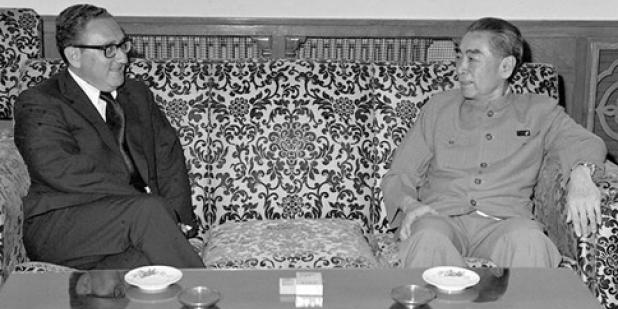
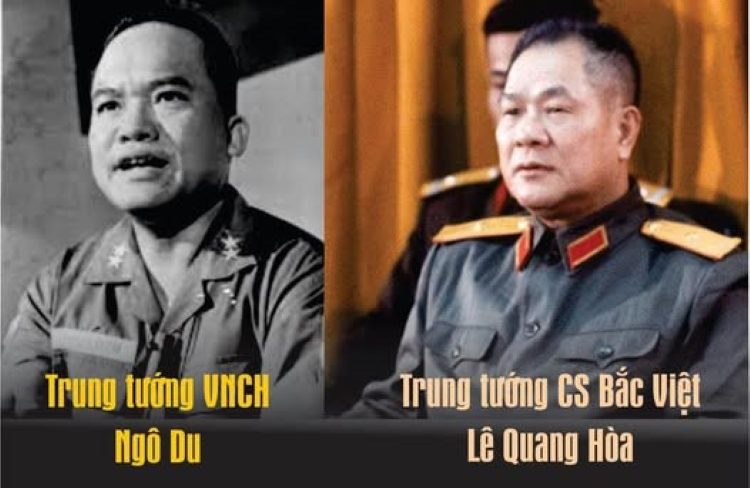
No comments:
Post a Comment