20251213 CDTL Biên Bản Cuộc Họp Của Thượng Hội Đồng Washington 1 October 1971 D266
266. Minutes of a Meeting of the Senior Review Group
Washington, October 1, 1971, 3–3:45 p.m.
https://history.state.gov/historicaldocuments/frus1969-76v07/d266
https://history.state.gov/historicaldocuments/frus1969-76v07/pg_967
https://history.state.gov/historicaldocuments/frus1969-76v07/pg_968
https://history.state.gov/historicaldocuments/frus1969-76v07/pg_969
https://history.state.gov/historicaldocuments/frus1969-76v07/pg_970
https://history.state.gov/historicaldocuments/frus1969-76v07/pg_971
https://history.state.gov/historicaldocuments/frus1969-76v07/pg_972
https://history.state.gov/historicaldocuments/frus1969-76v07/pg_973
https://history.state.gov/historicaldocuments/frus1969-76v07/pg_974
https://history.state.gov/historicaldocuments/frus1969-76v07/d265
https://history.state.gov/historicaldocuments/frus1969-76v07/d235fn2
https://history.state.gov/historicaldocuments/frus1969-76v07/d46
266. Minutes of a Meeting of the Senior Review Group1
Washington, October 1, 1971, 3–3:45 p.m.
SUBJECT
- Ceasefire
PARTICIPATION
- Chairman—Henry A. Kissinger
- State
- Mr. U. Alexis Johnson
- Mr. William Sullivan
- Defense
- Mr. David Packard
- Mr. Armistead Selden
- Major Gen. Fred Karhos
- JCS
- Lt. Gen. Richard T. Knowles
- Brig. Gen. William C. Burrows
- CIA
- Lt. Gen. Robert E. Cushman
- Mr. George Carver
- NSC Staff
- Dr. Wayne Smith
- Mr. John Negroponte
- R/Adm. Robert Welander
- Mr. Mark Wandler
- Mr. James T. Hackett
It was agreed that:
- —Options 1 and 4 of the Alternative Sets of Ceasefire Terms2 are not preferred. The choice between options 2 and 3 will depend on the political context at the moment of negotiation and the negotiation itself.
- —The Vietnam Working Group will prepare studies on: (1) the actions, on both sides, which will be triggered by the start of negotiations; and (2)3 the separate monitoring of military violations and infiltration violations of the ceasefire.
- —The State Department will prepare studies on the most practical possibilities in the POW and political settlement issues and build hypothetical models which we can use as points of reference, if and when the circumstances arise.4 [Page 967]
Dr. Kissinger: I thought we should briefly review the ceasefire paper. I see from reading the papers that my staff likes sanctuaries. The sanctuary idea has been knocked out at least five times, but every time the papers are revised, the idea comes back in again.
If the war ever ends with negotiation, and one could not guess that from what’s going on in Paris now, then a ceasefire would be an essential element. We might review where we stand with respect to a ceasefire.
There are four options. All of you are familiar with them, so there’s no sense in reviewing each one in detail. The first option is considered to be the most negotiable. It calls for main forces and territorial forces to freeze in place, with a 200-meter patrolling limit. The current ICC would investigate complaints, and a Joint Military Commission would work out the details of the settlement.
My staff claims that the second option is the best for the Allies. This would put the enemy main forces in sanctuaries, while the friendly main forces freeze in place and friendly local forces patrol up to two kilometers. A strong ISB would monitor supply and personnel movements into South Laos, as well as main force locations in South Vietnam. I think we would have to know where the sanctuaries would be placed before we make a judgment on whether this is the best option or not.
Dr. Smith: I agree. This has been in the back of our minds. If you recall, in the first study,5 we said the sanctuaries would be located away from the population centers.
Dr. Kissinger: For this to be the best option, we would have to assume that the sanctuaries were located away from the population centers. It is not self-evident, though, why the other side would accept that [sanctuaries away from population centers].
The third option, one of the two middle-range options, calls for friendly and enemy main forces to freeze in place, for GVN local forces to patrol up to two kilometers and for a strong ISB to monitor Trail entry into South Laos. Option 4, the other middle-range option, is the same as 3, except that the monitoring is done by the ICC.
As far as I know, Hanoi has never expressed its view of what it expects a ceasefire to be. There’s a difference in timing: they want the ceasefire to come at the end of the settlement process, while we want it to come earlier. They have never stated their understanding of what they mean by a ceasefire.
Mr. Sullivan: They have gone on about the phony ceasefire: they stop shooting at us when we get on the ships. But they have even been vague about that proposal.
Mr. Johnson: That’s right. The only thing they are clear about is that the ceasefire comes at the end of the settlement process, when a coalition government is already formed in South Vietnam.
Dr. Kissinger: Even so, they have never defined what they mean by ceasefire. They have just been explicit about the timing. Is that correct?
Mr. Johnson: Yes. The assumption is that it comes at the end of the settlement period. They have never defined a ceasefire in any way as a prelude to a settlement, but always as the conclusion.
Dr. Kissinger: We don’t know how they define a ceasefire. The way they define a political settlement, though, means there will be no forces left. I don’t think a ceasefire is their paramount concern.
Would we consider option 1? Can we accept the limitations of that option and the monitoring by the ICC?
Mr. Packard: One thing stands out in all the options. They [the options] assume that the swing population goes over to the VC. VC control of the rural population is only 1 or 2 percent now. All the options, though, assume the VC will pick up the swing population.
Dr. Kissinger: Is that assumption wrong?
Mr. Packard: That’s not the point. It may be right. But to the extent the government can maintain effective police actions, its control will be more effective. We now assume the swing population is under GVN control during the day and under VC control during the night. All the options, though, assume the VC will gain control of the population during the day and night, and, therefore, there really isn’t much difference between the options. Option 1 is the least favorable. But if we can help the GVN assert more effective police actions, it will have more effective control and option 1 could be more acceptable.
Mr. Johnson: I understand your point. You’re saying there is an enormous range of variables which affect these calculations.
Mr. Packard: Basically, I think the analysis is good. Option 1 is the least acceptable because the VC control goes to 14 percent after six months and to 23 percent after a year. Option 2 is better because the VC control goes to 12 and 14 percent. I’m not sure, however, all of the factors considered here have been placed in the right priority. A strong ICC or ISB would help, of course. At the same time, if we counted on effective policing, this would make any option more acceptable.
Dr. Kissinger: We have to take into consideration two things in regard to violations of the ceasefire: (1) actual combat actions and (2) reinforcement capabilities. The combat actions can be monitored, in part, by an ISB, and we can try to have the local forces in balance. The other question is reinforcement.
Mr. Packard: The only way to make this [monitoring of reinforcement capabilities] more effective is to have more supervision. [Page 969]
Dr. Kissinger: Just for the purposes of this discussion, I’d be inclined to be more lenient in regard to combat violations, compared to infiltration violations. If I recall correctly, our analyses of last year indicated they were getting 15 to 20 percent of their supplies through. If we just have a rough inspection system, they could cut down their supplies by 50, or even 75, percent—a noticeable reduction. With a bombing halt, however, everything would be getting through. On top of that, if they have a military standdown for a couple of months, they could very easily build up their supplies and launch a major attack.
Mr. Packard: Henry, you just brought up the $64 dollar question. Would they devote most of their effort to staging a buildup and launching a major attack or to increasing their control of the swing population? I think we have to worry about both.
Dr. Kissinger: That’s true. The answer to the question about increasing control is to strengthen the GVN local forces so that the other side will find it too costly to pick them off. I think they will concentrate on building up for an attack.
Even if we strengthen the GVN local forces, the other side could tip the scales by cutting down on its infiltration, but still have more supplies come in than if the bombing and combat were continuing.
Mr. Packard: You’re right. Can we detect this infiltration? Even more important, can we do something about it if we do detect it? We might get some signals about increased infiltration, but not enough to know for sure. Can we do anything to make sure we get first-hand information about what they are doing?
Dr. Kissinger: Have we done any studies on what it would take to monitor the supply situation?
Mr. Sullivan: We have done some. The studies indicate we can stop the infiltration with about 12 men, with 3-man teams at each of the four passes from South Laos into South Vietnam. When the new road is completed through the DMZ, we would need another 3-man team. I’m talking about the infiltration of supplies, not men.
I think, though, that this focuses on another problem. The study is not set in a larger context. True, it does have annexes on Laos and Cambodia, but it doesn’t look at the overall settlement situation. In October, 1970, we put a ceasefire first in our total settlement picture. The other side put it last in its seven-point proposal. The study does a good job in its frame of reference, but it is not really practical.
Dr. Kissinger: I detect a little sting in that remark. Is the study useless?
Mr. Sullivan: No. I think it provides a good term of reference from which to negotiate.
Dr. Kissinger: I agree. We can’t float a ceasefire proposal without a political framework. [Page 970]
Mr. Sullivan: In the worst possible case, a coalition government would come to power in Saigon and would be amenable to North Vietnam. Then we wouldn’t have to worry about a ceasefire.
Mr. Packard: I’d like to return to what Bill [Sullivan] said before. I don’t agree that we can control the infiltration with 12 or 15 people. I think we should check that again.
Mr. Sullivan: That presupposes the other side is willing to accept people at the passes. And if that is the case, you know they made a political decision not to send the supplies through.
Mr. Packard: The Trail is so complex. I think we need a more sophisticated inspection system than 10 or 12 people.
Mr. Sullivan: Another study indicated we would need an ISB of 7,500 people—if we assume they are trying to beat the system.
Dr. Smith: On page 23 of the study, our calculations show that they would need only eight additional trucks per day in order to build up for an offensive in MRs 1 and 2. This, I think, gives some indication of the added supplies they would need to get through.
We were also aware of the general political framework in which the ceasefire should be placed. In the second paragraph of the paper, we say we are going to describe the general concept framework in which ceasefire terms might be considered, without, however, attempting to relate these terms to the political and other issues of an overall settlement.
Mr. Johnson: We’re not saying you weren’t aware of the political framework. A major variable, though, is the political appeal of the government in Saigon and its effectiveness. Did you base your study primarily on a straight-line GVN political appeal?
Dr. Smith: Yes, it’s fair to say that. We used 1970, rather than 1968.
Dr. Kissinger: Do you think we can devise a system which would prevent them from getting additional trucks through per day?
Dr. Smith: CIA says, “No.”
Mr. Packard: We certainly can’t do it with 12 men.
Mr. Sullivan: I said we could do it with 12 people, provided the other side is not fighting the situation.
Gen. Cushman: If they are carrying out their re-supply by truck and we negotiate the stationing of teams at the passes, it’s one thing. But it’s another thing if they are back-packing the supplies in and trying to cheat the system.
Mr. Sullivan: If they are going to cheat, they would not agree to the 12 observers in the first place.
Mr. Packard: I’m not so sure about that.
Mr. Sullivan: They didn’t agree to having inspectors in 1954 or 1961. [Page 971]
Mr. Packard: I mean that I don’t agree with the statement that if they permit 12 inspectors, we should trust them.
Dr. Kissinger: We have to be concerned about two things: (1) monitoring the infiltration system, and (2) monitoring actual violations of the ceasefire in military actions. We need a more detailed study on what kind of system we want and the levels of tolerance it can sustain. We cannot assume that if they permit 12 inspectors, that would be sufficient. If they don’t permit 12 people at the passes, what do we do?
Mr. Johnson: If they don’t agree to 12, they certainly won’t agree to 7,500.
Mr. Packard: I can conceive of something in between.
Gen. Knowles: Option 2 calls for an observer force of 14,000.
Dr. Kissinger: Is that figure broken down into elements concerned with infiltration and combat violations?
Gen. Knowles: Yes.
Dr. Kissinger: How many would be involved with the monitoring of the infiltration?
Gen. Knowles: About 4,000.
Dr. Kissinger: I don’t think they would permit 10,000 men to monitor their military activities.
Mr. Packard: With a few hundred mobile inspection teams we could have a more acceptable system.
Mr. Sullivan: That was tried in 1962 with the ICC observers, but they shot down a helicopter.
Gen. Knowles: That doesn’t show very good faith on their part.
Mr. Packard: When they do that, the ball game is over.
Mr. Johnson: What would we do if we had a mobile system like that and if they shot the helicopters down?
Mr. Packard: I guess we would have to go back to the drawing board.
Dr. Kissinger: The ultimate sanction, of course, is the strength of the South Vietnamese. If they violate the ceasefire, we can step up our military supplies to the South Vietnamese.
Mr. Packard: If there are violations, we can certainly increase the gunship actions.
Mr. Sullivan: I think the North Vietnamese would accept a cease-fire if they are on the verge of achieving their goals in the South anyway, or if they make the political decision to settle for what they have at the moment. From our point of view, the ceasefire should be a trip wire which can be maintained with a minimum number of people.
Mr. Packard: (to Mr. Sullivan) I think there’s also a third possibility, Bill. They could look upon the ceasefire as a temporary expedient [Page 972] and put great emphasis on the local control situation. They could just wait for the opportune moment to renew the hostilities again.
Dr. Kissinger: (to Mr. Packard) You are right. I think this is a distinct possibility. It’s clear they would do this under option 1, and it’s probable under option 3. I think it’s more probable that they will want to preserve their base and achieve a settlement which gets us out of South Vietnam and which results in a weaker South Vietnam. Then they can build up their resources and go on the offensive again. If they don’t get the kind of settlement they want, we must assume they will violate the ceasefire. We must, therefore, devise a ceasefire which will be tough for them to violate.
Mr. Johnson: How can we come up with a ceasefire proposal which they will accept and which will be difficult for them to violate?
Dr. Kissinger: If they are not going to accept a ceasefire, then we are simply wasting paper. However, if they come to us one day and say they would like to talk about a ceasefire, we at least will be able to tell them what we want.
Mr. Packard: I think the paper is a good reference point in this regard.
Dr. Kissinger: What choices do we have if they ever say they are ready to talk ceasefire? Regardless of what their motivation is, what would we say to them?
Mr. Packard: Normally, we would start with the proposal most advantageous to us: sanctuaries.
Gen. Knowles: Option 2 is the best for us.
Dr. Kissinger: Do we tell them that they must go into sanctuaries while we remain in the countryside?
Gen. Knowles: We could say that, after all, it is our country.
Dr. Kissinger: I’m not sure they would accept that.
Dr. Smith: There is one important factor in all of this that should not be overlooked. We must judge how long we expect the ceasefire to last. After six months, the decline in control loss is relatively small—and the GVN still remains in control of the rural population. The real difference is between six months and a year.
Mr. Sullivan: The ceasefire would presumably be part of some other movement in the negotiations. We have had some experience with this in Paris. For example, if there were progress on negotiating a ceasefire, we would expect progress on other things, as well. We would expect other movements related to the ceasefire.
Dr. Kissinger: We need an assessment of what we have to do to put the GVN in the best position to deal with violations.
Mr. Packard: There’s no difference between options 2 or 3. The percentages [VC controlled population] are 13 [option 3] vs. 12 [option 2] after six months and 18 [option 3] vs. 14 [option 2] after one year. The [Page 973] figures, though, are not very precise. Option 3 is more practical. The one key element that it has is increased inspection. Option 2 is better for us, but I just don’t think it is very practical. I come down on option 3, with modifications.
Dr. Kissinger: Does everyone agree that options 1 and 4 are not preferred?
All agreed.
The choice, then, between option 2 or 3 depends on the political context at the moment and the negotiations.
Mr. Sullivan: Option 2 would be so difficult to negotiate that I think we should focus on 3.
Mr. Johnson: Perhaps we can start out with option 2 and then go to 3 as a fall-back position.
Dr. Kissinger: I agree that option 2 is not very practical. Option 3 is more realistic. Even if the other side accepted the idea of sanctuaries, they could put them just a couple of miles outside Hue or Danang.
Mr. Packard: The difference between options 3 and 4 is the strength of the ICC. Our experience is that we would do better with a strong ICC.
Dr. Kissinger: (to Mr. Packard) Dave, we’re talking about options 2 and 3.
Mr. Packard: I thought we were arguing about 3 and 4.
Dr. Kissinger: I guess we’re agreed we should give priority to option 3. (to Dr. Smith) Wayne, if your group has the time, can it do some more work on 2?
Dr. Smith: Even if the other side agrees to sanctuaries, we have to decide where we want them to be.
Dr. Kissinger: Have we ever done a study on this? They surely won’t put the sanctuaries where they will do us the most good.
Gen. Knowles: As a matter of fact, we will have the same problem with a ceasefire in place.
Dr. Kissinger: Let’s assume we will negotiate a ceasefire in place. Has anyone ever studied what either side will do the month before the ceasefire takes effect to achieve the best position? Let’s say the cease-fire will take effect April 30. If they grab Hue, for example, on April 20 and hold it for ten days, they will have it during the ceasefire. It’s possible they could do that. Have we studied the actions a negotiation of the ceasefire would trigger?
Dr. Smith: No, we have assumed they would do the most they could.
Dr. Kissinger: If there had been a ceasefire after Tet, we would have been in a fix. It took quite a while to recapture Hue.
Gen. Knowles: It took us three weeks to get it back.
Dr. Kissinger: That’s right. [Page 974]
Mr. Packard: I think it would be just as well if both sides were in agreed sanctuaries.
Mr. Sullivan: I hate to bring up something unpleasant, but in October, 1970, the President called for a ceasefire in place.6 We have been focusing on that.
Mr. Packard: The President has been known to change his mind once or twice.
Mr. Carver: A ceasefire is unlikely to be raised by the other side as a separate issue. It’s much more likely to be raised as part of a total package.
Dr. Kissinger: Whatever work we will have done will then put us that much ahead of the game.
Mr. Carver: Yes. But for the moment, I think we’ve gone just about as far as we can.
Dr. Smith: Should we look at what the GVN can do?
Dr. Kissinger: Do we have a list?
Dr. Smith: Yes. An annex to the study shows what the police and other forces can do.
Dr. Kissinger: Looking at all of this in terms of what will help the GVN, we need a study of what actions would be triggered by the start of negotiations. We also need a study on the separate monitoring of military violations, as against infiltration violations. And we ought to see how we should address the political context of which the ceasefire is a part. (to Mr. Johnson) How would we do this?
Mr. Johnson: We have three elements here: (1) the settlement; (2) the disposition of the POW question, both theirs and ours; and (3) the ceasefire. These are the issues, and the ceasefire is only one element within them. Frankly, I have a hard time coming to grips with all three elements.
Dr. Kissinger: (to Mr. Sullivan) How would you deal with this, Bill?
Mr. Sullivan: We must make certain assumptions. Just as we use option 3 as a point of reference, we must take the most practical possibilities in the POW and settlement issues and build hypothetical models which we can then use as points of reference. When and if circumstances arise, we can have relevant points of reference to relate to.
Dr. Kissinger: That’s a good idea.
Mr. Johnson: Bill’s [Sullivan] group is, I think, the best group to do this [build hypothetical models on POW and settlement issues].
Dr. Kissinger: Does everybody agree that is what is needed?
All agreed.
Google Translated
266. Biên bản cuộc họp của Nhóm Đánh giá Cấp cao1
Washington, ngày 1 tháng 10 năm 1971, 3–3:45 chiều
CHỦ ĐỀ
Ngừng bắn
SỰ THAM GIA
Chủ tọa
Henry A. Kissinger
Ngoại giao
Ông U. Alexis Johnson
Ông William Sullivan
Quốc phòng
Ông David Packard
Ông Armistead Selden
Thiếu tướng Fred Karhos
Tham mưu trưởng Liên quân
Trung tướng Richard T. Knowles
Chuẩn tướng William C. Burrows
CIA
Trung tướng Robert E. Cushman
Ông George Carver
Nhân viên Hội đồng An ninh Quốc gia
Tiến sĩ Wayne Smith
Ông John Negroponte
Phó Đô đốc Robert Welander
Ông Mark Wandler
Ông James T. Hackett
Các bên đã đồng ý rằng:
—Phương án 1 và 4 của Bộ Điều khoản Ngừng bắn Thay thế không được ưu tiên. Việc lựa chọn giữa phương án 2 và 3 sẽ phụ thuộc vào bối cảnh chính trị tại thời điểm đàm phán và bản thân cuộc đàm phán.
—Nhóm Công tác Việt Nam sẽ chuẩn bị các nghiên cứu về: (1) các hành động của cả hai bên, sẽ được kích hoạt khi bắt đầu đàm phán; và (2) việc giám sát riêng biệt các hành vi vi phạm quân sự và xâm nhập đối với lệnh ngừng bắn.
—Bộ Ngoại giao sẽ chuẩn bị các nghiên cứu về những khả năng thực tế nhất liên quan đến vấn đề tù binh chiến tranh và giải quyết chính trị, đồng thời xây dựng các mô hình giả định mà chúng ta có thể sử dụng làm điểm tham chiếu, nếu và khi có tình huống phát sinh. [Trang 967]
Tiến sĩ Kissinger: Tôi nghĩ chúng ta nên xem xét sơ qua văn kiện ngừng bắn. Qua việc đọc các văn kiện, tôi thấy rằng nhân viên của tôi thích các khu bảo tồn. Ý tưởng về khu bảo tồn đã bị bác bỏ ít nhất năm lần, nhưng mỗi khi văn kiện được sửa đổi, ý tưởng này lại xuất hiện trở lại.
Nếu chiến tranh kết thúc bằng đàm phán, và điều này khó có thể dự đoán được từ những gì đang diễn ra ở Paris hiện nay, thì một lệnh ngừng bắn sẽ là một yếu tố thiết yếu. Chúng ta có thể xem xét lại lập trường của mình về lệnh ngừng bắn.
Có bốn lựa chọn. Tất cả các bạn đều quen thuộc với chúng, vì vậy việc xem xét chi tiết từng lựa chọn là không cần thiết. Lựa chọn đầu tiên được coi là dễ thương lượng nhất. Nó yêu cầu các lực lượng chính và lực lượng địa phương phải đóng băng tại chỗ, với giới hạn tuần tra 200 mét. Tòa án Hình sự Quốc tế hiện tại sẽ điều tra các khiếu nại, và một Ủy ban Quân sự Liên hợp sẽ thảo luận chi tiết về thỏa thuận.
Nhân viên của tôi cho rằng phương án thứ hai là tốt nhất cho phe Đồng minh. Phương án này sẽ đặt lực lượng chủ lực của địch vào các khu bảo tồn, trong khi lực lượng chủ lực của ta đóng băng tại chỗ và lực lượng địa phương của ta tuần tra trong phạm vi hai km (2km). Một ISB mạnh sẽ giám sát việc di chuyển tiếp tế và nhân sự vào Nam Lào, cũng như các vị trí của lực lượng chủ lực ở Nam Việt Nam. Tôi nghĩ chúng ta cần biết các khu bảo tồn sẽ được đặt ở đâu trước khi đưa ra đánh giá liệu đây có phải là phương án tốt nhất hay không.
Tiến sĩ Smith: Tôi đồng ý. Điều này đã nằm trong suy nghĩ của chúng tôi. Nếu anh còn nhớ, trong nghiên cứu đầu tiên, chúng tôi đã nói rằng các khu bảo tồn sẽ được đặt cách xa các trung tâm dân cư.
Tiến sĩ Kissinger: Để đây là phương án tốt nhất, chúng ta phải giả định rằng các khu bảo tồn được đặt cách xa các trung tâm dân cư. Tuy nhiên, không rõ tại sao phía bên kia lại chấp nhận điều đó [các khu bảo tồn cách xa các trung tâm dân cư].
Phương án thứ ba, một trong hai phương án tầm trung, yêu cầu các lực lượng chủ lực của ta và địch đứng yên tại chỗ, lực lượng địa phương của Chính phủ Việt Nam tuần tra trong phạm vi hai km và một lực lượng ISB hùng hậu giám sát việc Đường mòn tiến vào Nam Lào. Phương án 4, một phương án tầm trung khác, cũng giống như phương án 3, ngoại trừ việc giám sát do Tòa án Hình sự Quốc tế (ICC) thực hiện.
Theo tôi biết, Hà Nội chưa bao giờ bày tỏ quan điểm về việc họ mong đợi một lệnh ngừng bắn như thế nào. Có một sự khác biệt về thời điểm: họ muốn lệnh ngừng bắn đến vào cuối quá trình dàn xếp, trong khi chúng tôi muốn nó đến sớm hơn. Họ chưa bao giờ nói rõ họ hiểu thế nào là lệnh ngừng bắn.
Ông Sullivan: Họ cứ nói mãi về lệnh ngừng bắn giả tạo: họ ngừng bắn vào chúng tôi khi chúng tôi lên tàu. Nhưng họ thậm chí còn mơ hồ về đề nghị đó. [Trang 968]
Ông Johnson: Đúng vậy. Điều duy nhất họ rõ ràng là lệnh ngừng bắn đến vào cuối quá trình dàn xếp, khi một chính phủ liên minh đã được thành lập ở Nam Việt Nam.
Tiến sĩ Kissinger: Dù vậy, họ chưa bao giờ định nghĩa thế nào là ngừng bắn. Họ chỉ nói rõ về thời điểm. Điều đó có đúng không?
Ông Johnson: Đúng vậy. Giả định là nó sẽ diễn ra vào cuối giai đoạn dàn xếp. Họ chưa bao giờ định nghĩa ngừng bắn theo bất kỳ cách nào là bước mở đầu cho một dàn xếp, mà luôn luôn là kết luận.
Tiến sĩ Kissinger: Chúng tôi không biết họ định nghĩa ngừng bắn như thế nào. Tuy nhiên, cách họ định nghĩa một dàn xếp chính trị đồng nghĩa với việc sẽ không còn lực lượng nào còn lại. Tôi không nghĩ ngừng bắn là mối quan tâm hàng đầu của họ.
Liệu chúng ta có nên cân nhắc phương án 1 không? Liệu chúng ta có thể chấp nhận những hạn chế của phương án đó và sự giám sát của Tòa án Hình sự Quốc tế không?
Ông Packard: Có một điểm nổi bật trong tất cả các phương án. Họ [các phương án] giả định rằng nhóm dân số dao động sẽ chuyển sang Việt Cộng. Hiện tại, Việt Cộng chỉ kiểm soát được 1 hoặc 2% dân số nông thôn. Tuy nhiên, tất cả các phương án đều giả định rằng Việt Cộng sẽ tiếp quản nhóm dân số dao động.
Tiến sĩ Kissinger: Giả định đó có sai không?
Ông Packard: Vấn đề không phải ở đó. Có thể đúng. Nhưng nếu chính phủ có thể duy trì các hoạt động cảnh sát hiệu quả, thì việc kiểm soát của họ sẽ hiệu quả hơn. Bây giờ chúng ta giả định rằng dân số dao động nằm dưới sự kiểm soát của Chính phủ Việt Nam vào ban ngày và dưới sự kiểm soát của Việt Cộng vào ban đêm. Tuy nhiên, tất cả các phương án đều giả định rằng Việt Cộng sẽ giành được quyền kiểm soát dân số cả ngày lẫn đêm, và do đó, thực sự không có nhiều khác biệt giữa các phương án. Phương án 1 là kém khả quan nhất. Nhưng nếu chúng ta có thể giúp Chính phủ Việt Nam khẳng định các hoạt động cảnh sát hiệu quả hơn, thì họ sẽ có quyền kiểm soát hiệu quả hơn và phương án 1 có thể được chấp nhận hơn.
Ông Johnson: Tôi hiểu ý ông. Ông đang nói rằng có rất nhiều biến số ảnh hưởng đến những tính toán này.
Ông Packard: Về cơ bản, tôi nghĩ rằng phân tích này tốt. Phương án 1 là kém khả thi nhất vì mức kiểm soát của Việt Cộng tăng lên 14% sau sáu tháng và 23% sau một năm. Phương án 2 tốt hơn vì mức kiểm soát của Việt Cộng tăng lên 12% và 14%. Tuy nhiên, tôi không chắc tất cả các yếu tố được xem xét ở đây đã được đặt đúng mức ưu tiên hay chưa. Một ICC hoặc ISB mạnh mẽ tất nhiên sẽ hữu ích. Đồng thời, nếu chúng ta tin tưởng vào việc kiểm soát hiệu quả, điều này sẽ khiến bất kỳ lựa chọn nào cũng dễ chấp nhận hơn.
Tiến sĩ Kissinger: Chúng ta phải cân nhắc hai điều liên quan đến việc vi phạm lệnh ngừng bắn: (1) các hoạt động chiến đấu thực tế và (2) khả năng tăng cường. Các hoạt động chiến đấu có thể được giám sát một phần bởi một ISB, và chúng ta có thể cố gắng cân bằng các lực lượng địa phương. Vấn đề còn lại là tăng cường.
Ông Packard: Cách duy nhất để làm cho việc này [giám sát khả năng tăng cường] hiệu quả hơn là tăng cường giám sát. [Trang 969]
Tiến sĩ Kissinger: Chỉ xét về mục đích của cuộc thảo luận này, tôi có xu hướng khoan dung hơn đối với các vi phạm chiến đấu, so với các vi phạm xâm nhập. Nếu tôi nhớ không nhầm, các phân tích của chúng ta năm ngoái cho thấy họ đã nhận được 15 đến 20 phần trăm nguồn cung cấp của mình. Nếu chúng ta chỉ có một hệ thống kiểm tra sơ bộ, họ có thể cắt giảm nguồn cung cấp của mình xuống 50, hoặc thậm chí 75 phần trăm - một sự sụt giảm đáng kể. Tuy nhiên, nếu ngừng ném bom, mọi thứ sẽ được thông qua. Hơn nữa, nếu họ ngừng bắn quân sự trong vài tháng, họ có thể dễ dàng tích trữ nguồn tiếp tế và phát động một cuộc tấn công lớn.
Ông Packard: Henry, ông vừa nêu ra câu hỏi trị giá 64 đô la. Liệu họ sẽ dành phần lớn nỗ lực để dàn dựng một cuộc tập trận và phát động một cuộc tấn công lớn hay để tăng cường kiểm soát dân số dao động? Tôi nghĩ chúng ta phải lo lắng về cả hai.
Tiến sĩ Kissinger: Đúng vậy. Câu trả lời cho câu hỏi về việc tăng cường kiểm soát là củng cố lực lượng địa phương của Chính phủ Việt Nam Cộng hòa để bên kia sẽ thấy việc tiêu diệt họ là quá tốn kém. Tôi nghĩ họ sẽ tập trung vào việc củng cố lực lượng cho một cuộc tấn công.
Ngay cả khi chúng ta củng cố lực lượng địa phương của Chính phủ Việt Nam Cộng hòa, bên kia vẫn có thể giành thế thượng phong bằng cách giảm bớt sự xâm nhập, nhưng vẫn có nhiều nguồn tiếp tế hơn so với việc tiếp tục ném bom và chiến đấu.
Ông Packard: Ông nói đúng. Liệu chúng ta có thể phát hiện ra sự xâm nhập này không? Quan trọng hơn, liệu chúng ta có thể làm gì đó nếu phát hiện ra nó không? Chúng ta có thể nhận được một số tín hiệu về sự gia tăng xâm nhập, nhưng không đủ để biết chắc chắn. Chúng ta có thể làm gì để đảm bảo có được thông tin trực tiếp về những gì họ đang làm không?
Tiến sĩ Kissinger: Chúng ta đã thực hiện bất kỳ nghiên cứu nào về những gì cần thiết để giám sát tình hình cung ứng chưa?
Ông Sullivan: Chúng tôi đã làm một số việc. Các nghiên cứu cho thấy chúng tôi có thể ngăn chặn sự xâm nhập với khoảng 12 người, mỗi nhóm 3 người tại mỗi cửa khẩu từ Nam Lào vào Nam Việt Nam. Khi con đường mới xuyên qua Khu phi quân sự (DMZ) hoàn thành, chúng tôi sẽ cần thêm một nhóm 3 người nữa. Tôi đang nói về việc xâm nhập hàng tiếp tế, chứ không phải người.
Tuy nhiên, tôi nghĩ rằng nghiên cứu này tập trung vào một vấn đề khác. Nghiên cứu này không được đặt trong một bối cảnh rộng hơn. Đúng là nó có các phụ lục về Lào và Campuchia, nhưng nó không xem xét tình hình định cư tổng thể. Vào tháng 10 năm 1970, chúng tôi đặt lệnh ngừng bắn lên hàng đầu trong bức tranh tổng thể về định cư. Phía bên kia đặt nó cuối cùng trong đề nghị bảy điểm của mình. Nghiên cứu này đã làm tốt trong khuôn khổ tham chiếu của nó, nhưng nó không thực sự thiết thực.
Tiến sĩ Kissinger: Tôi thấy có chút châm biếm trong nhận xét đó. Nghiên cứu này có vô ích không?
Ông Sullivan: Không. Tôi nghĩ nó cung cấp một điều khoản tham chiếu tốt để đàm phán.
Tiến sĩ Kissinger: Tôi đồng ý. Chúng ta không thể đưa ra đề xuất ngừng bắn nếu không có một khuôn khổ chính trị. [Trang 970]
Ông Sullivan: Trong trường hợp xấu nhất, một chính phủ liên minh sẽ lên nắm quyền ở Sài Gòn và sẽ nhượng bộ Bắc Việt Nam. Khi đó, chúng ta sẽ không phải lo lắng về lệnh ngừng bắn.
Ông Packard: Tôi muốn quay lại những gì Bill [Sullivan] đã nói trước đó. Tôi không đồng ý rằng chúng ta có thể kiểm soát việc xâm nhập chỉ với 12 hay 15 người. Tôi nghĩ chúng ta nên kiểm tra lại điều đó.
Ông Sullivan: Điều đó giả định rằng phía bên kia sẵn sàng chấp nhận người ở các cửa khẩu. Và nếu đúng như vậy, bạn biết đấy, họ đã đưa ra một quyết định chính trị là không gửi hàng tiếp tế qua đó.
Ông Packard: Đường mòn rất phức tạp. Tôi nghĩ chúng ta cần một hệ thống kiểm tra tinh vi hơn là 10 hay 12 người.
Ông Sullivan: Một nghiên cứu khác chỉ ra rằng chúng ta sẽ cần một ISB gồm 7.500 người—nếu chúng ta giả định rằng họ đang cố gắng vượt qua hệ thống.
Tiến sĩ Smith: Ở trang 23 của nghiên cứu, các tính toán của chúng tôi cho thấy họ chỉ cần thêm tám xe tải mỗi ngày để chuẩn bị cho cuộc tấn công ở MR 1 và 2. Tôi nghĩ điều này phần nào cho thấy lượng vật tư bổ sung mà họ cần để vượt qua.
Chúng tôi cũng nhận thức được khuôn khổ chính trị chung mà lệnh ngừng bắn nên được đặt trong đó. Trong đoạn thứ hai của bài báo, chúng tôi nói rằng chúng tôi sẽ mô tả khuôn khổ khái niệm chung mà các điều khoản ngừng bắn có thể được xem xét, tuy nhiên, không cố gắng liên hệ các điều khoản này với các vấn đề chính trị và các vấn đề khác của một giải pháp tổng thể.
Ông Johnson: Chúng tôi không nói rằng ông không nhận thức được khuôn khổ chính trị. Tuy nhiên, một biến số quan trọng là sức hấp dẫn chính trị của chính quyền Sài Gòn và hiệu quả của nó. Ông có dựa chủ yếu vào nghiên cứu của mình trên một đường thẳng của lời kêu gọi chính trị của Chính phủ Việt Nam Cộng hòa không?
Tiến sĩ Smith: Vâng, công bằng mà nói thì như vậy. Chúng tôi sử dụng năm 1970, chứ không phải năm 1968.
Tiến sĩ Kissinger: Ông có nghĩ rằng chúng ta có thể thiết kế một hệ thống ngăn chặn họ đưa thêm xe tải qua mỗi ngày không?
Tiến sĩ Smith: CIA nói, "Không."
Ông Packard: Chúng tôi chắc chắn không thể làm được điều đó với 12 người.
Ông Sullivan: Tôi đã nói chúng ta có thể làm việc đó với 12 người, miễn là phía bên kia không chống đối.
Tướng Cushman: Nếu họ đang tiếp tế bằng xe tải và chúng ta đàm phán về việc bố trí các đội tại các đèo, thì đó là một chuyện. Nhưng nếu họ đang mang hàng tiếp tế vào và cố gắng gian lận hệ thống thì lại là chuyện khác.
Ông Sullivan: Nếu họ định gian lận, ngay từ đầu họ đã không đồng ý với 12 quan sát viên rồi.
Ông Packard: Tôi không chắc lắm về điều đó.
Ông Sullivan: Họ đã không đồng ý có thanh tra viên vào năm 1954 hoặc 1961. [Trang 971]
Ông Packard: Ý tôi là tôi không đồng ý với tuyên bố rằng nếu họ cho phép 12 thanh tra viên, chúng ta nên tin tưởng họ.
Tiến sĩ Kissinger: Chúng ta phải quan tâm đến hai điều: (1) giám sát hệ thống xâm nhập, và (2) giám sát các hành vi vi phạm lệnh ngừng bắn thực tế trong các hoạt động quân sự. Chúng ta cần một nghiên cứu chi tiết hơn về loại hệ thống mà chúng ta mong muốn và mức độ chấp nhận mà nó có thể duy trì. Chúng ta không thể cho rằng nếu họ cho phép 12 thanh tra viên thì đã đủ. Nếu họ không cho phép 12 người tại các cửa khẩu, chúng ta phải làm gì?
Ông Johnson: Nếu họ không đồng ý với con số 12, thì chắc chắn họ sẽ không đồng ý với con số 7.500.
Ông Packard: Tôi có thể hình dung ra một con số ở giữa.
Tướng Knowles: Phương án 2 yêu cầu một lực lượng quan sát viên là 14.000 người.
Tiến sĩ Kissinger: Con số đó có được chia thành các yếu tố liên quan đến xâm nhập và vi phạm chiến đấu không?
Tướng Knowles: Có.
Tiến sĩ Kissinger: Sẽ có bao nhiêu người tham gia giám sát hoạt động xâm nhập?
Tướng Knowles: Khoảng 4.000 người.
Tiến sĩ Kissinger: Tôi không nghĩ họ sẽ cho phép 10.000 người giám sát các hoạt động quân sự của họ.
Ông Packard: Với vài trăm đội thanh tra lưu động, chúng ta có thể có một hệ thống dễ chấp nhận hơn.
Ông Sullivan: Điều đó đã được thử vào năm 1962 với các quan sát viên của Tòa án Hình sự Quốc tế, nhưng họ đã bắn hạ một chiếc trực thăng.
Tướng Knowles: Điều đó không cho thấy thiện chí của họ.
Ông Packard: Khi họ làm điều đó, mọi chuyện coi như xong.
Ông Johnson: Chúng ta sẽ làm gì nếu chúng ta có một hệ thống di động như vậy và nếu họ bắn hạ trực thăng?
Ông Packard: Tôi đoán chúng ta sẽ phải quay lại vạch xuất phát.
Tiến sĩ Kissinger: Biện pháp trừng phạt cuối cùng, tất nhiên, là sức mạnh của Nam Việt Nam. Nếu họ vi phạm lệnh ngừng bắn, chúng ta có thể tăng cường tiếp tế quân sự cho Nam Việt Nam.
Ông Packard: Nếu có vi phạm, chúng ta chắc chắn có thể tăng cường các hoạt động vũ trang.
Ông Sullivan: Tôi nghĩ Bắc Việt sẽ chấp nhận ngừng bắn nếu họ sắp đạt được mục tiêu ở miền Nam, hoặc nếu họ đưa ra quyết định chính trị là bằng lòng với những gì họ đang có. Theo quan điểm của chúng tôi, lệnh ngừng bắn nên là một sợi dây bẫy có thể được duy trì với số lượng người tối thiểu.
Ông Packard: (nói với ông Sullivan) Tôi nghĩ còn có khả năng thứ ba nữa, Bill ạ. Họ có thể coi lệnh ngừng bắn là một giải pháp tạm thời [Trang 972] và nhấn mạnh vào tình hình kiểm soát tại địa phương. Họ có thể chỉ cần chờ thời cơ thích hợp để tái diễn các hành động thù địch.
Tiến sĩ Kissinger: (nói với ông Packard) Ông nói đúng. Tôi nghĩ đây là một khả năng rõ ràng. Rõ ràng họ sẽ làm điều này theo phương án 1, và cũng có thể theo phương án 3. Tôi nghĩ khả năng cao hơn là họ sẽ muốn bảo toàn căn cứ và đạt được một thỏa thuận giúp chúng ta rút khỏi Nam Việt Nam và khiến Nam Việt Nam suy yếu hơn. Sau đó, họ có thể tích lũy nguồn lực và tiếp tục tấn công. Nếu họ không đạt được thỏa thuận như mong muốn, chúng ta phải giả định rằng họ sẽ vi phạm lệnh ngừng bắn. Do đó, chúng ta phải đưa ra một lệnh ngừng bắn mà họ khó có thể vi phạm.
Ông Johnson: Làm thế nào chúng ta có thể đưa ra một đề nghị ngừng bắn mà họ sẽ chấp nhận và khó vi phạm?
Tiến sĩ Kissinger: Nếu họ không chấp nhận ngừng bắn, thì chúng ta chỉ đang lãng phí giấy tờ. Tuy nhiên, nếu một ngày nào đó họ đến gặp chúng ta và nói rằng họ muốn đàm phán về lệnh ngừng bắn, thì ít nhất chúng ta cũng có thể nói cho họ biết chúng ta muốn gì.
Ông Packard: Tôi nghĩ bài báo này là một tài liệu tham khảo tốt về vấn đề này.
Tiến sĩ Kissinger: Chúng ta có lựa chọn nào nếu họ nói rằng họ sẵn sàng đàm phán ngừng bắn? Bất kể động cơ của họ là gì, chúng ta sẽ nói gì với họ?
Ông Packard: Thông thường, chúng ta sẽ bắt đầu với đề xuất có lợi nhất cho chúng ta: các khu bảo tồn.
Tướng Knowles: Phương án 2 là tốt nhất cho chúng ta.
Tiến sĩ Kissinger: Chúng ta có nên yêu cầu họ phải vào các khu bảo tồn trong khi chúng ta vẫn ở nông thôn không?
Tướng Knowles: Chúng ta có thể nói rằng, xét cho cùng, đó là đất nước của chúng ta.
Tiến sĩ Kissinger: Tôi không chắc họ sẽ chấp nhận điều đó.
Tiến sĩ Smith: Có một yếu tố quan trọng trong tất cả những điều này mà chúng ta không nên bỏ qua. Chúng ta phải đánh giá xem lệnh ngừng bắn dự kiến sẽ kéo dài bao lâu. Sau sáu tháng, mức độ mất kiểm soát tương đối nhỏ - và Chính phủ Việt Nam Cộng Hòa vẫn nắm quyền kiểm soát dân cư nông thôn. Sự khác biệt thực sự nằm ở khoảng từ sáu tháng đến một năm.
Ông Sullivan: Lệnh ngừng bắn có lẽ sẽ là một phần của một số động thái khác trong các cuộc đàm phán. Chúng tôi đã có một số kinh nghiệm về điều này ở Paris. Ví dụ, nếu có tiến triển trong việc đàm phán lệnh ngừng bắn, chúng tôi cũng sẽ mong đợi tiến triển về những vấn đề khác. Chúng tôi mong đợi những động thái khác liên quan đến lệnh ngừng bắn.
Tiến sĩ Kissinger: Chúng ta cần đánh giá những gì chúng ta phải làm để Chính phủ Việt Nam có thể xử lý các vi phạm một cách tốt nhất.
Ông Packard: Không có sự khác biệt giữa phương án 2 và 3. Tỷ lệ phần trăm [dân số do VC kiểm soát] là 13 [phương án 3] so với 12 [phương án 2] sau sáu tháng và 18 [phương án 3] so với 14 [phương án 2] sau một năm. Tuy nhiên, các số liệu [Trang 973] không chính xác lắm. Phương án 3 thực tế hơn. Yếu tố then chốt của nó là tăng cường kiểm tra. Phương án 2 tốt hơn cho chúng ta, nhưng tôi không nghĩ nó thực tế lắm. Tôi đồng ý với phương án 3, với những điều chỉnh.
Tiến sĩ Kissinger: Mọi người có đồng ý rằng phương án 1 và 4 không được ưa chuộng không?
Tất cả đều đồng ý.
Vậy thì, việc lựa chọn giữa phương án 2 hay 3 phụ thuộc vào bối cảnh chính trị hiện tại và các cuộc đàm phán.
Ông Sullivan: Phương án 2 sẽ rất khó đàm phán nên tôi nghĩ chúng ta nên tập trung vào phương án 3.
Ông Johnson: Có lẽ chúng ta có thể bắt đầu với phương án 2, sau đó chuyển sang phương án 3 như một phương án dự phòng.
Tiến sĩ Kissinger: Tôi đồng ý rằng phương án 2 không thực tế lắm. Phương án 3 thực tế hơn. Ngay cả khi phía bên kia chấp nhận ý tưởng về các khu bảo tồn, họ vẫn có thể đặt chúng chỉ cách Huế hoặc Đà Nẵng vài dặm.
Ông Packard: Sự khác biệt giữa phương án 3 và 4 là sức mạnh của ICC. Kinh nghiệm của chúng tôi cho thấy chúng ta sẽ làm tốt hơn nếu có một ICC mạnh.
Tiến sĩ Kissinger: (nói với ông Packard) Dave, chúng ta đang nói về phương án 2 và 3.
Ông Packard: Tôi tưởng chúng ta đang tranh luận về phương án 3 và 4.
Tiến sĩ Kissinger: Tôi đoán chúng ta đã đồng ý nên ưu tiên phương án 3. (nói với Tiến sĩ Smith) Wayne, nếu nhóm của anh có thời gian, anh có thể làm thêm về phương án 2 được không?
Tiến sĩ Smith: Ngay cả khi phía bên kia đồng ý đặt các khu bảo tồn, chúng ta vẫn phải quyết định chúng ta muốn đặt chúng ở đâu.
Tiến sĩ Kissinger: Chúng ta đã bao giờ nghiên cứu về vấn đề này chưa? Họ chắc chắn sẽ không đặt các khu bảo tồn ở nơi chúng mang lại lợi ích tốt nhất cho chúng ta.
Tướng Knowles: Thực tế, chúng ta cũng sẽ gặp vấn đề tương tự nếu lệnh ngừng bắn được áp dụng.
Tiến sĩ Kissinger: Giả sử chúng ta sẽ đàm phán một lệnh ngừng bắn tại chỗ. Đã có ai từng nghiên cứu xem mỗi bên sẽ làm gì trong tháng trước khi lệnh ngừng bắn có hiệu lực để đạt được vị thế tốt nhất chưa? Giả sử lệnh ngừng bắn có hiệu lực vào ngày 30 tháng 4. Ví dụ, nếu họ chiếm Huế vào ngày 20 tháng 4 và giữ trong mười ngày, họ sẽ có được nó trong thời gian ngừng bắn. Có khả năng họ có thể làm như vậy. Chúng ta đã nghiên cứu những hành động mà một cuộc đàm phán về lệnh ngừng bắn sẽ gây ra chưa?
Tiến sĩ Smith: Không, chúng tôi cho rằng họ sẽ làm hết sức mình.
Tiến sĩ Kissinger: Nếu có lệnh ngừng bắn sau Tết Mậu Thân, chúng ta sẽ rơi vào tình thế khó khăn. Phải mất khá nhiều thời gian để chiếm lại Huế.
Tướng Knowles: Chúng ta mất ba tuần để lấy lại nó.
Tiến sĩ Kissinger: Đúng vậy. [Trang 974]
Ông Packard: Tôi nghĩ sẽ tốt hơn nếu cả hai bên đều ở trong những khu vực an toàn đã được thỏa thuận.
Ông Sullivan: Tôi không muốn nhắc lại điều gì đó khó chịu, nhưng vào tháng 10 năm 1970, Tổng thống đã kêu gọi ngừng bắn. Chúng tôi đã tập trung vào vấn đề đó.
Ông Packard: Tổng thống được biết là đã thay đổi ý định một hoặc hai lần.
Ông Carver: Việc ngừng bắn khó có thể được phía bên kia nêu ra như một vấn đề riêng biệt. Nhiều khả năng nó sẽ được nêu ra như một phần của một thỏa thuận chung.
Tiến sĩ Kissinger: Bất cứ công việc nào chúng ta đã làm sẽ giúp chúng ta vượt lên trước.
Ông Carver: Vâng. Nhưng hiện tại, tôi nghĩ chúng ta đã đi được gần hết mức có thể.
Tiến sĩ Smith: Chúng ta có nên xem xét những gì Chính phủ Việt Nam Cộng hòa có thể làm không?
Tiến sĩ Kissinger: Chúng ta có danh sách không?
Tiến sĩ Smith: Có. Một phụ lục của nghiên cứu cho thấy những gì cảnh sát và các lực lượng khác có thể làm.
Tiến sĩ Kissinger: Xét về tất cả những điều này, xét về những gì sẽ giúp ích cho Chính phủ Việt Nam, chúng ta cần nghiên cứu những hành động nào sẽ được kích hoạt khi bắt đầu đàm phán. Chúng ta cũng cần nghiên cứu về việc giám sát riêng biệt các vi phạm quân sự, so với các vi phạm xâm nhập. Và chúng ta nên xem xét cách chúng ta nên xử lý bối cảnh chính trị mà lệnh ngừng bắn là một phần. (nói với ông Johnson) Chúng ta sẽ làm điều này như thế nào?
Ông Johnson: Chúng ta có ba yếu tố ở đây: (1) giải quyết vấn đề tù binh chiến tranh, cả của họ lẫn của chúng ta; và (3) ngừng bắn. Đây là những vấn đề, và ngừng bắn chỉ là một yếu tố trong số đó. Thành thật mà nói, tôi thấy khó mà nắm bắt được cả ba yếu tố này.
Tiến sĩ Kissinger: (nói với ông Sullivan) Ông Bill, ông sẽ xử lý vấn đề này như thế nào?
Ông Sullivan: Chúng ta phải đưa ra một số giả định nhất định. Cũng như chúng ta sử dụng phương án 3 làm điểm tham chiếu, chúng ta phải xem xét những khả năng thực tế nhất trong vấn đề tù binh chiến tranh và khu định cư, đồng thời xây dựng các mô hình giả định mà sau đó chúng ta có thể sử dụng làm điểm tham chiếu. Khi nào và nếu có tình huống phát sinh, chúng ta có thể có những điểm tham chiếu phù hợp để liên hệ.
Tiến sĩ Kissinger: Đó là một ý kiến hay.
Ông Johnson: Tôi nghĩ nhóm của Bill [Sullivan] là nhóm tốt nhất để làm việc này [xây dựng các mô hình giả định về vấn đề tù binh chiến tranh và khu định cư].
Tiến sĩ Kissinger: Mọi người có đồng ý rằng đó là điều cần thiết không?
Tất cả đều đồng ý.
Thân thế (các) nhân vật/
Brigadier General (as of July 1971), USAF, Deputy Assistant for National Security Council Matters after July 1971, Chief, Far East/South Asia Division, Plans and Policy Directorate (J–5), Joint Chiefs of Staff
https://www.af.mil/About-Us/Biographies/Display/Article/107541/william-c-burrows/
https://history.state.gov/historicaldocuments/frus1969-76v07/persons
https://www.wheelanpressly.com/obituary/WilliamBill-Burrows
Carver, George A., Jr.,
Special Assistant for Vietnamese Affairs to the Director of Central Intelligence
https://www.cia.gov/static/1768c7c6f5560bafdc7c57afc7b0f1d6/CIA-and-the-Vietnam-Policymakers.pdf
https://www.cia.gov/static/1768c7c6f5560bafdc7c57afc7b0f1d6/CIA-and-the-Vietnam-Policymakers.pdf
https://www.documentcloud.org/documents/22665420-memo-to-the-director-from-george-a-carver-jr
https://s3.documentcloud.org/documents/22676591/memo-to-the-director-from-george-a-carver-jr.pdf
https://www.documentcloud.org/documents/22676591-memo-to-the-director-from-george-a-carver-jr
https://edmoise.sites.clemson.edu/special.html
http://smallwarsjournal.com/jrnl/art/the-easter-offensive-of-1972-a-failure-to-use-intelligence
https://edmoise.sites.clemson.edu/special.html
http://smallwarsjournal.com/jrnl/art/the-easter-offensive-of-1972-a-failure-to-use-intelligence
http://www.vietnam.ttu.edu/star/images/367/3670930001a.pdf
http://smallwarsjournal.com/jrnl/art/humint-a-continuing-crisis
http://calldp.leavenworth.army.mil/eng_mr/txts/VOL46/00000008/art11.pdf
http://www.vietnam.ttu.edu/star/images/1690/16900108001.pdf
http://calldp.leavenworth.army.mil/eng_mr/txts/VOL48/00000010/art11.pdf
http://www.gwu.edu/~nsarchiv/NSAEBB/NSAEBB121/index.htm
http://www.unz.org/PERIODICAL/PDF/WashingtonMonthly-1970jul/70-78/
https://www.facebook.com/photo?fbid=10210023001751937&set=pcb.827486950737428
http://www.dia.mil/Portals/27/Documents/About/History/Number%202%20The%20Vietnam%20Cauldron.pdf
http://calldp.leavenworth.army.mil/eng_mr/txts/VOL54/00000009/art7.pdf
http://www.rand.org/pubs/monograph_reports/MR1408/
https://ni-u.edu/ni_press/pdf/Interrogation_WWII.pdf
http://www.dtic.mil/doctrine/jel/jfq_pubs/23_15.pdf
https://smallwarsjournal.com/jrnl/art/the-easter-offensive-of-1972-a-failure-to-use-intelligence
https://citizendium.org/wiki/U.S._intelligence_activities_in_Vietnam
Lieutenant General, USMC, Deputy Director of Central Intelligence until December 1971
https://en.wikipedia.org/wiki/Robert_E._Cushman_Jr.
https://www.militarymemorialmuseum.com/museum/Marines/Marines/General_Robert_E_Cushman_Jr_5663
https://www.cia.gov/readingroom/docs/CIA-RDP71B00364R000500240009-8.pdf
https://www.usna.edu/Notables/commandants/1935cushman.php
https://www.c-span.org/person/robert-e-cushman-jr/66522/
Staff Secretary, National Security Council Staff Secretariat until 1974
https://history.state.gov/historicaldocuments/frus1969-76ve01/d181
https://history.state.gov/historicaldocuments/frus1969-76ve06/d156
https://www.nixonlibrary.gov/national-security-council-structure-and-functions
https://www.nixonlibrary.gov/finding-aids/national-security-council-files
https://www.cia.gov/readingroom/docs/CIA-RDP86B00269R000600030002-0.pdf
https://www.cia.gov/readingroom/document/cia-rdp86b00269r000600030002-0
Deputy Under Secretary for Political Affairs until July 1, 1964; thereafter Deputy Ambassador to Vietnam
https://en.wikipedia.org/wiki/U._Alexis_Johnson
https://www.jfklibrary.org/asset-viewer/archives/jfkoh-uaj-01
https://static.jfklibrary.org/cru4d15es4f84tc8k0gvftf6m45d42ja.pdf?odc=20231115181316-0500
https://adst.org/OH%20TOCs/Johnson,%20U.%20Alexis.pdf
https://history.state.gov/historicaldocuments/frus1964-68v24/persons
https://millercenter.org/conversations/conversants/u-alexis-alex-johnson-bio-page
https://digitalarchive.wilsoncenter.org/people/rostow-w-w-walt-whitman
Karhohs, Frederick E.,
Major General, USA, Director, Vietnam Task Force, International Security Affairs, Department of Defense
https://www.cia.gov/readingroom/docs/CIA-RDP80R01720R000700060016-8.pdf
https://history.state.gov/historicaldocuments/frus1969-76v07/persons
https://history.army.mil/portals/143/Images/Publications/catalog/90-4.pdf
https://apps.dtic.mil/sti/tr/pdf/AD0385642.pdf
https://apps.dtic.mil/sti/tr/pdf/AD0506526.pdf
https://en.wikipedia.org/wiki/Operation_Pershing
https://upload.wikimedia.org/wikipedia/commons/1/1c/Pershing_AO_November_1967.jpg
https://www.cia.gov/readingroom/docs/CIA-RDP80R01720R000600110041-5.pdf
https://armyaviationmagazine.com/images/archive/backissues/1970/70_08.pdf
Henry A Kissinger
Assistant to the President for National Security Affairs until November 3, 1975; also Secretary of State from September 21, 1973
https://www.theguardian.com/world/2023/may/20/bilderberg-meeting-group-lisbon-kissinger
https://www.theguardian.com/world/bilderberg
https://history.state.gov/historicaldocuments/frus1969-76ve13/summary
https://china.usc.edu/getting-beijing-henry-kissingers-secret-1971-trip
https://china.usc.edu/catalog/documents/us-china
http://www.archives.gov/press/press-releases/2001/nr01-47.html
https://china.usc.edu/talking-points-july-22-august-3-2011
https://china.usc.edu/getting-beijing-henry-kissingers-secret-1971-trip#meetings
https://china.usc.edu/getting-beijing-henry-kissingers-secret-1971-trip#nixon-announcement
https://china.usc.edu/getting-beijing-henry-kissingers-secret-1971-trip#chinese-accept
https://china.usc.edu/getting-beijing-henry-kissingers-secret-1971-trip#signals
https://china.usc.edu/getting-beijing-henry-kissingers-secret-1971-trip#the_aim
http://www.foreignaffairs.com/articles/23927/richard-m-nixon/asia-after-viet-nam
https://history.state.gov/historicaldocuments/frus1969-76v17/d4
https://history.state.gov/historicaldocuments/frus1969-76v17/d12
https://history.state.gov/historicaldocuments/frus1969-76v17/d13
https://history.state.gov/historicaldocuments/frus1969-76v17/d141
https://2001-2009.state.gov/documents/organization/100324.pdf
https://en.wikipedia.org/wiki/Henry_Kissinger_and_the_Vietnam_War
Lesson in Vietnam from Kissinger to Nixon: “when we made it “our war” we would not let the South Vietnamese fight it; when it again became “their war”, we would not help them fight it.”
(We also had trouble with excesses here: when we made it “our war” we would not let the South Vietnamese fight it; when it again became “their war,” we would not help them fight it. Ironically, we prepared the South Vietnamese for main force warfare after 1954 (anticipating another Korean-type attack), and they faced a political war; they had prepared themselves for political warfare after 1973 only to be faced with a main force invasion 20 years after it had been expected.)
https://history.state.gov/historicaldocuments/frus1969-76v10/d280
Lesson of Vietnam May 12 1975 by Henry A. Kissinger
https://www.fordlibrarymuseum.gov/library/exhibits/vietnam/032400091-002.pdf
https://thebattleofkontum.com/extras/kissinger.html
“Richard M. Nixon and Kissinger on 3 August 1972,” Conversation 760-006, Presidential Recordings Digital Edition [Fatal Politics, ed. Ken Huges] (Charlottesville: University of Virginia Press, 2014-). URL:https://prde.upress.virginia.edu/conversations/4006748
https://player.vimeo.com/video/889937807?h=e44572c8f3&color=e57200&title=0&byline=0&portrait=0
https://player.vimeo.com/video/889937807?h=e44572c8f3&color=e57200&title=0&byline=0&portrait=0
Discover the Truth at:
https://www.theblackvault.com/documentarchive/the-cias-vietnam-document-cd-rom/
Knowles, Richard T.,
Lieutenant General, USA, Assistant to the Chairman of the Joint Chiefs of Staff
https://en.wikipedia.org/wiki/Richard_T._Knowles
https://alumni.nmmi.edu/hall-of-fame/hall-of-fame/1998-ltg-richard-t-knowles-usa-ret-honorary/
https://military-history.fandom.com/wiki/Richard_T._Knowles
Foreign Service Officer in Saigon from 1964 until 1968; attached to U.S. Delegation to (plenary) Paris Peace Talks from 1968 until 1969; member, National Security Council Staff from 1970 until 1973
https://history.state.gov/conferences/2010-southeast-asia/ambassador-negroponte
https://nsarchive2.gwu.edu/coldwar/interviews/episode-16/negroponte1.html
https://history.state.gov/historicaldocuments/frus1969-76v42/persons
https://afsa.org/2021-award-lifetime-contributions-american-diplomacy-conversation-john-d-negroponte
https://www.digitalcommonwealth.org/search/commonwealth-oai:dv141z12j
https://goodtimesweb.org/frus/frus1969-76v42.pdf
Nixon Richard M.,
Vice President of the United States
https://www.history.com/topics/us-presidents/richard-m-nixon
https://www.britannica.com/event/Watergate-Scandal
https://soundcloud.com/the-miller-center-at-uva/14-nov-68-lbj-and-nixon
https://en.wikipedia.org/wiki/Richard_Nixon
https://soundcloud.com/the-miller-center-at-uva
https://www.britannica.com/event/Vietnam-War
https://en.wikipedia.org/wiki/Richard_Nixon
http://www.pbs.org/wgbh/amex/honor/peopleevents/e_paris.html
https://www.britannica.com/event/Vietnam-War
http://www.nytimes.com/2016/12/31/opinion/sunday/nixons-vietnam-treachery.html
http://www.nytimes.com/interactive/2016/12/31/opinion/sunday/haldeman-notes.html
http://www.bbc.com/news/magazine-21768668
https://www.nixonlibrary.gov/index.php
https://history.state.gov/historicaldocuments/frus1964-68v07/ch5
https://www.lovethetruth.com/books/13_bloodlines/bundy.htm
https://www.lovethetruth.com/books/13_bloodlines/toc.htm
Nixon, Richard M.,
President of the United States
https://2001-2009.state.gov/documents/organization/100324.pdf
https://www.history.com/topics/us-presidents/richard-m-nixon
https://www.britannica.com/event/Watergate-Scandal
https://soundcloud.com/the-miller-center-at-uva/14-nov-68-lbj-and-nixon
https://en.wikipedia.org/wiki/Richard_Nixon
https://soundcloud.com/the-miller-center-at-uva
https://www.britannica.com/event/Vietnam-War
https://en.wikipedia.org/wiki/Richard_Nixon
http://www.pbs.org/wgbh/amex/honor/peopleevents/e_paris.html
https://www.britannica.com/event/Vietnam-War
http://www.nytimes.com/2016/12/31/opinion/sunday/nixons-vietnam-treachery.html
http://www.nytimes.com/interactive/2016/12/31/opinion/sunday/haldeman-notes.html
http://www.bbc.com/news/magazine-21768668
https://www.nixonlibrary.gov/index.php
https://history.state.gov/historicaldocuments/frus1964-68v07/ch5
https://www.lovethetruth.com/books/13_bloodlines/bundy.htm
https://www.lovethetruth.com/books/13_bloodlines/toc.htm
Nixon had a Trip to China from February 21 to 28 1972,
https://www.nixonlibrary.gov/nixons-trip-china
http://www.presidentialtimeline.org/
https://www.nixonlibrary.gov/sites/default/files/virtuallibrary/tapeexcerpts/china-656-10a.pdf
https://www.nixonlibrary.gov/sites/default/files/virtuallibrary/tapeexcerpts/china-656-10b.pdf
https://www.nixonlibrary.gov/sites/default/files/virtuallibrary/tapeexcerpts/china-92-1a.pdf
https://www.nixonlibrary.gov/sites/default/files/virtuallibrary/tapeexcerpts/china-92-1b.pdf
https://www.nixonlibrary.gov/sites/default/files/virtuallibrary/tapeexcerpts/china-21-56.pdf
https://www.nixonlibrary.gov/sites/default/files/virtuallibrary/tapeexcerpts/china-656-10a.mp3
https://www.nixonlibrary.gov/sites/default/files/virtuallibrary/tapeexcerpts/china-656-10b.mp3
https://www.nixonlibrary.gov/sites/default/files/virtuallibrary/tapeexcerpts/china-92-1a.mp3
https://www.nixonlibrary.gov/sites/default/files/virtuallibrary/tapeexcerpts/china-92-1b.mp3
https://www.nixonlibrary.gov/sites/default/files/virtuallibrary/tapeexcerpts/china-21-56.mp3
https://nsarchive.gwu.edu/briefing-book/nuclear-vault-vietnam/2023-03-24/movement-and-madman
The Vietnam War Johnson and Nixon Administrations Videos
March 2, 2016 Last Aired May 5, 2016
https://www.c-span.org/program/the-presidency/reflections-on-richard-nixon/431130
July 16, 1973 Last Aired July 22, 2013
Senate Watergate Committee Testimony
https://www.c-span.org/program/vignette/senate-watergate-committee-testimony/316346
April 26, 2016 Last Aired June 5, 2016
Vietnam War Commander in Chief
https://www.c-span.org/program/american-history-tv/vietnam-war-commanders-in-chief/439971
June 12, 2008 Last Aired July 22, 2013
Alexander Butterfield Oral History Interview, Part 2
June 12, 2008 Last Aired July 15, 2013
Alexander Butterfield Oral History Interview, Part 1
January 27, 2012 Last Aired June 11, 2012
President Nixon's Secret White House Tapes
https://www.c-span.org/program/american-history-tv/president-nixons-secret-white-house-tapes/277123
July 25, 1994 Last Aired June 20, 2008
Watergate: Corruption of American Politics
https://www.c-span.org/program/public-affairs-event/watergate-corruption-of-american-politics/119480
February 16, 2003 Last Aired December 25, 2003
Presidential Tapes: Taping Systems History
https://www.c-span.org/program/public-affairs-event/presidential-tapes-taping-systems-history/122572
Alexander Butterfield: The 60 Minutes Watergate Interview (1975)
https://www.youtube.com/watch?v=ss9AkLUmM4g
Watergate Hearing: Alexander Butterfield Testimony
Alexander Butterfield Was ‘Worried To Death’ Testifying Against Nixon
https://www.youtube.com/watch?v=c52oIe3Gj6w
How Nixon’s Invasion of Cambodia Triggered a Check on Presidential Power
Vietnam War Cambodia and Laos
https://www.history.com/articles/nixon-war-powers-act-vietnam-war-cambodia
Deputy Secretary of Defense from January 24, 1969
https://en.wikipedia.org/wiki/David_Packard
https://www.britannica.com/biography/David-Packard
https://engineering.stanford.edu/about/history/heroes/2011-heroes/david-packard
https://www.mbari.org/about/history/about-david-packard/
https://www.nae.edu/238023/Dr-David-Packard
Selden, Armistead I., Jr.,
Principal Deputy Assistant Secretary of Defense for International Security Affairs
https://en.wikipedia.org/wiki/Armistead_I._Selden_Jr.
https://history.house.gov/People/Detail?id=21423
https://encyclopediaofalabama.org/article/armistead-selden-jr/
https://encyclopediaofalabama.org/media/armistead-selden-in-new-zealand/
https://archives.lib.ua.edu/repositories/3/resources/1605
Smith, K. Wayne,
member, National Security Council staff
https://nsarchive.gwu.edu/document/19346-national-security-archive-doc-18-k-wayne-smith
https://history.state.gov/historicaldocuments/frus1969-76v24/d92
https://www.nixonlibrary.gov/index.php/taxonomy/term/570
https://history.state.gov/historicaldocuments/frus1969-76v02/d234
https://www.nixonlibrary.gov/taxonomy/term/576
Deputy Assistant Secretary of State for East Asian and Pacific Affairs until July 1973; U.S. Ambassador to the Philippines from July 1973
https://www.wikiwand.com/en/William_H._Sullivan
https://en.wikipedia.org/wiki/William_H._Sullivan
Cố Trung Tướng Nguyễn Viết Thanh 31 March 1931 2 May 1970
TRINH SÁT 11 MỘT THỜI ĐỂ NHỚ | Hồi Ký Miền Nam VN
https://www.youtube.com/watch?v=4-VYR61whrI&t=1633s
Danh tính vợ con tướng Nguyễn Viết Thanh VNCH - TN Lịch Sử
https://www.youtube.com/watch?v=8m5AzTrn-ZI
Hưng Việt Cố Trung Tướng Nguyễn Viết Thanh
https://hung-viet.org/p22826a30597/co-trung-tuong-nguyen-viet-thanh
Dấu Chân Binh Lữa Trung tướng Nguyễn Viết Thanh
https://daubinhlua.blogspot.com/2012/05/trung-tuong-nguyen-viet-thanh.html
https://dongsongcu.wordpress.com/2024/12/02/co-trung-tuongnguyen-viet-thanh-nguyen-minh-thanh/
DANH NHÂN NƯỚC VIỆT: Trung Tướng Nguyễn Viết Thanh
https://vietnamvanhien.org/TrungTuongNguyenVietThanh.pdf
Điện Thần Việt Thần tướng Nguyễn Viết Thanh (1930 - 1971)
Wordpress Trung Tướng Nguyễn Viết Thanh
https://linhvnch.wordpress.com/tr-tuong-nguyen-viet-thanh/
HonViet CoUk Cố Trung Tướng Nguyễn Viết Thanh
https://hon-viet.co.uk/NguyenMinhThanh_TrungTuongNguyenVietThanh.htm
Cố Đại Tướng Đỗ Cao Trí chết khi hành quân ngày February 23, 1971
How Did the Death of ARVN General Do Cao Tri Affect the ARVN?
https://www.youtube.com/watch?v=tXBr_WOuaVU
Chiến Dịch Bình Tây Hành Quân Kampuchia 1970
https://dongsongcu.wordpress.com/2016/05/24/chien-dich-binh-tay-hanh-quan-kampuchia-1970/
Hồi Ký Miền Nam | Chiến Dịch Bình Tây (Full)
https://www.youtube.com/watch?v=pmrua__EZQw
TD 8 TQLC Trận Cam Bốt 1969 1970
http://tqlcvn.org/chiensu/cs-td8-hq-cambodia.htm
http://tqlcvn.org/chiensu/cs-hanhquan-cambodia.htm
Tiểu Đoàn 4 - Hành quân Cambodia
http://tqlcvn.org/chiensu/cs-td4-hq-cambodia.htm
Lữ Đoàn B - Vượt biên qua Kampuchia
http://tqlcvn.org/chiensu/cs-ldb-hq-cambodia.htm
LỮ ÐOÀN B/TQLC HÀNH QUÂN VƯỢT BIÊN QUA KAMPUCHEA NĂM 1970
http://tqlcvn.org/chiensu/cs-ldb-hq-cambodia.htm
Những ngày đầu của Tiểu Đoàn 7 Thủy Quân Lục Chiến
http://tqlcvn.org/chiensu/cs-td7-nhungngaydau.htm
29. Chiến Dịch Bình Tây (Từ ngày 27-3-1970)
https://nhayduwdc.org/ls/qsnd/2016/ndwdc_ls_qsnd_2016_bcnd20nChiensu_B_28_32_2016JUL30.htm#B29
30. Hành Quân Toàn Thắng 42 (29/4 – 22-7-1970)
https://nhayduwdc.org/ls/qsnd/2016/ndwdc_ls_qsnd_2016_bcnd20nChiensu_B_28_32_2016JUL30.htm#B30
31. Hành Quân Toàn Thắng 43 (1/5– 30-6-1970)
https://nhayduwdc.org/ls/qsnd/2016/ndwdc_ls_qsnd_2016_bcnd20nChiensu_B_28_32_2016JUL30.htm#B31
32. Hành Quân Toàn Thắng 45 (6/5 – 30-6-1970)
https://nhayduwdc.org/ls/qsnd/2016/ndwdc_ls_qsnd_2016_bcnd20nChiensu_B_28_32_2016JUL30.htm#B32
SOUTH VIETNAM: GENERAL TRI INTERVIEWED (1968)
https://www.britishpathe.com/asset/121940/
https://www.britishpathe.com/asset/121940/#
https://www.youtube.com/watch?v=5J1zKwT2sN8
General Do Cao Tri - Vietnam War Tướng Đỗ Cao Trí trả lời phỏng vấn về vấn đề Campuchia năm 1970
https://www.youtube.com/watch?v=nHEdSxUZpiw
Phỏng vấn tướng Đỗ Cao Trí
https://www.youtube.com/watch?v=Sb2YCSeKR5E
SYND27/02/71 FUNERAL OF SOUTH VIETNAMESE GENERAL DO CAO TRI
https://www.youtube.com/watch?v=XAw_3QiB5as
Trung tướng Đỗ Cao Trí thị sát các đơn vị tại Campuchia năm 1970
https://www.youtube.com/shorts/J6L6mMjdjMI
Đỗ Cao Trí
https://valor.militarytimes.com/recipient/recipient-24907/
ĐẠI TƯỚNG ĐỖ CAO TRÍ VÀ TÔI || Hồi Ký Miền Nam VN
https://www.youtube.com/watch?v=TYXrAwPrHFI
http://batkhuat.net/tl-tuong-dct-va-toi.htm
The Cambodian Incursion by Brig. Gen. Tran Dinh Tho
https://apps.dtic.mil/sti/tr/pdf/ADA324718.pdf
Do Cao Tri born 1929 died on February 23 1971
https://valor.militarytimes.com/recipient/recipient-24907/
https://time.com/archive/6838606/the-world-the-death-of-a-fighting-general/
https://www.youtube.com/watch?v=5J1zKwT2sN8
https://www.youtube.com/watch?v=nHEdSxUZpiw
https://www.youtube.com/watch?v=Sb2YCSeKR5E
https://www.youtube.com/watch?v=XAw_3QiB5as
https://www.youtube.com/shorts/J6L6mMjdjMI
https://valor.militarytimes.com/recipient/recipient-24907/
https://www.youtube.com/watch?v=TYXrAwPrHFI
U.S. Command Is Seeking Cause of Copter Crash That Killed Saigon General and Newsweek Man
The Patton of the Parrot’s Beak
The Death of a Fighting General
Two Fighting Generals. General Do Cao Tri and Nguyen Viet Thanh
https://web.archive.org/web/20130703132313/http://www.generalhieu.com/trithanh.htm
Vinh danh Cố Đại tướng Đỗ Cao Trí
https://www.youtube.com/watch?v=O3uQcy6ok7s
Chân Trời Tím - Nguyên Khang, Ngọc Hạ I ST: Trần Thiện Thanh
https://www.youtube.com/watch?v=vtMNfru9vPE
https://www.youtube.com/watch?v=n5x2KPzhcaE
https://www.youtube.com/watch?v=v-BOVRPuVYg
Declassified CIA documents on the Vietnam War
https://library.usask.ca/vietnam/index.php?state=browse&descriptor=DO+CAO+TRI
https://www.cia.gov/readingroom/docs/CIA-RDP79T00975A018300090002-8.pdf
20180529 Cái Chết Của Tướng Đổ Cao Trí
https://bachvietnhan.blogspot.com/2018/05/20180529-cai-chet-cua-tuong-o-cao-tri.html
Đại Tướng Đỗ Cao Trí - tác giả Trương Văn Quang (Úc)
https://www.youtube.com/watch?v=WHU7c0g0Qh0
D175 corruption in SVN Saigon, January 31, 1970, 1140Z.
https://history.state.gov/historicaldocuments/frus1969-76v06/d175
HẠ LÀO Lam Sơn 719 February 08, 1971 - April 07, 1971
20190927 TỬ CHIẾN HẠ LÀO 1971 01
https://bachvietnhan.blogspot.com/2019/09/20190927-tu-chien-ha-lao-1971-01.html
20190928 TỬ CHIẾN HẠ LÀO 1971 02
https://bachvietnhan.blogspot.com/2019/09/20190928-tu-chien-ha-lao-1971-02.html
20190929 TỬ CHIẾN HẠ LÀO 1971 03
https://bachvietnhan.blogspot.com/2019/09/20190929-tu-chien-ha-lao-1971-03.html
20190930 TỬ CHIẾN HẠ LÀO 1971 04
https://bachvietnhan.blogspot.com/2019/09/20190930-tu-chien-ha-lao-1971-04.html
20191002 TỬ CHIẾN HẠ LÀO 1971 05
https://bachvietnhan.blogspot.com/2019/10/20191002-tu-chien-ha-lao-1971-05.html
20191004 TỬ CHIẾN HẠ LÀO 1971 06
https://bachvietnhan.blogspot.com/2019/10/20191004-tu-chien-ha-lao-1971-06.html
20191005 TỬ CHIẾN HẠ LÀO 1971 07
https://bachvietnhan.blogspot.com/2019/10/20191005-tu-chien-ha-lao-1971-07.html
20191007 TỬ CHIẾN HẠ LÀO 1971 08
https://bachvietnhan.blogspot.com/2019/10/20191007-tu-chien-ha-lao-1971-08.html
20191010 TỬ CHIẾN HẠ LÀO 1971 09
https://bachvietnhan.blogspot.com/2019/10/20191010-tu-chien-ha-lao-1971-09.html
20191011 TỬ CHIẾN HẠ LÀO 1971 10
https://bachvietnhan.blogspot.com/2019/10/20191011-tu-chien-ha-lao-1971-10.html
20191012 TỬ CHIẾN HẠ LÀO 1971 11
https://bachvietnhan.blogspot.com/2019/10/20191012-tu-chien-ha-lao-1971-11.html
20191013 TỬ CHIẾN HẠ LÀO 1971 12
https://bachvietnhan.blogspot.com/2019/10/20191013-tu-chien-ha-lao-1971-12.html
20191017 TỬ CHIẾN HẠ LÀO 1971 13
https://bachvietnhan.blogspot.com/2019/10/20191017-tu-chien-ha-lao-1971-13.html
20191018 TỬ CHIẾN HẠ LÀO 1971 14
https://bachvietnhan.blogspot.com/2019/10/20191018-tu-chien-ha-lao-1971-14.html
20191019 TỬ CHIẾN HẠ LÀO 1971 15
https://bachvietnhan.blogspot.com/2019/10/20191019-tu-chien-ha-lao-1971-15.html
20191021 TỬ CHIẾN HẠ LÀO 1971 16
https://bachvietnhan.blogspot.com/2019/10/20191021-tu-chien-ha-lao-1971-16.html
20191022 TỬ CHIẾN HẠ LÀO 1971 17
https://bachvietnhan.blogspot.com/2019/10/20191022-tu-chien-ha-lao-1971-17.html
20191022 TỬ CHIẾN HẠ LÀO 1971 18
https://bachvietnhan.blogspot.com/2019/10/20191022-tu-chien-ha-lao-1971-18.html
20191023 TỬ CHIẾN HẠ LÀO 1971 19
https://bachvietnhan.blogspot.com/2019/10/20191023-tu-chien-ha-lao-1971-19.html
20191023 TỬ CHIẾN HẠ LÀO 1971 20
https://bachvietnhan.blogspot.com/2019/10/20191023-tu-chien-ha-lao-1971-20.html
20191225 ĐỒI 30 HẠ LÀO Trương Duy Hy
https://bachvietnhan.blogspot.com/2019/12/20191225-oi-30-ha-lao-truong-duy-hy.html
SƯ ĐOÀN NHẢY DÙ VIỆT NAM và CUỘC HÀNH QUÂN LAM SƠN 719
http://batkhuat.net/tl-sdnhvn-lamson-719.htm
Hạ Lào Người Lính Không Trở Về – Phan Nhật Nam
https://dongsongcu.wordpress.com/2024/08/15/ha-laonguoi-linh-khong-tro-ve-phan-nhat-nam/
https://www.youtube.com/watch?v=_f86Qus0Xq0
Rồi người lính có về không?
http://nhaydu.com/index_83hg_files/left_files/T-Chien/RoiNguoiLinhCoVeKhong.htm
Hành Quân Lam Sơn 719 (Từ ngày 8/2 – ngày 6/4/1971)
https://nhayduwdc.org/ls/qsnd/2016/ndwdc_ls_qsnd_2016_bcnd20nChiensu_B_33_36_2016JUL30.htm#B33
HÀNH QUÂN LAM SƠN 719 – ĐƯỜNG 9 NAM LÀO NGÀY 8 THÁNG 2 NĂM 1971
LD 1 Biệt Động Quân LS719
http://bietdongquan.org/tailieu/bietdongquan/BDQ719.htm
Phóng Ðồ các trận đánh của Biệt Ðộng Quân
https://doanket.orgfree.com/quansu/ls719map.html
https://doanket.orgfree.com/dkpict/ls719.gif
BDQ Hanh Quan LS719 P01
https://doanket.orgfree.com/quansu/bdqpart1.html
BDQ Hanh Quan LS719 P02
https://doanket.orgfree.com/quansu/bdqpart2.html
BDQ Hanh Quan LS719 P03
https://doanket.orgfree.com/quansu/bdqpart3.html
BDQ Hanh Quan LS719 P04
https://doanket.orgfree.com/quansu/bdqpart4.html
BDQ Hanh Quan LS719 P05
https://doanket.orgfree.com/quansu/bdqpart5.html
TD 3 PB TQLC Tai Can Cu Hoa Luc Hong Ha Ha Lao 1971
http://tqlcvn.org/chiensu/cs-td3pb-hq-lamson719.htm
TĐ4/TQLC - Đêm Hạ Lào! Đêm sao dài quá!
http://tqlcvn.org/chiensu/cs-td4-hq-lamson719.htm
https://bachvietnhan.blogspot.com/2024/01/20240107-dem-ha-lao-dem-sao-dai-qua.html
Khoá 22 và Lam Sơn 719 Hạ Lào
http://tqlcvn.org/chiensu/cs-khoa22-ls719.htm
Hành quân Lam Sơn 719
http://tqlcvn.org/chiensu/cs-hq-lamson719.htm
TD 1 PB Loi Hoa Sang Lao1971
http://tqlcvn.org/chiensu/cs-loihoa-sanglao.htm
TQLC Hanh Quan LS719 Ha Lao 1971
http://tqlcvn.org/chiensu/cs-td2-hq-lamson719.htm
TD 3 PB CCHL Hoang Ha 1971
http://tqlcvn.org/chiensu/cs-td3pb-hq-lamson719.htm
Cơn Uất Hạ Lào, Sự Thật Về Hành Quân Lam Sơn 719 - Mũ Đỏ Bùi Đức Lạc
https://quanlucvnchblog.wordpress.com/con-uat-ha-lao/
Cơn Uất Hạ Lào, Sự Thật Về Hành Quân Lam Sơn 719 - Mũ Đỏ Bùi Đức Lạc
https://www.youtube.com/watch?v=SQxeVEYHExA&t=1462s
Cơn Uất Hạ Lào, Sự Thật Về Hành Quân Lam Sơn 719, Phần 2, Mũ đỏ Bùi Đức Lạc.
https://www.youtube.com/watch?v=LC0-_YpAngw&t=257s
Cuộc Hành quân Lam Sơn 719 Thật Sự Thành Công Hay Thất Bại
https://www.youtube.com/watch?v=Y6bqzqE4_Qw&t=9s
Đồi 30 Hạ Lào- Kỳ 1 Trương Duy Hy- Xác Định Một Tọa Độ
https://www.youtube.com/watch?v=waJ1Do8eDPw&list=PLTzRMLq3e4FmiOwYWQ0FunrtM4lyfBI08
Đồi 30 Hạ Lào- Kỳ 2 Nhận Lệnh Lên Đường- Trương Duy Hy
https://www.youtube.com/watch?v=A_ASa612P_0&list=PLTzRMLq3e4FmiOwYWQ0FunrtM4lyfBI08&index=2
Đồi 30 Hạ Lào- Kỳ 3 Vượt Biên Giới- Trương Duy Hy.
https://www.youtube.com/watch?v=5Tzxf8zJM2I&list=PLTzRMLq3e4FmiOwYWQ0FunrtM4lyfBI08&index=3
Đồi 30 Hạ Lào- Kỳ 4 Tác xạ và thiết lập căn cứ hỏa lực 31 và A-Lưới. Trương Duy Hy.
https://www.youtube.com/watch?v=bXdZofPYlD4&list=PLTzRMLq3e4FmiOwYWQ0FunrtM4lyfBI08&index=4
Đồi 30 Hạ Lào- Kỳ 5 Cánh Thư Nhà- Trương Duy Hy- Giọng đọc Thiên Thanh
https://www.youtube.com/watch?v=yEqQwG-2syI&list=PLTzRMLq3e4FmiOwYWQ0FunrtM4lyfBI08&index=5
Đồi 30 Hạ Lào- Kỳ 6 Lời Ngợi Khen Của Thượng Cấp- Trương Duy Hy- Thiên Thanh đọc
https://www.youtube.com/watch?v=pOs7F7XHH_E&list=PLTzRMLq3e4FmiOwYWQ0FunrtM4lyfBI08&index=6
Đồi 30 Hạ Lào- Kỳ 7 Kỷ Luật Của Tiểu Đoàn 2 Dù- Trương Duy Hy.
https://www.youtube.com/watch?v=mhy6vj14Qk8&list=PLTzRMLq3e4FmiOwYWQ0FunrtM4lyfBI08&index=7
Đồi 30 Hạ Lào- Kỳ 8 Khả Năng Pháo Binh Địch- Trương Duy Hy.
https://www.youtube.com/watch?v=qa_mFv_BfqE&list=PLTzRMLq3e4FmiOwYWQ0FunrtM4lyfBI08&index=8
Đồi Hạ Lào- Kỳ 9 Trong Những Ngày Tử Thủ- Trương Duy Hy.
https://www.youtube.com/watch?v=_2seQ2It36I&list=PLTzRMLq3e4FmiOwYWQ0FunrtM4lyfBI08&index=9
Đồi 30 Hạ Lào- Kỳ 10 Phút Chót Của Căn Cứ Hỏa Lực 31- Trương Duy Hy.
https://www.youtube.com/watch?v=xUMmPHzmaMI&list=PLTzRMLq3e4FmiOwYWQ0FunrtM4lyfBI08&index=10
Đồi 30 Hạ Lào- Kỳ 11 Vĩnh Biệt Đại úy Nguyễn Văn Đương- Trương Duy Hy.
https://www.youtube.com/watch?v=Wr9CVsg0MQs&list=PLTzRMLq3e4FmiOwYWQ0FunrtM4lyfBI08&index=11
Đồi 30 Hạ Lào- Kỳ 12 Tử thủ căn cứ Hỏa Lực 30- Trương Duy Hy.
https://www.youtube.com/watch?v=5Djj-UY-Xdw&list=PLTzRMLq3e4FmiOwYWQ0FunrtM4lyfBI08&index=12
Hill 30 Lower Laos - Part 13: Defending Fire Base 30 (continued) - Truong Duy Hy.
https://www.youtube.com/watch?v=Hf8yRTNsrU0&list=PLTzRMLq3e4FmiOwYWQ0FunrtM4lyfBI08&index=13
Đồi 30 Hạ Lào- Kỳ 14 Tử Thủ Căn Cứ Hỏa Lực 30 (tt)- Trương Duy Hy.
https://www.youtube.com/watch?v=f5VyG1Hws5E&list=PLTzRMLq3e4FmiOwYWQ0FunrtM4lyfBI08&index=14
Đồi 30 Hạ Lào- Kỳ 15 Tử Thủ Căn Cứ Hỏa Lực 30 tt- Trương Duy Hy.
https://www.youtube.com/watch?v=n04oxfbYR_o&list=PLTzRMLq3e4FmiOwYWQ0FunrtM4lyfBI08&index=15
Đồi 30 Hạ Lào- Kỳ 16 Hai lần triệt thoái hai lần đình hoãn- Trương Duy Hy.
https://www.youtube.com/watch?v=lI7lukVZqmc&list=PLTzRMLq3e4FmiOwYWQ0FunrtM4lyfBI08&index=16
Đồi 30 Hạ Lào- Kỳ 17 Hai lần triệt thoái hai lần đình hoãn (tt)- Trương Duy Hy.
https://www.youtube.com/watch?v=NHX40anUqTA&list=PLTzRMLq3e4FmiOwYWQ0FunrtM4lyfBI08&index=17
Đồi 30 Hạ Lào- Kỳ 18 Trận đánh cuối cùng trước khi rời căn cứ Hỏa Lực 30
https://www.youtube.com/watch?v=3VrubrFZMcc&list=PLTzRMLq3e4FmiOwYWQ0FunrtM4lyfBI08&index=18
Đồi 30 Hạ Lào- Kỳ 19 Triệt thoái ra khỏi căn cứ Hỏa Lực 30.
https://www.youtube.com/watch?v=2uLJMWf67eU&list=PLTzRMLq3e4FmiOwYWQ0FunrtM4lyfBI08&index=19
Đồi 30 Hạ Lào- Kỳ 20 Sự Mất Tích Đau Thương Bí Ẩn Của Một Binh Sĩ
https://www.youtube.com/watch?v=kHcMoUuIP90&list=PLTzRMLq3e4FmiOwYWQ0FunrtM4lyfBI08&index=20
Đồi 30 Hạ Lào- Kỳ 21 Về Khe Sanh sau 23 ngày tử thủ căn cứ Hỏa Lực 30
https://www.youtube.com/watch?v=ijrmEEvsA7o&list=PLTzRMLq3e4FmiOwYWQ0FunrtM4lyfBI08&index=21
Đồi 30 Hạ Lào- Kỳ 22 và 23 Trở lại Khe Sanh tiếp tục chiến đấu
https://www.youtube.com/watch?v=DGki9zLUYtM&list=PLTzRMLq3e4FmiOwYWQ0FunrtM4lyfBI08&index=22
Đồi 30 Hạ Lào- Kỳ 24 Đông Hà những ngày tạm trú
https://www.youtube.com/watch?v=tekU-f-ddaE&list=PLTzRMLq3e4FmiOwYWQ0FunrtM4lyfBI08&index=23
Đồi 30 Hạ Lào- Kỳ cuối Cảm Tưởng và kết thúc hành quân Lam Sơn 719
https://www.youtube.com/watch?v=Nrz9XOyD2zc&list=PLTzRMLq3e4FmiOwYWQ0FunrtM4lyfBI08&index=24
163. Memorandum From the President’s Assistant for National Security Affairs (Kissinger) to President Nixon 1
Washington, undated.
SUBJECT
Covert Action Campaign on Lam Son 719
https://history.state.gov/historicaldocuments/frus1969-76v07/d163
Overall ARVN performance was quite impressive and resulted in heavy damage to numerically superior NVA forces.
Tựu chung, khả năng của ARVN rất đáng thán phục đã gây ra thiệt hại nặng nề cho lực lượng NVA có số lượng vượt trội.
https://history.state.gov/historicaldocuments/frus1969-76v07/d163
Có Những Người Anh - Hợp Ca Asia (Asia 58)
https://www.youtube.com/watch?v=H_3NlVu0ibc
Giờ Này Anh Ở Đâu | Cát Lynh, Ngọc Anh Vi, Kimberly Trương & Angela Gia Hân | Sáng tác: Khánh Băng
https://www.youtube.com/watch?v=TOF4x0jm5o8
Tôi Nhớ Tên Anh | Trình bày: Ngọc Anh Vi | Sáng tác: Hoàng Thi Thơ | Hoà âm: Trúc Sinh & Trúc Hồ
https://www.youtube.com/watch?v=LDyhlNg1Kl0
Asia 50 | Người Ở Lại Charlie - Lâm Thúy Vân & Lâm Nhật Tiến
https://www.youtube.com/watch?v=qbTYv-PJa8c
Rừng Lá Thấp [Trần Thiện Thanh] - Hoà âm [Trúc Hồ] - Trình bày [Huỳnh Phi Tiễn]
https://www.youtube.com/watch?v=_s-_YxKqfyY
Nhạc Cảnh Anh Không Chết Đâu Anh | Trần Thiện Thanh | Đêm Thắp Nến & Lễ Tưởng Niệm 50 Năm 30/4/1975
https://www.youtube.com/watch?v=Na0TKmbTIhU
https://www.youtube.com/watch?v=Wqed6guXAzI
Thương Anh - Cát Lynh, Cardin (ASIA 72)
https://www.youtube.com/watch?v=M-XyIS8d6yo
https://www.youtube.com/watch?v=yma6UxRwodY
Declassified CIA documents on the Vietnam War
https://library.usask.ca/vietnam/index.php?state=browse&descriptor=DO+CAO+TRI
https://www.cia.gov/readingroom/docs/CIA-RDP79T00975A018300090002-8.pdf
20180529 Cái Chết Của Tướng Đổ Cao Trí
https://bachvietnhan.blogspot.com/2018/05/20180529-cai-chet-cua-tuong-o-cao-tri.html
Đại Tướng Đỗ Cao Trí - tác giả Trương Văn Quang (Úc)
https://www.youtube.com/watch?v=WHU7c0g0Qh0
D175 corruption in SVN Saigon, January 31, 1970, 1140Z.
https://history.state.gov/historicaldocuments/frus1969-76v06/d175
Richard Nixon and Henry A Kissinger on 15 April 1971
https://prde.upress.virginia.edu/conversations/4001717
Discover the Truth at:
https://www.theblackvault.com/documentarchive/the-cias-vietnam-document-cd-rom/
Ngọn Đồi Vĩnh Biệt Phần 1 - Trung đội trưởng Phan Hội Yên
https://www.youtube.com/watch?v=9CmFFAD7AIA&t=588s
Ngọn Đồi Vĩnh Biệt Phần 2 - Trung úy Phan Hội Yên
https://www.youtube.com/watch?v=q0XPmzqDZns&t=1207s
Ngọn Đồi Vĩnh Biệt Phần 3 - Trung úy Phan Hội Yên
https://www.youtube.com/watch?v=1mK6jK0GjIc
Ngọn Đồi Vình Biệt Phần 4 (hết)- Núi Rừng Bùng Cháy!


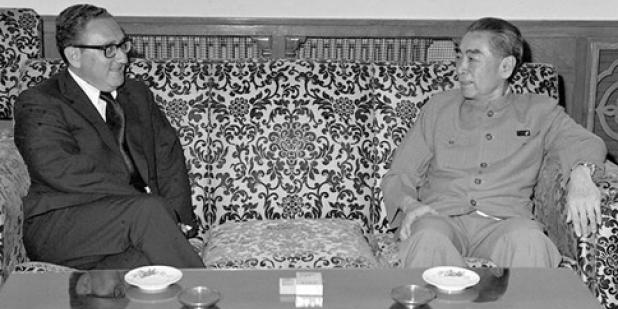
/https:/tf-cmsv2-smithsonianmag-media.s3.amazonaws.com/filer/f4/cb/f4cb92c9-4131-4e0f-ae4a-307144393214/nixoncampaigns.jpg)

No comments:
Post a Comment