20251005 CDTL Biên Bản Cuộc Họp Của Hội Đồng Điều Hành 7 August 1973 D100
100. Minutes of Washington Special Actions Group Meeting 1
Washington, August 7, 1973, 3:06–4:17 p.m.
https://history.state.gov/historicaldocuments/frus1969-76v10/d100
https://history.state.gov/historicaldocuments/frus1969-76v10/pg_400
https://history.state.gov/historicaldocuments/frus1969-76v10/pg_401
https://history.state.gov/historicaldocuments/frus1969-76v10/pg_402
https://history.state.gov/historicaldocuments/frus1969-76v10/pg_403
https://history.state.gov/historicaldocuments/frus1969-76v10/pg_404
https://history.state.gov/historicaldocuments/frus1969-76v10/pg_405
https://history.state.gov/historicaldocuments/frus1969-76v10/pg_406
https://history.state.gov/historicaldocuments/frus1969-76v10/pg_407
https://history.state.gov/historicaldocuments/frus1969-76v10/pg_408
https://history.state.gov/historicaldocuments/frus1969-76v10/pg_409
https://history.state.gov/historicaldocuments/frus1969-76v10/pg_410
Washington, August 7, 1973, 3:06–4:17 p.m.
SUBJECT
- Cambodia
PARTICIPANTS
- Chairman
- Henry A. Kissinger
- State
- William Porter
- Arthur Hummel
- Defense
- William Clements
- Robert Hill
- JCS
- Adm. Thomas Moorer
- Vice Adm. John Weinel
- CIA
- William Colby
- George Carver
- NSC
- Brig. Gen. Brent Scowcroft
- Lawrence Eagleburger
- Richard T. Kennedy
- William Stearman
- Jeanne W. Davis
SUMMARY OF CONCLUSIONS
It was agreed that a Working Group would prepare a paper on what might be done, within Congressional limitations, to provide additional assistance to the Cambodian forces and the Phnom Penh government.2
Mr. Kissinger: Where is George Aldrich?
Mr. Porter: He wasn’t available. He is at the American Bar Association meeting. Also, I need him to get to work on these four questions that (Ambassador) Martin asked us—they’re corkers.
Mr. Kissinger: (to Mr. Colby) Could we have your briefing?
(Mr. Colby briefed from the attached text.)3
Mr. Kissinger: (referring to a comment in the briefing concerning South Vietnamese attempts to reopen roads north of Saigon) Is that our friend Minh? He may be good at some things, but opening roads is certainly not one of them. He is the best guarantee of a ceasefire I know.
Mr. Colby: He has one function only and that is to protect Saigon.
Mr. Kissinger: What about this infiltration of administrative types? What losses did administrative people suffer?
Mr. Colby: They are not replacements. They are being sent south to take over administrative jobs.
Adm. Moorer: We have also seen about 4,000 vehicles on the Tang Kouk railroad. They appear to be construction equipment—bulldozers, graders, etc.—but this area is carrying its maximum capacity right now. Also, in Haiphong Harbor they have the highest number of ships we have ever seen—13 oceangoing vessels, 35 coasters and numerous trawlers and auxiliary vessels. They are pouring supplies in.
Mr. Kissinger: What sort of supplies?
Mr. Carver: Adm. Moorer’s point is well taken. The bucket came down about 24 hours ago from our July 15 photo mission. It shows 4,000-odd trucks in the parks where Chinese supplies have normally been stationed. This was only a monaural photograph. We will get a better view when we get the stereo pair in the next few days.
Mr. Kissinger: If these are civilian supplies, they are okay, but if this is military equipment it’s a different situation.
Mr. Carver: They don’t draw a clear distinction between civilian and military equipment.
Mr. Colby: There are probably some tanks.
Mr. Carver: It is true, of course, that they don’t need 4,000 trucks for internal reasons. They probably plan to augment their supply shuttle into the south.
Adm. Moorer: We haven’t been able to identify any purely military equipment. It seems to be bulldozers and graders.
Mr. Kissinger: It will make a lot of difference diplomatically if they are moving a lot of equipment into the south.
Adm. Moorer: The North Vietnamese don’t distinguish in this way. They probably need this equipment to run down the LOC.
Mr. Kissinger: Our assumption has been that they would not start an offensive unless they had a big back-up of supplies. They did not say they would not send civilian supplies.
Adm. Moorer: They are getting some by sea also.
Mr. Kissinger: Can we see it?
Adm. Moorer: Probably at Haiphong.
Mr. Carver: We will be lucky if we do, with satellite coverage every 7 weeks and with cloud cover and the number of ships in port on any given day.
Mr. Kissinger: Can’t we schedule these satellite flights more frequently?
Mr. Carver: They are not time sensitive.
Adm. Moorer: And we don’t have a spare for crisis situations.
Mr. Kissinger: Why not?
Mr. Colby: We have three a year. We always have a spare.
Mr. Kissinger: Why don’t we have more?
Mr. Colby: Because of the money.
Mr. Kissinger: How much?
Mr. Colby: Each one costs $20 million.
Mr. Kissinger: And we can’t find $20 million in a $17 billion budget?
Mr. Clements: This has been very carefully considered and I thought it was agreed that this was adequate.
Mr. Kissinger: In the absence of a crisis.
Mr. Colby: Of course we have the new project.
Mr. Kissinger: But that won’t be ready until 1976. That is not related to a crisis situation.
Mr. Colby: We really don’t get that much from satellite photography. We need over-flight.
Mr. Hummel: You mean the U–2R with the new camera?
Mr. Carver: We are just seeing what we can get under the new ground rules.
Mr. Kissinger: I don’t think it’s safe for the U.S. not to have a spare photographic satellite.
Mr. Colby: We can give you coverage anywhere in the world within a 30-day gap.
Mr. Kissinger: But the conditions of an emergency can’t be programmed. I am talking about one vehicle which we could launch in an emergency situation to take a look at it. Suppose there were a Middle East crisis. We don’t have a vehicle to send up.
Mr. Colby: We can give you pictures of the Middle East that are only two or three days old.
Mr. Clements: I think Henry is talking about a short fuse—a situation of a week or ten days.
Mr. Colby: It takes a certain number of days to screw these things together and to get the fuel into them. That’s why we are going for the 1976 solution.
Adm. Moorer: I think it should be tied to DefCon. When we get a DefCon and the military starts its moves, I think a satellite should go up.
Mr. Kissinger: But we don’t have anything to put up.
Mr. Colby: Yes, we do—we have a pipeline.
Mr. Clements: If the 30-day period is not acceptable, then we should consider what to do.
Mr. Kissinger: I have nightmares about the danger of someone taking a run at us while we are in the midst of our own cultural revolution—our own emergency situation. (to Mr. Colby) Could you get us a chart of available photo coverage: what we could do in a short time; what we have on standby. Could we get a comprehensive view by the end of the week?
Mr. Colby: No problem.
Mr. Kissinger: Do we plan to use the SR–71 to get a picture of North Vietnam?
Mr. Carver: Yes.
Adm. Moorer: But we have to overfly.
Mr. Carver: We will be covering Haiphong at maximum photo range—25 miles—and we may get some. If we were overhead, of course, we would get better photography. We won’t get too much from offshore photography.
Mr. Kissinger: I will talk to the President about this. We flew the SR–71s over North Korea.
Mr. Colby: They will be picked up.
Mr. Kissinger: So what? We are all shell-shocked here.
Mr. Carver: I am not shell-shocked—I am just giving you the options.
Mr. Kissinger: We don’t fly the SR–71s legally. The North Koreans haven’t agreed to it.
Mr. Hummel: We have been flying them offshore over the DMZ and the Japan Sea.
Mr. Kissinger: I will discuss this with the President.
On Cambodia, if the fighting is now concentrated around Phnom Penh why are the insurgents gaining there? You have told me that they were hitting in places where government forces were spread thin, but government forces are concentrated around Phnom Penh.
Mr. Colby: They have the initiative. They are broken up into small units and the government just does not mount an effective opposition. The government forces are very good but the bickering among the leadership does not help.
Mr. Clements: Aren’t the insurgents taking heavy casualties?
Mr. Colby: Yes, from the bombing.
Mr. Kissinger: But that will end August 14.
Adm. Moorer: (using a map) Could I just add a little to Bill Colby’s briefing. Only in the last three or four days have the FANK forces taken any initiative. This seems to be the result of our Embassy’s conversations.
Mr. Kissinger: Is Enders in charge? Can he act on his own now?
Mr. Porter: (Ambassador) Swank is away. He is in Bangkok for a week’s leave but will be going back to Phnom Penh.
Mr. Kissinger: We told you we wanted him brought home. Bring him home for consultation. Can Enders act?
Mr. Porter: Yes, he is in charge.
Adm. Moorer: (returning to the map) Government forces were able to push back to the river and the activity on Highways 2 and 3 has died down. One brigade of the First Division has moved in between the Mekong and Bassac Rivers. Two brigades today kicked off on an operation to move to Highway 1 and join with another force there. The river is now being protected by artillery, and convoys will be coming in on August 9 and August 13. For the first time government artillery is under coordinated control and for the first time they are using their artillery—155 and 105mm—properly. Also they have cleared Highway 5 and have kept it clear. The water is rising now too which will give the insurgents some difficulty in ambushing the trucks. Another insurgent force is about three kilometers from the airfield and the government troops have now moved against them. They have brought in three air force battalions at the airfield for security. They are now getting out about 11 kilometers—out of the range of the 105s. The insurgents over-ran a town on Highway 6 between Skoun and Kampong Cham. Two thousand troops were lost, captured or just disappeared. Government forces are flying seven more battalions into Phnom Penh to augment its defense. This will give them 23–24,000 men in their perimeter defenses as against the insurgents’ 18,000. Also the rain is beginning to have an impact. FANK now has two offensive operations going at the same time for the first time in weeks. The insurgents have changed their strategy from hitting the LOC to hitting the city. There are several reasons for this. One, they are having command and control and supply problems. Two, it is more difficult for the U.S. to bomb in a populated area. Three, their new scorched earth policy, where they have devastated 26 villages, has pushed large numbers of refugees out of the villages. Four, they feel some duress since they want the Lon Nol Government to collapse so that they can move in before August 15. They believe if they do not get in by August 15 some outside negotiation will take place which they cannot influence.
Mr. Kissinger: Why don’t they just wait for August 15 when they will have won?
Adm. Moorer: They are afraid of being preempted by outsiders. Also, they are taking very heavy casualties.
Mr. Kissinger: (to Mr. Colby) Why do you think they are doing this?
Mr. Colby: They are keeping the pressure on. They have to in order to create tension within the leadership.
Adm. Moorer: They are doing the very best they can.
Mr. Carver: They are telling the leadership that, even with American bombing, the noose is tightening. If this is so without bombing, what will it be like when the bombing ends?
Mr. Kissinger: What will Phnom Penh do after August 15?
Mr. Colby: If the leadership continues to bicker, the troops will decide the hell with it.
Mr. Kissinger: If Phnom Penh goes we want it to be absolutely clear that the U.S. was not responsible for its fall. We don’t want anyone to sit back and wring their hands. We want energetic people who will try to do something about this. If the situation in Phnom Penh falls apart, we want to be sure that they did it to themselves and that there was no lack on our part.
Mr. Porter: There is no question that you have a great many energetic people pursuing this activity.
Mr. Clements: The leadership is already breaking up.
Mr. Colby: It could happen at any time. When Sirik Matak says he is prepared to get rid of Lon Nol by any means, that’s strong language—a real shocker.
Mr. Carver: You have a real psychological leadership problem. With more troops and guns and supplies they could hang on for four to six months. But on any given morning any two members of the High Council can decide that it is a lost cause and throw the others out.
Mr. Kissinger: Then what?
Mr. Colby: Then you have a negotiation with the government in a very weak position. That’s why the enemy is pressing—they want them on their knees.
Mr. Kissinger: Then Sihanouk would come back?
Mr. Colby: As a figurehead. Sihanouk’s natural base is in the government.
Mr. Kissinger: Right. Sihanouk’s utility diminishes, the stronger the Khmer Rouge get.
Mr. Colby: He is useful to the Khmer Rouge. He can take over the authority of government without turning it out and replacing it completely. It would be a problem for the Khmer Rouge if they had to rebuild the whole government structure. If they can take over an existing structure under Sihanouk it will save them trouble. Sihanouk can provide the linkage.
Adm. Moorer: The key is the Council sticking together. The insurgents are not having an easy time.
Mr. Colby: Without the bombing they may last for up to three months; with bombing it might be six months.
Mr. Kissinger: I thought you said without the bombing they could last up to six months. I won’t hold you to that, though. Now you say a maximum of three months?
Mr. Colby: That’s a personal statement. But the indicators of their coming apart at the seams are right in front of you. The divisions are reasonably well organized and armed. They are not the best troops in the world but they are there.
Adm. Moorer: It isn’t a matter of their capability—it is a question of cohesion and leadership. The insurgents have some of the same problems.
Mr. Carver: The insurgents are also Cambodians which is our greatest hope of survival.
Adm. Moorer: The insurgents want to bring about the downfall of the government by themselves.
Mr. Kissinger: I am not aware of any outside influence for negotiation.
Mr. Colby: But there might be a negotiation which was more favorable to the government.
Mr. Kissinger: If there is no collapse, will there be a rice shortage?
Adm. Moorer: They’ve got a 49-day supply and two more convoys coming.
Mr. Colby: They are not too badly off.
Adm. Moorer: There is a rice shortage in all of Southeast Asia but it has nothing to do with the war. U.S. exports are short and Japan is short. We have a paper on this that I will send over to you.
Mr. Kissinger: How about GVN protection of convoys?
Mr. Porter: We have a cable over here which takes care of the problem in an unencouraging way. There are serious legal questions. It is contrary to the intent of the Congress and might trigger the Case Amendment.4 The cable has been here since August 3 and it should be sent.
Adm. Moorer: There is also a question whether the Mekong River is an international waterway. I was queried by Fulbright on what the South Vietnamese could do in Cambodia. The Congress is pretty negative on this—Mansfield, Fulbright and Symington.
Mr. Porter: So are the lawyers.
Mr. Kissinger: I want to get all departments off the wicket that we are bombing neutral Cambodia. We are bombing North Vietnamese [Page 406] troops in neutral Cambodia who are killing Americans. And we are doing this with the approval of the Cambodian government.
Adm. Moorer: When Fulbright took the line with me that this was a violation of sovereignty, I told him there was no violation of sovereignty when the Chief of State had acquiesced in the action.
Mr. Kissinger: And when the North Vietnamese were killing Americans in his country. It is the most amazing doctrine that forces can use neutral territory to kill Americans and can be completely free of reprisals. This just has not sunk in on the public mind.
Adm. Moorer: It is a part of the whole double standard.
Mr. Kissinger: I have been shocked at the testimony of some government witnesses. We are not bombing Cambodia. The Congress questions whether the President has the right to bomb a neutral country without telling the Congress. First, we told the Congress. Also, we are not bombing Cambodia—we are bombing North Vietnamese who are killing American soldiers on neutral territory. The Cambodian government asked us to. What the hell are we apologizing for? We are just not getting this across in our testimony. We are bombing only a strip of territory which is occupied by the North Vietnamese—in Cambodia. Let’s say we are bombing North Vietnamese with the acquiescence of a neutral government. I don’t understand the current doctrine of international law where one side can use neutral territory and the other has no right to protect itself. We are too apologetic. We are like beaten dogs.
Mr. Clements: You sit in the grandstand on Thursday and watch Tom Moorer and me testify.5
Mr. Kissinger: Let’s use the phrase that we are bombing North Vietnamese troops who are using neutral territory to kill Americans and that we are doing this with the approval of the Cambodian government.
Adm. Moorer: They just won’t accept the fact that we have the right to do anything. Everything we do is evil and everything the other side does is okay.
Mr. Clements: We have no apologies to make.
Mr. Porter: Can we get a decision on the Mekong cable?6
Mr. Kissinger: Not here. I want more discussion. We will get it before the end of the day.
Mr. Hummel: It has DOD clearance.
Adm. Moorer: The only way is to let Cambodian MAP pay for it. It is illegal to use MASF funds. Let South Vietnam transfer the equipment [Page 407] back to the U.S. The U.S. can give it to the Cambodians and let them pay for it with MAP.
Mr. Kissinger: There may be some way around this. Can we give naval vessels to Cambodia through MAP?
Adm. Moorer: We are stretching this every way we can.
Mr. Kennedy: Why not loan them ships?
Adm. Moorer: They have to operate them.
Mr. Stearman: They could use the Cambodian crews on the coastal Swifts to man river escort vessels.
Mr. Kennedy: And get the South Vietnamese to take over the coastal patrols.
Mr. Stearman: And shift the Cambodian crews to the Mekong.
Mr. Hummel: I understand that was discussed yesterday and it is being looked into. If South Vietnamese equipment were in U.S. hands it could be turned over to Cambodia. (Ambassador) Martin is suggesting air cover for the convoys on humanitarian grounds. The lawyers say ‘no’ if it is done on a reimbursable basis. If it isn’t reimbursable, it is okay.
Mr. Kissinger: If we do not reimburse them for this, could we reimburse them somewhere else?
Mr. Porter: Martin wants to be sure that this could not result in a cutback elsewhere. He is seeing Thieu Saturday morning.7
Adm. Moorer: Thieu says he will do everything “practical.” The Congress is being completely unreasonable. Senator McClellan thinks that by stopping the bombing there will be no more aid of any kind for Cambodia.
Mr. Kissinger: I don’t know how dangerous we are as an enemy but we are murder as an ally. Let’s think about this convoy protection.
Mr. Clements: What if we could clear out the insurgents around the river and get artillery there?
Mr. Carver: In the dry season they could control both banks beyond rocket range.
Mr. Kissinger: How about loaning them some boats?
Adm. Moorer: We will look at it, but I think they have all the boats they can handle now without a training program. Perhaps we could shift the areas covered.
Mr. Kissinger: What can we do now to enhance the period of survival? If they can last more than three months, I am convinced there will be negotiations.
Mr. Carver: It depends on the cost.
Mr. Colby: It is a circular situation. If we want to them to get with it we will have to look for a new program and new leadership. And we don’t have a search for new leadership because we are hung up on the old leadership. We are so hamstrung by the limitations.
Mr. Kissinger: Within the limitations let’s see what a program would look like. As I have said so often, there are no awards for losing elegantly. Our Congressional adversaries want to prove that 1970 was wrong. If 1970 was wrong then everything was wrong and we have thrown 50,000 casualties down a rathole. We have to stand up and take the heat before the Congressional committees.
Mr. Hill: Adm. Moorer and Art Hummel took the heat and came right back at them the other day. They didn’t give an inch.
Mr. Kissinger: I admire them for it. But our concern is that they hang on in Phnom Penh as long as possible—first, to demonstrate that we didn’t sell them out. Second, if it works, there will be a negotiation and, third, to protect South Vietnam. When I met Lee Kuan Yew at Kennedy Airport the other day at his request he was panicky. He is normally a very cool, calm man. If he thinks the situation will collapse we are in bad shape.
Mr. Carver: If Cambodia goes by collapse and by giving the Communists what they want, and if they sign an agreement in Laos, North Vietnam has its flanks secured.
Mr. Kissinger: And the Congress has removed any doubt that we would come in if they should launch a big offensive against South Vietnam.
Mr. Porter: Could some of our intelligence people stay with the Cambodian units?
Mr. Kissinger: (to Mr. Kennedy) Let’s get a working group to see what we might do within Congressional limits in the spirit of the discussion here. I don’t know what it might be, but for the U.S. to write off the area is not in our interest. China would have no choice except to side with Hanoi. And their instinct would be to counterbalance Hanoi.
Mr. Clements: In those circumstances, why wouldn’t Thieu lose his reluctance to help? He could buy some time.
Mr. Kissinger: Would he lose more by going in than staying out? If he could gain a year, that would be one situation. But if he would gain one to three months, he would have to ask himself whether it would be worth the risk. If the outcome were the same, why waste his resources in a losing cause?
Adm. Moorer: He would lose in the Congress anyway.
Mr. Kissinger: We are facing a very bitter situation. The Congressmen may be crazy but it is our duty to do what is right.
Mr. Colby: But we need leadership in Cambodia to go with a program.
Mr. Kissinger: Put that in the paper we’re doing. We have been taking the attitude that if a situation is not perfect, we won’t do anything. I have been willing for three months to throw Lon Nol into the negotiation. We could have settled it in mid-June when we had the Chinese engaged. But the Chinese are not crazy—they know our situation. If someone could show us that we could remove Lon Nol and gain three to six extra months, that’s a different situation. I consider Lon Nol expendable.
Mr. Carver: One reason for the bickering among the leadership is that some members of the Council think Lon Nol is actually insane.
Mr. Kissinger: If Lon Nol were out, do we assume Sirik Matak and In Tam would go after each other?
Mr. Colby: Sirik Matak perhaps.
Mr. Kissinger: I have a silver bowl from Sirik Matak which was on the table of my office when the Chinese Ambassador came in to see me. He hasn’t been there since. (to Mr. Porter) We want to get your cable cleared. We will get the working group together and have another meeting of this group on Friday (August 10). I am not blaming the people here, but the White House position is to do what is right. If Congress wants to brutalize us, they will. But now we have four weeks while Congress is not in session. Some people even in Congress are getting worried about the situation.
Mr. Colby: The President’s letter did a lot of good.8
Adm. Moorer: Senator Fong really bore down on me saying he wanted to get all of the Americans out so we would not have any excuse to go back in to rescue them. When Fulbright asked me if we would use military force to get them out, I said “of course; would you want us not to protect Americans worldwide?” Fulbright said “no.” Symington apparently knew about (Ambassador) Swank’s message about taking Americans out.
Mr. Porter: He has recommended a thinning out of Americans. There is a cable over here for clearance.
Mr. Hummel: Two months ago we asked him to consider whether we could cut the numbers that might have to be evacuated. It was a contingency plan.
Mr. Kissinger: We will look at it and try to get it out this evening. We should have a contingency plan.
Mr. Hummel: He was suggesting thinning out non-essential people—AID accountants, for example.
Mr. Kissinger: Dick Kennedy will convene a working group and the WSAG will meet again on Friday.
Mr. Kennedy: We will meet in my office at 10 o’clock tomorrow morning.
Mr. Porter: What about the solatium for the accidental bombing?
Mr. Clements: We agree.
Mr. Kissinger: (to Mr. Kennedy) Let’s look into the facts.
Mr. Porter (to Mr. Clements) Then you will do the execute message?
Mr. Clements: Yes.
Google Translated
Washington, ngày 7 tháng 8 năm 1973, 3:06 chiều–4:17 chiều
CHỦ ĐỀ
Campuchia
THÀNH VIÊN THAM DỰ
Chủ tọa
Henry A. Kissinger
Bộ Ngoại giao
William Porter
Arthur Hummel
Bộ Quốc phòng
William Clements
Robert Hill
Hội đồng Tham mưu trưởng Liên quân
Đô đốc Thomas Moorer
Phó Đô đốc John Weinel
CIA
William Colby
George Carver
Hội đồng An ninh Quốc gia
Chuẩn tướng Brent Scowcroft
Lawrence Eagleburger
Richard T. Kennedy
William Stearman
Jeanne W. Davis
TỔNG KẾT
Chúng tôi đã dồng ý rằng một Nhóm Công tác sẽ chuẩn bị một báo cáo về những việc có thể làm, trong phạm vi giới hạn của Quốc hội, để cung cấp hỗ trợ bổ sung cho lực lượng Campuchia và chính quyền Phnom Penh.
Ông Kissinger: George Aldrich ở đâu?
Ông Porter: Ông ấy không rảnh. Ông ấy đang tham dự cuộc họp của Hiệp hội Luật sư Hoa Kỳ. Ngoài ra, tôi cần ông ấy bắt tay vào giải quyết bốn câu hỏi mà (Đại sứ) Martin đã hỏi chúng tôi—những câu hỏi rất hóc búa.
Ông Kissinger: (nói với ông Colby) Ông có thể cho chúng tôi nghe tóm tắt được không?
(Ông Colby đã tóm tắt từ văn bản đính kèm.)
Ông Kissinger: (đề cập đến một bình luận trong cuộc họp báo về nỗ lực của Nam Việt Nam nhằm mở lại các tuyến đường phía bắc Sài Gòn) Đó có phải là bạn của chúng ta, Minh không? Ông ta có thể giỏi một số việc, nhưng việc mở đường chắc chắn không phải là một trong số đó. Ông ta là người bảo đảm tốt nhất cho một lệnh ngừng bắn mà tôi biết.
Ông Colby: Ông ta chỉ có một chức năng duy nhất, đó là bảo vệ Sài Gòn. [Trang 400]
Ông Kissinger: Còn sự xâm nhập của các nhân viên hành chính thì sao? Những người hành chính đã phải chịu những tổn thất gì?
Ông Colby: Họ không phải là người thay thế. Họ được điều vào phía nam để tiếp quản các công việc hành chính.
Đô đốc Moorer: Chúng tôi cũng đã thấy khoảng 4.000 xe trên tuyến đường sắt Tang Kouk. Chúng dường như là thiết bị xây dựng - máy ủi, máy san, v.v. - nhưng khu vực này hiện đang hoạt động hết công suất. Ngoài ra, tại cảng Hải Phòng, họ có số lượng tàu thuyền lớn nhất mà chúng tôi từng thấy - 13 tàu viễn dương, 35 tàu bờ biển và rất nhiều tàu đánh cá và tàu phụ trợ. Họ đang đổ hàng tiếp tế vào.
Ông Kissinger: Loại hàng tiếp tế nào?
Ông Carver: Ý kiến của Đô đốc Moorer rất đúng. Chiếc thùng được đưa xuống khoảng 24 giờ trước từ chuyến công tác chụp ảnh ngày 15 tháng 7 của chúng tôi. Nó cho thấy khoảng 4.000 xe tải củ trong các công viên, nơi hàng tiếp tế của Trung Quốc thường được đặt. Đây chỉ là ảnh trắng đen. Chúng tôi sẽ có góc nhìn rõ hơn khi có cặp hình ảnh nổi trong vài ngày tới.
Ông Kissinger: Nếu đây là hàng tiếp tế dân sự thì không sao, nhưng nếu đây là thiết bị quân sự thì lại là chuyện khác.
Ông Carver: Họ không phân biệt rõ ràng giữa thiết bị dân sự và quân sự.
Ông Colby: Có lẽ có một số xe tăng.
Ông Carver: Tất nhiên, đúng là họ không cần 4.000 xe tải vì lý do nội bộ. Có lẽ họ đang lên kế hoạch tăng cường tuyến vận chuyển tiếp tế vào phía nam.
Đô đốc Moorer: Chúng tôi chưa xác định được bất kỳ thiết bị nào hoàn toàn là quân sự. Có vẻ như đó là máy ủi và máy san đất.
Ông Kissinger: Sẽ rất khác biệt về mặt ngoại giao nếu họ chuyển nhiều thiết bị vào miền Nam.
Đô đốc Moorer: Bắc Việt không phân biệt theo cách này. Có lẽ họ cần những thiết bị này để chạy xuống LOC- Lines of communication.
Ông Kissinger: Giả định của chúng tôi là họ sẽ không bắt đầu một cuộc tấn công trừ khi họ có một lượng lớn hàng dự trữ. Họ không nói rằng họ sẽ không gửi hàng tiếp tế dân sự.
Đô đốc Moorer: Họ cũng đang nhận một số hàng bằng đường biển.
Ông Kissinger: Chúng ta có thể thấy được không?
Đô đốc Moorer: Có lẽ là ở Hải Phòng.
Ông Carver: Sẽ rất may mắn nếu chúng ta thấy được, với hình ảnh vệ tinh 7 tuần một lần, với lượng mây che phủ và số lượng tàu cập cảng vào bất kỳ ngày nào.
Ông Kissinger: Chúng ta không thể lên lịch các chuyến bay vệ tinh này thường xuyên hơn sao? [Trang 401]
Ông Carver: Chúng không bị giới hạn thời gian.
Đô đốc Moorer: Và chúng ta không có chuyến bay dự phòng cho các tình huống khủng hoảng.
Ông Kissinger: Tại sao không?
Ông Colby: Chúng ta có ba chuyến bay mỗi năm. Chúng ta luôn có chuyến bay dự phòng.
Ông Kissinger: Tại sao chúng ta không có thêm?
Ông Colby: Vì tiền.
Ông Kissinger: Bao nhiêu?
Ông Colby: Mỗi chuyến tốn 20 triệu đô la.
Ông Kissinger: Và chúng ta không thể tìm được 20 triệu đô la trong ngân sách 17 tỷ đô la sao?
Ông Clements: Điều này đã được cân nhắc rất kỹ lưỡng và tôi nghĩ mọi người đã đồng ý rằng điều này là đủ.
Ông Kissinger: Trong trường hợp không có khủng hoảng.
Ông Colby: Tất nhiên chúng ta có dự án mới.
Ông Kissinger: Nhưng điều đó sẽ không sẵn sàng cho đến năm 1976. Điều đó không liên quan đến tình huống khủng hoảng.
Ông Colby: Chúng tôi thực sự không thu được nhiều dữ liệu từ ảnh vệ tinh. Chúng tôi cần bay giám sát.
Ông Hummel: Ý ông là máy bay U-2R với camera mới à?
Ông Carver: Chúng tôi chỉ đang xem xét những gì chúng tôi có thể thu được theo các quy tắc cơ bản mới.
Ông Kissinger: Tôi không nghĩ rằng việc Hoa Kỳ không có một vệ tinh chụp ảnh dự phòng là an toàn.
Ông Colby: Chúng tôi có thể cung cấp cho các bạn hình ảnh ở bất kỳ đâu trên thế giới trong vòng 30 ngày.
Ông Kissinger: Nhưng các điều kiện của tình huống khẩn cấp không thể được lập trình. Tôi đang nói về một phương tiện mà chúng tôi có thể phóng lên trong tình huống khẩn cấp để quan sát. Giả sử có một cuộc khủng hoảng ở Trung Đông. Chúng tôi không có phương tiện để đưa lên.
Ông Colby: Chúng tôi có thể cho ông xem những bức ảnh về Trung Đông mới chỉ hai hoặc ba ngày trước.
Ông Clements: Tôi nghĩ Henry đang nói về một tình huống ngắn hạn - một tình huống kéo dài một tuần hoặc mười ngày.
Ông Colby: Cần một số ngày nhất định để lắp ráp những thứ này lại với nhau và để nạp nhiên liệu vào chúng. Đó là lý do tại sao chúng tôi đang hướng tới giải pháp năm 1976.
Đô đốc Moorer: Tôi nghĩ nó nên được gắn với DefCon. Khi chúng ta có DefCon và quân đội bắt đầu hành động, tôi nghĩ một vệ tinh nên được phóng lên.
Ông Kissinger: Nhưng chúng ta không có gì để đưa lên cả. [Trang 402]
Ông Colby: Có, chúng tôi có - chúng tôi có một đường ống.
Ông Clements: Nếu thời hạn 30 ngày không được chấp nhận, thì chúng ta nên cân nhắc xem nên làm gì.
Ông Kissinger: Tôi bị ám ảnh bởi nguy cơ có người tấn công chúng ta trong khi chúng ta đang ở giữa cuộc cách mạng văn hóa của chính mình - tình huống khẩn cấp của chính chúng ta. (nói với ông Colby) Ông có thể cung cấp cho chúng tôi biểu đồ về phạm vi ảnh chụp hiện có: những gì chúng ta có thể làm trong thời gian ngắn; những gì chúng ta đang chờ. Liệu chúng ta có thể có được cái nhìn toàn diện vào cuối tuần này không?
Ông Colby: Không vấn đề gì.
Ông Kissinger: Chúng ta có dự định sử dụng SR–71 để chụp ảnh Bắc Việt Nam không?
Ông Carver: Có.
Đô đốc Moorer: Nhưng chúng ta phải bay qua.
Ông Carver: Chúng ta sẽ bao quát Hải Phòng ở phạm vi ảnh tối đa - 25 dặm - và chúng ta có thể chụp được một số. Nếu chúng ta bay trên cao, tất nhiên, chúng ta sẽ chụp được ảnh tốt hơn. Chúng ta sẽ không chụp được quá nhiều từ ảnh chụp ngoài khơi.
Ông Kissinger: Tôi sẽ nói chuyện với Tổng thống về việc này. Chúng tôi đã bay SR–71 trên Bắc Triều Tiên.
Ông Colby: Họ sẽ bị bắt.
Ông Kissinger: Vậy thì sao? Tất cả chúng tôi ở đây đều bị sốc vì bom đạn.
Ông Carver: Tôi không bị sốc—tôi chỉ đưa ra cho ông các lựa chọn.
Ông Kissinger: Chúng tôi không sử dụng SR-71 một cách hợp pháp. Bắc Triều Tiên chưa đồng ý.
Ông Hummel: Chúng tôi đã cho chúng bay ngoài khơi, trên vùng phi quân sự (DMZ) và biển Nhật Bản.
Ông Kissinger: Tôi sẽ thảo luận điều này với Tổng thống.
Về Campuchia, nếu giao tranh hiện tập trung quanh Phnom Penh, tại sao quân nổi dậy lại tiến vào đó? Ông đã nói với tôi rằng họ tấn công vào những nơi mà lực lượng chính phủ bị dàn mỏng, nhưng lực lượng chính phủ lại tập trung quanh Phnom Penh.
Ông Colby: Họ có thế chủ động. Họ bị chia thành các đơn vị nhỏ và chính phủ không thể tổ chức một cuộc phản kháng hiệu quả. Lực lượng chính phủ rất mạnh nhưng sự bất đồng quan điểm trong giới lãnh đạo không giúp ích gì.
Ông Clements: Quân nổi dậy không bị thương vong nặng nề sao?
Ông Colby: Vâng, từ vụ đánh bom.
Ông Kissinger: Nhưng điều đó sẽ kết thúc vào ngày 14 tháng 8.
Đô đốc Moorer: (dùng bản đồ) Tôi xin bổ sung thêm một chút vào bản tóm tắt của Bill Colby. Chỉ trong ba hoặc bốn ngày gần đây, lực lượng FANK mới có động thái gì. Có vẻ như đây là kết quả của các cuộc thảo luận tại Đại sứ quán của chúng tôi. [Trang 403]
Ông Kissinger: Enders có đang chỉ huy không? Bây giờ ông ấy có thể tự mình hành động không?
Ông Porter: (Đại sứ) Swank đang đi vắng. Ông ấy đang ở Bangkok nghỉ phép một tuần nhưng sẽ trở về Phnom Penh.
Ông Kissinger: Chúng tôi đã nói với ông là chúng tôi muốn đưa ông ấy về nước. Hãy đưa ông ấy về nước để tham vấn. Enders có thể hành động không?
Ông Porter: Vâng, ông ấy đang chỉ huy.
Đô đốc Moorer: (quay lại bản đồ) Quân chính phủ đã có thể đẩy lùi về phía sông và hoạt động trên Quốc lộ 2 và 3 đã lắng xuống. Một lữ đoàn của Sư đoàn 1 đã di chuyển vào giữa sông Mê Kông và sông Bassac. Hôm nay, hai lữ đoàn đã bắt đầu một chiến dịch di chuyển đến Quốc lộ 1 và hợp nhất với một lực lượng khác ở đó. Dòng sông hiện đang được pháo binh bảo vệ, và các đoàn xe sẽ đến vào ngày 9 và 13 tháng 8. Lần đầu tiên pháo binh chính phủ được kiểm soát phối hợp và lần đầu tiên họ sử dụng pháo binh của mình - 155 và 105mm - một cách hiệu quả. Họ cũng đã dọn sạch Quốc lộ 5 và giữ cho nó thông thoáng. Nước cũng đang dâng cao, điều này sẽ gây khó khăn cho phiến quân trong việc phục kích các xe tải. Một lực lượng phiến quân khác cách sân bay khoảng ba km và quân chính phủ hiện đã di chuyển chống lại họ. Họ đã đưa ba tiểu đoàn không quân đến sân bay để đảm bảo an ninh. Hiện tại, họ đang rút ra khỏi khoảng 11 km - ngoài tầm bắn của pháo 105. Quân nổi dậy đã chiếm một thị trấn trên Quốc lộ 6 giữa Skoun và Kampong Cham.
Hai ngàn quân đã bị mất, bị bắt hoặc chỉ đơn giản là mất tích. Lực lượng chính phủ đang điều thêm bảy tiểu đoàn vào Phnom Penh để tăng cường phòng thủ. Điều này sẽ cung cấp cho họ 23–24.000 quân trong các tuyến phòng thủ ngoại vi so với 18.000 quân của quân nổi dậy. Ngoài ra, mưa cũng bắt đầu có tác động. FANK hiện đang có hai hoạt động tấn công diễn ra cùng một lúc lần đầu tiên sau nhiều tuần. Quân nổi dậy đã thay đổi chiến lược từ đánh vào LOC sang đánh vào thành phố. Có một số lý do cho điều này. Một là, họ đang gặp vấn đề về chỉ huy, kiểm soát và tiếp tế. Hai là, Hoa Kỳ khó ném bom vào khu vực đông dân cư hơn. Ba là, chính sách tiêu thổ mới của họ, nơi họ đã tàn phá 26 ngôi làng, đã đẩy một số lượng lớn người tị nạn ra khỏi các ngôi làng. Bốn là, họ cảm thấy một số áp lực vì họ muốn Chính phủ Lon Nol sụp đổ để họ có thể tiến vào trước ngày 15 tháng 8. Họ tin rằng nếu họ không vào được trước ngày 15 tháng 8, một số cuộc đàm phán bên ngoài sẽ diễn ra mà họ không thể tác động.
Ông Kissinger: Tại sao họ không đợi đến ngày 15 tháng 8, khi họ đã thắng?
Đô đốc Moorer: Họ sợ bị bên ngoài chiếm trước. Hơn nữa, họ đang chịu tổn thất rất nặng nề.
Ông Kissinger: (nói với ông Colby) Ông nghĩ tại sao họ lại làm như vậy? [Trang 404]
Ông Colby: Họ đang duy trì áp lực. Họ phải làm vậy để tạo ra căng thẳng trong nội bộ giới lãnh đạo.
Đô đốc Moorer: Họ đang làm hết sức mình.
Ông Carver: Họ đang nói với giới lãnh đạo rằng, ngay cả khi Mỹ ném bom, thòng lọng vẫn đang siết chặt. Nếu điều này xảy ra mà không có ném bom, thì tình hình sẽ ra sao khi bom kết thúc?
Ông Kissinger: Phnom Penh sẽ làm gì sau ngày 15 tháng 8?
Ông Colby: Nếu giới lãnh đạo tiếp tục tranh cãi, quân đội sẽ quyết định.
Ông Kissinger: Nếu Phnom Penh sụp đổ, chúng tôi muốn mọi chuyện hoàn toàn rõ ràng rằng Hoa Kỳ không phải chịu trách nhiệm cho sự sụp đổ của nó. Chúng tôi không muốn bất kỳ ai khoanh tay ngồi nhìn. Chúng tôi cần những người năng động, những người sẽ cố gắng làm điều gì đó về vấn đề này. Nếu tình hình ở Phnom Penh sụp đổ, chúng tôi muốn chắc chắn rằng chính họ đã tự gây ra điều đó và chúng tôi không hề thiếu sót.
Ông Porter: Không còn nghi ngờ gì nữa, các ông có rất nhiều người năng động đang theo đuổi hoạt động này.
Ông Clements: Giới lãnh đạo đã tan rã rồi.
Ông Colby: Điều đó có thể xảy ra bất cứ lúc nào. Khi Sirik Matak nói rằng ông ta sẵn sàng loại bỏ Lon Nol bằng mọi giá, đó là một lời lẽ mạnh mẽ - một cú sốc thực sự.
Ông Carver: Ông thực sự có vấn đề về mặt tâm lý lãnh đạo. Với thêm quân, súng đạn và tiếp tế, họ có thể cầm cự được bốn đến sáu tháng. Nhưng bất kỳ buổi sáng nào, bất kỳ hai thành viên nào của Hội đồng Tối cao cũng có thể quyết định rằng đó là một mục tiêu vô vọng và loại bỏ những người còn lại.
Ông Kissinger: Rồi sao nữa?
Ông Colby: Vậy thì ông sẽ đàm phán với chính phủ trong một thế rất yếu. Đó là lý do tại sao kẻ thù đang gây sức ép - chúng muốn họ phải quỳ gối.
Ông Kissinger: Vậy thì Sihanouk sẽ quay lại sao?
Ông Colby: Với tư cách là một nhân vật bù nhìn. Nền tảng tự nhiên của Sihanouk là trong chính phủ.
Ông Kissinger: Đúng vậy. Lợi ích của Sihanouk sẽ giảm dần khi Khmer Đỏ càng mạnh.
Ông Colby: Ông ta hữu ích cho Khmer Đỏ. Ông ta có thể tiếp quản quyền lực của chính phủ mà không cần lật đổ và thay thế hoàn toàn. Sẽ là một vấn đề cho Khmer Đỏ nếu chúng phải xây dựng lại toàn bộ cấu trúc chính phủ. Nếu chúng có thể tiếp quản một cấu trúc hiện có dưới thời Sihanouk, điều đó sẽ giúp chúng tránh được rắc rối. Sihanouk có thể tạo ra mối liên kết.
Đô đốc Moorer: Điều quan trọng là Hội đồng phải đoàn kết. Quân nổi dậy đang gặp khó khăn. [Trang 405]
Ông Colby: Nếu không có ném bom, chúng có thể tồn tại tới ba tháng; nếu có ném bom thì có thể là sáu tháng.
Ông Kissinger: Tôi tưởng ông nói rằng nếu không có ném bom, chúng có thể tồn tại tới sáu tháng. Tuy nhiên, tôi sẽ không bắt ông phải giữ nguyên quan điểm đó. Giờ ông lại nói tối đa là ba tháng?
Ông Colby: Đó là một phát biểu mang tính cá nhân. Nhưng những dấu hiệu cho thấy họ đang tan rã đang hiện rõ trước mắt. Các sư đoàn được tổ chức và trang bị vũ khí khá tốt. Họ không phải là những đội quân tinh nhuệ nhất thế giới nhưng họ vẫn ở đó.
Đô đốc Moorer: Vấn đề không phải ở năng lực của họ—mà là ở sự gắn kết và khả năng lãnh đạo. Quân nổi dậy cũng gặp phải một số vấn đề tương tự.
Ông Carver: Quân nổi dậy cũng là người Campuchia, đó là hy vọng sống sót lớn nhất của chúng ta.
Đô đốc Moorer: Quân nổi dậy muốn tự mình lật đổ chính phủ.
Ông Kissinger: Tôi không biết có bất kỳ tác động bên ngoài nào cho việc đàm phán.
Ông Colby: Nhưng có thể có một cuộc đàm phán có lợi hơn cho chính phủ.
Ông Kissinger: Nếu không có sự sụp đổ, liệu có xảy ra tình trạng thiếu gạo không?
Đô đốc Moorer: Họ có nguồn cung cấp 49 ngày và hai đoàn xe nữa đang đến.
Ông Colby: Tình hình của họ không đến nỗi tệ.
Đô đốc Moorer: Toàn bộ Đông Nam Á đang thiếu gạo, nhưng điều này không liên quan gì đến chiến tranh. Xuất khẩu của Hoa Kỳ và Nhật Bản đang thiếu. Chúng tôi có một báo cáo về vấn đề này và tôi sẽ gửi cho ngài.
Ông Kissinger: Còn việc Chính phủ Việt Nam bảo vệ các đoàn xe thì sao?
Ông Porter: Chúng tôi có một bức điện ở đây, bức điện này giải quyết vấn đề theo cách không mấy khả quan. Có những vấn đề pháp lý nghiêm trọng. Nó trái với ý định của Quốc hội và có thể dẫn đến việc ban hành Tu chính án.4 Bức điện đã ở đây từ ngày 3 tháng 8 và nó nên được gửi đi.
Đô đốc Moorer: Cũng có một câu hỏi liệu sông Mekong có phải là một tuyến đường thủy quốc tế hay không. Fulbright đã hỏi tôi về những gì Nam Việt Nam có thể làm ở Campuchia. Quốc hội khá tiêu cực về vấn đề này—Mansfield, Fulbright và Symington.
Ông Porter: Các luật sư cũng vậy.
Ông Kissinger: Tôi muốn tất cả các bộ ngành thoát khỏi việc chúng ta ném bom Campuchia trung lập. Chúng ta đang ném bom quân đội Bắc Việt Nam [Trang 406]
ở Campuchia trung lập, những người đang giết hại người Mỹ. Và chúng ta đang làm điều này với sự chấp thuận của chính phủ Campuchia.
Đô đốc Moorer: Khi Fulbright nói với tôi rằng đây là hành vi vi phạm chủ quyền, tôi đã nói với ông ấy rằng không có hành vi vi phạm chủ quyền nào khi Nguyên thủ Quốc gia đã chấp thuận hành động này.
Ông Kissinger: Và khi Bắc Việt Nam giết hại người Mỹ trên đất nước ông ta. Thật là một học thuyết đáng kinh ngạc khi các lực lượng có thể sử dụng lãnh thổ trung lập để giết hại người Mỹ mà hoàn toàn không bị trả thù. Điều này vẫn chưa thấm nhuần vào tâm trí công chúng.
Đô đốc Moorer: Đó là một phần của toàn bộ tiêu chuẩn kép.
Ông Kissinger: Tôi đã bị sốc trước lời khai của một số nhân chứng chính phủ. Chúng ta không ném bom Campuchia. Quốc hội đặt câu hỏi liệu Tổng thống có quyền ném bom một quốc gia trung lập mà không báo cáo với Quốc hội hay không. Đầu tiên, chúng ta đã báo cáo với Quốc hội. Hơn nữa, chúng ta không ném bom Campuchia—chúng ta đang ném bom Bắc Việt Nam, những kẻ đang giết hại lính Mỹ trên lãnh thổ trung lập. Chính phủ Campuchia đã yêu cầu chúng ta làm vậy. Chúng ta xin lỗi vì cái quái gì? Chúng ta chỉ không truyền đạt được điều này trong lời khai của mình. Chúng ta chỉ ném bom một dải lãnh thổ do Bắc Việt Nam chiếm đóng—ở Campuchia. Giả sử chúng ta ném bom Bắc Việt Nam với sự chấp thuận của một chính phủ trung lập. Tôi không hiểu học thuyết luật pháp quốc tế hiện hành khi một bên có thể sử dụng lãnh thổ trung lập và bên kia không có quyền tự vệ. Chúng ta quá xin lỗi. Chúng ta giống như những con chó bị đánh đập.
Ông Clements: Quý vị ngồi trên khán đài vào thứ Năm và xem Tom Moorer và tôi làm chứng.
Ông Kissinger: Hãy dùng cụm từ chúng ta đang ném bom quân đội Bắc Việt Nam, những kẻ đang sử dụng lãnh thổ trung lập để giết người Mỹ, và chúng ta đang làm điều này với sự chấp thuận của chính phủ Campuchia.
Đô đốc Moorer: Họ không chấp nhận sự thật rằng chúng ta có quyền làm bất cứ điều gì. Mọi việc chúng ta làm đều là xấu xa, còn mọi việc bên kia làm đều là tốt.
Ông Clements: Chúng ta không có gì để xin lỗi cả.
Ông Porter: Chúng ta có thể đưa ra quyết định về cáp sông Mê Kông không?
Ông Kissinger: Không phải ở đây. Tôi muốn thảo luận thêm. Chúng ta sẽ đưa ra quyết định trước khi kết thúc ngày hôm nay.
Ông Hummel: Nó đã được Bộ Quốc phòng phê duyệt.
Đô đốc Moorer: Cách duy nhất là để MAP Campuchia chi trả. Sử dụng quỹ MASF- military assistance service-funded- là bất hợp pháp. Hãy để Nam Việt Nam chuyển giao thiết bị [Trang 407]
trở về Hoa Kỳ. Hoa Kỳ có thể cung cấp cho Campuchia và để họ chi trả bằng MAP.
Ông Kissinger: Có thể có cách nào đó để giải quyết vấn đề này. Chúng ta có thể cung cấp tàu hải quân cho Campuchia thông qua MAP không?
Đô đốc Moorer: Chúng ta đang cố gắng hết sức.
Ông Kennedy: Tại sao không cho họ mượn tàu?
Đô đốc Moorer: Họ phải vận hành chúng.
Ông Stearman: Họ có thể sử dụng thủy thủ đoàn Campuchia trên các tàu Swift ven biển để điều khiển các tàu hộ tống trên sông.
Ông Kennedy: Và để Nam Việt Nam tiếp quản các cuộc tuần tra ven biển.
Ông Stearman: Và chuyển các thủy thủ đoàn Campuchia sang sông Mê Kông.
Ông Hummel: Tôi hiểu là vấn đề này đã được thảo luận hôm qua và đang được xem xét. Nếu thiết bị của Nam Việt Nam nằm trong tay Hoa Kỳ, chúng có thể được chuyển giao cho Campuchia. (Đại sứ) Martin đề nghị không quân yểm trợ cho các đoàn xe vì lý do nhân đạo. Các luật sư nói "không" nếu việc này được hoàn trả. Nếu không được hoàn trả thì cũng không sao.
Ông Kissinger: Nếu chúng ta không hoàn trả cho họ khoản này, chúng ta có thể hoàn trả cho họ ở nơi khác không?
Ông Porter: Martin muốn chắc chắn rằng việc này không thể dẫn đến việc cắt giảm ở nơi khác. Ông ấy sẽ gặp Thiệu vào sáng thứ Bảy.
Đô đốc Moorer: Thiệu nói rằng ông ta sẽ làm mọi thứ "thực tế". Quốc hội đang hoàn toàn vô lý. Thượng nghị sĩ McClellan cho rằng bằng cách ngừng ném bom, sẽ không còn bất kỳ khoản viện trợ nào cho Campuchia nữa.
Ông Kissinger: Tôi không biết chúng ta nguy hiểm đến mức nào với tư cách là kẻ thù, nhưng chúng ta là kẻ thù giết người với tư cách là đồng minh. Hãy nghĩ về việc bảo vệ đoàn xe này.
Ông Clements: Nếu chúng ta có thể quét sạch quân nổi dậy quanh sông và đưa pháo binh đến đó thì sao?
Ông Carver: Vào mùa khô, họ có thể kiểm soát cả hai bờ sông ngoài tầm bắn của tên lửa.
Ông Kissinger: Hay là cho họ mượn một số thuyền?
Đô đốc Moorer: Chúng tôi sẽ xem xét, nhưng tôi nghĩ hiện tại họ đã có đủ thuyền để vận hành mà không cần chương trình huấn luyện. Có lẽ chúng ta có thể chuyển đổi khu vực được bảo vệ.
Ông Kissinger: Chúng ta có thể làm gì bây giờ để kéo dài thời gian sống sót? Nếu họ có thể kéo dài hơn ba tháng, tôi tin chắc sẽ có đàm phán.
Ông Carver: Điều đó phụ thuộc vào chi phí. [Trang 408]
Ông Colby: Đây là một tình huống vòng vo. Nếu chúng ta muốn họ đồng ý, chúng ta sẽ phải tìm kiếm một chương trình và ban lãnh đạo mới. Và chúng ta không tìm kiếm ban lãnh đạo mới vì chúng ta đang bị ràng buộc bởi ban lãnh đạo cũ. Chúng ta bị hạn chế bởi những hạn chế.
Ông Kissinger: Trong những hạn chế đó, hãy xem một chương trình sẽ như thế nào. Như tôi đã nói rất nhiều lần, không có phần thưởng nào cho việc thua cuộc một cách thanh lịch. Các đối thủ Quốc hội của chúng ta muốn chứng minh rằng năm 1970 là sai. Nếu năm 1970 sai thì mọi thứ đều sai và chúng ta đã ném 50.000 thương vong xuống hố chuột. Chúng ta phải đứng lên và chịu đựng sức ép trước các ủy ban Quốc hội.
Ông Hill: Đô đốc Moorer và Art Hummel đã chịu đựng áp lực và đáp trả ngay hôm nọ. Họ không hề nhượng bộ.
Ông Kissinger: Tôi ngưỡng mộ họ vì điều đó. Nhưng mối quan tâm của chúng tôi là họ bám trụ ở Phnom Penh càng lâu càng tốt—thứ nhất, để chứng minh rằng chúng tôi không bán đứng họ. Thứ hai, nếu mọi chuyện suôn sẻ, sẽ có một cuộc đàm phán, và thứ ba, để bảo vệ Nam Việt Nam. Khi tôi gặp Lý Quang Diệu tại Sân bay Kennedy hôm nọ theo yêu cầu của ông ấy, ông ấy đã rất hoảng loạn. Bình thường ông ấy là một người rất điềm tĩnh, bình tĩnh. Nếu ông ấy nghĩ tình hình sẽ sụp đổ, chúng ta sẽ gặp rắc rối.
Ông Carver: Nếu Campuchia sụp đổ và trao cho Cộng sản những gì chúng muốn, và nếu chúng ký một thỏa thuận ở Lào, Bắc Việt Nam sẽ được bảo vệ an toàn.
Ông Kissinger: Và Quốc hội đã xóa tan mọi nghi ngờ rằng chúng ta sẽ can thiệp nếu họ mở một cuộc tấn công lớn vào Nam Việt Nam.
Ông Porter: Liệu một số nhân viên tình báo của chúng ta có thể ở lại với các đơn vị Campuchia không?
Ông Kissinger: (nói với ông Kennedy) Hãy thành lập một nhóm công tác để xem xét chúng ta có thể làm gì trong phạm vi Quốc hội cho phù hợp với tinh thần của cuộc thảo luận ở đây. Tôi không biết đó là gì, nhưng việc Hoa Kỳ xóa bỏ khu vực này không nằm trong lợi ích của chúng ta. Trung Quốc sẽ không còn lựa chọn nào khác ngoài việc đứng về phía Hà Nội. Và bản năng của họ sẽ là làm đối trọng với Hà Nội.
Ông Clements: Trong những trường hợp đó, tại sao Thiệu không từ bỏ sự miễn cưỡng giúp đỡ? Ông ta có thể câu giờ.
Ông Kissinger: Liệu ông ta có mất nhiều hơn khi tham gia hơn là ở lại không? Nếu ông ta có thể thắng được một năm, đó sẽ là một tình huống. Nhưng nếu ông ta thắng được một đến ba tháng, ông ta sẽ phải tự hỏi liệu điều đó có đáng để mạo hiểm hay không. Nếu kết quả vẫn như vậy, tại sao lại lãng phí nguồn lực vào một mục tiêu thất bại?
Đô đốc Moorer: Dù sao thì ông ta cũng sẽ thua ở Quốc hội.
Ông Kissinger: Chúng ta đang đối mặt với một tình huống rất cay đắng. Các nghị sĩ Quốc hội có thể điên rồ, nhưng nhiệm vụ của chúng ta là phải làm điều đúng đắn.
Ông Colby: Nhưng chúng ta cần sự lãnh đạo ở Campuchia để thực hiện một chương trình. [Trang 409]
Ông Kissinger: Hãy đưa điều đó vào báo cáo chúng ta đang làm. Chúng ta vẫn giữ quan điểm rằng nếu tình hình không hoàn hảo, chúng ta sẽ không làm gì cả. Tôi đã sẵn sàng đưa Lon Nol vào đàm phán trong ba tháng. Chúng ta có thể đã giải quyết được vấn đề vào giữa tháng 6 khi chúng ta có sự tham gia của Trung Quốc. Nhưng người Trung Quốc không điên - họ biết tình hình của chúng ta. Nếu ai đó có thể chứng minh rằng chúng ta có thể loại bỏ Lon Nol và có thêm ba đến sáu tháng, thì đó lại là một tình huống khác. Tôi coi Lon Nol là một người có thể hy sinh.
Ông Carver: Một lý do cho sự bất hòa trong giới lãnh đạo là một số thành viên Hội đồng cho rằng Lon Nol thực sự điên rồ.
Ông Kissinger: Nếu Lon Nol ra đi, liệu chúng ta có cho rằng Sirik Matak và In Tam sẽ quay sang chống đối nhau không?
Ông Colby: Có lẽ là Sirik Matak.
Ông Kissinger: Tôi có một chiếc bát bạc của Sirik Matak, nó nằm trên bàn làm việc của tôi khi Đại sứ Trung Quốc đến gặp tôi. Kể từ đó, ông ấy không còn ở đó nữa. (nói với ông Porter) Chúng tôi muốn ông xóa bức điện tín. Chúng tôi sẽ tập hợp nhóm công tác và tổ chức một cuộc họp khác vào thứ Sáu (ngày 10 tháng 8). Tôi không đổ lỗi cho những người ở đây, nhưng lập trường của Tòa Bạch Ốc là làm điều đúng đắn. Nếu Quốc hội muốn đàn áp chúng ta, họ sẽ làm. Nhưng giờ chúng ta có bốn tuần trong thời gian Quốc hội không họp. Một số người ngay cả trong Quốc hội cũng đang lo lắng về tình hình.
Ông Colby: Lá thư của Tổng thống đã có tác dụng rất tốt.
Đô đốc Moorer: Thượng nghị sĩ Fong đã thực sự nhấn mạnh với tôi rằng ông ấy muốn đưa tất cả người Mỹ ra khỏi đây để chúng ta không có lý do gì để quay lại giải cứu họ. Khi Fulbright hỏi tôi liệu chúng ta có sử dụng vũ lực để đưa họ ra ngoài không, tôi nói "Tất nhiên rồi; ông có muốn chúng ta không bảo vệ người Mỹ trên toàn thế giới không?" Fulbright trả lời "Không". Symington dường như đã biết về thông điệp của (Đại sứ) Swank về việc đưa người Mỹ ra ngoài.
Ông Porter: Ông ấy đã đề nghị giảm bớt số lượng người Mỹ. Có một bức điện tín ở đây để xin phép.
Ông Hummel: Hai tháng trước, chúng tôi đã yêu cầu ông ấy xem xét liệu chúng ta có thể cắt giảm số lượng người Mỹ có thể phải sơ tán hay không. Đó là một kế hoạch dự phòng.
Ông Kissinger: Chúng tôi sẽ xem xét và cố gắng đưa ra kế hoạch vào tối nay. Chúng ta nên có một kế hoạch dự phòng.
Ông Hummel: Ông ấy đề nghị cắt giảm nhân sự không thiết yếu - ví dụ như kế toán của AID.
Ông Kissinger: Dick Kennedy sẽ triệu tập một nhóm công tác và WSAG sẽ họp lại vào thứ Sáu. [Trang 410]
Ông Kennedy: Chúng ta sẽ họp tại văn phòng của tôi lúc 10 giờ sáng mai.
Ông Porter: Thế còn lời an ủi cho vụ đánh bom nhầm thì sao?
Ông Clements: Chúng tôi đồng ý.
Ông Kissinger: (nói với ông Kennedy) Chúng ta hãy xem xét sự việc.
Ông Porter (nói với ông Clements) Vậy ông sẽ thực hiện lệnh hành quyết chứ?
Ông Clements: Vâng.
https://history.state.gov/historicaldocuments/frus1969-76v10/d100
https://history.state.gov/historicaldocuments/frus1969-76v10/pg_400
https://history.state.gov/historicaldocuments/frus1969-76v10/pg_401
https://history.state.gov/historicaldocuments/frus1969-76v10/pg_402
https://history.state.gov/historicaldocuments/frus1969-76v10/pg_403
https://history.state.gov/historicaldocuments/frus1969-76v10/pg_404
https://history.state.gov/historicaldocuments/frus1969-76v10/pg_405
https://history.state.gov/historicaldocuments/frus1969-76v10/pg_406
https://history.state.gov/historicaldocuments/frus1969-76v10/pg_407
https://history.state.gov/historicaldocuments/frus1969-76v10/pg_408
https://history.state.gov/historicaldocuments/frus1969-76v10/pg_409
https://history.state.gov/historicaldocuments/frus1969-76v10/pg_410
Aldrich, George H.,
Assistant Legal Adviser for East Asian and Pacific Affairs, Department of State, from July 1965
https://1997-2001.state.gov/about_state/history/vol_xxx/persons.html
https://2001-2009.state.gov/r/pa/ho/frus/nixon/v/42521.htm
http://iusct.net/General%20Documents/z3-George%20H.pdf
https://arbitrationlaw.com/profile/george-h-aldrich-0
https://international-review.icrc.org/sites/default/files/S0020860400060526a.pdf
https://international-review.icrc.org/authors/george-h-aldrich
https://international-review.icrc.org/articles/comments-geneva-protocols
https://international-review.icrc.org/articles/compliance-international-humanitarian-law
https://international-review.icrc.org/sites/default/files/S0020860400076804a.pdf
https://international-review.icrc.org/reviews/irrc-no-320-international-review-red-cross-10-1997
https://heinonline.org/HOL/AuthorProfile?base=js&search_name=Aldrich,%20George%20H.&1==1699170746
https://scholarship.law.wm.edu/cgi/viewcontent.cgi?httpsredir=1&article=1022&context=facpubs
Carver, George A., Jr.,
Special Assistant for Vietnamese Affairs to the Director of Central Intelligence
https://www.cia.gov/static/1768c7c6f5560bafdc7c57afc7b0f1d6/CIA-and-the-Vietnam-Policymakers.pdf
https://www.cia.gov/static/1768c7c6f5560bafdc7c57afc7b0f1d6/CIA-and-the-Vietnam-Policymakers.pdf
https://www.documentcloud.org/documents/22665420-memo-to-the-director-from-george-a-carver-jr
https://s3.documentcloud.org/documents/22676591/memo-to-the-director-from-george-a-carver-jr.pdf
https://www.documentcloud.org/documents/22676591-memo-to-the-director-from-george-a-carver-jr
https://edmoise.sites.clemson.edu/special.html
http://smallwarsjournal.com/jrnl/art/the-easter-offensive-of-1972-a-failure-to-use-intelligence
https://edmoise.sites.clemson.edu/special.html
http://smallwarsjournal.com/jrnl/art/the-easter-offensive-of-1972-a-failure-to-use-intelligence
http://www.vietnam.ttu.edu/star/images/367/3670930001a.pdf
http://smallwarsjournal.com/jrnl/art/humint-a-continuing-crisis
http://calldp.leavenworth.army.mil/eng_mr/txts/VOL46/00000008/art11.pdf
http://www.vietnam.ttu.edu/star/images/1690/16900108001.pdf
http://calldp.leavenworth.army.mil/eng_mr/txts/VOL48/00000010/art11.pdf
http://www.gwu.edu/~nsarchiv/NSAEBB/NSAEBB121/index.htm
http://www.unz.org/PERIODICAL/PDF/WashingtonMonthly-1970jul/70-78/
https://www.facebook.com/photo?fbid=10210023001751937&set=pcb.827486950737428
http://www.dia.mil/Portals/27/Documents/About/History/Number%202%20The%20Vietnam%20Cauldron.pdf
http://calldp.leavenworth.army.mil/eng_mr/txts/VOL54/00000009/art7.pdf
http://www.rand.org/pubs/monograph_reports/MR1408/
https://ni-u.edu/ni_press/pdf/Interrogation_WWII.pdf
http://www.dtic.mil/doctrine/jel/jfq_pubs/23_15.pdf
https://smallwarsjournal.com/jrnl/art/the-easter-offensive-of-1972-a-failure-to-use-intelligence
https://citizendium.org/wiki/U.S._intelligence_activities_in_Vietnam
Republican Senator from New Jersey
https://en.wikipedia.org/wiki/Clifford_P._Case
https://www.senate.gov/senators/featured-biographies.htm
https://www.senate.gov/senators/FeaturedBios/Featured_Bio_CaseClifford.htm
https://www.congress.gov/member/clifford-case/C000220
https://c250.columbia.edu/c250_celebrates/your_columbians/clifford_case.html
https://en.wikipedia.org/wiki/United_States_Senate
https://en.wikipedia.org/wiki/United_States_House_of_Representatives
https://en.wikipedia.org/wiki/New_Jersey_General_Assembly
https://www.senate.gov/senators/FeaturedBios/Featured_Bio_CaseClifford.htm
https://www.senate.gov/senators/featured-biographies.htm
Clements, William P., Jr.,
Deputy Secretary of Defense from 1973
https://ns.clementspapers.org/about
https://www.clementscenter.org/william-clements-jr/
https://www.clementscenter.org/clements-digitization-project/
https://history.state.gov/historicaldocuments/frus1969-76v35/d193
https://www.tshaonline.org/handbook/entries/clements-william-perry-jr-bill
Colby, William E
Director of the Far East Division, Operations Directorate, Central Intelligence Agency
Executive Director, Central Intelligence Agency until August 1973; Director of Central Intelligence from September 4, 1973
https://nsarchive2.gwu.edu/NSAEBB/NSAEBB362/index.htm
https://en.wikipedia.org/wiki/The_Man_Nobody_Knew
https://www.huffpost.com/entry/former-cia-directors-death-raises-questions-divides-family_n_1130176
https://vva.org/arts-of-war/documentaries/new-doc-on-the-mysterious-death-of-william-colby/
https://en.wikipedia.org/wiki/William_Colby
https://simple.wikipedia.org/wiki/William_Colby
Davis, Jeanne W.,
Staff Secretary, National Security Council Staff Secretariat until 1974
https://history.state.gov/historicaldocuments/frus1969-76ve01/d181
https://history.state.gov/historicaldocuments/frus1969-76ve06/d156
https://www.nixonlibrary.gov/national-security-council-structure-and-functions
https://www.nixonlibrary.gov/finding-aids/national-security-council-files
https://www.cia.gov/readingroom/docs/CIA-RDP86B00269R000600030002-0.pdf
https://www.cia.gov/readingroom/document/cia-rdp86b00269r000600030002-0
member, National Security Council staff from June 1973; Executive Assistant to the Secretary of State from October 1973; Acting Deputy Under Secretary for Management from February 1975 until May 1975; Under Secretary of State for Management from May 1975, Staff Member, Office of the Assistant to the President for National Security Affairs.
https://history.state.gov/departmenthistory/people/eagleburger-lawrence-sidney
https://en.wikipedia.org/wiki/Lawrence_Eagleburger
https://2001-2009.state.gov/secretary/former/40402.htm
https://history.state.gov/historicaldocuments/frus1969-76v38p2/d118
Enders, Thomas O.,
Deputy Chief of Mission, U.S. Embassy in Phnom Penh until February 1974
https://en.wikipedia.org/wiki/Thomas_O._Enders
https://www.courant.com/1996/03/18/thomas-o-enders-was-hartford-born-diplomat/
https://www.sun-sentinel.com/1988/03/17/w-porter-former-under-secretary-of-state/
Fulbright, J. William,
Democratic Senator from Arkansas and Chairman of the Senate Foreign Relations Committee
https://www.senate.gov/senators/FeaturedBios/Featured_Bio_Fulbright.htm
https://fulbrightacademylaw.org/senator-fulbright-biography/
https://encyclopediaofarkansas.net/entries/bill-fulbright-1652/
Hill, Robert C.,
Assistant Secretary of Defense for International Security Affairs from May 11, 1973, until January 5, 1974
https://archives-manuscripts.dartmouth.edu/agents/people/1226
https://en.wikipedia.org/wiki/Assistant_Secretary_of_Defense_for_International_Security_Affairs
https://en.wikipedia.org/wiki/Robert_C._Hill
https://en.wikipedia.org/wiki/United_States_Ambassador_to_Costa_Rica
https://en.wikipedia.org/wiki/United_States_Ambassador_to_El_Salvador
https://en.wikipedia.org/wiki/United_States_Ambassador_to_Mexico
https://en.wikipedia.org/wiki/United_States_Ambassador_to_Spain
https://en.wikipedia.org/wiki/United_States_Ambassador_to_Argentina
Hummel, Arthur W., Jr.,
Deputy Assistant Secretary of State for East Asian and Pacific Affairs until 1975
https://en.wikipedia.org/wiki/Arthur_W._Hummel_Jr.
https://en.wikipedia.org/wiki/United_States_Ambassador_to_China
https://en.wikipedia.org/wiki/United_States_Ambassador_to_Pakistan
https://en.wikipedia.org/wiki/United_States_Ambassador_to_Ethiopia
https://en.wikipedia.org/wiki/United_States_Ambassador_to_Burma
https://2001-2009.state.gov/r/pa/ho/po/12046.htm
https://www.uscpf.org/v2/hummelbio.html
https://uscpf.org/v3/hummel_bio/
In Tam,
Prime Minister of the Khmer Republic from May 6 until December 9, 1973
Kennedy, Richard T.,
Colonel, USA, member, National Security Council staff; Deputy Assistant to the President for National Security Council planning from 1973 until 1975
https://en.wikipedia.org/wiki/Richard_T._Kennedy
https://oac.cdlib.org/findaid/ark:/13030/tf4000034s/
https://en.wikipedia.org/wiki/Under_Secretary_of_State_for_Management
https://history.state.gov/departmenthistory/people/kennedy-richard-thomas
https://history.state.gov/departmenthistory/people/kennedy-richard-thomas
https://history.state.gov/departmenthistory/people/principalofficers/under-secretary-for-mgmt
https://history.state.gov/departmenthistory/people/chiefsofmission/representative-to-iaea
https://history.state.gov/departmenthistory/people/principalofficers/ambassador-at-large
Henry A Kissinger
Assistant to the President for National Security Affairs until November 3, 1975; also Secretary of State from September 21, 1973
https://www.theguardian.com/world/2023/may/20/bilderberg-meeting-group-lisbon-kissinger
https://www.theguardian.com/world/bilderberg
https://history.state.gov/historicaldocuments/frus1969-76ve13/summary
https://china.usc.edu/getting-beijing-henry-kissingers-secret-1971-trip
https://china.usc.edu/catalog/documents/us-china
http://www.archives.gov/press/press-releases/2001/nr01-47.html
https://china.usc.edu/talking-points-july-22-august-3-2011
https://china.usc.edu/getting-beijing-henry-kissingers-secret-1971-trip#meetings
https://china.usc.edu/getting-beijing-henry-kissingers-secret-1971-trip#nixon-announcement
https://china.usc.edu/getting-beijing-henry-kissingers-secret-1971-trip#chinese-accept
https://china.usc.edu/getting-beijing-henry-kissingers-secret-1971-trip#signals
https://china.usc.edu/getting-beijing-henry-kissingers-secret-1971-trip#the_aim
http://www.foreignaffairs.com/articles/23927/richard-m-nixon/asia-after-viet-nam
https://history.state.gov/historicaldocuments/frus1969-76v17/d4
https://history.state.gov/historicaldocuments/frus1969-76v17/d12
https://history.state.gov/historicaldocuments/frus1969-76v17/d13
https://history.state.gov/historicaldocuments/frus1969-76v17/d141
https://2001-2009.state.gov/documents/organization/100324.pdf
https://en.wikipedia.org/wiki/Henry_Kissinger_and_the_Vietnam_War
Lesson in Vietnam from Kissinger to Nixon: “when we made it “our war” we would not let the South Vietnamese fight it; when it again became “their war”, we would not help them fight it.”
(We also had trouble with excesses here: when we made it “our war” we would not let the South Vietnamese fight it; when it again became “their war,” we would not help them fight it. Ironically, we prepared the South Vietnamese for main force warfare after 1954 (anticipating another Korean-type attack), and they faced a political war; they had prepared themselves for political warfare after 1973 only to be faced with a main force invasion 20 years after it had been expected.)
https://history.state.gov/historicaldocuments/frus1969-76v10/d280
Lesson of Vietnam May 12 1975 by Henry A. Kissinger
https://www.fordlibrarymuseum.gov/library/exhibits/vietnam/032400091-002.pdf
https://thebattleofkontum.com/extras/kissinger.html
“Richard M. Nixon and Kissinger on 3 August 1972,” Conversation 760-006, Presidential Recordings Digital Edition [Fatal Politics, ed. Ken Huges] (Charlottesville: University of Virginia Press, 2014-). URL:https://prde.upress.virginia.edu/conversations/4006748
https://player.vimeo.com/video/889937807?h=e44572c8f3&color=e57200&title=0&byline=0&portrait=0
https://player.vimeo.com/video/889937807?h=e44572c8f3&color=e57200&title=0&byline=0&portrait=0
Discover the Truth at:
https://www.theblackvault.com/documentarchive/the-cias-vietnam-document-cd-rom/
Lee Kuan Yew,
Prime Minister of Singapore
https://en.wikipedia.org/wiki/Lee_Kuan_Yew
https://www.britannica.com/biography/Lee-Kuan-Yew
https://www.pmo.gov.sg/Past-Prime-Ministers/Mr-LEE-Kuan-Yew
https://www.roots.gov.sg/en/stories-landing/stories/lee-kuan-yew/story
https://www.ebsco.com/research-starters/history/lee-kuan-yew-becomes-first-prime-minister-singapore
Lon Nol,
General, Cambodian Prime Minister and Minister of National Defense, June 1969; led coup that deposed Prince Norodom Sihanouk in March 1970; Prime Minister and Minister of National Defense after March 18, 1970; President of Khmer Republic from 1972 until 1975
Senator (D–MT), Senate Majority Leader
Democratic Senator from Montana; Majority Leader and member of the Senate Foreign Relations Committee
https://en.wikipedia.org/wiki/Mike_Mansfield
https://en.wikipedia.org/wiki/United_States_Ambassador_to_Japan
https://en.wikipedia.org/wiki/Party_leaders_of_the_United_States_Senate
https://en.wikipedia.org/wiki/Senate_Democratic_Caucus#Chairs
https://en.wikipedia.org/wiki/Party_leaders_of_the_United_States_Senate
https://en.wikipedia.org/wiki/United_States_Senate
https://en.wikipedia.org/wiki/United_States_House_of_Representatives
https://www.k-state.edu/landon/speakers/mike-mansfield/
https://www.k-state.edu/landon/speakers/mike-mansfield/audio-1977.html
https://www.k-state.edu/landon/speakers/mike-mansfield/audio.html
Martin, Graham A.,
Ambassador to the Republic of Vietnam (South Vietnam) from July 20, 1973, until April 29, 1975
https://www.fallofsaigon.org/orig/martin.htm
https://en.wikipedia.org/wiki/Graham_Martin
https://en.wikipedia.org/wiki/United_States_Ambassador_to_South_Vietnam
https://en.wikipedia.org/wiki/United_States_Ambassador_to_Italy
https://en.wikipedia.org/wiki/United_States_Ambassador_to_Thailand
https://history.state.gov/departmenthistory/people/martin-graham-anderson
https://www.state.gov/biographies-list/
https://www.state.gov/resources-bureau-of-global-talent-management/#ambassadors
https://en.wikipedia.org/wiki/List_of_ambassadors_of_the_United_States_to_South_Vietnam
McClellan, John L.,
Democratic Senator from Arkansas; Chairman of the Senate Appropriations Committee
https://en.wikipedia.org/wiki/John_L._McClellan
https://en.wikipedia.org/wiki/United_States_Senate
https://en.wikipedia.org/wiki/United_States_House_of_Representatives
https://encyclopediaofarkansas.net/entries/john-little-mcclellan-1708/
https://www.geni.com/people/John-McClellan-U-S-Senator/6000000015780229461
https://bioguideretro.congress.gov/Home/MemberDetails?memIndex=M000332
Admiral, USN, Chairman of the Joint Chiefs of Staff until July 1, 1974
https://en.wikipedia.org/wiki/Thomas_Hinman_Moorer
https://www.jcs.mil/About/The-Joint-Staff/Chairman/Admiral-Thomas-Hinman-Moorer/
https://www.usni.org/press/oral-histories/moorer-thomas
https://www.usni.org/people/thomas-h-moorer
https://www.usni.org/magazines/naval-history-magazine/1988/january/oral-history-black-jack-reeves
Nguyen Van Thieu,
President of the Republic of Vietnam (South Vietnam) until April 21, 1975
PHỎNG VẤN VỚI LỊCH SỬ - TỔNG THỐNG NGUYỄN VĂN THIỆU - Năm 1972
https://www.facebook.com/groups/373876840199844/permalink/1216306329290220/
https://www.facebook.com/groups/373876840199844/
Tổng thống Thiệu trả lời phỏng vấn năm 1972 (Ms.O Fallaci) - Ep.1
https://www.youtube.com/watch?v=67J_48hfPik
Tổng thống Thiệu trả lời phỏng vấn năm 1972 (Ms.O Fallaci) - Ep.2
https://www.youtube.com/watch?v=INAfcRW3Prc
Tổng thống Thiệu trả lời phỏng vấn năm 1972 (Ms.O Fallaci) - Ep.3
https://www.youtube.com/watch?v=P_tOrafUIOY
Phỏng vấn cố Tổng thống VNCH Nguyễn Văn Thiệu full
https://www.youtube.com/watch?v=c_36BXxpEjw
Tổng thống Nguyễn Văn Thiệu đáp trả xuất sắc những gì Kissinger đề cập về Vietnam War | NAMDUONGTV
https://www.youtube.com/watch?v=FrA2OaHueFM&t=1802s
3/29/75 - Evacuation of Vietnamese Refugees
4/3/75 - Phnom Penh Evacuation
4/5/75 - Evacuation of Vietnamese Refugees (1)
4/5/75 - Evacuation of Vietnamese Refugees (2)
4/5/75 - Evacuation of Vietnamese Refugees (3)
4/5/75 - Evacuation of Vietnamese Refugees (4)
4/29/75 - Final Evacuation of Saigon (1)
4/29/75 - Final Evacuation of Saigon (2)
Dau Bach Ho1X Feb 11 1975 Thieu
Tôi Không Chết Đâu | Hồi Ức Miền Nam
https://www.youtube.com/watch?v=fJdQN0DYBvA
Thư Tổng Thống Thiệu Gửi Tổng Thống Gerald Ford
https://bachvietnhan.blogspot.com/2024/03/20240322-cdtl-thu-thieu-gui-gerald-ford.html
https://history.state.gov/historicaldocuments/frus1969-76v10/d166
Cambodia Arms and Ammunition to the Vietnamese Communists
Discover the Truth at:
https://www.theblackvault.com/documentarchive/the-cias-vietnam-document-cd-rom/
https://documents2.theblackvault.com/documents/cia/EOM-2019-00201-highlighted.pdf
Giây Phút Xé Lòng | Hồi Ức Miền Nam | Hồi Ký Miền Nam
https://www.youtube.com/watch?v=5WVwGiPD8Cs&t=2329
The Palace File Paperback – January 1, 1989
by Nguyen Tien Hung (Author), Jerrold L. Schecter (Author)
https://www.amazon.com/Palace-File-Nguyen-Tien-Hung/dp/0060915722
https://www.goodreads.com/en/book/show/2098486
Khi đồng minh tháo chạy
Nguyen Tien Hung
https://www.goodreads.com/book/show/32865811-khi-ng-minh-th-o-ch-y?ref=nav_sb_noss_l_23
Hồ Sơ Mật Dinh Độc Lập Phần 1 / Nguyễn Tiến Hưng/ Diễn Đọc Thiên Hoàng
https://www.youtube.com/watch?v=PDhuGRvfKjw
Hồ Sơ Mật Dinh Độc Lập Phần 2 / Nguyễn Tiến Hưng/ Diễn Đọc Thiên Hoàng
https://www.youtube.com/watch?v=ZceUYCf7rqA
Hồ Sơ Mật Dinh Độc Lập Phần 3 / Nguyễn Tiến Hưng/ Diễn Đọc Thiên Hoàng
https://www.youtube.com/watch?v=G2ET40EOGno
Hồ Sơ Mật Dinh Độc Lập Phần 4 / Nguyễn Tiến Hưng/ Diễn Đọc Thiên Hoàng
https://www.youtube.com/watch?v=FFzsesWm25E
Hồ Sơ Mật Dinh Độc Lập Phần 5 / Nguyễn Tiến Hưng/ Diễn Đọc Thiên Hoàng
https://www.youtube.com/watch?v=m2GMhs4DmBI
Hồ Sơ Mật Dinh Độc Lập Phần 6 / Nguyễn Tiến Hưng/ Diễn Đọc Thiên Hoàng
https://www.youtube.com/watch?v=zMxfY_QGgwo
Hồ Sơ Mật Dinh Độc Lập Phần 7 / Nguyễn Tiến Hưng/ Diễn Đọc Thiên Hoàng
https://www.youtube.com/watch?v=Kvjmvn78kgo
Hồ Sơ Mật Dinh Độc Lập Phần 8 / Nguyễn Tiến Hưng/ Diễn Đọc Thiên Hoàng
https://www.youtube.com/watch?v=sylK7RDtLrc
Hồ Sơ Mật Dinh Độc Lập Phần 9 / Nguyễn Tiến Hưng/ Diễn Đọc Thiên Hoàng
https://www.youtube.com/watch?v=gmF6urvaz0c
Hồ Sơ Mật Dinh Độc Lập Phần 10 / Nguyễn Tiến Hưng/ Diễn Đọc Thiên Hoàng
https://www.youtube.com/watch?v=4Ig4PIzMFZM
Hồ Sơ Mật Dinh Độc Lập Phần 11 / Nguyễn Tiến Hưng/ Diễn Đọc Thiên Hoàng
https://www.youtube.com/watch?v=WUFtNrT9sRo
Hồ Sơ Mật Dinh Độc Lập Phần 12 / Nguyễn Tiến Hưng/ Diễn Đọc Thiên Hoàng
https://www.youtube.com/watch?v=A4KYPScqNMY
Hồ Sơ Mật Dinh Độc Lập Phần 13 / Nguyễn Tiến Hưng/ Diễn Đọc Thiên Hoàng
https://www.youtube.com/watch?v=29lrLqX6vEo
Hồ Sơ Mật Dinh Độc Lập Phần 14 / Nguyễn Tiến Hưng/ Diễn Đọc Thiên Hoàng
https://www.youtube.com/watch?v=j-WAarbW-fo
Hồ Sơ Mật Dinh Độc Lập Phần 15 / Nguyễn Tiến Hưng/ Diễn Đọc Thiên Hoàng
https://www.youtube.com/watch?v=_GAo2fXzGBQ
Hồ Sơ Mật Dinh Độc Lập Phần 16 / Nguyễn Tiến Hưng/ Diễn Đọc Thiên Hoàng
https://www.youtube.com/watch?v=X4Kb37dchNw
Hồ Sơ Mật Dinh Độc Lập Phần 17 / Nguyễn Tiến Hưng/ Diễn Đọc Thiên Hoàng
https://www.youtube.com/watch?v=0DChfJXgR-8
Hồ Sơ Mật Dinh Độc Lập Phần 18 / Nguyễn Tiến Hưng/ Diễn Đọc Thiên Hoàng
https://www.youtube.com/watch?v=wCYj9b4Tw6E
Hồ Sơ Mật Dinh Độc Lập Phần 19 / Nguyễn Tiến Hưng/ Diễn Đọc Thiên Hoàng
https://www.youtube.com/watch?v=Qm45ygXmqzY
Hồ Sơ Mật Dinh Độc Lập Phần 20 / Nguyễn Tiến Hưng/ Diễn Đọc Thiên Hoàng
https://www.youtube.com/watch?v=GvUiF8wVJBg
Hồ Sơ Mật Dinh Độc Lập Phần 21 / Nguyễn Tiến Hưng/ Diễn Đọc Thiên Hoàng
https://www.youtube.com/watch?v=ZIZRlk6m4Eg
Hồ Sơ Mật Dinh Độc Lập Phần 22 / Nguyễn Tiến Hưng/ Diễn Đọc Thiên Hoàng
https://www.youtube.com/watch?v=WNv27DbdcOI
Hồ Sơ Mật Dinh Độc Lập Phần 23 / Nguyễn Tiến Hưng/ Diễn Đọc Thiên Hoàng
https://www.youtube.com/watch?v=-C5qfHEJNu4
Hồ Sơ Mật Dinh Độc Lập Phần 24 / Nguyễn Tiến Hưng/ Diễn Đọc Thiên Hoàng
https://www.youtube.com/watch?v=iyg98DfK31E
Hồ Sơ Mật Dinh Độc Lập Phần 25 / Nguyễn Tiến Hưng/ Diễn Đọc Thiên Hoàng
https://www.youtube.com/watch?v=CxcX0dKgKlA
Hồ Sơ Mật Dinh Độc Lập Phần 26 / Nguyễn Tiến Hưng/ Diễn Đọc Thiên Hoàng
https://www.youtube.com/watch?v=adUtaGlDcho
Hồ Sơ Mật Dinh Độc Lập Phần 27 / Nguyễn Tiến Hưng/ Diễn Đọc Thiên Hoàng
https://www.youtube.com/watch?v=f-1xxI1OWh8
Hồ Sơ Mật Dinh Độc Lập Phần 28 / Nguyễn Tiến Hưng/ Diễn Đọc Thiên Hoàng
https://www.youtube.com/watch?v=PazkNBf3rGA
Hồ Sơ Mật Dinh Độc Lập Phần 29 / Nguyễn Tiến Hưng/ Diễn Đọc Thiên Hoàng
https://www.youtube.com/watch?v=OpIbsM20p14
Hồ Sơ Mật Dinh Độc Lập Phần 30 / Nguyễn Tiến Hưng/ Diễn Đọc Thiên Hoàng
https://www.youtube.com/watch?v=F_ZcLZtx_6M
Hồ Sơ Mật Dinh Độc Lập Phần 31 / Nguyễn Tiến Hưng/ Diễn Đọc Thiên Hoàng
https://www.youtube.com/watch?v=n4u5jqW3nbg
Hồ Sơ Mật Dinh Độc Lập Phần 32 / Nguyễn Tiến Hưng/ Diễn Đọc Thiên Hoàng
https://www.youtube.com/watch?v=PHHx5wQlabw
Hồ Sơ Mật Dinh Độc Lập Phần 33 / Nguyễn Tiến Hưng/ Diễn Đọc Thiên Hoàng
https://www.youtube.com/watch?v=gpKZuQNdJJU
Hồ Sơ Mật Dinh Độc Lập Phần 34 / Nguyễn Tiến Hưng/ Dễn Đọc Thiên Hoàng
https://www.youtube.com/watch?v=oGesHXnpZkw
Hồ Sơ Mật Dinh Độc Lập Phần 35 / Nguyễn Tiến Hưng/ Diễn Đọc Thiên Hoàng
https://www.youtube.com/watch?v=M6ZOXJyjMTk
Hồ Sơ Mật Dinh Độc Lập Phần 36 Cuối Cùng / Nguyễn Tiến Hưng/ Diễn Đọc Thiên Hoàng
https://www.youtube.com/watch?v=IYztC95fn4M
Khi Đồng Minh Nhảy Vào
https://www.amazon.com/-/es/Nguy%E1%BB%85n-Ti%E1%BA%BFn-H%C6%B0ng/dp/1495148629
Khi Đồng Minh Tháo Chạy Hardcover – January 1, 2005
https://www.amazon.com/Khi-%C4%90%E1%BB%93ng-Minh-Th%C3%A1o-Ch%E1%BA%A1y/dp/B00GQIWRA6
https://www.goodreads.com/book/show/32865811-khi-ng-minh-th-o-ch-y
HỒI KÝ: NHỮNG UẤT HẬN TRONG TRẬN CHIẾN MẤT NƯỚC 1975 (Phần 1)
https://www.youtube.com/watch?v=C7YpCRv6MlI&t=487s
HỒI KÝ: NHỮNG UẤT HẬN TRONG TRẬN CHIẾN MẤT NƯỚC 1975 (Phần 2)
https://www.youtube.com/watch?v=vX9-eocj8hQ&t=803s
HỒI KÝ: NHỮNG UẤT HẬN TRONG TRẬN CHIẾN MẤT NƯỚC 1975 (Phần 3)
https://www.youtube.com/watch?v=z6rCp-RnGQ4&t=561s
HỒI KÝ: NHỮNG UẤT HẬN TRONG TRẬN CHIẾN MẤT NƯỚC 1975 (Phần 4)
https://www.youtube.com/watch?v=3Y1YWYjcYUs
HỒI KÝ: NHỮNG UẤT HẬN TRONG TRẬN CHIẾN MẤT NƯỚC 1975 (Phần 5)
https://www.youtube.com/watch?v=cL7LO65oI_k&t=11s
HỒI KÝ: NHỮNG UẤT HẬN TRONG TRẬN CHIẾN MẤT NƯỚC 1975 (Phần 6)
https://www.youtube.com/watch?v=BsYcJCD0cwY
HỒI KÝ: NHỮNG UẤT HẬN TRONG TRẬN CHIẾN MẤT NƯỚC 1975 (Phần 7)
https://www.youtube.com/watch?v=kclMjgFLtUw&t=371s
HỒI KÝ: NHỮNG UẤT HẬN TRONG TRẬN CHIẾN MẤT NƯỚC 1975 (Phần 8)
https://www.youtube.com/watch?v=5bsh7jTMF_o
HỒI KÝ: NHỮNG UẤT HẬN TRONG TRẬN CHIẾN MẤT NƯỚC 1975 (Phần 9)
https://www.youtube.com/watch?v=NzhsA-ZZQ4Q&t=1265s
HỒI KÝ: NHỮNG UẤT HẬN TRONG TRẬN CHIẾN MẤT NƯỚC 1975 (Phần 10)
https://www.youtube.com/watch?v=IKBXiYNQMbc&t=18s
Bỏ Rơi Hay Phản Bội/ Tác Giả Bùi Anh Trinh/ Diễn Đọc Thiên Hoàng
https://www.youtube.com/watch?v=q3Seaq3ymmE
Chuyện Chưa Kể Về TT Thiệu Lúc Rời Khỏi Sài Gòn- (Ông và Nhân Viên Tùy Tùng May Mắn Thoát Chết)
https://www.youtube.com/watch?v=OoFEncck23U
20241102 Nixon Kissinger and the Decent Interval
https://player.vimeo.com/video/889937807?h=e44572c8f3&color=e57200&title=0&byline=0&portrait=0
A Decent Interval
https://www.youtube.com/watch?v=8xPzs3NZdN4
Richard Nixon Addresses The "Decent Interval Theory"
https://www.youtube.com/watch?v=8Q-H0281kfM
Transcript
In the Oval Office on August 3, 1972, Secretary of State Henry Kissinger tells President Richard Nixon that there’s a 50-50 chance of reaching a settlement with North Vietnam.
That deal would give Nixon a “decent interval,” a face-saving delay of a year or two between his final withdrawal of American troops and the Communists’ final takeover of South Vietnam. “We’ve got to find some formula that holds the thing together [for] a year or two, after which — after a year, Mr. President, Vietnam will be a backwater. If we settle it, say, this October, by January ’74 no one will give a damn.”
August 3, 1972
Richard M. Nixon, Henry A. Kissinger
Conversation: 760-006
Having established a framework for an armistice and the departure a American troops from Vietnam, President Nixon and National Security Adviser Henry A. Kissinger discussed the future trajectory of the war. Most importantly, they wanted to secure a “decent interval” between the removal of those troops, Nixon’s reelection in 1972 and the expected fall of Saigon. At this point in the conversation, Kissinger had just told Nixon they had a 50/50 chance of reaching a settlement with North Vietnam.
President Nixon: Now, let’s look at that just a moment again, think about it some more, but… let’s be perfectly… cold-blooded about it. If you look at it from the standpoint of our game… with the Soviets and the Chinese, from the standpoint of running this country… I think we could take, in my view, almost anything, frankly, that we can force on Nguyễn Văn Thiệu. Almost anything. I just come down to that. You know what I mean?
President Nixon: Because I have a feeling we would not be doing, like I feel about the Israel, I feel that in the long run we’re probably not doing them an in – a disfavor due to the fact that I feel that the North Vietnamese are so badly hurt that the South Vietnamese are probably going to do fairly well. [Kissinger attempts to interject.] But also due to the fact-because I look at the tide of history out there-South Vietnam probably is never going to survive anyway. I’m just being perfectly candid. I-
Henry A. Kissinger: In the pull-out area-
President Nixon: [Unclear] we’ve got to be – if we can get certain guarantees so that they aren’t… as you know, looking at the foreign policy process, though, I mean, you’ve got to be-we also have to realize, Henry, that winning an election is terribly important.
It’s terribly important this year. But can we have a viable foreign policy if a year from now or two years from now, North Vietnam gobbles up South Vietnam? That’s the real question.
Kissinger: If a year or two year from now North Vietnam gobbles up South Vietnam, we can have a viable foreign policy if it looks as if it’s the result of South Vietnamese incompetence.
Kissinger: If we now sell out in such a way that, say, within a three-to four-month period, we have pushed President Thieu over the brink-we-ourselves-I think, there is going to be -even the Chinese won’t like that. I mean, they’ll pay verbal-verbally, they’ll like it.
President Nixon: But it’ll worry them.
Kissinger: But it will worry everybody. And domestically in the long run it won’t help us all that much because our opponents will say we should’ve done it three years ago.
President Nixon: I know.
Kissinger: So we’ve got to find formula that holds the thing together a year or two, after which-after a year, Mr. President, Vietnam will be a backwater. If we settle it, this October, by January 74 no one will give a damn.
President Nixon: Yeah, having in mind the fact that, you know, as we all know, the-the analogy-comparison [to] Algeria is not on-I not at all for us. But on the other hand, nobody gives a goddamn about what happened to Algeria-
Kissinger: Mm-hmm.
President Nixon: -after they got out. [chuckling] You know what I mean? But Vietnam, I must say… Jesus, they’ve fought so long, dying, and now… I don’t know.
End of excerpt.
Miller Center
University of Virginia
“Richard M. Nixon and Kissinger on 3 August 1972,” Conversation 760-006, Presidential Recordings Digital Edition [Fatal Politics, ed. Ken Huges] (Charlottesville: University of Virginia Press, 2014-). URL:https://prde.upress.virginia.edu/conversations/4006748
https://player.vimeo.com/video/889937807?h=e44572c8f3&color=e57200&title=0&byline=0&portrait=0
https://player.vimeo.com/video/889937807?h=e44572c8f3&color=e57200&title=0&byline=0&portrait=0
Discover the Truth at:
https://www.theblackvault.com/documentarchive/the-cias-vietnam-document-cd-rom/
PHỎNG VẤN ÔNG THIỆU: Về vấn đề Cộng Sản sau hiệp định Paris (phụ đề Pháp Việt)
https://www.youtube.com/watch?v=qUCl1EwGBuo
Oriana Fallaci on Interviewing South Vietnamese President Nguyễn Văn Thiệu | The Dick Cavett Show
https://www.youtube.com/watch?v=rmgtOX1Gkfs
SYND 26-1-73 PRESIDENT THIEU PRESS CONFERENCE ON PEACE AGREEMENT
https://www.youtube.com/watch?v=uSeKp8CEHMo
SYND 04-04-73 PRESIDENT NIXON MEETS SOUTH VIETNAMESE PRESIDENT THEU IN SAN CLEMENTE, CALIFORNIA
https://www.youtube.com/watch?v=fYUQw3q3eXE
EP 1 | Tổng thống Thiệu và cuộc phỏng vấn tàn bạo với nhà báo Ý năm 1972
https://www.youtube.com/watch?v=l0aBx_TG2zg
Tổng thống Thiệu trả lời phỏng vấn năm 1972 (Ms.O Fallaci) - Ep.2
https://www.youtube.com/watch?v=INAfcRW3Prc&t=10s
Tổng thống Thiệu trả lời phỏng vấn năm 1972 (Ms.O Fallaci) - Ep.3
https://www.youtube.com/watch?v=P_tOrafUIOY
Trung tướng Nguyễn văn Thiệu tuyên bố hiến pháp Đệ Nhị Việt Nam Cộng Hoà 1967
https://www.youtube.com/watch?v=AwLHVNeQFCw
“NÁO LOẠN” HỘI TRƯỜNG: Phỏng vấn tổng thống Thiệu năm 1990
https://www.youtube.com/watch?v=OVQCSkHOMLU
CỰU TỔNG THỐNG VIỆT NAM CỘNG HÒA NGUYỄN VĂN THIỆU TRẢ LỜI PHỎNG VẤN BÁO CHÍ NGƯỜI VIỆT HẢI NGOẠI
https://www.youtube.com/watch?v=VLKKzrIqj54
Phỏng vấn Tổng Thống VNCH Nguyễn Văn Thiệu - TTMD - V1
https://www.youtube.com/watch?v=HUQbqzkmqMk
SYND 1-11-72 THIEU SPEAKS ON VIETNAM PEACE
https://www.youtube.com/watch?v=tM643Wx6IyY
Tổng thống Nguyễn Văn Thiệu trả lời phỏng vấn năm 1970
https://www.youtube.com/watch?v=LAoWc0zpuuc
Phỏng vấn Cựu Tổng thống Nguyễn Văn Thiệu ngày 03 tháng 05 năm 1993
https://www.youtube.com/watch?v=-fmSh6ihTcw&t=1305s
Dau Bach Ho1X Feb 11 1975 Thieu
Tôi Không Chết Đâu | Hồi Ức Miền Nam
https://www.youtube.com/watch?v=fJdQN0DYBvA
Nixon Richard M.,
Vice President of the United States
https://www.history.com/topics/us-presidents/richard-m-nixon
https://www.britannica.com/event/Watergate-Scandal
https://soundcloud.com/the-miller-center-at-uva/14-nov-68-lbj-and-nixon
https://en.wikipedia.org/wiki/Richard_Nixon
https://soundcloud.com/the-miller-center-at-uva
https://www.britannica.com/event/Vietnam-War
https://en.wikipedia.org/wiki/Richard_Nixon
http://www.pbs.org/wgbh/amex/honor/peopleevents/e_paris.html
https://www.britannica.com/event/Vietnam-War
http://www.nytimes.com/2016/12/31/opinion/sunday/nixons-vietnam-treachery.html
http://www.nytimes.com/interactive/2016/12/31/opinion/sunday/haldeman-notes.html
http://www.bbc.com/news/magazine-21768668
https://www.nixonlibrary.gov/index.php
https://history.state.gov/historicaldocuments/frus1964-68v07/ch5
https://www.lovethetruth.com/books/13_bloodlines/bundy.htm
https://www.lovethetruth.com/books/13_bloodlines/toc.htm
Nixon, Richard M.,
President of the United States
https://2001-2009.state.gov/documents/organization/100324.pdf
https://www.history.com/topics/us-presidents/richard-m-nixon
https://www.britannica.com/event/Watergate-Scandal
https://soundcloud.com/the-miller-center-at-uva/14-nov-68-lbj-and-nixon
https://en.wikipedia.org/wiki/Richard_Nixon
https://soundcloud.com/the-miller-center-at-uva
https://www.britannica.com/event/Vietnam-War
https://en.wikipedia.org/wiki/Richard_Nixon
http://www.pbs.org/wgbh/amex/honor/peopleevents/e_paris.html
https://www.britannica.com/event/Vietnam-War
http://www.nytimes.com/2016/12/31/opinion/sunday/nixons-vietnam-treachery.html
http://www.nytimes.com/interactive/2016/12/31/opinion/sunday/haldeman-notes.html
http://www.bbc.com/news/magazine-21768668
https://www.nixonlibrary.gov/index.php
https://history.state.gov/historicaldocuments/frus1964-68v07/ch5
https://www.lovethetruth.com/books/13_bloodlines/bundy.htm
https://www.lovethetruth.com/books/13_bloodlines/toc.htm
Nixon had a Trip to China from February 21 to 28 1972,
https://www.nixonlibrary.gov/nixons-trip-china
http://www.presidentialtimeline.org/
https://www.nixonlibrary.gov/sites/default/files/virtuallibrary/tapeexcerpts/china-656-10a.pdf
https://www.nixonlibrary.gov/sites/default/files/virtuallibrary/tapeexcerpts/china-656-10b.pdf
https://www.nixonlibrary.gov/sites/default/files/virtuallibrary/tapeexcerpts/china-92-1a.pdf
https://www.nixonlibrary.gov/sites/default/files/virtuallibrary/tapeexcerpts/china-92-1b.pdf
https://www.nixonlibrary.gov/sites/default/files/virtuallibrary/tapeexcerpts/china-21-56.pdf
https://www.nixonlibrary.gov/sites/default/files/virtuallibrary/tapeexcerpts/china-656-10a.mp3
https://www.nixonlibrary.gov/sites/default/files/virtuallibrary/tapeexcerpts/china-656-10b.mp3
https://www.nixonlibrary.gov/sites/default/files/virtuallibrary/tapeexcerpts/china-92-1a.mp3
https://www.nixonlibrary.gov/sites/default/files/virtuallibrary/tapeexcerpts/china-92-1b.mp3
https://www.nixonlibrary.gov/sites/default/files/virtuallibrary/tapeexcerpts/china-21-56.mp3
https://nsarchive.gwu.edu/briefing-book/nuclear-vault-vietnam/2023-03-24/movement-and-madman
The Vietnam War Johnson and Nixon Administrations Videos
March 2, 2016 Last Aired May 5, 2016
https://www.c-span.org/program/the-presidency/reflections-on-richard-nixon/431130
July 16, 1973 Last Aired July 22, 2013
Senate Watergate Committee Testimony
https://www.c-span.org/program/vignette/senate-watergate-committee-testimony/316346
April 26, 2016 Last Aired June 5, 2016
Vietnam War Commander in Chief
https://www.c-span.org/program/american-history-tv/vietnam-war-commanders-in-chief/439971
June 12, 2008 Last Aired July 22, 2013
Alexander Butterfield Oral History Interview, Part 2
June 12, 2008 Last Aired July 15, 2013
Alexander Butterfield Oral History Interview, Part 1
January 27, 2012 Last Aired June 11, 2012
President Nixon's Secret White House Tapes
https://www.c-span.org/program/american-history-tv/president-nixons-secret-white-house-tapes/277123
July 25, 1994 Last Aired June 20, 2008
Watergate: Corruption of American Politics
https://www.c-span.org/program/public-affairs-event/watergate-corruption-of-american-politics/119480
February 16, 2003 Last Aired December 25, 2003
Presidential Tapes: Taping Systems History
https://www.c-span.org/program/public-affairs-event/presidential-tapes-taping-systems-history/122572
Alexander Butterfield: The 60 Minutes Watergate Interview (1975)
https://www.youtube.com/watch?v=ss9AkLUmM4g
Watergate Hearing: Alexander Butterfield Testimony
Alexander Butterfield Was ‘Worried To Death’ Testifying Against Nixon
https://www.youtube.com/watch?v=c52oIe3Gj6w
How Nixon’s Invasion of Cambodia Triggered a Check on Presidential Power
Vietnam War Cambodia and Laos
https://www.history.com/articles/nixon-war-powers-act-vietnam-war-cambodia
Porter, William J.,
Under Secretary of State for Political Affairs, Department of State from 1973 until 1974
https://en.wikipedia.org/wiki/Under_Secretary_of_State_for_Political_Affairs
https://1997-2001.state.gov/about_state/history/officers/usecpol.html
https://en.wikipedia.org/wiki/William_J._Porter
https://en.wikipedia.org/wiki/United_States_Ambassador_to_Algeria
https://en.wikipedia.org/wiki/United_States_Ambassador_to_South_Korea
https://en.wikipedia.org/wiki/United_States_Ambassador_to_Canada
https://en.wikipedia.org/wiki/United_States_Ambassador_to_Saudi_Arabia
https://history.state.gov/departmenthistory/people/porter-william-james
Scowcroft, Brent,
General, USAF, Military Assistant to the President until 1973; Deputy Assistant to the President for National Security Affairs from August 1973 until 1975
https://warontherocks.com/2020/08/brent-scowcroft-and-american-military-intervention/
https://warontherocks.com/2020/08/blame-it-on-the-blob-how-to-evaluate-american-grand-strategy/
https://www.aspeninstitute.org/programs/aspen-strategy-group/about-asg/
https://www.whitehouse.gov/piab/
https://www.publicaffairsbooks.com/titles/bartholomew-sparrow/the-strategist/9781586489632/
http://web1.millercenter.org/poh/transcripts/ohp_1999_1112_scowcroft.pdf
https://www.nytimes.com/2020/08/12/us/politics/brent-scowcroft.html
https://www.foreignaffairs.com/articles/united-states/2020-08-13/scowcroft-model
https://archive.org/stream/towercommission00unit?ref=ol#mode/2up
https://www.twelvebooks.com/titles/philip-zelikow/to-build-a-better-world/9781538764688/
https://yalebooks.yale.edu/book/9780300233827/post-wall-post-square
https://yalebooks.yale.edu/book/9780300233827/post-wall-post-square
https://www.simonandschuster.com/books/War-in-a-Time-of-Peace/David-Halberstam/9781501141508
https://www.adst.org/OH%20TOCs/Inderfurth,Karl%20F.toc.pdf
https://www.wsj.com/articles/SB1029371773228069195
https://www.nytimes.com/2002/08/25/opinion/the-right-way-to-change-a-regime.html
https://www.penguinrandomhouse.com/books/592622/to-start-a-war-by-robert-draper/
https://pdfs.semanticscholar.org/de9b/be3fa428073b76a05fbb58739bf3279c3664.pdf
https://www.ft.com/content/de843f6e-0be1-4667-8a9f-f397cf840e72
https://www.houseofnames.com/brent-family-crest
https://www.houseofnames.com/dpreview/BRENT/EN/Brent/family-crest-coat-of-arms.png
https://www.houseofnames.com/cdn/webp/i/prod/520x520/surnamecomplete_gold.webp
https://www.aspeninstitute.org/programs/aspen-strategy-group/lt-general-brent-scowcroft/
https://dpaa-mil.sites.crmforce.mil/dpaaProfile?id=a0Jt000000sxxIFEAY
https://www.fordlibrarymuseum.gov/library/document/0204/7505562.pdf
https://news.virginia.edu/content/uvas-miller-center-releases-secret-brent-scowcroft-oral-history
Sihanouk, Prince Norodom,
Norodom Sihanouk,
King of Cambodia to March 1955, thereafter Prince of Cambodia; Prime Minister and Foreign Minister, October 1955–January 1956; Prime Minister, Foreign Minister, and Minister of the Interior, March–April 1956; Prime Minister, September–October 1956; Prime Minister, Foreign Minister, Minister of Plans, and Minister of the Interior, April–July 1957
Cambodian Head of State until March 1970; thereafter, leader of Cambodian Government in exile in Beijing
Prince, Head of State of Cambodia until March 18, 1970; thereafter, leader of the Cambodian government-in-exile in Beijing (GRUNK)
4/11/75 - Phnom Penh Evacuation
Sirik Matak (Sisowath Sirik Matak, sometimes Sivik),
Prince and cousin of Norodom Sihanouk; Cambodian Deputy Prime Minister, then member of the High Political Council until 1974
Stearman, William L.,
member, National Security Council staff
http://williamlstearman67.com/
https://en.wikipedia.org/wiki/William_L._Stearman
https://prabook.com/web/william_lloyd.stearman/595382
https://www.legion.org/magazine/233034/vietnam-war-reconsidered
https://adst.org/OH%20TOCs/Stearman,%20William%20Lloyd.toc.pdf
https://military-history.fandom.com/wiki/William_L._Stearman
https://history.state.gov/historicaldocuments/frus1969-76v10/d108
Swank, Emory C.,
U.S. Ambassador to the Khmer Republic until September 5, 1973
https://history.state.gov/departmenthistory/people/swank-emory-coblentz
https://en.wikipedia.org/wiki/Emory_C._Swank
https://adst.org/OH%20TOCs/Swank,%20Emory%20C%20.toc.pdf
Symington, W. Stuart,
Democratic Senator from Missouri
https://en.wikipedia.org/wiki/Stuart_Symington
https://en.wikipedia.org/wiki/United_States_Senate
https://en.wikipedia.org/wiki/United_States_Secretary_of_the_Air_Force
https://bioguideretro.congress.gov/Home/MemberDetails?memIndex=S001136
https://www.congress.gov/member/william-symington/S001136
https://www.trumanlibrary.gov/library/oral-histories/symton
https://bioguide.congress.gov/search/bio/S001136
Weinel, John P.,
Vice Admiral, USN, Assistant to the Chairman of the Joint Chiefs of Staff
https://en.wikipedia.org/wiki/John_P._Weinel
https://www.findagrave.com/memorial/169042393/john-philip-weinel


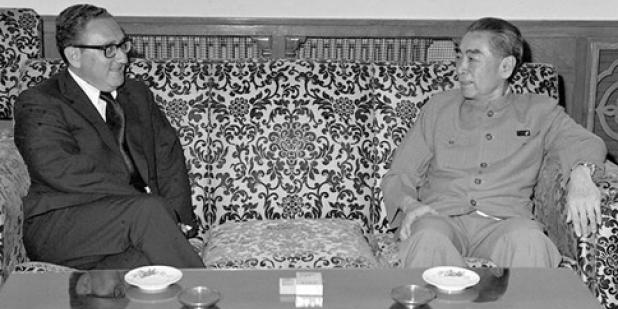
/https:/tf-cmsv2-smithsonianmag-media.s3.amazonaws.com/filer/f4/cb/f4cb92c9-4131-4e0f-ae4a-307144393214/nixoncampaigns.jpg)

No comments:
Post a Comment