20251129 CDTL Biên Bản Cuộc Họp Của Của Thượng Hội Đồng Washington 7 January 1975 D156
156. Minutes of Washington Special Actions Group Meeting1
Washington, January 7, 1975, 10:35–11:54 a.m.
https://history.state.gov/historicaldocuments/frus1969-76v10/d156
https://history.state.gov/historicaldocuments/frus1969-76v10/pg_584
https://history.state.gov/historicaldocuments/frus1969-76v10/pg_585
https://history.state.gov/historicaldocuments/frus1969-76v10/pg_586
https://history.state.gov/historicaldocuments/frus1969-76v10/pg_587
https://history.state.gov/historicaldocuments/frus1969-76v10/pg_588
https://history.state.gov/historicaldocuments/frus1969-76v10/pg_589
https://history.state.gov/historicaldocuments/frus1969-76v10/pg_590
https://history.state.gov/historicaldocuments/frus1969-76v10/pg_591
https://history.state.gov/historicaldocuments/frus1969-76v10/pg_592
https://history.state.gov/historicaldocuments/frus1969-76v10/pg_593
https://history.state.gov/historicaldocuments/frus1969-76v10/d160
156. Minutes of Washington Special Actions Group Meeting1
Washington, January 7, 1975, 10:35–11:54 a.m.
SUBJECT
- Vietnam and Cambodia
PARTICIPANTS
- Chairman
- Henry A. Kissinger
- State
- Robert Ingersoll
- Philip Habib
- Winston Lord
- Robert Miller
- Defense
- William Clements
- Morton Abramowitz
- Erich von Marbod
- JCS
- Gen. George S. Brown
- Lt. Gen. John W. Pauly
- CIA
- William Colby
- William Christison
- Ted Shackley
- NSC
- M/Gen. Brent Scowcroft
- William Stearman
- W.R. Smyser
- Lt. Col. Donald McDonald
- James Barnum
SUMMARY OF CONCLUSIONS
It was agreed that:
- —Defense and the JCS will provide, within 48 hours, their best judgement of how much supplemental aid we should request for South Vietnam and Cambodia;2
- —State and Defense will explore with their legislative people, and the NSC Staff with White House officials, what would be the best timing for requesting the supplemental appropriation for Vietnam and Cambodia;
- —Secretary Kissinger will check with the President on recommendations to move a carrier task force into the Gulf of Tonkin, and to deploy additional B–52s to Guam or Thailand or both;
- —JCS would instruct General Jones to visit South Vietnam during his present tour of Southeast Asia;3
- —President Thieu would be told, through Secretary Maw, of our decision to seek a supplemental appropriation;4
- —State would draft a strong note to the members of the Paris Conference conveying our concern about the situation.5
Secretary Kissinger: Bill, would you like to brief?
Mr. Colby briefed from the attached text.6
Secretary Kissinger: They have breached or reached? (In reference to a statement in the briefing that the Khmer Communists have breached Phnom Penh’s outer defenses in several places.)
Mr. Colby: Reached (sic). Finished his briefing.
Secretary Kissinger: What I would like to discuss today is what we think can be done to improve the situation in Vietnam and Cambodia. I had a talk earlier today with the President, and he said that he wants to take a forward-leaning position consistent with legislative considerations. The President wants to do as much as possible to restore the situation in South Vietnam and Cambodia.7 He is very positive about that. He indicated that he is prepared to support a supplemental appropriation for those countries if we think it is needed. He did say that he thought it would be wise to touch base with (Congressman) Passman and Mahon on the timing. I also think that we should tell (President) Thieu that we are asking for a supplemental appropriation. I think it would be good for his confidence and also send a signal to the North Vietnamese. Is General Jones still in the Pacific?
General Brown: Yes, I think he is still there.
Mr. Clements: Nunn is there now.
Secretary Kissinger: Who?
Mr. Clements: Senator Nunn.
Secretary Kissinger: I don’t know if that’s a plus or a minus.
Mr. Clements: Overall, I think it’s a plus. He’s a pretty good guy.
Secretary Kissinger: Yes, Nunn is a good fellow.
Mr. Clements: I think it would be a good idea for General Jones to go to South Vietnam during his trip.
Secretary Kissinger: Yes, I do too. I think it would be a good signal to the North Vietnamese.
General Brown: We can get ahold of him and tell him to go as soon as we leave here.
Mr. Habib: Who’s going to tell Thieu? (Carlyle Maw is there now, he could do it.
Secretary Kissinger: He’s there now?
Mr. Habib: Yes.
Secretary Kissinger: Could you (Mr. Habib) draft up something for me to send Maw by this afternoon? We’ll want to be careful about what he is to say to Thieu.
Mr. Habib: Yes, we can get the story out today.
Secretary Kissinger: Yes, let’s get the story out to him today. Brent (Gen. Scowcroft) You can fill Phil (Mr. Habib) in on our conversation with the President after the meeting.
Mr. Clements: Do I understand that you plan to talk with Passman and George (Mahon) about the timing?
Mr. Habib: Passman is in the Far East right now and won’t be back until late next week, I believe. By the way, can I tell him that he got part of the rice he was asking for?
Secretary Kissinger: Sure, tell him today. I thought he already knew. I have no interest in holding it up.
Mr. Clements: Henry, in our supplemental request . . . When the decision is made to go, we would like to know prior to that time. We would like to clue (Senator) Stennis in first.
Secretary Kissinger: Oh, yes, we’ll let you know. Stennis has promised to support us on a $300 million request.
Mr. Habib: Can we identify the exact amount we want to request first? I’m not sure we are all agreed on exactly how much we want to ask for.
Secretary Kissinger: What was the $300 million for? Vietnam only?
Mr. Habib: Yes, but I don’t think that figure is sacrosanct. That is just sort of a round figure—a minimum, I believe.
Mr. Clements: That $300 million figure dovetails pretty close to what we believe will be required. Now, Graham (Amb. Martin) wants $500 million.
General Brown: Let’s see now, $1.4 billion was programmed and the authorization was $1.0 billion.
Mr. Ingersoll: Is $300 million enough?
Mr. Clements: It’s the minimum.
Mr. von Marbod: It’s the absolute minimum, but if you will allow me, Mr. Secretary, we feel that we will be in a better position to request more as the situation in South Vietnam matures.
Secretary Kissinger: Yes, but that also has the opposite effect that our opponents in Congress will say that we can go to hell. I mean, they will just say let Vietnam go down the drain today rather than later.
Mr. Colby: Do you think that a supplemental request will have that much impact on the North Vietnamese?
Secretary Kissinger: I don’t think you get any impact by asking for a supplemental. You have to let them know that we are going for a supplemental. It has been my experience that the North Vietnamese only understand an actual event. They do not understand an intent. They won’t pay attention if you just indicate that you intend to do something. You have to do it and present it to them as an accomplished fact.
Mr. Habib: Do you think we can get any indication from the (Congressional) leadership on the chances of having a supplemental approved?
Secretary Kissinger: Never!
Mr. Clements: You can get a sense . . .
Secretary Kissinger: The only way you can get the North Vietnamese to understand is to use affirmative language. We have requested a supplemental, not that we intend to request a supplemental. It’s the only way.
Mr. Habib: You can say that Vietnam is in desperate straits and that we may need $600 million in FY75 to bail them out.
Secretary Kissinger: You don’t gain a god-damn thing by showing uncertainty. What we do need to do is go up there and tell them (Congress) that the cuts they made last year have resulted in a deterioration of the situation and that it is their god-damn fault. You have to make it clear to Congress that they have to take full responsibility for the fact that 50,000 men died in vain. That they understand.
Mr. Lord: How can $300 million be enough? That figure was based on needs before the present level of fighting.
Secretary Kissinger: What is it we are asking for?
Mr. Clements: Our best judgement is that $300 million will get us by. If you think we need to ask for more, then I think we should ask for it.
Mr. Habib: I don’t think that we’ll have a better opportunity than now to ask for more.
Secretary Kissinger: I don’t anticipate that we will have trouble asking for more. George (Gen. Brown), what is your judgement?
General Brown: We think the $300 million is a minimum. The thing is that if we think we need more, we ought to ask for it now. Next year it will be even tougher to get, in my opinion.
Secretary Kissinger: My impression is that the President will ask for whatever figure we think is needed.
Mr. Colby: It is a message to the North Vietnamese . . .
General Brown: We’ll take a specific look at what we need and let you know this afternoon.
Secretary Kissinger: We’ll get in touch with the leadership (Congressional) on the timing. I don’t know when the best time is to go forward with the request. We’ll just have to see.
Mr. Clements: The timing is of some concern to us. We’re afraid that the supplemental and all the controversy that will go with it will get mixed up with our budget request and the whole thing will come unglued.
Secretary Kissinger: We can handle that. We have to tell Thieu, and that will also give a signal to the North Vietnamese. We’ll ask for the supplemental.
Mr. Habib: One thing, are you thinking of asking for the Cambodia and the South Vietnamese supplementals together, or as different packages?
Secretary Kissinger: I don’t know, what do you think?
Mr. Clements: Well, there are two different committees involved.
Mr. Habib: The Cambodia package is the more critical. The figures we are working with now are impossibly low.
Mr. Clements: That’s true. I think that the manner in which we handle the leadership will be the critical factor.
Secretary Kissinger: I think we should lay it out as soon as possible. We have taken the stand that we are going to support the independence and integrity of South Vietnam, and I think we should let them (Congress) take the responsibility for its survival or demise.
Mr. Habib: And we are going to ask for $75 million for economic aid to Cambodia as well?
Secretary Kissinger: (to Mr. Clements) Can you give us an estimate of what you will need on the military side?
Mr. Clements: Well . . . There is already a Presidential Determination on the request for the drawdown.
Secretary Kissinger: (to General Scowcroft) Do we have it here?
General Scowcroft: Yes, we have it here.
Mr. Colby: You do have a clearer case on the request for Cambodia.
Mr. Habib: The timing on the Cambodian request is more urgent than on South Vietnam.
Secretary Kissinger: Let me worry about that (the timing on the Cambodian package) later. It strikes me as very curious that the notion of a military stalemate means you can throw your ally to the wolves. That is a new political theory.
Mr. Habib: I only bring it up as a problem that has to be considered.
Mr. Clements: How much in terms of dollars do you need, Phil?
Mr. Habib: We need $75 million on the economic side—that’s Cambodia. On the military side we have a series of different estimates. But even with the additional $75 million they won’t have enough. That would bring it up to $350 million. They need a total of at least $400 to $500 million.
Secretary Kissinger: Okay. Can we get from you (Gen. Brown and Mr. Clements) your best judgement, within 48 hours, on: (1) how much of a supplemental you need for South Vietnam, and (2) what is needed in Cambodia. We’ll explore with the legislative people what would be the best timing to introduce the supplemental. When we make the actual request we will regroup here to work out the specifics. I think that the President should first talk with the leadership to get their sense of the timing. Is there anything else? Should General Jones stop by? Where is he?
Mr. Smyser: He’s in the general area until the 20th, I believe.
General Scowcroft: He’s due into Thailand on the 15th or the 16th.
Secretary Kissinger: Good. I think he should go. George (Gen. Brown), will you take care of that?
General Brown: Sure.
Secretary Kissinger: Are there any other things that you think we could do?
Mr. Clements: We could increase the number of reconnaissance flights.
General Brown: We’ve already done that. There is something like 52 flights of all types scheduled for January.
Mr. Clements: There are some other things here that our people have recommended, but I don’t know if you want to consider them or not.
Secretary Kissinger: Like what?
Mr. Clements: Sending a task force into the Gulf. The Enterprise went by the Gulf, but did not go into it.
General Brown: It would be an opportune time to send a carrier into the Gulf. We’ve been talking about an exercise in Thailand. Or, we could move some B–52s back and forth from Guam to Thailand. That would send a signal.
Secretary Kissinger: I’d be in favor of that.
Mr. Habib: Do you want to wait until after the elections to do that?8
Secretary Kissinger: Why? What is all this concern about the elections?
Mr. Habib: Well, it’s just that we don’t want to disturb the election . . .
Secretary Kissinger: Who are we for (in the elections)?
Mr. Habib: That’s difficult to say. There are 41 parties vying—a mixed bag.
Secretary Kissinger: Why all this concern about the elections and what we do?
Mr. Habib: It boils down to a question of the bases. There are a number of parties that are just looking for an issue, and the bases might just be the excuse they are looking for. I think we should wait for a few weeks—it’s not that long until the elections are over.
Mr. Smyser: I think we should wait until after the elections . . .
General Brown: And the threat from North Vietnam may be more pointed by then. It’ll have more impact.
Secretary Kissinger: Do we have the foggiest notion, really, of what impact it will have on the Thai elections?
Mr. Habib: Well, it’s just deemed to be a political issue with potential conflict. The Embassy, and others, feel that the base issue would feed the radicals opposed to us and give them something to flog us with. I don’t think we should give them anything that would help them.
Mr. Clements: I agree, Henry. When I was out there in September, they made this very point. Everybody recommended that we wait on the base issue until after the elections.
Secretary Kissinger: Yes, but you were briefed by the very people who were making the recommendation.
Mr. Clements: That’s true, but I still think we should wait. There are about thirty parties out there looking for a good issue; this could be it. I don’t think we should take the chance.
Secretary Kissinger: Can six B–52s really become an issue?
Mr. Colby: Yes, it could.
Mr. Clements: Everybody agrees that some of these radical groups will pick it up and make an issue out of it. The newspapers there will make a big to-do about six B–52s.
Secretary Kissinger: It’s been my experience that when we move timidly, we lose. When we are bold, we are successful. If we send more B–52s to Guam will the North Vietnamese pick it up?
General Brown: Sure, they’ll know right away.
Mr. Clements: But sending them to Guam won’t effect the same purpose as it would to send them to Thailand.
Mr. Habib: If we wait until after the elections—that’s only until February, and the North Vietnamese are not supposed to go into full swing until February.
Secretary Kissinger: And then we are into the rainy season.
Mr. Abramowitz: Of course, we don’t know how they are going to form their government. That may take a long time.
Secretary Kissinger: I’ll raise the question of the B–52s with the President tomorrow.
General Brown: We could do more in the Gulf (of Tonkin). We could put another carrier in there.
Secretary Kissinger: Where is the Enterprise now?
General Brown: It’s in the Straits of Malacca.
Mr. Clements: We could divert it and send it back up.
Secretary Kissinger: I was told it (the Enterprise) was in the Tonkin Gulf.
Mr. Habib: No, it stayed south of the 17th Parallel.
Secretary Kissinger: On whose orders?
General Brown: I don’t know.
Secretary Kissinger: I thought it was in the Gulf of Tonkin.
Mr. Stearman: No, it was off the coast of South Vietnam.
Secretary Kissinger: That I didn’t know.
Mr. Clements: We could divert it.
General Brown: I’m told that the orders read, “in the vicinity of . . .”, which means, “do not go north of the 17th Parallel.”
Secretary Kissinger: I was under the impression it was in the Gulf.
General Brown: We can leave the Enterprise where it is and put something else in, like the Midway.
Mr. Habib: Yes, but what effect would this have on our supplemental request?
Secretary Kissinger: They (Congress) are certainly not going to give us the money if we act like a bunch of pacifists.
Mr. Habib: We certainly need the money. I’m just thinking of the headlines, “US moves in carriers.”
Secretary Kissinger: What, have we lost our ability to move carriers around without being questioned?
Mr. Habib: Well, you know about the carrier story that broke today.
General Brown: To answer your question, yes, we have lost our ability to move carriers around.
Secretary Kissinger: Why? Is there nothing sacred anymore?
General Brown: There are a number of reasons. One thing is that we have to notify the littoral states of our movements.
Secretary Kissinger: Why do we have to notify littoral states?
Mr. Habib: International law or something.
Mr. Stearman: Hanoi knows of our every move. They are the ones who let it out first about the Enterprise.
Mr. Clements: I think we should do it (send in a carrier(s)). If we don’t send that signal to Hanoi, then we become vulnerable to questions of why we didn’t.
Secretary Kissinger: I’ll check the question of the B–52s and the carriers with the President. I think if we . . . If North Vietnam makes the judgement that they can take South Vietnam there is nothing much we can do. We have to scare the North Vietnamese out of that judgement. Even that may not do it, though. Are there any other measures we might take?
General Brown: We could move some F–4s into Clark Air Force Base for exercise purposes. They could go on exercise for 8 to 10 days.
Mr. Colby: If you do put a carrier into the Gulf, you will get better SIGINT coverage in the north.
Secretary Kissinger: How?
Mr. Colby: Better coverage, more flight time.
Secretary Kissinger: Let me check all this with the President tomorrow.
Mr. Habib: I don’t think we ought to do anything to jeopardize the money.
Secretary Kissinger: Alright. What else here. I’ve got a list of State proposals here (Tab C of briefing book).9 I have serious questions about communicating with Hanoi at this time. I think it would be a mistake. It would just be a way for them to get our attention.
Mr. Ingersoll: I don’t think we should make any contact with Hanoi now.
Secretary Kissinger: I think a meeting with Le Duc Tho now would be very bad. Contacting Moscow and Peking? I don’t think that would be productive.
Mr. Habib: That is just a listing of what we might do—suggestions, not recommendations.
Secretary Kissinger: I’m just against yielding when we are under attack. Resumption of GVN–PRG talks? What would that do?
Mr. Habib: There is no chance of those being reconvened. There is one additional possibility—some sort of communication to the twelve endorsers of the Agreement. We could express our concern about the offensive and point out that the North Vietnamese are violating the Agreement.
Secretary Kissinger: I’m sympathetic to something like that.
Mr. Habib: I think a letter of some kind to each of the twelve endorsers might do it. We could express our views as to the seriousness of the situation.
Secretary Kissinger: It would have to be slightly threatening.
Mr. Habib: Yes. We have already been working on something, and if you accept it, we will circulate it for your (the table’s) concurrence.
Secretary Kissinger: That’s a good idea, I agree.
Mr. Clements: We could have a conference of the signatories to the Agreement. Such a conference at the right moment could do a lot of good.
Secretary Kissinger: What do you mean? My God, look who would be at such a conference. How can such a conference result in more positive than negative good? We don’t have an ally among them. What could we ever get out of such a conference? A conference cannot be in our interest. France, Great Britain, nobody supports our view. Iran will not support us. They are not hostile, but they would just pray to God that the whole problem would go away.
Mr. Habib: How do we provide for the contingency that we don’t get the money.
Secretary Kissinger: We don’t consider defeat now.
Mr. Lord: We should have some sort of contingency.
Mr. Habib: I hope you will permit us to look into the alternatives in the event we don’t get the money.
Secretary Kissinger: Look. How to lose in Vietnam is easy, winning is something else. If South Vietnam loses, we will just have to adjust to that. We can have a WSAG after we don’t get the money to plan our strategy, but I don’t want you thinking now that we can’t get it. There is plenty of time later.
Mr. Clements: I agree, Henry. I’m optimistic about our getting the money. The North Vietnamese are really helping us right now.
Secretary Kissinger: It’s going to be tough to get the money, I’m sure of that. If things start to unravel we will have the time later to plan our moves.
Mr. Clements: To change the subject for a moment—the Thai elections. When I was there in September, there was a strange sense of the possibility of a military coup if things didn’t turn out right. Do you have any rumblings, Bill?
Mr. Colby: We think they will go through with the selection process. The army, of course, will be behind the scene, watching closely. If the situation begins to unravel, there might be an indirect take-over—a civilian at the head, but the military as the real power.
Secretary Kissinger: By the way, have we given those mines (MK–36 DST) to the Vietnamese yet?
General Brown: No. We’ve given them some training, but have not yet delivered the mines.
Secretary Kissinger: How about the LSTs?
Mr. Habib: That’s another question. We would like to civilianize those.
Secretary Kissinger: But that would be breaking Article 7, wouldn’t it?
General Brown: Yes.
Secretary Kissinger: Is there anything else we’re doing in violation of Article 7?
Mr. Clements: Just the LSTs.
Secretary Kissinger: I just can’t see how anybody can claim that we must stick to Article 7 when the North Vietnamese are violating it every day.
Mr. Stearman: It’s the impact our violation of Article 7 will have on the Hill. That is what Defense is so worried about.
(Secretary Kissinger was called out of the meeting at 11:39, returned at 11:46)
Secretary Kissinger: Okay. Now, we’ll get from Defense and the JCS their best judgements on the military requirement for Vietnam and Cambodia. We’ll also get your recommendations on when the supplemental should be put forward. I will check with the President tomorrow on what type of military signals he would prefer. Thieu also has to be informed.
Mr. Clements: We’ll have to get something out to the Enterprise if we want her to turn around.
Secretary Kissinger: Can we wait until tomorrow to do that?
General Brown: Yes, there is enough time.
Secretary Kissinger: Are there any other carriers that we could send?
General Brown: The Coral Sea. It’s somewhere around Subic Bay.
Mr. Ingersoll: The Coral Sea would be best.
Mr. Clements: Yes, that would be the best one. Then, we don’t have to explain the Enterprise business.
Secretary Kissinger: Why is Embassy Saigon making statements without checking here first?
Mr. Habib: Those statements on the Enterprise were attributed to a “diplomatic source.” The Pentagon actually denied it first. The Embassy denied it only after the Pentagon had made a statement.
Secretary Kissinger: I thought our policy was not to discuss military maneuvers. I thought we just had no comment or used the statement that we do not discuss military maneuvers. That is our basic position. Now, can we stick to that and not make up other stories?
Mr. Clements: Sure.
Secretary Kissinger: One final issue. To what extent do we want to be inhibited by Article 7. I’ll take this up with the President, too.
General Brown: We would rather have the LSTs than the mines.
Mr. Von Marbod: The LSTs are more urgent—they can use them. I doubt the South Vietnamese would ever use the mines anyway.
Secretary Kissinger: Why choose between the two? Why not both?
General Brown: I think the LSTs would have more impact on the situation.
Mr. Abramowitz: If we go for a supplemental, we can make the case that we have abided by Article 7.
Mr. Habib: Let us give you some alternatives on the LSTs. We can civilianize them as coastal transport. AID is the one that is holding it up. All of us here agree that it can be done. AID, however, is arguing that they would be accused by Congress of violating the Agreement and would therefore lose their appropriations. You, as head of AID, could make that final decision.
Google Translated
156. Biên bản cuộc họp Nhóm Hành động Đặc biệt Washington
Washington, ngày 7 tháng 1 năm 1975, 10:35–11:54 sáng
CHỦ ĐỀ
Việt Nam và Campuchia
THÀNH VIÊN THAM DỰ
Chủ tịch
Henry A. Kissinger
Bộ trưởng
Robert Ingersoll
Philip Habib
Winston Lord
Robert Miller
Bộ trưởng Quốc phòng
William Clements
Morton Abramowitz
Erich von Marbod
Hội đồng Tham mưu trưởng Liên quân
Tướng George S. Brown
Trung tướng John W. Pauly
CIA
William Colby
William Christison
Ted Shackley
Hội đồng An ninh Quốc gia
Tướng Brent Scowcroft
William Stearman
W.R. Smyser
Trung tá Donald McDonald
James Barnum
TỔNG KẾT
Các bên đã đồng ý rằng:
—Bộ Quốc phòng và Hội đồng Tham mưu trưởng Liên quân sẽ đưa ra đánh giá tốt nhất trong vòng 48 giờ về mức viện trợ bổ sung mà chúng ta nên yêu cầu cho Nam Việt Nam và Campuchia;2
—Bộ Ngoại giao và Bộ Quốc phòng sẽ cùng với các nhà lập pháp của mình, và Ban Tham mưu Hội đồng An ninh Quốc gia cùng với các quan chức Nhà Trắng, tìm ra thời điểm tốt nhất để yêu cầu khoản ngân sách bổ sung cho Việt Nam và Campuchia;
—Bộ trưởng Kissinger sẽ trao đổi với Tổng thống về các khuyến nghị đưa một lực lượng đặc nhiệm tàu sân bay vào Vịnh Bắc Bộ và triển khai thêm máy bay B-52 đến Guam hoặc Thái Lan, hoặc cả hai;
—Bộ Tham mưu Liên quân sẽ chỉ thị cho Tướng Jones đến thăm Nam Việt Nam trong chuyến công du Đông Nam Á hiện tại của ông;3
—Tổng thống Thiệu sẽ được Bộ trưởng Maw thông báo về quyết định của chúng ta trong việc yêu cầu khoản ngân sách bổ sung;4
—Bộ Ngoại giao sẽ soạn thảo một công hàm mạnh mẽ gửi tới các thành viên Hội nghị Paris bày tỏ mối quan ngại của chúng ta về tình hình hiện tại.5
Bộ trưởng Kissinger: Bill, ông có muốn tóm tắt không?
Ông Colby đã tóm tắt từ văn bản đính kèm.6
Ngoại trưởng Kissinger: Họ đã xâm phạm hay đã đạt được? (Liên quan đến một tuyên bố trong cuộc họp báo rằng Cộng sản Khmer đã xâm phạm các tuyến phòng thủ bên ngoài của Phnom Penh ở một số nơi.)
Ông Colby: Đã đạt được (nguyên văn). Đã kết thúc cuộc họp báo.
Ngoại trưởng Kissinger: Điều tôi muốn thảo luận hôm nay là những gì chúng tôi nghĩ có thể làm để cải thiện tình hình ở Việt Nam và Campuchia. Tôi đã có cuộc nói chuyện sớm hơn hôm nay với Tổng thống, và ông ấy nói rằng ông ấy muốn có một lập trường hướng tới tương lai, phù hợp với các cân nhắc về mặt lập pháp. Tổng thống muốn làm hết sức mình để khôi phục tình hình ở Nam Việt Nam và Campuchia.7 Ông ấy rất lạc quan về điều đó. Ông ấy cho biết ông ấy sẵn sàng ủng hộ khoản ngân sách bổ sung cho các quốc gia đó nếu chúng tôi thấy cần thiết. Ông ấy cũng nói rằng ông ấy nghĩ rằng sẽ khôn ngoan nếu liên lạc với (Nghị sĩ) Passman và Mahon về thời điểm. Tôi cũng nghĩ rằng chúng ta nên nói với (Tổng thống) Thiệu rằng chúng ta đang yêu cầu một khoản ngân sách bổ sung. Tôi nghĩ điều đó sẽ tốt cho sự tự tin của ông ấy và cũng gửi một tín hiệu đến Bắc Việt Nam. Tướng Jones vẫn còn ở Thái Bình Dương chứ?
Tướng Brown: Vâng, tôi nghĩ ông ấy vẫn còn ở đó.
Ông Clements: Nunn hiện đang ở đó.
Bộ trưởng Kissinger: Ai? [Trang 584]
Ông Clements: Thượng nghị sĩ Nunn.
Bộ trưởng Kissinger: Tôi không biết đó là điểm cộng hay điểm trừ.
Ông Clements: Nhìn chung, tôi nghĩ đó là điểm cộng. Ông ấy là một người khá tốt.
Bộ trưởng Kissinger: Vâng, Nunn là một người tốt.
Ông Clements: Tôi nghĩ Tướng Jones nên đến Nam Việt Nam trong chuyến đi của ông ấy.
Bộ trưởng Kissinger: Vâng, tôi cũng nghĩ vậy. Tôi nghĩ đó sẽ là một tín hiệu tốt cho Bắc Việt.
Tướng Brown: Chúng ta có thể liên lạc với ông ấy và bảo ông ấy đi ngay khi chúng ta rời khỏi đây.
Ông Habib: Ai sẽ nói với Thiệu? (Carlyle Maw hiện đang ở đó, ông ấy có thể làm được.
Ngoại trưởng Kissinger: Ông ấy đang ở đó à?
Ông Habib: Vâng.
Ngoại trưởng Kissinger: Ông (ông Habib) có thể soạn thảo một số tài liệu để tôi gửi cho Maw vào chiều nay được không? Chúng tôi sẽ phải cẩn thận về những gì ông ấy sẽ nói với Thiệu.
Ông Habib: Vâng, chúng tôi có thể công bố câu chuyện hôm nay.
Ngoại trưởng Kissinger: Vâng, chúng ta hãy công bố câu chuyện cho ông ấy hôm nay. Brent (Tướng Scowcroft) Ông có thể kể lại cho Phil (ông Habib) nghe về cuộc trò chuyện của chúng ta với Tổng thống sau cuộc họp.
Ông Clements: Tôi được biết là ông dự định nói chuyện với Passman và George (Mahon) về thời gian chứ?
Ông Habib: Passman hiện đang ở Viễn Đông và tôi nghĩ là sẽ không quay lại cho đến cuối tuần sau. Nhân tiện, tôi có thể nói với ông ấy rằng ông ấy đã nhận được một phần gạo mà ông ấy yêu cầu. để làm gì?
Bộ trưởng Kissinger: Chắc chắn rồi, hãy nói với ông ấy ngay hôm nay. Tôi nghĩ ông ấy đã biết rồi. Tôi không muốn trì hoãn việc này.
Ông Clements: Henry, trong yêu cầu bổ sung của chúng tôi... Khi quyết định đi được đưa ra, chúng tôi muốn biết trước thời điểm đó. Chúng tôi muốn báo cho (Thượng nghị sĩ) Stennis biết trước.
Bộ trưởng Kissinger: Ồ, vâng, chúng tôi sẽ báo cho ông biết. Ông Stennis đã hứa sẽ hỗ trợ chúng tôi trong yêu cầu 300 triệu đô la.
Ông Habib: Chúng ta có thể xác định chính xác số tiền chúng ta muốn yêu cầu trước không? Tôi không chắc tất cả chúng ta đã thống nhất về số tiền chính xác mà chúng ta muốn yêu cầu.
Bộ trưởng Kissinger: 300 triệu đô la đó dùng cho việc gì? Chỉ cho Việt Nam thôi sao?
Ông Habib: Vâng, nhưng tôi không nghĩ con số đó là bất khả xâm phạm. Đó chỉ là một con số tròn trĩnh—tôi tin là tối thiểu.
Ông Clements: Con số 300 triệu đô la đó khá khớp với Gần bằng số tiền chúng tôi tin là cần thiết. Giờ thì, Graham (Đại sứ Martin) muốn 500 triệu đô la. [Trang 585]
Tướng Brown: Xem nào, 1,4 tỷ đô la đã được lập trình và khoản ủy quyền là 1 tỷ đô la.
Ông Ingersoll: 300 triệu đô la có đủ không?
Ông Clements: Đó là mức tối thiểu.
Ông von Marbod: Đó là mức tối thiểu, nhưng nếu ngài Bộ trưởng cho phép, chúng tôi cảm thấy mình sẽ ở vị thế tốt hơn để yêu cầu thêm khi tình hình ở Nam Việt Nam trở nên nghiêm trọng hơn.
Bộ trưởng Kissinger: Vâng, nhưng điều đó cũng có tác dụng ngược lại, khi những người phản đối chúng ta tại Quốc hội sẽ nói rằng chúng ta có thể xuống địa ngục. Ý tôi là, họ sẽ chỉ nói hãy để Việt Nam sụp đổ ngay hôm nay thay vì sau này.
Ông Colby: Ông có nghĩ rằng một yêu cầu bổ sung sẽ có tác động lớn đến Bắc Việt Nam không?
Bộ trưởng Kissinger: Tôi không nghĩ rằng việc yêu cầu bổ sung sẽ tạo ra tác động nào. Ông phải cho họ biết rằng chúng ta đang hướng tới một yêu cầu bổ sung. Theo kinh nghiệm của tôi, Bắc Việt Nam chỉ hiểu một sự kiện thực tế. Họ không hiểu một ý định. Họ sẽ không chú ý nếu ông chỉ nói rằng ông có ý định làm điều gì đó. Ông phải làm điều đó và trình bày với họ như một sự thật đã được thực hiện.
Ông Habib: Ông có nghĩ chúng ta có thể nhận được bất kỳ dấu hiệu nào từ giới lãnh đạo (Quốc hội) về khả năng phê duyệt một khoản ngân sách bổ sung không?
Bộ trưởng Kissinger: Không bao giờ!
Ông Clements: Ông có thể cảm nhận được...
Bộ trưởng Kissinger: Cách duy nhất để khiến Bắc Việt Nam hiểu là sử dụng ngôn ngữ khẳng định. Chúng tôi đã yêu cầu một khoản ngân sách bổ sung, chứ không phải chúng tôi có ý định yêu cầu một khoản ngân sách bổ sung. Đó là cách duy nhất.
Ông Habib: Ông có thể nói rằng Việt Nam đang trong tình thế tuyệt vọng và chúng ta có thể cần 600 triệu đô la trong năm tài chính 75 để cứu trợ họ.
Bộ trưởng Kissinger: Ông chẳng được lợi lộc gì khi thể hiện sự bất ổn. Điều chúng ta cần làm là đến đó và nói với họ (Quốc hội) rằng những khoản cắt giảm mà họ thực hiện năm ngoái đã khiến tình hình xấu đi và đó là lỗi của họ. Ông phải nói rõ với Quốc hội rằng họ phải chịu hoàn toàn trách nhiệm về việc 50.000 người đã chết vô ích. Họ hiểu điều đó.
Ông Lord: Làm sao 300 triệu đô la có thể đủ được? Con số đó dựa trên nhu cầu trước mức độ chiến sự hiện tại.
Bộ trưởng Kissinger: Chúng ta đang yêu cầu điều gì?
Ông Clements: Theo đánh giá tốt nhất của chúng tôi, 300 triệu đô la sẽ đủ cho chúng ta. Nếu ông nghĩ chúng ta cần yêu cầu thêm, thì tôi nghĩ chúng ta nên yêu cầu.
[Trang 586]
Ông Habib: Tôi không nghĩ chúng ta sẽ có cơ hội nào tốt hơn bây giờ để yêu cầu thêm.
Bộ trưởng Kissinger: Tôi không nghĩ rằng chúng ta sẽ gặp khó khăn khi yêu cầu thêm. George (Tướng Brown), ông đánh giá thế nào?
Tướng Brown: Chúng tôi nghĩ 300 triệu đô la là mức tối thiểu. Vấn đề là nếu chúng tôi nghĩ mình cần thêm, chúng tôi nên yêu cầu ngay bây giờ. Theo tôi, năm sau sẽ còn khó khăn hơn để có được.
Bộ trưởng Kissinger: Tôi nghĩ Tổng thống sẽ yêu cầu bất kỳ con số nào chúng tôi cho là cần thiết.
Ông Colby: Đây là một thông điệp gửi đến Bắc Việt...
Tướng Brown: Chúng tôi sẽ xem xét cụ thể những gì chúng tôi cần và sẽ thông báo cho ông vào chiều nay.
Bộ trưởng Kissinger: Chúng tôi sẽ liên hệ với lãnh đạo (Quốc hội) về thời điểm. Tôi không biết khi nào là thời điểm tốt nhất để tiến hành yêu cầu này. Chúng tôi phải chờ xem.
Ông Clements: Thời điểm này khiến chúng tôi lo ngại. Chúng tôi e rằng khoản bổ sung và tất cả những tranh cãi đi kèm sẽ bị lẫn lộn với yêu cầu ngân sách của chúng tôi và mọi thứ sẽ trở nên rối tung.
Bộ trưởng Kissinger: Chúng tôi có thể xử lý được. Chúng ta phải báo cho Thiệu, và điều đó cũng sẽ là một tín hiệu cho Bắc Việt. Chúng ta sẽ yêu cầu khoản hỗ trợ bổ sung.
Ông Habib: Một điều, ông đang nghĩ đến việc yêu cầu cả khoản hỗ trợ bổ sung cho Campuchia và Nam Việt Nam cùng lúc, hay là thành từng gói riêng biệt?
Bộ trưởng Kissinger: Tôi không biết, ông nghĩ sao?
Ông Clements: Vâng, có hai ủy ban khác nhau tham gia.
Ông Habib: Gói hỗ trợ Campuchia quan trọng hơn. Những con số chúng ta đang xem xét hiện nay thấp đến mức không thể tin được.
Ông Clements: Đúng vậy. Tôi nghĩ rằng cách chúng ta xử lý vấn đề lãnh đạo sẽ là yếu tố then chốt.
Bộ trưởng Kissinger: Tôi nghĩ chúng ta nên trình bày vấn đề này càng sớm càng tốt. Chúng ta đã tuyên bố rằng chúng ta sẽ ủng hộ nền độc lập và toàn vẹn lãnh thổ của Nam Việt Nam, và tôi nghĩ chúng ta nên để Quốc hội chịu trách nhiệm về sự tồn vong hay diệt vong của nó.
Ông Habib: Và chúng ta cũng sẽ yêu cầu 75 triệu đô la viện trợ kinh tế cho Campuchia chứ?
Bộ trưởng Kissinger: (nói với ông Clements) Ông có thể cho chúng tôi ước tính những gì ông cần về mặt quân sự không?
Ông Clements: Vâng... Đã có Quyết định của Tổng thống về yêu cầu rút quân.
Bộ trưởng Kissinger: (nói với Tướng Scowcroft) Chúng ta đã có quyết định đó chưa? [Trang 587]
Tướng Scowcroft: Vâng, chúng tôi có quyết định đó.
Ông Colby: Ông có lập luận rõ ràng hơn về yêu cầu đối với Campuchia.
Ông Habib: Thời điểm yêu cầu đối với Campuchia cấp bách hơn so với Nam Việt Nam.
Ngoại trưởng Kissinger: Hãy để tôi bàn về vấn đề đó (thời điểm cho gói cứu trợ Campuchia) sau. Tôi thấy rất kỳ lạ khi khái niệm về một thế bế tắc quân sự đồng nghĩa với việc bạn có thể ném đồng minh của mình cho bầy sói. Đó là một học thuyết chính trị mới.
Ông Habib: Tôi chỉ nêu ra vấn đề này như một vấn đề cần xem xét.
Ông Clements: Ông cần bao nhiêu tiền, Phil?
Ông Habib: Chúng ta cần 75 triệu đô la về mặt kinh tế—đó là Campuchia. Về mặt quân sự, chúng tôi có một loạt các ước tính khác nhau. Nhưng ngay cả khi có thêm 75 triệu đô la, họ vẫn sẽ không đủ. Như vậy sẽ tăng lên 350 triệu đô la. Họ cần tổng cộng ít nhất 400 đến 500 triệu đô la.
Ngoại trưởng Kissinger: Được rồi. Chúng tôi có thể xin ý kiến đánh giá tốt nhất của hai ông (Tướng Brown và ông Clements) trong vòng 48 giờ về: (1) các ông cần bao nhiêu tiền bổ sung cho Nam Việt Nam, và (2) cần bao nhiêu tiền cho Campuchia. Chúng tôi sẽ cùng các nhà lập pháp xem xét thời điểm nào là tốt nhất để đưa ra đề xuất bổ sung. Khi chúng tôi đưa ra yêu cầu chính thức, chúng tôi sẽ tập hợp lại ở đây để thống nhất các chi tiết cụ thể. Tôi nghĩ Tổng thống nên trao đổi trước với ban lãnh đạo để nắm rõ thời điểm. Còn vấn đề gì khác không? Tướng Jones có nên ghé qua không? Ông ấy đang ở đâu?
Ông Smyser: Tôi nghĩ ông ấy sẽ ở khu vực chung cho đến ngày 20.
Tướng Scowcroft: Ông ấy dự kiến sẽ đến Thái Lan vào ngày 15 hoặc 16.
Bộ trưởng Kissinger: Tốt. Tôi nghĩ ông ấy nên đi. George (Tướng Brown), ông sẽ lo liệu việc đó chứ?
Tướng Brown: Chắc chắn rồi.
Bộ trưởng Kissinger: Ông nghĩ chúng ta có thể làm gì khác không?
Ông Clements: Chúng ta có thể tăng số lượng các chuyến bay trinh sát.
Tướng Brown: Chúng tôi đã làm điều đó rồi. Có khoảng 52 chuyến bay các loại được lên lịch vào tháng 1.
Ông Clements: Có một số điều khác mà người của chúng tôi đã đề xuất, nhưng tôi không biết ông có muốn xem xét hay không.
Bộ trưởng Kissinger: Ví dụ như điều gì?
Ông Clements: Gửi một lực lượng đặc nhiệm vào Vịnh. Tàu Enterprise đã đi ngang qua Vịnh, nhưng không vào đó. [Trang 588]
Tướng Brown: Đây sẽ là thời điểm thích hợp để gửi một tàu sân bay vào Vịnh. Chúng tôi đã nói về một cuộc tập trận ở Thái Lan. Hoặc, chúng ta có thể di chuyển một số máy bay B-52 qua lại giữa Guam và Thái Lan. Điều đó sẽ gửi đi một tín hiệu.
Bộ trưởng Kissinger: Tôi ủng hộ điều đó.
Ông Habib: Ông muốn đợi đến sau cuộc bầu cử mới làm điều đó sao?
Bộ trưởng Kissinger: Tại sao? Tất cả những lo ngại về cuộc bầu cử này là gì?
Ông Habib: Vâng, chỉ là chúng tôi không muốn làm gián đoạn cuộc bầu cử...
Ngoại trưởng Kissinger: Chúng ta ủng hộ ai (trong cuộc bầu cử)?
Ông Habib: Khó nói lắm. Có 41 đảng phái tranh cử - một mớ hỗn độn.
Ngoại trưởng Kissinger: Tại sao lại lo lắng về cuộc bầu cử và những gì chúng ta làm?
Ông Habib: Vấn đề cốt lõi nằm ở chỗ căn cứ địa. Có một số đảng phái chỉ đang tìm kiếm một vấn đề, và căn cứ địa có thể chỉ là cái cớ mà họ đang tìm kiếm. Tôi nghĩ chúng ta nên đợi vài tuần nữa - cuộc bầu cử sẽ không còn lâu nữa.
Ông Smyser: Tôi nghĩ chúng ta nên đợi đến sau cuộc bầu cử...
Tướng Brown: Và mối đe dọa từ Bắc Việt Nam có thể sẽ rõ ràng hơn vào lúc đó. Nó sẽ có tác động lớn hơn.
Ngoại trưởng Kissinger: Chúng ta có thực sự hiểu rõ tác động của nó đối với cuộc bầu cử ở Thái Lan không?
Ông Habib: Vâng, nó chỉ được coi là một vấn đề chính trị có khả năng xung đột. Đại sứ quán và những người khác cảm thấy rằng vấn đề căn cứ sẽ nuôi dưỡng những kẻ cực đoan chống đối chúng ta và cho chúng thứ gì đó để đánh đập chúng ta. Tôi không nghĩ chúng ta nên cho chúng bất cứ thứ gì có thể giúp chúng.
Ông Clements: Tôi đồng ý, Henry. Khi tôi ở đó vào tháng 9, họ đã nêu rõ quan điểm này. Mọi người đều khuyến nghị chúng ta nên đợi đến sau cuộc bầu cử về vấn đề căn cứ.
Ngoại trưởng Kissinger: Đúng vậy, nhưng ông đã được chính những người đưa ra khuyến nghị tóm tắt.
Ông Clements: Đúng vậy, nhưng tôi vẫn nghĩ chúng ta nên chờ đợi. Có khoảng ba mươi bên đang tìm kiếm một vấn đề tốt; đây có thể là vấn đề đó. Tôi không nghĩ chúng ta nên mạo hiểm.
Ngoại trưởng Kissinger: Sáu chiếc B-52 có thực sự trở thành vấn đề không?
Ông Colby: Có, có thể. [Trang 589]
Ông Clements: Mọi người đều đồng ý rằng một số nhóm cực đoan này sẽ tiếp thu và biến nó thành vấn đề. Báo chí ở đó sẽ làm ầm ĩ về sáu chiếc B-52.
Bộ trưởng Kissinger: Kinh nghiệm của tôi cho thấy khi chúng ta hành động rụt rè, chúng ta sẽ thua. Khi chúng ta táo bạo, chúng ta sẽ thành công. Nếu chúng ta gửi thêm B-52 đến Guam, liệu Bắc Việt có tiếp nhận không?
Tướng Brown: Chắc chắn rồi, họ sẽ biết ngay thôi.
Ông Clements: Nhưng việc đưa họ đến Guam sẽ không mang lại cùng mục đích như việc đưa họ đến Thái Lan.
Ông Habib: Nếu chúng ta đợi đến sau cuộc bầu cử - tức là đến tháng Hai, và Bắc Việt Nam không được phép hoạt động mạnh mẽ cho đến tháng Hai.
Bộ trưởng Kissinger: Và sau đó chúng ta bước vào mùa mưa.
Ông Abramowitz: Tất nhiên, chúng ta không biết họ sẽ thành lập chính phủ như thế nào. Điều đó có thể mất nhiều thời gian.
Bộ trưởng Kissinger: Tôi sẽ nêu vấn đề B-52 với Tổng thống vào ngày mai.
Tướng Brown: Chúng ta có thể làm nhiều hơn ở Vịnh Bắc Bộ. Chúng ta có thể đưa thêm một tàu sân bay vào đó.
Bộ trưởng Kissinger: Hiện tại, tàu Enterprise đang ở đâu?
Tướng Brown: Nó đang ở Eo biển Malacca.
Ông Clements: Chúng ta có thể chuyển hướng nó và đưa nó trở lại.
Bộ trưởng Kissinger: Tôi được biết là nó (tàu Enterprise) đang ở Vịnh Bắc Bộ.
Ông Habib: Không, nó ở phía Nam Vĩ tuyến 17.
Bộ trưởng Kissinger: Theo lệnh của ai?
Tướng Brown: Tôi không biết.
Bộ trưởng Kissinger: Tôi nghĩ nó ở Vịnh Bắc Bộ.
Ông Stearman: Không, nó ở ngoài khơi bờ biển Nam Việt Nam.
Bộ trưởng Kissinger: Tôi không biết điều đó.
Ông Clements: Chúng ta có thể chuyển hướng nó.
Tướng Brown: Tôi được biết là lệnh ghi là "ở vùng lân cận...", nghĩa là "không được đi về phía Bắc Vĩ tuyến 17."
Bộ trưởng Kissinger: Tôi cứ tưởng nó ở Vịnh.
Tướng Brown: Chúng ta có thể để Enterprise ở nguyên vị trí hiện tại và đưa một tàu khác vào, chẳng hạn như Midway.
Ông Habib: Vâng, nhưng điều này sẽ ảnh hưởng gì đến yêu cầu bổ sung của chúng ta?
Bộ trưởng Kissinger: Họ (Quốc hội) chắc chắn sẽ không cấp tiền cho chúng ta nếu chúng ta hành động như một nhóm người theo chủ nghĩa hòa bình. [Trang 590]
Ông Habib: Chúng ta chắc chắn cần tiền. Tôi đang nghĩ đến những tít báo "Mỹ điều động tàu sân bay".
Bộ trưởng Kissinger: Sao, chúng ta đã mất khả năng di chuyển tàu sân bay mà không bị thẩm vấn sao?
Ông Habib: Vâng, ông biết về câu chuyện tàu sân bay nổ ra hôm nay.
Tướng Brown: Trả lời câu hỏi của ông, vâng, chúng ta đã mất khả năng di chuyển tàu sân bay.
Bộ trưởng Kissinger: Tại sao? Chẳng còn gì là thiêng liêng nữa sao?
Tướng Brown: Có một số lý do. Một lý do là chúng ta phải thông báo cho các quốc gia ven biển về các hoạt động của mình.
Ngoại trưởng Kissinger: Tại sao chúng ta phải thông báo cho các quốc gia ven biển?
Ông Habib: Luật pháp quốc tế hay gì đó tương tự.
Ông Stearman: Hà Nội biết rõ mọi động thái của chúng ta. Chính họ là những người đầu tiên công bố thông tin về tàu Enterprise.
Ông Clements: Tôi nghĩ chúng ta nên làm điều đó (gửi một hoặc nhiều tàu sân bay). Nếu chúng ta không gửi tín hiệu đó đến Hà Nội, chúng ta sẽ dễ bị chất vấn tại sao chúng ta không làm vậy.
Ngoại trưởng Kissinger: Tôi sẽ trao đổi vấn đề B-52 và tàu sân bay với Tổng thống. Tôi nghĩ nếu chúng ta... Nếu Bắc Việt Nam quyết định rằng họ có thể chiếm Nam Việt Nam thì chúng ta chẳng thể làm gì nhiều. Chúng ta phải khiến Bắc Việt Nam từ bỏ quyết định đó. Tuy nhiên, ngay cả điều đó cũng chưa chắc đã hiệu quả. Liệu có biện pháp nào khác mà chúng ta có thể áp dụng không?
Tướng Brown: Chúng ta có thể chuyển một số máy bay F-4 đến Căn cứ Không quân Clark để tập trận. Chúng có thể tập trận trong 8 đến 10 ngày.
Ông Colby: Nếu ông đưa một tàu sân bay vào Vịnh, ông sẽ có được phạm vi phủ sóng tình báo tín hiệu tốt hơn ở phía bắc.
Bộ trưởng Kissinger: Bằng cách nào?
Ông Colby: Phạm vi phủ sóng tốt hơn, thời gian bay dài hơn.
Bộ trưởng Kissinger: Để tôi kiểm tra tất cả những điều này với Tổng thống vào ngày mai.
Ông Habib: Tôi không nghĩ chúng ta nên làm gì để gây nguy hiểm cho số tiền đó.
Bộ trưởng Kissinger: Được rồi. Còn gì nữa không? Tôi có danh sách các đề xuất của Nhà nước ở đây (Bảng C của sổ tóm tắt). Tôi có những câu hỏi nghiêm túc về việc liên lạc với Hà Nội vào lúc này. Tôi nghĩ đó sẽ là một sai lầm. Nó chỉ là một cách để họ thu hút sự chú ý của chúng ta. [Trang 591]
Ông Ingersoll: Tôi không nghĩ chúng ta nên liên lạc với Hà Nội lúc này.
Bộ trưởng Kissinger: Tôi nghĩ một cuộc gặp với Lê Đức Thọ lúc này sẽ rất tệ. Liên lạc với Moskva và Bắc Kinh ư? Tôi không nghĩ điều đó sẽ hiệu quả.
Ông Habib: Đó chỉ là danh sách những việc chúng tôi có thể làm—gợi ý, không phải khuyến nghị.
Ngoại trưởng Kissinger: Tôi chỉ phản đối việc nhượng bộ khi chúng ta đang bị tấn công. Việc nối lại các cuộc đàm phán Chính phủ Việt Nam Cộng hòa - Chính quyền Cách mạng Cam-pu-chia? Điều đó sẽ có tác dụng gì?
Ông Habib: Không có khả năng nào để triệu tập lại các cuộc đàm phán đó. Còn một khả năng nữa - một hình thức liên lạc nào đó với mười hai nước đã ký kết Hiệp định. Chúng ta có thể bày tỏ quan ngại về cuộc tấn công và chỉ ra rằng Bắc Việt đang vi phạm Hiệp định.
Ngoại trưởng Kissinger: Tôi đồng tình với điều đó.
Ông Habib: Tôi nghĩ một lá thư gửi cho mỗi nước trong số mười hai nước đã ký kết Hiệp định có thể hữu ích. Chúng ta có thể bày tỏ quan điểm của mình về mức độ nghiêm trọng của tình hình.
Ngoại trưởng Kissinger: Nó phải mang tính đe dọa một chút.
Ông Habib: Vâng. Chúng tôi đã và đang làm việc về một vấn đề, và nếu ngài chấp nhận, chúng tôi sẽ lưu hành nó để ngài (bên bàn đàm phán) đồng ý.
Ngoại trưởng Kissinger: Đó là một ý tưởng hay, tôi đồng ý.
Ông Clements: Chúng ta có thể tổ chức một hội nghị các bên ký kết Hiệp định. Một hội nghị như vậy vào đúng thời điểm có thể mang lại rất nhiều lợi ích.
Bộ trưởng Kissinger: Ý ông là gì? Chúa ơi, hãy xem ai sẽ tham dự một hội nghị như vậy. Làm sao một hội nghị như vậy lại có thể mang lại nhiều lợi ích tích cực hơn tiêu cực? Chúng ta không có đồng minh nào trong số họ. Chúng ta có thể đạt được gì từ một hội nghị như vậy? Một hội nghị không thể nào vì lợi ích của chúng ta. Pháp, Anh, không ai ủng hộ quan điểm của chúng ta. Iran sẽ không ủng hộ chúng ta. Họ không thù địch, nhưng họ chỉ cầu Chúa cho toàn bộ vấn đề biến mất.
Ông Habib: Làm thế nào chúng ta có thể chuẩn bị cho trường hợp không nhận được tiền?
Bộ trưởng Kissinger: Chúng ta không nghĩ đến thất bại lúc này.
Ông Lord: Chúng ta nên có một loại dự phòng nào đó.
Ông Habib: Tôi hy vọng ông sẽ cho phép chúng tôi xem xét các phương án thay thế trong trường hợp chúng ta không nhận được tiền.
Bộ trưởng Kissinger: Này. Thua ở Việt Nam thì dễ, thắng lại là chuyện khác. Nếu Nam Việt Nam thua, chúng ta chỉ cần thích nghi với điều đó. Chúng ta có thể tổ chức một cuộc họp WSAG sau khi không có tiền để hoạch định chiến lược, nhưng tôi không muốn anh nghĩ rằng chúng ta không thể có được nó. Còn rất nhiều thời gian sau này. [Trang 592]
Ông Clements: Tôi đồng ý, Henry. Tôi lạc quan về việc chúng ta sẽ có tiền. Bắc Việt đang thực sự giúp đỡ chúng ta lúc này.
Bộ trưởng Kissinger: Sẽ rất khó để có được tiền, tôi chắc chắn điều đó. Nếu mọi thứ bắt đầu trở nên tồi tệ, chúng ta sẽ có thời gian sau đó để lên kế hoạch hành động.
Ông Clements: Chuyển chủ đề một chút nhé - cuộc bầu cử ở Thái Lan. Khi tôi ở đó vào tháng 9, có một cảm giác kỳ lạ về khả năng xảy ra một cuộc đảo chính quân sự nếu mọi việc không diễn ra như mong đợi. Anh có lo ngại gì không, Bill?
Ông Colby: Chúng tôi nghĩ họ sẽ tiếp tục quá trình lựa chọn. Tất nhiên, quân đội sẽ đứng sau hậu trường, theo dõi sát sao. Nếu tình hình bắt đầu trở nên rối ren, có thể sẽ có một cuộc tiếp quản gián tiếp - một người dân thường đứng đầu, nhưng quân đội mới là người nắm quyền lực thực sự.
Bộ trưởng Kissinger: Nhân tiện, chúng ta đã giao những quả mìn đó (MK-36 DST) cho người Việt Nam chưa?
Tướng Brown: Chưa. Chúng ta đã huấn luyện họ một chút, nhưng vẫn chưa giao mìn.
Bộ trưởng Kissinger: Còn các tàu đổ bộ LST thì sao?
Ông Habib: Đó lại là một câu hỏi khác. Chúng ta muốn dân sự hóa chúng.
Bộ trưởng Kissinger: Nhưng như vậy sẽ vi phạm Điều 7, phải không?
Tướng Brown: Vâng.
Bộ trưởng Kissinger: Còn điều gì khác chúng ta đang làm vi phạm Điều 7 không?
Ông Clements: Chỉ có các tàu đổ bộ LST thôi.
Bộ trưởng Kissinger: Tôi không hiểu làm sao ai đó có thể nói rằng chúng ta phải tuân thủ Điều 7 khi Bắc Việt Nam vi phạm nó hàng ngày.
Ông Stearman: Vấn đề là tác động của việc chúng ta vi phạm Điều 7 đối với Quốc hội. Đó là điều mà Bộ Quốc phòng rất lo lắng.
(Ngoại trưởng Kissinger được gọi ra khỏi cuộc họp lúc 11:39, và được gọi lại lúc 11:46)
Ngoại trưởng Kissinger: Được rồi. Bây giờ, chúng ta sẽ nghe Bộ Quốc phòng và Hội đồng Tham mưu trưởng Liên quân đánh giá tốt nhất về yêu cầu quân sự đối với Việt Nam và Campuchia. Chúng ta cũng sẽ xin ý kiến của ông về thời điểm nên đưa ra đề xuất bổ sung. Ngày mai tôi sẽ hỏi Tổng thống xem ông ấy muốn loại tín hiệu quân sự nào. Thiệu cũng cần được thông báo.
Ông Clements: Chúng ta sẽ phải gửi tín hiệu gì đó đến tàu Enterprise nếu muốn nó quay đầu.
Ngoại trưởng Kissinger: Chúng ta có thể đợi đến ngày mai để làm việc đó không? [Trang 593]
Tướng Brown: Vâng, vẫn còn đủ thời gian.
Ngoại trưởng Kissinger: Có tàu sân bay nào khác mà chúng ta có thể gửi đến không?
Tướng Brown: Biển San Hô. Nó nằm đâu đó quanh Vịnh Subic.
Ông Ingersoll: Biển San Hô là tốt nhất.
Ông Clements: Vâng, đó là nơi tốt nhất. Khi đó, chúng ta không cần phải giải thích về hoạt động kinh doanh của Doanh nghiệp.
Ngoại trưởng Kissinger: Tại sao Đại sứ quán Sài Gòn lại đưa ra tuyên bố mà không kiểm tra ở đây trước?
Ông Habib: Những tuyên bố về tàu Enterprise được cho là của một "nguồn tin ngoại giao". Thực ra Lầu Năm Góc đã phủ nhận trước. Đại sứ quán chỉ phủ nhận sau khi Lầu Năm Góc đưa ra tuyên bố.
Ngoại trưởng Kissinger: Tôi nghĩ chính sách của chúng tôi là không thảo luận về các cuộc diễn tập quân sự. Tôi nghĩ chúng tôi chỉ không có bình luận nào hoặc đã sử dụng tuyên bố rằng chúng tôi không thảo luận về các cuộc diễn tập quân sự. Đó là lập trường cơ bản của chúng tôi. Bây giờ, chúng ta có thể giữ nguyên điều đó và không bịa đặt thêm những câu chuyện khác không?
Ông Clements: Chắc chắn rồi.
Ngoại trưởng Kissinger: Một vấn đề cuối cùng. Chúng ta muốn bị hạn chế bởi Điều 7 đến mức nào? Tôi cũng sẽ trao đổi vấn đề này với Tổng thống.
Tướng Brown: Chúng tôi thà có tàu đổ bộ LST còn hơn là mìn.
Ông Von Marbod: Tàu đổ bộ LST cấp bách hơn—họ có thể sử dụng chúng. Tôi nghi ngờ rằng Nam Việt Nam sẽ không bao giờ sử dụng mìn.
Ngoại trưởng Kissinger: Tại sao phải chọn giữa hai? Tại sao không phải là cả hai?
Tướng Brown: Tôi nghĩ các tàu đổ bộ đường biển (LST) sẽ có tác động lớn hơn đến tình hình.
Ông Abramowitz: Nếu chúng ta áp dụng biện pháp bổ sung, chúng ta có thể chứng minh rằng chúng ta đã tuân thủ Điều 7.
Ông Habib: Chúng tôi xin đưa ra một số phương án thay thế cho LST. Chúng ta có thể dân sự hóa chúng thành phương tiện vận tải ven biển. AID là bên đang trì hoãn việc này. Tất cả chúng ta ở đây đều đồng ý rằng điều đó có thể thực hiện được. Tuy nhiên, AID lập luận rằng họ sẽ bị Quốc hội cáo buộc vi phạm Thỏa thuận và do đó sẽ mất khoản ngân sách. Với tư cách là người đứng đầu AID, ông có thể đưa ra quyết định cuối cùng.
Thân thế (các) nhân vật/
Deputy Assistant Secretary of Defense for International Security Affairs
https://en.wikipedia.org/wiki/Morton_I._Abramowitz .
https://en.wikipedia.org/wiki/United_States_Ambassador_to_Turkey
https://en.wikipedia.org/wiki/United_States_Ambassador_to_Thailand
https://www.amacad.org/person/morton-i-abramowitz
https://adst.org/OH%20TOCs/Abramowitz,%20Morton%20I.toc.pdf
Barnum, James,
member, National Security Council staff
https://www.nixonlibrary.gov/finding-aids/national-security-council-files
https://georgewbush-whitehouse.archives.gov/nsc/history.html
https://world101.cfr.org/foreign-policy/us-foreign-policy/what-national-security-council
General, USAF, Chairman of the Joint Chiefs of Staff from July 1, 1974
https://en.wikipedia.org/wiki/George_Scratchley_Brown
https://www.jcs.mil/About/The-Joint-Staff/Chairman/General-George-Scratchley-Brown/
https://www.af.mil/About-Us/Biographies/Display/Article/107590/general-george-scratchley-brown/
https://www.arlingtoncemetery.net/gsbrown.htm
https://en.wikipedia.org/wiki/Chairman_of_the_Joint_Chiefs_of_Staff
Christenson, William,
Central Intelligence Agency
https://www.c-span.org/person/?1005585/WilliamChristison
https://www.c-span.org/video/?176251-1/situation-occupied-palestine
https://www.c-span.org/organization/?10448/Central-Intelligence-Agency
https://www.cia.gov/readingroom/docs/CIA-RDP90M01364R000700140033-0.pdf
https://www.cia.gov/readingroom/document/cia-rdp90-00845r000100420001-0
https://www.cia.gov/readingroom/print/1874958
https://www.nytimes.com/2001/10/17/arts/willam-christensen-99-dies-helped-ballet-flourish-in-us.html
https://www.chandlerfh.com/obituaries/William-Bill-Christensen?obId=22010168
https://tofu.byu.edu/docs/files/wfc_cv.pdf
https://history.state.gov/historicaldocuments/frus1969-76v10/persons
Deputy Secretary of Defense from 1973
https://ns.clementspapers.org/about
https://www.clementscenter.org/william-clements-jr/
https://www.clementscenter.org/clements-digitization-project/
https://history.state.gov/historicaldocuments/frus1969-76v35/d193
https://www.tshaonline.org/handbook/entries/clements-william-perry-jr-bill
Director of the Far East Division, Operations Directorate, Central Intelligence Agency
Executive Director, Central Intelligence Agency until August 1973; Director of Central Intelligence from September 4, 1973
https://nsarchive2.gwu.edu/NSAEBB/NSAEBB362/index.htm
https://en.wikipedia.org/wiki/The_Man_Nobody_Knew
https://www.huffpost.com/entry/former-cia-directors-death-raises-questions-divides-family_n_1130176
https://vva.org/arts-of-war/documentaries/new-doc-on-the-mysterious-death-of-william-colby/
https://en.wikipedia.org/wiki/William_Colby
https://simple.wikipedia.org/wiki/William_Colby
Ford Gerald R.,
Republican Representative from Michigan until October 13, 1973; House Minority Leader until October 13, 1973; Vice President of the United States from October 13, 1973, until August 8, 1974; President of the United States from August 8, 1974
https://en.wikipedia.org/wiki/Gerald_Ford
https://en.wikipedia.org/wiki/President_of_the_United_States
https://en.wikipedia.org/wiki/Vice_President_of_the_United_States
https://en.wikipedia.org/wiki/House_Minority_Leader
https://en.wikipedia.org/wiki/Leader_of_the_House_Republican_Conference
https://en.wikipedia.org/wiki/Chair_of_the_House_Republican_Conference
https://en.wikipedia.org/wiki/United_States_House_of_Representatives
https://www.whitehouse.gov/about-the-white-house/presidents/gerald-r-ford/
https://www.whitehouse.gov/administration/
https://geraldrfordfoundation.org/gerald-r-ford-biography/
https://www.fordlibrarymuseum.gov/grf/timeline.asp
https://en.wikipedia.org/wiki/Presidency_of_Gerald_Ford
https://www.fordlibrarymuseum.gov/library/guides/findingaid/ford_vp_papers.asp
Habib, Philip C.,
member, U.S. Delegation to the Paris Peace Talks from May 1968 until October 1971; Ambassador to Korea from September 30, 1971, until August 19, 1974; Assistant Secretary of State for East Asian and Pacific Affairs from September 27, 1974
https://en.wikipedia.org/wiki/Philip_C._Habib
https://en.wikipedia.org/wiki/Under_Secretary_of_State_for_Political_Affairs
https://en.wikipedia.org/wiki/Assistant_Secretary_of_State_for_East_Asian_and_Pacific_Affairs
https://en.wikipedia.org/wiki/United_States_Ambassador_to_Korea
https://diplomacy.state.gov/u-s-diplomact-philip-c-habib-presidential-medal-of-freedom-winner/
https://nsuworks.nova.edu/nsudigital_forums/13/
https://www.arabamerica.com/arabamericans/philip-habib-3/
https://www.britannica.com/biography/Philip-Charles-Habib
Assistant Secretary of Defense for International Security Affairs from May 11, 1973, until January 5, 1974
https://archives-manuscripts.dartmouth.edu/agents/people/1226
https://en.wikipedia.org/wiki/Assistant_Secretary_of_Defense_for_International_Security_Affairs
https://en.wikipedia.org/wiki/Robert_C._Hill
https://en.wikipedia.org/wiki/United_States_Ambassador_to_Costa_Rica
https://en.wikipedia.org/wiki/United_States_Ambassador_to_El_Salvador
https://en.wikipedia.org/wiki/United_States_Ambassador_to_Mexico
https://en.wikipedia.org/wiki/United_States_Ambassador_to_Spain
https://en.wikipedia.org/wiki/United_States_Ambassador_to_Argentina
Assistant Secretary of State for East Asian and Pacific Affairs from January 8 until July 9, 1974; Deputy Secretary of State from July 10, 1974, until March 31, 1976
https://history.state.gov/departmenthistory/people/ingersoll-robert-stephen
https://www.state.gov/biographies-list/
https://www.state.gov/resources-bureau-of-global-talent-management/#ambassadors
https://history.state.gov/departmenthistory/people/chiefsofmission/japan
https://history.state.gov/departmenthistory/people/principalofficers/deputy-secretary
https://en.wikipedia.org/wiki/Robert_S._Ingersoll
https://www.nytimes.com/2010/08/29/world/asia/29ingersoll.html
https://www.latimes.com/local/obituaries/la-me-robert-ingersoll-20100828-story.html
Jones, David C.,
USAF, Air Force Chief of Staff from July 1, 1974
https://www.af.mil/About-Us/Biographies/Display/Article/106590/general-david-c-jones/
https://en.wikipedia.org/wiki/David_C._Jones
https://media.defense.gov/2016/Mar/11/2001479305/-1/-1/0/AFD-160311-244-029.PDF
https://valor.militarytimes.com/hero/45301
Henry A Kissinger
Assistant to the President for National Security Affairs until November 3, 1975; also Secretary of State from September 21, 1973
https://www.theguardian.com/world/2023/may/20/bilderberg-meeting-group-lisbon-kissinger
https://www.theguardian.com/world/bilderberg
https://history.state.gov/historicaldocuments/frus1969-76ve13/summary
https://china.usc.edu/getting-beijing-henry-kissingers-secret-1971-trip
https://china.usc.edu/catalog/documents/us-china
http://www.archives.gov/press/press-releases/2001/nr01-47.html
https://china.usc.edu/talking-points-july-22-august-3-2011
https://china.usc.edu/getting-beijing-henry-kissingers-secret-1971-trip#meetings
https://china.usc.edu/getting-beijing-henry-kissingers-secret-1971-trip#nixon-announcement
https://china.usc.edu/getting-beijing-henry-kissingers-secret-1971-trip#chinese-accept
https://china.usc.edu/getting-beijing-henry-kissingers-secret-1971-trip#signals
https://china.usc.edu/getting-beijing-henry-kissingers-secret-1971-trip#the_aim
http://www.foreignaffairs.com/articles/23927/richard-m-nixon/asia-after-viet-nam
https://history.state.gov/historicaldocuments/frus1969-76v17/d4
https://history.state.gov/historicaldocuments/frus1969-76v17/d12
https://history.state.gov/historicaldocuments/frus1969-76v17/d13
https://history.state.gov/historicaldocuments/frus1969-76v17/d141
https://2001-2009.state.gov/documents/organization/100324.pdf
https://en.wikipedia.org/wiki/Henry_Kissinger_and_the_Vietnam_War
Lesson in Vietnam from Kissinger to Nixon: “when we made it “our war” we would not let the South Vietnamese fight it; when it again became “their war”, we would not help them fight it.”
(We also had trouble with excesses here: when we made it “our war” we would not let the South Vietnamese fight it; when it again became “their war,” we would not help them fight it. Ironically, we prepared the South Vietnamese for main force warfare after 1954 (anticipating another Korean-type attack), and they faced a political war; they had prepared themselves for political warfare after 1973 only to be faced with a main force invasion 20 years after it had been expected.)
https://history.state.gov/historicaldocuments/frus1969-76v10/d280
Lesson of Vietnam May 12 1975 by Henry A. Kissinger
https://www.fordlibrarymuseum.gov/library/exhibits/vietnam/032400091-002.pdf
https://thebattleofkontum.com/extras/kissinger.html
“Richard M. Nixon and Kissinger on 3 August 1972,” Conversation 760-006, Presidential Recordings Digital Edition [Fatal Politics, ed. Ken Huges] (Charlottesville: University of Virginia Press, 2014-). URL:https://prde.upress.virginia.edu/conversations/4006748
https://player.vimeo.com/video/889937807?h=e44572c8f3&color=e57200&title=0&byline=0&portrait=0
https://player.vimeo.com/video/889937807?h=e44572c8f3&color=e57200&title=0&byline=0&portrait=0
Discover the Truth at:
https://www.theblackvault.com/documentarchive/the-cias-vietnam-document-cd-rom/
member of the Politburo of the Democratic Republic of Vietnam and Special Advisor to, and de facto head of, the DRV Delegation to the Paris Peace Talks on Vietnam until 1973; Special Adviser to the President of the Democratic Republic of Vietnam from January 1973
https://digitalarchive.wilsoncenter.org/people
https://digitalarchive.wilsoncenter.org/people/le-duc-tho-le-duc-tho
https://www.nobelprize.org/prizes/peace/1973/tho/speedread/
member, National Security Council staff until 1973; Director of the Policy Planning Staff, Department of State from October 1973 until January 1977
https://en.wikipedia.org/wiki/Winston_Lord
https://en.wikipedia.org/wiki/Assistant_Secretary_of_State_for_East_Asian_and_Pacific_Affairs
https://en.wikipedia.org/wiki/List_of_ambassadors_of_the_United_States_to_China
https://en.wikipedia.org/wiki/Council_on_Foreign_Relations
https://en.wikipedia.org/wiki/Director_of_Policy_Planning
https://www.brookings.edu/wp-content/uploads/2016/07/19981208.pdf
https://www.brookings.edu/wp-content/uploads/2016/07/19991104.pdf
https://nsarchive.gwu.edu/document/22669-document-04-winston-lord-director-policy
https://www.ncafp.org/about-us/faps-board-of-advisors/ambassador-winston-lord/
Democratic Representative from Texas; Chairman of the House Appropriations Committee
https://en.wikipedia.org/wiki/George_H._Mahon
https://en.wikipedia.org/wiki/Dean_of_the_United_States_House_of_Representatives
https://en.wikipedia.org/wiki/United_State_House_of_Representatives
https://www.tshaonline.org/handbook/entries/mahon-george-herman
https://bioguideretro.congress.gov/Home/MemberDetails?memIndex=M000065
https://www.hsutx.edu/about-hsu/george-herman-mahon/
https://www.congress.gov/member/george-mahon/M000065?s=1&r=31
Ambassador to the Republic of Vietnam (South Vietnam) from July 20, 1973, until April 29, 1975
https://www.fallofsaigon.org/orig/martin.htm
https://en.wikipedia.org/wiki/Graham_Martin
https://en.wikipedia.org/wiki/United_States_Ambassador_to_South_Vietnam
https://en.wikipedia.org/wiki/United_States_Ambassador_to_Italy
https://en.wikipedia.org/wiki/United_States_Ambassador_to_Thailand
https://history.state.gov/departmenthistory/people/martin-graham-anderson
https://www.state.gov/biographies-list/
https://www.state.gov/resources-bureau-of-global-talent-management/#ambassadors
https://en.wikipedia.org/wiki/List_of_ambassadors_of_the_United_States_to_South_Vietnam
Maw, Carlyle,
Under Secretary of State for Security Affairs
https://en.wikipedia.org/wiki/Carlyle_E._Maw
https://findingaids.loc.gov/exist_collections/ead3pdf/mss/2017/ms017014.pdf
https://history.state.gov/departmenthistory/people/maw-carlyle-edward
https://en.wikipedia.org/wiki/Under_Secretary_of_State_for_Arms_Control_and_International_Security
Miller, Robert H.,
Deputy Executive Secretary, Department of State until 1973; Assistant Director of the Bureau of International Relations, U.S. Arms Control and Disarmament Agency until 1974; Deputy Assistant Secretary of the Bureau of East Asian and Pacific Affairs, Department of State from 1974
https://en.wikipedia.org/wiki/Robert_Hopkins_Miller
https://en.wikipedia.org/wiki/United_States_Ambassador_to_Malaysia
https://en.wikipedia.org/wiki/United_States_Ambassador_to_C%C3%B4te_d%27Ivoire
https://www.academyofdiplomacy.org/members-1/miller/robert-h.
https://history.state.gov/historicaldocuments/frus1969-76ve07/d398
https://nsarchive.gwu.edu/document/22747-document-08-policy-planning-staff-director
President of the Republic of Vietnam (South Vietnam) until April 21, 1975
PHỎNG VẤN VỚI LỊCH SỬ - TỔNG THỐNG NGUYỄN VĂN THIỆU - Năm 1972
https://www.facebook.com/groups/373876840199844/permalink/1216306329290220/
https://www.facebook.com/groups/373876840199844/
Tổng thống Thiệu trả lời phỏng vấn năm 1972 (Ms.O Fallaci) - Ep.1
https://www.youtube.com/watch?v=67J_48hfPik
Tổng thống Thiệu trả lời phỏng vấn năm 1972 (Ms.O Fallaci) - Ep.2
https://www.youtube.com/watch?v=INAfcRW3Prc
Tổng thống Thiệu trả lời phỏng vấn năm 1972 (Ms.O Fallaci) - Ep.3
https://www.youtube.com/watch?v=P_tOrafUIOY
Phỏng vấn cố Tổng thống VNCH Nguyễn Văn Thiệu full
https://www.youtube.com/watch?v=c_36BXxpEjw
Tổng thống Nguyễn Văn Thiệu đáp trả xuất sắc những gì Kissinger đề cập về Vietnam War | NAMDUONGTV
https://www.youtube.com/watch?v=FrA2OaHueFM&t=1802s
3/29/75 - Evacuation of Vietnamese Refugees
4/3/75 - Phnom Penh Evacuation
4/5/75 - Evacuation of Vietnamese Refugees (1)
4/5/75 - Evacuation of Vietnamese Refugees (2)
4/5/75 - Evacuation of Vietnamese Refugees (3)
4/5/75 - Evacuation of Vietnamese Refugees (4)
4/29/75 - Final Evacuation of Saigon (1)
4/29/75 - Final Evacuation of Saigon (2)
Dau Bach Ho1X Feb 11 1975 Thieu
Tôi Không Chết Đâu | Hồi Ức Miền Nam
https://www.youtube.com/watch?v=fJdQN0DYBvA
Thư Tổng Thống Thiệu Gửi Tổng Thống Gerald Ford
https://bachvietnhan.blogspot.com/2024/03/20240322-cdtl-thu-thieu-gui-gerald-ford.html
https://history.state.gov/historicaldocuments/frus1969-76v10/d166
Cambodia Arms and Ammunition to the Vietnamese Communists
Discover the Truth at:
https://www.theblackvault.com/documentarchive/the-cias-vietnam-document-cd-rom/
https://documents2.theblackvault.com/documents/cia/EOM-2019-00201-highlighted.pdf
Giây Phút Xé Lòng | Hồi Ức Miền Nam | Hồi Ký Miền Nam
https://www.youtube.com/watch?v=5WVwGiPD8Cs&t=2329
The Palace File Paperback – January 1, 1989
by Nguyen Tien Hung (Author), Jerrold L. Schecter (Author)
https://www.amazon.com/Palace-File-Nguyen-Tien-Hung/dp/0060915722
https://www.goodreads.com/en/book/show/2098486
Khi đồng minh tháo chạy
Nguyen Tien Hung
https://www.goodreads.com/book/show/32865811-khi-ng-minh-th-o-ch-y?ref=nav_sb_noss_l_23
Hồ Sơ Mật Dinh Độc Lập Phần 1 / Nguyễn Tiến Hưng/ Diễn Đọc Thiên Hoàng
https://www.youtube.com/watch?v=PDhuGRvfKjw
Hồ Sơ Mật Dinh Độc Lập Phần 2 / Nguyễn Tiến Hưng/ Diễn Đọc Thiên Hoàng
https://www.youtube.com/watch?v=ZceUYCf7rqA
Hồ Sơ Mật Dinh Độc Lập Phần 3 / Nguyễn Tiến Hưng/ Diễn Đọc Thiên Hoàng
https://www.youtube.com/watch?v=G2ET40EOGno
Hồ Sơ Mật Dinh Độc Lập Phần 4 / Nguyễn Tiến Hưng/ Diễn Đọc Thiên Hoàng
https://www.youtube.com/watch?v=FFzsesWm25E
Hồ Sơ Mật Dinh Độc Lập Phần 5 / Nguyễn Tiến Hưng/ Diễn Đọc Thiên Hoàng
https://www.youtube.com/watch?v=m2GMhs4DmBI
Hồ Sơ Mật Dinh Độc Lập Phần 6 / Nguyễn Tiến Hưng/ Diễn Đọc Thiên Hoàng
https://www.youtube.com/watch?v=zMxfY_QGgwo
Hồ Sơ Mật Dinh Độc Lập Phần 7 / Nguyễn Tiến Hưng/ Diễn Đọc Thiên Hoàng
https://www.youtube.com/watch?v=Kvjmvn78kgo
Hồ Sơ Mật Dinh Độc Lập Phần 8 / Nguyễn Tiến Hưng/ Diễn Đọc Thiên Hoàng
https://www.youtube.com/watch?v=sylK7RDtLrc
Hồ Sơ Mật Dinh Độc Lập Phần 9 / Nguyễn Tiến Hưng/ Diễn Đọc Thiên Hoàng
https://www.youtube.com/watch?v=gmF6urvaz0c
Hồ Sơ Mật Dinh Độc Lập Phần 10 / Nguyễn Tiến Hưng/ Diễn Đọc Thiên Hoàng
https://www.youtube.com/watch?v=4Ig4PIzMFZM
Hồ Sơ Mật Dinh Độc Lập Phần 11 / Nguyễn Tiến Hưng/ Diễn Đọc Thiên Hoàng
https://www.youtube.com/watch?v=WUFtNrT9sRo
Hồ Sơ Mật Dinh Độc Lập Phần 12 / Nguyễn Tiến Hưng/ Diễn Đọc Thiên Hoàng
https://www.youtube.com/watch?v=A4KYPScqNMY
Hồ Sơ Mật Dinh Độc Lập Phần 13 / Nguyễn Tiến Hưng/ Diễn Đọc Thiên Hoàng
https://www.youtube.com/watch?v=29lrLqX6vEo
Hồ Sơ Mật Dinh Độc Lập Phần 14 / Nguyễn Tiến Hưng/ Diễn Đọc Thiên Hoàng
https://www.youtube.com/watch?v=j-WAarbW-fo
Hồ Sơ Mật Dinh Độc Lập Phần 15 / Nguyễn Tiến Hưng/ Diễn Đọc Thiên Hoàng
https://www.youtube.com/watch?v=_GAo2fXzGBQ
Hồ Sơ Mật Dinh Độc Lập Phần 16 / Nguyễn Tiến Hưng/ Diễn Đọc Thiên Hoàng
https://www.youtube.com/watch?v=X4Kb37dchNw
Hồ Sơ Mật Dinh Độc Lập Phần 17 / Nguyễn Tiến Hưng/ Diễn Đọc Thiên Hoàng
https://www.youtube.com/watch?v=0DChfJXgR-8
Hồ Sơ Mật Dinh Độc Lập Phần 18 / Nguyễn Tiến Hưng/ Diễn Đọc Thiên Hoàng
https://www.youtube.com/watch?v=wCYj9b4Tw6E
Hồ Sơ Mật Dinh Độc Lập Phần 19 / Nguyễn Tiến Hưng/ Diễn Đọc Thiên Hoàng
https://www.youtube.com/watch?v=Qm45ygXmqzY
Hồ Sơ Mật Dinh Độc Lập Phần 20 / Nguyễn Tiến Hưng/ Diễn Đọc Thiên Hoàng
https://www.youtube.com/watch?v=GvUiF8wVJBg
Hồ Sơ Mật Dinh Độc Lập Phần 21 / Nguyễn Tiến Hưng/ Diễn Đọc Thiên Hoàng
https://www.youtube.com/watch?v=ZIZRlk6m4Eg
Hồ Sơ Mật Dinh Độc Lập Phần 22 / Nguyễn Tiến Hưng/ Diễn Đọc Thiên Hoàng
https://www.youtube.com/watch?v=WNv27DbdcOI
Hồ Sơ Mật Dinh Độc Lập Phần 23 / Nguyễn Tiến Hưng/ Diễn Đọc Thiên Hoàng
https://www.youtube.com/watch?v=-C5qfHEJNu4
Hồ Sơ Mật Dinh Độc Lập Phần 24 / Nguyễn Tiến Hưng/ Diễn Đọc Thiên Hoàng
https://www.youtube.com/watch?v=iyg98DfK31E
Hồ Sơ Mật Dinh Độc Lập Phần 25 / Nguyễn Tiến Hưng/ Diễn Đọc Thiên Hoàng
https://www.youtube.com/watch?v=CxcX0dKgKlA
Hồ Sơ Mật Dinh Độc Lập Phần 26 / Nguyễn Tiến Hưng/ Diễn Đọc Thiên Hoàng
https://www.youtube.com/watch?v=adUtaGlDcho
Hồ Sơ Mật Dinh Độc Lập Phần 27 / Nguyễn Tiến Hưng/ Diễn Đọc Thiên Hoàng
https://www.youtube.com/watch?v=f-1xxI1OWh8
Hồ Sơ Mật Dinh Độc Lập Phần 28 / Nguyễn Tiến Hưng/ Diễn Đọc Thiên Hoàng
https://www.youtube.com/watch?v=PazkNBf3rGA
Hồ Sơ Mật Dinh Độc Lập Phần 29 / Nguyễn Tiến Hưng/ Diễn Đọc Thiên Hoàng
https://www.youtube.com/watch?v=OpIbsM20p14
Hồ Sơ Mật Dinh Độc Lập Phần 30 / Nguyễn Tiến Hưng/ Diễn Đọc Thiên Hoàng
https://www.youtube.com/watch?v=F_ZcLZtx_6M
Hồ Sơ Mật Dinh Độc Lập Phần 31 / Nguyễn Tiến Hưng/ Diễn Đọc Thiên Hoàng
https://www.youtube.com/watch?v=n4u5jqW3nbg
Hồ Sơ Mật Dinh Độc Lập Phần 32 / Nguyễn Tiến Hưng/ Diễn Đọc Thiên Hoàng
https://www.youtube.com/watch?v=PHHx5wQlabw
Hồ Sơ Mật Dinh Độc Lập Phần 33 / Nguyễn Tiến Hưng/ Diễn Đọc Thiên Hoàng
https://www.youtube.com/watch?v=gpKZuQNdJJU
Hồ Sơ Mật Dinh Độc Lập Phần 34 / Nguyễn Tiến Hưng/ Dễn Đọc Thiên Hoàng
https://www.youtube.com/watch?v=oGesHXnpZkw
Hồ Sơ Mật Dinh Độc Lập Phần 35 / Nguyễn Tiến Hưng/ Diễn Đọc Thiên Hoàng
https://www.youtube.com/watch?v=M6ZOXJyjMTk
Hồ Sơ Mật Dinh Độc Lập Phần 36 Cuối Cùng / Nguyễn Tiến Hưng/ Diễn Đọc Thiên Hoàng
https://www.youtube.com/watch?v=IYztC95fn4M
Khi Đồng Minh Nhảy Vào
https://www.amazon.com/-/es/Nguy%E1%BB%85n-Ti%E1%BA%BFn-H%C6%B0ng/dp/1495148629
Khi Đồng Minh Tháo Chạy Hardcover – January 1, 2005
https://www.amazon.com/Khi-%C4%90%E1%BB%93ng-Minh-Th%C3%A1o-Ch%E1%BA%A1y/dp/B00GQIWRA6
https://www.goodreads.com/book/show/32865811-khi-ng-minh-th-o-ch-y
HỒI KÝ: NHỮNG UẤT HẬN TRONG TRẬN CHIẾN MẤT NƯỚC 1975 (Phần 1)
https://www.youtube.com/watch?v=C7YpCRv6MlI&t=487s
HỒI KÝ: NHỮNG UẤT HẬN TRONG TRẬN CHIẾN MẤT NƯỚC 1975 (Phần 2)
https://www.youtube.com/watch?v=vX9-eocj8hQ&t=803s
HỒI KÝ: NHỮNG UẤT HẬN TRONG TRẬN CHIẾN MẤT NƯỚC 1975 (Phần 3)
https://www.youtube.com/watch?v=z6rCp-RnGQ4&t=561s
HỒI KÝ: NHỮNG UẤT HẬN TRONG TRẬN CHIẾN MẤT NƯỚC 1975 (Phần 4)
https://www.youtube.com/watch?v=3Y1YWYjcYUs
HỒI KÝ: NHỮNG UẤT HẬN TRONG TRẬN CHIẾN MẤT NƯỚC 1975 (Phần 5)
https://www.youtube.com/watch?v=cL7LO65oI_k&t=11s
HỒI KÝ: NHỮNG UẤT HẬN TRONG TRẬN CHIẾN MẤT NƯỚC 1975 (Phần 6)
https://www.youtube.com/watch?v=BsYcJCD0cwY
HỒI KÝ: NHỮNG UẤT HẬN TRONG TRẬN CHIẾN MẤT NƯỚC 1975 (Phần 7)
https://www.youtube.com/watch?v=kclMjgFLtUw&t=371s
HỒI KÝ: NHỮNG UẤT HẬN TRONG TRẬN CHIẾN MẤT NƯỚC 1975 (Phần 8)
https://www.youtube.com/watch?v=5bsh7jTMF_o
HỒI KÝ: NHỮNG UẤT HẬN TRONG TRẬN CHIẾN MẤT NƯỚC 1975 (Phần 9)
https://www.youtube.com/watch?v=NzhsA-ZZQ4Q&t=1265s
HỒI KÝ: NHỮNG UẤT HẬN TRONG TRẬN CHIẾN MẤT NƯỚC 1975 (Phần 10)
https://www.youtube.com/watch?v=IKBXiYNQMbc&t=18s
Bỏ Rơi Hay Phản Bội/ Tác Giả Bùi Anh Trinh/ Diễn Đọc Thiên Hoàng
https://www.youtube.com/watch?v=q3Seaq3ymmE
Chuyện Chưa Kể Về TT Thiệu Lúc Rời Khỏi Sài Gòn- (Ông và Nhân Viên Tùy Tùng May Mắn Thoát Chết)
https://www.youtube.com/watch?v=OoFEncck23U
20241102 Nixon Kissinger and the Decent Interval
https://player.vimeo.com/video/889937807?h=e44572c8f3&color=e57200&title=0&byline=0&portrait=0
A Decent Interval
https://www.youtube.com/watch?v=8xPzs3NZdN4
Richard Nixon Addresses The "Decent Interval Theory"
https://www.youtube.com/watch?v=8Q-H0281kfM
Transcript
In the Oval Office on August 3, 1972, Secretary of State Henry Kissinger tells President Richard Nixon that there’s a 50-50 chance of reaching a settlement with North Vietnam.
That deal would give Nixon a “decent interval,” a face-saving delay of a year or two between his final withdrawal of American troops and the Communists’ final takeover of South Vietnam. “We’ve got to find some formula that holds the thing together [for] a year or two, after which — after a year, Mr. President, Vietnam will be a backwater. If we settle it, say, this October, by January ’74 no one will give a damn.”
August 3, 1972
Richard M. Nixon, Henry A. Kissinger
Conversation: 760-006
Having established a framework for an armistice and the departure a American troops from Vietnam, President Nixon and National Security Adviser Henry A. Kissinger discussed the future trajectory of the war. Most importantly, they wanted to secure a “decent interval” between the removal of those troops, Nixon’s reelection in 1972 and the expected fall of Saigon. At this point in the conversation, Kissinger had just told Nixon they had a 50/50 chance of reaching a settlement with North Vietnam.
President Nixon: Now, let’s look at that just a moment again, think about it some more, but… let’s be perfectly… cold-blooded about it. If you look at it from the standpoint of our game… with the Soviets and the Chinese, from the standpoint of running this country… I think we could take, in my view, almost anything, frankly, that we can force on Nguyễn Văn Thiệu. Almost anything. I just come down to that. You know what I mean?
President Nixon: Because I have a feeling we would not be doing, like I feel about the Israel, I feel that in the long run we’re probably not doing them an in – a disfavor due to the fact that I feel that the North Vietnamese are so badly hurt that the South Vietnamese are probably going to do fairly well. [Kissinger attempts to interject.] But also due to the fact-because I look at the tide of history out there-South Vietnam probably is never going to survive anyway. I’m just being perfectly candid. I-
Henry A. Kissinger: In the pull-out area-
President Nixon: [Unclear] we’ve got to be – if we can get certain guarantees so that they aren’t… as you know, looking at the foreign policy process, though, I mean, you’ve got to be-we also have to realize, Henry, that winning an election is terribly important.
It’s terribly important this year. But can we have a viable foreign policy if a year from now or two years from now, North Vietnam gobbles up South Vietnam? That’s the real question.
Kissinger: If a year or two year from now North Vietnam gobbles up South Vietnam, we can have a viable foreign policy if it looks as if it’s the result of South Vietnamese incompetence.
Kissinger: If we now sell out in such a way that, say, within a three-to four-month period, we have pushed President Thieu over the brink-we-ourselves-I think, there is going to be -even the Chinese won’t like that. I mean, they’ll pay verbal-verbally, they’ll like it.
President Nixon: But it’ll worry them.
Kissinger: But it will worry everybody. And domestically in the long run it won’t help us all that much because our opponents will say we should’ve done it three years ago.
President Nixon: I know.
Kissinger: So we’ve got to find formula that holds the thing together a year or two, after which-after a year, Mr. President, Vietnam will be a backwater. If we settle it, this October, by January 74 no one will give a damn.
President Nixon: Yeah, having in mind the fact that, you know, as we all know, the-the analogy-comparison [to] Algeria is not on-I not at all for us. But on the other hand, nobody gives a goddamn about what happened to Algeria-
Kissinger: Mm-hmm.
President Nixon: -after they got out. [chuckling] You know what I mean? But Vietnam, I must say… Jesus, they’ve fought so long, dying, and now… I don’t know.
End of excerpt.
Miller Center
University of Virginia
“Richard M. Nixon and Kissinger on 3 August 1972,” Conversation 760-006, Presidential Recordings Digital Edition [Fatal Politics, ed. Ken Huges] (Charlottesville: University of Virginia Press, 2014-). URL:https://prde.upress.virginia.edu/conversations/4006748
https://player.vimeo.com/video/889937807?h=e44572c8f3&color=e57200&title=0&byline=0&portrait=0
https://player.vimeo.com/video/889937807?h=e44572c8f3&color=e57200&title=0&byline=0&portrait=0
Discover the Truth at:
https://www.theblackvault.com/documentarchive/the-cias-vietnam-document-cd-rom/
PHỎNG VẤN ÔNG THIỆU: Về vấn đề Cộng Sản sau hiệp định Paris (phụ đề Pháp Việt)
https://www.youtube.com/watch?v=qUCl1EwGBuo
Oriana Fallaci on Interviewing South Vietnamese President Nguyễn Văn Thiệu | The Dick Cavett Show
https://www.youtube.com/watch?v=rmgtOX1Gkfs
SYND 26-1-73 PRESIDENT THIEU PRESS CONFERENCE ON PEACE AGREEMENT
https://www.youtube.com/watch?v=uSeKp8CEHMo
SYND 04-04-73 PRESIDENT NIXON MEETS SOUTH VIETNAMESE PRESIDENT THEU IN SAN CLEMENTE, CALIFORNIA
https://www.youtube.com/watch?v=fYUQw3q3eXE
EP 1 | Tổng thống Thiệu và cuộc phỏng vấn tàn bạo với nhà báo Ý năm 1972
https://www.youtube.com/watch?v=l0aBx_TG2zg
Tổng thống Thiệu trả lời phỏng vấn năm 1972 (Ms.O Fallaci) - Ep.2
https://www.youtube.com/watch?v=INAfcRW3Prc&t=10s
Tổng thống Thiệu trả lời phỏng vấn năm 1972 (Ms.O Fallaci) - Ep.3
https://www.youtube.com/watch?v=P_tOrafUIOY
Trung tướng Nguyễn văn Thiệu tuyên bố hiến pháp Đệ Nhị Việt Nam Cộng Hoà 1967
https://www.youtube.com/watch?v=AwLHVNeQFCw
“NÁO LOẠN” HỘI TRƯỜNG: Phỏng vấn tổng thống Thiệu năm 1990
https://www.youtube.com/watch?v=OVQCSkHOMLU
CỰU TỔNG THỐNG VIỆT NAM CỘNG HÒA NGUYỄN VĂN THIỆU TRẢ LỜI PHỎNG VẤN BÁO CHÍ NGƯỜI VIỆT HẢI NGOẠI
https://www.youtube.com/watch?v=VLKKzrIqj54
Phỏng vấn Tổng Thống VNCH Nguyễn Văn Thiệu - TTMD - V1
https://www.youtube.com/watch?v=HUQbqzkmqMk
SYND 1-11-72 THIEU SPEAKS ON VIETNAM PEACE
https://www.youtube.com/watch?v=tM643Wx6IyY
Tổng thống Nguyễn Văn Thiệu trả lời phỏng vấn năm 1970
https://www.youtube.com/watch?v=LAoWc0zpuuc
Phỏng vấn Cựu Tổng thống Nguyễn Văn Thiệu ngày 03 tháng 05 năm 1993
https://www.youtube.com/watch?v=-fmSh6ihTcw&t=1305s
Dau Bach Ho1X Feb 11 1975 Thieu
Tôi Không Chết Đâu | Hồi Ức Miền Nam
https://www.youtube.com/watch?v=fJdQN0DYBvA
Nunn, Sam,
Democratic Senator from Georgia
https://en.wikipedia.org/wiki/Sam_Nunn
https://en.wikipedia.org/wiki/United_States_Senate_Committee_on_Armed_Services
https://en.wikipedia.org/wiki/United_States_Senate
https://en.wikipedia.org/wiki/Georgia_House_of_Representatives
https://www.congress.gov/member/samuel-nunn/N000171
https://www.britannica.com/biography/Sam-Nunn
Democratic Representative from Louisiana; Chairman of the House Appropriations subcommittee
https://en.wikipedia.org/wiki/Otto_Passman
https://en.wikipedia.org/wiki/United_States_House_of_Representatives
https://www.congress.gov/member/otto-passman/P000098?s=1&r=77
https://www.outlived.org/person/otto-passman-115660
Pauly, John W.,
Lieutenant General, USAF, Assistant to the Chairman of the Joint Chiefs of Staff, 1975
https://en.wikipedia.org/wiki/John_W._Pauly
https://www.af.mil/About-Us/Biographies/Display/Article/105987/general-john-w-pauly/
https://www.arlingtoncemetery.net/jwpauly.htm
https://www.af.mil/News/Article-Display/Article/466862/
https://military-history.fandom.com/wiki/John_W._Pauly
General, USAF, Military Assistant to the President until 1973; Deputy Assistant to the President for National Security Affairs from August 1973 until 1975
https://warontherocks.com/2020/08/brent-scowcroft-and-american-military-intervention/
https://warontherocks.com/2020/08/blame-it-on-the-blob-how-to-evaluate-american-grand-strategy/
https://www.aspeninstitute.org/programs/aspen-strategy-group/about-asg/
https://www.whitehouse.gov/piab/
https://www.publicaffairsbooks.com/titles/bartholomew-sparrow/the-strategist/9781586489632/
http://web1.millercenter.org/poh/transcripts/ohp_1999_1112_scowcroft.pdf
https://www.nytimes.com/2020/08/12/us/politics/brent-scowcroft.html
https://www.foreignaffairs.com/articles/united-states/2020-08-13/scowcroft-model
https://archive.org/stream/towercommission00unit?ref=ol#mode/2up
https://www.twelvebooks.com/titles/philip-zelikow/to-build-a-better-world/9781538764688/
https://yalebooks.yale.edu/book/9780300233827/post-wall-post-square
https://yalebooks.yale.edu/book/9780300233827/post-wall-post-square
https://www.simonandschuster.com/books/War-in-a-Time-of-Peace/David-Halberstam/9781501141508
https://www.adst.org/OH%20TOCs/Inderfurth,Karl%20F.toc.pdf
https://www.wsj.com/articles/SB1029371773228069195
https://www.nytimes.com/2002/08/25/opinion/the-right-way-to-change-a-regime.html
https://www.penguinrandomhouse.com/books/592622/to-start-a-war-by-robert-draper/
https://pdfs.semanticscholar.org/de9b/be3fa428073b76a05fbb58739bf3279c3664.pdf
https://www.ft.com/content/de843f6e-0be1-4667-8a9f-f397cf840e72
https://www.houseofnames.com/brent-family-crest
https://www.houseofnames.com/dpreview/BRENT/EN/Brent/family-crest-coat-of-arms.png
https://www.houseofnames.com/cdn/webp/i/prod/520x520/surnamecomplete_gold.webp
https://www.aspeninstitute.org/programs/aspen-strategy-group/lt-general-brent-scowcroft/
https://dpaa-mil.sites.crmforce.mil/dpaaProfile?id=a0Jt000000sxxIFEAY
https://www.fordlibrarymuseum.gov/library/document/0204/7505562.pdf
https://news.virginia.edu/content/uvas-miller-center-releases-secret-brent-scowcroft-oral-history
Shackley, Theodore,
Central Intelligence Agency
https://en.wikipedia.org/wiki/Theodore_Shackley
http://historicalmilitaria.com/Obituaries/Shackley.html
https://spartacus-educational.com/JFKshackley.htm
member, National Security Council Operations staff/East Asia from 1973 until 1975
https://history.state.gov/historicaldocuments/frus1969-76v06/d330
https://digitalarchive.wilsoncenter.org/document/90119/download
member, National Security Council staff
http://williamlstearman67.com/
https://en.wikipedia.org/wiki/William_L._Stearman
https://prabook.com/web/william_lloyd.stearman/595382
https://www.legion.org/magazine/233034/vietnam-war-reconsidered
https://adst.org/OH%20TOCs/Stearman,%20William%20Lloyd.toc.pdf
https://military-history.fandom.com/wiki/William_L._Stearman
https://history.state.gov/historicaldocuments/frus1969-76v10/d108
Stennis, John C.,
Democratic Senator from Mississippi; Chairman, Senate Armed Services Committee
https://en.wikipedia.org/wiki/John_C._Stennis
https://en.wikipedia.org/wiki/President_pro_tempore_of_the_United_States_Senate
https://en.wikipedia.org/wiki/United_States_Senate
https://en.wikipedia.org/wiki/Mississippi_House_of_Representatives
https://www.latimes.com/archives/la-xpm-1995-04-24-mn-58241-story.html
https://www.congress.gov/member/john-stennis/S000852
https://sds17.pspa.msstate.edu/students/scholars09-10
Principal Deputy Assistant Secretary of Defense (Comptroller), 1974
https://history.state.gov/historicaldocuments/frus1969-76v10/d142
Agreement on Ending the War and Restoring Peace in Vietnam Paris 27 January 1973
Paris Peace Accords
https://en.wikipedia.org/wiki/Paris_Peace_Accords
Peace Negotiations and the Paris Agreement
https://edmoise.sites.clemson.edu/paris.html
Text of Declaration by Paris Conference on Vietnam
https://www.nytimes.com/1973/03/03/archives/text-of-declaration-by-paris-conference-on-vietnam.html
Vietnam War Bibliography Translation Series
https://edmoise.sites.clemson.edu/trans.html#fbis
1954 1955 Vietnam Operation Passage to Freedom
Agreement on Ending the War and Restoring Peace in Vietnam Paris 27 January 1973
20120414 Hải Chiến Hoàng Sa
https://bachvietnhan.blogspot.com/2012/04/20120414-hai-chien-hoang-sa.html
Điều chưa kể sau cuộc hải chiến Hoàng Sa 1974
https://saigonnhonews.com/thoi-su/thay-gi-tren-mang/dieu-chua-ke-sau-cuoc-hai-chien-hoang-sa-1974/
Anouncements
20241214 CDTL South Vietnam Not Bound by Geneva Accords 1954
https://bachvietnhan.blogspot.com/2024/12/20241214-cdtl-south-vietnam-not-bound.html
20241110 CDTL Tuyên Cáo Lãnh Thổ Lãnh Hải VN
https://bachvietnhan.blogspot.com/2024/11/20241110-cdtl-tuyen-cao-lanh-tho-lanh.html
20190910 Petition of the citizens of the Republic of Vietnam
https://bachvietnhan.blogspot.com/2019/09/20190910-petition-of-citizens-of.html
20250130 Cộng Sản Giặc Hồ Đầu Hàng Hoa Kỳ Năm 1973
https://bachvietnhan.blogspot.com/2024/12/20241231-ap-ba-chuc-dau-moi-mot-tham-hoa.html
http://www.youtube.com/watch?v=hwvXyzo7MjM
http://vietnamsaigon.multiply.com/jou
Agreement on Ending the War and Restoring Peace in Vietnam Paris 27 January 1973
Tiểu Đoàn 92 BĐQ Trung Tá Lê Văn Ngôn Với Huyền Thoại Tử Thủ 510 Ngày
https://www.youtube.com/watch?v=iq-IHTqo4es&t=2908s
20251008 Lê Văn Ngôn Hùng Khí Trời Nam
https://bachvietnhan.blogspot.com/2024/04/20240413-cdtl-hung-khi-troi-nam.html
20230322 Cong Dong Tham Luan Tonle Tchombe
https://bachvietnhan.blogspot.com/2023/03/20230322-cong-dong-tham-luan-tong-le.html
20170722 Lê Văn Ngôn với Tống Lệ Chân
https://bachvietnhan.blogspot.com/2017/07/20170722-le-van-ngon-voi-tong-le-chan.html


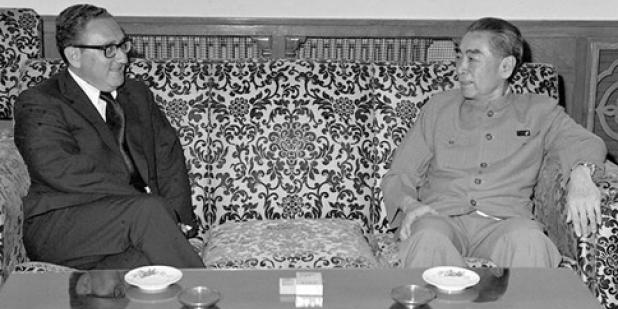

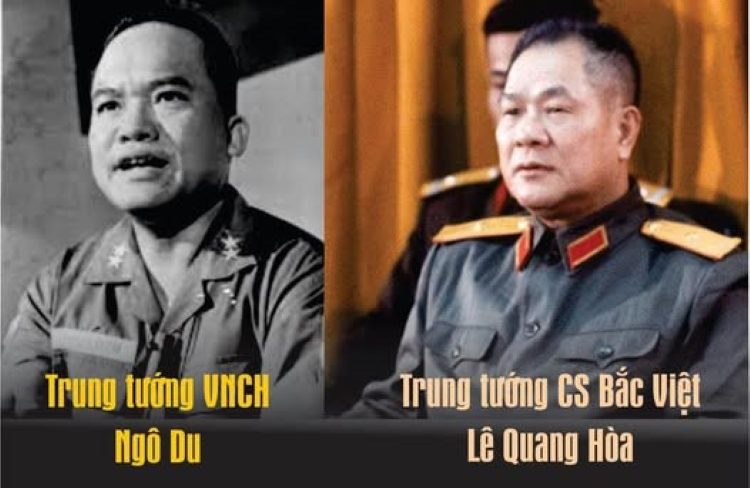
No comments:
Post a Comment