20251215 CDTL Biên Bản
Đàm Thoại Washington 15 February 1975 D172
172. Memorandum of Conversation1
Washington, February
15, 1975, 10:30 a.m.
https://history.state.gov/historicaldocuments/frus1969-76v10/d172
https://history.state.gov/historicaldocuments/frus1969-76v10/pg_630
https://history.state.gov/historicaldocuments/frus1969-76v10/pg_631
https://history.state.gov/historicaldocuments/frus1969-76v10/pg_632
https://history.state.gov/historicaldocuments/frus1969-76v10/d171fn2
172. Memorandum of Conversation1
Washington, February
15, 1975, 10:30 a.m.
PARTICIPANTS
- President
Gerald R. Ford
- Graham Martin,
U.S. Ambassador to Republic of Vietnam
- Lt. General
Brent Scowcroft, Deputy Assistant to the President for National Security
Affairs
The President: I wanted to chat a few minutes before you go back to that
hot spot. How about your evaluation?
Ambassador Martin: It depends on what happens now. If we can pursue your
Chicago Tribune proposal of a three-year appropriation,2 I think we can do
it. Grants will be difficult in the recession. Until the ammo cut back in May,
the initiative was clearly with the GVN. Thieu sensed the Washington mood
better than I did. The initiative thereafter [Page 630] started to slip to the North. I think
Hanoi didn’t decide on the offensive until after the vote on the $700 million.
There has been some unravelling and they have cranked up a massive propaganda
offensive including the January 27th demonstrations here. Our information
indicates the focus here is on the 27th activities and on the Congress. If we
could show the foreign connection to these demonstrations it would be very
useful.
If we could get this Congressional trip out there I think it would be
good. I haven’t lost a visitor yet except Abzug. But we need some of the
leadership, and I gather they are opposed.
The President: Jack Martin told me that Mansfield is opposed and I gather
the Speaker also.
Ambassador Martin: Flynt is good. I’m sorry that Case and Fascell backed
out.
[The President discussed Case and Turkey aid with General Scowcroft.]
Ambassador Martin: It would be good if you could talk to Symington.
The President: I think it would be bad if I do. If they turn it down and
go public, it looks bad. I don’t know Stuart on a very personal basis.
This is not a bad list.
Ambassador Martin: I think it would be a mistake to cancel the trip.
The President: I agree with that. Cambodia looks bad.
Ambassador Martin: Yes, but don’t count them out. Even if they do
collapse, it won’t make that much difference in Vietnam.
It won’t even be the end if we don’t get the $300 million. But they will
be using bodies instead of ammunition.
The President: What would be the effect of a Saigon bombing of Hanoi?
Ambassador Martin: There would be a short-term psychological benefit—like
Doolittle said—but no lasting benefit.
The President: What about the Toan appointment?3 I’ve been reading
about that.
Ambassador Martin: His predecessor hadn’t had that much experience and he
was getting cold feet. I thought he should be replaced, and Thieu said Toan was
the only one he had. He is aggressive.
The President: What about the charges of corruption?
[Page 631]
Ambassador Martin: Yes, in the context of that area. He is a bit
excessive, but what we need is victories. He can do that.
The President: I talked to Sam Nunn. I plan to read his report.
Ambassador Martin: He has a variant of your plan. I think your idea is
better so we don’t get accused of gimmickry. I think the synergistic effect of
a big program like this is great. I haven’t even taken account of oil, and the
finds look good.
There is some debate among your advisors about anything which might cause
trouble. But Thieu is an attractive personality and I think he would refute the
opinions about him if he came back here.
The President: I entertained him here on his last trip. Is there any
danger of a coup?
Ambassador Martin: No. It is well in hand. But he would get 80 percent of
the vote.
The President: I will talk to Henry. What about Ky and Minh?
Ambassador Martin: Ky is a farmer north of Nha Trang. He is not in
politics any more. Minh is a rallying point, but he is very indecisive. A coup
would come out of the army.
The President: What about the problem of demonstrations?
Ambassador Martin: This is a moderate non-Communist group which has its
own arms and Thieu feared they might be co-opted into a neutralist movement. It
is not a serious problem.
If the GVN could get assurance of supply, the North Vietnamese would have
a serious problem. They are not getting all the aid they want. Kissinger’s
diplomacy has been successful there. The Chinese don’t want Hanoi to dominate
the whole area and greatly fear Soviet influence on the North Vietnamese. But
the Soviet Union doesn’t want to contribute to a PRC-dominated Hanoi.
In the 1973 ceasefire, they had 20 times the arms and supplies the GVN
had, because we had ruined the supply lines. So even if they didn’t get
resupplies they are far better off.
On the economic side, we could see the kind of advance Taiwan and Korea
had. Inflation now is only nine percent. They have cut imports drastically and
have to import now only oil and fertilizer. They could export a million tons of
rice in three years—for $900 million. Modernizing the fishing fleet would bring
in $150 million more. Timber more. There is also a big pool of skilled educated
labor. Other countries, once the economy starts moving, will start to fill the
gap. That is why we can stop after three years.
So if we could take $6.5 billion and divide it, $4 billion for the
military and $2.2 billion for the economy, we could walk away in three years.
The President: We keep being pressed—is there anything new on MIAs?
[Page 632]
Ambassador Martin: No. Only when the North decides it can’t use them for
bargaining.
The President: It is a tragedy.
Ambassador Martin: I think we should encourage them to keep pressure on
Hanoi.
The President: Maybe we could use them to help get our program through.
Maybe Thieu’s trip could be generated by the Congressional group. Jack Kemp
could ask Thieu to come back here to tell his own story.
Google Translated
172. Biên bản ghi nhớ cuộc hội đàm1
Washington, ngày 15 tháng 2 năm 1975, 10:30 sáng
NGƯỜI THAM GIA
Tổng thống Gerald R. Ford
Graham Martin, Đại sứ Hoa Kỳ tại Việt Nam Cộng hòa
Trung tướng Brent Scowcroft, Phụ tá Tổng thống phụ trách An ninh Quốc gia
Tổng thống: Tôi muốn trò chuyện vài phút trước khi ông quay lại vấn đề
nóng đó. Ông đánh giá thế nào?
Đại sứ Martin: Điều đó tùy thuộc vào những gì đang diễn ra. Nếu chúng ta
có thể theo đuổi đề nghị của ông trên tờ Chicago Tribune về khoản ngân sách ba
năm, tôi nghĩ chúng ta có thể làm được. Việc tài trợ sẽ gặp khó khăn trong thời
kỳ suy thoái. Cho đến khi đạn dược bị cắt giảm vào tháng 5, sáng kiến này rõ
ràng thuộc về Chính phủ Việt Nam Cộng hòa. Thiệu cảm nhận được tâm trạng của
Washington rõ hơn tôi. Sau đó, sáng kiến này [Trang 630] bắt đầu chuyển sang
miền Bắc. Tôi nghĩ Hà Nội đã không quyết định tấn công cho đến sau khi bỏ phiếu
về khoản ngân sách 700 triệu đô la. Đã có một số sự việc bất ổn và họ đã mở một
chiến dịch tuyên truyền rầm rộ, bao gồm cả các cuộc biểu tình ngày 27 tháng 1
tại đây. Thông tin của chúng tôi cho thấy trọng tâm ở đây là các hoạt động ngày
27 tháng 1 và Quốc hội. Nếu chúng ta có thể chỉ ra mối liên hệ với nước ngoài
trong các cuộc biểu tình này thì sẽ rất hữu ích.
Nếu chúng ta có thể công khai chuyến thăm Quốc hội này, tôi nghĩ sẽ rất
tốt. Tôi chưa mất khách nào ngoại trừ Abzug. Nhưng chúng ta cần một số lãnh
đạo, và tôi đoán là họ đang phản đối.
Tổng thống: Jack Martin nói với tôi rằng Mansfield phản đối và tôi cũng
xin Chủ tịch Hạ viện cho biết.
Đại sứ Martin: Flynt rất tốt. Tôi rất tiếc vì Case và Fascell đã rút lui.
[Tổng thống đã thảo luận về Case và viện trợ Thổ Nhĩ Kỳ với Tướng
Scowcroft.]
Đại sứ Martin: Sẽ tốt hơn nếu ông có thể nói chuyện với Symington.
Tổng thống: Tôi nghĩ sẽ rất tệ nếu tôi làm vậy. Nếu họ từ chối và công
khai, mọi chuyện sẽ rất tệ. Cá nhân tôi không biết Stuart.
Đây không phải là một danh sách tồi.
Đại sứ Martin: Tôi nghĩ sẽ là một sai lầm nếu hủy chuyến đi.
Tổng thống: Tôi đồng ý với điều đó. Campuchia trông rất tệ.
Đại sứ Martin: Đúng vậy, nhưng đừng loại trừ họ. Ngay cả khi họ sụp đổ,
điều đó cũng sẽ không tạo ra nhiều khác biệt ở Việt Nam.
Thậm chí sẽ không phải là kết thúc nếu chúng ta không nhận được 300 triệu
đô la. Nhưng họ sẽ sử dụng xác chết thay vì đạn dược.
Tổng thống: Một cuộc ném bom Hà Nội từ Sài Gòn sẽ có tác động thế nào?
Đại sứ Martin: Sẽ có một lợi ích tâm lý ngắn hạn—như Doolittle đã
nói—nhưng không có lợi ích lâu dài.
Tổng thống: Còn việc bổ nhiệm Toàn thì sao? Tôi đã đọc về việc đó rồi.
Đại sứ Martin: Người tiền nhiệm của ông ấy không có nhiều kinh nghiệm và
ông ấy đang chùn bước. Tôi nghĩ nên thay thế ông ấy, và Thiệu nói Toàn là người
duy nhất ông ấy có. Ông ấy rất quyết liệt.
Tổng thống: Còn các cáo buộc tham nhũng thì sao? [Trang 631]
Đại sứ Martin: Vâng, xét trong bối cảnh đó. Ông ấy hơi quá đáng, nhưng
điều chúng ta cần là chiến thắng. Ông ấy có thể làm được điều đó.
Tổng thống: Tôi đã nói chuyện với Sam Nunn. Tôi dự định sẽ đọc báo cáo
của ông ấy.
Đại sứ Martin: Ông ấy có một phiên bản kế hoạch của ông. Tôi nghĩ ý tưởng
của ông tốt hơn để chúng ta không bị cáo buộc là mánh khóe. Tôi nghĩ hiệu ứng
hiệp đồng của một chương trình lớn như thế này là rất lớn. Tôi thậm chí còn
chưa tính đến dầu mỏ, và những phát hiện có vẻ khả quan.
Các cố vấn của ông đang tranh luận về bất cứ điều gì có thể gây rắc rối.
Nhưng Thiệu là một người có cá tính hấp dẫn, và tôi nghĩ ông ấy sẽ bác bỏ những
ý kiến về mình nếu trở lại đây.
Tổng thống: Tôi đã tiếp ông ấy ở đây trong chuyến đi gần đây nhất. Liệu
có nguy cơ đảo chính không?
Đại sứ Martin: Không. Tình hình đang trong tầm kiểm soát. Nhưng ông ấy sẽ
giành được 80% số phiếu bầu.
Tổng thống: Tôi sẽ nói chuyện với Henry. Còn Kỳ và Minh thì sao?
Đại sứ Martin: Kỳ là một nông dân ở phía bắc Nha Trang. Ông ấy không còn
hoạt động chính trị nữa. Minh là một điểm tập hợp, nhưng ông ấy rất thiếu quyết
đoán. Một cuộc đảo chính sẽ xảy ra trong quân đội.
Tổng thống: Còn vấn đề biểu tình thì sao?
Đại sứ Martin: Đây là một nhóm ôn hòa phi Cộng sản có vũ trang riêng và
Thiệu lo ngại họ có thể bị lôi kéo vào một phong trào trung lập. Vấn đề này
không nghiêm trọng.
Nếu Chính phủ Việt Nam Cộng hòa có thể đảm bảo được nguồn cung, Bắc Việt
Nam sẽ gặp vấn đề nghiêm trọng. Họ không nhận được tất cả viện trợ mà họ mong
muốn. Chính sách ngoại giao của Kissinger đã thành công ở đó. Trung Quốc không
muốn Hà Nội thống trị toàn bộ khu vực và rất lo sợ ảnh hưởng của Liên Xô đối
với Bắc Việt Nam. Nhưng Liên Xô không muốn góp phần vào một Hà Nội do Trung
Quốc thống trị.
Trong lệnh ngừng bắn năm 1973, họ có vũ khí và vật tư gấp 20 lần Chính
phủ Việt Nam Cộng hòa, bởi vì chúng ta đã phá hủy các tuyến đường tiếp tế. Vì
vậy, ngay cả khi họ không được tiếp tế, họ vẫn có lợi hơn nhiều.
Về mặt kinh tế, chúng ta có thể thấy được sự tiến bộ tương tự như Đài
Loan và Hàn Quốc. Lạm phát hiện nay chỉ còn 9%. Họ đã cắt giảm mạnh lượng nhập
khẩu và giờ chỉ còn phải nhập khẩu dầu và phân bón. Họ có thể xuất khẩu một
triệu tấn gạo trong ba năm - với giá 900 triệu đô la. Hiện đại hóa đội tàu đánh
cá sẽ mang lại thêm 150 triệu đô la. Gỗ cũng sẽ nhiều hơn. Ngoài ra còn có một
nguồn lao động có trình độ và tay nghề cao. Các quốc gia khác, một khi nền kinh
tế bắt đầu chuyển động, sẽ bắt đầu lấp đầy khoảng trống. Đó là lý do tại sao
chúng ta có thể dừng lại sau ba năm.
Vậy nên, nếu chúng ta có thể lấy 6,5 tỷ đô la và chia đều, 4 tỷ đô la cho
quân đội và 2,2 tỷ đô la cho nền kinh tế, chúng ta có thể rút lui trong ba năm.
Tổng thống: Chúng ta liên tục bị thúc ép - có gì mới về việc mất tích
trong chiến tranh không? [Trang 632]
Đại sứ Martin: Không. Chỉ khi nào miền Bắc quyết định không thể sử dụng
chúng để mặc cả.
Tổng thống: Thật là một thảm kịch.
Đại sứ Martin: Tôi nghĩ chúng ta nên khuyến khích họ tiếp tục gây áp lực
lên Hà Nội.
Tổng thống: Có lẽ chúng ta có thể nhờ họ giúp chương trình của chúng ta
được thông qua. Có lẽ chuyến đi của Thiệu có thể được sắp xếp bởi nhóm Quốc
hội. Jack Kemp có thể mời Thiệu quay lại đây để kể câu chuyện của chính mình.
https://history.state.gov/historicaldocuments/frus1969-76v10/d172
https://history.state.gov/historicaldocuments/frus1969-76v10/pg_630
https://history.state.gov/historicaldocuments/frus1969-76v10/pg_631
https://history.state.gov/historicaldocuments/frus1969-76v10/pg_632
https://history.state.gov/historicaldocuments/frus1969-76v10/d171fn2
Thân thế (các) nhân vật/
Abzug, Bella S.,
Democratic Representative from New York
https://en.wikipedia.org/wiki/Bella_Abzug
https://en.wikipedia.org/wiki/United_States_House_of_Representatives
https://www.congress.gov/member/bella-abzug/A000018
https://bioguideretro.congress.gov/Home/MemberDetails?memIndex=a000018
https://history.house.gov/People/Detail/8276
Jewish Women's Archive
https://jwa.org/womenofvalor/abzug
Case, Clifford P.,
Republican Senator from New Jersey
https://en.wikipedia.org/wiki/Clifford_P._Case
https://www.senate.gov/senators/featured-biographies.htm
https://www.senate.gov/senators/FeaturedBios/Featured_Bio_CaseClifford.htm
https://www.congress.gov/member/clifford-case/C000220
https://c250.columbia.edu/c250_celebrates/your_columbians/clifford_case.html
https://en.wikipedia.org/wiki/United_States_Senate
https://en.wikipedia.org/wiki/United_States_House_of_Representatives
https://en.wikipedia.org/wiki/New_Jersey_General_Assembly
https://www.senate.gov/senators/FeaturedBios/Featured_Bio_CaseClifford.htm
https://www.senate.gov/senators/featured-biographies.htm
Fascell, Dante,
Democratic Representative from Florida
https://en.wikipedia.org/wiki/Dante_Fascell
https://history.house.gov/People/Detail?id=13015
https://www.congress.gov/member/dante-fascell/F000041
Flynt, John J., Jr.,
Democratic Representative from Georgia
https://en.wikipedia.org/wiki/John_Flynt
https://en.wikipedia.org/wiki/U.S._House_of_Representatives
https://en.wikipedia.org/wiki/Georgia_House_of_Representatives
https://www.congress.gov/member/john-flynt/F000229?q=%7B%22search%22%3A%5B%22HR+901%22%5D%2C%22type%22%3A%22all%22%7D
https://openvault.wgbh.org/catalog/V_4534463BF04C49C6838B06F63F4C34BD
Vietnam A Television History Interview with John
James Flynt Jr 1982
https://openvault.wgbh.org/catalog/V_4534463BF04C49C6838B06F63F4C34BD
https://www.augustachronicle.com/story/news/2007/06/25/obi-133586-shtml/14709367007/
Ford Gerald R.,
Republican Representative from Michigan until
October 13, 1973; House Minority Leader until October 13, 1973; Vice President
of the United States from October 13, 1973, until August 8, 1974; President of
the United States from August 8, 1974
https://en.wikipedia.org/wiki/Gerald_Ford
https://en.wikipedia.org/wiki/President_of_the_United_States
https://en.wikipedia.org/wiki/Vice_President_of_the_United_States
https://en.wikipedia.org/wiki/House_Minority_Leader
https://en.wikipedia.org/wiki/Leader_of_the_House_Republican_Conference
https://en.wikipedia.org/wiki/Chair_of_the_House_Republican_Conference
https://en.wikipedia.org/wiki/United_States_House_of_Representatives
https://www.whitehouse.gov/about-the-white-house/presidents/gerald-r-ford/
https://www.whitehouse.gov/administration/
https://geraldrfordfoundation.org/gerald-r-ford-biography/
https://www.fordlibrarymuseum.gov/grf/timeline.asp
https://en.wikipedia.org/wiki/Presidency_of_Gerald_Ford
https://www.history.navy.mil/research/library/research-guides/modern-biographical-files-ndl/modern-bios-f/ford-gerald.html
https://www.fordlibrarymuseum.gov/library/guides/findingaid/ford_vp_papers.asp
Kemp, Jack,
Republican Representative from New York
https://en.wikipedia.org/wiki/Jack_Kemp
https://en.wikipedia.org/wiki/United_States_Secretary_of_Housing_and_Urban_Development
https://en.wikipedia.org/wiki/Republican_Conference_Chairman_of_the_United_States_House_of_Representatives
https://en.wikipedia.org/wiki/United_States_House_of_Representatives
https://www.congress.gov/member/jack-kemp/K000086
https://www.loc.gov/item/2021688898/
Henry A Kissinger
Assistant to the President for National Security Affairs until
November 3, 1975; also Secretary of State from September 21, 1973
https://www.theguardian.com/world/2023/may/20/bilderberg-meeting-group-lisbon-kissinger
https://www.theguardian.com/world/bilderberg
https://history.state.gov/historicaldocuments/frus1969-76ve13/summary
https://china.usc.edu/getting-beijing-henry-kissingers-secret-1971-trip
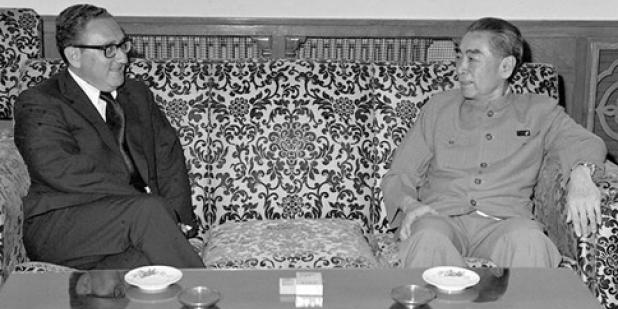
https://china.usc.edu/sites/default/files/styles/article_node_featured/public/article/featured-image/kissinger-zhou-sm_0.jpg?itok=qDjPx2_m
https://china.usc.edu/catalog/documents/us-china
http://www.archives.gov/press/press-releases/2001/nr01-47.html
https://china.usc.edu/talking-points-july-22-august-3-2011
https://china.usc.edu/getting-beijing-henry-kissingers-secret-1971-trip#meetings
https://china.usc.edu/getting-beijing-henry-kissingers-secret-1971-trip#nixon-announcement
https://china.usc.edu/getting-beijing-henry-kissingers-secret-1971-trip#chinese-accept
https://china.usc.edu/getting-beijing-henry-kissingers-secret-1971-trip#signals
https://china.usc.edu/getting-beijing-henry-kissingers-secret-1971-trip#the_aim
http://www.foreignaffairs.com/articles/23927/richard-m-nixon/asia-after-viet-nam
https://history.state.gov/historicaldocuments/frus1969-76v17/d4
https://history.state.gov/historicaldocuments/frus1969-76v17/d12
https://history.state.gov/historicaldocuments/frus1969-76v17/d13
https://history.state.gov/historicaldocuments/frus1969-76v17/d141
https://2001-2009.state.gov/documents/organization/100324.pdf
https://en.wikipedia.org/wiki/Henry_Kissinger_and_the_Vietnam_War
Lesson in Vietnam from
Kissinger to Nixon: “when we made it “our war” we would not let
the South Vietnamese fight it; when it again became “their war”, we would not
help them fight it.”
(We
also had trouble with excesses here: when we
made it “our war” we would not let the South Vietnamese fight it; when it again
became “their war,” we would not help them fight it. Ironically, we
prepared the South Vietnamese for main force warfare after 1954 (anticipating another Korean-type attack), and they faced a political war; they had prepared
themselves for political warfare after 1973 only to be faced with a main force
invasion 20 years after it had been expected.)
https://history.state.gov/historicaldocuments/frus1969-76v10/d280
Lesson of Vietnam May 12 1975 by Henry A. Kissinger
https://www.fordlibrarymuseum.gov/library/exhibits/vietnam/032400091-002.pdf
https://thebattleofkontum.com/extras/kissinger.html
“Richard M. Nixon and Kissinger on 3 August 1972,” Conversation 760-006,
Presidential Recordings Digital Edition [Fatal Politics, ed. Ken Huges]
(Charlottesville: University of Virginia Press, 2014-). URL:https://prde.upress.virginia.edu/conversations/4006748
https://player.vimeo.com/video/889937807?h=e44572c8f3&color=e57200&title=0&byline=0&portrait=0
https://millercenter.org/the-presidency/educational-resources/nixon-kissinger-and-the-decent-interval
https://player.vimeo.com/video/889937807?h=e44572c8f3&color=e57200&title=0&byline=0&portrait=0
Discover the Truth at:
http://www.theblackvault.com
https://www.theblackvault.com/documentarchive/the-cias-vietnam-document-cd-rom/
The secret life of Henry
Kissinger minutes of a 1975 meeting with Lawrence Eagleburger
https://etan.org/news/kissinger/secret.htm
Mansfield,
Michael J.,
Senator
(D–MT), Senate Majority Leader
Democratic
Senator from Montana; Majority Leader and member of the Senate Foreign
Relations Committee
https://en.wikipedia.org/wiki/Mike_Mansfield
https://en.wikipedia.org/wiki/United_States_Ambassador_to_Japan
https://en.wikipedia.org/wiki/Party_leaders_of_the_United_States_Senate
https://en.wikipedia.org/wiki/Senate_Democratic_Caucus#Chairs
https://en.wikipedia.org/wiki/Party_leaders_of_the_United_States_Senate
https://en.wikipedia.org/wiki/United_States_Senate
https://en.wikipedia.org/wiki/United_States_House_of_Representatives
https://www.k-state.edu/landon/speakers/mike-mansfield/
https://www.k-state.edu/landon/speakers/mike-mansfield/audio-1977.html
https://www.k-state.edu/landon/speakers/mike-mansfield/audio.html
Martin,
Graham A.,
Ambassador
to the Republic of Vietnam (South Vietnam) from July 20, 1973, until April 29,
1975
https://www.fallofsaigon.org/orig/martin.htm
https://en.wikipedia.org/wiki/Graham_Martin
https://en.wikipedia.org/wiki/United_States_Ambassador_to_South_Vietnam
https://en.wikipedia.org/wiki/United_States_Ambassador_to_Italy
https://en.wikipedia.org/wiki/United_States_Ambassador_to_Thailand
https://en.wikipedia.org/wiki/Representative_of_the_United_States_to_the_European_Office_of_the_United_Nations
https://history.state.gov/departmenthistory/people/martin-graham-anderson
https://www.state.gov/biographies-list/
https://www.state.gov/resources-bureau-of-global-talent-management/#ambassadors
https://en.wikipedia.org/wiki/List_of_ambassadors_of_the_United_States_to_South_Vietnam
Nguyen Cao Ky,
Lieutenant Colonel, Vietnamese Air
Force, Transport Squadron Commander; Air Force Commander from December 17, 1963
Major
General, VNAF; Vice President of the Republic of (South) Vietnam
Nguyen Van
Thieu,
President
of the Republic of Vietnam (South Vietnam) until April 21, 1975
PHỎNG VẤN VỚI LỊCH SỬ - TỔNG THỐNG
NGUYỄN VĂN THIỆU - Năm 1972
https://www.facebook.com/groups/373876840199844/permalink/1216306329290220/
https://www.facebook.com/groups/373876840199844/
Tổng
thống Thiệu trả lời phỏng vấn năm 1972 (Ms.O Fallaci) - Ep.1
https://www.youtube.com/watch?v=67J_48hfPik
Tổng
thống Thiệu trả lời phỏng vấn năm 1972 (Ms.O Fallaci) - Ep.2
https://www.youtube.com/watch?v=INAfcRW3Prc
Tổng
thống Thiệu trả lời phỏng vấn năm 1972 (Ms.O Fallaci) - Ep.3
https://www.youtube.com/watch?v=P_tOrafUIOY
Phỏng
vấn cố Tổng thống VNCH Nguyễn Văn Thiệu full
https://www.youtube.com/watch?v=c_36BXxpEjw
Tổng
thống Nguyễn Văn Thiệu đáp trả xuất sắc những gì Kissinger đề cập về Vietnam
War | NAMDUONGTV
https://www.youtube.com/watch?v=FrA2OaHueFM&t=1802s
3/29/75 -
Evacuation of Vietnamese Refugees
4/3/75 -
Phnom Penh Evacuation
4/5/75 -
Evacuation of Vietnamese Refugees (1)
4/5/75 -
Evacuation of Vietnamese Refugees (2)
4/5/75 -
Evacuation of Vietnamese Refugees (3)
4/5/75 -
Evacuation of Vietnamese Refugees (4)
4/29/75 -
Final Evacuation of Saigon (1)
4/29/75 - Final Evacuation of Saigon (2)
Dau
Bach Ho1X Feb 11 1975 Thieu
https://www.facebook.com/1831861973/posts/pfbid0FNN9UXFDYKuR9u6VPb8AeWRsknsNLsCZfgZBuKXWyZbzcGtGmPzrX65JtfUFrWykl/?d=n&mibextid=qC1gEa
Tôi
Không Chết Đâu | Hồi Ức Miền Nam
https://www.youtube.com/watch?v=fJdQN0DYBvA
Thư Tổng
Thống Thiệu Gửi Tổng Thống Gerald Ford
https://bachvietnhan.blogspot.com/2024/03/20240322-cdtl-thu-thieu-gui-gerald-ford.html
https://history.state.gov/historicaldocuments/frus1969-76v10/d166
Cambodia
Arms and Ammunition to the Vietnamese Communists
Discover
the Truth at:
http://www.theblackvault.com
https://www.theblackvault.com/documentarchive/the-cias-vietnam-document-cd-rom/
https://documents2.theblackvault.com/documents/cia/EOM-2019-00201-highlighted.pdf
Giây
Phút Xé Lòng | Hồi Ức Miền Nam | Hồi Ký Miền Nam
https://www.youtube.com/watch?v=5WVwGiPD8Cs&t=2329
The
Palace File Paperback – January 1, 1989
by
Nguyen Tien Hung (Author), Jerrold L. Schecter (Author)
https://www.amazon.com/Palace-File-Nguyen-Tien-Hung/dp/0060915722
https://www.goodreads.com/en/book/show/2098486
Khi đồng
minh tháo chạy
Nguyen
Tien Hung
https://www.goodreads.com/book/show/32865811-khi-ng-minh-th-o-ch-y?ref=nav_sb_noss_l_23
Hồ Sơ Mật
Dinh Độc Lập Phần 1 / Nguyễn Tiến Hưng/ Diễn Đọc Thiên Hoàng
https://www.youtube.com/watch?v=PDhuGRvfKjw
Hồ Sơ Mật
Dinh Độc Lập Phần 2 / Nguyễn Tiến Hưng/ Diễn Đọc Thiên Hoàng
https://www.youtube.com/watch?v=ZceUYCf7rqA
Hồ Sơ Mật
Dinh Độc Lập Phần 3 / Nguyễn Tiến Hưng/ Diễn Đọc Thiên Hoàng
https://www.youtube.com/watch?v=G2ET40EOGno
Hồ Sơ Mật
Dinh Độc Lập Phần 4 / Nguyễn Tiến Hưng/ Diễn Đọc Thiên Hoàng
https://www.youtube.com/watch?v=FFzsesWm25E
Hồ Sơ Mật
Dinh Độc Lập Phần 5 / Nguyễn Tiến Hưng/ Diễn Đọc Thiên Hoàng
https://www.youtube.com/watch?v=m2GMhs4DmBI
Hồ Sơ Mật
Dinh Độc Lập Phần 6 / Nguyễn Tiến Hưng/ Diễn Đọc Thiên Hoàng
https://www.youtube.com/watch?v=zMxfY_QGgwo
Hồ Sơ Mật
Dinh Độc Lập Phần 7 / Nguyễn Tiến Hưng/ Diễn Đọc Thiên Hoàng
https://www.youtube.com/watch?v=Kvjmvn78kgo
Hồ Sơ Mật
Dinh Độc Lập Phần 8 / Nguyễn Tiến Hưng/ Diễn Đọc Thiên Hoàng
https://www.youtube.com/watch?v=sylK7RDtLrc
Hồ Sơ Mật
Dinh Độc Lập Phần 9 / Nguyễn Tiến Hưng/ Diễn Đọc Thiên Hoàng
https://www.youtube.com/watch?v=gmF6urvaz0c
Hồ Sơ Mật
Dinh Độc Lập Phần 10 / Nguyễn Tiến Hưng/ Diễn Đọc Thiên Hoàng
https://www.youtube.com/watch?v=4Ig4PIzMFZM
Hồ Sơ Mật
Dinh Độc Lập Phần 11 / Nguyễn Tiến Hưng/ Diễn Đọc Thiên Hoàng
https://www.youtube.com/watch?v=WUFtNrT9sRo
Hồ Sơ Mật
Dinh Độc Lập Phần 12 / Nguyễn Tiến Hưng/ Diễn Đọc Thiên Hoàng
https://www.youtube.com/watch?v=A4KYPScqNMY
Hồ Sơ Mật
Dinh Độc Lập Phần 13 / Nguyễn Tiến Hưng/ Diễn Đọc Thiên Hoàng
https://www.youtube.com/watch?v=29lrLqX6vEo
Hồ Sơ Mật
Dinh Độc Lập Phần 14 / Nguyễn Tiến Hưng/ Diễn Đọc Thiên Hoàng
https://www.youtube.com/watch?v=j-WAarbW-fo
Hồ Sơ Mật
Dinh Độc Lập Phần 15 / Nguyễn Tiến Hưng/ Diễn Đọc Thiên Hoàng
https://www.youtube.com/watch?v=_GAo2fXzGBQ
Hồ Sơ Mật
Dinh Độc Lập Phần 16 / Nguyễn Tiến Hưng/ Diễn Đọc Thiên Hoàng
https://www.youtube.com/watch?v=X4Kb37dchNw
Hồ Sơ Mật
Dinh Độc Lập Phần 17 / Nguyễn Tiến Hưng/ Diễn Đọc Thiên Hoàng
https://www.youtube.com/watch?v=0DChfJXgR-8
Hồ Sơ Mật
Dinh Độc Lập Phần 18 / Nguyễn Tiến Hưng/ Diễn Đọc Thiên Hoàng
https://www.youtube.com/watch?v=wCYj9b4Tw6E
Hồ Sơ Mật
Dinh Độc Lập Phần 19 / Nguyễn Tiến Hưng/ Diễn Đọc Thiên Hoàng
https://www.youtube.com/watch?v=Qm45ygXmqzY
Hồ Sơ Mật
Dinh Độc Lập Phần 20 / Nguyễn Tiến Hưng/ Diễn Đọc Thiên Hoàng
https://www.youtube.com/watch?v=GvUiF8wVJBg
Hồ Sơ Mật
Dinh Độc Lập Phần 21 / Nguyễn Tiến Hưng/ Diễn Đọc Thiên Hoàng
https://www.youtube.com/watch?v=ZIZRlk6m4Eg
Hồ Sơ Mật
Dinh Độc Lập Phần 22 / Nguyễn Tiến Hưng/ Diễn Đọc Thiên Hoàng
https://www.youtube.com/watch?v=WNv27DbdcOI
Hồ Sơ Mật
Dinh Độc Lập Phần 23 / Nguyễn Tiến Hưng/ Diễn Đọc Thiên Hoàng
https://www.youtube.com/watch?v=-C5qfHEJNu4
Hồ Sơ Mật
Dinh Độc Lập Phần 24 / Nguyễn Tiến Hưng/ Diễn Đọc Thiên Hoàng
https://www.youtube.com/watch?v=iyg98DfK31E
Hồ Sơ Mật
Dinh Độc Lập Phần 25 / Nguyễn Tiến Hưng/ Diễn Đọc Thiên Hoàng
https://www.youtube.com/watch?v=CxcX0dKgKlA
Hồ Sơ Mật
Dinh Độc Lập Phần 26 / Nguyễn Tiến Hưng/ Diễn Đọc Thiên Hoàng
https://www.youtube.com/watch?v=adUtaGlDcho
Hồ Sơ Mật
Dinh Độc Lập Phần 27 / Nguyễn Tiến Hưng/ Diễn Đọc Thiên Hoàng
https://www.youtube.com/watch?v=f-1xxI1OWh8
Hồ Sơ Mật
Dinh Độc Lập Phần 28 / Nguyễn Tiến Hưng/ Diễn Đọc Thiên Hoàng
https://www.youtube.com/watch?v=PazkNBf3rGA
Hồ Sơ Mật
Dinh Độc Lập Phần 29 / Nguyễn Tiến Hưng/ Diễn Đọc Thiên Hoàng
https://www.youtube.com/watch?v=OpIbsM20p14
Hồ Sơ Mật
Dinh Độc Lập Phần 30 / Nguyễn Tiến Hưng/ Diễn Đọc Thiên Hoàng
https://www.youtube.com/watch?v=F_ZcLZtx_6M
Hồ Sơ Mật
Dinh Độc Lập Phần 31 / Nguyễn Tiến Hưng/ Diễn Đọc Thiên Hoàng
https://www.youtube.com/watch?v=n4u5jqW3nbg
Hồ Sơ Mật
Dinh Độc Lập Phần 32 / Nguyễn Tiến Hưng/ Diễn Đọc Thiên Hoàng
https://www.youtube.com/watch?v=PHHx5wQlabw
Hồ Sơ Mật
Dinh Độc Lập Phần 33 / Nguyễn Tiến Hưng/ Diễn Đọc Thiên Hoàng
https://www.youtube.com/watch?v=gpKZuQNdJJU
Hồ Sơ Mật
Dinh Độc Lập Phần 34 / Nguyễn Tiến Hưng/ Dễn Đọc Thiên Hoàng
https://www.youtube.com/watch?v=oGesHXnpZkw
Hồ Sơ Mật
Dinh Độc Lập Phần 35 / Nguyễn Tiến Hưng/ Diễn Đọc Thiên Hoàng
https://www.youtube.com/watch?v=M6ZOXJyjMTk
Hồ Sơ Mật
Dinh Độc Lập Phần 36 Cuối Cùng / Nguyễn Tiến Hưng/ Diễn Đọc Thiên Hoàng
https://www.youtube.com/watch?v=IYztC95fn4M
Khi Đồng
Minh Nhảy Vào
https://www.amazon.com/-/es/Nguy%E1%BB%85n-Ti%E1%BA%BFn-H%C6%B0ng/dp/1495148629
Khi Đồng
Minh Tháo Chạy Hardcover – January 1, 2005
https://www.amazon.com/Khi-%C4%90%E1%BB%93ng-Minh-Th%C3%A1o-Ch%E1%BA%A1y/dp/B00GQIWRA6
https://www.goodreads.com/book/show/32865811-khi-ng-minh-th-o-ch-y
HỒI KÝ:
NHỮNG UẤT HẬN TRONG TRẬN CHIẾN MẤT NƯỚC 1975 (Phần 1)
https://www.youtube.com/watch?v=C7YpCRv6MlI&t=487s
HỒI KÝ:
NHỮNG UẤT HẬN TRONG TRẬN CHIẾN MẤT NƯỚC 1975 (Phần 2)
https://www.youtube.com/watch?v=vX9-eocj8hQ&t=803s
HỒI KÝ:
NHỮNG UẤT HẬN TRONG TRẬN CHIẾN MẤT NƯỚC 1975 (Phần 3)
https://www.youtube.com/watch?v=z6rCp-RnGQ4&t=561s
HỒI KÝ:
NHỮNG UẤT HẬN TRONG TRẬN CHIẾN MẤT NƯỚC 1975 (Phần 4)
https://www.youtube.com/watch?v=3Y1YWYjcYUs
HỒI KÝ:
NHỮNG UẤT HẬN TRONG TRẬN CHIẾN MẤT NƯỚC 1975 (Phần 5)
https://www.youtube.com/watch?v=cL7LO65oI_k&t=11s
HỒI KÝ:
NHỮNG UẤT HẬN TRONG TRẬN CHIẾN MẤT NƯỚC 1975 (Phần 6)
https://www.youtube.com/watch?v=BsYcJCD0cwY
HỒI KÝ:
NHỮNG UẤT HẬN TRONG TRẬN CHIẾN MẤT NƯỚC 1975 (Phần 7)
https://www.youtube.com/watch?v=kclMjgFLtUw&t=371s
HỒI KÝ:
NHỮNG UẤT HẬN TRONG TRẬN CHIẾN MẤT NƯỚC 1975 (Phần 8)
https://www.youtube.com/watch?v=5bsh7jTMF_o
HỒI KÝ:
NHỮNG UẤT HẬN TRONG TRẬN CHIẾN MẤT NƯỚC 1975 (Phần 9)
https://www.youtube.com/watch?v=NzhsA-ZZQ4Q&t=1265s
HỒI KÝ:
NHỮNG UẤT HẬN TRONG TRẬN CHIẾN MẤT NƯỚC 1975 (Phần 10)
https://www.youtube.com/watch?v=IKBXiYNQMbc&t=18s
Bỏ Rơi
Hay Phản Bội/ Tác Giả Bùi Anh Trinh/ Diễn Đọc Thiên Hoàng
https://www.youtube.com/watch?v=q3Seaq3ymmE
Chuyện
Chưa Kể Về TT Thiệu Lúc Rời Khỏi Sài Gòn- (Ông và Nhân Viên Tùy Tùng May Mắn
Thoát Chết)
https://www.youtube.com/watch?v=OoFEncck23U
20241102 Nixon Kissinger and the Decent Interval
https://millercenter.org/the-presidency/educational-resources/nixon-kissinger-and-the-decent-interval
https://player.vimeo.com/video/889937807?h=e44572c8f3&color=e57200&title=0&byline=0&portrait=0
A Decent Interval
https://www.youtube.com/watch?v=8xPzs3NZdN4
Richard Nixon Addresses The "Decent
Interval Theory"
https://www.youtube.com/watch?v=8Q-H0281kfM
Transcript
In the Oval Office
on August 3, 1972, Secretary of State Henry Kissinger tells President Richard
Nixon that there’s a 50-50 chance of reaching a settlement with North Vietnam.
That deal would give
Nixon a “decent interval,” a face-saving delay of a year or two between his
final withdrawal of American troops and the Communists’ final takeover of South
Vietnam. “We’ve got to find some formula that holds the thing together [for]
a year or two, after which — after a year, Mr. President, Vietnam will be a
backwater. If we settle it, say, this October, by January ’74 no one
will give a damn.”
August 3, 1972
Richard M. Nixon, Henry A. Kissinger
Conversation: 760-006
Having established a framework for an armistice
and the departure a American troops from Vietnam, President Nixon and National
Security Adviser Henry A. Kissinger discussed the future trajectory of the war.
Most importantly, they wanted to secure a “decent interval” between the removal
of those troops, Nixon’s reelection in 1972 and the expected fall of Saigon. At
this point in the conversation, Kissinger had just told Nixon they had a 50/50
chance of reaching a settlement with North Vietnam.
President Nixon: Now,
let’s look at that just a moment again, think about it some more, but… let’s be
perfectly… cold-blooded about it. If you look at it from the standpoint of our
game… with the Soviets and the Chinese, from the standpoint of running this
country… I think we could take, in my view, almost anything, frankly, that we
can force on Nguyễn Văn Thiệu. Almost anything. I just come down to that. You
know what I mean?
President Nixon:
Because I have a feeling we would not be doing, like I feel about the Israel, I
feel that in the long run we’re probably not doing them an in – a disfavor due
to the fact that I feel that the North Vietnamese are so badly hurt that the
South Vietnamese are probably going to do fairly well. [Kissinger attempts to
interject.] But also due to the fact-because I look at the tide of history out
there-South Vietnam probably is never going to survive anyway. I’m just being
perfectly candid. I-
Henry A. Kissinger: In
the pull-out area-
President Nixon:
[Unclear] we’ve got to be – if we can get certain guarantees so that they
aren’t… as you know, looking at the foreign policy process, though, I mean,
you’ve got to be-we also have to realize, Henry, that winning an election is
terribly important.
It’s terribly important this year. But can we
have a viable foreign policy if a year from now or two years from now, North
Vietnam gobbles up South Vietnam? That’s the real question.
Kissinger: If a
year or two year from now North Vietnam gobbles up South Vietnam, we can have a
viable foreign policy if it looks as if it’s the result of South Vietnamese
incompetence.
Kissinger: If we
now sell out in such a way that, say, within a three-to four-month period, we
have pushed President Thieu over the brink-we-ourselves-I think, there is going
to be -even the Chinese won’t like that. I mean, they’ll pay verbal-verbally,
they’ll like it.
President Nixon: But
it’ll worry them.
Kissinger: But
it will worry everybody. And domestically in the long run it won’t help us all
that much because our opponents will say we should’ve done it three years ago.
President Nixon: I
know.
Kissinger: So
we’ve got to find formula that holds the thing together a year or two, after
which-after a year, Mr. President, Vietnam will be a backwater. If we settle
it, this October, by January 74 no one will give a damn.
President Nixon: Yeah,
having in mind the fact that, you know, as we all know, the-the
analogy-comparison [to] Algeria is not on-I not at all for us. But on the other
hand, nobody gives a goddamn about what happened to Algeria-
Kissinger:
Mm-hmm.
President Nixon:
-after they got out. [chuckling] You know what I mean? But Vietnam, I must say…
Jesus, they’ve fought so long, dying, and now… I don’t know.
End of excerpt.
Miller Center
University of Virginia
https://millercenter.org/
“Richard M. Nixon and Kissinger on 3 August
1972,” Conversation 760-006, Presidential Recordings Digital Edition [Fatal
Politics, ed. Ken Huges] (Charlottesville: University of Virginia Press,
2014-). URL:https://prde.upress.virginia.edu/conversations/4006748
https://player.vimeo.com/video/889937807?h=e44572c8f3&color=e57200&title=0&byline=0&portrait=0
https://millercenter.org/the-presidency/educational-resources/nixon-kissinger-and-the-decent-interval
https://player.vimeo.com/video/889937807?h=e44572c8f3&color=e57200&title=0&byline=0&portrait=0
Discover
the Truth at:
http://www.theblackvault.com
https://www.theblackvault.com/documentarchive/the-cias-vietnam-document-cd-rom/
PHỎNG VẤN
ÔNG THIỆU: Về vấn đề Cộng Sản sau hiệp định Paris (phụ đề Pháp Việt)
https://www.youtube.com/watch?v=qUCl1EwGBuo
Oriana
Fallaci on Interviewing South Vietnamese President Nguyễn Văn Thiệu | The Dick
Cavett Show
https://www.youtube.com/watch?v=rmgtOX1Gkfs
SYND
26-1-73 PRESIDENT THIEU PRESS CONFERENCE ON PEACE AGREEMENT
https://www.youtube.com/watch?v=uSeKp8CEHMo
SYND
04-04-73 PRESIDENT NIXON MEETS SOUTH VIETNAMESE PRESIDENT THEU IN SAN CLEMENTE,
CALIFORNIA
https://www.youtube.com/watch?v=fYUQw3q3eXE
EP 1 |
Tổng thống Thiệu và cuộc phỏng vấn tàn bạo với nhà báo Ý năm 1972
https://www.youtube.com/watch?v=l0aBx_TG2zg
Tổng thống
Thiệu trả lời phỏng vấn năm 1972 (Ms.O Fallaci) - Ep.2
https://www.youtube.com/watch?v=INAfcRW3Prc&t=10s
Tổng thống
Thiệu trả lời phỏng vấn năm 1972 (Ms.O Fallaci) - Ep.3
https://www.youtube.com/watch?v=P_tOrafUIOY
Trung
tướng Nguyễn văn Thiệu tuyên bố hiến pháp Đệ Nhị Việt Nam Cộng Hoà 1967
https://www.youtube.com/watch?v=AwLHVNeQFCw
“NÁO LOẠN”
HỘI TRƯỜNG: Phỏng vấn tổng thống Thiệu năm 1990
https://www.youtube.com/watch?v=OVQCSkHOMLU
CỰU TỔNG
THỐNG VIỆT NAM CỘNG HÒA NGUYỄN VĂN THIỆU TRẢ LỜI PHỎNG VẤN BÁO CHÍ NGƯỜI VIỆT HẢI
NGOẠI
https://www.youtube.com/watch?v=VLKKzrIqj54
Phỏng vấn
Tổng Thống VNCH Nguyễn Văn Thiệu - TTMD - V1
https://www.youtube.com/watch?v=HUQbqzkmqMk
SYND
1-11-72 THIEU SPEAKS ON VIETNAM PEACE
https://www.youtube.com/watch?v=tM643Wx6IyY
Tổng thống
Nguyễn Văn Thiệu trả lời phỏng vấn năm 1970
https://www.youtube.com/watch?v=LAoWc0zpuuc
Phỏng vấn
Cựu Tổng thống Nguyễn Văn Thiệu ngày 03 tháng 05 năm 1993
https://www.youtube.com/watch?v=-fmSh6ihTcw&t=1305s
Dau
Bach Ho1X Feb 11 1975 Thieu
https://www.facebook.com/1831861973/posts/pfbid0FNN9UXFDYKuR9u6VPb8AeWRsknsNLsCZfgZBuKXWyZbzcGtGmPzrX65JtfUFrWykl/?d=n&mibextid=qC1gEa
Tôi
Không Chết Đâu | Hồi Ức Miền Nam
https://www.youtube.com/watch?v=fJdQN0DYBvA
Nunn, Sam,
Democratic
Senator from Georgia
https://en.wikipedia.org/wiki/Sam_Nunn
https://en.wikipedia.org/wiki/United_States_Senate_Committee_on_Armed_Services
https://en.wikipedia.org/wiki/United_States_Senate
https://en.wikipedia.org/wiki/Georgia_House_of_Representatives
https://www.congress.gov/member/samuel-nunn/N000171
https://www.britannica.com/biography/Sam-Nunn
Scowcroft, Brent,
General, USAF, Military Assistant to the
President until 1973; Deputy Assistant to the President for National Security
Affairs from August 1973 until 1975
https://warontherocks.com/2020/08/brent-scowcroft-and-american-military-intervention/
https://warontherocks.com/2020/08/blame-it-on-the-blob-how-to-evaluate-american-grand-strategy/
https://www.aspeninstitute.org/programs/aspen-strategy-group/about-asg/
https://www.whitehouse.gov/piab/
https://www.publicaffairsbooks.com/titles/bartholomew-sparrow/the-strategist/9781586489632/
http://web1.millercenter.org/poh/transcripts/ohp_1999_1112_scowcroft.pdf
https://www.nytimes.com/2020/08/12/us/politics/brent-scowcroft.html
https://www.thecipherbrief.com/column_article/remembering-brent-scowcrofts-accomplishments-on-arms-control
https://www.foreignaffairs.com/articles/united-states/2020-08-13/scowcroft-model
https://archive.org/stream/towercommission00unit?ref=ol#mode/2up
https://www.penguinrandomhouse.ca/books/253135/the-man-who-ran-washington-by-peter-baker-and-susan-glasser/9780385540551
https://www.twelvebooks.com/titles/philip-zelikow/to-build-a-better-world/9781538764688/
https://toda.org/assets/files/resources/policy-briefs/t-pb-23_susan-koch_presidential-nuclear-initiatives-1991-92.pdf
https://www.penguinrandomhouse.ca/books/617544/margaret-thatcher-volume-3-by-charles-moore/9780241324745
https://yalebooks.yale.edu/book/9780300233827/post-wall-post-square
https://www.amazon.com/When-World-Seemed-New-George-dp-1328511650/dp/1328511650/ref=mt_other?_encoding=UTF8&me=&qid=
https://www.penguinrandomhouse.com/books/22029/a-world-transformed-by-george-hw--bush-and-brent-scowcroft/
https://yalebooks.yale.edu/book/9780300233827/post-wall-post-square
https://www.simonandschuster.com/books/War-in-a-Time-of-Peace/David-Halberstam/9781501141508
https://www.adst.org/OH%20TOCs/Inderfurth,Karl%20F.toc.pdf
https://www.wsj.com/articles/SB1029371773228069195
https://www.nytimes.com/2002/08/25/opinion/the-right-way-to-change-a-regime.html
https://www.penguinrandomhouse.com/books/592622/to-start-a-war-by-robert-draper/
https://pdfs.semanticscholar.org/de9b/be3fa428073b76a05fbb58739bf3279c3664.pdf
https://www.ft.com/content/de843f6e-0be1-4667-8a9f-f397cf840e72
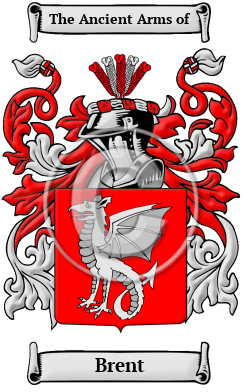
https://www.houseofnames.com/brent-family-crest
https://www.houseofnames.com/dpreview/BRENT/EN/Brent/family-crest-coat-of-arms.png
https://www.houseofnames.com/cdn/webp/i/prod/520x520/surnamecomplete_gold.webp
https://www.aspeninstitute.org/programs/aspen-strategy-group/lt-general-brent-scowcroft/
https://dpaa-mil.sites.crmforce.mil/dpaaProfile?id=a0Jt000000sxxIFEAY
https://www.fordlibrarymuseum.gov/library/document/0204/7505562.pdf
https://news.virginia.edu/content/uvas-miller-center-releases-secret-brent-scowcroft-oral-history
https://www.newstatesman.com/politics/2020/08/the-quiet-mastermind-how-brent-scowcroft-redefined-the-art-of-grand-strategy
Symington, W. Stuart,
Democratic Senator from Missouri
https://en.wikipedia.org/wiki/Stuart_Symington
https://en.wikipedia.org/wiki/United_States_Senate
https://en.wikipedia.org/wiki/United_States_Secretary_of_the_Air_Force
https://bioguideretro.congress.gov/Home/MemberDetails?memIndex=S001136
https://www.congress.gov/member/william-symington/S001136
https://www.trumanlibrary.gov/library/oral-histories/symton
https://bioguide.congress.gov/search/bio/S001136
Agreement on
Ending the War and Restoring Peace in Vietnam Paris 27 January 1973
https://www.cvce.eu/content/publication/2001/10/12/656ccc0d-31ef-42a6-a3e9-ce5ee7d4fc80/publishable_en.pdf
Paris Peace
Accords
https://en.wikipedia.org/wiki/Paris_Peace_Accords
Peace
Negotiations and the Paris Agreement
https://edmoise.sites.clemson.edu/paris.html
Text of Declaration by Paris
Conference on Vietnam
https://www.nytimes.com/1973/03/03/archives/text-of-declaration-by-paris-conference-on-vietnam.html
Vietnam War Bibliography Translation
Series
https://edmoise.sites.clemson.edu/trans.html#fbis
1954 1955 Vietnam Operation Passage to Freedom
https://www.history.navy.mil/content/history/museums/nmusn/explore/photography/humanitarian/20th-century/1950-1959/1954-1955-vietnam-operation-passage-to-freedom.html
Agreement on
Ending the War and Restoring Peace in Vietnam Paris 27 January 1973
https://www.cvce.eu/content/publication/2001/10/12/656ccc0d-31ef-42a6-a3e9-ce5ee7d4fc80/publishable_en.pdf
https://www.cvce.eu/obj/agreement_on_ending_the_war_and_restoring_peace_in_vietnam_paris_27_january_1973-en-656ccc0d-31ef-42a6-a3e9-ce5ee7d4fc80.html
20120414 Hải Chiến Hoàng
Sa
https://bachvietnhan.blogspot.com/2012/04/20120414-hai-chien-hoang-sa.html
Điều chưa kể sau cuộc
hải chiến Hoàng Sa 1974
https://saigonnhonews.com/wp-content/uploads/2025/01/141077565_10161036562590620_499246679089710973_n.jpg
https://saigonnhonews.com/thoi-su/thay-gi-tren-mang/dieu-chua-ke-sau-cuoc-hai-chien-hoang-sa-1974/
Anouncements
20241214 CDTL South Vietnam Not Bound by Geneva Accords 1954
https://bachvietnhan.blogspot.com/2024/12/20241214-cdtl-south-vietnam-not-bound.html
20241110 CDTL Tuyên Cáo Lãnh Thổ Lãnh
Hải VN
https://bachvietnhan.blogspot.com/2024/11/20241110-cdtl-tuyen-cao-lanh-tho-lanh.html
20190910 Petition of the citizens of the Republic of Vietnam
https://bachvietnhan.blogspot.com/2019/09/20190910-petition-of-citizens-of.html
20250130 Cộng Sản Giặc Hồ Đầu Hàng Hoa Kỳ Năm 1973
https://bachvietnhan.blogspot.com/2024/12/20241231-ap-ba-chuc-dau-moi-mot-tham-hoa.html
http://www.youtube.com/watch?v=hwvXyzo7MjM
http://vietnamsaigon.multiply.com/jou
Agreement on
Ending the War and Restoring Peace in Vietnam Paris 27 January 1973
https://www.cvce.eu/content/publication/2001/10/12/656ccc0d-31ef-42a6-a3e9-ce5ee7d4fc80/publishable_en.pdf
https://www.cvce.eu/obj/agreement_on_ending_the_war_and_restoring_peace_in_vietnam_paris_27_january_1973-en-656ccc0d-31ef-42a6-a3e9-ce5ee7d4fc80.html
Tiểu Đoàn 92 BĐQ Trung
Tá Lê Văn Ngôn Với Huyền Thoại Tử Thủ 510 Ngày
https://www.youtube.com/watch?v=iq-IHTqo4es&t=2908s
20251008 Lê Văn Ngôn
Hùng Khí Trời Nam
https://bachvietnhan.blogspot.com/2024/04/20240413-cdtl-hung-khi-troi-nam.html
20230322 Cong Dong Tham
Luan Tonle Tchombe
https://bachvietnhan.blogspot.com/2023/03/20230322-cong-dong-tham-luan-tong-le.html
20170722 Lê Văn Ngôn với Tống Lệ Chân
https://bachvietnhan.blogspot.com/2017/07/20170722-le-van-ngon-voi-tong-le-chan.html