20260211 CDTL GRF 12 April 1975 D230 Thông điệp từ Đại sứ Martin gửi Kissinger.
https://history.state.gov/historicaldocuments/frus1969-76v10/d230
Google Translated
Tài liệu 230
Quan hệ đối ngoại của Hoa Kỳ, 1969–1976, Tập X, Việt Nam, tháng 1 năm 1973 – tháng 7 năm 1975
230. Thông điệp mật từ Đại sứ Martin tại Việt Nam gửi đến Kissinger phụ tá của Tổng thống.
Sài Gòn, ngày 13 tháng 4 năm 1975, 1820Z.
702.
1. Như tôi đã báo cáo vội vàng hôm thứ Sáu, khi tôi gặp Thiệu, ông ấy rất không hài lòng về việc giảm bớt nhân sự. Tôi nghĩ tôi đã thuyết phục được ông ấy và thậm chí còn khiến ông ấy đồng ý tạo điều kiện thuận lợi cho việc miễn trừ lệnh cấm đi lại chung để cho phép xử lý nhanh chóng việc di chuyển của thân nhân người Việt Nam của các nhân viên DAO người Mỹ sắp rời đi. Ông ấy nói rằng việc giảm bớt nhân sự đang bắt đầu được chú ý trên khắp cả nước và có thể góp phần tạo ra cảm giác tuyệt vọng, thậm chí là hoảng loạn. Tôi nói rằng chúng ta đã thực hiện mọi biện pháp phòng ngừa để tránh điều đó. Ông ấy đồng ý. Tuy nhiên, tôi nói rằng nếu tôi không nhanh chóng giảm bớt số lượng nhân viên của Phái đoàn xuống mức cần thiết, áp lực từ người thân ở Hoa Kỳ đối với Quốc hội có thể gia tăng, gây bất lợi cho lợi ích của chính phủ Việt Nam Cộng hòa. Do đó, tôi hy vọng ông ấy sẽ đồng ý rằng hướng đi mà tôi đã quyết định là hướng đi khôn ngoan nhất vì lợi ích của cả hai nước chúng ta, đặc biệt là vì tôi dự đoán rằng chúng ta sẽ rút nhân viên khỏi Phnom Penh bất cứ lúc nào. Ông ấy hỏi liệu sẽ có thông báo nào không. Tôi nói rằng sẽ không có thông báo nào từ đây, và tôi hy vọng cũng sẽ không có thông báo nào từ Washington. Ông ấy nghĩ rằng quyết định này là của tôi, và để bảo vệ Tổng thống và ông, tôi đã để ông ấy nghĩ như vậy. Tôi thực sự hy vọng sẽ không có thông báo nào ở Washington bất chấp áp lực từ những bình luận của Church và Mansfield.
2. Tôi đã đưa cho ông ấy một bản sao phần bài phát biểu của Tổng thống liên quan đến Đông Dương. Tôi nhận thấy sự dũng cảm tuyệt vời của Tổng thống khi tán thành từng đồng xu trong số tiền mà Tướng Weyand đề nghị. [Trang 809]
Tôi nói rằng tôi chắc chắn rằng sẽ có một nỗ lực toàn diện để thông qua khoản ngân sách đó, nhưng đó sẽ là một cuộc chiến rất khó khăn. Ông ấy hỏi liệu ông có định ra làm chứng cho dự luật đó không. Tôi nói rằng ông đã hứa với tôi là sẽ làm vậy và chỉ ra sự hùng biện trong những phát biểu của ông tại cuộc họp báo ở Palm Springs. Ông ấy hỏi tại sao lại nhấn mạnh đến việc di tản trong bài phát biểu của Tổng thống và yêu cầu ban hành luật cho phép đưa quân vào. Tôi nói rằng tôi thực sự không biết, vì tôi nghĩ rằng không cần luật pháp nào để đưa quân vào bảo vệ việc di tản người Mỹ. Tôi nghĩ rằng có lẽ điều đó nhằm mục đích làm chậm áp lực của Cộng sản lên Sài Gòn để cho lực lượng GVN có thời gian nghỉ ngơi để tập hợp lại và cải tổ. Ông ấy không trả lời.
3. Tôi cũng đưa cho ông ấy một bản sao bức thư mà chúng tôi đã gửi cho các bên tham gia Hiệp định Paris. Ông ấy lưu ý rằng chúng tôi chưa yêu cầu triệu tập một cuộc họp của các bên ký kết. Tôi nói rằng chúng tôi sẽ không làm như vậy nếu không tham khảo ý kiến của ông ấy trước, nhưng tôi tự hỏi ông ấy nghĩ rằng việc tổ chức một cuộc họp như vậy vào lúc này, khi chính phủ miền Nam Việt Nam đang ở vào thời điểm yếu kém nhất, có thể đạt được điều gì. Nếu ông ấy cho rằng một cuộc họp như vậy hữu ích, tôi sẽ báo cáo ngay lập tức cho Washington. Ông ấy nói rằng có lẽ sau khi tình hình quân sự ổn định hơn một chút, việc này có thể được xem xét, nhưng chỉ sau khi Hoa Kỳ đã tìm kiếm và nhận được những cam kết chắc chắn từ Liên Xô và Trung Quốc về kết quả.
4. Tôi hỏi ông ấy nghĩ đến kết quả nào. Tôi đã nghe nhiều ý kiến từ nhiều tầng lớp xã hội Việt Nam rằng việc chấp nhận một vùng Nam Kỳ tự do sẽ là điều đáng mong muốn, có lẽ một đường ranh giới từ Nha Trang đến Tây Ninh sẽ là điều đáng mong muốn hơn và dễ phòng thủ hơn. Tôi nói rõ rằng, bất kể ông ấy nói gì trước công chúng, không có cơ hội nào để ông ấy giành lại tất cả những gì đã mất trong tháng trước. Trên thực tế, ông ấy sẽ chấp nhận điều gì? Thiệu trả lời rằng nếu có thể vẽ một đường ranh giới từ Nha Trang đến Ban Mê Thuột và sau đó đến Tây Ninh, đó sẽ là một đường ranh giới dễ phòng thủ và một quốc gia khả thi về mặt kinh tế. Tôi nói rằng sẽ khó tìm được nhiều người đồng ý rằng việc giành lại Ban Mê Thuột trong tương lai gần là một đề nghị thực tế. Ông ấy đồng ý nhưng nói rằng đó phải là mục tiêu của bất kỳ cuộc đàm phán nào. Trong khi đó, cần phải chiến đấu rất quyết liệt để ngăn chặn đà tiến công, cả về thực tế và tâm lý, của quân đội Bắc Việt. Ông ấy nghĩ rằng trận chiến quan trọng đầu tiên sẽ diễn ra ở Xuân Lộc, nơi địch sẽ nỗ lực rất lớn để mở đường đến Biên Hòa. Vâng, ông ấy [Trang 810] nói, ông ấy nghĩ rằng Tướng Toàn sẽ giữ vững được trận địa. Không chỉ giữ vững, mà còn giáng một đòn chí mạng. Toàn không chỉ có ý định phòng thủ mà còn sử dụng mọi nỗ lực để tiêu diệt lực lượng tấn công. Ông ấy nói, xét về lực lượng, quân đội Việt Nam Cộng hòa vượt trội hơn quân đội Bắc Việt, và nếu họ có thể khiến địch tấn công ồ ạt, Toàn sẽ tiêu diệt rất nhiều quân địch. (Tính đến tối nay, điều này dường như đang xảy ra). Ông ấy nói, tất cả họ đều nhận thức rõ rằng một chiến thắng đáng kể là cần thiết để chứng minh cho những người Mỹ đang nghi ngờ rằng "ý chí chiến đấu" vẫn còn nguyên vẹn trong quân đội Việt Nam Cộng hòa. Ông ấy rất mong Tổng thống Ford không đặt ra thời hạn quá ngắn cho hành động của Quốc hội. Ông ấy hy vọng rằng nếu không đủ phiếu cần thiết vào ngày 19, sẽ có cách nào đó để trì hoãn cuộc bỏ phiếu quyết định thêm một tuần nữa. Ông ấy cũng hy vọng rằng, nếu Toàn làm tốt như ông ấy nghĩ, những chiến thắng của ông ấy có thể nhận được sự chú ý của công chúng ở Hoa Kỳ. Tôi nói rằng tôi chắc chắn rằng Washington sẽ giúp đỡ hết sức có thể để đưa câu chuyện thực sự về những gì đang xảy ra đến với người dân Mỹ và Quốc hội. Thiệu cho biết hơn 50.000 binh sĩ thuộc quân đội Việt Nam Cộng hòa đã trở về tuyến phòng thủ của chính phủ miền Nam và đang được tái tổ chức nhanh chóng nhất. (Ước tính mới nhất của chúng tôi cho thấy con số này là chính xác).
5. Tôi hỏi Thiệu về đánh giá của ông ấy về tinh thần của lực lượng vũ trang. Tôi nói rằng, nói một cách thẳng thắn và trung thực, tôi đã nghe thấy nhiều lời than phiền. Thiệu nói điều đó đúng, nhưng ông ấy cảm thấy mình vẫn nhận được sự trung thành của Toàn, Nam (các Tư lệnh Quân đoàn III và IV), Tướng Viên và hầu hết các sĩ quan cấp cao quan trọng nhất. Tôi nói rằng, nếu ông ấy cho phép tôi nói thật lòng, tôi không nghĩ rằng sự ủng hộ dành cho ông ấy lại vững chắc đến vậy. Ví dụ, tôi đã nghe thấy lời phàn nàn rằng chuỗi chỉ huy thực sự không phải là từ ông ấy đến Bộ trưởng Quốc phòng, Bộ Tổng tham mưu, rồi đến các Tư lệnh Quân đoàn, mà là trực tiếp từ ông ấy thông qua trợ lý của ông ấy, Tướng Quang, đến các Tư lệnh Quân đoàn. Thiệu phủ nhận điều này. Tôi nói rằng dù điều đó có đúng hay không, việc người ta tin rằng điều đó là đúng cũng đã gây bất an. Tôi nhắc lại rằng Tướng Weyand đã đề nghị rằng việc giao quyền rõ ràng cho Tướng Viên, với tư cách là Chỉ Huy Trưởng Bộ Tổng tham mưu, để điều hành chiến tranh sẽ rất hữu ích. Tôi nói rằng có lẽ tôi có thể mạo hiểm đưa ra một đề nghị bổ sung, với tư cách là một người không thuộc quân đội, rằng sẽ rất hữu ích nếu điều này được thực hiện theo một cách nào đó để công chúng biết đến. Tôi nói rằng vụ đánh bom vào Dinh Tổng thống dường như là một sự cố riêng lẻ như đã tuyên bố, nhưng người ta không thể chắc chắn về điều đó. Tôi nói rằng như ông ấy biết rõ, tôi đã cẩn thận tránh can thiệp vào các vấn đề nội bộ, nhưng một cuộc đảo chính vào thời điểm này sẽ là thảm họa đối với Việt Nam. Tôi sẽ rất tiếc về điều đó, nhưng mối quan tâm chính của tôi là sự nguy hiểm đối với những người Mỹ dưới quyền tôi sẽ phát sinh từ sự hỗn loạn chắc chắn sẽ xảy ra. Tôi cho rằng việc giao quyền mà Tướng Weyand đề nghị là hợp lý về mặt quân sự, và tôi nghĩ rằng việc công khai điều đó sẽ hợp lý về mặt chính trị. Tổng thống Thiệu nói rằng trên thực tế ông ấy đã giao quyền như vậy và ông ấy sẽ suy nghĩ về đề nghị của tôi về việc công khai điều đó.
6. Tôi hỏi ông Thiệu về tiến trình thành lập nội các mới của ông Cẩn. Ông Thiệu nói mọi việc tiến triển rất tốt. Chỉ còn một vài quyết định cần được đưa ra. Tôi hỏi liệu ông có ý định trao toàn quyền cho ông Cẩn trong việc điều hành chính phủ hay không. Ông Thiệu nói ông sẽ làm như vậy. Tôi hỏi thêm liệu ông có ý định công khai ý định này hay không, điều này có thể làm giảm bớt nhiều lời chỉ trích rằng ông chưa bao giờ cho phép Tướng Khiêm, khi còn làm Thủ tướng, có toàn quyền quyết định. Ông Thiệu nói rằng ông Khiêm có toàn quyền quyết định tùy thuộc vào sự can đảm của ông ấy, nhưng ông ấy luôn gửi mọi việc cho ông Thiệu để quyết định. Tôi nói rằng một cách để khắc phục điều đó là gửi lại những việc đó cho ông ấy mà không đưa ra quyết định, nhưng kèm theo chỉ thị rõ ràng yêu cầu ông ấy tự quyết định, và phải quyết định sớm. Tôi nói rằng nếu ông làm như vậy với Thủ tướng mới, ông ấy có thể hiểu rằng Tổng thống thực sự nghiêm túc với ý định đó.
7. Tôi hỏi khi nào chính phủ mới sẽ được công bố. Tổng thống nói rất sớm. Thông thường, nội các sẽ tự giới thiệu trước, rồi vài ngày sau mới trình bày chương trình hành động cho quốc gia. Lần này, nội các sẽ tự giới thiệu và trình bày chương trình hành động cùng một lúc. Tôi nói tôi hy vọng chương trình đó sẽ thể hiện tinh thần hòa giải nhất có thể trong hoàn cảnh hiện tại. Tôi nghĩ điều cực kỳ quan trọng là chương trình phải nhận được sự ủng hộ rộng rãi của người dân. Tôi cũng hy vọng nó sẽ chứa đựng những dấu hiệu cụ thể và rõ ràng về sự sẵn sàng đàm phán với phía bên kia. Tôi nói cả hai chúng ta đều có cùng thông tin tình báo về ý định thực sự của họ, nhưng điều bắt buộc là thế giới không được nghi ngờ về sự sẵn sàng đàm phán nghiêm túc của chính phủ mới. Có lẽ khi đó sẽ có cơ hội để dư luận và áp lực ngoại giao quốc tế tác động lên phía bên kia để làm giảm đà tấn công quân sự của họ, điều này rất cần thiết, ít nhất là để giành thêm thời gian. Thực tế, tôi nghĩ đã đến lúc cần xem xét nghiêm túc một loạt mục tiêu đàm phán khác so với những mục tiêu mà chính phủ Việt Nam Cộng hòa trước đây đã tuân thủ. Tôi nói, bất cứ điều gì cần làm thì cũng nên làm sớm.
8. Tôi hỏi Thiệu khi nào ông ấy sẽ phát biểu trước toàn dân. Ông ấy nói rất sớm, có lẽ khi chính phủ mới trình bày chương trình của họ cho ông ấy. Tôi nói tôi rất hy vọng bài phát biểu của ông ấy cũng sẽ mang tính hòa giải, đối với nội bộ, đối với phe đối lập, và thậm chí cả với người Mỹ. Tôi nói rằng khi đưa ra đề nghị cuối cùng này, tôi không hề biện hộ cho những gì Quốc hội dường như sắp làm. Đề nghị của tôi dựa trên niềm tin rằng một cuộc tấn công gay gắt chỉ làm cho lập trường của phe đối lập trong Quốc hội càng thêm cứng rắn. Những lời nói trong nỗi buồn chứ không phải trong sự tức giận có thể khơi dậy cảm giác xấu hổ và lòng trắc ẩn. Tôi nói ông ấy có thể muốn nói rằng Tổng thống Ford đã phát biểu như một nhà lãnh đạo của một quốc gia vĩ đại nên phát biểu, rằng người dân Việt Nam nồng nhiệt hoan nghênh những lời nói thấu hiểu của ông ấy về Việt Nam, rằng người dân Việt Nam vô cùng hy vọng Quốc hội sẽ đáp lại như những đại diện của người dân một quốc gia vĩ đại nên đáp lại, giờ đây sự xâm lược trắng trợn của Hà Nội không còn có thể che giấu được nữa bằng những lời tuyên truyền và xuyên tạc đã che khuất thực tế của Việt Nam trong suốt thời gian dài, và họ sẽ cung cấp cho chúng ta những phương tiện cần thiết và đã hứa để chúng ta tự vệ. Nếu họ không làm vậy, chúng ta sẽ gặp nguy hiểm lớn. Dù thế nào đi nữa, tôi kêu gọi lực lượng vũ trang Việt Nam chiến đấu bảo vệ đất nước với lòng dũng cảm và tinh thần quyết tâm cao hơn. Nếu người Mỹ giúp chúng ta, chúng ta chắc chắn sẽ bảo vệ được tự do của mình. Nếu họ không giúp, chúng ta không còn lựa chọn nào khác ngoài việc tiếp tục chiến đấu—lấy vũ khí từ nguồn cung cấp dồi dào mà các đồng minh trung thành hơn đã cung cấp cho kẻ thù của chúng ta. Nếu người Mỹ không giúp chúng ta, chúng ta không nên cảm thấy tức giận. Chúng ta nên nhớ sự giúp đỡ của họ trong quá khứ. Chúng ta nên cảm thấy buồn vì một quốc gia vĩ đại phá vỡ lời hứa cuối cùng sẽ phải trả giá đắt hơn nhiều so với cái giá mà chúng ta sẽ phải trả. Tôi nói với ông ấy rằng, sau nhiều năm chiến tranh, người dân miền Nam Việt Nam khao khát hòa bình, rằng vào ngày 21 tháng 11 năm ngoái, ông đã nói rằng Cộng hòa Việt Nam sẵn sàng thảo luận và thực hiện ngay lập tức giải pháp chính trị được nêu trong Hiệp định Paris—bao gồm cả việc thành lập Hội đồng Quốc gia Hòa giải và Hòa hợp Dân tộc. Việt Nam Cộng hòa không thay đổi lập trường của mình. Vẫn yêu cầu phía bên kia thực hiện các phần chính trị của Hiệp định Paris. Nhưng chừng nào quân đội Bắc Việt vẫn tiếp tục hành động xâm lược trắng trợn chống lại miền Nam Việt Nam, thì không còn lựa chọn nào khác ngoài việc chiến đấu để sinh tồn. Tôi đề nghị ông ấy nên nhấn mạnh lời kêu gọi tất cả người dân miền Nam Việt Nam thuộc mọi nhóm chính trị và mọi tôn giáo hãy gạt bỏ những khác biệt cá nhân trong thời điểm nguy hiểm tột cùng đối với quốc gia này và đoàn kết ủng hộ Chính phủ Liên hiệp Quốc gia mới do Thủ tướng Cẩn thành lập. Tổng thống đã ghi chép lại. Liệu các cố vấn viết diễn văn của ông ấy có thuyết phục ông ấy không sử dụng những điểm này hay không thì vẫn còn phải chờ xem.
9. Tôi đã cảnh báo Tổng thống, như tôi đã từng làm khi gặp ông nhân dịp chuyến thăm cuối cùng của Tướng Weyand, rằng thời gian không còn nhiều. Mặc dù tinh thần đã tốt hơn, và trạng thái sốc ban đầu đang dần qua đi, nhưng cần phải có sự lãnh đạo mạnh mẽ hơn nhiều ở Sài Gòn so với những gì chúng ta đã có gần đây. Có lẽ chính phủ mới của ông Cẩn có thể cải thiện tình hình, nhưng ngay cả với sự sẵn lòng rõ ràng của nhiều người thuộc phe đối lập muốn giảm bớt sự ngoan cố mù quáng của họ và thực tế là nhiều người sẽ tham gia chính phủ hoặc Hội đồng Cố vấn khi nhận ra mối nguy hiểm nghiêm trọng, [Trang 813] thì cần phải có sự nhượng bộ từ cả hai phía. Trên hết, không chỉ cần có sự sẵn lòng, mà còn cần có những tiến bộ rõ ràng hướng tới đàm phán. Ông trả lời rằng ông hy vọng việc thành lập nội các của ông Cẩn sẽ tạo cơ hội để bắt đầu thực hiện nhiều điều mà tôi đã đề cập.
10. Tôi nói rằng tôi hiểu Đại sứ Pháp muốn gặp ông ấy. Ông ấy nói rằng ông đã từ chối gặp vì tức giận trước sự can thiệp của Giscard, điều mà ông cho là không thể tha thứ được. Ông đã chỉ thị cho quyền Bộ trưởng Ngoại giao triệu tập ông ta đến để nhận khiếu nại của chính phủ Việt Nam Cộng hòa. Tôi nói rằng, dù sao đi nữa, tôi nghĩ ông ấy nên tiếp Đại sứ Merillon. Xét cho cùng, ông ấy đã bày tỏ sự không hài lòng bằng cách từ chối gặp ông ta, thay vào đó cử ông ta đến Bộ Ngoại giao. Bây giờ ông ta đã bị khiển trách thích đáng, việc gặp ông ta sẽ hoàn toàn phù hợp mà không làm mất thể diện. Tôi rời đi, bày tỏ hy vọng rằng những nỗ lực của Tướng Toàn sẽ thành công như ông ấy mong đợi và nếu vậy, chúng tôi sẽ cố gắng xem chúng tôi có thể làm gì ở Washington để đảm bảo rằng sự thật được công bố cho Quốc hội và công chúng.
11. Tôi đã thúc giục Thiệu gặp Jean-Marie Merrilon, vì rõ ràng ông ta đang mang theo một đề nghị đàm phán nào đó từ phía bên kia mà ông ta chỉ muốn trình bày với Thiệu. Tôi không biết đó là gì, và cũng chưa nhận được thông tin nào từ Washington hay Paris về vấn đề này. Nhưng dù thế nào đi nữa, tốt hay xấu, nó cũng có thể giúp tạo ra một bước tiến nào đó, và bất kỳ bước tiến nào hướng tới con đường đàm phán vào thời điểm này đều có vẻ hữu ích đối với tôi. Nếu chúng ta đang có bất kỳ cuộc tiếp xúc nào với bất kỳ ai khác, thì việc biết được điều đó cũng rất hữu ích.
12. Áp lực mà tôi gây ra cho Thiệu về cách tiếp cận "không phải bằng sự tức giận mà bằng nỗi buồn" đối với khả năng Quốc hội từ chối viện trợ quân sự bổ sung rõ ràng có hai mục tiêu. Thứ nhất, điều đó là đúng sự thật và có thể ảnh hưởng đến một số thành viên Quốc hội. Thứ hai, nếu ông ấy sử dụng cách tiếp cận đó, nó có thể làm giảm bớt sự thù địch chống Mỹ vốn có thể trở nên nghiêm trọng hơn. Nếu Tướng Toàn tiếp tục thành công ở Xuân Lộc, quân đội Bắc Việt sẽ tấn công ở một nơi khác, nhưng đó sẽ là một thất bại rõ ràng đối với họ và tôi hy vọng chúng ta có thể làm mọi thứ có thể để chứng minh rằng "ý chí chiến đấu" vẫn còn tồn tại. Tôi vẫn không nghĩ họ sẽ tấn công trực tiếp vào Sài Gòn, nhưng tôi chắc chắn muốn chuẩn bị đầy đủ cho khả năng đó.
13. Xin lỗi vì gửi báo cáo muộn, nhưng Brent Scowcroft cứ trì hoãn việc gửi cho tôi bản báo cáo hàng ngày mà ông ấy đã hứa. Chắc là ông ấy cần tất cả những gì mình có để tiếp tục làm việc với các bạn. Bây giờ là hai giờ sáng rồi. Tôi đi ngủ đây.
14. Trân trọng.
1. Nguồn: Thư viện Ford, Cố vấn An ninh Quốc gia, Thông điệp kênh bí mật, Hộp 3, Kênh Martin, Thư đến, tháng 4 năm 1975 (1). Tuyệt mật; Nhạy cảm; Chỉ dành cho người được ủy quyền; Khẩn cấp. Được gửi kèm theo chỉ thị: “Giao ngay lập tức.”↩
2. Ngày 11 tháng 4.↩
3. Xem chú thích 6, Tài liệu 209.↩
4. Hoa Kỳ đã gửi một công hàm ngoại giao về tình hình ở Việt Nam đến các cơ quan đại diện của Hoa Kỳ tại Hungary, Indonesia, Vương quốc Anh, Liên Xô, Pháp, Ba Lan, Cộng hòa Nhân dân Trung Hoa, Việt Nam và Iran và đến Phái đoàn Hoa Kỳ tại Liên Hợp Quốc, để được chuyển giao ngay trước bài phát biểu của Tổng thống vào ngày 10 tháng 4. Công hàm yêu cầu các chính phủ tham gia cùng Hoa Kỳ kêu gọi Bắc Việt Nam ngừng chiến và tôn trọng Hiệp định Paris. (Điện tín 82184, ngày 10 tháng Lưu trữ Quốc gia, RG 59, Hồ sơ Chính sách Đối ngoại Trung ương)↩
5. Xem chú thích 2, Tài liệu 212.↩
6. Bài phát biểu ngày 21 tháng 11 năm 1974 của Thiệu trước Liên đoàn Chống Cộng sản Nhân dân Châu Á tại Sài Gòn đã kêu gọi Bắc Việt Nam nối lại các cuộc đàm phán theo yêu cầu của Hiệp định Paris. (Điện tín 14540 từ Sài Gòn, ngày 21 tháng 11 năm 1974; Lưu trữ Quốc gia, RG 59, Hồ sơ Chính sách Đối ngoại Trung ương)↩
7. Đại sứ quán báo cáo rằng họ đã biết được một quan chức Bộ Ngoại giao Pháp đã gặp riêng Đại sứ CHDCVN tại Paris và đại diện của Chính phủ Cách mạng Lâm thời để thúc giục họ đàm phán với Chính phủ miền Nam Việt Nam. Cả hai đều cho biết họ sẽ đàm phán với bất kỳ ai ở Sài Gòn trừ Thiệu. (Điện tín 4614 từ Sài Gòn, ngày 9 tháng 4; ibid.)↩
https://history.state.gov/historicaldocuments/frus1969-76v10/sources
https://history.state.gov/historicaldocuments/frus1969-76v10/terms
https://history.state.gov/historicaldocuments/frus1969-76v10/persons
https://history.state.gov/historicaldocuments/frus1969-76v10/note
Vietnam, January 1973–July 1975
https://history.state.gov/historicaldocuments/frus1969-76v10/comp1
Collapse and Evacuation, February 26–July 22, 1975 (Documents 178–283)
4. Document 230
Foreign Relations of the United States, 1969–1976, Volume X, Vietnam, January 1973–July 1975
230. Backchannel Message From the Ambassador to Vietnam (Martin) to the President’s Assistant for National Security Affairs (Kissinger)1
Saigon, April 13, 1975, 1820Z.
702. 1. As I reported hurriedly on Friday,2 when I saw Thieu he was very unhappy about the personnel drawdown. I think I talked him out of it and even got him to agree to facilitate the waivers from the overall travel ban to permit expeditious handling of the Vietnamese dependents of the DAO Americans who were leaving. He said the drawdown was beginning to be noticed throughout the country and could contribute to a sense of hopelessness, and even of panic. I said that we had taken every precaution to avoid that. He agreed that this was so. I said, however, if I did not rapidly proceed to strip the Mission down to an essential number, pressure could build from relatives in the United States on the Congress that would be harmful to GVN interests. I hoped, therefore, that he would agree that the course I had decided upon was the wisest one to follow in the interests of both our countries, especially since I expected that we would be withdrawing our personnel from Phnom Penh any moment. He asked whether there would be any announcement. I said there would be none from here, and I hoped there would be none from Washington. He thinks the decision is mine, and in the protection of the President and you I let him think so. I do hope there will be no announcement in Washington despite the pressure of the Church and Mansfield comments.
2. I gave him a copy of the portion of the President’s address that related to Indochina. I noted the great courage of the President in endorsing every penny of the amount recommended by General Weyand. [Page 809] I said that I was certain that a total effort would be mounted to get the appropriation through, but it would be a very tough fight. He asked if you were going to testify for the bill. I said that you had promised me that you would and pointed to the eloquence of your remarks in the press conference at Palm Springs.3 He asked why the stress on evacuation in the President’s speech and the request for legislation permitting introduction of force. I said that I really did not know, since I thought no legislation was necessary to introduce force to protect evacuation of Americans. I thought it might perhaps be intended to slow down Communist pressure on Saigon to give GVN forces a breather to regroup and reform. He did not reply.
3. I also gave him a copy of the note we had delivered to the parties to the Paris Agreements.4 He noted that we had not called for a meeting of the signatories. I said we would not have done so without prior consultation with him, but wondered what he thought could be accomplished just now by having such a meeting when the GVN was at its weakest ebb ever. If he thought such a meeting useful, I would immediately report this to Washington. He said perhaps after the military situation stabilized a bit, it might be considered, but only after the US had sought and received firm commitments from the Soviets and Chinese about the outcome.
4. I asked what outcome he had in mind. I had heard many comments from many levels of Vietnam society that settling for a free Cochin China would be desirable, perhaps a line from Nha Trang to Tay Ninh would be desirable now and much more defensible. It was obvious, I said that no matter what he said for public consumption, there was no chance for him to take back all that had been lost in the past month. What would he realistically settle for? Thieu replied that if a line could be drawn through Nha Trang to Ban Me Thuot and then to Tay Ninh, it would be a defensible line and a viable country, economically. I said that it would be hard to find many who would now agree that taking back Ban Me Thuot in the near future was a very realistic proposal. He agreed but said that should be the goal of any negotiation. In the meantime, it was necessary to fight very hard to arrest the momentum, actual and psychological of the NVA advance. He thought the first crucial battle would come at Xuan Loc, where the enemy would make a vast effort to clear the way to Bien Hoa. Yes, he [Page 810] said, he thought General Toan would hold. Not only hold, but administer a crushing blow. Toan intended not only to defend but to use every effort to crush the forces attacking. Man-for-man, he said, the GVN was superior to the NVA forces, and if they could get them to attack en masse Toan would slaughter many of them. (As of tonight, this seems to be happening). They were all well aware, he said, that a considerable victory was necessary to prove to doubting Americans that the “will to fight” still existed unimpaired in the RVNAF. He very much wished that President Ford had not put such a short time fuse for congressional action. He hoped that if the necessary votes did not seem available by the 19th, some way be found to delay for another week the decisive vote. He also hoped that some way could be found, if Toan did as well as he thought he would, that his victories could receive some public attention in the United States. I said I was sure that Washington would help as much as it could to get the true story of what was happening before the American people and the Congress. Thieu said that more that 50,000 of the RVNAF complement had now made its way back to GVN lines and were being reformed as rapidly as possible. (Our latest estimate is that this figure is correct).
5. I asked Thieu how he assessed the morale in the armed forces. I said that, speaking quite frankly and honestly, I had heard much grumbling. Thieu said this was true, but he felt he had the loyalty of Toan, Nam (his III and IV Corps Commanders), General Vien and the most important of the senior officers. I said that, again if he would permit me to be as honest as I could be, that I did not think his support was all that monolithic. For example, I had heard complaint that the true chain of command ran not through him to Minister of Defense, the JGS, and then to the Corps Commanders, but directly from him through his assistant, General Quang, to the Corps Commanders. Thieu denied this. I said that whether it was true or not, the fact that it was believed to be true was unsettling. I reminded him that General Weyand had suggested that a clear delegation to General Vien, as Chairman of the JGS, to run the war would be helpful. I said that perhaps I might venture as a non-military man to make an additional suggestion, that it would be helpful that this be done in some way that might receive public notice. I said that the bombing attack on the Palace apparently was an isolated incident as claimed,5 but one could not be sure of that. I said that as he well knew I had meticulously refrained from any interference in internal affairs, but a coup attempt at this moment would be disastrous for Vietnam. I would be sorry for that but my main concern would be the danger to the Americans in my charge that would arise from the chaos that almost certainly would ensue. I assumed the delegation recommended [Page 811] by General Weyand made sound military sense, and I thought some way to make it public would make sound political sense. President Thieu said he had, in fact, made such a delegation and he would think about my suggestion about making it public.
6. I asked how Can was coming in trying to form a new Cabinet. Thieu said very well. Only a few decisions remained to be made. I asked whether he intended to give him a free hand in running the government. Thieu said he was. I asked whether, again, he intended to make this intention public, which might allay much of the criticism that he had never allowed General Khiem as Prime Minister to have a free hand. Thieu said Khiem had as much of a free hand as he had the courage to take, but he was always sending things over to him to decide. I said one way to cure that might be to send them back to him without decision but with firm instructions to decide himself, and soon. I said that if he did that with the new Prime Minister, he might get the idea that the President meant it.
7. I asked when the new government would be announced. The President said very soon. Normally, the Cabinet presented itself first and then several days later presented its program for the nation. This time, the Cabinet would present itself and its program for the nation at the same time. I said I hoped its program would strike as conciliatory a note as would be possible under the circumstances. I thought it would be vitally important for the program to enlist as broad a popular support as could possibly be achieved. I also hoped it could contain specific and quite clear indications of its willingness to negotiate with the other side. I said we both saw the same intelligence about their real intentions but it was imperative that the world have no doubt about the willingness of the new government to negotiate seriously. Perhaps then there would be a chance that public opinion and international diplomatic pressure could be brought to bear on the other side to lessen the momentum of their military attack, which was essential if for no other reason than to gain time. Actually, I thought the time had come to seriously consider a different set of negotiating objectives than those to which the GVN had previously adhered. Whatever was done, I said, should be done soon.
8. I asked Thieu when he was next going to speak to the nation. He said very soon, perhaps when the new government presented its program to him. I said I hoped very much that his speech could also be conciliatory, internally, to the other side, and perhaps even to the Americans. I said that in making the last suggestion I was in no way excusing what the Congress appeared to be on the verge of doing. My suggestion was based on my conviction that a slashing attack would only harden the positions of the opponents in the Congress. Words in sorrow but not in anger might stir a sense of shame and compassion. I said he might wish to say that President Ford spoke as one would expect the [Page 812] leader of a great nation to speak, that the Vietnamese people warmly welcome his understanding words about Vietnam, that the Vietnamese people deeply hope that the Congress will respond as the representatives of the people of a great nation should respond now that the naked aggression of Hanoi can no longer be concealed by the flood of propaganda and distortion that has so long obscured the actual realities of Vietnam and that they will give us the means we need and were promised for our self defense. If they do not, we will be in great danger. Either way, I call on the Vietnamese armed forces to fight for the defense of their country with renewed valor and courage. If the Americans help us, we are sure to preserve our freedom. If they do not, we have no choice but to continue to fight—taking our weapons from the generous supplies given our enemies by their more constant and faithful allies. If the Americans do not help us, we should not feel anger. We should remember their help in the past. We should feel sorrow because a great nation that breaks its promises will in the end pay a far greater price than we will be called on to pay. He might wish to say, I told him, that after so many years of war, the people of South Vietnam yearn for peace, that on last November 21 you said that the Republic of Vietnam was willing to discuss, and implement without delay, the political solution called for in the Paris Agreement—including the setting up of the National Council of National Reconciliation and Concord.6 The Republic of Vietnam has not changed its position. It still asks the other side to implement the political parts of the Paris Agreement. But so long as the North Vietnamese Army continues its naked agression against South Vietnam, there is no choice but to fight for survival. I suggested he might wish to emphasize an appeal to all South Vietnamese of all political groups and of all religions to set aside their individual differences in this time of supreme danger to the nation and unite behind the new Government of National Union being formed by Prime Minister Can. The President made notes. Whether he will be talked out of using these points by his speech writers remains to be seen.
9. I warned the President, as I had when I saw him on the occasion of General Weyand’s last call, that time was running out. While morale was better, and the state of shock was beginning to wear off, there was a need for a far greater degree of leadership in Saigon than we had had recently. Perhaps the new Can government might improve things, but even with the obvious willingness of many of the opposition to subdue their blind intransigence and the fact that many would join either the government or the Advisory Council in their realization of acute danger, [Page 813] they had to be met halfway. Above all, there had to be not only a willingness, but some obvious progress toward negotiation. He replied that he hoped the presentation of the Can Cabinet would provide the opportunity to set many of the things I had mentioned in motion.
10. I said I understood the French Ambassador wanted to see him. He said he had refused in his anger at Giscard’s intervention which was unforgivable.7 He had instructed him to be called in by acting Foreign Minister to receive GVN complaint. I said that, nevertheless, I thought he should receive Merillon. After all, he had expressed his displeasure by refusing to see him, sending him instead to Foreign Ministry. Now that he had been properly rebuked it would be quite proper to see him without loss of face. I left, expressing the hope that General Toan’s efforts would be every bit as successful as he hoped and that, if so, we would try to see what we could do in Washington to see that the true facts were made available to the Congress and the public.
11. I pressed Thieu to see Jean-Marie Merrilon, because it was obvious he is carrying some kind of negotiating offer from the other side which he will present only to Thieu. I don’t know what it is, and have had nothing from Washington or Paris about it. But whatever it is, good, bad, or indifferent, it might serve to get some movement, and any movement toward a negotiating track at this time seems to me to be useful. If we have anything going with anyone at all that would be useful to know also.
12. My pressure I put on Thieu for the “not with anger but with sorrow” approach to possibility of congressional rejection of additional military aid had obvious dual objective. First, it is true and just might influence some in Congress. Second, if he uses it, it just might lessen the anti-American antagonisms that might otherwise get sticky. If General Toan continues to be so successful at Xuan Loc, the NVA will smash somewhere else, but it will be a definite setback for them and I hope we can do everything we possibly can to get a recognition that the “will to fight” is still here. I still don’t think they will make a direct assault on Saigon, but I damn well want to be fully prepared for it.
13. Sorry to be late with this report, but Brent Scowcroft keeps delaying in sending me the day stretcher he promised. Guess he needs all he has to keep working with you. It’s two in the morning here. I’m going to bed.
14. Warm regards.
1. Source: Ford Library, National Security Adviser, Backchannel Messages, Box 3, Martin Channel, Incoming, April 1975 (1). Secret; Sensitive; Eyes Only; Immediate. Sent with the instruction: “Deliver immediately.”↩
2. April 11.↩
3. See footnote 6, Document 209.↩
4. The United States sent a diplomatic note on the situation in Vietnam to U.S. posts in Hungary, Indonesia, the United Kingdom, the Soviet Union, France, Poland, the People’s Republic of China, Vietnam, and Iran and to USUN, to be delivered just prior to the President’s speech on April 10. The note asked the governments to join the United States in calling upon North Vietnam to halt the fighting and honor the Paris Agreement. (Telegram 82184, April 10; National Archives, RG 59, Central Foreign Policy Files)↩
5. See footnote 2, Document 212.↩
6. Thieu’s November 21, 1974, address to the Asian People’s Anti-Communist League in Saigon called on the North Vietnamese to resume the negotiations called for in the Paris Agreement. (Telegram 14540 from Saigon, November 21, 1974; National Archives, RG 59, Central Foreign Policy Files)↩
7. The Embassy reported that it had learned that a French Foreign Ministry official had met separately with the DRV Ambassador in Paris and the PRG representative to urge them to negotiate with the South Vietnamese Government. Both indicated they would negotiate with anyone in Saigon but Thieu. (Telegram 4614 from Saigon, April 9; ibid.)↩
https://history.state.gov/historicaldocuments/frus1969-76v10/ch3
https://history.state.gov/historicaldocuments/frus1969-76v10/d230
https://history.state.gov/historicaldocuments/frus1969-76v10/pg_809
https://history.state.gov/historicaldocuments/frus1969-76v10/pg_810
https://history.state.gov/historicaldocuments/frus1969-76v10/pg_811
https://history.state.gov/historicaldocuments/frus1969-76v10/pg_812
https://history.state.gov/historicaldocuments/frus1969-76v10/pg_813
https://history.state.gov/historicaldocuments/frus1969-76v10/d209fn6
https://history.state.gov/historicaldocuments/frus1969-76v10/d212fn2
Thân thế (các) nhân vật/
Cao Van Vien,
General, Chief of General Staff, Republic of Vietnam Armed Forces
Democratic Senator from Idaho
https://en.wikipedia.org/wiki/Frank_Church
https://en.wikipedia.org/wiki/United_States_Senate
https://www.britannica.com/biography/Frank-Church
https://www.senate.gov/senators/FeaturedBios/Featured_Bio_ChurchFrank.htm
https://www.senate.gov/senators/featured-biographies.htm
Dang Van Quang,
Lieutenant General, ARVN, Military Assistant to President Thieu
Ford, Gerald R.,
Republican Representative from Michigan until October 13, 1973; House Minority Leader until October 13, 1973; Vice President of the United States from October 13, 1973, until August 8, 1974; President of the United States from August 8, 1974
https://en.wikipedia.org/wiki/Gerald_Ford
https://en.wikipedia.org/wiki/President_of_the_United_States
https://en.wikipedia.org/wiki/Vice_President_of_the_United_States
https://en.wikipedia.org/wiki/House_Minority_Leader
https://en.wikipedia.org/wiki/Leader_of_the_House_Republican_Conference
https://en.wikipedia.org/wiki/Chair_of_the_House_Republican_Conference
https://en.wikipedia.org/wiki/United_States_House_of_Representatives
https://www.whitehouse.gov/about-the-white-house/presidents/gerald-r-ford/
https://www.whitehouse.gov/administration/
https://geraldrfordfoundation.org/gerald-r-ford-biography/
https://www.fordlibrarymuseum.gov/grf/timeline.asp
https://en.wikipedia.org/wiki/Presidency_of_Gerald_Ford
https://www.fordlibrarymuseum.gov/library/guides/findingaid/ford_vp_papers.asp
French President from May 27, 1974
https://en.wikipedia.org/wiki/Val%C3%A9ry_Giscard_d%27Estaing
https://en.wikipedia.org/wiki/President_of_France
https://en.wikipedia.org/wiki/President_of_the_Regional_Council_(France)
https://en.wikipedia.org/wiki/Ministry_of_the_Economy_and_Finance_(France)
https://en.wikipedia.org/wiki/Chamali%C3%A8res
https://history.state.gov/historicaldocuments/frus1969-76ve15p2/d322
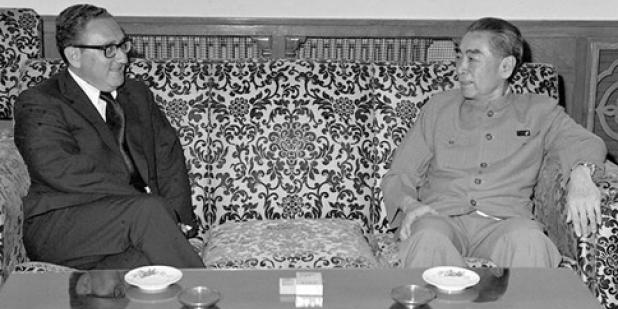
Henry A Kissinger
Assistant to the President for National Security Affairs until November 3, 1975; also Secretary of State from September 21, 1973
https://www.theguardian.com/world/2023/may/20/bilderberg-meeting-group-lisbon-kissinger
https://www.theguardian.com/world/bilderberg
https://history.state.gov/historicaldocuments/frus1969-76ve13/summary
https://china.usc.edu/getting-beijing-henry-kissingers-secret-1971-trip
https://china.usc.edu/catalog/documents/us-china
http://www.archives.gov/press/press-releases/2001/nr01-47.html
https://china.usc.edu/talking-points-july-22-august-3-2011
https://china.usc.edu/getting-beijing-henry-kissingers-secret-1971-trip#meetings
https://china.usc.edu/getting-beijing-henry-kissingers-secret-1971-trip#nixon-announcement
https://china.usc.edu/getting-beijing-henry-kissingers-secret-1971-trip#chinese-accept
https://china.usc.edu/getting-beijing-henry-kissingers-secret-1971-trip#signals
https://china.usc.edu/getting-beijing-henry-kissingers-secret-1971-trip#the_aim
http://www.foreignaffairs.com/articles/23927/richard-m-nixon/asia-after-viet-nam
https://history.state.gov/historicaldocuments/frus1969-76v17/d4
https://history.state.gov/historicaldocuments/frus1969-76v17/d12
https://history.state.gov/historicaldocuments/frus1969-76v17/d13
https://history.state.gov/historicaldocuments/frus1969-76v17/d141
https://2001-2009.state.gov/documents/organization/100324.pdf
https://en.wikipedia.org/wiki/Henry_Kissinger_and_the_Vietnam_War
Lesson in Vietnam from Kissinger to Nixon: “when we made it “our war” we would not let the South Vietnamese fight it; when it again became “their war”, we would not help them fight it.”
(We also had trouble with excesses here: when we made it “our war” we would not let the South Vietnamese fight it; when it again became “their war,” we would not help them fight it. Ironically, we prepared the South Vietnamese for main force warfare after 1954 (anticipating another Korean-type attack), and they faced a political war; they had prepared themselves for political warfare after 1973 only to be faced with a main force invasion 20 years after it had been expected.)
https://history.state.gov/historicaldocuments/frus1969-76v10/d280
Lesson of Vietnam May 12 1975 by Henry A. Kissinger
https://www.fordlibrarymuseum.gov/library/exhibits/vietnam/032400091-002.pdf
https://thebattleofkontum.com/extras/kissinger.html
“Richard M. Nixon and Kissinger on 3 August 1972,” Conversation 760-006, Presidential Recordings Digital Edition [Fatal Politics, ed. Ken Huges] (Charlottesville: University of Virginia Press, 2014-). URL:https://prde.upress.virginia.edu/conversations/4006748
https://player.vimeo.com/video/889937807?h=e44572c8f3&color=e57200&title=0&byline=0&portrait=0
https://player.vimeo.com/video/889937807?h=e44572c8f3&color=e57200&title=0&byline=0&portrait=0
Discover the Truth at:
https://www.theblackvault.com/documentarchive/the-cias-vietnam-document-cd-rom/
The secret life of Henry Kissinger minutes of a 1975 meeting with Lawrence Eagleburger
https://etan.org/news/kissinger/secret.htm
Henry Kissinger and the Truth About Negotiations In Vietnam
https://www.youtube.com/watch?v=Z5fxxKVfX5g
Senator (D–MT), Senate Majority Leader
Democratic Senator from Montana; Majority Leader and member of the Senate Foreign Relations Committee
https://en.wikipedia.org/wiki/Mike_Mansfield
https://en.wikipedia.org/wiki/United_States_Ambassador_to_Japan
https://en.wikipedia.org/wiki/Party_leaders_of_the_United_States_Senate
https://en.wikipedia.org/wiki/Senate_Democratic_Caucus#Chairs
https://en.wikipedia.org/wiki/Party_leaders_of_the_United_States_Senate
https://en.wikipedia.org/wiki/United_States_Senate
https://en.wikipedia.org/wiki/United_States_House_of_Representatives
https://www.k-state.edu/landon/speakers/mike-mansfield/
https://www.k-state.edu/landon/speakers/mike-mansfield/audio-1977.html
https://www.k-state.edu/landon/speakers/mike-mansfield/audio.html
Ambassador to the Republic of Vietnam (South Vietnam) from July 20, 1973, until April 29, 1975
https://www.fallofsaigon.org/orig/martin.htm
https://en.wikipedia.org/wiki/Graham_Martin
https://en.wikipedia.org/wiki/United_States_Ambassador_to_South_Vietnam
https://en.wikipedia.org/wiki/United_States_Ambassador_to_Italy
https://en.wikipedia.org/wiki/United_States_Ambassador_to_Thailand
https://history.state.gov/departmenthistory/people/martin-graham-anderson
https://www.state.gov/biographies-list/
https://www.state.gov/resources-bureau-of-global-talent-management/#ambassadors
https://en.wikipedia.org/wiki/List_of_ambassadors_of_the_United_States_to_South_Vietnam
President of the Republic of Vietnam (South Vietnam) until April 21, 1975
PHỎNG VẤN VỚI LỊCH SỬ - TỔNG THỐNG NGUYỄN VĂN THIỆU - Năm 1972
https://www.facebook.com/groups/373876840199844/permalink/1216306329290220/
https://www.facebook.com/groups/373876840199844/
Tổng thống Thiệu trả lời phỏng vấn năm 1972 (Ms.O Fallaci) - Ep.1
https://www.youtube.com/watch?v=67J_48hfPik
Tổng thống Thiệu trả lời phỏng vấn năm 1972 (Ms.O Fallaci) - Ep.2
https://www.youtube.com/watch?v=INAfcRW3Prc
Tổng thống Thiệu trả lời phỏng vấn năm 1972 (Ms.O Fallaci) - Ep.3
https://www.youtube.com/watch?v=P_tOrafUIOY
Phỏng vấn cố Tổng thống VNCH Nguyễn Văn Thiệu full
https://www.youtube.com/watch?v=c_36BXxpEjw
Tổng thống Nguyễn Văn Thiệu đáp trả xuất sắc những gì Kissinger đề cập về Vietnam War | NAMDUONGTV
https://www.youtube.com/watch?v=FrA2OaHueFM&t=1802s
3/29/75 - Evacuation of Vietnamese Refugees
4/3/75 - Phnom Penh Evacuation
4/5/75 - Evacuation of Vietnamese Refugees (1)
4/5/75 - Evacuation of Vietnamese Refugees (2)
4/5/75 - Evacuation of Vietnamese Refugees (3)
4/5/75 - Evacuation of Vietnamese Refugees (4)
4/29/75 - Final Evacuation of Saigon (1)
4/29/75 - Final Evacuation of Saigon (2)
Dau Bach Ho1X Feb 11 1975 Thieu
Tôi Không Chết Đâu | Hồi Ức Miền Nam
https://www.youtube.com/watch?v=fJdQN0DYBvA
Thư Tổng Thống Thiệu Gửi Tổng Thống Gerald Ford
https://bachvietnhan.blogspot.com/2024/03/20240322-cdtl-thu-thieu-gui-gerald-ford.html
https://history.state.gov/historicaldocuments/frus1969-76v10/d166
Cambodia Arms and Ammunition to the Vietnamese Communists
Discover the Truth at:
https://www.theblackvault.com/documentarchive/the-cias-vietnam-document-cd-rom/
https://documents2.theblackvault.com/documents/cia/EOM-2019-00201-highlighted.pdf
Giây Phút Xé Lòng | Hồi Ức Miền Nam | Hồi Ký Miền Nam
https://www.youtube.com/watch?v=5WVwGiPD8Cs&t=2329
The Palace File Paperback – January 1, 1989
by Nguyen Tien Hung (Author), Jerrold L. Schecter (Author)
https://www.amazon.com/Palace-File-Nguyen-Tien-Hung/dp/0060915722
https://www.goodreads.com/en/book/show/2098486
Khi đồng minh tháo chạy
Nguyen Tien Hung
https://www.goodreads.com/book/show/32865811-khi-ng-minh-th-o-ch-y?ref=nav_sb_noss_l_23
Hồ Sơ Mật Dinh Độc Lập Phần 1 / Nguyễn Tiến Hưng/ Diễn Đọc Thiên Hoàng
https://www.youtube.com/watch?v=PDhuGRvfKjw
Hồ Sơ Mật Dinh Độc Lập Phần 2 / Nguyễn Tiến Hưng/ Diễn Đọc Thiên Hoàng
https://www.youtube.com/watch?v=ZceUYCf7rqA
Hồ Sơ Mật Dinh Độc Lập Phần 3 / Nguyễn Tiến Hưng/ Diễn Đọc Thiên Hoàng
https://www.youtube.com/watch?v=G2ET40EOGno
Hồ Sơ Mật Dinh Độc Lập Phần 4 / Nguyễn Tiến Hưng/ Diễn Đọc Thiên Hoàng
https://www.youtube.com/watch?v=FFzsesWm25E
Hồ Sơ Mật Dinh Độc Lập Phần 5 / Nguyễn Tiến Hưng/ Diễn Đọc Thiên Hoàng
https://www.youtube.com/watch?v=m2GMhs4DmBI
Hồ Sơ Mật Dinh Độc Lập Phần 6 / Nguyễn Tiến Hưng/ Diễn Đọc Thiên Hoàng
https://www.youtube.com/watch?v=zMxfY_QGgwo
Hồ Sơ Mật Dinh Độc Lập Phần 7 / Nguyễn Tiến Hưng/ Diễn Đọc Thiên Hoàng
https://www.youtube.com/watch?v=Kvjmvn78kgo
Hồ Sơ Mật Dinh Độc Lập Phần 8 / Nguyễn Tiến Hưng/ Diễn Đọc Thiên Hoàng
https://www.youtube.com/watch?v=sylK7RDtLrc
Hồ Sơ Mật Dinh Độc Lập Phần 9 / Nguyễn Tiến Hưng/ Diễn Đọc Thiên Hoàng
https://www.youtube.com/watch?v=gmF6urvaz0c
Hồ Sơ Mật Dinh Độc Lập Phần 10 / Nguyễn Tiến Hưng/ Diễn Đọc Thiên Hoàng
https://www.youtube.com/watch?v=4Ig4PIzMFZM
Hồ Sơ Mật Dinh Độc Lập Phần 11 / Nguyễn Tiến Hưng/ Diễn Đọc Thiên Hoàng
https://www.youtube.com/watch?v=WUFtNrT9sRo
Hồ Sơ Mật Dinh Độc Lập Phần 12 / Nguyễn Tiến Hưng/ Diễn Đọc Thiên Hoàng
https://www.youtube.com/watch?v=A4KYPScqNMY
Hồ Sơ Mật Dinh Độc Lập Phần 13 / Nguyễn Tiến Hưng/ Diễn Đọc Thiên Hoàng
https://www.youtube.com/watch?v=29lrLqX6vEo
Hồ Sơ Mật Dinh Độc Lập Phần 14 / Nguyễn Tiến Hưng/ Diễn Đọc Thiên Hoàng
https://www.youtube.com/watch?v=j-WAarbW-fo
Hồ Sơ Mật Dinh Độc Lập Phần 15 / Nguyễn Tiến Hưng/ Diễn Đọc Thiên Hoàng
https://www.youtube.com/watch?v=_GAo2fXzGBQ
Hồ Sơ Mật Dinh Độc Lập Phần 16 / Nguyễn Tiến Hưng/ Diễn Đọc Thiên Hoàng
https://www.youtube.com/watch?v=X4Kb37dchNw
Hồ Sơ Mật Dinh Độc Lập Phần 17 / Nguyễn Tiến Hưng/ Diễn Đọc Thiên Hoàng
https://www.youtube.com/watch?v=0DChfJXgR-8
Hồ Sơ Mật Dinh Độc Lập Phần 18 / Nguyễn Tiến Hưng/ Diễn Đọc Thiên Hoàng
https://www.youtube.com/watch?v=wCYj9b4Tw6E
Hồ Sơ Mật Dinh Độc Lập Phần 19 / Nguyễn Tiến Hưng/ Diễn Đọc Thiên Hoàng
https://www.youtube.com/watch?v=Qm45ygXmqzY
Hồ Sơ Mật Dinh Độc Lập Phần 20 / Nguyễn Tiến Hưng/ Diễn Đọc Thiên Hoàng
https://www.youtube.com/watch?v=GvUiF8wVJBg
Hồ Sơ Mật Dinh Độc Lập Phần 21 / Nguyễn Tiến Hưng/ Diễn Đọc Thiên Hoàng
https://www.youtube.com/watch?v=ZIZRlk6m4Eg
Hồ Sơ Mật Dinh Độc Lập Phần 22 / Nguyễn Tiến Hưng/ Diễn Đọc Thiên Hoàng
https://www.youtube.com/watch?v=WNv27DbdcOI
Hồ Sơ Mật Dinh Độc Lập Phần 23 / Nguyễn Tiến Hưng/ Diễn Đọc Thiên Hoàng
https://www.youtube.com/watch?v=-C5qfHEJNu4
Hồ Sơ Mật Dinh Độc Lập Phần 24 / Nguyễn Tiến Hưng/ Diễn Đọc Thiên Hoàng
https://www.youtube.com/watch?v=iyg98DfK31E
Hồ Sơ Mật Dinh Độc Lập Phần 25 / Nguyễn Tiến Hưng/ Diễn Đọc Thiên Hoàng
https://www.youtube.com/watch?v=CxcX0dKgKlA
Hồ Sơ Mật Dinh Độc Lập Phần 26 / Nguyễn Tiến Hưng/ Diễn Đọc Thiên Hoàng
https://www.youtube.com/watch?v=adUtaGlDcho
Hồ Sơ Mật Dinh Độc Lập Phần 27 / Nguyễn Tiến Hưng/ Diễn Đọc Thiên Hoàng
https://www.youtube.com/watch?v=f-1xxI1OWh8
Hồ Sơ Mật Dinh Độc Lập Phần 28 / Nguyễn Tiến Hưng/ Diễn Đọc Thiên Hoàng
https://www.youtube.com/watch?v=PazkNBf3rGA
Hồ Sơ Mật Dinh Độc Lập Phần 29 / Nguyễn Tiến Hưng/ Diễn Đọc Thiên Hoàng
https://www.youtube.com/watch?v=OpIbsM20p14
Hồ Sơ Mật Dinh Độc Lập Phần 30 / Nguyễn Tiến Hưng/ Diễn Đọc Thiên Hoàng
https://www.youtube.com/watch?v=F_ZcLZtx_6M
Hồ Sơ Mật Dinh Độc Lập Phần 31 / Nguyễn Tiến Hưng/ Diễn Đọc Thiên Hoàng
https://www.youtube.com/watch?v=n4u5jqW3nbg
Hồ Sơ Mật Dinh Độc Lập Phần 32 / Nguyễn Tiến Hưng/ Diễn Đọc Thiên Hoàng
https://www.youtube.com/watch?v=PHHx5wQlabw
Hồ Sơ Mật Dinh Độc Lập Phần 33 / Nguyễn Tiến Hưng/ Diễn Đọc Thiên Hoàng
https://www.youtube.com/watch?v=gpKZuQNdJJU
Hồ Sơ Mật Dinh Độc Lập Phần 34 / Nguyễn Tiến Hưng/ Dễn Đọc Thiên Hoàng
https://www.youtube.com/watch?v=oGesHXnpZkw
Hồ Sơ Mật Dinh Độc Lập Phần 35 / Nguyễn Tiến Hưng/ Diễn Đọc Thiên Hoàng
https://www.youtube.com/watch?v=M6ZOXJyjMTk
Hồ Sơ Mật Dinh Độc Lập Phần 36 Cuối Cùng / Nguyễn Tiến Hưng/ Diễn Đọc Thiên Hoàng
https://www.youtube.com/watch?v=IYztC95fn4M
Khi Đồng Minh Nhảy Vào
https://www.amazon.com/-/es/Nguy%E1%BB%85n-Ti%E1%BA%BFn-H%C6%B0ng/dp/1495148629
Khi Đồng Minh Tháo Chạy Hardcover – January 1, 2005
https://www.amazon.com/Khi-%C4%90%E1%BB%93ng-Minh-Th%C3%A1o-Ch%E1%BA%A1y/dp/B00GQIWRA6
https://www.goodreads.com/book/show/32865811-khi-ng-minh-th-o-ch-y
HỒI KÝ: NHỮNG UẤT HẬN TRONG TRẬN CHIẾN MẤT NƯỚC 1975 (Phần 1)
https://www.youtube.com/watch?v=C7YpCRv6MlI&t=487s
HỒI KÝ: NHỮNG UẤT HẬN TRONG TRẬN CHIẾN MẤT NƯỚC 1975 (Phần 2)
https://www.youtube.com/watch?v=vX9-eocj8hQ&t=803s
HỒI KÝ: NHỮNG UẤT HẬN TRONG TRẬN CHIẾN MẤT NƯỚC 1975 (Phần 3)
https://www.youtube.com/watch?v=z6rCp-RnGQ4&t=561s
HỒI KÝ: NHỮNG UẤT HẬN TRONG TRẬN CHIẾN MẤT NƯỚC 1975 (Phần 4)
https://www.youtube.com/watch?v=3Y1YWYjcYUs
HỒI KÝ: NHỮNG UẤT HẬN TRONG TRẬN CHIẾN MẤT NƯỚC 1975 (Phần 5)
https://www.youtube.com/watch?v=cL7LO65oI_k&t=11s
HỒI KÝ: NHỮNG UẤT HẬN TRONG TRẬN CHIẾN MẤT NƯỚC 1975 (Phần 6)
https://www.youtube.com/watch?v=BsYcJCD0cwY
HỒI KÝ: NHỮNG UẤT HẬN TRONG TRẬN CHIẾN MẤT NƯỚC 1975 (Phần 7)
https://www.youtube.com/watch?v=kclMjgFLtUw&t=371s
HỒI KÝ: NHỮNG UẤT HẬN TRONG TRẬN CHIẾN MẤT NƯỚC 1975 (Phần 8)
https://www.youtube.com/watch?v=5bsh7jTMF_o
HỒI KÝ: NHỮNG UẤT HẬN TRONG TRẬN CHIẾN MẤT NƯỚC 1975 (Phần 9)
https://www.youtube.com/watch?v=NzhsA-ZZQ4Q&t=1265s
HỒI KÝ: NHỮNG UẤT HẬN TRONG TRẬN CHIẾN MẤT NƯỚC 1975 (Phần 10)
https://www.youtube.com/watch?v=IKBXiYNQMbc&t=18s
Bỏ Rơi Hay Phản Bội/ Tác Giả Bùi Anh Trinh/ Diễn Đọc Thiên Hoàng
https://www.youtube.com/watch?v=q3Seaq3ymmE
Chuyện Chưa Kể Về TT Thiệu Lúc Rời Khỏi Sài Gòn- (Ông và Nhân Viên Tùy Tùng May Mắn Thoát Chết)
https://www.youtube.com/watch?v=OoFEncck23U
20241102 Nixon Kissinger and the Decent Interval
https://player.vimeo.com/video/889937807?h=e44572c8f3&color=e57200&title=0&byline=0&portrait=0
A Decent Interval
https://www.youtube.com/watch?v=8xPzs3NZdN4
Richard Nixon Addresses The "Decent Interval Theory"
https://www.youtube.com/watch?v=8Q-H0281kfM
Transcript
In the Oval Office on August 3, 1972, Secretary of State Henry Kissinger tells President Richard Nixon that there’s a 50-50 chance of reaching a settlement with North Vietnam.
That deal would give Nixon a “decent interval,” a face-saving delay of a year or two between his final withdrawal of American troops and the Communists’ final takeover of South Vietnam. “We’ve got to find some formula that holds the thing together [for] a year or two, after which — after a year, Mr. President, Vietnam will be a backwater. If we settle it, say, this October, by January ’74 no one will give a damn.”
August 3, 1972
Richard M. Nixon, Henry A. Kissinger
Conversation: 760-006
Having established a framework for an armistice and the departure a American troops from Vietnam, President Nixon and National Security Adviser Henry A. Kissinger discussed the future trajectory of the war. Most importantly, they wanted to secure a “decent interval” between the removal of those troops, Nixon’s reelection in 1972 and the expected fall of Saigon. At this point in the conversation, Kissinger had just told Nixon they had a 50/50 chance of reaching a settlement with North Vietnam.
President Nixon: Now, let’s look at that just a moment again, think about it some more, but… let’s be perfectly… cold-blooded about it. If you look at it from the standpoint of our game… with the Soviets and the Chinese, from the standpoint of running this country… I think we could take, in my view, almost anything, frankly, that we can force on Nguyễn Văn Thiệu. Almost anything. I just come down to that. You know what I mean?
President Nixon: Because I have a feeling we would not be doing, like I feel about the Israel, I feel that in the long run we’re probably not doing them an in – a disfavor due to the fact that I feel that the North Vietnamese are so badly hurt that the South Vietnamese are probably going to do fairly well. [Kissinger attempts to interject.] But also due to the fact-because I look at the tide of history out there-South Vietnam probably is never going to survive anyway. I’m just being perfectly candid. I-
Henry A. Kissinger: In the pull-out area-
President Nixon: [Unclear] we’ve got to be – if we can get certain guarantees so that they aren’t… as you know, looking at the foreign policy process, though, I mean, you’ve got to be-we also have to realize, Henry, that winning an election is terribly important.
It’s terribly important this year. But can we have a viable foreign policy if a year from now or two years from now, North Vietnam gobbles up South Vietnam? That’s the real question.
Kissinger: If a year or two year from now North Vietnam gobbles up South Vietnam, we can have a viable foreign policy if it looks as if it’s the result of South Vietnamese incompetence.
Kissinger: If we now sell out in such a way that, say, within a three-to four-month period, we have pushed President Thieu over the brink-we-ourselves-I think, there is going to be -even the Chinese won’t like that. I mean, they’ll pay verbal-verbally, they’ll like it.
President Nixon: But it’ll worry them.
Kissinger: But it will worry everybody. And domestically in the long run it won’t help us all that much because our opponents will say we should’ve done it three years ago.
President Nixon: I know.
Kissinger: So we’ve got to find formula that holds the thing together a year or two, after which-after a year, Mr. President, Vietnam will be a backwater. If we settle it, this October, by January 74 no one will give a damn.
President Nixon: Yeah, having in mind the fact that, you know, as we all know, the-the analogy-comparison [to] Algeria is not on-I not at all for us. But on the other hand, nobody gives a goddamn about what happened to Algeria-
Kissinger: Mm-hmm.
President Nixon: -after they got out. [chuckling] You know what I mean? But Vietnam, I must say… Jesus, they’ve fought so long, dying, and now… I don’t know.
End of excerpt.
Miller Center
University of Virginia
“Richard M. Nixon and Kissinger on 3 August 1972,” Conversation 760-006, Presidential Recordings Digital Edition [Fatal Politics, ed. Ken Huges] (Charlottesville: University of Virginia Press, 2014-). URL:https://prde.upress.virginia.edu/conversations/4006748
https://player.vimeo.com/video/889937807?h=e44572c8f3&color=e57200&title=0&byline=0&portrait=0
https://player.vimeo.com/video/889937807?h=e44572c8f3&color=e57200&title=0&byline=0&portrait=0
Discover the Truth at:
https://www.theblackvault.com/documentarchive/the-cias-vietnam-document-cd-rom/
PHỎNG VẤN ÔNG THIỆU: Về vấn đề Cộng Sản sau hiệp định Paris (phụ đề Pháp Việt)
https://www.youtube.com/watch?v=qUCl1EwGBuo
Oriana Fallaci on Interviewing South Vietnamese President Nguyễn Văn Thiệu | The Dick Cavett Show
https://www.youtube.com/watch?v=rmgtOX1Gkfs
SYND 26-1-73 PRESIDENT THIEU PRESS CONFERENCE ON PEACE AGREEMENT
https://www.youtube.com/watch?v=uSeKp8CEHMo
SYND 04-04-73 PRESIDENT NIXON MEETS SOUTH VIETNAMESE PRESIDENT THEU IN SAN CLEMENTE, CALIFORNIA
https://www.youtube.com/watch?v=fYUQw3q3eXE
EP 1 | Tổng thống Thiệu và cuộc phỏng vấn tàn bạo với nhà báo Ý năm 1972
https://www.youtube.com/watch?v=l0aBx_TG2zg
Tổng thống Thiệu trả lời phỏng vấn năm 1972 (Ms.O Fallaci) - Ep.2
https://www.youtube.com/watch?v=INAfcRW3Prc&t=10s
Tổng thống Thiệu trả lời phỏng vấn năm 1972 (Ms.O Fallaci) - Ep.3
https://www.youtube.com/watch?v=P_tOrafUIOY
Trung tướng Nguyễn văn Thiệu tuyên bố hiến pháp Đệ Nhị Việt Nam Cộng Hoà 1967
https://www.youtube.com/watch?v=AwLHVNeQFCw
“NÁO LOẠN” HỘI TRƯỜNG: Phỏng vấn tổng thống Thiệu năm 1990
https://www.youtube.com/watch?v=OVQCSkHOMLU
CỰU TỔNG THỐNG VIỆT NAM CỘNG HÒA NGUYỄN VĂN THIỆU TRẢ LỜI PHỎNG VẤN BÁO CHÍ NGƯỜI VIỆT HẢI NGOẠI
https://www.youtube.com/watch?v=VLKKzrIqj54
Phỏng vấn Tổng Thống VNCH Nguyễn Văn Thiệu - TTMD - V1
https://www.youtube.com/watch?v=HUQbqzkmqMk
SYND 1-11-72 THIEU SPEAKS ON VIETNAM PEACE
https://www.youtube.com/watch?v=tM643Wx6IyY
Tổng thống Nguyễn Văn Thiệu trả lời phỏng vấn năm 1970
https://www.youtube.com/watch?v=LAoWc0zpuuc
Phỏng vấn Cựu Tổng thống Nguyễn Văn Thiệu ngày 03 tháng 05 năm 1993
https://www.youtube.com/watch?v=-fmSh6ihTcw&t=1305s
Dau Bach Ho1X Feb 11 1975 Thieu
Tôi Không Chết Đâu | Hồi Ức Miền Nam
https://www.youtube.com/watch?v=fJdQN0DYBvA
General, USAF, Military Assistant to the President until 1973; Deputy Assistant to the President for National Security Affairs from August 1973 until 1975
https://warontherocks.com/2020/08/brent-scowcroft-and-american-military-intervention/
https://warontherocks.com/2020/08/blame-it-on-the-blob-how-to-evaluate-american-grand-strategy/
https://www.aspeninstitute.org/programs/aspen-strategy-group/about-asg/
https://www.whitehouse.gov/piab/
https://www.publicaffairsbooks.com/titles/bartholomew-sparrow/the-strategist/9781586489632/
http://web1.millercenter.org/poh/transcripts/ohp_1999_1112_scowcroft.pdf
https://www.nytimes.com/2020/08/12/us/politics/brent-scowcroft.html
https://www.foreignaffairs.com/articles/united-states/2020-08-13/scowcroft-model
https://archive.org/stream/towercommission00unit?ref=ol#mode/2up
https://www.twelvebooks.com/titles/philip-zelikow/to-build-a-better-world/9781538764688/
https://yalebooks.yale.edu/book/9780300233827/post-wall-post-square
https://yalebooks.yale.edu/book/9780300233827/post-wall-post-square
https://www.simonandschuster.com/books/War-in-a-Time-of-Peace/David-Halberstam/9781501141508
https://www.adst.org/OH%20TOCs/Inderfurth,Karl%20F.toc.pdf
https://www.wsj.com/articles/SB1029371773228069195
https://www.nytimes.com/2002/08/25/opinion/the-right-way-to-change-a-regime.html
https://www.penguinrandomhouse.com/books/592622/to-start-a-war-by-robert-draper/
https://pdfs.semanticscholar.org/de9b/be3fa428073b76a05fbb58739bf3279c3664.pdf
https://www.ft.com/content/de843f6e-0be1-4667-8a9f-f397cf840e72
https://www.houseofnames.com/brent-family-crest
https://www.houseofnames.com/dpreview/BRENT/EN/Brent/family-crest-coat-of-arms.png
https://www.houseofnames.com/cdn/webp/i/prod/520x520/surnamecomplete_gold.webp
https://www.aspeninstitute.org/programs/aspen-strategy-group/lt-general-brent-scowcroft/
https://dpaa-mil.sites.crmforce.mil/dpaaProfile?id=a0Jt000000sxxIFEAY
https://www.fordlibrarymuseum.gov/library/document/0204/7505562.pdf
https://news.virginia.edu/content/uvas-miller-center-releases-secret-brent-scowcroft-oral-history
General, USA, Commander, Military Assistance Command, Vietnam
https://en.wikipedia.org/wiki/Frederick_C._Weyand
https://history.army.mil/books/CG&CSA/Weyand-FC.htm
https://armyhistory.org/general-frederick-carlton-weyand/
https://www.wikiwand.com/en/Frederick_C._Weyand
Agreement on Ending the War and Restoring Peace in Vietnam Paris 27 January 1973
Paris Peace Accords
https://en.wikipedia.org/wiki/Paris_Peace_Accords
Peace Negotiations and the Paris Agreement
https://edmoise.sites.clemson.edu/paris.html
Text of Declaration by Paris Conference on Vietnam
https://www.nytimes.com/1973/03/03/archives/text-of-declaration-by-paris-conference-on-vietnam.html
Vietnam War Bibliography Translation Series
https://edmoise.sites.clemson.edu/trans.html#fbis
1954 1955 Vietnam Operation Passage to Freedom
Agreement on Ending the War and Restoring Peace in Vietnam Paris 27 January 1973
20120414 Hải Chiến Hoàng Sa
https://bachvietnhan.blogspot.com/2012/04/20120414-hai-chien-hoang-sa.html
Điều chưa kể sau cuộc hải chiến Hoàng Sa 1974
https://saigonnhonews.com/thoi-su/thay-gi-tren-mang/dieu-chua-ke-sau-cuoc-hai-chien-hoang-sa-1974/
Chuyện Hoàng Sa 45 Năm Trước Chưa Phổ Biến Trên Báo Chí Qua Lời Kể Của Thiếu Tá Phạm Văn Hồng/ Phan Công Phan
https://www.youtube.com/watch?v=MY7umIVxxvY
Anouncements
20241214 CDTL South Vietnam Not Bound by Geneva Accords 1954
https://bachvietnhan.blogspot.com/2024/12/20241214-cdtl-south-vietnam-not-bound.html
20241110 CDTL Tuyên Cáo Lãnh Thổ Lãnh Hải VN
https://bachvietnhan.blogspot.com/2024/11/20241110-cdtl-tuyen-cao-lanh-tho-lanh.html
20190910 Petition of the citizens of the Republic of Vietnam
https://bachvietnhan.blogspot.com/2019/09/20190910-petition-of-citizens-of.html
20250130 Cộng Sản Giặc Hồ Đầu Hàng Hoa Kỳ Năm 1973
https://bachvietnhan.blogspot.com/2024/12/20241231-ap-ba-chuc-dau-moi-mot-tham-hoa.html
http://www.youtube.com/watch?v=hwvXyzo7MjM
http://vietnamsaigon.multiply.com/jou
Agreement on Ending the War and Restoring Peace in Vietnam Paris 27 January 1973
Tiểu Đoàn 92 BĐQ Trung Tá Lê Văn Ngôn Với Huyền Thoại Tử Thủ 510 Ngày
https://www.youtube.com/watch?v=iq-IHTqo4es&t=2908s
20251008 Lê Văn Ngôn Hùng Khí Trời Nam
https://bachvietnhan.blogspot.com/2024/04/20240413-cdtl-hung-khi-troi-nam.html
20230322 Cong Dong Tham Luan Tonle Tchombe
https://bachvietnhan.blogspot.com/2023/03/20230322-cong-dong-tham-luan-tong-le.html
20170722 Lê Văn Ngôn với Tống Lệ Chân
https://bachvietnhan.blogspot.com/2017/07/20170722-le-van-ngon-voi-tong-le-chan.html
Phi Vụ Cảm Tử Cho Tiền Đồn Tống Lê Chân
https://www.youtube.com/watch?v=-l8HYupnnMk
Mặt Trận Đông Nam Xuân Lộc 1975 Full
https://baotreonline.com/chuyen-muc/van-hoc/hoi-ky-k20
- Vương Mộng Long June 10th, 2020
Mặt trận Đông Nam – Xuân-Lộc 1975 kỳ 1
https://baotreonline.com/van-hoc/hoi-ky-k20/mat-tran-dong-nam-xuan-loc-1975.baotre
Mặt trận Đông Nam – Xuân-Lộc 1975 kỳ 2
https://baotreonline.com/van-hoc/hoi-ky-k20/mat-tran-dong-nam-xuan-loc-1975-ky-2.baotre
Mặt trận Đông Nam – Xuân-Lộc 1975 kỳ 3
https://baotreonline.com/van-hoc/hoi-ky-k20/mat-tran-dong-nam-xuan-loc-1975-ky-3.baotre
Mặt trận Đông Nam – Xuân-Lộc 1975 kỳ 4
https://baotreonline.com/van-hoc/hoi-ky-k20/mat-tran-dong-nam-xuan-loc-1975-ky-4.baotre
Mặt trận Đông Nam – Xuân-Lộc 1975 kỳ 5
https://baotreonline.com/van-hoc/hoi-ky-k20/mat-tran-dong-nam-xuan-loc-1975-ky-5.baotre
Mặt trận Đông Nam – Xuân-Lộc 1975 kỳ 6
https://baotreonline.com/van-hoc/hoi-ky-k20/mat-tran-dong-nam-xuan-loc-1975-ky-6.baotre
Mặt trận Đông Nam – Xuân-Lộc 1975 kỳ 7
https://baotreonline.com/van-hoc/hoi-ky-k20/mat-tran-dong-nam-xuan-loc-1975-ky-7.baotre
Mặt trận Đông Nam – Xuân-Lộc 1975 kỳ 8
https://baotreonline.com/van-hoc/hoi-ky-k20/mat-tran-dong-nam-xuan-loc-1975-ky-8.baotre
Mặt trận Đông Nam – Xuân-Lộc 1975 kỳ cuối
https://baotreonline.com/van-hoc/hoi-ky-k20/mat-tran-dong-nam-xuan-loc-1975-ky-cuoi.baotre
https://baotreonline.com/chuyen-muc/van-hoc/hoi-ky-k20
THIẾU SINH QUÂN VIỆT NAM CỘNG HÒA – QUYẾT CHIẾN CUỐI CÙNG TẠI VŨNG TÀU 29/4/1975 – 30/4/1975 .
Trận Chiến Ðấu Bi Hùng Cuối Cùng của Trường Thiếu Sinh Quân Vũng Tàu
https://www.youtube.com/watch?v=bsRdLoclug0
Chuyện Về Trường Thiếu Sinh Quân Vũng Tàu- Hà Việt Hùng
https://www.youtube.com/watch?v=HVp5XPlrL6I
Trận Chiến Hào Hùng Và Cuối Cùng Của Thiếu Sinh Quân Vũng Tàu.
https://www.youtube.com/watch?v=QqG041pAxcg
Thêm một câu chuyện về Thiếu Sinh Quân VNCH Vũng Tàu
https://www.youtube.com/watch?v=vOYPCfQEVZo
TRẬN ĐÁNH THÁNG 3 NĂM 1975 - QUÂN KHU I | Hồi Ký Miền Nam VN
https://www.youtube.com/watch?v=VPrg6DIC8S4
Tiểu Đoàn 344 ĐPQ - Trận Tử Thủ Bị Lãng Quên Trong Tháng Tư Đỏ Lửa | Hồi Ký Miền Nam VN


No comments:
Post a Comment