20261104 CDTL NRM D127 24 October 1975 127. Bản ghi nhớ từ Ngoại trưởng Kissinger gửi Tổng thống Ford.
https://history.state.gov/historicaldocuments/frus1969-76v18/d127
Google Translated
Tài liệu 127
Quan hệ Đối ngoại Hoa Kỳ, 1969–1976, Tập
XVIII, Tầu cộng, 1973–1976
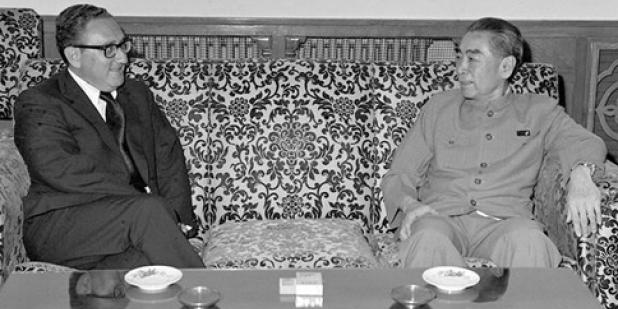
127. Bản ghi nhớ từ Ngoại trưởng Kissinger
gửi Tổng thống Ford.
Washington, ngày 24 tháng 10 năm 1975.
CHỦ ĐỀ
Các phương án tiếp cận cho chuyến thăm Tầu cộng
của Ngài
Như tôi đã trình bày trong các báo cáo gửi Ngài, tôi
cho rằng mối quan hệ của chúng ta với Tầu cộng đã trở nên nguội lạnh.
Chắc chắn Bắc Kinh vẫn muốn duy trì quan hệ với chúng ta: một sự
rạn nứt hay đổ vỡ rõ rệt sẽ khiến Tầu cộng càng dễ bị tổn thương
hơn trước Moscow; chúng ta vẫn là lựa chọn thực tế duy nhất để họ
sử dụng làm đối trọng. Theo đó, phía Tầu cộng sẽ duy trì mối quan
hệ ở mức độ như hiện nay. Tuy nhiên, họ sẽ không sẵn lòng thúc đẩy tiến triển
trong quan hệ song phương hay hợp tác về các vấn đề quốc tế; thay vào đó, họ sẽ
nhấn mạnh những bất đồng và tiếp tục các chỉ trích về mặt tư tưởng đối với
chúng ta trên diễn đàn công khai. Tóm lại, họ sẵn sàng duy trì trạng thái quan
hệ "đúng mực" như thời gian gần đây, nhưng thiếu đi sự nồng ấm hay
năng động.
Thái độ này của Trung Quốc đã trở thành khuôn mẫu
chung trong những tháng gần đây. Nhìn lại quá khứ, có thể thấy nguồn cơn bắt đầu
từ cuối năm 1973, khi một vài yếu tố cùng xuất hiện: tác động ban đầu từ vụ Watergate
và những dấu hiệu đầu tiên cho thấy Quốc hội bắt đầu hạn chế thẩm quyền
của nhánh hành pháp trong các vấn đề đối ngoại; sự suy giảm dần tầm ảnh hưởng của
Chu Ân Lai – kiến trúc sư trưởng cho tiến trình mở cửa với Hoa
Kỳ; cùng với những sai sót từ phía chúng ta, như việc cử một đại sứ cấp cao
tới Đài Loan và cho phép chính quyền Trung Hoa Dân quốc
mở thêm hai lãnh sự quán tại Hoa Kỳ – ngay sau chuyến thăm Bắc
Kinh của tôi vào tháng 11 năm đó, vốn đã đạt được một thông cáo tích cực,
trong đó bao gồm cả cách diễn đạt hợp lý từ phía Tầu cộng về vấn
đề Đài Loan.
Kể từ đó, yếu tố then chốt nhất chính là nhận định của
phía Tầu cộng về sự xói mòn nền tảng nội bộ của chúng ta cũng như
sự suy giảm vị thế trên trường quốc tế. Hơn nữa, trong chuyến thăm năm ngoái, lần
đầu tiên tôi đã báo trước rằng khó có khả năng đạt được tiến triển đáng kể nào
về vấn đề Đài Loan trước năm 1977, trừ khi Tầu cộng
tuyên bố rõ ràng về việc từ bỏ sử dụng vũ lực. Kể từ đó, chính sách hòa dịu (détente)
đã gặp trở ngại, làm giảm lợi thế của chúng ta trong quan hệ với Bắc Kinh—giai
đoạn quan hệ Mỹ-Trung tốt đẹp nhất (1971–1973) cũng chính là thời kỳ chúng ta
hoạt động tích cực nhất với Liên Xô. Chúng ta đã phải hứng chịu một
thất bại lớn tại Đông Dương; dù sự kiện này có thể làm hài lòng Bắc Kinh về mặt
tư tưởng, nó lại phơi bày những điểm yếu nội tại của chúng ta, đồng thời cũng
là một bước lùi về địa chính trị đối với chính Tầu cộng. Tại châu
Âu, Bắc Kinh chứng kiến sự rạn nứt ở sườn phía nam của NATO,
cùng với việc châu lục này dần rơi vào trạng thái chủ quan, mất cảnh giác trước
cái mà họ gọi là “Hội nghị về sự mất an ninh châu Âu”. Bên cạnh đó, các
cuộc điều tra của Quốc hội Mỹ và các hoạt động chính trị trước thềm bầu
cử cũng đang trở nên gay gắt hơn. Cuối cùng, ngay tại Tầu cộng,
cuộc cạnh tranh giành quyền lực trước thời điểm chuyển giao lãnh đạo đang diễn
ra quyết liệt; tình hình chính trị nội bộ có lẽ đã khiến họ trở nên cứng nhắc
hơn trong quá trình ra quyết định, thậm chí có thể bao gồm cả những chỉ trích
nhắm vào chính sách đối với Mỹ.
Tất cả những yếu tố tích tụ trong hai năm qua dẫn đến
việc Tầu cộng không còn đánh giá cao vị thế của Mỹ như một
cường quốc toàn cầu có khả năng đối trọng với Liên Xô—quốc gia vẫn
đang không ngừng gia tăng sức mạnh quân sự và mở rộng ảnh hưởng chính trị. Sự
thay đổi trong thái độ này được thể hiện rõ nét qua bối cảnh chuyến thăm Trung
Quốc lần này của tôi:
—Bộ trưởng Ngoại giao của họ đã chỉ
trích chúng ta gay gắt tại Liên Hợp Quốc ngay trước thềm chuyến đi của
tôi. Họ cũng khơi lại các vấn đề về Tây Tạng và Puerto Rico
để gây khó dễ cho chúng ta.
—Tại tiệc chiêu đãi tối đầu tiên ở Bắc Kinh, Bộ
trưởng Ngoại giao của họ đã công khai chỉ trích chính sách hòa dịu của
chúng ta, dù thừa biết rằng hành động này chắc chắn sẽ thu hút sự chú ý lớn.
—Các cuộc đối thoại với Phó Thủ tướng Đặng Tiểu
Bình nhìn chung diễn ra rời rạc; họ tỏ ra chẳng mấy quan tâm đến cách
chúng ta nhìn nhận tình hình thế giới, ngoại trừ các vấn đề liên quan đến Liên
Xô và châu Âu—nơi họ cho rằng chúng ta đang đi theo chính sách
kiểu Munich và Dunkirk.
—Chủ tịch Mao Trạch Đông cũng nhấn mạnh
lại những quan điểm này trong cuộc trò chuyện với chúng tôi, đồng thời đặt dấu
hỏi rõ ràng về độ tin cậy của chúng ta với tư cách là một cường quốc nghiêm
túc.
—Lần đầu tiên, họ từ chối lắng nghe một số báo cáo
chuyên biệt; có lẽ một phần vì lo ngại thông tin bị rò rỉ từ phía Mỹ, nhưng
cũng có thể là để giữ khoảng cách với chúng ta.
—Cách họ soạn thảo dự thảo thông cáo chung cho chuyến
thăm của ông—cả về nội dung lẫn quy trình—thể hiện thái độ coi thường nhất từ
trước đến nay trong quan hệ giữa hai bên. Về nội dung, họ muốn làm nổi bật những
bất đồng thay vì cho thấy bất kỳ bước tiến nào trong quan hệ song phương. Họ đợi
đến tận vài giờ trước khi tôi khởi hành mới đưa ra dự thảo—trong khi họ đã biết
từ nhiều tuần trước rằng chúng ta mong muốn đạt được sự đồng thuận cơ bản về kết
quả chuyến thăm của ông ngay trong chuyến đi này của tôi. Phản ứng của họ là
bác bỏ hoàn toàn cách tiếp cận của chúng ta; thế nhưng, trong suốt ba ngày đàm
phán, dự tiệc và tham quan, họ hoàn toàn không hề hé lộ về hố sâu ngăn cách
này.
Tất cả những điều này thật khó chịu, thậm chí là đáng
lo ngại. Tuy nhiên, đây không phải là một cuộc khủng hoảng lớn và cần được nhìn
nhận đúng mức. Hiện tại, họ không có lựa chọn chiến lược nào khác ngoài việc tiếp
tục duy trì quan hệ với chúng ta. Họ rõ ràng rất mong muốn ông đến thăm Tầu
cộng. Những động lực đưa hai bên đến với nhau về cơ bản vẫn còn đó. Họ
vẫn coi Moscow là kẻ thù chính và sẽ giữ thái độ chừng mực nhất định
đối với chúng ta. Hơn nữa, bất chấp những vấn đề nội bộ mà chúng ta đang gặp phải,
họ thừa hiểu rằng chúng ta vẫn là cường quốc mạnh nhất thế giới và không phải
là đối tượng để có thể xem thường. Triển vọng chung
Trong bối cảnh đó, tôi xin được phân tích triển vọng
cho chuyến thăm của ông và đề xuất hướng đi mà chúng ta nên thực hiện lúc này.
Ông đã nhận được bản tường thuật qua điện tín của tôi về buổi tối cuối cùng tại
Bắc Kinh, cũng như các cuộc trao đổi liên quan đến bản dự thảo
thông cáo chung mà phía Tầu cộng đưa ra – một văn bản mà chúng ta
không thể chấp nhận được. Trên đường đến sân bay vào sáng thứ Năm, Bộ trưởng
Ngoại giao Tầu cộng cho biết họ sẽ nỗ lực giải quyết những quan ngại của
chúng ta khi nhận được bản dự thảo mới vào tuần tới; tuy nhiên, ông ấy vẫn khẳng
định rằng phía Tầu cộng phải giữ vững ba nguyên tắc về vấn đề Đài
Loan, đồng thời phần nội dung về quan hệ song phương cụ thể vẫn sẽ chỉ
được đề cập một cách sơ lược. Ông ấy cho biết lựa chọn ưu tiên của họ là không
cần thông cáo chung nào cả, và bày tỏ sự khó hiểu về lý do tại sao chúng ta lại
thấy cần phải có văn bản này. Theo quan điểm của họ, ý nghĩa biểu tượng chính
trị trong chuyến thăm của ông mới là yếu tố then chốt. Ông ấy cũng gợi mở một
phương án khả thi và đầy hứa hẹn: thay vì một bản thông cáo chung, hai bên có
thể đưa ra một tuyên bố báo chí chung. Đây có thể là một văn bản ít gây tranh
cãi và mang tính tích cực hơn, tập trung mô tả các cuộc thảo luận – thay vì là
một văn bản chính thức giữa hai quốc gia, vốn sẽ buộc các bên phải nêu rõ lập
trường nguyên tắc của mình. Tôi đã thống nhất với phía Tầu cộng rằng
chúng ta sẽ liên lạc lại với họ vào đầu tuần tới thông qua Đại sứ Bush.
Trong chuyến thăm của mình, tôi đã đảm bảo rằng ngài sẽ
nhận được sự đón tiếp lịch thiệp và phù hợp. Phía Tầu cộng không
có lý do gì để gây khó xử cho ngài về mặt lễ tân hay phép lịch sự. Đồng thời,
cũng đã rõ ràng—đúng như những gì chúng ta từng dự đoán—rằng chuyến đi này sẽ
không có nhiều kịch tính và kết quả đạt được cũng sẽ ở mức tối thiểu. Chúng ta
sẽ không thể thuyết phục phía Tầu cộng chấp thuận một bản thông
cáo tích cực, trong đó thể hiện những bước tiến đáng kể trong quan hệ giữa hai
nước. Dù chúng ta chọn phương án nào, chắc chắn sẽ có những lời chỉ trích từ
trong nước lẫn quốc tế về giá trị của chuyến thăm Tầu cộng lần thứ
hai của Tổng thống, khi mà kết quả cụ thể thu được lại quá ít ỏi. Tuy
nhiên, chúng ta vẫn tin rằng chuyến đi này là hoàn toàn xứng đáng, xét trên các
khía cạnh: ý nghĩa biểu tượng của một mối quan hệ đang duy trì; cơ hội trao đổi
quan điểm cấp cao về tình hình quốc tế; yếu tố Liên Xô; cơ hội
đánh giá đội ngũ lãnh đạo thời hậu Mao Trạch Đông và hậu Chu Ân Lai
tại quốc gia đông dân nhất thế giới; cùng bất kỳ kết quả khiêm tốn nào mà chúng
ta có thể đạt được.
Các phương án.
Hiện chúng ta có các lựa chọn sau:
(1) Nỗ lực đạt được một
bản thông cáo tích cực nhất có thể.
(2) Chấp nhận một bản
thông cáo rất ngắn gọn, nhạt nhòa, hoặc không đưa ra thông cáo nào cả.
(3) Hướng tới một
tuyên bố chung tương đối ngắn gọn nhưng mang sắc thái tích cực hơn.
(4) Hủy chuyến đi của
ông.
Khi cân nhắc hướng hành động, chúng ta cần lưu tâm đến
quan điểm của phía Tầu cộng đối với chúng ta; phản ứng từ phía Liên
Xô; vị thế quốc tế chung của chúng ta; và phản ứng của dư luận trong nước
tại Mỹ.
Tôi xin được thảo luận ngắn gọn về từng lựa chọn này.
Thông cáo tích cực.
Đây vốn là mục tiêu của chúng ta. Tất nhiên, kết quả chuyến đi càng quan trọng
thì mối quan hệ song phương của chúng ta càng trở nên vững chắc trong mắt thế
giới — đặc biệt là đối với Liên Xô — đồng thời chuyến đi của ông cũng sẽ càng dễ
được công chúng trong nước chấp nhận hơn. Chúng ta đã nhấn mạnh rằng, để duy
trì sự ủng hộ của công chúng đối với chính sách của Mỹ về Tầu cộng
— từ đó tạo cơ sở hỗ trợ Bắc Kinh trước các áp lực từ Liên Xô —
thì cần phải có những dấu hiệu cho thấy mối quan hệ với Bắc Kinh
vẫn đang phát triển mạnh mẽ. Mặt khác, hiện đã rõ ràng rằng phía Tầu cộng
sẽ tiếp tục duy trì quan hệ ở mức độ như hiện tại: đủ để phục vụ các mục tiêu địa
chính trị của họ, nhưng sẽ không có bước tiến đáng kể nào chừng nào chúng ta
chưa thể hoàn tất quá trình bình thường hóa quan hệ. Quan trọng hơn, do những
điểm yếu nội tại của chúng ta, họ không còn coi trọng Mỹ như một cường
quốc toàn cầu; họ cũng nhận thấy mối quan hệ giữa Mỹ và Moscow
đang gặp trục trặc, điều này làm giảm vị thế đàm phán của chúng ta. Có thể họ
không hiểu nhu cầu của chúng ta trong việc duy trì đà phát triển quan hệ, hoặc
cũng có thể họ không thể tiến xa hơn vì những lý do liên quan đến hệ tư tưởng
và chính trị nội bộ. Hơn nữa, họ luôn nhấn mạnh vào những bất đồng giữa hai
bên, bên cạnh các điểm chung đã đạt được.
Những yếu tố này cho thấy chúng ta khó có thể đạt được
một bản thông cáo tích cực. Trong dự thảo của mình, chúng ta đã cố gắng đưa ra
một văn kiện ở mức tối ưu, nhưng phản hồi không thể chấp nhận được từ phía Tầu
cộng cho thấy quan điểm của họ hoàn toàn trái ngược với chúng ta. Dù nỗ
lực hết sức, chúng ta có thể loại bỏ một vài khía cạnh tiêu cực trong bản dự thảo
của họ và bổ sung thêm một vài yếu tố tích cực. Tuy nhiên, xuất phát điểm hiện
tại quá ảm đạm, cộng với lập trường kiên định của phía Tầu cộng,
nên kết quả tốt nhất mà chúng ta có thể đạt được cũng chỉ là một bản sao của Thông
cáo Thượng Hải — và điều đó cũng chỉ có thể thực hiện được sau những
cuộc mặc cả gay gắt đến tận phút chót. Ngay cả kết quả này cũng sẽ bị chỉ trích
là dấu hiệu cho thấy quan hệ giữa hai bên đang chững lại sau ba năm, và giá trị
chuyến đi của ông/bà sẽ bị đặt dấu hỏi.
Một bản thông cáo ngắn gọn hoặc không có thông cáo nào
cả. Cách tiếp cận này thừa nhận rằng khó có thể đạt được kết quả tích cực, đồng
thời tránh được công việc gian nan là phải tranh luận với phía Tầu cộng
về các bản dự thảo mà chẳng mang lại mấy hiệu quả. Thay vì nêu rõ các điểm đồng
thuận hay bất đồng, văn bản này chỉ sử dụng các tính từ để mô tả các cuộc đối
thoại. Chúng ta sẽ làm rõ ngay trước chuyến thăm rằng trọng tâm nằm ở các cuộc
thảo luận riêng giữa ông và ban lãnh đạo mới tại Bắc Kinh, và ở
giai đoạn này trong quan hệ hai nước, không cần thiết phải đạt được những bước
tiến lớn, cũng như không nên kỳ vọng vào điều đó. Cách làm này phù hợp với tâm
thế của phía Tầu cộng. Đồng thời, đối với các đối tượng công
chúng khác nhau—bao gồm cả dư luận trong nước—cách tiếp cận này cũng tỏ ra
trung thực hơn so với việc lặp lại một cách dài dòng những gì đã diễn ra cách
đây ba năm.
Mặt khác, sẽ rất khó để giải thích lý do tại sao một vị
Tổng thống lại lặn lội sang tận Tầu cộng, dành nhiều ngày
thảo luận, rồi cuối cùng chẳng có gì để công bố về các thỏa thuận chung. Dư luận
trong và ngoài nước có thể hiểu điều này là dấu hiệu cho thấy mối quan hệ đang
bị đình trệ, từ đó đặt câu hỏi về mục đích chuyến đi của ông. Phía Liên
Xô có thể sẽ thấy an tâm khi biết rằng nỗ lực mở cửa với Trung Quốc của
chúng ta chẳng đi đến đâu cả.
Một tuyên bố chung với báo chí. Như tôi đã đề cập, Kiều
Quán Hoa (Chiao) từng đưa ra ý tưởng này, cho phép phía Tầu cộng
linh hoạt hơn trong cách trình bày. Văn bản này sẽ mang tính chất không chính
thức và thiên về mô tả, thay vì là một tuyên bố lập trường chính thức—điều chắc
chắn sẽ dẫn đến việc liệt kê chi tiết hơn các bất đồng. Xét về tổng thể, văn bản
này sẽ nhẹ nhàng hơn—nhưng cũng tích cực hơn—so với một bản thông cáo chính thức.
Một ưu điểm khác là, không giống như một bản thông cáo, văn bản này sẽ không bị
đặt lên bàn cân so sánh với "Thông cáo Thượng Hải". Như vậy,
nó sẽ chi tiết hơn một bản thông cáo ngắn gọn (hoặc trường hợp không có thông
cáo nào), mà lại tránh được những rắc rối phức tạp đi kèm với một bản thông cáo
dài dòng.
Điểm bất lợi là khó tránh khỏi những lời chỉ trích về
việc không đạt được kết quả cụ thể. Về bản chất, sẽ không có thỏa thuận cụ thể
nào cả, mà chỉ là tường thuật về các cuộc thảo luận cùng với một định hướng
tích cực. Văn bản này có lẽ sẽ khá ngắn gọn. Các bên liên quan, bao gồm cả
Moscow, có thể coi đây là dấu hiệu cho thấy quan hệ giữa chúng ta và Bắc
Kinh không tiến triển nhanh chóng, nhưng họ sẽ không đi đến kết luận rằng
mối quan hệ đó đang rơi vào tình trạng tồi tệ.
Hủy chuyến thăm. Đây cũng là một phương án cần được
cân nhắc. Rõ ràng là khó có thể kỳ vọng chuyến đi này mang lại những kết quả cụ
thể đáng kể nào. Những tuyên bố gay gắt hơn từ phía Tầu cộng gần
đây; thái độ không muốn công khai gắn kết với chúng ta; tư duy “Tầu cộng
là trung tâm” (Middle Kingdom) thể hiện qua việc họ mời một vị Tổng thống Mỹ
đến Tầu cộng dù biết trước sẽ chẳng đạt được mấy kết quả; cùng
cách đối xử đầy khinh miệt đối với chúng ta và quy trình soạn thảo thông cáo
chung trong chuyến thăm của tôi—tất cả những điều này cho thấy ít nhất chúng ta
nên cân nhắc việc hoãn chuyến thăm của ông. Các đối tượng khán giả trong nước
và quốc tế, bao gồm cả Liên Xô, có thể sẽ coi việc ông hủy chuyến
thăm là một biểu hiện của sức mạnh. Phía Tầu cộng thậm chí có thể
thầm tôn trọng một quyết định như vậy. Ông có thể giải thích rằng quan hệ giữa
chúng ta và Bắc Kinh vẫn đang tiến triển tốt đẹp, nhưng dựa trên các cuộc tiếp
xúc thăm dò, ông nhận thấy một cuộc gặp thượng đỉnh vào thời điểm này là chưa
thực sự cần thiết hoặc chưa phù hợp. Ông có thể bày tỏ mong muốn thực hiện chuyến
thăm khi điều kiện chín muồi hơn, và trong thời gian chờ đợi, chúng ta vẫn sẽ
duy trì quan hệ thông qua các kênh hiện có. Có thể lập luận rằng cách tiếp cận
này sẽ không dẫn đến nhiều chỉ trích về sự thất bại hơn là một chuyến thăm chỉ
mang tính hình thức, hoặc thậm chí làm nổi bật thêm những bất đồng giữa hai
bên. [Trang 826]
Mặt khác, việc hủy chuyến thăm—sau khi đã tạo ra kỳ vọng
chắc chắn suốt cả một năm qua—sẽ là một sự kiện lớn, bất kể chúng ta cố gắng hạ
thấp mức độ nghiêm trọng của nó đến đâu. Hành động này có khả năng bị nhìn nhận
như một cuộc khủng hoảng lớn trong quan hệ song phương—có thể là do những vấn đề
chung hoặc do các vấn đề cụ thể như chính sách hòa hoãn (détente) hay vấn
đề Đài Loan. Nếu cộng thêm cả việc hoãn cuộc gặp thượng đỉnh với Brezhnev,
nhiều người sẽ rêu rao về sự thất bại toàn diện trong chính sách đối ngoại của
chúng ta, đặc biệt là trong quan hệ Đông-Tây. Phía Nga chắc chắn sẽ hài
lòng—mặc dù họ có thể sẽ ấn tượng trước sự bình tĩnh, điềm đạm của ông và có lẽ
sẽ không tìm cách khai thác sự kiện này theo hướng chiến lược. Cuối cùng, điều
đó có thể đặt dấu chấm hết cho tiến trình mở cửa với Tầu cộng. Dù
một số cách hành xử của phía Tầu cộng gây khó chịu đến đâu, họ
cũng đã thể hiện rất rõ mong muốn đón tiếp ông; vì vậy, việc ông hủy chuyến
thăm sẽ bị coi là một sự khước từ đáng kể.
Kết luận
Tôi mong sớm được thảo luận với ông về những vấn đề
này. Hiện tại, tôi nghiêng mạnh về phương án sau:
— Rút ngắn chuyến thăm Trung Quốc xuống còn hơn ba
ngày làm việc, chỉ gói gọn tại Bắc Kinh. Ông sẽ đến vào chiều thứ
Hai, ngày 1 tháng 12 và rời đi vào sáng thứ Sáu, ngày 5 tháng 12. Chuyến đi sẽ
được định hướng như một cuộc trao đổi quan điểm mang tính công việc tại thủ đô,
với các hoạt động tham quan hạn chế và không ghé thăm các thành phố khác.
— Nỗ lực đạt được một tuyên bố chung với báo chí,
trong đó loại bỏ hầu hết các ngôn từ gây tranh cãi và mang sắc thái tích cực vừa
phải.
— Tiếp tục ghé thăm Philippines và Indonesia, mỗi
nước một ngày, rồi trở về Hoa Kỳ vào thứ Hai, ngày 8 tháng 12.
Phương án này có những ưu điểm sau:
— Cho thấy mối quan hệ của chúng ta với Cộng hòa
Nhân dân Tầu cộng vẫn được duy trì và có bước tiến nhỏ nhờ những lợi
ích chung, mặc dù những khác biệt giữa hai bên ngăn cản một bước đột phá lớn.
— Chặng dừng chân tại Tầu cộng có thể được
xem là một phiên làm việc với nhà lãnh đạo mới của một phần tư nhân loại, không
bao gồm các chuyến lưu trú kéo dài, các chuyến đi phụ hay các hoạt động bên lề
không cần thiết.
— Việc rút ngắn thời gian thăm Tầu cộng và
bổ sung thêm hai quốc gia khác sẽ là lời đáp trả phù hợp trước thái độ chung của
phía Tầu cộng cũng như các chiêu trò của họ liên quan đến thông
cáo chung. Cách làm này đặt Tầu cộng vào bối cảnh châu Á rộng lớn
hơn, thay vì để Tổng thống phải lặn lội đến tận Bắc Kinh chỉ để tham dự những
cuộc họp mà ông biết trước là sẽ không mang lại kết quả đáng kể.
— Chúng ta sẽ củng cố quan hệ với hai quốc gia then chốt
tại Đông Nam Á.
— Chuyến công du của ông (vẫn chỉ kéo dài một tuần) sẽ
trở thành một chuyến thăm châu Á thay vì chỉ đơn thuần là chuyến thăm Tầu
cộng, nhờ đó mang tính chất cân bằng và có sức nặng hơn. [Trang 827]
Tôi đề nghị chúng ta thực hiện như sau: Đại sứ Bush sẽ
trình bày dự thảo tuyên bố chung với báo chí theo hướng nêu tại Mục A. (Để tham
khảo, dự thảo thông cáo chung từ phía Tầu cộng nằm ở Mục B). Ông ấy
sẽ được chỉ thị thông báo với phía Tầu cộng những nội dung sau:
(1) Sau khi suy ngẫm về
các cuộc trao đổi trong chuyến đi của tôi và nghiên cứu bản thông cáo của phía
bạn, chúng tôi đi đến kết luận rằng không thể soạn thảo một bản thông cáo chung
thỏa đáng. Để có thể chấp nhận những nội dung nêu rõ sự khác biệt giữa hai bên,
chúng ta cần có thêm nhiều yếu tố tích cực khác trong văn bản — điều mà phía bạn
đã khẳng định rõ là họ không sẵn sàng chấp nhận. Do đó, căn cứ vào cuộc trò
chuyện của tôi với Bộ trưởng Ngoại giao trên đường ra sân bay, chúng tôi quyết
định rằng một tuyên bố báo chí chung sẽ là phương án tối ưu; hình thức này ít
trang trọng hơn, nên không đòi hỏi phải đưa ra các lập trường cụ thể vốn dễ gây
chia rẽ. Dự thảo của chúng tôi giữ nguyên từng chữ các khía cạnh tích cực từ dự
thảo thông cáo của phía bạn, đồng thời trình bày các phần khác (ví dụ như vấn đề
Đài Loan) theo cách khách quan nhất có thể. Thành thật mà nói,
chúng tôi cho rằng các yếu tố tích cực mà phía bạn đưa ra vẫn chưa thỏa đáng,
nhưng chúng ta có thể chấp nhận được nếu chúng nằm trong một tuyên bố báo chí
đã loại bỏ những ngôn từ gây tranh cãi.
(2) Chúng tôi cho rằng
việc thực hiện một chuyến thăm làm việc là hợp lý, đặc biệt khi lưu ý đến quan
điểm của phía Tầu cộng rằng bản thân chuyến thăm đã là một yếu tố
chính trị quan trọng. Theo đó, kế hoạch là ông sẽ đến Bắc Kinh
vào chiều thứ Hai, rời đi vào sáng thứ Sáu và không ghé thăm thêm bất kỳ thành
phố nào khác tại Tầu cộng.
(3) Ông nên cân nhắc lại
khả năng ghé thăm một vài thủ đô của các quốc gia thân thiện tại châu Á sau khi
rời Tầu cộng; nếu không, hành trình của ông sẽ thiếu sự cân bằng.
(4) Chúng tôi dự định
công bố thời gian cho chuyến thăm vào thứ Hai, ngày 3 tháng 11, vì vậy chúng
tôi cần nhận được phản hồi từ phía bạn càng sớm càng tốt.
(5) Nhóm tiền trạm của
chúng ta sẽ lên đường đến Bắc Kinh khoảng một tuần sau đó.
1. Nguồn:
Thư viện Ford, Cố vấn An ninh Quốc gia, Các báo cáo của Kissinger
về các cuộc thảo luận liên quan đến Liên Xô, Tầu cộng và Trung
Đông, Hộp 2, Các bản ghi nhớ và báo cáo về Tầu cộng, ngày
19–23 tháng 10 năm 1975, Chuyến công du của Kissinger. Mật; Nhạy cảm.
Trên bản ghi nhớ không có ghi chú nào cho thấy Tổng thống Ford đã xem
qua tài liệu này.↩
2. Tổng
thống Ford đã nhận và ký tắt các báo cáo của Kissinger về
chuyến thăm Tầu cộng. (Các bản ghi nhớ từ Scowcroft gửi Ford,
ngày 19, 20 và 21 tháng 10; tài liệu đã dẫn.)↩
3. Tổng
thống Ford đã ký tắt bản thông cáo do Scowcroft chuyển tới.
(Tài liệu đã dẫn.) Phía Tầu cộng đã trao bản dự thảo cho các quan
chức Hoa Kỳ vào ngày 22 tháng 10; xem Tài liệu 126 và chú thích số 2 của
tài liệu đó.↩
4. Ngày
23 tháng 10.↩
5. Phụ
lục A (được đính kèm nhưng không in ra) là bản dự thảo của phía Hoa Kỳ về
tuyên bố chung với báo chí, đã được Kissinger phê duyệt và chỉnh sửa.
Văn bản này được gửi tới Văn phòng Liên lạc Hoa Kỳ (USLO) thông qua một
kênh liên lạc mật (không ghi ngày tháng). (Thư viện Ford, Cố vấn An ninh Quốc
gia, Hồ sơ văn phòng Kissinger-Scowcroft tại Cánh Tây, 1969–1977, Hộp 5,
Tầu cộng, các mục không đánh số (22), 25/10/75–31/10/75)↩
6. Phụ
lục B được đính kèm nhưng không in ra.↩
Historical Documents - Office of the Historian
https://history.state.gov/historicaldocuments/frus1969-76v18/sources
https://history.state.gov/historicaldocuments/frus1969-76v18/terms
https://history.state.gov/historicaldocuments/frus1969-76v18/persons
https://history.state.gov/historicaldocuments/frus1969-76v18/comp1
The Summit in Beijing, August–December 1975 (Documents 117–137)
https://history.state.gov/historicaldocuments/frus1969-76v18/ch4
1.
Document 127
Foreign Relations of the United States, 1969–1976, Volume
XVIII, China, 1973–1976
127.
Memorandum From Secretary of State Kissinger to President Ford1
Washington,
October 24, 1975.
SUBJECT
· Possible
Approaches to Your China Trip
As I have indicated in my reports to you,2 I
believe that our relationship with China has cooled. Certainly Peking wishes to
sustain our relations: a pronounced souring or break would expose the Chinese
even further to Moscow; we remain their only real option as a counterweight.
Accordingly, the Chinese will maintain our connection at about present levels.
But they will not be willing to show much progress in bilateral relations or
cooperation on international issues; and they will stress our differences and
keep up their ideological criticism of us in the public domain. They are ready,
in short, to continue their recent phase of correctness, without warmth or much
vitality.
This Chinese attitude has been the general pattern of
recent months. In hindsight its origins can probably be traced back to the end
of 1973 when several factors coincided: the initial impact of Watergate and the
first instances of Congressional hobbling of Executive authority in foreign
affairs; the beginning of the fading of the authority of Chou En-lai, the chief
architect of the American opening; and our goofs in sending a high-level
Ambassador to Taiwan and opening up two new Chinese Nationalist consulates in
the U.S. shortly after my November trip to Peking and its positive communiqué,
including a reasonable Chinese formulation on Taiwan.
Since then by far the key factor has been the Chinese
perception of the erosion of our domestic foundation and loss of clout on the
world scene. Furthermore, during my visit last year, I foreshadowed for the
first time the unlikelihood of major progress on the Taiwan issue before 1977
unless China explicitly renounced the use of force. Since then détente has run
into trouble, reducing our leverage with Peking—our best period in Chinese
relations, 1971–3, was also our most active phase with the Soviet Union. We
suffered a major setback in Indochina, which however ideologically pleasing to
Peking, pointed up our domestic [Page 822]vulnerabilities and was
a geopolitical reversal for the Chinese. In Europe the Chinese see the
unravelling of the Southern flank of NATO and the lulling of the continent
generally by what they call the “European Insecurity Conference.” And the
Congressional investigations and pre-election politicking have picked up steam.
Finally, there has been intensive pre-succession jockeying in China itself, and
their domestic politics has probably made them more musclebound in their
decision-making, and perhaps includes criticism of policy toward America.
These cumulative factors over the past two years now add up
to China’staking us less seriously as a world power that is capable of
resisting a Soviet Union that continues to increase its military strength and
expand its political influence. This changed attitude was clearly reflected in
the scenario of my visit to China this time:
- —Their Foreign Minister slammed us hard in the United Nations on the
eve of my trip. They also needled us on the issues of Tibet and Puerto
Rico.
- —At the first night’s banquet in Peking, their Foreign Minister
publicly criticized our détente policy, knowing full well that this was
bound to get major attention.
- —The conversations with Vice Premier Teng were on the whole
desultory, with their showing little interest in our perception of the
world scene, except for the Soviet Union and Europe where they said we
were following the policies of Munich and Dunkirk.
- —Chairman Mao reinforced these themes in our conversation, clearly
questioning our reliability as a serious power.
- —For the first time they declined to hear some special briefings,
perhaps partly because of their fear of leaks in the U.S., but also
presumably to keep their distance.
- —The contentious nature of both the content of their draft
communiqué for your visit and their procedure was their most disdainful
performance so far in our relationship. On substance they indicated that
they want to highlight our differences and show little advance in our
relations. And they waited until just a few hours before my departure
before tabling their draft—when they had known for several weeks that we
wanted to reach essential agreement on the outcome of your visit during my
trip; their response was a complete rejection of our approach; and they
did not give us any warning at all of the chasm during three days of talks
during meetings, banquets, and sightseeing.
All of this is annoying, even somewhat disturbing. It is
not a major crisis, however, and should be kept in perspective. They have no
real strategic options at this time to continuing our relationship. They
clearly are eager to have you visit China. The forces that brought us together
remain basically at work. They still treat Moscow as the principal enemy and
will maintain some restraint in their posture toward [Page 823]us. And for all our
domestic problems, they know full well that we remain the strongest power in
the world and are not to be trifled with.
The General Prospects
Against this background let me explore the outlook for your
own trip and how I believe we should now proceed. You have my telegraphed
account of our final evening in Peking and the exchanges we had on the
unacceptable Chinese draft communiqué.3 On
the way to the airport Thursday4
morning, the Foreign Minister indicated they would make an effort to meet our
concerns when they get our new draft next week, though he reiterated they must
have their three principles on Taiwan and the section on concrete bilateral
relations would remain truncated. He said their first preference is no
communiqué, and he doesn’t understand why we think we need one. The political
symbolism of your visit is the central factor in their view. He also suggested
the promising possibility of a joint press statement in place of a communiqué.
This could be a less contentious and more positive document describing the
talks—instead of a formal document between two countries which would oblige
them to state their principled views. I left it that we would be in touch with
them early in the week through Ambassador Bush.
I made certain during my visit that you would receive a
courteous and appropriate welcome. It is not in the Chinese interest to
embarrass you in terms of hospitality or decorum. At the same time, it is now
very clear, as we suspected all along, that there will be little drama and
minimum results. We will not gain Chinese acceptance of a positive communiqué
showing significant movement in our relations. No matter what course we pursue,
we can expect domestic and international carping over the worth of a second
Presidential visit to China that produces meager concrete
results—notwithstanding the fact that we believe that your trip is justified by
the symbolism of an ongoing relationship; the chance to exchange authoritative
views on the international situation; the Soviet factor; the opportunity to
size up the post-Mao, post-Chou leadership of the world’s most populous nation;
and whatever modest outcome we can achieve.
Options
We now have the following options:
(1)
Push for the most
positive communiqué we can get.
(2)
Settle for a very brief,
bland communiqué or none at all.
(3)
Work toward a relatively
brief but more upbeat joint press statement.
(4)
Cancel your trip.
In considering our
course of action we need to keep in mind the Chinese view of us; the Soviet
reaction; our general international posture; and the American domestic
reaction.
Let me briefly discuss
each of the options in turn.
Positive
Communiqué. This has been our objective. The weightier the results of
the trip, of course, the more solid our bilateral relationship looks to the
world, and the Soviet Union in particular, and the more justifiable your
travels look to the domestic audience. We have emphasized that signs of a vital
connection with Peking are required to maintain public support for our China
policy and thus any help to Peking in case of Soviet pressures. On the other
hand, it is now amply clear that the Chinese will continue to keep our
relationship at the present level—alive enough to suit their geopolitical
purposes but without significant progress so long as we are not able to
complete normalization. More fundamentally, because of our domestic weaknesses
they take us less seriously as a world power, and they see our relations with
Moscow as being in trouble, which reduces our leverage. Either they do not
understand our need to show continued momentum, or they find it impossible to
move for ideological and domestic political reasons. And they insist on
underlining our differences as well as areas of common agreement.
These factors mean that
we cannot expect to work out a positive communiqué. We went for the maximum
document in our draft, and the unacceptable Chinese response demonstrates their
clashing view. With maximum effort we may be able to eliminate some of the
negative aspects of their version and add a few positive elements. But the
starting point is so bleak and the Chinese position so firm that the very best
we could come out with is a carbon copy of the Shanghai Communiqué and that
after major bargaining right down to the wire. Even this outcome would be
criticized as a stalling out of our relations after three years, and the value
of your journey would be questioned.
Brief
Communiqué or None at All. This approach would recognize the
impossibility of a positive outcome and forego the arduous task of battling
with the Chinese over drafts to little avail. It would state neither agreements
nor disagreements but simply use adjectives to describe the conversations. We
would clearly indicate in advance of your visit that the emphasis will be on
your private discussions with the new leadership in Peking and major movement
was neither necessary nor to be expected at this stage of our relations. This
would fit the Chinese mood. And it would look more honest to our various [Page 825]audiences, including the
domestic one, than a lengthy replay of three years ago.
On the other hand, it
would be very difficult to explain a second President’s going all the way to
China, holding several days of discussions, and then having nothing to announce
in terms of mutual agreement. Foreign and domestic audiences would probably
interpret this as signifying a stagnated relationship and question the purpose
of your trip. The Soviets might take heart that we were going nowhere in our
Chinese opening.
Joint
Press Statement. As I said, Chiao floated this concept as allowing the
Chinese to be more flexible in their presentations. The document would be
informal and descriptive, rather than a formal taking of positions which would
inevitably involve a more extensive cataloging of differences. Its overall
character would be blander—but also more positive—than a communiqué. Another
advantage would be that, unlike a communiqué, it would not be comparable to the
Shanghai document and thus less susceptible to comparisons. It would thus be
more extensive than a brief communiqué (or none at all) without many of the
headaches of a lengthy communiqué.
The drawbacks would be
the inevitable carping over lack of results. By definition there would be no
specific agreements, only a narrative of the discussions with a positive sense
of direction. It would probably be brief. Various audiences, including Moscow,
would take it as a sign that our relationship with Peking was not progressing
rapidly but they would not conclude that it was in bad shape.
Cancel
the Trip. This is an option that should also be considered. Clearly
little concrete can be expected to result from your journey. The sharper public
rhetoric of the Chinese recently; their refusal to be visibly identified with
us; the Middle Kingdom psychology of getting a second President to come to
China even though he knew little would be achieved; and the disdainful way that
they treated us and the communiqué process during my visit—all these suggest
postponement of your trip should at least be considered. Your various audiences
at home and abroad, including the Soviets might well consider your cancellation
an act of strength. The Chinese might secretly respect such a move. You would
explain that our relations with Peking are proceeding satisfactorily, but based
on our exploratory contacts you decided that a summit meeting was not really
required or justified at this juncture. You look forward to going when
conditions were more ripe, and meanwhile we would sustain our relationship
through established channels. It could be argued that this course would invite
no more criticism of failure than a trip that seemed purely cosmetic, or even
highlighted our divergences.
On the other hand, a
cancellation of your trip—after all the firm expectations for a full year—would
be a major event, no matter how low-keyed we tried to treat it. It would be
seen probably as a major crisis in our relationship—either on general grounds
or because of specific issues like détente or Taiwan. Coupled with the
postponement of the Brezhnev summit, many would trumpet a general failure of
our foreign policy, particularly in East-West relations. The Russians would
certainly be pleased—though they might well be impressed with your sang-froid
and would probably not attempt to exploit the event in strategic fashion. Finally
it might well kill off the China opening. No matter how annoying some of the
Chinese practices, they have made it amply clear that they look forward to your
visit, and your cancellation would be a significant rebuff.
Conclusions
I look forward to
discussing these issues with you. As of now, I lean strongly toward the
following procedure:
· —Reduce
your China trip effectively to three-plus working days in Peking only. You
would arrive on Monday afternoon, December 1 and leave Friday morning, December
5. It would be billed as a business like exchange of views in the capital, with
limited sightseeing and no visits to other cities.
· —Work
for a joint press statement which would eliminate most contentious language and
be moderately upbeat.
· —Proceed
to the Philippines and Indonesia for a day each and return to the U.S. on
Monday, December 8.
This course has the
following advantages:
· —It
would indicate that our relationship with the PRC is being sustained and
marginally advanced because of our mutual interests, though our respective
differences prevent a major breakthrough.
· —The
stop in China could be seen as a working session with the new leader of a
quarter of humanity without an extended sojourn, side trips or frills.
· —The
reduction of the China trip and the adding of two other countries would be an
appropriate riposte to the general Chinese attitude and communiqué ploy. It
would place them into a general Asian context rather than have the President
travel all the way to Peking for meetings he knew would be marginal.
· —We
would strengthen our relations with the two key countries in Southeast Asia.
· —Your
trip (which would still only last one week), would become an Asian, rather than
merely a Communist China, journey and would thus have a weightier and more
balanced nature.
I
recommend we proceed as follows. Ambassador Bush would
present a draft of a joint press statement along the lines of Tab A.5(For
reference the Chinese draft communiqué is at Tab B.)6 He
would be instructed to tell the Chinese the following:
(1)
After reflecting on the
exchanges during my trip and studying their communiqué, we decided that it
would be impossible to work out an acceptable communiqué in order to agree to
some of their language spelling out our differences we would need a great deal
of positive content elsewhere in the document—which they have made clear they
are not prepared to accept. Therefore, per my conversation with the Foreign
Minister on the way to the airport, we have decided that a joint press
statement is the best outcome; being less formal, it would not require explicit
and divisive taking of positions. Our draft picks up the positive aspects of
their draft communiqué in verbatim fashion and expresses other sections (e.g.
Taiwan) in as objective a manner as we can. Frankly we consider their positive
elements inadequate, but we can live with them in a press statement that drops
their contentious language.
(2)
We believe it makes
sense to make a working visit, keeping in mind the Chinese view that the trip
itself is the significant political factor. Therefore you plan to arrive on
Monday afternoon in Peking, leave Friday morning, and visit no other Chinese
cities.
(3)
You are reconsidering
the possibility of visiting a couple of friendly Asian capitals after China;
otherwise your travels would have an unbalanced coloration.
(4)
We wish to announce the
dates for the trip on Monday, November 3, so we need their response very
quickly.
(5)
Our advance team would
proceed to Peking a week or so later.
1. Source:
Ford Library, National Security Adviser, Kissinger Reports on USSR, China, and
Middle East Discussions, Box 2, China Memcons and Reports, October 19–23, 1975,
Kissinger’s Trip. Secret; Sensitive. There are no notations on the memorandum
that indicate that Ford saw it.↩
2. Ford
received and initialed Kissinger’s reports on his visit to China. (Memoranda
from Scowcroft to Ford, October 19, 20, and 21; ibid.)↩
3. Ford
initialed the communiqué, which he received from Scowcroft. (Ibid.) The Chinese
draft was given to U.S. officials on October 22; see Document 126 and footnote 2
thereto.↩
4. October
23.↩
5. Tab A,
attached but not printed, is the U.S. draft of the joint press statement as
approved and revised by Kissinger. It was sent to the USLO in an undated
backchannel message. (Ford Library, National Security Adviser,
Kissinger-Scowcroft West Wing Office Files, 1969–1977, Box 5, China, unnumbered
items (22), 10/25/75–10/31/75)↩
6.
Tab B is attached but not printed.↩
https://history.state.gov/historicaldocuments/frus1969-76v18/d127
https://history.state.gov/historicaldocuments/frus1969-76v18/pg_822
https://history.state.gov/historicaldocuments/frus1969-76v18/pg_823
https://history.state.gov/historicaldocuments/frus1969-76v18/pg_825
https://history.state.gov/historicaldocuments/frus1969-76v18/pg_826
https://history.state.gov/historicaldocuments/frus1969-76v18/pg_827
https://history.state.gov/historicaldocuments/frus1969-76v18/d126
Thân thế (các) nhân vật
General Secretary of the Communist Party of
the Soviet Union
https://en.wikipedia.org/wiki/Leonid_Brezhnev
https://www.britannica.com/biography/Leonid-Ilich-Brezhnev
https://en.wikipedia.org/wiki/General_Secretary_of_the_Communist_Party_of_the_Soviet_Union
https://www.britannica.com/place/Soviet-Union/The-Brezhnev-era
Bush
George H W.,
Head
of the U.S. Liaison Office in Beijing from October 21, 1974, until December 7,
1975
https://en.wikipedia.org/wiki/George_H._W._Bush
https://en.wikipedia.org/wiki/President_of_the_United_States
https://en.wikipedia.org/wiki/Vice_President_of_the_United_States
https://en.wikipedia.org/wiki/Director_of_Central_Intelligence
https://en.wikipedia.org/wiki/Chief_of_the_U.S._Liaison_Office_to_the_People%27s_Republic_of_China
https://en.wikipedia.org/wiki/Republican_National_Committee
https://en.wikipedia.org/wiki/United_States_Ambassador_to_the_United_Nations
https://en.wikipedia.org/wiki/United_States_House_of_Representatives
https://history.state.gov/departmenthistory/people/chiefsofmission/china
https://www.state.gov/biographies-list/
https://www.state.gov/resources-bureau-of-global-talent-management/#ambassadors
https://www.cnn.com/2018/12/01/asia/george-h-w-bush-china-intl/index.html
https://en.wikipedia.org/wiki/List_of_ambassadors_of_the_United_States_to_China
https://www.chinadaily.com.cn/china/09usofficials/2009-05/31/content_7956346.htm
https://bush41library.tamu.edu/audiovisual/photos/35
Chou En-lai, (Zhou Enlai)
Premier of the People’s Republic of China; member, Standing Committee of
the Chinese Communist Party’s Political Bureau
https://en.wikipedia.org/wiki/Zhou_Enlai
https://en.wikipedia.org/wiki/Premier_of_the_People%27s_Republic_of_China
https://en.wikipedia.org/wiki/Minister_of_Foreign_Affairs_of_the_People%27s_Republic_of_China
https://en.wikipedia.org/wiki/Vice_Chairman_of_the_Chinese_Communist_Party
https://en.wikipedia.org/wiki/Vice_Chairman_of_the_Chinese_Communist_Party
https://en.wikipedia.org/wiki/Chairman_of_the_Chinese_People%27s_Political_Consultative_Conference
https://history.state.gov/historicaldocuments/frus1969-76v17/d139
https://digitalarchive.wilsoncenter.org/document/zhou-enlai-talking-ho-chi-minh
https://digitalarchive.wilsoncenter.org/search?f[0]=topics:86538&fo[0]=86538
Tài liệu Chu Ân Lai yêu cầu Hoa Kỳ loại bỏ Tổng Thống Nguyễn Văn Thiệu
và dùng Dương Văn Minh để lật đổ hai nền Đệ I và Đệ II VNCH.
https://digitalarchive.wilsoncenter.org/document/discussion-between-zhou-enlai-and-le-duc-tho
https://digitalarchive.wilsoncenter.org/document/89367/download
Ford, Gerald R.,
Republican Representative from Michigan until October 13, 1973; House
Minority Leader until October 13, 1973; Vice President of the United States
from October 13, 1973, until August 8, 1974; President of the United States
from August 8, 1974
https://en.wikipedia.org/wiki/Gerald_Ford
https://en.wikipedia.org/wiki/President_of_the_United_States
https://en.wikipedia.org/wiki/Vice_President_of_the_United_States
https://en.wikipedia.org/wiki/House_Minority_Leader
https://en.wikipedia.org/wiki/Leader_of_the_House_Republican_Conference
https://en.wikipedia.org/wiki/Chair_of_the_House_Republican_Conference
https://en.wikipedia.org/wiki/United_States_House_of_Representatives
https://www.whitehouse.gov/about-the-white-house/presidents/gerald-r-ford/
https://www.whitehouse.gov/administration/
https://geraldrfordfoundation.org/gerald-r-ford-biography/
https://www.fordlibrarymuseum.gov/grf/timeline.asp
https://en.wikipedia.org/wiki/Presidency_of_Gerald_Ford
https://www.fordlibrarymuseum.gov/library/guides/findingaid/ford_vp_papers.asp
Henry A Kissinger
Assistant to the President for National Security Affairs until
November 3, 1975; also Secretary of State from September 21, 1973
https://www.theguardian.com/world/2023/may/20/bilderberg-meeting-group-lisbon-kissinger
https://www.theguardian.com/world/bilderberg
https://history.state.gov/historicaldocuments/frus1969-76ve13/summary
https://china.usc.edu/getting-beijing-henry-kissingers-secret-1971-trip
https://china.usc.edu/catalog/documents/us-china
http://www.archives.gov/press/press-releases/2001/nr01-47.html
https://china.usc.edu/talking-points-july-22-august-3-2011
https://china.usc.edu/getting-beijing-henry-kissingers-secret-1971-trip#meetings
https://china.usc.edu/getting-beijing-henry-kissingers-secret-1971-trip#nixon-announcement
https://china.usc.edu/getting-beijing-henry-kissingers-secret-1971-trip#chinese-accept
https://china.usc.edu/getting-beijing-henry-kissingers-secret-1971-trip#signals
https://china.usc.edu/getting-beijing-henry-kissingers-secret-1971-trip#the_aim
http://www.foreignaffairs.com/articles/23927/richard-m-nixon/asia-after-viet-nam
https://history.state.gov/historicaldocuments/frus1969-76v17/d4
https://history.state.gov/historicaldocuments/frus1969-76v17/d12
https://history.state.gov/historicaldocuments/frus1969-76v17/d13
https://history.state.gov/historicaldocuments/frus1969-76v17/d141
https://2001-2009.state.gov/documents/organization/100324.pdf
https://en.wikipedia.org/wiki/Henry_Kissinger_and_the_Vietnam_War
Lesson in Vietnam from
Kissinger to Nixon: “when we made it “our war” we would not let
the South Vietnamese fight it; when it again became “their war”, we would not
help them fight it.”
(We
also had trouble with excesses here: when we
made it “our war” we would not let the South Vietnamese fight it; when it again
became “their war,” we would not help them fight it. Ironically, we
prepared the South Vietnamese for main force warfare after 1954 (anticipating another Korean-type attack), and they faced a political war; they had prepared
themselves for political warfare after 1973 only to be faced with a main force
invasion 20 years after it had been expected.)
https://history.state.gov/historicaldocuments/frus1969-76v10/d280
Lesson of Vietnam May 12 1975 by Henry A. Kissinger
https://www.fordlibrarymuseum.gov/library/exhibits/vietnam/032400091-002.pdf
https://thebattleofkontum.com/extras/kissinger.html
“Richard M. Nixon and Kissinger on 3 August 1972,” Conversation 760-006,
Presidential Recordings Digital Edition [Fatal Politics, ed. Ken Huges]
(Charlottesville: University of Virginia Press, 2014-). URL:https://prde.upress.virginia.edu/conversations/4006748
https://player.vimeo.com/video/889937807?h=e44572c8f3&color=e57200&title=0&byline=0&portrait=0
https://player.vimeo.com/video/889937807?h=e44572c8f3&color=e57200&title=0&byline=0&portrait=0
Discover the Truth at:
https://www.theblackvault.com/documentarchive/the-cias-vietnam-document-cd-rom/
The secret life of Henry
Kissinger minutes of a 1975 meeting with Lawrence Eagleburger
https://etan.org/news/kissinger/secret.htm
Henry Kissinger and the Truth About Negotiations In Vietnam
https://www.youtube.com/watch?v=Z5fxxKVfX5g
Henry Kissinger - Secrets of a superpower | DW Documentary
https://www.youtube.com/watch?v=bWVMTKeAwlA
The Untold Truth of Henry Kissinger
https://www.youtube.com/watch?v=0iheZdvWdbI&t=1s
Was Henry Kissinger a War Criminal?
https://www.youtube.com/watch?v=COqq7862wcU&t=25s
General, USAF, Military Assistant to the
President until 1973; Deputy Assistant to the President for National Security
Affairs from August 1973 until 1975
https://warontherocks.com/2020/08/brent-scowcroft-and-american-military-intervention/
https://warontherocks.com/2020/08/blame-it-on-the-blob-how-to-evaluate-american-grand-strategy/
https://www.aspeninstitute.org/programs/aspen-strategy-group/about-asg/
https://www.whitehouse.gov/piab/
https://www.publicaffairsbooks.com/titles/bartholomew-sparrow/the-strategist/9781586489632/
http://web1.millercenter.org/poh/transcripts/ohp_1999_1112_scowcroft.pdf
https://www.nytimes.com/2020/08/12/us/politics/brent-scowcroft.html
https://www.foreignaffairs.com/articles/united-states/2020-08-13/scowcroft-model
https://archive.org/stream/towercommission00unit?ref=ol#mode/2up
https://www.twelvebooks.com/titles/philip-zelikow/to-build-a-better-world/9781538764688/
https://yalebooks.yale.edu/book/9780300233827/post-wall-post-square
https://yalebooks.yale.edu/book/9780300233827/post-wall-post-square
https://www.simonandschuster.com/books/War-in-a-Time-of-Peace/David-Halberstam/9781501141508
https://www.adst.org/OH%20TOCs/Inderfurth,Karl%20F.toc.pdf
https://www.wsj.com/articles/SB1029371773228069195
https://www.nytimes.com/2002/08/25/opinion/the-right-way-to-change-a-regime.html
https://www.penguinrandomhouse.com/books/592622/to-start-a-war-by-robert-draper/
https://pdfs.semanticscholar.org/de9b/be3fa428073b76a05fbb58739bf3279c3664.pdf
https://www.ft.com/content/de843f6e-0be1-4667-8a9f-f397cf840e72
https://www.houseofnames.com/brent-family-crest
https://www.houseofnames.com/dpreview/BRENT/EN/Brent/family-crest-coat-of-arms.png
https://www.houseofnames.com/cdn/webp/i/prod/520x520/surnamecomplete_gold.webp
https://www.aspeninstitute.org/programs/aspen-strategy-group/lt-general-brent-scowcroft/
https://dpaa-mil.sites.crmforce.mil/dpaaProfile?id=a0Jt000000sxxIFEAY
https://www.fordlibrarymuseum.gov/library/document/0204/7505562.pdf
https://news.virginia.edu/content/uvas-miller-center-releases-secret-brent-scowcroft-oral-history
Deng Xiaoping (Teng Hsiao-p’ing),
Vice Premier of State Council after 1973
https://en.wikipedia.org/wiki/Deng_Xiaoping
https://www.britannica.com/biography/Deng-Xiaoping
https://www.britannica.com/summary/Deng-Xiaoping
https://www.ebsco.com/research-starters/history/deng-xiaoping
http://www.cppcc.gov.cn/zxww/2012/07/03/ARTI1341300716750109.shtml
https://www.encyclopedia.com/people/history/chinese-and-taiwanese-history-biographies/deng-xiaoping


No comments:
Post a Comment