20260124 CDTL 9 April 1975 D212Biên bản cuộc họp Hội đồng An ninh Quốc gia
1. Document 212
Foreign Relations of the United States, 1969–1976, Volume X, Vietnam, January 1973–July 1975
212. Minutes of National Security Council Meeting1
Washington, April 9, 1975, 11:25 a.m.–1:15 p.m.
https://history.state.gov/historicaldocuments/frus1969-76v10/d212
https://history.state.gov/historicaldocuments/frus1969-76v10/pg_763
https://history.state.gov/historicaldocuments/frus1969-76v10/pg_764
https://history.state.gov/historicaldocuments/frus1969-76v10/pg_765
https://history.state.gov/historicaldocuments/frus1969-76v10/pg_766
https://history.state.gov/historicaldocuments/frus1969-76v10/pg_767
https://history.state.gov/historicaldocuments/frus1969-76v10/pg_768
https://history.state.gov/historicaldocuments/frus1969-76v10/pg_769
https://history.state.gov/historicaldocuments/frus1969-76v10/pg_770
https://history.state.gov/historicaldocuments/frus1969-76v10/pg_771
https://history.state.gov/historicaldocuments/frus1969-76v10/pg_772
https://history.state.gov/historicaldocuments/frus1969-76v10/pg_773
https://history.state.gov/historicaldocuments/frus1969-76v10/pg_774
https://history.state.gov/historicaldocuments/frus1969-76v10/pg_775
https://history.state.gov/historicaldocuments/frus1969-76v10/pg_776
https://history.state.gov/historicaldocuments/frus1969-76v10/pg_777
https://history.state.gov/historicaldocuments/frus1969-76v10/pg_778
https://history.state.gov/historicaldocuments/frus1969-76v10/pg_779
https://history.state.gov/historicaldocuments/frus1969-76v10/d208
https://history.state.gov/historicaldocuments/frus1969-76v10/d232
Google Translated
212. Biên bản cuộc họp Hội đồng An ninh Quốc gia
Washington, ngày 9 tháng 4 năm 1975, 11:25 sáng – 1:15 chiều
CHỦ ĐỀ
Đông Dương
CÁC THÀNH VIÊN CHÍNH
Tổng thống
Bộ trưởng Ngoại giao Henry A. Kissinger
Bộ trưởng Quốc phòng James Schlesinger
Chủ tịch Hội đồng Tham mưu trưởng Liên quân Tướng George S. Brown
Giám đốc Tình báo Trung ương William Colby
CÁC THÀNH VIÊN KHÁC THAM DỰ
Bộ Ngoại giao
Thứ trưởng Ngoại giao Robert Ingersoll
Trợ lý Bộ trưởng Ngoại giao Philip Habib
Bộ Quốc phòng
Thứ trưởng Quốc phòng William Clements
Hội đồng Tham mưu trưởng Liên quân
Tham mưu trưởng Lục quân Hoa Kỳ Tướng Fred C. Weyand
Tòa Bạch Ốc
Donald Rumsfeld
Robert Hartmann
John Marsh (cuối cuộc họp)
Hội đồng An ninh Quốc gia
Trung tướng Brent Scowcroft
W. R. Smyser [Trang 763]
Tổng thống: Cách tốt nhất để chúng ta tiếp tục là để Bill Colby trình bày đánh giá của cộng đồng tình báo. Xin mời ông Bill.
Colby: Sau một tuần tạm lắng, phe Cộng sản đã bắt đầu một đợt tấn công mới, với mục tiêu cuối cùng là Sài Gòn.
Phía đông Sài Gòn, một sư đoàn Bắc Việt được hỗ trợ bởi pháo binh và thiết giáp đã tấn công Xuân Lộc, thủ phủ tỉnh Long Khánh sáng nay, và giao tranh ác liệt đang diễn ra bên trong thị trấn.
Xuân Lộc nằm trên Quốc lộ 1, nối liền Sài Gòn và các tỉnh ven biển.
Giao tranh cũng gia tăng ở vùng đồng bằng sông Cửu Long. Các cuộc tấn công dữ dội nhất xảy ra ở các tỉnh phía bắc đồng bằng sông Cửu Long là Định Tường và Long An.
Một số đơn vị của Sư đoàn 8 Cộng sản đã tấn công Tân An, thủ phủ tỉnh Long An, nhưng đã bị đẩy lùi.
Schlesinger: Chúng đã cắt đứt Quốc lộ 4.
Colby: Chúng đã cắt đứt, nhưng đã bị đẩy lùi.
Việc tập trung quân của phe Cộng sản ở tỉnh Kiến Tường đã làm dấy lên khả năng Bắc Việt đang chuẩn bị tấn công thủ phủ tỉnh tại Mộc Hóa. Tuy nhiên, các báo cáo gần đây cho thấy các lực lượng này đã rút lui, dường như để chuẩn bị cho các cuộc tấn công gần Sài Gòn hơn ở các tỉnh Tây Ninh và Hậu Nghĩa.
Giao tranh có khả năng sẽ tiếp tục leo thang trong thời gian tới. Nguồn tin mật đáng tin cậy nhất của chúng ta về kế hoạch của phe Cộng sản ở miền Nam gần đây đã báo cáo về các chỉ thị mới của COSVN, kêu gọi giành chiến thắng cuối cùng trong năm nay chứ không phải năm 1976.
Theo điệp viên này, những thắng lợi của phe Cộng sản đã vượt xa kỳ vọng của họ trong năm 1975 và đã tạo ra “thời cơ thuận lợi nhất” để giành chiến thắng hoàn toàn trong năm nay.
Các chỉ thị của COSVN kêu gọi phe Cộng sản đẩy mạnh tấn công và mở rộng lãnh thổ kiểm soát trong tháng Tư bằng cách “giải phóng” các tỉnh Tây Ninh, Hậu Nghĩa và Bình Dương.
Điệp viên này cũng tuyên bố rằng khi "thời cơ đến", quân đội Bắc Việt sẽ tấn công Sài Gòn.
Một nguồn tin mật khác hôm qua báo cáo rằng quân Cộng sản đang lên kế hoạch tấn công ba mũi từ phía nam, phía tây và phía bắc vào chính thủ đô.
Khi giao tranh tiến gần hơn đến Sài Gòn, khả năng xảy ra hỗn loạn, mất trật tự công cộng và thậm chí là hoảng loạn sẽ tăng lên.
Tuần qua tương đối yên tĩnh đã cho chính phủ một số cơ hội để củng cố vị trí quân sự của mình. Tuy nhiên, về khả năng, cán cân chiến lược nghiêng hẳn về phía Cộng sản. [Trang 764]
Hiện nay, quân đội Bắc Việt có 18 sư đoàn bộ binh ở miền Nam Việt Nam, được hỗ trợ bởi nhiều đơn vị thiết giáp, pháo binh và phòng không. Tám trong số các sư đoàn này đóng quân ở Quân khu 3 và 4.
Hơn nữa, có những dấu hiệu mạnh mẽ cho thấy một sở chỉ huy quân đoàn của Quân đội Bắc Việt và ba sư đoàn dự bị nữa đang di chuyển đến miền Nam Việt Nam. Hai trong số các sư đoàn này đã đến khu phi quân sự (DMZ) và có thể xuất hiện ở phía bắc Sài Gòn trong hai đến bốn tuần nữa. Ngoài ra, hai sư đoàn phòng không của Quân đội Bắc Việt đang ở miền Nam Việt Nam, một sư đoàn ở Quân khu 3, nơi nó có thể sớm đe dọa sân bay Biên Hòa và Tân Sơn Nhất.
So với quân đội miền Nam Việt Nam hiện chỉ có bảy sư đoàn bộ binh sẵn sàng chiến đấu. Họ đang tái tổ chức ba sư đoàn từ nhân lực được rút từ phía bắc và dự định thành lập thêm hai sư đoàn nữa vào đầu mùa hè.
Trên lý thuyết, triển vọng dài hạn của chính phủ miền Nam Việt Nam rất ảm đạm, bất kể lực lượng và các chỉ huy của Sài Gòn thể hiện tốt đến đâu trong những trận chiến sắp tới.
Điều này đang dần trở thành nhận định chung trong cả giới dân sự và quân sự ở miền Nam Việt Nam.
Hiện tại, áp lực đang gia tăng từ phe đối lập dân sự và một số chỉ huy quân sự đối với Tổng thống Thiệu, yêu cầu ông phải thể hiện vai trò lãnh đạo mạnh mẽ cần thiết, hoặc từ chức.
Cho đến nay, ông Thiệu đã thể hiện kỹ năng đáng kể trong việc chia rẽ phe đối lập. Ông được hỗ trợ bởi thực tế là không có nhân vật nào mà các nhà phê bình chính trị và quân sự của ông tin rằng sẽ cung cấp khả năng lãnh đạo hiệu quả hơn.
Mặc dù vụ đánh bom dinh Tổng thống ngày hôm qua là một hành động đơn lẻ, nhưng nó nhấn mạnh khả năng luôn hiện hữu về một sự kiện bất ngờ có thể lật đổ ông Thiệu và gây ra hỗn loạn chính trị.
Ứng cử viên thủ tướng mới của ông Thiệu, Nguyễn Bá Cẩn, hy vọng sẽ thành lập chính phủ vào cuối tuần này.
Ông Cẩn sẽ cố gắng khuyến khích các đại diện từ phe đối lập dân sự tham gia nội các. Tuy nhiên, có sự miễn cưỡng đáng kể, đặc biệt là từ các nhóm Phật giáo và Công giáo quan trọng, trong việc liên kết với chính phủ của ông Thiệu. [Trang 765]
Trong bất kỳ trường hợp nào, chúng ta không thấy có khả năng cải thiện đáng kể nào từ chính phủ mới này.
Một yếu tố khác là viện trợ của Mỹ. Việc viện trợ nhanh chóng và quy mô lớn sẽ có xu hướng khôi phục lòng tin. Điều ngược lại rõ ràng cũng đúng.
Kết quả có nhiều khả năng nhất là một chính phủ sẵn sàng chấp nhận một thỏa thuận theo các điều khoản của Cộng sản, tức là đầu hàng.
Phe Cộng sản đang lặp lại sự sẵn sàng đàm phán với một chính phủ hậu Thiệu, trong một nỗ lực rõ ràng nhằm khuyến khích một cuộc biến động chính trị ở Sài Gòn.
Đồng thời, Hà Nội đang làm rõ rằng họ không quan tâm đến một sự thỏa hiệp mà chỉ muốn một vỏ bọc cho việc Bắc Việt Nam tiếp quản dưới áp lực quân sự.
Về vấn đề này, các chỉ thị mới của COSVN đã đề cập đến việc đàm phán hoặc một chính phủ ba bên chỉ là những chiến thuật để cô lập chính phủ Việt Nam Cộng hòa.
Chúng ta vẫn chưa có nhiều dấu hiệu về cách thức phe Cộng sản đang thiết lập chính quyền mới của họ ở nửa phía bắc của miền Nam Việt Nam.
Trong ít nhất một số trường hợp, họ dường như đang duy trì vỏ bọc của một chính phủ giải phóng dân tộc chuyển tiếp.
Tuy nhiên, chúng tôi tin rằng đã có sự hạ thấp đáng kể vai trò của Chính phủ Cách mạng lâm thời (PRG) của Mặt trận Giải phóng miền Nam Việt Nam trong tư duy của phía Bắc Việt Nam. Hà Nội hiện không còn thấy cần thiết phải trải qua giai đoạn trung gian đàm phán và liên minh kéo dài, và không còn động lực để duy trì PRG như một thực thể chính trị riêng biệt.
Tóm lại, chúng tôi tin rằng Hà Nội sẽ thực hiện bất kỳ hành động nào cần thiết để buộc chiến tranh kết thúc sớm – có lẽ vào đầu mùa hè. Những câu hỏi còn lại liên quan đến chiến thuật và thời điểm của phe Cộng sản, và liệu một giải pháp chính trị theo điều kiện của phe Cộng sản có thể được dàn xếp trước khi quân đội miền Nam Việt Nam sụp đổ hoàn toàn hay không.
Cuối cùng, thưa Tổng thống, có vấn đề về việc những sự kiện gần đây có thể ảnh hưởng đến thái độ của các quốc gia khác đối với chúng ta như thế nào.
Nhìn chung, thảm họa hiện nay không được coi là một bước ngoặt, mà là bước cuối cùng trên một con đường mà hầu hết các chính phủ đã dự đoán từ lâu. Nói tóm lại, họ coi toàn bộ kinh nghiệm ở Đông Dương là một thất bại lớn đối với Hoa Kỳ.
Nhiều người, đặc biệt là ở châu Âu, từ lâu đã đặt câu hỏi về sự phán đoán của Mỹ và tính đúng đắn của sự can thiệp của Mỹ.
Những người khác thì thất vọng về khả năng của Mỹ trong việc đối phó với một tình huống phức tạp bất thường.
Một số người khác dần mất niềm tin vào ý chí của Mỹ trong việc kiên trì theo đuổi một con đường khó khăn.
Hoàn cảnh sụp đổ của Việt Nam đã làm nổi bật những nhận thức này, nhưng những điều chỉnh đã được thực hiện từ trước đó. [Trang 766]
Tuy nhiên, sẽ có những lo ngại về những hậu quả và phản ứng của Mỹ trước kết cục đầy kịch tính này.
Các đồng minh của chúng ta đã lo lắng, và các đối thủ của chúng ta lại phấn khởi, về những xu hướng trong thái độ của Mỹ đối với:
— việc hạn chế tính linh hoạt của chính sách đối ngoại của Mỹ trong việc đối phó với những thách thức mới,
— việc giảm bớt sự hỗ trợ của Mỹ cho các đồng minh và bạn bè của chúng ta, và
— việc giảm bớt phần nguồn lực của Mỹ dành cho việc duy trì sức mạnh quân sự và chính sách đối ngoại của chúng ta.
Bất kỳ dấu hiệu nào cho thấy người dân Mỹ đang bắt đầu một cuộc tranh luận nội bộ kéo dài và gay gắt sẽ làm tăng thêm những lo ngại này và làm gia tăng nỗi sợ hãi rằng chúng ta có thể đang hướng tới một kỷ nguyên chủ nghĩa biệt lập mới. Hành động của Mỹ ở Trung Đông, đặc biệt, sẽ được theo dõi chặt chẽ để đánh giá hướng đi tương lai của chúng ta.
Tuy nhiên, mức độ tin tưởng sẽ bị ảnh hưởng chủ yếu bởi nhận thức về hành vi của Mỹ đối với các vấn đề có lợi ích trực tiếp và cấp bách đối với các quốc gia liên quan.
Ví dụ, các nước Tây Âu và Nhật Bản không mong đợi sự giảm bớt sức mạnh của Mỹ liên quan đến những mối quan tâm trực tiếp của họ. Và không ai trong số họ coi viện trợ của Mỹ cho an ninh của họ là ít cần thiết hơn trước đây.
Một số cường quốc khu vực, như Iran và Brazil, sẽ tiếp tục xu hướng tự lực cánh sinh hơn là liên kết với Mỹ trong bất cứ điều gì ngoại trừ những cuộc đối đầu lớn với Liên Xô.
Trong số những người đang đối mặt với nguy hiểm, sự bất an sẽ gia tăng, và động lực hướng tới tự lực sẽ được đẩy mạnh.
Người Hàn Quốc và người Trung Hoa Quốc dân đảng sẽ thấy nhiều điểm tương đồng hơn với tình hình của chính họ, và sẽ gây áp lực để nhận được sự hỗ trợ tối đa càng lâu càng tốt.
Các quốc gia Đông Nam Á, đặc biệt là Thái Lan, sẽ cảm thấy dễ bị tổn thương hơn, nhưng họ đã dự đoán từ lâu về việc Mỹ cuối cùng sẽ rút quân khỏi lục địa. Giờ đây, họ có thể đẩy nhanh quá trình điều chỉnh để thích nghi với sức mạnh ngày càng tăng của chủ nghĩa Cộng sản.
Các quốc gia Trung Đông sẽ coi lợi ích của Mỹ ở đó là lý do buộc Mỹ phải tiếp tục can thiệp. Tuy nhiên, có một tình huống cụ thể mà những diễn biến ở Việt Nam có thể tác động trực tiếp. Cả Thủ tướng Rabin và Tổng thống Sadat đều rất miễn cưỡng đặt lợi ích sống còn của quốc gia mình vào bất kỳ thỏa thuận nào không có tính tự thực thi, đặc biệt là bất kỳ thỏa thuận nào không đề cập đến những vấn đề mà họ coi là mối quan tâm chính. Kinh nghiệm với Hiệp định Paris năm 1973 có thể củng cố sự miễn cưỡng vốn đã rõ ràng này. [Trang 767]
Về phần mình, các nhà lãnh đạo Liên Xô, Trung Quốc và các nước cộng sản khác sẽ không tự động kết luận rằng các cam kết khác của Mỹ đang bị đặt dấu hỏi, trừ khi:
Phản ứng của công chúng Mỹ cho thấy sự từ bỏ các cam kết can thiệp nước ngoài khác, hoặc
Những lời chỉ trích nội bộ của Mỹ gây chia rẽ đến mức làm dấy lên nghi ngờ về khả năng của Mỹ trong việc đạt được bất kỳ sự đồng thuận nào về chính sách đối ngoại trong tương lai gần.
Các nhà lãnh đạo Bắc Việt sẽ tận dụng những chiến thắng của họ để hạ thấp uy tín của Mỹ, đặc biệt là trong số các nước thuộc thế giới thứ ba.
Hà Nội có thể tăng cường hỗ trợ cho lực lượng nổi dậy ở Thái Lan.
Tuy nhiên, những nỗ lực chính của họ, ít nhất là trong một hoặc hai năm tới, sẽ tập trung vào việc củng cố quyền kiểm soát của họ đối với Đông Dương.
Ông có muốn tôi tiếp tục nói về Campuchia bây giờ hay sau này?
Tổng thống: Xin hãy tiếp tục ngay bây giờ.
Colby: Ở Campuchia, rất khó để chính phủ có thể trụ vững thêm quá một tuần nữa.
Các cuộc tấn công của cộng sản ở khu vực Phnom Penh đã làm suy yếu hệ thống phòng thủ của chính phủ ở phía bắc và phía tây thủ đô đến mức chúng có thể sụp đổ bất cứ lúc nào.
Các thông điệp bị chặn cho thấy rằng phe cộng sản đang điều thêm nhiều đơn vị từ vùng nông thôn đến để tiến hành một cuộc tấn công tổng lực vào lực lượng bảo vệ thủ đô.
Phe cộng sản cũng đang bố trí thêm pháo binh gần thủ đô.
Lực lượng nổi dậy sẽ sớm sẵn sàng để bắt đầu cuộc tấn công cuối cùng.
Trong khi đó, thời gian đang nhanh chóng trôi qua và tình trạng thiếu đạn dược sẽ ảnh hưởng trực tiếp đến khả năng tác chiến của quân đội Campuchia.
Đến ngày 17 tháng 4, tất cả đạn dược dành cho Campuchia sẽ được chuyển giao. Lượng đạn dược dự trữ trong nước của một số loại sẽ cạn kiệt ngay sau đó và tất cả đạn dược sẽ hết vào ngày 25 tháng 4.
Trước áp lực chiến trường không ngừng và sự không chắc chắn về viện trợ của Mỹ, tinh thần binh sĩ đang suy giảm nghiêm trọng.
Bộ chỉ huy quân đội gần như tê liệt và chỉ đưa ra những chỉ thị hạn chế cho các đơn vị trên chiến trường.
Một số chỉ huy đơn vị chủ chốt ở khu vực Phnom Penh đã bày tỏ niềm tin rằng kết cục đã gần kề và cuộc chiến có thể sớm kết thúc đối với quân đội. [Trang 768]
Một thông điệp bị chặn gần đây cho thấy quân đội chính phủ ở ít nhất một khu vực bị cô lập đã liên lạc với lực lượng Cộng sản địa phương để thảo luận về khả năng đầu hàng.
Trên mặt trận chính trị, hầu hết người Campuchia hiện nhận ra rằng việc Tổng thống Lon Nol ra đi không có nhiều tác động đến triển vọng đàm phán có ý nghĩa với phía bên kia.
Thủ tướng Long Boret trở về Phnom Penh ngày hôm qua và nói rằng không có triển vọng cho một giải pháp thỏa hiệp hoặc một lệnh ngừng bắn.
Boret đã gặp con trai của Sihanouk, Hoàng tử Yuvaneath, tại Bangkok. Yuvaneath thừa nhận rằng ông không được phép đại diện cho cha mình, nhưng tuyên bố của ông rằng Sihanouk sẽ không đàm phán chắc chắn là đúng.
Chính phủ có thể sớm mời Sihanouk trở lại và cố gắng gắn lời mời đó với một thỏa thuận rằng lực lượng Cộng sản sẽ không tiến vào Phnom Penh hoặc cản trở việc vận chuyển hàng cứu trợ đến thành phố.
Tại thời điểm này, một cuộc đầu hàng có trật tự như vậy là điều tốt nhất có thể hy vọng.
Tổng thống: Cảm ơn, Bill. Có câu hỏi nào không?
Schlesinger: Chúng tôi có một thông tin chặn được cho biết một cuộc tấn công vào Phnom Penh có thể xảy ra vào thứ Sáu. Chúng ta không còn nhiều thời gian.
Tổng thống: Fred, ông có thể cho chúng tôi biết báo cáo của ông không?
Tướng Weyand: Khi chuẩn bị báo cáo này, tôi đã xem lại báo cáo mà tôi đã viết về chuyến đi vào tháng 7 năm 1973, khoảng hai năm trước. Trong báo cáo đó, tôi đã nói rằng vị thế của Bắc Việt Nam và Chính phủ Cách mạng lâm thời Cộng hòa miền Nam Việt Nam (PRG) đã được cải thiện đáng kể kể từ khi lệnh ngừng bắn bắt đầu. Họ đang vận chuyển một lượng lớn vật tư cho lực lượng của mình.
Mặt khác, các nhà lãnh đạo quân đội miền Nam Việt Nam nhận thức được rằng họ hiện đang tham gia vào một cuộc đấu tranh chính trị. Các hoạt động dân sự của Tướng Trưởng ở Quân khu 1 đặc biệt ấn tượng. Cuộc đấu tranh chính trị đã bắt đầu, và chính phủ Việt Nam Cộng hòa quyết tâm giành chiến thắng.
Tôi thấy điều này rất thú vị khi xem xét những diễn biến gần đây. Miền Nam Việt Nam vẫn giữ quan điểm rằng đây là một cuộc đấu tranh chính trị và họ đã tổ chức lực lượng của mình theo hướng đó.
Tôi đã nói rằng các nhà lãnh đạo cấp cao của miền Nam Việt Nam nghĩ rằng vấn đề không phải là liệu Cộng sản có tấn công hay không mà là khi nào. Những nhà lãnh đạo đó rất nhạy cảm với sự hỗ trợ của Mỹ và họ đang trông chờ vào sự can thiệp của không quân Mỹ trong trường hợp Cộng sản tấn công. [Trang 769]
Họ vẫn giữ tâm trạng đó. Họ rõ ràng vẫn nuôi hy vọng rằng Mỹ sẽ giúp đỡ họ. Có nhiều lý do khiến họ phản ứng như vậy; đó là một trong những lý do đó.
Tôi thấy tình hình rất nghiêm trọng. Tình hình rõ ràng đang nghiêng về phía bên kia. Hà Nội có nhiều lựa chọn; chính phủ Việt Nam Cộng hòa và Mỹ thì có ít lựa chọn hơn.
Quân đội miền Nam Việt Nam đã chịu tổn thất nặng nề. Tinh thần của họ rất thấp khi chúng tôi đến đó, nhưng đã được cải thiện kể từ đó. Tôi tin rằng quyết định của ông về việc cử một nhóm đến, bất kể thành phần của nhóm đó như thế nào, rõ ràng là hoàn toàn đúng đắn.
Tôi tin rằng miền Nam Việt Nam đang đứng trước bờ vực thất bại quân sự hoàn toàn. Tôi đã xem xét một kế hoạch nhằm đối phó với khu vực mà họ hiện đang kiểm soát. Họ đã nghĩ đến điều này từ lâu, ngay khi nhận thấy sự hỗ trợ của Mỹ đang giảm dần và sẽ tiếp tục giảm, trong khi sự hỗ trợ của Bắc Việt Nam lại tăng lên.
Họ đã phải phân phối vũ khí và đạn dược một cách tiết kiệm trong một thời gian. Họ đã cố gắng tiết kiệm nguồn lực của mình. Họ đã cắt giảm việc sử dụng đạn súng trường và lựu đạn một cách đáng kể.
Họ đã lập kế hoạch để củng cố nguồn lực của mình trong một khu vực tương ứng với khu vực mà họ hiện đang kiểm soát, mặc dù họ hy vọng sẽ giữ được nhiều vùng ven biển hơn, đặc biệt là những khu vực mà họ hy vọng tìm thấy dầu mỏ. Đồng bằng sông Cửu Long, tất nhiên, là vựa lúa của họ và rất có giá trị. Phần còn lại của khu vực, phía nam đường ranh giới hiện tại, có nhiều gỗ và dân cư đông đúc.
Tôi đã nói với Thiệu rằng kế hoạch này là hợp lý nhưng phòng thủ theo tuyến không phù hợp với tình hình mà họ đang đối mặt. Họ nên tìm và tiêu diệt các sư đoàn địch ở bất cứ đâu, chứ không chỉ cố gắng giữ một đường ranh giới không được xác định bởi bất kỳ đặc điểm địa lý nào. Câu hỏi lớn là liệu họ có đủ thời gian để tổ chức lại lực lượng hay không.
Những vấn đề mà họ đang đối mặt như sau:
Thứ nhất, tái tổ chức lực lượng và thành lập thêm bốn sư đoàn nữa để phòng thủ chống lại quân đội Bắc Việt lớn mạnh hơn.
Thứ hai, nâng cấp lực lượng địa phương lên 27 trung đoàn (điều này lẽ ra đã được thực hiện từ lâu nếu họ nghĩ rằng sẽ phải đối mặt với thách thức quân sự kiểu này).
Thứ ba, nâng cấp các đơn vị biệt kích.
Nếu họ có thể làm được tất cả những điều đó, họ sẽ ở trong tình trạng khá tốt. Có giới hạn về số lượng quân mà Bắc Việt có thể đưa xuống. Quân đội miền Nam có thể tập trung lực lượng, và với sự hỗ trợ không quân rất mạnh mẽ mà họ có, họ có thể làm tốt trong một thời gian.
Tất cả chúng ta đều đồng ý rằng triển vọng lâu dài đối với họ là không thể. Vấn đề là: liệu chúng ta có thể cung cấp đủ vật tư cho họ kịp thời và liệu kẻ thù có cho họ thời gian hay không? [Trang 770]
Tôi đã không cố gắng quá lạc quan. Tuy nhiên, đã có những báo cáo từ một số nơi mà tôi đã làm chứng rằng tôi nói rằng chính phủ miền Nam có thể chiến thắng. Họ có thể chiến thắng ở cấp độ địa phương, nhưng tôi không tin rằng họ có thể đẩy lùi quân đội Bắc Việt.
Tôi đã nói rằng quân đội miền Nam có thể và sẽ chiến đấu. Tôi nói điều này một phần để giúp giữ cho miền Nam Việt Nam đoàn kết. Nhưng khả năng lãnh đạo của họ rất đáng ngờ. Tôi đã nói chuyện với Thiệu. Nếu ông ấy làm những gì ông ấy nói, mọi việc có thể diễn ra khá tốt. Về ý chí chiến đấu, tôi đã nói rằng vào tháng 3 năm 1972, có 16 sư đoàn Bắc Việt ở đó. Và họ đã bị đánh bại, mặc dù có sự giúp đỡ của Mỹ. Tướng Vogt và tôi kết luận rằng họ có ý chí chiến đấu. Nhưng họ đã có sự hỗ trợ của chúng ta.
Năm ngoái, mỗi tuần có 600 người thiệt mạng và nhiều người bị thương. Vì vậy, tôi nghĩ họ có ý chí chiến đấu. Tôi không nghĩ rằng sự hoảng loạn này là dấu hiệu cho thấy họ không có ý chí đó. Tôi đã từng chứng kiến sự hoảng loạn tương tự ở Hàn Quốc năm 1950 cũng như ở Miến Điện. Điều đó không dễ chịu, nhưng không phải là chưa từng xảy ra. Sư đoàn 18 và 25 đã hoạt động tốt. Vấn đề là ý chí của người dân muốn kháng cự hay chấp nhận một hình thức chính phủ mà họ cho là xa lạ.
Vấn đề khác là sự ủng hộ của người dân Mỹ. Tôi cho rằng họ sẽ ủng hộ việc viện trợ thêm, vì họ đã kiên trì đến tận bây giờ. Đó là cách tôi đã đề cập trong báo cáo của mình. Tôi nhận thấy sự ủng hộ đối với quyết tâm của chúng ta không để lực lượng vũ trang chiến thắng ý chí của người dân.
Gần đây tôi thấy có một số cuộc thảo luận về các cam kết bí mật. Trong chuyến thăm Việt Nam, Campuchia và Thái Lan năm ngoái, tôi đã nói về việc tiếp tục hỗ trợ của Mỹ. Rõ ràng là tất cả họ đều mong đợi sự hỗ trợ của Mỹ, mặc dù ông Thiệu lo lắng về những lời đe dọa từ Quốc hội. Ông Thiệu rõ ràng tin rằng các ông đã làm tất cả những gì có thể. Ông ấy hiểu Quốc hội.
Một điều mà tôi luôn nghĩ đến khi viết các khuyến nghị của mình là chúng ta có trách nhiệm giúp đỡ họ, hoặc ít nhất là chúng ta không nên từ chối giúp đỡ họ nếu họ cần. Nếu tôi không tin điều đó, tôi sẽ không ở đây. Tôi đoán là những người khác cũng vậy.
Vấn đề là liệu người dân Mỹ có chấp nhận gánh nặng này hay không. Khi tôi theo dõi chương trình trẻ mồ côi và phong trào người tị nạn, tôi kết luận rằng người dân Mỹ rất muốn giúp đỡ người dân miền Nam Việt Nam. Liệu tình cảm này có chuyển thành viện trợ quân sự hay không thì khó nói, nhưng tôi tin rằng nó tồn tại.
Mức giá mà tôi cho rằng cần thiết là 722 triệu đô la, số tiền này sẽ dùng để xây dựng thêm bốn sư đoàn và nâng cấp các đơn vị khác. Số tiền này bao gồm cả 300 triệu đô la hiện đang nằm trong khoản ngân sách bổ sung.
Tôi cũng có những khuyến nghị về hỗ trợ người tị nạn và chính sách di tản. Ngài đã biết về những điều này rồi. [Trang 771]
Tổng thống: Cảm ơn, Fred. Tôi đã đọc báo cáo của ông và đã thảo luận với ông về vấn đề này ở California. Tôi rất ấn tượng với phân tích thực tế vững chắc của báo cáo.
Henry, ông có thể cho tôi biết các lựa chọn theo quan điểm của ông không?
Bộ trưởng Kissinger: Nếu tôi được phép phát biểu với tư cách là Bộ trưởng Ngoại giao, tôi muốn phản bác lại đánh giá của Giám đốc Tình báo Trung ương về tác động đến vị thế toàn cầu của chúng ta nếu Việt Nam sụp đổ. Ông ấy cho rằng phản ứng của thế giới sẽ không đáng kể, dựa trên thực tế là mọi người đều đã dự đoán được điều sẽ xảy ra.
Tôi muốn nói rằng, bất kể kỳ vọng dài hạn của họ là gì, không một quốc gia nào dự đoán được sự sụp đổ nhanh chóng như vậy. Tôi tin rằng phản ứng của họ cũng sẽ bị ảnh hưởng nếu họ thậm chí không thấy chúng ta có bất kỳ nỗ lực nào.
Chúng ta có báo cáo rằng Nhật Bản, Indonesia và các quốc gia châu Á khác đang theo dõi sát sao, và họ đang đưa ra những đánh giá. Việc họ không công khai điều này là vì lợi ích của chính họ.
Đặc biệt ở châu Á, sự sụp đổ nhanh chóng này và phản ứng bất lực của chúng ta sẽ không thể không được chú ý. Tôi tin rằng chúng ta sẽ thấy những hậu quả, mặc dù chúng có thể không đến nhanh chóng hoặc theo bất kỳ cách nào có thể dự đoán được.
Vì vậy, tôi không thể đồng ý với đánh giá của Giám đốc Tình báo Trung ương. Tôi tin rằng, ngay cả ở Tây Âu, điều này cũng sẽ có tác động.
Bây giờ, hãy để tôi nói về các lựa chọn.
Về viện trợ quân sự, lựa chọn đầu tiên là không yêu cầu bất kỳ viện trợ quân sự nào mà chỉ làm theo xu hướng chủ đạo trong Quốc hội và không làm gì cả. Ông có thể nói rằng những người tiền nhiệm của ông đã chi 150 tỷ đô la và điều đó không hiệu quả, và rằng bất kỳ khoản tiền nào trong tương lai cũng sẽ không hiệu quả. Ông có thể nói rằng ông đang tập trung vào khía cạnh kinh tế và nhân đạo. Ông sẽ có lợi thế là trở thành Tổng thống đầu tiên kể từ năm 1947 không liên quan gì đến Việt Nam.
Tổng thống: Có lẽ không phải với tư cách là Tổng thống, nhưng với tư cách là thành viên Quốc hội thì tôi đã có liên quan.
Bộ trưởng Kissinger: Khía cạnh tiêu cực của lựa chọn này là nó sẽ gây ra sự sụp đổ ngay lập tức ở Sài Gòn và sự sụp đổ này sẽ do Hoa Kỳ gây ra.
Nó sẽ khiến Sài Gòn có ít cơ hội đàm phán nhất. Nó sẽ gây nguy hiểm cho 6.000 người Mỹ, và sẽ khiến việc di tản bất kỳ người Việt Nam nào trở nên bất khả thi. Những tác động quốc tế sẽ làm trầm trọng thêm những vấn đề mà tôi đã mô tả. Nhưng, nó sẽ gây ra ít bất đồng nhất trong nước.
Giữa lựa chọn đó và khoản 722 triệu đô la mà Fred đã đề cập, ông có thể chọn con số tùy ý.
Ông có thể chọn 300 triệu đô la và nói rằng đó là tất cả những gì có sẵn ngay lập tức. Ông có thể nói rằng ông sẽ cố gắng xin thêm một số tiền nữa [Trang 772] sau này, hoặc ông có thể nói rằng ông sẽ đặc biệt cố gắng xin thêm 422 triệu đô la sau này.
Tổng thống: Điều này sẽ dễ dàng đạt được nhất, nhưng như Fred đã nói với tôi ở California, nó không thể được biện minh về mặt tăng cường lực lượng.
Bộ trưởng Kissinger: Đúng vậy. Khoản 300 triệu đô la được thiết kế để đưa lượng dự trữ vật tư lên mức 60 ngày.
Schlesinger: Ông nên biết rằng Mahon sẽ xem xét khoản 300 triệu đô la vào ngày mai. Tôi đã nói với ông ấy rằng ông ấy có thể muốn đợi cho đến sau bài phát biểu. Ông có thể muốn gửi cho ông ấy một tín hiệu.
Bộ trưởng Kissinger: Vấn đề với 300 triệu đô la là rất khó để bảo vệ khoản tiền đó. Điều quan trọng là phải kết thúc cuộc tranh luận này và không kéo dài thêm nhiều tháng nữa. Vì vậy, có thể lập luận rằng chúng ta hoặc không nên yêu cầu gì cả hoặc nên theo đề nghị của Fred, vì 300 triệu đô la là không đủ.
Nếu chúng ta nói 300 triệu đô la và sẽ cần thêm nữa sau này, điều đó chỉ làm cho cuộc tranh luận về Việt Nam kéo dài thêm nhiều tháng. Nhưng chúng ta cũng có thể làm theo cách đó. Có thể Nam Việt Nam sẽ sụp đổ, và khi đó chúng ta sẽ không cần phải yêu cầu 422 triệu đô la nữa. Tất nhiên, cũng có khả năng là nếu chúng ta yêu cầu 722 triệu đô la, thì sự sụp đổ vẫn sẽ xảy ra.
Những lợi thế của 722 triệu đô la là: Thứ nhất, nó có thể được bảo vệ về mặt quân sự; thứ hai, nó sẽ củng cố vị thế của Nam Việt Nam trong các cuộc đàm phán không thể tránh khỏi—như Fred đã nói, Nam Việt Nam khi đó có thể đàm phán với Bắc Việt Nam; và thứ ba, nó sẽ đặt chúng ta vào vị trí tốt nhất để đàm phán về việc rút quân của chúng ta, với Nam Việt Nam, Bắc Việt Nam, hoặc cả hai.
Vì vậy, tôi thấy ba lựa chọn khả thi:
—Thứ nhất, không yêu cầu gì cả hoặc gần như không yêu cầu gì;
—Thứ hai, yêu cầu 300 triệu đô la và cho biết rằng có thể sẽ cần thêm nữa;
—Thứ ba, yêu cầu toàn bộ số tiền.
Tiếp theo, chúng ta phải xem xét các lựa chọn liên quan đến viện trợ kinh tế.
Tổng thống: Nếu chúng ta yêu cầu 722 triệu đô la, chúng ta có thể nói rằng đây là tất cả những gì chúng ta yêu cầu không?
Weyand: Chúng tôi nghĩ rằng số tiền cho năm 1976 mà chúng tôi đã yêu cầu, là 1,3 tỷ đô la, sẽ đủ để chúng ta tiếp tục từ đó trở đi.
Tổng thống: Vậy thì, nếu khoản 722 triệu đô la được chấp thuận, và nếu nó có hiệu quả, chúng ta kỳ vọng rằng khoảng 1,3 tỷ đô la sẽ đủ.
Bộ trưởng Kissinger: Theo tôi hiểu, khoản 722 triệu đô la cần phải được tiếp nối bằng 1,3 tỷ đô la nữa để có cơ hội thành công.
Cũng có vấn đề về viện trợ kinh tế. Nó cũng liên quan đến phương án quân sự. Cơ quan Phát triển Quốc tế (AID) muốn giữ trong giới hạn ủy quyền ban đầu của mình, vì vậy họ không muốn yêu cầu nhiều hơn 167 triệu đô la. Đây là đánh giá của chúng ta về số tiền cần thiết trước cuộc tấn công, nhưng nó có vẻ không cân xứng so với sự gia tăng lớn trong yêu cầu viện trợ quân sự của chúng ta.
Tổng thống: Con số này có bao gồm viện trợ kinh tế và nhân đạo không?
Bộ trưởng Kissinger: Vâng.
Đại sứ quán của chúng ta đã yêu cầu 450 triệu đô la, một số tiền rất lớn cho phát triển kinh tế mà hiện tại không có nhiều ý nghĩa.
Tôi có xu hướng nghĩ rằng bất kỳ con số nào giữa 170 triệu đô la và 450 triệu đô la đều có thể hợp lý. Chúng ta có thể nói rằng bất kỳ con số nào khoảng 250 triệu đô la hoặc trong khoảng đó đều hợp lý, nhưng không có cơ sở vững chắc nào cho bất kỳ con số nào trong số này.
Có cơ sở vững chắc cho con số của Đại sứ quán, nhưng chúng ta không thể bảo vệ nó trước Quốc hội trong hoàn cảnh hiện tại.
Vì chúng ta đang nói về viện trợ khẩn cấp, nên nó phải nhiều hơn so với trước đây. Chắc chắn, bất kỳ con số nào giữa 170 triệu đô la và 300 triệu đô la đều có thể được sử dụng hiệu quả.
Chúng ta cũng cần xác định lập trường của mình về một nghị quyết của Quốc hội rằng một phần viện trợ của chúng ta nên được dùng để hỗ trợ những người sống ở các khu vực do Cộng sản kiểm soát.
Chúng ta có một số lựa chọn: Chúng ta có thể phản đối, chúng ta có thể giữ thái độ trung lập, hoặc chúng ta có thể ủng hộ nghị quyết đó.
Vấn đề chính là chúng ta sẽ hỗ trợ hậu phương của một quốc gia đang tấn công một đồng minh. Có thể lập luận rằng họ đã có Liên Xô và Trung Quốc giúp đỡ.
Với tư cách là Ngoại trưởng, tôi nghĩ rằng ý tưởng này tạo ra hình ảnh một nước Mỹ yếu đuối, bị tấn công nhưng đồng thời lại giúp đỡ những kẻ đang tấn công mình.
Schlesinger: Quan điểm của ông với tư cách là Cố vấn An ninh Quốc gia là gì?
Ngoại trưởng Kissinger: Với tư cách là Cố vấn An ninh Quốc gia, tôi phải giữ thái độ khách quan, nhưng đây là một vấn đề khó khăn. Tôi sẽ mạo hiểm đưa ra khuyến nghị rằng chúng ta nên phản đối luật này.
Tổng thống: Tôi hiểu rằng Thượng nghị sĩ Kennedy có xu hướng ủng hộ điều này, muốn quản lý quỹ thông qua Liên Hợp Quốc.
Ngoại trưởng Kissinger: Điều đó cũng tương tự nhau: nó làm giảm bớt nguồn lực và nhân lực của phe Cộng sản. Nếu Liên Hợp Quốc muốn làm điều đó mà không có sự tham gia của Hoa Kỳ, đó là việc của họ. Nhưng việc Hoa Kỳ làm điều này trong khi chiến tranh đang diễn ra sẽ rất khó giải thích cho người dân Mỹ và các nước khác.
Tổng thống: Tất cả những người tị nạn đã đến khu vực do miền Nam Việt Nam kiểm soát hay vẫn còn ở những khu vực do miền Bắc Việt Nam kiểm soát? [Trang 774]
Colby: Một số đã đến khu vực do miền Nam Việt Nam kiểm soát, nhưng nhiều người vẫn còn ở khu vực do miền Bắc Việt Nam kiểm soát.
Weyand: Hiện nay chúng ta đang nói đến con số khoảng 400.000 người tị nạn ở các khu vực dưới sự kiểm soát của miền Nam Việt Nam, so với con số 1 triệu người trước đó.
Tổng thống: Chúng ta vẫn còn kiểm soát Cam Ranh chứ?
Colby: Không.
Bộ trưởng Kissinger: Đó là một thảm kịch khủng khiếp. Không ai có thể phủ nhận sự bất tài của miền Nam Việt Nam. Nhưng việc Hoa Kỳ gửi viện trợ đến các khu vực do Cộng sản kiểm soát và giúp họ dành nguồn lực cho chiến tranh dường như rất đáng ngờ.
Tổng thống: Trên thực tế, chúng ta sẽ tài trợ cho cả hai bên.
Kissinger: Ông có ba lựa chọn. Ông có thể phản đối đề nghị cung cấp viện trợ cho người tị nạn ở các khu vực do Cộng sản kiểm soát, hoặc ông có thể cung cấp cho Quốc hội các thông tin và để họ quyết định, hoặc ông có thể ủng hộ nó. Đó không phải là một lập luận đáng xấu hổ.
Liên quan đến việc di tản người Mỹ và người Việt Nam, có ba điều ảnh hưởng đến quyết định. Thứ nhất, số lượng người có thể cần được di tản; thứ hai, các điều kiện chính trị mà họ có thể cần được di tản; thứ ba, vấn đề làm thế nào để tổ chức một nỗ lực như vậy.
Tôi có một danh sách những người cần di tản. Tổng số người tối đa trong danh sách này là 1.700.000 người. Họ thuộc tám nhóm khác nhau:
1. Công dân Mỹ và người thân của họ;
2. Đoàn ngoại giao;
3. Ủy ban Giám sát và Kiểm soát Quốc tế (ICCS);
4. Công dân nước thứ ba làm việc theo hợp đồng với chúng ta;
5. Nhân viên của Hoa Kỳ và người thân của họ. Nhóm này ước tính khoảng 164.000 người.
Tổng số người trong năm nhóm này gần 200.000 người.
Tổng thống: Theo tôi hiểu, trong đó có 6.000 người Mỹ.
Kissinger: Có khoảng 5.400 người và 500 người thân.
Sau đó chúng ta sẽ có các nhóm khác.
6. Người thân Việt Nam của công dân Mỹ.
7. Các quan chức cấp cao của chính phủ và quân đội Việt Nam Cộng hòa và người thân của họ.
Tổng số người trong nhóm này được đưa ra là 600.000 người, con số này có vẻ cao.
8. Các cựu nhân viên người Việt Nam của các cơ quan tình báo và các cơ quan khác của Hoa Kỳ cũng như người thân của họ.
Một vấn đề là, ngay cả khi chấp nhận con số 200.000 người trong danh sách, Graham Martin vẫn từ chối thực hiện lệnh di tản họ.
Clements: Tại sao ông không sa thải ông ta?
Kissinger: Vấn đề chính của Graham Martin là ông ta không muốn gây ra sự hoảng loạn bằng cách bắt đầu bất kỳ quá trình di tản nào. [Trang 775]
Schlesinger: Tình hình sẽ trở nên tồi tệ hơn.
Kissinger: Một khi chúng ta có quyết định của Tổng thống, tôi sẽ đảm bảo rằng Graham Martin sẽ thực hiện nó. Nhưng chúng ta vẫn chưa có một quyết định rõ ràng.
Điều đó phụ thuộc rất nhiều vào những gì Tổng thống đề nghị về viện trợ cho miền Nam Việt Nam. Nếu Tổng thống không đề nghị gì cả, thì sự hoảng loạn có thể tạo ra vấn đề ngay lập tức. Nếu Tổng thống đề nghị hỗ trợ và yêu cầu tiền, chúng ta có thể nói với Thiệu rằng chúng ta sẽ phải đưa một số người Mỹ ra ngoài và điều đó sẽ không tạo ra kết quả tương tự.
Đối với người Việt Nam, có một số vấn đề. Thứ nhất, họ phân tán khắp nơi. Chúng ta sẽ phải đưa họ đến máy bay. Nếu chúng ta ra lệnh đề nghị, rất có thể sẽ không thể thực hiện được.
Schlesinger: Chúng ta cần sự hợp tác và sự đồng ý của người Việt Nam.
Kissinger: Đây là điểm tiếp theo: Chúng ta phải quyết định cách tổ chức nỗ lực này. Điều này sẽ đòi hỏi sự tham vấn ngay lập tức với Thiệu, một khi chúng ta quyết định, hoặc với bất kỳ chính phủ kế nhiệm nào có thể có. Nhưng, bất kể ai nắm quyền ở Sài Gòn, chúng ta cũng cần phải phối hợp. Bài phát biểu của ông sẽ có một số tác động đến vấn đề này.
Chúng tôi đã xem xét, cùng với Bộ Quốc phòng, tất cả các phương tiện sẵn có. Rõ ràng là, với số lượng người cần di tản, đây không thể là một chiến dịch chỉ kéo dài một ngày như chiến dịch Eagle Pull ở Campuchia.
Bằng máy bay thương mại, chúng ta có thể di tản 600 người mỗi ngày. Bằng máy bay quân sự, chúng ta có thể sơ tán 15.000 người mỗi ngày. Bằng tàu thủy, chúng ta có thể sơ tán từ 26.000 đến 125.000 người mỗi ngày. Tất nhiên, tàu thủy cần thời gian quay vòng lâu hơn, từ bốn đến năm ngày. Vì vậy, nếu cần sơ tán 240.000 người, chiến dịch sẽ kéo dài một tuần.
Schlesinger: Điều đó cũng phụ thuộc vào sự hợp tác của phía Bắc Việt Nam. Họ có vũ khí phòng không. Nếu những vũ khí đó được đưa đến gần Tân Sơn Nhất, chúng có thể gây khó khăn rất lớn.
Kissinger: Vì vậy, vấn đề phụ thuộc trước hết vào quyết định của ông, thứ hai là việc xác định những người cần di tản, thứ ba là sự hợp tác của chính phủ Việt Nam Cộng hòa, và thứ tư là sự hợp tác của phía Bắc Việt Nam. Tôi phải nói thêm rằng đây là một lĩnh vực mà tôi tin rằng Liên Xô và Trung Quốc có thể giúp đỡ.
Trong quyết định của mình, ông sẽ phải giải quyết vấn đề di tản, những gì cần nói với chính phủ Việt Nam Cộng hòa, những gì ông muốn Bộ Quốc phòng thực hiện, và những nỗ lực ngoại giao nào mà ông muốn Bộ Ngoại giao thực hiện đối với các quốc gia này và các quốc gia khác. Tôi đồng ý với Bộ trưởng Quốc phòng rằng tình hình sẽ rất khó khăn.
Tổng thống: Để thực hiện kế hoạch di tản cho người dân của chúng ta và 200.000 người khác, liệu điều đó có đòi hỏi vi phạm pháp luật hoặc cần sự đồng ý của Quốc hội nếu chúng ta cần sử dụng vũ lực? [Trang 776]
Kissinger: Quan điểm cá nhân của tôi là ông sẽ phải xin phép Quốc hội để đưa quân vào. Điều này không giống như Campuchia. Nó sẽ kéo dài hơn. Ngay cả khi chúng ta có sự đồng ý của chính phủ Việt Nam Cộng hòa, chúng ta vẫn sẽ phải chiến đấu với người Việt Nam. Nếu đó là quyết định của ông, điều này sẽ đòi hỏi lực lượng của Hoa Kỳ.
Trước hết, chúng ta phải quyết định mục tiêu là gì. Sau đó chúng ta có thể nói chuyện với Thiệu. Sau đó chúng ta có thể yêu cầu Đại sứ quán giảm bớt nhân viên, loại bỏ những người được phân công đến Quân đoàn I và Quân đoàn II cũng như người thân và những người tương tự.
Tổng thống: Ông có nhận xét gì về vấn đề này không, Jim?
Schlesinger: Ông có quyền lực hiến định để bảo vệ người Mỹ. Tôi nghĩ Ủy ban Đối ngoại rất muốn hợp tác và sẽ không phản đối việc chúng ta sử dụng vũ lực. Moose và Meissner, những người đã ở đó, đã gửi điện tín về những khuyến nghị thuận lợi về vấn đề này.
Kissinger: Theo tôi, vấn đề không nằm trong Đạo luật Quyền lực Chiến tranh. Nó nằm trong các hạn chế về Đông Dương, nơi vấn đề trở nên khó khăn hơn. Ở những nơi khác, việc sử dụng lực lượng Hoa Kỳ cho mục đích này dường như dễ dàng hơn.
Tổng thống: Điều nào trong số này được phê duyệt gần đây nhất?
Kissinger: Chúng ta đã xem xét vấn đề này vào thời điểm ban hành luật và xác định rằng luật về Quyền lực chiến tranh có hiệu lực cao hơn các luật khác. Nhưng chính quyền của người tiền nhiệm của ông đã giữ lập trường rằng họ sẽ không viện dẫn điều này.
Tuy nhiên, bất chấp vấn đề này, câu hỏi đặt ra là liệu việc chúng ta làm như vậy có được chấp nhận về mặt chính trị hay không. Tôi nghi ngờ liệu chúng ta có nên dựa vào Moose hay Meissner hay không.
Tổng thống: Thật tuyệt vời khi mọi người nói như vậy, như ở Thổ Nhĩ Kỳ và Hy Lạp, rằng chúng ta có thể tiến hành. Nhưng, tất nhiên, nếu nó không thành công thì chính chúng ta sẽ gặp rắc rối.
Schlesinger: Về vấn đề Thổ Nhĩ Kỳ, Văn phòng Kiểm toán Chính phủ nói rằng mọi việc đều ổn.
Tổng thống: Nếu Quốc hội muốn chúng ta làm điều đó, hãy để họ thông qua Nghị quyết về quan điểm của Quốc hội.
Kissinger: Một vấn đề khác là ở Việt Nam, không chỉ là việc di tản công dân Mỹ mà còn là di tản người Việt Nam.
Clements: Nếu chúng ta trình lên Quốc hội, chúng ta nên có một gói giải pháp hoàn chỉnh và tiến hành.
Tổng thống: Tôi nghĩ chúng ta nên yêu cầu sửa đổi luật để chúng ta có thể sử dụng một số nguồn lực cần thiết cho việc di tản. Ai đó [Trang 777] nên chuẩn bị nó để chúng ta có thể gửi lên vào thứ Sáu. Chúng ta không nên chỉ giới hạn ở một sư đoàn, hoặc một loại đơn vị khác, hoặc chỉ giới hạn ở nhân viên của chúng ta.
Nếu xảy ra thảm họa, Quốc hội sẽ né tránh trách nhiệm. Chúng ta cần phải có một số ngôn từ rõ ràng. Tôi đã quá chán ngán việc họ yêu cầu chúng ta phớt lờ luật pháp hoặc thực thi luật pháp, tùy thuộc vào việc điều đó có lợi cho họ hay không.
Brown: Khi dự luật này được đưa ra, Đô đốc Moorer đã nói cụ thể về vấn đề này. Ông ấy được cho biết rằng Hoa Kỳ dĩ nhiên có quyền bảo vệ người Mỹ.
Tổng thống: Hãy lấy bản ghi lời khai đó.
Có ai muốn bình luận về các vấn đề chung không?
Schlesinger: Tôi nghĩ chúng ta có một số vấn đề. Vấn đề đầu tiên chính là miền Nam Việt Nam. Chúng ta phải nhận ra rằng nó đã mất rồi. Nó đang sụp đổ và sẽ sụp đổ nhanh chóng tùy thuộc vào phía Bắc Việt Nam. Bất kỳ khoản viện trợ nào chúng ta cung cấp cho họ cũng chỉ là mua thời gian, một phần để đưa người Mỹ ra ngoài.
Chúng ta phải cố gắng hình dung tình hình sẽ như thế nào trong 90 ngày tới. Điều cần thiết là tránh sự chia rẽ trong nội bộ và tranh cãi với Quốc hội. Chúng ta phải nói rõ ràng trong các cuộc họp kín rằng hy vọng rất mong manh, và chúng ta đang thực hiện chiến lược kéo dài từ 60 ngày đến 6 tháng. Chúng ta nên nói rằng chúng ta đang làm điều này để cứu người Mỹ và bảo vệ người Việt Nam.
Tôi nghĩ trong bài phát biểu của mình, ông nên đề nghị khoản viện trợ 300 triệu đô la và nói rằng chúng ta sẽ yêu cầu thêm sau này. Chúng ta sẽ sử dụng thời gian đó để đưa người Mỹ ra ngoài. Fred nói rằng chúng ta chỉ có một cơ hội nhỏ và điều đó phụ thuộc vào phía Bắc Việt Nam. Cho đến nay, quân đội miền Nam Việt Nam thậm chí còn chưa thể tập hợp lại những người lính vô kỷ luật của Sư đoàn 2. Chúng ta có thể phải đối mặt với tình huống chỉ kéo dài 30 ngày.
Điều quan trọng là ông cần thiết lập vai trò lãnh đạo và kêu gọi người dân. Ông có thể nói theo hướng tương tự như bài phát biểu "máu, mồ hôi và nước mắt" của Churchill. Ông có thể nói rằng chính sách đối ngoại của Mỹ đang ở trong giai đoạn khó khăn nhất kể từ năm 1939. Tôi sẽ đề cập đến Bồ Đào Nha và nói rằng chúng ta kiên quyết yêu cầu một cuộc bầu cử tự do. Chúng ta nên nói với người châu Âu rằng chúng ta mong đợi họ làm nhiều hơn nữa trong việc tự bảo vệ mình. Ngoài ra, chúng ta cũng nên nói về Thổ Nhĩ Kỳ và những gì cần phải làm ở đó.
Tôi nghĩ rằng nếu ông có một bài phát biểu mạnh mẽ, ông sẽ tạo ra tác động tích cực đến Quốc hội. Tôi nghĩ có hai loại người ở Quốc hội: những người muốn rút khỏi Việt Nam và những người chỉ đang chờ đợi một thông điệp truyền cảm hứng.
Chúng ta đừng nói về sự hòa hoãn hay những thành tựu trong quá khứ. Tôi lo lắng cho đất nước và cho ông. Chúng ta cần thách thức Liên Xô. Chúng ta nên nói rằng sự hòa hoãn không phù hợp với các hành động cách mạng ở Bồ Đào Nha và những gì họ đã làm ở Đông Nam Á. Chúng ta muốn duy trì sự hòa hoãn nhưng nó không thể là con đường một chiều. Bài phát biểu cũng nên có giọng điệu cảnh cáo đối với Trung Quốc, những người đã ủng hộ Bắc Việt Nam và những người Cộng sản Campuchia. Chúng ta cần [Trang 778] một bài phát biểu theo phong cách Churchill để thiết lập vai trò lãnh đạo mạnh mẽ, ngay cả khi chúng ta phải hoãn lại thêm vài ngày nữa. Khi bài phát biểu được lên kế hoạch ban đầu, chúng ta nghĩ rằng tình hình dễ kiểm soát hơn, nhưng tình hình đã thay đổi đến mức chúng ta cần một bài phát biểu như vậy. Còn về Việt Nam, tình hình hiện nay là vô vọng.
Clements: Tôi muốn ủng hộ những gì Jim nói. Tôi nghĩ đã đến lúc phải thẳng thắn. Người dân muốn Tổng thống đứng ra lãnh đạo và dẫn dắt chúng ta.
Người dân Mỹ không thích những gì đã xảy ra. Chúng ta nên nói rằng chiến tranh Việt Nam là điều tồi tệ và đã kéo dài suốt mười hai năm. Người Mỹ đã bị chia rẽ. Bây giờ chúng ta hãy nhìn về phía trước và không nên sa vào những cuộc tranh luận gay gắt về quá khứ.
Chúng ta không nên đổ lỗi cho nhau. Chúng ta phải tiến lên phía trước. Ông có thể nói rằng ông là người sẽ dẫn dắt họ tiến lên. Chúng ta không nên hứa hẹn bất cứ điều gì mà chúng ta không thể làm được. Theo tôi, chúng ta có rất ít việc có thể làm. Tất cả các lựa chọn đều tồi tệ. Cần một nhà lãnh đạo mạnh mẽ để có thể chấp nhận tổn thất. Nhưng những điều quan trọng hơn đang chờ đợi phía trước. Tôi đồng ý với khía cạnh nhân đạo. Nhưng chúng ta không nên đưa ra những lời đe dọa suông hoặc những lời hứa hão mà chúng ta không thể thực hiện.
Colby: Nếu tôi được phép tận dụng tiền lệ do Cố vấn An ninh Quốc gia thiết lập, và nếu tôi được phép trình bày quan điểm của mình về chính sách, thì đó là ông nên nhấn mạnh vào người dân Việt Nam.
Năm 1954, 900.000 người Việt Nam đã di cư từ miền Bắc xuống miền Nam Việt Nam. Điều quan trọng là phải nói về quyền tự do lựa chọn của người Việt Nam. Chúng ta nên yêu cầu Quốc hội cam kết cấp tiền để thực hiện lời hứa cho phép người Việt Nam, có thể từ một đến hai triệu người, rời đi, và cung cấp sự hỗ trợ ngoại giao. Ngoài ra, các lực lượng có thể rút lui. Điều này sẽ cho các lực lượng đó một lý do để chiến đấu.
Người Mỹ có thể đáp lại tình cảm của họ. Chúng ta sẽ chấp nhận sự thật rằng chiến tranh Việt Nam là một thất bại, nhưng tiếp tục quan tâm đến người dân.
Brown: Tôi muốn ủng hộ những gì Jim Schlesinger nói. Tôi vừa có chuyến đi đến Indonesia, Singapore, Pakistan và các quốc gia khác. Ở Pakistan, tôi được hỏi liệu chúng ta có để Việt Nam sụp đổ hay không. Tôi đã trích dẫn những gì đã xảy ra.
Có rất nhiều sự quan tâm. Mọi người tự hỏi liệu chúng ta có quay lưng lại với châu Á hay không. Câu hỏi chính là chúng ta sẽ làm gì đối với châu Á. Tôi nghĩ 722 triệu đô la, ngay cả với mục tiêu của Fred Weyand, cũng sẽ bị lãng phí. Chúng ta sẽ không có hy vọng nào cả. Có lẽ 300 triệu đô la sẽ duy trì một số nỗ lực hỗ trợ cho người Việt Nam và cho thấy chúng ta không quay lưng lại với châu Á.
Khoản tiền lớn đó cũng sẽ ảnh hưởng đến trang thiết bị của các đơn vị của chúng ta. Chúng ta sẽ phải gửi những vật liệu mà lực lượng của chúng ta cần sử dụng. [Trang 779]
Clements: Dù sao đi nữa, chúng ta cũng không thể đưa vật liệu đến đó kịp thời.
Tổng thống: Bob, anh có muốn bổ sung thêm điều gì không?
Ingersoll: Nếu ông nói những gì Jim đề nghị, sẽ có hỗn loạn ở Sài Gòn.
Schlesinger: Ông sẽ không nói điều đó công khai. Ông sẽ nói riêng với các lãnh đạo Quốc hội.
Kissinger: Chắc chắn thông tin sẽ bị rò rỉ.
Tổng thống: Tôi sẽ không nói với các lãnh đạo Quốc hội những điều như vậy. Tôi sẽ nói với họ quyết định của tôi. Chúng ta có nhánh hành pháp và lập pháp. Tôi vẫn nghĩ chúng ta phải tự đưa ra quyết định trong nhánh hành pháp. Chúng ta tham khảo ý kiến của họ, nhưng tôi phải đưa ra quyết định. Tôi dự định sẽ có một bài phát biểu mạnh mẽ. Nó sẽ được coi là một bài phát biểu mạnh mẽ.
Tôi tin rằng bài phát biểu của mình phải nhất quán. Tôi không thể đưa ra một bài phát biểu mạnh mẽ về một số khu vực trên thế giới, rồi sau đó lại yêu cầu 300 triệu đô la. Không có ước tính quân sự nào có thể biện minh cho điều đó. Nếu chúng ta thẳng thắn nói rằng chúng ta sẽ không làm gì cả, thì đó là một chuyện, nhưng chúng ta phải sử dụng những con số có thể biện minh được. Có thể Quốc hội sẽ không chấp thuận, nhưng ít nhất, trên giấy tờ, chúng ta phải nói rõ chúng ta sẽ làm gì.
Marsh: Nghị sĩ Don Fraser vừa có bài phát biểu kêu gọi viện trợ cho Việt Nam.
Tổng thống: Tôi sẽ yêu cầu 722 triệu đô la vì chúng ta có thể biện minh cho con số đó. Ít nhất thì hồ sơ sẽ rõ ràng. Tôi sẽ yêu cầu việc này được thực hiện vào một ngày nhất định, có lẽ là ngày 1 tháng 5, mặc dù chúng ta vẫn cần phải quyết định điều đó.
Tôi sẽ yêu cầu viện trợ nhân đạo nhưng không thông qua Liên Hợp Quốc. Thứ ba, tôi sẽ yêu cầu quyền hạn, mà tôi nghĩ là cần thiết, để di tản người Mỹ và những người khác mà chúng ta có nghĩa vụ bảo vệ.
Tôi không loại trừ khả năng vào một thời điểm nào đó sẽ cho phía Bắc Việt Nam biết rằng bất kỳ sự can thiệp nào vào các nỗ lực nhân đạo của chúng ta sẽ bị đáp trả bằng các biện pháp mạnh mẽ. Đó là lý do tại sao tôi muốn có sự linh hoạt.
Đó sẽ là một bài phát biểu mạnh mẽ theo cách riêng của tôi, có lẽ không giống như của Churchill. Nó sẽ không phải là một bài phát biểu giả tạo.
Tôi hiểu, Jim, rằng anh có những lo ngại. Nhưng đây là quyết định cuối cùng. Đây sẽ là nhóm duy nhất biết về điều này. Tôi đã dành rất nhiều thời gian cho vấn đề này, cả hiện tại và trước đây, thậm chí từ năm 1972. Tôi nghĩ chính sách của chúng ta, từ thời Tổng thống Truman và Eisenhower, là chính sách đúng đắn. Chúng ta không phải lúc nào cũng thực hiện tốt, và có thể đã mắc nhiều sai lầm. Nhưng đó vẫn là chính sách đúng đắn.
Nhưng việc đến Quốc hội và không yêu cầu bất cứ điều gì thì thật đáng ngờ. Đó là hy vọng tốt nhất của chúng ta, nếu chúng ta có thể đạt được điều đó.
Cảm ơn quý ông rất nhiều.
https://history.state.gov/historicaldocuments/frus1969-76v10/sources
https://history.state.gov/historicaldocuments/frus1969-76v10/terms
https://history.state.gov/historicaldocuments/frus1969-76v10/persons
https://history.state.gov/historicaldocuments/frus1969-76v10/note
Vietnam, January 1973–July 1975
https://history.state.gov/historicaldocuments/frus1969-76v10/comp1
Collapse and Evacuation, February 26–July 22, 1975 (Documents 178–283)
https://history.state.gov/historicaldocuments/frus1969-76v10/ch3
Foreign Relations of the United States, 1969–1976, Volume X, Vietnam, January 1973–July 1975
212. Minutes of National Security Council Meeting1
Washington, April 9, 1975, 11:25 a.m.–1:15 p.m.
https://history.state.gov/historicaldocuments/frus1969-76v10/d212
https://history.state.gov/historicaldocuments/frus1969-76v10/pg_763
https://history.state.gov/historicaldocuments/frus1969-76v10/pg_764
https://history.state.gov/historicaldocuments/frus1969-76v10/pg_765
https://history.state.gov/historicaldocuments/frus1969-76v10/pg_766
https://history.state.gov/historicaldocuments/frus1969-76v10/pg_767
https://history.state.gov/historicaldocuments/frus1969-76v10/pg_768
https://history.state.gov/historicaldocuments/frus1969-76v10/pg_769
https://history.state.gov/historicaldocuments/frus1969-76v10/pg_770
https://history.state.gov/historicaldocuments/frus1969-76v10/pg_771
https://history.state.gov/historicaldocuments/frus1969-76v10/pg_772
https://history.state.gov/historicaldocuments/frus1969-76v10/pg_773
https://history.state.gov/historicaldocuments/frus1969-76v10/pg_774
https://history.state.gov/historicaldocuments/frus1969-76v10/pg_775
https://history.state.gov/historicaldocuments/frus1969-76v10/pg_776
https://history.state.gov/historicaldocuments/frus1969-76v10/pg_777
https://history.state.gov/historicaldocuments/frus1969-76v10/pg_778
https://history.state.gov/historicaldocuments/frus1969-76v10/pg_779
https://history.state.gov/historicaldocuments/frus1969-76v10/d208
https://history.state.gov/historicaldocuments/frus1969-76v10/d232
212. Minutes of National Security Council Meeting1
Washington, April 9, 1975, 11:25 a.m.–1:15 p.m.
SUBJECT
- Indochina
PRINCIPALS
- The President
- Secretary of State Henry A. Kissinger
- Secretary of Defense James Schlesinger
- Chairman, Joint Chiefs of Staff General George S. Brown
- Director of Central Intelligence William Colby
OTHER ATTENDEES
- State
- Deputy Secretary of State Robert Ingersoll
- Assistant Secretary of State Philip Habib
- Defense
- Deputy Secretary of Defense William Clements
- JCS
- Chief of Staff, U.S. Army General Fred C. Weyand
- WH
- Donald Rumsfeld
- Robert Hartmann
- John Marsh (at end of meeting)
- NSC
- Lt. Gen. Brent Scowcroft
- W. R. Smyser
President: The best way for us to proceed would be to have Bill Colby give the intelligence community’s judgment. Will you please go ahead, Bill.
Colby: After a week’s lull, the Communists have begun a new round of fighting, with Saigon as the ultimate target.
East of Saigon, a North Vietnamese division supported by artillery and armor attacked Xuan Loc, the capital of Long Khanh Province this morning, and heavy fighting is reported inside the town.
Xuan Loc sits astride Route 1, which links Saigon and the coastal provinces.
Fighting also has increased in the delta. The heaviest attacks occurred in the northern delta provinces of Dinh Tuong and Long An.
Elements of the Communist 8th division attacked Tan An, the capital of Long An Province, but have been pushed back.
Schlesinger: They cut Route 4.
Colby: They cut it, but they have been pushed back.
A Communist troop buildup in Kien Tuong Province had raised the possibility that the North Vietnamese were preparing to attack the provincial capital at Moc Hoa. Late reports indicate, however, that these forces have withdrawn, apparently in preparation for attacks closer to Saigon in Tay Ninh and Hau Nghia provinces.
The fighting is likely to intensify further in the near future. Our best clandestine source on Communist plans in the South has recently reported on new COSVN instructions which call for achieving final victory this year rather than 1976.
According to the agent, Communist gains have far exceeded their expectations for 1975 and have created the “most opportune moment” for total victory this year.
The COSVN instructions call for the Communists to press the attack and expand Communist territorial holdings during April by “liberating” Tay Ninh, Hau Nghia, and Binh Duong provinces.
The agent also claims that when “the time comes” the North Vietnamese will attack Saigon.
Another clandestine source reported yesterday that the Communists are planning a three-pronged assault from the south, west and north on the capital itself.
As the fighting moves closer to Saigon, the likelihood of confusion, public disorder and even panic will increase.
The past week of relative inaction has given the government some chance to consolidate its military position. Nevertheless, in terms of capabilities, the strategic balance decisively favors the Communists. [Page 764]
The North Vietnamese now have 18 infantry divisions in South Vietnam supported by numerous armor, artillery, and air defense units. Eight of these divisions are located in Military Regions 3 and 4.
Moreover, there are strong indications that a North Vietnamese Army corps headquarters and three more reserve divisions are moving to South Vietnam. Two of these divisions have already reached the DMZ and could show up north of Saigon in two to four weeks. In addition, two NVA Air Defense divisions are in South Vietnam, one in MR–3 where it could soon threaten Bien Hoa and Tan Son Nhut airports.
By comparison the South Vietnamese, at this moment, now have seven combat-ready infantry divisions. They are rebuilding three from personnel extracted from the north and plan to form two more by early summer.
On paper, the GVN’s long-term prospects are bleak, no matter how well Saigon’s forces and commanders acquit themselves in the fighting that lies ahead.
This is already beginning to become an accepted judgment within both civilian and military circles in South Vietnam.
At this moment, pressure continues to build among the civilian opposition and among some military commanders for President Thieu either to exert the vigorous leadership which has been conspicuously needed and missing, or step aside.
So far Thieu has shown considerable skill in keeping the opposition divided. He is aided by the fact that there is no single figure who his various political and military critics believe would provide more effective leadership.
While yesterday’s bombing of the Presidential palace was an isolated act, it underscores the ever-present possibility of a single incident that would overturn Thieu and bring on political chaos.2
Thieu’s new nominee for prime minister, Nguyen Ba Can, hopes to have a government formed by this weekend.
Can will try to encourage representatives from the civilian opposition to join the cabinet. There is considerable reluctance, however, especially among important Buddhist and Catholic groups, to be associated with a Thieu government. [Page 765]
In any case, we see no dramatic improvement likely to stem from this new government.
Another factor is U.S. aid. A prompt and large-scale infusion would tend to restore confidence. The converse is obviously also true.
The most likely outcome is a government willing to accept a settlement on Communist terms, i.e., surrender.
The Communists are repeating their willingness to negotiate with a post-Thieu government, in an obvious effort to encourage a political upheaval in Saigon.
At the same time, Hanoi is making it clear that it is not interested in a compromise but rather in a figleaf for a North Vietnamese takeover under military pressure.
In this regard, the new COSVN instructions mentioned state that negotiations or a tripartite government are merely stratagems to isolate the GVN.
We have few indications yet on how the Communists are setting up their new administration in the northern half of South Vietnam.
In at least some instances they seem to be maintaining the facade of a transitional national liberation government.
We believe, however, that there has been a basic downgrading of the Viet Cong’s PRG in North Vietnamese thinking. Hanoi now sees no need for a lengthy intermediate stage of negotiation and coalition rule, and has little incentive to maintain the PRG as a separate political entity.
In sum, we believe Hanoi will take whatever action is necessary to force the war to an early conclusion—probably by early summer. The remaining questions have to do with Communist tactics and timing, and whether or not a political solution on Communist terms can be arranged prior to a final South Vietnamese military collapse.
Finally, Mr. President, there is the question of how these recent events may affect the attitudes of other nations toward us.
In general, the current debacle is seen not as a turning point, but as the final step on a particular path that most governments had long seen coming. They have, in short, seen the whole Indochina experience as a major setback for the U.S.
Many, especially in Europe, had long questioned America’s judgment and the propriety of its involvement.
Others were disillusioned with America’s ability to cope with an uncommonly complex situation.
Still others gradually lost faith in America’s will to stay on a difficult course.
The circumstances of the Vietnamese collapse have dramatized these perceptions, but adjustments were already being made. [Page 766]
There will, however, be apprehension over the repercussions, and the American reaction to the dramatic finale.
Our allies have been disturbed, and our adversaries heartened, over trends in American attitudes toward:
- —limiting the flexibility of U.S. foreign policy in meeting new challenges,
- —reducing U.S. support for our allies and friends, and
- —reducing the share of U.S. resources devoted to maintaining our military power and foreign policy.
Any signs that the American people are beginning a prolonged and bitter internal debate will heighten these concerns and intensify fear that we may be heading into a new era of isolationism. U.S. actions in the Middle East, in particular, will be closely watched in judging our future course.
Levels of trust, however, will be affected mainly by perceptions of U.S. behavior on issues of direct and compelling interest to the countries concerned.
Western Europeans and Japan, for example, do not expect a reduction of U.S. power relevent to their immediate concerns. And none of them consider U.S. aid to their security any less necessary than before.
A number of regional powers, such as Iran and Brazil, will continue their trend toward self-reliance rather than linkage with the U.S. in anything but major confrontations with the USSR.
Among those on the firing line, uneasiness will increase, and the drive toward self-reliance will accelerate.
The South Koreans and Nationalist Chinese will see greater parallels to their own situation, and will put pressure for maximum support as long as possible.
Southeast Asians, especially the Thai, will feel more exposed, but have long anticipated eventual U.S. withdrawal from the mainland. They may now advance their adjustment to growing Communist power.
Middle East countries will see U.S. interests there as compelling continuing involvement. However, there is one particular situation on which Vietnam developments could have a direct impact. Both Prime Minister Rabin and President Sadat have been very reluctant to place their respective nations’ vital interests hostage to any agreement which was not self-enforcing, especially any agreement that was silent on matters which either regarded as being of major concern. The experience with the 1973 Paris Agreement could reinforce this already manifest reluctance. [Page 767]
Soviet, Chinese, and other Communist leaders, for their part, will not automatically conclude that other U.S. commitments are placed in question, unless:
- The U.S. public reaction points to a repudiation of other foreign involvement, or
- Internal U.S. recriminations are so divisive as to raise doubts of the U.S. ability to develop any consensus on foreign policy in the near future.
North Vietnamese leaders will exploit their victories to denigrate U.S. power, especially among third-world countries.
Hanoi may increase its support to Thailand’s insurgency.
Its principal energies, however, at least for the next year or two, will be devoted to consolidating its control over Indochina.
Do you wish me to go on to Cambodia now or later?
President: Please go ahead now.
Colby: In Cambodia, it is difficult to see the government holding on for much more than another week.
Communist attacks in the Phnom Penh area have weakened government defenses north and west of the capital to the degree that they could collapse at any time.
Intercepted messages indicate that the Communists are calling in even more units from the countryside for an all-out attack against the capital’s defenders.
The Communists are also placing additional artillery near the capital.
The insurgents will soon have their forces ready to begin the final push.
Meanwhile, the time is rapidly approaching when ammunition shortages will directly affect Cambodian Army capabilities.
By April 17 all ammunition earmarked for Cambodia will have been delivered. In-country stocks of some types of ammunition will be exhausted soon thereafter and all ammunition will be gone by April 25.
In the face of the steady battlefield pressure and uncertainty over U.S. assistance, morale in the army is plummeting.
The army high command is nearly paralyzed and is issuing only limited guidance to units in the field.
A number of key unit commanders in the Phnom Penh area have expressed the belief that the end is near and the fight may soon go out of the army completely.
A recent intercepted message revealed that government troops in at least one isolated enclave have contacted local Communist forces to discuss the possibility of surrender.
On the political front, most Cambodians now realize that President Lon Nol’s departure has had little effect on the prospects for meaningful negotiations with the other side.
Prime Minister Long Boret returned to Phnom Penh yesterday saying that there were no prospects for a compromise solution or a cease-fire.
Boret met with Sihanouk’s son, Prince Yuvaneath, in Bangkok. Yuvaneath admitted that he was not authorized to speak for his father but his claim that Sihanouk would not negotiate is undoubtedly correct.
The government may soon invite Sihanouk to return and try to tie the invitation to an agreement that Communist forces not enter Phnom Penh or hinder the flow of relief supplies to the city.
At this point, this sort of an orderly surrender is the best that can be hoped for.
President: Thank you, Bill. Are there any questions?
Schlesinger: We have an intercept that says an attack on Phnom Penh may occur on Friday.3 We do not have much time.
President: Fred, will you give us the benefit of your report?4
General Weyand: In preparing this report, I went back and referred to the report I did on a trip I took in July, 1973, about two years ago. In that report, I said that the position of the North Vietnamese and of the PRG had been dramatically improved since the start of the ceasefire. They were shipping major quantities of supplies to their forces.
On the other side, the leaders of the South Vietnamese army were aware that they were now engaged in a political struggle. General Truong’s civic actions in MR–1 were especially impressive. The political struggle was engaged, and the GVN was determined to win it.
I found this interesting in the light of recent developments. The South Vietnamese continued the concept that this was a political struggle and they organized their forces to this effect.
I said then that the top South Vietnamese leaders thought the question was not if the Communists would attack but when. Those leaders were very sensitive to American support and they were counting on the intervention of U.S. air power in the case of such a Communist attack. [Page 769]
They are still in this mood. They clearly still cherish the hope that the U.S. will help them. There are many reasons why they responded as they did; that is one of them.
I found the situation critical. It is clearly going in favor of the other side. Hanoi has many options; the GVN and the U.S. have few.
The South Vietnamese have suffered heavy losses. Their morale was very low when we got there, but it has been improving since then. I believe your decision to send a team, whatever may be said about its composition, is clearly vindicated.
I believe the South Vietnamese are on the brink of total military defeat. I examined a plan that is intended to deal with the area that they now hold. They have been thinking of this for some time, once they saw that American support was dwindling and would continue to dwindle whereas North Vietnamese support would grow.
They have been rationing arms and ammunitions for some time. They have been trying to husband their resources. They have cut down the use of rifle ammunition and of grenades very dramatically.
They had made plans to complete their resources in an area which corresponds roughly to what they now have, though they had hoped to hold more of the coast, especially to the extent to which they had some expectation of finding oil. The Delta, of course, is their rice bowl and very valuable. The rest of the area, south of the present line, contains lumber and a lot of population.
I told Thieu this plan was sound but a linear defense was not appropriate to the type of situation that they face. They should find enemy divisions and destroy them wherever they are, and not just try to hold the line that it is not identifiable by some geographic feature. The big question is whether they now have time to get organized.
The issues they face are as follows:
First, to reconstitute their forces and to create four more divisions in order to defend against the larger North Vietnamese army.
Second, to upgrade their territorial forces to 27 regiments (which would have been done a long time ago if they had thought that they would face this kind of military challenge).
Third, to upgrade their ranger groups.
If they could do all that, they would be in pretty good shape. There is a limit to what the North Vietnamese can send down. The South Vietnamese could mass, and with the very strong air support that they have they could do a good job for a time.
We all agree that the long-range prospects are just impossible for them. The issue is: can we get the stuff to them in time and will the enemy give them time? [Page 770]
I have not tried to be too optimistic. However, there have been reports from some of the places where I testified that I said the GVN could win. They can, locally, but I do not believe they can push the North Vietnamese army back.
I have said that the South Vietnamese could and would fight. I have said this in part in order to help keep the South Vietnamese together. But their leadership is very doubtful. I have talked to Thieu. If he does what he says, it can go pretty well. As for the will to fight, I have said that in March, 1972, there were 16 North Vietnamese divisions down there. And they were defeated, though with American help. General Vogt and I concluded that they had the will to fight. But they had our support.
Last year they had 600 people a week killed and many wounded. So I think they have the will to fight. I do not think one should regard this panic as a sign that they have no such will. I have seen such panic in Korea in 1950 as well as in Burma. It is not pleasant, but it is not unprecedented. The 18th and the 25th divisions have been doing well. The question is the will of the people to resist or to accept a form of government that they consider alien.
The other question is the support of the American people. I assume they would support more assistance, having stuck with it this long. That is the way I dealt with it in my report. I have found support on our determination not to let force prevail over the will of the people.
I have recently seen some talk about secret commitments. In a visit last year to Vietnam, Cambodia and Thailand, I spoke of continuing American support. It is clear that they all expected American support, although Thieu was worried about threats in the Congress. Thieu clearly believes you have done all you could. He understands the Congress.
One thing that I had in the back of my mind as I wrote my recommendations was that we owe it to them to help them or at least we should not deny them the help if they need it. If I did not believe it, I would not be here. Neither, I guess, would the rest of you.
The question is whether the American people would accept the burden. As I have watched the orphan program and the refugee movement, I have concluded that the American people desperately want to help the South Vietnamese. Whether this sentiment translates into military assistance it is hard to say, but I believe it exists.
The price that I think it requires is $722 million which would build four more divisions and upgrade other units. This amount subsumes the $300 million that is now in the supplemental.
I also had recommendations on refugee assistance and on evacuation policy. You are aware of these. [Page 771]
President: Thank you, Fred. I read your report and I talked to you about it in California. I am impressed with its solid factual analysis.
Henry, may I have the options as you see them?
Secretary Kissinger: If I may wear my hat as Secretary of State for a time, I want to take issue with the estimate of the Director of Central Intelligence regarding the impact on our worldwide position of a collapse in Vietnam. It was his judgment that the world reaction would be negligible, based on the fact that everybody had been anticipating what would happen.
Let me say that, whatever their long run expectations, no country expected so rapid a collapse. I believe their reaction would also be affected if they did not even see an effort made.
We have reports that the Japanese, the Indonesians, and other Asian nations are watching closely, and they are forming judgments. It is not in their interests to say this publicly.
Especially in Asia, this rapid collapse and our impotent reaction will not go unnoticed. I believe that we will see the consequences although they may not come quickly or in any predictable manner.
So I cannot share the judgment expressed by the Director of Central Intelligence. I believe that, even in Western Europe, this will have a fall-out.
Let me now come to the options.
On military assistance, the first option would be to ask for no military aid but to follow the predominant mood in the Congress and do nothing. You could say that your predecessors have put in $150 billion and that it has not worked, and that no amount foreseeable is going to work. You could say that you are concentrating on the economic and humanitarian side. You would have the advantage that you could be the first President since 1947 who will have had nothing to do with Vietnam.
President: Not as President perhaps, but as a member of Congress I have.
Secretary Kissinger: The negative aspect of such an option is that it would trigger an immediate collapse in Saigon and that this collapse would be caused by the United States.
It would give Saigon the least opportunity to negotiate. It would imperil 6,000 Americans, and it would make it impossible to evacuate any Vietnamese. The international implications would compound those that I have described. But, it would provoke the least dissension in this country.
Between that and the $722 million that Fred has mentioned, you can about pick your own figure.
You can go for $300 million saying that this is all that is immediately available. You can say that you will either try to get some more [Page 772] later, or you can say that you will specifically try for the $422 million later.
President: This would be easiest to get but, as Fred told me in California, it could not be justified in terms of additional forces.
Secretary Kissinger: That is correct. The $300 million is designed to bring supply stocks up to the 60-day level.
Schlesinger: You should know that Mahon is marking up the $300 million tomorrow. I told him he may want to wait until after the speech. You may want to send him a signal.
Secretary Kissinger: The problem with $300 million is that it will be hard to defend. It is important to get the debate behind us and not to go on for months. So a case can be made that you either go for close to nothing or that you go for Fred’s recommendation, since $300 million is not enough.
If you say $300 million and more later, you are simply bringing about months of Vietnam debate. But you could do it that way. It is possible that South Vietnam may collapse, and then you may not need to ask for the $422 million. It is, of course, also probable that if you go for $722 million, there will still be a collapse.
The advantages of the $722 million are: First, that it’s militarily defensible; second, that it would strengthen the South Vietnamese position for inevitable negotiations—as Fred says, South Vietnam can then negotiate with North Vietnam; and third, that it would put us in the best position to negotiate our extraction, with South Vietnam, North Vietnam, or both.
So I see three viable options:
- —First, to ask for nothing or next to nothing;
- —Second, to ask for $300 million and indicate that there might be more to come;
- —Third, to ask for the whole amount.
Next, we must deal with the options regarding economic assistance.
President: If we ask for $722 million, can we say that this is all we ask?
Weyand: We think that the amount for 1976 that we have requested, which is $1.3 billion, would be enough to carry us from there on.
President: Then, if the $722 million is granted, and if it is effective, we would expect that about $1.3 billion would do it.
Secretary Kissinger: As I understand it, the $722 million would have to be followed by $1.3 billion in order to have a chance for success.
There is also the question of economic assistance. It is also related to the military option. AID wants to stay within the limit of its original [Page 773] authorization, so they do not want to ask for more than $167 million. This was our appraisal as being what we needed before the attack, but it would appear unbalanced in comparison to the great increase in our request for military aid.
President: Does this figure include economic and humanitarian aid?
Secretary Kissinger: Yes.
Our Embassy has asked for $450 million which has a lot of money for economic development that makes very little sense right now.
I am inclined to think that anything between $170 million and $450 million might make sense. We can say that anything around $250 million or in that area would make sense, but there is no hard basis for any of these figures.
There is a hard basis for the Embassy figure, but we cannot defend it on the Hill under present circumstances.
Since we are talking of emergency assistance, it should be more than in the past. Certainly, anything between $170 million and $300 million can be put to use.
We need also to determine our stance on a Congressional resolution that some of our aid should go to support people living in Communist areas.
We have several options: We can oppose, we can be neutral, or we can be favorable toward such a resolution.
The major problem is that we would be supporting the rear area of a country that is attacking an ally. A case can be made for the argument that they have the Soviet Union and China to help them.
As Secretary of State, I think that this kind of idea presents an image of a sappy America getting creamed and at the same time helping those who are attacking it.
Schlesinger: What is your opinion as National Security Advisor?
Secretary Kissinger: As National Security Advisor, I have to be impartial, but that is a hard one. I will risk the recommendation that we should oppose such legislation.
President: I gather that Senator Kennedy tends to advocate it, wanting to administer the funds through the United Nations.
Secretary Kissinger: It amounts to the same thing: it relieves Communist resources and personnel. If the U.N. wants to do it without U.S. participation, that is its business. But for the United States to do this, while a war is going on, would be hard to explain to the American people and to foreign countries.
President: Have all the refugees come to the South Vietnamese area, or are they still in areas controlled by the North Vietnamese? [Page 774]
Colby: Some have come to the South Vietnamese area, but many are still in the North Vietnamese area.
Weyand: We are now talking of a refugee figure of about 400,000 in areas under South Vietnamese control as opposed to 1 million earlier.
President: Do we still hold Cam Ranh?
Colby: No.
Secretary Kissinger: It is a terrible tragedy. Nobody can deny the ineptitude of the South Vietnamese. But for the United States to send relief to Communist areas and to help them devote resources to the war seems very questionable.
President: In effect, we would be financing both sides.
Kissinger: You have these three choices. You can oppose the proposal for providing aid to refugees in Communist areas, or you can give the Congress the facts and let them decide, or you can support it. It is not a disgraceful argument.
With regard to evacuation of Americans and Vietnamese, there are three things that affect a decision. First, the number of people who might need to be evacuated; second, the political conditions under which they might need to be evacuated; third, the question of how to organize such an effort.
I have a list of potential evacuees. The maximum total of those included in this list is 1,700,000. They fall into eight different categories:
1.
American citizens and their relatives;
2.
The diplomatic corps;
3.
The ICCS;
4.
Third country nationals under contract to us;
5.
The employees of the United States and their dependents. This latter category is estimated at about 164,000 people.
The total included in those five categories comes close to 200,000.
President: Of which, I understand, 6,000 are Americans.
Kissinger: There are about 5,400 and 500 dependents.
We would then have the other categories.
6.
The Vietnamese relatives of American citizens.
7.
Senior GVN and military officials and their dependents.
The total for this category is given as 600,000, which seems high.
8.
Former Vietnamese employees of the United States intelligence and other agencies as well as their dependents.
One problem is that, even if you accept the level of 200,000 on the list, Graham Martin refuses to carry out the order to evacuate them.
Clements: Why don’t you fire him?
Kissinger: Graham Martin’s major problem is that he does not want to trigger panic by beginning any evacuation process. [Page 775]
Schlesinger: Conditions will get worse.
Kissinger: Once we get a Presidential decision, I shall see to it that Graham Martin carries it out. But we have not had a clear-out decision.
It depends a great deal on what the President recommends for aid to South Vietnam. If the President recommends nothing, then panic could create an immediate problem. If the President recommends support and asks for money, we can then tell Thieu that we are going to have to take out some Americans and it should not create the same result.
As for the Vietnamese, there are some problems. For one thing, they are scattered all over the place. We would have to get them to the aircraft. If we gave the order to evacuate, it might well be impossible to carry it out.
Schlesinger: We have to have the cooperation and the acquiescence of the Vietnamese.
Kissinger: This is the next point: We have to decide how to organize such an effort. This will require immediate consultation with Thieu, once we decide, or with whatever successor government there might be. But, whoever is in power in Saigon, we will need to coordinate. Your speech will have some effect on this.
We have looked, with the Department of Defense, at all available assets. It is clear that, with the numbers involved, this cannot be a one day operation like Eagle Pull in Cambodia.
By commercial aircraft, we could take out 600 a day. By military aircraft, we could take out 15,000 in a day. By ship, we could take out anywhere from 26,000 to 125,000 a day. Of course, ships have a longer turn around time of four to five days. So you have an evacuation that will take a week if you go to 240,000.
Schlesinger: It also depends on the cooperation of the North Vietnamese. They have anti-aircraft weapons. If those weapons are brought near Tan Son Nhut, they can make it very difficult.
Kissinger: So the issue depends first on your decisions, second on identifying the persons to evacuate, third on the cooperation of the GVN, and fourth on the cooperation of the North Vietnamese. I should add that this is one area where I believe the Soviet Union and the Chinese could be helpful.
In your decision you would have to deal with evacuation, with what to say to the GVN, with what you want the Department of Defense to do, and with what diplomatic efforts you want the State Department to make vis-à-vis these countries and others. I agree with the Secretary of Defense that it will be hairy.
President: To put into effect an evacuation proposal for our own people and for 200,000 others, would that not require violation of the law or the agreement of Congress if we need to use force. [Page 776]
Kissinger: My own personal view is that you would have to ask Congressional authority to take forces in. It is not like Cambodia. It will last longer. Even if we have the consent of the GVN, we will have to fight Vietnamese. If that is your decision, this will require U.S. forces.
First we have to decide what to go for. Then we can talk to Thieu. Then we can get the Embassy to thin out our personnel, removing those who were assigned to I Corps and II Corps as well as dependents and the like.
President: Do you have any observations on this, Jim?
Schlesinger: You have the innate power to protect Americans. I think the Foreign Relations Committee is anxious to cooperate and would not object to our use of force. Moose and Meissner, who have been out there, have been cabling back favorable recommendations on this issue.5
Kissinger: The problem is not under the War Powers Act, as I see it. It is under the Indochina Restrictions, where the issue becomes more difficult. Elsewhere, it would appear to be easy to use U.S. forces for this purpose.
President: Which of these was approved last?
Kissinger: We went through that at the time of this legislation and determined that the War Powers legislation superseded the other. But the Administration of your predecessor took the position at the time that it would not claim this.
However, despite this kind of issue, the question is whether it would be politically acceptable for us to do this. I question whether we should rely on Moose or Meissner.
President: It is great for people to say this, as they have in Turkey and Greece, to the effect that we can go ahead. But, of course, if it does not work it is we who are in trouble.
Schlesinger: On Turkey, the General Accounting Office says that it is all right.
President: If Congress wants us to do it, let them pass a Sense of the Congress Resolution.
Kissinger: Another problem is that in Vietnam it is not just a matter of evacuating American citizens but also of evacuating Vietnamese.
Clements: If we go to the Congress, we should have one package and go for it.
President: I think we should ask for a change in the law that we can use certain resources that we need for evacuation. Somebody [Page 777] should be preparing it so that we can send it up by Friday. We should not just be limited to one division, or one other type of unit, or just to our personnel.
If we have a disaster, Congress will evade the responsibility. Let us get some language. I am sick and tired of their asking us to ignore the law or to enforce it, depending on whether or not it is to their advantage.
Brown: When this legislation came up, Admiral Moorer spoke specifically of this problem. He was told that the U.S. of course had the power to protect Americans.
President: Let’s get that testimony.
Does anybody wish to comment on the general issues?
Schlesinger: I think we have a number of problems. The first one is Vietnam itself. We must recognize that it is gone. It is going now and it will go quickly depending on the North Vietnamese. With any aid we give them we are buying time, partly to get out the Americans.
We must try to see what it will look like in 90 days. It is desirable to avoid fragmentation of the people and an argument with Congress. We must state clearly in closed rooms that hope is slim, and that we are moving on a strategy of 60 days to 6 months. We should say that we are doing this to save the Americans and to protect the Vietnamese.
I think in your speech you should push for $300 million and say that we will ask for more later. We will use the time to get the Americans out. Fred says we just have a chance and that it depends on the North Vietnamese. So far, the South Vietnamese have not been able even to regroup the unruly people of the Second division. We may be faced with a situation that will last only 30 days.
The important thing is for you to establish leadership and to give a call to the people. You could talk along the lines of Churchill’s blood, sweat and tears. You could say that U.S. foreign policy is in the most difficult period since 1939. I would tick off Portugal and say that we insist on a free election. We should tell the Europeans we expect them to do more in their own defense. Also, we should speak of Turkey and of what must be done there.
I think that if you have a fighting speech, you will have a positive impact on the Congress. I think there are two kinds of people on the Hill: Those who want to get out of Vietnam and those who are just waiting for an inspirational message.
Let us not talk of détente or of past achievements. I am concerned for the country and for you. We need to challenge the Soviet Union. We should say that détente is not consistent with revolutionary actions in Portugal and with what they have been doing in Southeast Asia. We want to preserve détente but it cannot be a one way street. The speech should also have a tone of admonition to the Chinese, who have supported North Vietnam and the Cambodian Communists. We need [Page 778] a Churchillian speech that would establish a fighting leadership, even if we have to postpone it for a few more days. When the speech was originally scheduled, we thought the situation was more manageable, but the situation has changed to the point where we need this kind of address. As for Vietnam, the situation is now hopeless.
Clements: I want to endorse what Jim says. I think the time has come to be candid. The people want the President to get out in front and to give us leadership.
The American people do not like what has happened. We should say that Vietnam is bad and has been for twelve years. Americans have been divided. Now let us look ahead and not get into acrimonious debates over the past.
We should not get into recriminations. We have to move forward. You can say that you are the man who will take them forward. We should not promise anything that we cannot do. In my judgment, there is very little we can do. All options are bad. It takes a strong leader to be able to cut your losses. But more important things lie ahead. I agree with the humanitarian side. But we should not get out in front on an idle threat or on some bluff that we cannot support.
Colby: If I may take advantage of the precedent set by the National Security Advisor, and if I may state my views on policy, it would be that you should put your stress on the Vietnamese people.
In 1954, 900,000 Vietnamese went to South Vietnam from North Vietnam. It will be important to speak of the free choice of the Vietnamese. We should ask Congress to commit money to carry out the pledge to let the Vietnamese, perhaps one to two million, leave, and to provide diplomatic support. Also, the forces could leave. This would give those forces something to fight for.
Americans could respond to their feelings. We would accept the fact that Vietnam has been a defeat, but go on to our concern with the people.
Brown: I would like to support what Jim Schlesinger says. I have been on a trip, to Indonesia, Singapore, Pakistan and other countries. In Pakistan, I was approached on whether we would let the Vietnamese fall. I cited the record.
There is great interest. People wonder if we will turn our backs on Asia. The main question is what we will do about Asia. I think $722 million, even with Fred Weyand’s objectives, would be wasted. We would have no hope. Perhaps $300 million would maintain some effort on behalf of the Vietnamese and would say we are not turning our back on Asia.
The large sum would also have an impact on the equipment of our own units. We would have to send material that our own forces should use. [Page 779]
Clements: In any case, we cannot get the material there in time.
President: Bob, do you have anything you want to add?
Ingersoll: If you say what Jim suggests, you will have chaos in Saigon.
Schlesinger: You would not say it publicly. You would say it privately to the Congressional leaders.
Kissinger: It will certainly get out.
President: I am not going to tell the Congressional leaders that sort of thing. I will tell them my decision. We have an executive and legislative branch. I still think we have to make our own decision within the executive branch. We solicit their views, but I have to make the decisions. I do intend to make a strong speech. It will be looked upon as a strong speech.
I believe my speech has to be consistent. I cannot make a strong speech on certain areas of the world, and then, as I look at it, ask for $300 million. No military estimate can justify it. If we are going to be blunt and say we will do nothing, that is one thing, but we have to use figures that are justifiable. Maybe Congress will not give it to us, but at least, on the record, we have to say what will do it.
Marsh: Congressman Don Fraser has just made a speech calling for Vietnam aid.
President: I will ask for $722 million because we can justify it. At least the record will be clear. I will ask that it be done by a date certain, perhaps May 1, though we still have to decide that.
I will ask for humanitarian aid but not through the United Nations. Third, I will ask for authority, which I think is needed, to evacuate the Americans and others to whom we have an obligation.
I do not rule out at some point letting the North Vietnamese know that any interference with our humanitarian efforts will be met with strong measures. That is why I want flexibility.
It will be a strong speech in my own way, not perhaps in Churchill’s. It will not be a phony.
I gather, Jim, that you have reservations. But this is the decision. This will be the only group that knows it. I have spent a lot of time on this, now and even earlier, going back to 1972. I think our policy, going back to Presidents Truman and Eisenhower, was the right policy. We did not always implement it well, and we may have made many mistakes. But it was the right policy.
But to go to Congress and ask for nothing, that is dubious. It is our best hope, if we can get it.
Thank you very much, gentlemen.
Thân thế (các) nhân vật/
General, USAF, Chairman of the Joint Chiefs of Staff from July 1, 1974
https://en.wikipedia.org/wiki/George_Scratchley_Brown
https://www.jcs.mil/About/The-Joint-Staff/Chairman/General-George-Scratchley-Brown/
https://www.af.mil/About-Us/Biographies/Display/Article/107590/general-george-scratchley-brown/
https://www.arlingtoncemetery.net/gsbrown.htm
https://en.wikipedia.org/wiki/Chairman_of_the_Joint_Chiefs_of_Staff
Deputy Secretary of Defense from 1973
https://ns.clementspapers.org/about
https://www.clementscenter.org/william-clements-jr/
https://www.clementscenter.org/clements-digitization-project/
https://history.state.gov/historicaldocuments/frus1969-76v35/d193
https://www.tshaonline.org/handbook/entries/clements-william-perry-jr-bill
Colby, William E
Director of the Far East Division, Operations Directorate, Central Intelligence Agency
Executive Director, Central Intelligence Agency until August 1973; Director of Central Intelligence from September 4, 1973
https://nsarchive2.gwu.edu/NSAEBB/NSAEBB362/index.htm
https://en.wikipedia.org/wiki/The_Man_Nobody_Knew
https://www.huffpost.com/entry/former-cia-directors-death-raises-questions-divides-family_n_1130176
https://vva.org/arts-of-war/documentaries/new-doc-on-the-mysterious-death-of-william-colby/
https://en.wikipedia.org/wiki/William_Colby
https://simple.wikipedia.org/wiki/William_Colby
Ford Gerald R.,
Republican Representative from Michigan until October 13, 1973; House Minority Leader until October 13, 1973; Vice President of the United States from October 13, 1973, until August 8, 1974; President of the United States from August 8, 1974
https://en.wikipedia.org/wiki/Gerald_Ford
https://en.wikipedia.org/wiki/President_of_the_United_States
https://en.wikipedia.org/wiki/Vice_President_of_the_United_States
https://en.wikipedia.org/wiki/House_Minority_Leader
https://en.wikipedia.org/wiki/Leader_of_the_House_Republican_Conference
https://en.wikipedia.org/wiki/Chair_of_the_House_Republican_Conference
https://en.wikipedia.org/wiki/United_States_House_of_Representatives
https://www.whitehouse.gov/about-the-white-house/presidents/gerald-r-ford/
https://www.whitehouse.gov/administration/
https://geraldrfordfoundation.org/gerald-r-ford-biography/
https://www.fordlibrarymuseum.gov/grf/timeline.asp
https://en.wikipedia.org/wiki/Presidency_of_Gerald_Ford
https://www.fordlibrarymuseum.gov/library/guides/findingaid/ford_vp_papers.asp
Democratic Representative from Minnesota
https://en.wikipedia.org/wiki/Donald_M._Fraser
https://en.wikipedia.org/wiki/List_of_mayors_of_Minneapolis
https://en.wikipedia.org/wiki/United_States_House_of_Representatives
https://www.congress.gov/member/donald-fraser/F000350
https://www.lrl.mn.gov/legdb/fulldetail?id=10190
https://www.govtrack.us/congress/members/donald_fraser/404297
member, U.S. Delegation to the Paris Peace Talks from May 1968 until October 1971; Ambassador to Korea from September 30, 1971, until August 19, 1974; Assistant Secretary of State for East Asian and Pacific Affairs from September 27, 1974
https://en.wikipedia.org/wiki/Philip_C._Habib
https://en.wikipedia.org/wiki/Under_Secretary_of_State_for_Political_Affairs
https://en.wikipedia.org/wiki/Assistant_Secretary_of_State_for_East_Asian_and_Pacific_Affairs
https://en.wikipedia.org/wiki/United_States_Ambassador_to_Korea
https://diplomacy.state.gov/u-s-diplomact-philip-c-habib-presidential-medal-of-freedom-winner/
https://nsuworks.nova.edu/nsudigital_forums/13/
https://www.arabamerica.com/arabamericans/philip-habib-3/
https://www.britannica.com/biography/Philip-Charles-Habib
Hartmann, Robert,
Counselor to the President from 1974
https://en.wikipedia.org/wiki/Robert_T._Hartmann
https://www.fordlibrarymuseum.gov/digital-research-room/finding-aids/robert-hartmann-files-1974-77
https://ir.lawnet.fordham.edu/twentyfifth_amendment_watergate_era/3/
Hill, Robert C.,
Assistant Secretary of Defense for International Security Affairs from May 11, 1973, until January 5, 1974
https://archives-manuscripts.dartmouth.edu/agents/people/1226
https://en.wikipedia.org/wiki/Assistant_Secretary_of_Defense_for_International_Security_Affairs
https://en.wikipedia.org/wiki/Robert_C._Hill
https://en.wikipedia.org/wiki/United_States_Ambassador_to_Costa_Rica
https://en.wikipedia.org/wiki/United_States_Ambassador_to_El_Salvador
https://en.wikipedia.org/wiki/United_States_Ambassador_to_Mexico
https://en.wikipedia.org/wiki/United_States_Ambassador_to_Spain
https://en.wikipedia.org/wiki/United_States_Ambassador_to_Argentina
Assistant Secretary of State for East Asian and Pacific Affairs from January 8 until July 9, 1974; Deputy Secretary of State from July 10, 1974, until March 31, 1976
https://history.state.gov/departmenthistory/people/ingersoll-robert-stephen
https://www.state.gov/biographies-list/
https://www.state.gov/resources-bureau-of-global-talent-management/#ambassadors
https://history.state.gov/departmenthistory/people/chiefsofmission/japan
https://history.state.gov/departmenthistory/people/principalofficers/deputy-secretary
https://en.wikipedia.org/wiki/Robert_S._Ingersoll
https://www.nytimes.com/2010/08/29/world/asia/29ingersoll.html
https://www.latimes.com/local/obituaries/la-me-robert-ingersoll-20100828-story.html
Kennedy, Richard T.,
Colonel, USA, member, National Security Council staff; Deputy Assistant to the President for National Security Council planning from 1973 until 1975
https://en.wikipedia.org/wiki/Richard_T._Kennedy
https://oac.cdlib.org/findaid/ark:/13030/tf4000034s/
https://en.wikipedia.org/wiki/Under_Secretary_of_State_for_Management
https://history.state.gov/departmenthistory/people/kennedy-richard-thomas
https://history.state.gov/departmenthistory/people/kennedy-richard-thomas
https://history.state.gov/departmenthistory/people/principalofficers/under-secretary-for-mgmt
https://history.state.gov/departmenthistory/people/chiefsofmission/representative-to-iaea
https://history.state.gov/departmenthistory/people/principalofficers/ambassador-at-large
Henry A Kissinger
Assistant to the President for National Security Affairs until November 3, 1975; also Secretary of State from September 21, 1973
https://www.theguardian.com/world/2023/may/20/bilderberg-meeting-group-lisbon-kissinger
https://www.theguardian.com/world/bilderberg
https://history.state.gov/historicaldocuments/frus1969-76ve13/summary
https://china.usc.edu/getting-beijing-henry-kissingers-secret-1971-trip
https://china.usc.edu/catalog/documents/us-china
http://www.archives.gov/press/press-releases/2001/nr01-47.html
https://china.usc.edu/talking-points-july-22-august-3-2011
https://china.usc.edu/getting-beijing-henry-kissingers-secret-1971-trip#meetings
https://china.usc.edu/getting-beijing-henry-kissingers-secret-1971-trip#nixon-announcement
https://china.usc.edu/getting-beijing-henry-kissingers-secret-1971-trip#chinese-accept
https://china.usc.edu/getting-beijing-henry-kissingers-secret-1971-trip#signals
https://china.usc.edu/getting-beijing-henry-kissingers-secret-1971-trip#the_aim
http://www.foreignaffairs.com/articles/23927/richard-m-nixon/asia-after-viet-nam
https://history.state.gov/historicaldocuments/frus1969-76v17/d4
https://history.state.gov/historicaldocuments/frus1969-76v17/d12
https://history.state.gov/historicaldocuments/frus1969-76v17/d13
https://history.state.gov/historicaldocuments/frus1969-76v17/d141
https://2001-2009.state.gov/documents/organization/100324.pdf
https://en.wikipedia.org/wiki/Henry_Kissinger_and_the_Vietnam_War
Lesson in Vietnam from Kissinger to Nixon: “when we made it “our war” we would not let the South Vietnamese fight it; when it again became “their war”, we would not help them fight it.”
(We also had trouble with excesses here: when we made it “our war” we would not let the South Vietnamese fight it; when it again became “their war,” we would not help them fight it. Ironically, we prepared the South Vietnamese for main force warfare after 1954 (anticipating another Korean-type attack), and they faced a political war; they had prepared themselves for political warfare after 1973 only to be faced with a main force invasion 20 years after it had been expected.)
https://history.state.gov/historicaldocuments/frus1969-76v10/d280
Lesson of Vietnam May 12 1975 by Henry A. Kissinger
https://www.fordlibrarymuseum.gov/library/exhibits/vietnam/032400091-002.pdf
https://thebattleofkontum.com/extras/kissinger.html
“Richard M. Nixon and Kissinger on 3 August 1972,” Conversation 760-006, Presidential Recordings Digital Edition [Fatal Politics, ed. Ken Huges] (Charlottesville: University of Virginia Press, 2014-). URL:https://prde.upress.virginia.edu/conversations/4006748
https://player.vimeo.com/video/889937807?h=e44572c8f3&color=e57200&title=0&byline=0&portrait=0
https://player.vimeo.com/video/889937807?h=e44572c8f3&color=e57200&title=0&byline=0&portrait=0
Discover the Truth at:
https://www.theblackvault.com/documentarchive/the-cias-vietnam-document-cd-rom/
The secret life of Henry Kissinger minutes of a 1975 meeting with Lawrence Eagleburger
https://etan.org/news/kissinger/secret.htm
Henry Kissinger and the Truth About Negotiations In Vietnam
https://www.youtube.com/watch?v=Z5fxxKVfX5g
General, Cambodian Prime Minister and Minister of National Defense, June 1969; led coup that deposed Prince Norodom Sihanouk in March 1970; Prime Minister and Minister of National Defense after March 18, 1970; President of Khmer Republic from 1972 until 1975
Prime Minister of the Khmer Republic
4/11/75 - Phnom Penh Evacuation
Democratic Representative from Texas; Chairman of the House Appropriations Committee
https://en.wikipedia.org/wiki/George_H._Mahon
https://en.wikipedia.org/wiki/Dean_of_the_United_States_House_of_Representatives
https://en.wikipedia.org/wiki/United_State_House_of_Representatives
https://www.tshaonline.org/handbook/entries/mahon-george-herman
https://bioguideretro.congress.gov/Home/MemberDetails?memIndex=M000065
https://www.hsutx.edu/about-hsu/george-herman-mahon/
https://www.congress.gov/member/george-mahon/M000065?s=1&r=31
Counselor to the President from August 1974
https://en.wikipedia.org/wiki/John_O._Marsh_Jr.
https://www.fordlibrarymuseum.gov/digital-research-room/finding-aids/john-marsh-files-1974-77
https://rfpb.defense.gov/Board-Biographies/marsh/
https://geraldrfordfoundation.org/retired-trustees/john-marsh-jr
https://www.nytimes.com/2019/02/04/obituaries/john-o-marsh-dead.html
https://columns.wlu.edu/former-army-secretary-john-o-marsh-jr-51l-dies-at-92/
Martin, Graham A.,
Ambassador to the Republic of Vietnam (South Vietnam) from July 20, 1973, until April 29, 1975
https://www.fallofsaigon.org/orig/martin.htm
https://en.wikipedia.org/wiki/Graham_Martin
https://en.wikipedia.org/wiki/United_States_Ambassador_to_South_Vietnam
https://en.wikipedia.org/wiki/United_States_Ambassador_to_Italy
https://en.wikipedia.org/wiki/United_States_Ambassador_to_Thailand
https://history.state.gov/departmenthistory/people/martin-graham-anderson
https://www.state.gov/biographies-list/
https://www.state.gov/resources-bureau-of-global-talent-management/#ambassadors
https://en.wikipedia.org/wiki/List_of_ambassadors_of_the_United_States_to_South_Vietnam
Admiral, USN, Chairman of the Joint Chiefs of Staff until July 1, 1974
https://en.wikipedia.org/wiki/Thomas_Hinman_Moorer
https://www.jcs.mil/About/The-Joint-Staff/Chairman/Admiral-Thomas-Hinman-Moorer/
https://www.usni.org/press/oral-histories/moorer-thomas
https://www.usni.org/people/thomas-h-moorer
https://www.usni.org/magazines/naval-history-magazine/1988/january/oral-history-black-jack-reeves
Nguyen Van Thieu,
President of the Republic of Vietnam (South Vietnam) until April 21, 1975
PHỎNG VẤN VỚI LỊCH SỬ - TỔNG THỐNG NGUYỄN VĂN THIỆU - Năm 1972
https://www.facebook.com/groups/373876840199844/permalink/1216306329290220/
https://www.facebook.com/groups/373876840199844/
Tổng thống Thiệu trả lời phỏng vấn năm 1972 (Ms.O Fallaci) - Ep.1
https://www.youtube.com/watch?v=67J_48hfPik
Tổng thống Thiệu trả lời phỏng vấn năm 1972 (Ms.O Fallaci) - Ep.2
https://www.youtube.com/watch?v=INAfcRW3Prc
Tổng thống Thiệu trả lời phỏng vấn năm 1972 (Ms.O Fallaci) - Ep.3
https://www.youtube.com/watch?v=P_tOrafUIOY
Phỏng vấn cố Tổng thống VNCH Nguyễn Văn Thiệu full
https://www.youtube.com/watch?v=c_36BXxpEjw
Tổng thống Nguyễn Văn Thiệu đáp trả xuất sắc những gì Kissinger đề cập về Vietnam War | NAMDUONGTV
https://www.youtube.com/watch?v=FrA2OaHueFM&t=1802s
3/29/75 - Evacuation of Vietnamese Refugees
4/3/75 - Phnom Penh Evacuation
4/5/75 - Evacuation of Vietnamese Refugees (1)
4/5/75 - Evacuation of Vietnamese Refugees (2)
4/5/75 - Evacuation of Vietnamese Refugees (3)
4/5/75 - Evacuation of Vietnamese Refugees (4)
4/29/75 - Final Evacuation of Saigon (1)
4/29/75 - Final Evacuation of Saigon (2)
Dau Bach Ho1X Feb 11 1975 Thieu
Tôi Không Chết Đâu | Hồi Ức Miền Nam
https://www.youtube.com/watch?v=fJdQN0DYBvA
Thư Tổng Thống Thiệu Gửi Tổng Thống Gerald Ford
https://bachvietnhan.blogspot.com/2024/03/20240322-cdtl-thu-thieu-gui-gerald-ford.html
https://history.state.gov/historicaldocuments/frus1969-76v10/d166
Cambodia Arms and Ammunition to the Vietnamese Communists
Discover the Truth at:
https://www.theblackvault.com/documentarchive/the-cias-vietnam-document-cd-rom/
https://documents2.theblackvault.com/documents/cia/EOM-2019-00201-highlighted.pdf
Giây Phút Xé Lòng | Hồi Ức Miền Nam | Hồi Ký Miền Nam
https://www.youtube.com/watch?v=5WVwGiPD8Cs&t=2329
The Palace File Paperback – January 1, 1989
by Nguyen Tien Hung (Author), Jerrold L. Schecter (Author)
https://www.amazon.com/Palace-File-Nguyen-Tien-Hung/dp/0060915722
https://www.goodreads.com/en/book/show/2098486
Khi đồng minh tháo chạy
Nguyen Tien Hung
https://www.goodreads.com/book/show/32865811-khi-ng-minh-th-o-ch-y?ref=nav_sb_noss_l_23
Hồ Sơ Mật Dinh Độc Lập Phần 1 / Nguyễn Tiến Hưng/ Diễn Đọc Thiên Hoàng
https://www.youtube.com/watch?v=PDhuGRvfKjw
Hồ Sơ Mật Dinh Độc Lập Phần 2 / Nguyễn Tiến Hưng/ Diễn Đọc Thiên Hoàng
https://www.youtube.com/watch?v=ZceUYCf7rqA
Hồ Sơ Mật Dinh Độc Lập Phần 3 / Nguyễn Tiến Hưng/ Diễn Đọc Thiên Hoàng
https://www.youtube.com/watch?v=G2ET40EOGno
Hồ Sơ Mật Dinh Độc Lập Phần 4 / Nguyễn Tiến Hưng/ Diễn Đọc Thiên Hoàng
https://www.youtube.com/watch?v=FFzsesWm25E
Hồ Sơ Mật Dinh Độc Lập Phần 5 / Nguyễn Tiến Hưng/ Diễn Đọc Thiên Hoàng
https://www.youtube.com/watch?v=m2GMhs4DmBI
Hồ Sơ Mật Dinh Độc Lập Phần 6 / Nguyễn Tiến Hưng/ Diễn Đọc Thiên Hoàng
https://www.youtube.com/watch?v=zMxfY_QGgwo
Hồ Sơ Mật Dinh Độc Lập Phần 7 / Nguyễn Tiến Hưng/ Diễn Đọc Thiên Hoàng
https://www.youtube.com/watch?v=Kvjmvn78kgo
Hồ Sơ Mật Dinh Độc Lập Phần 8 / Nguyễn Tiến Hưng/ Diễn Đọc Thiên Hoàng
https://www.youtube.com/watch?v=sylK7RDtLrc
Hồ Sơ Mật Dinh Độc Lập Phần 9 / Nguyễn Tiến Hưng/ Diễn Đọc Thiên Hoàng
https://www.youtube.com/watch?v=gmF6urvaz0c
Hồ Sơ Mật Dinh Độc Lập Phần 10 / Nguyễn Tiến Hưng/ Diễn Đọc Thiên Hoàng
https://www.youtube.com/watch?v=4Ig4PIzMFZM
Hồ Sơ Mật Dinh Độc Lập Phần 11 / Nguyễn Tiến Hưng/ Diễn Đọc Thiên Hoàng
https://www.youtube.com/watch?v=WUFtNrT9sRo
Hồ Sơ Mật Dinh Độc Lập Phần 12 / Nguyễn Tiến Hưng/ Diễn Đọc Thiên Hoàng
https://www.youtube.com/watch?v=A4KYPScqNMY
Hồ Sơ Mật Dinh Độc Lập Phần 13 / Nguyễn Tiến Hưng/ Diễn Đọc Thiên Hoàng
https://www.youtube.com/watch?v=29lrLqX6vEo
Hồ Sơ Mật Dinh Độc Lập Phần 14 / Nguyễn Tiến Hưng/ Diễn Đọc Thiên Hoàng
https://www.youtube.com/watch?v=j-WAarbW-fo
Hồ Sơ Mật Dinh Độc Lập Phần 15 / Nguyễn Tiến Hưng/ Diễn Đọc Thiên Hoàng
https://www.youtube.com/watch?v=_GAo2fXzGBQ
Hồ Sơ Mật Dinh Độc Lập Phần 16 / Nguyễn Tiến Hưng/ Diễn Đọc Thiên Hoàng
https://www.youtube.com/watch?v=X4Kb37dchNw
Hồ Sơ Mật Dinh Độc Lập Phần 17 / Nguyễn Tiến Hưng/ Diễn Đọc Thiên Hoàng
https://www.youtube.com/watch?v=0DChfJXgR-8
Hồ Sơ Mật Dinh Độc Lập Phần 18 / Nguyễn Tiến Hưng/ Diễn Đọc Thiên Hoàng
https://www.youtube.com/watch?v=wCYj9b4Tw6E
Hồ Sơ Mật Dinh Độc Lập Phần 19 / Nguyễn Tiến Hưng/ Diễn Đọc Thiên Hoàng
https://www.youtube.com/watch?v=Qm45ygXmqzY
Hồ Sơ Mật Dinh Độc Lập Phần 20 / Nguyễn Tiến Hưng/ Diễn Đọc Thiên Hoàng
https://www.youtube.com/watch?v=GvUiF8wVJBg
Hồ Sơ Mật Dinh Độc Lập Phần 21 / Nguyễn Tiến Hưng/ Diễn Đọc Thiên Hoàng
https://www.youtube.com/watch?v=ZIZRlk6m4Eg
Hồ Sơ Mật Dinh Độc Lập Phần 22 / Nguyễn Tiến Hưng/ Diễn Đọc Thiên Hoàng
https://www.youtube.com/watch?v=WNv27DbdcOI
Hồ Sơ Mật Dinh Độc Lập Phần 23 / Nguyễn Tiến Hưng/ Diễn Đọc Thiên Hoàng
https://www.youtube.com/watch?v=-C5qfHEJNu4
Hồ Sơ Mật Dinh Độc Lập Phần 24 / Nguyễn Tiến Hưng/ Diễn Đọc Thiên Hoàng
https://www.youtube.com/watch?v=iyg98DfK31E
Hồ Sơ Mật Dinh Độc Lập Phần 25 / Nguyễn Tiến Hưng/ Diễn Đọc Thiên Hoàng
https://www.youtube.com/watch?v=CxcX0dKgKlA
Hồ Sơ Mật Dinh Độc Lập Phần 26 / Nguyễn Tiến Hưng/ Diễn Đọc Thiên Hoàng
https://www.youtube.com/watch?v=adUtaGlDcho
Hồ Sơ Mật Dinh Độc Lập Phần 27 / Nguyễn Tiến Hưng/ Diễn Đọc Thiên Hoàng
https://www.youtube.com/watch?v=f-1xxI1OWh8
Hồ Sơ Mật Dinh Độc Lập Phần 28 / Nguyễn Tiến Hưng/ Diễn Đọc Thiên Hoàng
https://www.youtube.com/watch?v=PazkNBf3rGA
Hồ Sơ Mật Dinh Độc Lập Phần 29 / Nguyễn Tiến Hưng/ Diễn Đọc Thiên Hoàng
https://www.youtube.com/watch?v=OpIbsM20p14
Hồ Sơ Mật Dinh Độc Lập Phần 30 / Nguyễn Tiến Hưng/ Diễn Đọc Thiên Hoàng
https://www.youtube.com/watch?v=F_ZcLZtx_6M
Hồ Sơ Mật Dinh Độc Lập Phần 31 / Nguyễn Tiến Hưng/ Diễn Đọc Thiên Hoàng
https://www.youtube.com/watch?v=n4u5jqW3nbg
Hồ Sơ Mật Dinh Độc Lập Phần 32 / Nguyễn Tiến Hưng/ Diễn Đọc Thiên Hoàng
https://www.youtube.com/watch?v=PHHx5wQlabw
Hồ Sơ Mật Dinh Độc Lập Phần 33 / Nguyễn Tiến Hưng/ Diễn Đọc Thiên Hoàng
https://www.youtube.com/watch?v=gpKZuQNdJJU
Hồ Sơ Mật Dinh Độc Lập Phần 34 / Nguyễn Tiến Hưng/ Dễn Đọc Thiên Hoàng
https://www.youtube.com/watch?v=oGesHXnpZkw
Hồ Sơ Mật Dinh Độc Lập Phần 35 / Nguyễn Tiến Hưng/ Diễn Đọc Thiên Hoàng
https://www.youtube.com/watch?v=M6ZOXJyjMTk
Hồ Sơ Mật Dinh Độc Lập Phần 36 Cuối Cùng / Nguyễn Tiến Hưng/ Diễn Đọc Thiên Hoàng
https://www.youtube.com/watch?v=IYztC95fn4M
Khi Đồng Minh Nhảy Vào
https://www.amazon.com/-/es/Nguy%E1%BB%85n-Ti%E1%BA%BFn-H%C6%B0ng/dp/1495148629
Khi Đồng Minh Tháo Chạy Hardcover – January 1, 2005
https://www.amazon.com/Khi-%C4%90%E1%BB%93ng-Minh-Th%C3%A1o-Ch%E1%BA%A1y/dp/B00GQIWRA6
https://www.goodreads.com/book/show/32865811-khi-ng-minh-th-o-ch-y
HỒI KÝ: NHỮNG UẤT HẬN TRONG TRẬN CHIẾN MẤT NƯỚC 1975 (Phần 1)
https://www.youtube.com/watch?v=C7YpCRv6MlI&t=487s
HỒI KÝ: NHỮNG UẤT HẬN TRONG TRẬN CHIẾN MẤT NƯỚC 1975 (Phần 2)
https://www.youtube.com/watch?v=vX9-eocj8hQ&t=803s
HỒI KÝ: NHỮNG UẤT HẬN TRONG TRẬN CHIẾN MẤT NƯỚC 1975 (Phần 3)
https://www.youtube.com/watch?v=z6rCp-RnGQ4&t=561s
HỒI KÝ: NHỮNG UẤT HẬN TRONG TRẬN CHIẾN MẤT NƯỚC 1975 (Phần 4)
https://www.youtube.com/watch?v=3Y1YWYjcYUs
HỒI KÝ: NHỮNG UẤT HẬN TRONG TRẬN CHIẾN MẤT NƯỚC 1975 (Phần 5)
https://www.youtube.com/watch?v=cL7LO65oI_k&t=11s
HỒI KÝ: NHỮNG UẤT HẬN TRONG TRẬN CHIẾN MẤT NƯỚC 1975 (Phần 6)
https://www.youtube.com/watch?v=BsYcJCD0cwY
HỒI KÝ: NHỮNG UẤT HẬN TRONG TRẬN CHIẾN MẤT NƯỚC 1975 (Phần 7)
https://www.youtube.com/watch?v=kclMjgFLtUw&t=371s
HỒI KÝ: NHỮNG UẤT HẬN TRONG TRẬN CHIẾN MẤT NƯỚC 1975 (Phần 8)
https://www.youtube.com/watch?v=5bsh7jTMF_o
HỒI KÝ: NHỮNG UẤT HẬN TRONG TRẬN CHIẾN MẤT NƯỚC 1975 (Phần 9)
https://www.youtube.com/watch?v=NzhsA-ZZQ4Q&t=1265s
HỒI KÝ: NHỮNG UẤT HẬN TRONG TRẬN CHIẾN MẤT NƯỚC 1975 (Phần 10)
https://www.youtube.com/watch?v=IKBXiYNQMbc&t=18s
Bỏ Rơi Hay Phản Bội/ Tác Giả Bùi Anh Trinh/ Diễn Đọc Thiên Hoàng
https://www.youtube.com/watch?v=q3Seaq3ymmE
Chuyện Chưa Kể Về TT Thiệu Lúc Rời Khỏi Sài Gòn- (Ông và Nhân Viên Tùy Tùng May Mắn Thoát Chết)
https://www.youtube.com/watch?v=OoFEncck23U
20241102 Nixon Kissinger and the Decent Interval
https://player.vimeo.com/video/889937807?h=e44572c8f3&color=e57200&title=0&byline=0&portrait=0
A Decent Interval
https://www.youtube.com/watch?v=8xPzs3NZdN4
Richard Nixon Addresses The "Decent Interval Theory"
https://www.youtube.com/watch?v=8Q-H0281kfM
Transcript
In the Oval Office on August 3, 1972, Secretary of State Henry Kissinger tells President Richard Nixon that there’s a 50-50 chance of reaching a settlement with North Vietnam.
That deal would give Nixon a “decent interval,” a face-saving delay of a year or two between his final withdrawal of American troops and the Communists’ final takeover of South Vietnam. “We’ve got to find some formula that holds the thing together [for] a year or two, after which — after a year, Mr. President, Vietnam will be a backwater. If we settle it, say, this October, by January ’74 no one will give a damn.”
August 3, 1972
Richard M. Nixon, Henry A. Kissinger
Conversation: 760-006
Having established a framework for an armistice and the departure a American troops from Vietnam, President Nixon and National Security Adviser Henry A. Kissinger discussed the future trajectory of the war. Most importantly, they wanted to secure a “decent interval” between the removal of those troops, Nixon’s reelection in 1972 and the expected fall of Saigon. At this point in the conversation, Kissinger had just told Nixon they had a 50/50 chance of reaching a settlement with North Vietnam.
President Nixon: Now, let’s look at that just a moment again, think about it some more, but… let’s be perfectly… cold-blooded about it. If you look at it from the standpoint of our game… with the Soviets and the Chinese, from the standpoint of running this country… I think we could take, in my view, almost anything, frankly, that we can force on Nguyễn Văn Thiệu. Almost anything. I just come down to that. You know what I mean?
President Nixon: Because I have a feeling we would not be doing, like I feel about the Israel, I feel that in the long run we’re probably not doing them an in – a disfavor due to the fact that I feel that the North Vietnamese are so badly hurt that the South Vietnamese are probably going to do fairly well. [Kissinger attempts to interject.] But also due to the fact-because I look at the tide of history out there-South Vietnam probably is never going to survive anyway. I’m just being perfectly candid. I-
Henry A. Kissinger: In the pull-out area-
President Nixon: [Unclear] we’ve got to be – if we can get certain guarantees so that they aren’t… as you know, looking at the foreign policy process, though, I mean, you’ve got to be-we also have to realize, Henry, that winning an election is terribly important.
It’s terribly important this year. But can we have a viable foreign policy if a year from now or two years from now, North Vietnam gobbles up South Vietnam? That’s the real question.
Kissinger: If a year or two year from now North Vietnam gobbles up South Vietnam, we can have a viable foreign policy if it looks as if it’s the result of South Vietnamese incompetence.
Kissinger: If we now sell out in such a way that, say, within a three-to four-month period, we have pushed President Thieu over the brink-we-ourselves-I think, there is going to be -even the Chinese won’t like that. I mean, they’ll pay verbal-verbally, they’ll like it.
President Nixon: But it’ll worry them.
Kissinger: But it will worry everybody. And domestically in the long run it won’t help us all that much because our opponents will say we should’ve done it three years ago.
President Nixon: I know.
Kissinger: So we’ve got to find formula that holds the thing together a year or two, after which-after a year, Mr. President, Vietnam will be a backwater. If we settle it, this October, by January 74 no one will give a damn.
President Nixon: Yeah, having in mind the fact that, you know, as we all know, the-the analogy-comparison [to] Algeria is not on-I not at all for us. But on the other hand, nobody gives a goddamn about what happened to Algeria-
Kissinger: Mm-hmm.
President Nixon: -after they got out. [chuckling] You know what I mean? But Vietnam, I must say… Jesus, they’ve fought so long, dying, and now… I don’t know.
End of excerpt.
Miller Center
University of Virginia
“Richard M. Nixon and Kissinger on 3 August 1972,” Conversation 760-006, Presidential Recordings Digital Edition [Fatal Politics, ed. Ken Huges] (Charlottesville: University of Virginia Press, 2014-). URL:https://prde.upress.virginia.edu/conversations/4006748
https://player.vimeo.com/video/889937807?h=e44572c8f3&color=e57200&title=0&byline=0&portrait=0
https://player.vimeo.com/video/889937807?h=e44572c8f3&color=e57200&title=0&byline=0&portrait=0
Discover the Truth at:
https://www.theblackvault.com/documentarchive/the-cias-vietnam-document-cd-rom/
PHỎNG VẤN ÔNG THIỆU: Về vấn đề Cộng Sản sau hiệp định Paris (phụ đề Pháp Việt)
https://www.youtube.com/watch?v=qUCl1EwGBuo
Oriana Fallaci on Interviewing South Vietnamese President Nguyễn Văn Thiệu | The Dick Cavett Show
https://www.youtube.com/watch?v=rmgtOX1Gkfs
SYND 26-1-73 PRESIDENT THIEU PRESS CONFERENCE ON PEACE AGREEMENT
https://www.youtube.com/watch?v=uSeKp8CEHMo
SYND 04-04-73 PRESIDENT NIXON MEETS SOUTH VIETNAMESE PRESIDENT THEU IN SAN CLEMENTE, CALIFORNIA
https://www.youtube.com/watch?v=fYUQw3q3eXE
EP 1 | Tổng thống Thiệu và cuộc phỏng vấn tàn bạo với nhà báo Ý năm 1972
https://www.youtube.com/watch?v=l0aBx_TG2zg
Tổng thống Thiệu trả lời phỏng vấn năm 1972 (Ms.O Fallaci) - Ep.2
https://www.youtube.com/watch?v=INAfcRW3Prc&t=10s
Tổng thống Thiệu trả lời phỏng vấn năm 1972 (Ms.O Fallaci) - Ep.3
https://www.youtube.com/watch?v=P_tOrafUIOY
Trung tướng Nguyễn văn Thiệu tuyên bố hiến pháp Đệ Nhị Việt Nam Cộng Hoà 1967
https://www.youtube.com/watch?v=AwLHVNeQFCw
“NÁO LOẠN” HỘI TRƯỜNG: Phỏng vấn tổng thống Thiệu năm 1990
https://www.youtube.com/watch?v=OVQCSkHOMLU
CỰU TỔNG THỐNG VIỆT NAM CỘNG HÒA NGUYỄN VĂN THIỆU TRẢ LỜI PHỎNG VẤN BÁO CHÍ NGƯỜI VIỆT HẢI NGOẠI
https://www.youtube.com/watch?v=VLKKzrIqj54
Phỏng vấn Tổng Thống VNCH Nguyễn Văn Thiệu - TTMD - V1
https://www.youtube.com/watch?v=HUQbqzkmqMk
SYND 1-11-72 THIEU SPEAKS ON VIETNAM PEACE
https://www.youtube.com/watch?v=tM643Wx6IyY
Tổng thống Nguyễn Văn Thiệu trả lời phỏng vấn năm 1970
https://www.youtube.com/watch?v=LAoWc0zpuuc
Phỏng vấn Cựu Tổng thống Nguyễn Văn Thiệu ngày 03 tháng 05 năm 1993
https://www.youtube.com/watch?v=-fmSh6ihTcw&t=1305s
Dau Bach Ho1X Feb 11 1975 Thieu
Tôi Không Chết Đâu | Hồi Ức Miền Nam
https://www.youtube.com/watch?v=fJdQN0DYBvA
Counselor to the President from January 1971 until January 1973; Permanent Representative to the North Atlantic Treaty Organization from 1973 until 1974; Secretary of Defense from November 20, 1975
https://en.wikipedia.org/wiki/Donald_Rumsfeld
https://en.wikipedia.org/wiki/United_States_Secretary_of_Defense
https://en.wikipedia.org/wiki/White_House_Chief_of_Staff
https://en.wikipedia.org/wiki/United_States_Ambassador_to_NATO
https://en.wikipedia.org/wiki/Economic_Stabilization_Act_of_1970#Administrative_history
https://en.wikipedia.org/wiki/Counselor_to_the_President
https://en.wikipedia.org/wiki/Director_of_the_Office_of_Economic_Opportunity
https://history.defense.gov/Multimedia/Biographies/Article-View/Article/571288/donald-h-rumsfeld/
https://www.defense.gov/About/Biographies/Biography/Article/602800/
https://georgewbush-whitehouse.archives.gov/government/text/rumsfeld-bio.html
Chairman of the Atomic Energy Commission until February 1973; Director of Central Intelligence from February 2 until July 2, 1973; Secretary of Defense from July 2, 1973, until November 19, 1975
https://en.wikipedia.org/wiki/James_R._Schlesinger
https://en.wikipedia.org/wiki/James_R._Schlesinger
https://en.wikipedia.org/wiki/United_States_Secretary_of_Energy
https://en.wikipedia.org/wiki/United_States_Secretary_of_Defense
https://en.wikipedia.org/wiki/Director_of_Central_Intelligence
https://en.wikipedia.org/wiki/United_States_Atomic_Energy_Commission
https://history.defense.gov/Multimedia/Biographies/Article-View/Article/571289/james-r-schlesinger/
https://apnews.com/obituaries-ecc8779791ee4ab7973cf58b7d355305
https://www.encyclopedia.com/people/history/us-history-biographies/james-rodney-schlesinger
Scowcroft, Brent,
General, USAF, Military Assistant to the President until 1973; Deputy Assistant to the President for National Security Affairs from August 1973 until 1975
https://warontherocks.com/2020/08/brent-scowcroft-and-american-military-intervention/
https://warontherocks.com/2020/08/blame-it-on-the-blob-how-to-evaluate-american-grand-strategy/
https://www.aspeninstitute.org/programs/aspen-strategy-group/about-asg/
https://www.whitehouse.gov/piab/
https://www.publicaffairsbooks.com/titles/bartholomew-sparrow/the-strategist/9781586489632/
http://web1.millercenter.org/poh/transcripts/ohp_1999_1112_scowcroft.pdf
https://www.nytimes.com/2020/08/12/us/politics/brent-scowcroft.html
https://www.foreignaffairs.com/articles/united-states/2020-08-13/scowcroft-model
https://archive.org/stream/towercommission00unit?ref=ol#mode/2up
https://www.twelvebooks.com/titles/philip-zelikow/to-build-a-better-world/9781538764688/
https://yalebooks.yale.edu/book/9780300233827/post-wall-post-square
https://yalebooks.yale.edu/book/9780300233827/post-wall-post-square
https://www.simonandschuster.com/books/War-in-a-Time-of-Peace/David-Halberstam/9781501141508
https://www.adst.org/OH%20TOCs/Inderfurth,Karl%20F.toc.pdf
https://www.wsj.com/articles/SB1029371773228069195
https://www.nytimes.com/2002/08/25/opinion/the-right-way-to-change-a-regime.html
https://www.penguinrandomhouse.com/books/592622/to-start-a-war-by-robert-draper/
https://pdfs.semanticscholar.org/de9b/be3fa428073b76a05fbb58739bf3279c3664.pdf
https://www.ft.com/content/de843f6e-0be1-4667-8a9f-f397cf840e72
https://www.houseofnames.com/brent-family-crest
https://www.houseofnames.com/dpreview/BRENT/EN/Brent/family-crest-coat-of-arms.png
https://www.houseofnames.com/cdn/webp/i/prod/520x520/surnamecomplete_gold.webp
https://www.aspeninstitute.org/programs/aspen-strategy-group/lt-general-brent-scowcroft/
https://dpaa-mil.sites.crmforce.mil/dpaaProfile?id=a0Jt000000sxxIFEAY
https://www.fordlibrarymuseum.gov/library/document/0204/7505562.pdf
https://news.virginia.edu/content/uvas-miller-center-releases-secret-brent-scowcroft-oral-history
Norodom Sihanouk,
King of Cambodia to March 1955, thereafter Prince of Cambodia; Prime Minister and Foreign Minister, October 1955–January 1956; Prime Minister, Foreign Minister, and Minister of the Interior, March–April 1956; Prime Minister, September–October 1956; Prime Minister, Foreign Minister, Minister of Plans, and Minister of the Interior, April–July 1957
Cambodian Head of State until March 1970; thereafter, leader of Cambodian Government in exile in Beijing
Prince, Head of State of Cambodia until March 18, 1970; thereafter, leader of the Cambodian government-in-exile in Beijing (GRUNK)
4/11/75 - Phnom Penh Evacuation
member, National Security Council Operations staff/East Asia from 1973 until 1975
https://history.state.gov/historicaldocuments/frus1969-76v06/d330
https://digitalarchive.wilsoncenter.org/document/90119/download
General, USA, Military Assistance Command, Vietnam
https://en.wikipedia.org/wiki/John_W._Vogt_Jr.
https://www.af.mil/About-Us/Biographies/Display/Article/105348/general-john-w-vogt/
https://www.americanairmuseum.com/archive/person/john-william-vogt
https://www.geni.com/people/General-John-W-Vogt-Jr/6000000018037992875
https://secure.afa.org/Mitchell/Reports/1204vietnam.pdf
https://en.wikipedia.org/wiki/Military_Assistance_Command,_Vietnam
Weyand, Frederick C.,
General, USA, Commander, Military Assistance Command, Vietnam
https://en.wikipedia.org/wiki/Frederick_C._Weyand
https://history.army.mil/books/CG&CSA/Weyand-FC.htm
https://armyhistory.org/general-frederick-carlton-weyand/
https://www.wikiwand.com/en/Frederick_C._Weyand
Agreement on Ending the War and Restoring Peace in Vietnam Paris 27 January 1973
Paris Peace Accords
https://en.wikipedia.org/wiki/Paris_Peace_Accords
Peace Negotiations and the Paris Agreement
https://edmoise.sites.clemson.edu/paris.html
Text of Declaration by Paris Conference on Vietnam
https://www.nytimes.com/1973/03/03/archives/text-of-declaration-by-paris-conference-on-vietnam.html
Vietnam War Bibliography Translation Series
https://edmoise.sites.clemson.edu/trans.html#fbis
1954 1955 Vietnam Operation Passage to Freedom
Agreement on Ending the War and Restoring Peace in Vietnam Paris 27 January 1973
20120414 Hải Chiến Hoàng Sa
https://bachvietnhan.blogspot.com/2012/04/20120414-hai-chien-hoang-sa.html
Điều chưa kể sau cuộc hải chiến Hoàng Sa 1974
https://saigonnhonews.com/thoi-su/thay-gi-tren-mang/dieu-chua-ke-sau-cuoc-hai-chien-hoang-sa-1974/
Anouncements
20241214 CDTL South Vietnam Not Bound by Geneva Accords 1954
https://bachvietnhan.blogspot.com/2024/12/20241214-cdtl-south-vietnam-not-bound.html
20241110 CDTL Tuyên Cáo Lãnh Thổ Lãnh Hải VN
https://bachvietnhan.blogspot.com/2024/11/20241110-cdtl-tuyen-cao-lanh-tho-lanh.html
20190910 Petition of the citizens of the Republic of Vietnam
https://bachvietnhan.blogspot.com/2019/09/20190910-petition-of-citizens-of.html
20250130 Cộng Sản Giặc Hồ Đầu Hàng Hoa Kỳ Năm 1973
https://bachvietnhan.blogspot.com/2024/12/20241231-ap-ba-chuc-dau-moi-mot-tham-hoa.html
http://www.youtube.com/watch?v=hwvXyzo7MjM
http://vietnamsaigon.multiply.com/jou
Agreement on Ending the War and Restoring Peace in Vietnam Paris 27 January 1973
Tiểu Đoàn 92 BĐQ Trung Tá Lê Văn Ngôn Với Huyền Thoại Tử Thủ 510 Ngày
https://www.youtube.com/watch?v=iq-IHTqo4es&t=2908s
20251008 Lê Văn Ngôn Hùng Khí Trời Nam
https://bachvietnhan.blogspot.com/2024/04/20240413-cdtl-hung-khi-troi-nam.html
20230322 Cong Dong Tham Luan Tonle Tchombe
https://bachvietnhan.blogspot.com/2023/03/20230322-cong-dong-tham-luan-tong-le.html
20170722 Lê Văn Ngôn với Tống Lệ Chân
https://bachvietnhan.blogspot.com/2017/07/20170722-le-van-ngon-voi-tong-le-chan.html
Phi Vụ Cảm Tử Cho Tiền Đồn Tống Lê Chân
https://www.youtube.com/watch?v=-l8HYupnnMk
20250605 CDTL Chuyện Đi Rước Giặc 9 Apr 1975 Lê Duẩn Chỉ Thị Cho Văn Tiến Dũng Lê Đức Thọ Phạm Hùng Trần Văn Trà
https://bachvietnhan.blogspot.com/2025/06/20250605-cdtl-chuyen-i-ruoc-giac-9-apr.html



:quality(70)/cloudfront-us-east-1.images.arcpublishing.com/archetype/YBDQC4KUKFGKZBMGOCSANWPUKI.jpg)
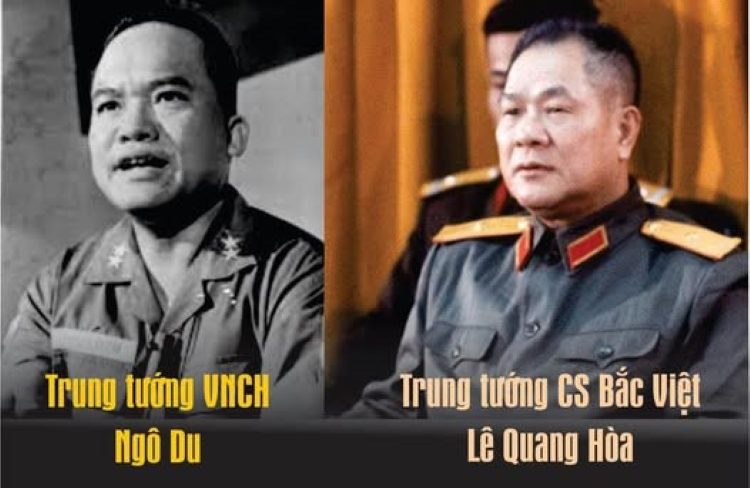
No comments:
Post a Comment