20260402 CDTL GRF 12 May1975 D280 Bản ghi nhớ từ Ngoại
trưởng Kissinger gửi Tổng thống Ford.
***
Trong bản ghi nhớ của Ngoại trường Kissinger đúc kết đệ
nạp cho Tổng Thống Ford về cuộc chiến Việt Nam đã cho chúng ta những điều đáng
suy gẫm.
Đáng suy gẫm vì chúng ta không có được những nhà soạn
thảo sách lược tầm cở policy makers cho một quốc gia nhỏ bé khi đứng giửa cơn bảo
quyền lực toàn cầu.
Miền Nam Việt Nam rõ ràng đã bị trói tay do chính bởi
người bạn đồng minh của mình thực hiện, đã bị ném vào đấu trường, bị buộc phải
áp dụng những kỷ thuật tiểu xão né tránh, luồn lách trong một cuộc chiến tồn
vong của dân tộc, phải đưa đầu ra hứng cả đạn, pháo của Tầu Nga.
***
https://history.state.gov/historicaldocuments/frus1969-76v10/d280
Google Translated
Tài liệu 280
Quan hệ Đối ngoại của Hoa Kỳ, 1969–1976, Tập
X, Việt Nam, Tháng 1 năm 1973 – Tháng 7 năm 1975
280. Bản ghi nhớ từ Ngoại trưởng Kissinger
gửi Tổng thống Ford.
Washington, ngày 12 tháng 5 năm 1975.
CHỦ ĐỀ
Những bài học từ Việt Nam
Theo yêu cầu của Ngài, tôi đã soạn thảo một số suy
nghĩ về "những bài học từ Việt Nam" để Ngài xem xét,
cũng như để làm tài liệu tham khảo giúp Ngài giải quyết các câu hỏi tiếp theo từ
giới báo chí về chủ đề này.
Thật đáng ngạc nhiên—khi xét đến thời gian kéo dài của
cuộc chiến cũng như mức độ dày đặc của các bài tường thuật và bình luận về nó—rằng
thực tế lại không có quá nhiều bài học rút ra từ trải nghiệm của chúng ta tại Việt
Nam có thể được áp dụng một cách hữu ích ở những nơi khác, bất chấp sự cám
dỗ hiển nhiên trong việc cố gắng làm điều đó. Việt Nam đại diện cho một
tình huống độc nhất vô nhị về mặt địa lý, sắc tộc, chính trị, quân sự và ngoại
giao. Có lẽ chúng ta nên cảm thấy biết ơn vì điều đó và nên nhìn nhận sự việc
đúng với bản chất vốn có của nó, thay vì cố gắng áp dụng "những bài học từ
Việt Nam" một cách phổ quát, giống như cách chúng ta từng cố gắng
áp dụng "những bài học từ Munich" trước đây.
Nỗi thất vọng thực sự về cuộc chiến tại Việt Nam—xét
trên phương diện bình luận và đánh giá—có lẽ nằm ở chỗ: cuộc chiến này đã để lại
những tác động mang tính phổ quát, nhưng lại không mang đến một hệ thống giáo
huấn hay bài học phổ quát nào. [Trang 954]
Một cám dỗ thường thấy đối với nhiều nhà bình luận là
vội vàng đưa ra những kết luận về sự kiên cường của người dân Mỹ, cũng như về sự
thất bại rốt ráo của ý chí dân tộc chúng ta. Tuy nhiên, tôi tự hỏi liệu chúng
ta có thể chấp nhận kết luận đó hay không. Đó là cuộc chiến dài nhất trong lịch
sử nước Mỹ, là cuộc chiến diễn ra ở nơi xa xôi nhất, và là cuộc chiến ít
có vẻ liên quan trực tiếp nhất đến những mối bận tâm trước mắt của quốc gia; thế
nhưng, người dân Mỹ vẫn tiếp tục ủng hộ sự can dự của chúng ta cũng như
những mục tiêu tổng quát của cuộc chiến ấy cho đến tận phút chót. Người dân đã
chấp nhận những hy sinh vô cùng to lớn. Tôi tin chắc rằng, ngay cả vào giai đoạn
cuối cùng, họ vẫn sẵn sàng ủng hộ một chính sách có thể cứu vãn được miền
Nam Việt Nam—nếu như một phương án như vậy thực sự hiện hữu để chúng ta
có thể lựa chọn thực thi.
Không thể quên rằng các quyết định của chính quyền Hoa
Kỳ, vốn đã lôi cuốn quốc gia này vào cuộc chiến, nhìn chung đều nhận
được sự ủng hộ vào thời điểm chúng được đưa ra; sự ủng hộ này không chỉ đến từ
đông đảo quần chúng nhân dân mà còn từ các giới chính trị cũng như giới báo
chí—những người mà sau này lại quay sang phản đối cuộc chiến. Nhìn chung, người
dân Mỹ đã ủng hộ và tán dương Tổng thống Eisenhower vì quyết định
chia cắt Việt Nam cũng như việc hỗ trợ một chính quyền chống Cộng
tại miền Nam. Người dân Mỹ, và đặc biệt là giới truyền thông, đã ủng
hộ quyết định của Tổng thống Kennedy về việc vượt qua những giới hạn can
dự mà Tổng thống Eisenhower từng thiết lập; họ cũng ủng hộ quyết định của
ông trong việc cho phép Hoa Kỳ tham gia vào công cuộc lật đổ Tổng thống
Diệm—mặc dù vào thời điểm đó, mức độ can dự cụ thể vẫn chưa được làm rõ.
Nhiều người—những người mà sau này được gán cho danh hiệu "bồ câu"
trong vấn đề Việt Nam—vào thời điểm đó lại kiên quyết khẳng định rằng miền
Nam Việt Nam cần phải được giải cứu, và rằng việc lật đổ Tổng
thống Diệm là điều thiết yếu để thực hiện mục tiêu đó. Chính quý vị hẳn vẫn
còn nhớ sự ủng hộ mạnh mẽ mà Nghị quyết Vịnh Bắc Bộ đã nhận được tại
Quốc hội, cũng như sự ủng hộ rộng rãi dành cho quyết định điều quân của
Tổng thống Johnson. Tổng thống Nixon cũng đã nhận được sự ủng hộ nồng
nhiệt đối với quyết định rút dần quân đội Mỹ theo lộ trình, cũng như đối
với Hiệp định Hòa bình Paris.
Nếu có thể đưa ra bất kỳ định hướng nào cho tương lai
về những bài học rút ra liên quan đến sự ủng hộ trong nước dành cho chính sách
đối ngoại, thì đó chính là việc các nhóm chính trị tại Mỹ sẽ không thể
duy trì sự thoải mái trong những lập trường đi ngược lại thái độ truyền thống của
chính họ trong một thời gian dài. Nhóm Dân chủ theo khuynh hướng tự do
không thể tiếp tục ủng hộ một cuộc chiến chống lại một phong trào cách mạng
trong thời gian dài, bất kể các chiến thuật mà phong trào đó áp dụng ngay trong
nội bộ đất nước có phản động đến mức nào. Họ đã chấp nhận gánh vác cam kết nặng
nề tại Việt Nam là nhờ có Tổng thống Kennedy—người mà họ coi là
lãnh tụ của mình—nhưng rồi lại rút lui khỏi cam kết đó dưới thời Tổng thống
Johnson.
Tuy nhiên, một bài học rõ ràng có thể rút ra là tầm
quan trọng của sự trung thực và khách quan tuyệt đối trong mọi hoạt động báo
cáo—dù là trong nội bộ hay từ phía Chính phủ, cũng như từ phía giới báo chí.
Trong một thời gian dài, các báo cáo chính thức của Hoa Kỳ thường có xu
hướng lạc quan thái quá; hệ quả là các tuyên bố chính thức đã không làm cho người
dân Mỹ hiểu rõ được cuộc xung đột này có thể sẽ kéo dài và [Trang 955] khốc
liệt đến mức nào. Sau một thời gian, những báo cáo mang sắc thái bi quan từ giới
nhà báo bắt đầu nhận được sự tin cậy lớn hơn, bởi lẽ những xu hướng tích cực (nếu
có xuất hiện) lại diễn ra quá chậm chạp, không đủ để biện minh cho những đánh
giá đầy lạc quan từ phía Washington. Tại Việt Nam, tình hình thực
tế nhìn chung là tồi tệ hơn so với những gì một số bên đã báo cáo, nhưng lại tốt
hơn so với những gì các bên khác đã đưa tin. Tuy nhiên, những báo cáo mang tính
bi quan—dẫu cho có thiếu chính xác đi chăng nữa—lại bắt đầu được xem là sát với
thực tế hơn; đến mức mà hầu như bất kỳ tuyên bố nào từ phía Chính phủ cũng đều
có thể bị bác bỏ vì cho là thiếu khách quan—không chỉ bởi phe đối lập, mà còn bởi
một bộ phận công chúng ngày càng trở nên hoài nghi.
Một bài học khác chính là tầm quan trọng tuyệt đối của
việc tập trung các phát biểu của chính chúng ta—cũng như các cuộc tranh luận
công khai—vào những vấn đề cốt lõi; ngay cả khi những vấn đề cốt lõi ấy không
phải lúc nào cũng hiện hữu rõ ràng trên màn hình truyền hình mỗi tối. Cuộc
tranh luận về vấn đề Việt Nam thường sa đà vào việc quá chú trọng đến những
vấn đề mà, nói nhẹ nhất, cũng chỉ mang tính thứ yếu. Những "chuồng cọp"
bị coi là biểu tượng cho sự đàn áp của Chính quyền miền Nam Việt Nam, mặc
dù chính quyền này đang phải đối mặt với một kẻ thù đã thực hiện các hành vi ám
sát, tra tấn và giam cầm một số lượng người lớn hơn gấp bội; Chương
trình "Phượng Hoàng" trở thành mục tiêu công kích, mặc dù các
chiến thuật của phía Bắc Việt và Việt Cộng lại tàn bạo hơn vô cùng. Sự kiện
Mỹ Lai đã làm hoen ố hình ảnh của Quân đội Hoa Kỳ—một lực lượng mà nhìn
chung (dù không phải lúc nào cũng vậy) vẫn luôn thể hiện sự nhân đạo trong cách
đối xử với thường dân. Ngay cả vào giai đoạn cuối cùng, phần lớn các cuộc thảo luận
trong công chúng vẫn chỉ tập trung vào cáo buộc cho rằng Tổng thống Thiệu
đã thất bại trong việc tranh thủ sự ủng hộ chính trị; thế nhưng, chính
những người Cộng sản mới là kẻ đã khước từ các cuộc bầu cử tự do, và chính
họ mới là kẻ đã điều động các sư đoàn dự bị vào cuộc chiến—bởi
lẽ họ không hề nhận được sự ủng hộ từ phía quần chúng nhân dân.
Và ngay tại quê nhà, người ta lại lập luận rằng yêu cầu viện trợ của ông đồng
nghĩa với việc Hoa Kỳ sẽ tái can thiệp vào cuộc chiến—trong khi thực tế,
điều đó lại hoàn toàn xa lạ với những suy nghĩ của chính ông.
Một yếu tố có lẽ cũng quan trọng không kém chính là sự
kiên định. Khi Hoa Kỳ tham chiến vào những năm 1960, họ đã hành
động với những sự thái quá—những sự thái quá không chỉ đặt dấu chấm
hết cho sự nghiệp và sinh mệnh của một nhà lãnh đạo đồng minh, mà còn có
nguy cơ gây tổn hại nghiêm trọng cho nền kinh tế Mỹ, đồng thời đổ
vào cuộc chiến hơn nửa triệu binh sĩ tại một quốc gia mà thực tế, số lượng
lính trực tiếp chiến đấu của chúng ta chưa bao giờ vượt quá 100.000 người.
Đến giai đoạn kết thúc, những sự thái quá theo chiều hướng ngược lại
lại khiến việc xin Quốc hội phê duyệt ngân sách trở nên bất khả thi—dù khoản
ngân sách cần thiết khi đó chỉ vỏn vẹn khoảng 2 hoặc 3 phần trăm so với mức mà
Quốc hội từng cấp phát hàng năm trước đó. Khi mới tham chiến, nhiều
người đã hành động nhân danh đạo đức. Trước khi cuộc chiến khép lại,
cũng chính nhiều người ấy lại quay sang phản đối cuộc chiến, vẫn nhân danh đạo
đức. Thế nhưng, chẳng một ai nhắc đến đạo đức của sự kiên định, hay phẩm hạnh
của việc kiên trì theo đuổi đến cùng một mục tiêu—nhất là khi cái giá phải trả
cho mục tiêu ấy đã giảm xuống mức hoàn toàn nằm trong tầm kiểm soát.
Xét về mặt chiến thuật quân sự, chúng ta
không thể không đi đến kết luận rằng lực lượng vũ trang của chúng ta không phù
hợp với kiểu chiến tranh này. Ngay cả Lực lượng Đặc nhiệm—vốn
được thiết kế chuyên biệt cho loại hình chiến tranh đó—cũng không thể giành chiến
thắng. Một phần nguyên nhân nằm ở chính bản chất của cuộc xung đột này.
Đó vừa là một cuộc chiến tranh cách mạng, diễn ra khốc liệt trong đêm tối
ngay tại các làng mạc, với những trận cận chiến bằng dao găm. Đồng thời, đó
cũng là một cuộc chiến tranh quy ước giữa các lực lượng chủ lực, nơi mà công
nghệ thực sự có thể tạo nên sự khác biệt. Cả hai bên đều gặp khó khăn trong
việc xây dựng các chiến thuật phù hợp với từng loại hình chiến tranh này. Tuy
nhiên, phía chúng ta và quân đội Nam Việt Nam lại gặp nhiều trở ngại hơn
đối phương trong vấn đề này. Chúng ta cũng mắc phải những sai lầm thái quá:
khi chúng ta coi đây là "cuộc chiến của chính mình", chúng ta lại
không để cho phía Nam Việt Nam tự chiến đấu; còn khi cuộc chiến trở lại
thành "cuộc chiến của họ", chúng ta lại không chịu giúp họ chiến đấu.
Trớ trêu thay, sau năm 1954, chúng ta đã huấn luyện quân đội Nam Việt Nam để
đối phó với chiến tranh quy ước giữa các lực lượng chủ lực (vì dự đoán sẽ có một
cuộc tấn công kiểu Chiến tranh Triều Tiên), nhưng thực tế họ lại phải đối mặt với
một cuộc chiến tranh chính trị; đến sau năm 1973, khi họ đã tự chuẩn bị sẵn
sàng cho cuộc chiến tranh chính trị, thì họ lại phải đương đầu với một cuộc xâm
lược quy mô lớn của lực lượng chủ lực—một cuộc xâm lược đã bị dự đoán từ 20 năm
trước đó.
Nền ngoại giao của chúng ta cũng chịu tổn thất trong
quá trình này, và có lẽ sẽ phải mất một thời gian để chúng ta có thể đưa mọi thứ
trở lại trạng thái cân bằng. Chúng tôi thường nhận thấy rằng Hoa Kỳ khó
có thể duy trì một lập trường ngoại giao trong quá vài tuần hay vài tháng, trước
khi lập trường đó bị chính những phe phái chính trị—vốn thường xuyên ủng hộ lập
trường ấy—quay ra công kích. Rốt cuộc, chúng tôi lại rơi vào cảnh tự đàm
phán với chính mình, liên tục đưa ra những nhượng bộ nối tiếp nhau, trong khi
phía Bắc Việt hầu như không thay đổi bất cứ điều gì trong các mục tiêu ngoại
giao, và chỉ thay đổi rất ít trong các lập trường ngoại giao của họ. Chỉ thông
qua con đường ngoại giao bí mật, chúng tôi mới có thể tiến hành được một cuộc đối
thoại thực sự đúng nghĩa; thế nhưng ngay cả trong bối cảnh đó, phía Bắc Việt vẫn
luôn tìm cách duy trì áp lực công luận lên chúng tôi một cách không ngừng nghỉ.
Nền ngoại giao của chúng tôi thường bị thoái hóa thành những nỗ lực đầy vội vã
nhằm tìm kiếm các công thức mang lại sự ủng hộ nhất thời, cũng như để che lấp
những khác biệt hiển nhiên giữa chúng tôi và phía Bắc Việt. Di sản của thực
trạng này vẫn còn đeo bám chúng tôi cho đến tận ngày nay, khiến chúng tôi khó
lòng duy trì được một lập trường ngoại giao trong bất kỳ khoảng thời gian nào—bất
kể đối phương có ngoan cố đến đâu—mà không vấp phải sự công kích từ chính nội
bộ trong nước.
Suy cho cùng, chúng ta phải tự vấn bản thân xem liệu tất
cả những nỗ lực đó có thực sự xứng đáng hay không, hoặc ít nhất là chúng ta đã
gặt hái được những lợi ích gì. Tôi tin rằng những lợi ích đạt được là rất nhiều,
mặc dù chúng đã bị lãng quên từ lâu; và tôi e rằng chỉ đến lúc này—khi vị thế
của chúng ta tại Việt Nam đã mất đi—chúng ta mới bắt đầu nhận ra
mình cần phải củng cố các vị thế khác ở những nơi khác ra sao. Có lẽ chúng ta sẽ
buộc phải hỗ trợ các tình huống khác mạnh mẽ hơn nhiều nhằm khắc phục những tổn
thất đã xảy ra, cũng như phải giữ lập trường cứng rắn hơn để khiến các bên khác
tin tưởng lại vào chúng ta.
Tôi vẫn luôn tin tưởng—cũng như quan điểm của nhiều
nhà quan sát khác—rằng quyết định giải cứu miền Nam Việt Nam vào năm 1965 của
chúng ta chính là yếu tố đã ngăn chặn sự sụp đổ của Indonesia vào tay chủ nghĩa
Cộng sản, và rất có thể đã giúp duy trì sự hiện diện của Hoa Kỳ tại
khu vực châu Á.
Điều này không chỉ có nghĩa là chúng ta đã duy trì được
lực lượng quân sự của mình; nó còn có nghĩa là chúng ta đã giữ vững được sự hiện
diện về kinh tế cũng như tầm ảnh hưởng chính trị, và rằng các đồng minh của
chúng ta—bao gồm cả Nhật Bản—đã không cảm thấy buộc phải tự lo liệu cho
công cuộc quốc phòng của chính họ. Khi xem xét tác động của những sự kiện đang
diễn ra hiện nay, thật đáng để nhớ lại rằng tác động đó sẽ to lớn hơn biết bao
nếu xảy ra mười năm về trước—khi phong trào Cộng sản [Trang 957]
vẫn còn được nhìn nhận rộng rãi như một khối thống nhất vững chắc, định sẵn sẽ
nuốt chửng tất cả chúng ta. Do đó, trong các tuyên bố trước công chúng, tôi tin
rằng chúng ta hoàn toàn có thể đường hoàng tránh việc tự dằn vặt bản thân, và rằng
chúng ta không nên mô tả vai trò của mình trong cuộc xung đột này như một thảm
họa đầy ô nhục. Tôi tin rằng những nỗ lực của chúng ta—trên cả ba phương diện
quân sự, ngoại giao và chính trị—đã không hề vô ích. Chúng ta đã phải trả một
cái giá đắt, nhưng đổi lại, chúng ta đã giành được mười năm thời gian và đã làm
thay đổi một thế lực đang trên đà tiến tới tưởng chừng như không thể ngăn cản
vào thời điểm ấy. Tôi tin rằng những người lính hay người dân của chúng ta
không có bất cứ điều gì phải cảm thấy hổ thẹn.
1. Nguồn:
Thư viện Ford, Cố vấn An ninh Quốc gia, Hồ sơ Quốc gia của Tổng thống về
khu vực Đông Á và Thái Bình Dương, Hộp 20, Việt Nam
(23). Mật; Nhạy cảm; Chỉ dành cho người có thẩm quyền trực tiếp. Theo bản ghi
nhớ đính kèm từ ông Smyser đề ngày 12 tháng 5, Ban Tham mưu NSC
đã soạn thảo bản ghi nhớ này. Ông Kissinger không ký tắt vào văn bản, và
không có dấu hiệu nào cho thấy Tổng thống Ford đã xem qua tài liệu này. ↩
Sources
https://history.state.gov/historicaldocuments/frus1969-76v10/sources
Abbreviations and Terms
https://history.state.gov/historicaldocuments/frus1969-76v10/terms
Persons
https://history.state.gov/historicaldocuments/frus1969-76v10/persons
Note on U.S. Covert Actions
https://history.state.gov/historicaldocuments/frus1969-76v10/note
Vietnam, January 1973–July 1975
https://history.state.gov/historicaldocuments/frus1969-76v10/comp1
Collapse and Evacuation, February 26–July 22, 1975
(Documents 178–283)
https://history.state.gov/historicaldocuments/frus1969-76v10/ch3
1.
Document 280
Foreign Relations of the United
States, 1969–1976, Volume X, Vietnam, January 1973–July 1975
280. Memorandum From the President’s
Assistant for National Security Affairs (Kissinger) to President Ford1
Washington, May 12,
1975.
SUBJECT
At your request, I have prepared some thoughts on the “lessons of
Vietnam” for your consideration and for your background information in dealing
with further press questions on the subject.
It is remarkable, considering how long the war lasted and how intensely
it was reported and commented, that there are really not very many lessons from
our experience in Vietnam that can be usefully applied elsewhere despite the
obvious temptation to try. Vietnam represented a unique situation,
geographically, ethnically, politically, militarily and diplomatically. We
should probably be grateful for that and should recognize it for what it is,
instead of trying to apply the “lessons of Vietnam” as universally as we once
tried to apply the “lessons of Munich.”
The real frustration of Vietnam, in terms of commentary and evaluation,
may be that the war had almost universal effects but did not provide a
universal catechism. [Page 954]
A frequent temptation of many commentators has been to draw conclusions
regarding the tenacity of the American people and the ultimate failure of our
will. But I question whether we can accept that conclusion. It was the longest
war in American history, the most distant, the least obviously relevant to our
nation’s immediate concerns, and yet the American people supported our
involvement and its general objectives until the very end. The people made
enormous sacrifices. I am convinced that, even at the end, they would have been
prepared to support a policy that would have saved South Vietnam if such an
option had been available to use.
It must not be forgotten that the decisions of American administrations
that involved this nation in the war were generally supported at the time they
were taken, and that they were supported not only among the people at large but
among the political elements and among the journalists who later came to oppose
the war. The American people generally supported and applauded President
Eisenhower for a decision to partition Vietnam and to support an anti-Communist
government in the South. The American people, and particularly the American
media, supported President Kennedy’s decision to go beyond the restrictions on
American involvement that President Eisenhower had set and they also supported
his decision to permit American involvement in the removal of President Diem—although
the extent of that involvement was not clear at the time. Many who were later
to be labeled as “doves” on Vietnam then insisted that South Vietnam had to
be saved and that President Diem’s removal was essential to save it. You
yourself will remember the strong support that the Tonkin Gulf resolution won
on the Hill and the general support for President Johnson’s decision to send
troops. President Nixon won an outpouring of support for the decision to
withdraw American forces at a gradual pace, as well as for the Paris Peace
Agreement.
If one could offer any guidelines for the future about the lessons to be
drawn regarding domestic support for foreign policy, it would be that American
political groups will not long remain comfortable in positions that go against
their traditional attitudes. The liberal Democrats could not long support a war
against a revolutionary movement, no matter how reactionary the domestic
tactics of that movement. They had accepted the heavy commitment to Vietnam
because of President Kennedy, whom they regarded as their leader, but they
withdrew from it under President Johnson.
One clear lesson that can be drawn, however, is the importance of
absolute honesty and objectivity in all reporting, within and from the
Government as well as from the press. U.S. official reports tended for a long
time to be excessively optimistic, with the result that official statements did
not make clear to the American people how long and [Page 955] how tough the
conflict might turn out to be. After a while the pessimistic reports from
journalists began to gain greater credence because such positive trends as did
emerge came too slowly to justify optimistic Washington assessments. In
Vietnam, the situation was generally worse than some reported and better than
others reported. But the pessimistic reports, even if they were inaccurate,
began to look closer to the mark until almost any government statement could be
rejected as biased, not only by the opposition but by an increasingly skeptical
public.
Another lesson would be the absolute importance of focusing our own
remarks and the public debate on essentials—even if those essentials are not
clearly visible every night on the television screen. The Vietnam debate often
turned into a fascination with issues that were, at best, peripheral. The
“tiger cages” were seen as a symbol of South Vietnamese Government oppression,
although that Government was facing an enemy who had assassinated, tortured and
jailed an infinitely greater number; the “Phoenix” program became a subject of
attack although North Vietnamese and Viet Cong tactics were infinitely more
brutal. The Mylai incident tarnished the image of an American Army that had
generally—through not always—been compassionate in dealing with the civilian population.
Even at the end, much of the public discussion focused on President Thieu’s
alleged failure to gain political support, but it was the Communists who
rejected free elections and who brought in their reserve divisions because they
did not have popular support. And at home, it was argued that your aid request
meant American reinvolvement when nothing was further from your mind.
Of equal importance may be a dedication to consistency. When the United
States entered the war during the 1960’s, it did so with excesses that not only
ended the career and the life of an allied leader but that may have done
serious damage to the American economy and that poured over half a million
soldiers into a country where we never had more than 100,000 who were actually
fighting. At the end, the excesses in the other direction made it impossible to
get from the Congress only about 2 or 3 percent as much money as it had earlier
appropriated every year. When we entered, many did so in the name of morality.
Before the war was over, many opposed it in the name of morality. But nobody
spoke of the morality of consistency, or of the virtue of seeing something
through once its cost had been reduced to manageable proportions.
In terms of military tactics, we cannot help draw the conclusion that our
armed forces are not suited to this kind of war. Even the Special Forces who
had been designed for it could not prevail. This was partly because of the
nature of the conflict. It was both a revolutionary war fought at knife-point
during the night within the villages. It was also a main force war in which
technology could make a genuine [Page 956] difference. Both
sides had trouble devising tactics that would be suitable for each type of
warfare. But we and the South Vietnamese had more difficulty with this than the
other side. We also had trouble with excesses here: when we made it “our war”
we would not let the South Vietnamese fight it; when it again became “their
war,” we would not help them fight it. Ironically, we prepared the South
Vietnamese for main force warfare after 1954 (anticipating another Korean-type
attack), and they faced a political war; they had prepared themselves for
political warfare after 1973 only to be faced with a main force invasion 20
years after it had been expected.
Our diplomacy also suffered in the process, and it may take us some time
to bring things back to balance. We often found that the United States could
not sustain a diplomatic position for more than a few weeks or months before it
came under attack from the same political elements that had often advocated
that very position. We ended up negotiating with ourselves, constantly offering
concession after concession while the North Vietnamese changed nothing in their
diplomatic objectives and very little in their diplomatic positions. It was
only in secret diplomacy that we could hold anything approaching a genuine
dialogue, and even then the North Vietnamese could keep us under constant
public pressure. Our diplomacy often degenerated into frantic efforts to find
the formulas that would evoke momentary support and would gloss over obvious
differences between ourselves and the North Vietnamese. The legacy of this
remains to haunt us, making it difficult for us to sustain a diplomatic
position for any length of time, no matter how obdurate the enemy, without
becoming subject to domestic attack.
In the end, we must ask ourselves whether it was all worth it, or at
least what benefits we did gain. I believe the benefits were many, though they
have long been ignored, and I fear that we will only now begin to realize how
much we need to shore up our positions elsewhere once our position in Vietnam
is lost. We may be compelled to support other situations much more strongly in
order to repair the damage and to take tougher stands in order to make others
believe in us again.
I have always believed, as have many observers, that our decision to save
South Vietnam in 1965 prevented Indonesia from falling to Communism and
probably preserved the American presence in Asia.
This not only means that we kept our troops. It also means that we kept
our economic presence as well as our political influence, and that our
friends—including Japan—did not feel that they had to provide for their own
defense. When we consider the impact of what is now happening, it is worth
remembering how much greater the impact would have been ten years ago when the
Communist movement [Page 957] was still widely
regarded as a monolith destined to engulf us all. Therefore, in our public
statements, I believe we can honorably avoid self-flagellation and that we
should not characterize our role in the conflict as a disgraceful disaster. I
believe our efforts, militarily, diplomatically and politically, were not in
vain. We paid a high price but we gained ten years of time and we changed what
then appeared to be an overwhelming momentum. I do not believe our soldiers or
our people needed to be ashamed.
1. Source: Ford
Library, National Security Adviser, Presidential Country Files for East Asia
and the Pacific, Box 20, Vietnam (23). Secret; Sensitive; Eyes Only. According
to the covering memorandum from Smyser, May 12, the NSC Staff prepared this
memorandum. Kissinger did not initial it and there is no indication that Ford
saw it.↩
https://history.state.gov/historicaldocuments/frus1969-76v10/d280
https://history.state.gov/historicaldocuments/frus1969-76v10/pg_954
https://history.state.gov/historicaldocuments/frus1969-76v10/pg_955
https://history.state.gov/historicaldocuments/frus1969-76v10/pg_956
https://history.state.gov/historicaldocuments/frus1969-76v10/pg_957
Thân thế (các) nhân vật/
Ford Gerald R.,
Republican Representative from Michigan until October 13, 1973; House
Minority Leader until October 13, 1973; Vice President of the United States
from October 13, 1973, until August 8, 1974; President of the United States
from August 8, 1974
https://en.wikipedia.org/wiki/Gerald_Ford
https://en.wikipedia.org/wiki/President_of_the_United_States
https://en.wikipedia.org/wiki/Vice_President_of_the_United_States
https://en.wikipedia.org/wiki/House_Minority_Leader
https://en.wikipedia.org/wiki/Leader_of_the_House_Republican_Conference
https://en.wikipedia.org/wiki/Chair_of_the_House_Republican_Conference
https://en.wikipedia.org/wiki/United_States_House_of_Representatives
https://www.whitehouse.gov/about-the-white-house/presidents/gerald-r-ford/
https://www.whitehouse.gov/administration/
https://geraldrfordfoundation.org/gerald-r-ford-biography/
https://www.fordlibrarymuseum.gov/grf/timeline.asp
https://en.wikipedia.org/wiki/Presidency_of_Gerald_Ford
https://www.history.navy.mil/research/library/research-guides/modern-biographical-files-ndl/modern-bios-f/ford-gerald.html
https://www.fordlibrarymuseum.gov/library/guides/findingaid/ford_vp_papers.asp
Hill, Robert C.,
Assistant
Secretary of Defense for International Security Affairs from May 11, 1973,
until January 5, 1974
https://archives-manuscripts.dartmouth.edu/agents/people/1226
https://en.wikipedia.org/wiki/Assistant_Secretary_of_Defense_for_International_Security_Affairs
https://en.wikipedia.org/wiki/Robert_C._Hill
https://en.wikipedia.org/wiki/United_States_Ambassador_to_Costa_Rica
https://en.wikipedia.org/wiki/United_States_Ambassador_to_El_Salvador
https://en.wikipedia.org/wiki/United_States_Ambassador_to_Mexico
https://en.wikipedia.org/wiki/United_States_Ambassador_to_Spain
https://en.wikipedia.org/wiki/United_States_Ambassador_to_Argentina
Kennedy, Richard T.,
Colonel, USA, member, National Security Council staff;
Deputy Assistant to the President for National Security Council planning from
1973 until 1975
https://en.wikipedia.org/wiki/Richard_T._Kennedy
https://oac.cdlib.org/findaid/ark:/13030/tf4000034s/
https://en.wikipedia.org/wiki/Under_Secretary_of_State_for_Management
https://history.state.gov/departmenthistory/people/kennedy-richard-thomas
https://history.state.gov/departmenthistory/people/kennedy-richard-thomas
https://history.state.gov/departmenthistory/people/principalofficers/under-secretary-for-mgmt
https://history.state.gov/departmenthistory/people/chiefsofmission/representative-to-iaea
https://history.state.gov/departmenthistory/people/principalofficers/ambassador-at-large
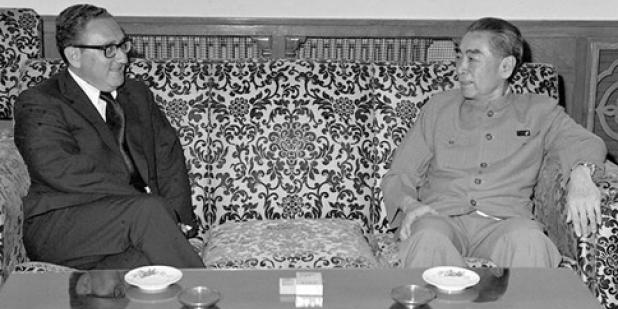
Henry A Kissinger
Assistant to the President for National Security Affairs until
November 3, 1975; also Secretary of State from September 21, 1973
https://www.theguardian.com/world/2023/may/20/bilderberg-meeting-group-lisbon-kissinger
https://www.theguardian.com/world/bilderberg
https://history.state.gov/historicaldocuments/frus1969-76ve13/summary
https://china.usc.edu/getting-beijing-henry-kissingers-secret-1971-trip
https://china.usc.edu/sites/default/files/styles/article_node_featured/public/article/featured-image/kissinger-zhou-sm_0.jpg?itok=qDjPx2_m
https://china.usc.edu/catalog/documents/us-china
http://www.archives.gov/press/press-releases/2001/nr01-47.html
https://china.usc.edu/talking-points-july-22-august-3-2011
https://china.usc.edu/getting-beijing-henry-kissingers-secret-1971-trip#meetings
https://china.usc.edu/getting-beijing-henry-kissingers-secret-1971-trip#nixon-announcement
https://china.usc.edu/getting-beijing-henry-kissingers-secret-1971-trip#chinese-accept
https://china.usc.edu/getting-beijing-henry-kissingers-secret-1971-trip#signals
https://china.usc.edu/getting-beijing-henry-kissingers-secret-1971-trip#the_aim
http://www.foreignaffairs.com/articles/23927/richard-m-nixon/asia-after-viet-nam
https://history.state.gov/historicaldocuments/frus1969-76v17/d4
https://history.state.gov/historicaldocuments/frus1969-76v17/d12
https://history.state.gov/historicaldocuments/frus1969-76v17/d13
https://history.state.gov/historicaldocuments/frus1969-76v17/d141
https://2001-2009.state.gov/documents/organization/100324.pdf
https://en.wikipedia.org/wiki/Henry_Kissinger_and_the_Vietnam_War
Lesson in Vietnam from
Kissinger to Nixon: “when we made it “our war” we would not let
the South Vietnamese fight it; when it again became “their war”, we would not
help them fight it.”
(We
also had trouble with excesses here: when we
made it “our war” we would not let the South Vietnamese fight it; when it again
became “their war,” we would not help them fight it. Ironically, we
prepared the South Vietnamese for main force warfare after 1954 (anticipating another Korean-type attack), and they faced a political war; they had prepared
themselves for political warfare after 1973 only to be faced with a main force
invasion 20 years after it had been expected.)
https://history.state.gov/historicaldocuments/frus1969-76v10/d280
Lesson of Vietnam May 12 1975 by Henry A. Kissinger
https://www.fordlibrarymuseum.gov/library/exhibits/vietnam/032400091-002.pdf
https://thebattleofkontum.com/extras/kissinger.html
“Richard M. Nixon and Kissinger on 3 August 1972,” Conversation 760-006,
Presidential Recordings Digital Edition [Fatal Politics, ed. Ken Huges]
(Charlottesville: University of Virginia Press, 2014-). URL:https://prde.upress.virginia.edu/conversations/4006748
https://player.vimeo.com/video/889937807?h=e44572c8f3&color=e57200&title=0&byline=0&portrait=0
https://millercenter.org/the-presidency/educational-resources/nixon-kissinger-and-the-decent-interval
https://player.vimeo.com/video/889937807?h=e44572c8f3&color=e57200&title=0&byline=0&portrait=0
Discover the Truth at:
http://www.theblackvault.com
https://www.theblackvault.com/documentarchive/the-cias-vietnam-document-cd-rom/
The secret life of Henry
Kissinger minutes of a 1975 meeting with Lawrence Eagleburger
https://etan.org/news/kissinger/secret.htm
Henry Kissinger and the Truth About Negotiations In Vietnam
https://www.youtube.com/watch?v=Z5fxxKVfX5g
Henry Kissinger - Secrets of a superpower | DW Documentary
https://www.youtube.com/watch?v=bWVMTKeAwlA
The Untold Truth of Henry Kissinger
https://www.youtube.com/watch?v=0iheZdvWdbI&t=1s
Was Henry Kissinger a War Criminal?
https://www.youtube.com/watch?v=COqq7862wcU&t=25s
Ngo Dinh Diem,
President of the Council of Ministers of the State of Vietnam to
October 1955; thereafter President and Chief of State of the Republic of
Vietnam
https://en.wikipedia.org/wiki/Ngo_Dinh_Diem
https://millercenter.org/the-presidency/educational-resources/diem-coup
https://www.jfklibrary.org/search?f%5B0%5D=digitized_collection%3APapers%20of%20John%20F.%20Kennedy.%20Presidential%20Papers.%20President%27s%20Office%20Files.&f%5B1%5D=source%3A46&f%5B2%5D=subject_place%3AVietnam
https://www.jfklibrary.org/asset-viewer/archives/jfkpof-128-010#?image_identifier=JFKPOF-128-010-p0003
https://www.jfklibrary.org/search?f[0]=subject:Vietnam%20War,%201961-1975
https://www.jfklibrary.org/search?f%5B0%5D=subject_person%3ANgo,%20Dinh%20Diem,%201901-1963&f%5B1%5D=source%3A46
The Diem Coup audio
https://soundcloud.com/the-miller-center-at-uva/sets/the-diem-coup
February 1, 1966: President Johnson remembers Diem coup
(admitted) to Eugene McCarthy
https://soundcloud.com/the-miller-center-at-uva/february-1-1966-president
November 4, 1963: President Kennedy on the Diem coup
https://soundcloud.com/the-miller-center-at-uva/november-4-1963-president-kennedy-on-the-diem-coup
NHỚ LẠI NHỮNG NGÀY Ở CẠNH TỔNG THỐNG NGÔ ĐÌNH
DIỆM (Full) - Tài Nguyễn Diễn Đọc
https://www.youtube.com/watch?v=sWTTgB7oE6U&t=6927
Một phụ nữ miền Bắc viết về cố TT Ngô Đình Diệm.
https://www.youtube.com/watch?v=UMEkUQRp01o
"The Death of Diem and Nhu"
https://www.youtube.com/watch?v=U8O1HOTXS8A
"The Coup in
Saigon"
https://www.youtube.com/watch?v=k4IaJYiNanc
"Everybody'll
Say We Did It"
https://www.youtube.com/watch?v=Jaai1NdZ70k
"We Have Plans for Withdrawal"
https://www.youtube.com/watch?v=0BABdRu7FY0
"The Road to
Disaster"
https://www.youtube.com/watch?v=dr5dRFVV-ok
https://www.youtube.com/channel/UChty22qJfdeAd8dAee9Mo7g/featured
“The President Is
Dead”
https://www.youtube.com/watch?v=lD-akTUBFWs
“That Wasn't What
Killed Kennedy”
https://www.youtube.com/watch?v=LAF0JGttS3E
Kennedy and Vietnam:
The great what-if
https://www.youtube.com/watch?v=6XLhqXt2pww
JFK, LBJ and the Paradox of Vietnam
https://www.youtube.com/watch?v=TYRsahM-GqQ&t=2054
BÀI 305: NHÌN LẠI LỊCH SỬ: ĐỆ NHẤT CỘNG HÒA
http://www.bacaytruc.com/index.php/16996-bai-305-nhin-l-i-l-ch-s-d-nh-t-c-ng-hoa-tac-gi-vu-linh-ddtc
BÀI 306: NHÌN LẠI LỊCH SỬ: ĐỆ NHỊ CỘNG HÒA
https://diendantraichieu.blogspot.com/2023/11/bai-306-nhin-lai-lich-su-e-nhi-cong-hoa.html
BÀI 307: NHÌN LẠI LỊCH SỬ: VAI TRÒ CỦA MỸ
http://www.bacaytruc.com/index.php/17092-bai-307-nhin-l-i-l-ch-s-vai-tro-c-a-m-tac-gi-vu-linh-ddtc
JFK and the Diem Coup
https://nsarchive2.gwu.edu/NSAEBB/NSAEBB101/
Evidence on the Diem Coup in South Vietnam 1963
https://www.tokyoprogressive.org/evidence-on-the-diem-coup-in-south-vietnam-1963/
Tập 1 - Đời
Một Phóng Viên & Những Ngày Bên Chí Sĩ Ngô Đình Diệm
https://www.youtube.com/watch?v=2CJ1CXSWwpI
Tập 2. Đời
Một Phóng Viên & Những Ngày Bên Chí Sĩ Ngô Đình Diệm
https://www.youtube.com/watch?v=Po5Hlbfk6Zc
Tập 3 - Đời
Một Phóng Viên & Những Ngày Bên Chí Sĩ Ngô Đình Diệm
https://www.youtube.com/watch?v=vdluTn-L8sc
Tập 4 : Đời
Một Phóng Viên & Những Ngày Bên Chí Sĩ Ngô Đình Diệm
https://www.youtube.com/watch?v=p58HIMAy_Hg
Tập 5 - Đời
Một Phóng Viên & Những Ngày Bên Chí Sĩ Ngô Đình Diệm
https://www.youtube.com/watch?v=ti24AXG12YE
Tập 6 - Đời
Một Phóng Viên & Những Ngày Bên Chí Sĩ Ngô Đình Diệm
https://www.youtube.com/watch?v=LB0xpBPX9UI
Tập 7 - Đời
Một Phóng Viên & Những Ngày Bên Chí Sĩ Ngô Đình Diệm
https://www.youtube.com/watch?v=Rvv0ze1mG_8
Tập 8 - Đời
một Phóng Viên và Những ngày chung sống với Chí Sĩ Ngô Đình Diệm
https://www.youtube.com/watch?v=Ht1u6A62KXk
Tập 9 - Đời
một Phóng Viên và những ngày chung sống với Chí Sĩ Ngô Đình Diệm
https://www.youtube.com/watch?v=bcZZ9O5cwgA&t=18s
Tập 10 - Đời
một Phóng Viên & Những ngày chung sống với Chí Sĩ Ngô Đình Diệm
https://www.youtube.com/watch?v=bgJnv7kALSA
Interview with Madame
Ngo Dinh Nhu, 1982
https://video.alexanderstreet.com/watch/interview-with-madame-ngo-dinh-nhu-1982
https://video.alexanderstreet.com/watch/interview-with-madame-ngo-dinh-nhu-1982/transcript/Interview%20with%20Madame%20Ngo%20Dinh%20Nhu%2C%201982
Tài liệu cộng sản giặc Hồ
xuyên tạc Tổng thống Diệm và quân đội Mỹ
https://sachhiem.net/LICHSU/N/NgoDacTriet.php
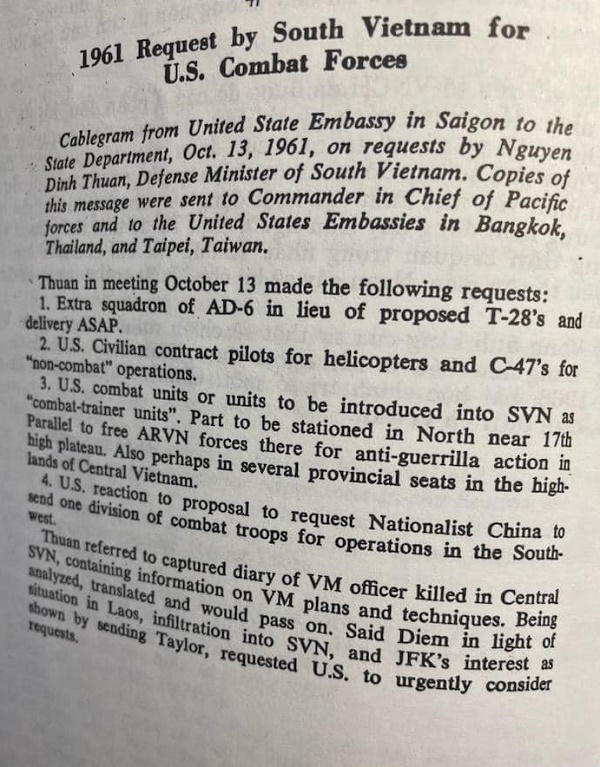
https://sachhiem.net/LICHSU/IMG/NGODD/1961XinQuanMy.jpg
Nguyen Van Thieu,
President of the Republic of Vietnam (South
Vietnam) until April 21, 1975
PHỎNG VẤN
VỚI LỊCH SỬ - TỔNG THỐNG NGUYỄN VĂN THIỆU - Năm 1972
https://www.facebook.com/groups/373876840199844/permalink/1216306329290220/
https://www.facebook.com/groups/373876840199844/
Tổng thống Thiệu trả lời phỏng vấn năm
1972 (Ms.O Fallaci) - Ep.1
https://www.youtube.com/watch?v=67J_48hfPik
Tổng thống Thiệu trả lời phỏng vấn năm
1972 (Ms.O Fallaci) - Ep.2
https://www.youtube.com/watch?v=INAfcRW3Prc
Tổng thống Thiệu trả lời phỏng vấn năm
1972 (Ms.O Fallaci) - Ep.3
https://www.youtube.com/watch?v=P_tOrafUIOY
Phỏng vấn cố Tổng thống VNCH Nguyễn
Văn Thiệu full
https://www.youtube.com/watch?v=c_36BXxpEjw
Tổng thống Nguyễn Văn Thiệu đáp trả
xuất sắc những gì Kissinger đề cập về Vietnam War | NAMDUONGTV
https://www.youtube.com/watch?v=FrA2OaHueFM&t=1802s
3/29/75 - Evacuation of Vietnamese
Refugees
4/3/75 - Phnom Penh Evacuation
4/5/75 - Evacuation of Vietnamese
Refugees (1)
4/5/75 - Evacuation of Vietnamese
Refugees (2)
4/5/75 - Evacuation of Vietnamese
Refugees (3)
4/5/75 - Evacuation of Vietnamese
Refugees (4)
4/29/75 - Final Evacuation of Saigon
(1)
4/29/75 - Final Evacuation
of Saigon (2)
Dau Bach Ho1X Feb 11 1975 Thieu
https://www.facebook.com/1831861973/posts/pfbid0FNN9UXFDYKuR9u6VPb8AeWRsknsNLsCZfgZBuKXWyZbzcGtGmPzrX65JtfUFrWykl/?d=n&mibextid=qC1gEa
Tôi Không Chết Đâu | Hồi Ức Miền Nam
https://www.youtube.com/watch?v=fJdQN0DYBvA
Thư Tổng Thống Thiệu Gửi Tổng Thống Gerald Ford
https://bachvietnhan.blogspot.com/2024/03/20240322-cdtl-thu-thieu-gui-gerald-ford.html
https://history.state.gov/historicaldocuments/frus1969-76v10/d166
Cambodia Arms and Ammunition to the Vietnamese
Communists
Discover the Truth at:
http://www.theblackvault.com
https://www.theblackvault.com/documentarchive/the-cias-vietnam-document-cd-rom/
https://documents2.theblackvault.com/documents/cia/EOM-2019-00201-highlighted.pdf
Giây Phút Xé Lòng | Hồi Ức Miền Nam | Hồi Ký Miền
Nam
https://www.youtube.com/watch?v=5WVwGiPD8Cs&t=2329
The Palace File Paperback – January 1, 1989
by Nguyen Tien Hung (Author), Jerrold L.
Schecter (Author)
https://www.amazon.com/Palace-File-Nguyen-Tien-Hung/dp/0060915722
https://www.goodreads.com/en/book/show/2098486
Khi đồng minh tháo chạy
Nguyen Tien Hung
https://www.goodreads.com/book/show/32865811-khi-ng-minh-th-o-ch-y?ref=nav_sb_noss_l_23
Hồ Sơ Mật Dinh Độc Lập Phần 1 / Nguyễn Tiến
Hưng/ Diễn Đọc Thiên Hoàng
https://www.youtube.com/watch?v=PDhuGRvfKjw
Hồ Sơ Mật Dinh Độc Lập Phần 2 / Nguyễn Tiến
Hưng/ Diễn Đọc Thiên Hoàng
https://www.youtube.com/watch?v=ZceUYCf7rqA
Hồ Sơ Mật Dinh Độc Lập Phần 3 / Nguyễn Tiến
Hưng/ Diễn Đọc Thiên Hoàng
https://www.youtube.com/watch?v=G2ET40EOGno
Hồ Sơ Mật Dinh Độc Lập Phần 4 / Nguyễn Tiến
Hưng/ Diễn Đọc Thiên Hoàng
https://www.youtube.com/watch?v=FFzsesWm25E
Hồ Sơ Mật Dinh Độc Lập Phần 5 / Nguyễn Tiến
Hưng/ Diễn Đọc Thiên Hoàng
https://www.youtube.com/watch?v=m2GMhs4DmBI
Hồ Sơ Mật Dinh Độc Lập Phần 6 / Nguyễn Tiến
Hưng/ Diễn Đọc Thiên Hoàng
https://www.youtube.com/watch?v=zMxfY_QGgwo
Hồ Sơ Mật Dinh Độc Lập Phần 7 / Nguyễn Tiến
Hưng/ Diễn Đọc Thiên Hoàng
https://www.youtube.com/watch?v=Kvjmvn78kgo
Hồ Sơ Mật Dinh Độc Lập Phần 8 / Nguyễn Tiến
Hưng/ Diễn Đọc Thiên Hoàng
https://www.youtube.com/watch?v=sylK7RDtLrc
Hồ Sơ Mật Dinh Độc Lập Phần 9 / Nguyễn Tiến
Hưng/ Diễn Đọc Thiên Hoàng
https://www.youtube.com/watch?v=gmF6urvaz0c
Hồ Sơ Mật Dinh Độc Lập Phần 10 / Nguyễn Tiến
Hưng/ Diễn Đọc Thiên Hoàng
https://www.youtube.com/watch?v=4Ig4PIzMFZM
Hồ Sơ Mật Dinh Độc Lập Phần 11 / Nguyễn Tiến
Hưng/ Diễn Đọc Thiên Hoàng
https://www.youtube.com/watch?v=WUFtNrT9sRo
Hồ Sơ Mật Dinh Độc Lập Phần 12 / Nguyễn Tiến
Hưng/ Diễn Đọc Thiên Hoàng
https://www.youtube.com/watch?v=A4KYPScqNMY
Hồ Sơ Mật Dinh Độc Lập Phần 13 / Nguyễn Tiến
Hưng/ Diễn Đọc Thiên Hoàng
https://www.youtube.com/watch?v=29lrLqX6vEo
Hồ Sơ Mật Dinh Độc Lập Phần 14 / Nguyễn Tiến
Hưng/ Diễn Đọc Thiên Hoàng
https://www.youtube.com/watch?v=j-WAarbW-fo
Hồ Sơ Mật Dinh Độc Lập Phần 15 / Nguyễn Tiến
Hưng/ Diễn Đọc Thiên Hoàng
https://www.youtube.com/watch?v=_GAo2fXzGBQ
Hồ Sơ Mật Dinh Độc Lập Phần 16 / Nguyễn Tiến
Hưng/ Diễn Đọc Thiên Hoàng
https://www.youtube.com/watch?v=X4Kb37dchNw
Hồ Sơ Mật Dinh Độc Lập Phần 17 / Nguyễn Tiến
Hưng/ Diễn Đọc Thiên Hoàng
https://www.youtube.com/watch?v=0DChfJXgR-8
Hồ Sơ Mật Dinh Độc Lập Phần 18 / Nguyễn Tiến
Hưng/ Diễn Đọc Thiên Hoàng
https://www.youtube.com/watch?v=wCYj9b4Tw6E
Hồ Sơ Mật Dinh Độc Lập Phần 19 / Nguyễn Tiến
Hưng/ Diễn Đọc Thiên Hoàng
https://www.youtube.com/watch?v=Qm45ygXmqzY
Hồ Sơ Mật Dinh Độc Lập Phần 20 / Nguyễn Tiến
Hưng/ Diễn Đọc Thiên Hoàng
https://www.youtube.com/watch?v=GvUiF8wVJBg
Hồ Sơ Mật Dinh Độc Lập Phần 21 / Nguyễn Tiến
Hưng/ Diễn Đọc Thiên Hoàng
https://www.youtube.com/watch?v=ZIZRlk6m4Eg
Hồ Sơ Mật Dinh Độc Lập Phần 22 / Nguyễn Tiến
Hưng/ Diễn Đọc Thiên Hoàng
https://www.youtube.com/watch?v=WNv27DbdcOI
Hồ Sơ Mật Dinh Độc Lập Phần 23 / Nguyễn Tiến
Hưng/ Diễn Đọc Thiên Hoàng
https://www.youtube.com/watch?v=-C5qfHEJNu4
Hồ Sơ Mật Dinh Độc Lập Phần 24 / Nguyễn Tiến
Hưng/ Diễn Đọc Thiên Hoàng
https://www.youtube.com/watch?v=iyg98DfK31E
Hồ Sơ Mật Dinh Độc Lập Phần 25 / Nguyễn Tiến
Hưng/ Diễn Đọc Thiên Hoàng
https://www.youtube.com/watch?v=CxcX0dKgKlA
Hồ Sơ Mật Dinh Độc Lập Phần 26 / Nguyễn Tiến
Hưng/ Diễn Đọc Thiên Hoàng
https://www.youtube.com/watch?v=adUtaGlDcho
Hồ Sơ Mật Dinh Độc Lập Phần 27 / Nguyễn Tiến
Hưng/ Diễn Đọc Thiên Hoàng
https://www.youtube.com/watch?v=f-1xxI1OWh8
Hồ Sơ Mật Dinh Độc Lập Phần 28 / Nguyễn Tiến
Hưng/ Diễn Đọc Thiên Hoàng
https://www.youtube.com/watch?v=PazkNBf3rGA
Hồ Sơ Mật Dinh Độc Lập Phần 29 / Nguyễn Tiến
Hưng/ Diễn Đọc Thiên Hoàng
https://www.youtube.com/watch?v=OpIbsM20p14
Hồ Sơ Mật Dinh Độc Lập Phần 30 / Nguyễn Tiến
Hưng/ Diễn Đọc Thiên Hoàng
https://www.youtube.com/watch?v=F_ZcLZtx_6M
Hồ Sơ Mật Dinh Độc Lập Phần 31 / Nguyễn Tiến
Hưng/ Diễn Đọc Thiên Hoàng
https://www.youtube.com/watch?v=n4u5jqW3nbg
Hồ Sơ Mật Dinh Độc Lập Phần 32 / Nguyễn Tiến
Hưng/ Diễn Đọc Thiên Hoàng
https://www.youtube.com/watch?v=PHHx5wQlabw
Hồ Sơ Mật Dinh Độc Lập Phần 33 / Nguyễn Tiến
Hưng/ Diễn Đọc Thiên Hoàng
https://www.youtube.com/watch?v=gpKZuQNdJJU
Hồ Sơ Mật Dinh Độc Lập Phần 34 / Nguyễn Tiến
Hưng/ Dễn Đọc Thiên Hoàng
https://www.youtube.com/watch?v=oGesHXnpZkw
Hồ Sơ Mật Dinh Độc Lập Phần 35 / Nguyễn Tiến
Hưng/ Diễn Đọc Thiên Hoàng
https://www.youtube.com/watch?v=M6ZOXJyjMTk
Hồ Sơ Mật Dinh Độc Lập Phần 36 Cuối Cùng / Nguyễn
Tiến Hưng/ Diễn Đọc Thiên Hoàng
https://www.youtube.com/watch?v=IYztC95fn4M
Khi Đồng Minh Nhảy Vào
https://www.amazon.com/-/es/Nguy%E1%BB%85n-Ti%E1%BA%BFn-H%C6%B0ng/dp/1495148629
Khi Đồng Minh Tháo Chạy Hardcover – January 1,
2005
https://www.amazon.com/Khi-%C4%90%E1%BB%93ng-Minh-Th%C3%A1o-Ch%E1%BA%A1y/dp/B00GQIWRA6
https://www.goodreads.com/book/show/32865811-khi-ng-minh-th-o-ch-y
HỒI KÝ: NHỮNG UẤT HẬN TRONG TRẬN CHIẾN MẤT NƯỚC
1975 (Phần 1)
https://www.youtube.com/watch?v=C7YpCRv6MlI&t=487s
HỒI KÝ: NHỮNG UẤT HẬN TRONG TRẬN CHIẾN MẤT NƯỚC
1975 (Phần 2)
https://www.youtube.com/watch?v=vX9-eocj8hQ&t=803s
HỒI KÝ: NHỮNG UẤT HẬN TRONG TRẬN CHIẾN MẤT NƯỚC
1975 (Phần 3)
https://www.youtube.com/watch?v=z6rCp-RnGQ4&t=561s
HỒI KÝ: NHỮNG UẤT HẬN TRONG TRẬN CHIẾN MẤT NƯỚC
1975 (Phần 4)
https://www.youtube.com/watch?v=3Y1YWYjcYUs
HỒI KÝ: NHỮNG UẤT HẬN TRONG TRẬN CHIẾN MẤT NƯỚC
1975 (Phần 5)
https://www.youtube.com/watch?v=cL7LO65oI_k&t=11s
HỒI KÝ: NHỮNG UẤT HẬN TRONG TRẬN CHIẾN MẤT NƯỚC
1975 (Phần 6)
https://www.youtube.com/watch?v=BsYcJCD0cwY
HỒI KÝ: NHỮNG UẤT HẬN TRONG TRẬN CHIẾN MẤT NƯỚC
1975 (Phần 7)
https://www.youtube.com/watch?v=kclMjgFLtUw&t=371s
HỒI KÝ: NHỮNG UẤT HẬN TRONG TRẬN CHIẾN MẤT NƯỚC
1975 (Phần 8)
https://www.youtube.com/watch?v=5bsh7jTMF_o
HỒI KÝ: NHỮNG UẤT HẬN TRONG TRẬN CHIẾN MẤT NƯỚC
1975 (Phần 9)
https://www.youtube.com/watch?v=NzhsA-ZZQ4Q&t=1265s
HỒI KÝ: NHỮNG UẤT HẬN TRONG TRẬN CHIẾN MẤT NƯỚC
1975 (Phần 10)
https://www.youtube.com/watch?v=IKBXiYNQMbc&t=18s
Bỏ Rơi Hay Phản Bội/ Tác Giả Bùi Anh Trinh/ Diễn
Đọc Thiên Hoàng
https://www.youtube.com/watch?v=q3Seaq3ymmE
Chuyện Chưa Kể Về TT Thiệu Lúc Rời Khỏi Sài Gòn-
(Ông và Nhân Viên Tùy Tùng May Mắn Thoát Chết)
https://www.youtube.com/watch?v=OoFEncck23U
20241102 Nixon Kissinger
and the Decent Interval
https://millercenter.org/the-presidency/educational-resources/nixon-kissinger-and-the-decent-interval
https://player.vimeo.com/video/889937807?h=e44572c8f3&color=e57200&title=0&byline=0&portrait=0
A
Decent Interval
https://www.youtube.com/watch?v=8xPzs3NZdN4
Richard
Nixon Addresses The "Decent Interval Theory"
https://www.youtube.com/watch?v=8Q-H0281kfM
Transcript
In the Oval Office on August 3, 1972, Secretary of
State Henry Kissinger tells President Richard Nixon that there’s a 50-50 chance
of reaching a settlement with North Vietnam.
That deal would give Nixon a “decent interval,” a
face-saving delay of a year or two between his final withdrawal of American
troops and the Communists’ final takeover of South Vietnam. “We’ve got to
find some formula that holds the thing together [for] a year or two, after
which — after a year, Mr. President, Vietnam will be a backwater. If we settle
it, say, this October, by January ’74 no one will give a damn.”
August
3, 1972
Richard
M. Nixon, Henry A. Kissinger
Conversation:
760-006
Having
established a framework for an armistice and the departure a American troops
from Vietnam, President Nixon and National Security Adviser Henry A. Kissinger
discussed the future trajectory of the war. Most importantly, they wanted to
secure a “decent interval” between the removal of those troops, Nixon’s
reelection in 1972 and the expected fall of Saigon. At this point in the
conversation, Kissinger had just told Nixon they had a 50/50 chance of reaching
a settlement with North Vietnam.
President
Nixon: Now,
let’s look at that just a moment again, think about it some more, but… let’s be
perfectly… cold-blooded about it. If you look at it from the standpoint of our
game… with the Soviets and the Chinese, from the standpoint of running this
country… I think we could take, in my view, almost anything, frankly, that we
can force on Nguyễn Văn Thiệu. Almost anything. I just come down to that. You
know what I mean?
President
Nixon:
Because I have a feeling we would not be doing, like I feel about the Israel, I
feel that in the long run we’re probably not doing them an in – a disfavor due
to the fact that I feel that the North Vietnamese are so badly hurt that the
South Vietnamese are probably going to do fairly well. [Kissinger attempts to
interject.] But also due to the fact-because I look at the tide of history out
there-South Vietnam probably is never going to survive anyway. I’m just being
perfectly candid. I-
Henry A. Kissinger: In the pull-out area-
President
Nixon:
[Unclear] we’ve got to be – if we can get certain guarantees so that they
aren’t… as you know, looking at the foreign policy process, though, I mean,
you’ve got to be-we also have to realize, Henry, that winning an election is
terribly important.
It’s
terribly important this year. But can we have a viable foreign policy if a year
from now or two years from now, North Vietnam gobbles up South Vietnam? That’s
the real question.
Kissinger: If a
year or two year from now North Vietnam gobbles up South Vietnam, we can have a
viable foreign policy if it looks as if it’s the result of South Vietnamese
incompetence.
Kissinger: If we
now sell out in such a way that, say, within a three-to four-month period, we
have pushed President Thieu over the brink-we-ourselves-I think, there is going
to be -even the Chinese won’t like that. I mean, they’ll pay verbal-verbally,
they’ll like it.
President
Nixon: But
it’ll worry them.
Kissinger: But
it will worry everybody. And domestically in the long run it won’t help us all
that much because our opponents will say we should’ve done it three years ago.
President
Nixon: I
know.
Kissinger: So
we’ve got to find formula that holds the thing together a year or two, after
which-after a year, Mr. President, Vietnam will be a backwater. If we settle
it, this October, by January 74 no one will give a damn.
President
Nixon: Yeah,
having in mind the fact that, you know, as we all know, the-the
analogy-comparison [to] Algeria is not on-I not at all for us. But on the other
hand, nobody gives a goddamn about what happened to Algeria-
Kissinger:
Mm-hmm.
President
Nixon:
-after they got out. [chuckling] You know what I mean? But Vietnam, I must say…
Jesus, they’ve fought so long, dying, and now… I don’t know.
End of
excerpt.
Miller
Center
University
of Virginia
https://millercenter.org/
“Richard
M. Nixon and Kissinger on 3 August 1972,” Conversation 760-006, Presidential
Recordings Digital Edition [Fatal Politics, ed. Ken Huges] (Charlottesville:
University of Virginia Press, 2014-). URL:https://prde.upress.virginia.edu/conversations/4006748
https://player.vimeo.com/video/889937807?h=e44572c8f3&color=e57200&title=0&byline=0&portrait=0
https://millercenter.org/the-presidency/educational-resources/nixon-kissinger-and-the-decent-interval
https://player.vimeo.com/video/889937807?h=e44572c8f3&color=e57200&title=0&byline=0&portrait=0
Discover the Truth at:
http://www.theblackvault.com
https://www.theblackvault.com/documentarchive/the-cias-vietnam-document-cd-rom/
PHỎNG VẤN ÔNG THIỆU: Về vấn đề Cộng Sản sau hiệp
định Paris (phụ đề Pháp Việt)
https://www.youtube.com/watch?v=qUCl1EwGBuo
Oriana Fallaci on Interviewing South Vietnamese
President Nguyễn Văn Thiệu | The Dick Cavett Show
https://www.youtube.com/watch?v=rmgtOX1Gkfs
SYND 26-1-73 PRESIDENT THIEU PRESS CONFERENCE ON
PEACE AGREEMENT
https://www.youtube.com/watch?v=uSeKp8CEHMo
SYND 04-04-73 PRESIDENT NIXON MEETS SOUTH
VIETNAMESE PRESIDENT THEU IN SAN CLEMENTE, CALIFORNIA
https://www.youtube.com/watch?v=fYUQw3q3eXE
EP 1 | Tổng thống Thiệu và cuộc phỏng vấn tàn bạo
với nhà báo Ý năm 1972
https://www.youtube.com/watch?v=l0aBx_TG2zg
Tổng thống Thiệu trả lời phỏng vấn năm 1972
(Ms.O Fallaci) - Ep.2
https://www.youtube.com/watch?v=INAfcRW3Prc&t=10s
Tổng thống Thiệu trả lời phỏng vấn năm 1972
(Ms.O Fallaci) - Ep.3
https://www.youtube.com/watch?v=P_tOrafUIOY
Trung tướng Nguyễn văn Thiệu tuyên bố hiến pháp
Đệ Nhị Việt Nam Cộng Hoà 1967
https://www.youtube.com/watch?v=AwLHVNeQFCw
“NÁO LOẠN” HỘI TRƯỜNG: Phỏng vấn tổng thống Thiệu
năm 1990
https://www.youtube.com/watch?v=OVQCSkHOMLU
CỰU TỔNG THỐNG VIỆT NAM CỘNG HÒA NGUYỄN VĂN THIỆU
TRẢ LỜI PHỎNG VẤN BÁO CHÍ NGƯỜI VIỆT HẢI NGOẠI
https://www.youtube.com/watch?v=VLKKzrIqj54
Phỏng vấn Tổng Thống VNCH Nguyễn Văn Thiệu -
TTMD - V1
https://www.youtube.com/watch?v=HUQbqzkmqMk
SYND 1-11-72 THIEU SPEAKS ON VIETNAM PEACE
https://www.youtube.com/watch?v=tM643Wx6IyY
Tổng thống Nguyễn Văn Thiệu trả lời phỏng vấn
năm 1970
https://www.youtube.com/watch?v=LAoWc0zpuuc
Phỏng vấn Cựu Tổng thống Nguyễn Văn Thiệu ngày
03 tháng 05 năm 1993
https://www.youtube.com/watch?v=-fmSh6ihTcw&t=1305s
Dau Bach Ho1X Feb 11 1975 Thieu
https://www.facebook.com/1831861973/posts/pfbid0FNN9UXFDYKuR9u6VPb8AeWRsknsNLsCZfgZBuKXWyZbzcGtGmPzrX65JtfUFrWykl/?d=n&mibextid=qC1gEa
Tôi Không Chết Đâu | Hồi Ức Miền Nam
https://www.youtube.com/watch?v=fJdQN0DYBvA
Nixon Richard M.,
Vice President of the United States
https://www.history.com/topics/us-presidents/richard-m-nixon
https://www.britannica.com/event/Watergate-Scandal
https://soundcloud.com/the-miller-center-at-uva/14-nov-68-lbj-and-nixon
https://en.wikipedia.org/wiki/Richard_Nixon
https://soundcloud.com/the-miller-center-at-uva/sets/14-november-1968-president-lyndon-johnson-and-president-elect-richard-nixon
https://soundcloud.com/the-miller-center-at-uva
https://www.britannica.com/event/Vietnam-War
https://en.wikipedia.org/wiki/Richard_Nixon
https://www.smithsonianmag.com/smart-news/notes-indicate-nixon-interfered-1968-peace-talks-180961627/
https://th-thumbnailer.cdn-si-edu.com/26l17xNsW8a8pOyGibbKE-32dgE=/1000x750/filters:no_upscale()/https://tf-cmsv2-smithsonianmag-media.s3.amazonaws.com/filer/f4/cb/f4cb92c9-4131-4e0f-ae4a-307144393214/nixoncampaigns.jpg
http://www.pbs.org/wgbh/amex/honor/peopleevents/e_paris.html
https://www.britannica.com/event/Vietnam-War
http://www.smithsonianmag.com/smart-news/nixon-prolonged-vietnam-war-for-political-gainand-johnson-knew-about-it-newly-unclassified-tapes-suggest-3595441/
http://www.nytimes.com/2016/12/31/opinion/sunday/nixons-vietnam-treachery.html
http://www.nytimes.com/interactive/2016/12/31/opinion/sunday/haldeman-notes.html
http://www.bbc.com/news/magazine-21768668
https://www.nixonlibrary.gov/index.php
https://history.state.gov/historicaldocuments/frus1964-68v07/ch5
http://www.realclearpolitics.com/articles/2015/08/09/dont_blame_nixon_for_scuttled_peace_overture_127667.html
https://www.lovethetruth.com/books/13_bloodlines/bundy.htm
https://www.lovethetruth.com/books/13_bloodlines/toc.htm
Nixon, Richard M.,
President of the United States
https://2001-2009.state.gov/documents/organization/100324.pdf
https://www.history.com/topics/us-presidents/richard-m-nixon
https://www.britannica.com/event/Watergate-Scandal
https://soundcloud.com/the-miller-center-at-uva/14-nov-68-lbj-and-nixon
https://en.wikipedia.org/wiki/Richard_Nixon
https://soundcloud.com/the-miller-center-at-uva/sets/14-november-1968-president-lyndon-johnson-and-president-elect-richard-nixon
https://soundcloud.com/the-miller-center-at-uva
https://www.britannica.com/event/Vietnam-War
https://en.wikipedia.org/wiki/Richard_Nixon
https://www.smithsonianmag.com/smart-news/notes-indicate-nixon-interfered-1968-peace-talks-180961627/
https://th-thumbnailer.cdn-si-edu.com/26l17xNsW8a8pOyGibbKE-32dgE=/1000x750/filters:no_upscale()/https://tf-cmsv2-smithsonianmag-media.s3.amazonaws.com/filer/f4/cb/f4cb92c9-4131-4e0f-ae4a-307144393214/nixoncampaigns.jpg
http://www.pbs.org/wgbh/amex/honor/peopleevents/e_paris.html
https://www.britannica.com/event/Vietnam-War
http://www.smithsonianmag.com/smart-news/nixon-prolonged-vietnam-war-for-political-gainand-johnson-knew-about-it-newly-unclassified-tapes-suggest-3595441/
http://www.nytimes.com/2016/12/31/opinion/sunday/nixons-vietnam-treachery.html
http://www.nytimes.com/interactive/2016/12/31/opinion/sunday/haldeman-notes.html
http://www.bbc.com/news/magazine-21768668
https://www.nixonlibrary.gov/index.php
https://history.state.gov/historicaldocuments/frus1964-68v07/ch5
http://www.realclearpolitics.com/articles/2015/08/09/dont_blame_nixon_for_scuttled_peace_overture_127667.html
https://www.lovethetruth.com/books/13_bloodlines/bundy.htm
https://www.lovethetruth.com/books/13_bloodlines/toc.htm
Nixon
had a Trip to China from February 21 to 28 1972,
https://www.nixonlibrary.gov/nixons-trip-china
http://www.presidentialtimeline.org/
https://www.nixonlibrary.gov/sites/default/files/virtuallibrary/tapeexcerpts/china-656-10a.pdf
https://www.nixonlibrary.gov/sites/default/files/virtuallibrary/tapeexcerpts/china-656-10b.pdf
https://www.nixonlibrary.gov/sites/default/files/virtuallibrary/tapeexcerpts/china-92-1a.pdf
https://www.nixonlibrary.gov/sites/default/files/virtuallibrary/tapeexcerpts/china-92-1b.pdf
https://www.nixonlibrary.gov/sites/default/files/virtuallibrary/tapeexcerpts/china-21-56.pdf
https://www.nixonlibrary.gov/sites/default/files/virtuallibrary/tapeexcerpts/china-656-10a.mp3
https://www.nixonlibrary.gov/sites/default/files/virtuallibrary/tapeexcerpts/china-656-10b.mp3
https://www.nixonlibrary.gov/sites/default/files/virtuallibrary/tapeexcerpts/china-92-1a.mp3
https://www.nixonlibrary.gov/sites/default/files/virtuallibrary/tapeexcerpts/china-92-1b.mp3
https://www.nixonlibrary.gov/sites/default/files/virtuallibrary/tapeexcerpts/china-21-56.mp3
https://nsarchive.gwu.edu/briefing-book/nuclear-vault-vietnam/2023-03-24/movement-and-madman
The Vietnam War Johnson
and Nixon Administrations Videos
March 2, 2016 Last
Aired May 5, 2016
Reflections on Richard Nixon
https://www.c-span.org/program/the-presidency/reflections-on-richard-nixon/431130
July 16, 1973 Last
Aired July 22, 2013
Senate Watergate Committee Testimony
https://www.c-span.org/program/vignette/senate-watergate-committee-testimony/316346
April 26, 2016 Last Aired June 5, 2016
Vietnam War Commander in Chief
https://www.c-span.org/program/american-history-tv/vietnam-war-commanders-in-chief/439971
June 12, 2008 Last
Aired July 22, 2013
Alexander Butterfield Oral History Interview, Part 2
https://www.c-span.org/program/american-history-tv/alexander-butterfield-oral-history-interview-part-2/258425
June 12, 2008 Last
Aired July 15, 2013
Alexander Butterfield Oral History Interview, Part 1
https://www.c-span.org/program/american-history-tv/alexander-butterfield-oral-history-interview-part-1/257651
January 27, 2012
Last Aired June 11, 2012
President Nixon's Secret White House Tapes
https://www.c-span.org/program/american-history-tv/president-nixons-secret-white-house-tapes/277123
July 25, 1994 Last
Aired June 20, 2008
Watergate: Corruption of American Politics
https://www.c-span.org/program/public-affairs-event/watergate-corruption-of-american-politics/119480
February 16, 2003
Last Aired December 25, 2003
Presidential Tapes: Taping Systems History
https://www.c-span.org/program/public-affairs-event/presidential-tapes-taping-systems-history/122572
Alexander
Butterfield: The 60 Minutes Watergate Interview (1975)
https://www.youtube.com/watch?v=ss9AkLUmM4g
Watergate Hearing:
Alexander Butterfield Testimony
https://www.c-span.org/clip/congress-investigates/watergate-hearing-alexander-butterfield-testimony/5118203
Alexander
Butterfield Was ‘Worried To Death’ Testifying Against Nixon
https://www.youtube.com/watch?v=c52oIe3Gj6w
How Nixon’s Invasion
of Cambodia Triggered a Check on Presidential Power
Vietnam War Cambodia
and Laos
https://www.history.com/articles/nixon-war-powers-act-vietnam-war-cambodia
Nixon's Vietnam Visit 1965, Rare Film Unearthed
https://www.youtube.com/watch?v=RaTi8OEpINI
Nixon on LBJ and Vietnam: Where Did It All Go Wrong?
https://www.youtube.com/watch?v=-n-4o3vOYD4
1969 July 30_Tổng Thống Hoa Kỳ 🇺🇸 Richard M. Nixon Thăm Việt Nam Cộng Hoà.
https://www.youtube.com/watch?v=ZRp4v6M6YJw&t=19s
Smyser, W. Richard,
member, National Security Council Operations
staff/East Asia from 1973 until 1975
https://history.state.gov/historicaldocuments/frus1969-76v06/d330
https://www.washingtonpost.com/local/obituaries/wr-smyser-us-diplomat-turned-historian-of-postwar-germany-dies-at-86/2018/04/22/9d63bf0c-43f6-11e8-8569-26fda6b404c7_story.html
https://digitalarchive.wilsoncenter.org/document/90119/download


/https:/tf-cmsv2-smithsonianmag-media.s3.amazonaws.com/filer/f4/cb/f4cb92c9-4131-4e0f-ae4a-307144393214/nixoncampaigns.jpg)